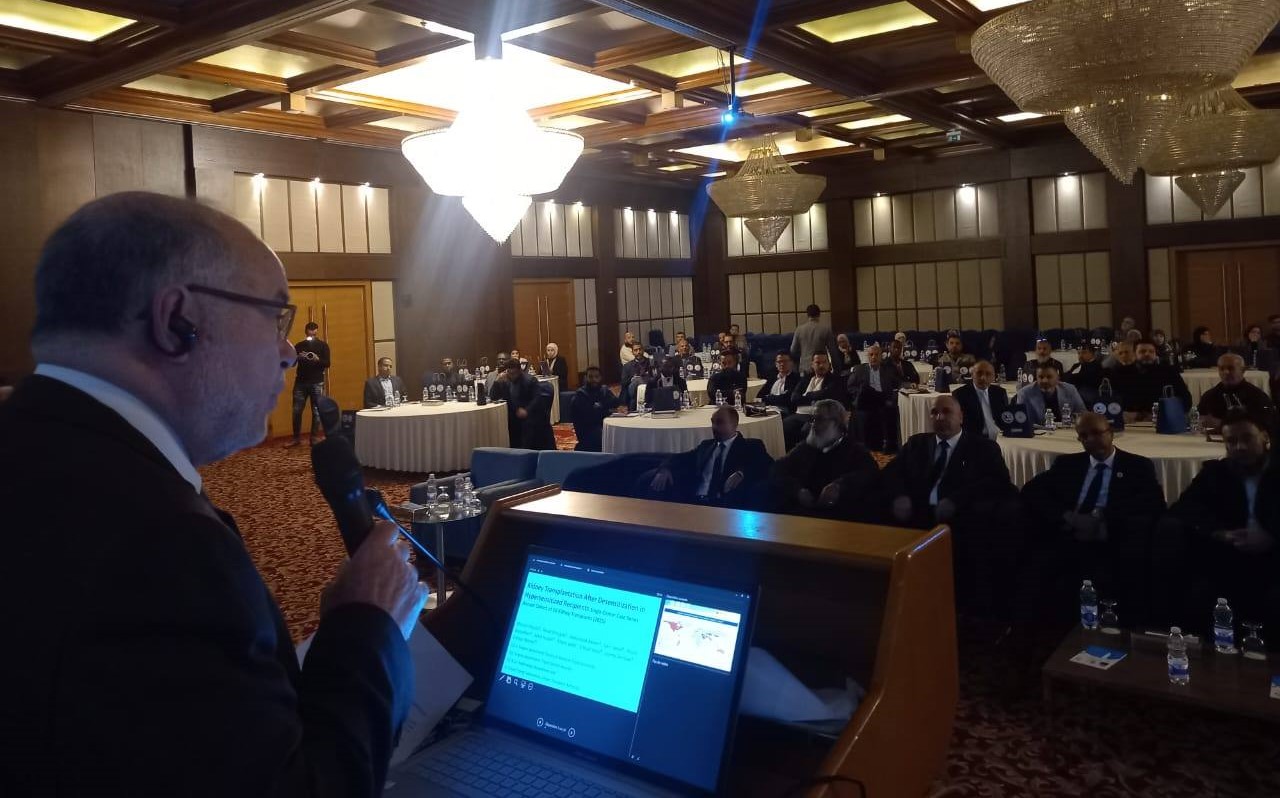



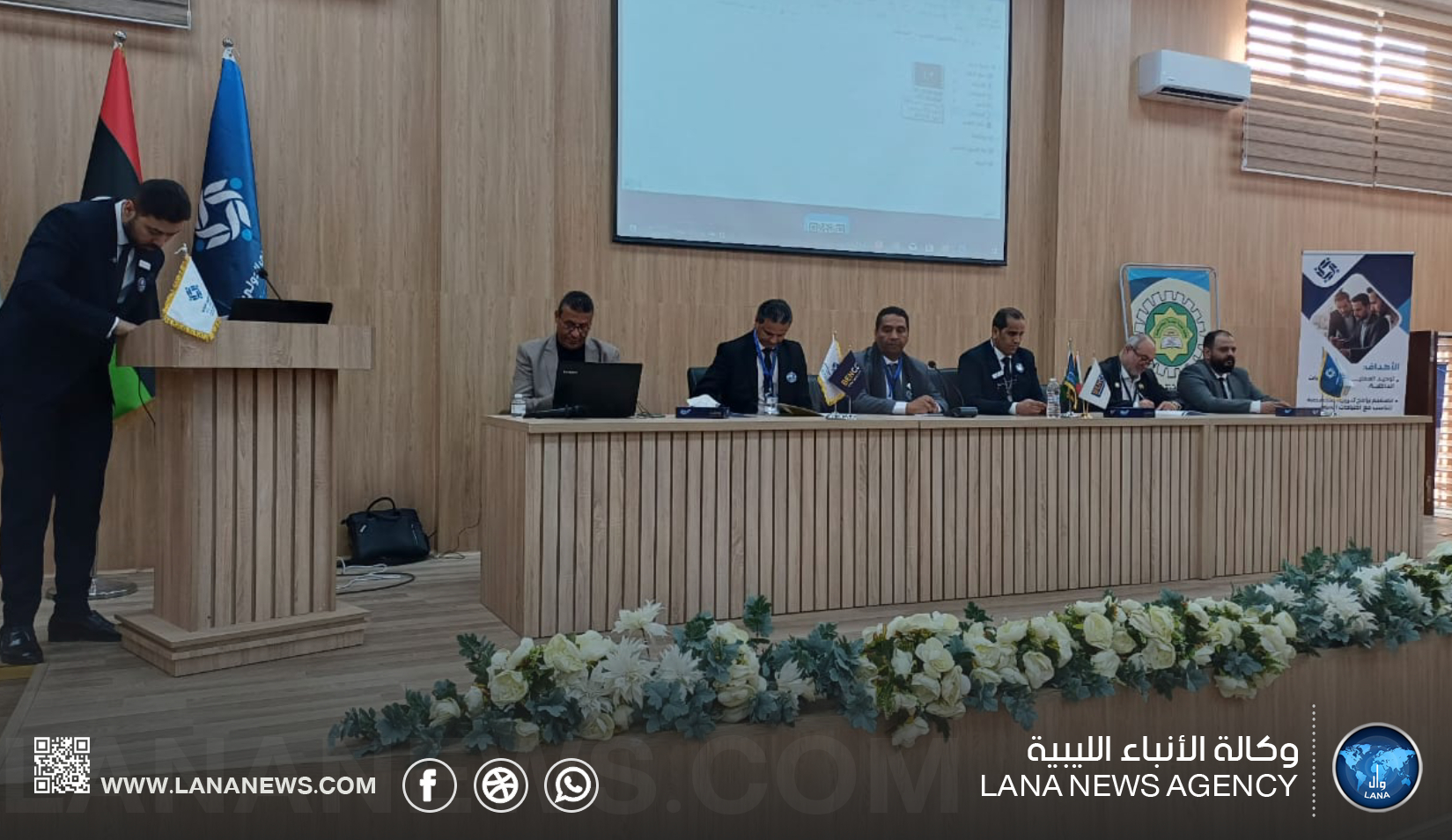
Benghazi, January 28, 2026 – The activities of the Second International Conference on Artificial Intelligence Applications in Training, Teaching, and Scientific Research were launched on Wednesday at the Technical College complex of Benghazi University. Held under the slogan “Artificial Intelligence Between Use and Ethical Responsibility,” the conference features participation from a select group of academics, researchers, and experts from within Libya and abroad.
The conference proceedings will continue until tomorrow, Thursday, accompanied by a robotics exhibition showcasing the latest innovations and practical applications of artificial intelligence.
The organization of this edition in Benghazi follows the first edition held in October 2024 in the Egyptian capital, Cairo, highlighting the importance of expanding interest in AI applications within Libya.
The conference includes scientific sessions and specialized workshops spanning two consecutive days, focusing on the practical applications of AI in the fields of training, teaching, and scientific research, alongside discussions on the ethical and legal aspects associated with the use of these modern technologies.
The goal of organizing this scientific event is to launch the horizons of modern technology in Benghazi, starting from the field of training, through education, and reaching scientific research.
There is a global trend towards increasing reliance on AI technologies across various disciplines, including the humanities. It is important to spread awareness of these technologies within Libyan society and work to promote their responsible use to serve development and build national capacities.
One academic’s participation in the conference addressed the relationship between AI-based adaptive learning and cognitive load, noting that adaptive learning helps organize information and reduce the cognitive burden on students.
Key recommendations include promoting the use of adaptive learning in higher education, designing educational content that aligns with different student levels, and training faculty on how to integrate this type of learning into curricula, with a focus on design aspects that reduce cognitive load, especially in humanities disciplines.
Through its various themes, the conference discusses AI applications in education and learning, its use in training and skills development, its role in scientific research, in addition to ethical and legal dimensions, and education and training in the era of the Fourth Industrial Revolution. This contributes to achieving sustainable development goals and building digital capacities capable of keeping pace with rapid technological transformations.