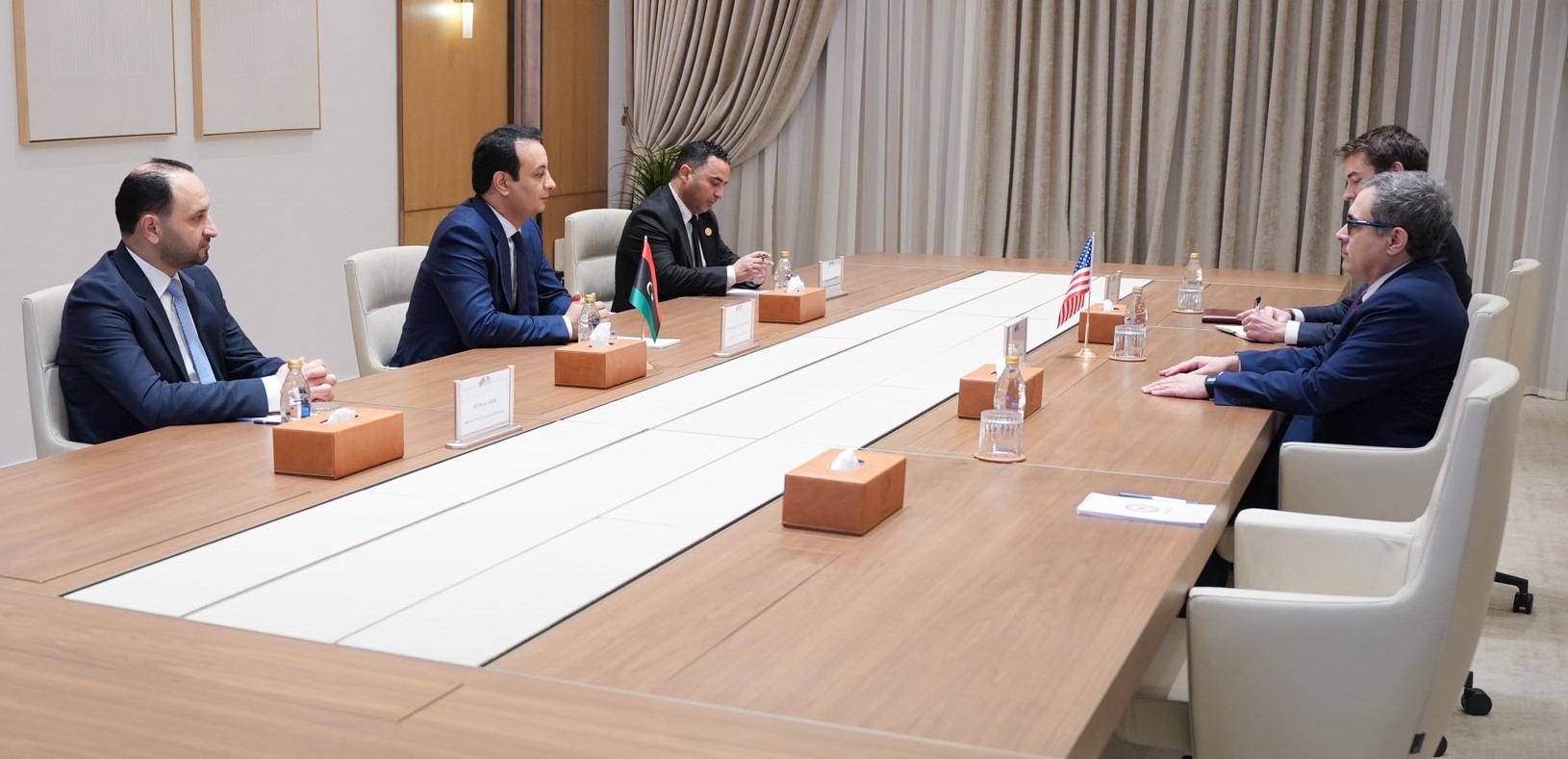
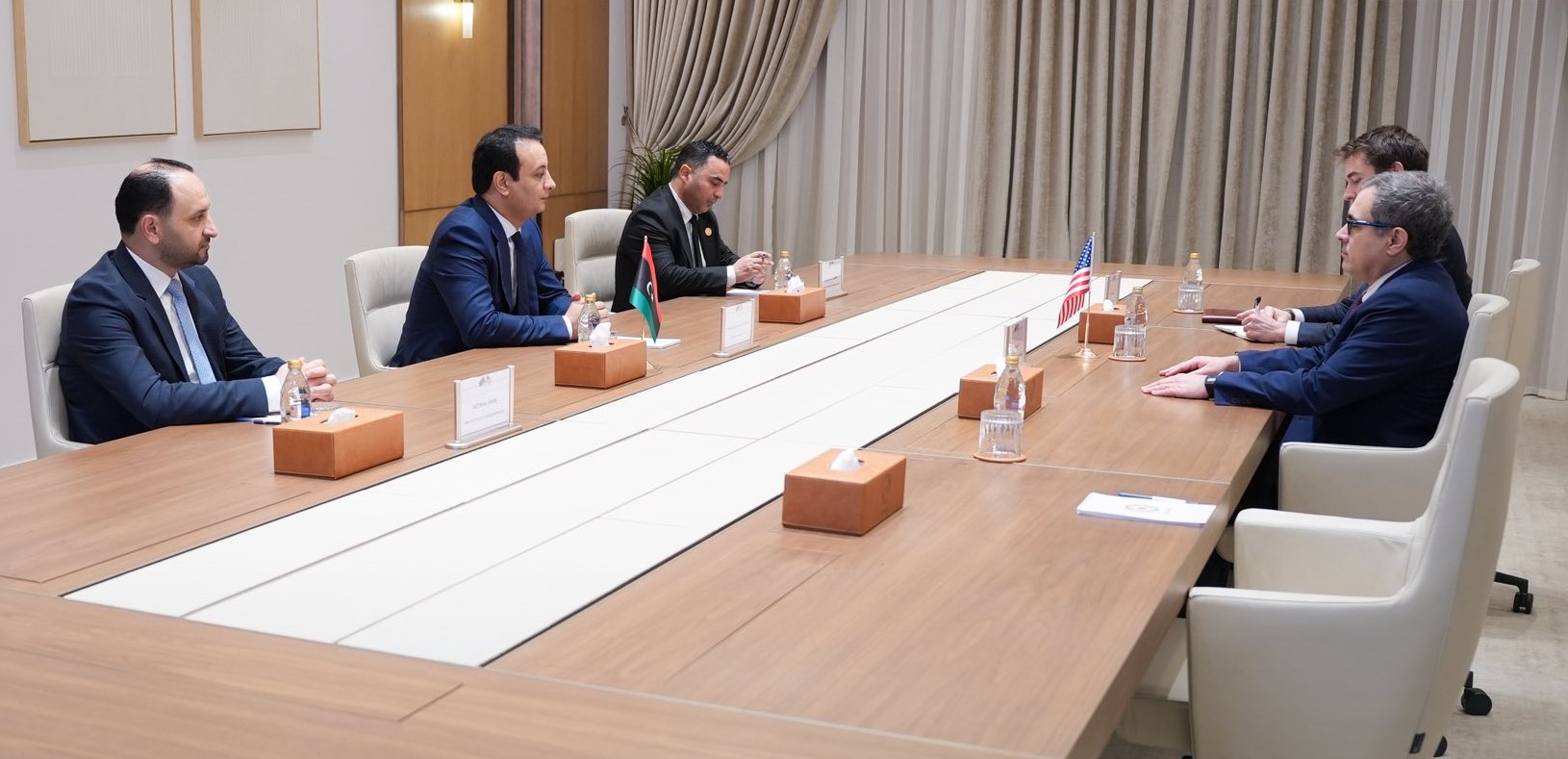
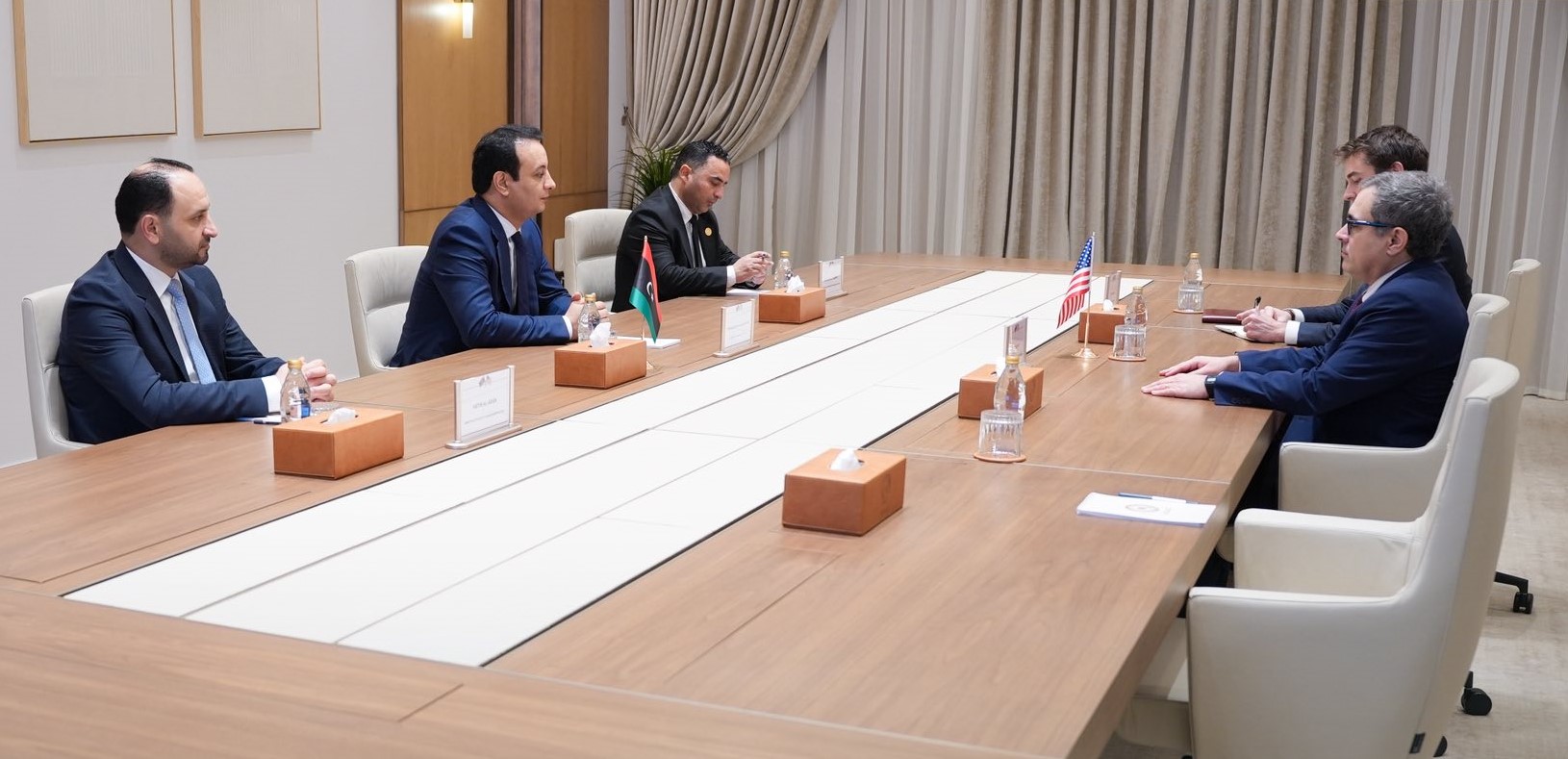
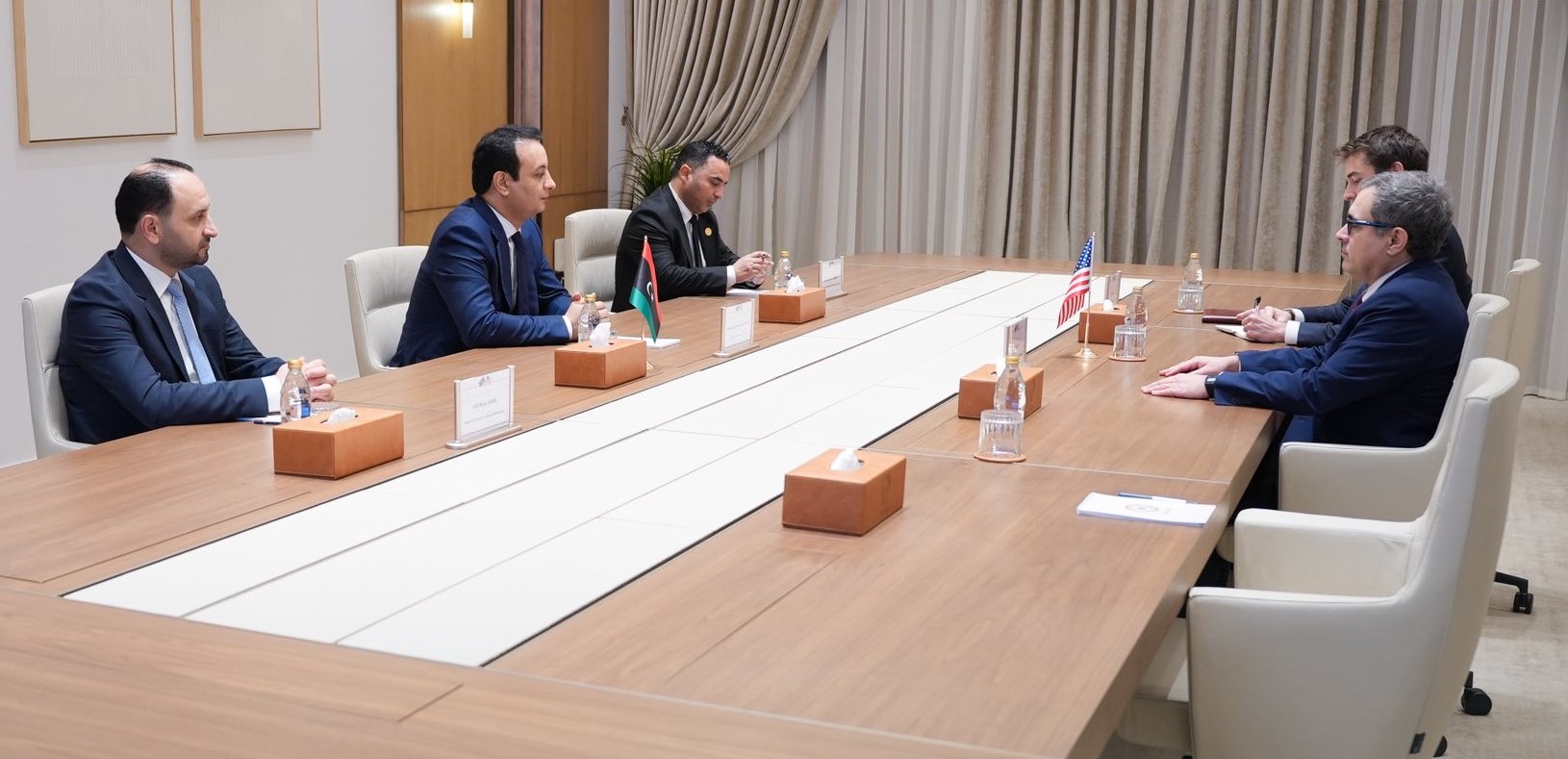
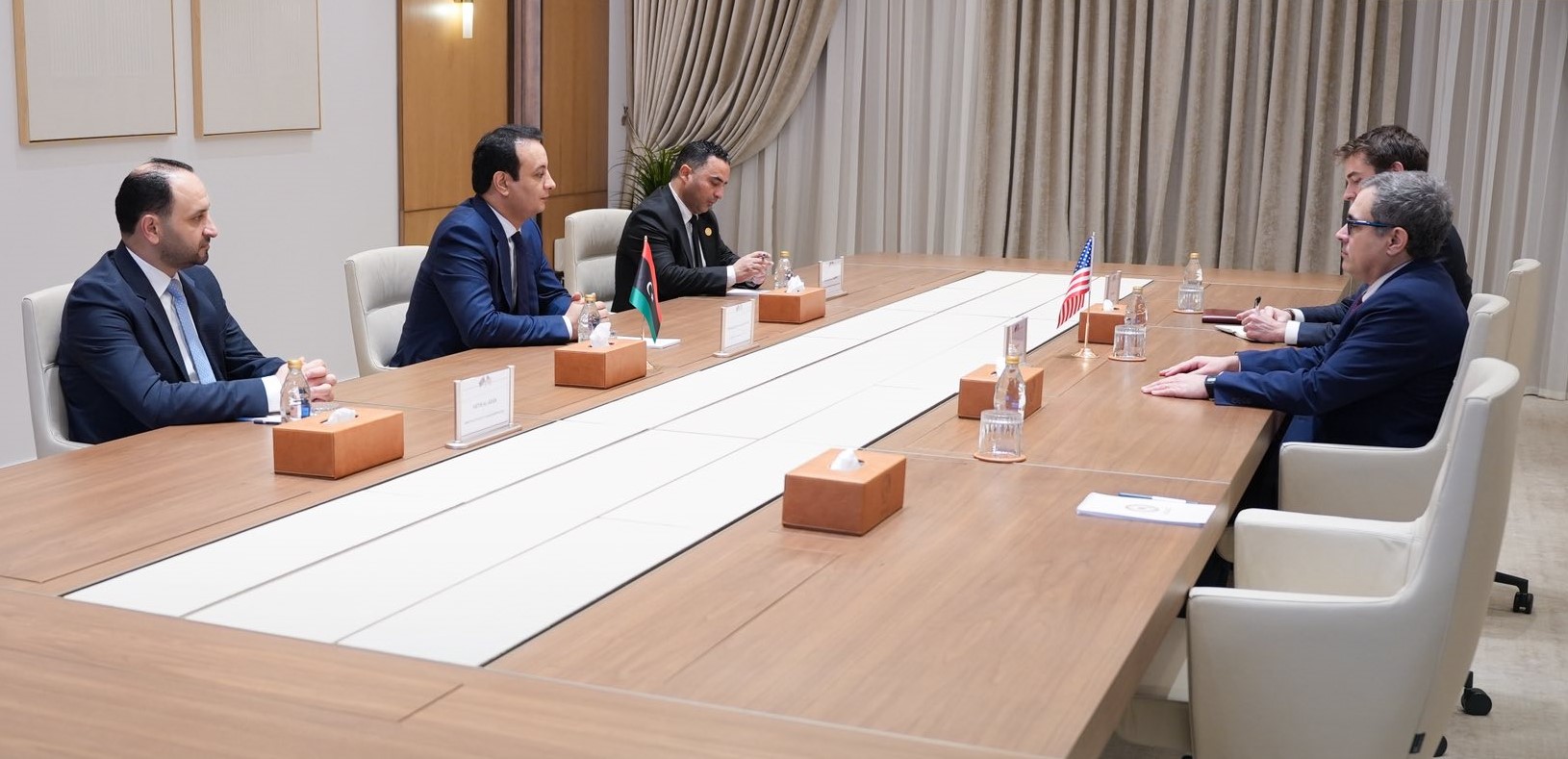
Launch of the first meeting of the research group for the Euro-Maghreb Center for Strategic Research and Studies in Tripoli.
libyawire.org > News > Science > Launch of the first meeting of the research group for the Euro-Maghreb Center for Strategic Research and Studies in Tripoli.
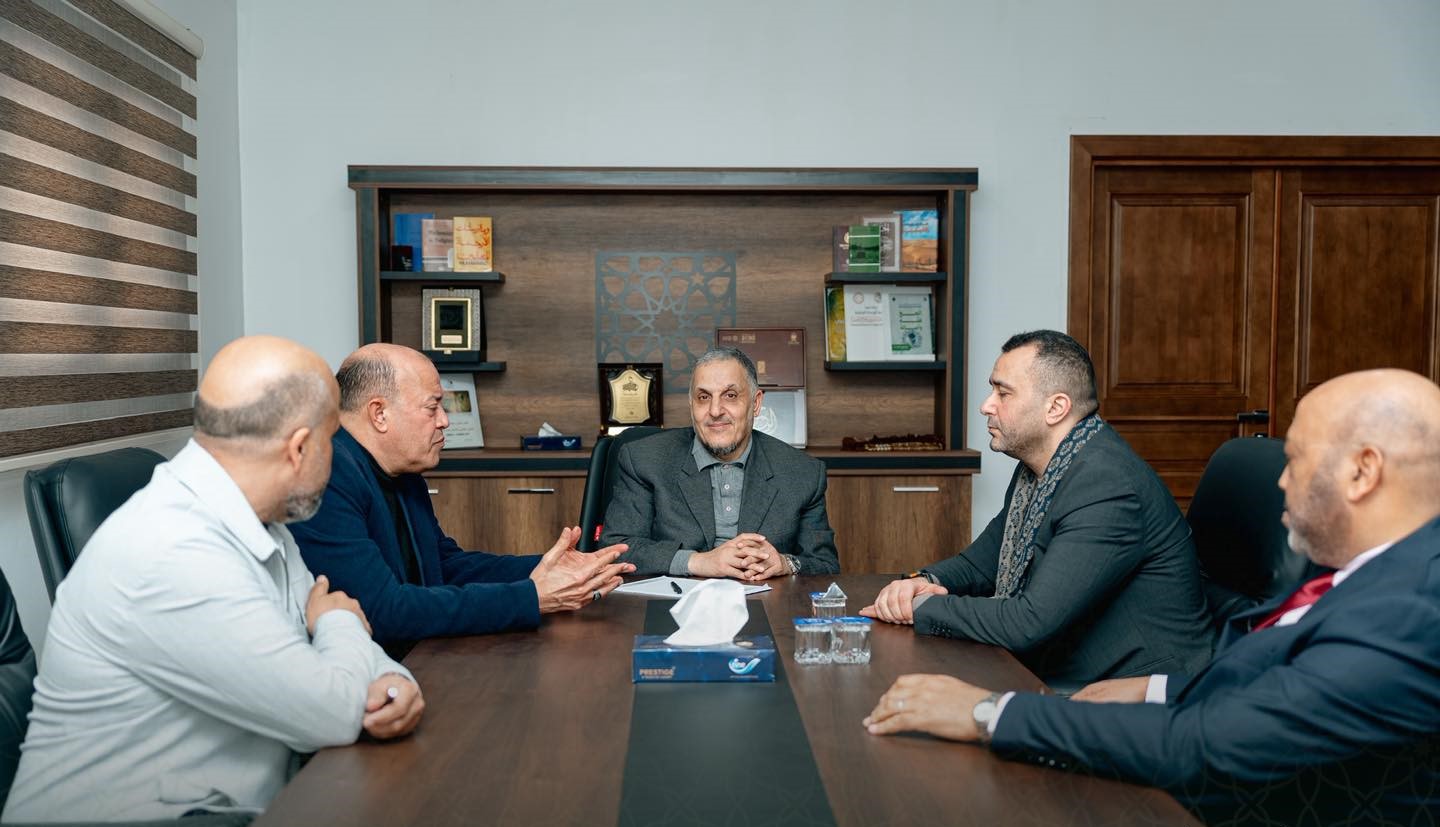
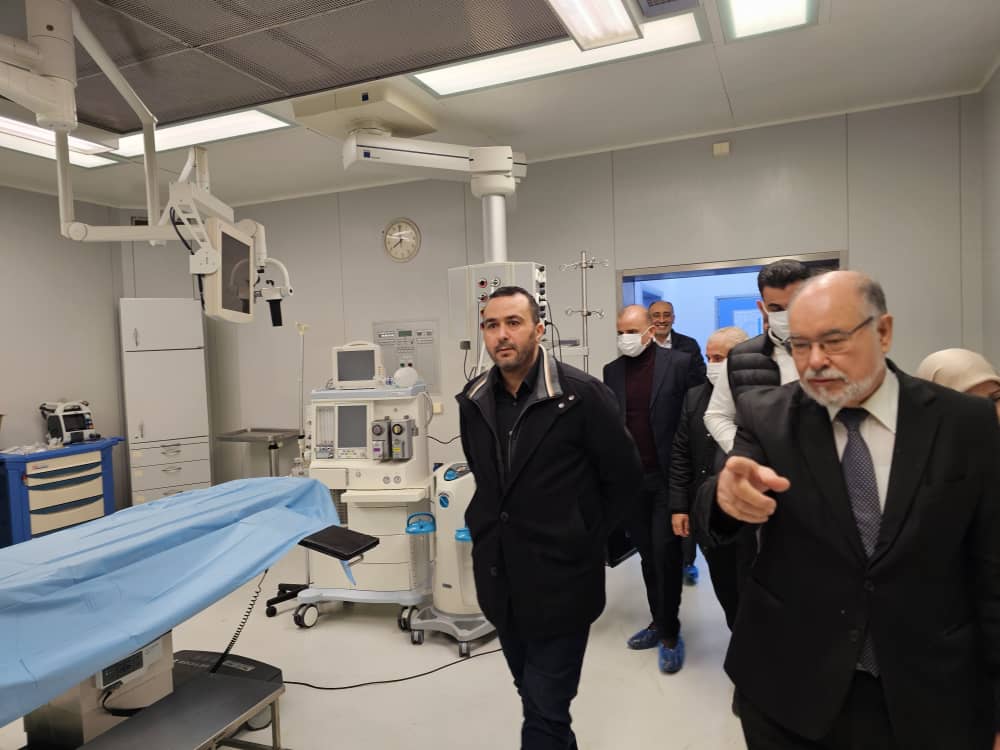
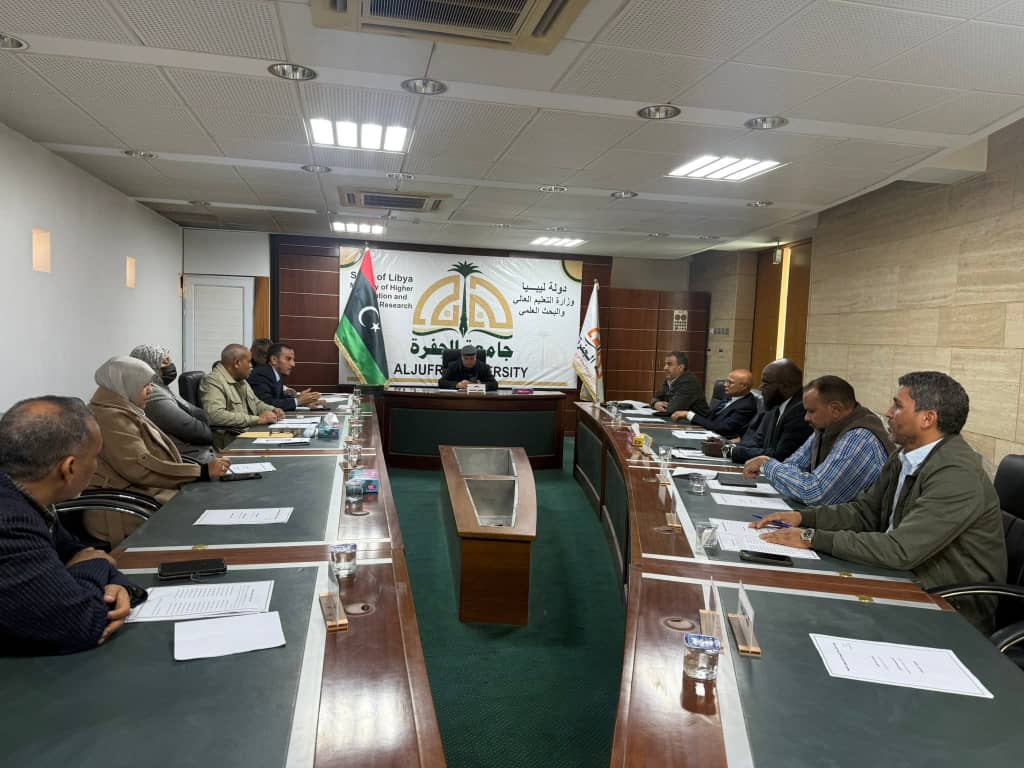
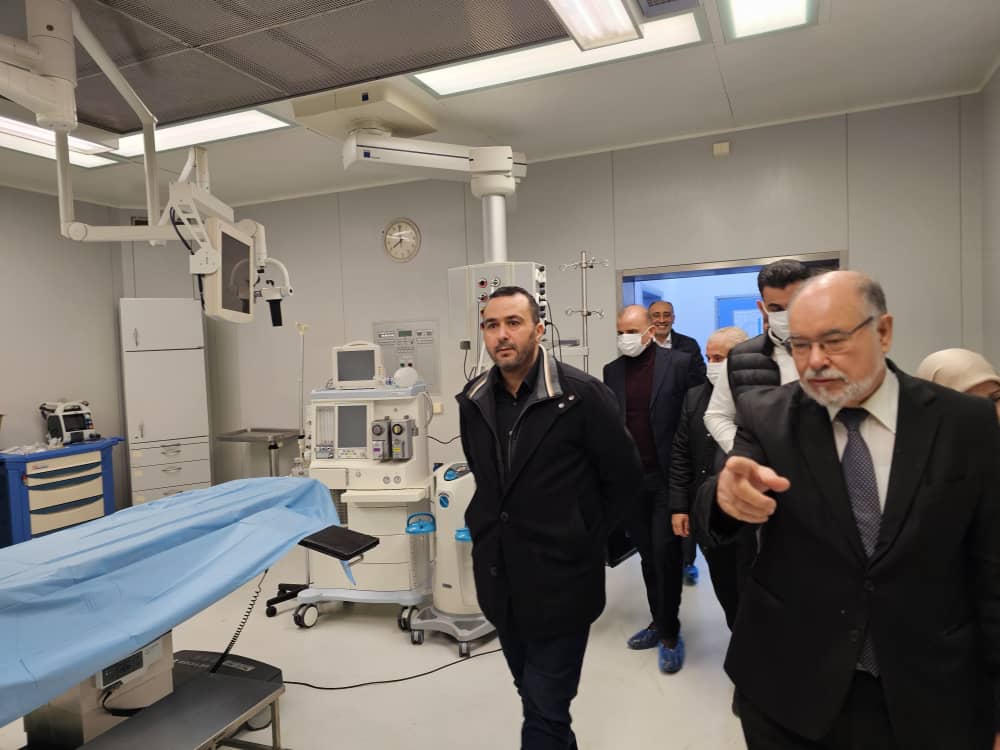
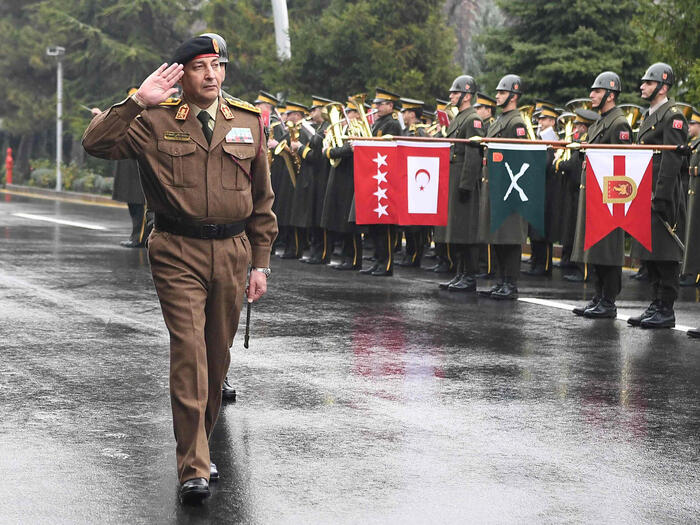
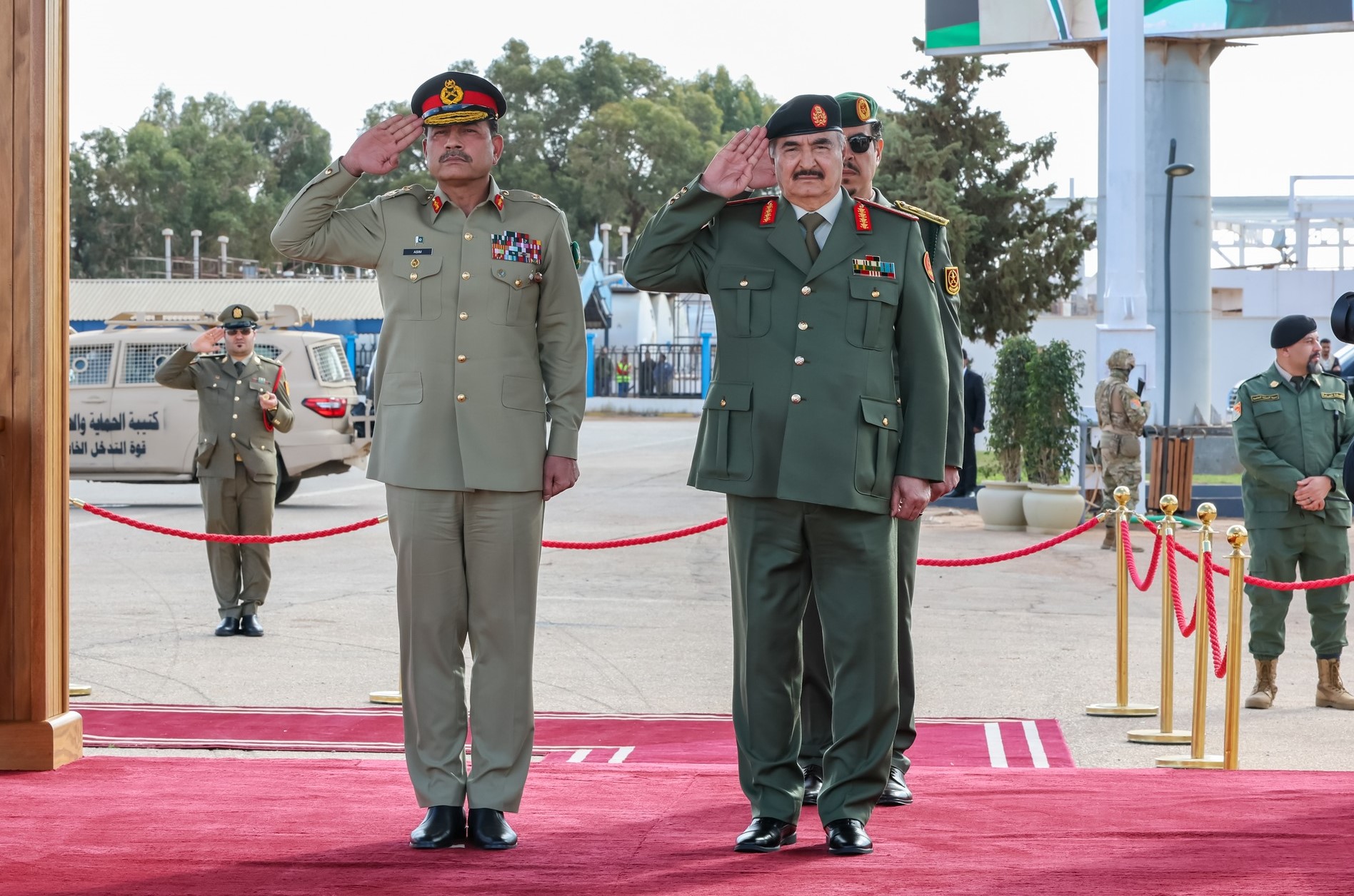
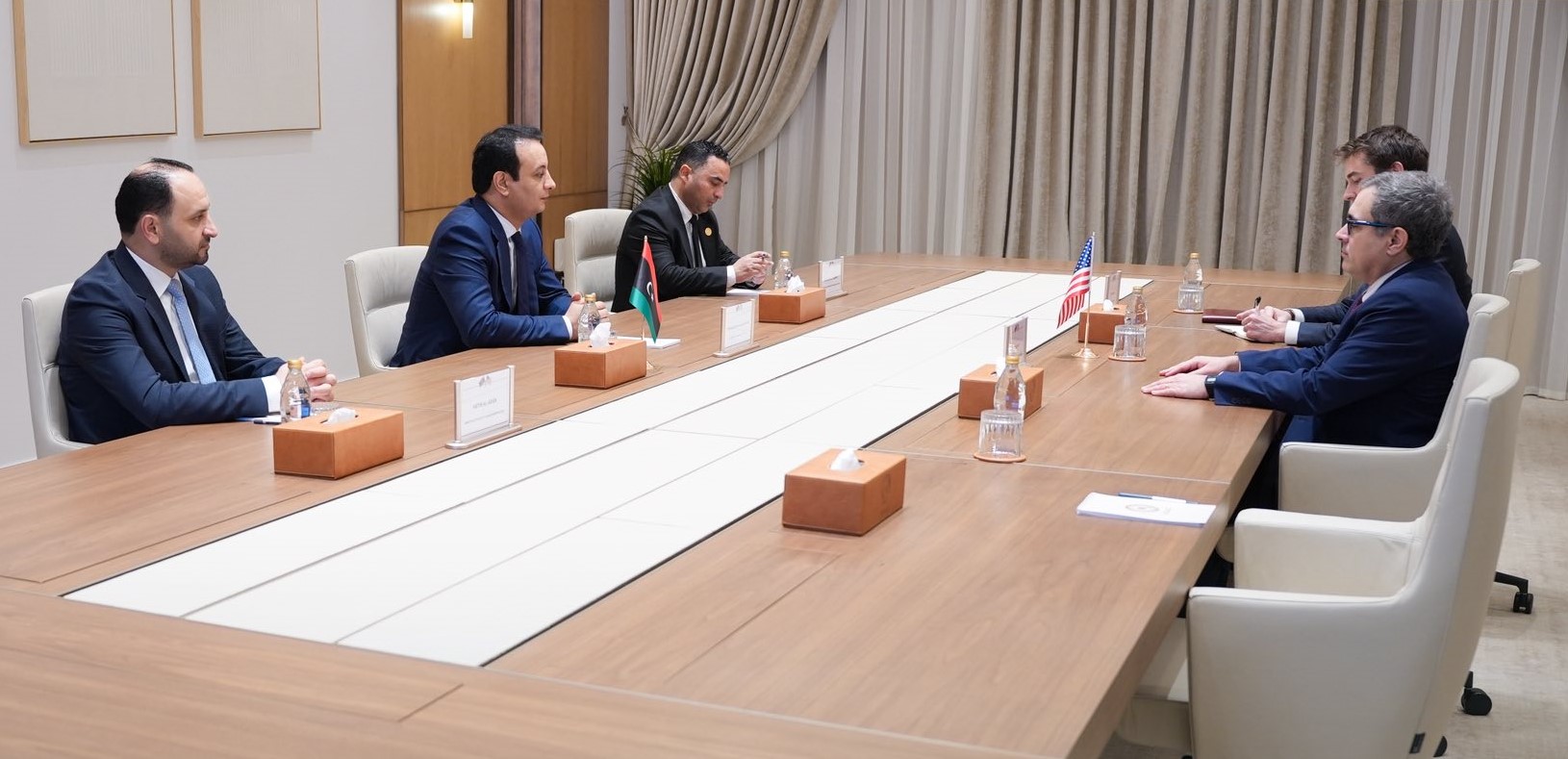
Tripoli, January 28, 2026 – The activities of the first meeting of the research group for the Euro-Maghreb Center for Strategic Research and Studies for managing the 2026 research program at the regional level for the countries of the western Mediterranean’s two shores, supervised by the State of Libya, were launched today, Wednesday, at the headquarters of the Libyan Higher Academy for Strategic Studies. This is within the framework of implementing the programmed research activity among Libyan activities and according to the multilateral work plan for 2026 of the “5+5 Defense” initiative.
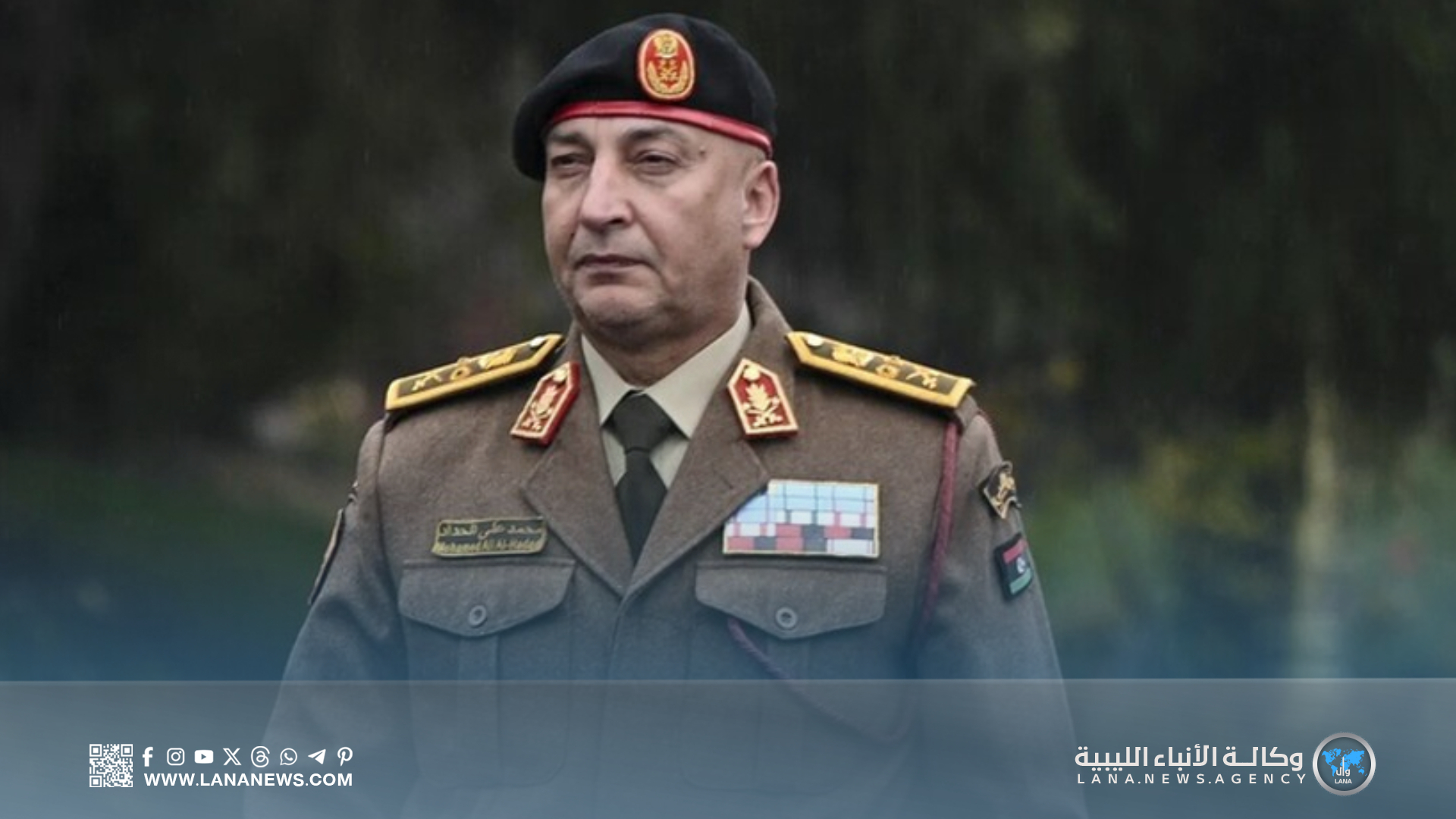
The meeting was attended by the Secretary-General of the General Staff of the Libyan Army, the President of the Libyan Higher Academy for Strategic Studies, the Director of the National Defense College, the Director of the Libya Center for Strategic Studies and Research, with the participation of the Secretary-General of the Euro-Maghreb Center for Strategic Research and Studies, and representatives from the Ministry of Defense, along with the group of researchers representing the countries of the 5+5 Defense initiative: Algeria, France, Italy, Libya, Mauritania, Morocco, Portugal, Spain, and Tunisia.
The meeting’s work program, held under the title “Artificial Intelligence and Its Impact on the ‘5+5 Defense’ Space – Threats and New Prospects,” included an intervention by the Secretary-General of the Euro-Maghreb Center for Strategic Research and Studies, a presentation on artificial intelligence, and agreement on the main chapters and sub-chapters of the research topic, the division of roles and responsibilities, and the timeline for completing the research stages.
Tripoli
Tripoli is the capital and largest city of Libya, with a history dating back to the 7th century BC when it was founded by the Phoenicians. It later became a significant part of the Roman Empire, the Ottoman Empire, and an Italian colony, which is reflected in its diverse architecture in the old medina. The city remains a major Mediterranean port and the political and economic center of modern Libya.
Euro-Maghreb Center for Strategic Research and Studies
The Euro-Maghreb Center for Strategic Research and Studies is a think tank focused on analyzing political, economic, and security relations between Europe and the Maghreb region of North Africa. It was established to foster dialogue and provide policy-relevant research on cross-Mediterranean affairs, reflecting the intertwined history and contemporary strategic interests of these neighboring areas.
Libyan Higher Academy for Strategic Studies
The Libyan Higher Academy for Strategic Studies is a government-affiliated research institution in Tripoli, established to provide strategic analysis and policy recommendations on national security and development. Its history is tied to post-Gaddafi Libya, where it was founded to support state-building and strategic planning for the new government.
National Defense College
The National Defense College is a premier military institution typically responsible for educating senior officers and civilian officials in national security and strategic leadership. Its history often dates to the mid-20th century, established to prepare leaders for high-level defense and policy roles following major conflicts like World War II. The curriculum focuses on advanced studies in defense management, international relations, and grand strategy.
Libya Center for Strategic Studies and Research
The Libya Center for Strategic Studies and Research is a think tank established to provide analysis and policy recommendations on national and regional issues. It was founded to contribute to strategic planning and decision-making processes within Libya, often focusing on security, economic, and political developments following significant changes in the country’s modern history.
Ministry of Defense
The Ministry of Defense is the government department responsible for the nation’s military and defense policy. Its history is typically tied to the formation of the modern state, often evolving from earlier departments like a “War Office” or “Admiralty” to unify the armed forces under a single civilian-led administration. The specific headquarters building often holds historical significance, reflecting periods of national military history and strategic planning.
Algeria
Algeria is a North African country with a rich history shaped by ancient Berber kingdoms, Roman rule, and centuries of Ottoman influence. It gained independence from France in 1962 after a prolonged and brutal war of liberation. Its cultural heritage is reflected in diverse sites like the Roman ruins of Timgad and the historic Casbah of Algiers, a UNESCO World Heritage site.
France
France is a Western European country with a rich history dating back to ancient Gaul and the Roman Empire, later evolving into a powerful monarchy and a center of the Enlightenment. It is globally renowned for its cultural influence in art, cuisine, and philosophy, and is home to iconic landmarks like the Eiffel Tower and the Palace of Versailles. The modern French Republic was founded following the French Revolution of 1789, which established enduring principles of liberty, equality, and fraternity.
Italy
Italy is a country in Southern Europe with a rich cultural history that dates back to the ancient Roman Empire, which was a foundational civilization for Western law, government, and engineering. It later became the epicenter of the Renaissance, producing unparalleled contributions to art, science, and architecture. Today, it is renowned for its historic cities, artistic masterpieces, and globally influential cuisine.
Libya
Libya is a North African country with a rich history that includes ancient Phoenician and Greek settlements, most notably at Cyrene, and later Roman rule. It was part of the Ottoman Empire before Italian colonization in the early 20th century, gaining independence as a kingdom in 1951 and later becoming a republic under Muammar Gaddafi from 1969 until the 2011 revolution. The country is home to five UNESCO World Heritage Sites, including the extensive Roman ruins of Leptis Magna.
Mauritania
Mauritania is a country in Northwest Africa, with a history shaped by ancient Berber kingdoms and later Arab-Islamic influence, becoming an independent nation from France in 1960. Its significant cultural sites include the ancient trading centers of Chinguetti and Ouadane, UNESCO-listed ksour (fortified villages) that were pivotal hubs for trans-Saharan caravans and Islamic scholarship.
Morocco
Morocco is a North African country with a rich history shaped by indigenous Amazigh (Berber) cultures, Arab influence from the 7th century, and successive dynasties like the Almoravids and Almohads. Its cultural sites, such as the ancient city of Fez and the Koutoubia Mosque in Marrakech, reflect this blend of Arab, Islamic, and Amazigh heritage. The country is also known for its well-preserved medieval medinas and historic kasbahs.
Portugal
Portugal is a country in southwestern Europe on the Iberian Peninsula, with a rich history as a global maritime power during the Age of Discoveries in the 15th and 16th centuries. Its cultural sites reflect this legacy, including the iconic Belém Tower and Jerónimos Monastery in Lisbon, both UNESCO World Heritage sites built in the Manueline style to commemorate Vasco da Gama’s voyages.
Spain
Spain is a country in southwestern Europe with a rich and diverse cultural history shaped by Roman, Moorish, and Christian influences. Its historical sites include the Alhambra palace from the Islamic period and the Sagrada Família basilica, a masterpiece of modernist architecture. The nation’s identity is also deeply connected to traditions like flamenco and its historical role as a major global empire during the 16th and 17th centuries.
Tunisia
Tunisia is a North African country with a rich history shaped by ancient civilizations, including the Phoenician city of Carthage, Roman rule, and later Arab-Islamic influence. Its cultural sites, such as the well-preserved Roman amphitheater at El Jem and the historic medina of Tunis, reflect this diverse heritage. Today, it is known as the birthplace of the Arab Spring and for its Mediterranean coastline and Saharan landscapes.