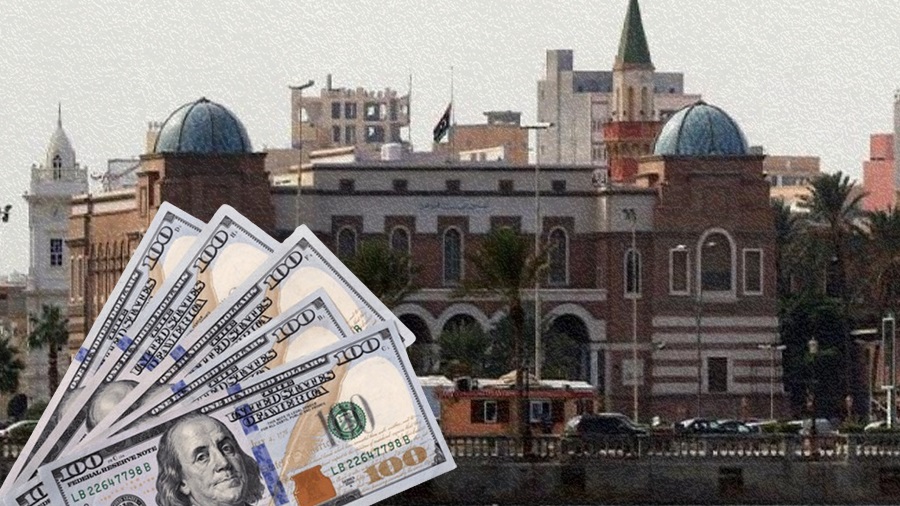
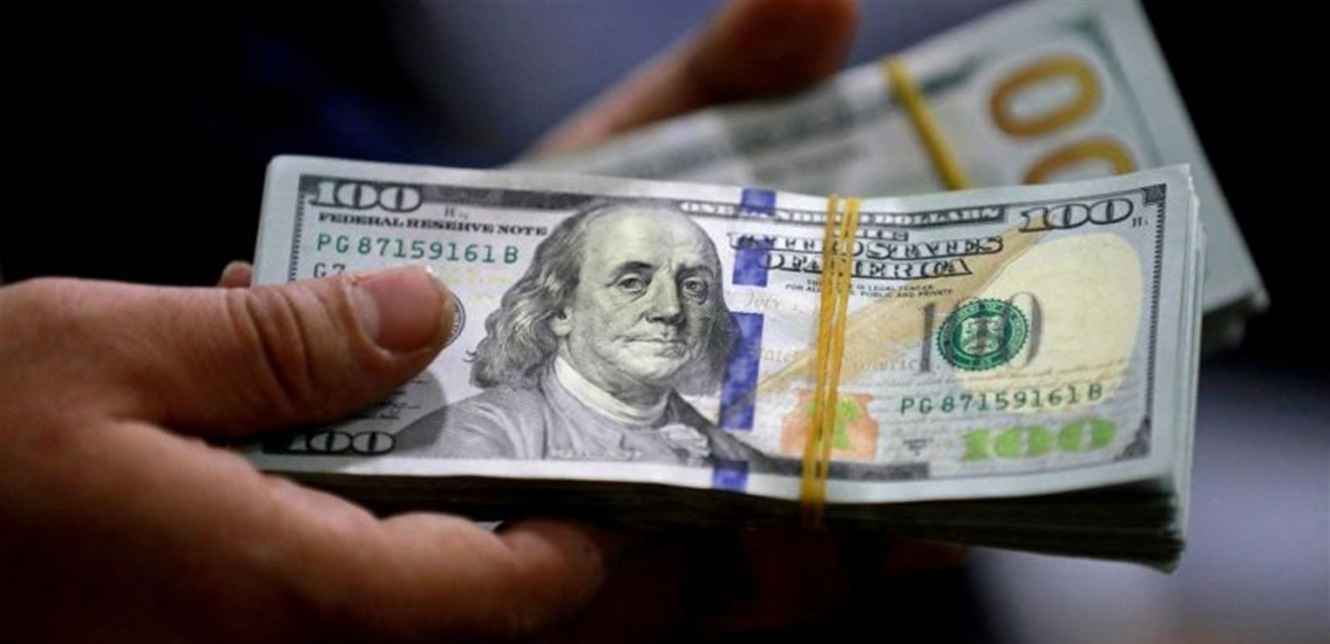
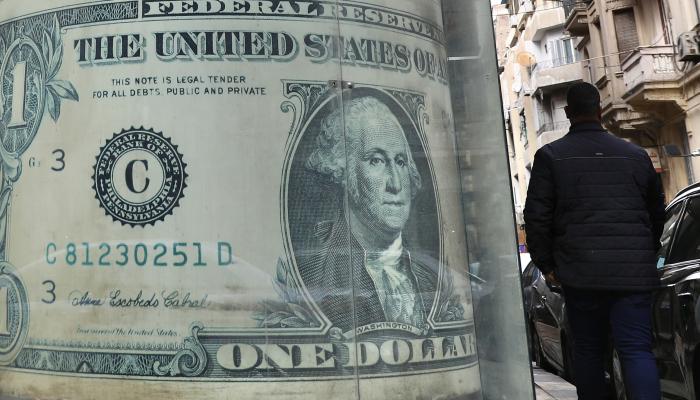
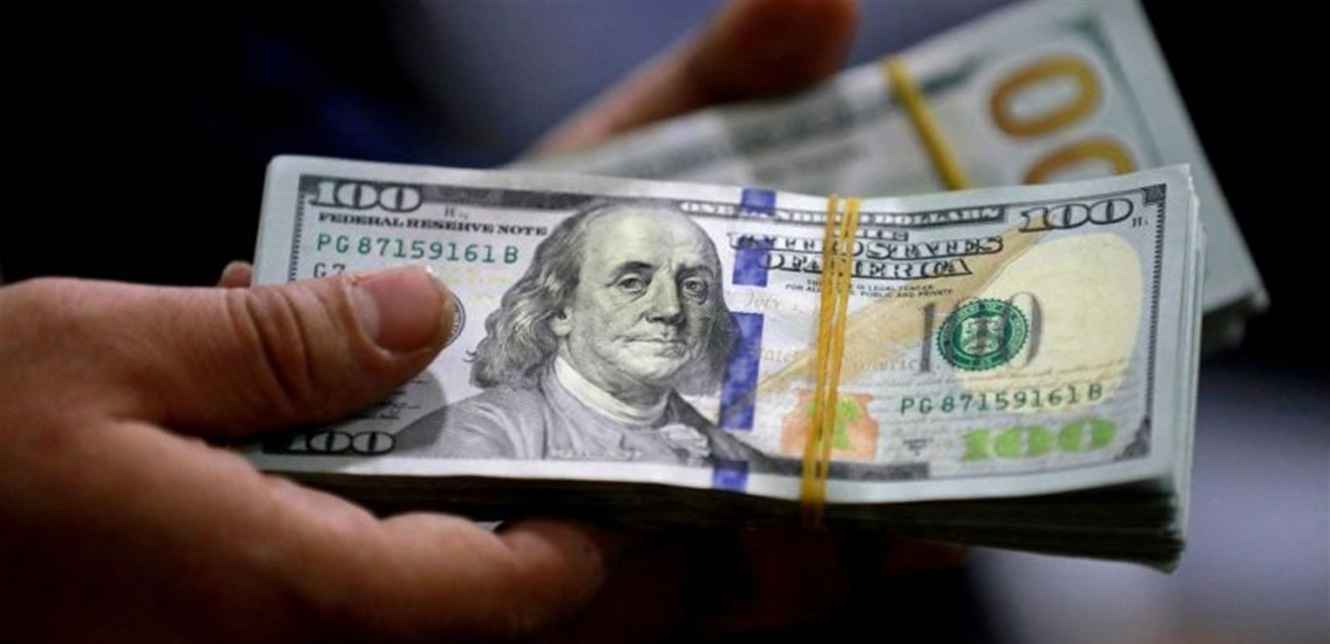
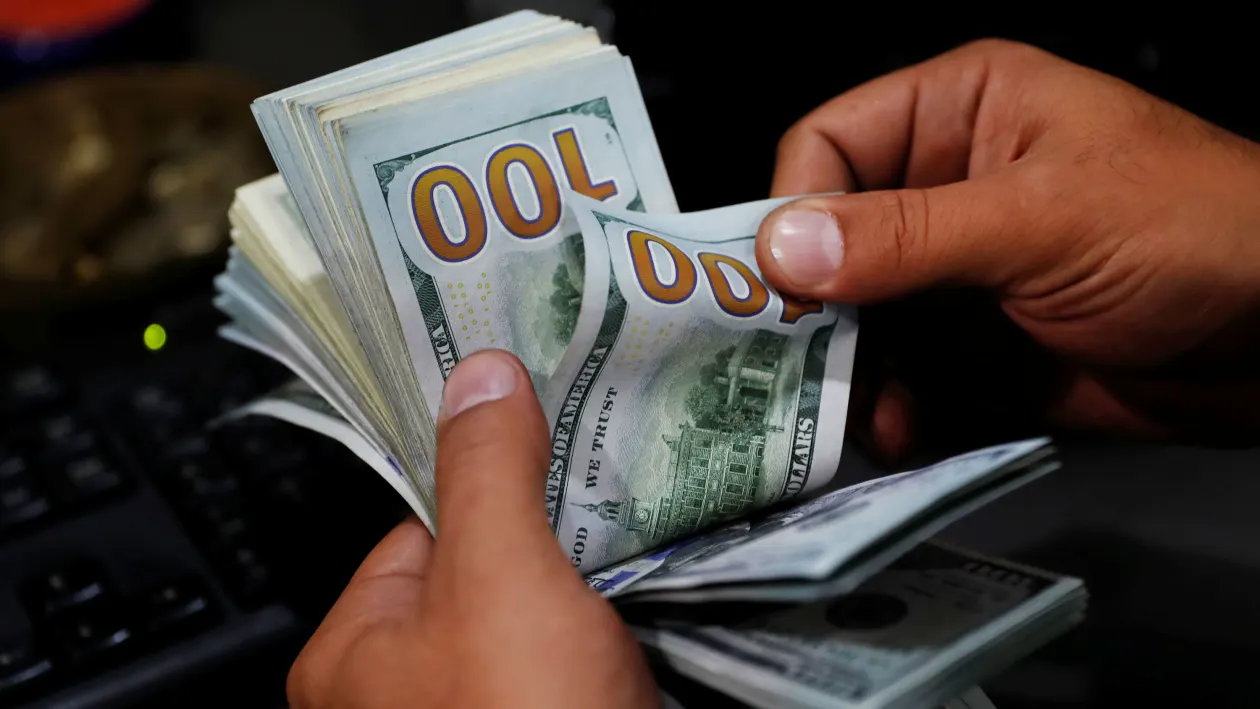
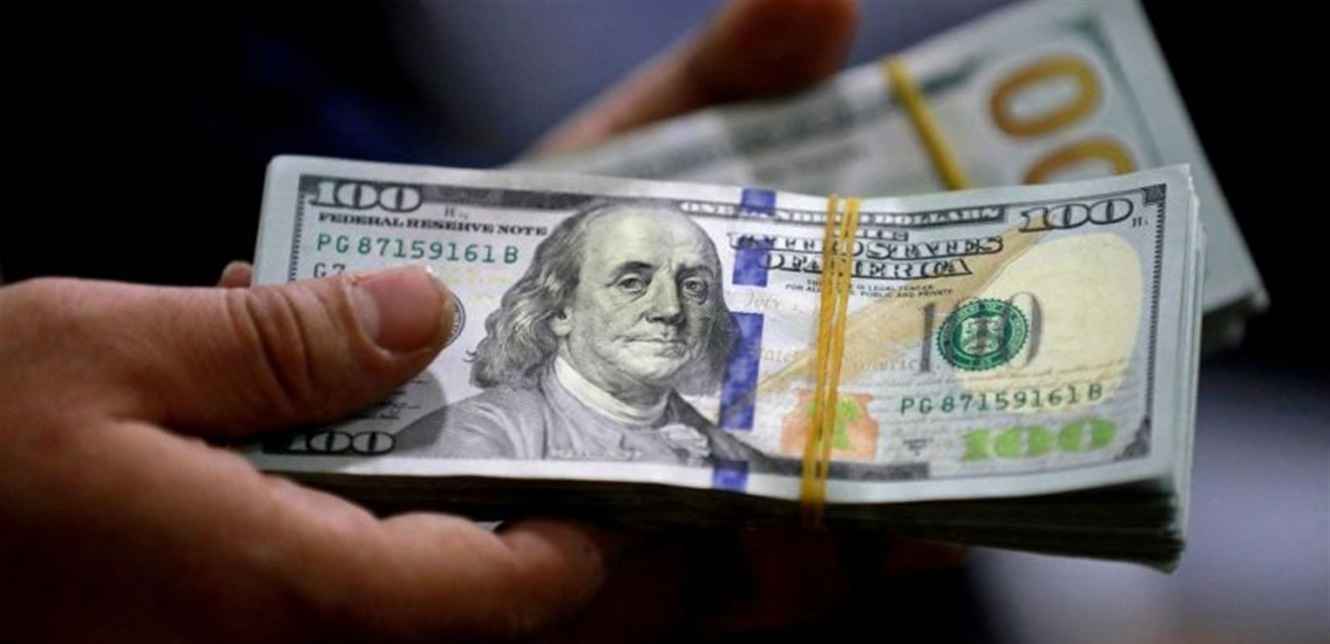
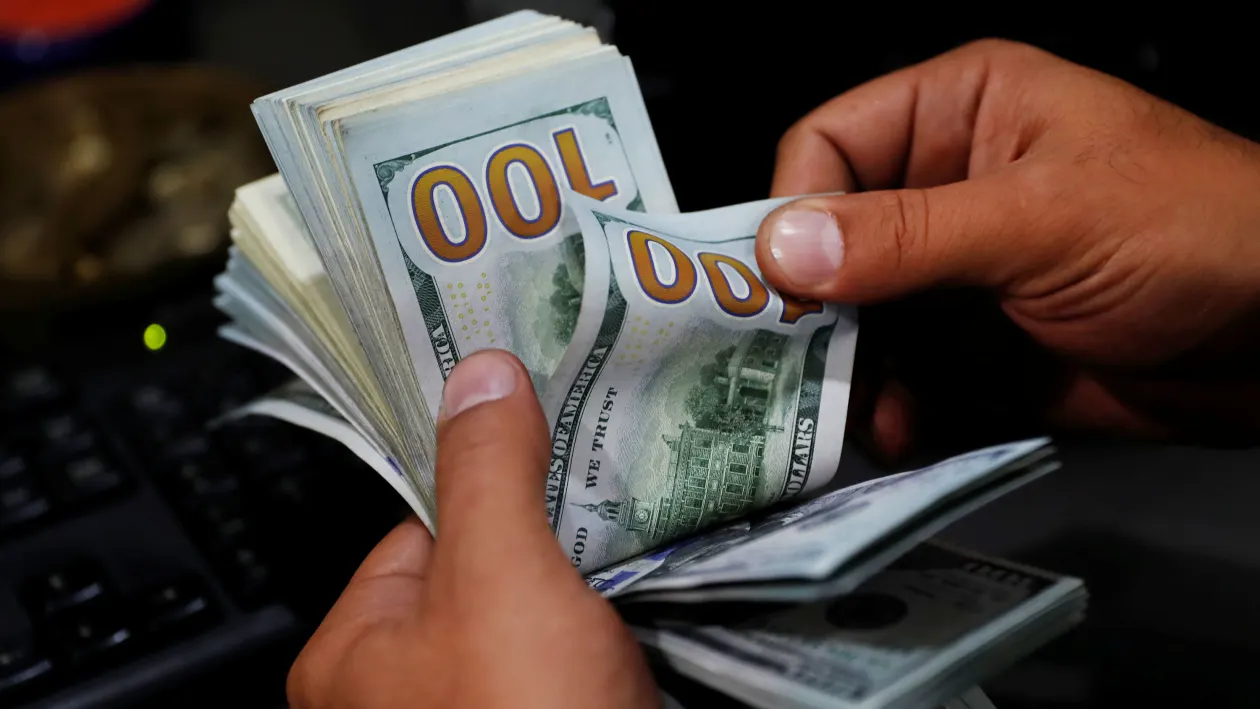
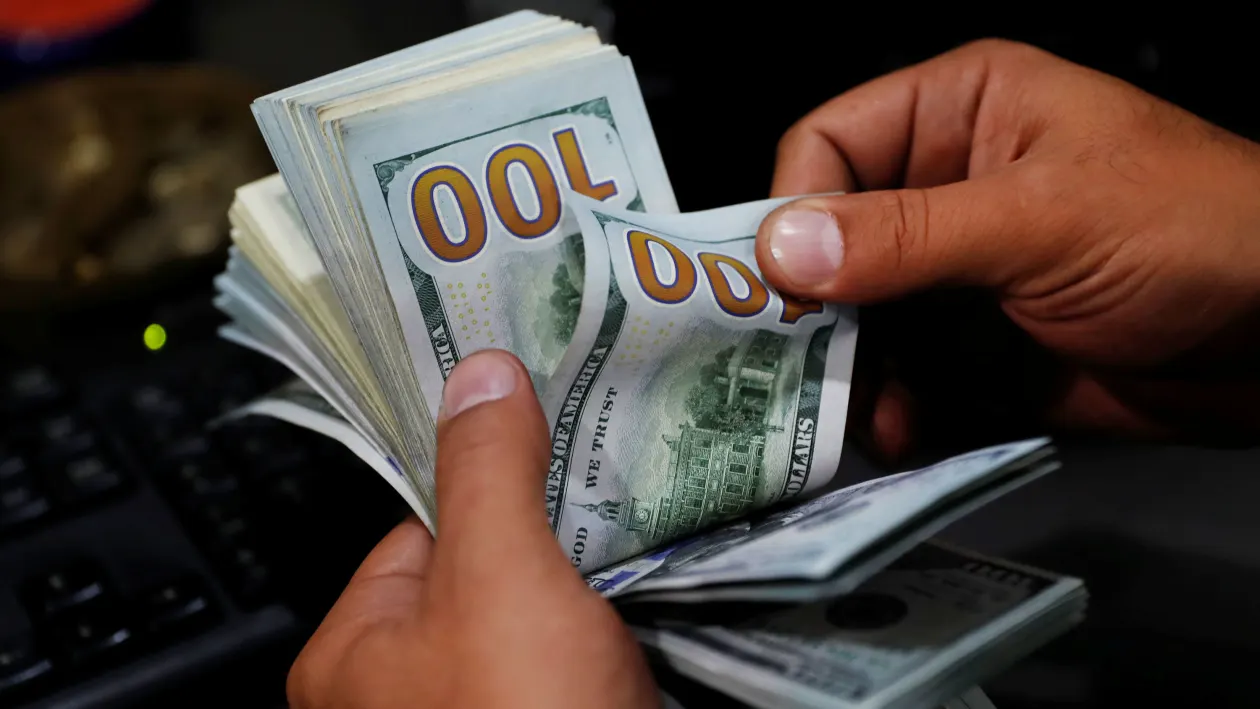
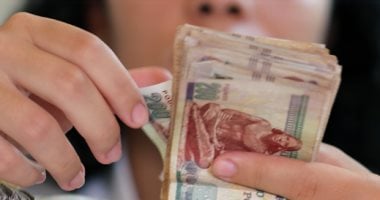
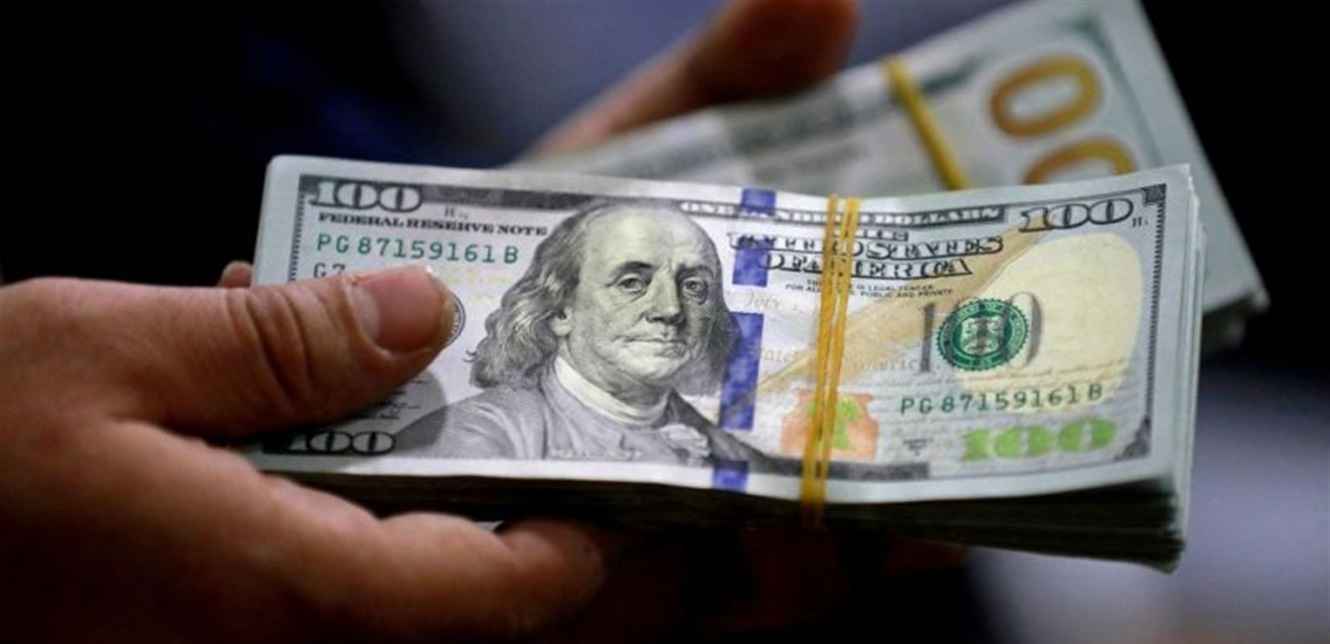
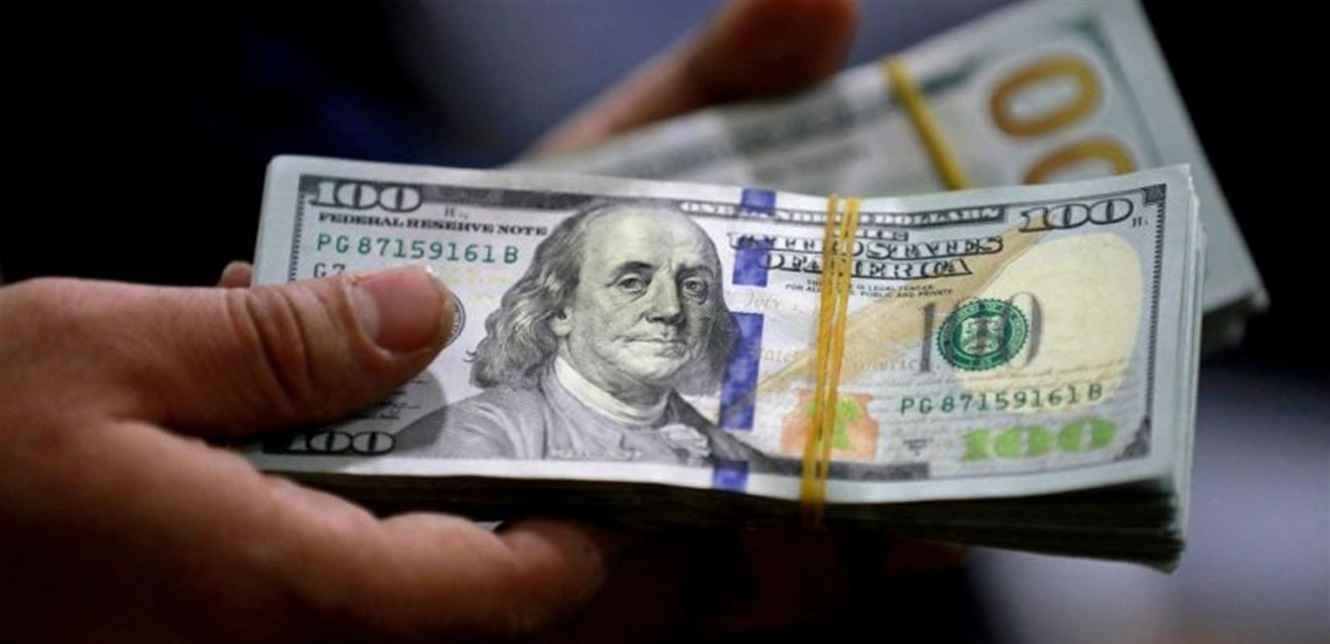
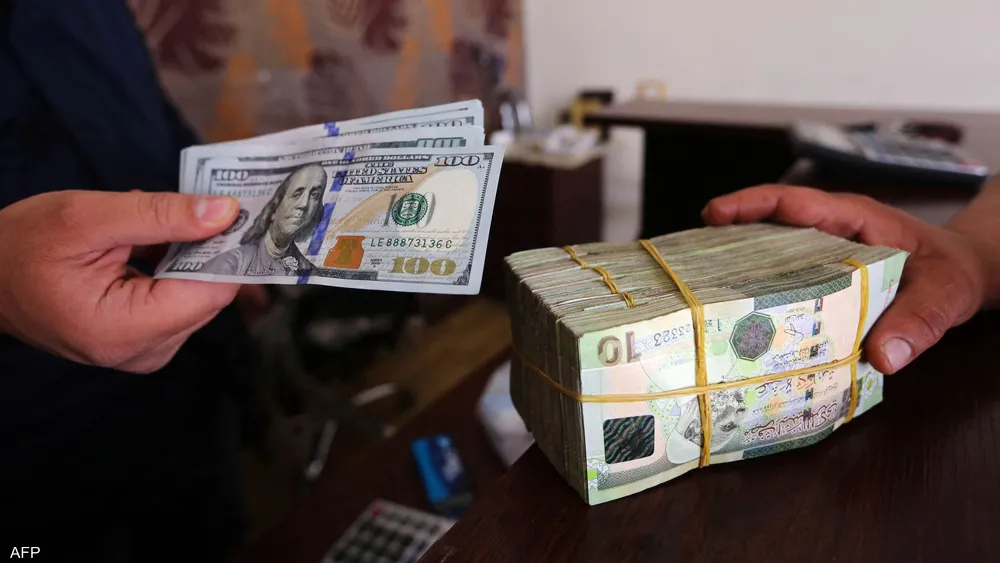
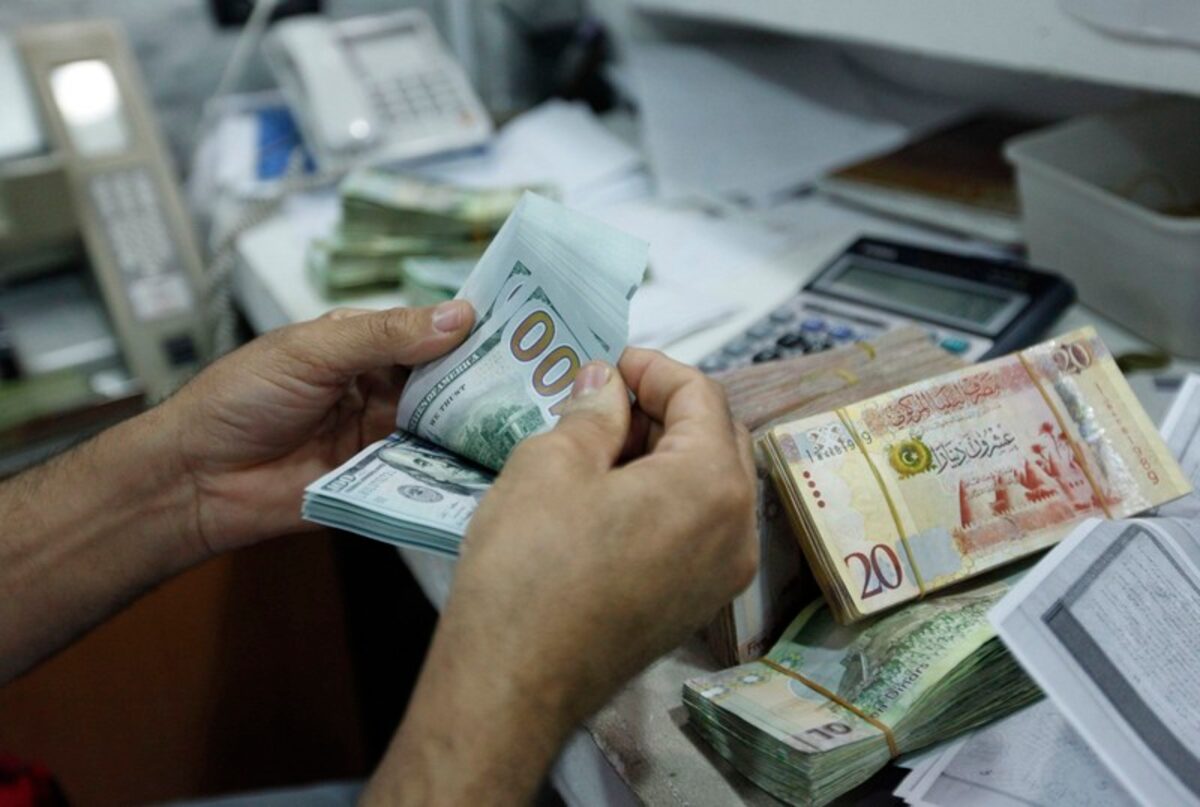
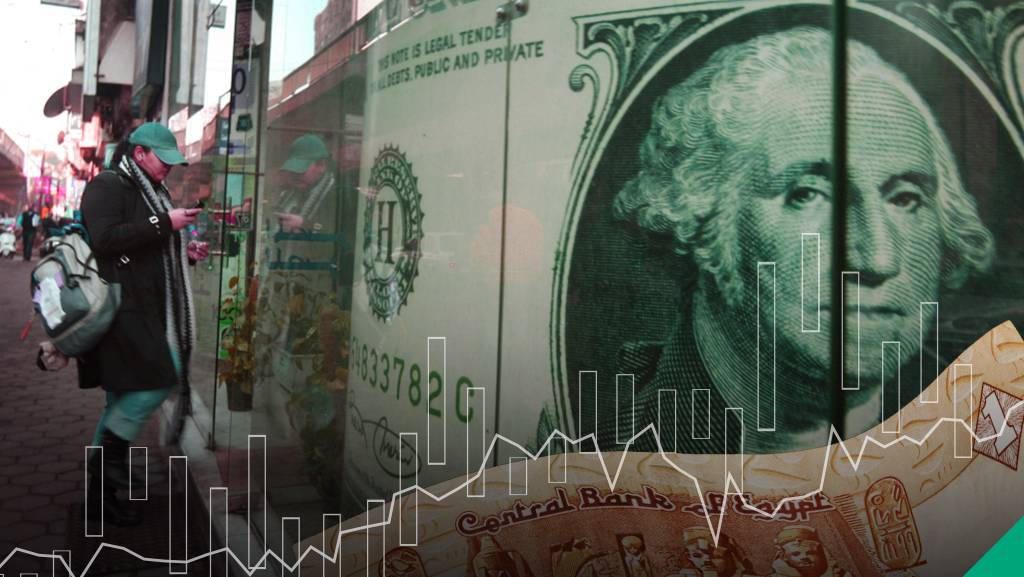
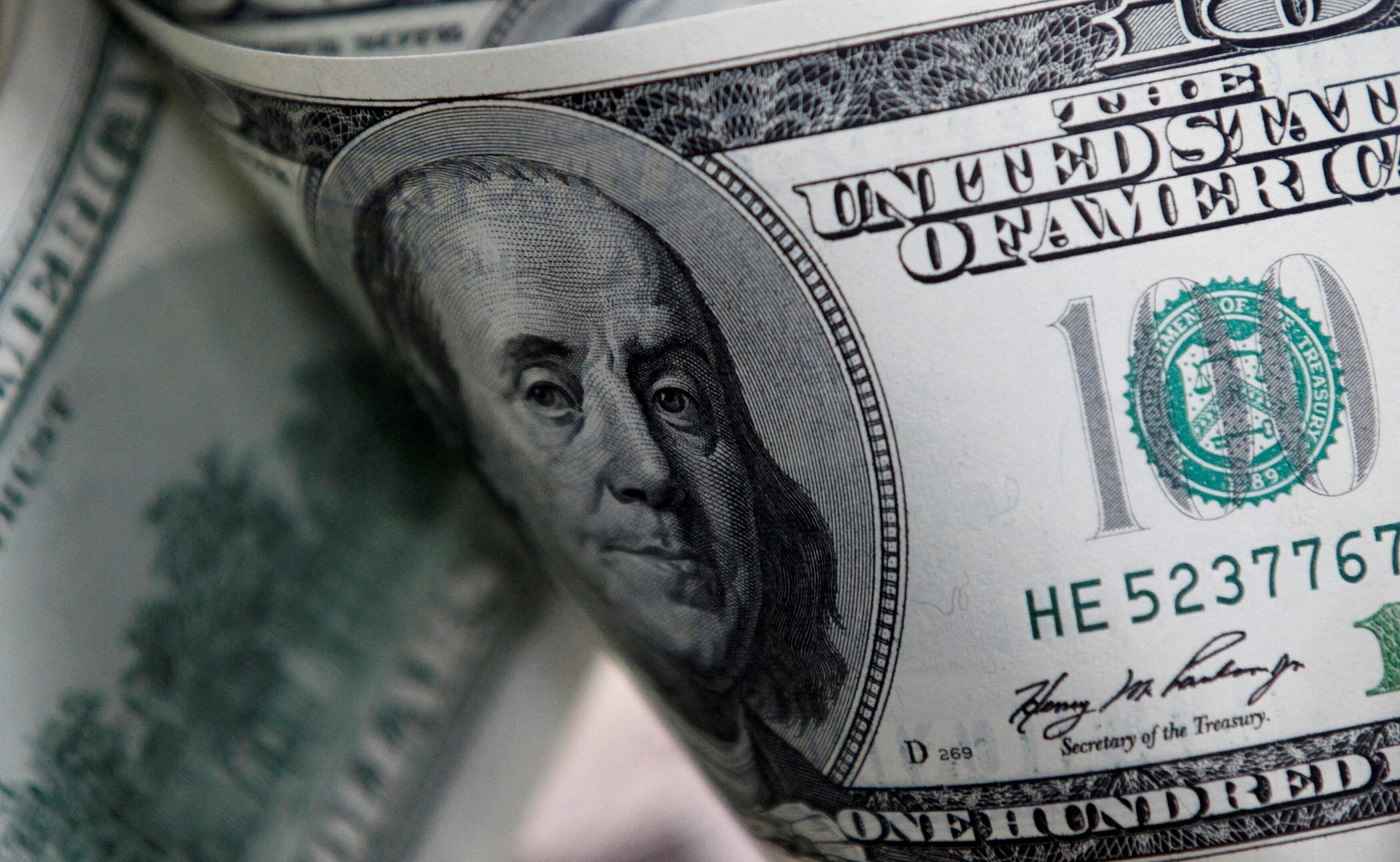
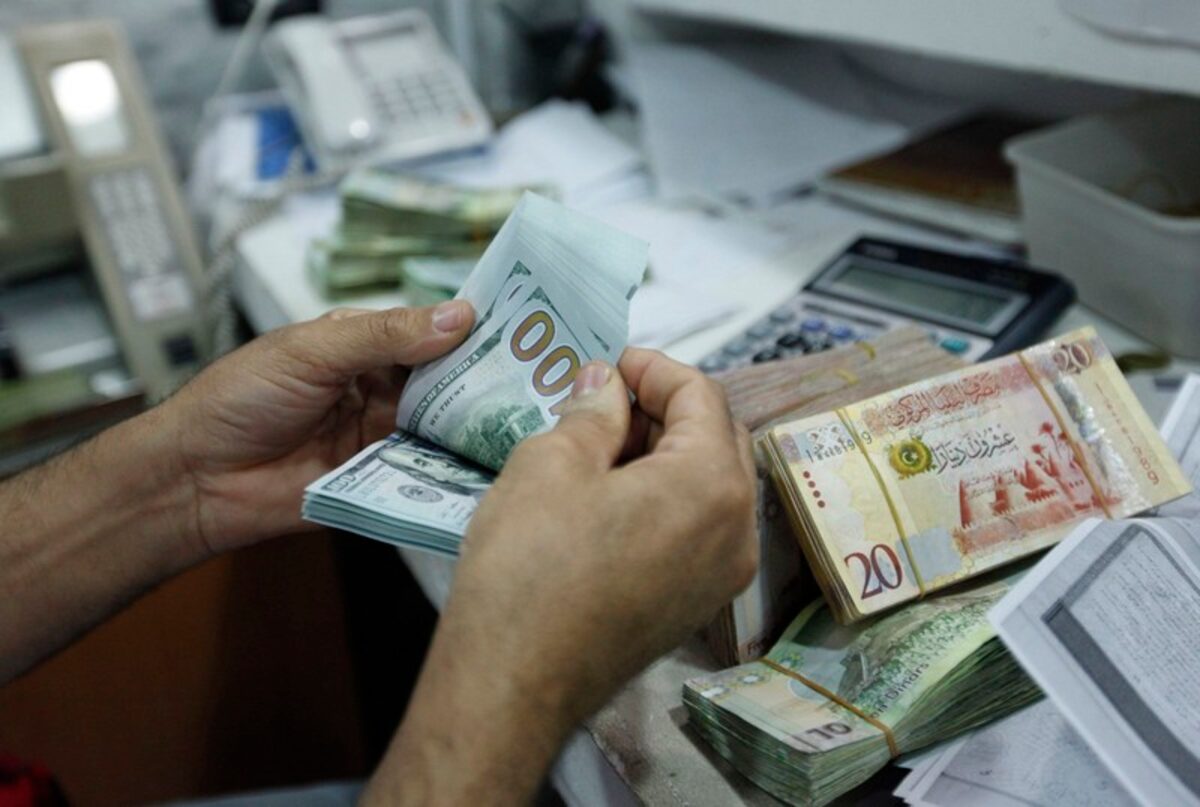
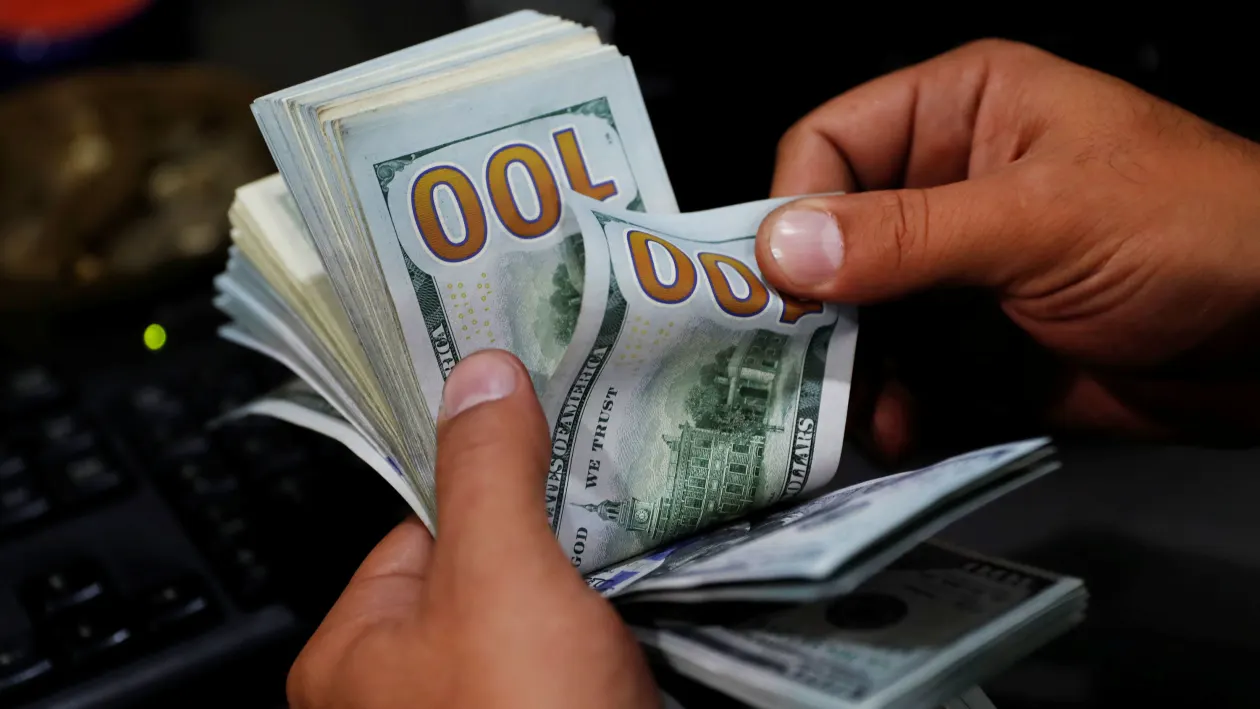
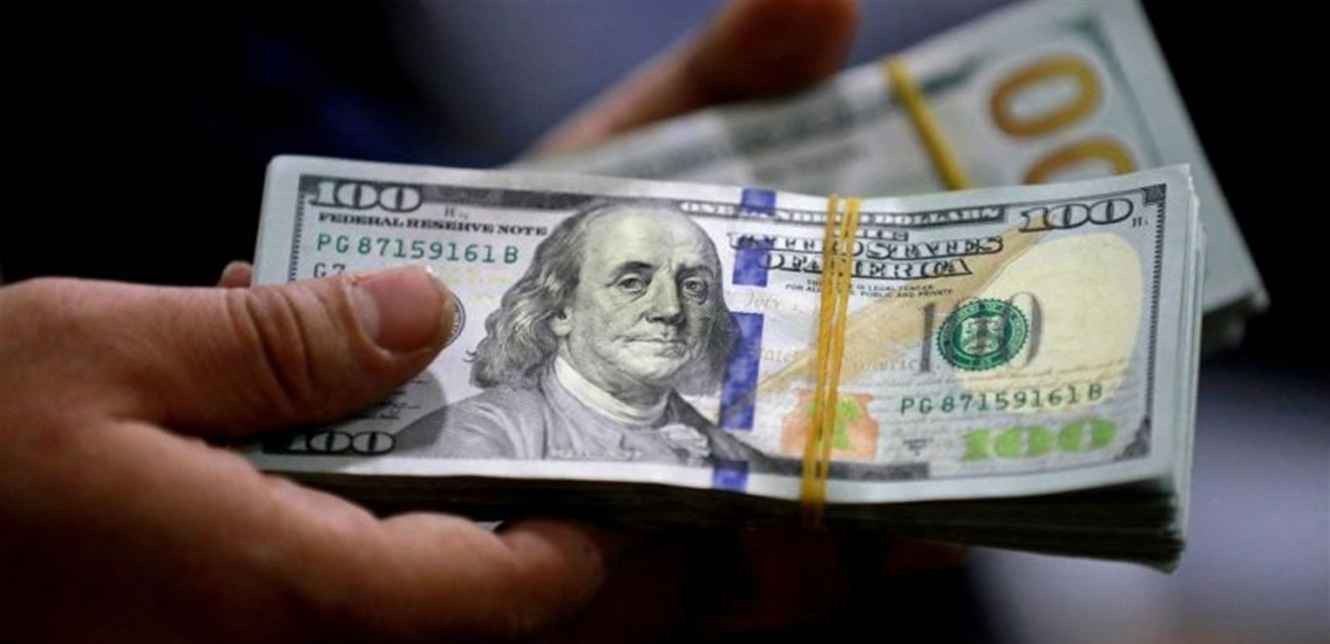
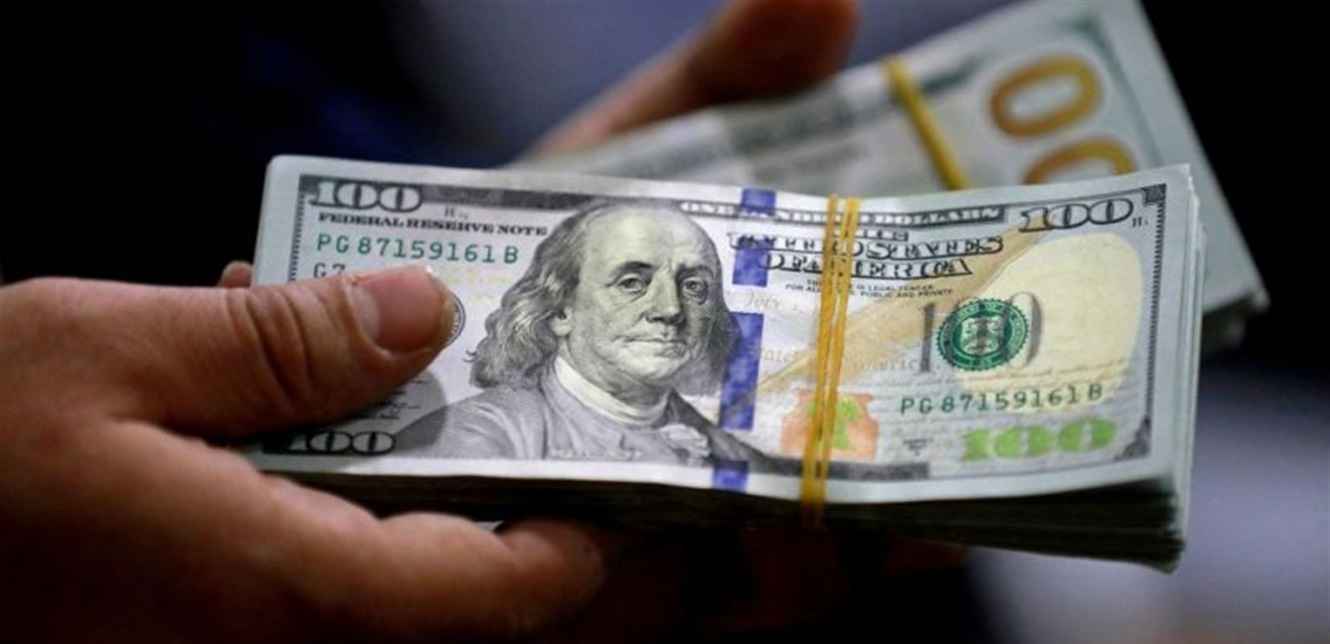
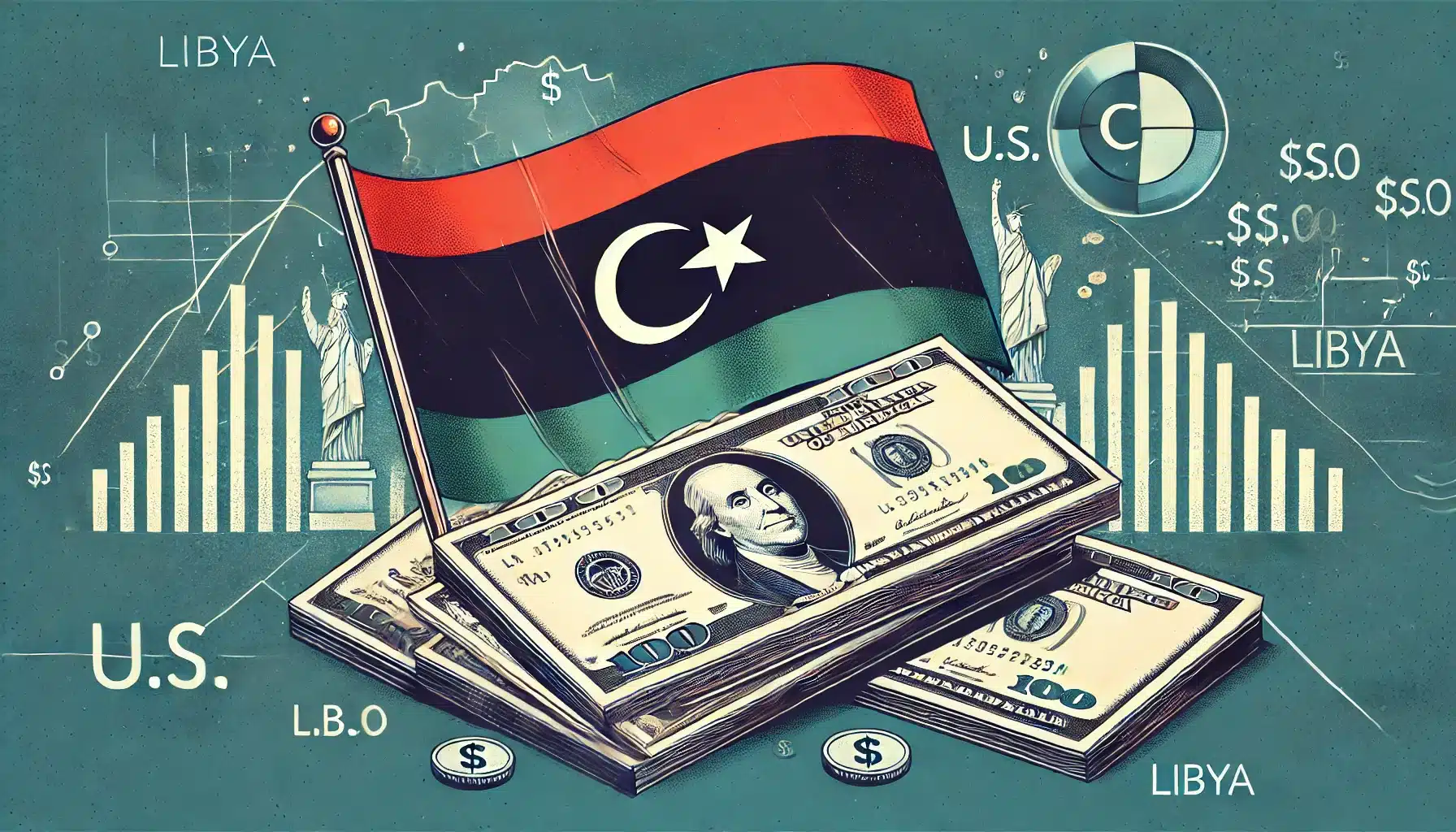
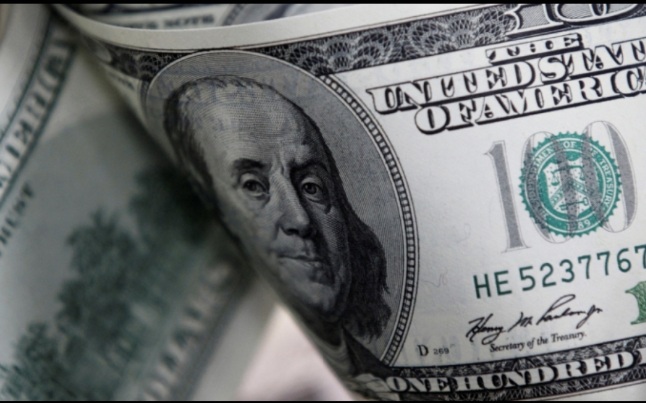
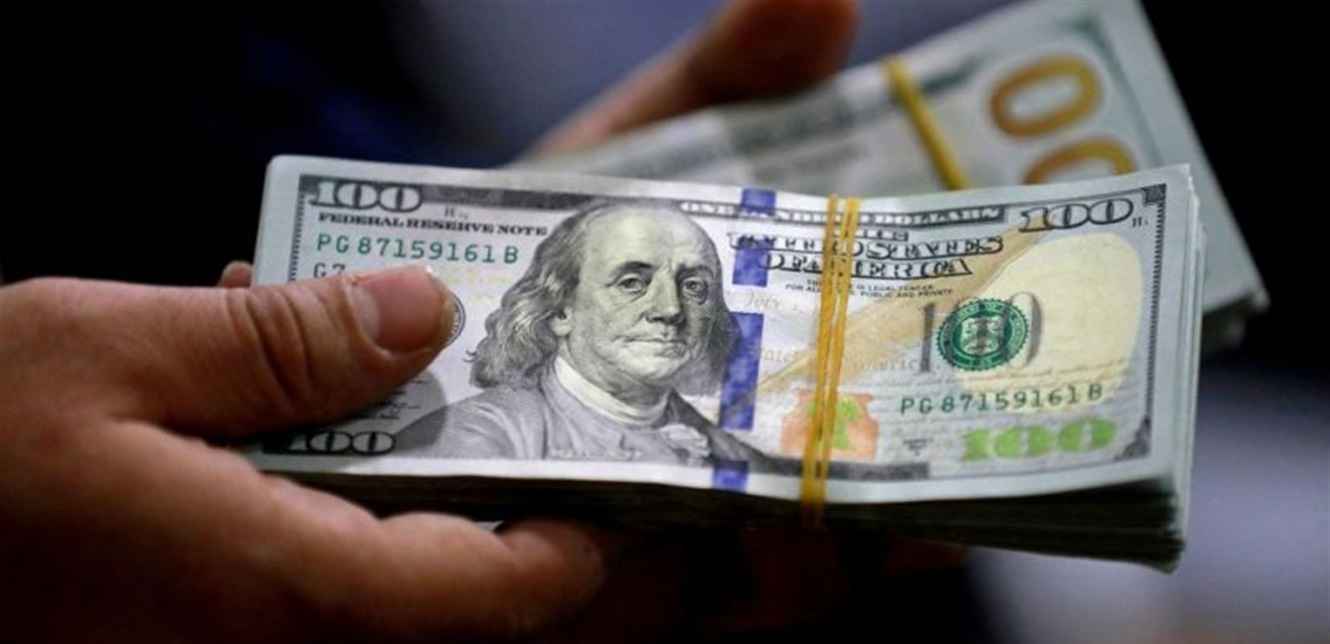
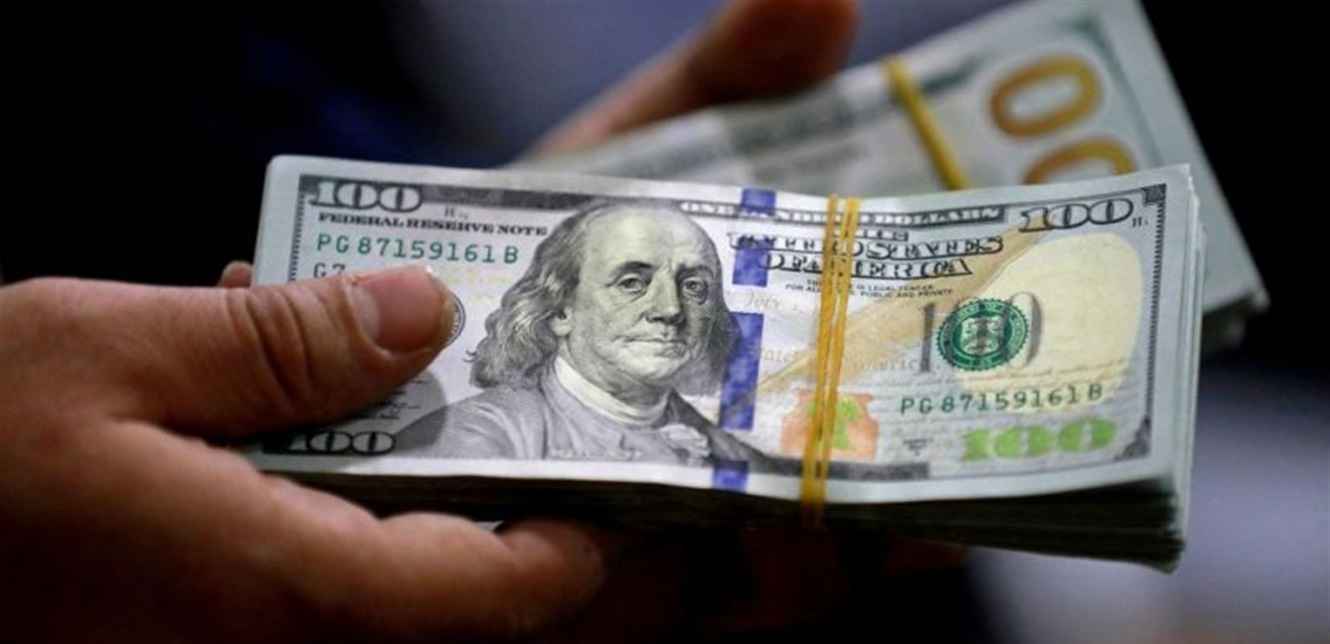
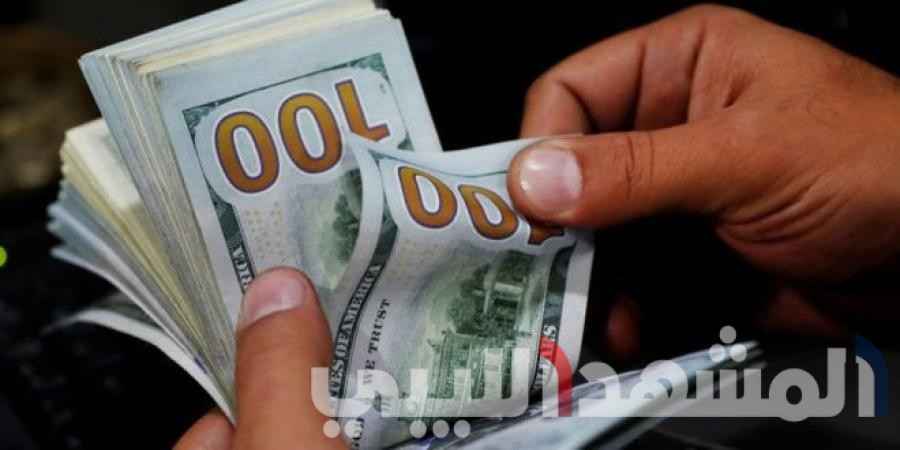
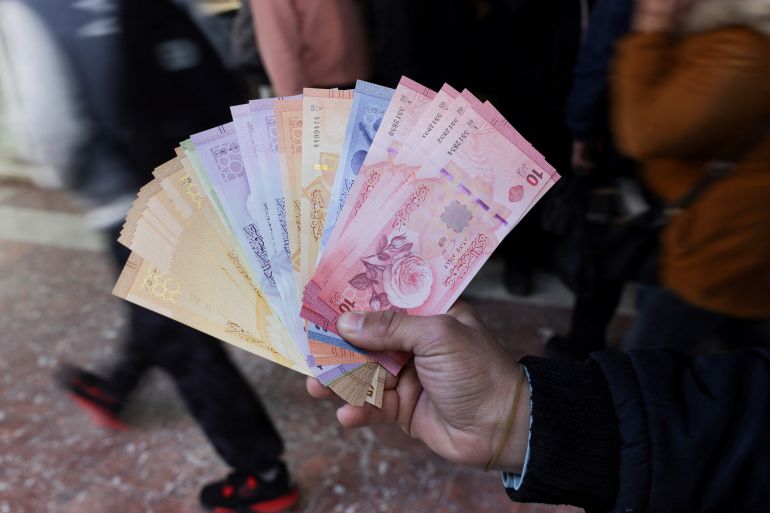
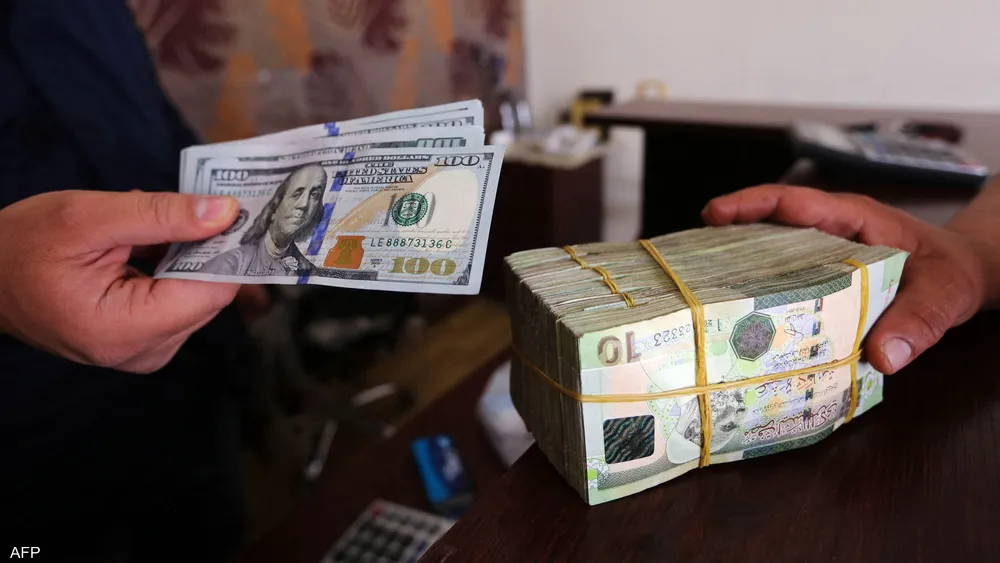
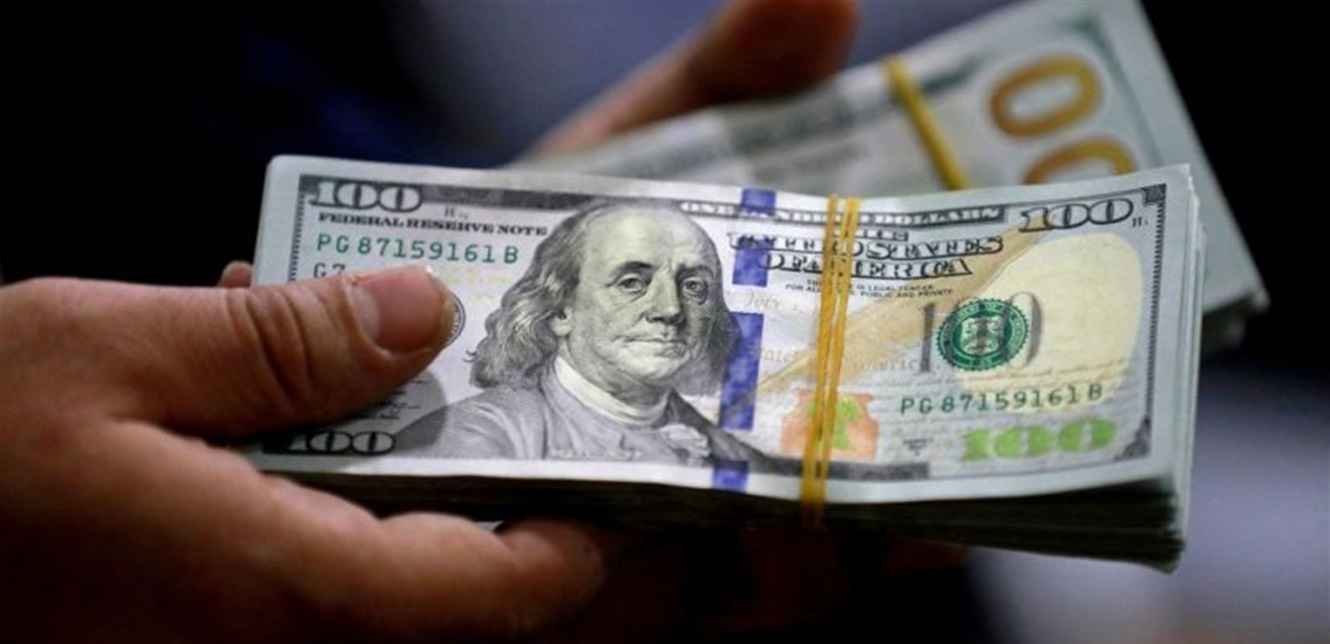
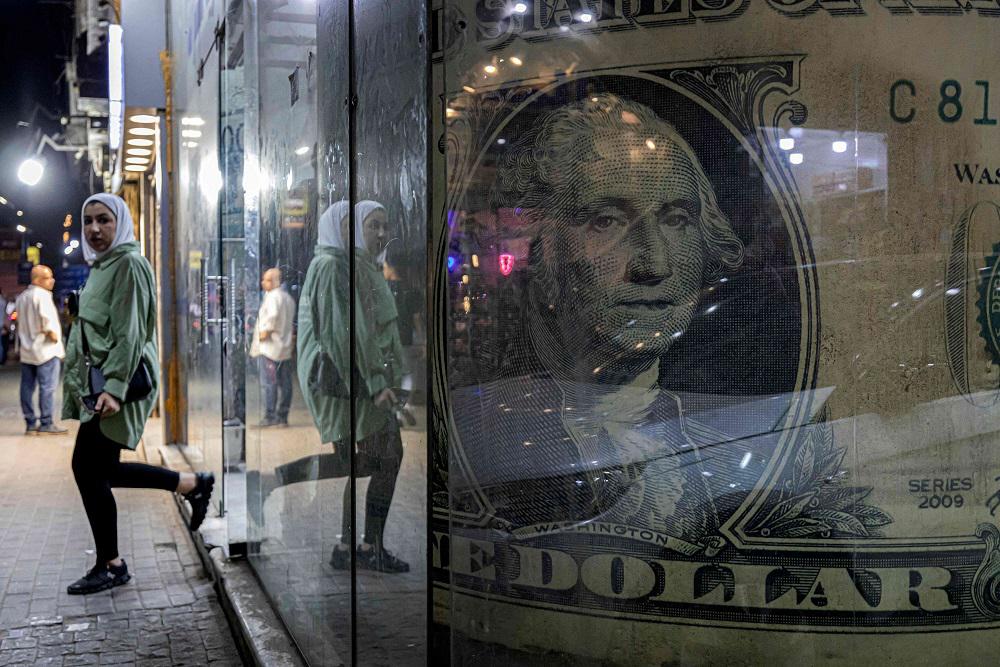
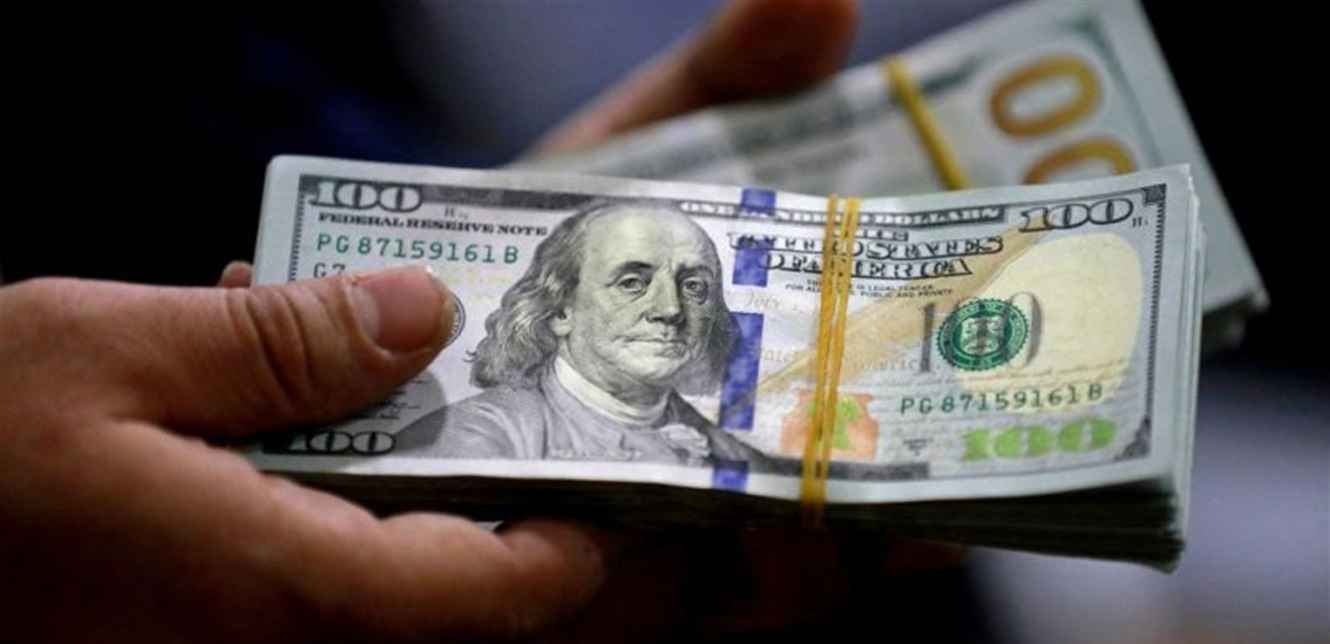
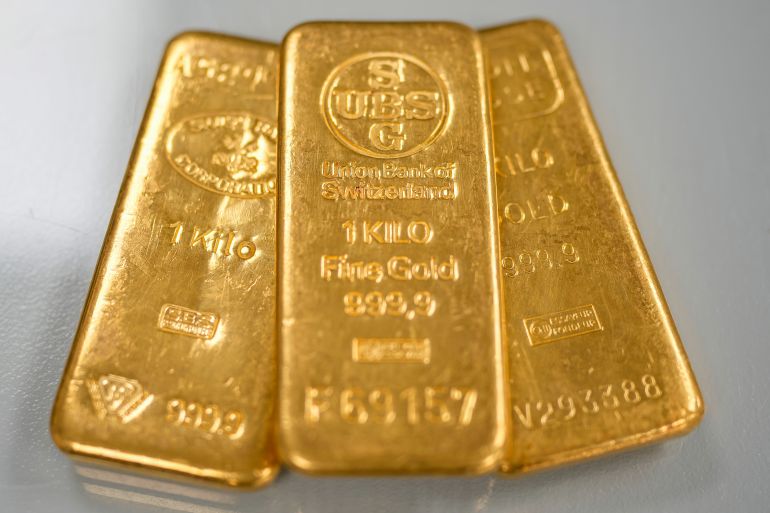
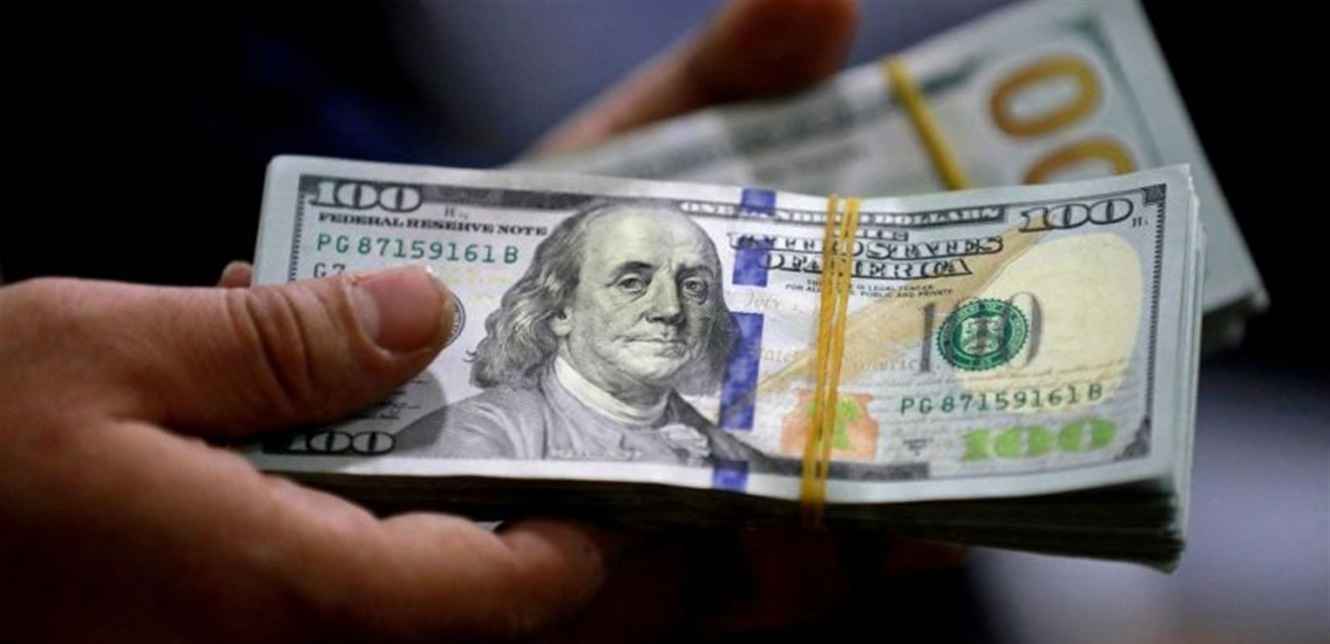
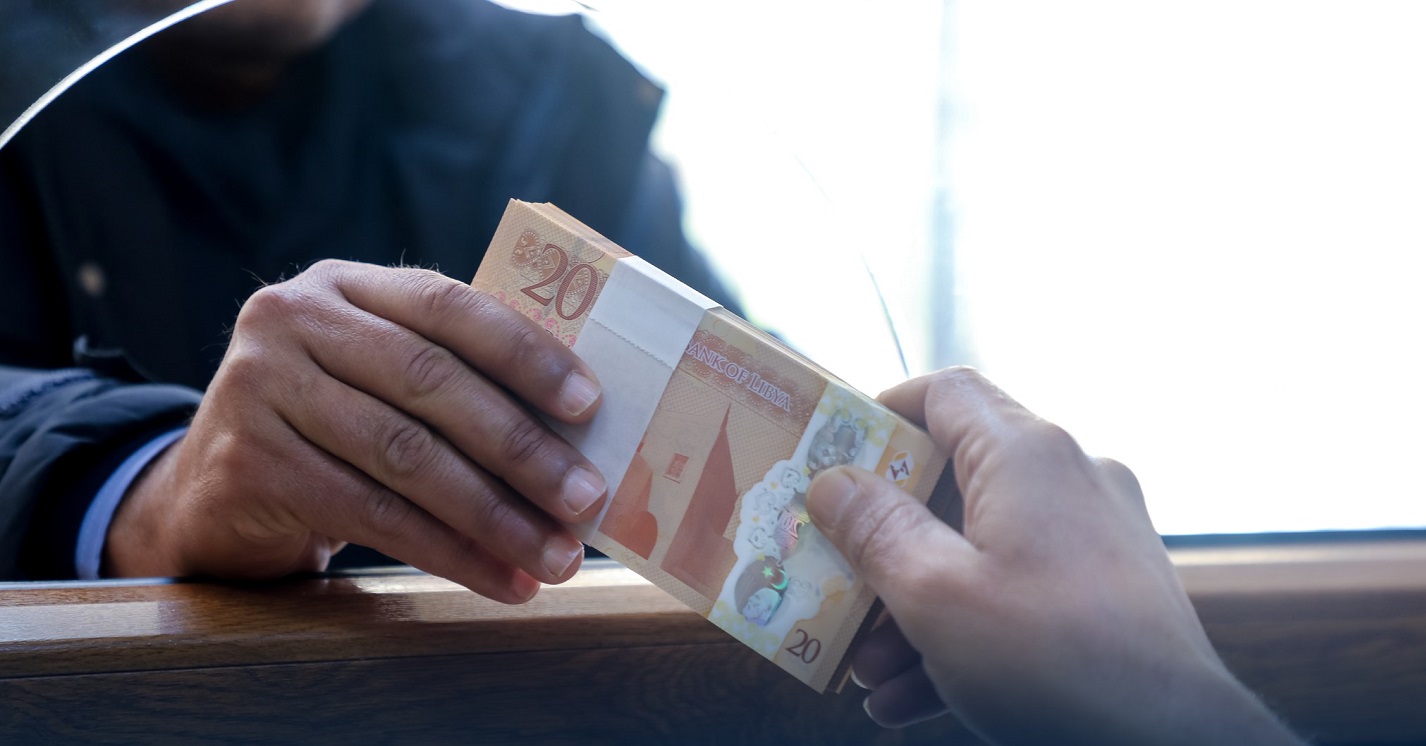
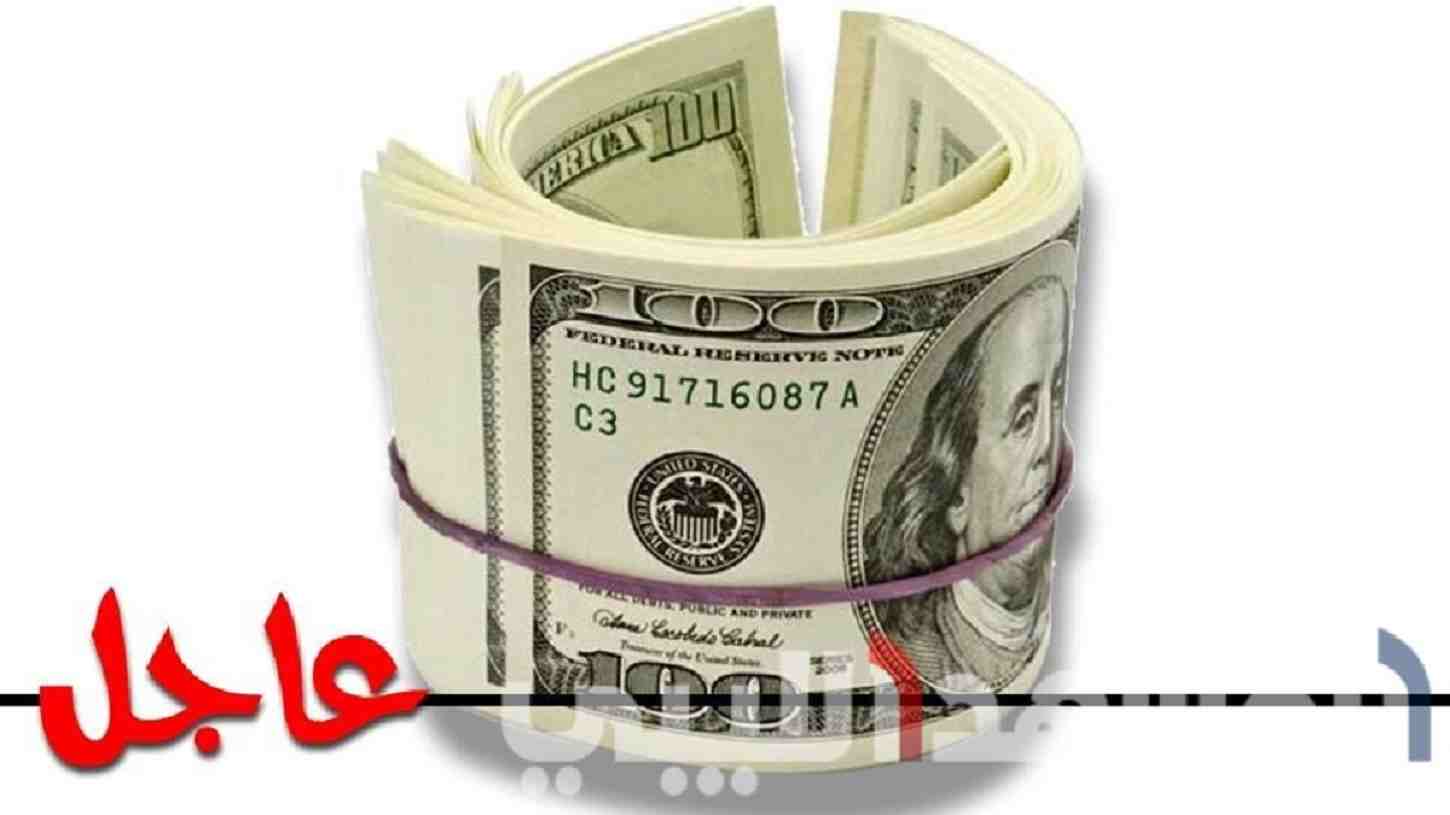
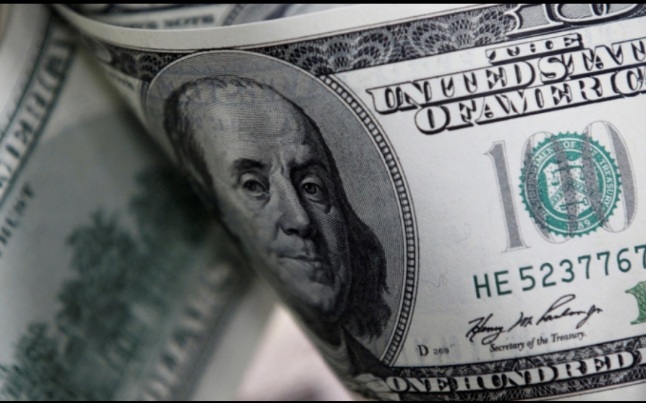
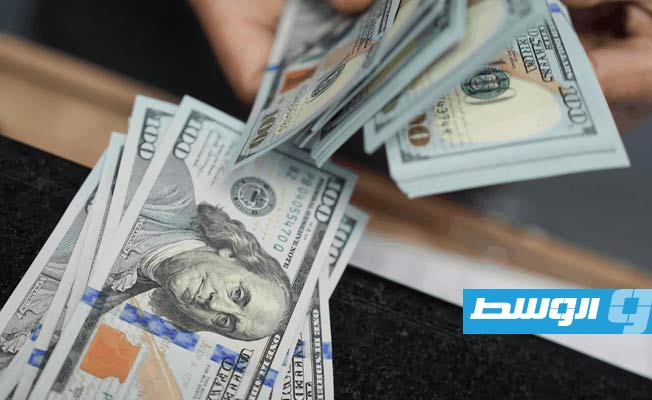
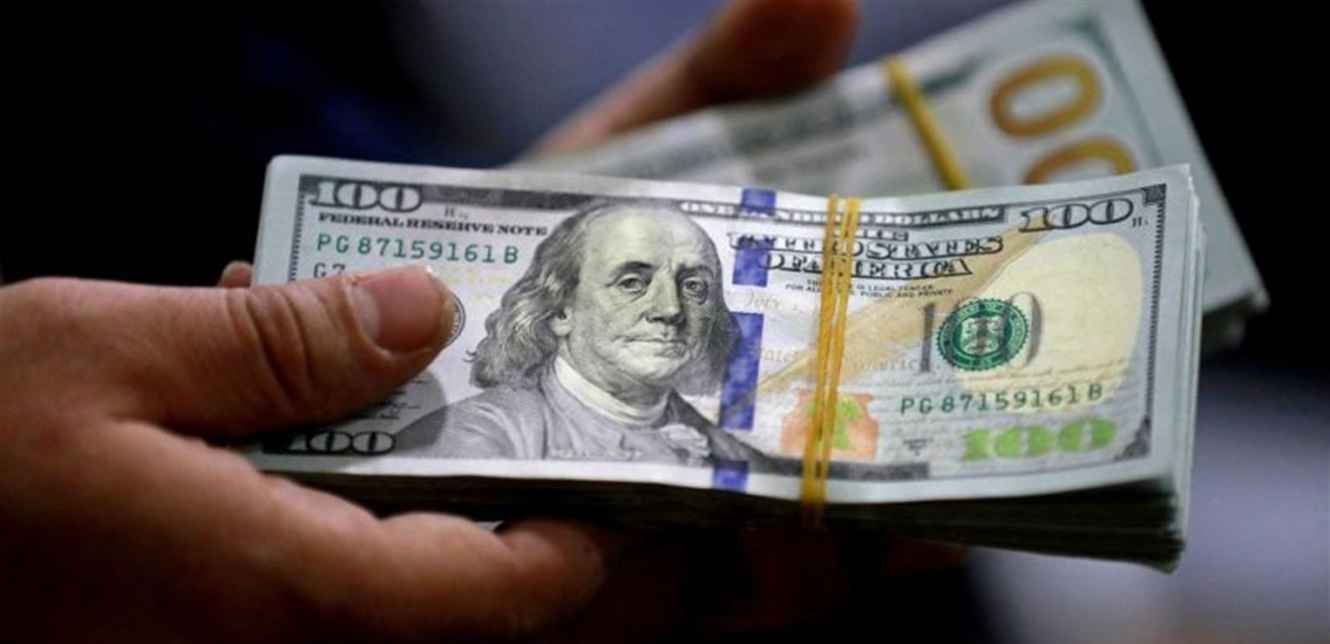
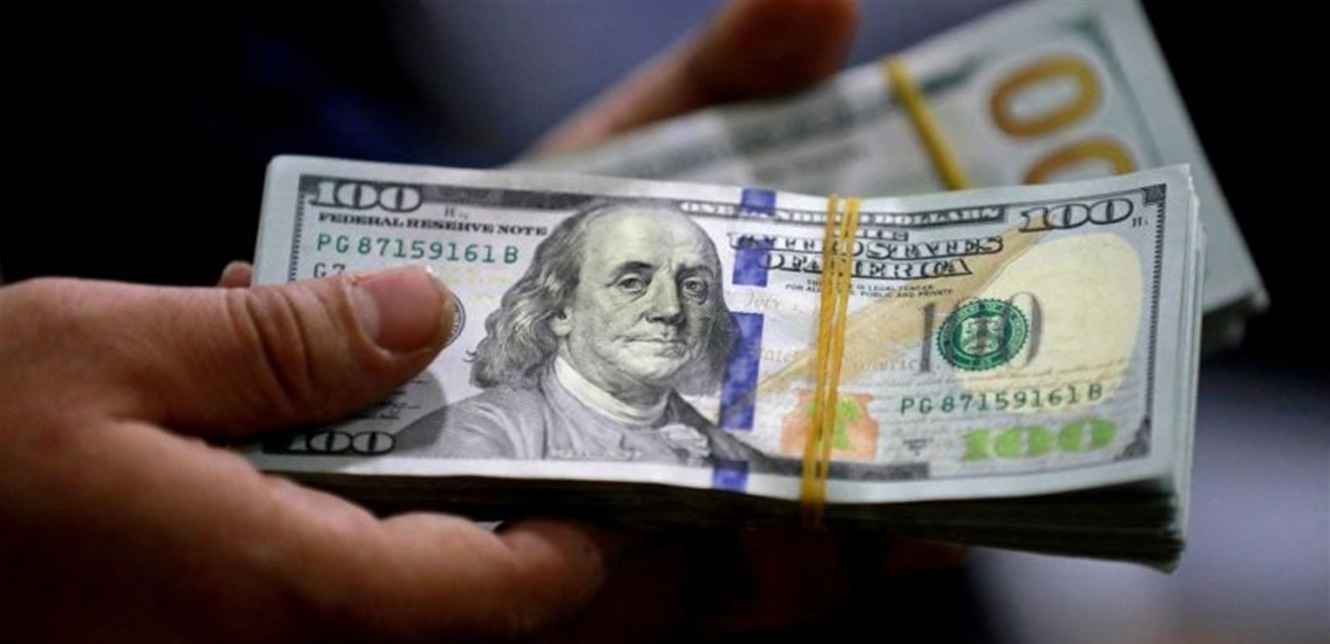
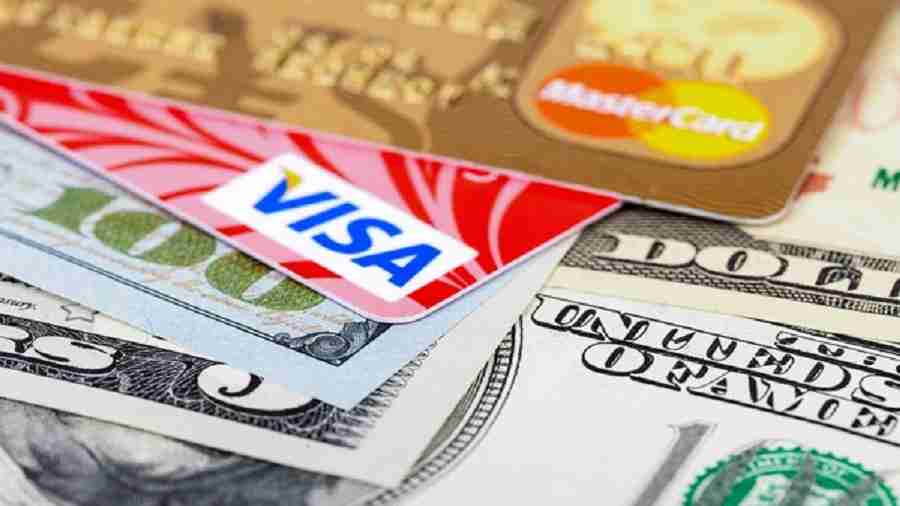
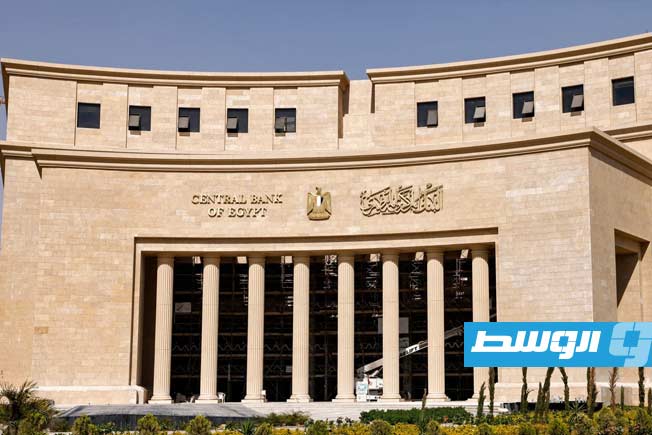
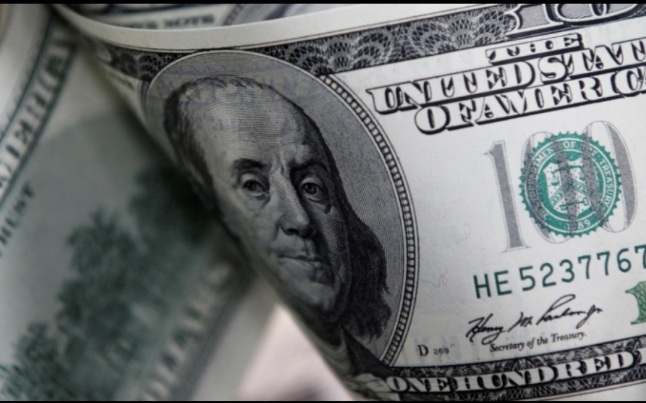
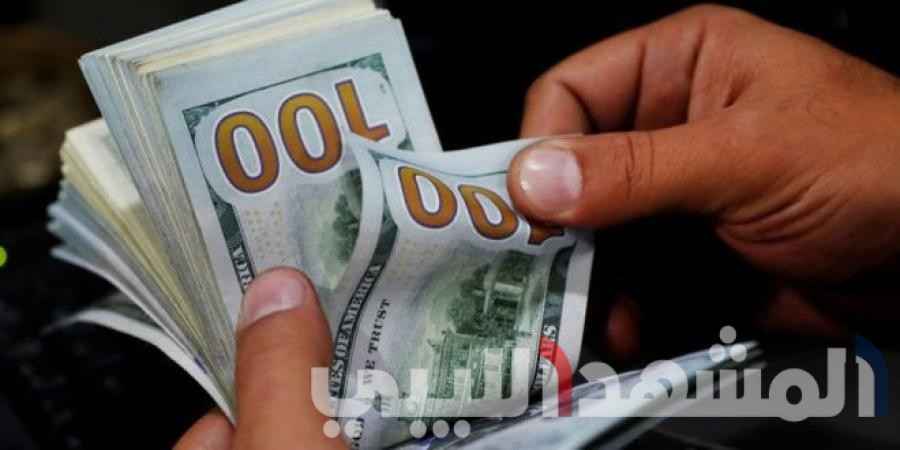
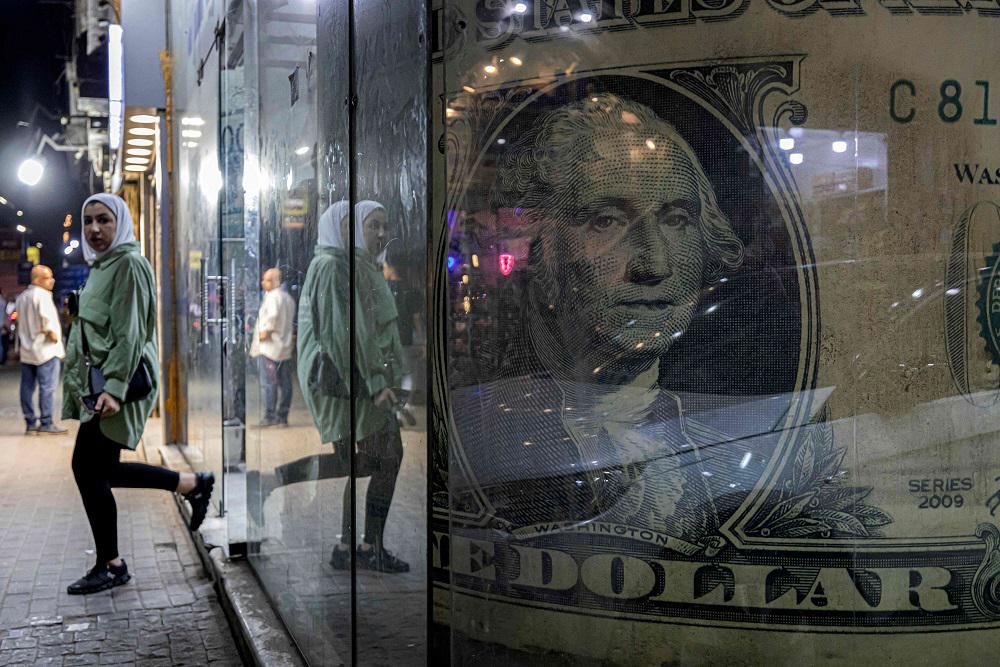
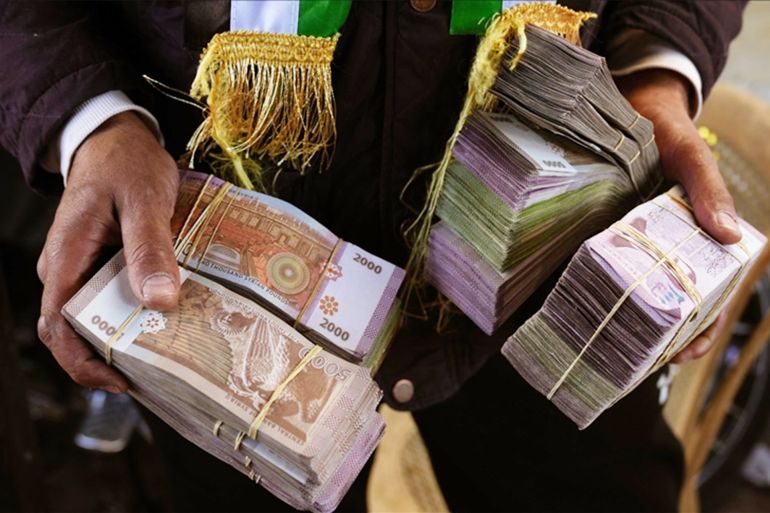
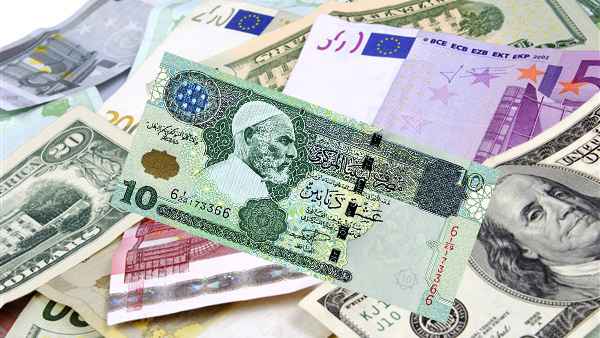
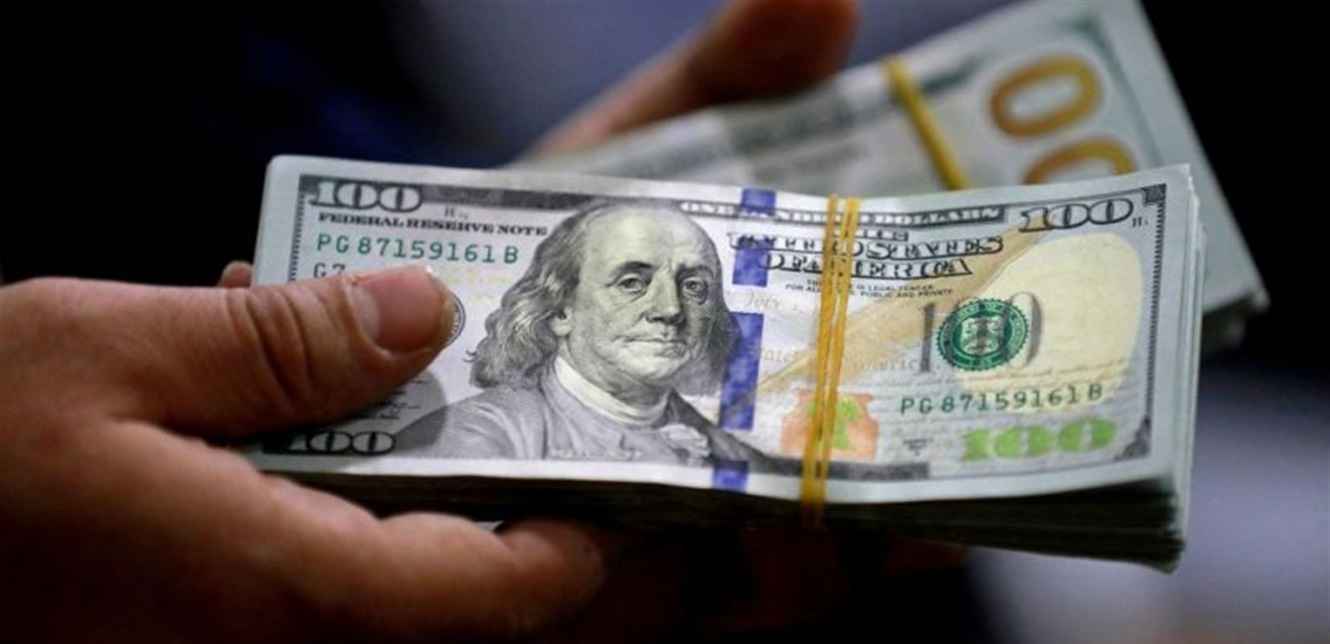
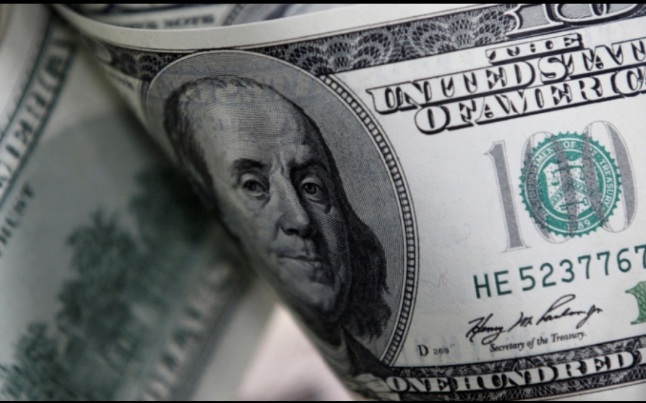
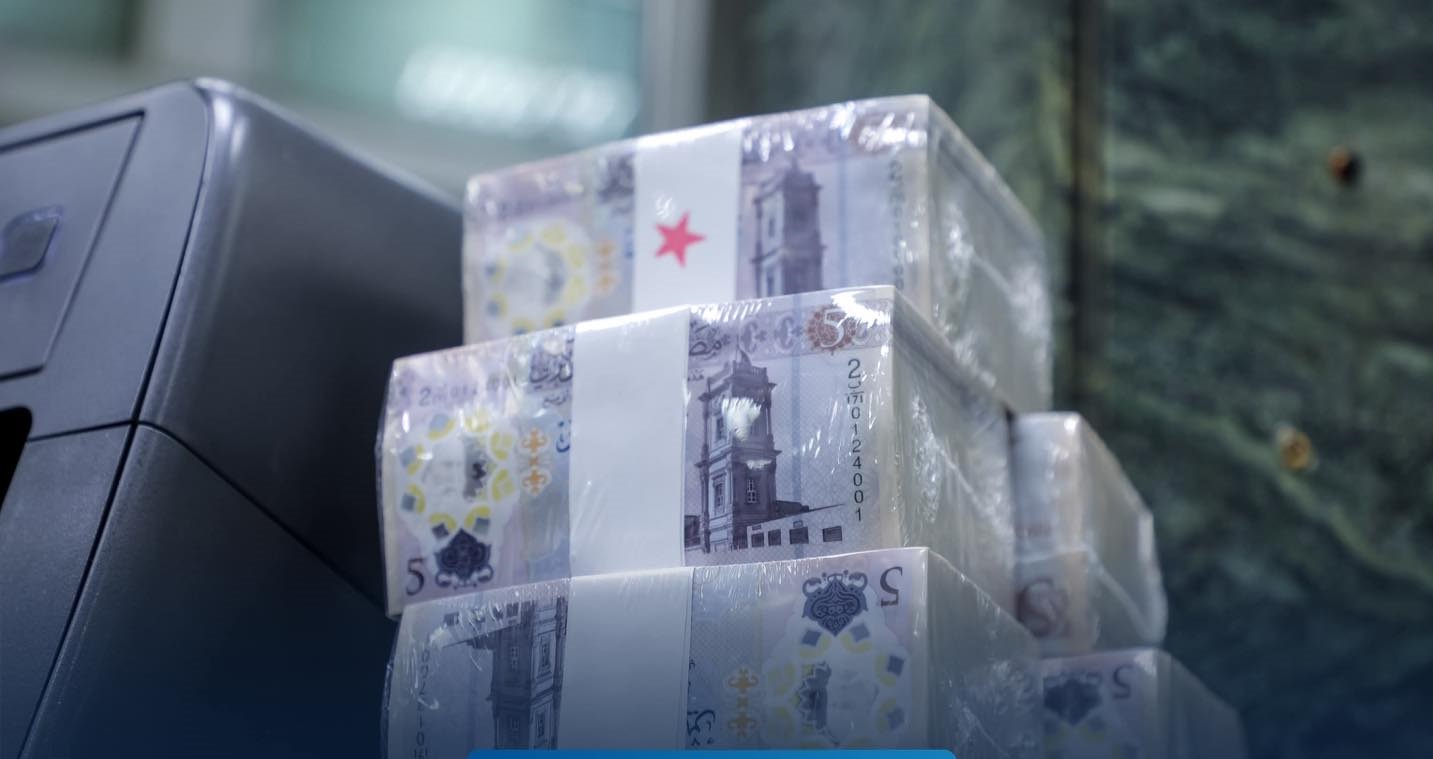
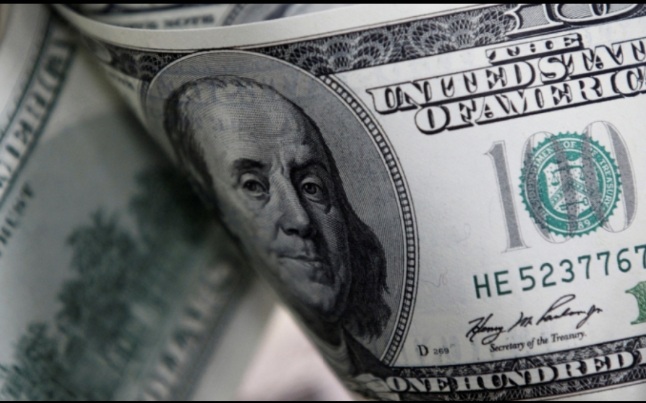
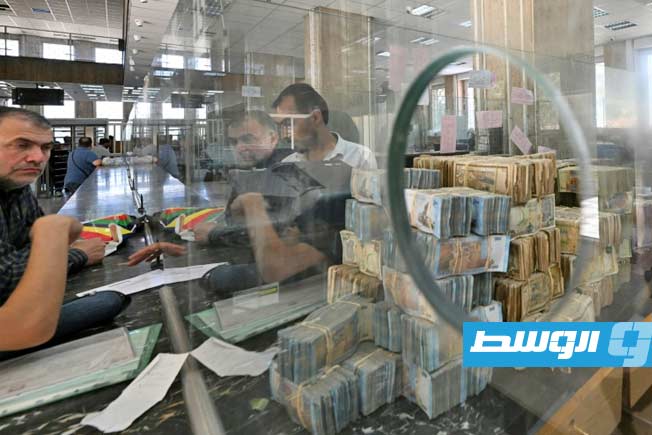
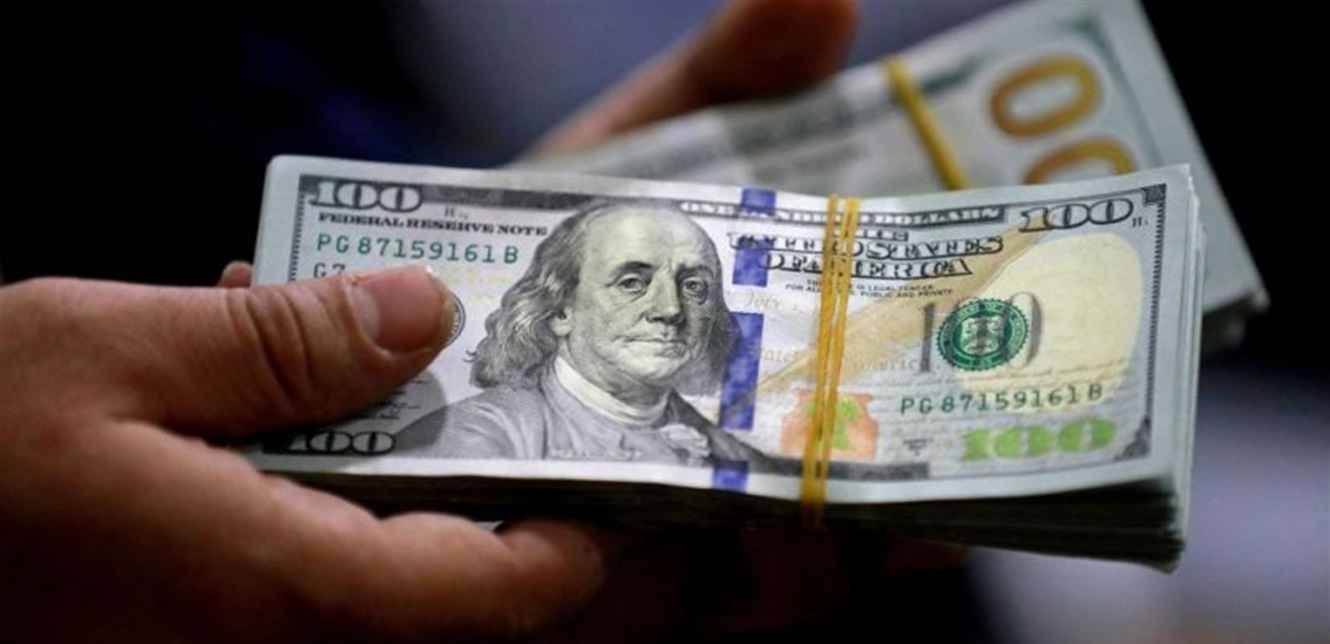
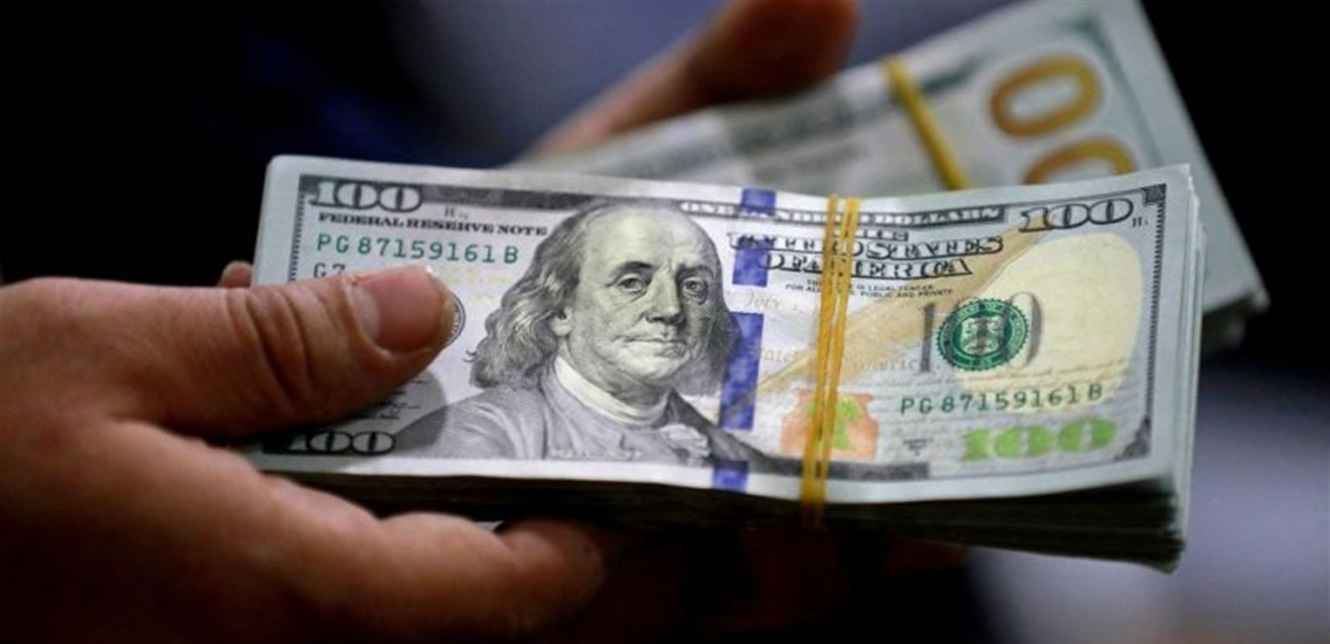
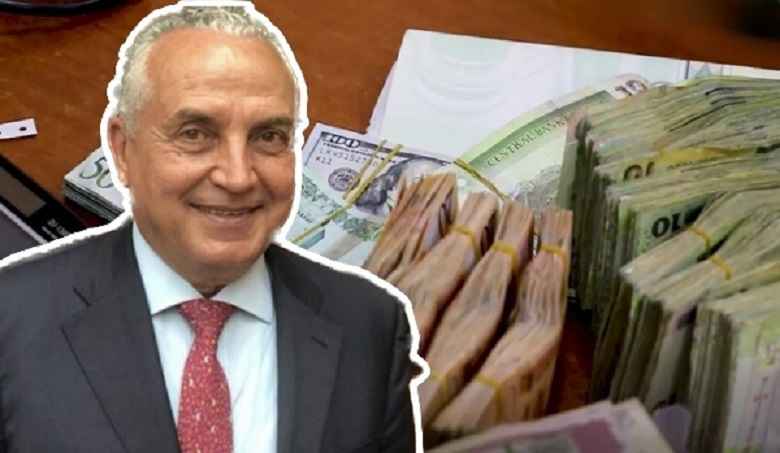
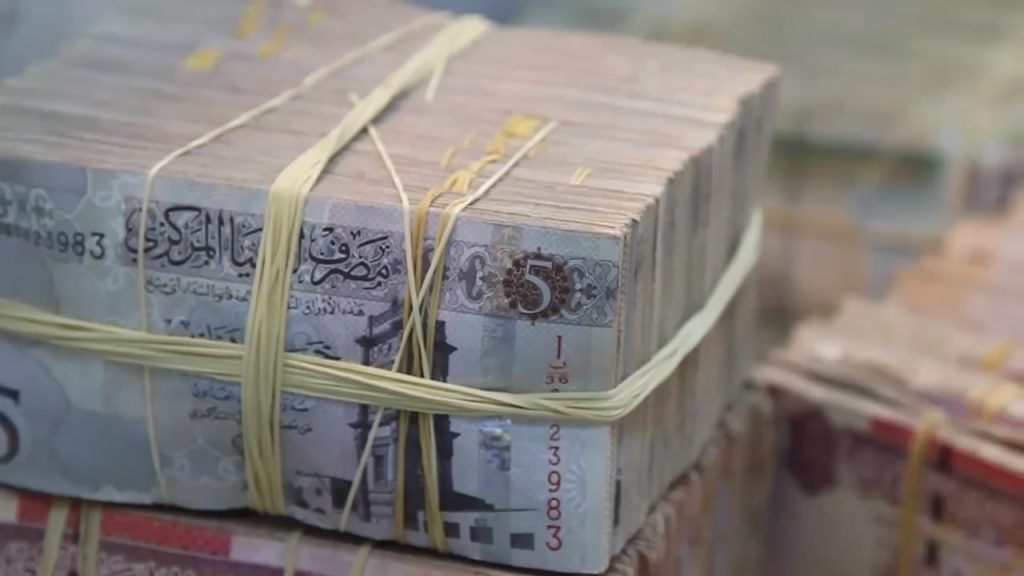
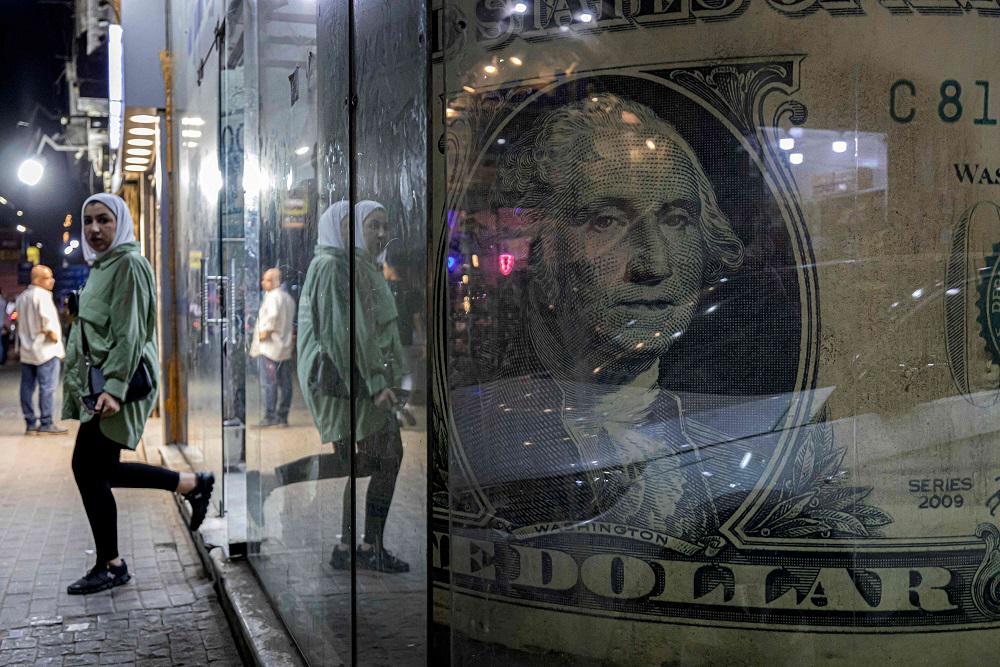
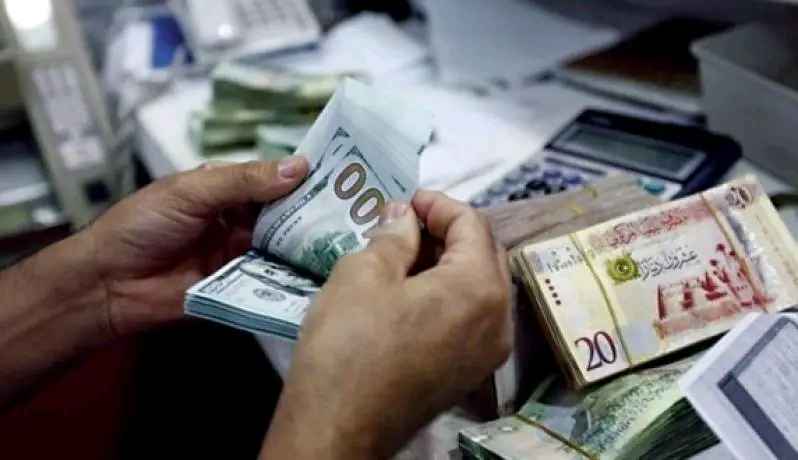
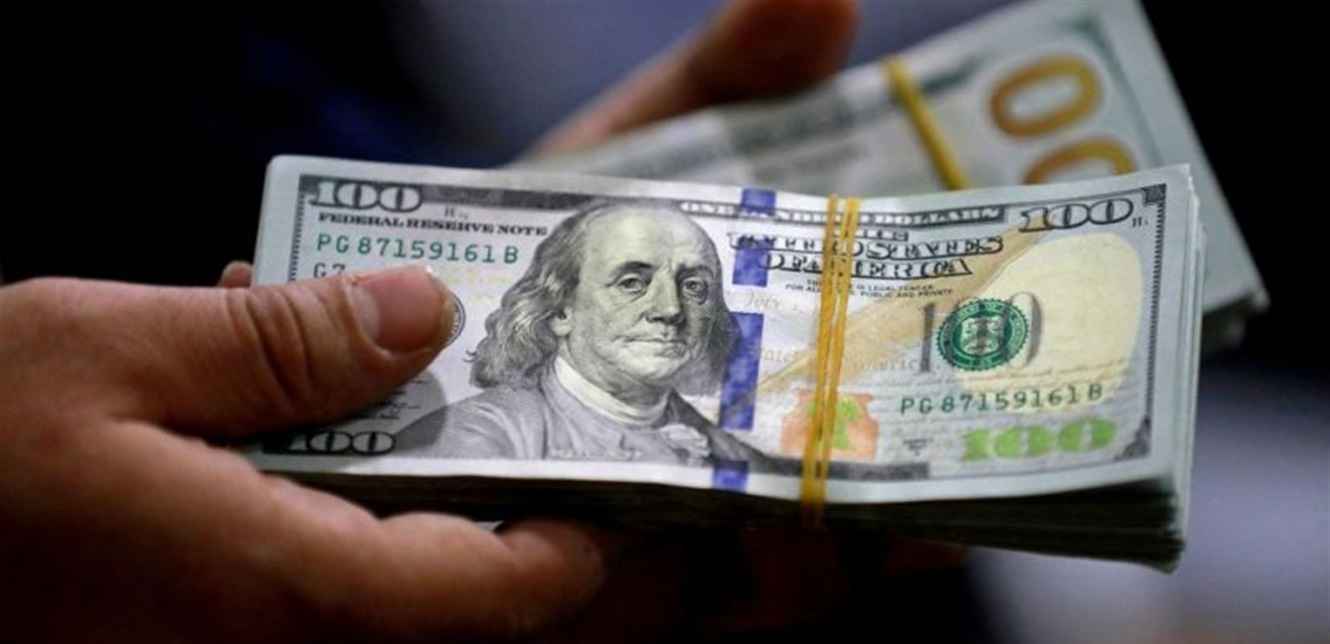
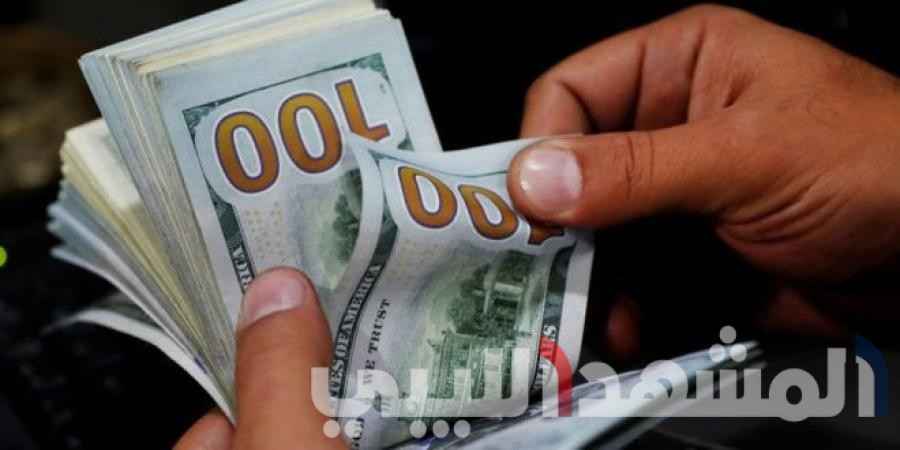
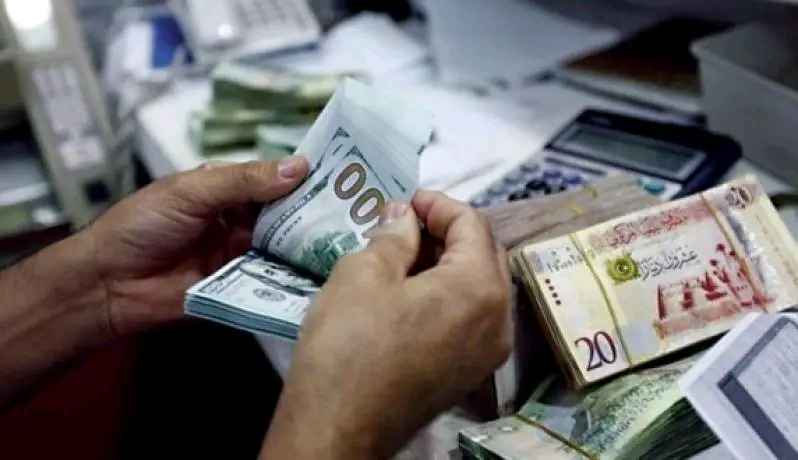
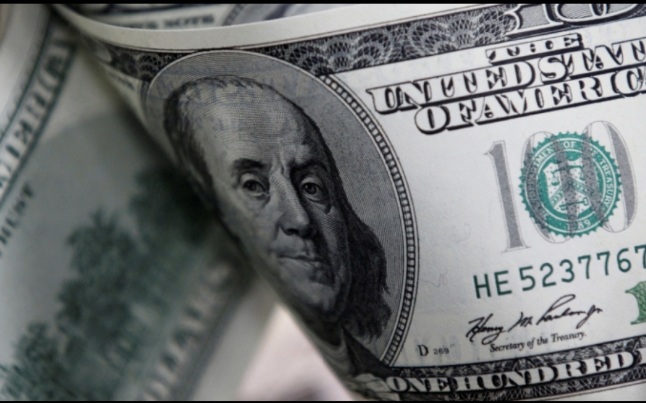
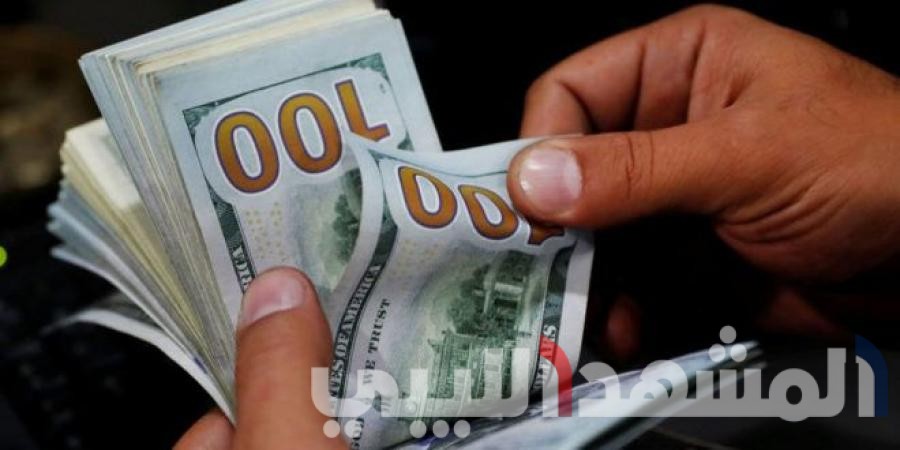
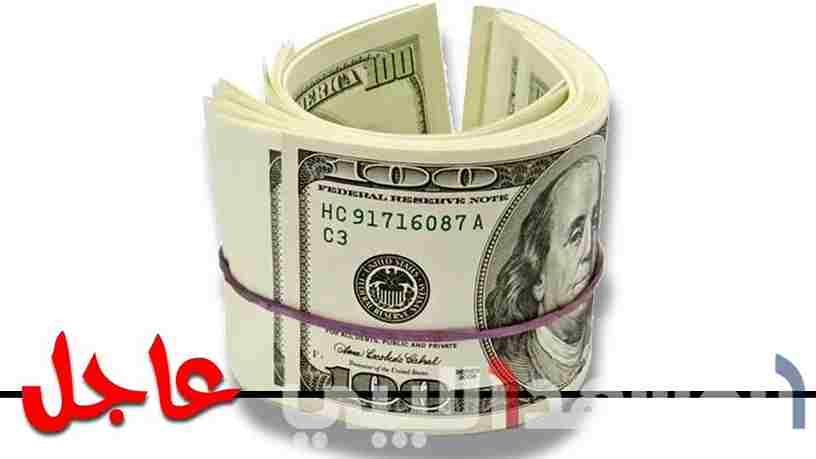
The US dollar stabilized against the Egyptian pound today, Monday, December 22, 2025, in Egyptian banks, remaining below the ceiling of 48 pounds. It held steady at the Central Bank of Egypt at 47.47 pounds for buying and 47.61 pounds for selling. At the National Bank of Egypt, it was 47.50 pounds for buying and 47.60 pounds for selling.
The rate held at Banque Misr at 47.50 pounds for buying and 47.60 pounds for selling.
It stabilized at the Egyptian Gulf Bank at 47.50 pounds for buying and 47.60 pounds for selling, and at the Housing and Development Bank at 47.48 pounds for buying and 47.58 pounds for selling.
The price of the US dollar today in Egyptian banks:
The price of the US dollar at the National Bank of Egypt
– 47.50 pounds for buying.
– 47.60 pounds for selling.
The price of the US dollar at Banque Misr:
– 47.50 pounds for buying.
– 47.60 pounds for selling.
The price of the US dollar at Suez Canal Bank
– 47.50 pounds for buying.
– 47.60 pounds for selling.
The price of the US dollar at Bank of Alexandria
– 47.45 pounds for buying.
– 47.55 pounds for selling.
The price of the US dollar at Commercial International Bank “CIB”
– 47.50 pounds for buying.
– 47.60 pounds for selling.
The price of the US dollar at Al Baraka Bank
– 47.48 pounds for buying.
– 47.58 pounds for selling.
The price of the US dollar at Crédit Agricole Egypt
– 47.45 pounds for buying.
– 47.55 pounds for selling.
The price of the US dollar at the Housing and Development Bank
– 47.48 pounds for buying.
– 47.58 pounds for selling.
The price of the US dollar at the Egyptian Gulf Bank
– 47.50 pounds for buying.
– 47.60 pounds for selling.
Zamalek Club
US dollar
The US dollar is the official currency of the United States, established by the Coinage Act of 1792. It evolved from a system based on Spanish milled dollars and became the world’s primary reserve currency following the Bretton Woods Agreement in 1944.
Egyptian pound
The Egyptian pound is the official currency of Egypt, introduced in 1834 to replace the Egyptian piastre. Its history is closely tied to the country’s economic and political developments, including periods under the gold standard and various devaluations influenced by international events and domestic policy.
Egypt
Egypt is home to one of the world’s oldest civilizations, with a history spanning over 5,000 years and famed for its pharaohs, pyramids, and monuments along the Nile River. Its cultural legacy includes iconic sites like the Giza pyramid complex, the Valley of the Kings, and numerous temples, which reflect its ancient religious beliefs and architectural achievements. Modern Egypt remains a pivotal cultural and political center in the Arab world, with its rich heritage continuing to draw global interest.
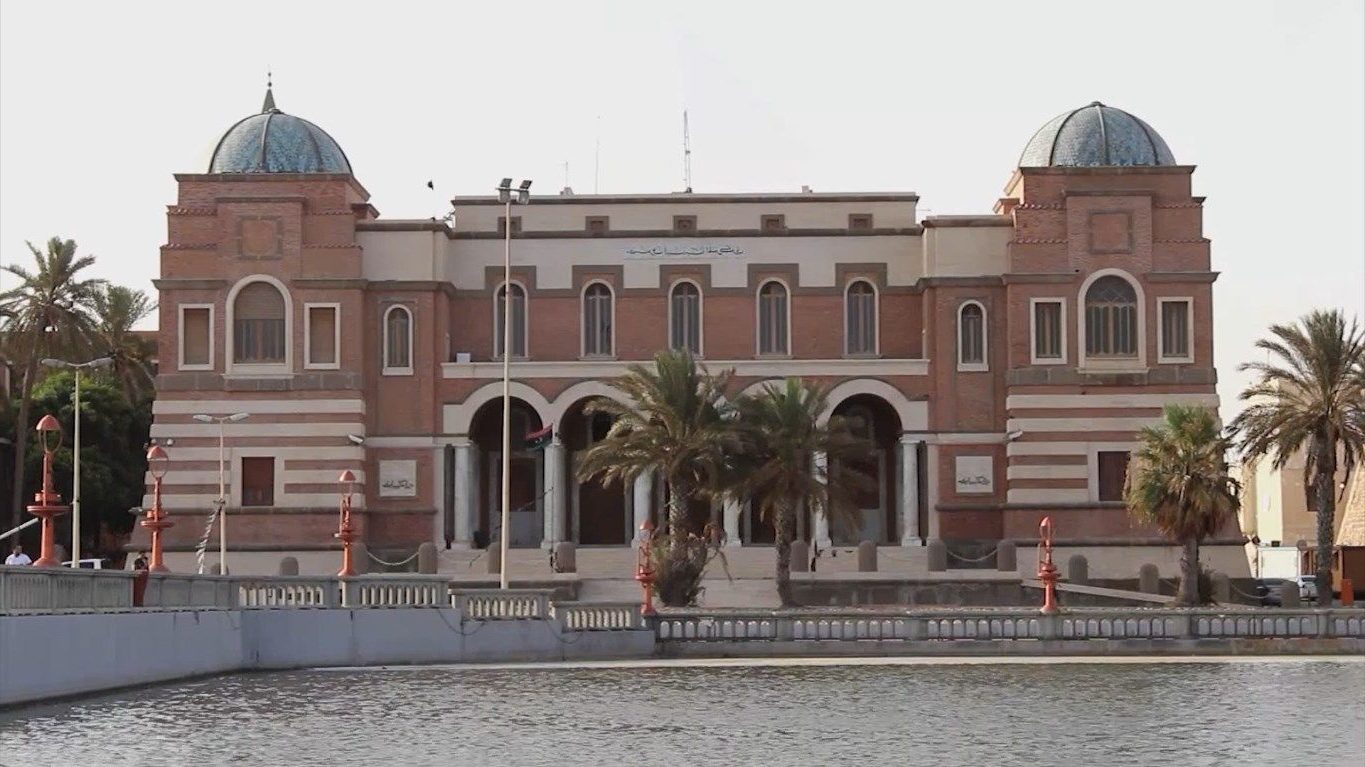
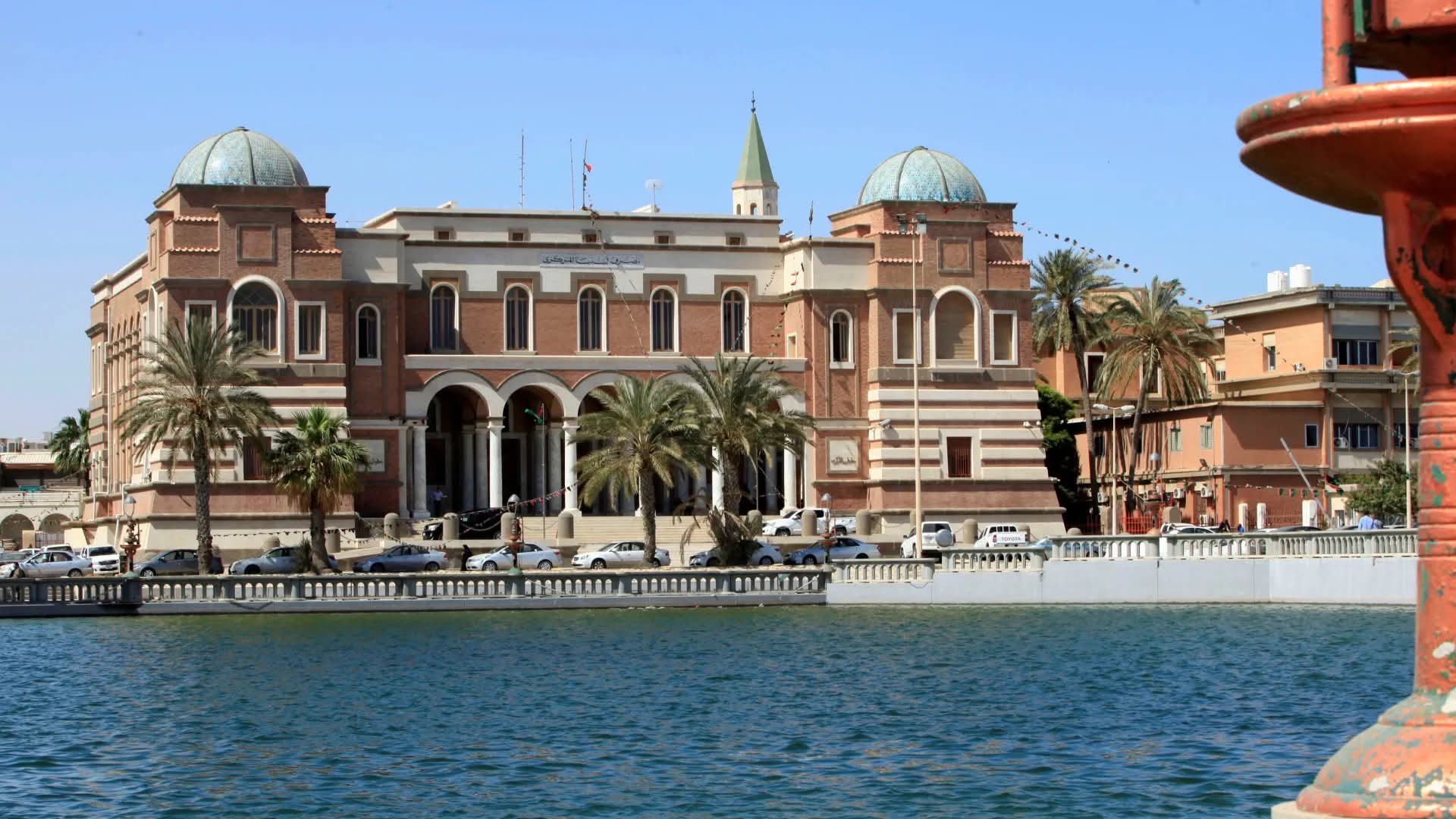
Central Bank of Egypt
The Central Bank of Egypt, established in 1961, is the primary monetary authority and issuer of the Egyptian pound. It succeeded the National Bank of Egypt, which had acted as the central bank since 1898, and is responsible for regulating the country’s banking system and monetary policy.
National Bank of Egypt
The National Bank of Egypt (NBE), founded in 1898, is the country’s oldest and largest commercial bank. It was originally established to finance Egypt’s public debt and manage state treasury operations, later playing a central role in issuing Egyptian banknotes until the Central Bank of Egypt took over that function in 1961.
Banque Misr
Banque Misr is Egypt’s first fully Egyptian-owned bank, founded in 1920 by economist Talaat Harb Pasha as part of a nationalist movement to foster economic independence. It played a pivotal role in financing and establishing numerous Egyptian companies in sectors like textiles, transportation, and film, becoming a cornerstone of the nation’s modern industrial development.
Egyptian Gulf Bank
The Egyptian Gulf Bank is a commercial bank founded in 1980 in Cairo, Egypt. It was established to support trade and investment, particularly focusing on serving the business community and facilitating economic ties within the Gulf region and beyond.
Housing and Development Bank
The Housing and Development Bank (HDB) is a state-owned commercial bank in Egypt, founded in 1979 with a primary mandate to finance housing and urban development projects. It was established to support national housing strategies and provide mortgage financing, playing a key role in the country’s infrastructure and real estate sectors.
Suez Canal Bank
The Suez Canal Bank is a major Egyptian commercial bank founded in 1978, initially established to support financing for projects and trade related to the pivotal Suez Canal waterway. It has since evolved into a full-service financial institution offering a wide range of banking products and services across the country.
Bank of Alexandria
The Bank of Alexandria, founded in 1857, is one of Egypt’s oldest and most prominent financial institutions. It was established during the reign of Khedive Said Pasha and played a key role in financing Egypt’s modern economic development throughout the 19th and 20th centuries.
Commercial International Bank
Commercial International Bank (CIB) is Egypt’s largest private sector bank, founded in 1975. It has played a significant role in the country’s modern financial sector, evolving from a joint venture with Chase Manhattan Bank to a publicly traded institution on the Egyptian Exchange.
CIB
CIB, or the Central Intelligence Bureau, is India’s domestic internal intelligence agency. It was established in 1887 as the Central Special Branch and was later renamed, making it one of the oldest intelligence agencies in the world. Its primary function is to gather intelligence and monitor activities within India that threaten national security.
Al Baraka Bank
Al Baraka Bank is an international Islamic banking group founded in 1978 in Jeddah, Saudi Arabia, by Sheikh Saleh Abdullah Kamel. It operates in numerous countries, providing Sharia-compliant financial services and investment products. The bank’s establishment was part of a broader movement to develop the modern Islamic finance industry.
Crédit Agricole Egypt
Crédit Agricole Egypt is a commercial bank operating in Egypt, originally established in 2006 as a subsidiary of the French Crédit Agricole Group. It provides a range of banking services, including retail, corporate, and investment banking, and is part of the long-standing international network of one of the world’s largest banking cooperatives.
Moroccan
Morocco is a North African country with a rich cultural heritage shaped by indigenous Amazigh (Berber), Arab, Islamic, and European influences. Historically, it has been home to powerful dynasties like the Almoravids and Almohads, and its famous sites include the ancient city of Fez, the Koutoubia Mosque in Marrakech, and the historic ksar of Ait Benhaddou.
Comoros
The Comoros is an archipelago nation in the Indian Ocean, with a history shaped by a blend of African, Arab, and French influences. It was a key hub in historic Indian Ocean trade routes and gained independence from France in 1975. The country is known for its volcanic landscapes, diverse culture, and being one of the world’s leading producers of ylang-ylang essence.
Zamalek Club
The Zamalek Club is a prominent sports and social club located on Gezira Island in Cairo, Egypt. Founded in 1911 as “Qasr El Nil Club,” it was later renamed in 1952 after its affluent surrounding district and has since become one of the country’s most prestigious private clubs, known for its extensive sporting facilities and historical significance.