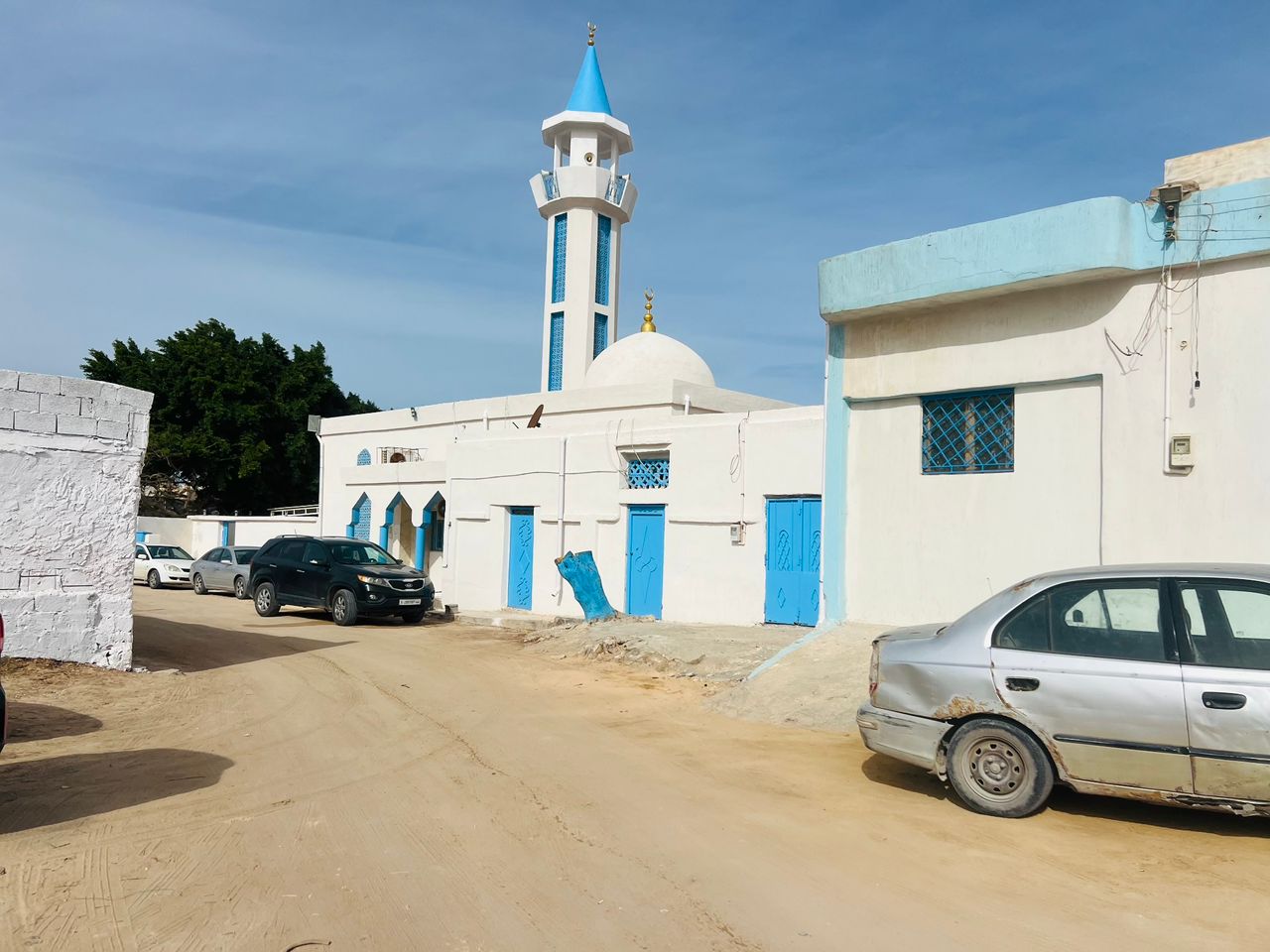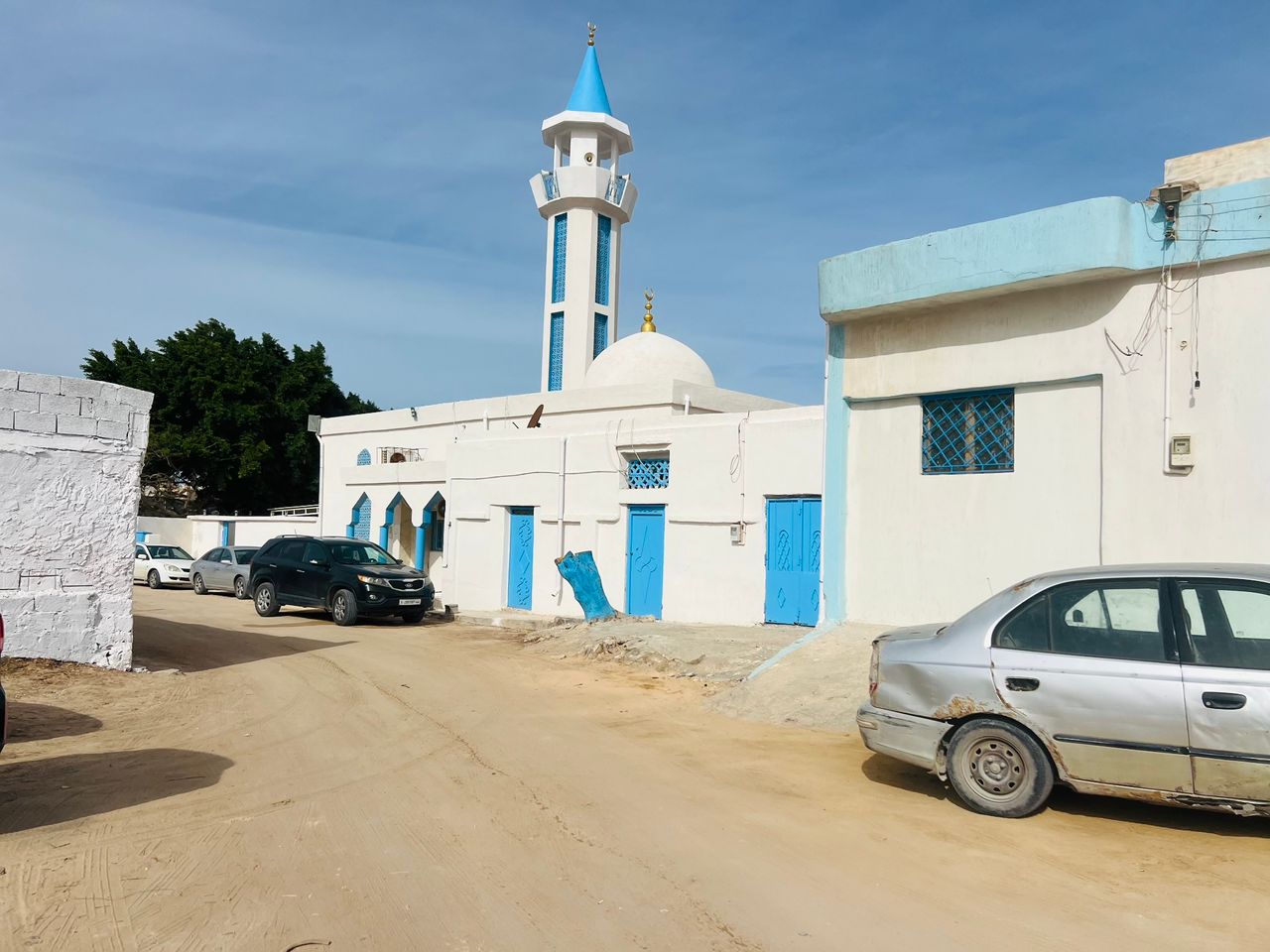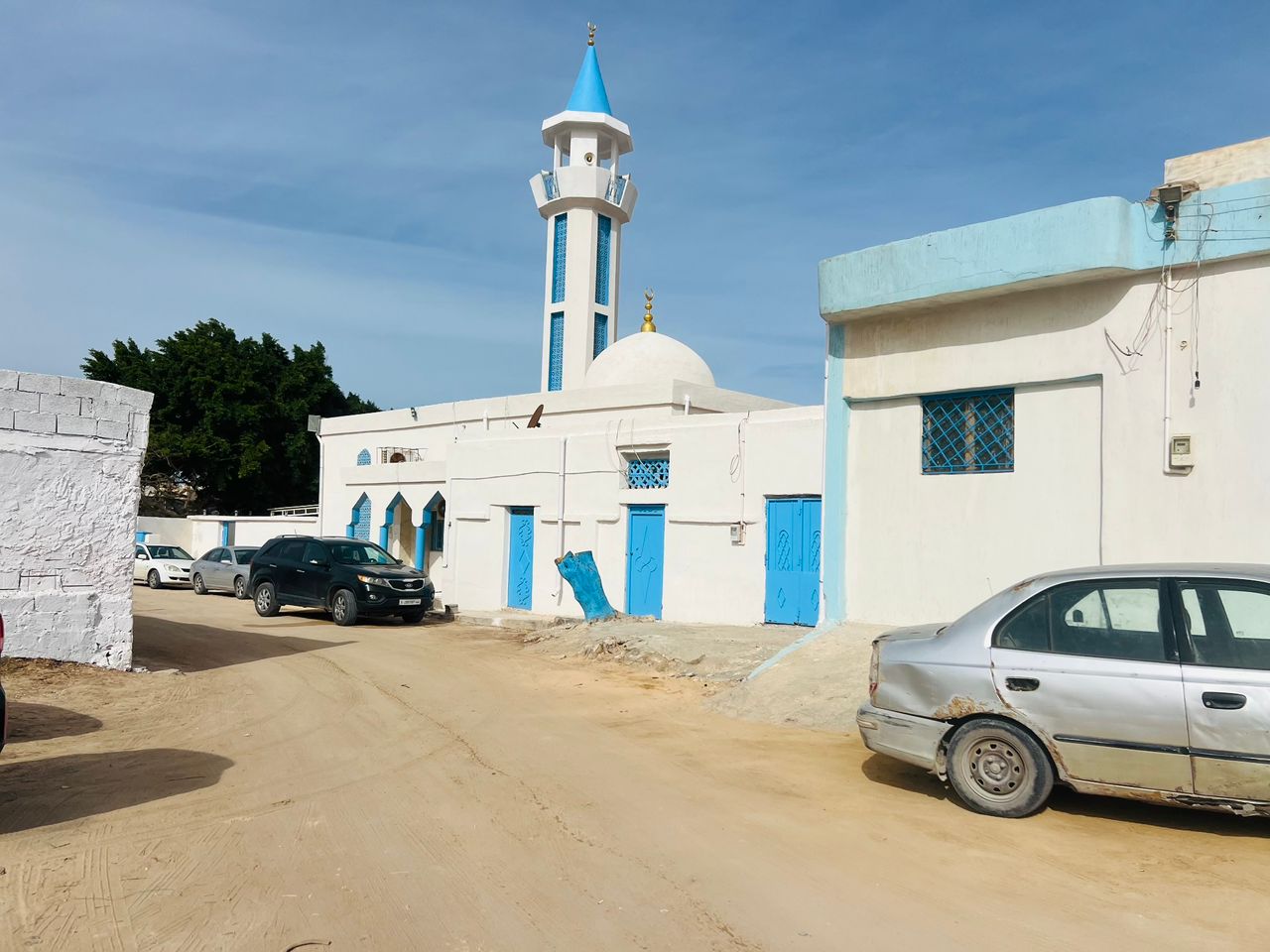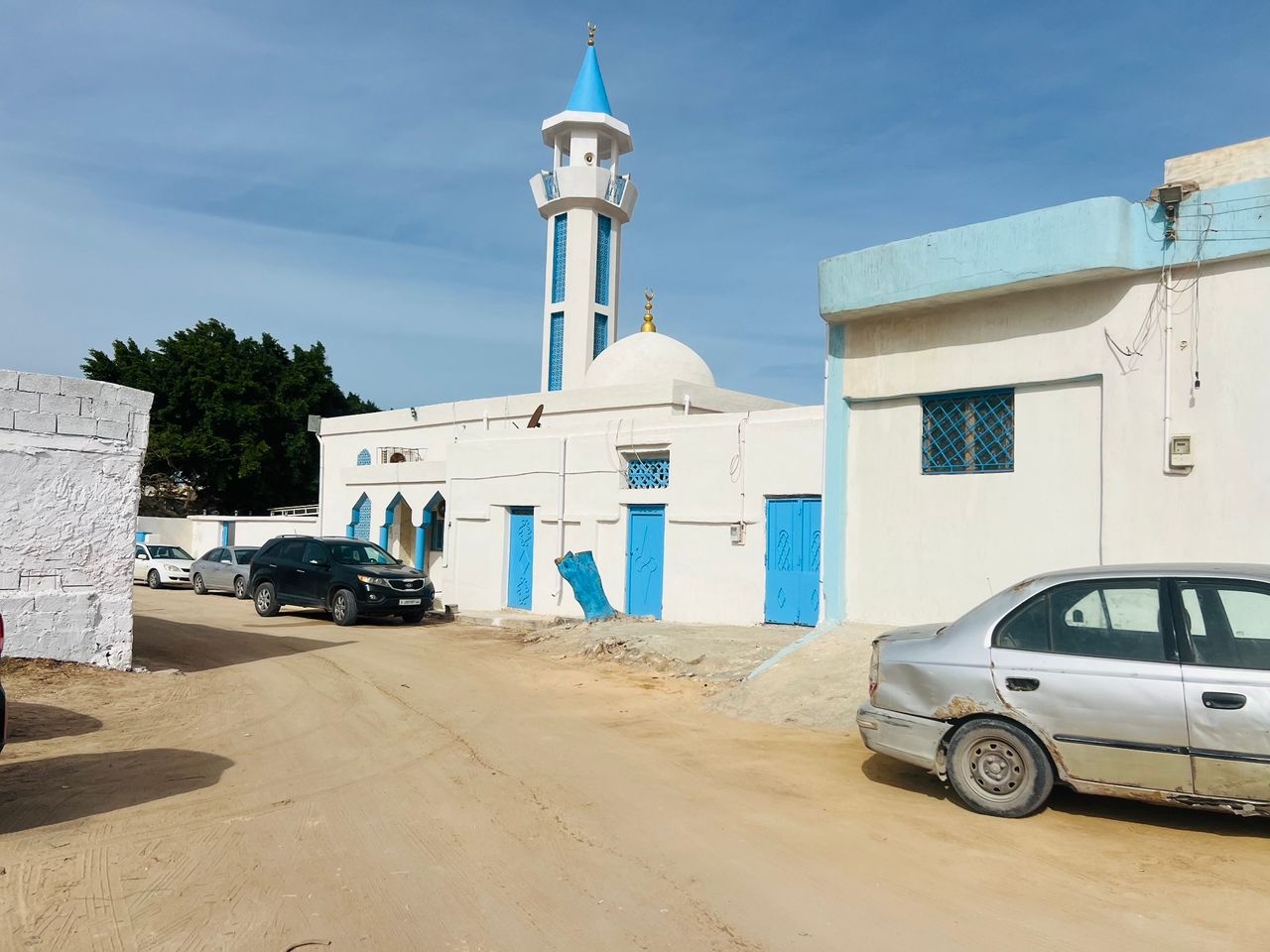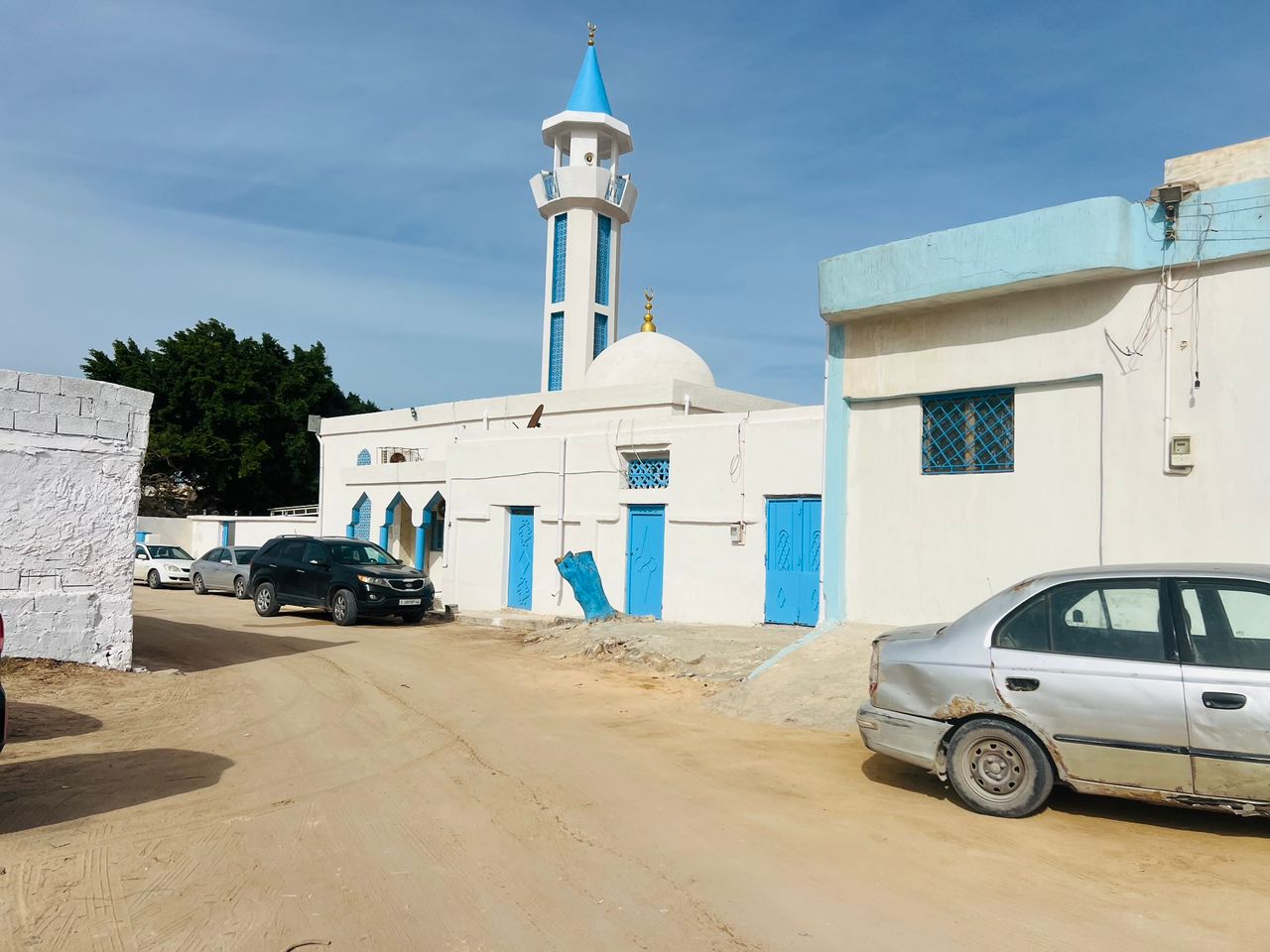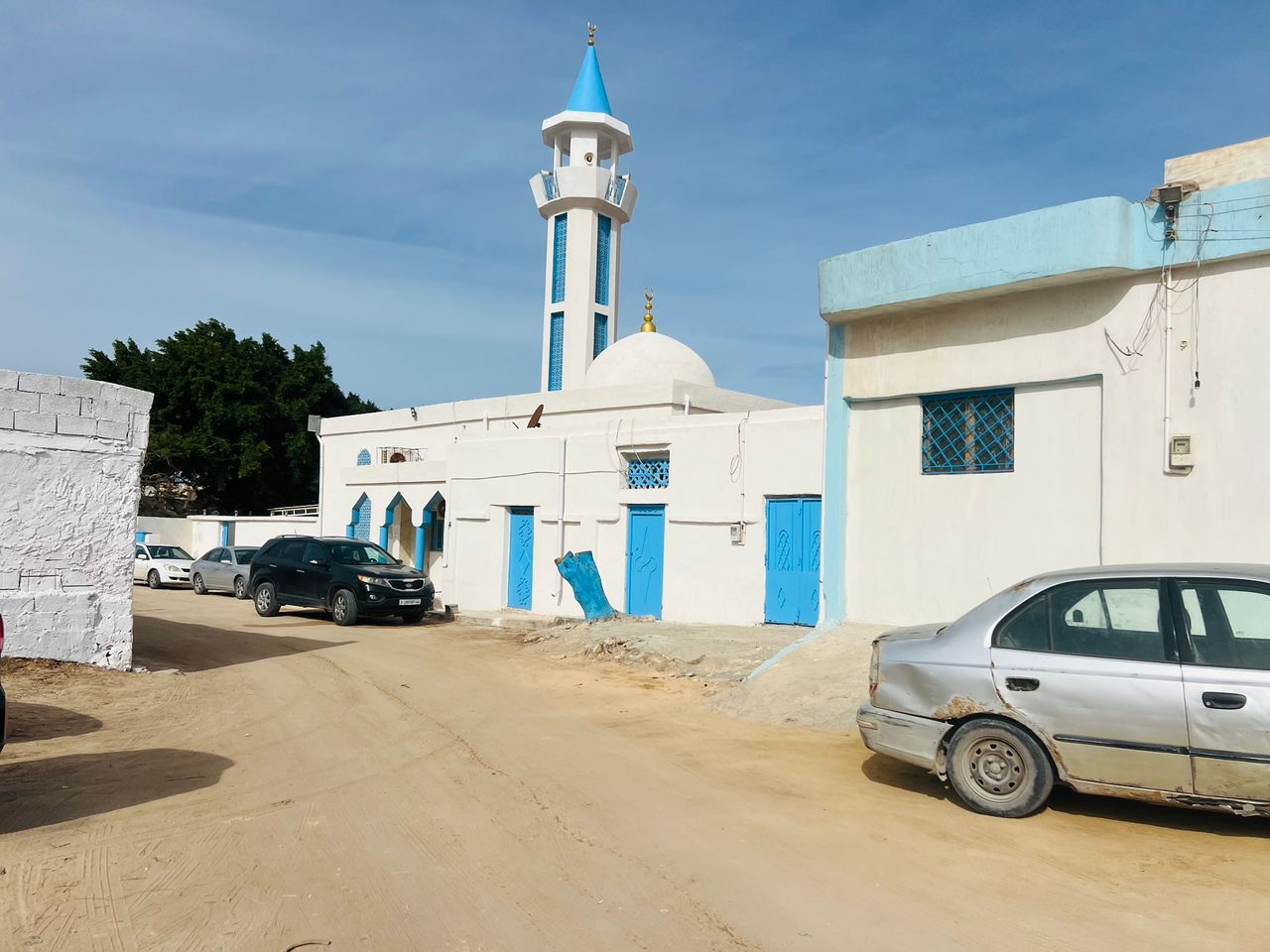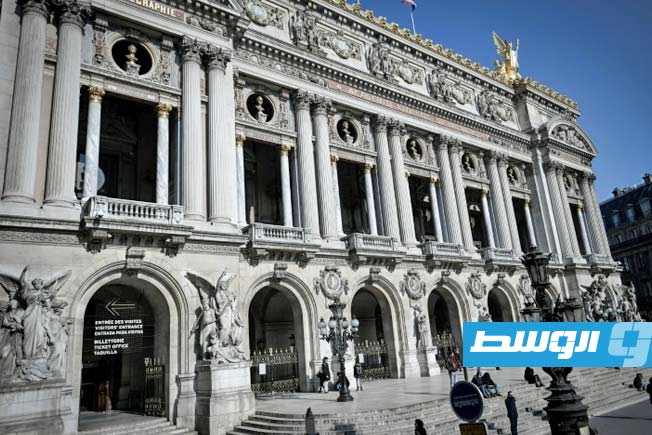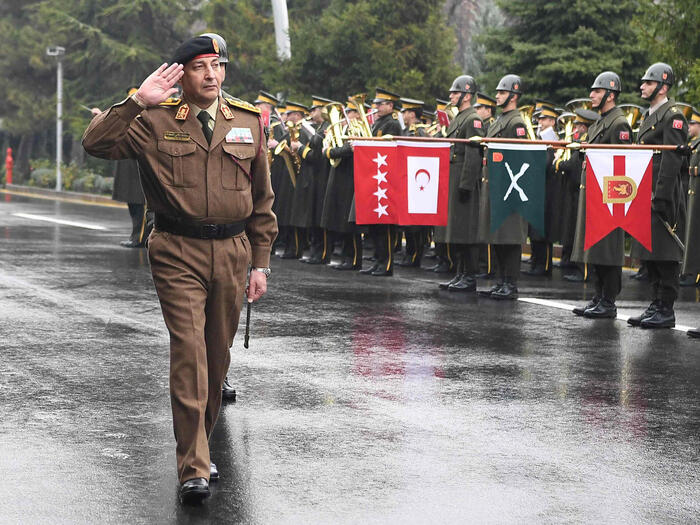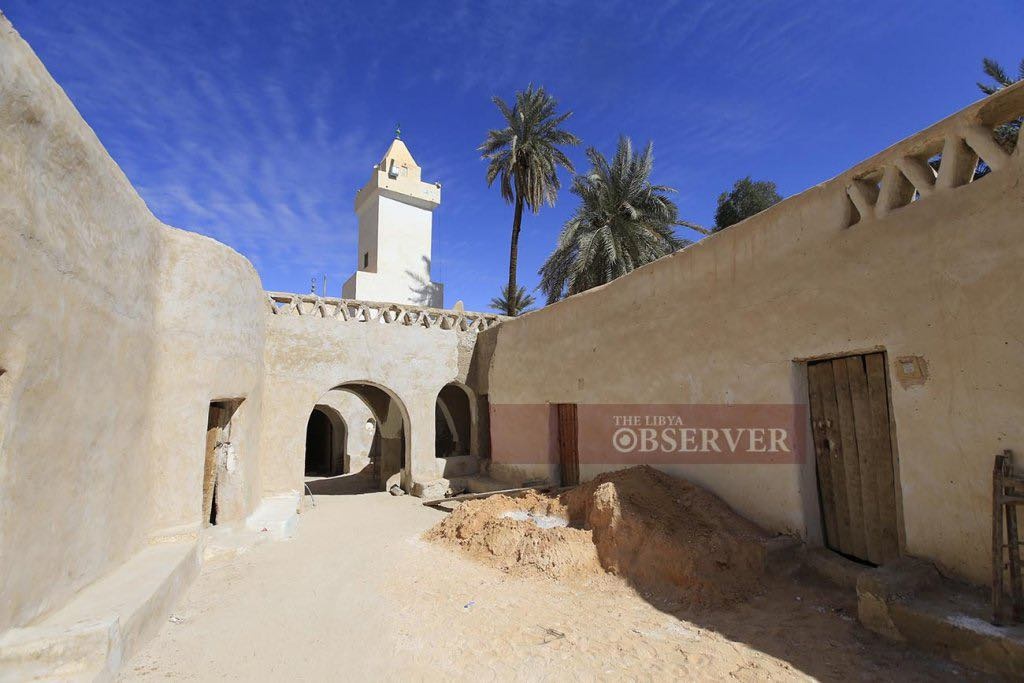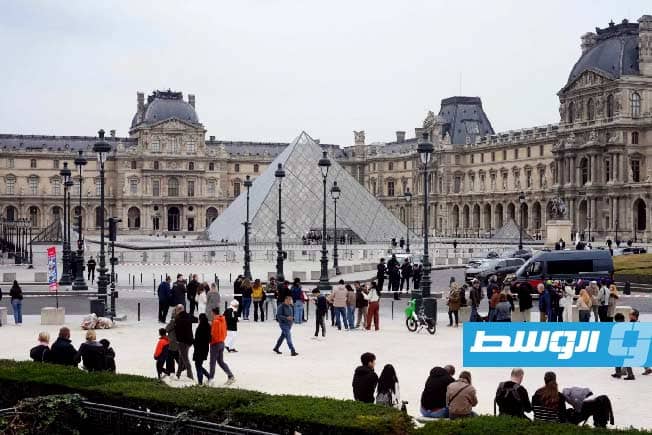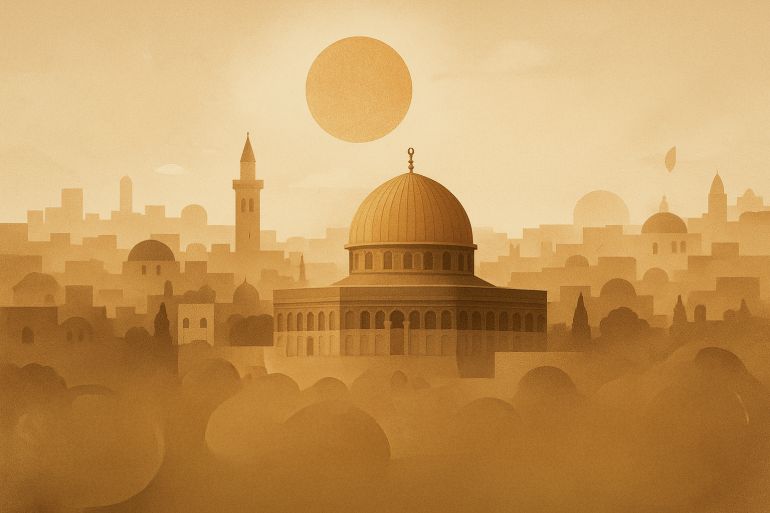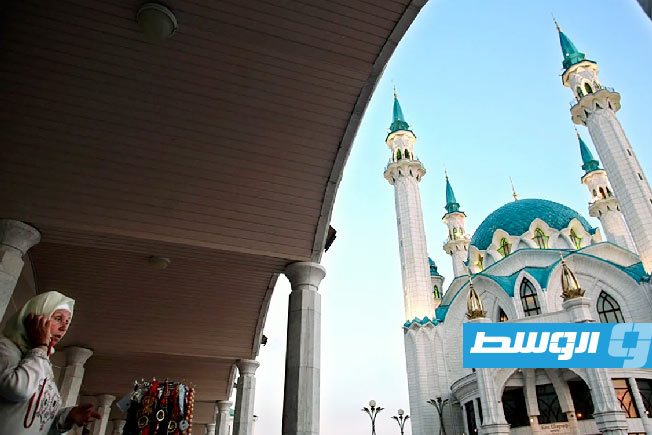
The Kul Sharif Mosque in Kazan. The mosque is a modern reconstruction of the original 16th-century mosque destroyed by the forces of Ivan the Terrible and is now used as the main mosque in Tatarstan. (Wikipedia)
The head of the Republic of Tatarstan announced on Wednesday that the city of Kazan has been officially selected as the “Cultural Capital of the Islamic World for 2026.” This announcement followed a decision made by the Conference of Culture Ministers of the Organization of Islamic Cooperation (OIC) during its meeting on Sunday in Jeddah, Saudi Arabia.
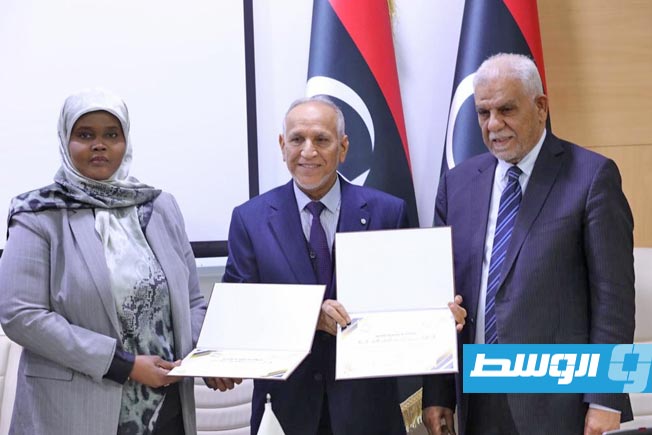
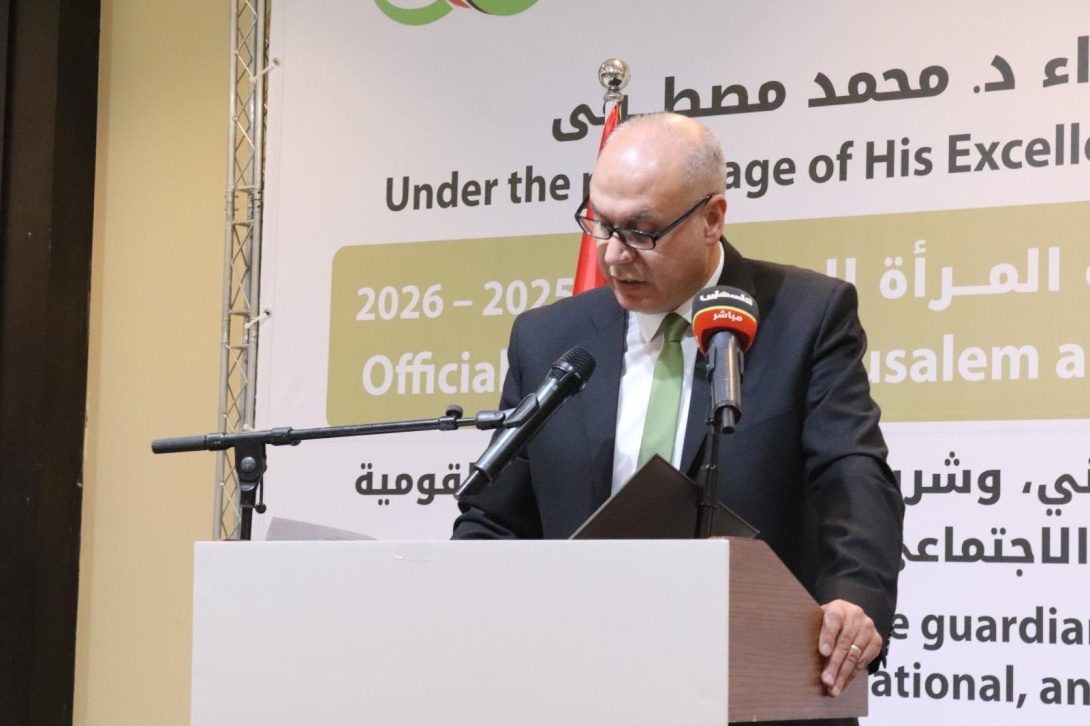
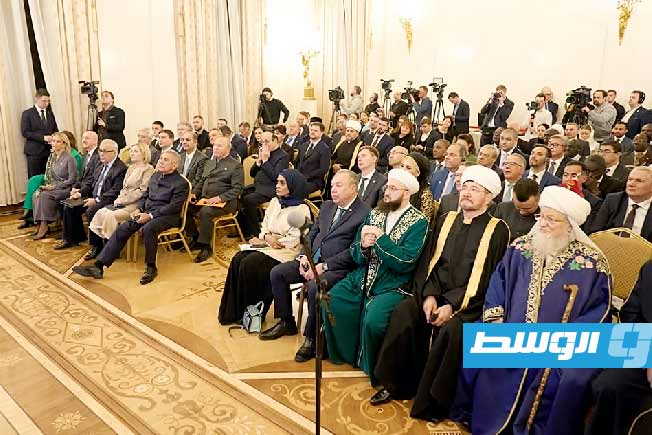
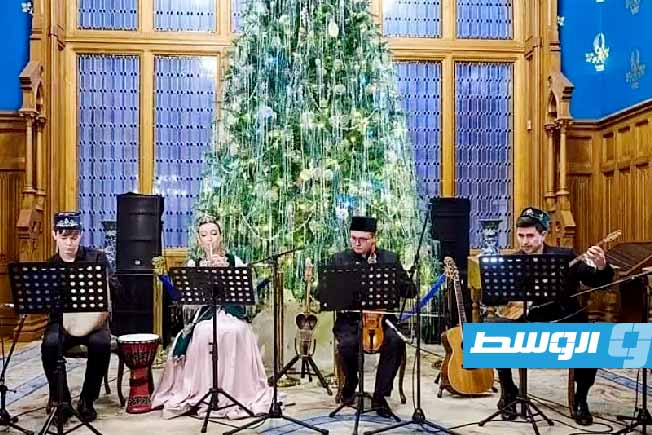
A ceremony to launch the occasion was held at the reception house of the Russian Foreign Ministry in Moscow, attended by the head of Tatarstan, the Russian Minister of Culture, the Assistant Minister of Foreign Affairs, alongside a gathering of the diplomatic corps from OIC member states.
It was confirmed that the selection of Kazan “reflects an appreciation for its historical role and its distinguished contributions to Islamic civilization,” noting that the city represents a living model of coexistence and tolerance and serves as a bridge connecting Russia with the Islamic world.
2026 Events: Economy and Culture
It was revealed that the grand opening of the events will be held concurrently with the “Kazan Forum” international economic forum in May 2026. The city is scheduled to host the Conference of Culture Ministers of the Organization of Islamic Cooperation during that year, in addition to a series of cultural programs that will extend throughout the year.
–
–
–
This title is awarded annually by the Organization of Islamic Cooperation in collaboration with the Islamic World Educational, Scientific and Cultural Organization (ICESCO), with the aim of promoting a correct understanding of Islamic culture and encouraging dialogue between civilizations.
The city of Kazan, the capital and largest city of the Russian Republic of Tatarstan, is located at the confluence of the Volga and Kazanka rivers. It covers an area of 425.3 square kilometers and has a population of over 1.2 million people.
Kazan
1. **City in Russia**
Kazan is the capital city of the Republic of Tatarstan, Russia. It is a major cultural, economic, and educational center, known for its mix of Tatar and Russian cultures. Key landmarks include the **Kazan Kremlin** (a UNESCO World Heritage site) and the **Kul Sharif Mosque**.
2. **Cooking Pot (Turkish/Ottoman origin)**
A *kazan* is a large, heavy cooking pot or cauldron traditionally used in Central Asian, Turkish, and Balkan cuisines, often for preparing pilaf, stews, or frying foods.
3. **Surname**
“Kazan” is a surname of Turkish origin, meaning “cauldron maker” or “boiler.” Notable people with this surname include:
– **Elia Kazan** (1909–2003), an influential Greek-American film and theatre director, known for movies like *On the Waterfront* and *A Streetcar Named Desire*.
4. **Other Uses**
– **Kazan River**: A river in Canada’s Northwest Territories.
– **Kazan (Metro)**: A station in the Saint Petersburg Metro.
– **Kazan (video game)**: A 1990s puzzle game for the Sega Genesis.
If you have a specific context in mind, feel free to share, and I can provide more detailed information!
Ivan the Terrible
### Key Aspects of His Reign:
1. **Centralization of Power**
– Crowned as the first “Tsar of All Russia” in 1547, he significantly strengthened autocratic rule, reducing the power of nobility (boyars) and creating a centralized Russian state.
2. **Military Campaigns & Expansion**
– Conquered the **Khanates of Kazan (1552)** and **Astrakhan (1556)**, extending Russian control over the Volga River and opening trade routes to Central Asia and Siberia.
– Fought the **Livonian War** (1558–1583) for access to the Baltic Sea, which ultimately drained resources and ended in failure.
3. **The Oprichnina (1565–1572)**
– A period of extreme political repression where Ivan created a separate personal guard (the **Oprichniki**) to purge suspected traitors. This led to mass executions, confiscation of lands, and widespread terror, severely damaging the economy and social structure.
4. **Cultural & Administrative Reforms**
– Early in his reign, he introduced legal reforms (**Sudebnik of 1550**), established a standing army (the **Streltsy**), and promoted the arts and architecture (e.g., **St. Basil’s Cathedral** in Moscow).
5. **Notorious Personal Violence**
– In a fit of rage, he killed his own son and heir, **Ivan Ivanovich**, in 1581—an event famously depicted in Ilya Repin’s painting *Ivan the Terrible and His Son*.
– His later years were marked by increasing mental instability, cruelty, and suspicion.
### Legacy:
– **Mixed Historical View**: Seen as a pivotal figure who expanded Russia’s territory and formalized autocratic rule, but also as a tyrant whose paranoia and brutality caused immense suffering.
– **Succession Crisis**: His death led to the **Time of Troubles** (1598–1613), a period of famine, civil war, and foreign intervention, due in part to the weak rule of his successor, **Feodor I**, and the mysterious death of his other son, **Dmitry**.
Ivan remains a complex and controversial figure in Russian history—both a state-builder and a symbol of unrestrained tyranny.
Tatarstan
—
### **Geography & Demographics**
– **Capital:** Kazan (one of Russia’s largest and oldest cities).
– **Location:** Eastern Europe, at the confluence of the Volga and Kama rivers.
– **Population:** ~3.9 million (2021), with a diverse ethnic mix:
– Tatars (~53%)
– Russians (~40%)
– Others (Chuvash, Udmurts, etc.).
– **Languages:** Tatar and Russian are both official languages.
—
### **History & Culture**
– **Historical Roots:** Part of the Volga Bulgaria (8th–13th centuries), later absorbed into the Golden Horde, then the Kazan Khanate (1438–1552).
– **Russian Conquest:** Ivan the Terrible conquered Kazan in 1552, incorporating the region into Russia.
– **Soviet Era:** Became the Tatar Autonomous Soviet Socialist Republic in 1920.
– **Post-Sovereignty:** In the 1990s, Tatarstan sought greater autonomy, signing a power-sharing treaty with Moscow (1994, renewed until 2017). It remains within the Russian Federation but retains symbolic sovereignty.
—
### **Economy**
– **Key Industries:** Oil and gas production (part of the Volga-Urals oil region), petrochemicals, machinery, and agriculture.
– **Major Companies:** Tatneft (oil), Kazanorgsintez (chemicals), KAMAZ (truck manufacturer).
– **Innovation Hub:** Kazan is a center for IT, education, and sports.
—
### **Politics & Status**
– **Governance:** A republic within Russia with its own constitution, president (called “Head”), and parliament (State Council).
– **Current Leader:** Rustam Minnikhanov (in office since 2010).
– **Autonomy:** While culturally distinct and economically strong, its political autonomy has been curtailed under centralized federal policies in recent years.
—
### **Culture & Identity**
– **Religion:** Predominantly Sunni Muslim (Tatars) and Russian Orthodox (Russians).
– **Heritage:** Rich Tatar traditions in language, literature (e.g., poet Gabdulla Tukay), music, and cuisine (echpochmak, çäkçäk).
– **UNESCO Sites:** Kazan Kremlin (a blend of Tatar and Russian architecture).
—
### **Notable Facts**
– Hosted the 2013 Summer Universiade and 2018 FIFA World Cup matches.
– Kazan is sometimes called the “Sports Capital of Russia.”
– Tatarstan promotes **”Tatarstan Model”** — balancing ethnic/religious harmony with economic development.
—
Tatarstan is known for its **unique blend of Tatar and Slavic cultures**, strong regional identity, and significant economic role in Russia.
Organization of Islamic Cooperation (OIC)
### **Key Facts:**
– **Founded:** September 25, 1969, in Rabat, Morocco, following the burning of Al-Aqsa Mosque in Jerusalem.
– **Headquarters:** Jeddah, Saudi Arabia (temporarily moved to Riyadh in 2023 for renovation).
– **Official Languages:** Arabic, English, French.
– **Secretary-General (as of 2024):** Hissein Brahim Taha (Chad).
### **Main Objectives:**
1. Promote solidarity among member states.
2. Strengthen cooperation in political, economic, social, cultural, and scientific fields.
3. Support the Palestinian cause and protect Islamic holy sites.
4. Safeguard the dignity, rights, and fundamental freedoms of Muslims.
5. Combat Islamophobia and promote dialogue among civilizations.
### **Structure:**
– **Islamic Summit:** The supreme authority, composed of heads of state, meets every three years.
– **Council of Foreign Ministers:** Meets annually to implement policies.
– **General Secretariat:** The executive body, headed by the Secretary-General.
– **Specialized institutions** (e.g., Islamic Development Bank, ISESCO) and subsidiary organs.
### **Notable Initiatives:**
– **Peace Efforts:** Mediation in conflicts involving Muslim communities (e.g., Afghanistan, Yemen, Rohingya crisis).
– **Humanitarian Aid:** Through the Islamic Solidarity Fund and response to crises in member states.
– **Cultural & Educational Programs:** Promoting Islamic values via education, science, and culture (ISESCO).
– **Combating Islamophobia:** Issuing resolutions and engaging with international bodies to address discrimination.
### **Challenges:**
– Political diversity among members (e.g., differing alliances, governance models).
– Limited enforcement mechanisms for resolutions.
– Balancing national interests with collective Islamic solidarity.
### **Recent Focus Areas:**
– Advocacy for Palestine (e.g., emergency meetings on Gaza).
– Climate change and sustainable development.
– Women’s empowerment and youth engagement.
– Digital transformation and economic cooperation.
The OIC remains a significant platform for Muslim-majority countries to coordinate on global issues, though its effectiveness is often shaped by geopolitical dynamics among its members.
Jeddah
Saudi Arabia
—
### **Key Facts:**
– **Capital:** Riyadh
– **Official Language:** Arabic
– **Government:** Unitary Islamic absolute monarchy
– **Currency:** Saudi Riyal (SAR)
– **Population:** ~35 million (2023 estimate)
—
### **Economy:**
– **World’s largest oil exporter** and a leading member of **OPEC**.
– Recently pushing economic diversification through **Vision 2030**, focusing on tourism, technology, and renewable energy.
– Home to **Aramco**, one of the world’s most valuable companies.
—
### **Culture & Religion:**
– **Islam’s birthplace** – home to **Mecca** and **Medina**, the two holiest cities in Islam.
– Society is deeply rooted in **Islamic traditions** and **Bedouin heritage**.
– Recent social reforms have expanded women’s rights (e.g., driving, increased workforce participation) and promoted entertainment/ tourism.
—
### **Geography:**
– Dominated by **deserts** (e.g., Rub’ al Khali/”Empty Quarter”).
– Borders Jordan, Iraq, Kuwait, Qatar, UAE, Oman, and Yemen.
– Has coastlines on the **Red Sea** and the **Persian Gulf**.
—
### **Recent Developments:**
– **Neom** and other “giga-projects” aim to transform the economy.
– Active in regional diplomacy (e.g., mediating conflicts, opening ties with Iran).
– Hosting global events (e.g., Formula 1, esports, future **2034 FIFA World Cup**).
—
Would you like more details on any specific aspect—such as its history, politics, or Vision 2030 projects?
Russian Foreign Ministry
### Key Functions:
1. **Diplomatic Relations** – Manages Russia’s diplomatic missions abroad and hosts foreign diplomats in Russia.
2. **Foreign Policy Development** – Advises the President and government on international affairs.
3. **International Negotiations** – Represents Russia in bilateral and multilateral talks (e.g., UN, BRICS, OSCE).
4. **Consular Services** – Assists Russian citizens abroad and issues visas to foreigners.
5. **Public Diplomacy** – Communicates Russia’s positions through media and cultural exchanges.
### Structure:
– Headquartered in Moscow’s **Smolenskaya-Sennaya** area.
– Organized into departments (e.g., regional, thematic, consular).
– Oversees embassies, consulates, and permanent missions worldwide.
### Current Priorities (as of 2023–2024):
– **Ukraine Conflict** – Diplomatic efforts amid tensions with the West.
– **Sanctions Response** – Navigating economic and political sanctions.
– **Multilateral Engagement** – Strengthening ties with non-Western states (China, India, Global South).
– **Strategic Stability** – Arms control discussions with the U.S.
– **Information Policy** – Countering what Russia calls “Western disinformation.”
### Notable Context:
– The ministry often reflects Russia’s stance as a **”great power”** seeking a multipolar world order.
– It has faced criticism from Western nations over Russia’s actions in Ukraine, Syria, and elsewhere.
– Under Lavrov, its rhetoric is characterized by assertive, sometimes confrontational, diplomacy.
For official statements or detailed policies, refer to the ministry’s website: **[mid.ru](https://www.mid.ru/)**.
Moscow
Russian Minister of Culture
### **Key Responsibilities:**
The ministry oversees:
* State cultural policy
* Preservation of cultural heritage
* Support for the arts, theater, cinema, music, museums, and libraries
* Copyright and related rights
* Cultural exchanges and international cooperation in culture
### **Recent Context:**
The role and the ministry have been prominently involved in:
* **Cultural legislation:** Implementing laws related to “foreign agents” in the cultural sphere and regulations on “undesirable organizations.”
* **Patriotic Education:** Promoting state-aligned historical narratives and patriotic themes in arts and cultural institutions.
* **International Relations:** Cultural diplomacy has been significantly affected by geopolitical events, including sanctions and the suspension of many international cultural partnerships since 2022.
### **Important Note:**
The minister and the ministry operate within the framework of the Russian government’s policies. Their public statements and initiatives are closely aligned with the state’s official positions, especially regarding historical interpretation and national identity.
If you are looking for specific information about a policy, recent statement, or historical context, please let me know.
Assistant Minister of Foreign Affairs
### Common Characteristics:
1. **Rank:** Usually one level below the Minister of Foreign Affairs (or equivalent, like the Secretary of State in some systems).
2. **Role:** Often oversees specific geographic regions (e.g., Assistant Minister for Asian Affairs) or functional areas (e.g., Assistant Minister for Economic Diplomacy, Consular Affairs, or International Organizations).
3. **Reporting:** Typically reports directly to the Minister or a senior Vice-Minister.
4. **Functions:** May represent the country in diplomatic negotiations, lead delegations, formulate policy recommendations, and manage bureaus or departments within the foreign ministry.
### Examples by Country:
* **China:** Has several Assistant Ministers of Foreign Affairs, each overseeing a portfolio.
* **United States:** While not using this exact title, analogous positions include **Assistant Secretaries of State** (e.g., Assistant Secretary for East Asian and Pacific Affairs).
* **Japan:** Known as **Vice-Ministers** (e.g., Senior Vice-Minister for Foreign Affairs).
* **Many other nations** (UK, India, Australia, etc.) have similar deputy-level positions with titles like “Deputy Minister,” “Minister of State,” or “Parliamentary Secretary.”
### Key Point:
The exact title and authority of an “Assistant Minister” can differ. In some governments, it is a high-ranking civil servant, while in others, it may be a political appointee or an elected official.
If you have a **specific country** in mind, I can provide more precise details about the role and its place in that government’s hierarchy.
Kazan Forum
### **Key Aspects of the Kazan Forum:**
1. **Purpose and Focus:**
– Strengthening trade, economic, scientific, technical, social, and cultural ties between Russia and Muslim-majority countries.
– Promoting halal industry development, Islamic finance, investment partnerships, and interregional cooperation.
– Discussing global challenges and opportunities in Eurasia and the Muslim world.
2. **Organizers:**
– Organized by the Government of Russia and the Government of Tatarstan.
– Supported by strategic partners including the Organisation of Islamic Cooperation (OIC).
3. **Participants:**
– High-level officials from Russia and OIC member states.
– Business leaders, investors, entrepreneurs.
– Experts in Islamic finance, halal industry, diplomacy, and academia.
– Representatives from regional and international organizations.
4. **Main Events and Activities:**
– Plenary sessions and panel discussions on economic integration, investment, and innovation.
– **Halal Expo** – exhibition of halal products, services, and technologies.
– **Young Entrepreneurs Forum** – focusing on startup ecosystems and youth business initiatives.
– Cultural programs showcasing Tatar and Islamic heritage.
5. **Significance:**
– One of Russia’s key platforms for engaging with the Islamic world.
– Highlights Tatarstan’s role as a bridge between Russian and Islamic civilizations.
– Promotes Kazan as an international hub for business and cultural exchange.
6. **Recent Developments:**
– The forum has expanded its agenda to include topics like digital economy, sustainable development, and humanitarian cooperation.
– Increasing participation from Asia, Africa, and the Middle East.
The Kazan Forum underscores Russia’s “pivot to the East” and its efforts to deepen partnerships with Muslim-majority nations in a multipolar world context.
Islamic World Educational, Scientific and Cultural Organization (ICESCO)
### **Overview**
ICESCO is a specialized international organization operating within the framework of the Organisation of Islamic Cooperation (OIC). It focuses on promoting cooperation among its 54 member states in the fields of **education, science, culture, and communication** to support sustainable development and reinforce civilizational dialogue. Its headquarters are in **Rabat, Kingdom of Morocco**.
### **Historical Background**
* **Founded:** 1982 (Originally as ISESCO – the Islamic Educational, Scientific and Cultural Organization).
* **Rebranding:** In 2019, it was rebranded to **ICESCO** to reflect a more modern, inclusive, and action-oriented vision under its current Director-General, Dr. Salim M. AlMalik.
* **Mandate:** Established to consolidate civilizational identity and address common challenges facing the Islamic world in its areas of competence.
### **Core Objectives & Mission**
ICESCO’s mission is to strengthen cooperation among member states and Muslim communities worldwide by:
1. Advancing educational systems and promoting scientific research and innovation.
2. Preserving and valorizing Islamic cultural heritage, both tangible and intangible.
3. Supporting youth and women empowerment.
4. Fostering values of peace, dialogue, and cultural diversity.
5. Building capacities to address contemporary challenges like climate change, food security, and digital transformation.
### **Key Areas of Focus**
* **Education:** Promoting literacy, technical and vocational training, teacher development, and integrating modern technologies (AI, digital tools) into education.
* **Science & Technology:** Supporting research, innovation, ethics of science, and building scientific capacities, with a focus on fields like biotechnology, space sciences, and artificial intelligence.
* **Culture & Heritage:** Protecting historical sites, restoring manuscripts, safeguarding intangible heritage (e.g., traditional crafts, music), and designating **”Capitals of Culture in the Islamic World.”**
* **Social & Human Sciences:** Focusing on youth and women leadership, sports for development, ethical foresight, and promoting values of citizenship and peace.
* **Communication & Information:** Developing media strategies, supporting journalism, and leveraging digital platforms for cultural dialogue.
### **Notable Initiatives & Programs**
* **ICESCO’s Capitals of Culture:** An annual program designating cities in the Islamic world to showcase their cultural richness (e.g., **Cairo, Doha, Bamako, Islamabad** have been recent capitals).
* **Heritage Preservation:** Launch of major projects to restore and rehabilitate historical sites and museums across member states, especially in conflict and post-conflict zones.
* **Digital Transformation:** Initiatives like the “Digital Mosque” and programs to integrate AI into education and scientific research.
* **International Observances:** Organizing events and awards to celebrate figures in Islamic civilization and promote its values.
* **Humanitarian & Emergency Response:** Providing educational and cultural support during crises, such as the COVID-19 pandemic and natural disasters.
### **Structure**
* **General Conference:** The supreme authority, composed of representatives from all member states. It meets every three years.
* **Executive Council:** Composed of representatives from elected member states, it meets annually to oversee program implementation.
* **Director-General:** The chief executive officer, elected for a four-year term (currently **Dr. Salim M. AlMalik** since 2019).
* **Specialized Centers & Institutes:** ICESCO oversees several centers, such as the Islamic World Heritage Committee and the Center for Strategic Foresight.
### **Relationship with UNESCO**
ICESCO is often considered the Islamic world’s counterpart to the global **UNESCO**. While they share similar domains (education, science, culture), **ICESCO has a specific civilizational focus on the Islamic world** and operates primarily within its member states. The two organizations often collaborate on joint projects and share expertise.
### **Significance**
ICESCO serves as a vital platform for **South-South cooperation**, aiming to revitalize the scientific and cultural contributions of the Islamic world while addressing its contemporary developmental challenges. Its recent strategic shift under the “ICESCO of the Future” vision positions it as a proactive, technology-embracing organization seeking to build bridges both within and beyond the Muslim world.
In summary, **ICESCO is the leading intergovernmental organization dedicated to advancing education, science, culture, and communication across the Islamic world, with a strong emphasis on preserving heritage and embracing innovation for sustainable development.**
Volga
Kazanka
### 1. **Kazanka River (Russia)**
– A river in **Tatarstan, Russia**, flowing through the capital city **Kazan** and emptying into the **Volga River**.
– Historically significant as the site of **Ivan the Terrible’s siege of Kazan** in 1552.
– Today, it is a popular recreational area with parks, embankments, and scenic views.
### 2. **Kazanka (Ukrainian Dish)**
– A traditional **Ukrainian dish** made from **blood sausage** (similar to black pudding), often mixed with buckwheat, barley, or other grains.
– Typically prepared during winter holidays or festive occasions.
### 3. **Kazanka (Brand or Product)**
– Sometimes used as a brand name for **food products** (e.g., sausages, canned goods) in Eastern Europe.
– May also refer to a type of **Ukrainian vodka** or other regional beverages.
### 4. **Kazanka (Geographical Locations)**
– A few small towns or villages in **Ukraine** and **Russia** bear this name.
### 5. **Kazanka (Cultural References)**
– Occasionally appears in **folk songs, literature, or historical texts** related to Cossack or Tatar culture.
If you have a specific context in mind (e.g., geography, cuisine, culture), feel free to ask for more details!