The final round competitions of the championship, hosted by Pakistan until January 11, begin today, Sunday. The tournament features a prize pool of up to $120,000, placing it in the category.
Final Round Matchups
Egypt has secured the men’s title in the championship, after the Egyptian duo Ali Abou El-Einin and Mohamed Zakaria qualified for the final match. Meanwhile, in the women’s competitions, the Egyptian champion will meet her Malaysian counterpart, Siva Sangari Subramaniam.
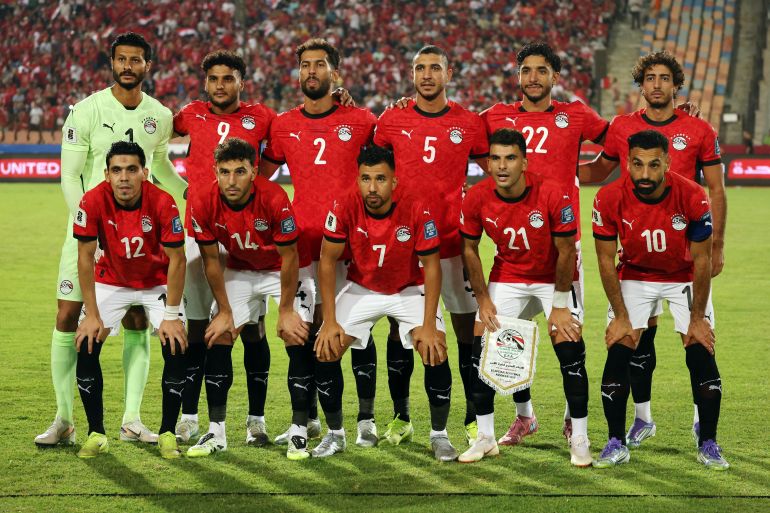
Egyptian Men’s Competitors
Karim Abdel Gawad, Mohamed Zakaria, Mostafa Serty, Ali Abou El-Einin, Youssef Ibrahim, Karim El Hammamy, Youssef Soliman, Yahya El Nawsany, Faris Dessouky.
The Karachi Squash Championship is a prestigious annual tournament in Pakistan, historically significant for being a key event in the country’s rich squash heritage. It has served as a major platform, particularly during the 1980s and 1990s, for legendary Pakistani champions like Jahangir Khan and Jansher Khan to showcase their dominance in the sport.
Pakistan
Pakistan is a South Asian nation established in 1947 following the partition of British India, founded as a homeland for Muslims in the region. Its rich cultural heritage is shaped by ancient Indus Valley civilizations, various empires, and its status as a modern Islamic republic.
Egypt
Egypt is home to one of the world’s oldest civilizations, with a recorded history spanning over 5,000 years and famed for its pharaonic monuments like the Pyramids of Giza and the Sphinx. Its rich cultural legacy includes significant contributions to writing, architecture, and religion, later influenced by Greek, Roman, Coptic Christian, and Islamic periods following its conquests.
Malaysia
Malaysia is a Southeast Asian nation with a rich history shaped by indigenous cultures, centuries of trade, and successive influences from Hindu-Buddhist kingdoms, Islamic sultanates, and European colonial powers, notably the British. It gained independence in 1957 and is now known for its vibrant multicultural society, tropical rainforests, and modern capital, Kuala Lumpur.
Ali Abou El-Einin
Ali Abou El-Einin is a prominent Egyptian businessman and former parliamentarian known for his extensive influence in construction and development. He served in the People’s Assembly of Egypt and has been a significant figure in major national projects, though his career has also been accompanied by controversy and legal scrutiny.
Mohamed Zakaria
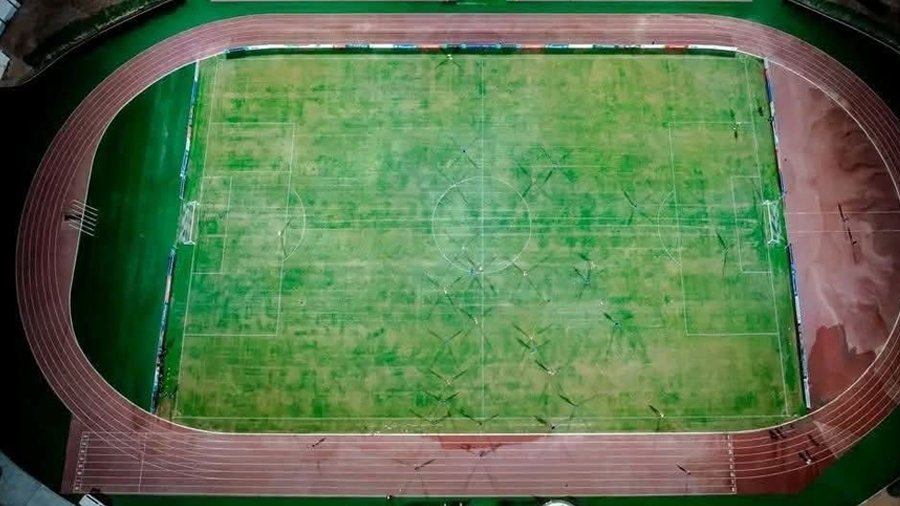
Mohamed Zakaria is a major sports stadium in Algiers, Algeria, named after the Algerian footballer Mohamed Zakaria. It was originally built in 1937 during the French colonial period and was known as the Stade Municipal d’El Annasser before being renamed after independence. The stadium has historically served as a key venue for football matches and large public events.
Siva Sangari Subramaniam
Siva Sangari Subramaniam is a prominent Hindu temple located in Sentul, Kuala Lumpur, Malaysia, dedicated to the deity Lord Murugan. It was established in the late 19th century by Indian Tamil migrants who worked on the Malayan Railway, serving as a vital spiritual and community center. The temple’s history is deeply intertwined with the growth of the local Tamil community and it remains a key site for major Hindu festivals like Thaipusam.
Karim Abdel Gawad
Karim Abdel Gawad is a professional squash player from Egypt, not a place or cultural site. He is a former world number one and has won multiple major championships, including the World Open in 2016. His success is part of Egypt’s modern dominance in the sport of squash.
Mostafa Serty
Mostafa Serty is not a widely recognized place or cultural site. It appears to be a personal name, possibly referring to an individual, rather than a location with a documented public history. Therefore, no historical summary for a cultural site by that name can be provided.
Youssef Ibrahim
Youssef Ibrahim is a historic district in Cairo, Egypt, known for its collection of well-preserved 19th and early 20th-century buildings that showcase European architectural styles. The area was developed during the Khedival era as part of the expansion of modern Cairo and is named after a prominent Egyptian businessman of that period. Today, it is recognized for its cultural heritage and distinctive urban character.
Karim El Hammamy
Karim El Hammamy is not a widely recognized place or cultural site. It appears to be the name of an individual, such as an Egyptian actor or director. Therefore, it does not have a history as a location or monument to summarize.
Youssef Soliman
Youssef Soliman is a neighborhood in the city of Alexandria, Egypt, historically known for its vibrant and diverse community. It developed significantly in the late 19th and early 20th centuries, becoming a notable residential and commercial area that reflected Alexandria’s cosmopolitan character during that era.
Yahya El Nawsany
Yahya El Nawsany is a prominent Egyptian actor known for his work in film, television, and theater. He has been active in the industry since the late 1990s, gaining recognition for his versatile roles in numerous popular Egyptian dramas and series.
Faris Dessouky
Faris Dessouky is a notable Egyptian squash player who has achieved significant success on the professional circuit, including reaching a career-high world ranking within the top 20. His career represents a continuation of Egypt’s modern dominance in the sport of squash.
Amina Orfi
Amina Orfi is a rising Egyptian professional squash player, not a place or cultural site. She gained attention for her rapid ascent in the sport, becoming the youngest player ever to win a Professional Squash Association (PSA) title in 2023 at age 15. Her success marks a significant moment in the history of Egyptian squash, a country renowned for producing world champions.
Nour Hany
Nour Hany is not a widely recognized place or cultural site in available historical or cultural records. It appears to be a personal name, most commonly associated with an Egyptian professional squash player. Therefore, it does not have a history as a geographical location or a traditional cultural monument.
Nour Aboulmakarim
Nour Aboulmakarim is not a widely recognized place or cultural site based on available information. It appears to be a personal name, likely of Arabic origin, rather than a location or monument with a documented public history. Therefore, no historical summary of a site by this name can be provided.
Fayrouz Abouelkheir
Fayrouz Abouelkheir is a prominent Egyptian singer and actress, celebrated as one of the Arab world’s leading musical icons. Her career, which began in the mid-20th century, is marked by a vast repertoire of beloved songs that have become integral to Arabic cultural heritage.
Mariam Metwally
Mariam Metwally is a Coptic Orthodox church located in the Zeitoun district of Cairo, Egypt. It is historically significant as the site of reported apparitions of the Virgin Mary, which were witnessed by thousands of people from different faiths over a period of several months starting in April 1968. These events have made it a major pilgrimage site within the Coptic Christian community.
Salma Hany
Salma Hany is a professional squash player from Egypt, not a physical place or cultural site. She is a prominent figure on the Professional Squash Association (PSA) World Tour, known for achieving a career-high world ranking of No. 5 in 2022. Her history in the sport is marked by winning multiple PSA titles and representing Egypt in international competitions.
Farida Mohamed
Farida Mohamed is not a known place or cultural site; it appears to be a personal name, possibly referring to an individual such as an Egyptian actress or other public figure. Without a specific cultural or historical location identified, a summary of a site cannot be provided.
Nardine Garas
Nardine Garas is a Coptic Christian church and monastery located in the Mokattam mountain area southeast of Cairo, Egypt. It is historically significant as part of the “Cave Churches” complex, which originated in the 1970s as a settlement for the Zabaleen (garbage collectors) community, who carved these places of worship directly into the limestone cliffs.
Nada Abbas
Nada Abbas is an Egyptian professional squash player, not a place or cultural site. She has achieved recognition as one of Egypt’s top athletes, winning multiple Professional Squash Association (PSA) titles and representing her country in international competitions.
Menna Hamed
Menna Hamed is a prominent Egyptian actress known for her roles in television and film. She began her career in the early 2000s and has since become a well-known figure in the Arab entertainment industry.
Nadine Shahin
Nadine Shahin is not a known place or cultural site, but rather the name of an individual, specifically a Jordanian-Palestinian singer and songwriter. She gained prominence in the Arab world after winning the second season of the talent competition *Arab Idol* in 2013. Her career since has focused on her music, which often blends traditional Arabic styles with contemporary pop.
Habiba Hany
Habiba Hany is a prominent Egyptian belly dancer and actress who gained fame in the late 20th century, particularly in the 1980s and 1990s. She is celebrated for her performances in numerous Egyptian films and television series, contributing to the popularization of belly dance as a key element of Egyptian entertainment culture.
Amina El Rihany
Amina El Rihany is a historic palace located in the heart of Cairo, Egypt, originally built in the 19th century during the era of Khedive Ismail. It is known for its distinctive blend of European and Islamic architectural styles and has served various purposes, including as a royal residence and a government building.
Haya Ali
Haya Ali is a prominent cultural and commercial street located in the heart of Riyadh, Saudi Arabia. Historically, it was a vital trading route and gathering place, evolving from a traditional market into a modern, bustling hub for shopping and social life. Today, it remains one of the city’s most famous and vibrant destinations.