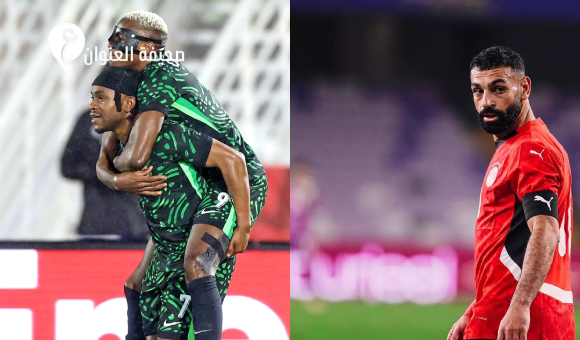
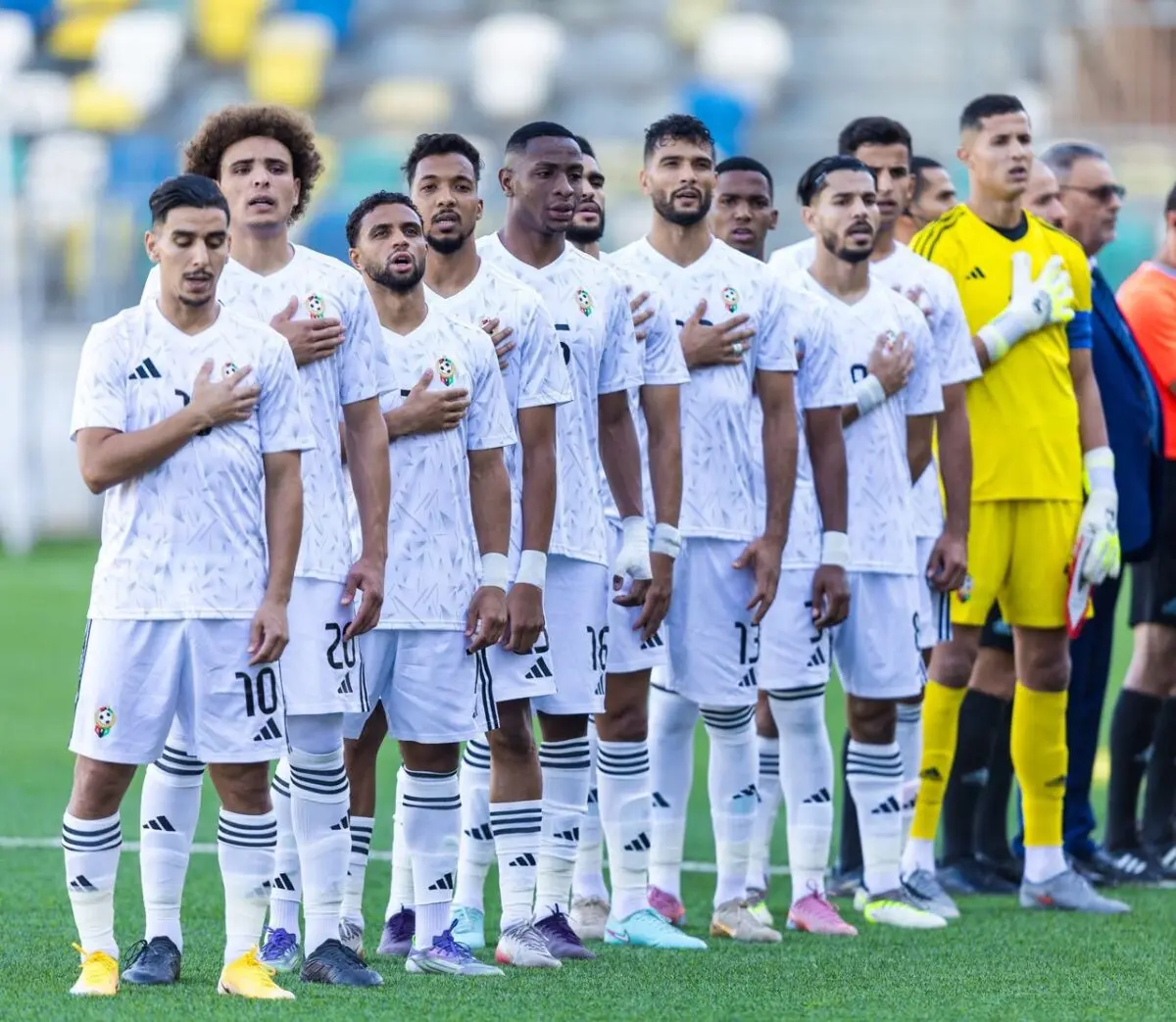
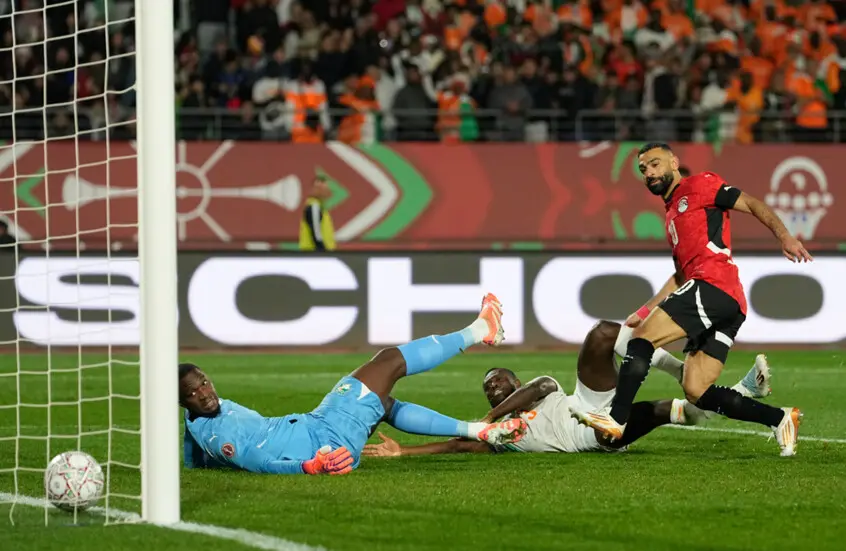
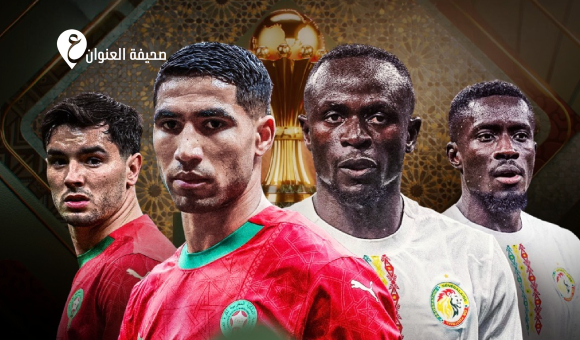
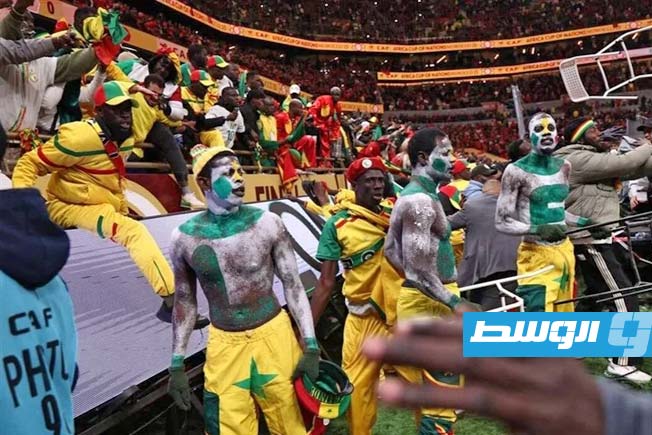
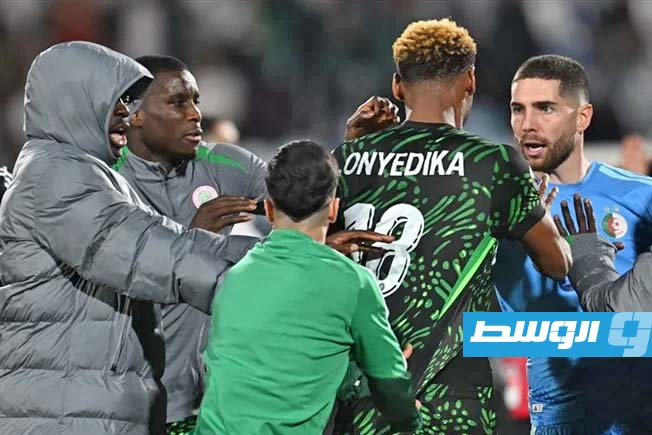
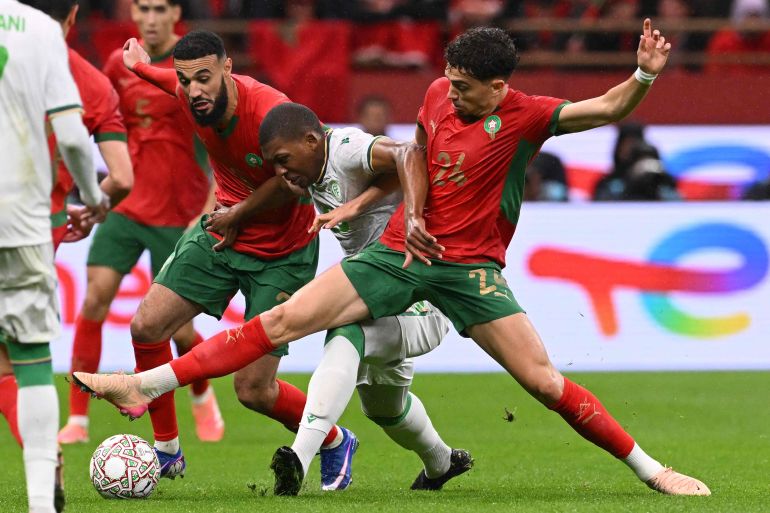
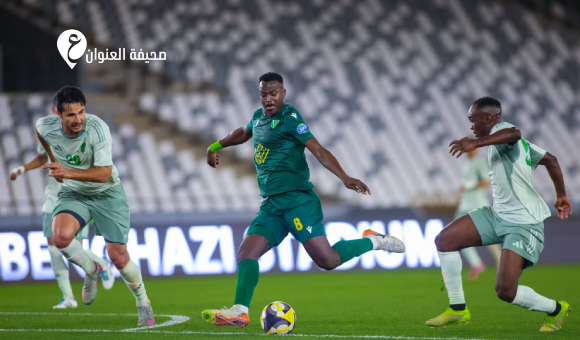
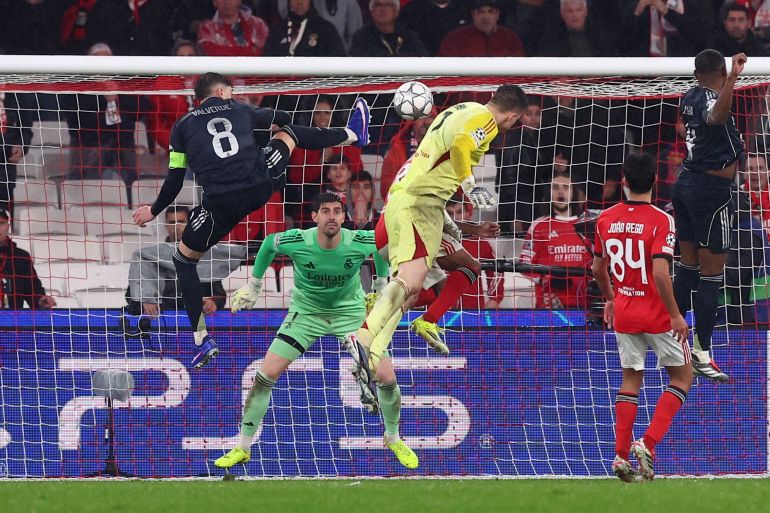
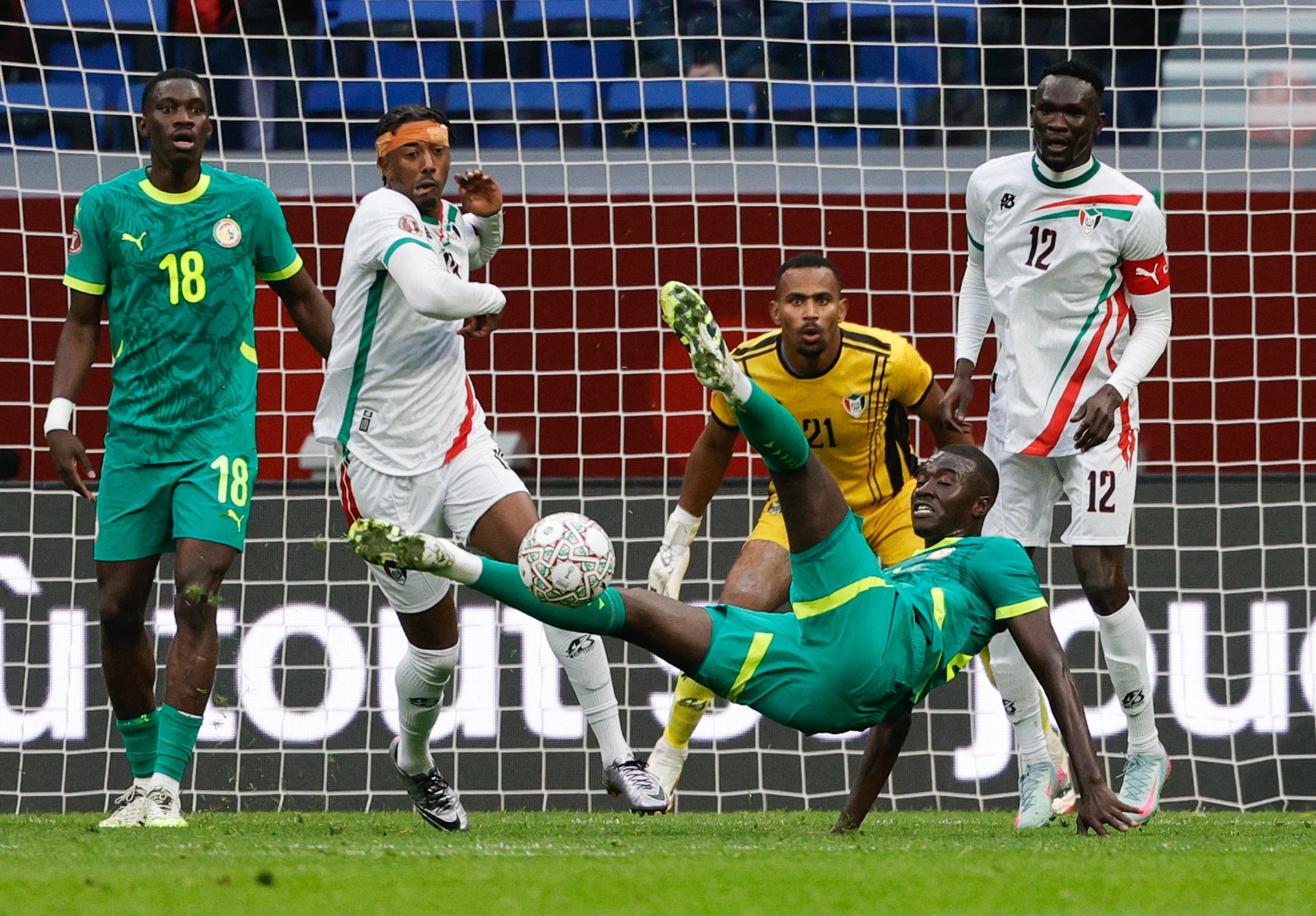
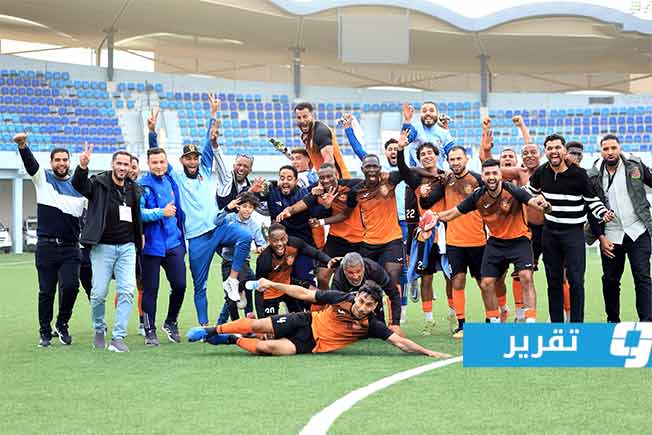
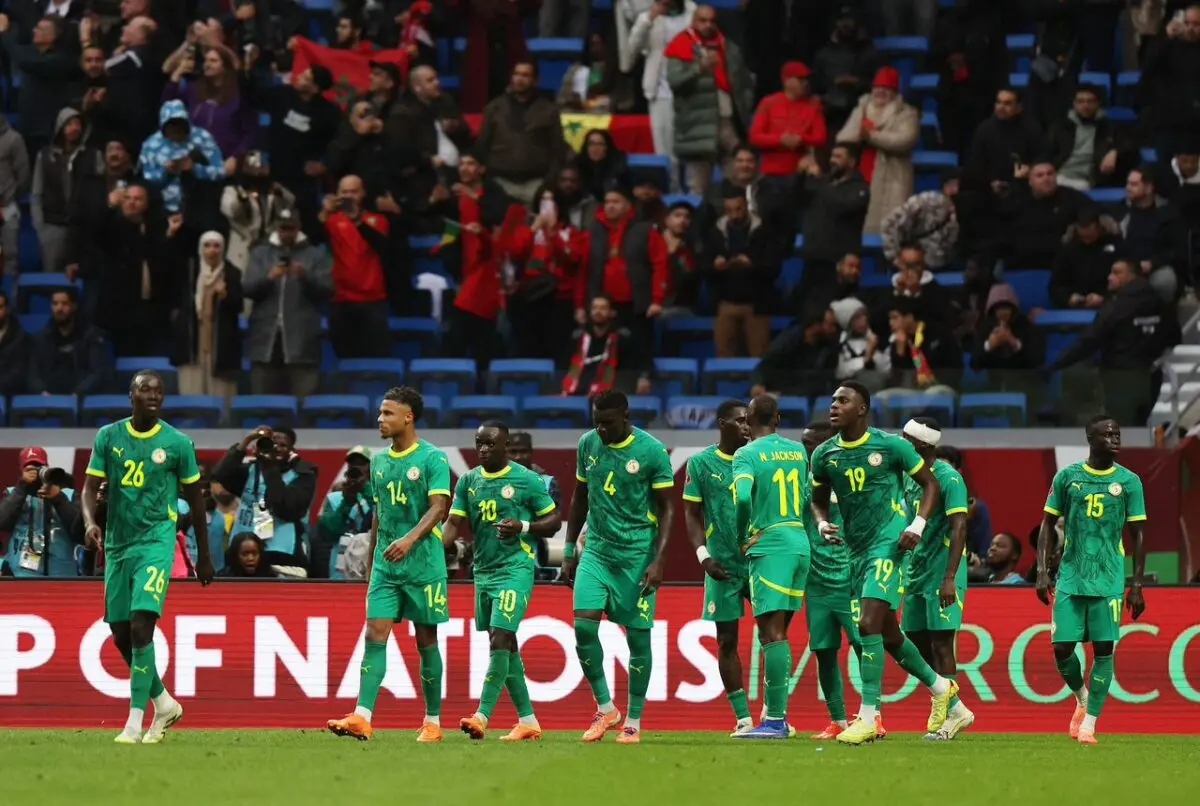
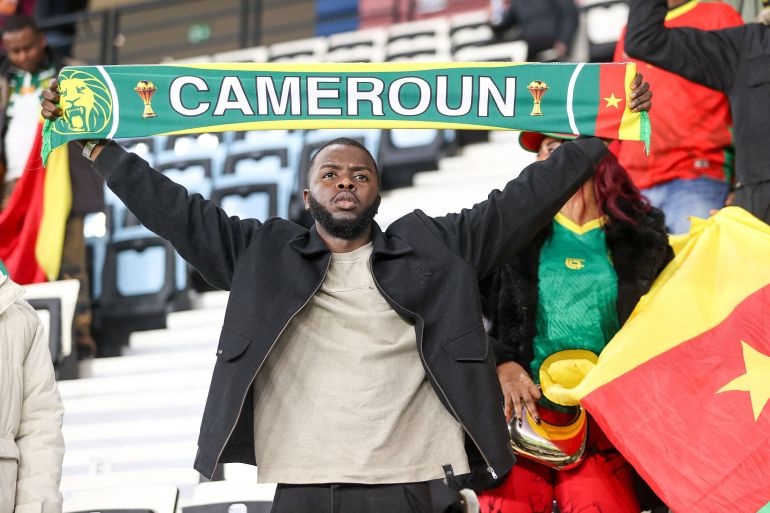
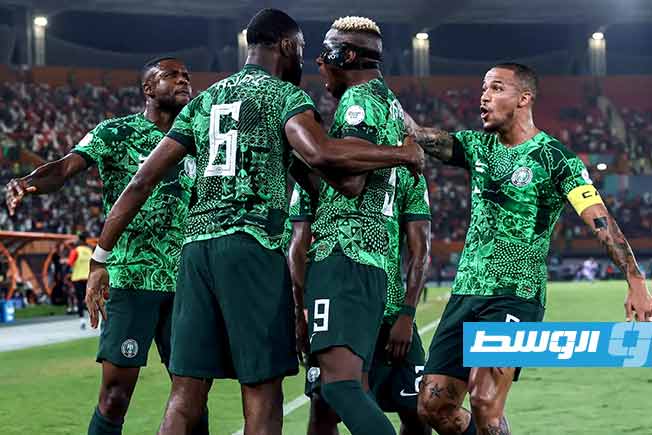
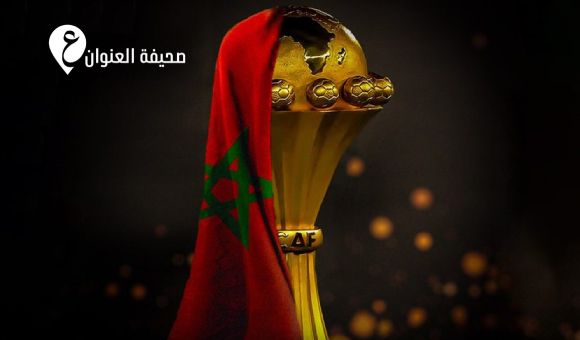
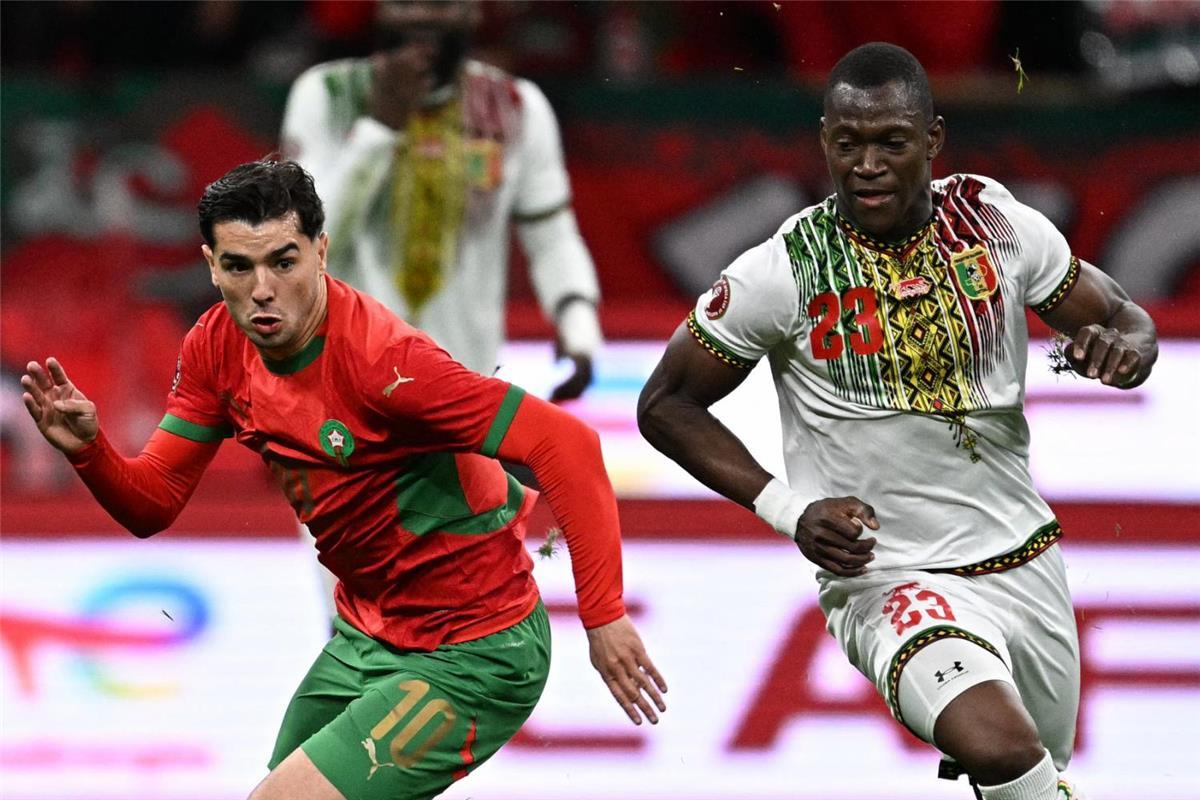
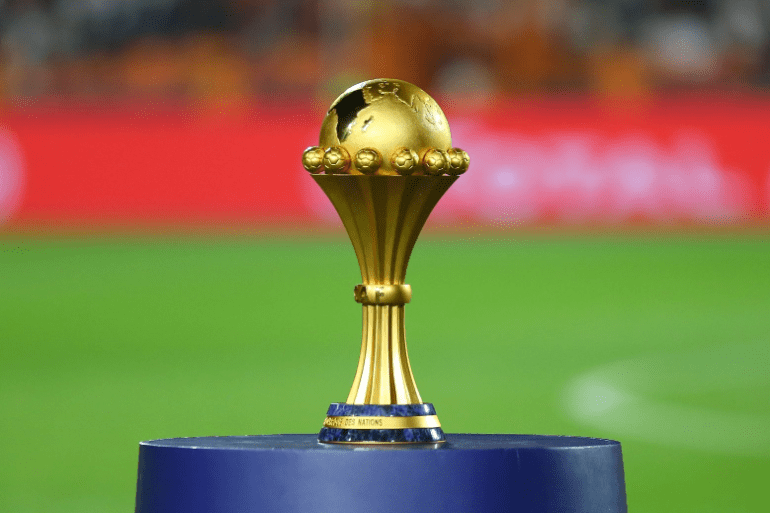
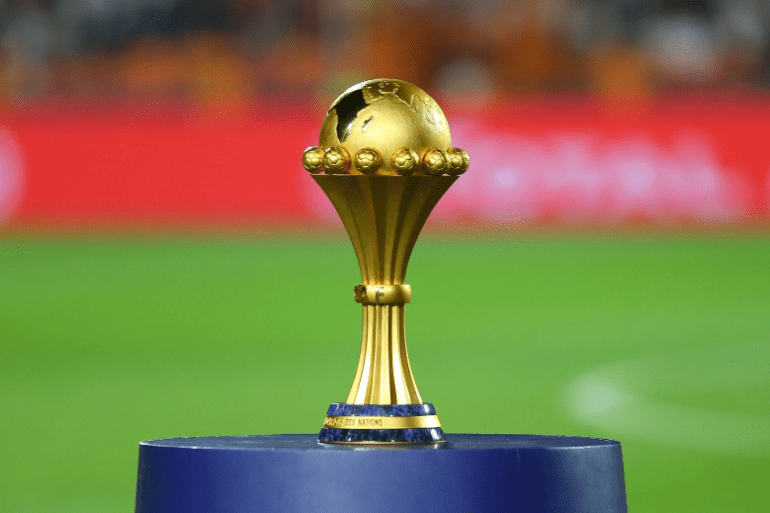
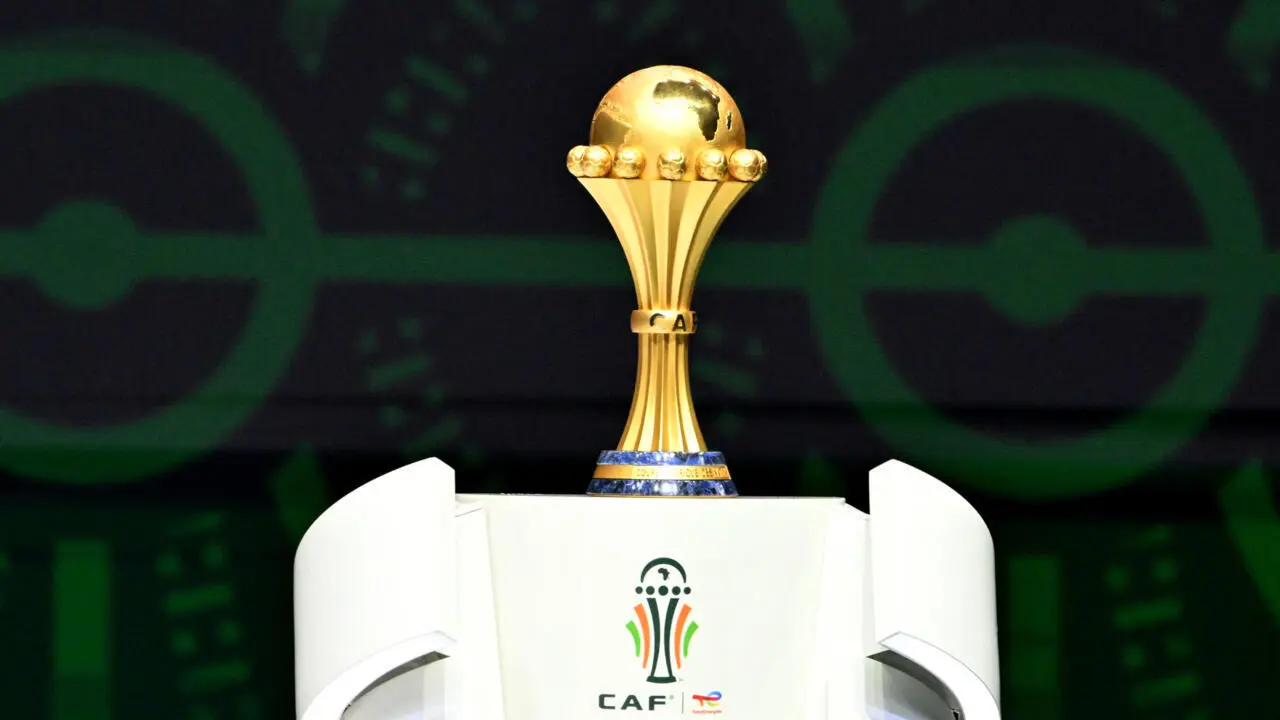
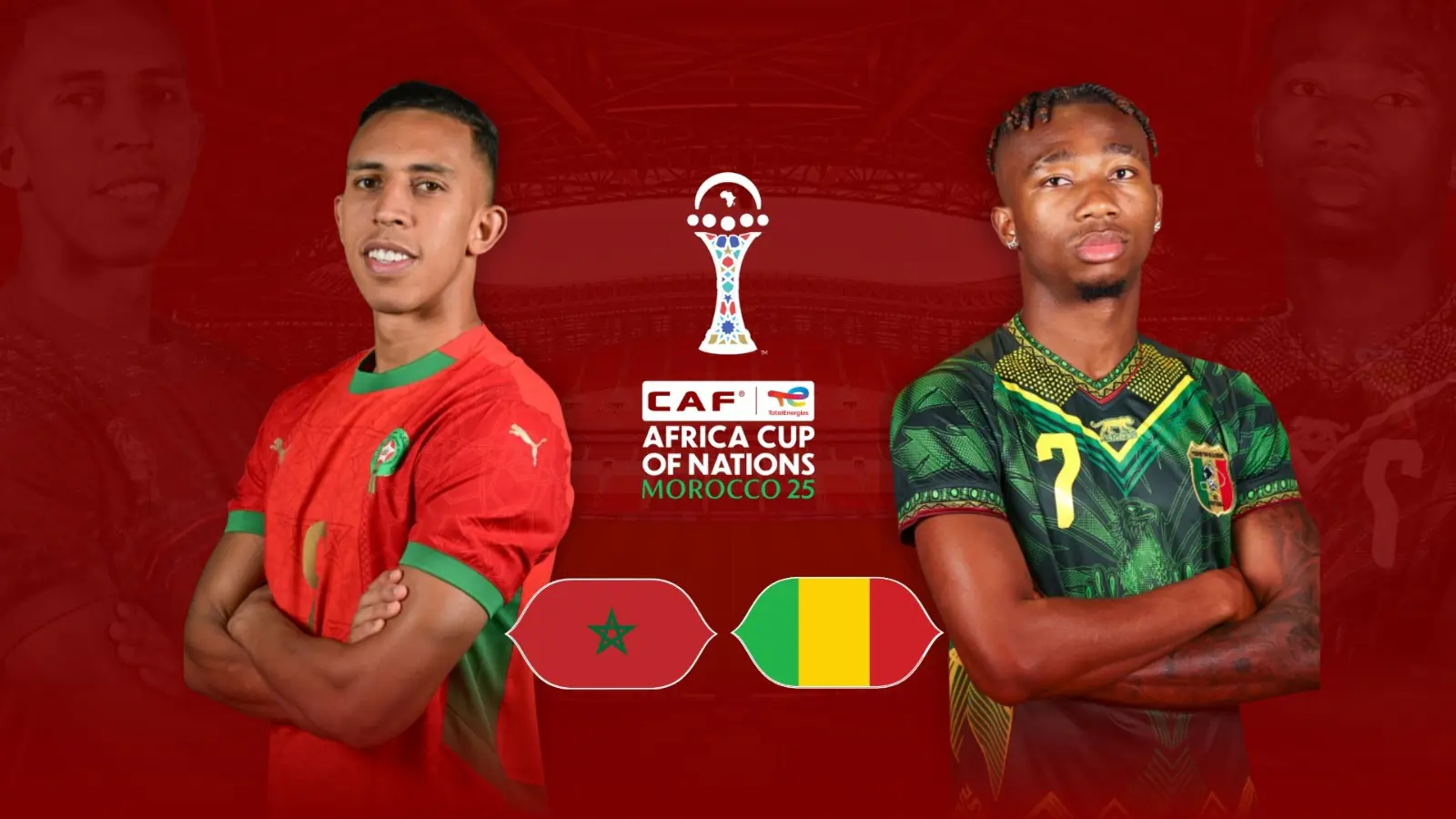
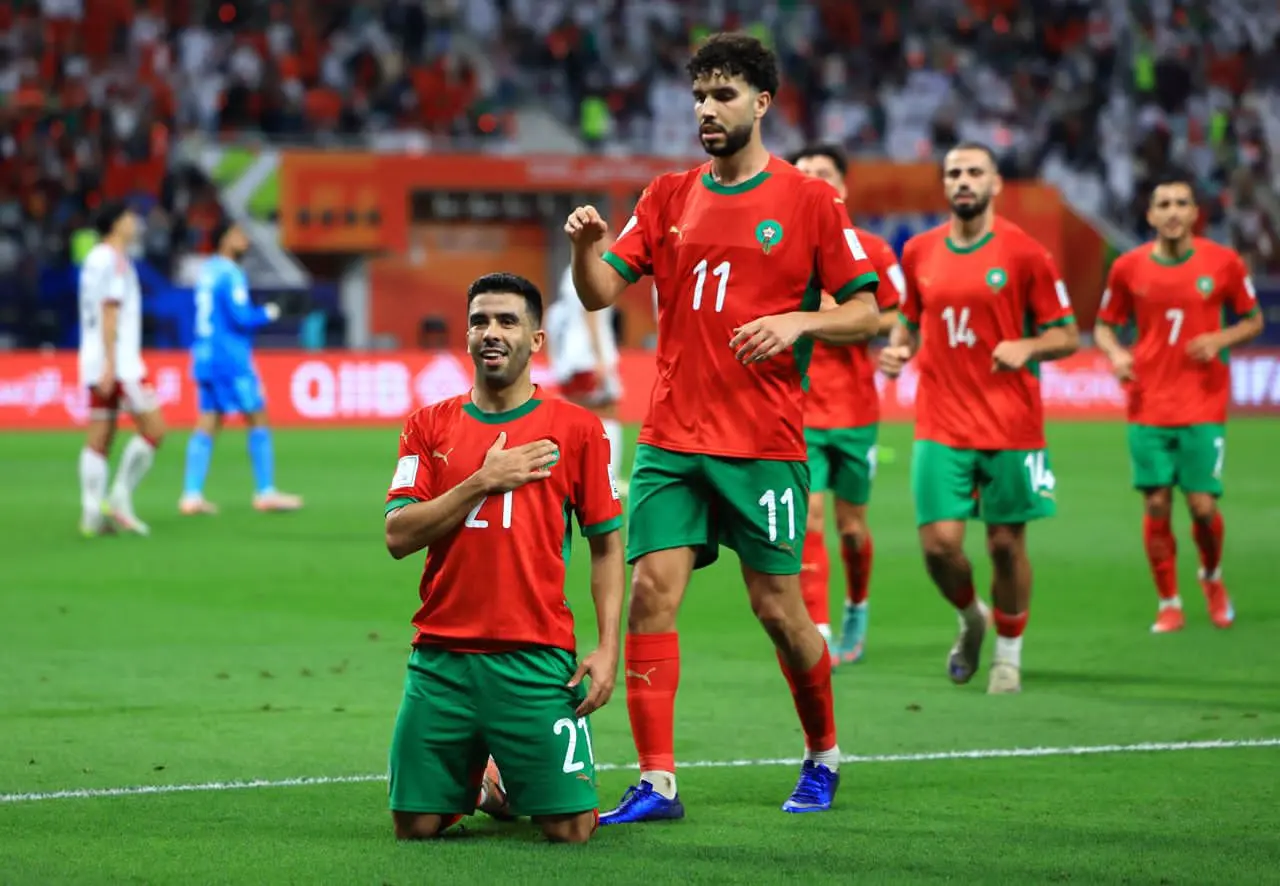
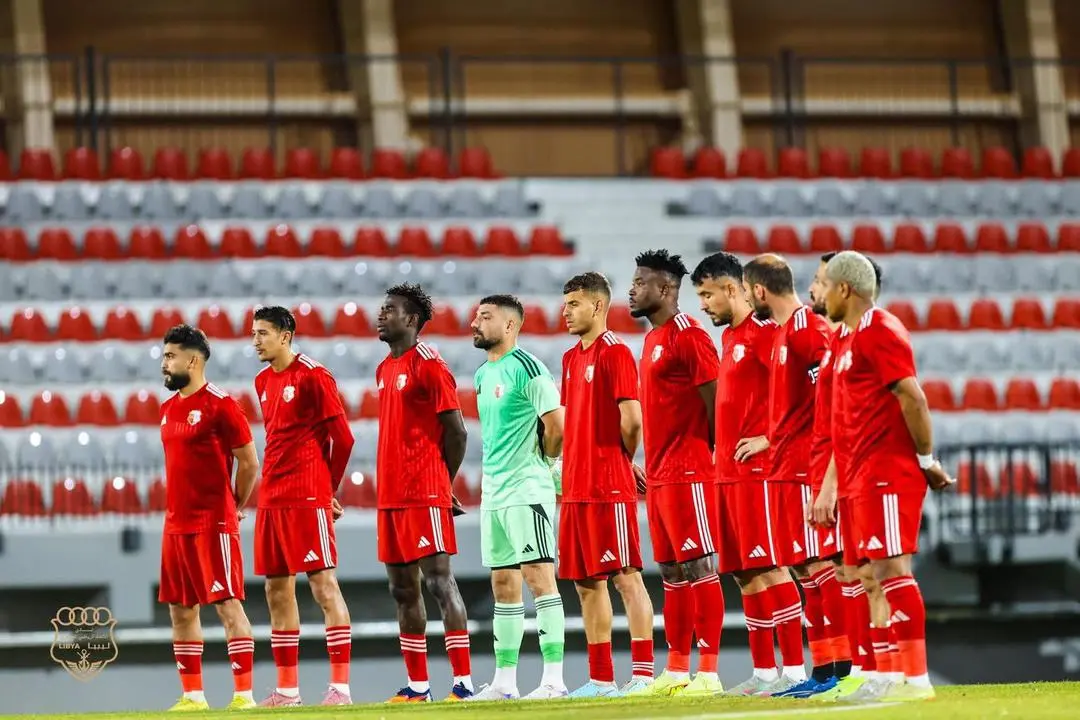
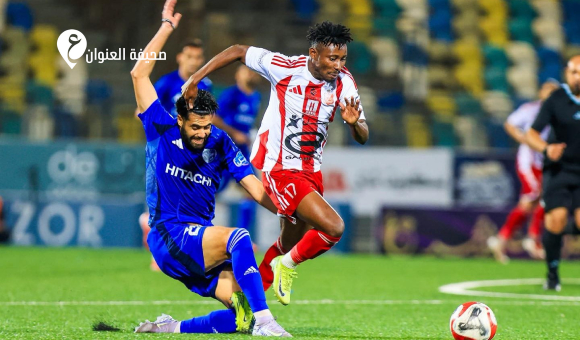
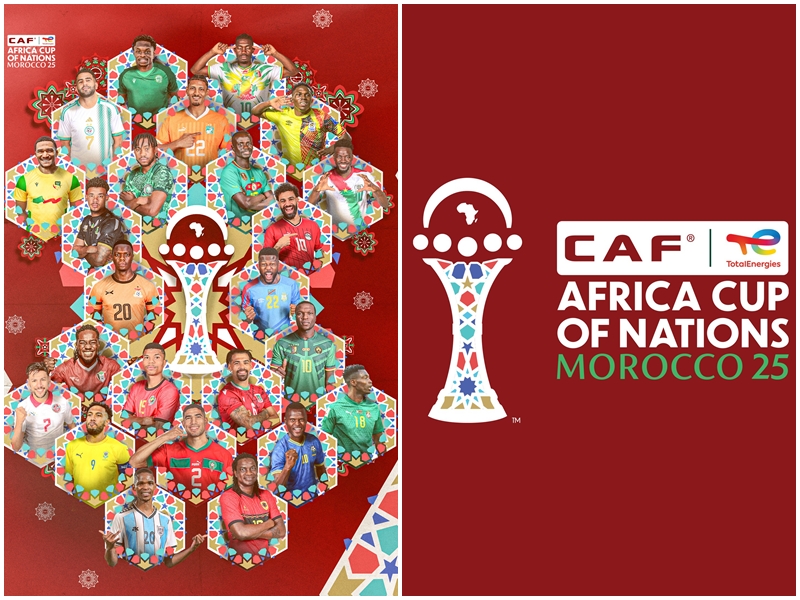
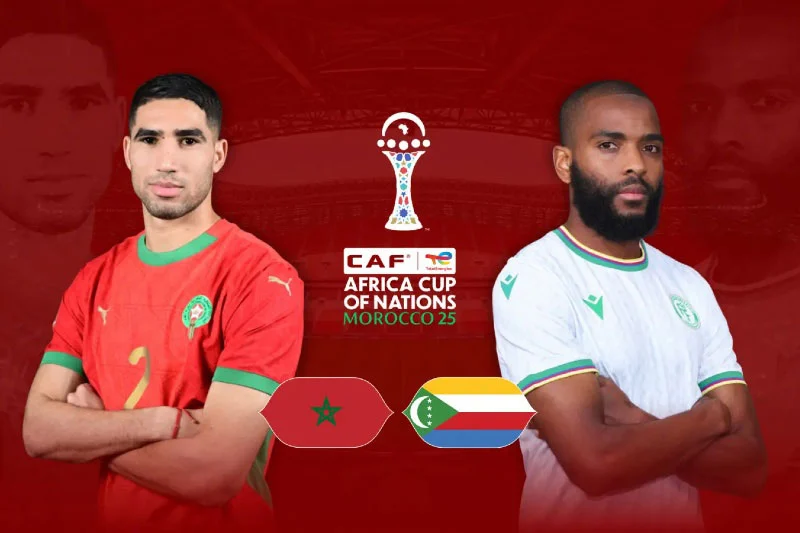
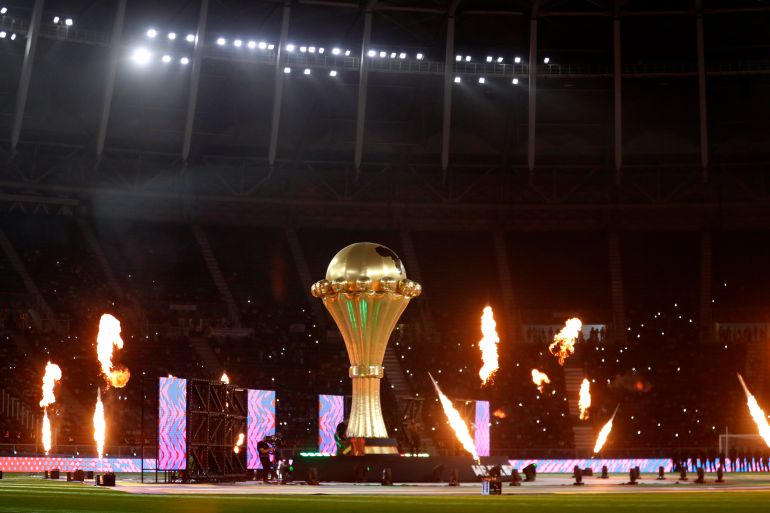
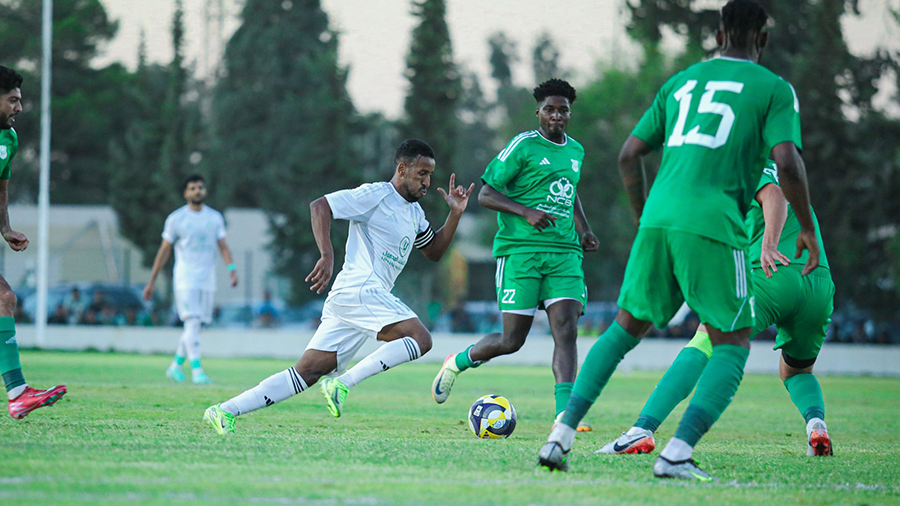
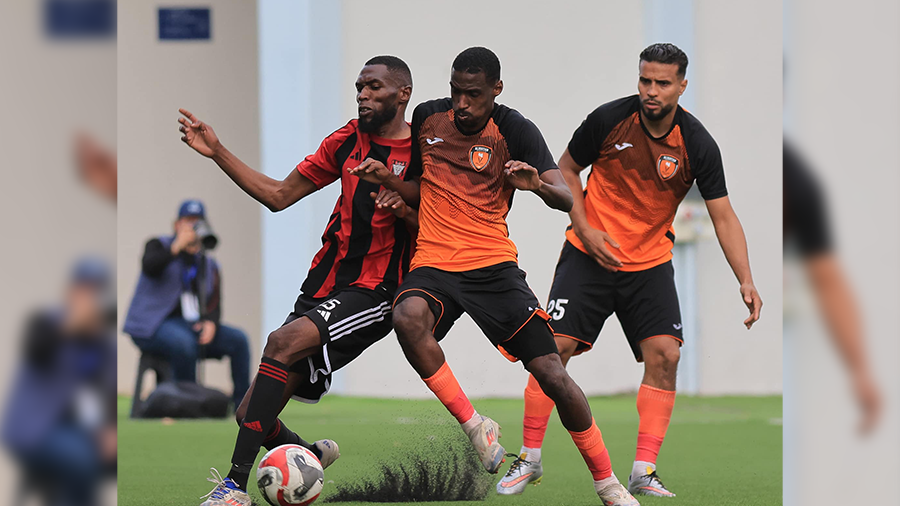
The Moroccan organizing committee for the Africa Cup of Nations football tournament, in agreement with the African Football Confederation “CAF”, has allowed spectators to enter for free approximately 20 minutes after matches begin, with the aim of filling the stands for some matches.
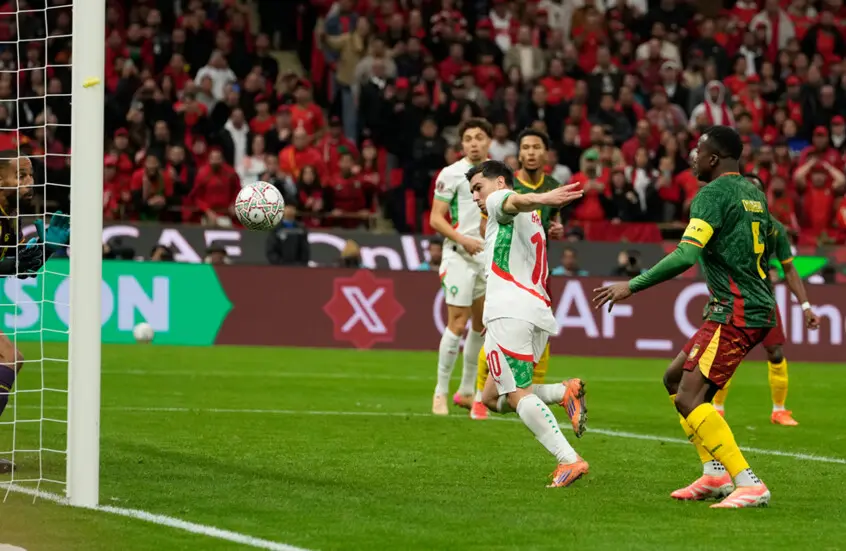
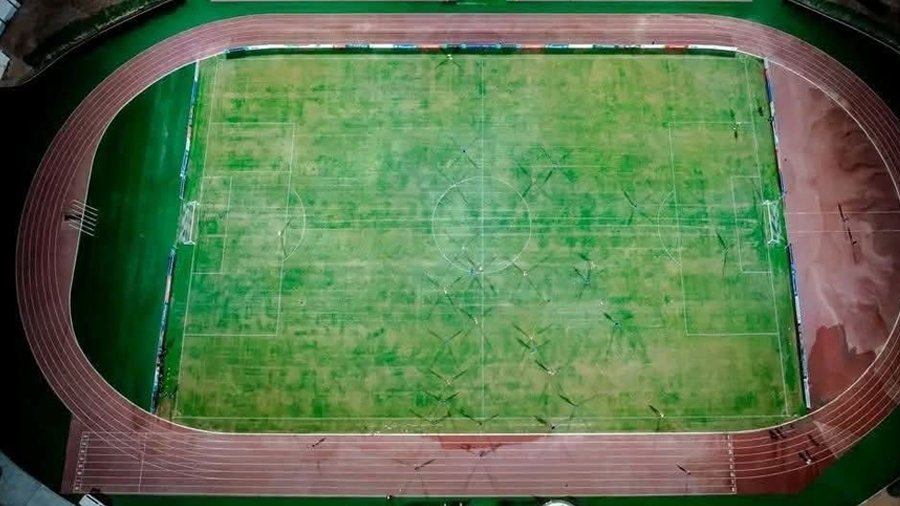
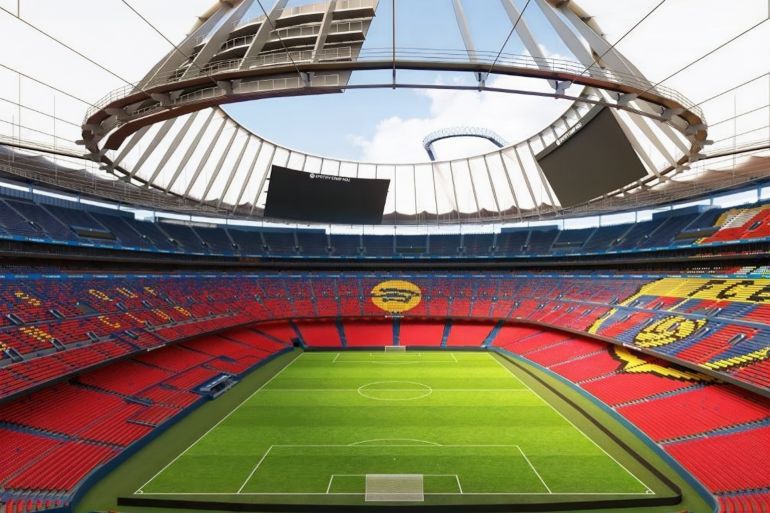
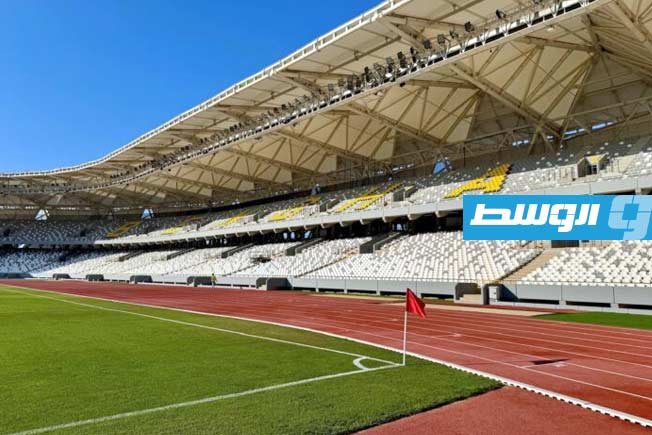
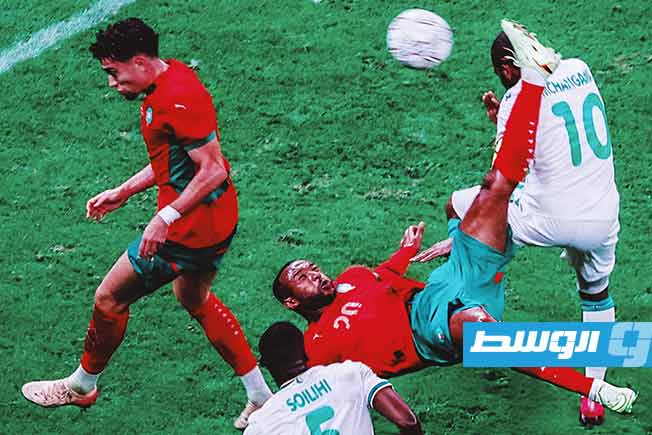
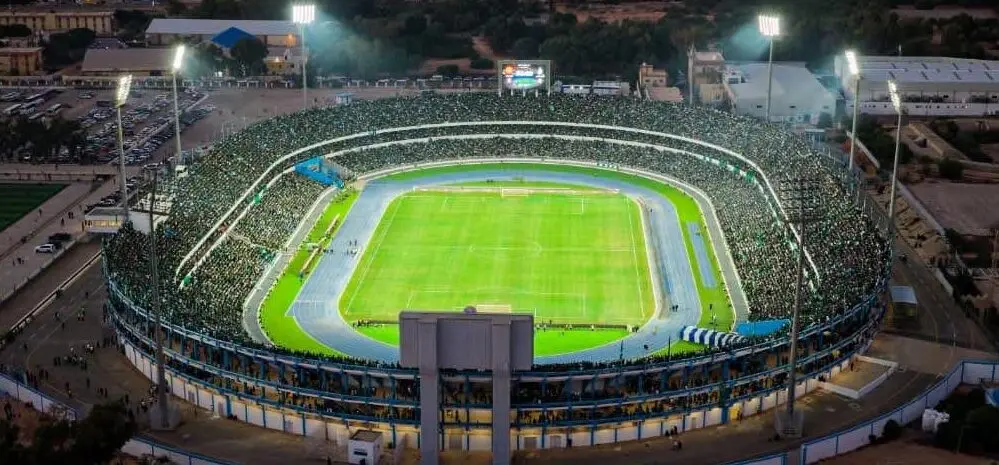
This decision came after the stands appeared nearly empty, including during the second match held at the Grand Stadium in Agadir, which has a capacity of 45,000 spectators, between Cameroon and Gabon. The stands were largely empty while the two national teams were warming up before the kick-off whistle.
Heavy Rains During the Africa Cup of Nations
Despite the heavy, non-stop rain in the coastal city of Agadir, the stands filled noticeably during the first half of the match, with spectator attendance reaching 35,200 people.
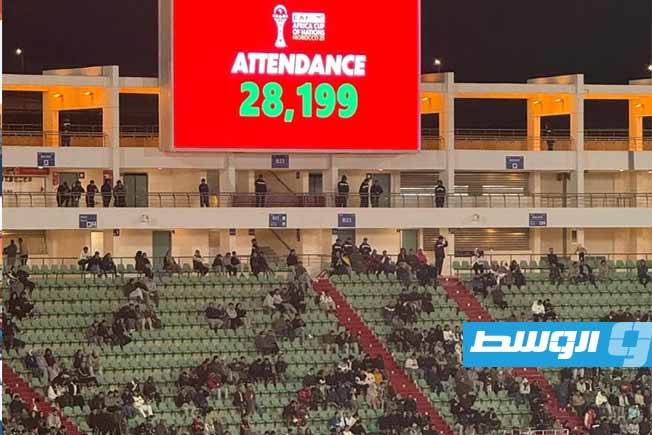
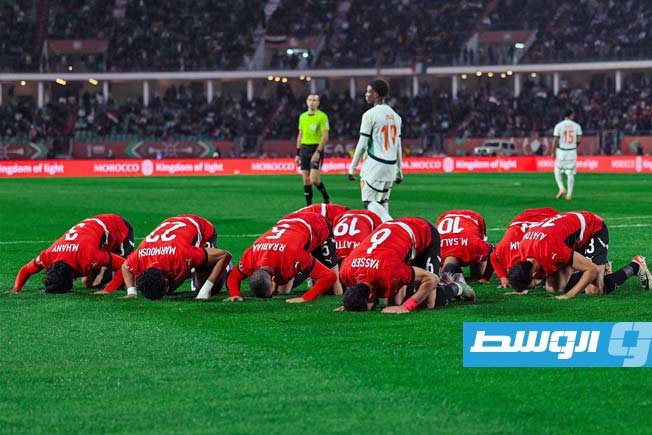
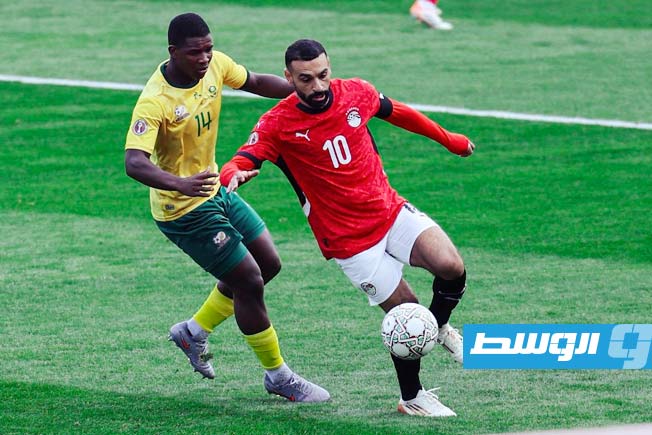
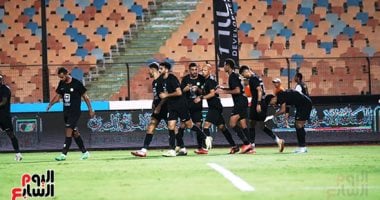
The same situation was repeated during the match where Egypt defeated Zimbabwe 2-1 last Monday at the same stadium. The national anthems were played in front of only about a thousand spectators, before the stadium screens displayed an official attendance figure of 28,199 spectators at the end of the match, which caused some crowd movements that organizers had difficulty controlling.
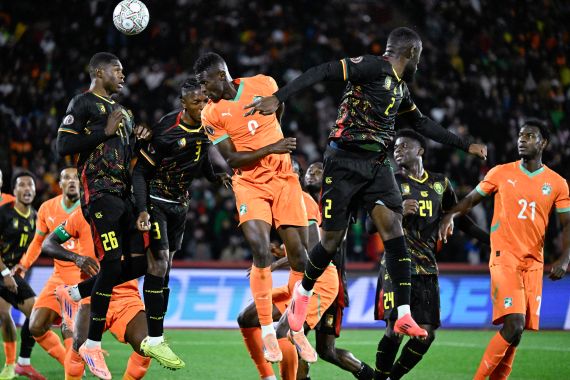
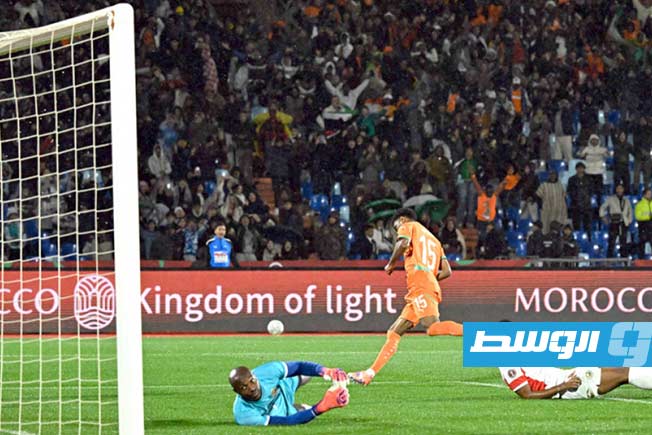
– Video: Ivory Coast begins its journey to defend the Africa Cup of Nations title with a precious win over Mozambique
–
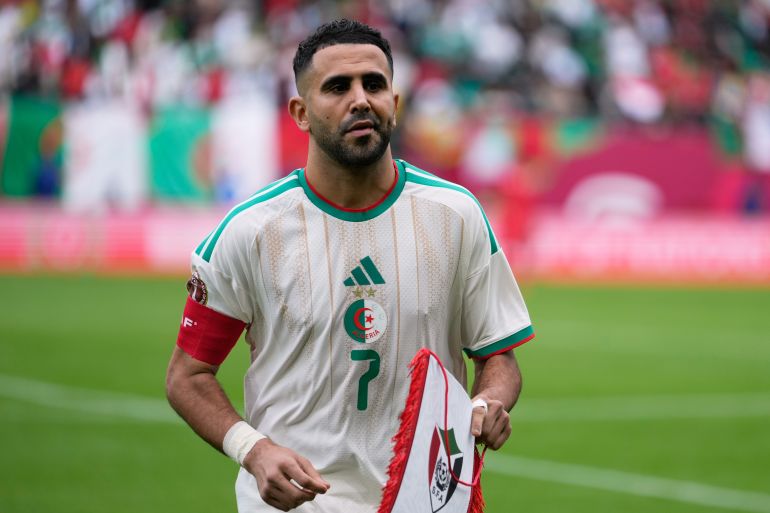
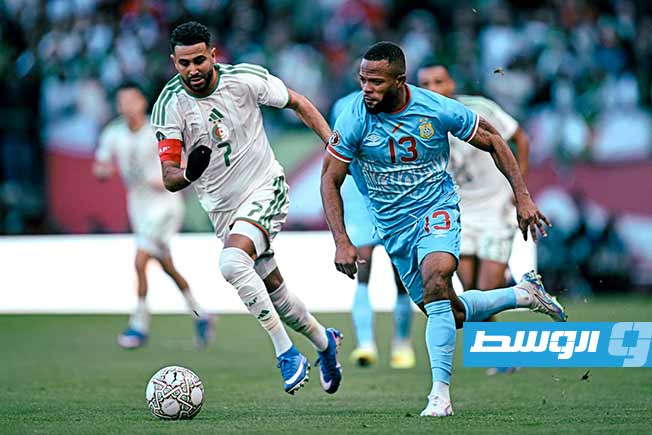
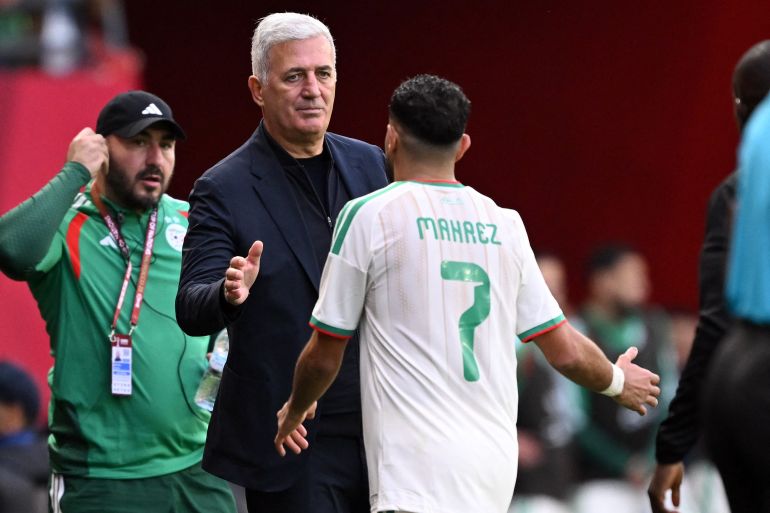
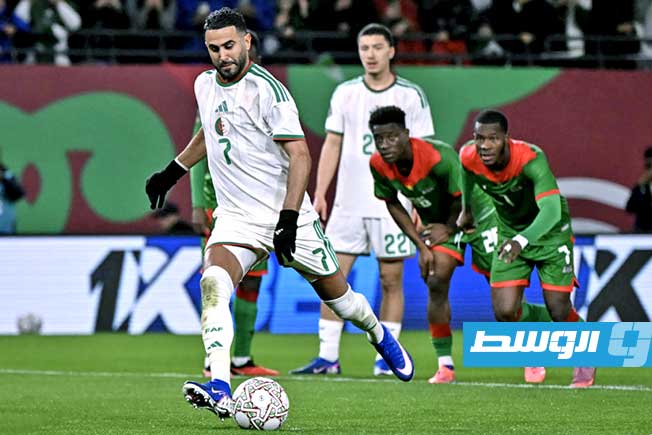
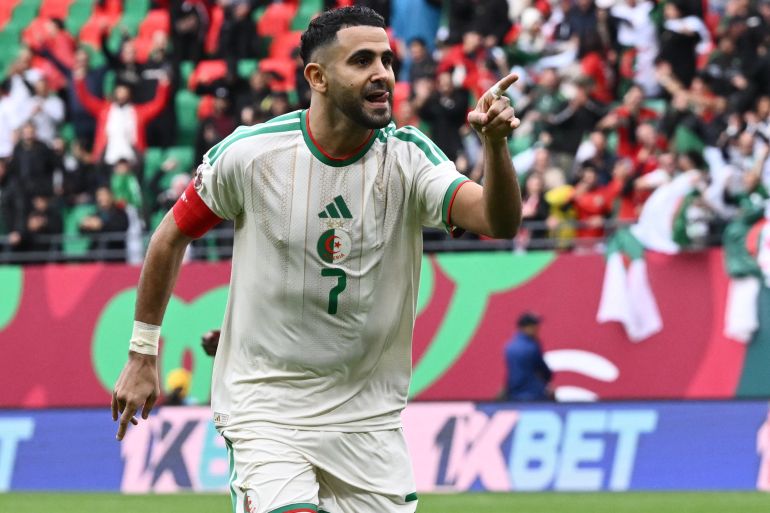
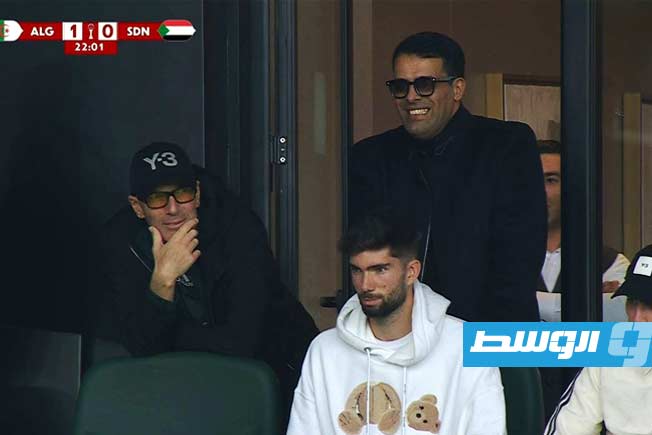
Video: Riyad Mahrez leads Algeria to a precious win under the watchful eyes of Zinedine Zidane
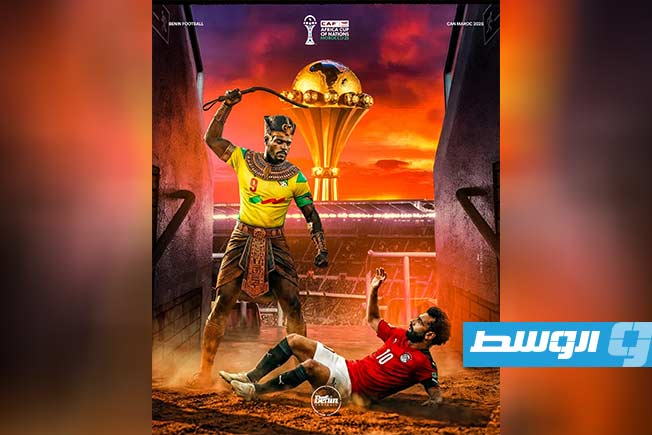
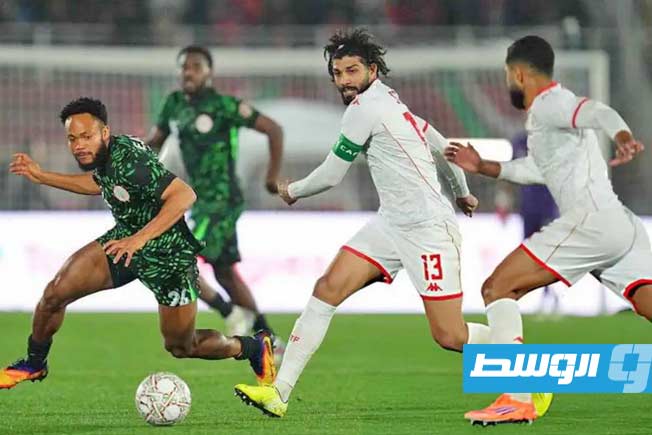
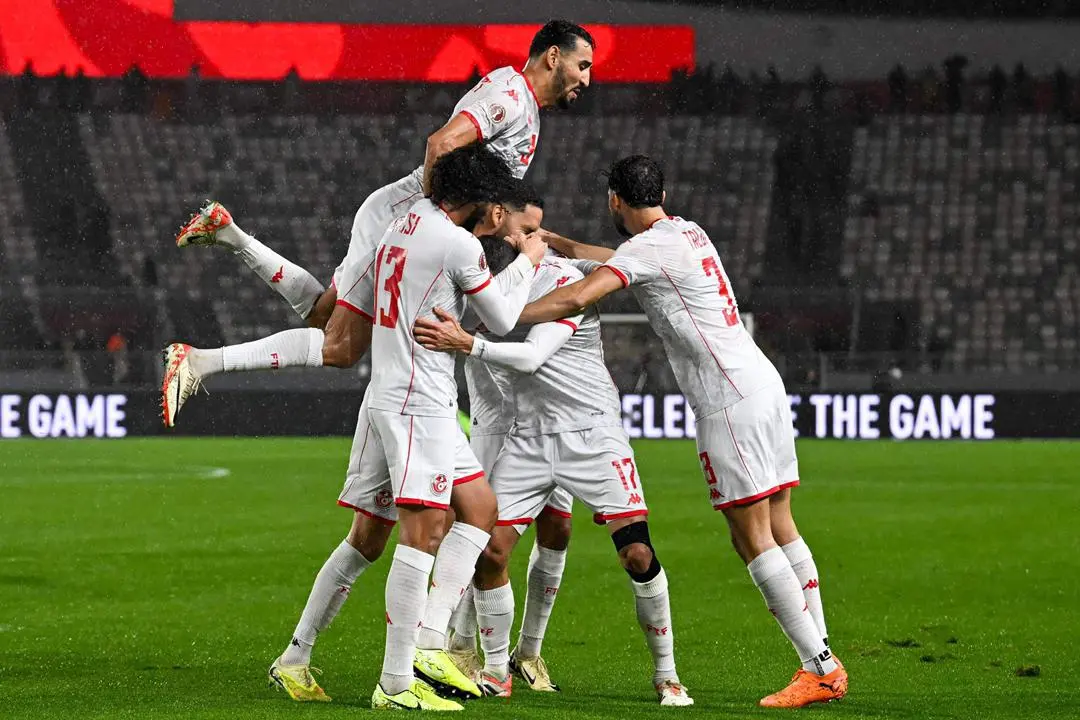
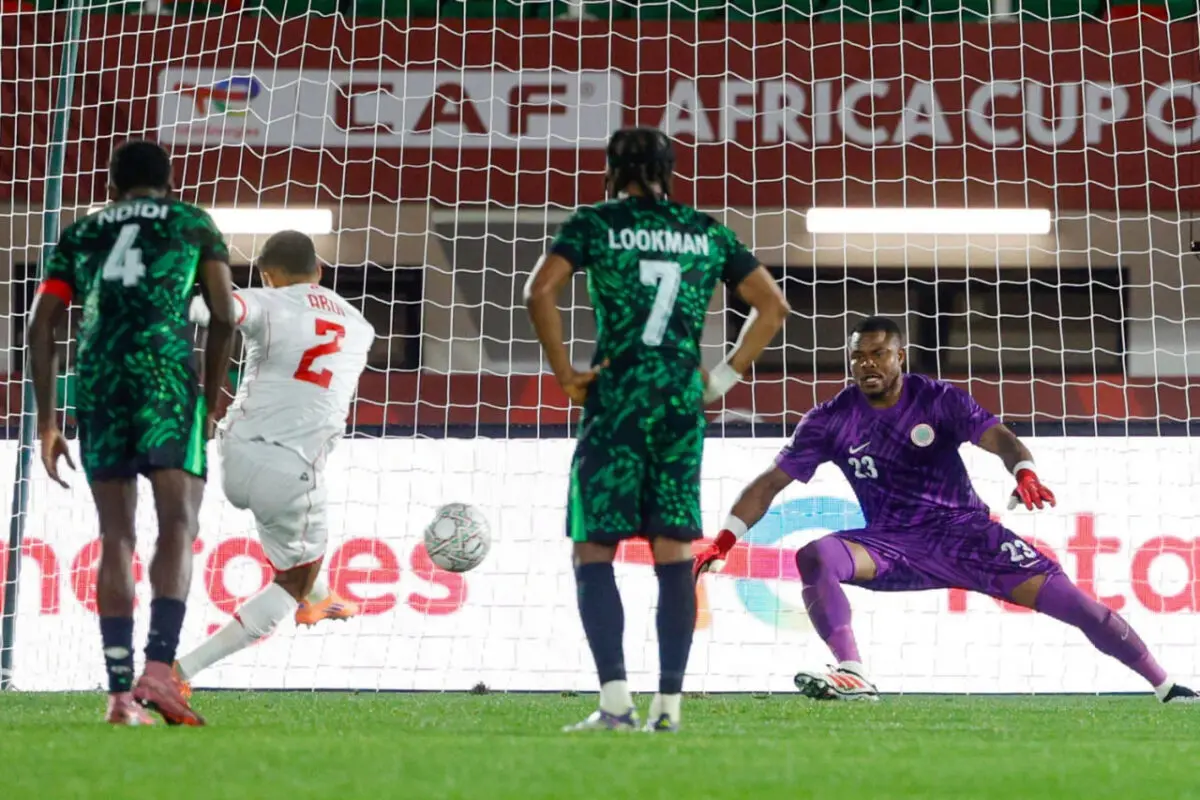
Other matches, such as the Democratic Republic of Congo against Benin and the Tunisia against Uganda match, which were widely documented by the public on social media under the slogan “Africa Cup of the People,” saw the same measure applied.
Moroccan organizing committee
The Moroccan Organizing Committee is a temporary administrative body established to coordinate and oversee major international events hosted in Morocco, such as the FIFA Club World Cup. Its history is tied to Morocco’s successful bids for global sporting and cultural events, reflecting the country’s growing role as a host nation.
Africa Cup of Nations
The Africa Cup of Nations (AFCON) is the premier international men’s football competition in Africa, first held in 1957. It was founded to unite African nations through sport and has grown from three participating teams to a major continental tournament featuring 24 nations.
African Football Confederation
The Confederation of African Football (CAF) is the administrative and controlling body for association football in Africa, founded in 1957. It organizes major continental competitions, including the Africa Cup of Nations, and has been instrumental in developing the sport and its infrastructure across the continent.
CAF
CAF, or the Club Atlético Fenix, is a Uruguayan sports club founded in 1916 in the Montevideo neighborhood of Capurro. It is best known for its professional football team, which has competed in Uruguay’s top divisions and achieved its greatest success by winning the 2009–10 Uruguayan Primera División tournament. The club’s history is deeply rooted in its local community and represents a classic example of Uruguay’s passionate football culture.
Grand Stadium
The Grand Stadium is a major sports and entertainment venue, often constructed in the 20th century to host large-scale events like international games and concerts. Its history typically reflects a city’s or nation’s ambition to showcase its modernity and capacity for hosting global gatherings.
Agadir
Agadir is a major coastal city in Morocco, known for its modern beachfront and resort atmosphere. Its history was dramatically reshaped by a devastating earthquake in 1960, which led to the city being completely rebuilt with a focus on contemporary architecture and tourism.
Cameroon
Cameroon is a Central African country known for its diverse geography and culture, often called “Africa in miniature.” Historically, it was a German colony before being divided into French and British administrative zones after World War I, gaining full independence in 1960. Its cultural heritage includes over 200 ethnic groups and languages, with notable sites like the Royal Palace of the Bamoun people in Foumban.
Gabon
Gabon is a Central African country known for its dense rainforests and diverse wildlife, with a history shaped by Bantu migrations, French colonization, and independence in 1960. A significant cultural site is the Lopé National Park, a UNESCO World Heritage site recognized for its ecological and archaeological value, containing evidence of human settlement dating back over 400,000 years.
Egypt
Egypt, home to one of the world’s oldest civilizations, is famed for its ancient monuments along the Nile River, including the Pyramids of Giza and the Great Sphinx, which date back over 4,500 years. Its long history encompasses the Pharaonic kingdoms, Ptolemaic rule, and later Islamic caliphates, with Cairo serving as a major cultural and political center in the Arab world.
Zimbabwe
Zimbabwe is a country in southern Africa, named after the ancient stone city of Great Zimbabwe, which was the capital of a powerful kingdom from the 11th to 15th centuries. The modern nation gained independence from British colonial rule in 1980 and is known for its diverse landscapes, including Victoria Falls, and rich cultural heritage.
Ivory Coast
Ivory Coast, officially known as Côte d’Ivoire, is a West African nation with a history shaped by pre-colonial kingdoms, French colonization from the late 19th century, and independence in 1960. A key cultural site is the historic town of Grand-Bassam, a UNESCO World Heritage site that was the first French colonial capital and features colonial architecture alongside traditional Nzema villages. The country is also renowned for its diverse cultural traditions, including music genres like *coupé-décalé* and vibrant festivals celebrated by its many ethnic groups.
Mozambique
Mozambique is a country in Southeast Africa with a rich history shaped by Bantu-speaking peoples, Arab trade, and Portuguese colonization that lasted nearly five centuries until independence in 1975. Its cultural heritage is reflected in historic sites like the Island of Mozambique, a UNESCO World Heritage site that served as a major trading post.
Riyad Mahrez
Riyad Mahrez is not a place or cultural site, but a professional footballer from Algeria. He rose to prominence as a key player for Leicester City, helping them win the historic 2015-16 Premier League title, and has since played for Manchester City and the Algerian national team.
Algeria
Algeria is a North African country with a rich history shaped by ancient Berber kingdoms, Roman rule, and centuries of Ottoman influence. It was a French colony from 1830 until achieving independence in 1962 after a protracted war of liberation. Today, its cultural heritage includes numerous UNESCO World Heritage sites, such as the Roman ruins of Timgad and the historic Casbah of Algiers.
Zinedine Zidane
Zinedine Zidane is a former French professional footballer and current manager, widely regarded as one of the greatest players of all time. Born in Marseille in 1972 to Algerian parents, his illustrious playing career included winning the 1998 FIFA World Cup and the 2000 European Championship with France, along with numerous club honors, most notably with Juventus and Real Madrid. After retiring, he achieved further success as the manager of Real Madrid, leading the team to three consecutive UEFA Champions League titles from 2016 to 2018.
Democratic Republic of Congo
The Democratic Republic of Congo, located in Central Africa, is a country with a complex history marked by the pre-colonial Kingdom of Kongo, the brutal colonial rule under King Leopold II of Belgium as the Congo Free State, and a turbulent post-independence period since 1960. It is renowned for its vast mineral wealth and the Congo Rainforest, the second-largest tropical rainforest in the world.
Benin
Benin, historically the site of the powerful Kingdom of Benin (c. 1180–1897) in what is now southern Nigeria, was renowned for its advanced artistic traditions, particularly in bronze and ivory sculptures. The kingdom’s capital, also called Benin City, was a major political and economic center until its destruction by a British punitive expedition in 1897. Today, the Republic of Benin, a separate West African nation, takes its name from the adjacent Bight of Benin.
Tunisia
Tunisia is a North African country with a rich history shaped by numerous civilizations, including the ancient Phoenicians, Romans, Arabs, and Ottomans. Its cultural landscape is famously marked by the ruins of Carthage, the well-preserved Roman amphitheater at El Jem, and the historic medina of Tunis, a UNESCO World Heritage site.
Uganda
Uganda is a landlocked East African nation known for its diverse landscapes, including the source of the Nile River and mountain gorilla habitats. Its history includes powerful pre-colonial kingdoms like Buganda, followed by British colonization until independence in 1962, and a subsequent period of political turmoil. Today, it is recognized for its rich cultural heritage and wildlife tourism.