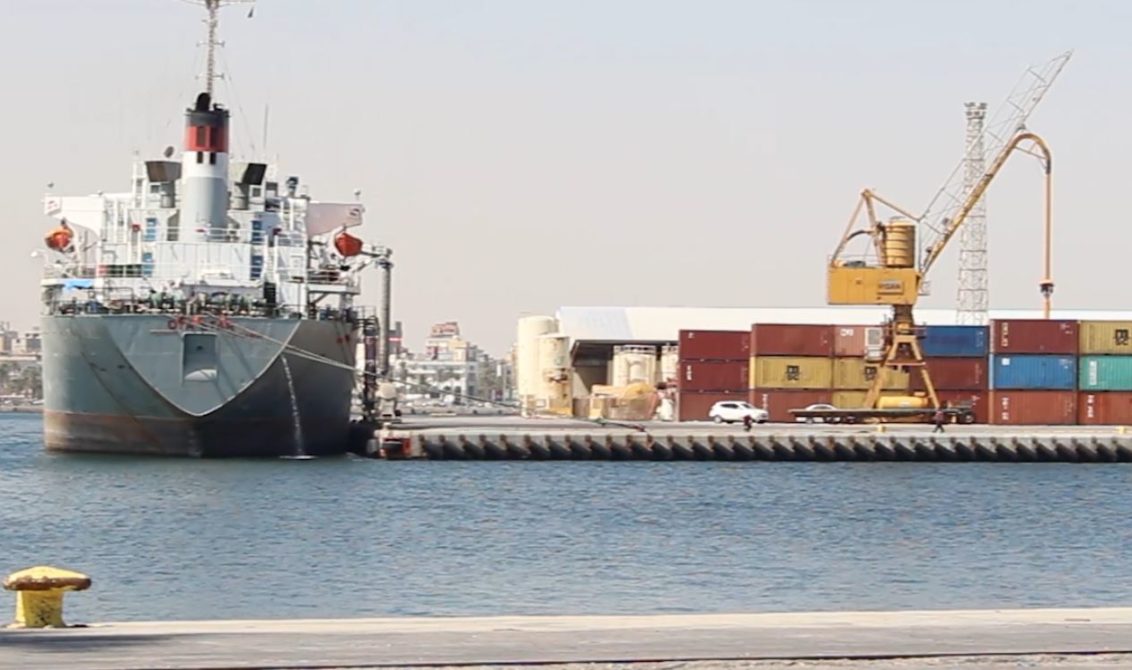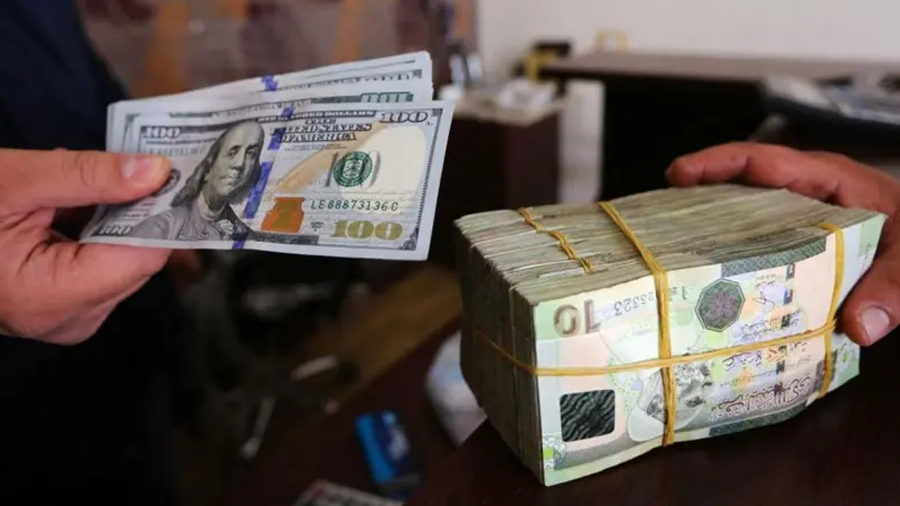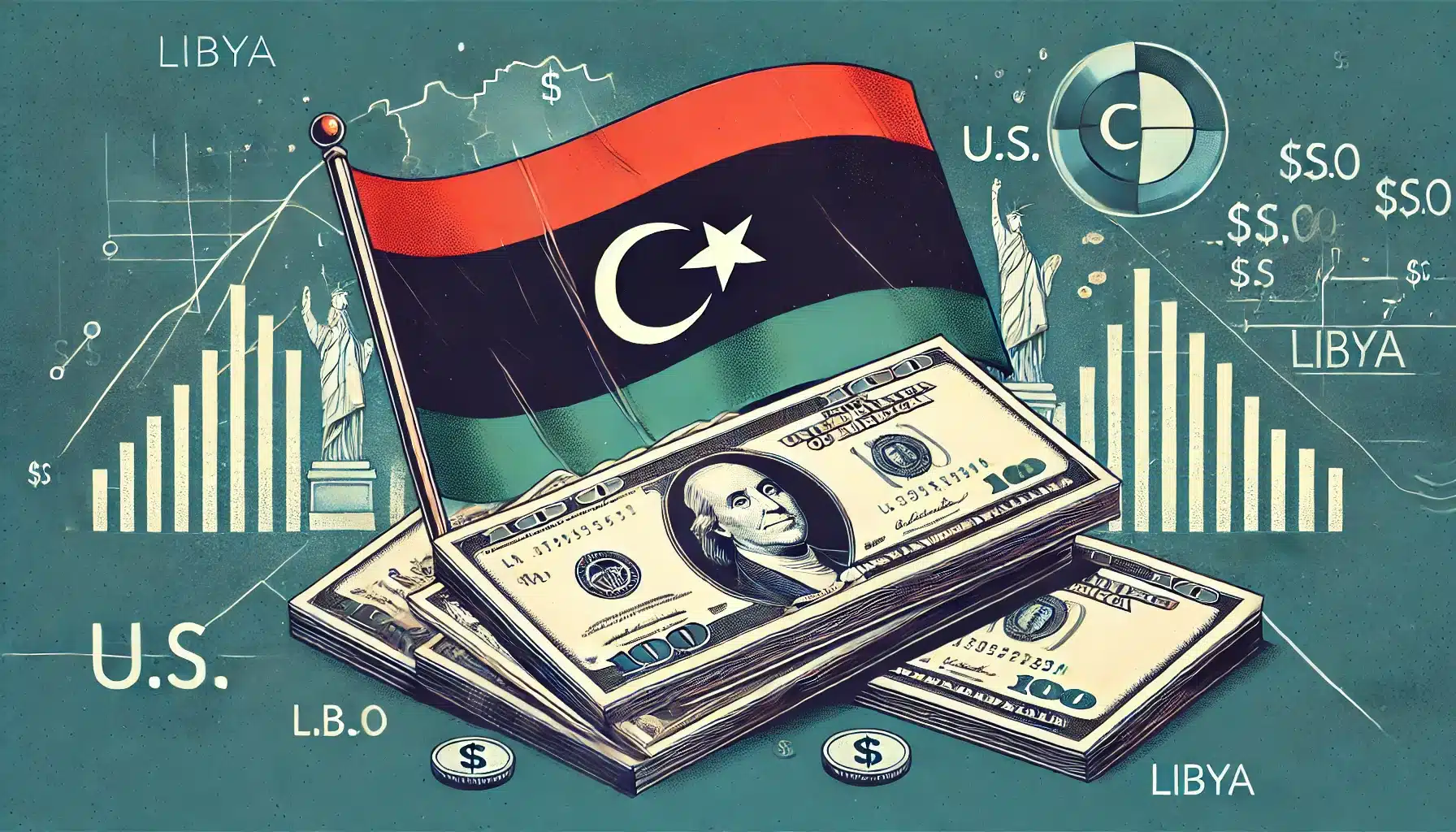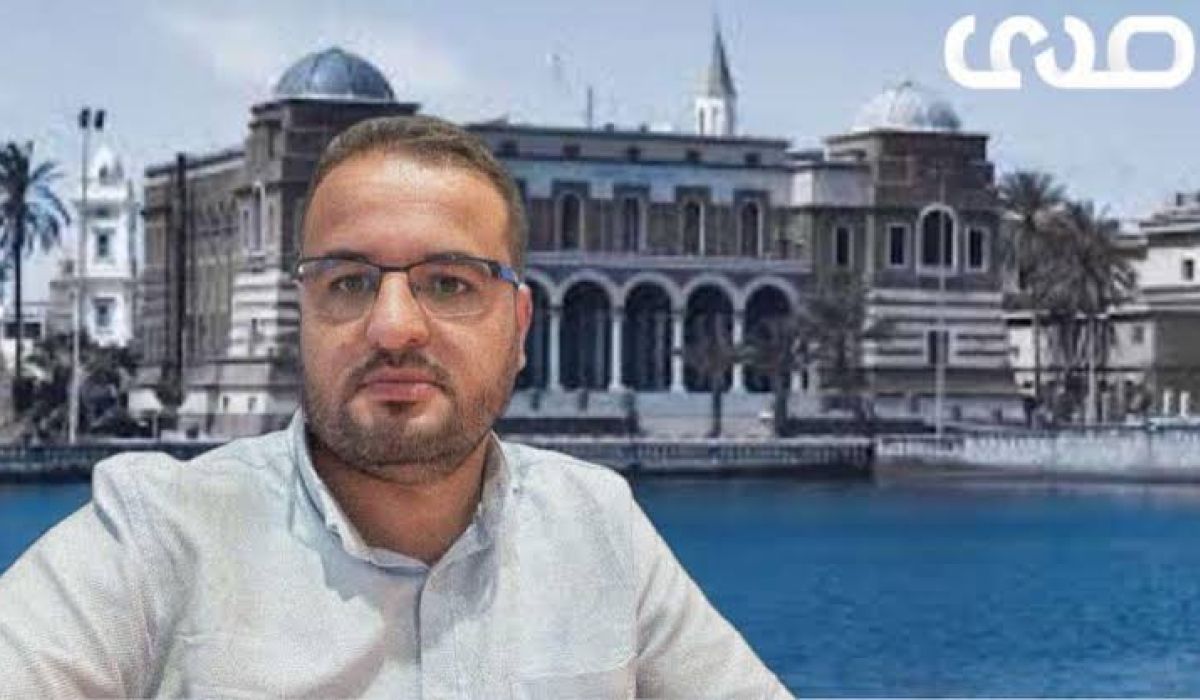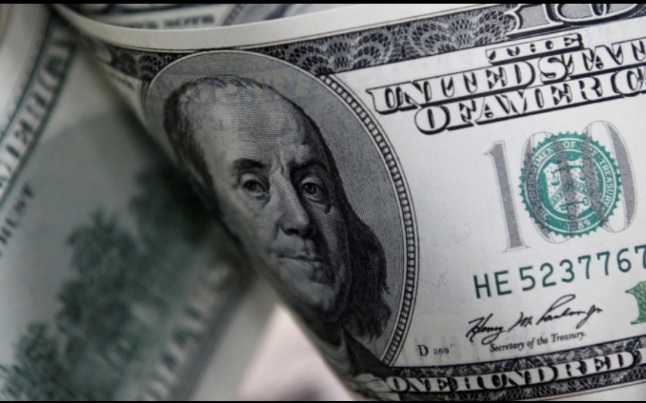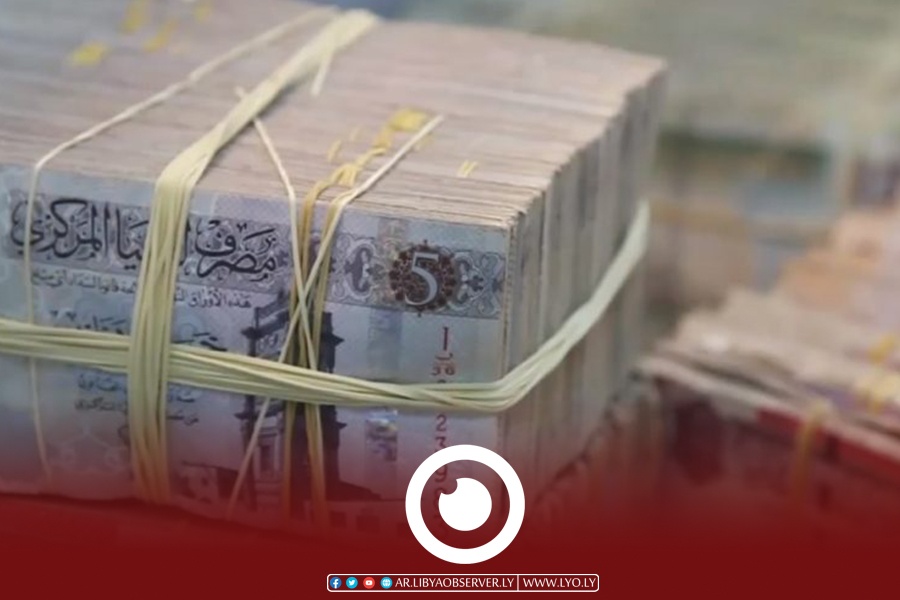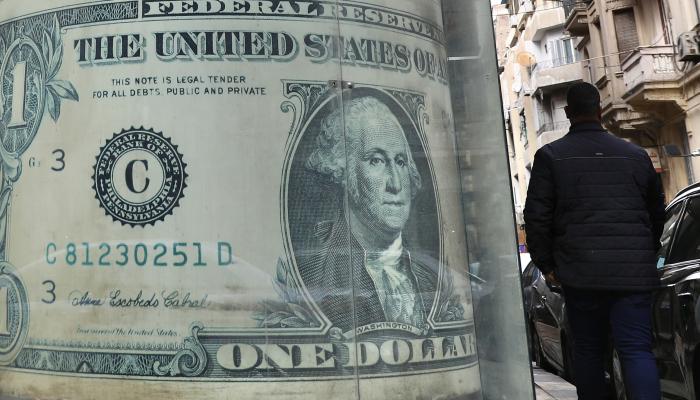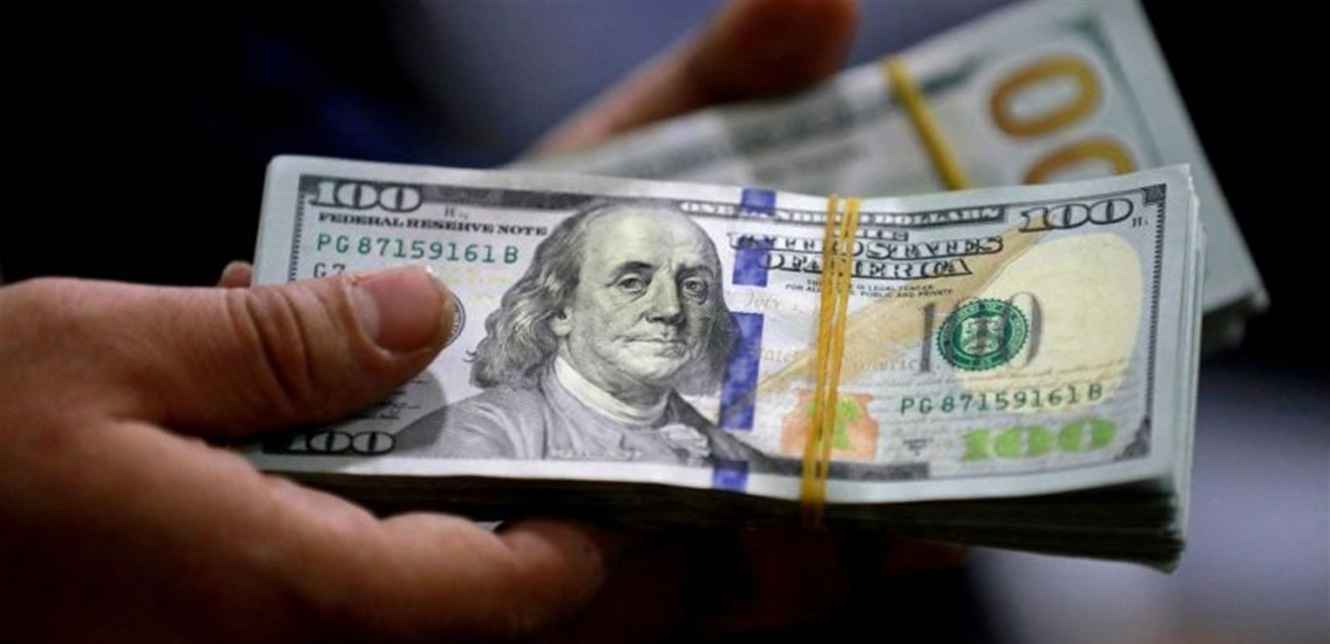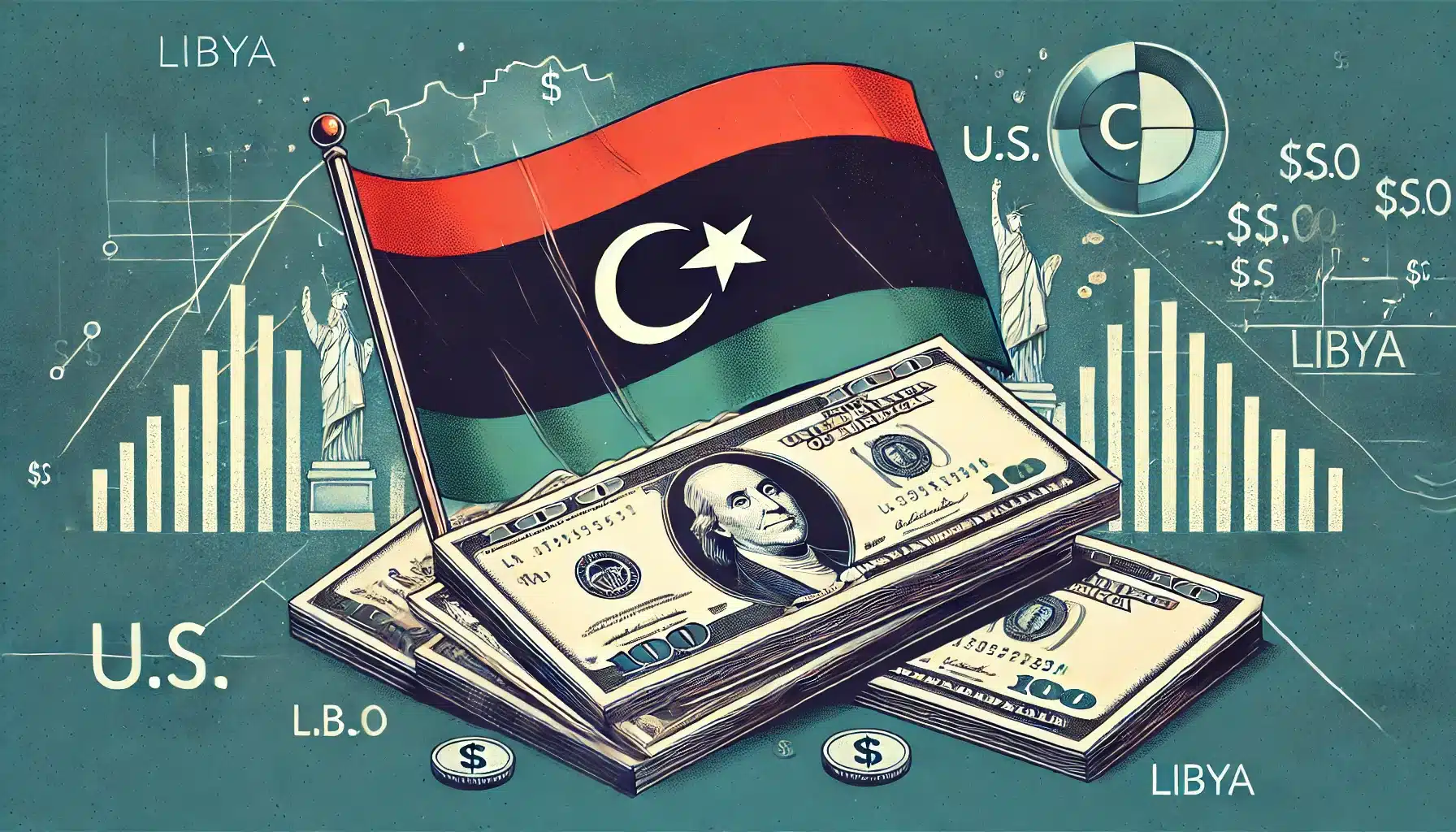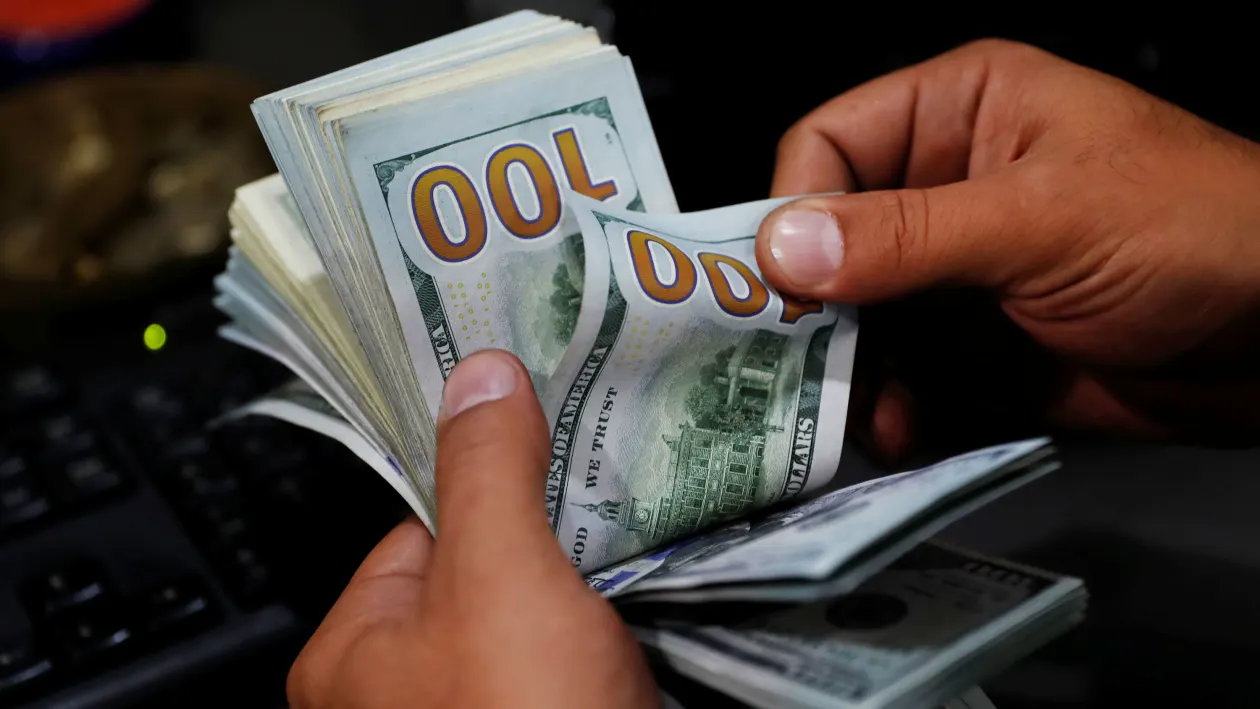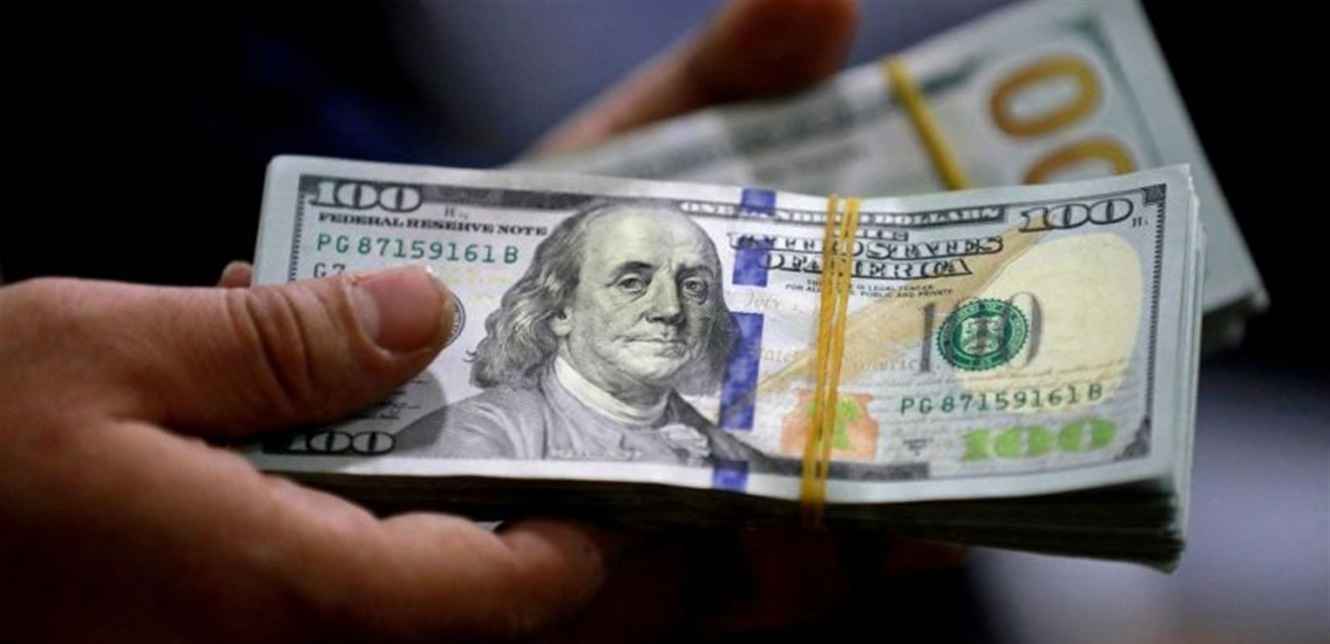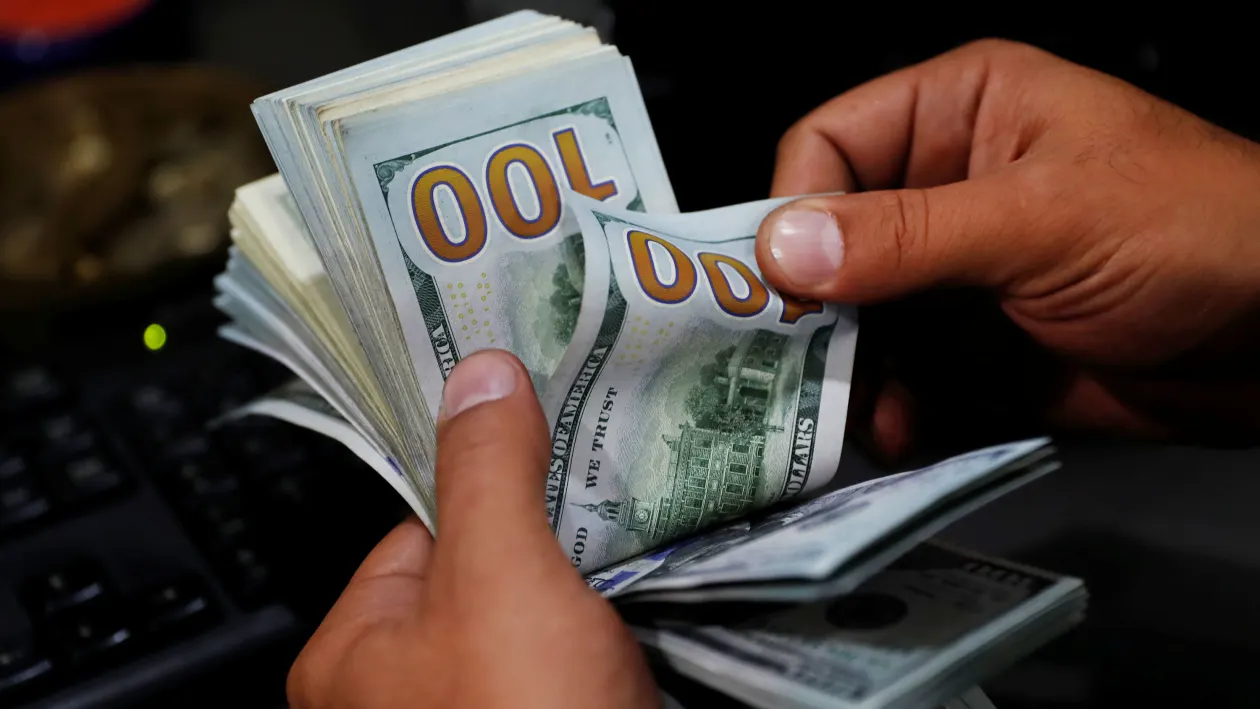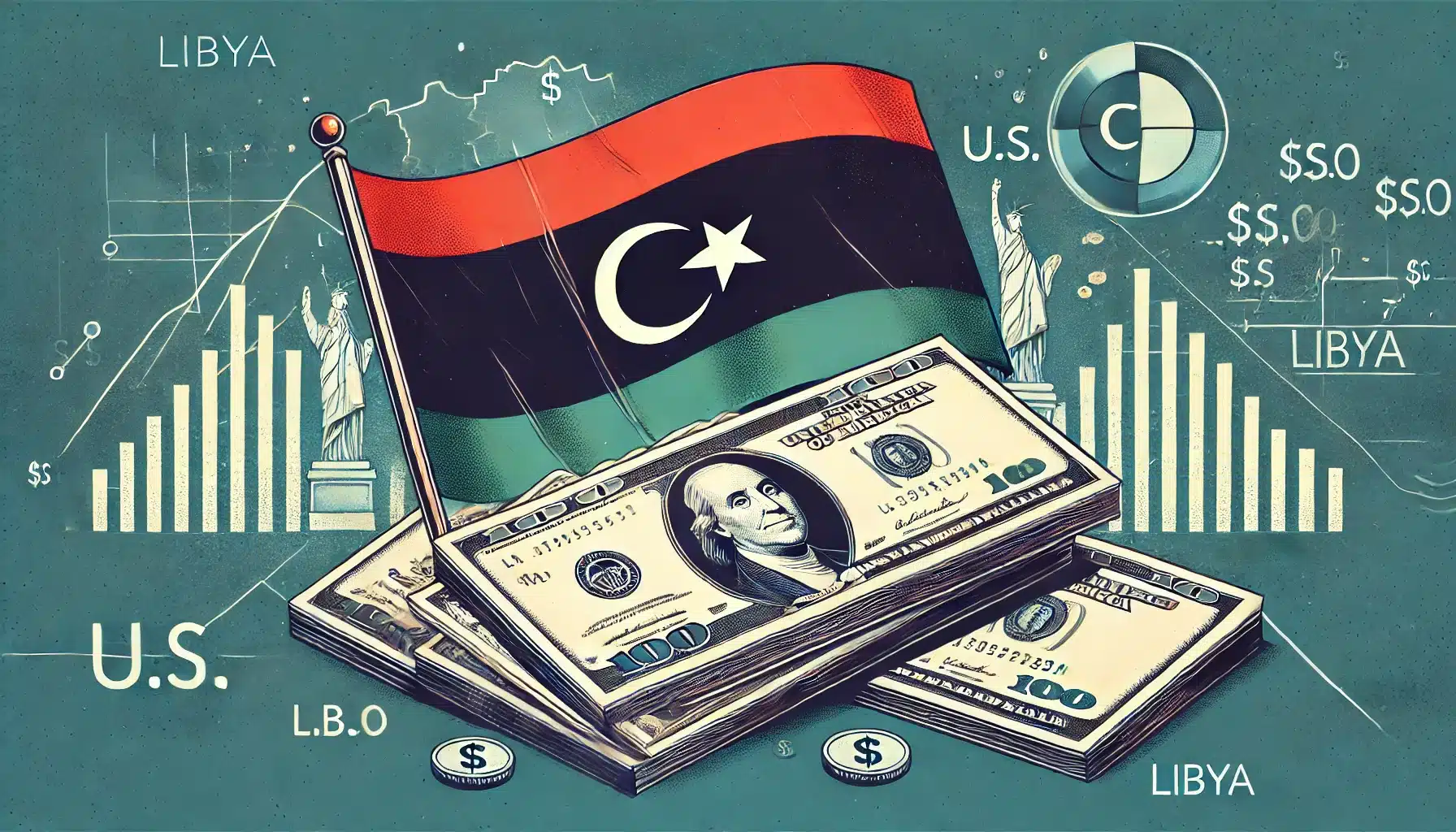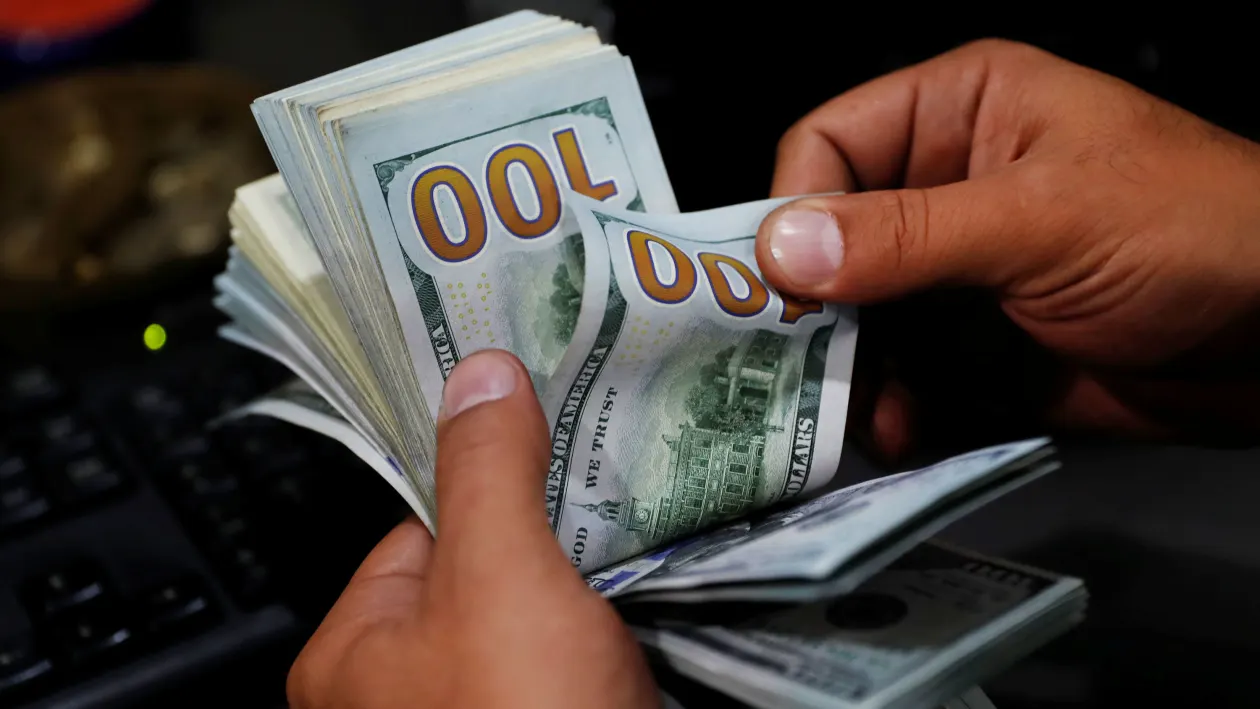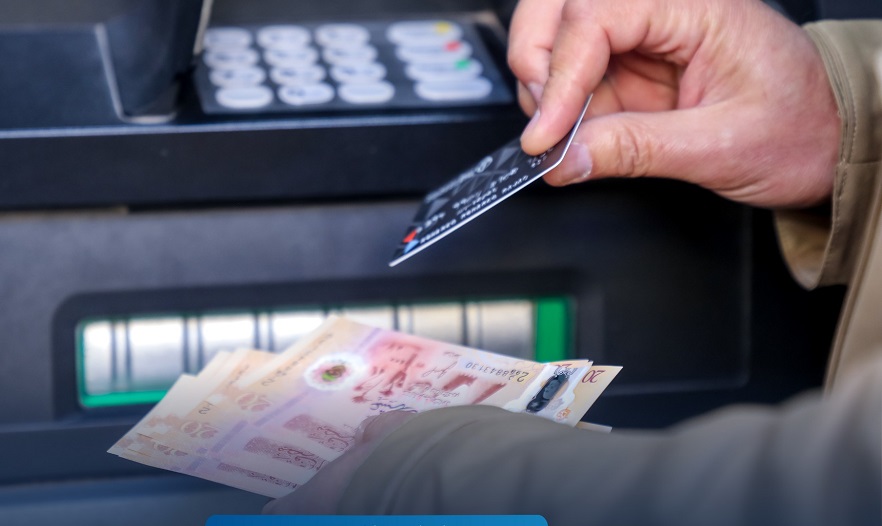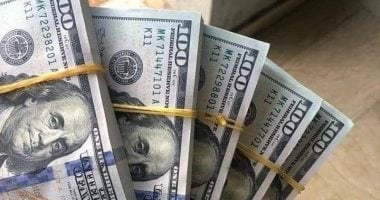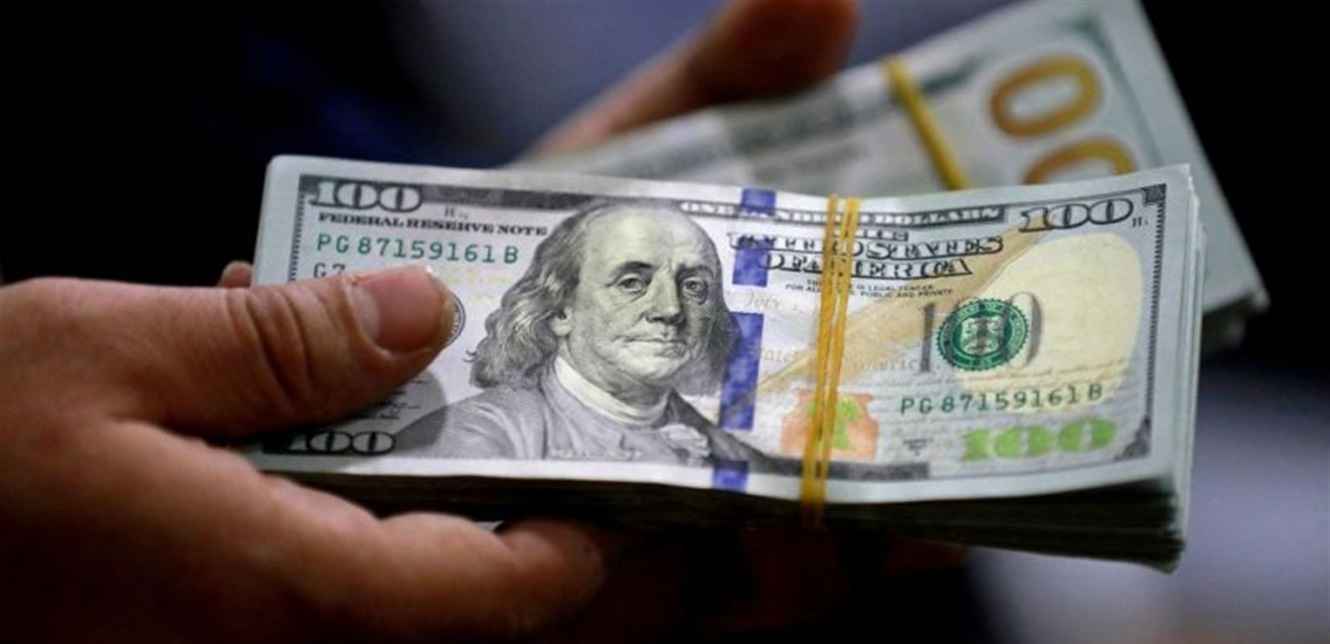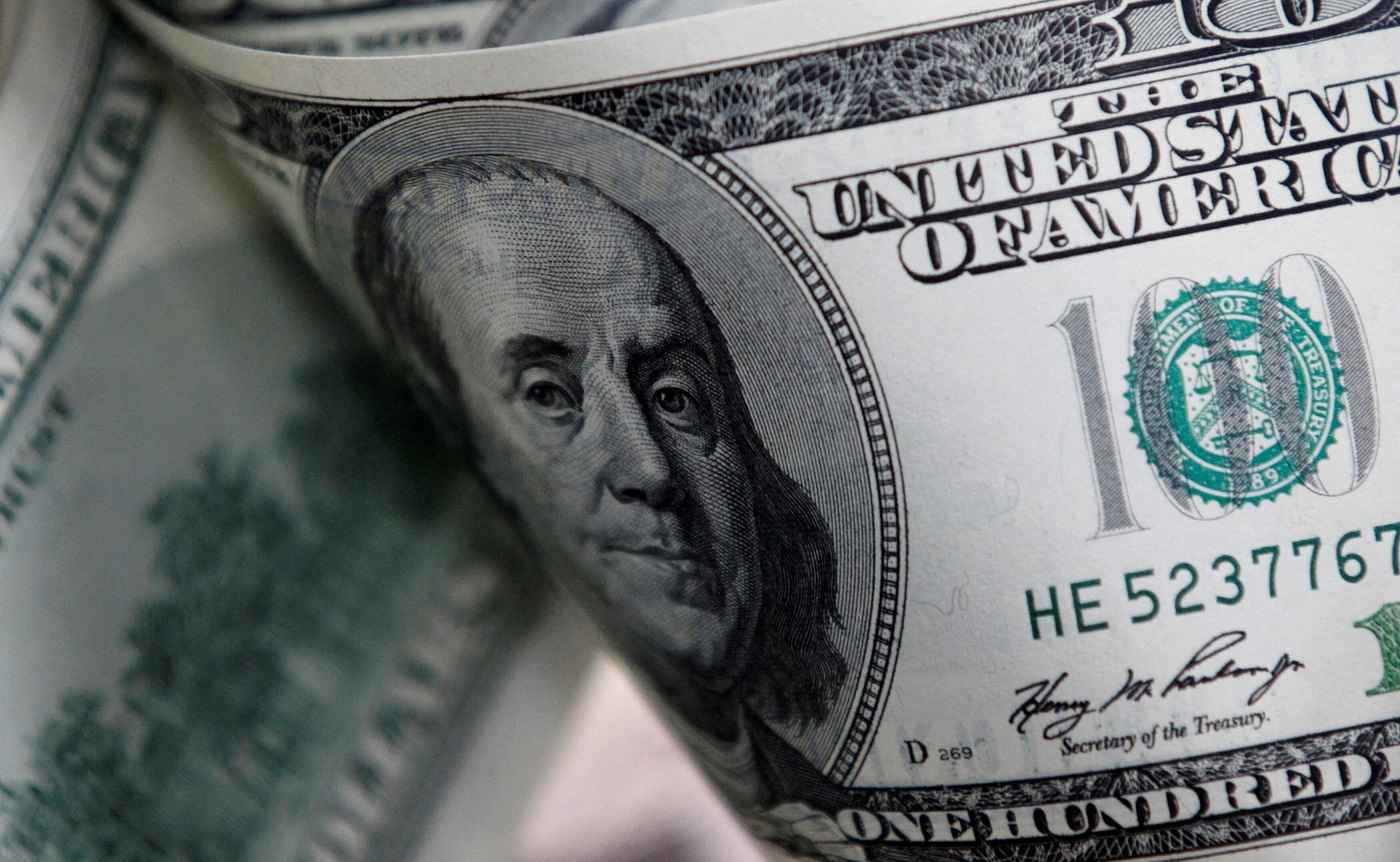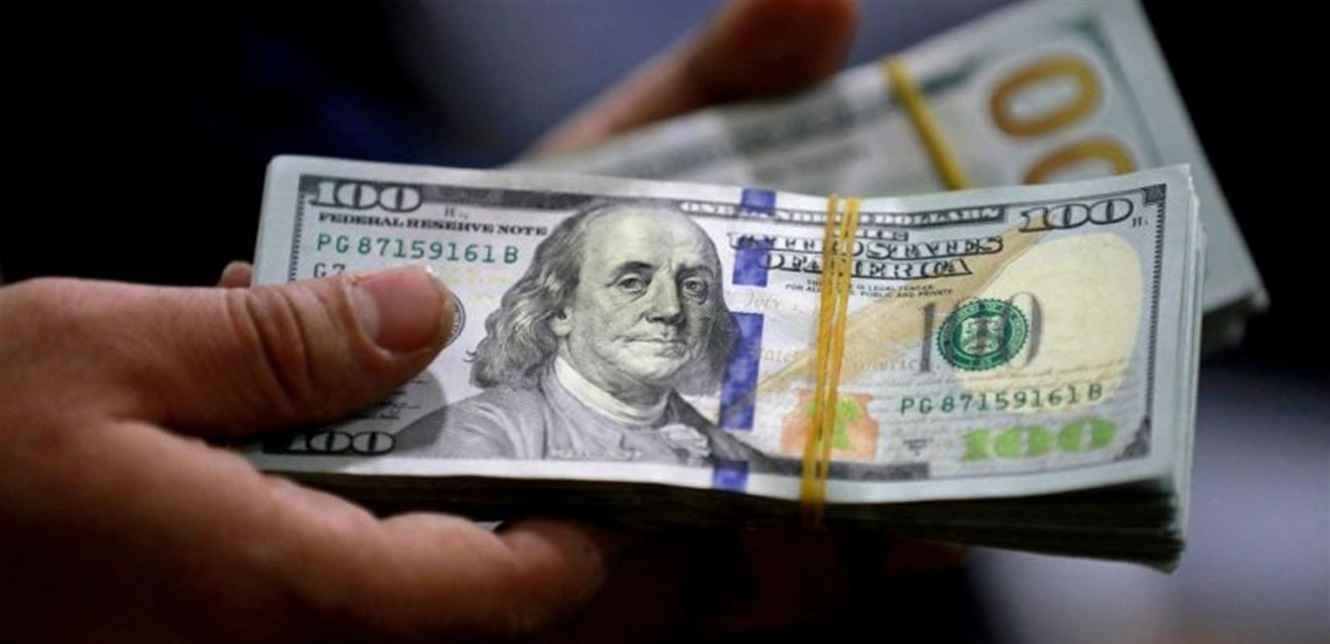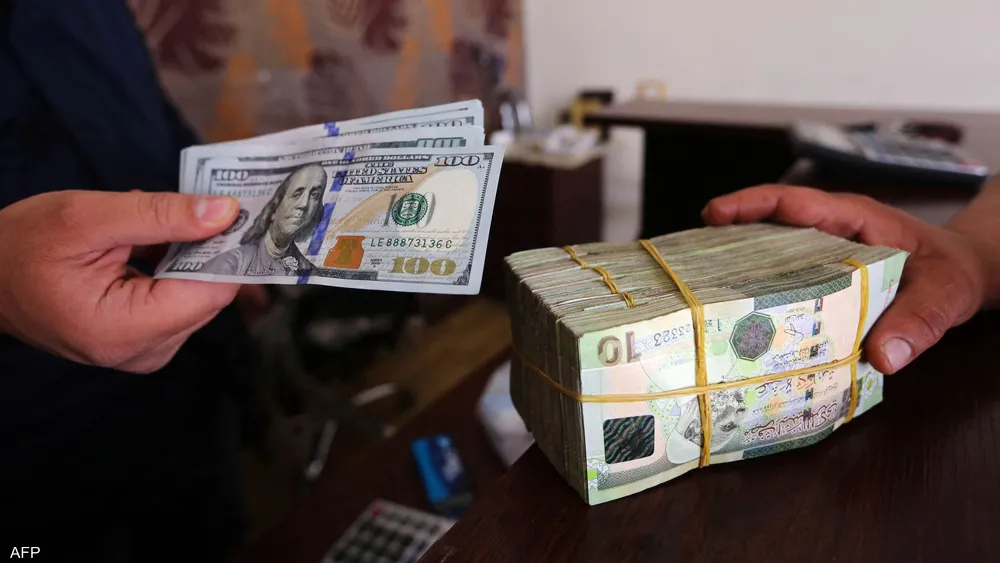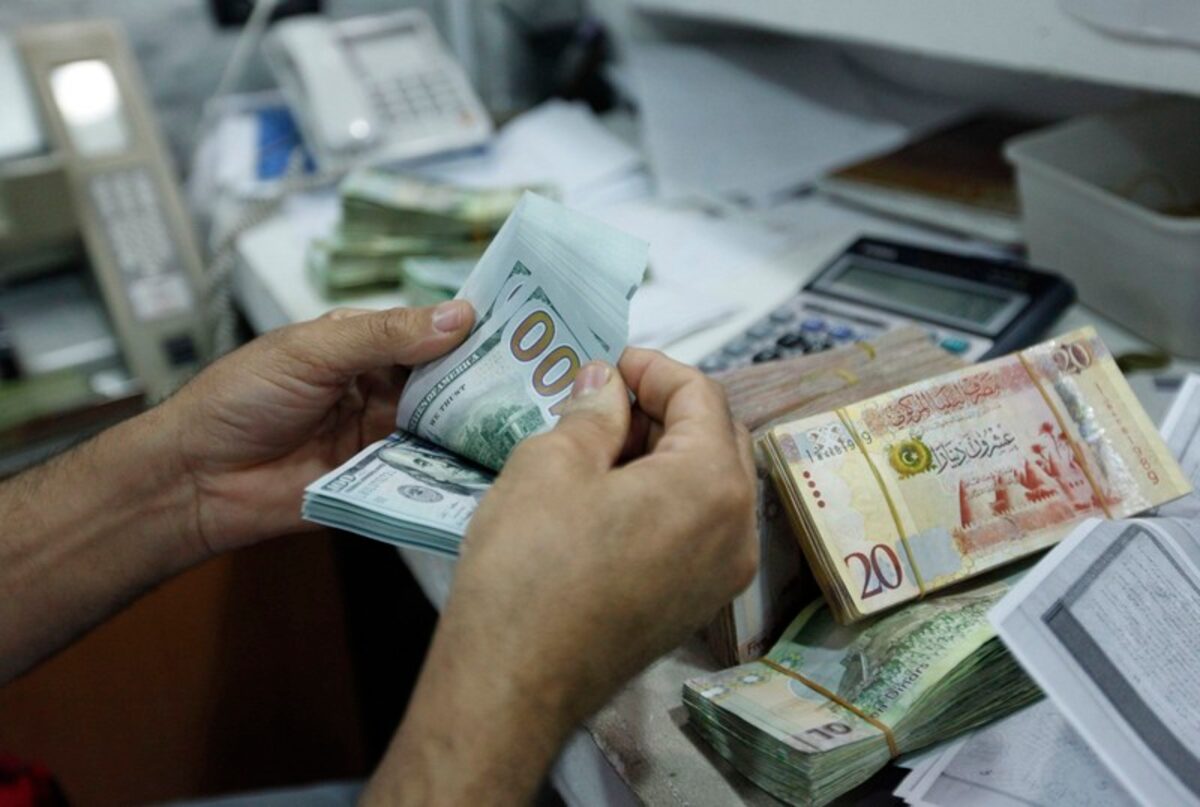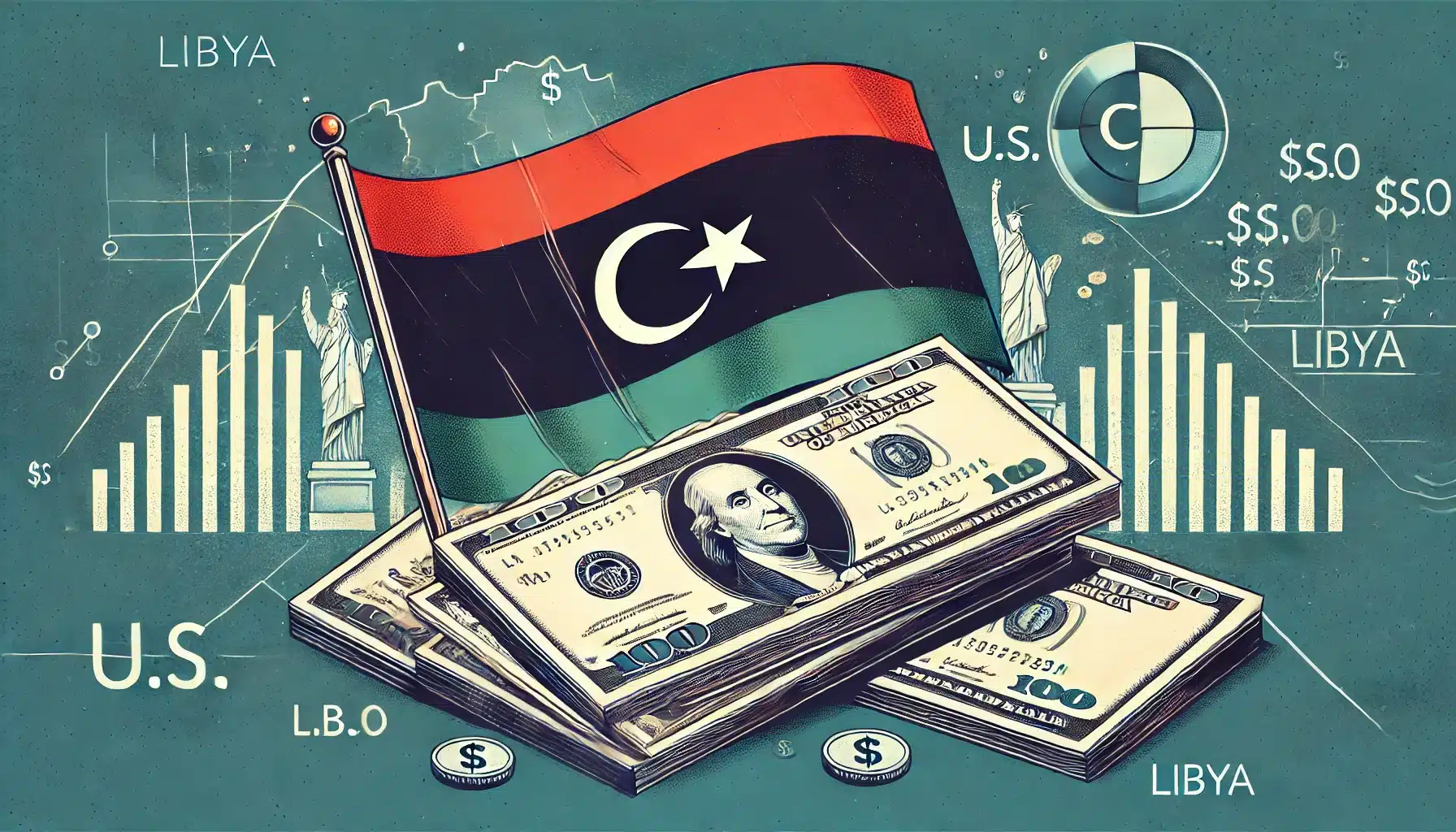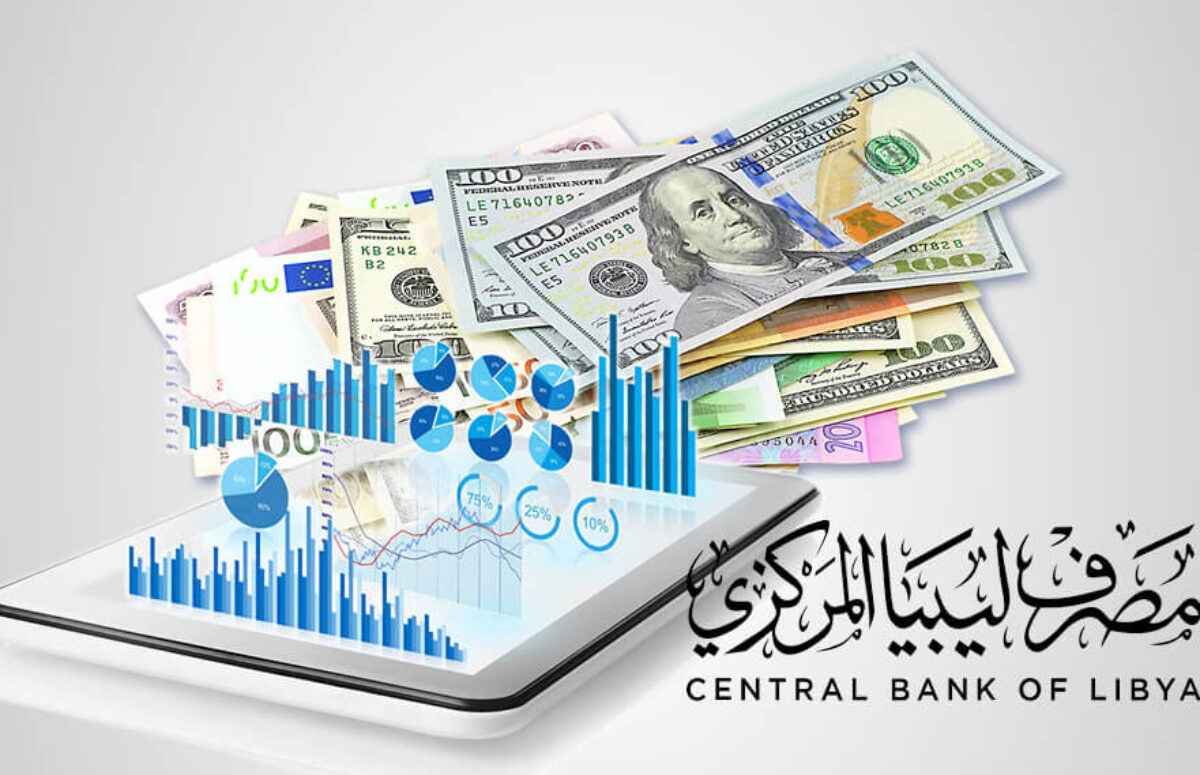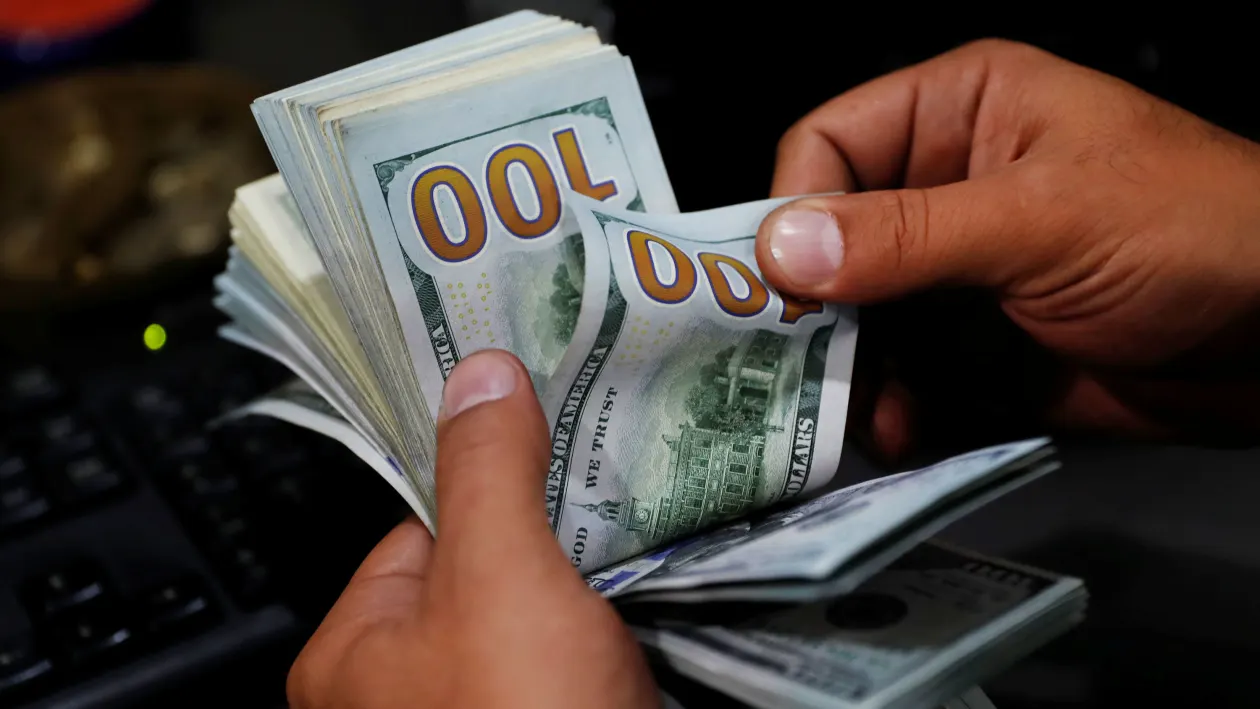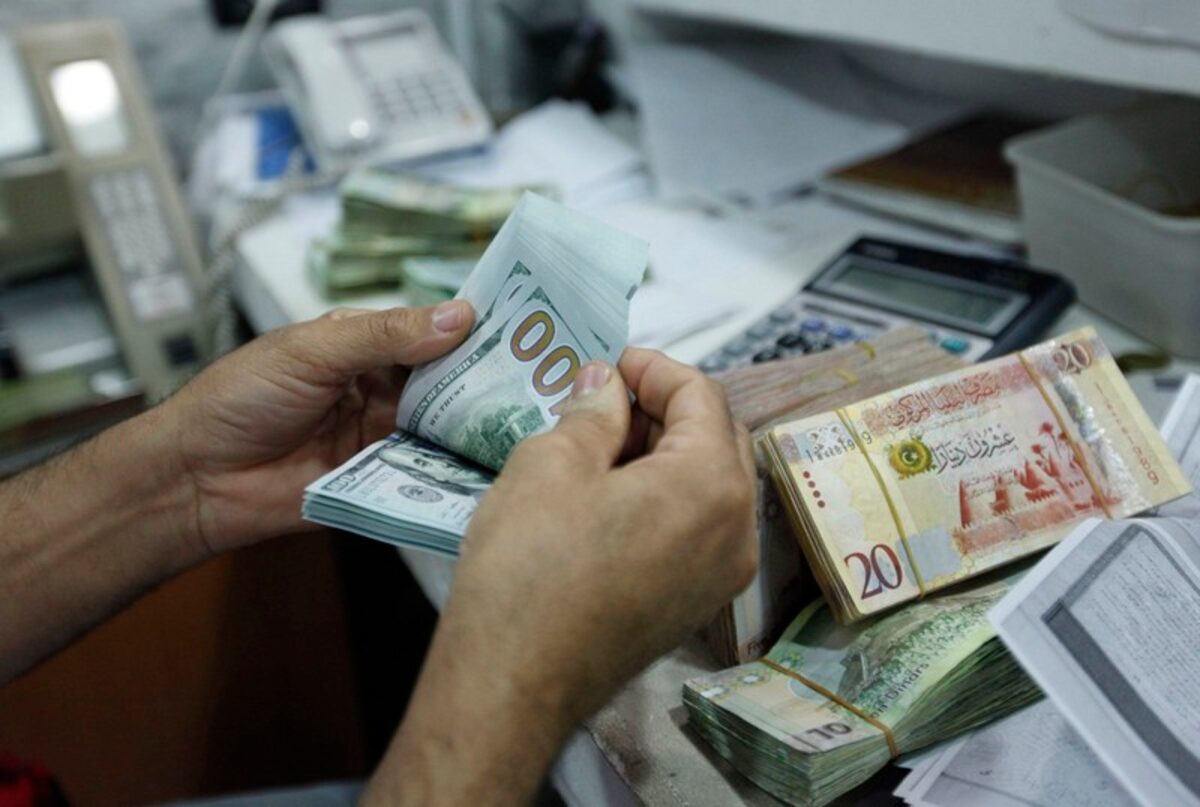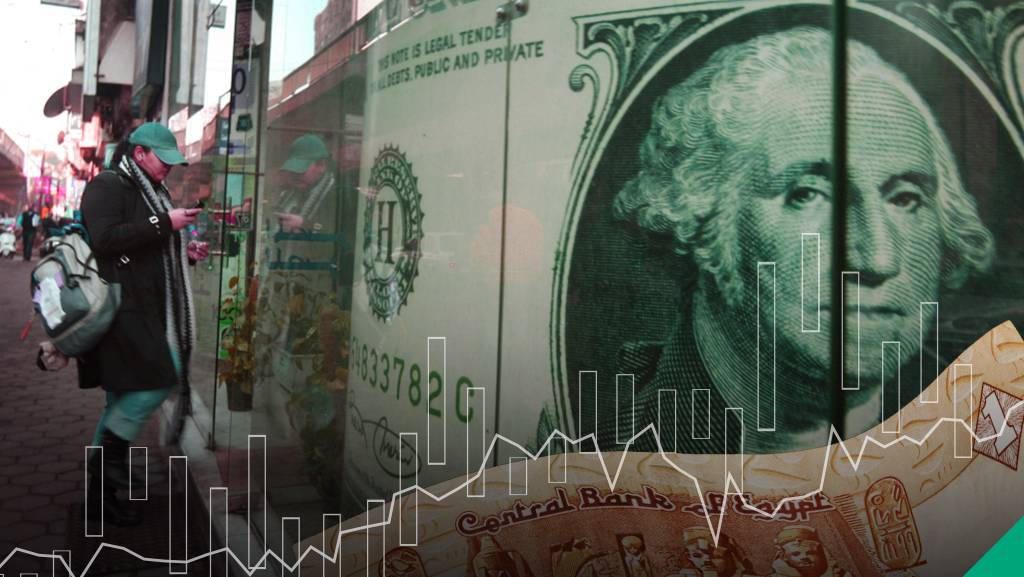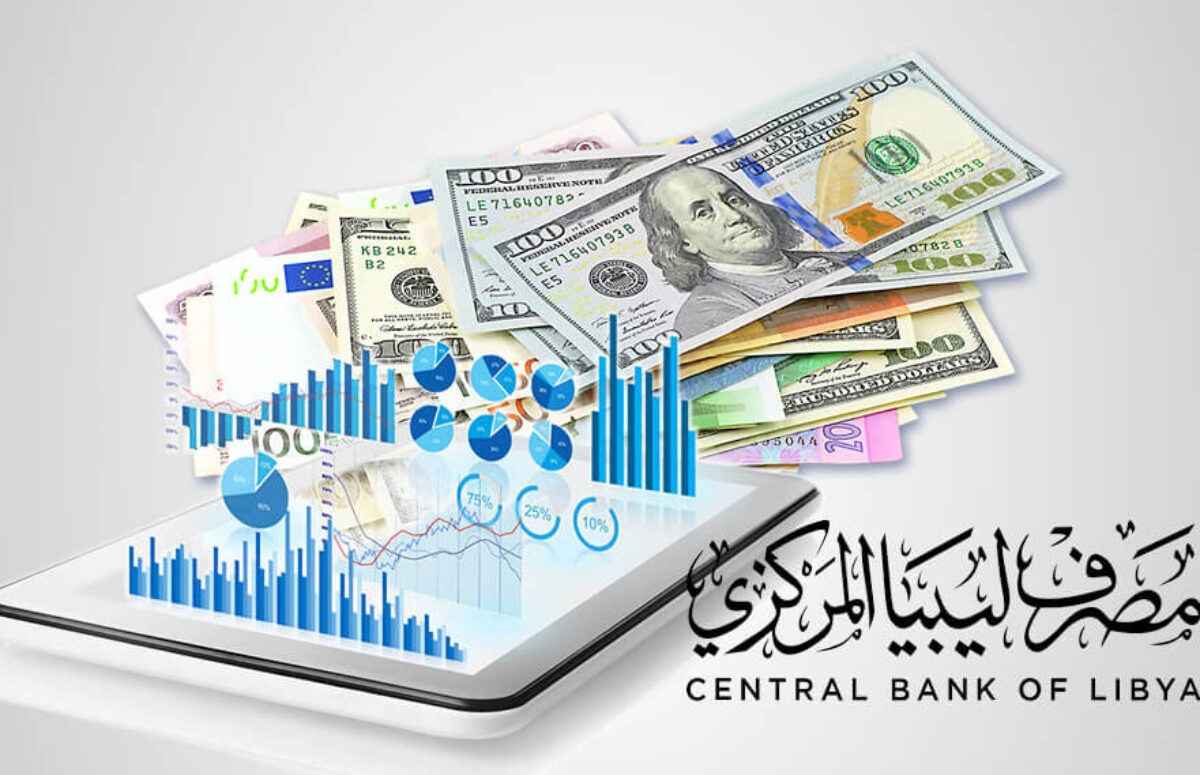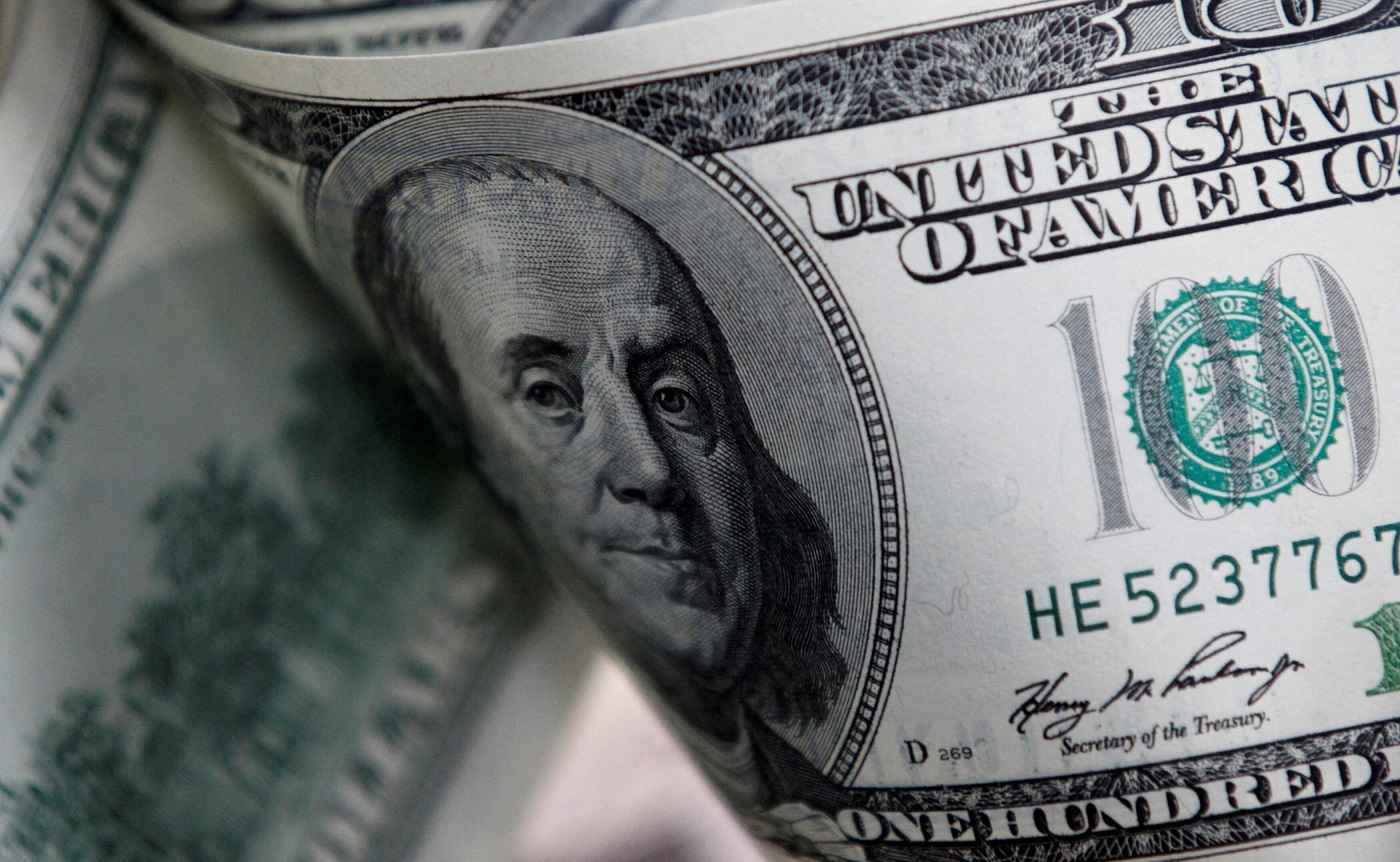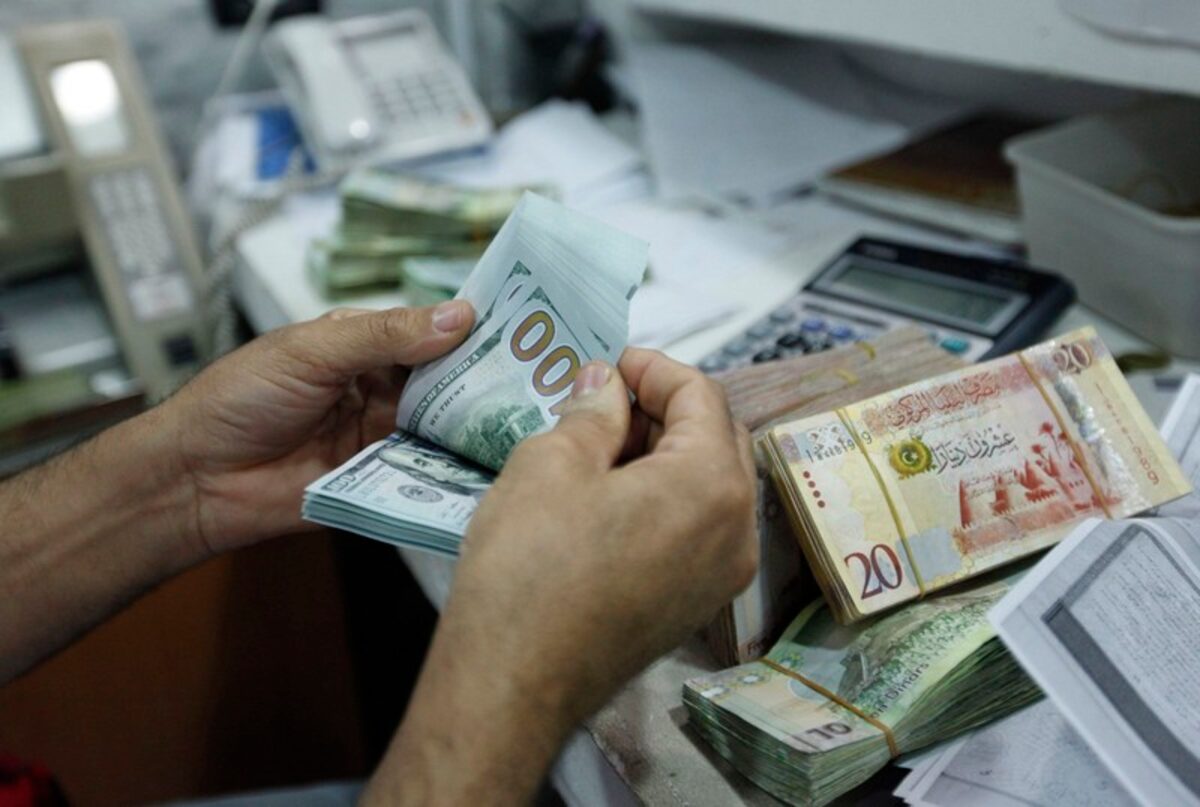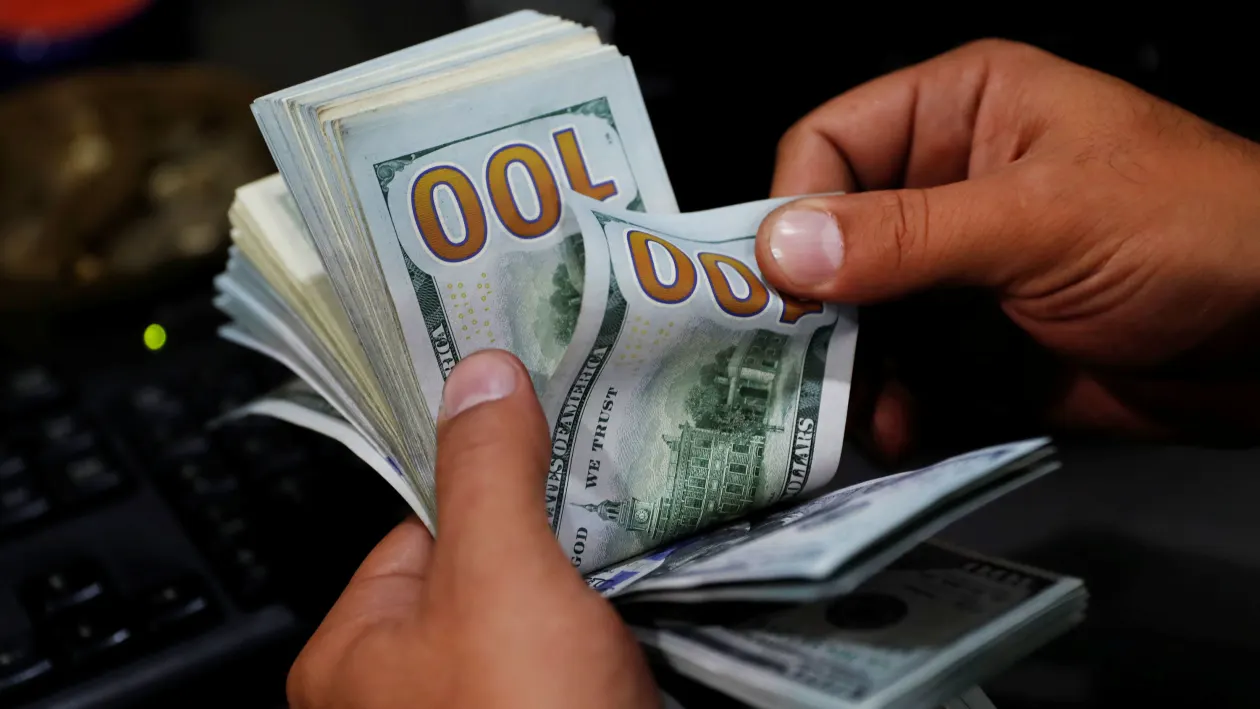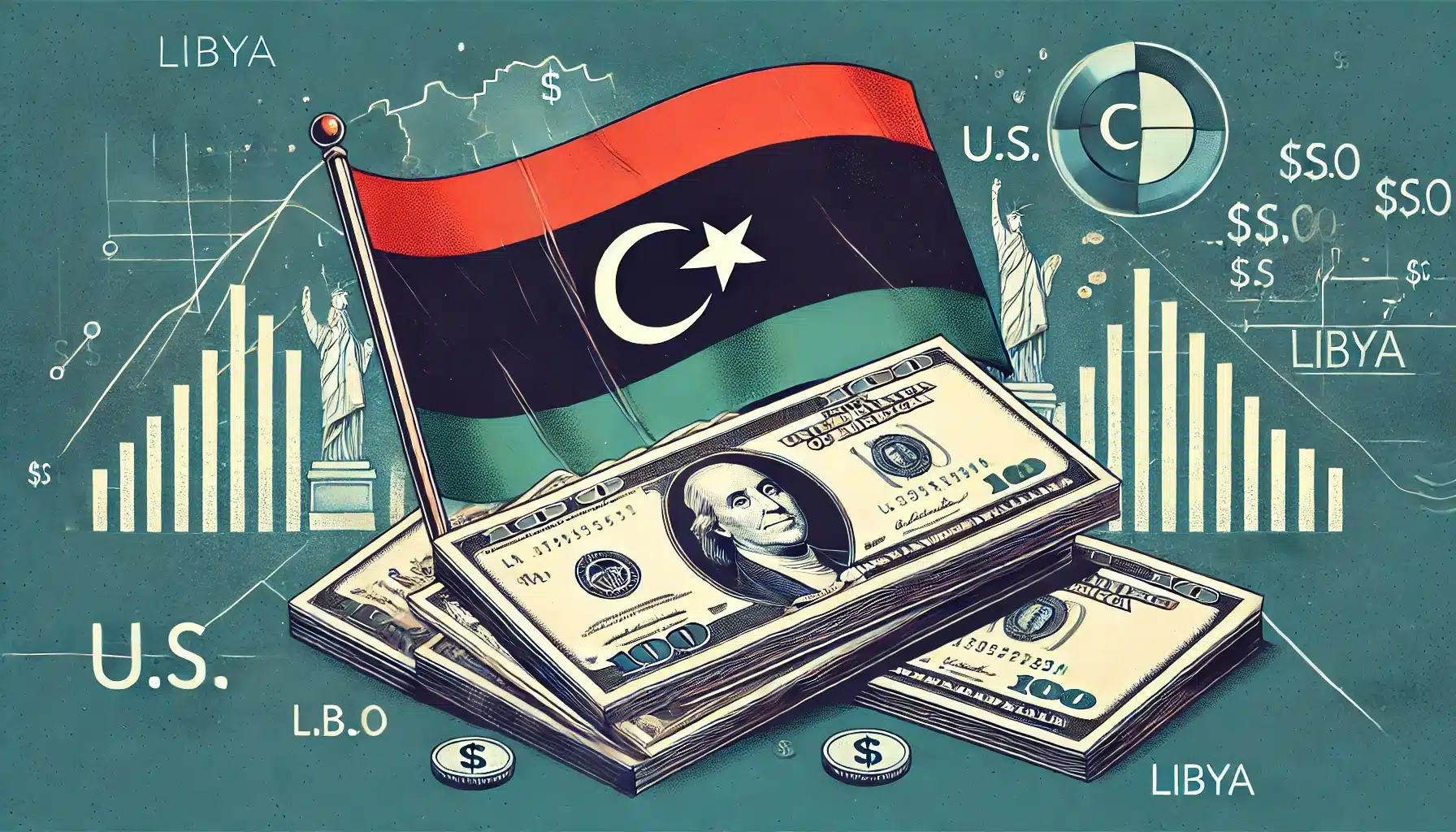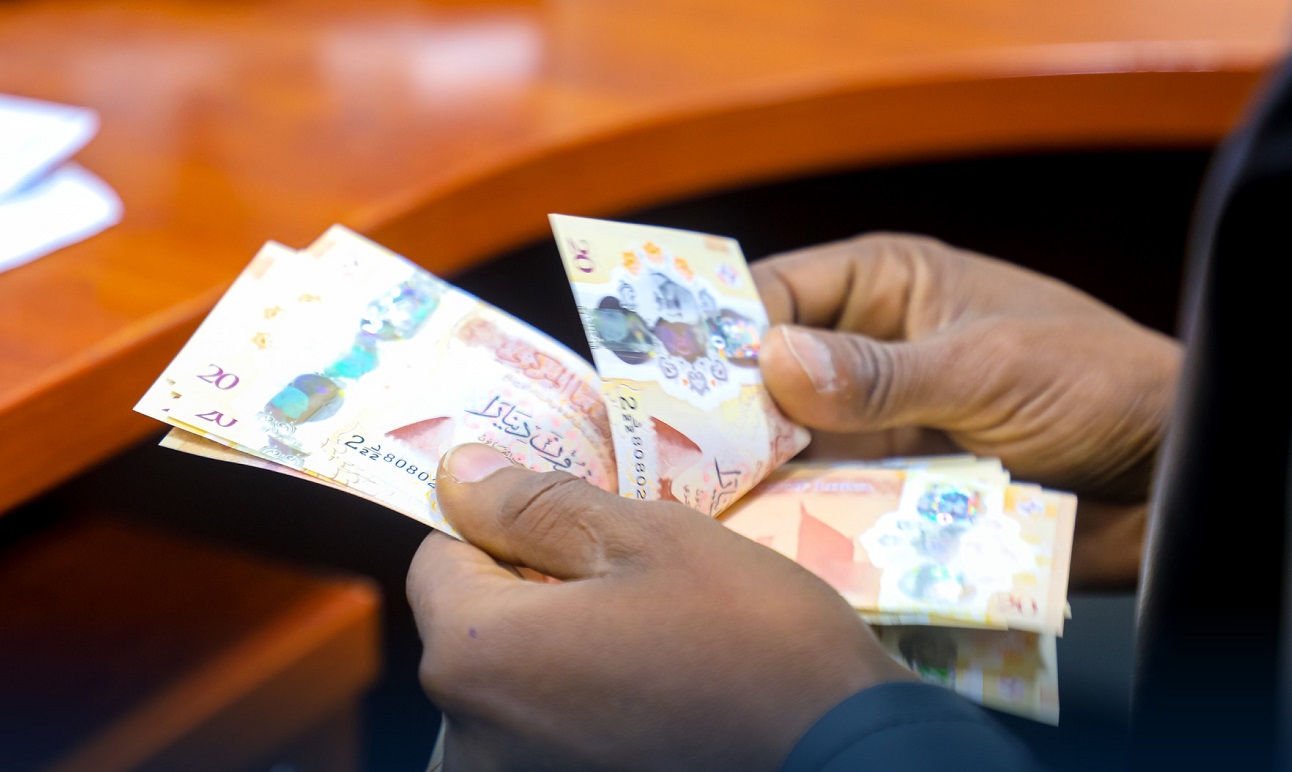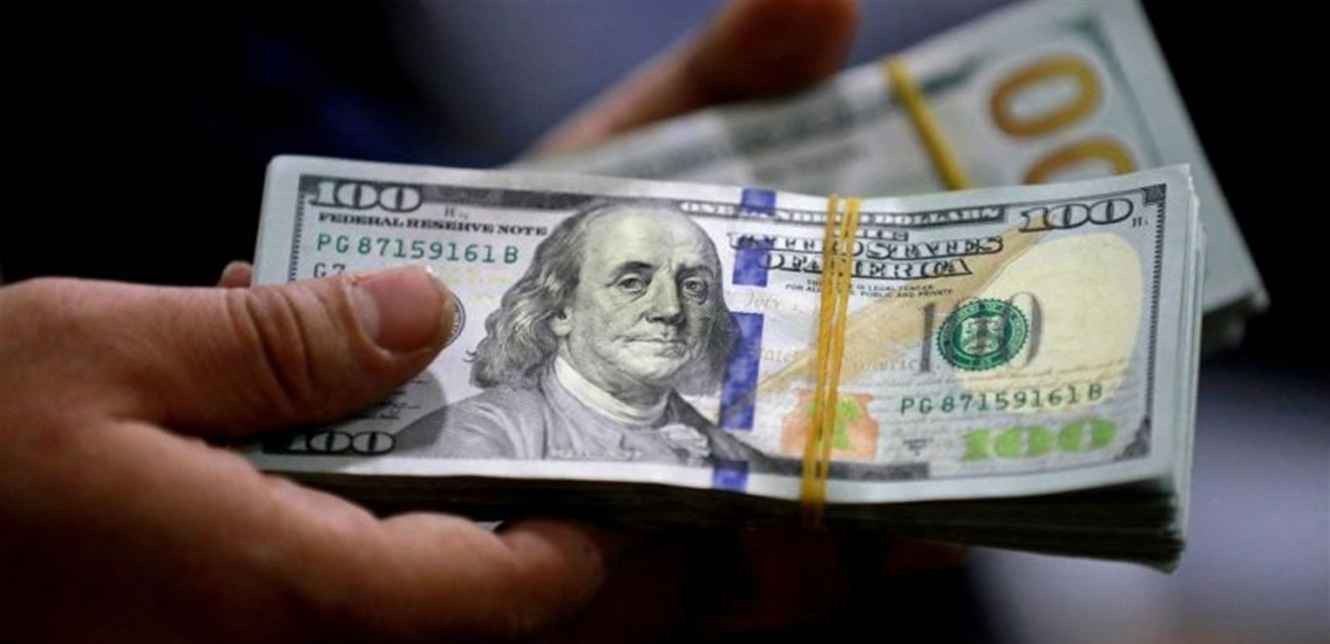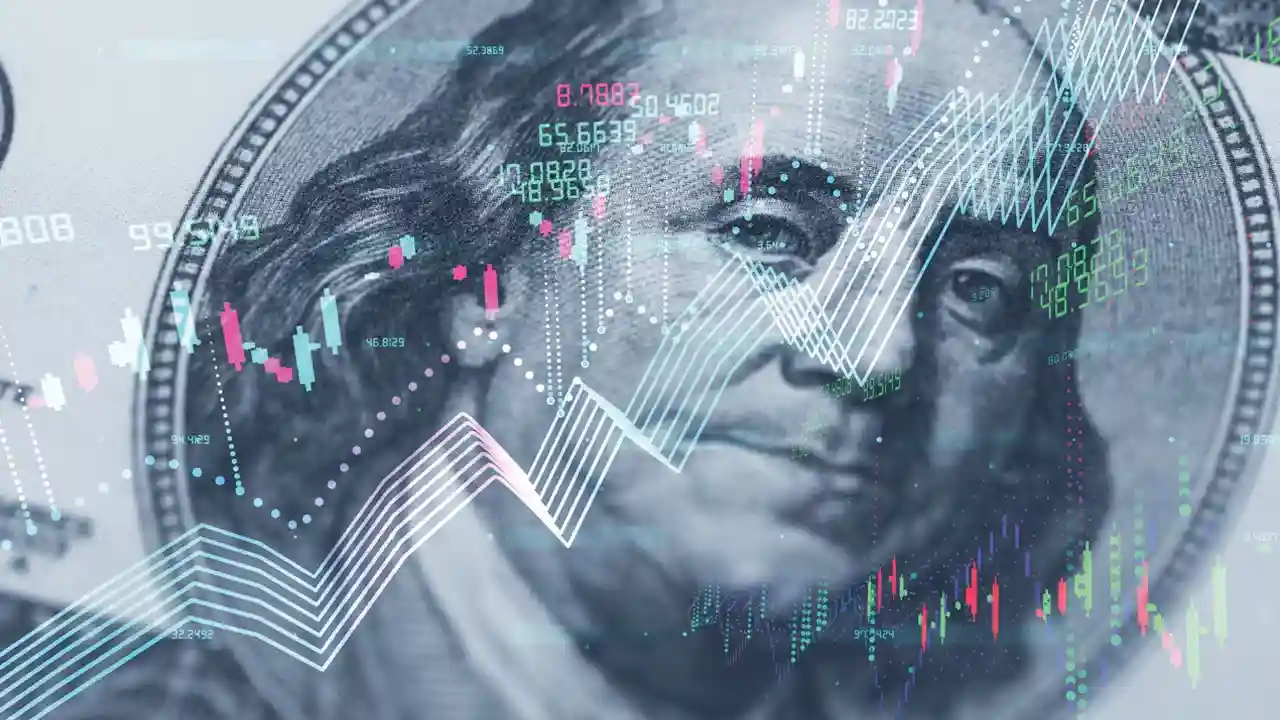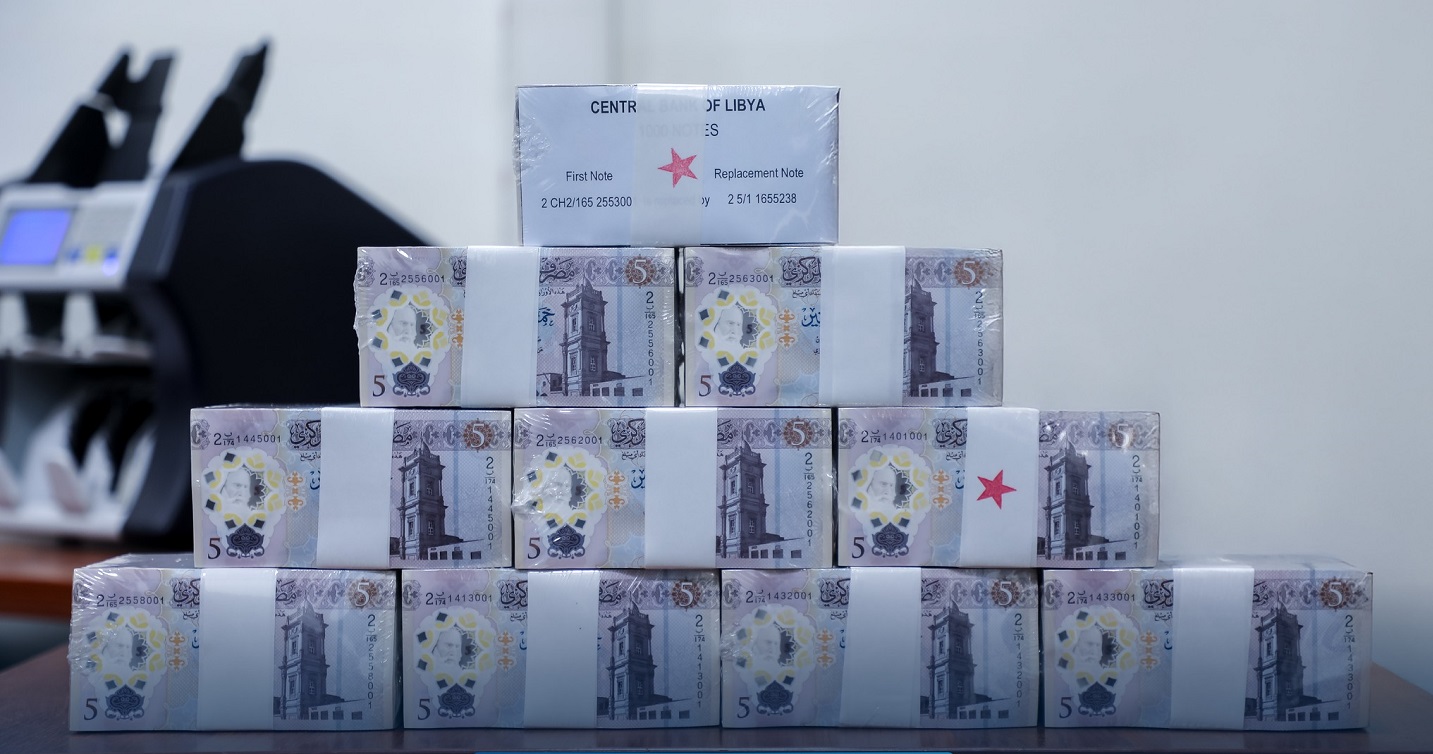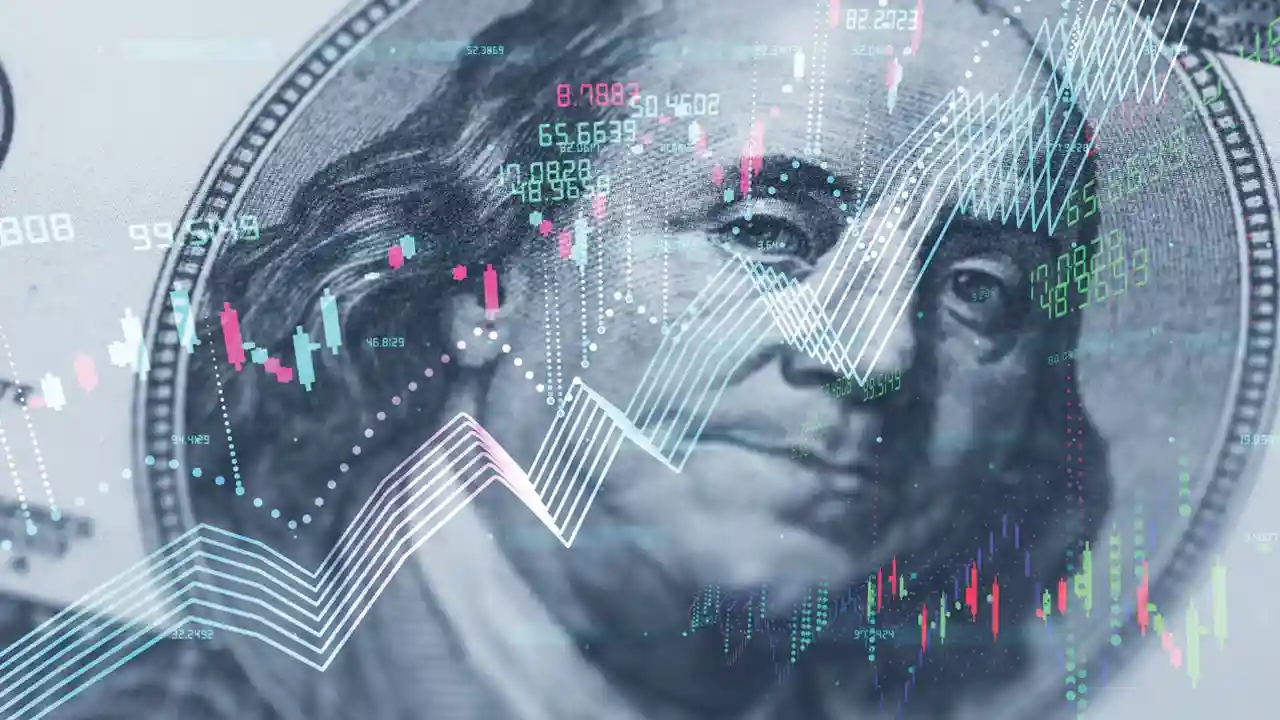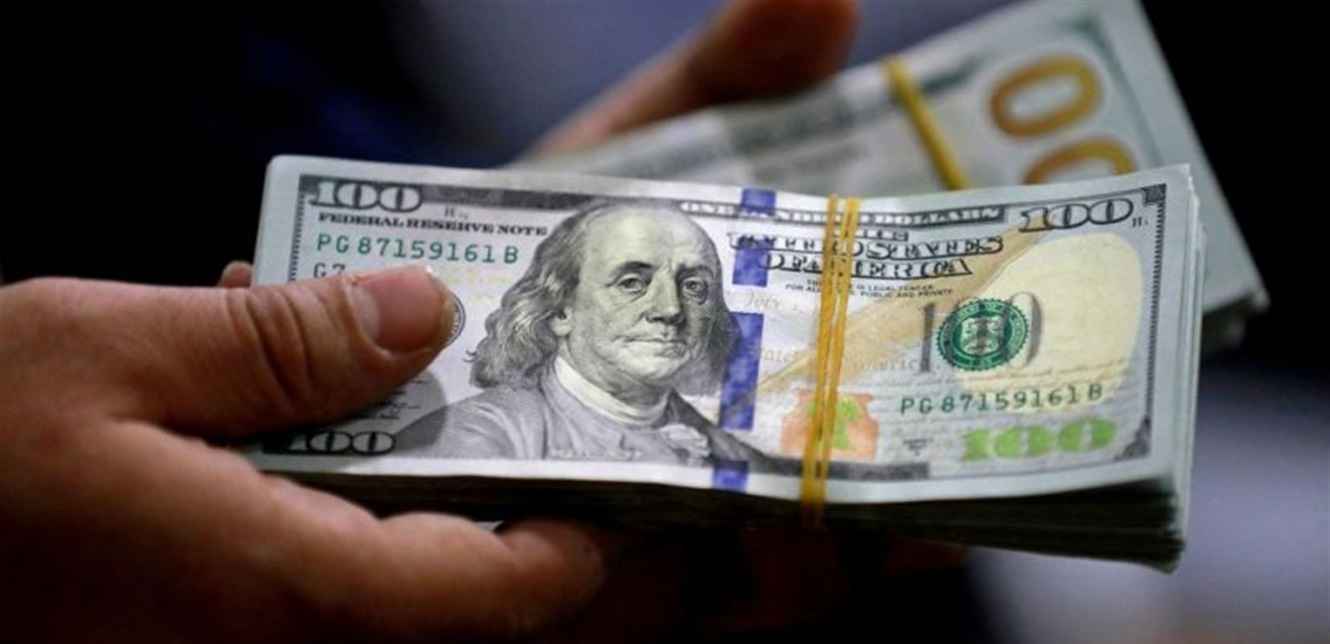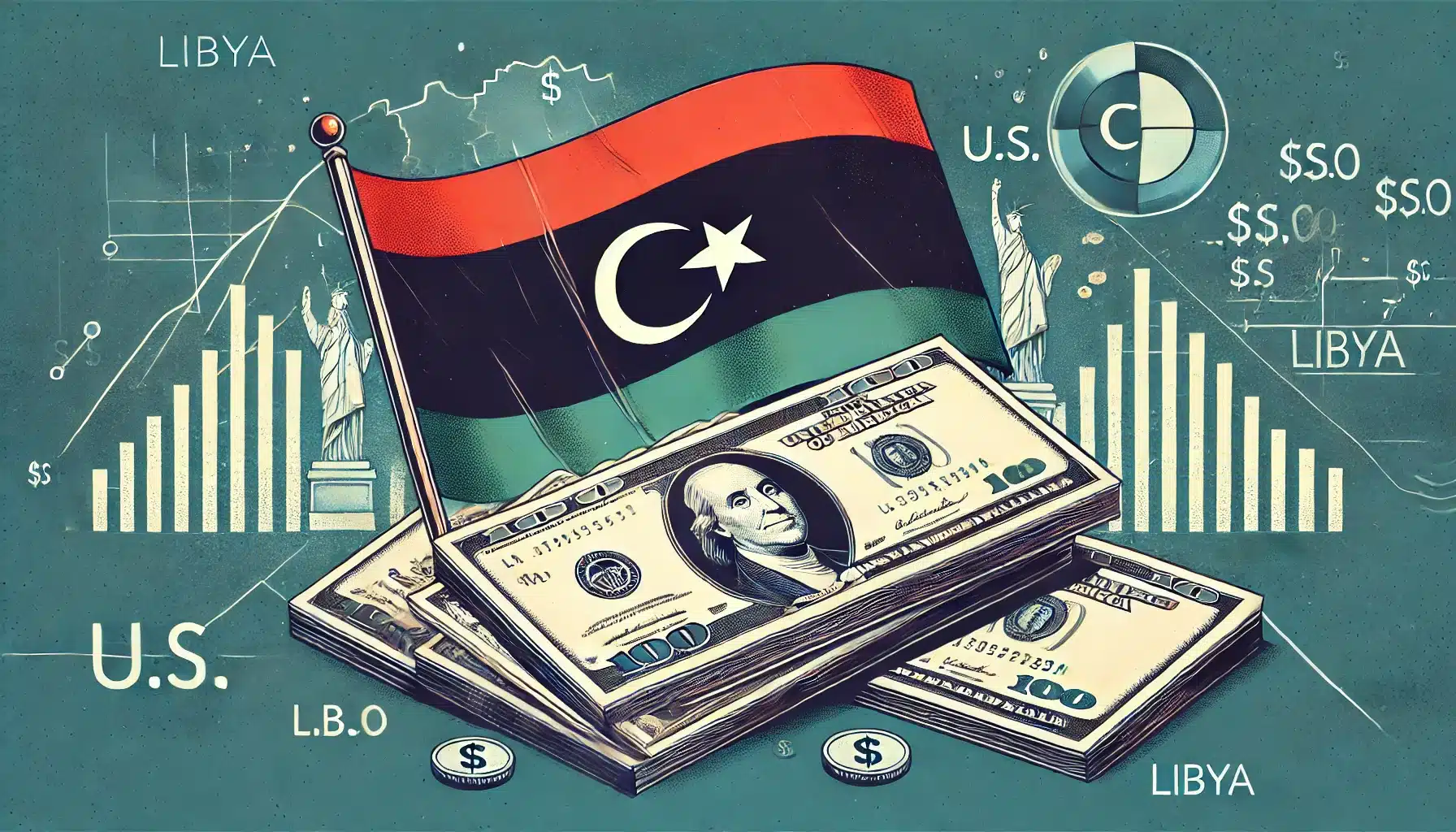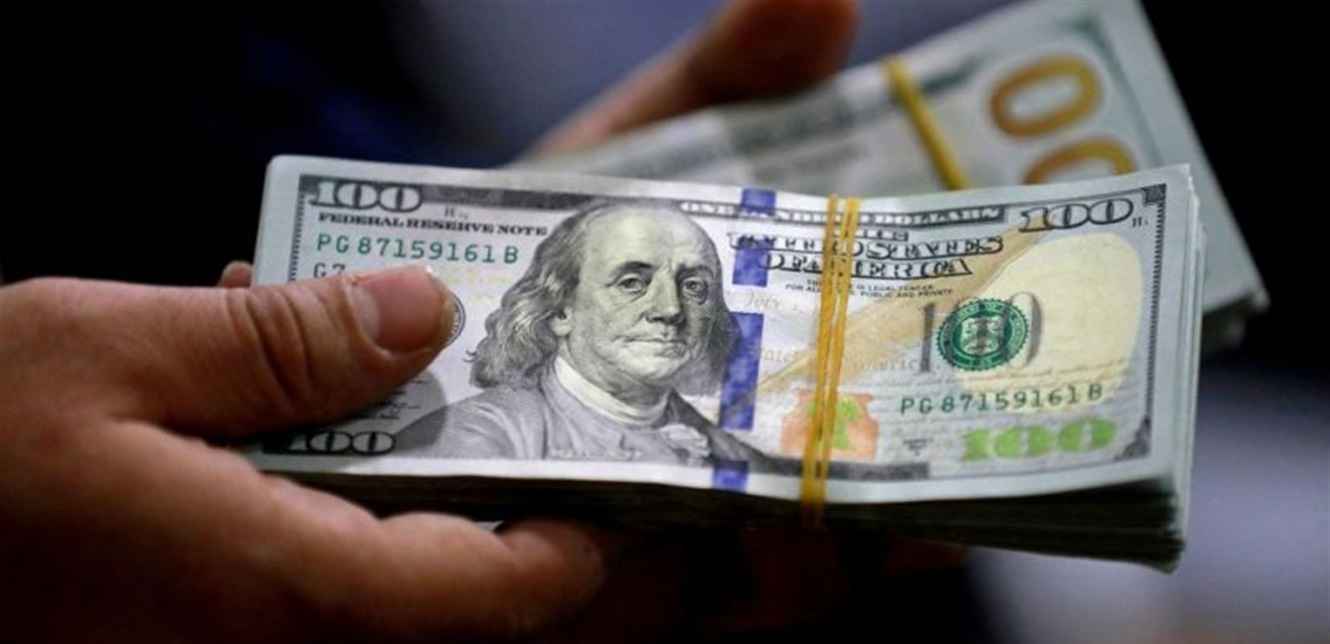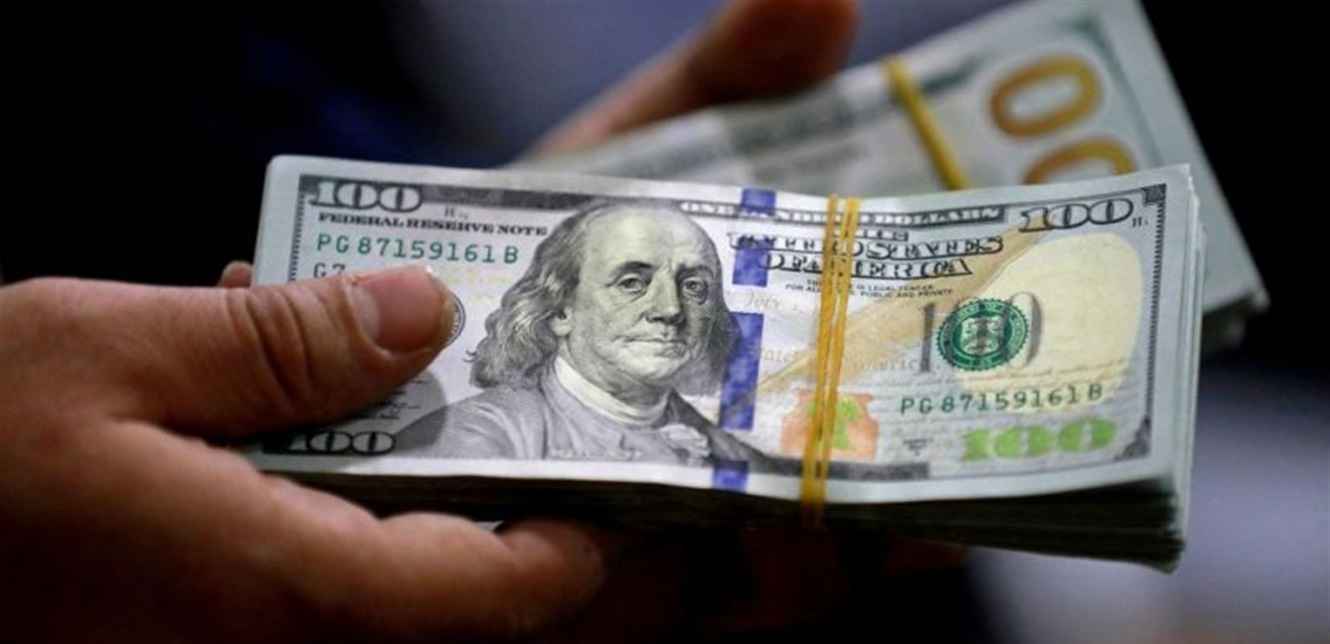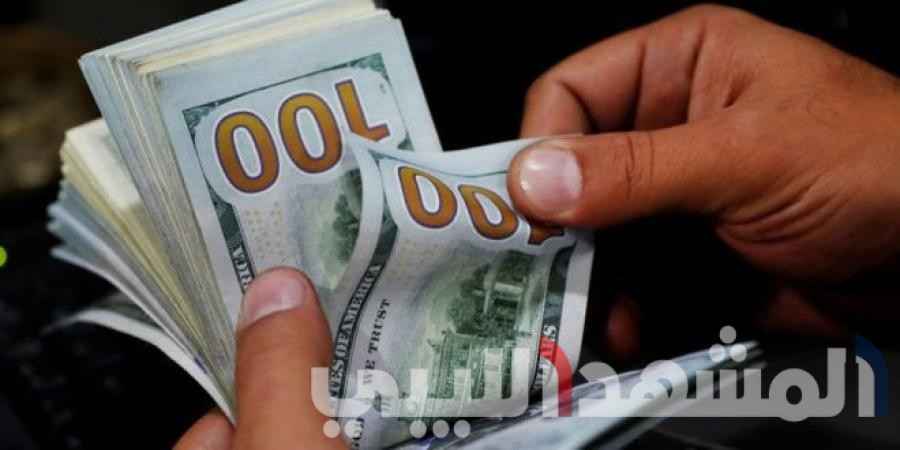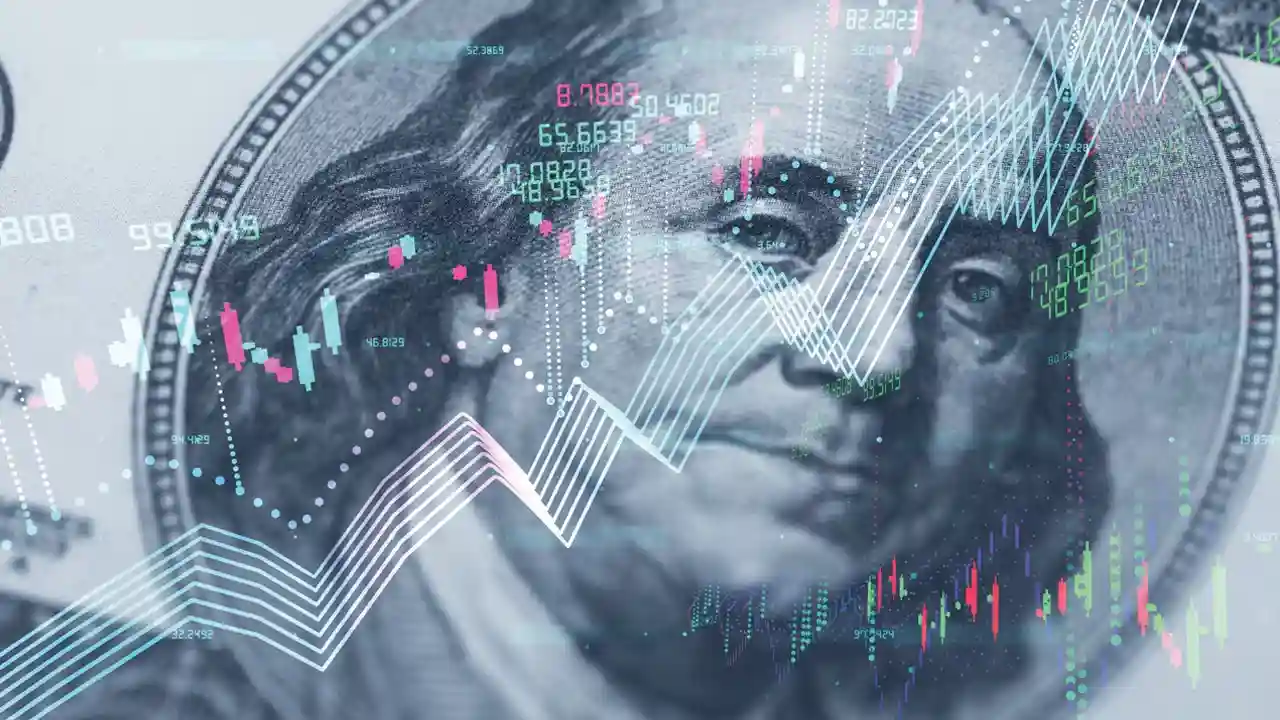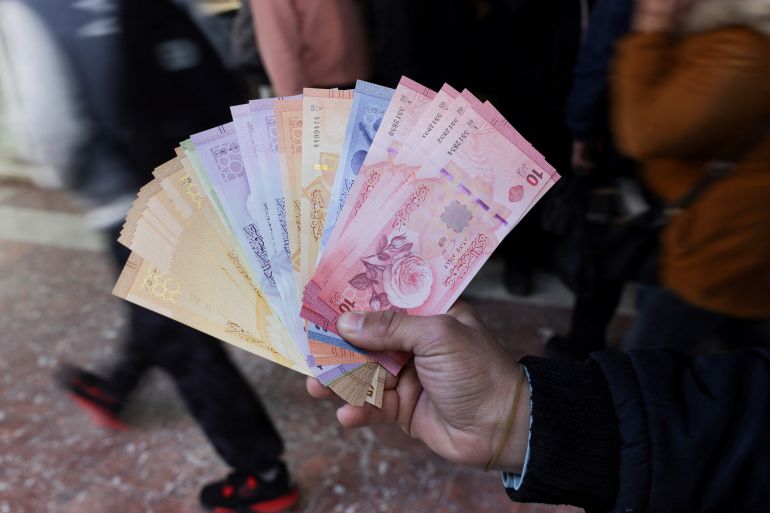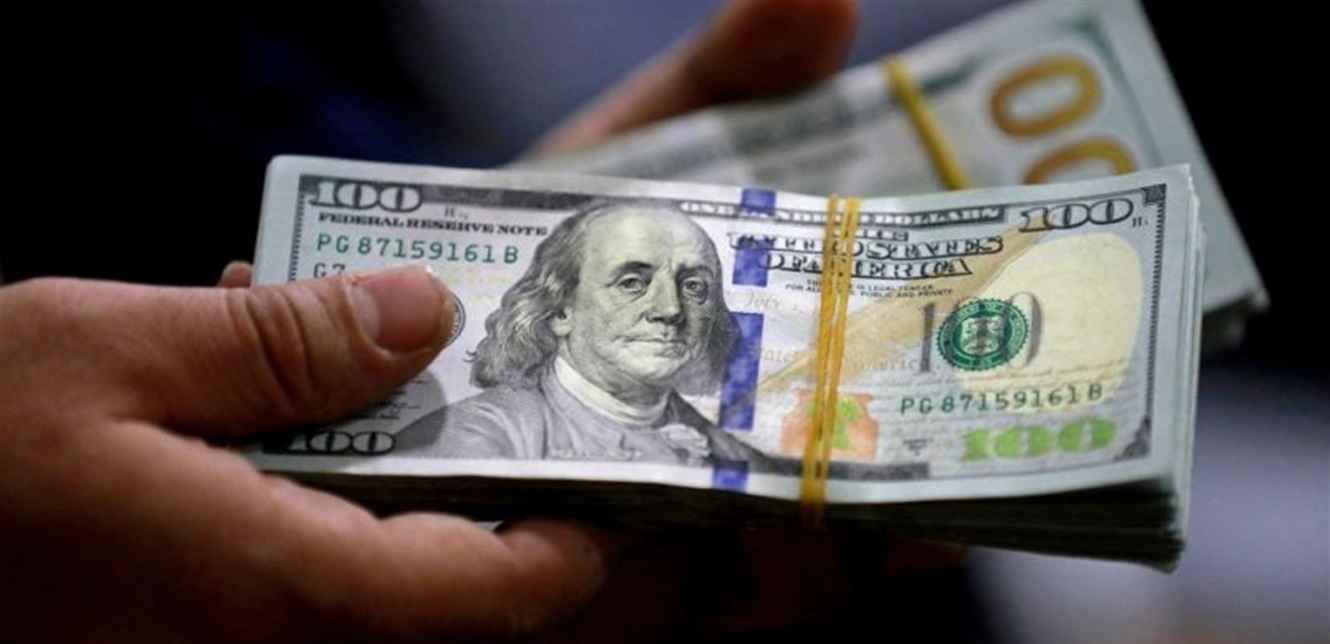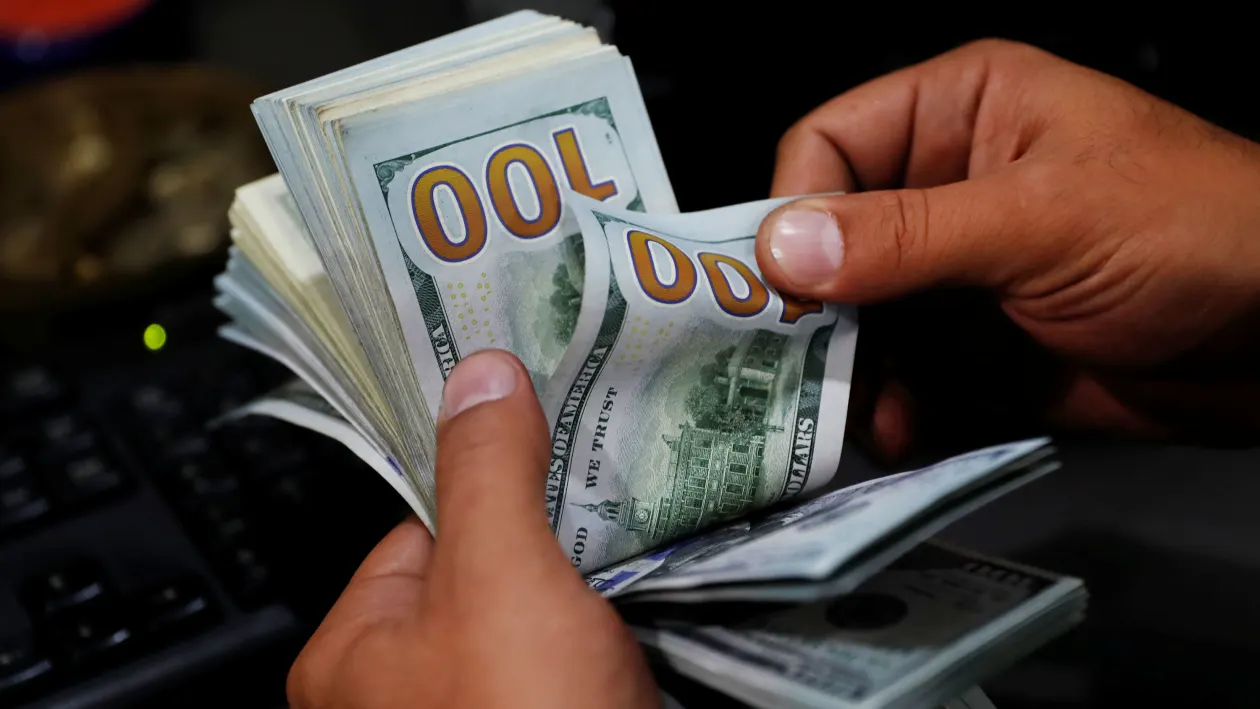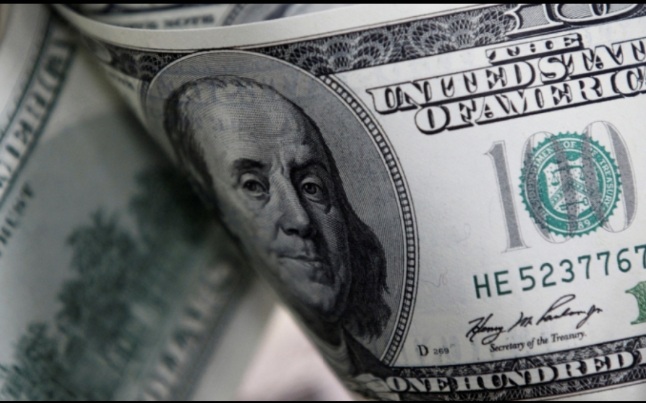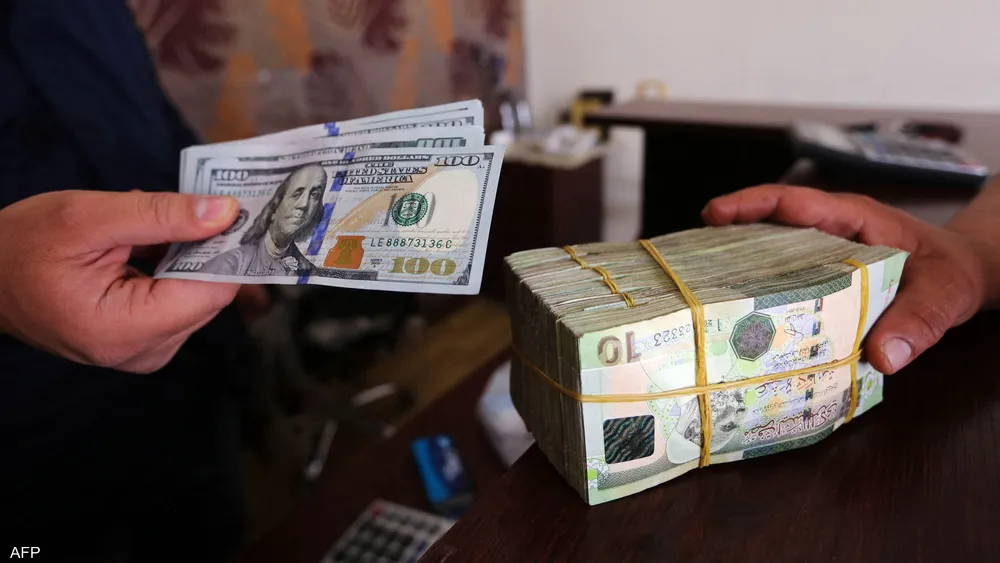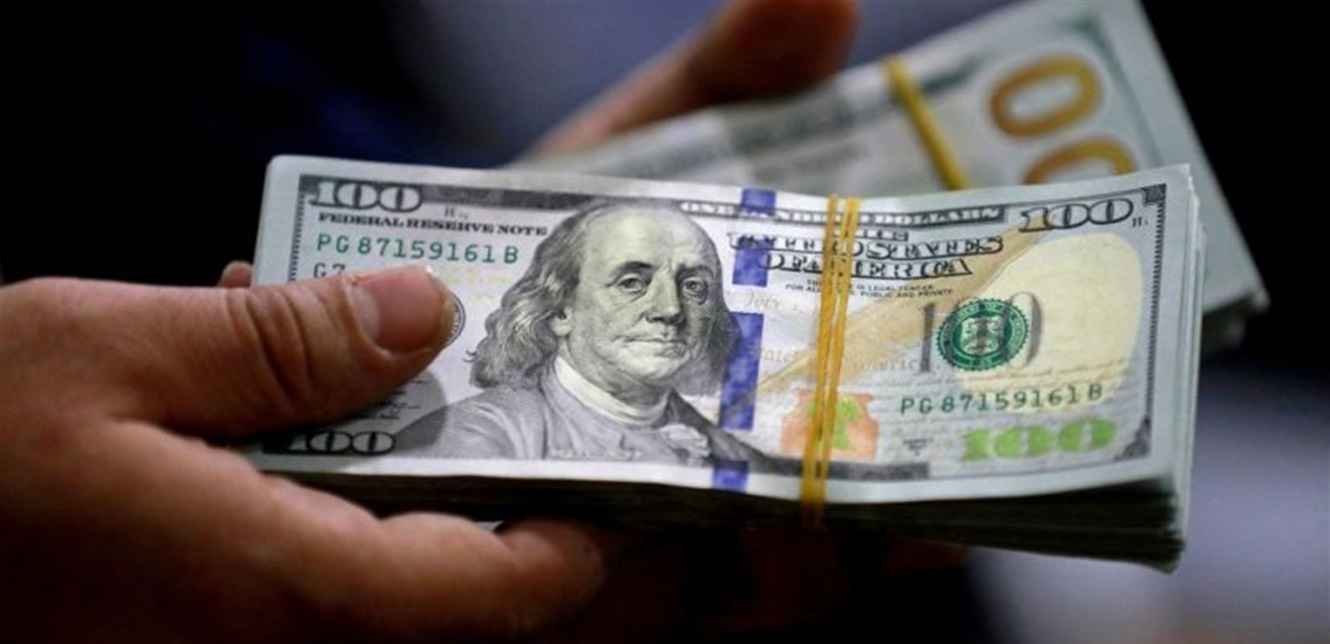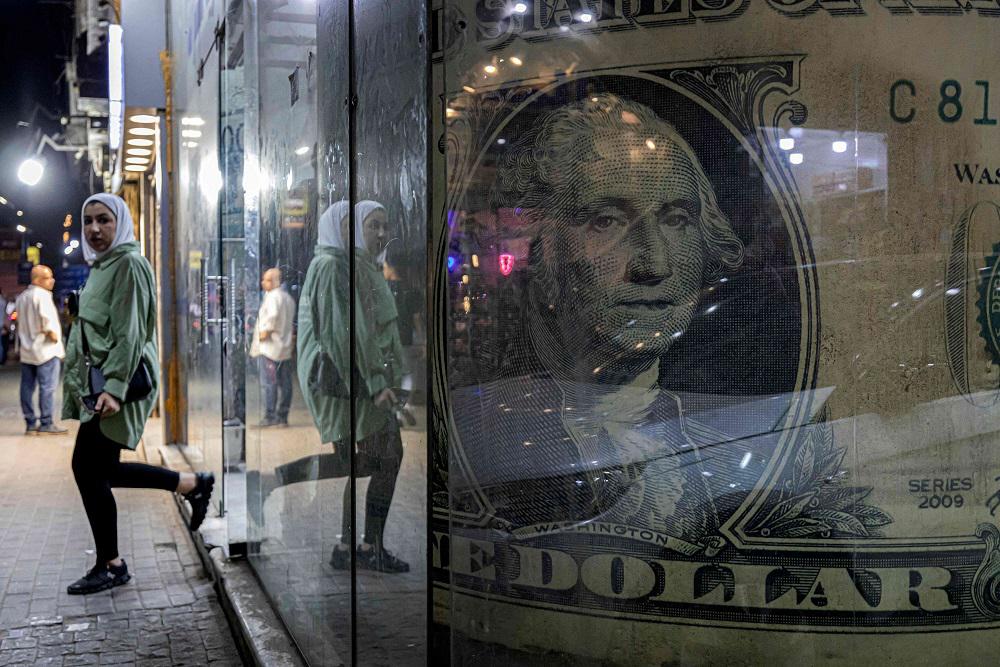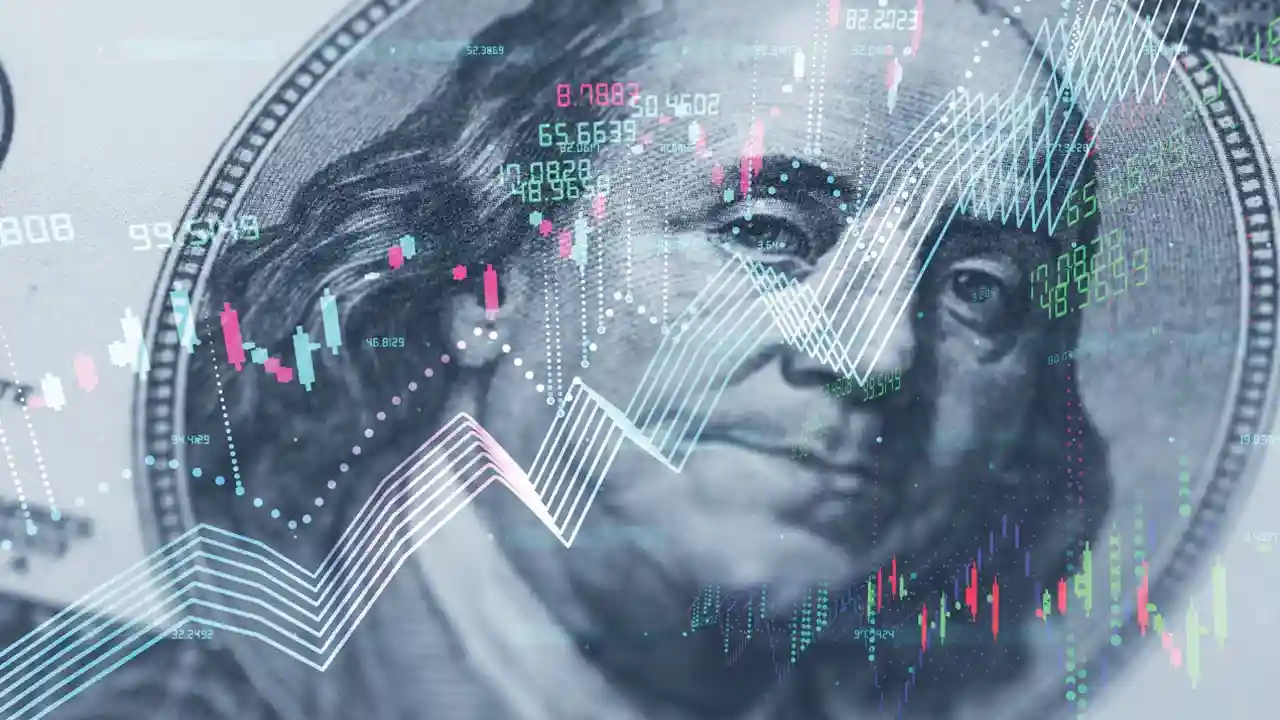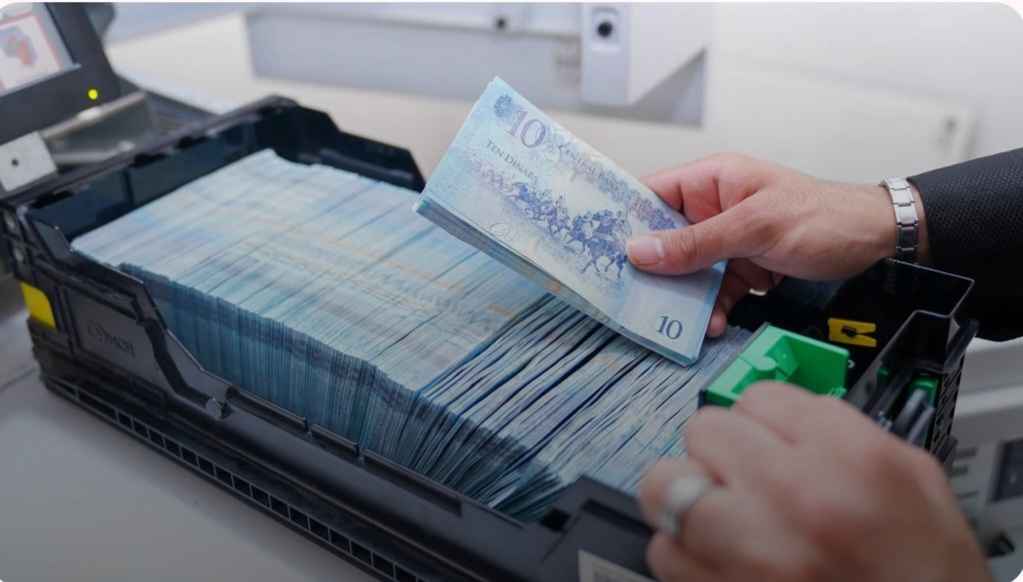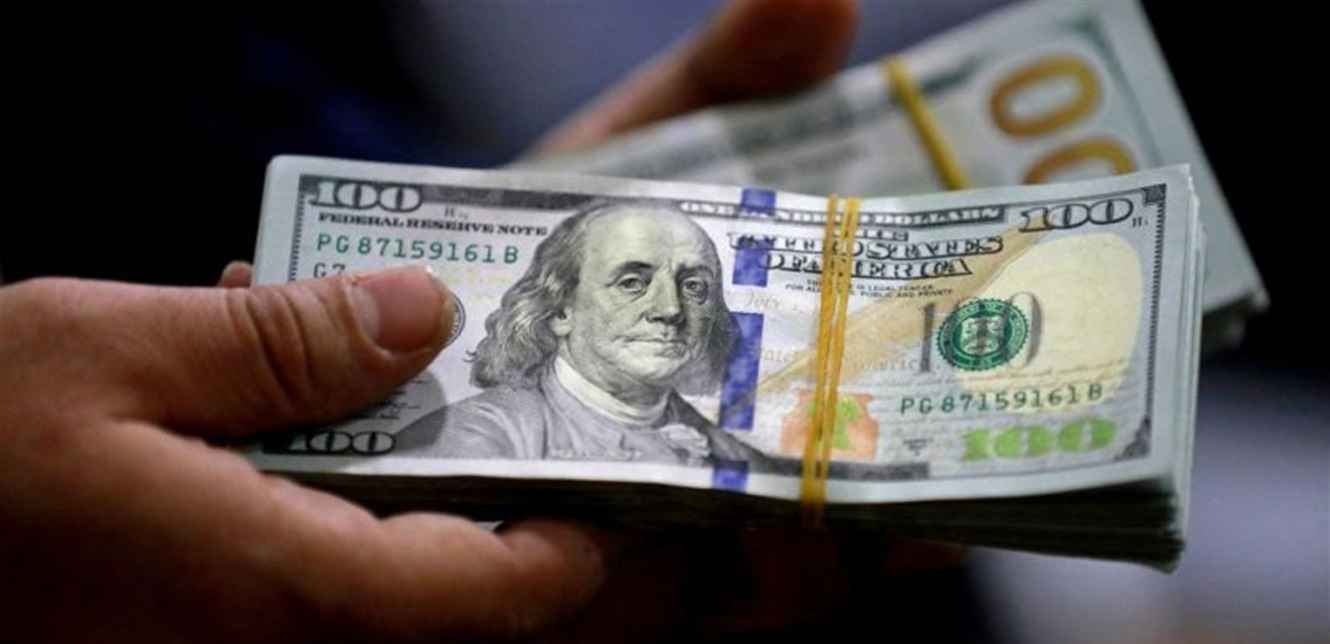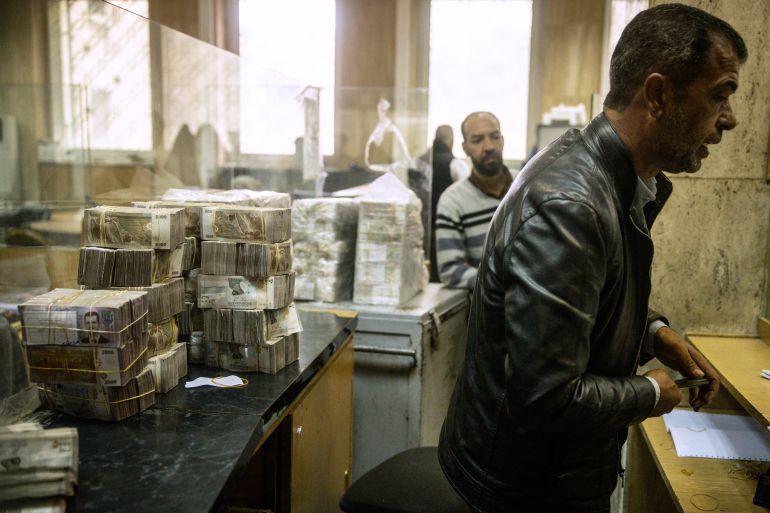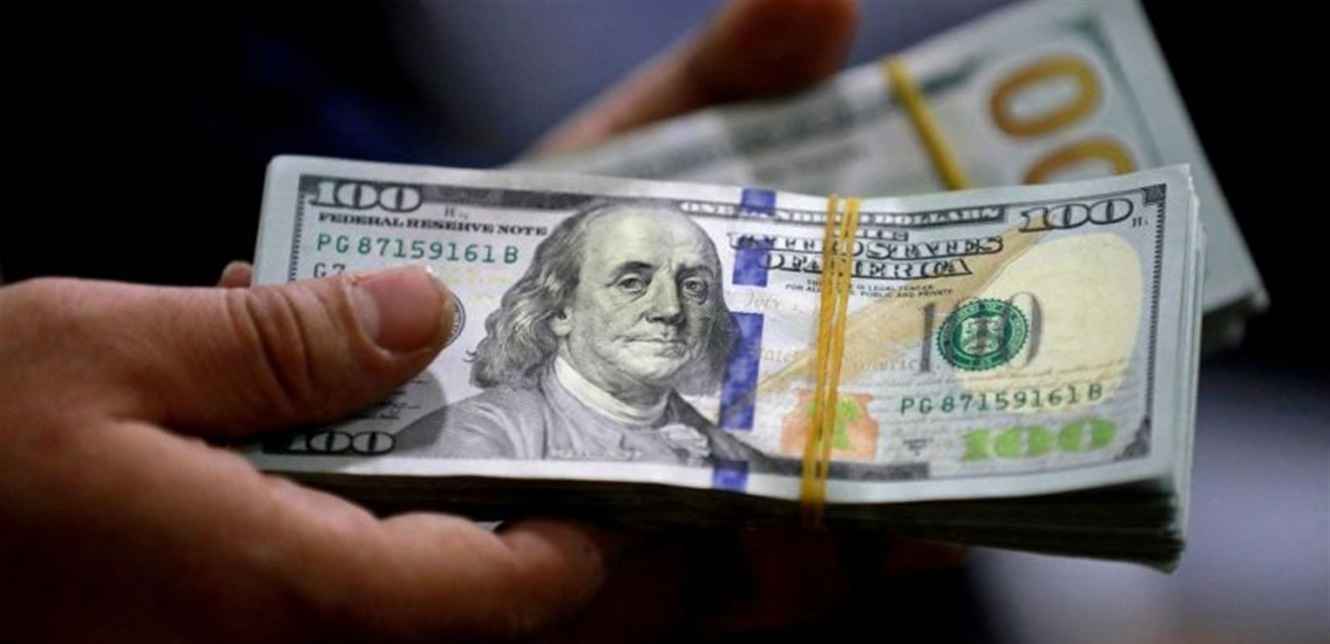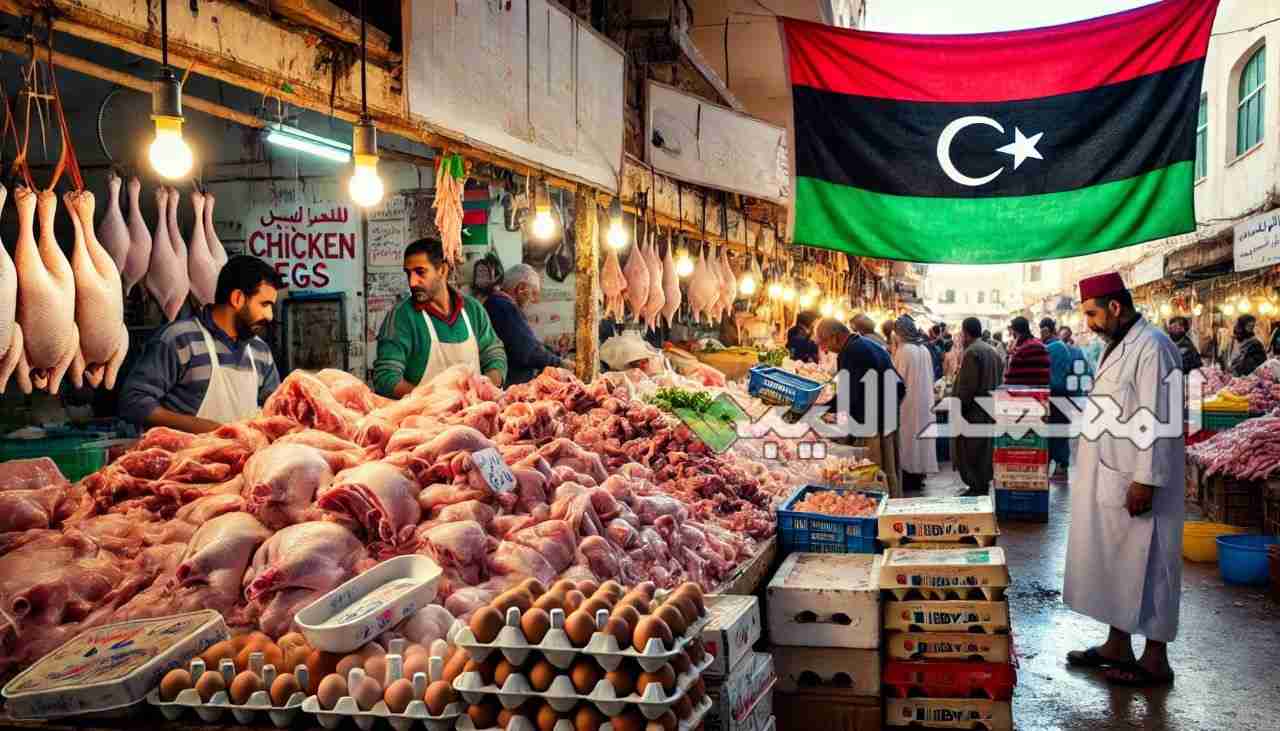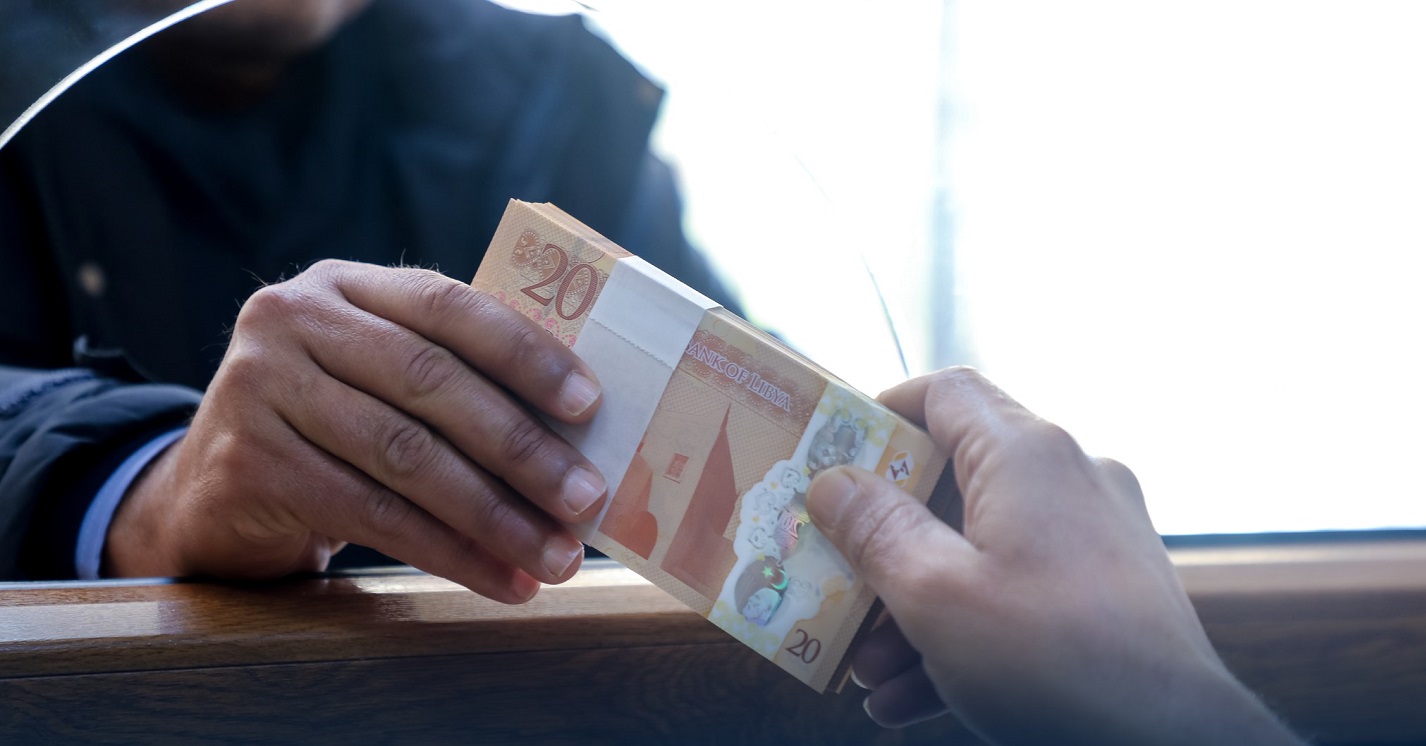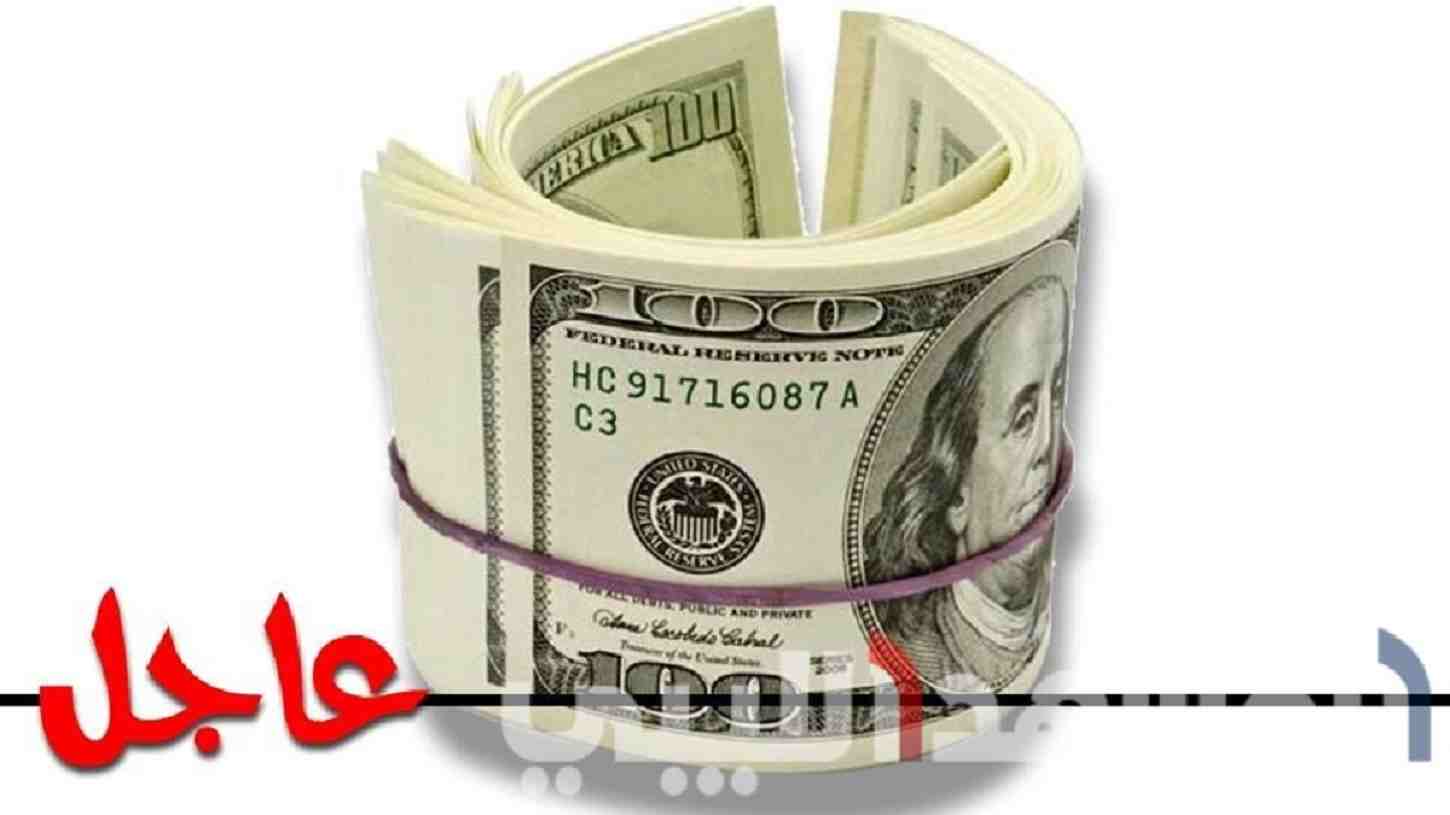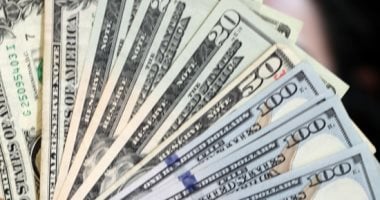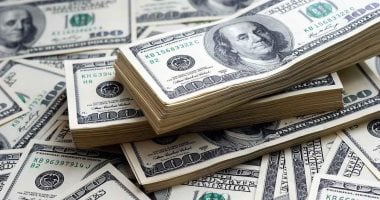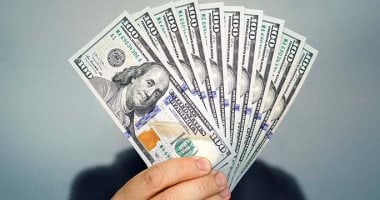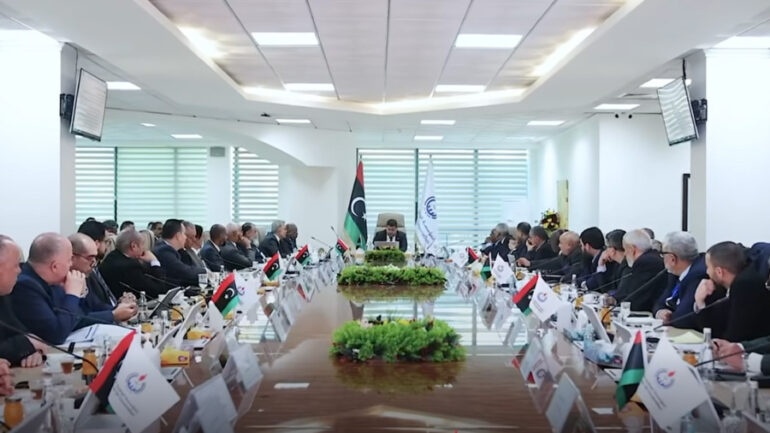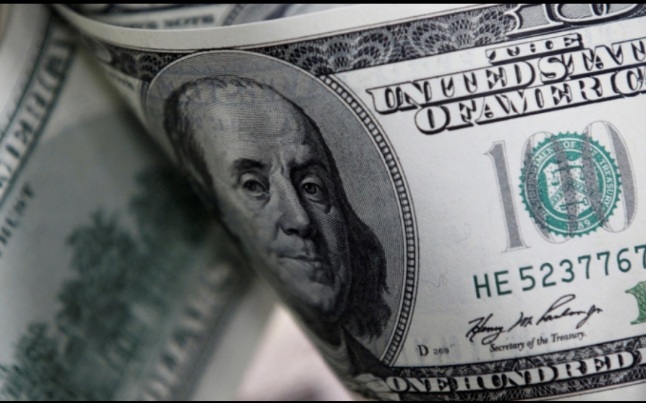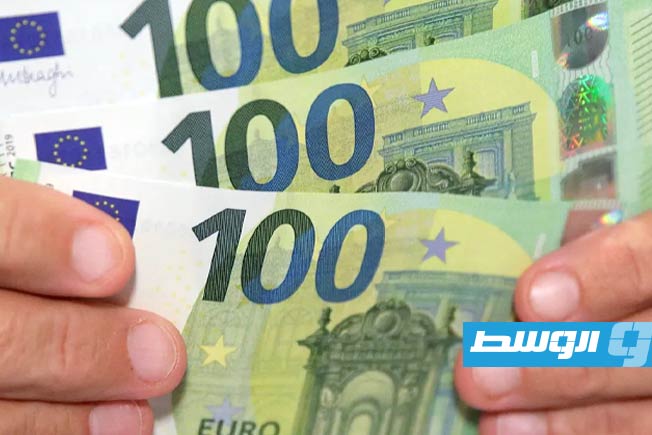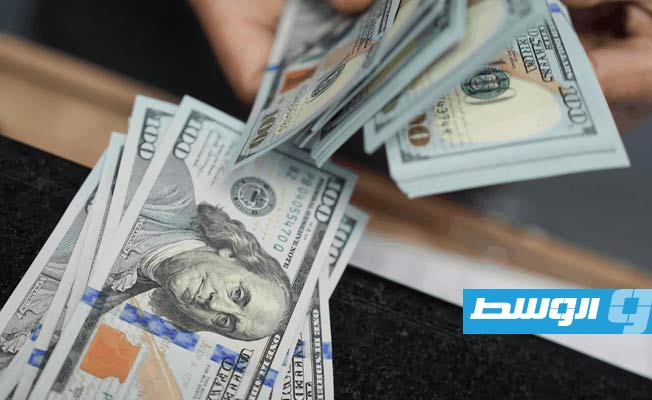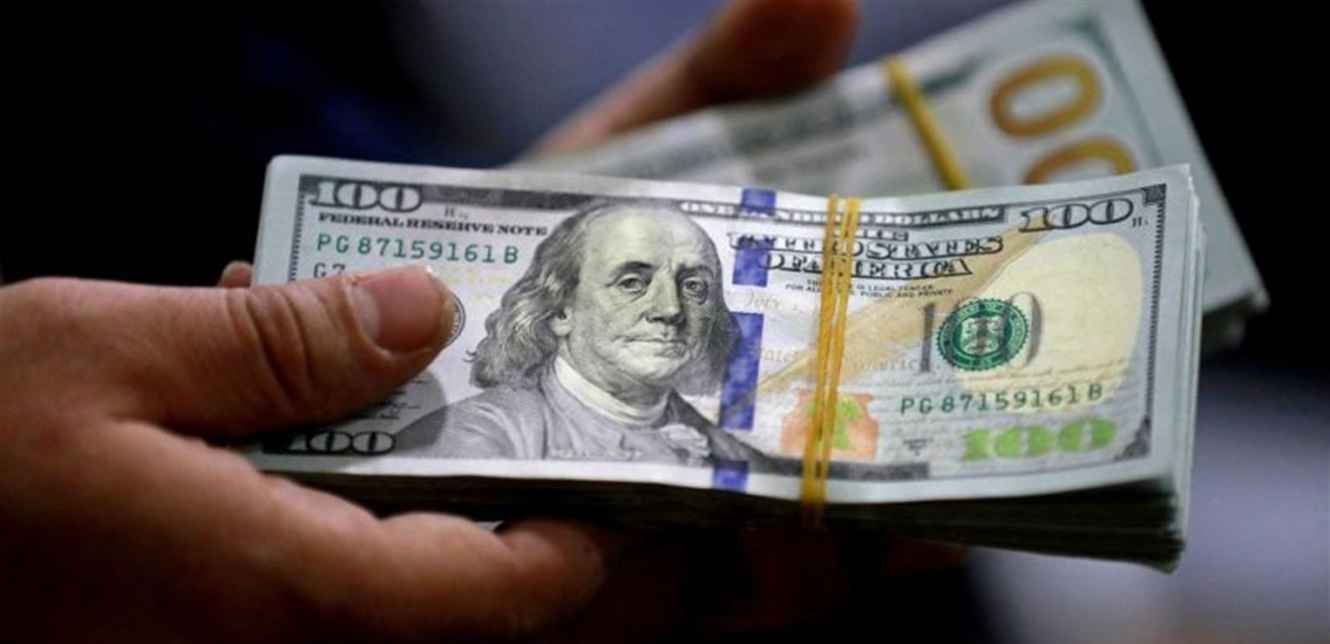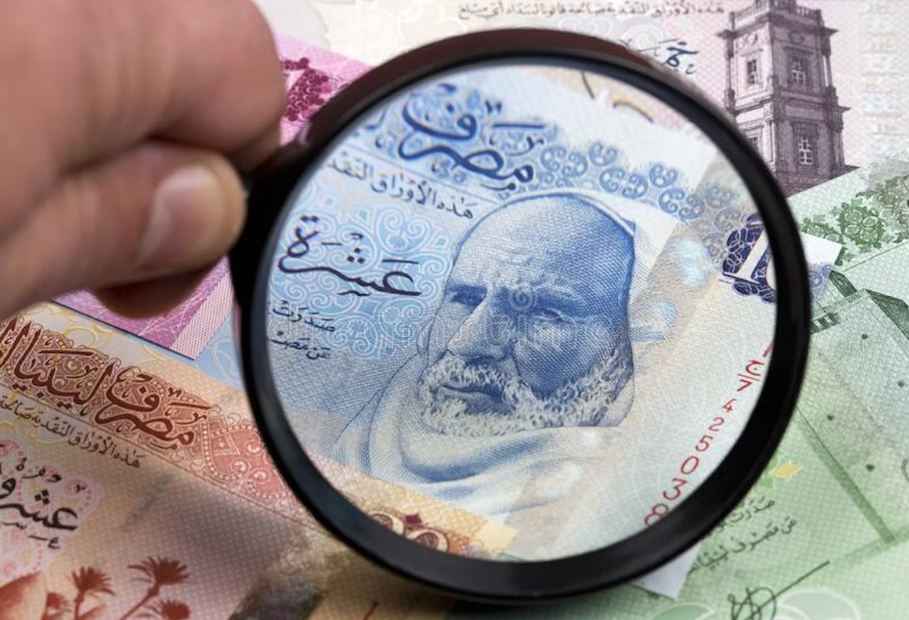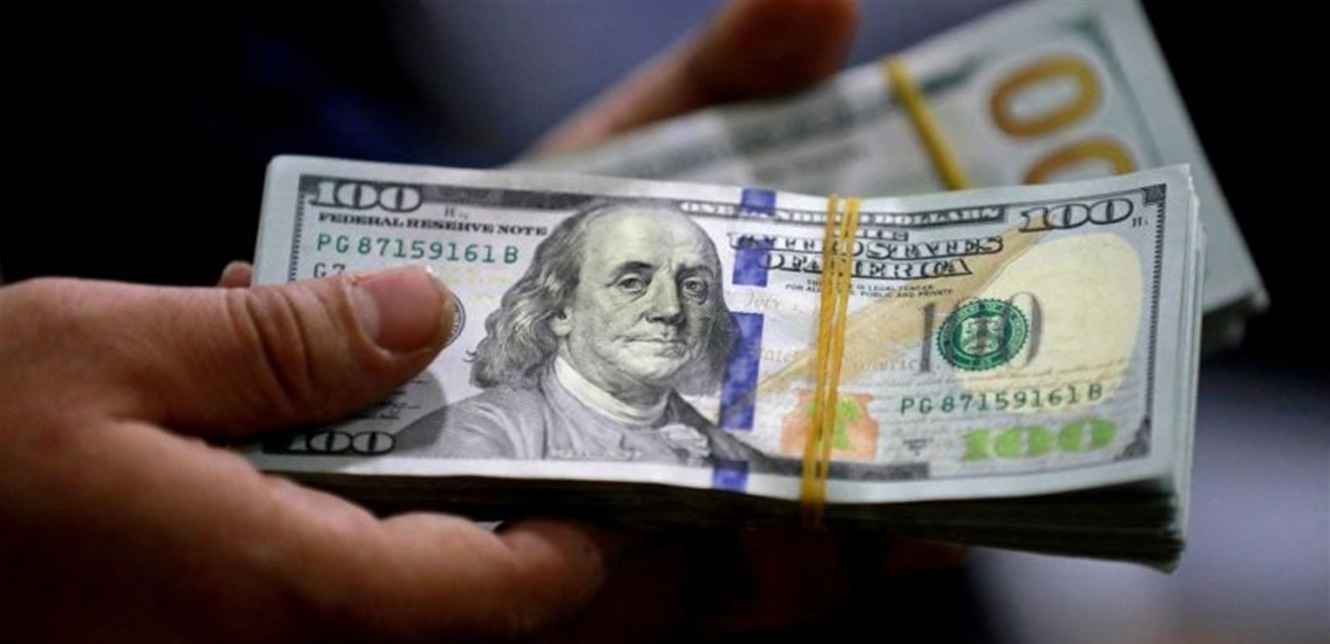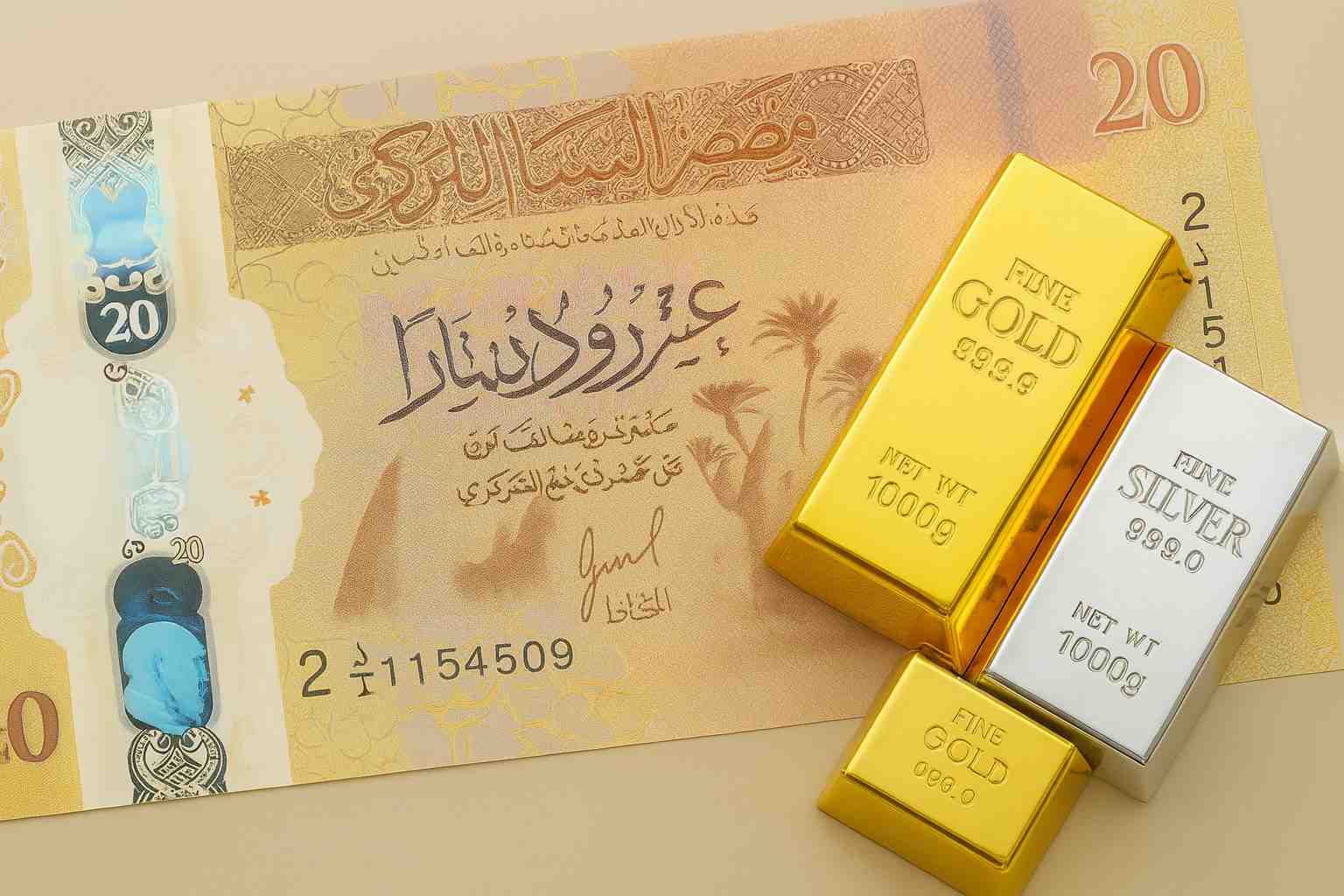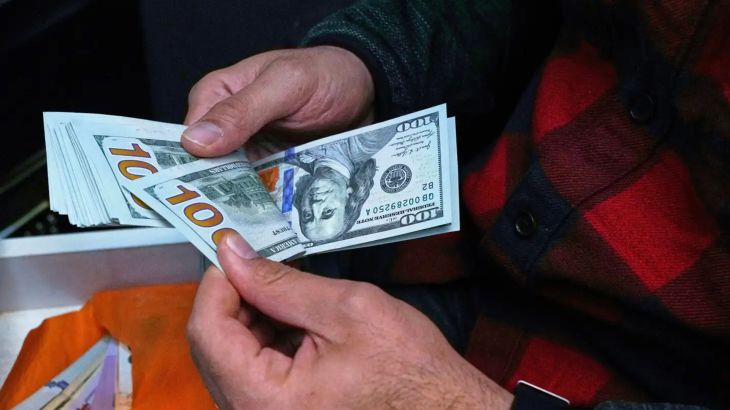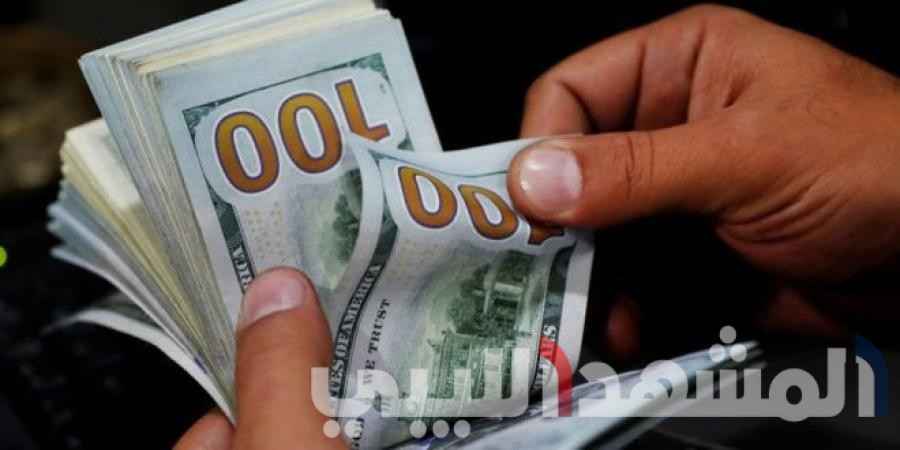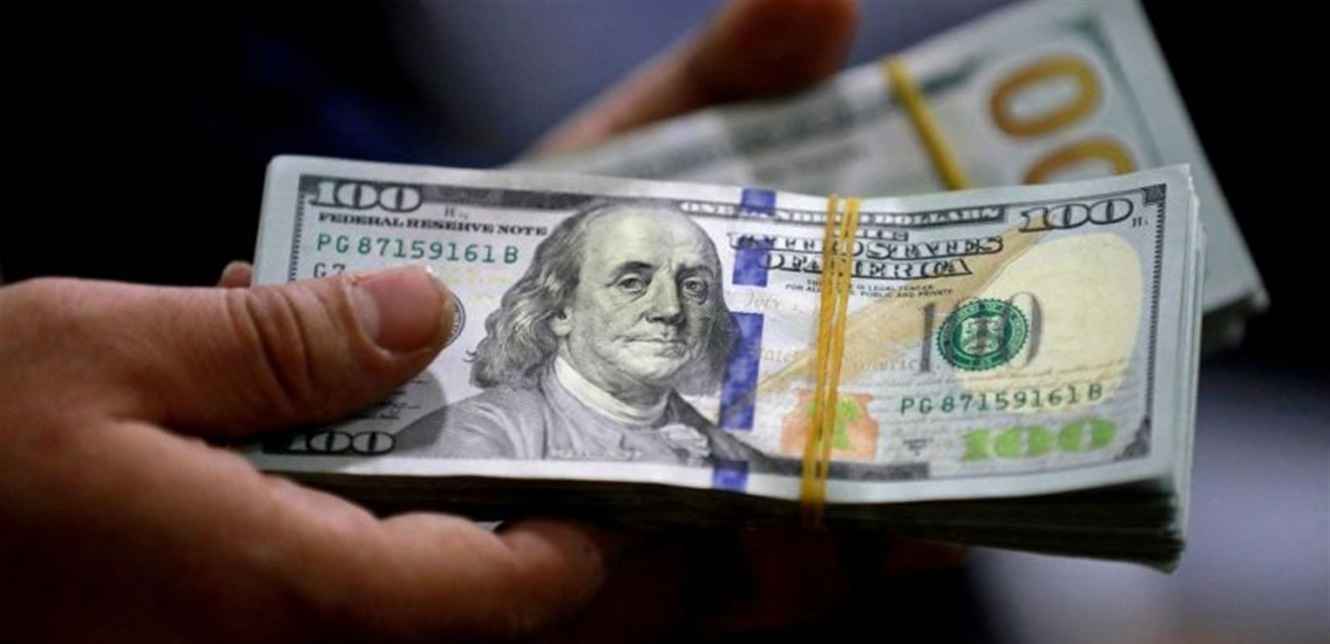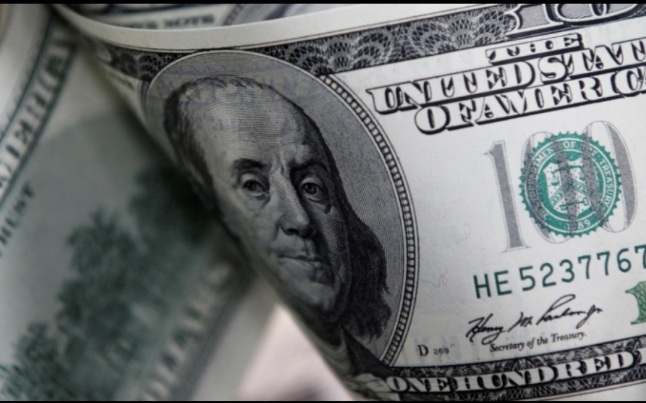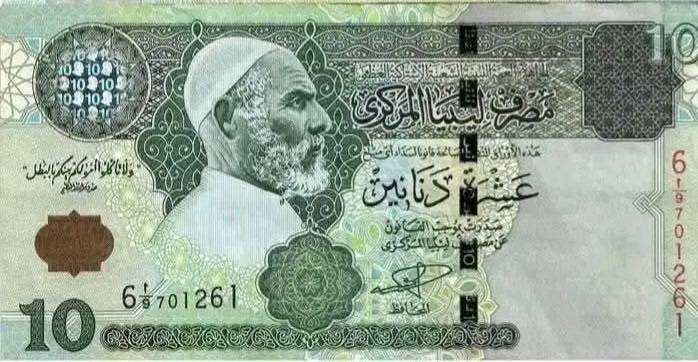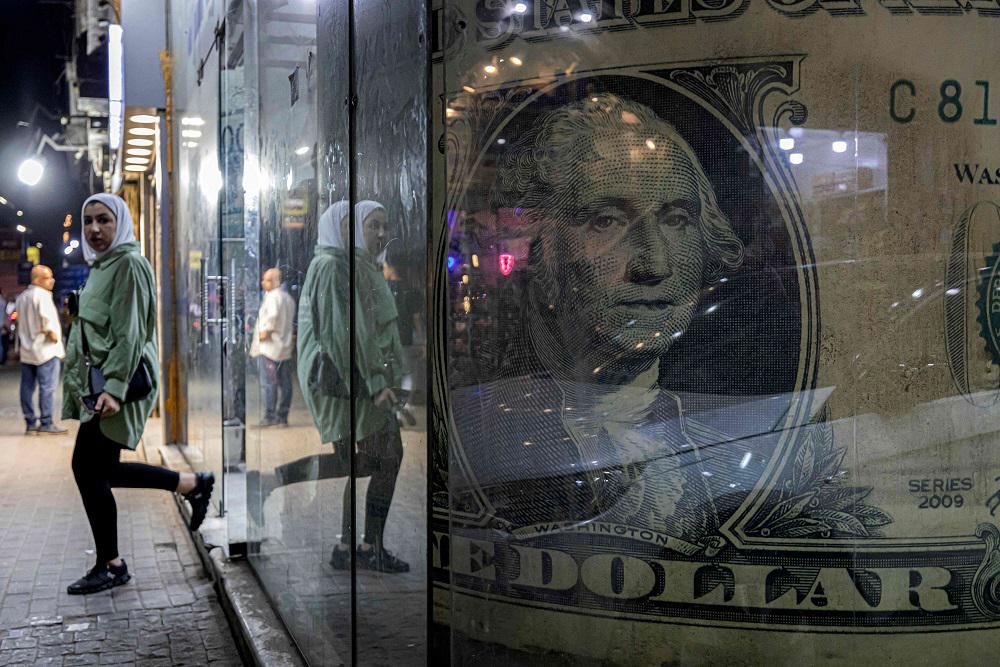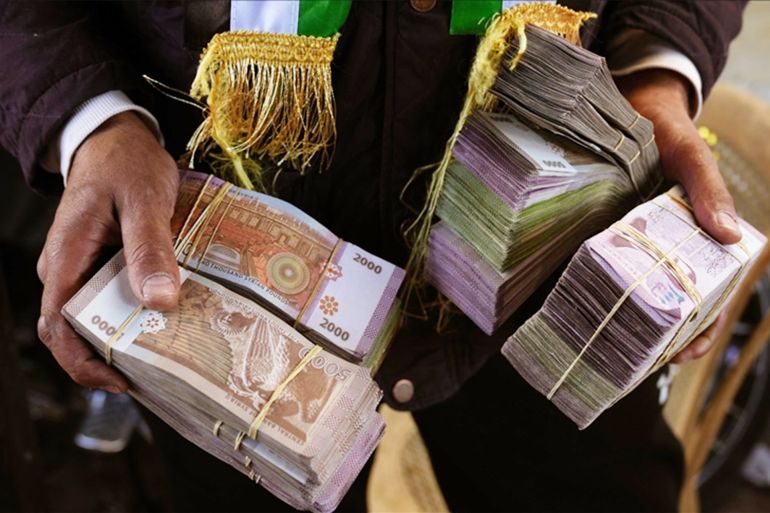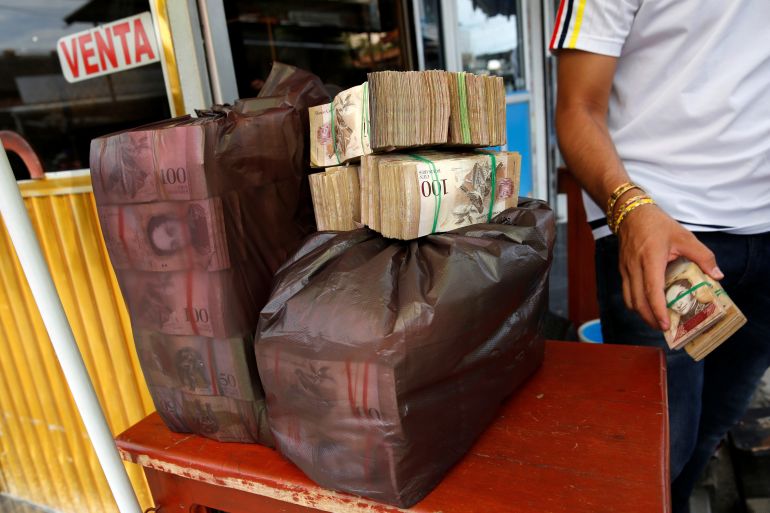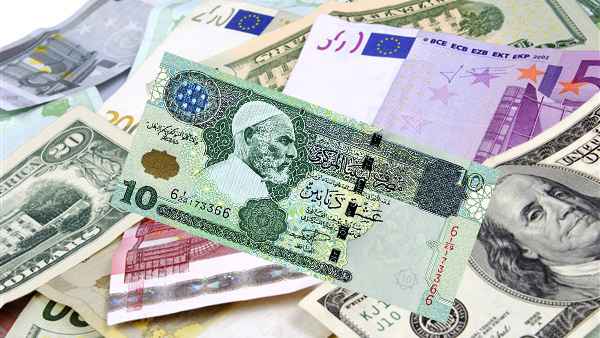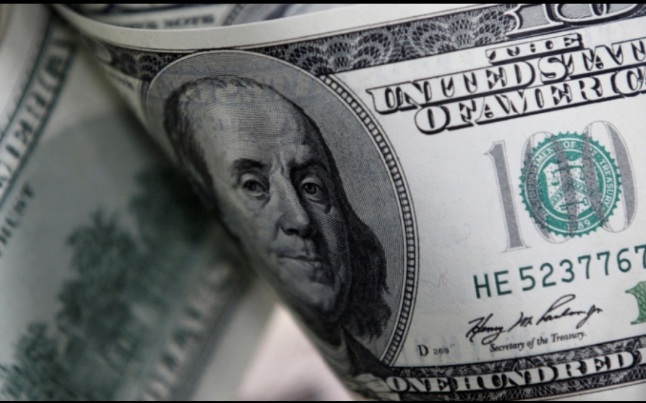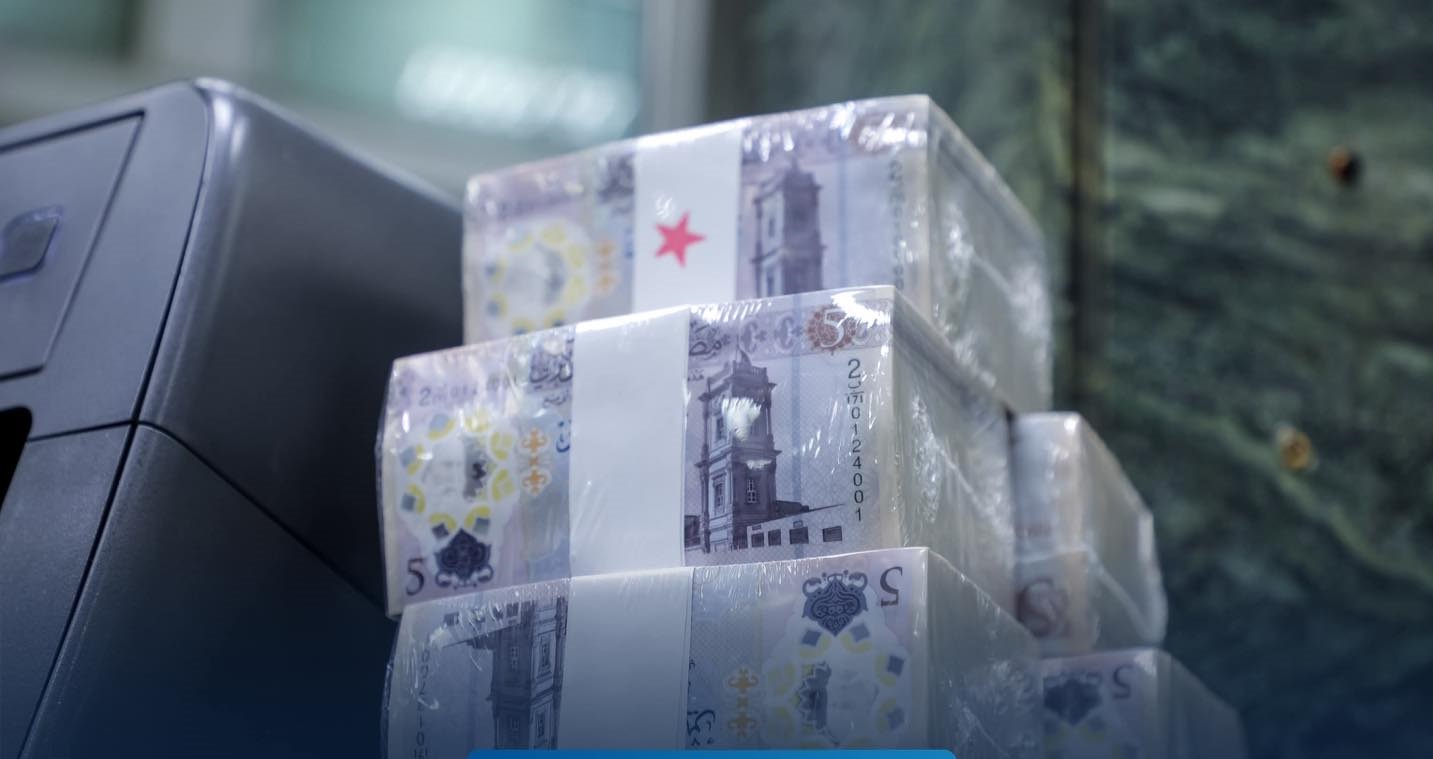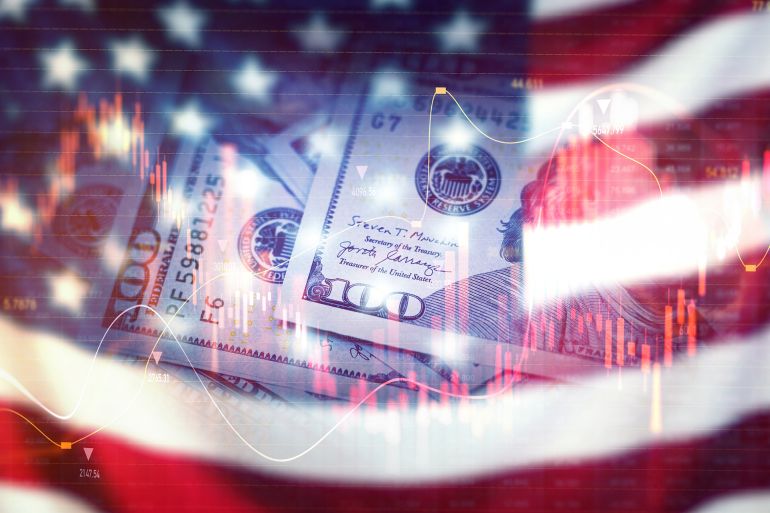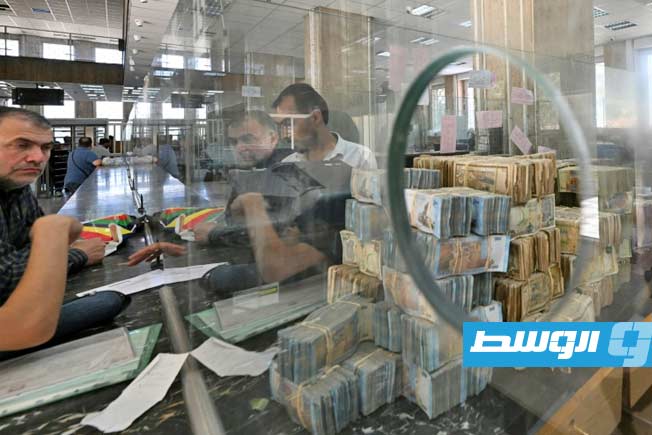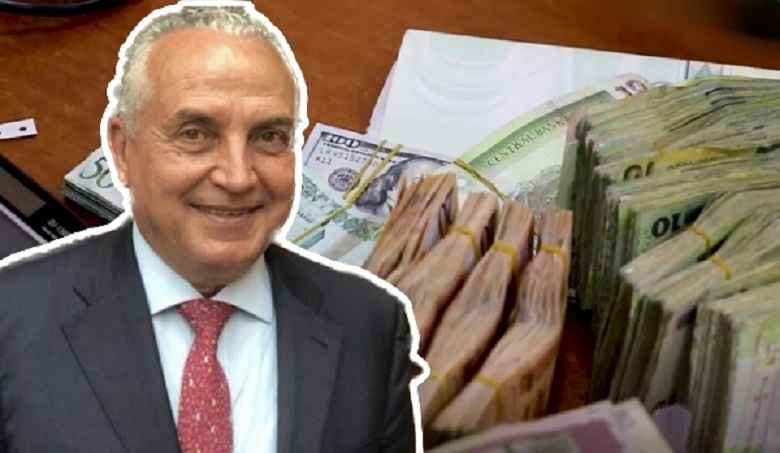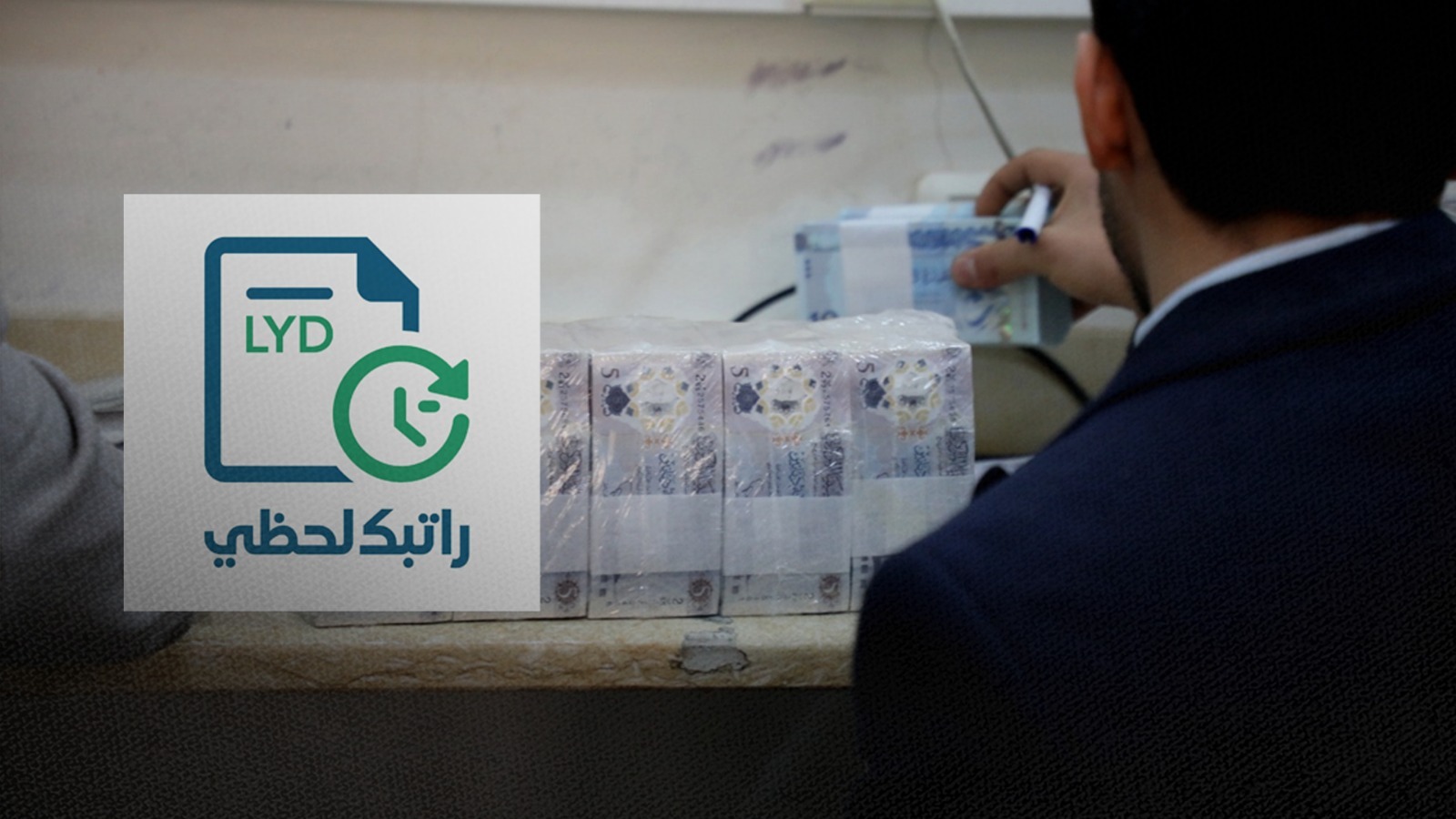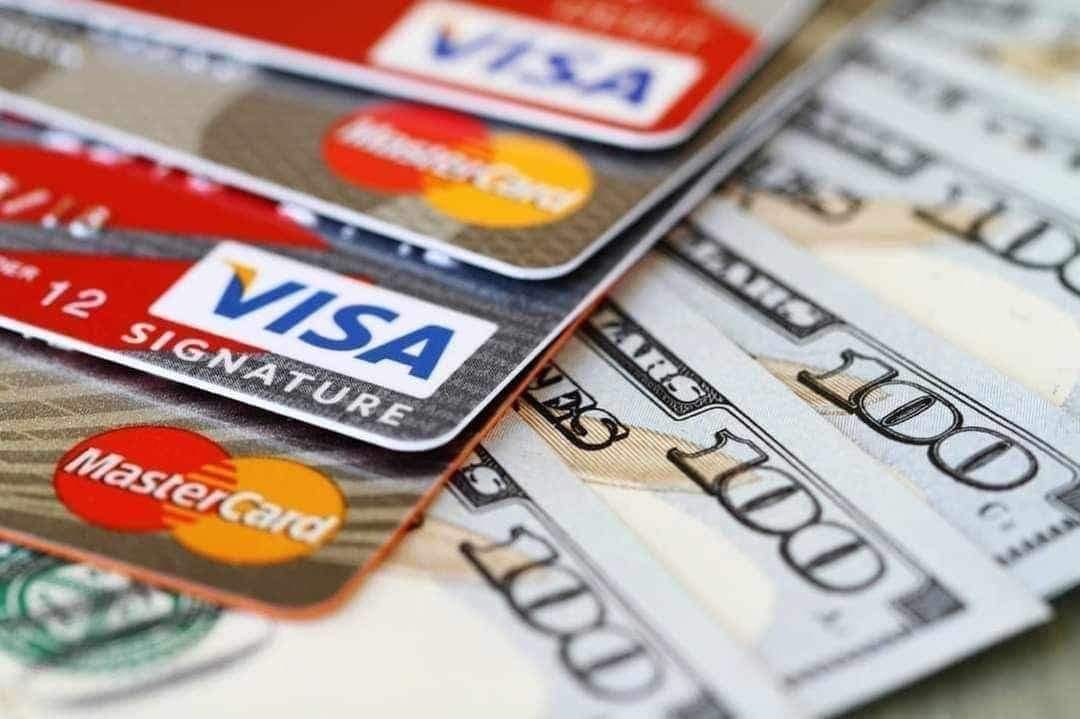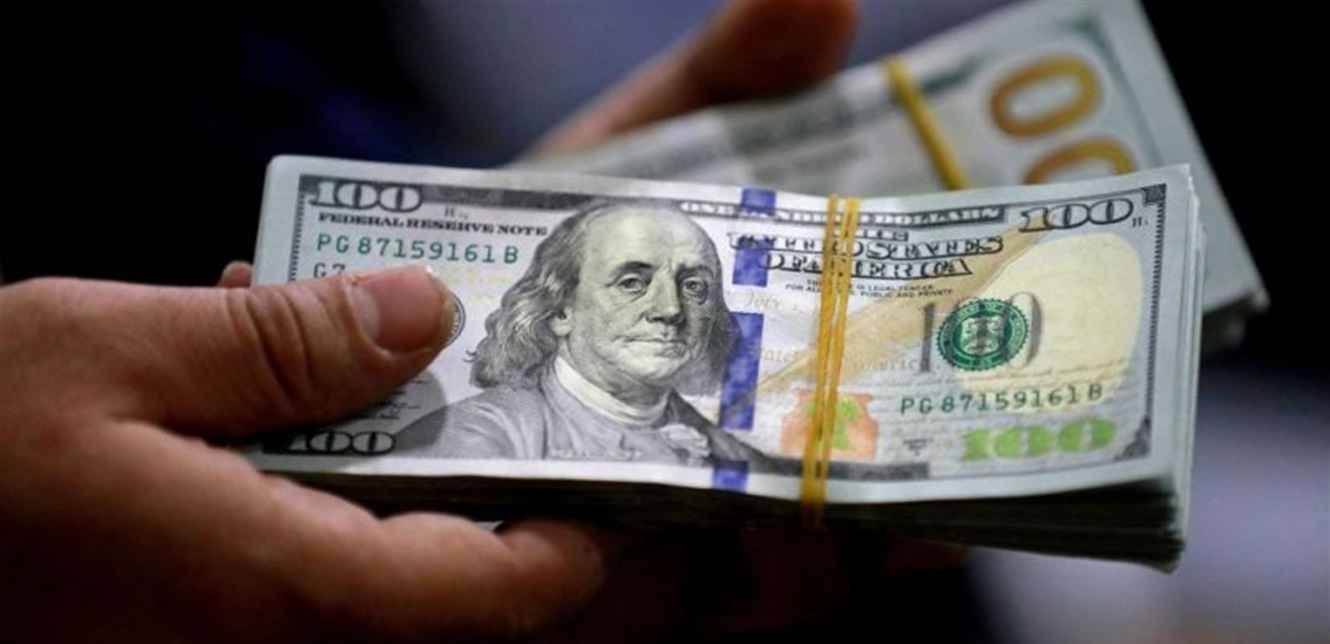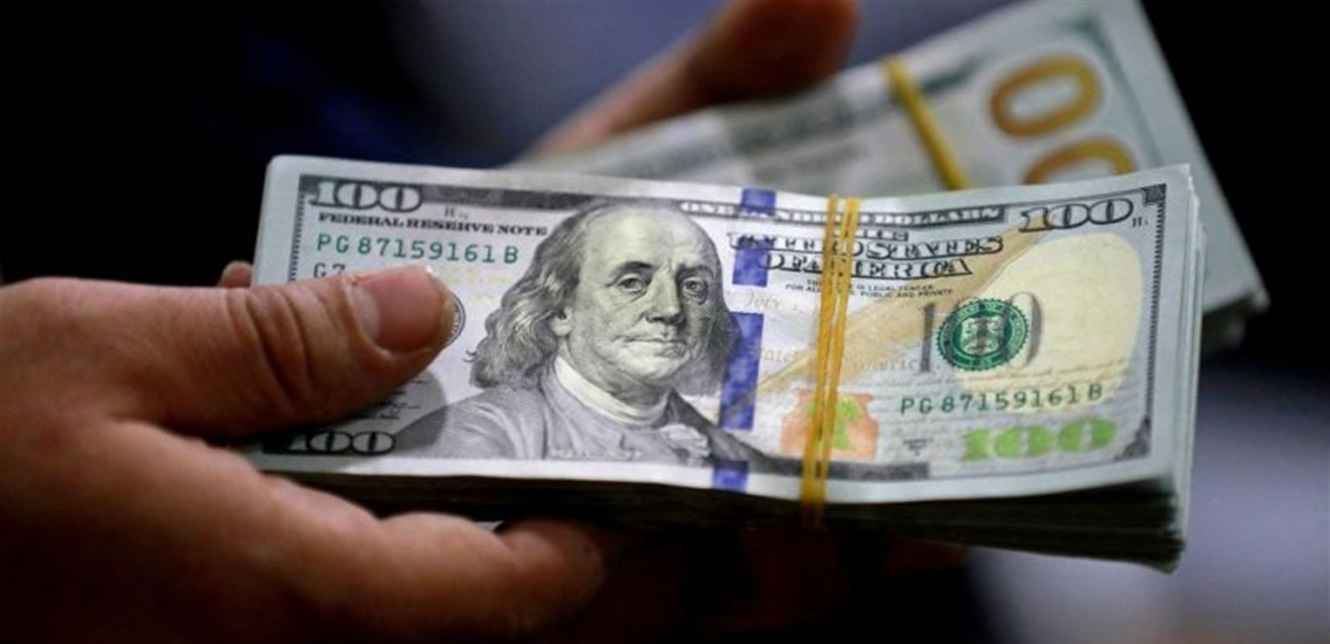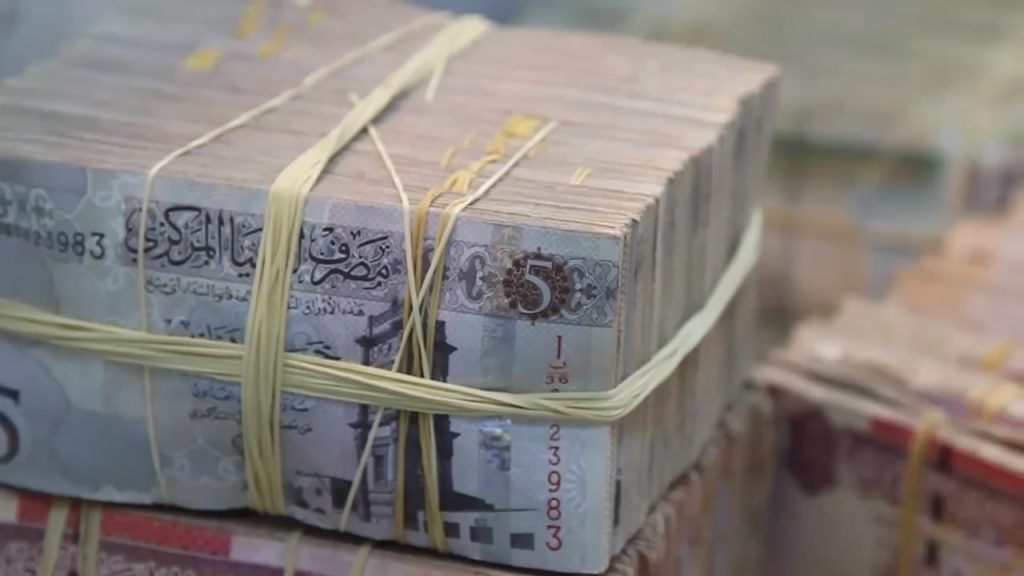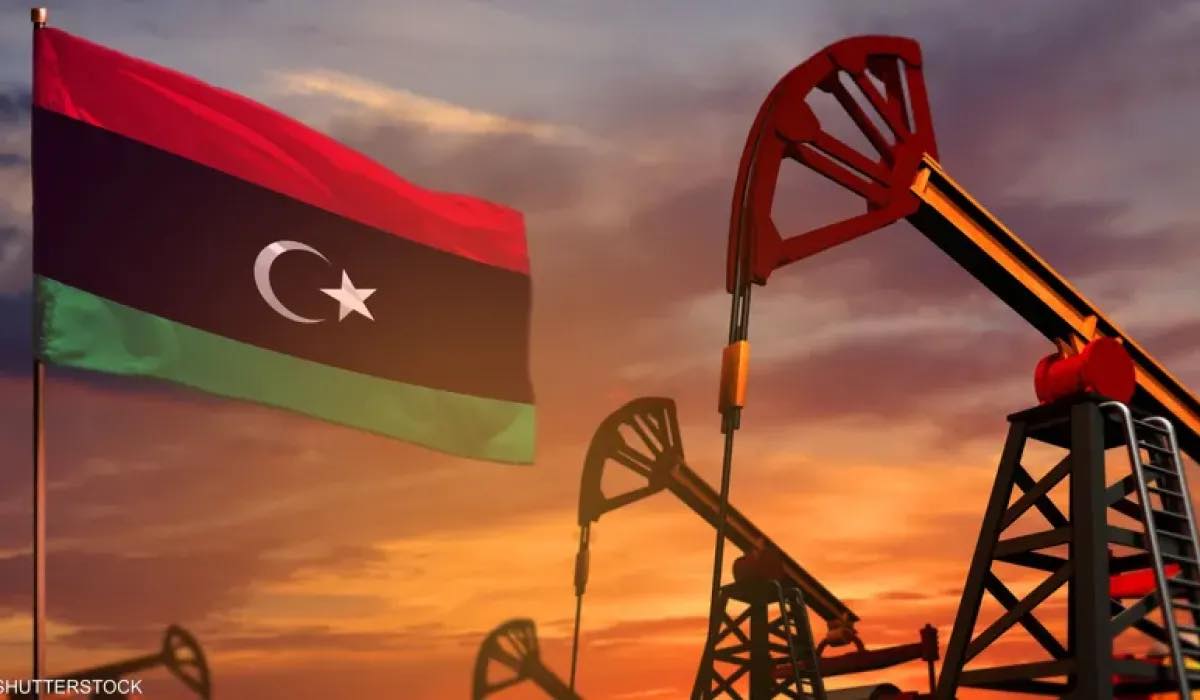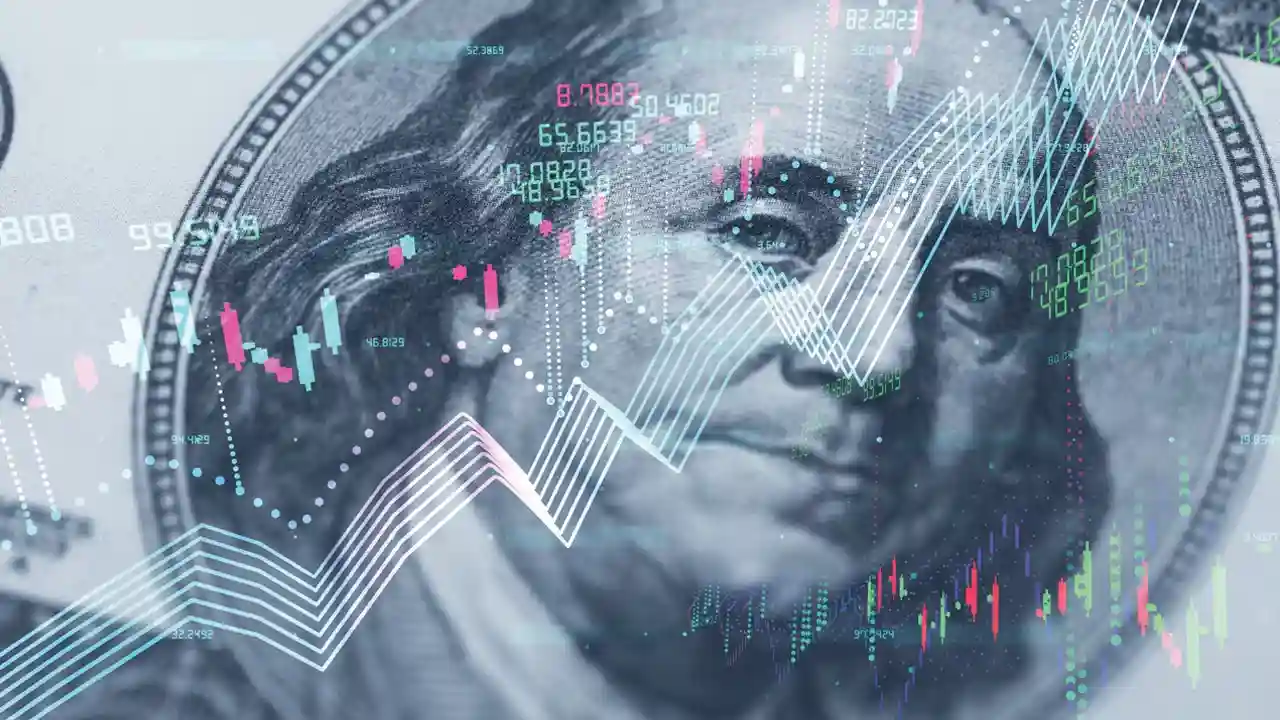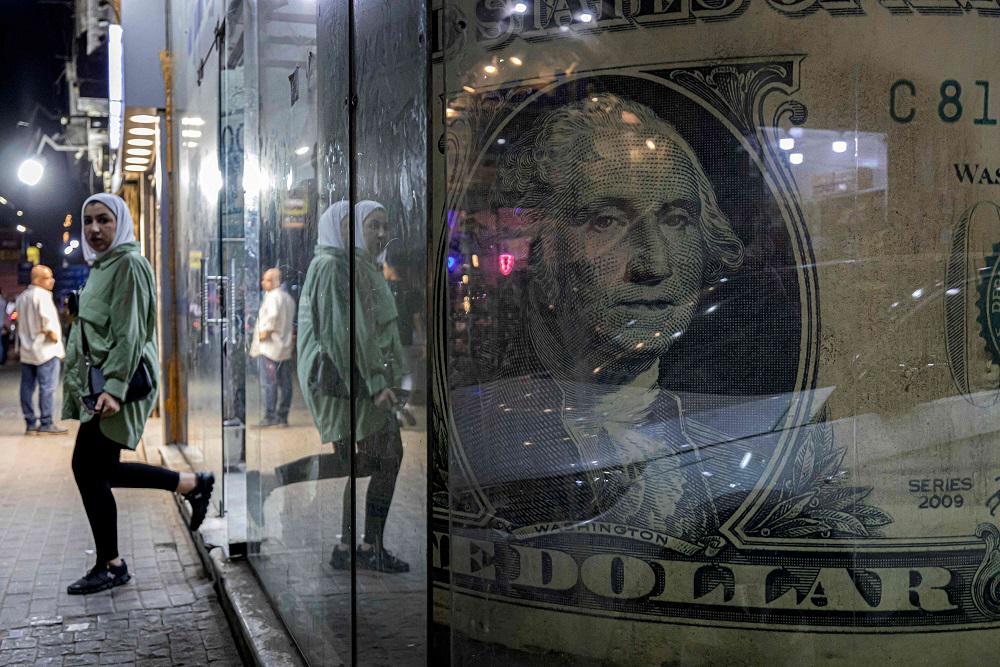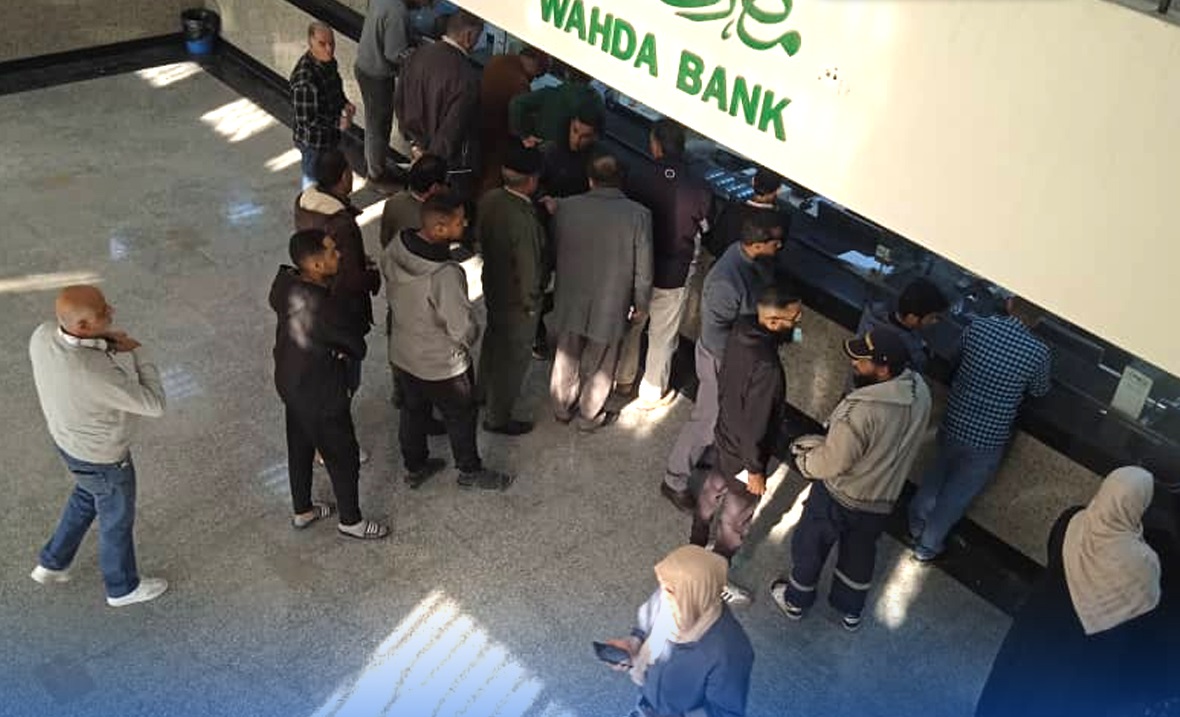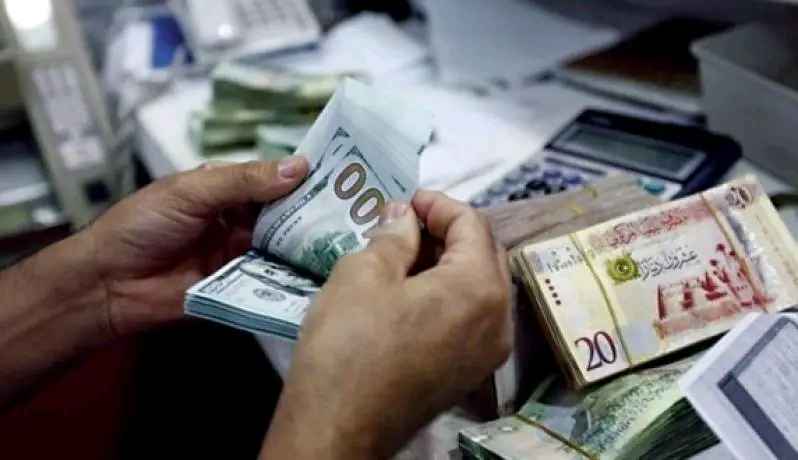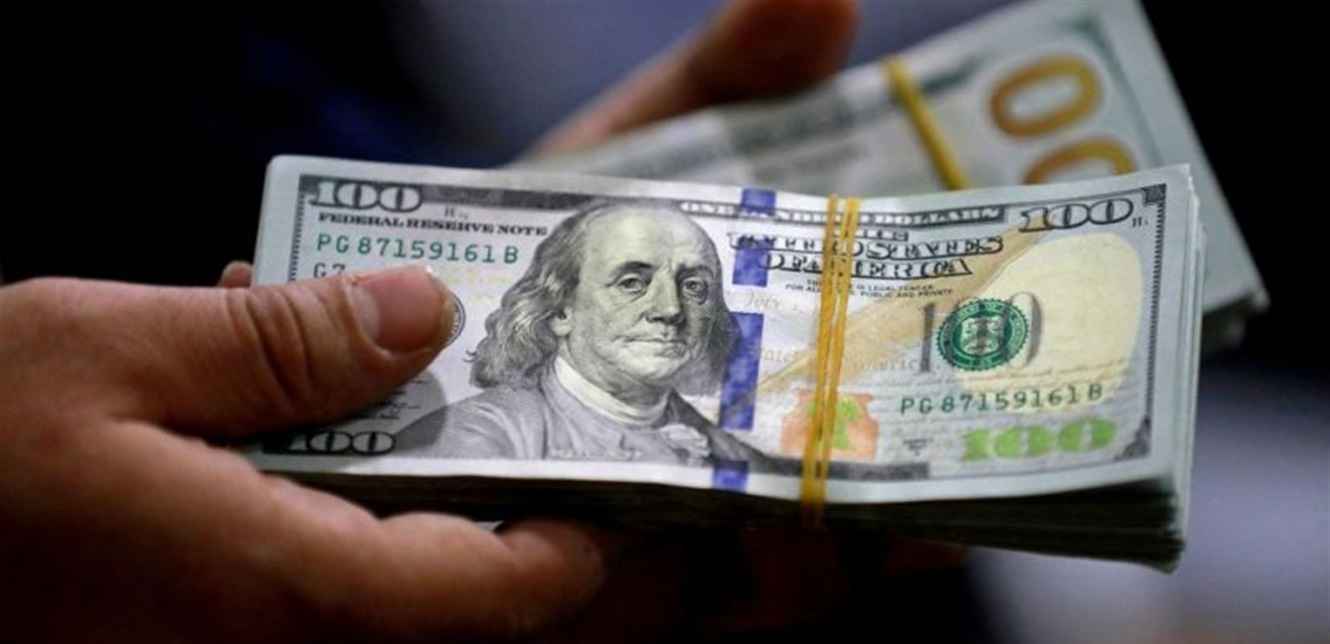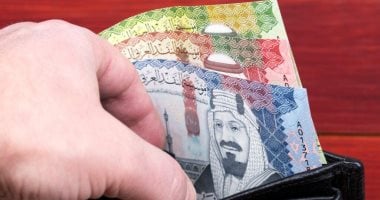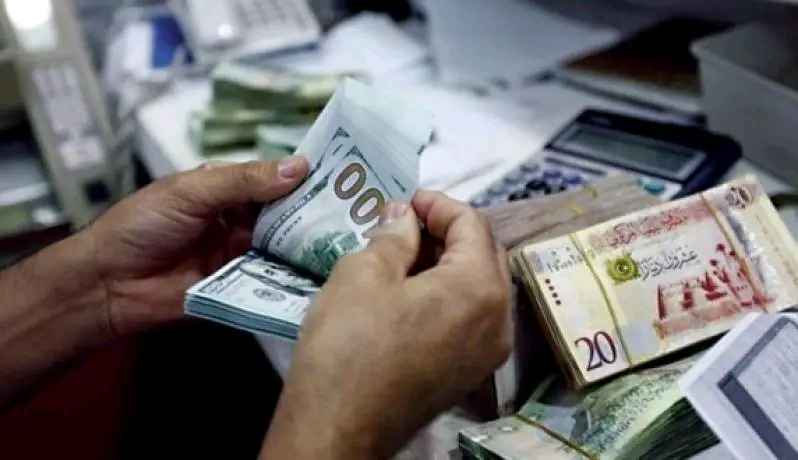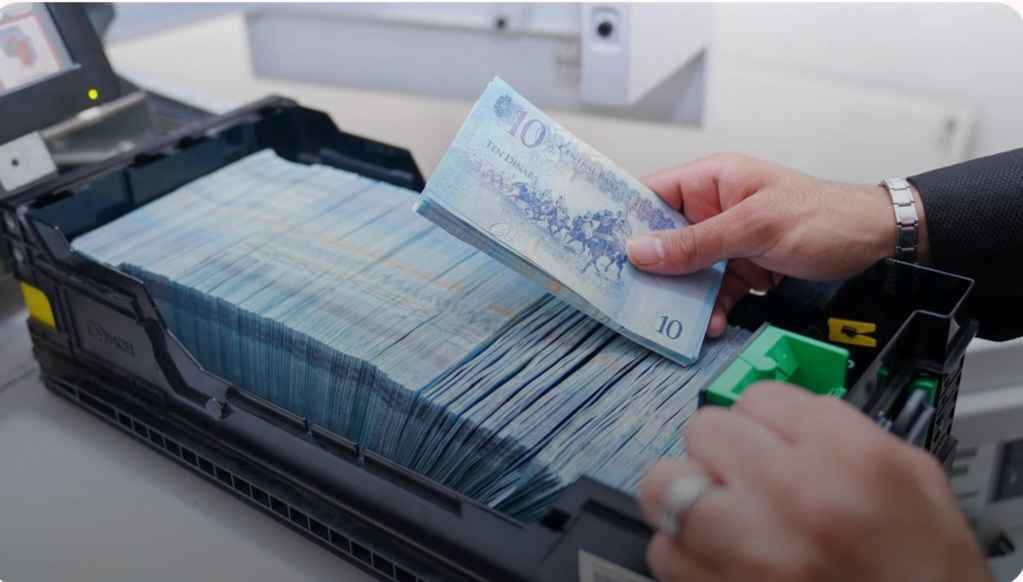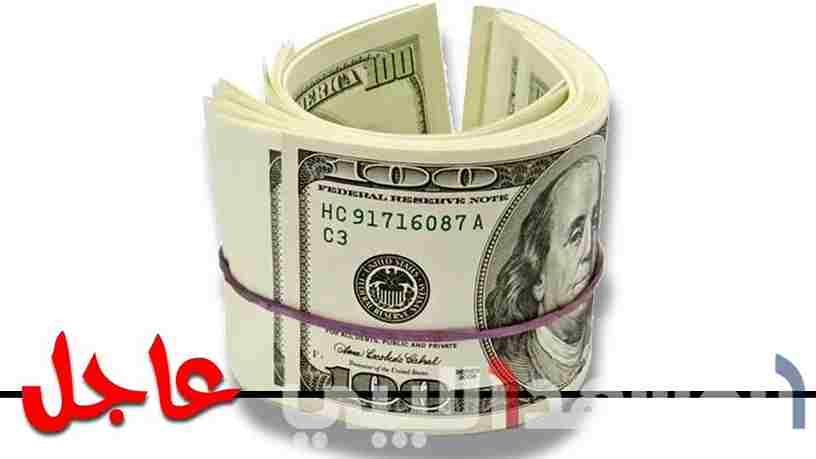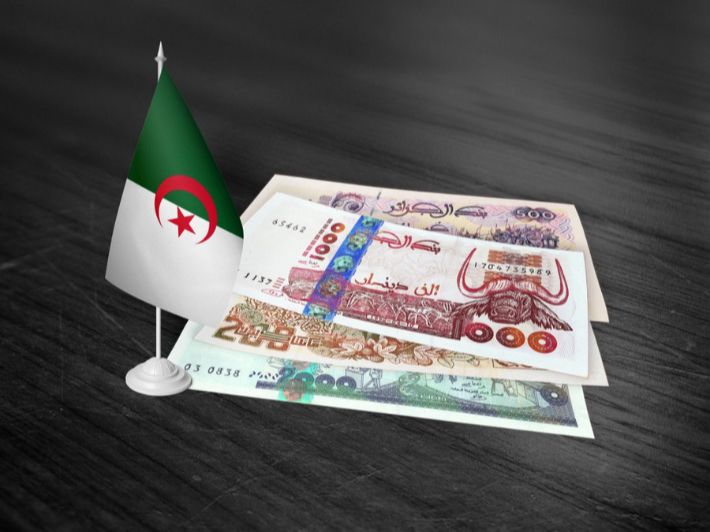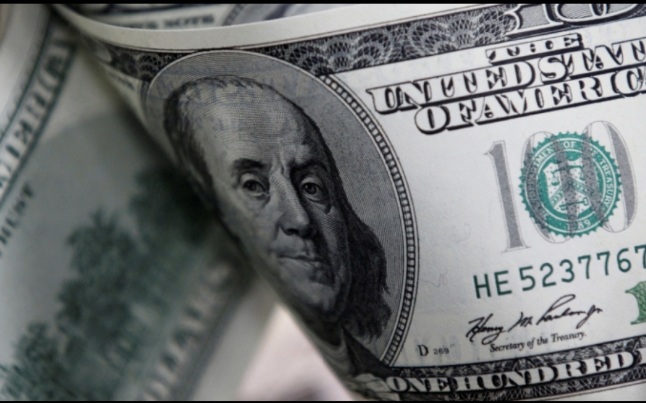
The exchange rate of the US dollar against the Libyan dinar recorded a noticeable jump during mid-session trading in the parallel market on Wednesday, reaching 8.54 dinars compared to 8.36 dinars at the close of the previous day.
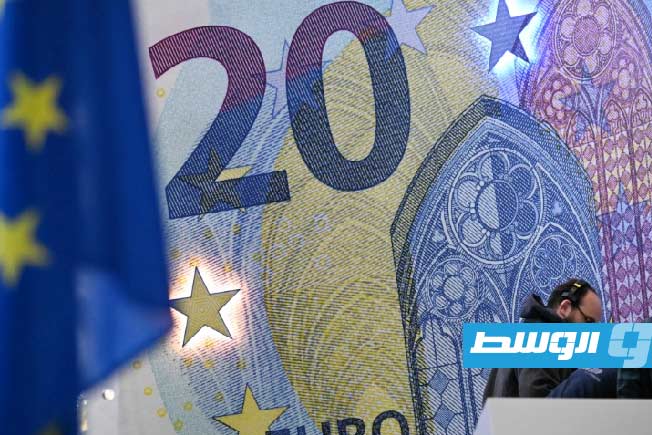
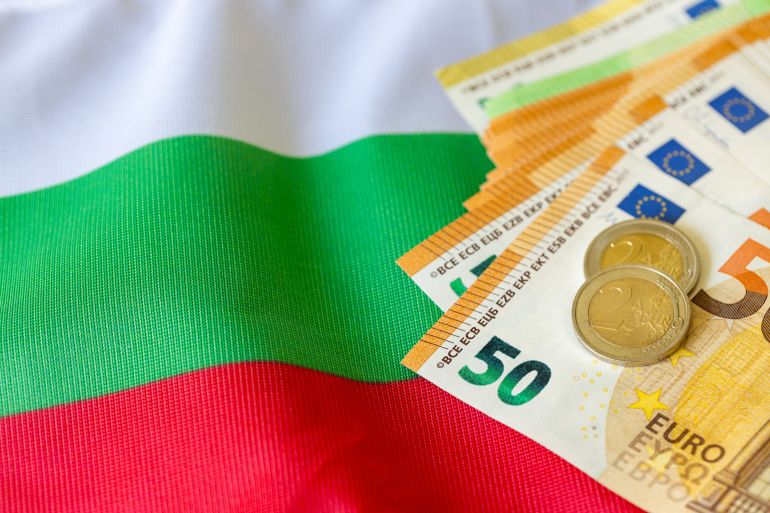
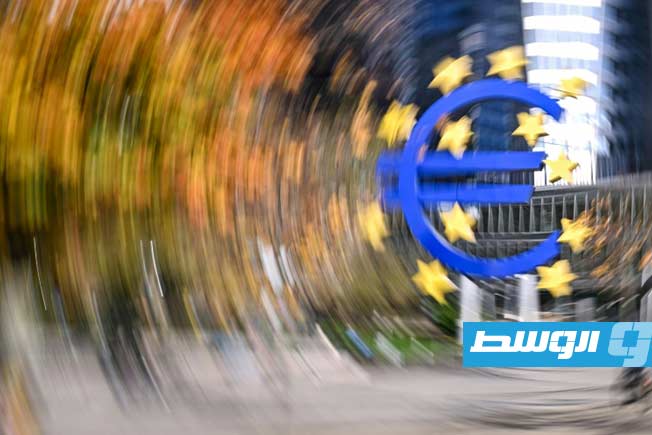
The euro also recorded a significant rise to 9.83 dinars, compared to 9.70 at yesterday’s close, while the British pound recorded a new increase to 10.95 dinars, compared to 10.85 dinars at the close of the previous day.
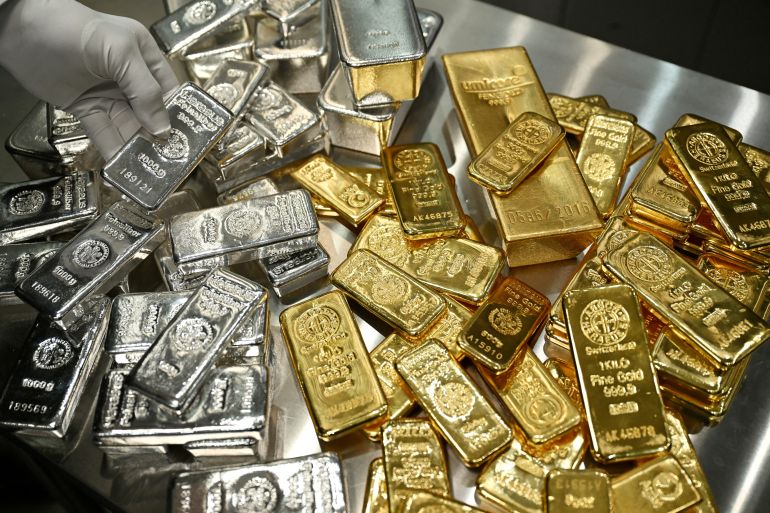
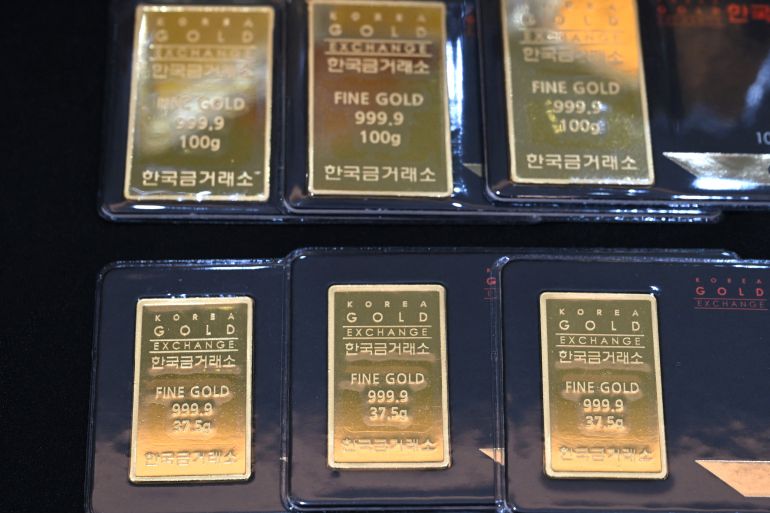
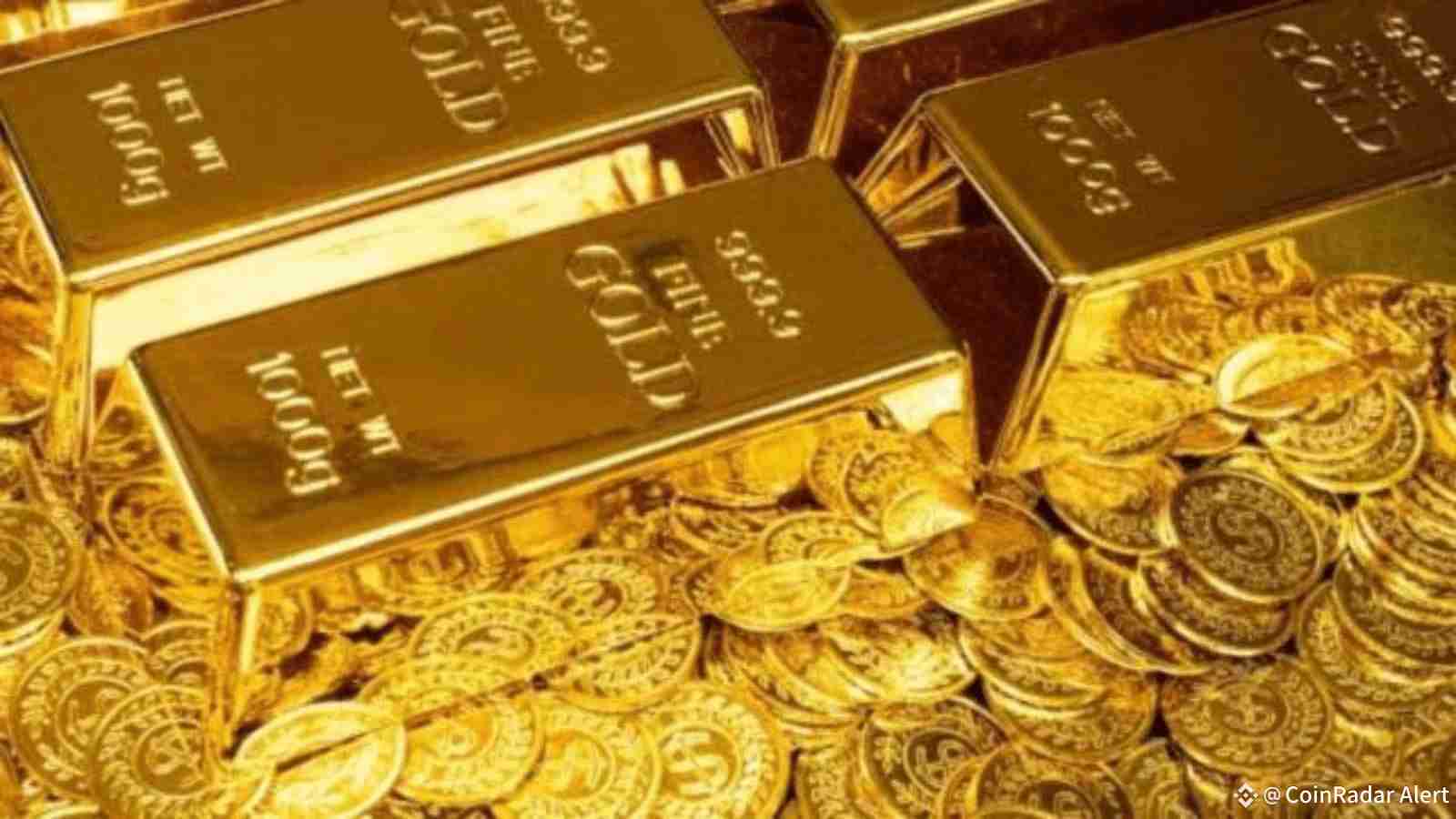
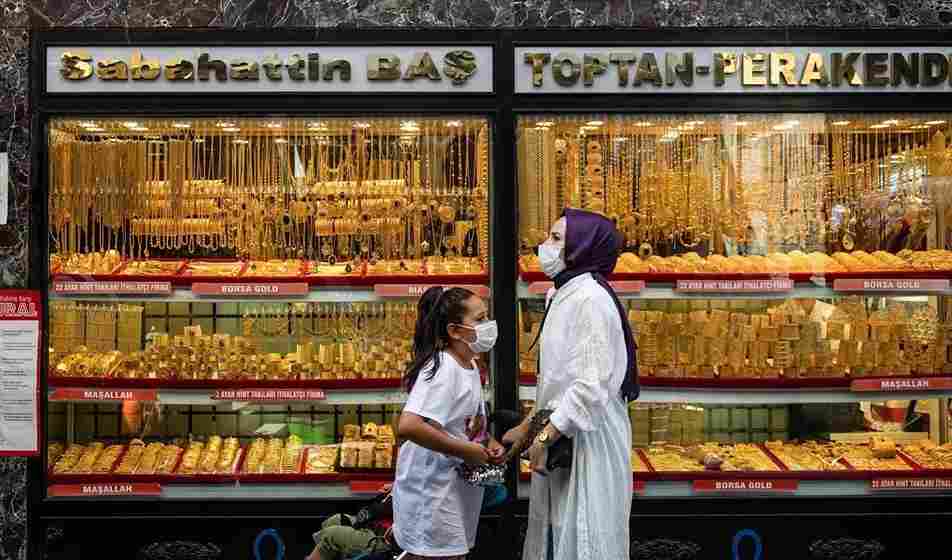
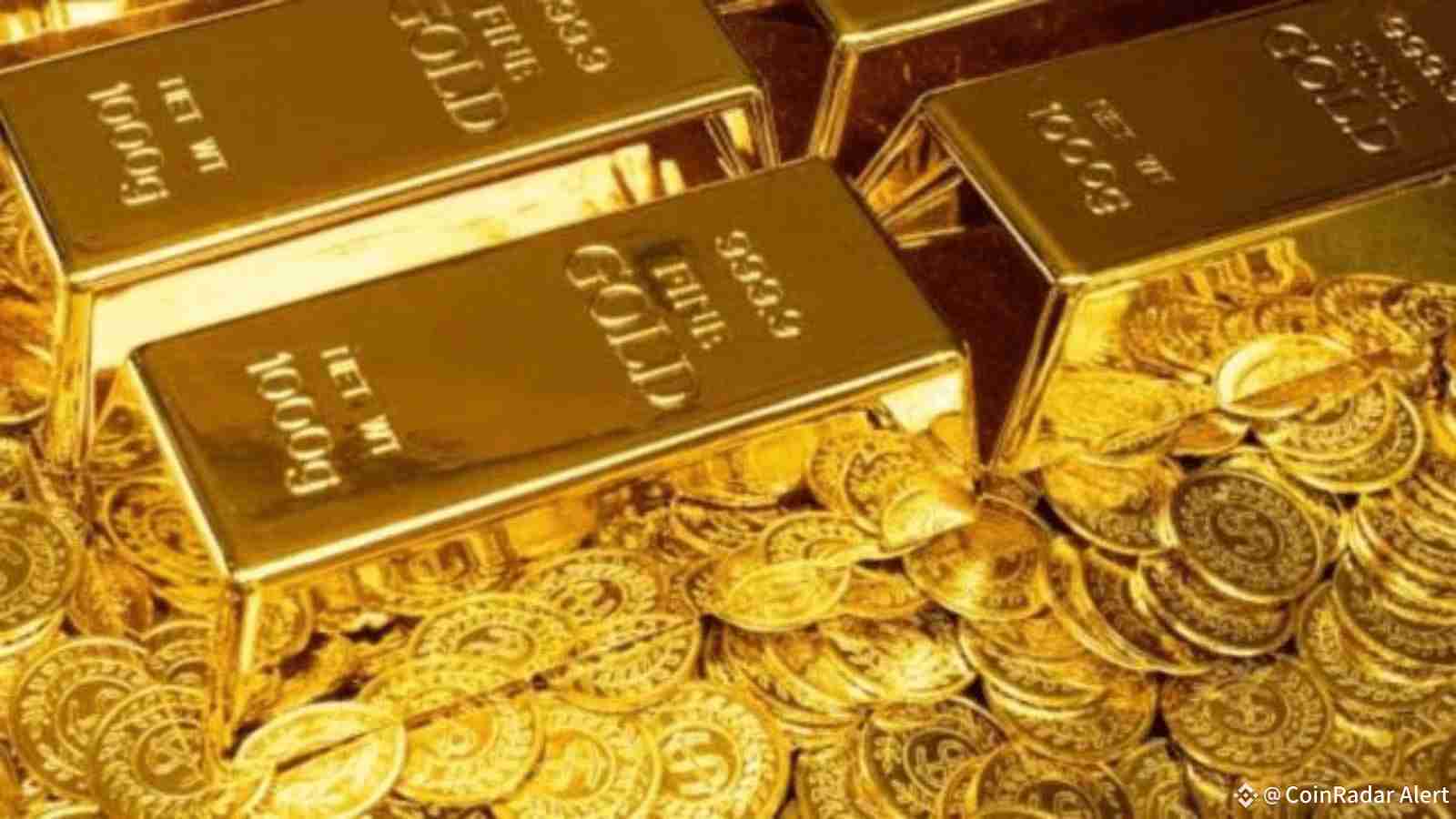
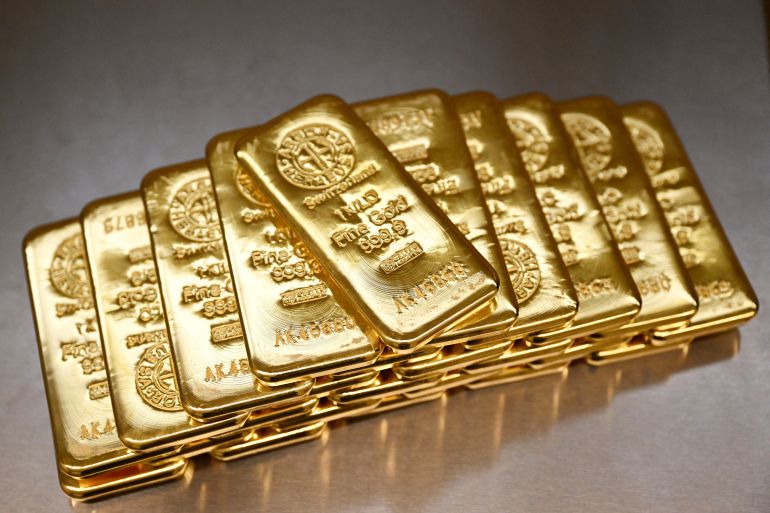
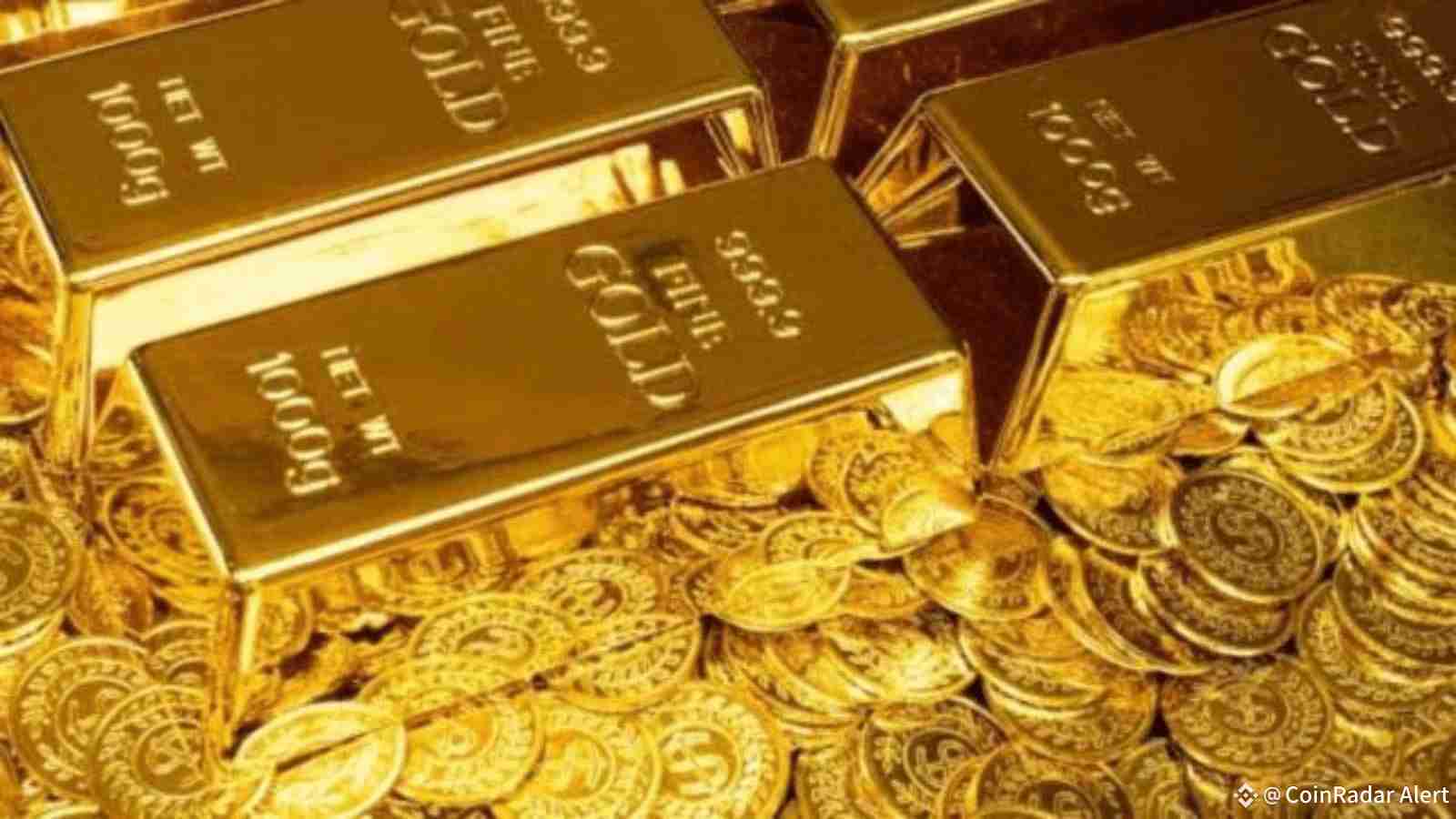
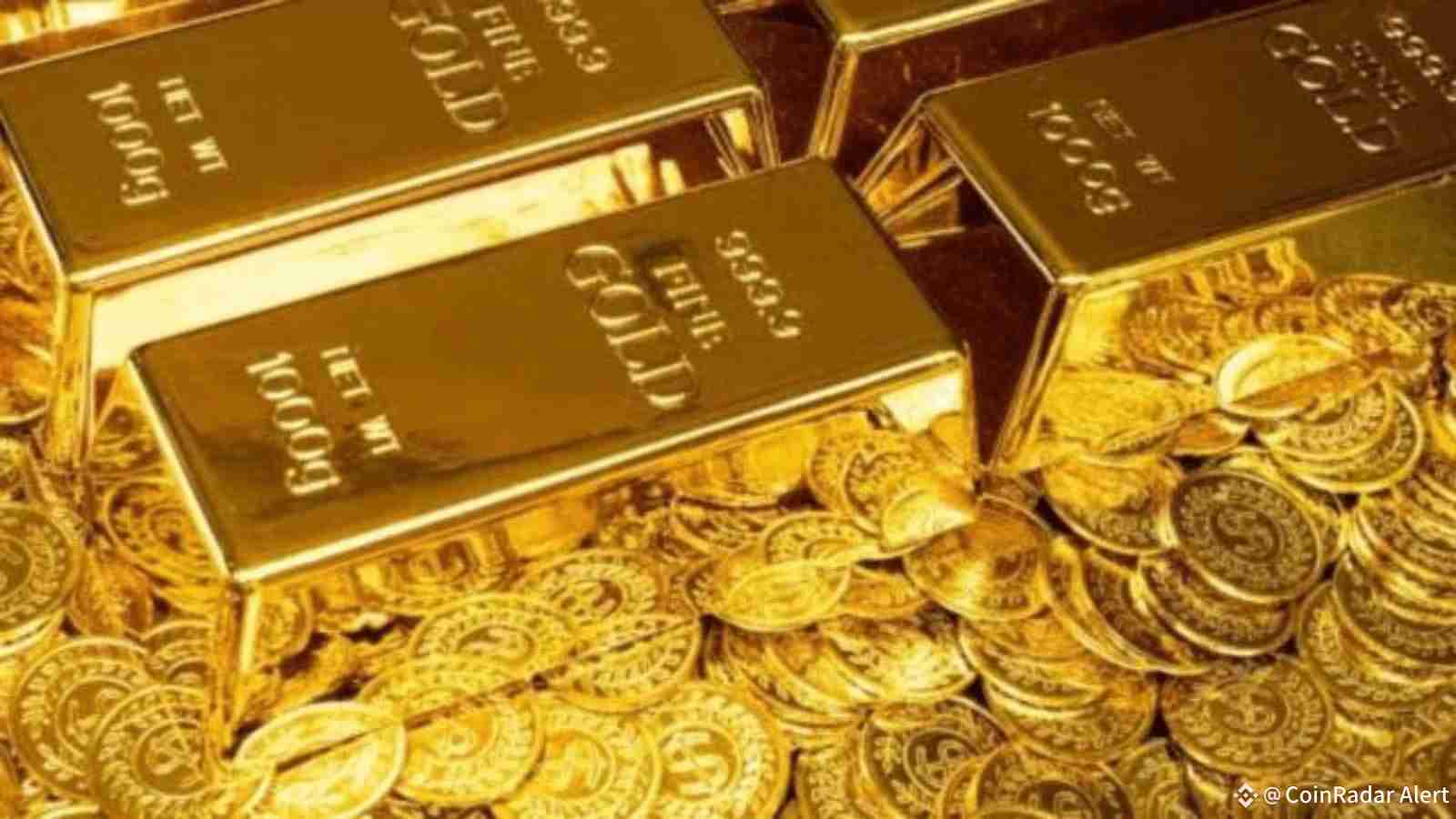
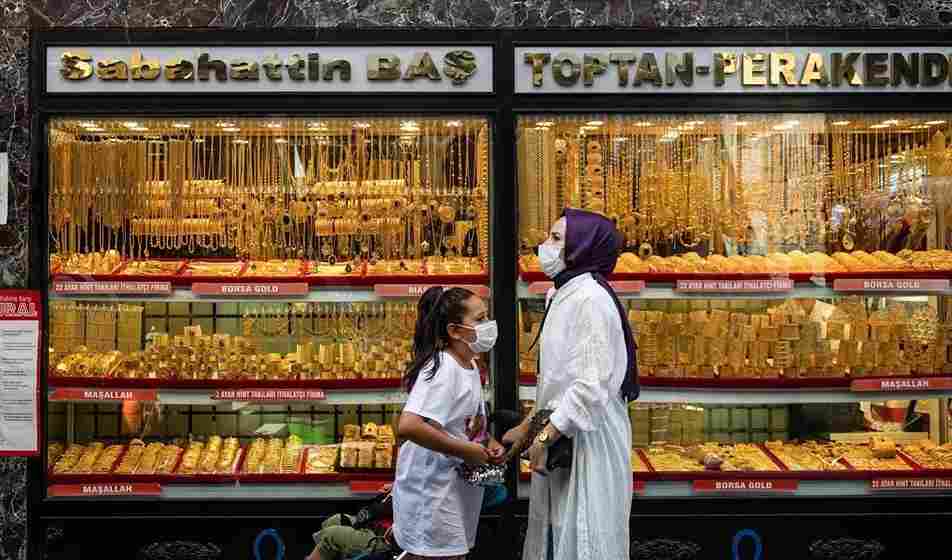
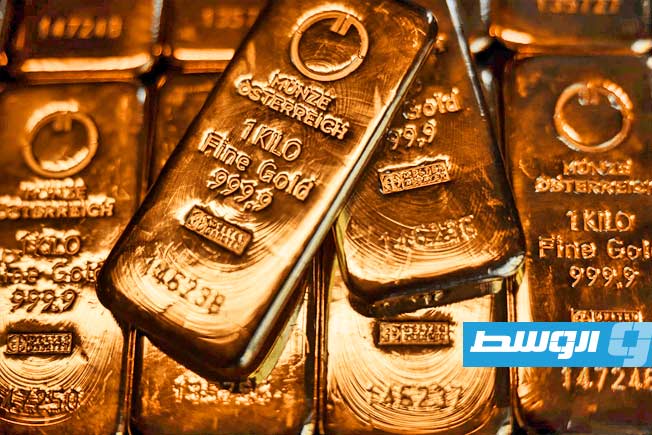
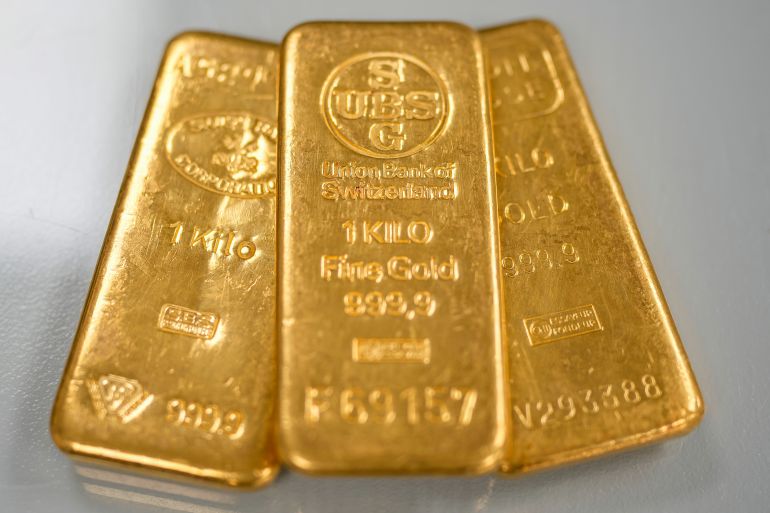
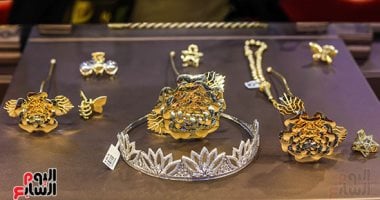
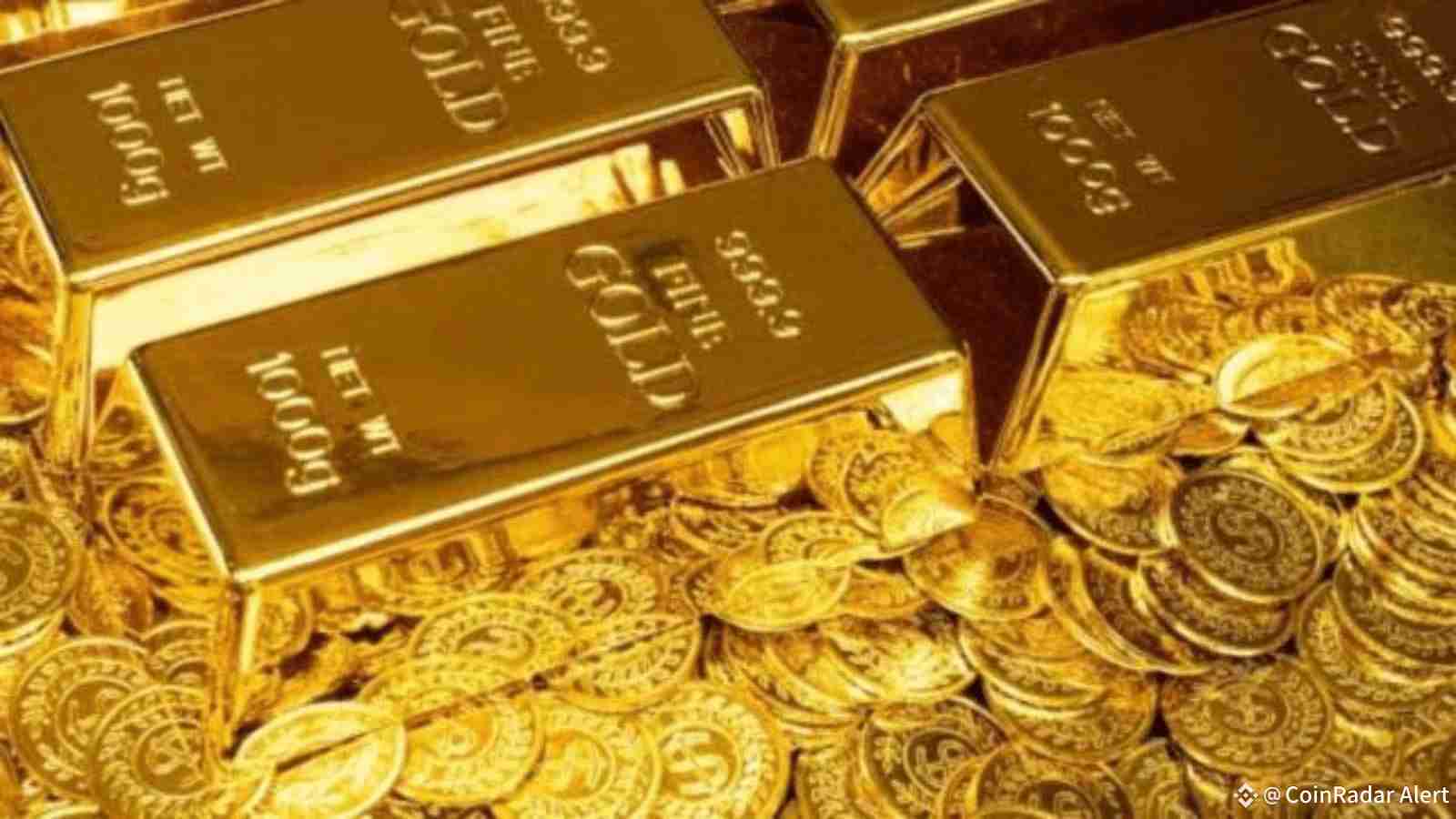
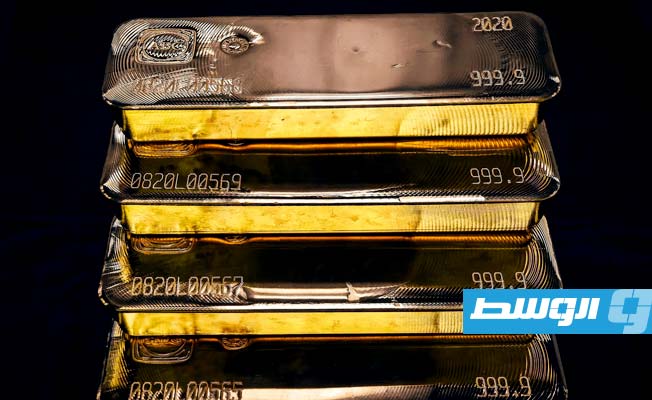
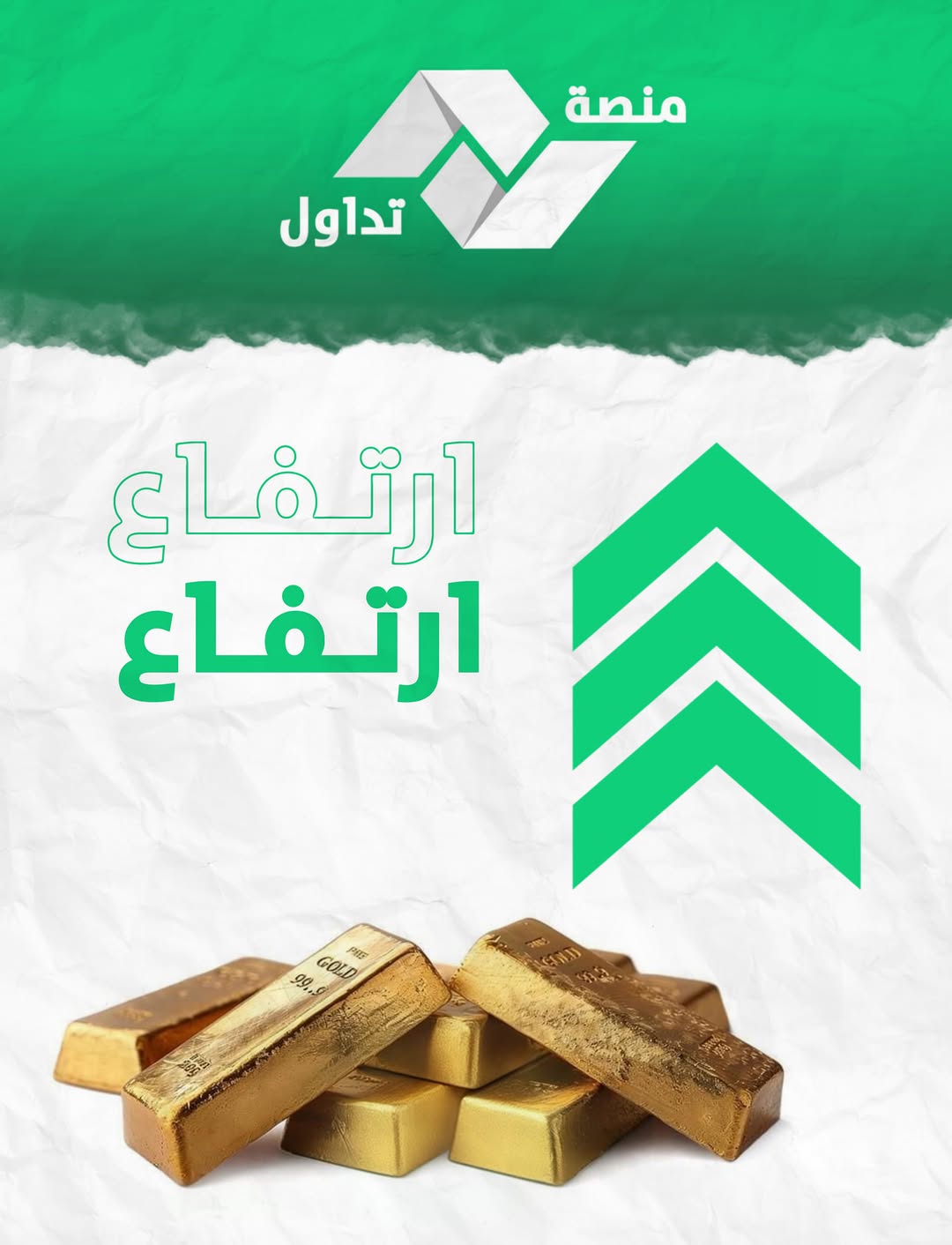
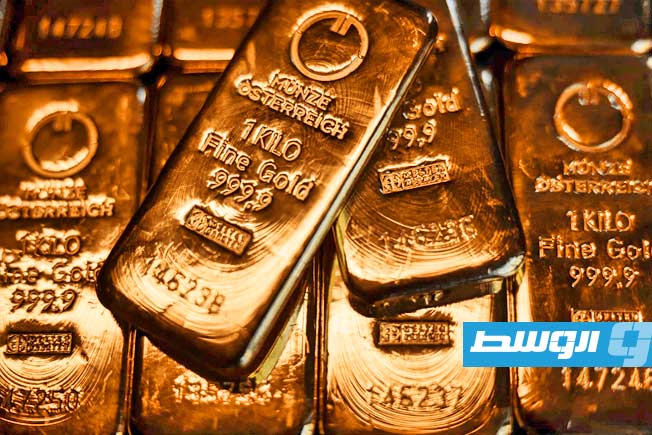
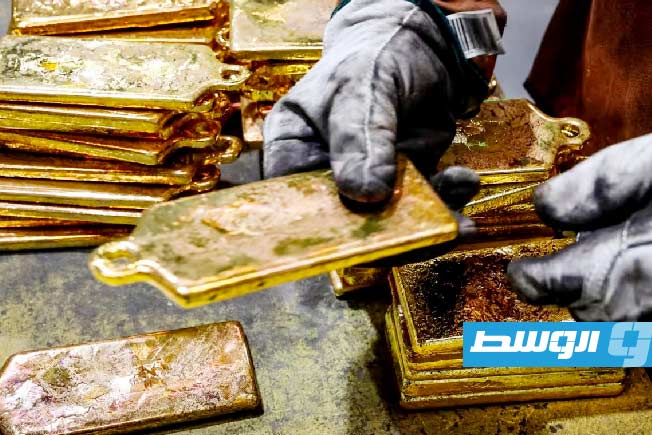
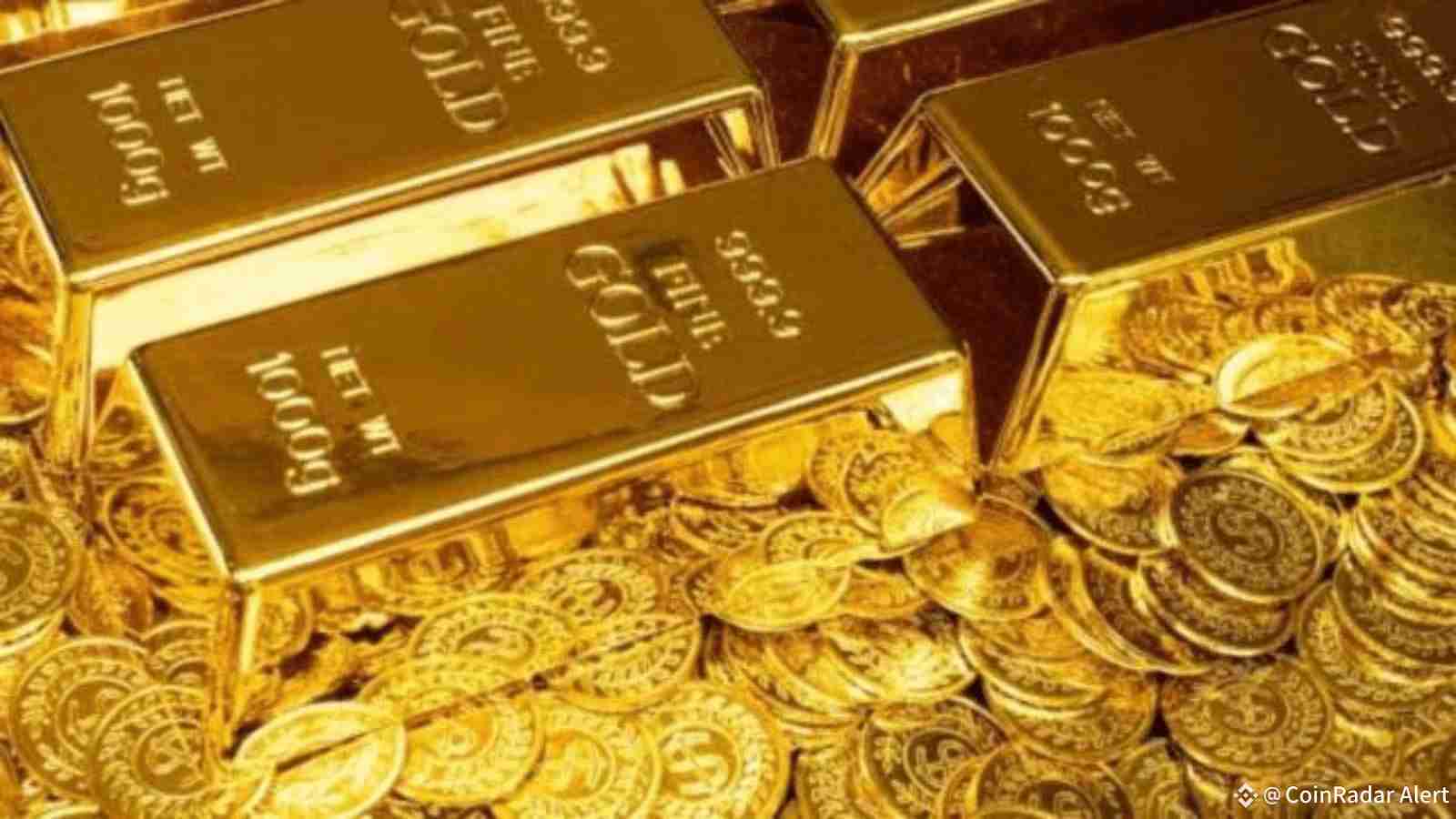
The Turkish lira rose to 0.200 dinars, while the Tunisian dinar rose to 2.77 Libyan dinars. The price of 18-karat scrap gold jumped significantly to 855 dinars per gram, compared to 840 dinars at the close of the previous day.
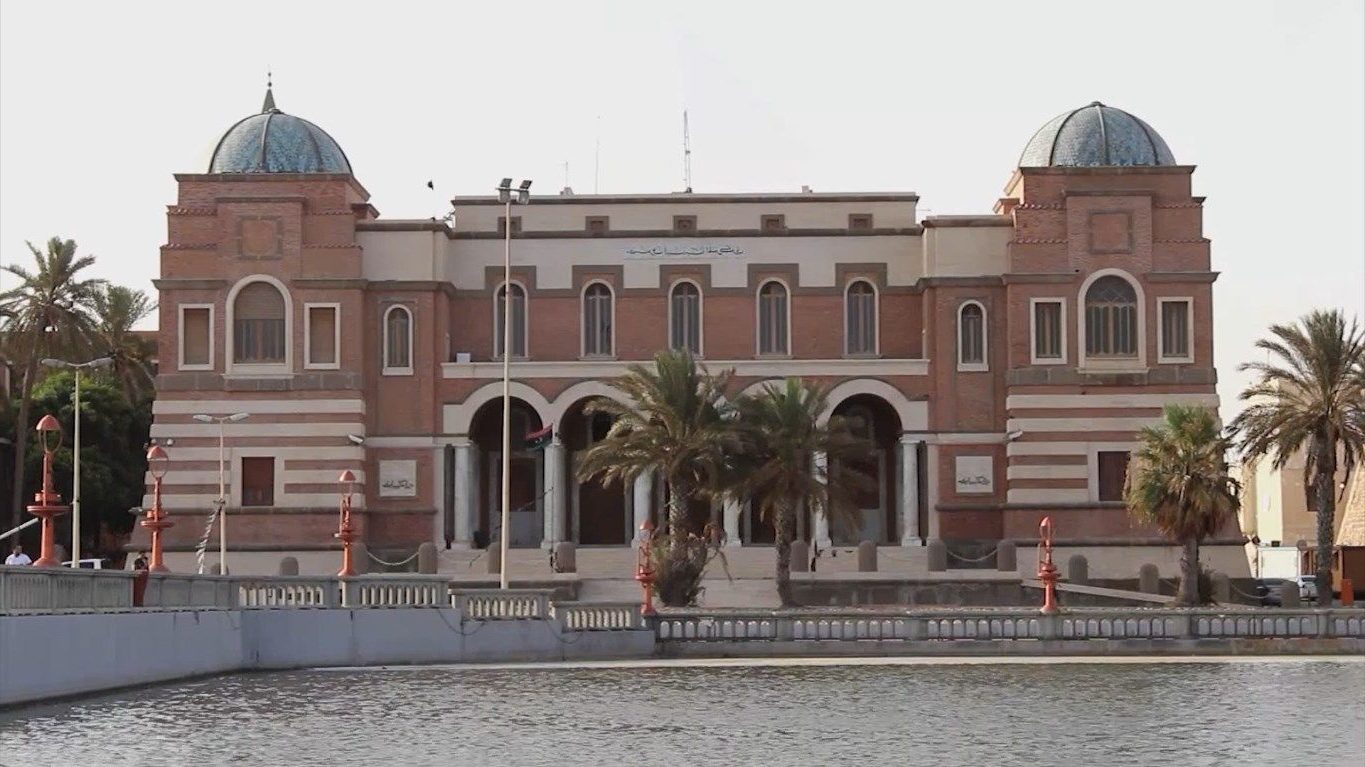
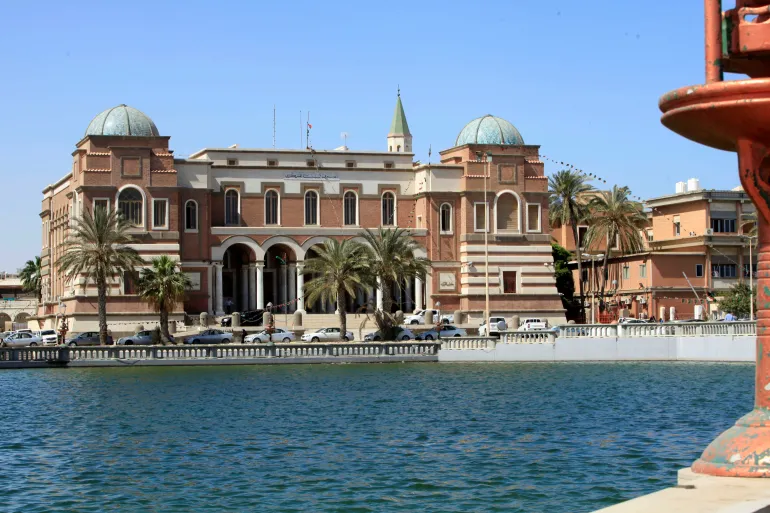
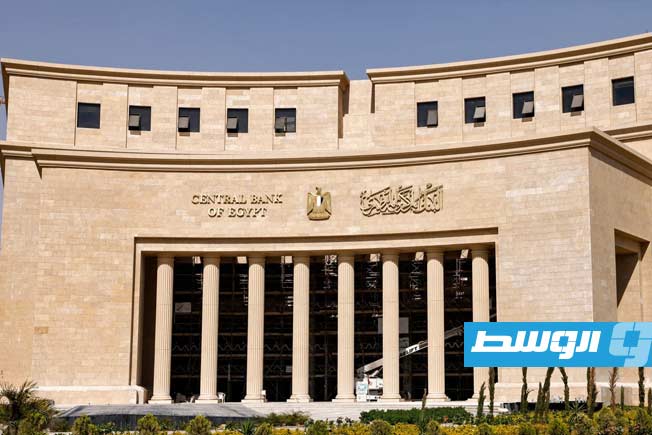
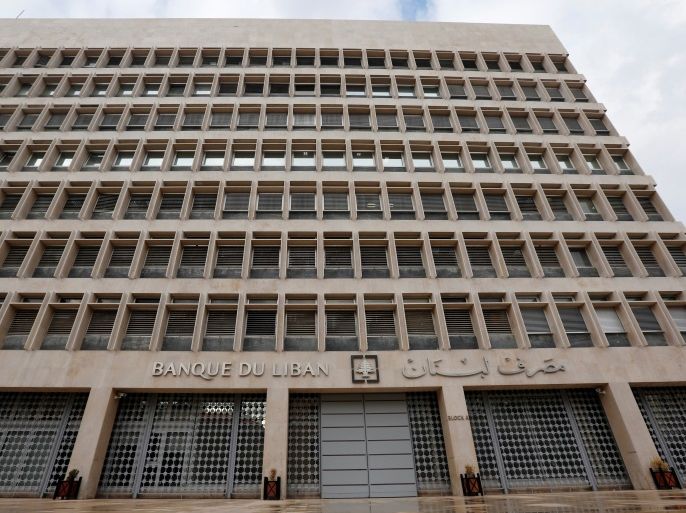
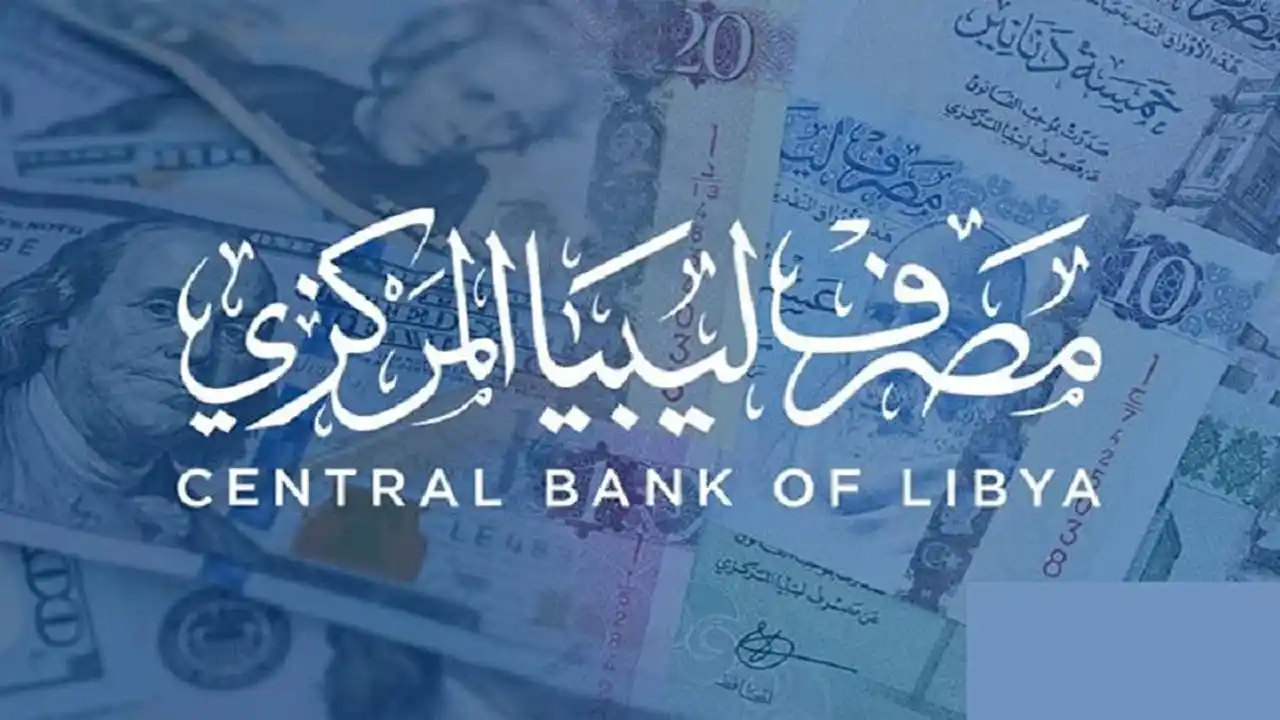
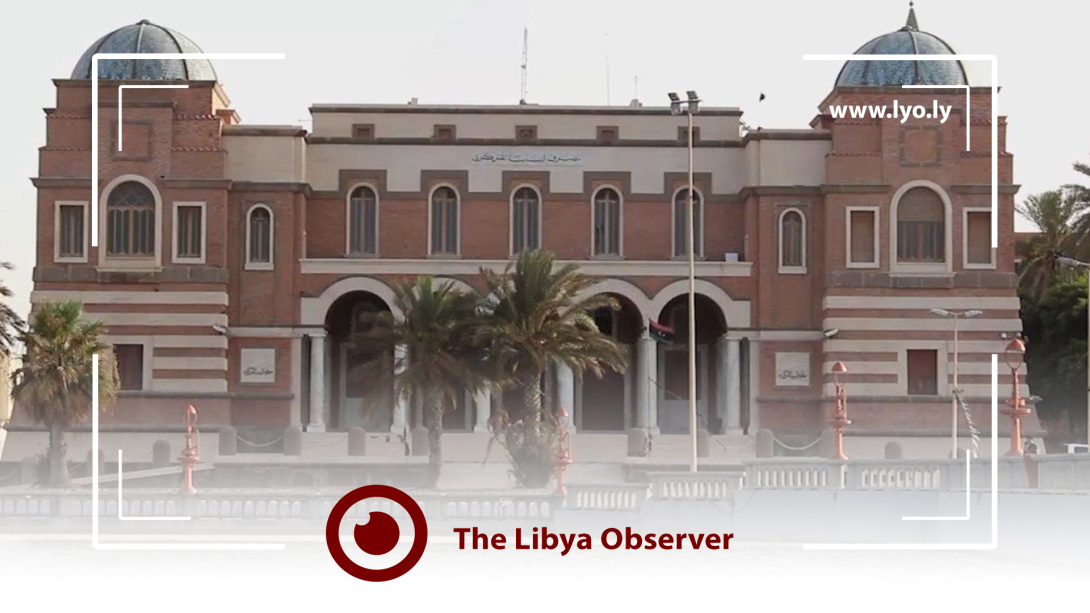
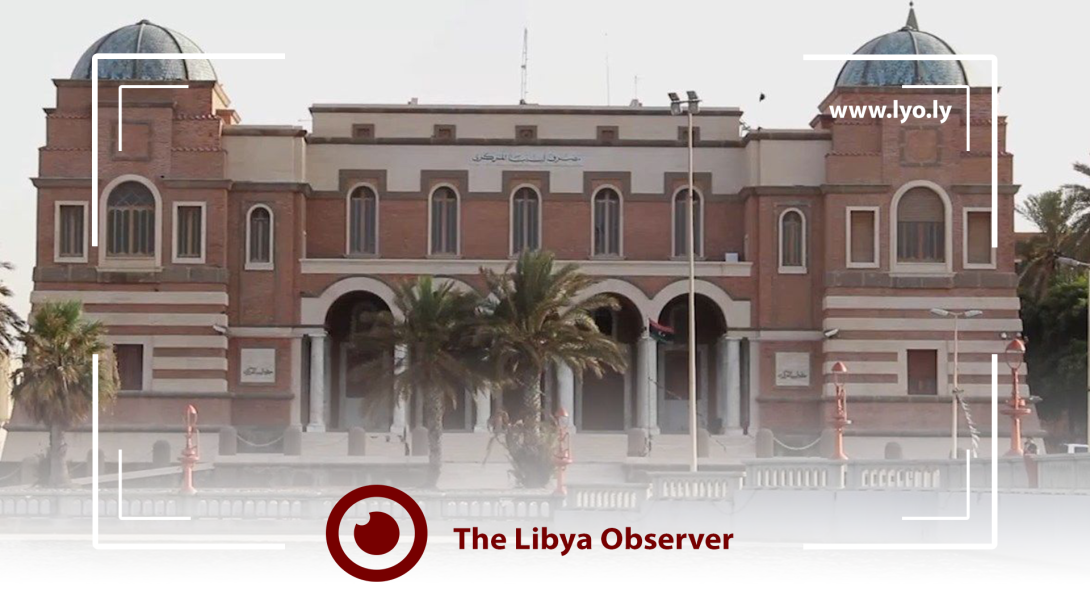
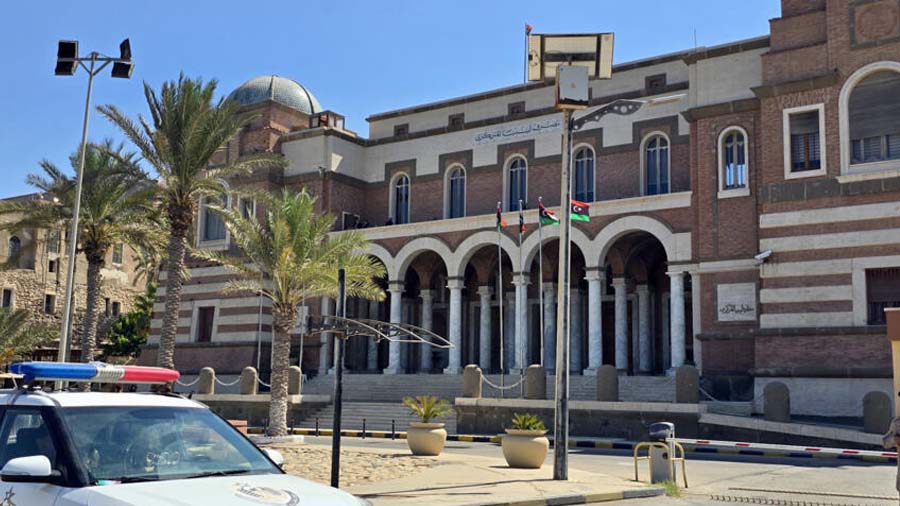
In the official market, the US dollar exchange rate rose to 5.42 dinars in the Central Bank’s price bulletin on Wednesday. Meanwhile, the euro exchange rate declined to 6.35 dinars, and the British pound exchange rate rose to 7.25 dinars.
US dollar
### Key Facts:
– **Symbol**: $
– **ISO code**: USD
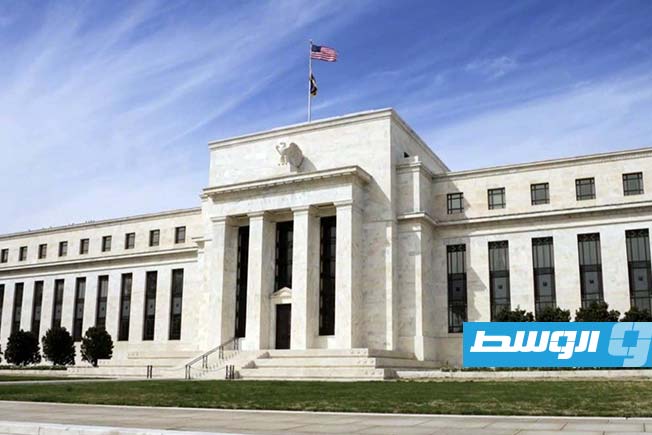
– **Issued by**: The Federal Reserve System (central bank)
– **Commonly referred to as**: “greenback,” “buck,” or “dollar”
### Global Role:
– Many countries peg their currencies to the US dollar or use it alongside their own currency.
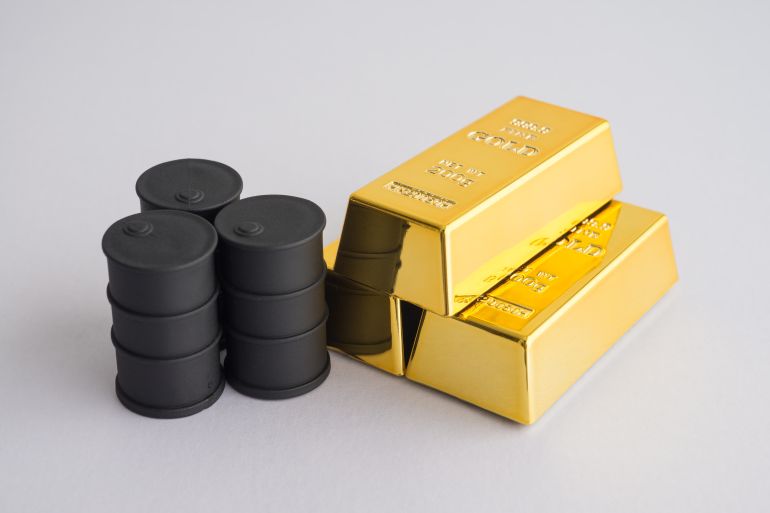
– Major commodities like oil and gold are often priced in USD.
– It is the most traded currency in the foreign exchange market.
### Denominations:
– **Coins**: 1¢ (penny), 5¢ (nickel), 10¢ (dime), 25¢ (quarter), 50¢ (half dollar), $1
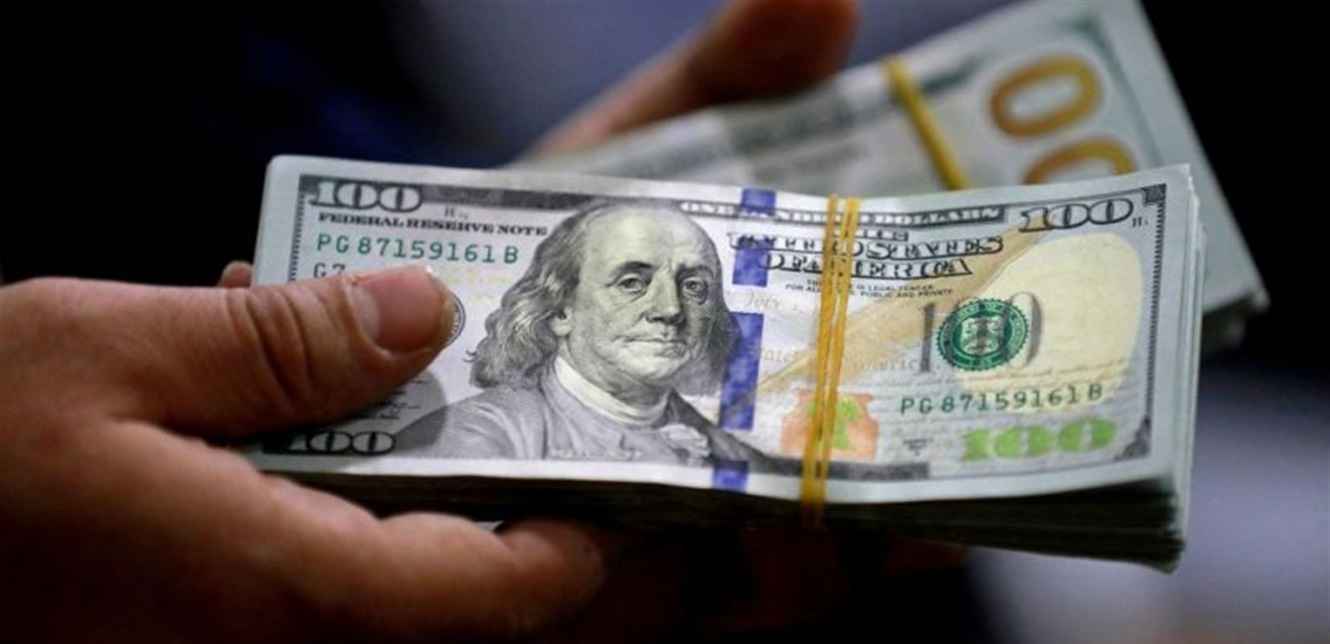
– **Banknotes**: $1, $2, $5, $10, $20, $50, $100 (larger denominations exist but are rare in public circulation)
### Interesting Notes:
– The US dollar is backed by the full faith and credit of the US government.
– It has been the world’s dominant reserve currency since the **Bretton Woods Agreement** in 1944.
Would you like more details on its history, exchange rates, or how it compares to other currencies?
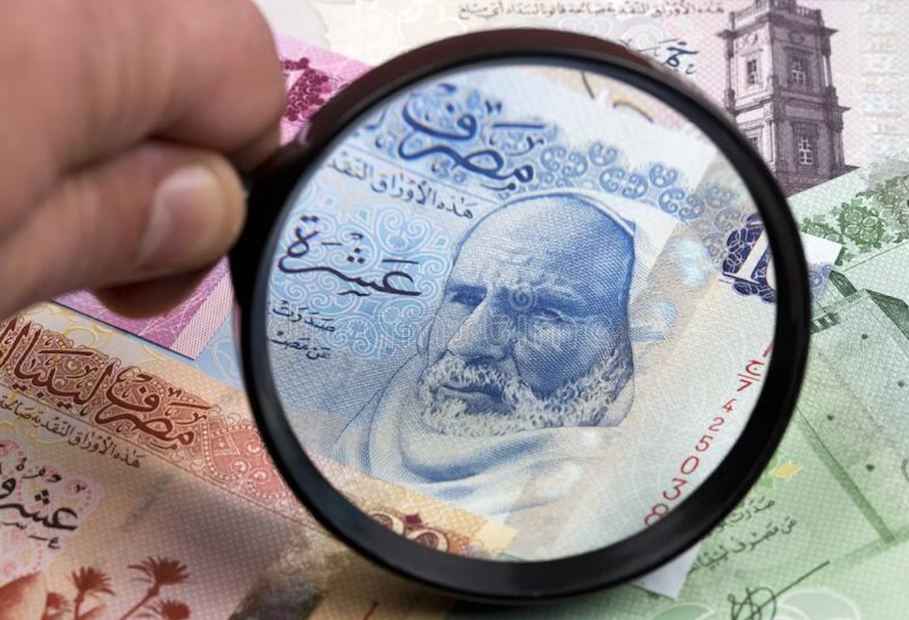
Libyan dinar
### **Basic Information**
* **Currency Code:** LYD
* **Subunit:** Dirham (1 dinar = 1000 dirhams)
* **Symbol:** ل.د (Arabic) or often written as “LD” or “DL” in Latin script.
* **Issuing Authority:** The Central Bank of Libya (CBL).
### **Key Characteristics**
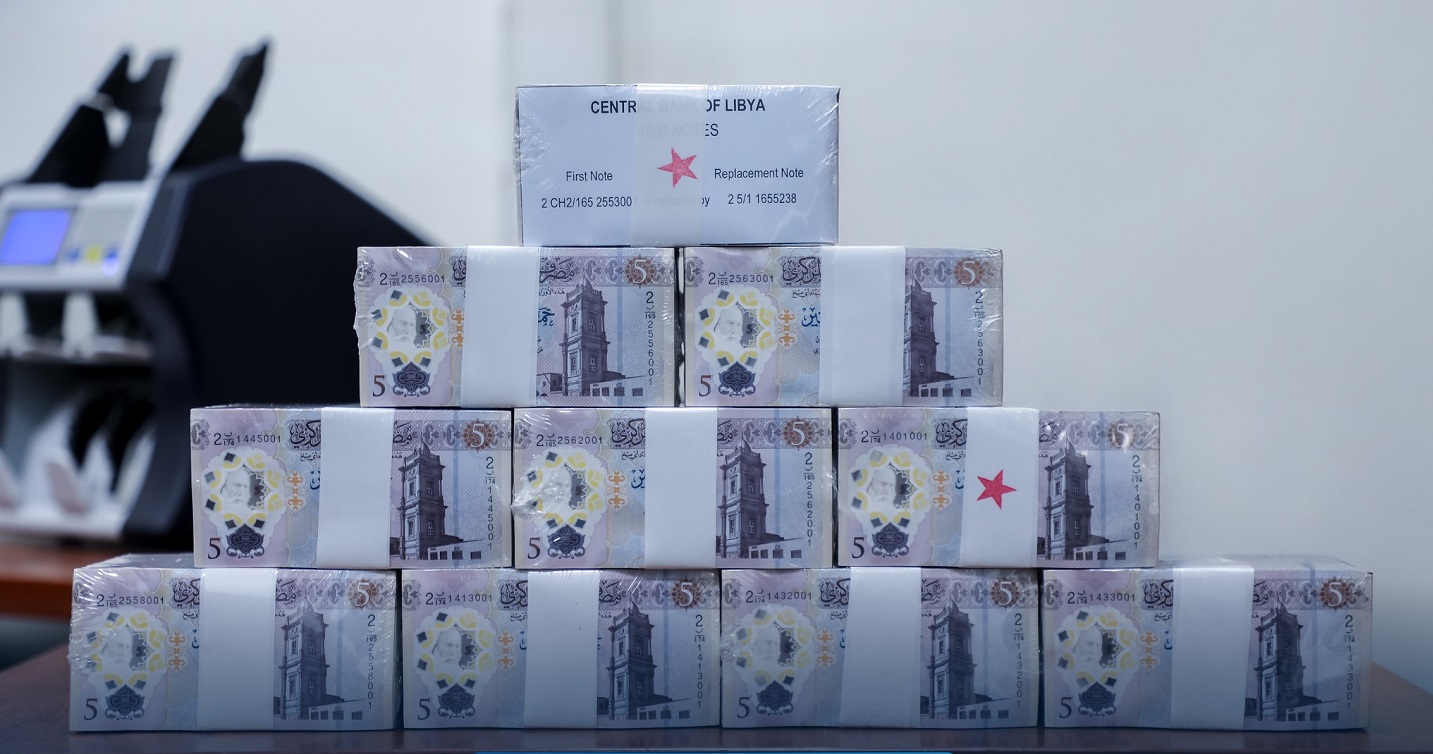
1. **Non-Convertible Currency:** The Libyan dinar is not freely traded on international foreign exchange markets. Its exchange rate is officially set by the Central Bank of Libya, though significant parallel (black market) rates exist due to economic instability.
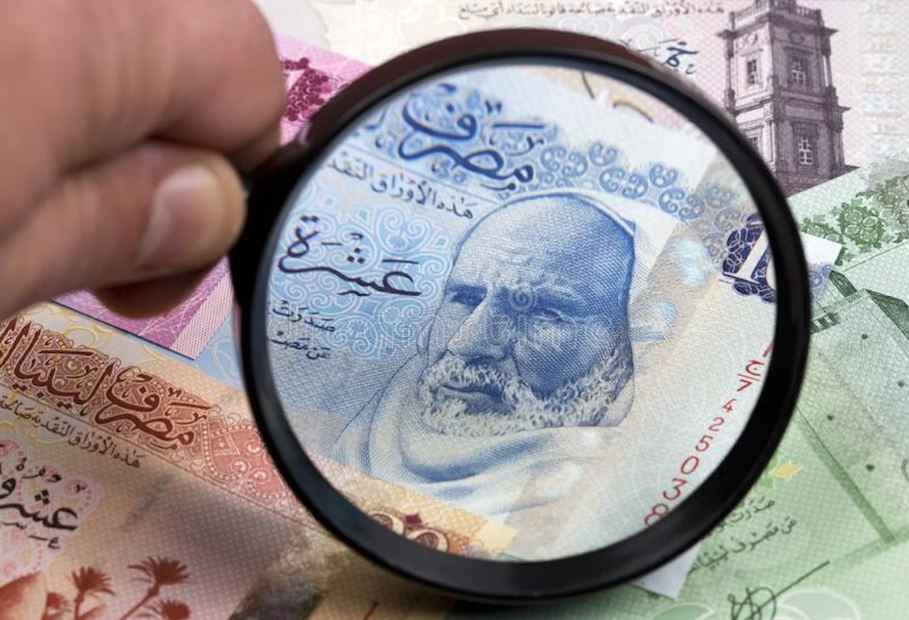
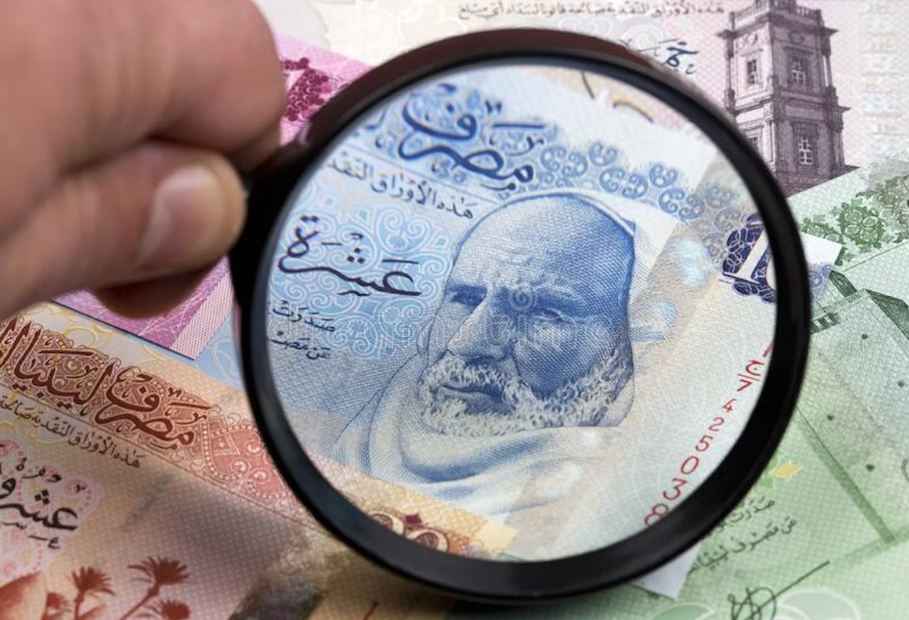
2. **Banknotes:** Come in denominations of 1, 5, 10, 20, and 50 dinars. Older notes from the Gaddafi era remain in circulation alongside newer issues.
3. **Coins:** Coins are denominated in dirhams and qirsh, but due to low value, they are rarely used in everyday transactions.
### **Exchange Rate Context (As of October 2023)**
It’s crucial to understand Libya has a **dual exchange rate system**:
* **Official Rate:** Fixed by the CBL. Historically around **1 USD ≈ 4.8 LYD**. This rate is used for government transactions, essential imports (like food and medicine), and some state-sector salaries.
* **Parallel Market Rate:** Determined by supply and demand on the street. This rate is much weaker, typically around **1 USD ≈ 6.0 – 6.5 LYD** (and has been much higher in recent years). Most individuals and private businesses access foreign currency at this rate.
**Important:** The wide gap between these rates creates major economic distortions, corruption, and a thriving black market.
### **Historical & Economic Context**
* **Introduction:** The dinar replaced the Libyan pound in 1971, after the 1969 revolution.
* **Strength (Pre-2011):** Backed by vast oil and gas reserves, the Libyan dinar was historically a strong, stable currency, with an exchange rate pegged to the IMF’s Special Drawing Rights (SDR).
* **Devaluation & Instability (Post-2011):** Following the 2011 uprising and the fall of Gaddafi, political fragmentation, conflict, and a decline in oil production (the source of over 95% of state revenue) led to a severe liquidity crisis, depletion of foreign reserves, and a plummeting parallel market rate.
* **Current Challenges:** Libya remains divided between rival governments in the East and West, each of which has at times tried to control the Central Bank and the flow of currency. This political divide is the core reason for the ongoing economic and monetary instability.
### **Practical Information for Visitors**
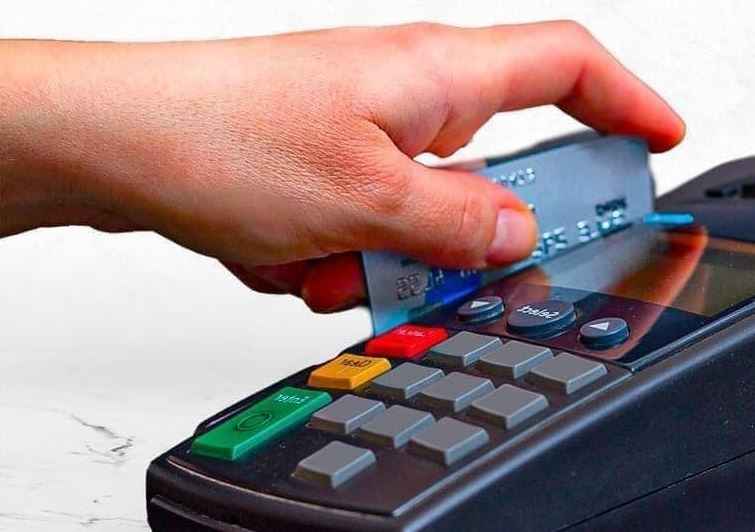
* **Cash-Based Economy:** Credit/debit cards are of limited use. **Cash (Libyan dinar banknotes) is essential** for almost all transactions.
* **Currency Import/Export:** There are strict limits on bringing dinars in or out of the country.
* **Foreign Currency:** It is advisable to bring **US Dollars or Euros** in cash (ensure bills are new and unblemished) to exchange on the local market. Exchanging at the official rate is very difficult for visitors.
* **ATMs:** Exist but are unreliable for international cards. They dispense Libyan dinars.
### **Summary**
The Libyan dinar is the official currency of a resource-rich nation currently grappling with deep political division and economic crisis. Its value is artificially supported by an official rate, but its real-world purchasing power is dictated by a much weaker parallel market rate. For anyone dealing with Libya, understanding this dual-rate system is fundamental.
**Disclaimer:** Exchange rates, especially on the parallel market, are highly volatile. Always check for the most current information from reliable financial or local sources.
euro
Here’s a breakdown of its main meanings:
### 1. **The Currency (Primary Meaning)**
The **euro** (currency code: **EUR**, symbol: **€**) is the official currency of 20 of the 27 member states of the European Union. This group of countries is known as the **eurozone** or **euro area**.
* **Examples:** Germany, France, Italy, Spain, the Netherlands.
* It is one of the world’s most important currencies, a major reserve currency, and second only to the US dollar in daily trading volume.
### 2. **The Currency Unit**
The term is used for both singular and plural in English and many other languages.
* *”This book costs **ten euro**.”* (Common in EU English)
* *”This book costs **ten euros**.”* (Also accepted, especially outside the EU)
### 3. **Historical & Sporting Context**
* **UEFA European Football Championship:** Often abbreviated as the **”Euros”** (e.g., “Italy won the 2020 Euros”).
* **European Championships** in other sports are also sometimes called “the Euros.”
### Key Facts:
* **Introduced:** 1999 (electronically), 2002 (coins and banknotes).
* **Managing Institution:** The **European Central Bank (ECB)** in Frankfurt, Germany.
* **Subunits:** 1 euro = 100 **cents**.
### Symbol and Usage:
* The **€ symbol** is placed before the amount (e.g., €50) in most eurozone countries, following the convention of the US dollar ($).
* It is written after the amount in some countries (like Ireland) due to local formatting habits.
**In short:** When someone says “euro,” they are most likely referring to the common currency of the European Union, symbolized by **€**.
British pound
### **Symbol and Code**
– **Symbol:** £
– **ISO code:** GBP (Great Britain Pound)
### **Subunits**
– 1 pound = 100 pence (singular: penny)
### **Issuing Authority**
– Issued by the **Bank of England** (central bank), though some Scottish and Northern Irish banks also issue their own banknotes under strict regulation.
### **History**
– One of the world’s oldest currencies still in use, with origins tracing back over 1,200 years.
– Historically linked to silver and later the gold standard; now a **fiat currency**.
### **Current Status**
– A major global reserve currency and one of the most traded currencies in the foreign exchange market.
– Despite the UK’s membership in the European Union (1973–2020), it never adopted the euro.
### **Banknotes and Coins**
– **Coins:** 1p, 2p, 5p, 10p, 20p, 50p, £1, £2
– **Banknotes:** £5, £10, £20, £50 (newer polymer notes feature historical figures like Winston Churchill, Jane Austen, and Alan Turing)
### **Exchange and Value**
– Value floats freely on international markets.
– Often colloquially called **”sterling”** or **”quid”** (slang).
Would you like information on exchange rates, historical trends, or its role in the global economy?
Turkish lira
### Key Facts:
1. **History & Re-denomination**
– Due to chronic high inflation, Turkey underwent a major currency reform in 2005, removing six zeros from the old lira (TRL). The “new Turkish lira” (YTL) was introduced, later renamed back to “Turkish lira” (TRY) in 2009.
2. **Symbol & Subunit**
– Symbol: **₺** (introduced in 2012).
– Subunit: **kuruş** (1 lira = 100 kuruş). Coins are issued in kuruş denominations.
3. **Inflation & Economic Context**
– The lira has faced significant depreciation in recent years, driven by high inflation, political factors, and unorthodox monetary policies.
– Annual inflation has frequently exceeded 50–80% in the 2020s, eroding purchasing power.
4. **Exchange Rate**
– The lira is a **freely floating currency**, but the Central Bank of the Republic of Turkey (CBRT) has frequently intervened in forex markets to stabilize it.
– As of late 2023–early 2024, the exchange rate hovered around **₺28–32 per US dollar**, though rates fluctuate rapidly.
5. **Banknotes & Coins**
– Banknotes feature Mustafa Kemal Atatürk (founder of modern Turkey) on the front and notable Turkish figures, cultural, and historical themes on the back.
– Current denominations: banknotes of ₺5, ₺10, ₺20, ₺50, ₺100, ₺200; coins of 1, 5, 10, 25, 50 kuruş and ₺1.
6. **Digital & Cryptocurrency Use**
– Due to lira volatility, some Turks have turned to cryptocurrencies (like Bitcoin) and foreign currencies (USD, EUR) as stores of value, despite government restrictions.
7. **International Standing**
– The lira is not a major reserve currency and has limited use outside Turkey. Its volatility makes it a focus in emerging market forex analysis.
### Recent Challenges:
– **Currency Crisis**: Since 2018, the lira has lost over 80% of its value against the USD, leading to higher import costs and reduced living standards.
– **Policy Response**: The CBRT has used high interest rates (e.g., up to 50% in 2024) to combat inflation, alongside measures to encourage lira savings and discourage dollarization.
If you have a specific question about exchange rates, historical trends, or economic policies affecting the lira, feel free to ask!
Tunisian dinar
### **Basic Information**
* **Currency Code:** TND
* **Subunit:** Millime (1 dinar = 1000 millimes)
* **Symbol:** د.ت (Arabic) or **DT** (Latin script, commonly used in prices)
* **Issuing Authority:** The Central Bank of Tunisia (*Banque Centrale de Tunisie*)
### **Key Characteristics**
1. **Closed Currency:** The Tunisian dinar is a **non-convertible** or “closed” currency. This means:
* It is **illegal to import or export** dinar banknotes in significant amounts.
* You can only obtain it **within Tunisia** by exchanging foreign currency.
* You must exchange any leftover dinars back to your own currency before leaving the country (keep your exchange receipts).
2. **Banknotes and Coins:**
* **Banknotes:** Come in denominations of 5, 10, 20, and 50 dinars. They feature important historical figures and landmarks, like Ibn Khaldun, Carthaginian queen Dido, and the El Jem amphitheater.
* **Coins:** Come in denominations of 5, 10, 20, 50, 100, and 200 millimes, as well as ½, 1, 2, and 5 dinar coins. The smaller millime coins (5, 10, 20) have very little purchasing power.
### **For Travelers: Essential Tips**
* **Exchange Money Officially:** Always exchange at banks, official exchange bureaus, or authorized hotels. Avoid the black market, as it is illegal and risky.
* **Credit/Debit Cards:** Widely accepted in hotels, larger restaurants, and shops in tourist areas. However, cash is essential for souks, taxis, and smaller establishments.
* **ATMs:** Readily available in cities and tourist areas. They dispense dinars and are often the best way to get local currency. Inform your bank of your travel plans first.
* **Pricing Notation:** You will often see prices written as “5.600” or “5,600” DT. This means **5 dinars and 600 millimes**. The decimal point/comma separates dinars from millimes.
### **Economy & Exchange Rate Context**
* The dinar’s value is managed against a basket of currencies of Tunisia’s major trading partners.
* It has faced significant depreciation over the past decade due to economic challenges, including inflation, trade deficits, and public debt.
* **Approximate Exchange Rate (as of late 2023):**
* 1 **USD** ≈ 3.1 **TND**
* 1 **EUR** ≈ 3.3 **TND**
* 1 **GBP** ≈ 3.8 **TND**
*(**Note:** Rates fluctuate; always check a reliable source for current rates.)*
### **Historical Note**
The Tunisian dinar replaced the Tunisian franc in 1960, three years after Tunisia’s independence from France. The name “dinar” derives from the Roman *denarius*, a historical silver coin.
In summary, the Tunisian dinar is the local currency essential for transactions within Tunisia. Its status as a **closed currency** is the most crucial practical point for any visitor to remember.
18-karat scrap gold
### 1. **Karat (K) Meaning**
– **Karat** measures gold purity, with 24K being pure gold (99.9% gold).
– **18K gold** is 18 parts gold and 6 parts other metals (like copper, silver, or zinc), making it **75% pure gold** (18/24 = 0.75).
### 2. **”Scrap” Gold**
– This includes broken jewelry, old dental gold, industrial gold, or any gold item no longer serving its original purpose.
– It’s typically sold to refiners, jewelers, or precious metal dealers to extract and reuse the gold.
### 3. **Value of 18K Scrap Gold**
– The value is based on the **gold content**, not the item’s aesthetic or historical worth.
– To calculate:
1. **Weigh the item** (in grams or troy ounces).
2. **Determine purity**: 18K = 75% gold.
3. **Multiply** by the current market price of gold.
– Example: If gold is $2,000 per troy ounce and you have 10 grams of 18K scrap:
– Convert grams to troy ounces: 10 g ≈ 0.3215 troy oz.
– Gold content: 0.3215 × 0.75 = 0.2411 troy oz of pure gold.
– Value: 0.2411 × $2,000 = **$482.20**.
### 4. **Selling Scrap Gold**
– **Where to sell**: Jewelry stores, pawnshops, online gold buyers, or refineries.
– **What to expect**: Buyers typically pay **70–90% of the melt value** (the pure gold value), as they account for refining costs and profit.
– **Tips**:
– Get multiple quotes.
– Check the buyer’s reputation (e.g., Better Business Bureau).
– Understand the terms (e.g., fees, shipping insurance).
### 5. **Common Uses for Scrap Gold**
– **Recycling**: Refined to make new jewelry, coins, or industrial components.
– **Investment**: Some investors buy scrap gold as a tangible asset.
### 6. **Identifying 18K Gold**
– Look for hallmarks like **”750″**, **”18K”**, **”18KT”**, or **”18Kt”** stamped on the item.
– If unsure, a jeweler can test it (e.g., acid test, electronic tester).
### 7. **Considerations**
– **Gemstones or other materials**: These are usually removed and may have separate value.
– **Sentimental value**: Once sold as scrap, items are typically melted down and cannot be recovered.
If you have 18-karat scrap gold to sell, research current gold prices and choose a reputable buyer to ensure a fair deal.