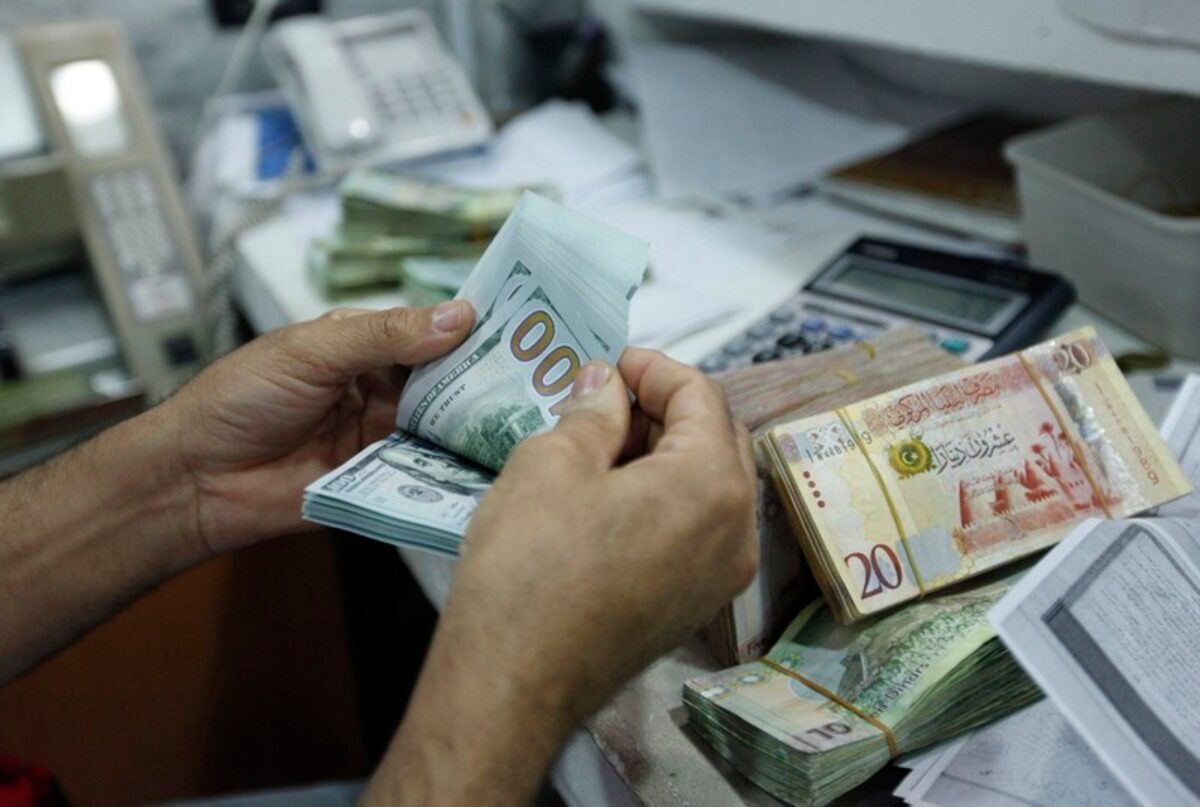
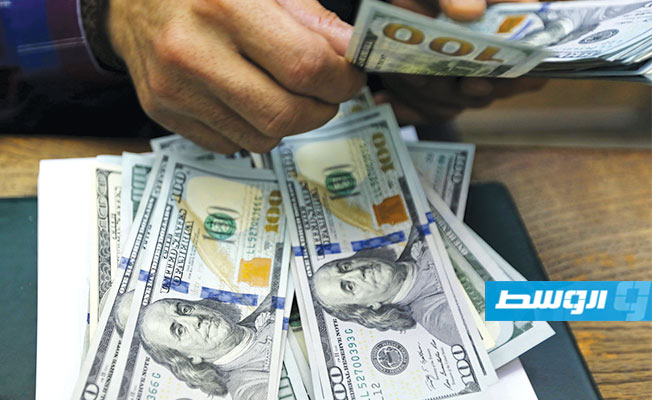
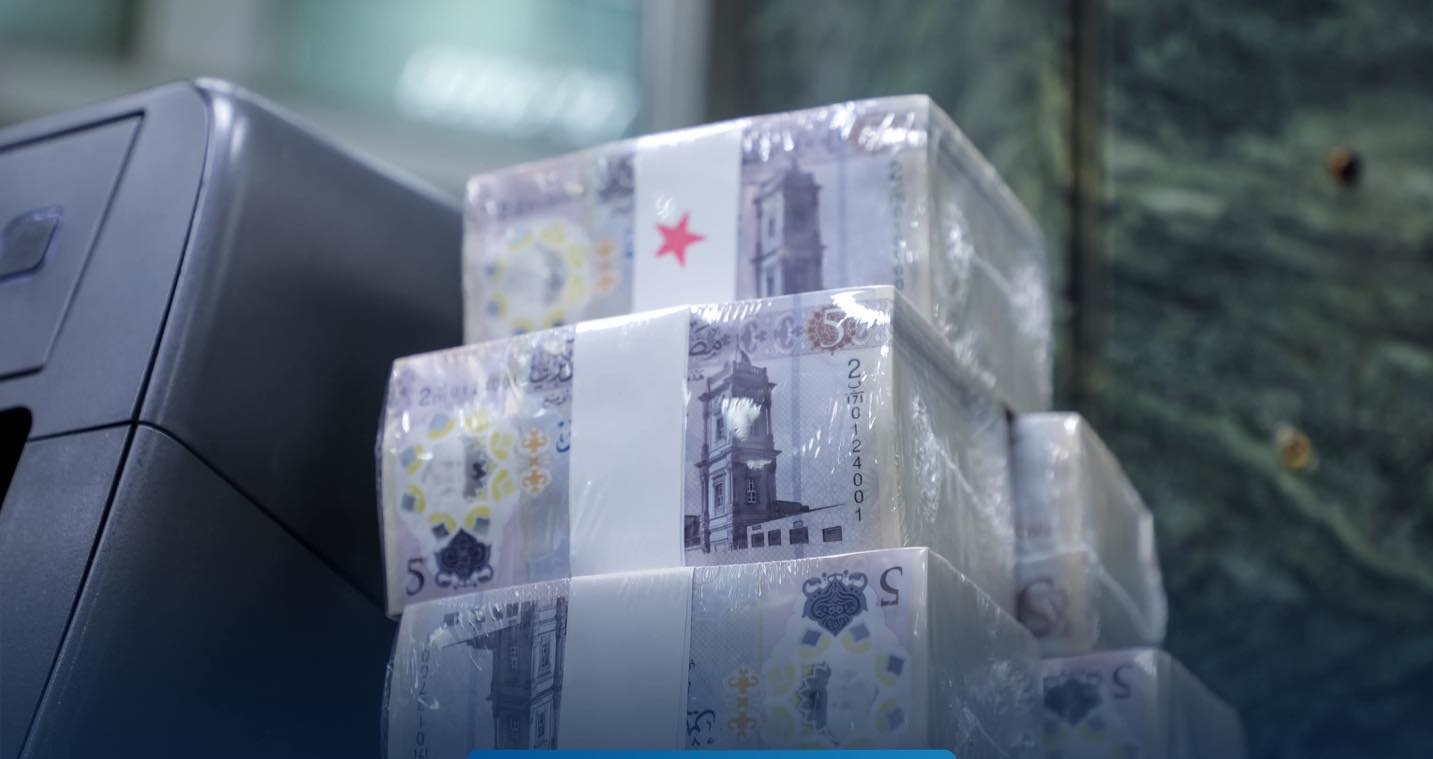
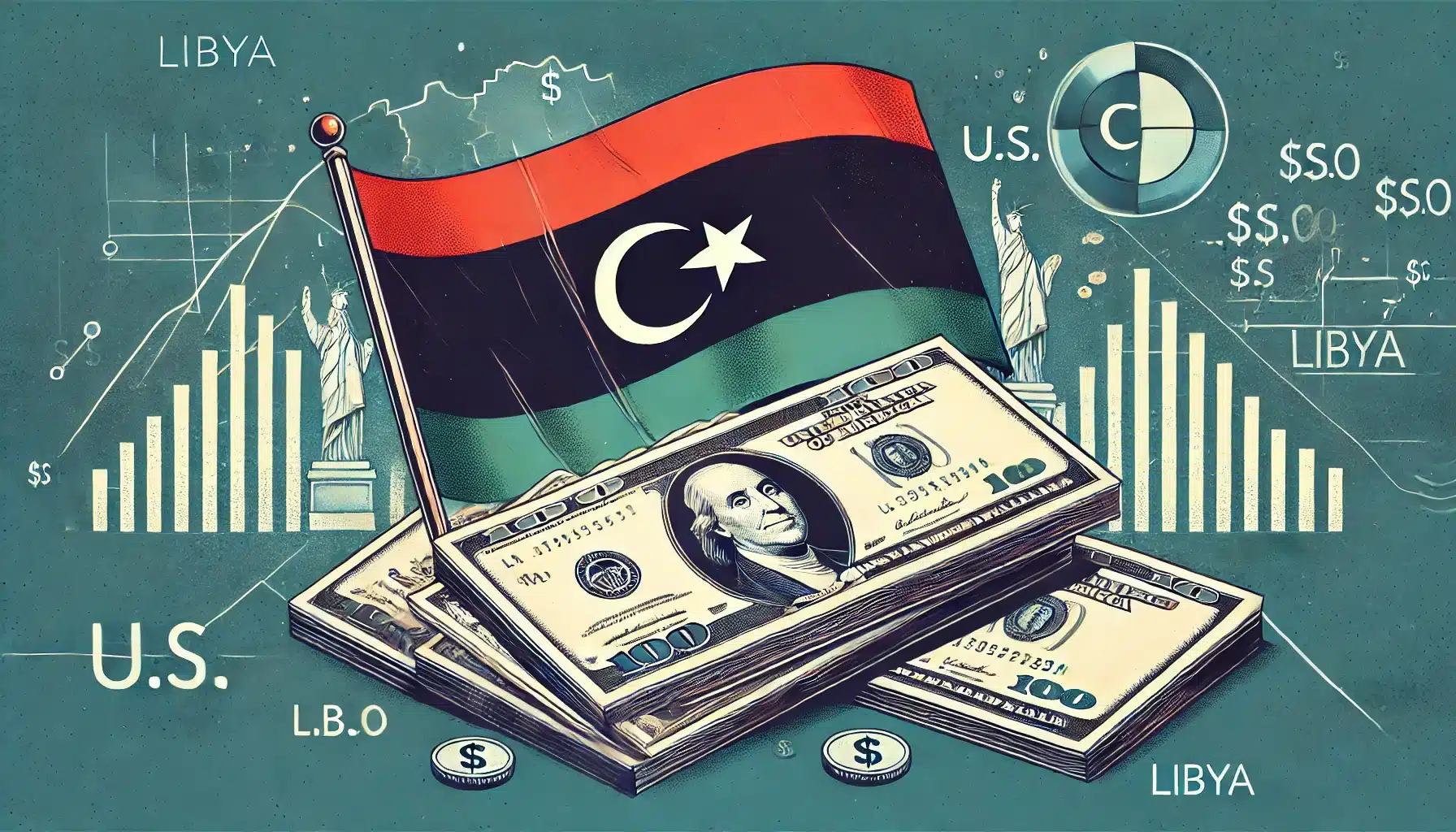
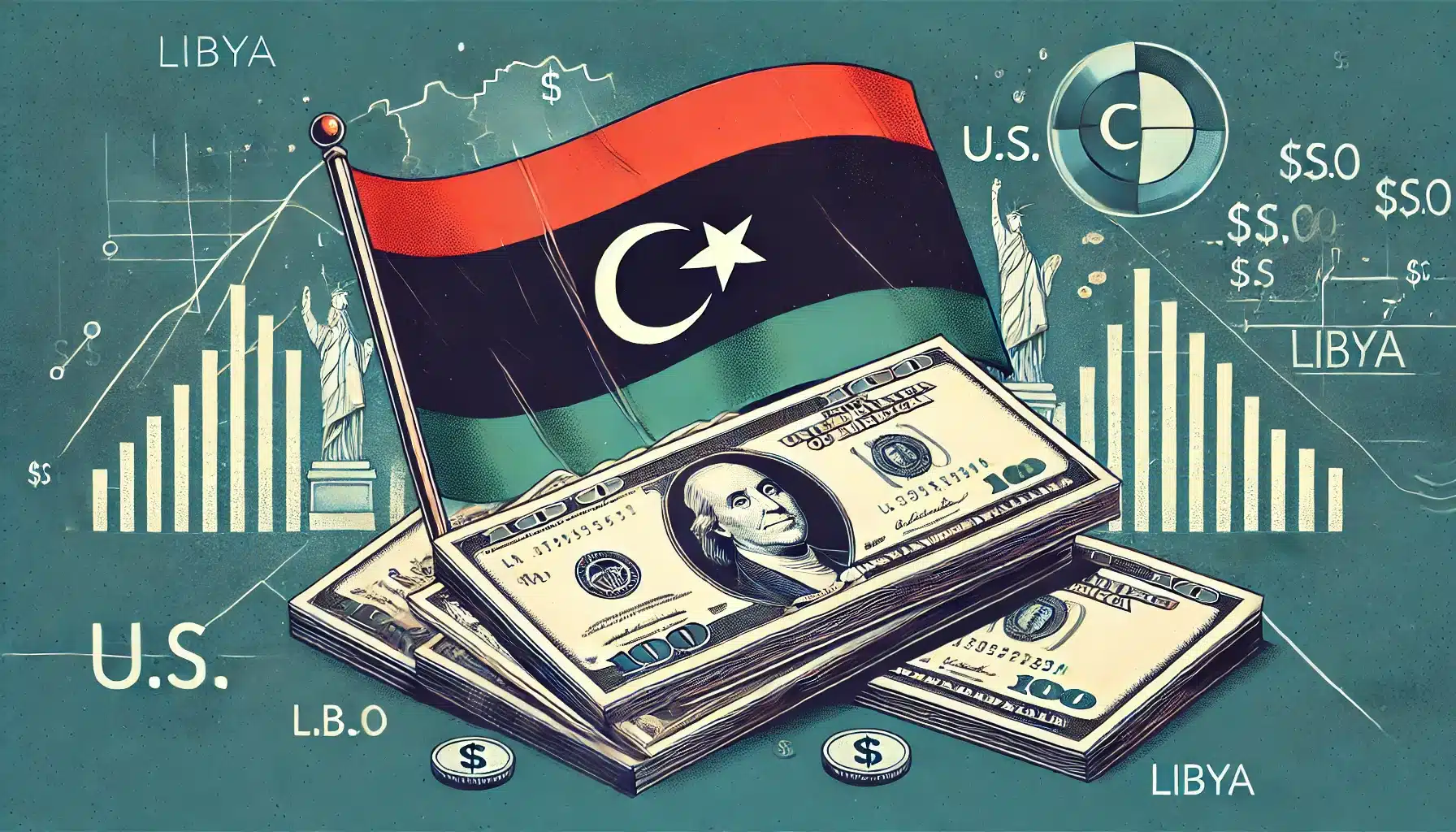
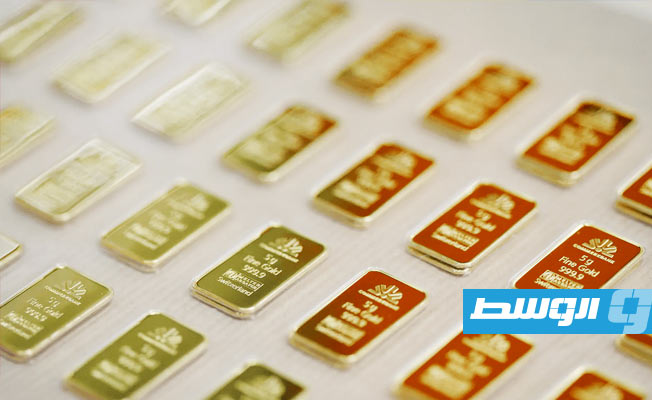
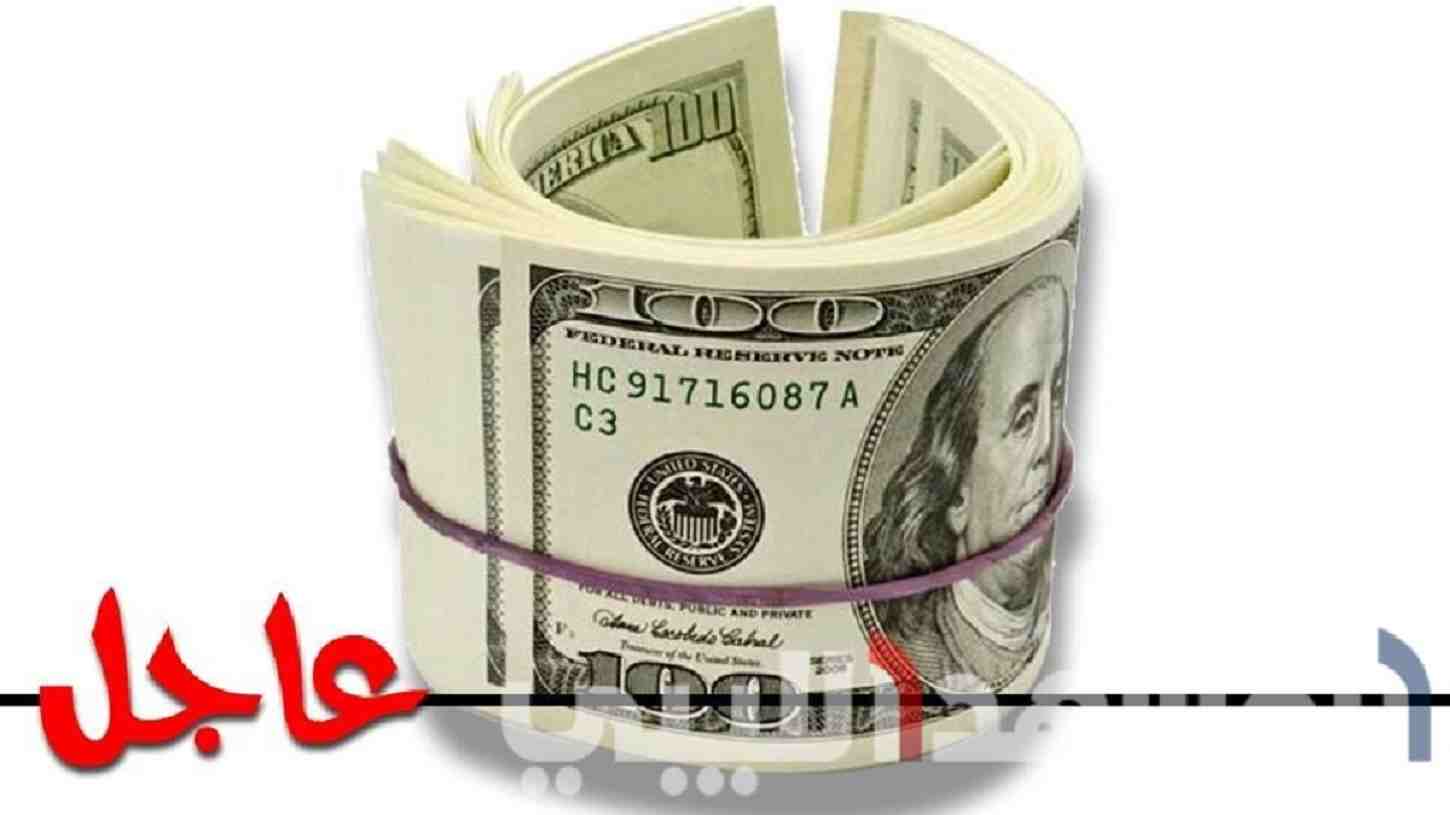
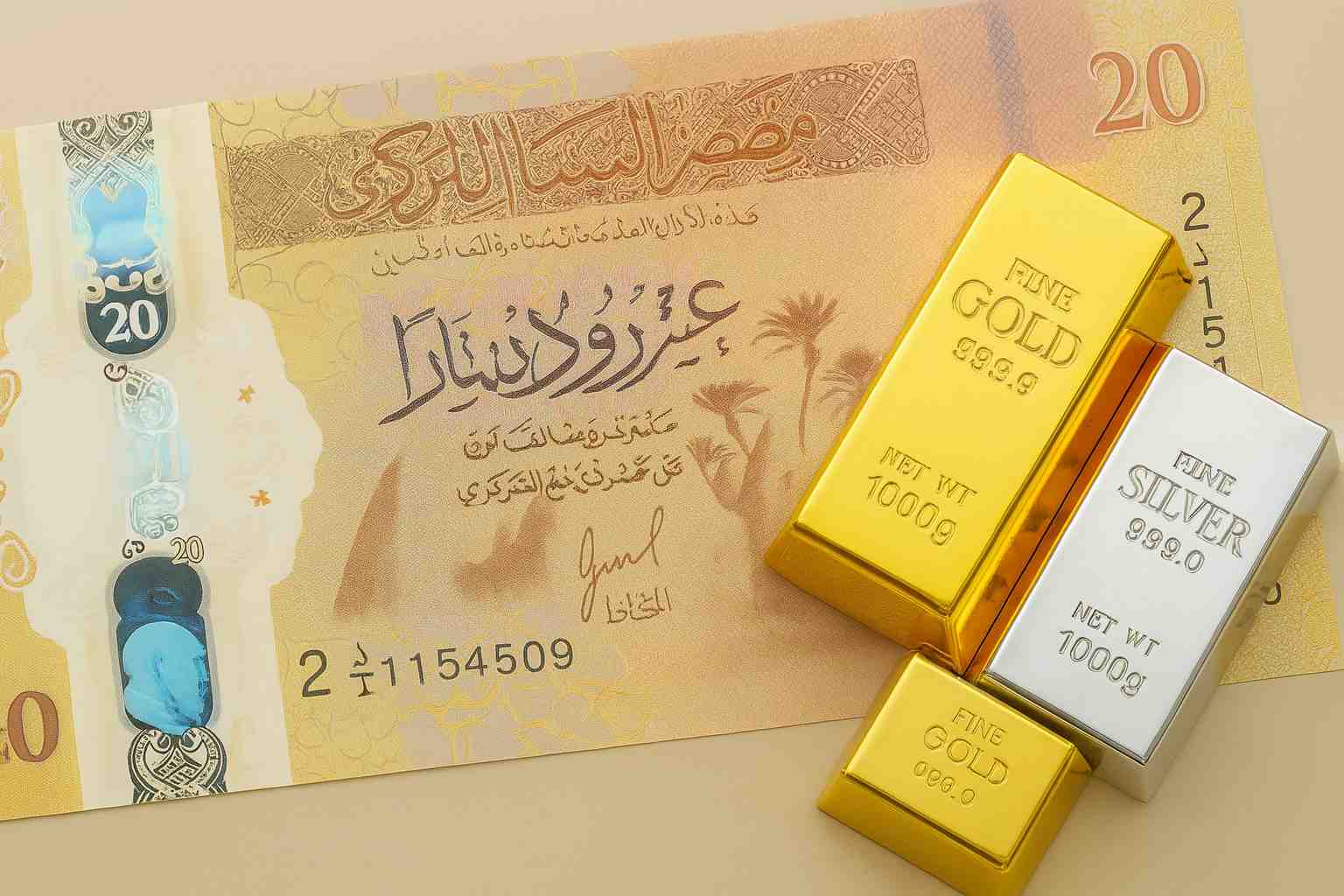
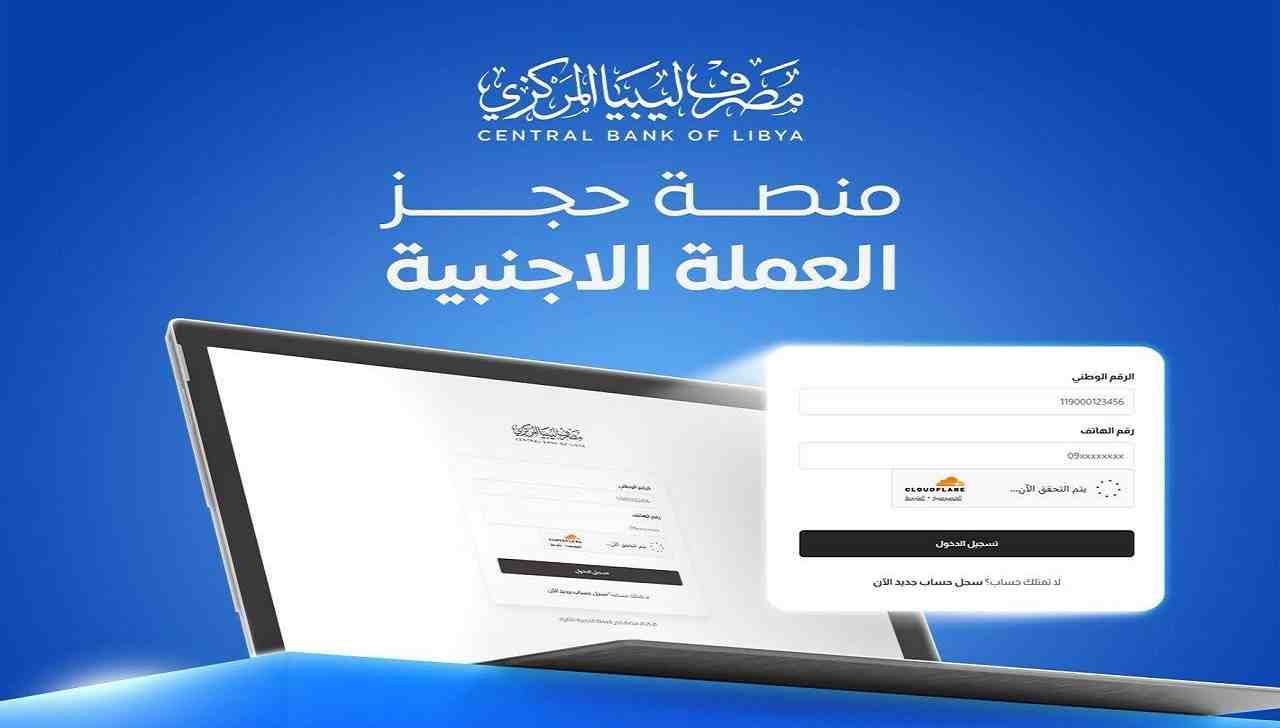
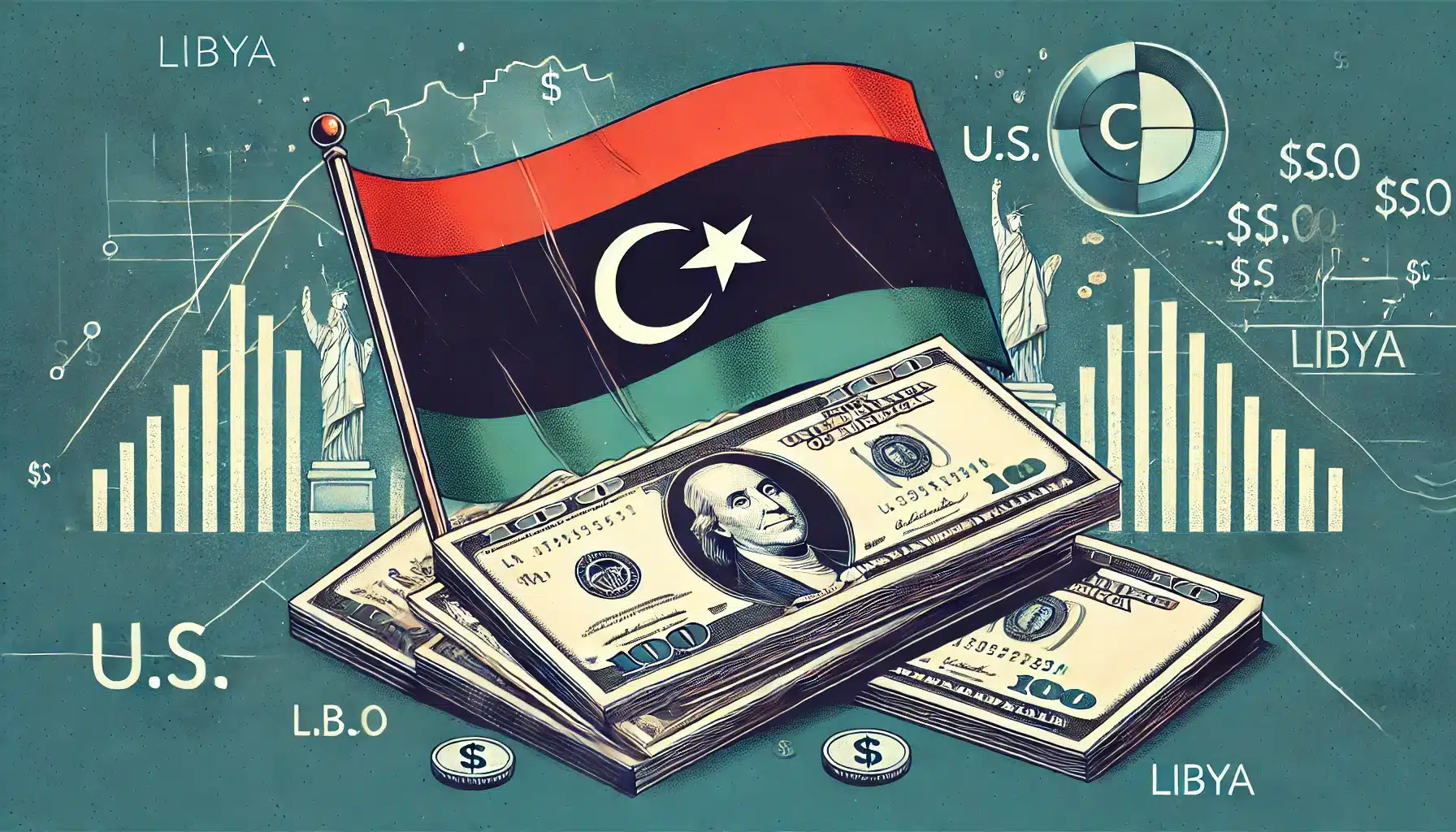
Below are the bond dollar prices in some commercial banks during today’s Monday, 02-02-2026, parallel market trading, as reported by price-specialized pages on social media platforms:
Bond prices in a number of commercial banks (prices as of 15:25):
–– Republic Bank bond dollar price/Tripoli: Sell 10.42 dinars.
–– Commerce and Development Bank bond dollar price/Tripoli: Sell 10.43 dinars.
–– National Commercial Bank bond dollar price: Sell 10.42 dinars.
–– Aman Bank bond dollar price: Sell 10.42 dinars.
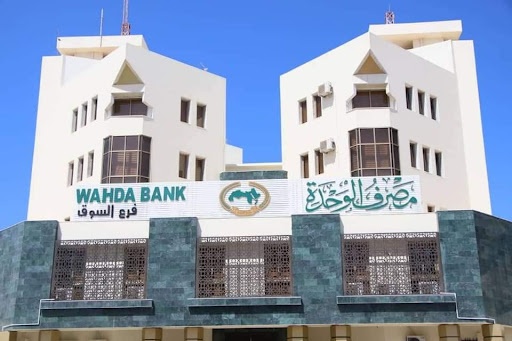
–– Wahda Bank bond dollar price/Tripoli: Sell 10.43 dinars.
–– Islamic Bank bond dollar price: Sell 10.41 dinars.
–– Commerce and Development Bank bond dollar price/Benghazi: Sell 10.44 dinars.
–– Wahda Bank bond dollar price/Benghazi: Sell 10.44 dinars.
–– Sahara Bank bond dollar price: Sell 10.41 dinars.
–– North Africa Bank bond dollar price: Sell 10.41 dinars.
–– United Bank bond dollar price: Sell 10.40 dinars.
–– Yaqeen Bank bond dollar price: Sell 10.40 dinars.
–– Nouran Bank bond dollar price: Sell 10.40 dinars.
–– Wahat Bank bond dollar price: Sell 10.41 dinars.
–– Saraya Bank bond dollar price: Sell 10.39 dinars.
Note: Prices are as of the time of publication and are not stable; they may change from time to time and from one area to another. Small amounts are less by two qirsh.
Republic Bank
Republic Bank is a major financial institution in Trinidad and Tobago, originally established in 1837 as the Colonial Bank. It was later renamed Republic Bank after a merger in the early 1990s and has since grown to become one of the leading banks in the Caribbean region.
Tripoli
Tripoli is the capital and largest city of Libya, with a history dating back to the 7th century BC when it was founded by the Phoenicians. It later became a significant part of the Roman Empire, the Ottoman Empire, and an Italian colony, which is reflected in its diverse architecture in the old medina. Today, it serves as the country’s major political, economic, and cultural center.
Commerce and Development Bank
The Commerce and Development Bank (CDB) is a major state-owned policy bank in China, founded in 1994 to support the country’s infrastructure development and key national projects. Its primary role is to provide financing for large-scale initiatives in sectors like energy, transportation, and urban development, operating under the guidance of the State Council.
National Commercial Bank
The National Commercial Bank (NCB) is a major financial institution in Saudi Arabia, founded in 1953. It holds the distinction of being the kingdom’s first licensed bank and has played a central role in the country’s economic development and modernization.
Aman Bank
Aman Bank is a financial institution based in Libya, originally established in 1998 as a private shareholding company. It has grown to become one of the country’s major banks, providing a range of commercial and retail banking services to support the local economy.
Wahda Bank
Wahda Bank is a major commercial bank in Libya, founded in 1970. It was established to support national economic development and has since grown into one of the country’s largest financial institutions, playing a key role in Libya’s banking sector.
Islamic Bank
The Islamic Bank is a financial institution that operates in accordance with Sharia (Islamic law), which prohibits interest (riba) and speculative activities. Its modern history began in the 1970s with the establishment of pioneering institutions like the Islamic Development Bank, aiming to provide ethical financial services rooted in Islamic principles. Today, it represents a significant and growing sector within global finance, offering products like profit-sharing investments and asset-backed financing.
Benghazi
Benghazi is a major city in eastern Libya, historically significant as a center of trade and culture since its founding as the ancient Greek colony of Euesperides. It played a pivotal role in Libya’s modern history, serving as a co-capital and as a focal point during the 2011 revolution. The city has faced significant damage and conflict in subsequent years.
Sahara Bank
Sahara Bank is a commercial bank in Libya, originally established in 1969 as Jamahiriya Bank before being renamed in 2011. It is one of the country’s major financial institutions, with its history closely tied to Libya’s economic and political developments over the past several decades.
North Africa Bank
The North Africa Bank, also known as Banque de l’Afrique du Nord, was a French colonial institution established in 1901 to issue currency and provide central banking services in French territories across North and West Africa. It played a key role in the colonial monetary system until its functions were gradually transferred to newly independent national banks following decolonization in the mid-20th century.
United Bank
The United Bank is a financial institution founded in 1959 in Pakistan, originally established to support industrial development and foreign trade in the newly independent nation. It has since grown into one of the country’s largest commercial banks, playing a significant role in its economic history.
Yaqeen Bank
Yaqeen Bank is a financial institution based in Pakistan, established to provide Sharia-compliant banking services in accordance with Islamic principles. It was founded as part of a broader movement to offer ethical and interest-free financial alternatives in the country’s growing Islamic finance sector.
Nouran Bank
Nouran Bank is a financial institution based in Iran, established in 2009 as part of the country’s private banking sector. It provides a range of commercial banking services and has expanded its network of branches across several Iranian provinces since its founding.
Wahat Bank
Wahat Bank is a historical oasis settlement located in Egypt’s Western Desert, known for its natural springs and palm groves. Its history is tied to ancient caravan trade routes, serving as a vital stop for travelers and traders crossing the desert for centuries.
Saraya Bank
Saraya Bank is a historic building in Jeddah, Saudi Arabia, originally constructed in the 1920s as a private residence for a wealthy merchant. It is a prominent example of traditional Hijazi architecture, characterized by its ornate wooden *rawasheen* (projecting bay windows), and now serves as a cultural landmark.