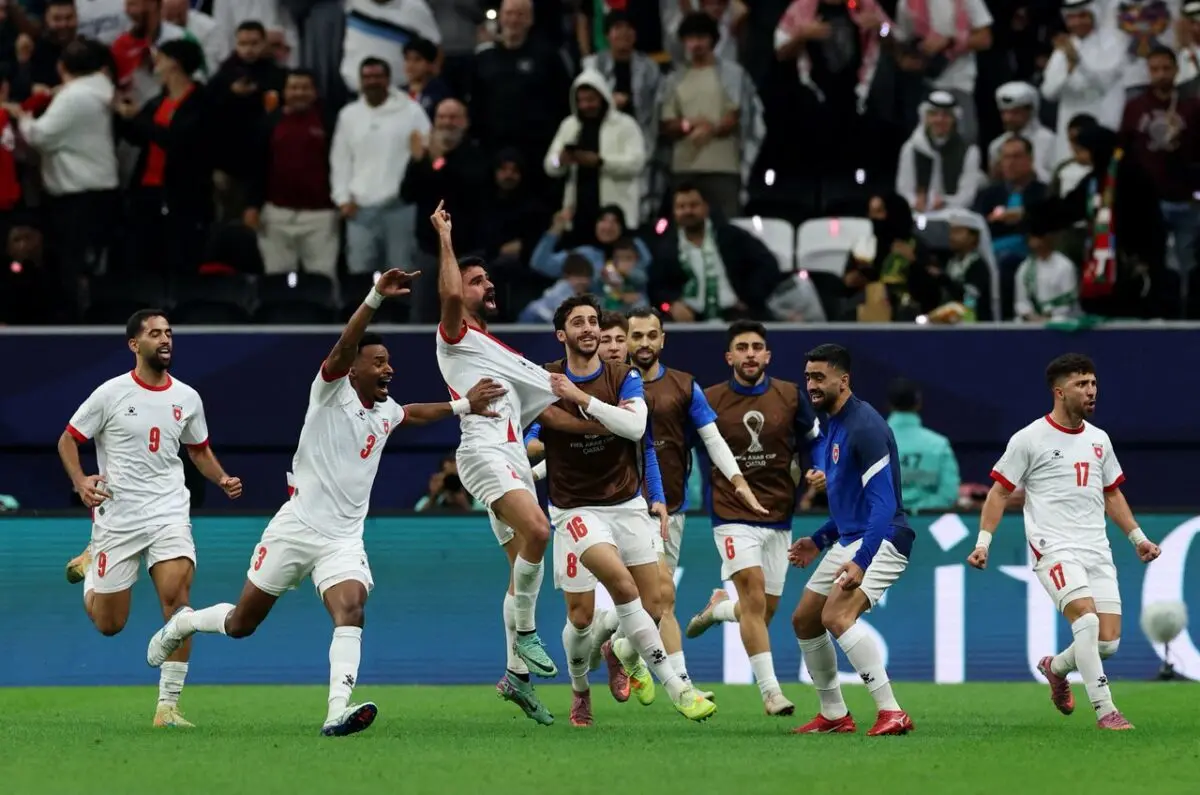
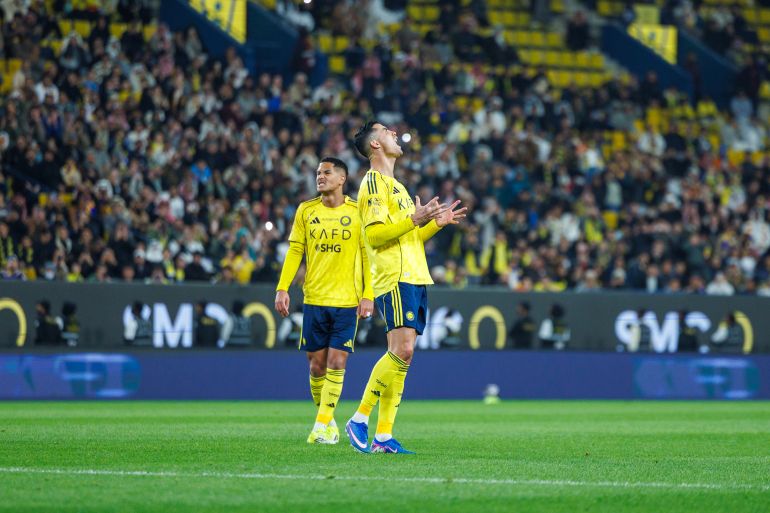
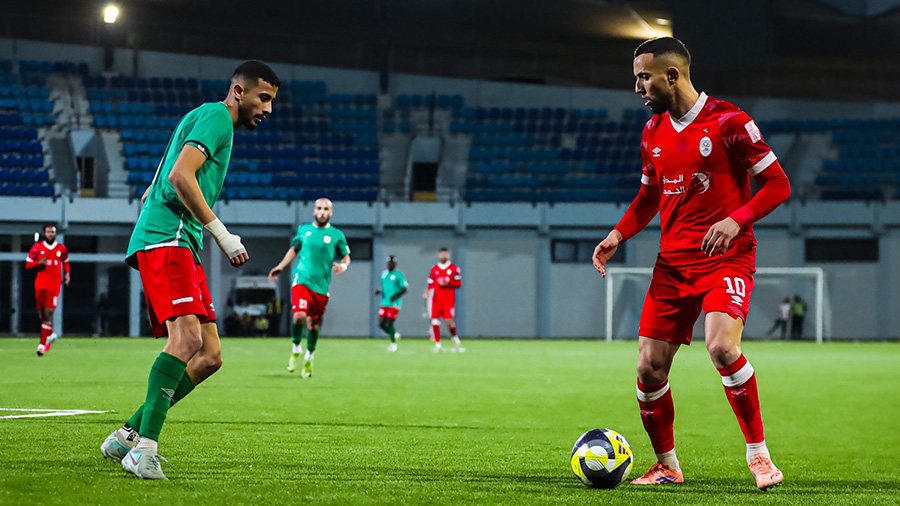
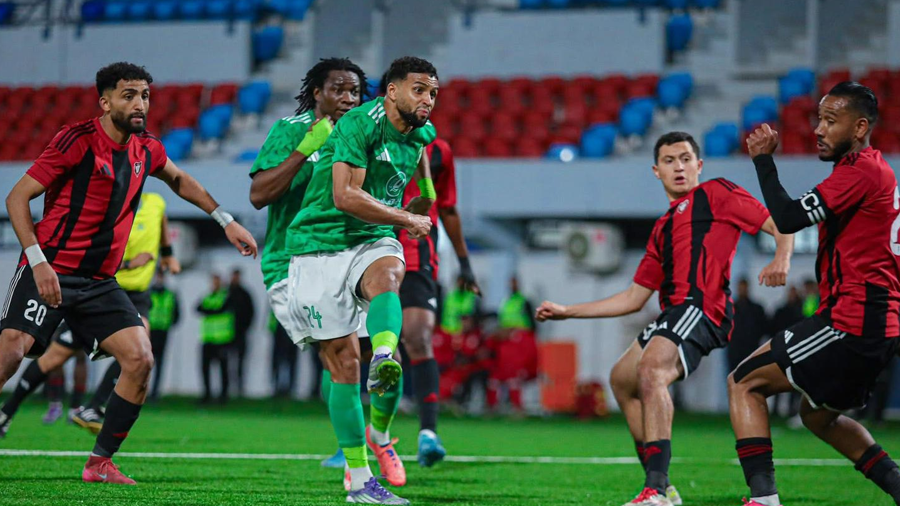
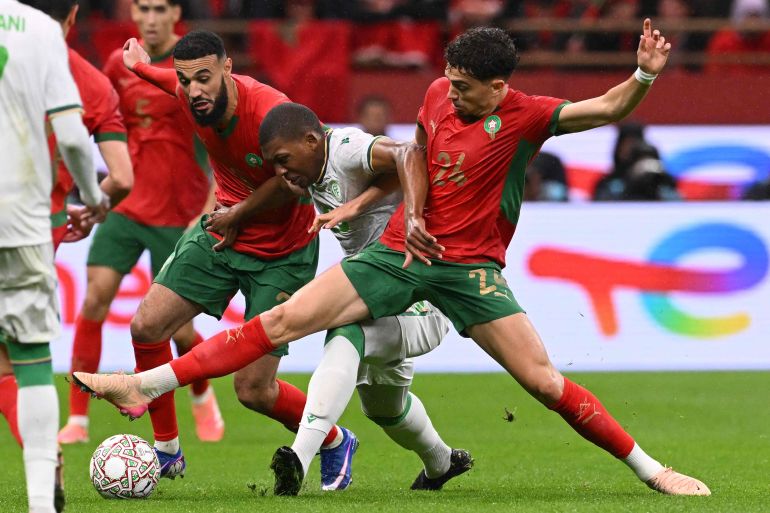
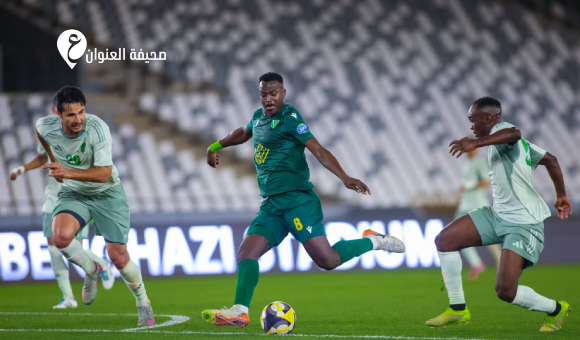
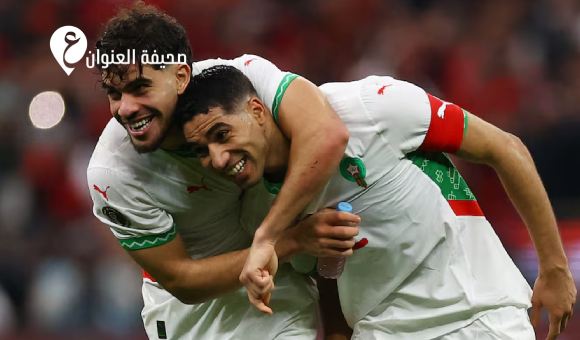
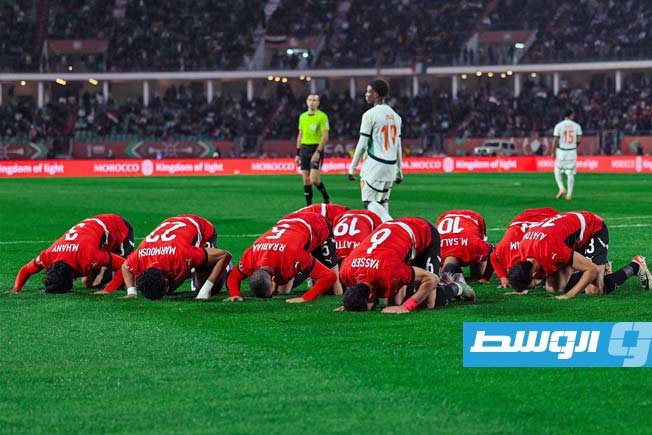
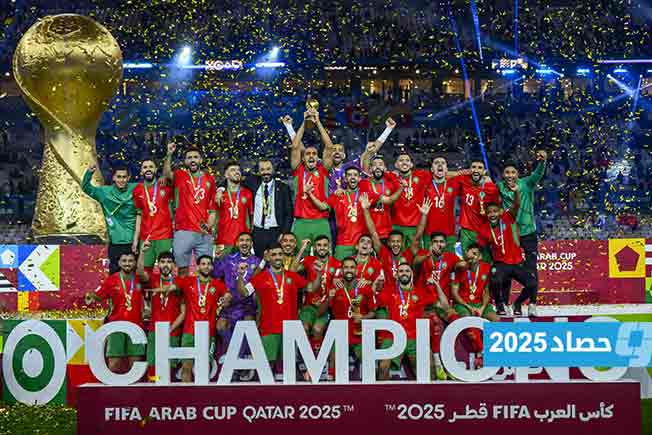
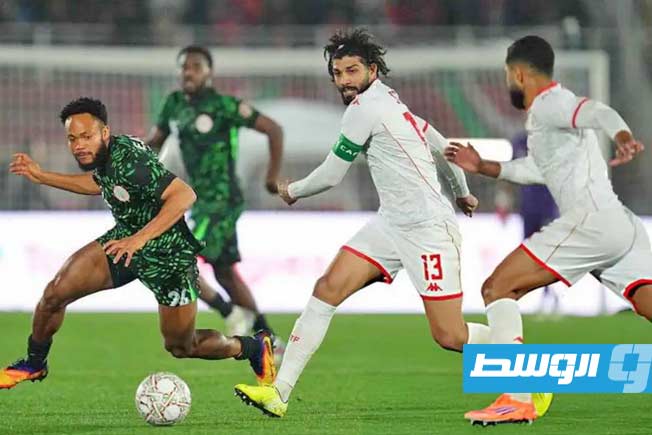
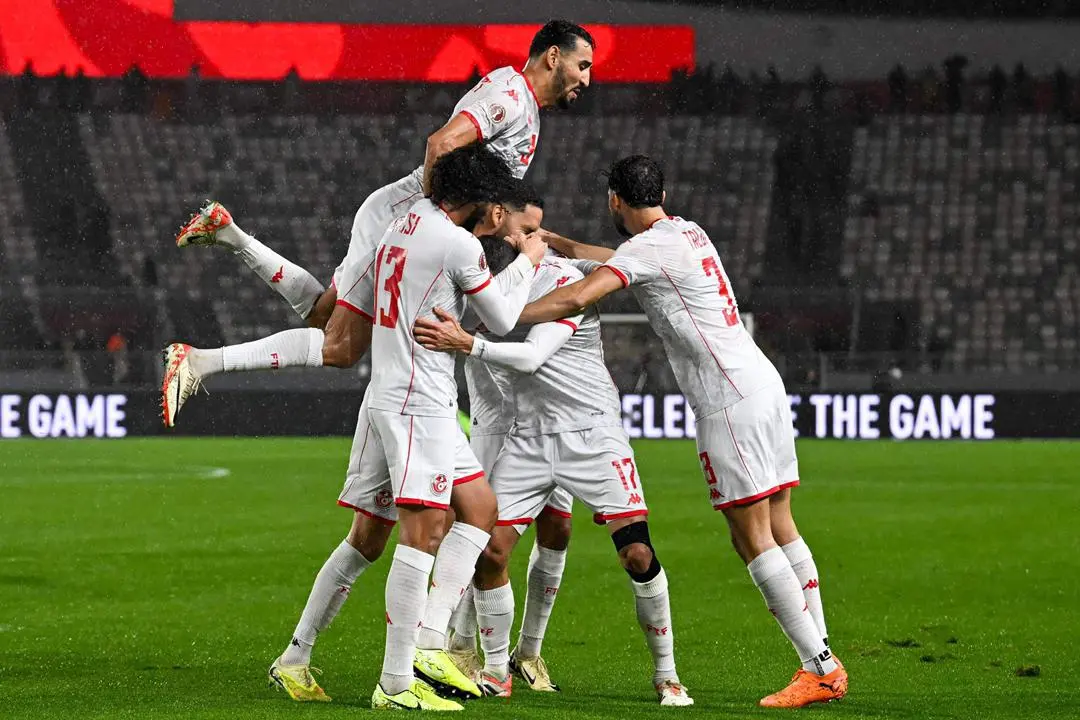
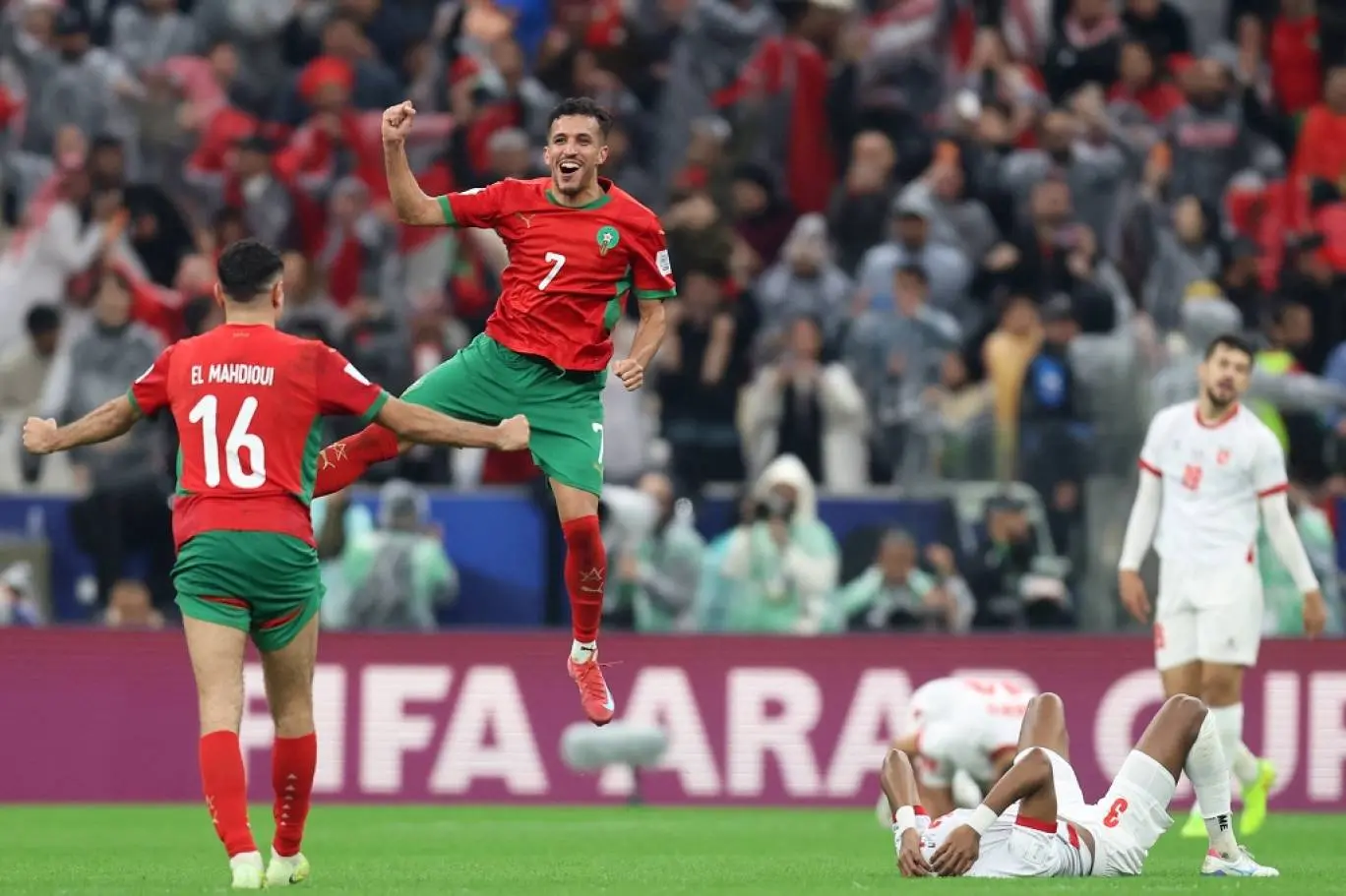
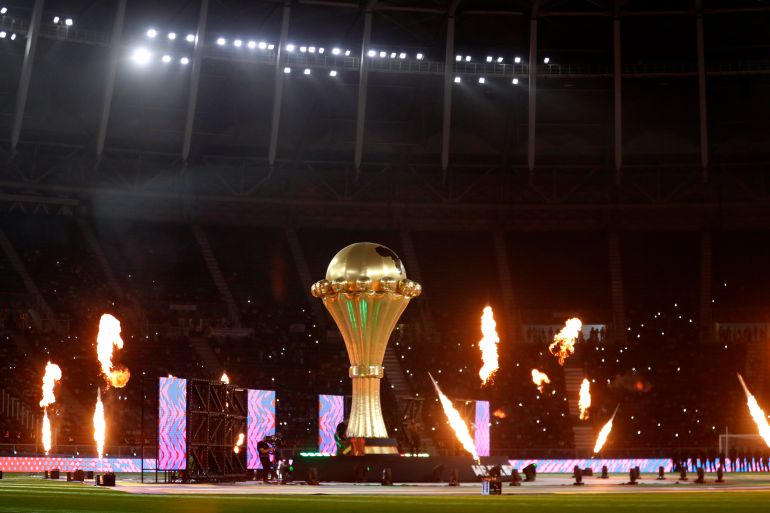
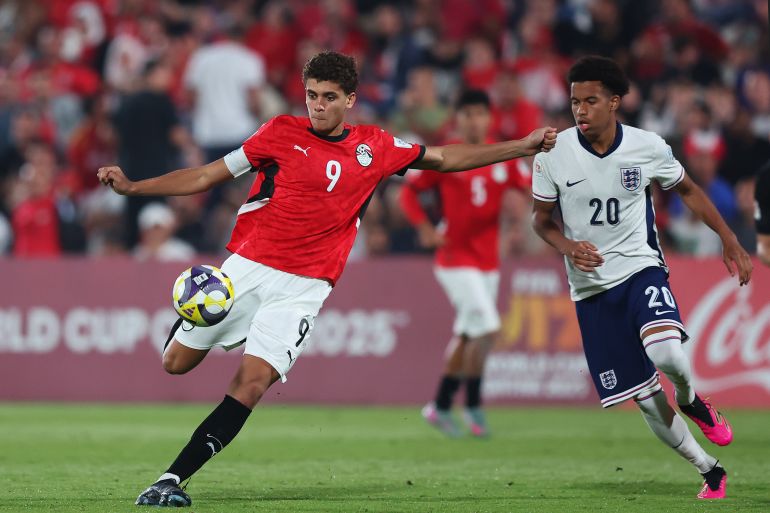
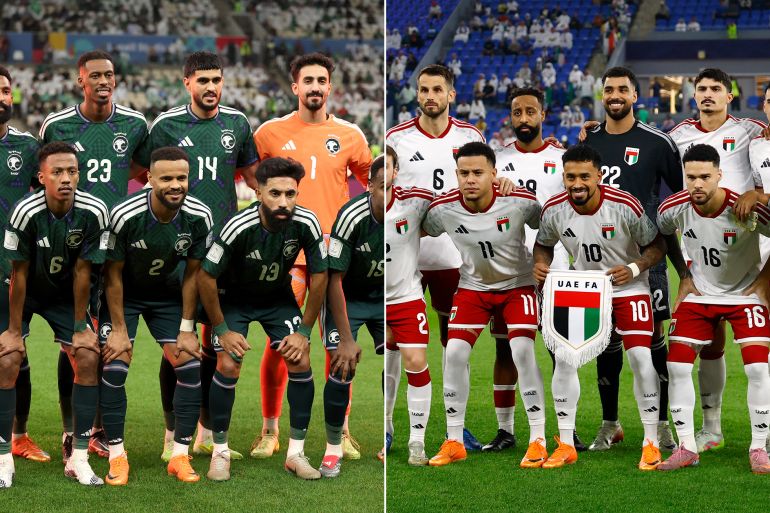
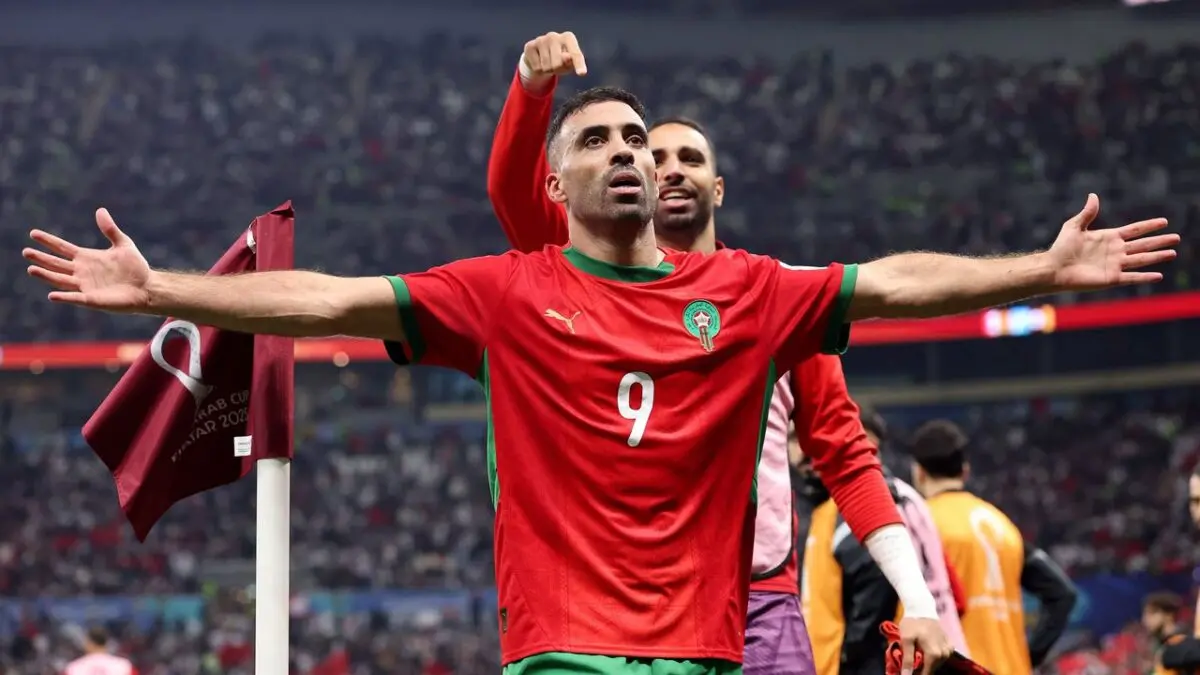
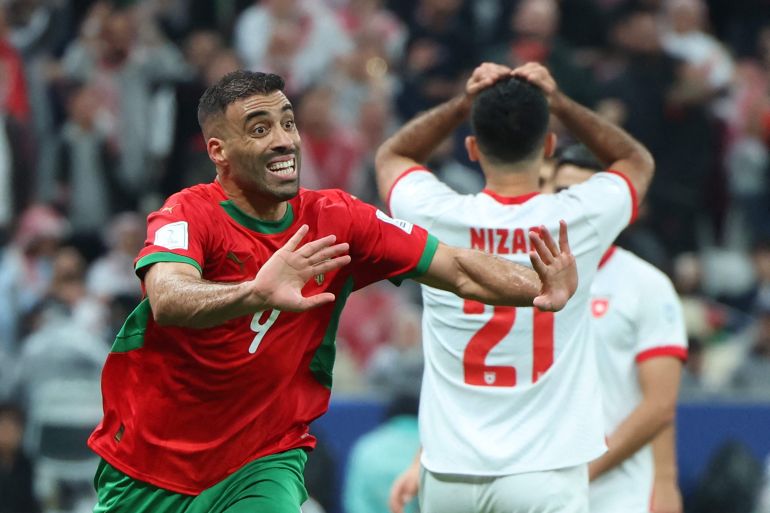
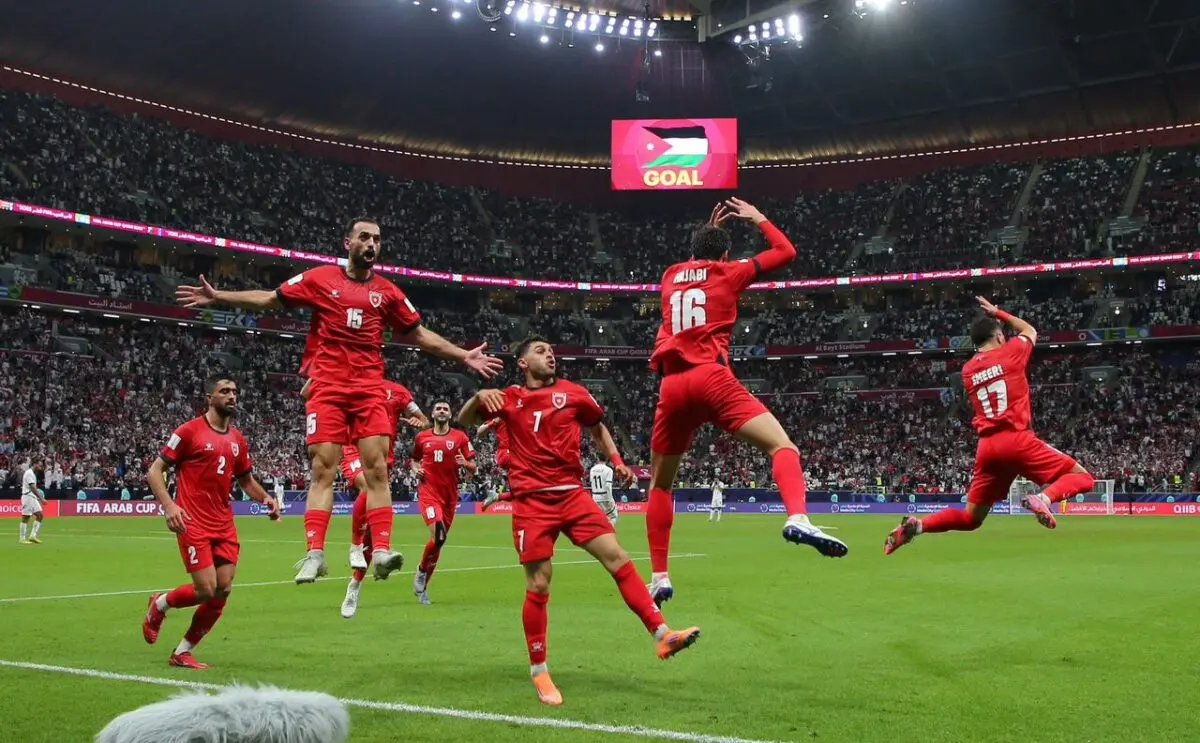
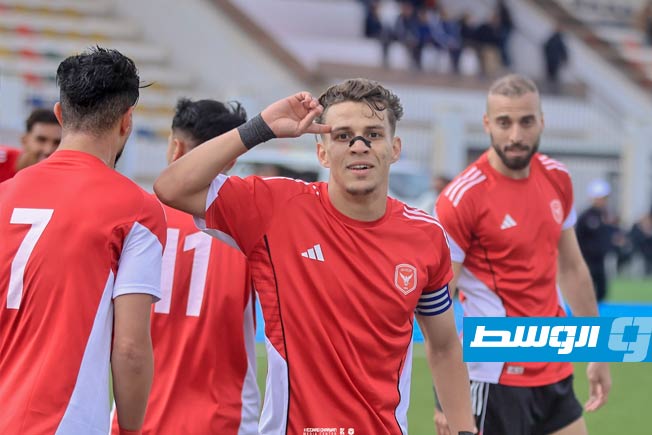
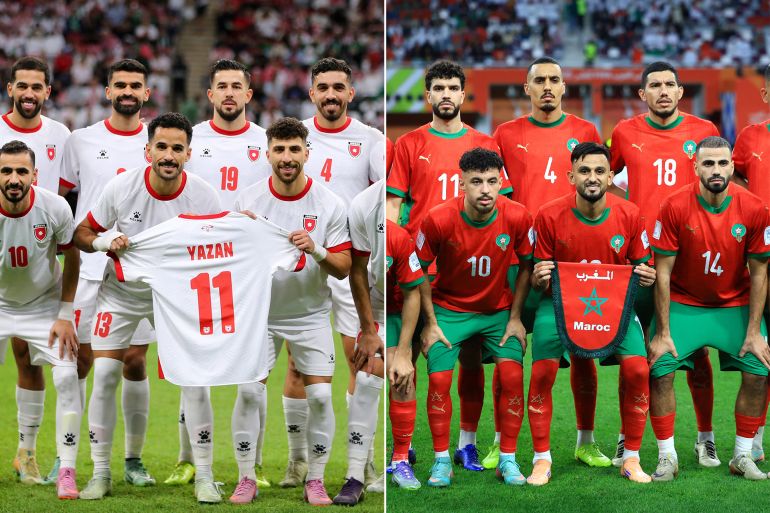
In an exciting and passionate match at Al Bayt Stadium in Doha, the Jordanian national team achieved a historic result by defeating the Saudi Arabian team 1-0, taking a major step towards an unprecedented achievement: qualifying for the 2025 Arab Cup final where they will face Morocco.
Match Events and Result
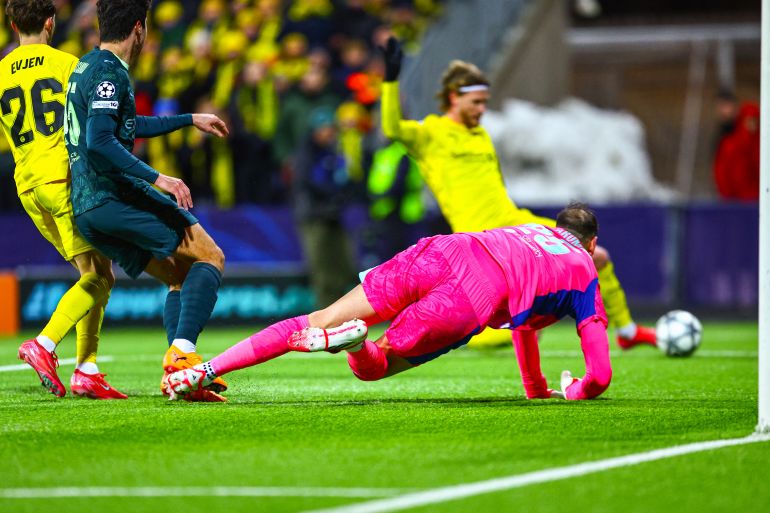
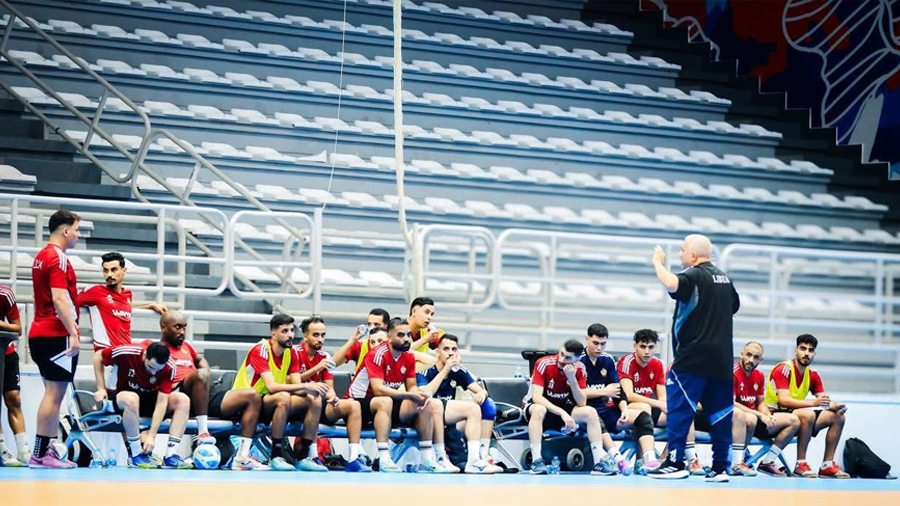
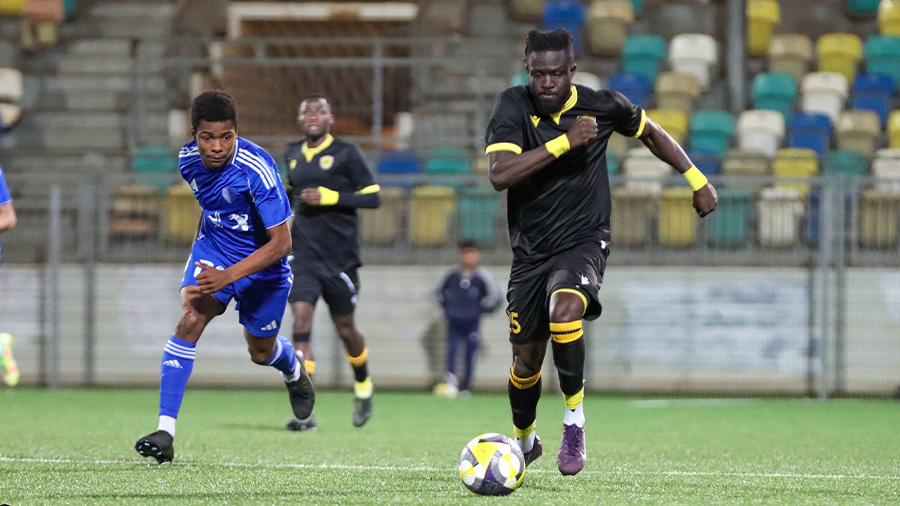
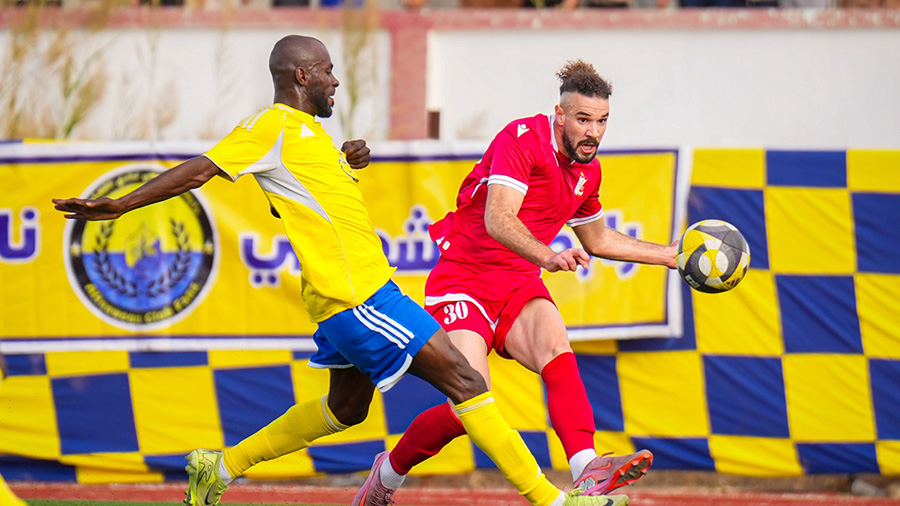
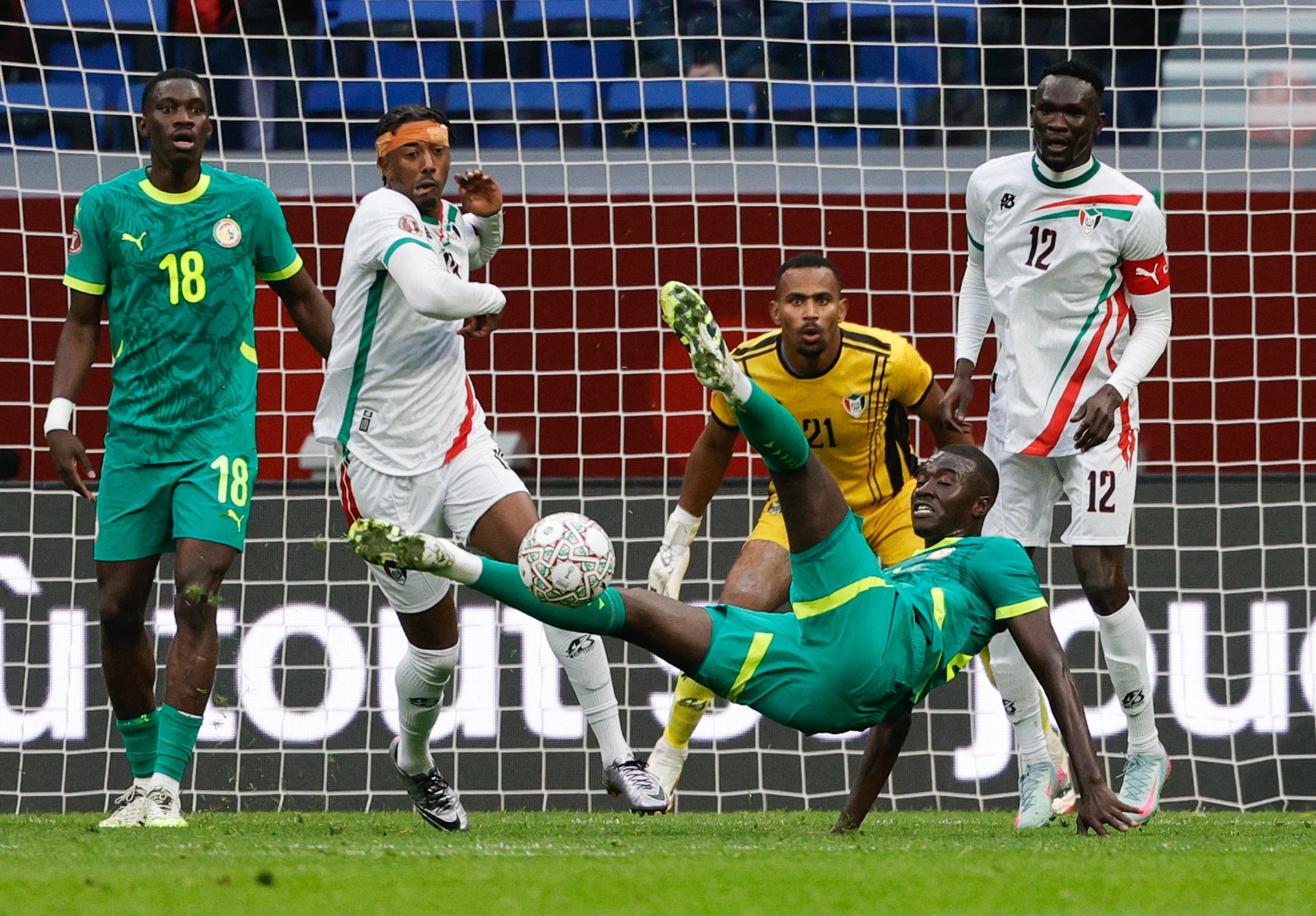
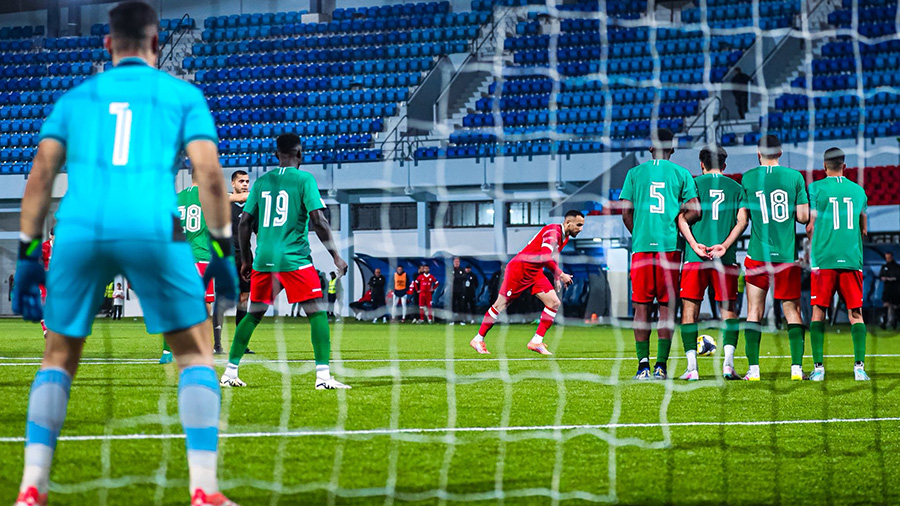
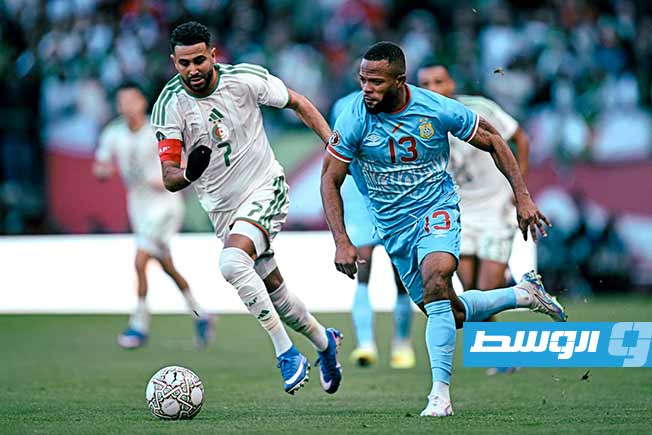
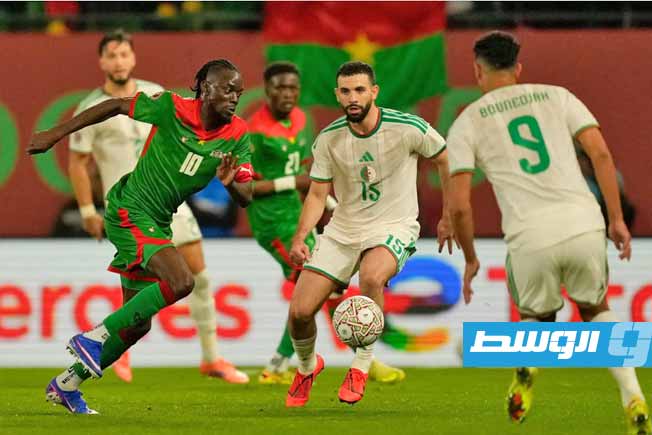
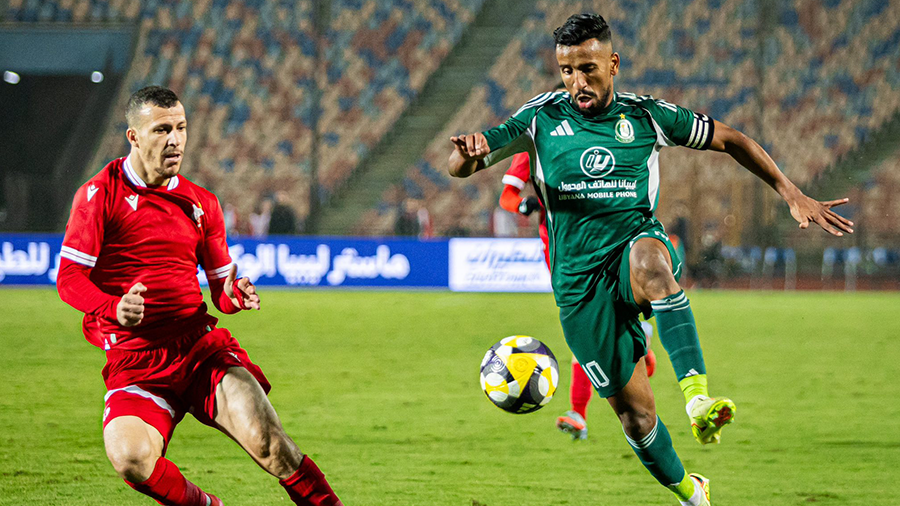
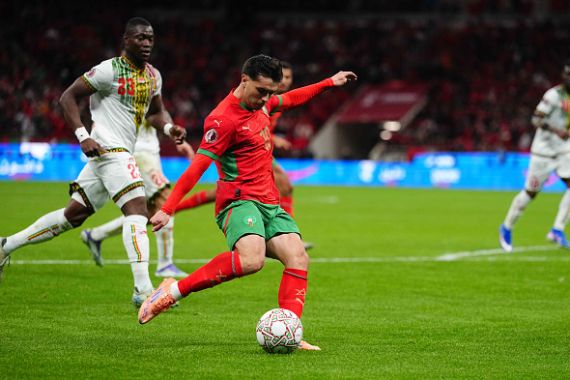
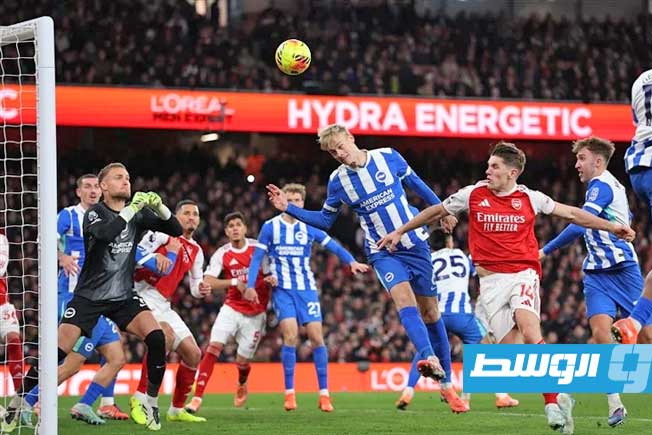
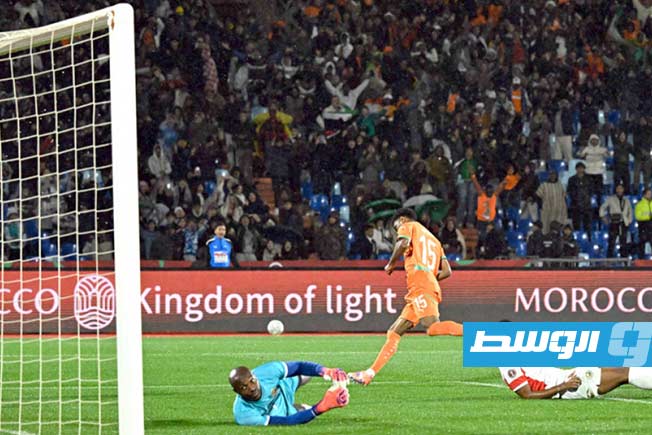
The match witnessed intense competition between the two teams, in an encounter where tension and excitement ran high from the beginning until the final whistle. Jordan succeeded in scoring the only goal of the match, securing their ticket to the final, while the Saudi team exited empty-handed despite intensive attempts to equalize.
The match was not without missed opportunities, but the high defensive organization and maintaining compactness by the Jordanian players had the greatest impact in preserving the result and threatening the Saudi team’s defensive areas.
In contrast, the Saudi Green suffered from a lack of attacking effectiveness and difficulty in breaking through Jordan’s solid defense, which prevented them from establishing real control in the second half.
The Stands and Atmosphere
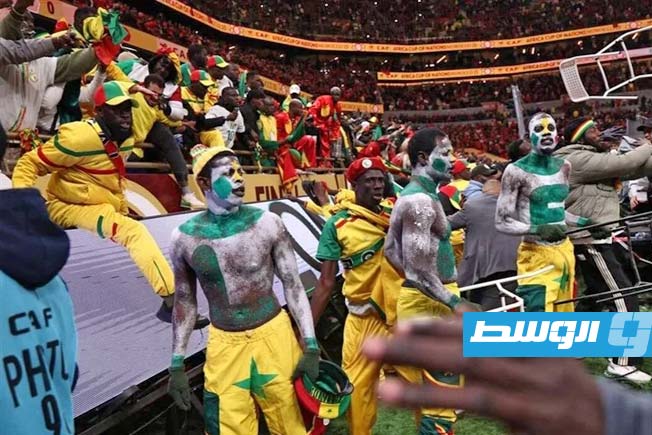
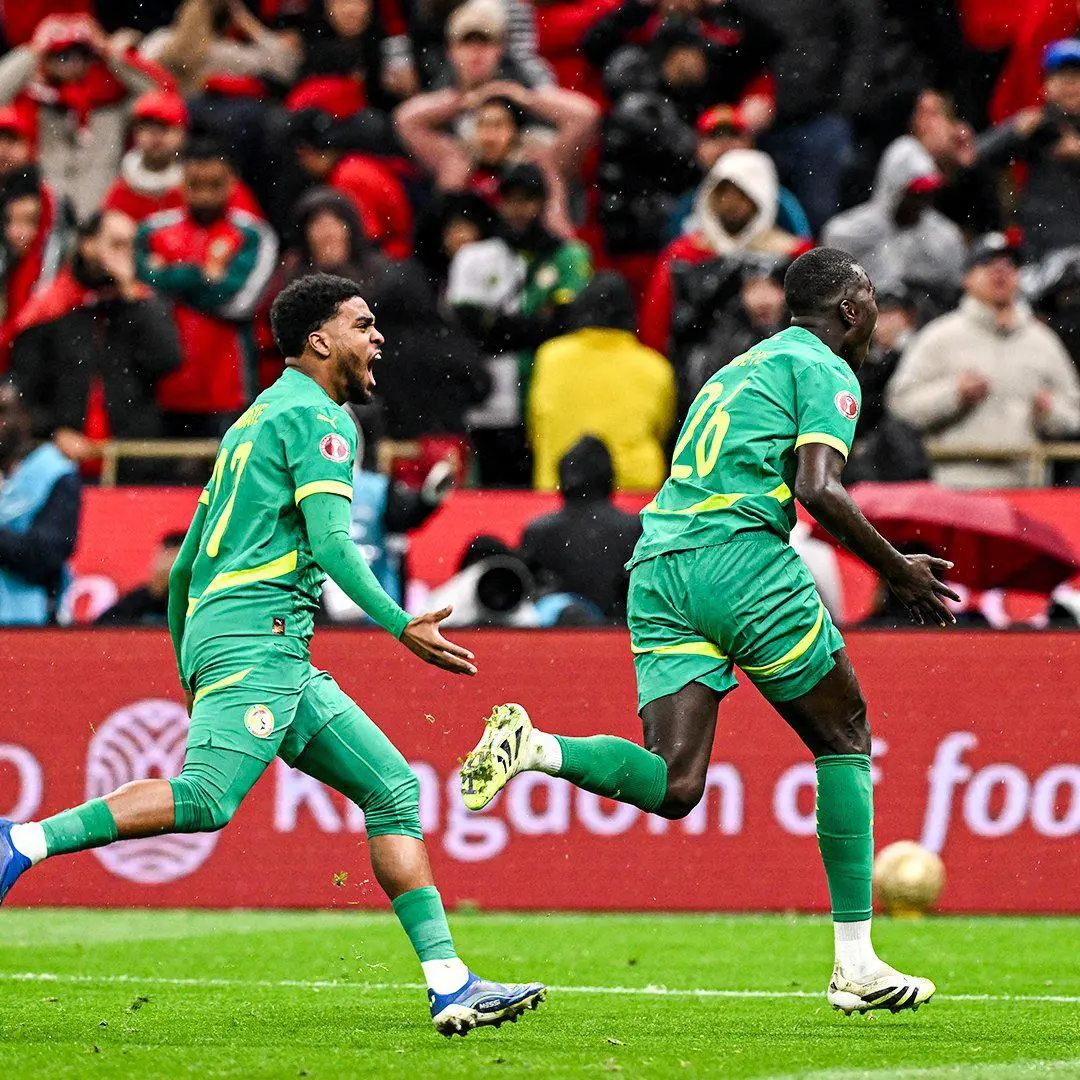
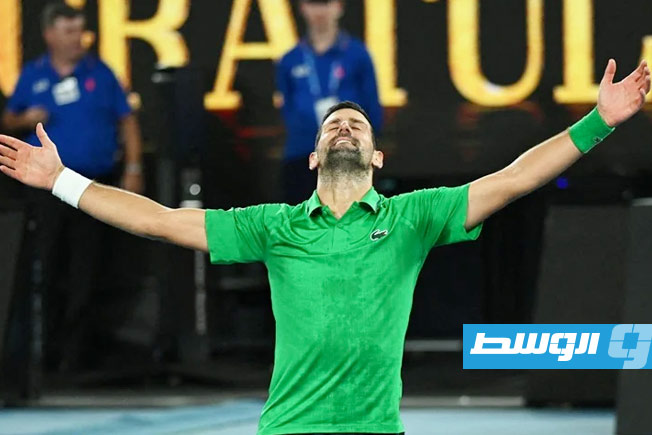
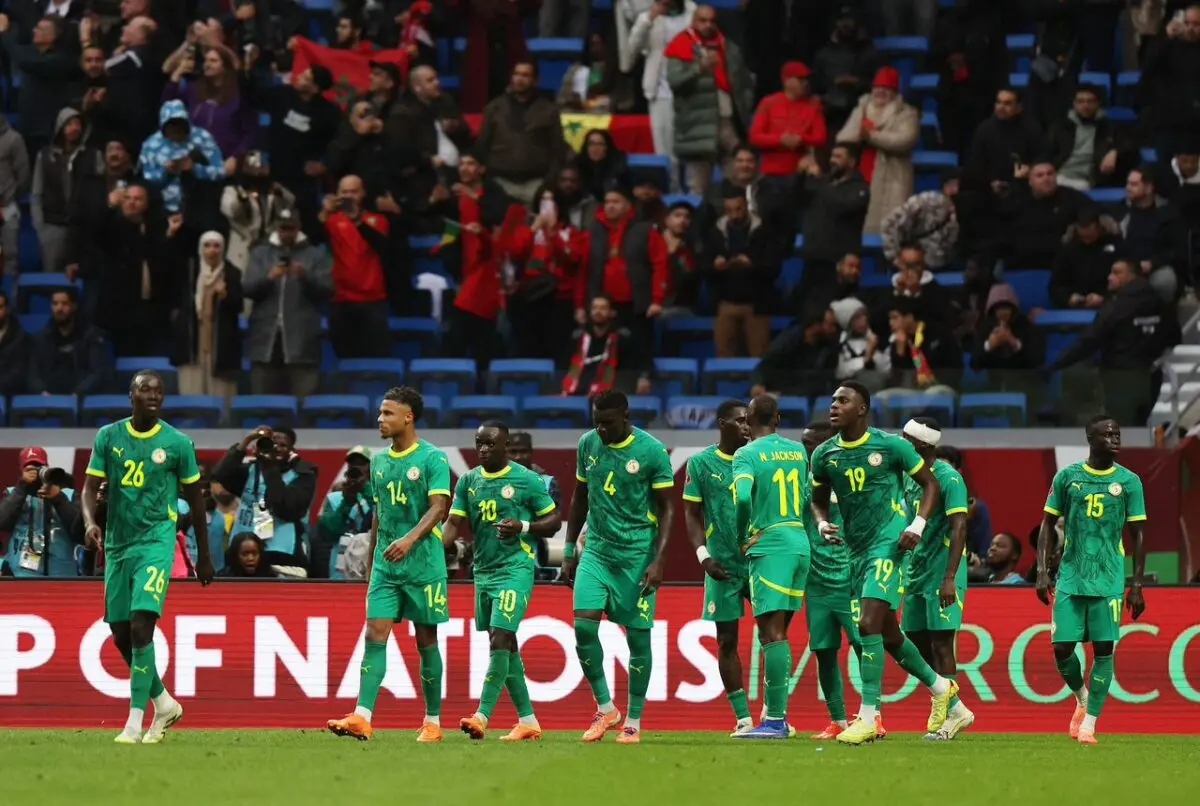
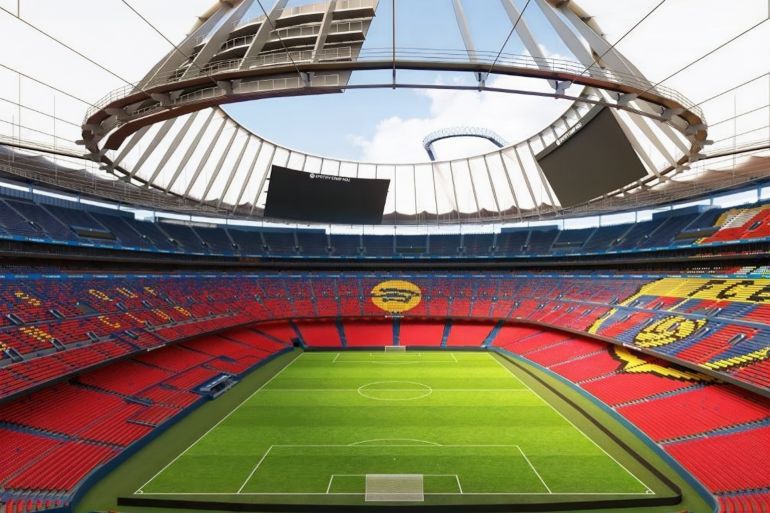
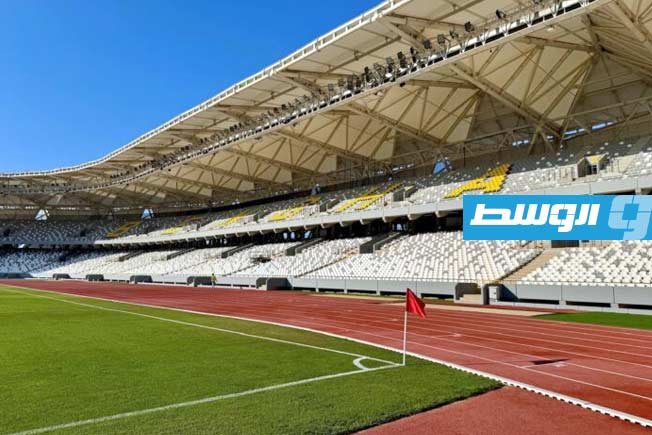
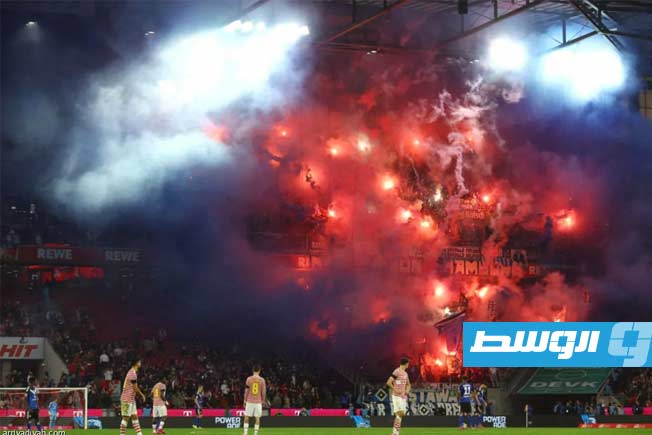
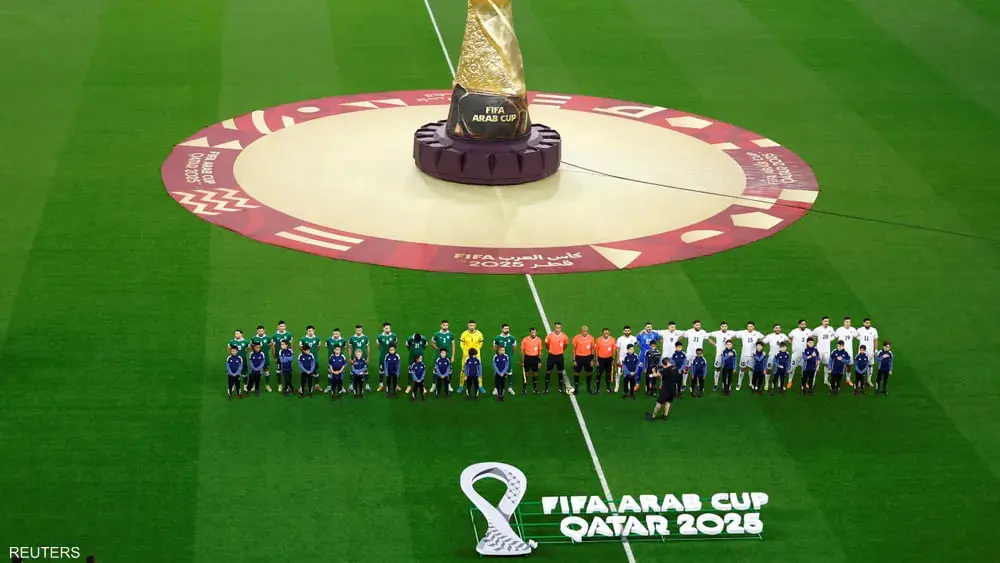
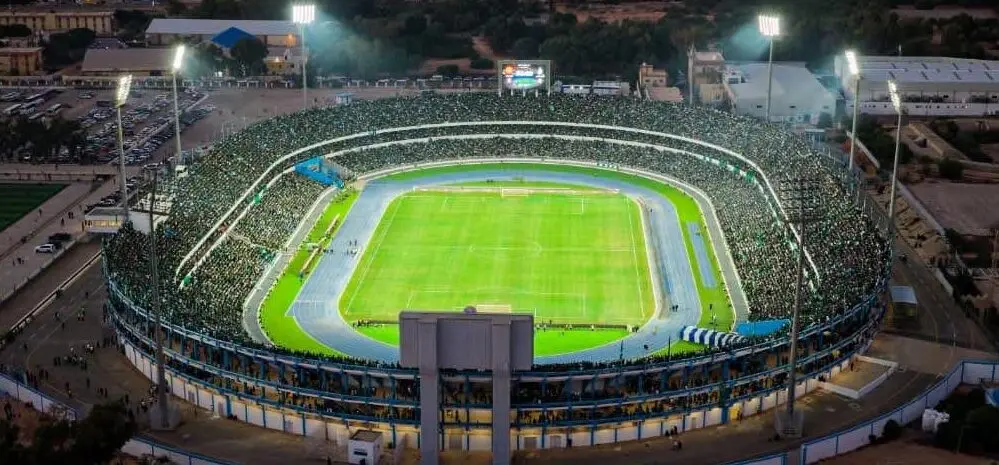
The match took place amidst a wide fan presence that created a distinctive football atmosphere at Al Bayt Stadium, where supporters of both teams were present to back their national sides, adding to the match’s excitement and appeal for Arab audiences.
The Importance of the Victory and History of Encounters
This victory represents a historic achievement for the Jordanian national team, as they managed to secure a spot in the Arab Cup final for the first time in their history, reflecting the team’s outstanding work and significant technical development during the tournament.
Conversely, Saudi Arabia’s exit represents a major surprise for a team considered one of the title contenders, but which failed to translate its attacking superiority into goals in this decisive match.
Technical and Tactical Trends
Tactically, the Jordanian national team relied on organized pressing and intelligent movement between the lines, while the Saudi team attempted to possess the ball and operate in the opponent’s half without succeeding in creating sufficiently dangerous chances against the opponent’s goal.
In conclusion, the Jordanian national team is delivering a remarkable performance in this tournament and appears capable of competing for the title in the anticipated final against Morocco, while the Saudi national team will look to correct its course in its upcoming participations following this setback.
Al Bayt Stadium
Al Bayt Stadium is a football stadium in Al Khor, Qatar, built for the 2022 FIFA World Cup. Its distinctive design is inspired by the traditional Bedouin tents (bayt al sha’ar) of the region, symbolizing Arabian hospitality. It hosted the tournament’s opening match and several key games, including a semi-final.
Doha
Doha is the capital city of Qatar, a modern metropolis that grew from a small fishing and pearling village into a major economic hub following the discovery of oil and natural gas in the mid-20th century. Its history is showcased at sites like the Museum of Islamic Art and the restored Souq Waqif, while its contemporary skyline is defined by ambitious architecture and its role as a global crossroads.
Jordanian national team
The Jordanian national football team, known as “Al-Nashama,” represents Jordan in international men’s football. It was founded in 1949 and is governed by the Jordan Football Association, with its most notable achievement being a run to the quarter-finals of the 2011 AFC Asian Cup.
Saudi Arabian team
The Saudi Arabian national football team, known as “Al-Suqour” (The Falcons), represents the Kingdom of Saudi Arabia in international competition. It was founded in 1956 and gained global prominence by qualifying for six FIFA World Cups, most notably reaching the Round of 16 in its debut appearance in 1994. The team is managed by the Saudi Arabian Football Federation and has historically been one of the most successful national sides in Asia, having won the AFC Asian Cup three times.
Arab Cup
The Arab Cup is a regional football tournament organized by FIFA and the Arab Football Association, first held in 1963. It features national teams from Arab nations and has been revived periodically, with the most recent edition hosted by Qatar in 2021 as a test event for the 2022 FIFA World Cup.
Morocco
Morocco is a North African country with a rich history shaped by indigenous Amazigh (Berber) cultures, Arab influence from the 7th century, and successive dynasties like the Almoravids and Almohads. Its cultural sites, such as the ancient city of Fez and the Koutoubia Mosque in Marrakech, reflect this blend of Arab, Islamic, and Amazigh heritage. The country’s historic medinas, kasbahs, and varied landscapes from the Sahara Desert to the Atlas Mountains are central to its identity.
Saudi Green
The “Saudi Green” refers to the Saudi Green Initiative (SGI), a comprehensive national program launched in 2021 by Crown Prince Mohammed bin Salman. It aims to combat climate change by reducing carbon emissions, increasing the use of renewable energy, and planting 10 billion trees across the Kingdom to rehabilitate degraded land.