Japan revealed on Saturday a five-year target to implement business projects worth $19 billion in Central Asia, as part of Tokyo’s efforts to enhance its influence in this resource-rich region.
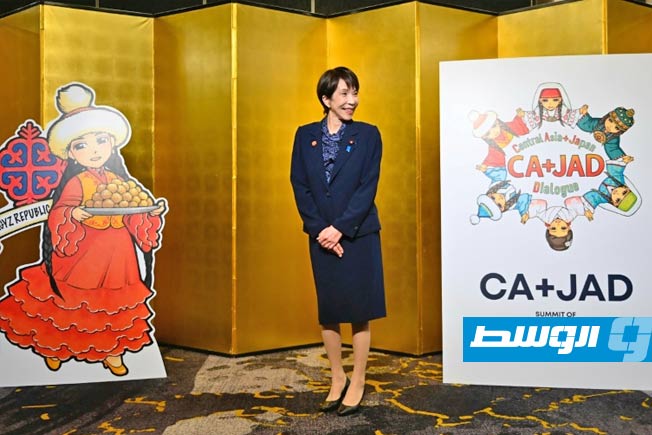
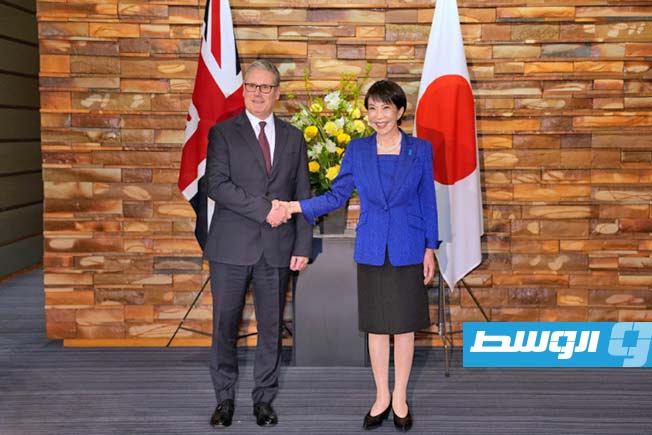
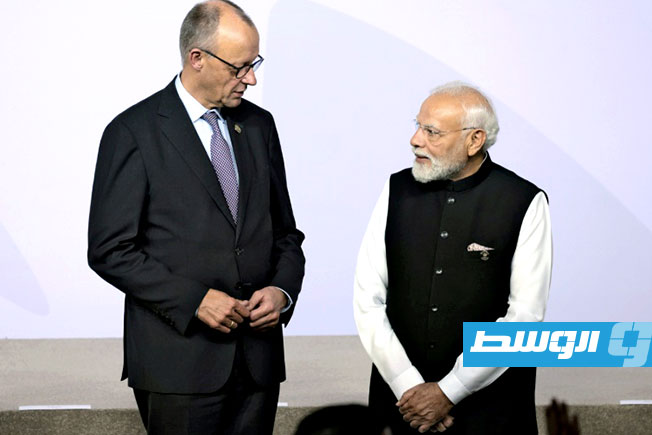
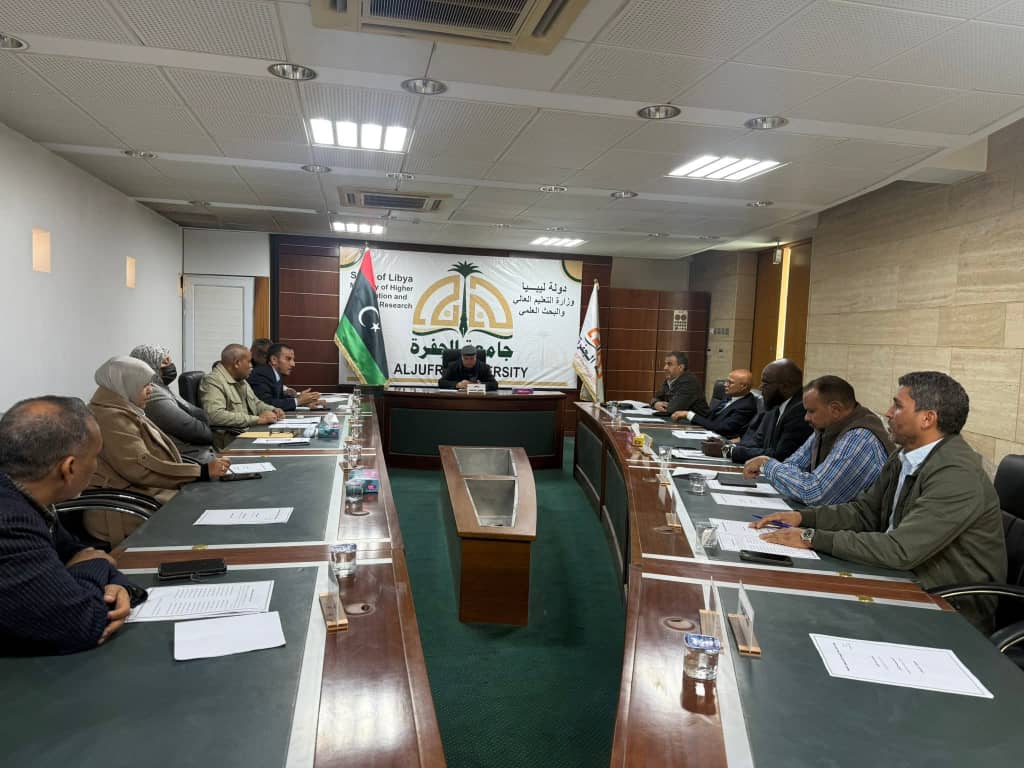
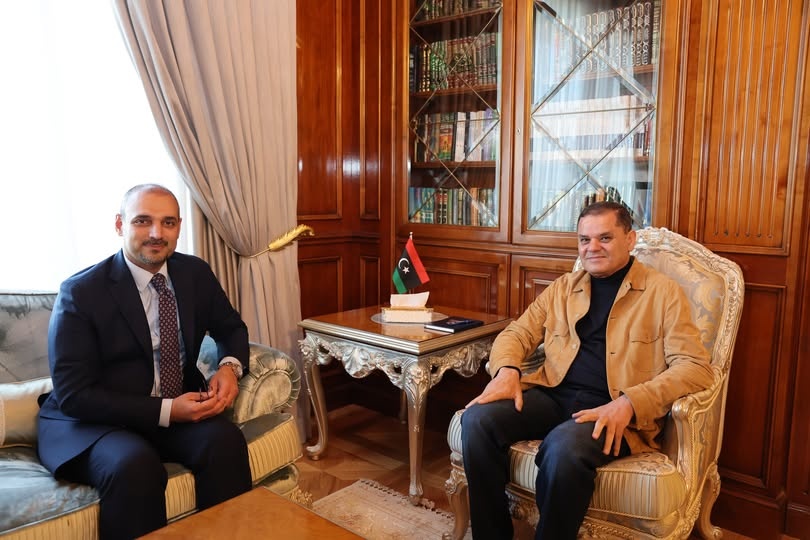
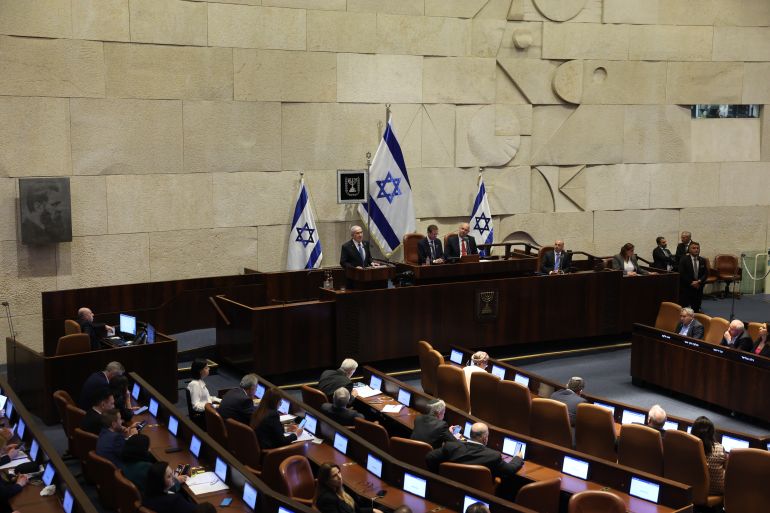
The announcement came after Prime Minister Sanai Takayeshi hosted the first summit bringing together the leaders of the five Central Asian nations (Kazakhstan, Kyrgyzstan, Tajikistan, Turkmenistan, Uzbekistan) in Tokyo.
A joint statement said that Japan “has set a new target for business projects totaling 3 trillion yen over five years in Central Asia,” following Takayeshi’s meeting with the five leaders.
Diversifying Rare Earth Supplies
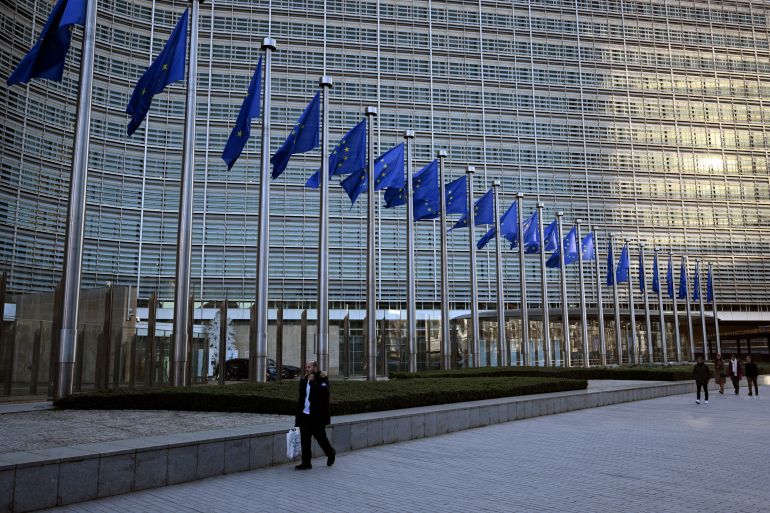
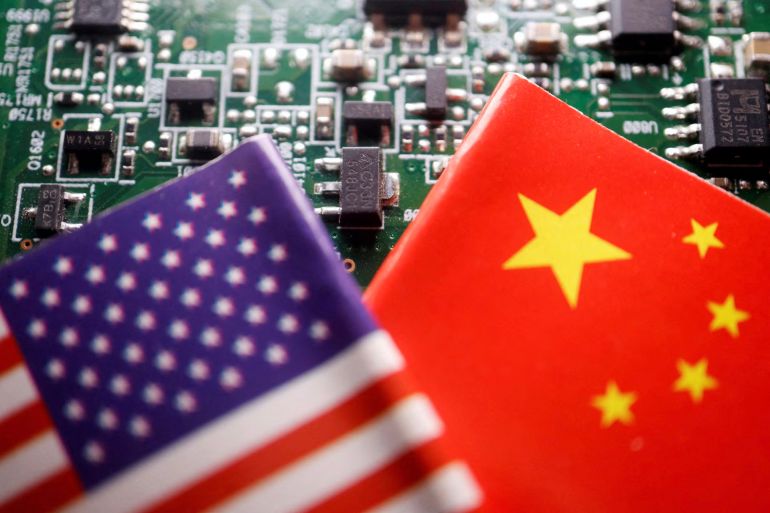
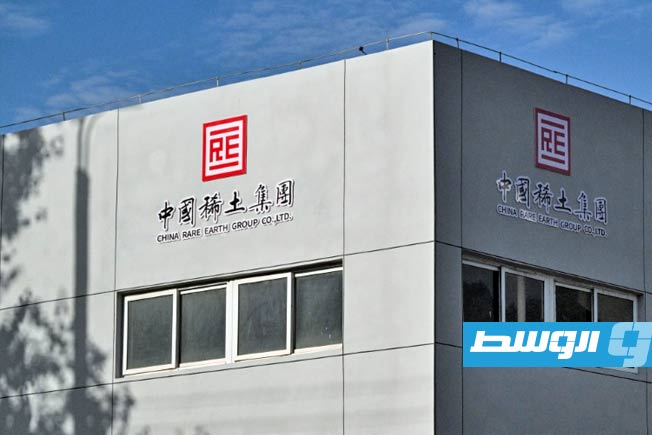
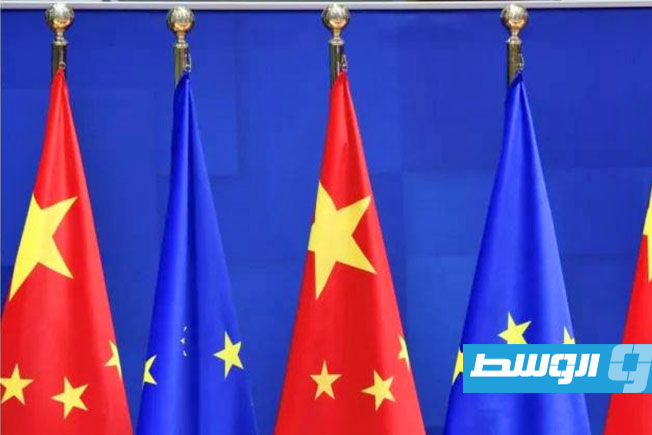
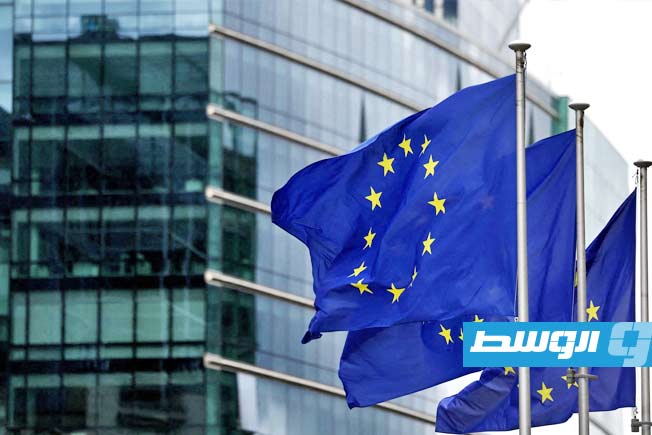
Like the United States and the European Union, Japan is seeking to leverage the region’s vast and relatively untapped natural resources in an attempt to diversify rare earth supplies and reduce dependence on China.
The statement said it is “important for Central Asia, which has abundant resources and energy sources, to expand its access to international markets.” The leaders agreed to enhance cooperation to help “strengthen critical mineral supply chains,” while also pledging to achieve economic growth and decarbonization.
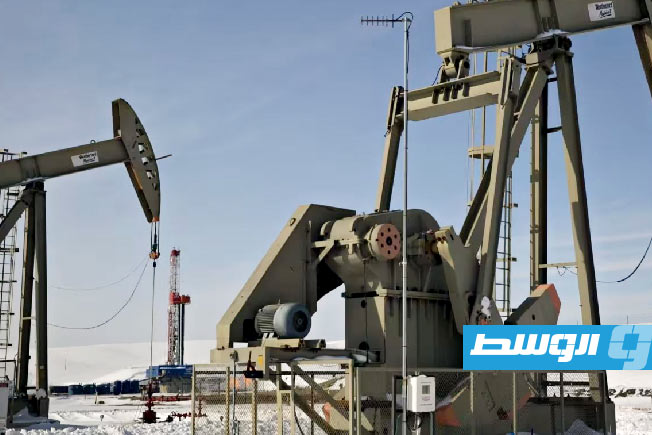
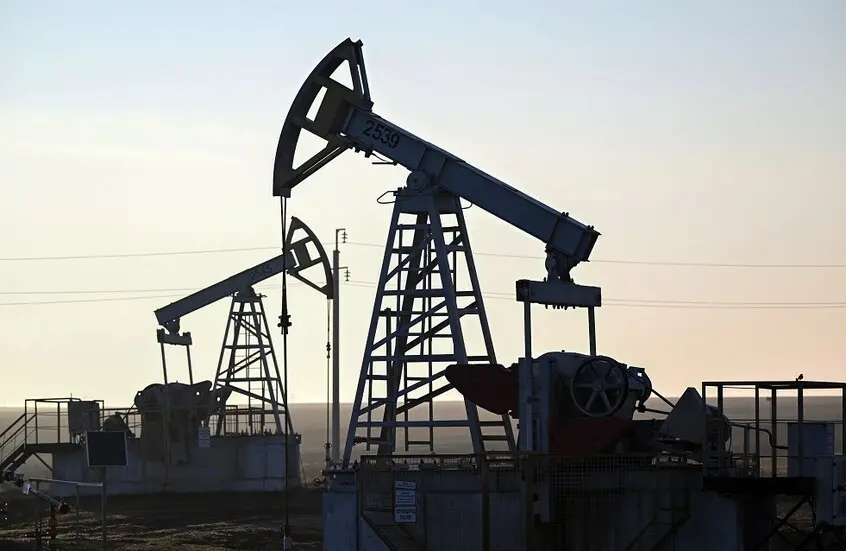
– Trade tensions between China and America raise concerns about a potential oil supply glut
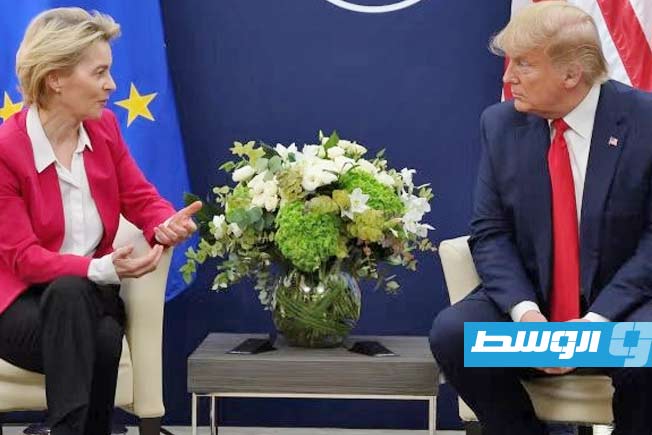
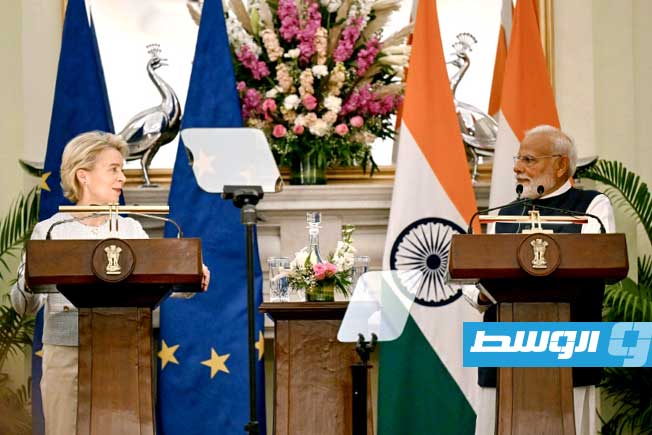
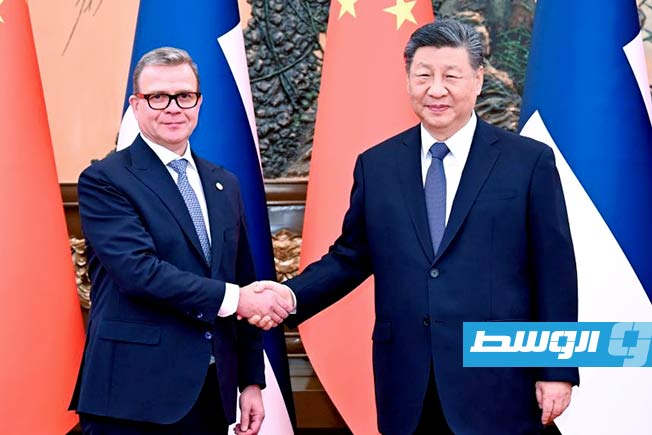
Regional leaders also held separate summits this year with Russian President Vladimir Putin, Chinese President Xi Jinping, and European Commission President Ursula von der Leyen.
It was noted that this summit is important for Japan to strengthen its presence in the region.
It was added that “natural resources have become a strong focus, especially over the past year, due to China’s moves concerning rare earths,” referring to the strict export controls imposed by Beijing this year.
“International Caspian Sea Corridor”
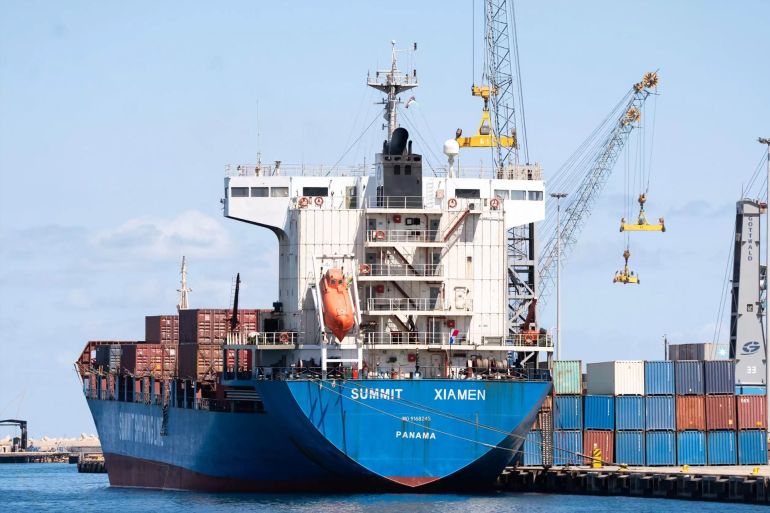
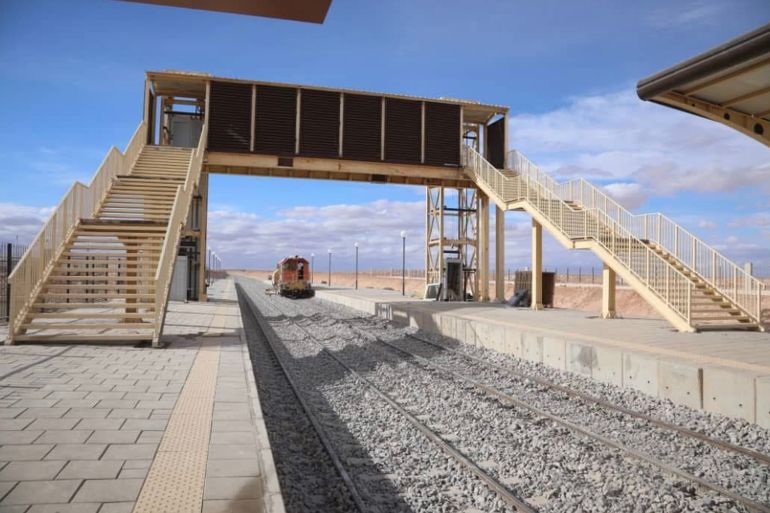
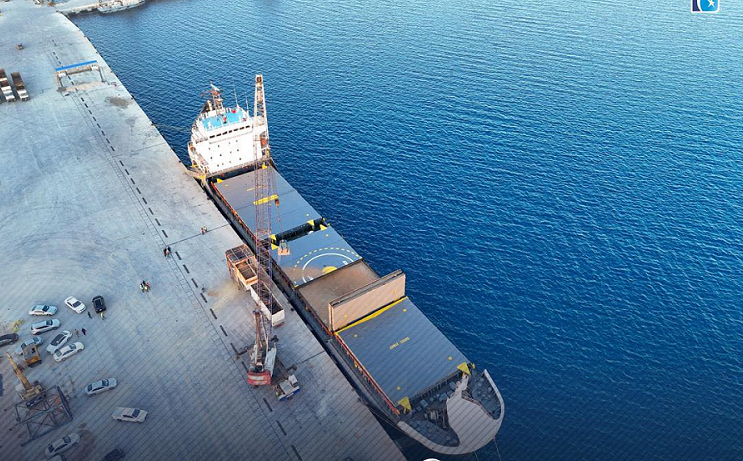
The leaders agreed on Saturday to expand cooperation on the “International Caspian Sea Corridor,” a logistics network connecting the region to Europe without passing through Russia. An agreement was also reached to enhance efforts for “safe and reliable artificial intelligence.”
Tokyo has long encouraged Japanese companies to invest in the region, although these companies remain cautious.
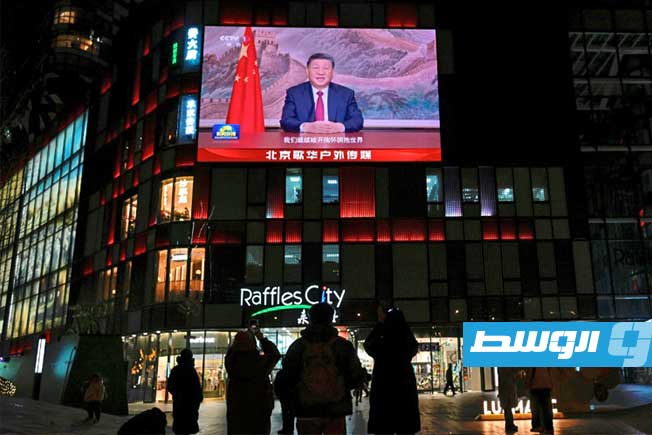
Xi Jinping visited the Kazakh capital, Astana, in June. China, which shares borders with Kazakhstan, Kyrgyzstan, and Tajikistan, has presented itself as a major trading partner, investing in massive infrastructure projects.
Kazakhstan is the World’s Largest Uranium Producer
Although the Central Asian nations, former Soviet republics, still see Moscow as a strategic partner, Russia’s invasion of Ukraine has caused them concern.
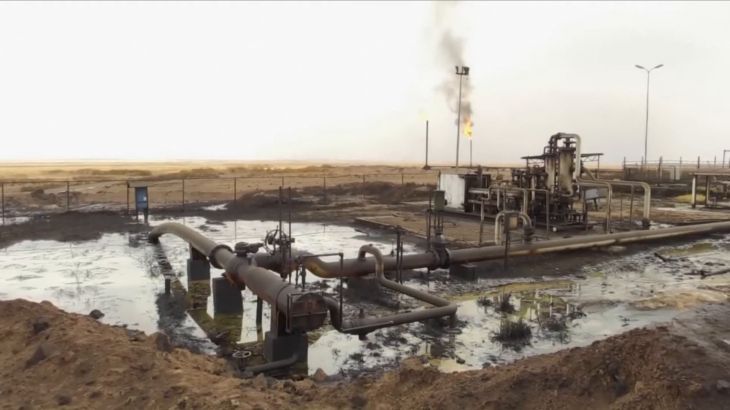
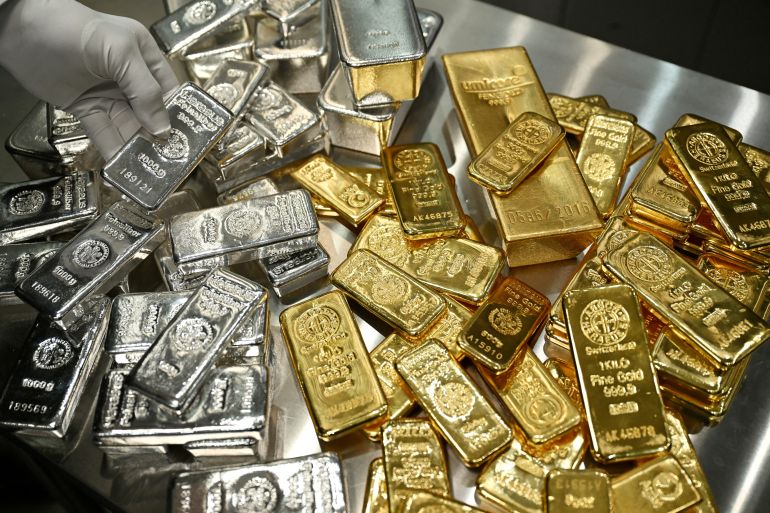
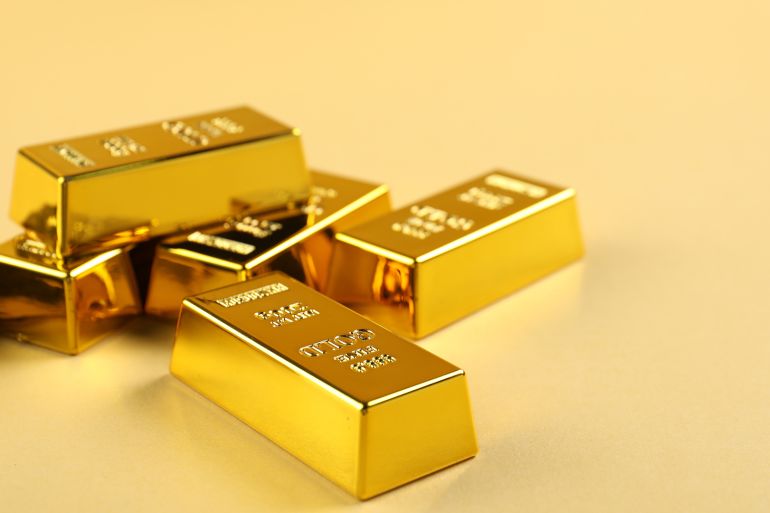
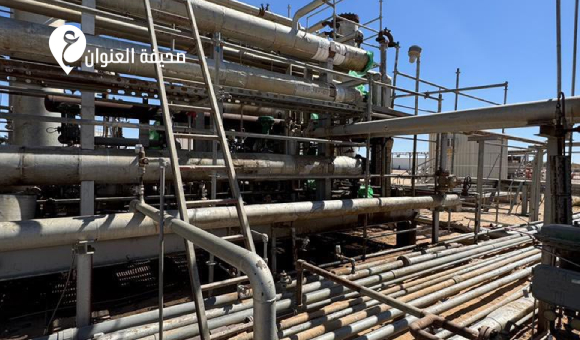
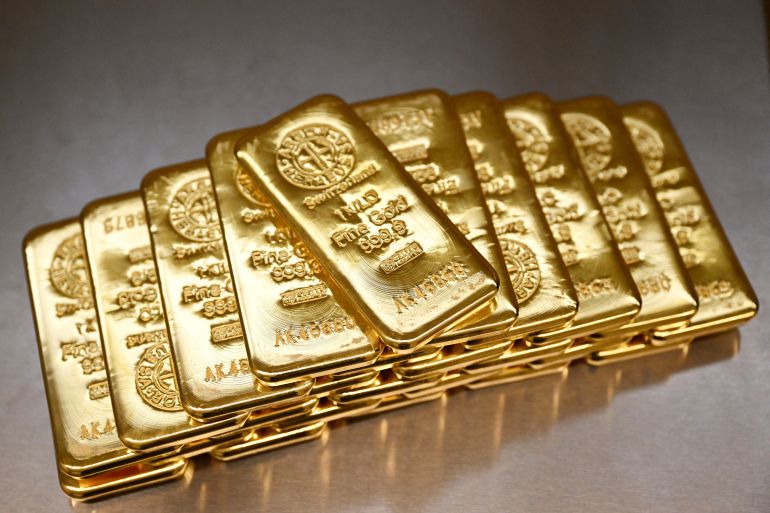
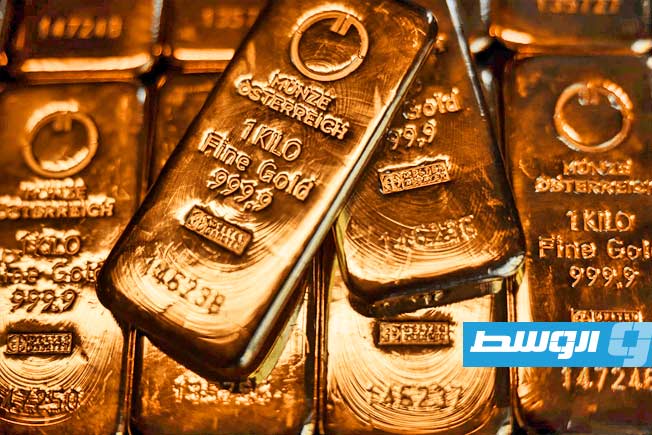
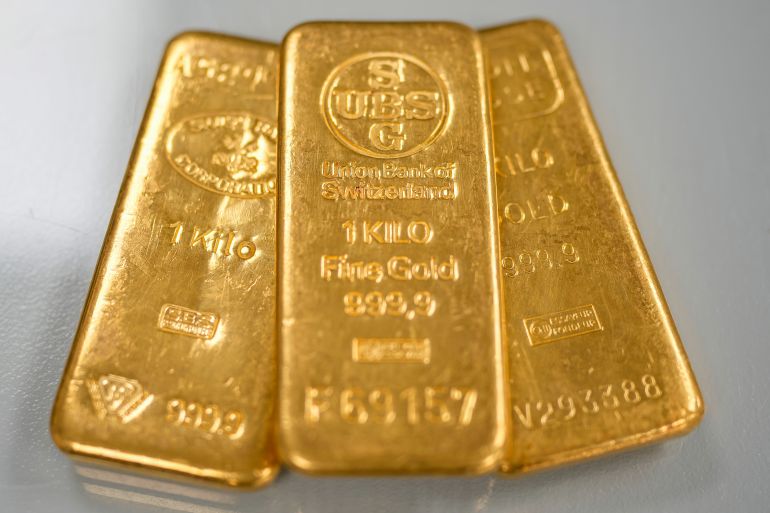
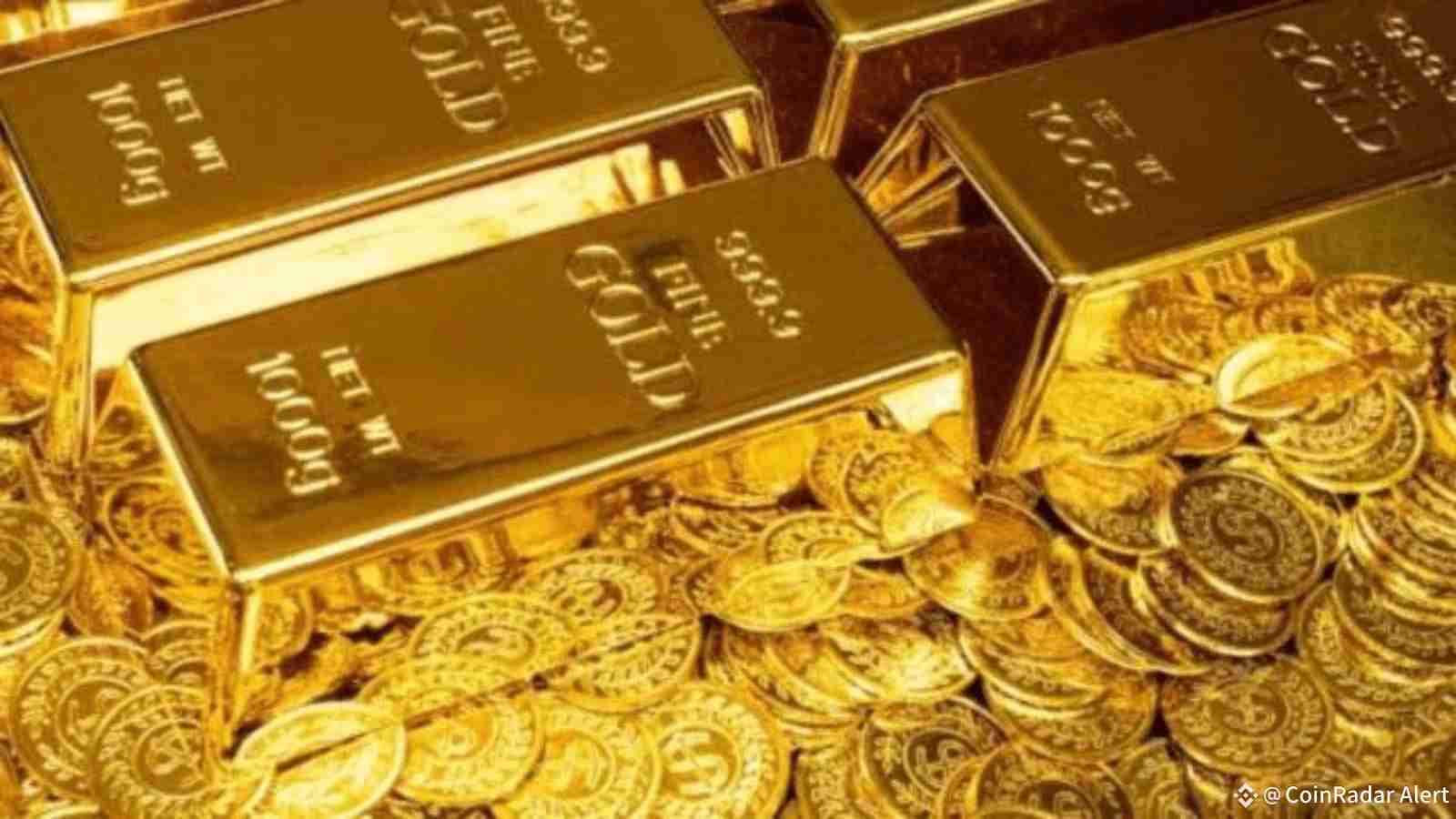
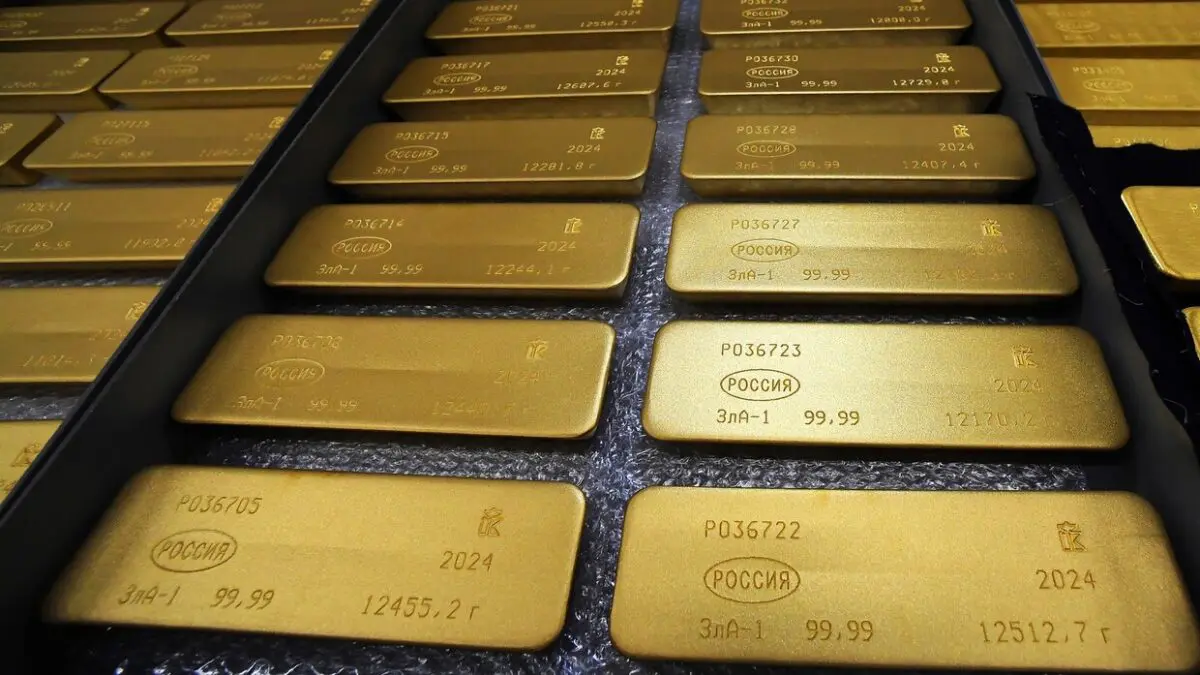
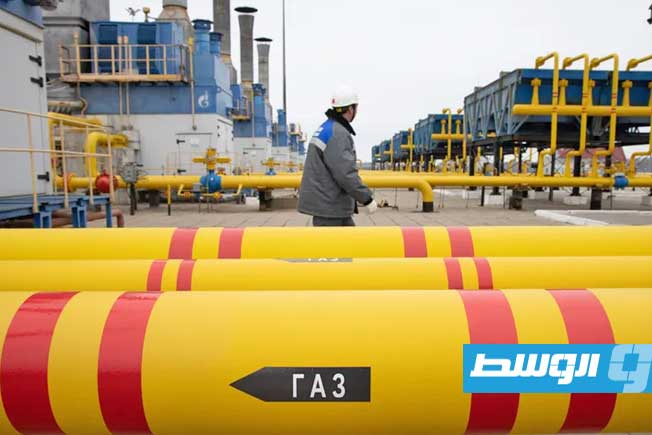
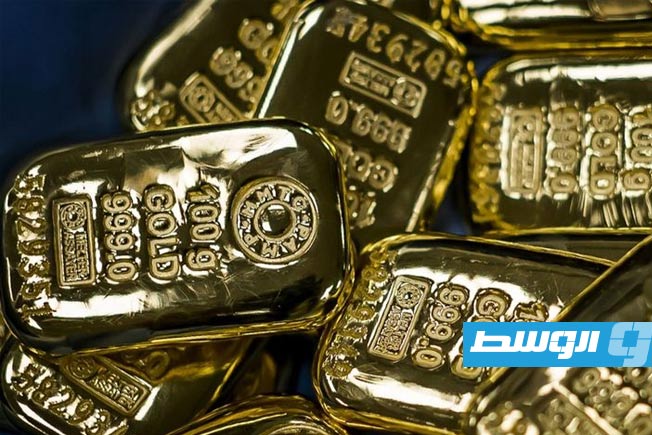
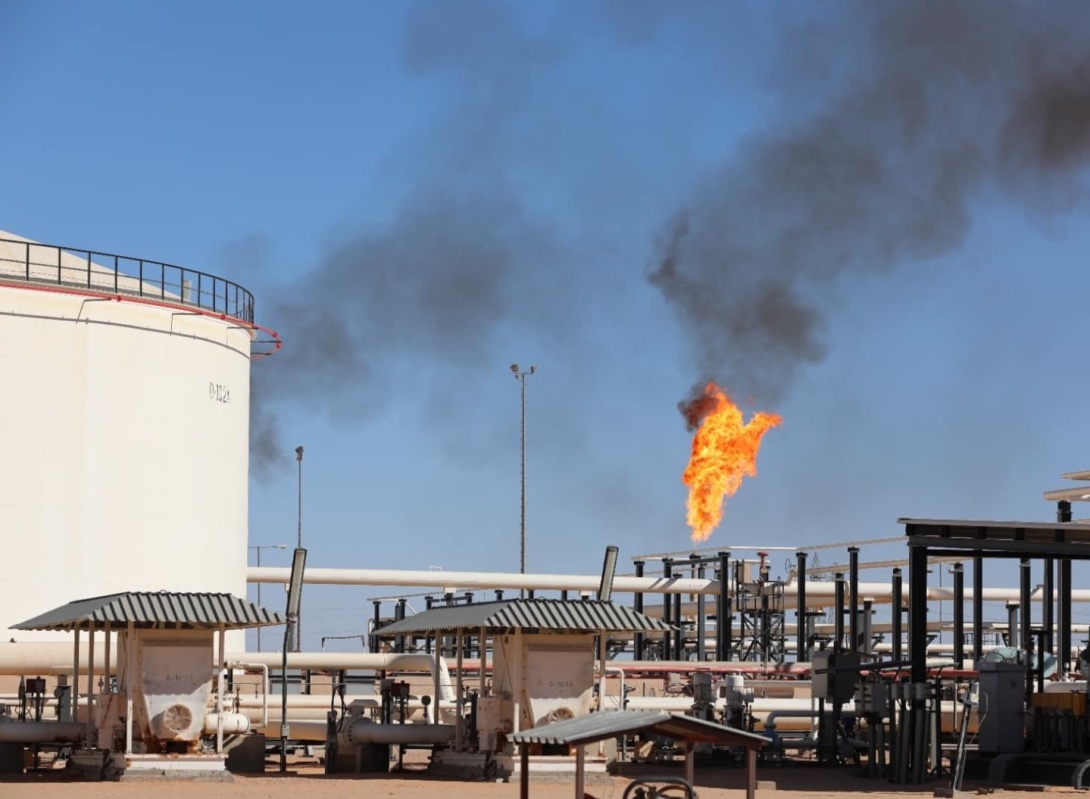
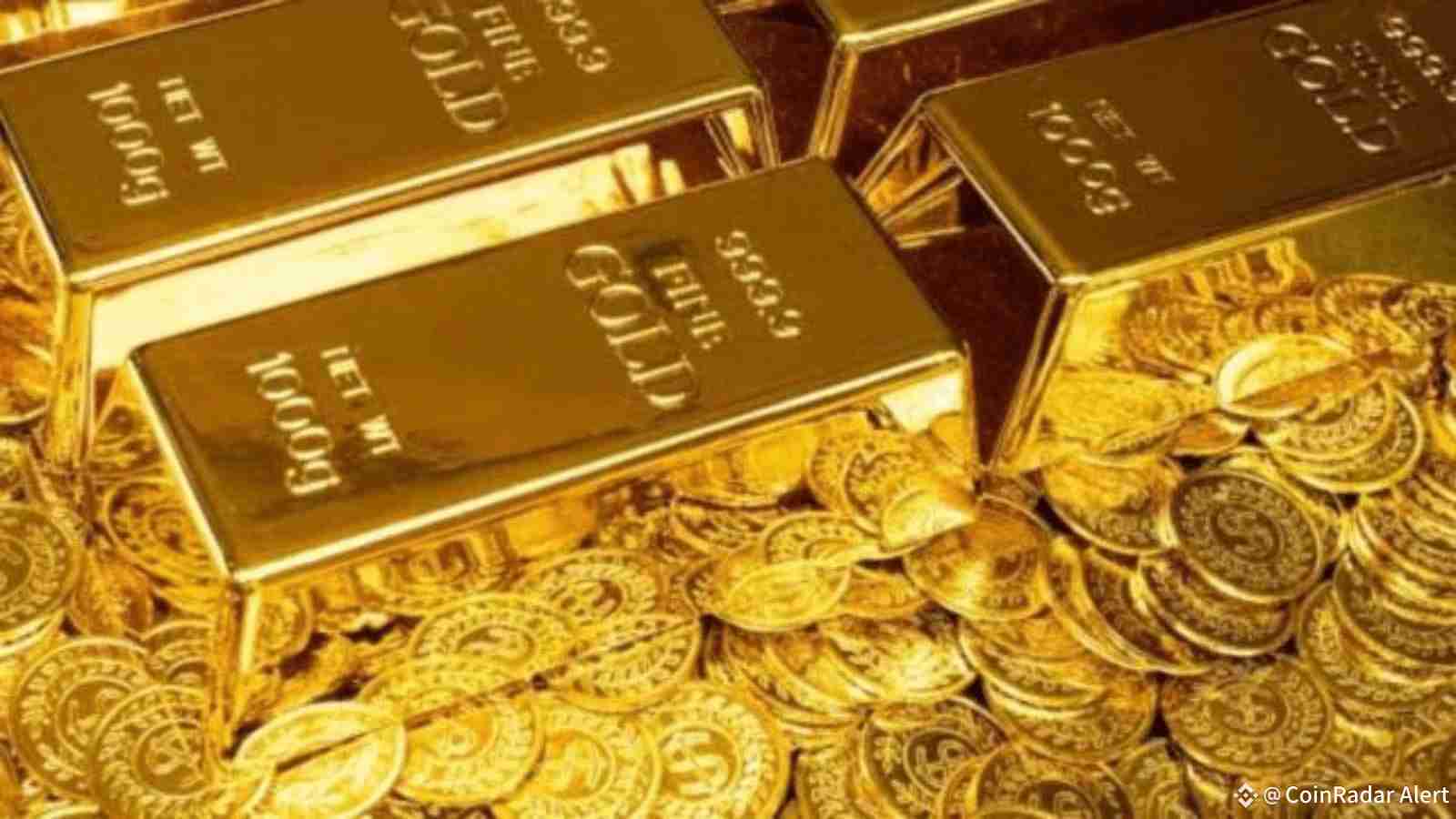
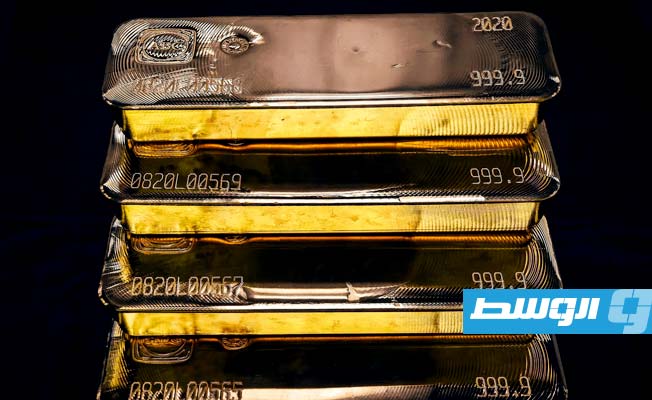
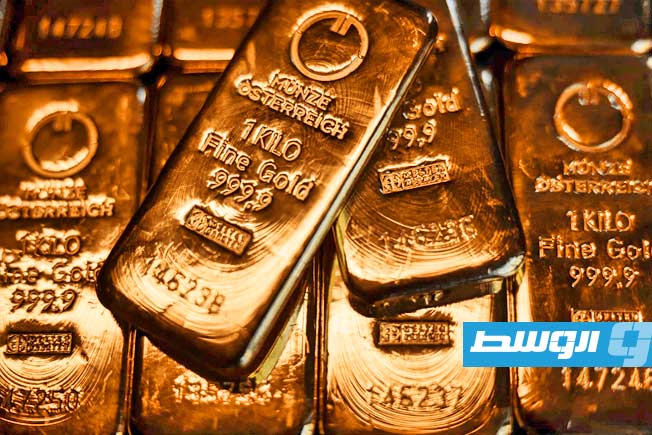
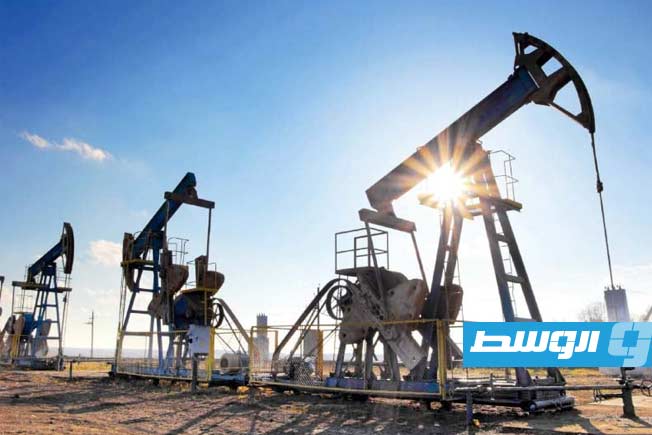
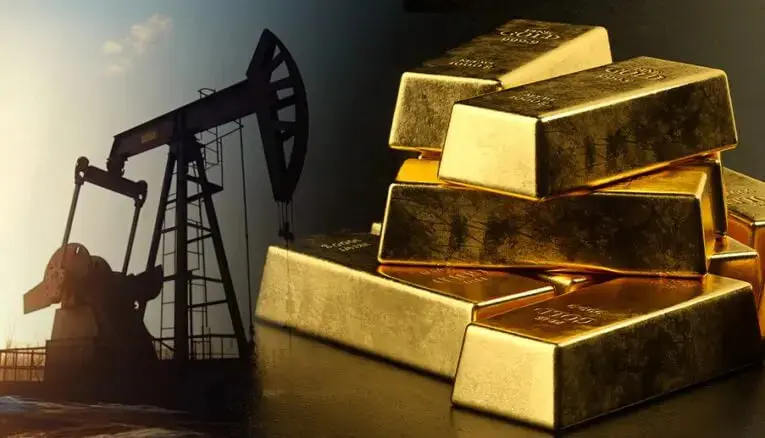
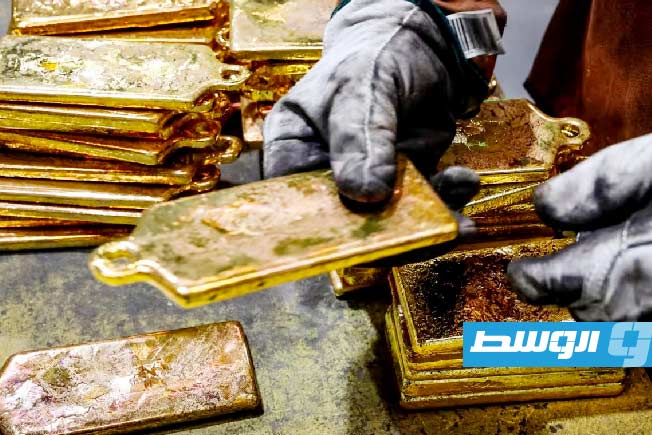
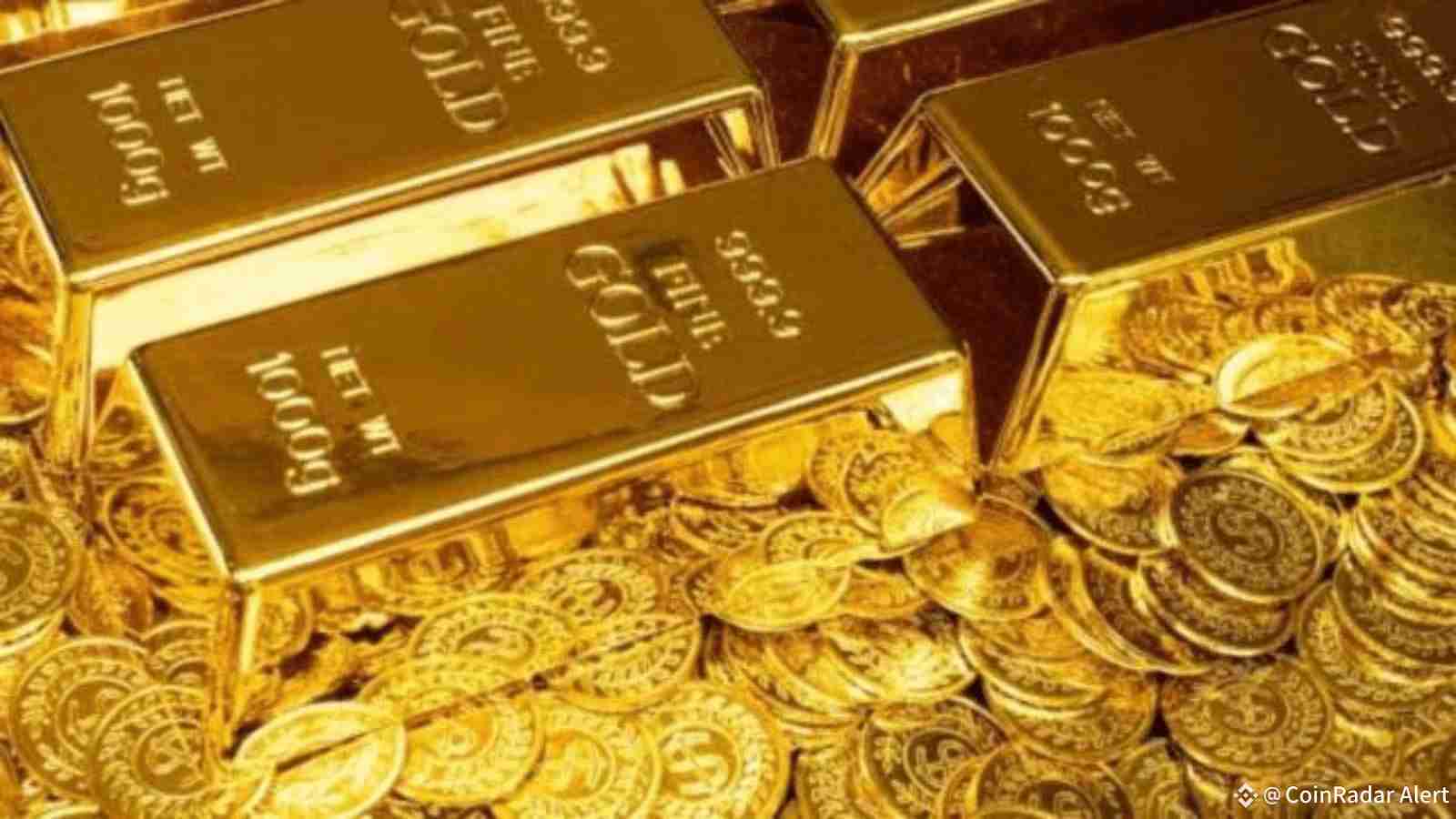
In addition to rare earths, Kazakhstan is the world’s largest producer of uranium, Uzbekistan possesses huge gold reserves, and Turkmenistan has vast gas wealth.
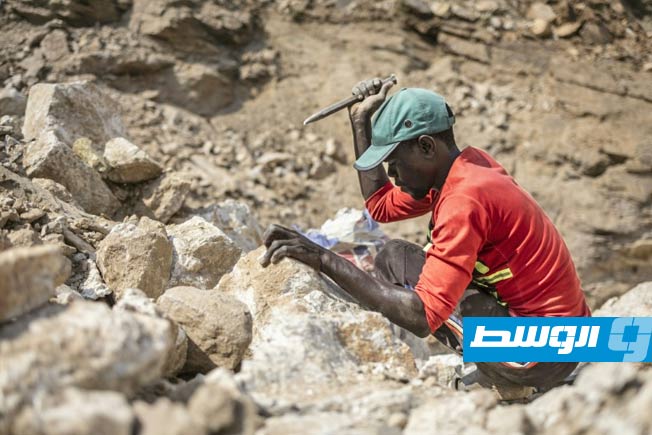
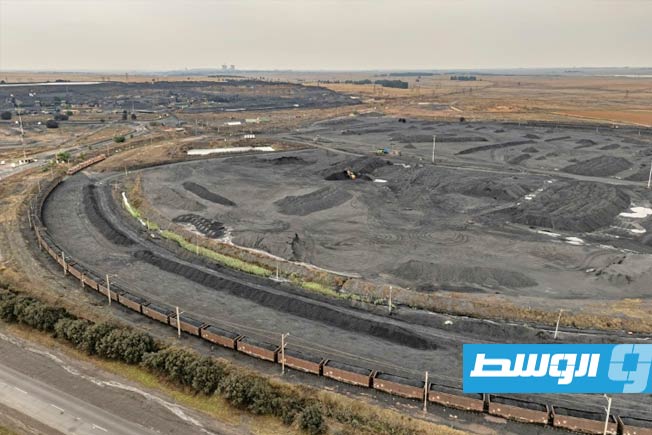
The mountainous nations of Kyrgyzstan and Tajikistan have also begun opening new mining sites. However, exploiting these resources remains complicated due to rugged geography and their location in remote areas of these poor countries.
Japan
Japan is an island nation in East Asia with a rich cultural history spanning thousands of years, from its ancient Shinto traditions and imperial rule to the feudal era of samurai and the modernizing Meiji Restoration. Today, it is known for its unique blend of deep traditional arts and cutting-edge technology, with iconic cultural sites ranging from historic temples and castles to vibrant contemporary cities.
Central Asia
Central Asia is a vast region historically defined by the Silk Road trade routes, which facilitated cultural and economic exchange between East and West for centuries. It encompasses the modern nations of Kazakhstan, Kyrgyzstan, Tajikistan, Turkmenistan, and Uzbekistan, whose histories are deeply rooted in the legacies of nomadic empires, Persian influences, and later incorporation into the Russian Empire and Soviet Union.
Tokyo
Tokyo, originally a small fishing village called Edo, became Japan’s political center in 1603 when Tokugawa Ieyasu established his shogunate there. It was renamed Tokyo (“Eastern Capital”) in 1868 when the emperor moved his residence from Kyoto, marking the beginning of the Meiji Restoration. Today, it is a vast, modern metropolis and the capital of Japan, known for blending cutting-edge technology with historic temples and districts.
Kazakhstan
Kazakhstan is a Central Asian nation with a rich nomadic history, historically inhabited by Turkic tribes and later part of the Silk Road. It was incorporated into the Russian Empire in the 19th century and became the Kazakh Soviet Socialist Republic before gaining independence in 1991 following the dissolution of the USSR. Culturally, it is known for traditions like eagle hunting, yurt dwellings, and its modern capital, Nur-Sultan (Astana).
Kyrgyzstan
Kyrgyzstan is a Central Asian country known for its mountainous landscapes and nomadic heritage, historically situated along the Silk Road. Its modern history involves being part of the Russian Empire and later the Soviet Union before gaining independence in 1991.
Tajikistan
Tajikistan is a Central Asian country known for its rugged mountains and rich historical ties to the ancient Silk Road. Its cultural heritage is deeply influenced by Persian traditions, and it was historically part of various empires, including the Samanid dynasty, before becoming a Soviet republic and gaining independence in 1991.
Turkmenistan
Turkmenistan, located in Central Asia, is home to ancient historical sites like the Parthian fortress of Nisa, a UNESCO World Heritage site, and the city of Merv, which was a major oasis along the Silk Road. The modern nation gained independence in 1991 following the dissolution of the Soviet Union and is known for its vast natural gas reserves and distinctive cultural traditions.
Uzbekistan
Uzbekistan is a Central Asian country renowned for its key cities along the historic Silk Road, such as Samarkand, Bukhara, and Khiva. These cities feature stunning Islamic architecture, including Registan Square and the Samanid Mausoleum, reflecting the region’s history as a major center of trade, science, and culture during the Timurid and earlier Islamic empires.
United States
The United States is a federal republic founded in 1776 after declaring independence from Great Britain, with its modern government established by the Constitution in 1789. Its history encompasses westward expansion, the Civil War, industrialization, and its emergence as a global superpower in the 20th century. The nation is defined by its diverse population, democratic ideals, and significant cultural and economic influence worldwide.
European Union
The European Union (EU) is a political and economic union of 27 European countries, founded to promote peace, stability, and cooperation after the devastation of World War II. Its origins trace to the 1951 European Coal and Steel Community, which evolved through treaties into the modern EU with its single market and common institutions.
China
China is one of the world’s oldest continuous civilizations, with a recorded history spanning over four millennia. It is home to numerous UNESCO World Heritage sites, such as the Great Wall and the Forbidden City, which reflect its long imperial past and profound cultural achievements.
Russia
Russia is the world’s largest country by area, spanning Eastern Europe and Northern Asia. Its history is marked by the rule of the Tsars, the rise and fall of the Soviet Union in the 20th century, and its establishment as the modern Russian Federation in 1991. It is renowned for its vast landscapes, rich literary and artistic traditions, and globally influential cities like Moscow and Saint Petersburg.
Ukraine
Ukraine is a country in Eastern Europe with a long history of statehood dating back to the medieval Kyivan Rus’. It has faced periods of foreign rule and, after the dissolution of the Soviet Union, declared independence in 1991. The country is known for its rich cultural heritage, including Orthodox Christian cathedrals, Cossack traditions, and a distinct language and literature.
Europe
Europe is a continent with a rich and complex history, shaped by ancient civilizations like Greece and Rome, the Middle Ages, the Renaissance, and transformative events such as the Industrial Revolution and two World Wars. It is home to a vast array of cultural sites, from prehistoric cave paintings to grand cathedrals and castles, reflecting its diverse peoples and artistic movements. Today, it is a major political and economic entity, notably through the European Union, built upon its long history of both conflict and cooperation.
Caspian Sea
The Caspian Sea is the world’s largest inland body of water, bordered by five countries: Russia, Kazakhstan, Turkmenistan, Iran, and Azerbaijan. Historically a hub of trade and cultural exchange, its legal status as either a sea or a lake has been a subject of international debate, influencing the management of its substantial oil and natural gas resources.
Astana
Astana is the capital city of Kazakhstan, having been designated as such in 1997 when it replaced Almaty. The city, renamed Nur-Sultan from 2019 to 2022, was developed rapidly into a modern metropolis featuring futuristic architecture as a symbol of the country’s post-independence growth and ambition.