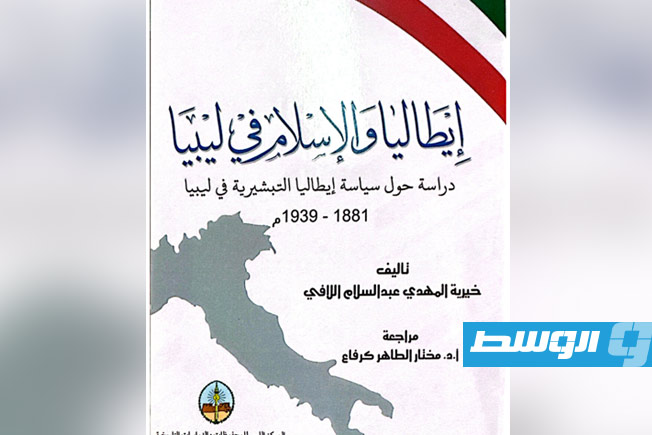
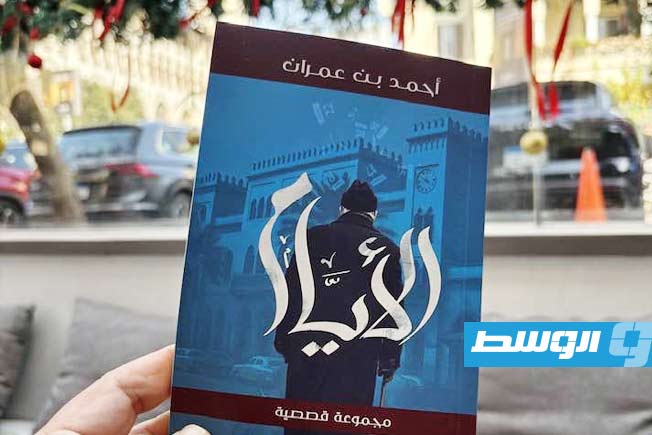
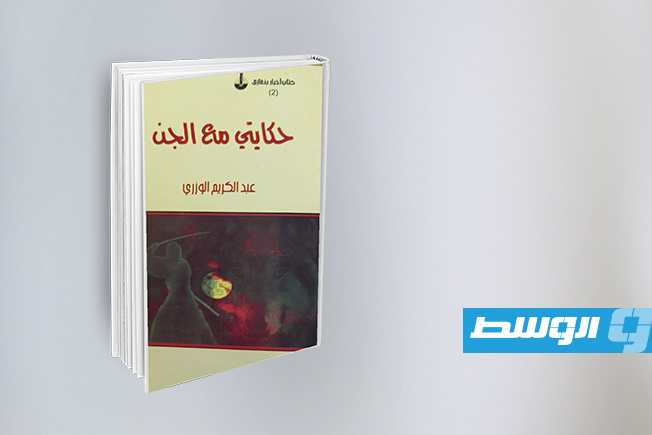
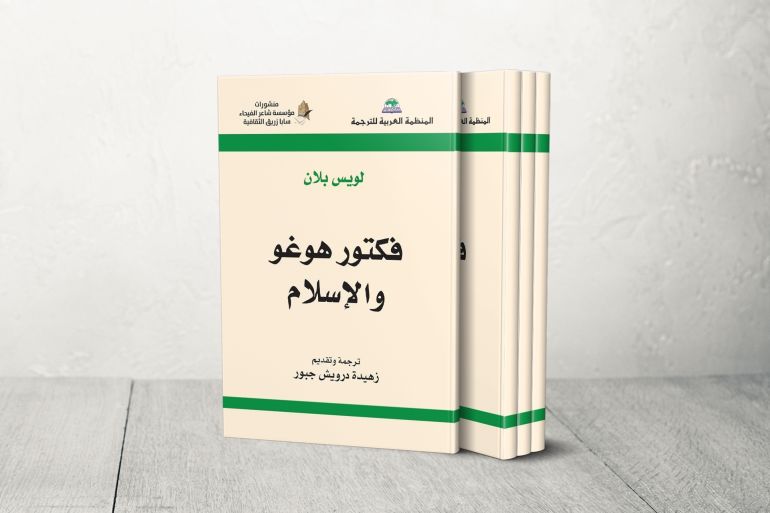
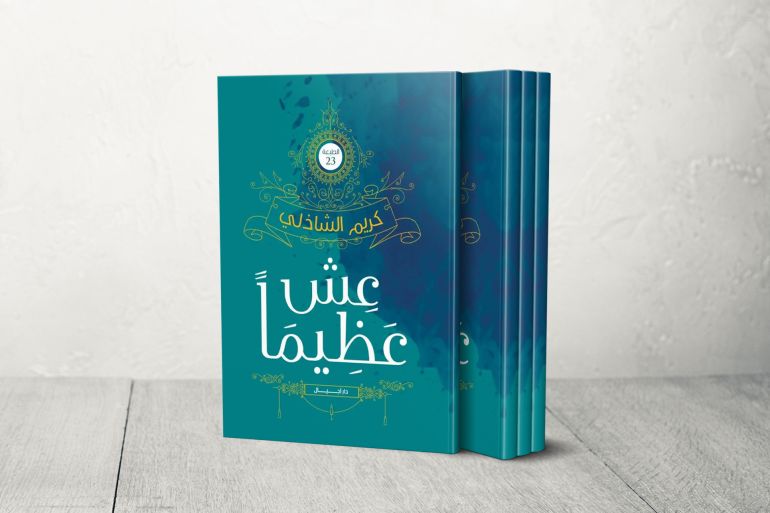
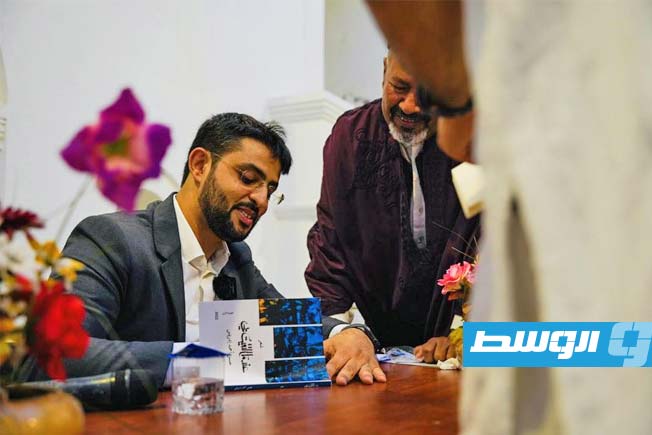
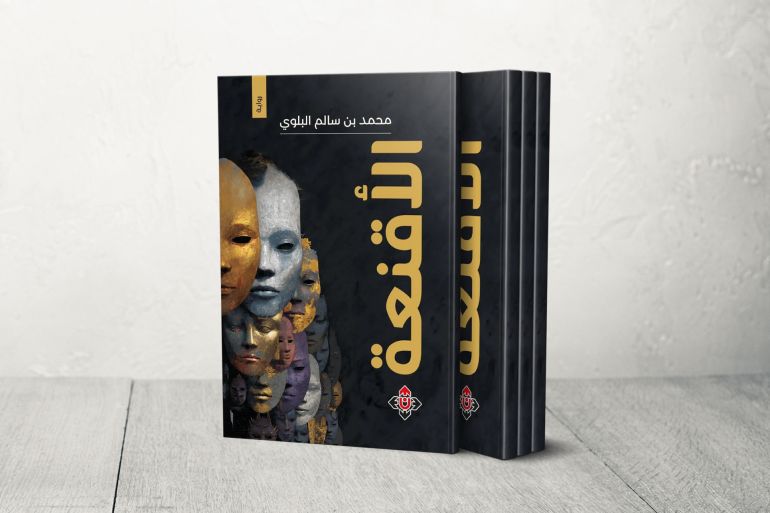
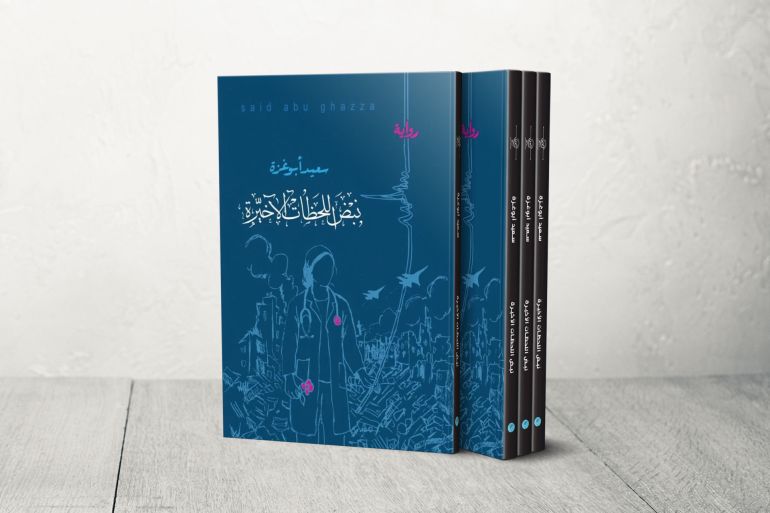
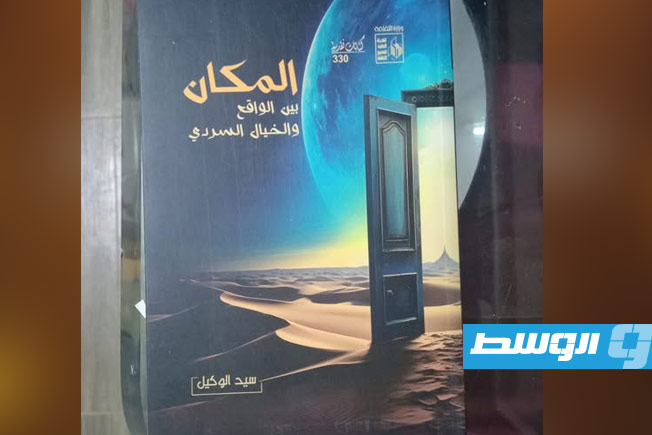
Cover of “Italy and Islam in Libya: A Study of Italy’s Missionary Policy in Libya 1881-1939” published by the Libyan Center for Archives and Historical Studies. (Internet)
The Libyan Center for Archives and Historical Studies has published a new book titled “Italy and Islam in Libya: A Study of Italy’s Missionary Policy in Libya 1881-1939”, as part of its Historical Studies series, number 154.
The 333-page book is divided into four main chapters that address the historical and political depth of Italian attempts to penetrate Libyan society, according to the official website.
The introductory chapter highlights the role of foreign concessions, focusing on economic aspects and treaties, leading up to archaeological discoveries and missionary campaigns.
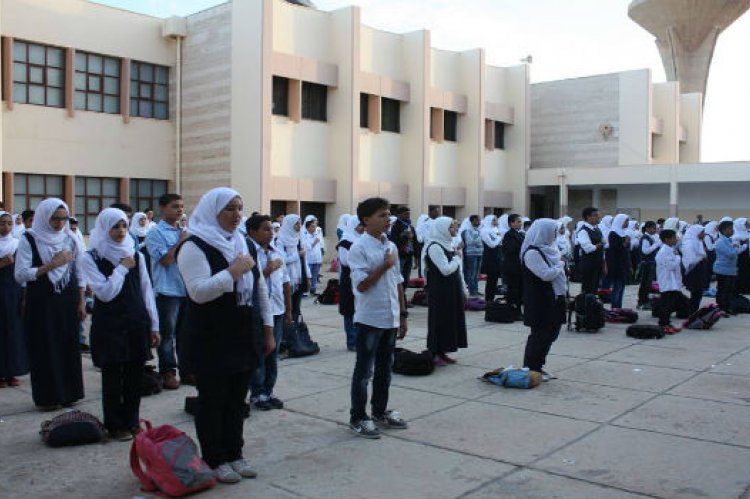
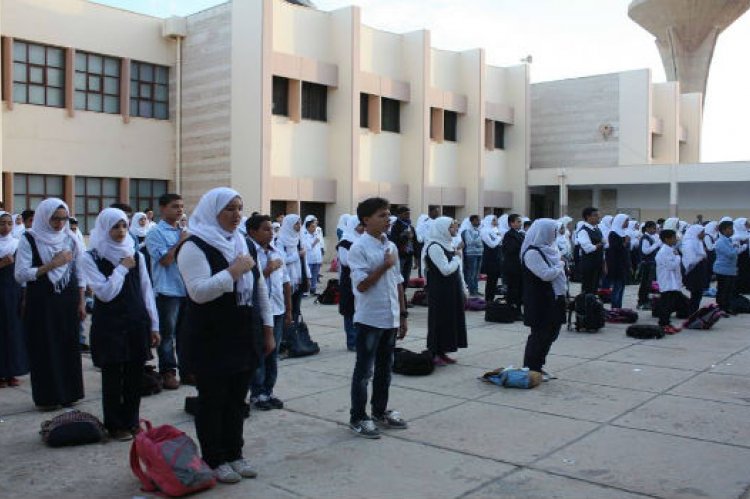
In the first chapter, the research examines the tools of penetration, which included missionary schools, the activities of the “Bank of Rome”, and various associations.
Attempts at Political and Religious Containment
The second chapter is dedicated to studying attempts at political and religious containment, including government supervision of Christian institutions, the activities of the “Franciscan” monks, attempts to control Islamic institutions and Sharia courts, and efforts to contain Sufi orders and the Sanusi institution.
–
–
–
The third chapter focused on using missionary work as a weapon to destabilize the social system through the education and health sectors, while examining the role of Italian Orientalism and examples of Orientalists, in addition to the policy of “colonial upbringing” that targeted children, including the children of “Sidi Ahmed Al-Maqrun”.
The book concludes with historical documentation in the appendices, which contain rare documents and photographs that enhance the research value of this publication in understanding the mechanisms of cultural and religious colonialism in Libya.
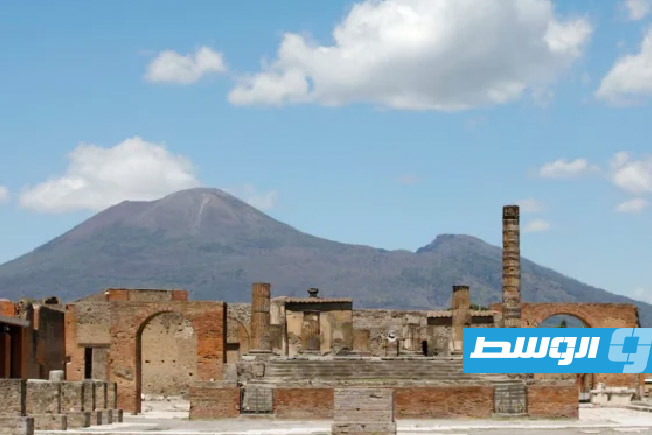
Italy
Italy is a country in Southern Europe with a rich cultural history that dates back to the Roman Empire, which was one of the largest and most influential civilizations of antiquity. It later became the birthplace of the Renaissance, a period of immense artistic and intellectual achievement centered in cities like Florence and Rome. Today, Italy is renowned for its vast contributions to art, architecture, cuisine, and fashion, and it hosts numerous UNESCO World Heritage Sites.
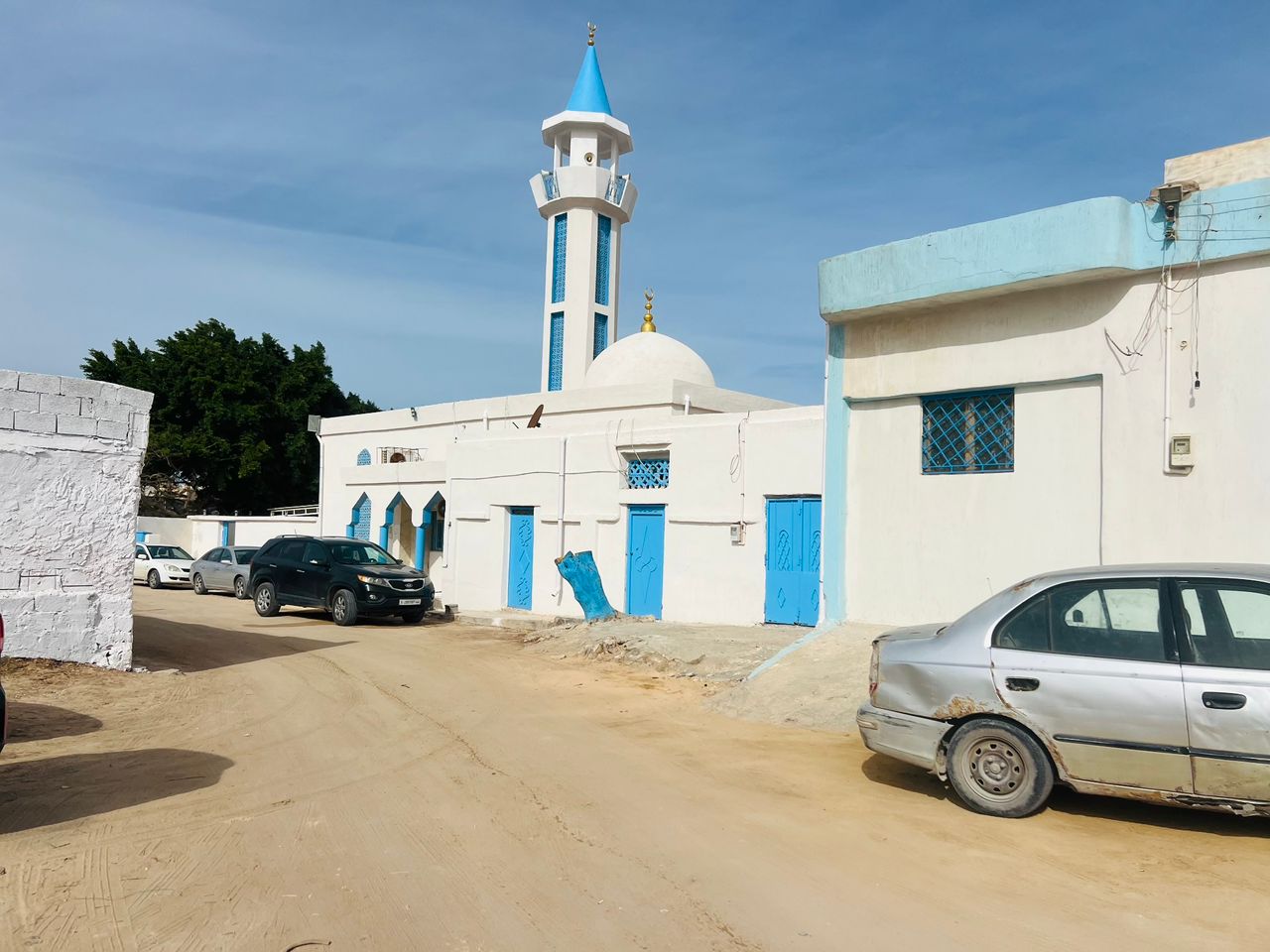
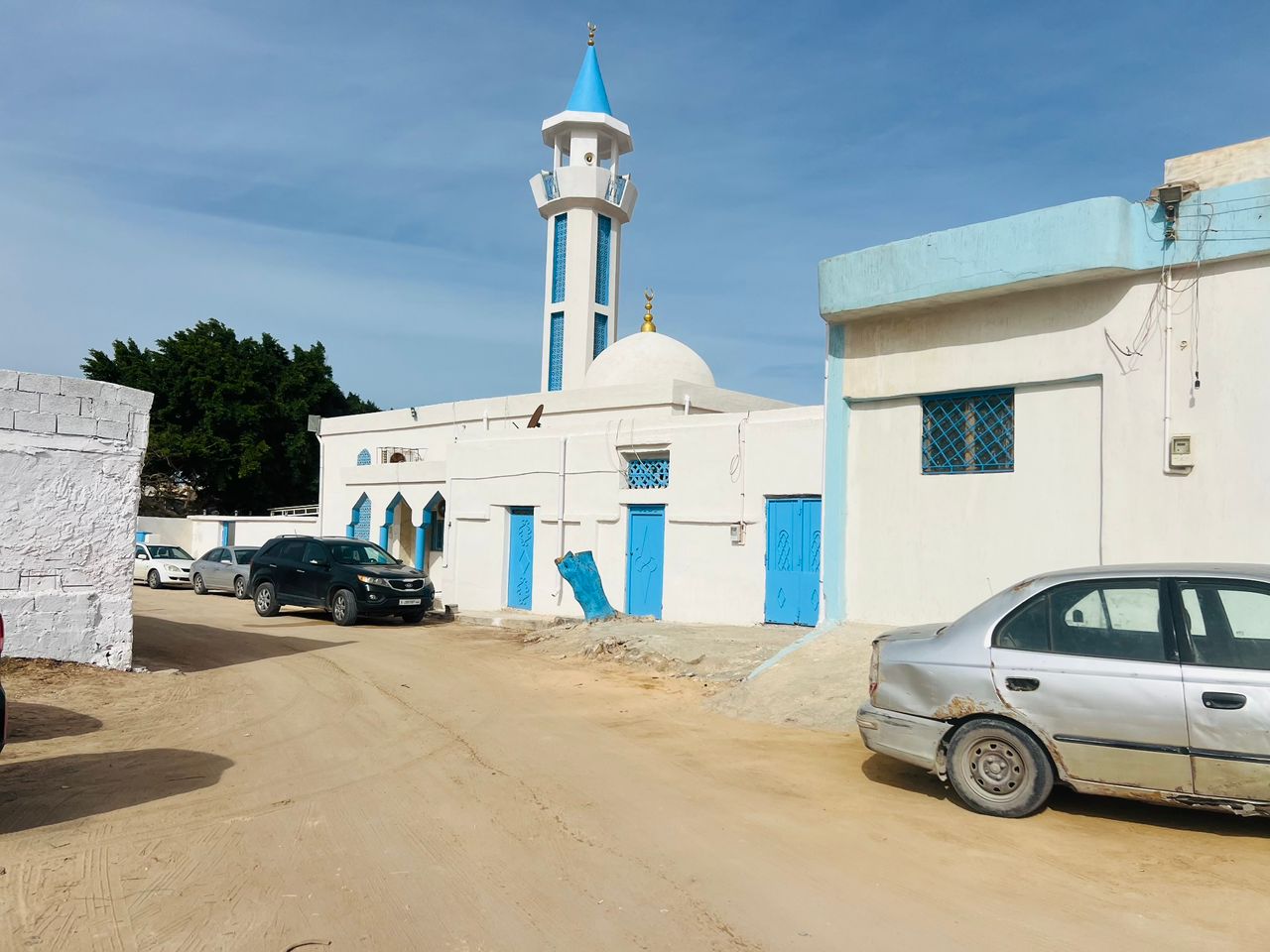
Libya
Libya is a North African country with a rich history rooted in ancient civilizations like the Phoenicians and Romans, followed by centuries of Arab and Ottoman influence. In the modern era, it was an Italian colony before gaining independence in 1951, later becoming known for Muammar Gaddafi’s lengthy rule from 1969 until the 2011 revolution. Its cultural heritage includes UNESCO World Heritage sites such as the ancient Greek city of Cyrene and the Roman ruins of Leptis Magna.
Libyan Center for Archives and Historical Studies
The Libyan Center for Archives and Historical Studies is a national institution in Tripoli dedicated to preserving Libya’s documentary heritage. It was established to collect, archive, and study historical records, manuscripts, and official documents pertaining to the country’s history and cultural identity. Its work supports academic research and safeguards the nation’s historical memory.
Bank of Rome
The Bank of Rome, founded in 1880, was a major Italian financial institution that played a significant role in funding public works and economic development projects in the late 19th and early 20th centuries. It was eventually absorbed into the Banco di Roma in 1992, which later became part of the Capitalia group and, ultimately, UniCredit.
Franciscan
The Franciscan refers to the religious order founded by St. Francis of Assisi in 1209, dedicated to living in poverty and preaching. Its members, known as Franciscans, played a major role in spreading Christianity, establishing missions, and influencing art and education throughout history.
Sidi Ahmed Al-Maqrun
Sidi Ahmed Al-Maqrun is a historic mausoleum and religious site in Libya, dedicated to a 15th-century Islamic scholar and saint from the Maqrun tribe. It serves as an important pilgrimage destination and a center for local religious and cultural gatherings, reflecting the region’s Sufi traditions.