Italian skiing legends Alberto Tomba and Deborah Compagnoni lit the Olympic cauldron in Milan at the conclusion of the main opening ceremony for the 2026 Winter Olympics on Friday.
In Cortina d’Ampezzo, 250 kilometers from Italy’s economic capital, current skier Sofia Goggia lit the other cauldron, whose design was inspired by Leonardo da Vinci’s knots.
Italian President Sergio Mattarella declares the Winter Olympics open
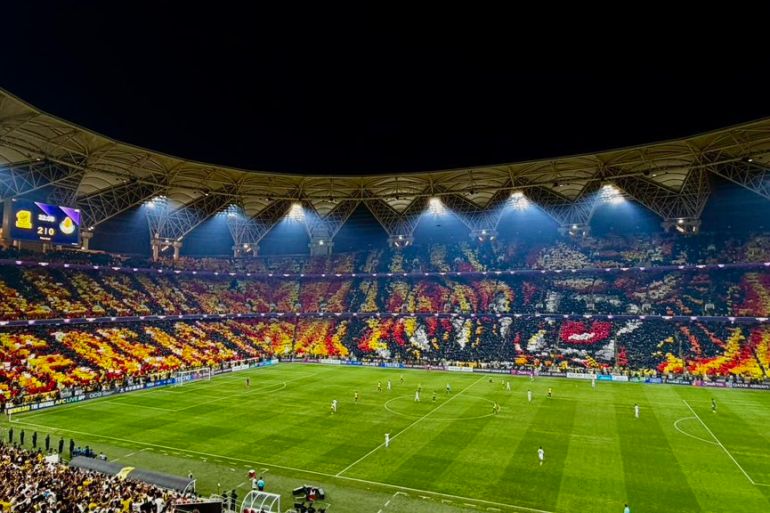
On Friday, Italian President Sergio Mattarella gave the signal to open the Winter Olympics being held in Milan-Cortina, following a three-hour ceremony spread across four venues.
From the legendary San Siro stadium in Milan, Mattarella said, “I declare the Games open.” The competitions are spread across seven venues in northern Italy until February 22.
Alberto Tomba
Alberto Tomba is not a place or cultural site, but a famous Italian alpine skier. He was a dominant figure in the sport in the late 1980s and 1990s, winning three Olympic gold medals and two World Championship titles.
Deborah Compagnoni
Deborah Compagnoni is not a place or cultural site, but a celebrated Italian former alpine skier. She is a three-time Olympic gold medalist and four-time World Champion, renowned for her successful career in the 1990s, particularly in giant slalom and super-G events.
Milan
Milan is a major city in northern Italy, historically founded by the Celts before becoming a key center of the Roman Empire. It is globally renowned as a fashion and design capital, while also housing significant cultural landmarks such as the Duomo cathedral and Leonardo da Vinci’s fresco “The Last Supper.”
Olympic cauldron
The Olympic cauldron is the large vessel used to hold the flame that burns throughout the Olympic Games, symbolizing the continuity between the ancient and modern Games. Its modern tradition began at the 1928 Amsterdam Olympics, and each host city designs a unique cauldron and ignition ceremony as a centerpiece of the event.
2026 Winter Olympics
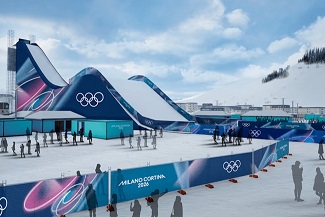
The 2026 Winter Olympics, officially known as the XXV Olympic Winter Games, will be held in Milan and Cortina d’Ampezzo, Italy. This marks Italy’s third time hosting the Winter Games, following Cortina d’Ampezzo in 1956 and Turin in 2006, and will feature events spread across existing venues in the Lombardy and Veneto regions.
Cortina d’Ampezzo
Cortina d’Ampezzo is a renowned resort town in the Dolomites of northern Italy, historically part of the Holy Roman Empire and later the Republic of Venice. It gained international fame as the host of the 1956 Winter Olympics and is a premier destination for skiing, mountaineering, and luxury tourism.
Sofia Goggia
Sofia Goggia is an Italian alpine skier, not a place or cultural site. She is best known for winning the gold medal in the women’s downhill at the 2018 Winter Olympics in PyeongChang and for her consistent success in World Cup downhill events.
Leonardo da Vinci
Leonardo da Vinci was a renowned Italian polymath of the Renaissance, celebrated for masterpieces like the *Mona Lisa* and *The Last Supper*. His work epitomized the period’s spirit of humanist inquiry, blending meticulous artistic skill with pioneering studies in anatomy, engineering, and natural science.
Sergio Mattarella
Sergio Mattarella is the current President of the Italian Republic, having held the office since 2015. He is a former judge and politician who played a significant role in Italian politics, including serving as a Minister of Parliament and as Minister of Defence.
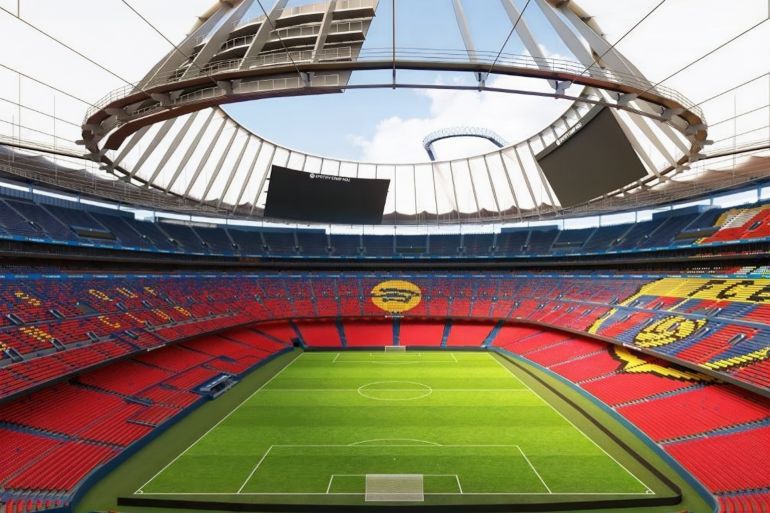
San Siro stadium
San Siro stadium, officially known as Stadio Giuseppe Meazza, is a historic football stadium in Milan, Italy, opened in 1926. It is the shared home of the city’s two major football clubs, AC Milan and Inter Milan, and has hosted numerous major matches, including FIFA World Cup games and UEFA Champions League finals.
northern Italy
Northern Italy is a historically rich region that was the heart of the Roman Empire and later the cradle of the Renaissance, home to influential city-states like Venice, Genoa, and Florence. Its landscape features the Alps, the Po Valley, and the Italian Riviera, contributing to a diverse cultural and economic identity. The area is renowned for its artistic heritage, culinary traditions, and major industrial centers.