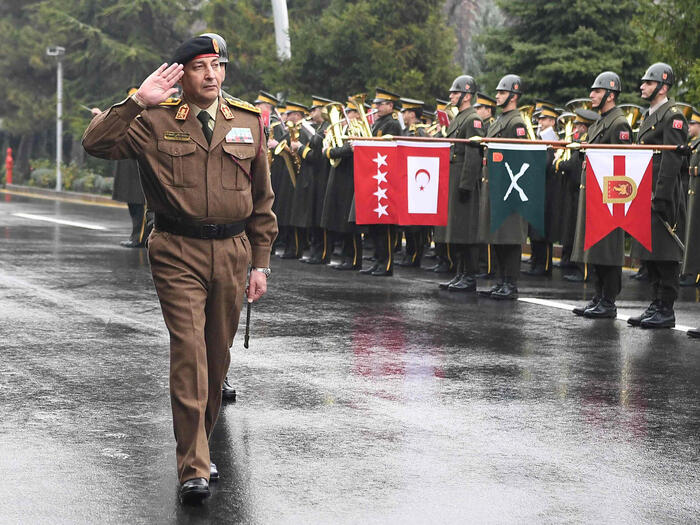
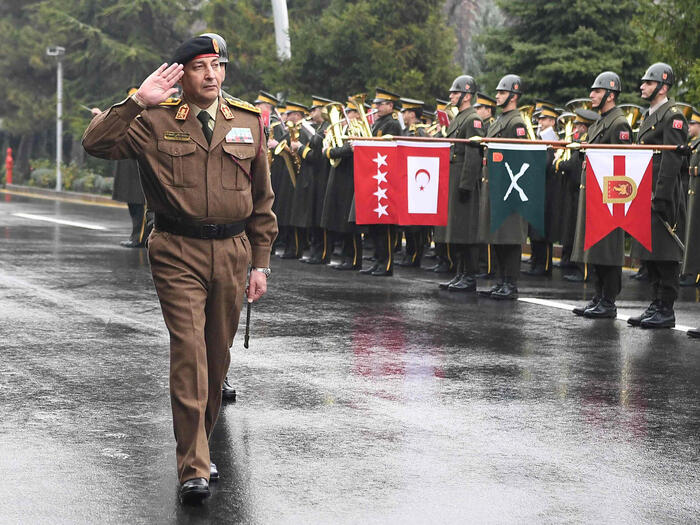
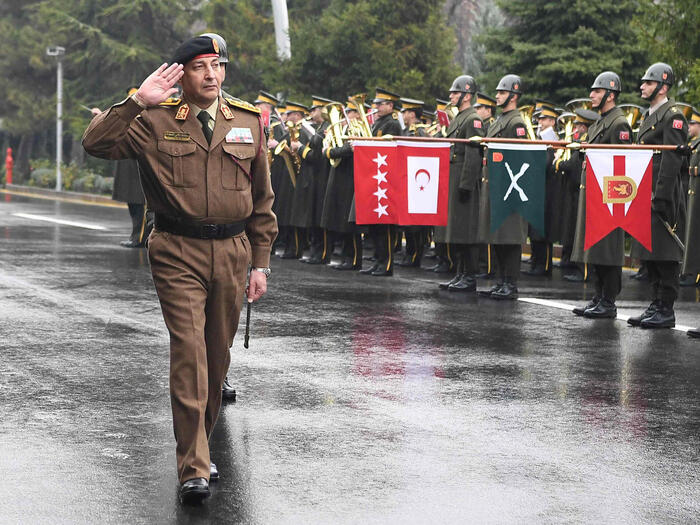
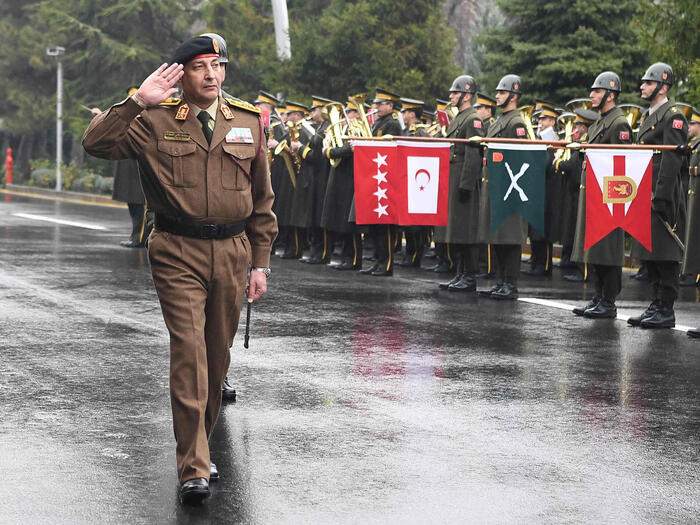
The Israeli military announced the signing of a trilateral military cooperation action plan with Greece and Cyprus for 2026, during a meeting held last week in Nicosia, the capital of Cyprus. The aim is to enhance military coordination and defensive preparations in the Eastern Mediterranean region.
The Israeli delegation to the meeting was led by the head of the Israeli military’s Foreign Cooperation Division. They met with their Greek and Cypriot counterparts to discuss the details of the annual action plan, which includes a series of joint activities such as combined military drills and exercises, the formation of working groups in various fields, and strategic dialogue on military and security issues of mutual interest.
The Israeli military confirmed that signing this plan represents an important step in deepening military cooperation between the three countries and contributes to enhancing stability, security, and peace in the Eastern Mediterranean. This comes at a time when the region is witnessing escalating tensions over maritime resources and exclusive economic zone boundaries.
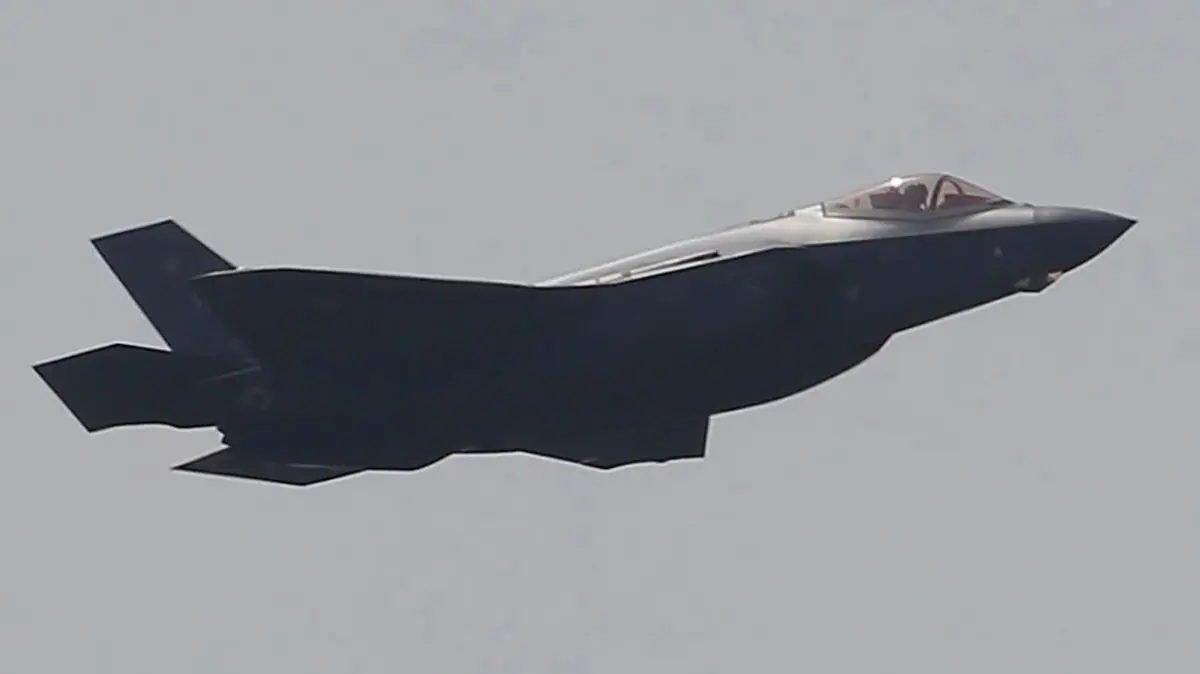
This development follows lengthy discussions about the possibility of establishing a joint “rapid reaction force” comprising about 2,500 soldiers, distributed with approximately 1,000 soldiers each from Israel and Greece and 500 from Cyprus. This force could be rapidly deployed by land, sea, or air in the event of any crisis.
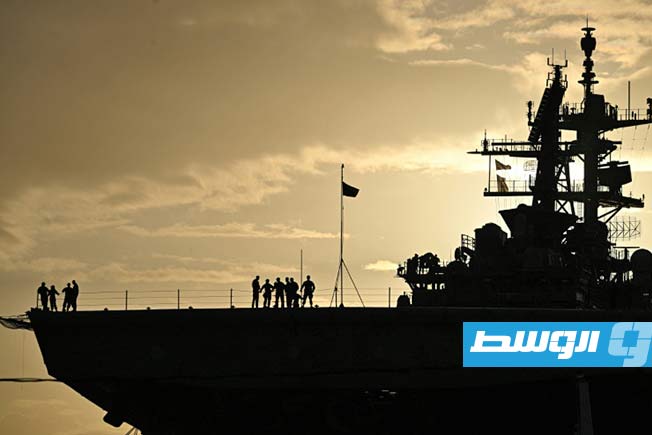
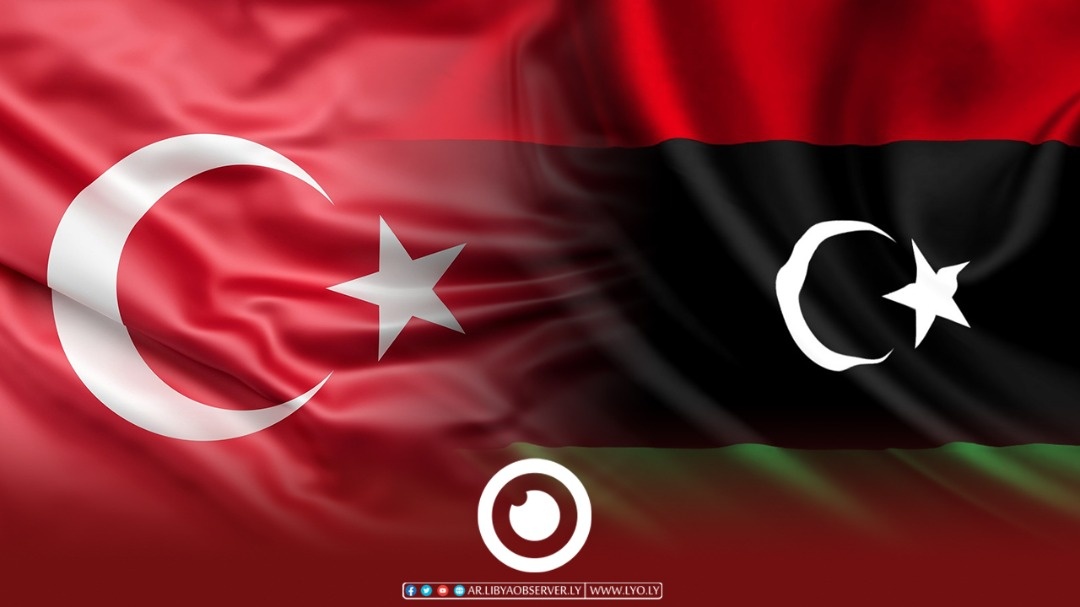
Informed sources clarified that the initiative aims to bolster deterrence against potential Turkish military moves in the region, with significant participation from the Israeli Air Force, Navy, and the military’s foreign relations directorate.
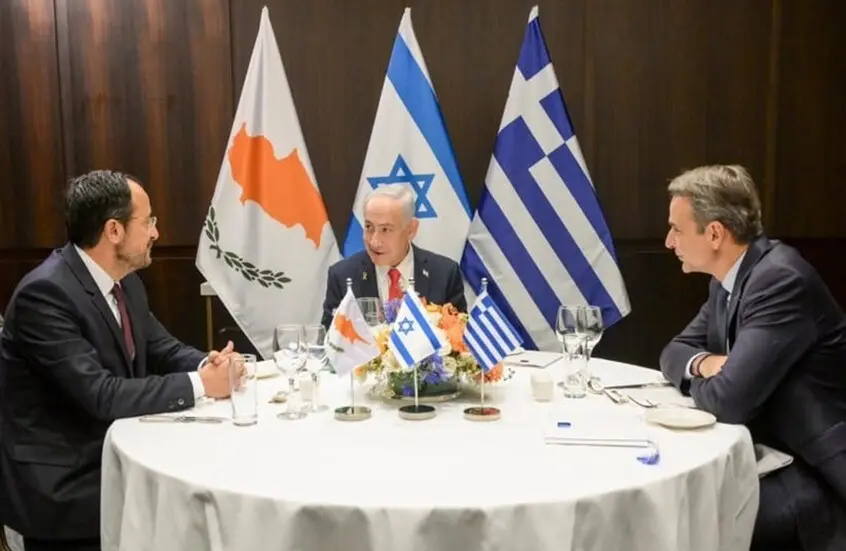
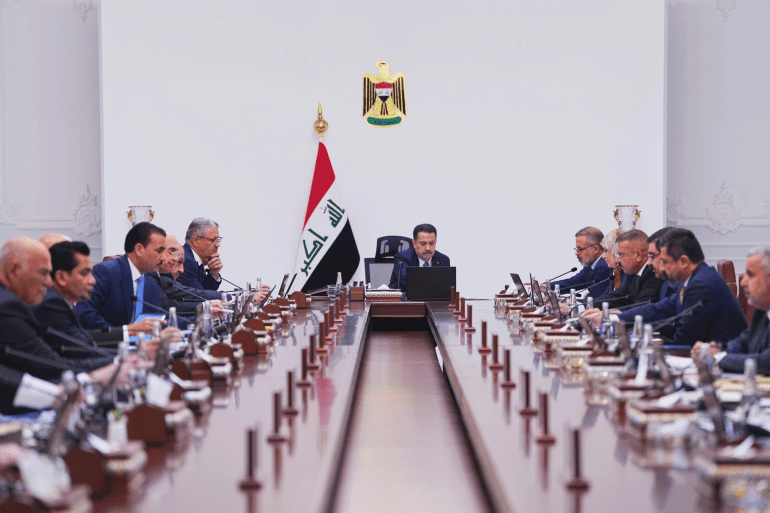
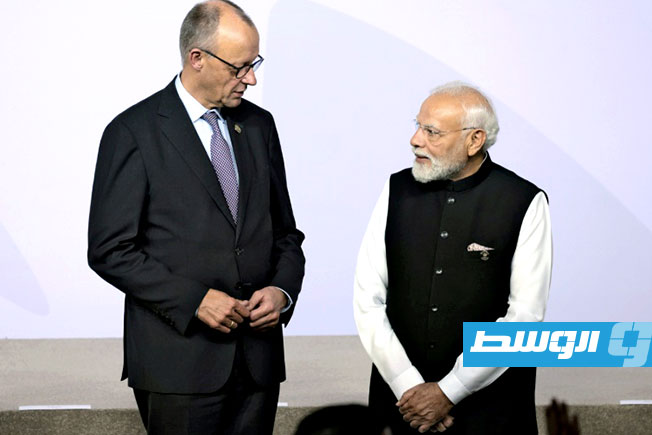
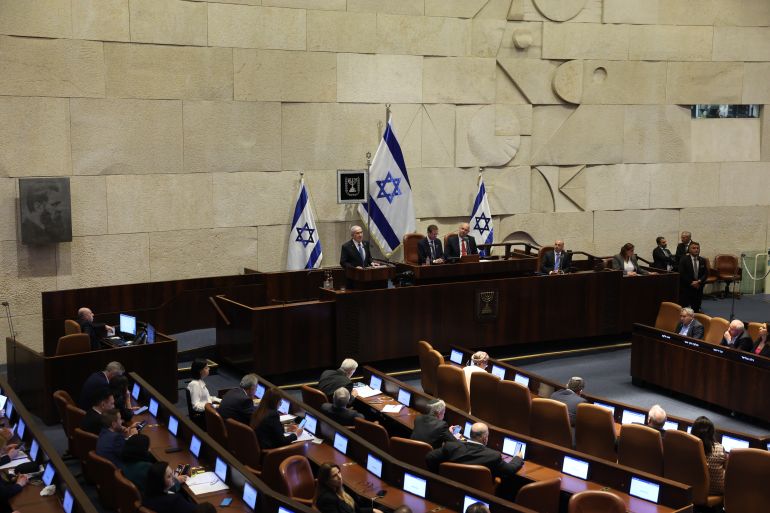
The plan was signed following an official visit to Israel last week by the Greek Prime Minister and the Cypriot President. They held a trilateral summit with the Israeli Prime Minister, during which they discussed mechanisms to enhance military cooperation and coordinate joint defensive preparations.
The Eastern Mediterranean region has experienced recurring tensions for years due to disputes over maritime borders and rights to exploit natural resources between Turkey and neighboring countries.
Israel
Israel is a country in the Middle East, established as a modern state in 1948 following a United Nations partition plan. It is a historic homeland for the Jewish people, with a cultural and religious history deeply connected to ancient kingdoms and sites such as Jerusalem, which holds significance for Judaism, Christianity, and Islam.
Greece
Greece is a southeastern European country widely regarded as the cradle of Western civilization, being the birthplace of democracy, philosophy, and the Olympic Games. Its history spans millennia, from the advanced Minoan and Mycenaean civilizations to the influential Classical period of city-states like Athens and Sparta, followed by Roman, Byzantine, and Ottoman rule before gaining independence in the 19th century. The country is renowned for its profound cultural legacy and iconic ancient sites, including the Acropolis in Athens and the sanctuary of Delphi.
Cyprus
Cyprus is an island nation in the Eastern Mediterranean with a history of human habitation dating back over 10,000 years. It has been successively influenced by various civilizations, including the Mycenaean Greeks, Romans, Byzantines, and Ottomans, before becoming a British colony and gaining independence in 1960. The island remains divided since 1974, with the Republic of Cyprus controlling the south and a Turkish-backed administration in the north.
Nicosia
Nicosia is the capital of Cyprus and one of the world’s last divided capitals, split since 1974 by a United Nations buffer zone known as the “Green Line.” Its history spans over 2,500 years, featuring Venetian walls from the 16th century and a rich blend of Greek and Turkish Cypriot cultures in its old city.
Eastern Mediterranean
The Eastern Mediterranean is a historically rich region encompassing the coastal areas of countries like Greece, Turkey, Syria, Lebanon, Israel, and Egypt. It is considered a cradle of Western civilization, having been central to the ancient Greek, Roman, Byzantine, and Ottoman empires. Its strategic location fostered major trade routes and the exchange of cultures, religions, and ideas for millennia.
Turkey
Turkey is a transcontinental nation bridging Europe and Asia, with a rich history as the heart of the Byzantine and Ottoman Empires. Its cultural sites, such as the Hagia Sophia in Istanbul and the ancient ruins of Ephesus, reflect this layered heritage from classical antiquity through to a modern republic founded in 1923.