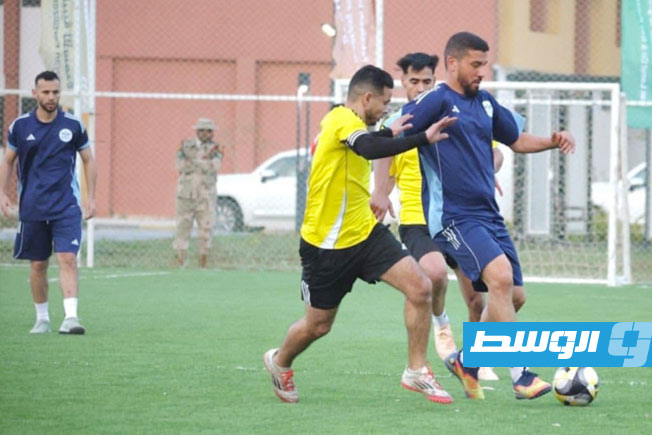
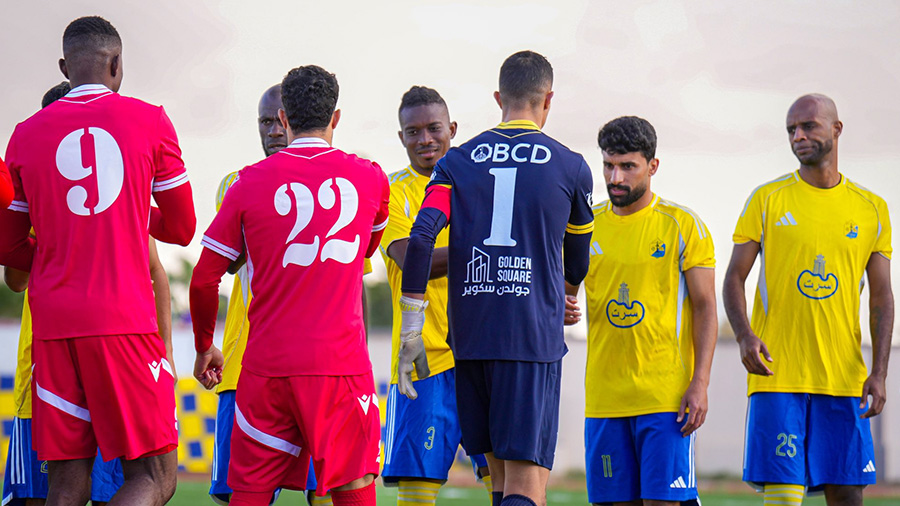
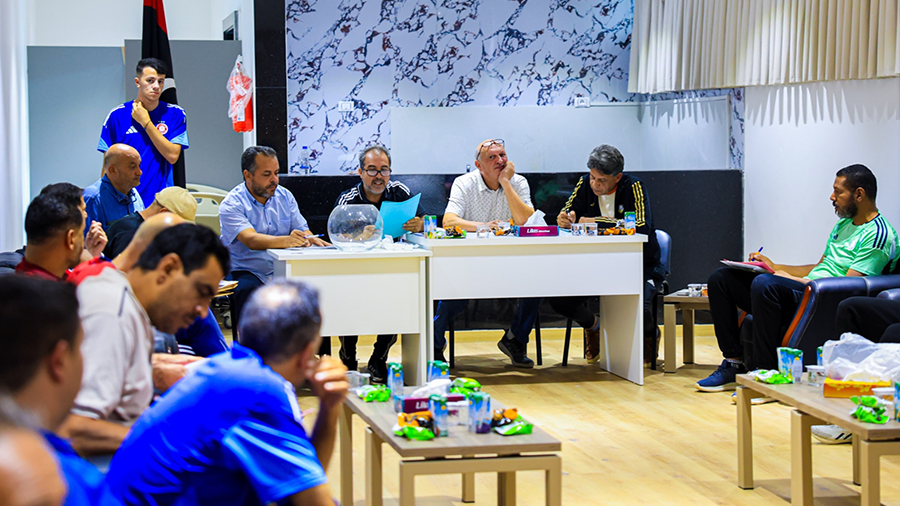
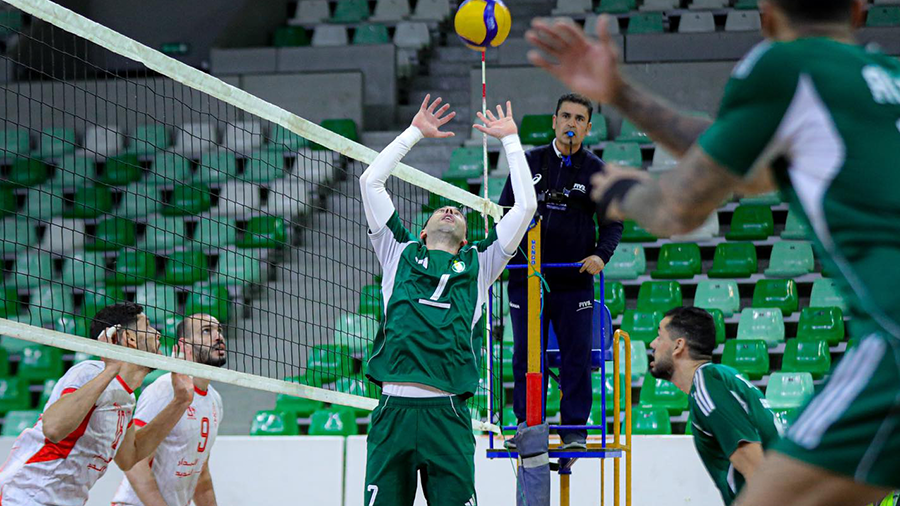
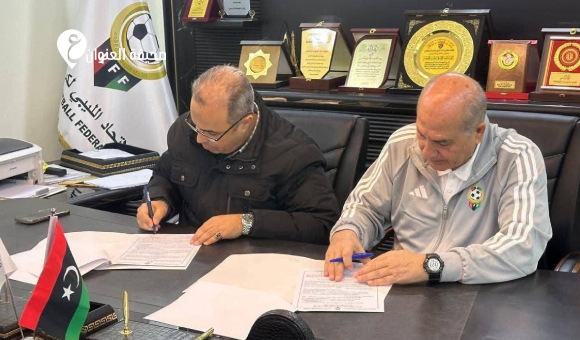
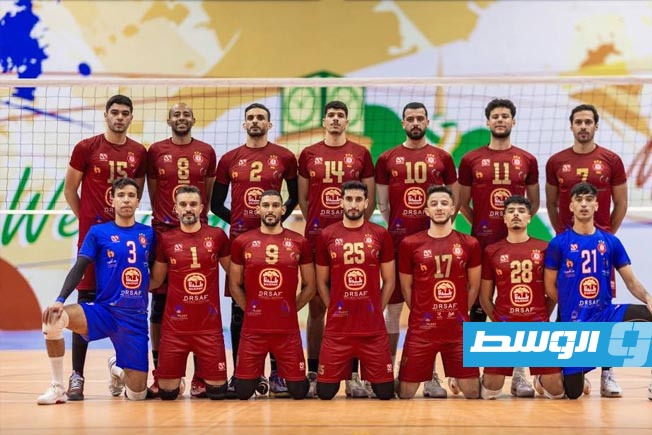
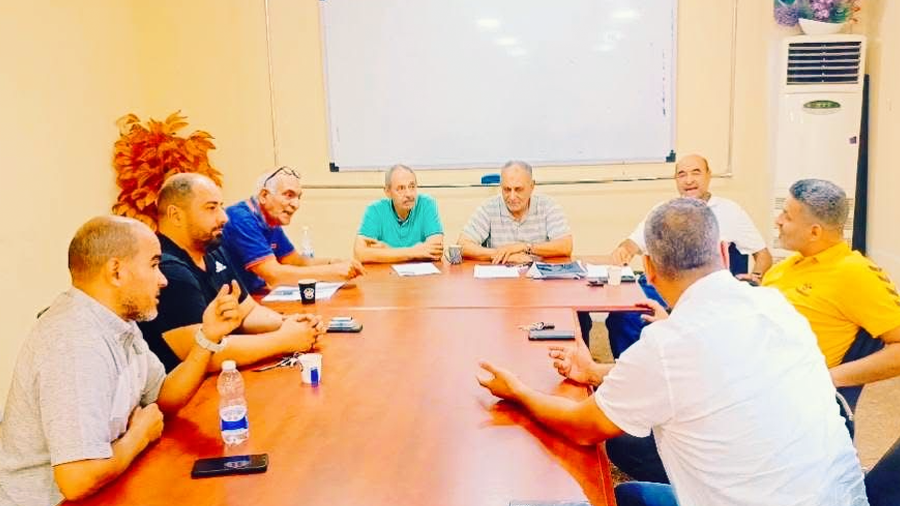
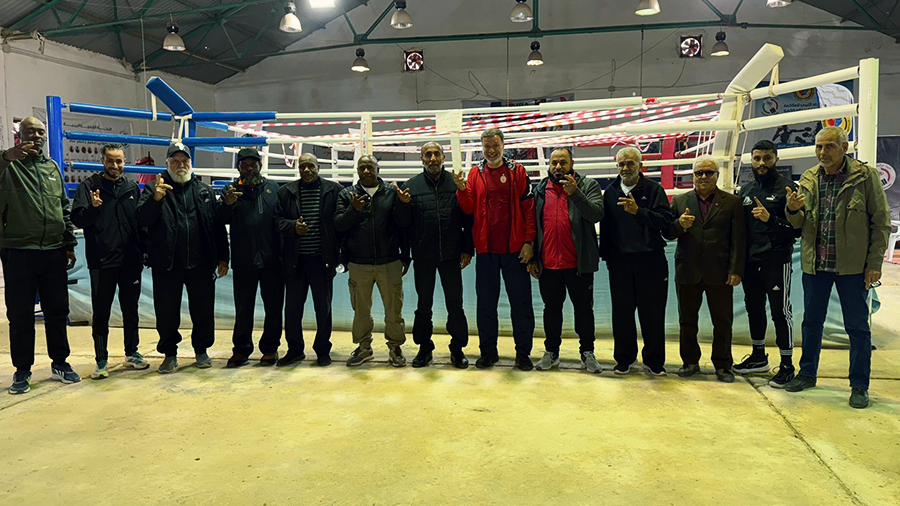
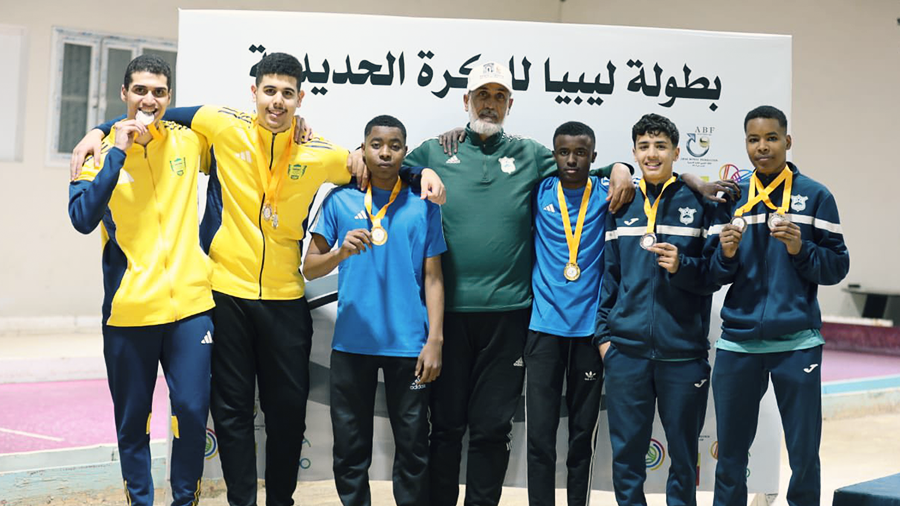
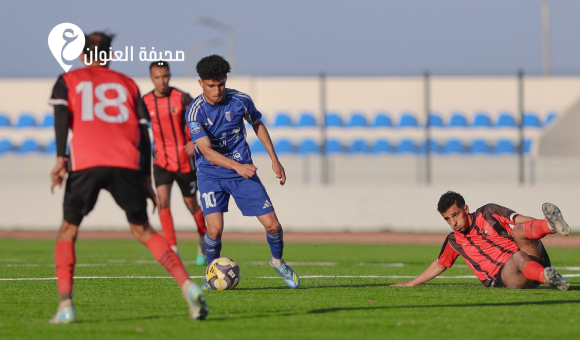
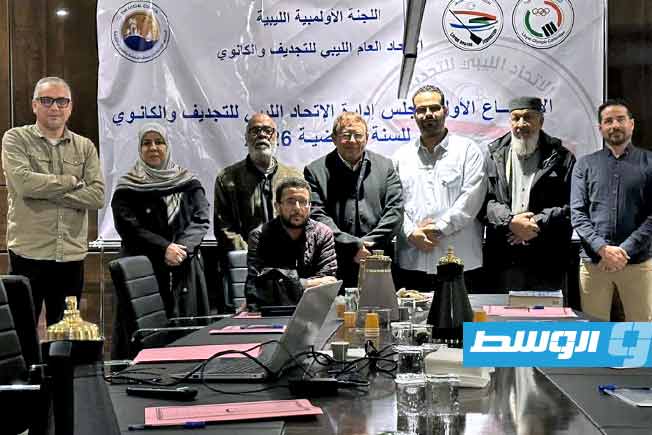
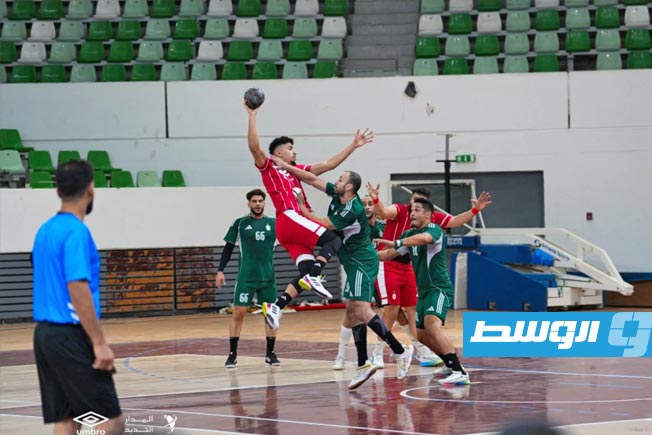
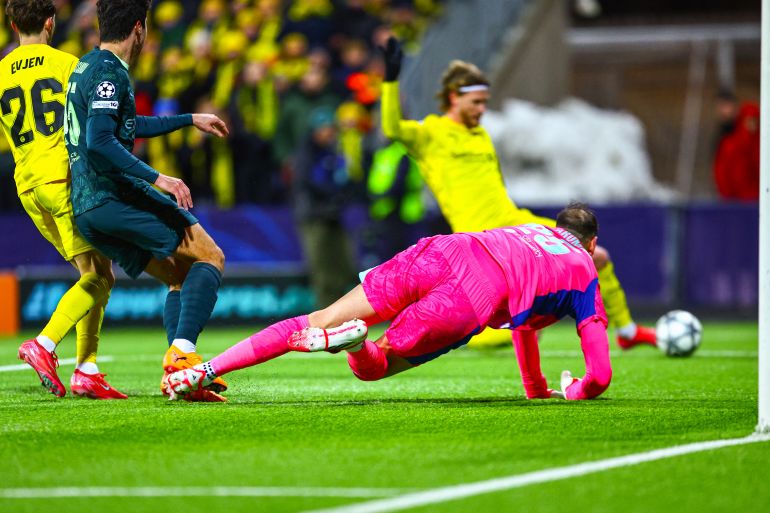
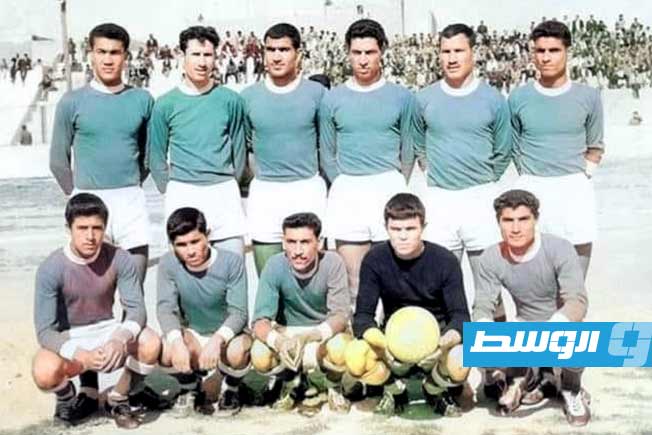
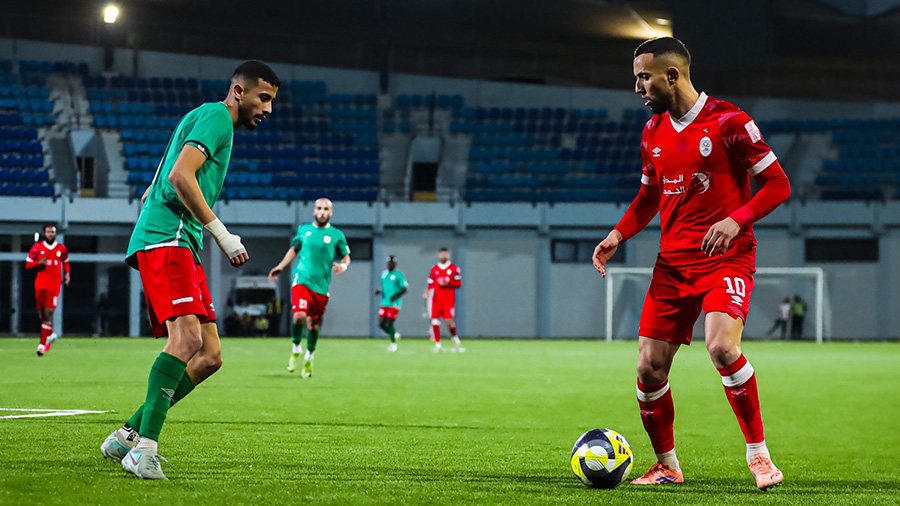
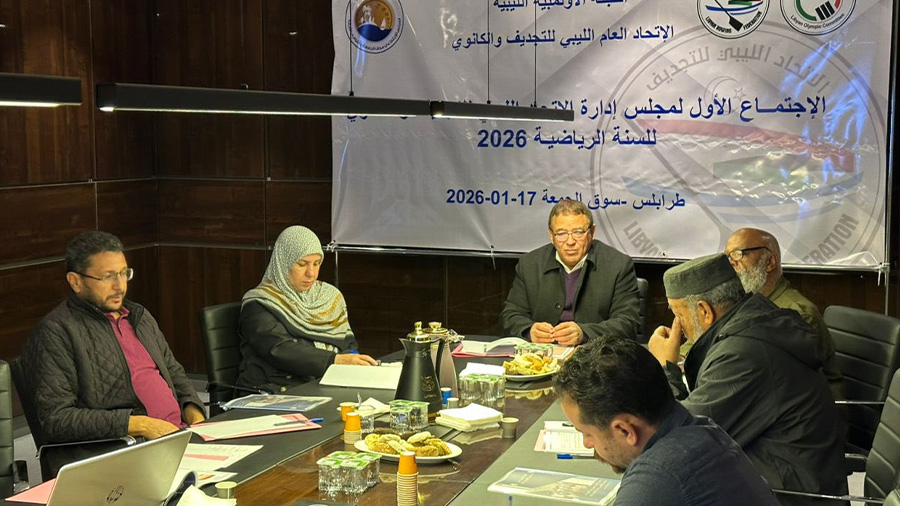
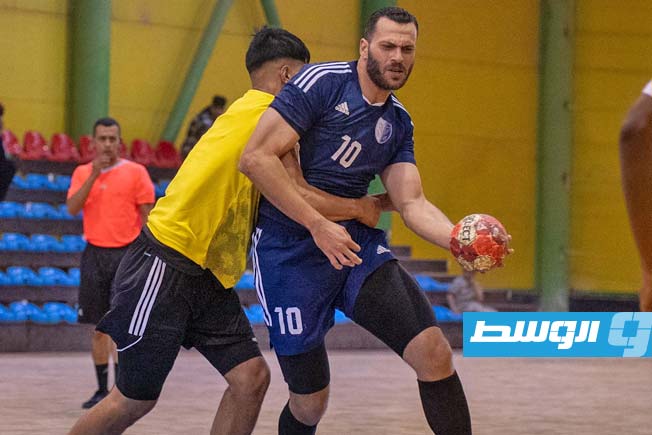
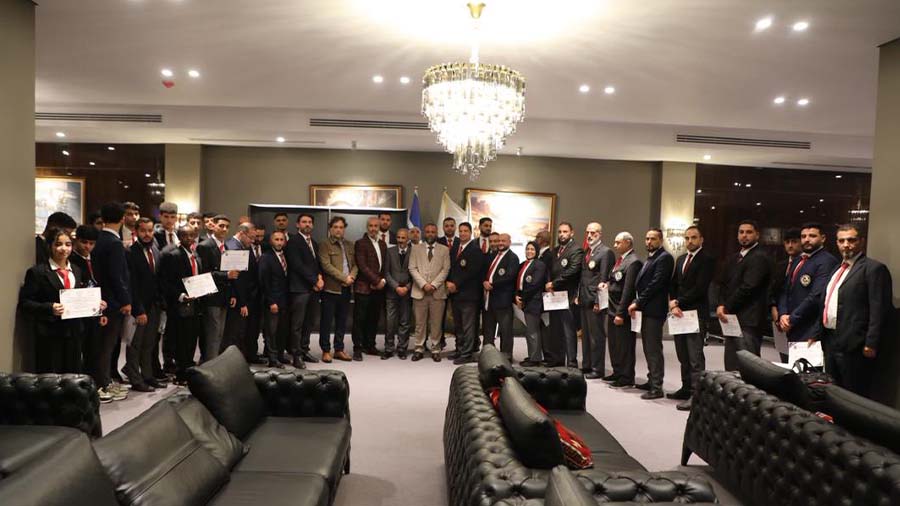
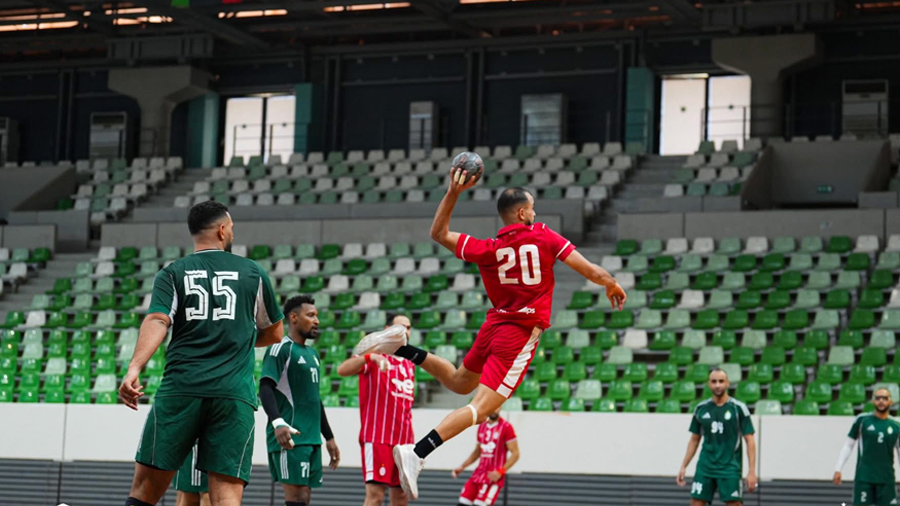
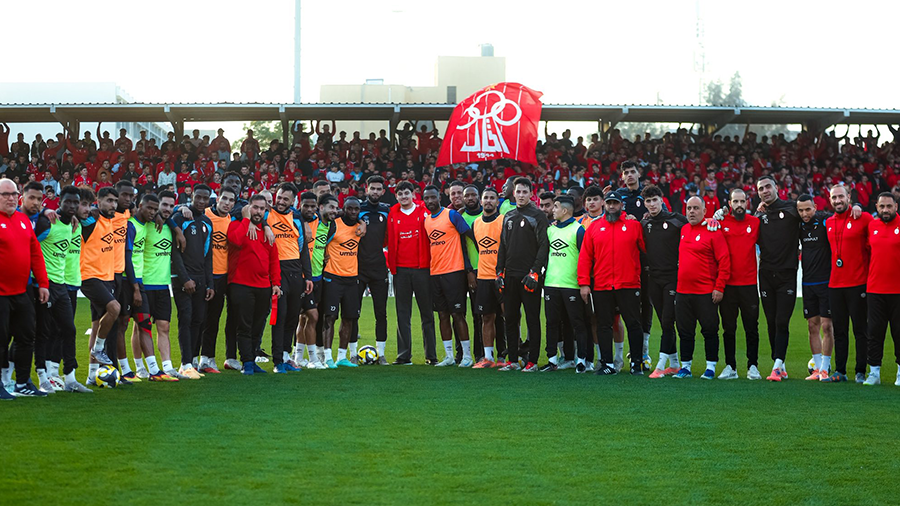
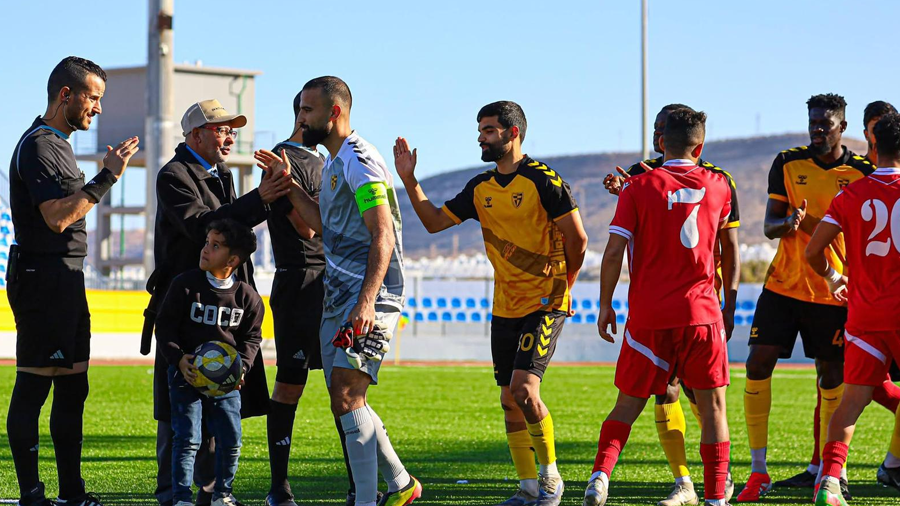
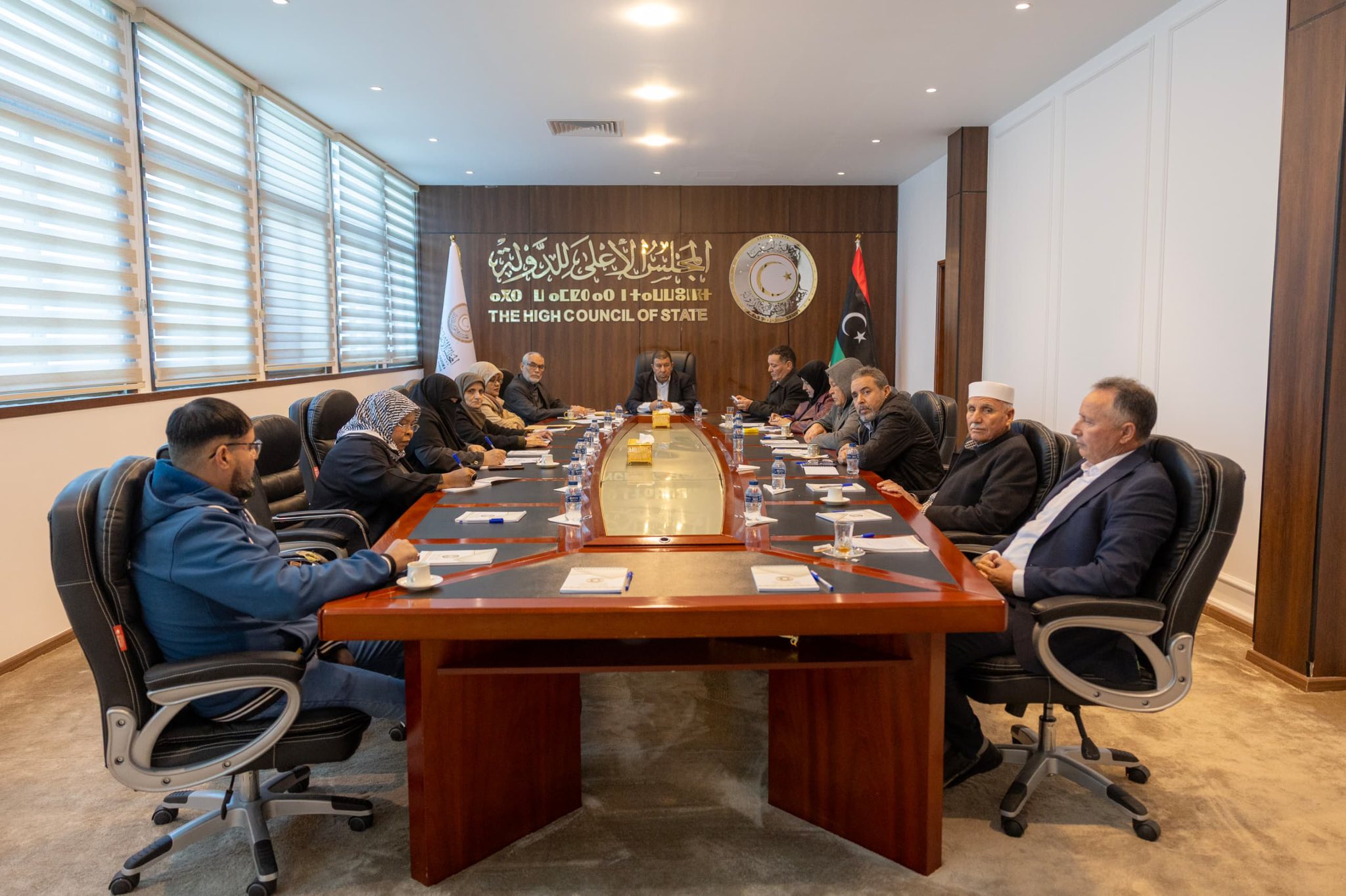
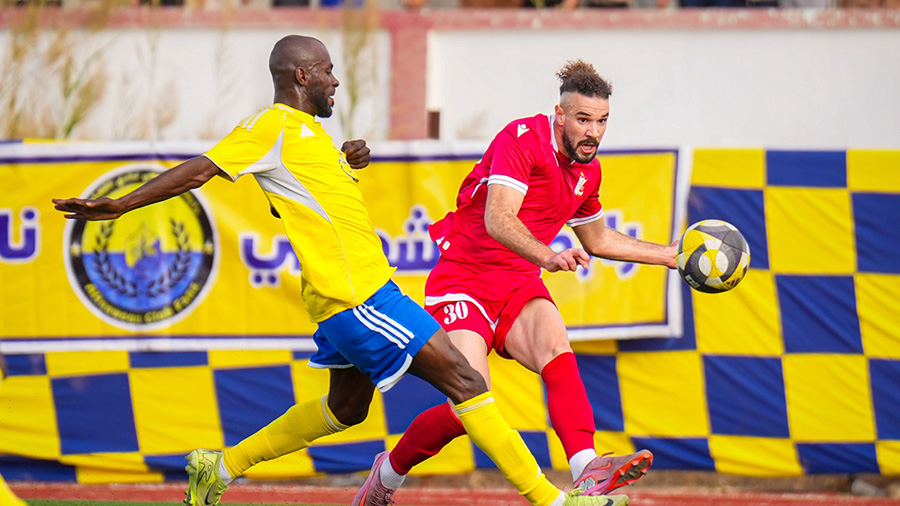
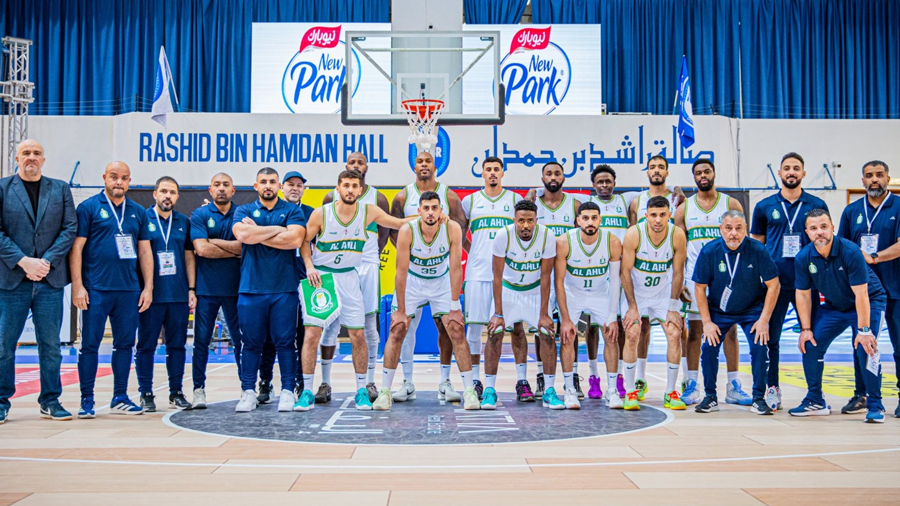
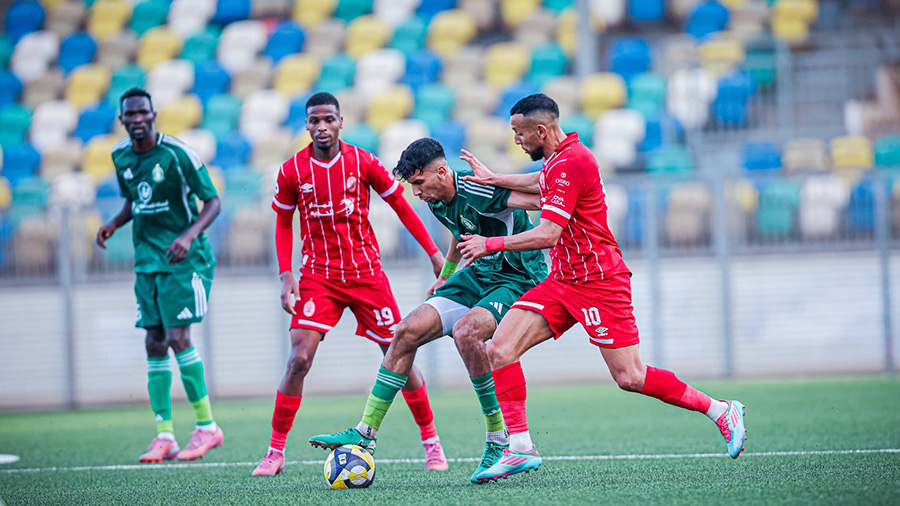
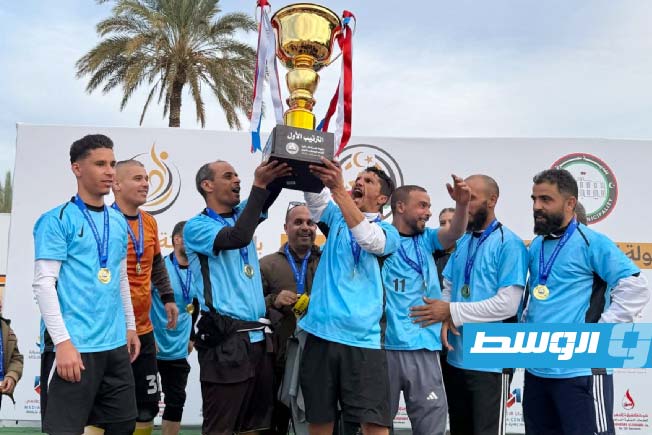
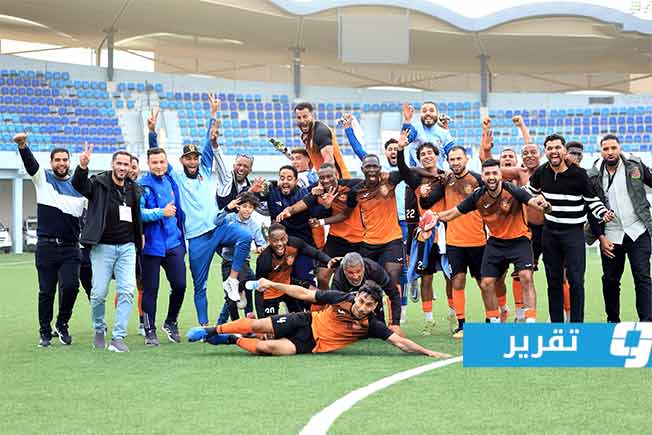
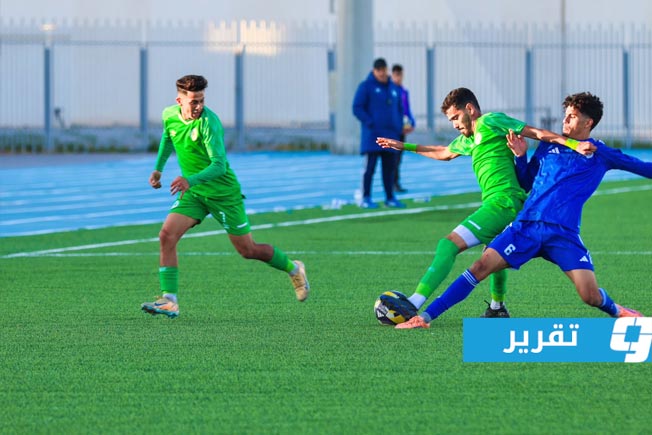
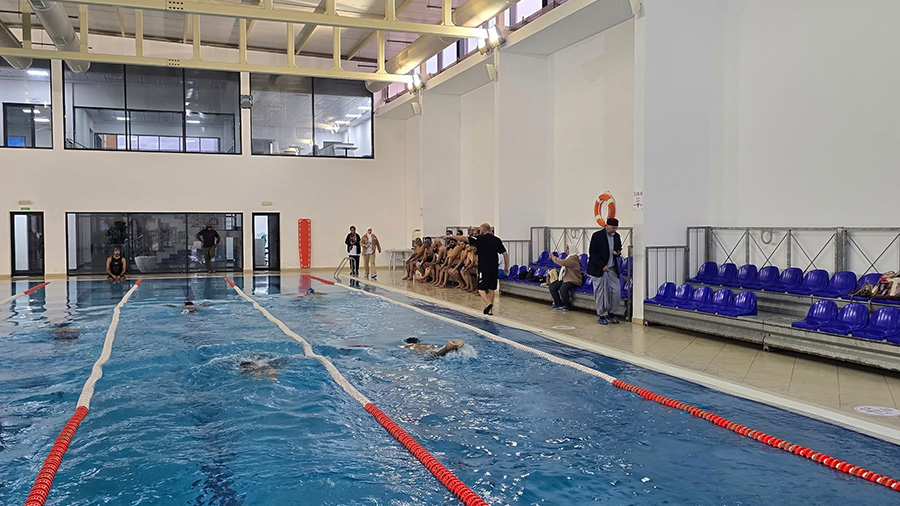
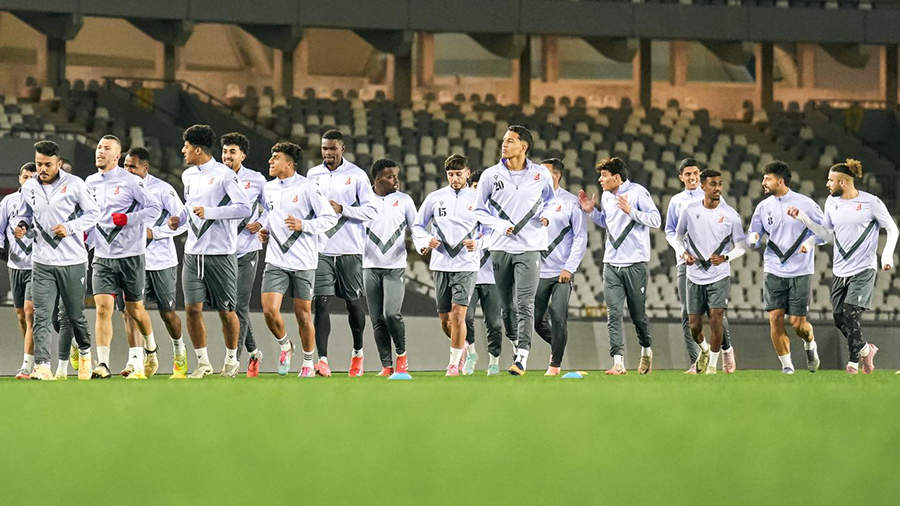
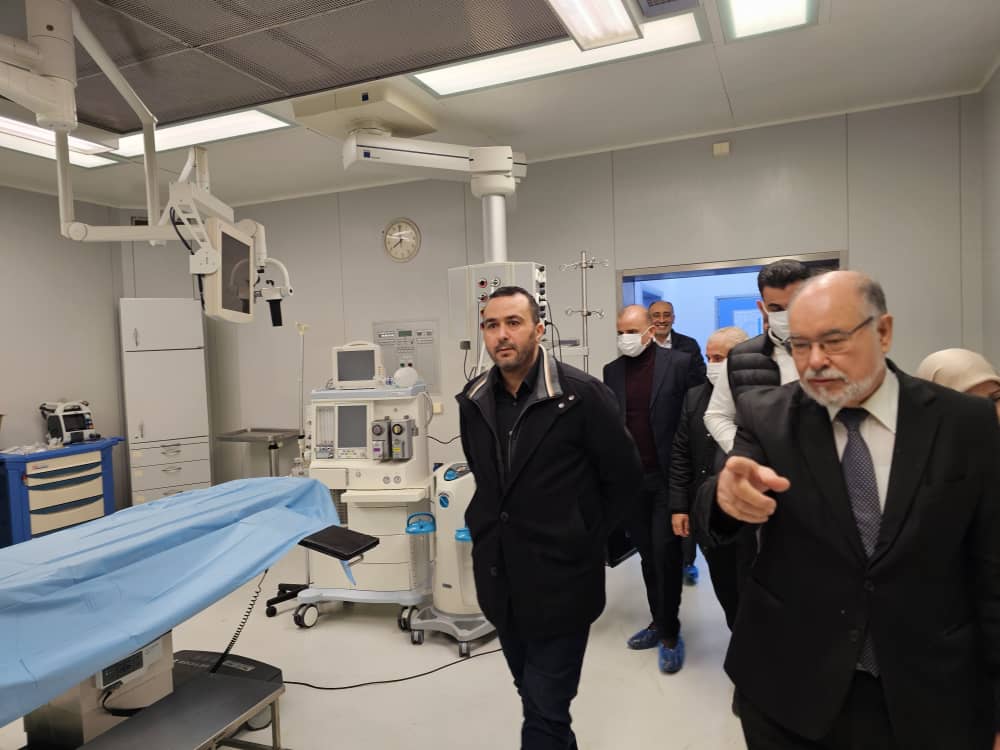
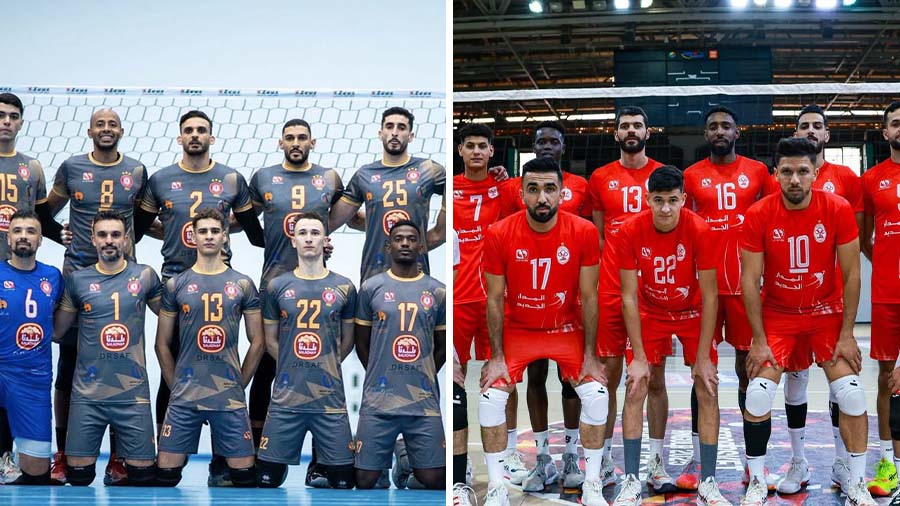
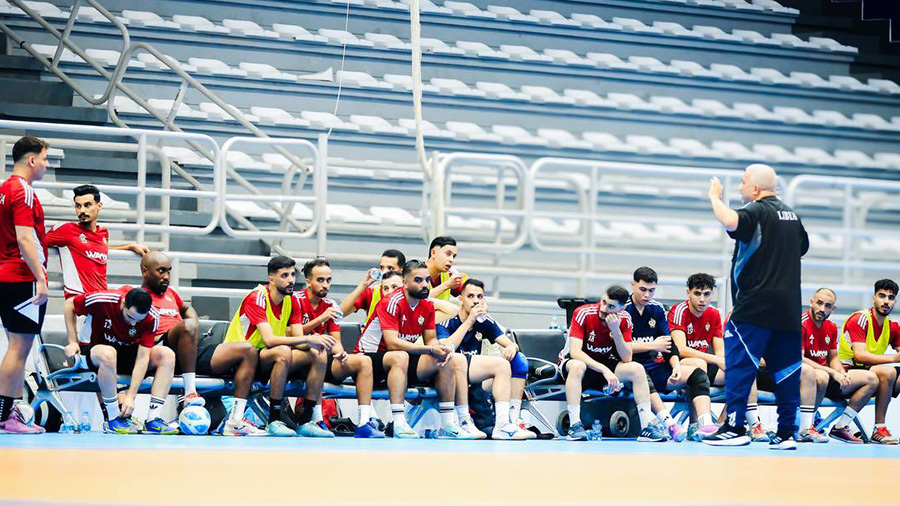
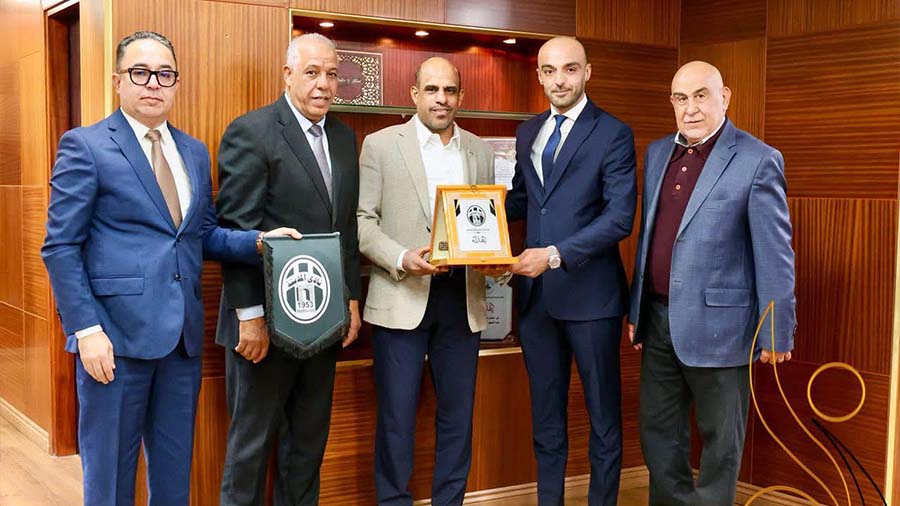
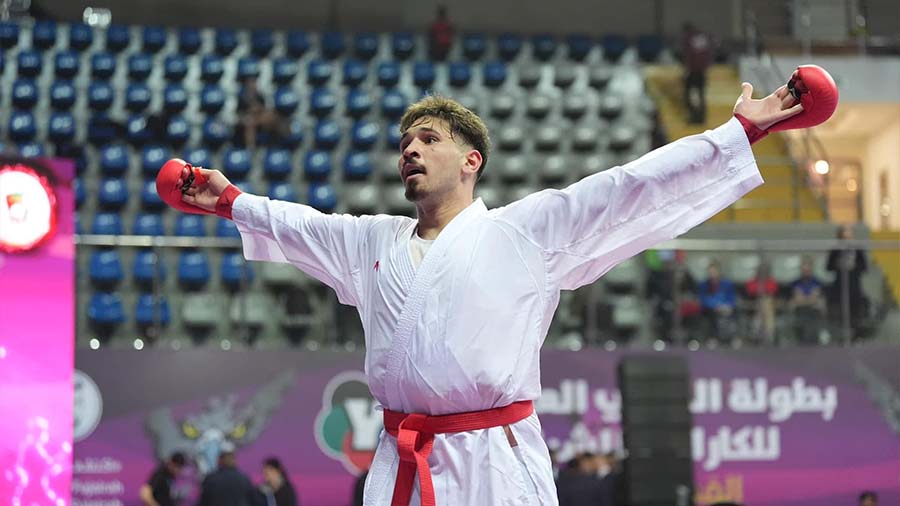
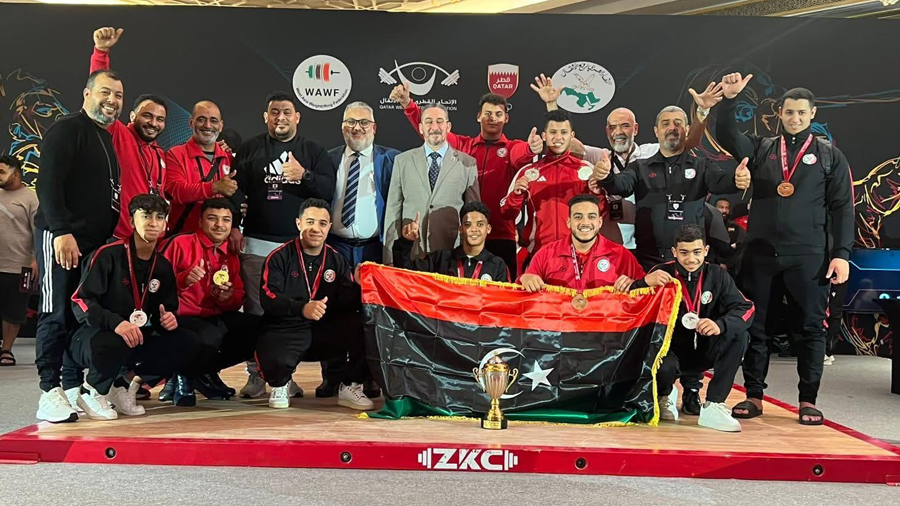
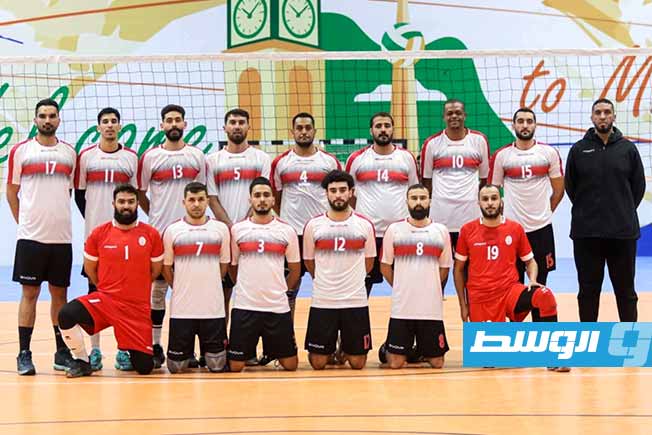
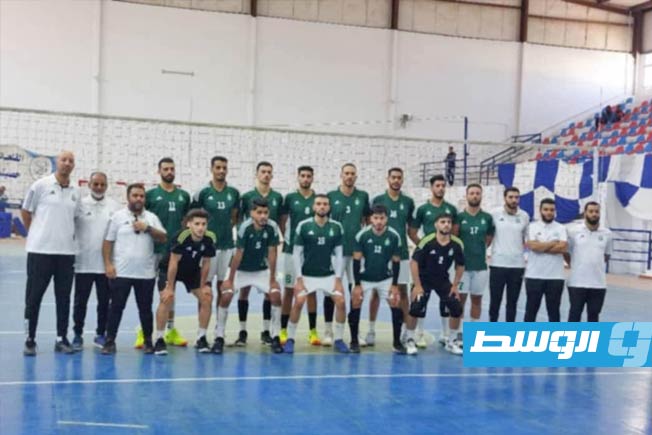
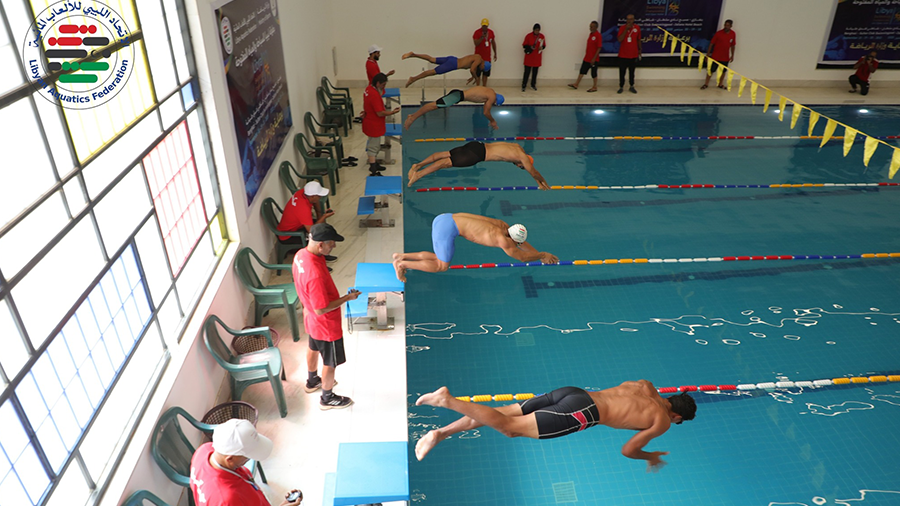
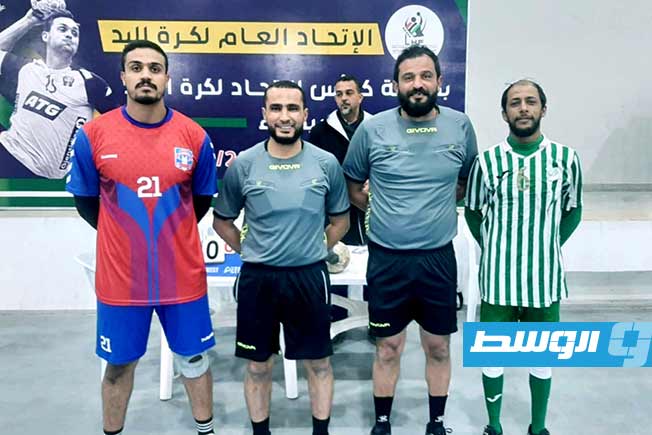
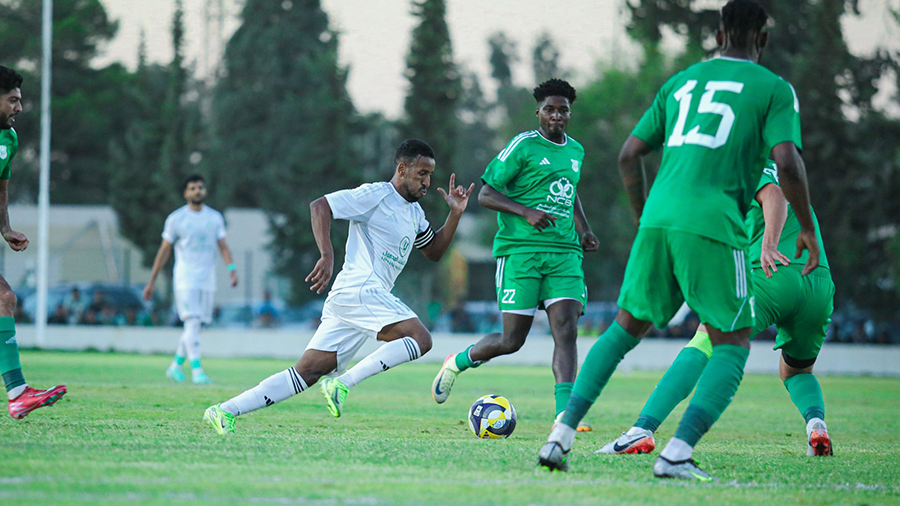
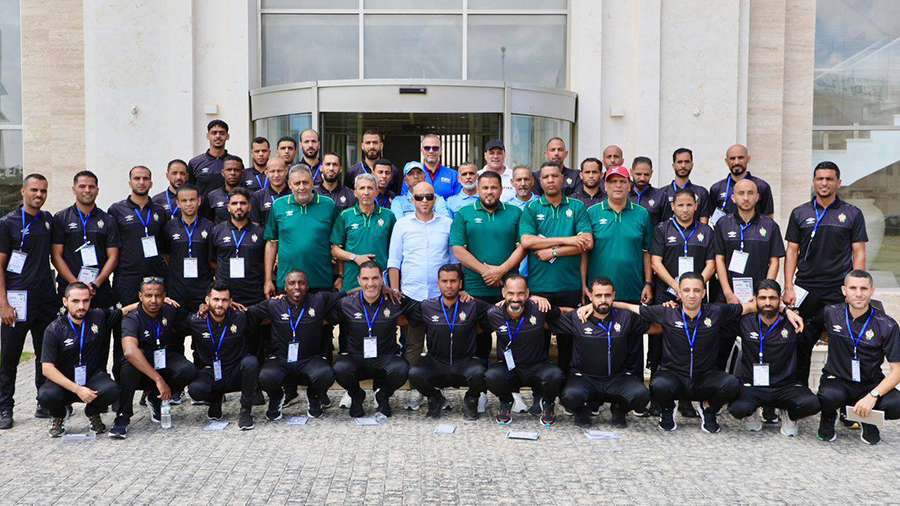
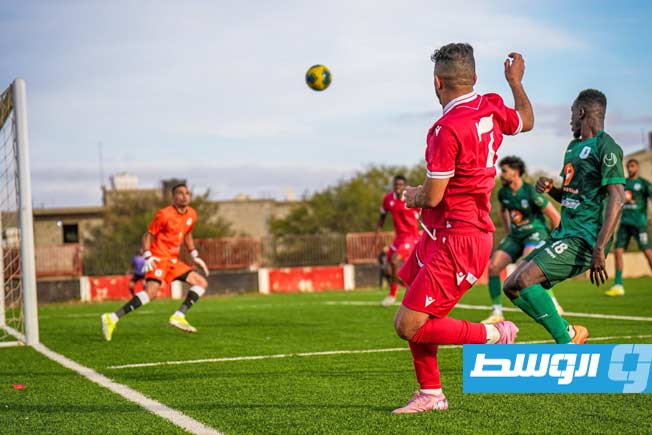
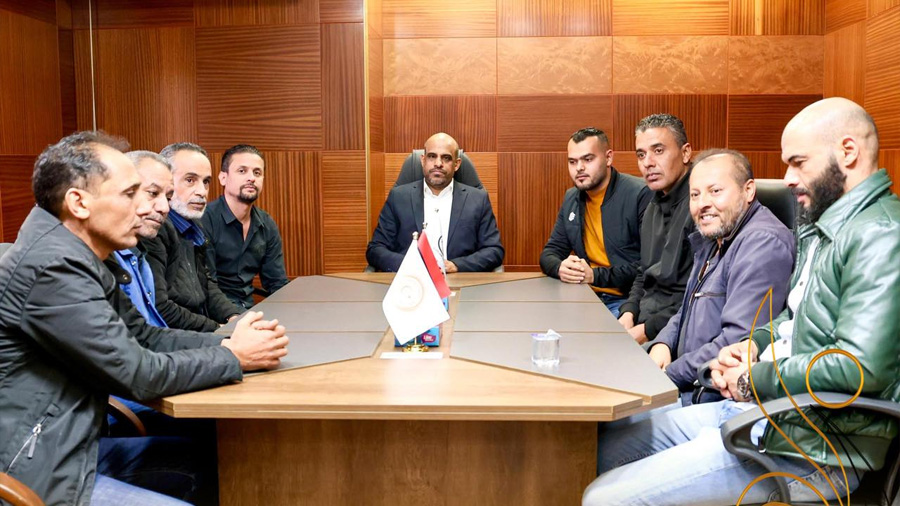
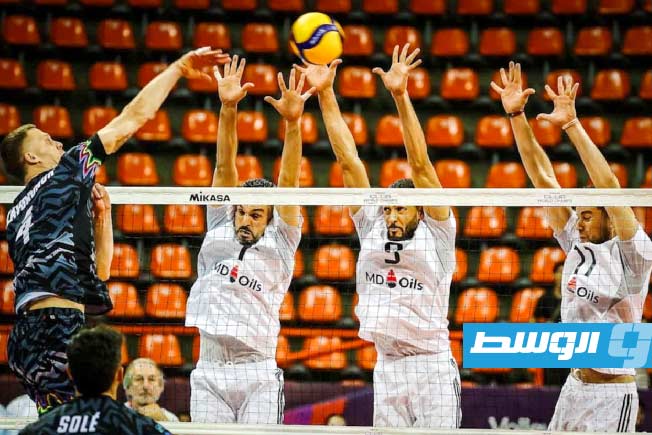
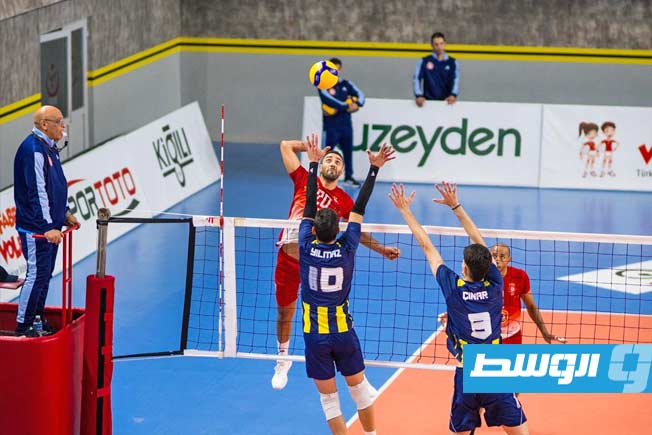
The competitions of the 14th edition of the Libyan Iron Ball Championship, organized and supervised by the Libyan Iron Ball Federation, have concluded.
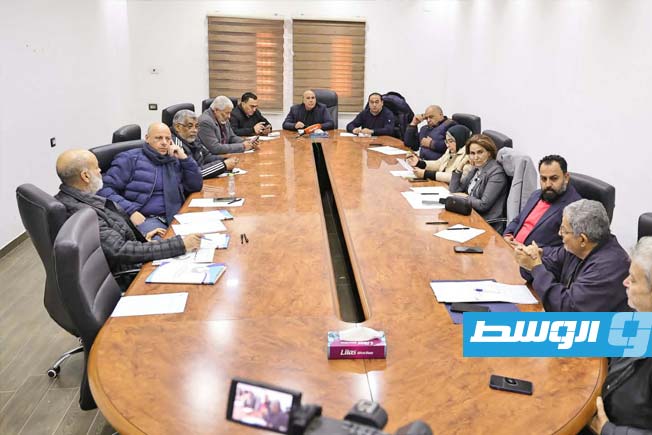
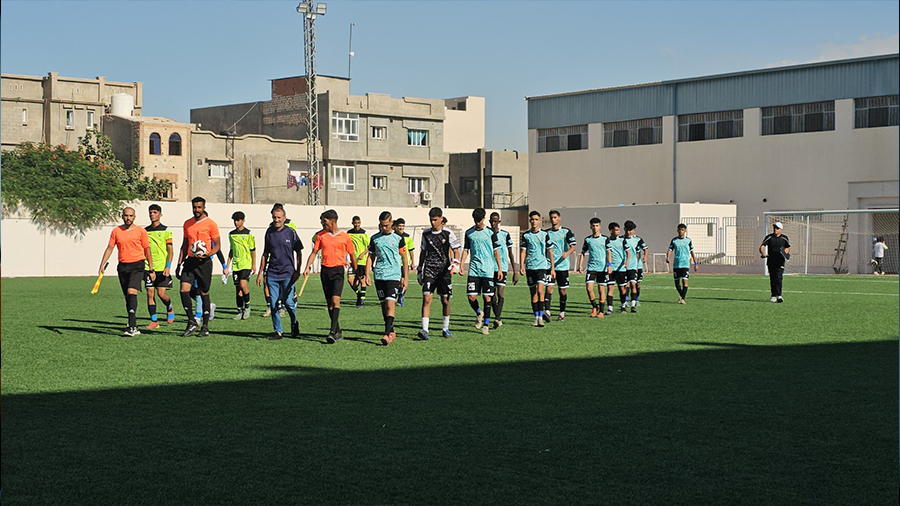
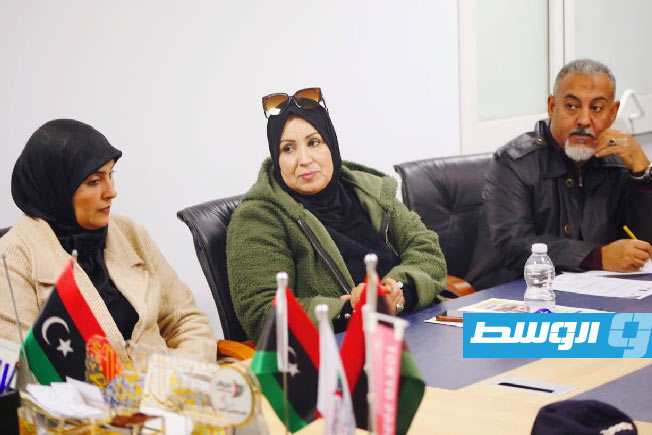
The championship was held at the headquarters of the Libyan Iron Ball Federation in Tripoli and lasted for two days. The event highlighted the accelerating pace currently experienced by the sport of iron ball through local and international tournaments and the achievement of good results both locally and internationally.
New Stars in Iron Ball
There was great satisfaction expressed regarding the conclusion of the Libyan Iron Ball Championship and the impressive results achieved, through which many new athletes emerged. This is an important addition on the path to expanding the competitive base across generations.
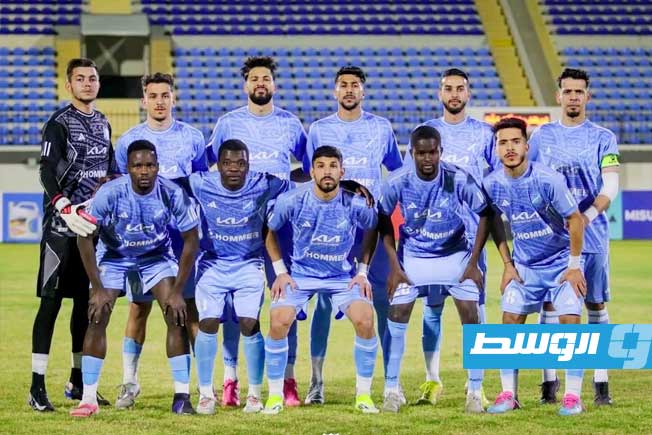
It was stated that the championship witnessed wide participation from athletes representing 13 clubs, including Tobruk, Derna, Tripoli, Zintan, Ghadames, and Hun. Efforts are being made to increase the number of clubs and expand the scope of competition and participation in tournaments.
– Libyan Iron Ball Championship Kicks Off on Thursday
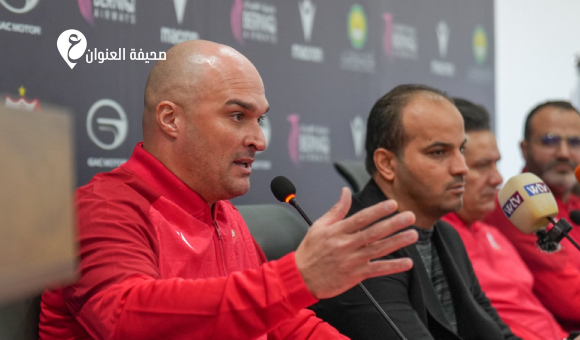
– Tunisian Expert Brought In to Develop National Iron Ball Teams (Photos)
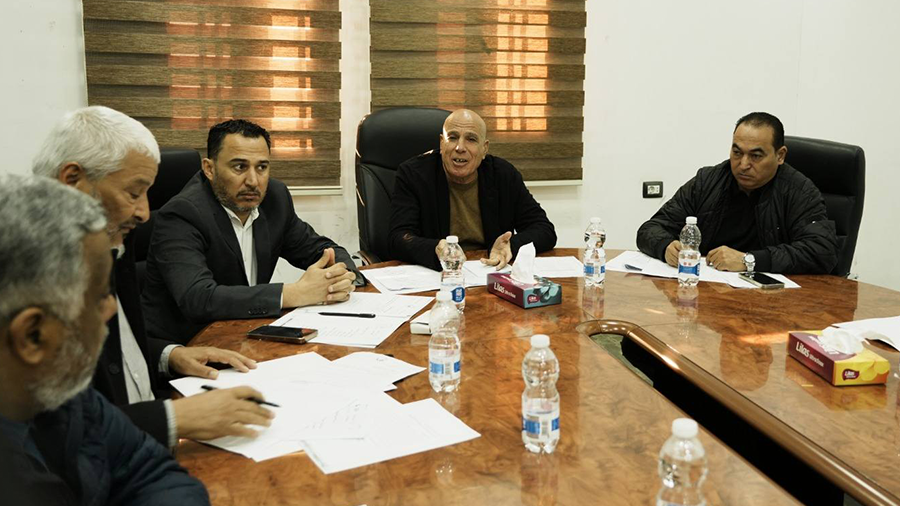
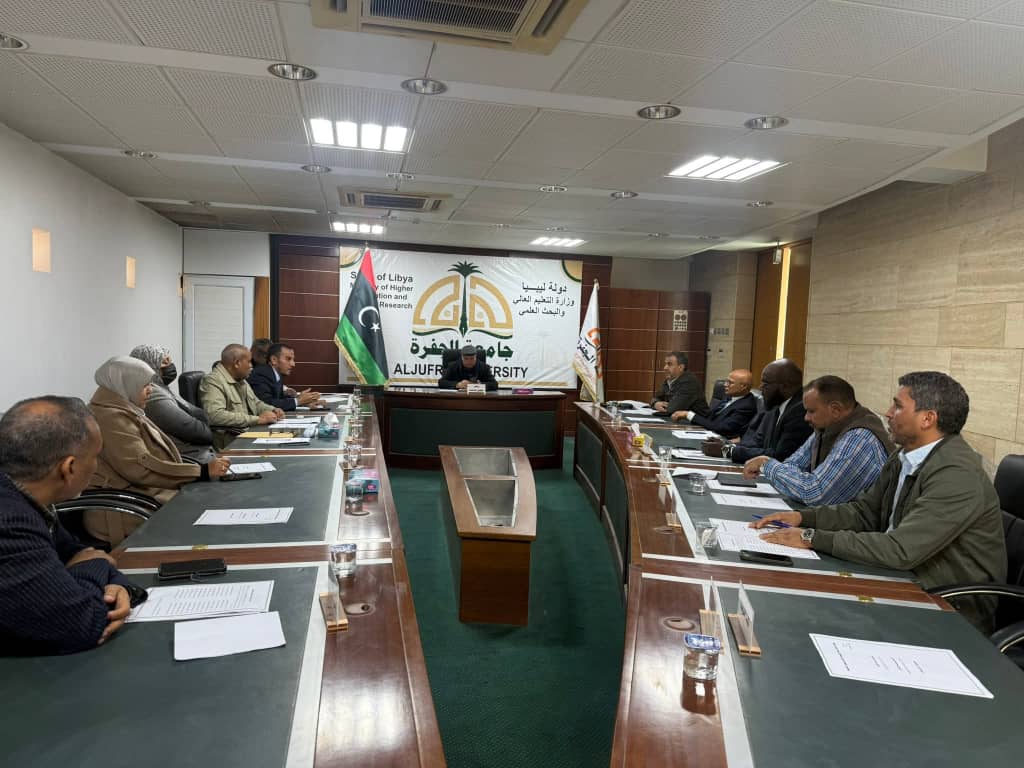
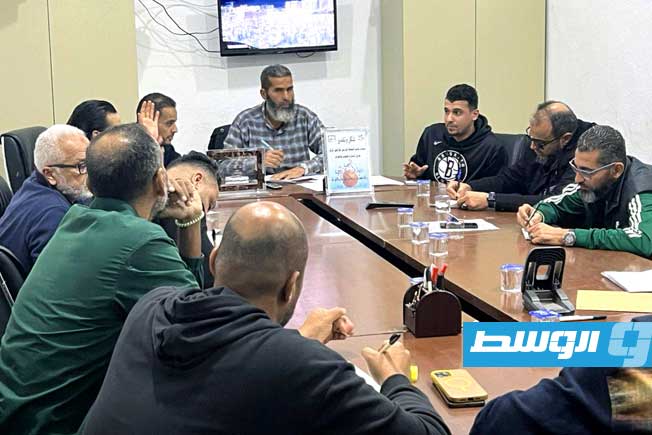
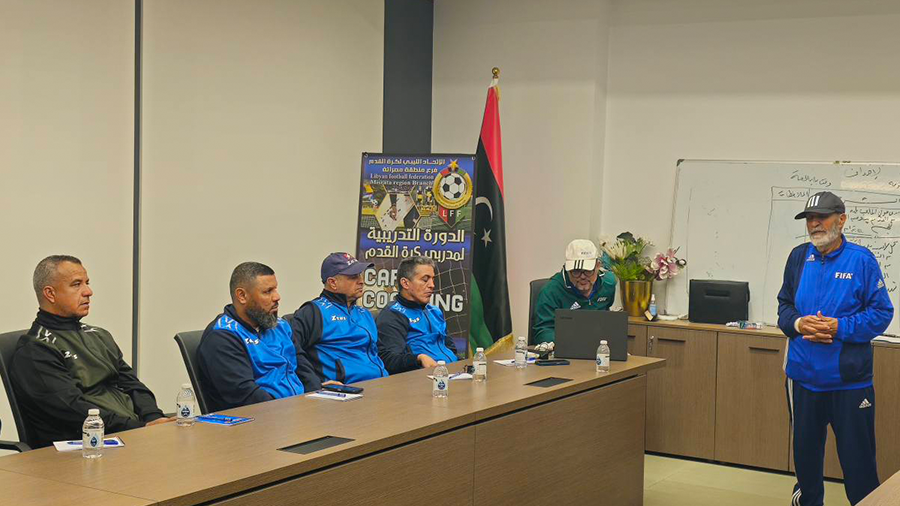
Regarding the general program of the Libyan Iron Ball Federation for the new season, it was said: “We have set the complete calendar for this season, including local and international championships, advanced courses for referees and coaches, as well as focusing on national team members in all specializations through local tournaments and competing for international participation.”
Libya
Libya is a North African country with a rich history rooted in ancient civilizations like the Phoenicians and Romans, followed by centuries of Arab and Ottoman influence. In the modern era, it was an Italian colony before gaining independence in 1951, later becoming known for Muammar Gaddafi’s lengthy rule from 1969 until the 2011 revolution. The country is home to UNESCO World Heritage sites, such as the ruins of Leptis Magna, which testify to its significant historical legacy.
Tripoli
Tripoli is the capital and largest city of Libya, located on the country’s Mediterranean coast. Historically, it was founded by the Phoenicians in the 7th century BC and has since been ruled by the Romans, Arabs, Ottomans, and Italians, serving as a major port and cultural crossroads. Its historic center, the medina, features ancient architecture like the Arch of Marcus Aurelius and the Red Castle (Assai al-Hamra).
Tobruk
Tobruk is a port city in eastern Libya that gained significant strategic importance during World War II due to its natural harbor. It was the site of a prolonged and pivotal siege in 1941, where Allied forces held out against Axis attacks for months, becoming a symbol of resistance. The city’s history is deeply intertwined with this military campaign, which shaped its modern identity.
Derna
Derna is a historic port city in eastern Libya, situated in a fertile valley along the Mediterranean coast. It has a long history dating back to ancient Greek and Roman periods, later becoming a significant center under Ottoman rule and for Mediterranean trade. The city is known for its distinct architecture, lush greenery from an underground aquifer, and the Wadi Derna, which has historically shaped its development and, tragically, caused catastrophic flooding in recent years.
Zintan
Zintan is a city in northwestern Libya known for its strategic location in the Nafusa Mountains. Historically, it played a significant role in the 2011 Libyan Civil War as a stronghold for anti-Gaddafi forces. The area is also recognized for its Berber (Amazigh) cultural heritage and traditional mountain architecture.
Ghadames
Ghadames is an ancient oasis town in western Libya, known as the “Pearl of the Desert,” with a history of settlement dating back over two millennia. Its unique, pre-Saharan architecture features multi-story mud-brick houses and a network of covered alleyways designed for communal living and climate control. Recognized for its cultural significance, the old town was inscribed as a UNESCO World Heritage Site in 1986.
Hun
Hun is a village in Iran’s Isfahan Province, known for its historic stepped architecture built into a mountainside. It dates back to the pre-Islamic Sassanian era and is famous for its traditional houses and water reservoirs, which showcase ancient Persian engineering for desert living.
Libyan Iron Ball Federation
The Libyan Iron Ball Federation oversees the traditional Libyan sport of iron ball, a team game similar to field hockey but played with a heavy metal ball. This sport has deep historical roots in Libya, often associated with cultural heritage and local festivals. The federation works to preserve and promote the game both domestically and in international sporting contexts.
Libyan Iron Ball Championship
The Libyan Iron Ball Championship is a traditional sporting event originating from the Nafusa Mountains, where competitors test their strength by throwing a heavy metal ball as far as possible. Its history is rooted in the Amazigh (Berber) communities, serving as a display of physical prowess and a celebration of local heritage.