Tripoli, December 25, 2025 — The Iraqi Chargé d’Affaires to Libya announced the completion of the necessary procedures to repatriate 72 Iraqi migrants who were residing illegally in Libya back to their home country.
He confirmed in a statement that efforts are ongoing to determine the fate of dozens of others, in coordination with the relevant Libyan authorities.
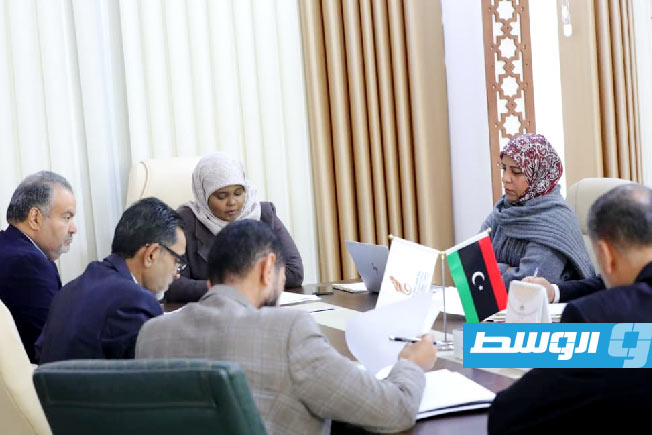
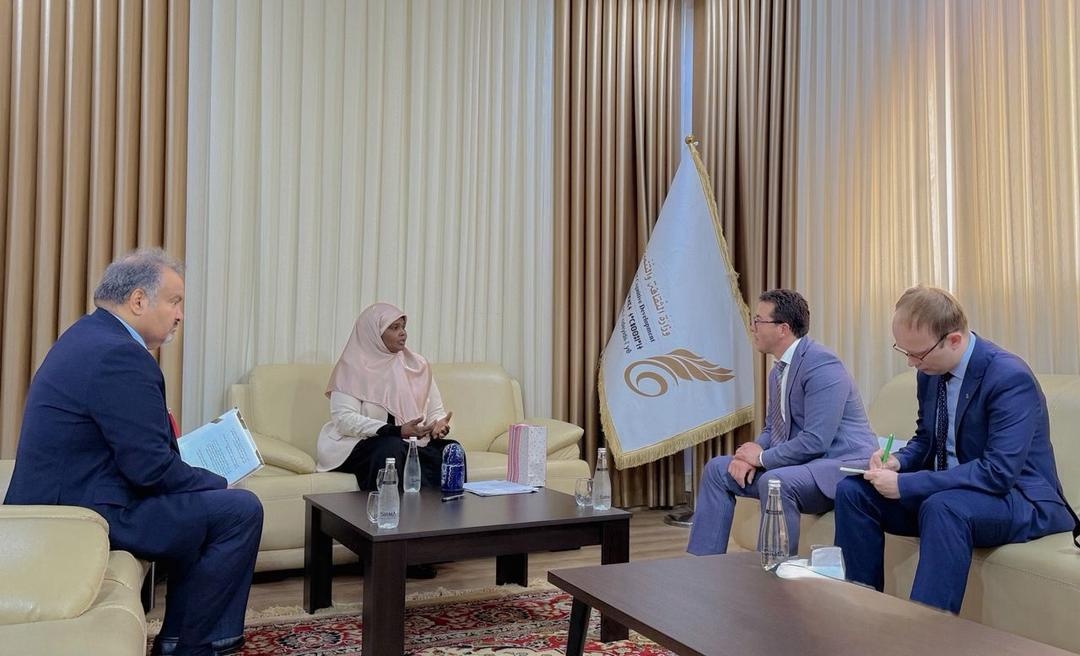
He explained that the Iraqi embassy is coordinating with the relevant Libyan authorities, particularly the security agencies concerned with the file of illegal migrants, as well as with the Anti-Illegal Immigration Center in the Libyan capital, Tripoli.
He added that 72 Iraqi migrants have been identified, for whom the embassy has issued travel documents and completed their repatriation procedures, confirming that their return to Iraq will take place soon.
He affirmed that the embassy has consistently warned of the consequences of engaging in illegal migration channels, due to the serious risks they entail.
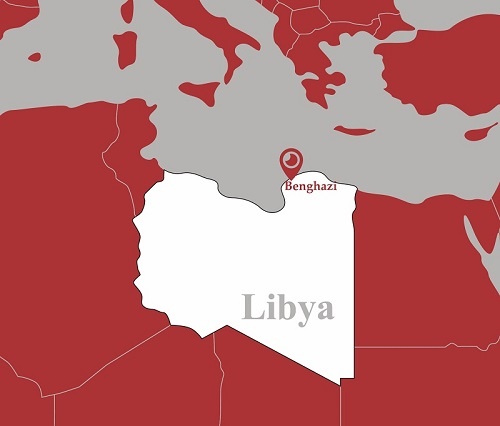
Tripoli
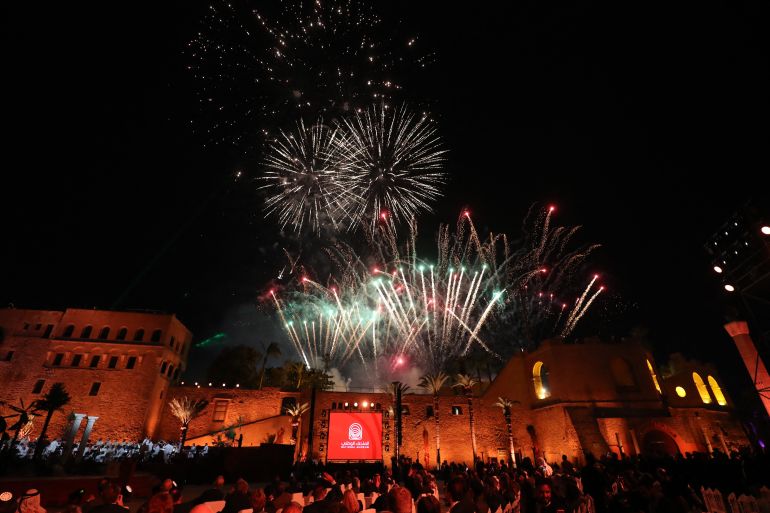
Tripoli is the capital and largest city of Libya, with a history dating back to the 7th century BC when it was founded by the Phoenicians. It later became a significant part of the Roman Empire, the Ottoman Empire, and an Italian colony, which is reflected in its diverse architecture, such as the historic Medina and the Red Castle.
Libya
Libya is a North African country with a rich history that includes ancient Phoenician and Greek settlements, most notably at Cyrene, and later Roman rule. It was part of the Ottoman Empire before Italian colonization in the early 20th century, gaining independence as a kingdom in 1951. The nation’s modern history was dominated by Muammar Gaddafi’s lengthy rule from 1969 until the 2011 civil war and his overthrow.
Iraq
Iraq, historically known as Mesopotamia, is a country in Western Asia often called the “Cradle of Civilization” for its ancient cities like Babylon and Ur, which were centers of early writing, law, and urban development. In the modern era, it was established as a kingdom in 1932 after the dissolution of the Ottoman Empire and has since experienced significant political turmoil, including the Iraq War beginning in 2003. Its rich cultural heritage encompasses numerous archaeological sites, while contemporary Iraq continues to navigate complex social and political challenges.
Anti-Illegal Immigration Center
The “Anti-Illegal Immigration Center” is a proposed cultural site in the town of Béziers, France, championed by its former mayor Robert Ménard. It is intended to be a museum and memorial dedicated to the history of illegal immigration and its consequences, though it has faced significant controversy and criticism for its perceived political messaging and has not yet been realized.
Iraqi embassy
The Iraqi embassy serves as the diplomatic mission of the Republic of Iraq in a host country, facilitating official relations and providing consular services. Its history is tied to the modern Iraqi state, with its functions and status evolving through periods of monarchy, republic, and various changes in government.