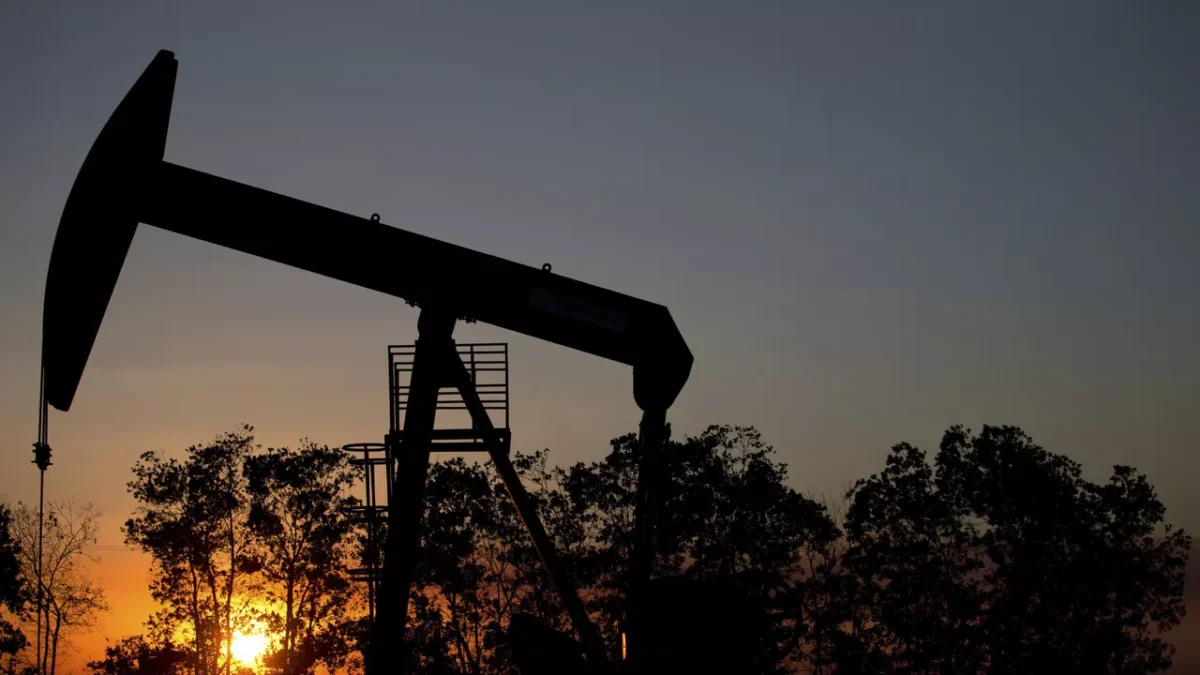
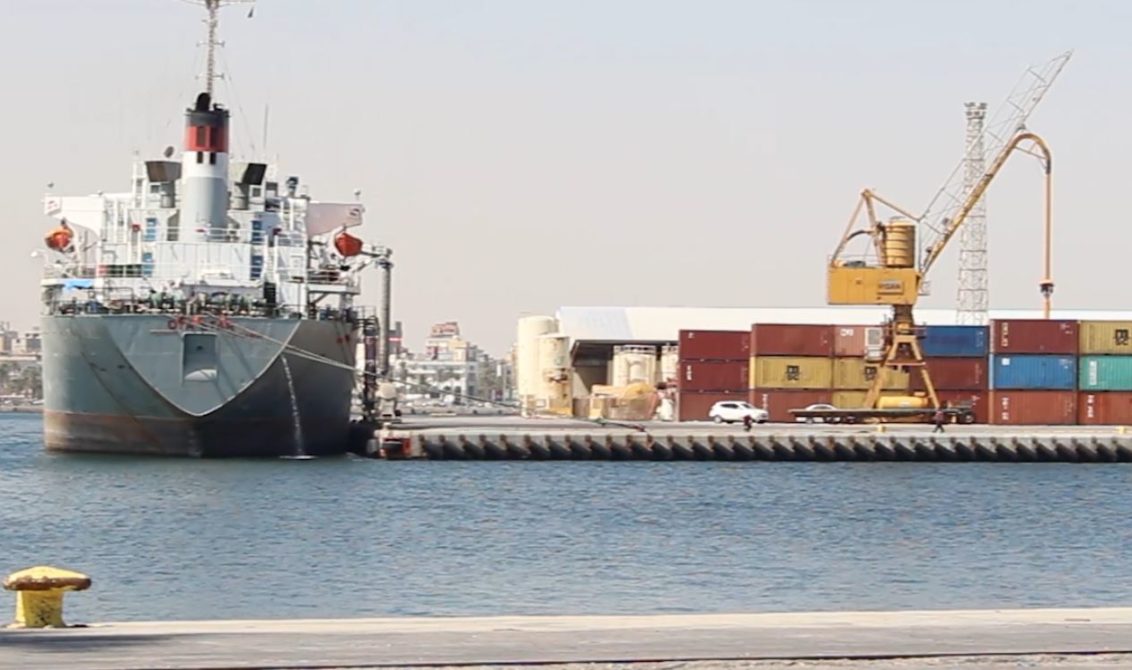
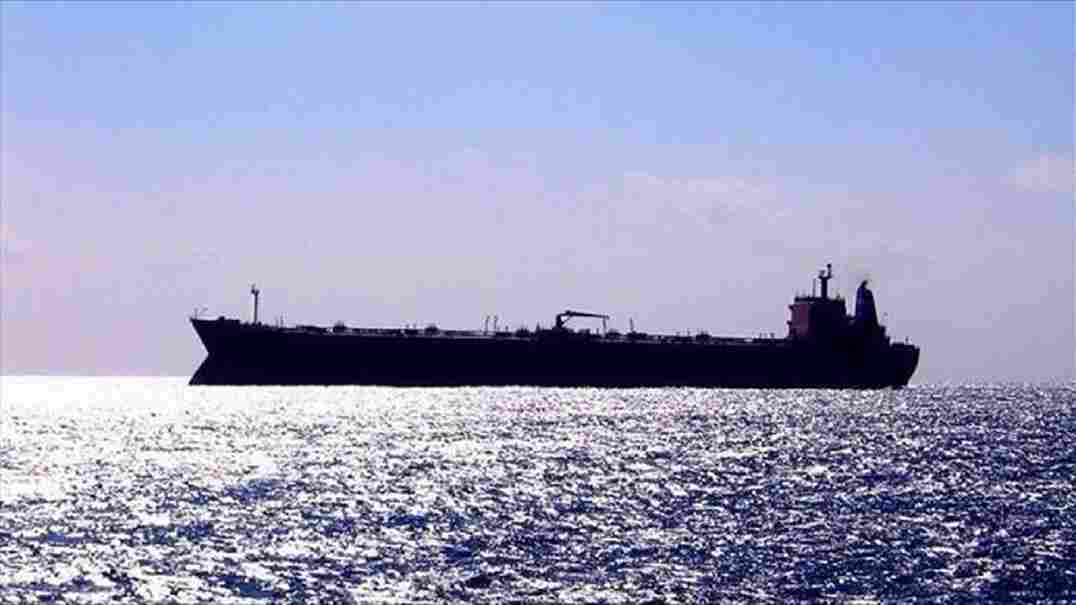
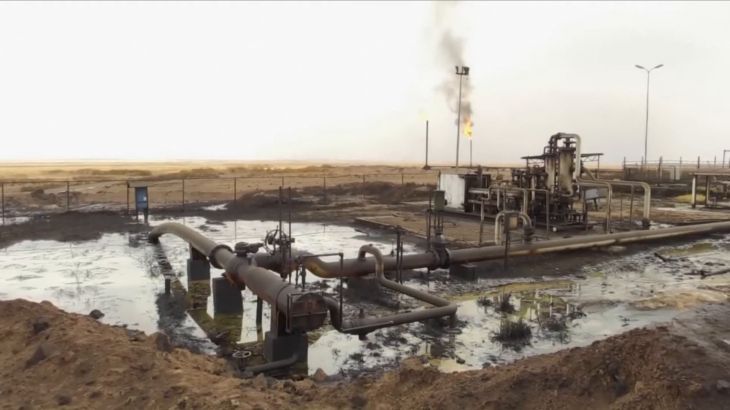
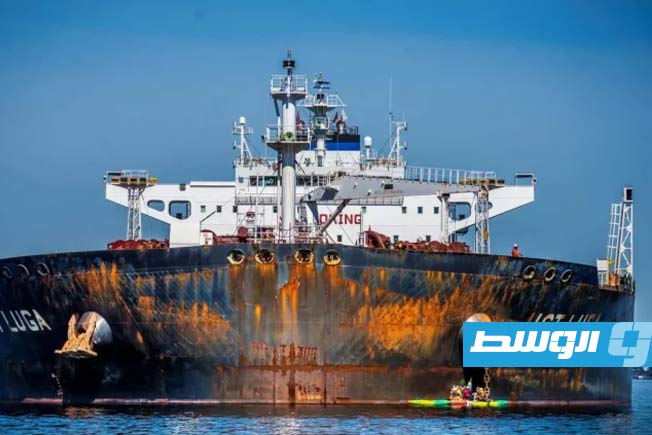
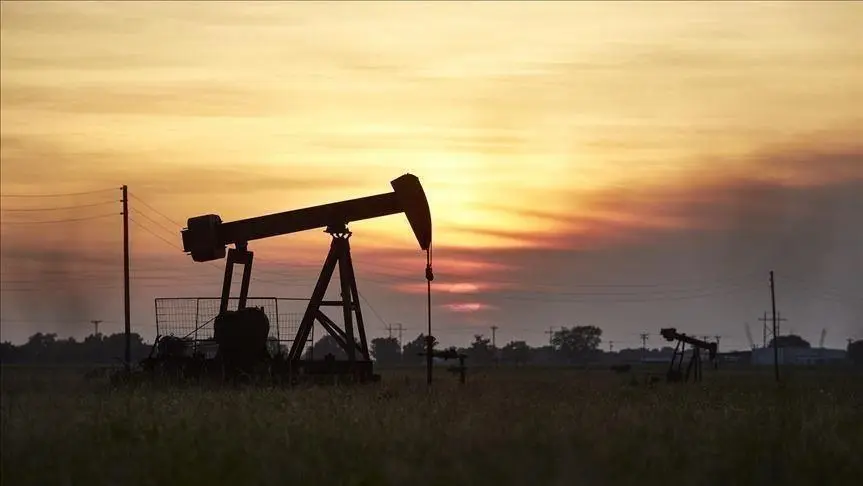
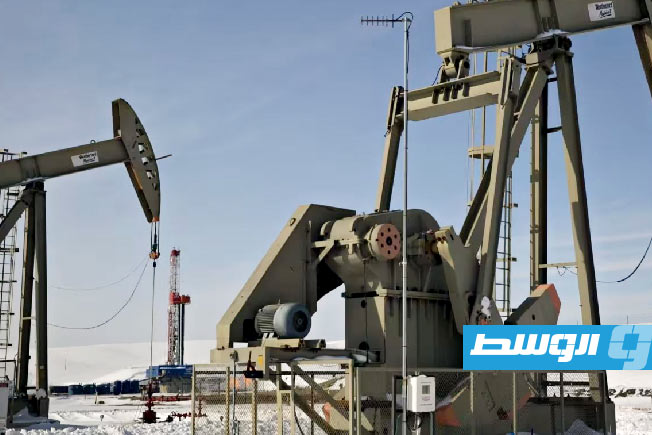
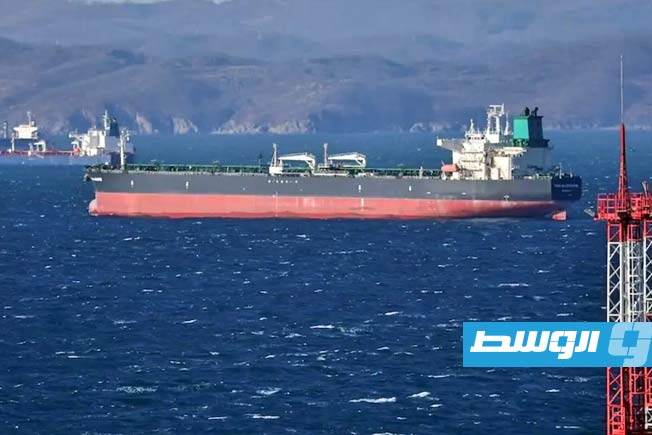
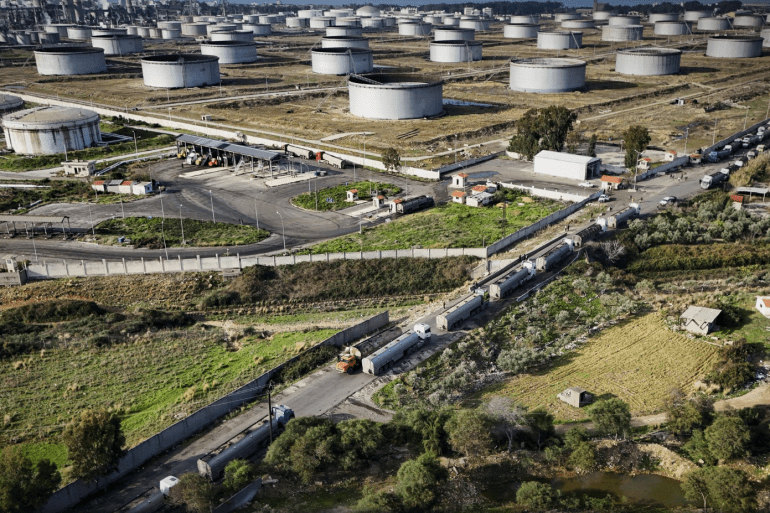
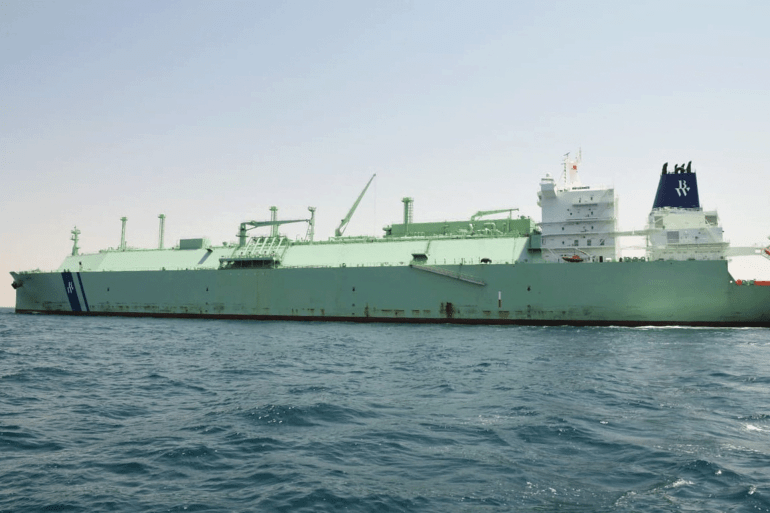
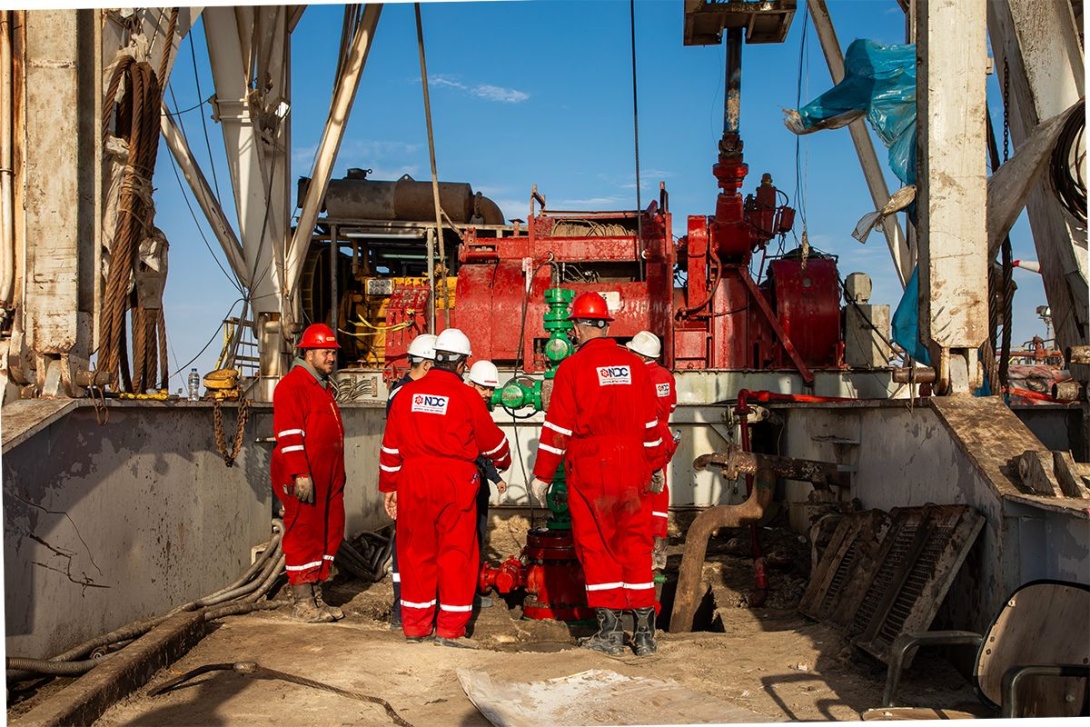
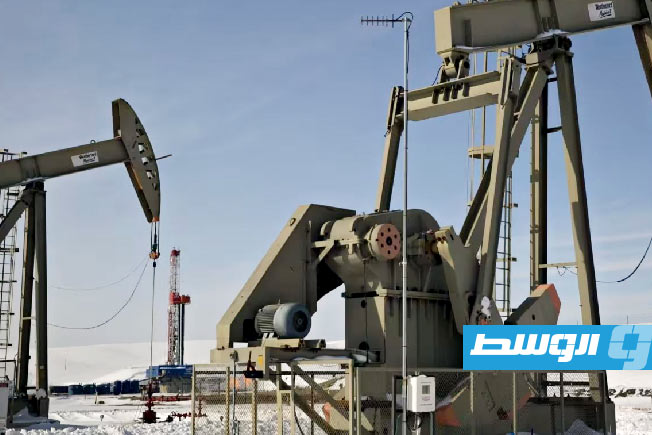
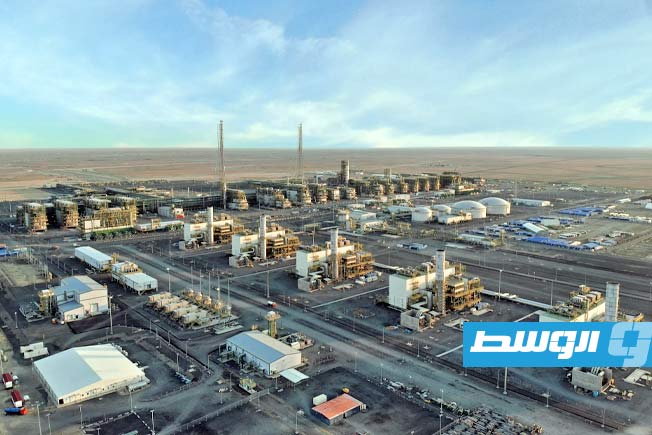
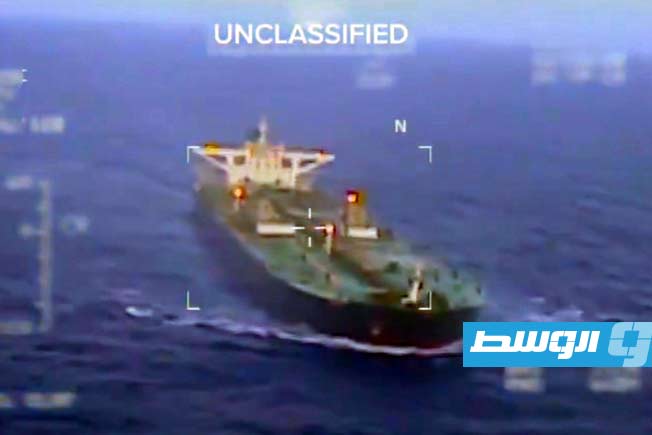
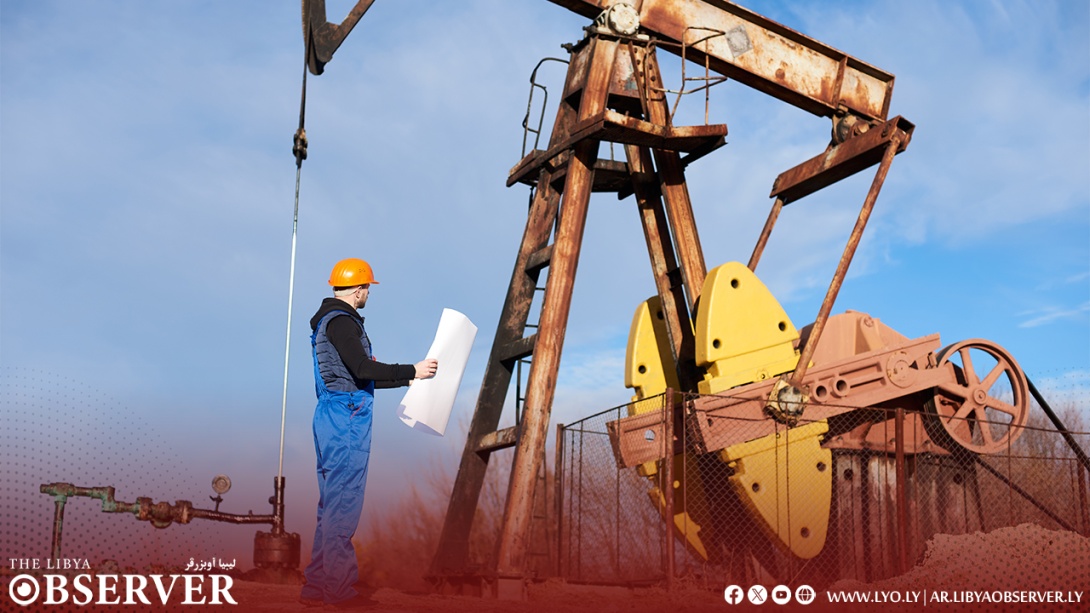
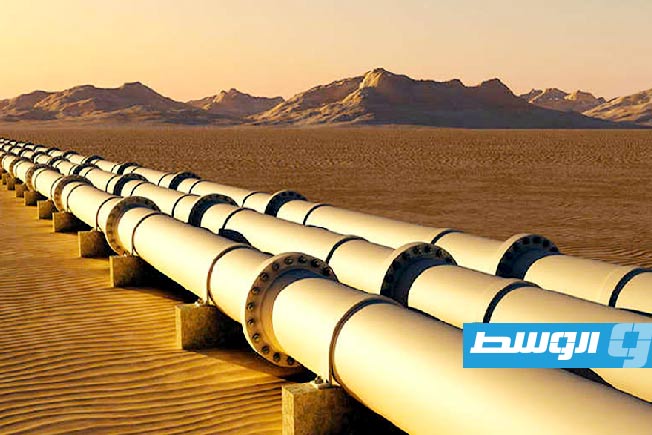
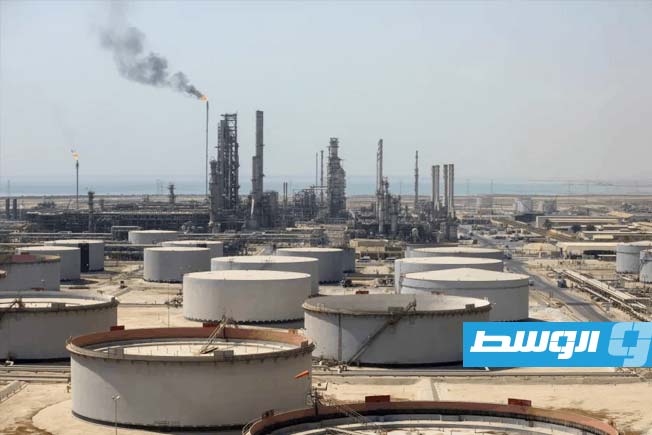
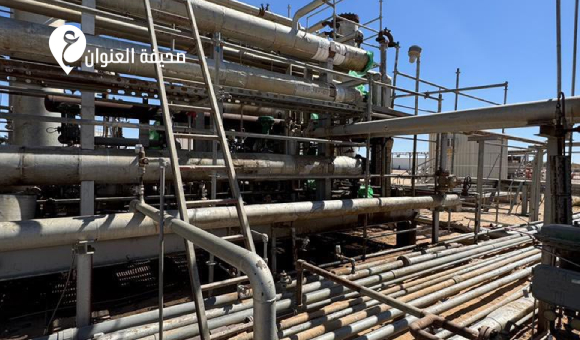
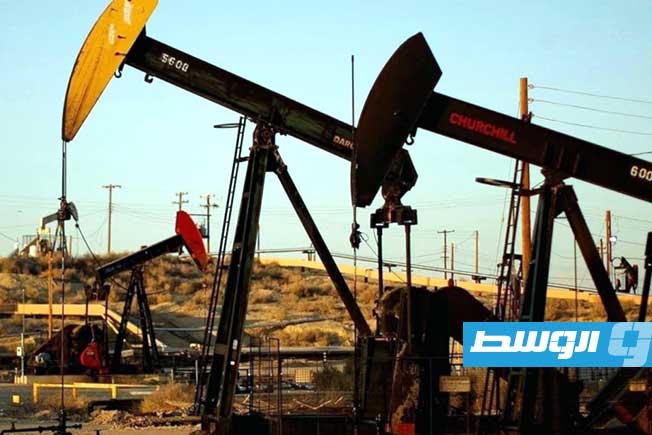
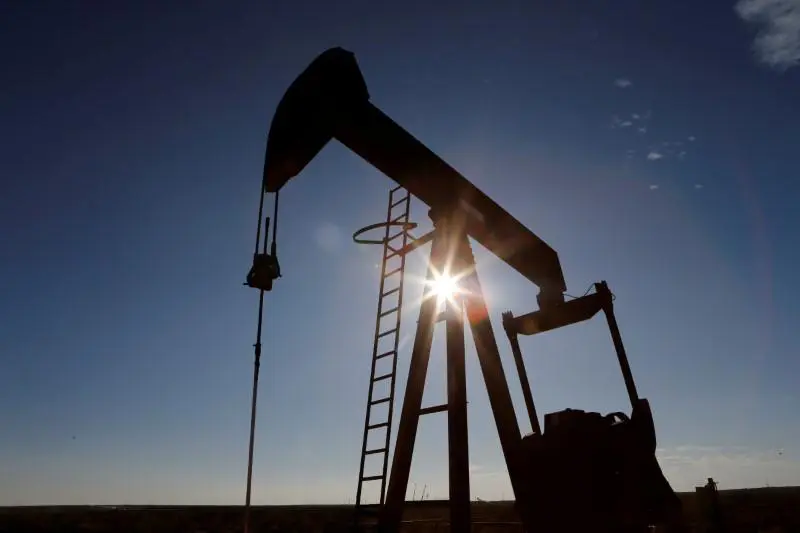
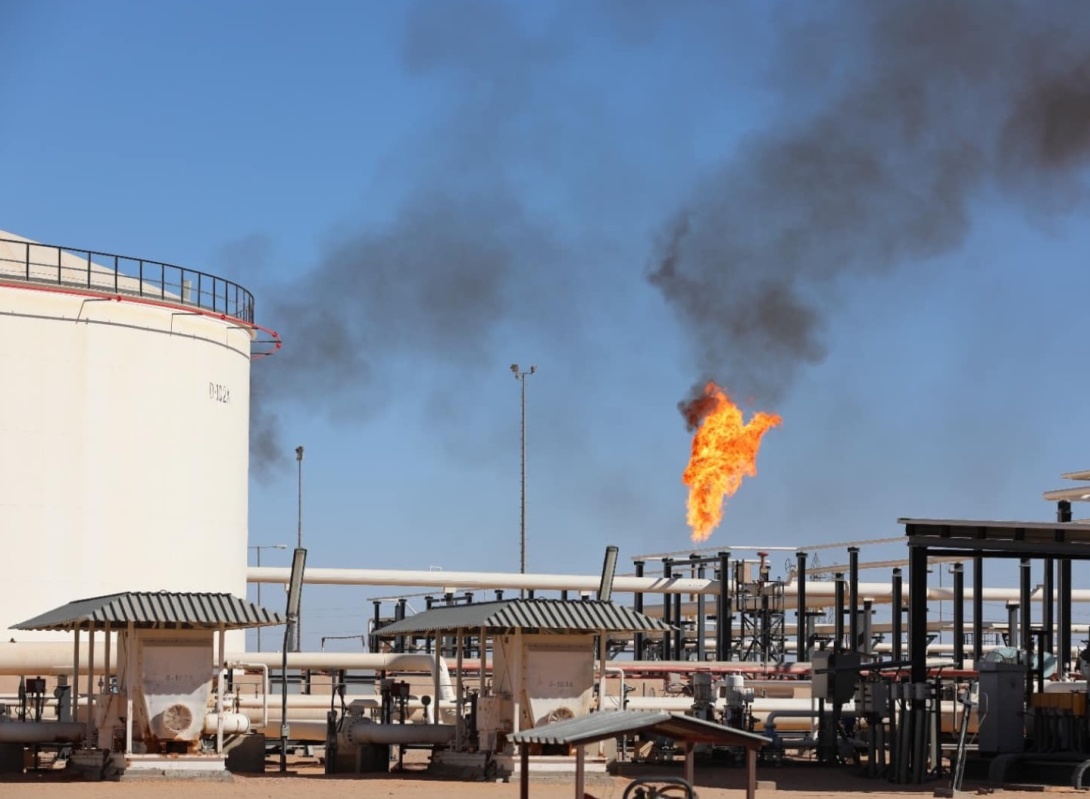
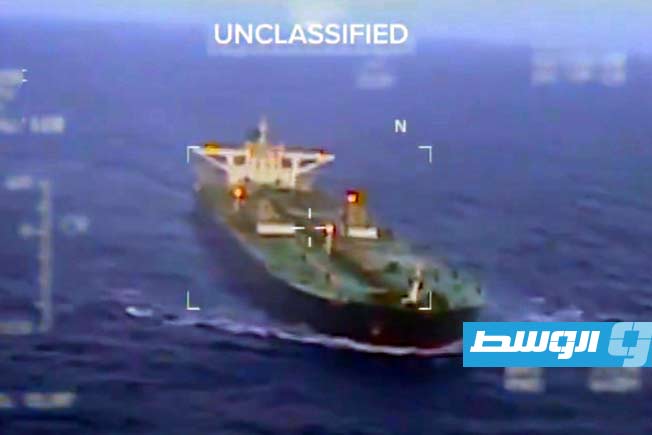
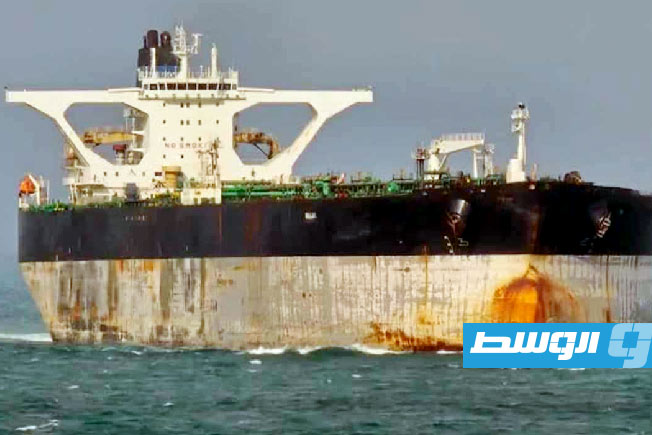
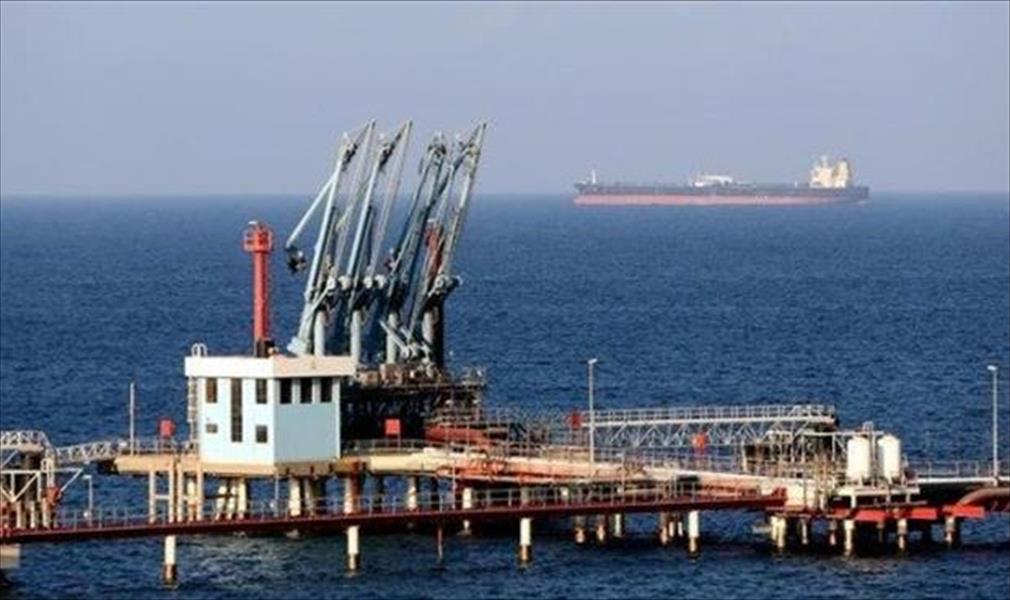
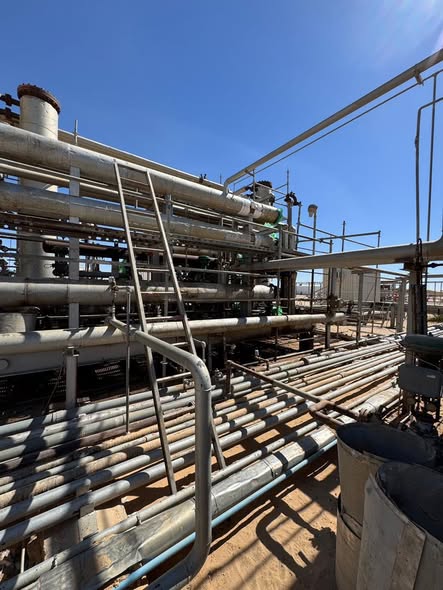
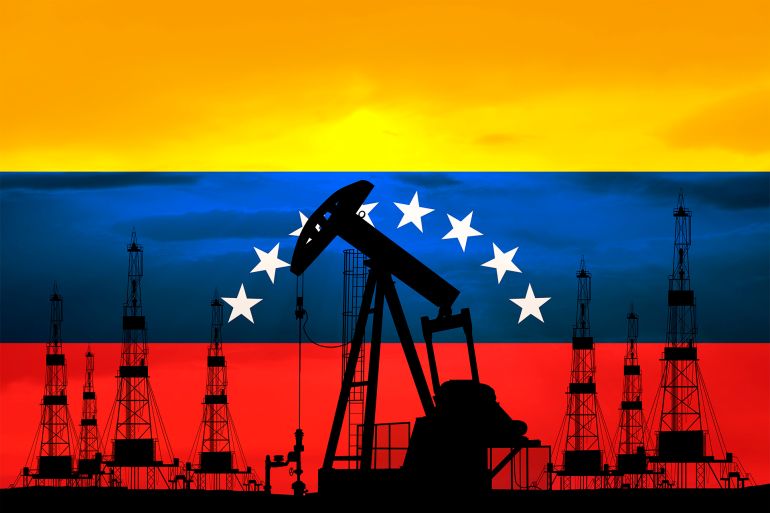
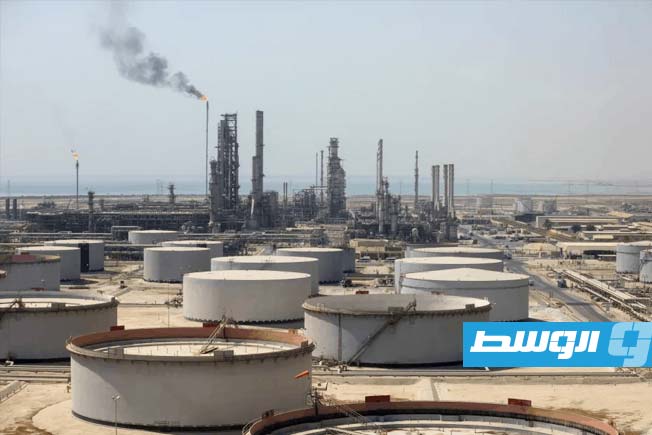
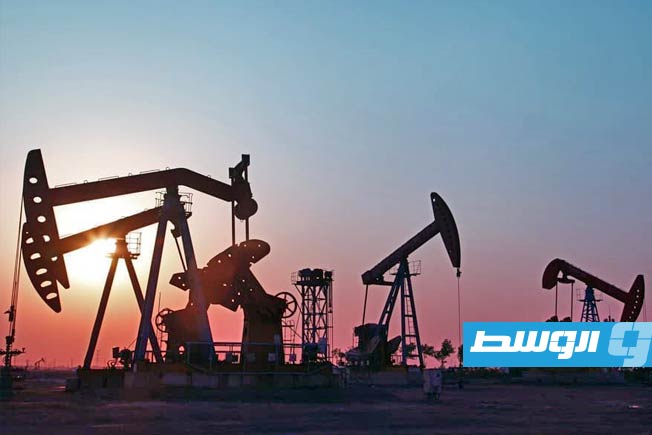
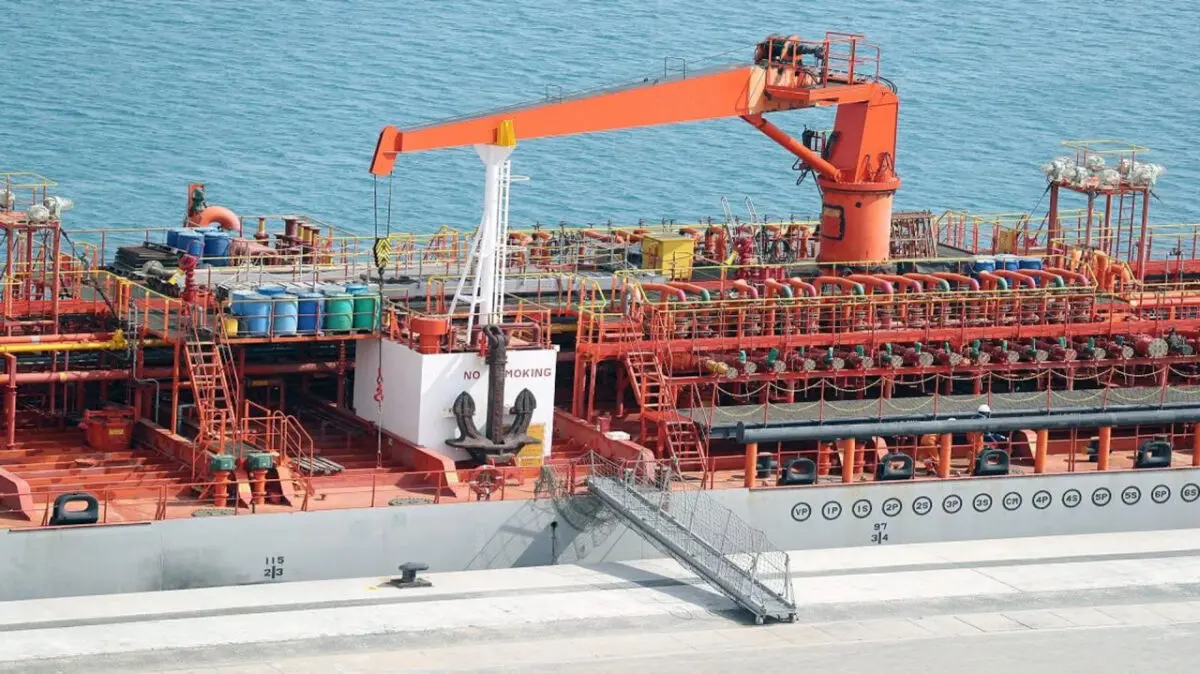
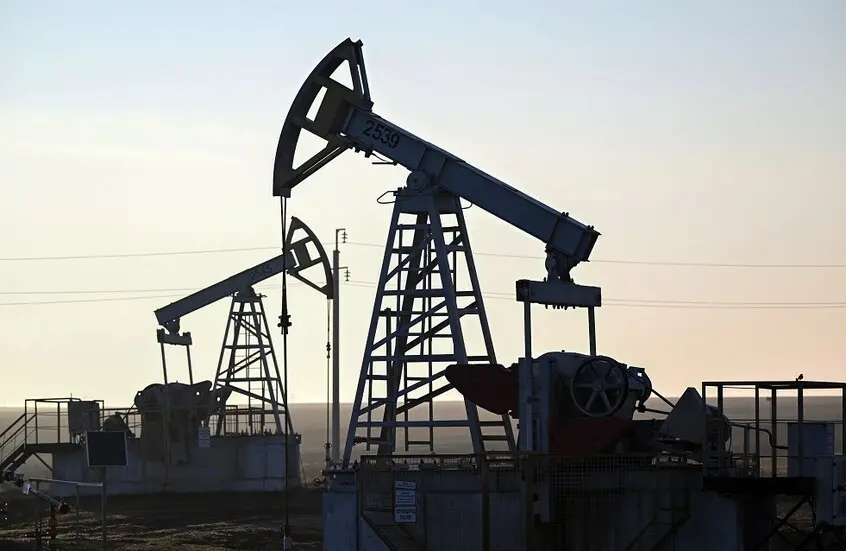
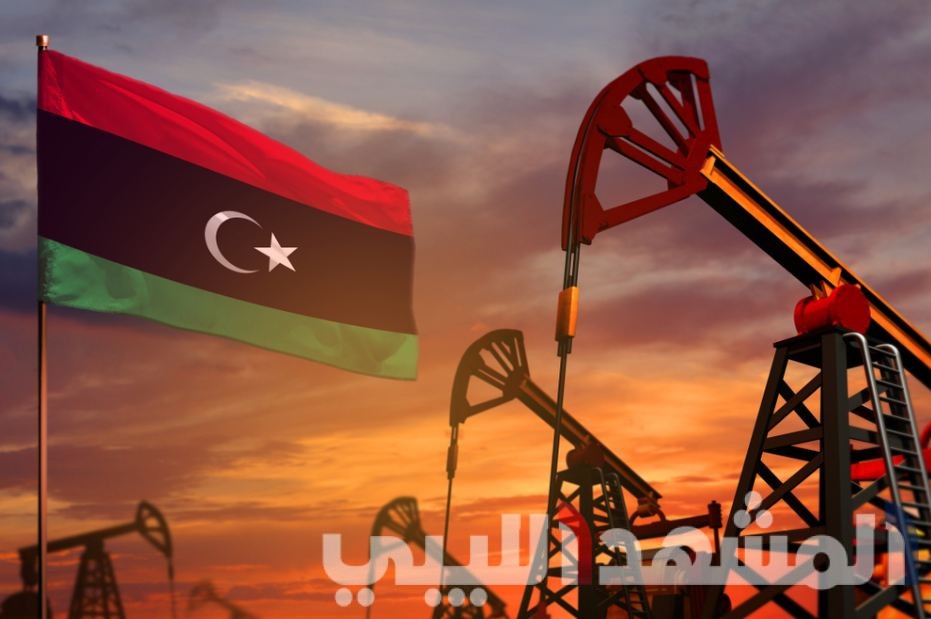
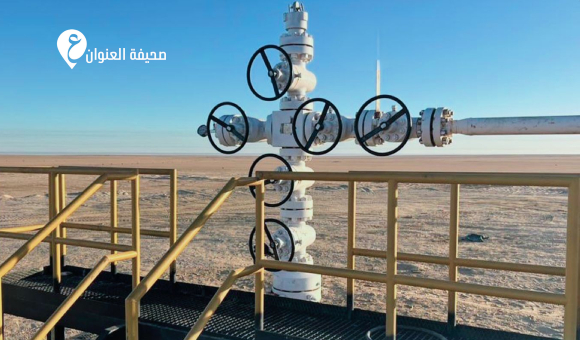
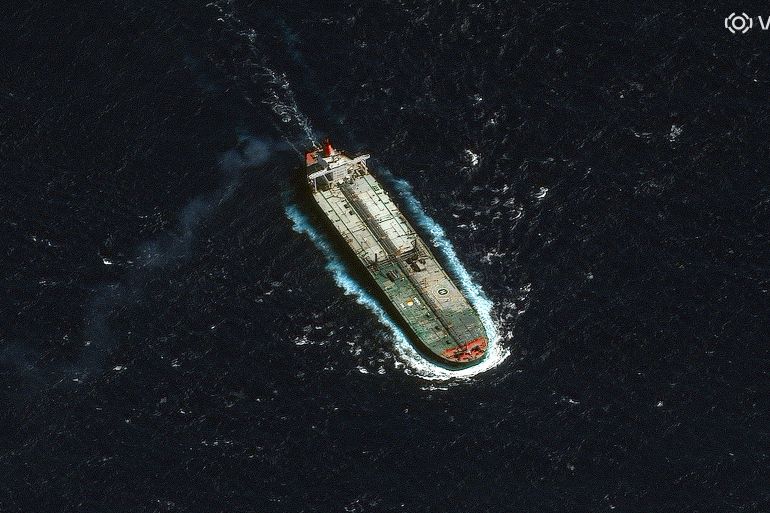
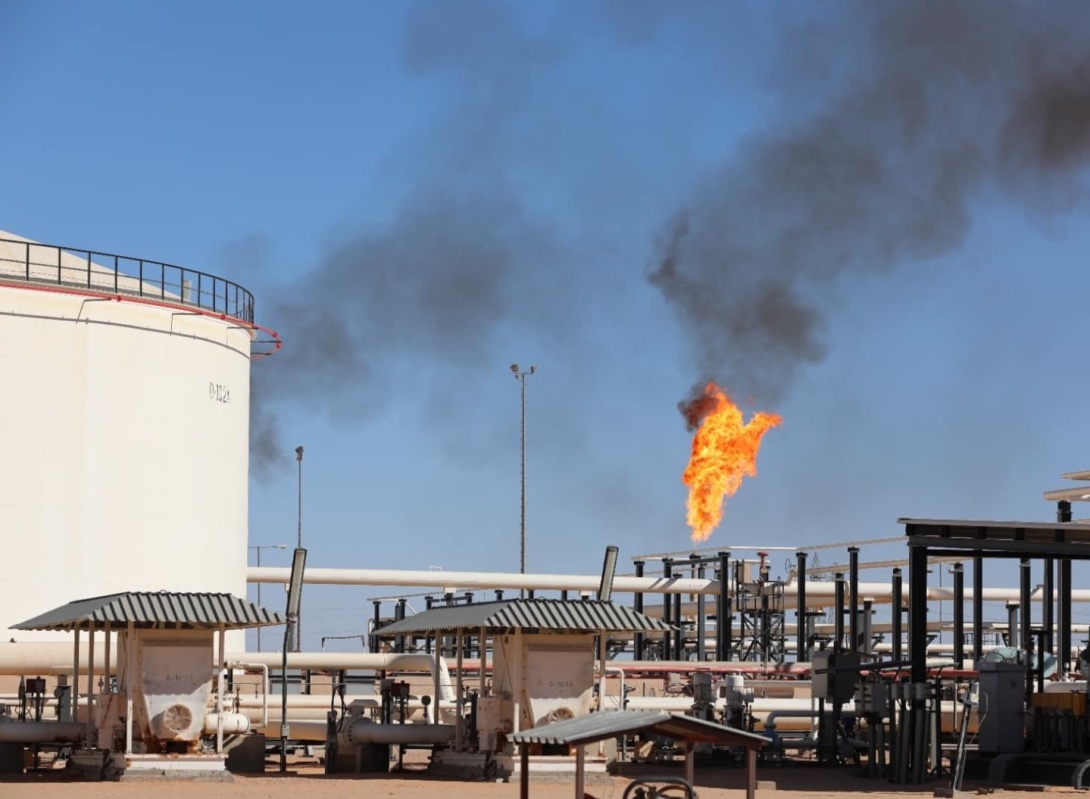
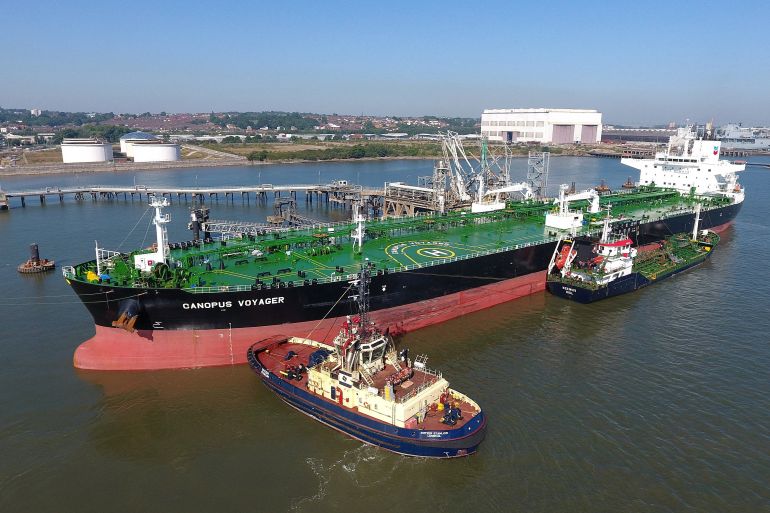
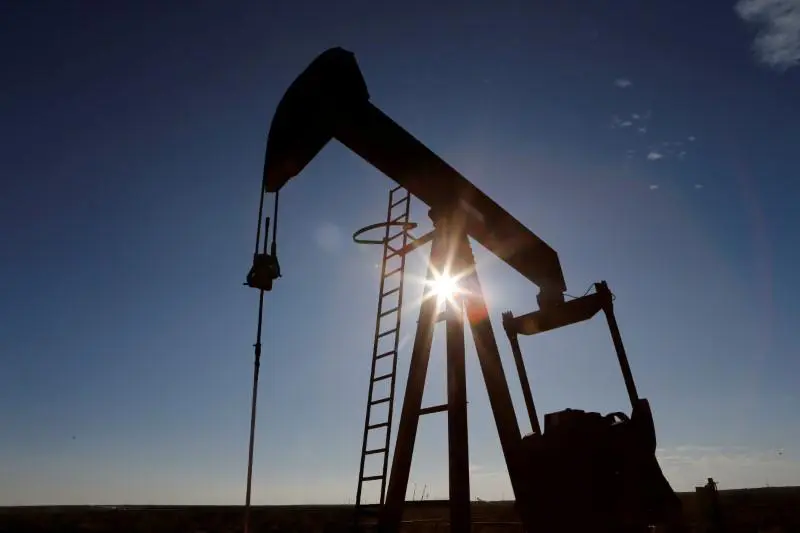
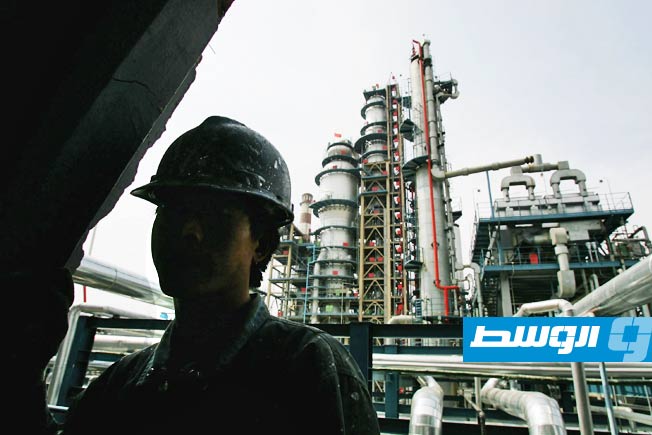
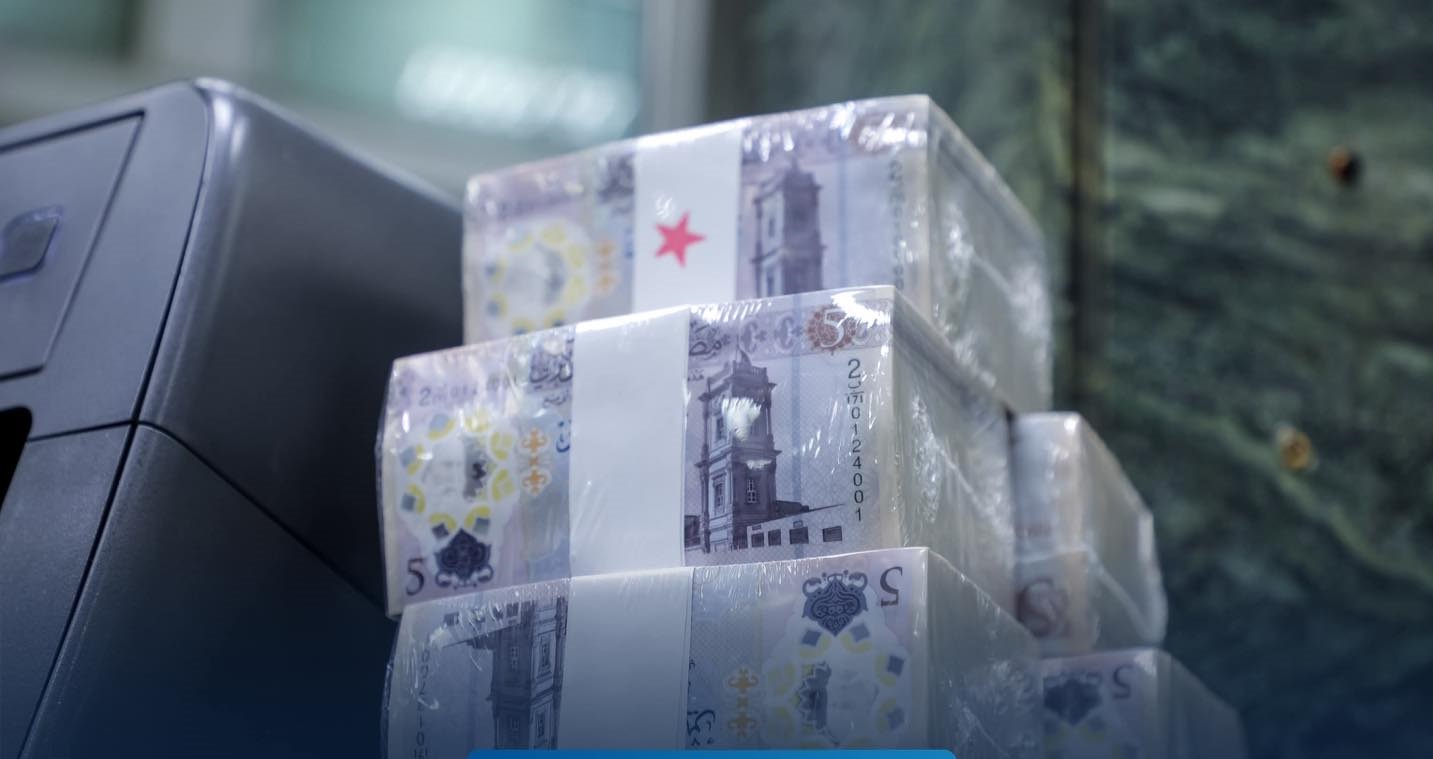
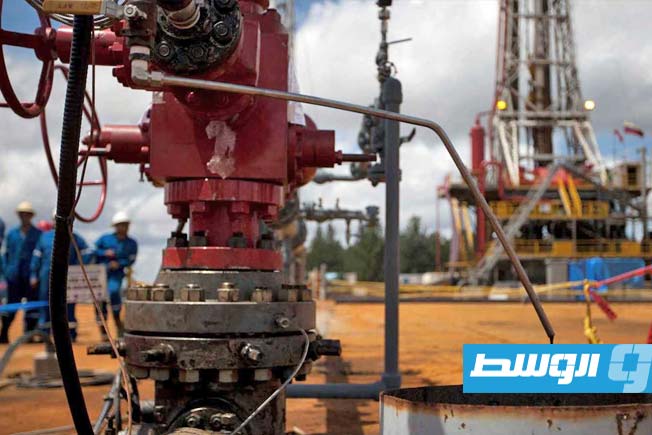
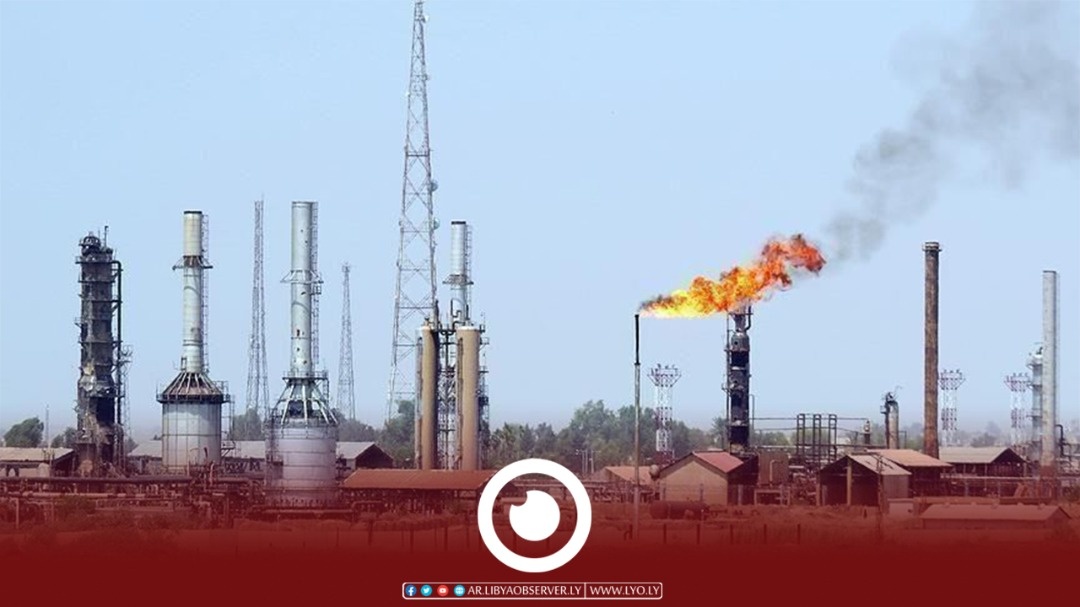
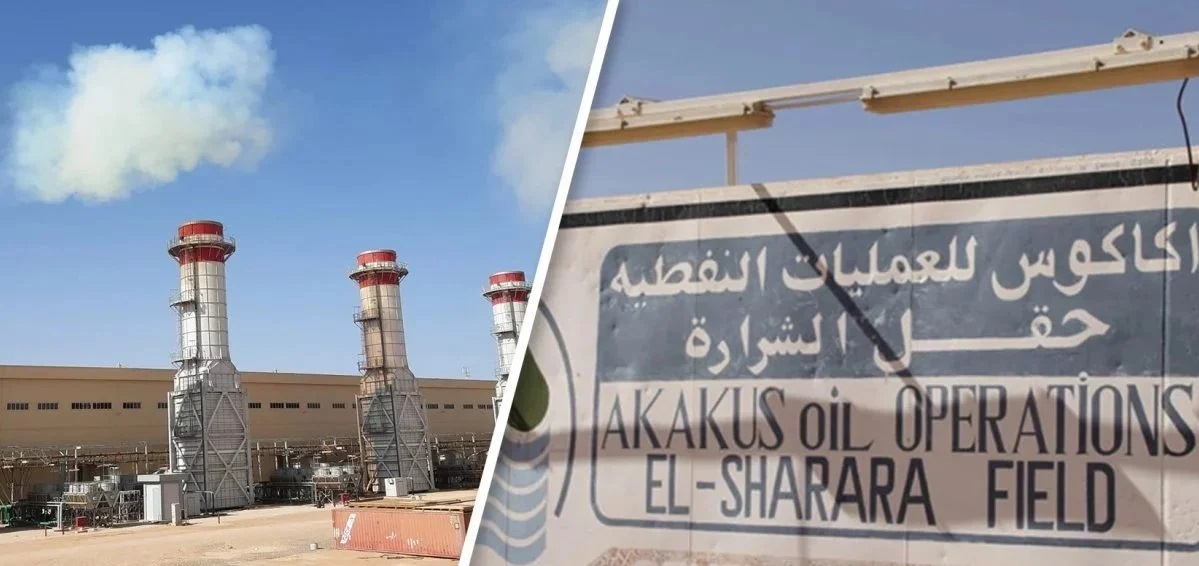
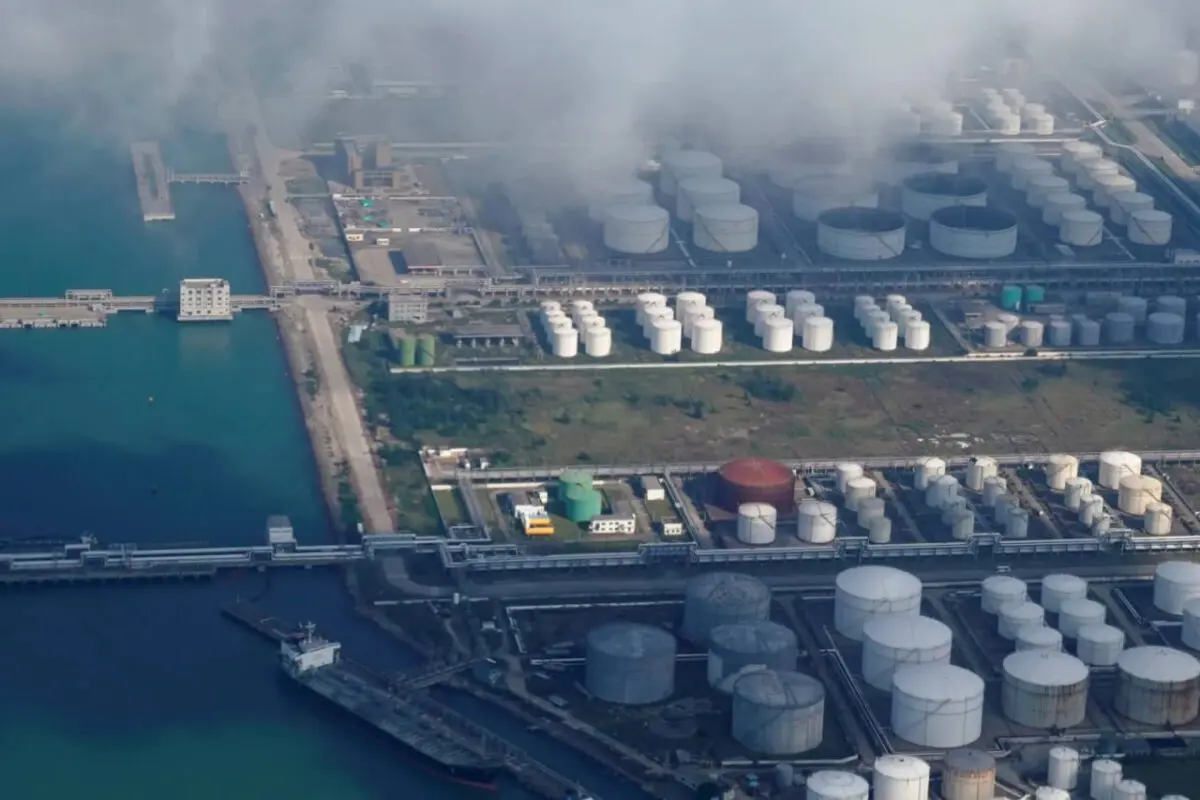
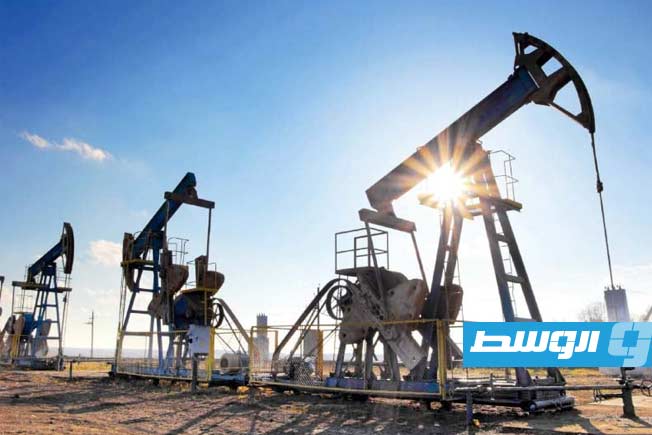
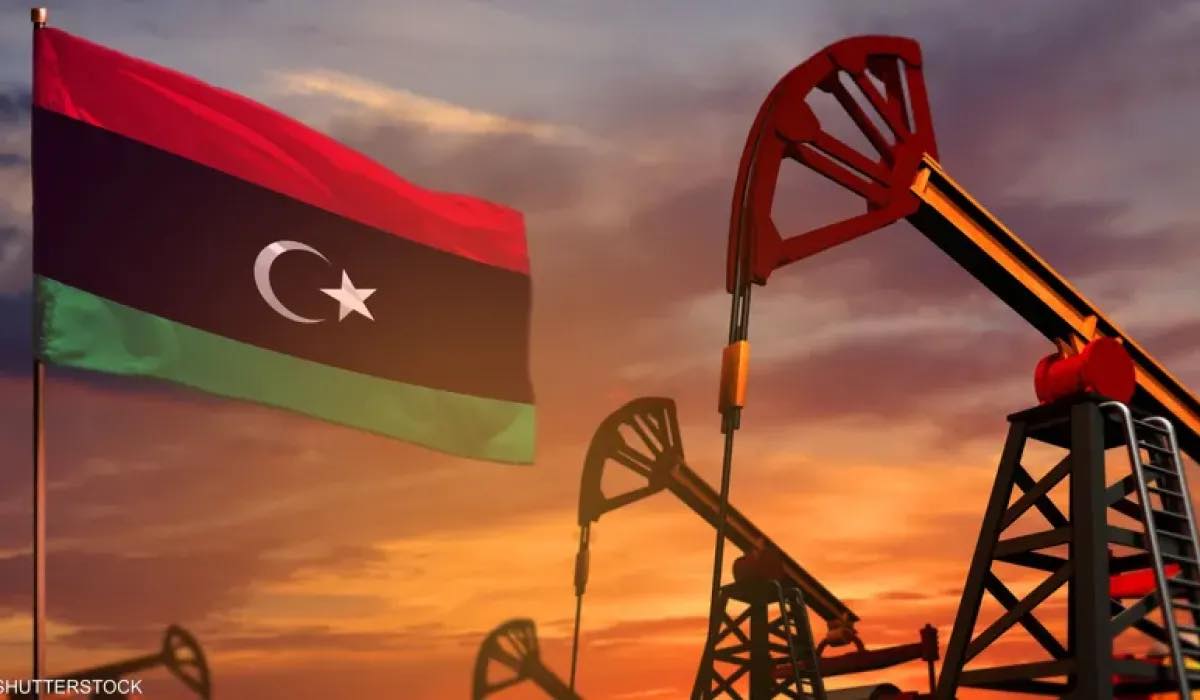
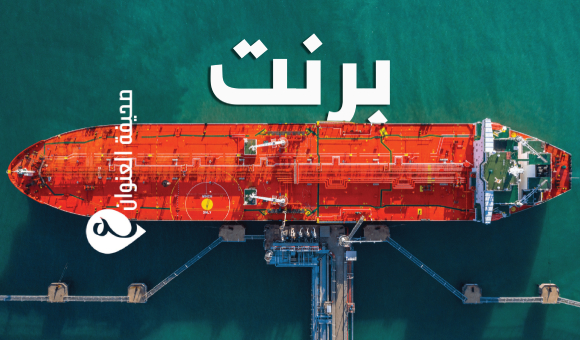
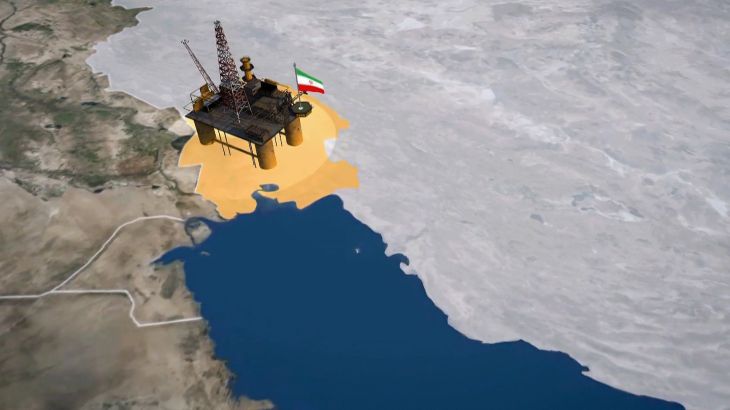
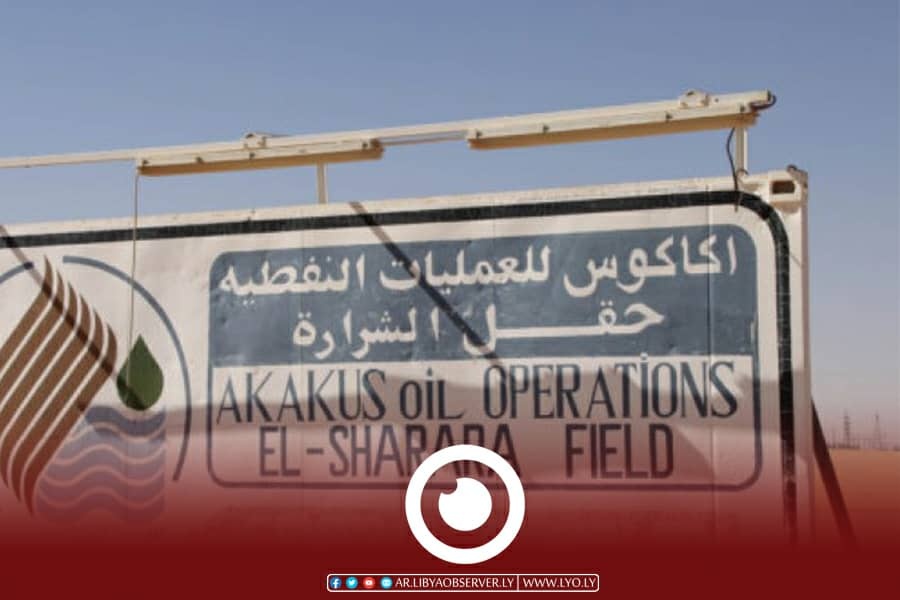
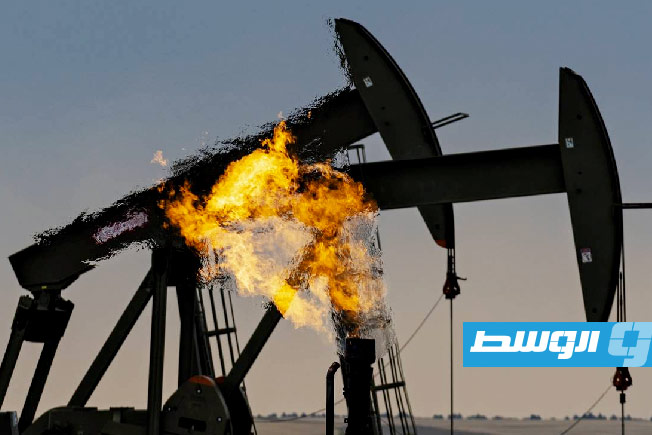
Iraq’s oil marketing company “SOMO” confirmed that all international oil-producing companies in the Kurdistan Region of Iraq are obligated to deliver their produced crude oil to it, in accordance with the agreement signed last September. This is to maintain the stability of Iraq’s oil exports and the production fields in the region.
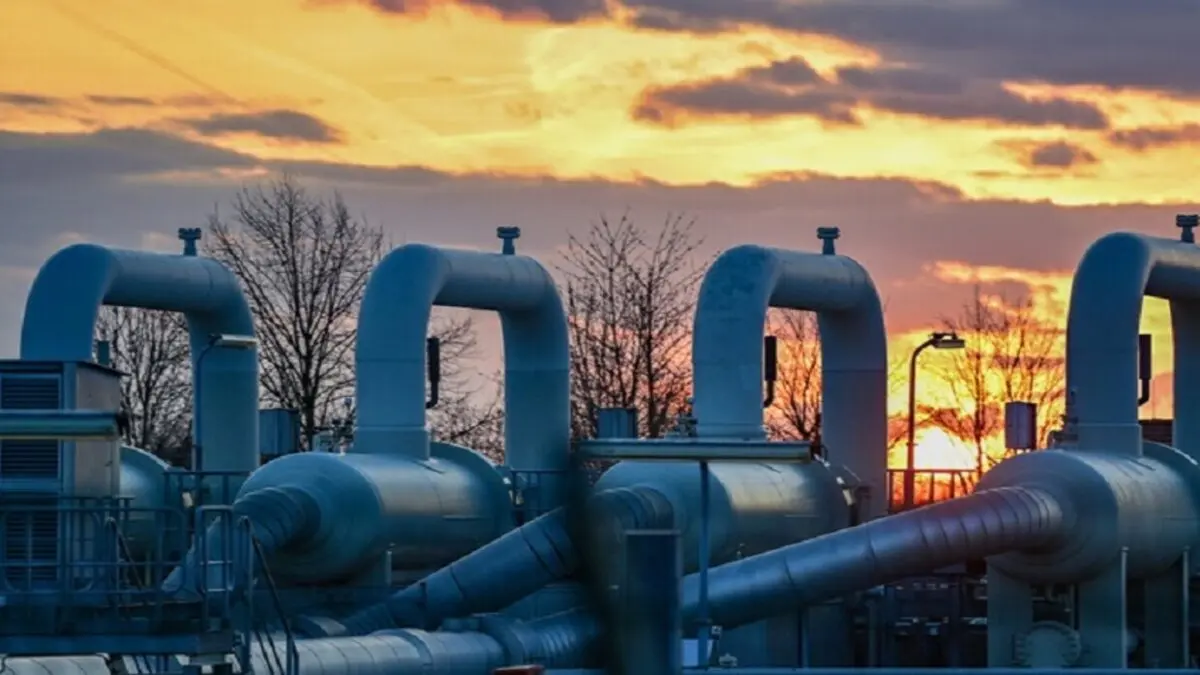
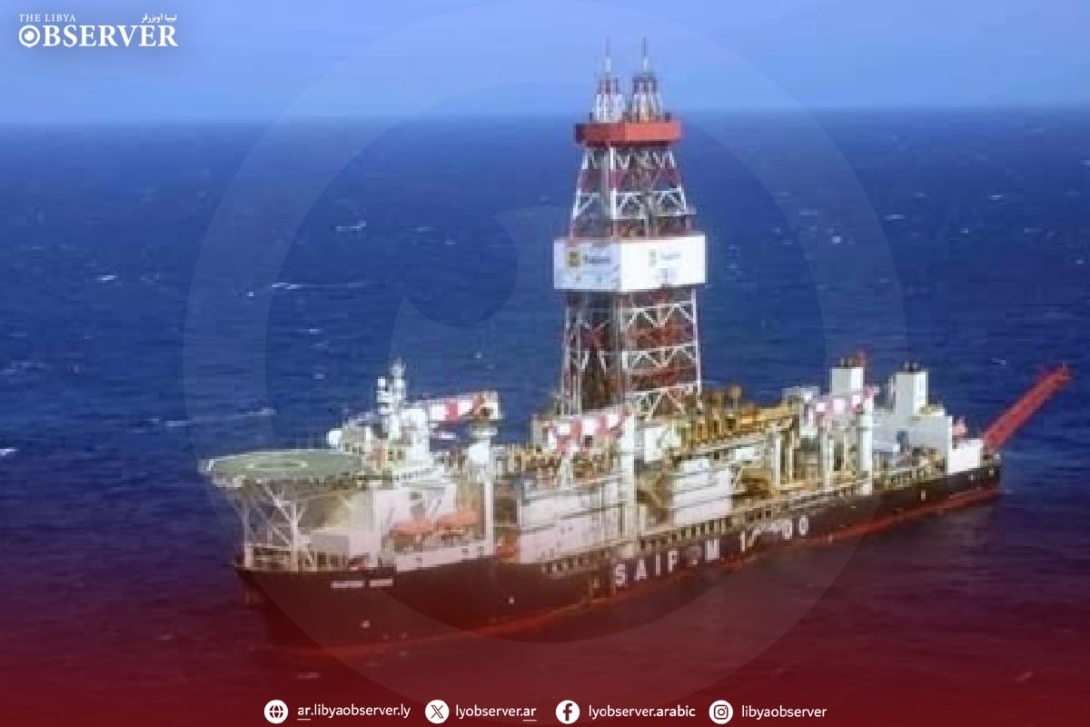
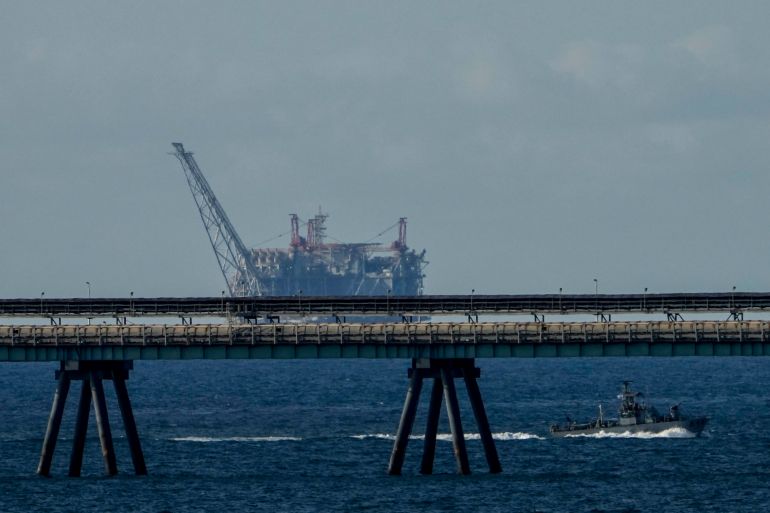
This statement came in response to a Reuters report, which indicated the Norwegian company “DNO”‘s intention to sell oil directly to the regional government without shipping it through the export pipeline linking Iraq and Turkey. This raised questions about adherence to the official mechanism for exporting Iraqi oil.
The “SOMO” statement clarified that the Kurdistan Region’s Ministry of Natural Resources has reiterated its commitment to the terms of the agreement on multiple occasions. It confirmed that this commitment includes all companies operating in production, except for the quotas allocated for local consumption within the region. This enhances transparency and ensures the flow of crude to global markets through “SOMO”.
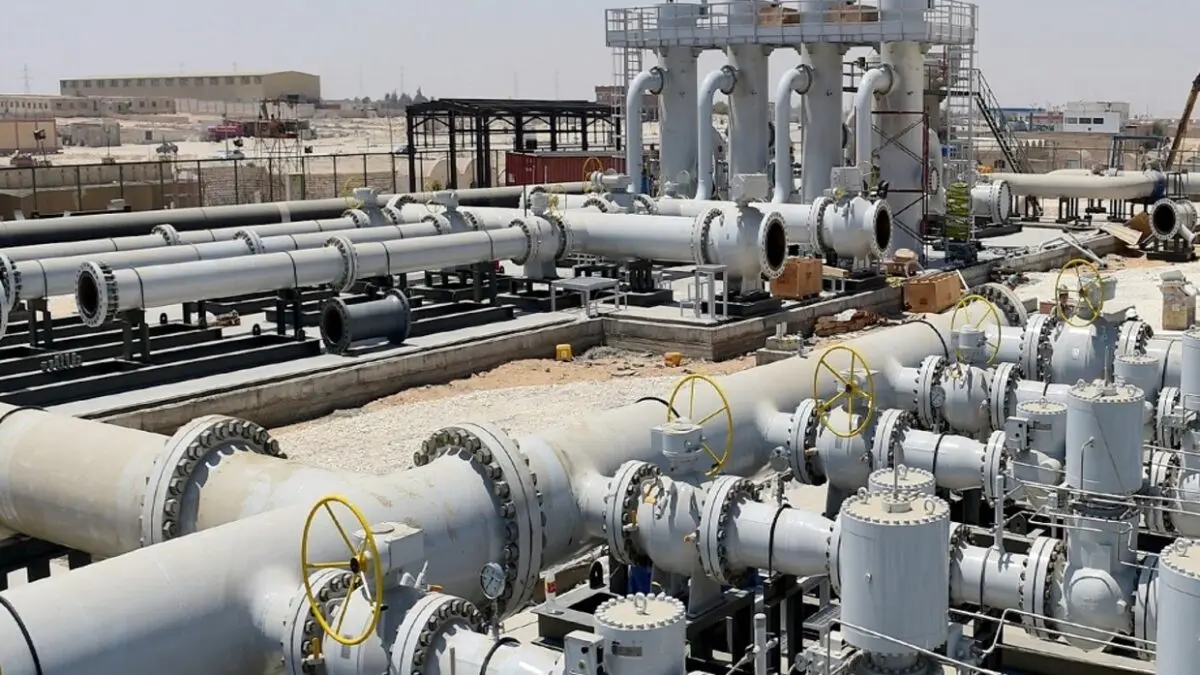
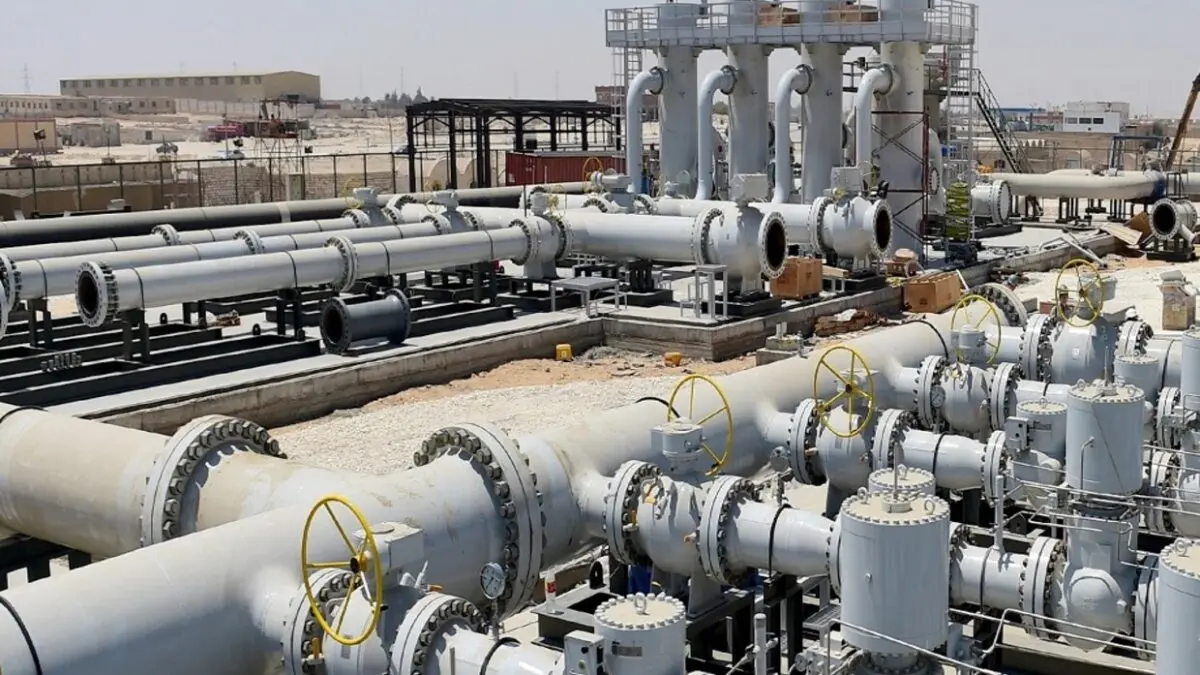
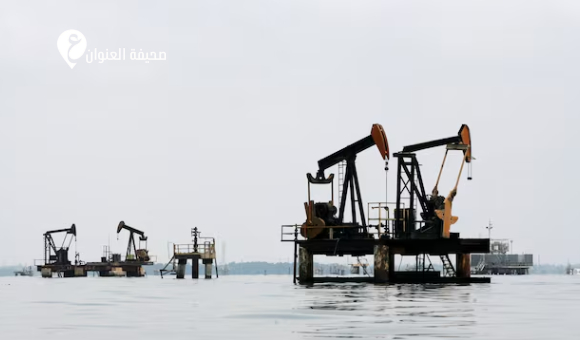
It is noted that the September agreement stipulates that “SOMO” will export crude oil extracted from Kurdistan’s fields via the main pipeline. While “DNO” welcomed the agreement upon its announcement, it refrained from final signing, citing the need for more clarity on the mechanism for repaying due debts and declared its continuation of direct sales to the regional government.
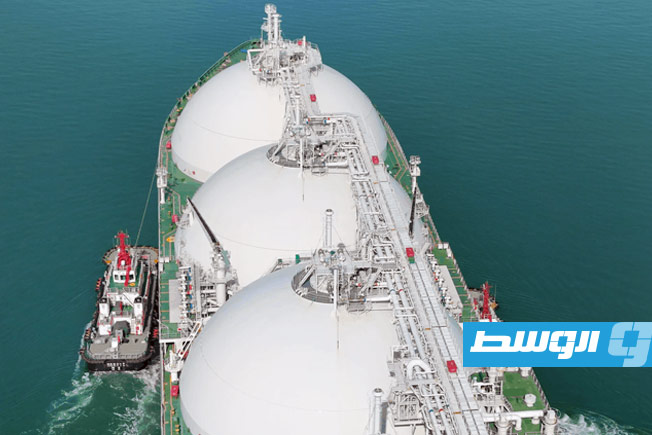
This confirmation comes at a time when Iraq’s oil exports have exceeded 3.57 million barrels per day, reflecting Iraq’s continued role as one of the region’s and the world’s prominent oil suppliers. It reinforces the region’s strategic role in international energy markets.
The Kurdistan Region of Iraq has witnessed tensions over oil exports between the central government in Baghdad and producing companies in the region over the past years. Some companies were selling oil directly to the region before the signing of official agreements, which affected the Iraqi state’s share in the global market.
The September agreement represents an important step towards unifying oil export policy and ensuring its flow through “SOMO”, supporting the stability of the Iraqi economy and enhancing compliance with international export laws.
Iraqi President Stresses Need to Accelerate Consultations for Government Formation and Resolve Issues with Kurdistan Region
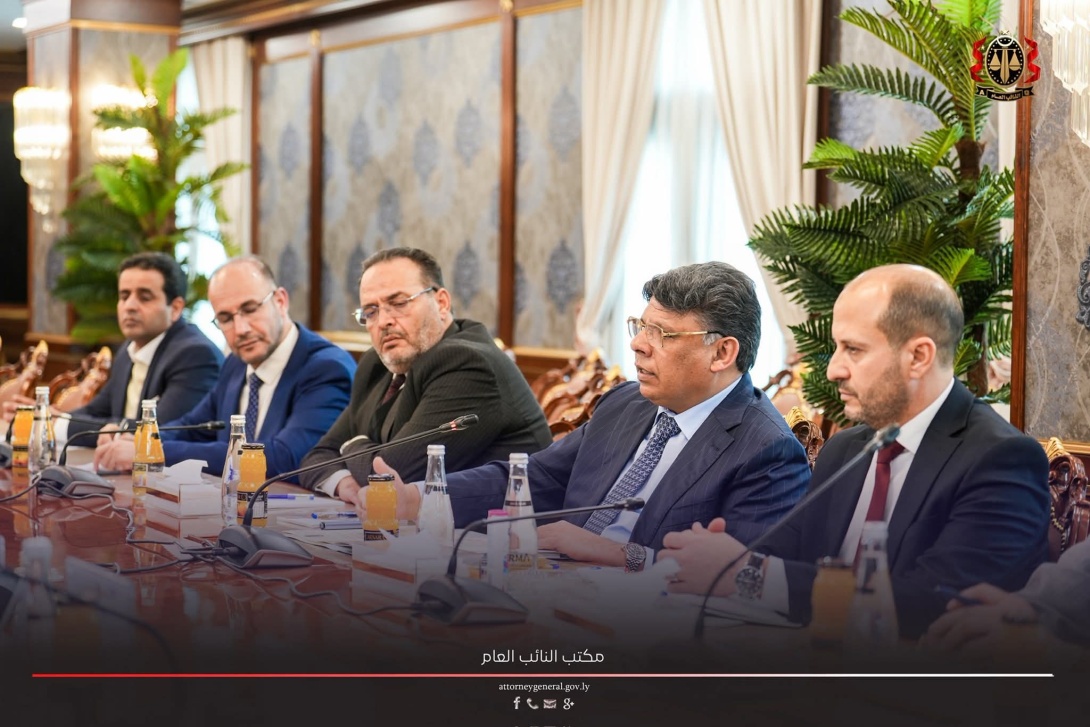
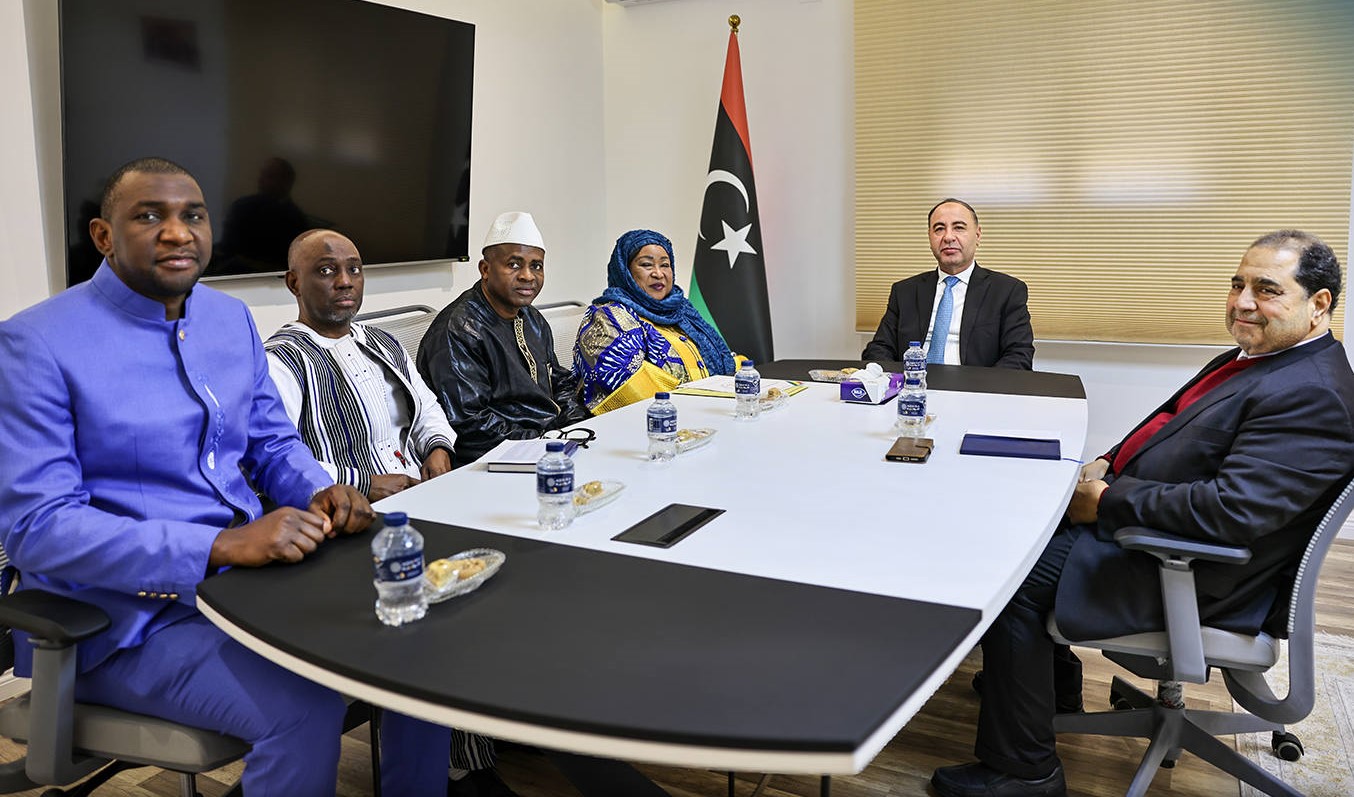
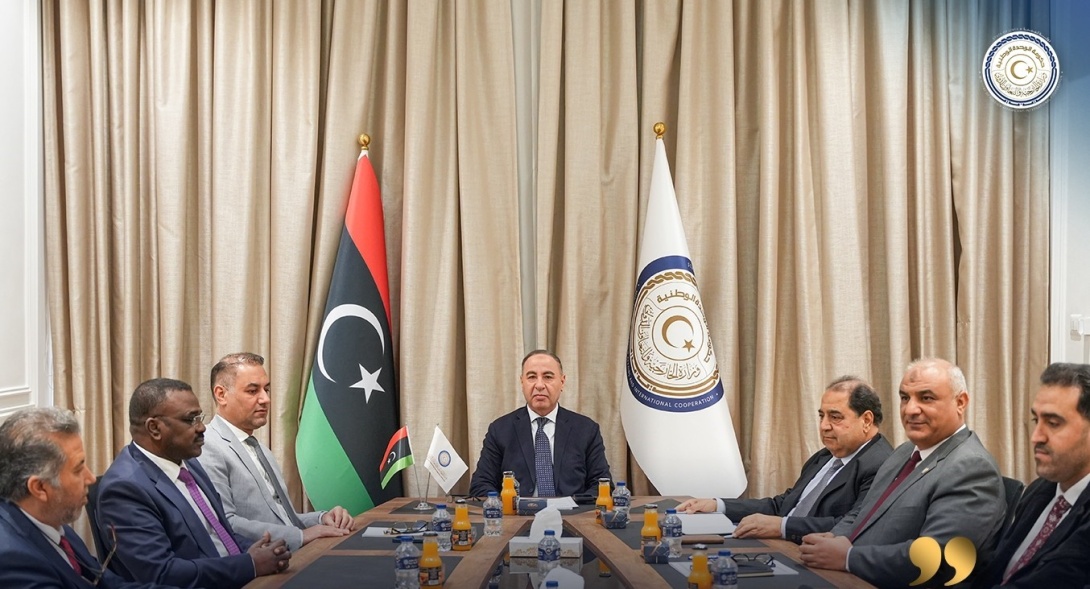
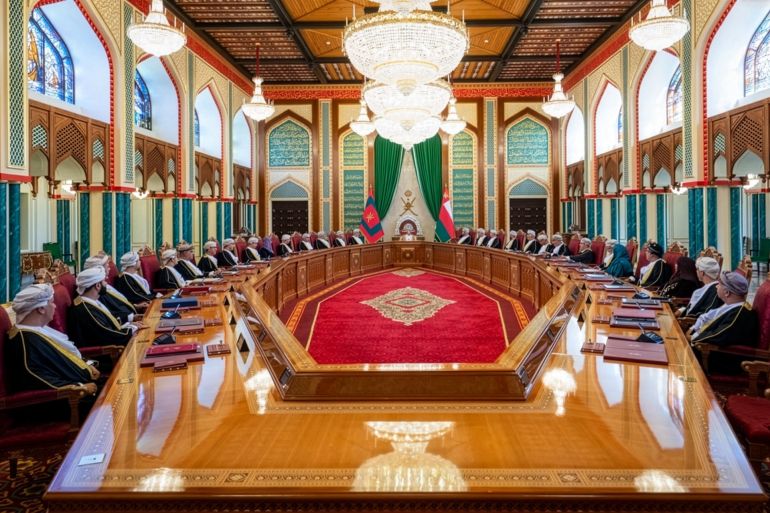
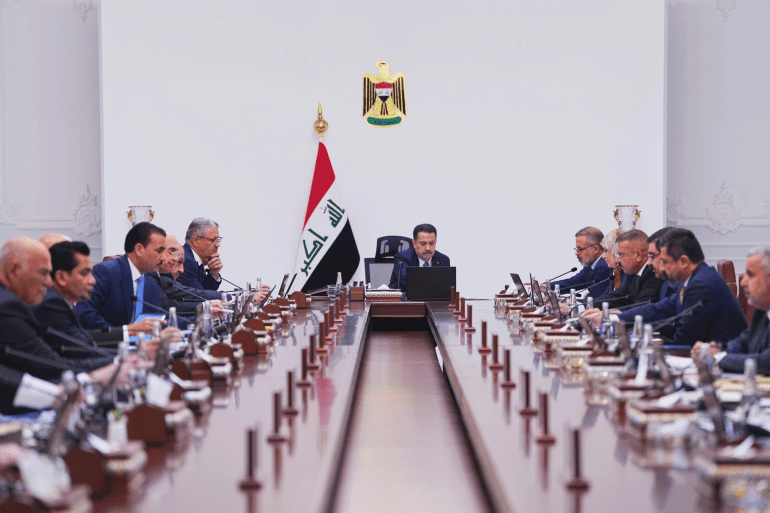
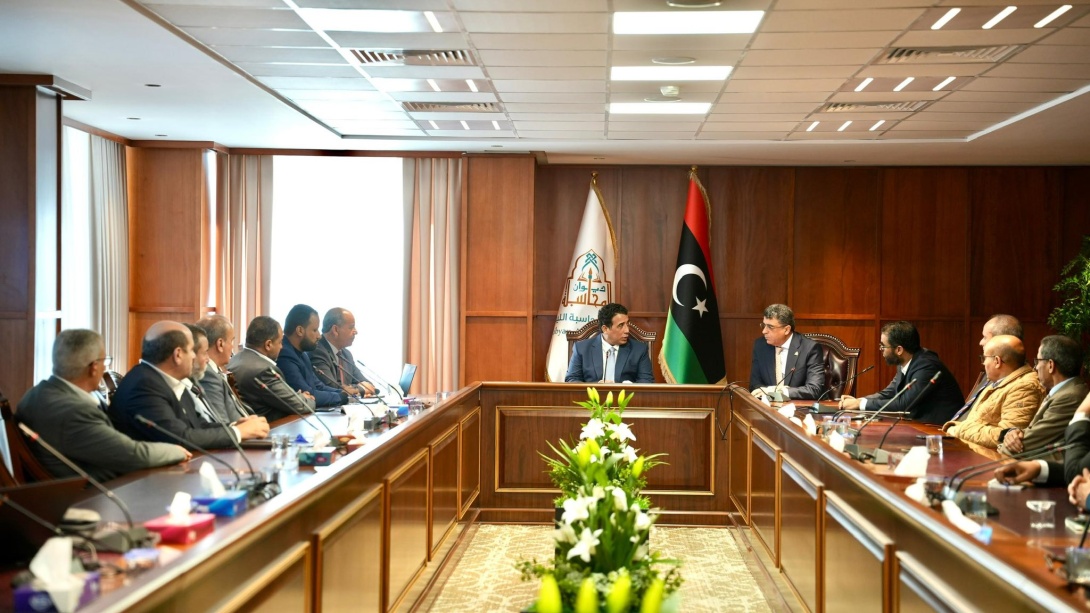
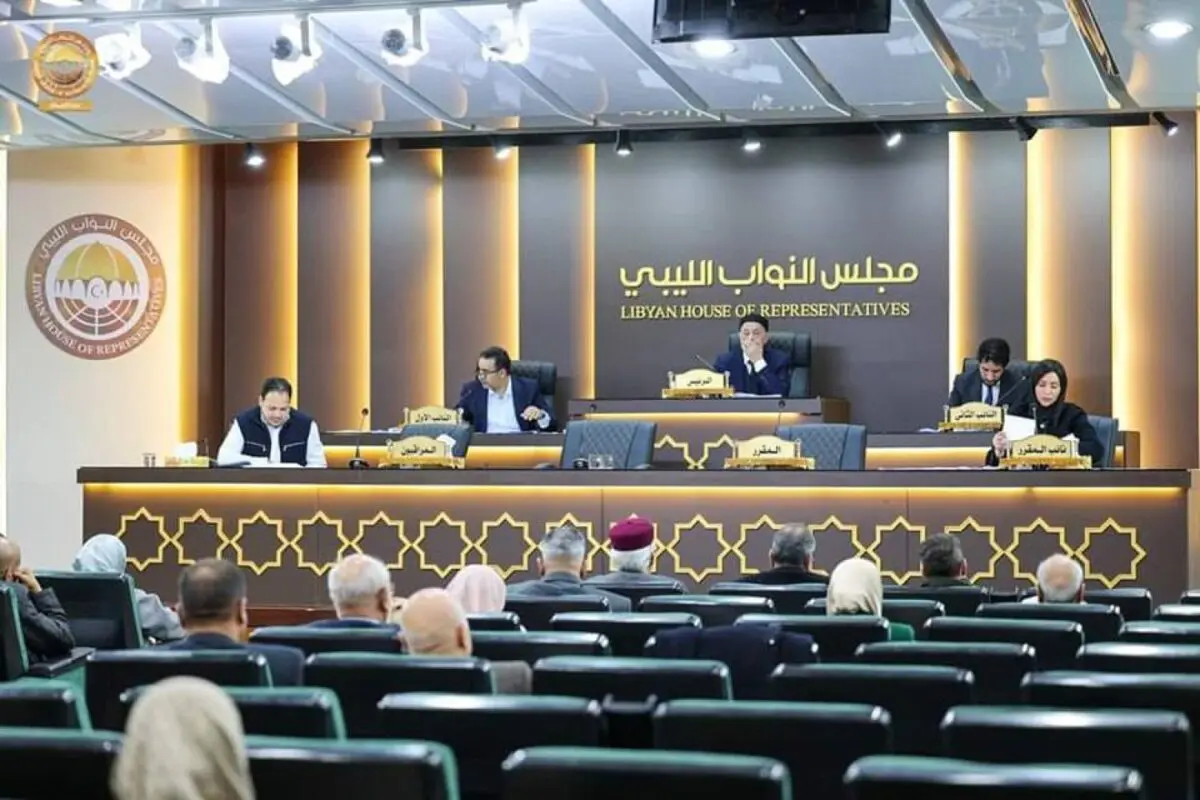
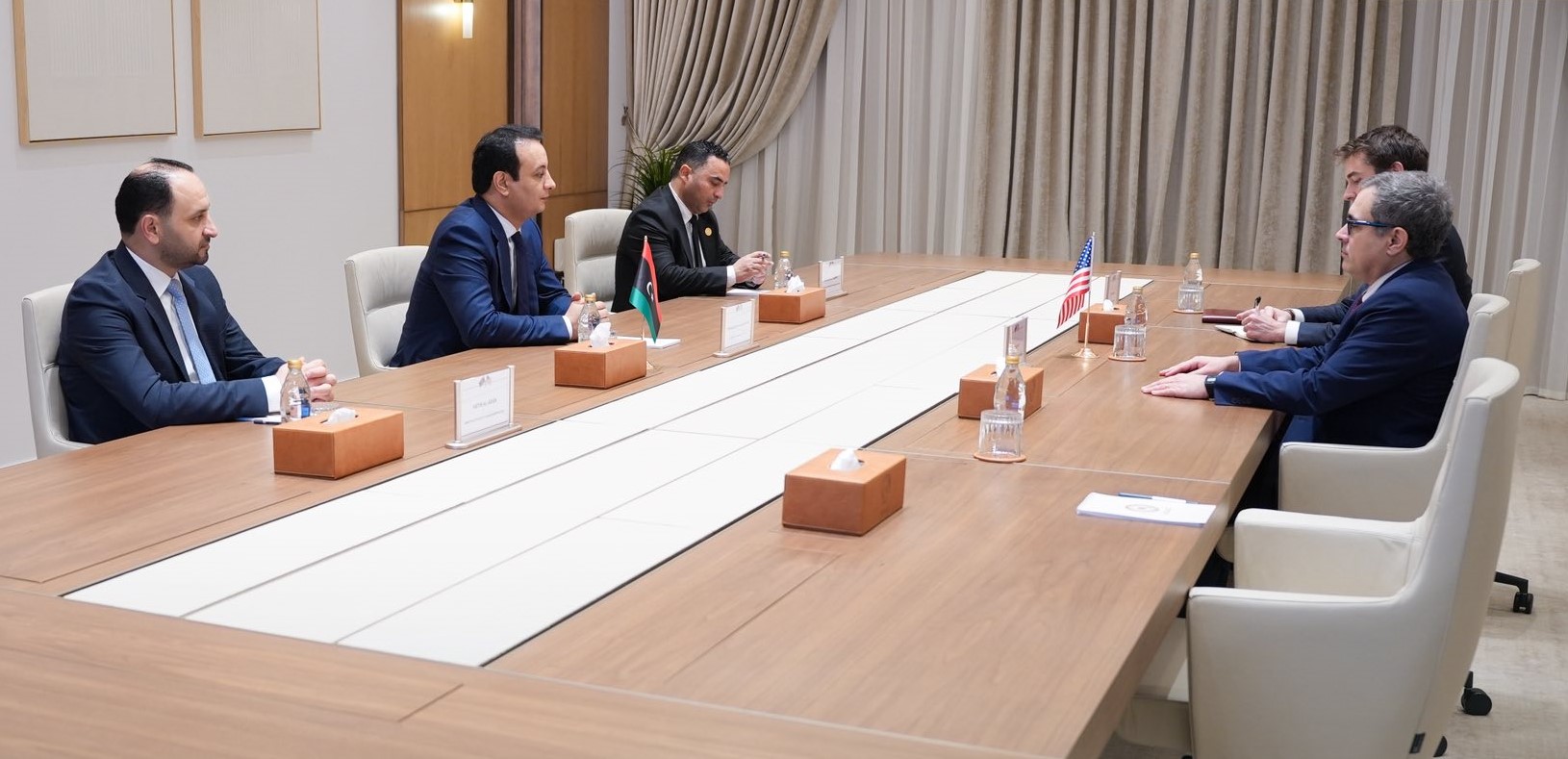
The Iraqi President emphasized the necessity of intensifying consultations among political forces to expedite the completion of requirements for forming the new government. This came during his reception of a delegation from the Kurdistan Democratic Party at the Baghdad Palace.
The President stressed the importance of accelerating political dialogues in line with constitutional entitlements and specified timelines. This would contribute to enhancing political stability and meeting the aspirations of the Iraqi people. He affirmed the need to resolve outstanding issues between the federal government and the Kurdistan Regional Government through constructive dialogue and mutual understandings in accordance with the constitution and law, thereby solidifying the principles of true national partnership.
For his part, the head of the Kurdistan Democratic Party affirmed his party’s keenness to continue cooperation and joint work with various political forces to reach the formation of a strong and cohesive government. Such a government would be capable of achieving security and stability, driving the wheel of development, and enhancing the spirit of national partnership.
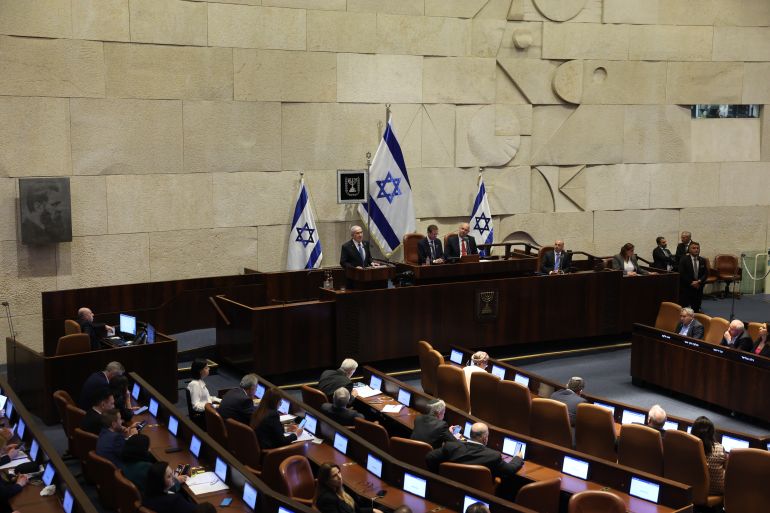
This comes amid a call last week by the “Coordination Framework” for a session of the Council of Representatives to convene and begin electing its presidency, following political forces’ failure to agree on a candidate for prime minister. Observers expect the disagreement over the name of the government head to persist, especially with the tight timeframe before the first parliamentary session, scheduled for December 29, which will witness the election of the Council’s Speaker and deputies.
Iraq
Iraq, historically known as Mesopotamia, is often called the “Cradle of Civilization” as it was home to ancient Sumerian, Babylonian, and Assyrian empires. The modern state of Iraq was established in the 20th century and is home to significant cultural and religious sites, including the ancient city of Babylon and the holy cities of Najaf and Karbala.
Kurdistan Region of Iraq
The Kurdistan Region of Iraq is an autonomous area in northern Iraq, established following the 1991 Gulf War and formally recognized in the 2005 Iraqi constitution. Its history is defined by a long struggle for self-determination, notably including the Kurdish rebellion against the Ba’athist regime and the tragic Anfal campaign in the late 1980s. Today, it functions with its own government, parliament, and security forces, with Erbil as its capital.
SOMO
SOMO is a contemporary art museum located in Amsterdam, Netherlands, which opened in 2021. It is housed in a former telephone exchange building, repurposed to showcase modern and experimental visual art.
Reuters
Reuters is a major international news agency founded in London in 1851 by Paul Julius Reuter, originally using telegraphy to transmit financial news across Europe. It has since grown into one of the world’s largest multimedia news providers, known for its global reporting and commitment to journalistic independence and integrity.
DNO
DNO, or the Dutch National Opera & Ballet, is the principal opera and ballet company in the Netherlands, based at the Dutch National Opera & Ballet building in Amsterdam. It was formed in 1964 through the merger of several earlier companies and is renowned for its innovative productions and world-class performances. The institution plays a central role in the cultural life of the Netherlands, staging a diverse repertoire in its modern home, which opened in 1986.
Norway
Norway is a Nordic country in Northern Europe known for its dramatic fjords, Viking heritage, and modern prosperity. Historically, it was unified into a single kingdom in the 9th century, experienced a union with Denmark and later Sweden, and gained full independence in 1905. Today, it is a constitutional monarchy celebrated for its high standard of living and stunning natural landscapes.
Turkey
Turkey is a transcontinental nation bridging Europe and Asia, with a rich history as the heart of the Byzantine and Ottoman Empires. Its cultural landscape is defined by iconic sites like the Hagia Sophia in Istanbul, which has served as a cathedral, mosque, and museum, reflecting the country’s layered historical influences. Modern Turkey was founded as a republic in 1923 by Mustafa Kemal Atatürk following the collapse of the Ottoman Empire.
Ministry of Natural Resources
The Ministry of Natural Resources is a government department responsible for managing a nation’s natural assets, such as forests, minerals, water, and energy. Its history is tied to the modern expansion of state oversight, often evolving from earlier departments of mines, forestry, or energy into a consolidated ministry focused on sustainable management and policy.
Baghdad
Baghdad is the capital of Iraq, founded in the 8th century by the Abbasid Caliph Al-Mansur. It became a major center of the Islamic Golden Age, renowned for the House of Wisdom and its contributions to science and culture, before suffering significant destruction from invasions and modern conflicts.
Baghdad Palace
The Baghdad Palace, also known as the Republican Palace, is a historic government complex located in the Green Zone along the Tigris River. Originally built in the 1950s under King Faisal II, it served as a primary seat of power for subsequent Iraqi regimes, including Saddam Hussein’s, and later housed the U.S.-led coalition’s headquarters after the 2003 invasion.
Kurdistan Democratic Party
The Kurdistan Democratic Party (KDP) is a major Kurdish political party founded in 1946 in Iran by Mustafa Barzani, with its historical base in Iraqi Kurdistan. It has played a central role in the Kurdish struggle for autonomy and governance, leading the Kurdistan Regional Government in Iraq since its establishment.
Coordination Framework
The Coordination Framework is a political alliance in Iraq, formed after the 2021 parliamentary elections, primarily consisting of Shiite political parties and militias. It emerged as a coalition of groups aligned with Iran, positioning itself as a counterweight to the rival Sadrist Movement and playing a decisive role in the formation of the Iraqi government.
Council of Representatives
The Council of Representatives is the legislative body of Iraq, established following the 2005 constitution that created a federal parliamentary republic. It succeeded the transitional National Assembly and is responsible for enacting federal laws, overseeing the executive branch, and ratifying treaties.
Kurdistan Regional Government
The Kurdistan Regional Government (KRG) is the official ruling body of the Kurdistan Region of Iraq, established in 1992 following the Gulf War. It operates with autonomy under the federal Iraqi constitution of 2005, governing areas historically inhabited by Kurds who have long sought self-determination.