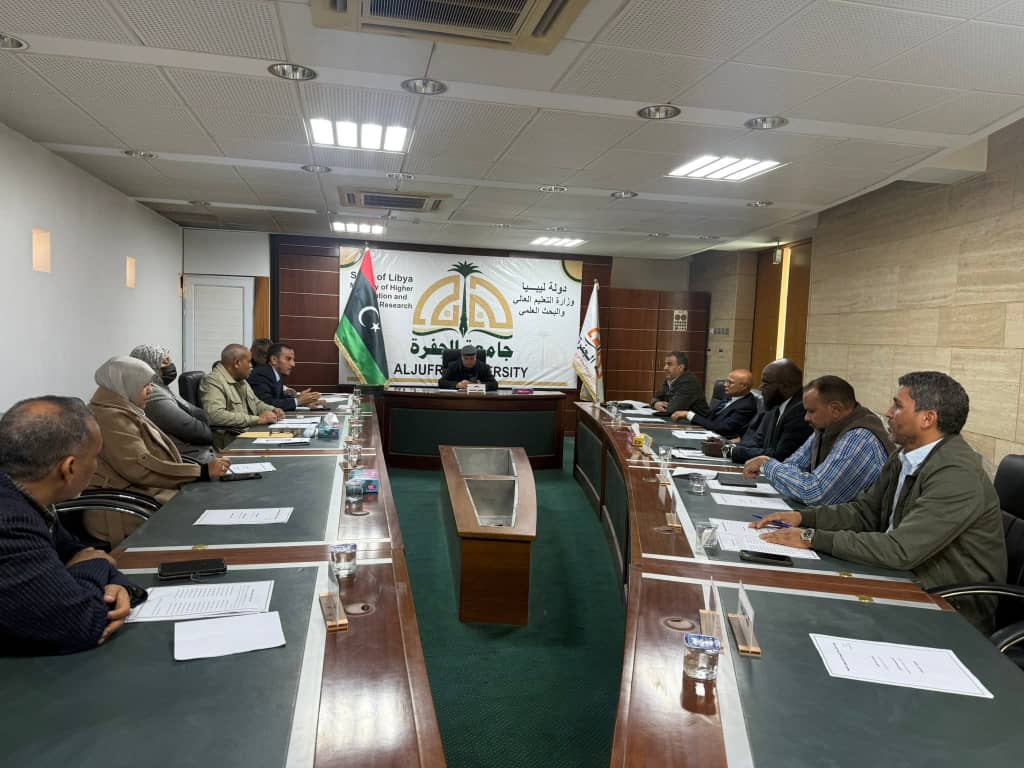
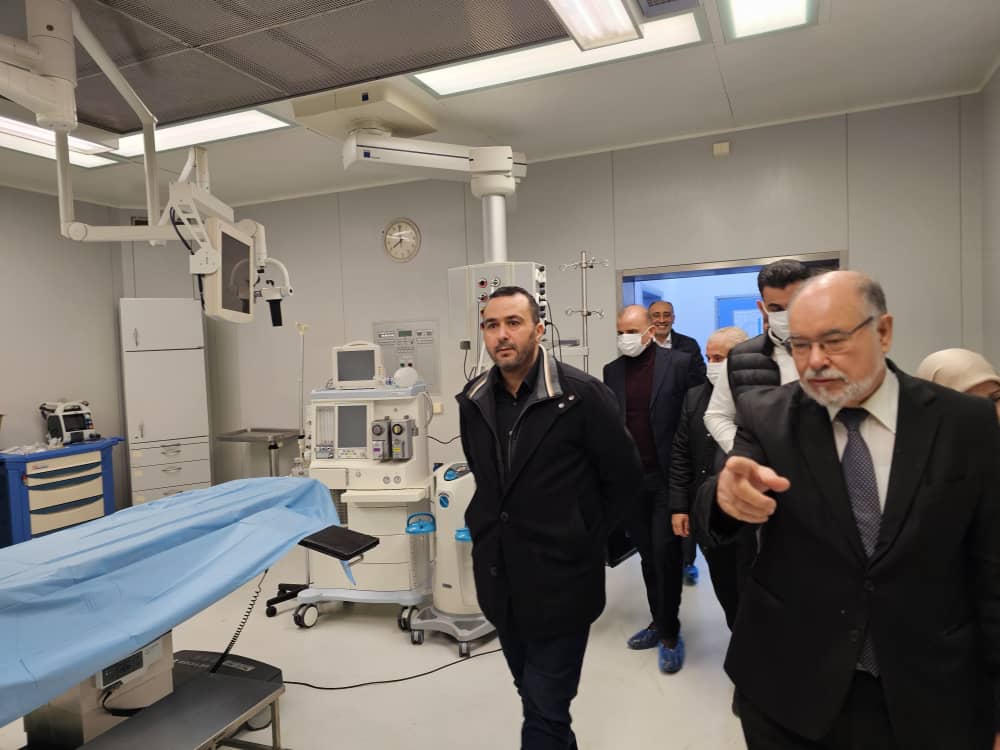
Tripoli, December 21, 2025 – The National Tuberculosis Control Program team participated in the dialogue session on “Tuberculosis in Children” as part of the activities of the second session of the Libya International Conference of Pediatrics, which launched its events yesterday, Saturday, in Tripoli.
The National Center for Disease Control clarified that the most important data and statistics related to tuberculosis in Libya were discussed, in addition to the main challenges facing the National Tuberculosis Control Program in the country.
The program team emphasized the importance of continuous coordination and effective communication between the doctors of the national program and pediatricians in Libya, stressing the necessity of working in a team spirit to improve services provided to children with tuberculosis and to protect them from the complications of the disease.
It is worth noting that the Libya Pediatrics Conference, held under the slogan “Investing in the Future Begins with the Health of Our Children,” will continue until the 23rd of this December, with the participation of a select group of distinguished experts in various medical specialties, aiming to promote the development of doctors in the field of pediatrics.
…
Tripoli
Tripoli is the capital and largest city of Libya, historically founded in the 7th century BCE by the Phoenicians. It later became a significant Roman city and was subsequently ruled by the Byzantines, Arabs, Ottomans, and Italians, which is reflected in its diverse architecture, such as the ancient Medina and Red Castle.
Libya
Libya is a North African country with a rich history rooted in ancient civilizations like the Phoenicians and Romans, followed by centuries of Arab and Ottoman influence. In the modern era, it was an Italian colony before gaining independence in 1951, later becoming known for Muammar Gaddafi’s lengthy rule from 1969 until the 2011 revolution. The country is home to UNESCO World Heritage sites, such as the ruins of Leptis Magna, which showcase its classical past.
National Tuberculosis Control Program
The National Tuberculosis Control Program (NTCP) is a public health initiative in many countries, typically established in the mid-20th century, to combat tuberculosis through prevention, diagnosis, and treatment. Its history is rooted in the global effort to control the disease, often evolving with advancements like the Directly Observed Treatment, Short-course (DOTS) strategy.
Libya International Conference of Pediatrics
The Libya International Conference of Pediatrics is a professional medical congress focused on child health, typically held in Libya. It serves as a platform for pediatricians and healthcare professionals to exchange the latest research and clinical practices. While specific founding details are not widely published, such conferences are generally organized to advance medical science and collaboration within the country and the region.
National Center for Disease Control
The National Center for Disease Control (NCDC) is a public health agency in Georgia, established in 1996 following the country’s independence. It is responsible for epidemiological surveillance, disease prevention, and control of infectious and non-communicable diseases across the nation.