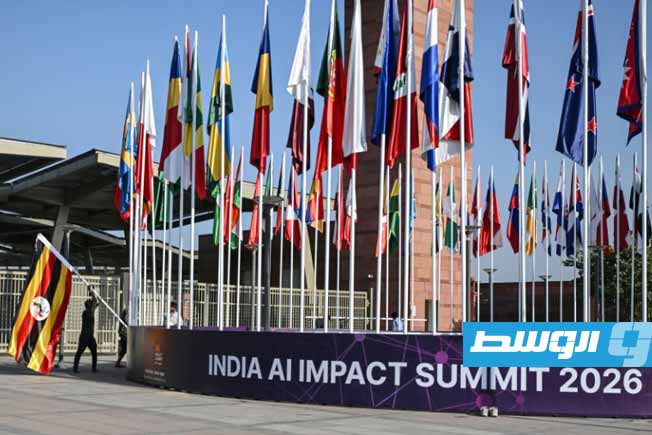
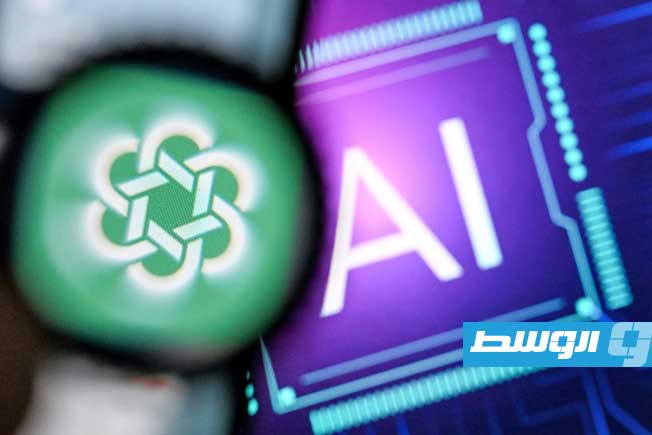
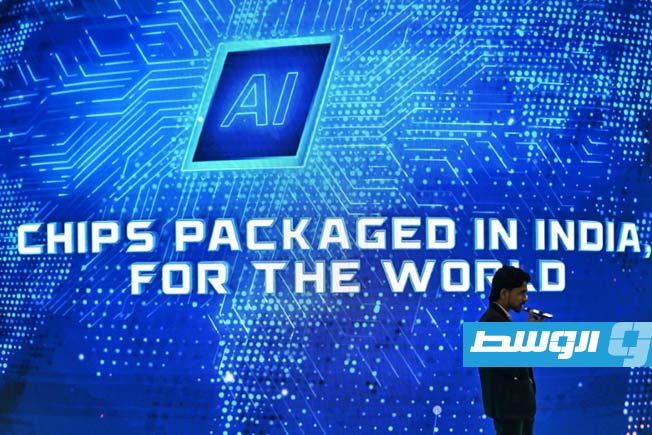
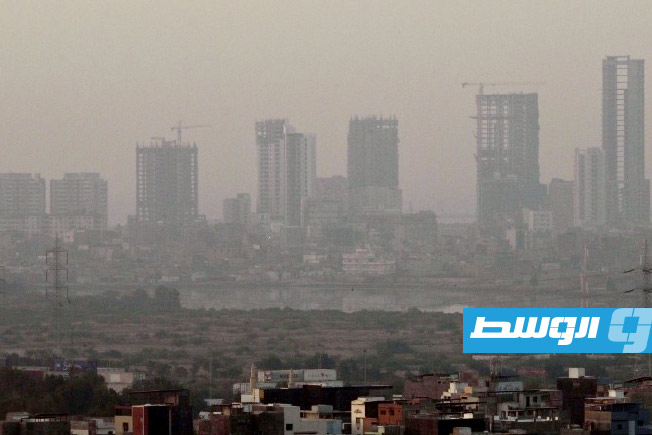
A global artificial intelligence summit kicks off in New Delhi on Monday, with its agenda covering major issues from labor market disruption to child safety. However, some participants warn that the wide range of topics it focuses on may reduce the chances of obtaining concrete commitments from world leaders.
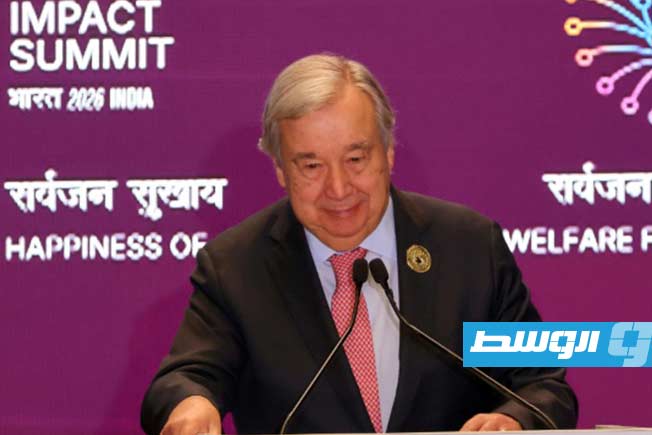
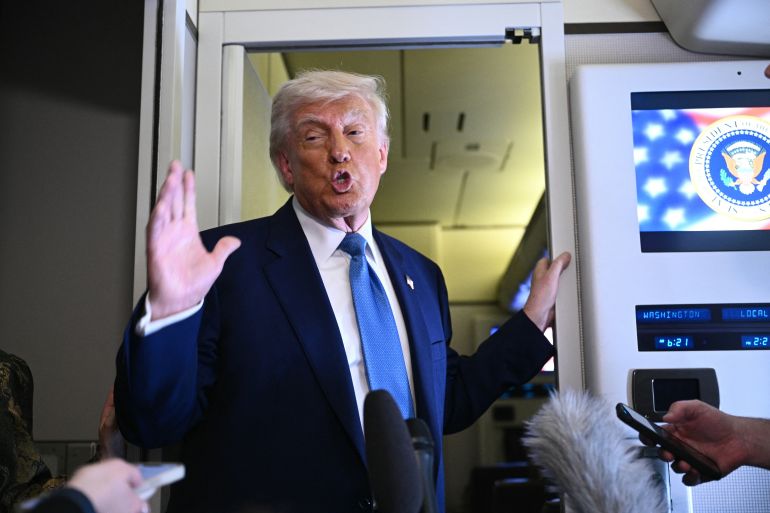
The Prime Minister will inaugurate the five-day “AI Impact Summit” on Monday afternoon, which aims to announce a “shared roadmap for global AI governance and cooperation.”
He added in a post on a social media platform on Monday, “This event is further proof that our country is advancing rapidly in the field of science and technology” and demonstrates “the potential of our nation’s youth.”
Examining problems and opportunities associated with AI
This is the fourth annual meeting to examine the problems and opportunities associated with AI, following previous international meetings held in Paris, Seoul, and Bletchley in the UK.
The Indian government expects 250,000 visitors, including 20 national leaders and 45 ministerial-level delegations, to attend this edition, described as the largest to date.
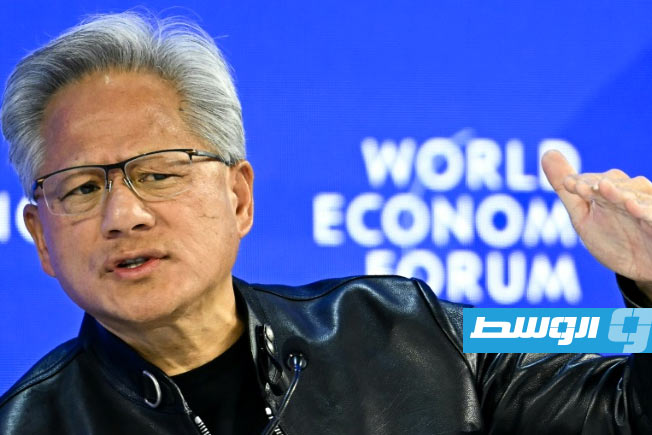
Chief executives of some technology companies will also attend, including the head of OpenAI and the head of Google, while reports indicated that the director of NVIDIA had to cancel his participation due to an emergency.
Organizers say the Prime Minister will seek to “strengthen global partnerships and define India’s leadership role in AI for the next decade” in talks he will hold with figures such as the French President and the Brazilian President.
Holding AI giants accountable
However, there are doubts about whether the summit will agree to take significant steps to hold AI giants accountable.
A participant in the summit, who was previously an AI advisor for a US federal trade commission, said commitments pledged at previous similar events “have largely been limited to narrow self-regulatory frameworks that allow AI companies to continue to self-correct their duties.”
The New Delhi summit focuses on three broad themes: “People, Progress, Planet.” AI safety remains a priority, including the risks of misinformation such as the use of deepfakes.
Indian competition with the US and China
Organizers point out that this year’s AI summit will be the first hosted by a developing country.
The Indian Ministry of Information Technology said, “The summit will chart a shared vision for AI that serves many, not just a few.”
Last year, India jumped to third place, alongside South Korea and Japan, in an annual global ranking of AI competitiveness based on calculations by researchers from Stanford University.
But despite plans for large-scale infrastructure and big ambitions for innovation, experts believe the country still has a long way to go before it can compete with the United States and China.
– From Singapore… How does Interpol monitor cybercrimes and the “threat” of AI?
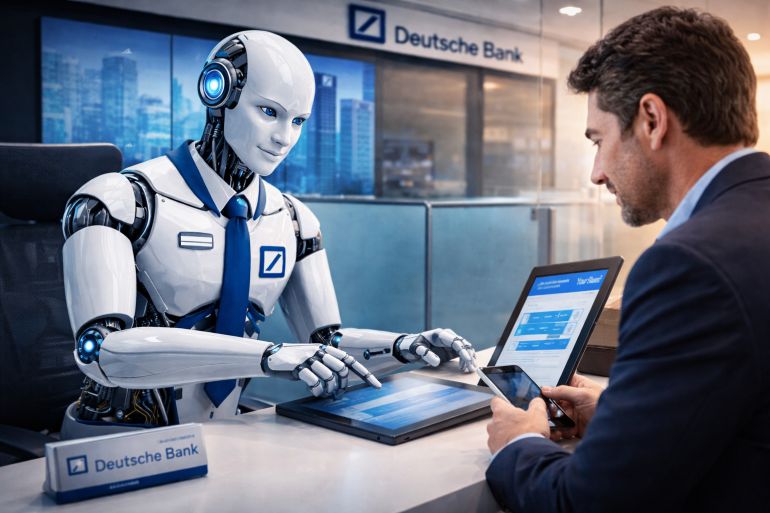
– Experts warn of security risks behind cartoons produced by AI
Discussions during the summit are likely to focus on “ensuring governments put some safeguards in place without stifling AI development.”
He added, “There may be announcements of more investments from countries in AI, but they may not make a big difference as India needs partnerships to integrate into the international AI arena.”
New Delhi
New Delhi is the capital city of India, officially inaugurated in 1931 as the new administrative center during British rule. It was designed by architects Edwin Lutyens and Herbert Baker, featuring wide boulevards and grand government buildings like the Rashtrapati Bhavan and India Gate. Today, it serves as the seat of the Indian government and is a major political and cultural hub.
India
India is a South Asian country with one of the world’s oldest civilizations, dating back over 5,000 years to the Indus Valley. Its long history includes the rise of major empires, the development of diverse religions like Hinduism and Buddhism, and nearly 200 years of British colonial rule before gaining independence in 1947. Today, it is the world’s largest democracy and a nation of immense cultural, linguistic, and geographical diversity.
Paris
Paris is the capital of France, historically founded as the Roman town of Lutetia in the 3rd century BC. It is globally renowned as a center for art, fashion, and culture, home to iconic landmarks like the Eiffel Tower, the Louvre Museum, and Notre-Dame Cathedral.
Seoul
Seoul is the capital of South Korea, with a history dating back over 2,000 years to its establishment as Wiryeseong, the capital of the Baekje kingdom. It later served as the capital of the Joseon Dynasty from 1394, and today is a major global metropolis known for its blend of historic palaces, like Gyeongbokgung, and cutting-edge modern technology.
Bletchley
Bletchley, located in Buckinghamshire, England, is best known as the site of Bletchley Park, the principal Allied code-breaking centre during World War II. Its work, including the decryption of the German Enigma cipher, is widely considered to have shortened the war significantly. Today, the estate operates as a museum dedicated to this history and the pioneers of computing who worked there.
UK
The United Kingdom is a sovereign nation comprising England, Scotland, Wales, and Northern Ireland, with a history of continuous settlement and political union spanning millennia. Its modern constitutional monarchy and parliamentary system evolved from historical events like the Magna Carta in 1215 and the Acts of Union in 1707 and 1800. The UK became a major global power during the British Empire and played a central role in shaping the modern world through its industrial revolution, political institutions, and cultural influence.
OpenAI
OpenAI is an artificial intelligence research laboratory founded in 2015 with the mission to ensure that artificial general intelligence (AGI) benefits all of humanity. It is known for developing advanced AI models like GPT and DALL-E, and it transitioned from a non-profit to a “capped-profit” structure in 2019 to attract investment while maintaining its core safety-focused principles.
Google
Google is a multinational technology company founded in 1998 by Larry Page and Sergey Brin while they were Ph.D. students at Stanford University. It began as a search engine project and has since expanded into numerous areas including online advertising, cloud computing, software, and hardware. The company’s name is derived from “googol,” a mathematical term for the number 1 followed by 100 zeros, reflecting its mission to organize the immense amount of information available on the web.
NVIDIA
NVIDIA is an American technology company founded in 1993, renowned for pioneering the graphics processing unit (GPU). Its technology has evolved from powering computer graphics and gaming to becoming a foundational platform for artificial intelligence, high-performance computing, and autonomous vehicles.
France
France is a Western European nation with a rich history dating back to ancient Gaul, later evolving into a powerful medieval kingdom and a leading center of the Enlightenment. It is globally renowned for its cultural influence in art, philosophy, cuisine, and fashion, and is home to iconic landmarks like the Eiffel Tower and the Palace of Versailles. The modern French Republic was founded on the principles of its 1789 Revolution, which became a seminal event for democratic movements worldwide.
Brazil
Brazil is the largest country in South America, known for its vast Amazon rainforest and vibrant cultural exports like samba and football. Its modern history began with Portuguese colonization in 1500, leading to independence as an empire in 1822 and the establishment of a republic in 1889. Today, it is a diverse federal republic famed for its annual Carnival celebration and iconic landmarks such as Christ the Redeemer in Rio de Janeiro.
US
The United States of America is a federal republic founded in 1776 after declaring independence from Great Britain. It grew from thirteen original colonies into a global superpower, with a history shaped by westward expansion, industrialization, and a civil war over slavery. Its culture is a diverse blend of influences from its immigrant populations and indigenous peoples.
China
China is one of the world’s oldest continuous civilizations, with a recorded history spanning over four millennia, marked by successive dynasties and the development of profound philosophical traditions. Today, it is a modern nation-state officially known as the People’s Republic of China, recognized for its significant global economic and cultural influence.
South Korea
South Korea, officially the Republic of Korea, is a country in East Asia located on the southern portion of the Korean Peninsula. Its modern history began with its liberation from Japanese colonial rule in 1945, followed by the establishment of a separate government in 1948 and the devastating Korean War (1950-1953). Since the late 20th century, it has undergone rapid industrialization and democratization, becoming a global leader in technology and popular culture.
Japan
Japan is an island nation in East Asia with a rich cultural history spanning millennia, from its ancient Shinto traditions and imperial rule to the feudal era of samurai and the modernizing Meiji Restoration. Today, it is known for blending deep historical heritage, such as its numerous UNESCO World Heritage sites, with cutting-edge technology and global pop culture influence.
Stanford University
Stanford University is a private research university founded in 1885 by Leland and Jane Stanford in memory of their only child, Leland Stanford Jr. Located in California’s Silicon Valley, it has grown into one of the world’s leading institutions for education and innovation, playing a pivotal role in the region’s technological development.
Singapore
Singapore is a sovereign city-state and island country in Southeast Asia, founded as a British trading colony in 1819 by Sir Stamford Raffles. It gained independence in 1965 and rapidly transformed into a global hub of finance, trade, and tourism, known for its remarkable economic development and multicultural society. Key cultural sites include the historic districts of Chinatown, Little India, and Kampong Glam, which reflect its diverse heritage, alongside modern landmarks like Marina Bay Sands and Gardens by the Bay.
Interpol
Interpol is the International Criminal Police Organization, established in 1923 to facilitate cross-border police cooperation. It enables law enforcement agencies from its 195 member countries to share data and coordinate actions against international crime, though it does not conduct independent investigations.