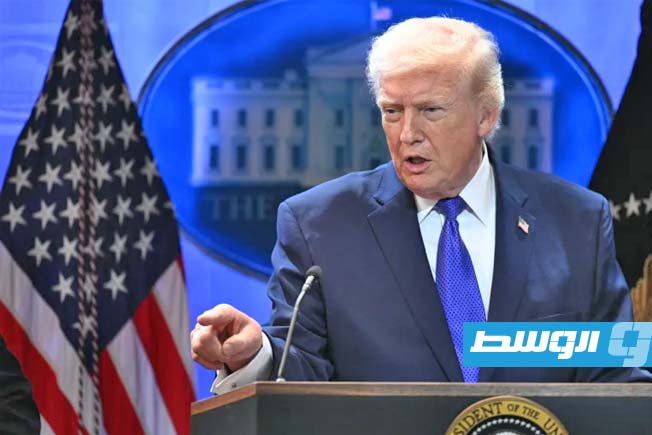
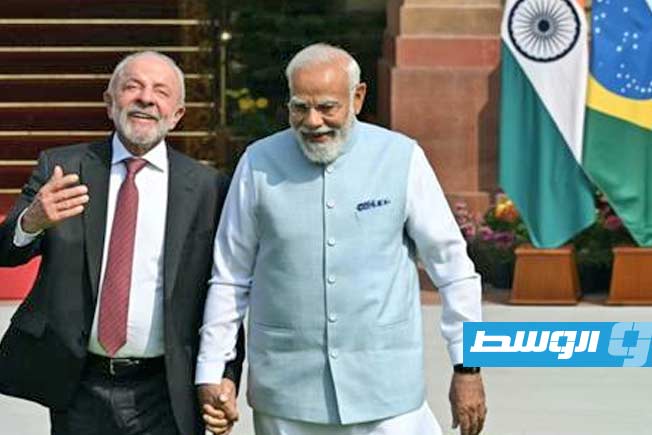
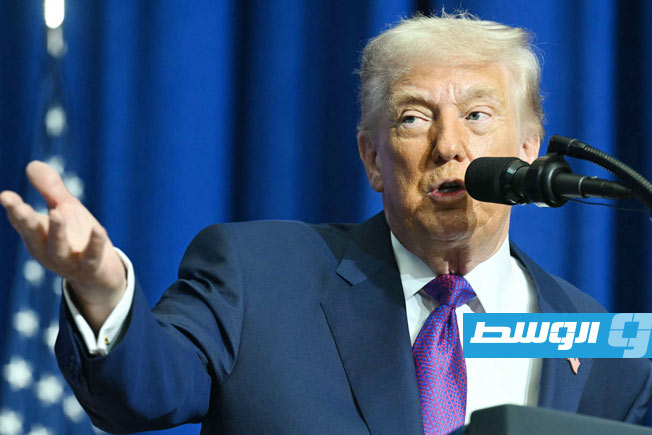
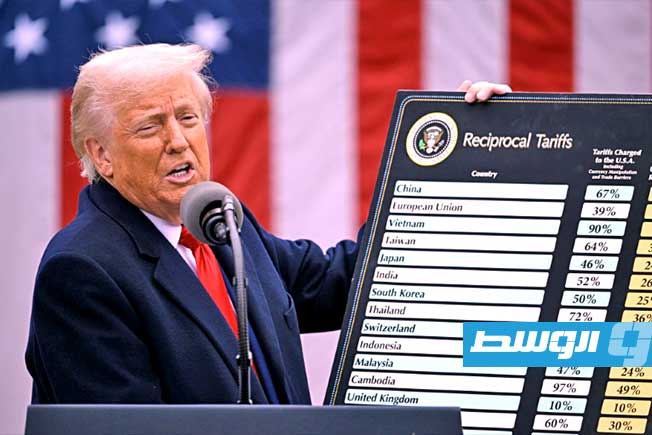
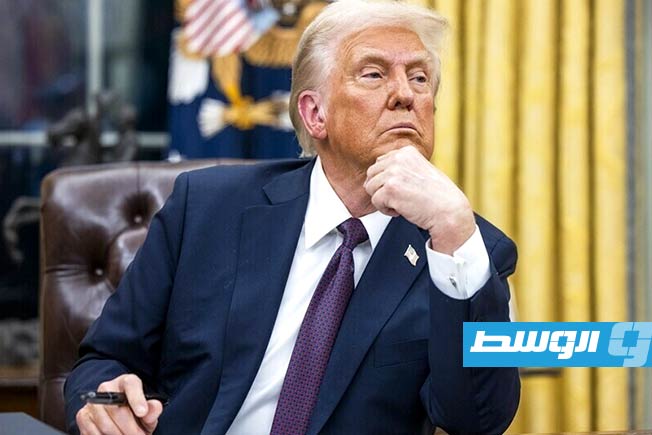
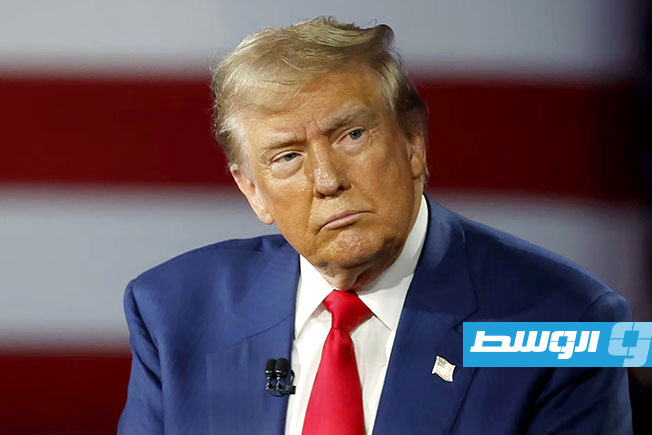
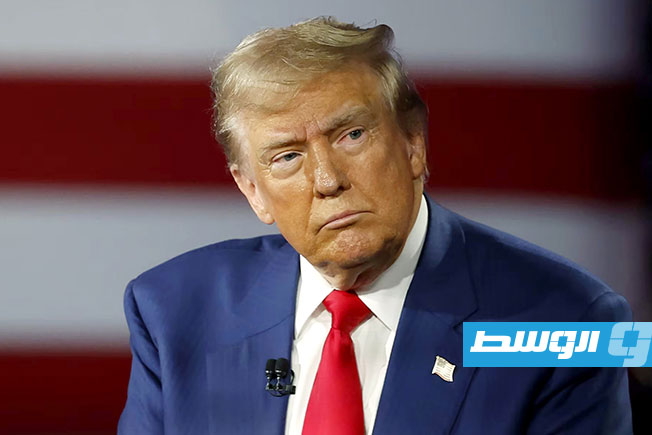
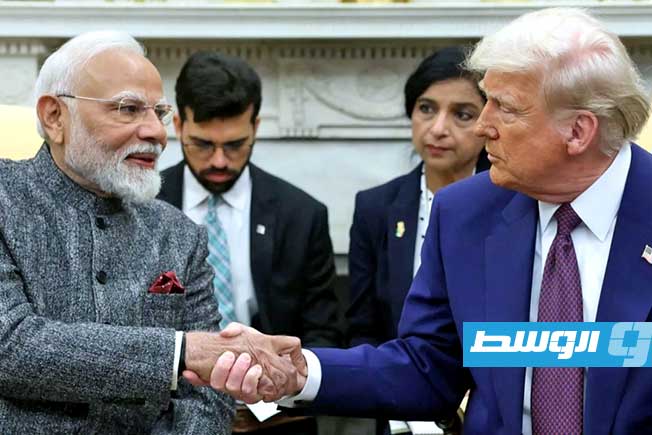
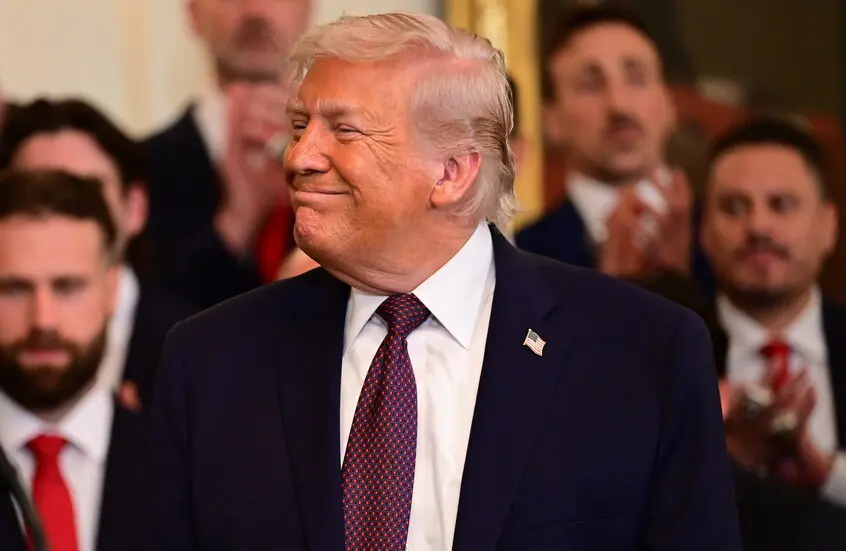
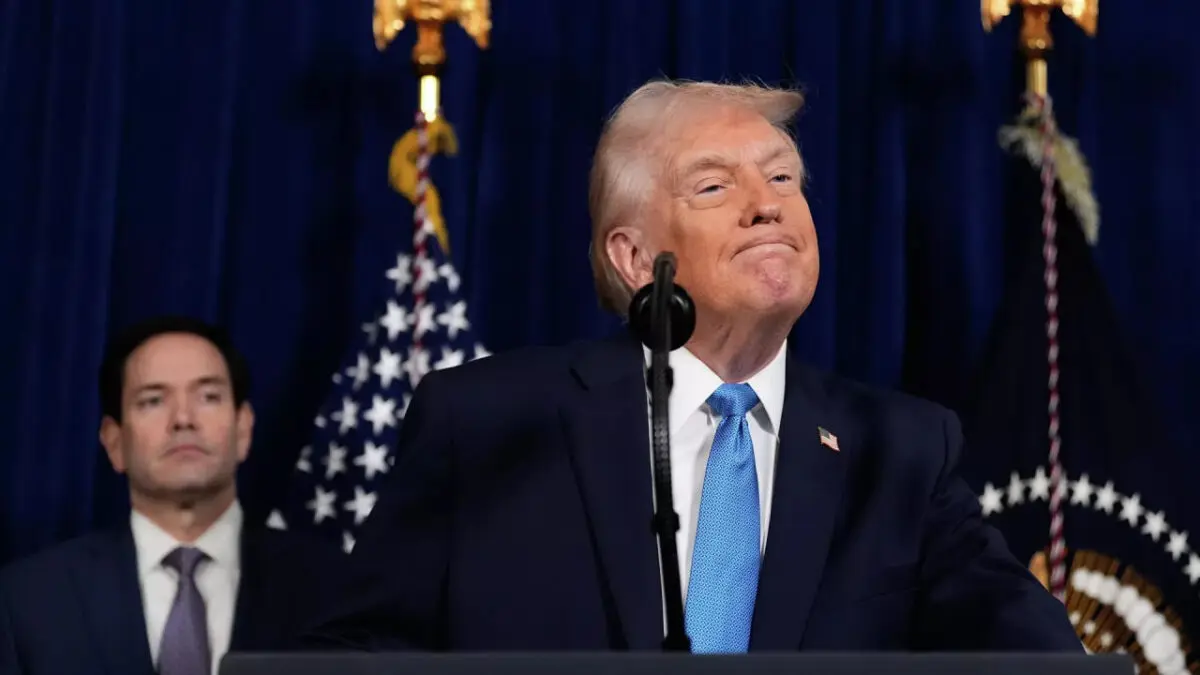
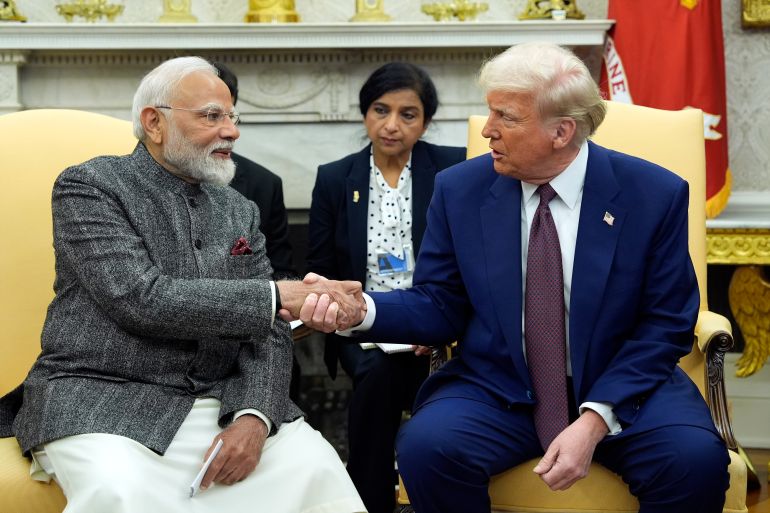
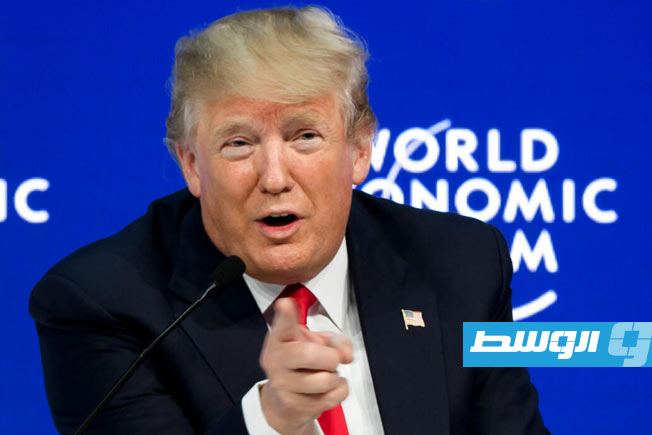
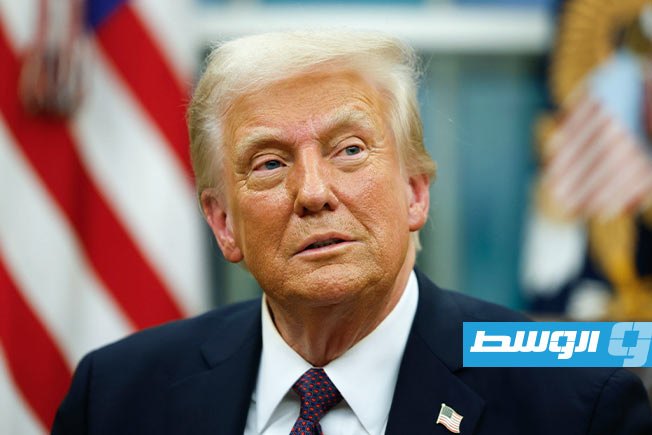
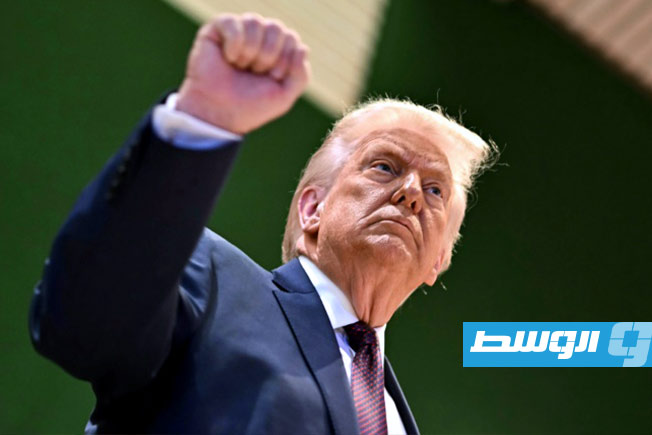
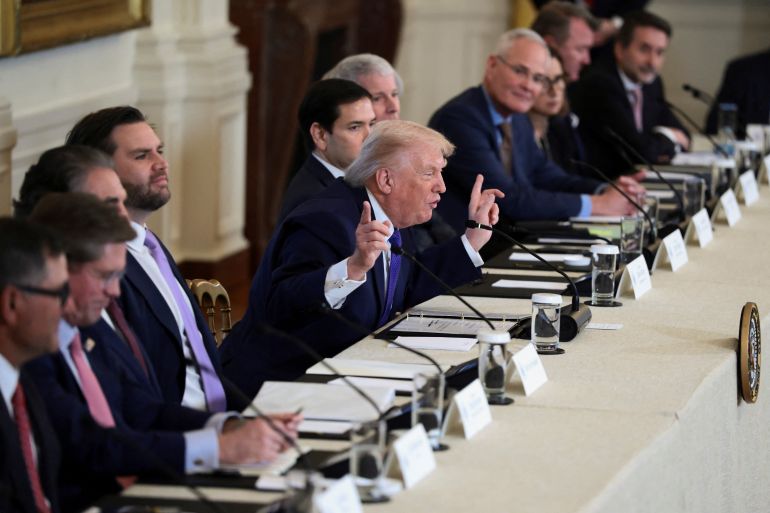
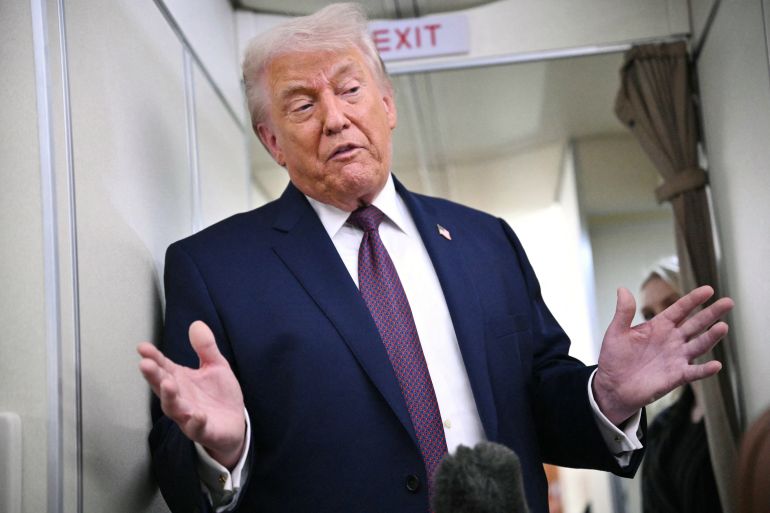
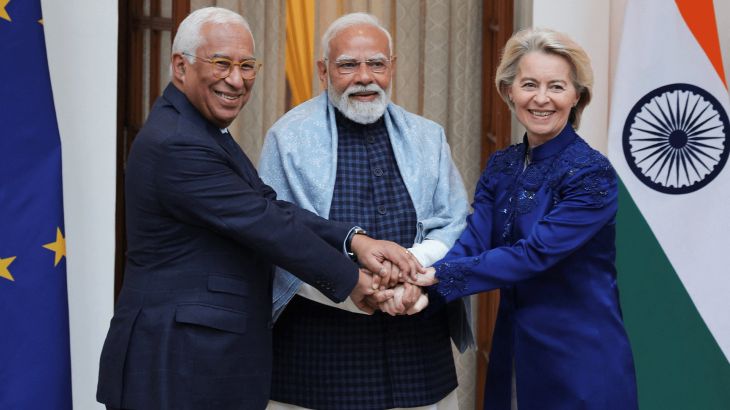
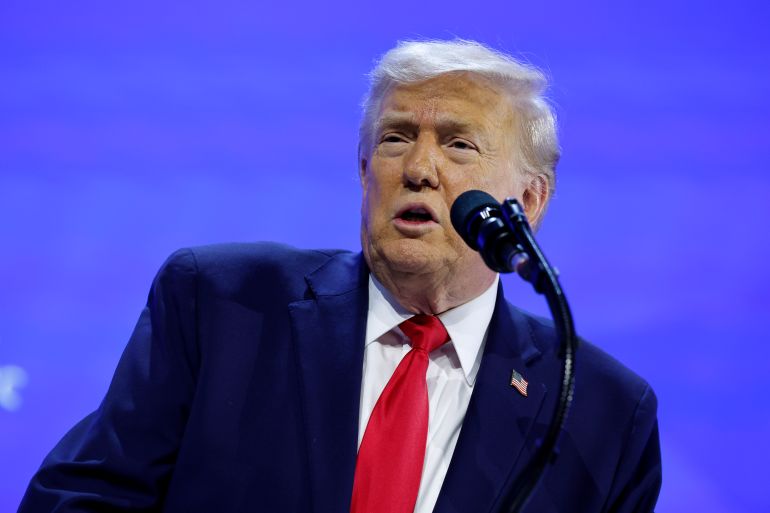
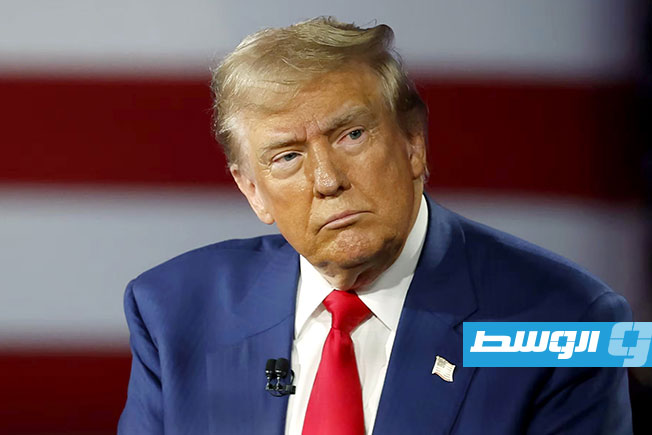
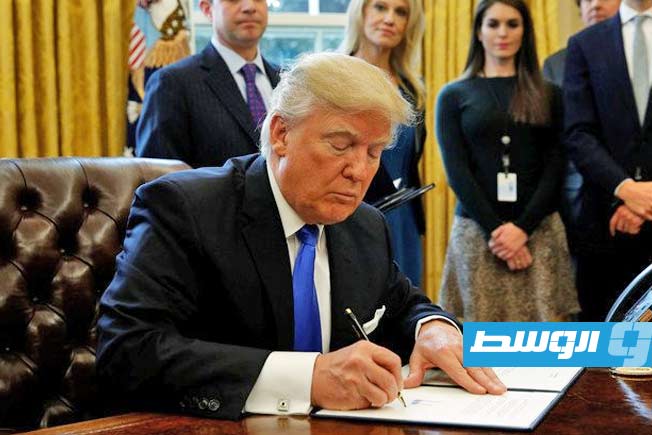
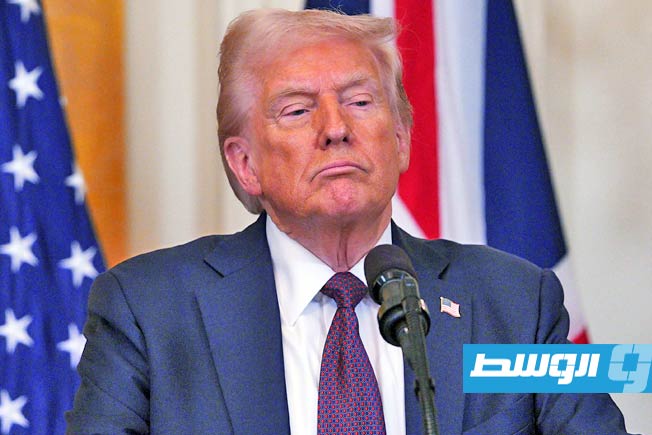
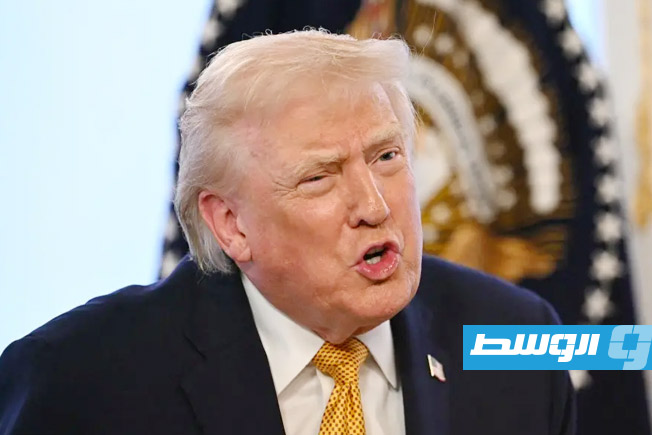
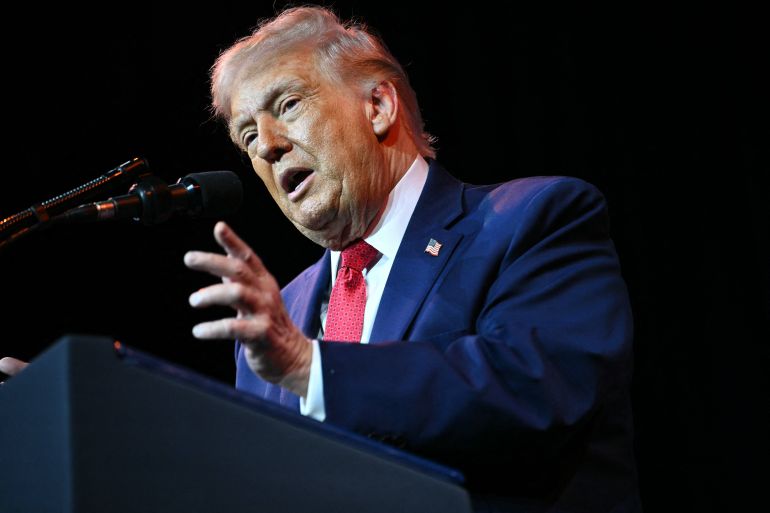
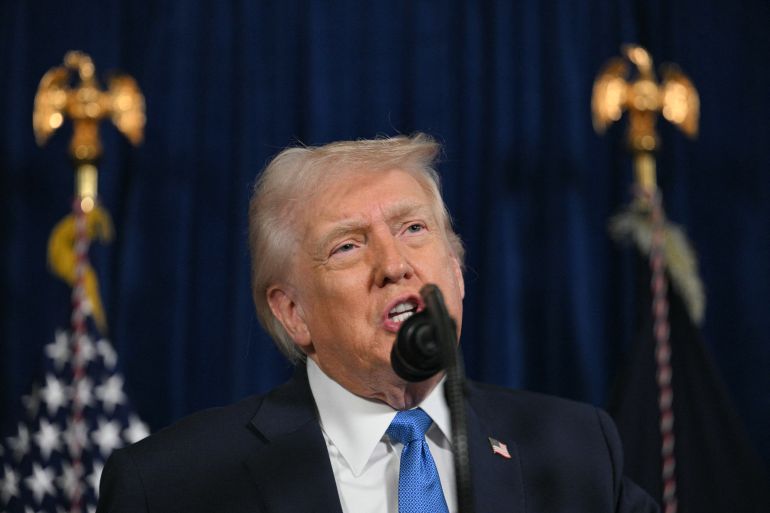
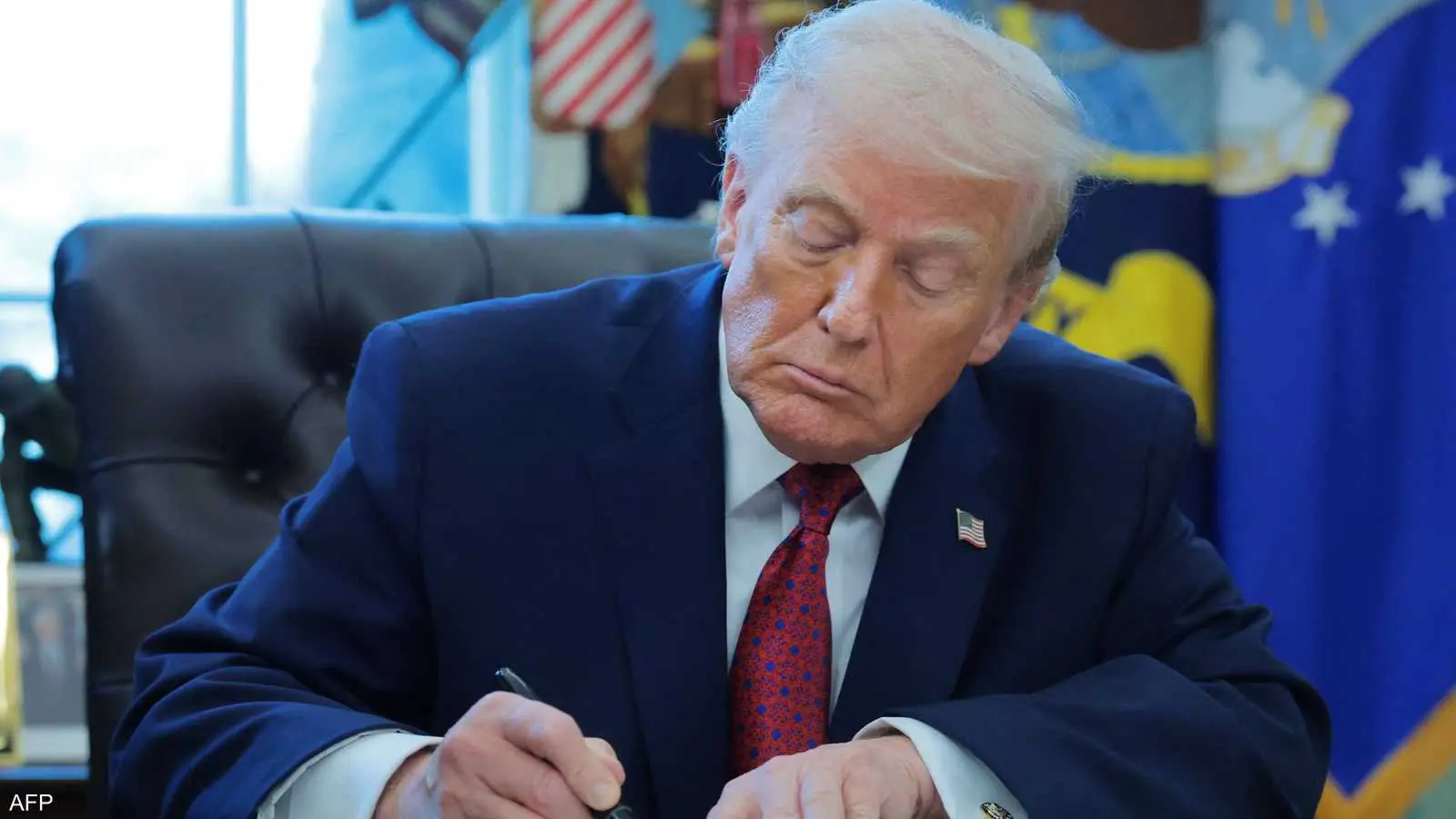
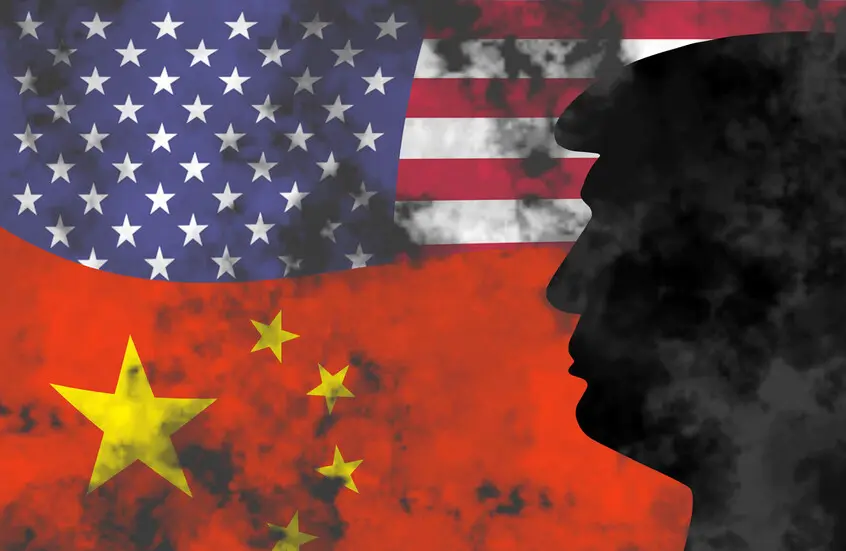
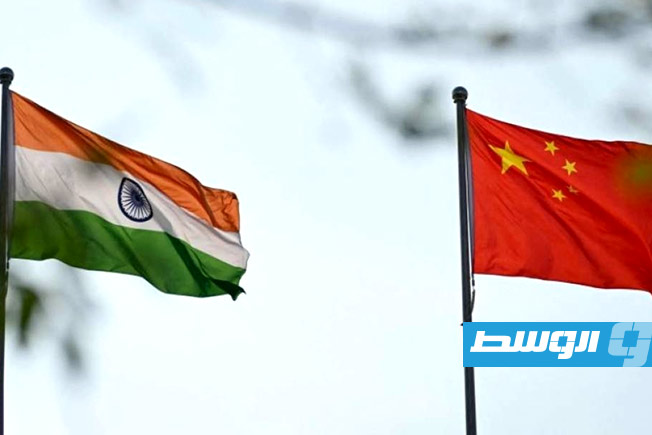
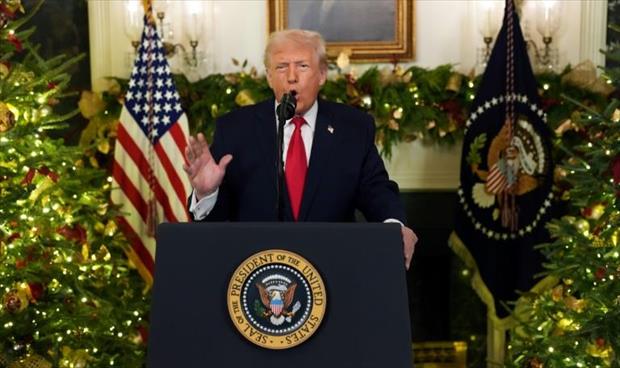
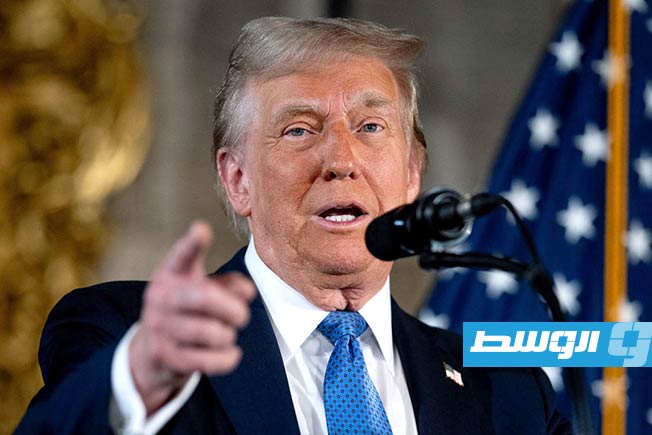
The Indian government is seeking to defend the trade agreement announced by US President Donald Trump in early February, in the face of economic experts questioning its feasibility.
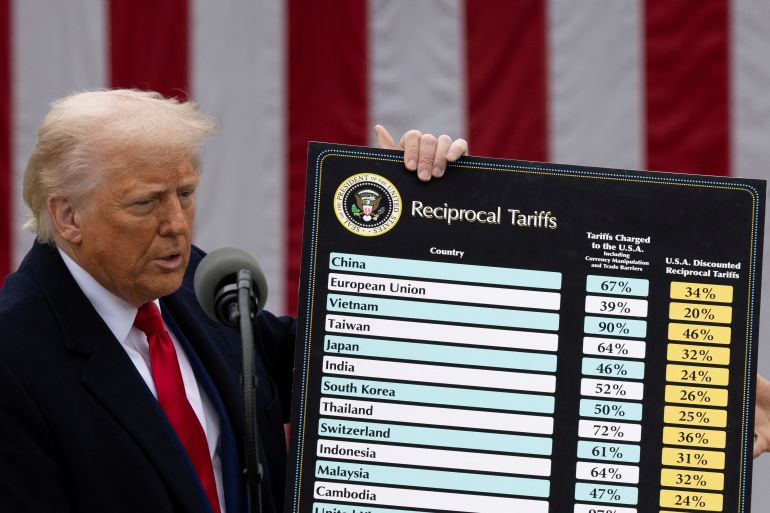
Despite two weeks having passed since its announcement, the details of the agreement remain unclear. However, it has faced criticism to the extent of being considered a surrender to the United States and “selling out the country,” after Trump revealed that India would eliminate its tariffs on imports of American goods under the deal.
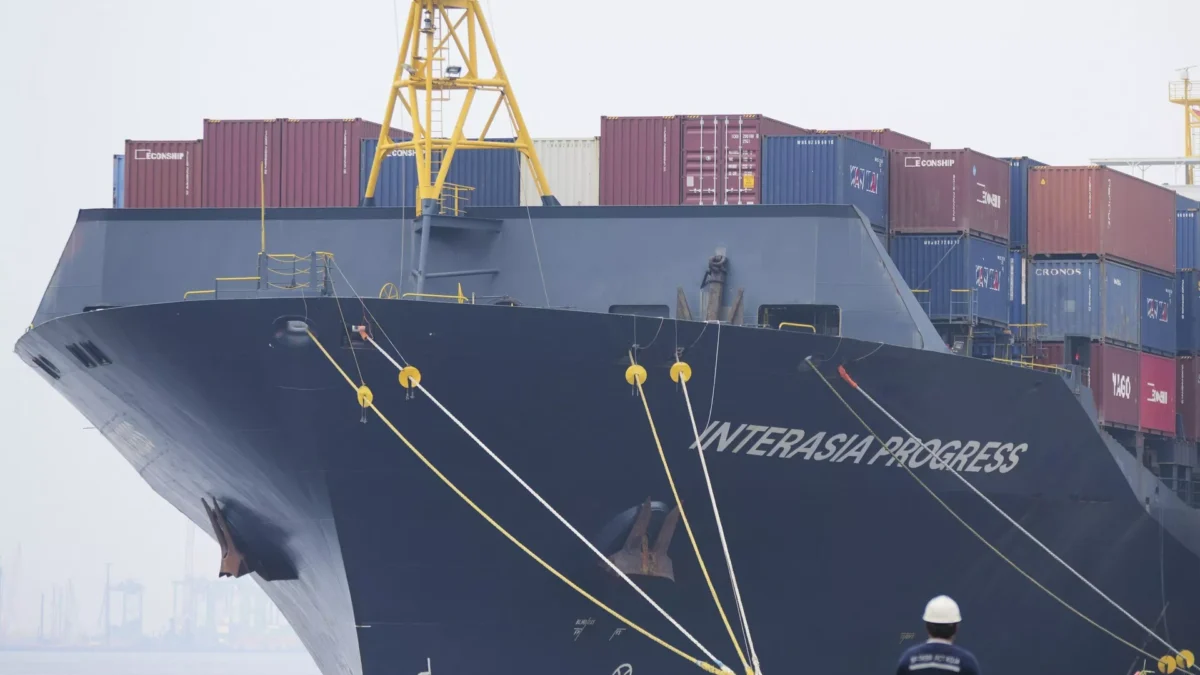
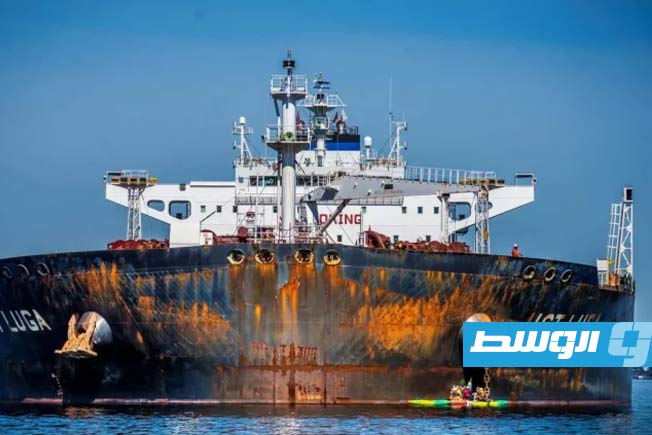
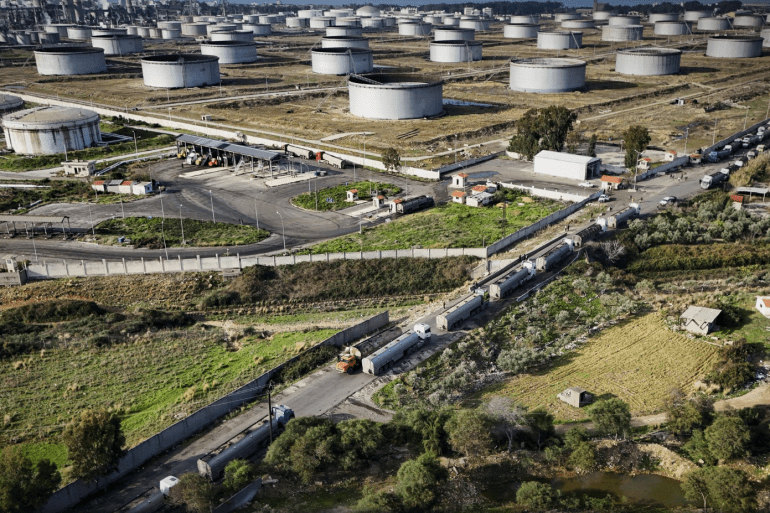
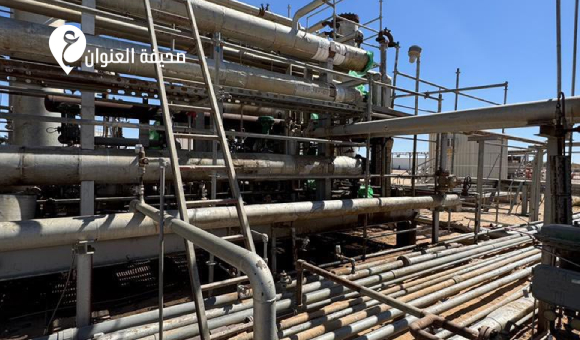
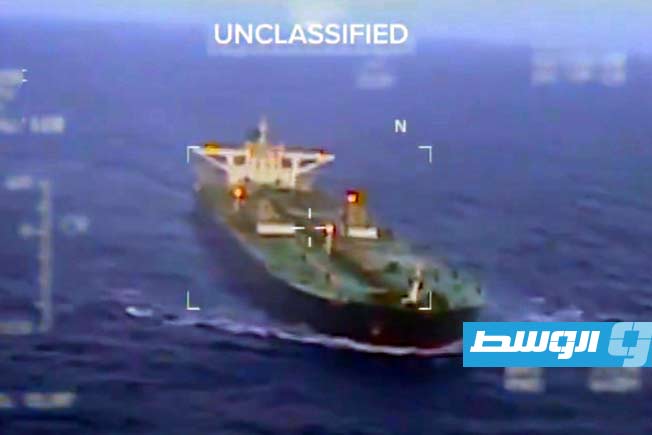
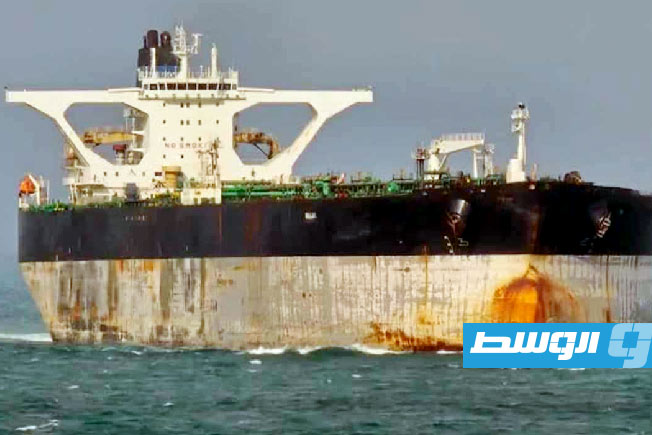
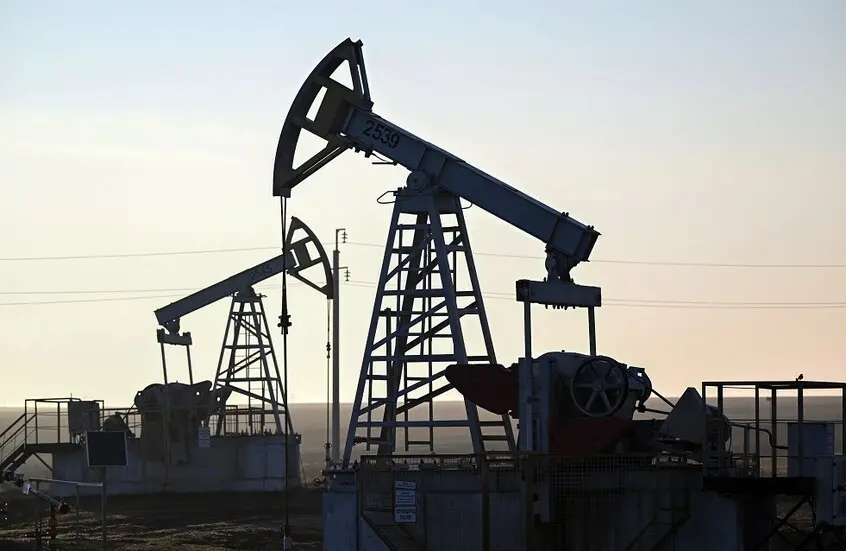
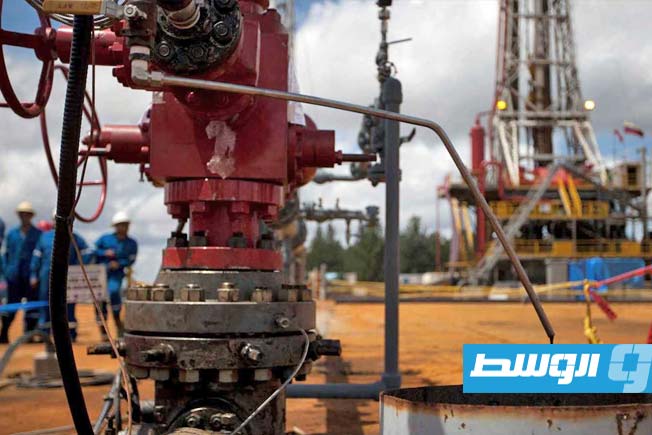
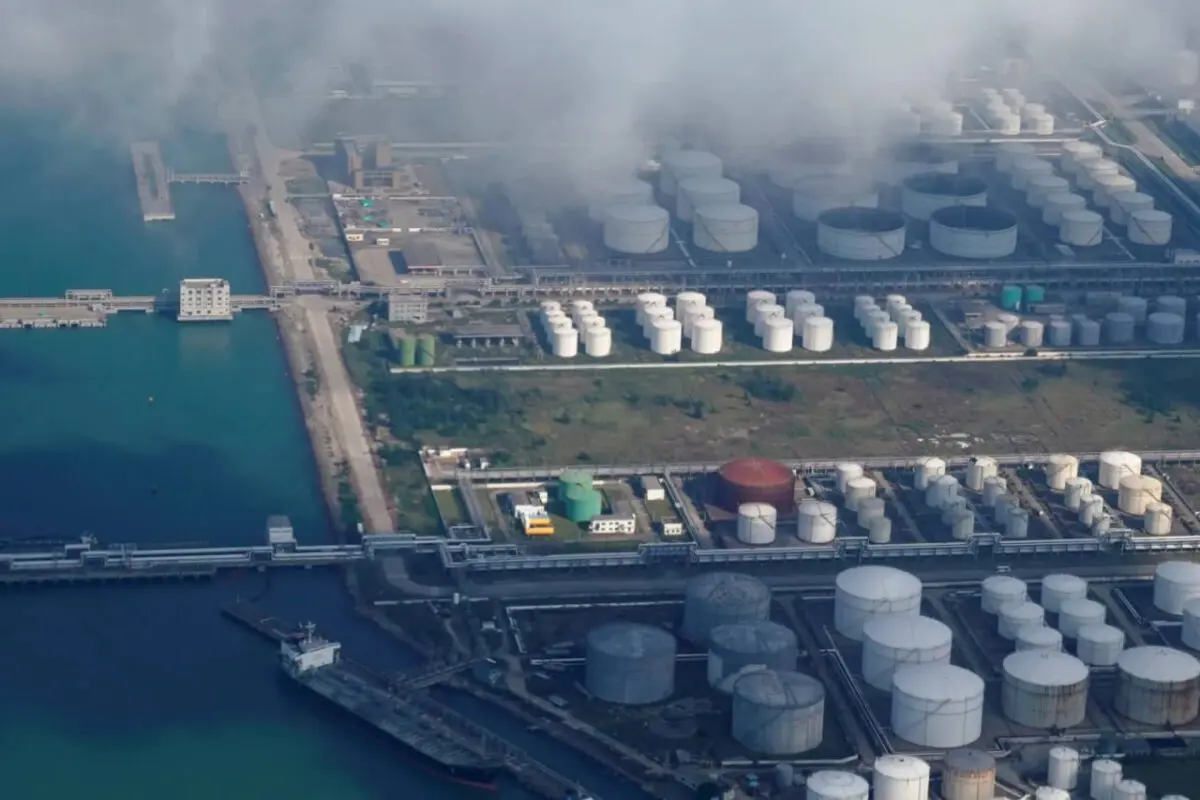
The agreement was announced five weeks after Washington imposed steep 50% tariffs on Indian goods, in response to New Delhi importing Russian oil, the revenues from which are used to fund the war in Ukraine.
These tariffs dealt a severe blow to Indian exports and continue to negatively impact the economy of the world’s most populous country, with 1.4 billion people.
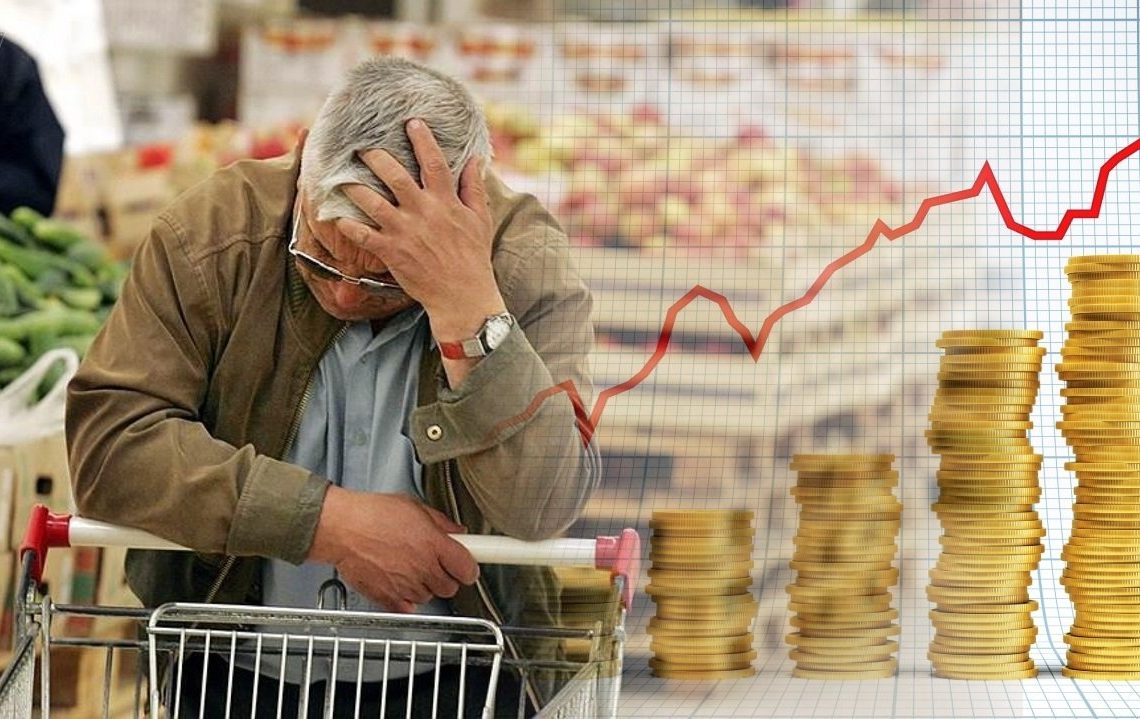
Experts’ fears of American products flooding the Indian market
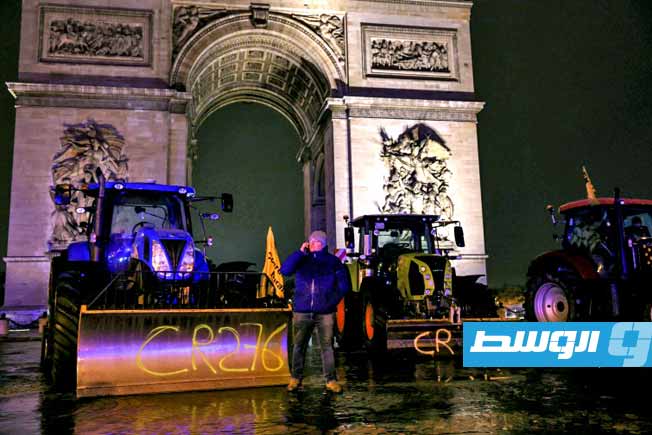
For their part, influential agricultural unions fear that American products will flood the Indian market, harming a sector that employs more than 700 million people.
Analysts also fear that amendments could be made to some terms of the agreement, which was reached after lengthy negotiations, due to the unpredictable and volatile nature of the US President.
A trade expert stated: “Under Trump, nothing is certain,” adding that even if the agreement is signed in a few weeks, it will only last until “Trump decides to raise tariffs.”
An unrealistic agreement
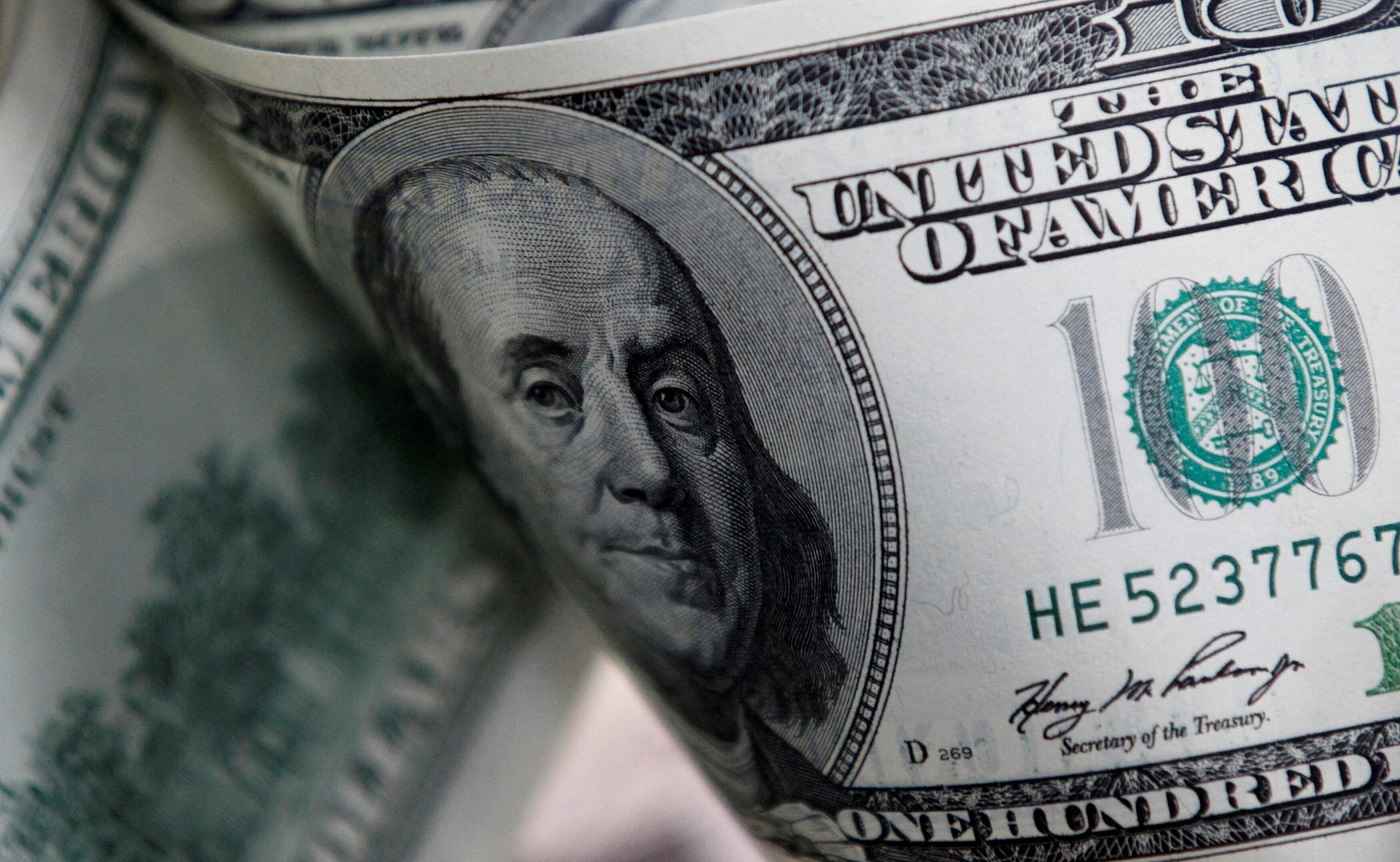
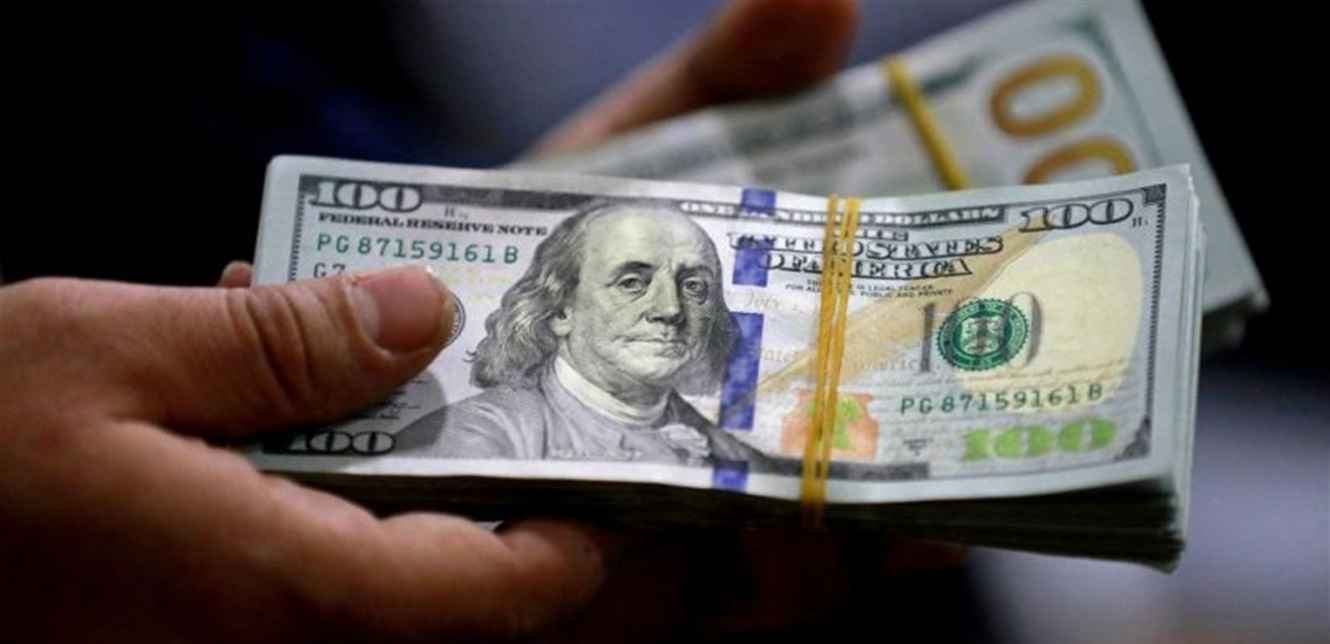
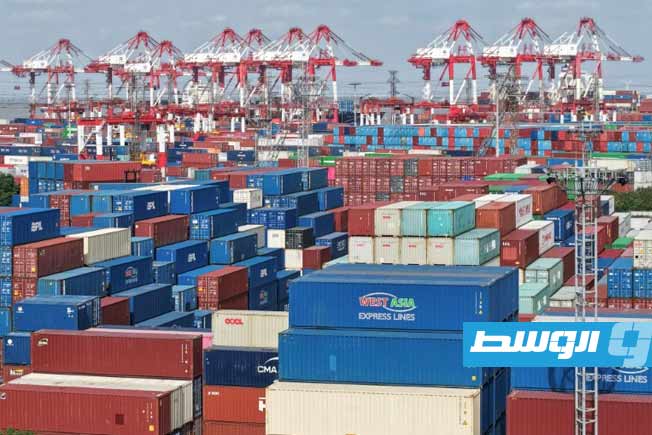
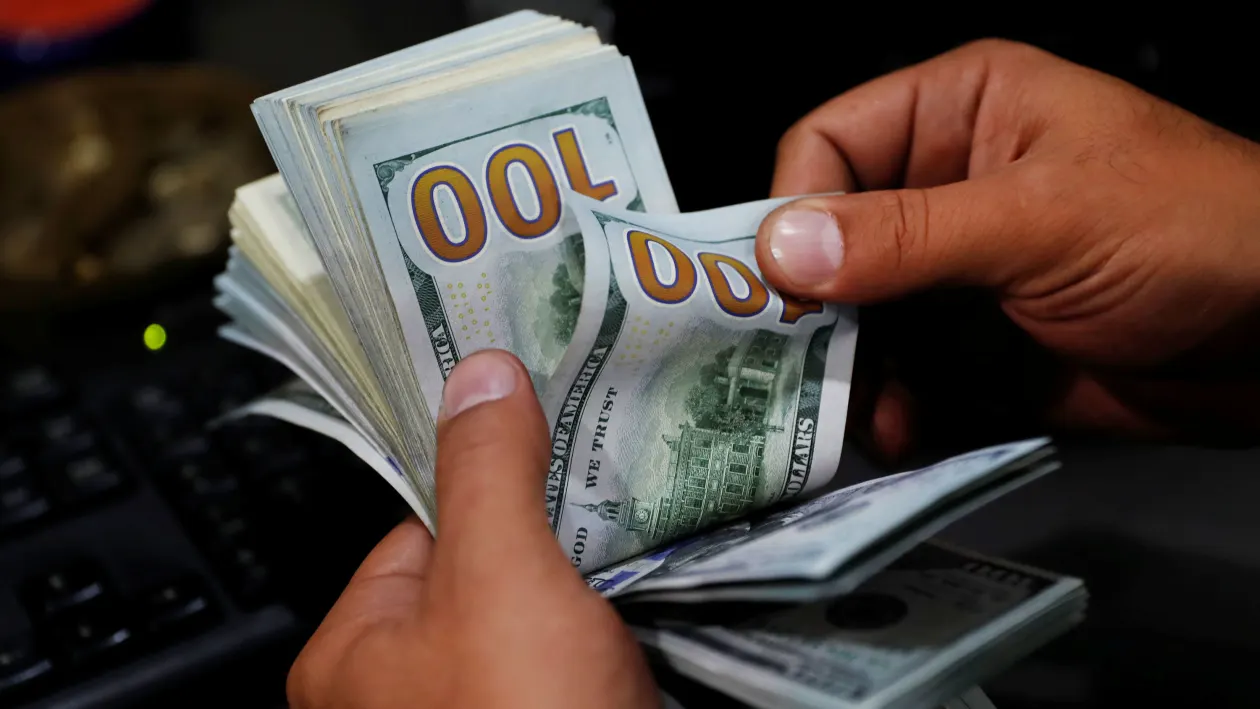
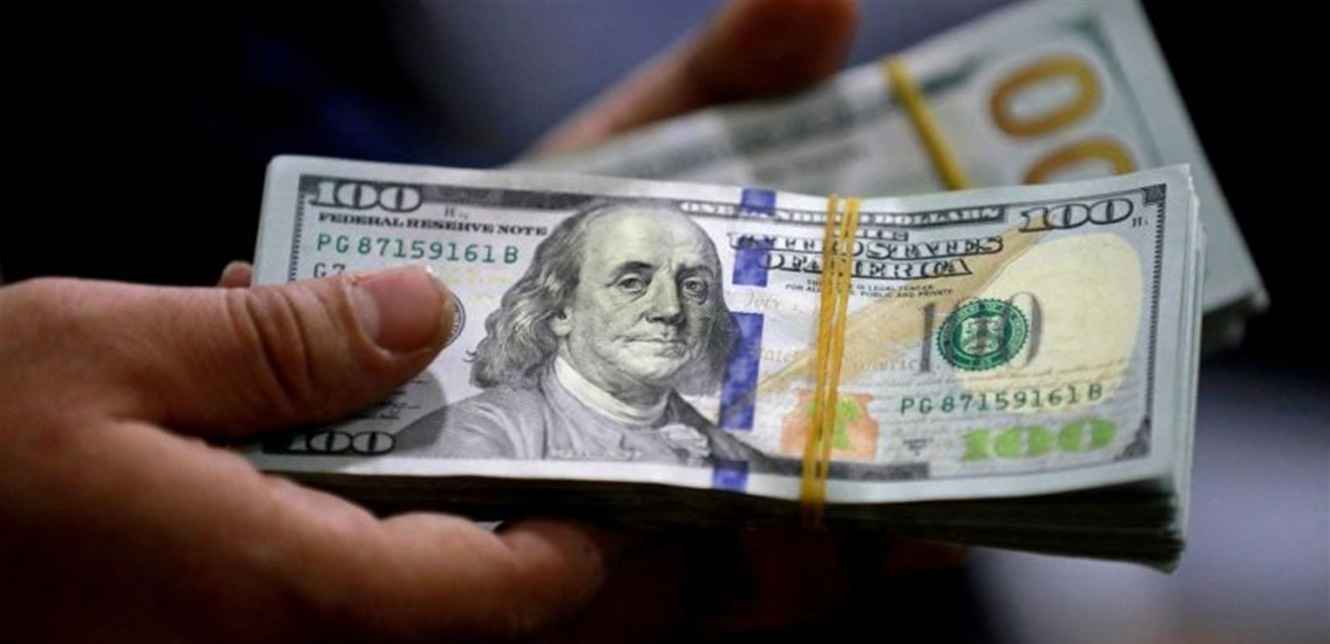
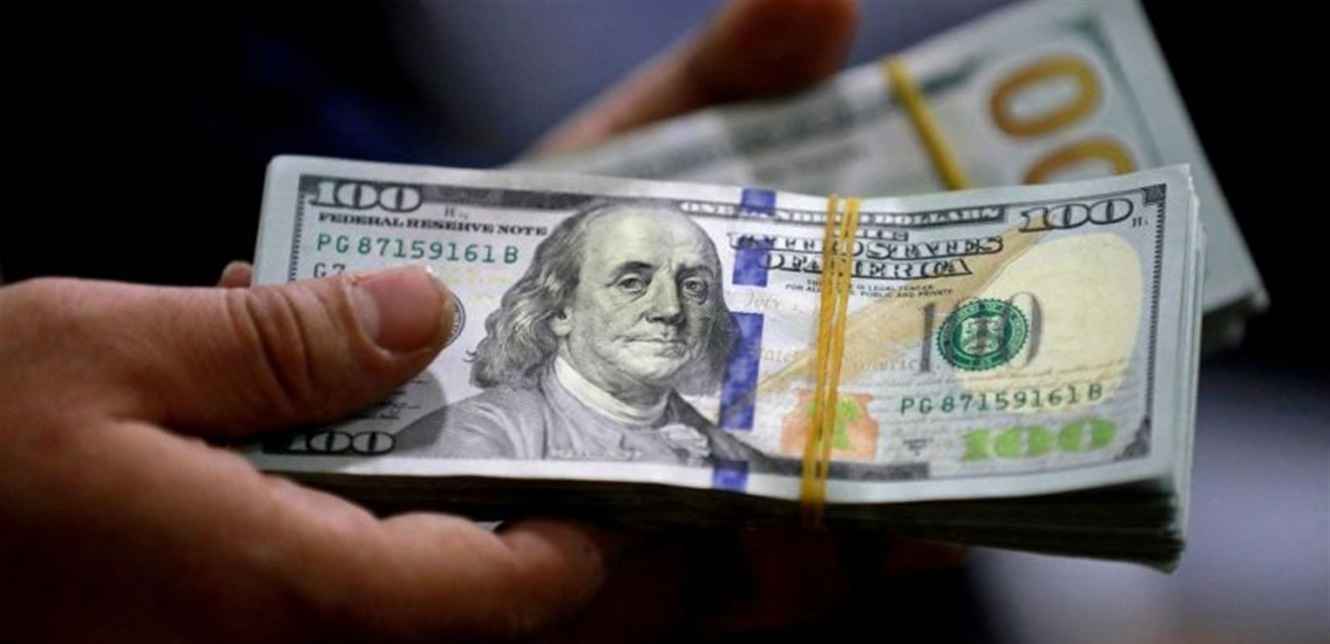
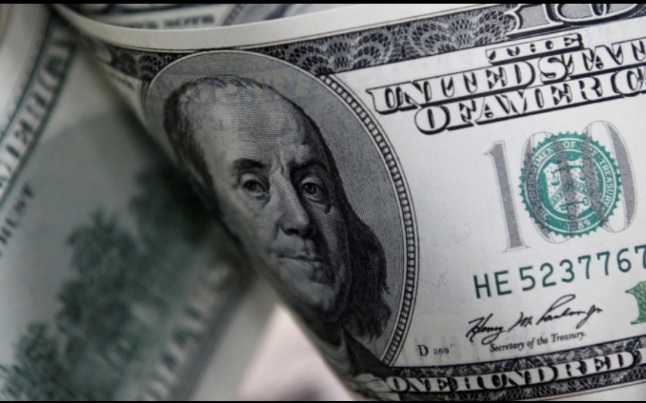
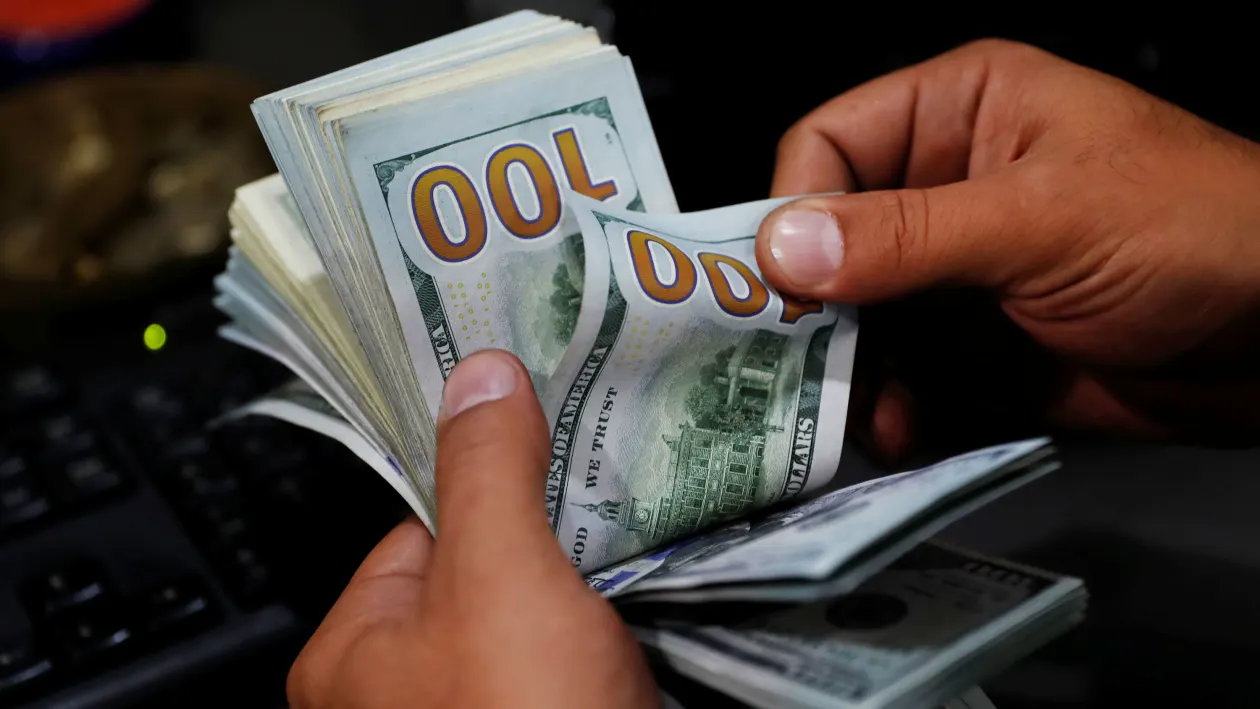
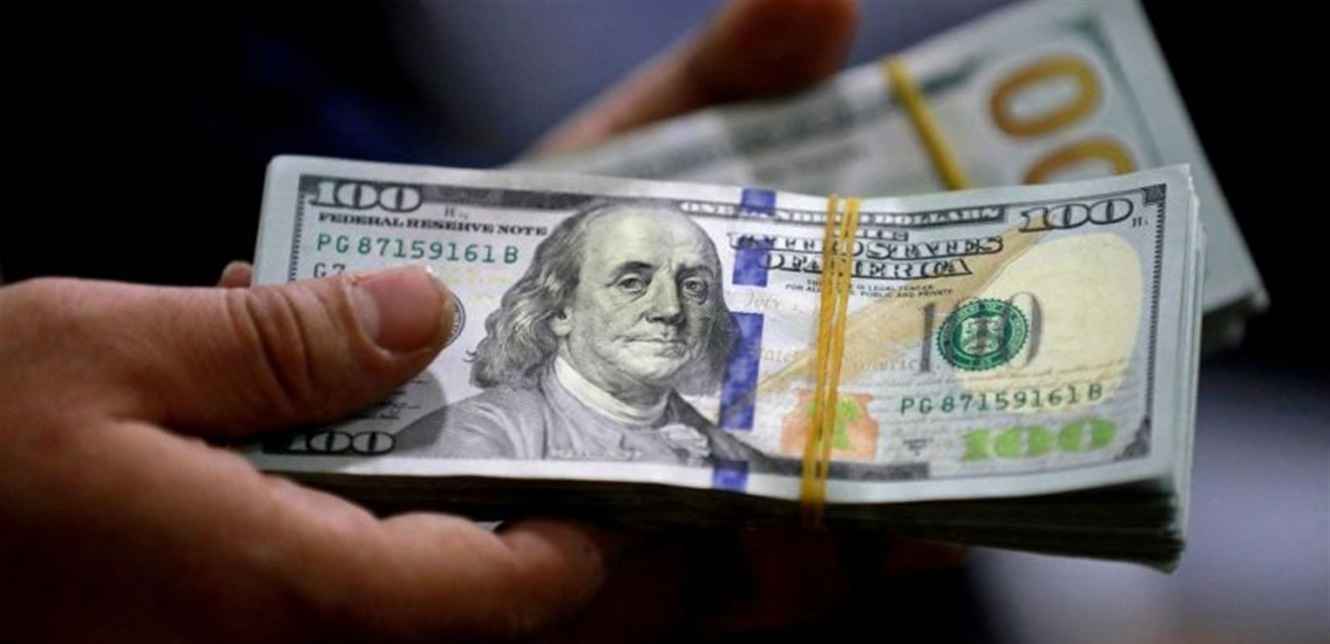
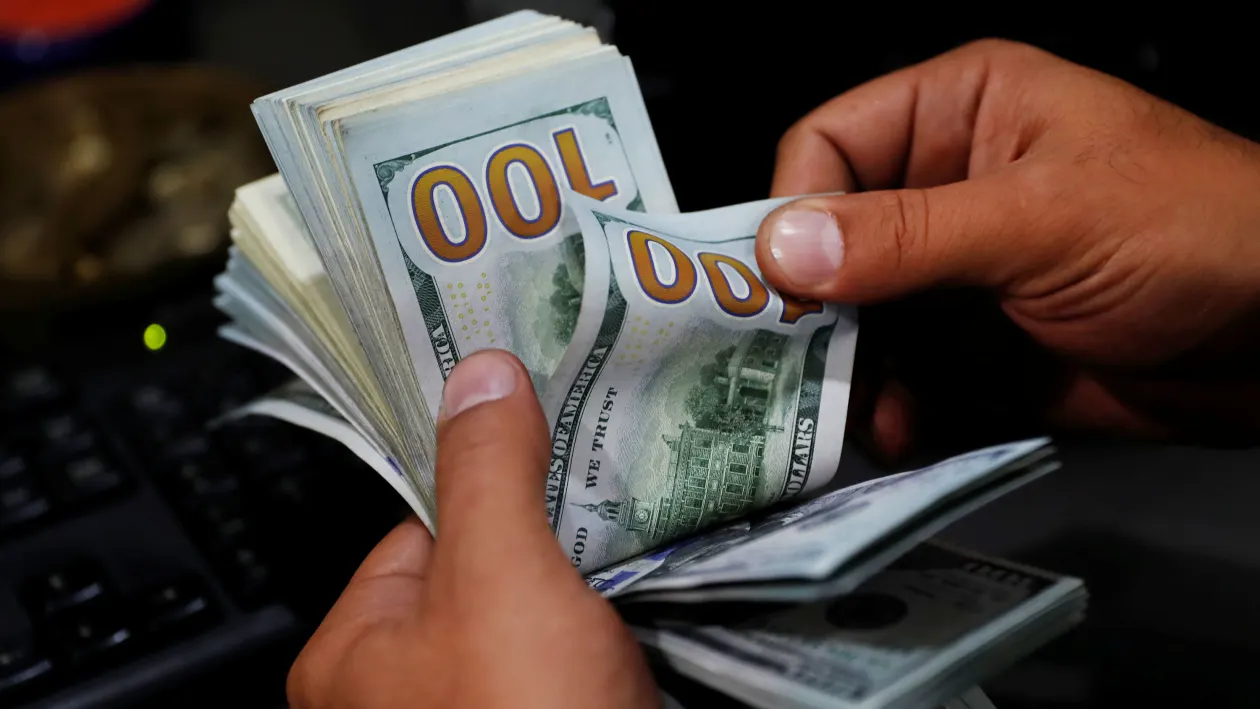
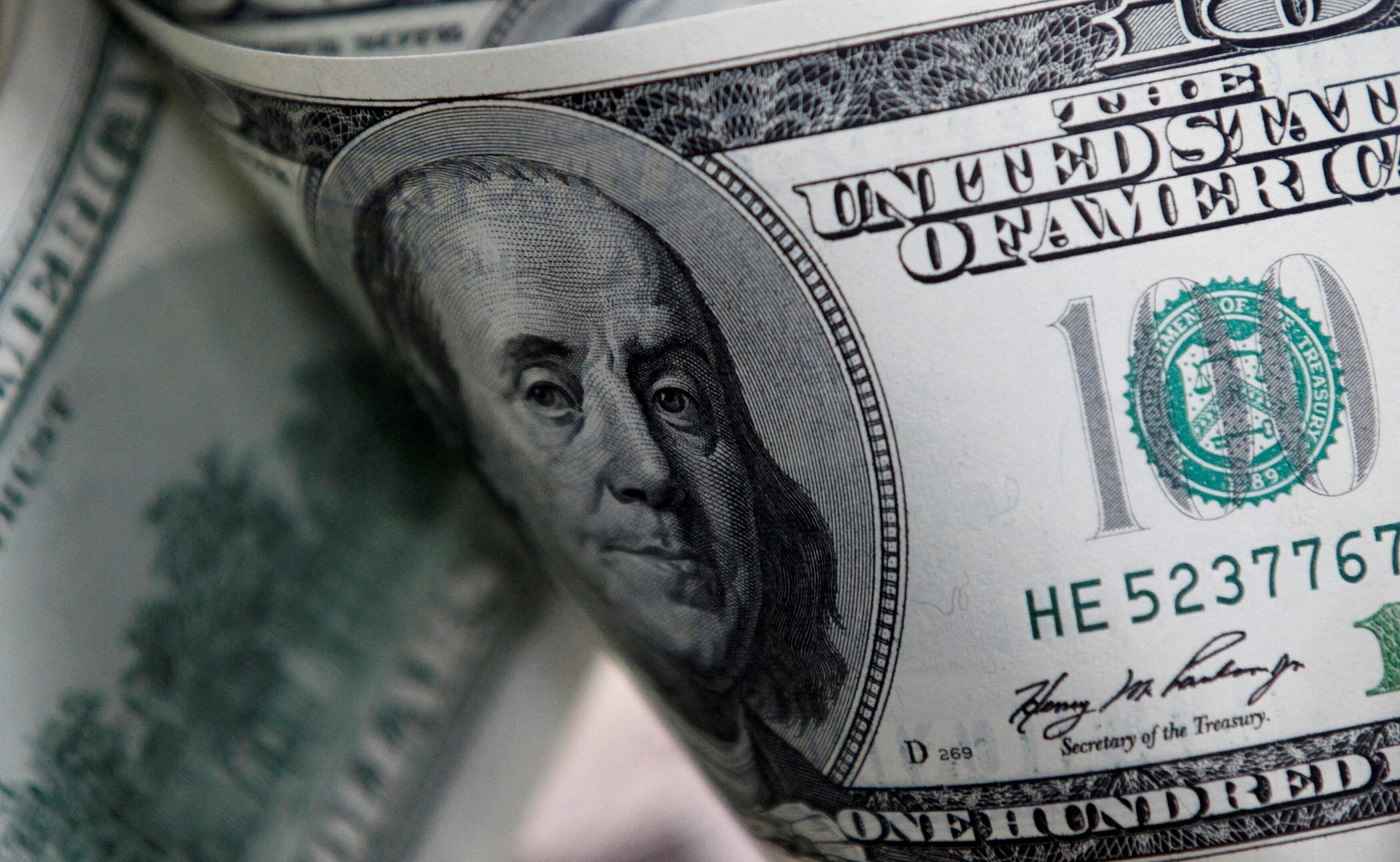
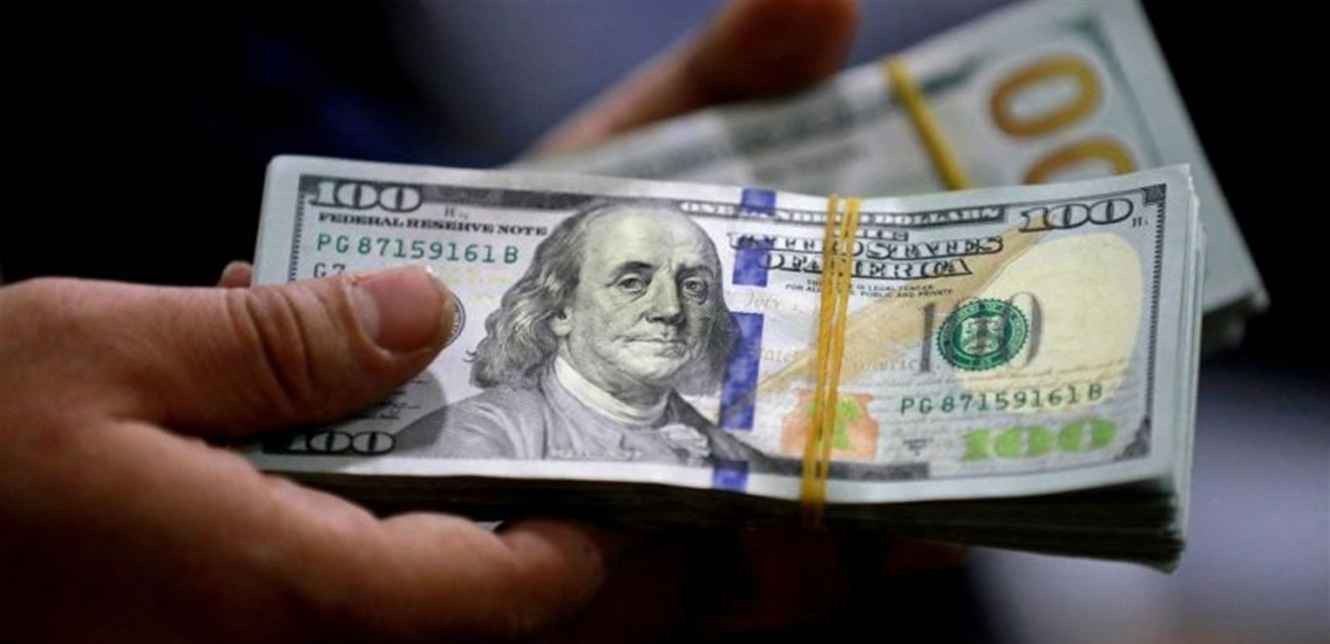
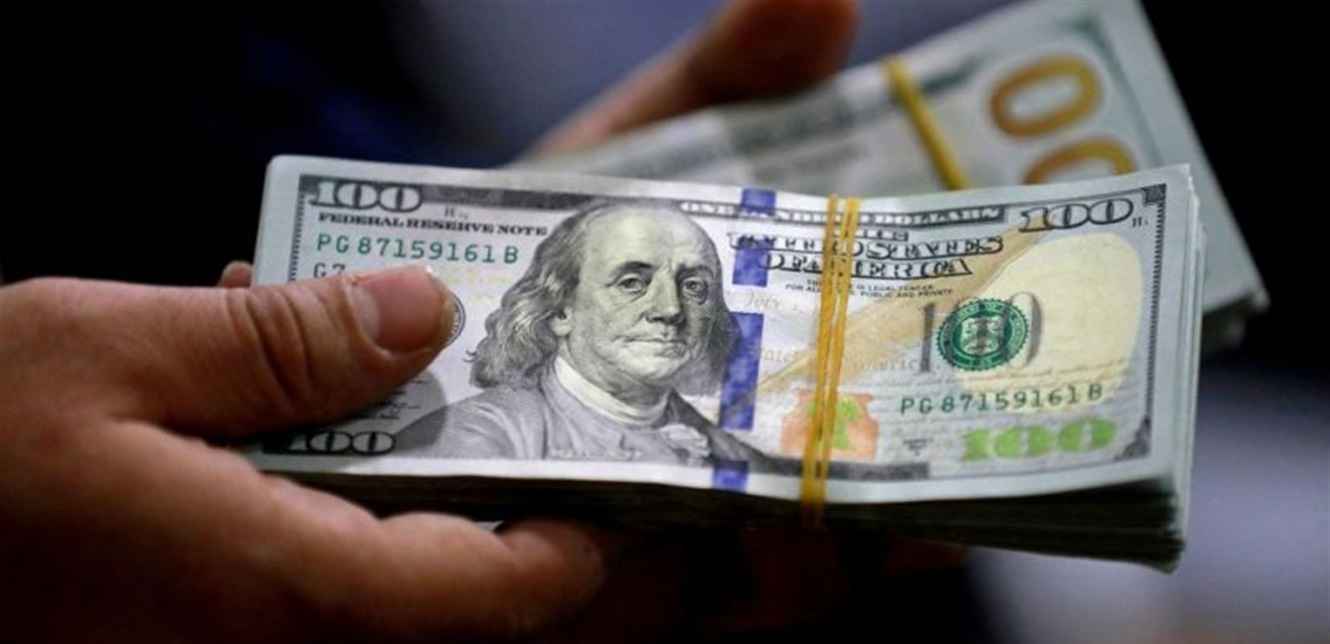
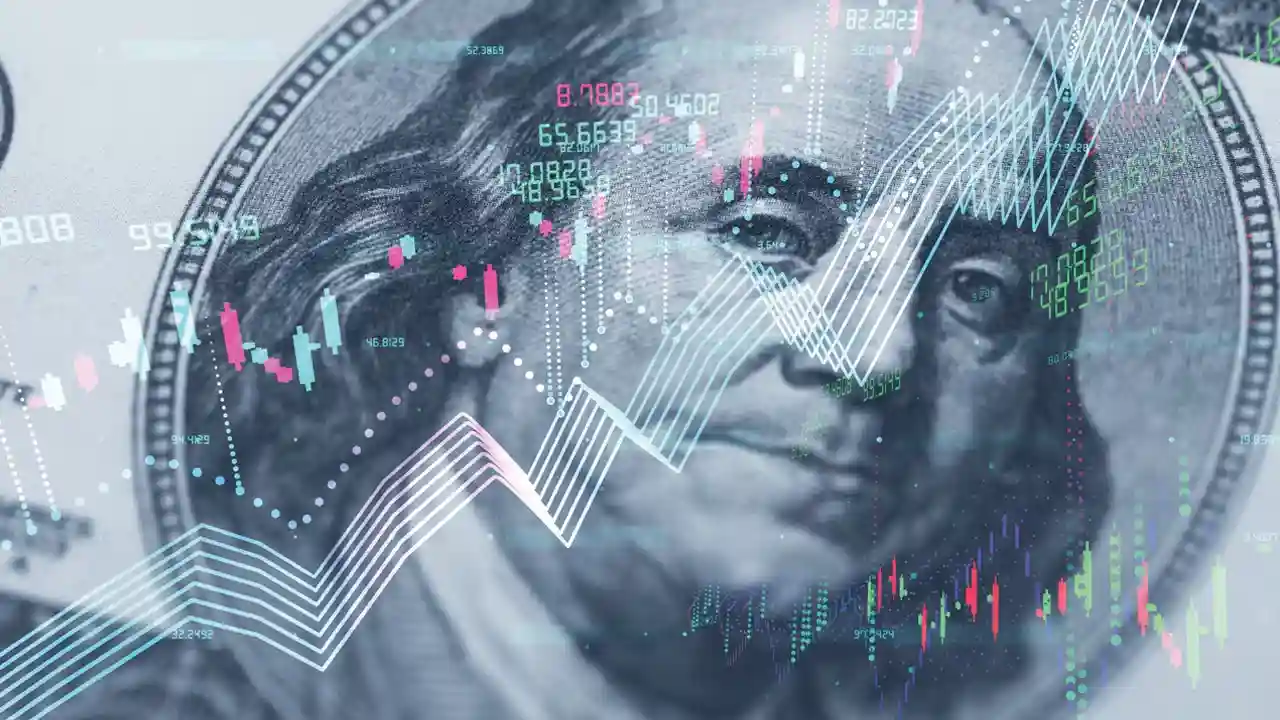
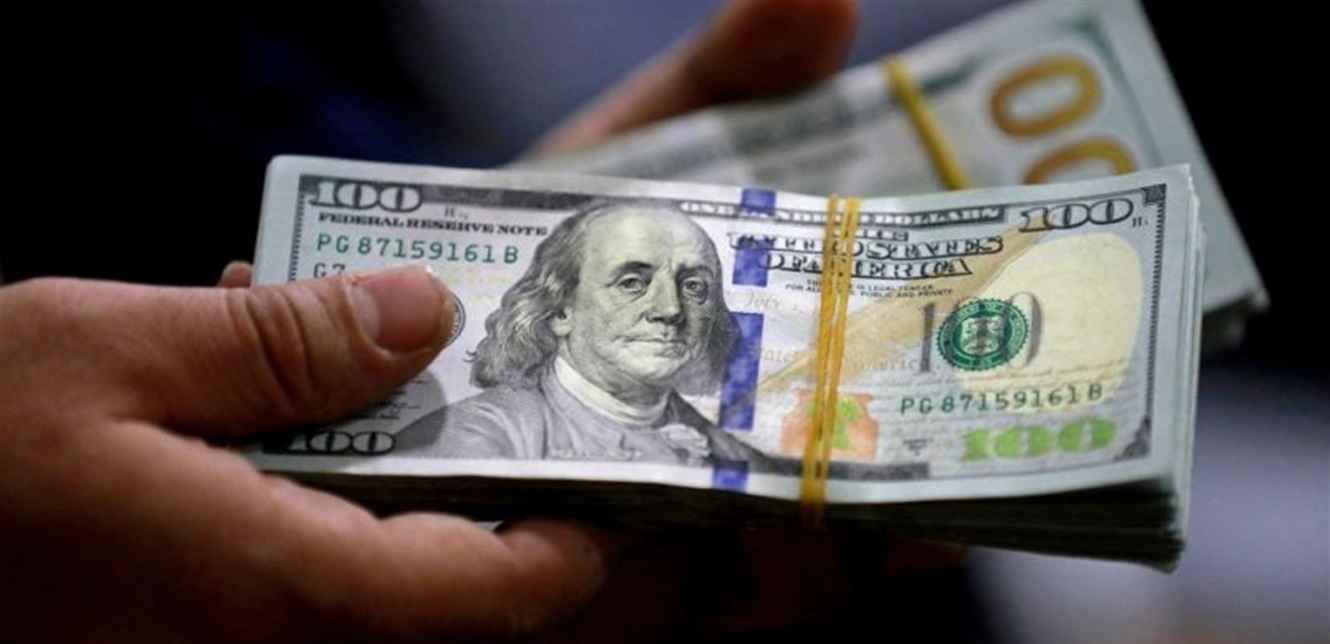
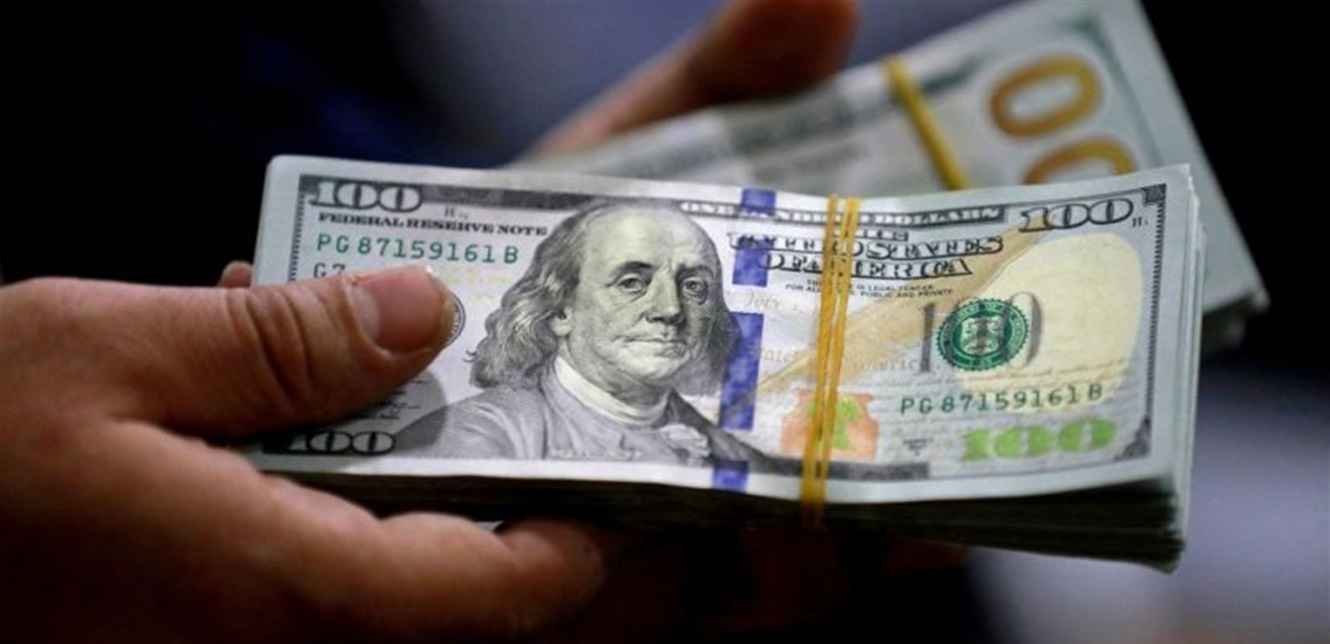
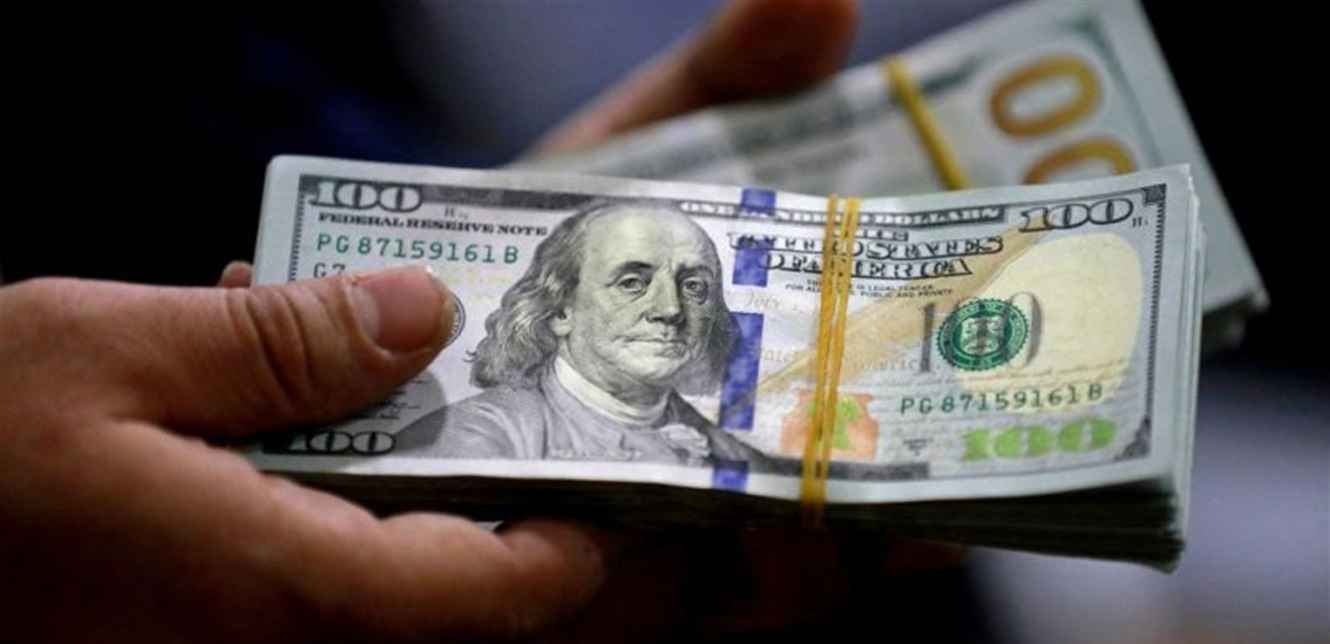
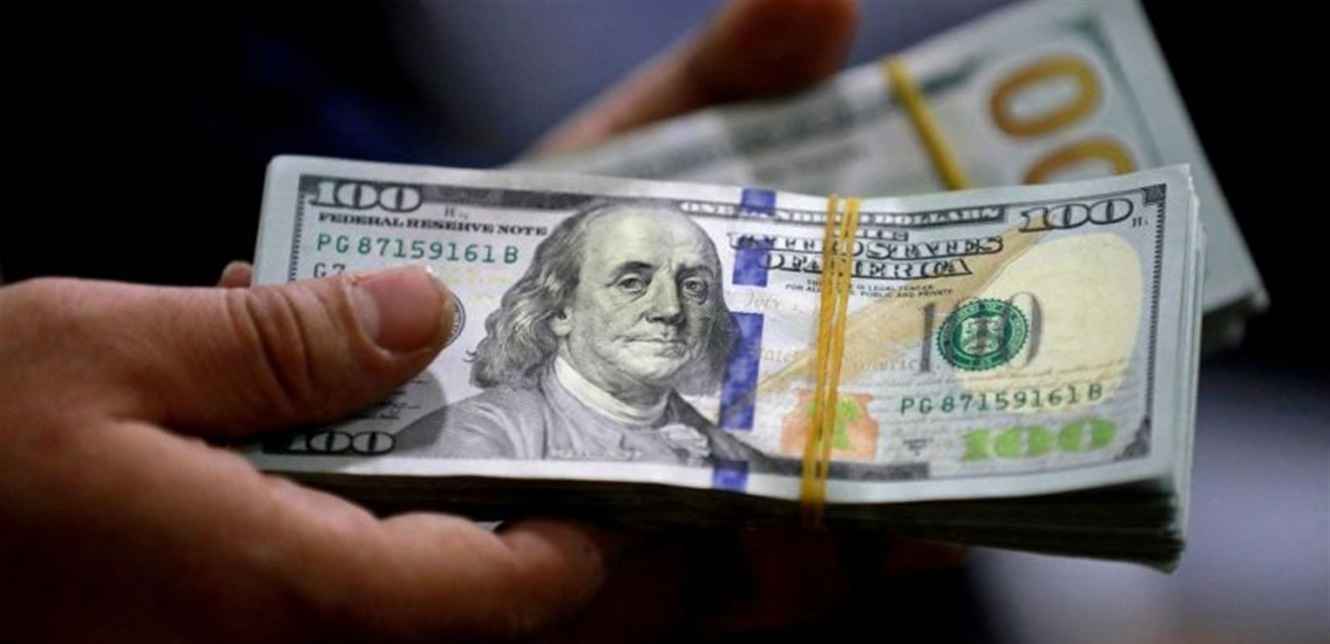
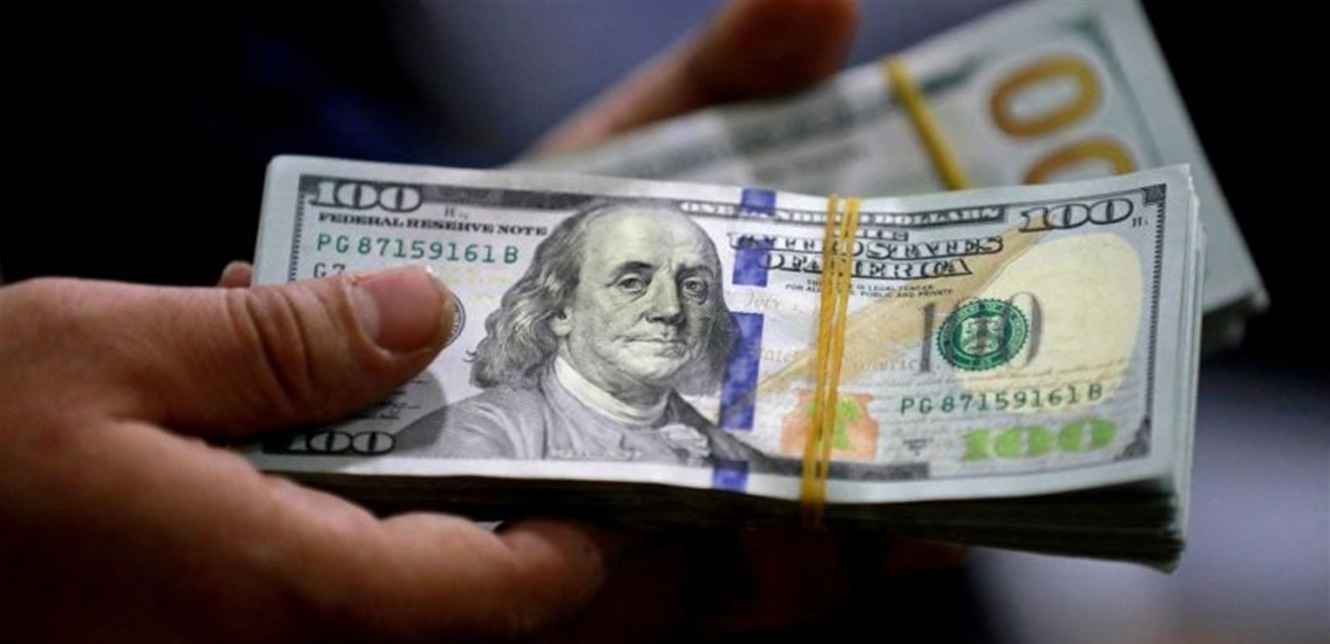
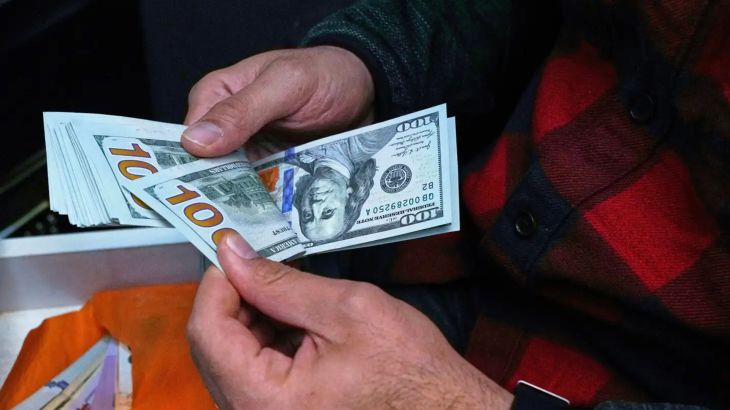
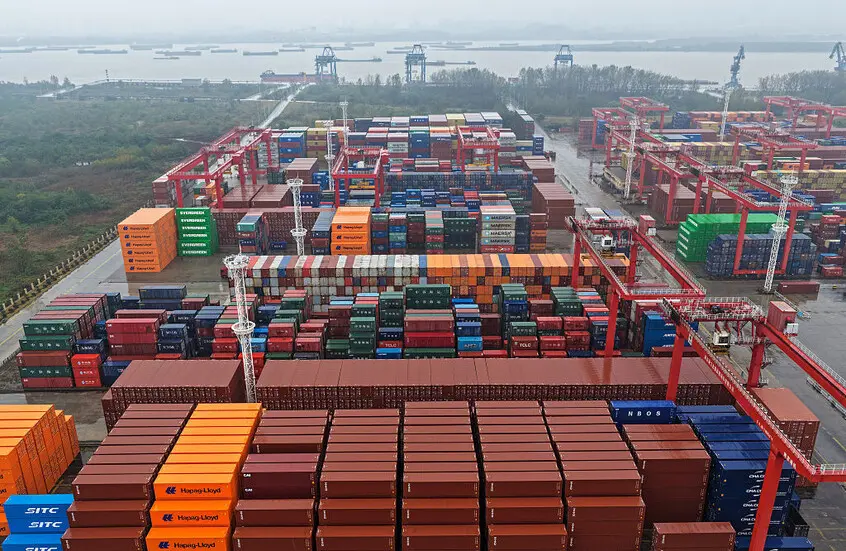
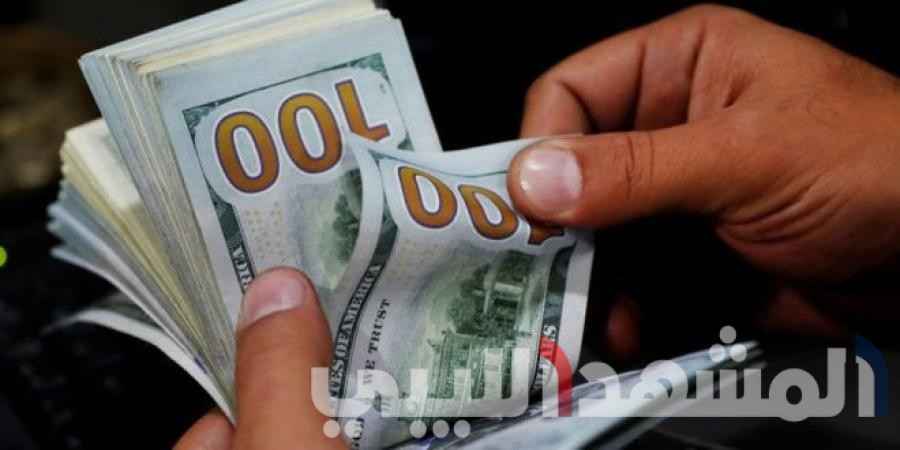
The most problematic clause in the agreement stipulates that India will purchase American goods worth $500 billion over five years.
India imported American goods worth approximately $45 billion during the last fiscal year.
An analyst from a New Delhi-based global trade research initiative viewed the goal of multiplying annual import value as “unrealistic.”
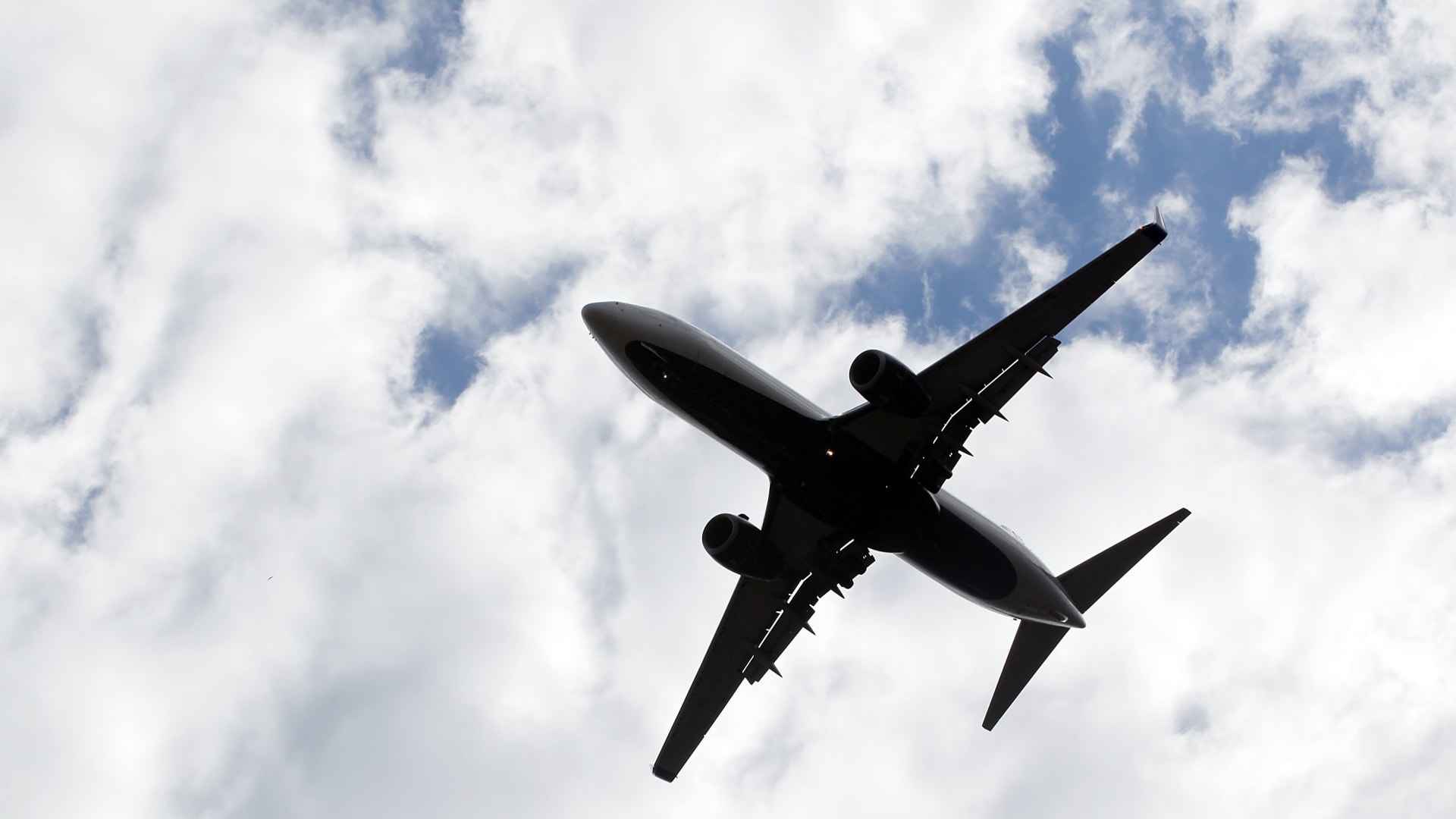
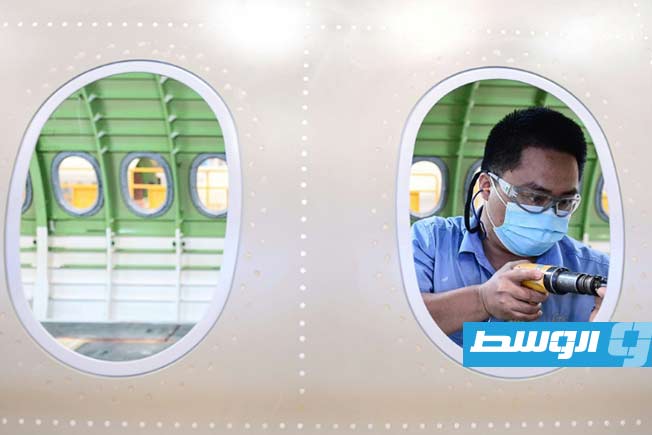
It was noted that purchasing aircraft would represent a significant portion of the agreement. However, even with increased orders from the American Boeing group, it would not be sufficient, especially since purchase decisions lie with private airlines. Purchasing 200 Boeing aircraft over the next five years would only amount to about $60 billion, at an average of $300 million per aircraft.
There were also concerns regarding the reduction of US tariffs on Indian products from 25% to 18% in exchange for India’s pledge to stop purchasing Russian oil.
While this clause was not mentioned in the joint announcement, the Indian government has not commented on it, neither to deny nor confirm it.
India
India is a South Asian nation with a rich and ancient history, spanning over five millennia and encompassing major civilizations like the Indus Valley, as well as empires such as the Maurya and Mughal. It is renowned for its profound cultural and spiritual heritage, including the origins of Hinduism, Buddhism, Jainism, and Sikhism, and gained independence from British colonial rule in 1947. Today, it is the world’s largest democracy and a vibrant, diverse country known for its multitude of languages, cuisines, festivals, and architectural wonders like the Taj Mahal.
United States
The United States is a federal republic founded in 1776 after declaring independence from Great Britain, with its modern government established by the Constitution in 1789. Its history includes westward expansion, a civil war over slavery, and its emergence as a global superpower in the 20th century. The nation is defined by its diverse population, democratic ideals, and significant cultural and economic influence worldwide.
Donald Trump
Donald Trump is a prominent American businessman, television personality, and politician who served as the 45th President of the United States from 2017 to 2021. His presidency was marked by significant tax reform, a focus on immigration restrictions, and a distinctive, often controversial, communication style. Prior to politics, he was widely known for his real estate ventures and as the host of the reality television show *The Apprentice*.
Washington
Washington, D.C., is the capital city of the United States, founded in 1790 and named after the first U.S. president, George Washington. It is renowned for its iconic national monuments, museums, and federal buildings, including the White House, the U.S. Capitol, and the Smithsonian Institution.
New Delhi
New Delhi is the capital city of India, officially inaugurated in 1931 as the new administrative center during British rule. It was designed by architects Edwin Lutyens and Herbert Baker, featuring wide boulevards and grand government buildings like the Rashtrapati Bhavan and India Gate. Today, it serves as the seat of the Indian government and is a major political and cultural hub.
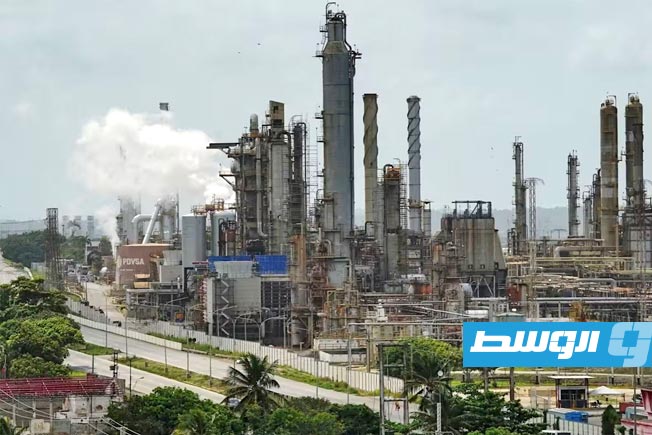
Russian oil
The Russian oil industry has been a cornerstone of the nation’s economy since major discoveries in Western Siberia during the mid-20th century. It grew under state control in the Soviet era and was later privatized, becoming a dominant global export and a primary source of state revenue and geopolitical influence.
Ukraine
Ukraine is a country in Eastern Europe with a long history of cultural and political development, including its origins in the medieval state of Kievan Rus’. It experienced centuries of foreign rule before gaining independence in 1991 following the dissolution of the Soviet Union. The country is known for its Orthodox Christian heritage, diverse landscapes, and rich traditions in literature, music, and art.
Boeing
Boeing is an American multinational aerospace corporation founded in 1916 in Seattle, Washington. It has played a central role in aviation history, producing iconic commercial aircraft like the 747 and military aircraft, while also being a major NASA contractor for space programs.