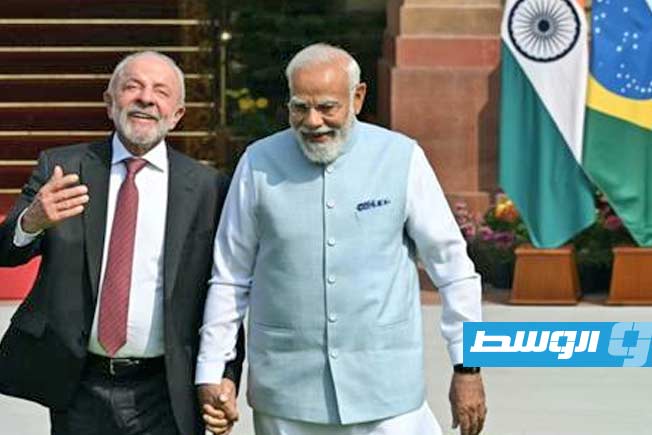
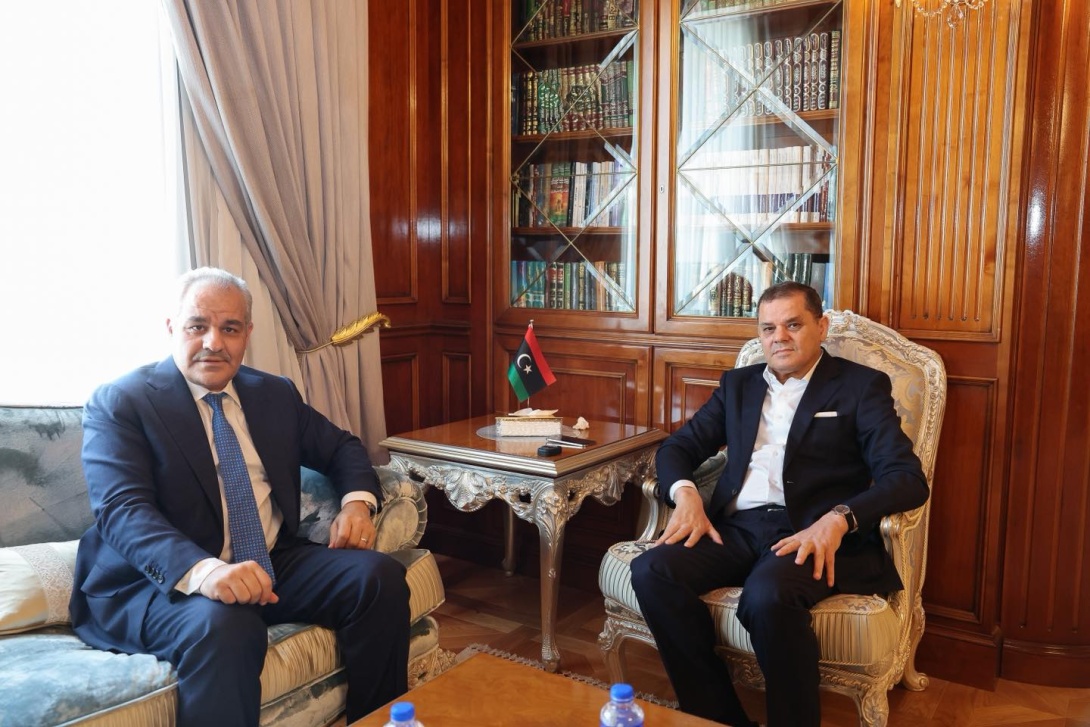
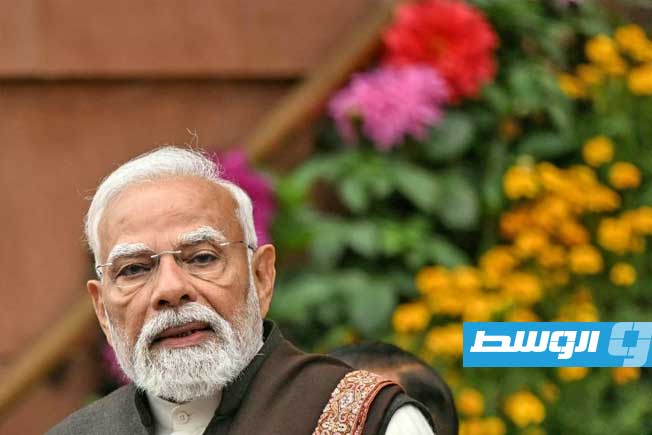
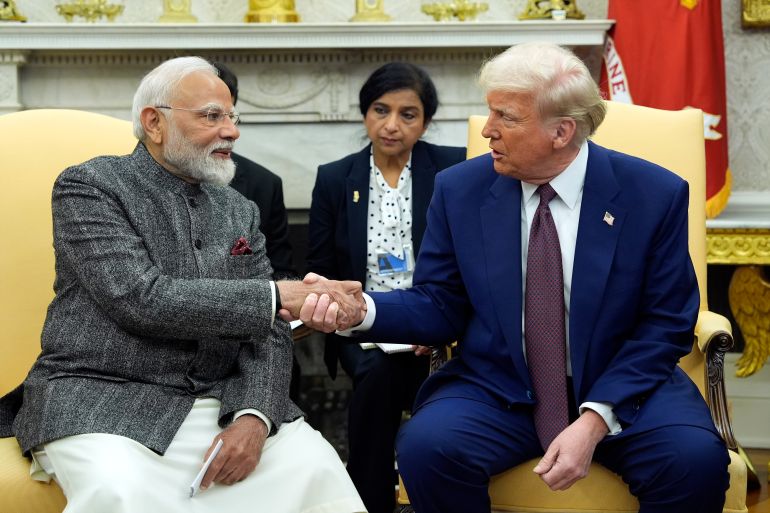
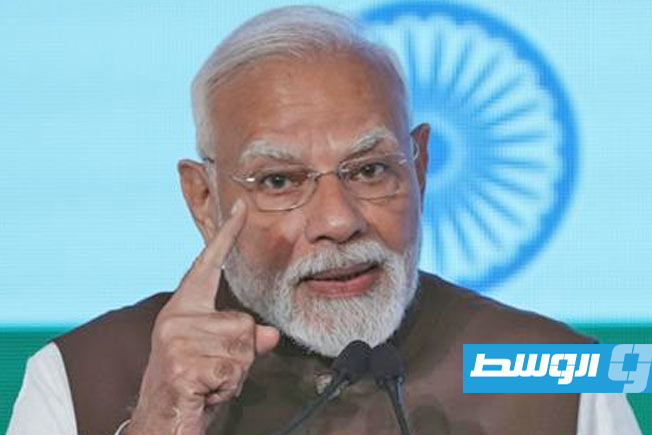
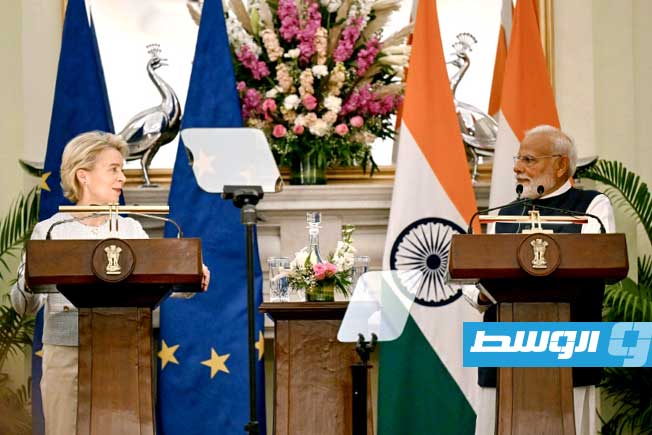
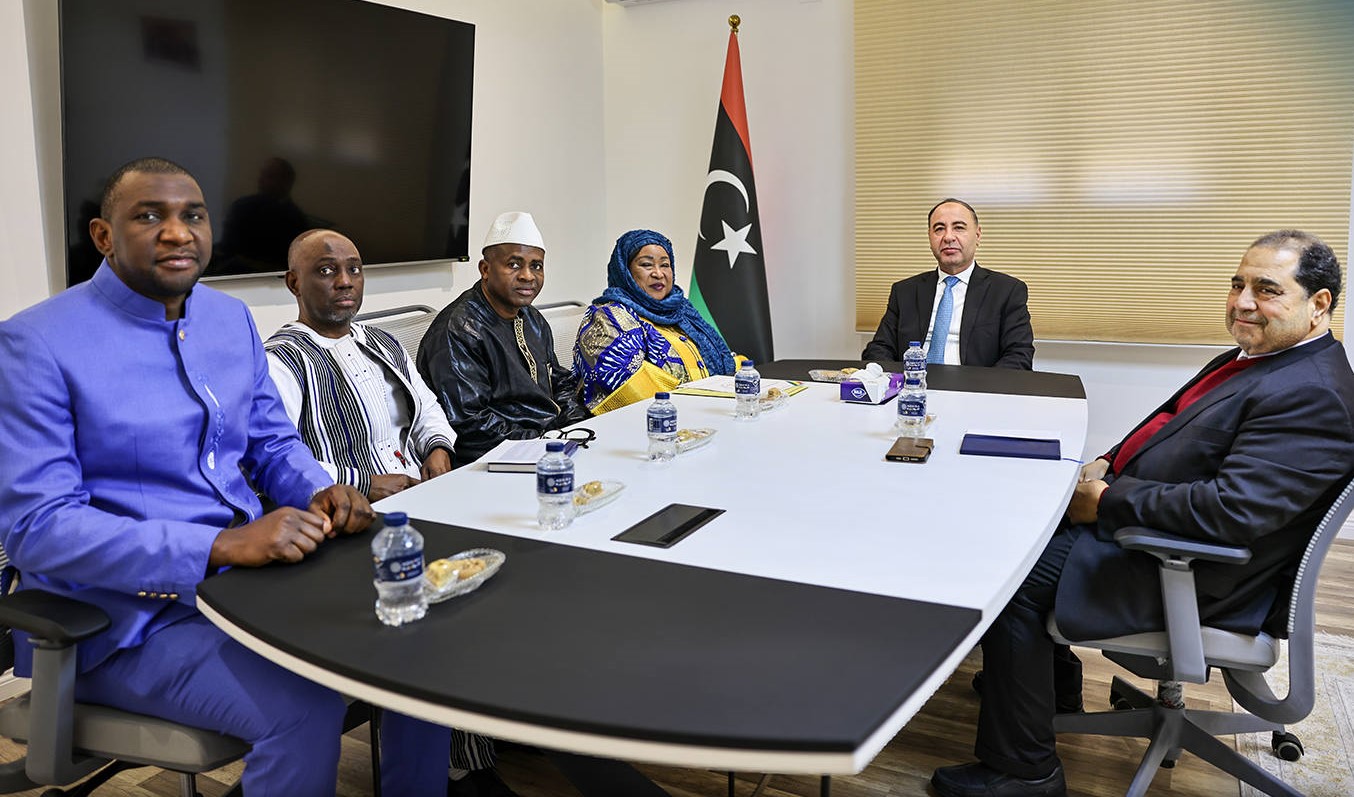
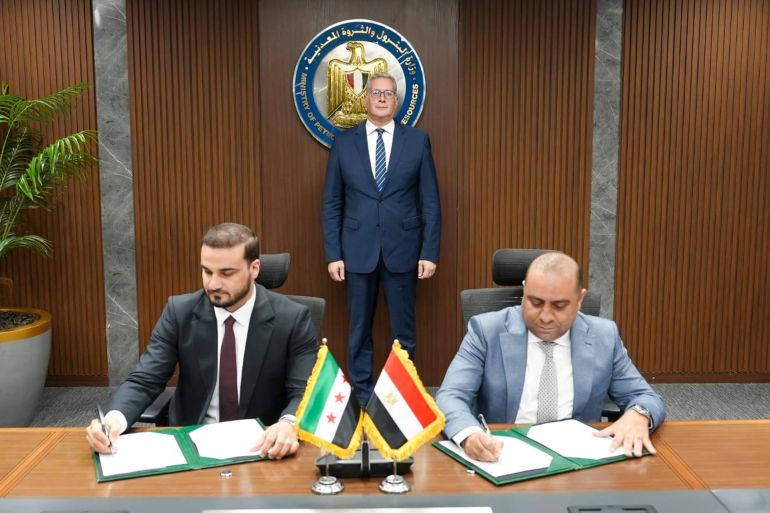
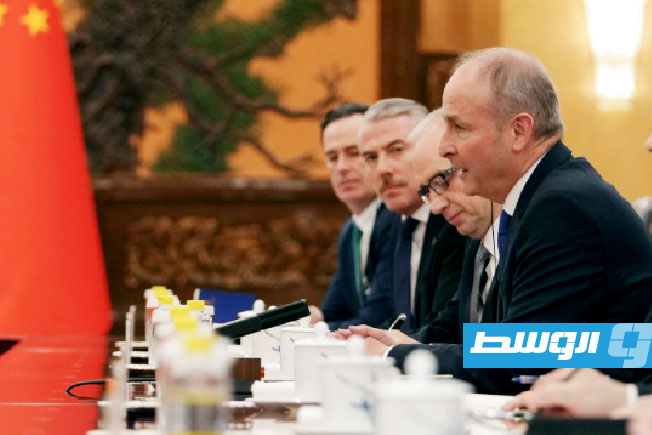
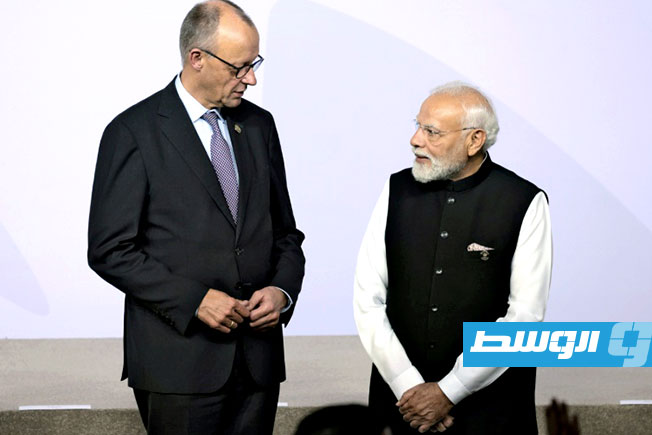
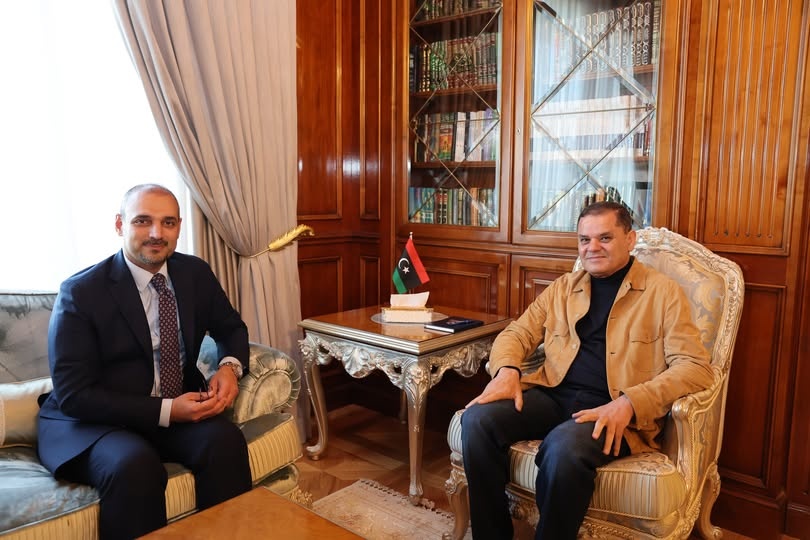
India and Brazil have signed an agreement on rare earth minerals, following talks held in New Delhi between the Indian Prime Minister and the Brazilian President.
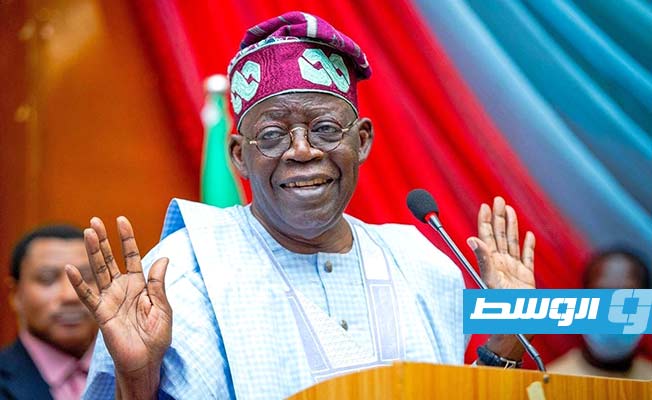
The Prime Minister stated that this agreement is “a major step towards building resilient supply chains.”
World’s Second Largest Reserve
The President confirmed that “increasing investments and cooperation in renewable energy and rare earth minerals are at the heart of the landmark agreement we signed today.”
However, the details of the agreement were not announced.
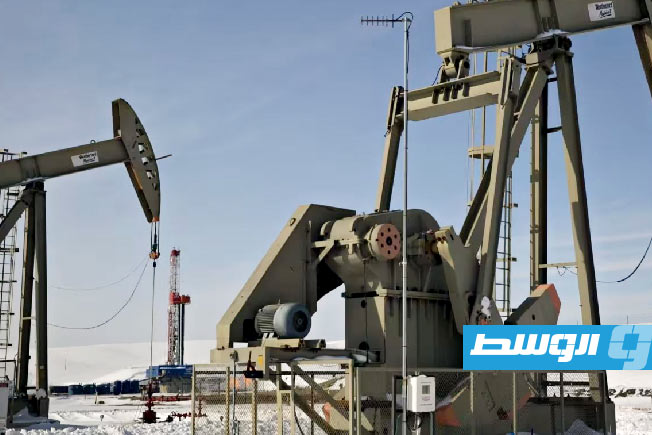
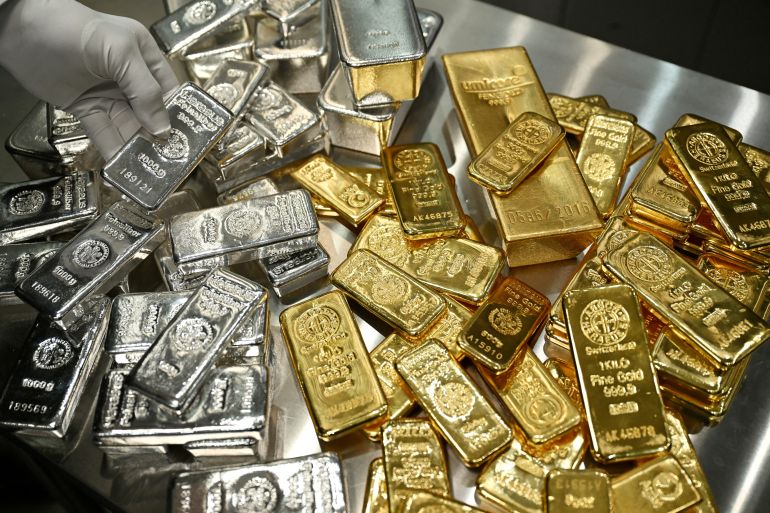
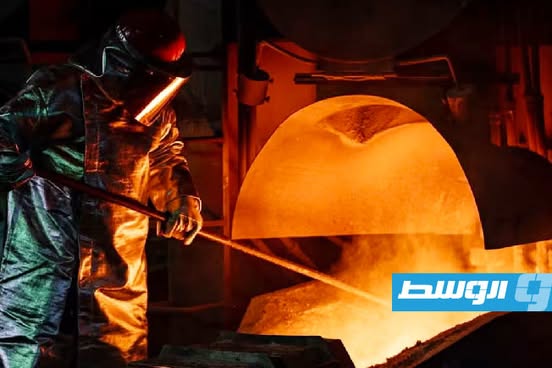
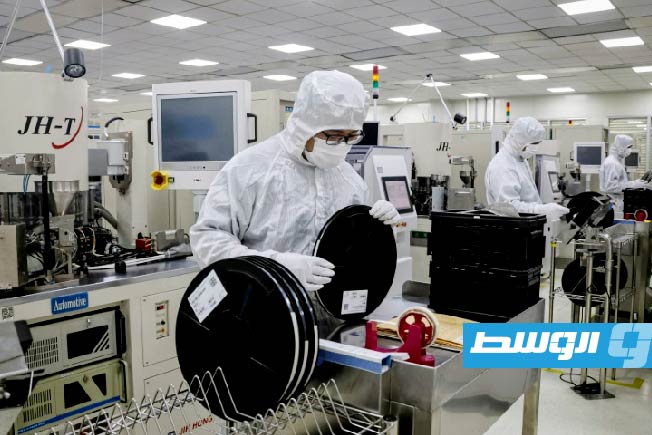
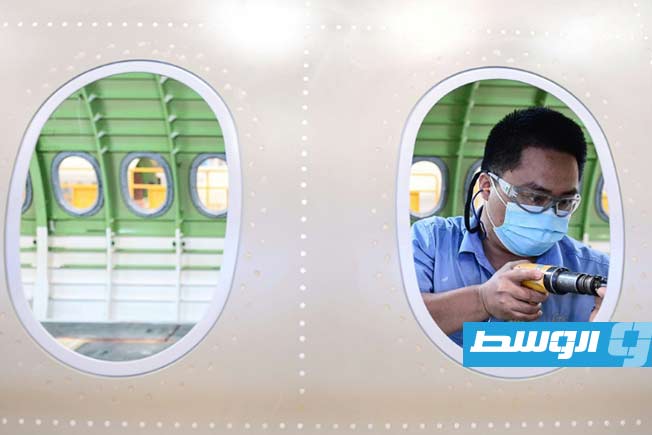
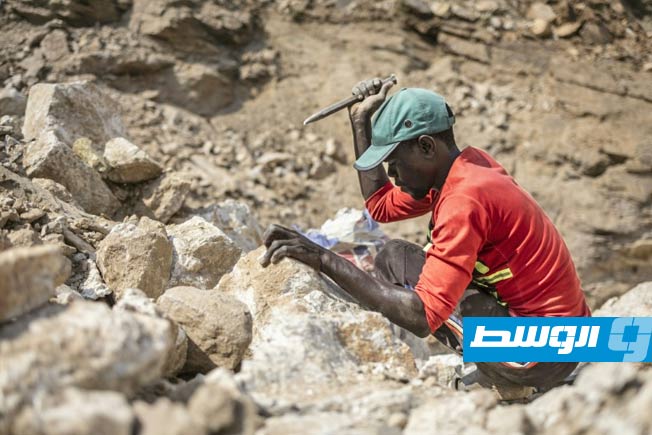
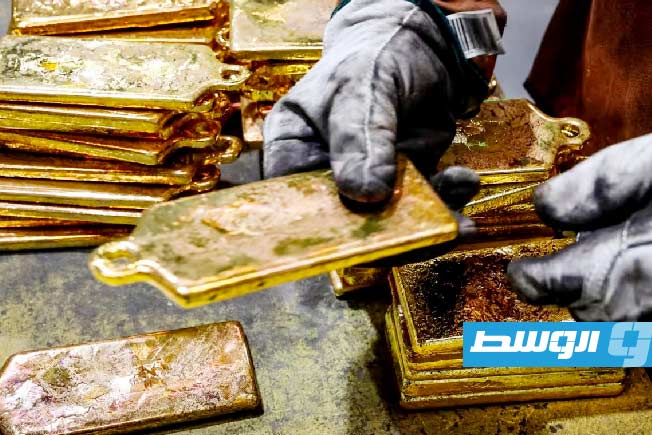
Brazil possesses the world’s second largest reserve of these minerals, which are essential for various products such as electric vehicles, solar panels, and smartphones, in addition to aircraft engines and guided missiles.
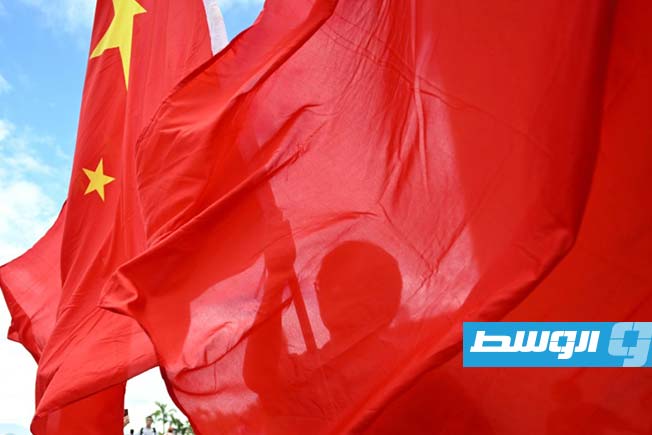
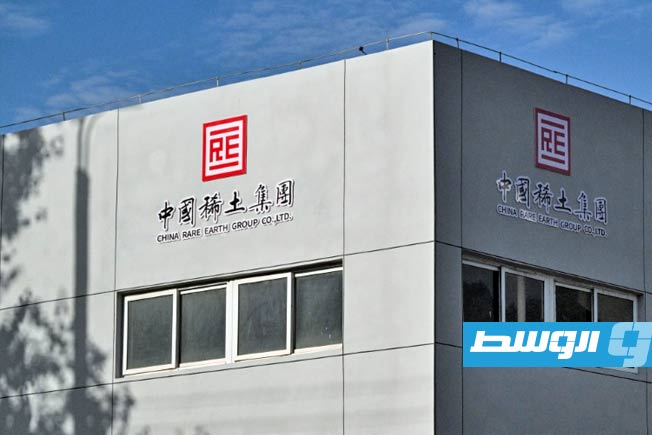
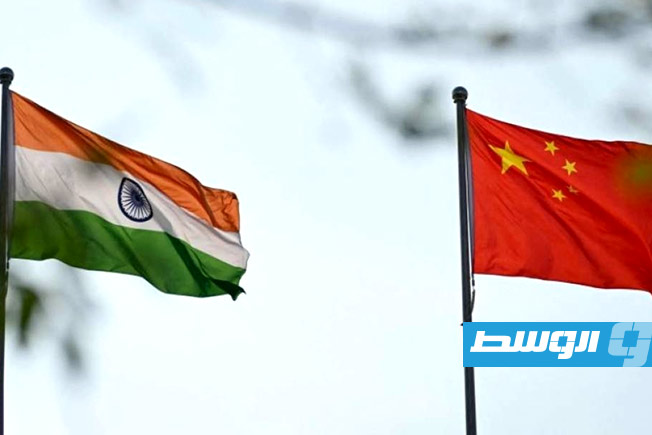
India is seeking to reduce its dependence on China, having developed its domestic production and recycling activities while searching for new suppliers of rare earth minerals.
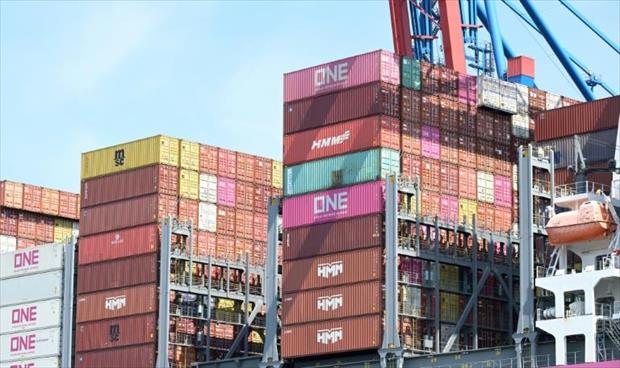
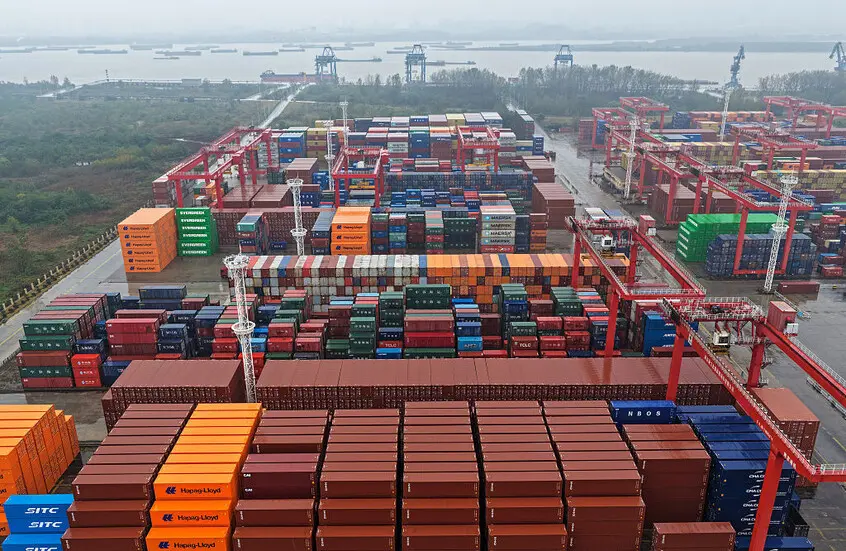
The Prime Minister emphasized that “Brazil is India’s main trading partner in South America,” adding, “We are committed to increasing the volume of our bilateral trade to over twenty billion dollars in the next five years.”
The President arrived in New Delhi on Wednesday, accompanied by twelve ministers and a large delegation including the chairpersons of Brazil’s largest companies.
India
India is a South Asian nation with one of the world’s oldest civilizations, dating back to the Indus Valley Civilization around 2500 BCE. Its long history includes the rise of major empires, the Mughal era, British colonial rule, and its emergence as an independent republic in 1947. Today, it is renowned for its vast cultural, linguistic, and religious diversity.
Brazil
Brazil is the largest country in South America, known for its vast Amazon rainforest and vibrant cultural exports like samba and football. Its modern history began with Portuguese colonization in 1500, followed by independence as an empire in 1822 and the establishment of a republic in 1889. The nation is characterized by its diverse ethnic heritage and complex social history, including periods of military dictatorship in the 20th century before its return to democracy.
New Delhi
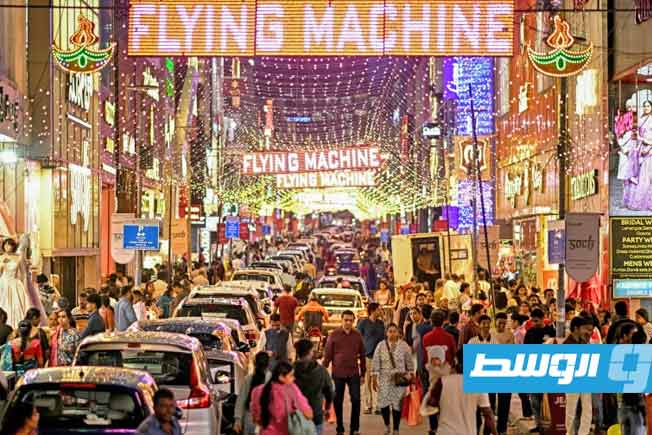
New Delhi is the capital city of India, officially inaugurated in 1931 as the new administrative center during British rule. It was designed by architects Edwin Lutyens and Herbert Baker, featuring wide boulevards and grand government buildings like the Rashtrapati Bhavan and India Gate. Today, it serves as the seat of the Indian government and is a major political and cultural hub.
South America
South America is a continent known for its diverse landscapes, ranging from the Amazon rainforest to the Andes mountains. Its history is deeply marked by ancient indigenous civilizations like the Inca, followed by European colonization primarily by Spain and Portugal, which shaped its modern nations and cultures.
China
China is one of the world’s oldest continuous civilizations, with a recorded history spanning over four millennia. It is home to numerous UNESCO World Heritage Sites, such as the Great Wall and the Forbidden City, which reflect its long imperial past and profound cultural achievements. In the modern era, it has developed into a major global economic and political power.