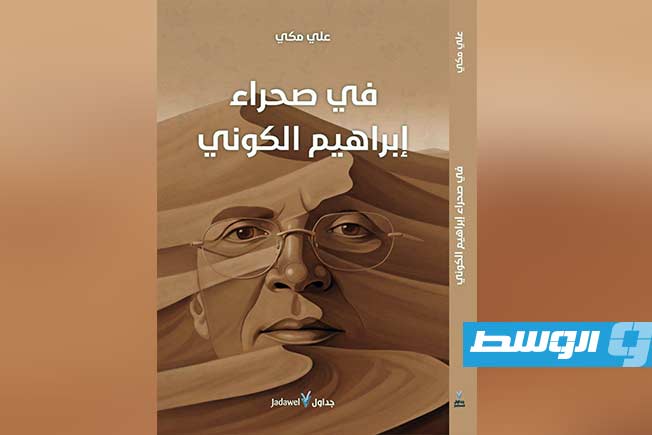
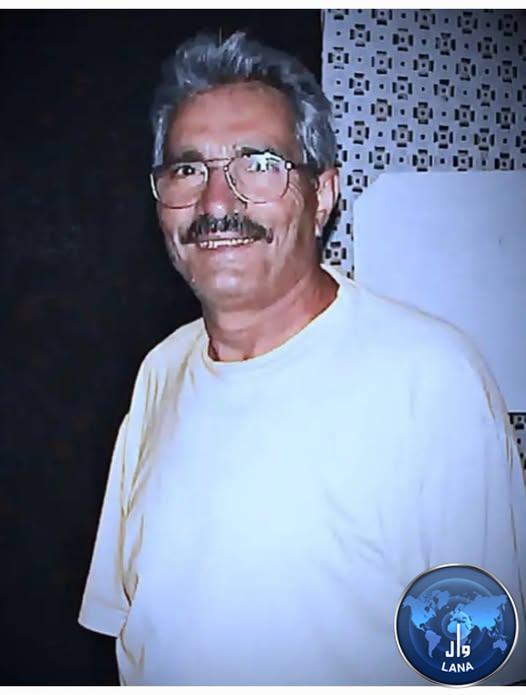
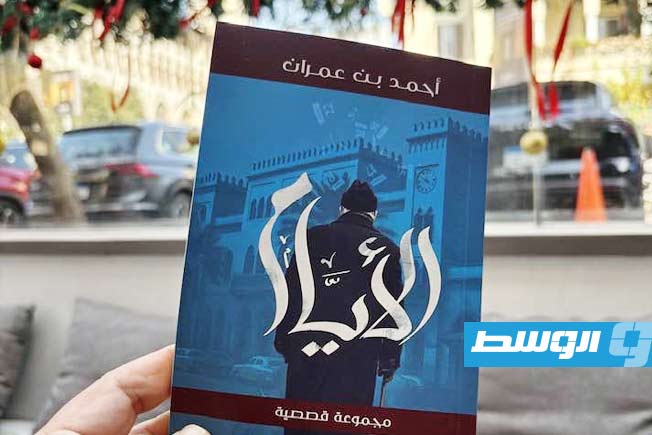
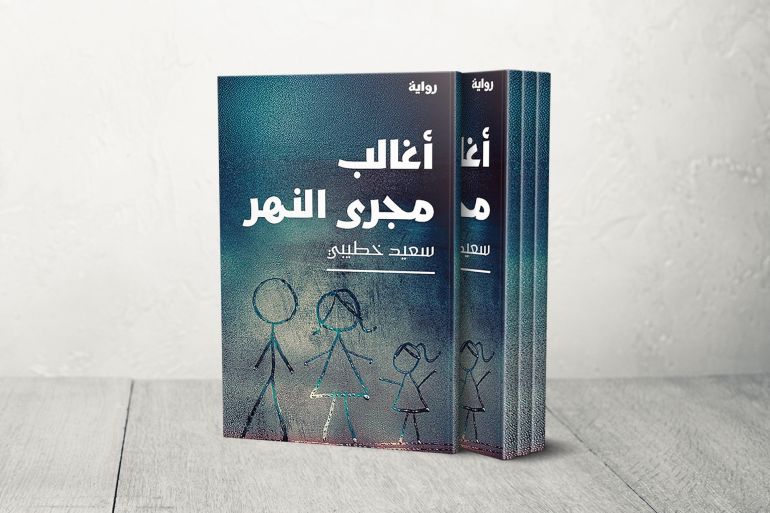
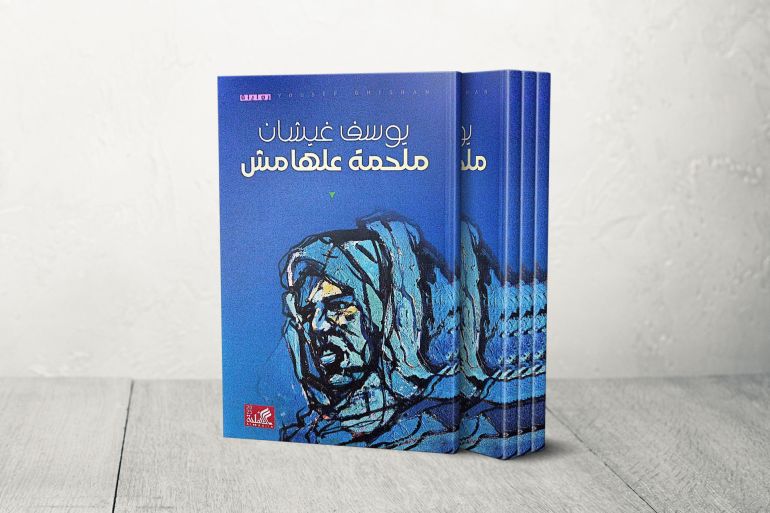
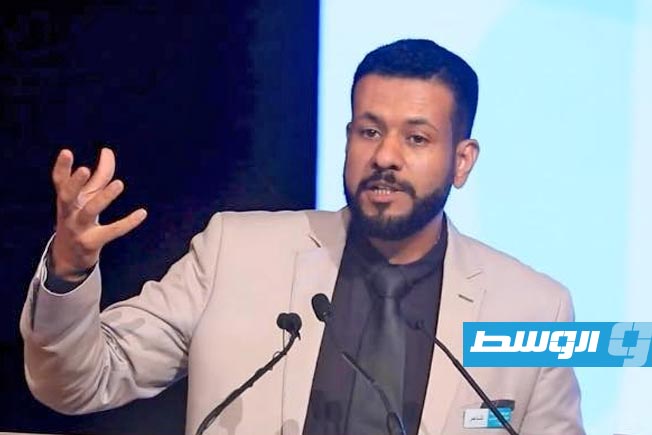
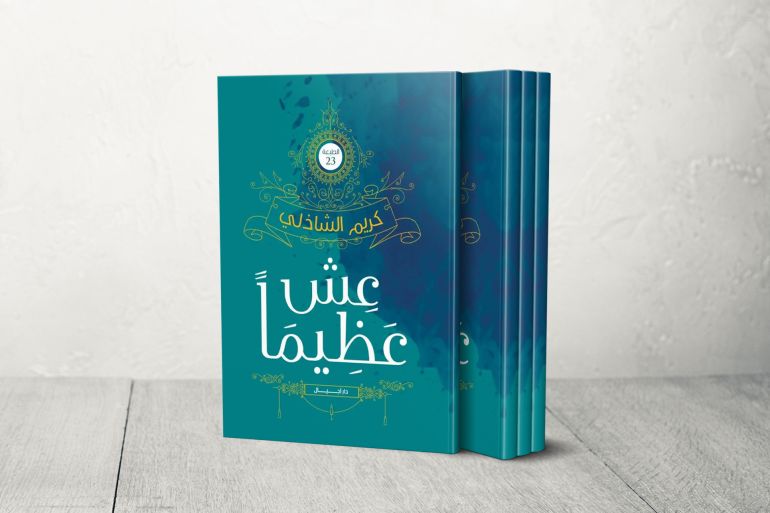
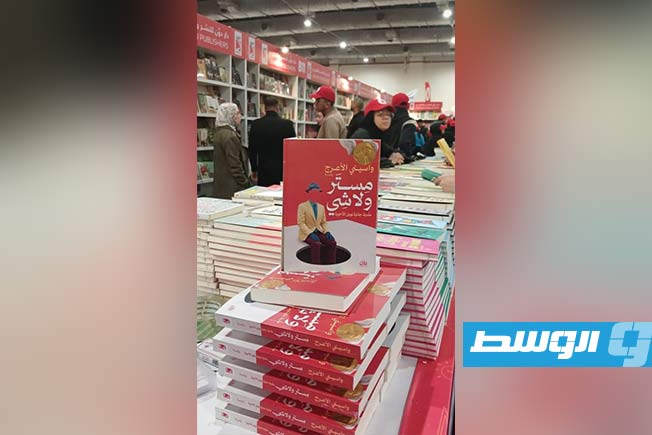
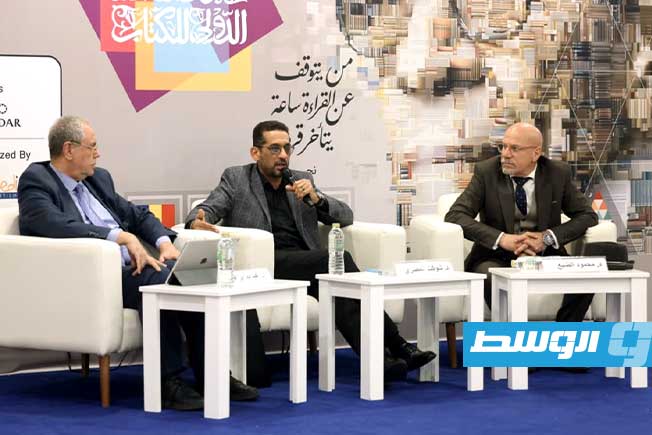
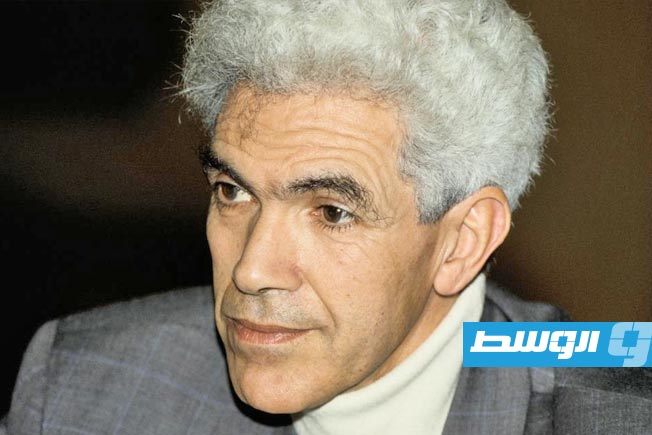
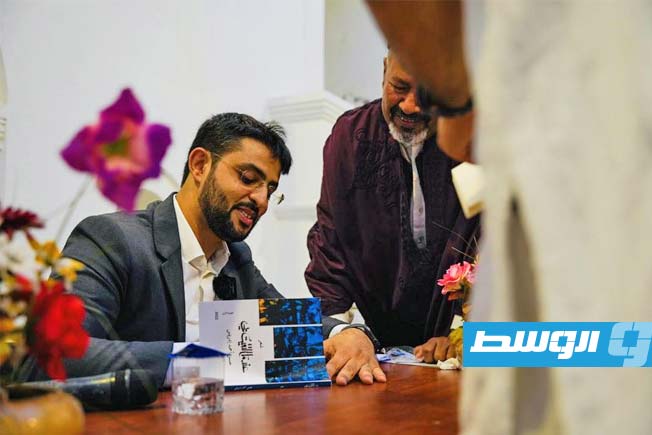
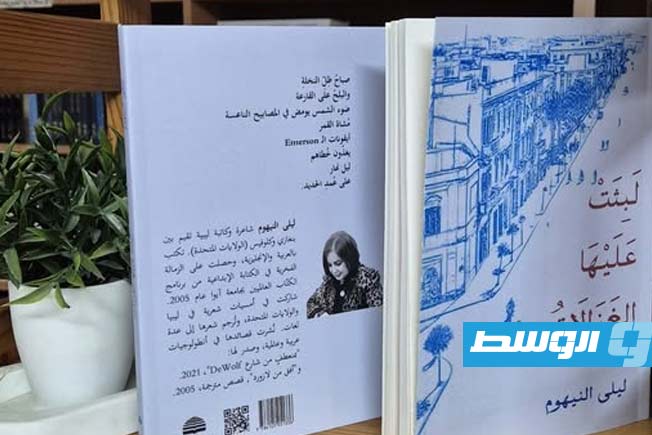
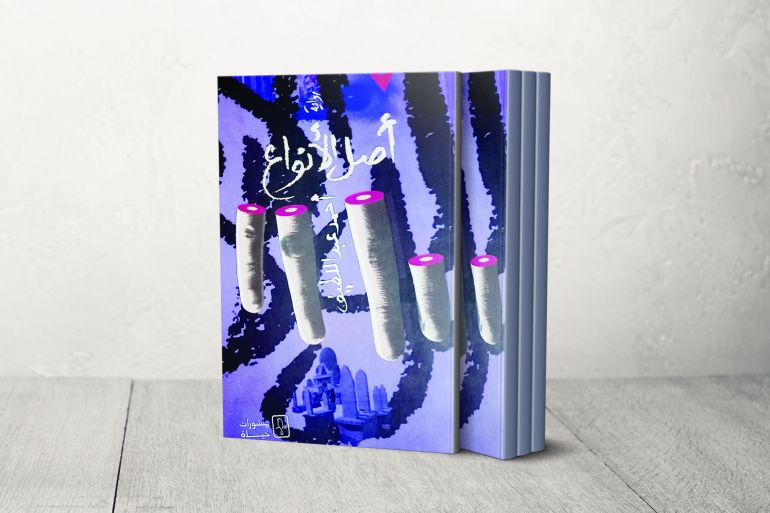
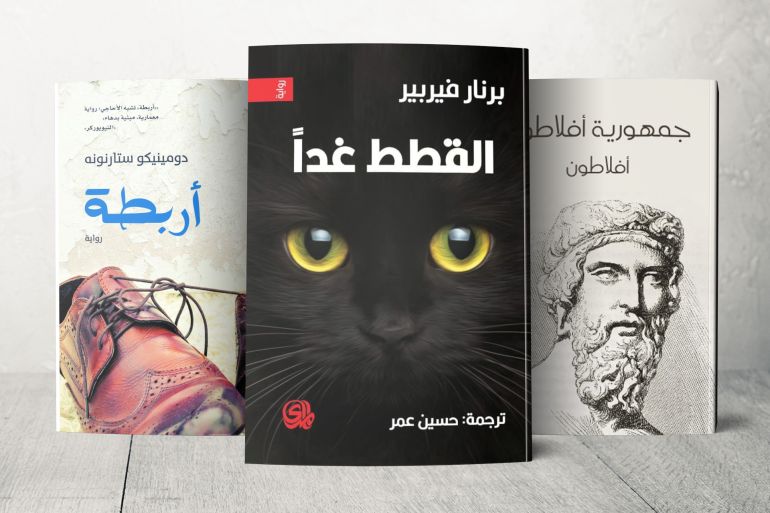
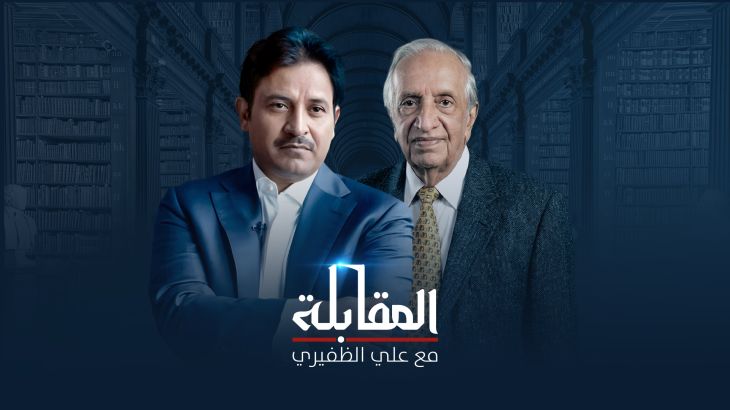
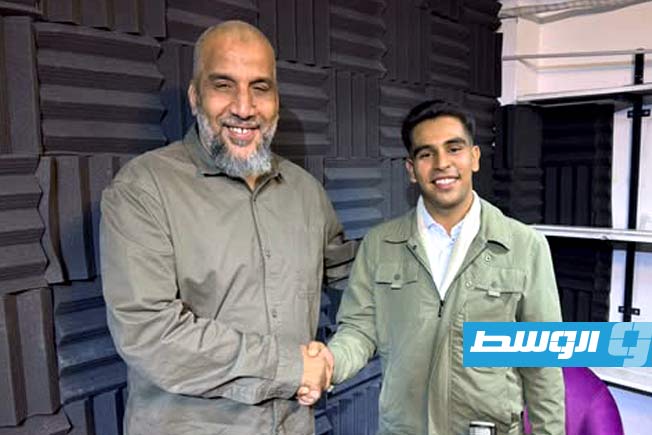
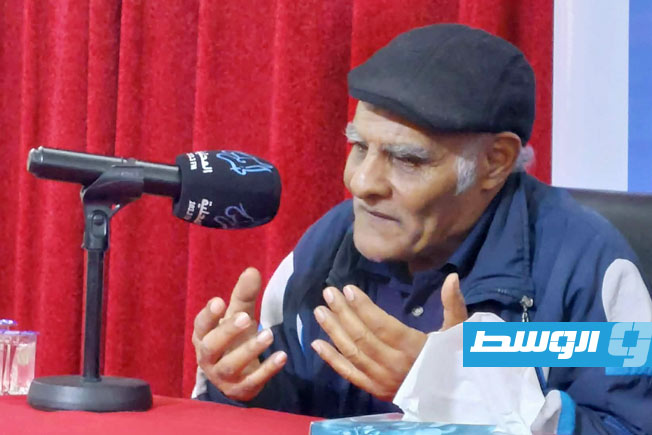
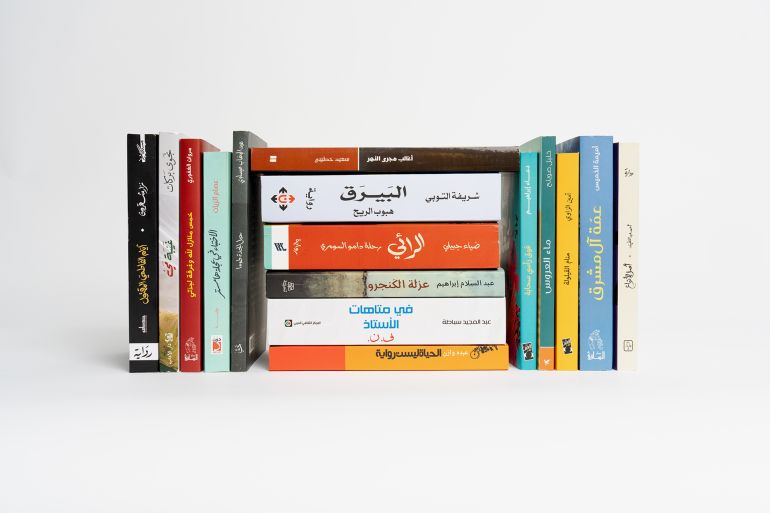
A new book titled “In the Desert of Ibrahim al-Koni” has recently been published. It is an extensive and profound dialogue with the great Libyan novelist Ibrahim al-Koni, opening a wide window onto his creative world, his vision of writing, the desert, humanity, and existence.
The book extends a long-standing experience with the dialogue format, presenting a rich conversation that goes beyond traditional questions to delve into the essence of Ibrahim al-Koni’s narrative and intellectual journey and his relationship with the desert as a mythical, spiritual space and a source of meaning and writing.
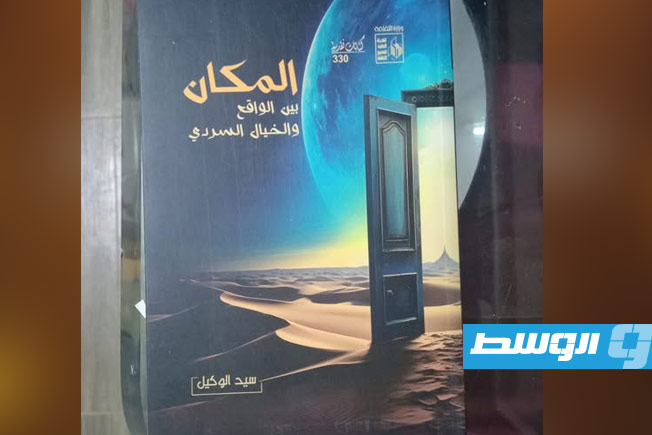
This marks the second publication with the same publishing house, following a previous book titled “Secularists and Islamists – Debates in Arab Culture,” which contained bold and deep dialogues with an elite group of prominent Arab intellectuals and writers.
“In the Desert of Ibrahim al-Koni” reaffirms a distinctive position as a cultural journalist capable of conducting dialogue as an act of knowledge and revelation, not merely documentation, offering readers a book that stands as an intellectual and literary testimony to one of the most important novelistic experiences in Arabic literature.
In the Desert of Ibrahim al-Koni
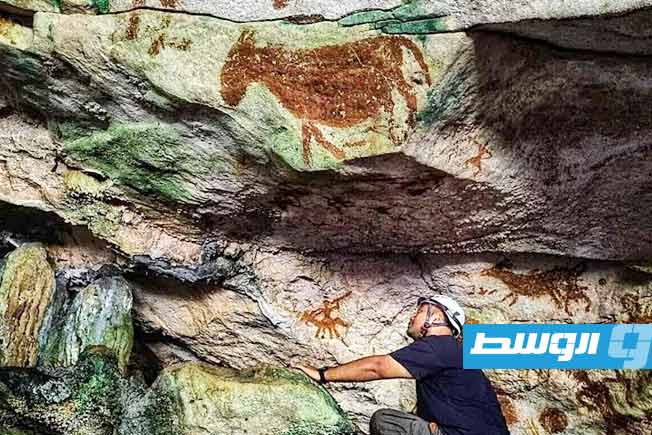
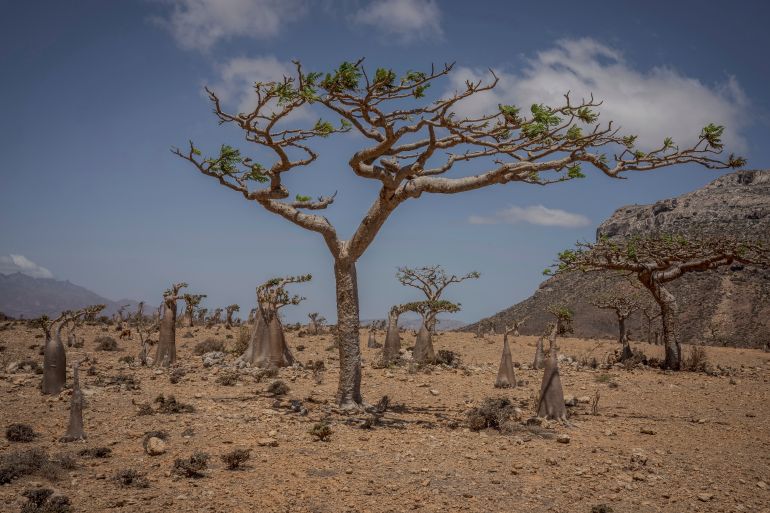
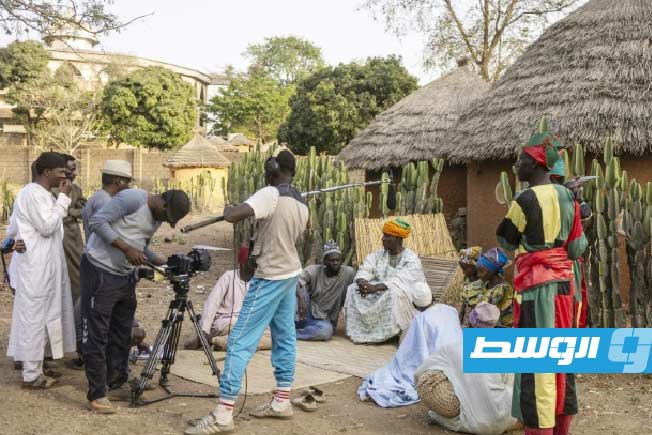
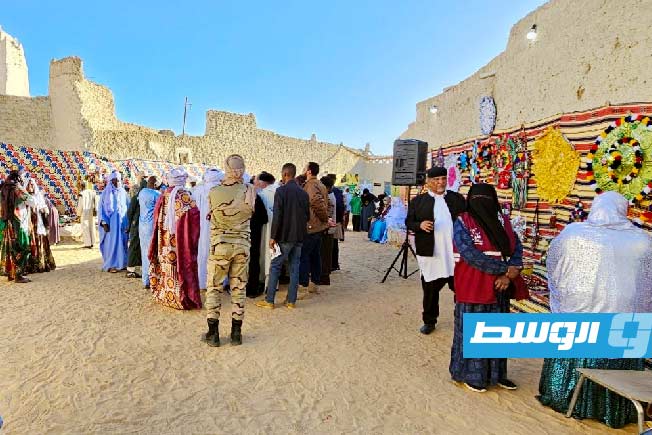
“In the Desert of Ibrahim al-Koni” refers to the vast Saharan landscapes central to the novels of Libyan writer Ibrahim al-Koni. His work uses the desert not just as a setting, but as a living entity deeply intertwined with Tuareg history, mythology, and spiritual traditions. Through this literary lens, the desert embodies themes of existential search, cultural memory, and the clash between ancient nomadic life and modernity.
Ibrahim al-Koni
Ibrahim al-Kuni is a renowned contemporary Libyan Tuareg writer, not a physical place or cultural site. He is celebrated for his extensive literary work, primarily novels, which are deeply rooted in the history, mythology, and desert landscape of the Tuareg people. His writing often explores themes of identity, ecology, and the clash between nomadic traditions and modernity.
Libyan
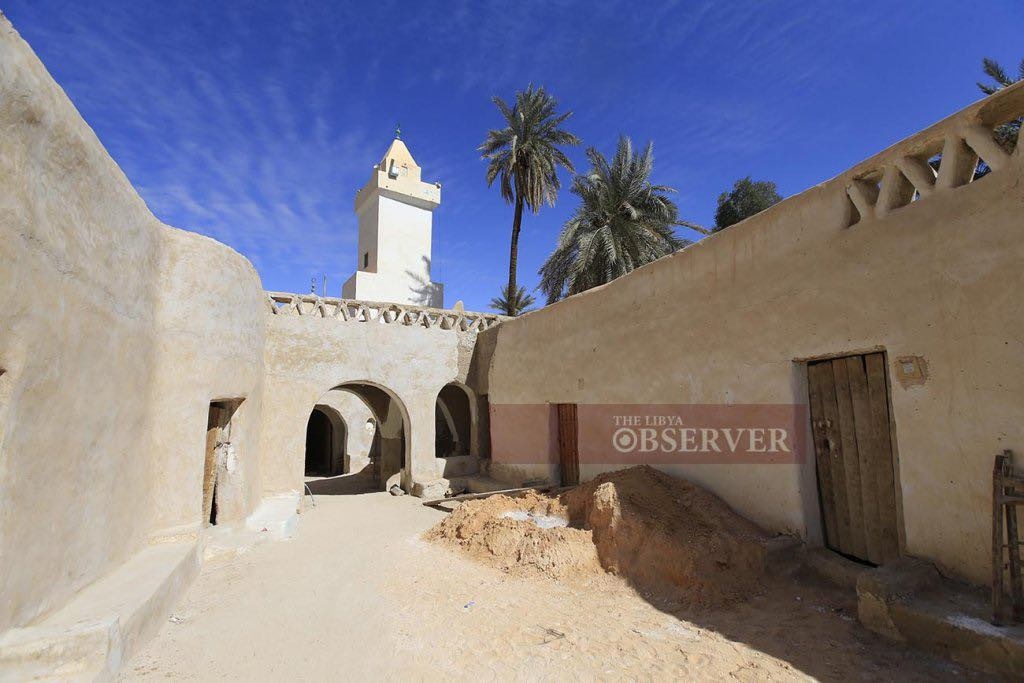
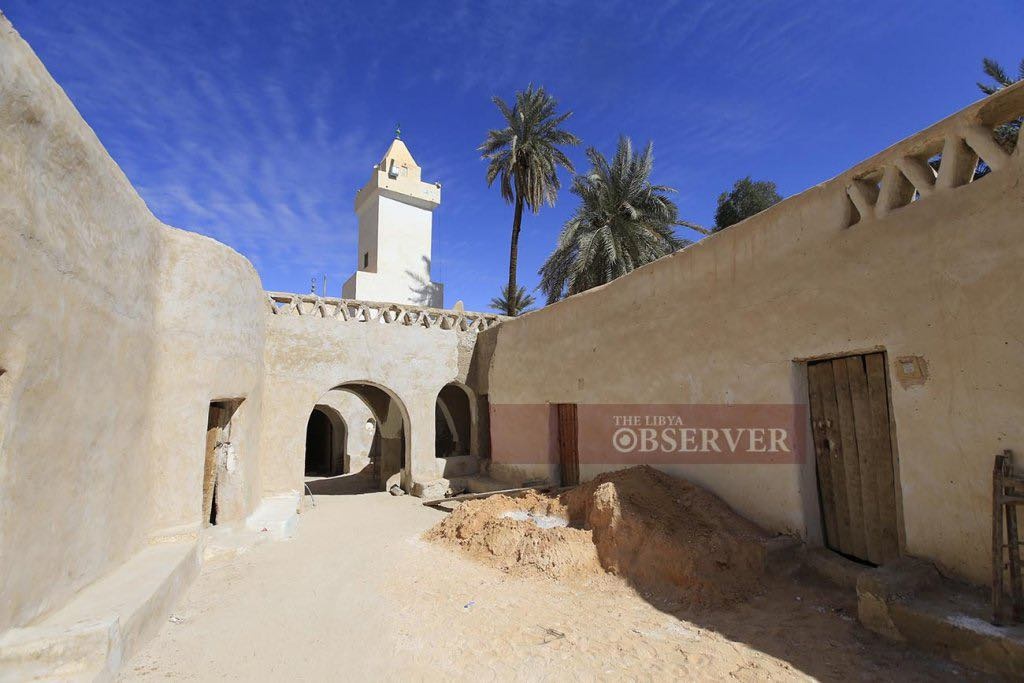
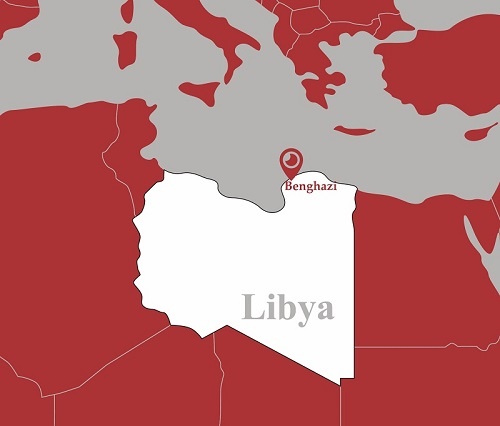
Libya is a North African country with a rich history that includes ancient Phoenician and Greek settlements, Roman rule, and later Arab and Ottoman influence. Its cultural sites, such as the Roman ruins of Leptis Magna and the old town of Ghadames, are UNESCO World Heritage Sites. Modern Libya gained independence in 1951 and has experienced significant political changes throughout the 20th and 21st centuries.
desert
A desert is a barren landscape with minimal precipitation, often characterized by sand dunes, rock formations, and extreme temperatures. Historically, many deserts, such as the Sahara, have been home to nomadic cultures and ancient trade routes, while others, like the Atacama, hold records of early human activity and mining.
Secularists and Islamists – Debates in Arab Culture
“Secularists and Islamists – Debates in Arab Culture” is not a specific place or cultural site, but a conceptual framework describing a major intellectual and political conflict in the modern Arab world. This ongoing debate, which intensified in the 20th century, centers on the proper role of religion in state and society, shaping laws, education, and national identity across the region. Its history is deeply intertwined with the legacy of colonialism, the rise of nation-states, and diverse movements for reform and resistance.
Arab
“Arab” refers broadly to the Arab world, a cultural and linguistic region spanning the Middle East and North Africa, united by the Arabic language. Historically, the rise of Islam in the 7th century and the subsequent Arab empires were pivotal in spreading the Arabic language and culture across this vast area. Today, it encompasses numerous nations and peoples with shared linguistic and cultural heritage, though diverse in local customs, histories, and political realities.