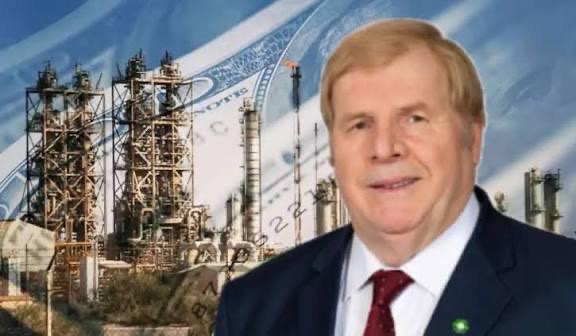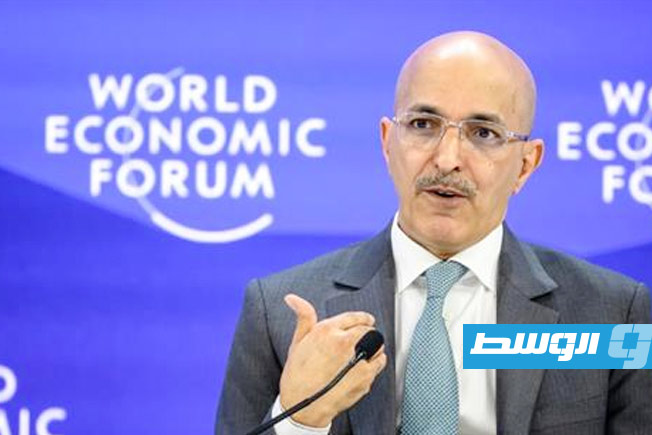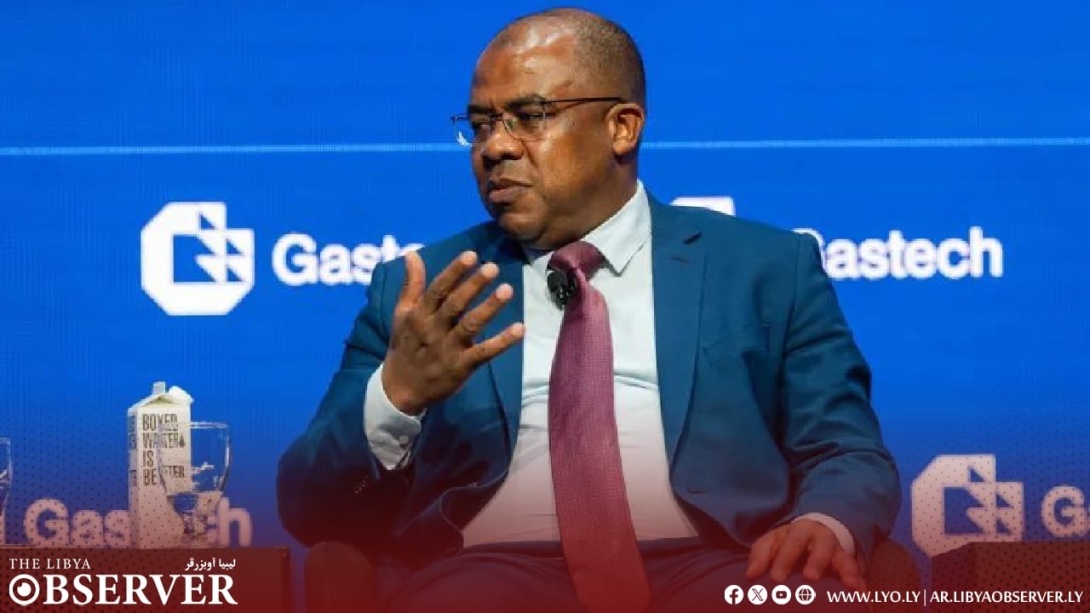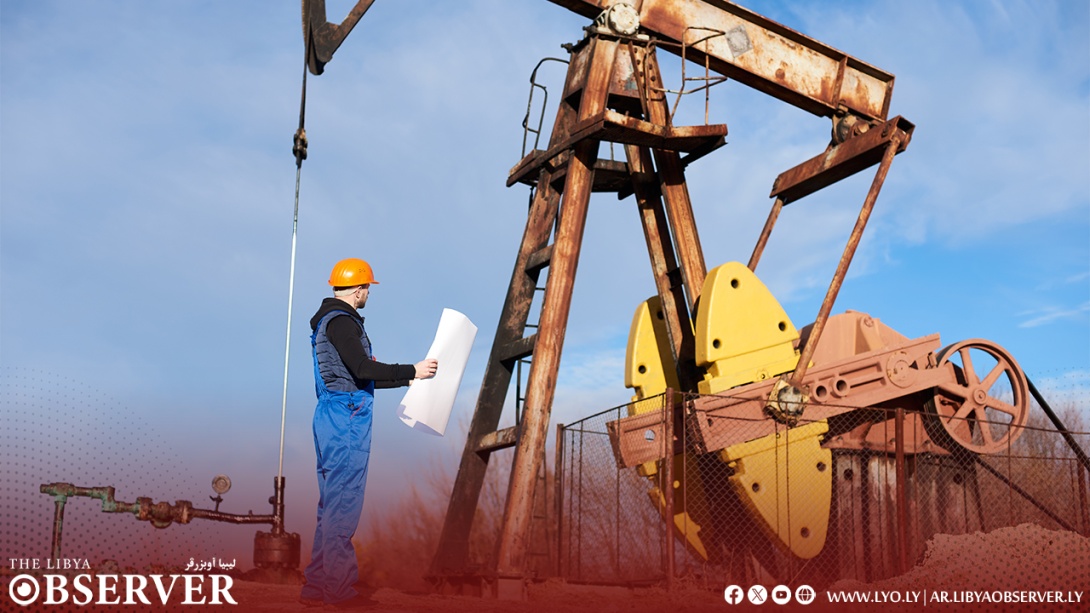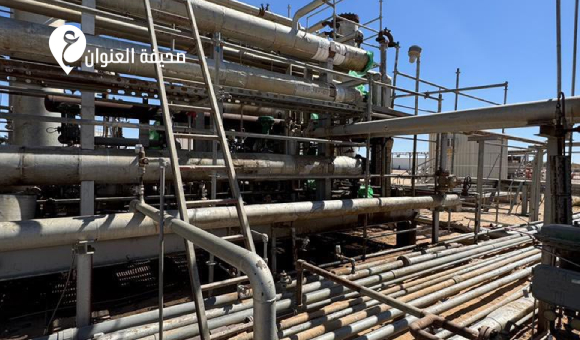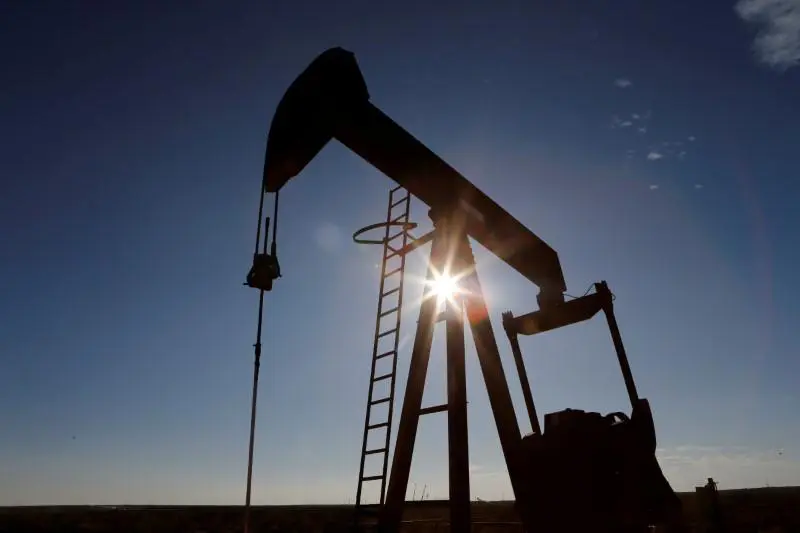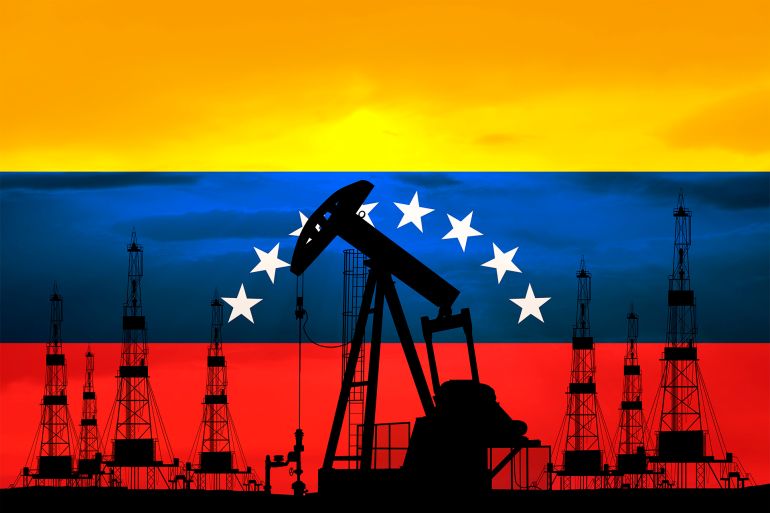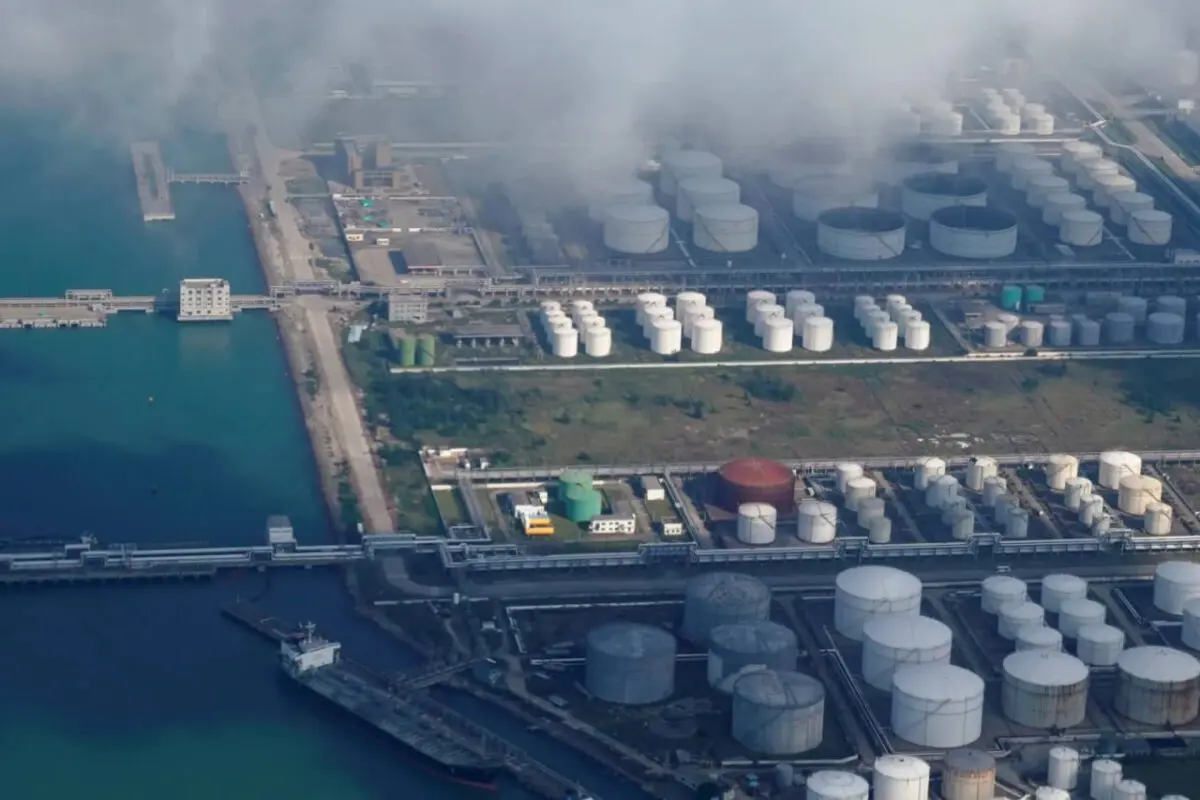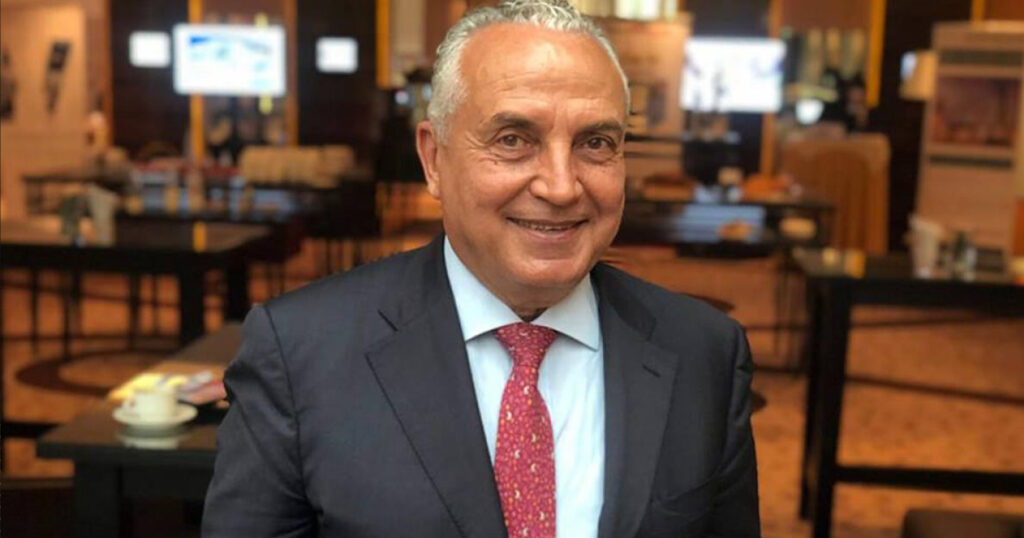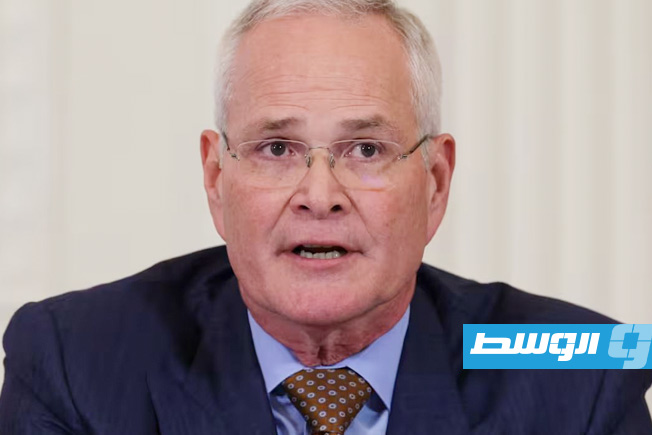
The executive director of ExxonMobil warned that Venezuela will remain “uninvestable” without fundamental changes, in response to U.S. President Donald Trump’s call for oil companies to inject billions of dollars to revive the Venezuelan oil sector.
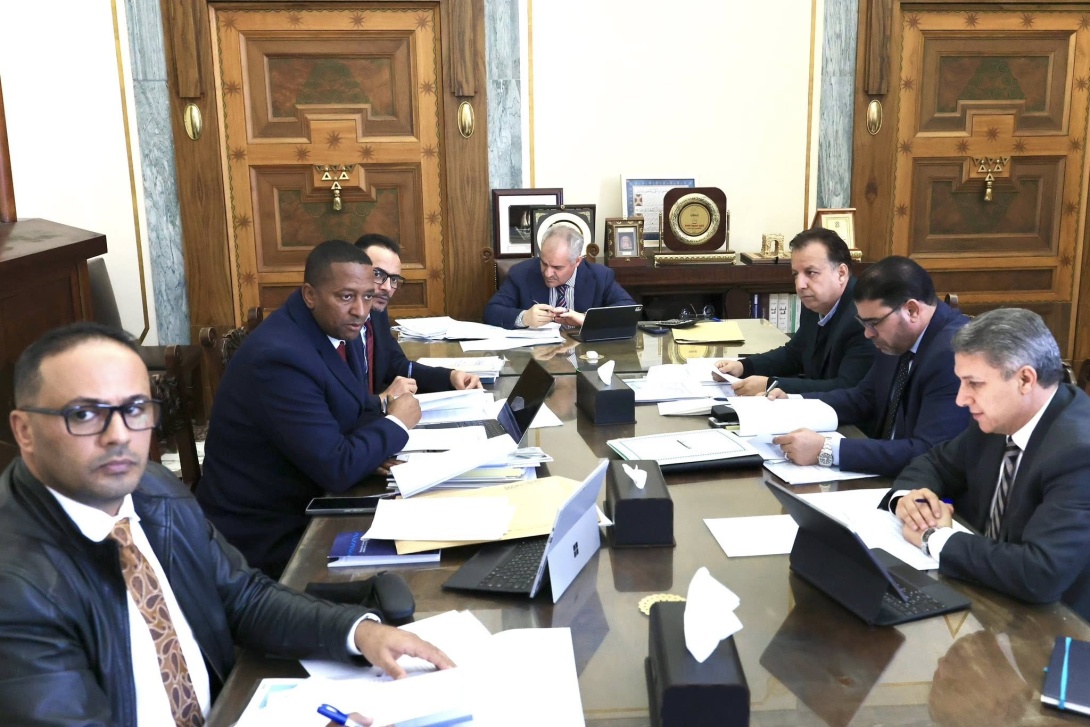
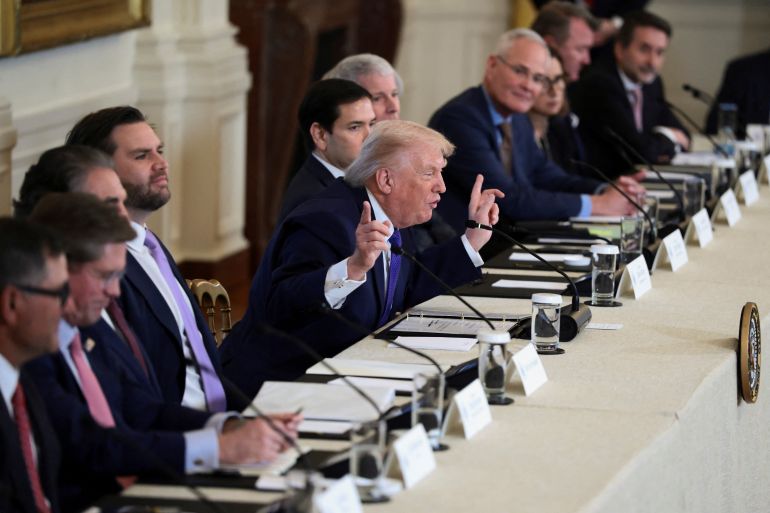
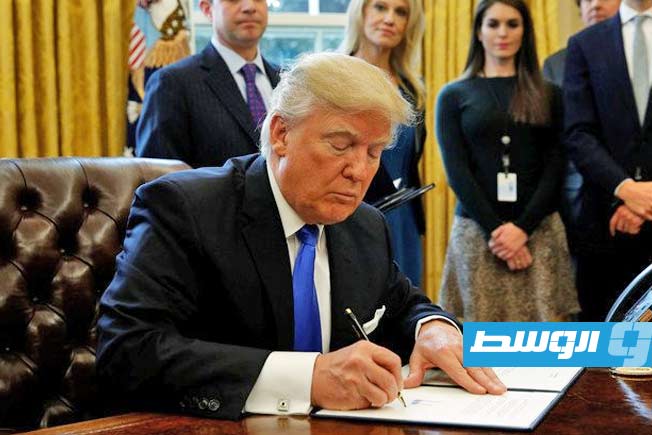
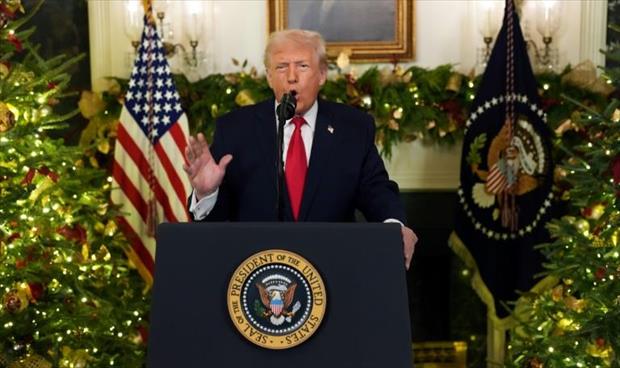
In a televised meeting from the White House on Friday, the executive said: “If we look at the current legal and commercial frameworks in Venezuela, we find them uninvestable.” The meeting included many senior executives from the U.S. energy sector and some senior aides to President Trump.
Venezuela needs fundamental changes
He added: “Fundamental changes must be made to the commercial frameworks and the legal system, with long-term protection for investment. There must be permanent investment protection, and the labor laws in the country’s hydrocarbons sector must be changed.”
He pointed out that ExxonMobil’s assets had been seized twice in Venezuela since the company first entered the country in the 1940s, but he simultaneously confirmed that the company would send a technical team to Venezuela in the coming days to assess the situation, stating, “I am confident it is possible to implement the changes we need for investment.”
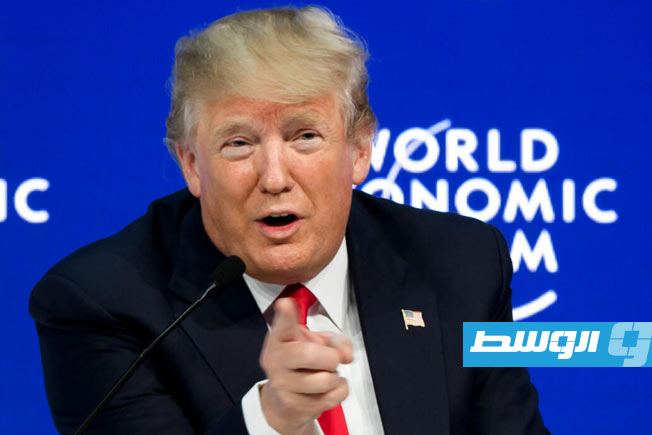
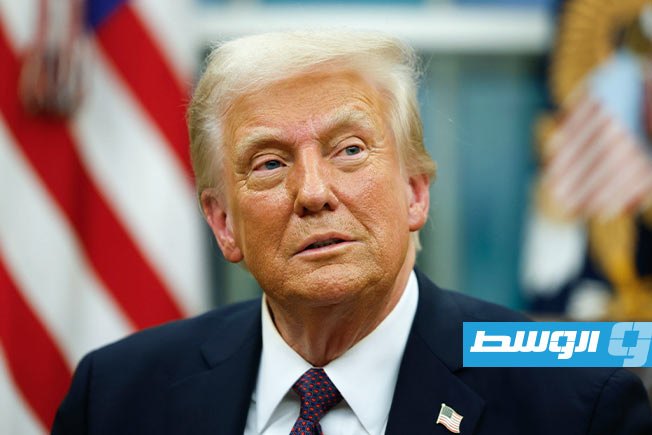
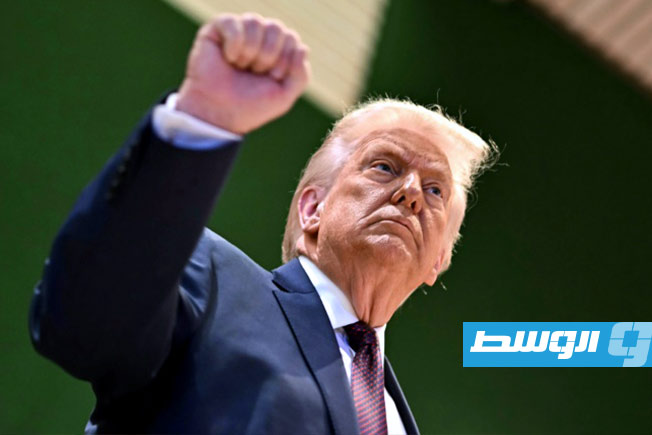
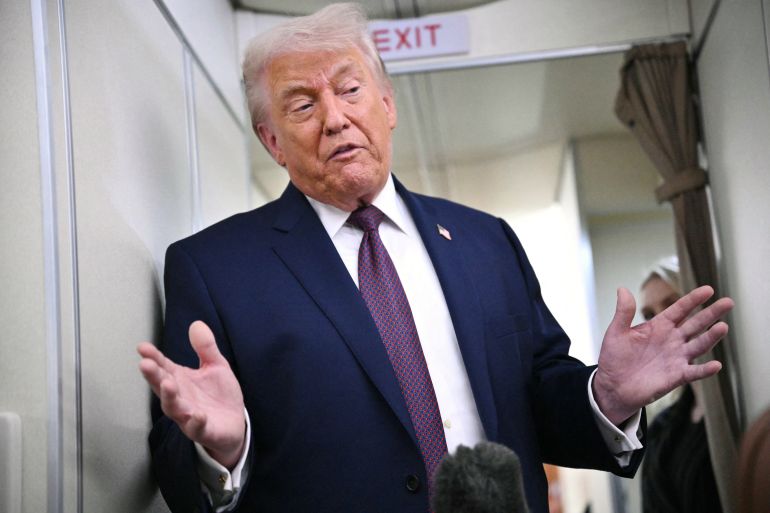
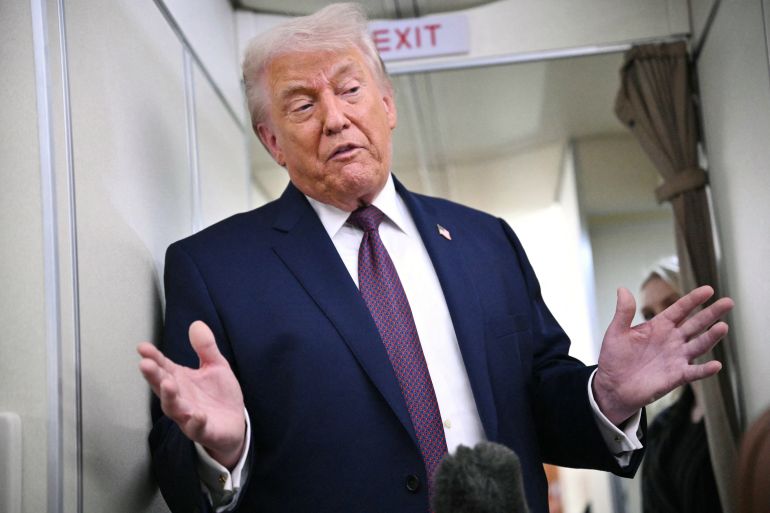
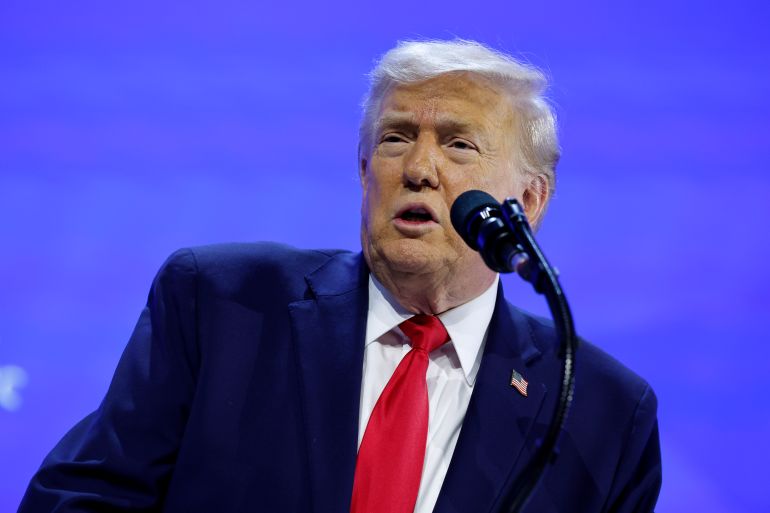
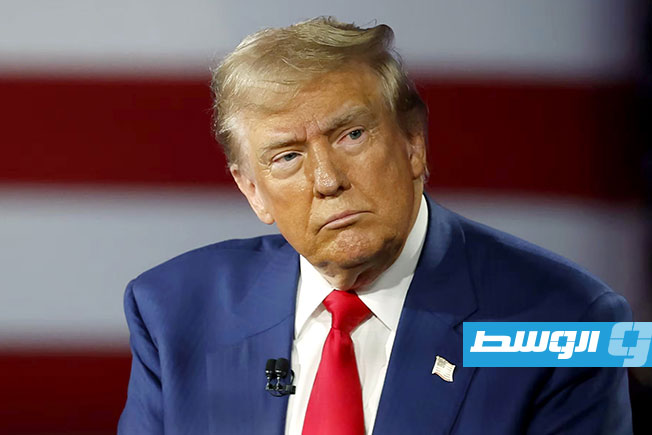
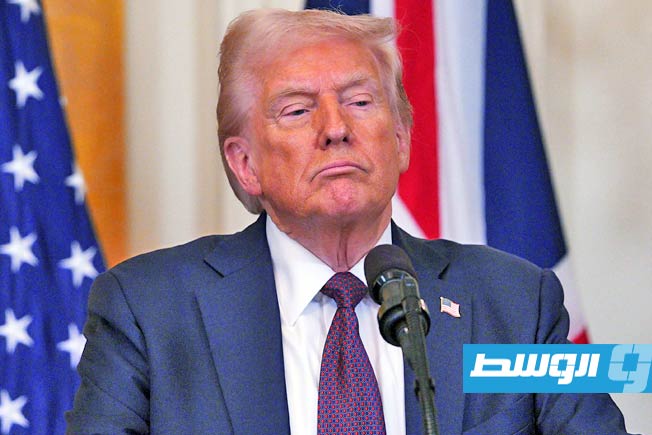
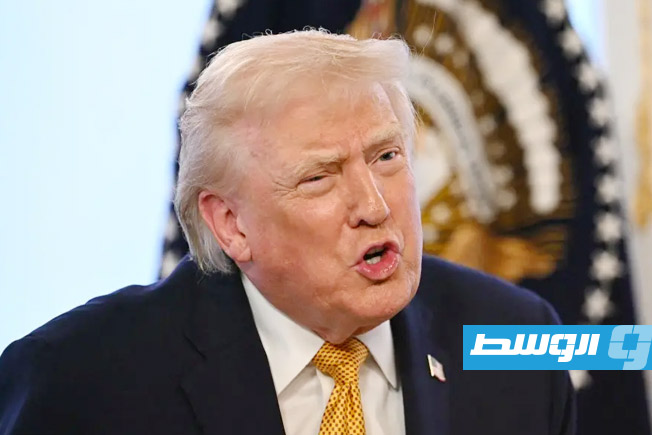
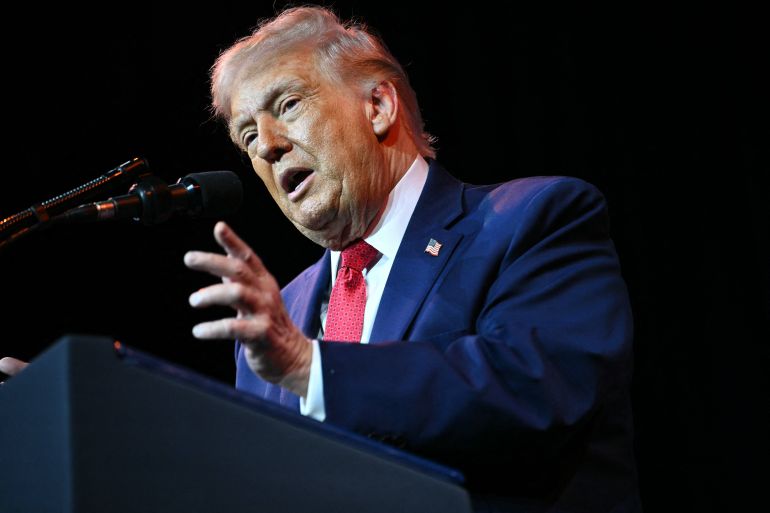
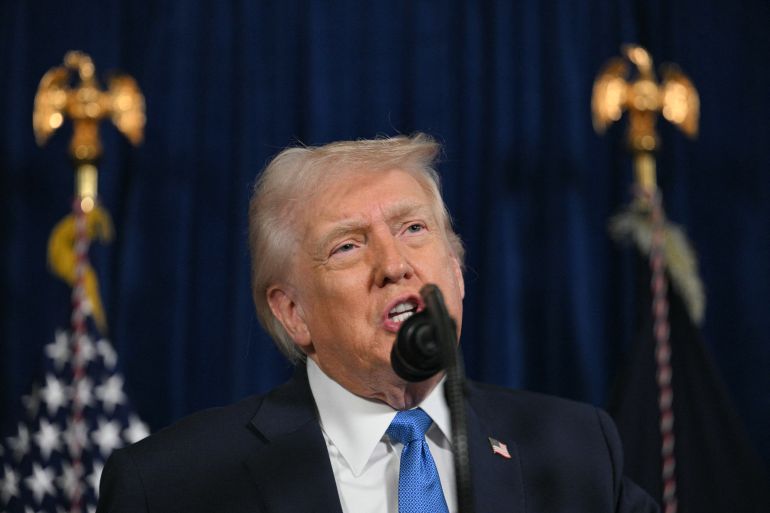
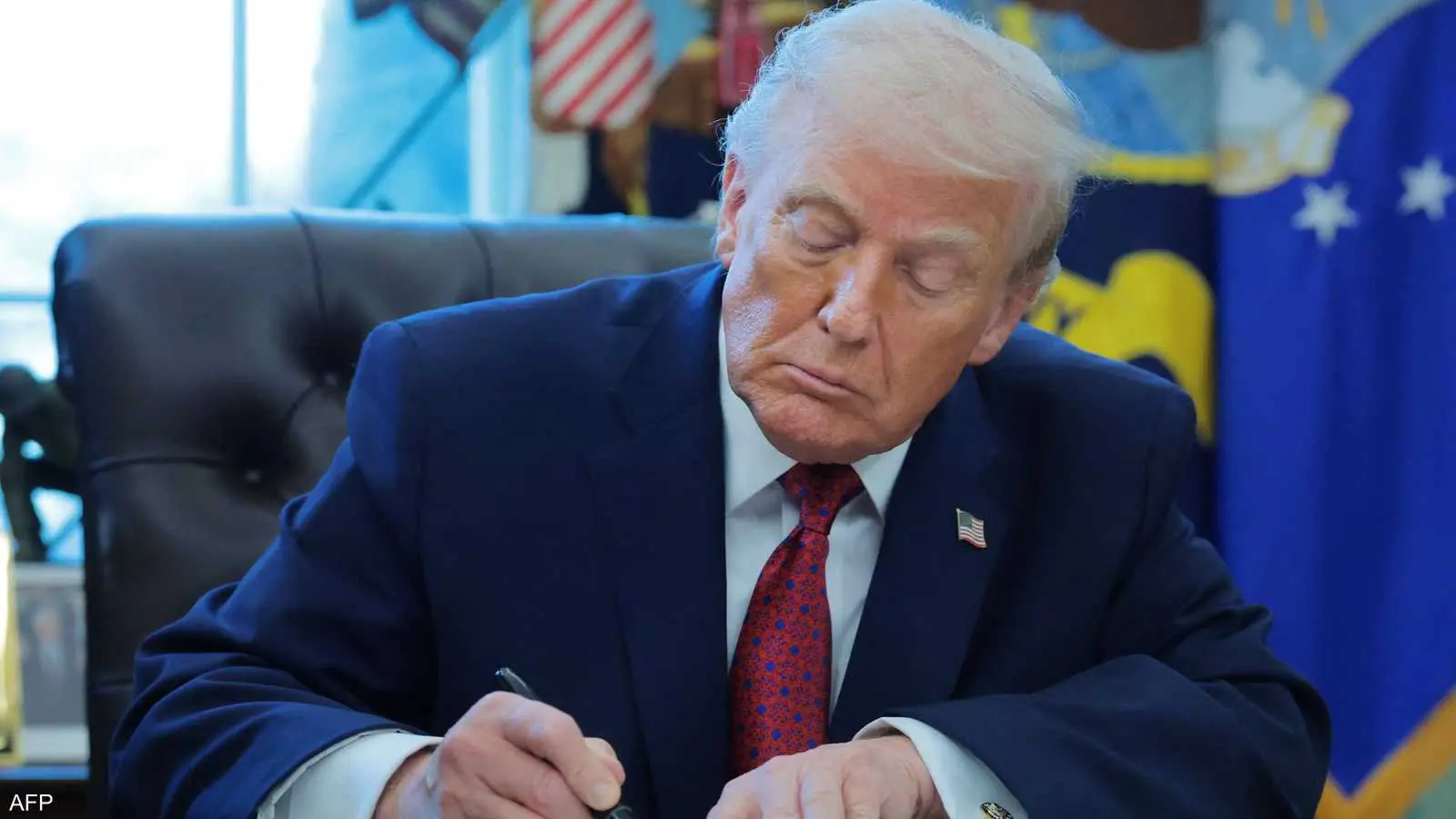
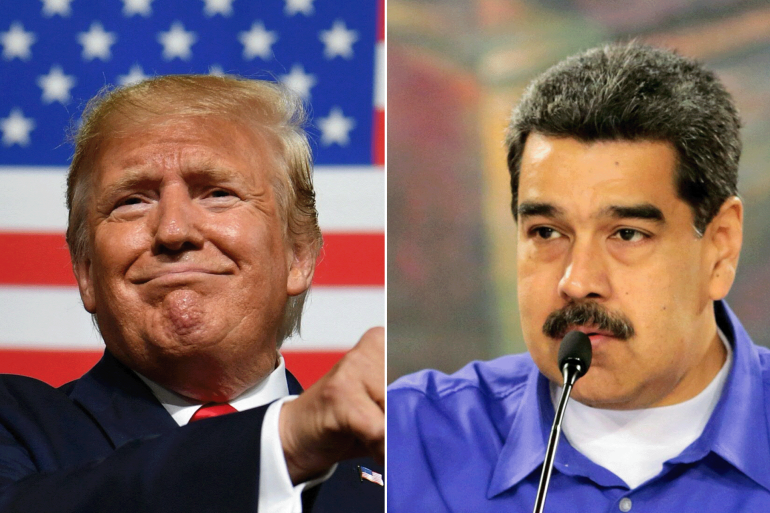
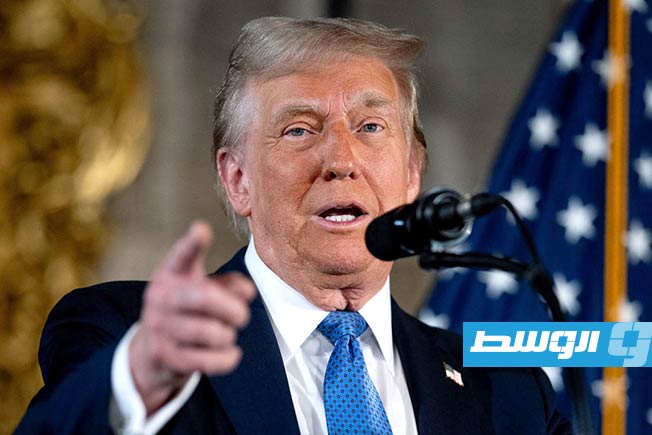
Meanwhile, President Trump stated during the same meeting that he would determine which companies would be allowed to enter Venezuela and that they must make a quick decision on the matter. He added, “If you don’t want to enter, you must decide. There are 25 people not here today who are ready to take your place.”
American companies’ hesitation
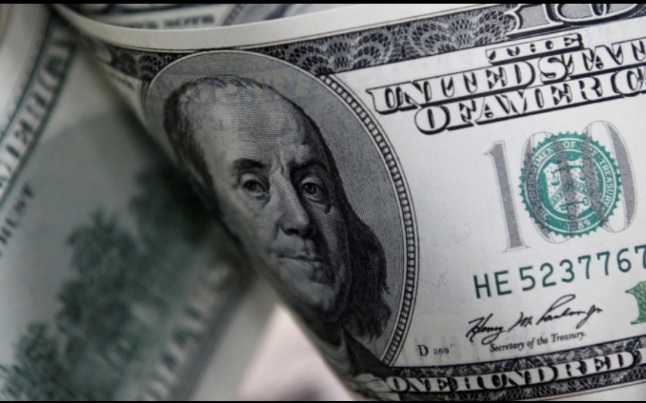
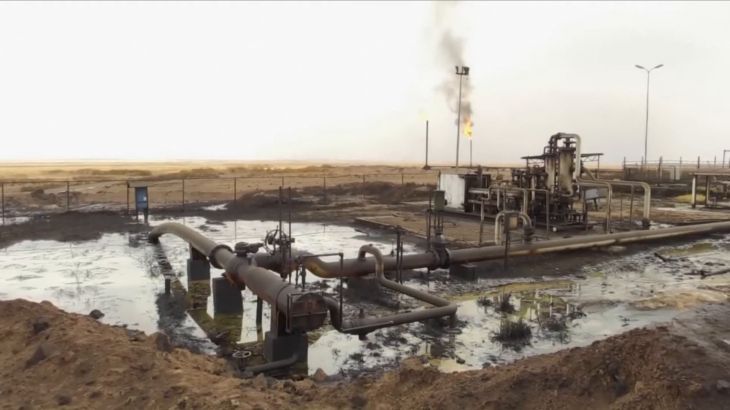
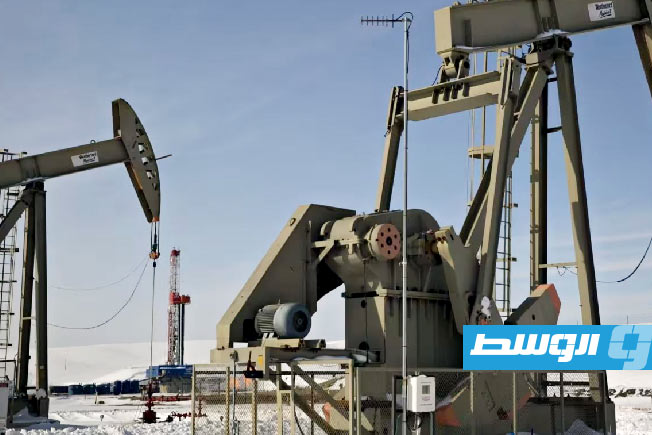
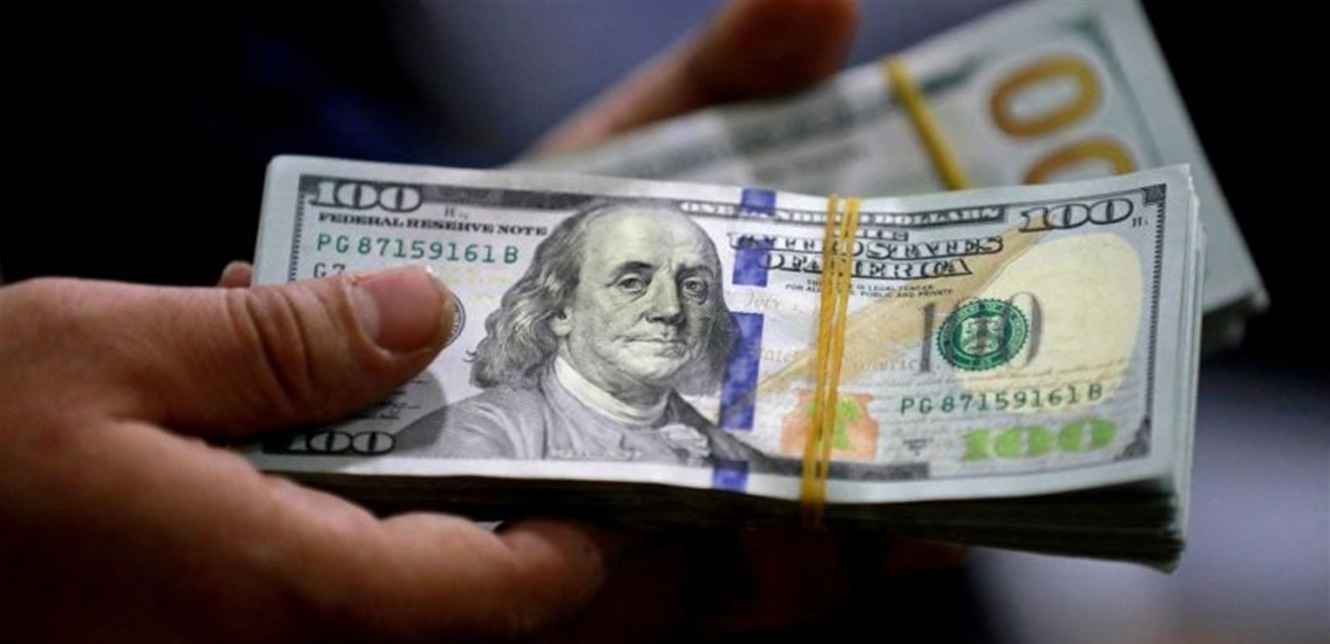
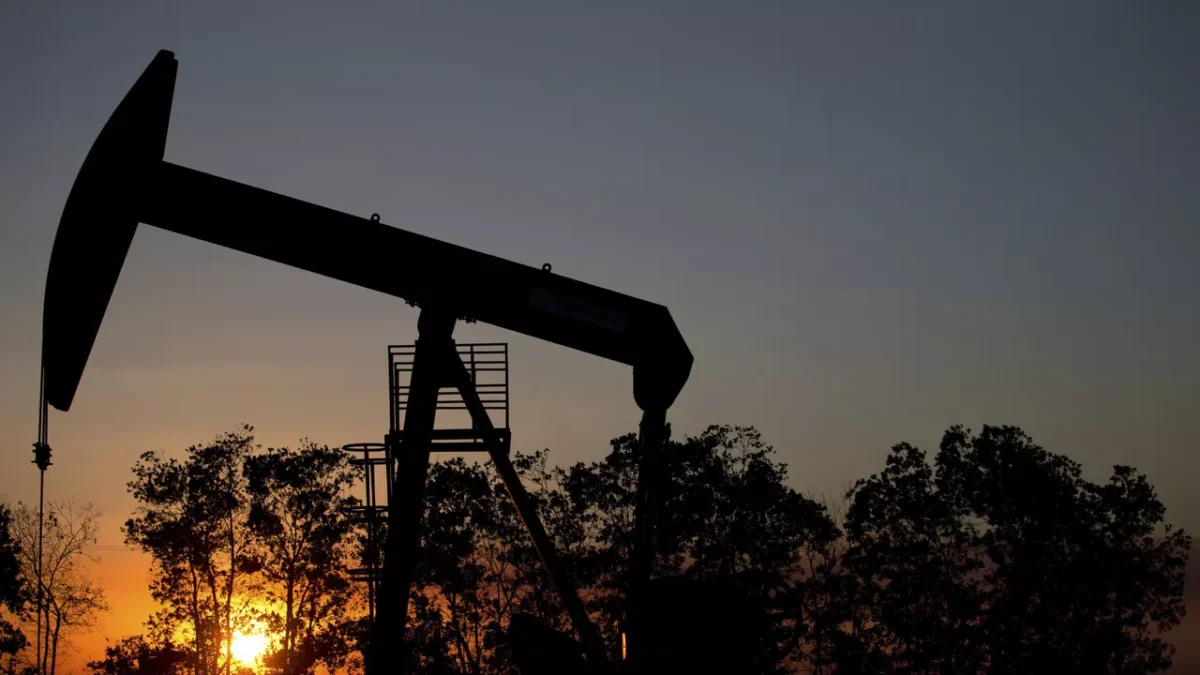
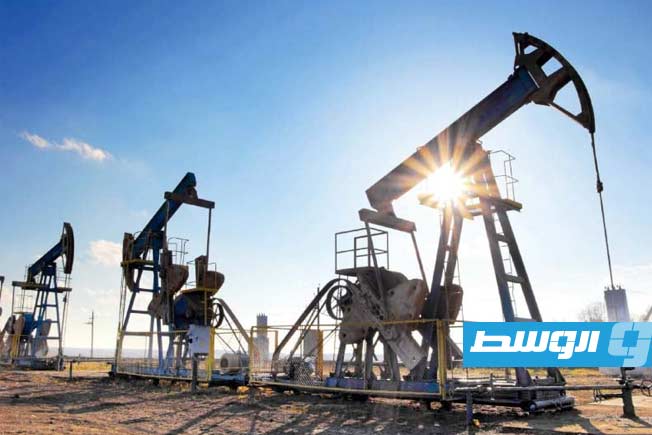
The executive’s statements reflect the extent of hesitation among major U.S. energy groups regarding injecting investments and signing development contracts in Venezuela, despite President Trump’s call to inject one hundred billion dollars to increase oil production and thus lower fuel prices within the United States.
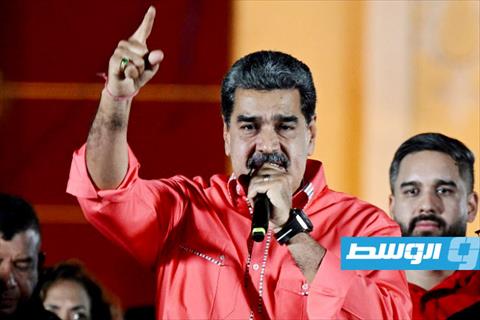
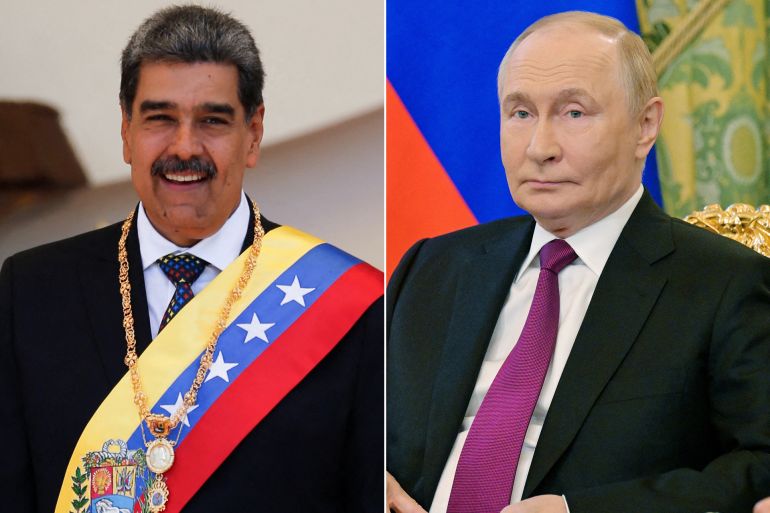
This meeting comes just days after an operation described as “bold,” carried out by the United States in Venezuela, which resulted in the capture of President Nicolás Maduro and his wife and their air transport to U.S. territory, pending their trial.
It was reported last week that American energy companies are unwilling to commit to pumping large investments into Venezuela without legal, security, and financial guarantees from Washington.
Exploring available opportunities in Venezuela
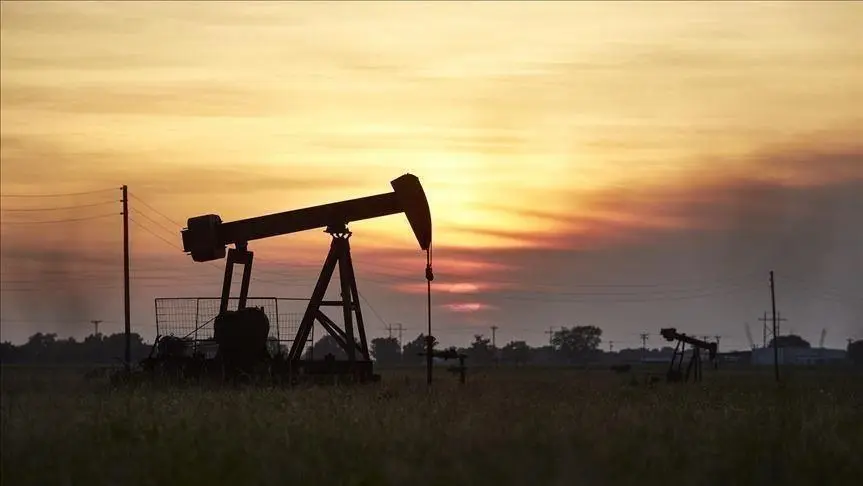
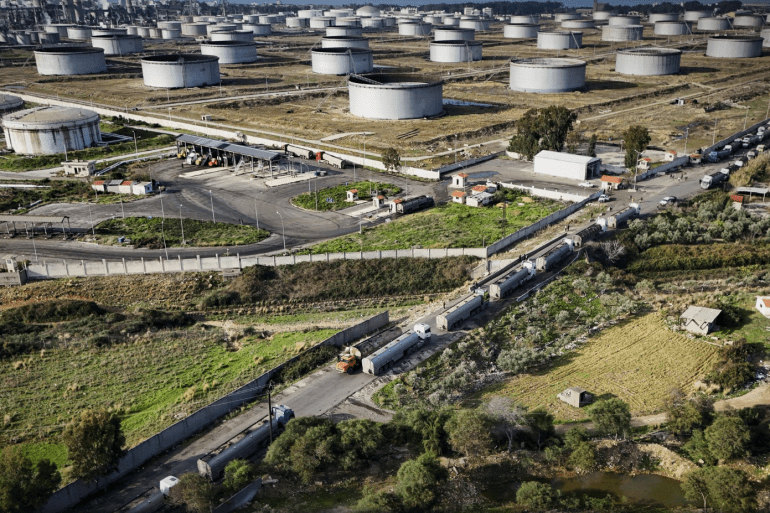
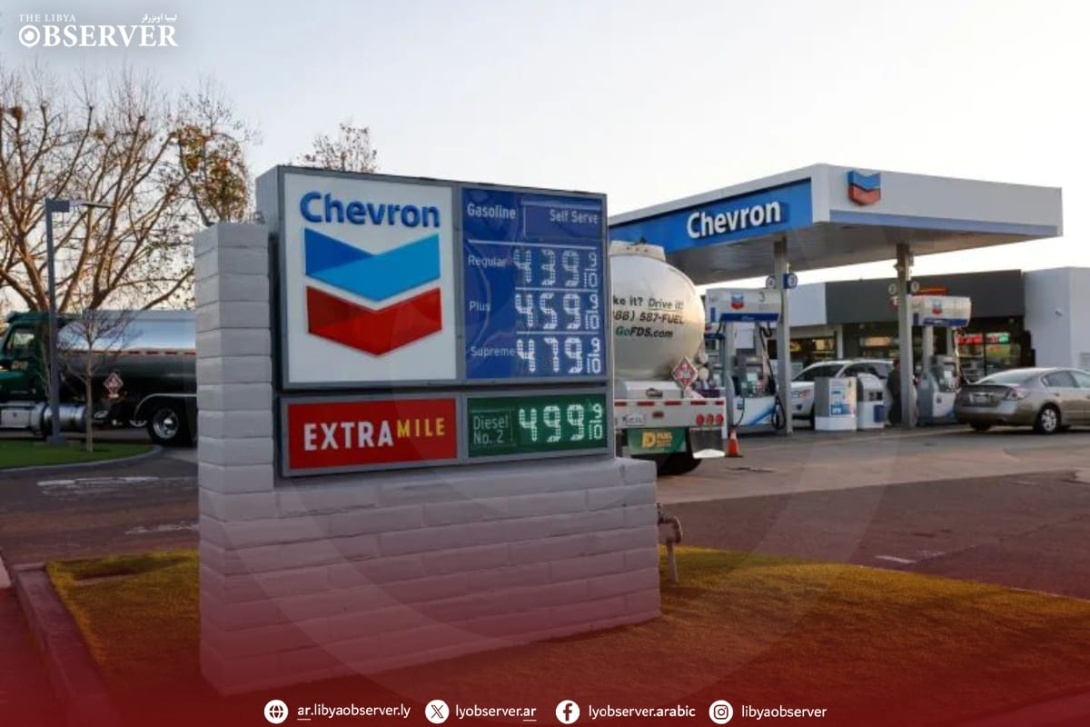
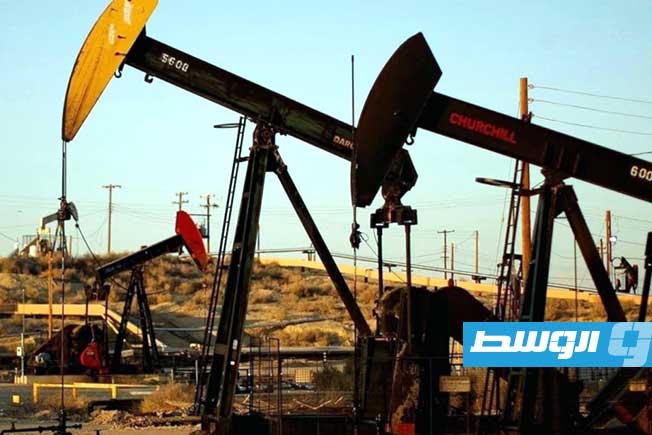
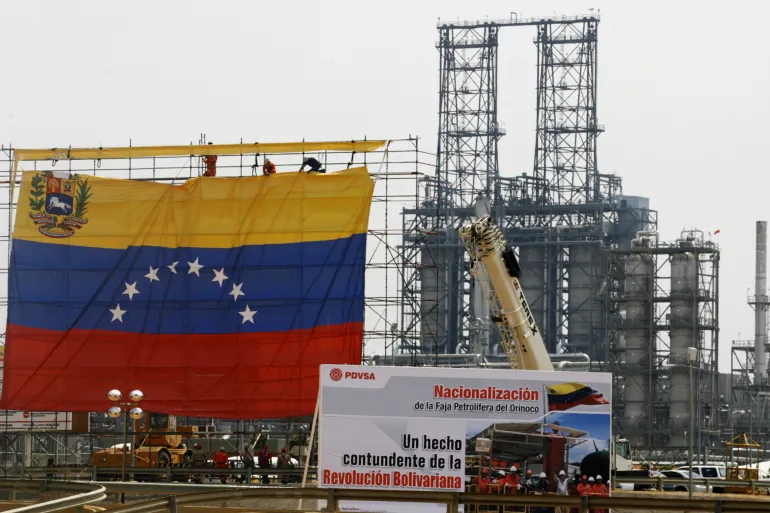
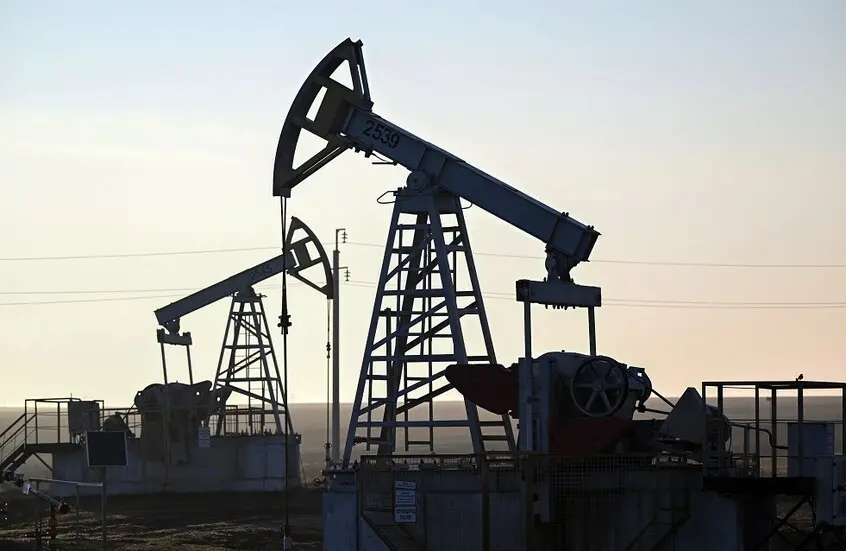
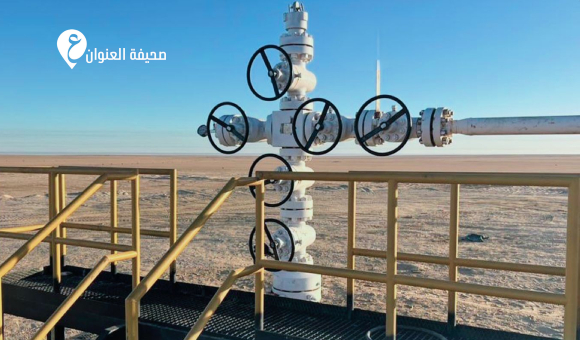
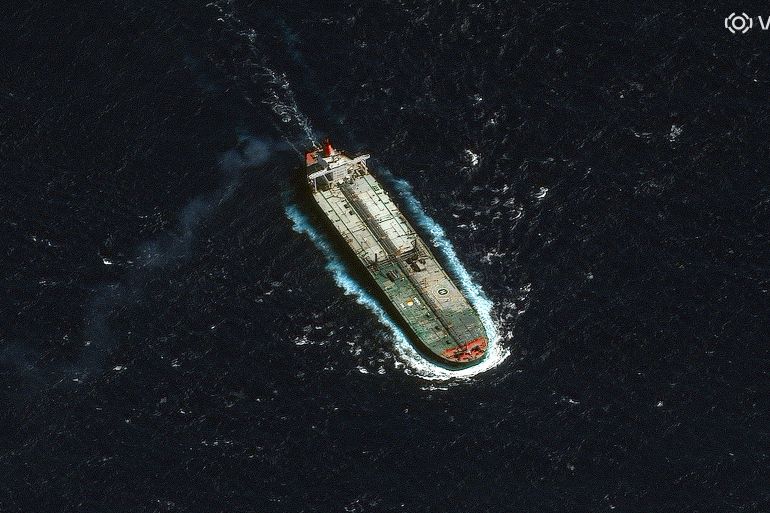
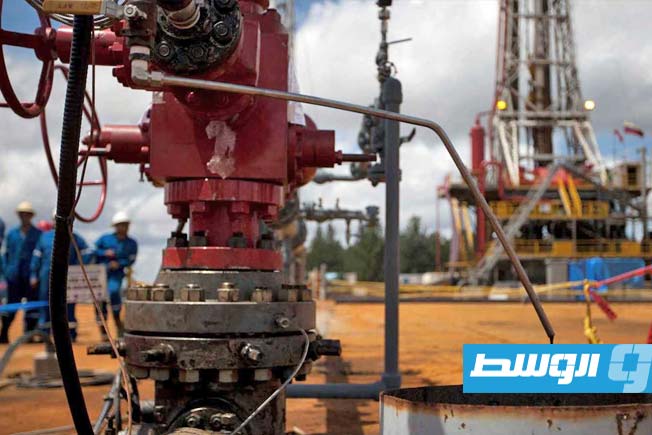
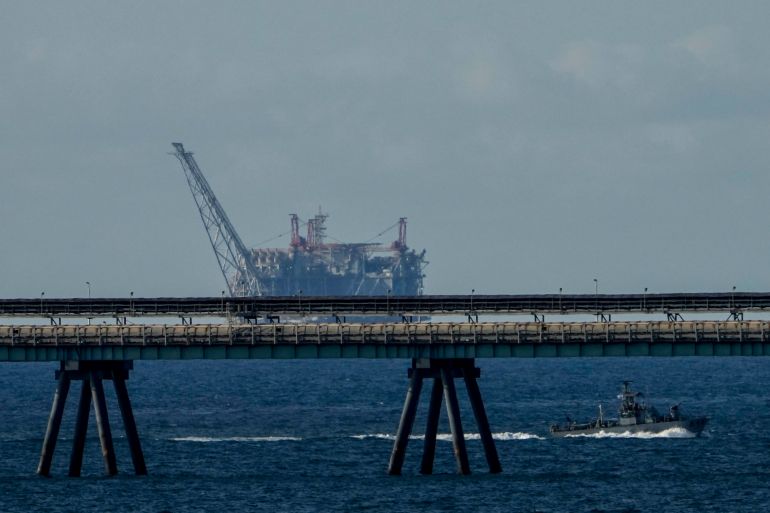
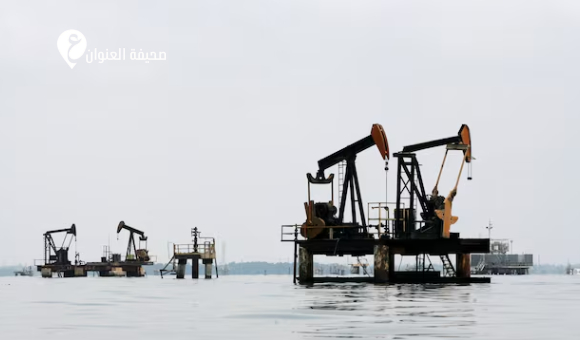
However, the executive director of the giant Chevron corporation pledged to increase oil production by 50% within the next two years by expanding the scope of existing operations in Venezuela, which currently produce 240,000 barrels per day.
For his part, the head of the British giant Shell said: “The company finds opportunities worth billions of dollars for investment, but it is contingent on U.S. approval to ease sanctions imposed on Venezuela. We are fully prepared.”
For its part, an official from the Spanish company Repsol pointed out that the company will work to triple its production to more than 150,000 barrels per day within three years. The Italian company Eni also expressed its readiness to increase its production in Venezuela.
Mixed messages
It was noted that “the mixed messages that emerged in the White House meeting reflect the complexities that oil companies weighing a response to Trump’s call to inject capital into a country that remains unstable will face.”
A professor and expert in geopolitics and energy stated: “The legal, political, and geopolitical risks associated with entering Venezuela to make such massive investments, which the administration seems to be seeking, are extremely high.”
But even as he sought to convince them to inject large-scale investments, Trump appeared hesitant to offer any major concessions to oil companies regarding compensation or financial guarantees. He also ruled out using U.S. tax revenues to compensate companies for their investments in Venezuela, something he had proposed earlier.
Trump clarified that companies whose assets were seized in the past would not receive compensation. He told the chief executive of ConocoPhillips, whose company lost $12 billion: “You will make a lot of money, but we will not go back.”
He added: “We will start from scratch. We will not look at what some lost in the past, because that was their mistake. There was a different president in the White House.”