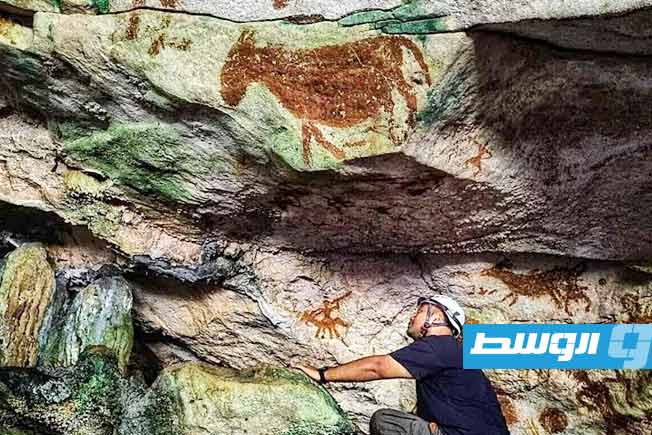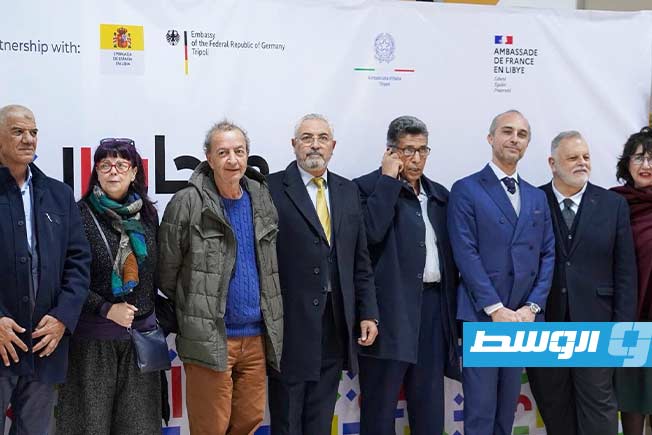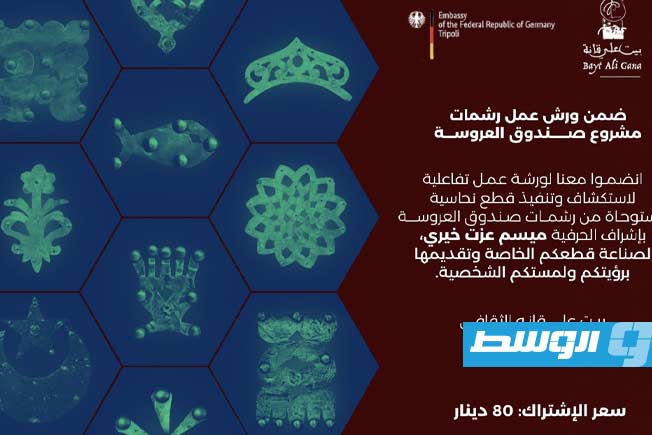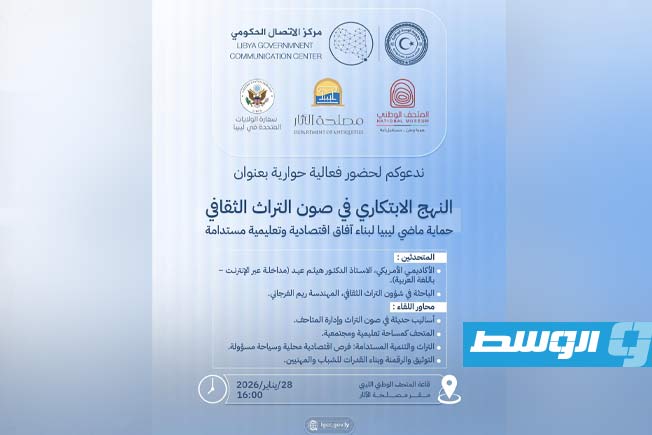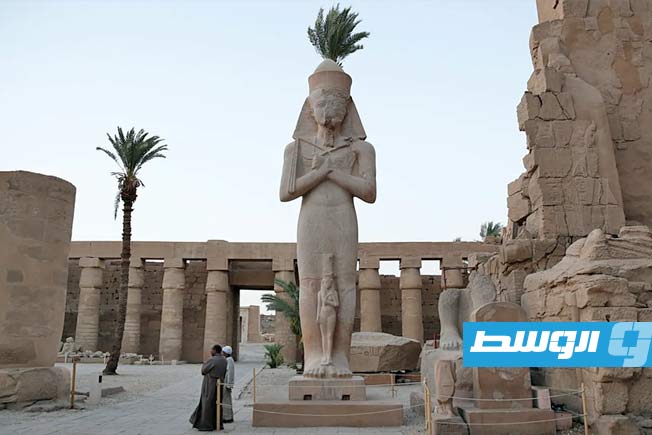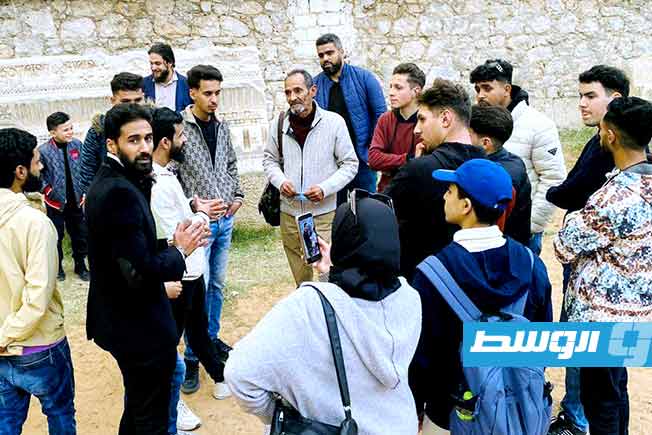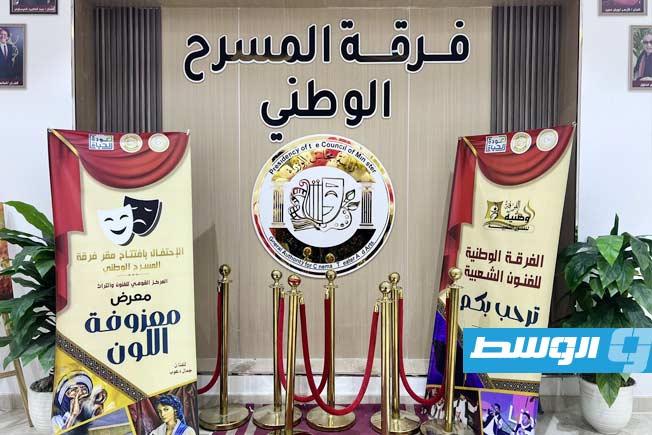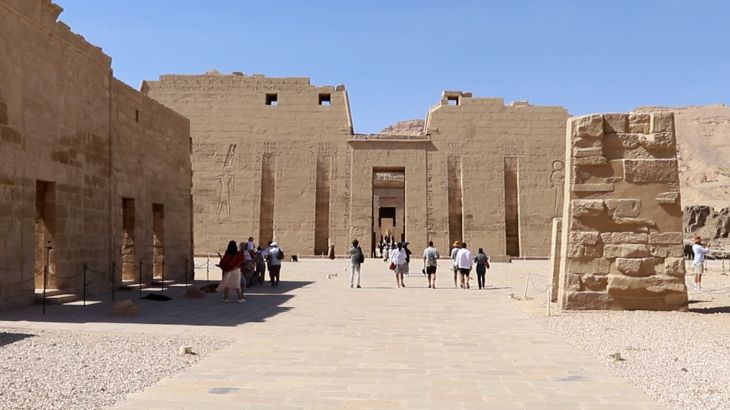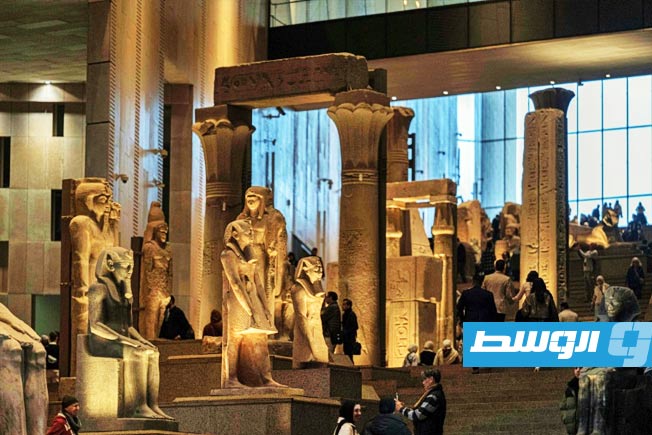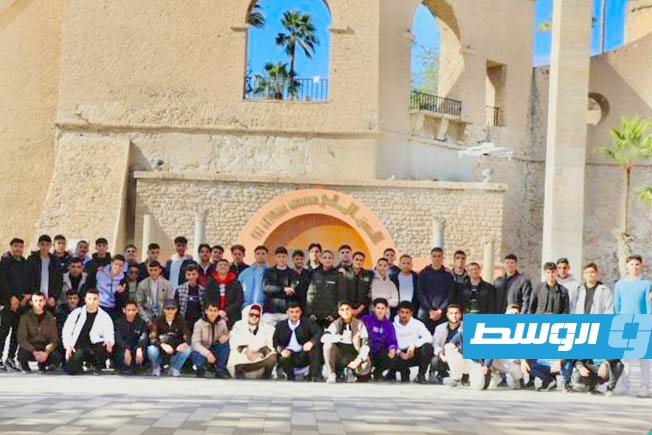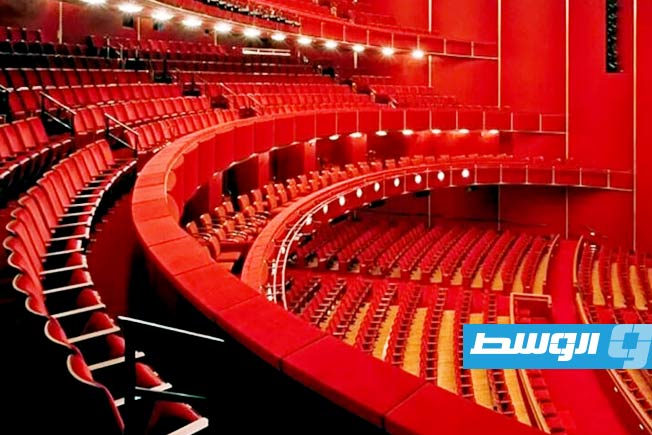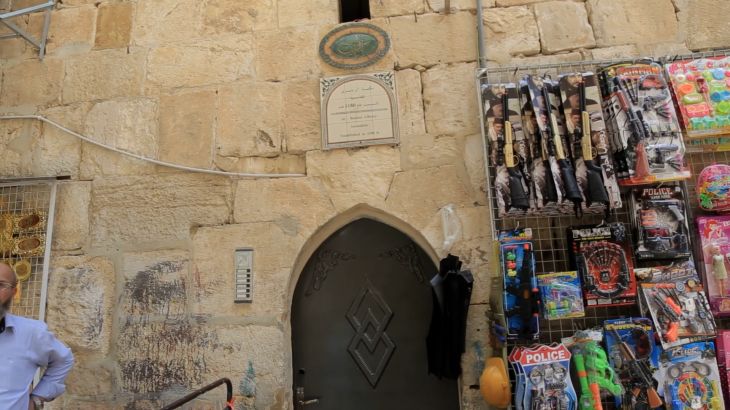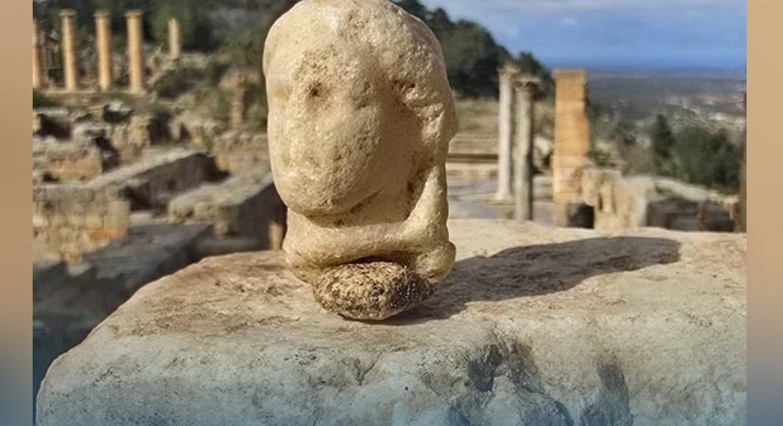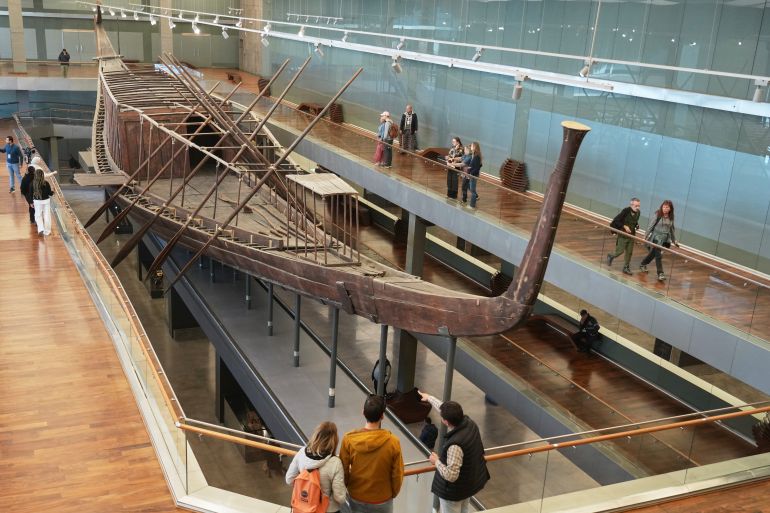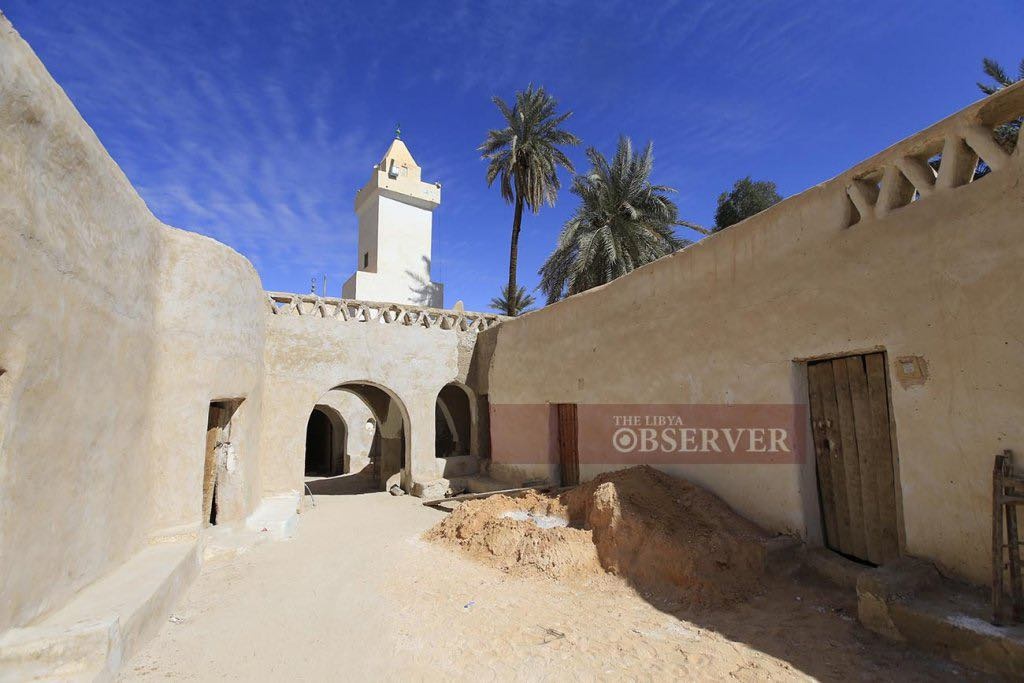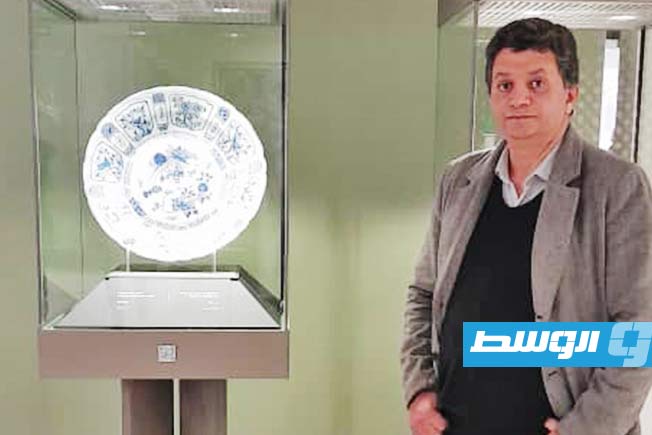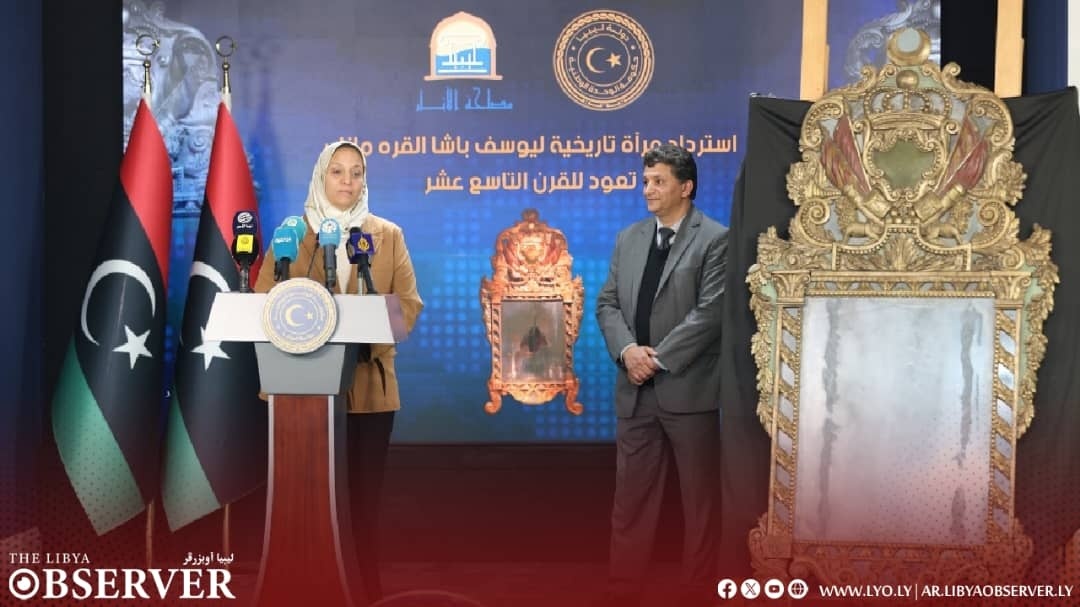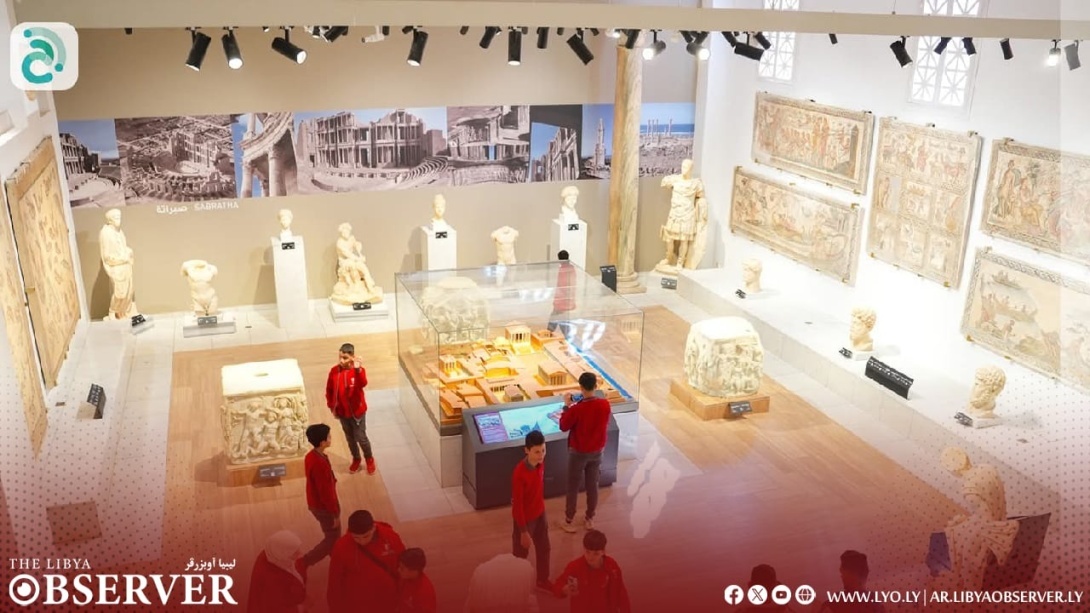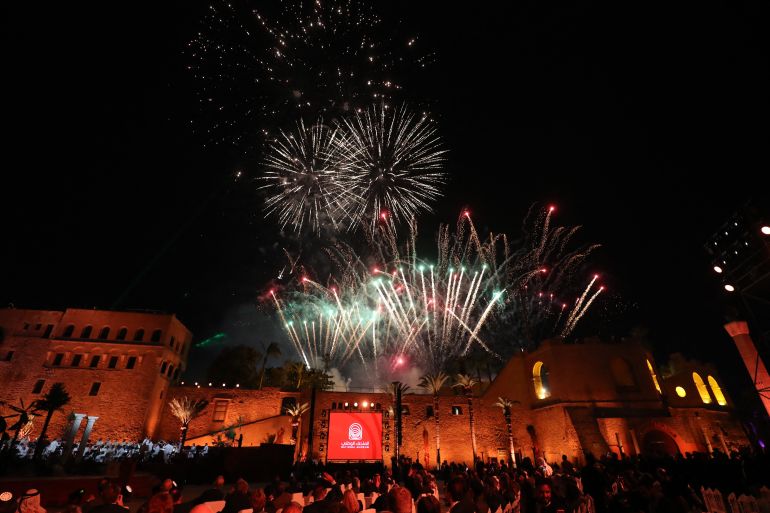
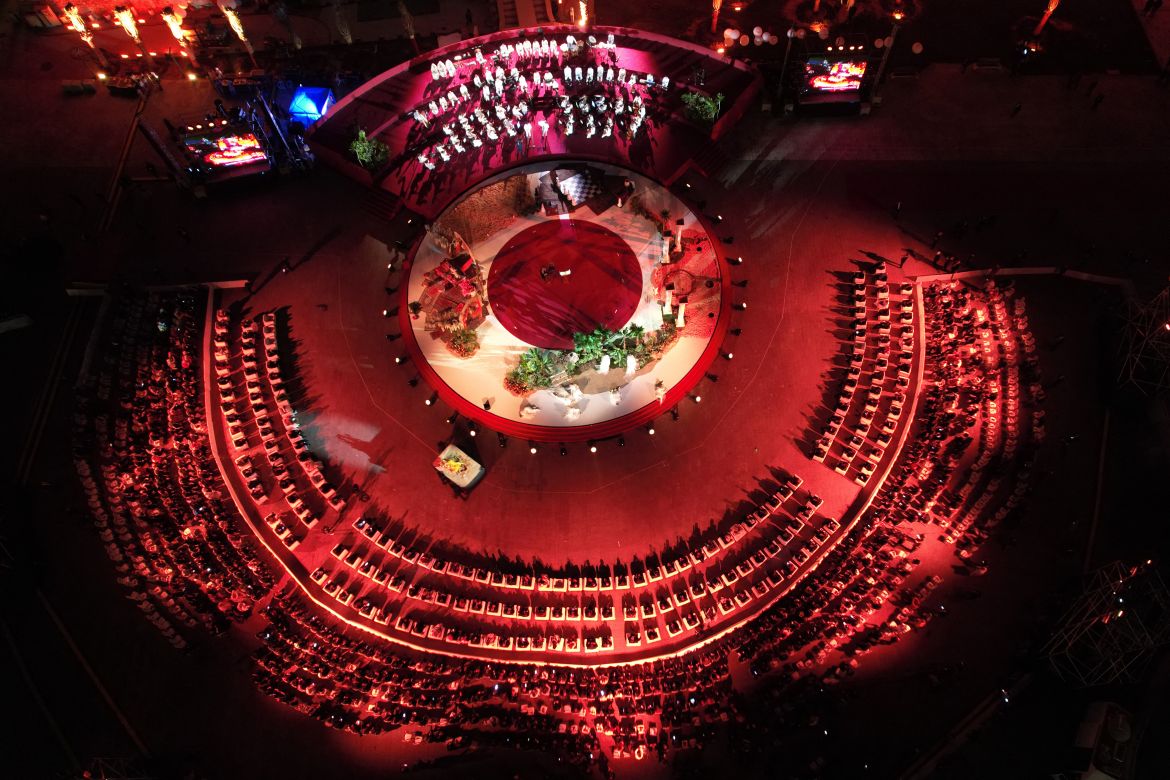
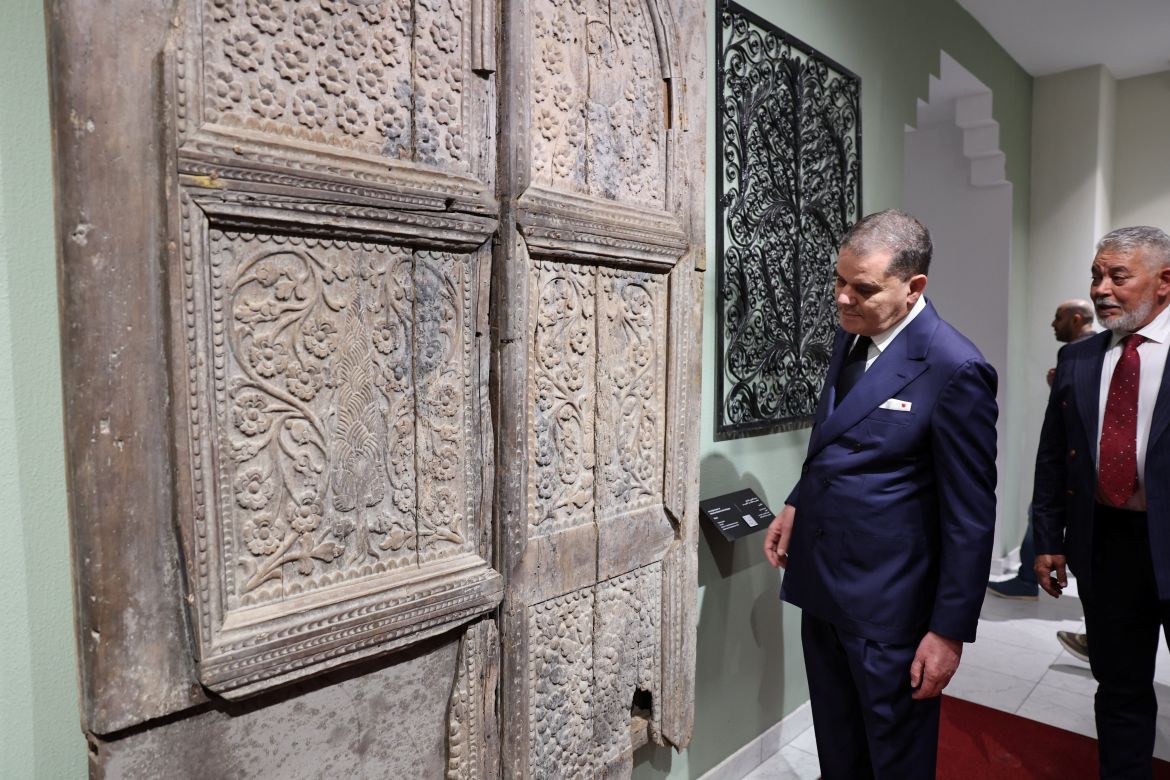
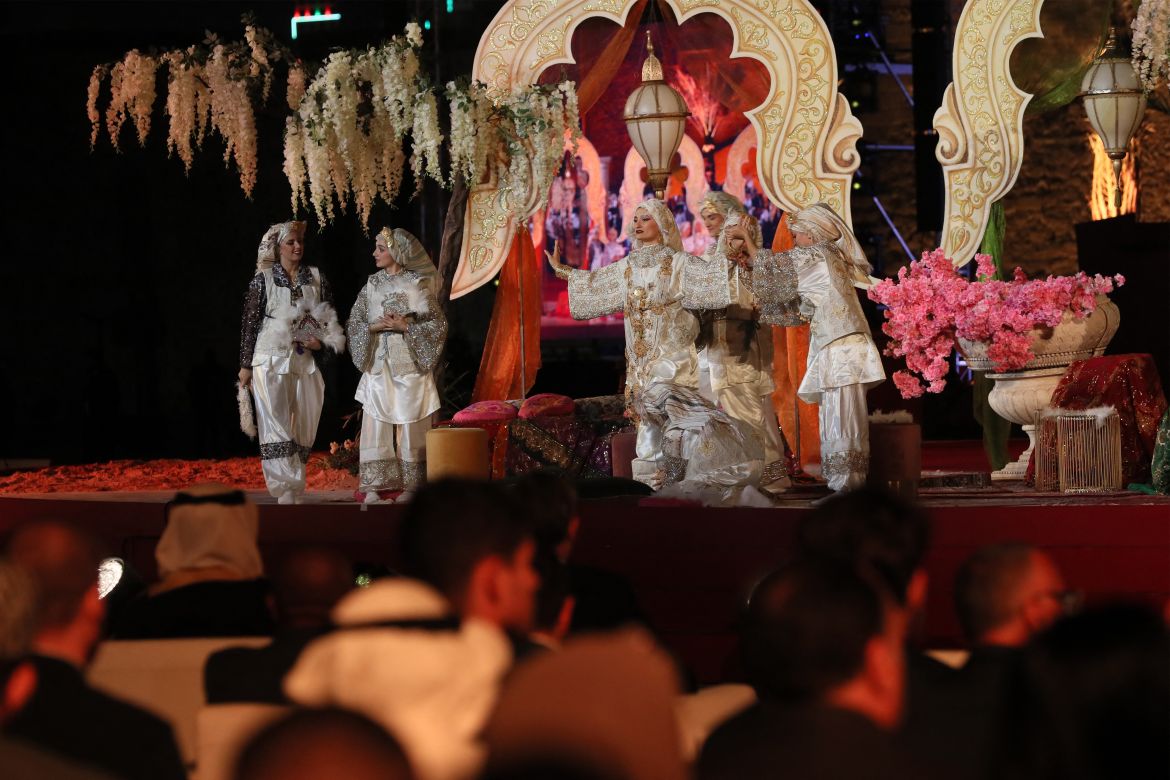
The Libyan National Museum in Tripoli, formerly known as the “Red Castle” (As-Saraya al-Hamra), has reopened, allowing the public to view some of the country’s finest historical treasures for the first time since the uprising that toppled the long-standing regime.
The museum, the largest in Libya, was closed in 2011 during the revolution against the longtime ruler who once delivered a fiery speech at the museum’s walls.
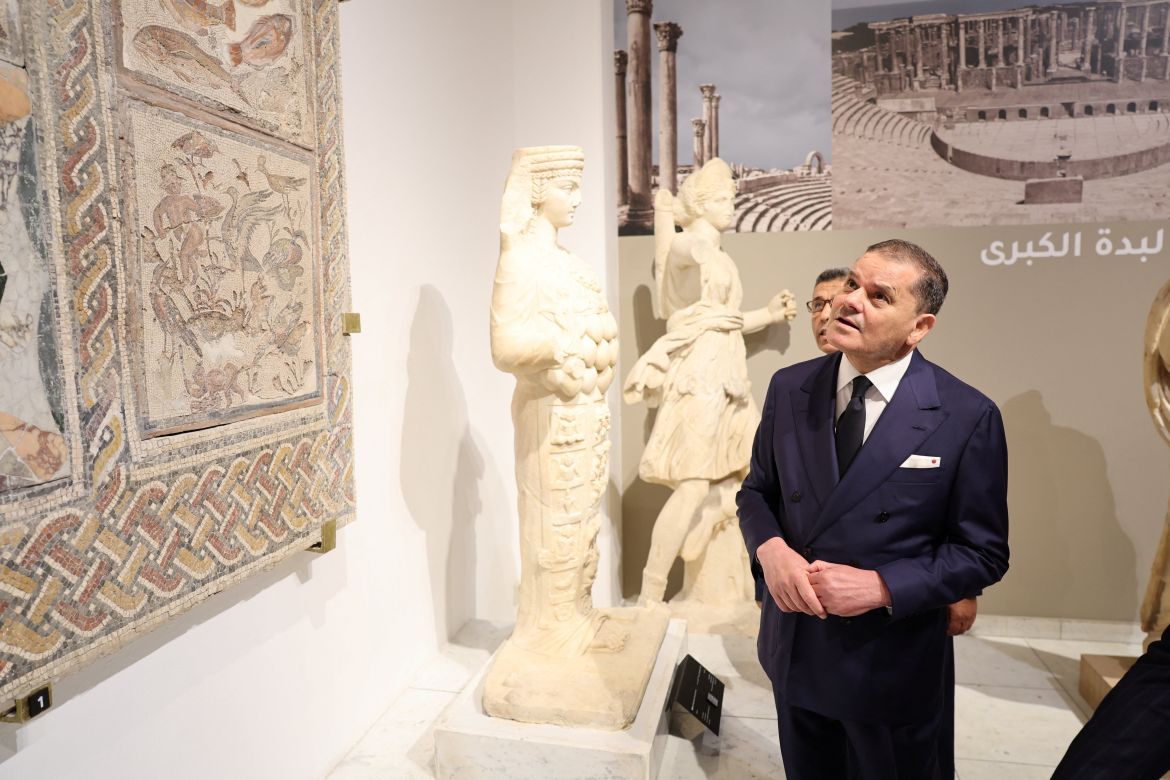
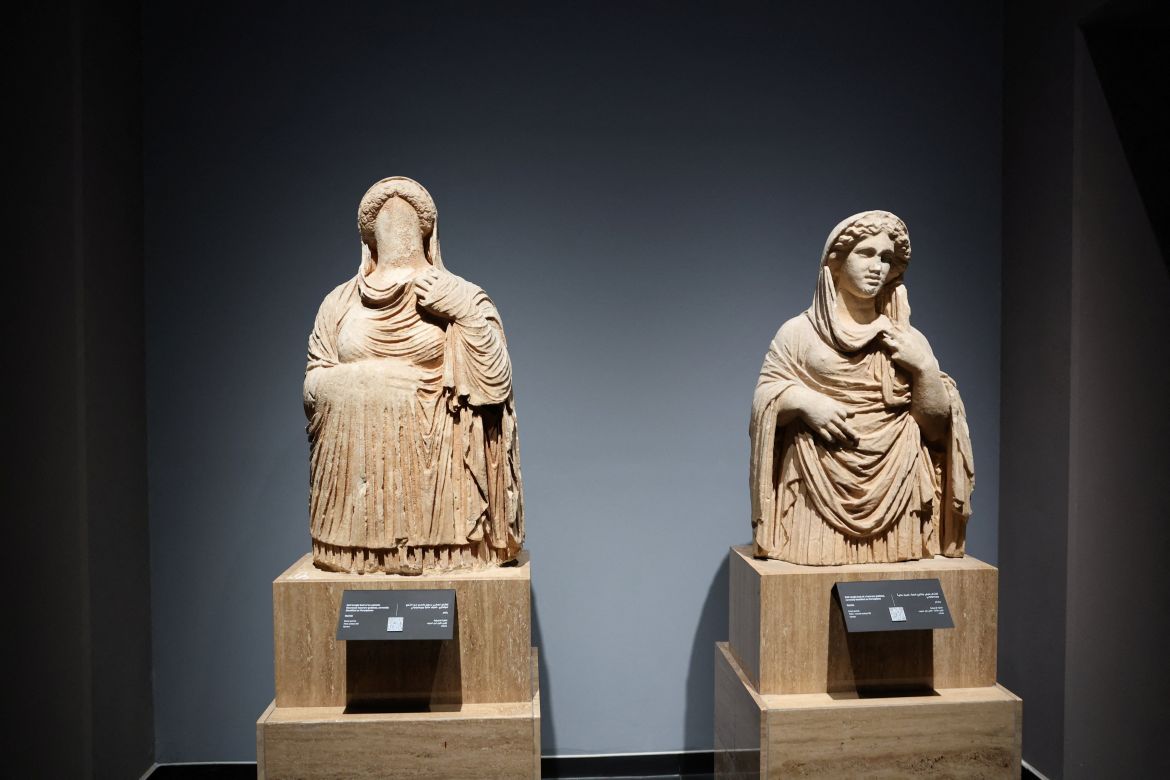
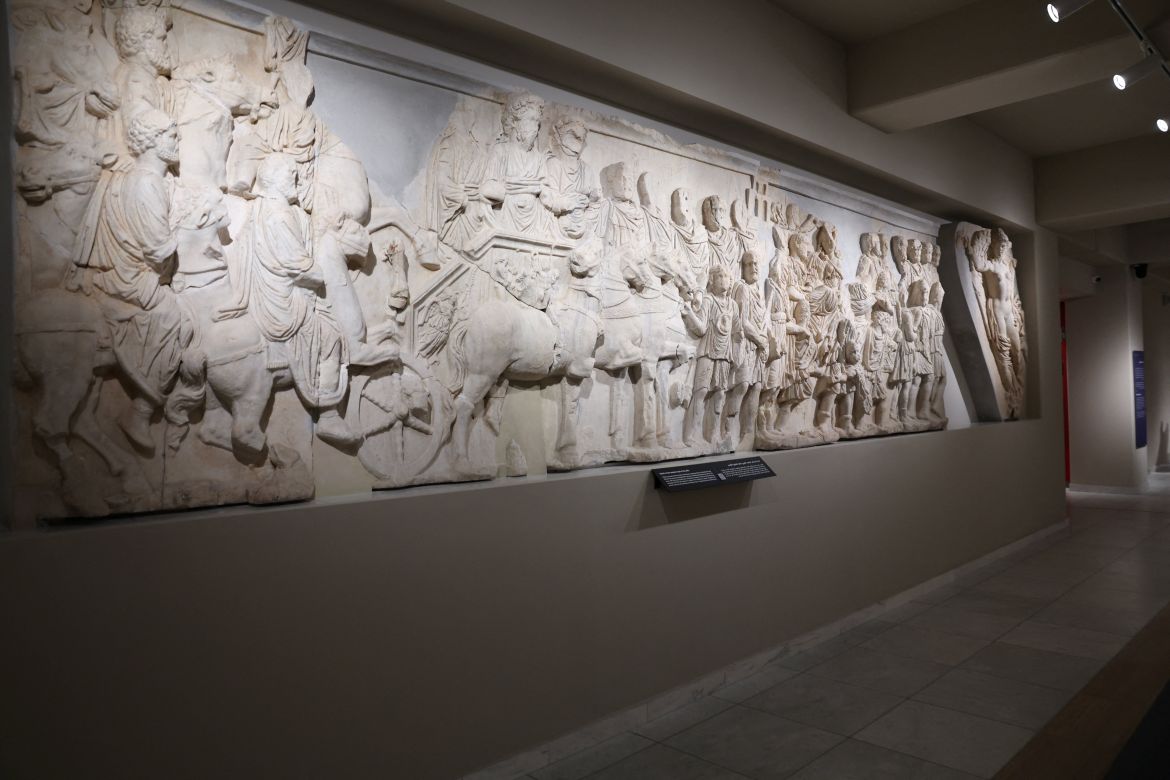
The museum’s exhibition halls, built in the 1980s, cover an area of 10,000 square meters. They display mosaics, murals, sculptures, coins, and artifacts dating from prehistoric times through Libya’s Roman, Greek, and Islamic eras.
 </
</
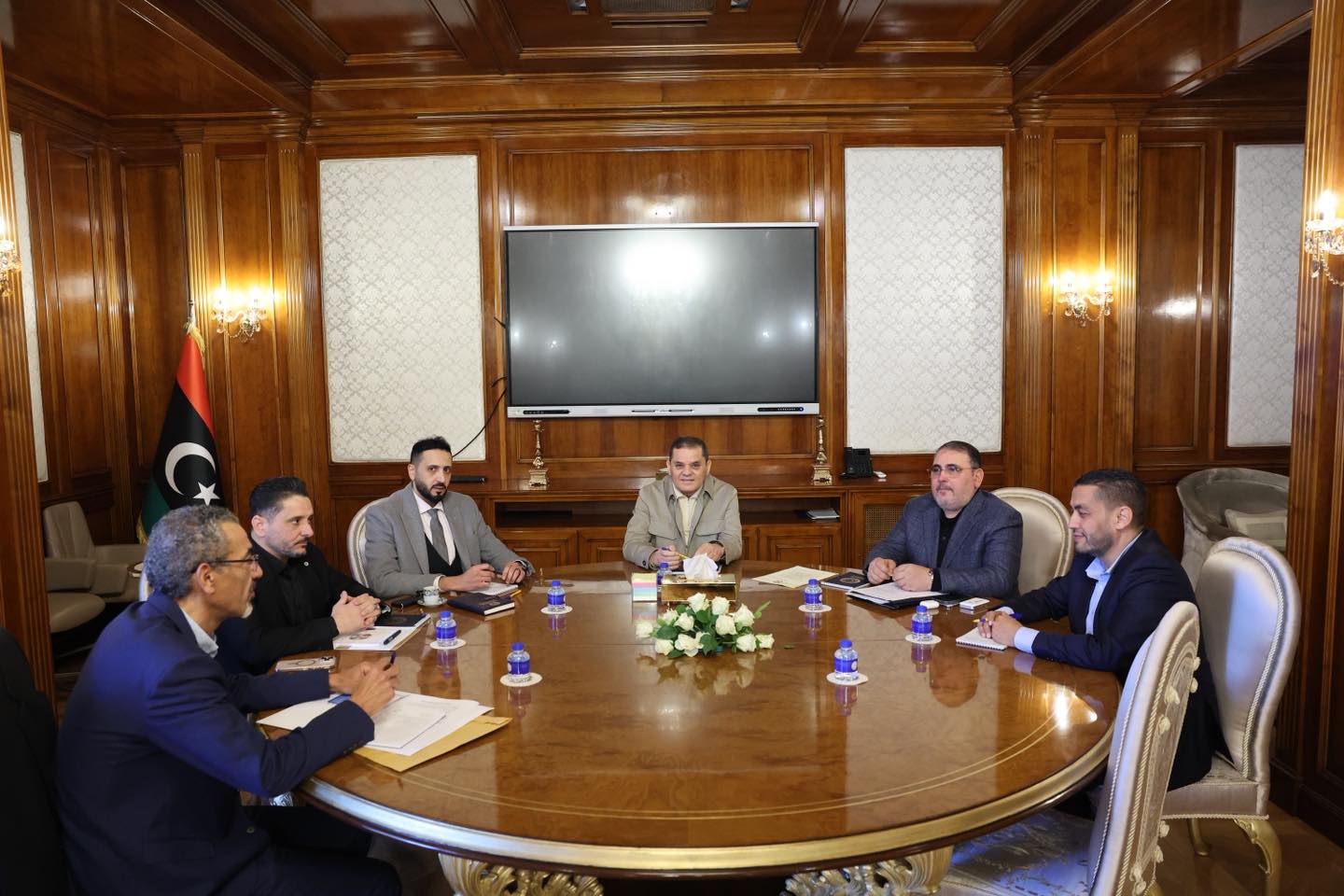
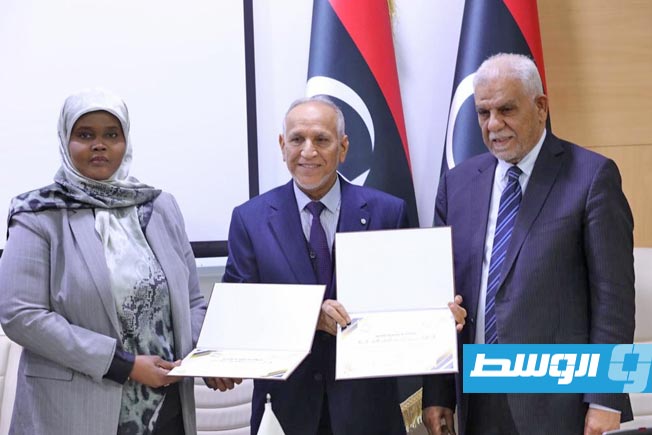
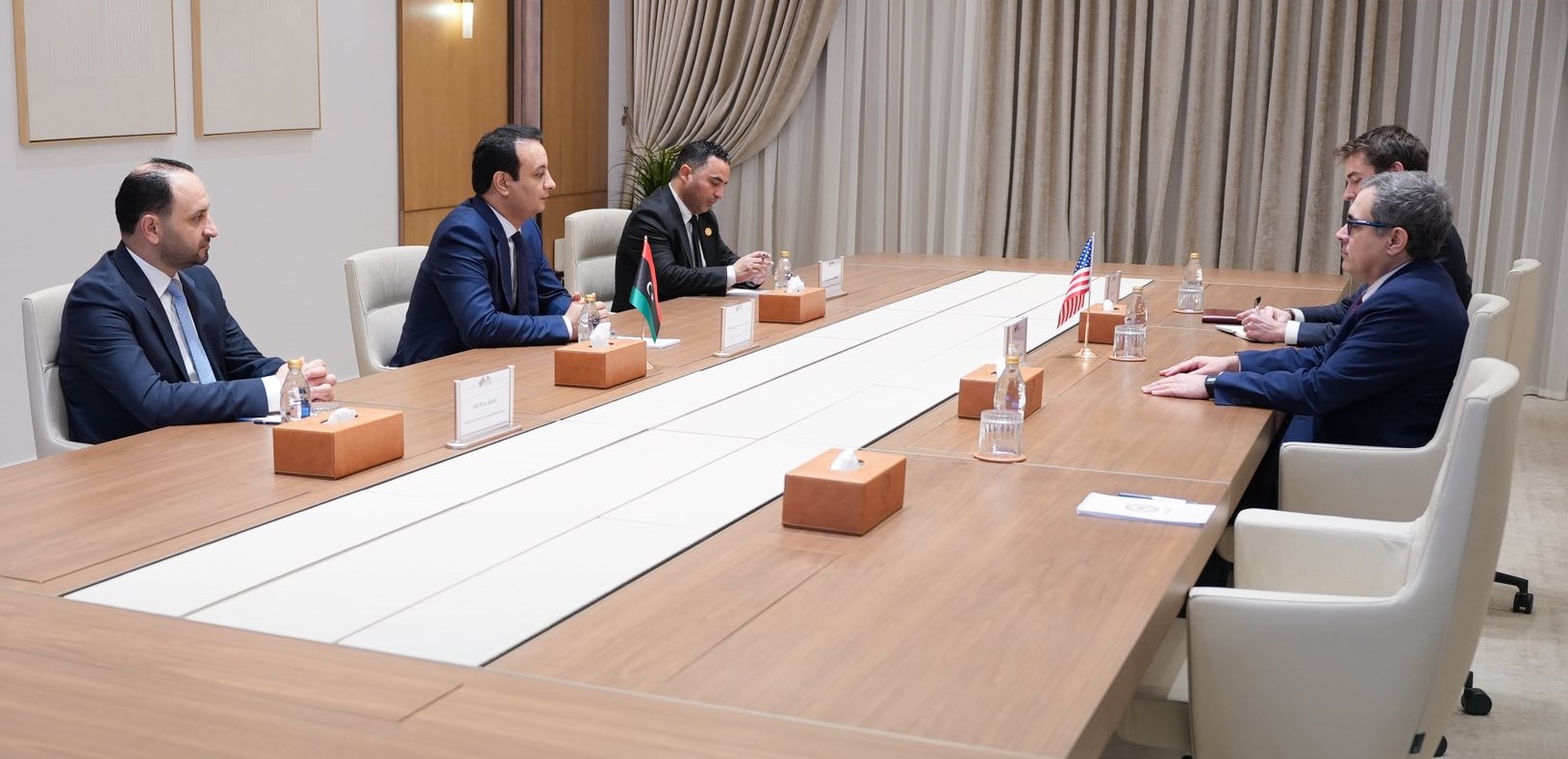
Abdul Hamid Dbeibeh
### Key Points:
1. **Background**: He is a businessman from Misrata, a city with significant political and military influence in Libya. Before entering high-level politics, he had a career in construction and held roles in state-owned companies under Muammar Gaddafi’s regime.
2. **Appointment**: He was selected in February 2021 through the UN-supported Libyan Political Dialogue Forum (LPDF) to head an interim unity government, ending a split between the Tripoli-based Government of National Accord (GNA) and the Tobruk-based House of Representatives (HoR).
3. **Mandate**: His government’s main tasks were to:
– Unify state institutions.
– Improve public services.
– Prepare for presidential and parliamentary elections (originally scheduled for December 2021, but postponed indefinitely due to political and legal disputes).
4. **Political Challenges**: Despite initial optimism, his tenure has been marked by:
– A failure to hold elections as planned.
– The rise of a rival government in the east (led by Fathi Bashagha, appointed by the HoR in 2022).
– Ongoing disputes over legitimacy and control of state resources.
5. **Current Status**: As of late 2023/early 2024, Dbeibeh continues to hold office in Tripoli, though his mandate is contested. Libya remains divided between competing administrations in the west and east.
### Significance:
Dbeibeh represents an attempt to transition Libya toward stability after a decade of civil war following Gaddafi’s fall in 2011. However, deep-seated regional, political, and armed faction rivalries have hindered progress, leaving the country in a fragile state of “no war, no peace.”
If you have more specific questions about his policies, political standing, or Libya’s current situation, feel free to ask!