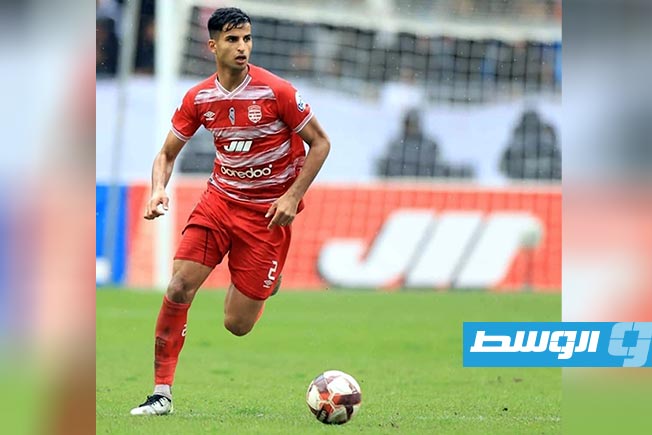
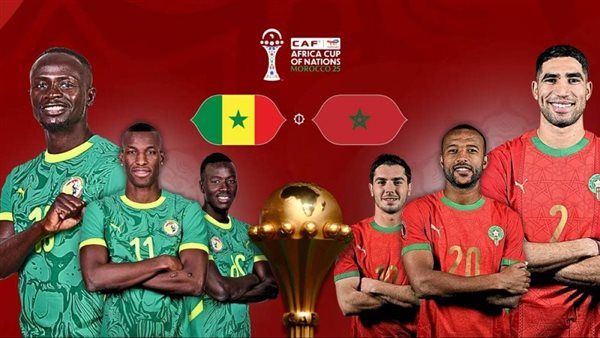
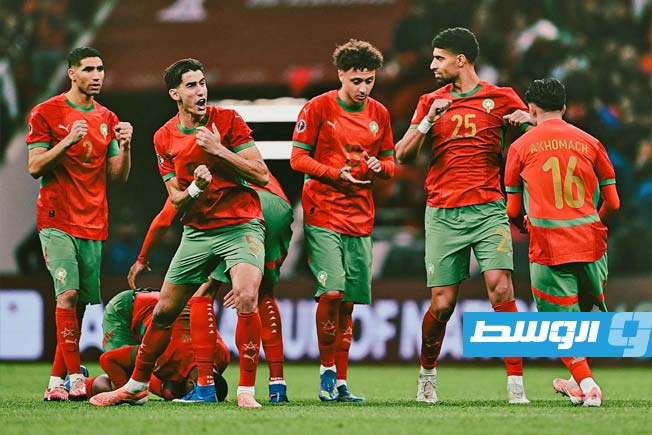
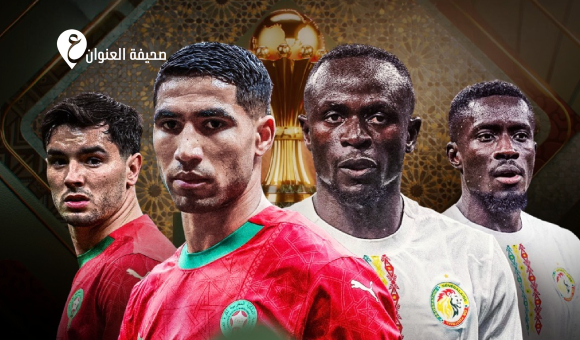
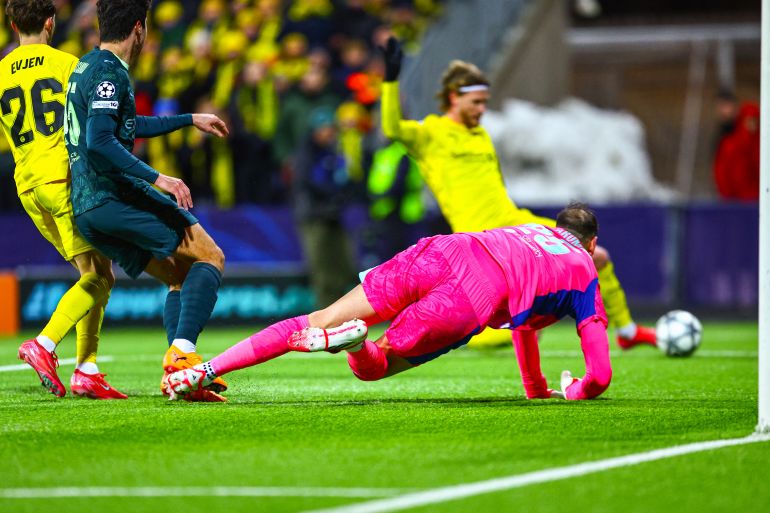
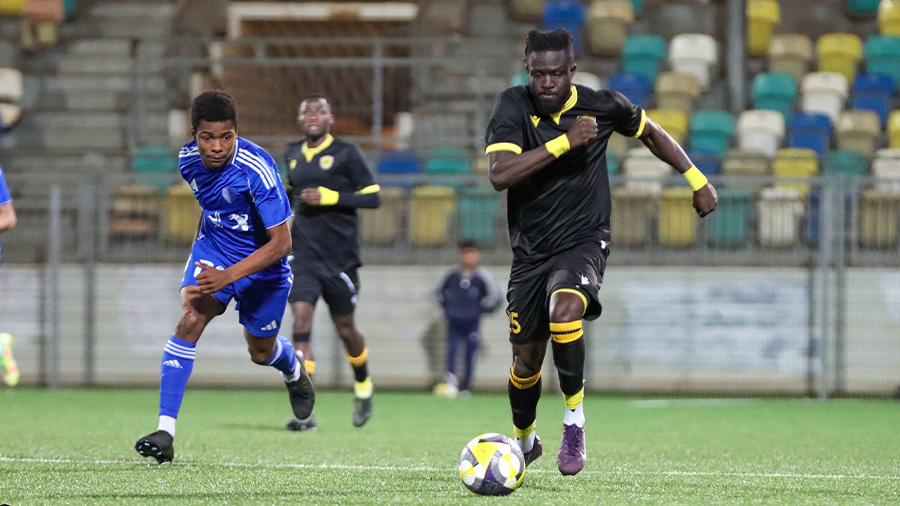
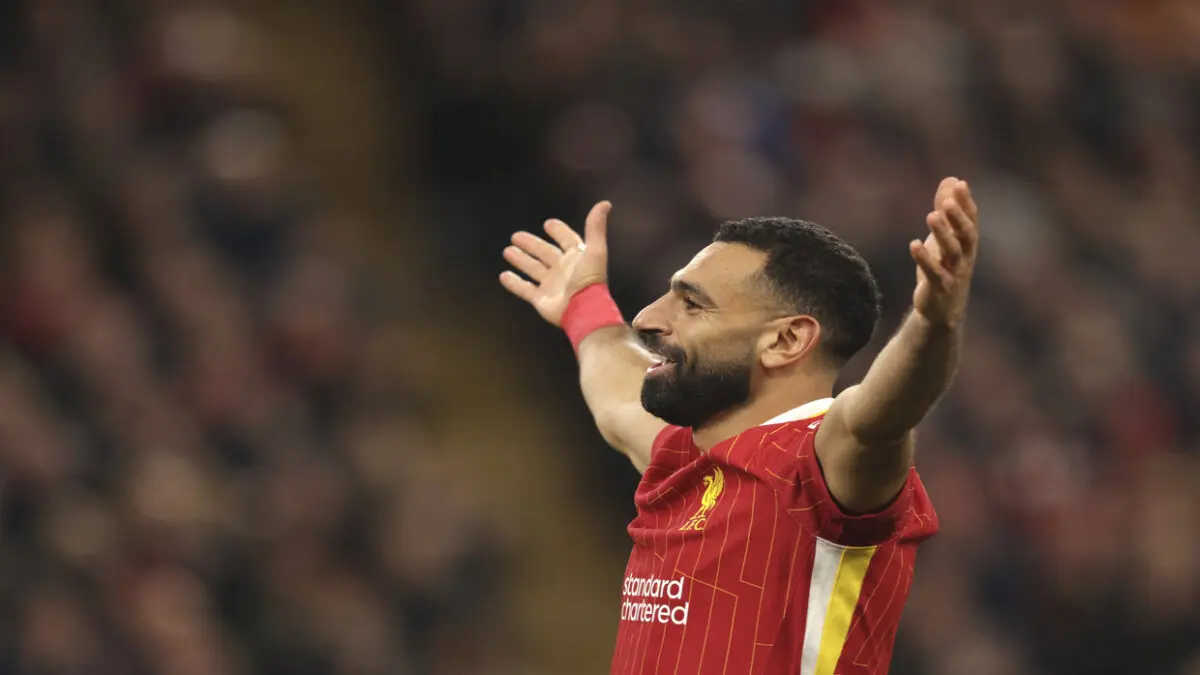
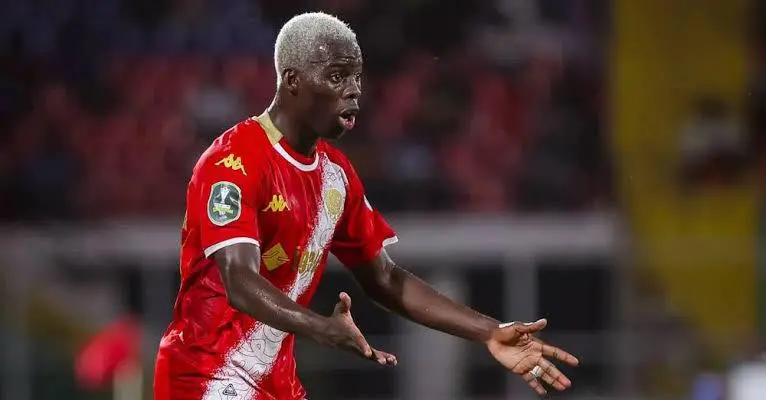
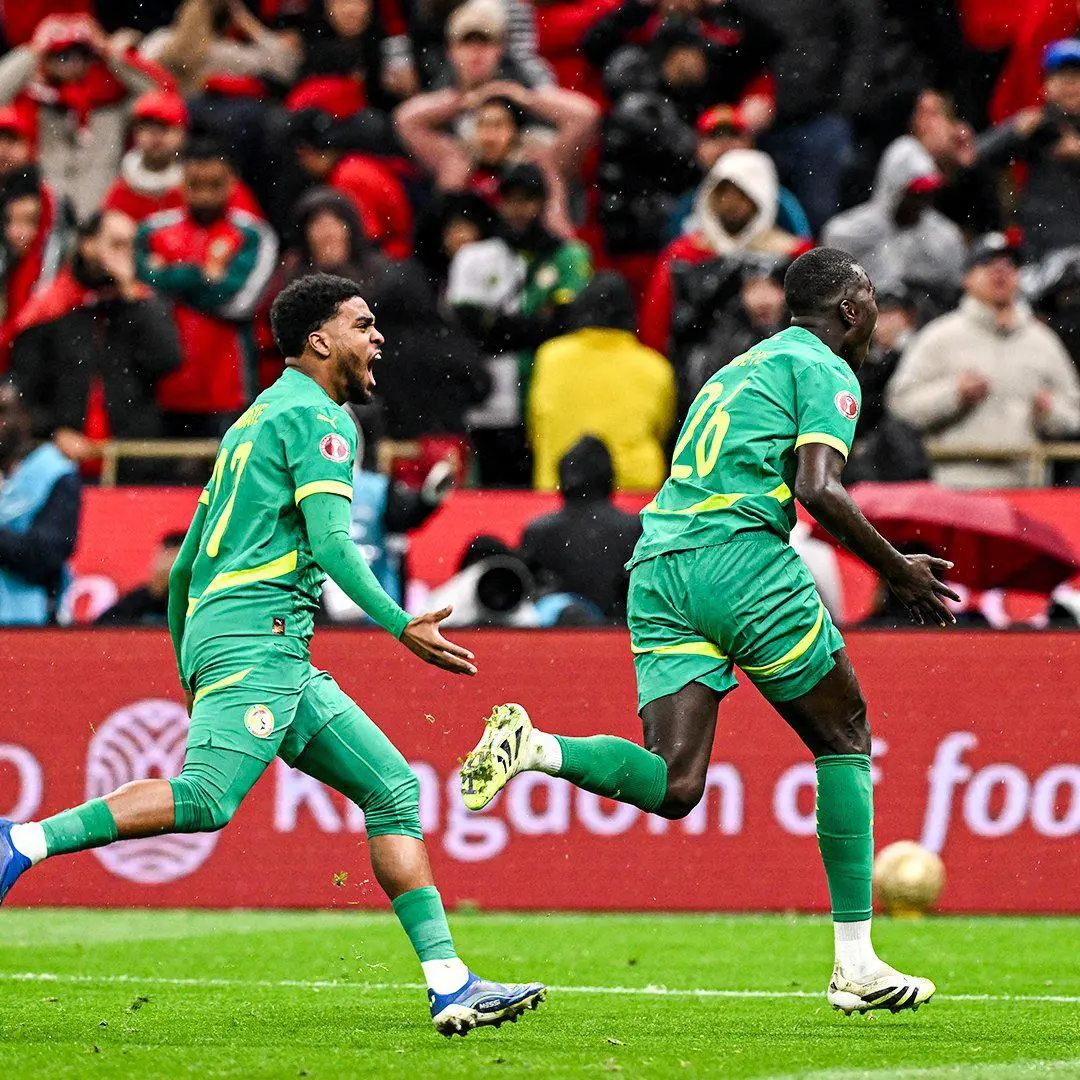
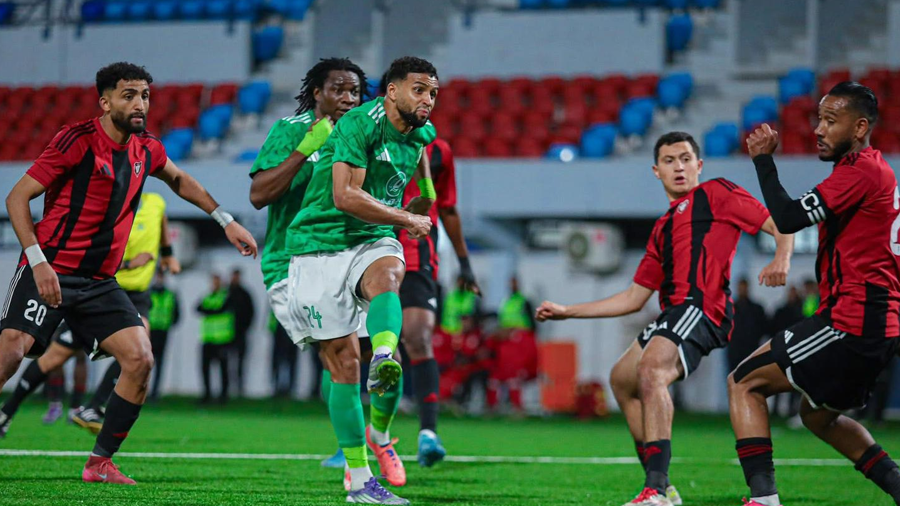
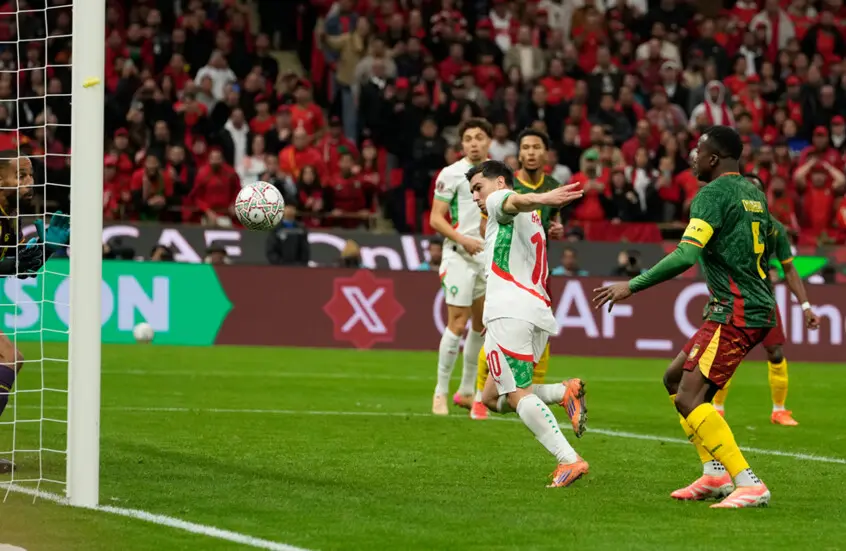
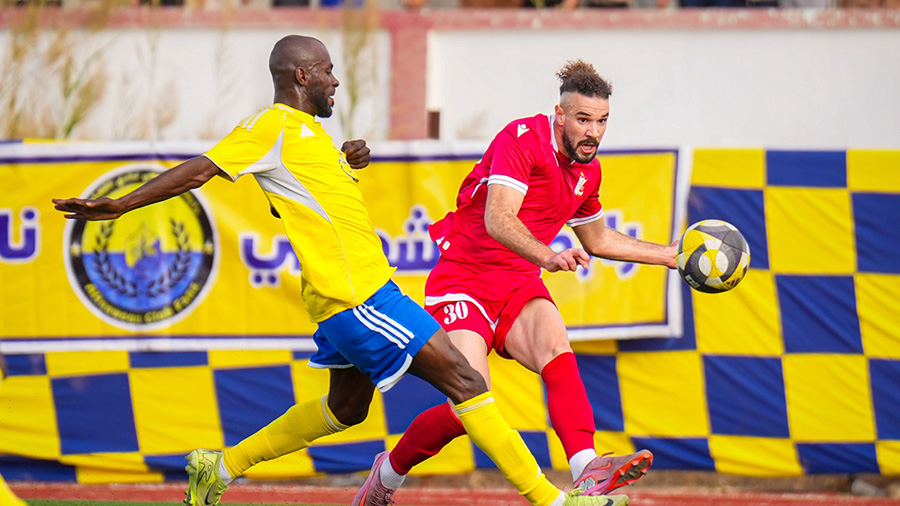
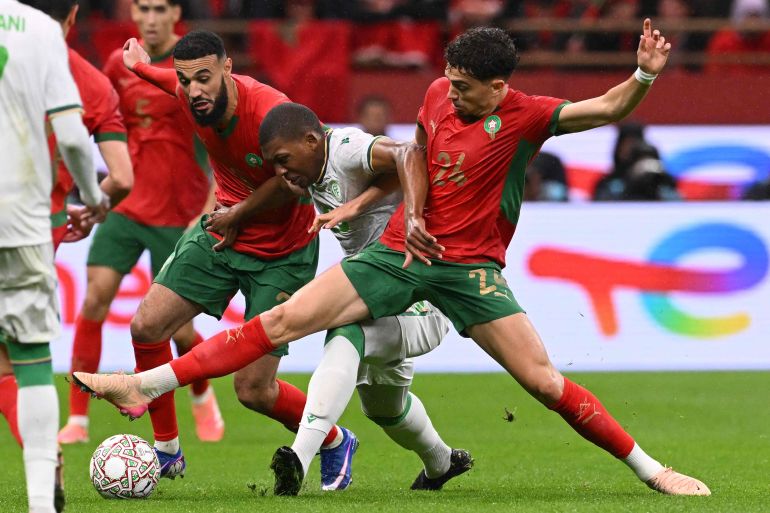
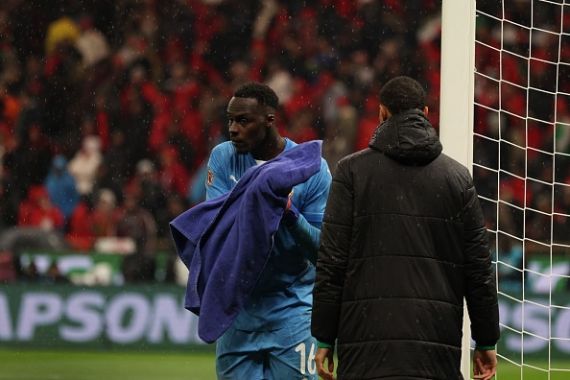
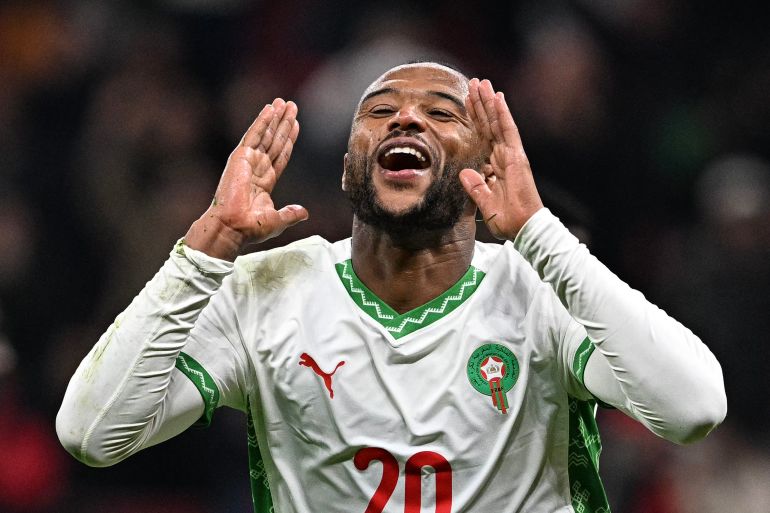
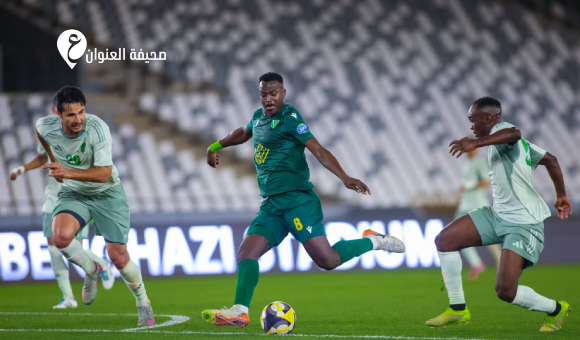
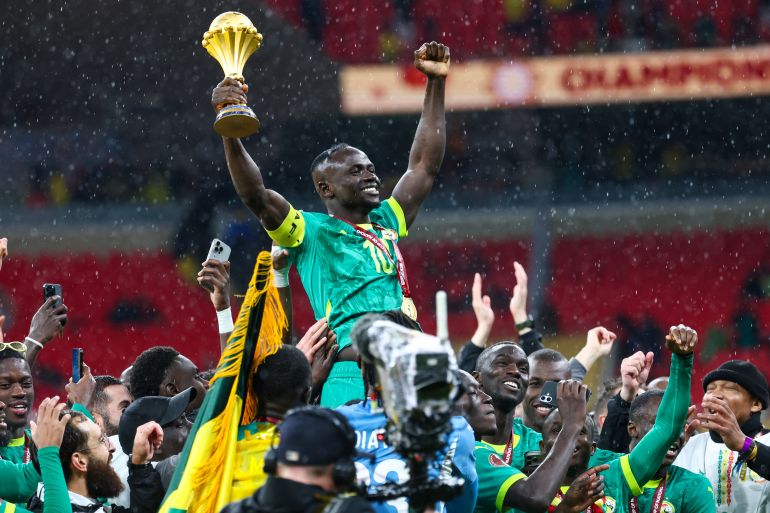
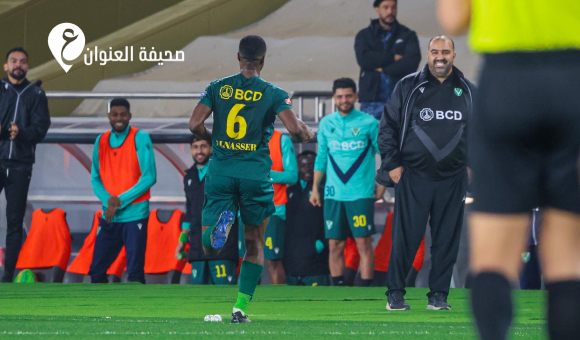
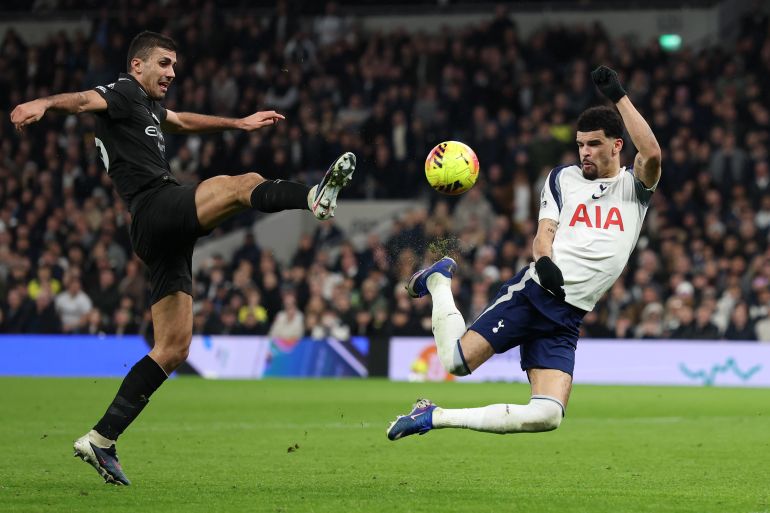
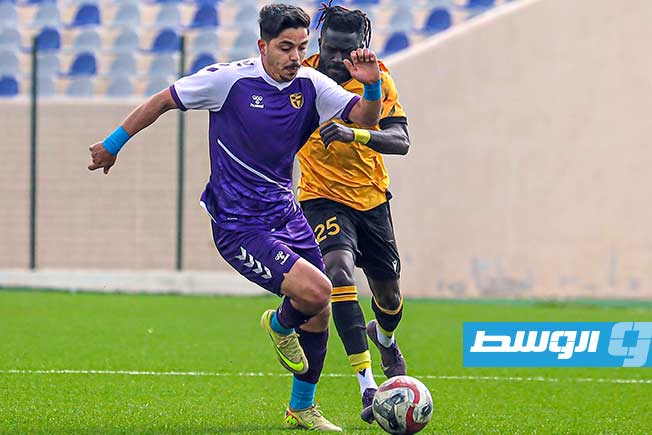
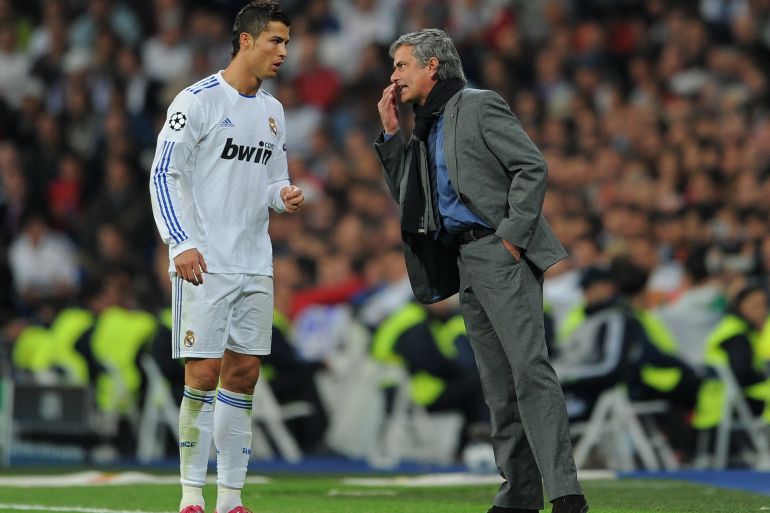
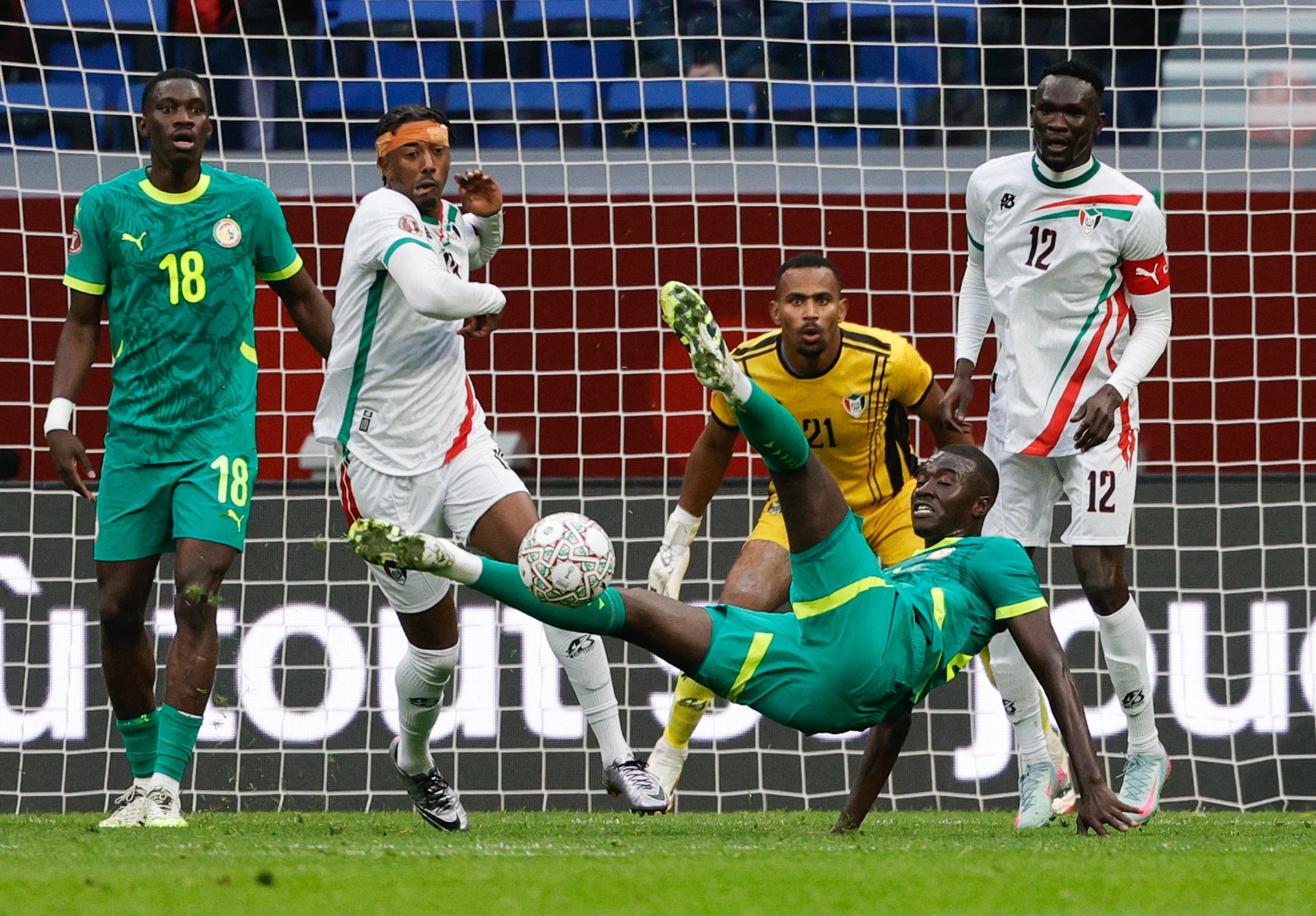
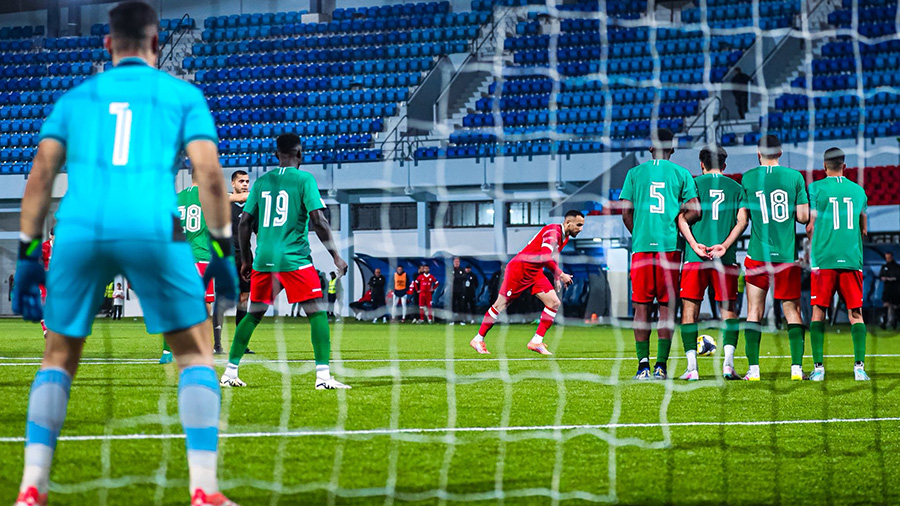
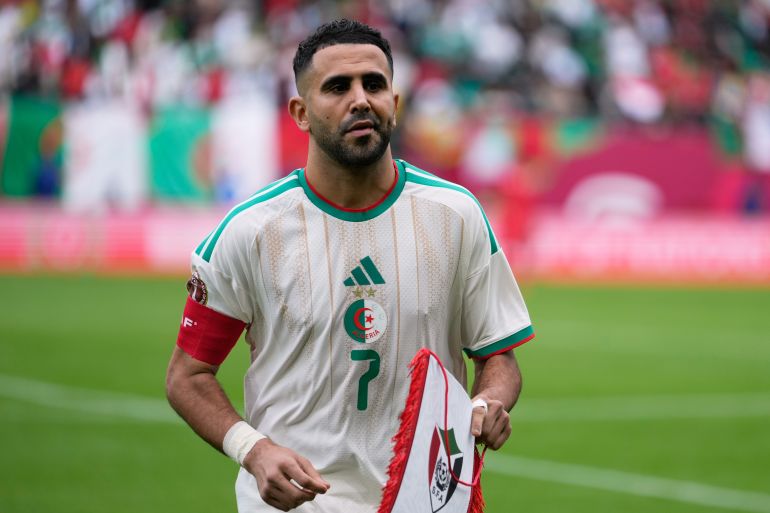
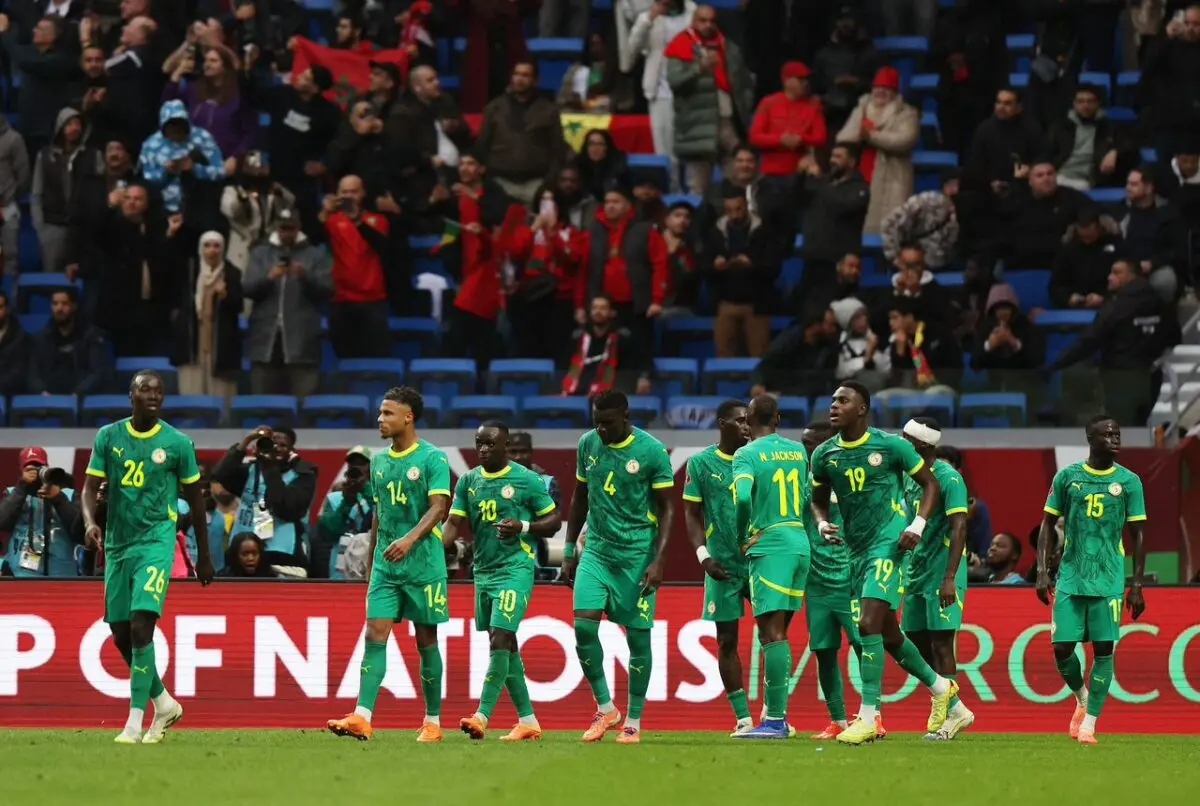
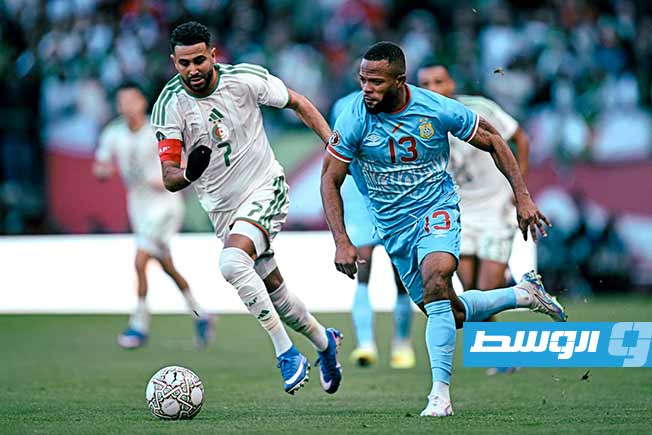
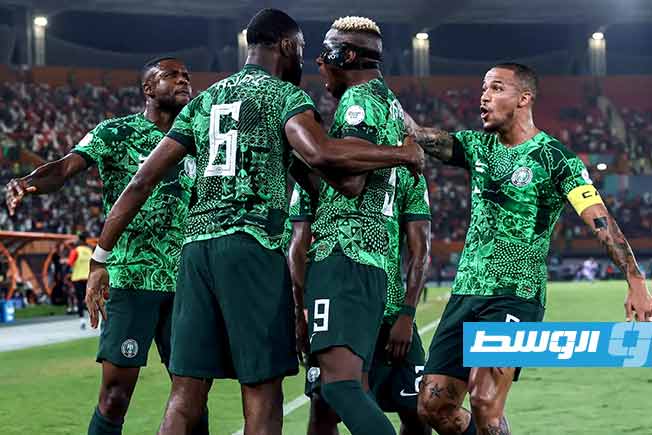
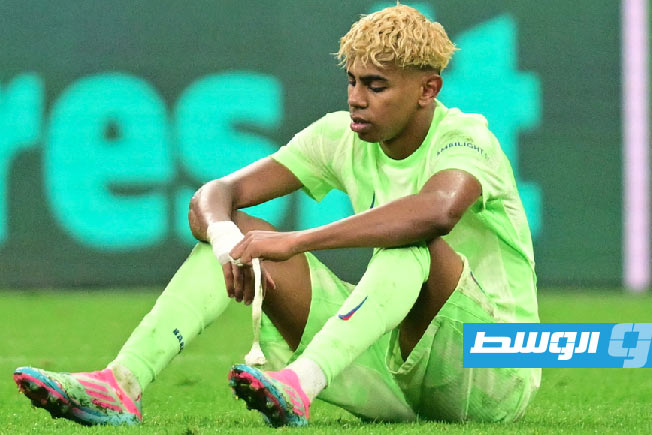
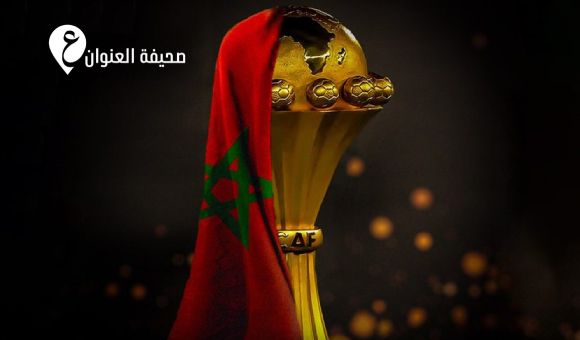
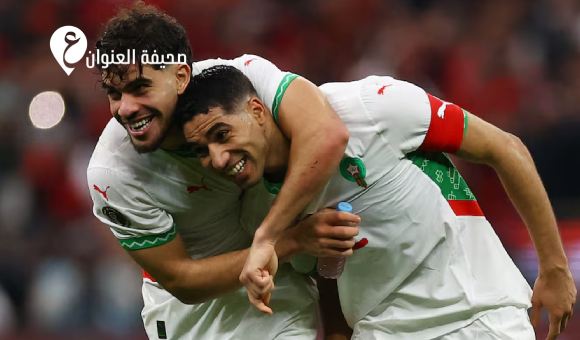
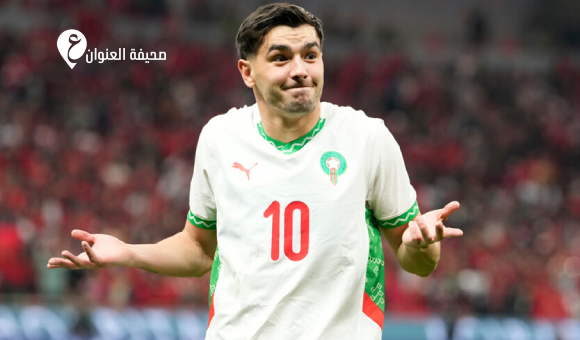
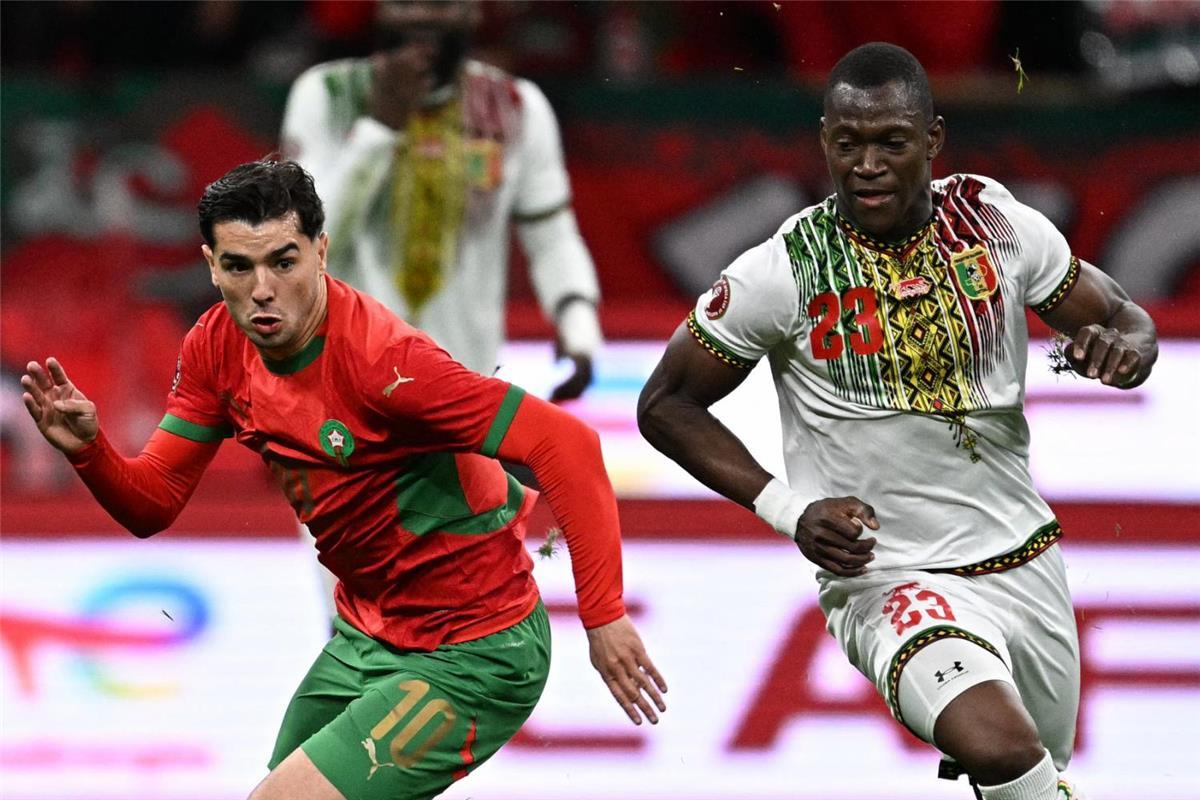
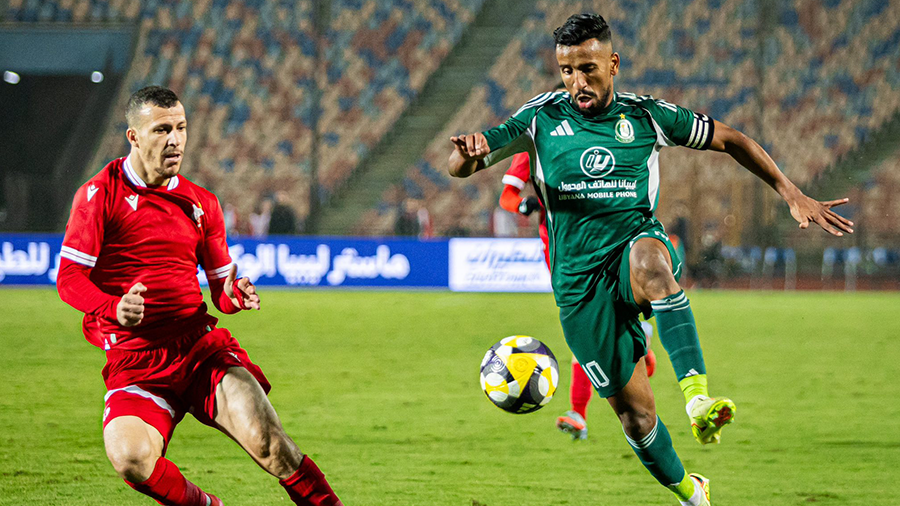
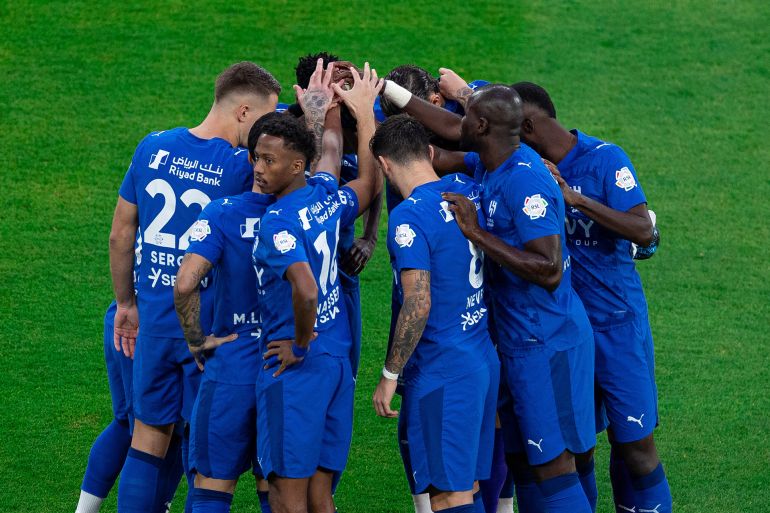
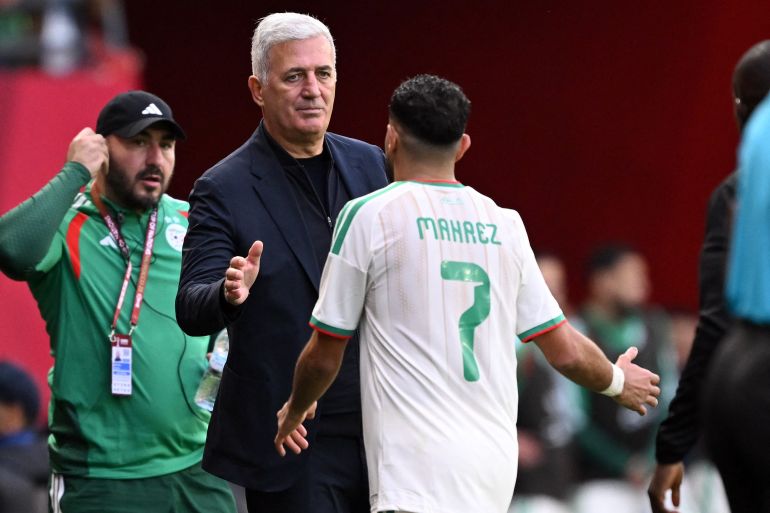
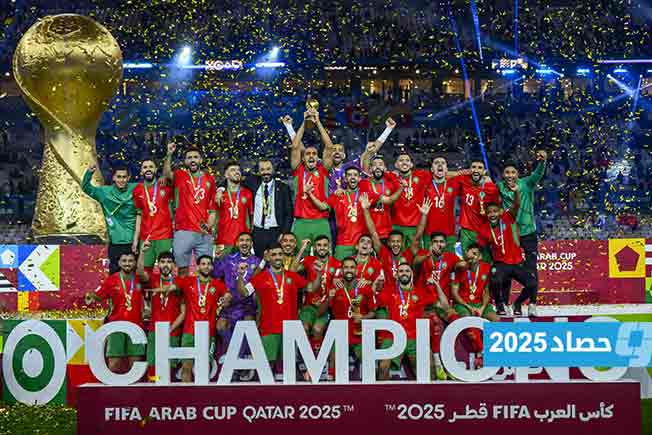
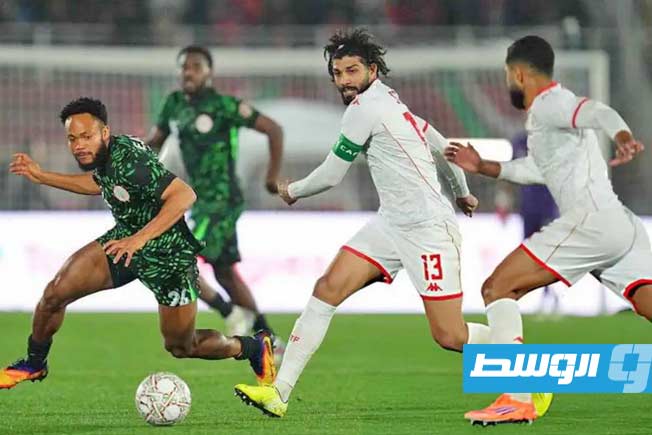
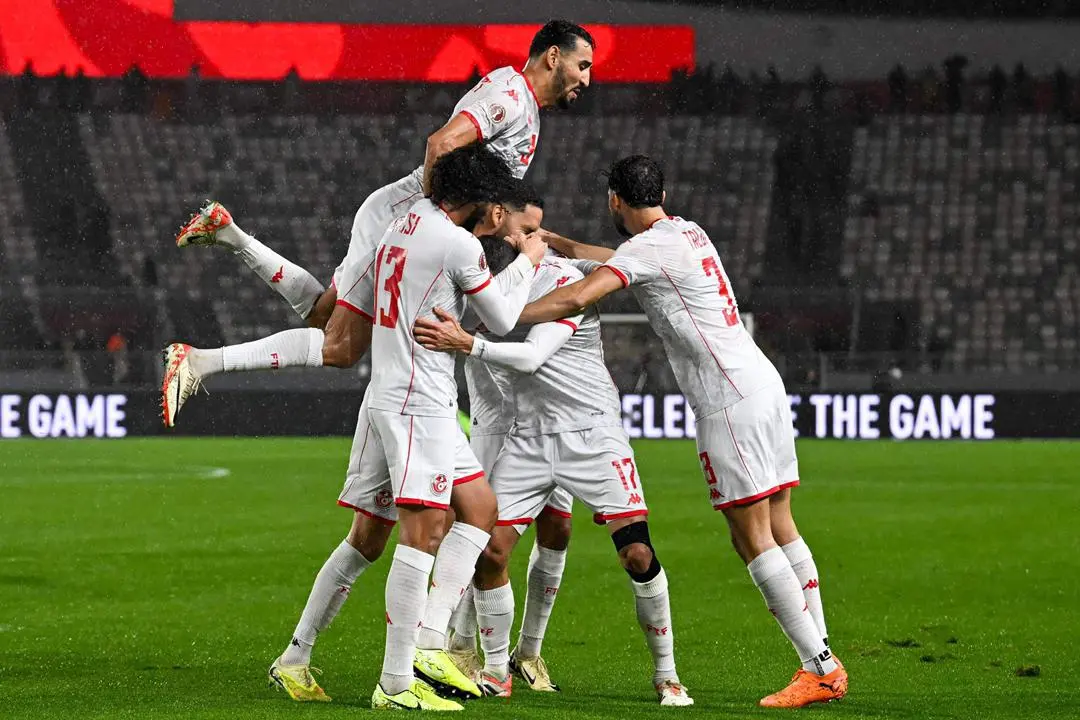
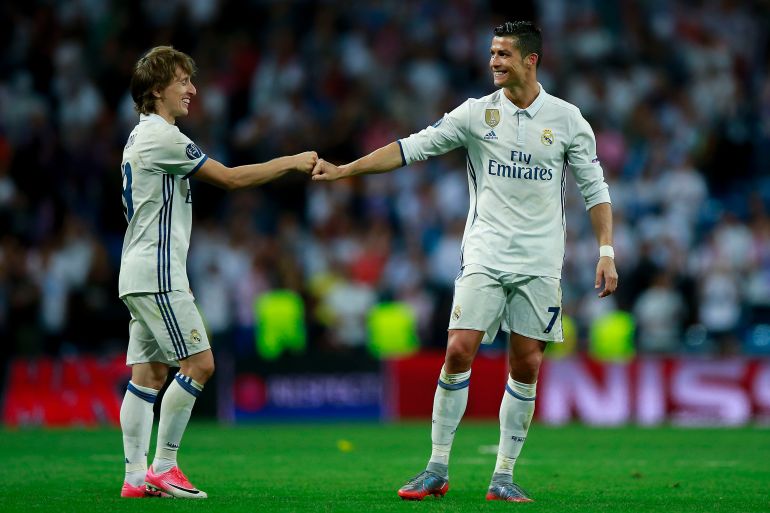
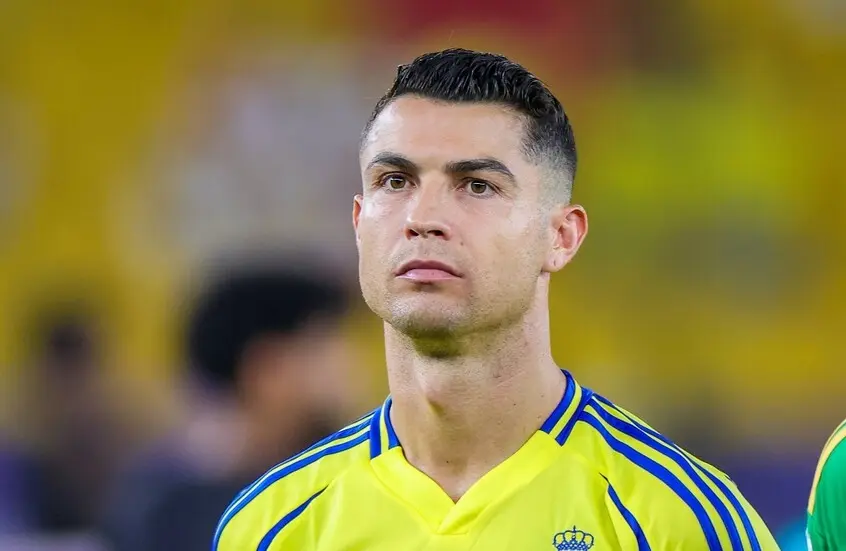
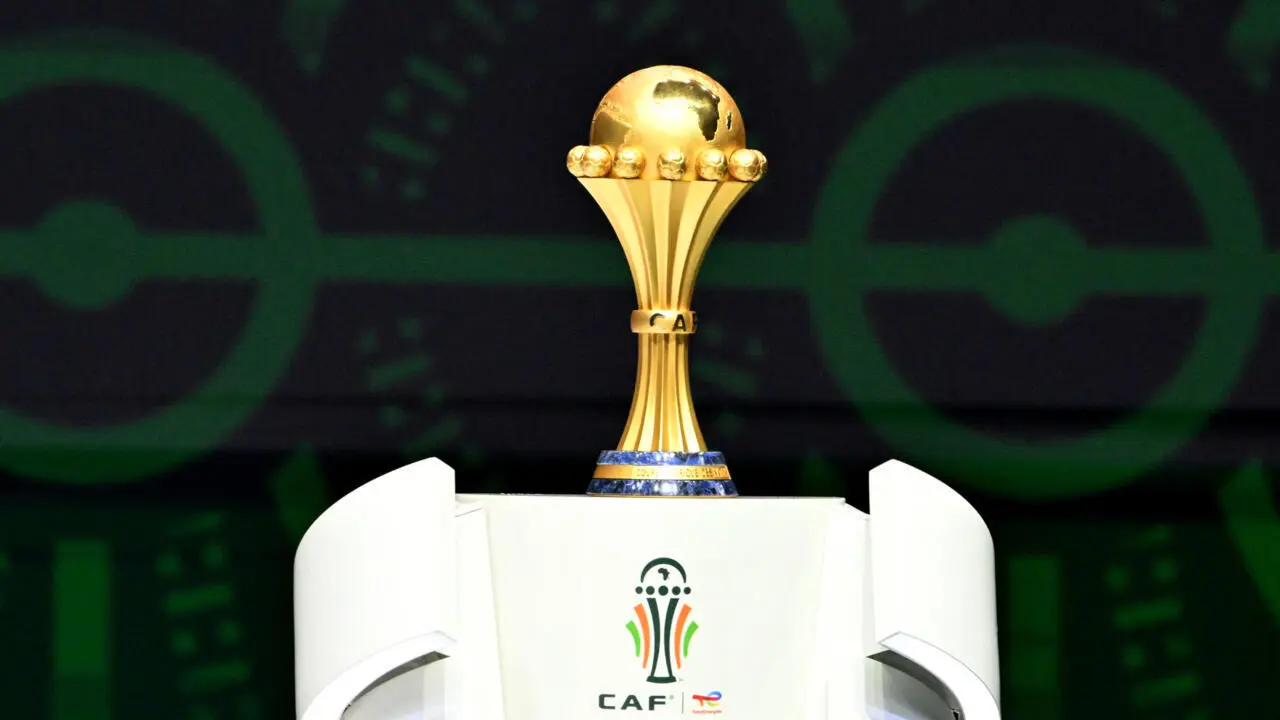
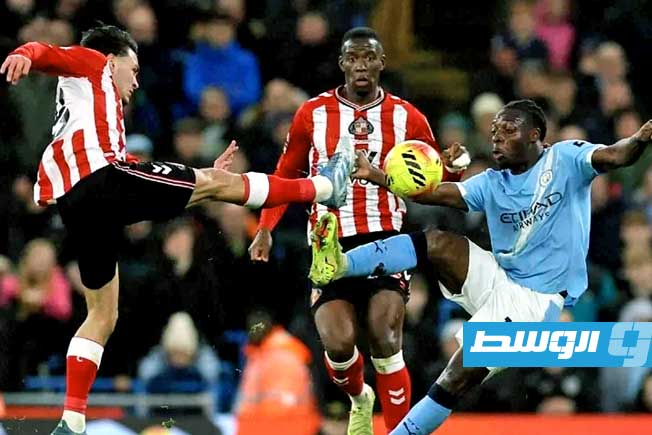
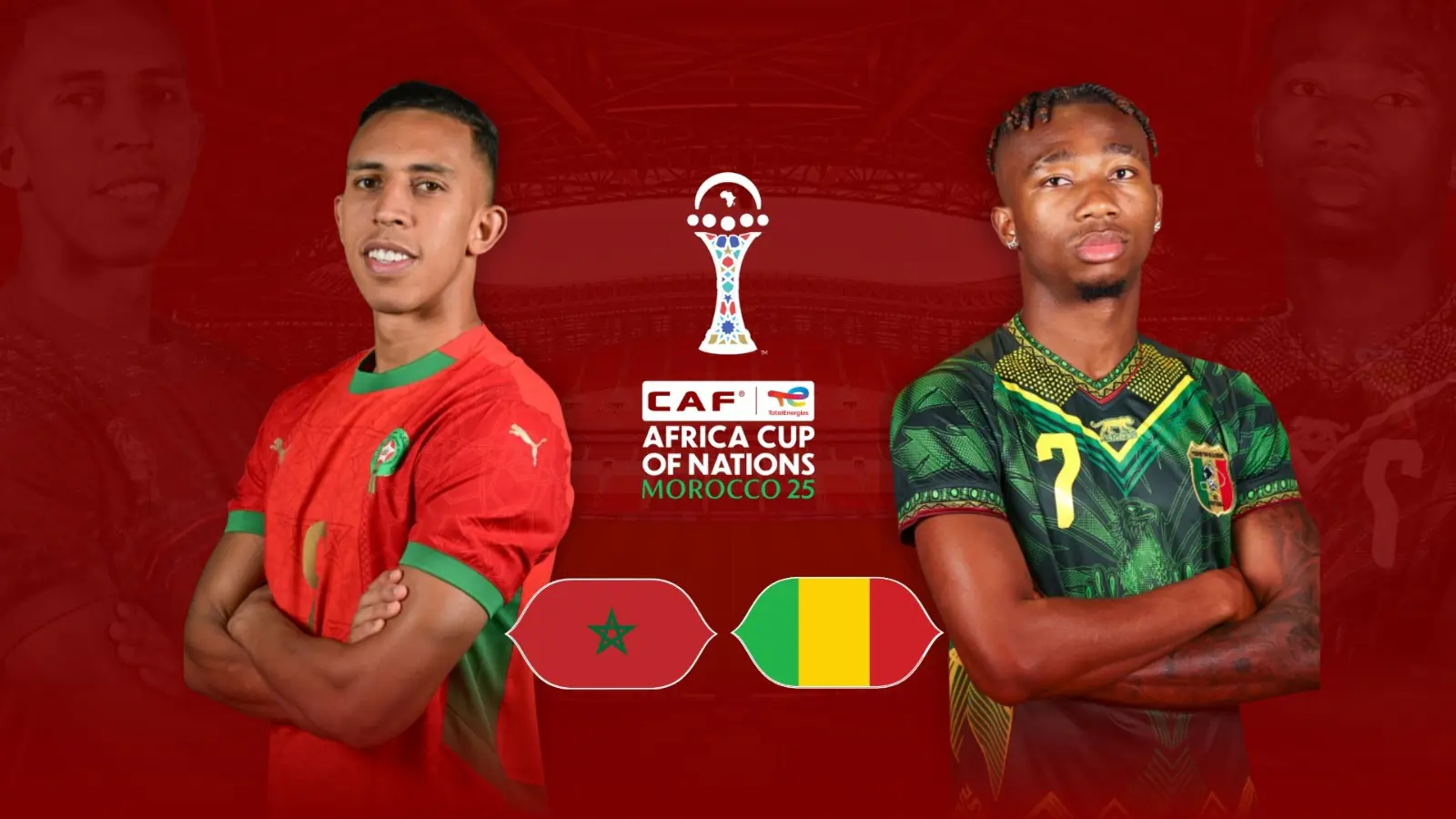
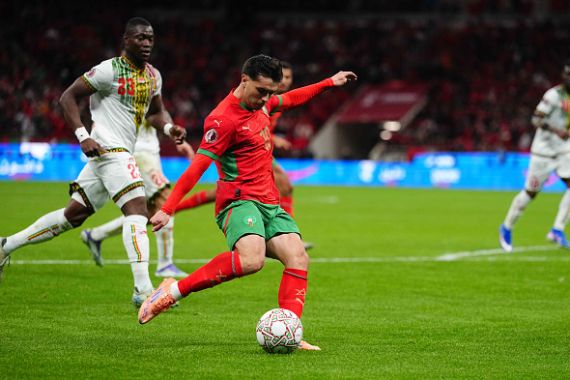
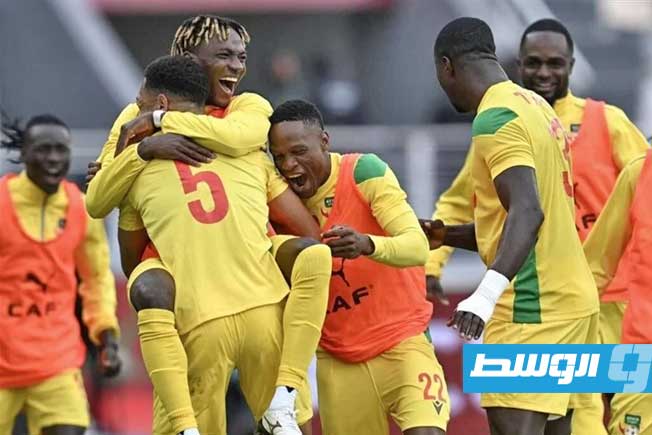
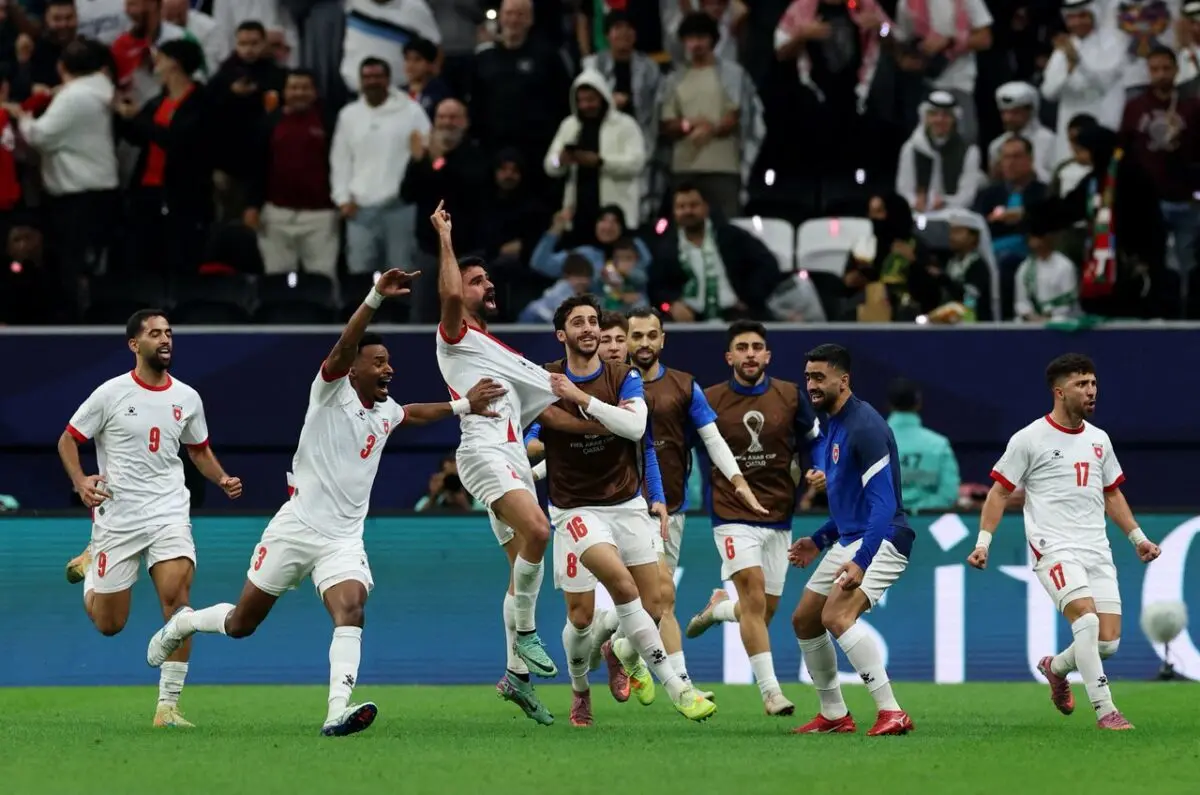
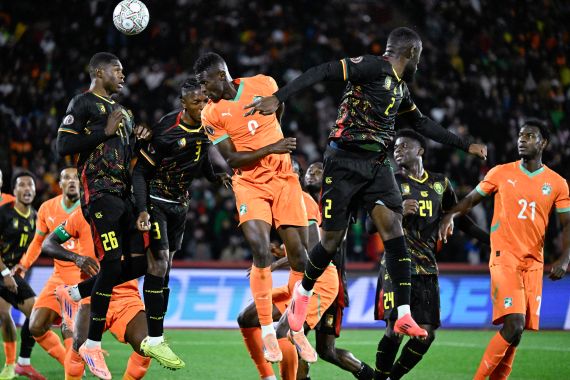
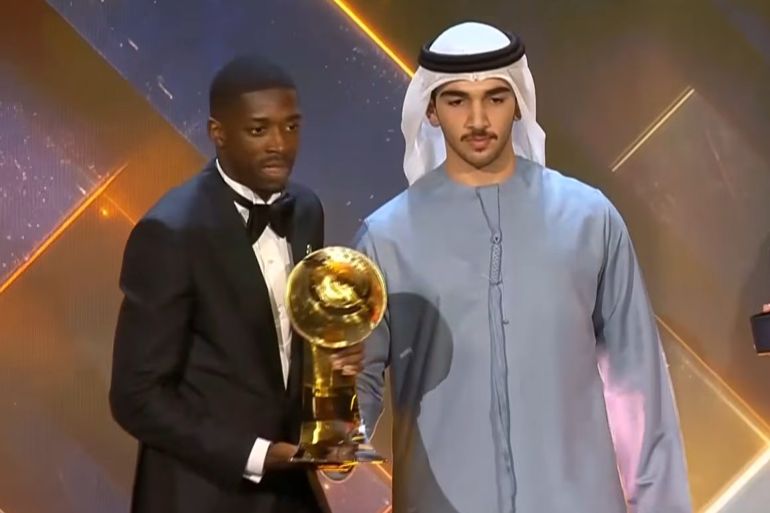
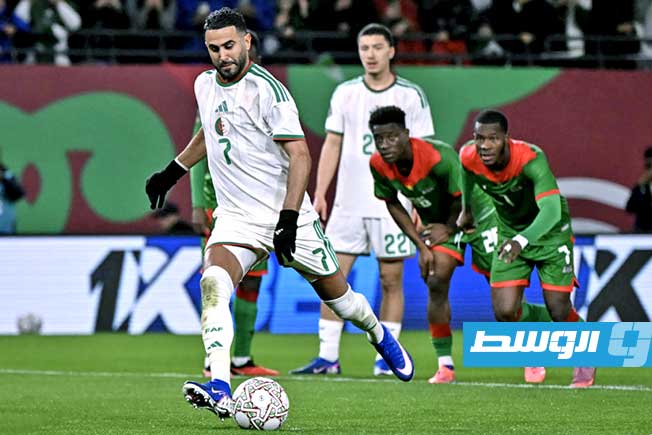
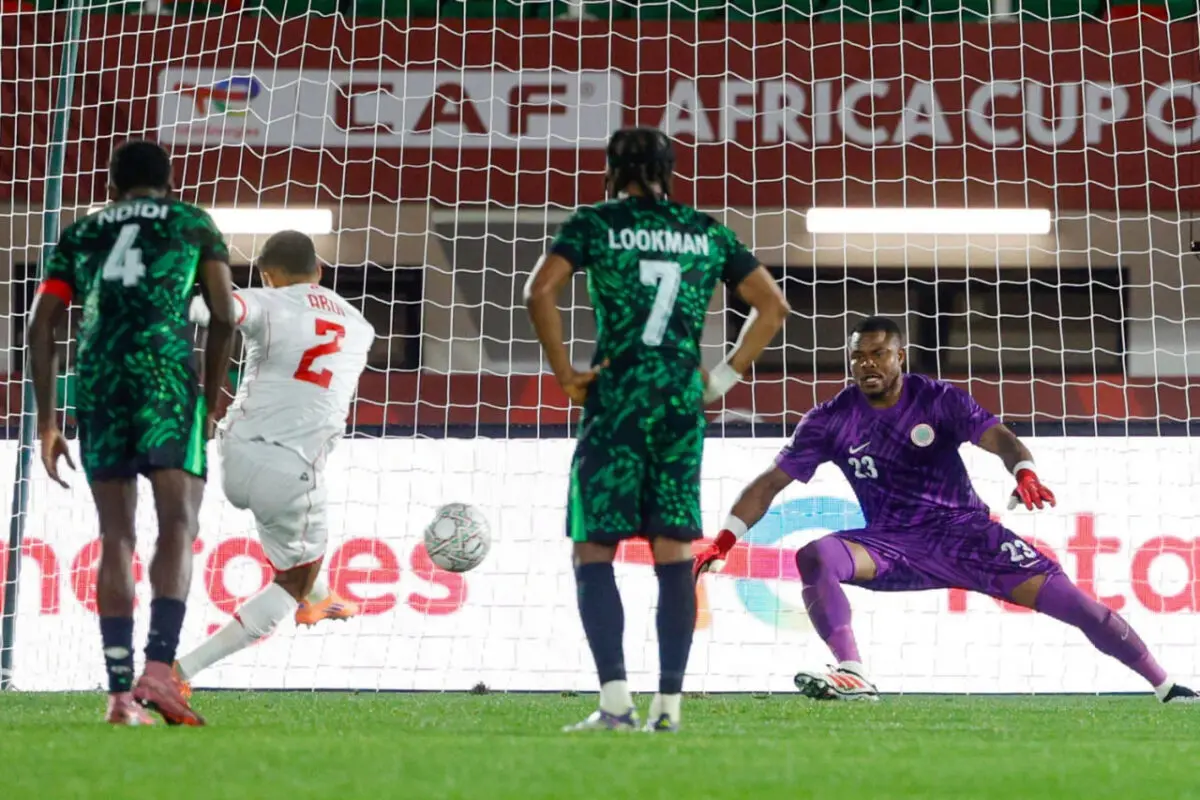
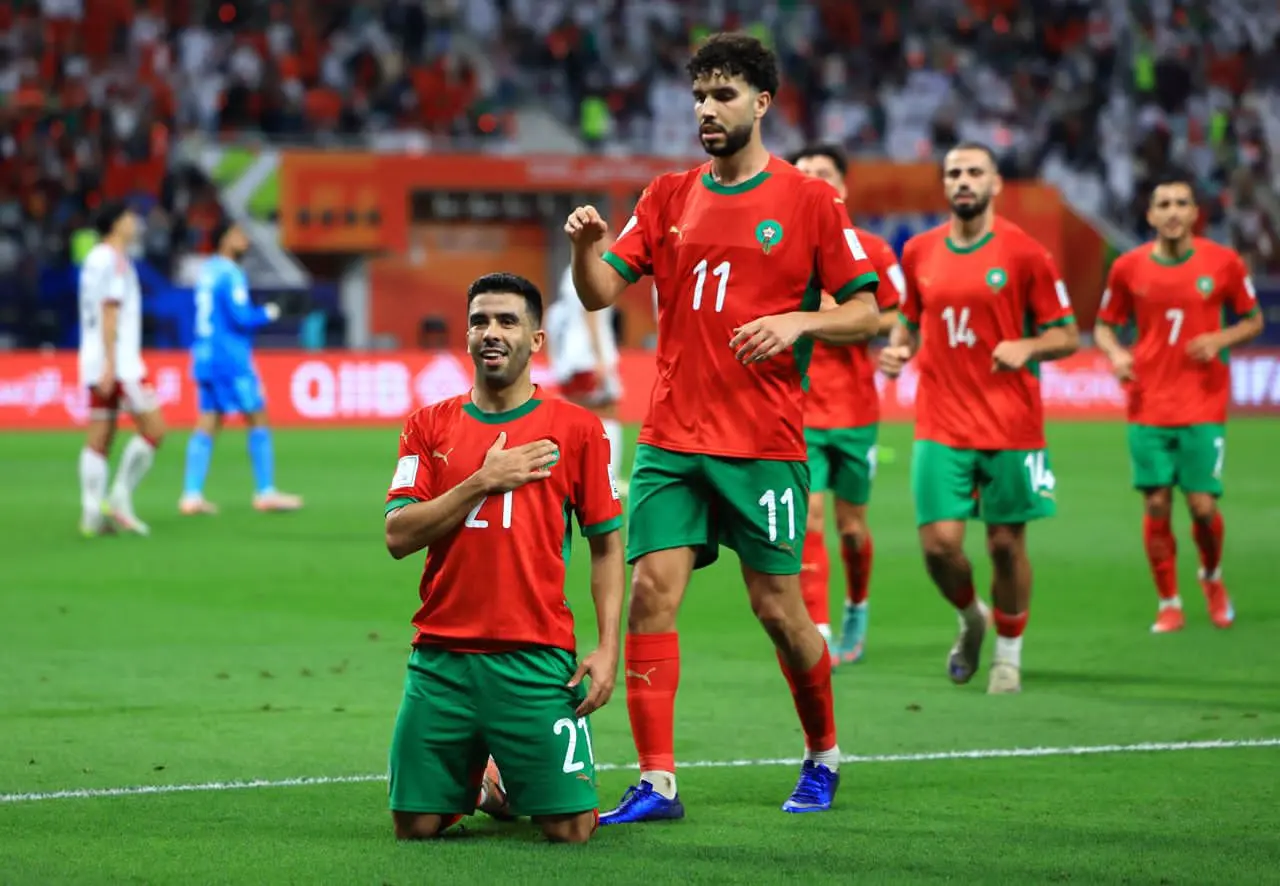
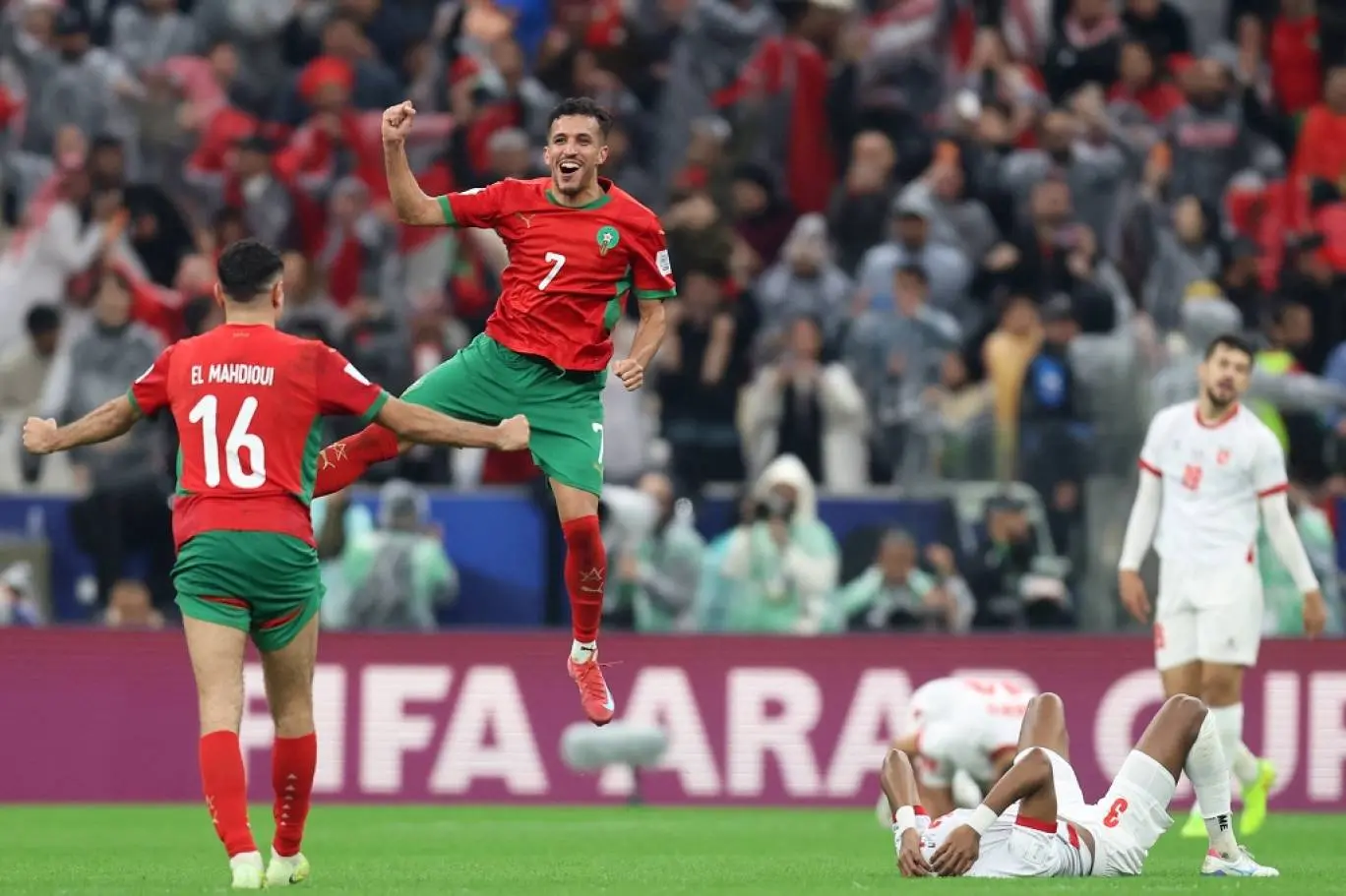
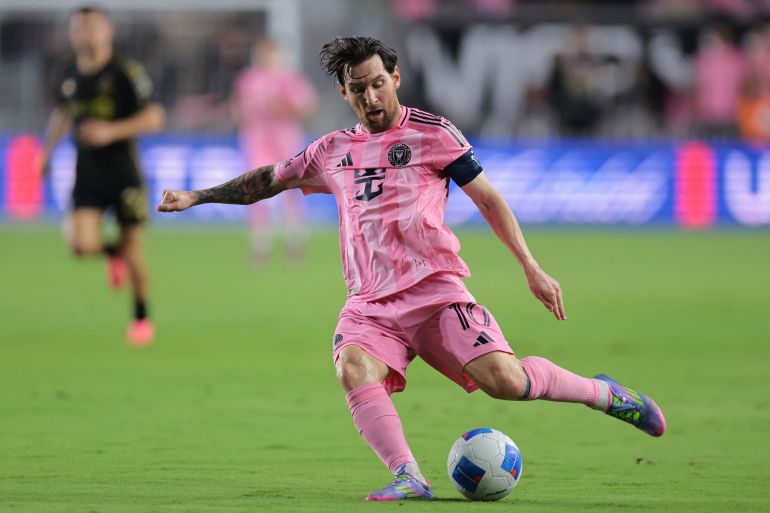
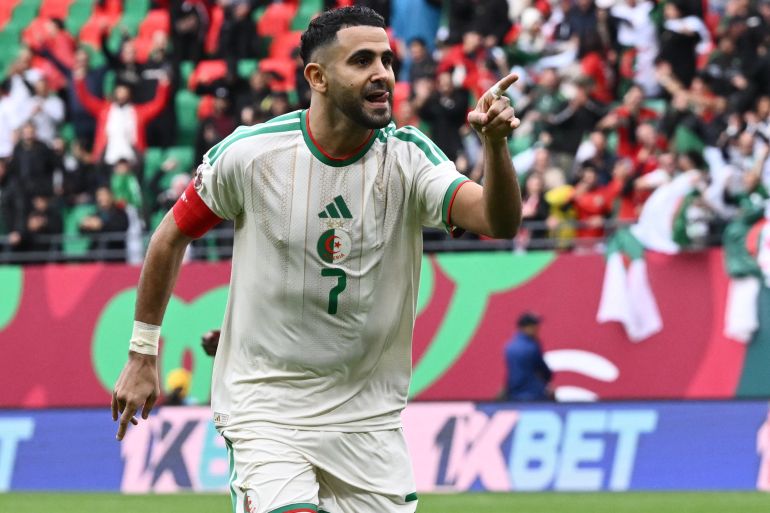
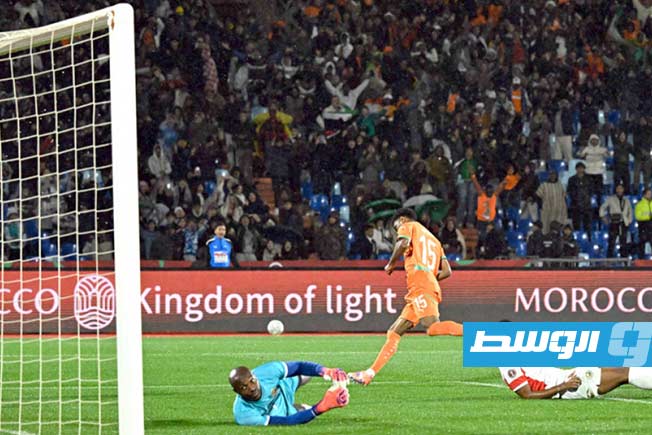
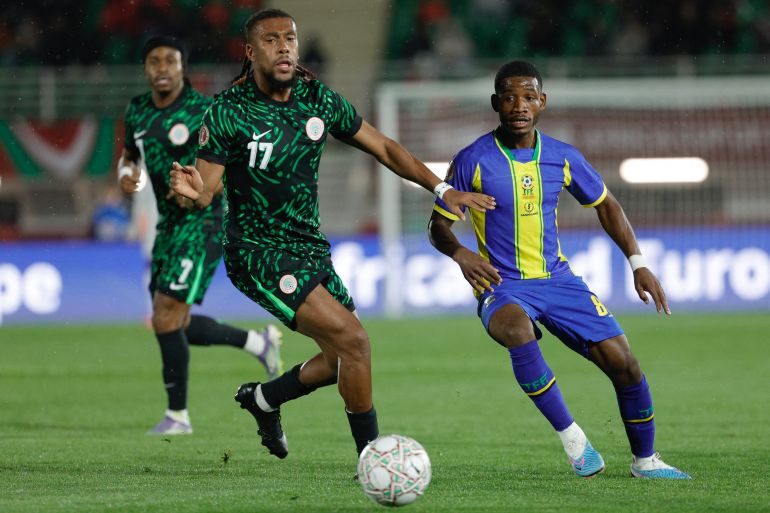
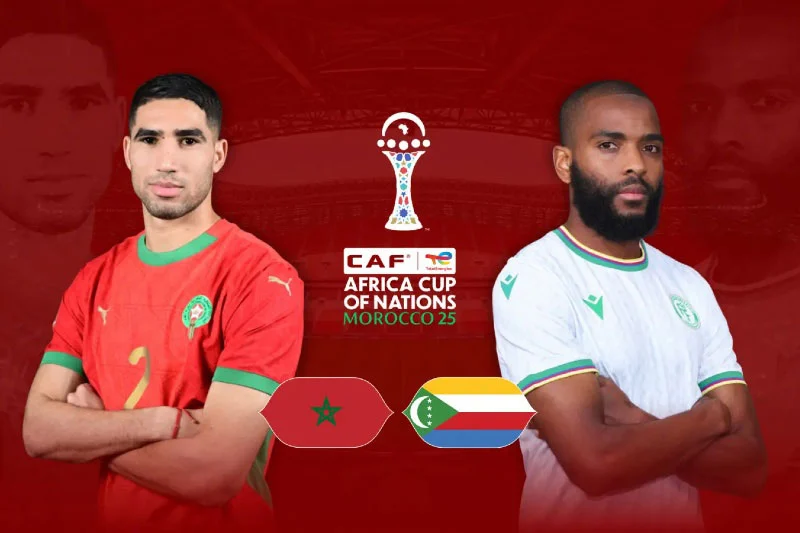
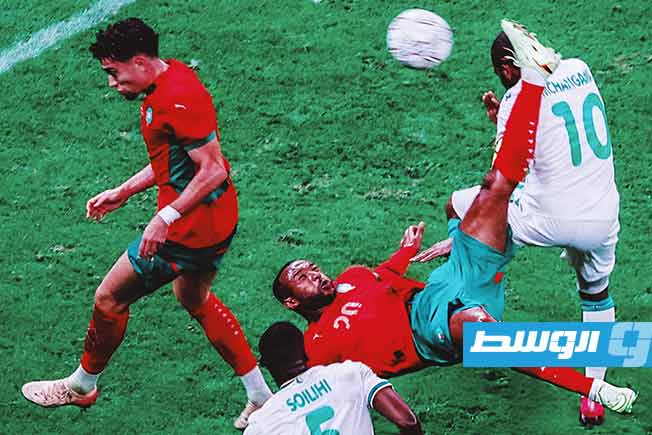
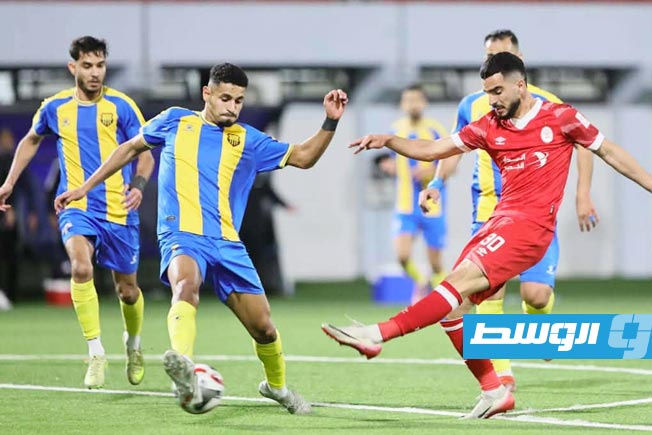
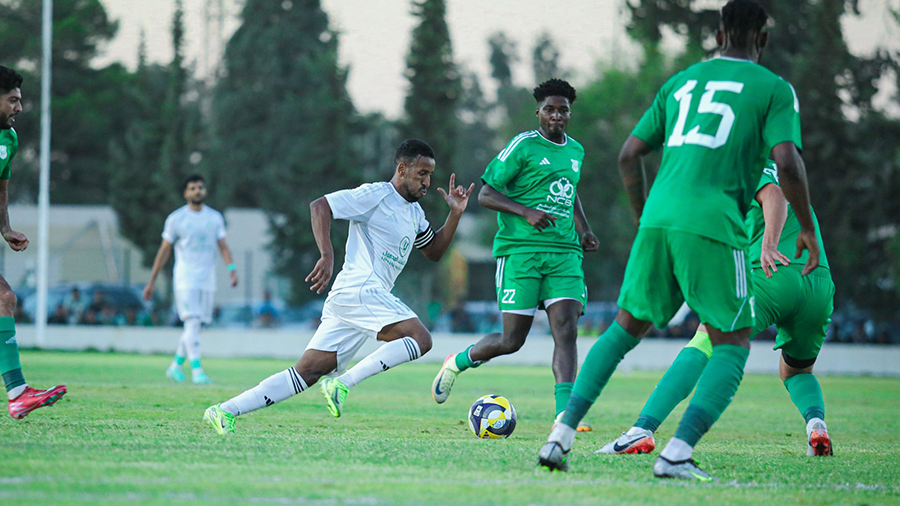
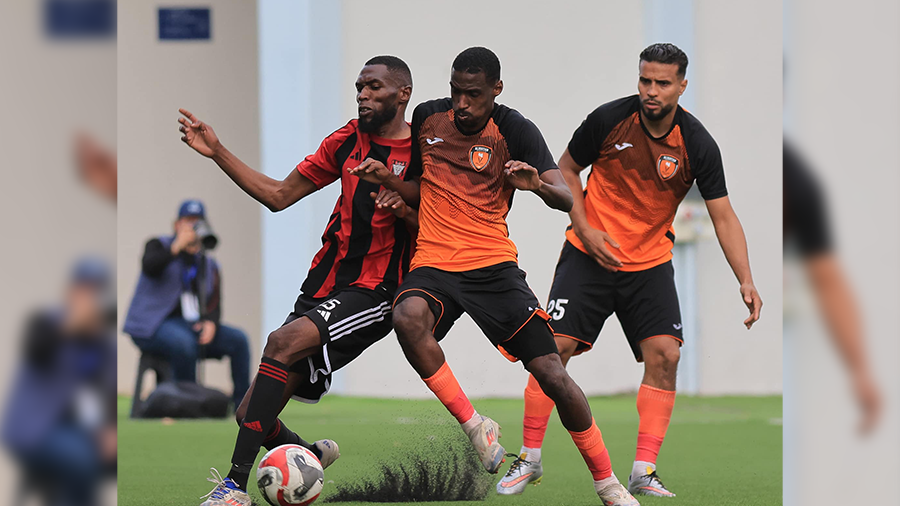
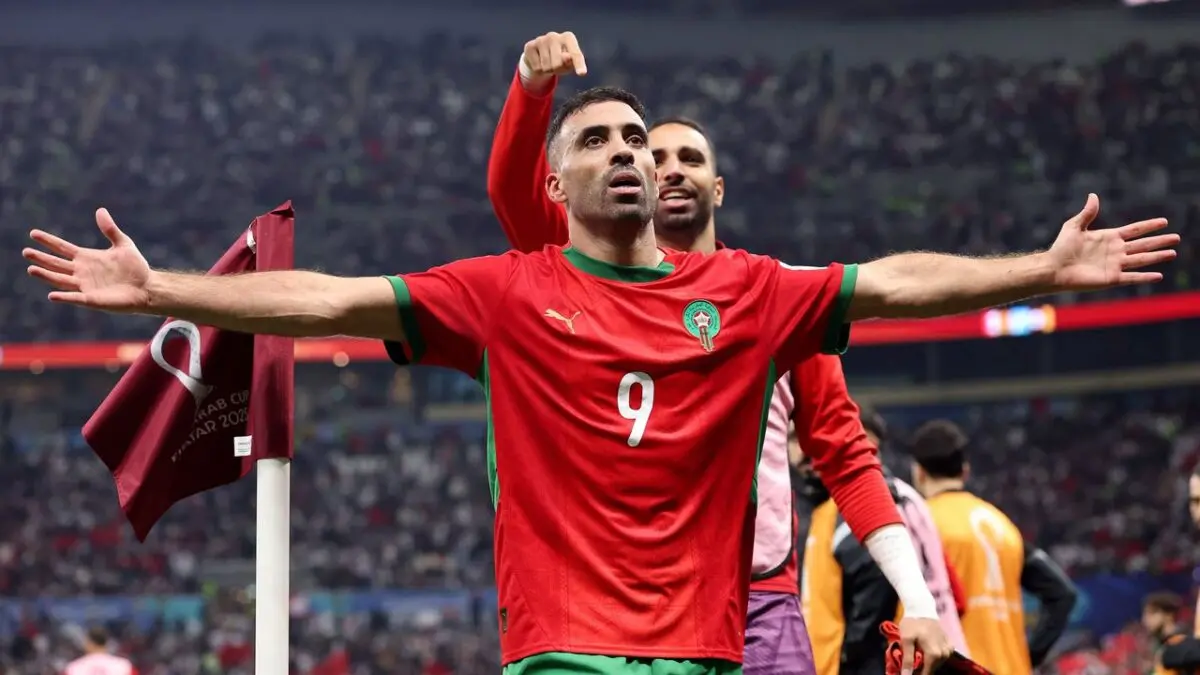
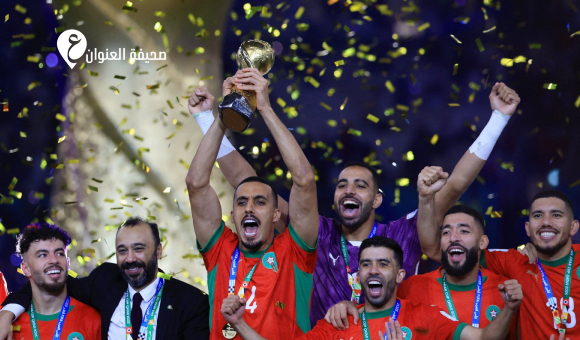
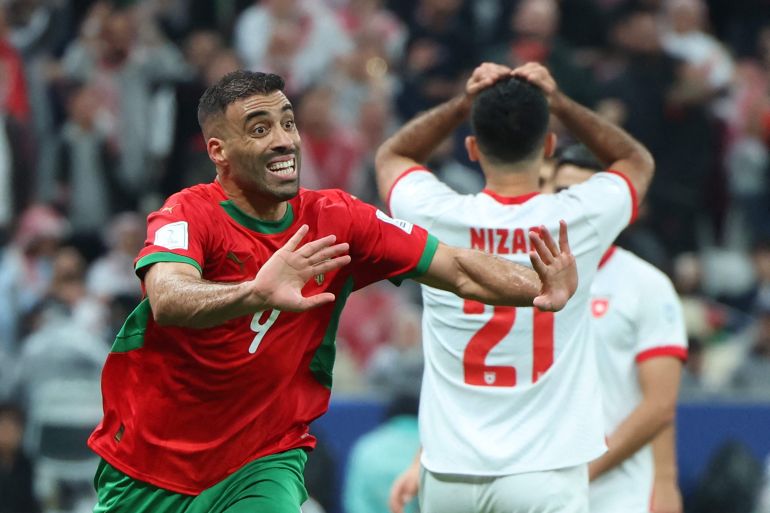
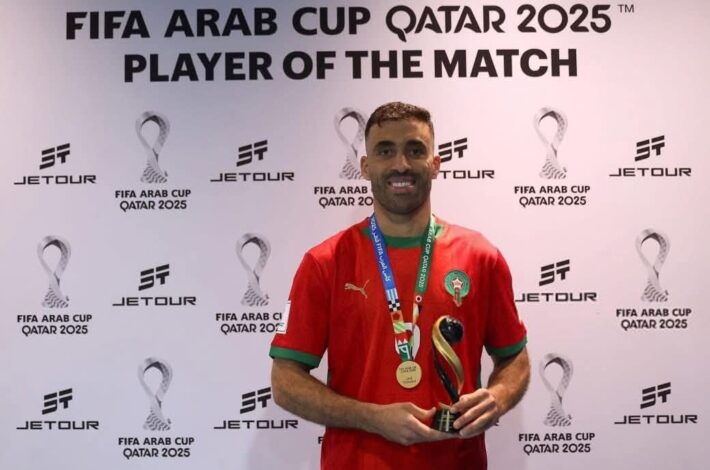
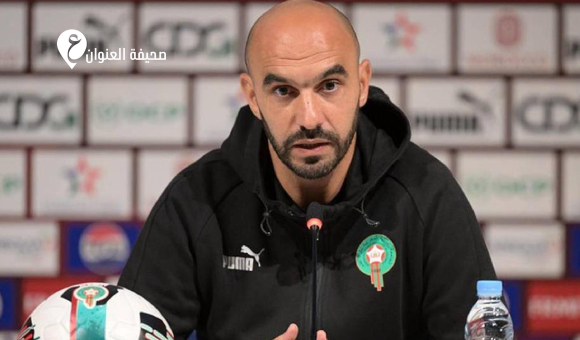
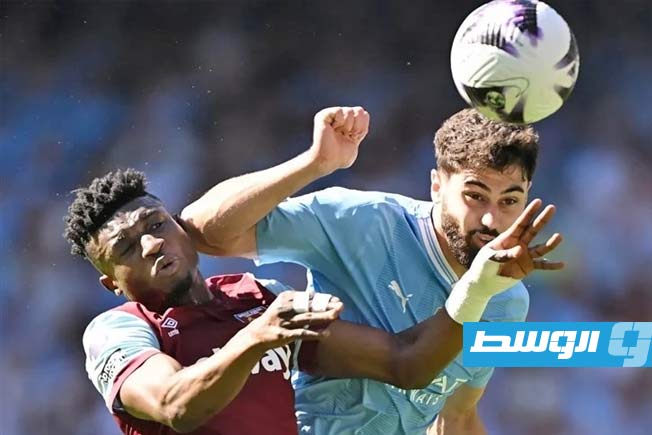
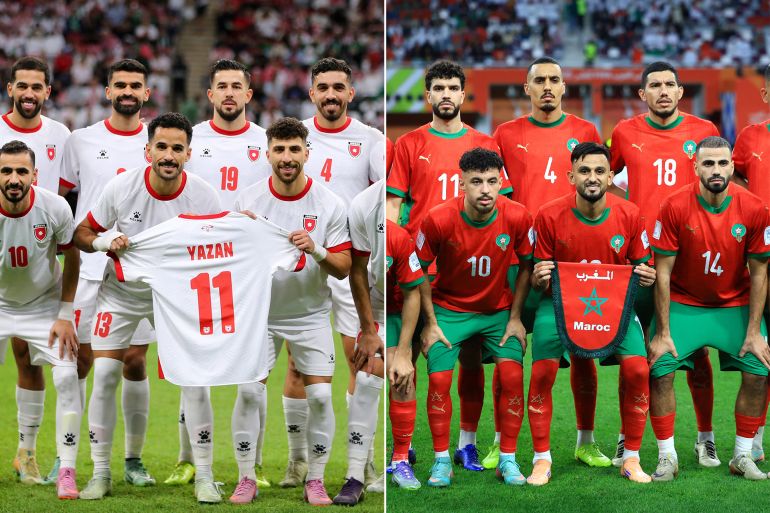
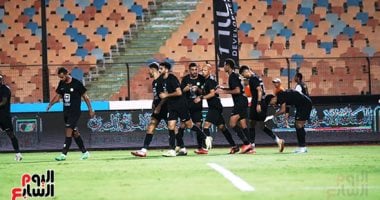
Moroccan Ibrahim Diaz has established himself as a star of the Africa Cup of Nations tournament by continuing his habit of finding the net, scoring the first goal for the Moroccan national team against Cameroon in their quarter-final match yesterday, Friday. This goal made Diaz the first player in the history of the continental tournament to score in his first five matches, an unprecedented achievement across the competition’s 67-year history.
With this remarkable performance, star Ibrahim Diaz has solidified his position as one of the key pillars of the Moroccan national team and a fundamental cornerstone in leading the attack line of the “Atlas Lions”.
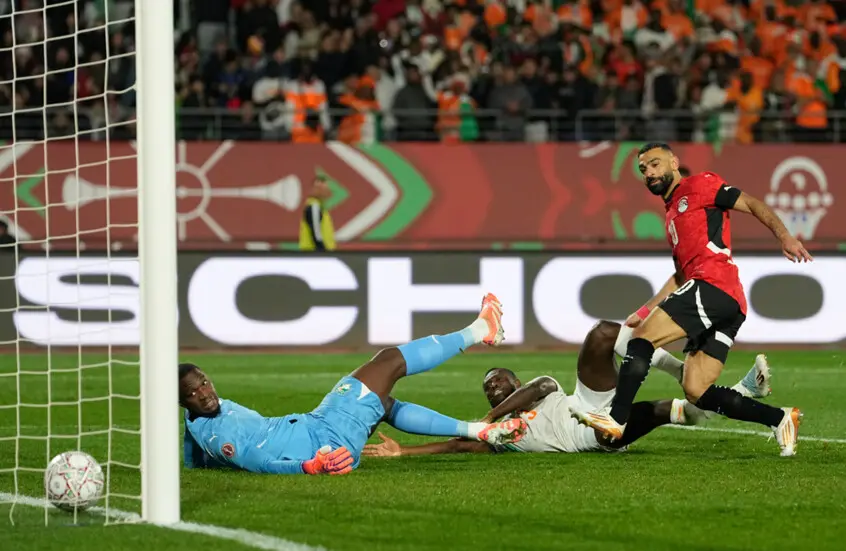
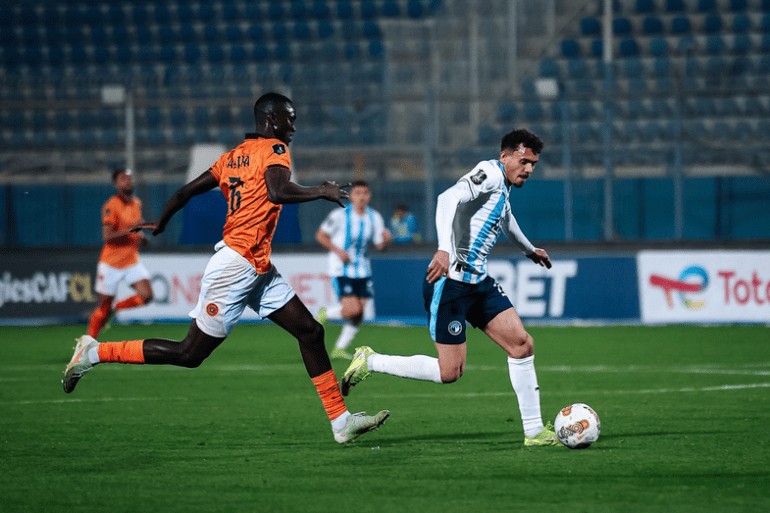
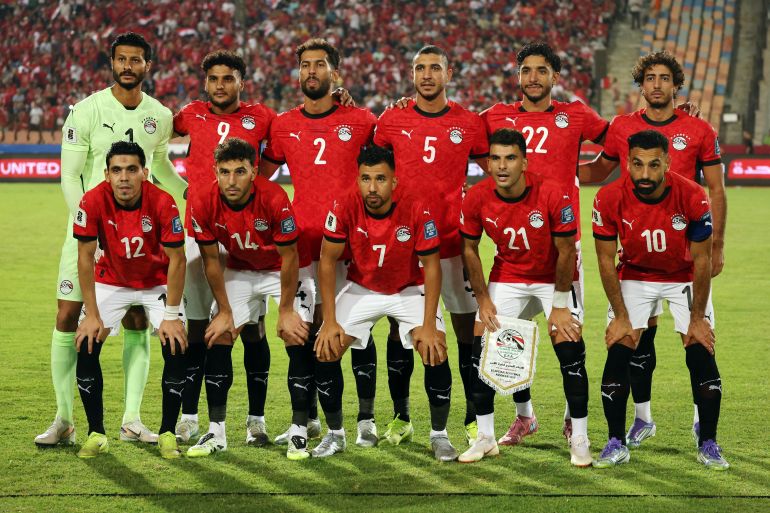
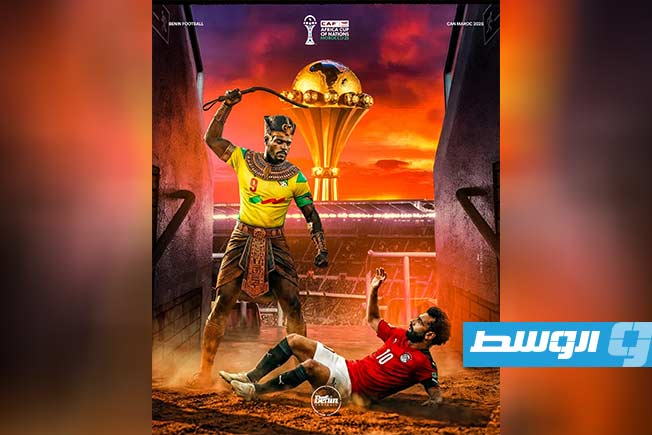
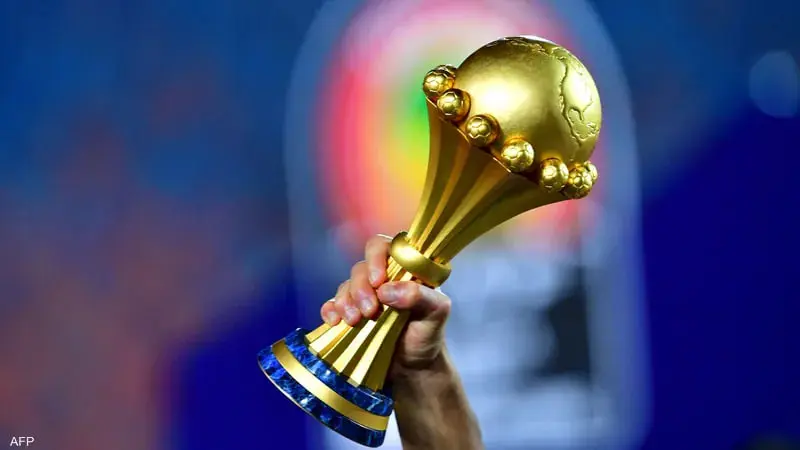
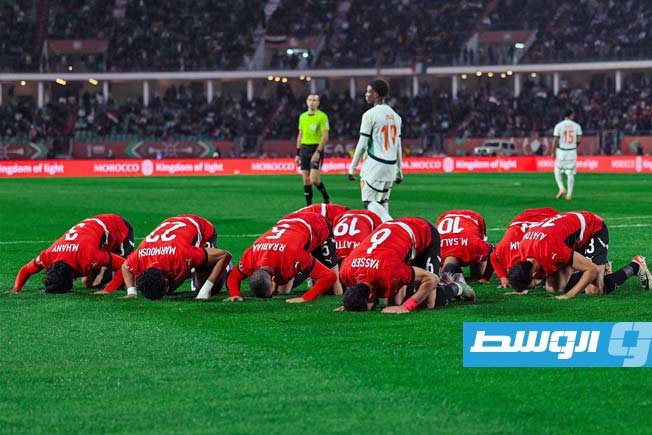
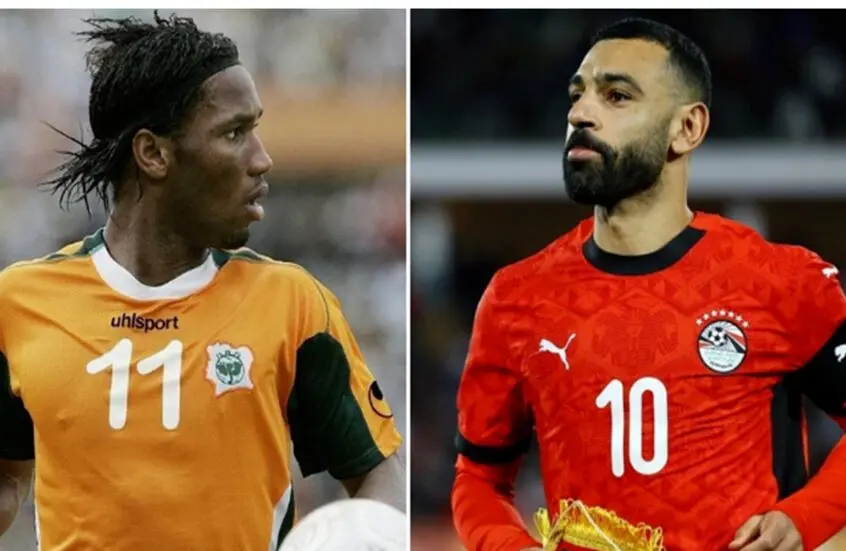
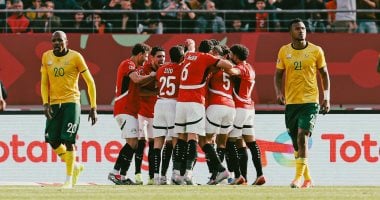
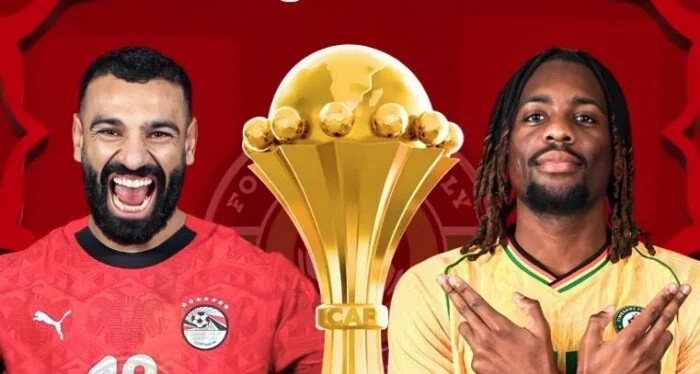
– “The Pharaohs” clash with “The Elephants” in the continental showdown for a spot in the Africa Cup of Nations semi-finals
–
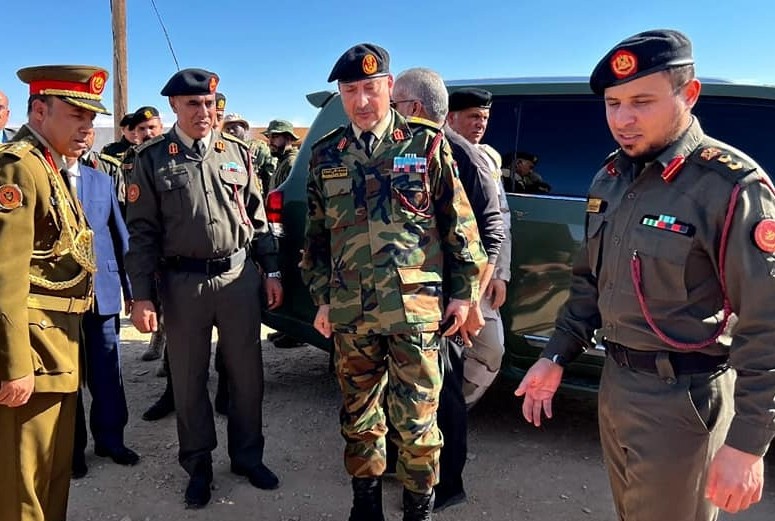
“Jeep” gifted by the Congolese government to the lookalike of leader Lumumba
Diaz is also the only player in 57 years to have successfully scored in five consecutive matches in a single Africa Cup of Nations tournament. Furthermore, he has become the second player to score against five different national teams in a single tournament, after Egyptian Mohamed Gedo in the 2010 edition.
By scoring five goals against Comoros, Mali, Zambia, Tanzania, and Cameroon respectively, Ibrahim Diaz has delivered an exceptional tournament performance, emerging as one of the top contenders to be crowned the best player of this Africa Cup of Nations.
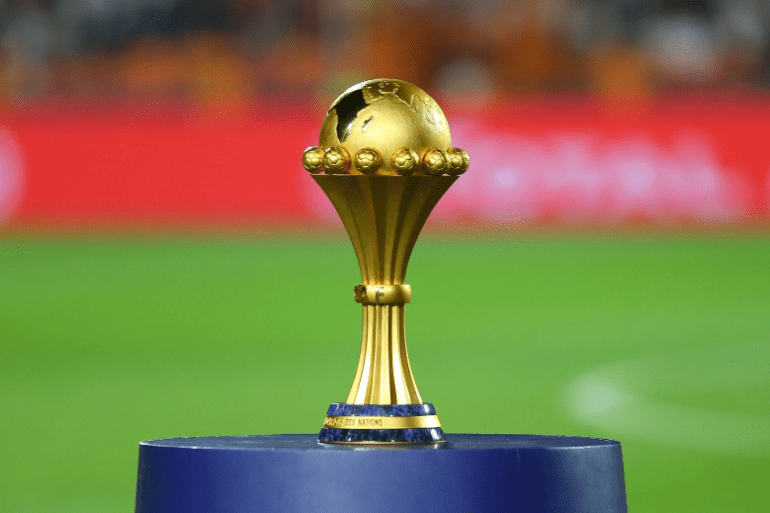
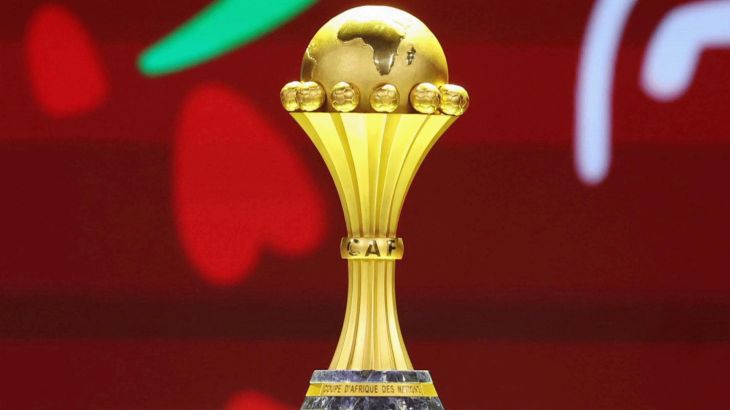
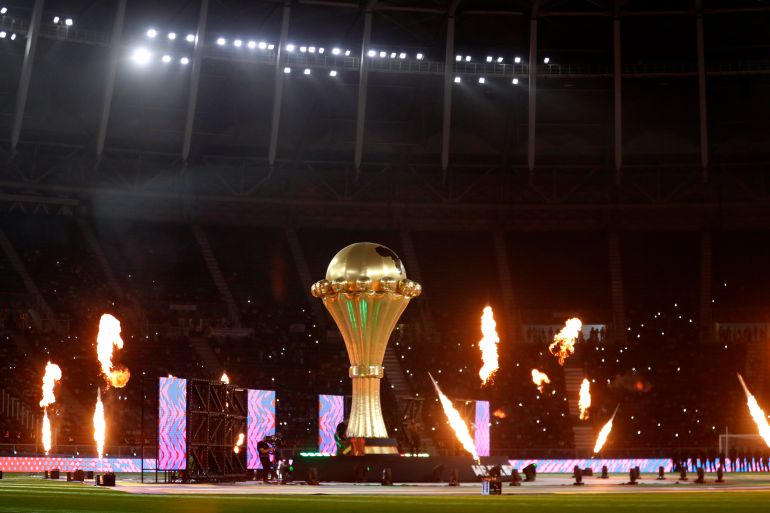
Africa Cup of Nations
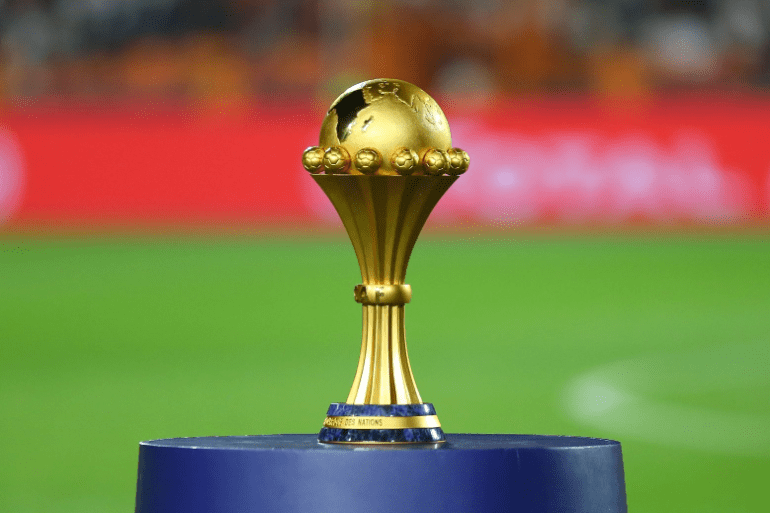
The Africa Cup of Nations (AFCON) is the premier international men’s football competition in Africa, first contested in 1957. It was founded to celebrate African football and foster unity among the continent’s newly independent nations, and it is now organized by the Confederation of African Football (CAF).
Moroccan
Morocco is a North African country with a rich cultural history shaped by indigenous Amazigh (Berber) peoples, Arab influences from the 7th century, and later European colonial interactions. Its notable cultural sites include the historic medina of Fez, a UNESCO World Heritage site founded in the 9th century, and the Koutoubia Mosque in Marrakesh, a 12th-century landmark of Almohad architecture.
Ibrahim Diaz
Ibrahim Díaz is a professional footballer from Spain, not a place or cultural site. He currently plays as an attacking midfielder for Real Madrid and the Spanish national team, having begun his senior career with Manchester City before moving to Real Madrid in 2019.
Moroccan national team
The Moroccan national football team, known as the Atlas Lions, is the national team of Morocco and a member of the Confederation of African Football (CAF). It gained significant international recognition by becoming the first African and Arab nation to reach the FIFA World Cup semi-finals in 2022. The team has a long history in African football, having won the Africa Cup of Nations in 1976.
Cameroon
Cameroon is a Central African country with a diverse cultural heritage shaped by over 200 ethnic groups and colonial influences from Germany, France, and Britain. Its history includes early settlements like the Sao civilization, the powerful Bamum and Bamileke kingdoms, and independence achieved in 1960. Today, it is often called “Africa in miniature” for its remarkable geographical and cultural variety.
Atlas Lions
The Atlas Lions is the nickname for the Moroccan national football team, derived from the Barbary lions that once inhabited the Atlas Mountains. The team’s history includes becoming the first African and Arab nation to reach a World Cup semi-final in 2022.
The Pharaohs
The Pharaohs were the monarchs of ancient Egypt, ruling from the Early Dynastic Period (c. 3100 BCE) until Egypt’s absorption into the Roman Empire in 30 BCE. They were considered divine intermediaries between the gods and the people, and their reigns are famously commemorated by monumental structures like the pyramids and temples.
The Elephants
“The Elephants” is a famous sculpture by Salvador Dalí, created in 1948, which depicts elephants with impossibly long, spindly legs carrying obelisks on their backs. It draws on Dalí’s surrealist style and recurring motifs, symbolizing weightlessness and strength while referencing themes from ancient Roman obelisks and Gian Lorenzo Bernini’s sculpture of an elephant.
Jeep
The Jeep is a cultural icon originating as a rugged military vehicle developed for the United States Army during World War II. Its durable design and versatility led to its adaptation for civilian use after the war, profoundly influencing off-road and recreational vehicle culture worldwide.
Congolese government
The Congolese government refers to the political authority of the Democratic Republic of the Congo (DRC), a nation with a complex history of colonial rule under Belgium, followed by independence in 1960 and subsequent periods of conflict and political instability. Its current structure is based on a semi-presidential republic, established by the constitution of 2006, which followed years of war and transitional governance.
Lumumba
Lumumba typically refers to Patrice Lumumba, a key figure in Congolese history who became the first Prime Minister of the independent Democratic Republic of the Congo in 1960. He was a prominent leader in the anti-colonial movement but was assassinated in 1961, shortly after taking office. His legacy endures as a symbol of African independence and anti-imperialism.
Egyptian
The term “Egyptian” broadly refers to the culture and civilization of Egypt, one of the world’s oldest, with a recorded history spanning over 5,000 years. This ancient civilization is renowned for its monumental architecture, such as the Pyramids of Giza and the Sphinx, as well as its developments in writing, art, and governance.
Mohamed Gedo
Mohamed Gedo is a prominent football (soccer) player and coach from Egypt, best known for his long and successful career with the Cairo-based club Al Ahly. As a player, he was a key midfielder who won numerous domestic and continental titles with the club in the 1990s and 2000s before transitioning into a coaching role within Al Ahly’s system.
Comoros
The Comoros is an archipelago nation in the Indian Ocean, with a history shaped by a blend of African, Arab, and French influences. It was a key hub in historic Indian Ocean trade routes and gained independence from France in 1975. The country is known for its volcanic landscapes, diverse culture, and being one of the world’s largest producers of ylang-ylang.
Mali
Mali is a West African country historically renowned as the seat of several powerful empires, most notably the Mali Empire, which flourished from the 13th to 16th centuries and was famed for its wealth and centers of learning like Timbuktu. Today, it is home to significant UNESCO World Heritage Sites, including the ancient cities of Djenné and Timbuktu, though many of its cultural treasures face threats from conflict and environmental degradation.
Zambia
Zambia is a landlocked country in southern Africa, historically home to various Bantu-speaking groups before coming under British colonial rule as Northern Rhodesia in the late 19th century. It gained independence in 1964 and is renowned for its vast natural resources, including copper, and for attractions like Victoria Falls, one of the world’s largest waterfalls, which it shares with Zimbabwe.
Tanzania
Tanzania is an East African nation known for its rich cultural heritage and significant historical sites, such as the ancient port of Kilwa Kisoani, a UNESCO World Heritage Site that was a major Swahili trading center from the 9th century. It is also home to natural landmarks like Mount Kilimanjaro and the Serengeti, with a history shaped by indigenous cultures, Arab influence, German and British colonial rule, and independence achieved in 1961.