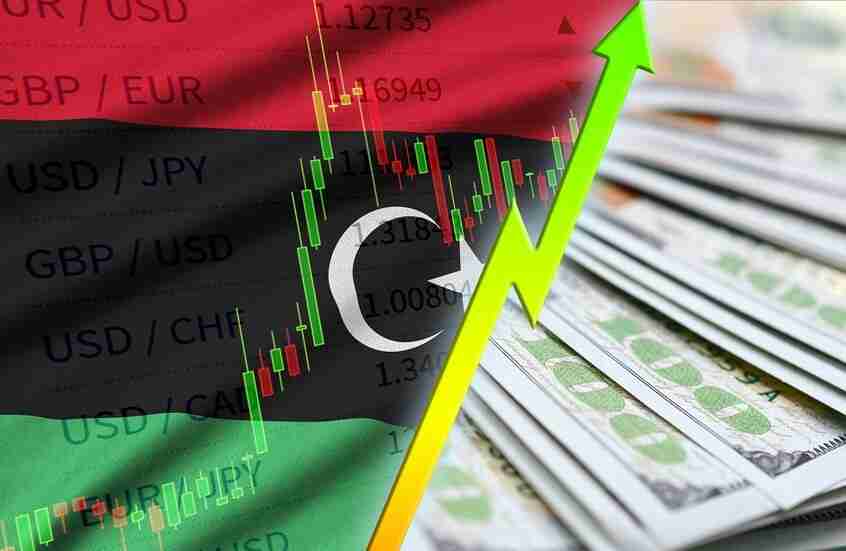
Morocco has announced its strategic bet on artificial intelligence to stimulate economic growth, aiming to add 100 billion dirhams (11 billion dollars) to GDP by 2030, create 50,000 jobs, and implement a program to train 200,000 digital talents.
This ambition is based on three interconnected pillars: low-cost renewable energy providing operational advantages for data centers, sovereign digital infrastructure, and a young human capital being trained on a large scale.
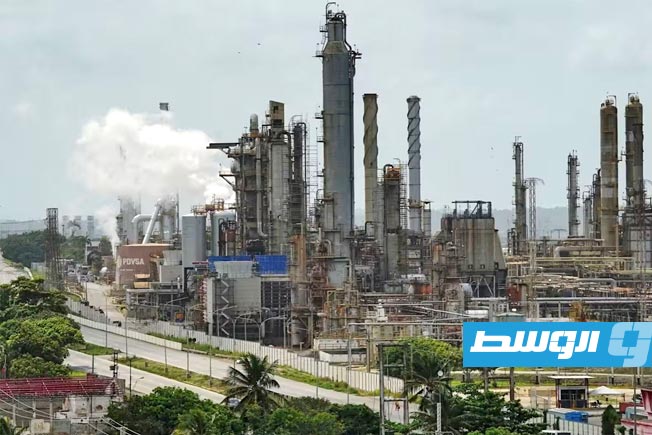
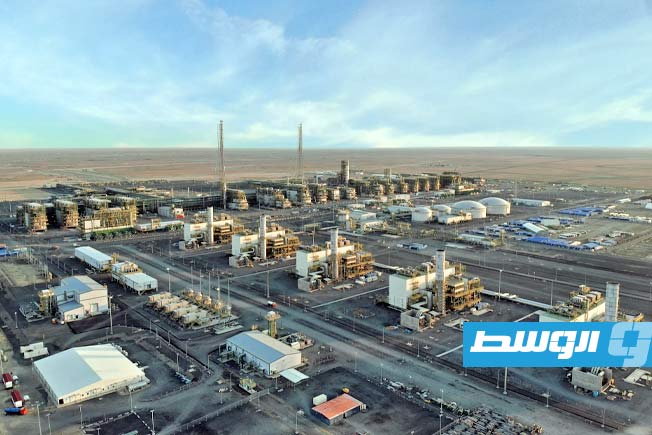
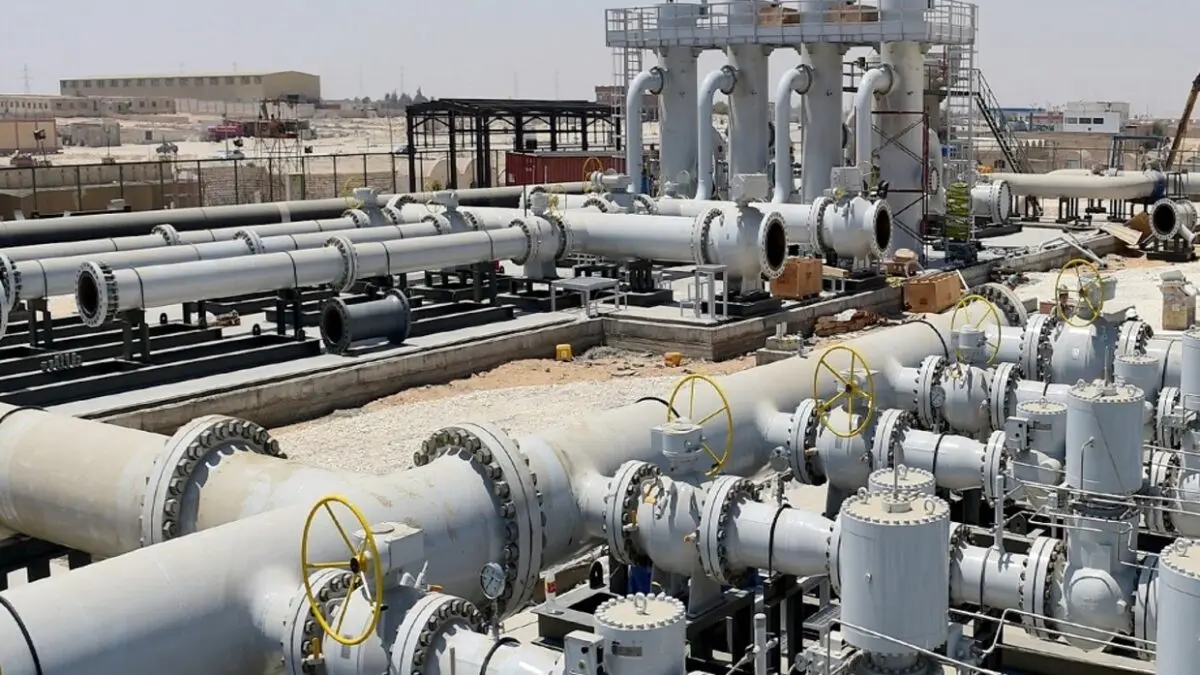
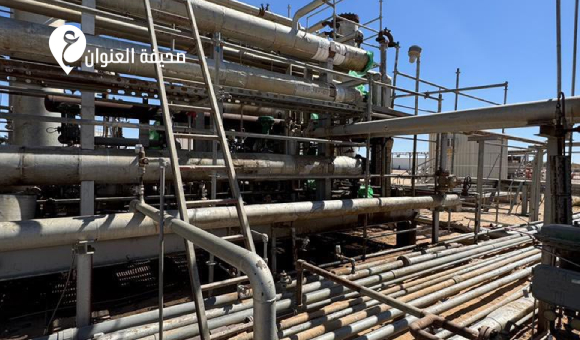
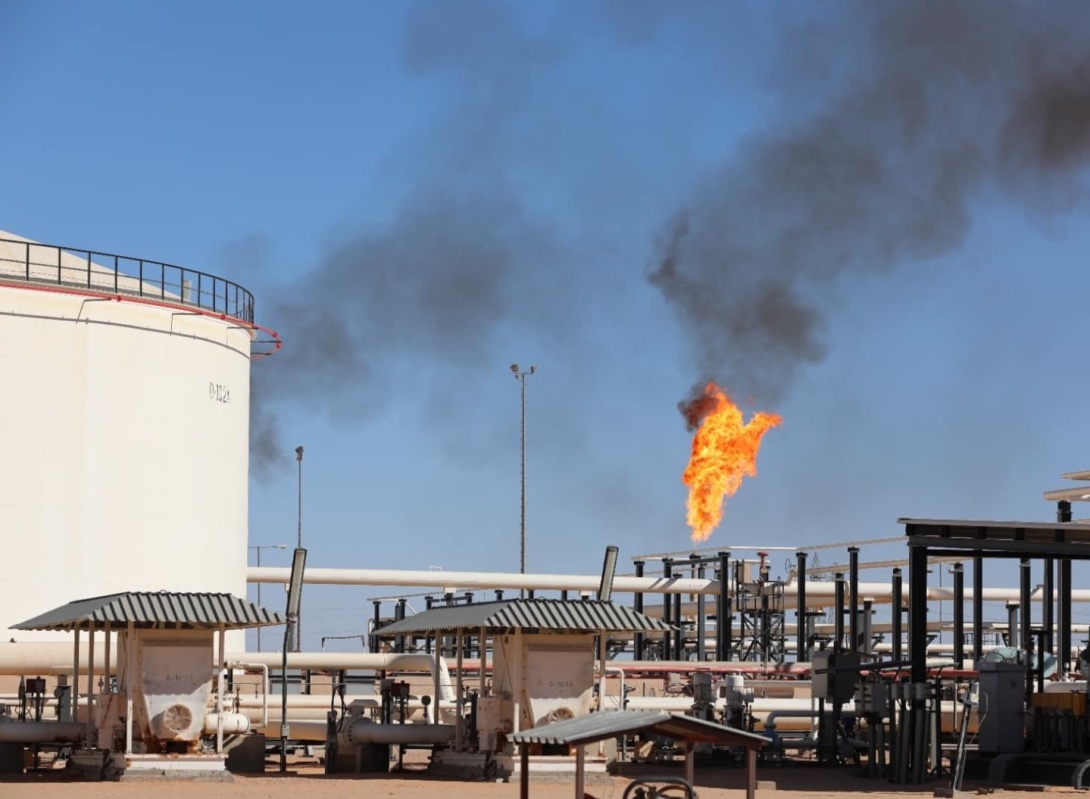
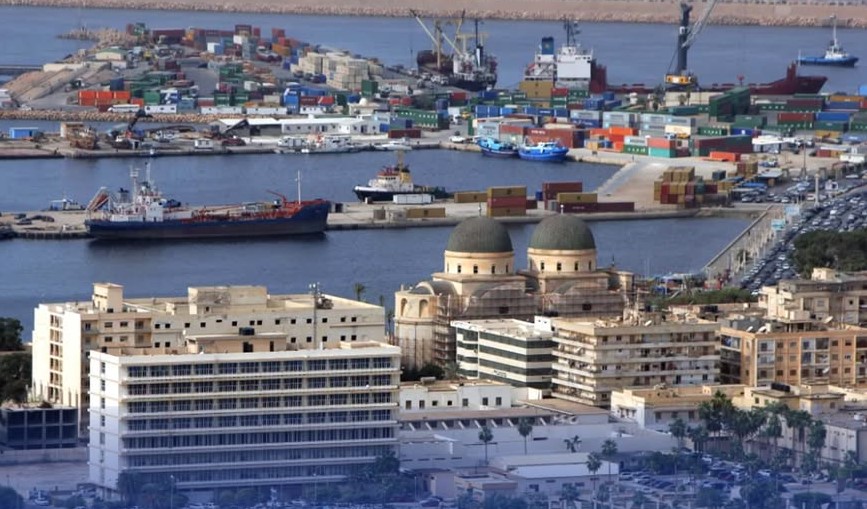
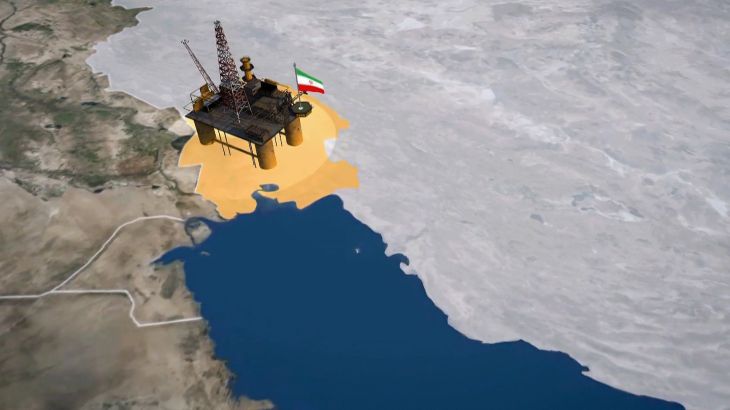
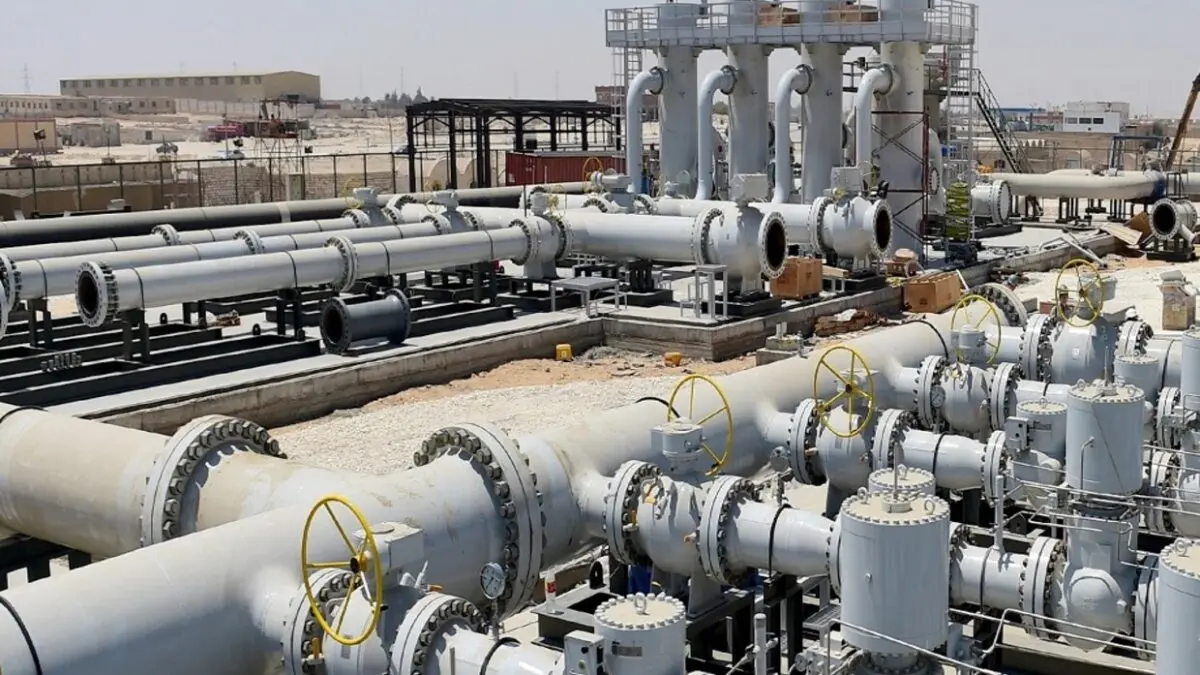
Realistic data places this ambition before real challenges for implementing large projects, the most important of which is a massive 500-megawatt data center project in the coastal Atlantic city of Dakhla.
Economic Feasibility
Morocco aims to transform artificial intelligence from merely an innovative technology into an economic engine capable of achieving tangible profits.
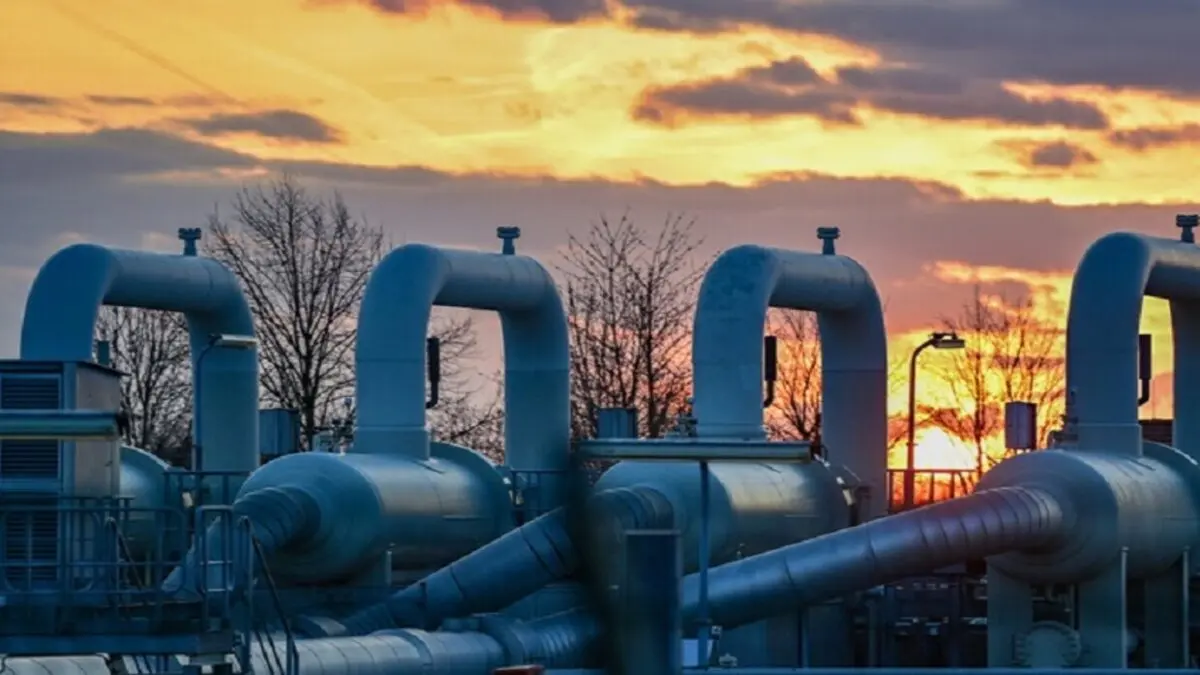
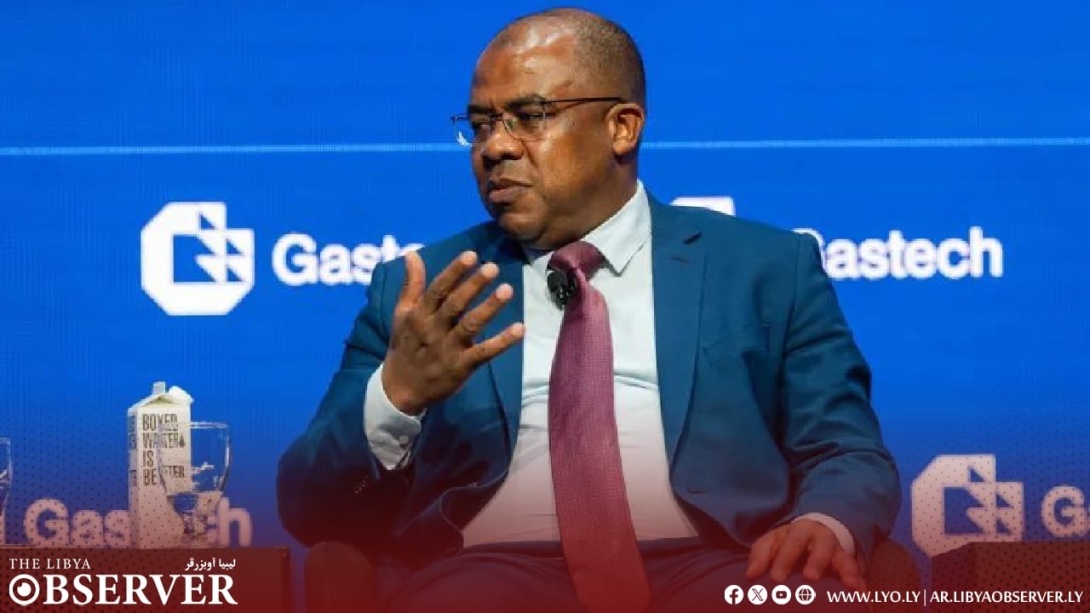
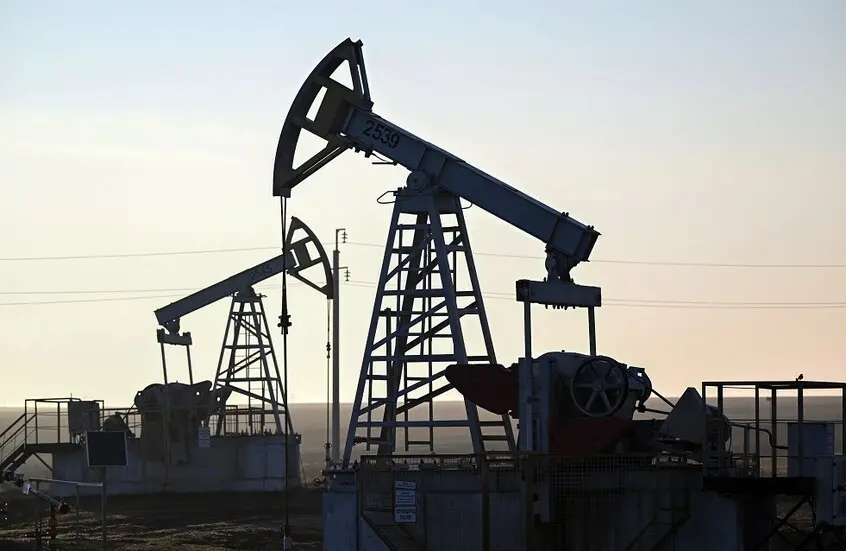
An expert in data analysis notes that the economic feasibility here goes beyond traditional savings to reach “restructuring processing costs.” While Europe faces rising industrial electricity costs, exceeding $160 per megawatt-hour, Morocco offers renewable energy costing less than $50.
The expert adds that this price difference increases the net profit margin, pointing out that the “natural cooling” technology available in Dakhla lowers the Power Usage Effectiveness (PUE) coefficient to 1.1 (the global average is between 1.6 and 1.8), reducing cooling consumption by 40% compared to global centers.
An economic analyst emphasizes that Dakhla’s winds will not become a competitive advantage unless they are transformed into an integrated digital energy platform, provided there is a strong electrical connection and reserve to ensure sustainability, and a reduction in the time data takes to leave local systems in Morocco to reach another country and for the response to return.
The analyst believes that the wind resource, the availability of political will, the existence of a regulatory law for personal data protection (Law 09-08), and talk of the urgent need for a national cloud vision and sovereign data centers, form a strong foundation for turning Dakhla into a global destination.
Transformation Budget
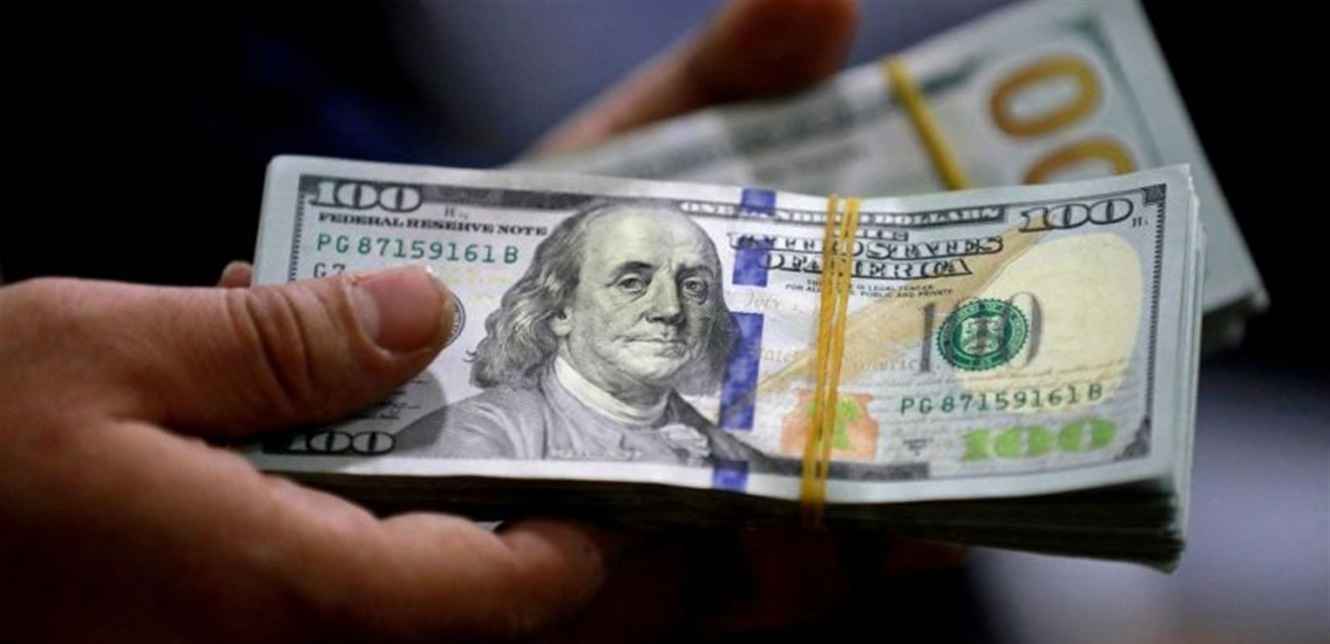
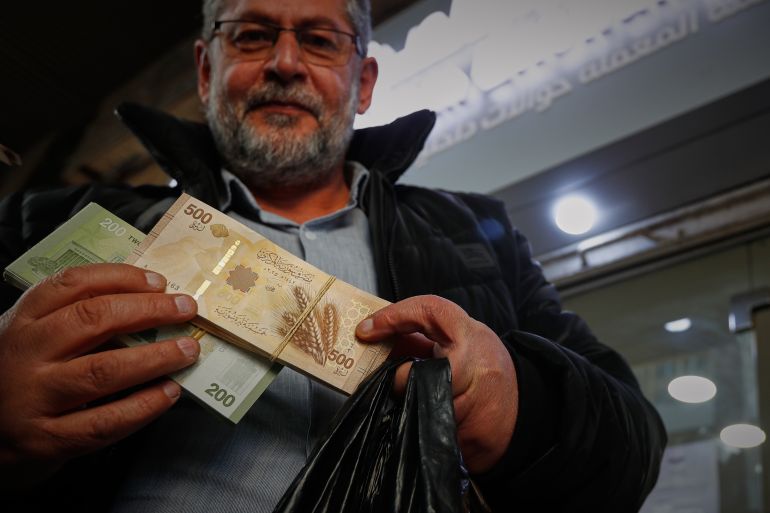
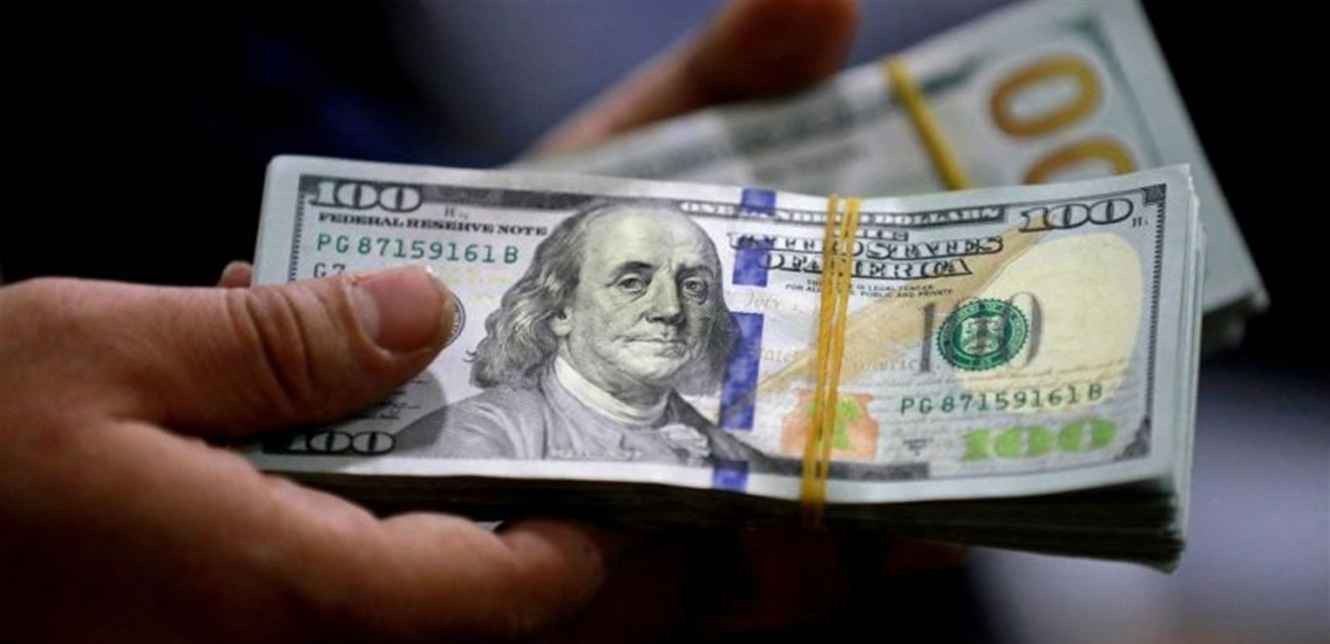
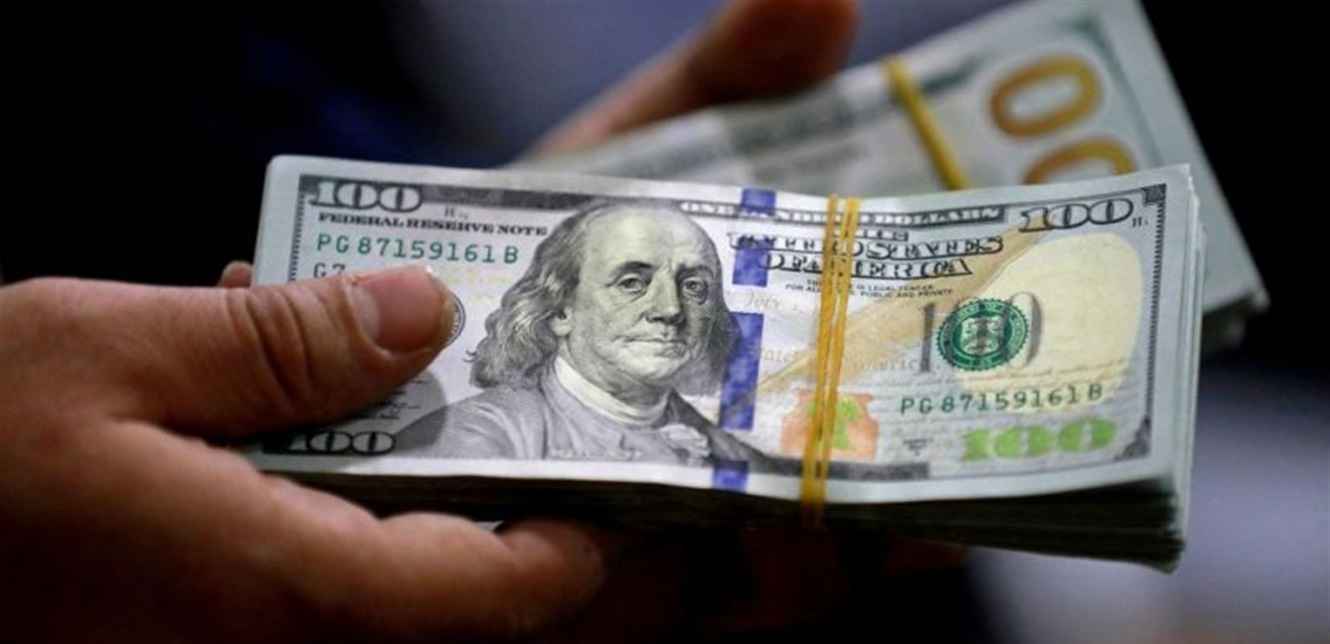
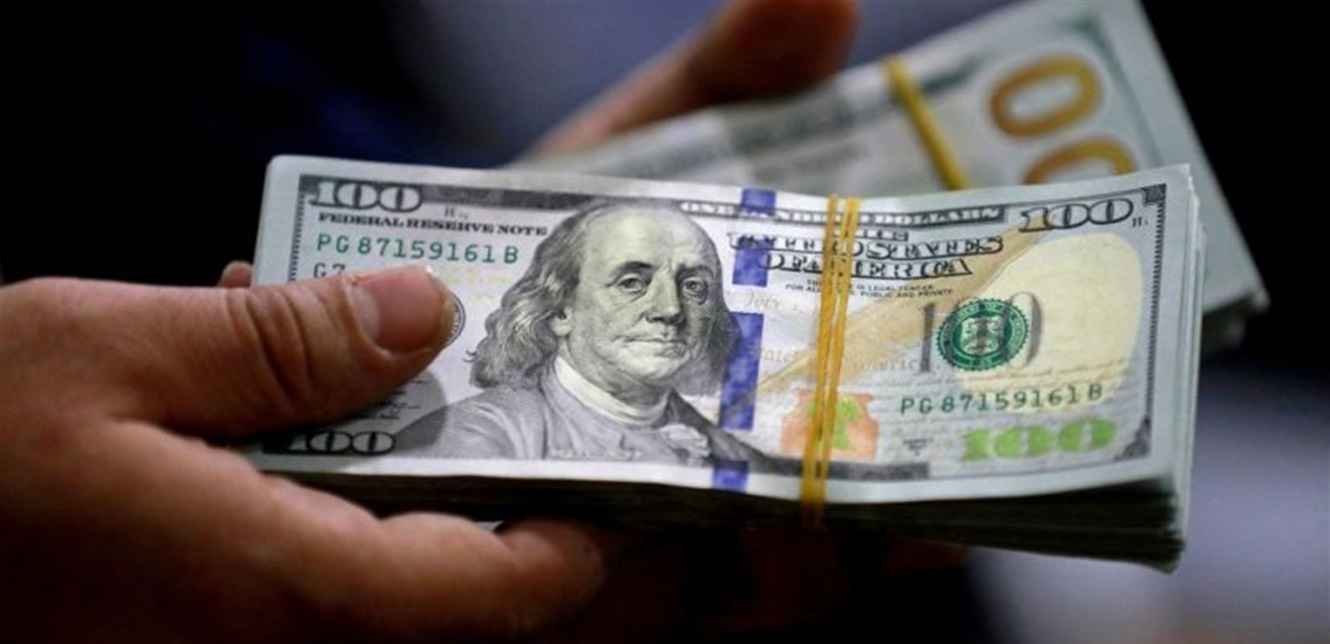
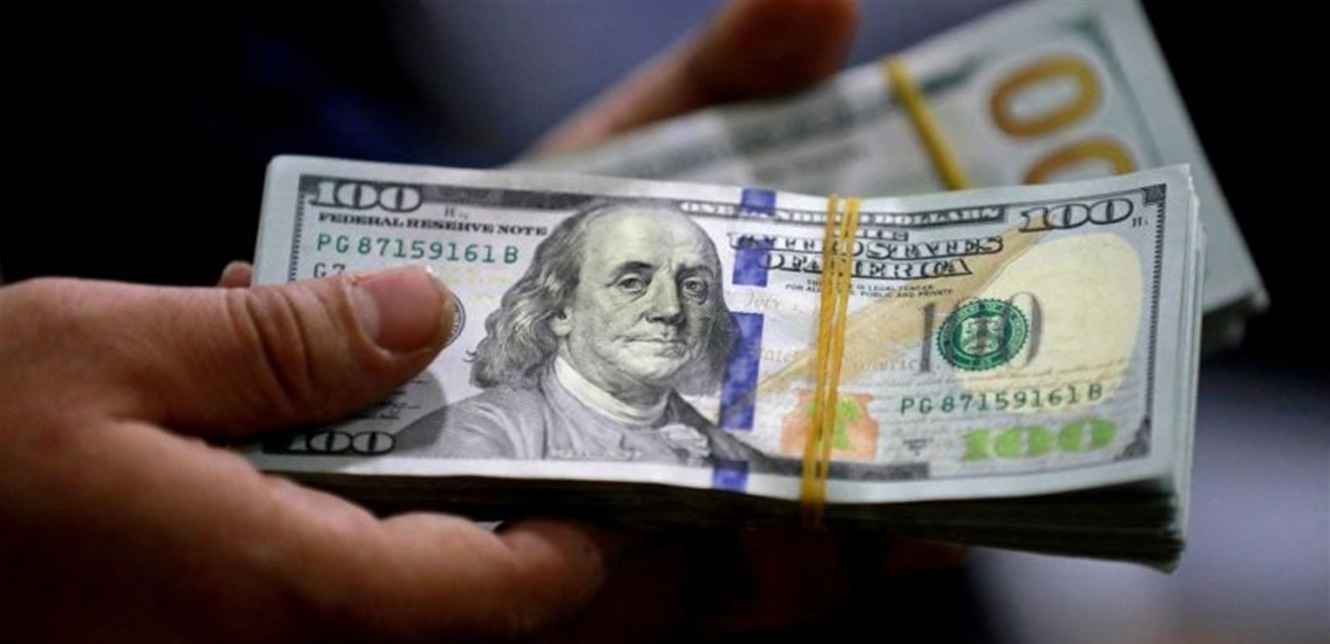
A budget of 11 billion dirhams (1.2 billion dollars) has been allocated to implement the digital transformation strategy for the period between 2024 and 2026, covering AI initiatives and expanding fiber optic infrastructure.
Regarding the adequacy of financial allocations for the digital transformation strategy, an IT and digital transformation consultant clarifies that this budget remains significant compared to previous budgets.
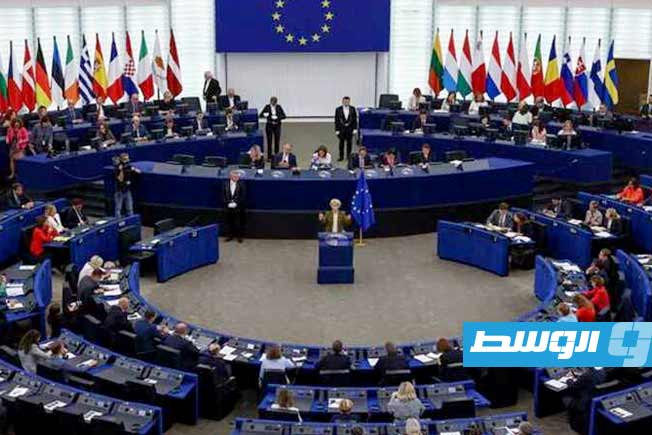
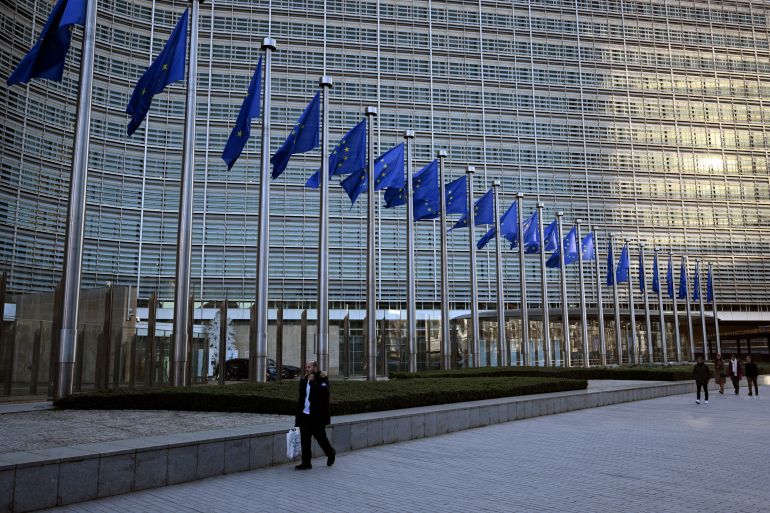
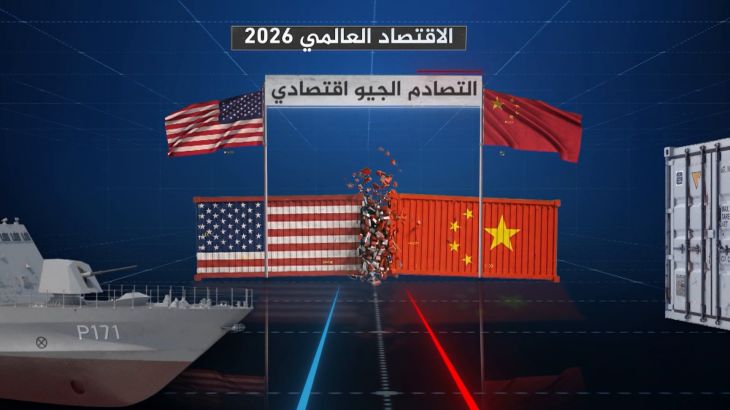
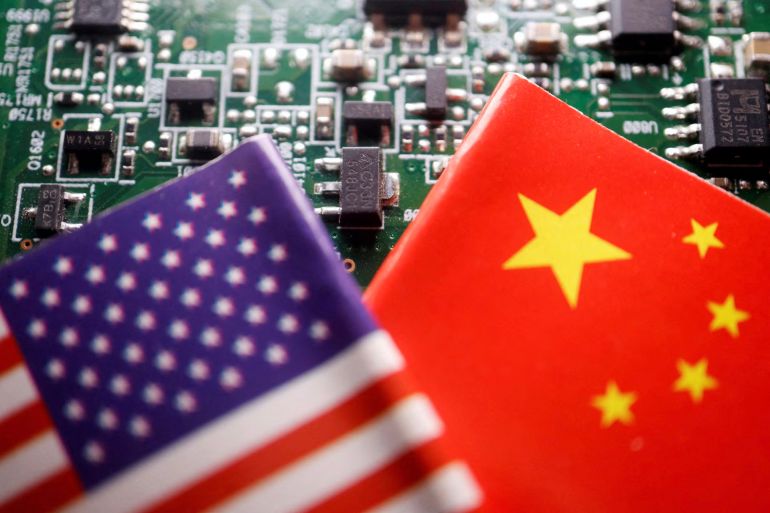
The consultant confirms that Morocco does not aim to compete with America (which invests $500 billion in AI), or China or the European Union (more than $50 billion each) in processor manufacturing, but rather to develop an “enabling ecosystem” through three levers: infrastructure, skills strengthening, and research and innovation.
The consultant adds that this gives Morocco an “initial positioning” allowing it to improve its global ranking in the field of artificial intelligence.
Conversely, the data analysis expert considers this budget a key to doors of global investments worth billions of dollars, led by companies like “Nvidia” and “Oracle” that have realized that the future of AI needs not only powerful processors but also continuous and low-cost energy, which the winds and sun of the Moroccan desert provide excellently.
Expert: Morocco’s injection of $1.2 billion in the AI field will attract global investments worth billions of dollars.
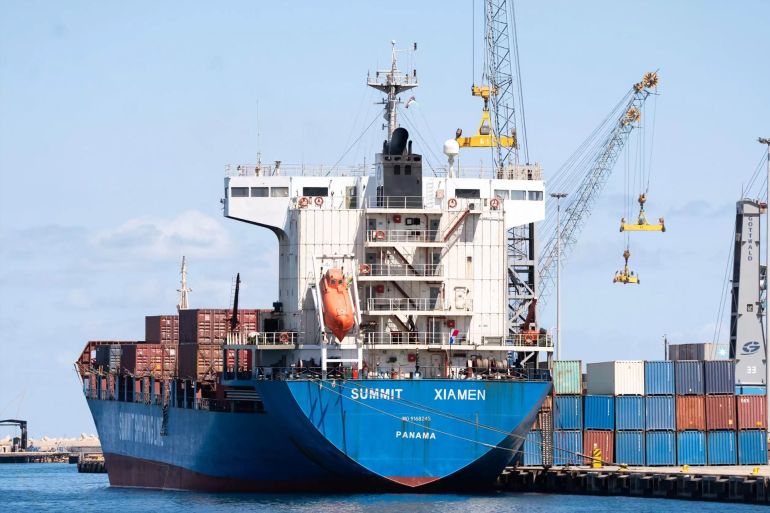
The expert sees the billion dollars as a strategic Moroccan investment to connect Dakhla to international submarine cables, transforming it from an isolated city into an “Atlantic data gateway” linking Europe with Africa and South America.
Immediate Investment
Morocco possesses massive
Morocco
Morocco is a North African country with a rich history shaped by indigenous Amazigh (Berber) cultures, Arab influence from the 7th century, and successive dynasties like the Almoravids and Almohads. Its cultural sites, such as the ancient city of Fez and the Koutoubia Mosque in Marrakech, reflect this blend of Arab, Islamic, and Amazigh heritage. The country’s historic medinas, kasbahs, and varied landscapes from the Sahara to the Atlas Mountains are central to its identity.
Dakhla
Dakhla is a coastal city in the disputed Western Sahara region, historically inhabited by indigenous Sahrawi people and later developed as a Spanish colonial outpost. It is known for its expansive lagoon, which is a major destination for kitesurfing and windsurfing. Control of the area has been contested between Morocco and the Sahrawi Arab Democratic Republic since Spain withdrew in 1975.
Atlantic
The Atlantic Ocean is the world’s second-largest ocean, formed over 150 million years ago by the separation of continents during the breakup of the supercontinent Pangaea. It has been a crucial corridor for exploration, trade, and cultural exchange throughout human history, most notably during the Age of Discovery.
Europe
Europe is a continent with a rich and complex history, shaped by ancient civilizations like Greece and Rome, the medieval period, the Renaissance, and transformative modern events including the Industrial Revolution and two World Wars. Culturally, it is renowned for its diverse artistic heritage, architectural landmarks, and as the origin of influential philosophical and political movements. Today, it is home to numerous UNESCO World Heritage sites and is politically organized in part by the European Union.
America
The United States of America is a federal republic founded in 1776 after declaring independence from Great Britain. Its history spans from indigenous civilizations and European colonization to becoming a global superpower, shaped by events like westward expansion, the Civil War, and large-scale immigration.
China
China is one of the world’s oldest continuous civilizations, with a recorded history spanning over four millennia. It is home to numerous UNESCO World Heritage sites, such as the Great Wall and the Forbidden City, which reflect its long imperial past and profound cultural achievements.
European Union
The European Union (EU) is a political and economic union of 27 European countries, founded to foster cooperation and prevent conflict after World War II. It originated with the 1951 European Coal and Steel Community and has since evolved through major treaties to establish a single market and common policies.
Africa
Africa is the world’s second-largest continent and the cradle of humankind, with fossil evidence suggesting it is where the human species first evolved. Its history encompasses the rise of powerful ancient civilizations like Egypt and Mali, followed by periods of colonization by European powers and a widespread movement for independence in the 20th century. Today, it is a continent of immense cultural, linguistic, and ecological diversity, comprising 54 sovereign nations.
South America
South America is a continent known for its diverse landscapes, ranging from the Amazon rainforest to the Andes mountains. Its history is marked by ancient civilizations like the Inca, followed by European colonization primarily by Spain and Portugal, leading to a complex cultural heritage blending indigenous, European, and African influences.
Nvidia
Nvidia is an American technology company founded in 1993, renowned for designing graphics processing units (GPUs) for gaming and professional markets. Its technology has become foundational for modern artificial intelligence and high-performance computing, evolving from a graphics card manufacturer into a leading force in the AI industry.
Oracle
The Oracle refers to a sacred site in ancient Greece, most famously the Oracle of Delphi, where a priestess known as the Pythia delivered prophecies from the god Apollo. It was a major religious center for centuries, consulted by individuals and city-states for guidance on everything from personal matters to affairs of war. Its influence began to wane with the rise of Christianity in the late Roman Empire.