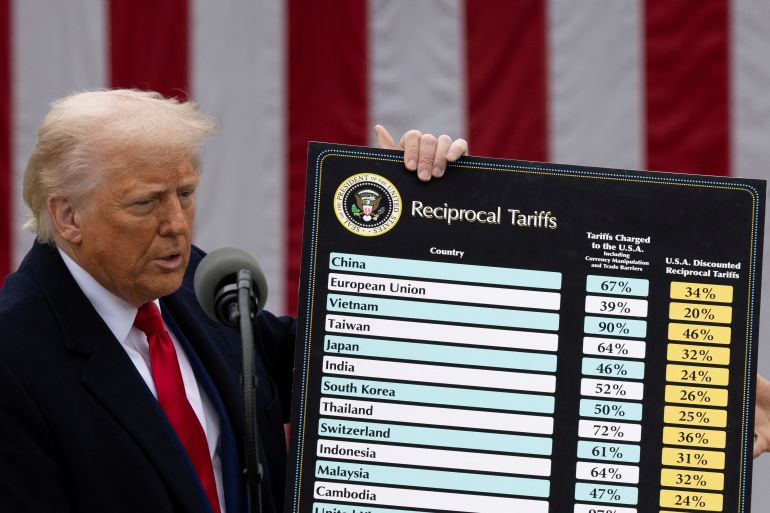
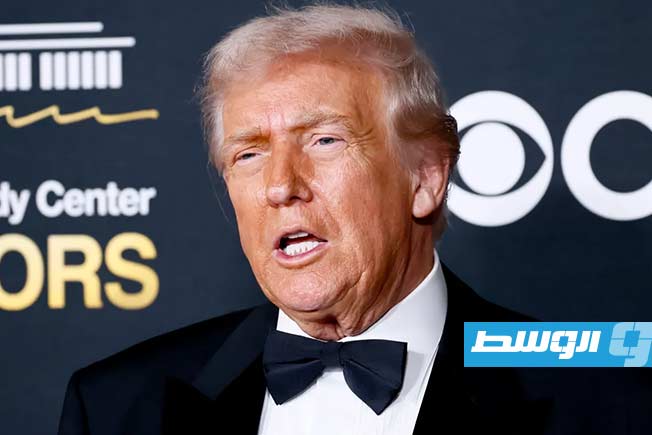
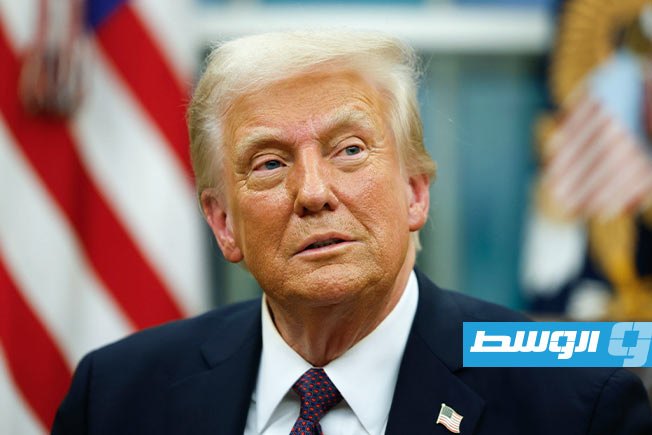
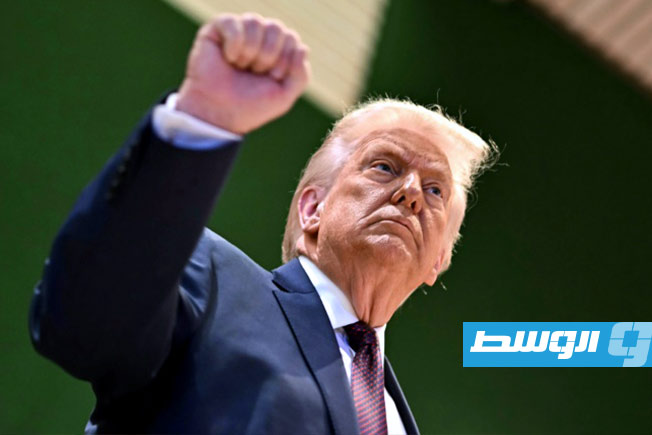
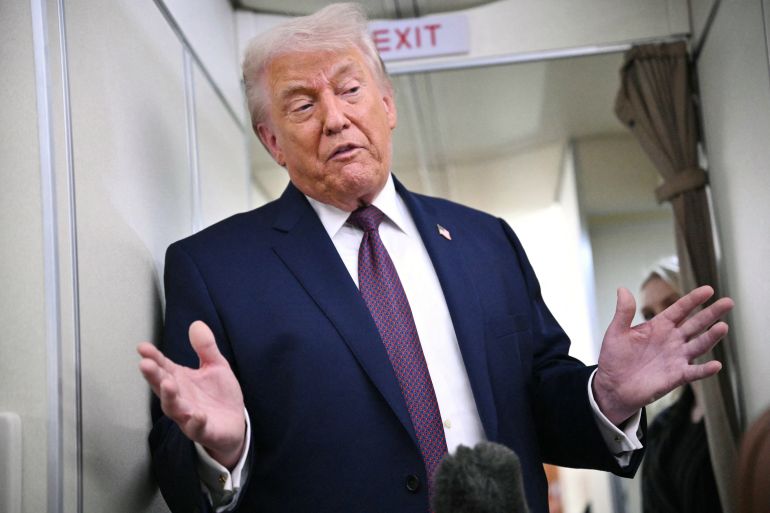
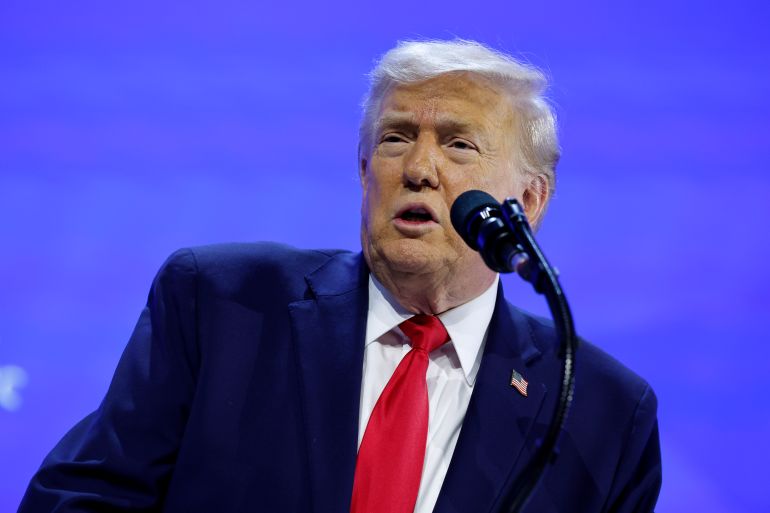
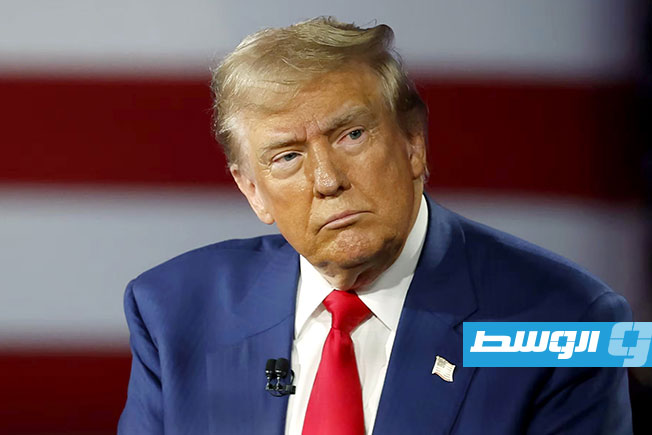
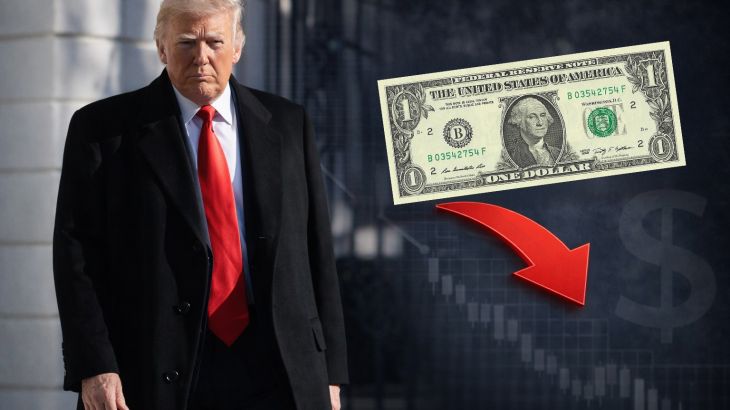
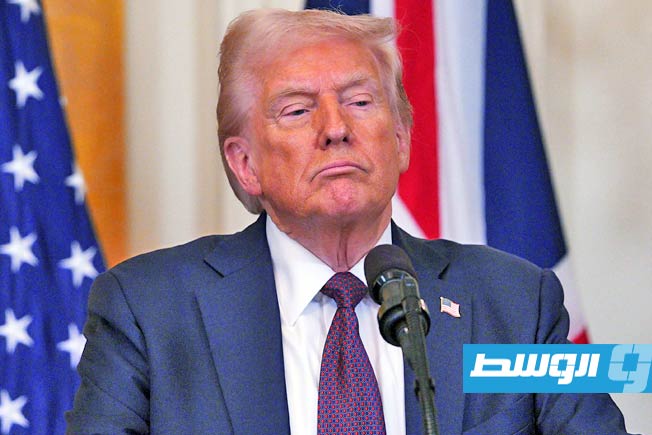
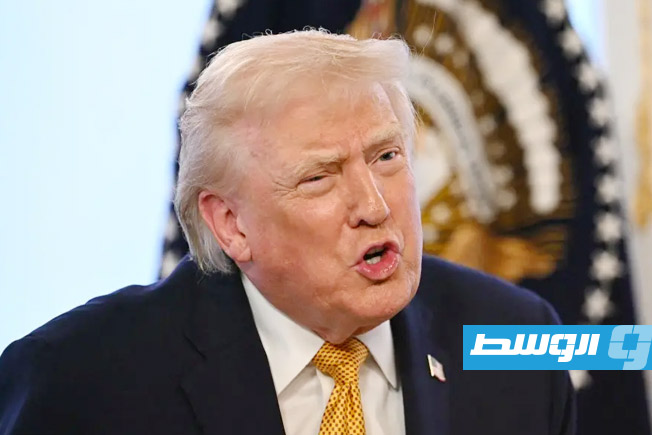
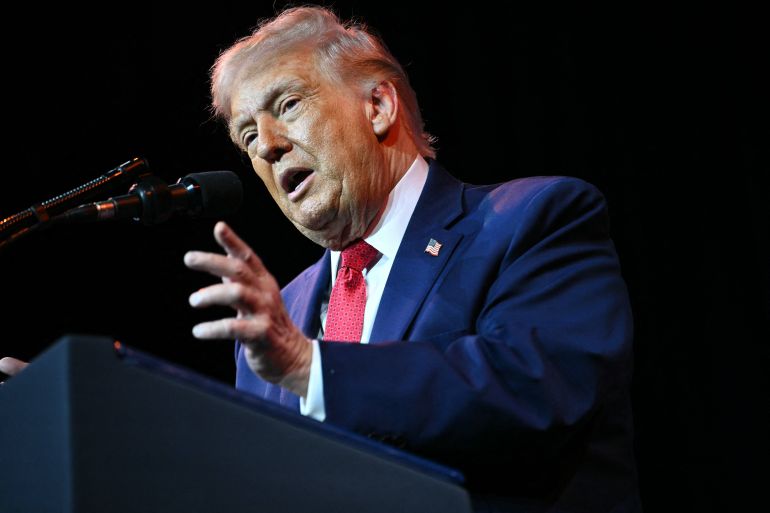
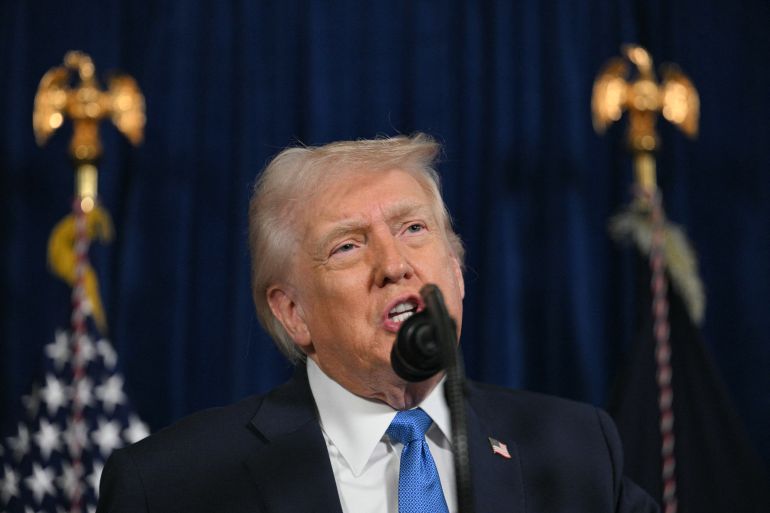
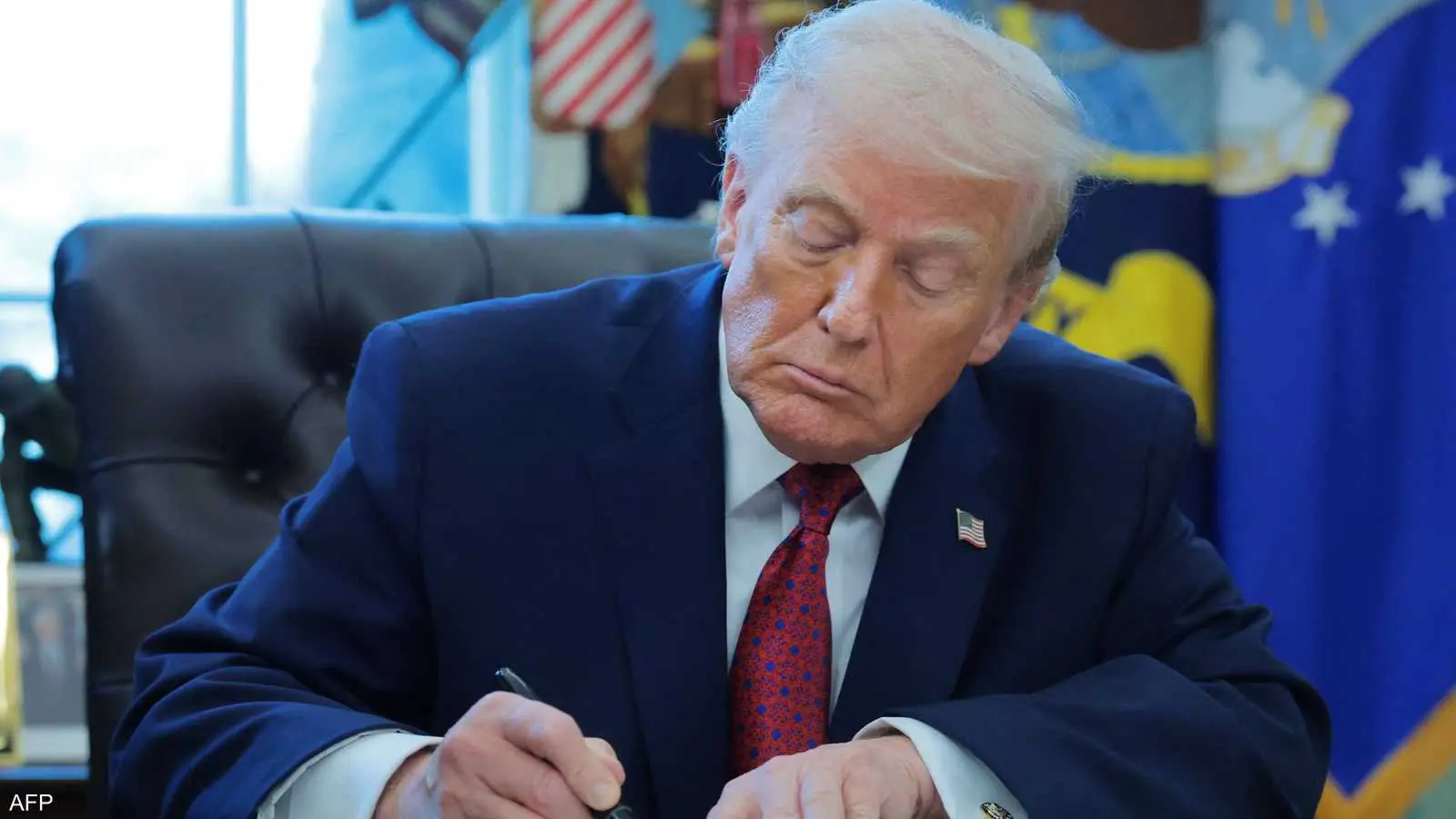
The tariffs announced by the U.S. President in April of this year, on what he termed “Liberation Day,” unleashed a broad wave of changes in the global trade landscape, affecting the United States’ major trading partners and resulting in new trade agreements with them.
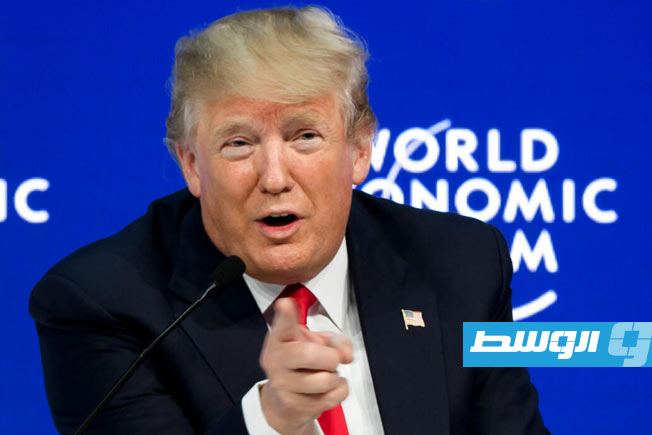
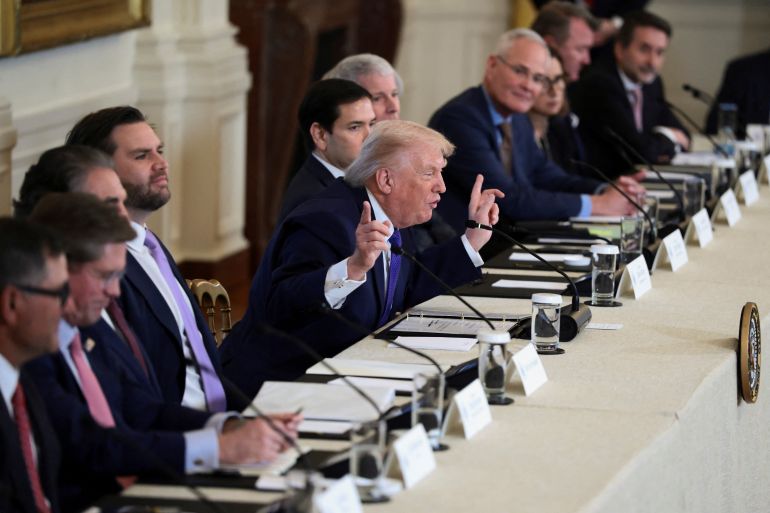
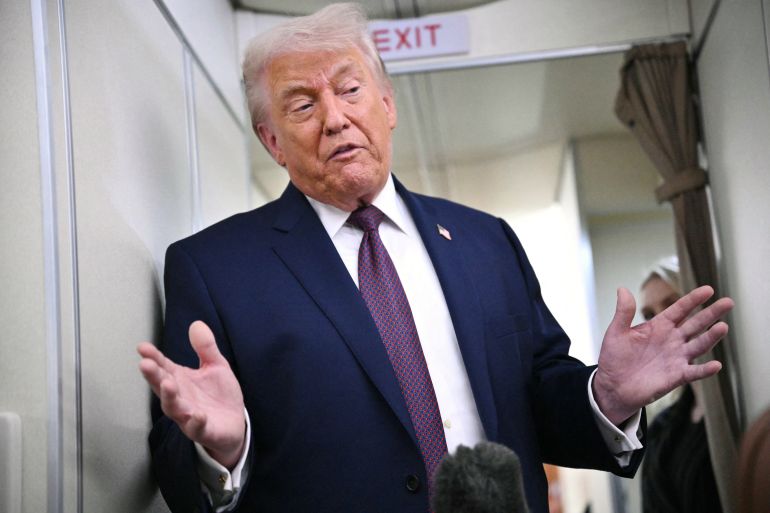
Trump’s trade policies, and the global reaction to them, are expected to remain at the forefront of the scene in 2026, but they will face significant challenges.
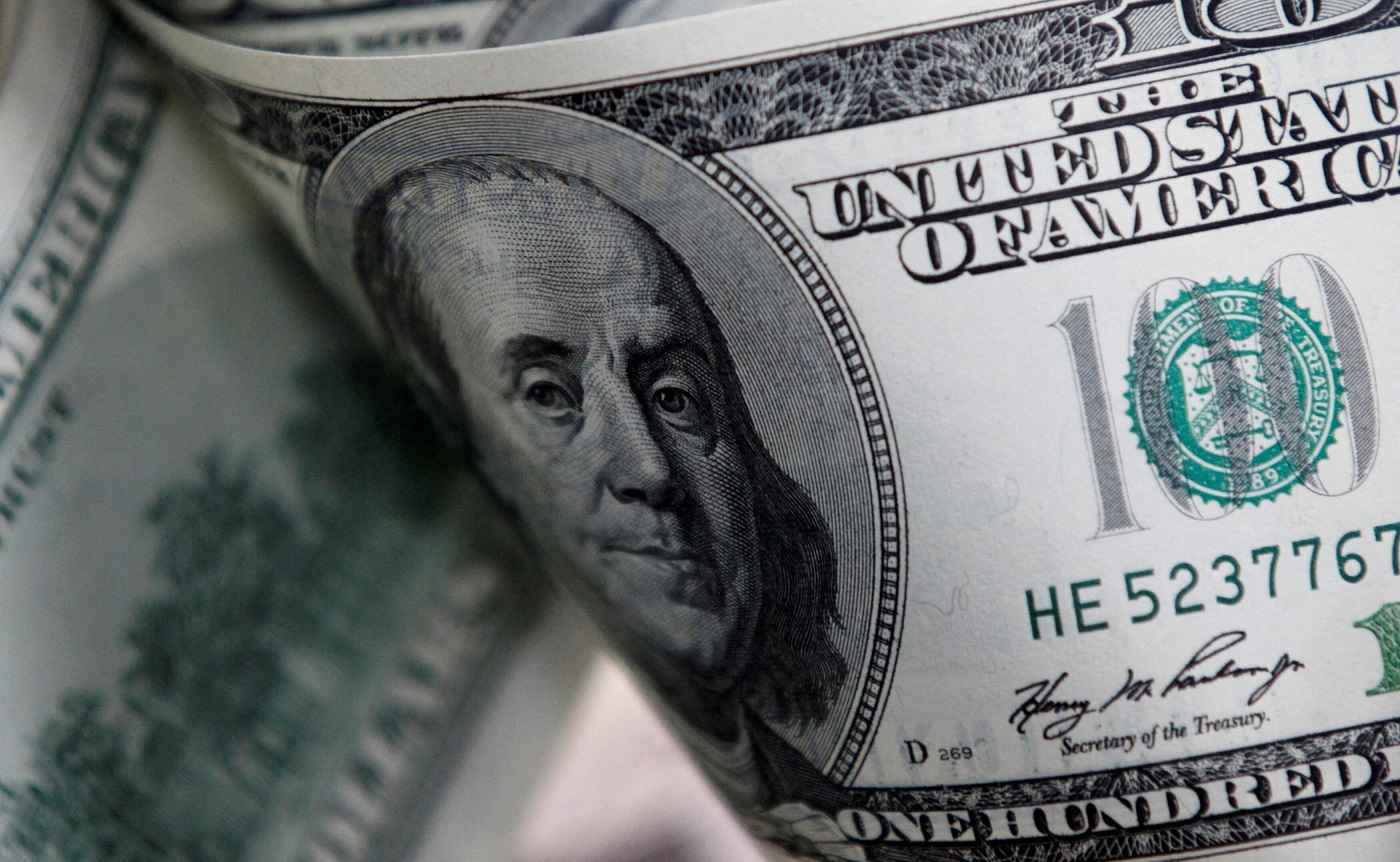
A financial report indicated that Trump’s trade policies raised the average tariff rate to nearly 17% after it was below 3% at the end of 2024.
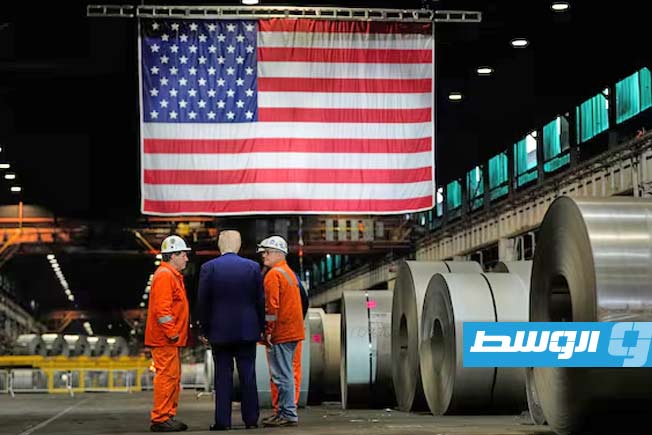
Trump’s trade policies broadly aim to revive the declining U.S. manufacturing sector.
Massive Revenues for the U.S. Treasury
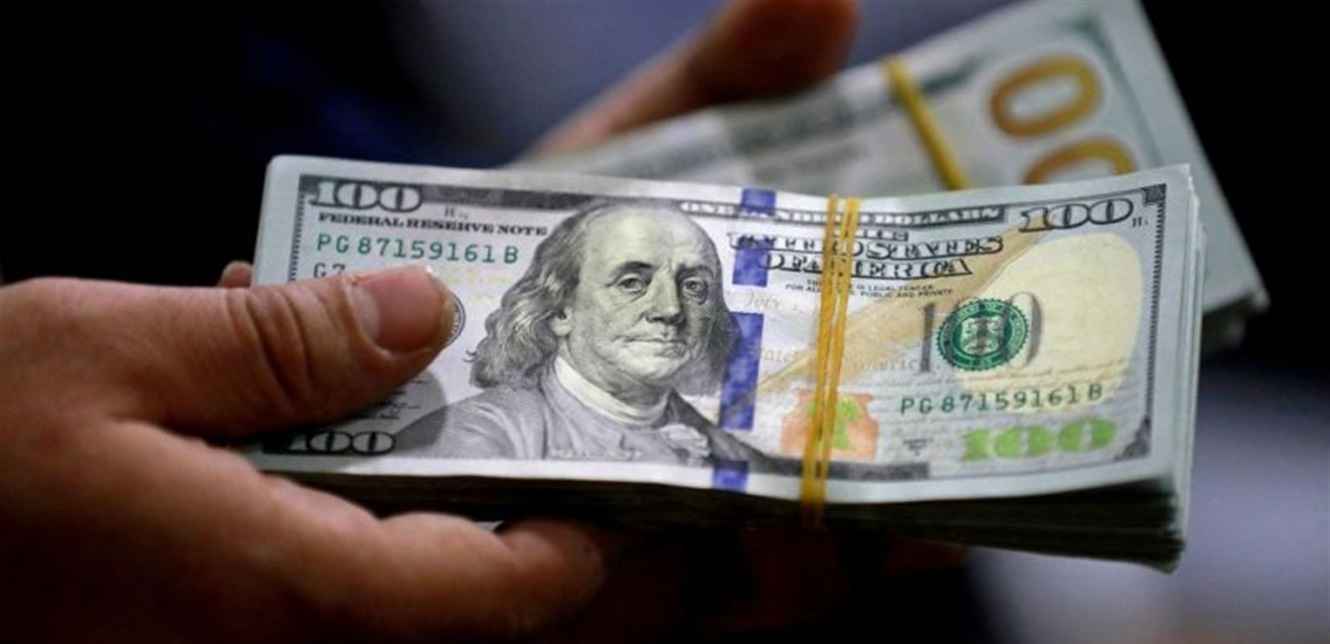
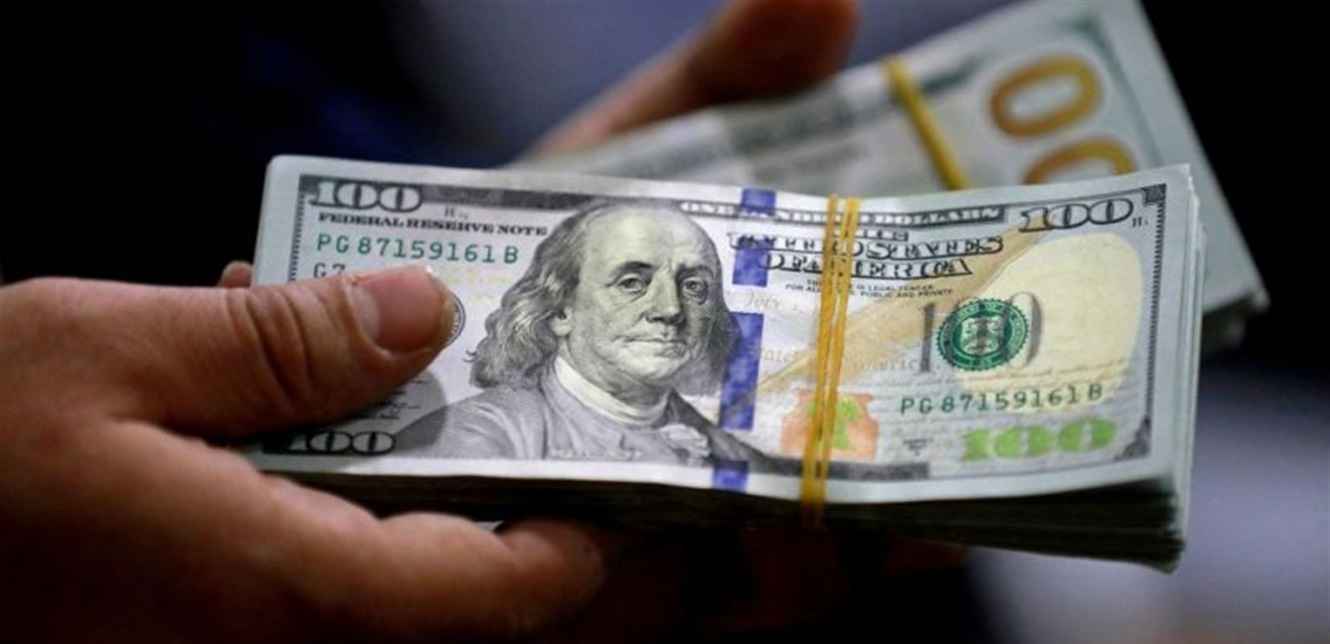
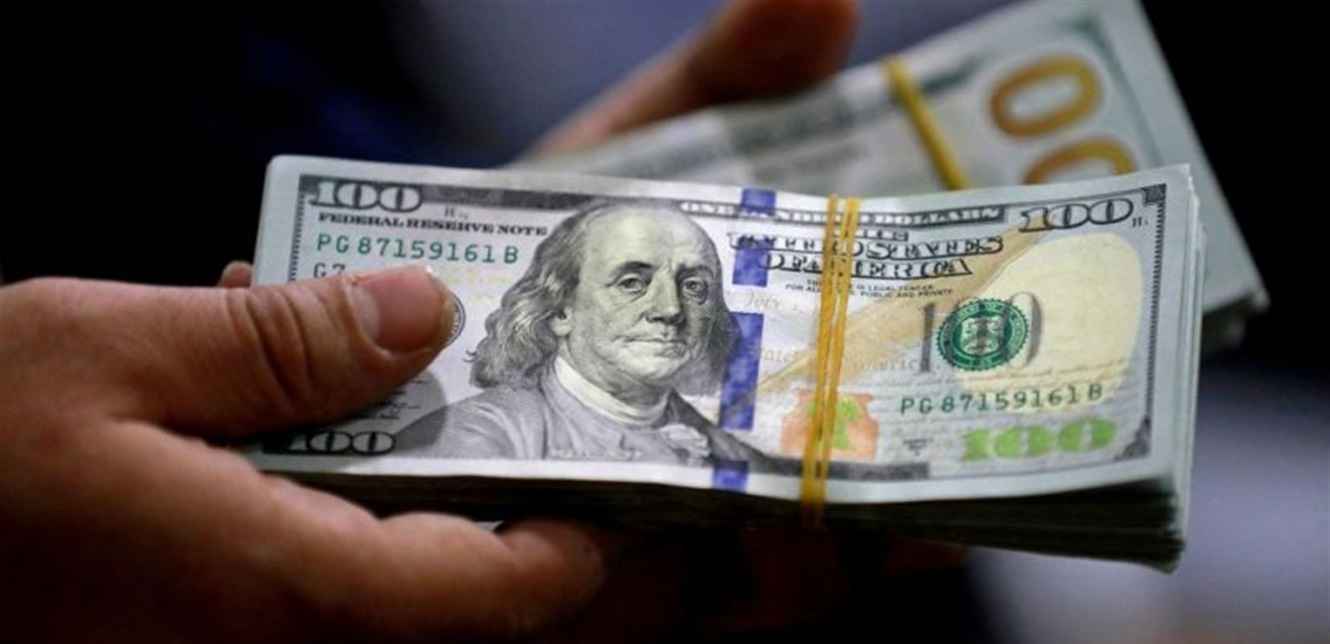
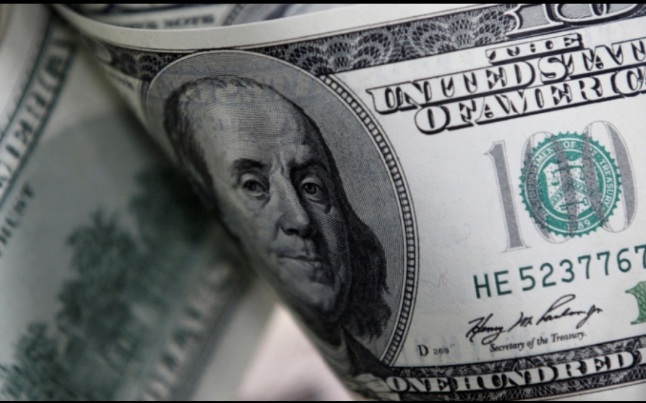
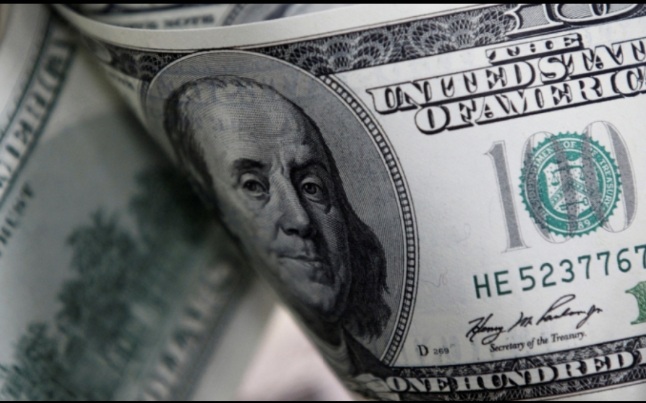
According to a report, tariffs are currently generating revenues of about $30 billion per month for the U.S. Treasury.
It was reported that Trump’s tariffs succeeded in achieving one of their most important goals: reducing the U.S. trade deficit.
According to available data, the U.S. trade deficit fell by 10% by the end of last September, reaching $52.8 billion, its lowest level since 2020.
Trump’s trade tariffs pushed world leaders to accelerate efforts to conclude agreements to reduce tariffs in exchange for pledges of billions of dollars in investments.
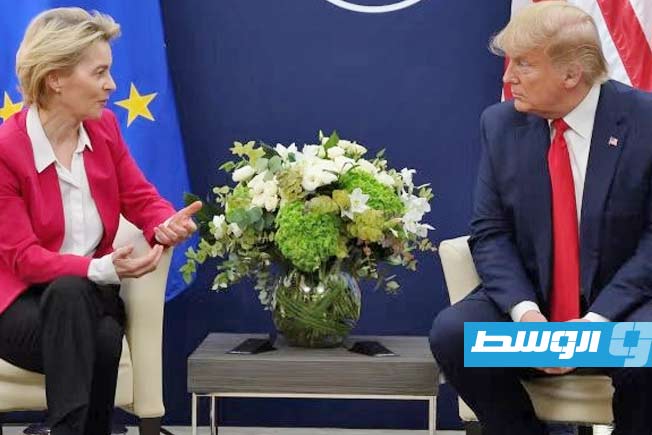
Agreement with the European Union
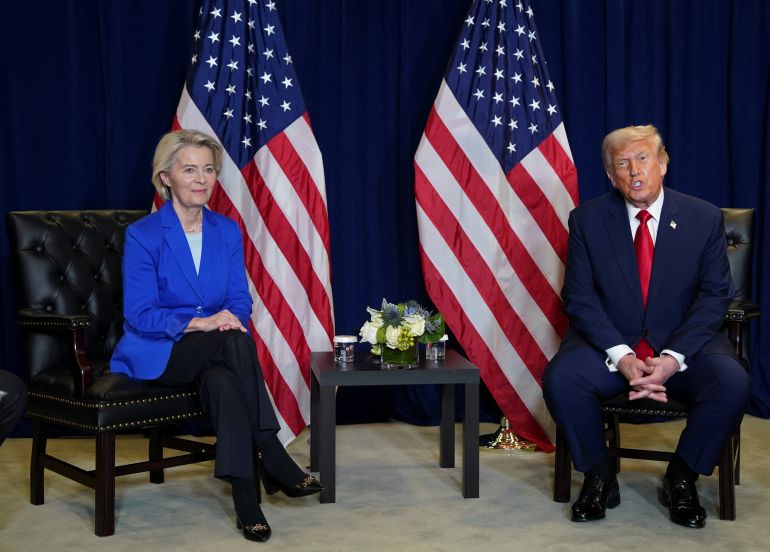
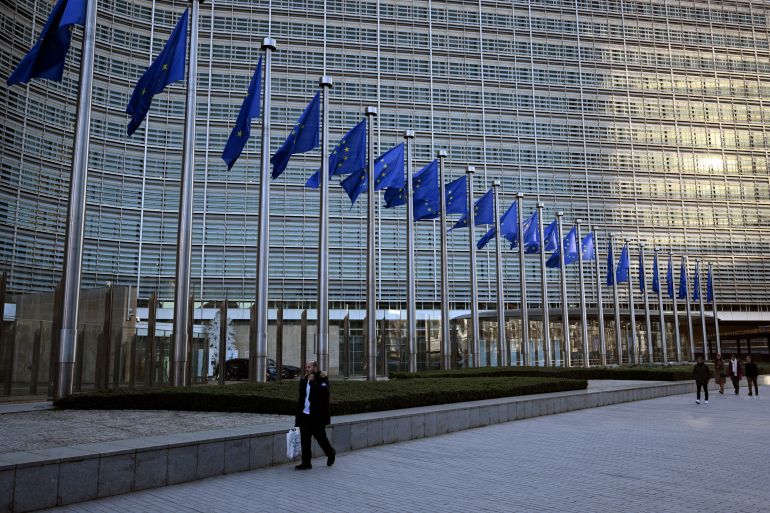
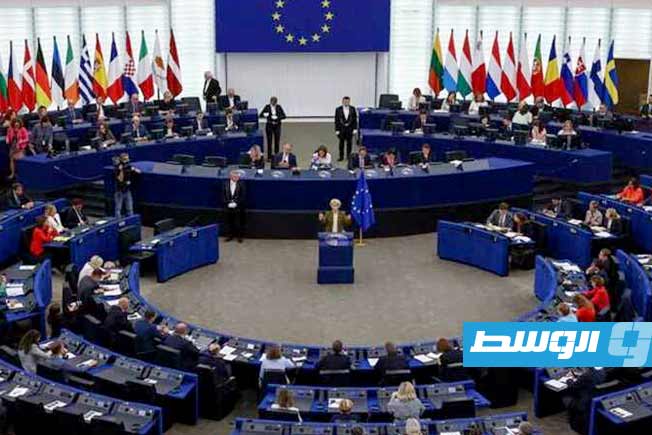
Framework agreements were reached with a group of Washington’s major trading partners, including the European Union, Britain, Switzerland, Japan, and other countries.
Many criticized the agreement for accepting a 15% tariff on its exports to the U.S. market and offering pledges of massive investments in the United States.
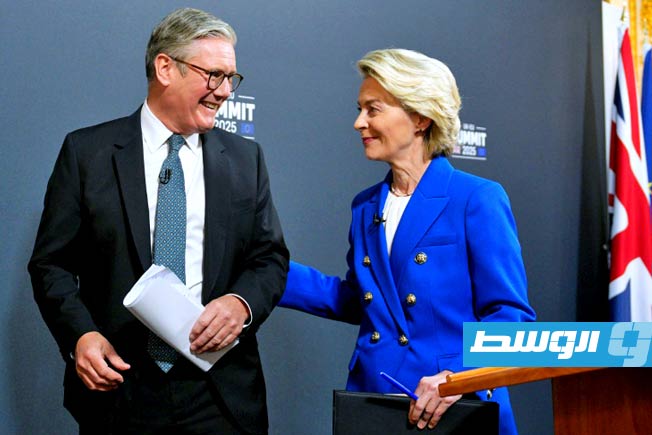
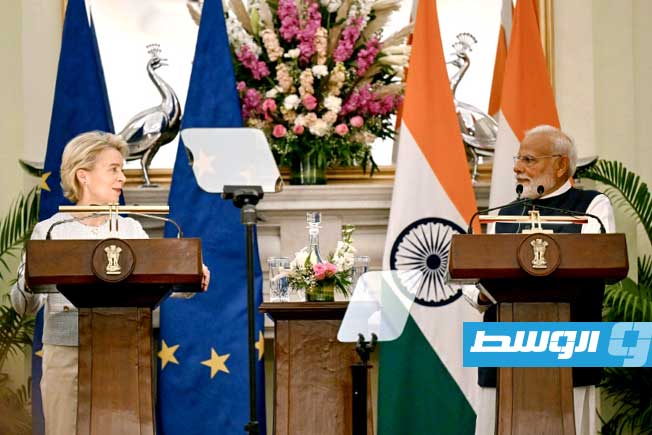
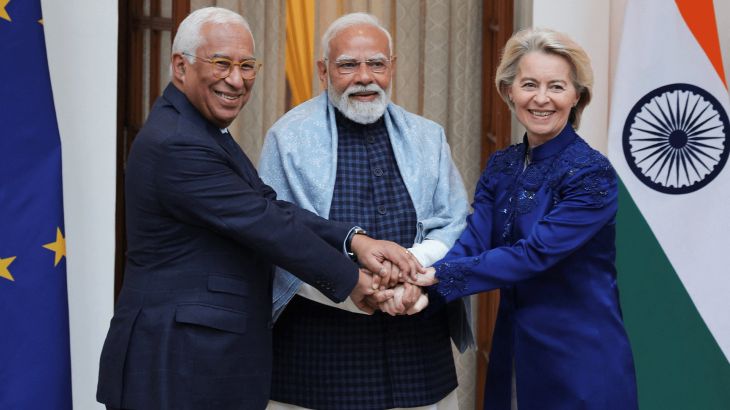
The agreement between the United States and the European Union was described by one leader as a form of submission, calling it a “gloomy day” for the bloc. Meanwhile, the official who concluded the agreement with Trump viewed it as the best option available.
Since then, European exporters and economies have been able to adapt to the new tariff rate, thanks to various exemptions and their ability to find alternative markets.
A French bank estimated that the total direct impact of the tariffs equates to only about 0.37% of the European Union’s GDP.
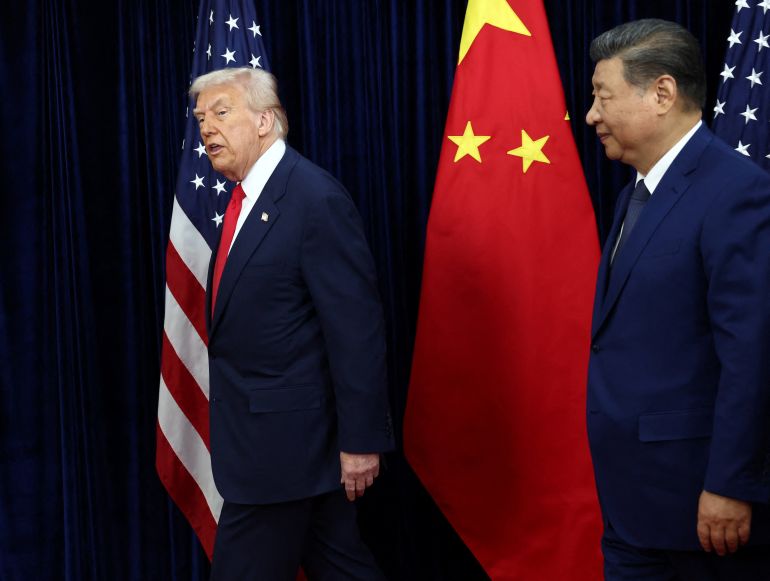
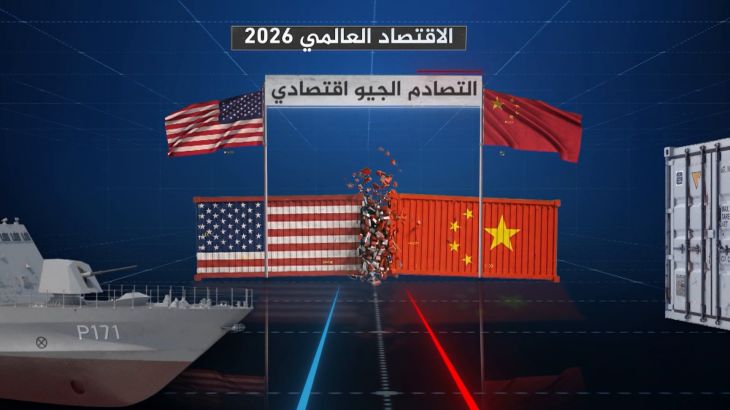
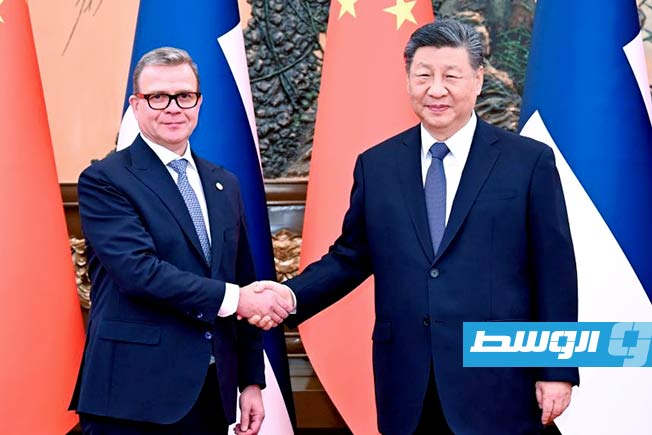
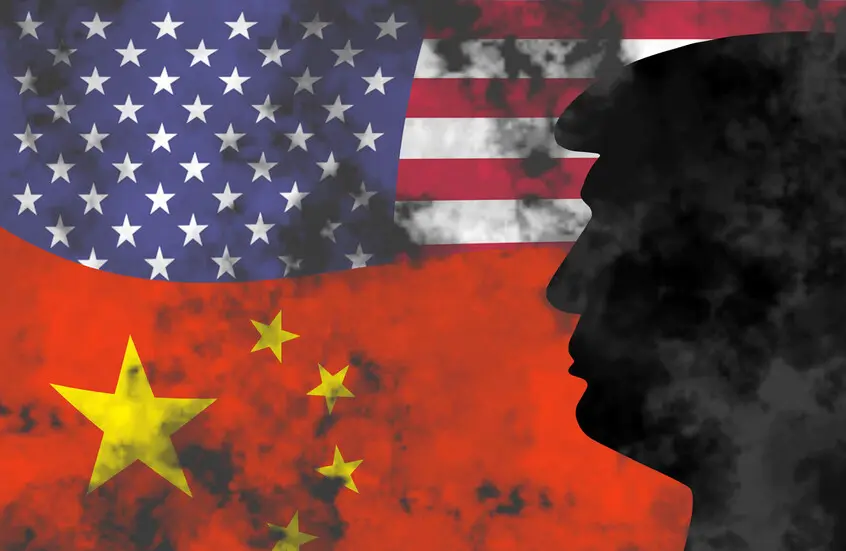
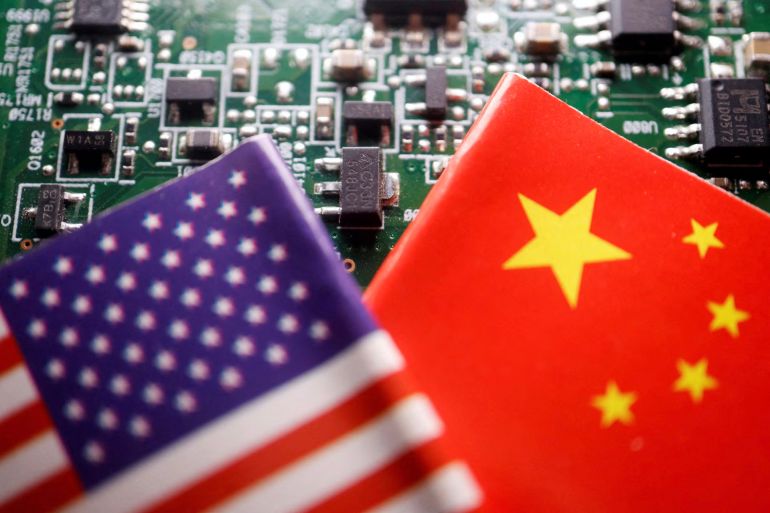
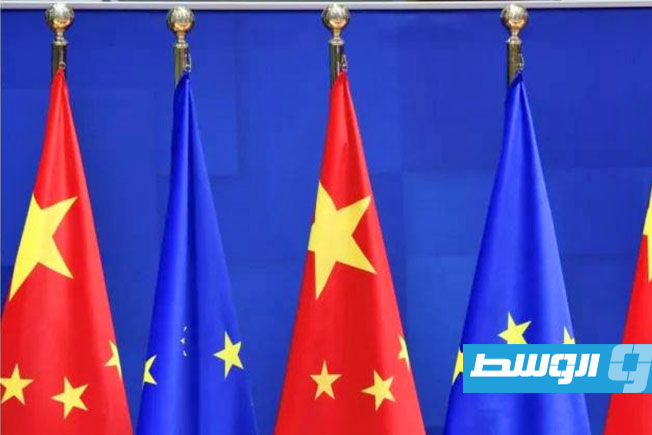
However, it is notable that a final agreement has not yet been reached between the United States and China, the world’s two largest economies, despite multiple rounds of talks and a direct meeting between Trump and the Chinese President.
China’s trade surplus in its trade with the United States continued to exceed one trillion dollars, as Beijing succeeded in diversifying its trade away from the United States.
China was able to use the leverage gained from rare earth minerals to counter American and European pressures to curb its trade surplus.
China’s ability to confront Trump’s tariffs demonstrated the paramount importance of rare earth minerals, which Beijing controls the majority of the global market for, and which are needed by important sectors such as technology, automobiles, and weapons industries.
The meeting between Trump and Xi did not result in a final trade agreement.
Better Growth Expectations for the Global Economy
While some economists predicted an economic disaster and rising inflation due to Trump’s tariffs, it is notable that this did not happen.
The U.S. economy saw a modest contraction in the first quarter, amid a rush to import goods before the tariffs took effect, but the world’s largest economy soon recovered and continued
United States
The United States is a federal republic founded in 1776 following the American Revolution, which established its independence from Great Britain. Its history is marked by westward expansion, a civil war over slavery, and its emergence as a global superpower in the 20th century. The nation is defined by its diverse population, democratic institutions, and significant cultural influence worldwide.
Washington
Washington, D.C., is the capital city of the United States, founded in 1790 following the ratification of the U.S. Constitution. It was established as a federal district through the Residence Act, with its design largely planned by Pierre Charles L’Enfant, and it houses the nation’s key government buildings, including the White House and the U.S. Capitol.
U.S. Treasury
The U.S. Treasury Building in Washington, D.C., is the headquarters of the Department of the Treasury, which was established by Congress in 1789. The current structure, a National Historic Landmark, was built in stages between 1836 and 1869, with its oldest wing being one of the oldest federal buildings in the capital.
European Union
The European Union (EU) is a political and economic union of 27 European countries, founded after World War II to foster economic cooperation and prevent future conflict. It has evolved from the European Coal and Steel Community in 1952 into a major supranational entity with a single market, a common currency (the euro) used by 20 members, and shared policies on issues ranging from trade to the environment.
Britain
Britain is a sovereign island nation in northwestern Europe with a long and influential history, including the Roman occupation, the formation of the medieval kingdoms of England and Scotland, and the expansive British Empire. Its rich cultural heritage is reflected in globally recognized institutions like the British Museum and Westminster Abbey, as well as its constitutional monarchy and parliamentary democracy.
Switzerland
Switzerland is a landlocked country in Central Europe known for its long history of neutrality, which was formally established by the Congress of Vienna in 1815. It is a federal republic comprised of 26 cantons and is globally recognized for its political stability, direct democracy, and its role as host to numerous international organizations.
Japan
Japan is an island nation in East Asia with a rich cultural history spanning thousands of years, from its ancient Shinto traditions and imperial rule to the feudal era of samurai and the modernizing Meiji Restoration. Today, it is known for its unique blend of deep traditional arts and cutting-edge technology, with iconic cultural sites ranging from historic temples and castles to vibrant contemporary cities.
China
China is one of the world’s oldest continuous civilizations, with a recorded history spanning over four millennia. It is home to numerous UNESCO World Heritage sites, such as the Great Wall and the Forbidden City, which reflect its long imperial past and profound cultural achievements.
Beijing
Beijing is the capital of China, with a history spanning over three millennia as a significant political and cultural center. It served as the seat of imperial power during several dynasties, most notably the Ming and Qing, and is home to UNESCO World Heritage Sites like the Forbidden City and the Temple of Heaven. Today, it is a major global metropolis that blends ancient historical architecture with modern urban development.