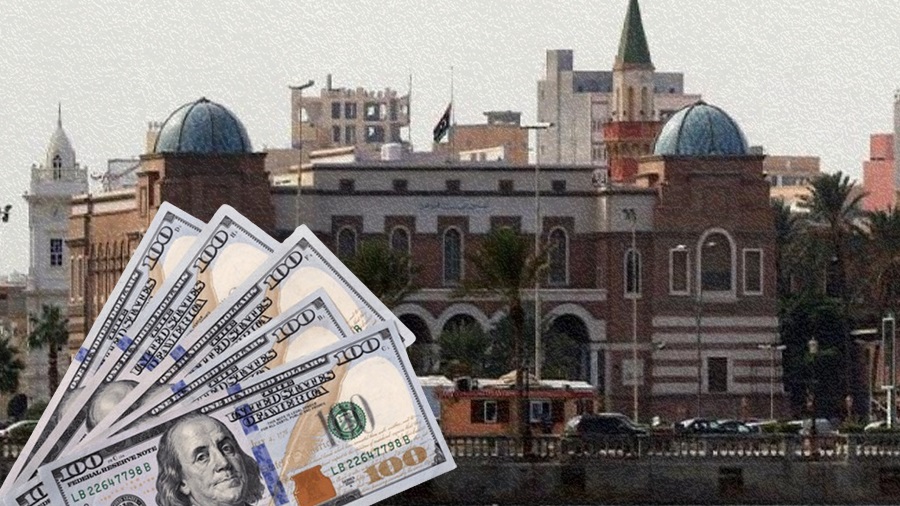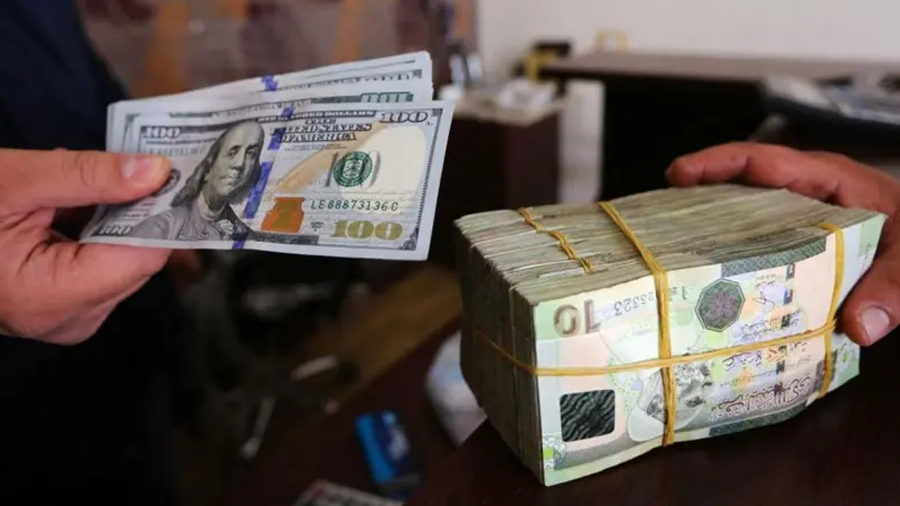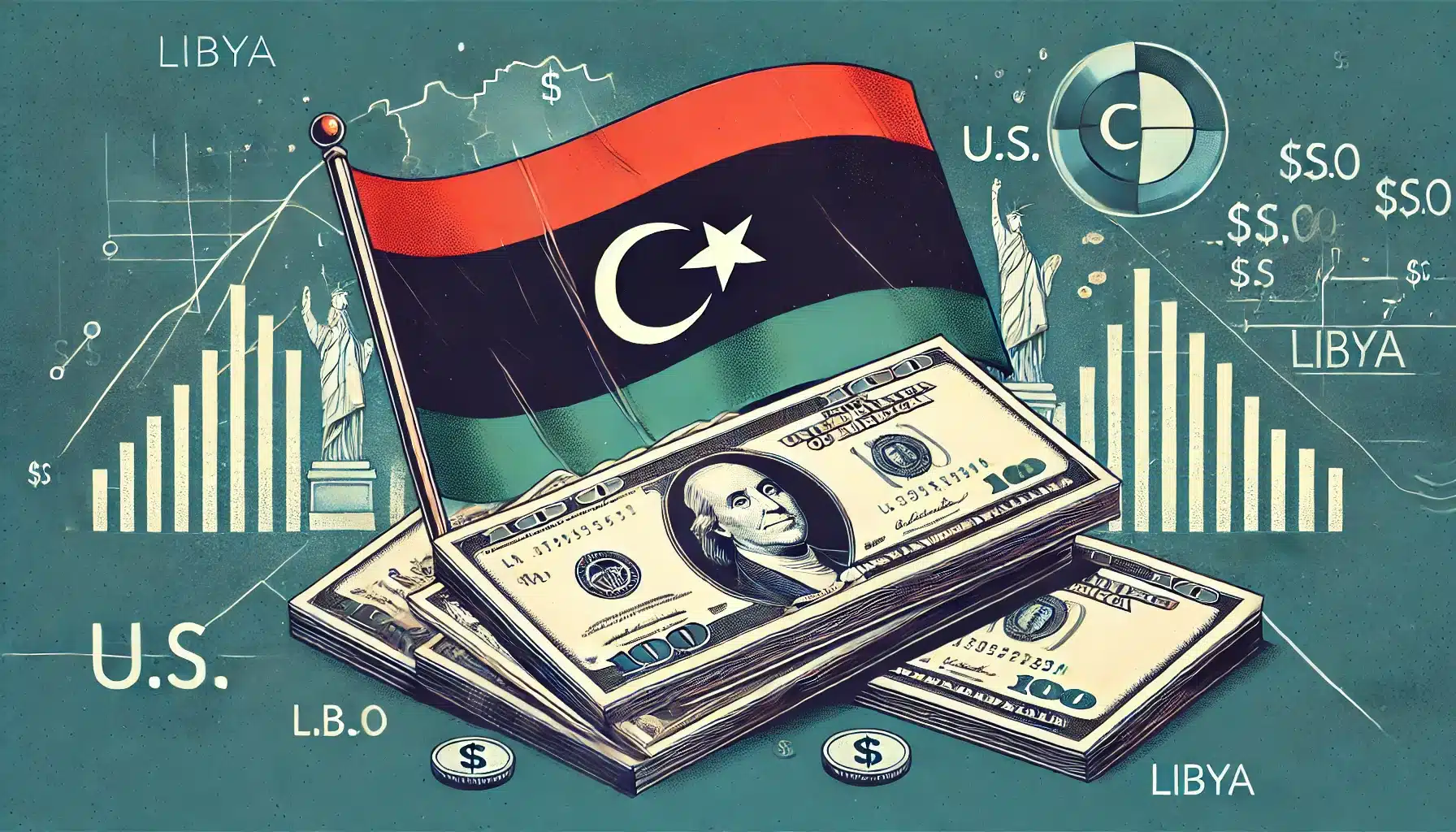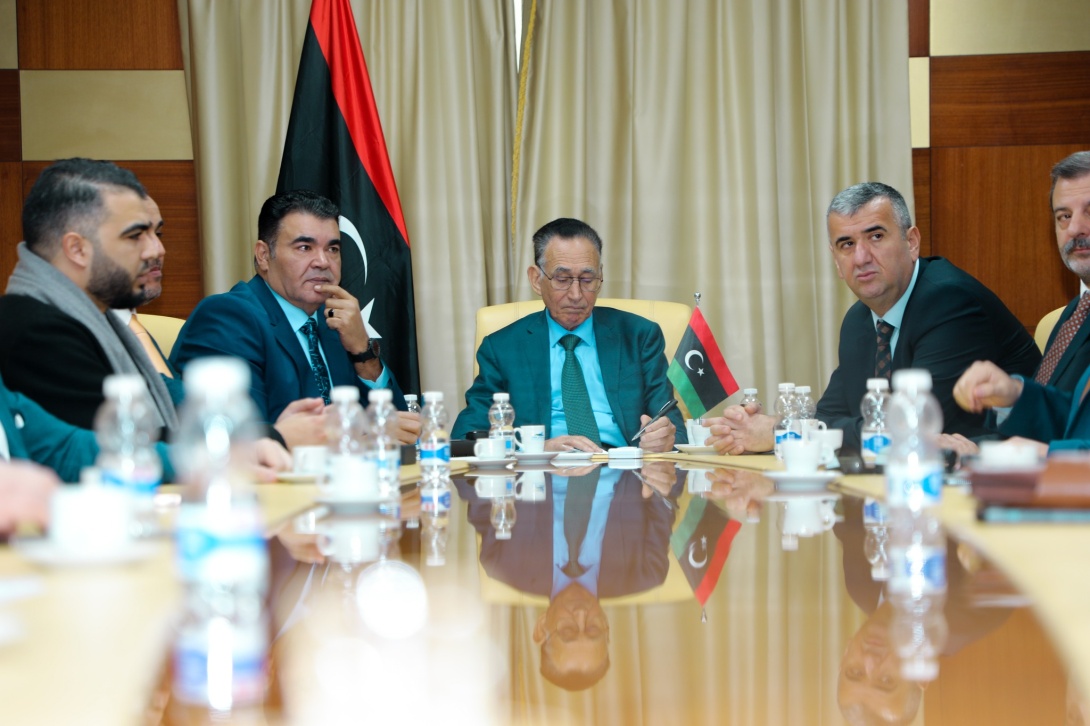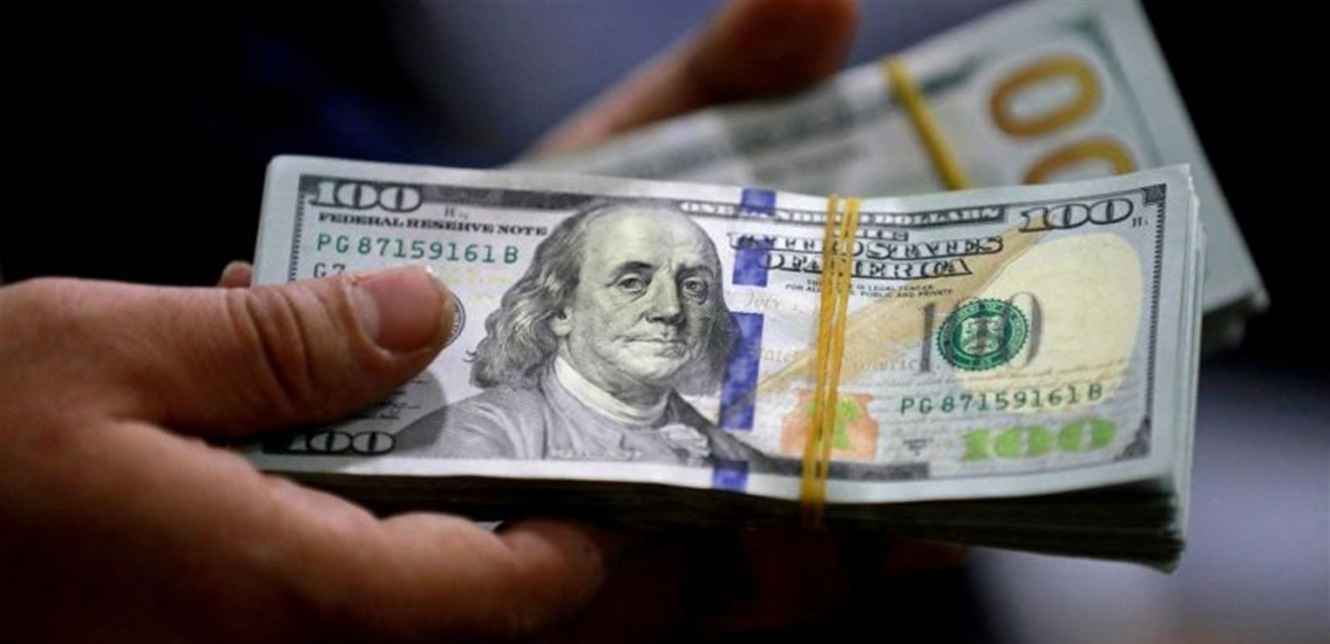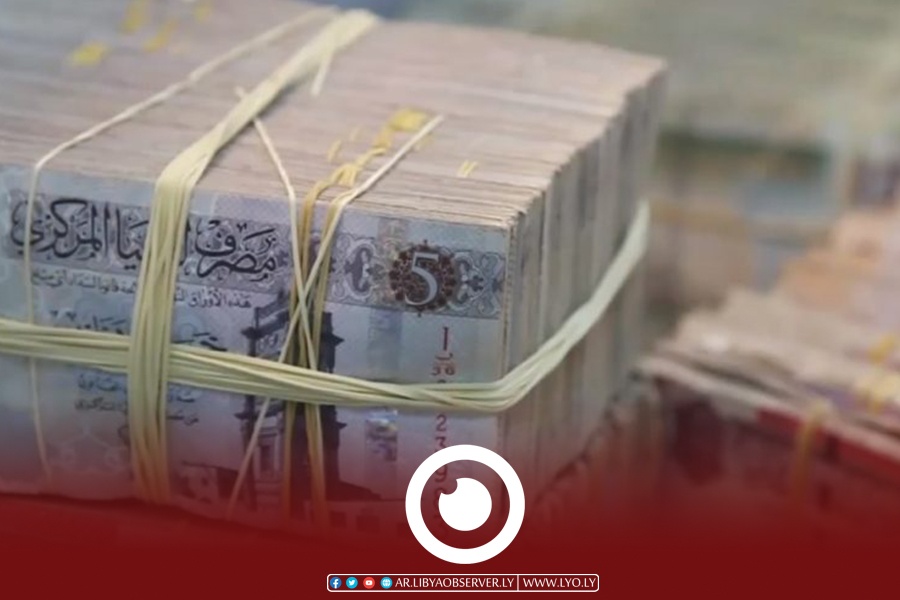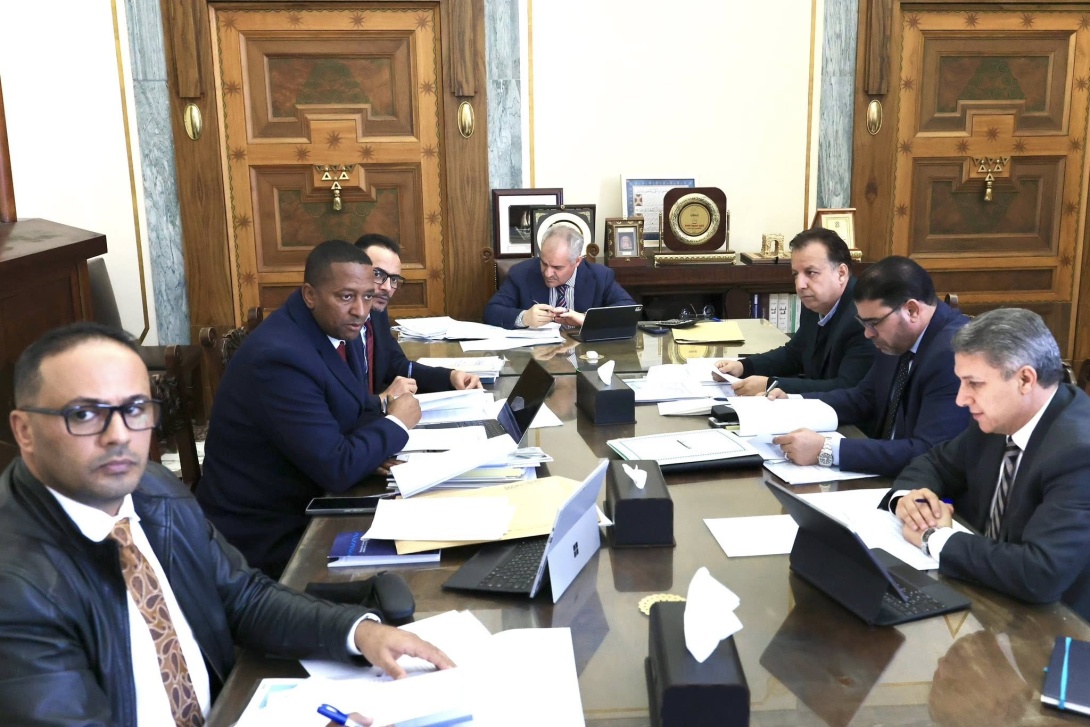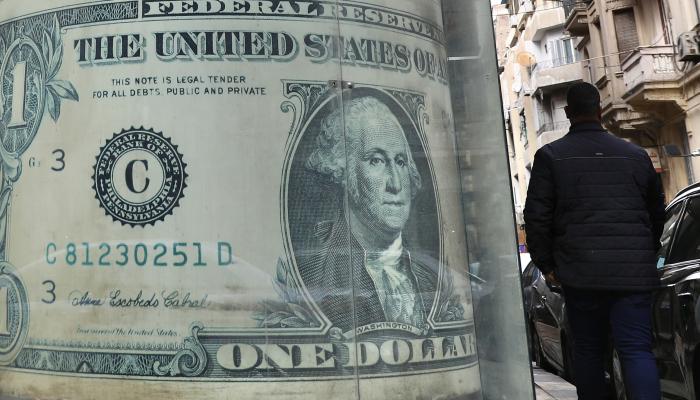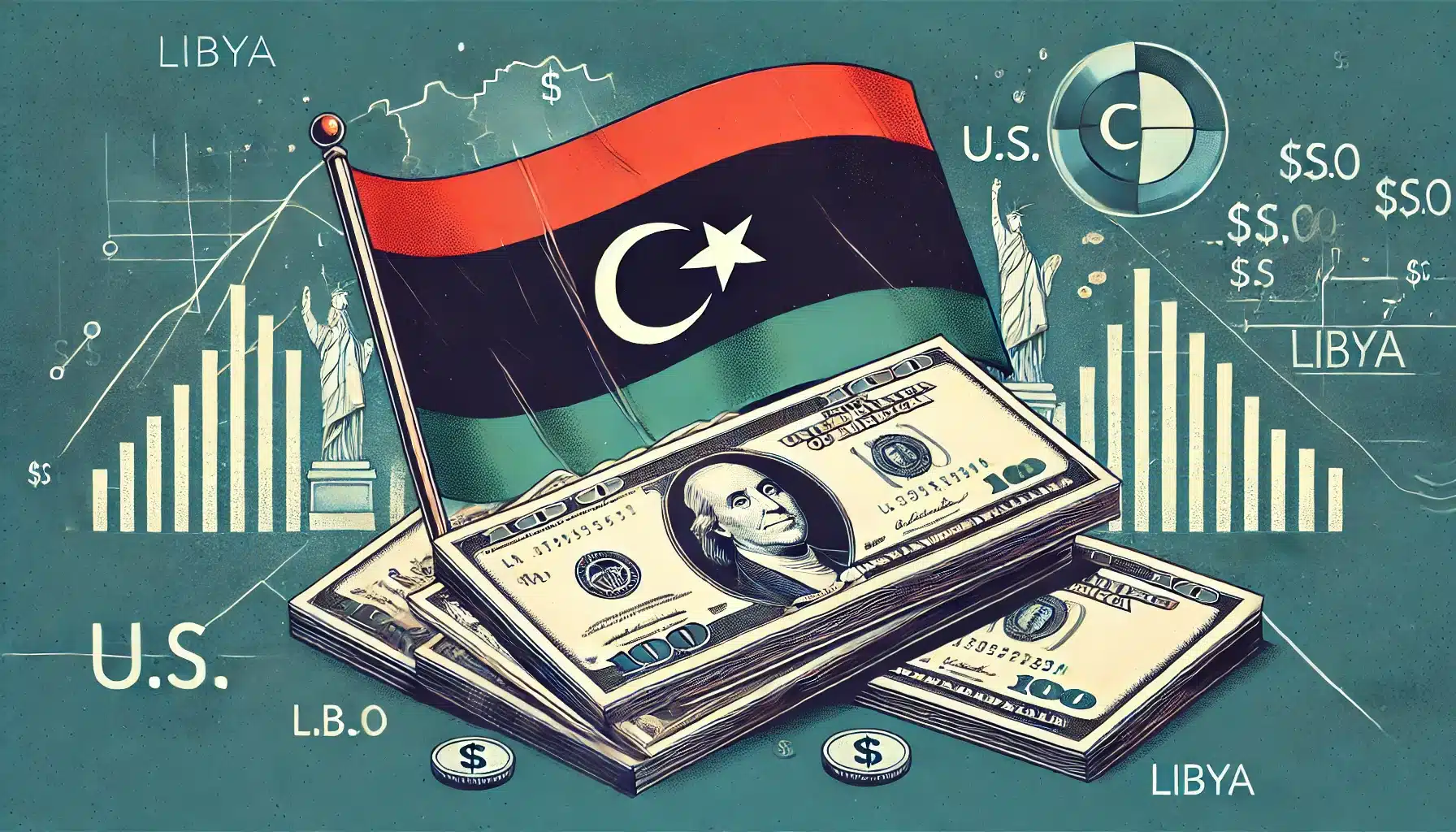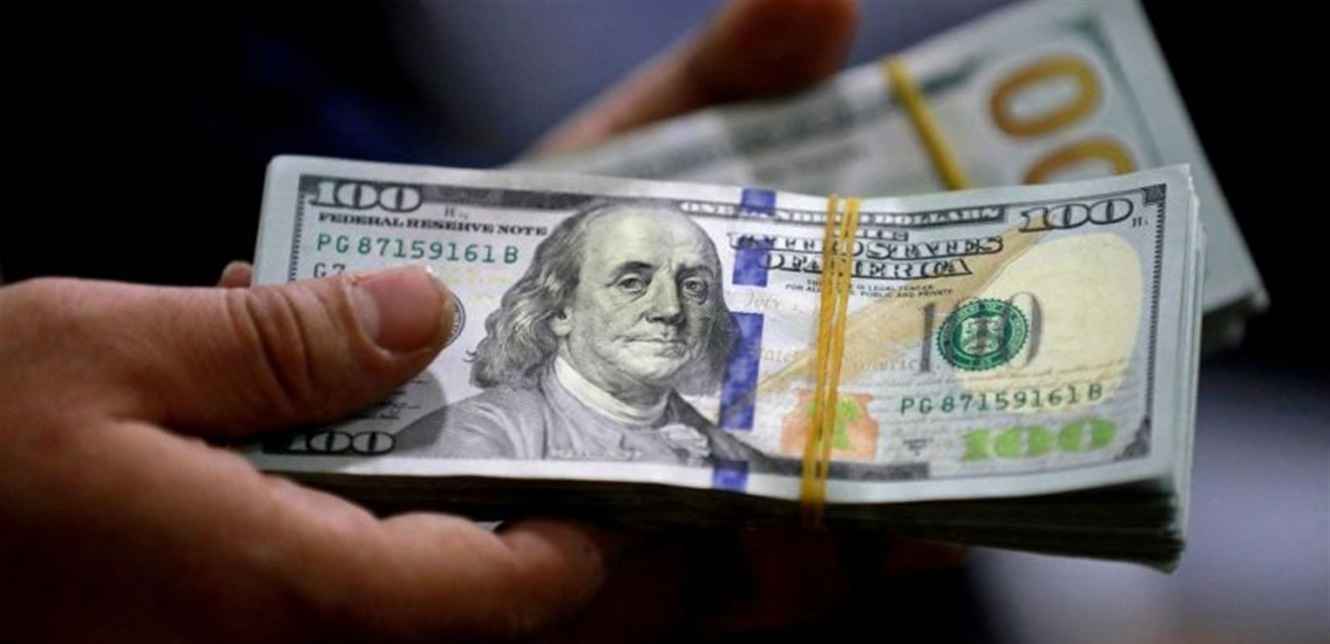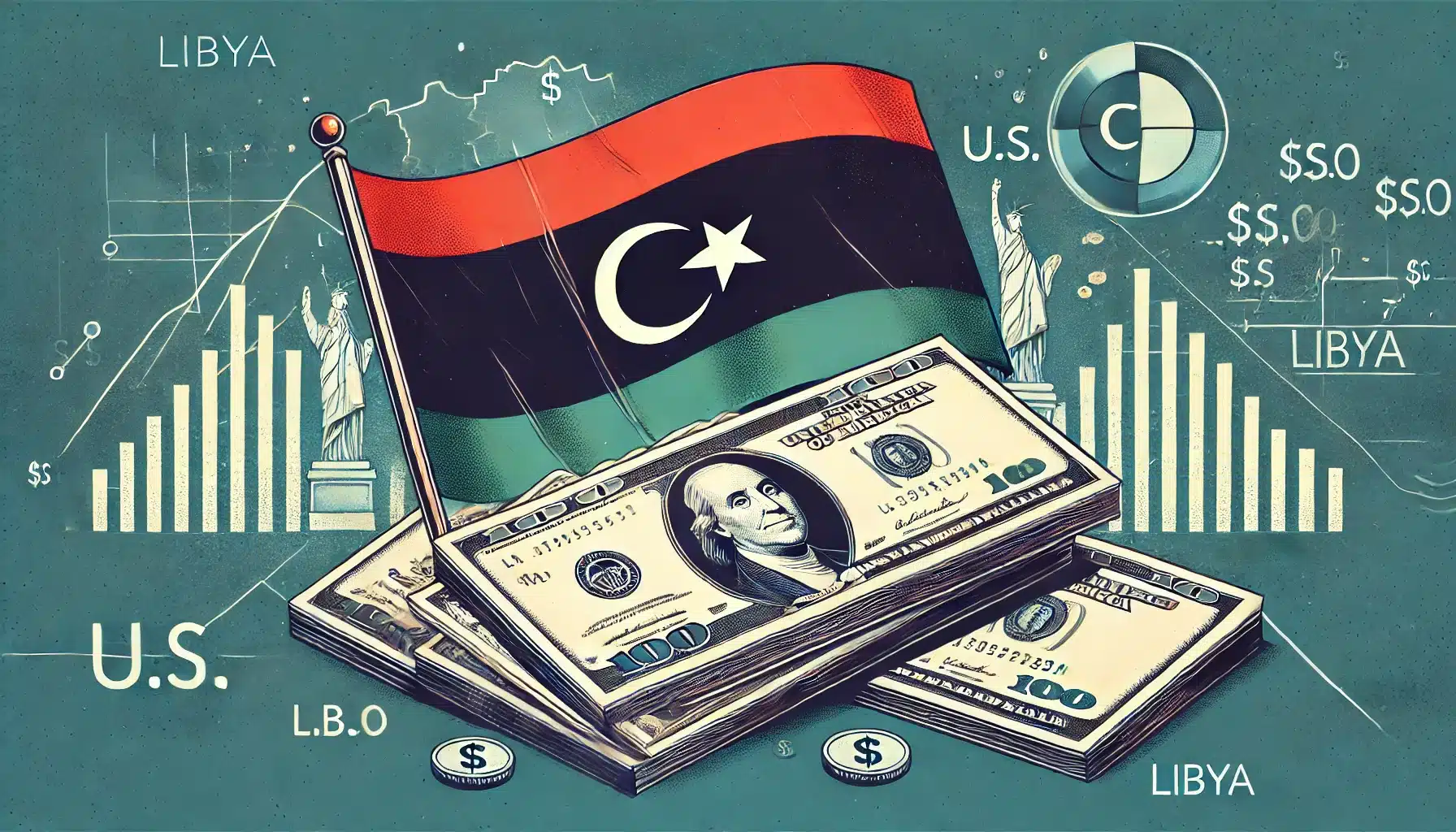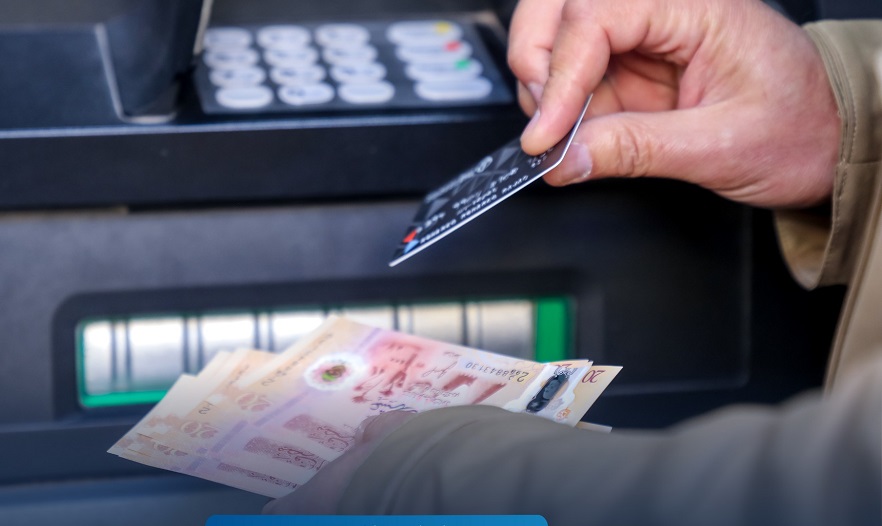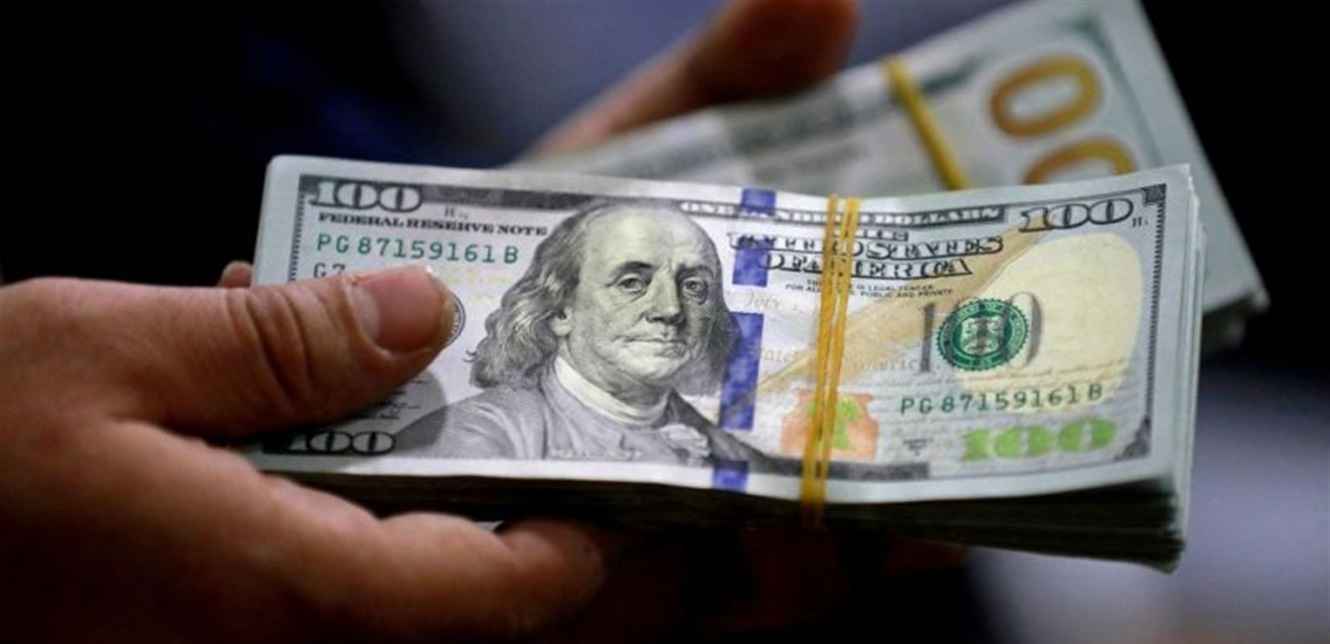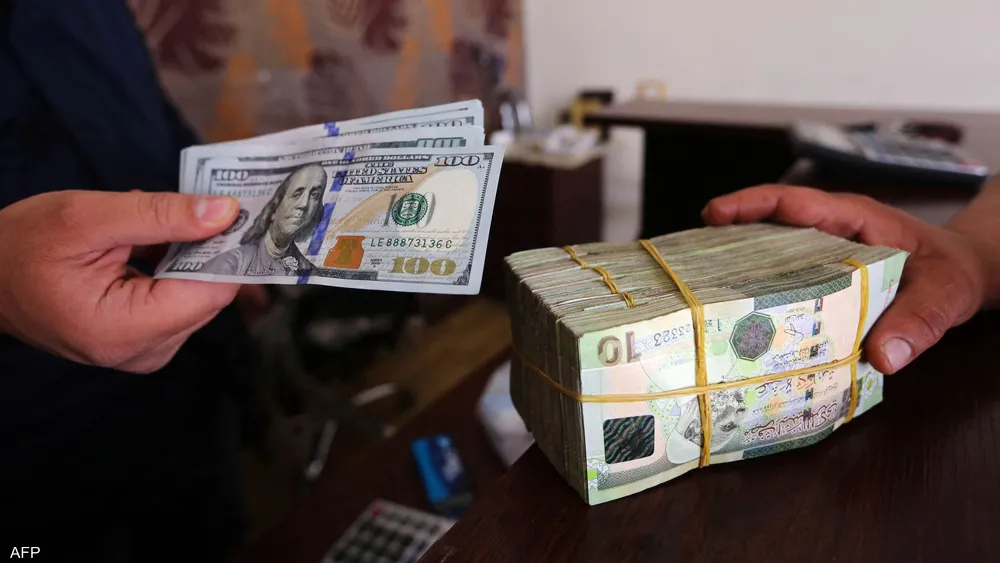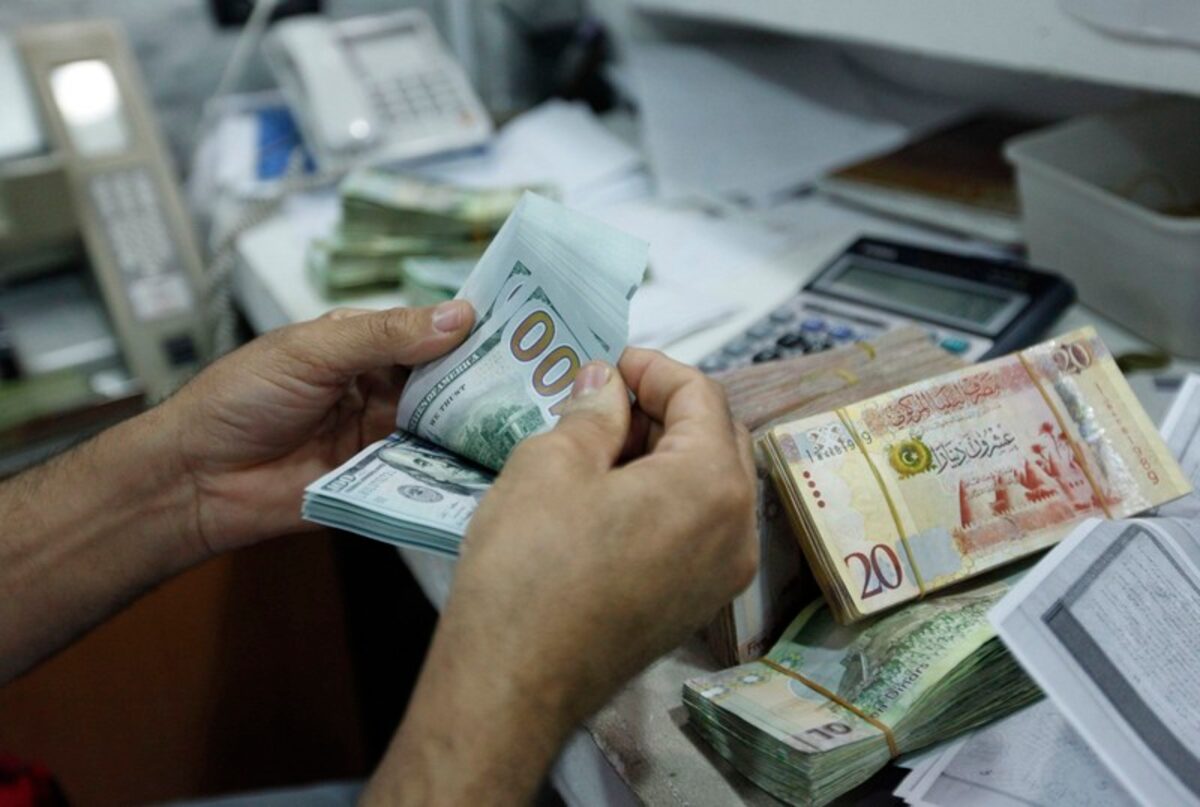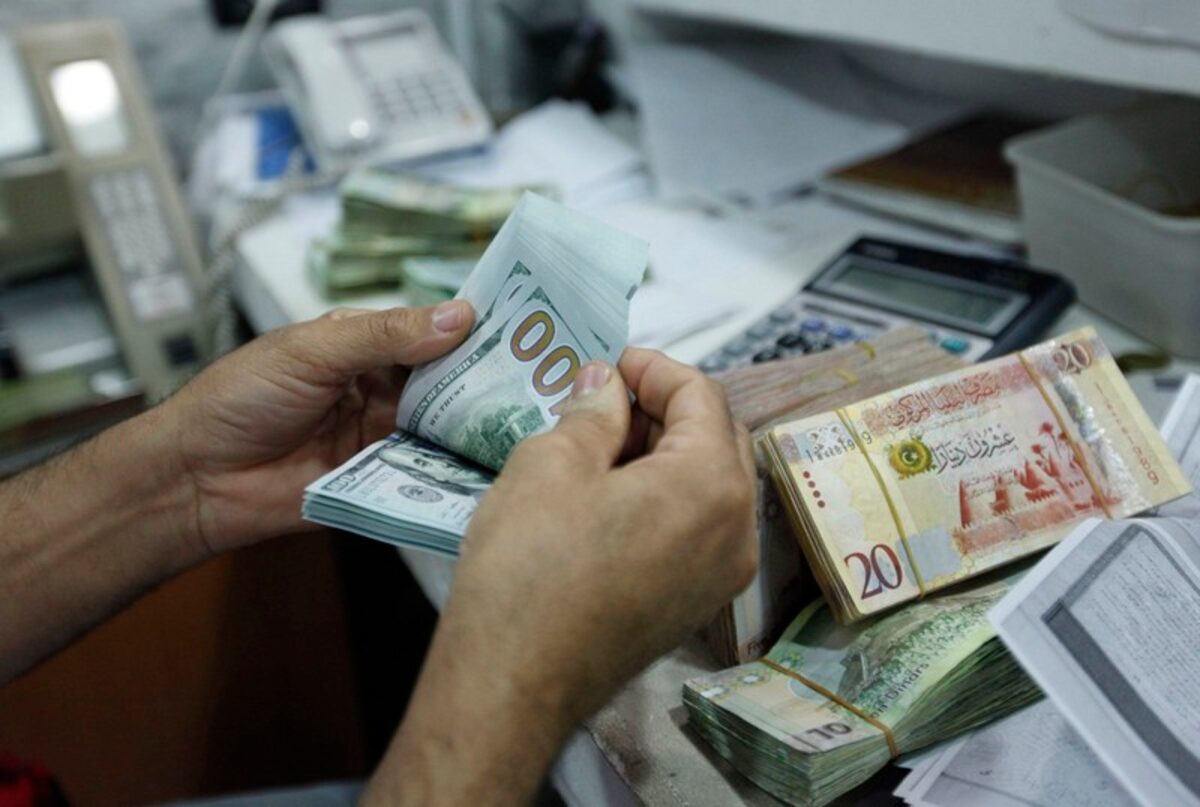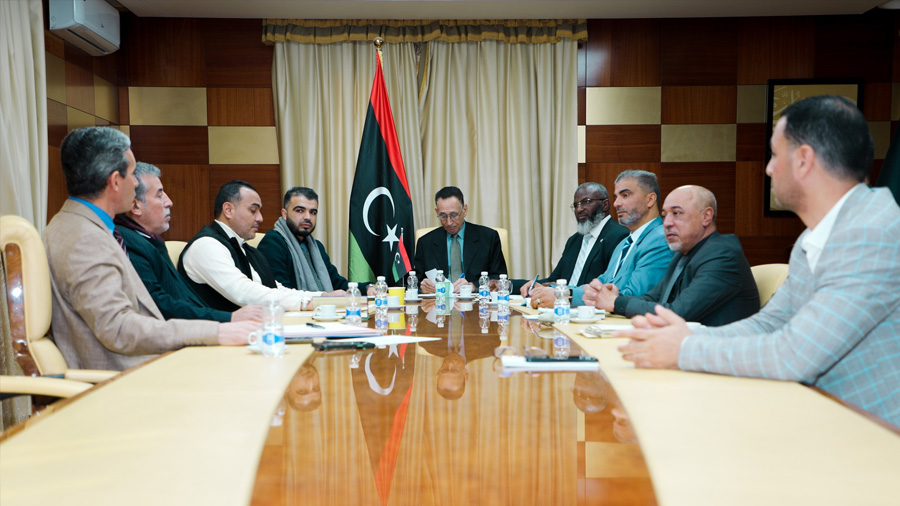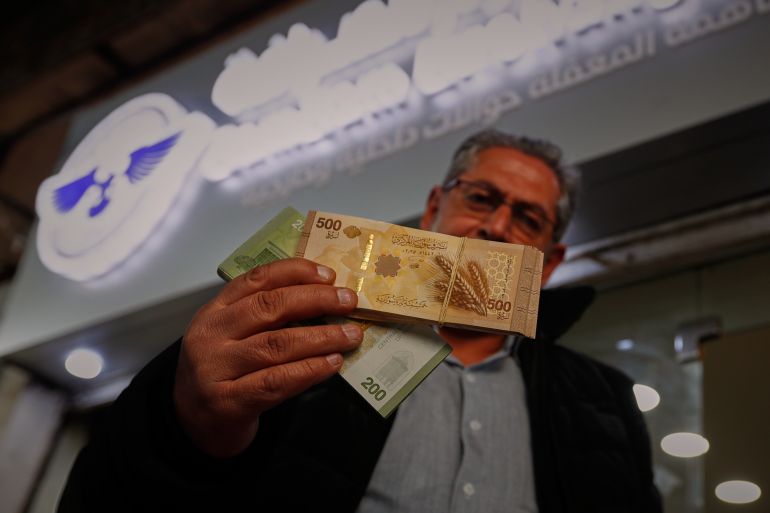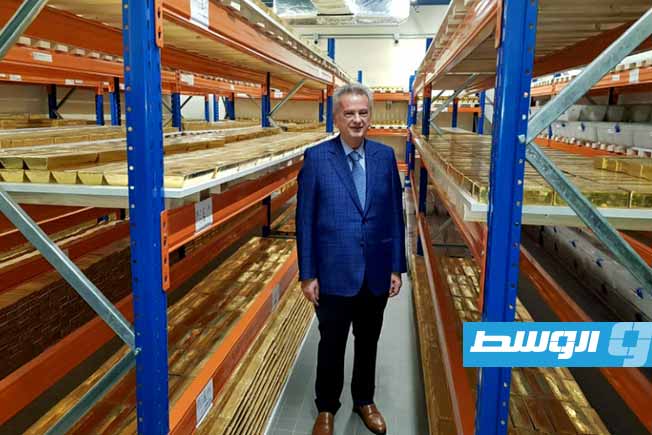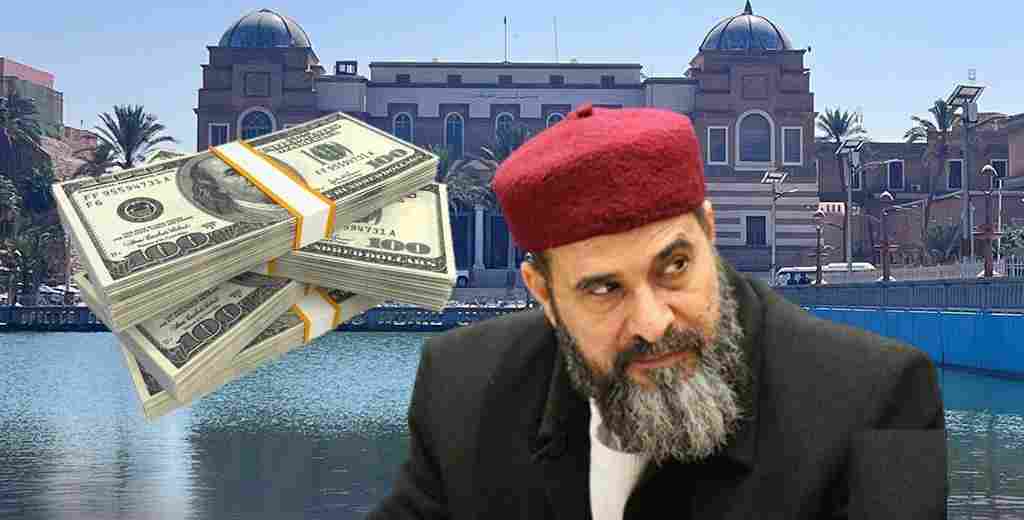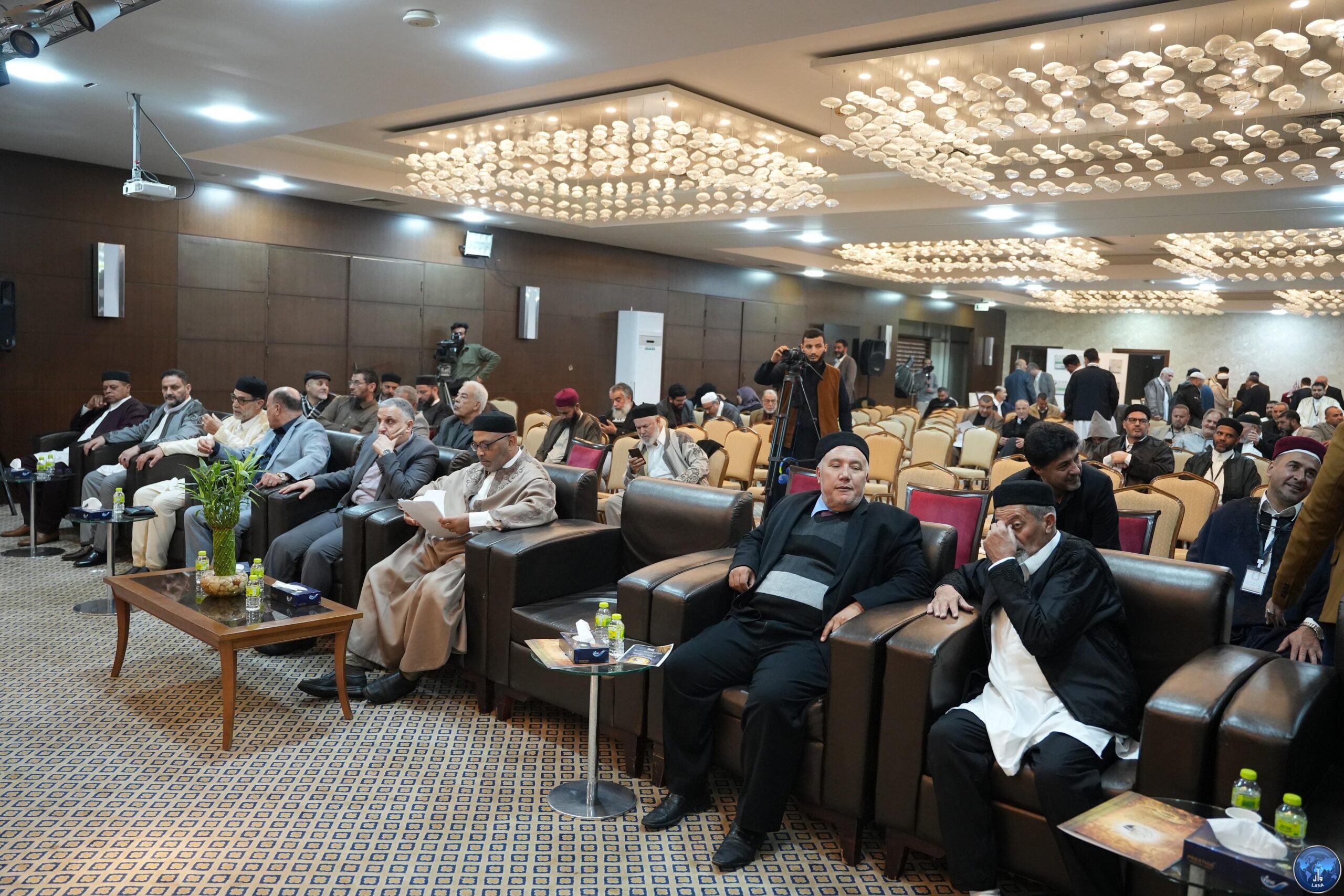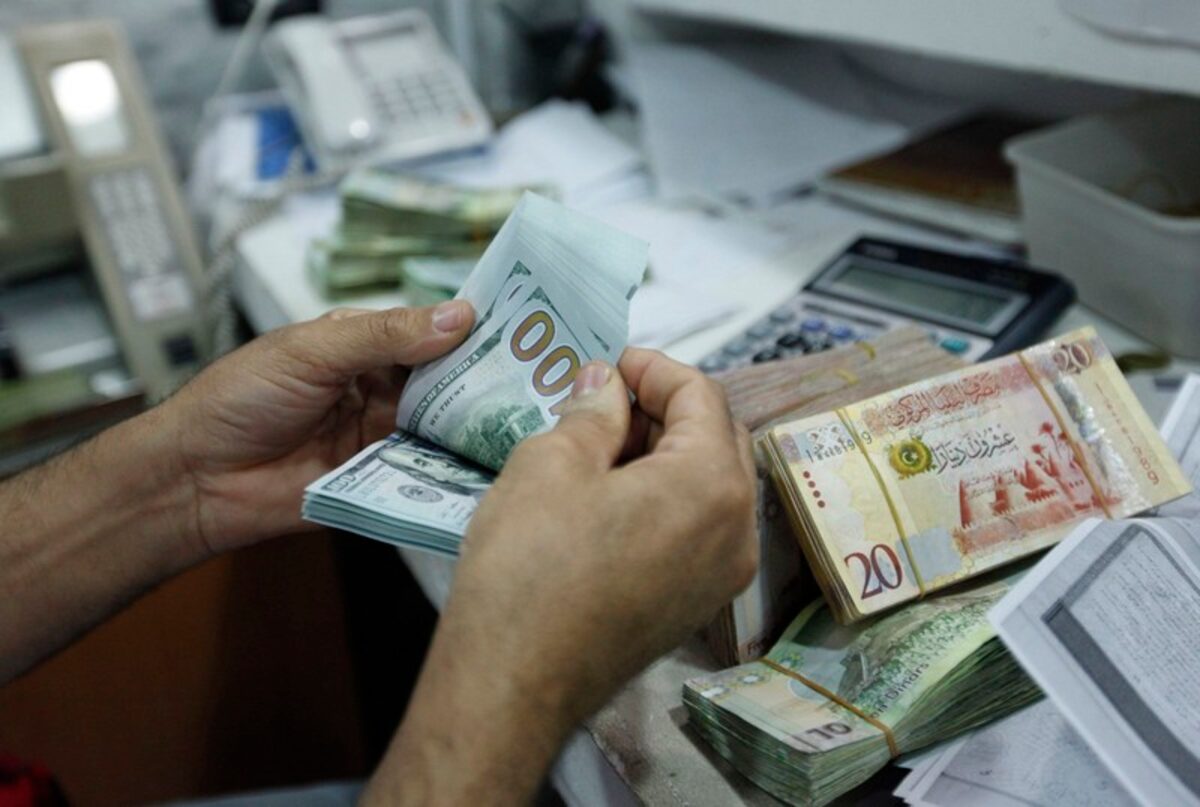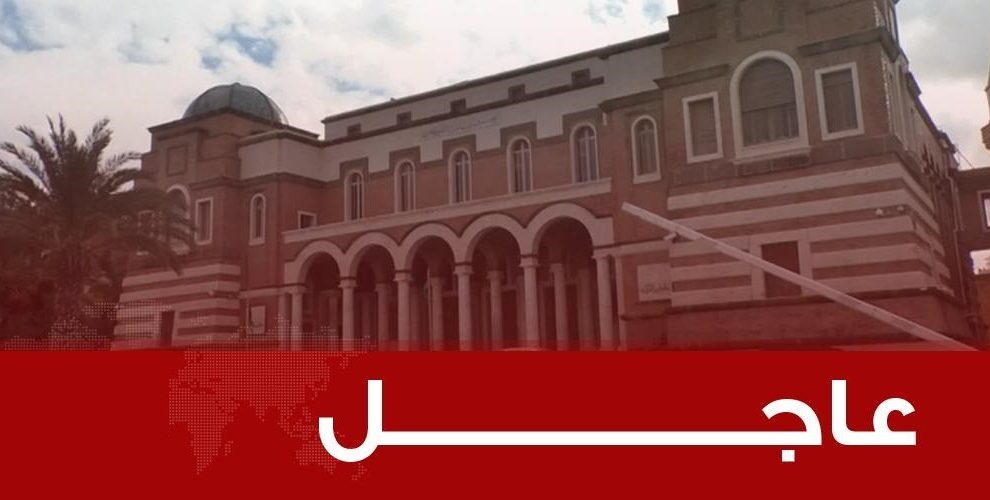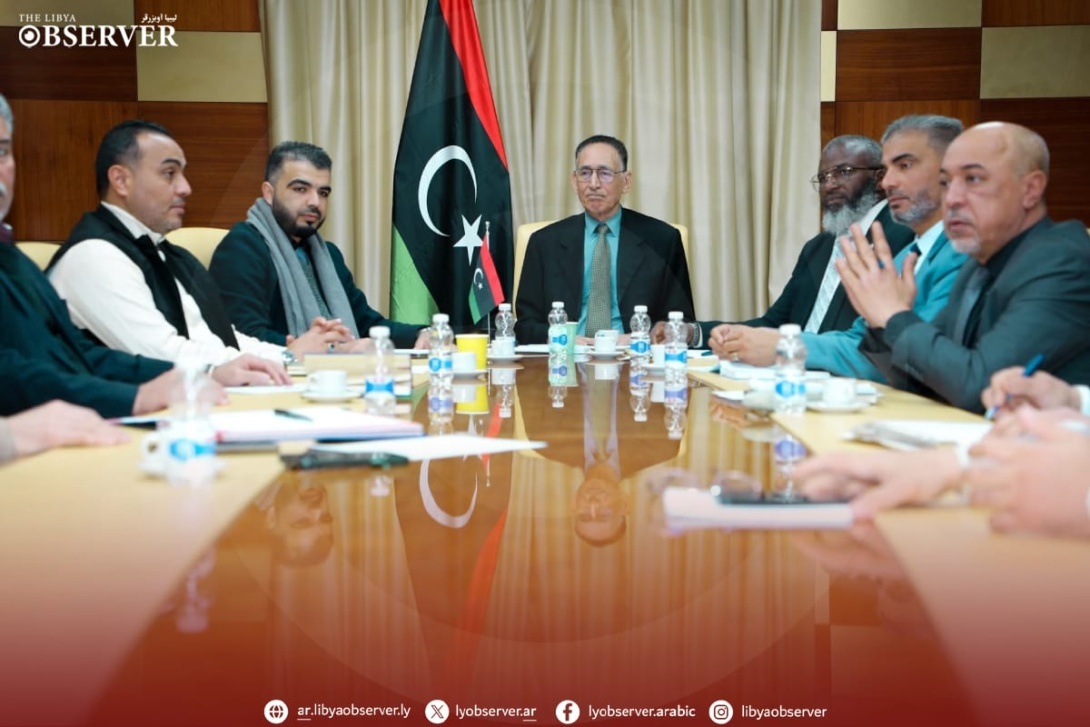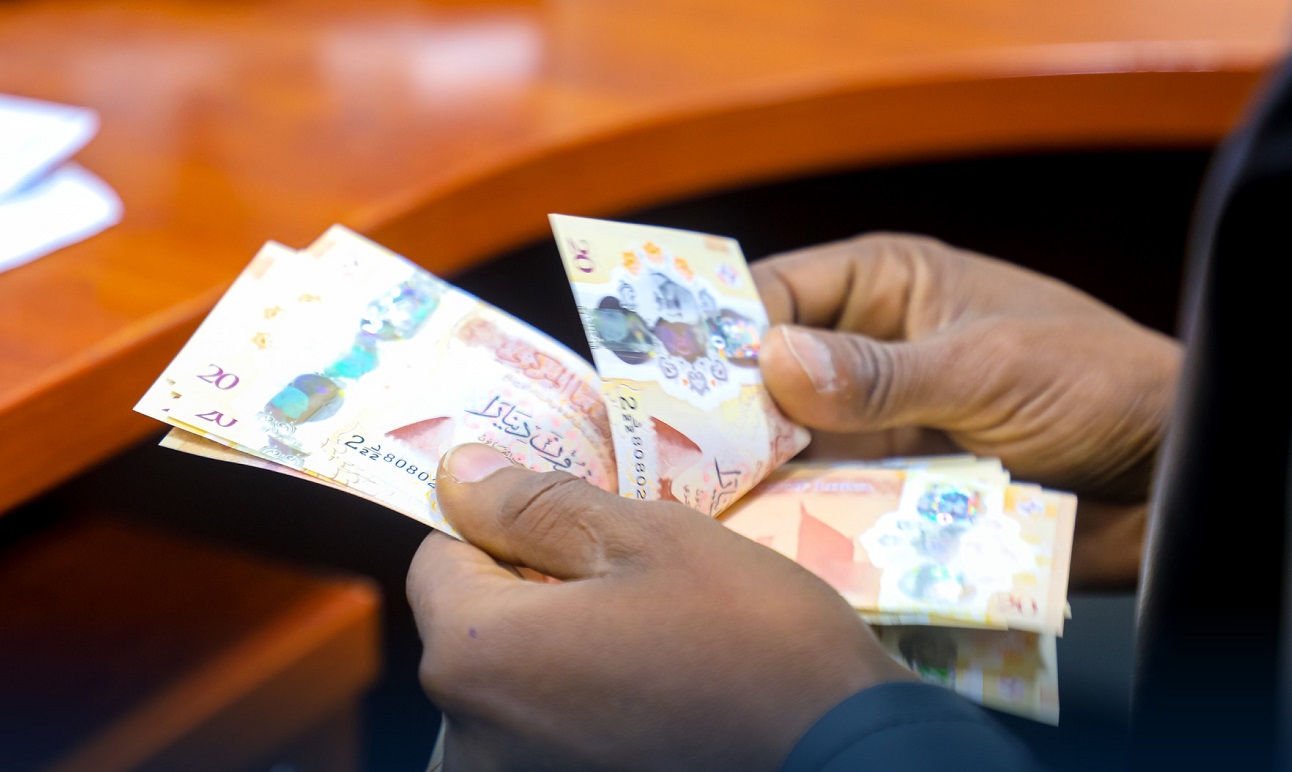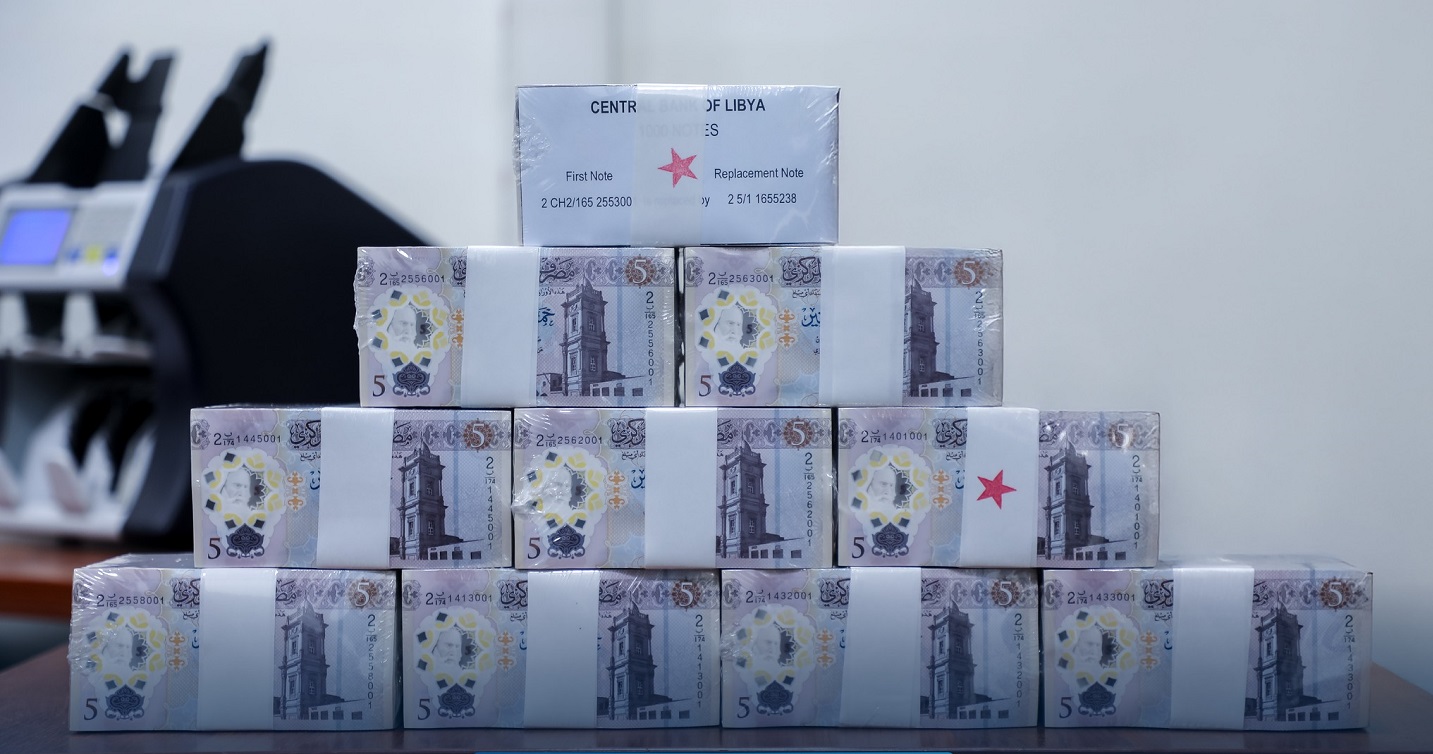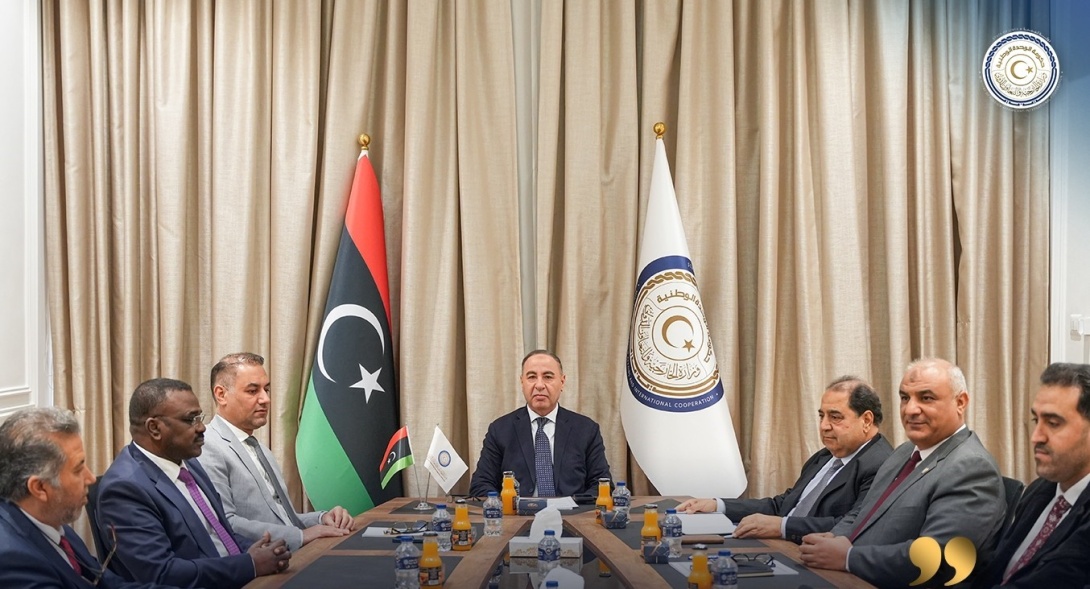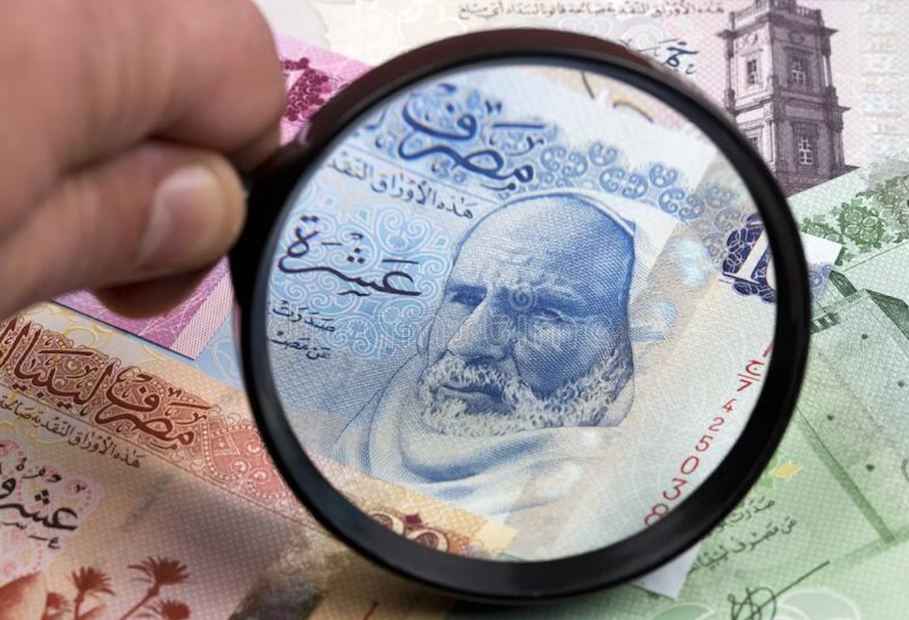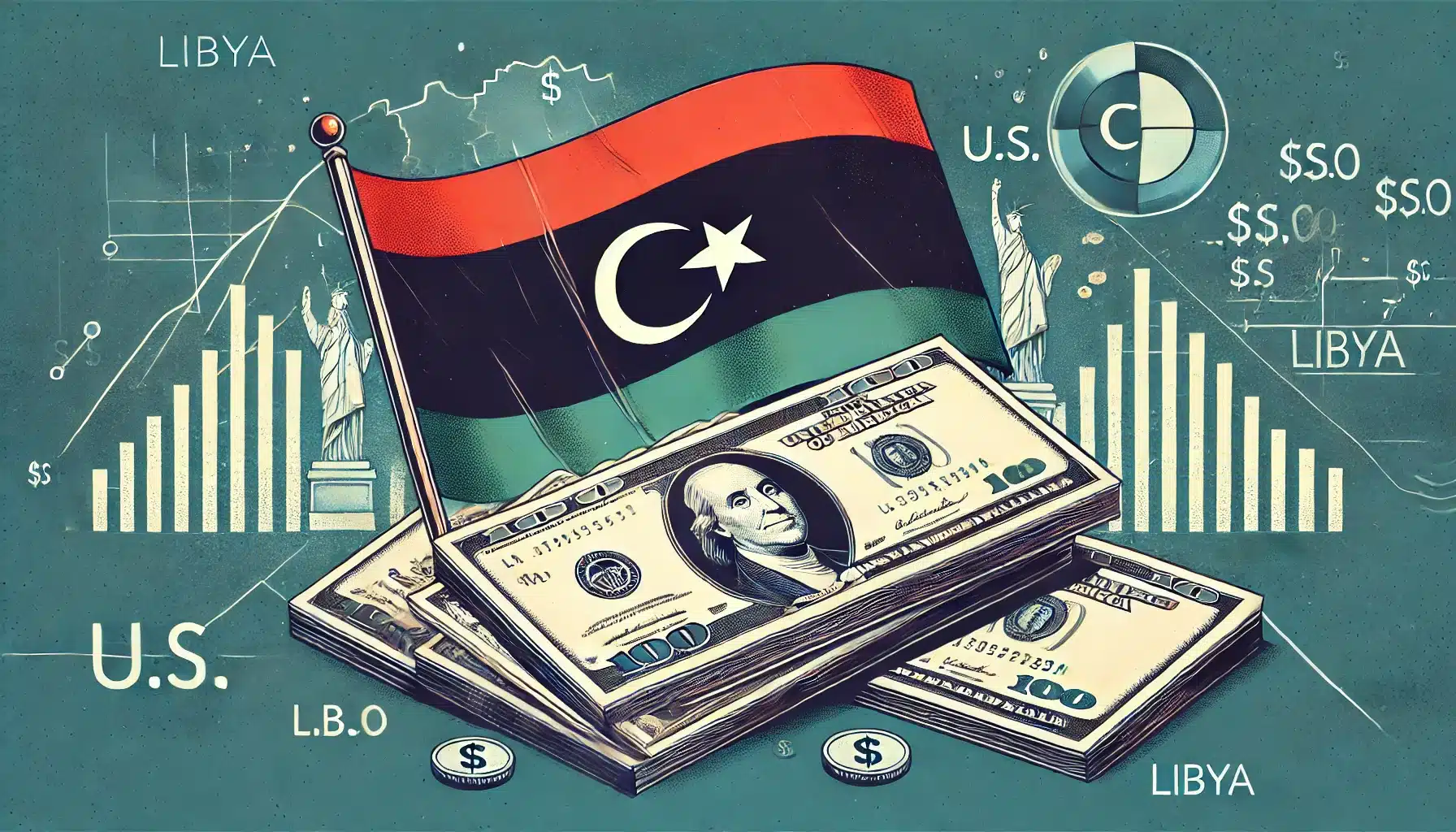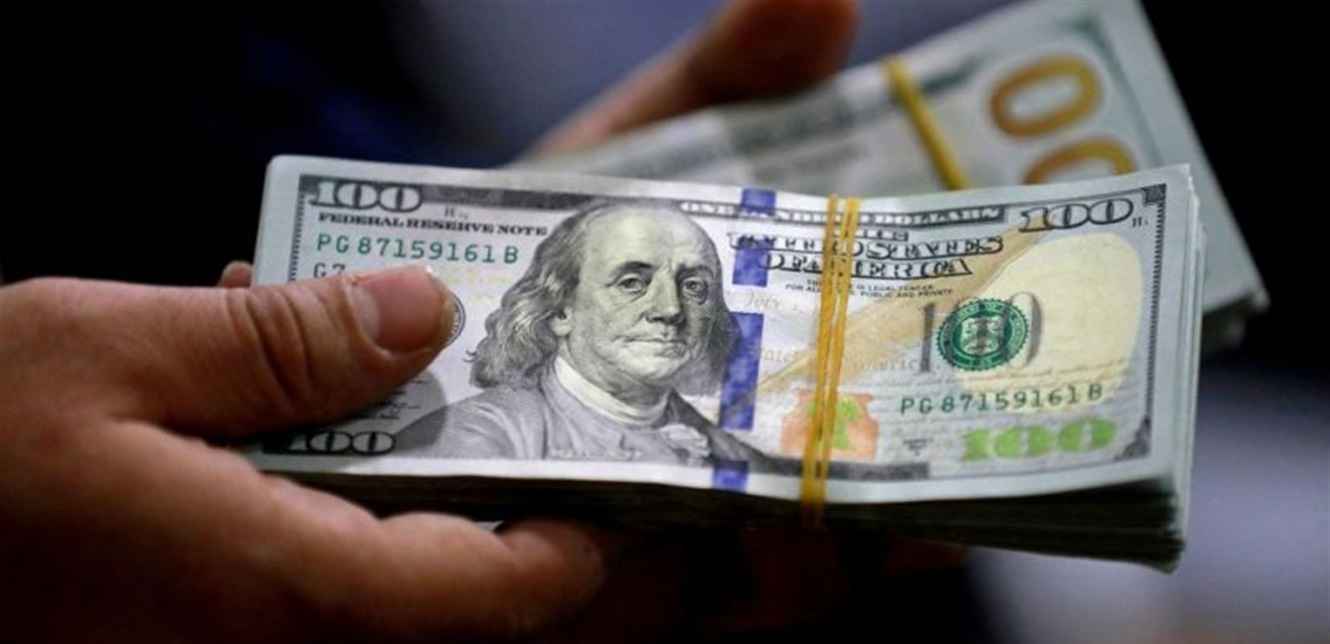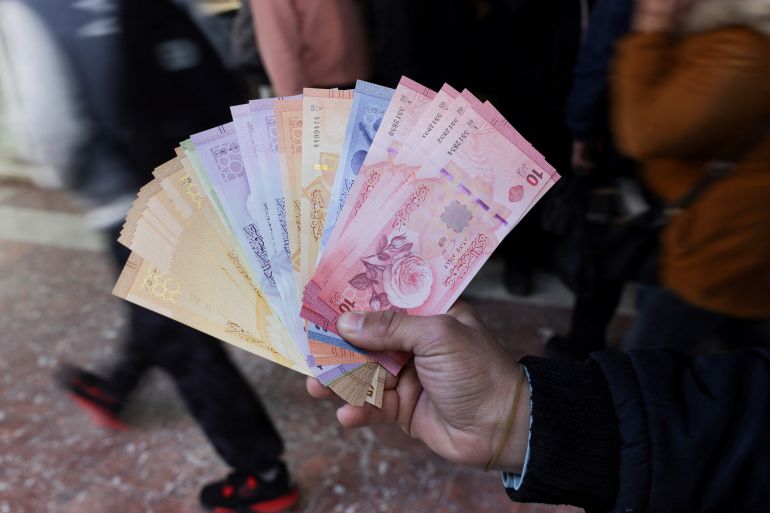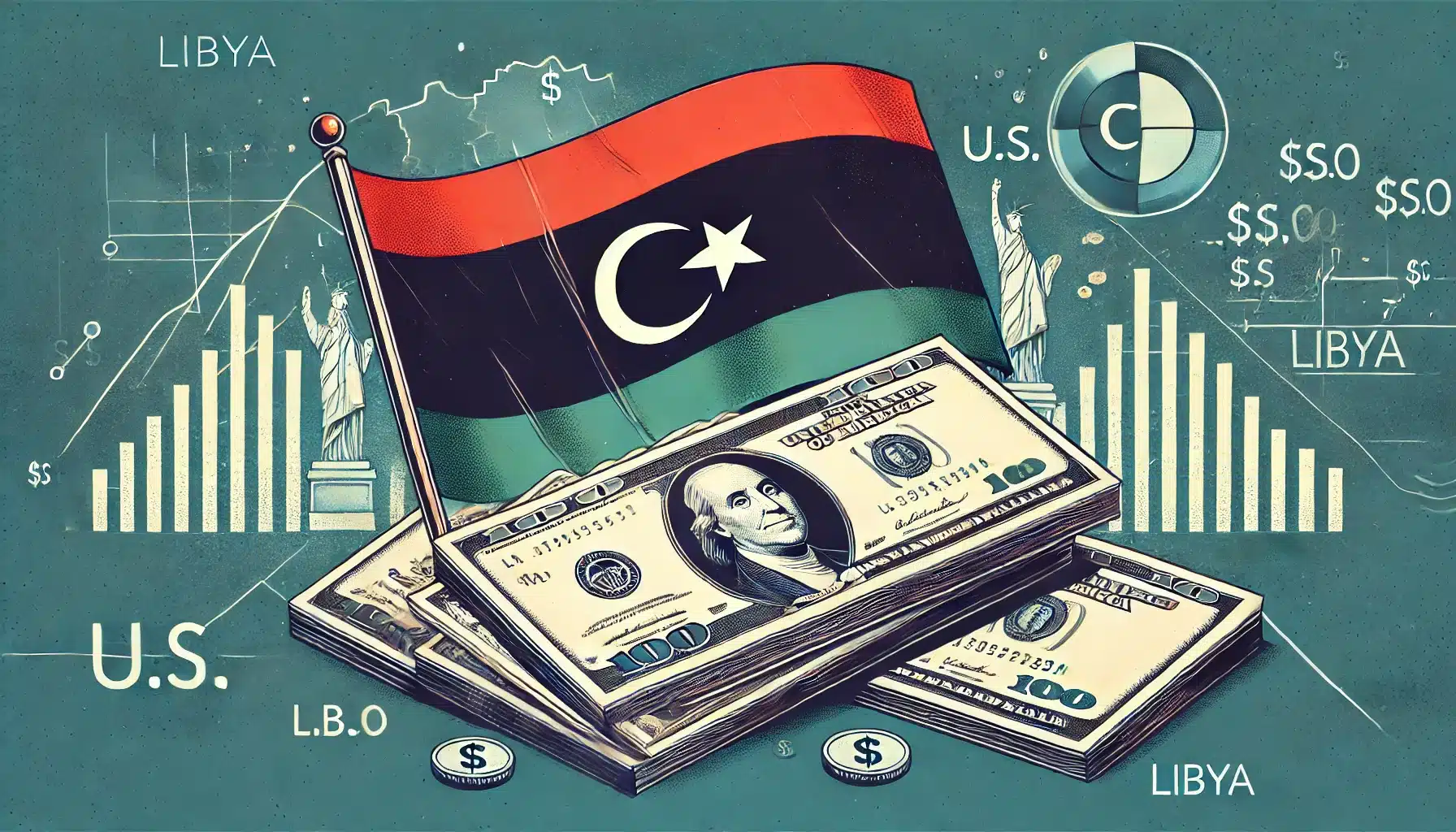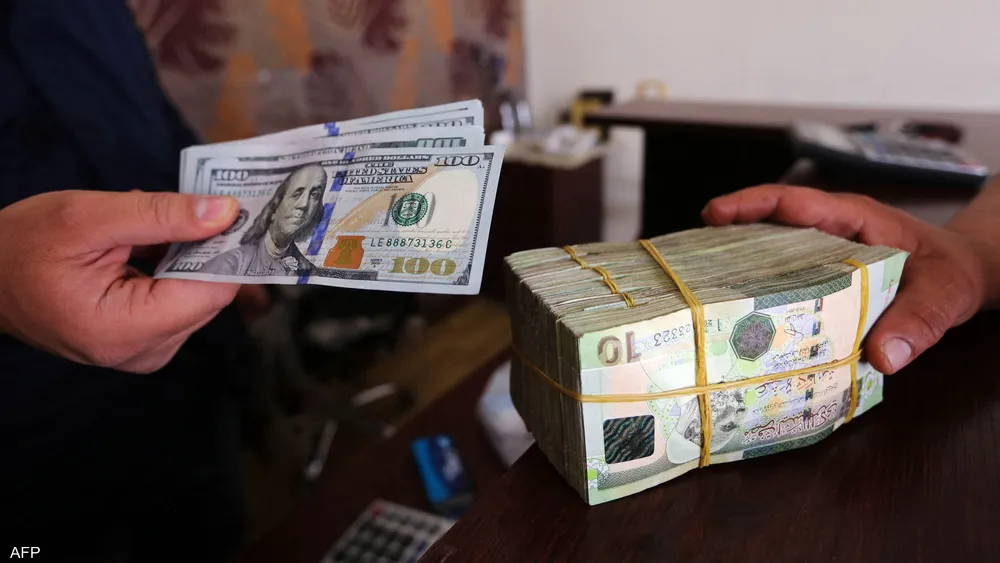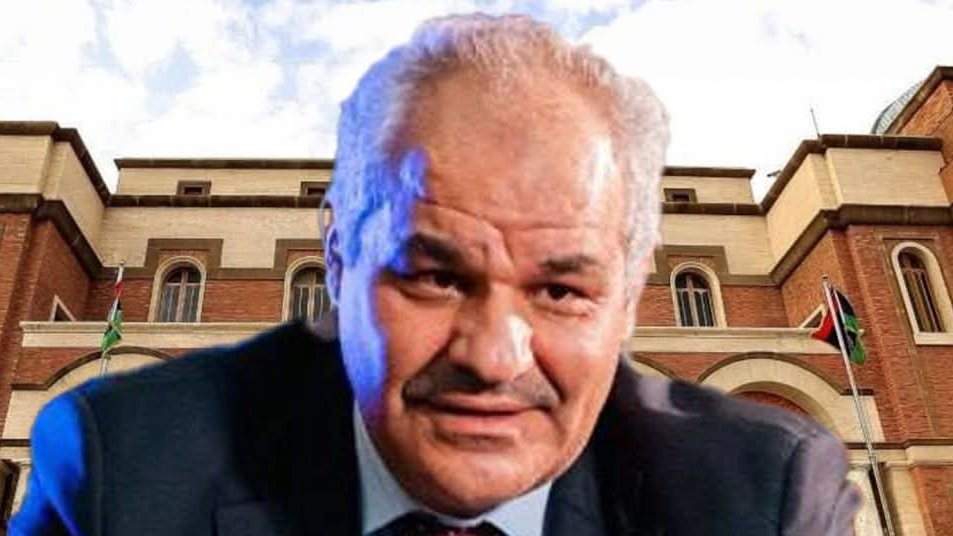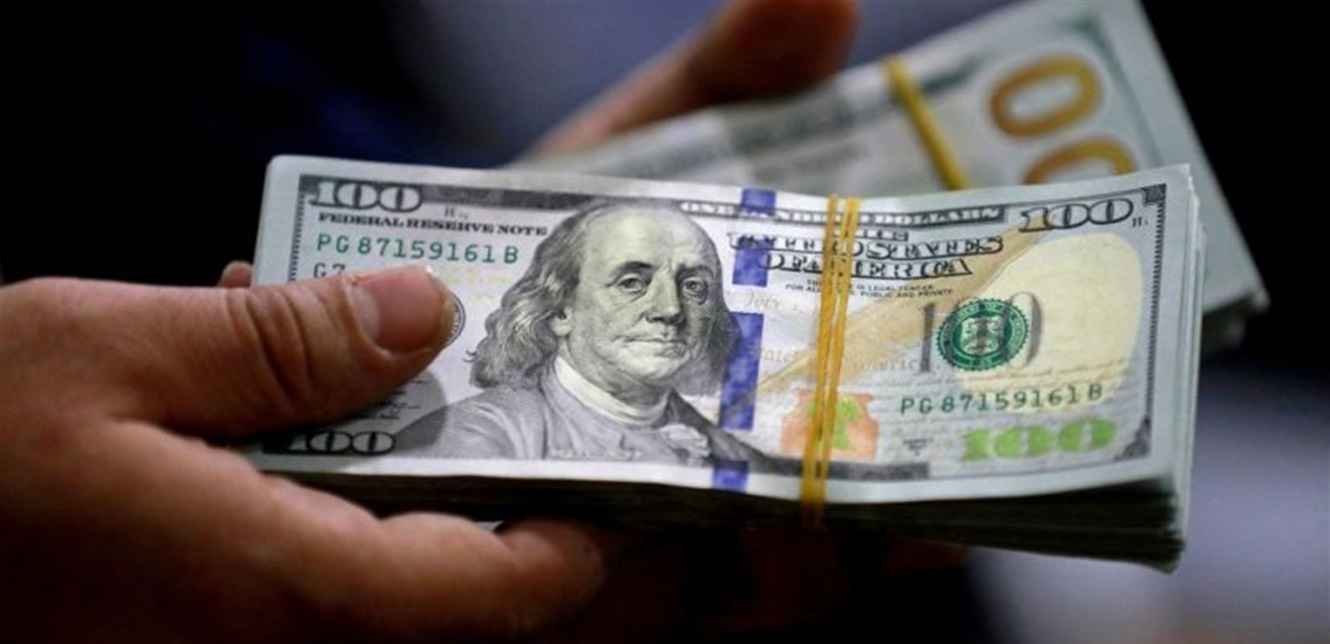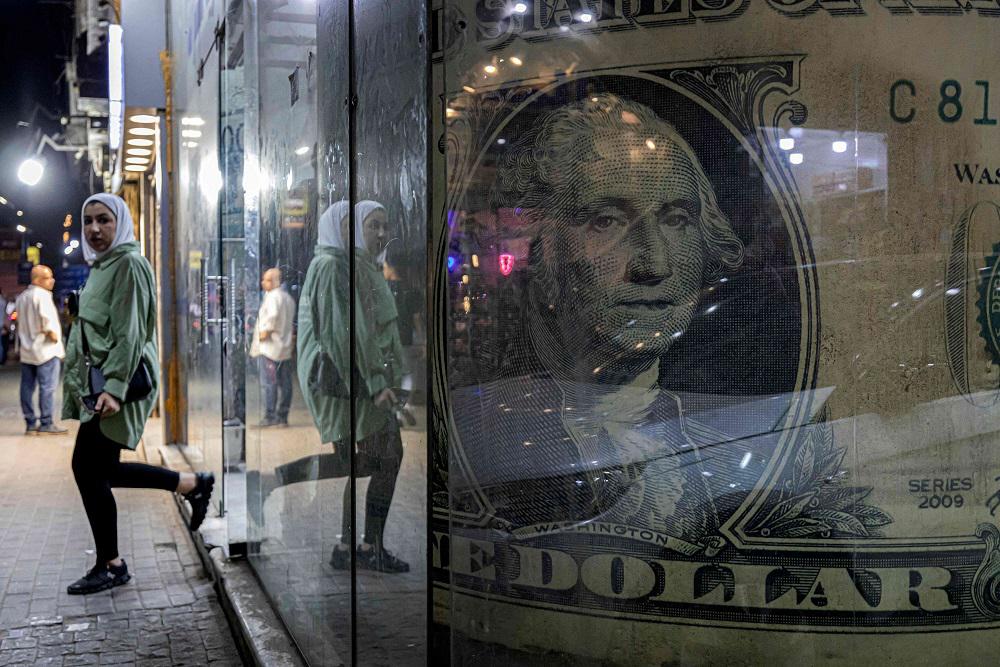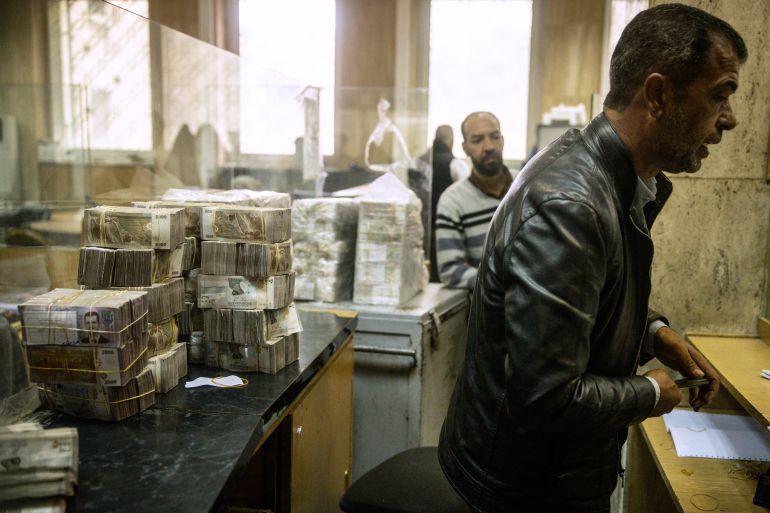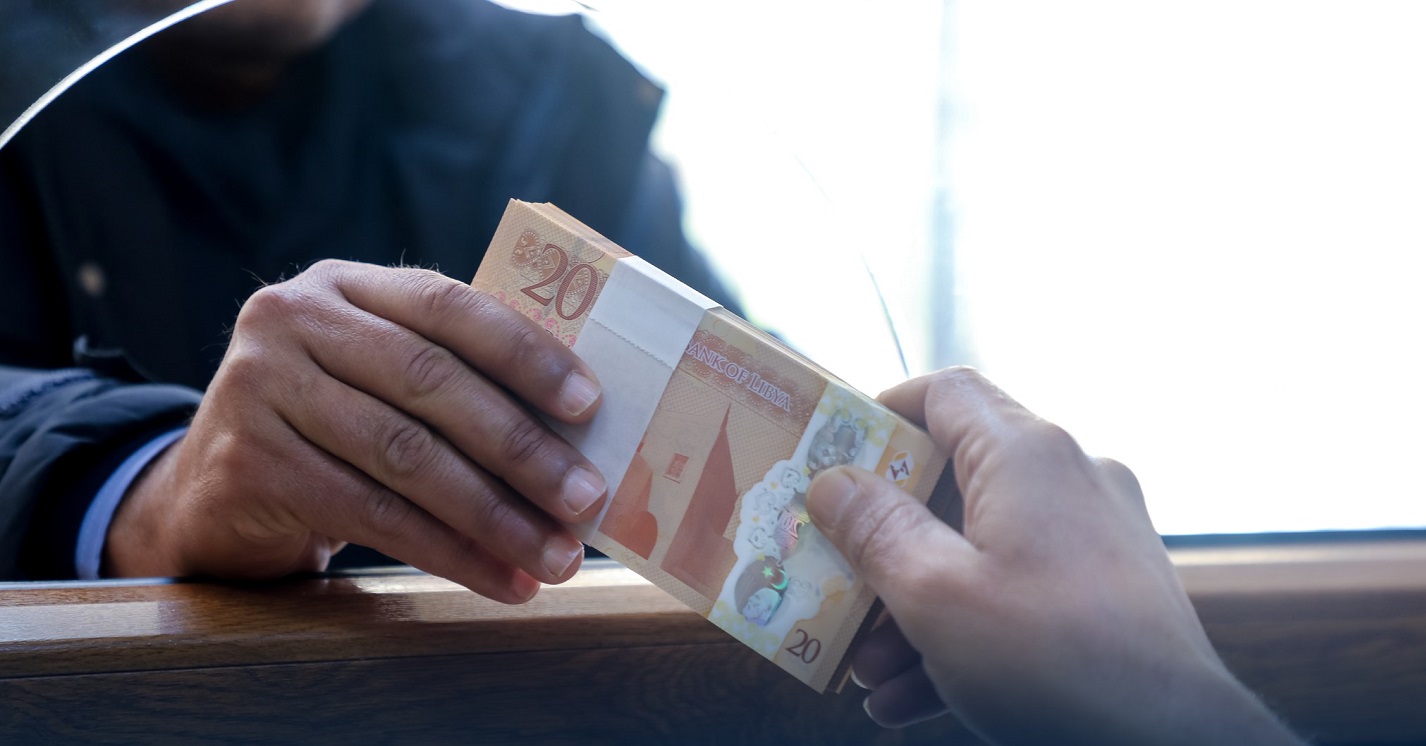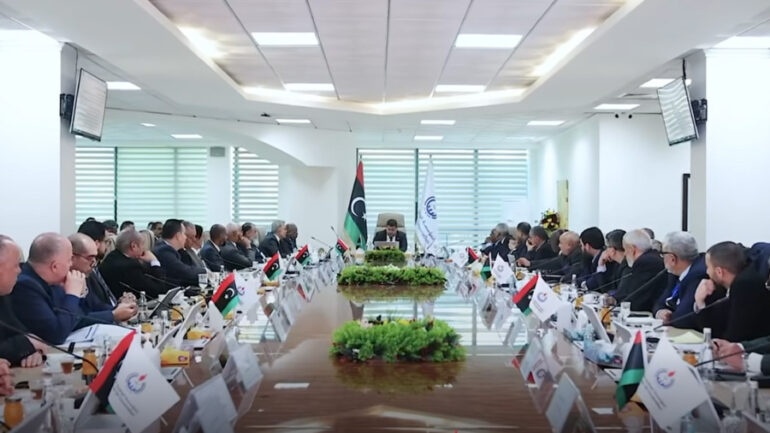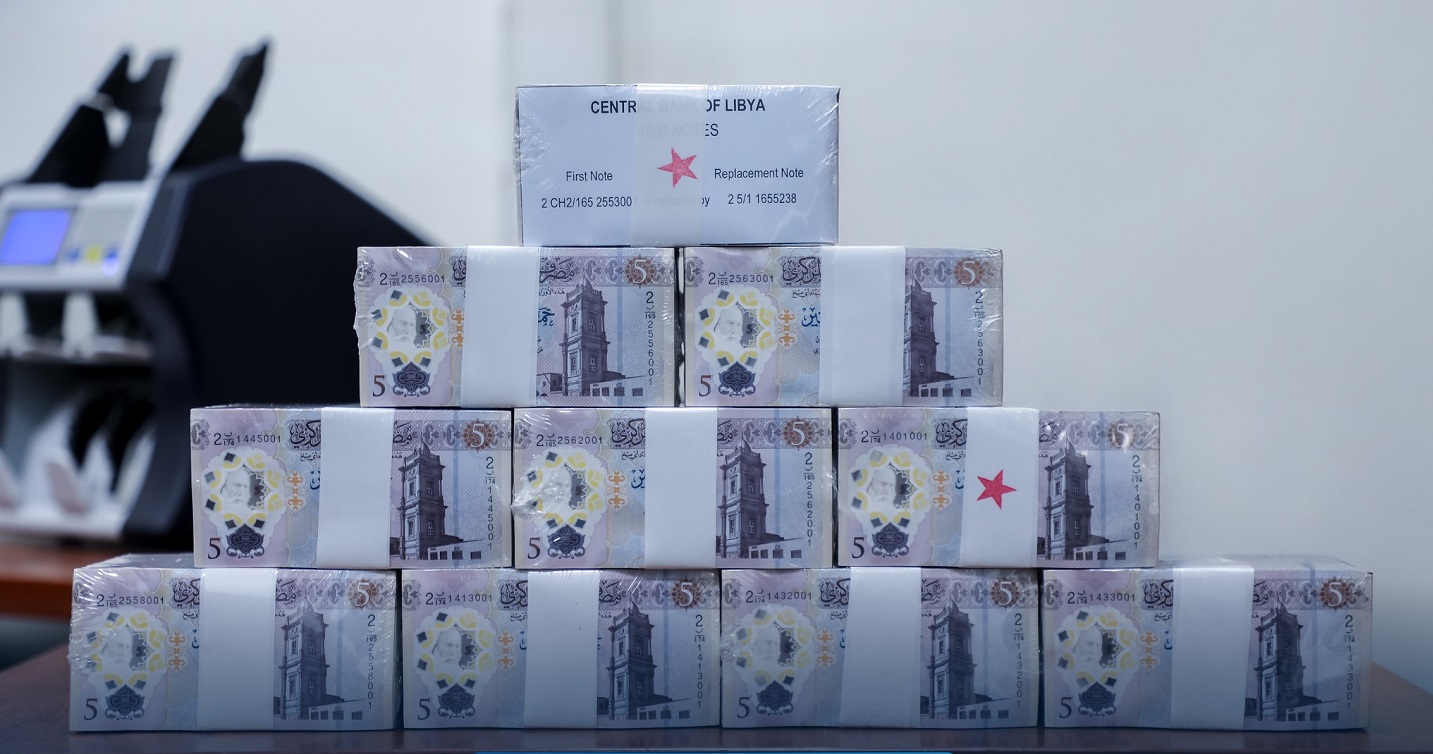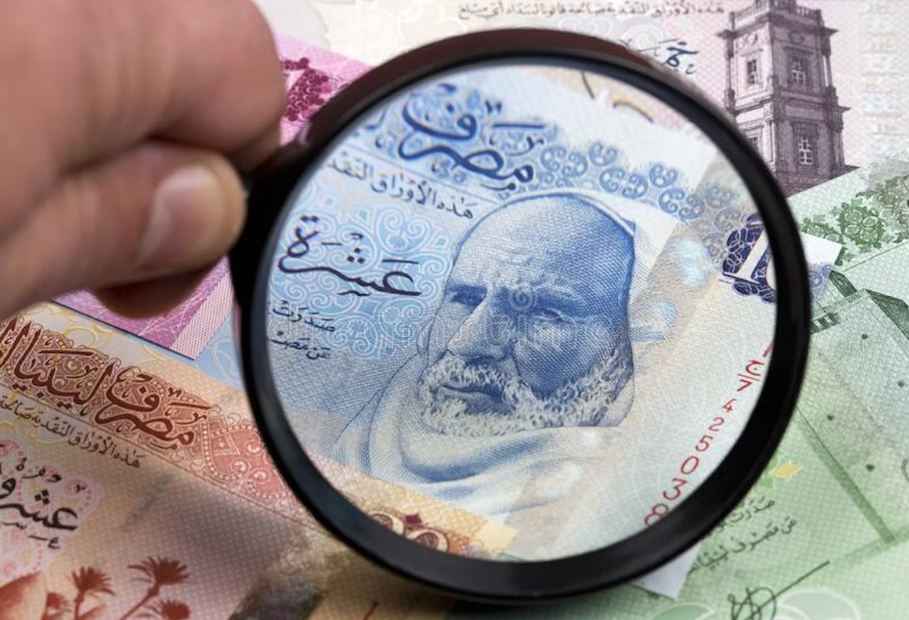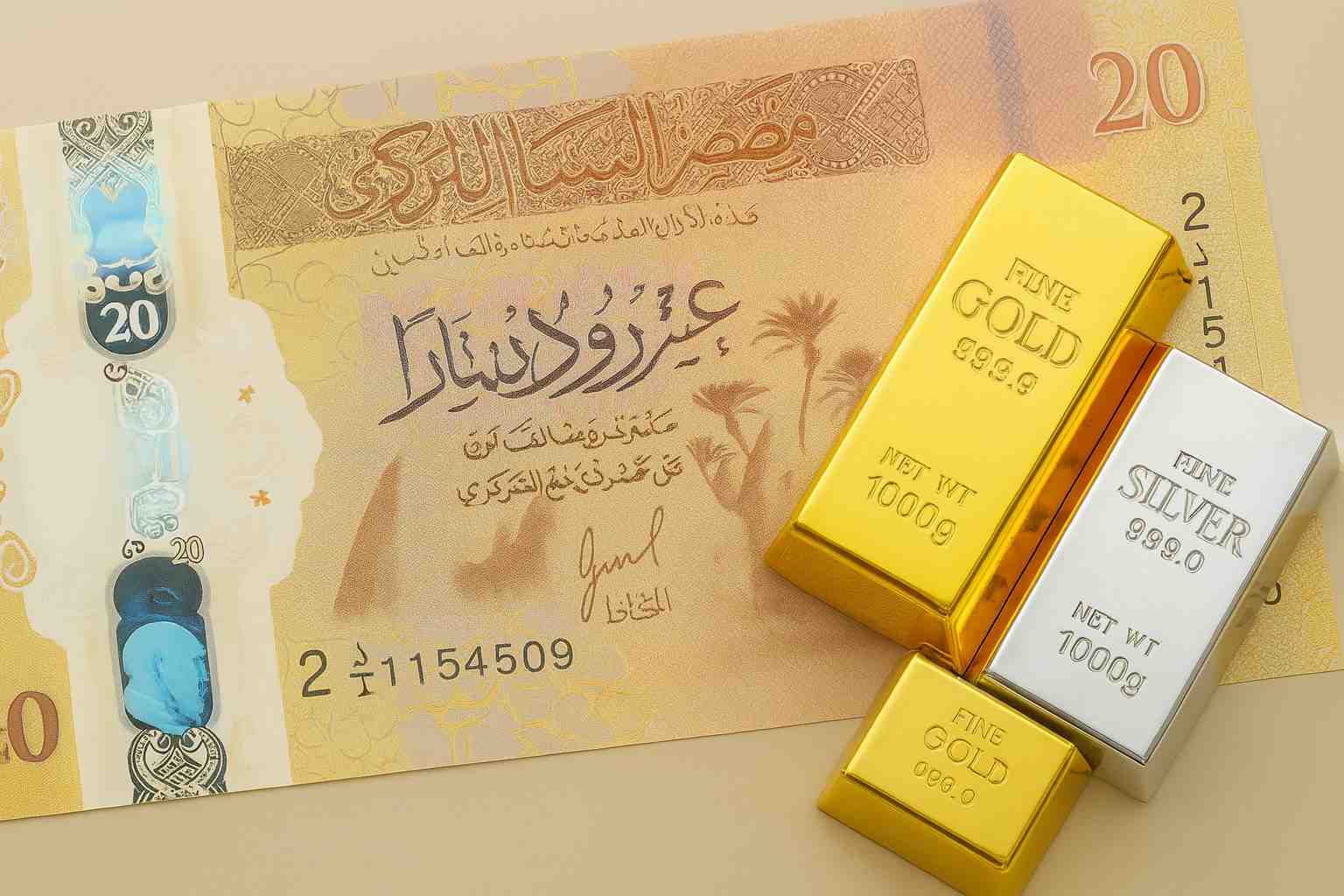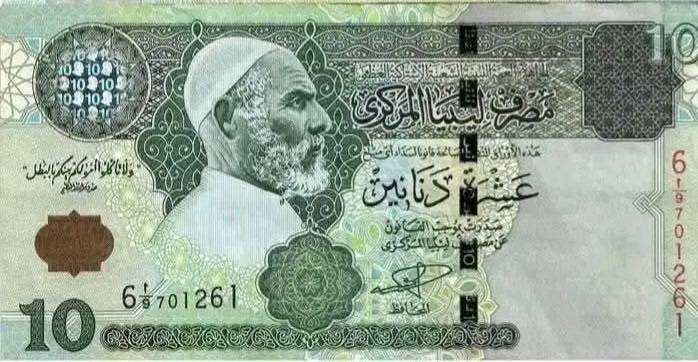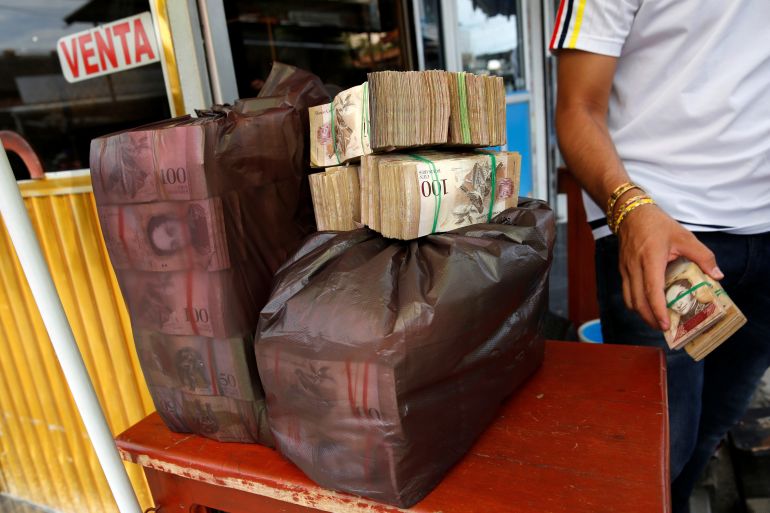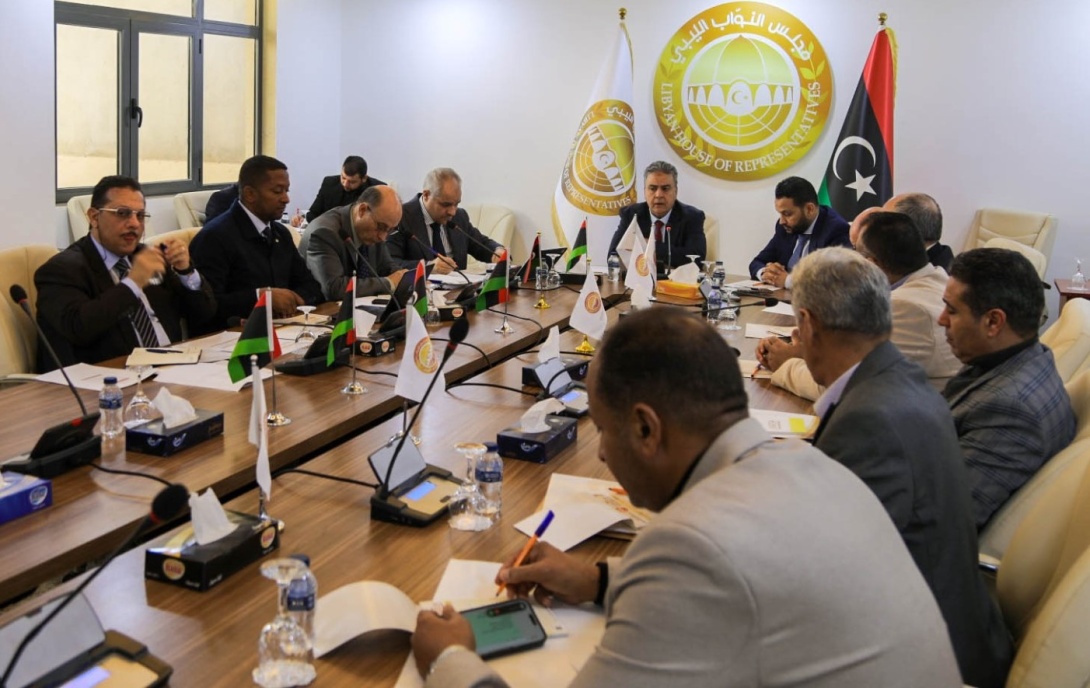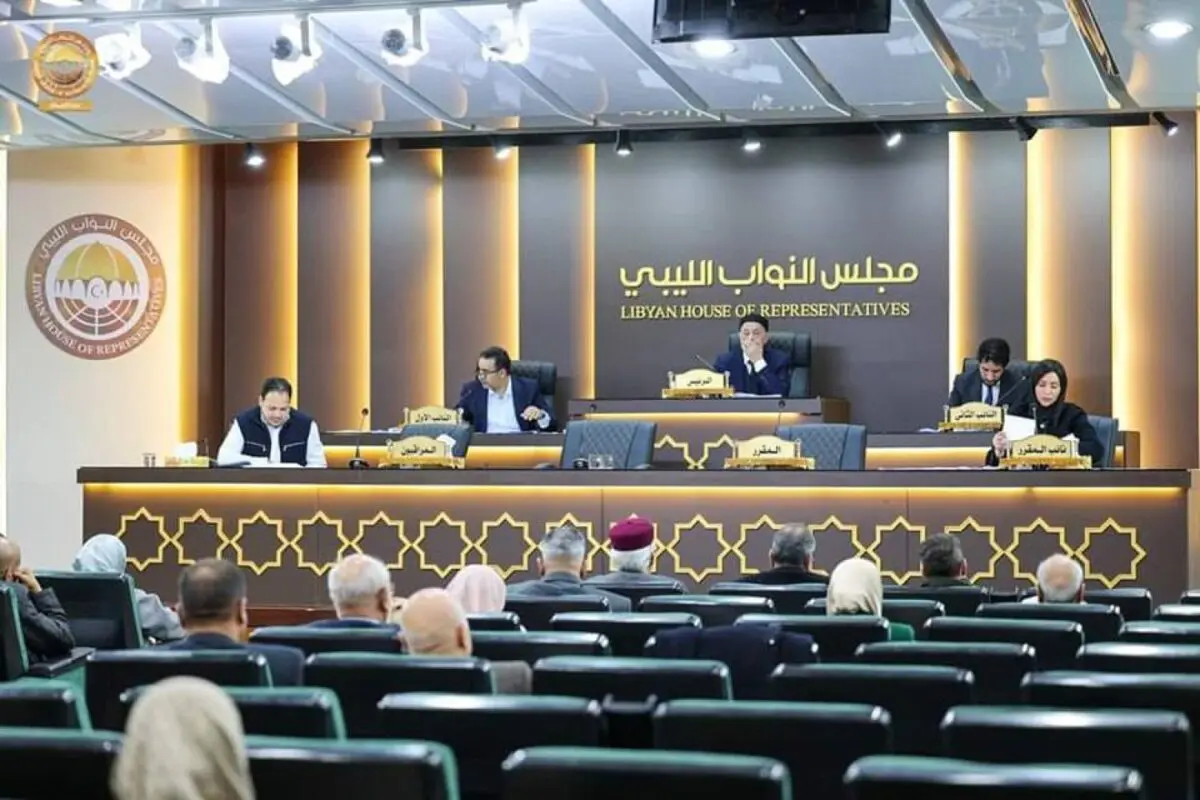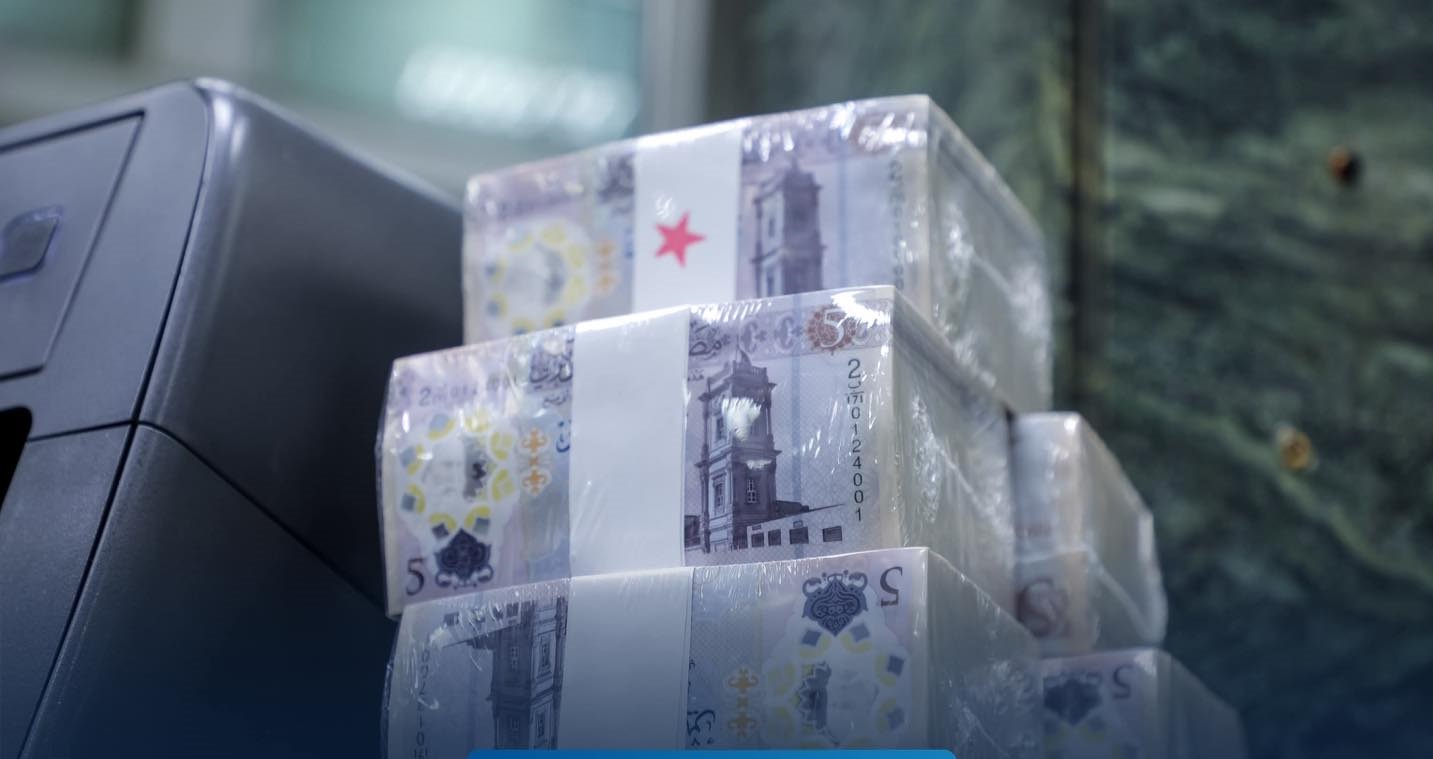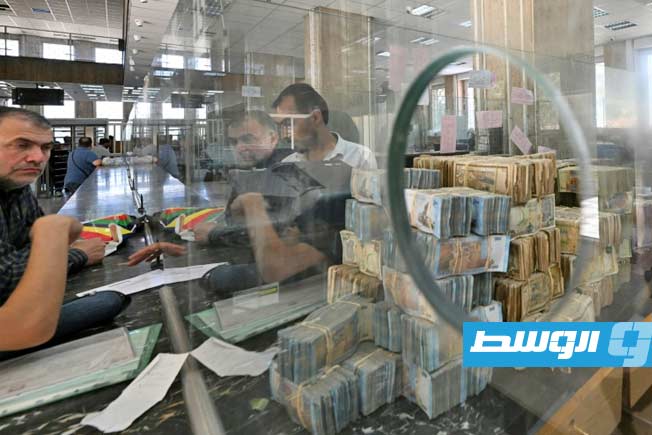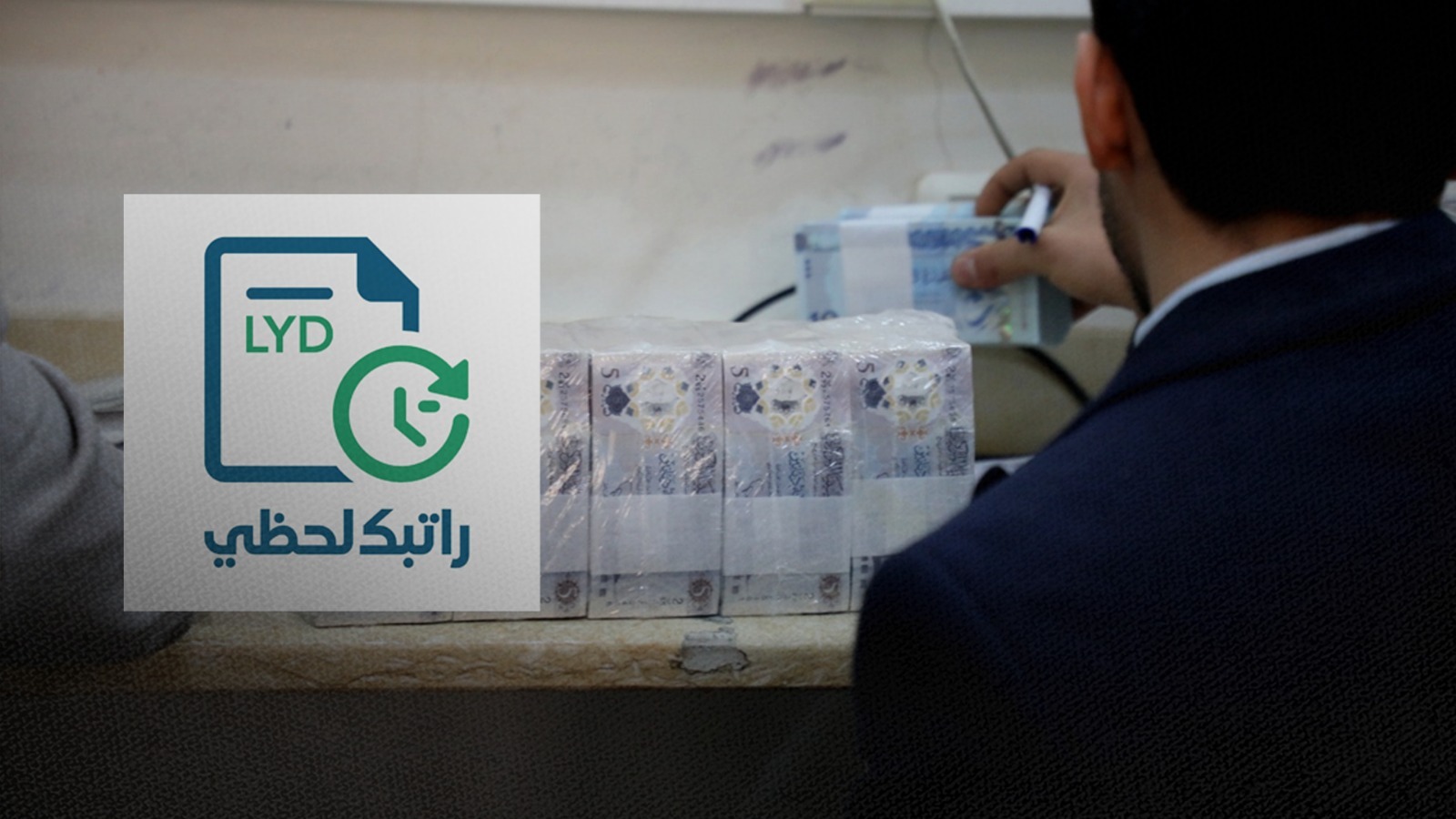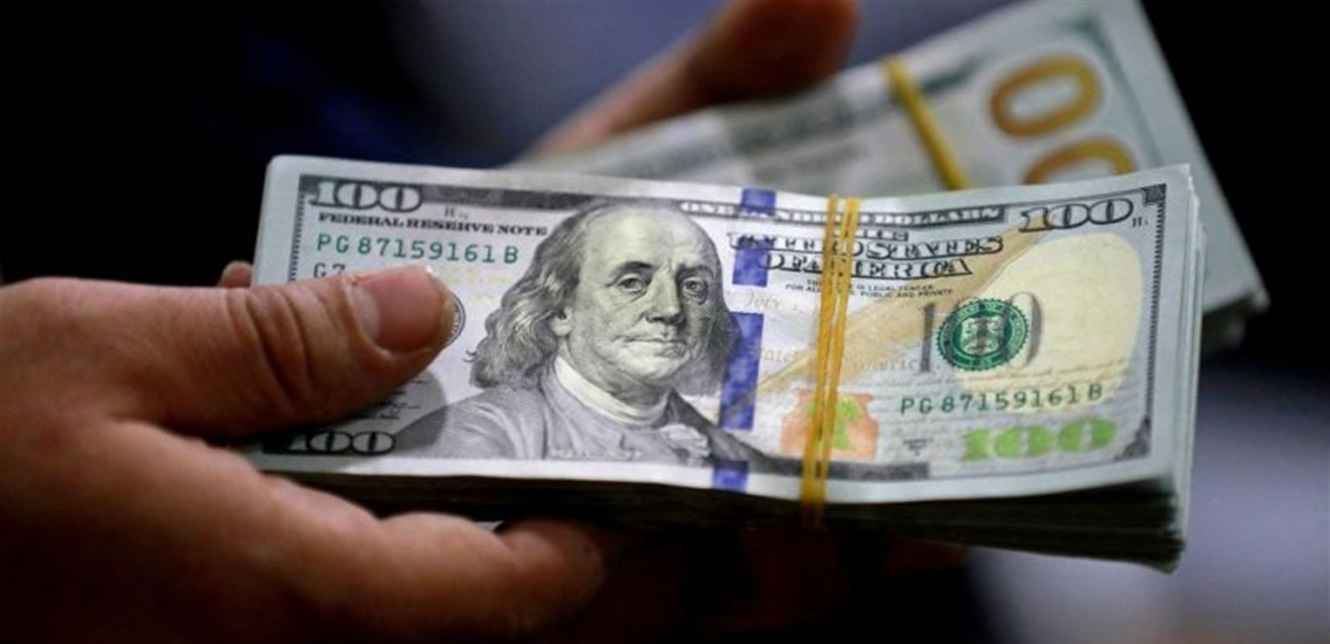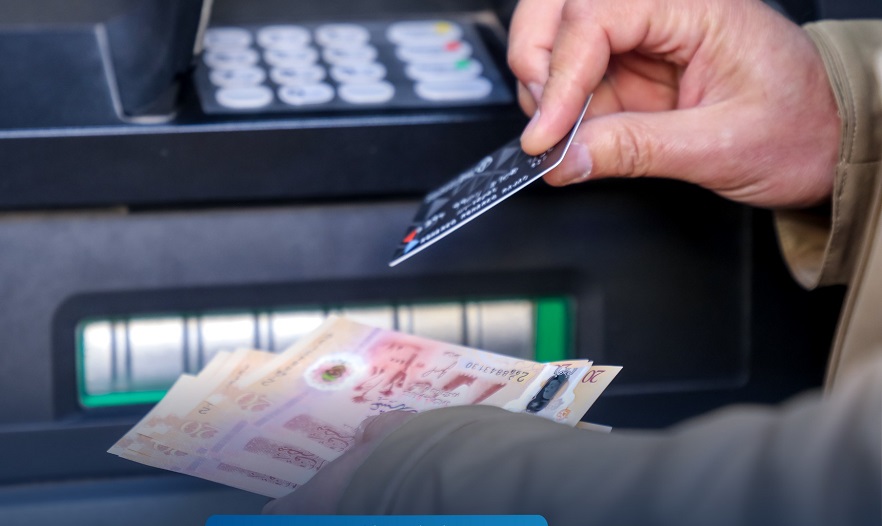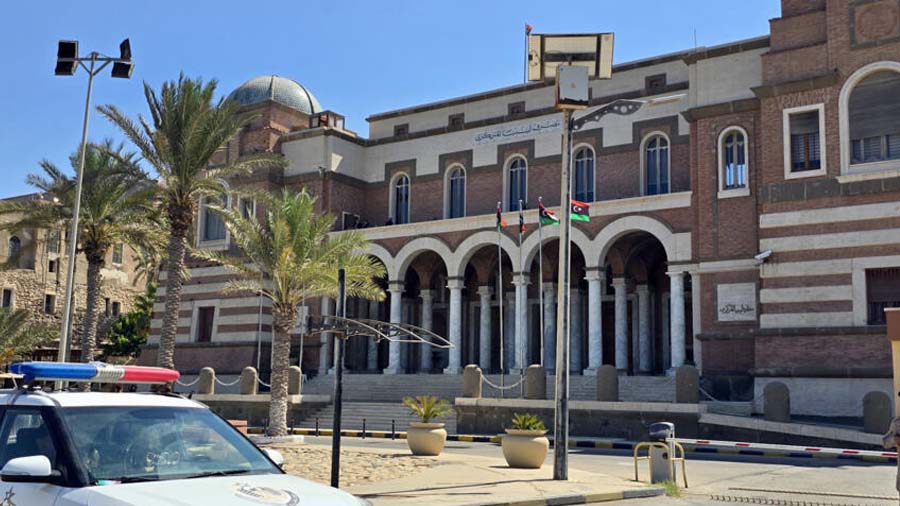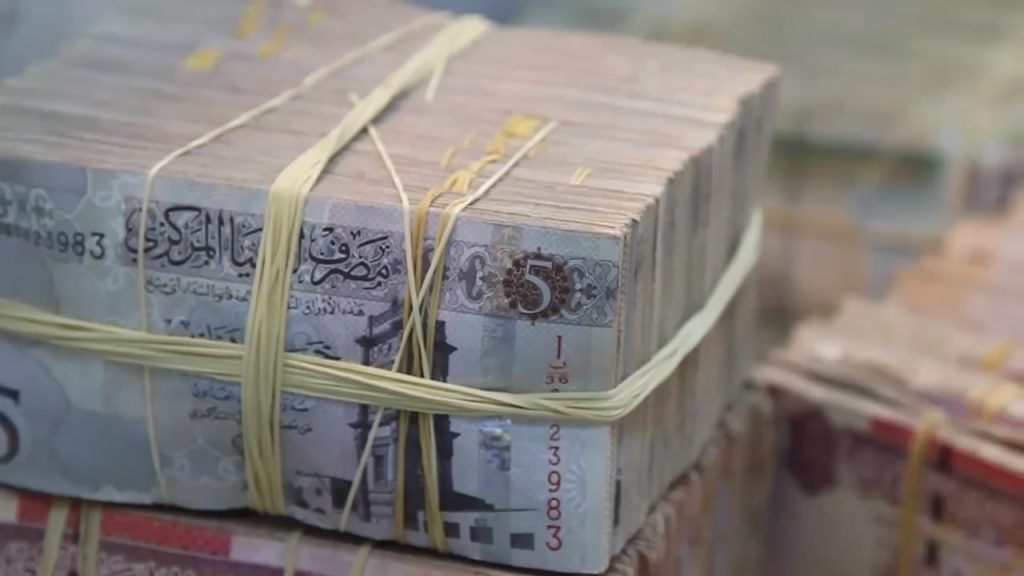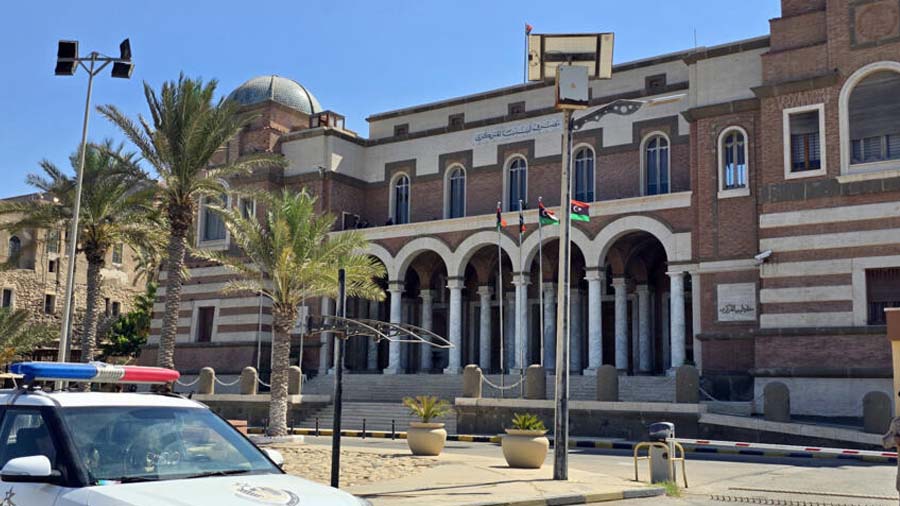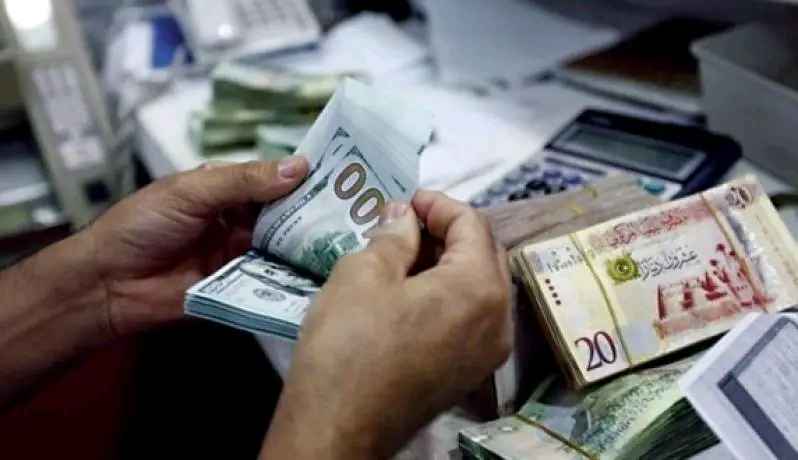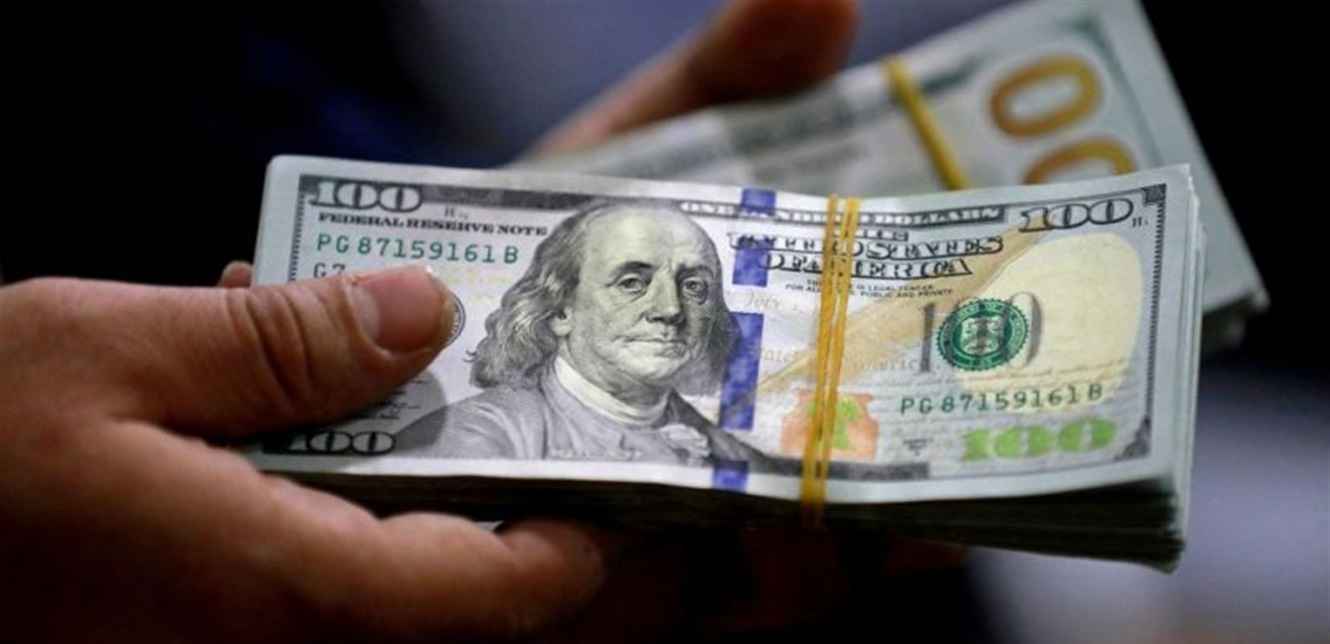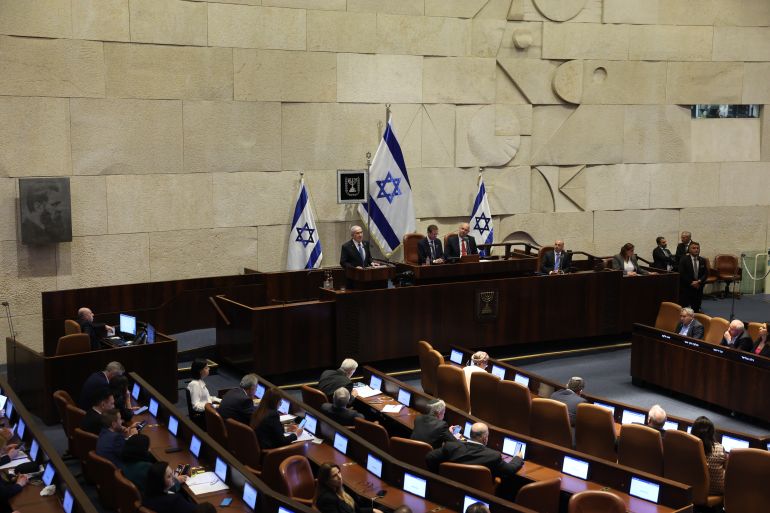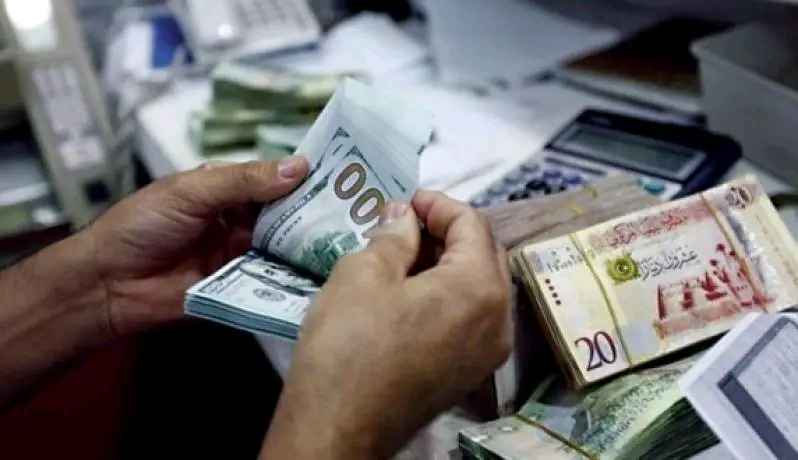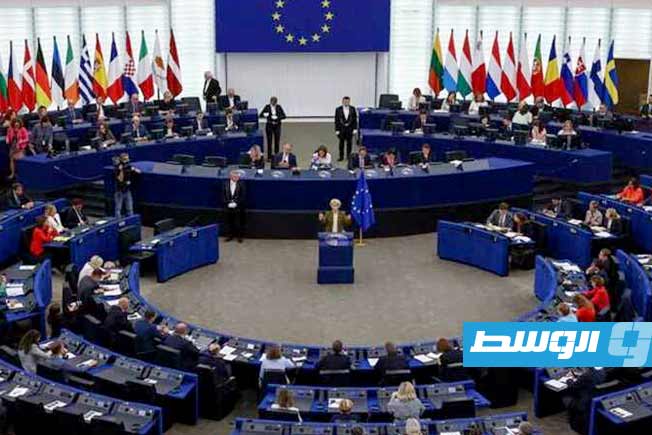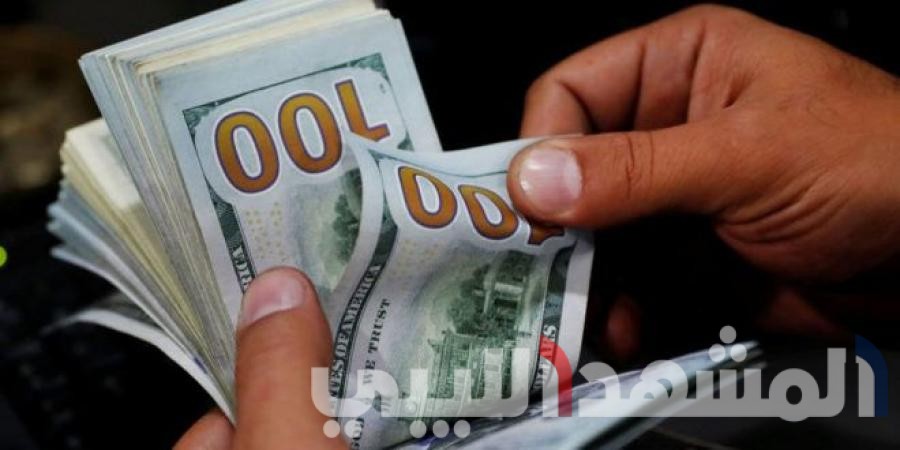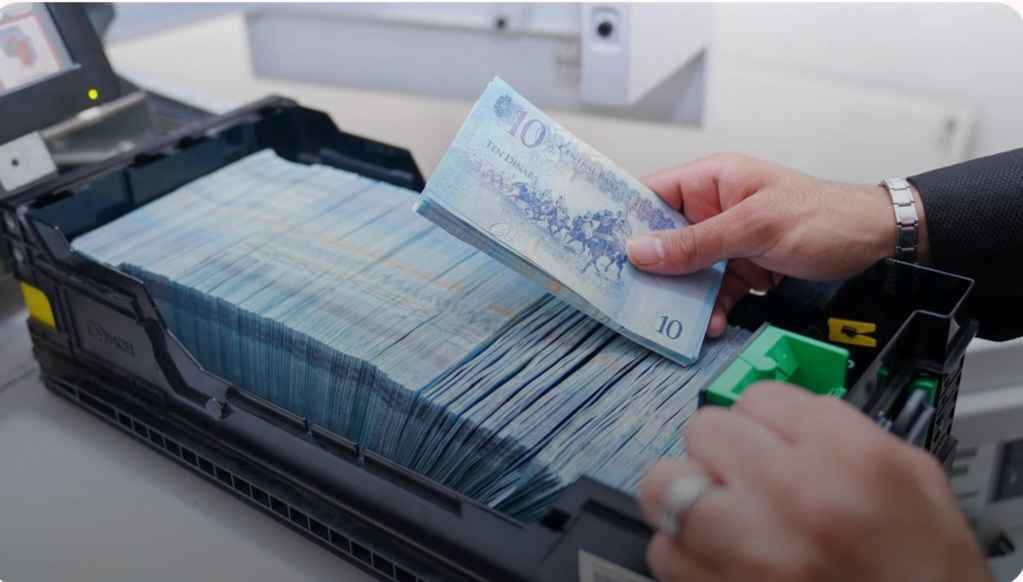
The House of Representatives has passed a law to settle public banking debt owed by the state treasury for the period from 2014 to 2025, totaling 303 billion and 441 million Libyan dinars.
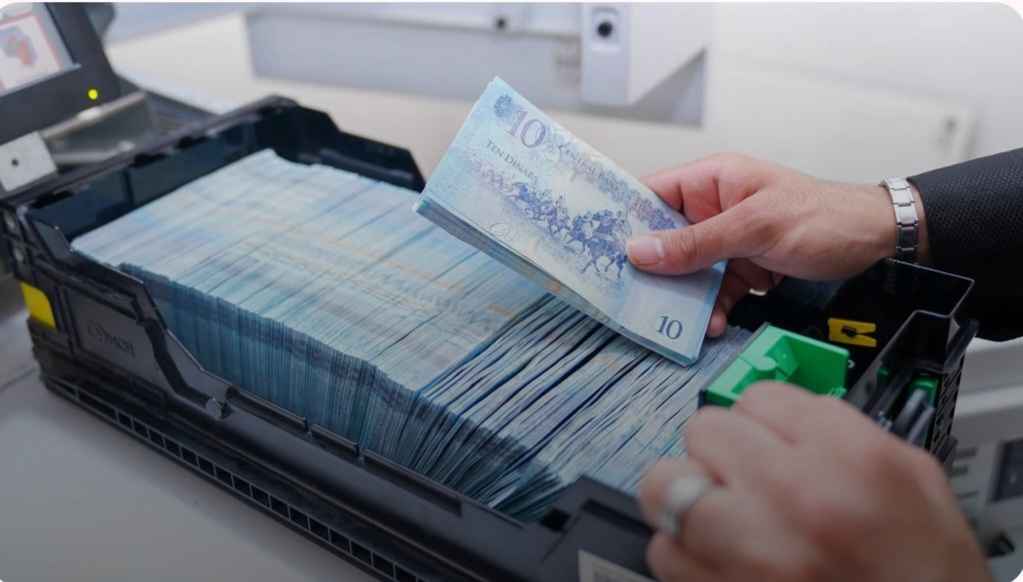
The law covers treasury bonds and bills due to the Central Bank of Libya, as well as temporary advances, interest-free loans, and the balances of frozen accounts held with the bank.
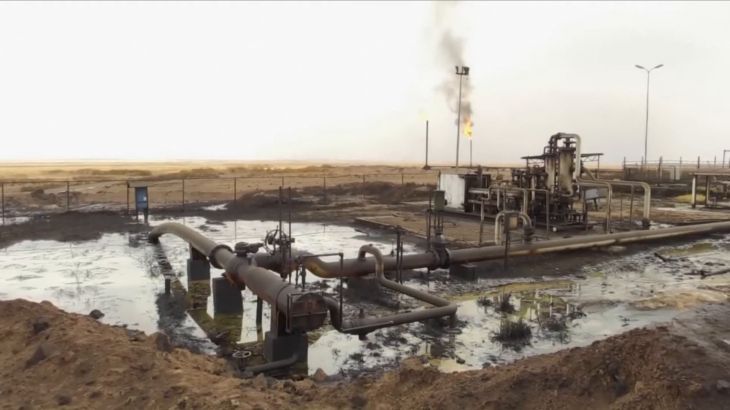
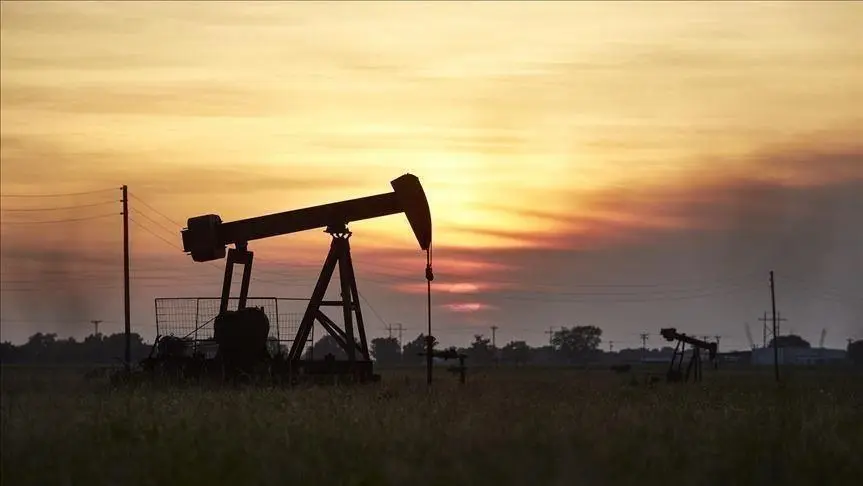
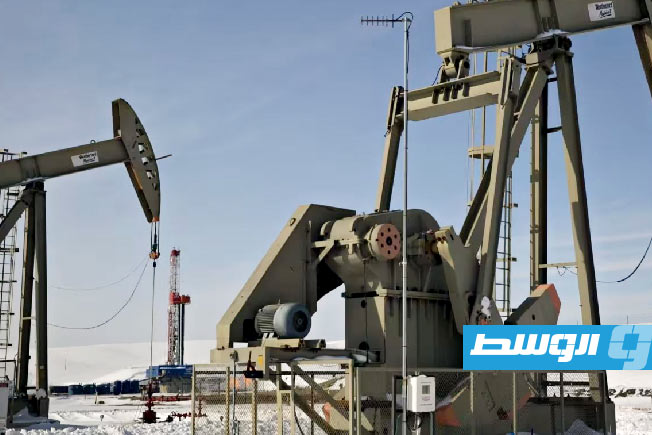
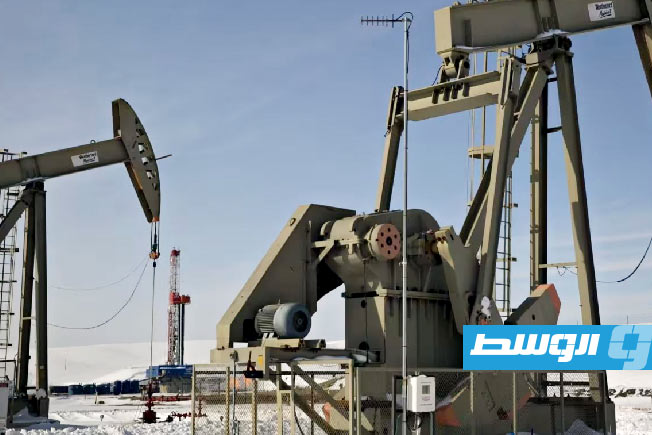
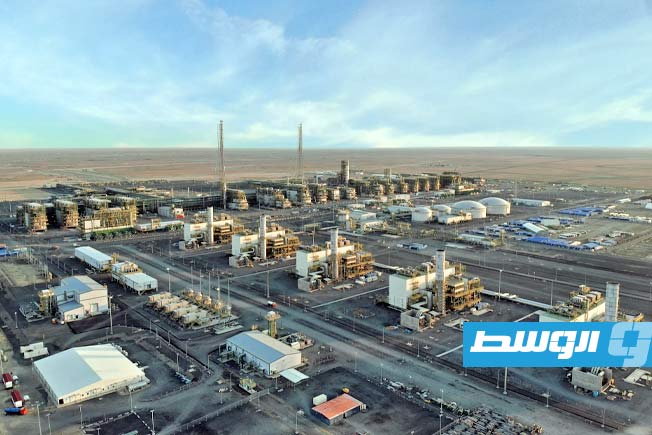
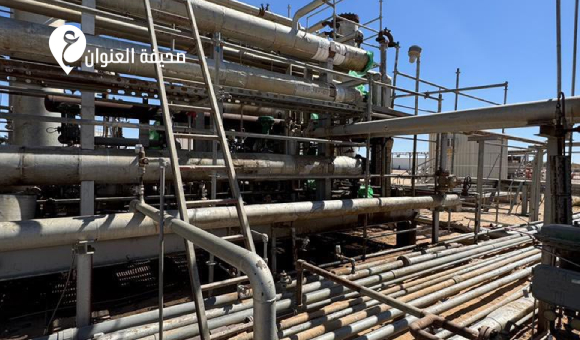
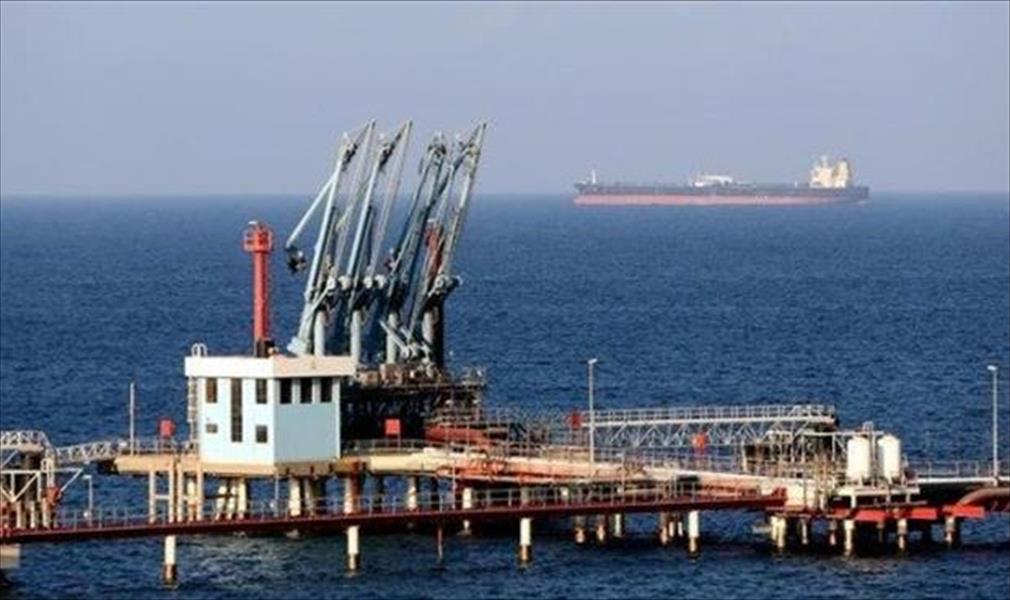
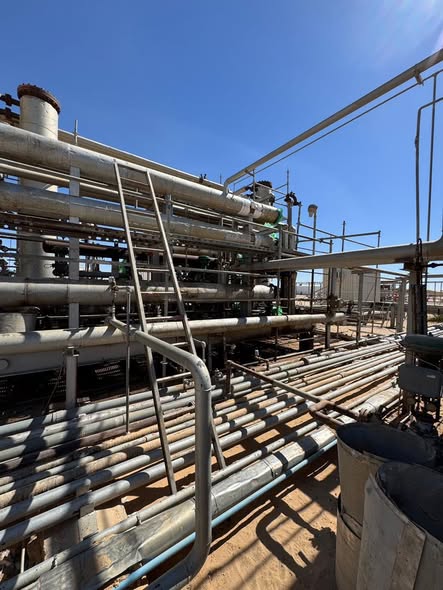
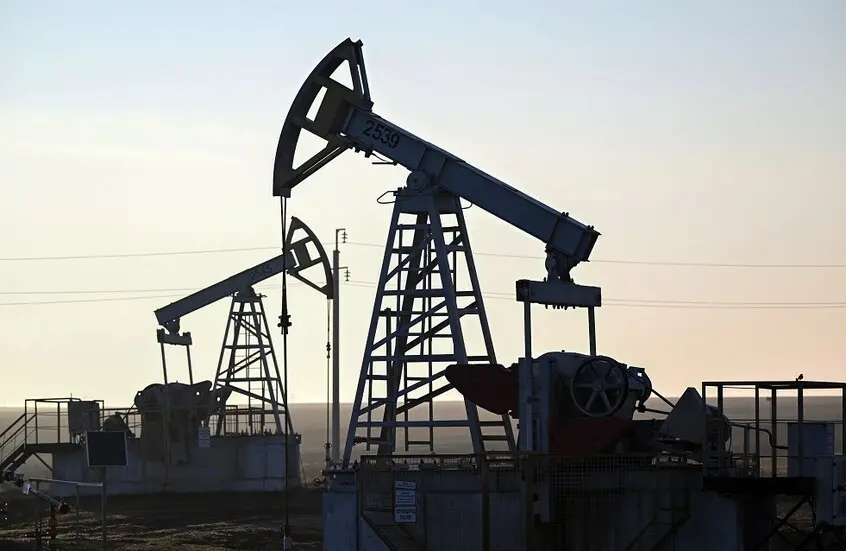
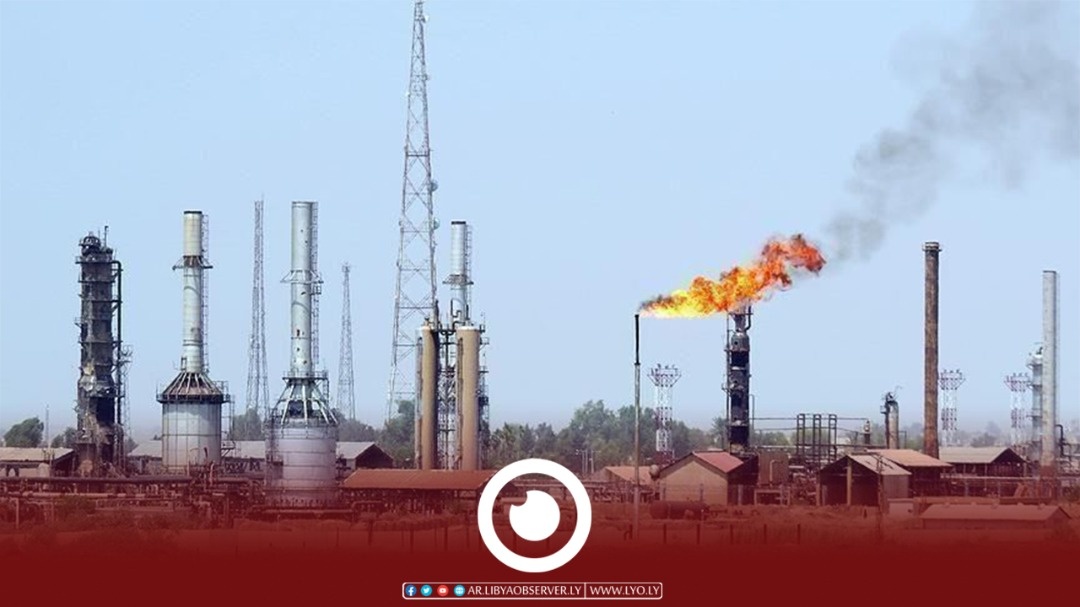
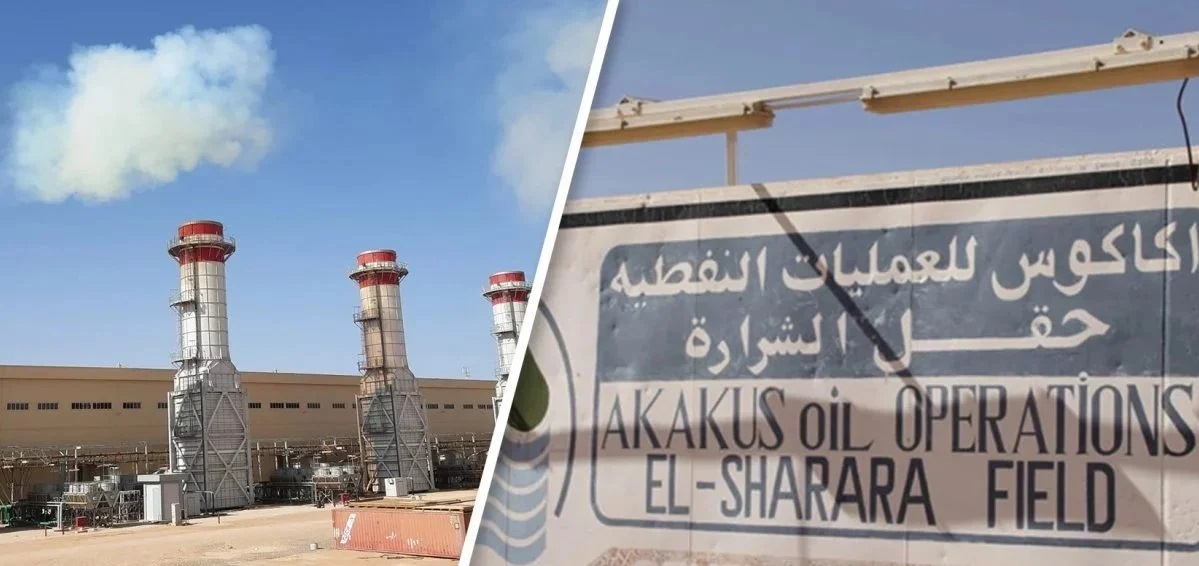
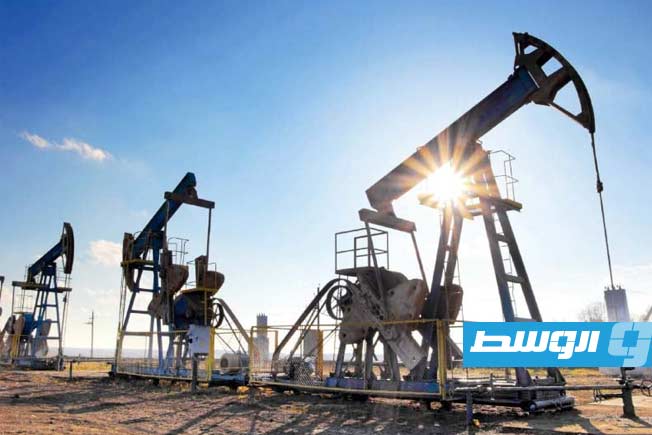
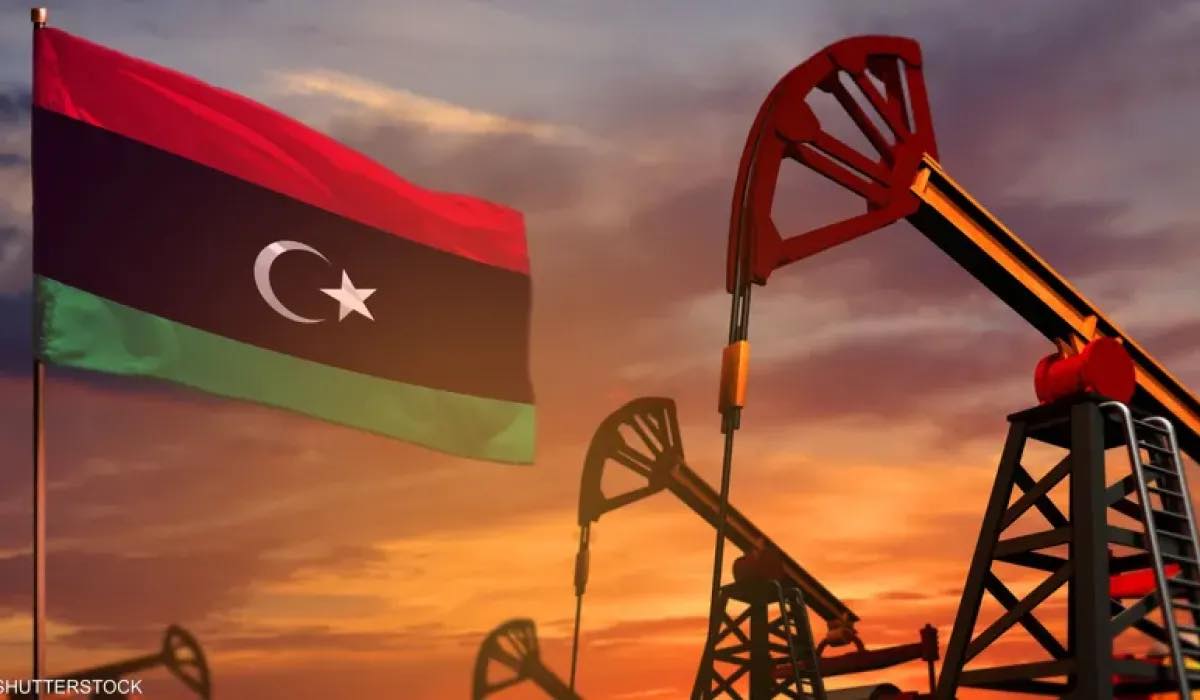
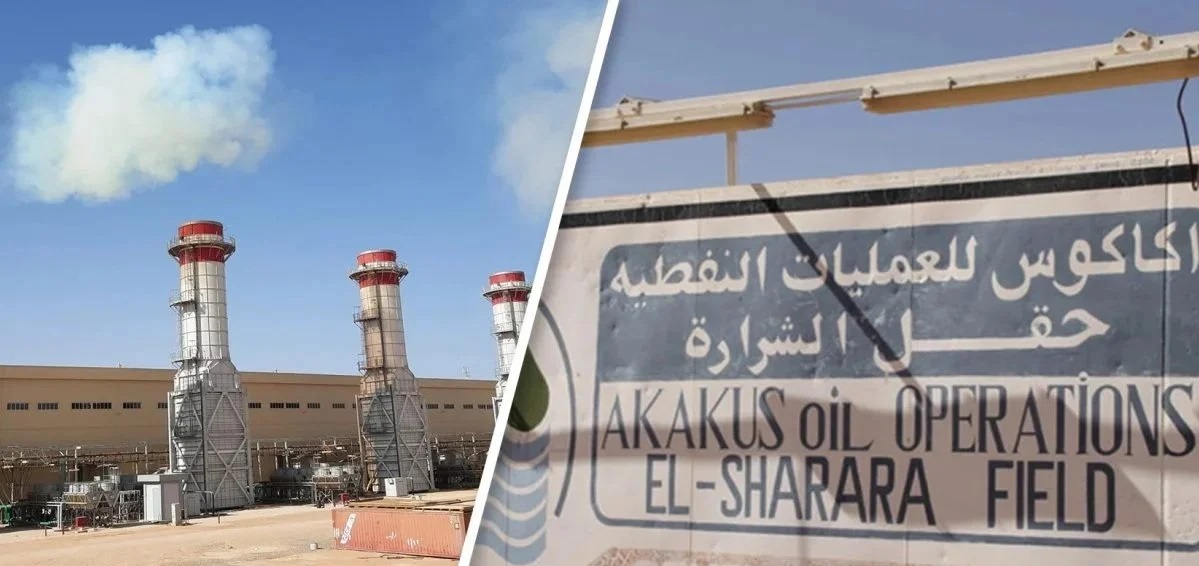
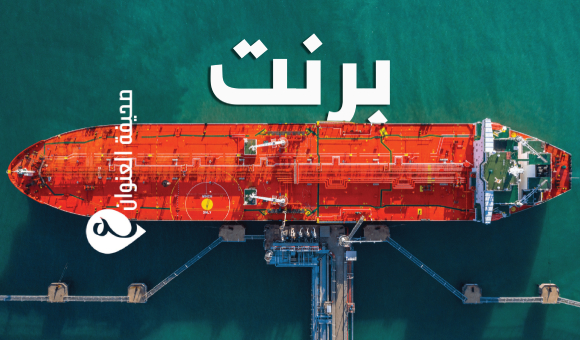
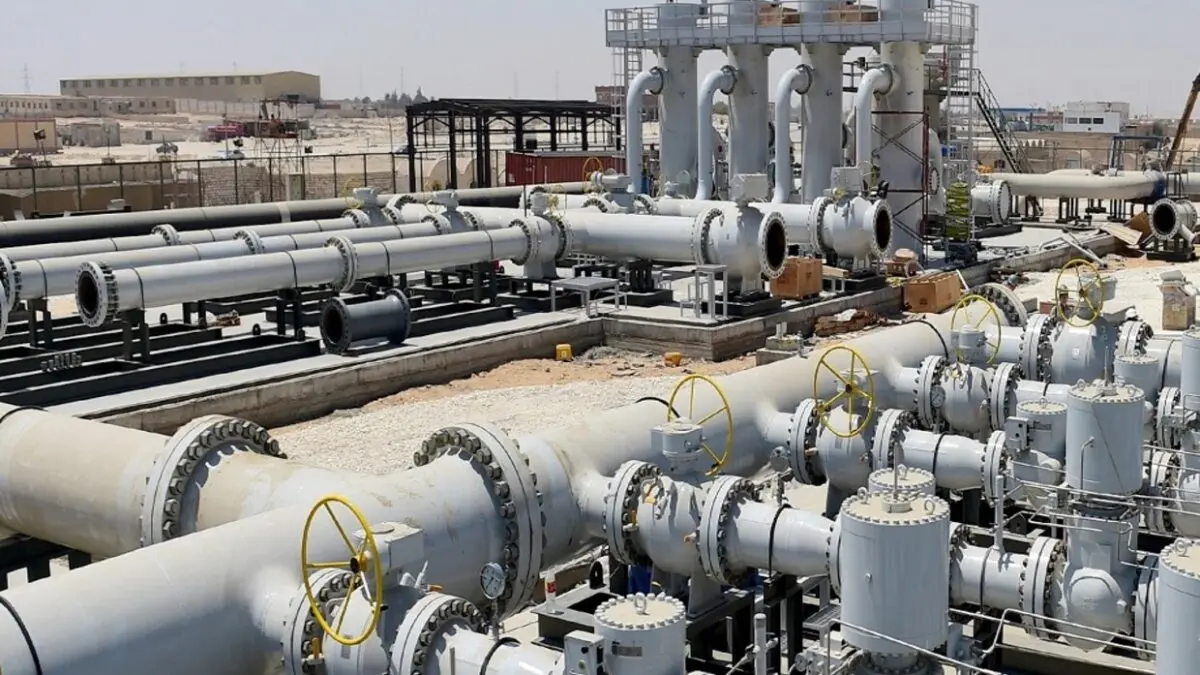
According to the law, the Central Bank of Libya is authorized to settle these debts through specific mechanisms, most notably by deducting 3% of the total state treasury revenues generated from oil, gas, and their derivatives.
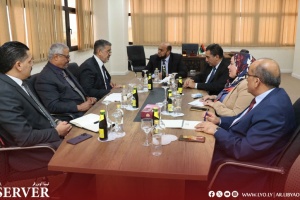
House of Representatives
The House of Representatives is the lower chamber of the United States Congress, established by the Constitution in 1789. It is composed of representatives elected from congressional districts, with representation based on state population, and holds primary responsibility for initiating revenue bills and impeaching federal officials.
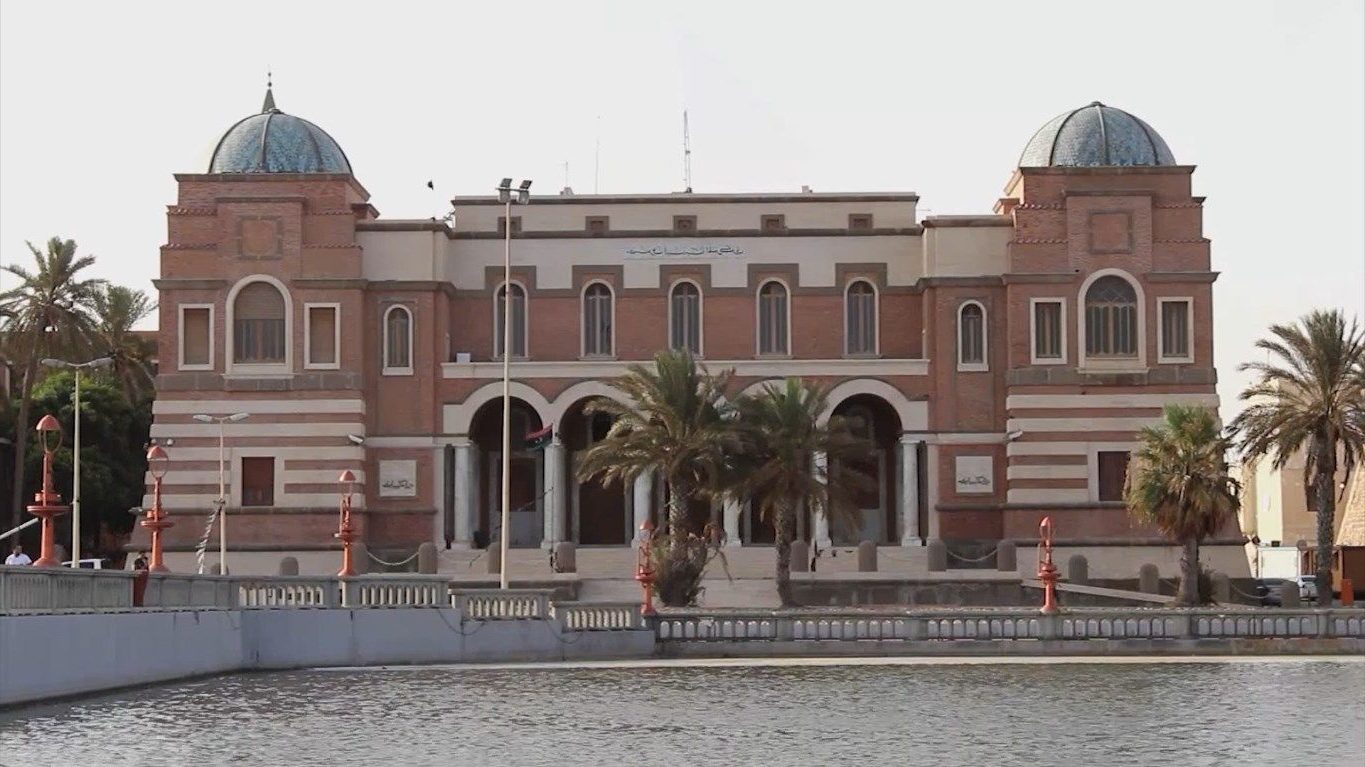
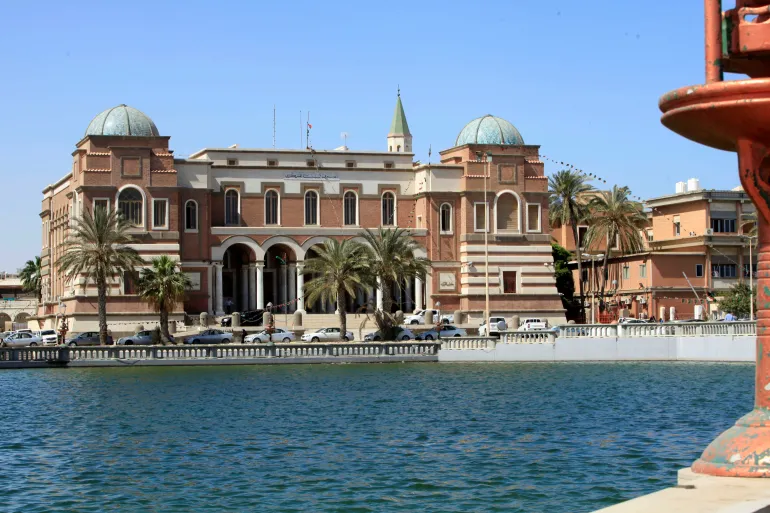
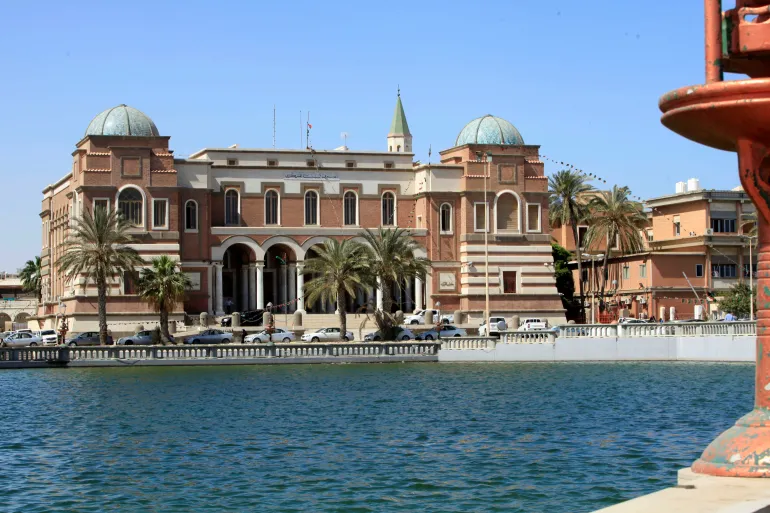
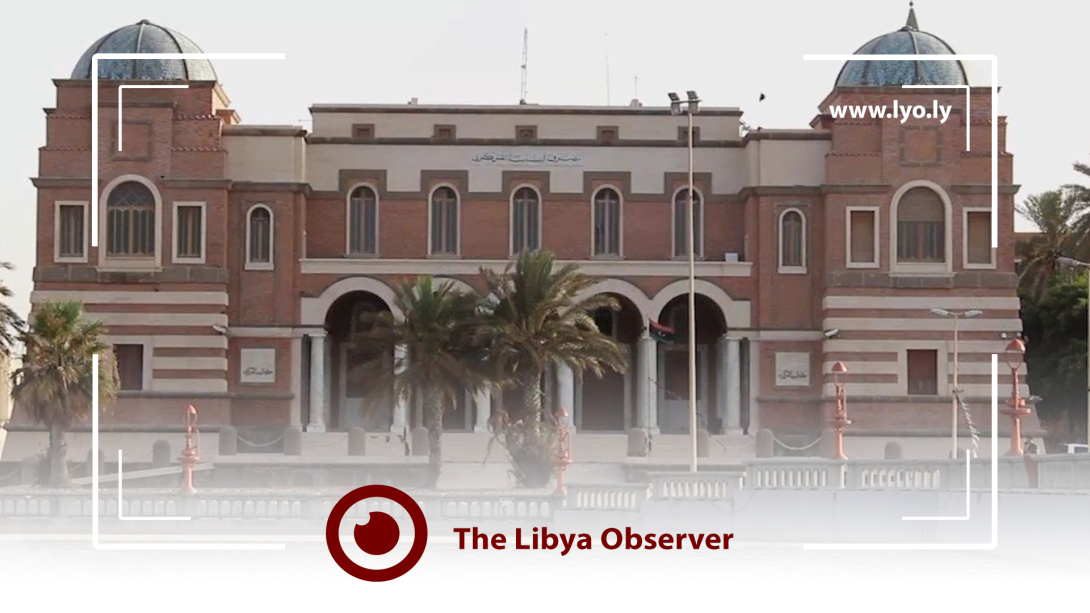
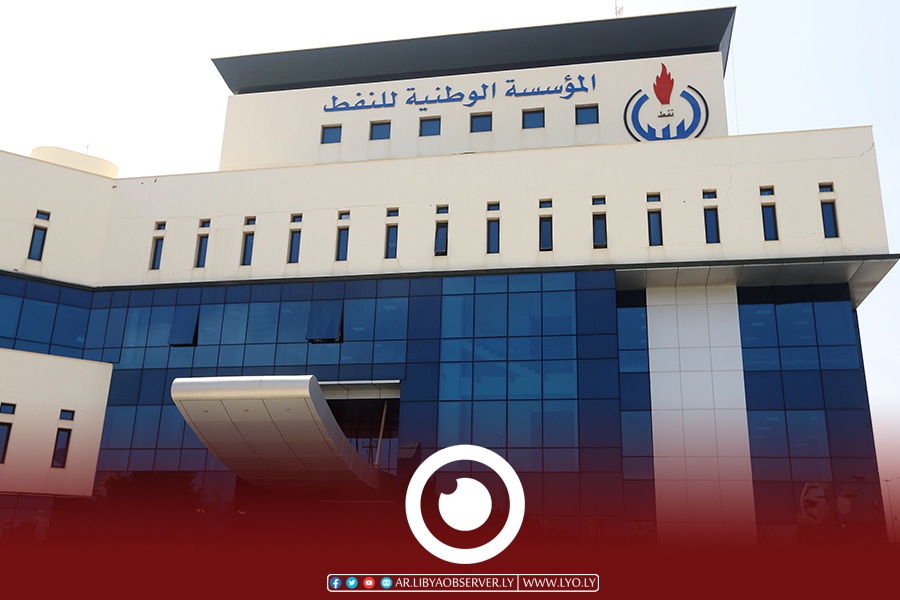
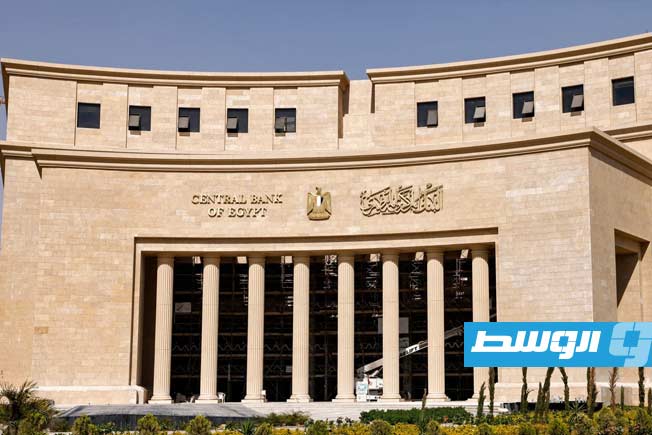
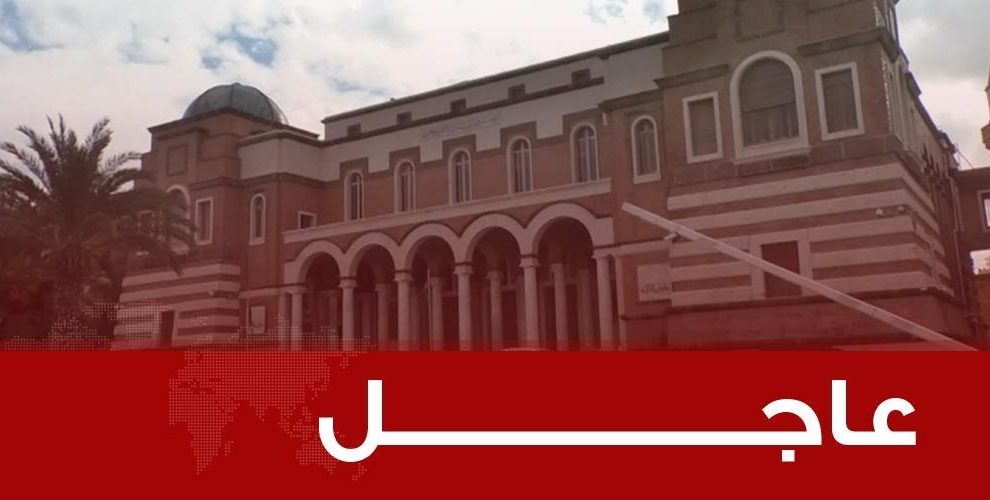
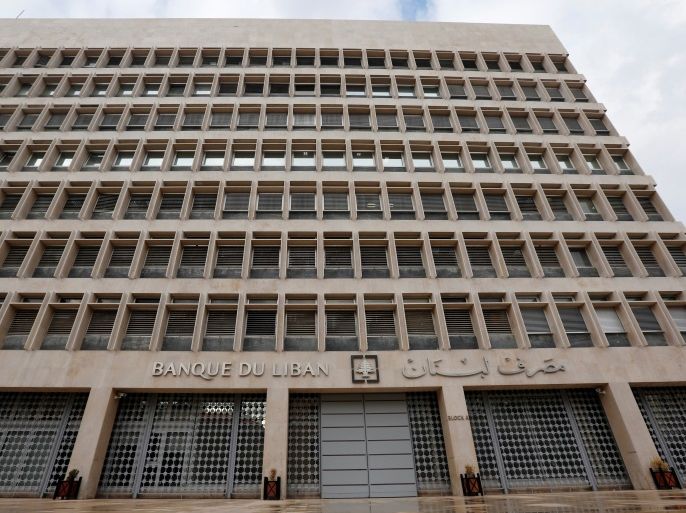
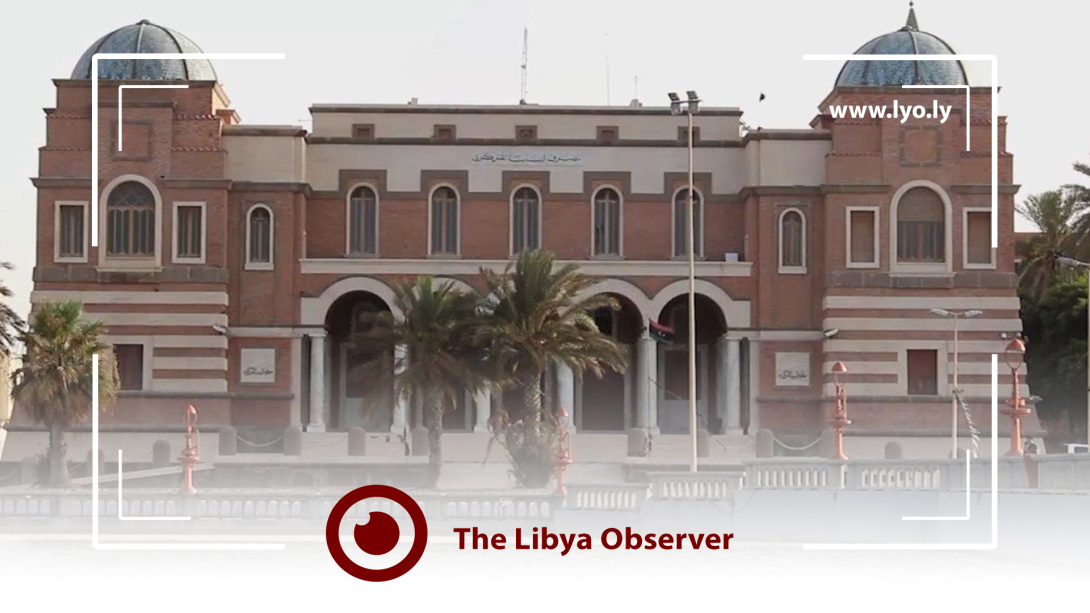
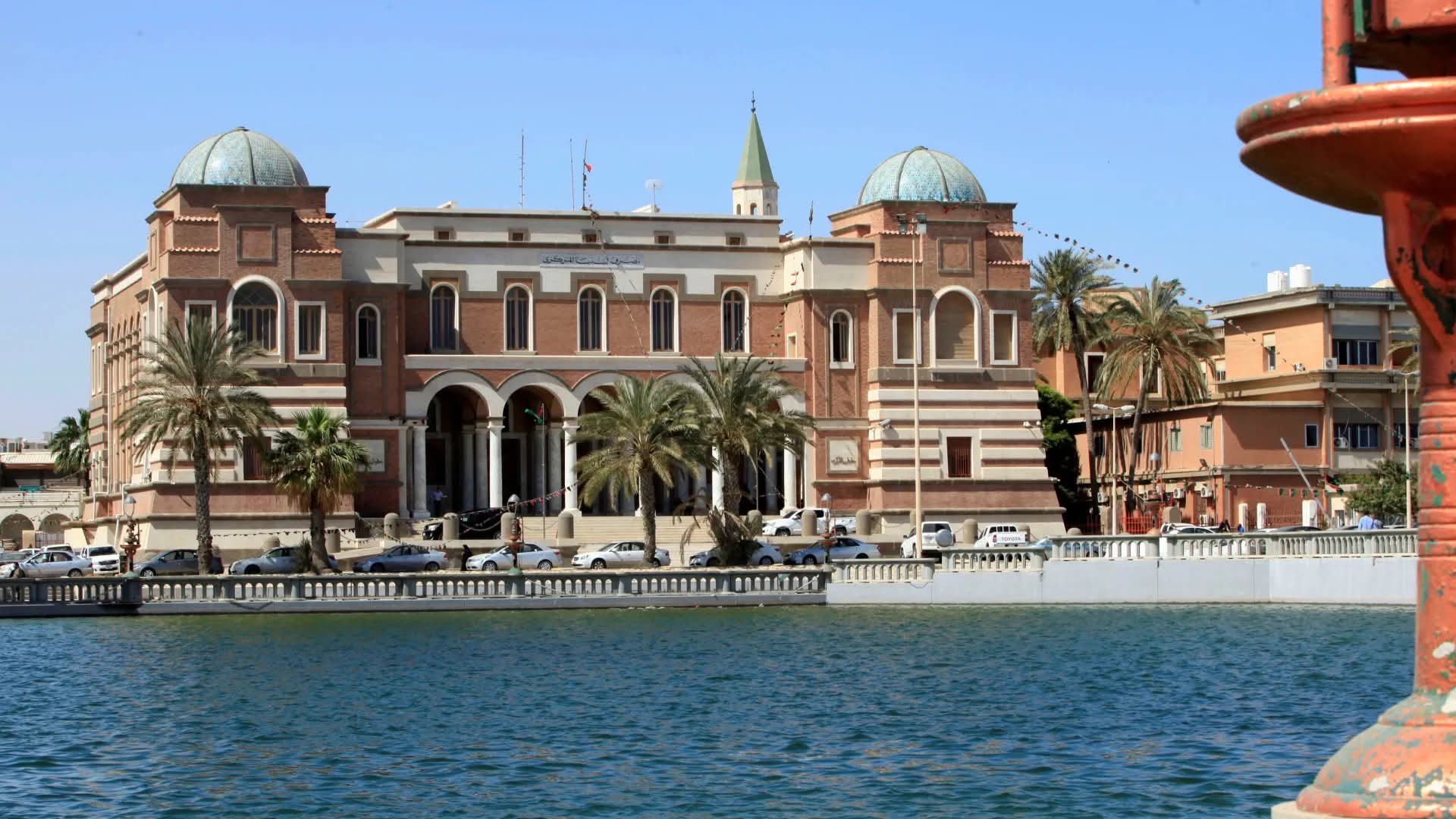
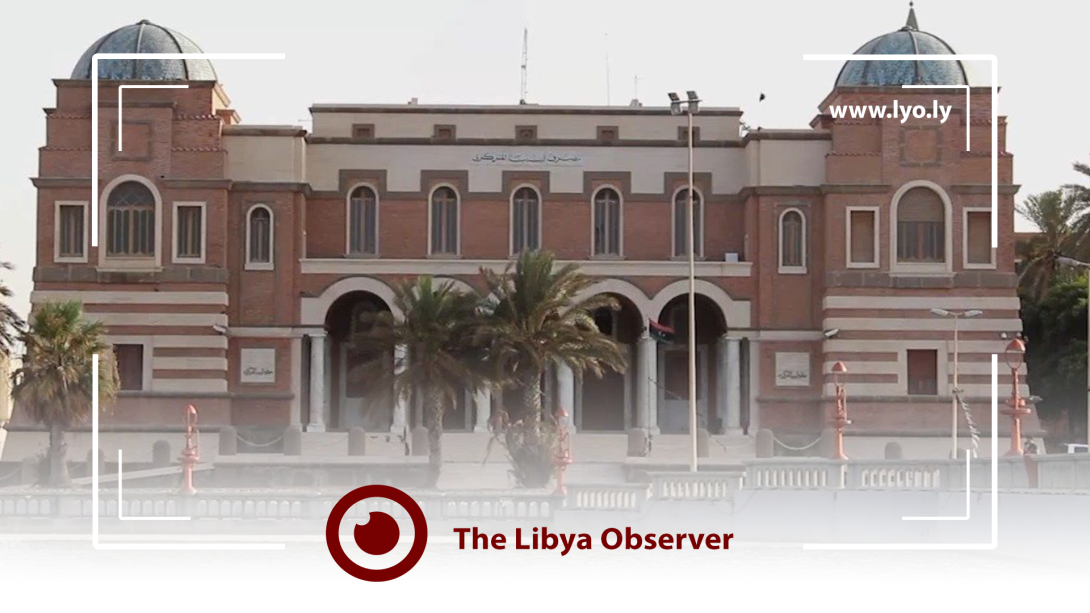
Central Bank of Libya
The Central Bank of Libya is the primary monetary authority of Libya, established in 1956 to manage the country’s currency and monetary policy. It has played a critical and often contentious role throughout Libya’s modern history, including during the Gaddafi era and the subsequent civil conflicts, where control of the bank and its assets became a major point of political and military contention.
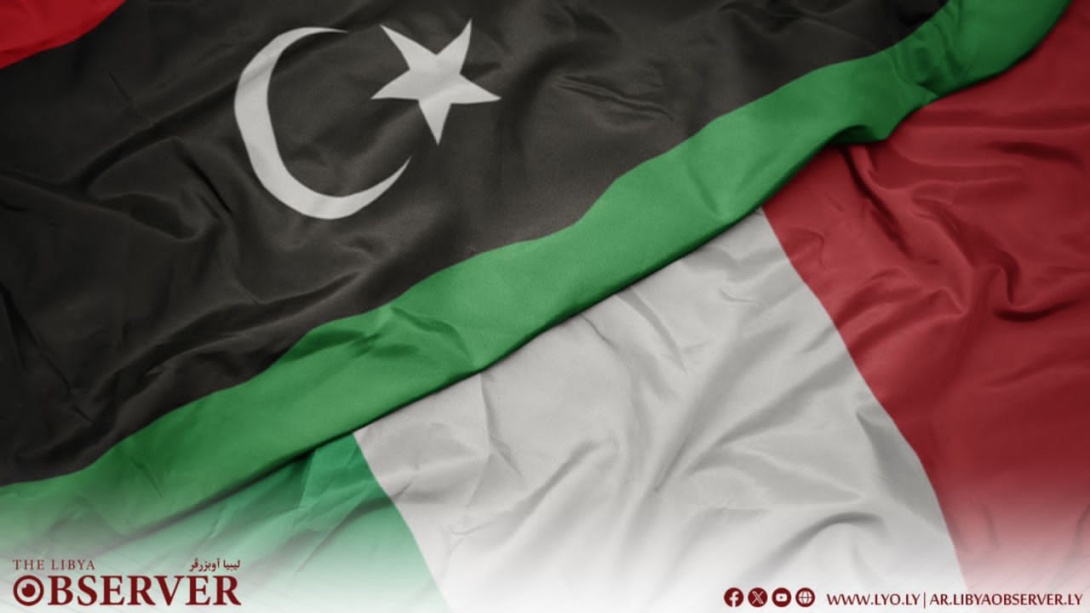
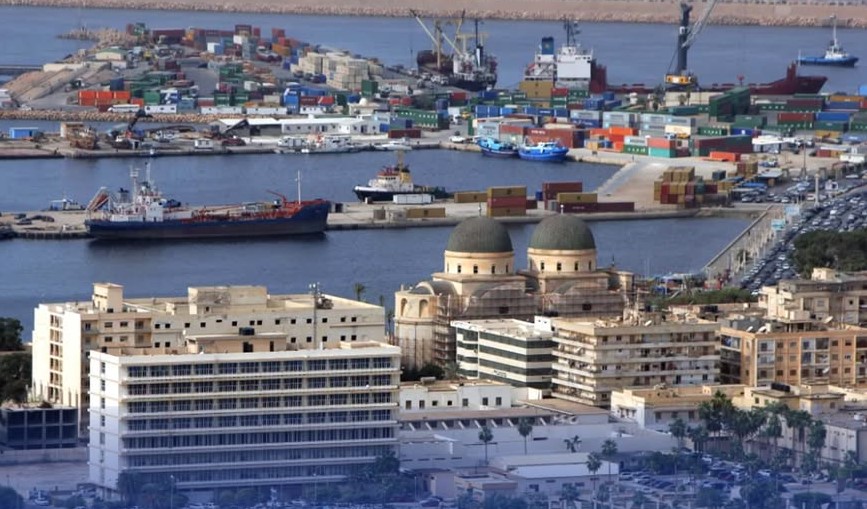
Libya
Libya is a North African country with a rich history that includes ancient Phoenician and Greek settlements, most notably at Cyrene, and later Roman rule. It was part of the Ottoman Empire before Italian colonization in the early 20th century, gaining independence as a kingdom in 1951 and later becoming a republic under Muammar Gaddafi from 1969 until the 2011 revolution. The country is home to five UNESCO World Heritage Sites, such as the archaeological site of Leptis Magna, which testify to its significant historical legacy.