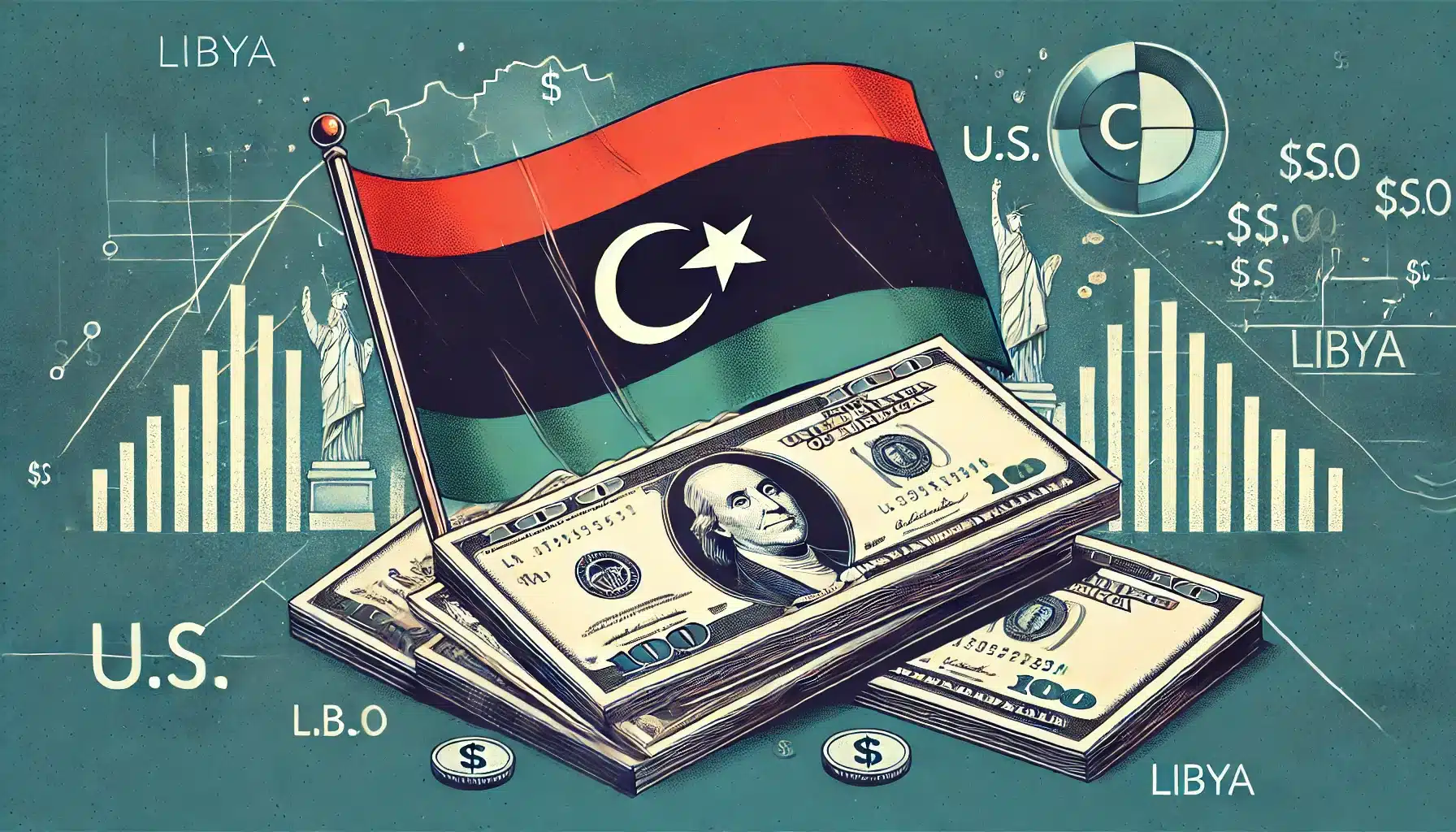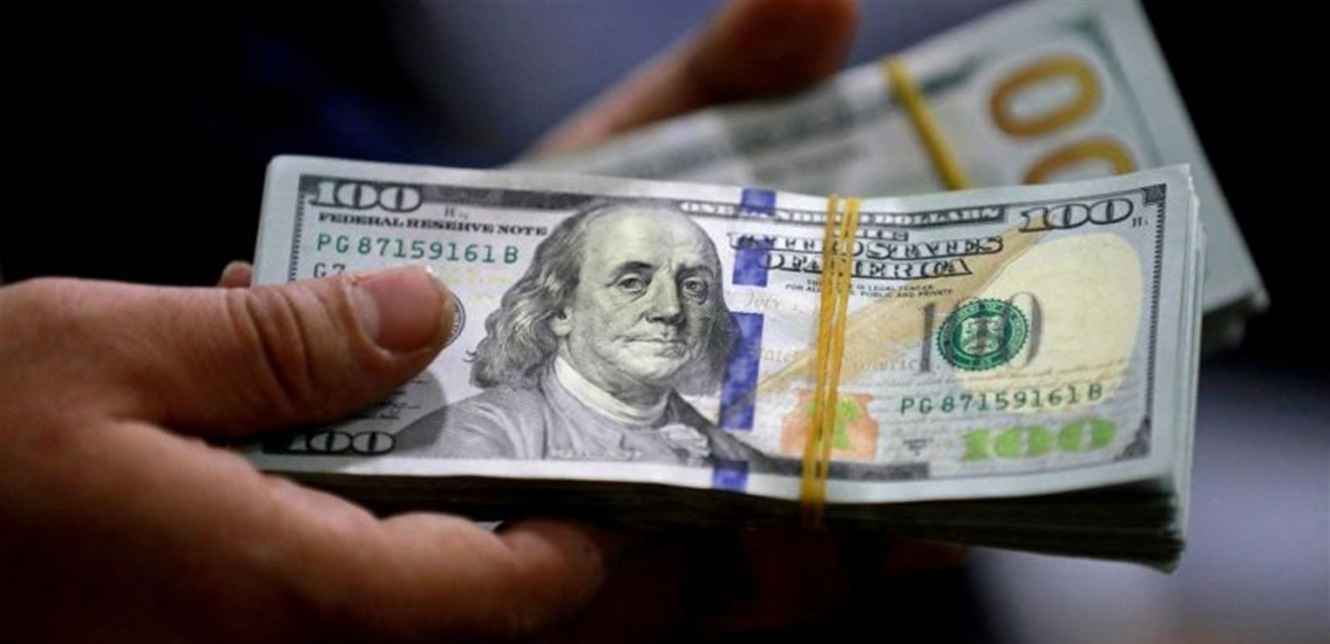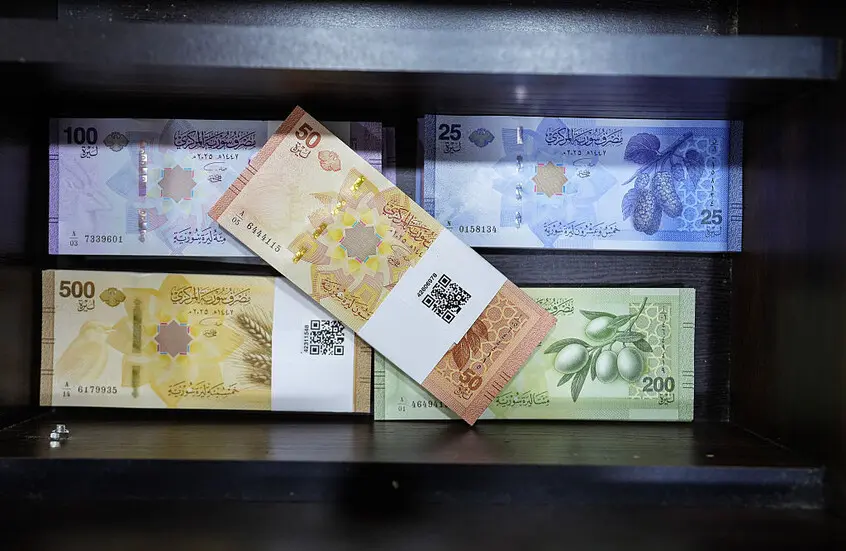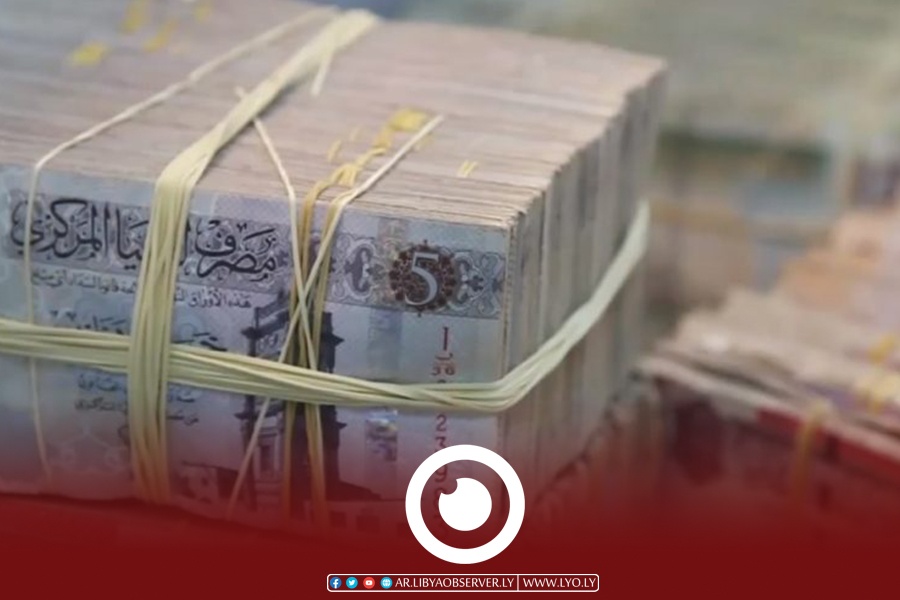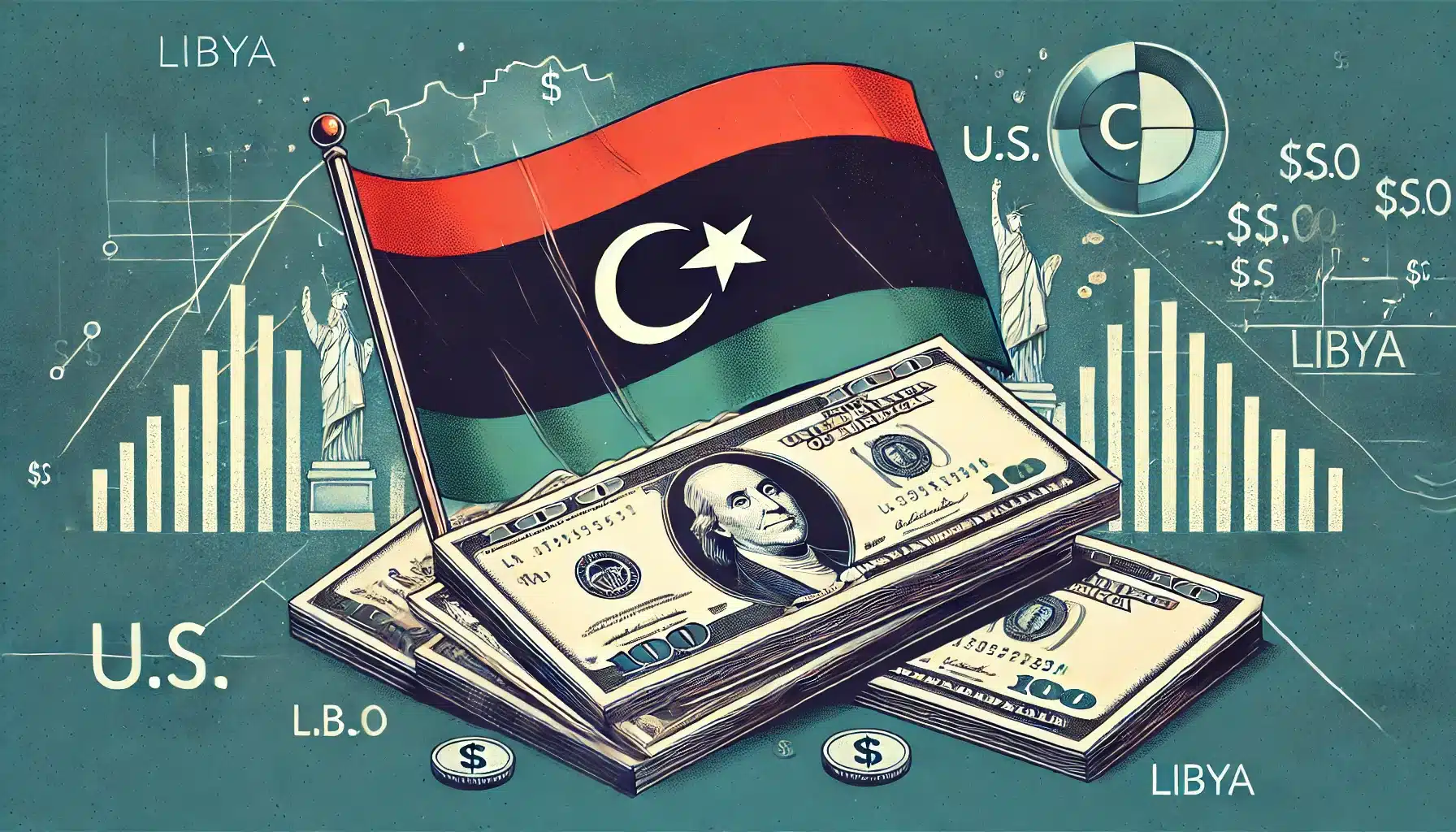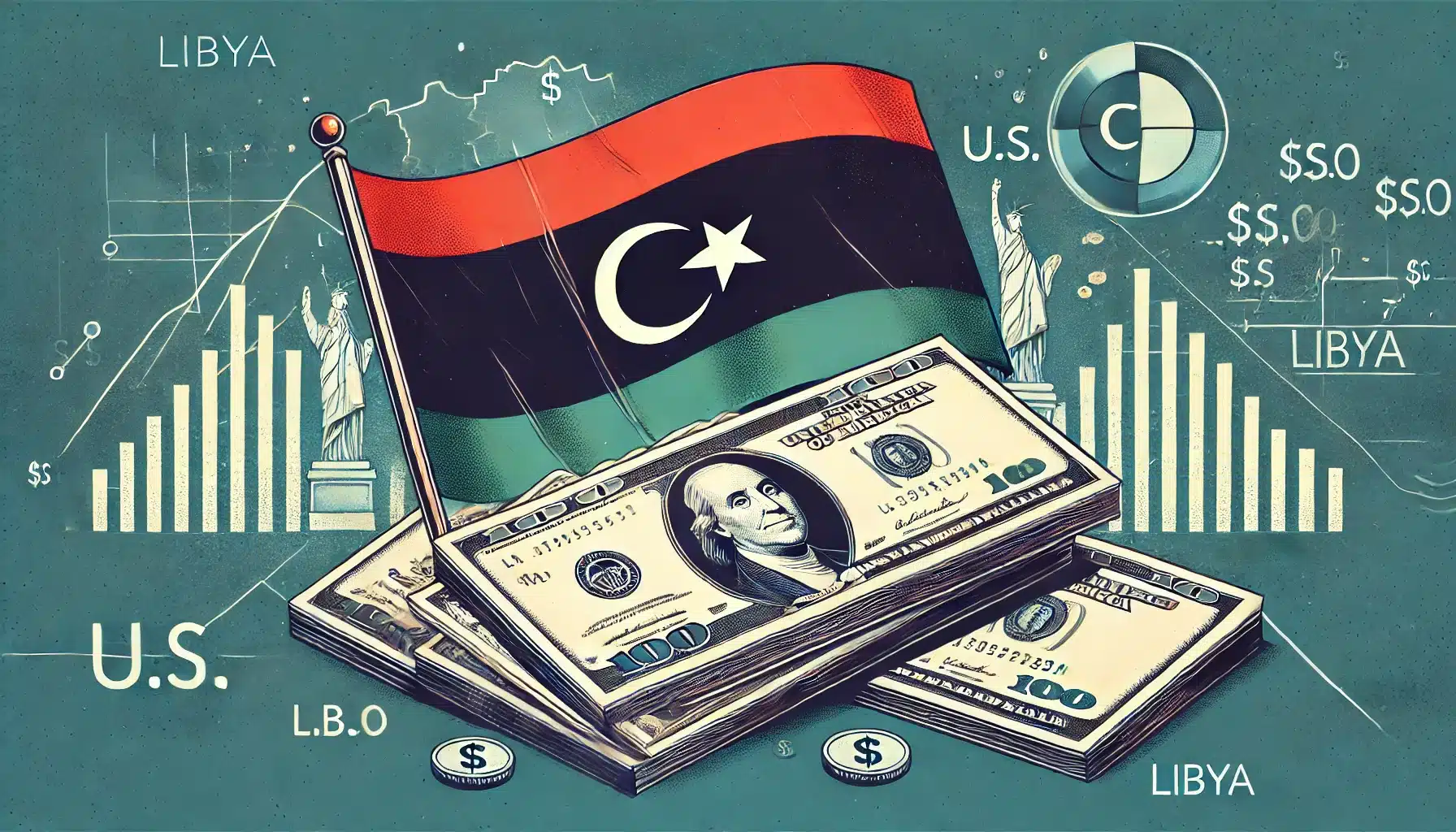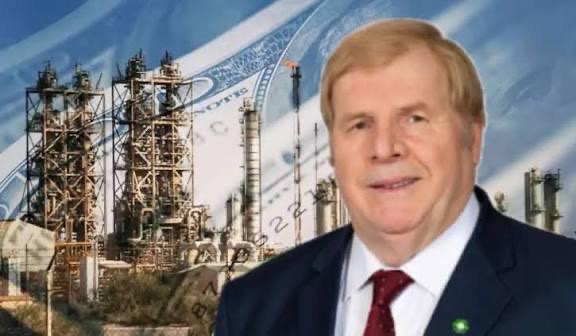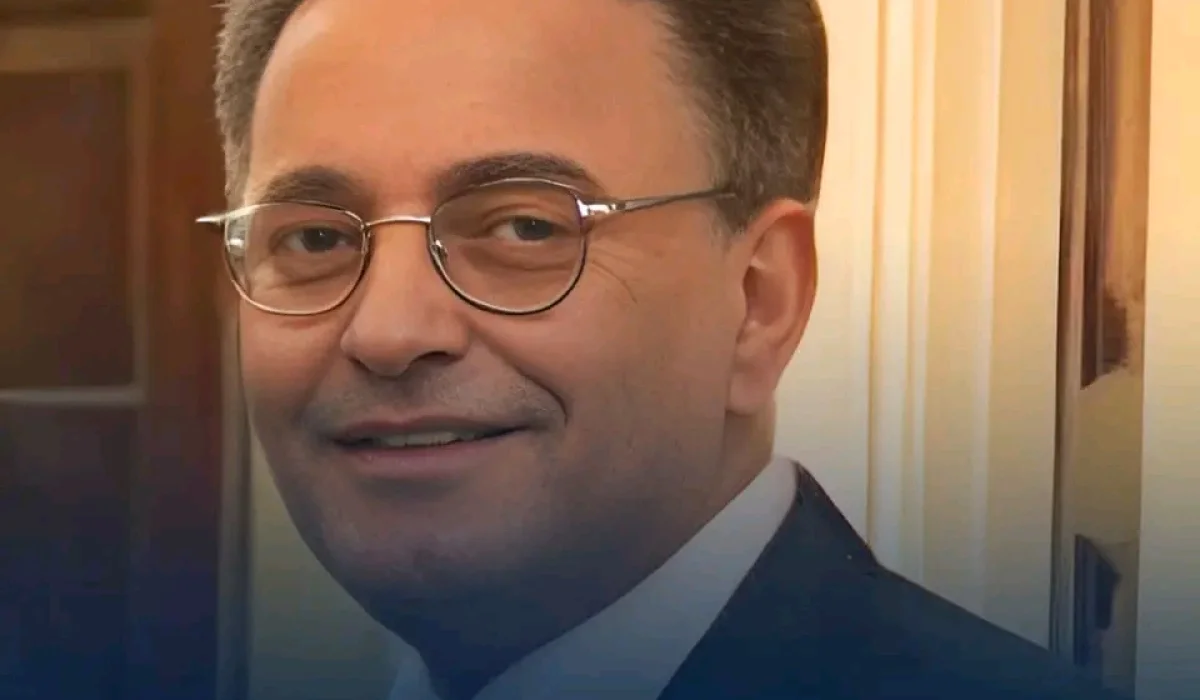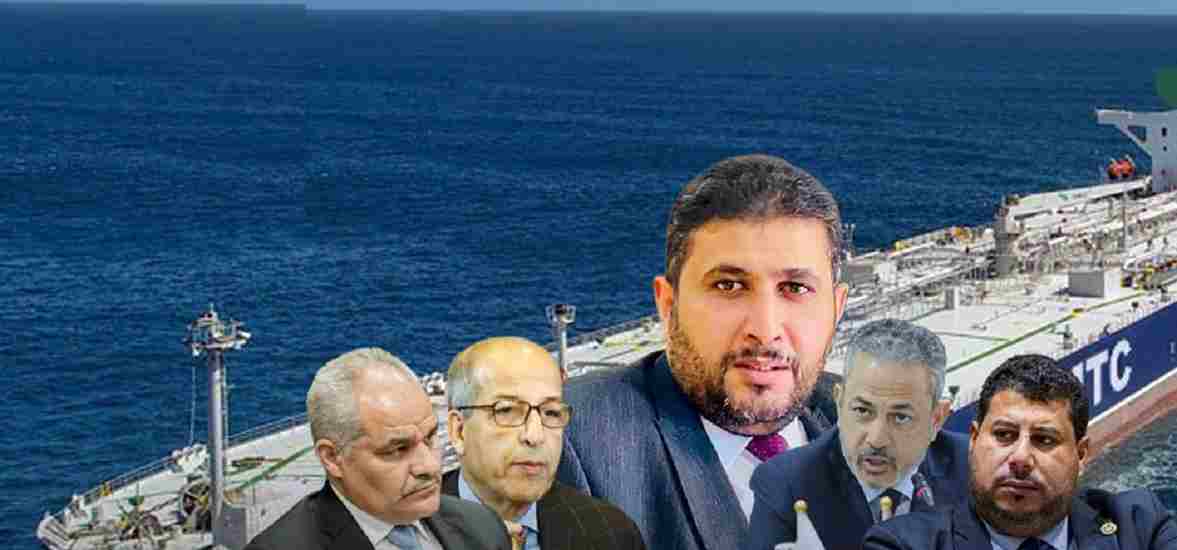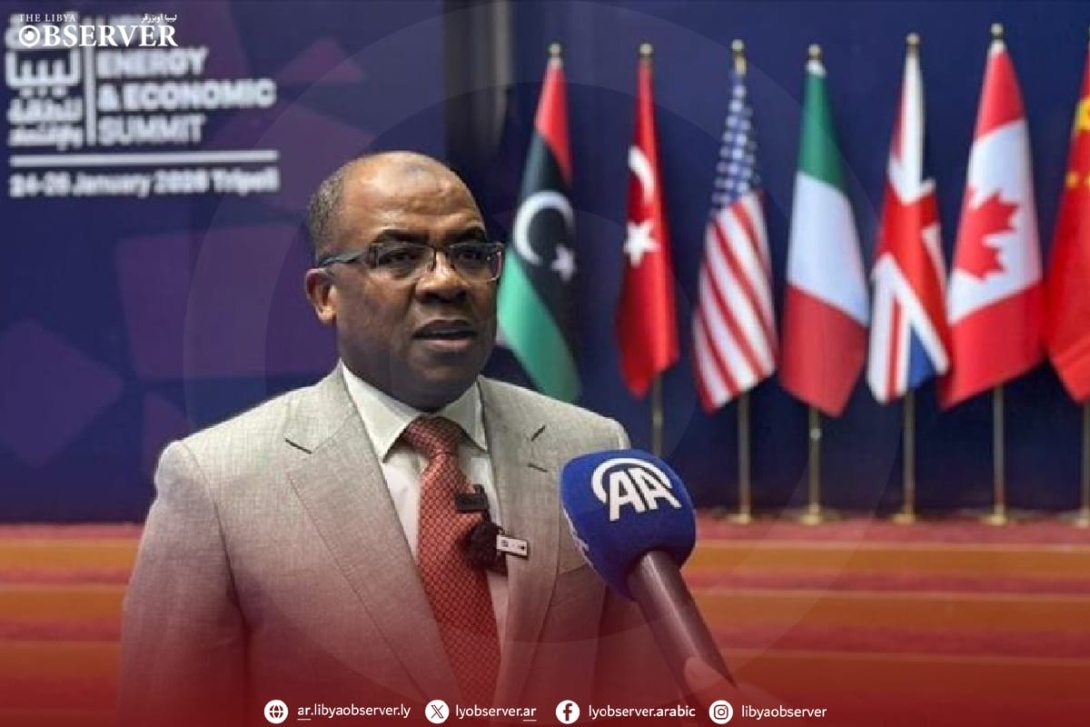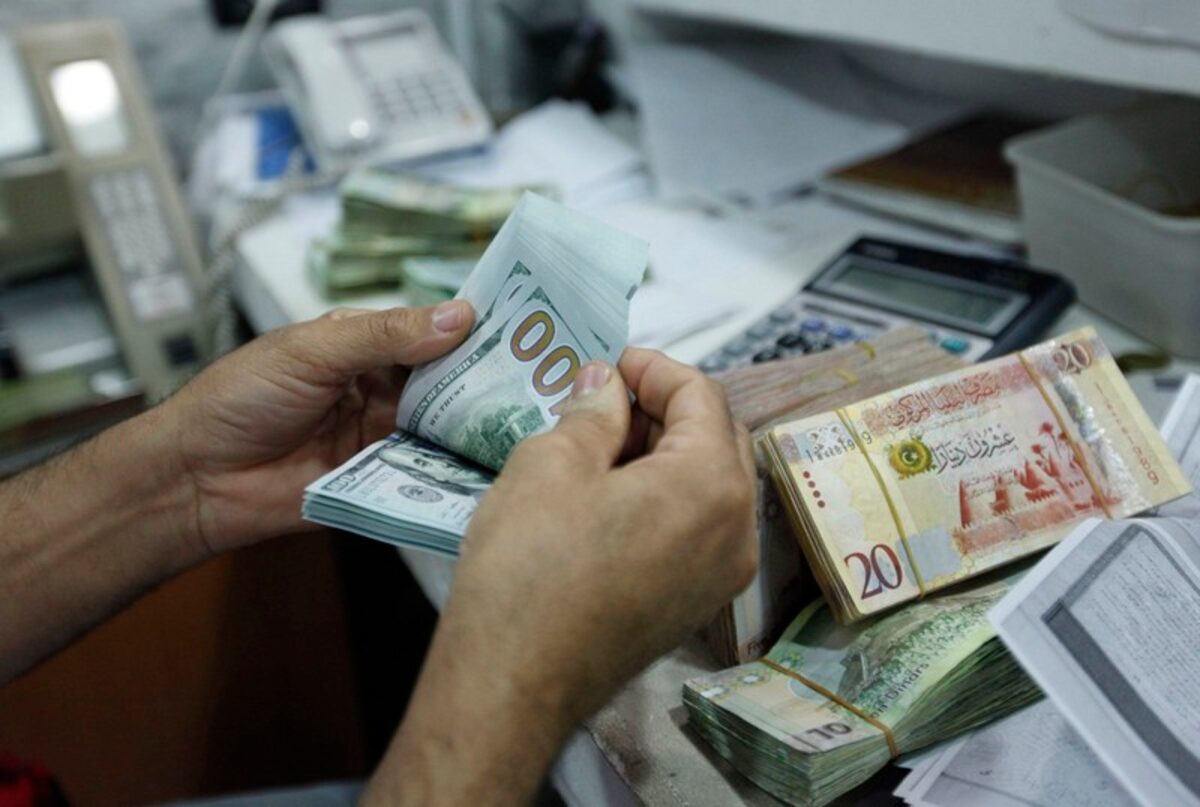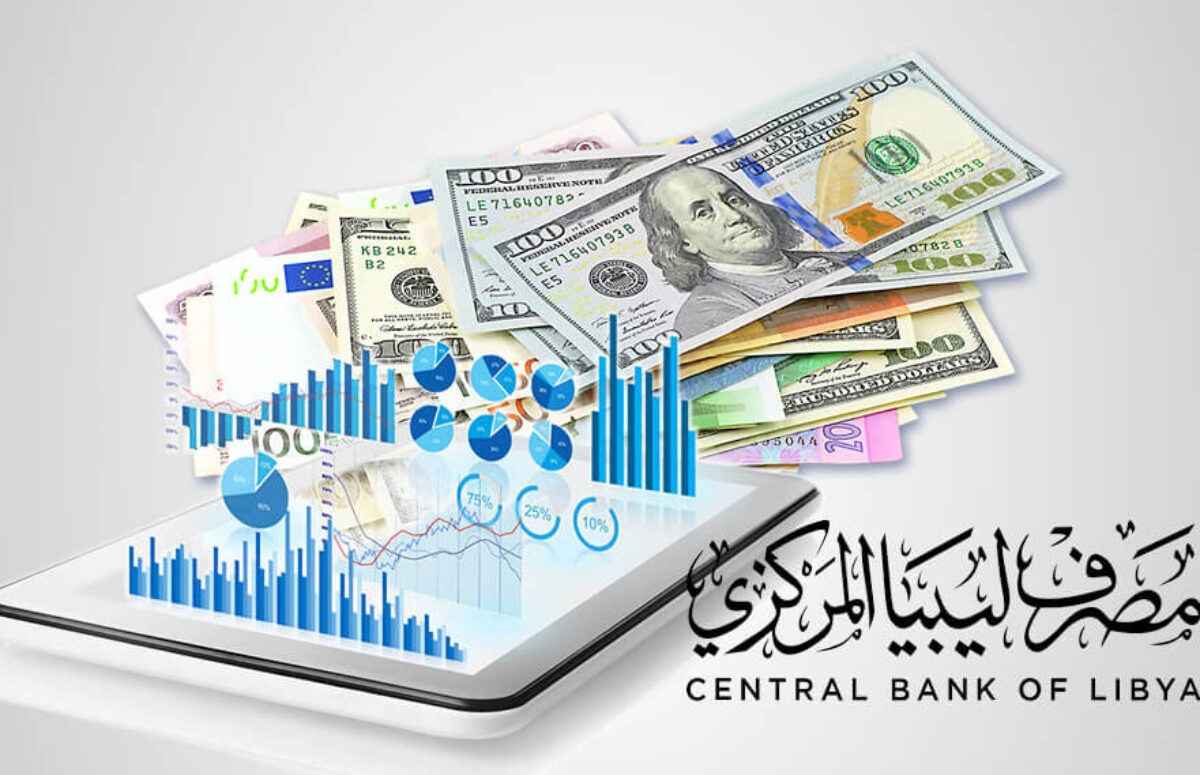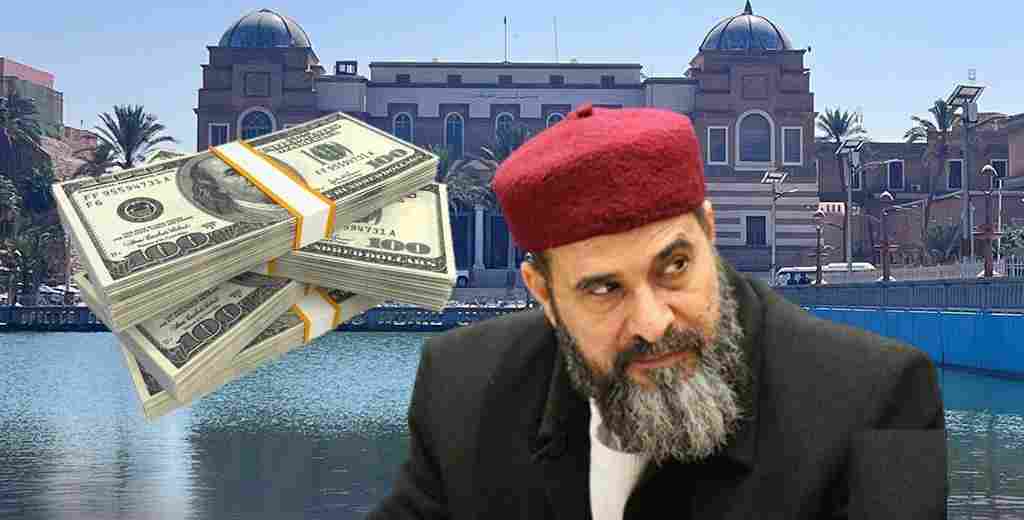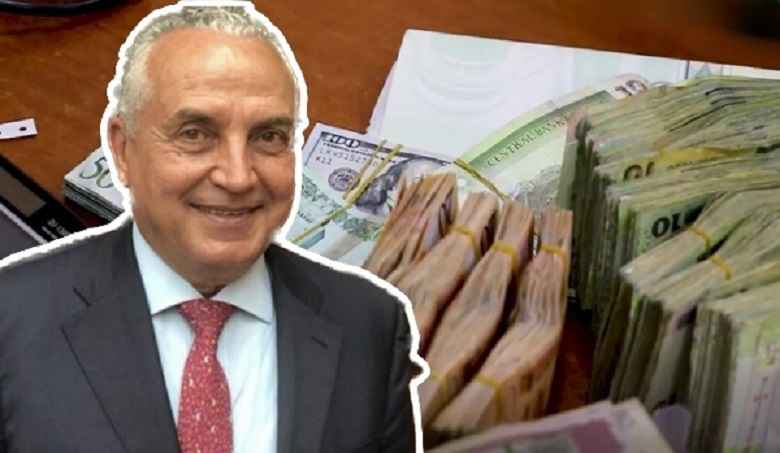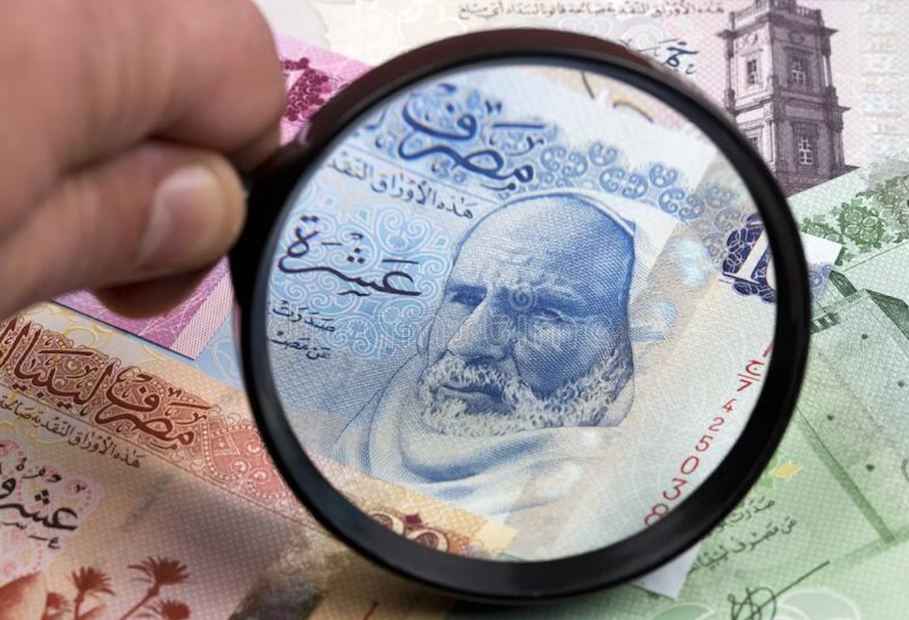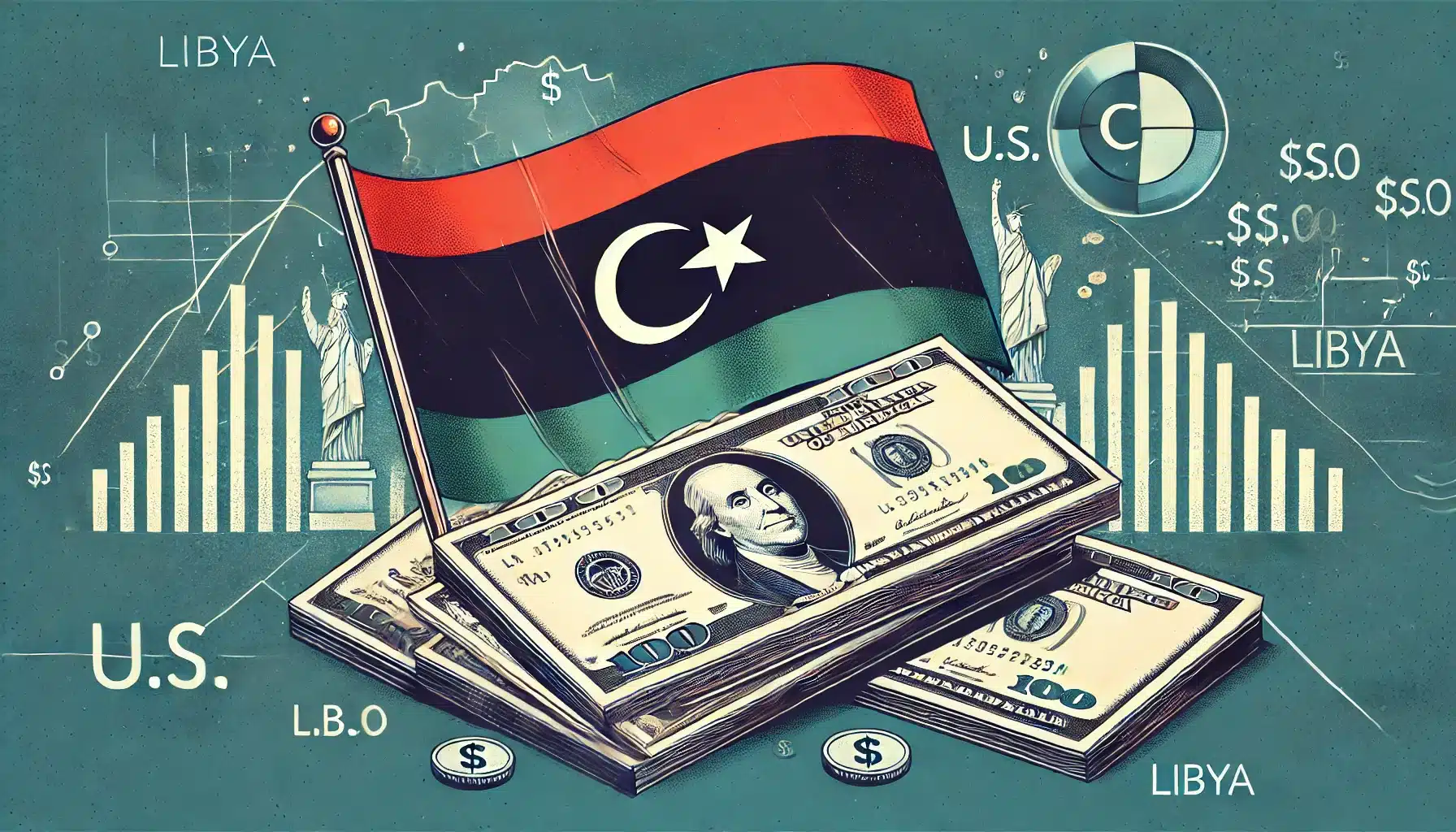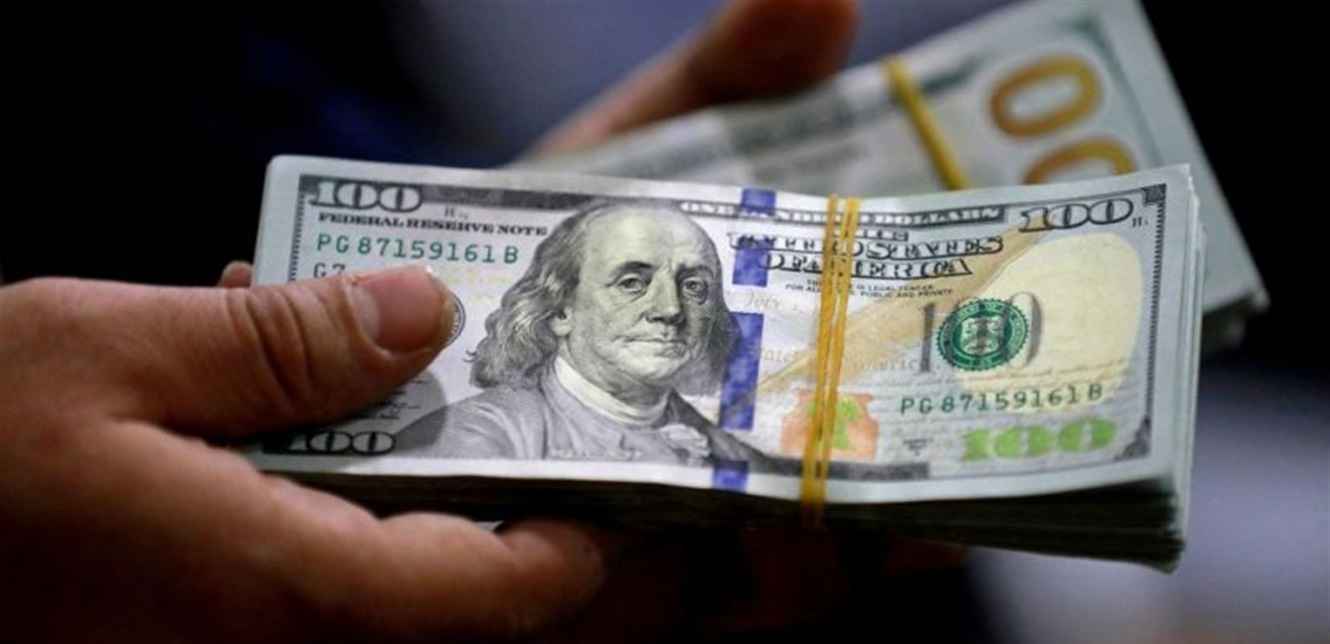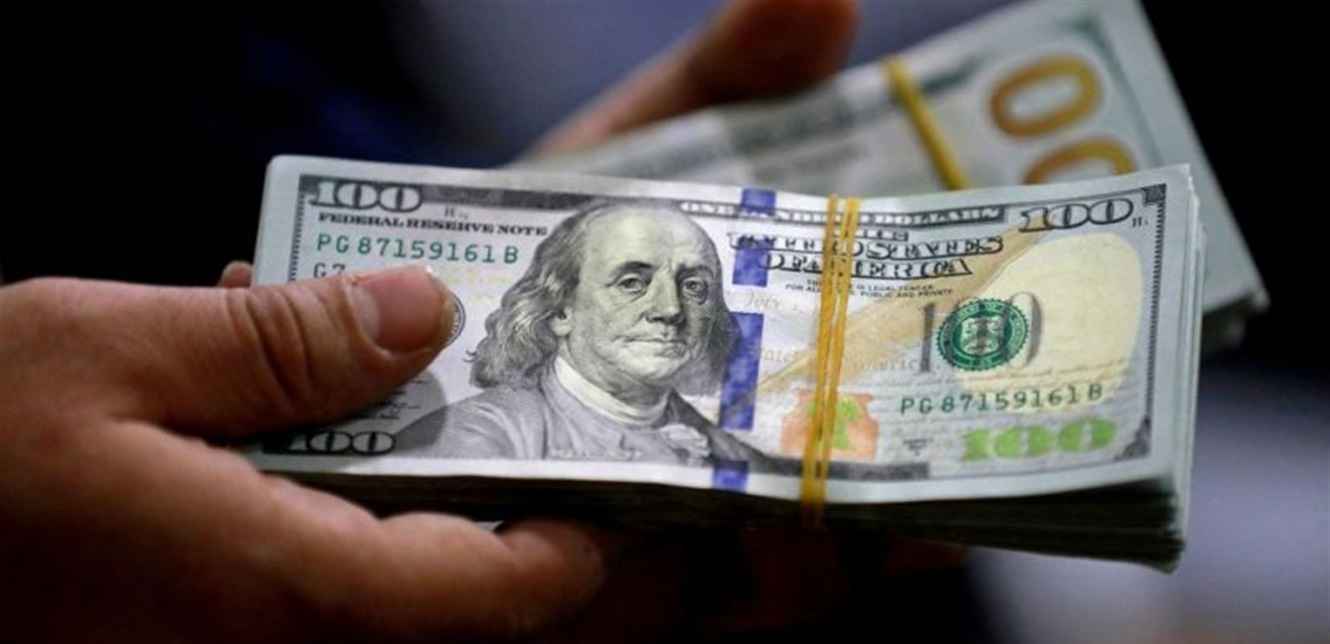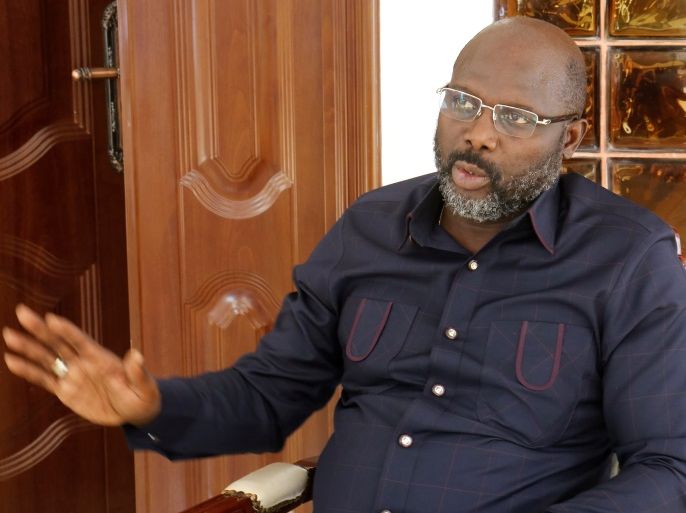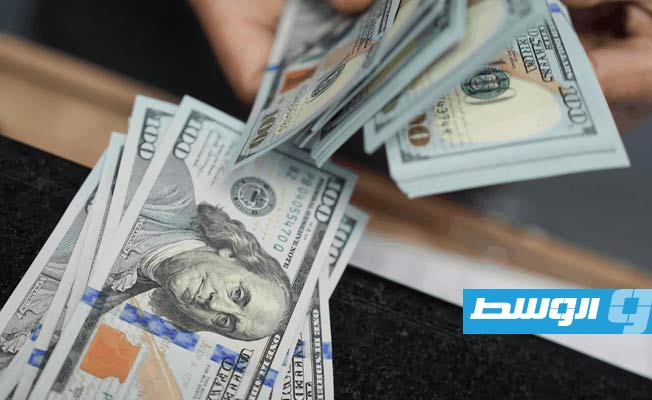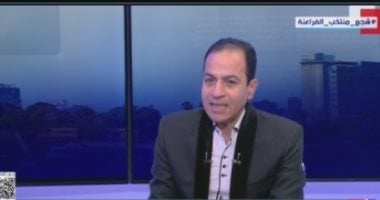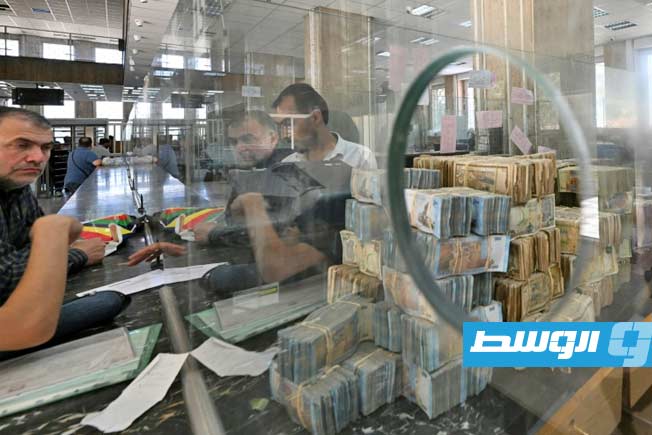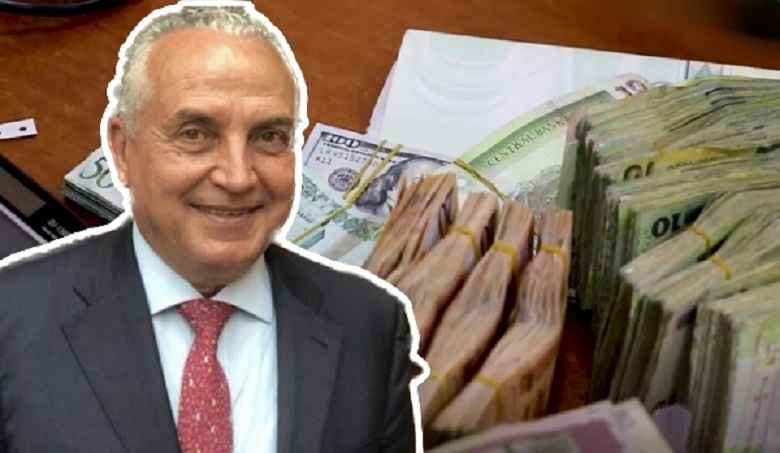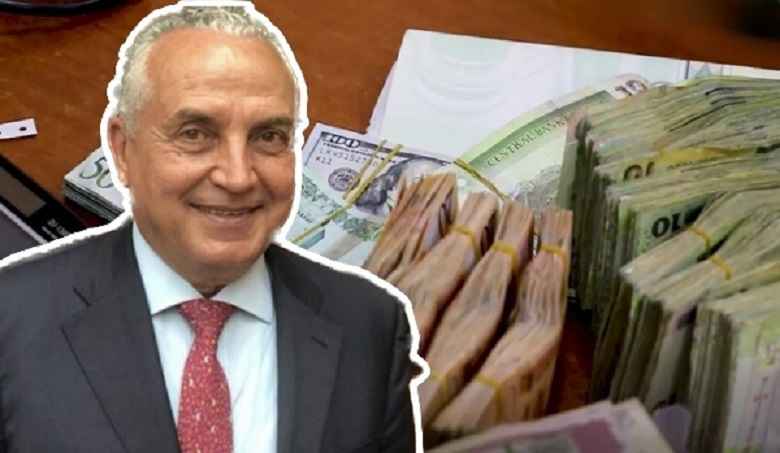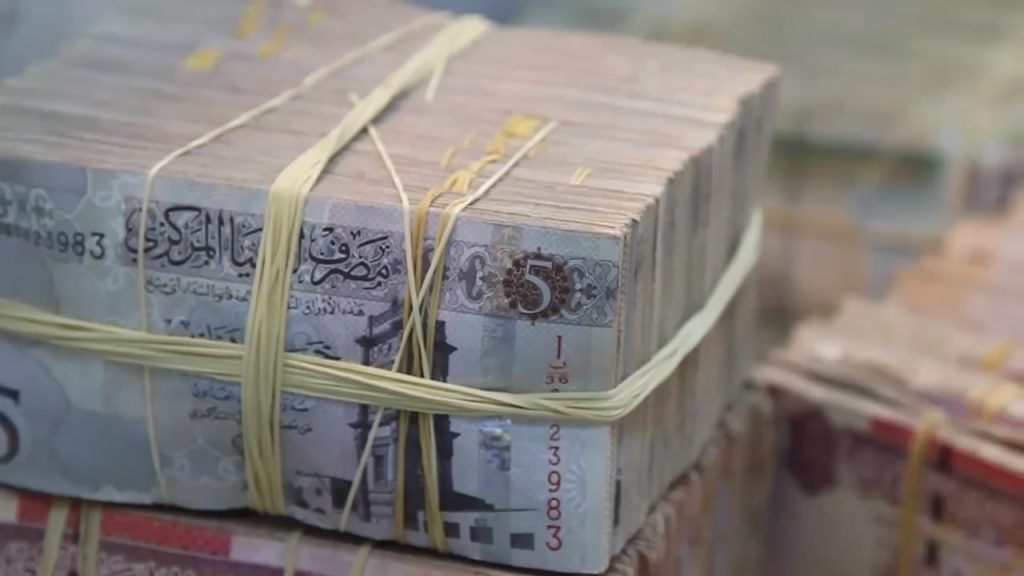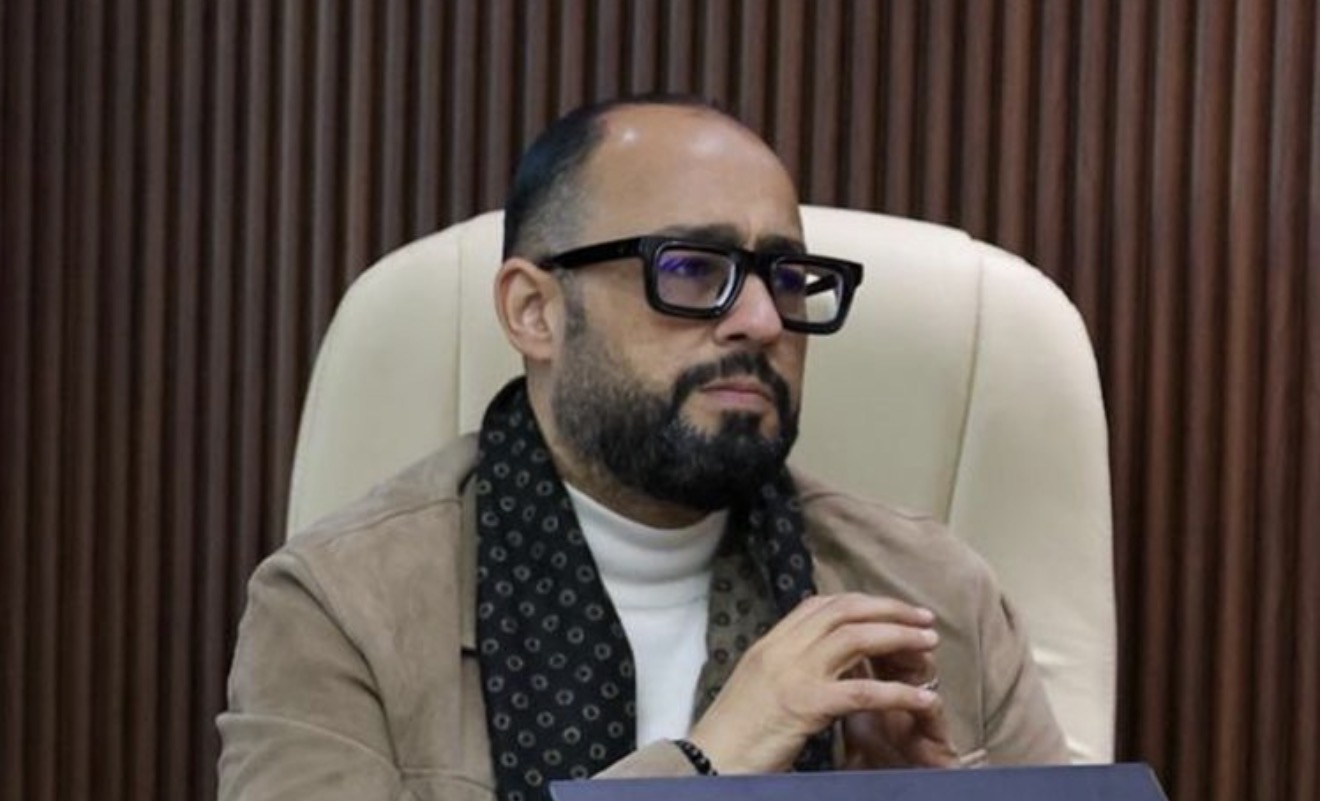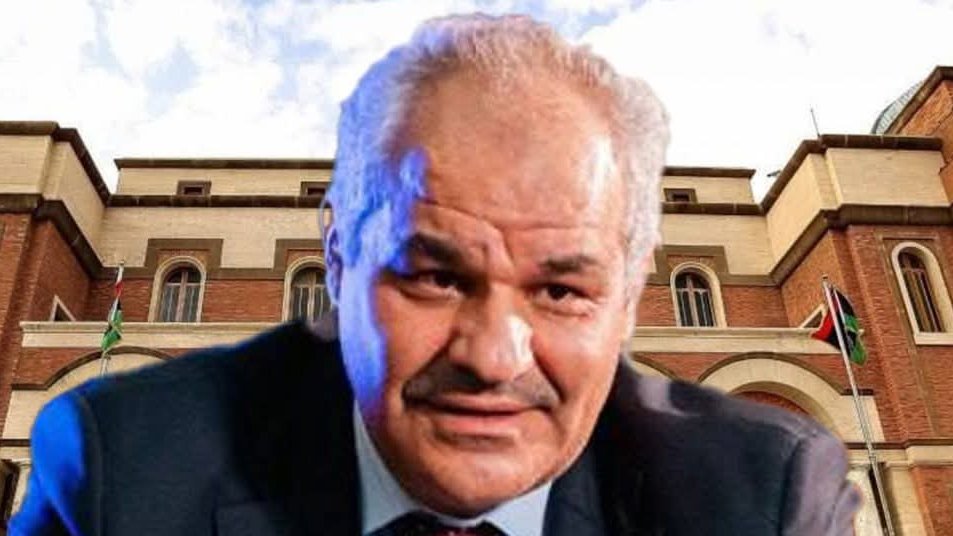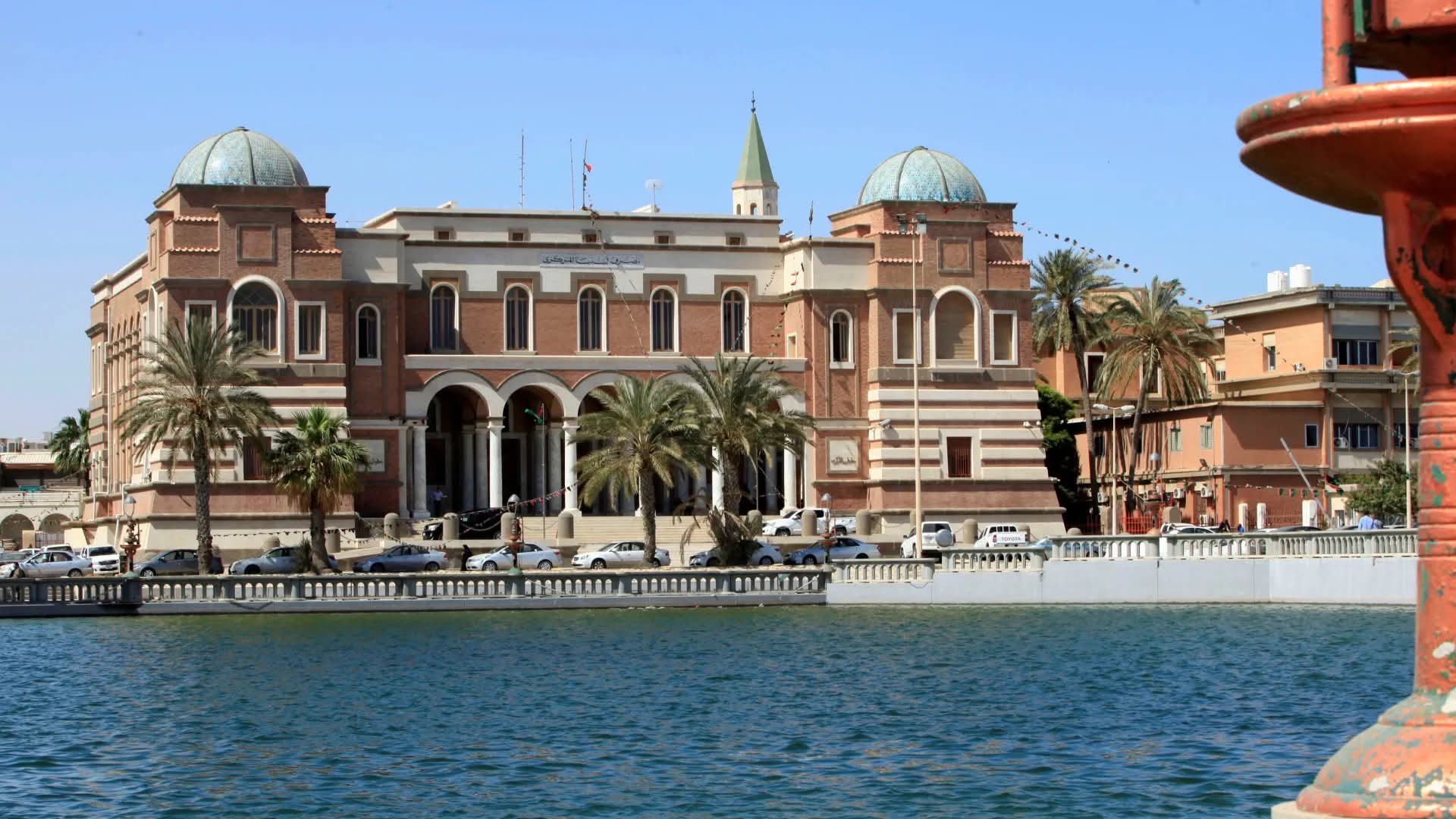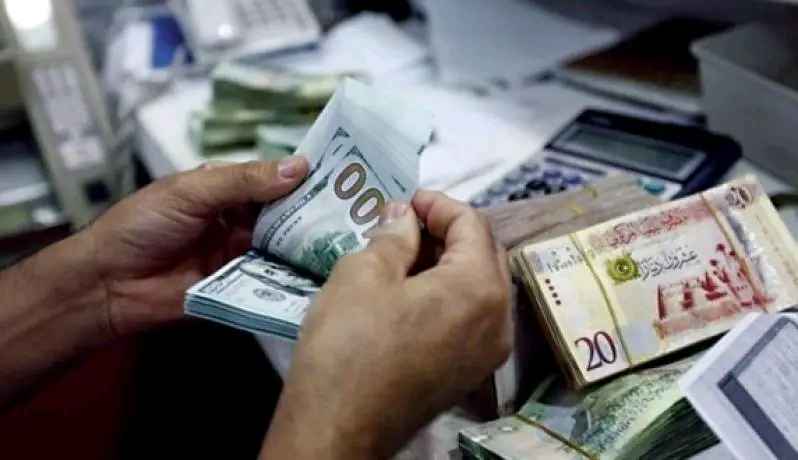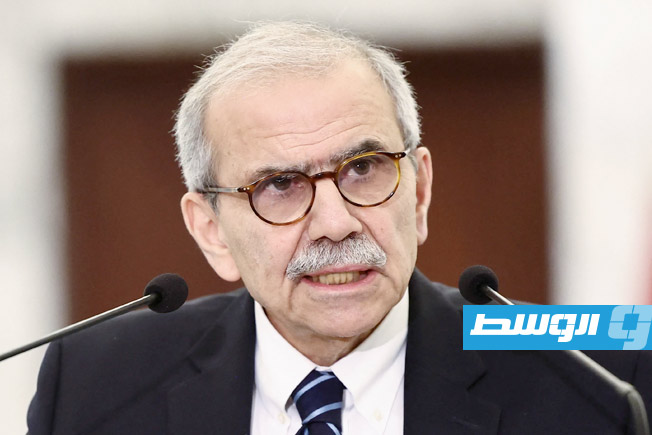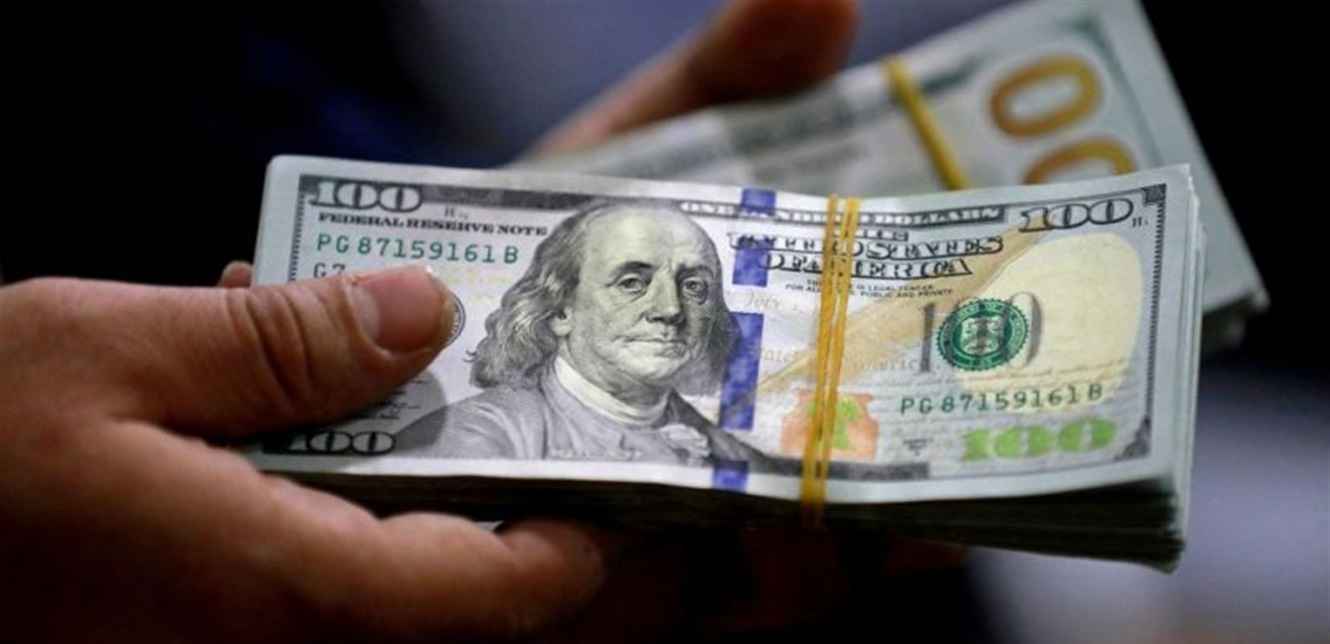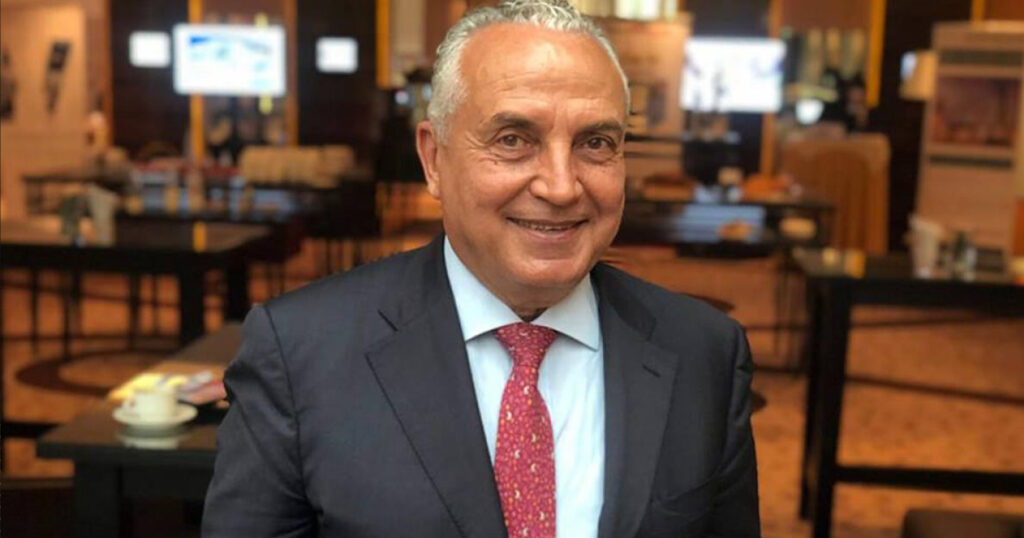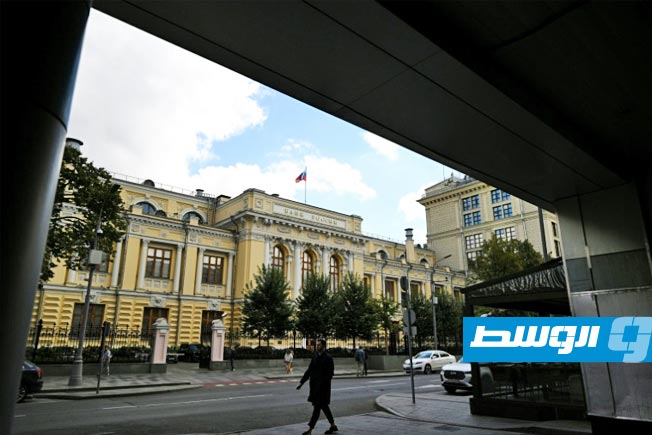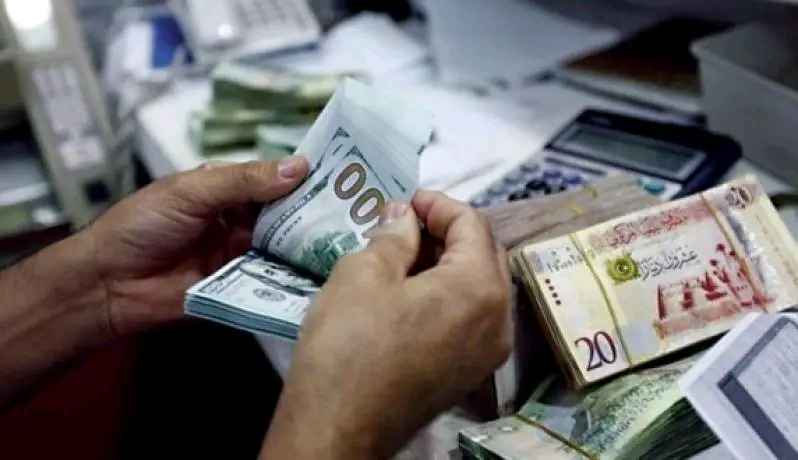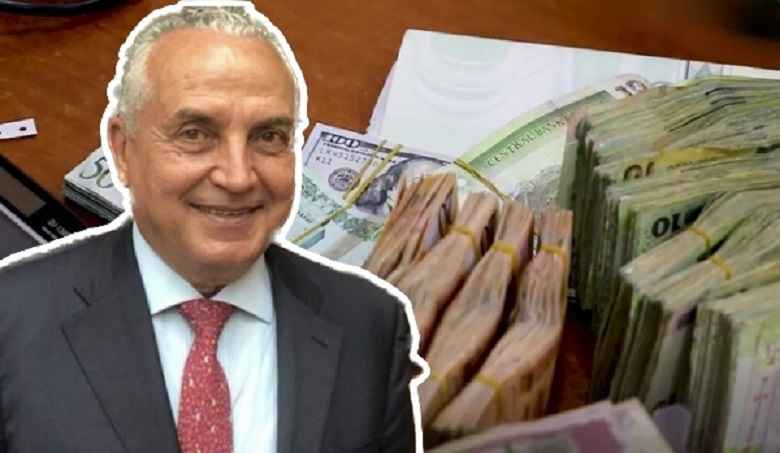
Libyan businessman confirmed that the true cause of the current economic crisis lies in unsustainable financial policies, explaining that they are based on five main factors. The first is runaway public spending, which exceeds 260 billion dinars annually. The second is financing a portion of this spending through money creation.
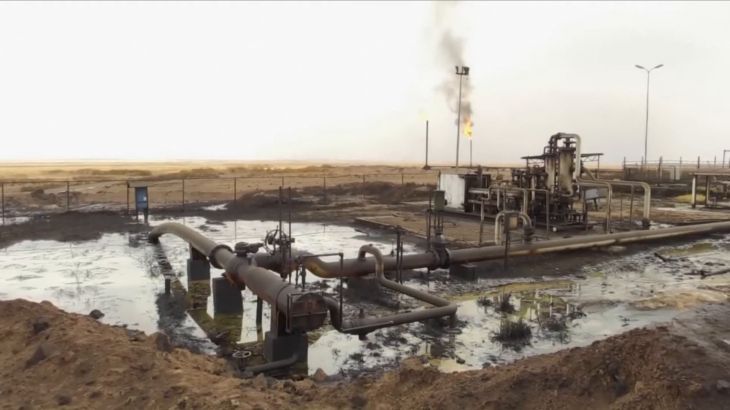
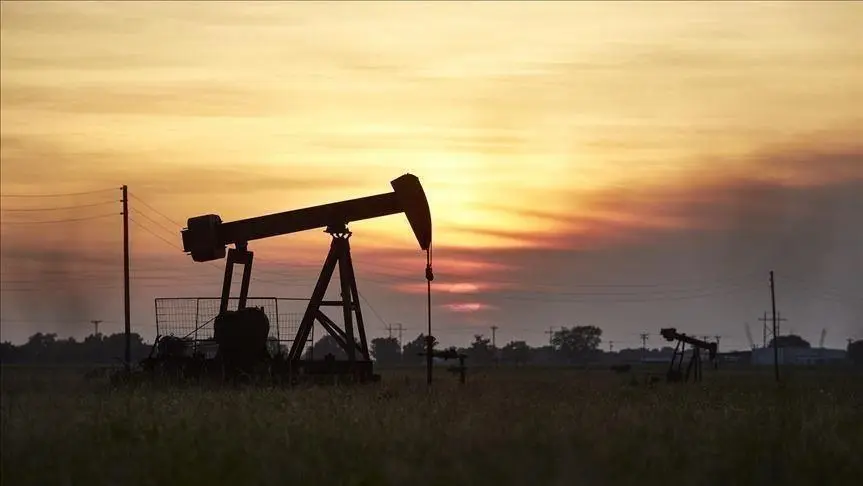
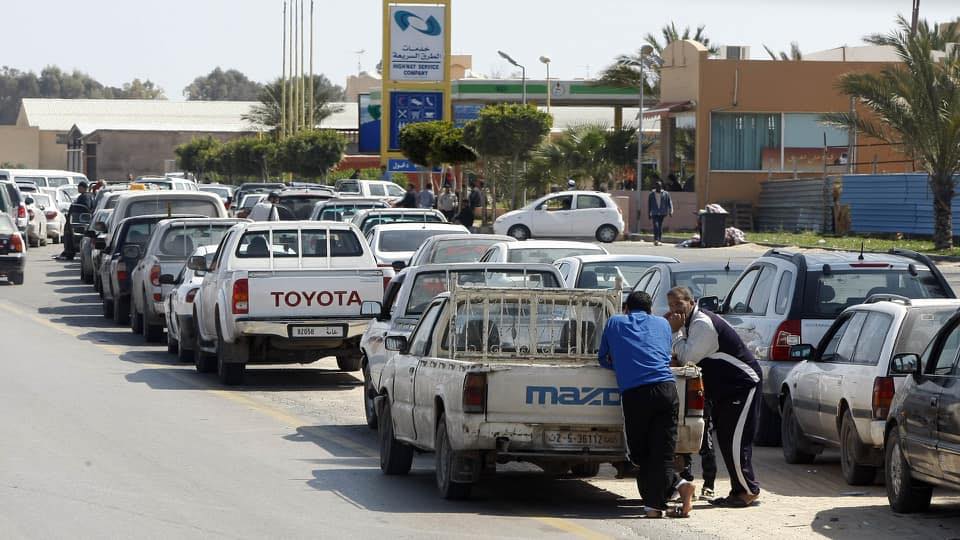
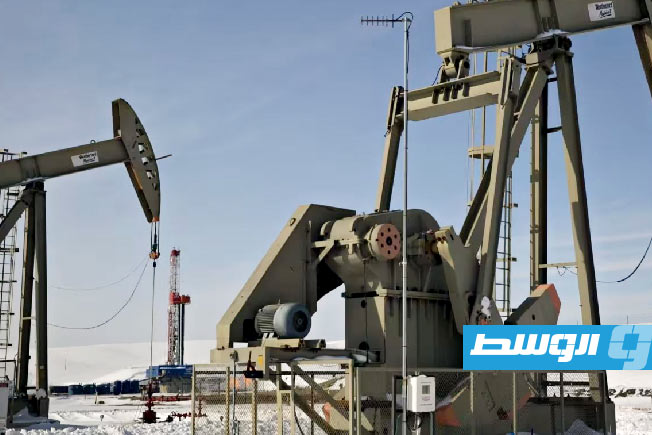
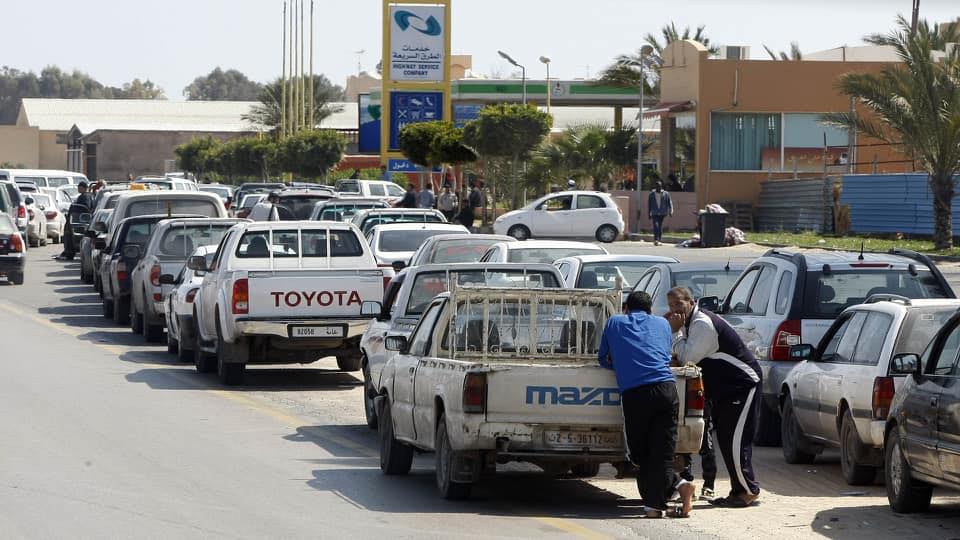
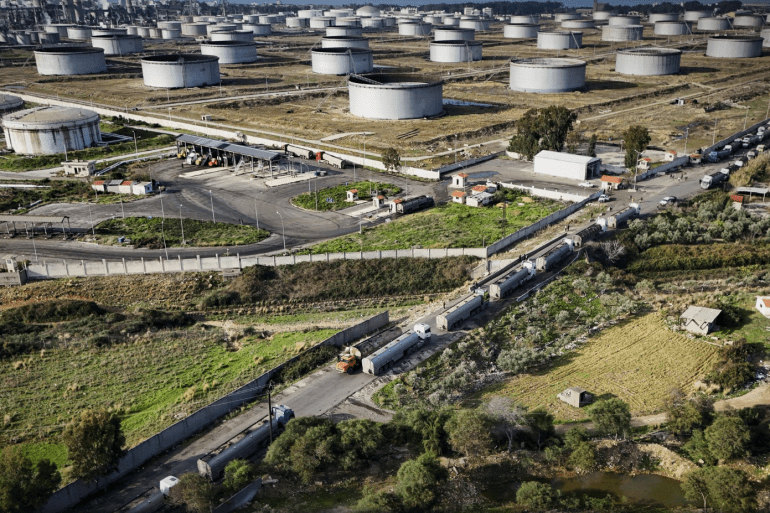
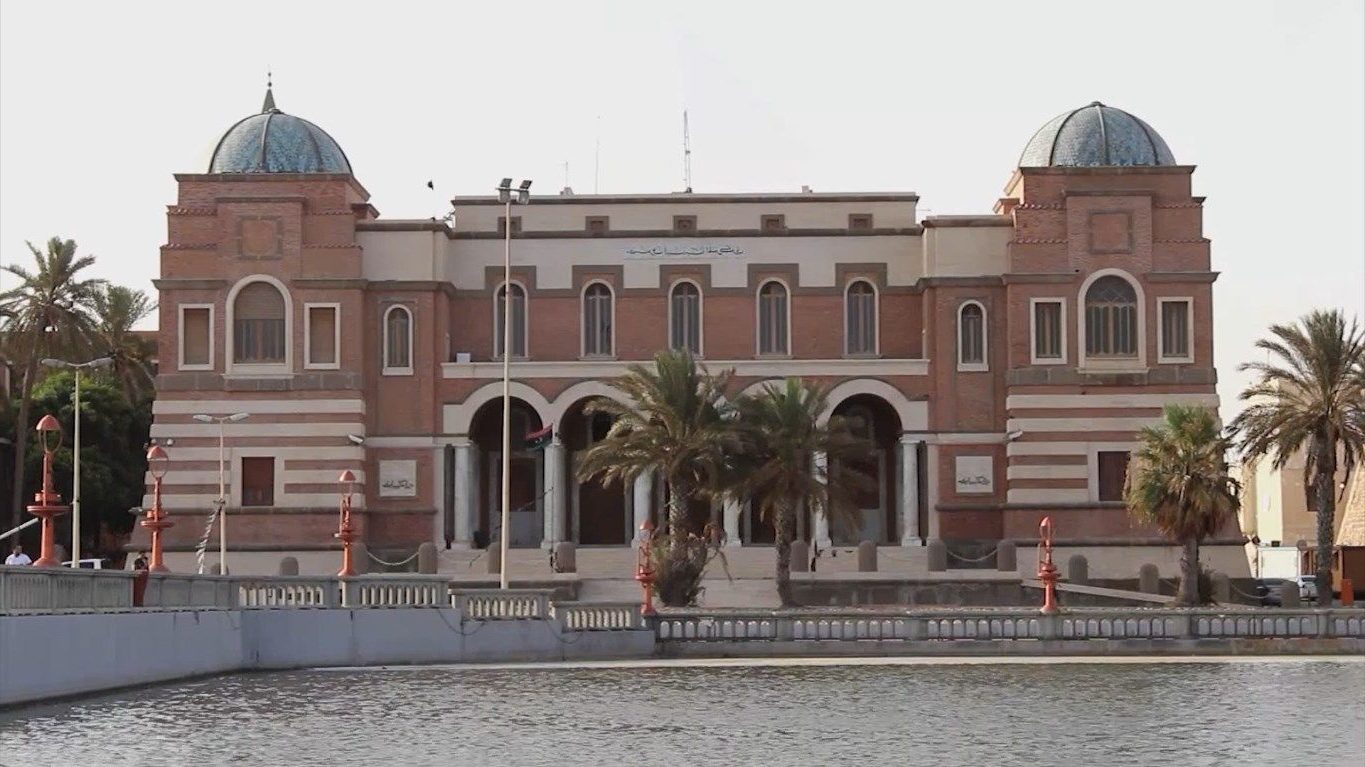
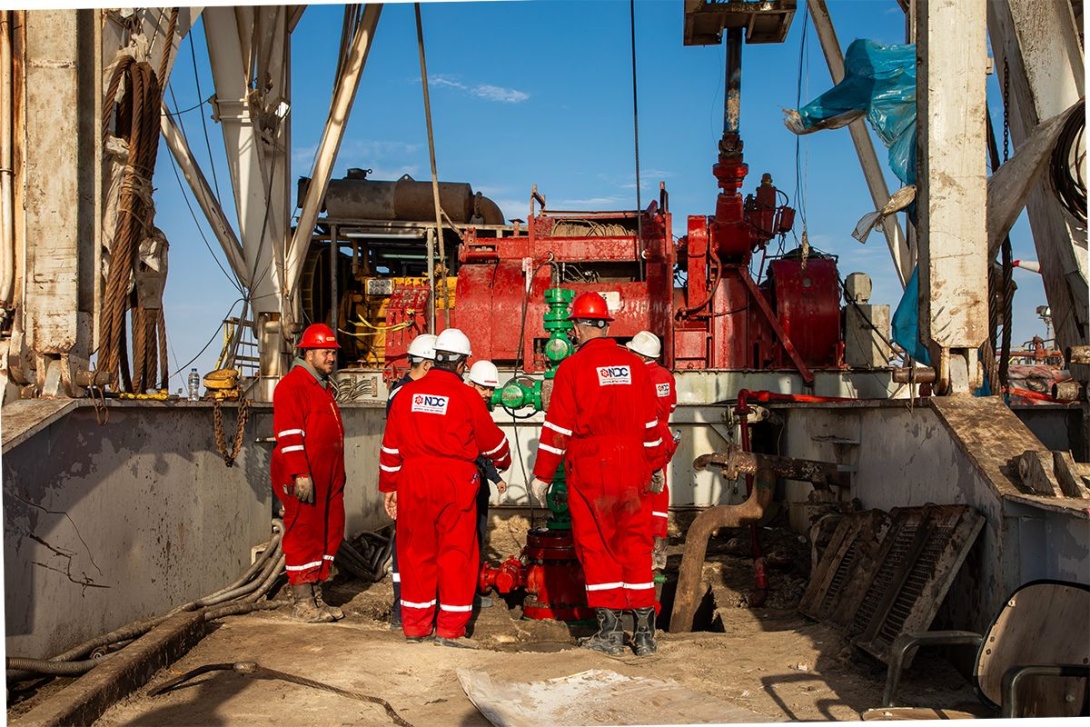
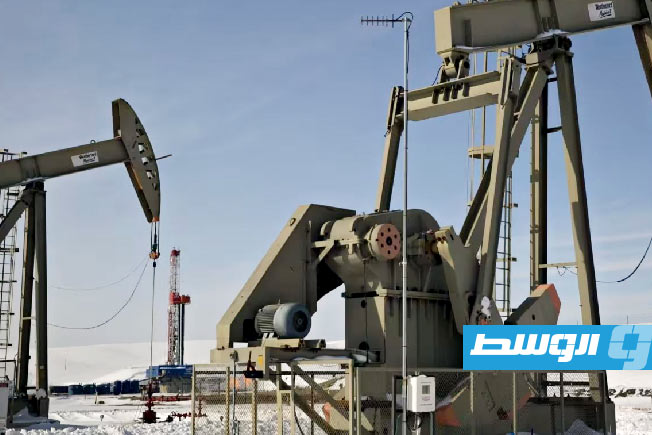
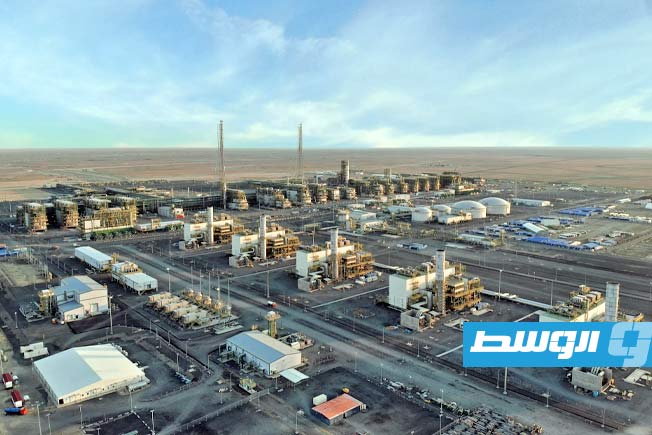
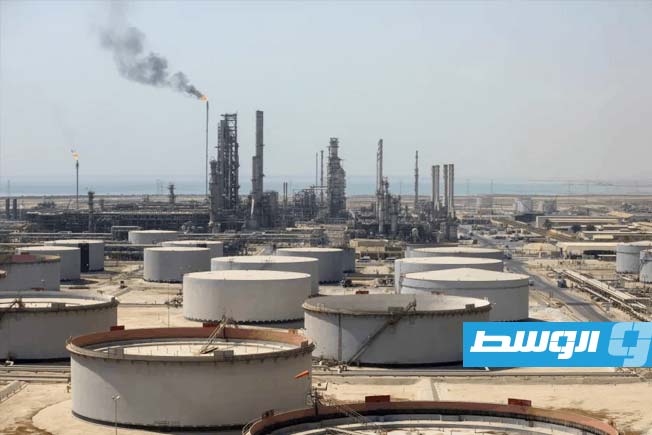
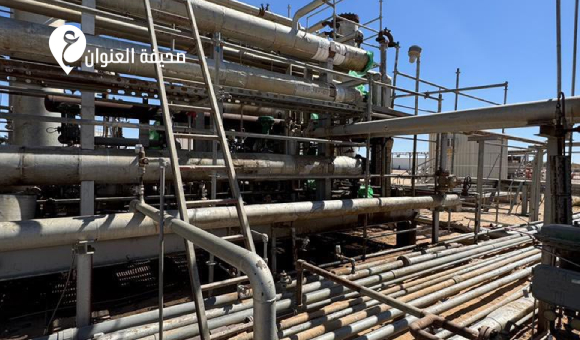
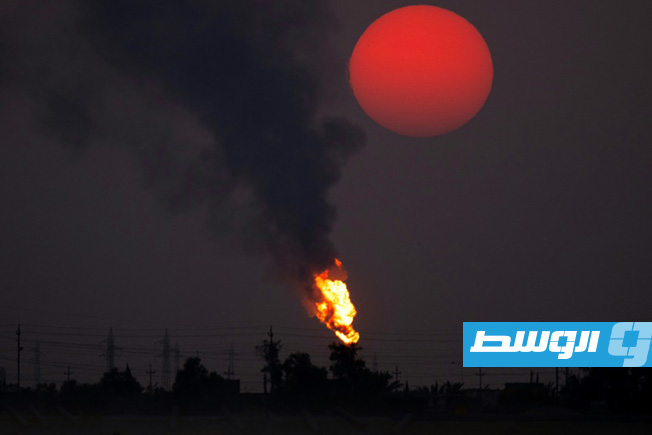
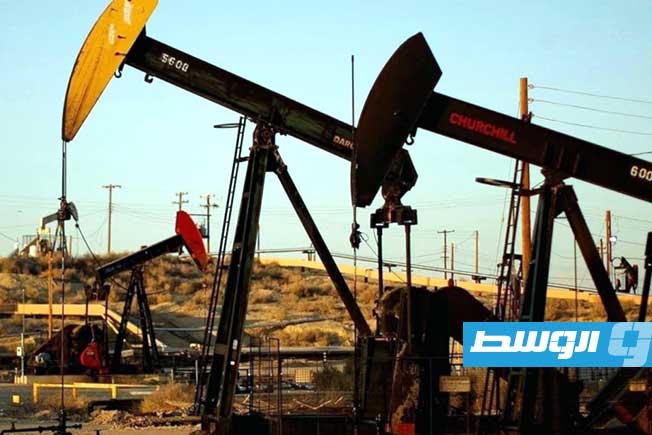
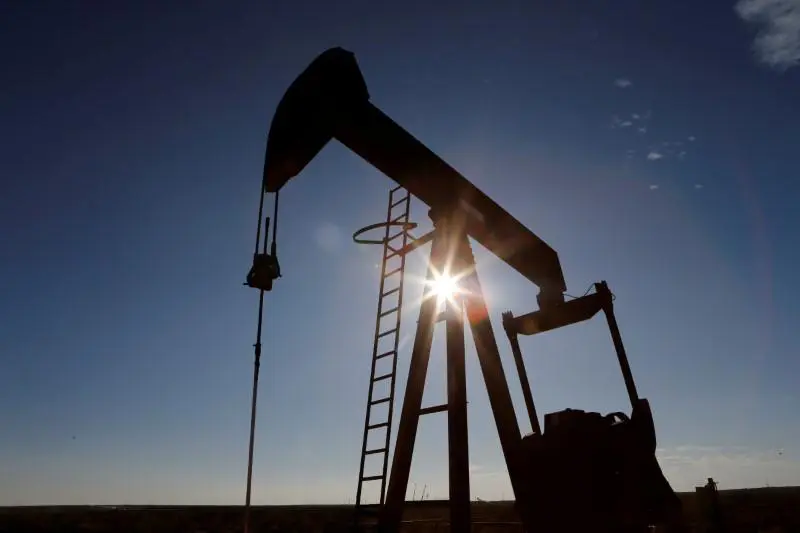
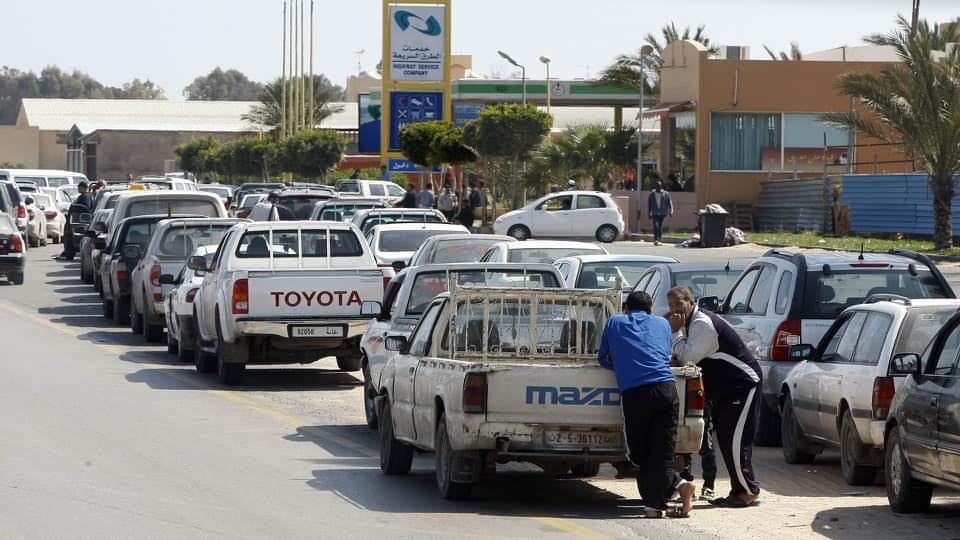
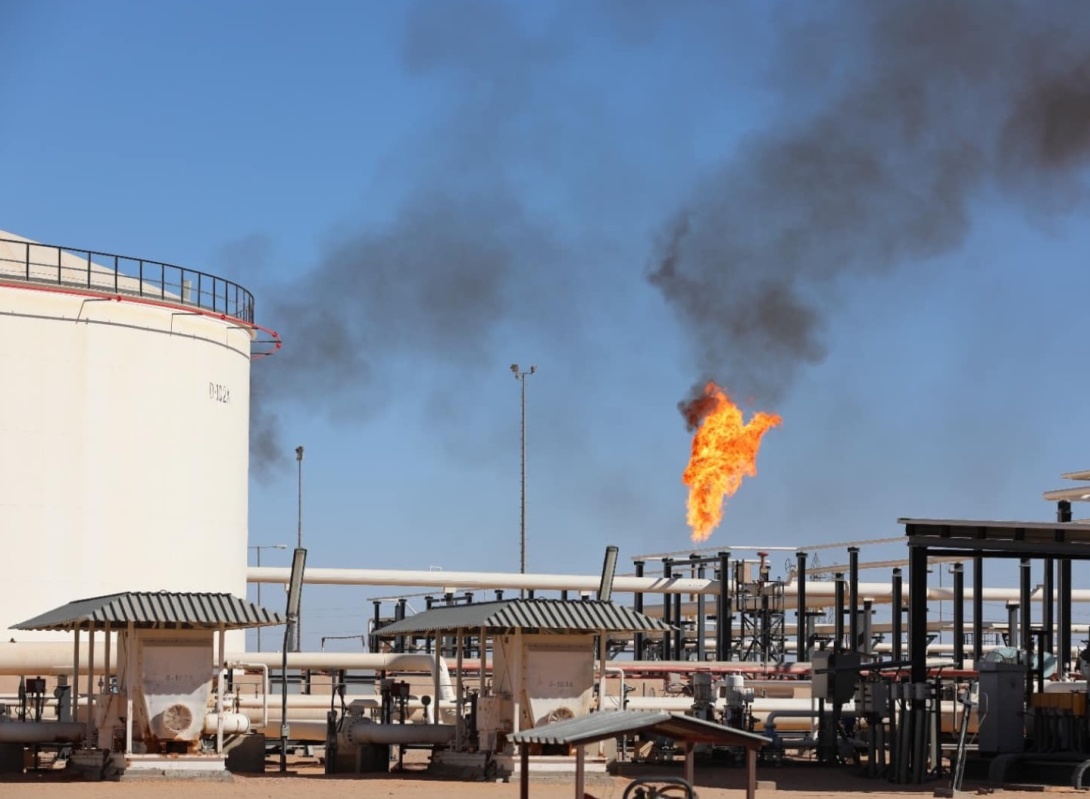
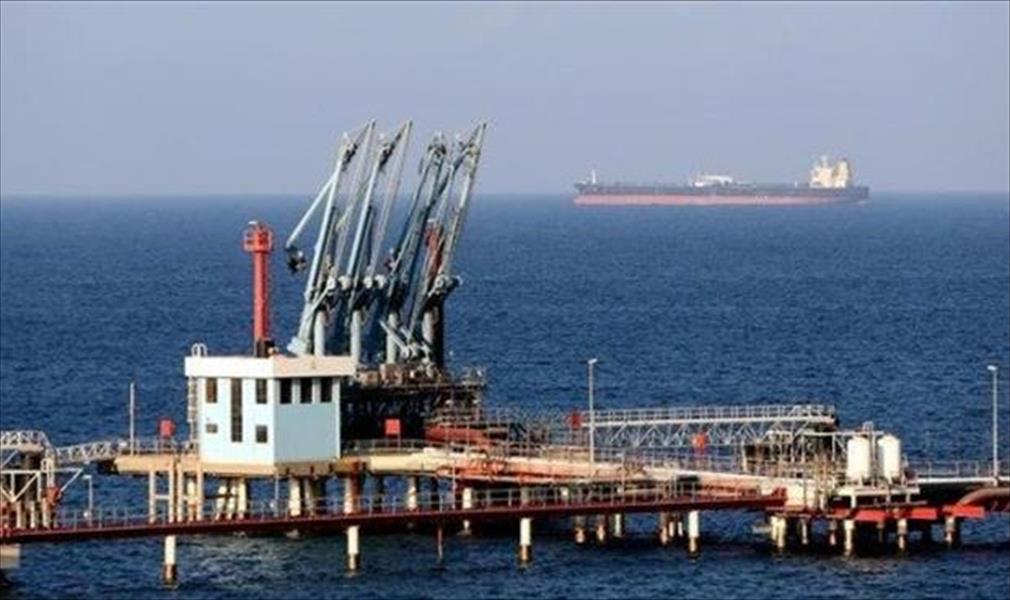
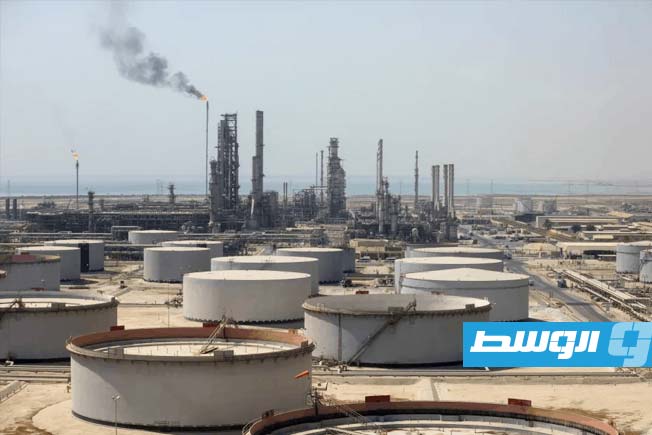
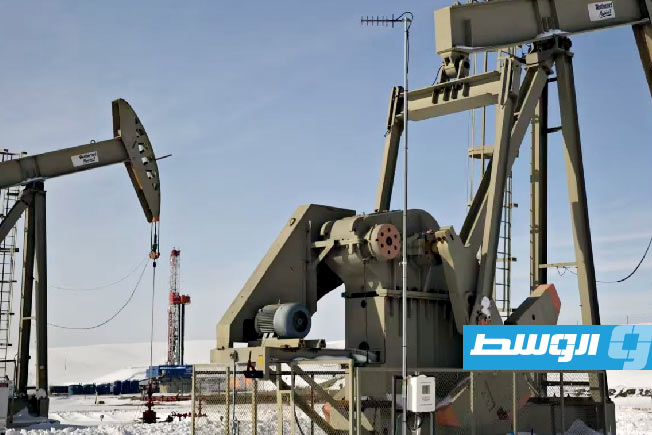
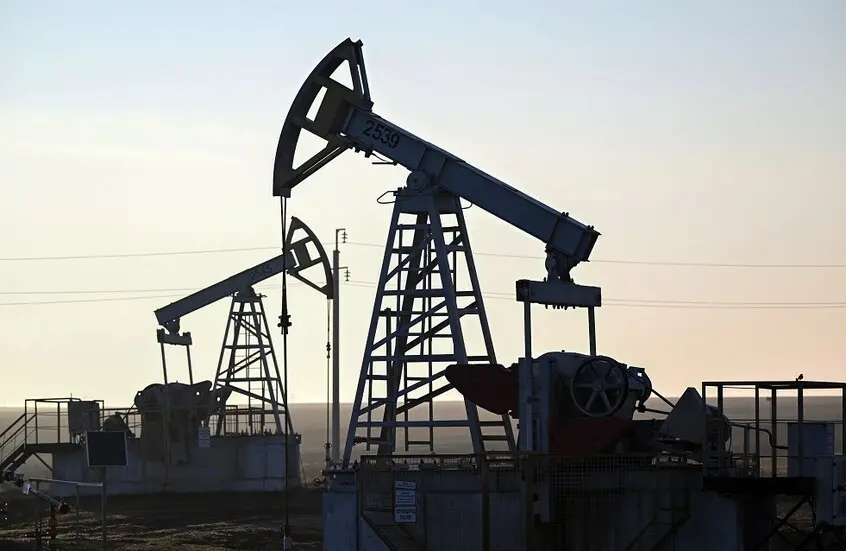
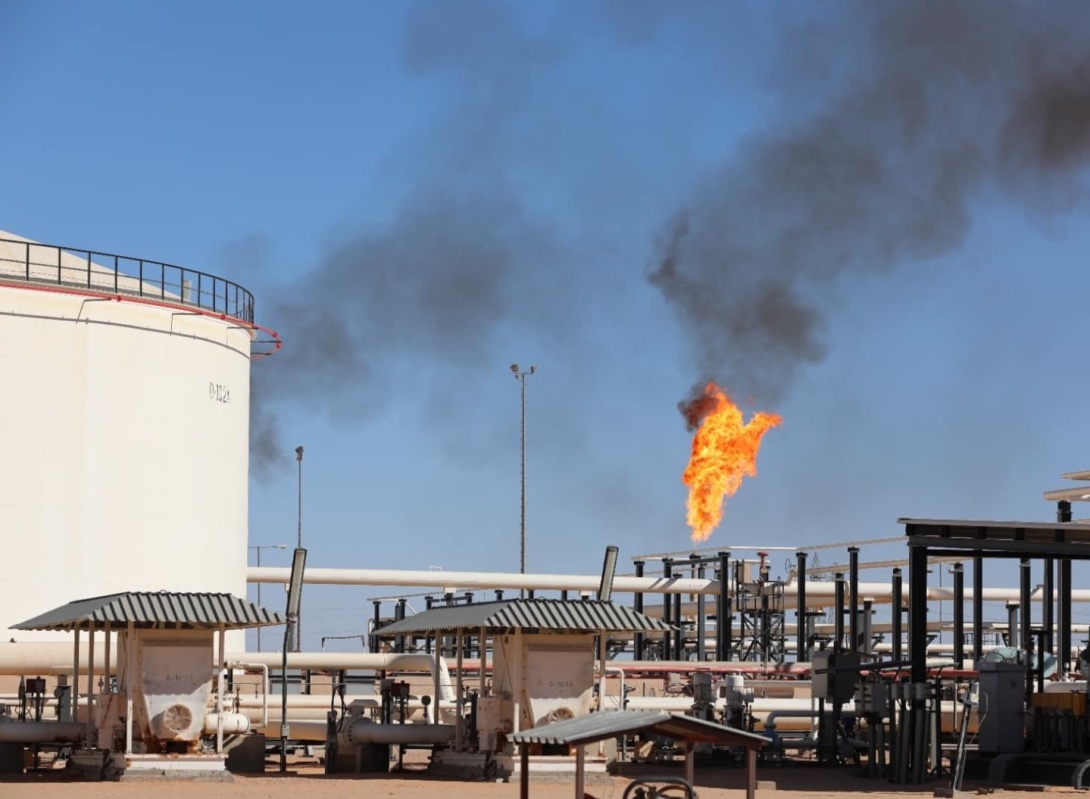
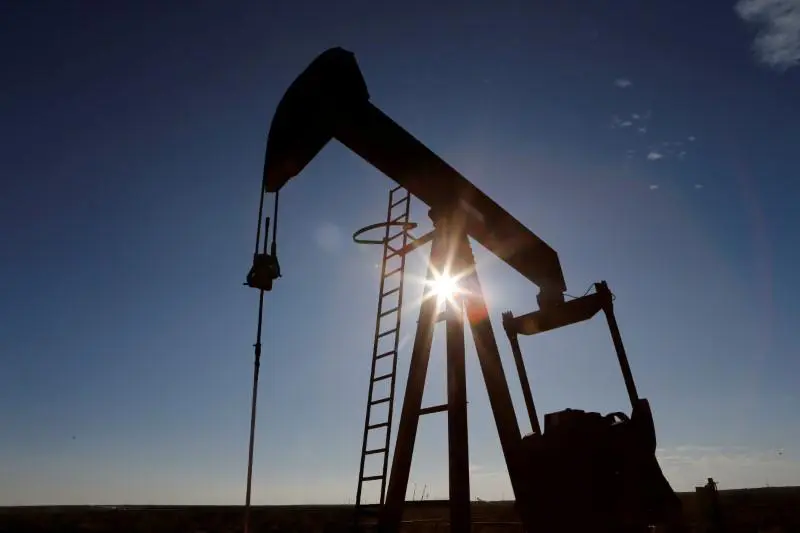
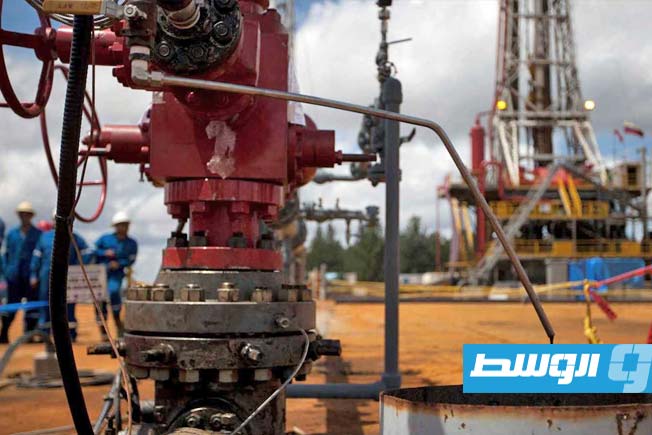
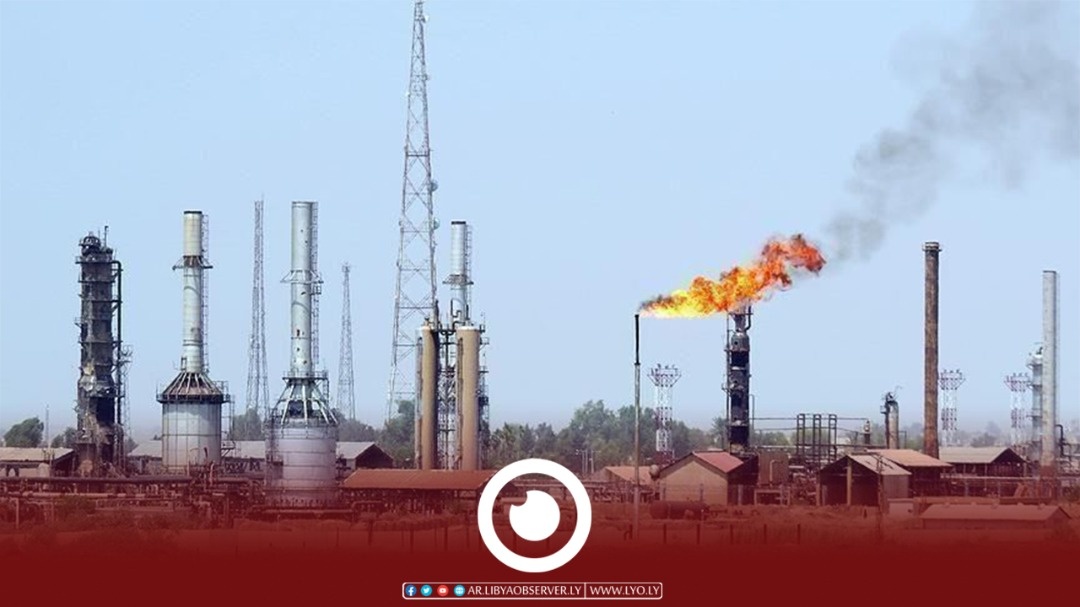
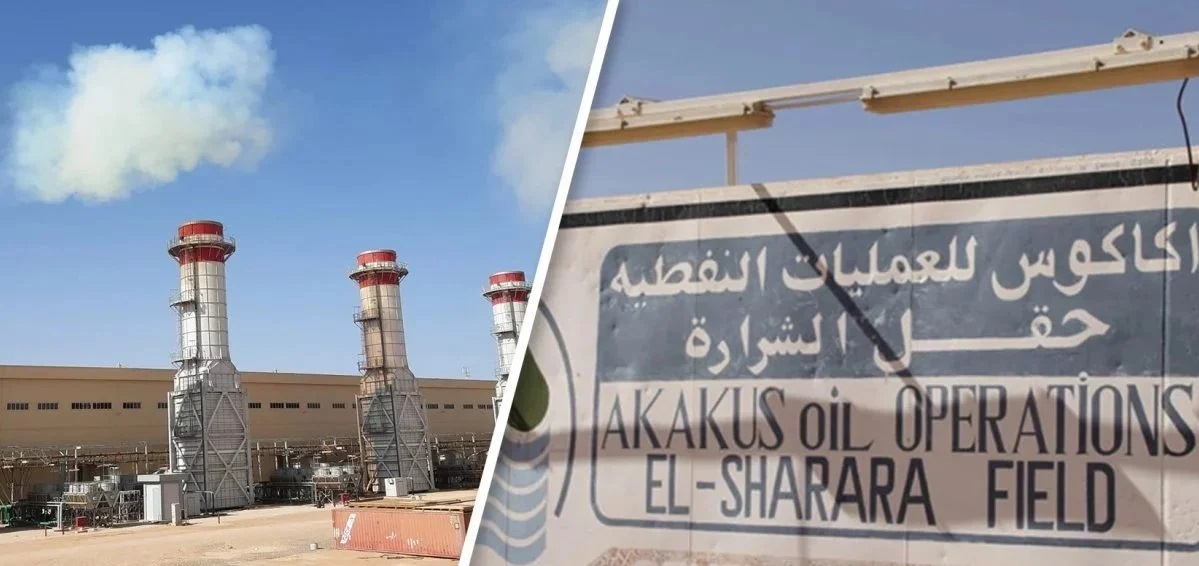
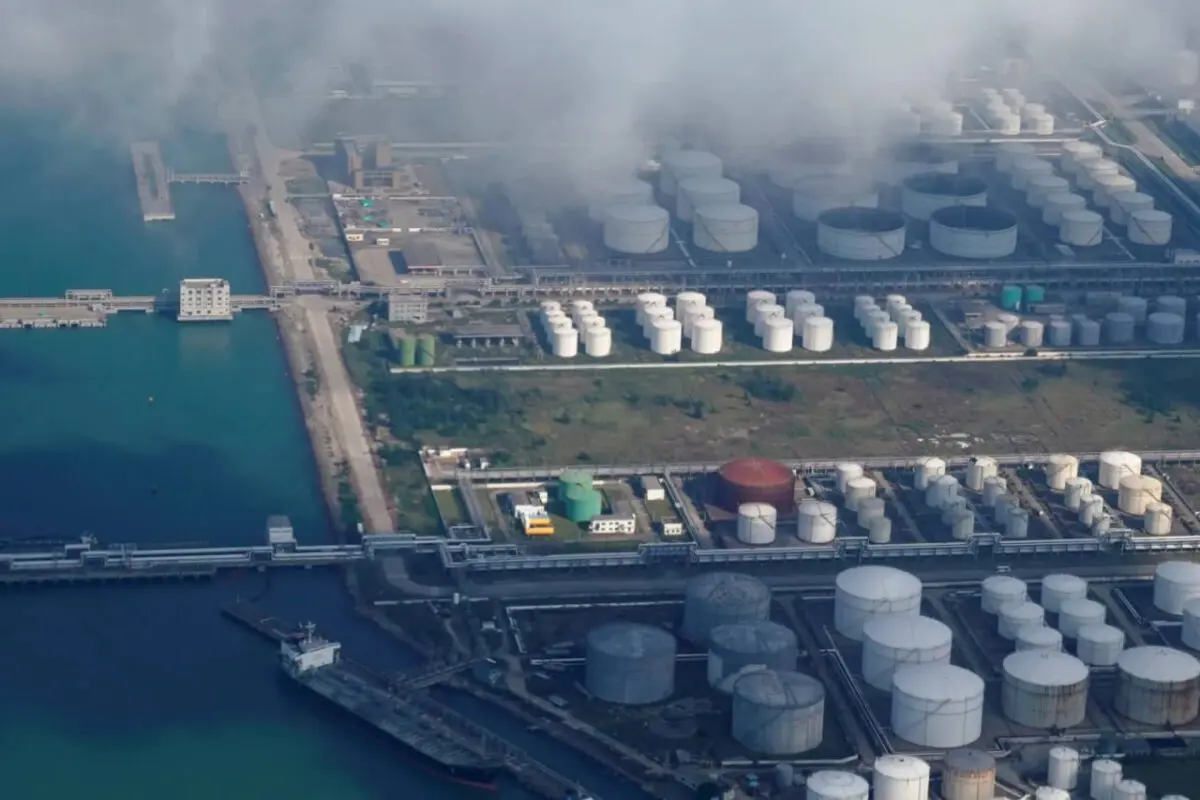
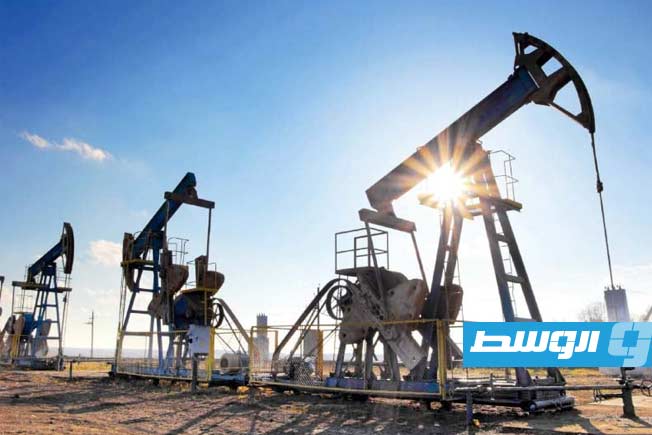
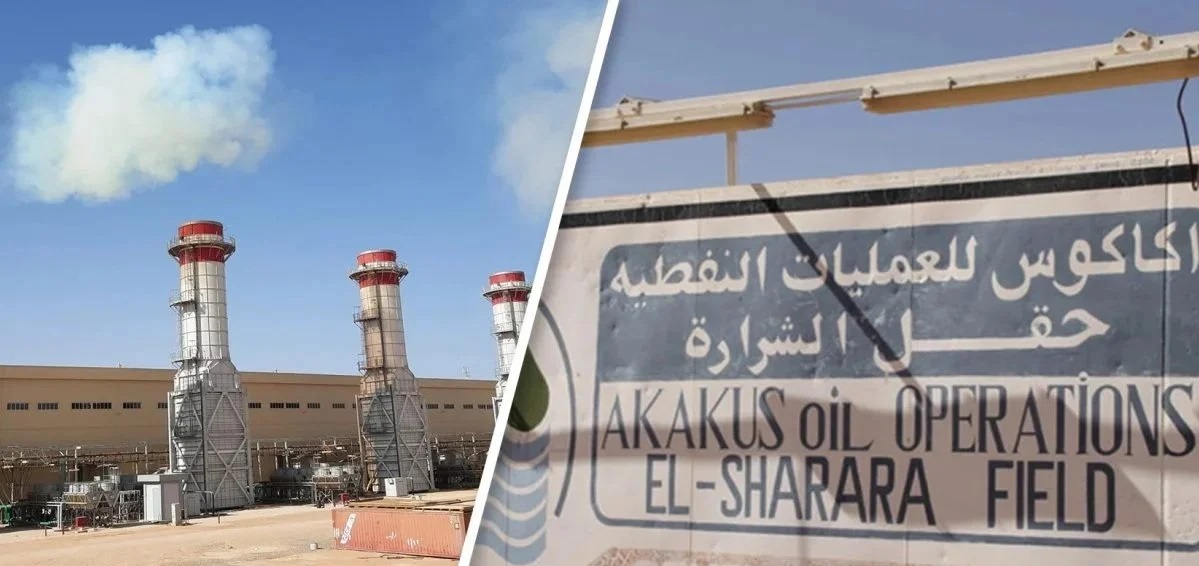
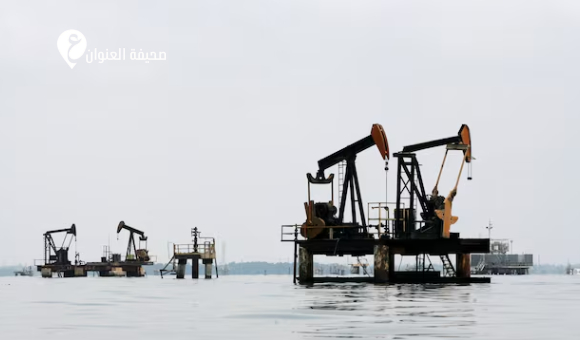
He added in statements that the third factor is the near-total reliance on oil revenues as a single, volatile source, noting that a portion of these revenues does not reach the central bank. The fourth factor is the massive spending on fuel subsidies, which consumes 40% of the country’s oil production. The fifth factor lies in the existence of public companies that represent 20% of public output but do not contribute to feeding the budget.
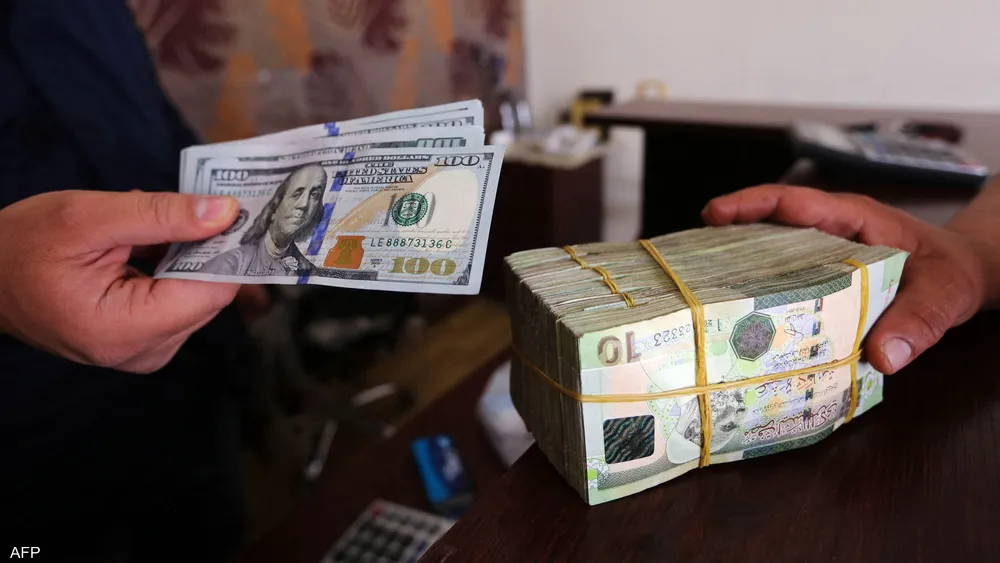
He explained that all these tools, including production and consumption taxes and the decision to adjust the exchange rate, cannot be considered real reform, as their final cost ends up with the citizen.
He stressed that stability and growth are not achieved through slogans, promises, or isolated partial measures, but through clear policies that achieve three fundamental objectives: effectively controlling spending, stopping money creation, and linking spending to actual revenues.
He concluded by saying that failure to achieve these goals would mean continuing to manage the crisis instead of solving it, with the resulting increasing cost to the economy and society.