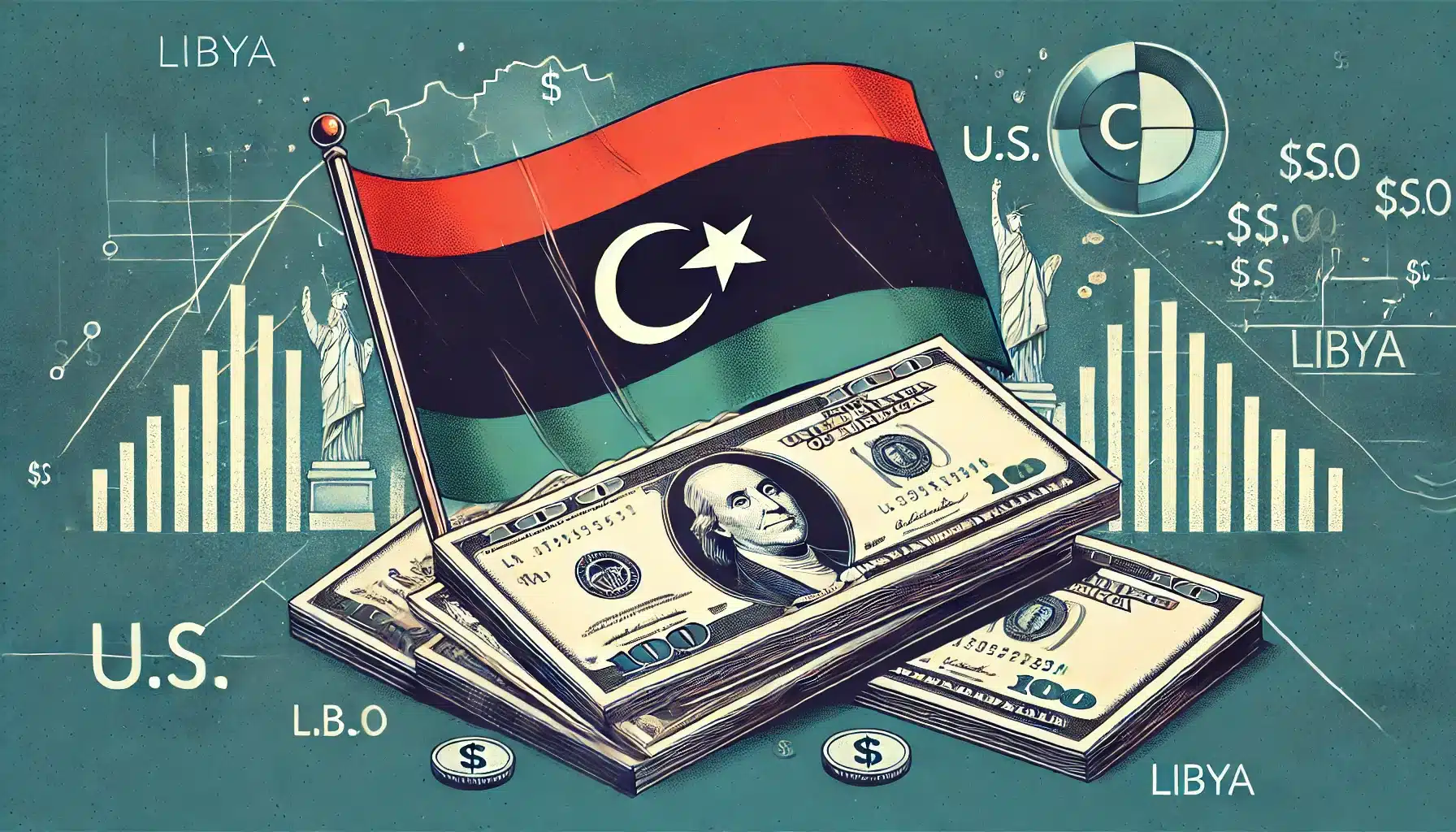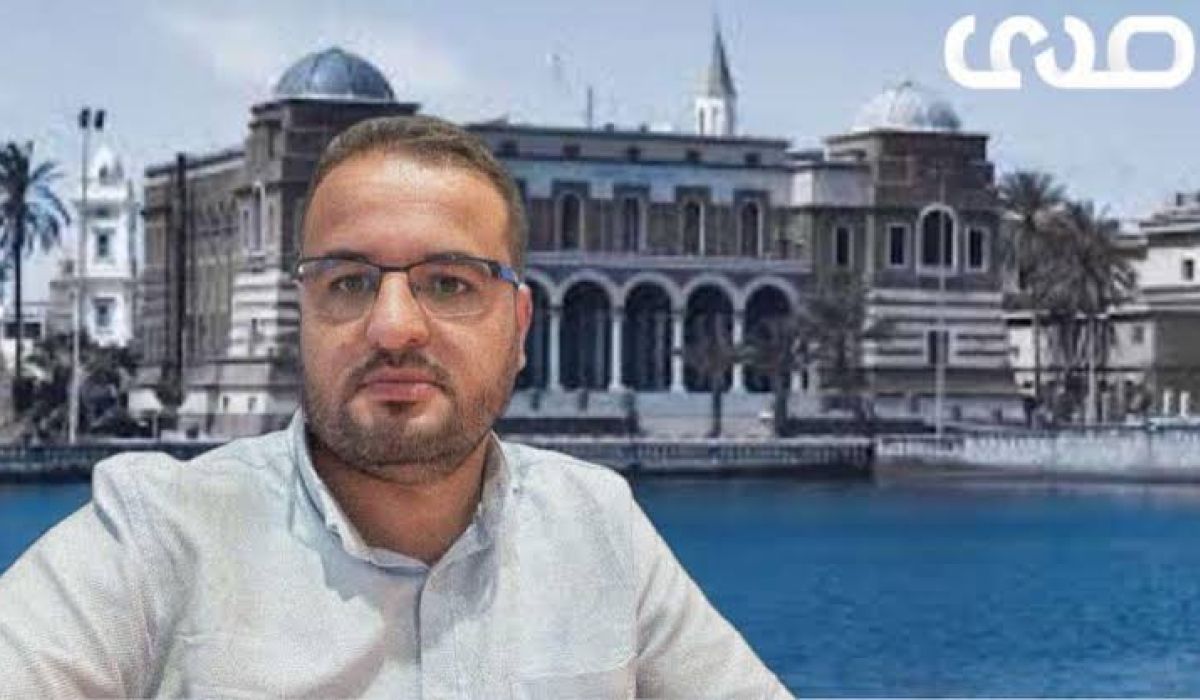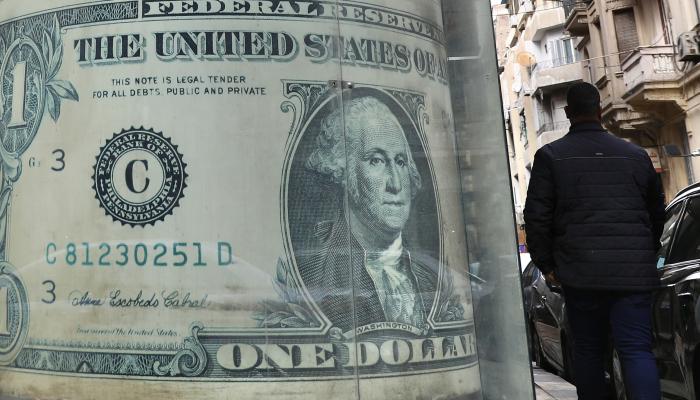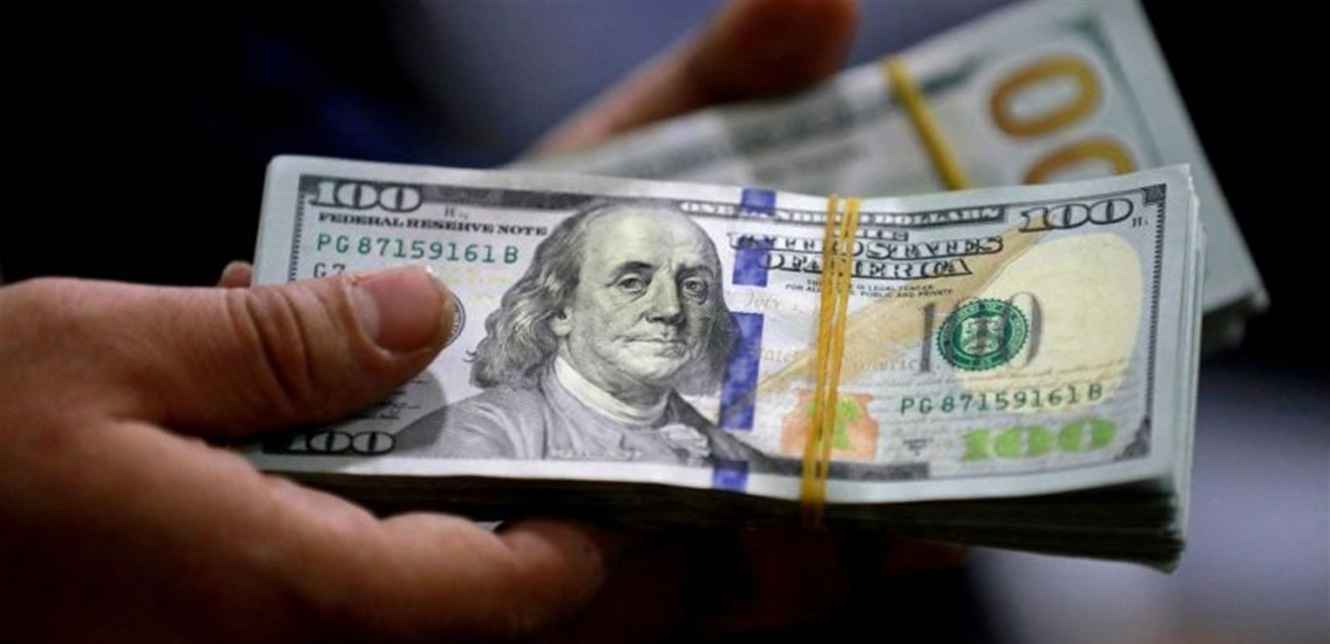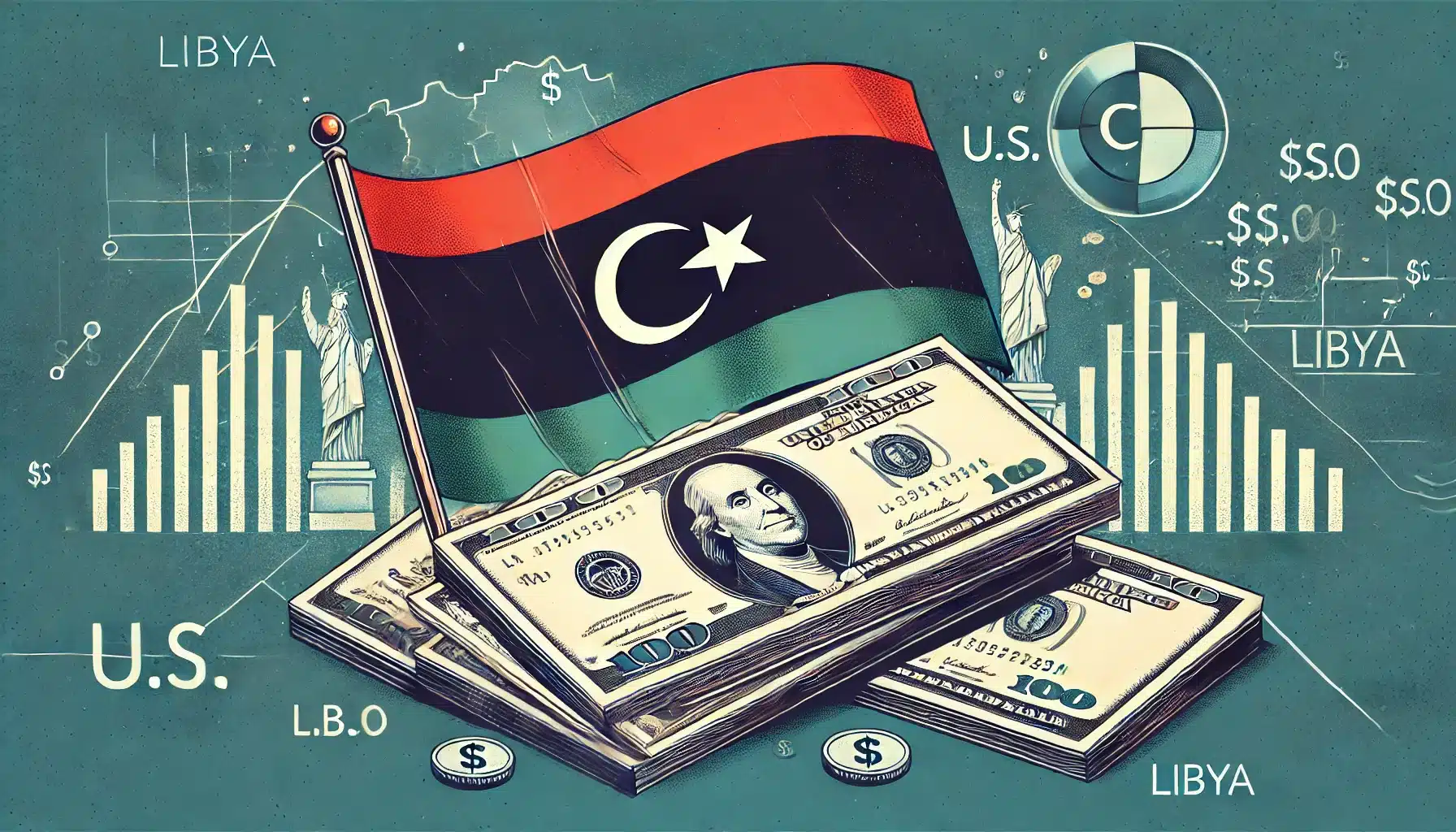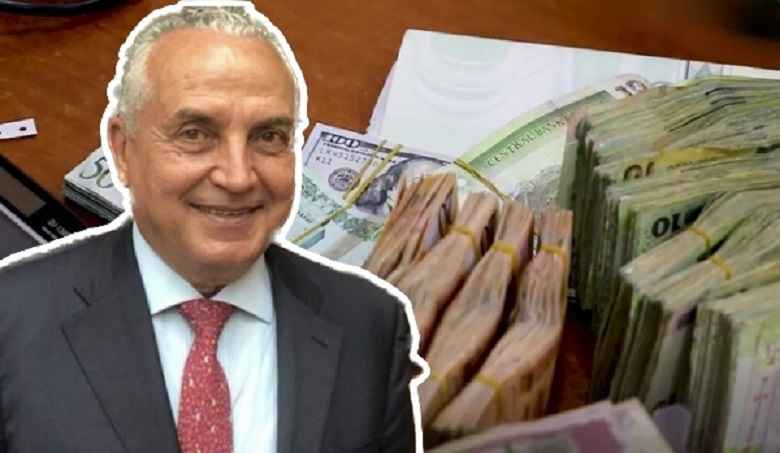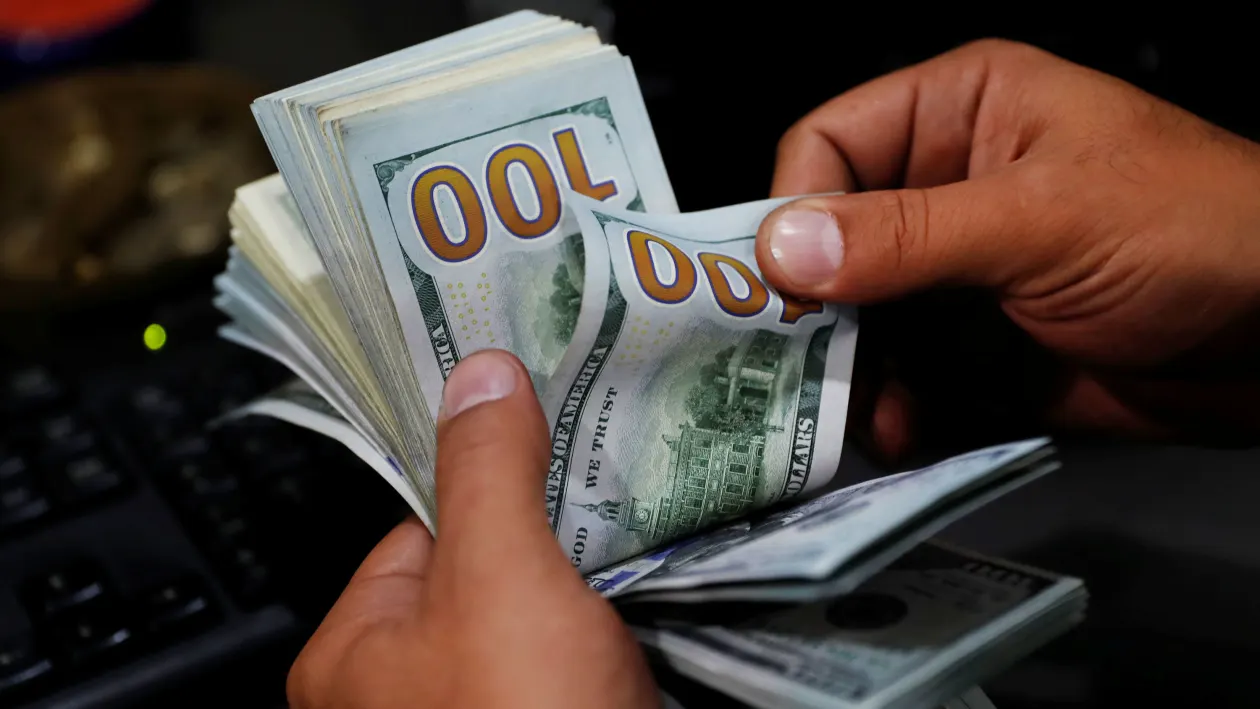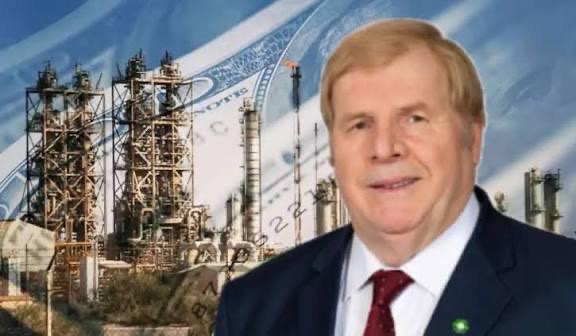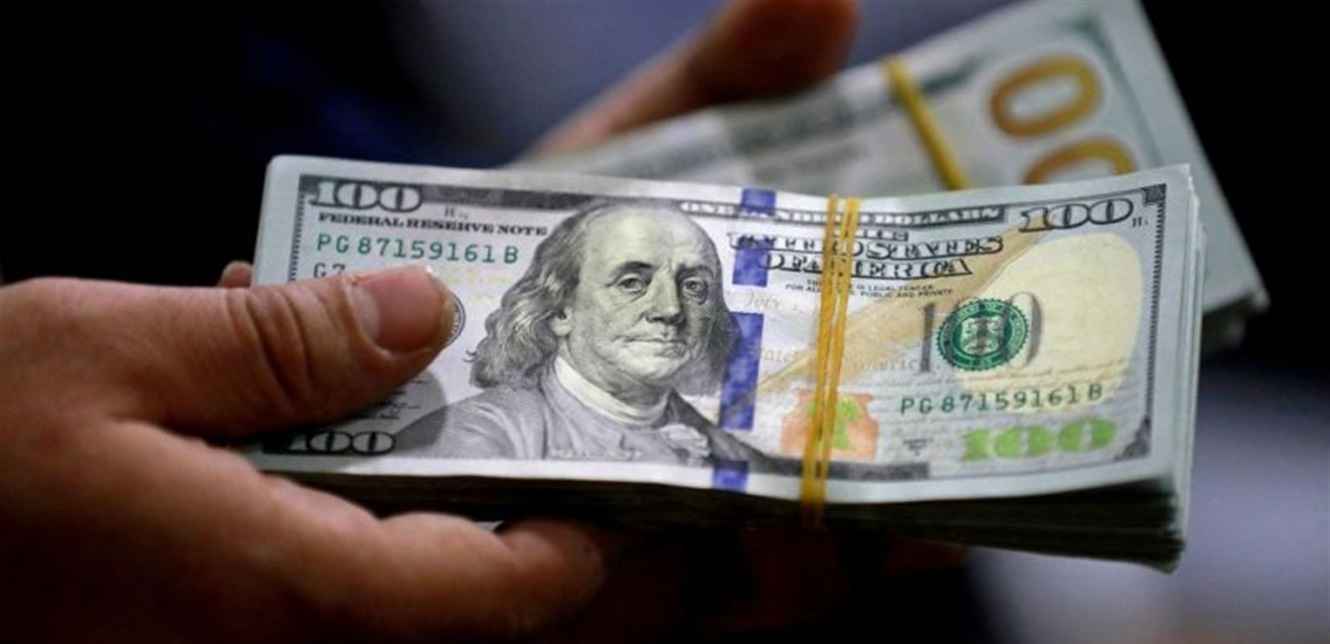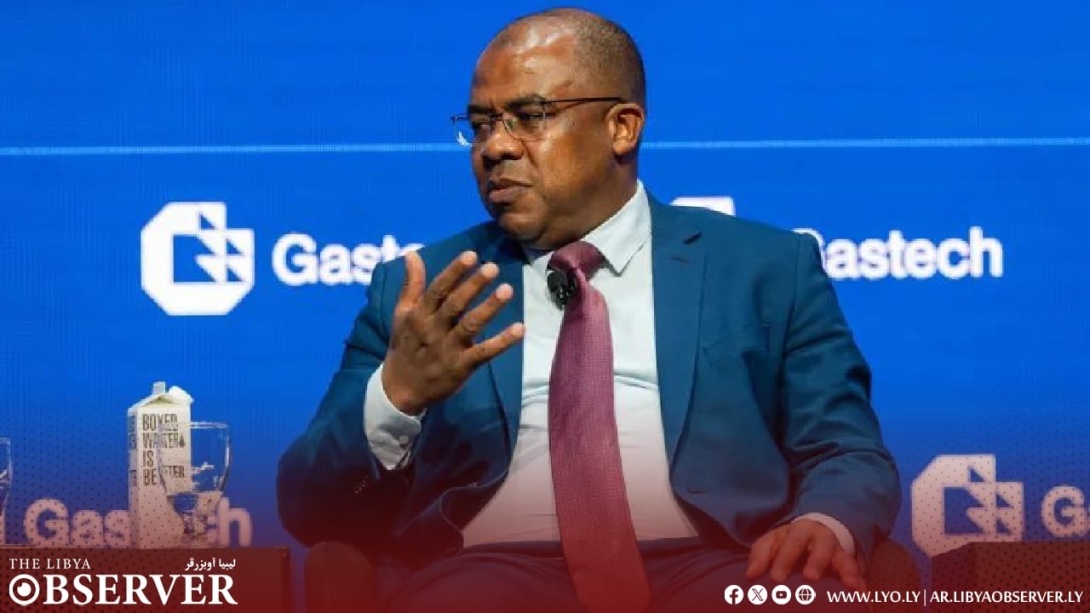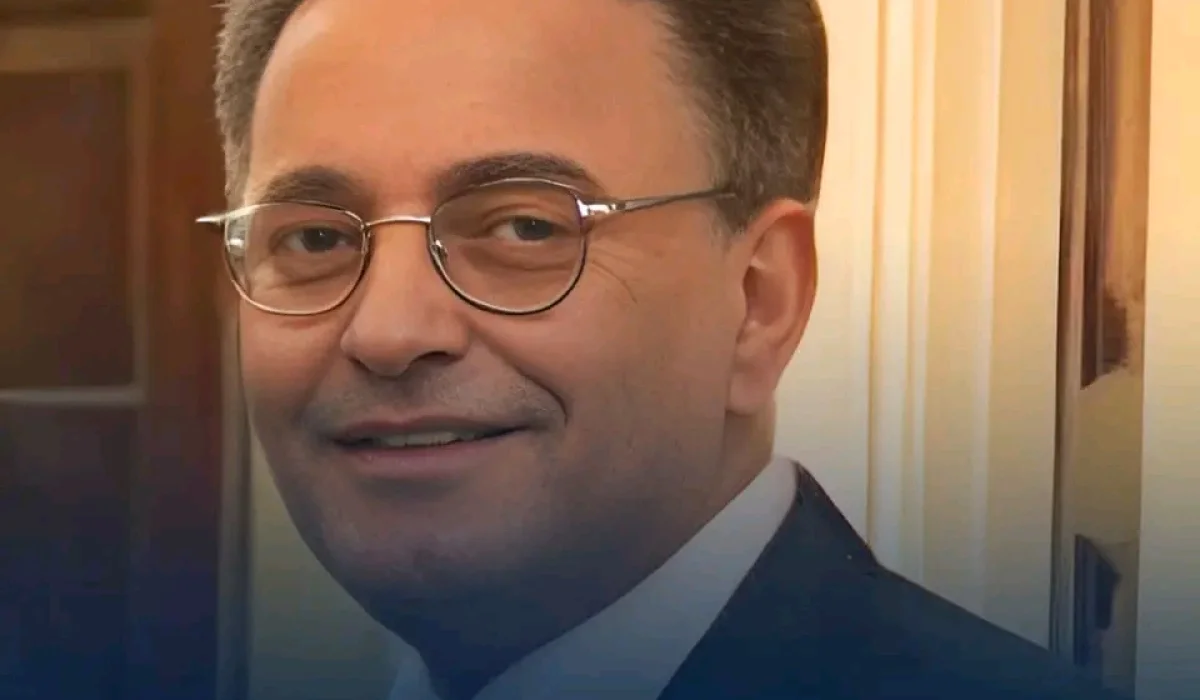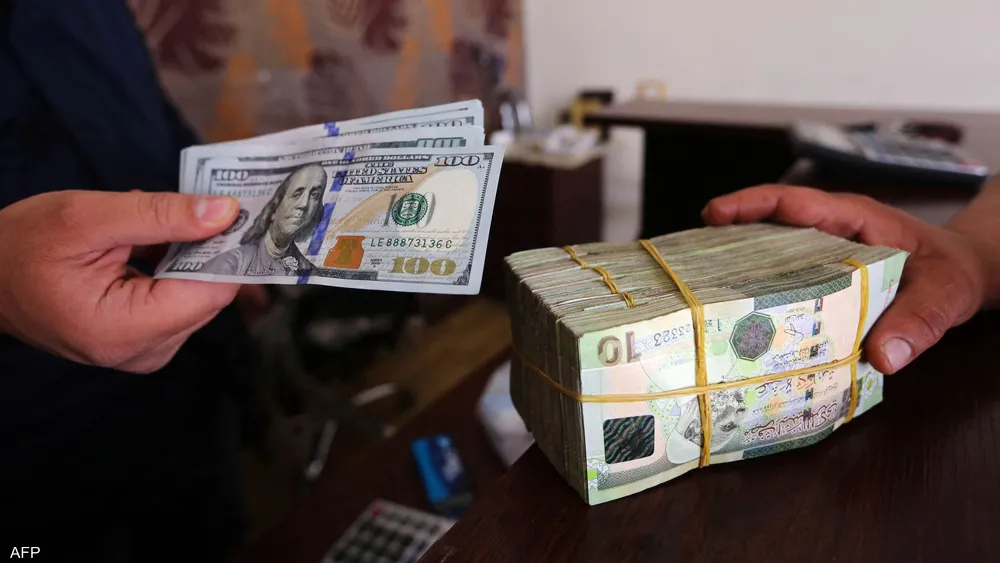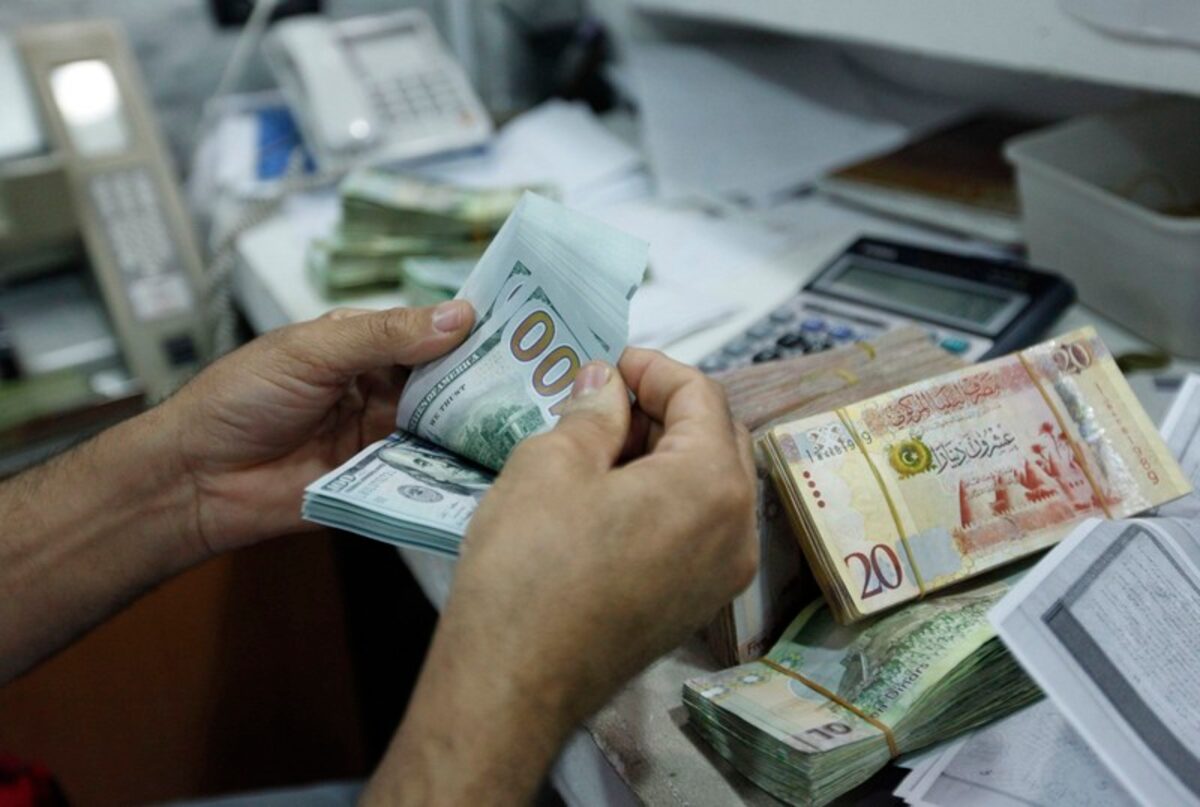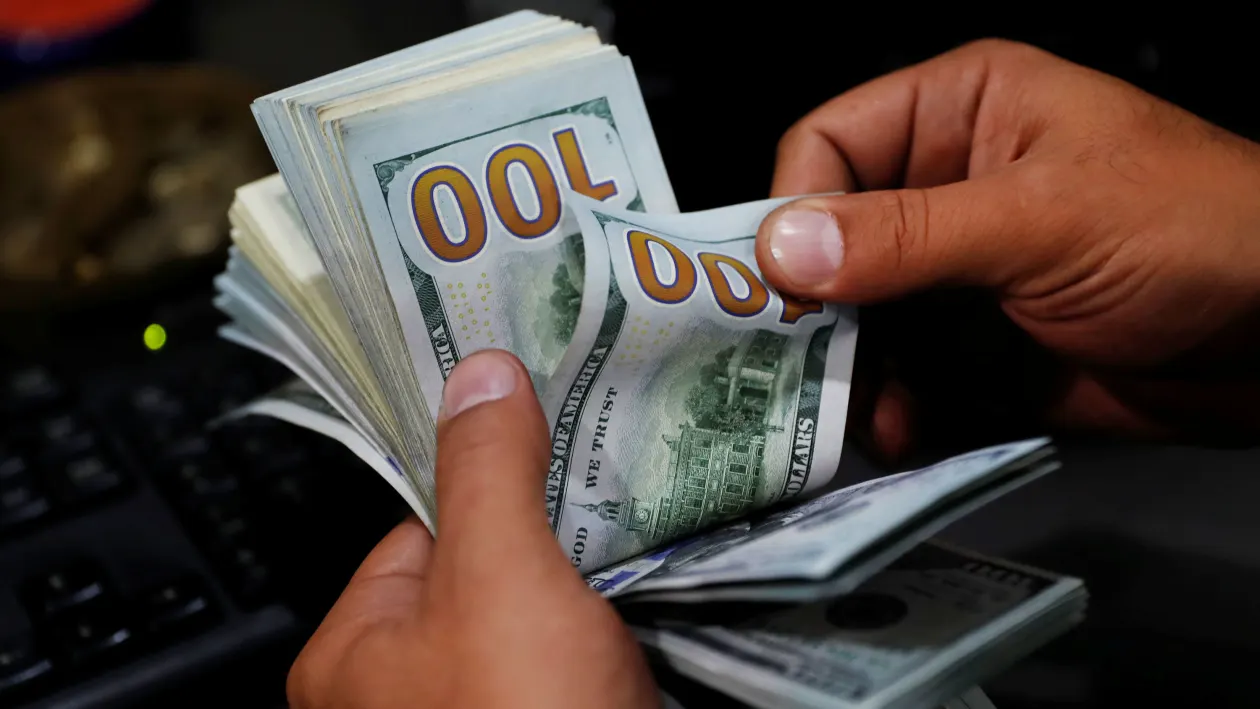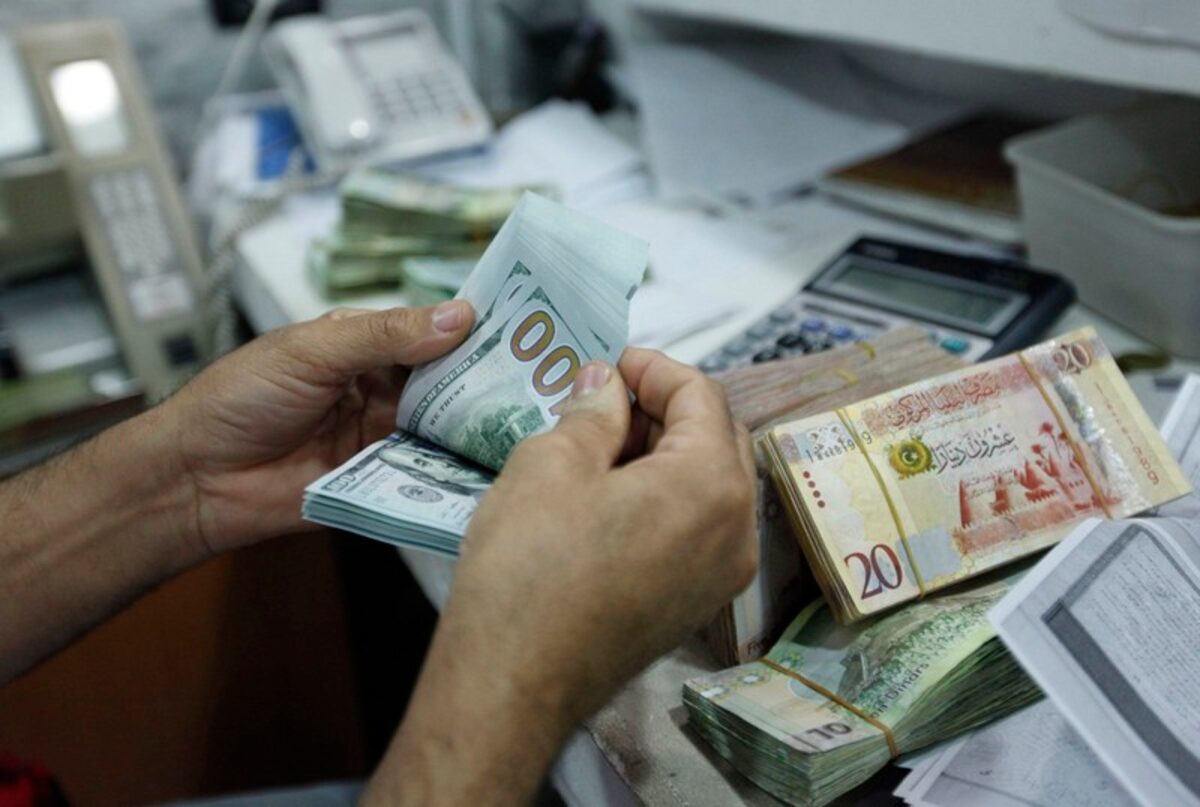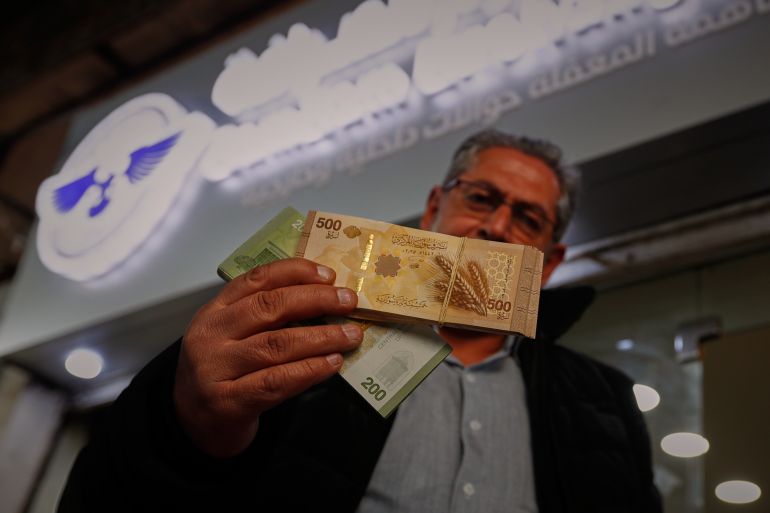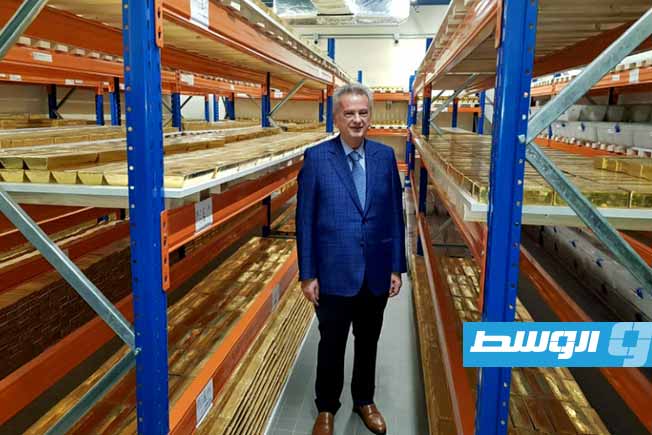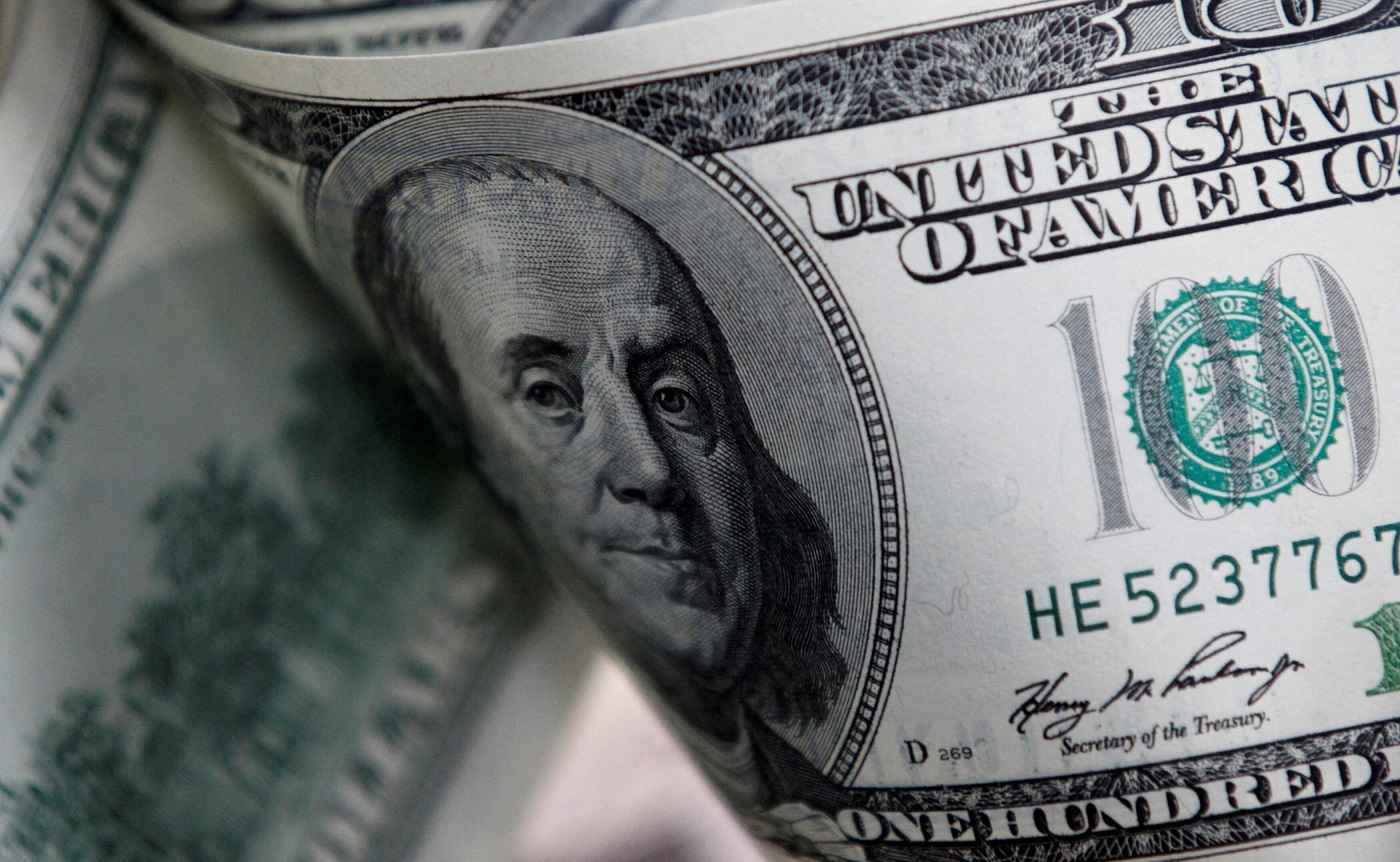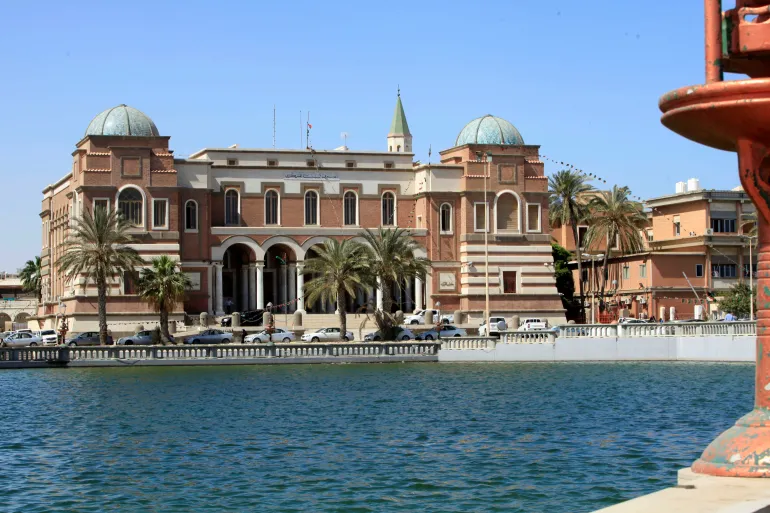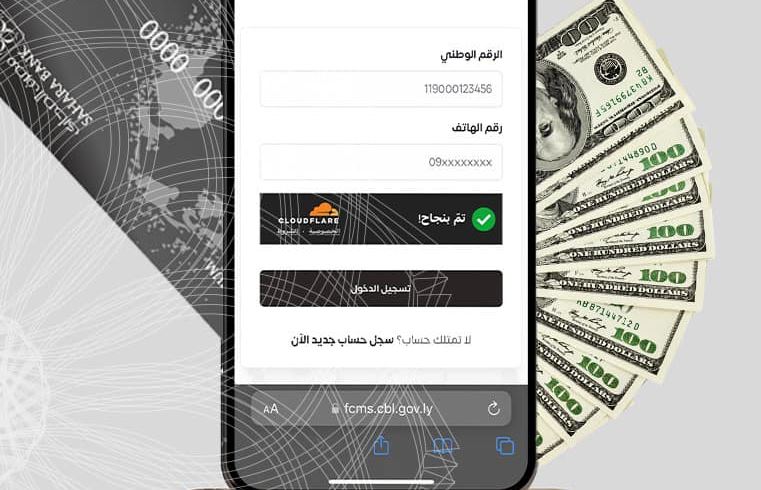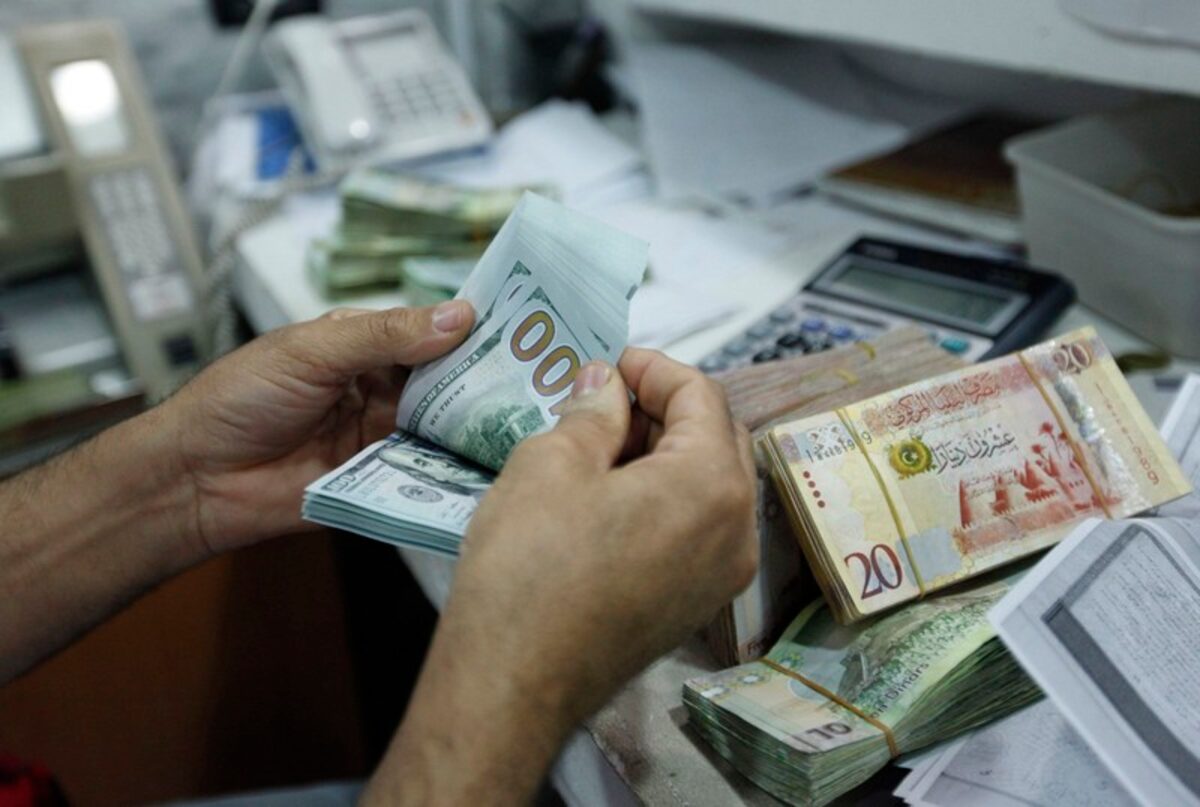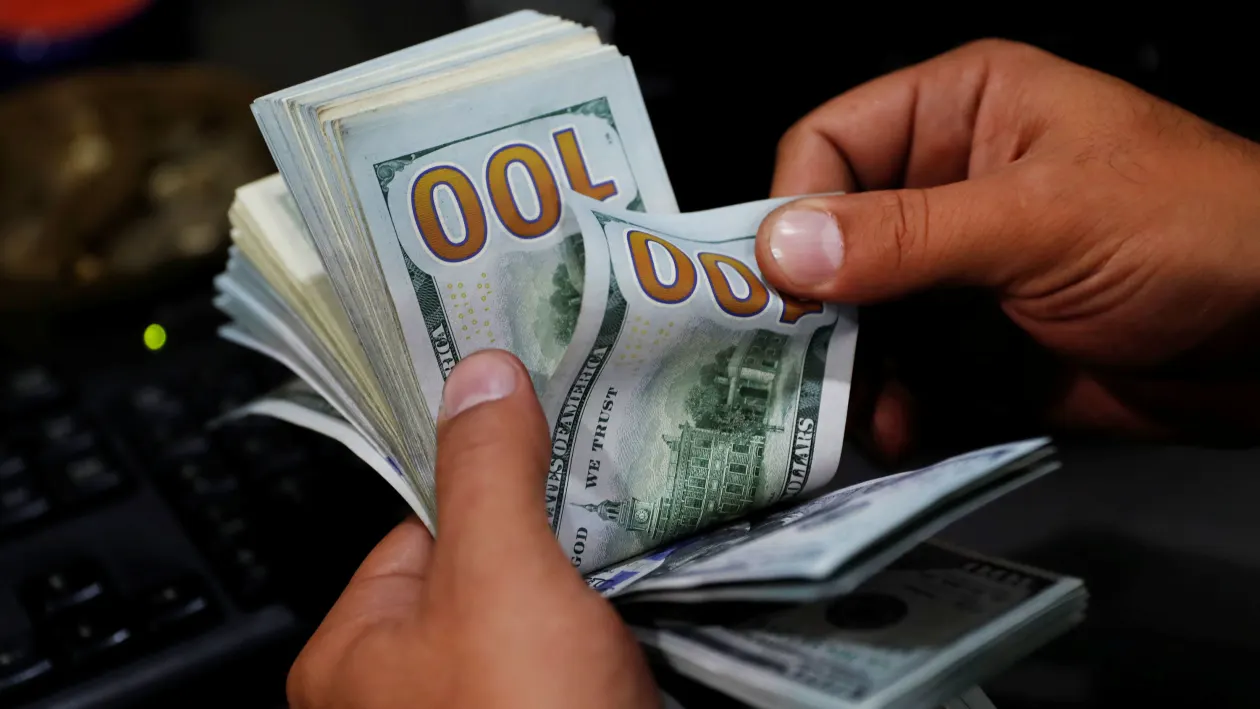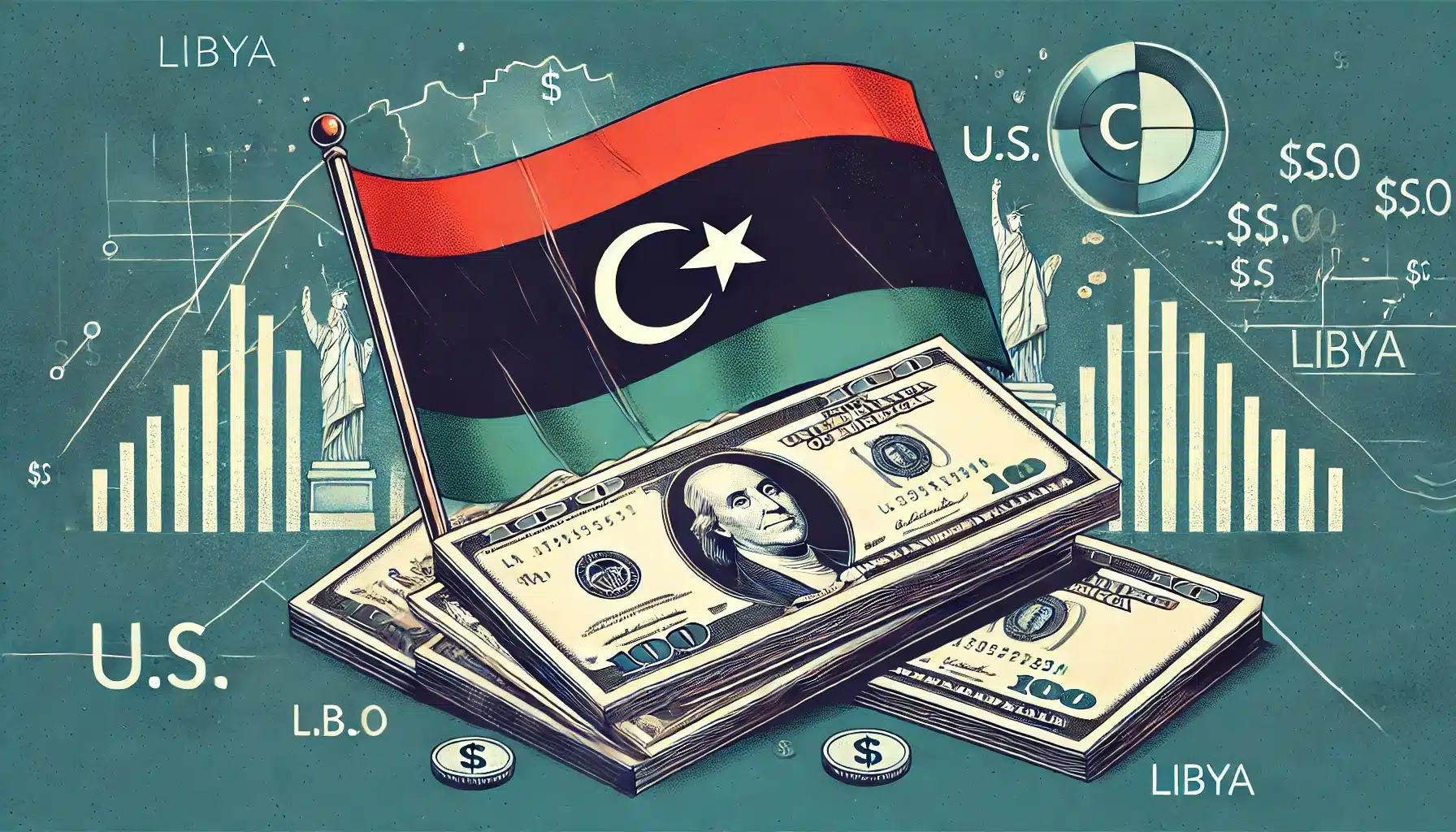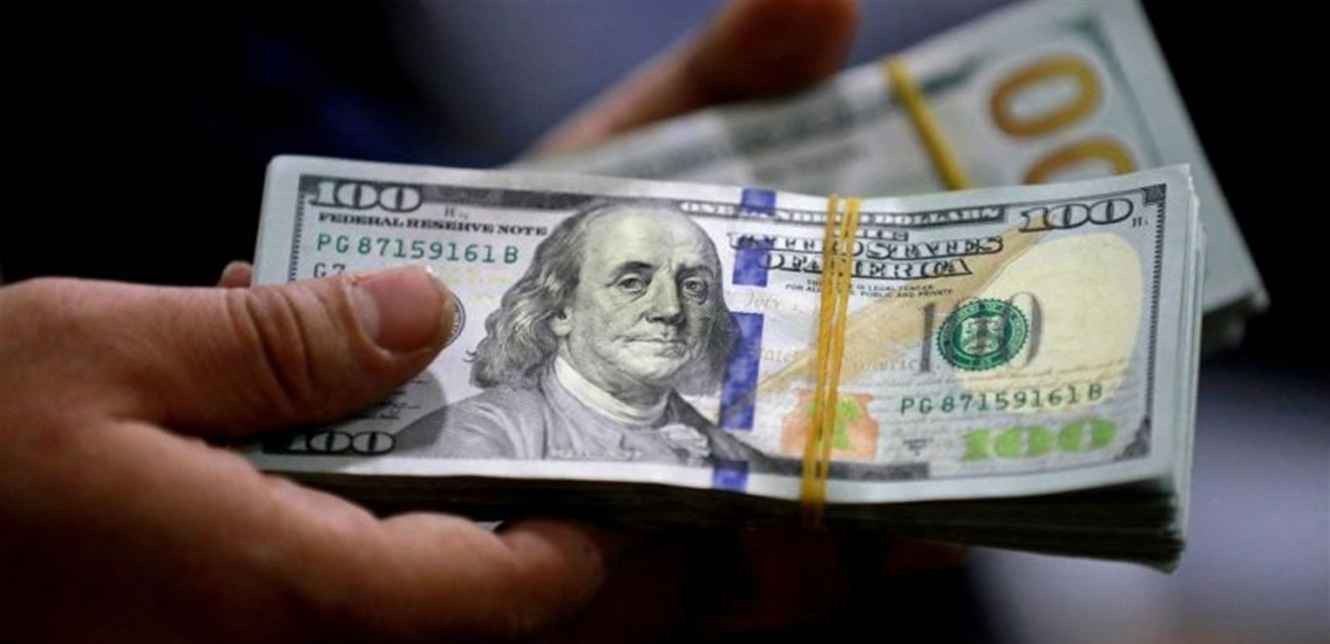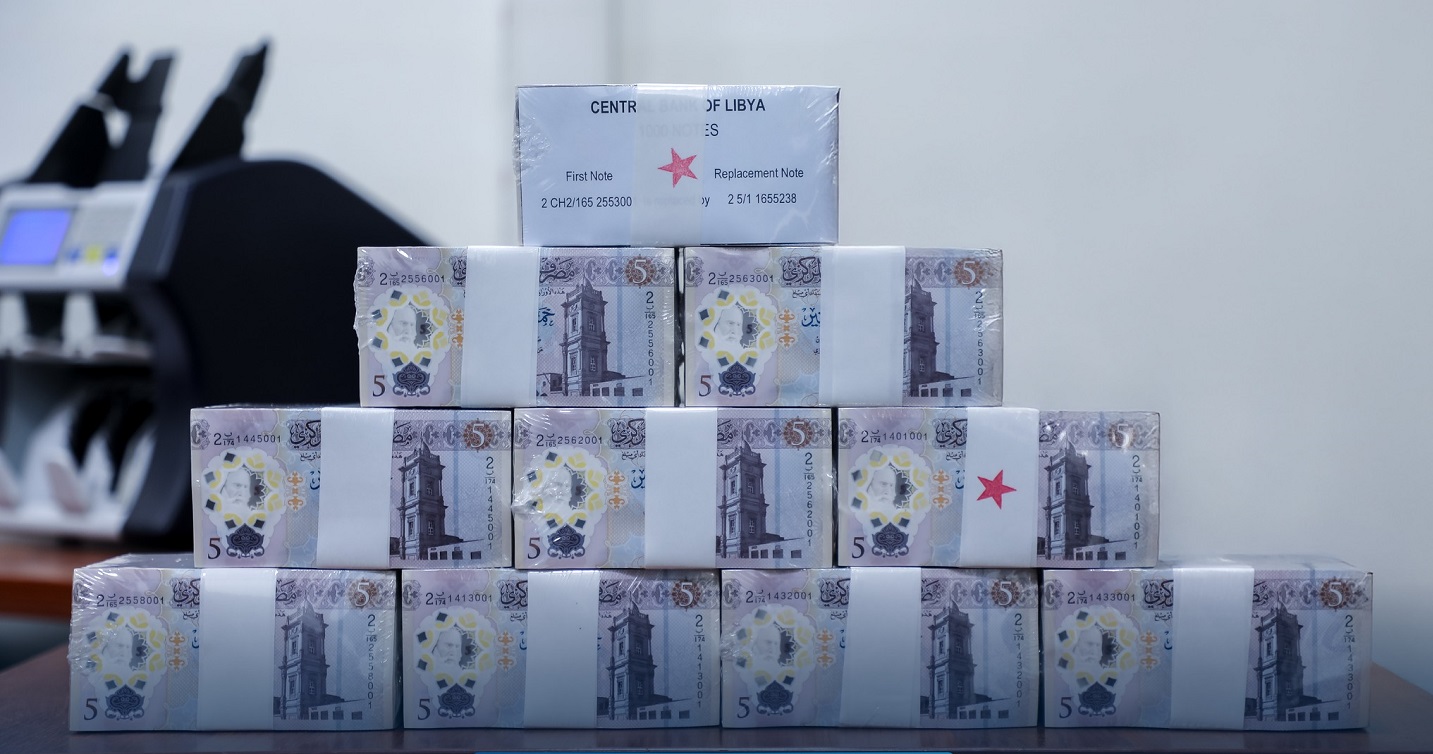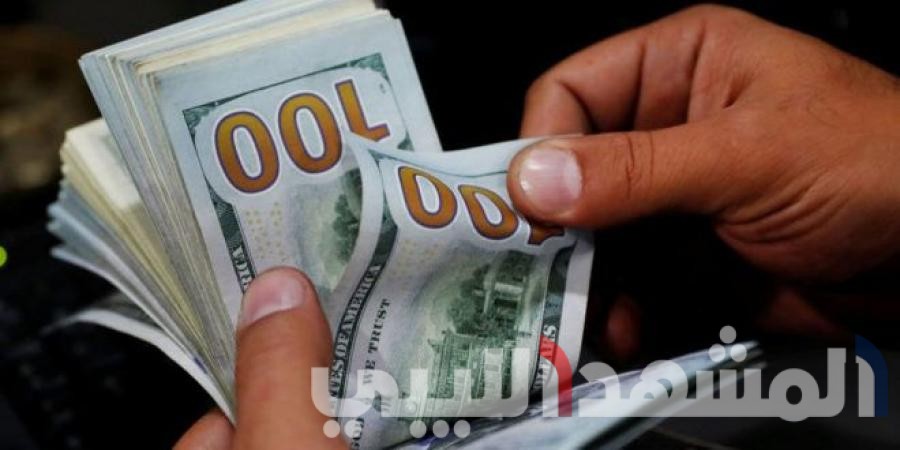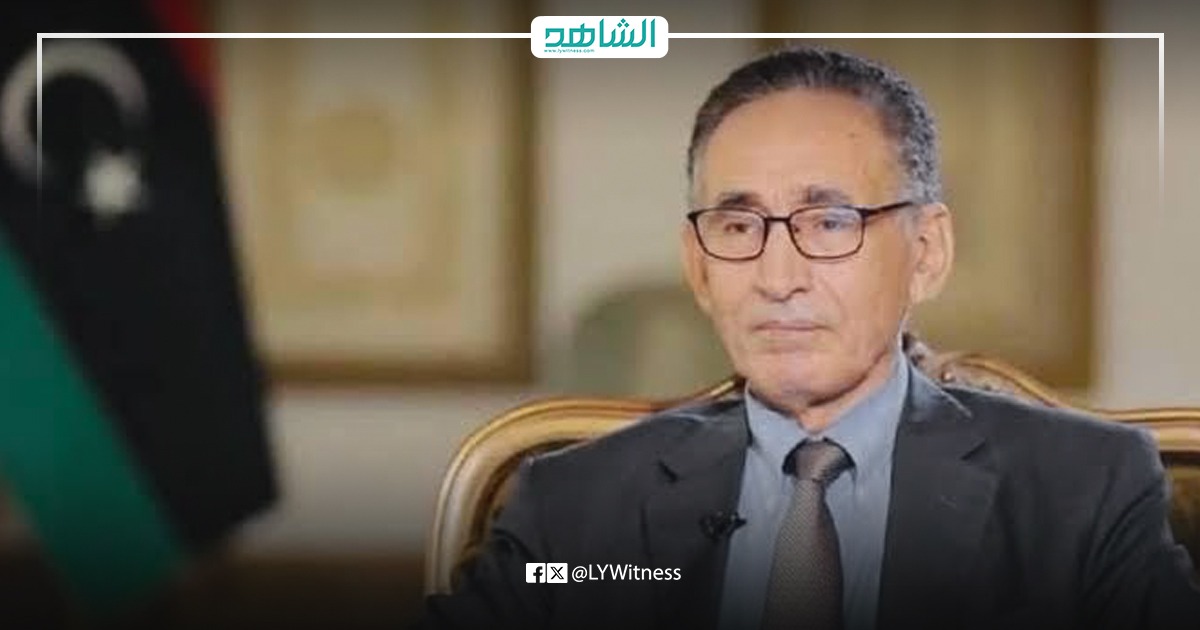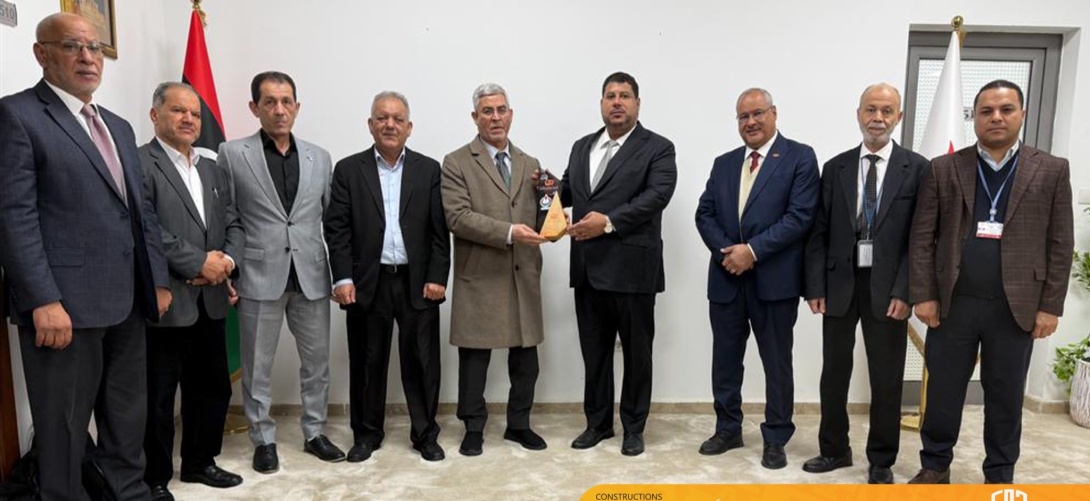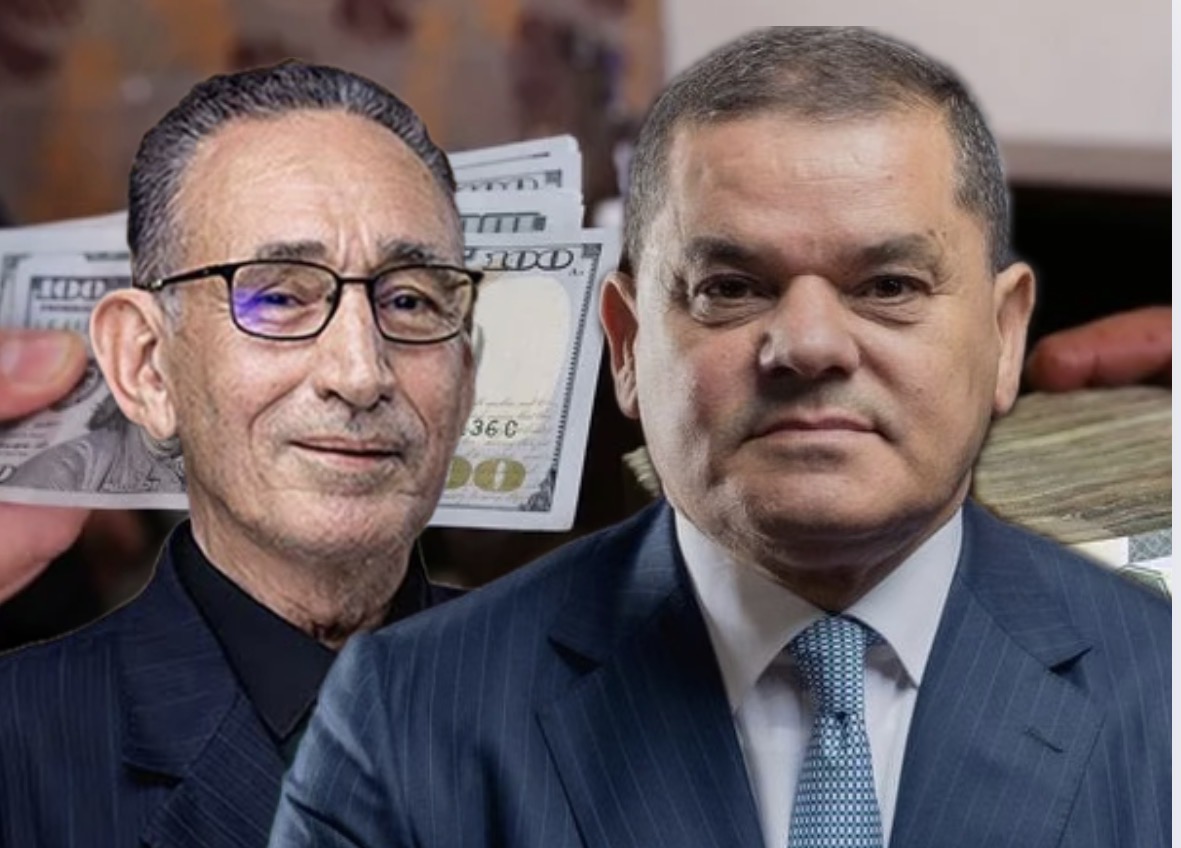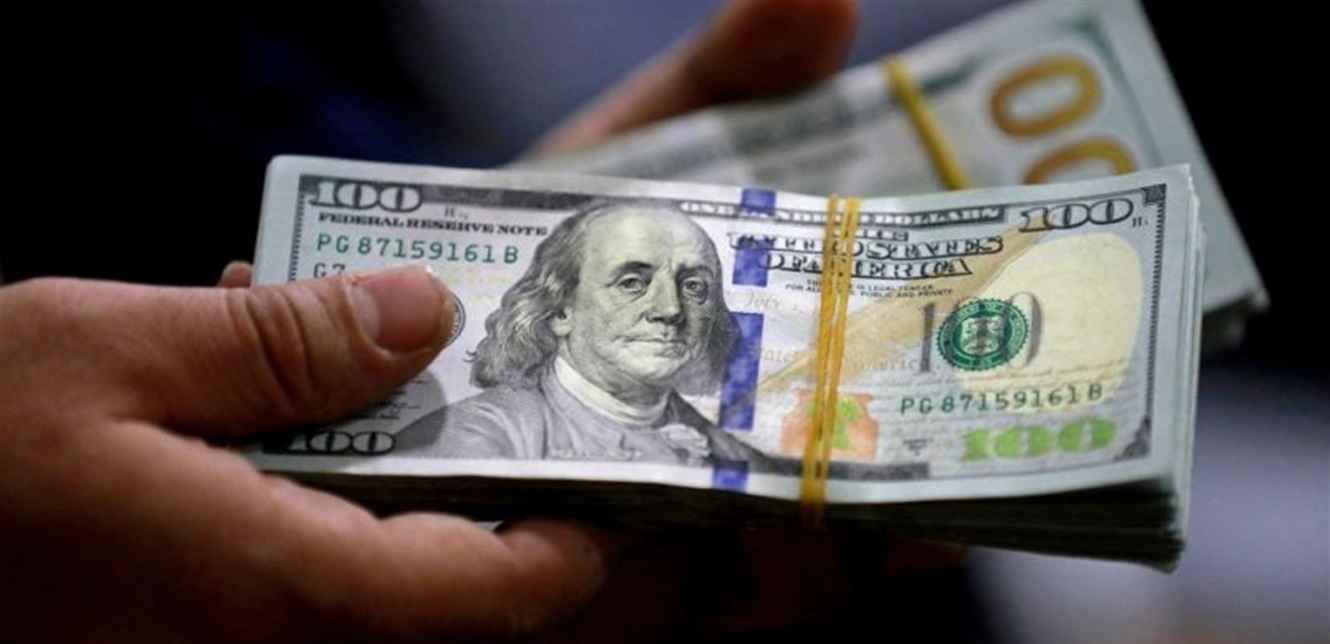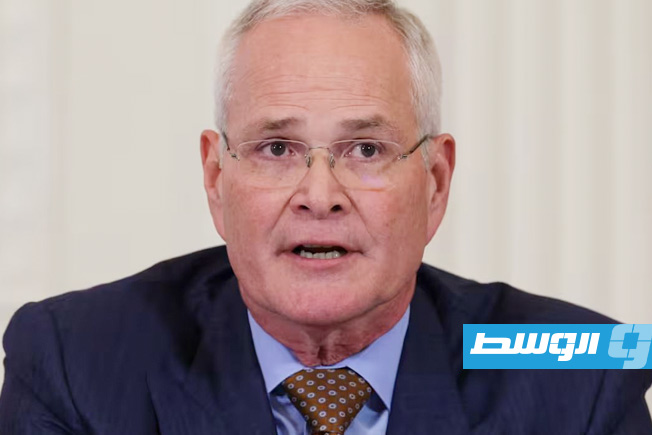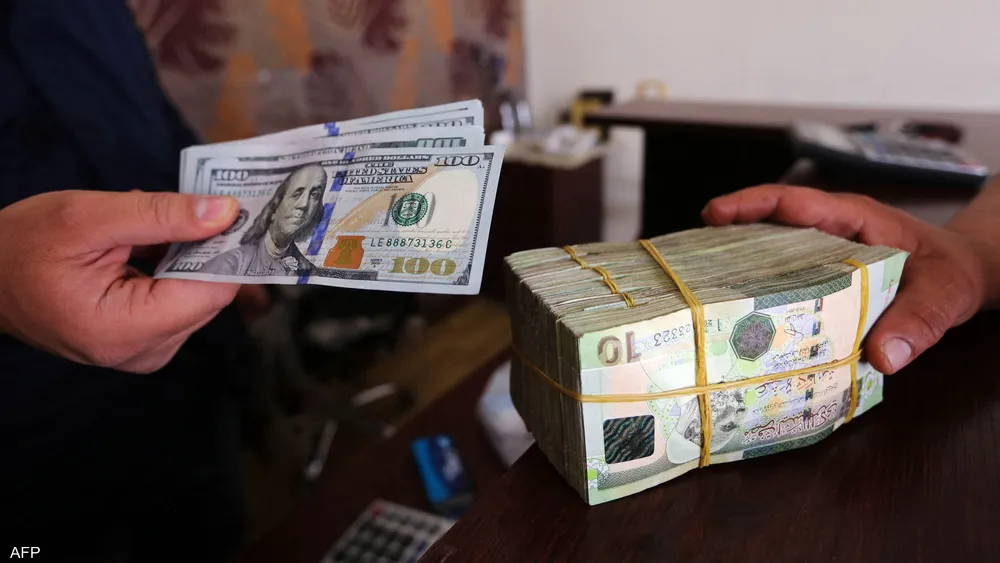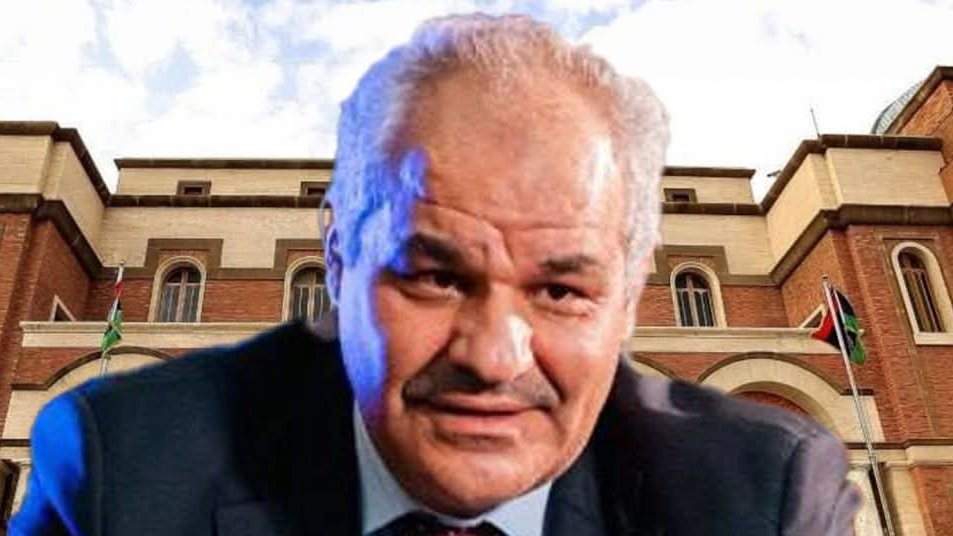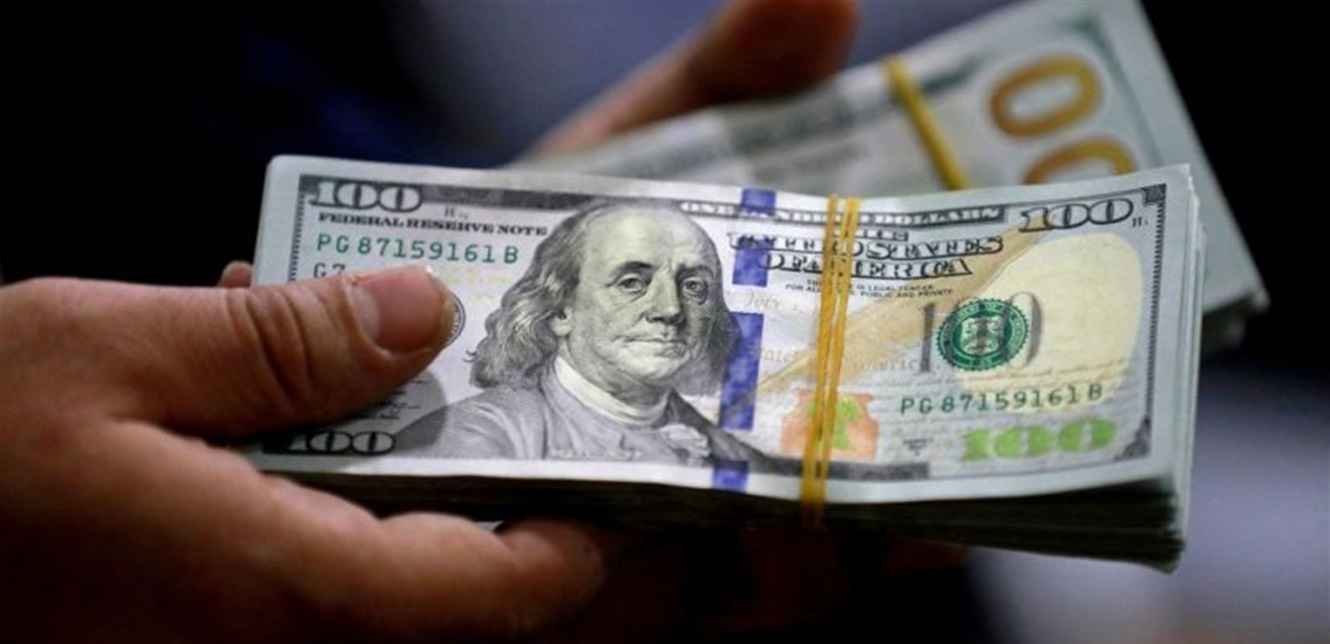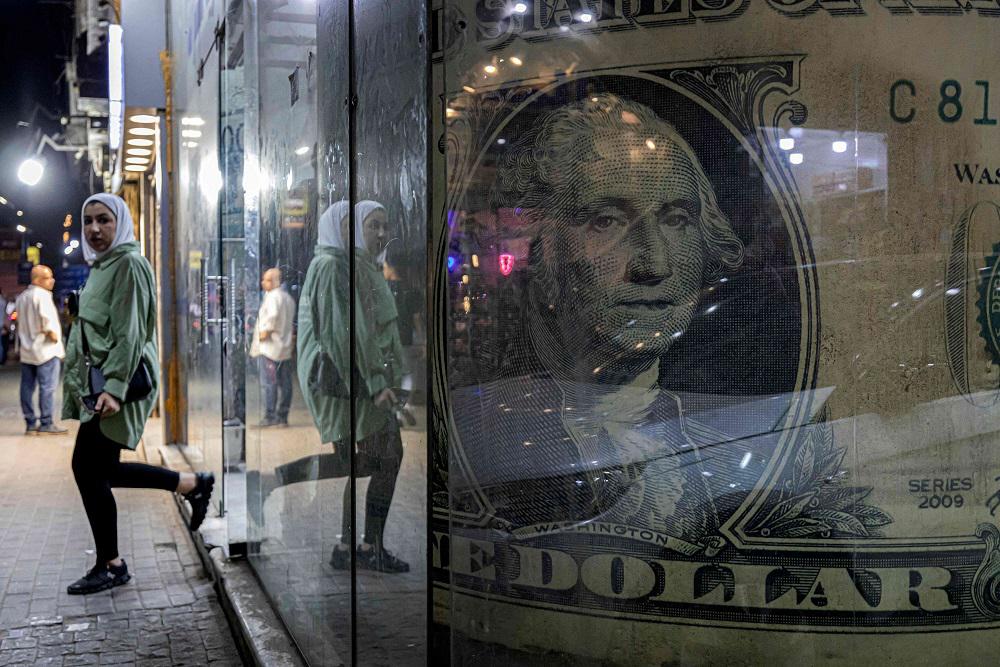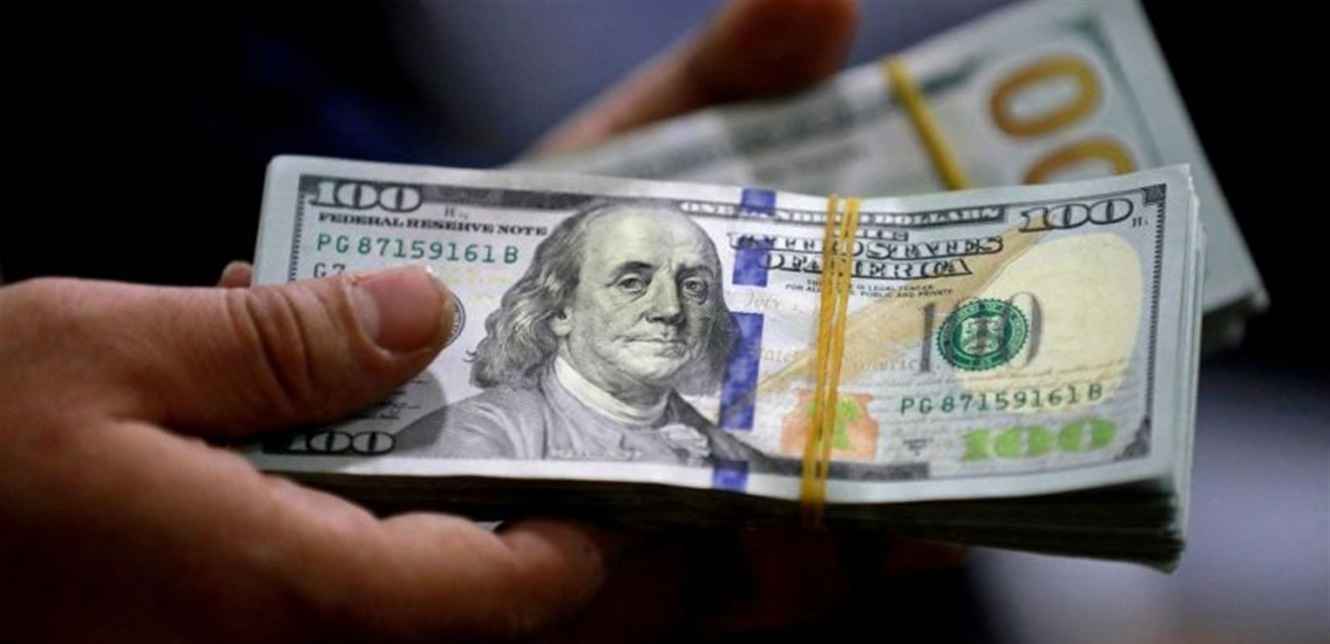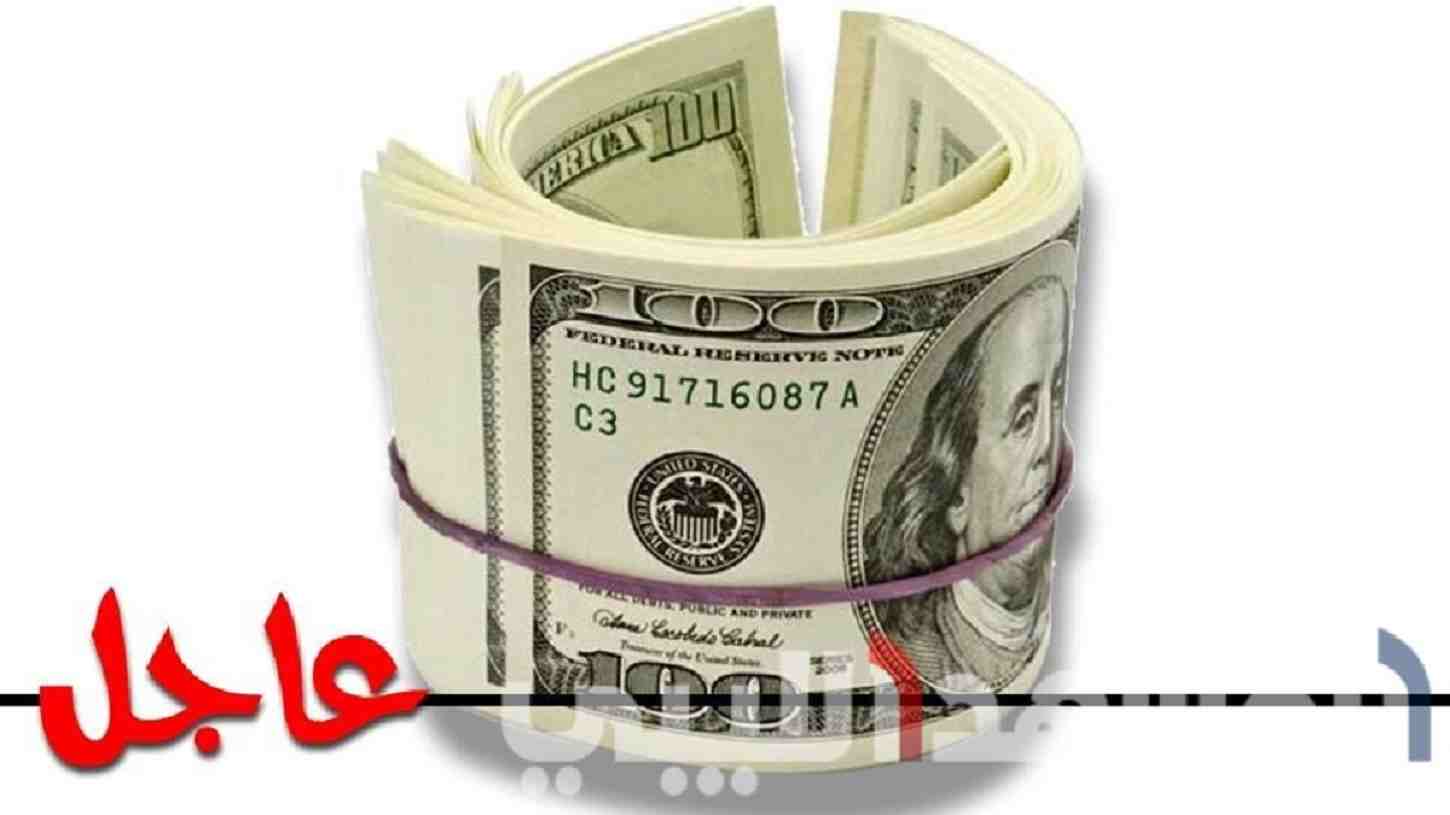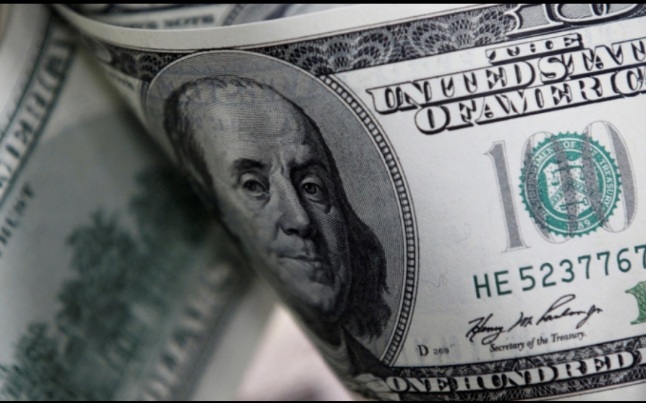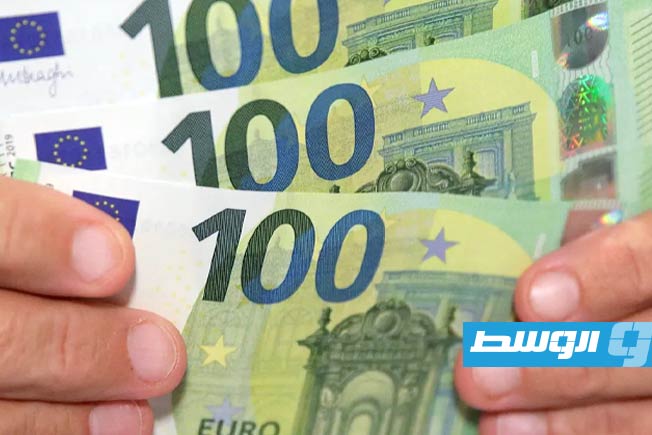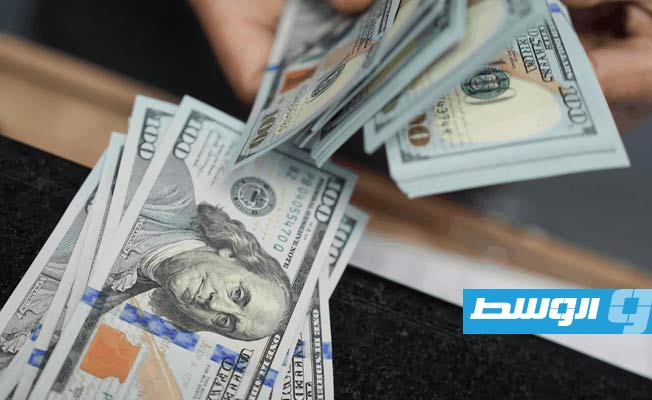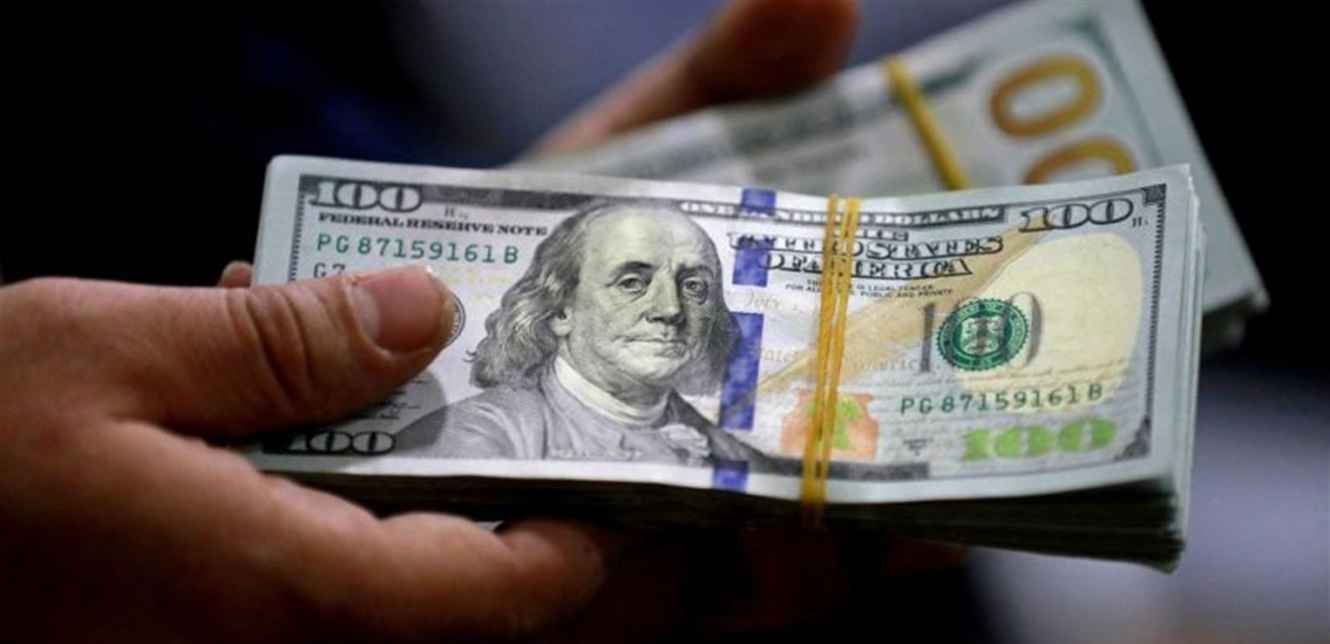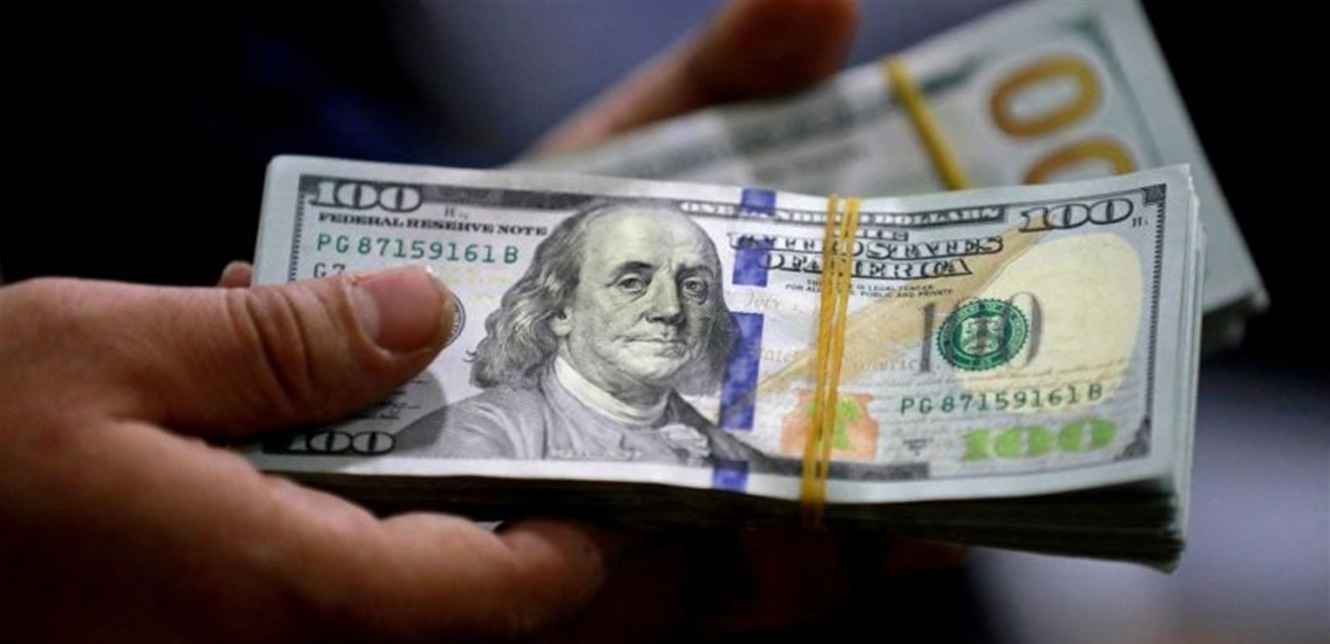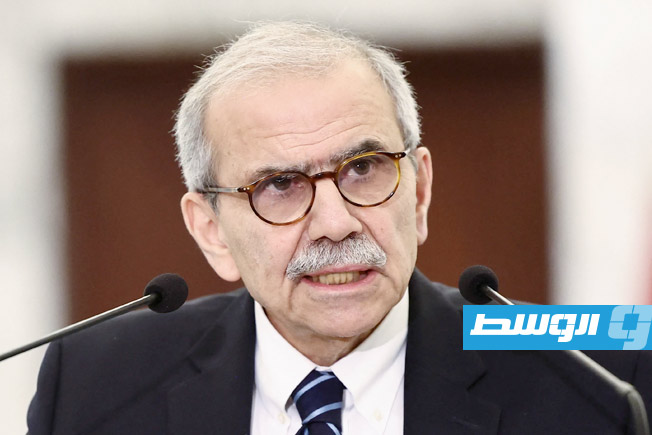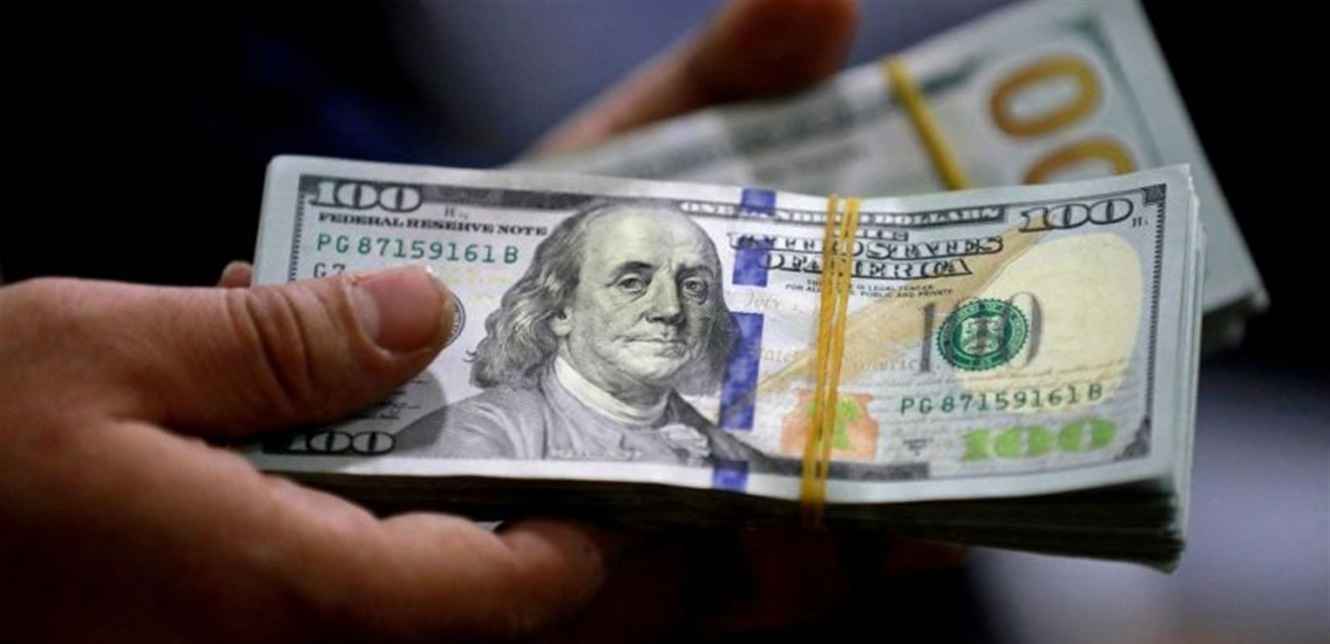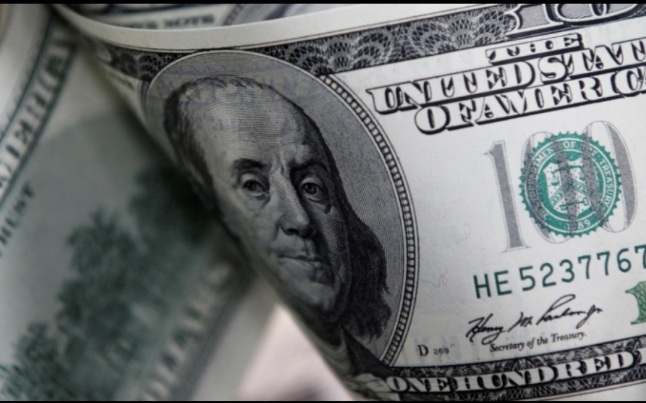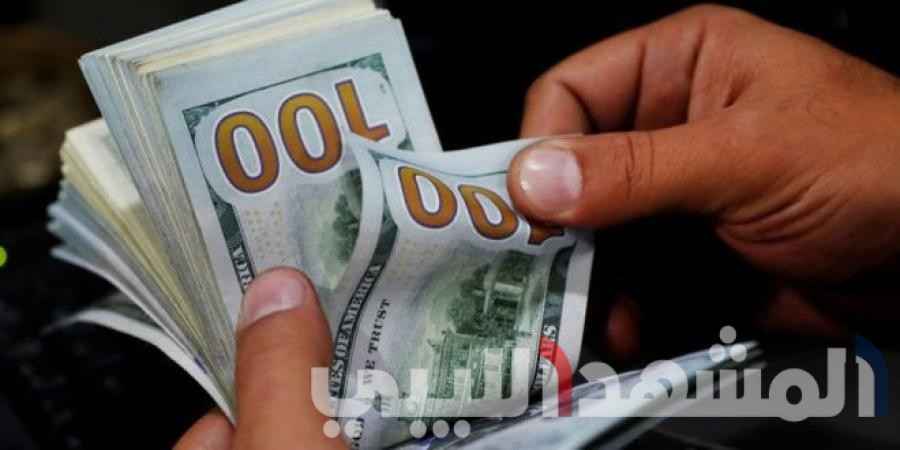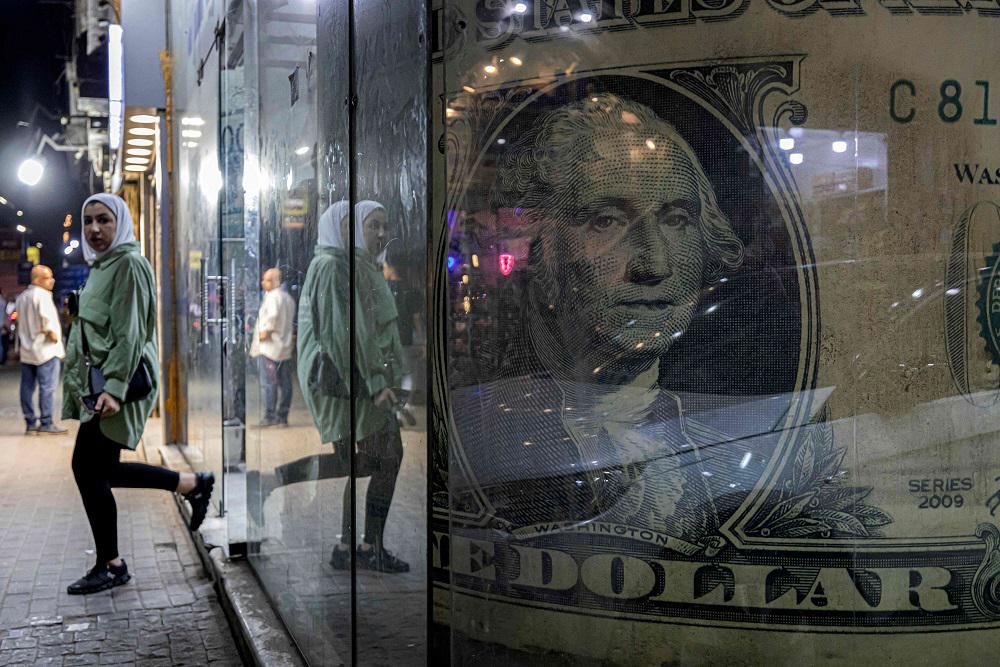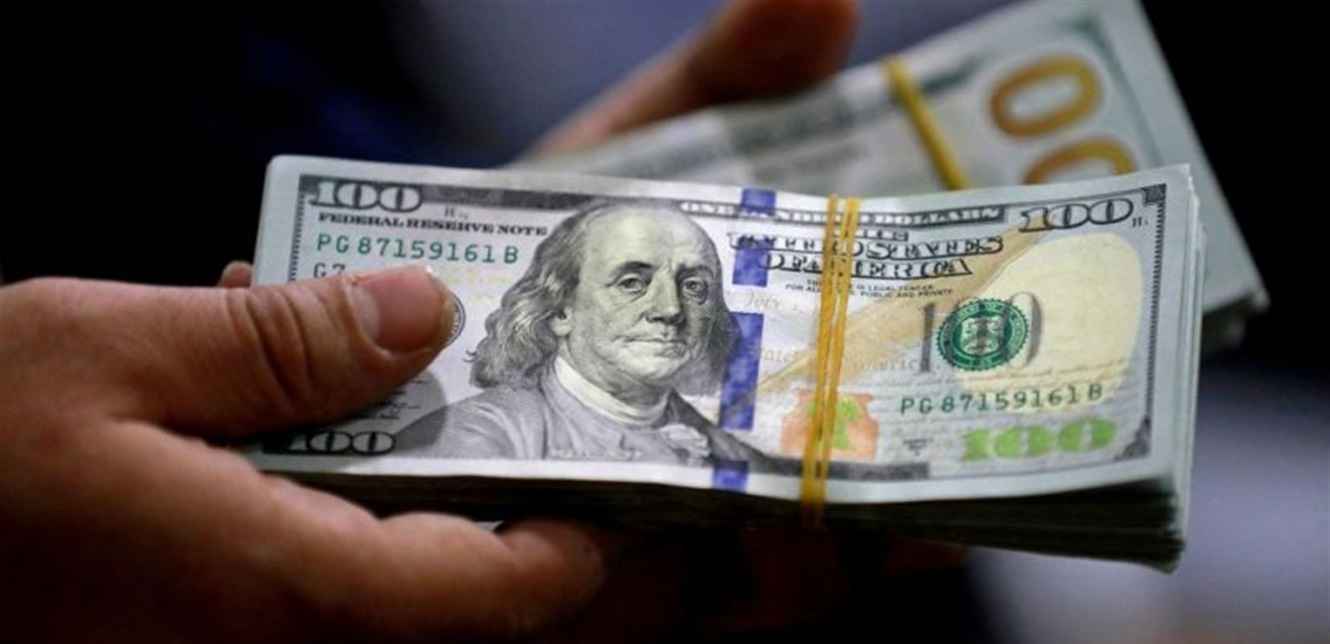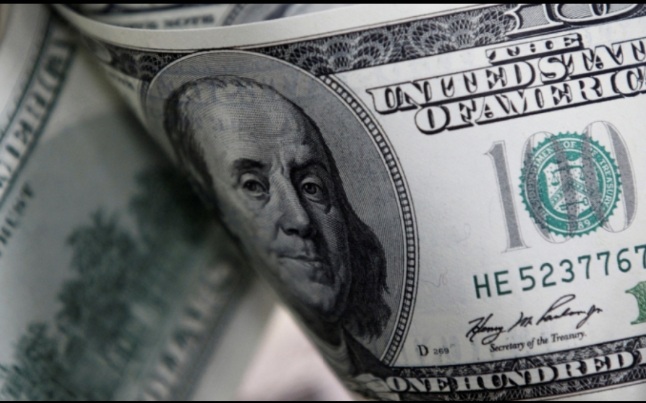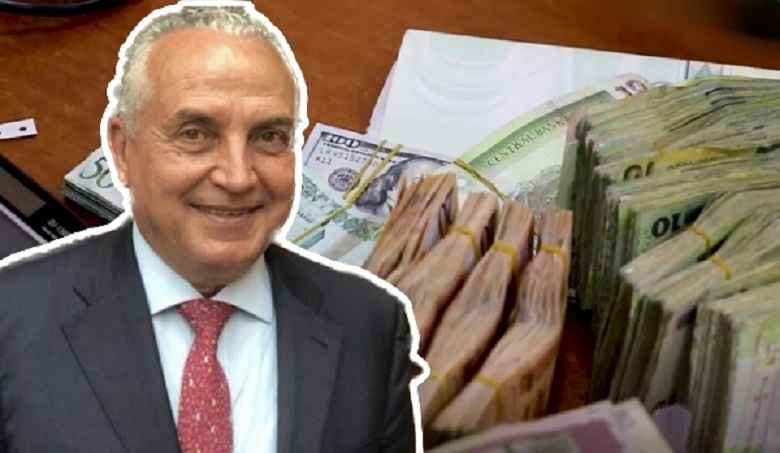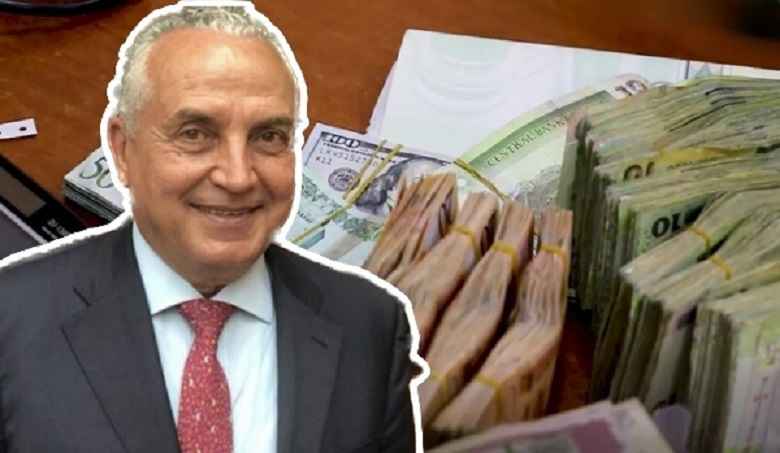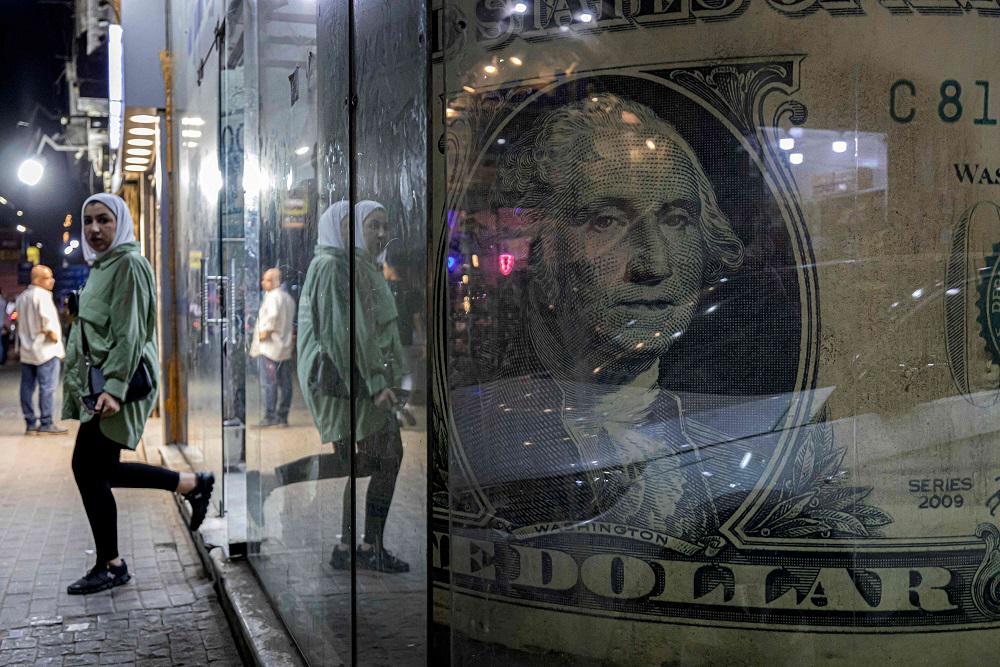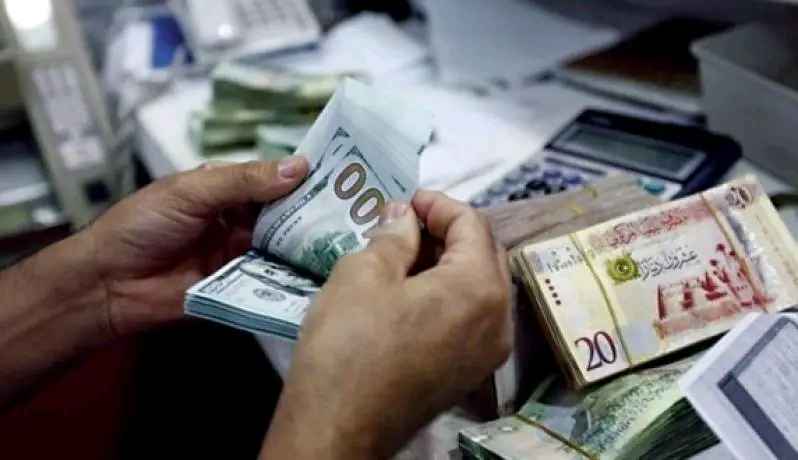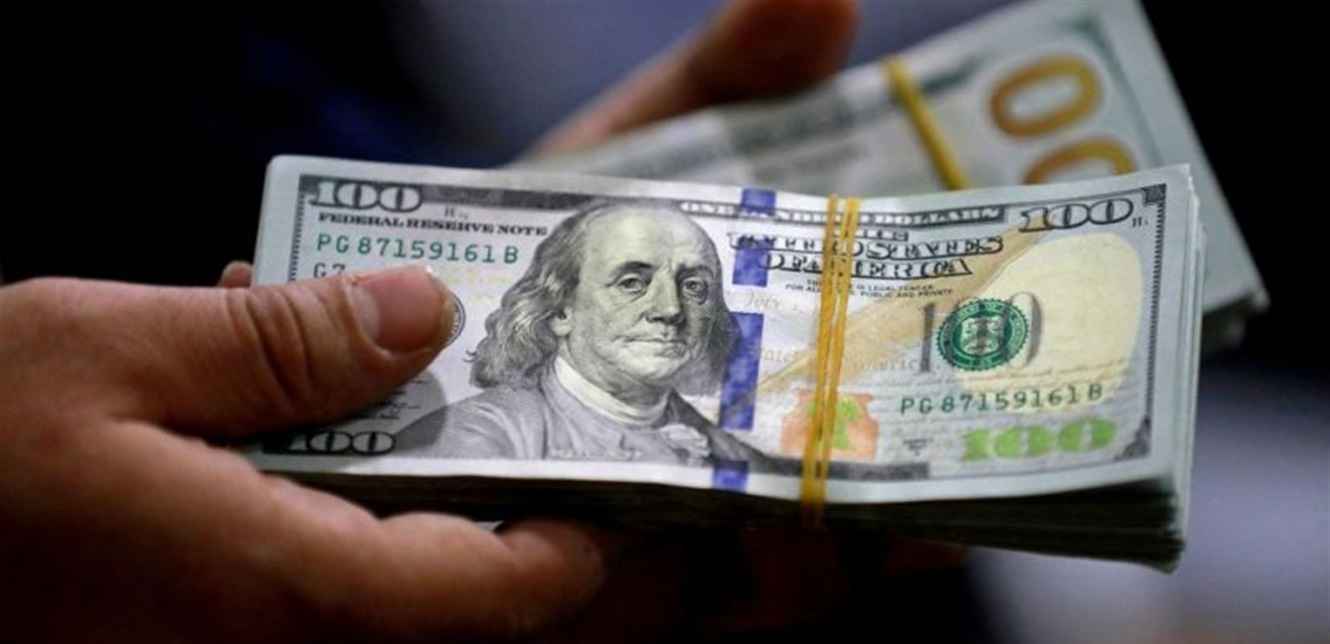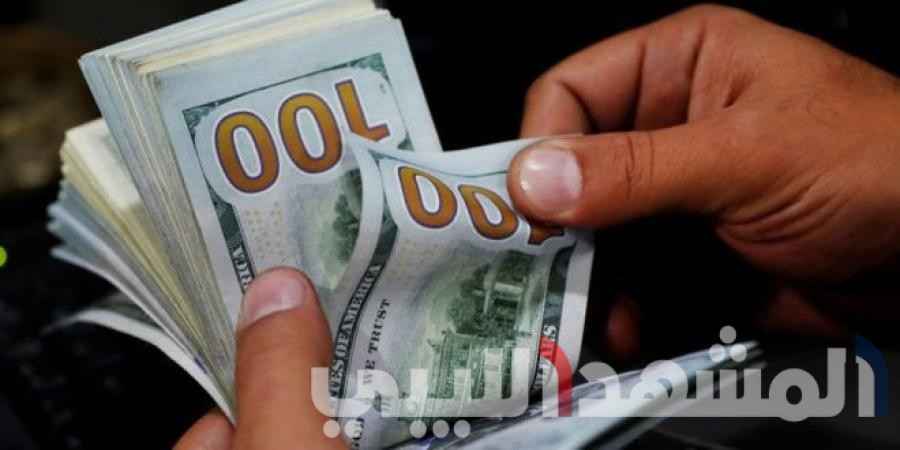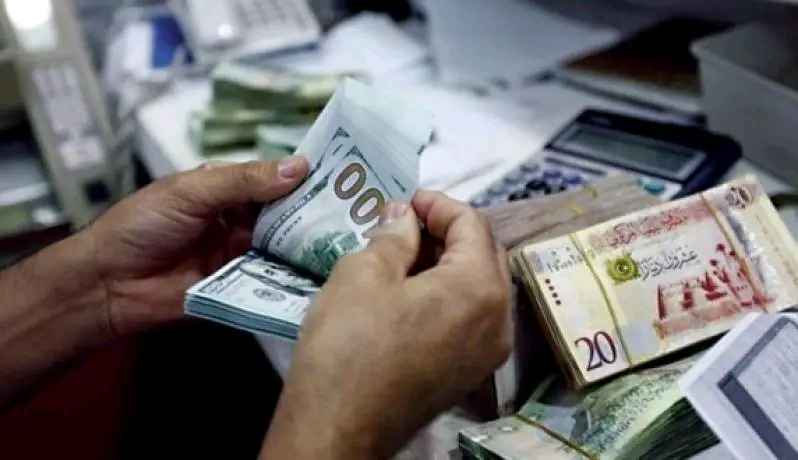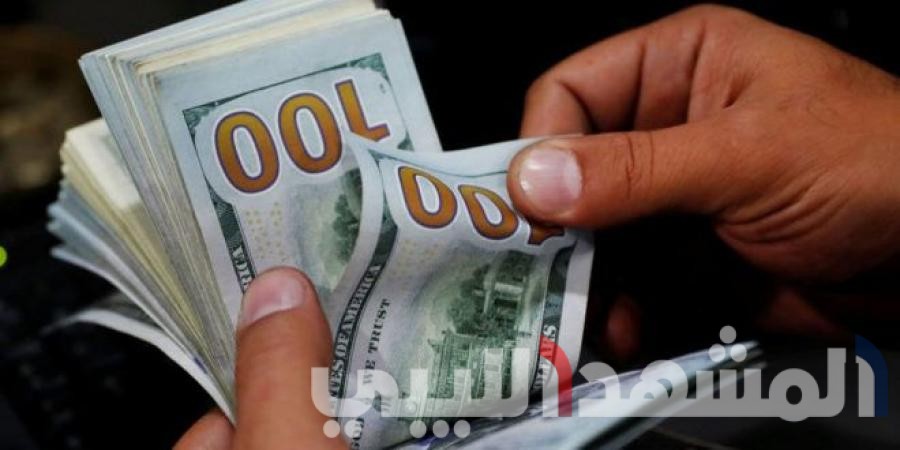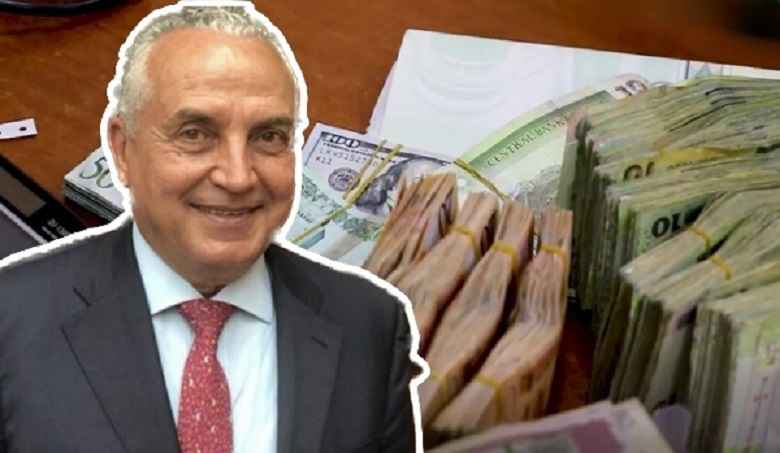
Libyan businessman and billionaire Husni B provided an extensive analysis of the impact of launching exchange company operations and beginning the sale of cash dollars on Libya’s financial landscape, considering the move to represent a fundamental shift in the way foreign currency flows within the market.
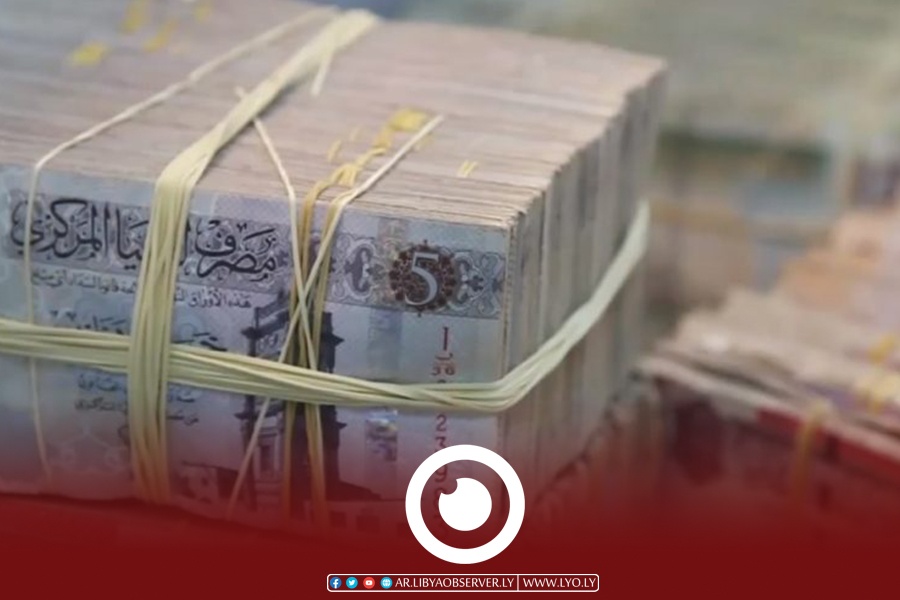
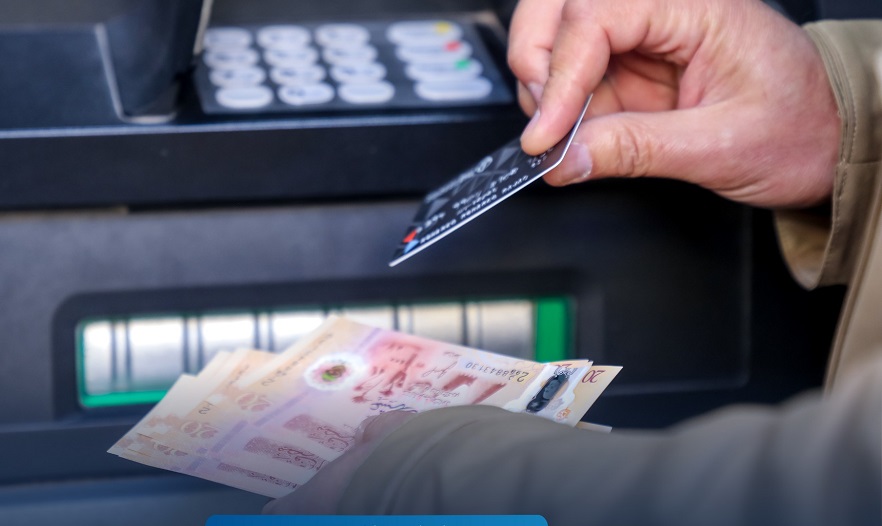
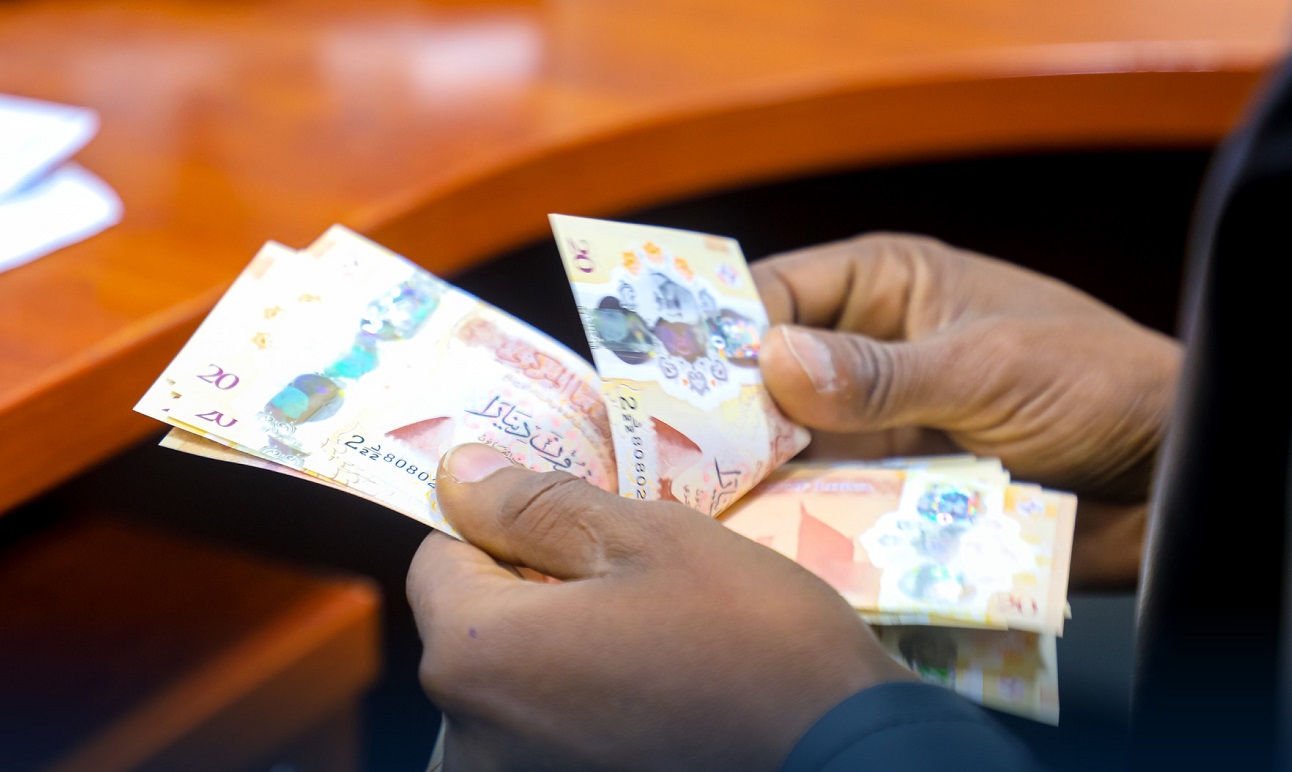
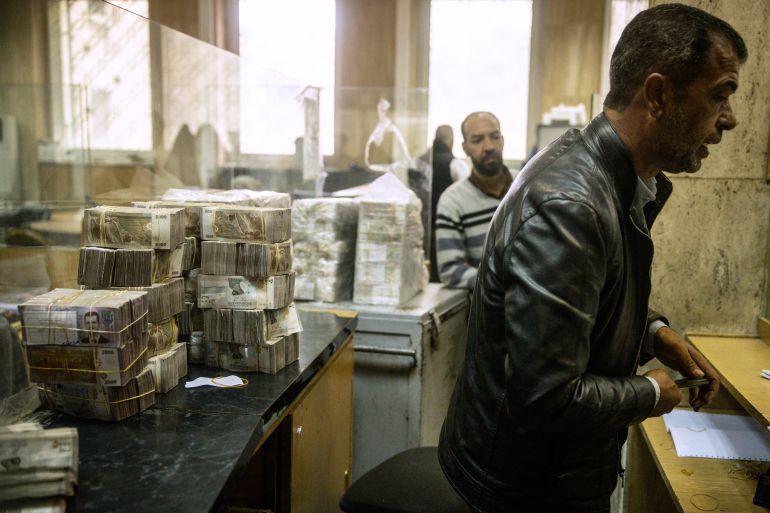
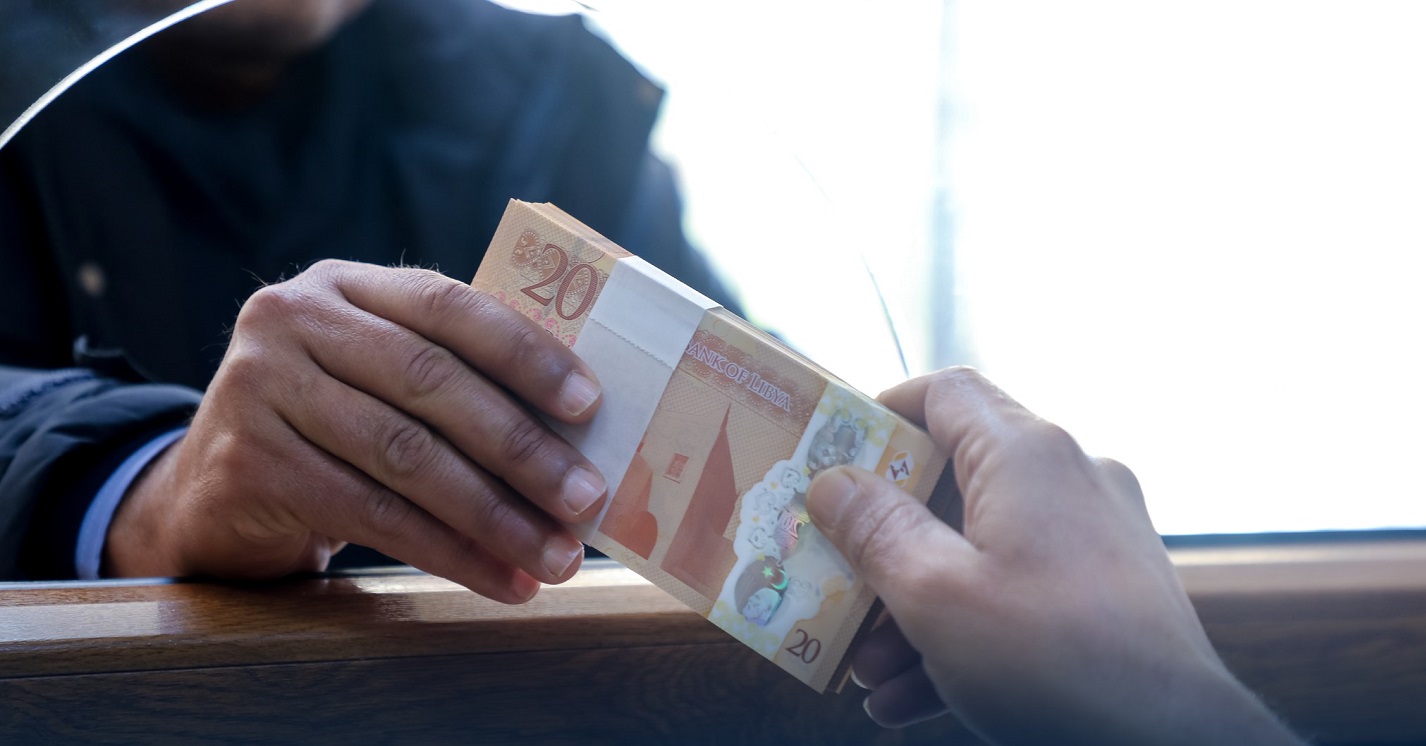
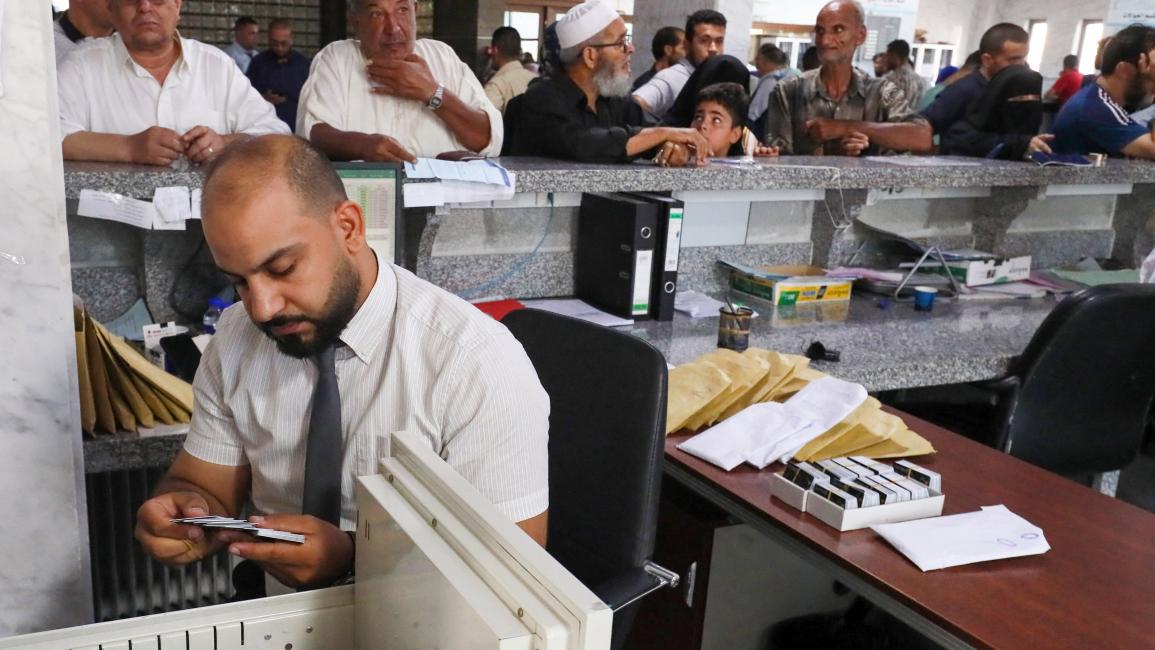
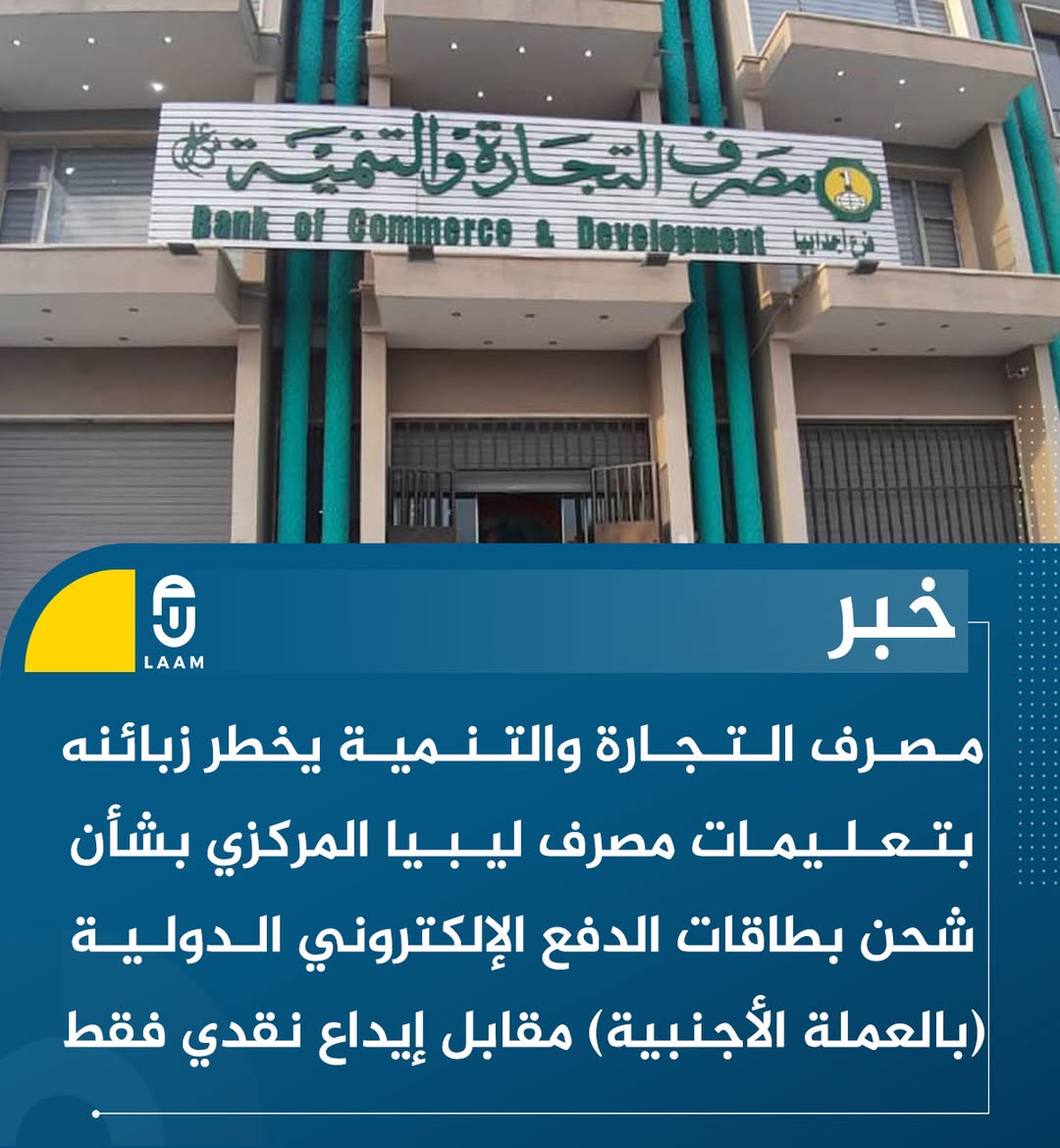
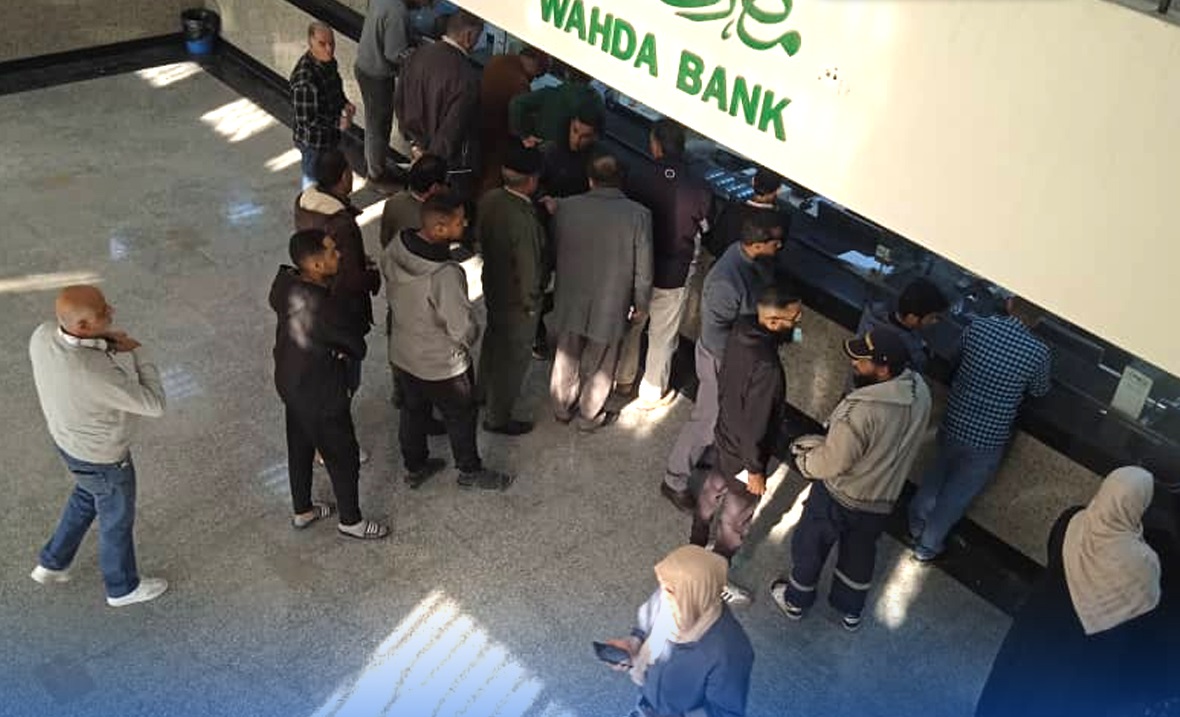
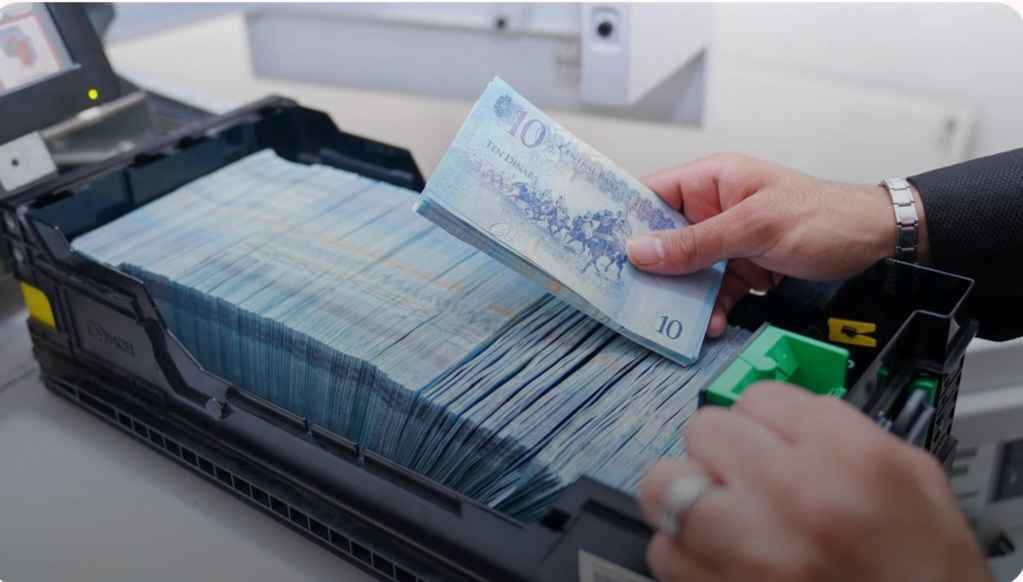
Husni B explained that introducing cash dollars through exchange companies will lead to increased availability of local liquidity within banks, which will directly reflect on ending one of the practices that has burdened the market most in recent years: speculation with “burning checks” in the parallel market.
He pointed out that the entry of cash dollars into the market will trigger a series of reductions in transaction costs, most notably:
- The end of speculation with “20 checks” which was draining liquidity.
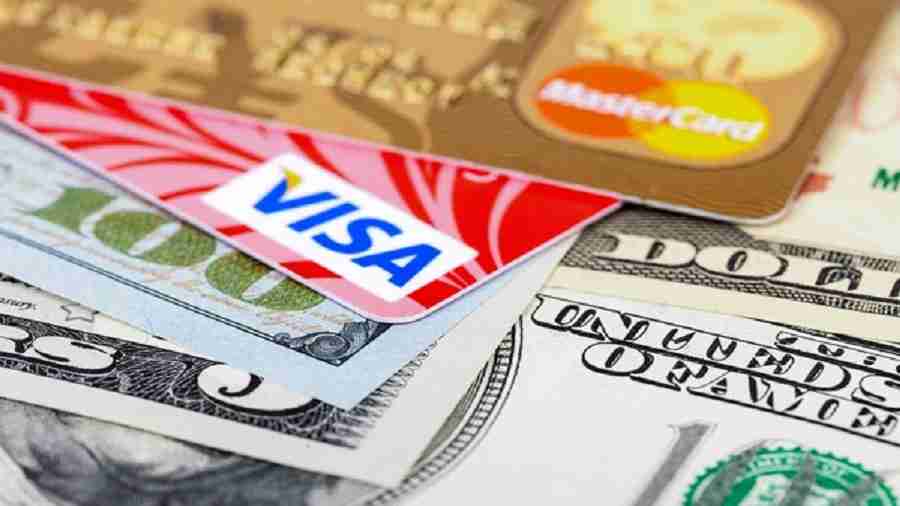
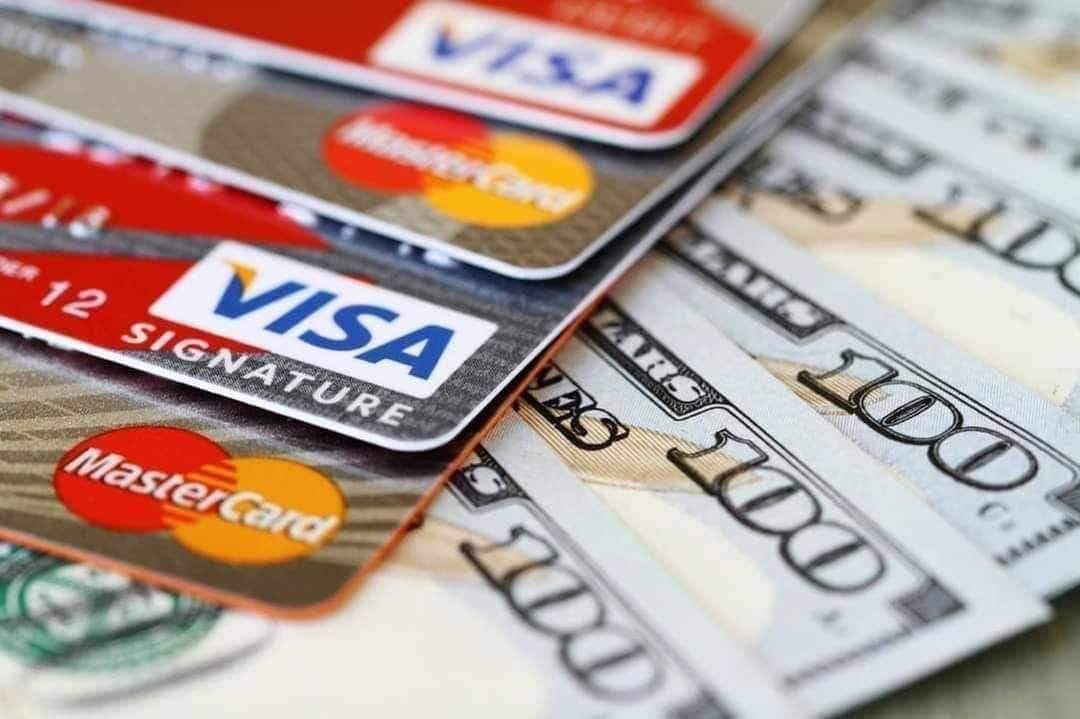
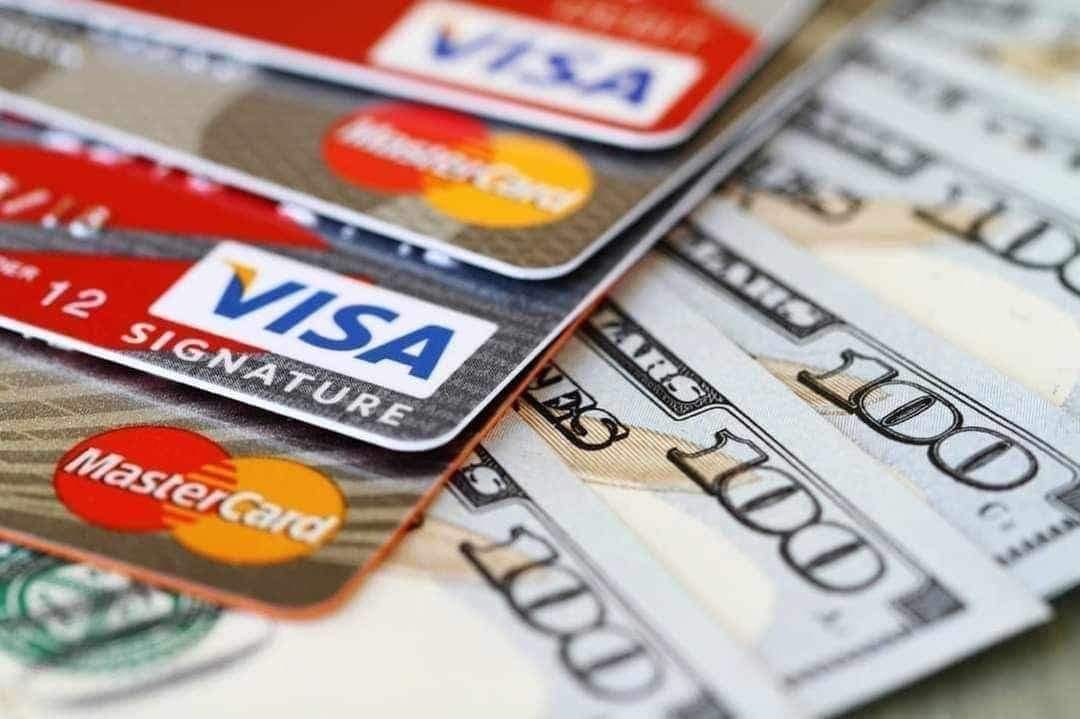
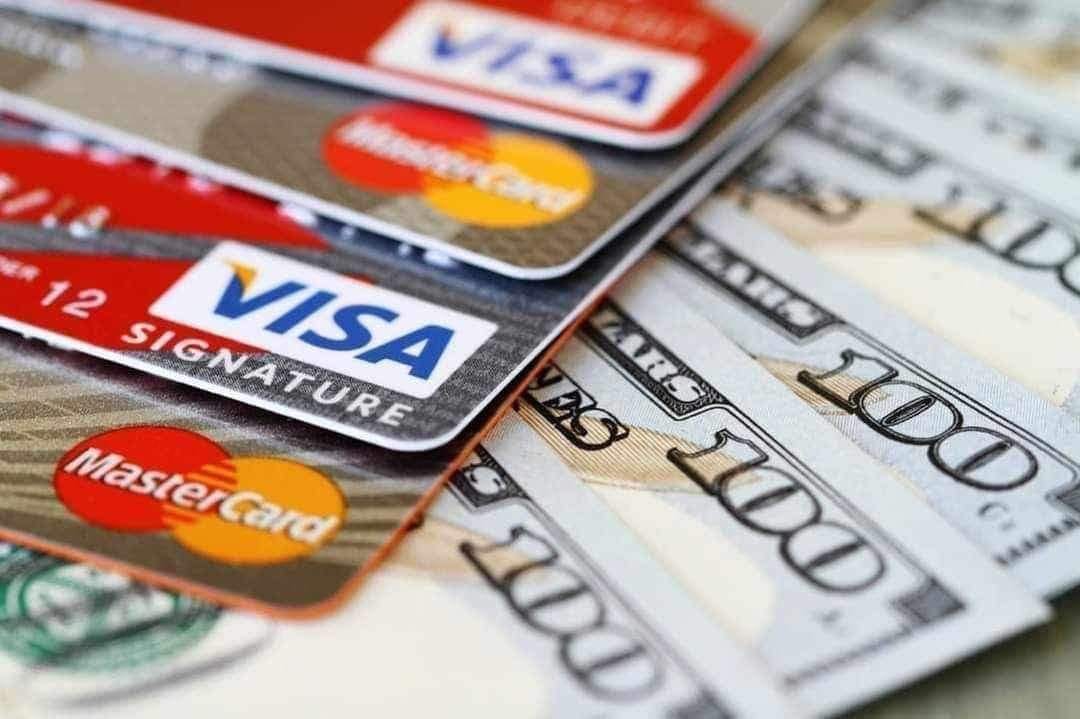
- A decline in point-of-sale (PoS – Visa) commissions from high levels to only around 5% – 8%.
- A decrease in the total cost of checks by up to 28%.
Husni B believes these measures will restore balance to the market, limit the gap between the official and parallel exchange rates, and give banks greater capacity to meet citizens’ needs without the liquidity pressures that were fueling speculation.