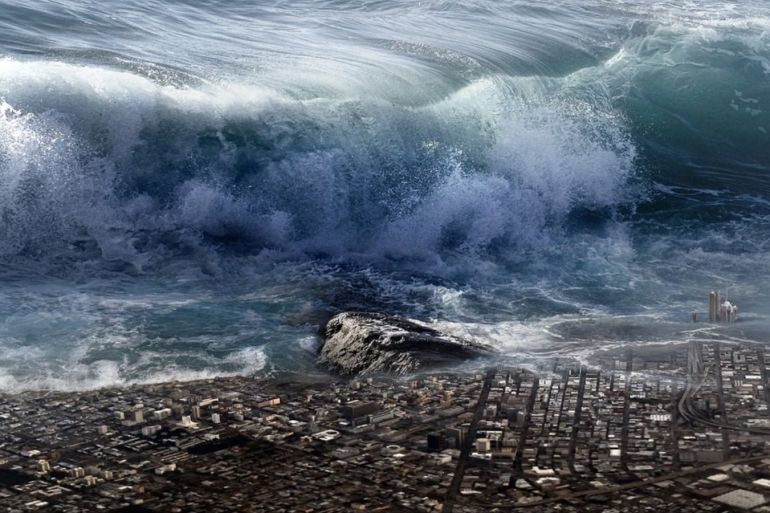
Tsunami waves are one of the most dangerous natural phenomena associated with undersea earthquakes, due to their ability to sweep across coastlines in a short time and cause widespread destruction.
When one such earthquake, measuring 8.8 on the Richter scale, struck off the coast of Russia’s Kamchatka Peninsula on July 29, 2025, it was quickly followed by warnings from several countries about the potential for large-scale and highly destructive tsunami waves across the Pacific region, including the eastern coasts of Russia, Japan, and the Hawaiian Islands.
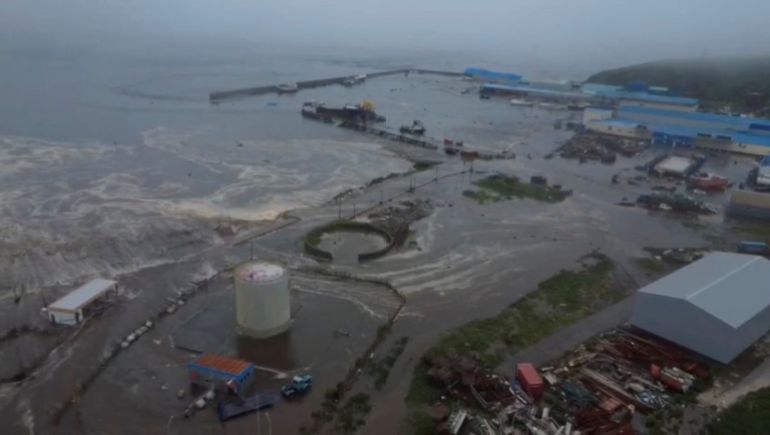
Although the earthquake was strong enough to cause concern, the actual resulting waves, which reached up to 5 meters in some areas, were less destructive than expected. No significant damage was reported in Japan, the Hawaiian Islands, or even Russia’s own eastern coast.
Also noteworthy was that these waves did not arrive immediately after the earthquake, but after a period described as a “deceptive calm,” raising important scientific questions about the reasons for this delay and why the earthquake did not generate a destructive tsunami despite favorable geological conditions for a more severe event. This leads us to question the complex relationship between earthquakes and tsunamis.
Earthquakes and Tsunamis: A Complex Relationship
Undersea earthquakes originate from sudden movements of tectonic plates on the seafloor. Enormous amounts of energy accumulate over years or decades along major faults between tectonic plates and are released periodically and suddenly.
In a typical “subduction earthquake,” an oceanic plate thrusts beneath a continental plate (the Pacific Plate beneath the arm of the North American Plate and near the Eurasian Plate). This usually occurs around the Pacific Ring of Fire. Such earthquakes tend to be very powerful due to the speed of plate movement, leading to a faster buildup of compressive energy compared to other regions of the world.
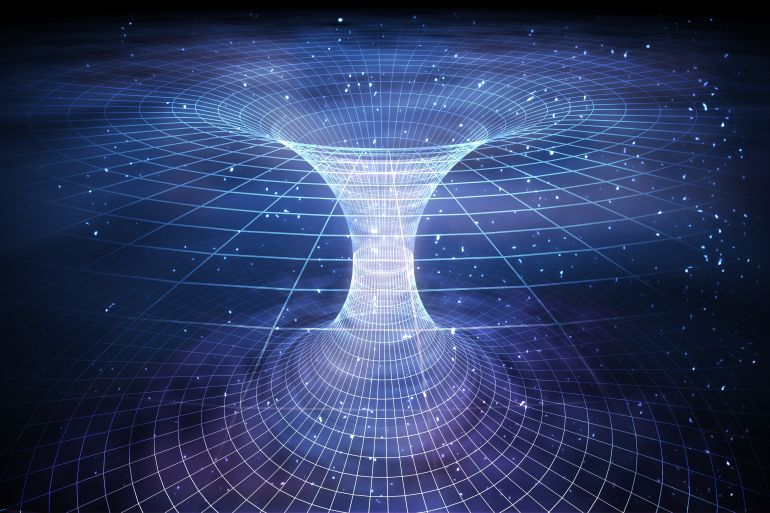
When this happens in an oceanic environment, as with the Kamchatka earthquake, parts of the Earth’s crust may move vertically, displacing a huge volume of water above it. This creates a disturbance on the sea surface that transforms into large waves—the primary mechanism that generates tsunamis.
In this event, a seismic slip of over 10 meters occurred in the shallow part of the earthquake fault. This suddenly lifted a large area of the seafloor, which in turn raised the water above that area by approximately 5 to 10 meters (depending on the shape of the fault). The water that was suddenly raised tries to return to its normal level due to gravity, and this is what produces the waves whose impact on the coast leads to inland flooding.
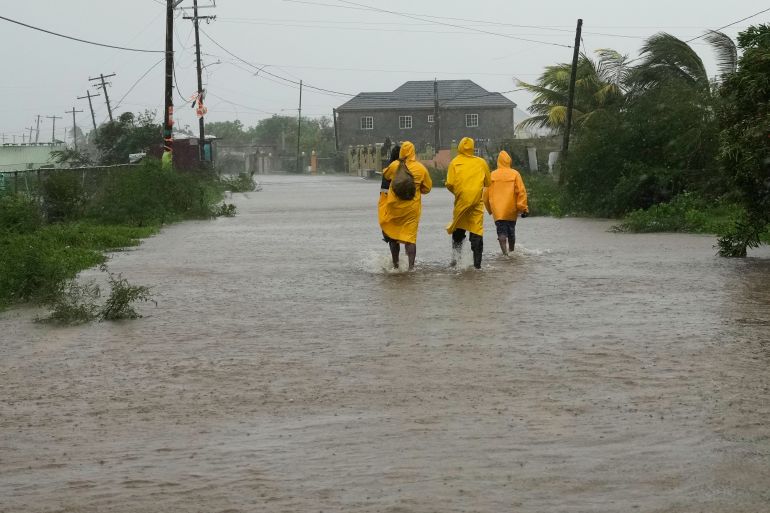
When a massive amount of water strikes buildings and infrastructure, it can cause destruction even if they are well-built. If the foundations are not strong, buildings can be completely swept away. This type of destruction has been observed in many past tsunami events worldwide.
To give an idea of the impact, a two-meter-high tsunami wave can destroy about 50% of typical wooden houses. If the water height exceeds 4 meters, most of these houses will be destroyed or completely swept away.
Explaining the “Deceptive Calm”
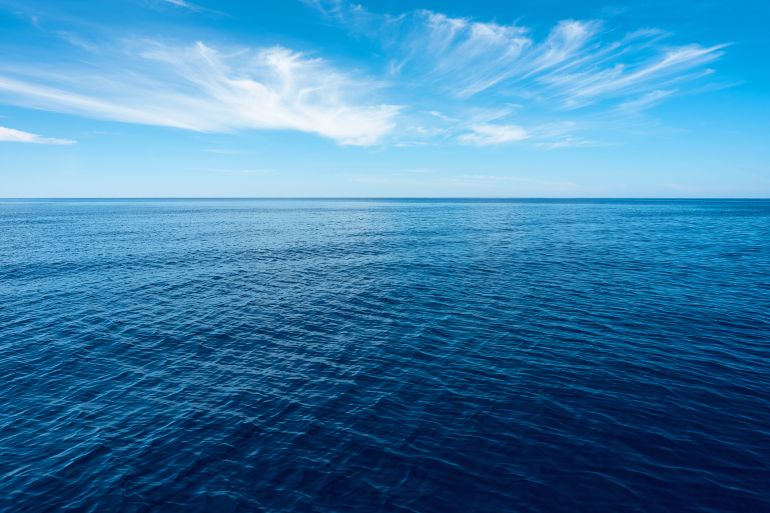
Although an earthquake occurs in seconds, the resulting tsunami waves do not necessarily happen immediately after the quake; they can take minutes or even hours to reach distant shores, a phenomenon scientifically known as the “deceptive calm.”
The occurrence of earthquakes and tsunamis is governed by the laws of physics. When an earthquake occurs, its waves (ground vibrations) travel at high speeds, typically between 3 to 6 kilometers per second.
For example, if a city is 200 kilometers from the earthquake’s epicenter, the first seismic
Russia
Russia is a vast transcontinental nation with a history spanning over a millennium, from the medieval Kievan Rus’ state to the Tsardom of Russia, the Russian Empire, the Soviet Union, and the modern Russian Federation. Its cultural heritage is deeply rooted in Orthodox Christianity, literature, classical music, and ballet, with iconic sites like the Kremlin and Red Square in Moscow symbolizing its historical and political significance.
Kamchatka Peninsula
The Kamchatka Peninsula is a volcanic region in Russia’s Far East, known for its dramatic landscapes and abundant wildlife. Historically isolated until the 18th century, it was explored by Russian Cossacks and remains famous for its chain of active volcanoes, many of which are part of the UNESCO-listed “Volcanoes of Kamchatka” site.
Pacific region
The Pacific region encompasses thousands of islands across Oceania, including Melanesia, Micronesia, and Polynesia, with a human history of migration and settlement dating back tens of thousands of years. Its diverse cultures are deeply connected to the ocean, featuring unique navigational traditions, art forms, and social structures that developed in relative isolation before European contact in the 16th century.
Japan
Japan is an island nation in East Asia with a rich cultural history dating back thousands of years, including ancient Shinto traditions and the classical imperial court era. Its modern identity was shaped by periods of isolation, rapid Western-inspired modernization following the Meiji Restoration, and its post-World War II recovery into a global economic and technological leader.
Hawaiian Islands
The Hawaiian Islands are a volcanic archipelago in the Pacific Ocean, originally settled by Polynesians between 300 and 800 CE. They were later unified into a single kingdom under Kamehameha I in the late 18th century before becoming a U.S. territory and eventually the 50th state in 1959.
Pacific Ring of Fire
The Pacific Ring of Fire is a major area in the basin of the Pacific Ocean where a large number of earthquakes and volcanic eruptions occur, due to the presence of multiple tectonic plate boundaries. Its history is defined by constant geological activity over millions of years, shaping the landscapes and posing significant natural hazards to the surrounding regions.
Pacific Plate
The Pacific Plate is the largest tectonic plate on Earth, underlying much of the Pacific Ocean. It formed over 190 million years ago from the remnants of the ancient Farallon Plate, and its ongoing movement, particularly along boundaries like the “Ring of Fire,” drives significant seismic and volcanic activity.
North American Plate
The North American Plate is a major tectonic plate covering most of North America, Greenland, and parts of the Atlantic and Arctic Oceans. It formed as part of the ancient supercontinent Pangaea and continues to move westward, interacting with plates like the Pacific Plate to create geological features such as the San Andreas Fault and the Rocky Mountains.
Eurasian Plate
The Eurasian Plate is a major tectonic plate that primarily contains the continents of Europe and Asia. It formed through the ancient collision of several smaller continental blocks and continues to interact with neighboring plates, such as the Indian Plate, which created the Himalayan mountain range.
Severo-Kurilsk
Severo-Kurilsk is the administrative center of the Severo-Kurilsky District in Russia’s Sakhalin Oblast, located on the island of Paramushir in the Kuril Islands chain. The town was founded in the late 19th century but was almost completely destroyed by a major tsunami following a powerful earthquake in 1952. It was subsequently rebuilt on higher ground to mitigate future tsunami risks.
Sakhalin Region
The Sakhalin Region is a federal subject of Russia comprising Sakhalin Island and the Kuril Islands chain. Historically, control over these territories shifted between Russia and Japan before being fully secured by the Soviet Union after World War II. Today, the region is known for its significant offshore oil and gas reserves and its distinct, rugged natural environment.