Historic Partnership to Transform Misrata Free Zone Port into a Regional Transshipment Hub with a Capacity of 4 Million Containers Annually.
libyawire.org > News > Culture > Historic Partnership to Transform Misrata Free Zone Port into a Regional Transshipment Hub with a Capacity of 4 Million Containers Annually.
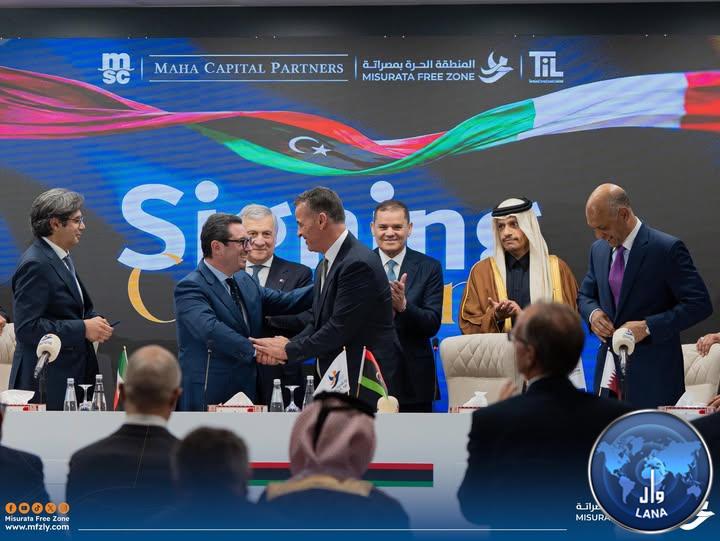
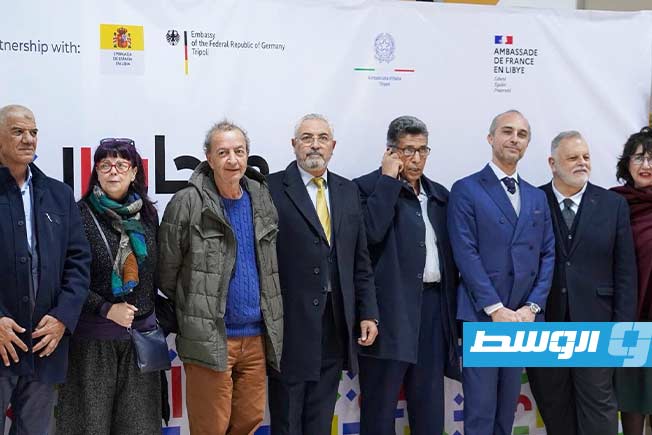
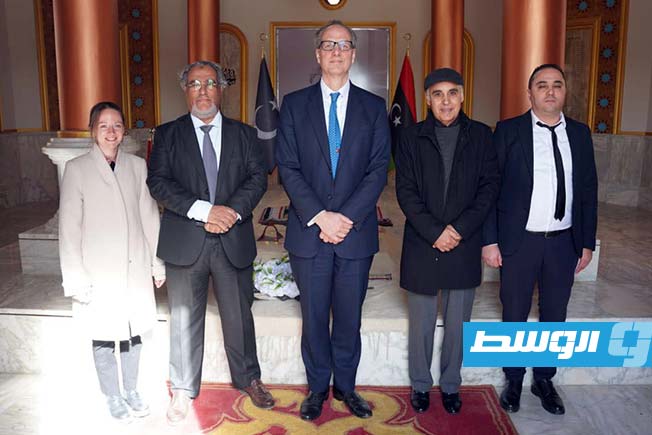
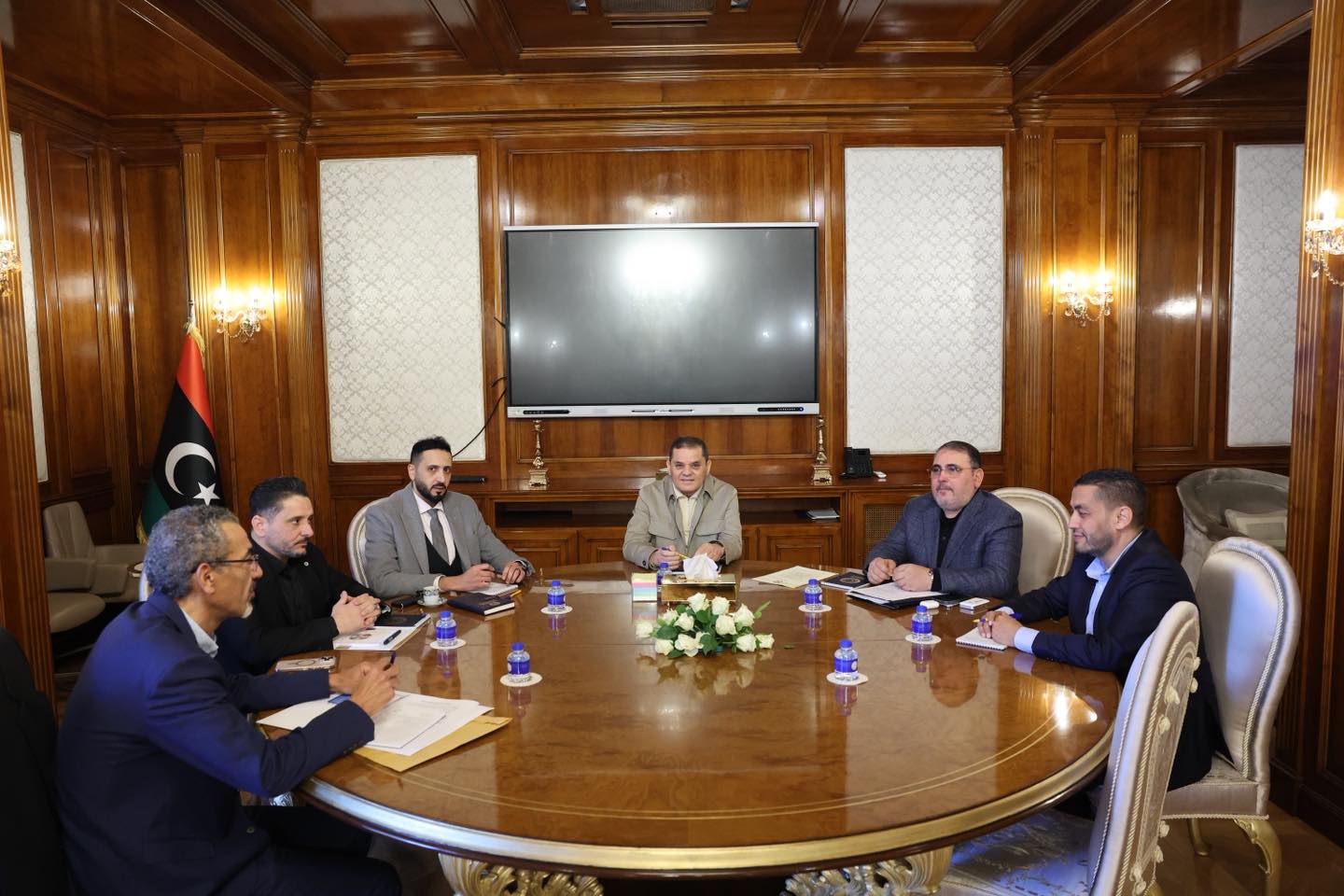
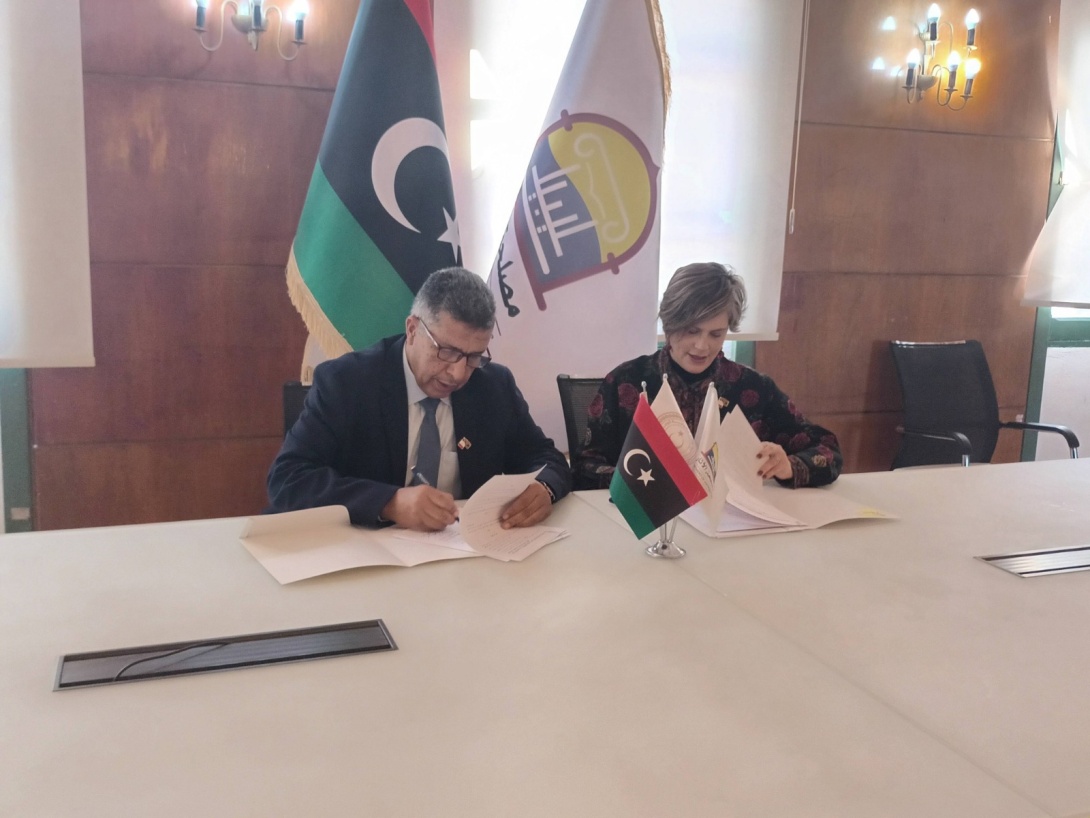
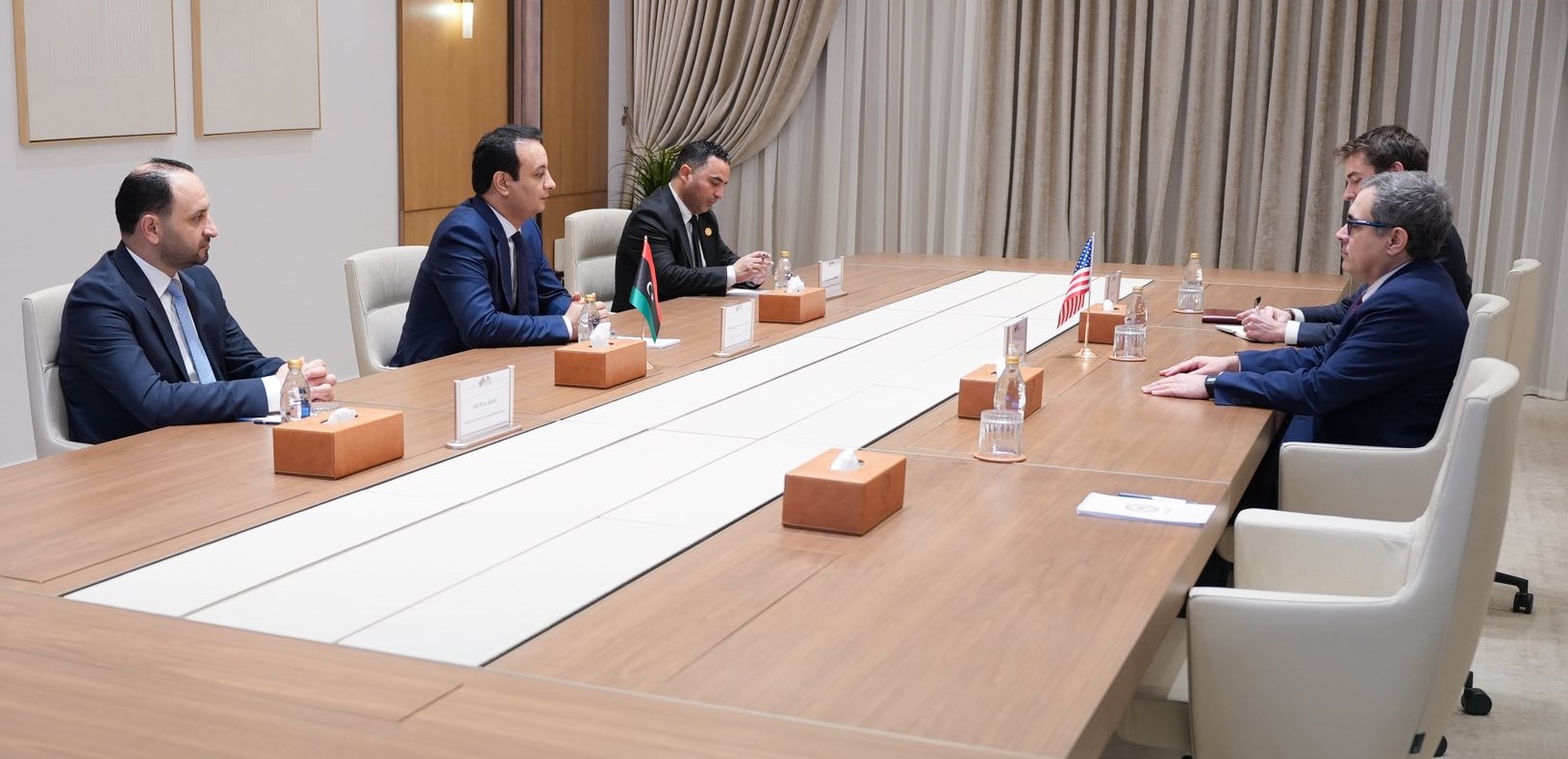
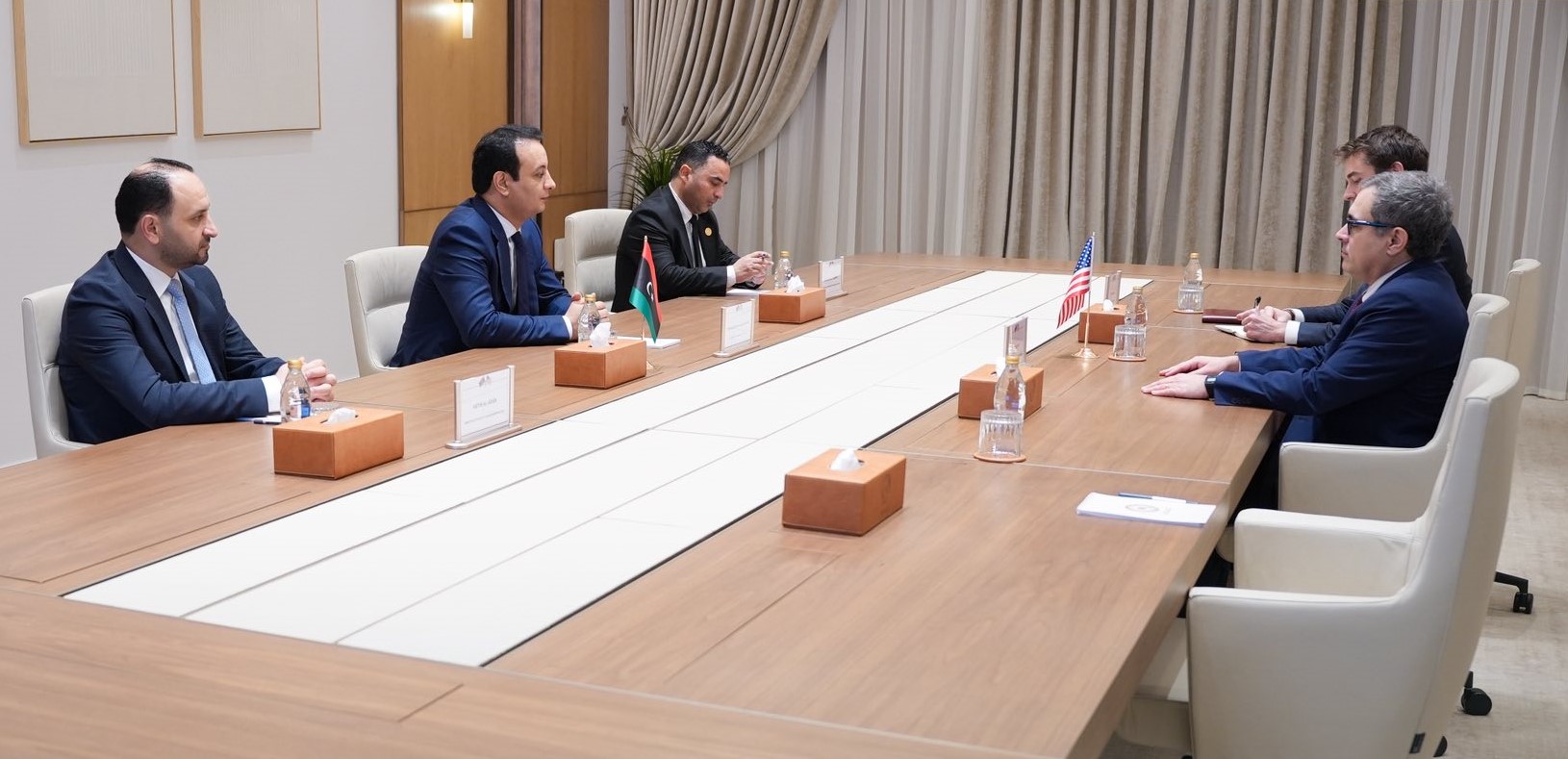
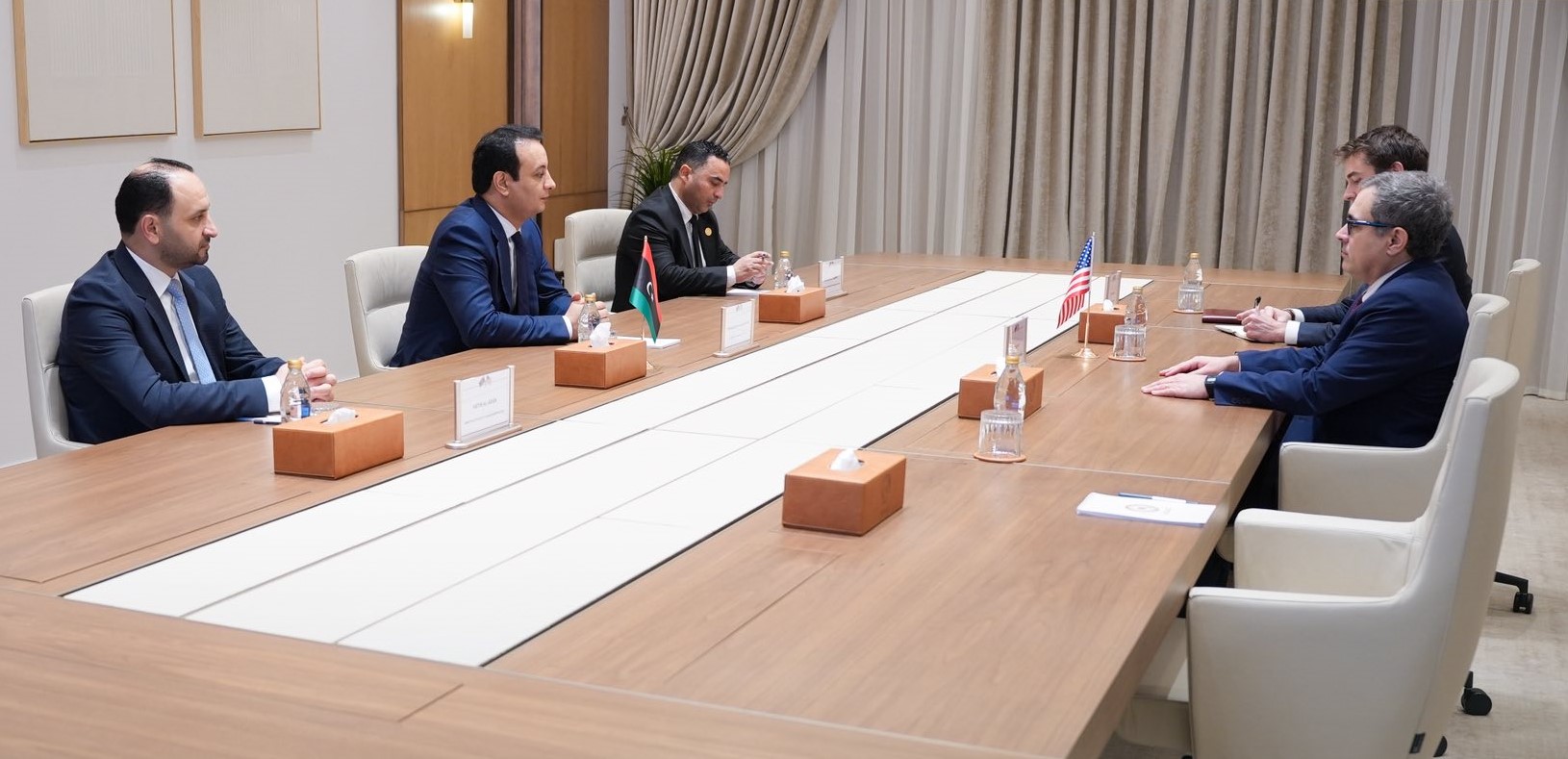
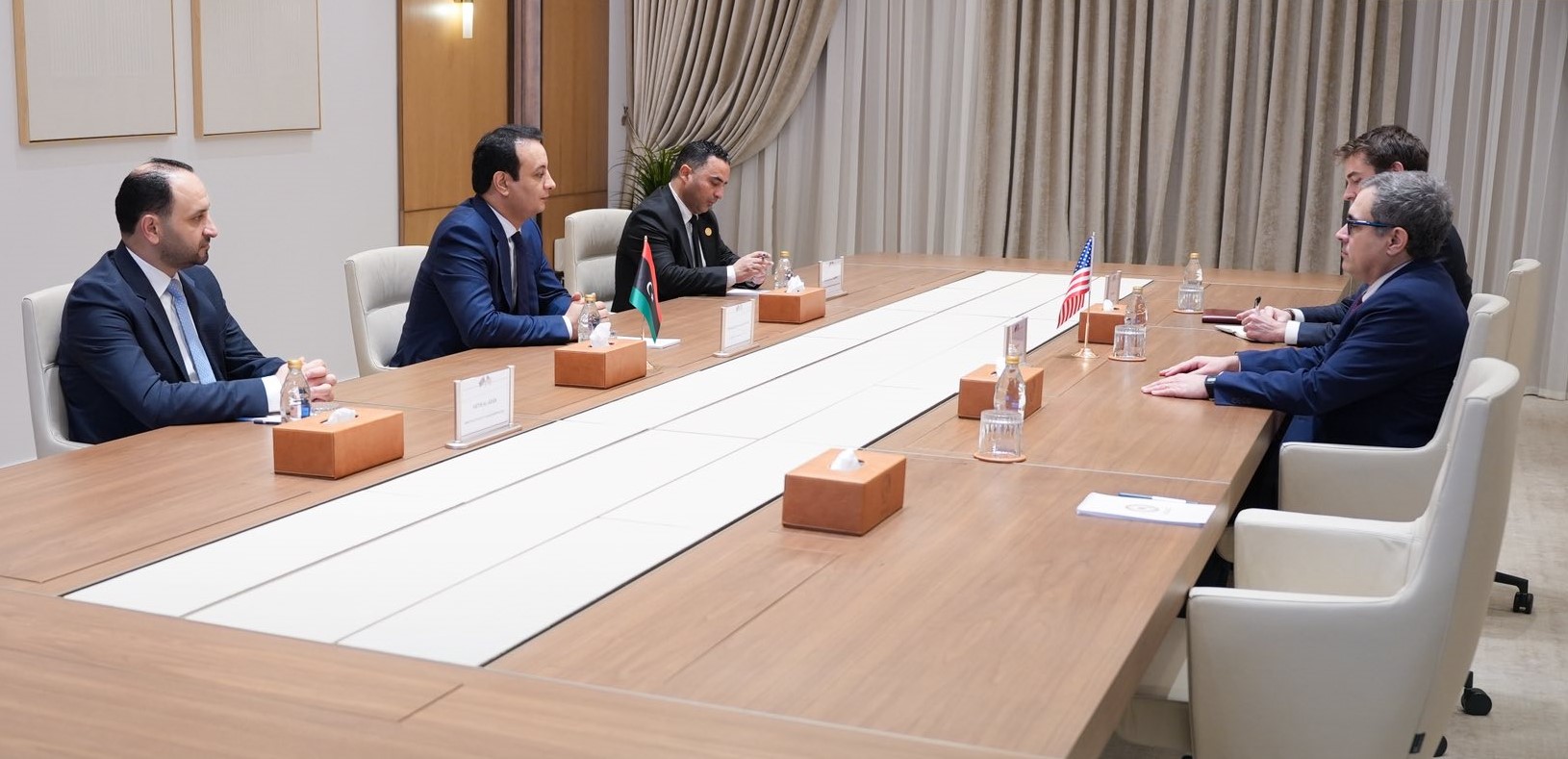
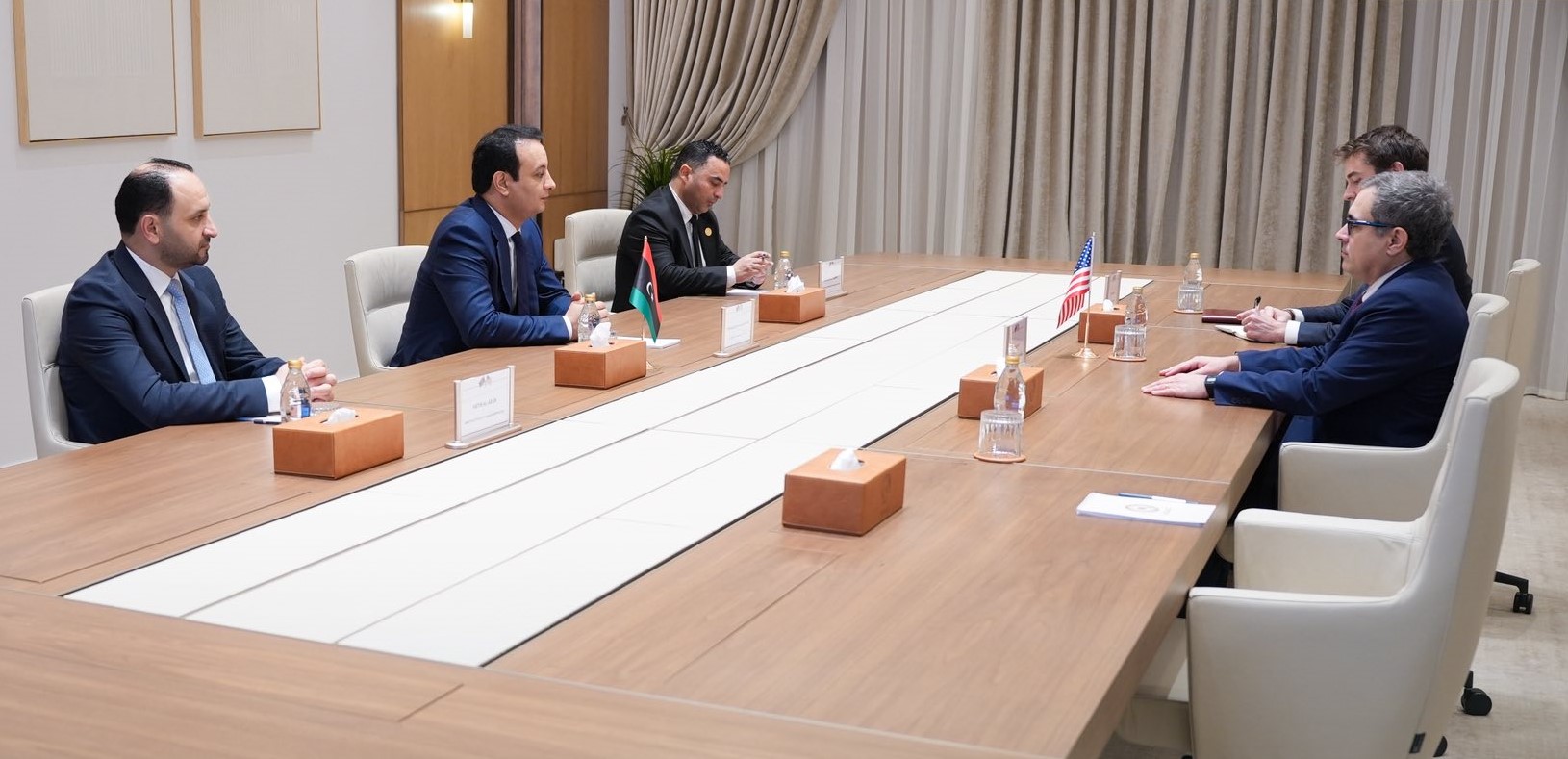
Misrata, January 18, 2026 – The Misrata Free Zone announced the signing of a strategic public-private partnership with Qatari company Maha Capital Partners (MCP) and Terminal Investment Limited (TIL), the investment and operational arm of the MSC Group, the world’s largest container shipping company. The partnership aims to develop, modernize, and expand the port of the Misrata Free Zone, transforming it into a major logistics gateway in the Mediterranean and a regional transshipment hub.
In a press release issued on Sunday, the Free Zone stated that this agreement represents the largest non-oil structural investment in Libya since 2011 and marks a turning point in rebuilding infrastructure and enhancing the country’s integration into regional and global supply chains.
According to the statement, the partnership aims to gradually increase the port’s capacity to reach 4 million standard containers annually through a phased development program. This program includes: comprehensive modernization of operating systems, equipment, quays, and yards; introduction of advanced digital Terminal Operating Systems (TOS) to increase efficiency and reduce handling time; development of facilities capable of receiving mega-container ships; direct connection of the port to the Free Zone and the surrounding industrial and logistics system; and implementation of the highest international standards for safety, security, and environmental sustainability.
The preliminary estimates, according to the press release, will provide 2,000 direct jobs in operating the existing container terminals and the deep-water terminal, and over 40,000 indirect jobs in the transport, services, industry, and supply chain sectors. The total investment value for the strategic partnership is expected to reach $2.7 billion. These figures are anticipated to solidify Libya’s role as a regional logistics center connecting Europe with North Africa and the African continent.
The statement noted that TIL / MSC will provide a global shipping network extending to over 500 ports and operational expertise in managing the largest container terminals in Europe, Asia, Africa, and the Americas. This will ensure the attraction of major shipping lines and stable shipping volumes. Maha Capital Partners will inject long-term investments and institutional expertise in financing major infrastructure projects in emerging markets, with a focus on governance, sustainability, and maximizing economic impact.
During the signing ceremony, it was emphasized that the project represents a strategic investment in Libya’s economic future, placing the country on the map of pivotal Mediterranean ports. It supports income diversification, creates tens of thousands of job opportunities, and boosts the confidence of international investors in the stability and attractiveness of the Libyan market.
The project will be implemented through three main phases: immediate improvement of operational efficiency through equipment and system modernization; deep expansion of quays and basins to receive mega-ships and increase capacity; and a long-term sustainability and growth phase to solidify the port’s position as a regional transshipment center.
It was also stressed that this partnership reflects the Misrata Free Zone’s determination to build modern, globally competitive infrastructure that supports new industries, provides local job opportunities, and strengthens Libya’s position within regional and international supply chains. The Misrata Free Zone was established to be a gateway for investment and growth, and today a decisive step is being taken towards achieving this vision.
Managing an area of 2,576 hectares with expansion plans up to 20,000 hectares, the Misrata Free Zone operates a port that currently handles 60–65% of Libya’s container trade, making it the country’s most important maritime gateway.
This partnership will transform the Misrata Free Zone port from a major national port into a Mediterranean logistics platform capable of serving transit trade, supporting industries, attracting investments, and enhancing Libya’s position as a hub connecting Europe, Africa, and the Middle East.
Misrata
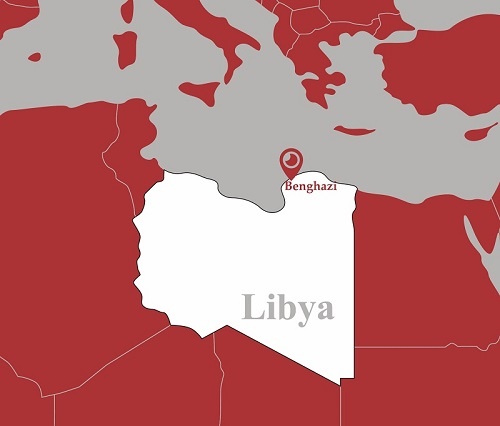
Misrata is a major port city on the Mediterranean coast of northwestern Libya, historically known as a key trading and commercial center since ancient times. It played a pivotal and heavily contested role during the 2011 Libyan Civil War, serving as a stronghold for anti-Gaddafi forces and enduring a prolonged siege. Today, it remains one of Libya’s most important economic hubs, known for its industry and commerce.
Misrata Free Zone
The Misrata Free Zone is a major industrial and commercial hub located in northwestern Libya, established in 2000 to stimulate economic growth and foreign investment. Historically, it leveraged Misrata’s strategic port access and the city’s long-standing mercantile traditions to become one of the country’s most important economic zones.
Mediterranean
The Mediterranean is a sea bordered by Europe, Africa, and Asia, historically serving as a crucial crossroads for trade, cultural exchange, and the rise of major civilizations like the Egyptians, Greeks, Romans, and Ottomans. Its shores are home to countless historic sites, from ancient ports to religious landmarks, reflecting millennia of interconnected human history.
Libya
Libya is a North African country with a rich history rooted in ancient civilizations like the Phoenicians and Romans, followed by centuries of Arab and Ottoman influence. In the modern era, it was an Italian colony before gaining independence in 1951, later becoming known for Muammar Gaddafi’s lengthy rule from 1969 until the 2011 revolution. The country is home to UNESCO World Heritage sites, such as the ruins of Leptis Magna, which testify to its significant historical legacy.
Europe
Europe is a continent with a rich and complex history, shaped by ancient civilizations like Greece and Rome, the Middle Ages, the Renaissance, and periods of both conflict and cooperation. It is home to countless cultural sites, from prehistoric cave paintings to grand cathedrals and castles, reflecting its diverse artistic and architectural heritage. The modern political and economic entity of the European Union emerged in the latter 20th century as a project to foster unity and peace among its nations.
North Africa
North Africa is a region encompassing countries such as Egypt, Libya, Tunisia, Algeria, Morocco, and Sudan, historically defined by the Sahara Desert and the Mediterranean coast. It is home to ancient civilizations like the Egyptians and Phoenicians, and its history includes periods of Roman, Arab, Ottoman, and European colonial rule, which have profoundly shaped its cultural and architectural heritage.
Africa
Africa is the world’s second-largest continent, widely recognized as the birthplace of humanity, with fossil evidence tracing human origins back millions of years. It is home to countless diverse cultures and historic sites, from the ancient Egyptian pyramids to the medieval empires of Mali and Great Zimbabwe.
Asia
Asia is the world’s largest and most populous continent, home to ancient civilizations like those of Mesopotamia, the Indus Valley, and China. Its history spans millennia, featuring the rise and fall of vast empires, the spread of major world religions, and profound cultural and scientific advancements. Today, it is a region of immense diversity, encompassing numerous countries with distinct languages, traditions, and modern economic powerhouses.
Americas
The term “Americas” refers to the continents of North and South America, which were home to advanced indigenous civilizations like the Maya and Inca before European colonization began in the late 15th century. Following widespread exploration and settlement by European powers, the continents later saw waves of revolution and independence movements, shaping the diverse collection of nations and cultures found there today.
Middle East
The Middle East is a transcontinental region centered on Western Asia and parts of North Africa, historically known as the cradle of civilization where some of the world’s earliest human societies and major religions emerged. It has been a central crossroads for trade, culture, and empires for millennia, from ancient Mesopotamia and Persia to the later Islamic Caliphates and the Ottoman Empire. In the modern era, its vast oil reserves and complex geopolitical dynamics have made it a focal point of global affairs.