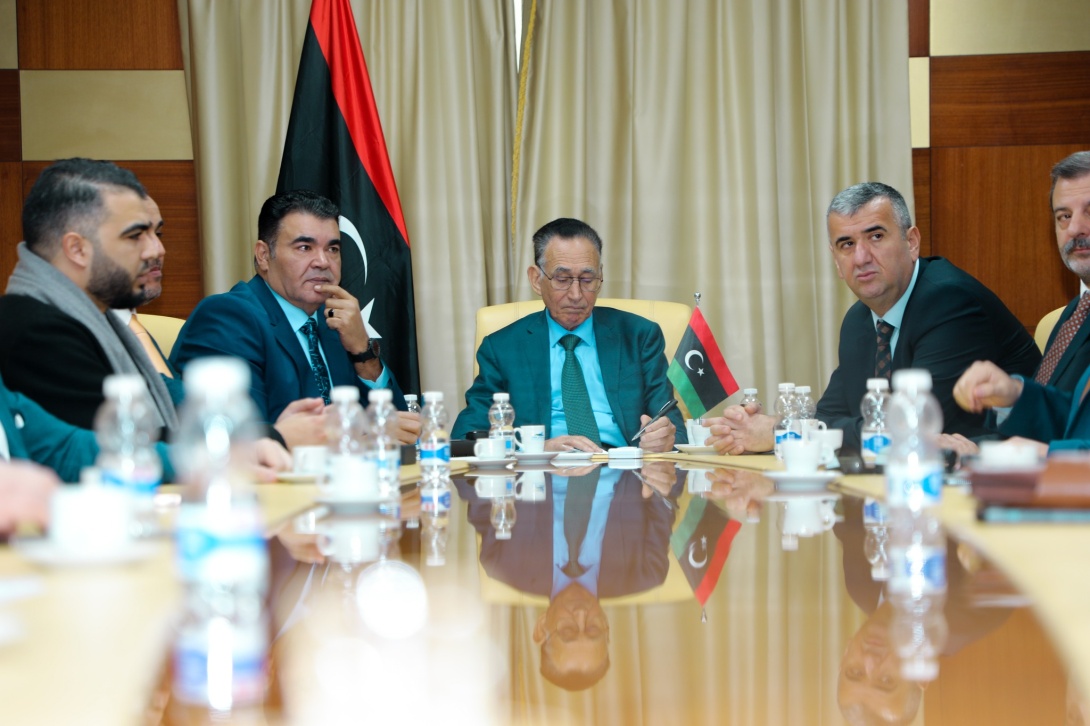
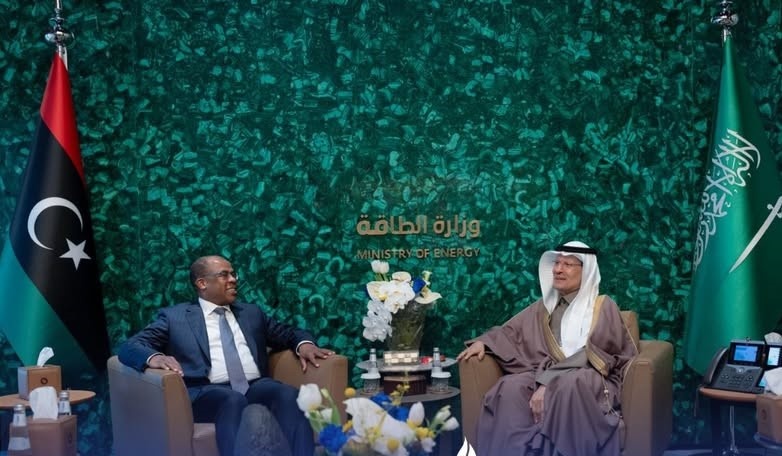
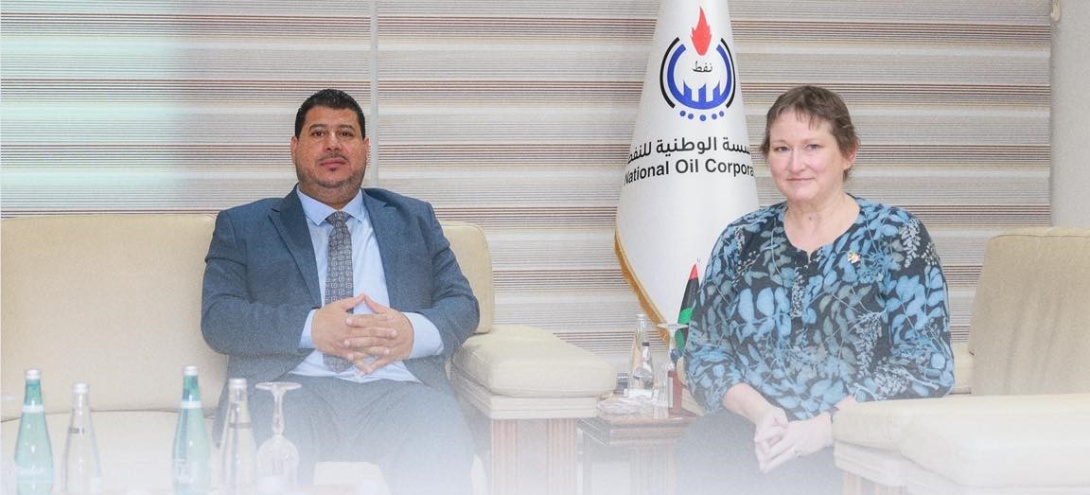
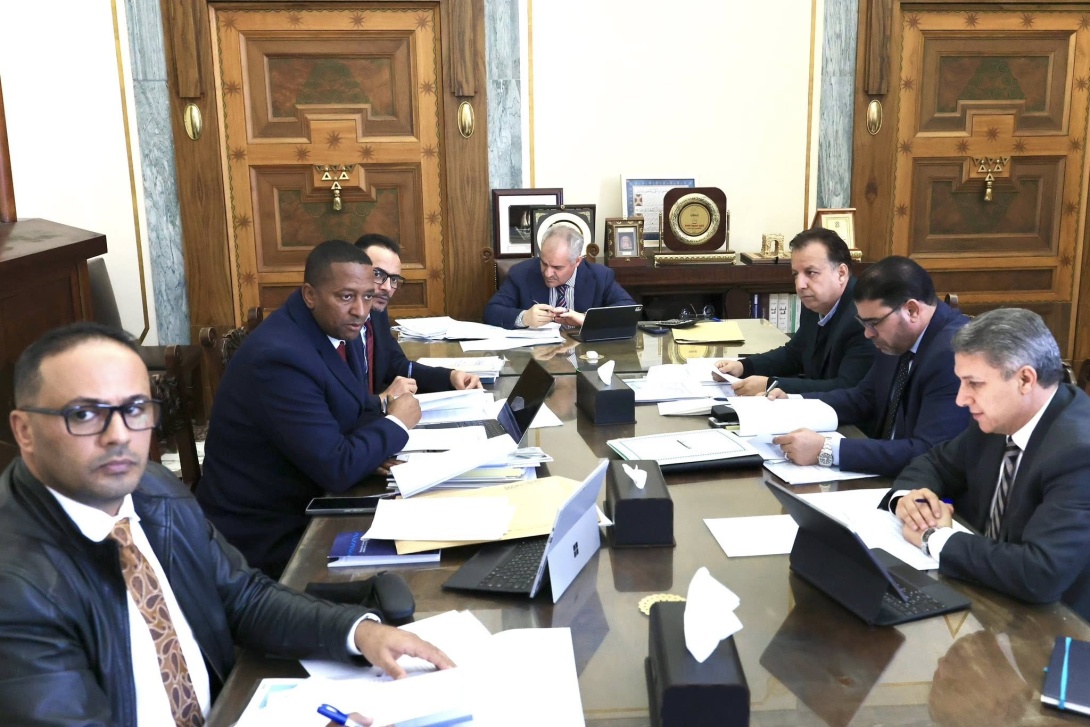
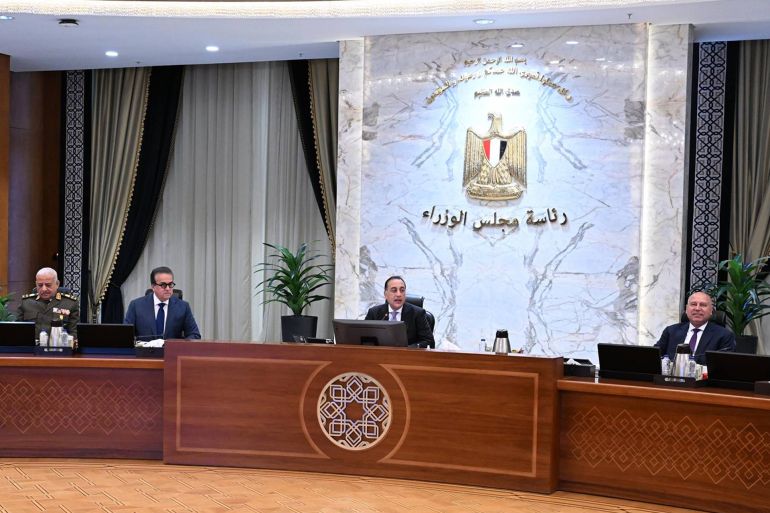
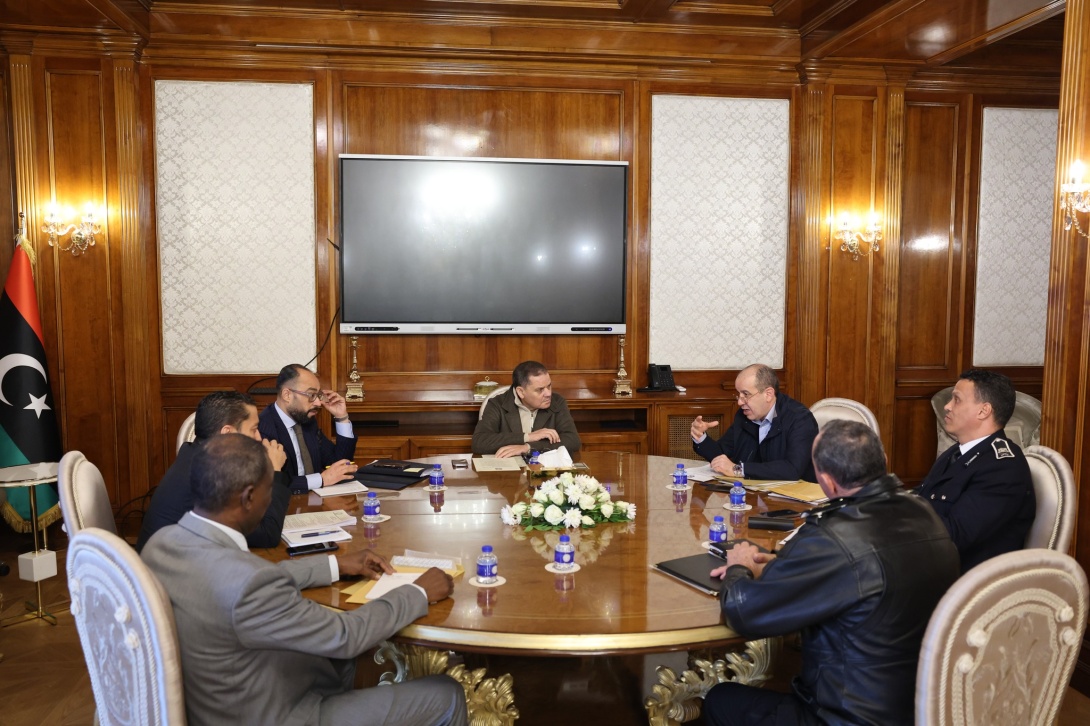
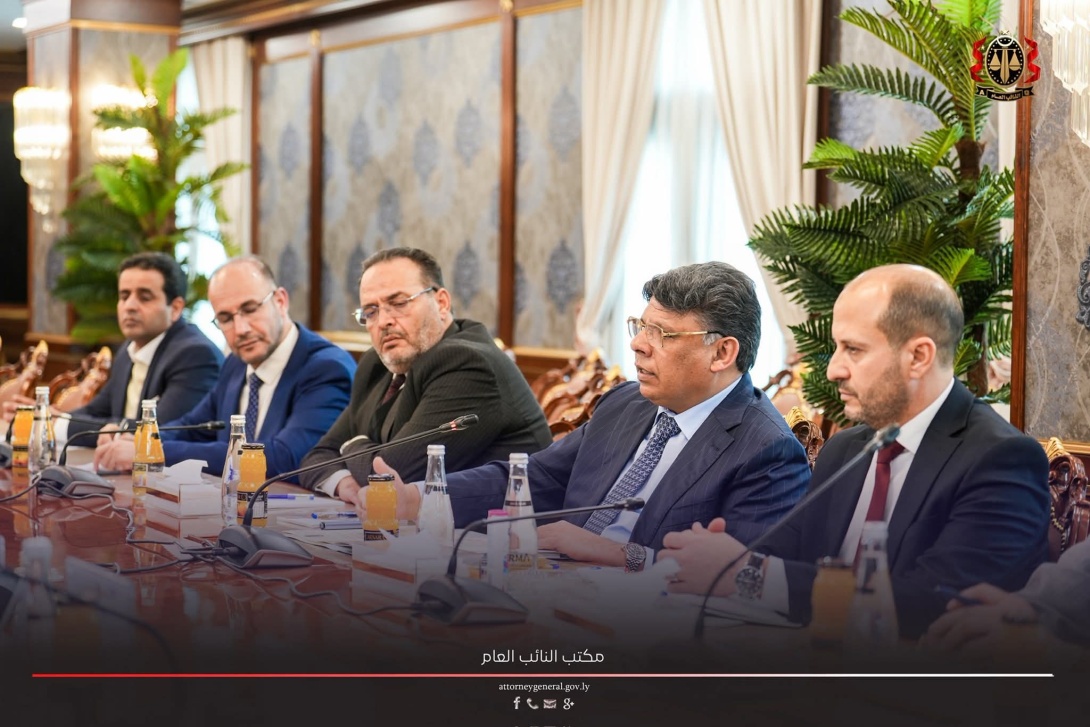
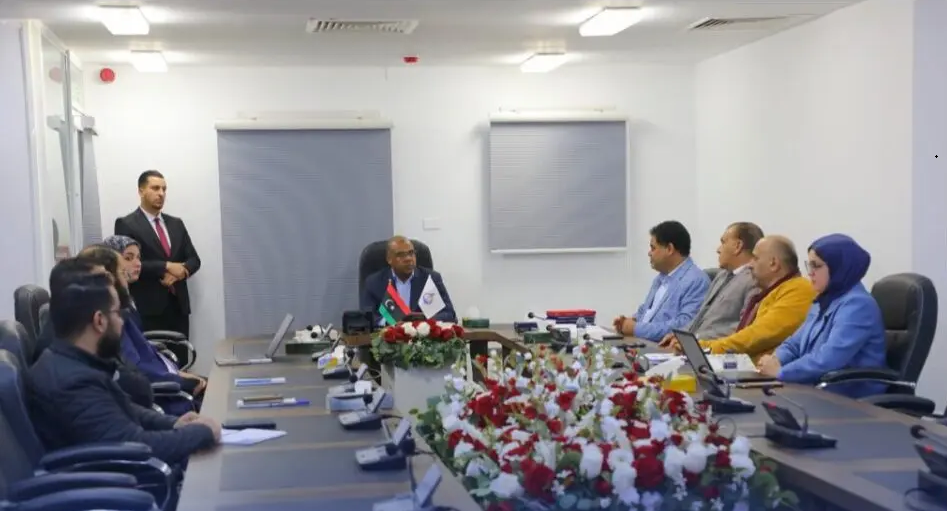
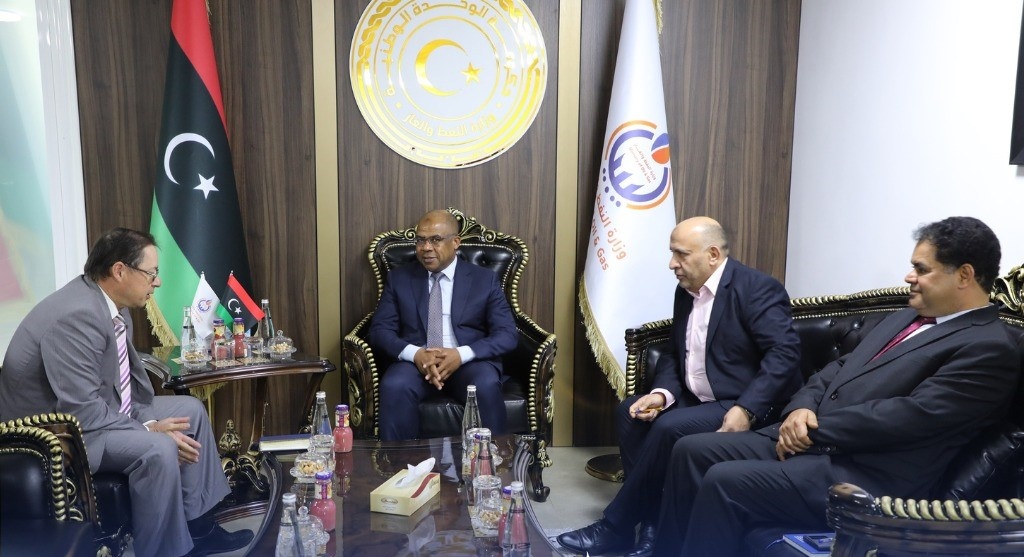
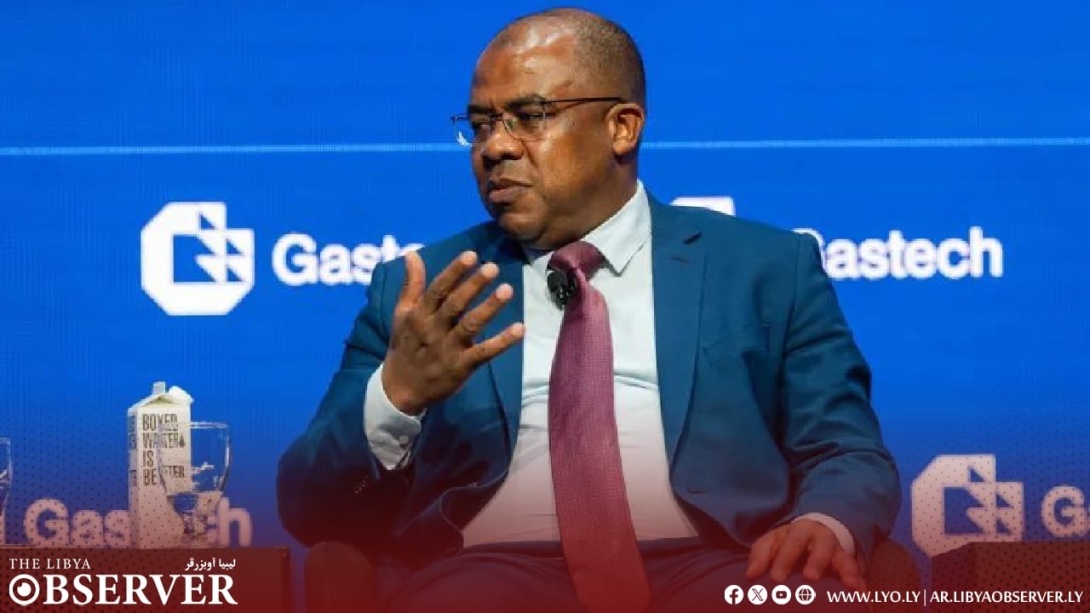
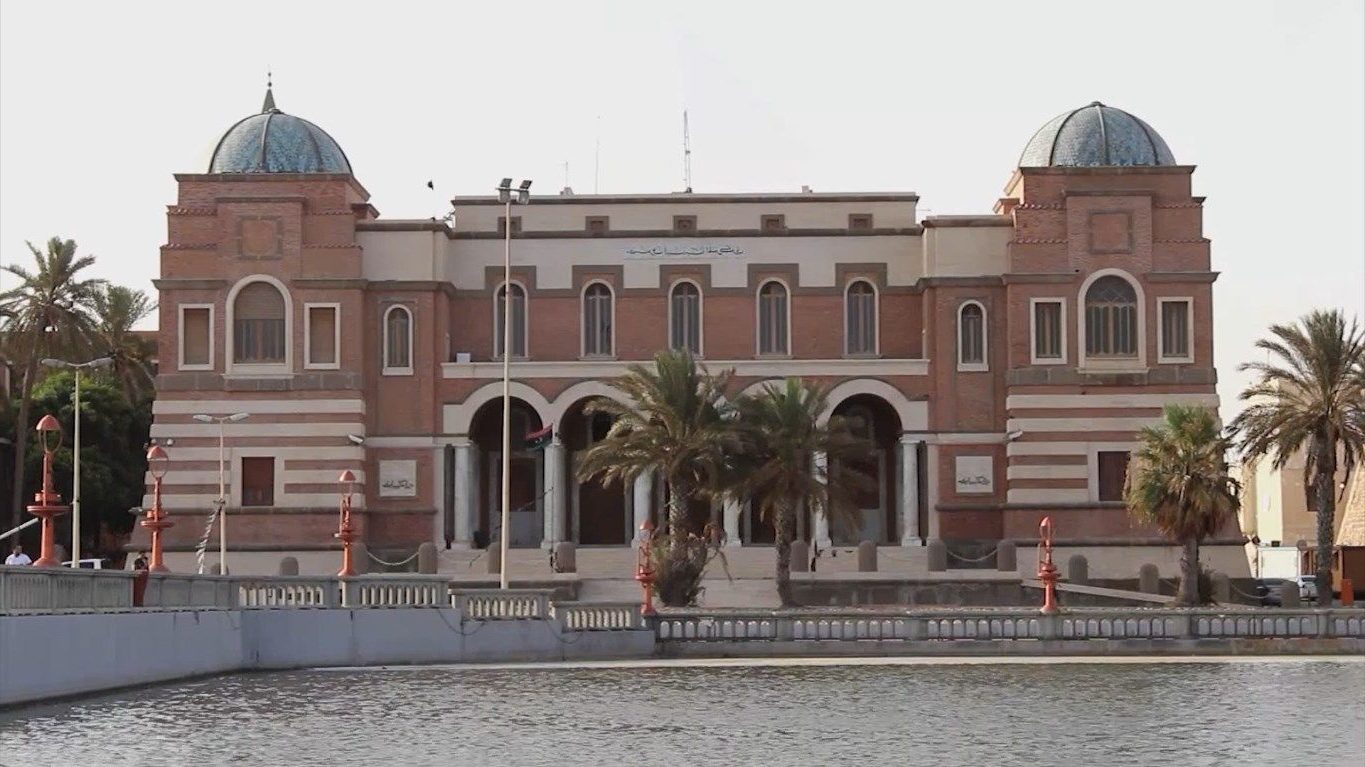
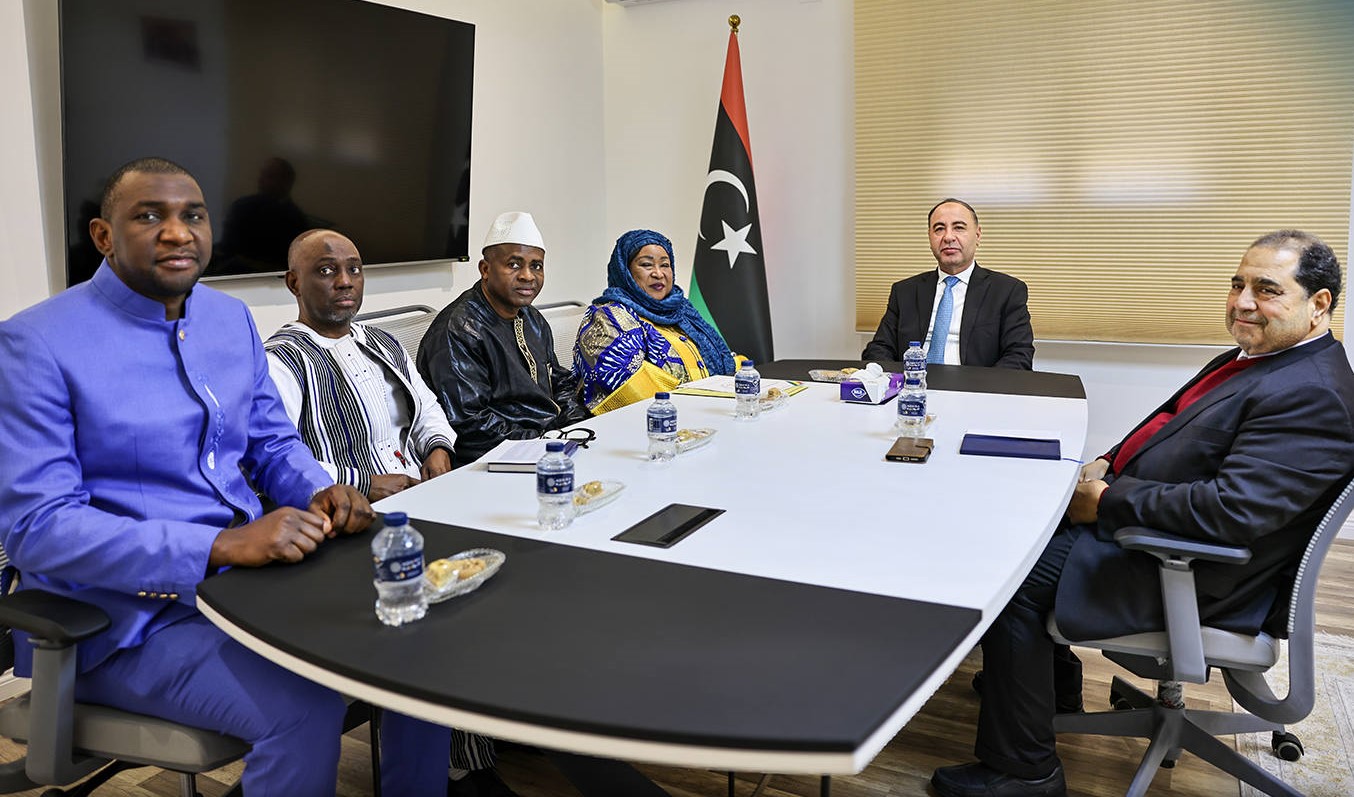
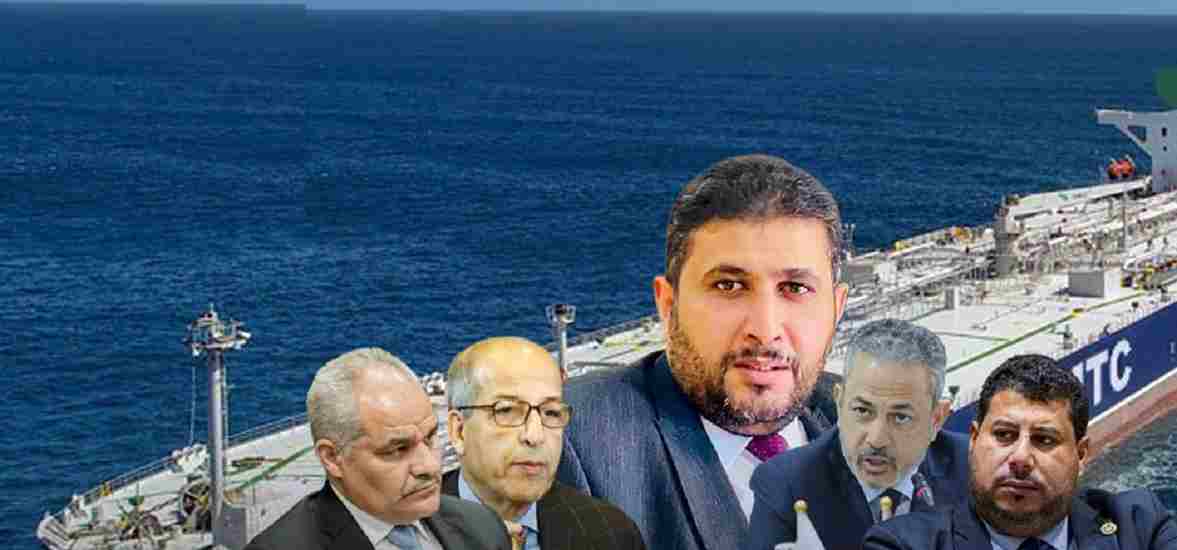
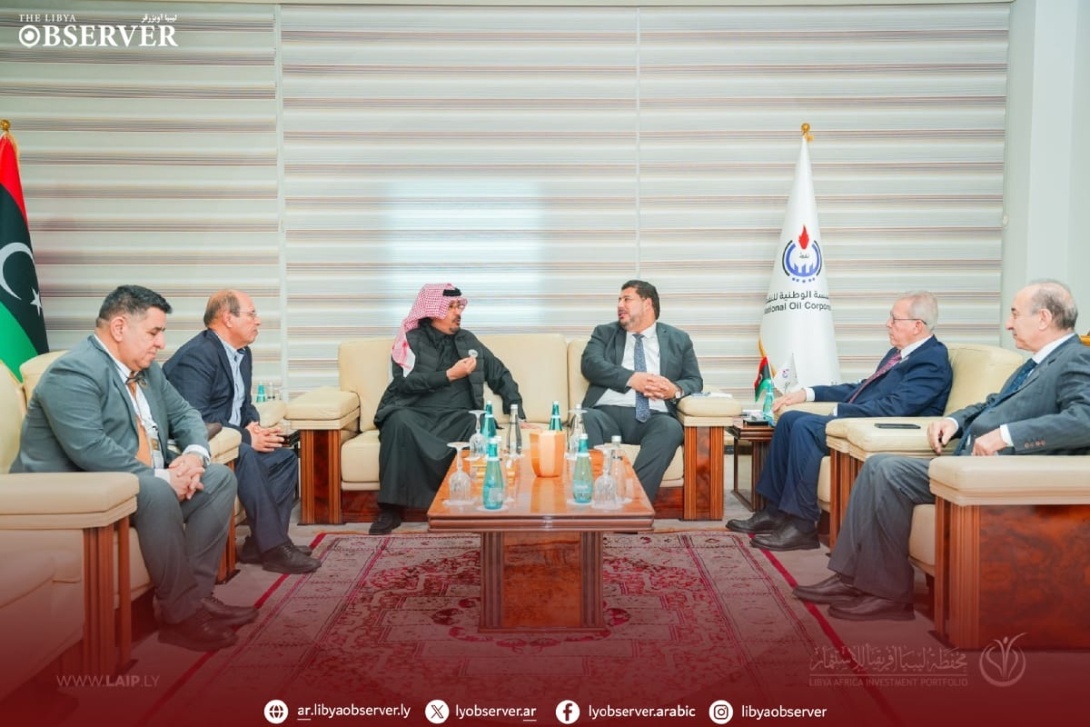
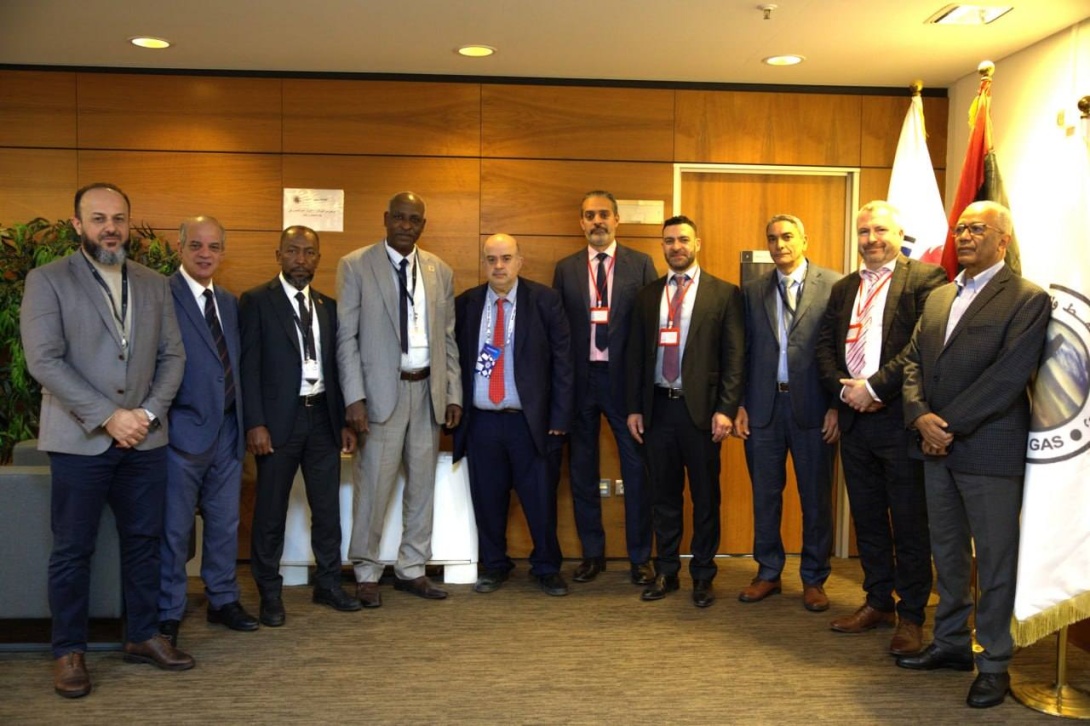
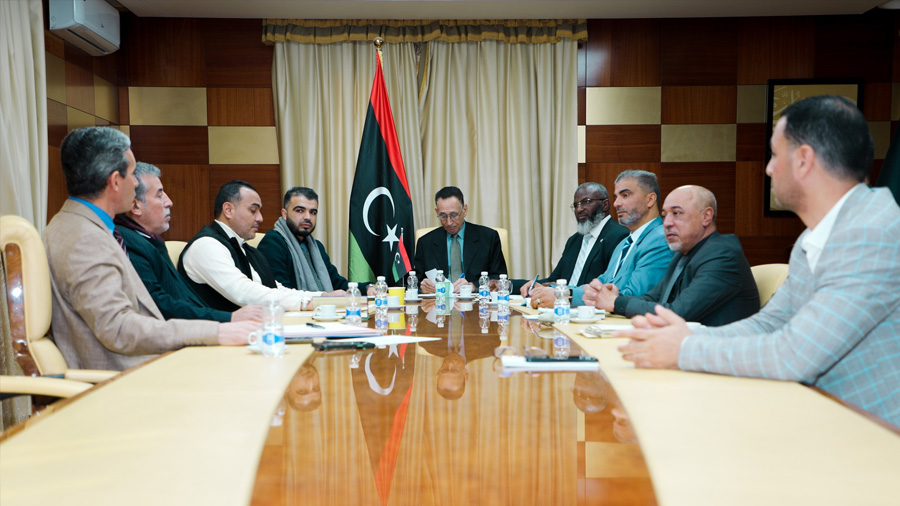
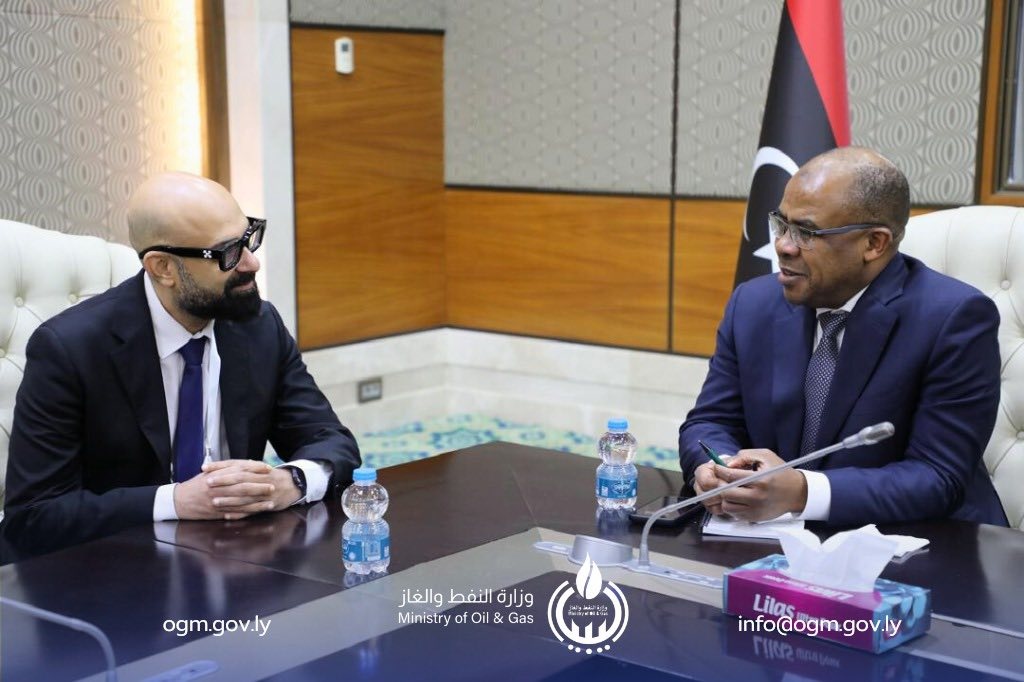
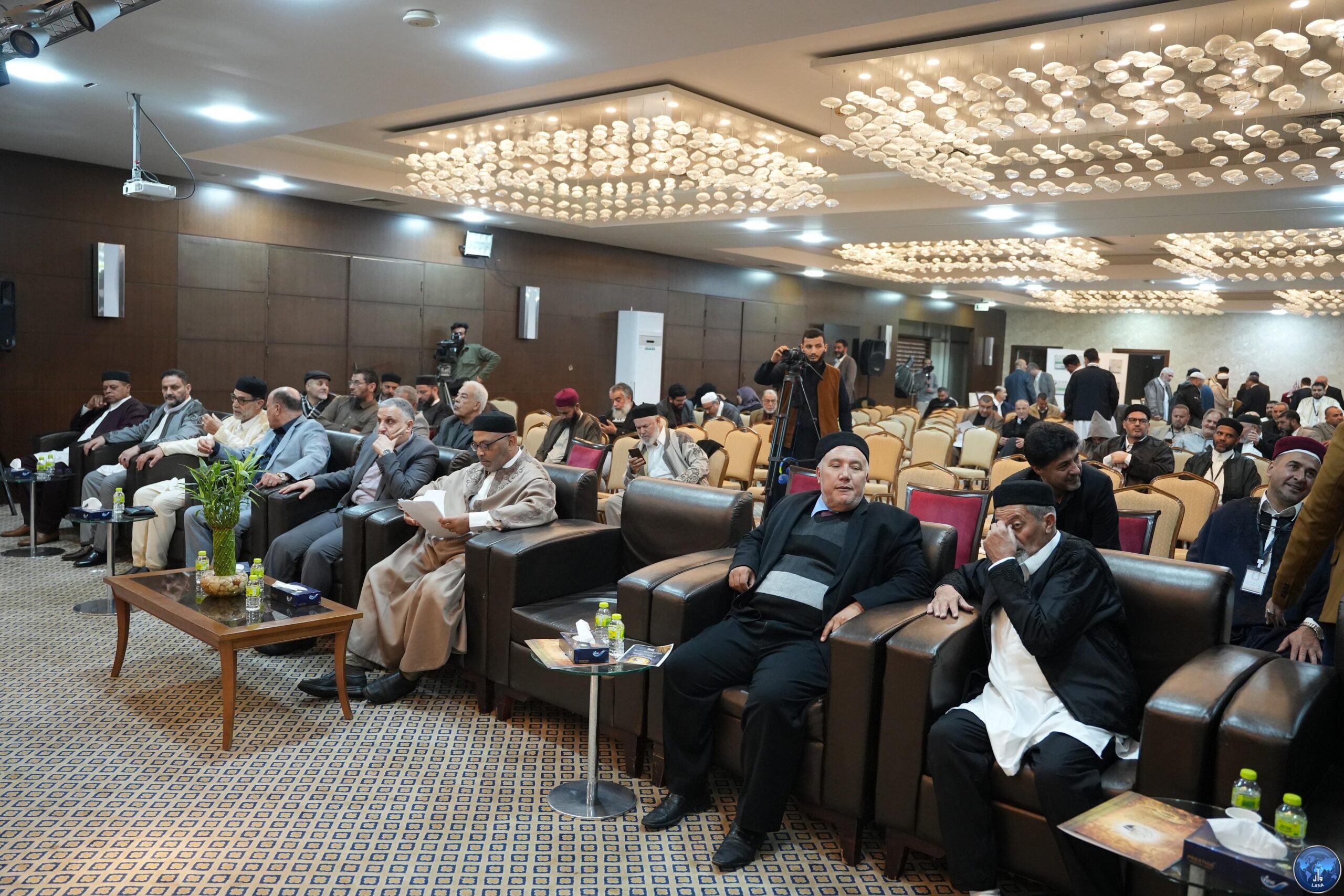
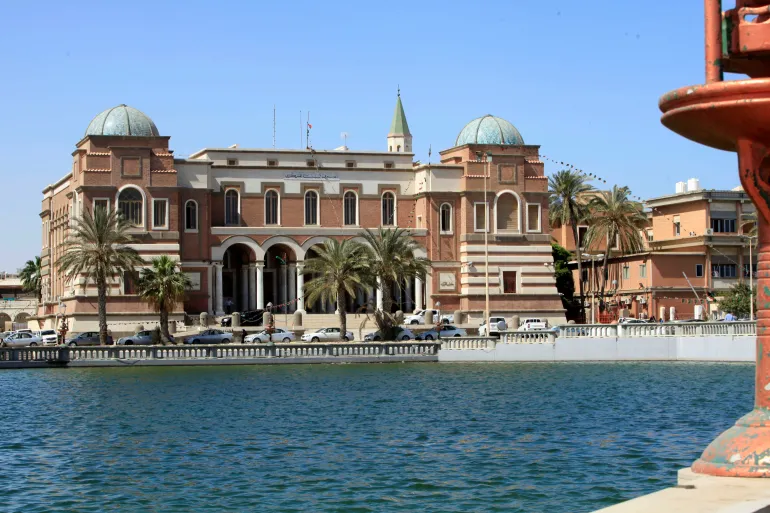
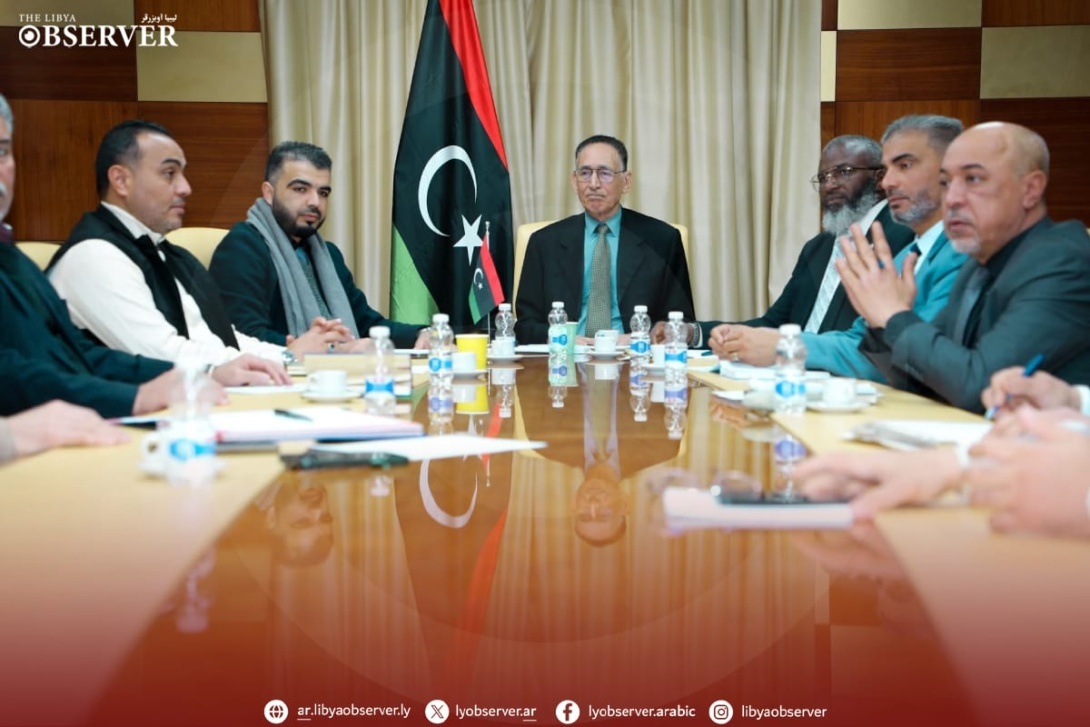
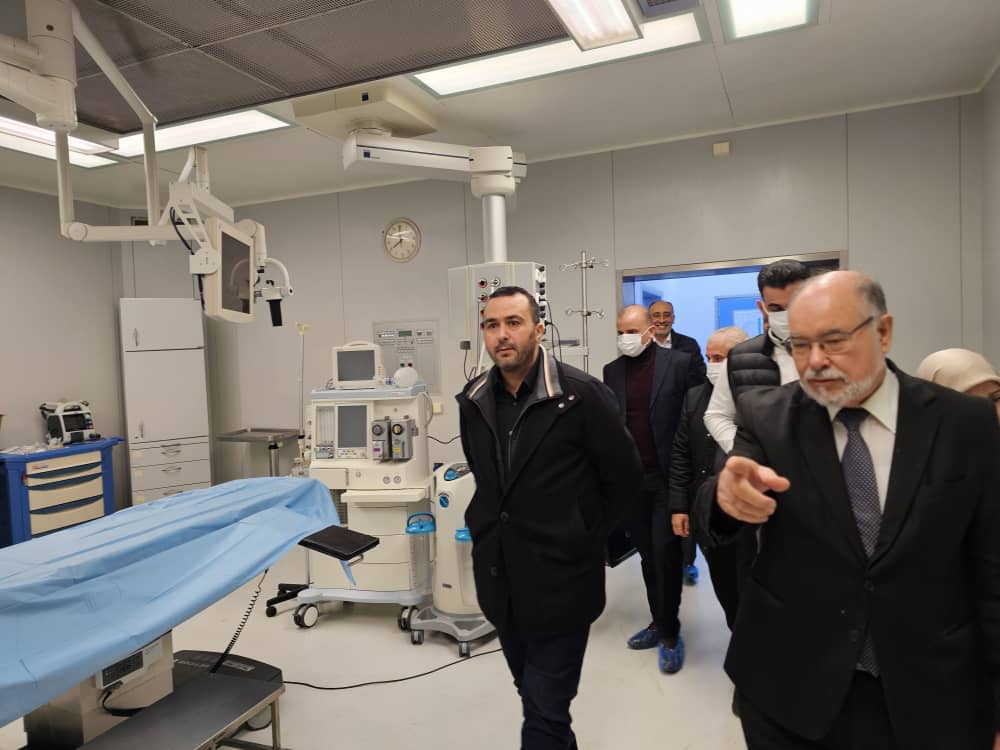
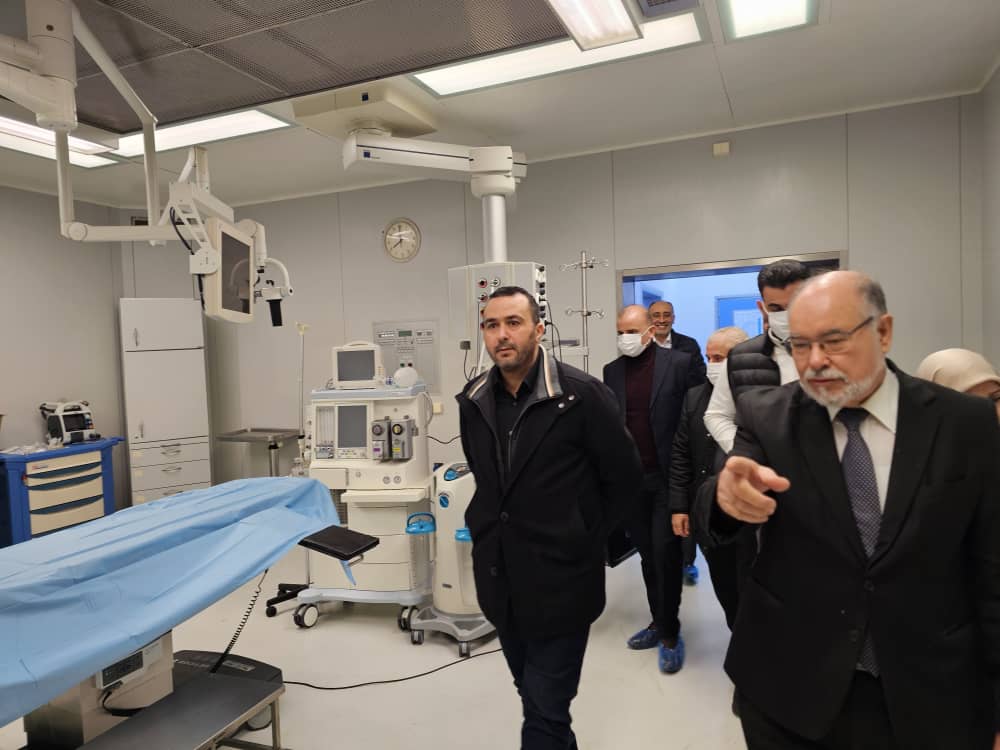
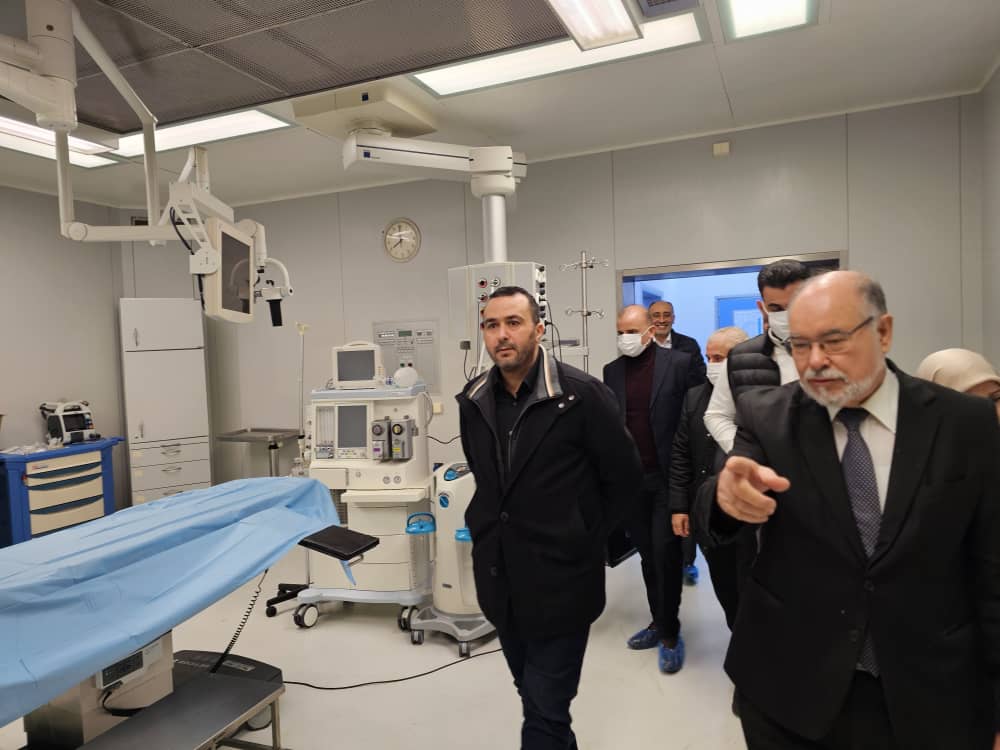
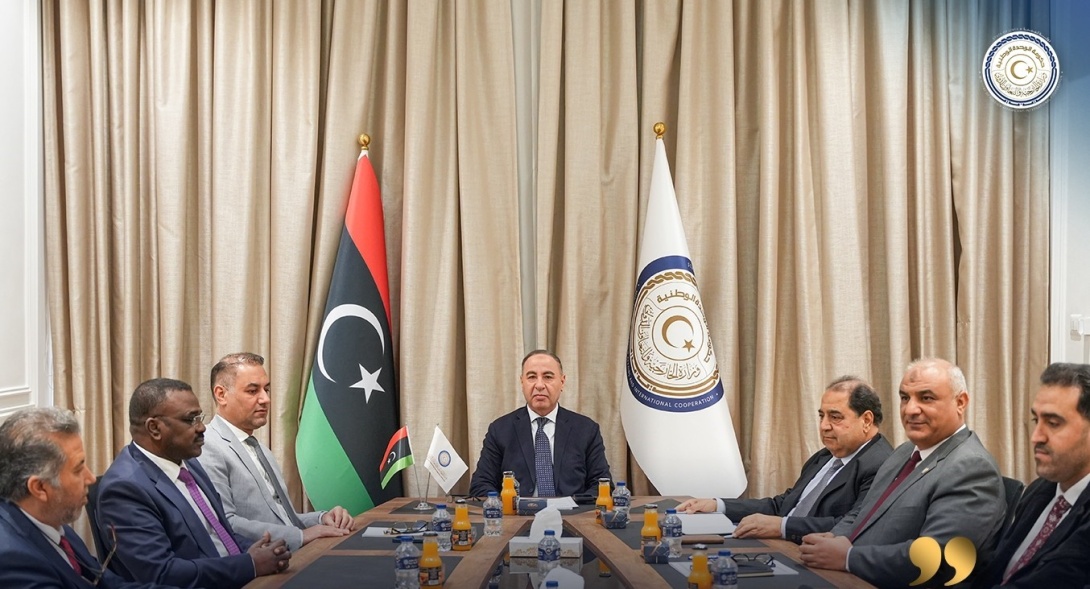
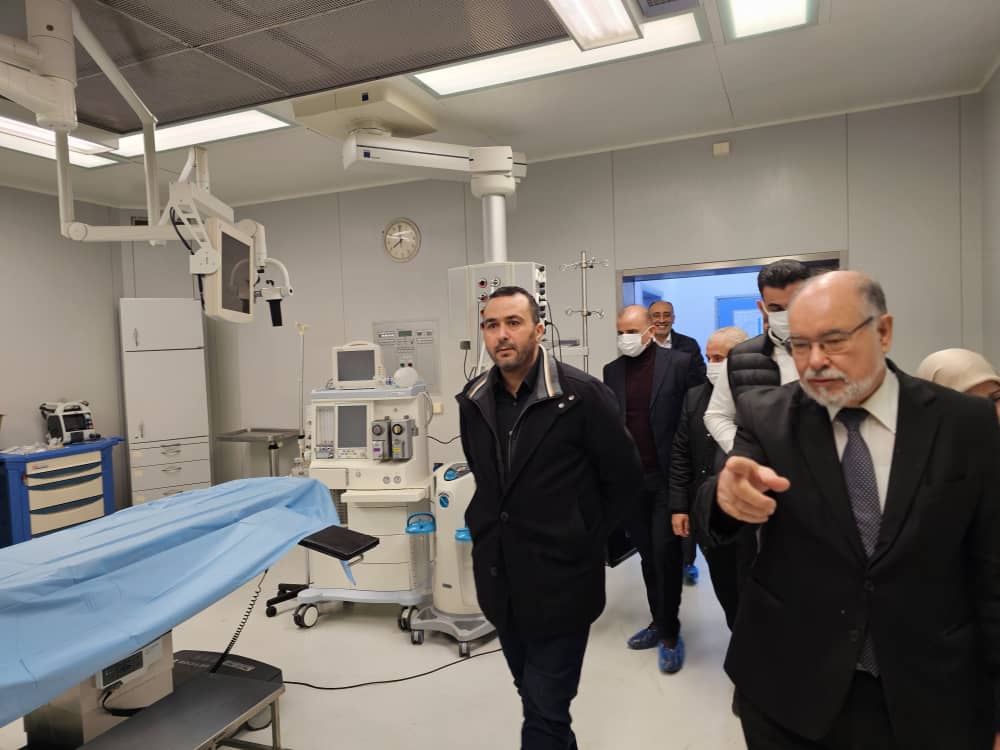
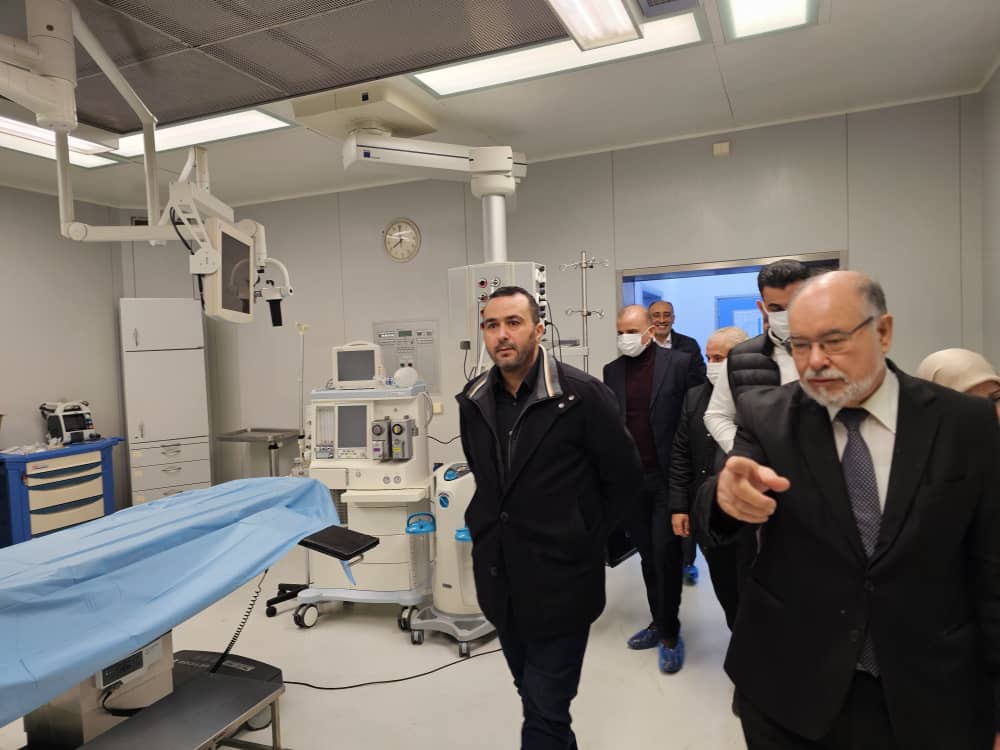
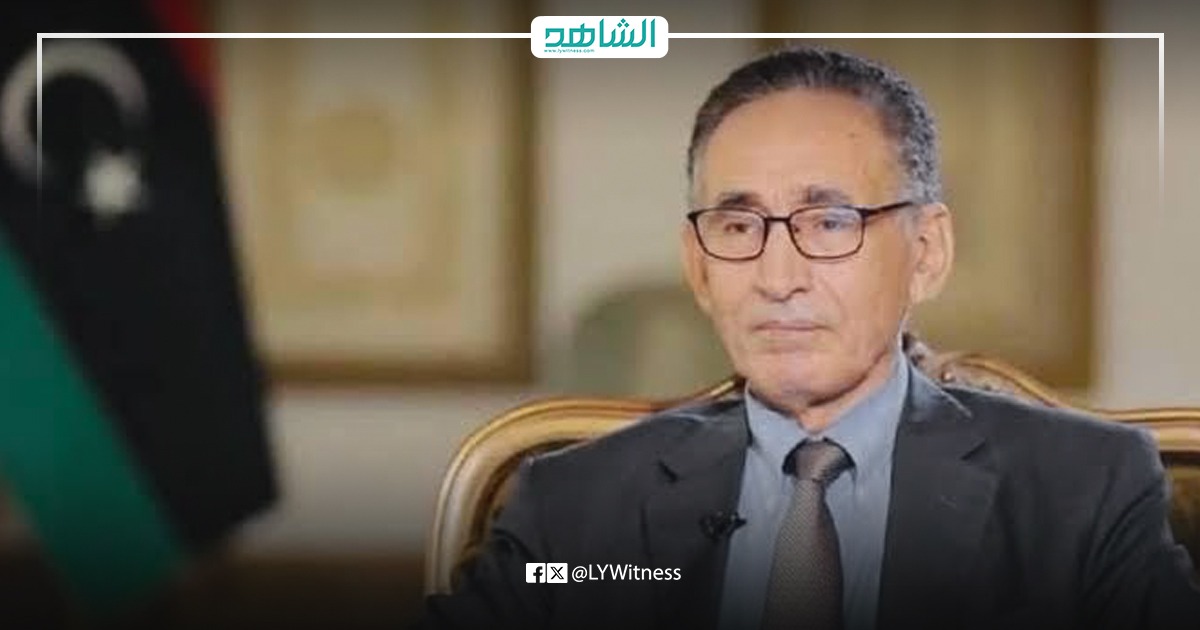
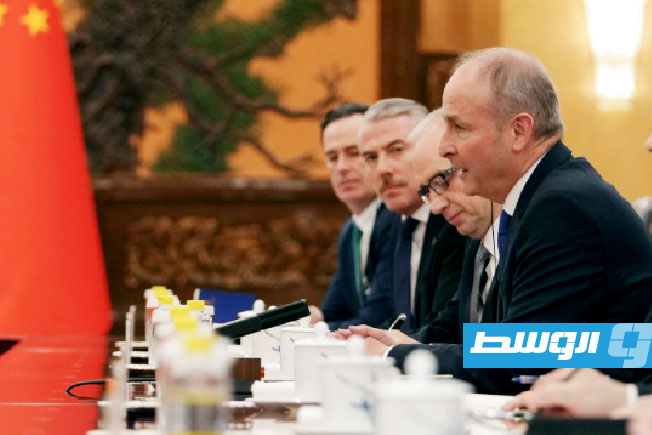
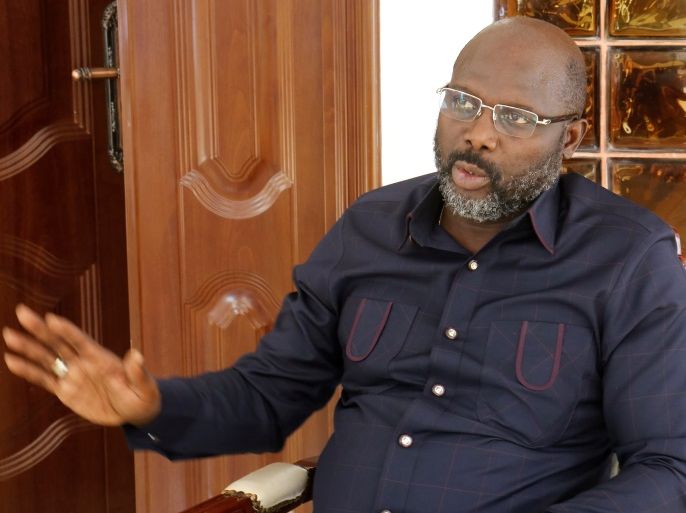
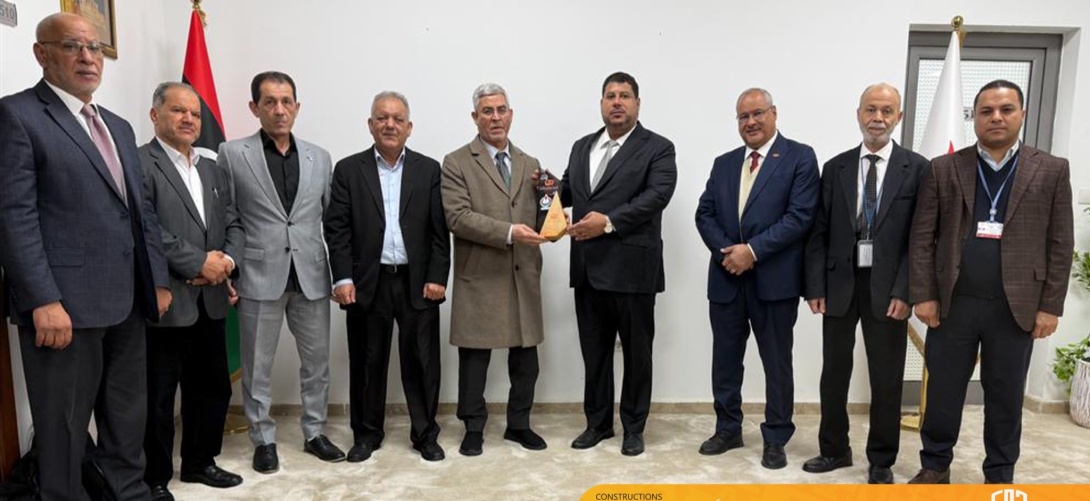
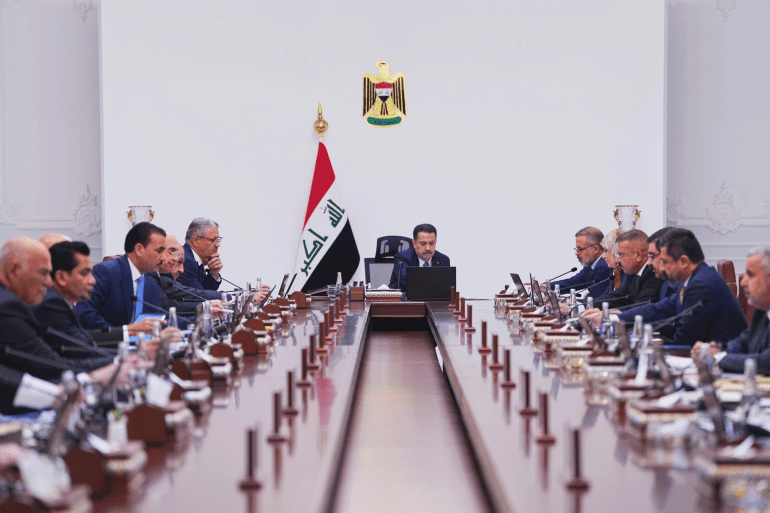
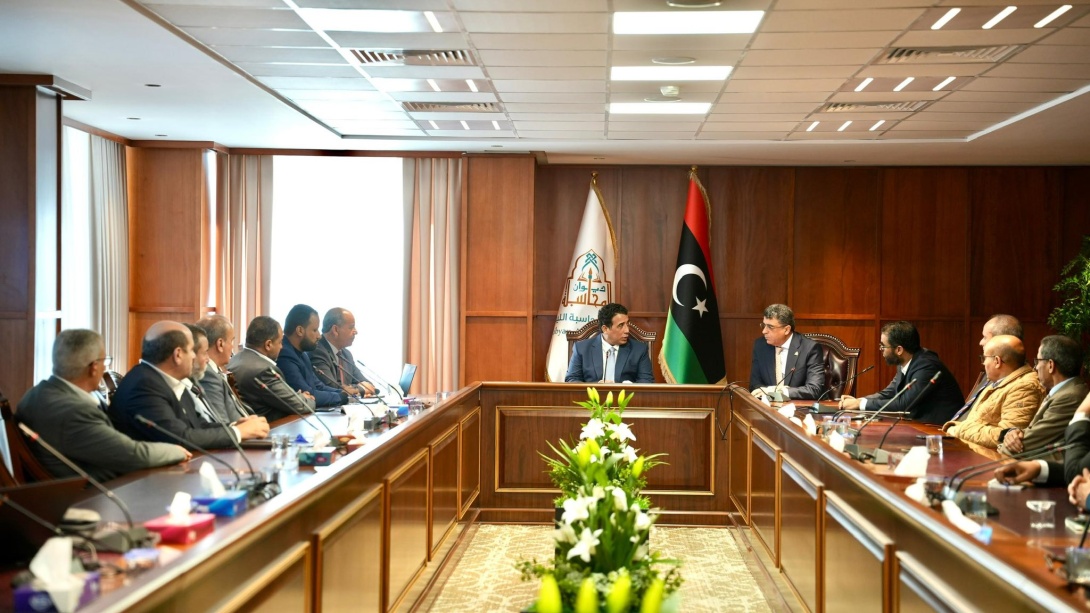
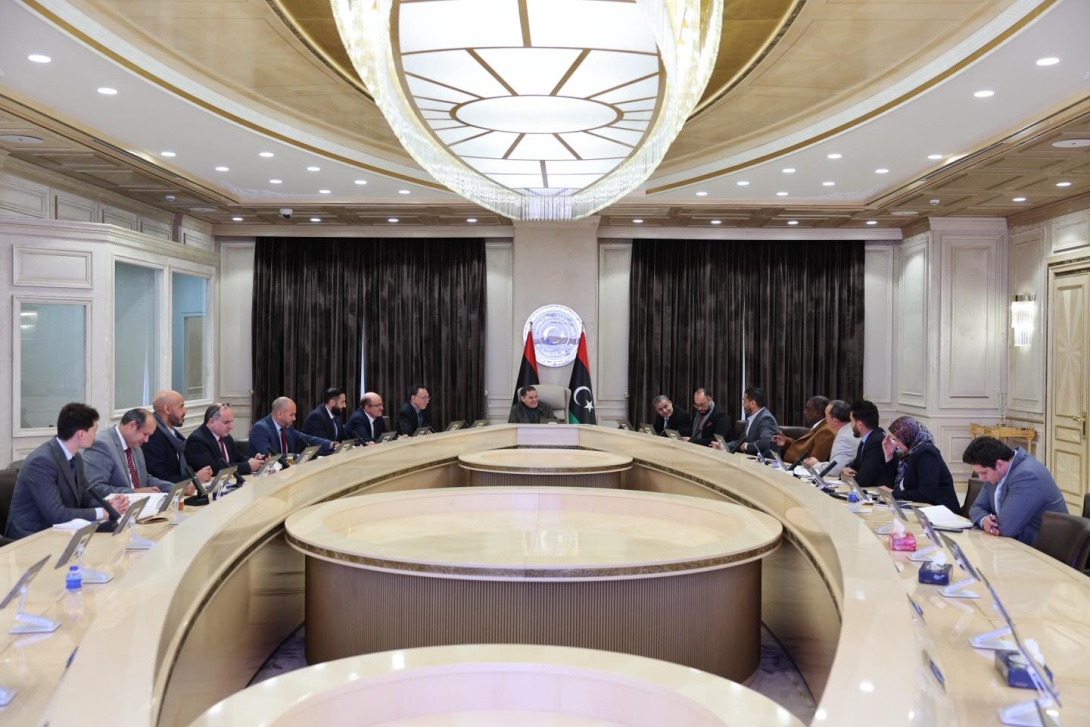
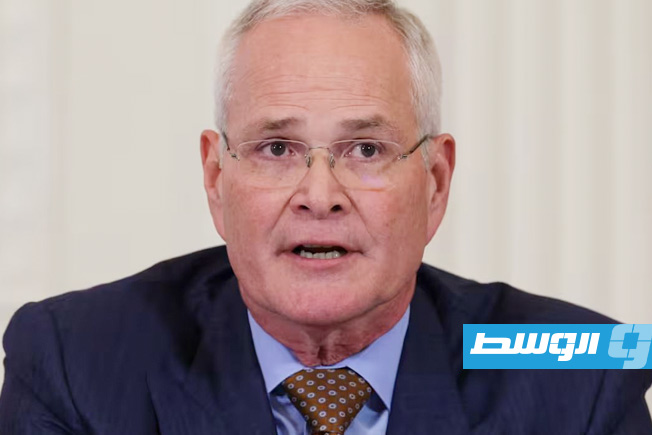
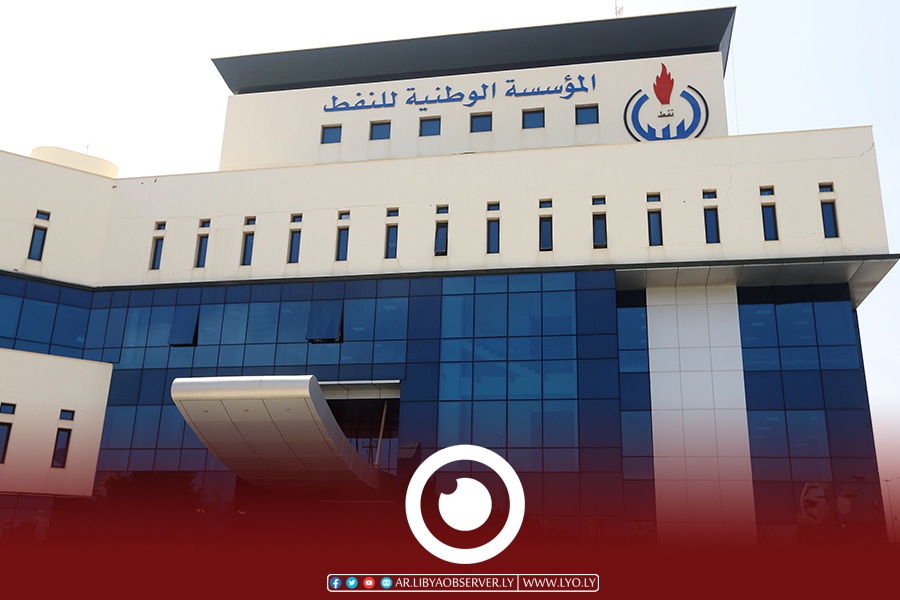
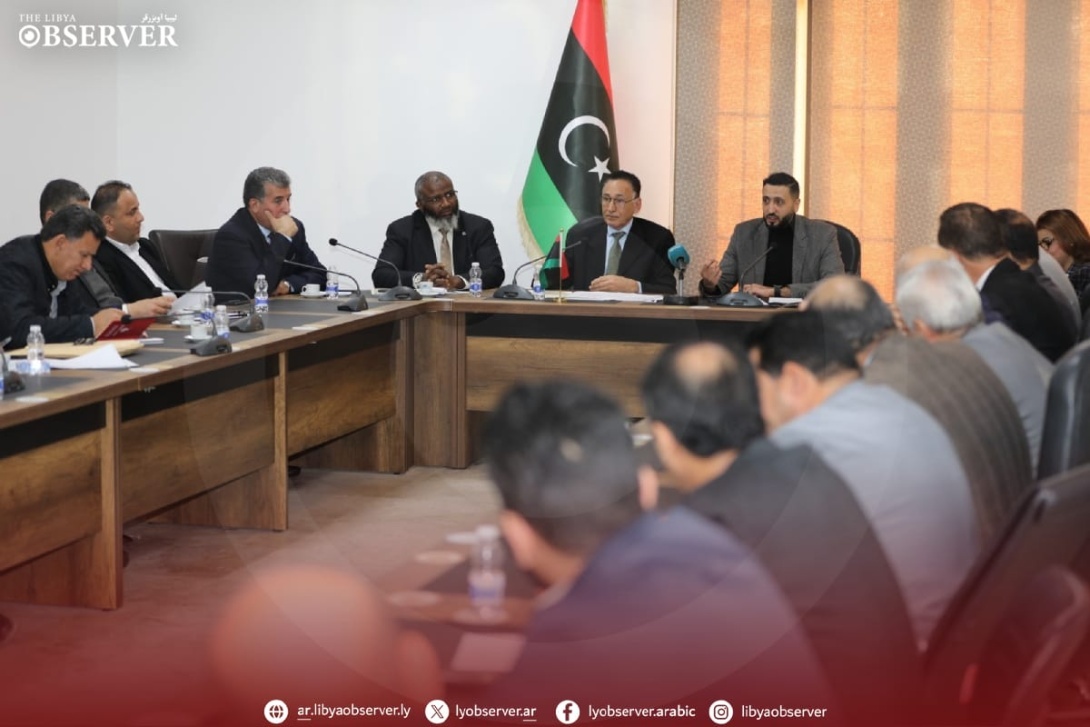
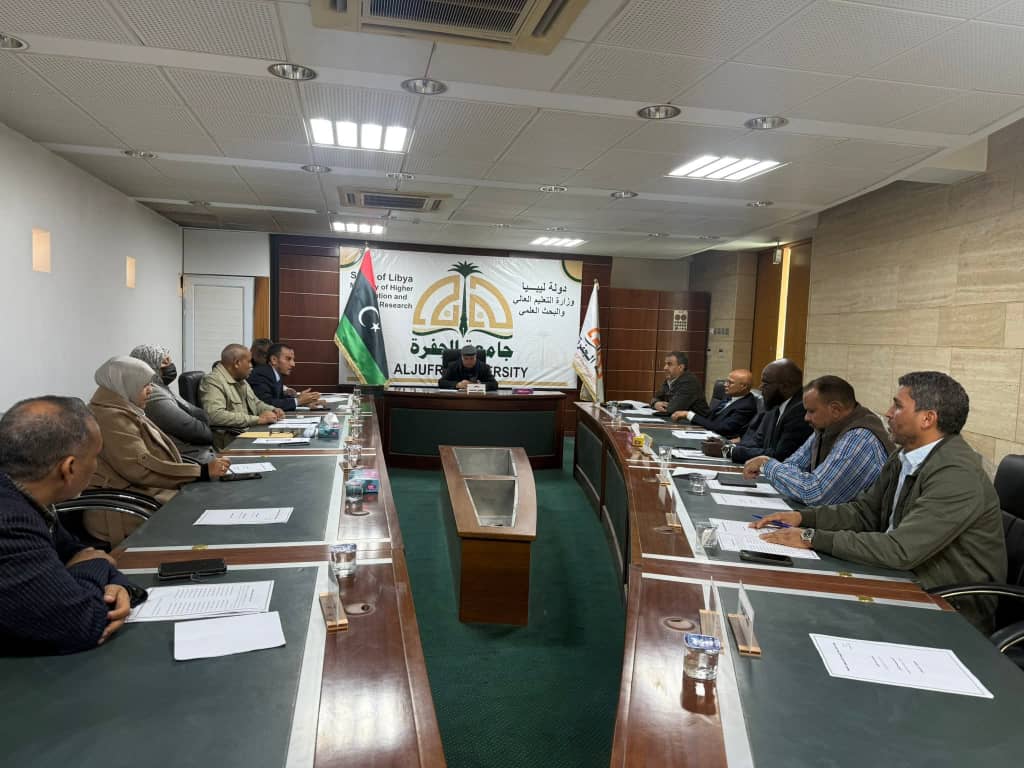
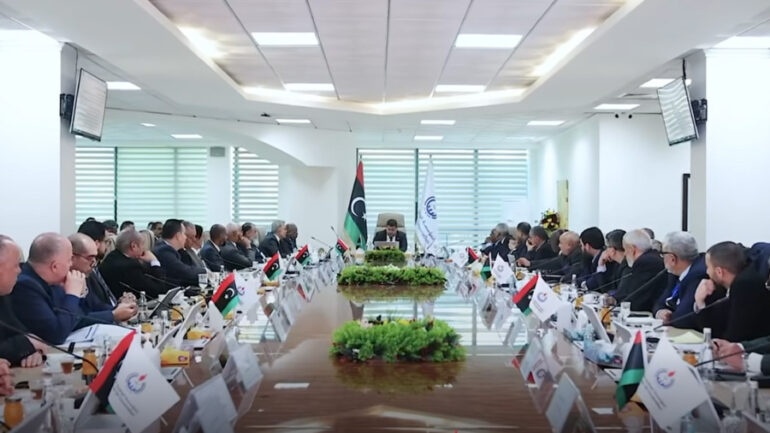
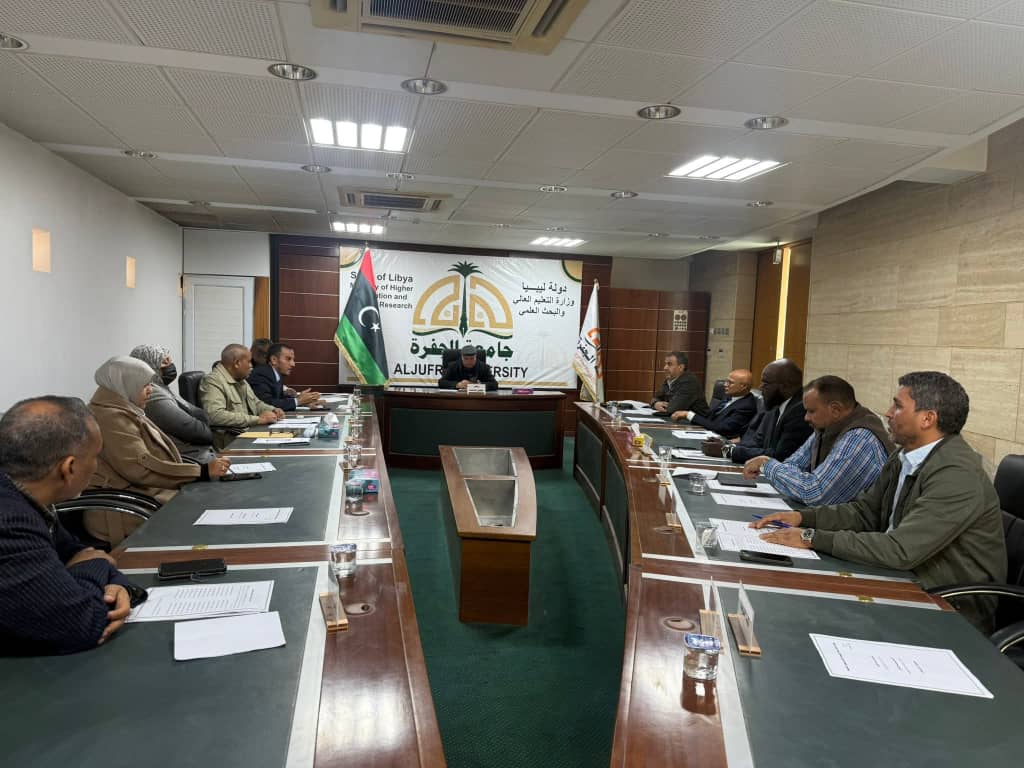
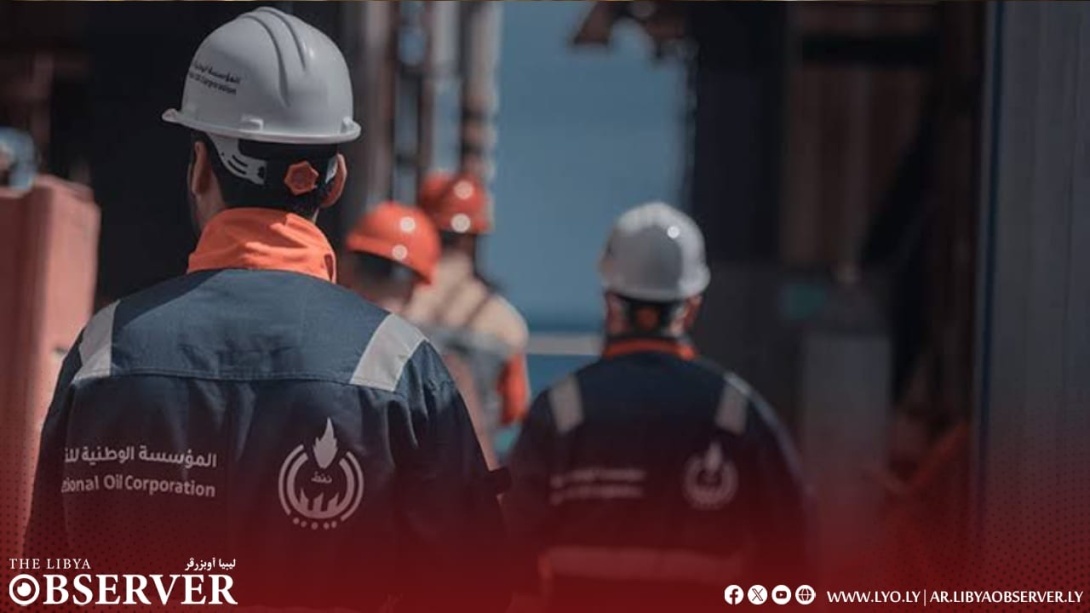
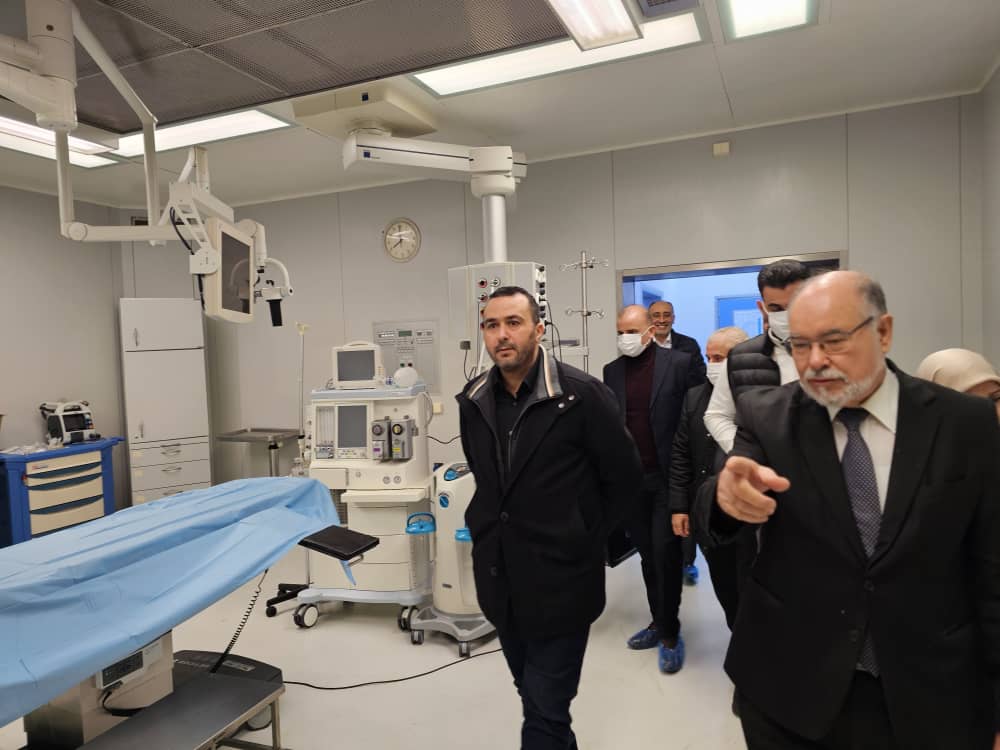
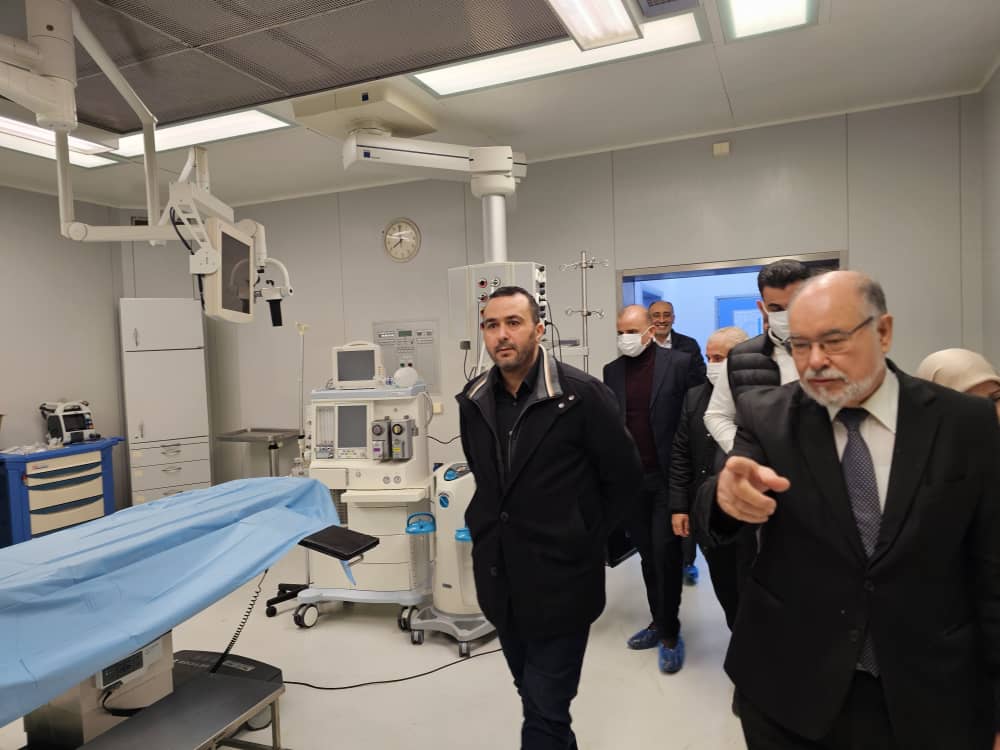
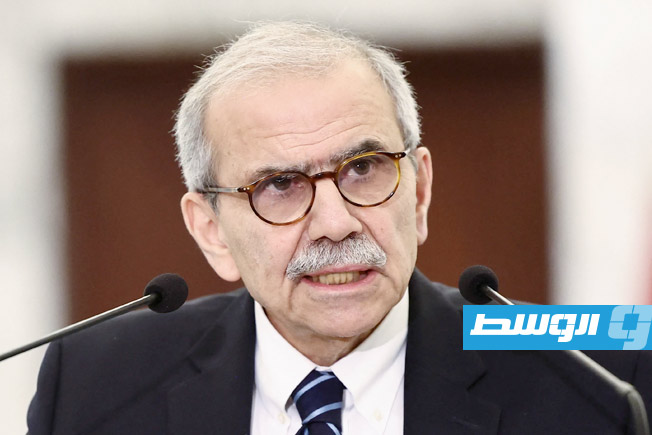
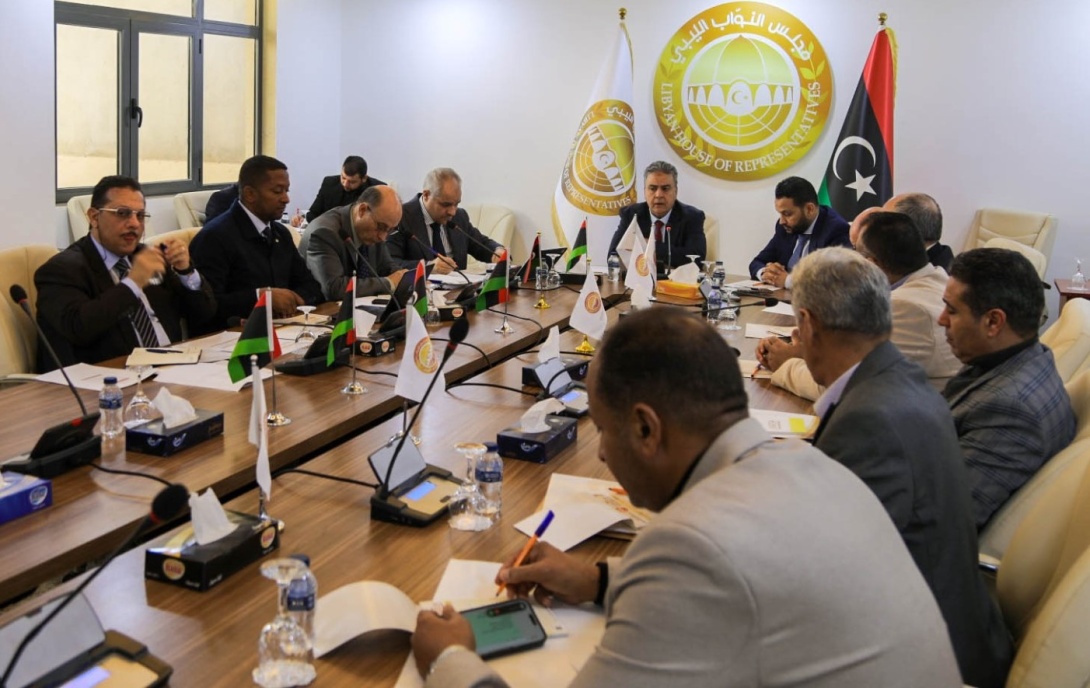
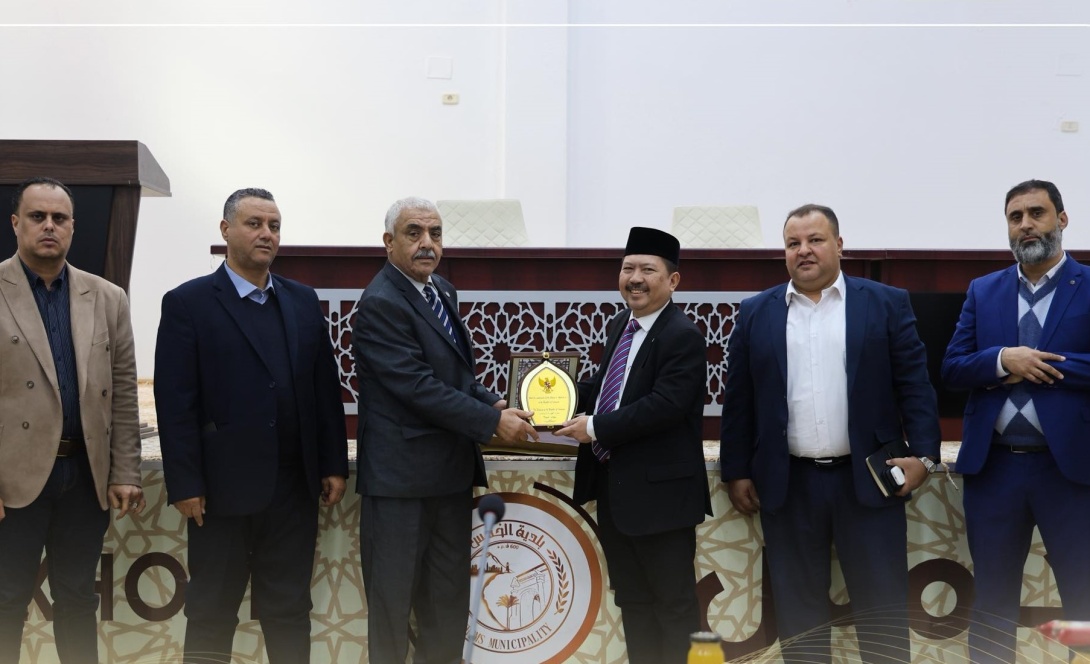
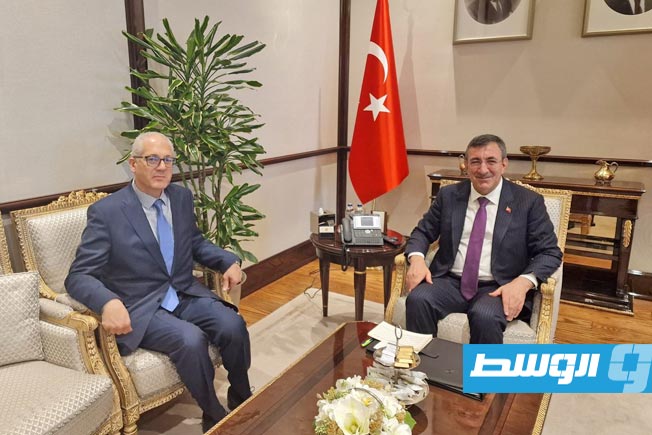
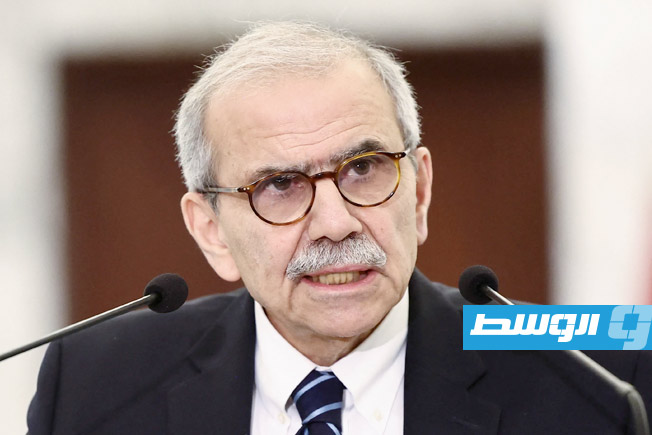
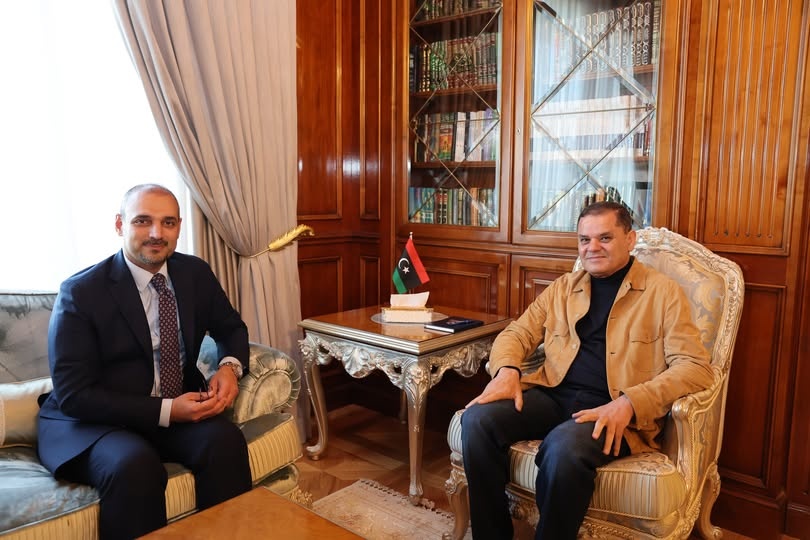
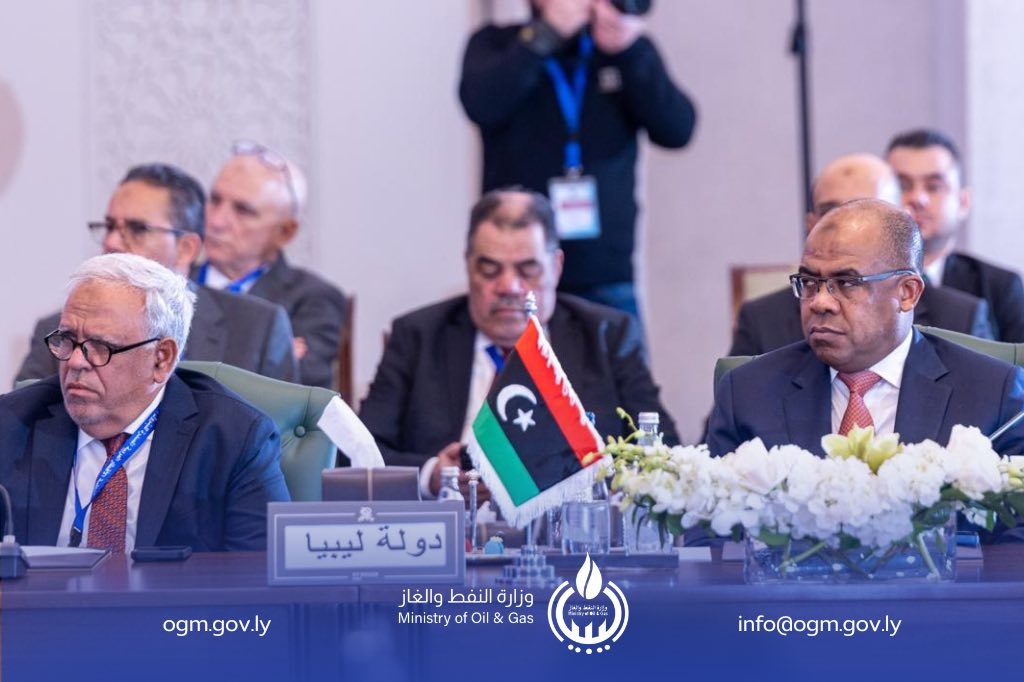
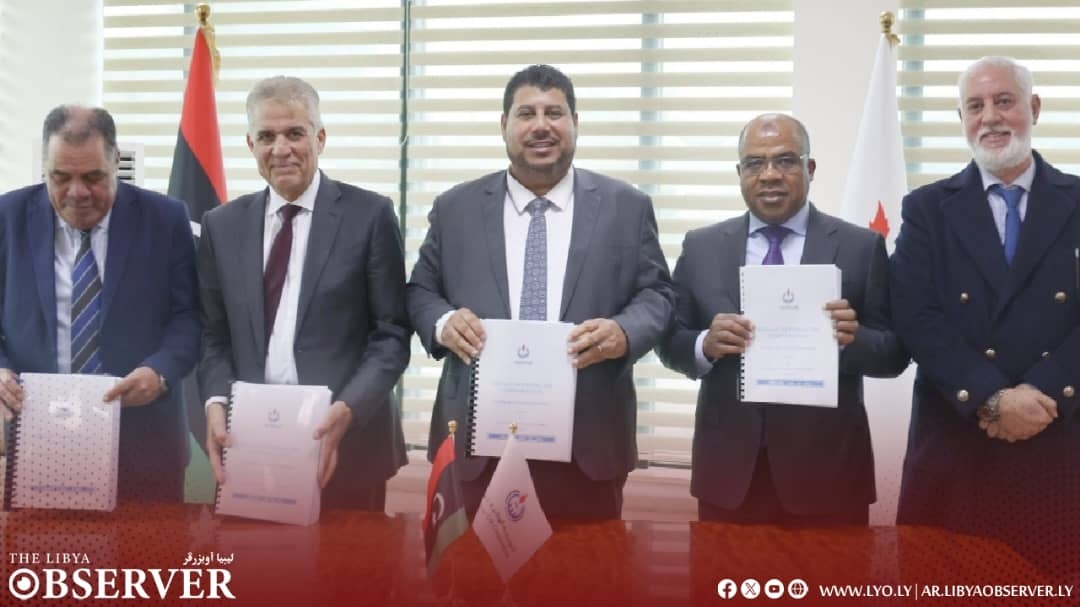
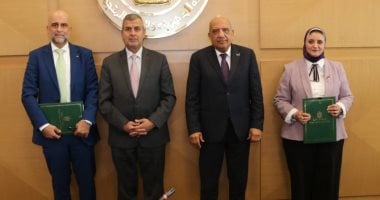
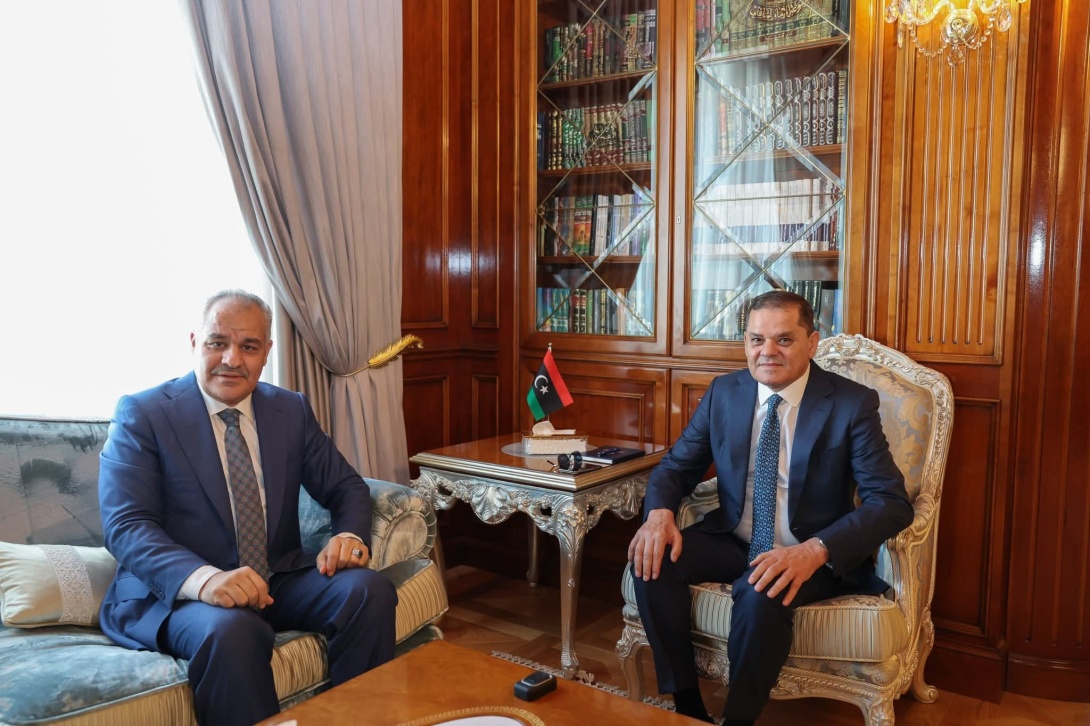
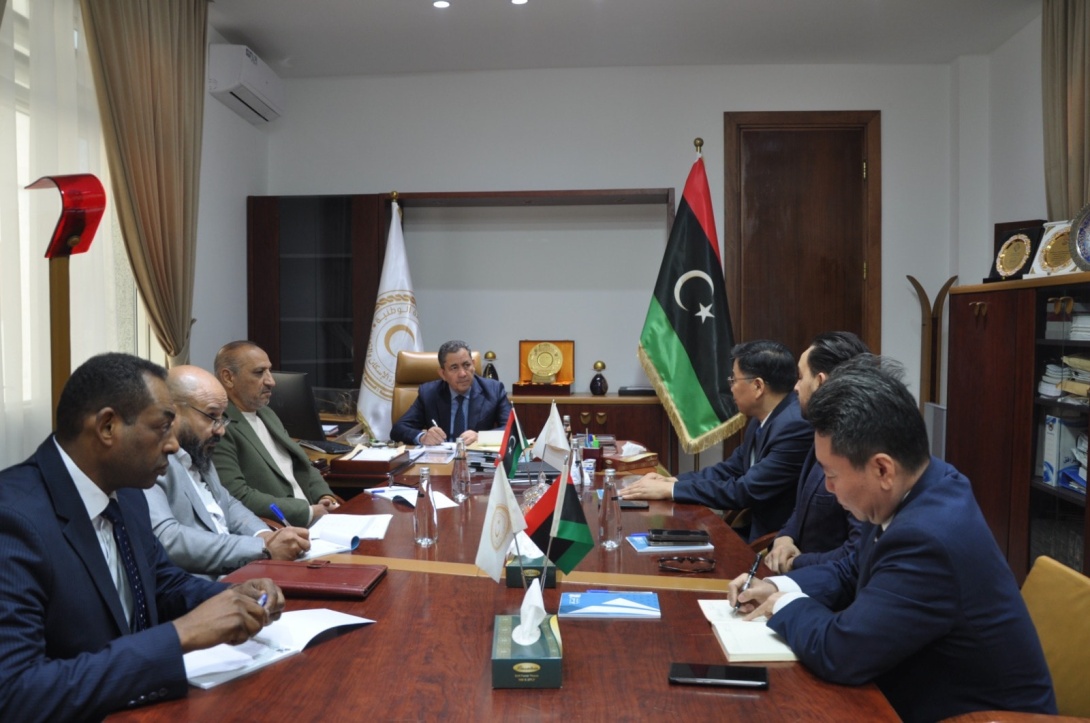
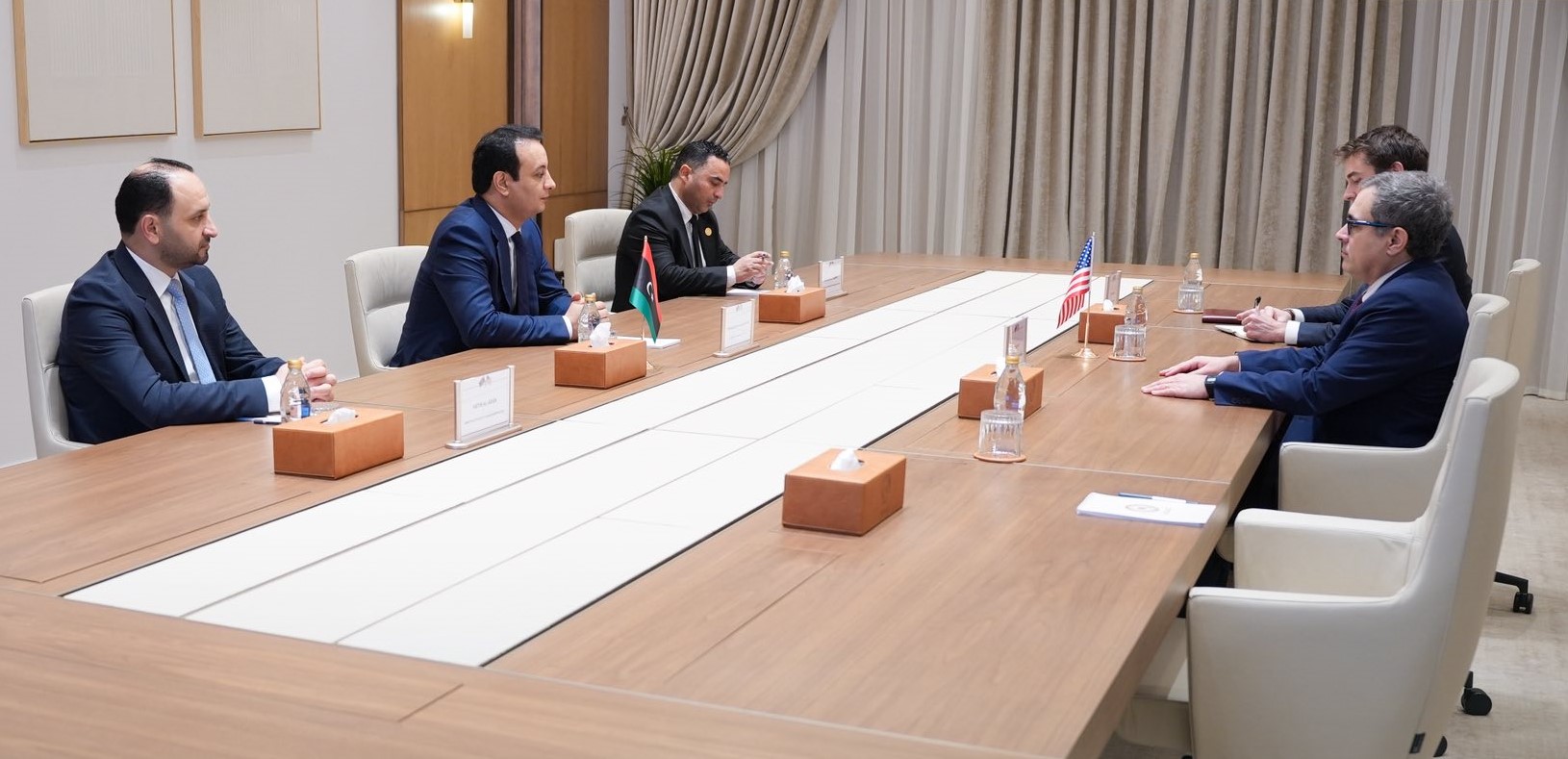
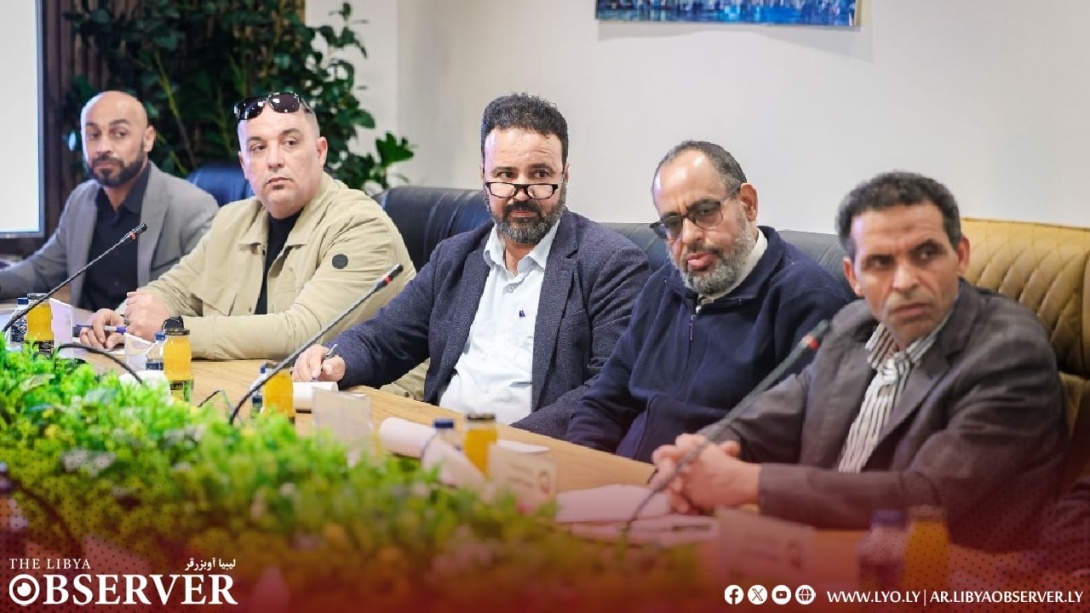
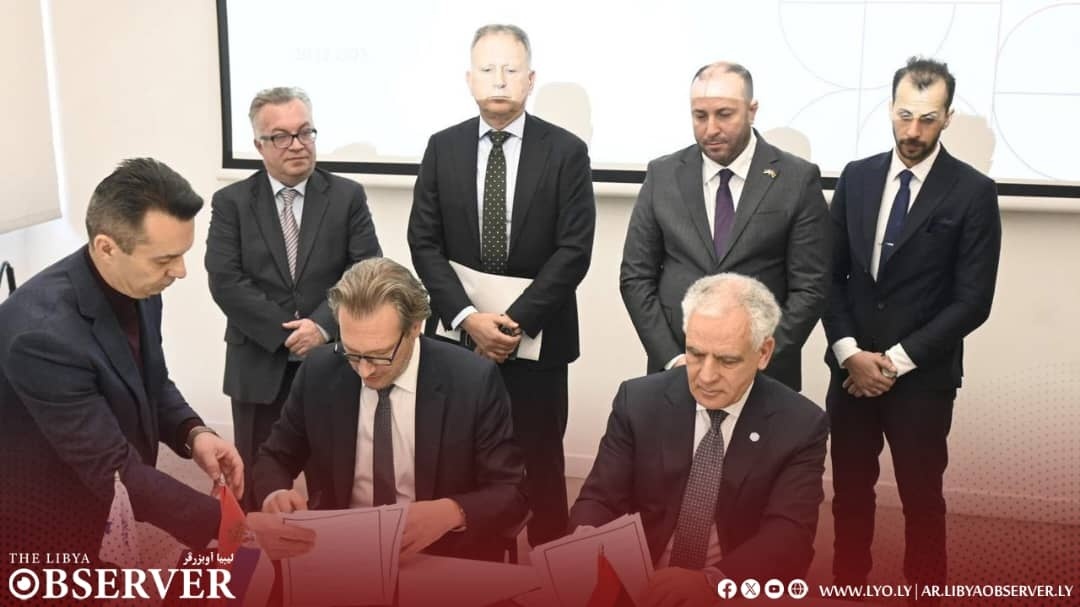
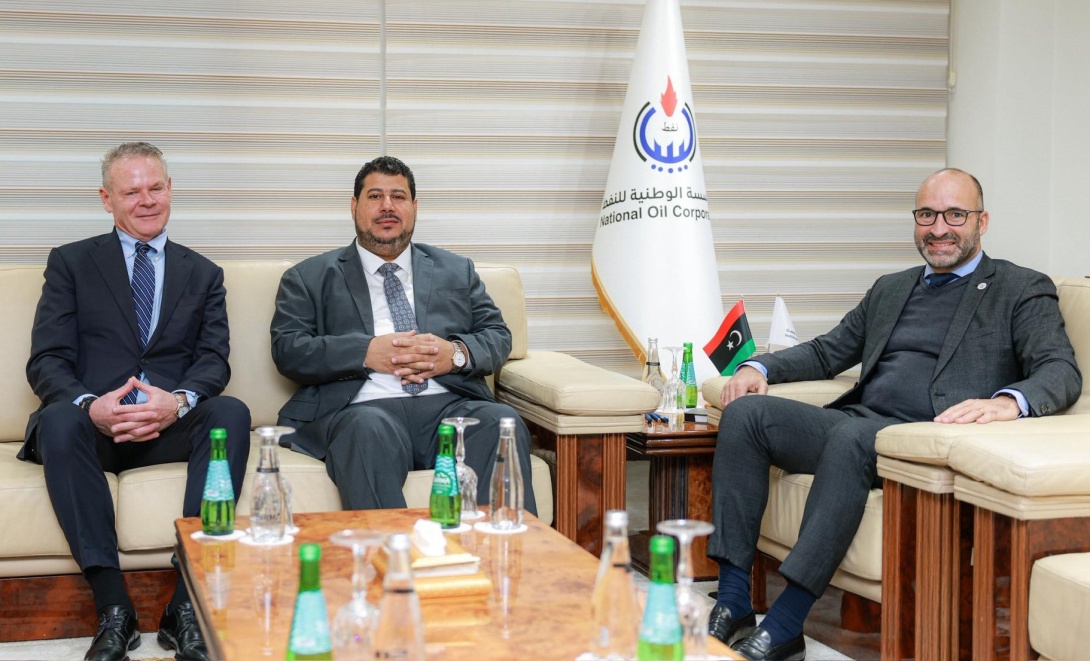
Tripoli, December 22, 2025 – The head of the Oil Corporation met on Sunday at the Corporation’s headquarters in Tripoli with officials from the Gulf, Al-Jouf, and National Construction companies. This meeting marked the opening of the general assembly meetings for the Corporation’s subsidiary companies, attended by the Corporation’s board of directors, general managers, department heads, and a number of specialists.
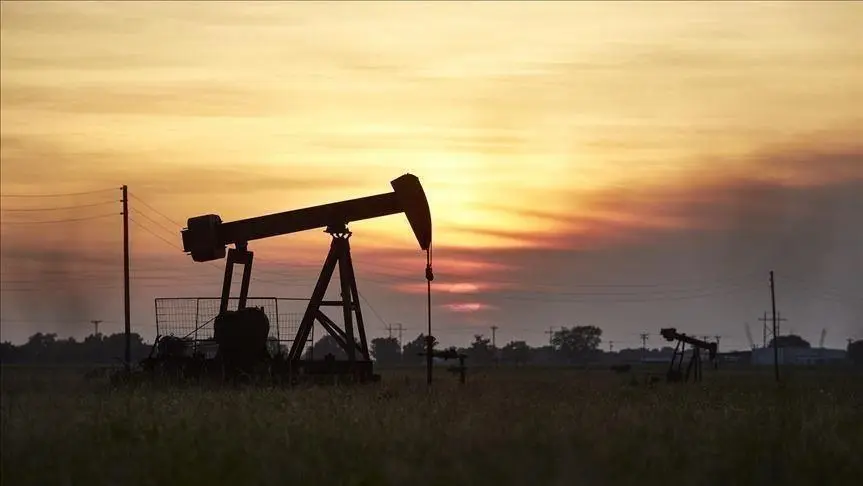
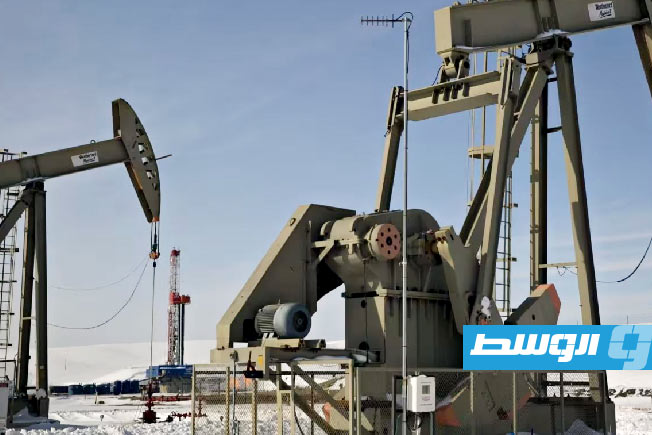
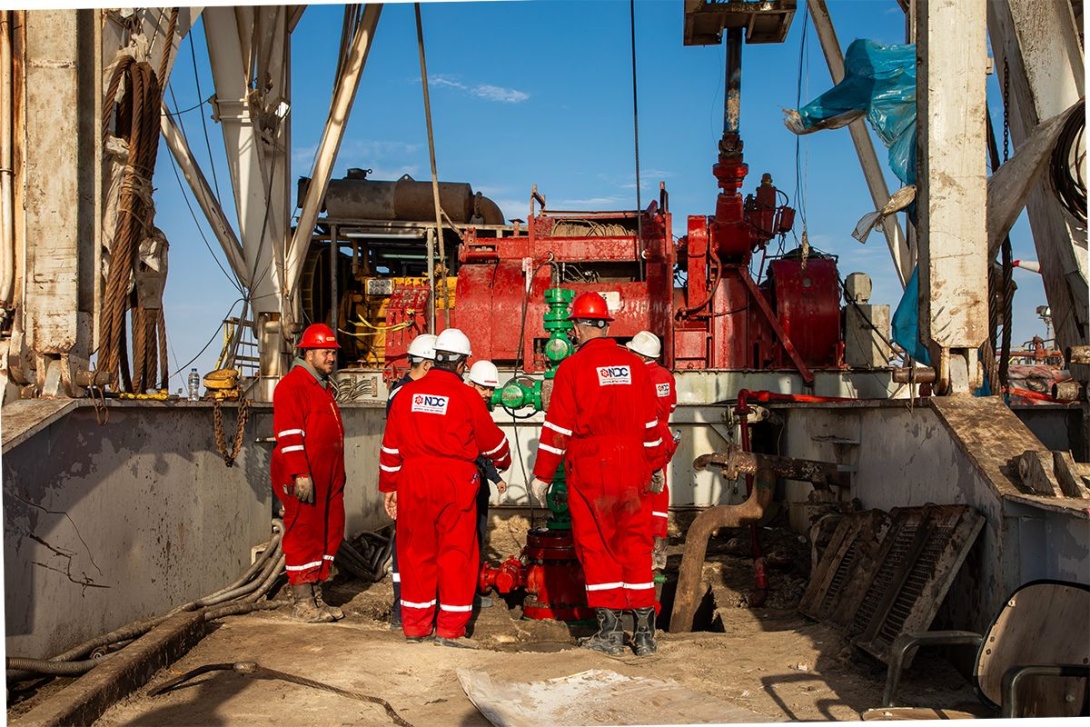
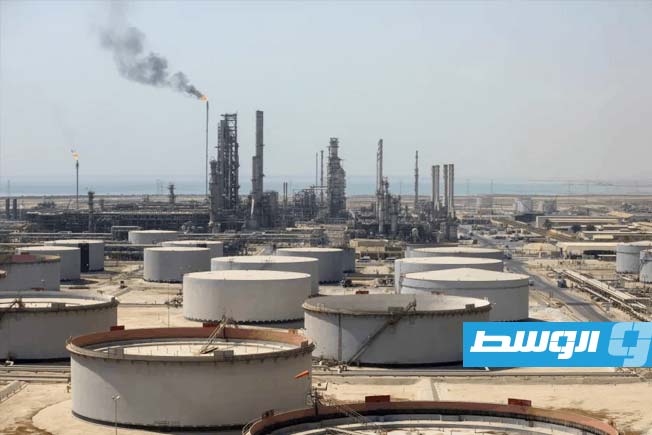
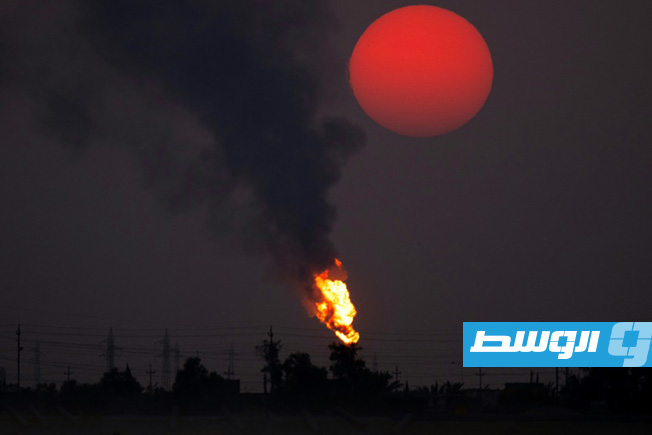
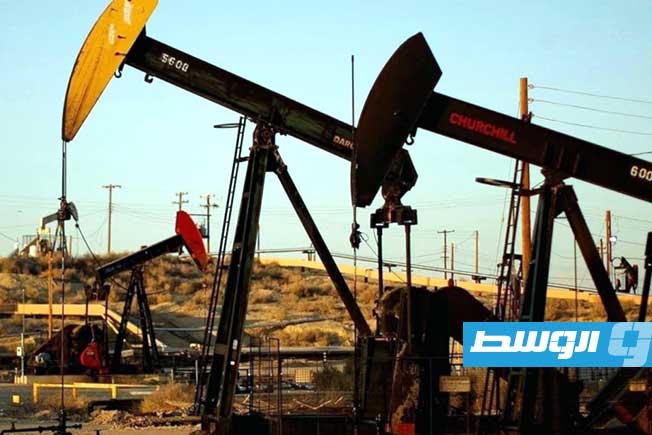
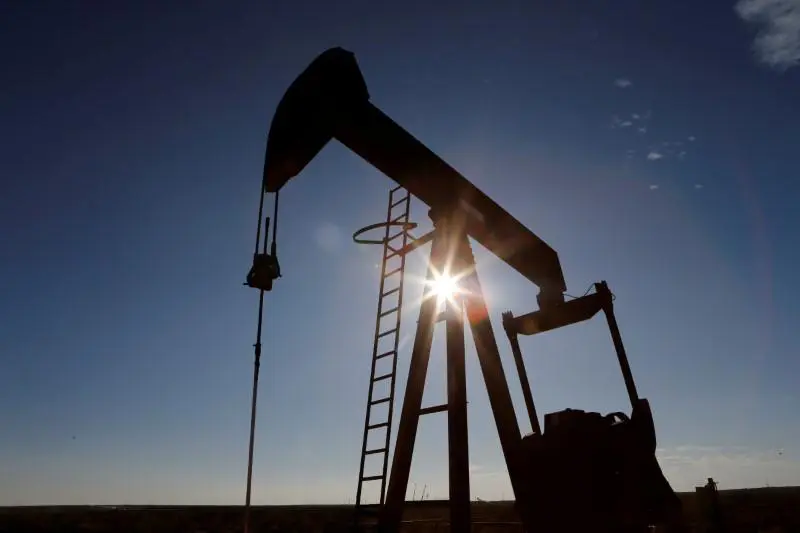
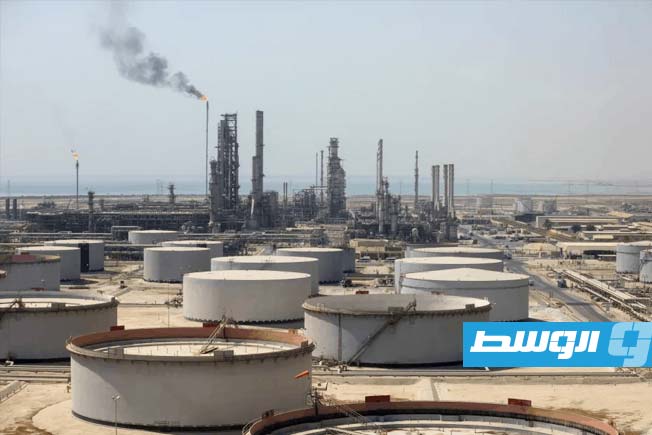
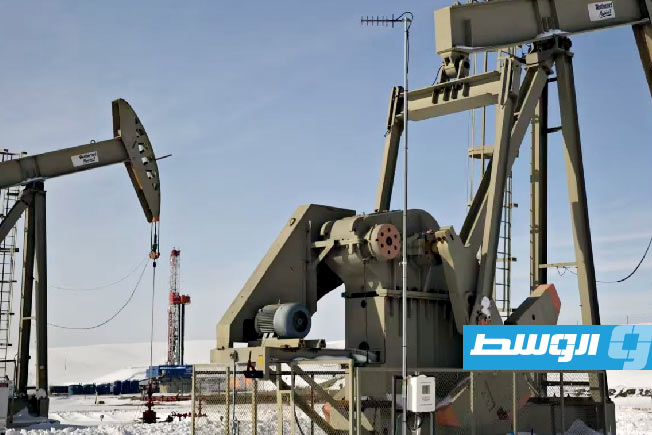
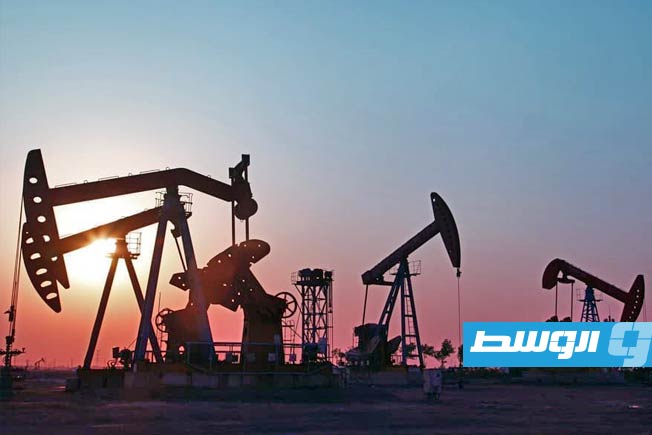
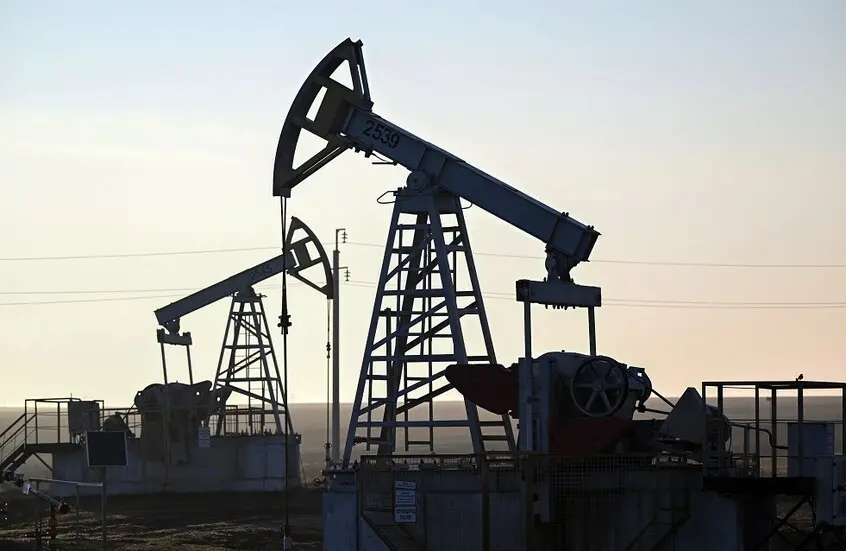
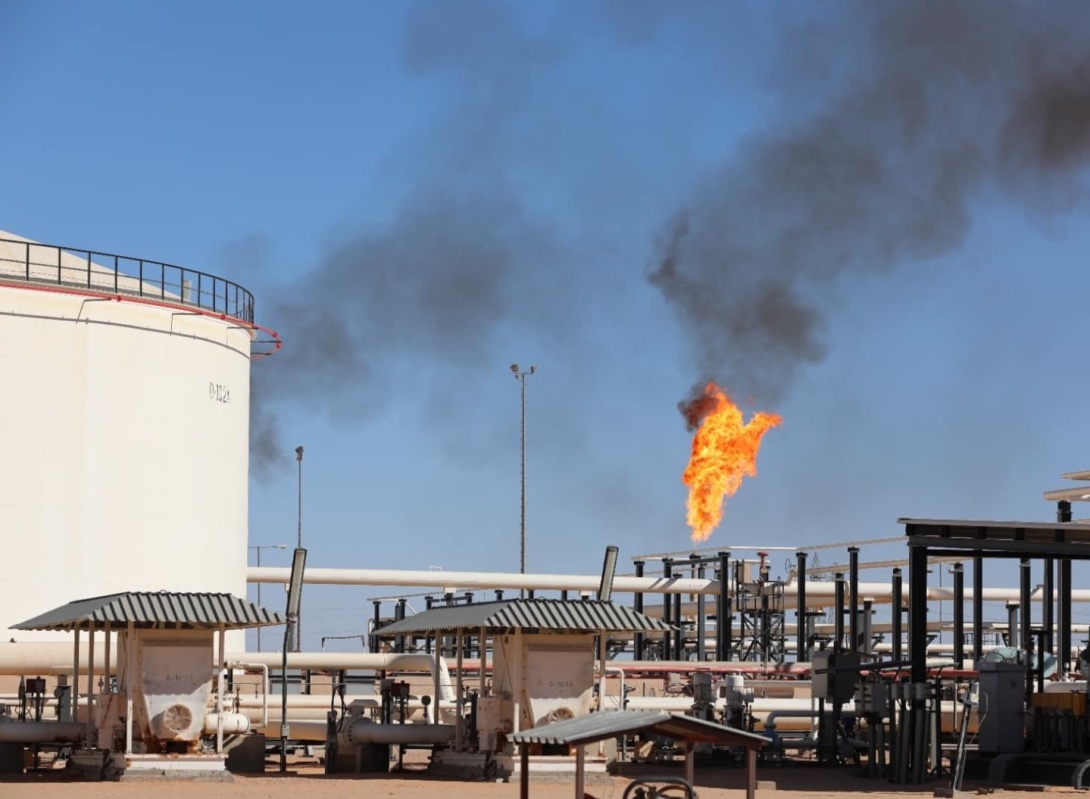
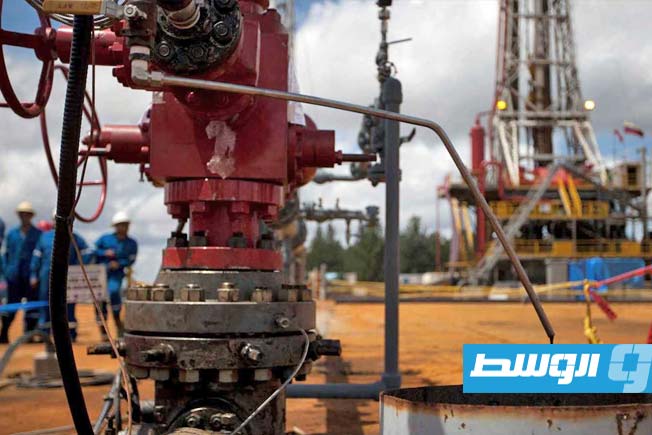
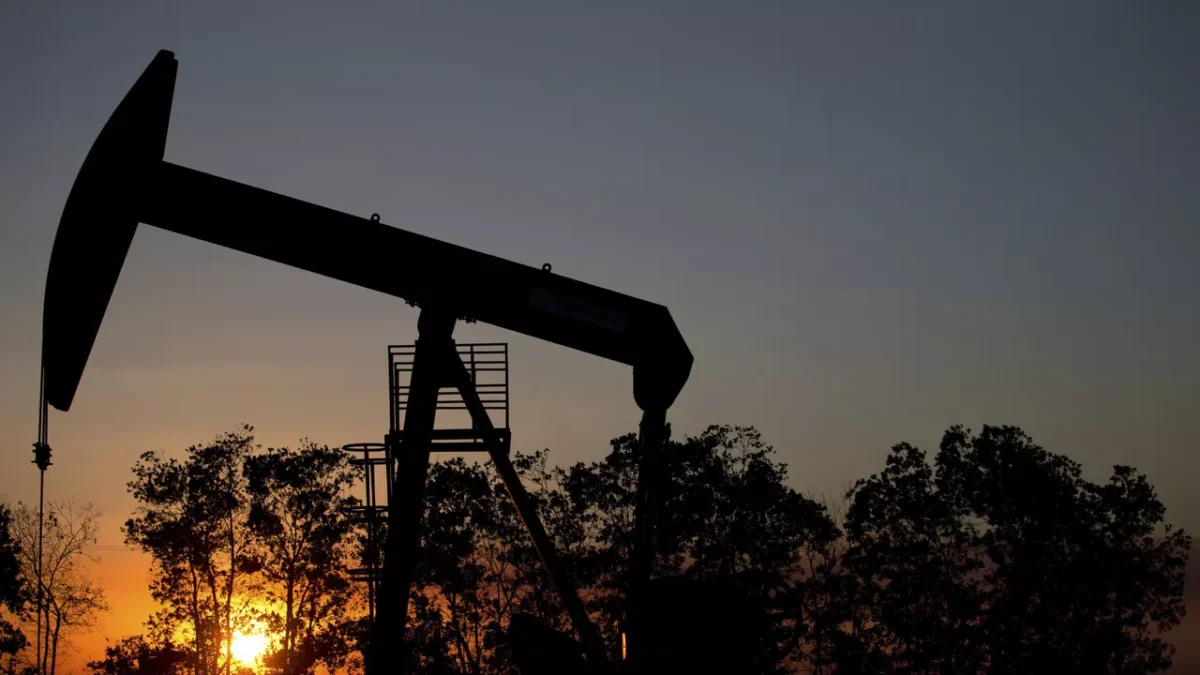
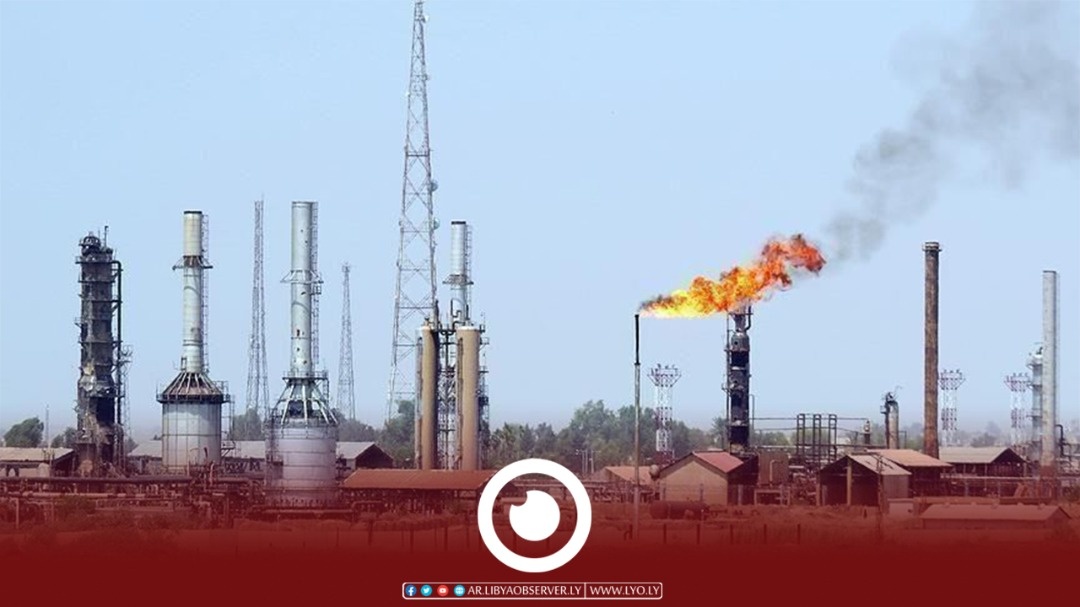
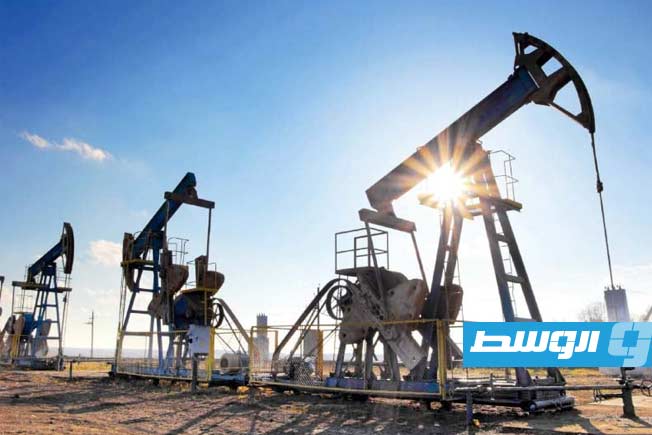
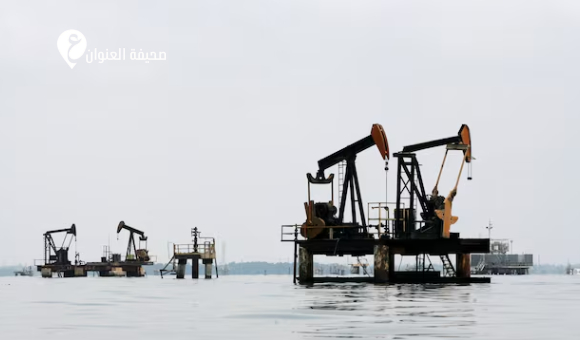
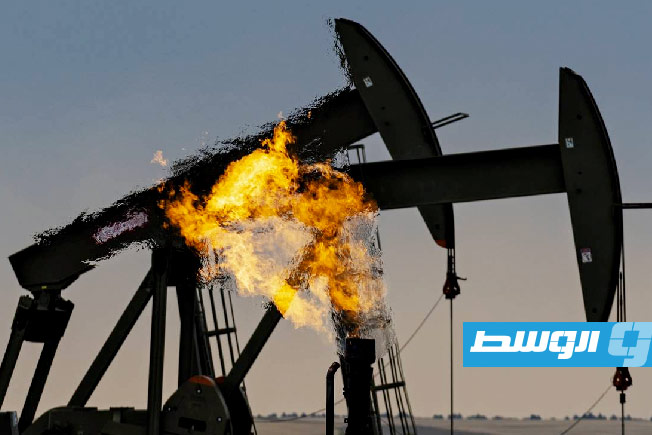
During the meeting, he reaffirmed the Corporation’s commitment to neutrality and professionalism, praising the efforts of workers across the sector’s various companies. These efforts have achieved an average daily production of 1.375 million barrels of oil and 2.5 billion cubic feet of gas.
The meeting included a review of the subsidiary companies’ achievements for 2025 and their targeted plans for 2026. Emphasis was placed on the importance of worker safety and asset protection, as well as completing measurement systems to enhance governance and operational accuracy.
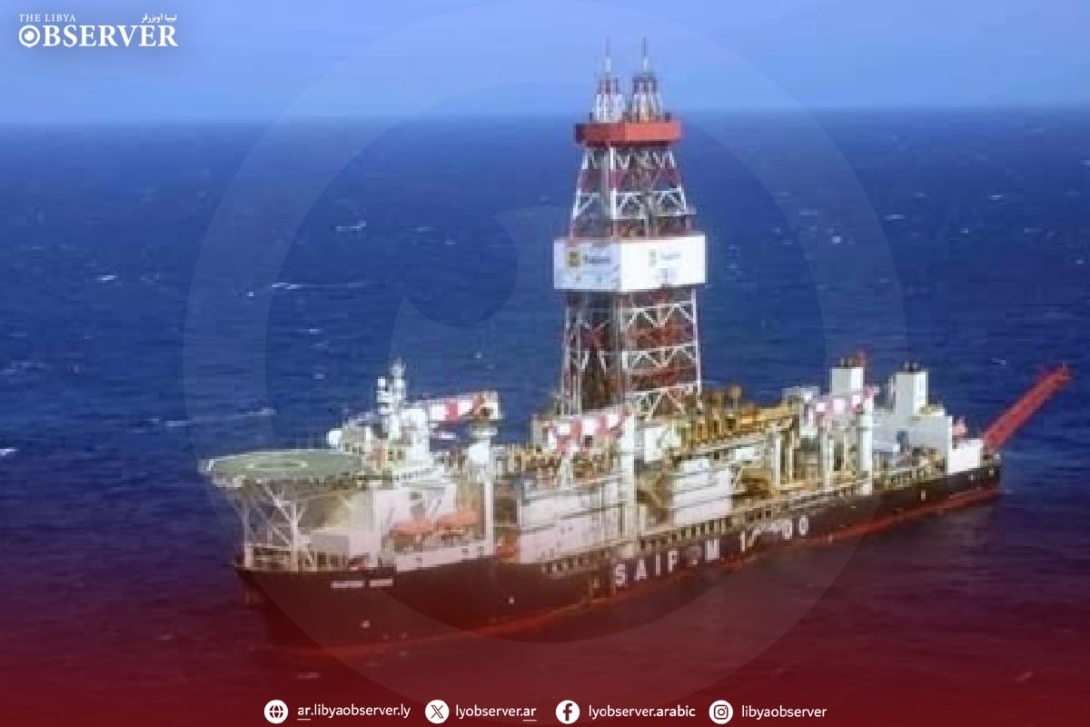
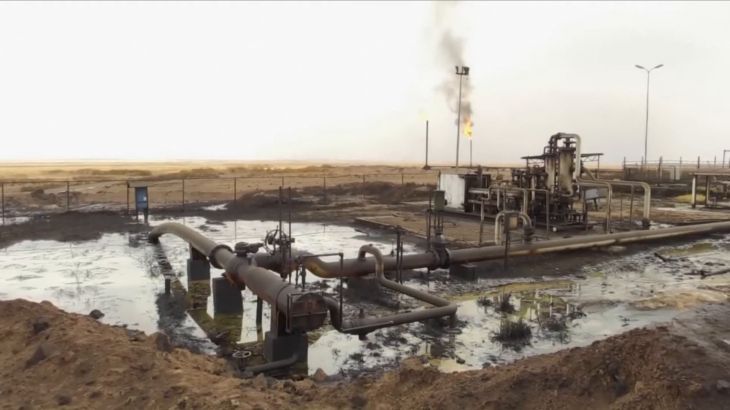
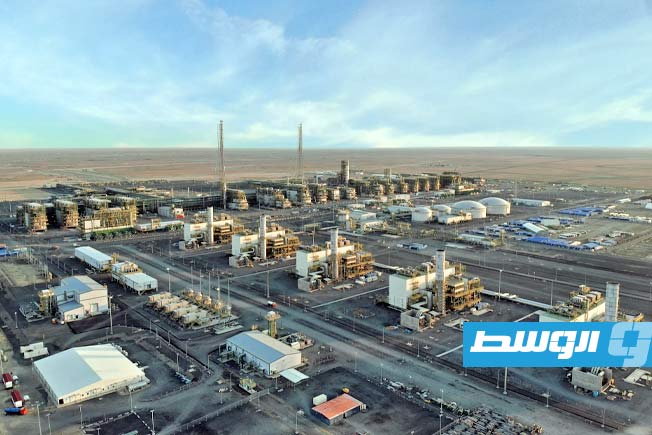
A visual presentation during the meeting showed that the Arabian Gulf Company reached an average daily production of 286,000 barrels of oil, in addition to an average daily gas production of 88 million cubic feet.
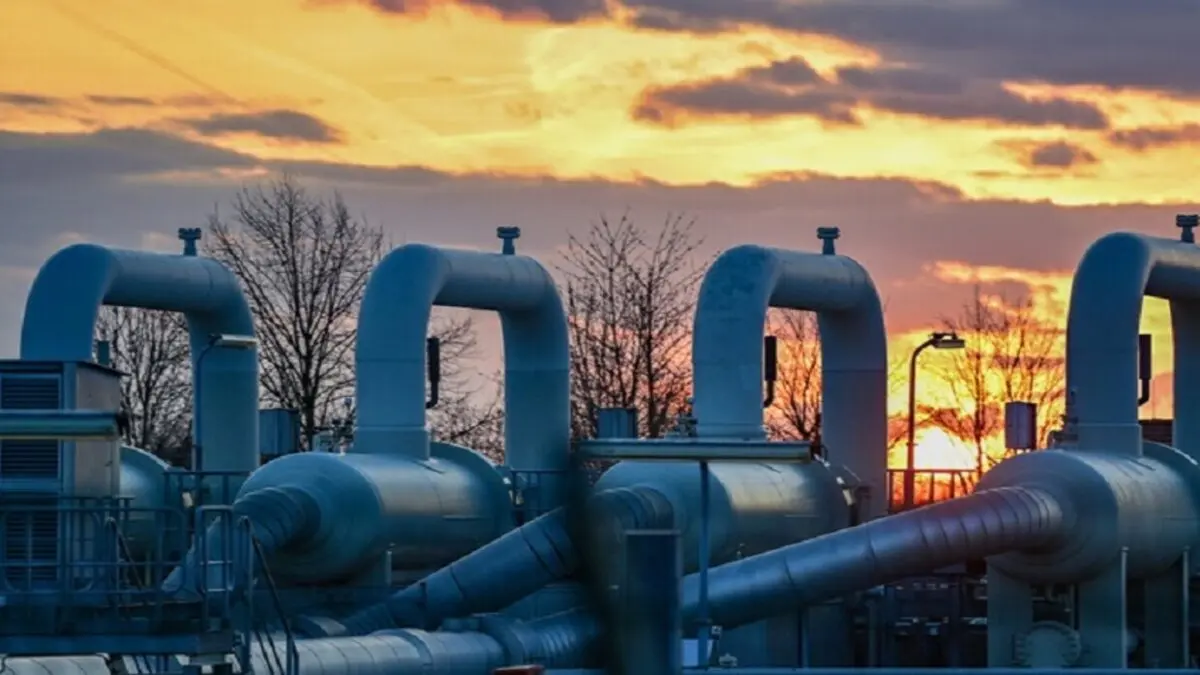
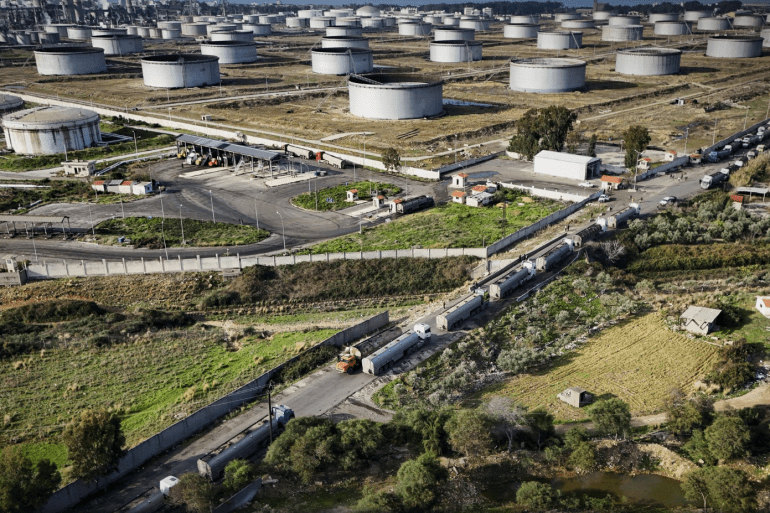
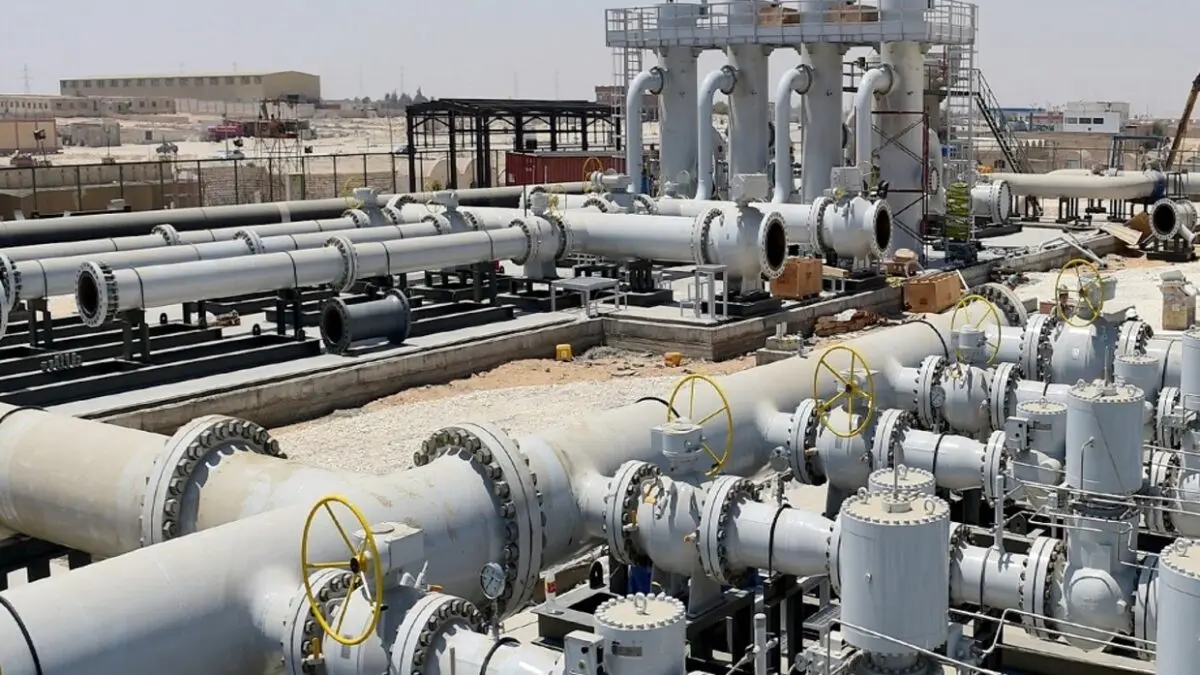
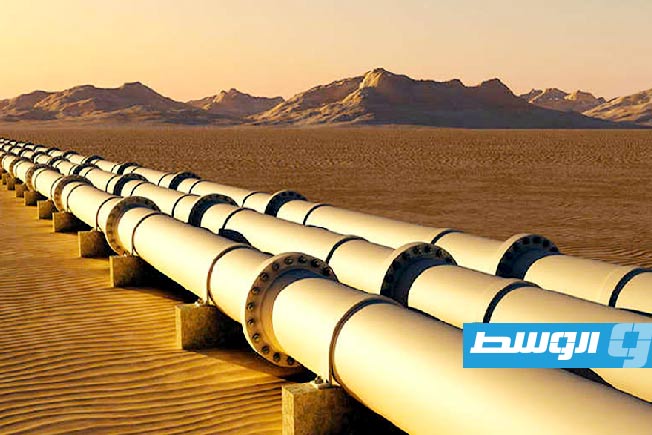
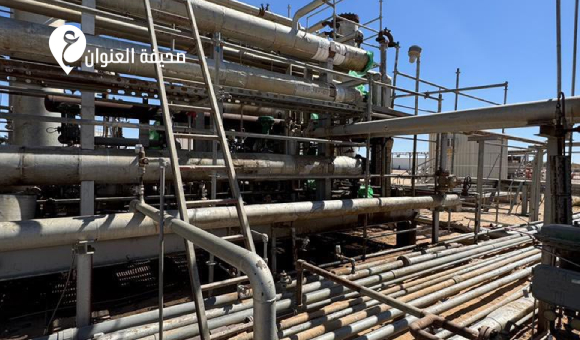
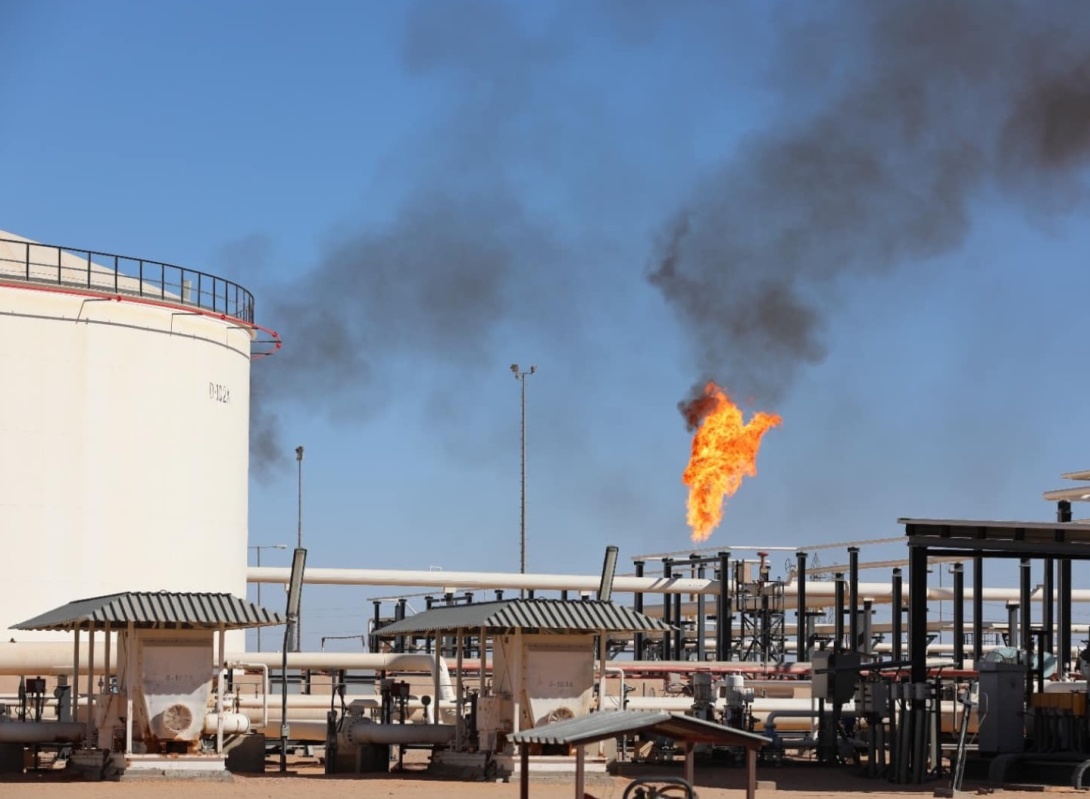
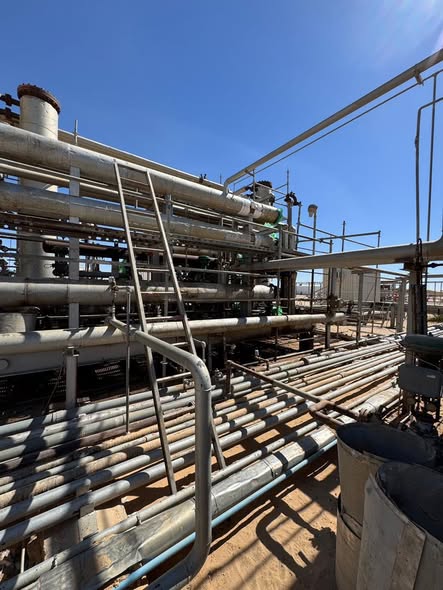
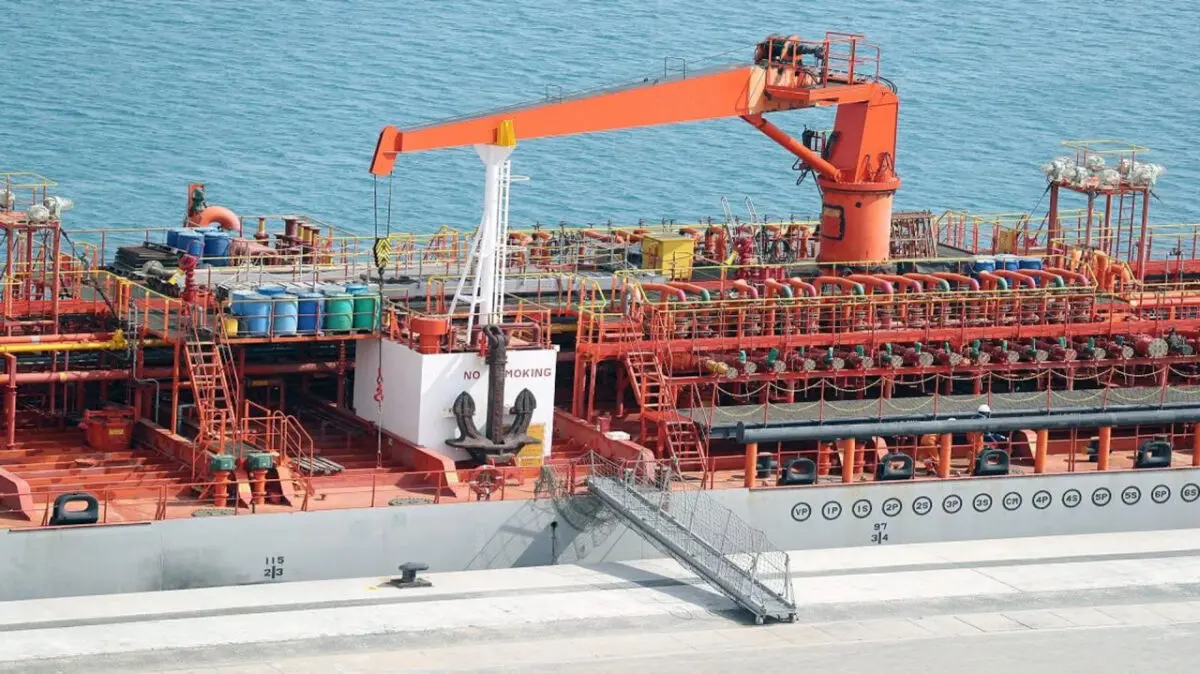
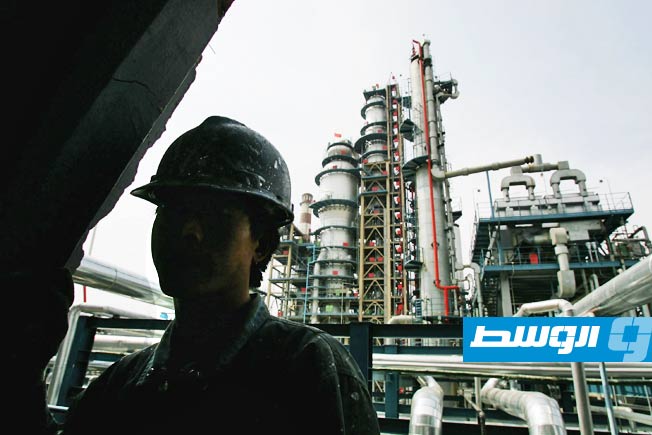
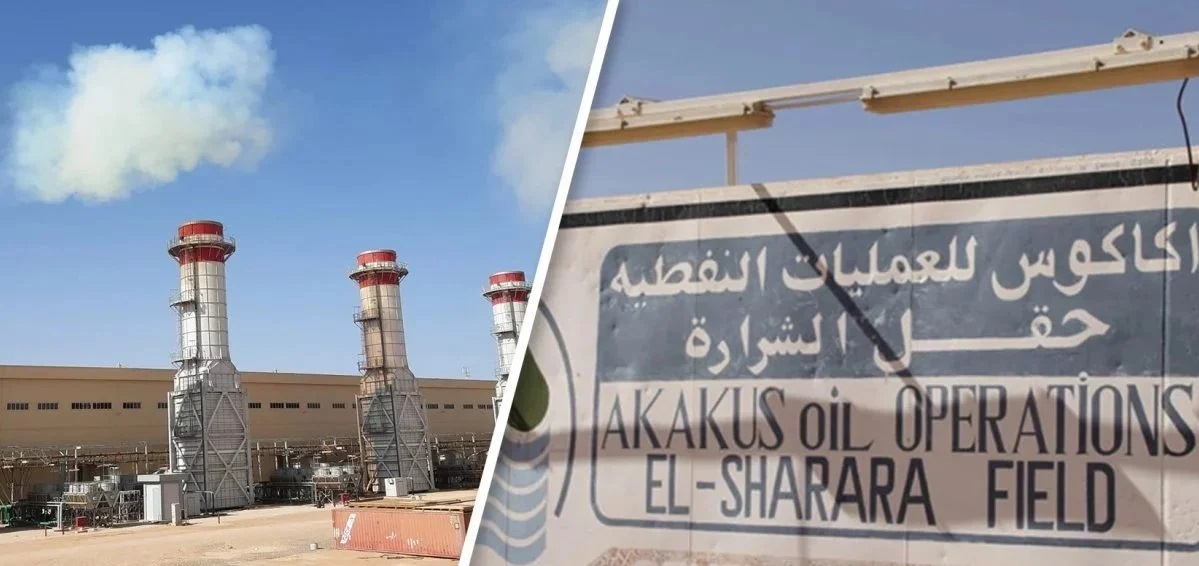
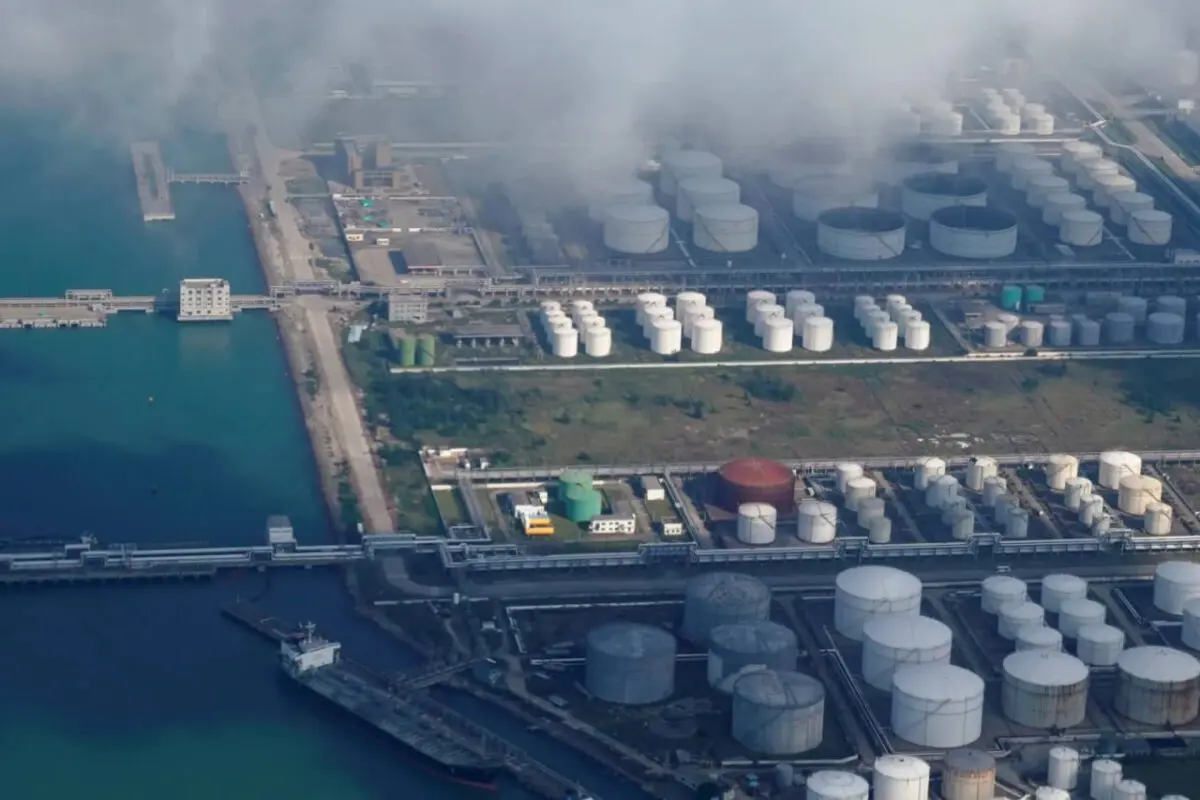
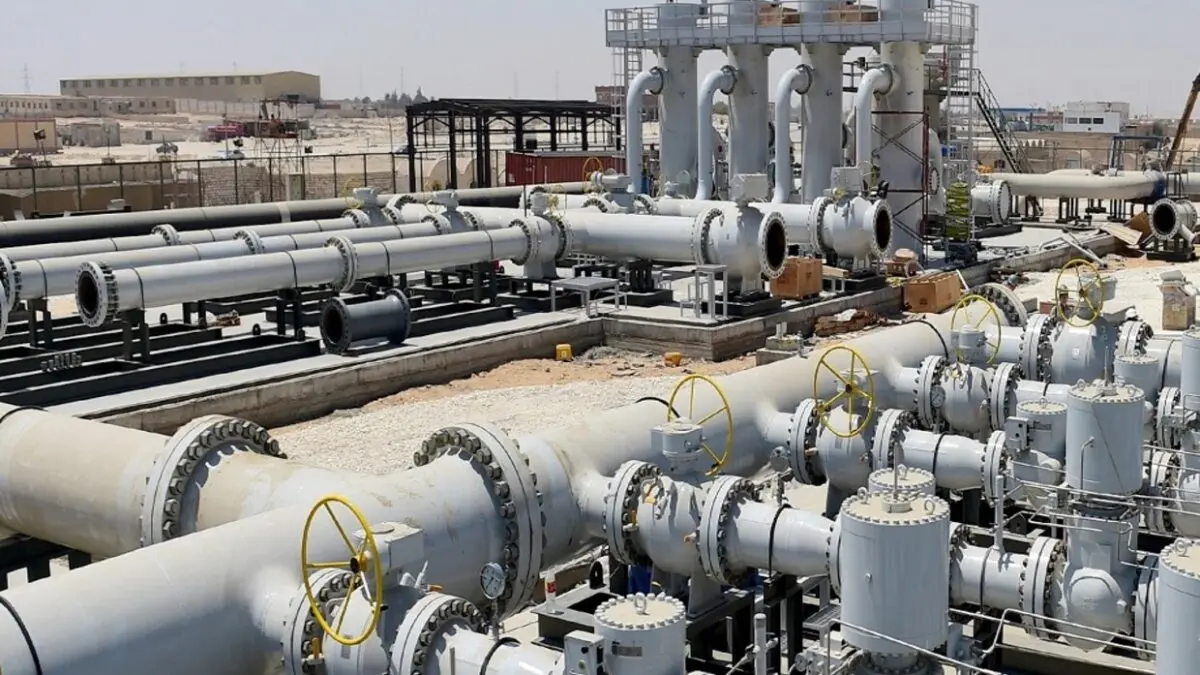
The project for the Al-Sareer–Tobruk pipeline, which is approximately 90% complete, was also reviewed. The project to utilize associated gas in the Masalla and Al-Sareer fields is 97% complete. The Tobruk refinery was reported to have processed 622,000 barrels, achieving 130% of its target performance.
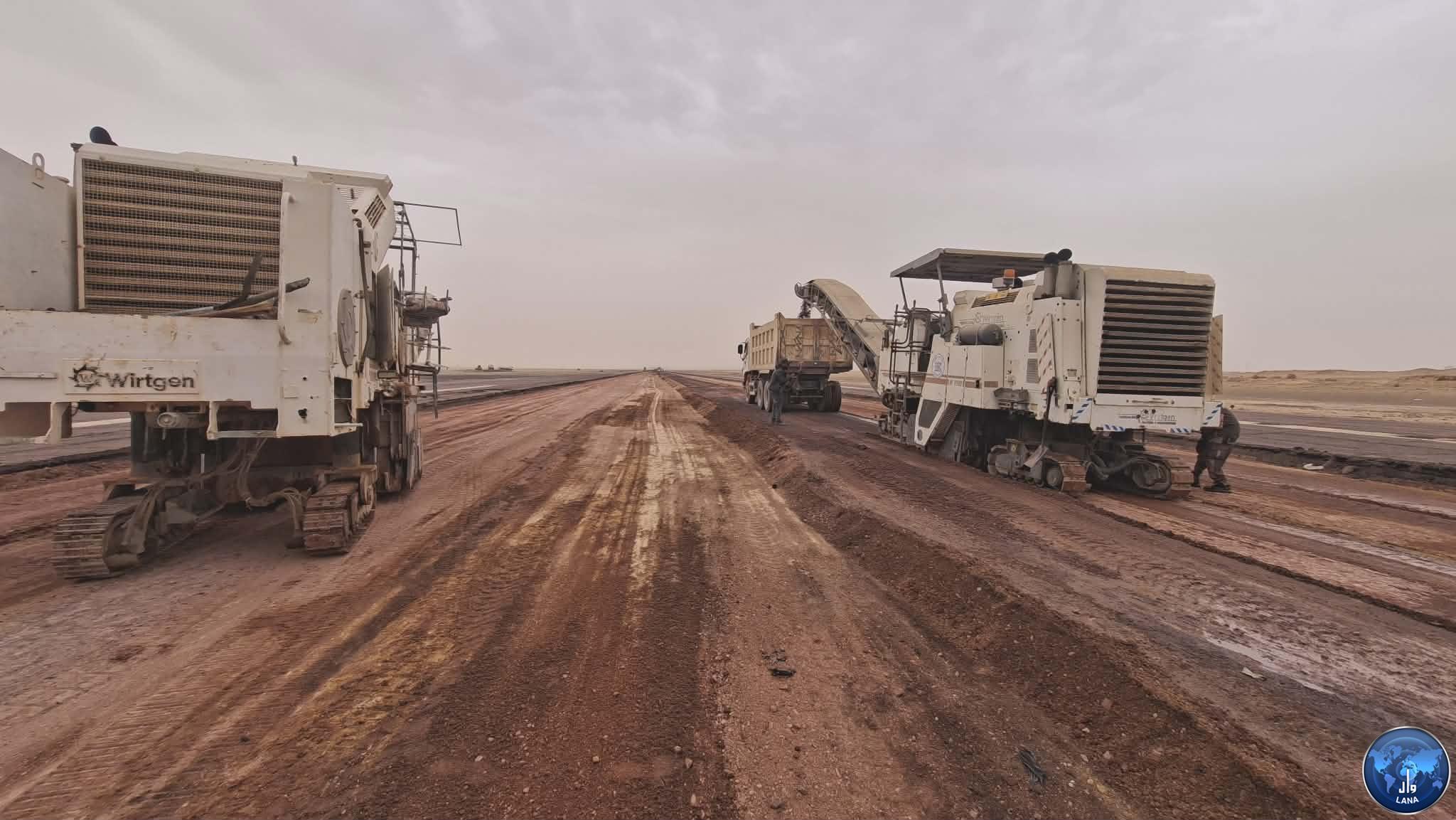
The National Construction Company revealed it has commenced the implementation of a project to replace 100 kilometers of the 34-inch shipping line (Al-Sareer–Tobruk), expected to be completed next June. Meanwhile, Al-Jouf Company announced it has completed its contractual obligations towards its clients from the sector’s companies.
Tripoli
Tripoli is the capital and largest city of Libya, with a history dating back to the 7th century BC when it was founded by the Phoenicians. It later came under Roman, Byzantine, Arab, Ottoman, and Italian rule, which is reflected in its historic architecture such as the Red Castle (Assaraya al-Hamra) and the old medina.
Oil Corporation
The Oil Corporation is a fictional or generic entity representing large-scale petroleum companies, which historically emerged in the late 19th and early 20th centuries with the industrialization of oil extraction and refining. These corporations have played a central role in global energy production, economic development, and geopolitical dynamics.
Gulf
The Gulf typically refers to the Persian Gulf, a historically significant body of water in Western Asia that has been a vital trade route and cultural crossroads for millennia. It is bordered by nations including Iran, Saudi Arabia, and the United Arab Emirates, and its modern history is deeply tied to the discovery and global export of petroleum.
Al-Jouf
Al-Jouf is a historical region in northwestern Saudi Arabia, known for its ancient archaeological sites and significance as a crossroads for ancient trade routes. Its history dates back thousands of years, with landmarks like the Rajajil standing stones, believed to be over 6,000 years old, and the ancient city of Dumat al-Jandal, a key Nabatean and Roman outpost.
National Construction
The National Mall is a large, open park area in the center of Washington, D.C., that serves as the nation’s premier civic space. It is lined by iconic monuments and museums, including the Lincoln Memorial and the Smithsonian Institution, and has been the site for many major public gatherings and protests throughout American history. Its core design was established by the 1901 McMillan Plan, which aimed to fulfill Pierre L’Enfant’s original 1791 vision for a grand ceremonial avenue in the capital.
Arabian Gulf Company
The Arabian Gulf Company was a British trading firm established in the late 19th century, primarily involved in the pearl trade and general commerce in the Persian Gulf region. It played a significant role in the economic interactions between the Gulf sheikhdoms and the British Empire during the pre-oil era.
Al-Sareer
Al-Sareer is a historical archaeological site located in Yemen, believed to have been an important ancient city and trading hub in the pre-Islamic era. Its ruins, including remnants of buildings and irrigation systems, provide evidence of the advanced civilizations that once thrived in the southern Arabian Peninsula.
Tobruk
Tobruk is a port city in eastern Libya, historically significant for its natural harbor. It gained prominence during World War II when it was the site of a prolonged siege in 1941, with Allied forces holding out against Axis attacks. The city remains an important cultural and economic center in the region.
Masalla
Masalla is a historical village located in the Gilan Province of northern Iran, known for its lush landscapes and traditional architecture. It is historically recognized for its ancient cemetery and remnants of structures dating back to the pre-Islamic and early Islamic periods, reflecting the region’s long-standing settlement.
Tobruk refinery
The Tobruk refinery is an oil refinery located near the port city of Tobruk in eastern Libya. It was inaugurated in 1986 to process crude oil from the nearby Sarir field, playing a key role in the country’s domestic fuel supply and export economy. Its operations have been frequently disrupted by the conflict and instability in Libya since 2011.