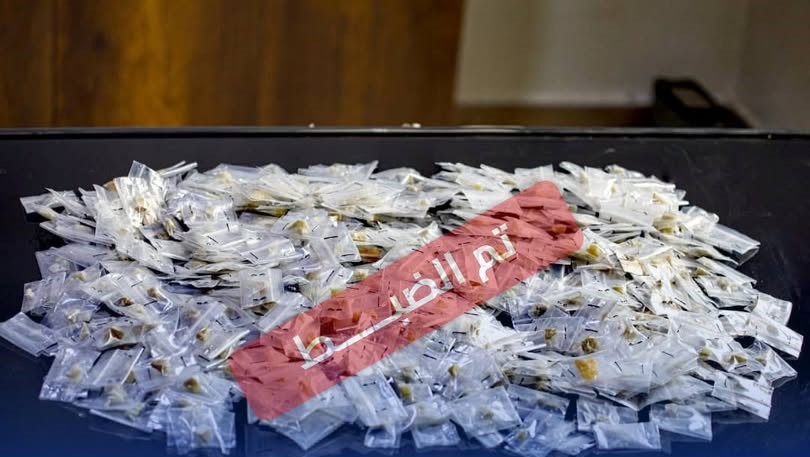
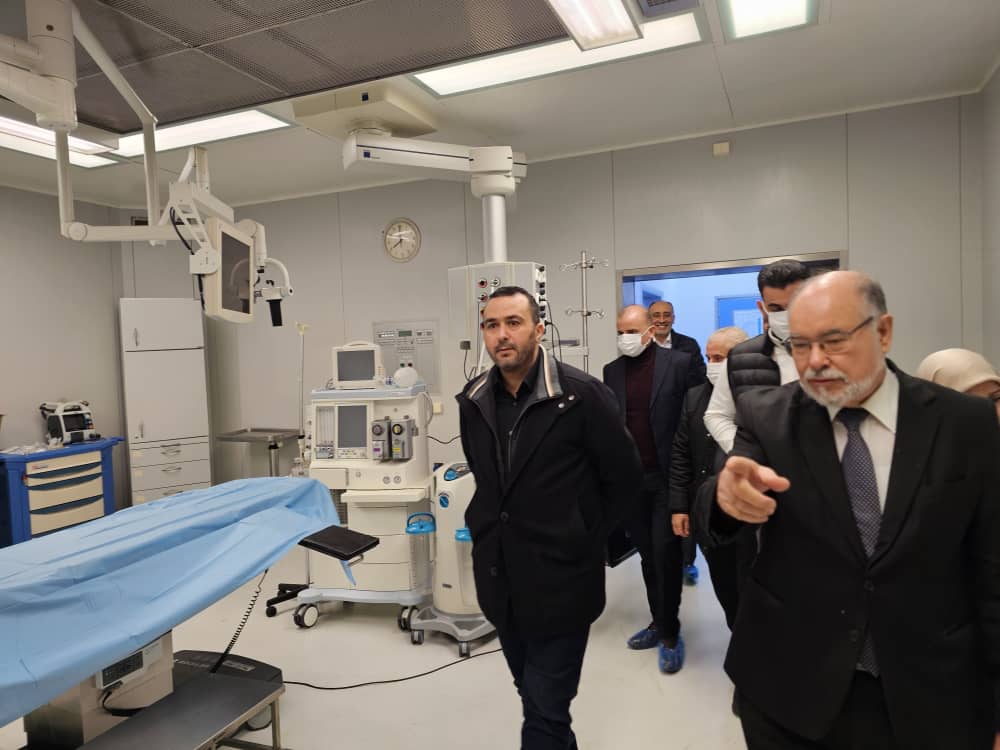
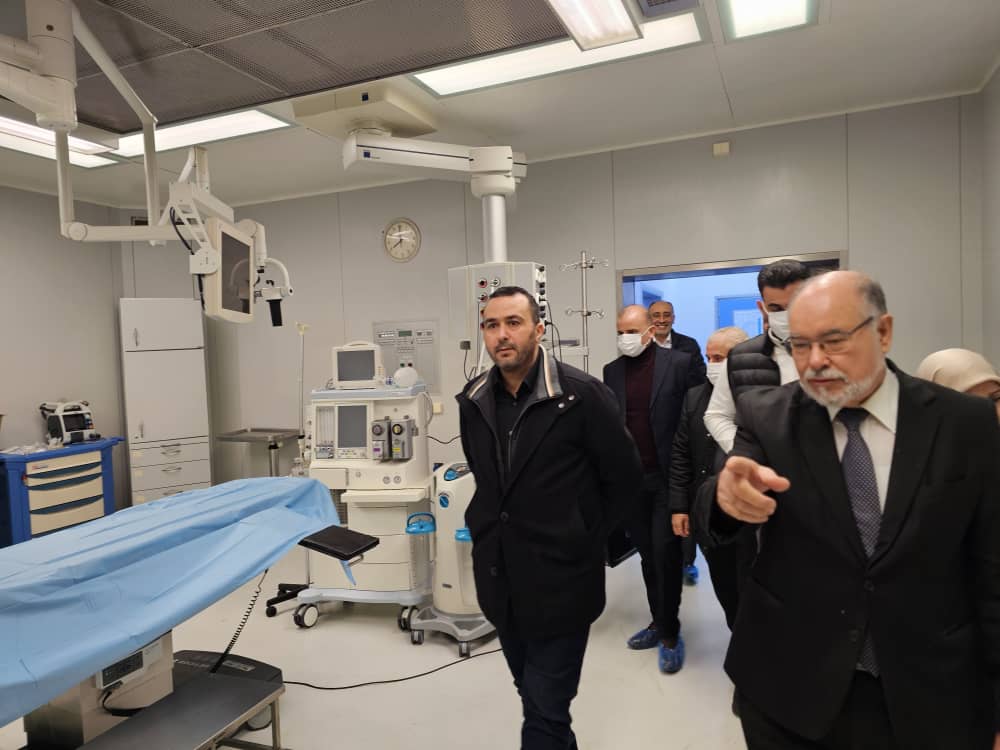
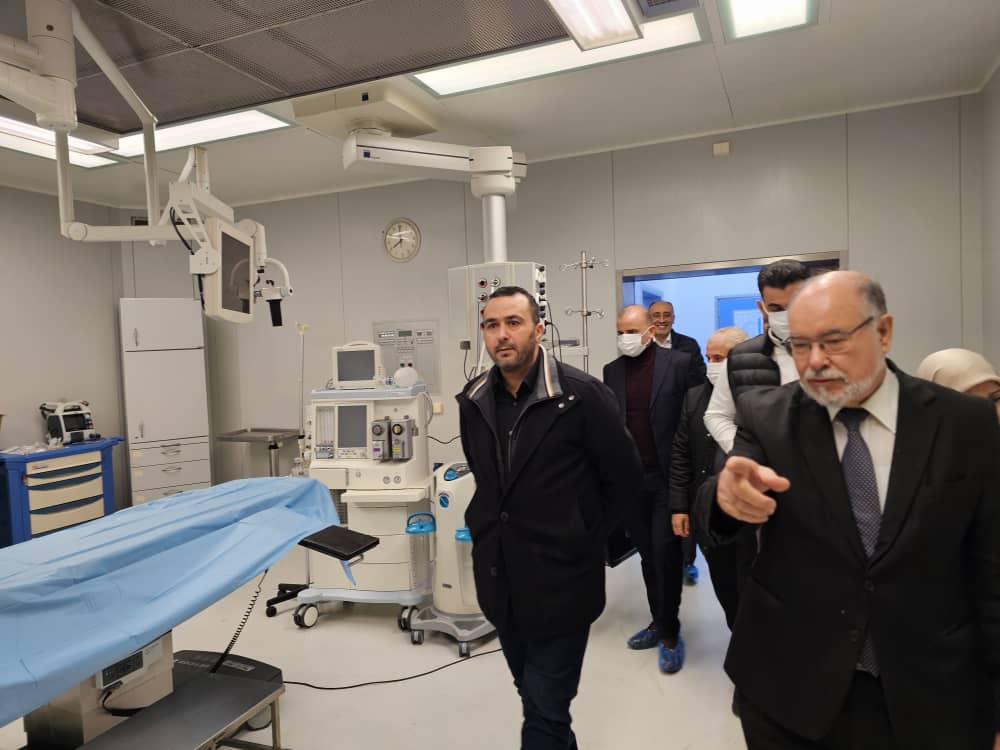
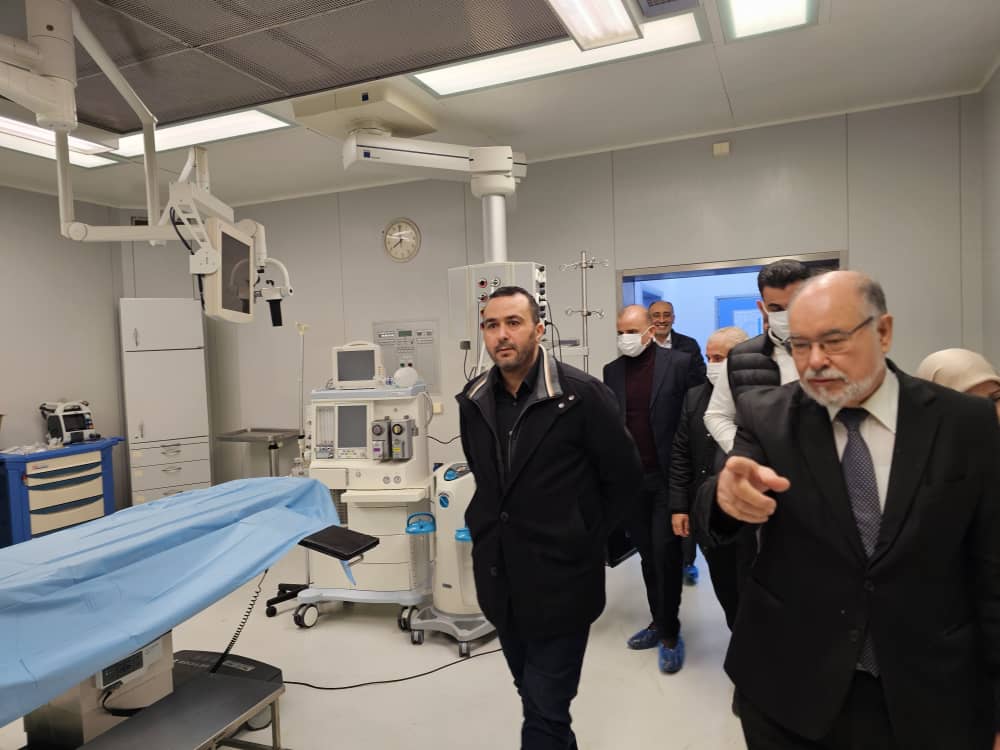
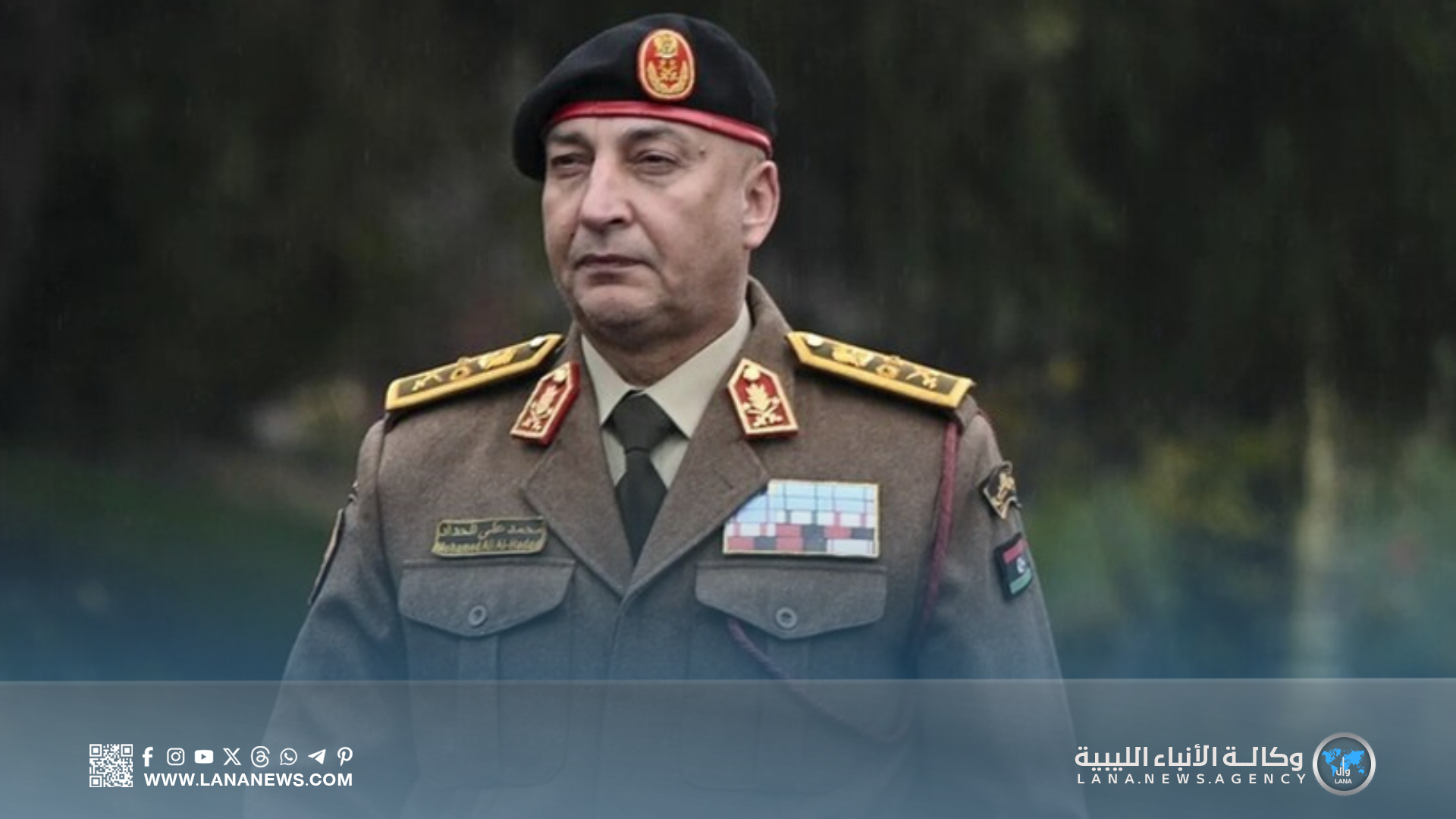
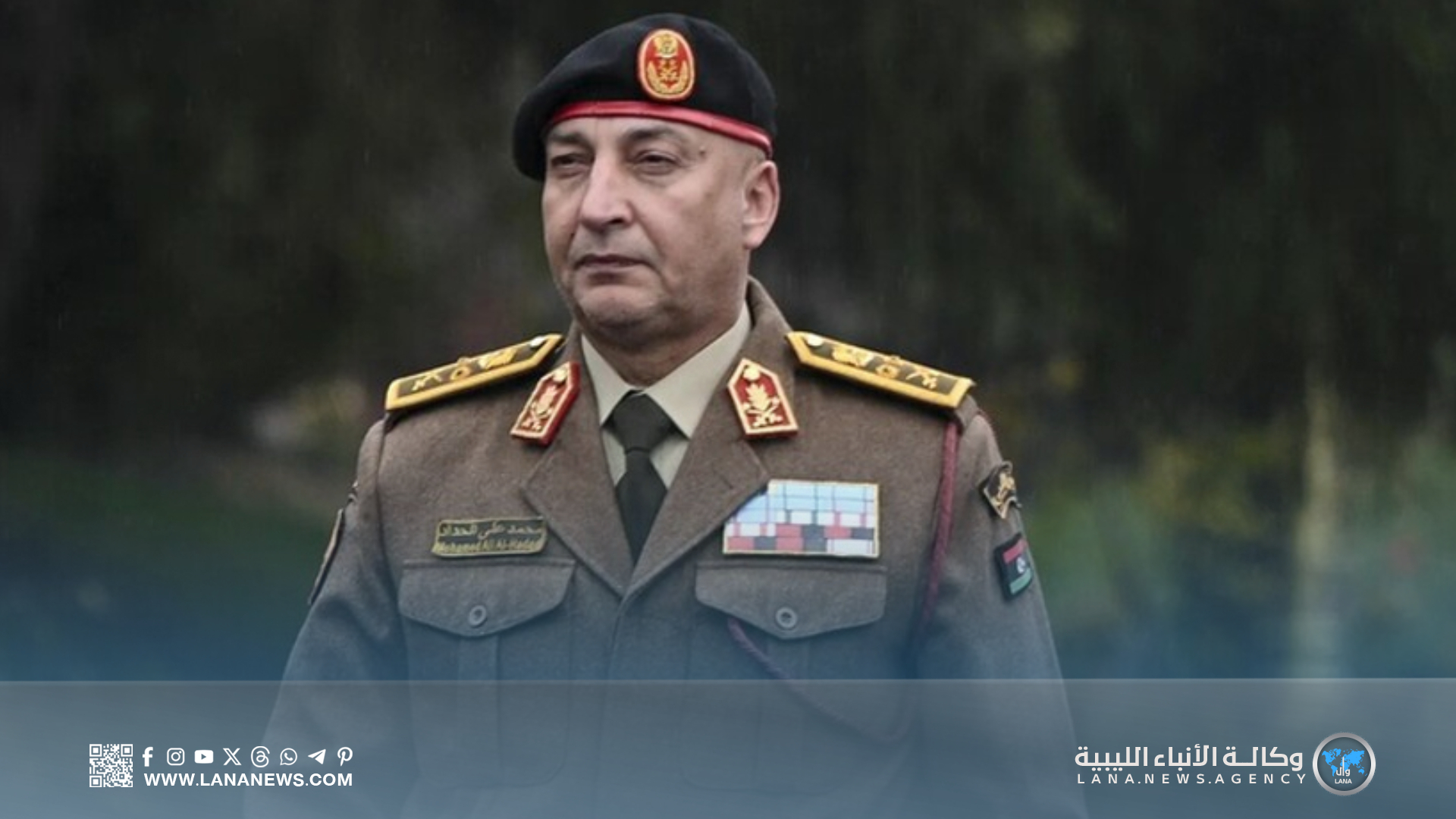
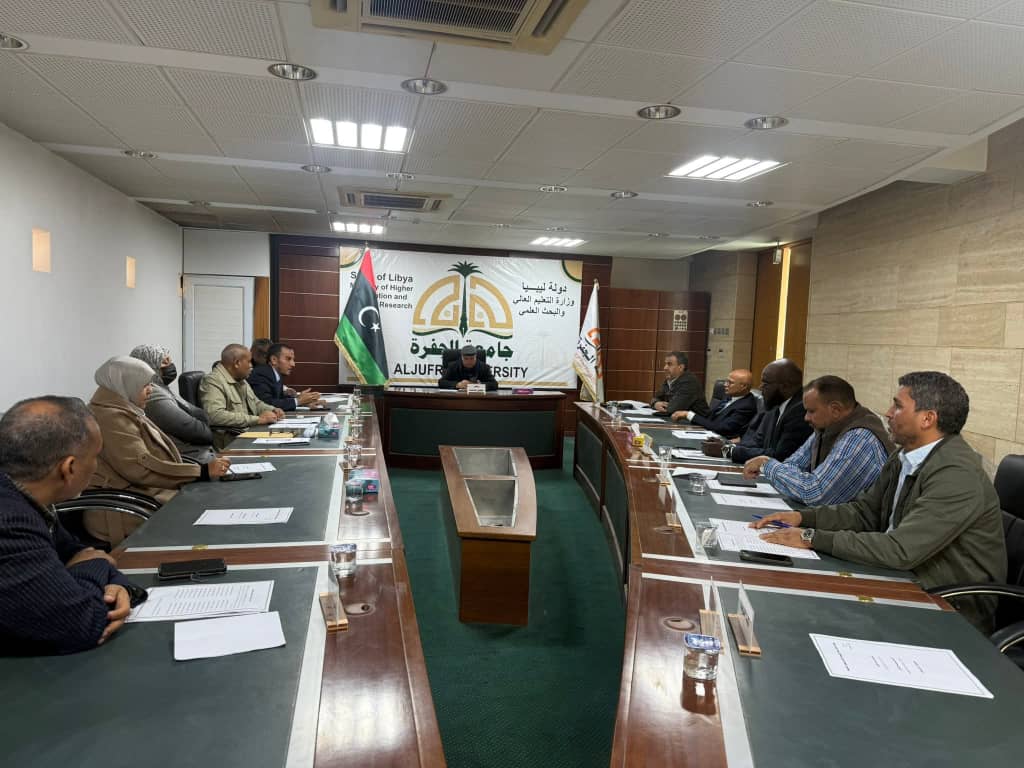
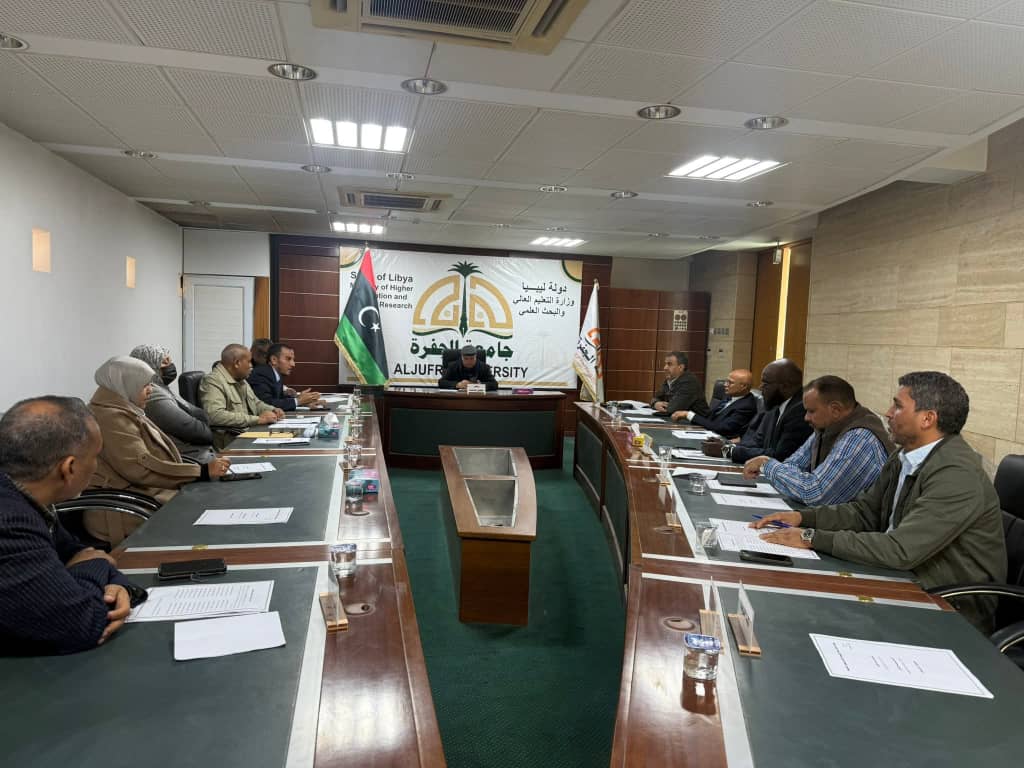
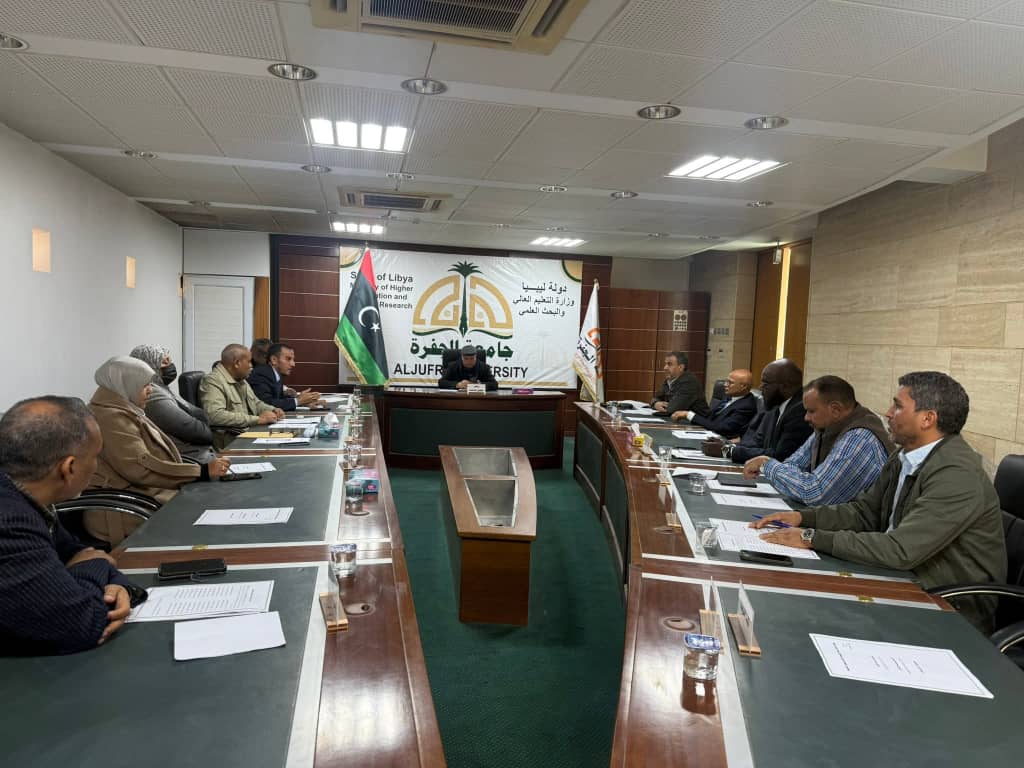
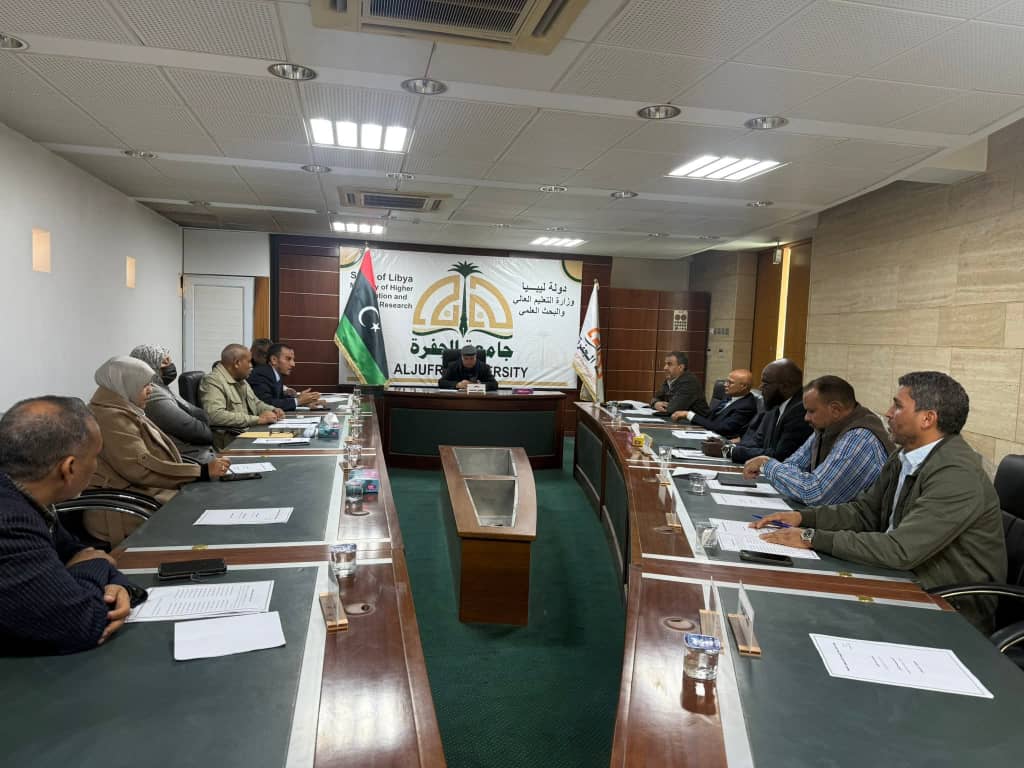
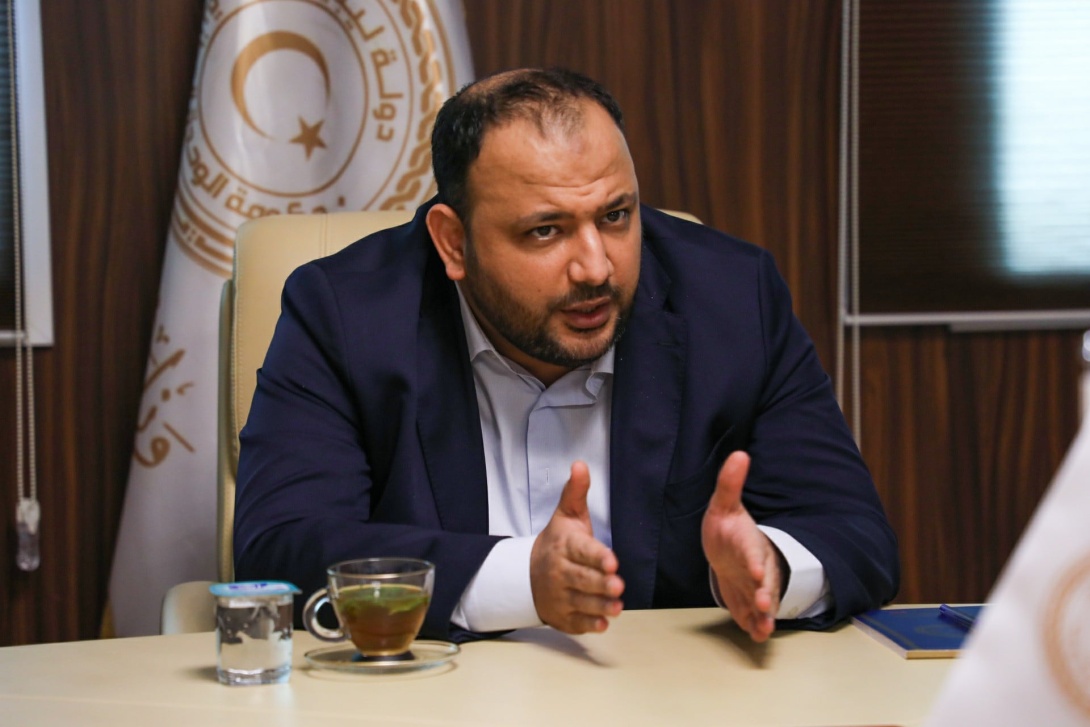
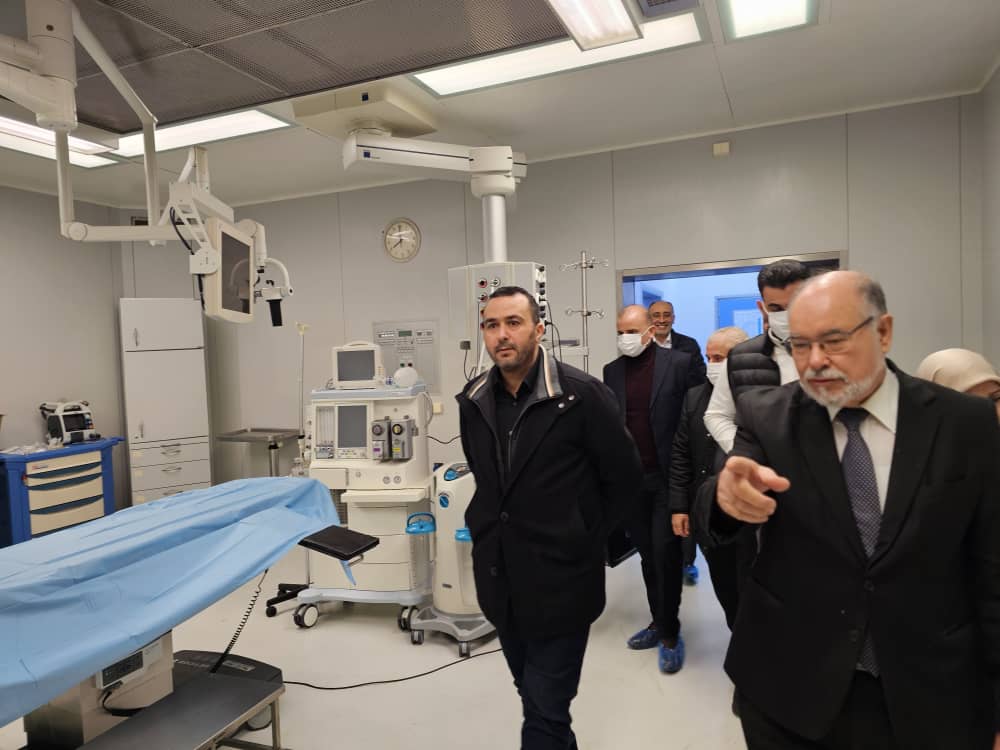
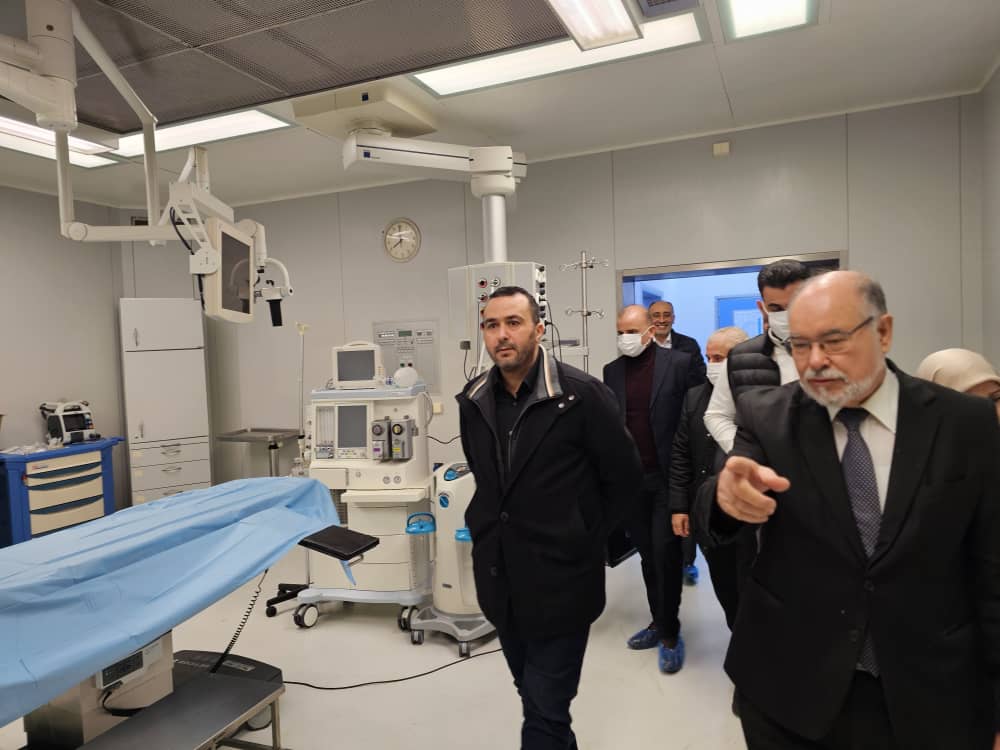
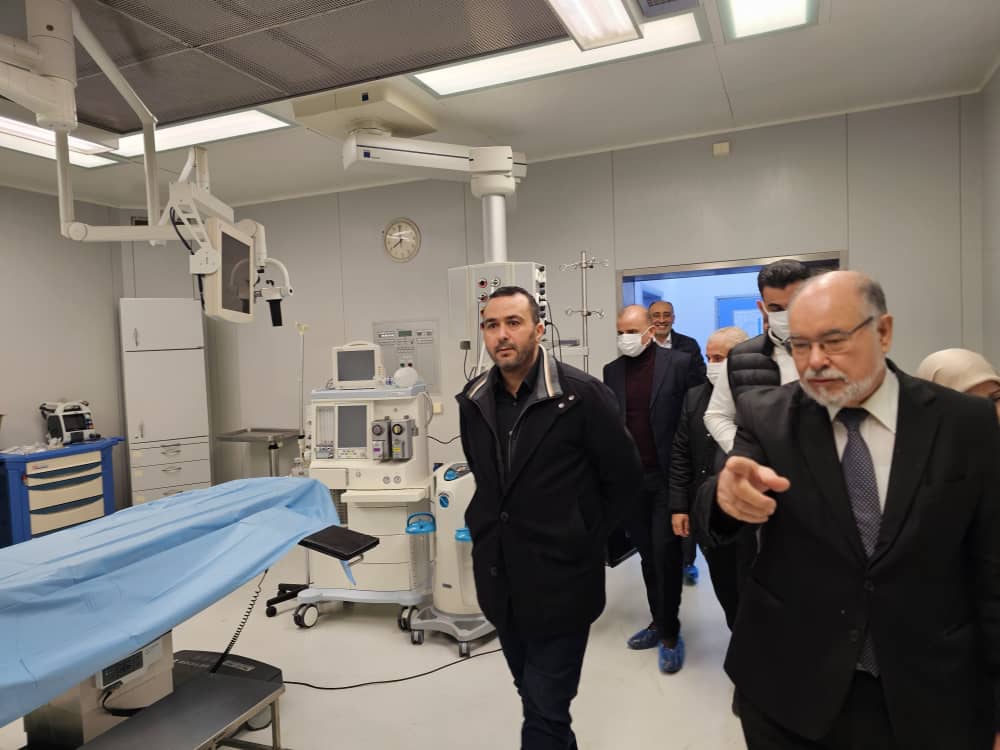
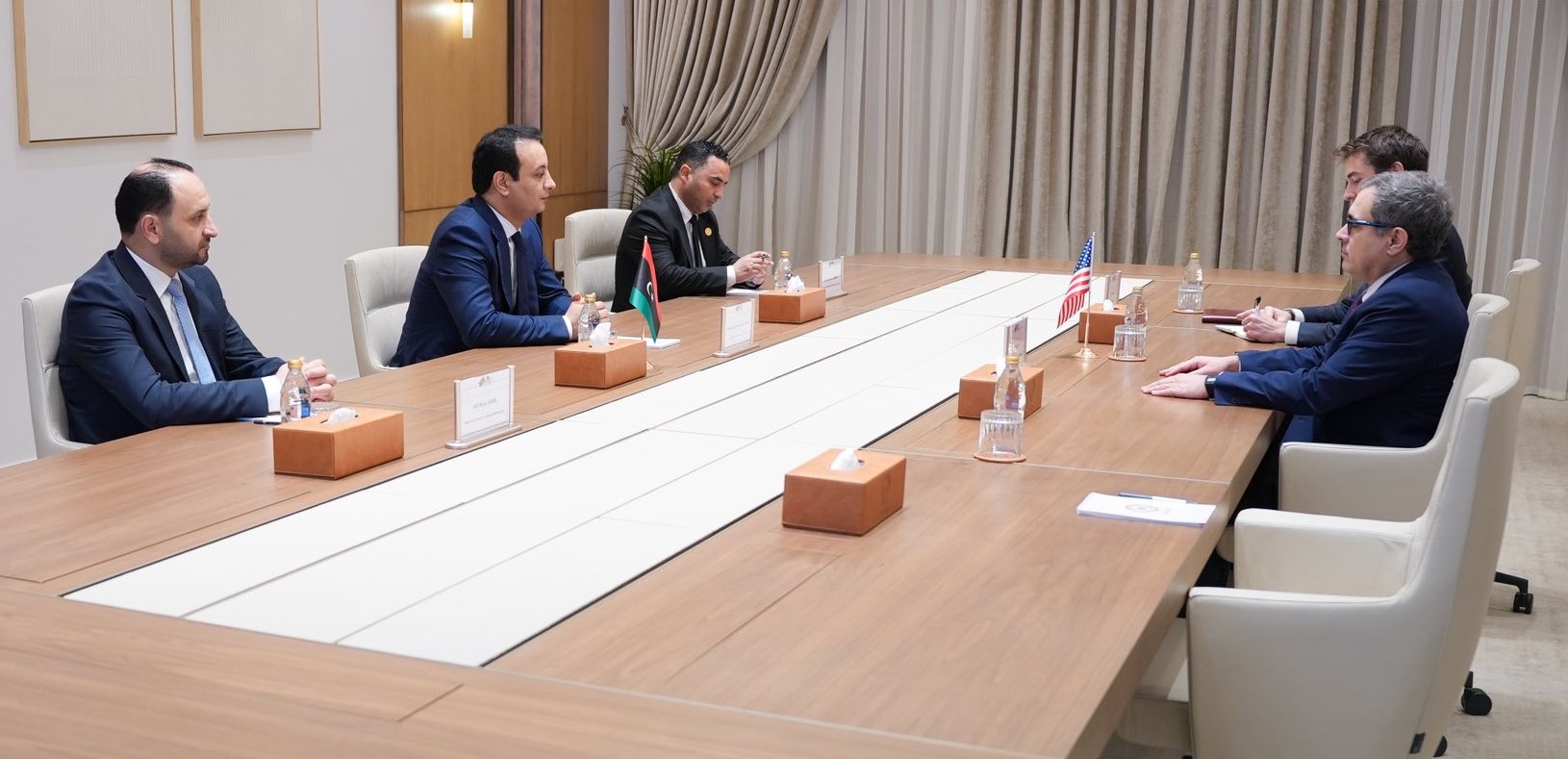
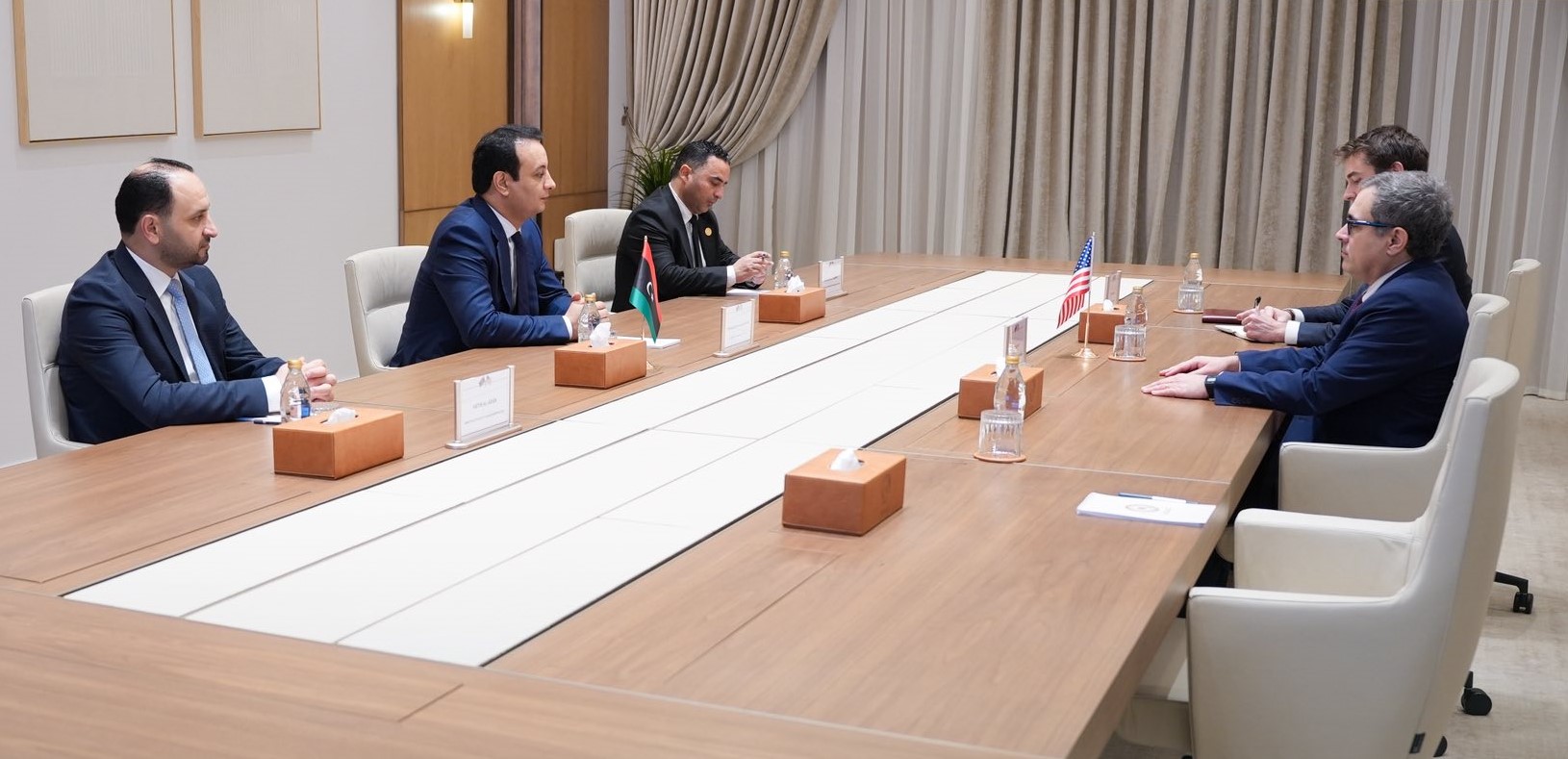
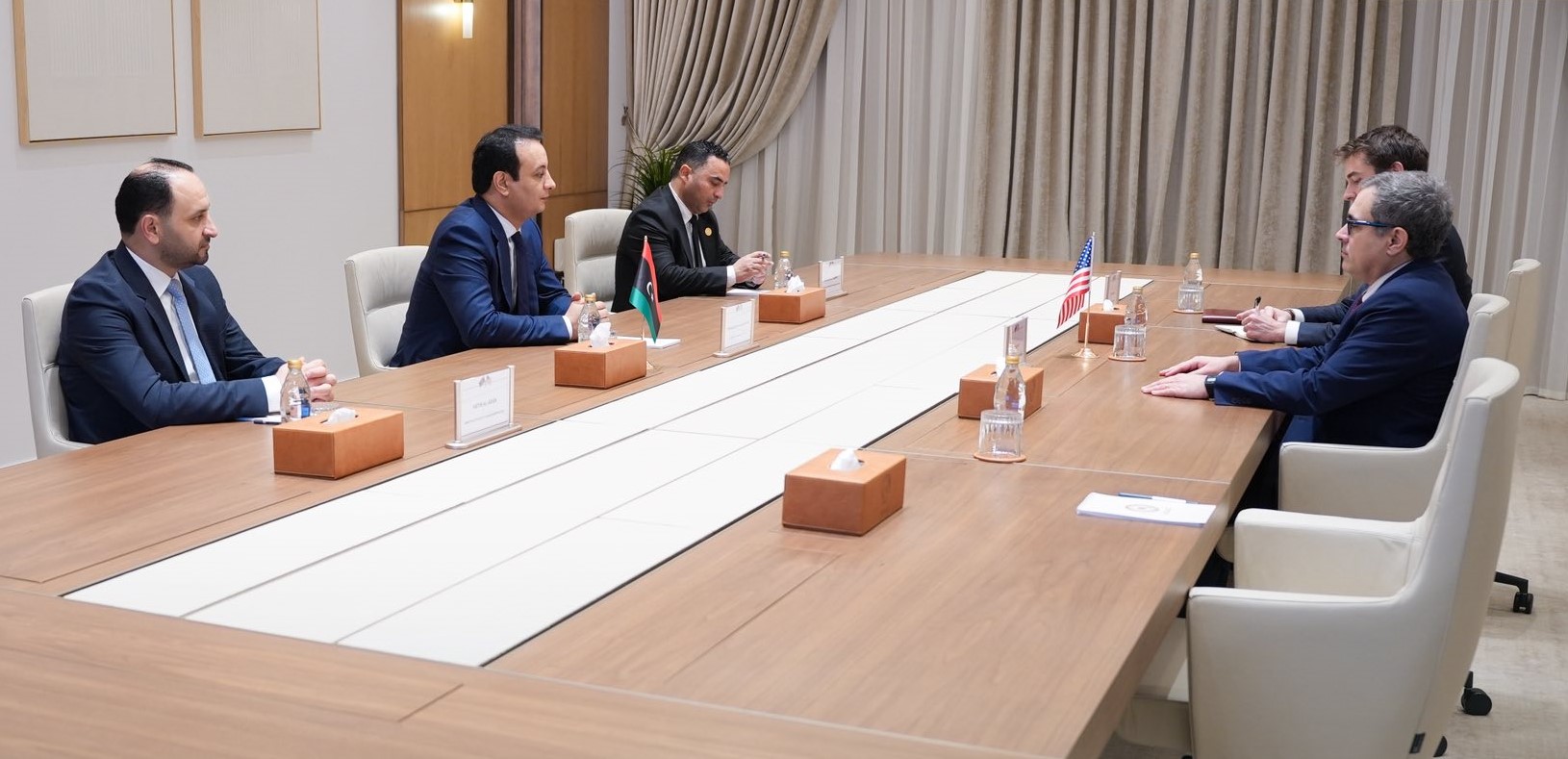
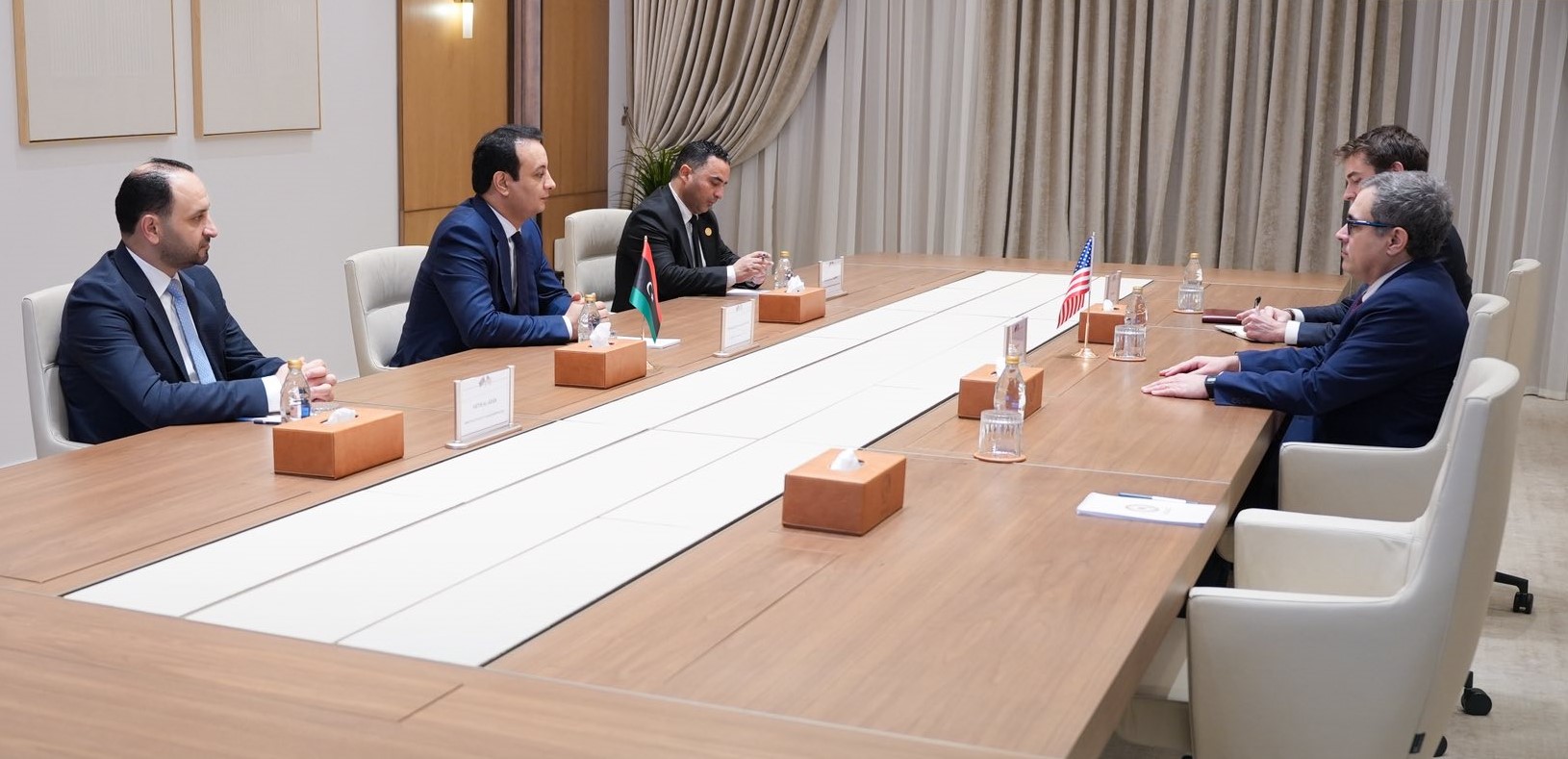
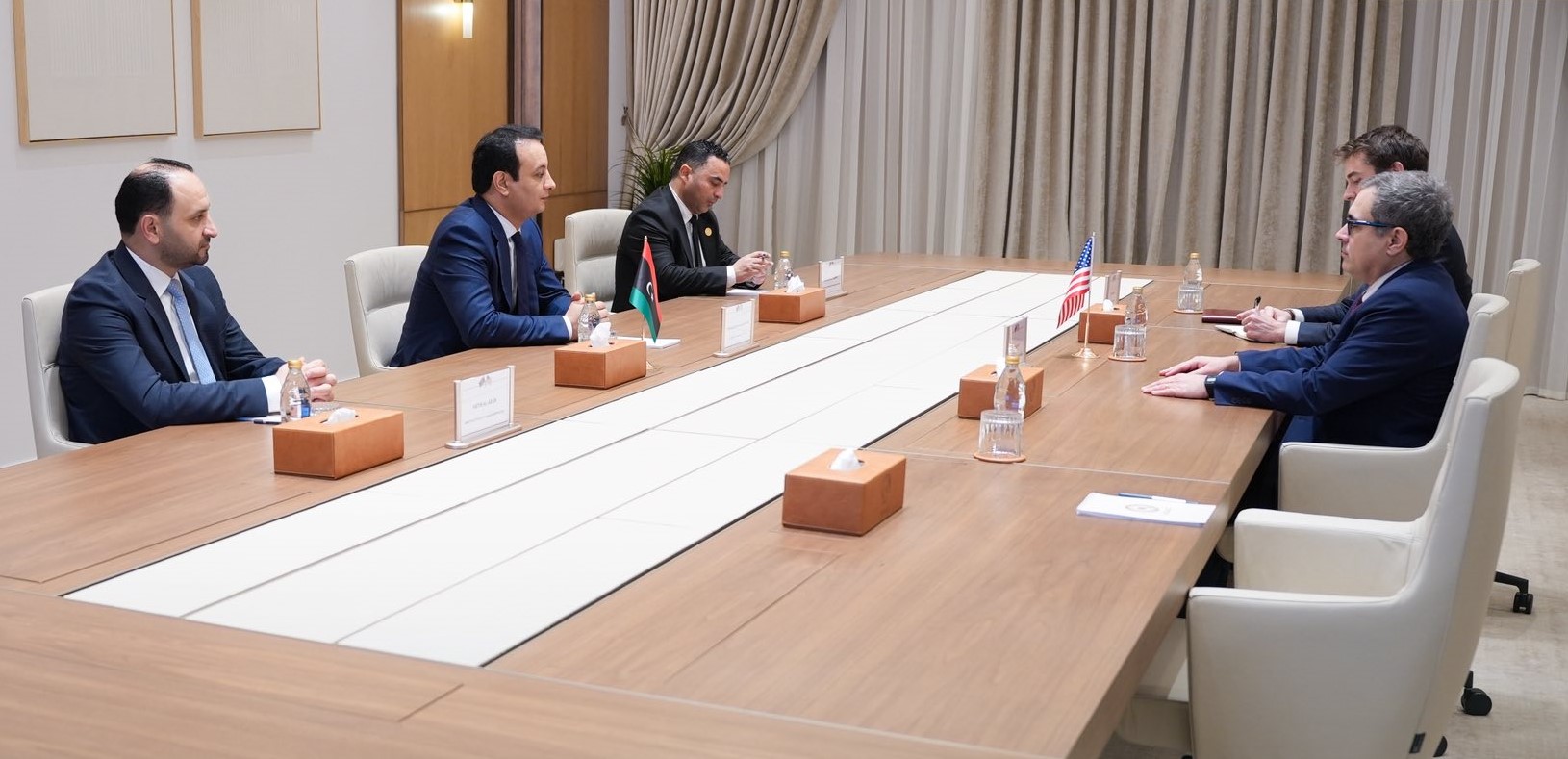
Tripoli, January 1, 2026 – The head of the Government of National Unity emphasized taking strict measures against hoarders and price manipulators, with no leniency towards any practices that harm citizens’ livelihoods or affect market stability. He confirmed that price control and consumer protection represent the government’s top priority.
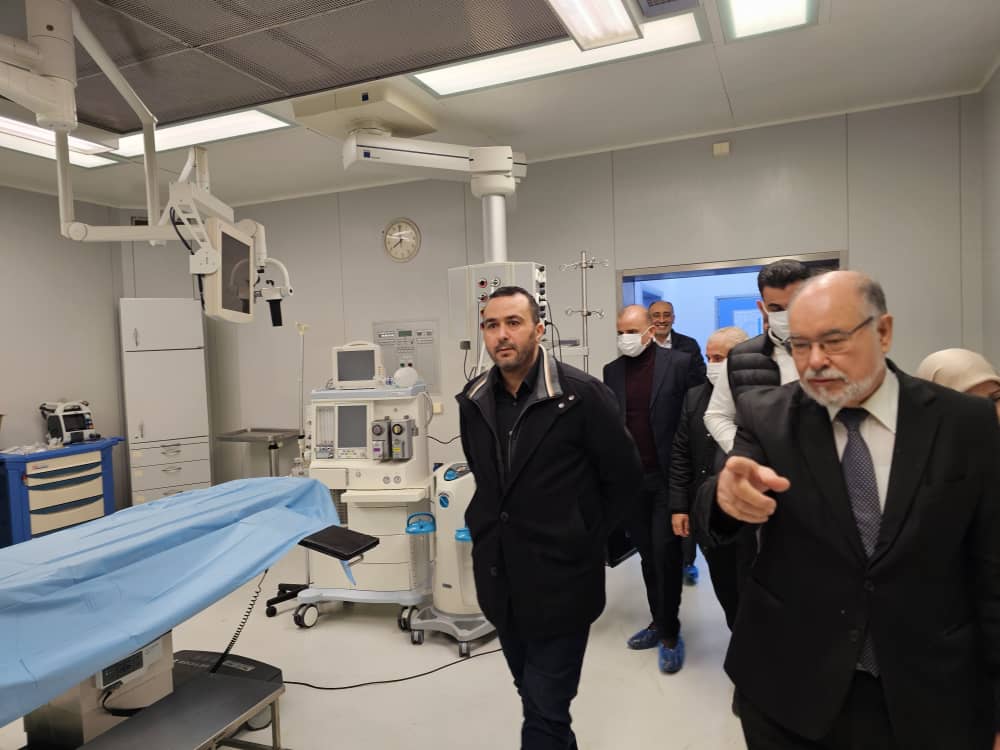
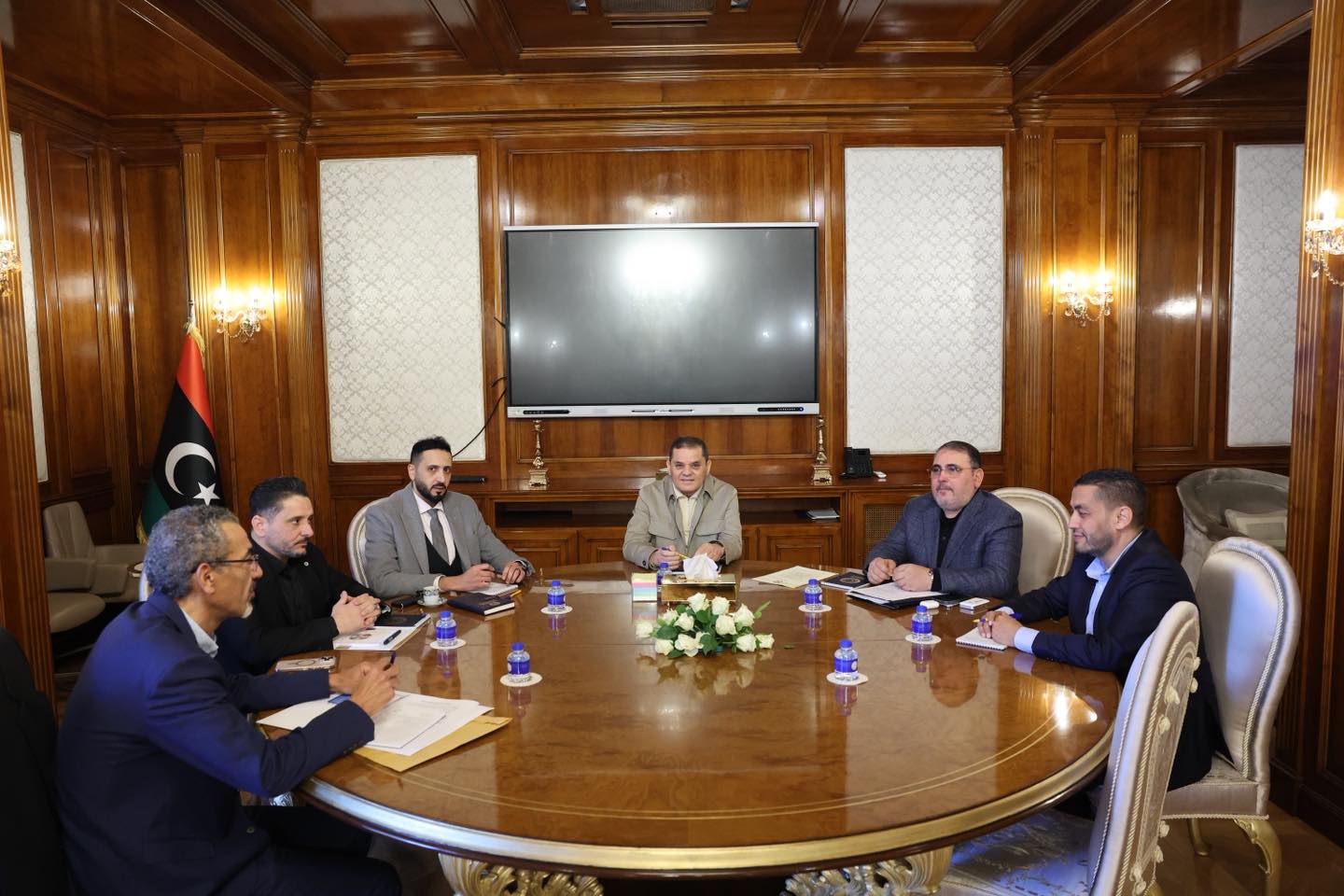
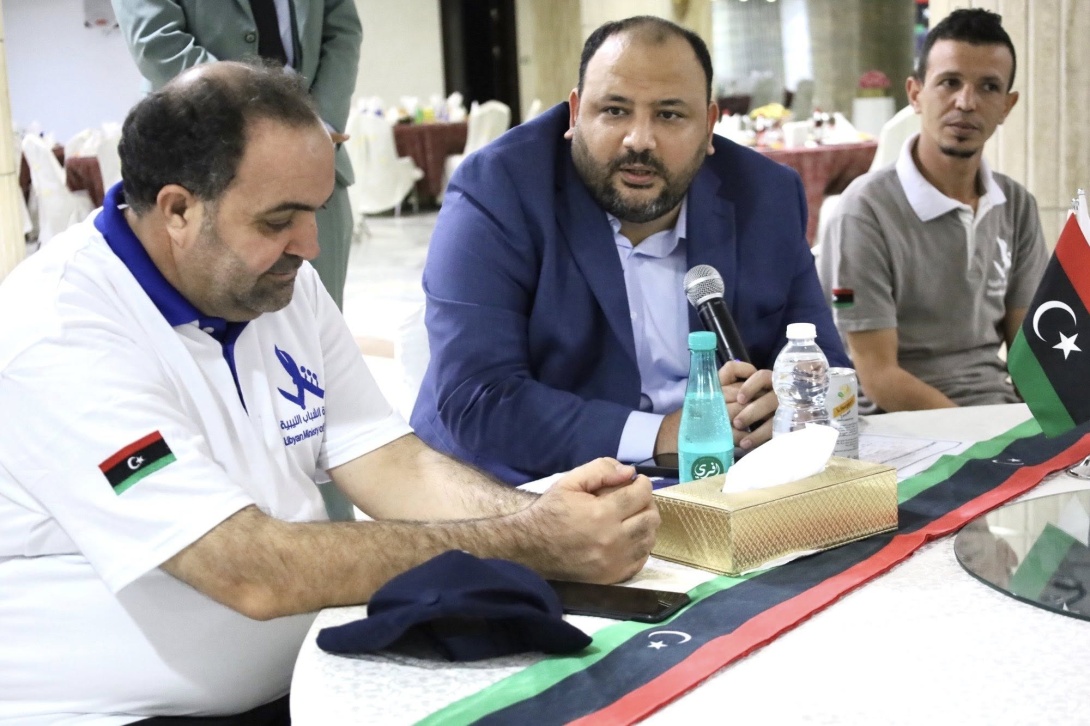
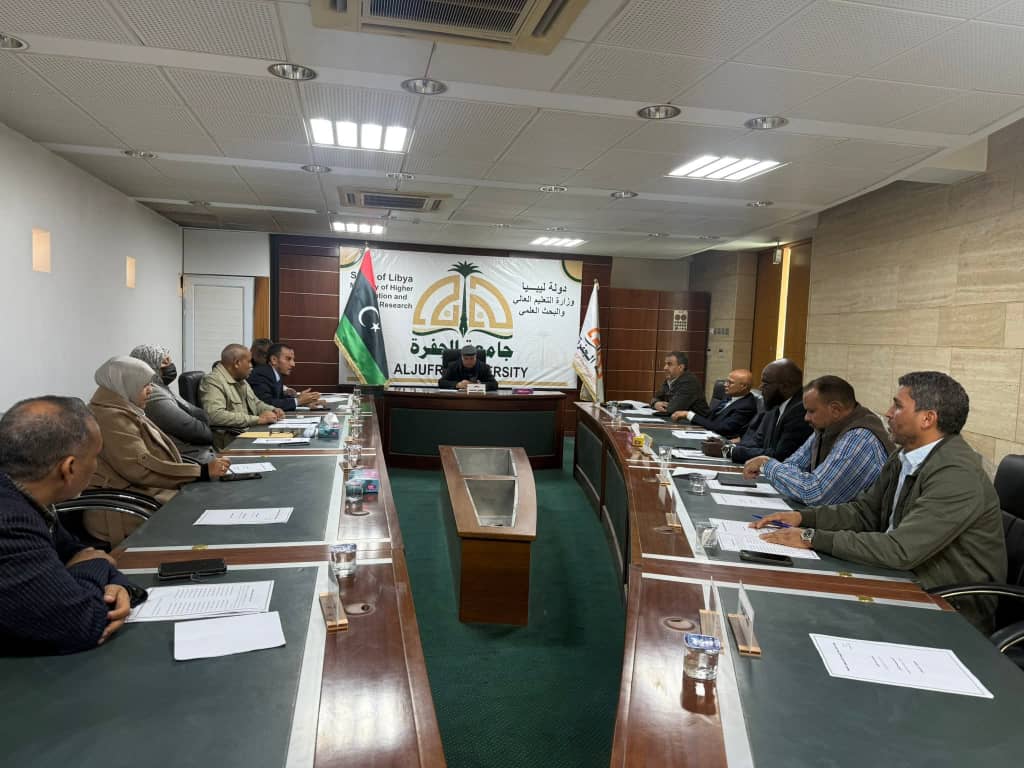
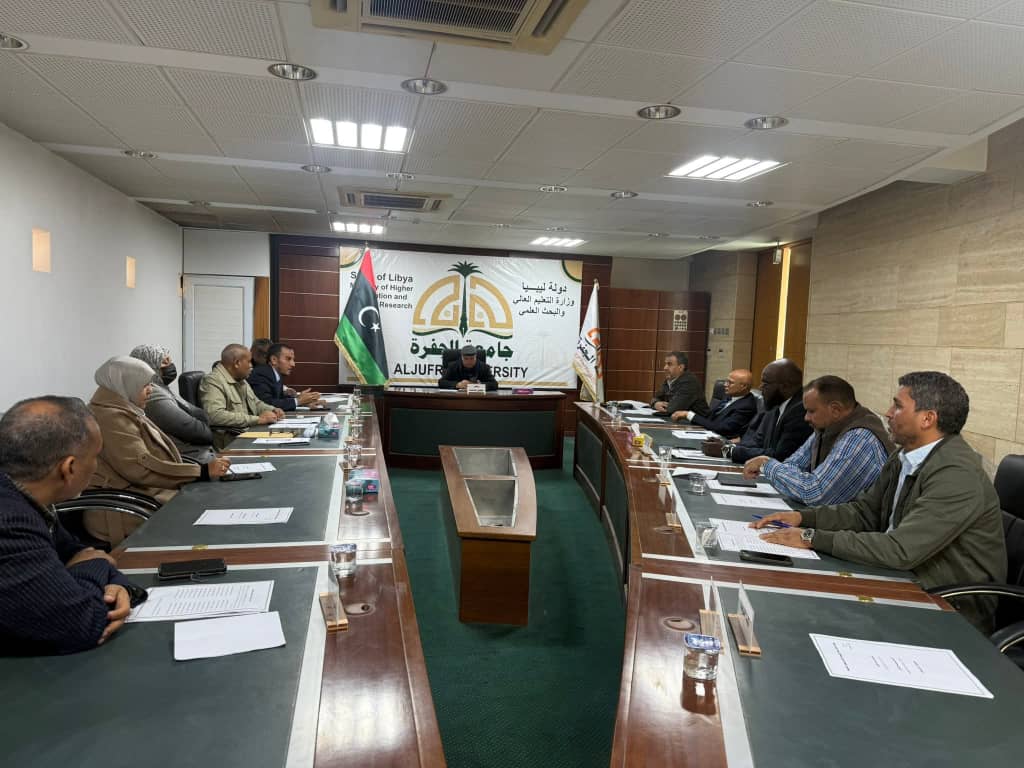
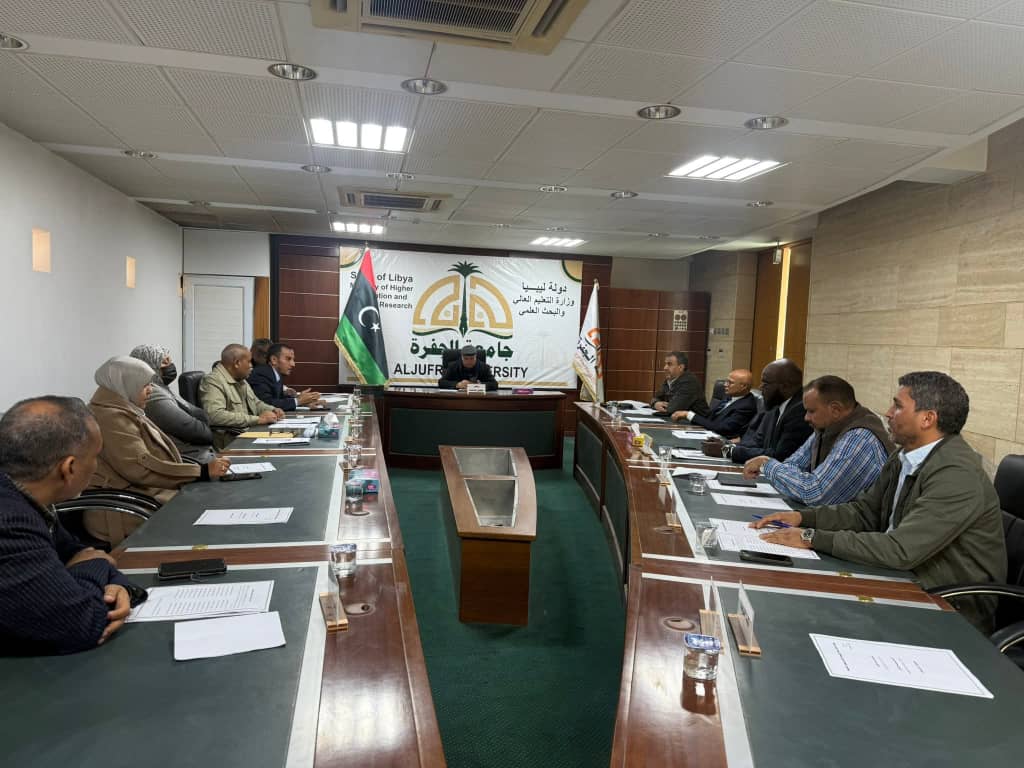
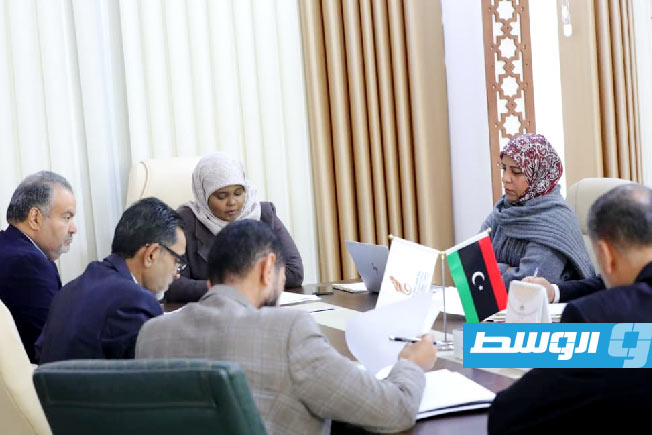
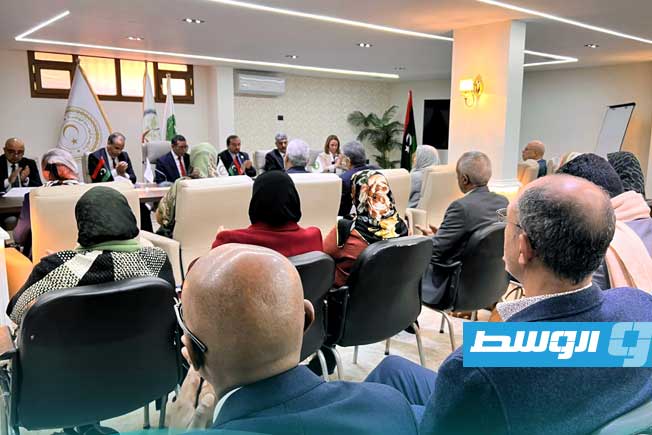
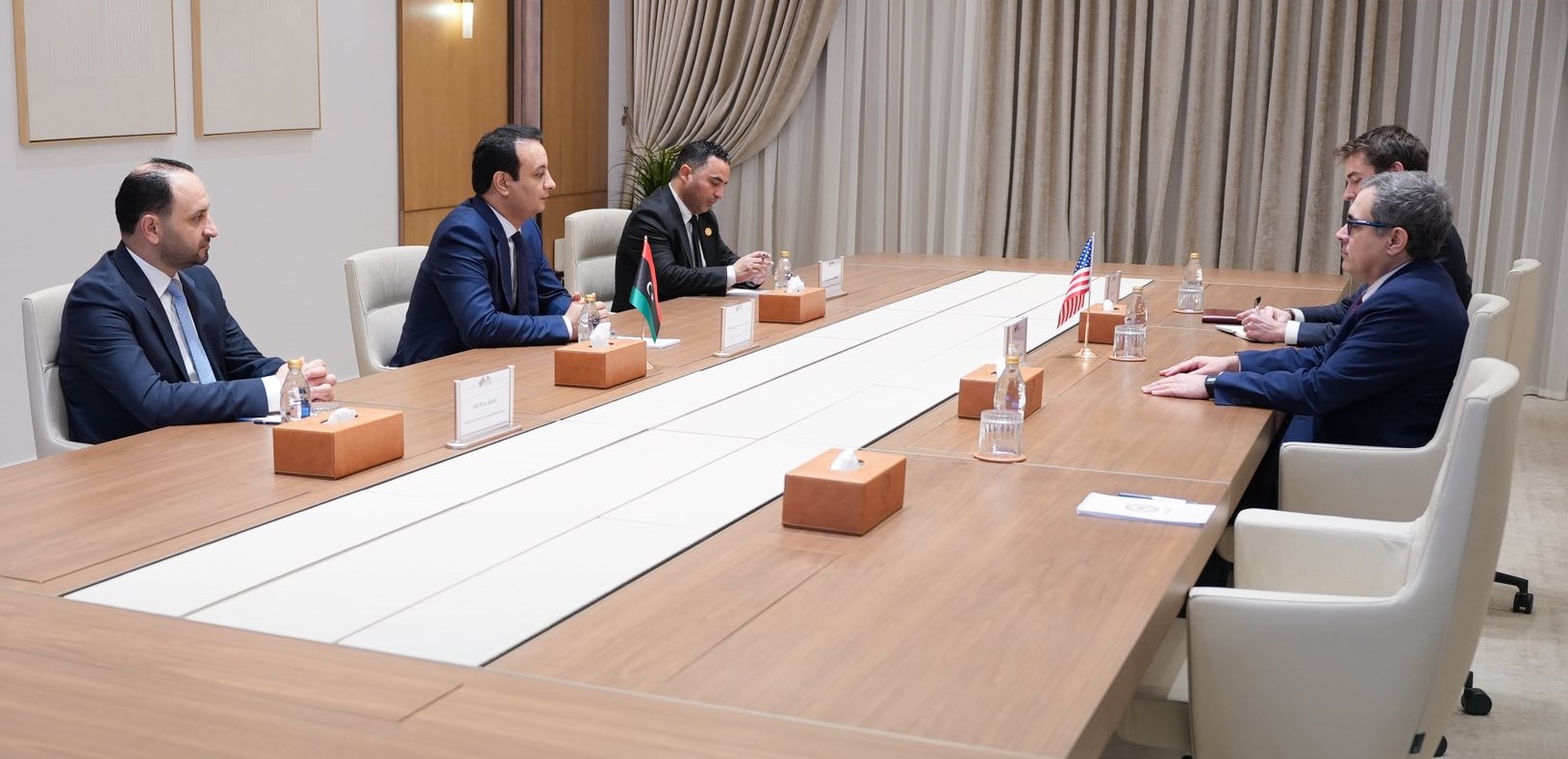
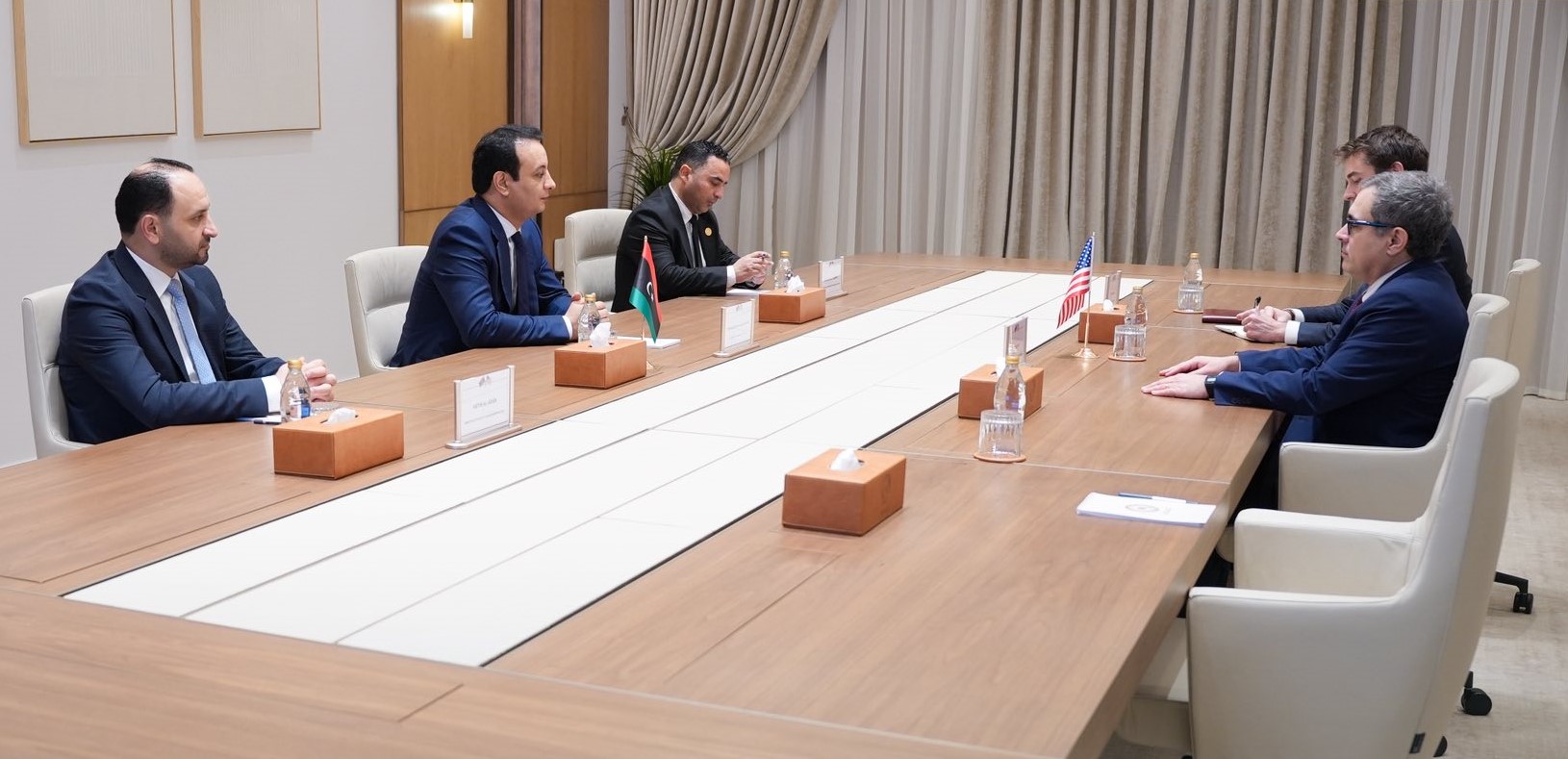
This came during the expanded meeting held today, Thursday, to follow up on the general price level in the Libyan market, the economic conditions, and their direct impact on citizens’ lives.
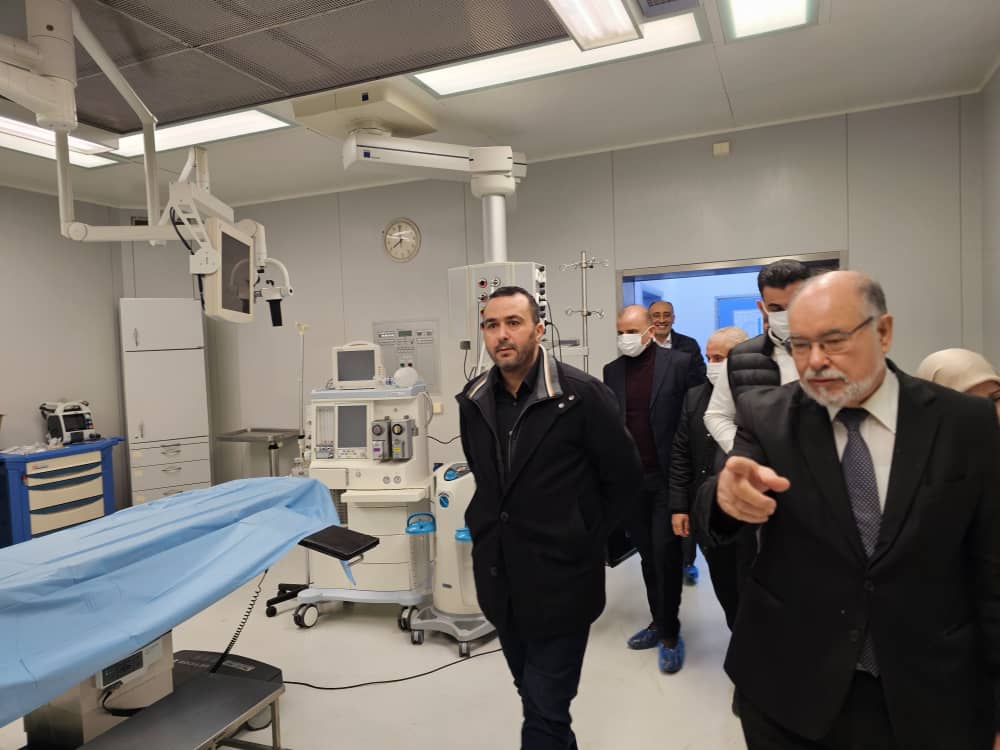
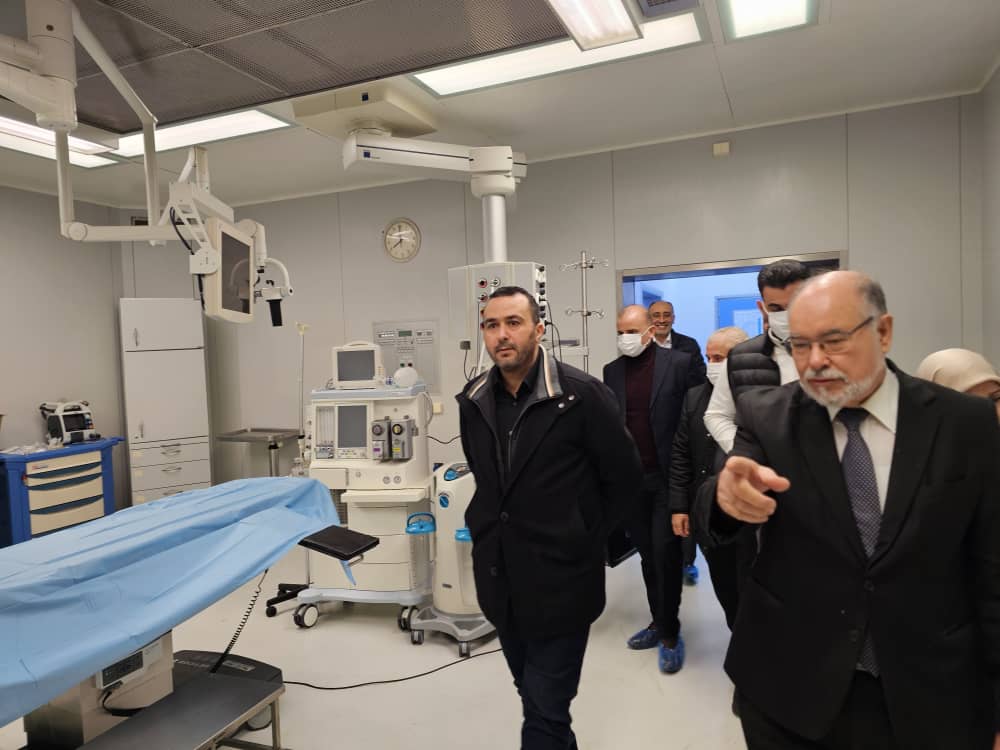
The head of the government directed the intensification of field visits to markets and enhanced coordination between the Ministry of Economy, the Municipal Guard apparatus, and relevant authorities. This is to monitor the path of goods from entry points to points of sale and ensure merchants’ compliance with approved prices.
The meeting discussed the value of open credits for importing essential goods and their impact on the availability of goods in markets and ensuring price stability. It also addressed challenges related to supply and distribution chains and ways to address them to maintain balance in the local market.
Tripoli
Tripoli is the capital and largest city of Libya, with a history dating back to the 7th century BC when it was founded by the Phoenicians. It later became a significant part of the Roman Empire, known as Oea, and has since been ruled by the Byzantines, Arabs, Ottomans, Italians, and finally achieved independence as part of modern Libya.
Government of National Unity
The Government of National Unity refers to a broad coalition government formed to unite different political factions, often during a period of national crisis or transition. A prominent historical example is South Africa’s post-apartheid Government of National Unity (1994-1997), which brought together the African National Congress, the National Party, and the Inkatha Freedom Party to oversee the country’s transition to democracy.
Libyan market
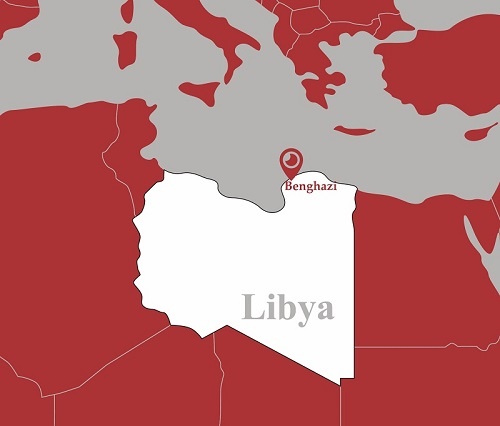
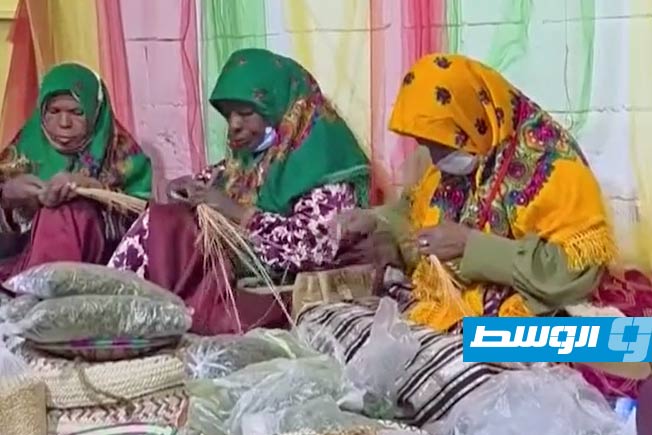
The Libyan market, often referring to traditional souks found in cities like Tripoli and Benghazi, is a historic center of commerce and social life that dates back centuries, shaped by the country’s position along Mediterranean and trans-Saharan trade routes. These vibrant, open-air markets traditionally feature a maze of stalls selling goods ranging from spices and textiles to handicrafts, reflecting a blend of Arab, Berber, and Mediterranean influences. Their history is deeply intertwined with Libya’s mercantile past, though many have faced disruption due to the country’s recent conflicts.
Ministry of Economy
The Ministry of Economy is a governmental department responsible for formulating and implementing national economic policy. Its history is tied to the development of modern state administration, often originating in the 19th or 20th century as industrialization and global trade made centralized economic management a state priority.
Municipal Guard apparatus
The Municipal Guard apparatus refers to the historical police force of Paris, established in 1667 to maintain public order. It was reorganized under Napoleon and played a significant role in the city’s security until its dissolution following the Paris Commune of 1871.