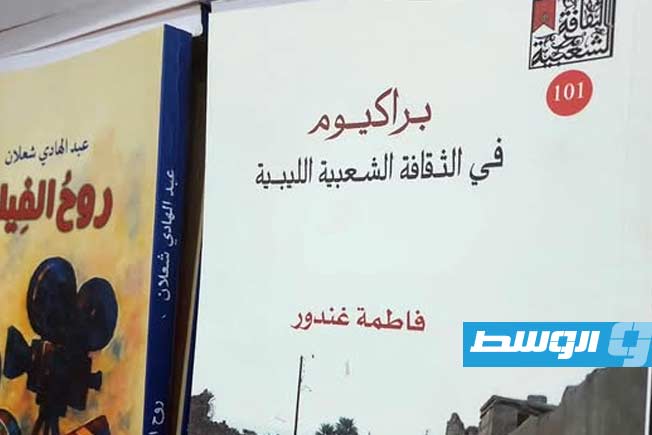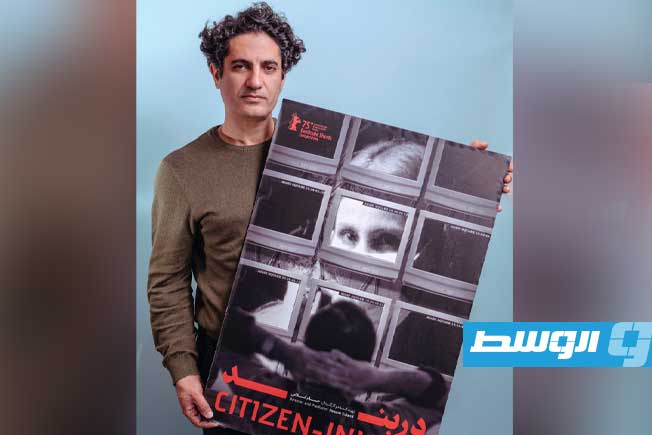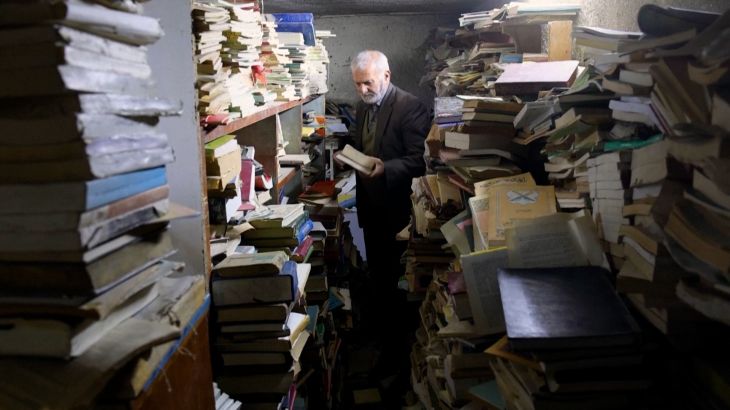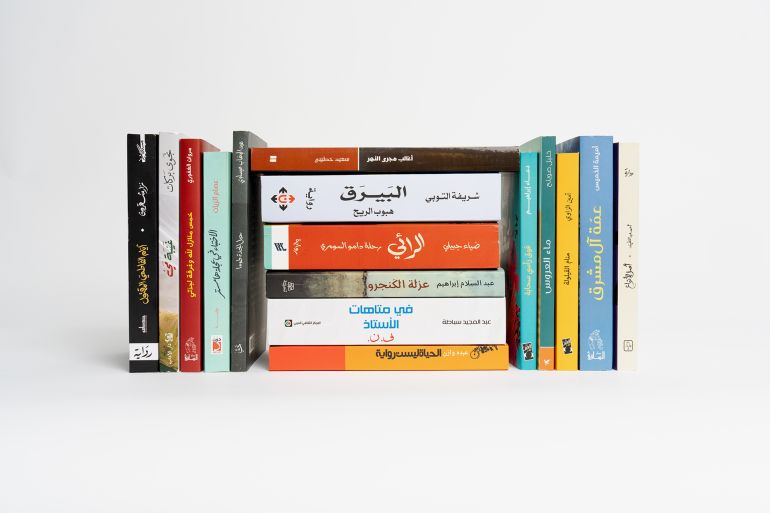
“Among all tools, the book remains man’s most wondrous invention.” This expressive quote reveals the profound place of reading, an act that transcends cultural luxury to become a means of crossing into the world of ascending essence, where times meet and human experiences converge on silent pages that speak of life.
Reading is not merely an accumulation of knowledge, but an experience of internal transformation; a reader does not exit a book as they entered it. With each creative text, new layers form in consciousness, seeds of questions and wonder are planted, and words leave their hidden traces in memory and emotion. When we read, we give ourselves the chance to live multiple lives, and to experience feelings and thoughts that would not have been ours without letters.
From this perspective, books seem like secret talismans, accompanying us in moments of clarity and fracture, granting us solitude at times, and light at others. After a full year of reading, contemplation, and intersection with texts, as we bid farewell to one year and welcome another, the question arises about the most beautiful books that remained etched in the memory of a selection of Arab writers and creators in 2025, in addition to the act of reading and its magical effect on the creator and the human being in general. To the survey:
A Reading Delayed 12 Years
It was mentioned that – as a reader – it was customary every year to search for books as a traveler searches for ports; because reading is not a luxury, but a vessel that carries a person from worlds of absence to worlds of truth, where one sometimes discovers oneself, sometimes philosophy, sometimes history, and sometimes issues one passed by unconsciously.
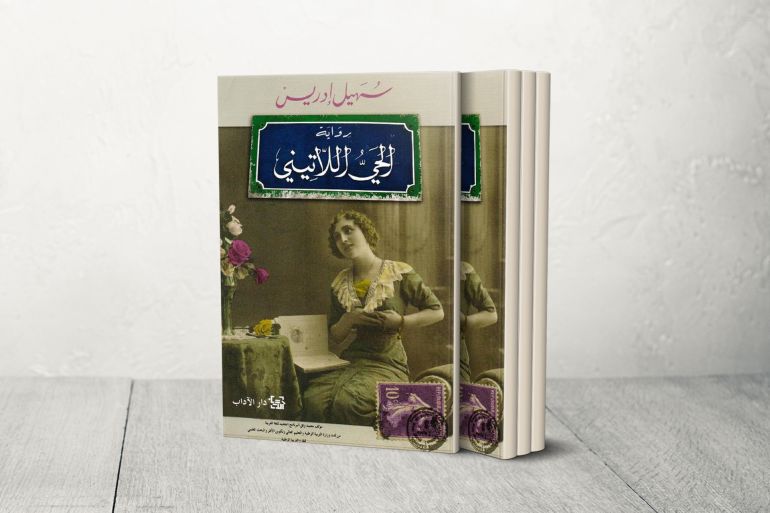
It was added, “In 2025, I read many works, including the novel ‘The Latin Quarter’ by Suheil Idris, which left a beautiful impression on me. However, the novel that had a deeper impact on me was ‘The Bamboo Stalk’ by the Kuwaiti author Saud Al-Sanousi. I had intended to read this novel for years, despite its publication in 2013, but the opportunity only came this year. When I read it, I found myself moving between worlds of challenge, search, and the desire for self-discovery. The novel does not merely narrate a human story; it honestly and harshly reveals the structure of Arab society, where a person’s value is measured by their social status, not their humanity.”
It was clarified that what was compelling about this novel is its focus on the idea that true recognition does not come from others, nor from love, nor from a class-based society, but from the individual themselves. It was emphasized that the novel made one believe that as long as a person exists, they are the force capable of moving their world and building themselves, without waiting for external permission or recognition. It was considered that “The Bamboo Stalk” is not just a novel to be read, but an experience that reshapes consciousness and addresses the self before addressing the world.
It was concluded that reading enhances a person’s ability to understand the past and present and enables them to see the future. It is the mechanism that pulls them from a depth where they cannot see the face of truth; it pulls them with the garment of intelligence so they may discover their human world wearing depth and beauty. Thus, a person wanders in the recesses of existence to create, liberate, and be reborn with new ideas, and to document human memory on white pages.
Nourishment for the Meaning of Existence
For his part, it was admitted that among his readings, in both Arabic and Spanish this year, there was no book that could be considered very distinctive or that left a real impact on his thinking, vision, or style. It was considered that his readings were ordinary, daily, and routine, considering reading itself an essential part of his