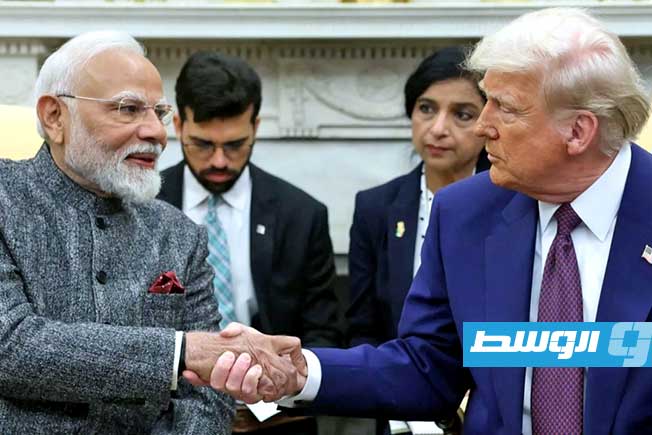
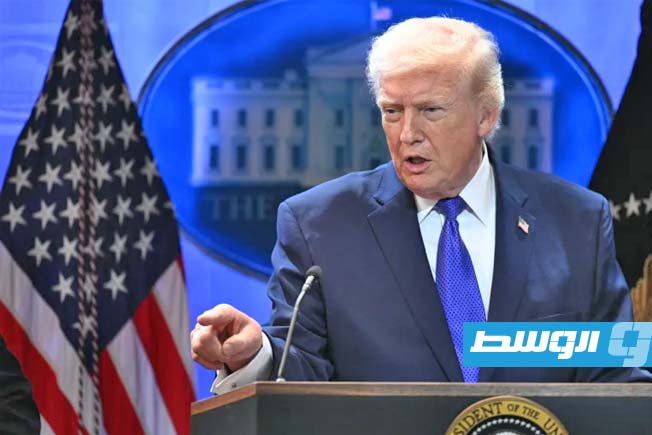
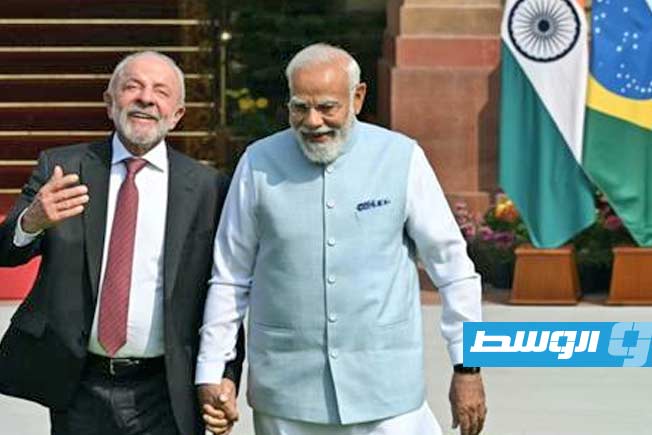
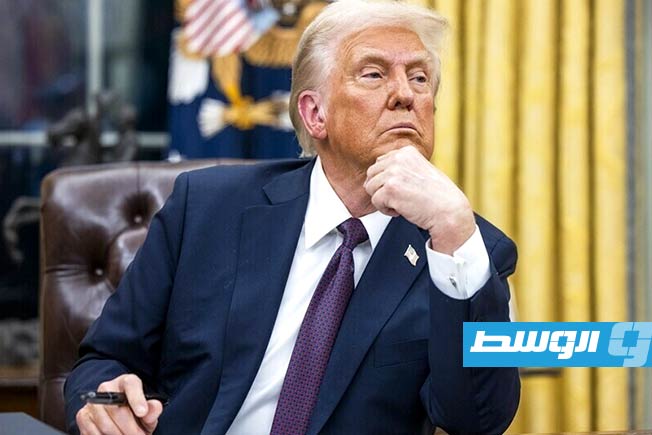
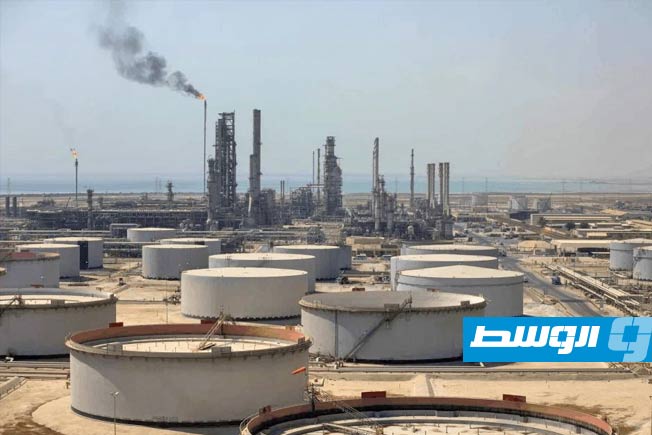
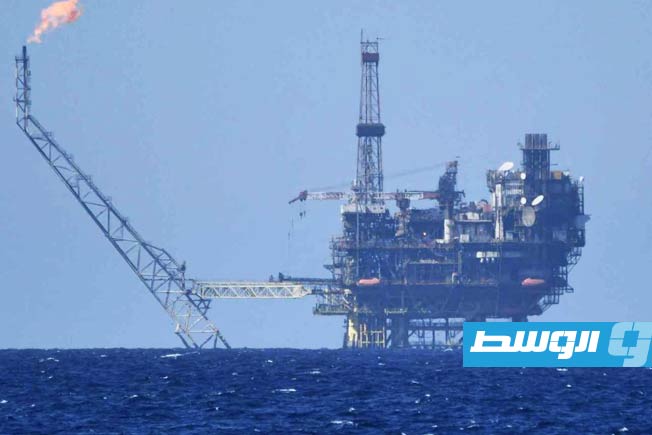
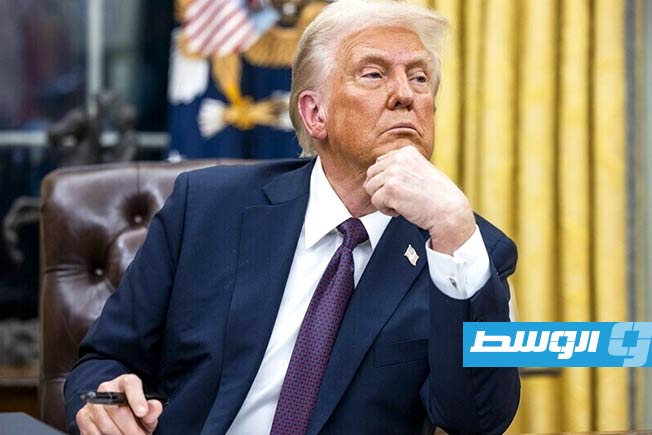
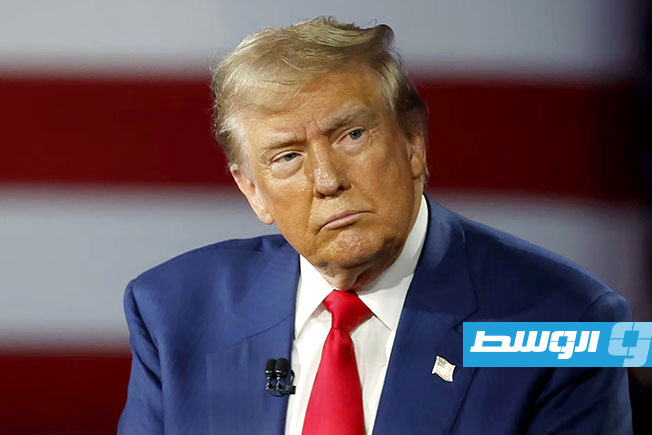
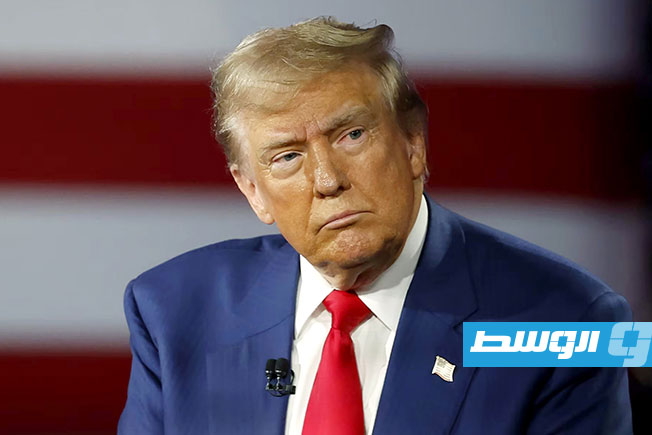
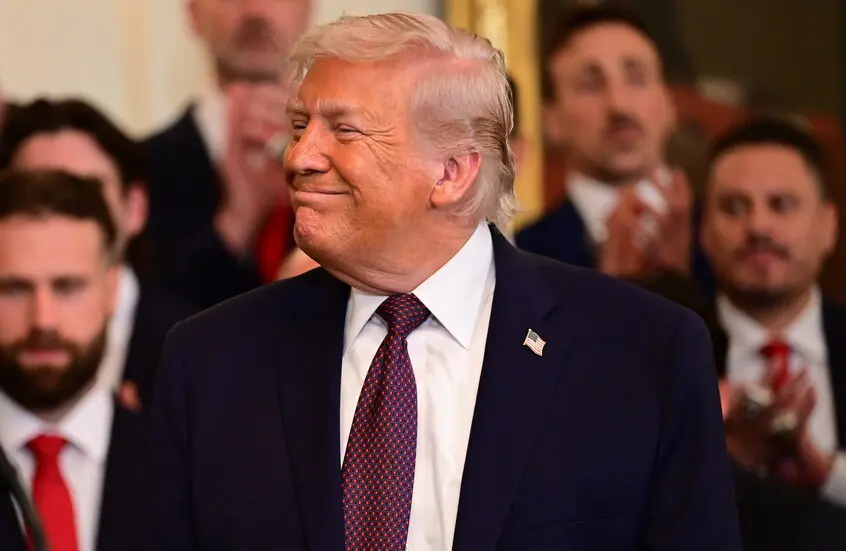
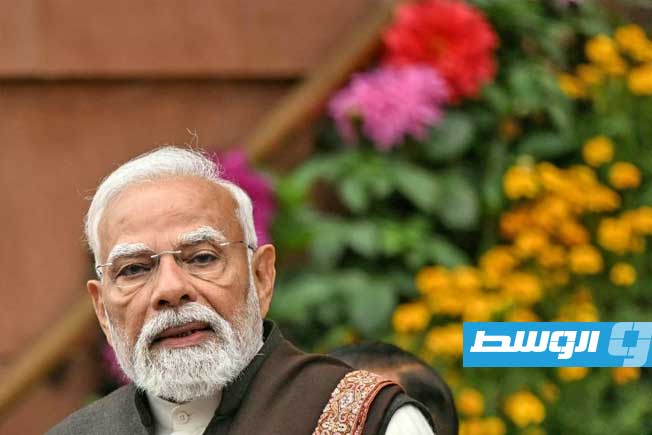
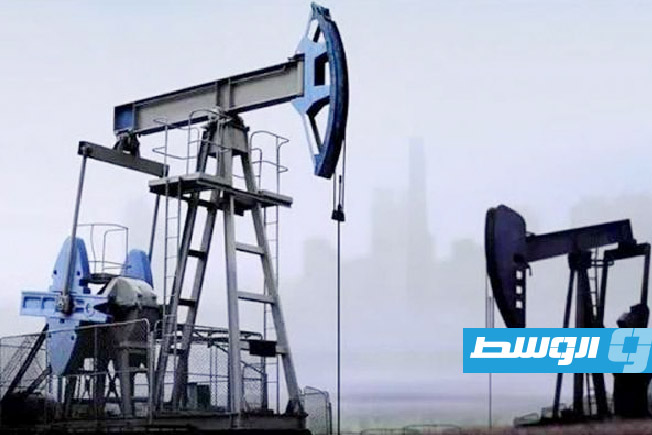
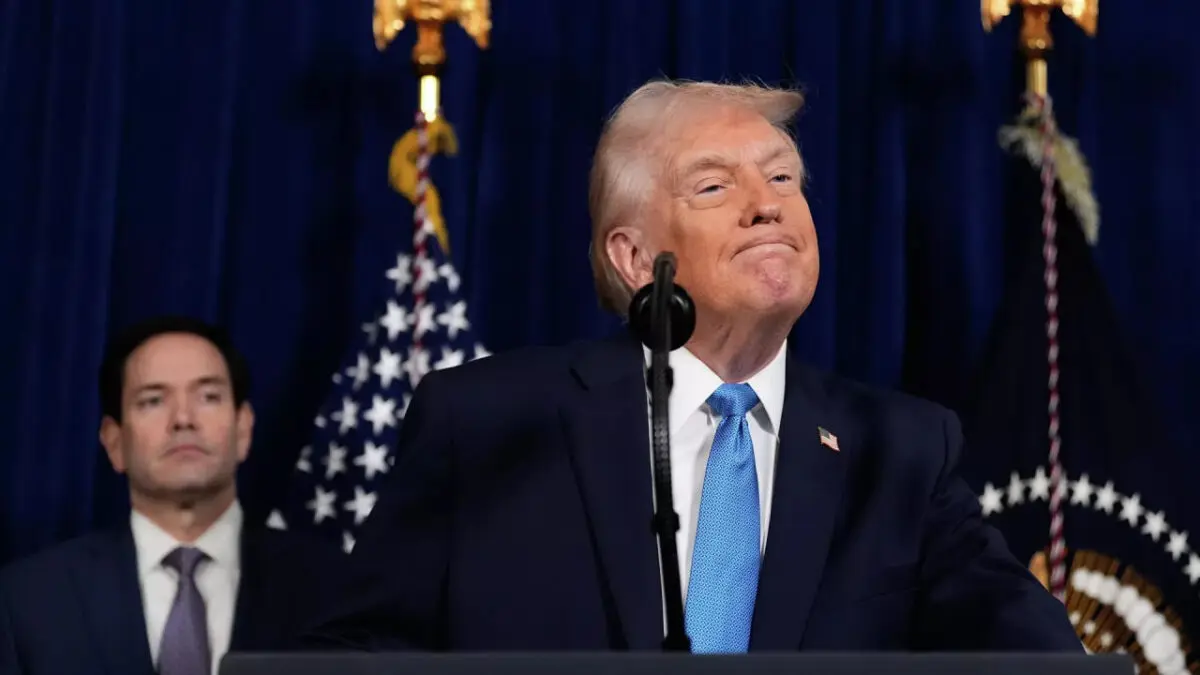
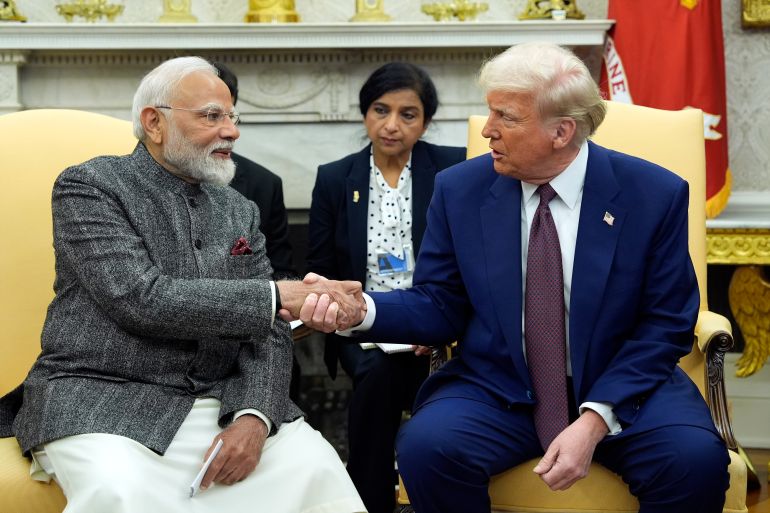
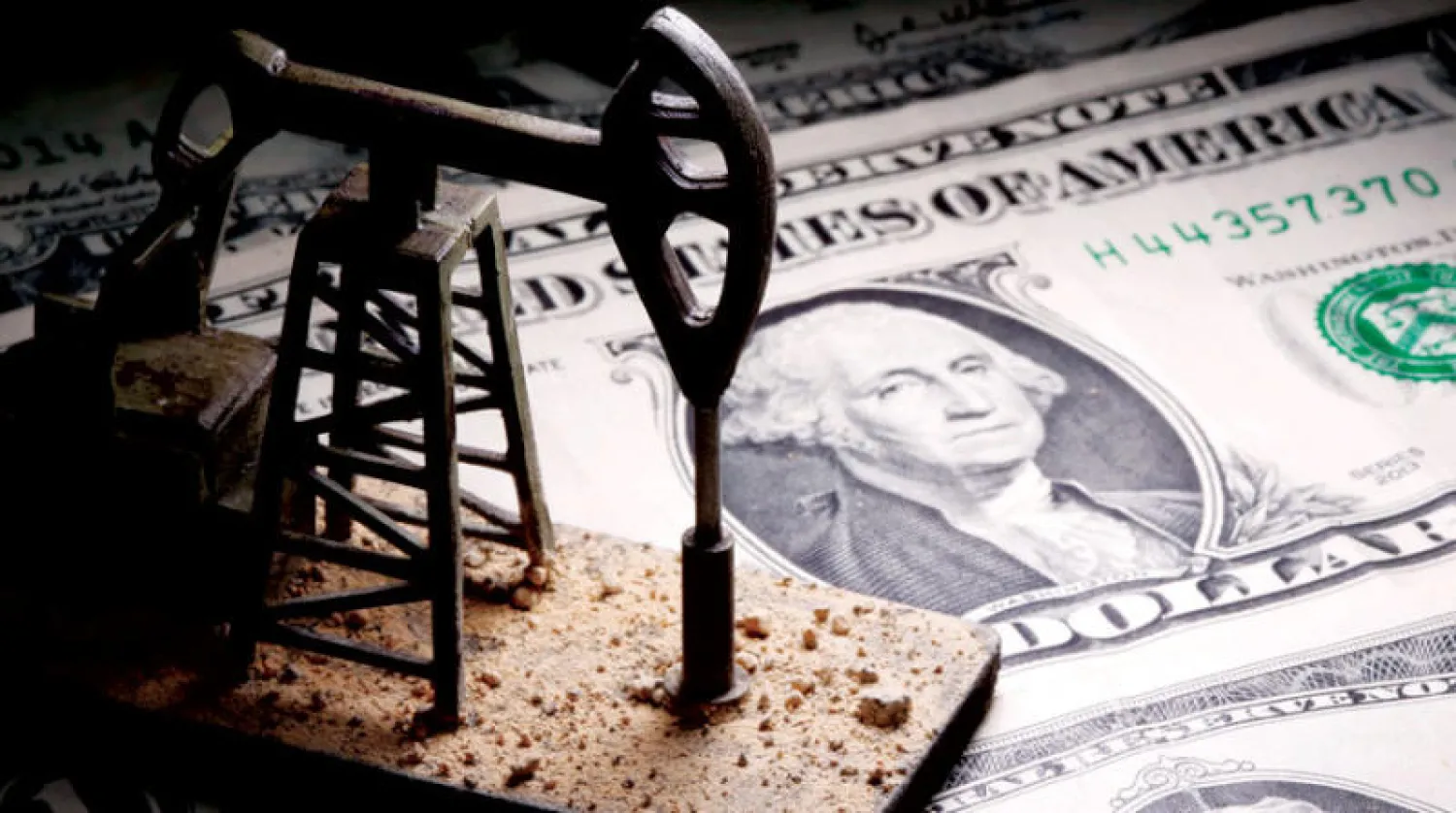
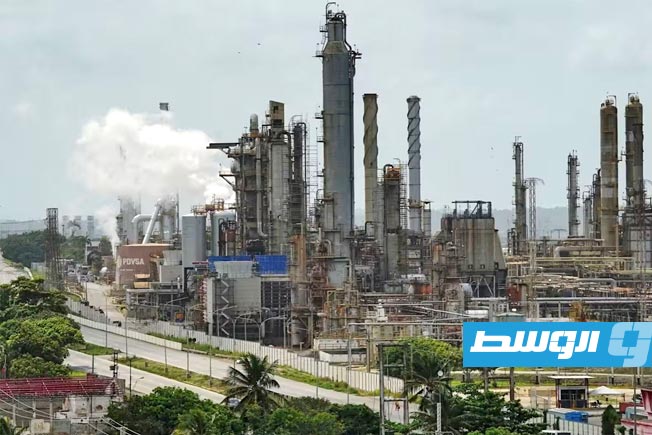
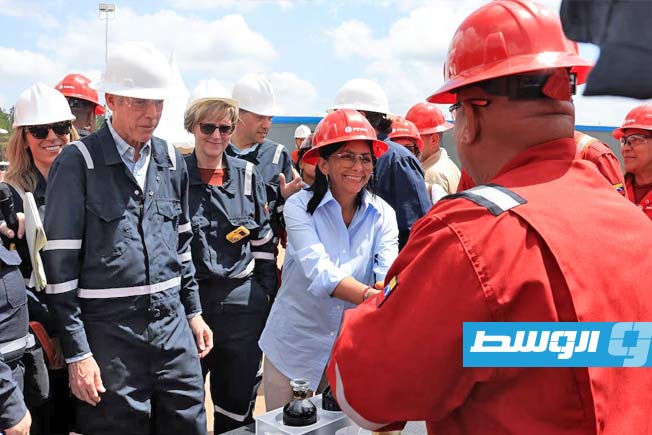
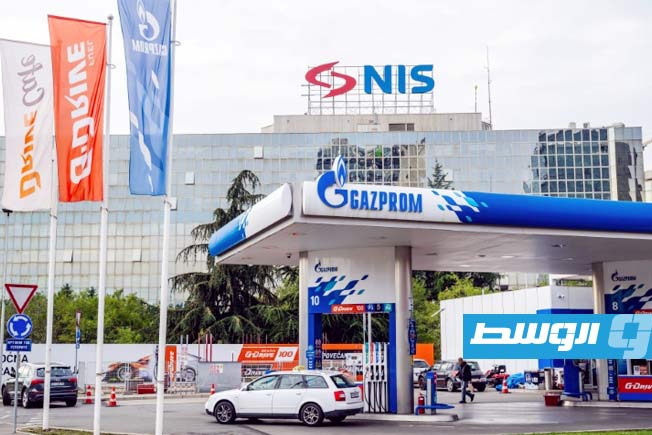
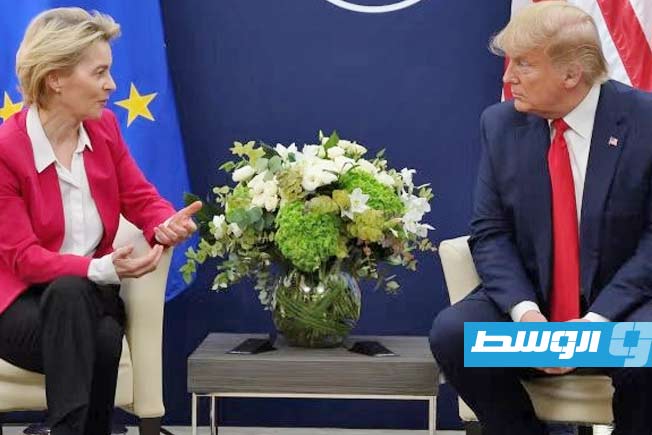
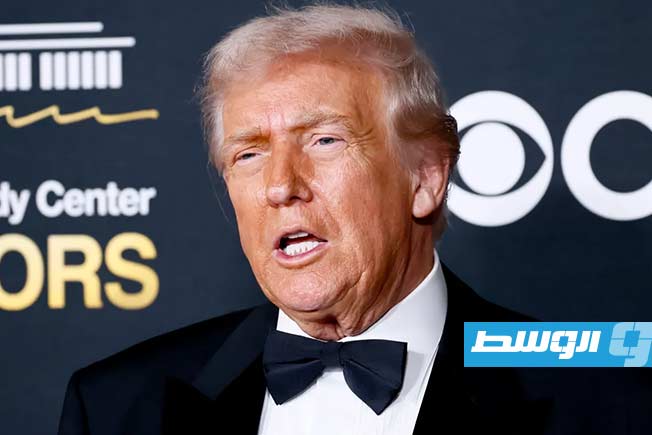
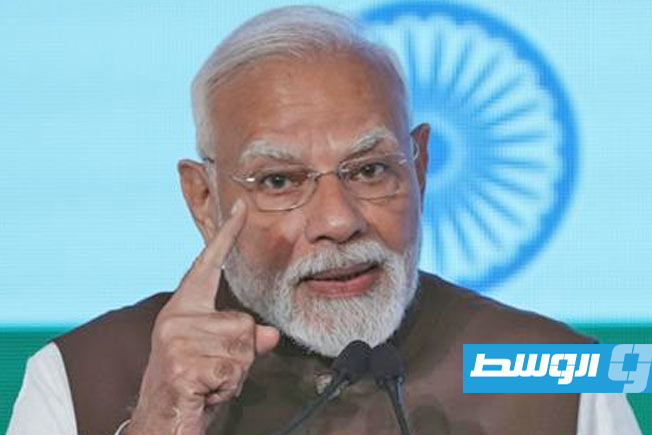
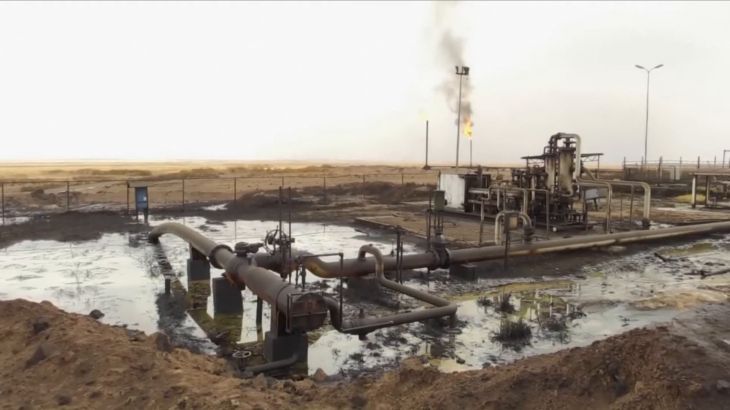
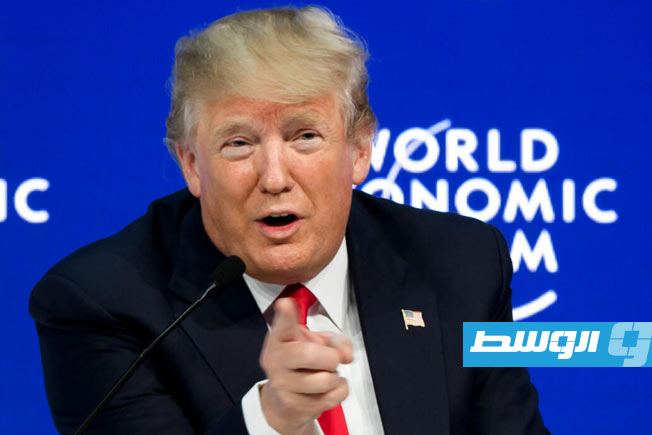
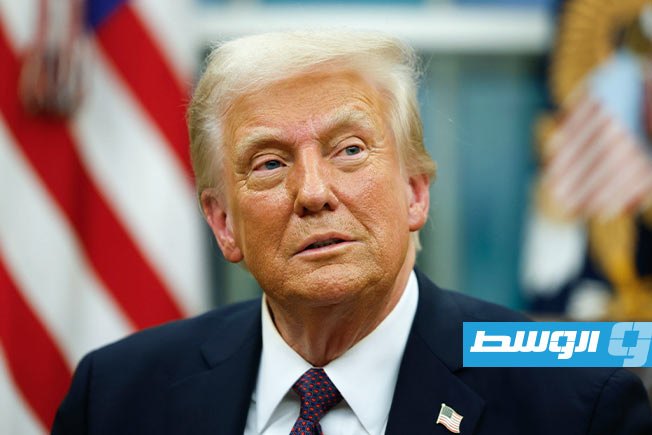
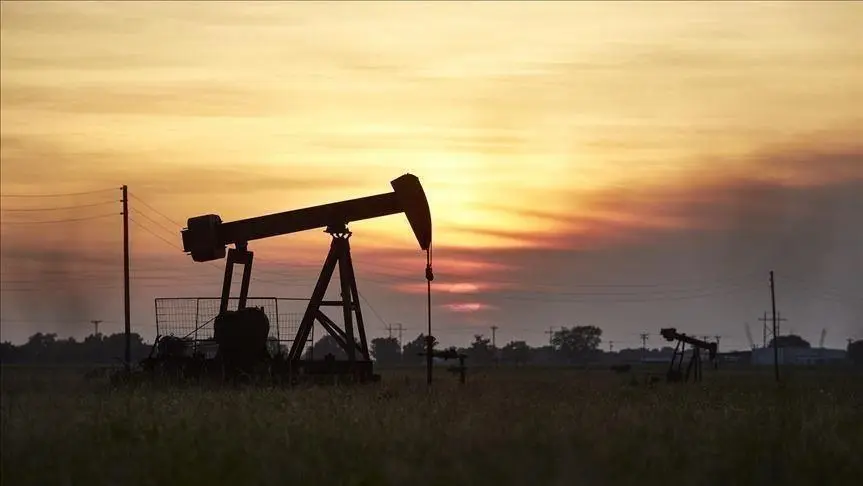
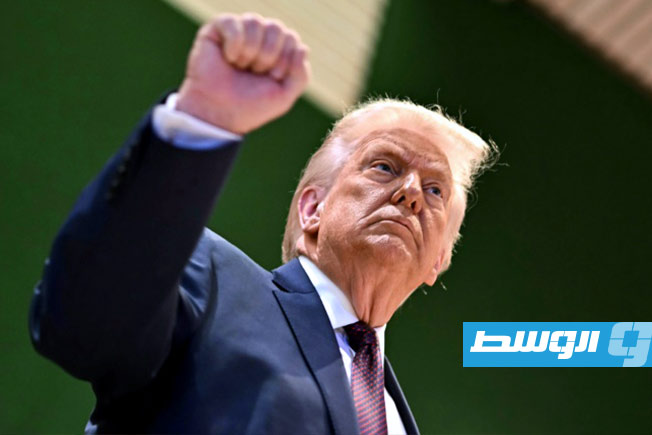
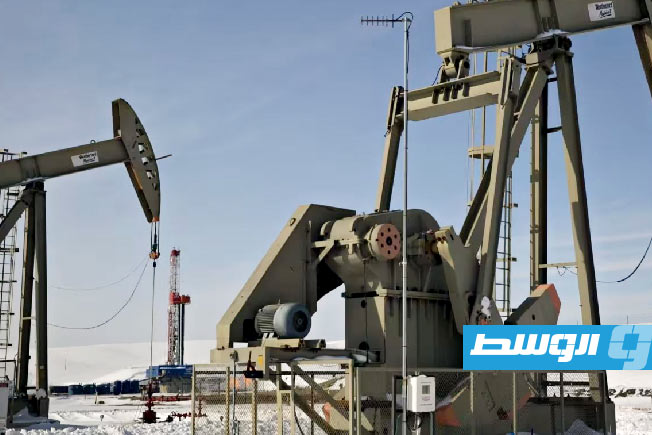
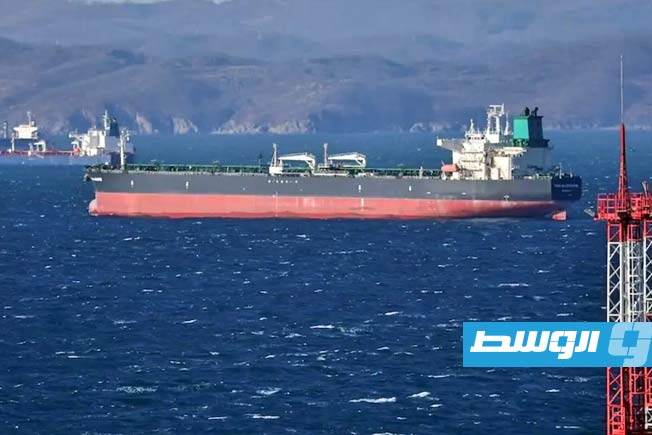
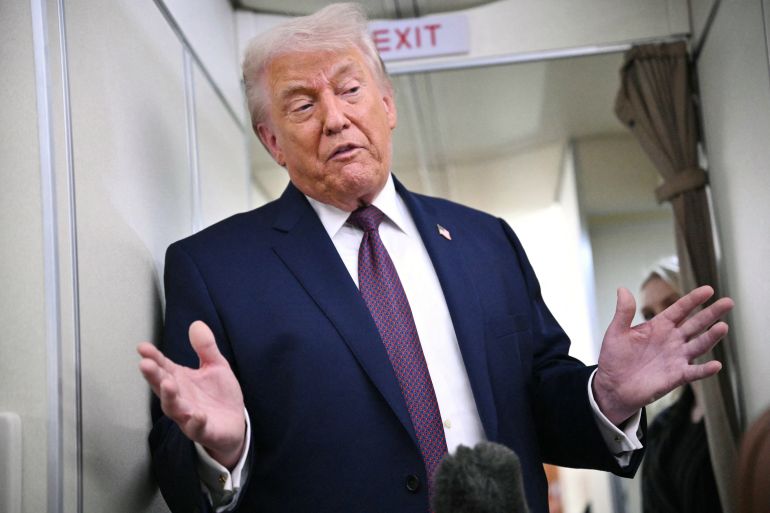
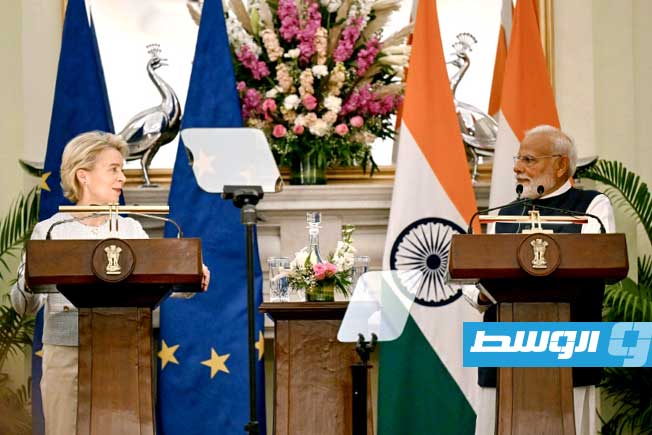
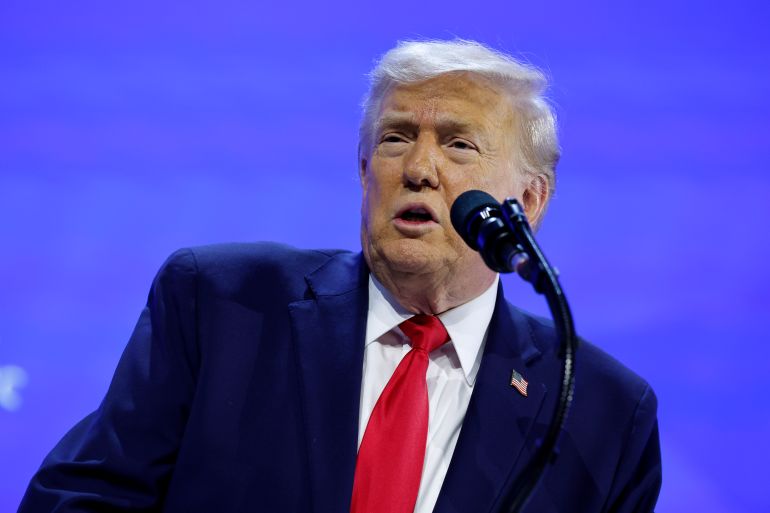
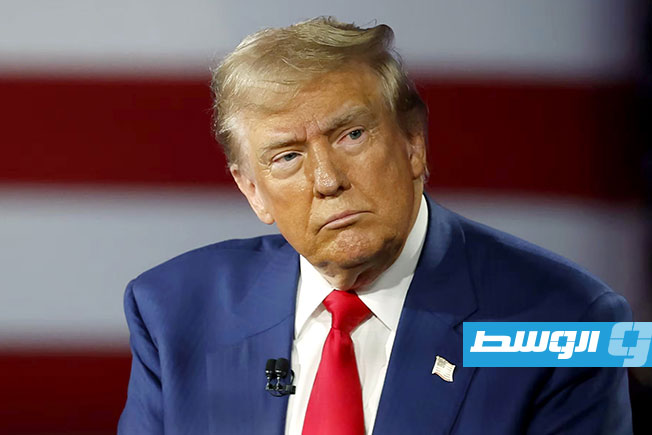
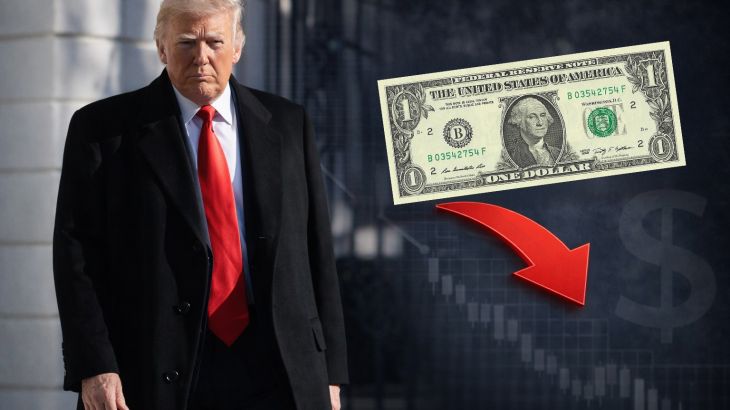
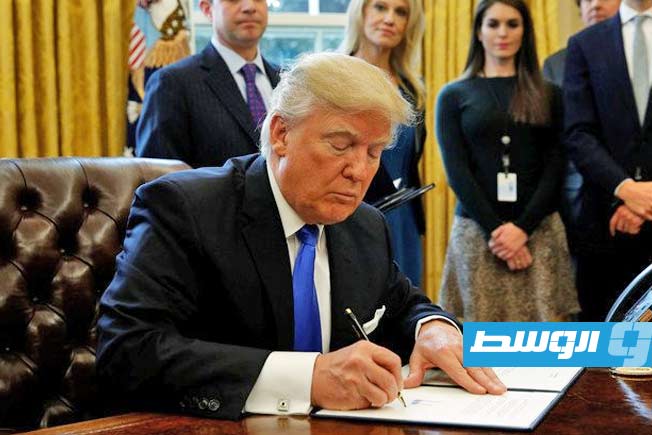
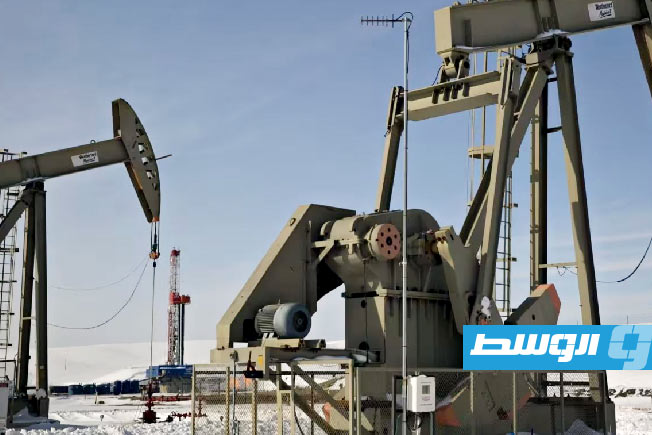
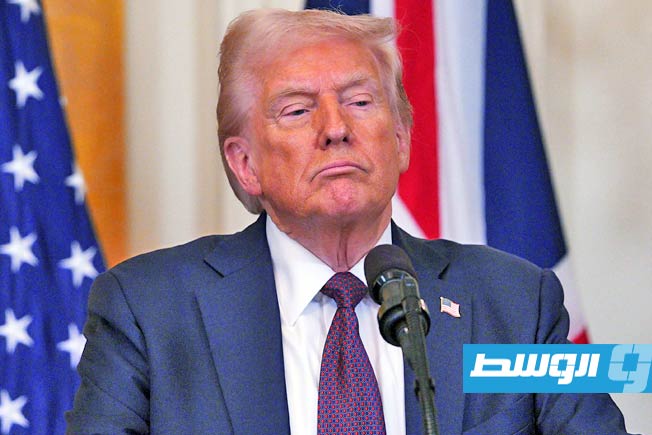
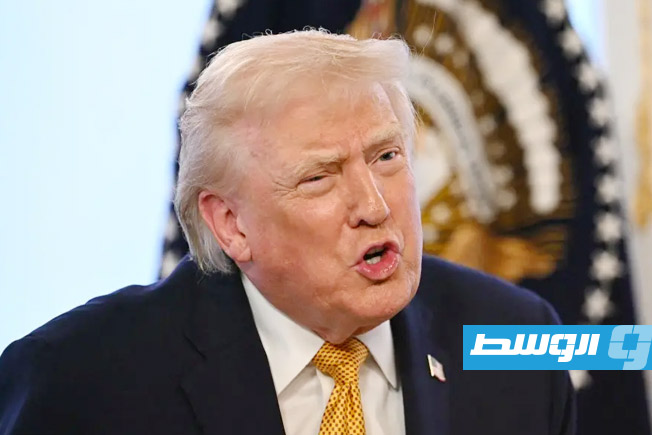
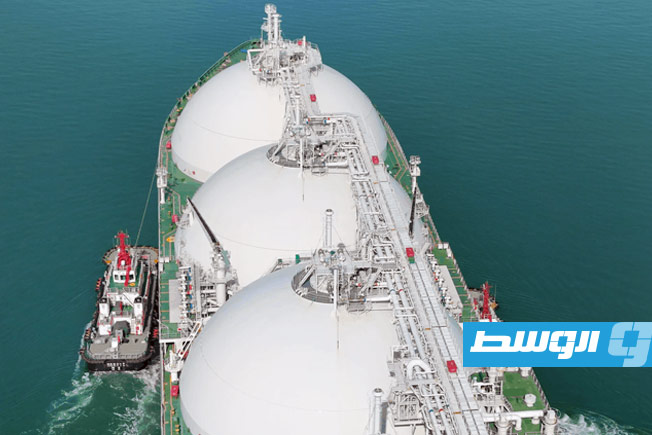
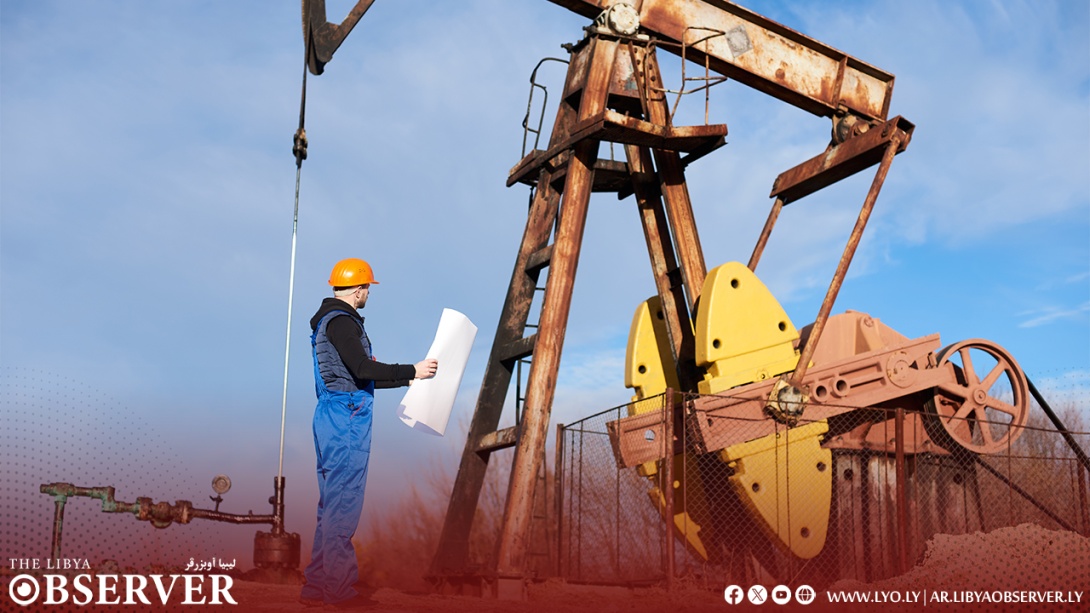
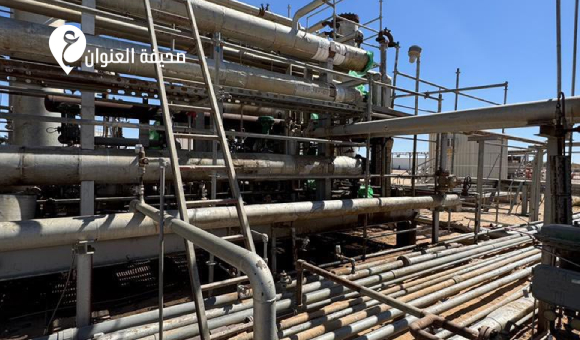
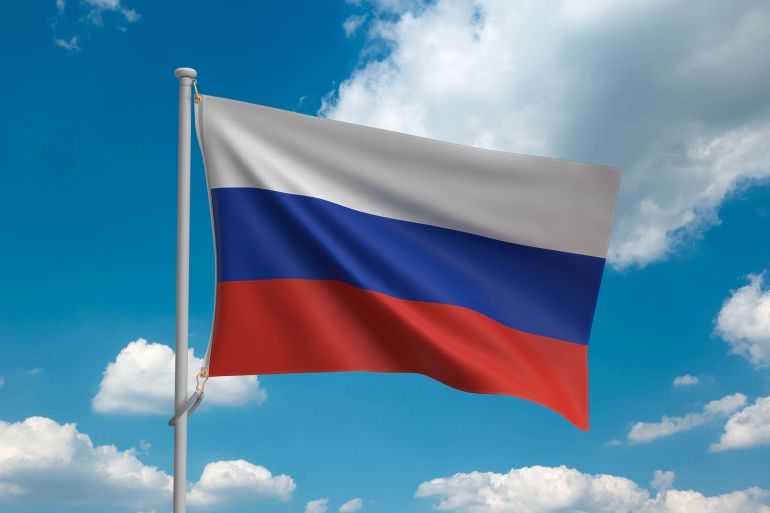
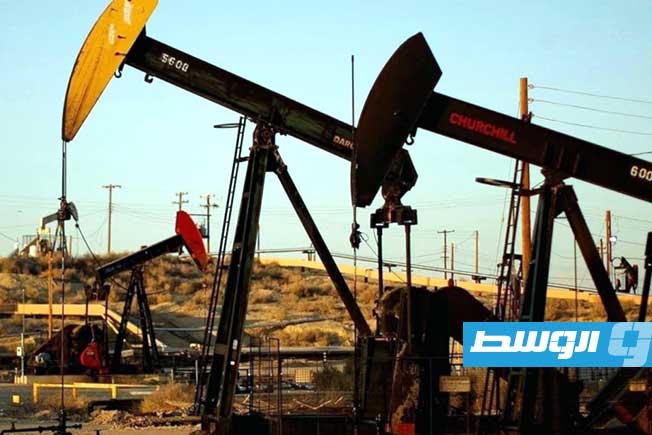
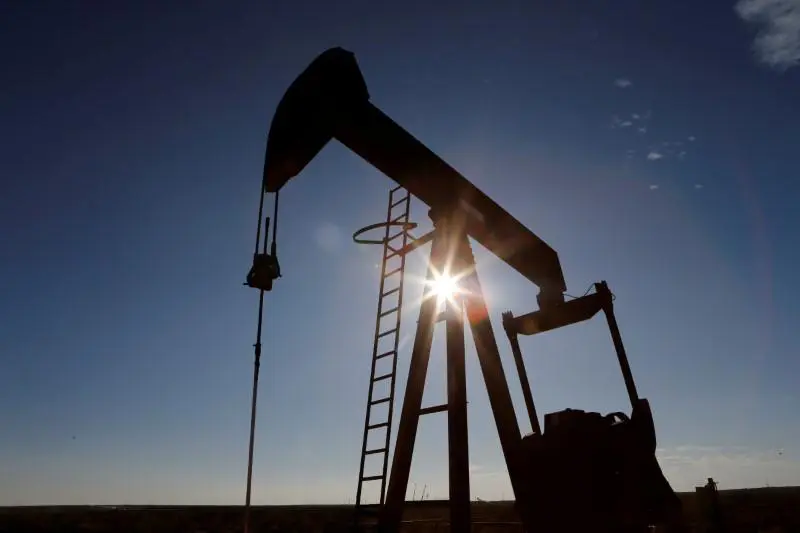
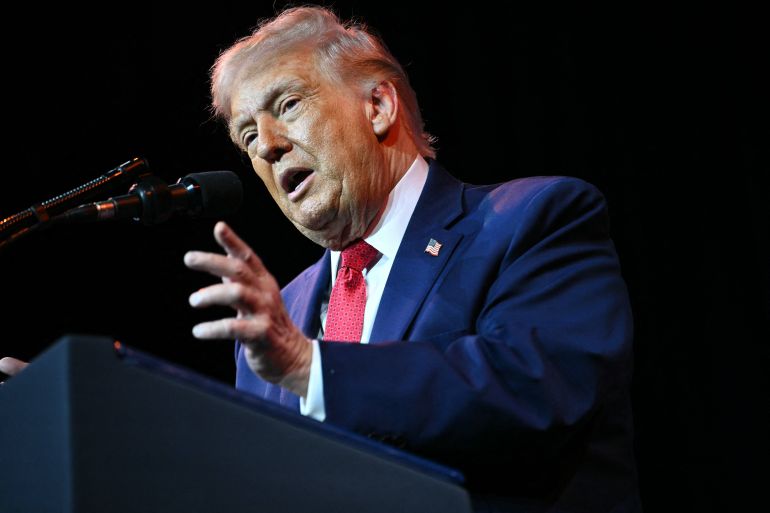
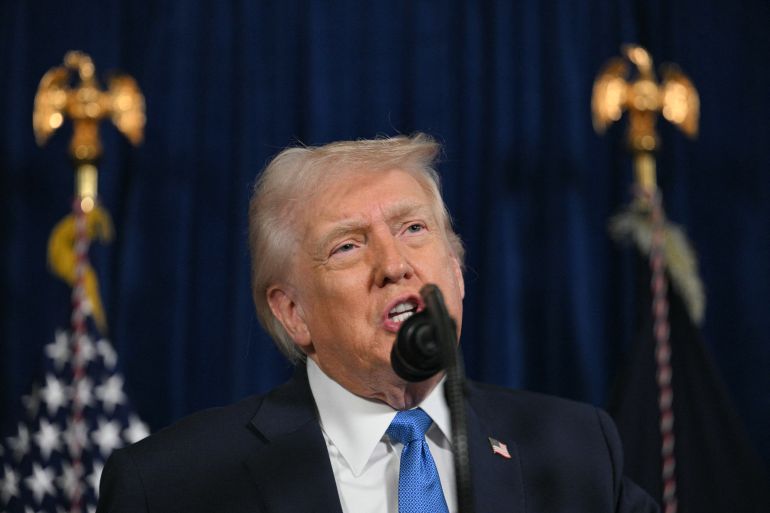
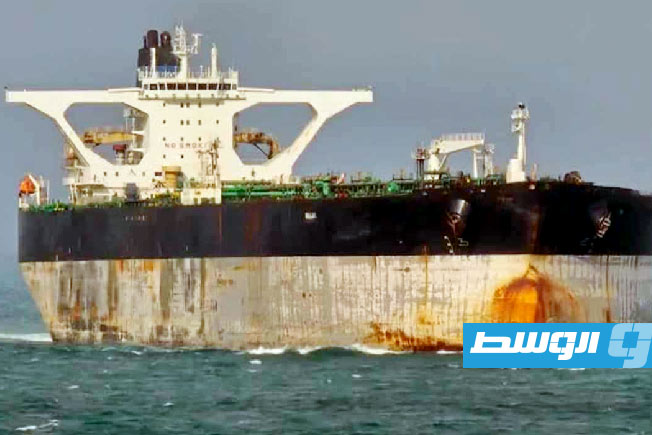
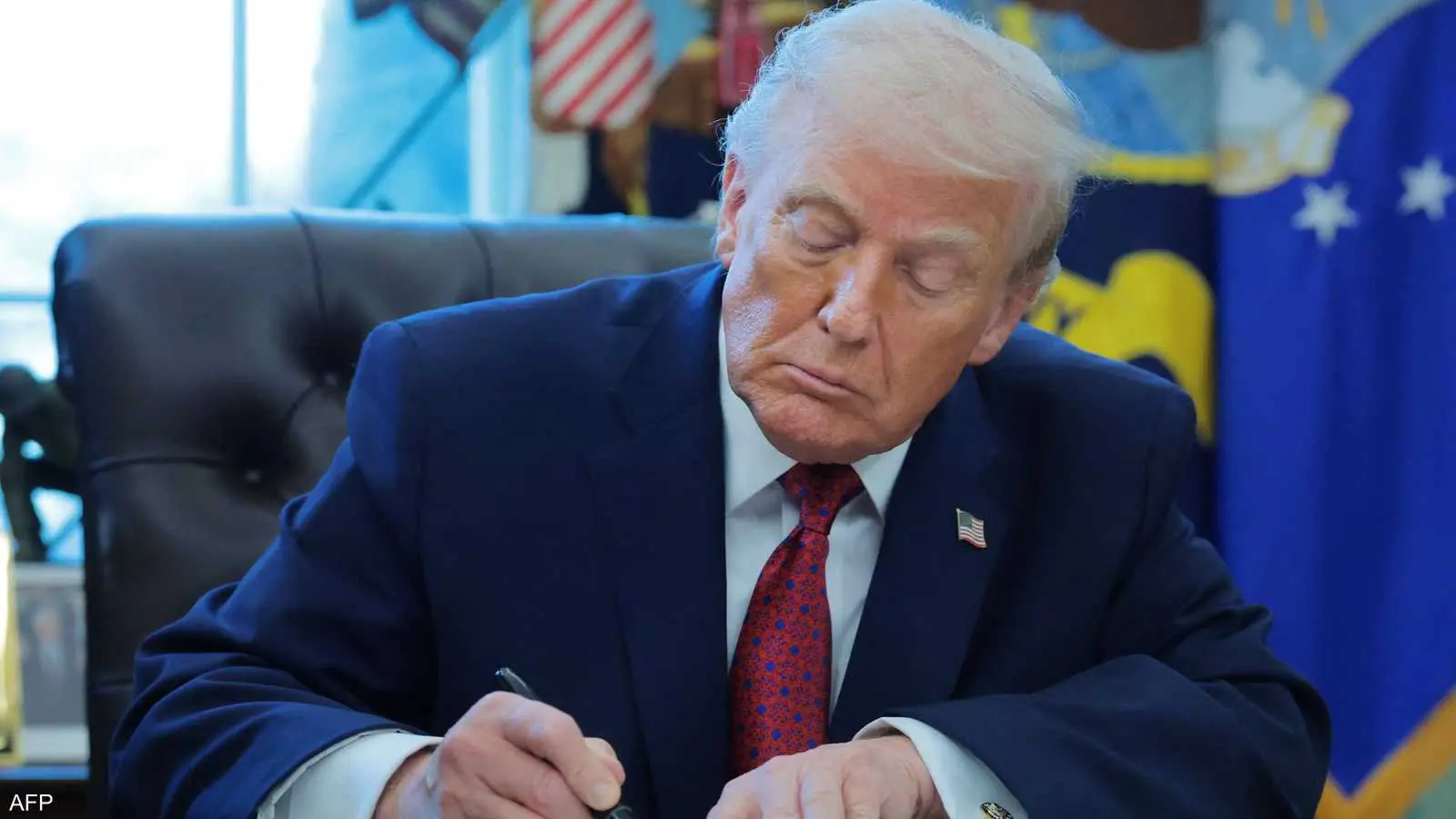
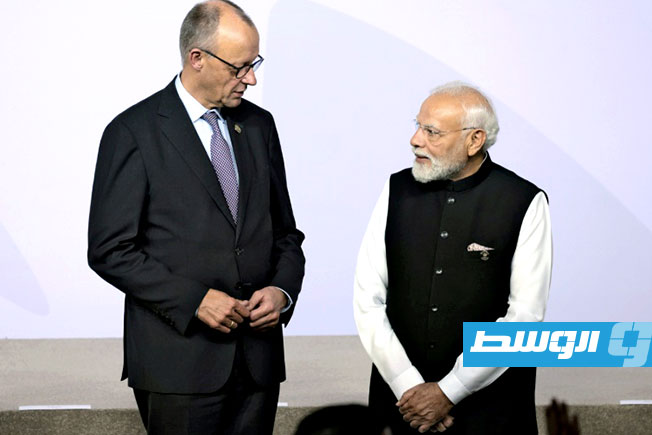
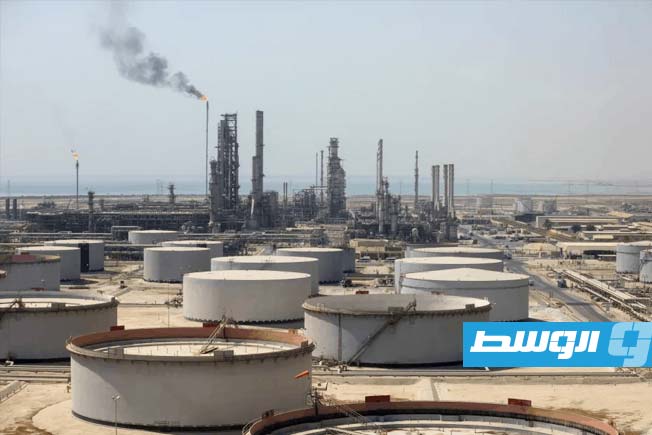
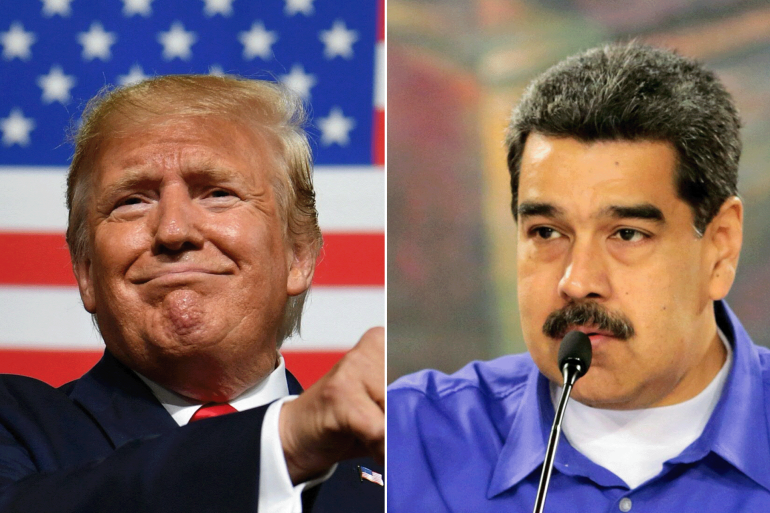
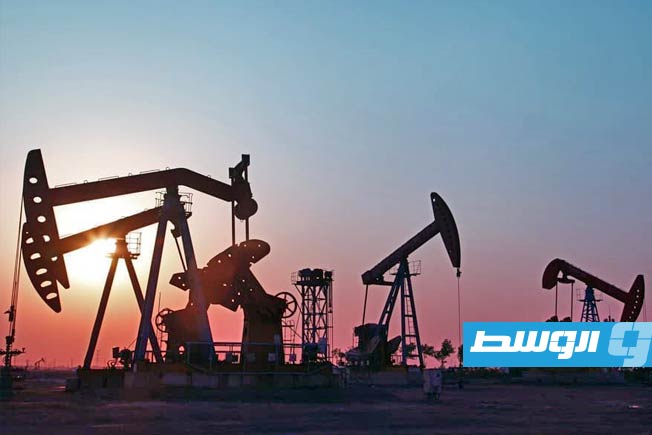
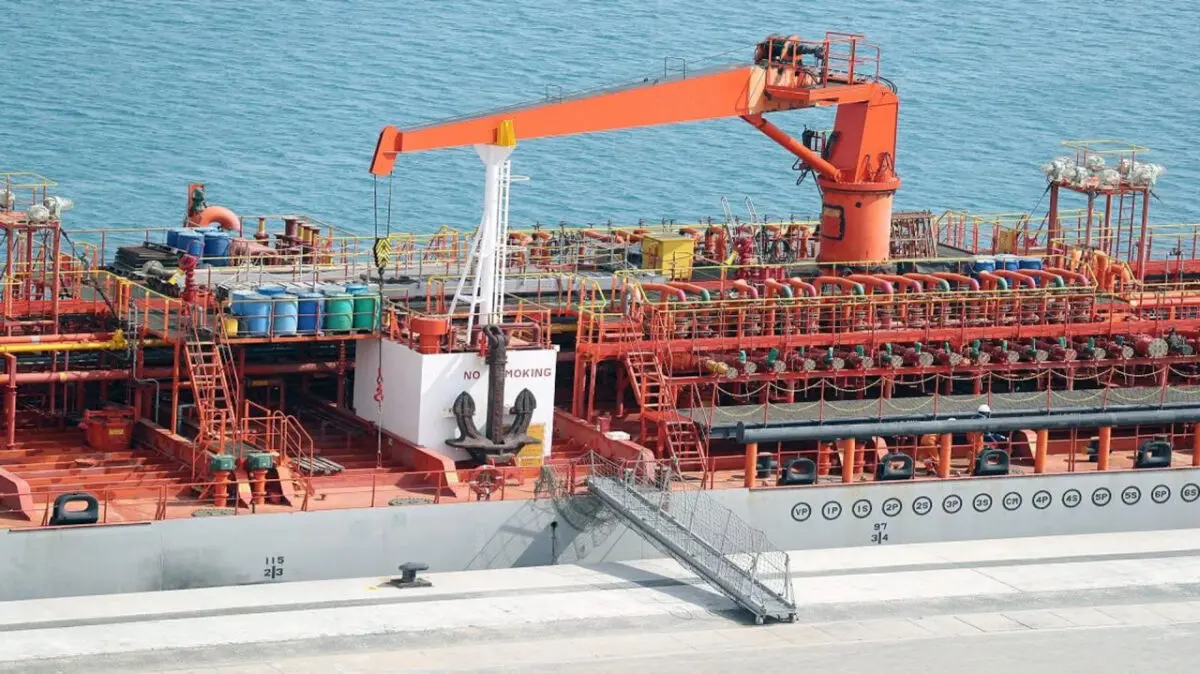
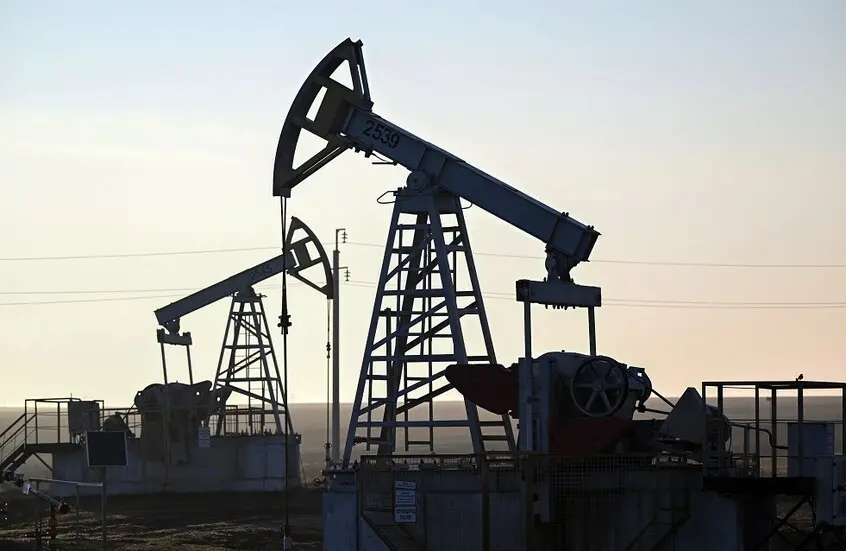
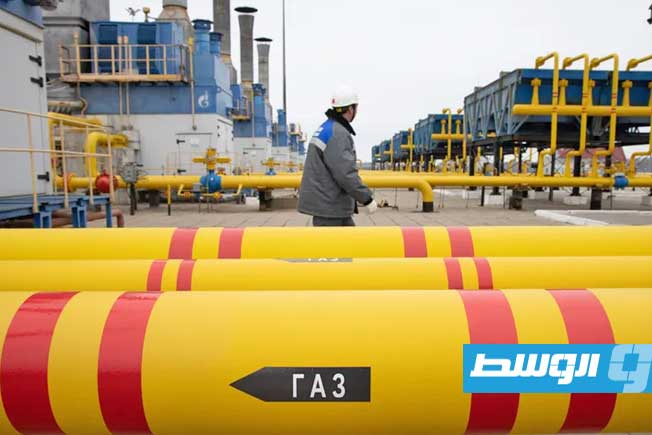
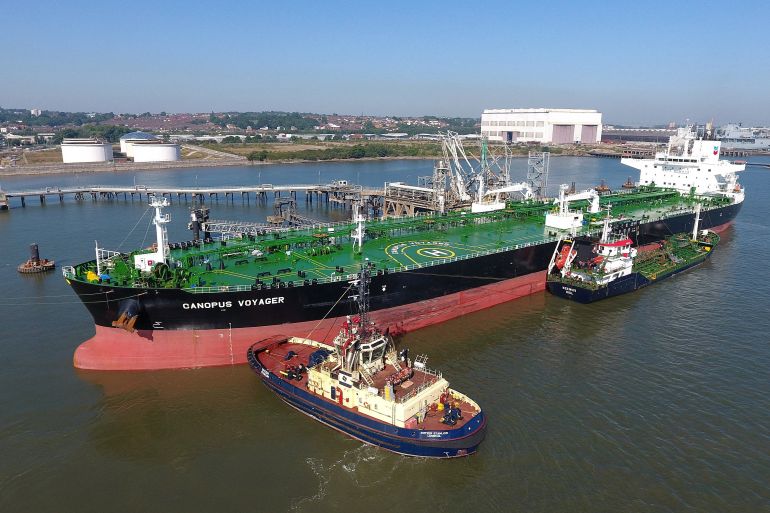
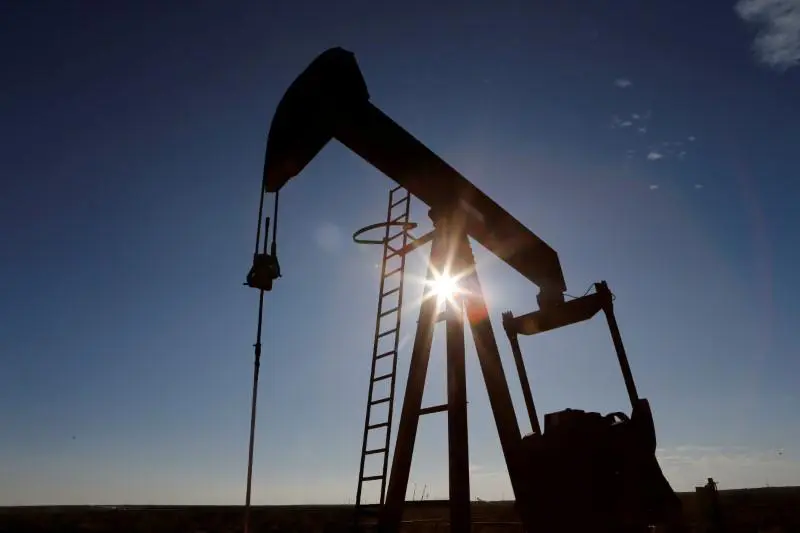
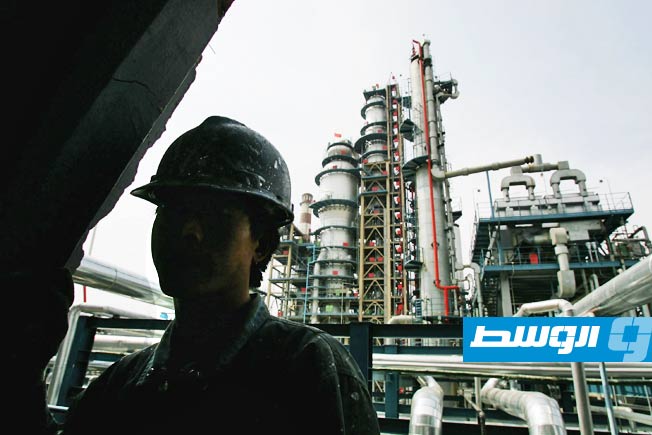
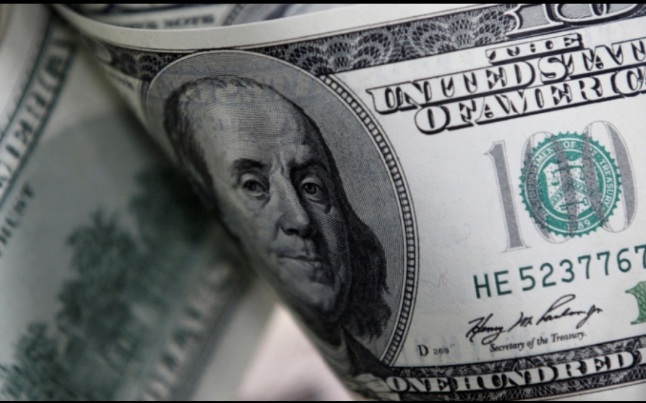
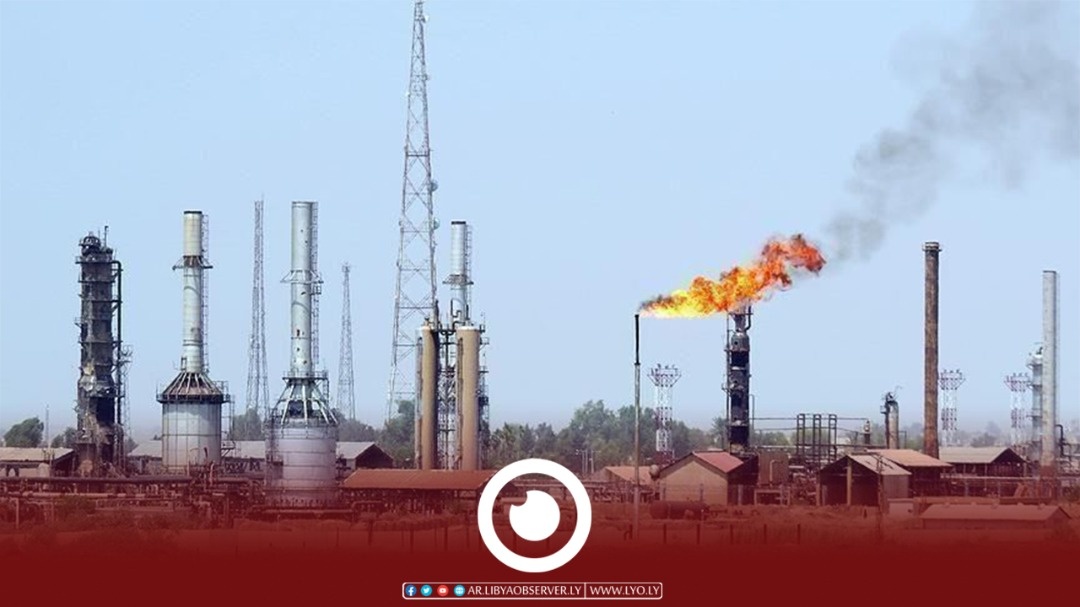
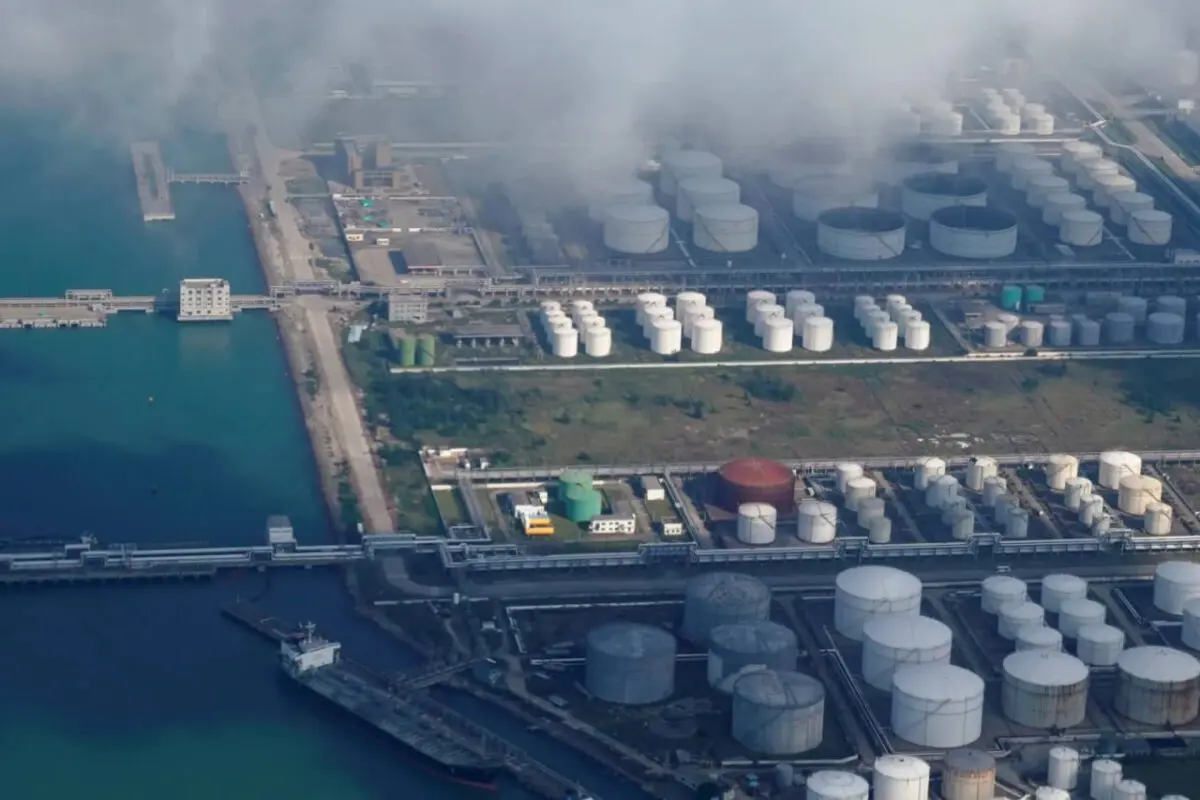
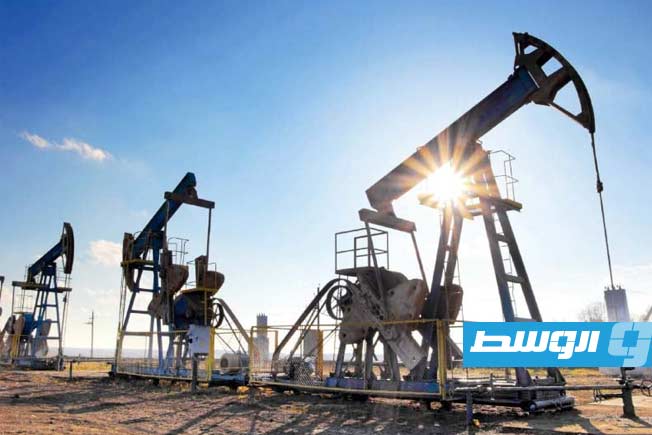
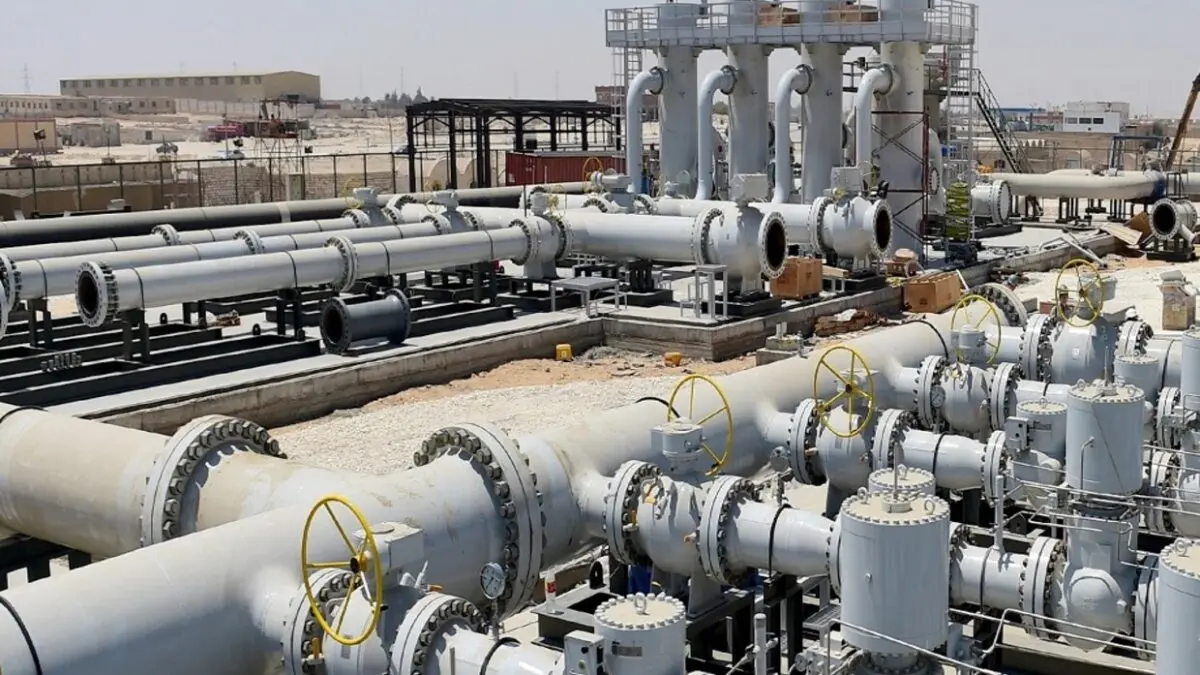
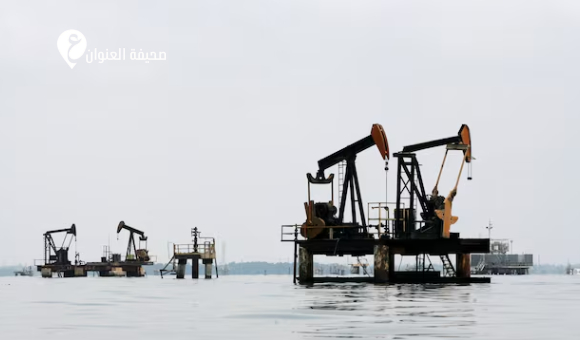
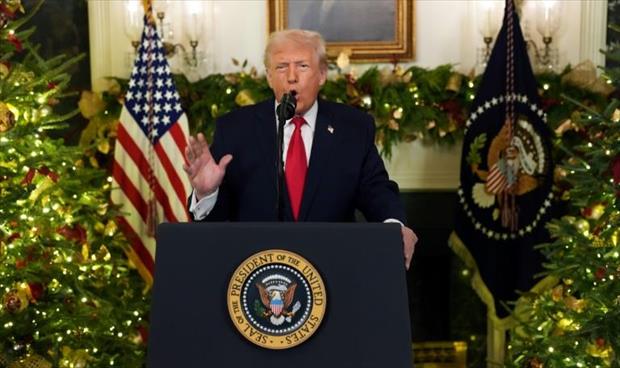
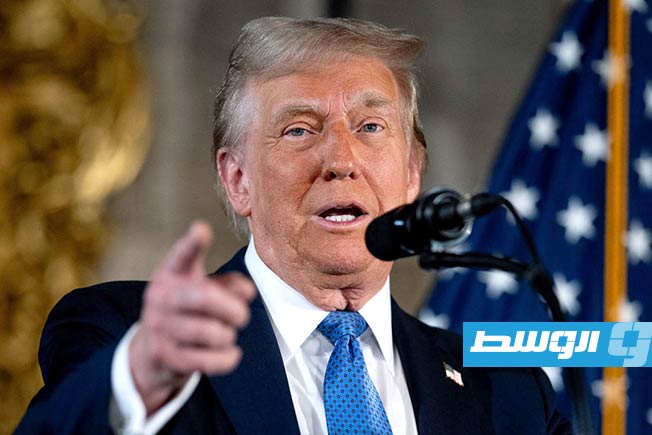
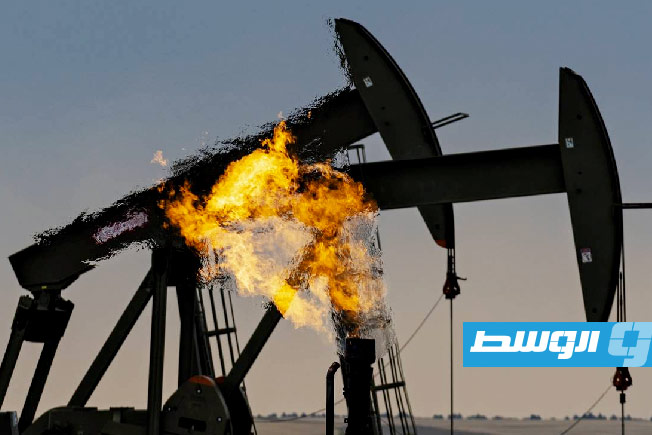
U.S. President Donald Trump announced on Monday that a “trade agreement” had been reached with India following a call with Prime Minister Narendra Modi, indicating that New Delhi had agreed to stop purchasing Russian oil and might replace it with oil from Venezuela.
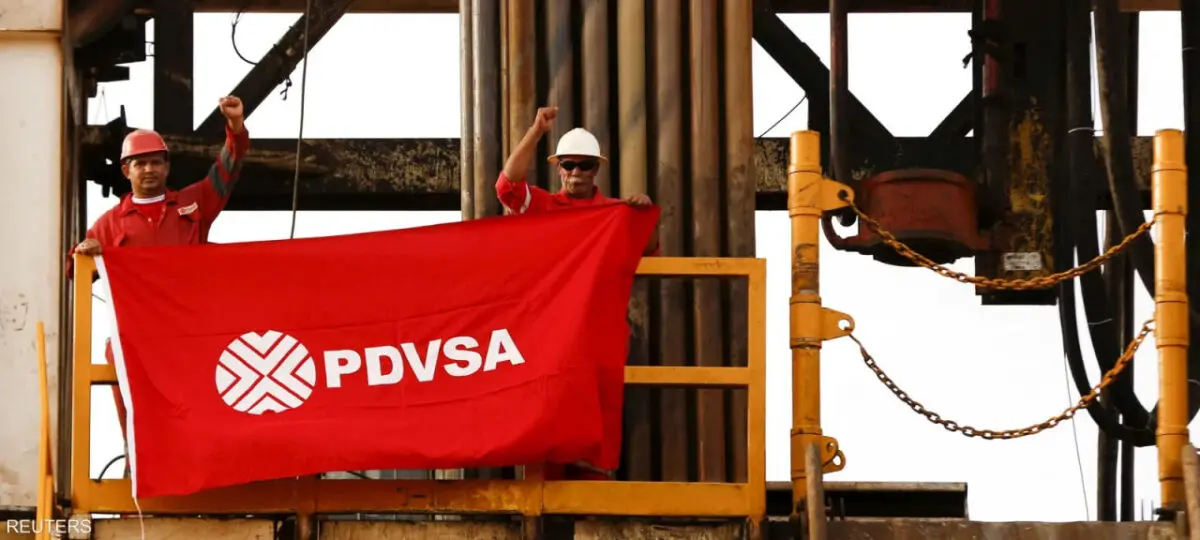
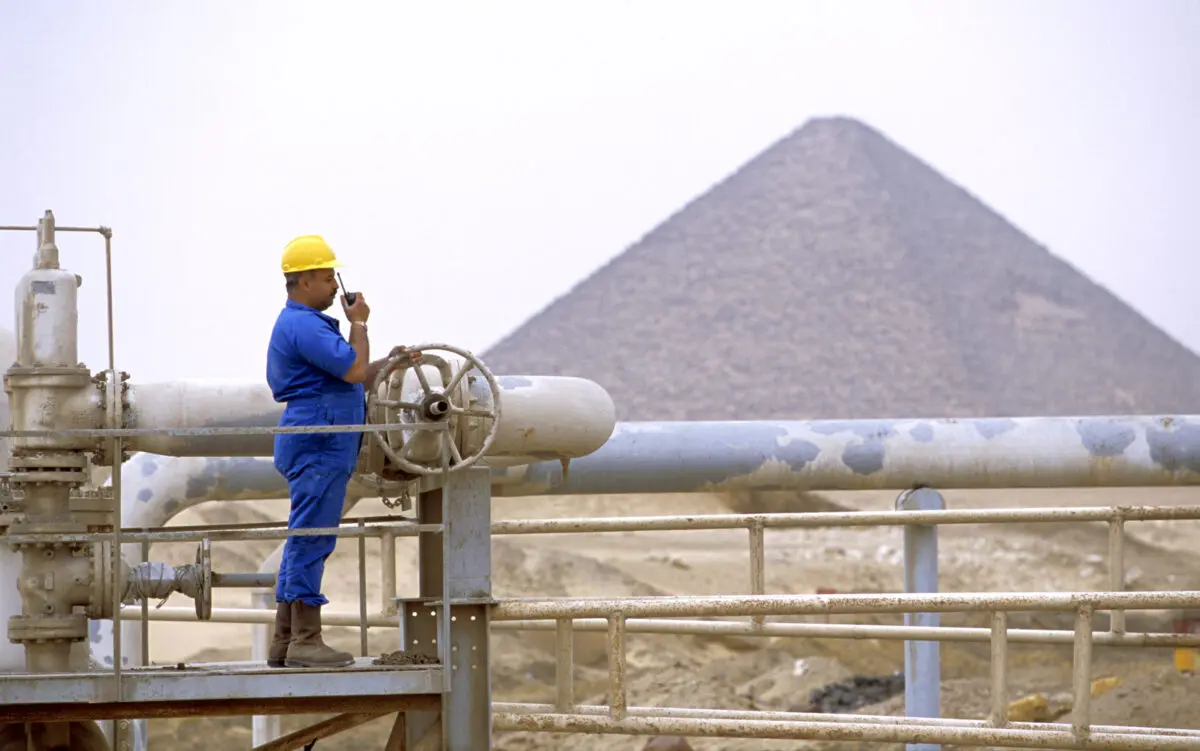
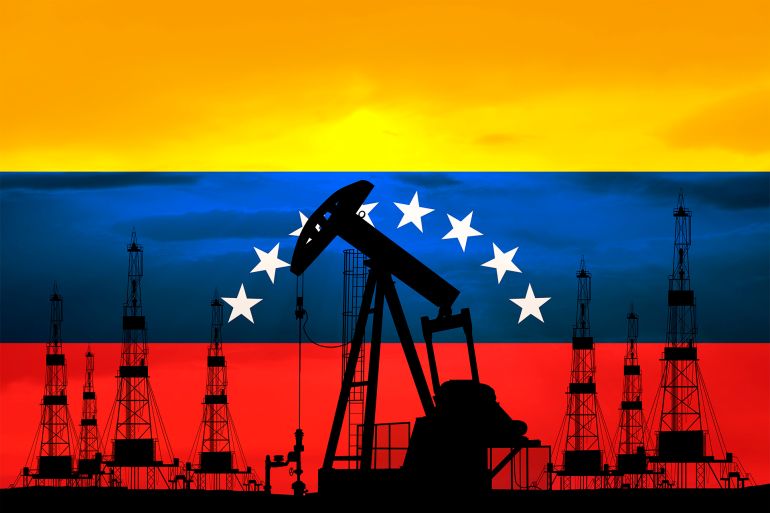
Trump stated on his Truth Social platform after his call with Modi that the latter “agreed to stop buying Russian oil” and pledged to buy “more oil from the United States, and possibly from Venezuela.”
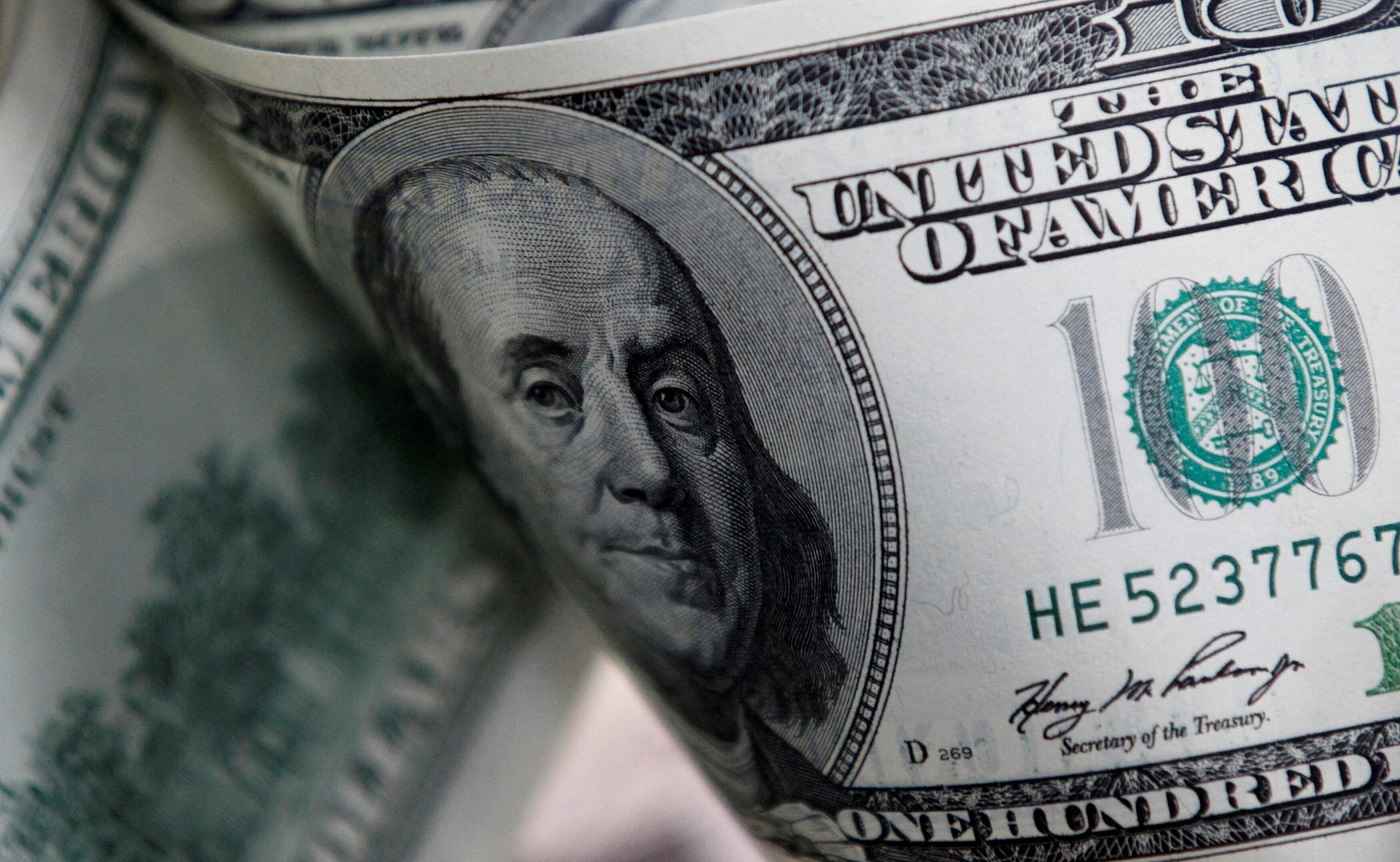
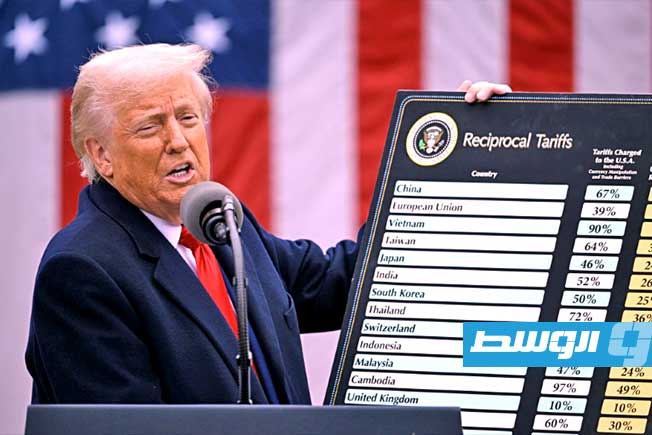
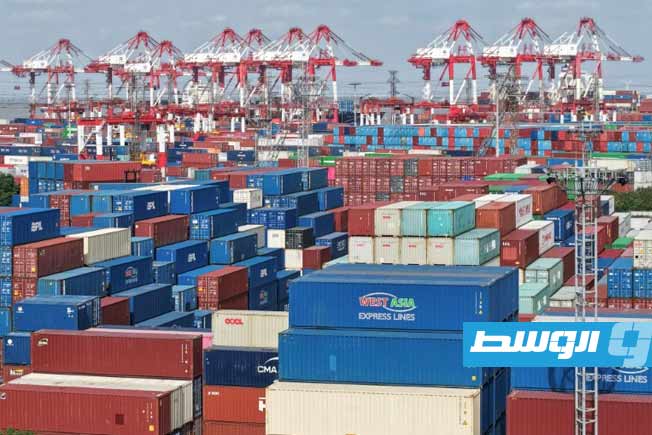
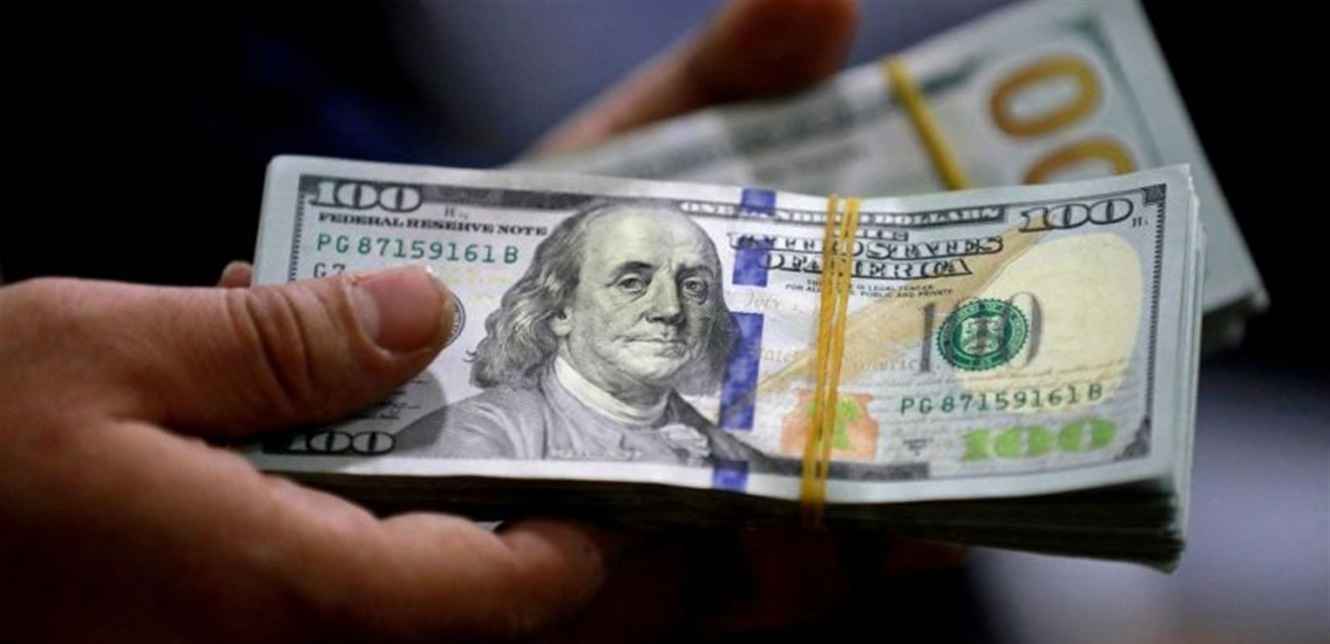
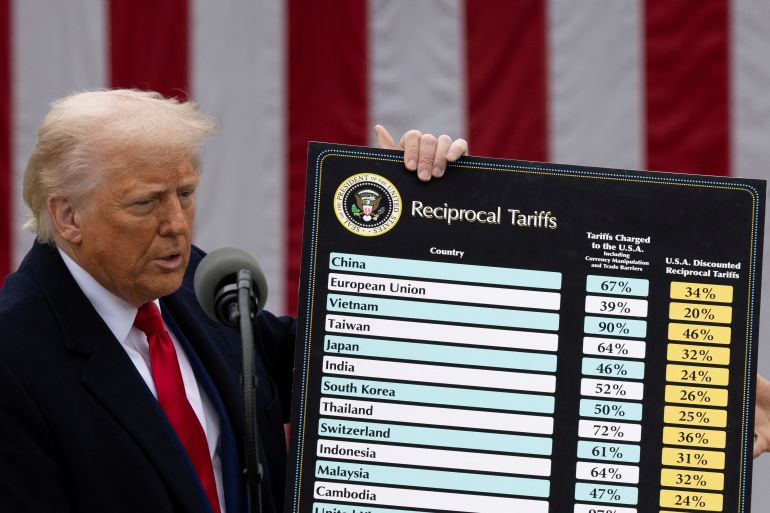
He added that, as a gesture of “friendship and respect” for Modi, the United States would reduce its tariffs on Indian imports from 25% to 18%, with New Delhi eliminating its tariffs on American products.
Increased Purchases of American Products
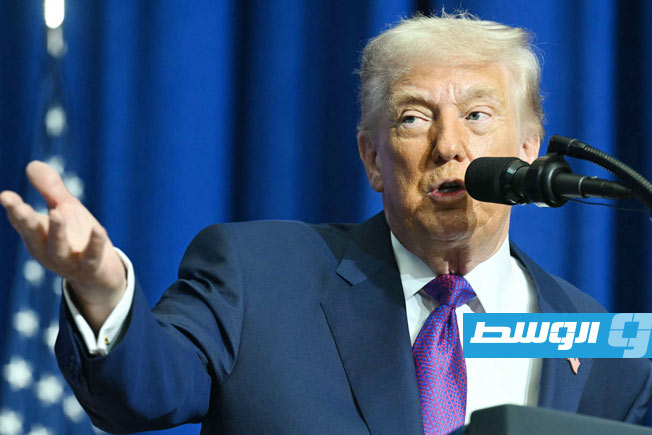
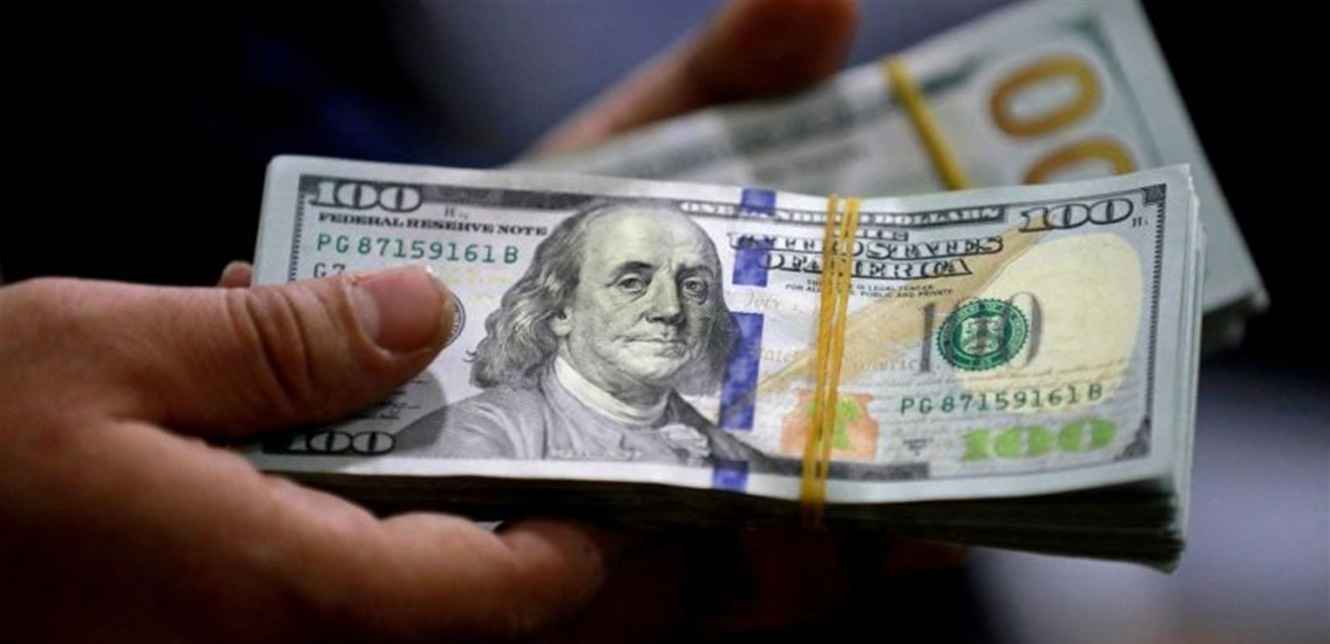
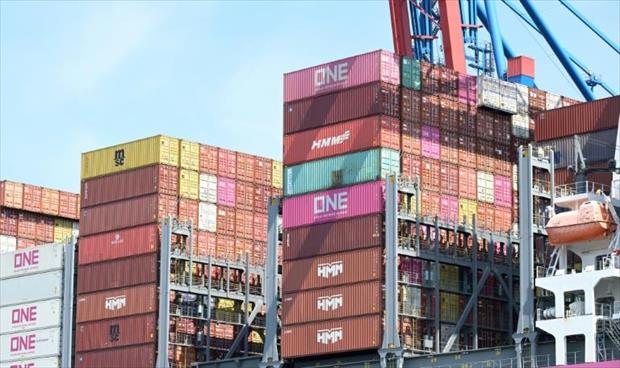
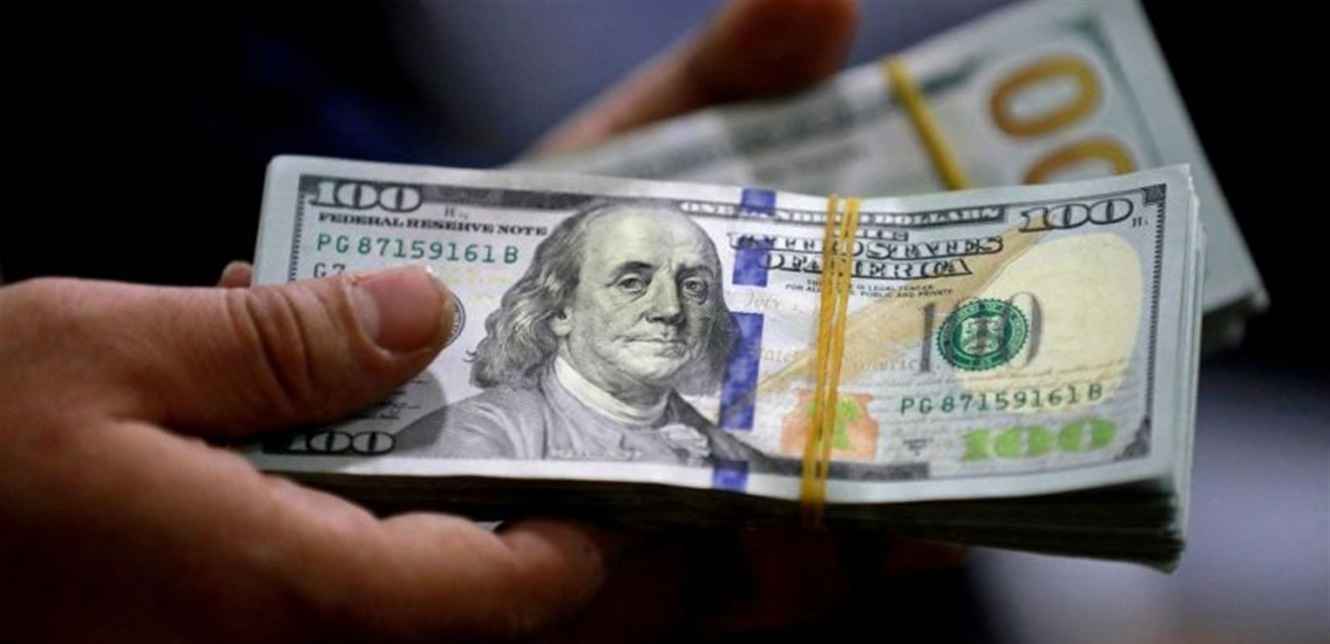
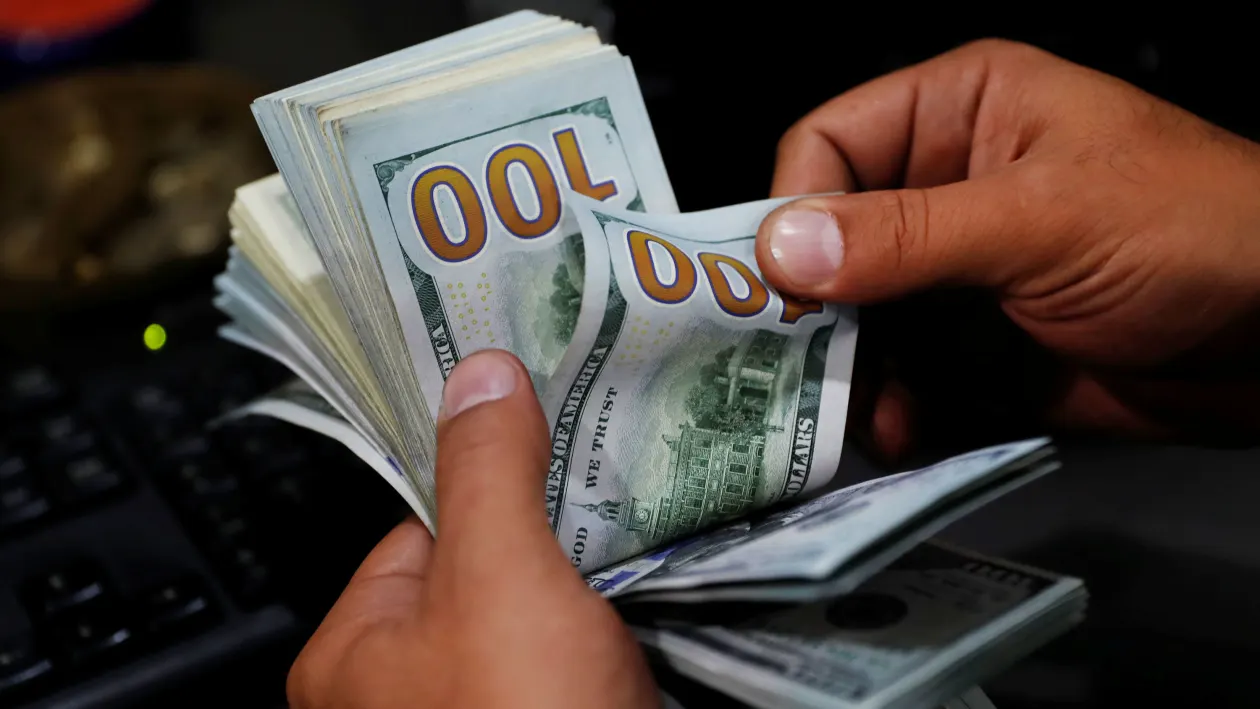
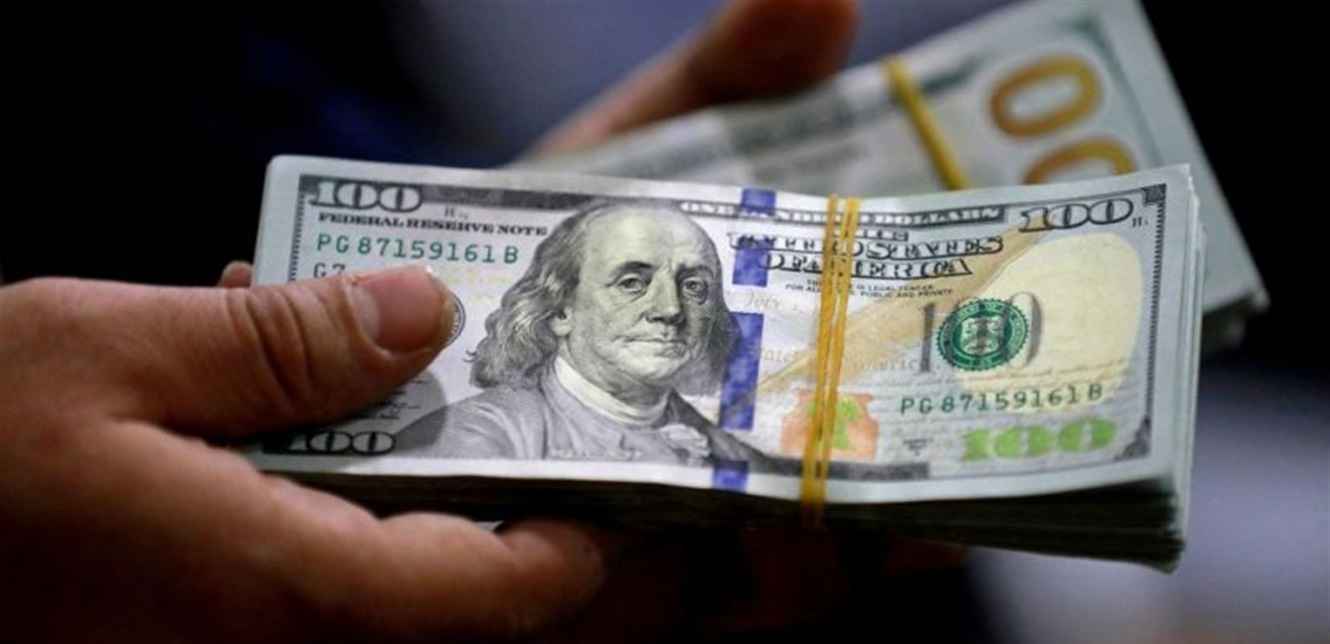
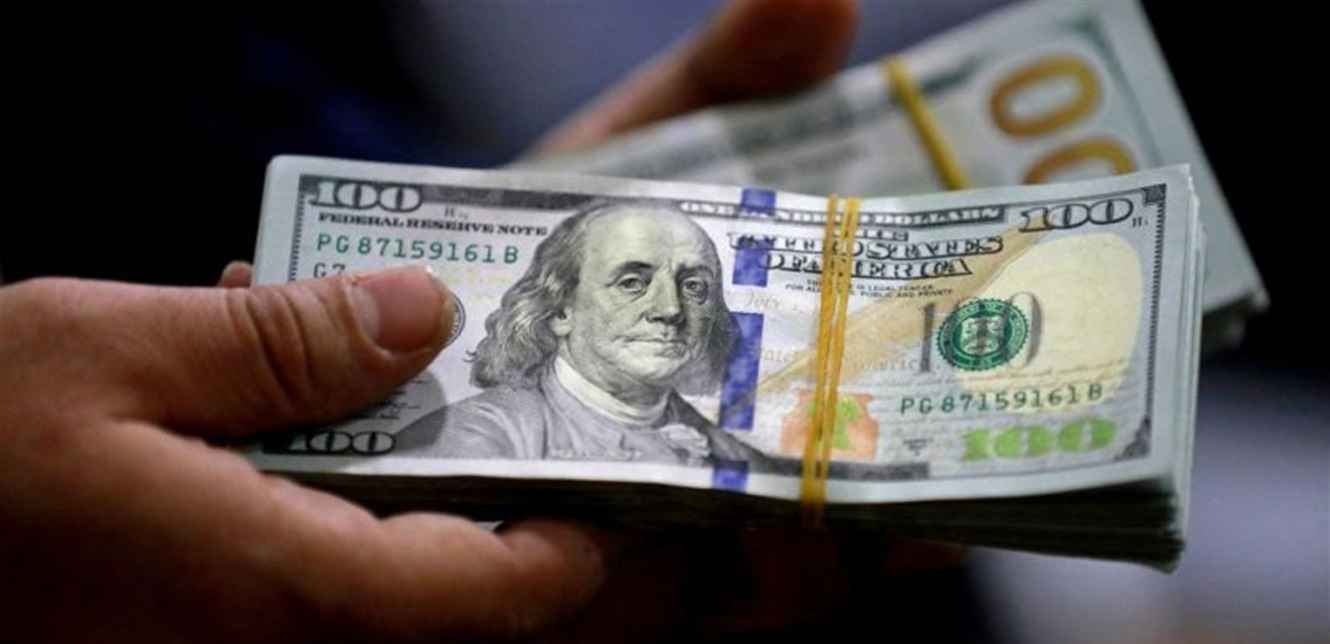
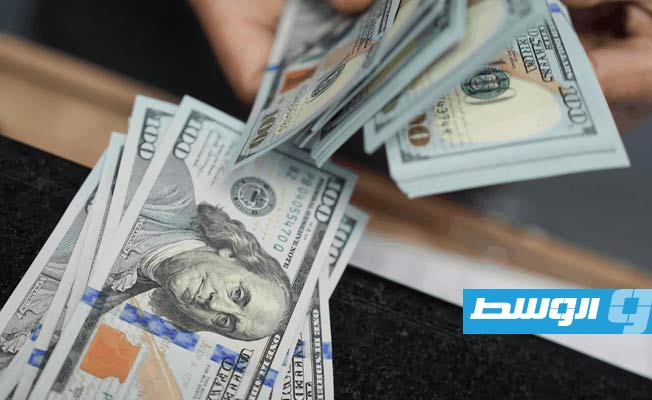
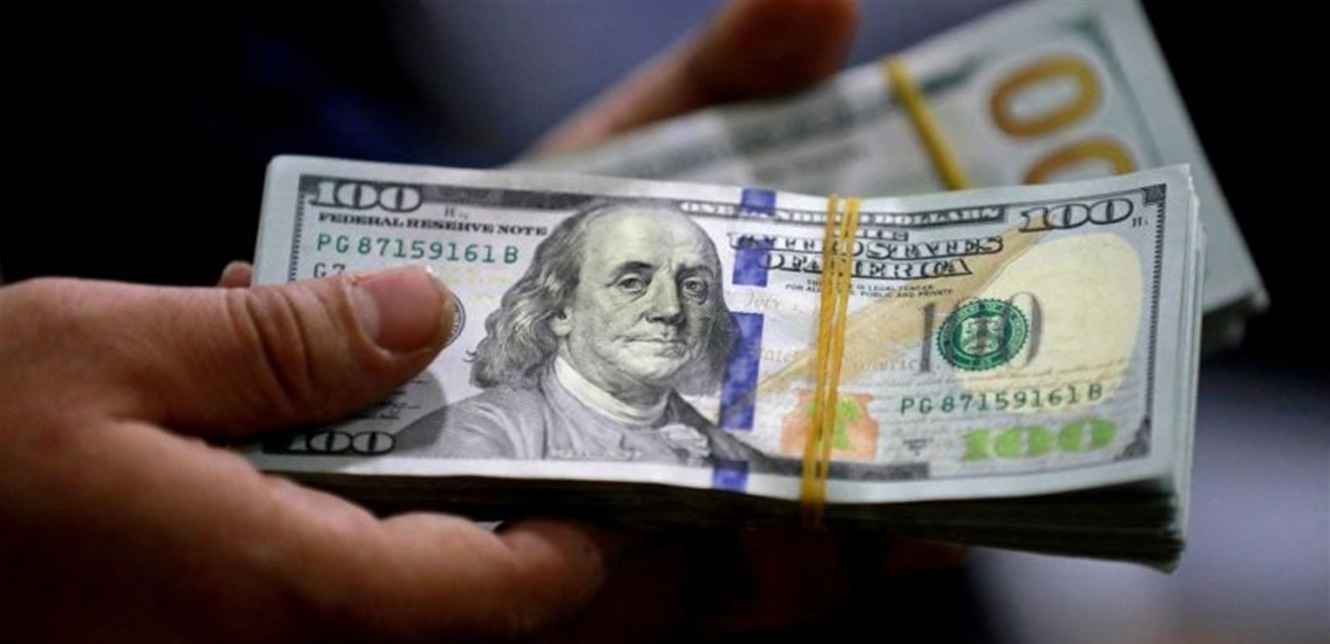
Trump continued, saying: “The Prime Minister also committed to increasing his purchases of American products, in addition to importing over $500 billion worth of American energy, technology, agricultural products, coal, and other goods. Our special relationship with India will grow stronger and stronger in the future. Prime Minister Modi and I are doers, which is not true for most people. Thank you for your interest in this matter!”
It is worth noting that America had imposed additional tariffs of 50% on Indian exports last August in response to New Delhi’s purchases of Russian oil.
United States
The United States is a federal republic founded in 1776 following the American Revolution, which established its independence from Great Britain. Its modern identity was shaped by westward expansion, a civil war over slavery, and its emergence as a global superpower in the 20th century.
Donald Trump
Donald Trump is a businessman and media personality who served as the 45th President of the United States from 2017 to 2021. His presidency was marked by a populist and unconventional political style, significant tax reforms, and a focus on immigration restriction and “America First” foreign policy.
India
India is a South Asian country with a rich and ancient history, spanning over five millennia and shaped by major civilizations like the Indus Valley, numerous empires, and diverse religious traditions. It gained independence from British colonial rule in 1947 and is today the world’s largest democracy, renowned for its cultural, linguistic, and geographical diversity.
Narendra Modi
Narendra Modi is the 14th and current Prime Minister of India, having first taken office in 2014. He previously served as the Chief Minister of Gujarat from 2001 to 2014 and is a prominent leader of the Bharatiya Janata Party (BJP).
New Delhi
New Delhi is the capital city of India, officially inaugurated in 1931 to serve as the new administrative center of British India, replacing Calcutta. It was designed by British architects Edwin Lutyens and Herbert Baker, featuring wide boulevards and grand government buildings like the Rashtrapati Bhavan and India Gate. Today, it remains the seat of the Indian government and a major political and cultural hub.
Russia
Russia is the largest country in the world by land area, spanning Eastern Europe and Northern Asia. Its history is marked by the rise and fall of the Tsarist Empire, the establishment of the Soviet Union in the 20th century, and its post-1991 transformation into the Russian Federation. The nation is renowned for its vast landscapes, rich literary and artistic traditions, and iconic sites like the Kremlin and Red Square in Moscow.
Venezuela
Venezuela is a South American country with a history of indigenous inhabitation before Spanish colonization in the 16th century. It gained independence in the early 19th century and is known for its significant oil reserves and diverse natural landscapes, including Angel Falls, the world’s tallest waterfall.
Truth Social
Truth Social is a social media platform launched in February 2022 by Trump Media & Technology Group, founded by former U.S. President Donald Trump. It was created following Trump’s bans from major social networks after the January 6 Capitol riot, with the stated purpose of providing a platform for “free expression” and as an alternative to what he described as “Big Tech censorship.”