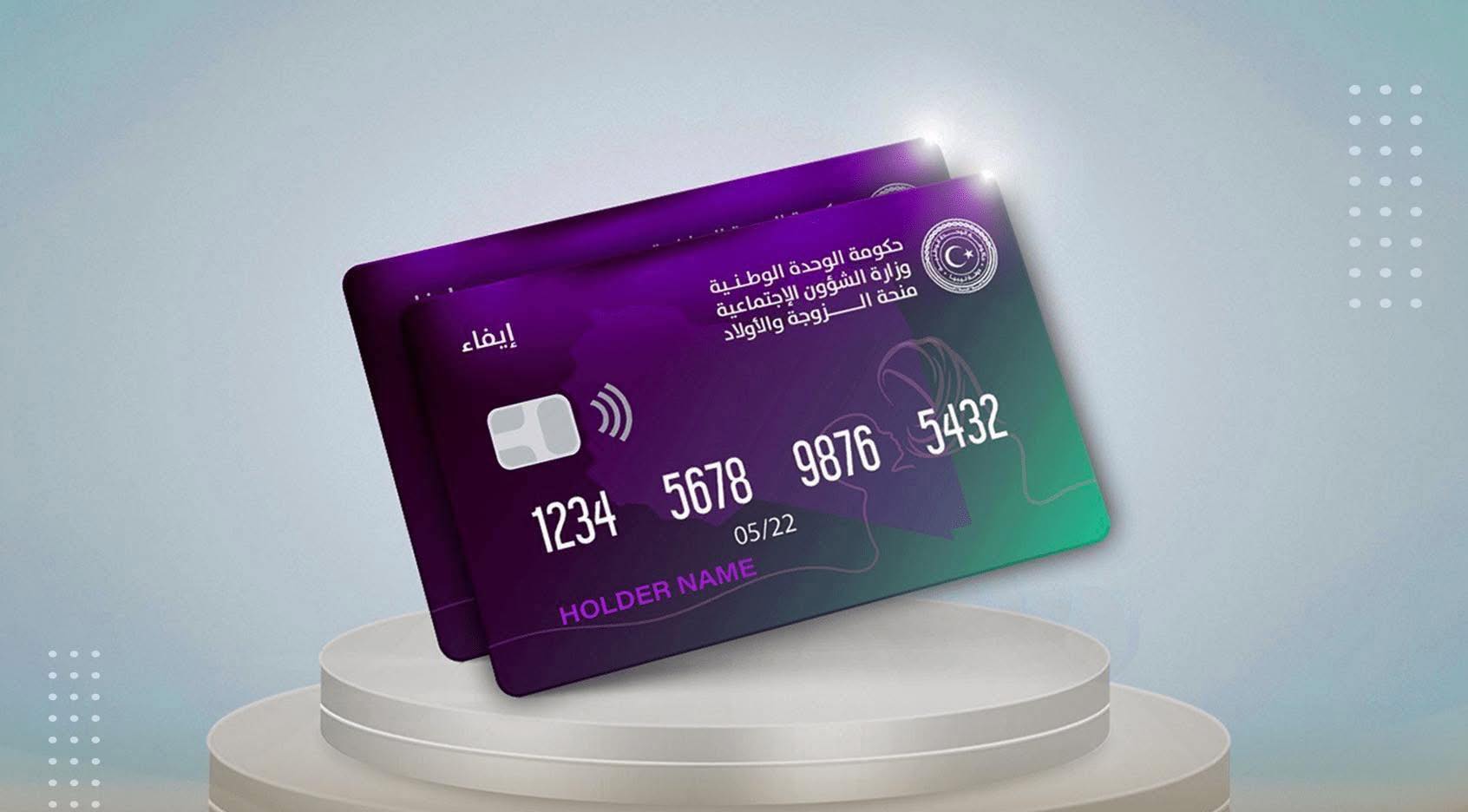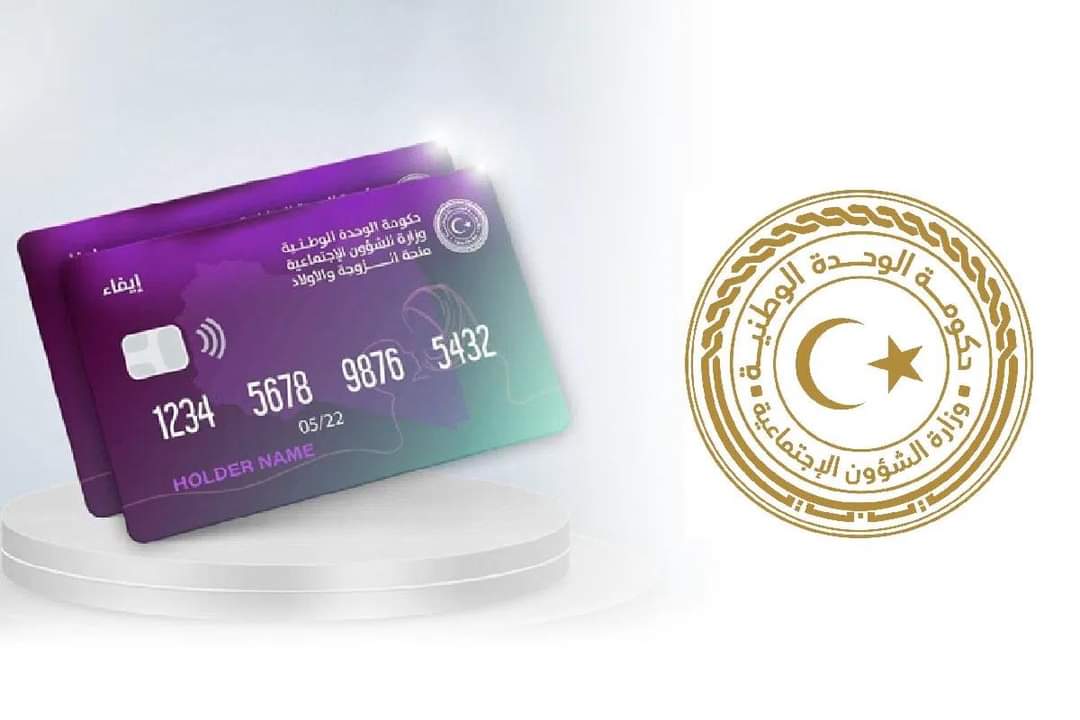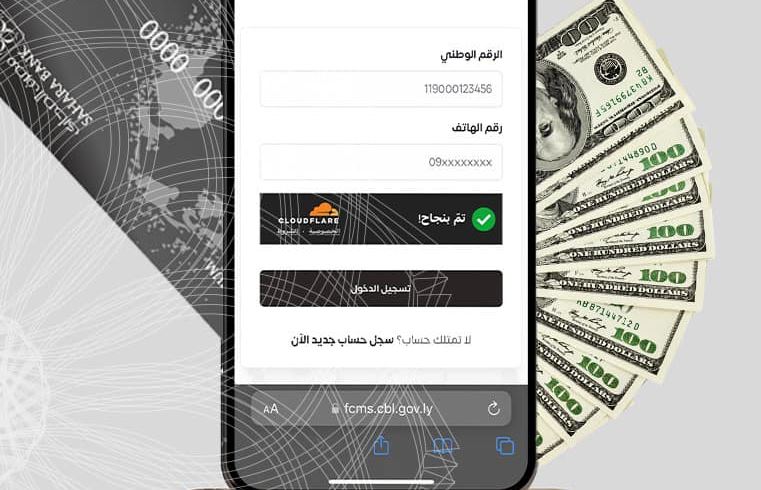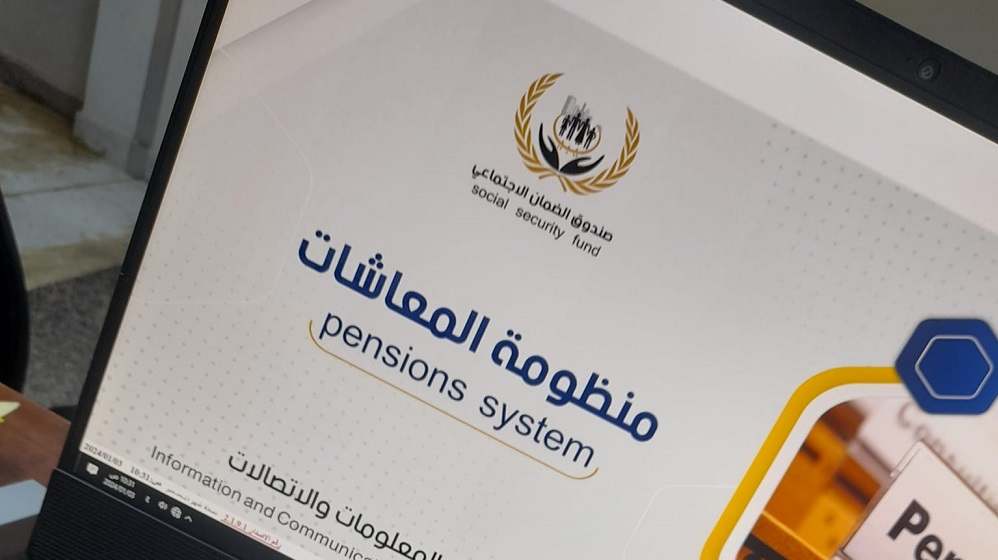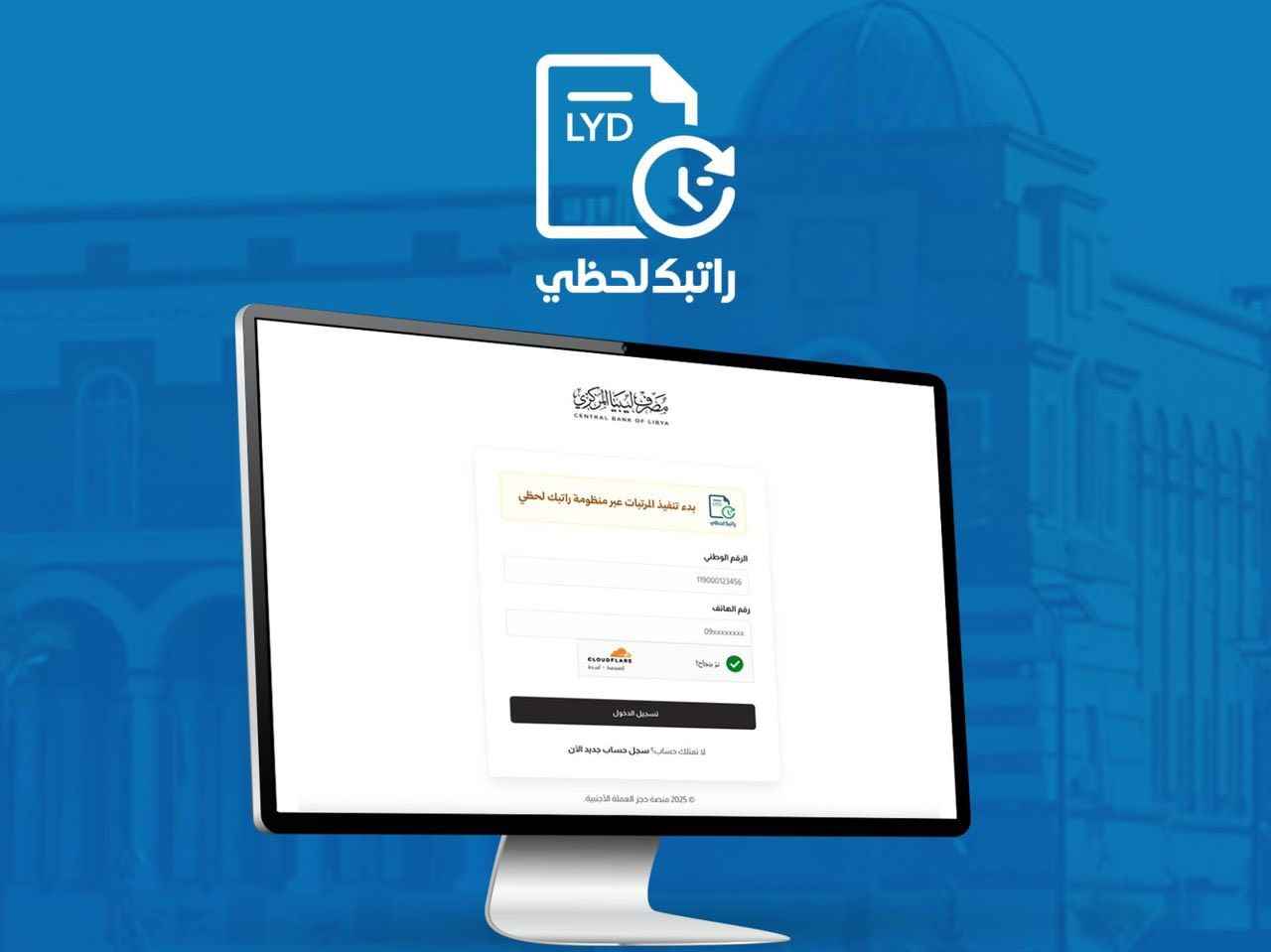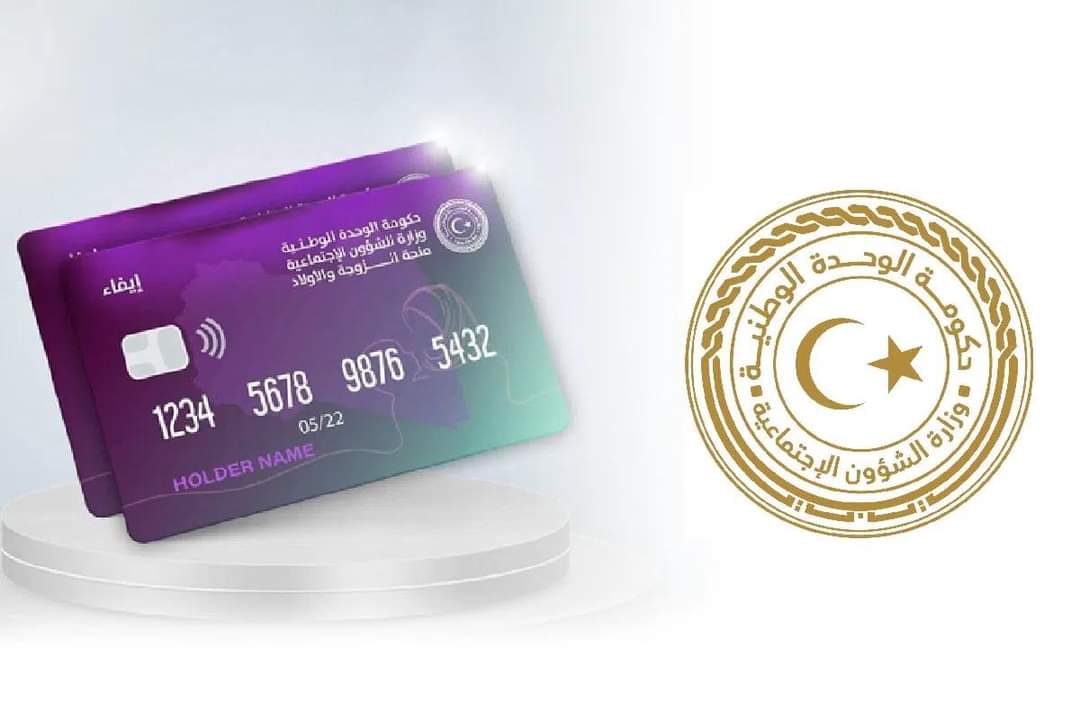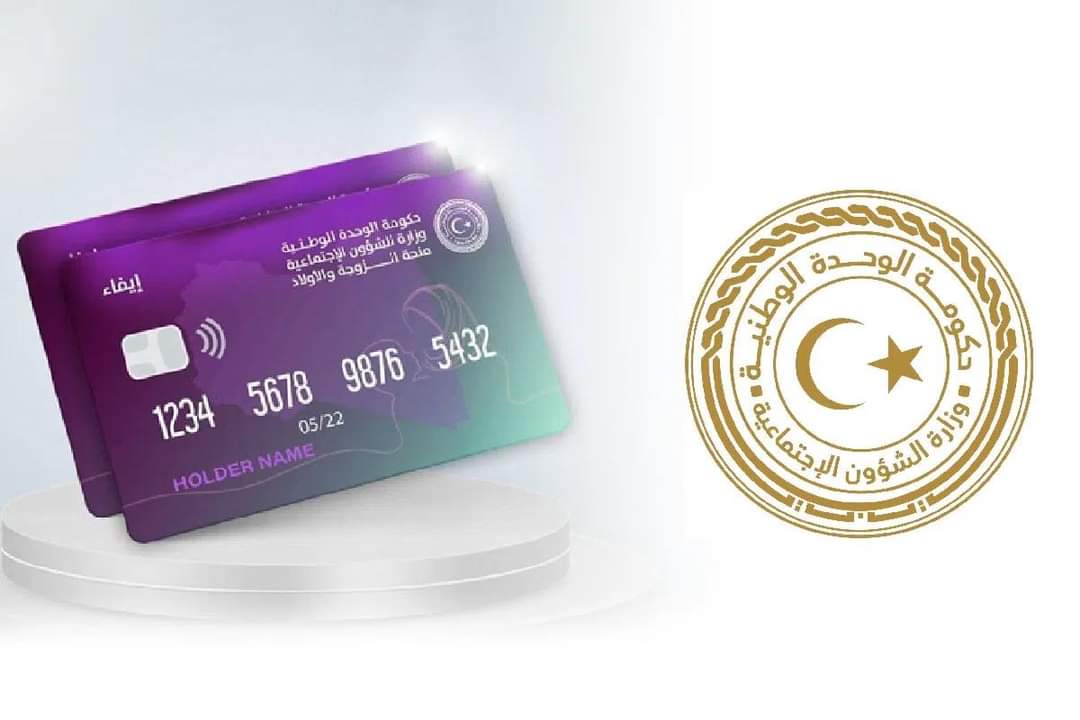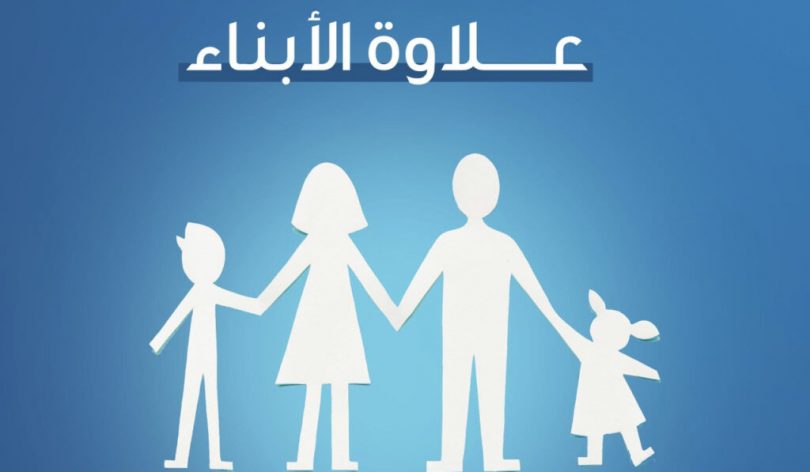
The system affiliated with the Ministry of Social Affairs is the primary tool for tracking the financial entitlements of Libyan families. This electronic platform ensures transparency and speed in knowing disbursement dates without the need to travel between government offices.
1. Steps to Inquire About the Children’s Allowance Balance
The head of the family can check the balance and entitlements through the following steps:
-
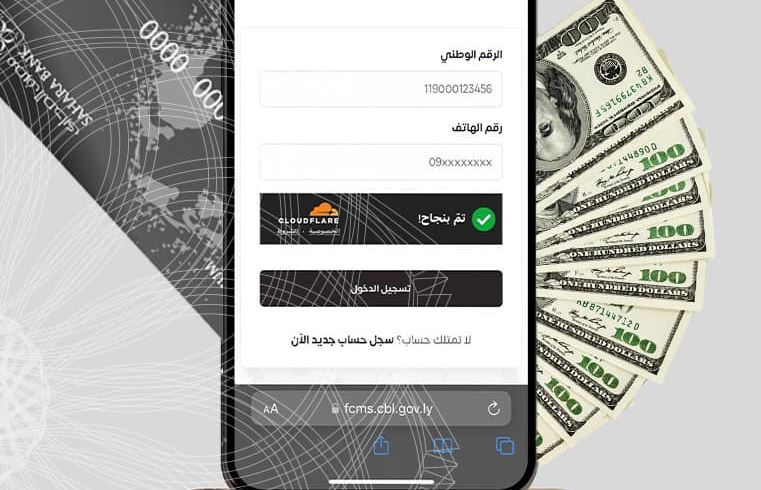
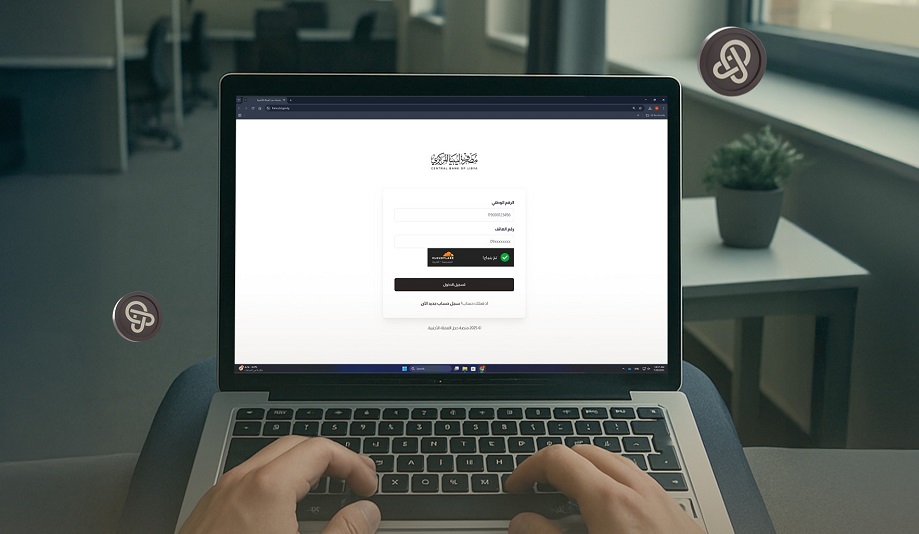
Access the Website: Go to the official system link (Ministry of Social Affairs).
-
Enter Data: Enter the national number of the head of the family and the family’s registration number.
-
Inquiry: Click the “Inquire” button to display the data page.
What will you find on the results page?
-
The financial amount allocated for the children.
-
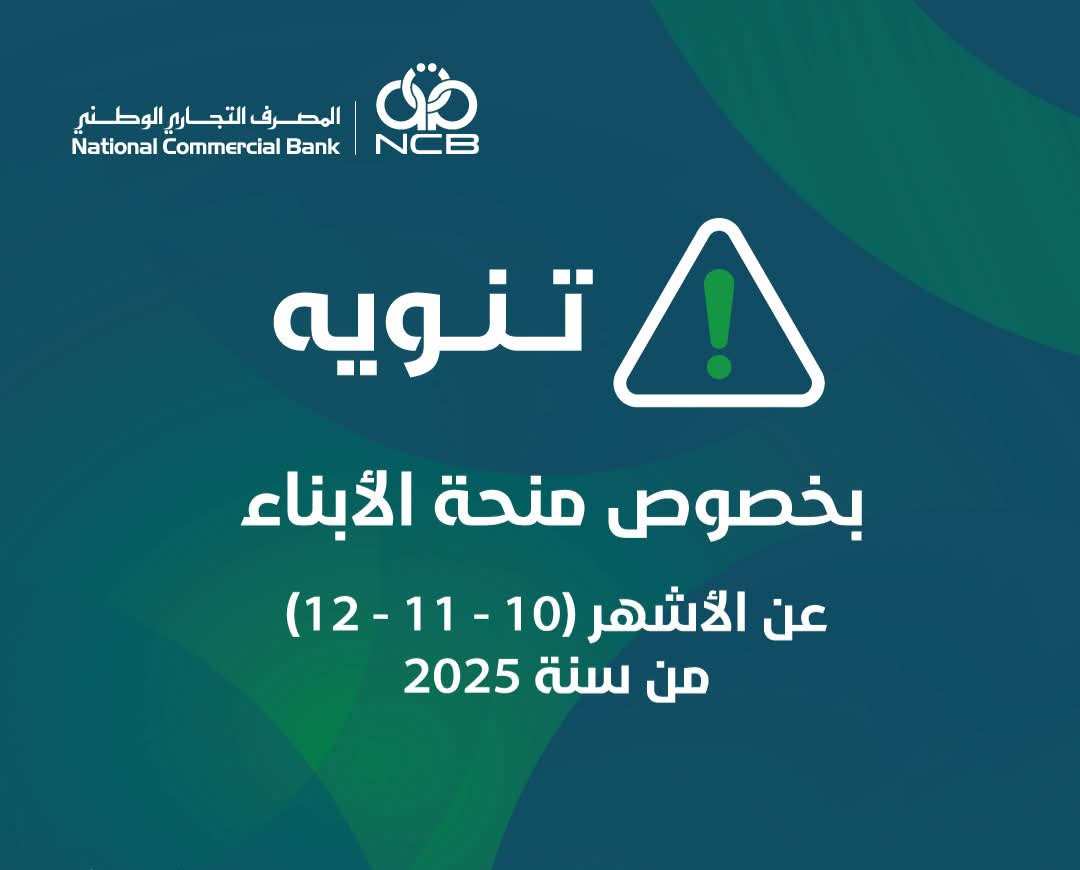
Payments that have been disbursed (such as payments for the year 2025, etc.).
-
The application status (whether it is “Accepted”, “Under Process”, or “Rejected”).
2. Financial Value and Deposit System
-
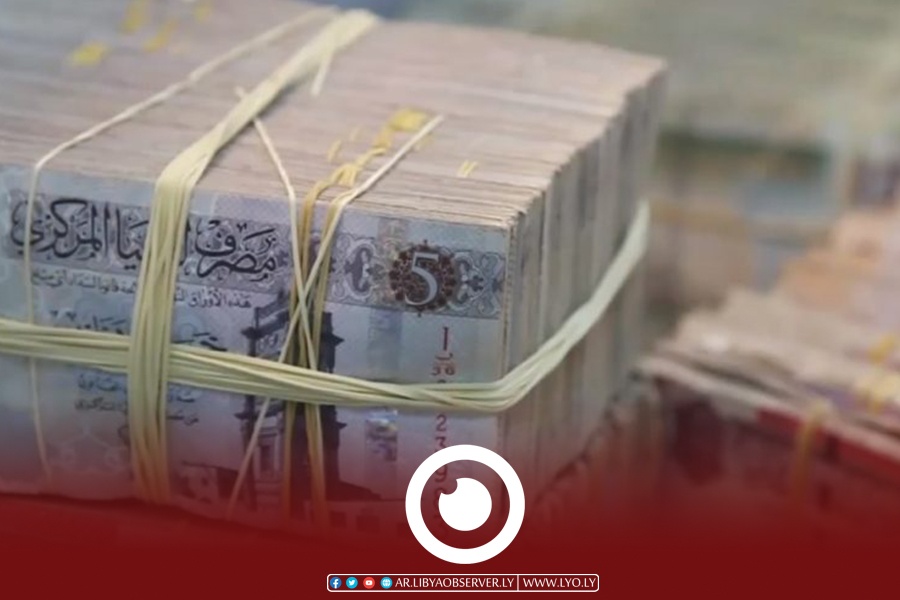
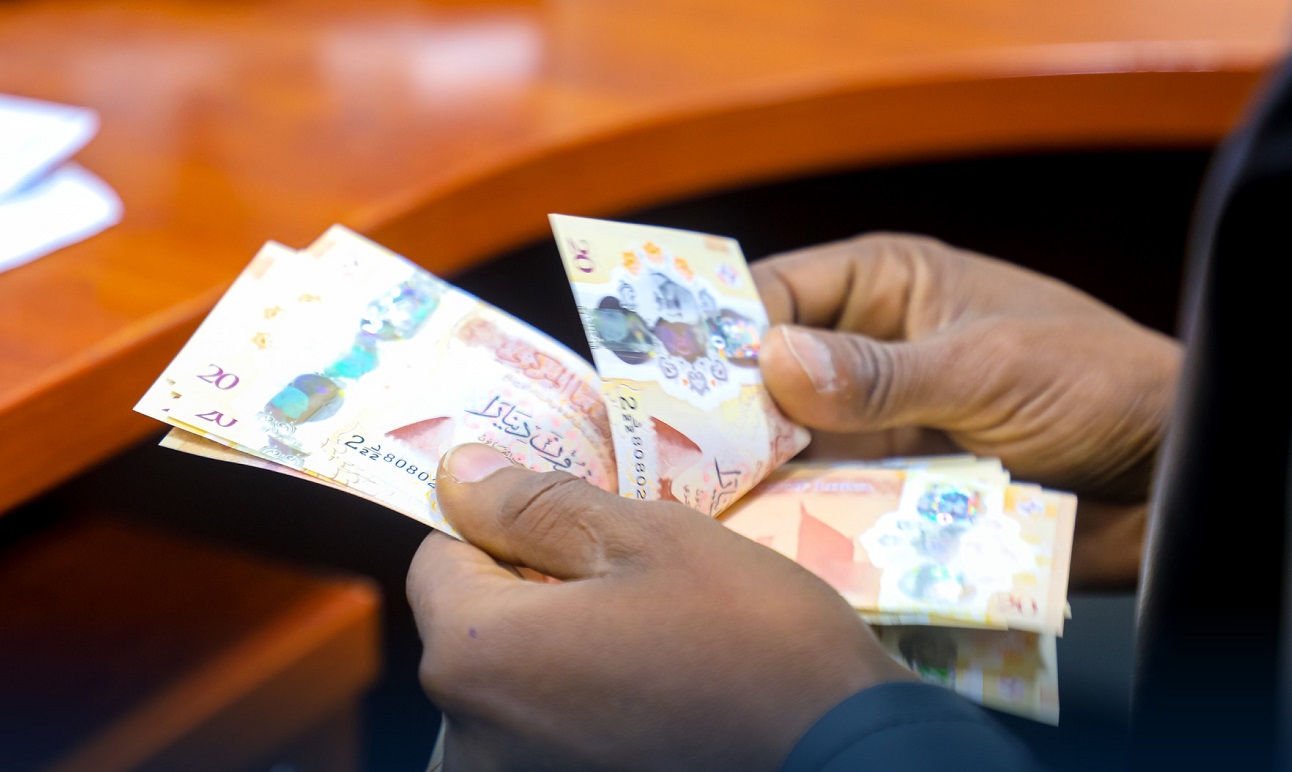
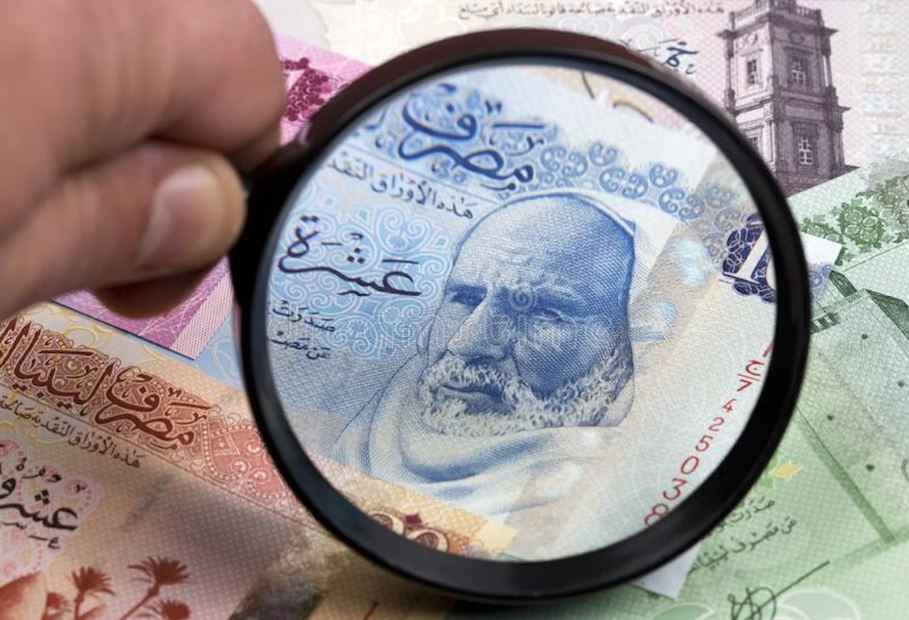
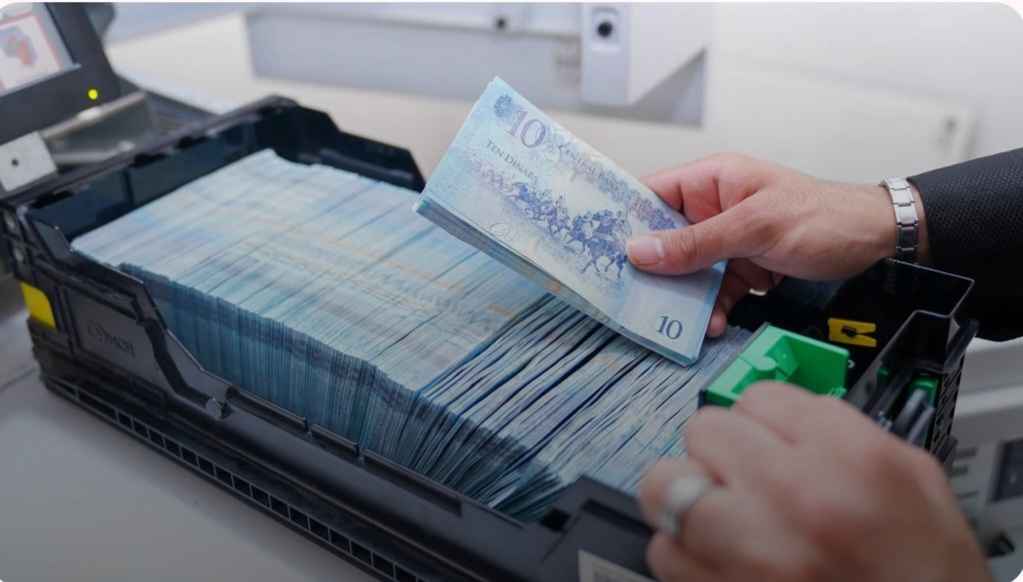
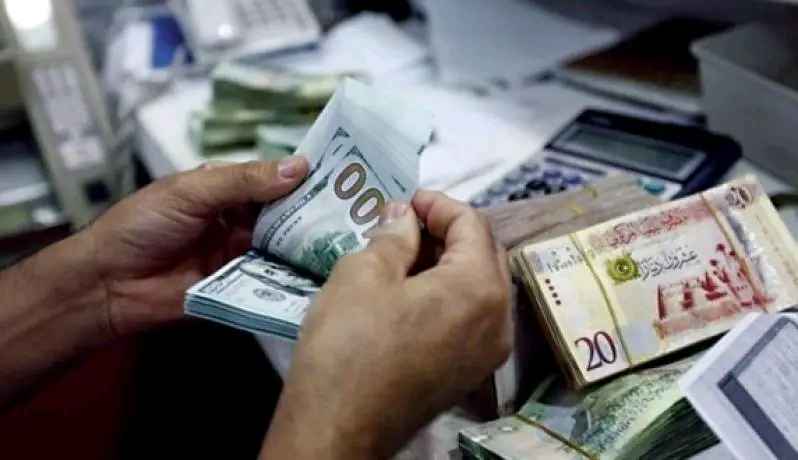
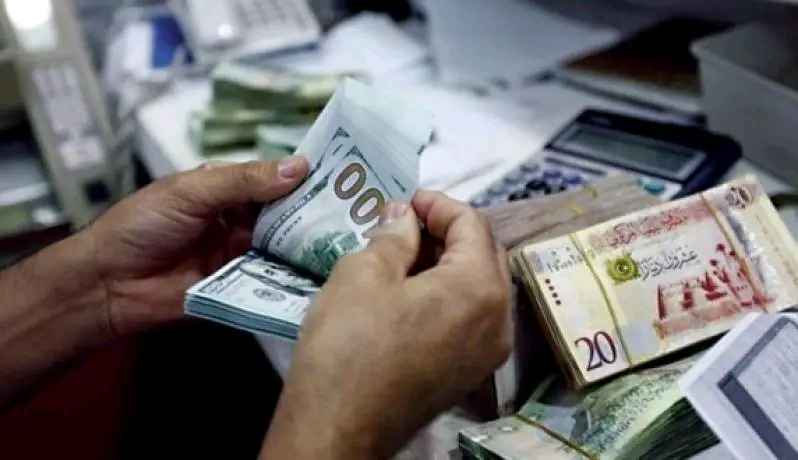
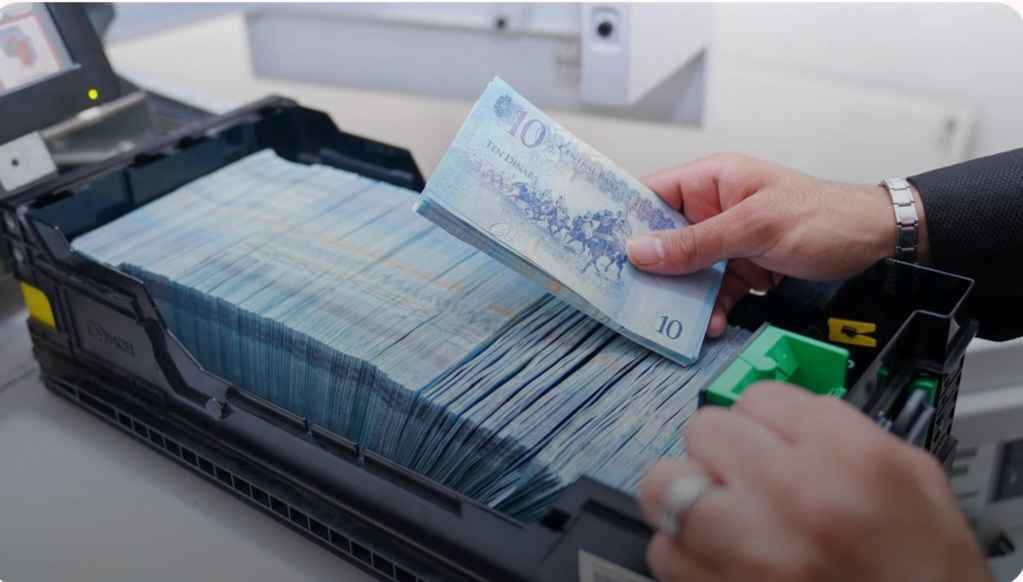
Allowance Value: It amounts to 100 Libyan dinars per month for each child under 18 years old.
-
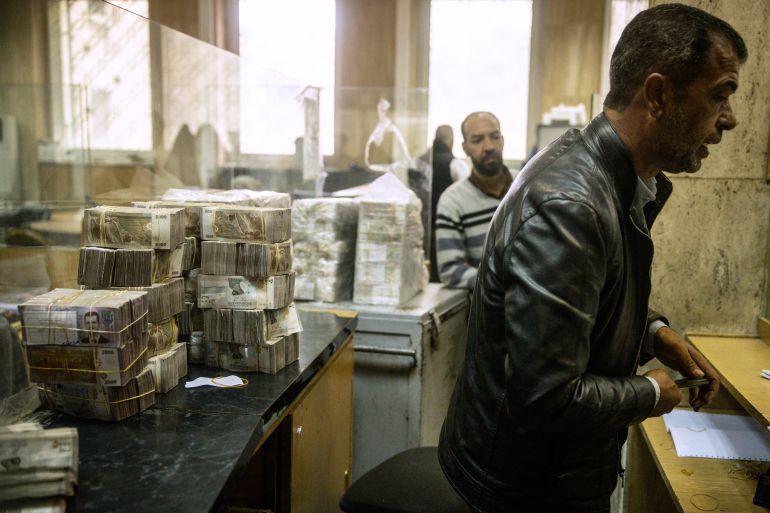
Disbursement Mechanism: Amounts are usually disbursed every 3 months (quarterly).
-
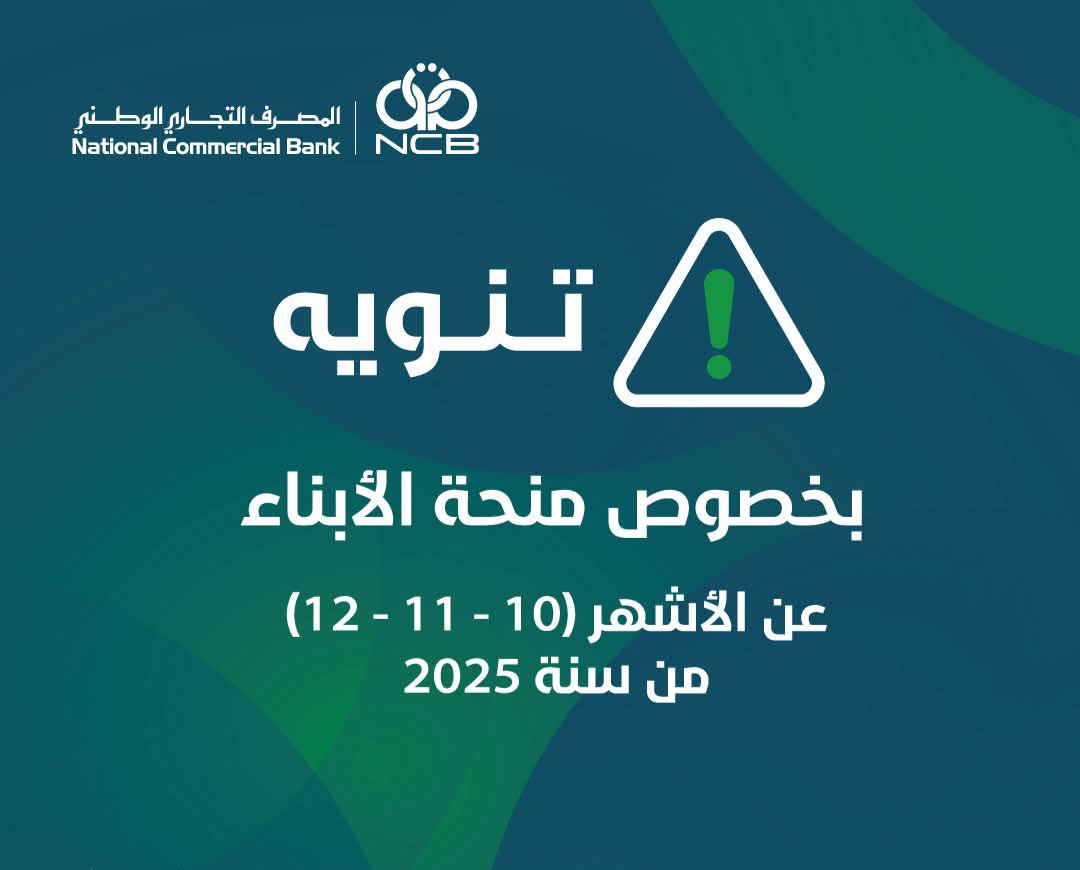
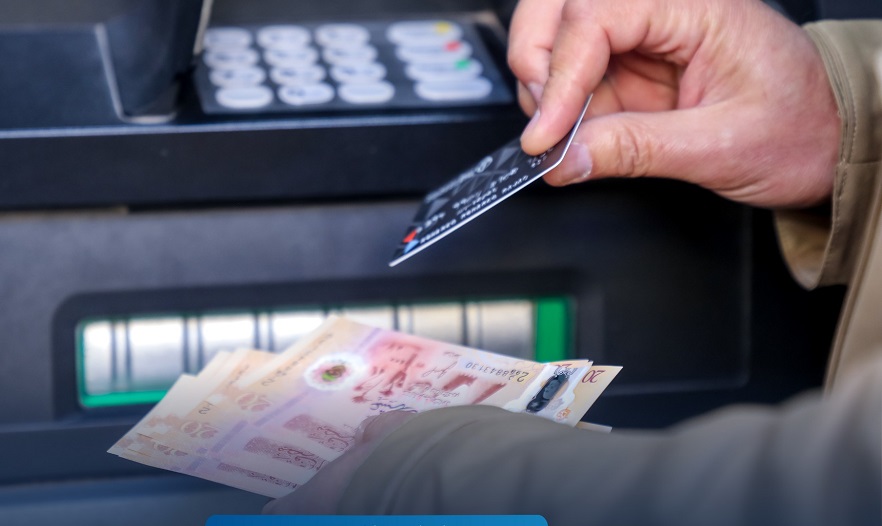
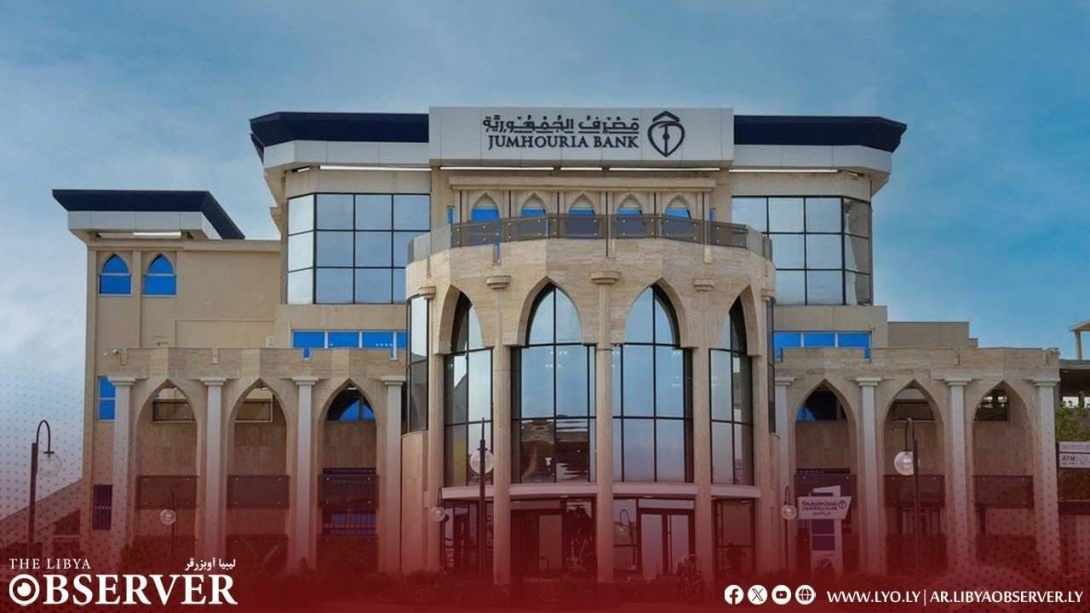
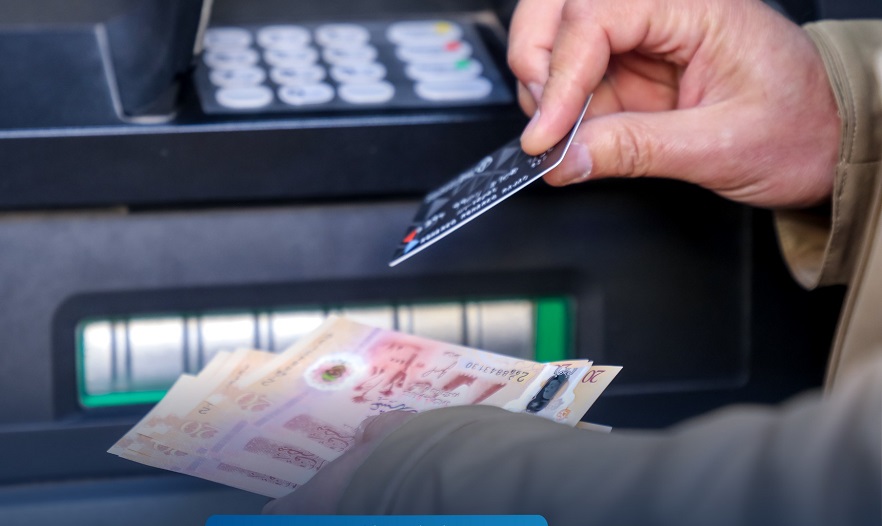
Disbursement Notifications: You will receive an SMS text message on your phone linked to the system as soon as the amount is deposited into your bank account.
3. Updating Data and Newborns
If you face a delay in disbursement or want to add a newborn, follow the following:
-
Civil Registry First: Newborns must be registered and data updated in the Civil Registry; the allowance system is updated automatically based on the registry’s data.
-
Technical Glitch: If the problem persists despite correct data in the Civil Registry, please visit the nearest Social Affairs branch or the concerned bank.
4. Why is This System Important?
-
Accuracy: It ensures funds reach their rightful beneficiaries according to Law No. (27) of 2013.
-
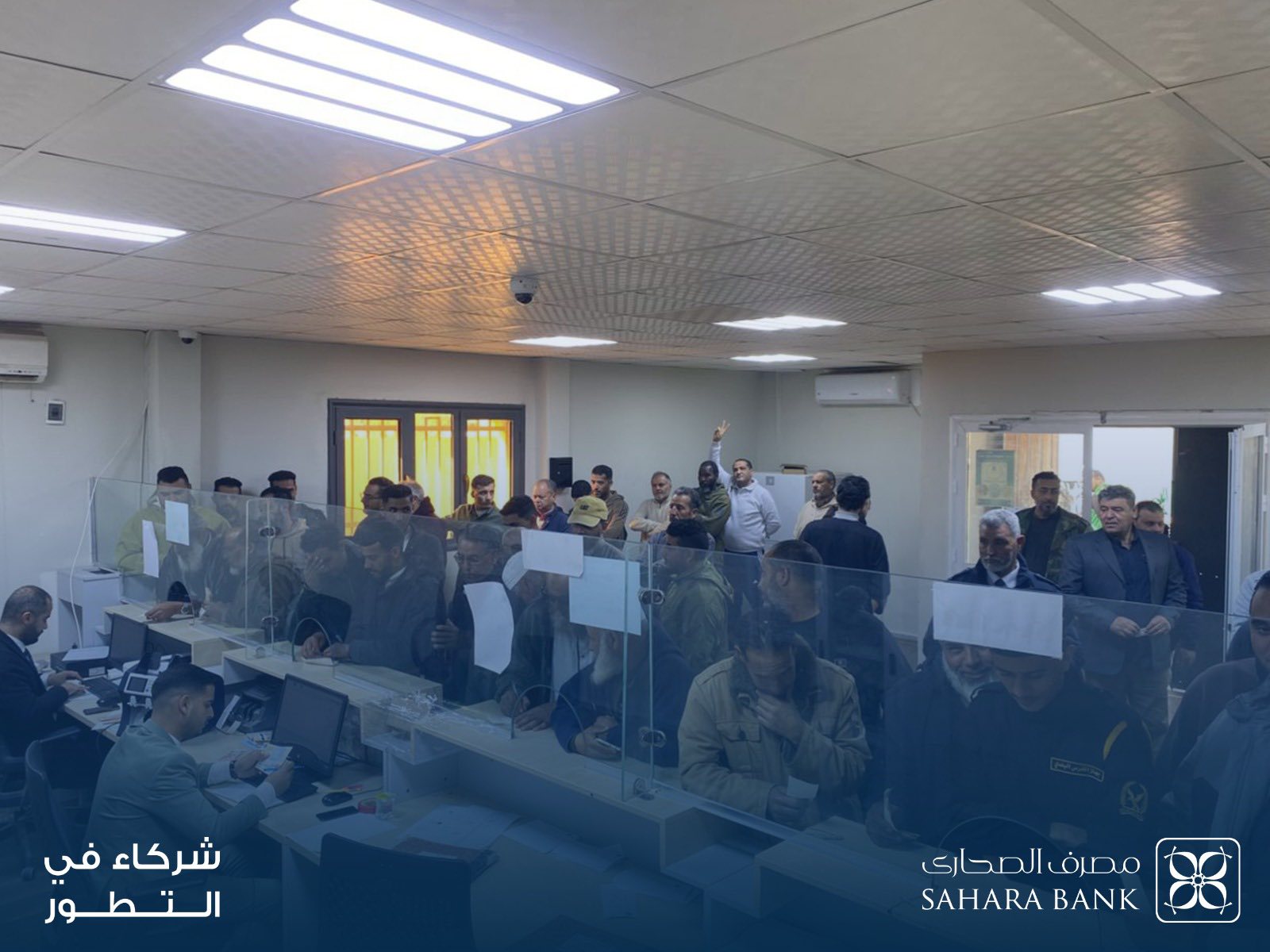
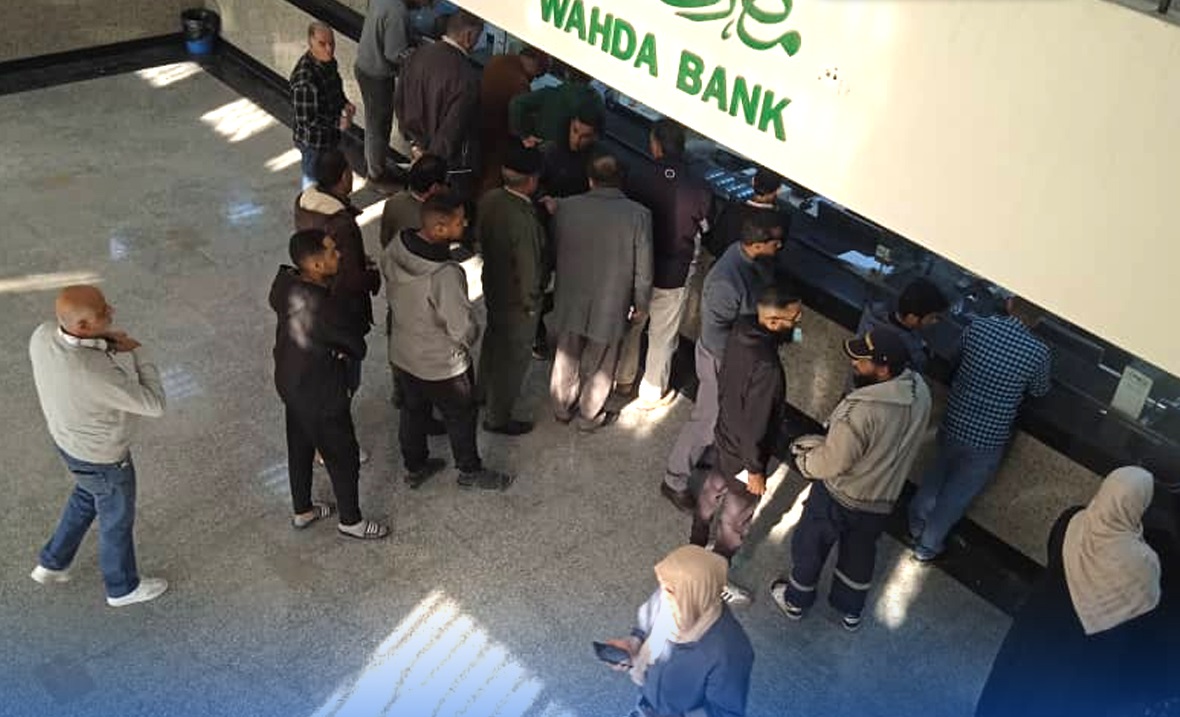
Convenience: It reduces crowding and saves time and effort for citizens.
-
Direct Follow-up: It gives the citizen the ability to monitor their entitlements and know their deposit dates accurately.
To know your allowance details, simply access the system via the national number and registration number, where you can view the allocated amounts and disbursement status, with text notifications arriving when funds are deposited into bank accounts. This mechanism enhances transparency and makes it easier for families to track their financial rights without hassle.
Tip: Always ensure your phone number linked to the system is active to receive deposit messages and updates as soon as they are issued.