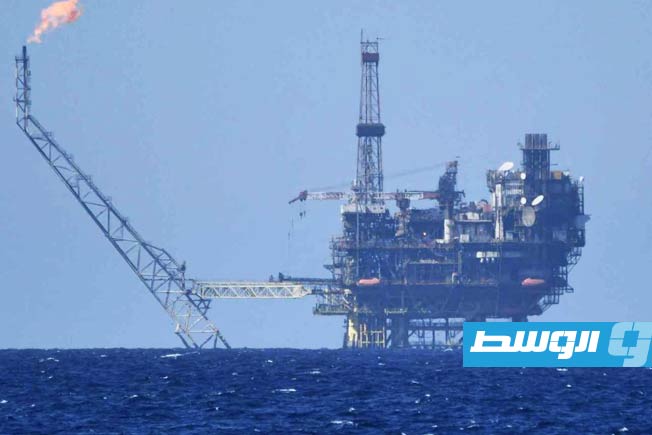
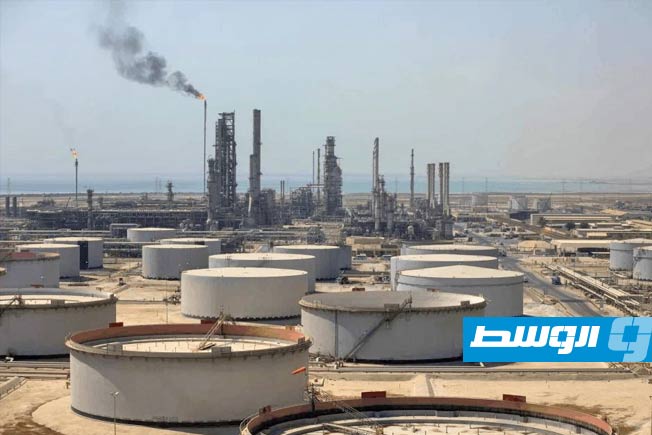
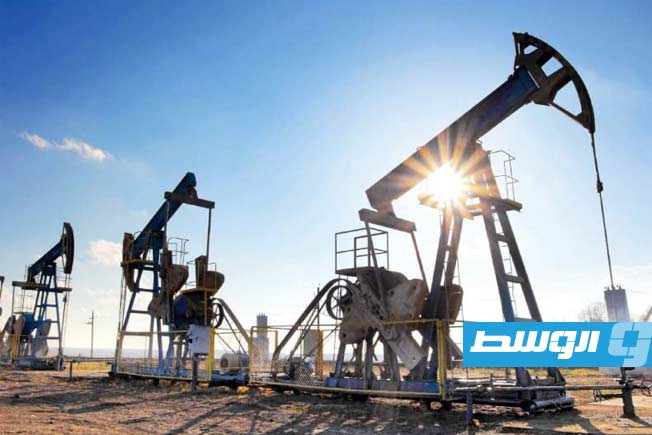
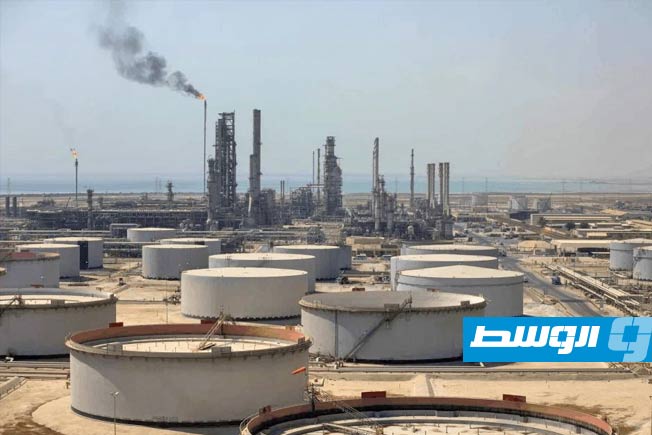
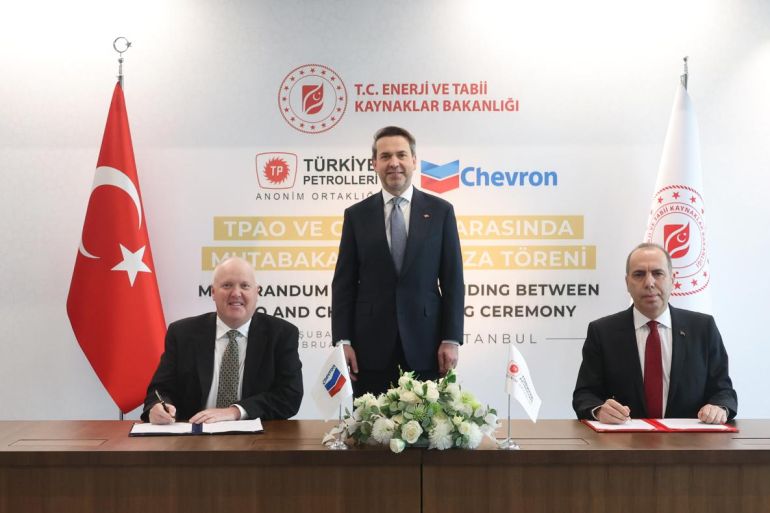
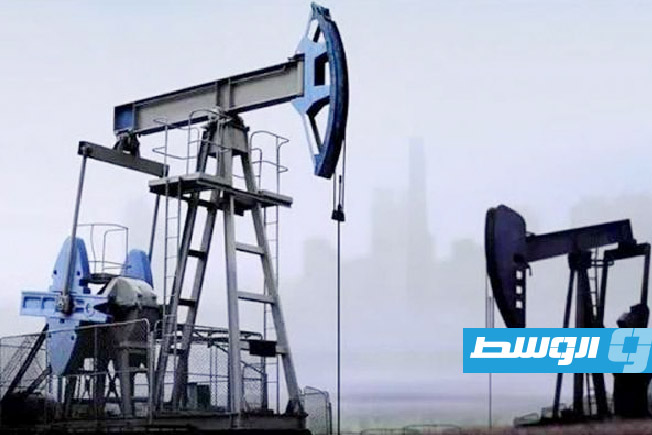
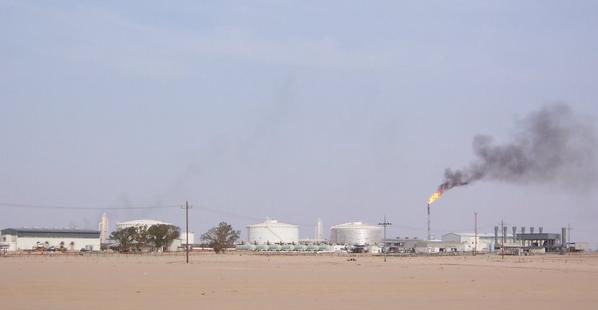
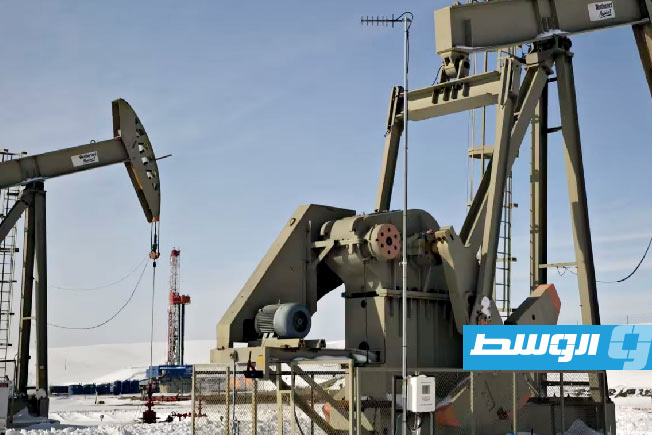
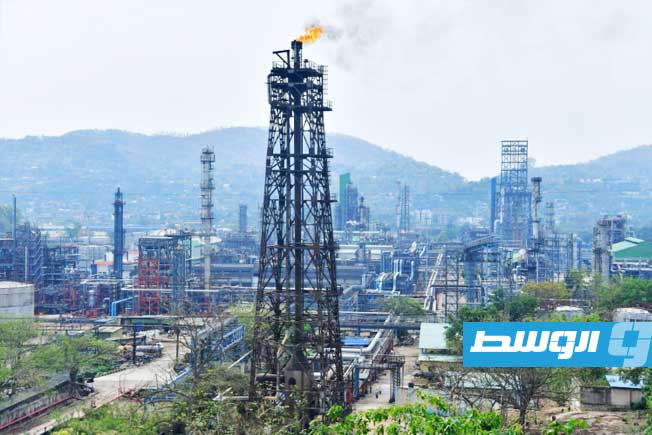
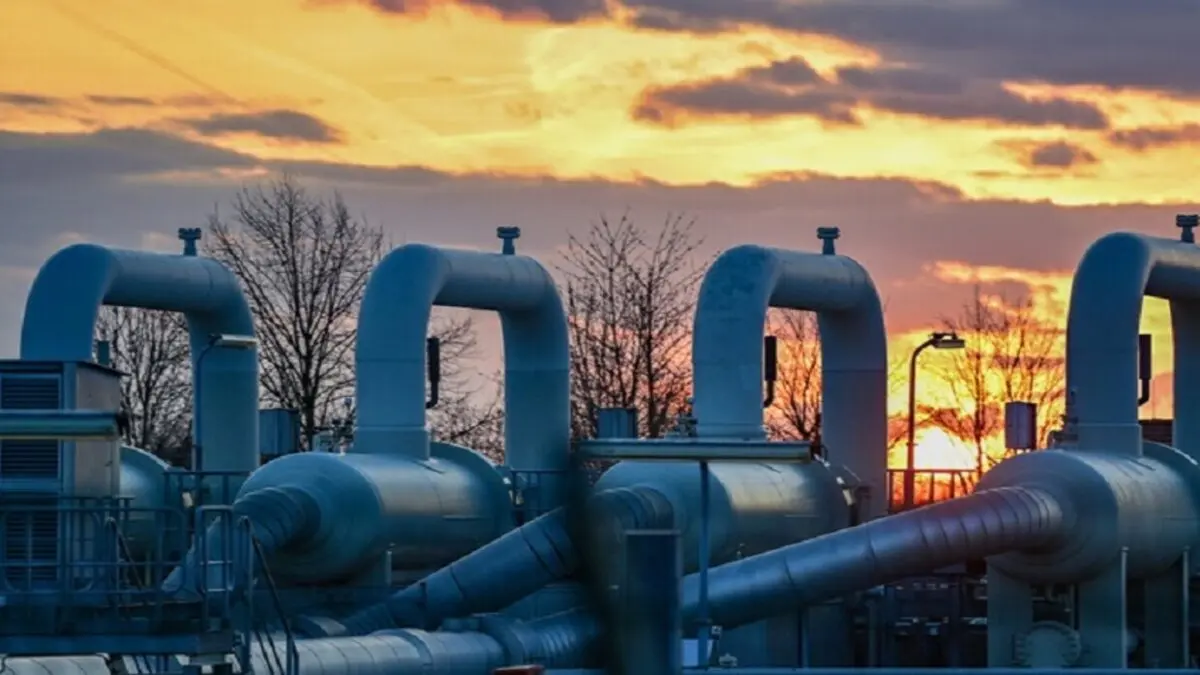
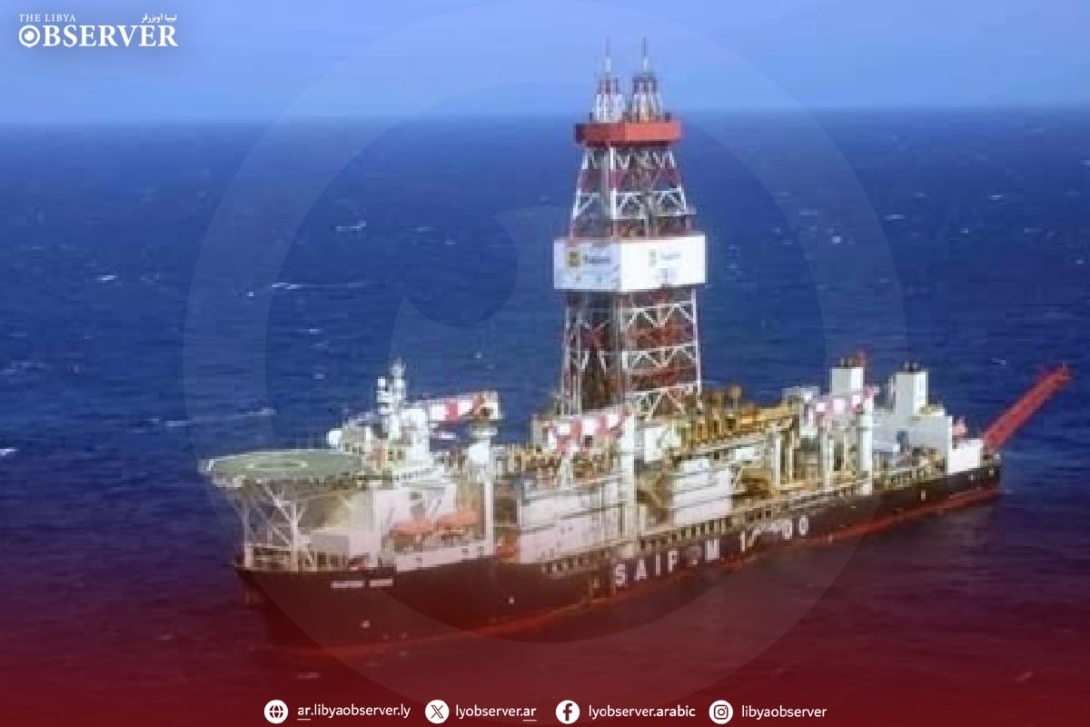
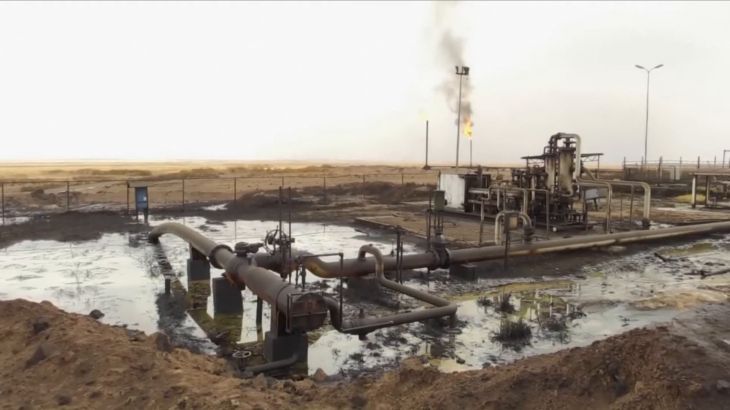
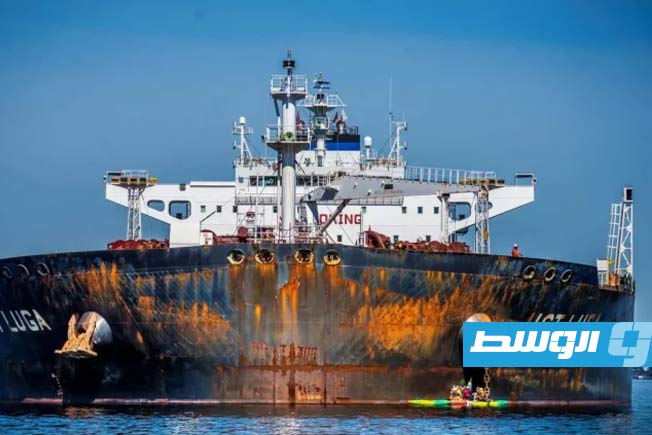
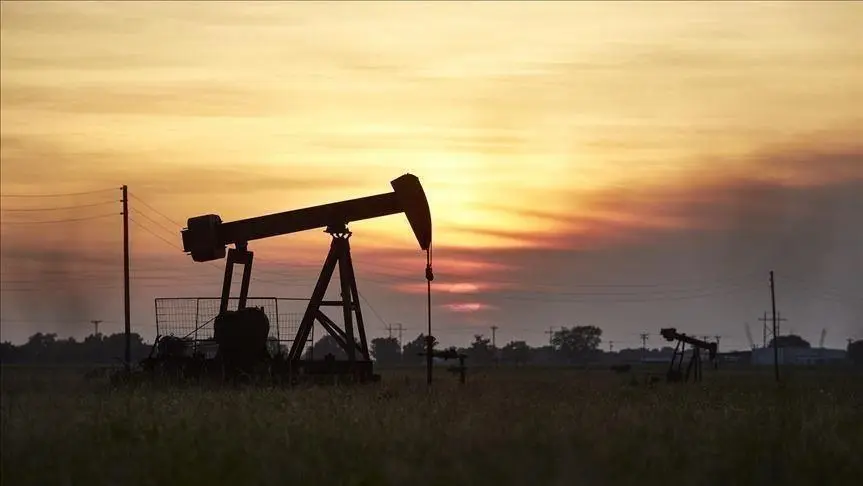
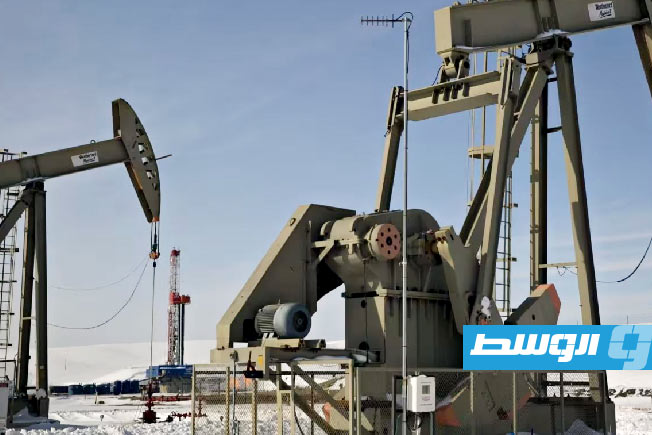
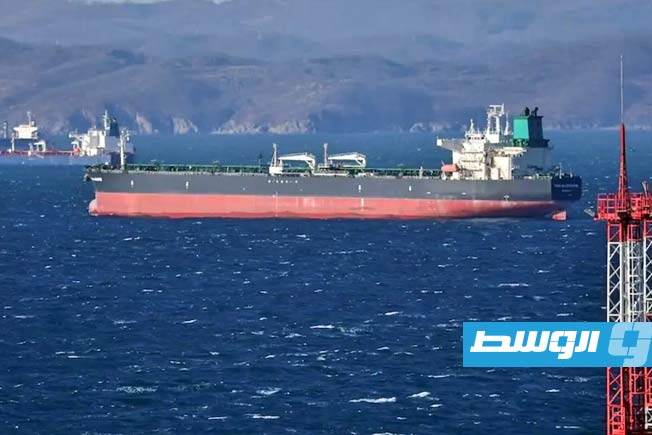
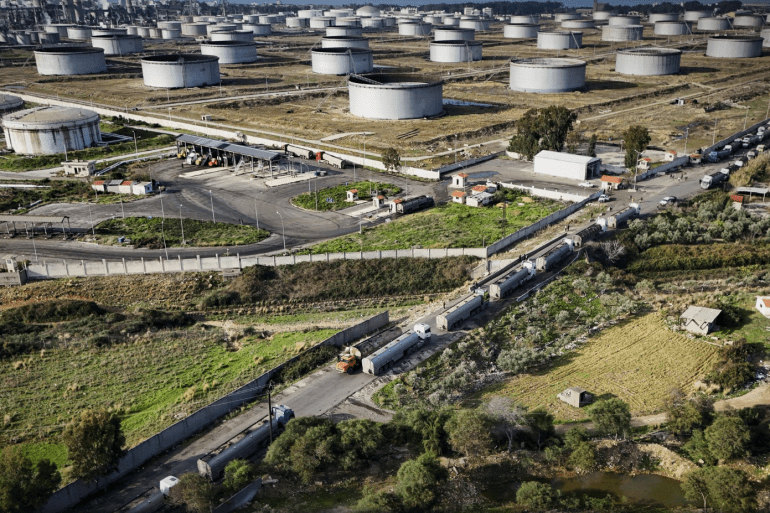
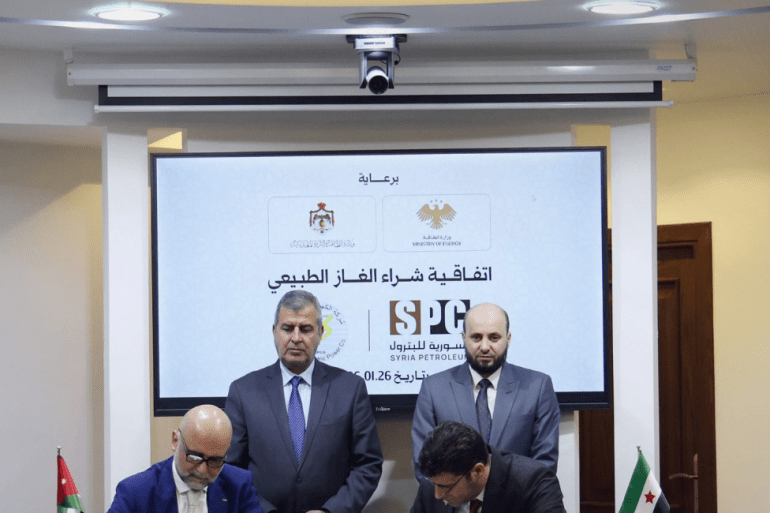
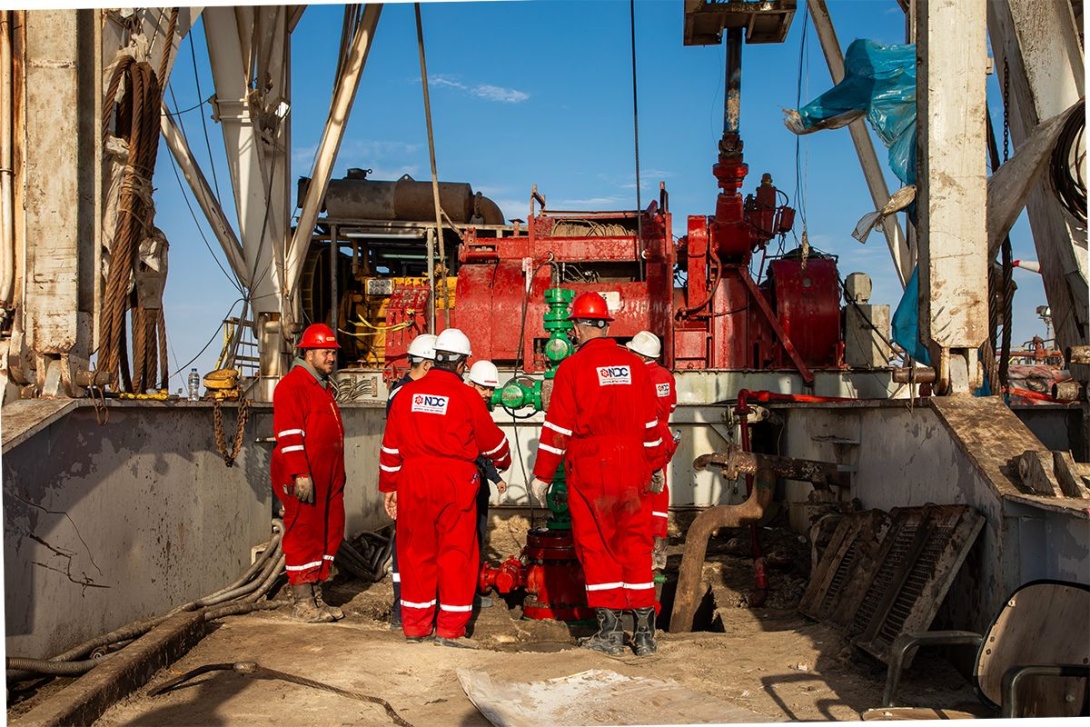
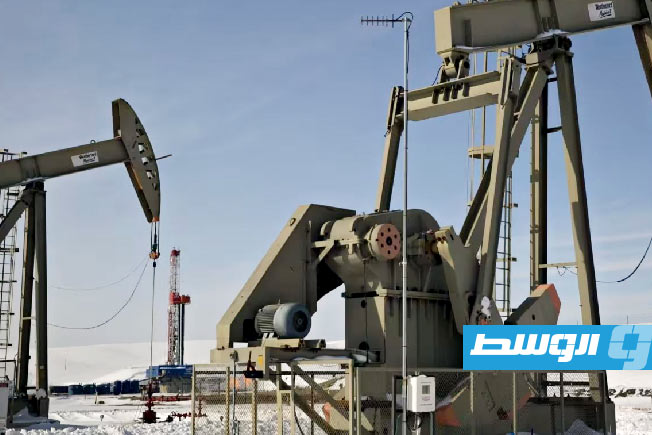
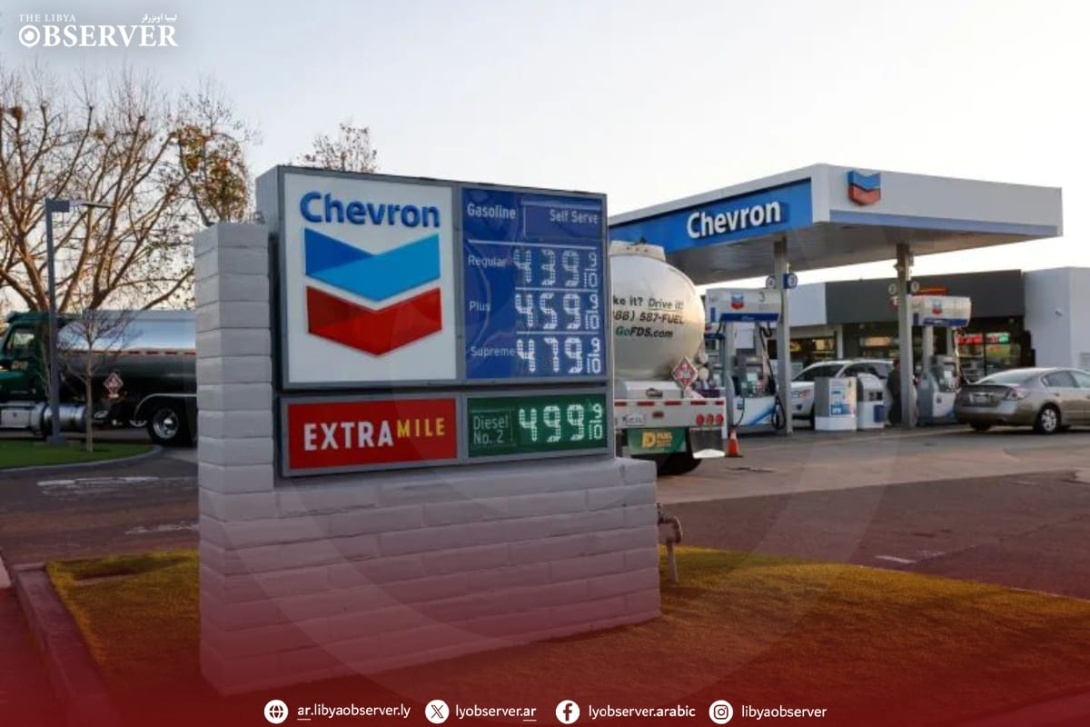
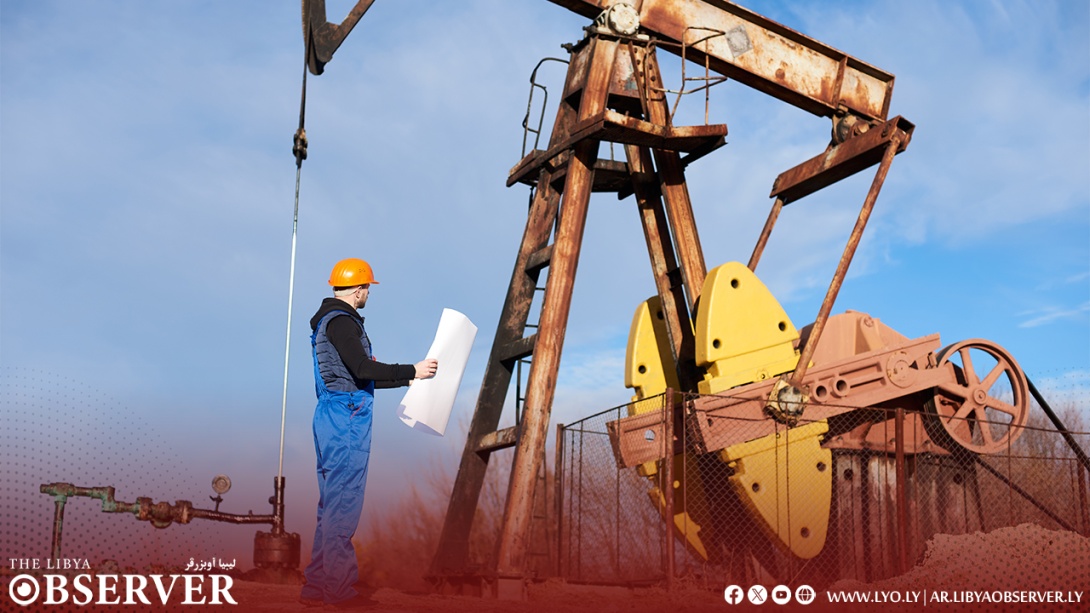
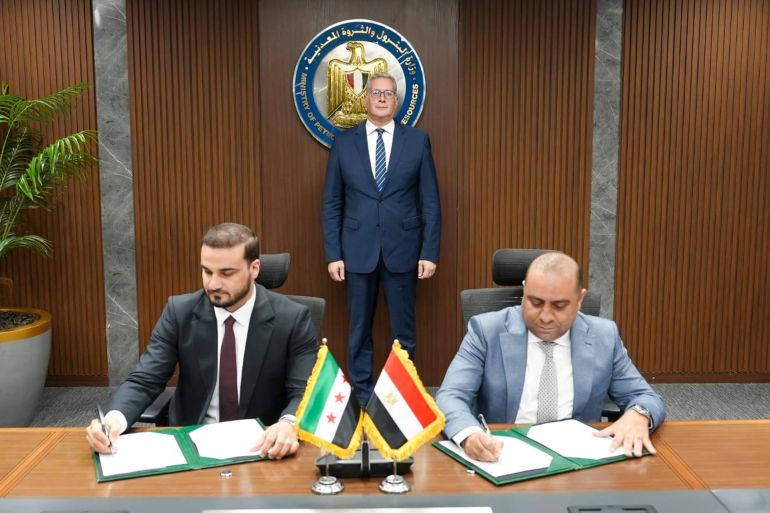
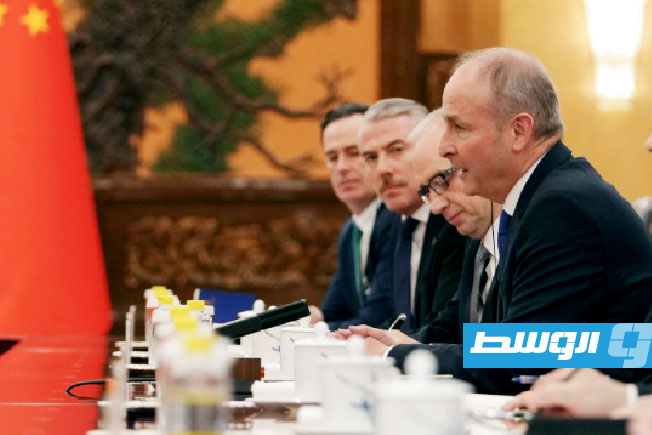
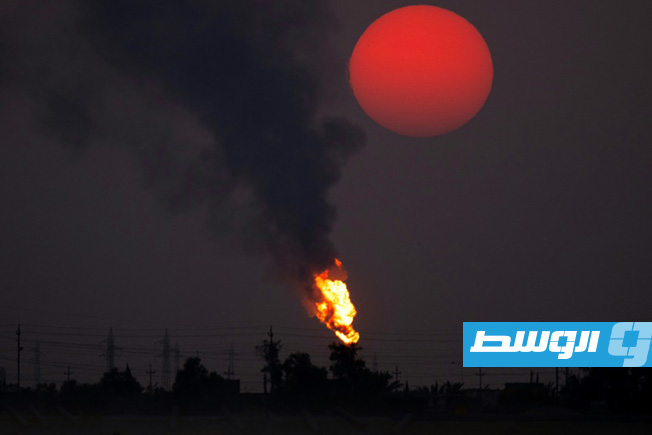
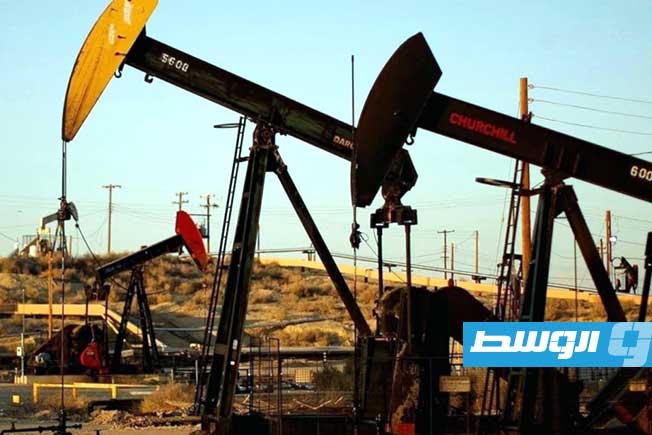
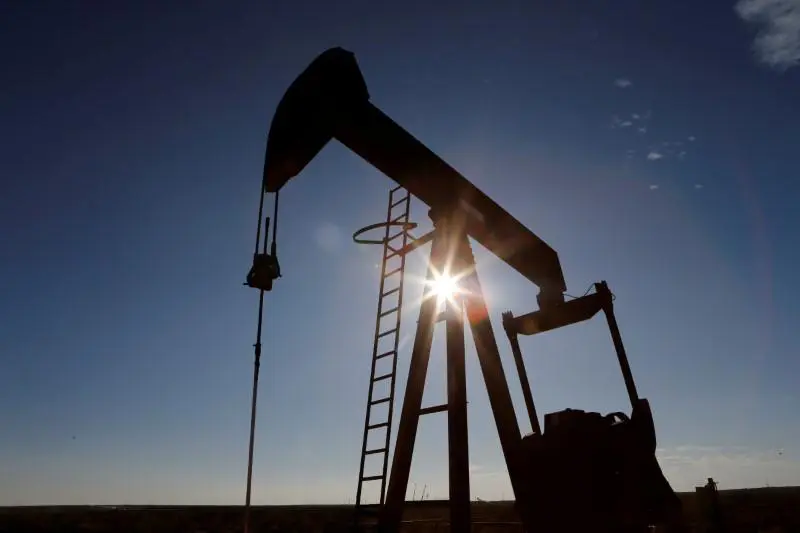
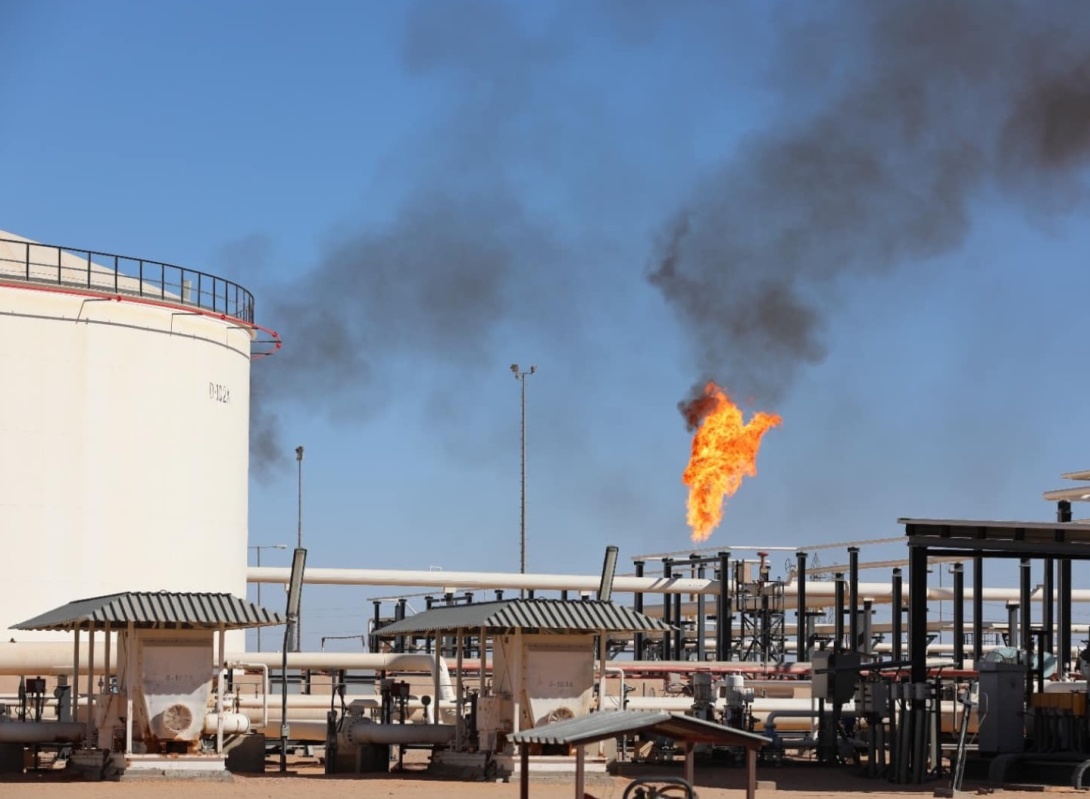
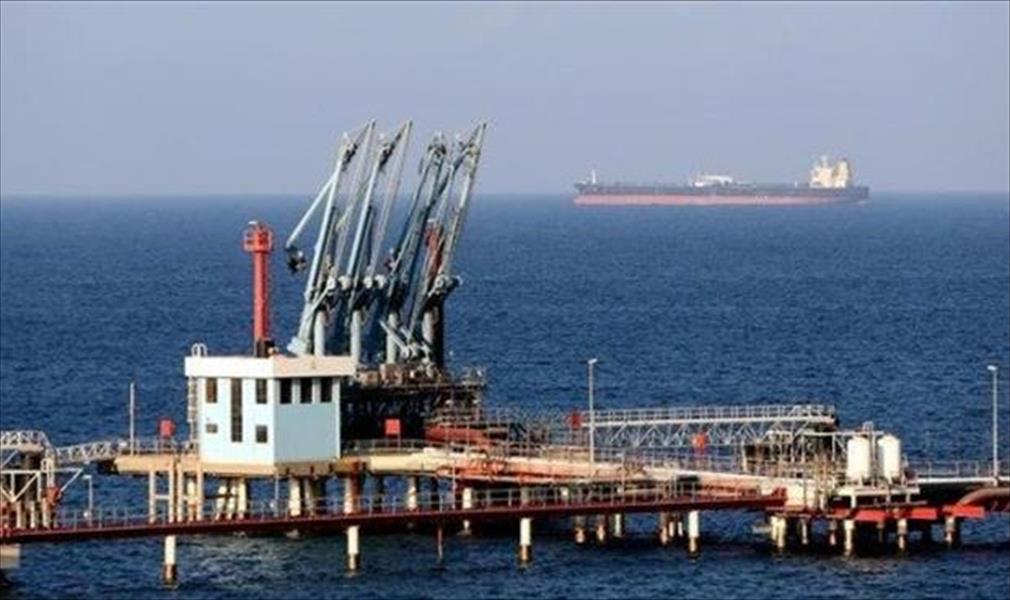
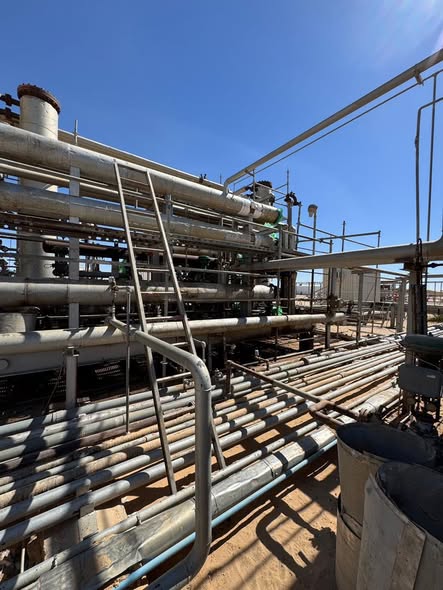
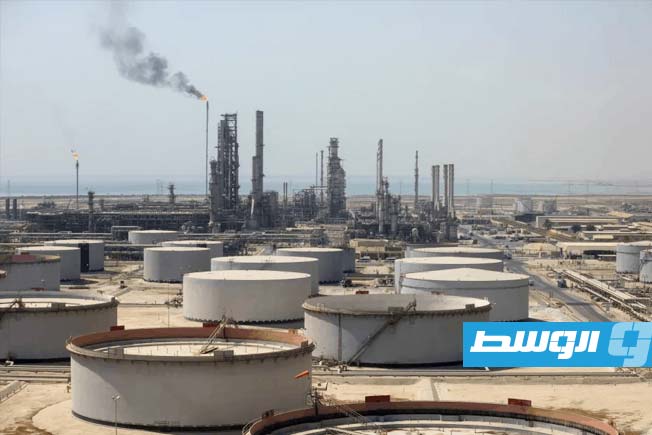
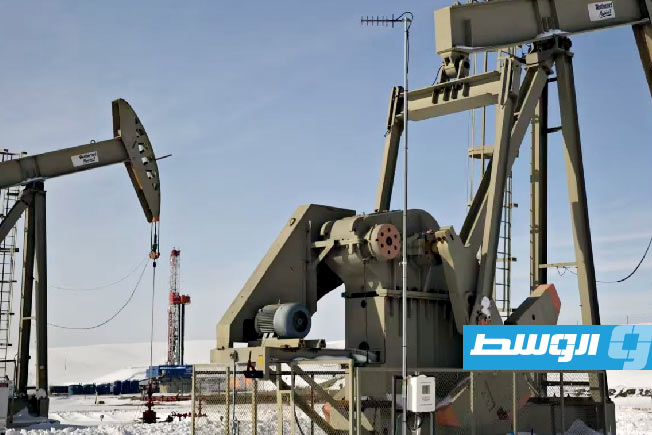
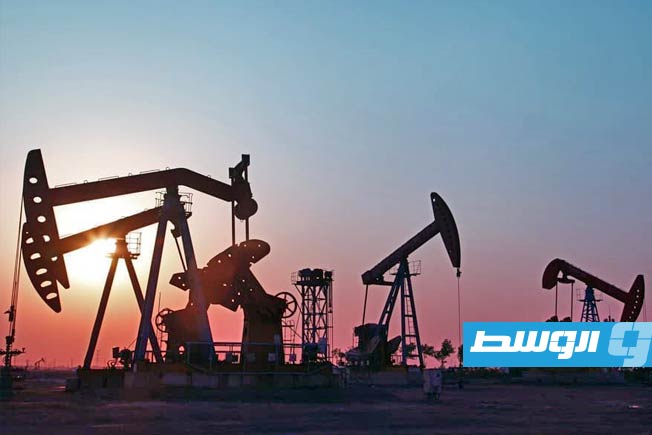
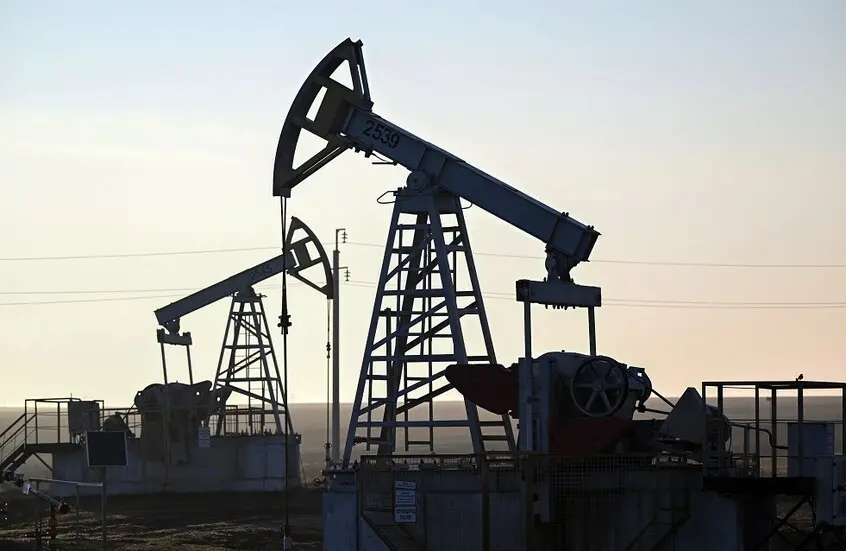
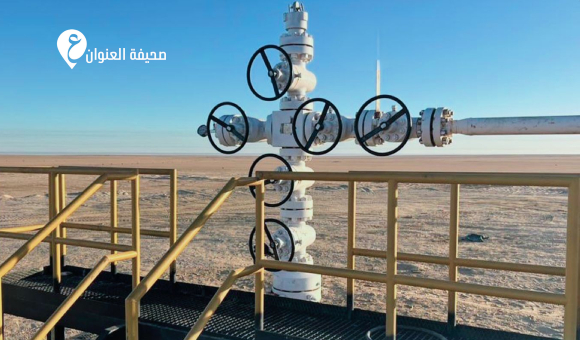
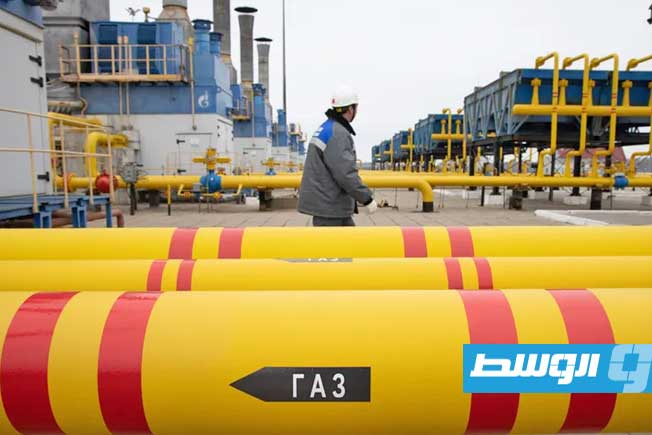
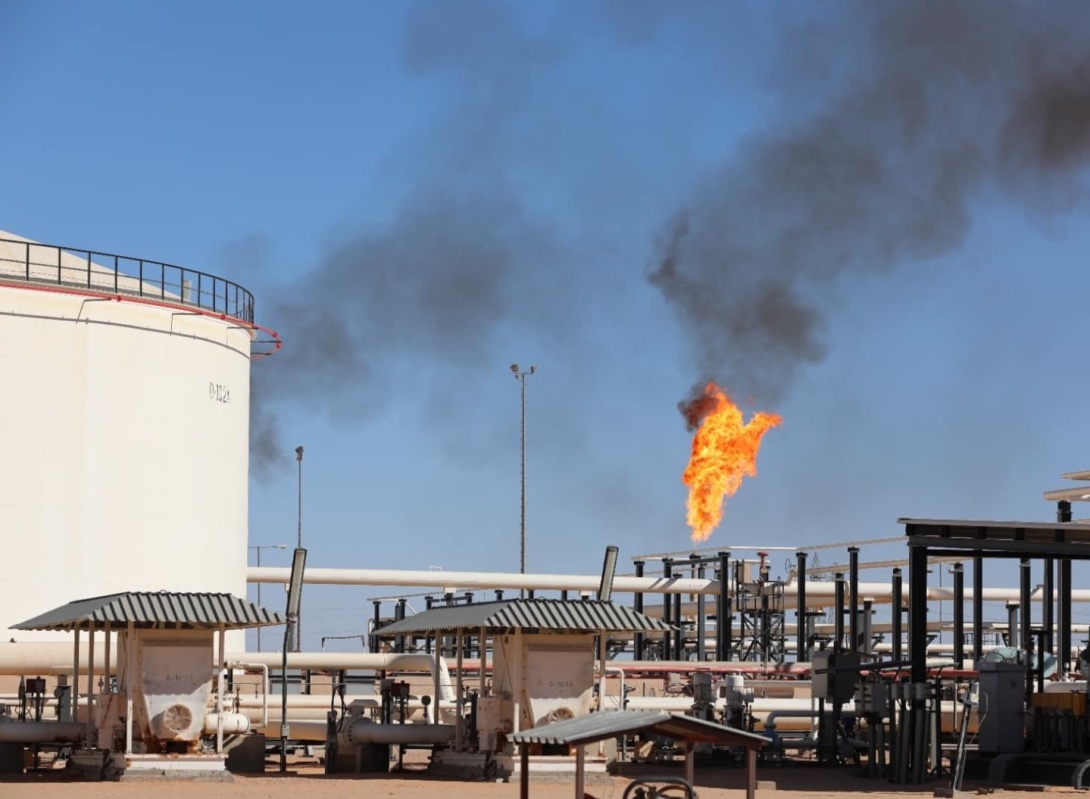
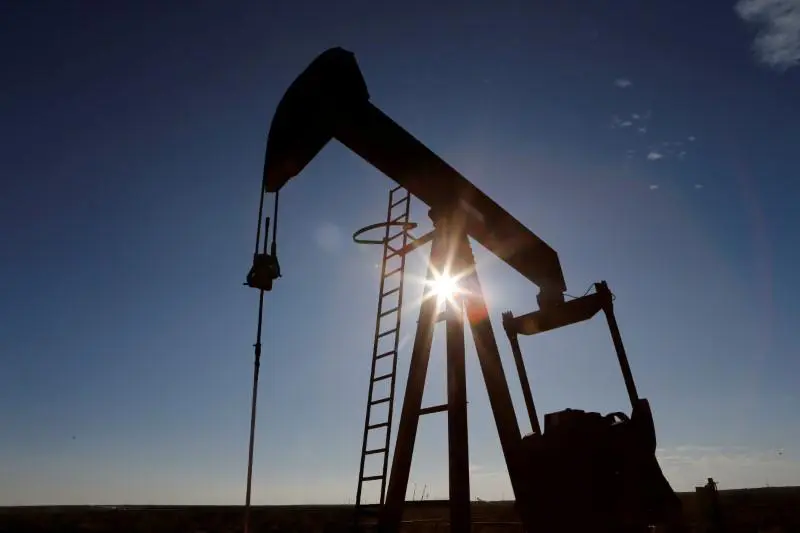
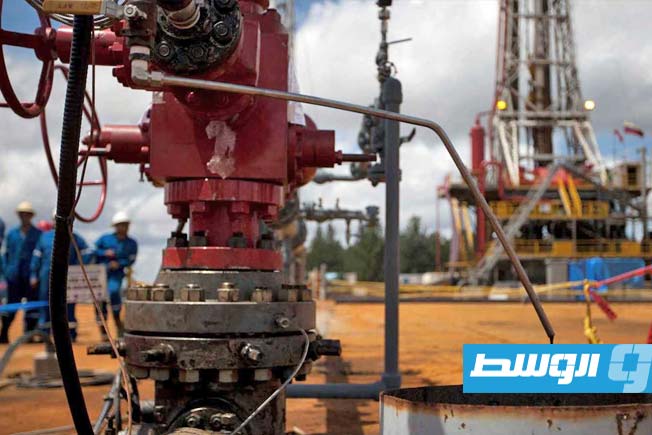
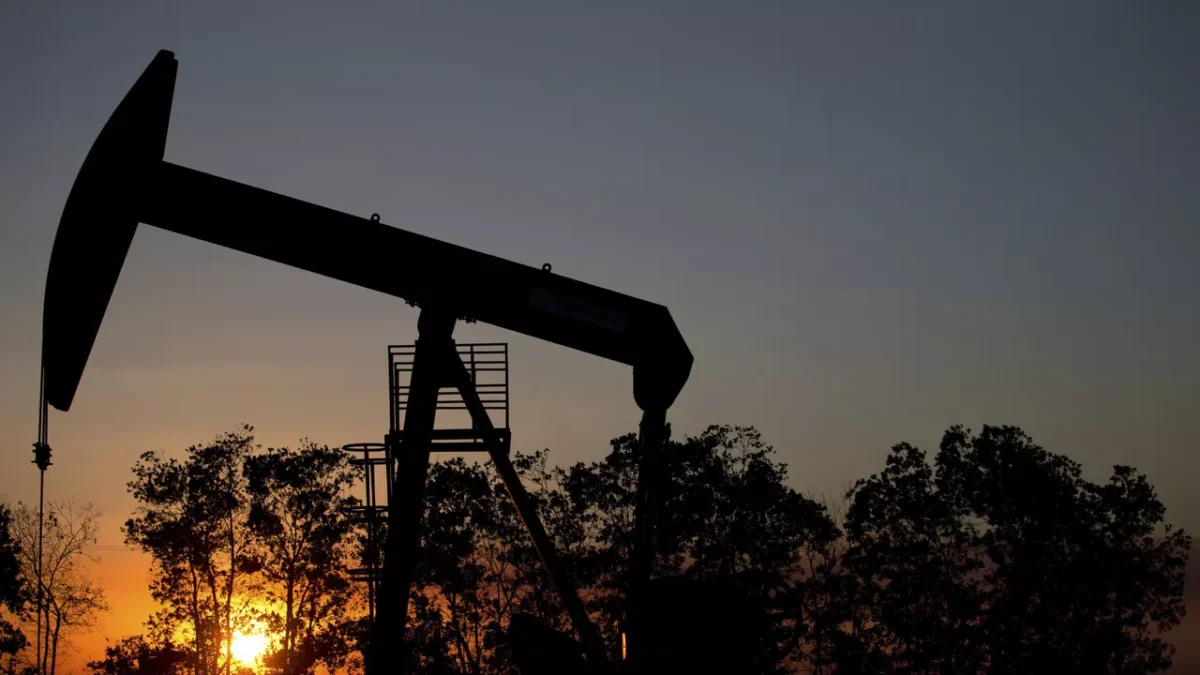
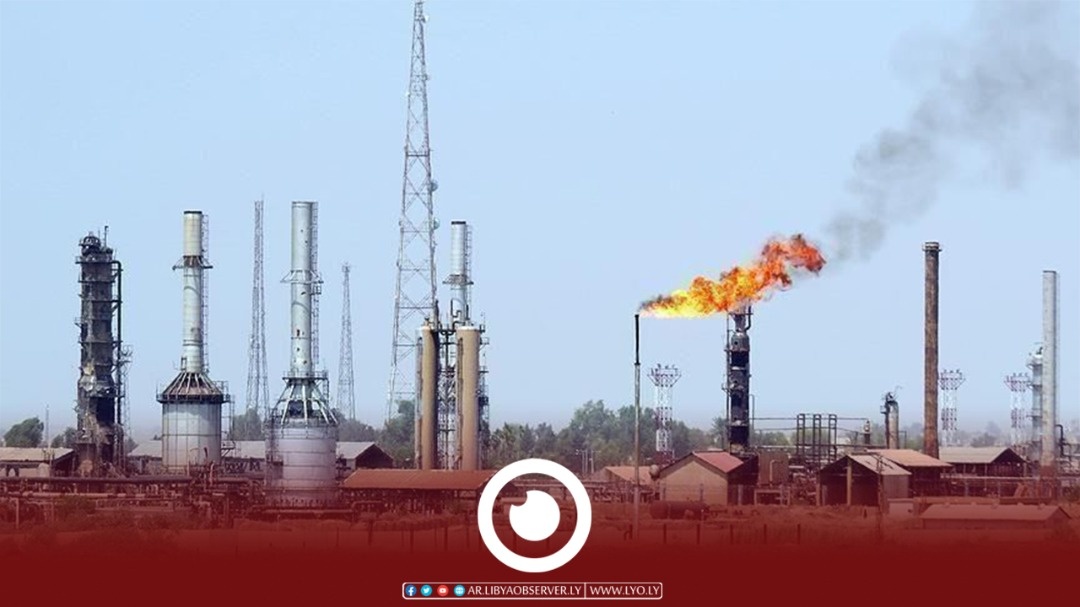
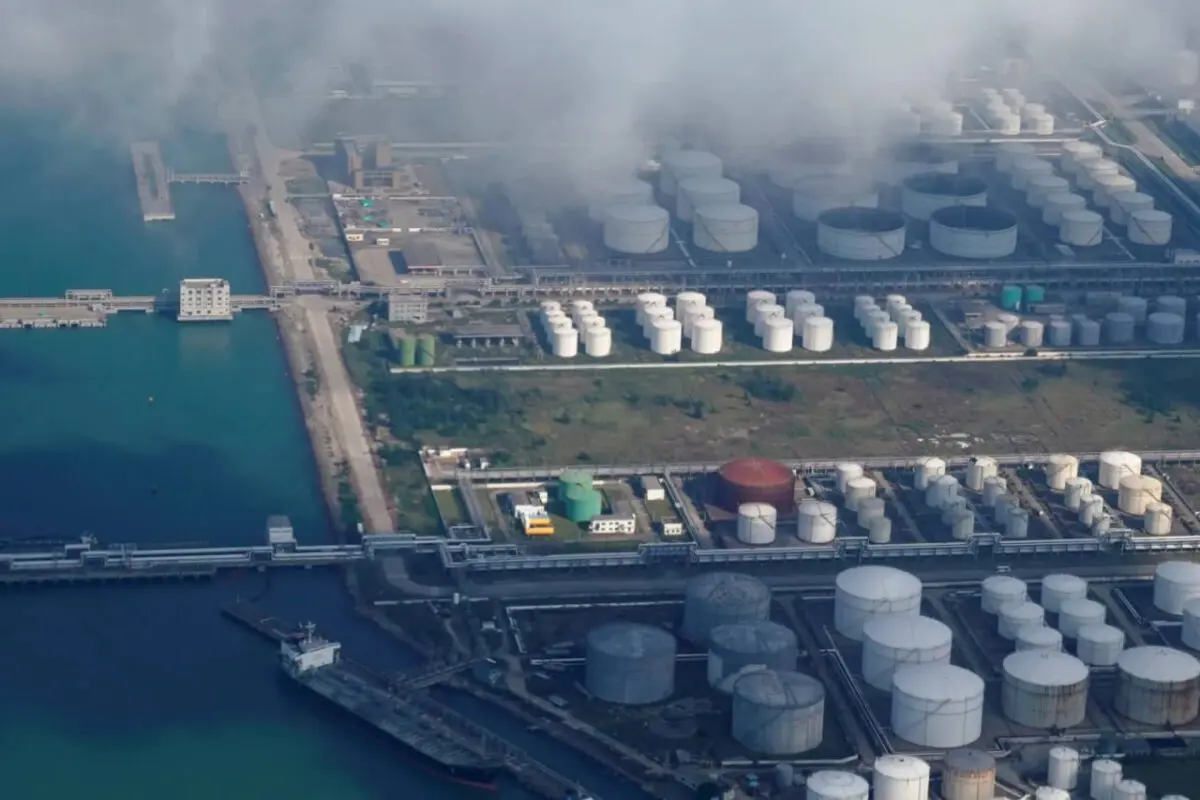
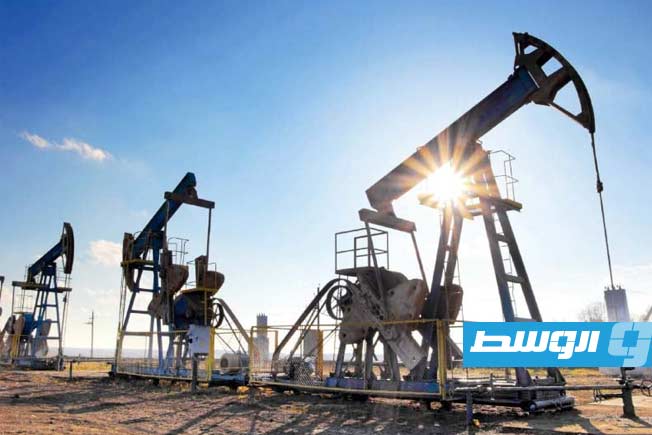
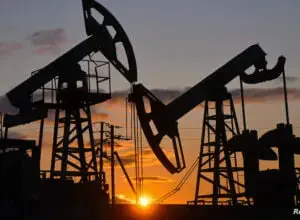
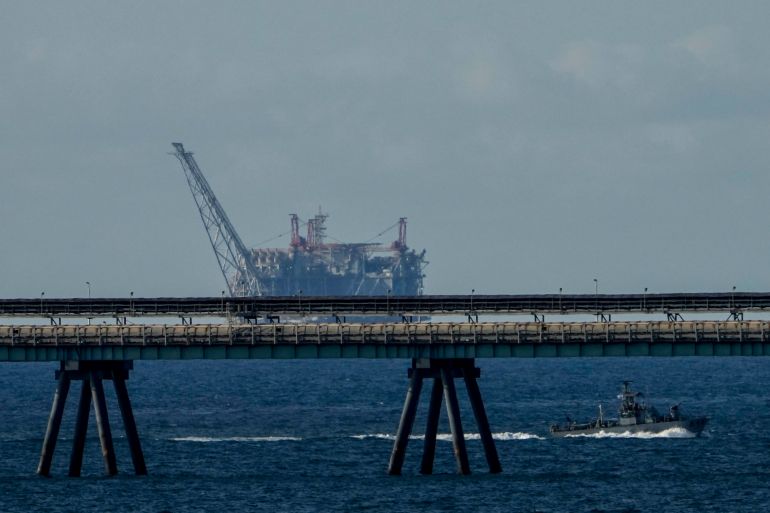
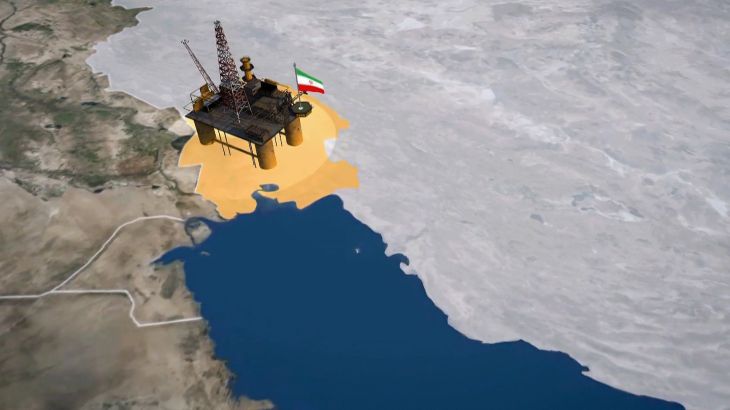
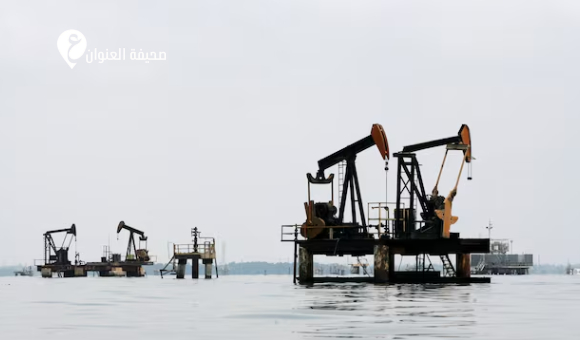
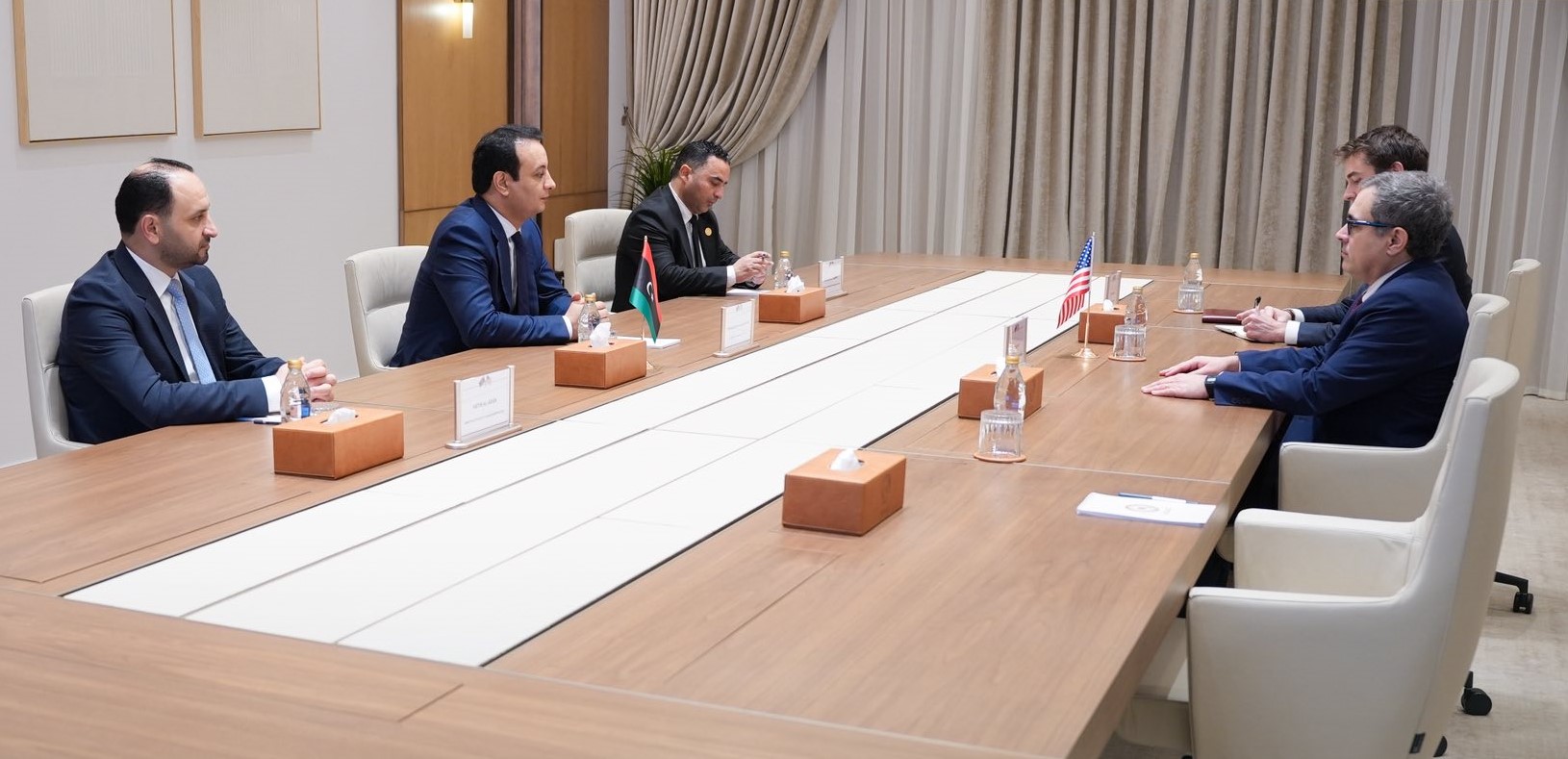
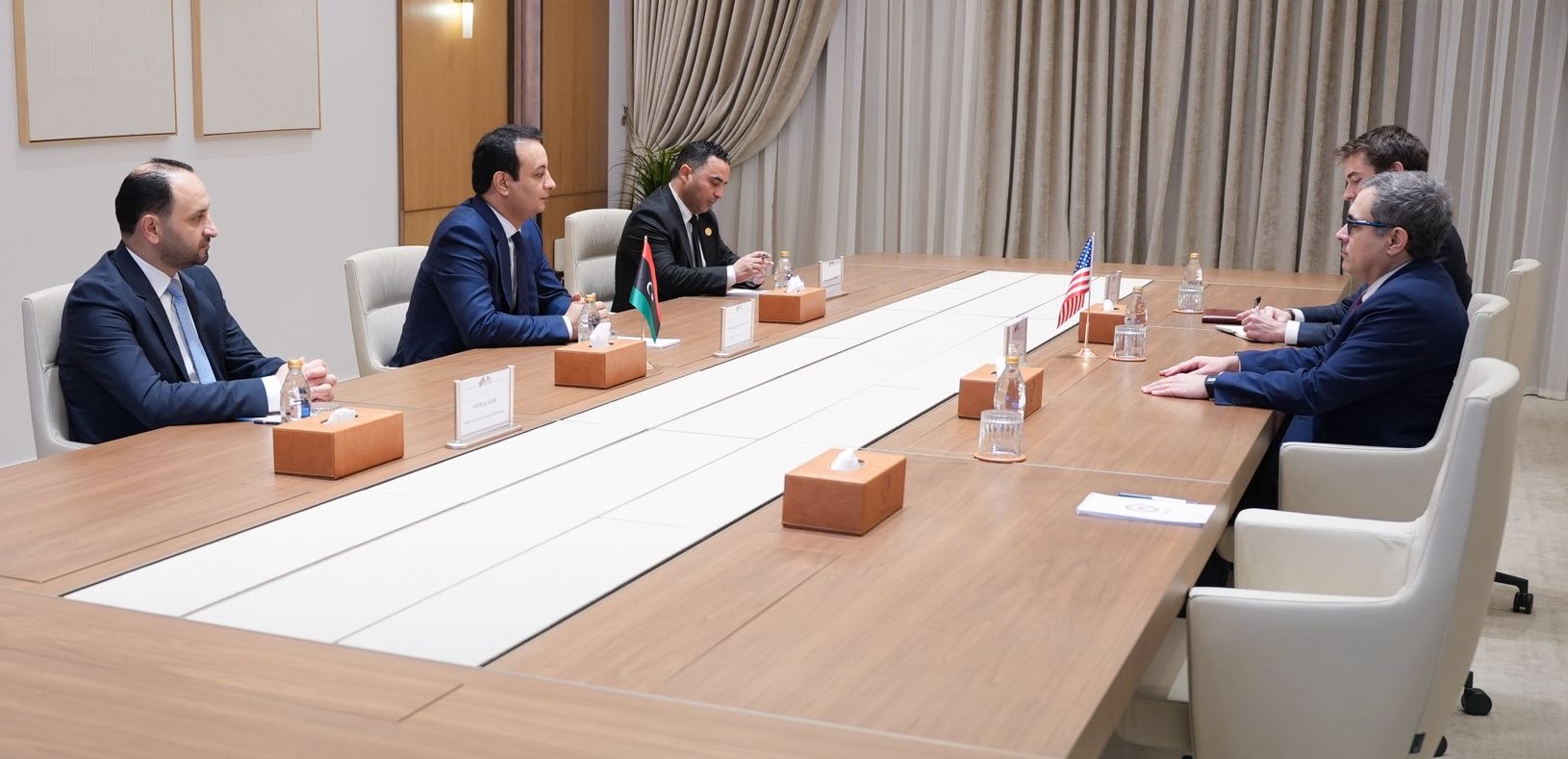
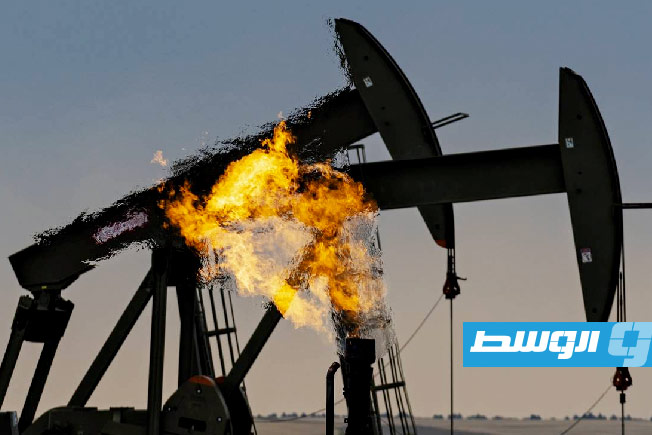
Greece signed an agreement on Monday with a consortium led by the American company Chevron for hydrocarbon exploration, particularly gas, in four offshore sites off the Peloponnese peninsula and the island of Crete.
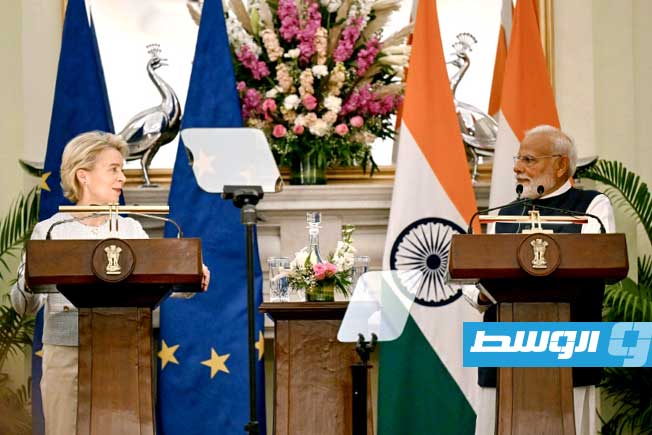
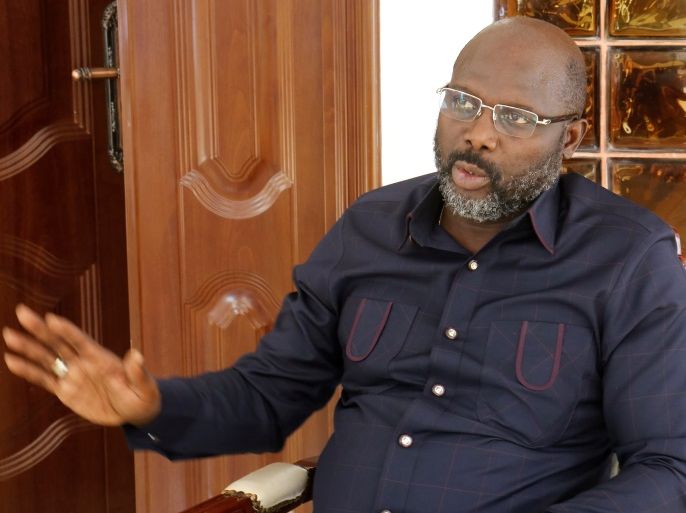
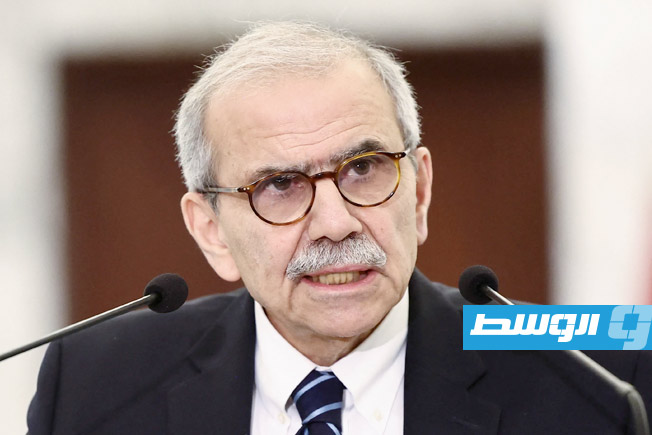
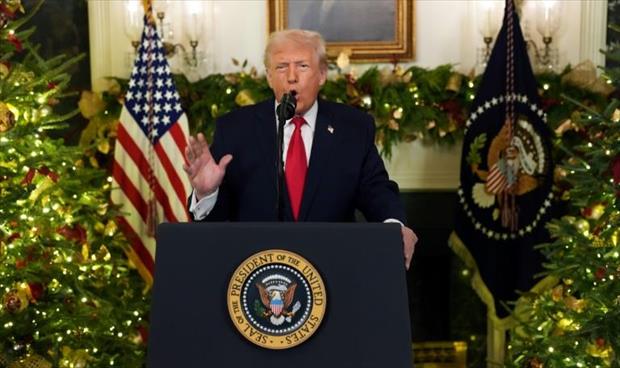
During the signing ceremony, the Greek Prime Minister stated, “Today we take a leap forward in the field of energy.”
He added, “Thanks to this agreement, the area (subject to exploration) will increase to 94,000 square kilometers, approximately double the area currently available for exploration.”
“The strength of strategic relations between Greece and America”
While relations between Europe and the United States have seen several tensions, the Greek Prime Minister pointed out that this agreement “reflects the strength of the strategic relations between Greece and the United States.”
Following an international tender, the winning consortium is formed by the American company Chevron and the Greek group Hellenic Energy, which is listed on the stock exchange and in which the Greek state holds shares, to explore the four maritime areas located in the Ionian Sea (west) south of the Peloponnese and Crete.
Launch of first exploration operations
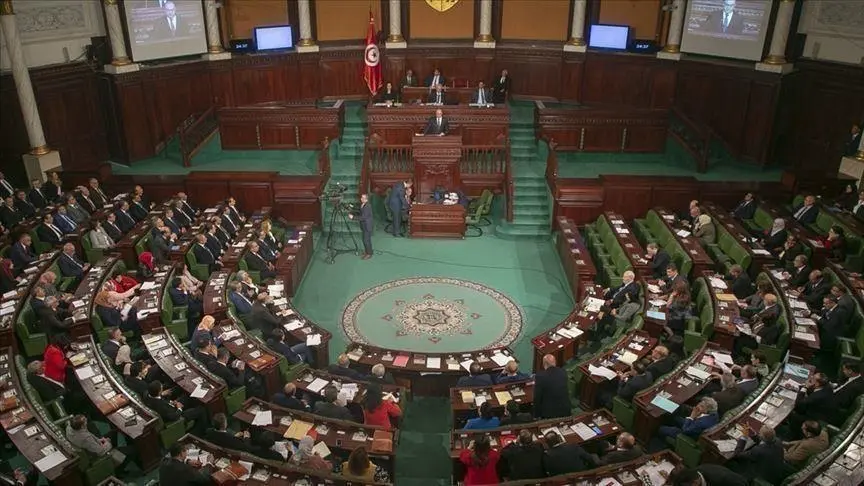
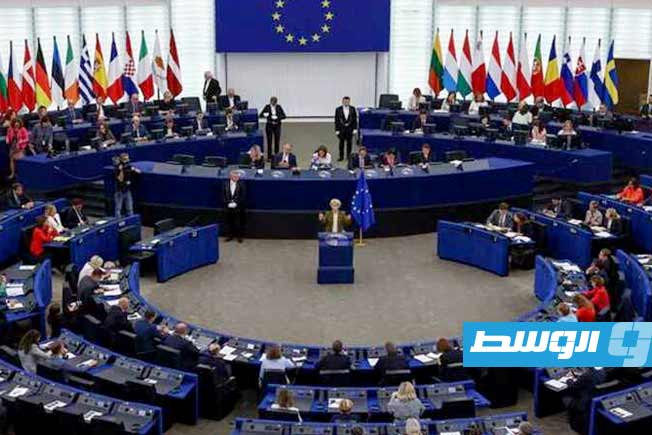
The Greek Parliament is expected to ratify the agreement in March, with the first exploration operations set to launch by the end of the year at the earliest.
Through its cooperation with American companies in oil and gas exploration, Greece seeks to enhance its role in supplying gas to Europe, while the United States sees this partnership as an opportunity to expand its presence in the region.
The Greek branch of the World Wildlife Fund has warned several times about hydrocarbon exploration in the Ionian Sea, particularly due to the presence of a marine sanctuary.
Greece
Greece is a southeastern European country widely regarded as the cradle of Western civilization, being the birthplace of democracy, philosophy, and the Olympic Games. Its history spans millennia, from the advanced Minoan and Mycenaean civilizations to the influential Classical era of city-states like Athens and Sparta, followed by periods under Roman, Byzantine, and Ottoman rule before gaining independence in the 19th century. The country is renowned for its profound historical and cultural legacy, which is vividly preserved in its numerous ancient ruins, monuments, and artifacts.
Chevron
Chevron is a major American multinational energy corporation, founded in 1879 as the Pacific Coast Oil Company. It has grown through mergers, such as with Standard Oil of California and Texaco, to become one of the world’s largest integrated oil and gas companies.
Crete
Crete is the largest of Greece’s islands and the center of the ancient Minoan civilization, which flourished from around 2700 to 1100 BCE and is considered Europe’s first advanced society. The island is renowned for archaeological sites like the Palace of Knossos, and its history includes successive rule by the Romans, Byzantines, Venetians, and Ottomans before unifying with modern Greece in 1913.
Peloponnese
The Peloponnese is a large peninsula in southern Greece, historically known as the heartland of the Mycenaean civilization and the location of the city-states of Sparta, Corinth, and Argos. It was the site of many pivotal ancient events and is home to significant archaeological sites like Olympia, the birthplace of the Olympic Games, and Mycenae.
America
The United States of America is a federal republic founded in 1776 after declaring independence from Great Britain. Its history encompasses westward expansion, a civil war over slavery, and its emergence as a global superpower in the 20th century. The nation is defined by its diverse population, democratic institutions, and significant cultural influence worldwide.
United States
The United States is a federal republic founded in 1776 after declaring independence from Great Britain, establishing itself through a revolutionary war and the adoption of a constitution in 1787. It grew from thirteen original colonies to span the North American continent, becoming a global superpower shaped by waves of immigration, industrial expansion, and a civil war that ended slavery. Its diverse culture reflects this history of settlement, innovation, and the blending of many traditions from around the world.
Europe
Europe is a continent with a rich and complex history, shaped by ancient civilizations like Greece and Rome, the transformative periods of the Renaissance and the Enlightenment, and the profound impacts of two world wars. Culturally, it is renowned for its diverse artistic heritage, architectural landmarks, and as the birthplace of influential movements in philosophy, science, and politics.
Hellenic Energy
“Hellenic Energy” refers to the state-owned Public Power Corporation (PPC) of Greece, which was founded in 1950 to centralize and modernize the country’s electricity production and distribution. It played a crucial role in Greece’s post-war industrialization and electrification, evolving from a monopoly into a key player in the liberalized European energy market.
Ionian Sea
The Ionian Sea is a body of water in the Mediterranean, located between southern Italy, eastern Sicily, and western Greece. Historically, it was a crucial maritime route for ancient Greek colonization, trade, and cultural exchange, and it was later a central theater for naval conflicts, including those during the Roman Empire and World War II.
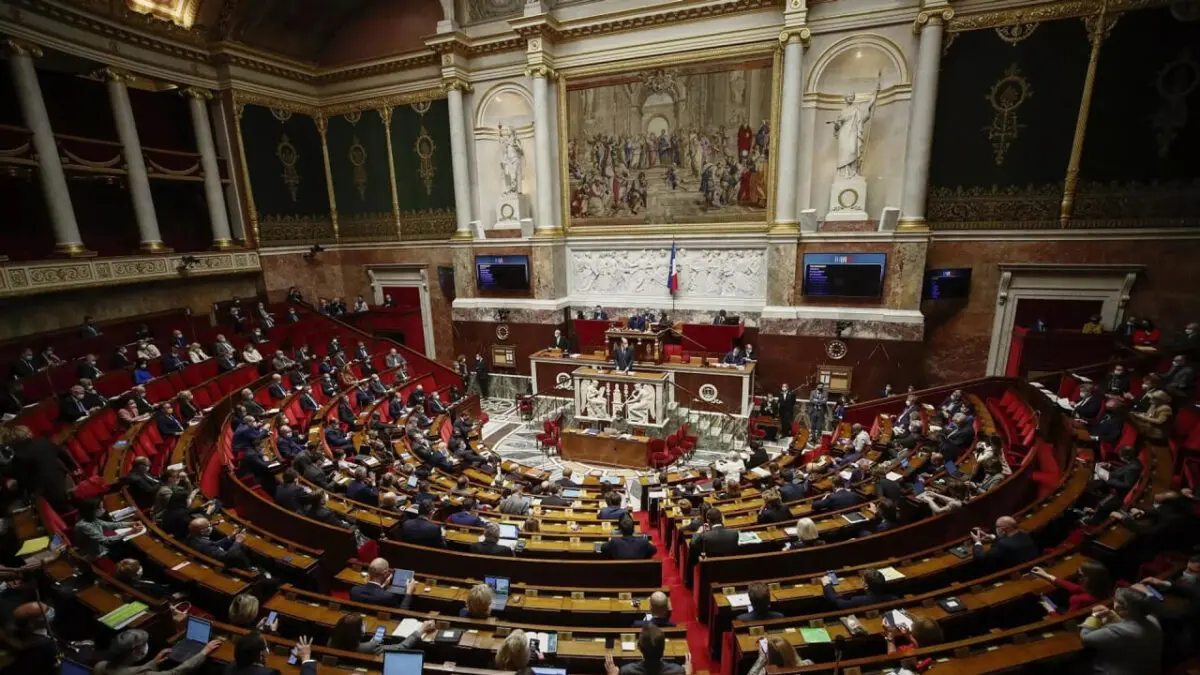
Greek Parliament
The Greek Parliament, located in Syntagma Square in Athens, is housed in the former Royal Palace, constructed between 1836 and 1842. It has served as the seat of the country’s legislature since 1935, following the abolition of the monarchy, and is guarded by the ceremonial Evzones unit at the Tomb of the Unknown Soldier.
World Wildlife Fund
The World Wildlife Fund (WWF) is an international non-governmental organization founded in 1961, dedicated to wilderness preservation and reducing human impact on the environment. Its iconic panda logo was inspired by Chi-Chi, a giant panda at the London Zoo in the year of its founding.