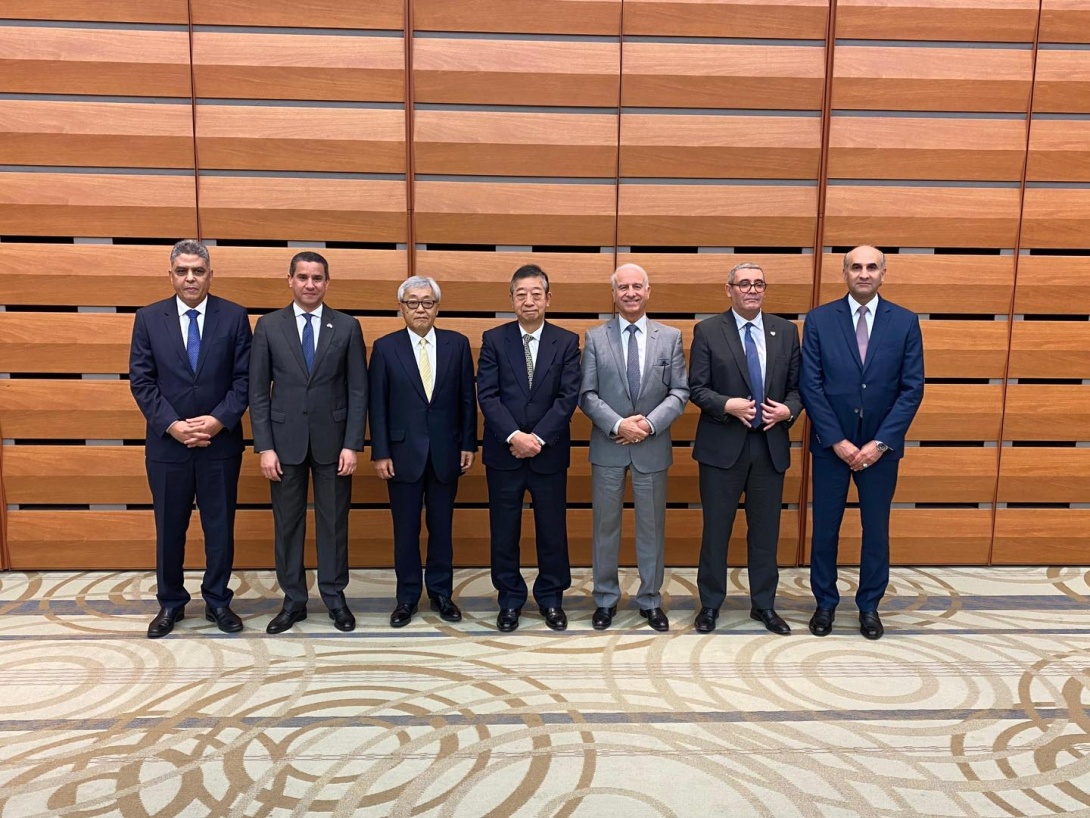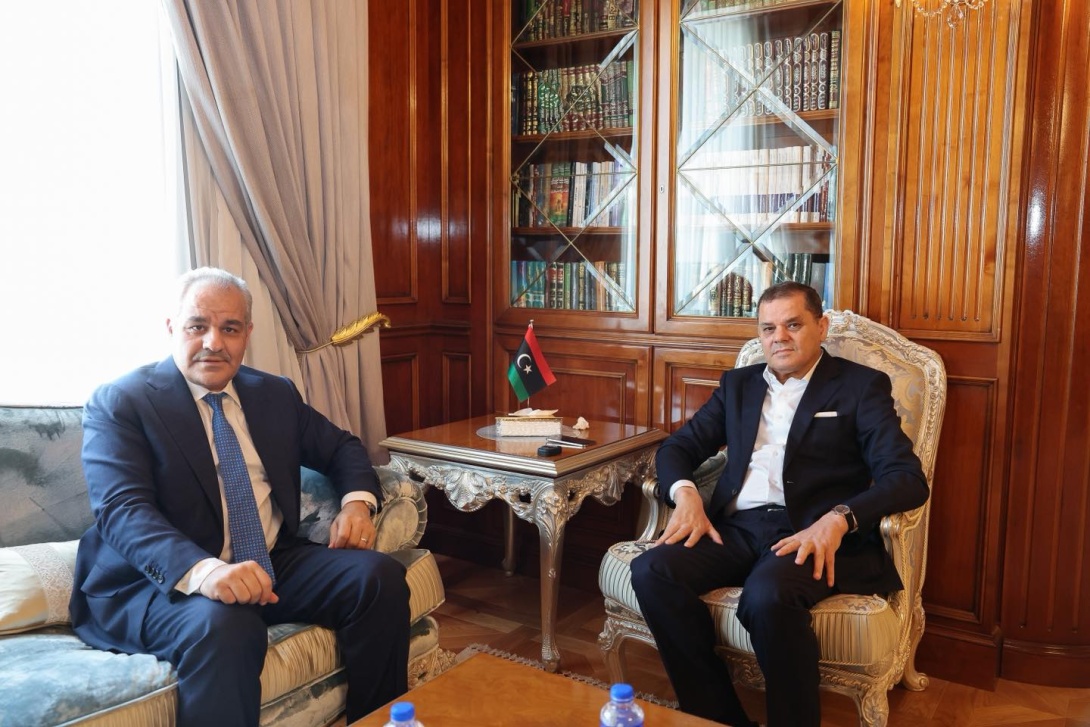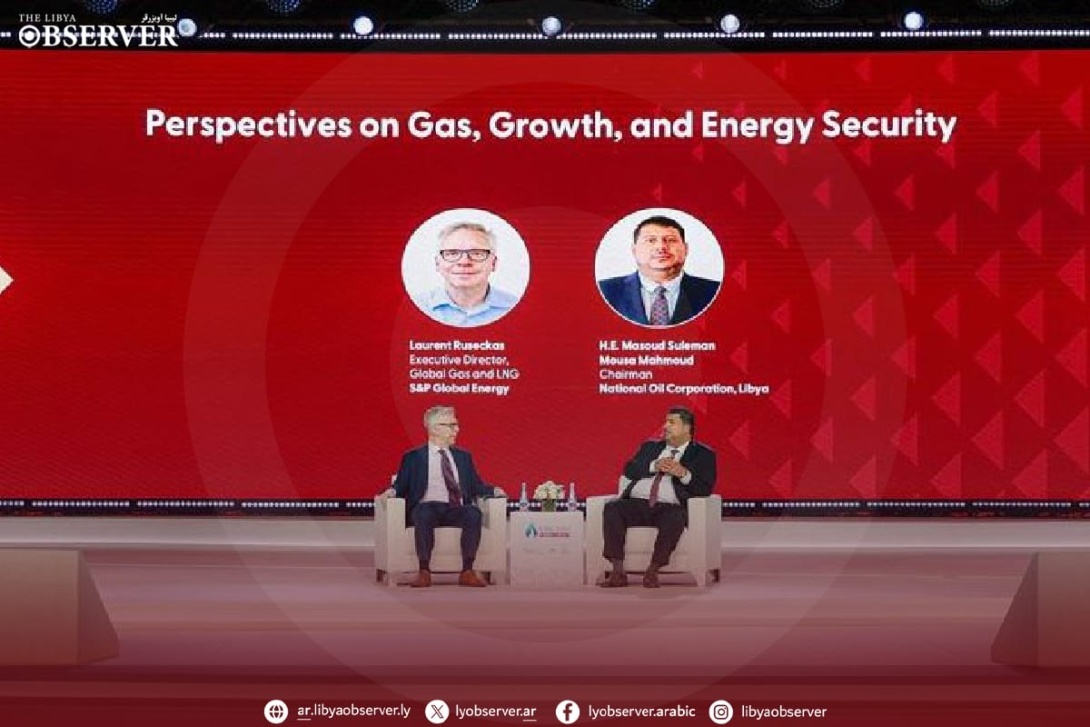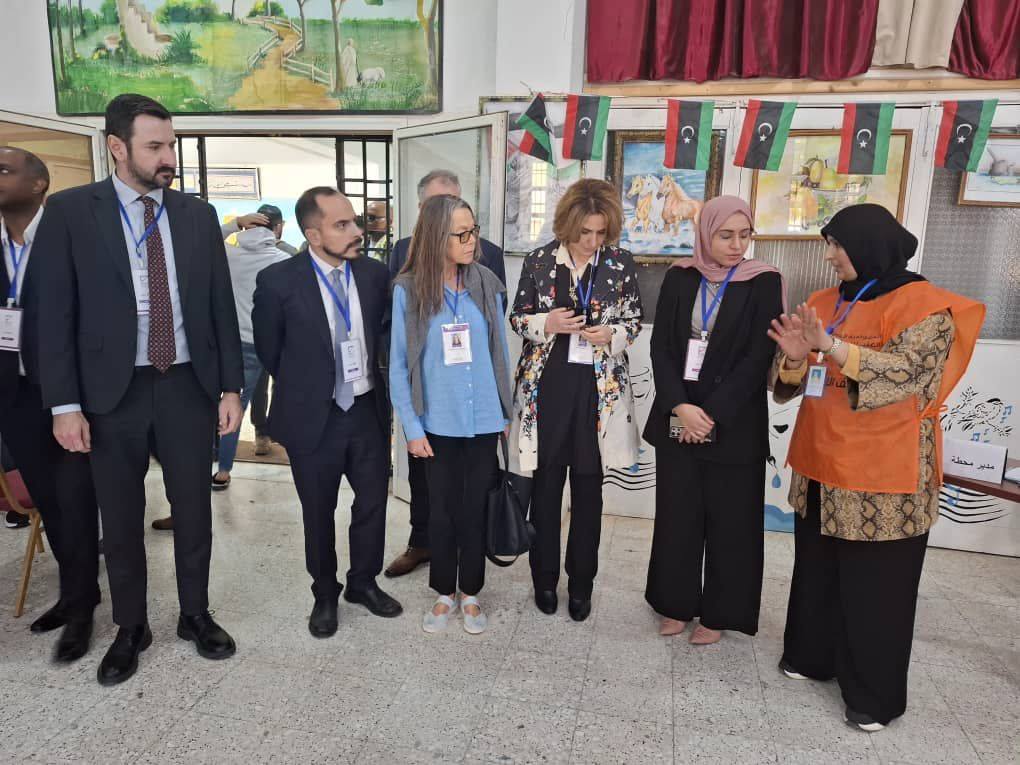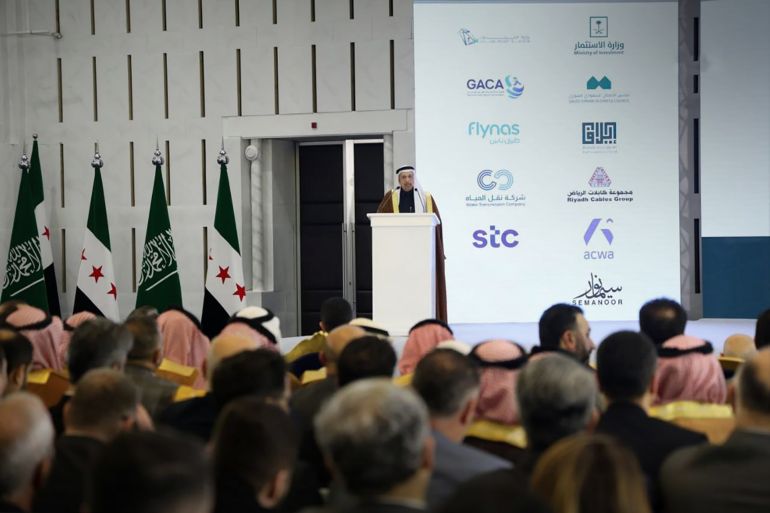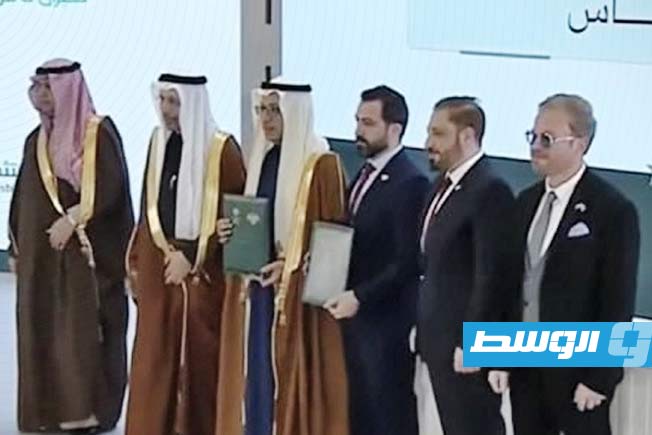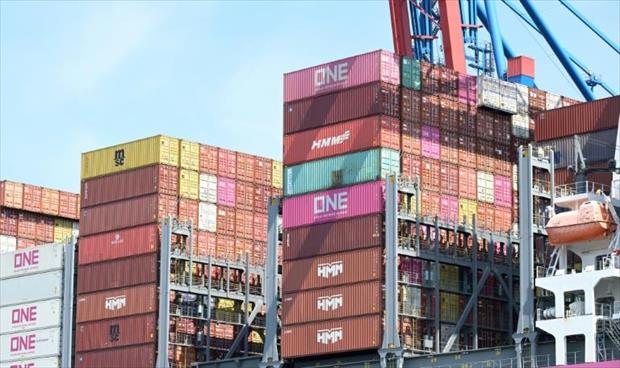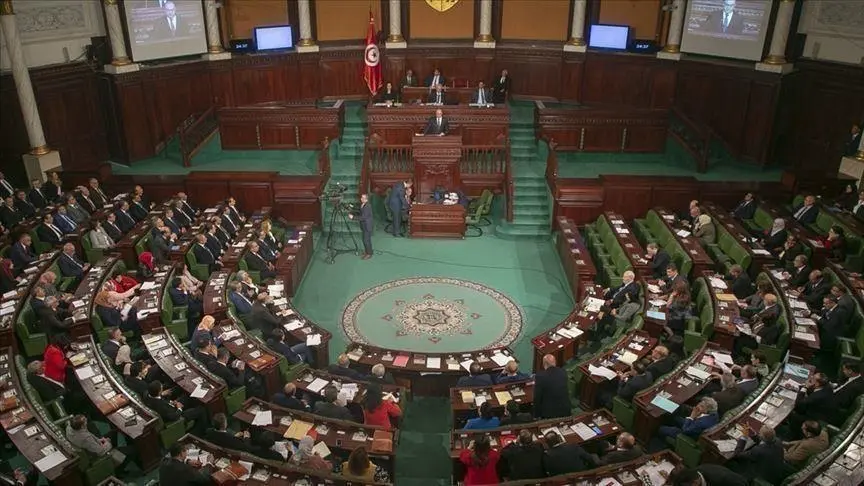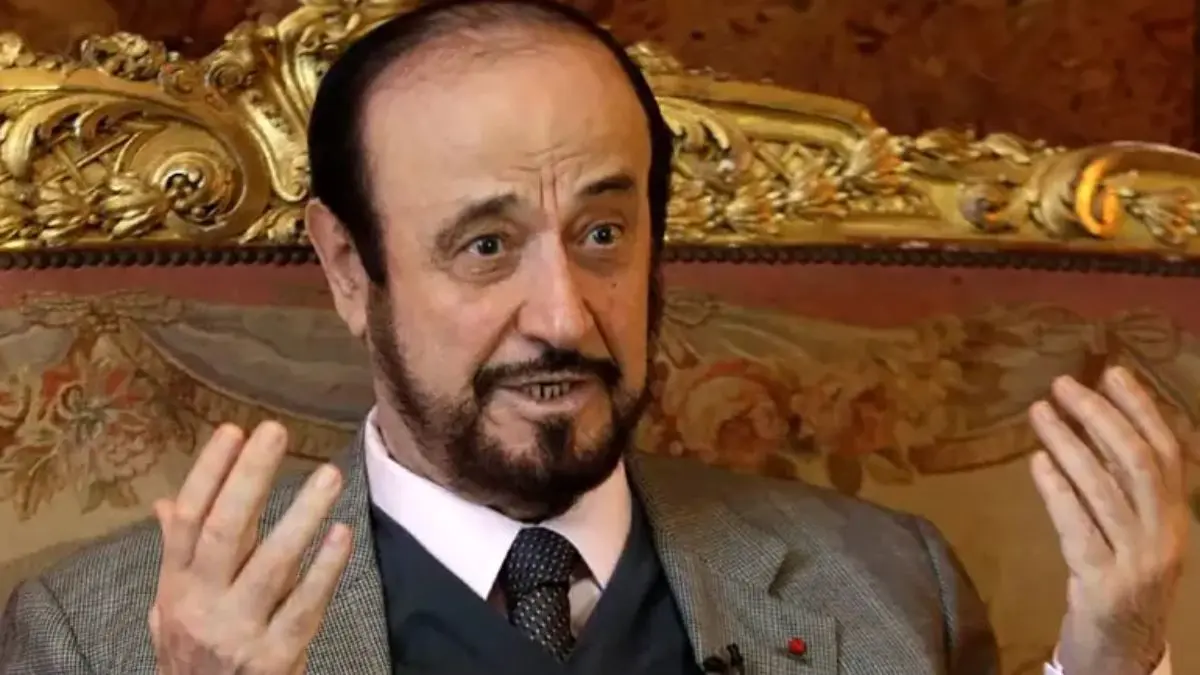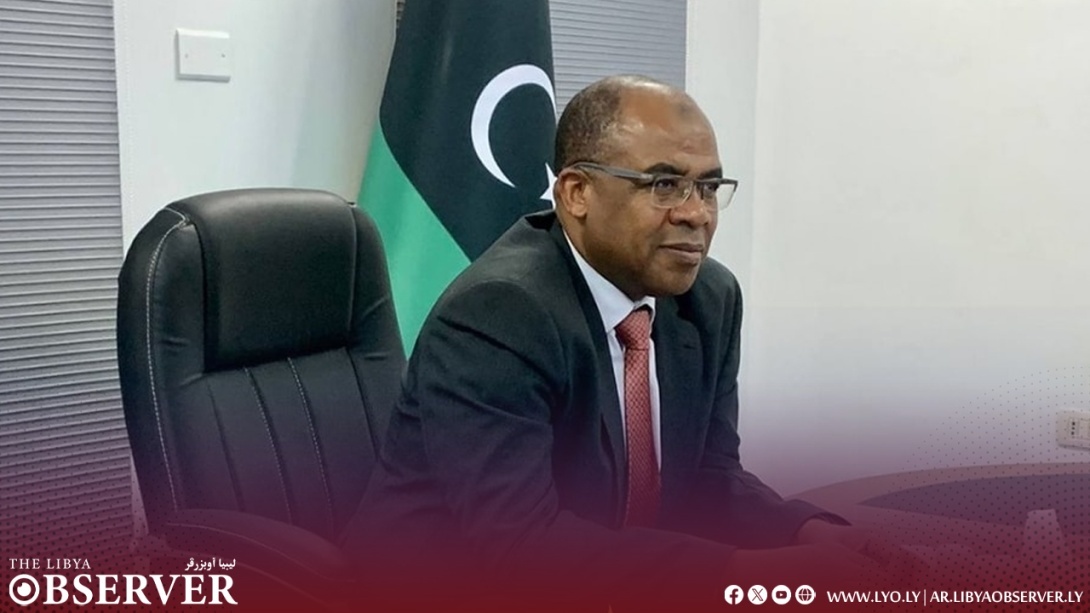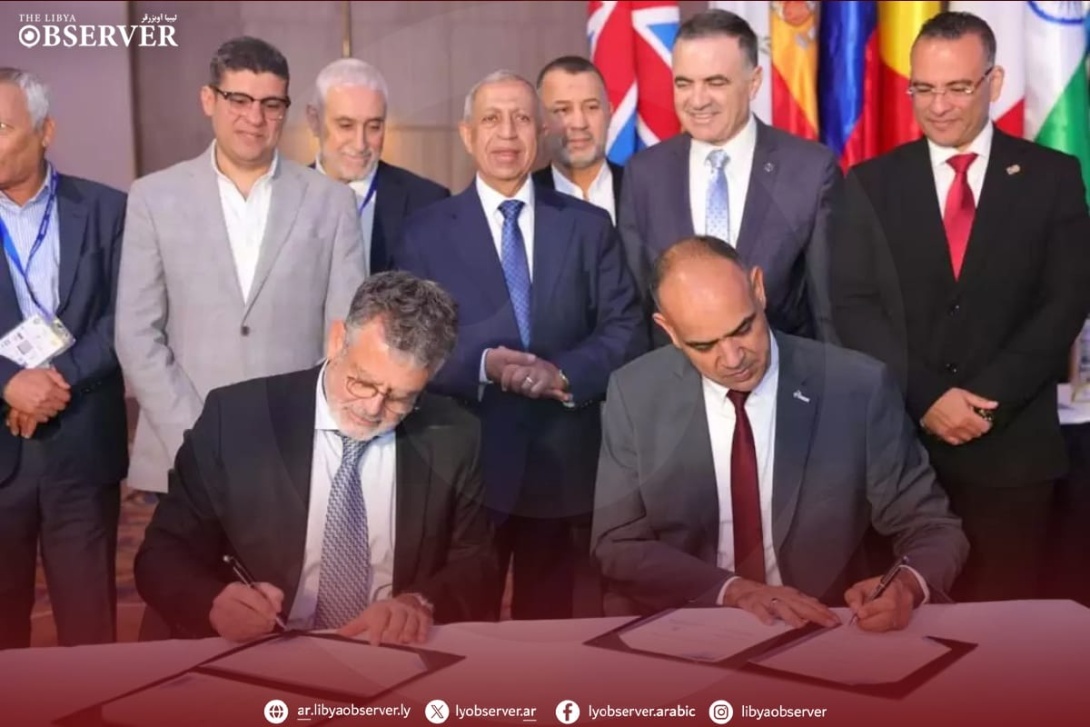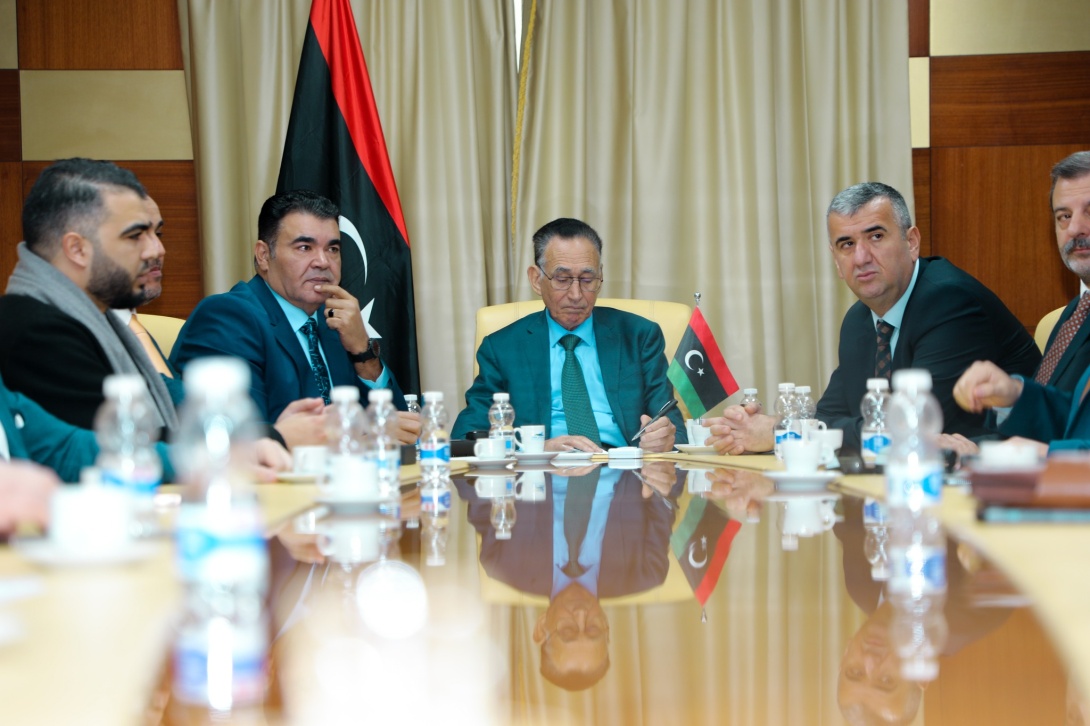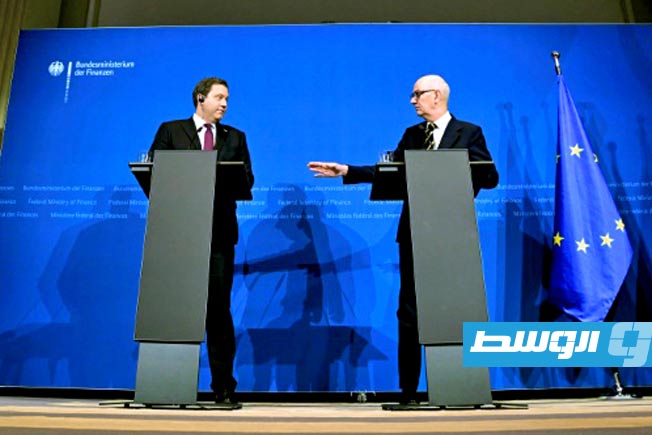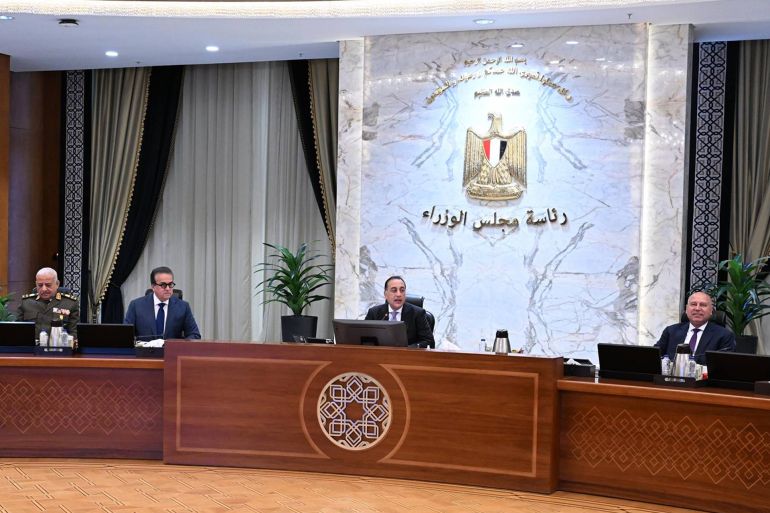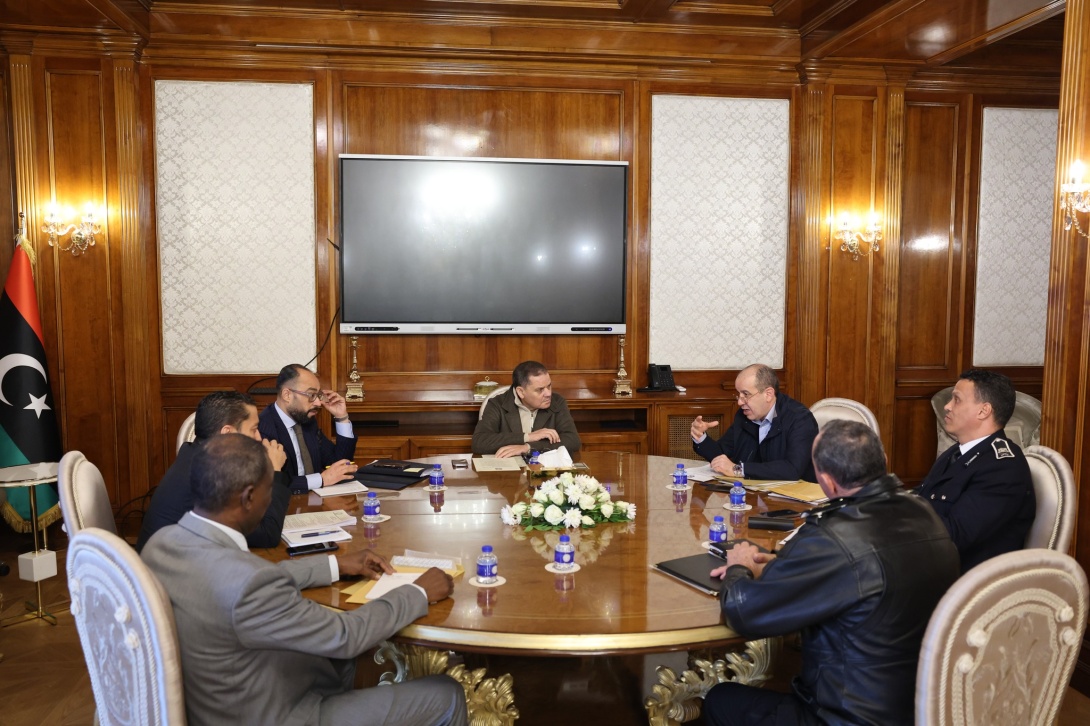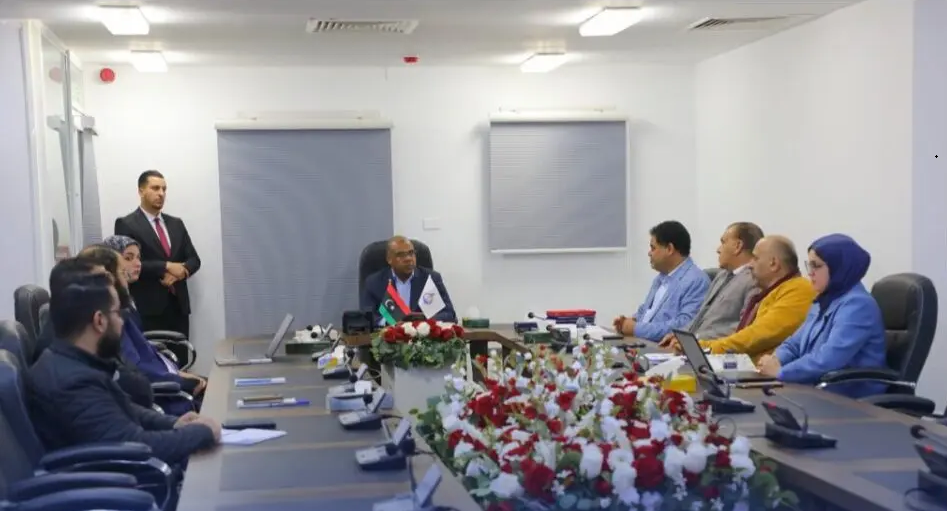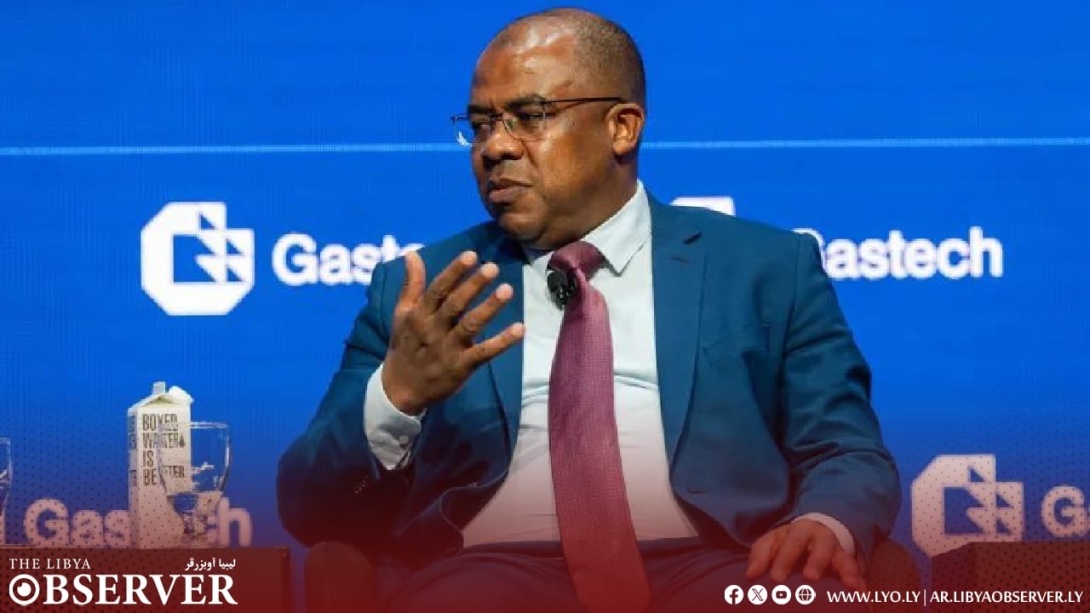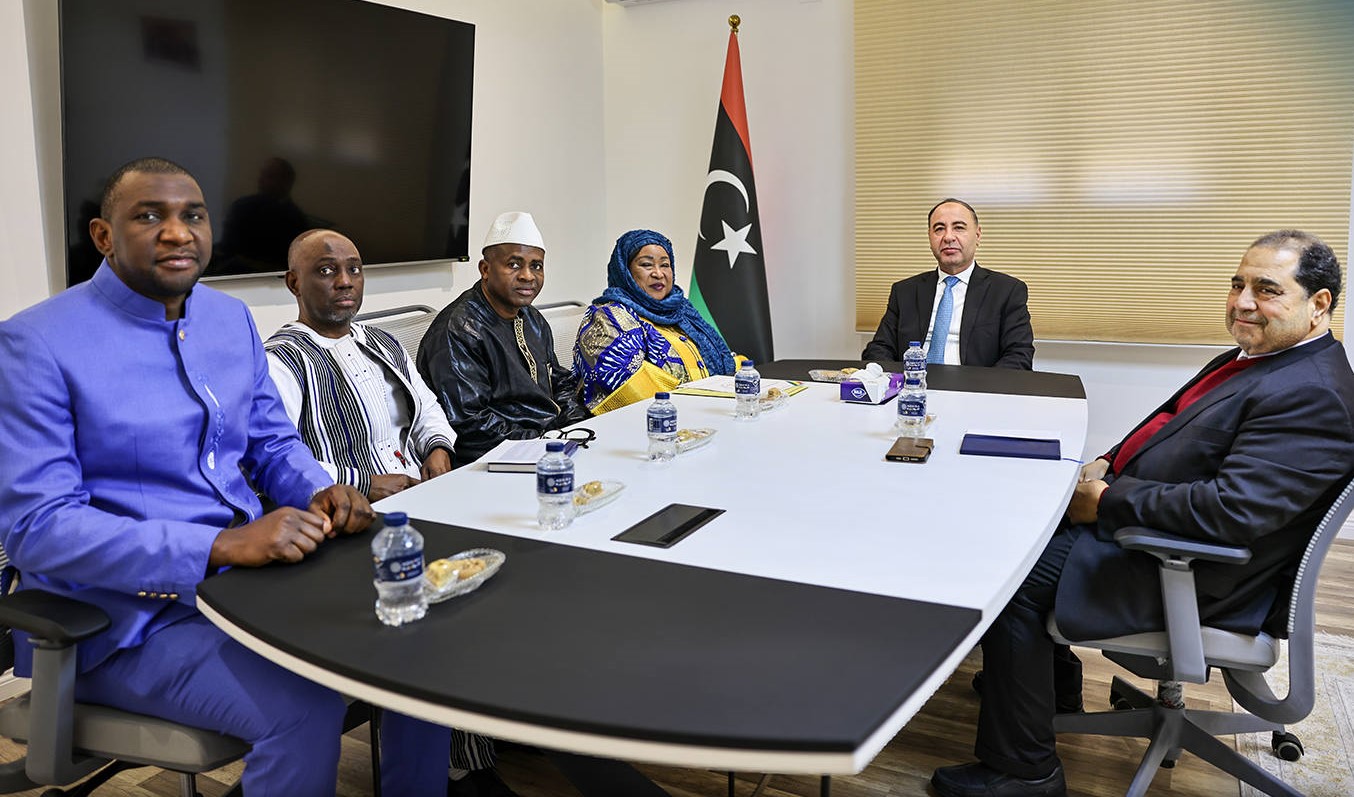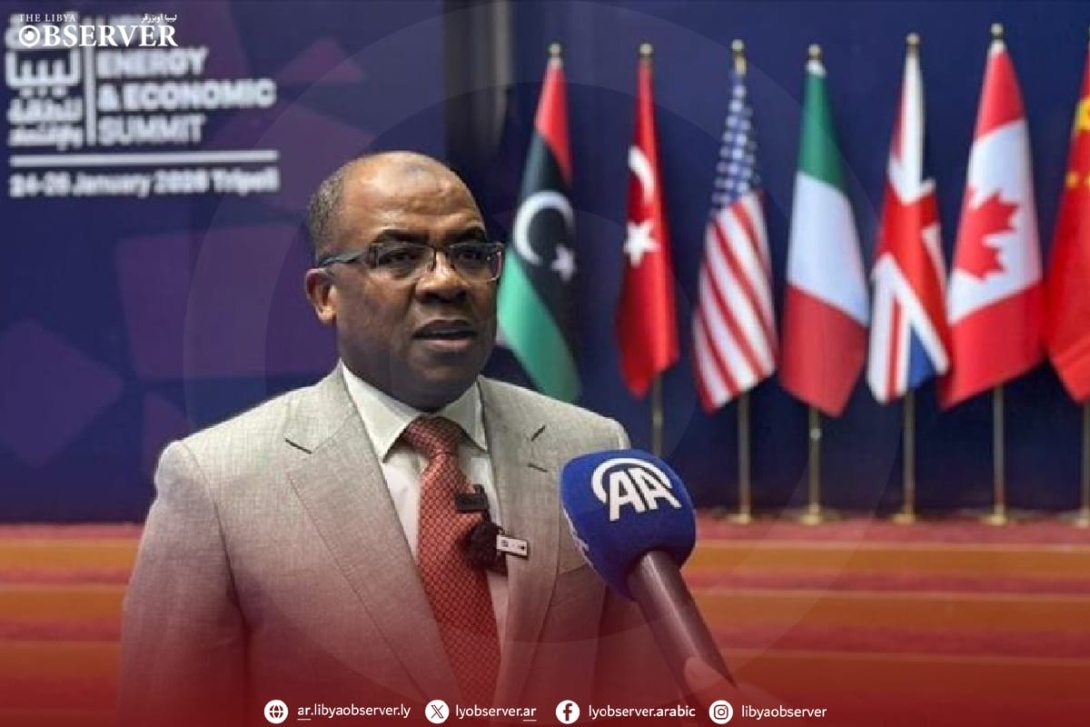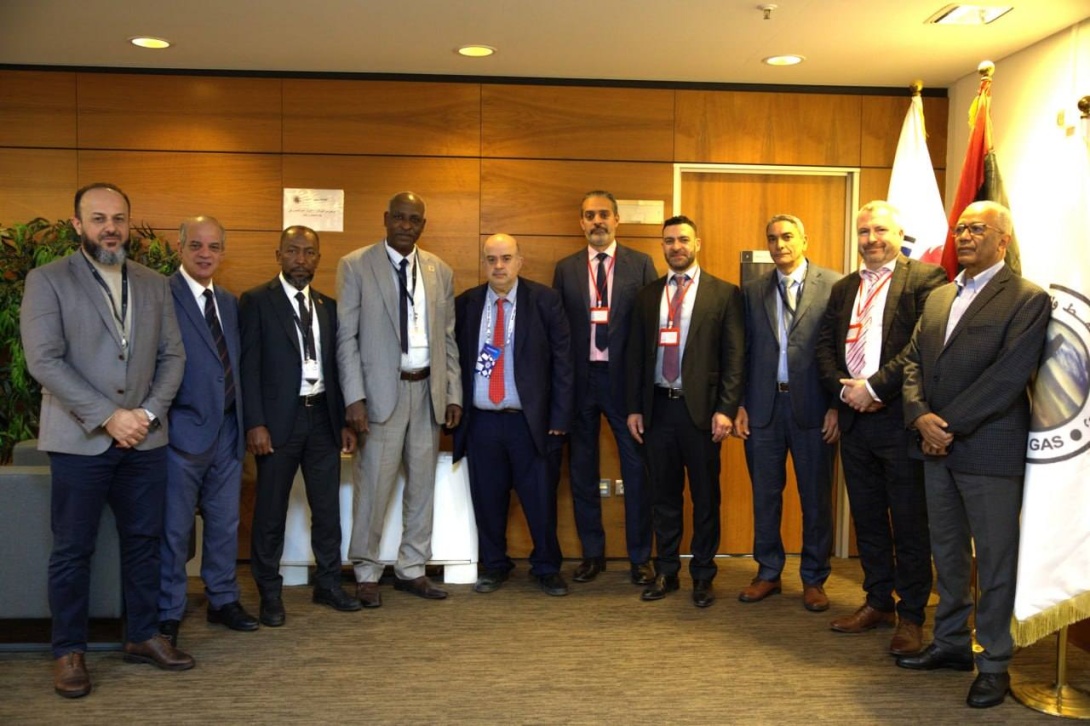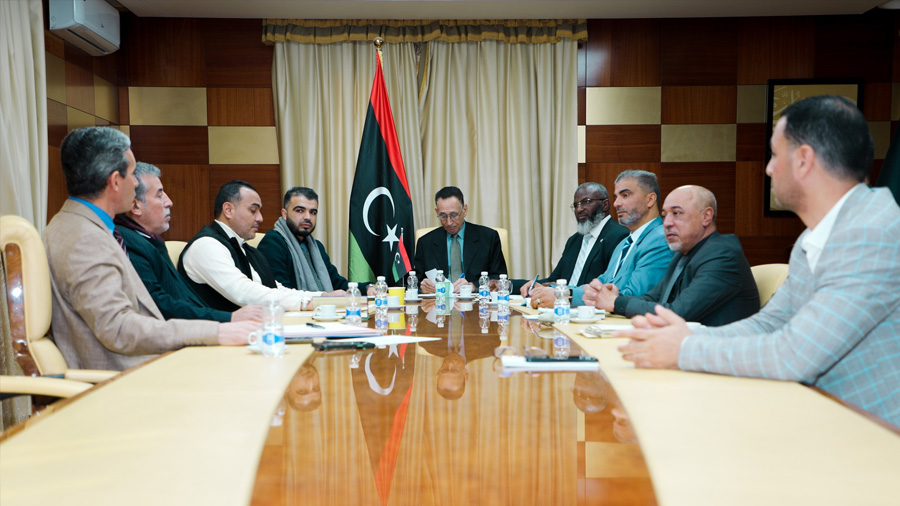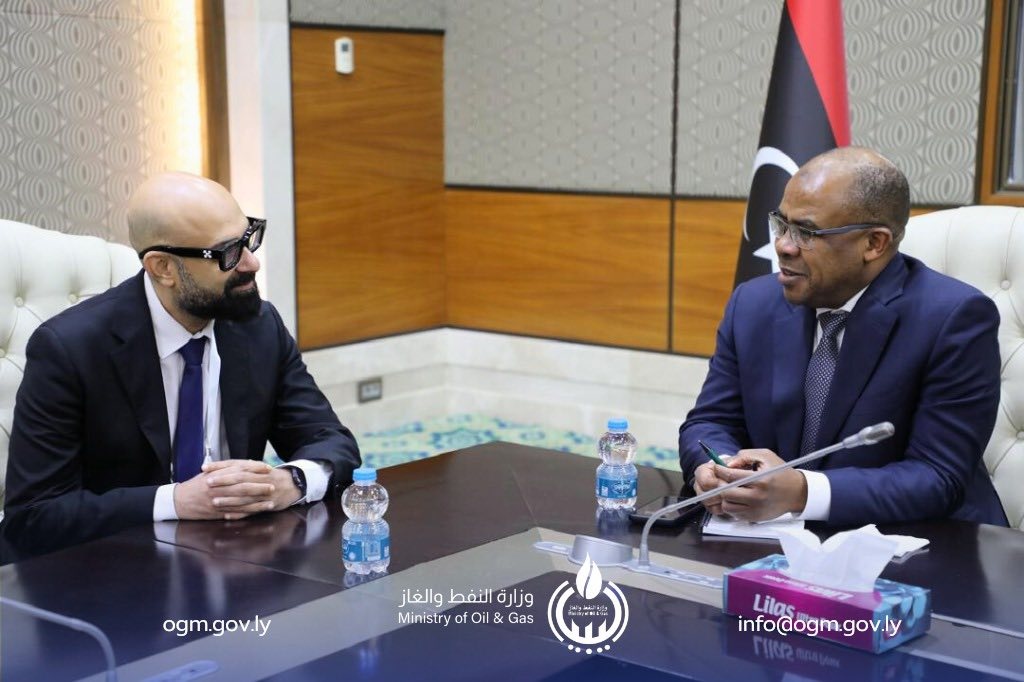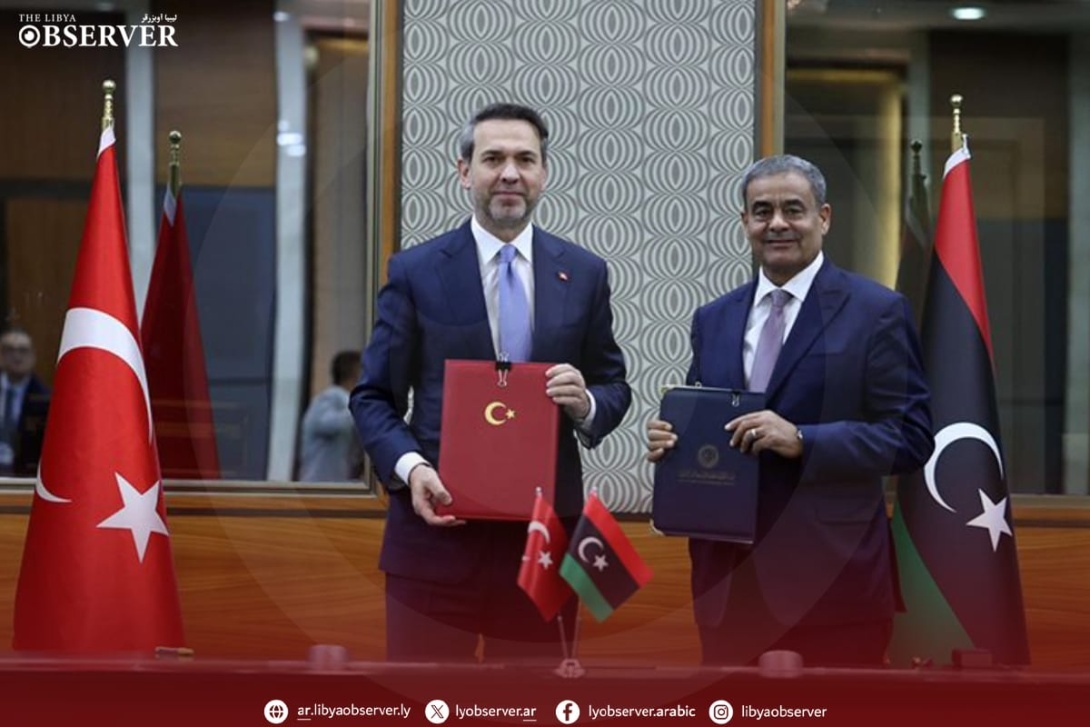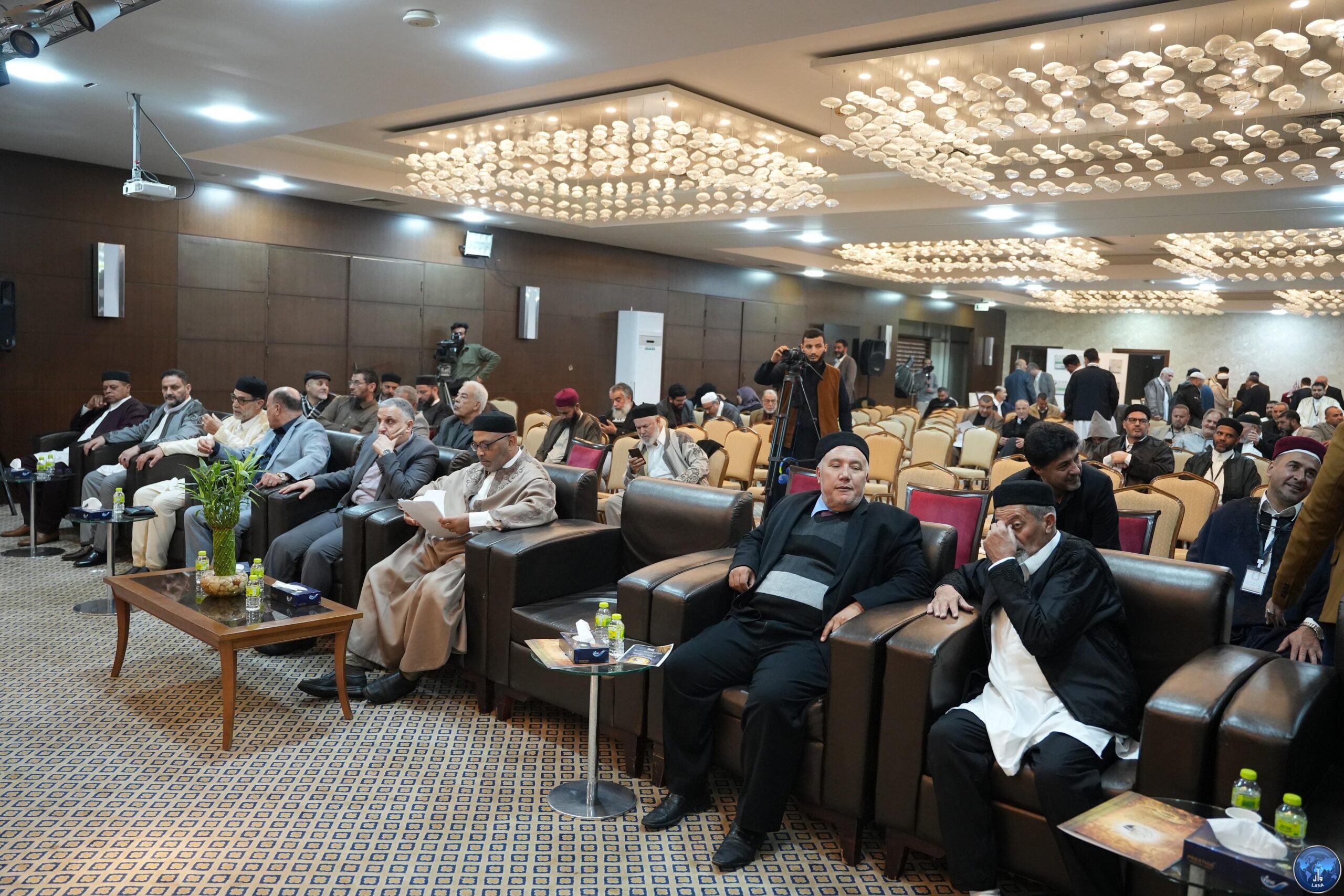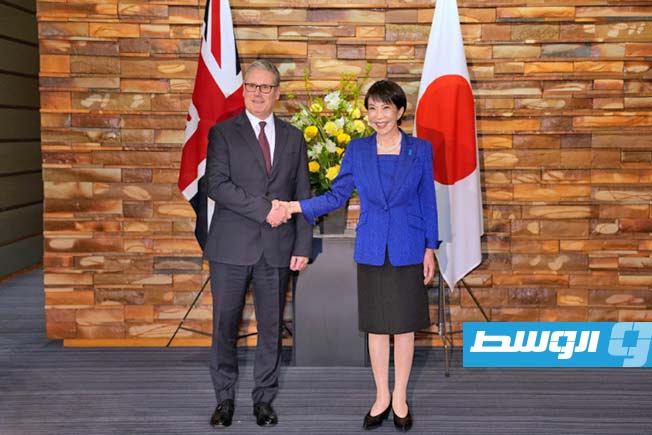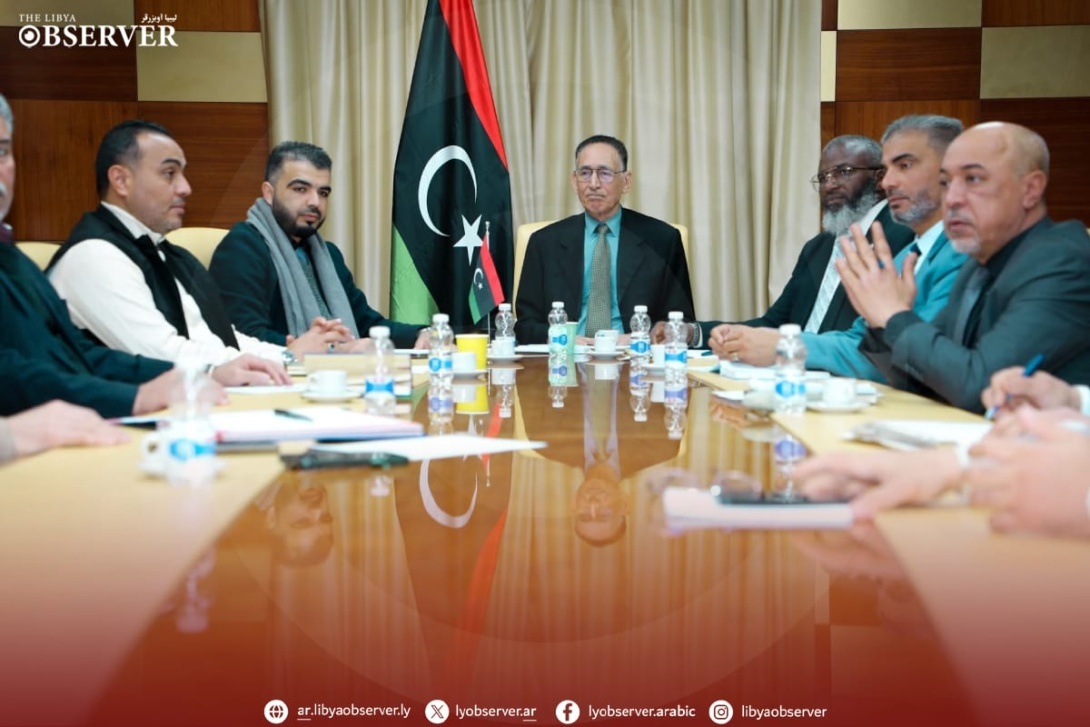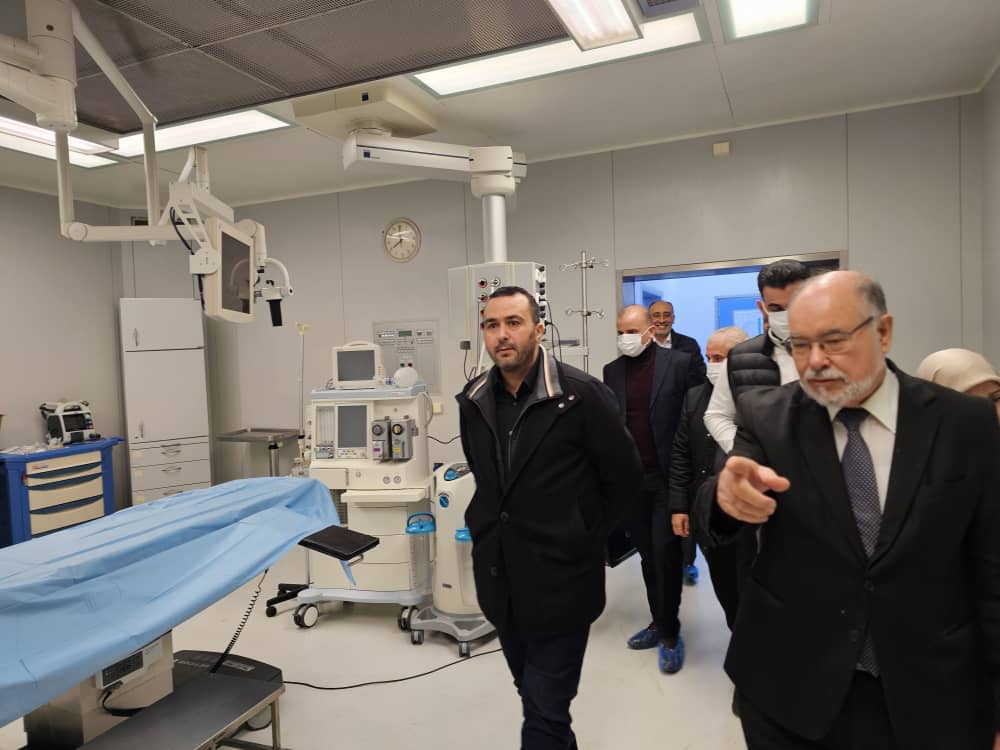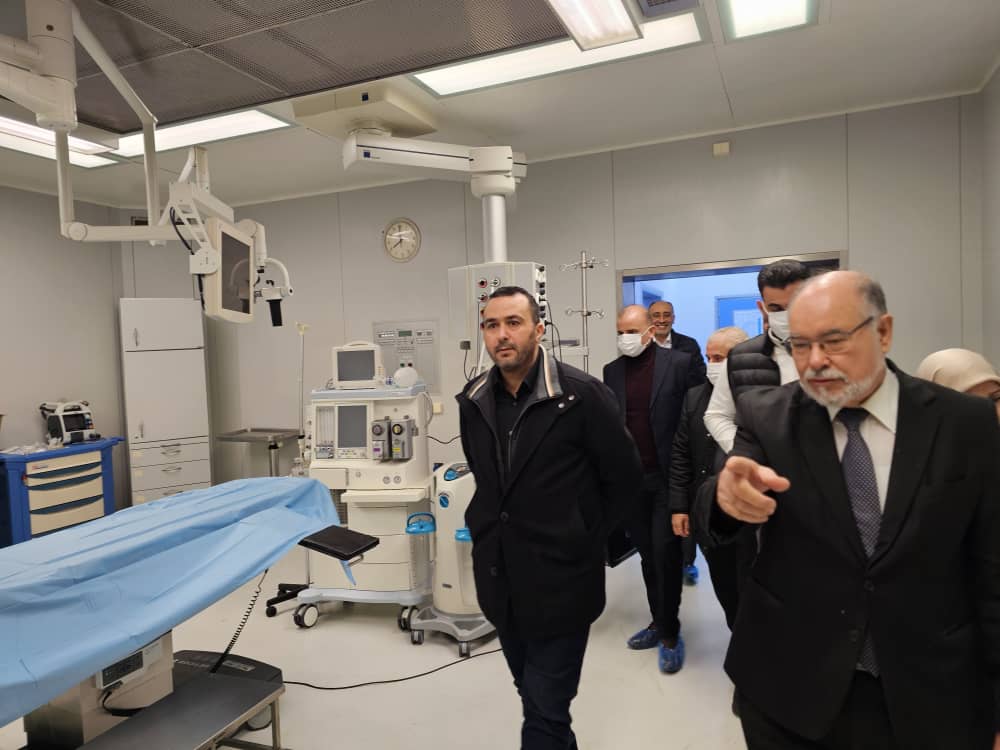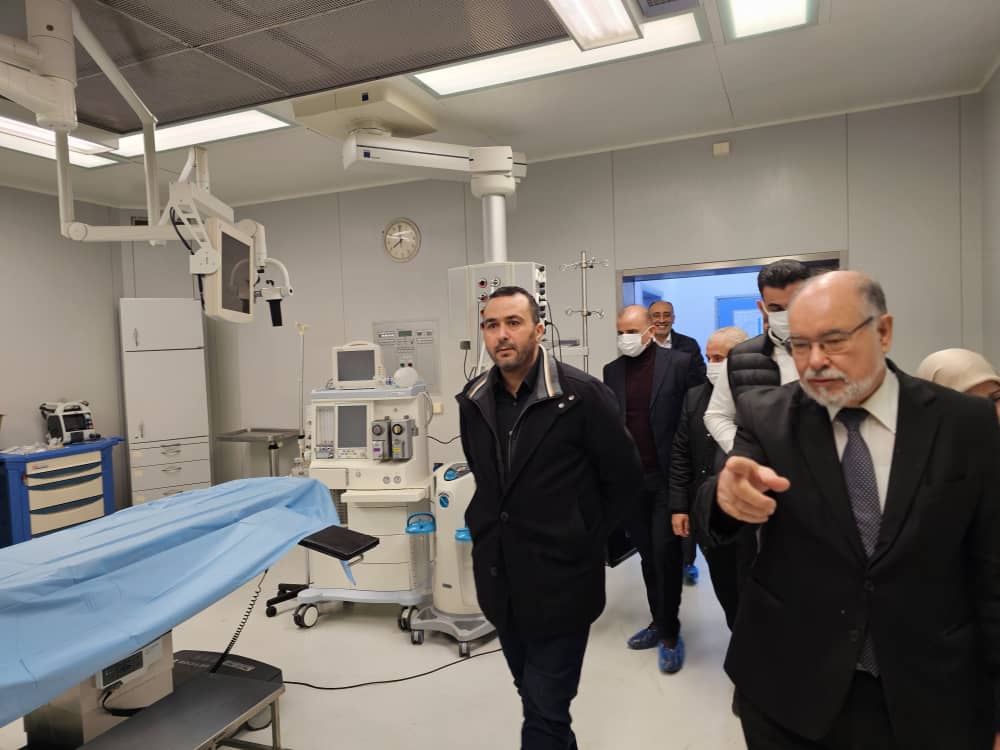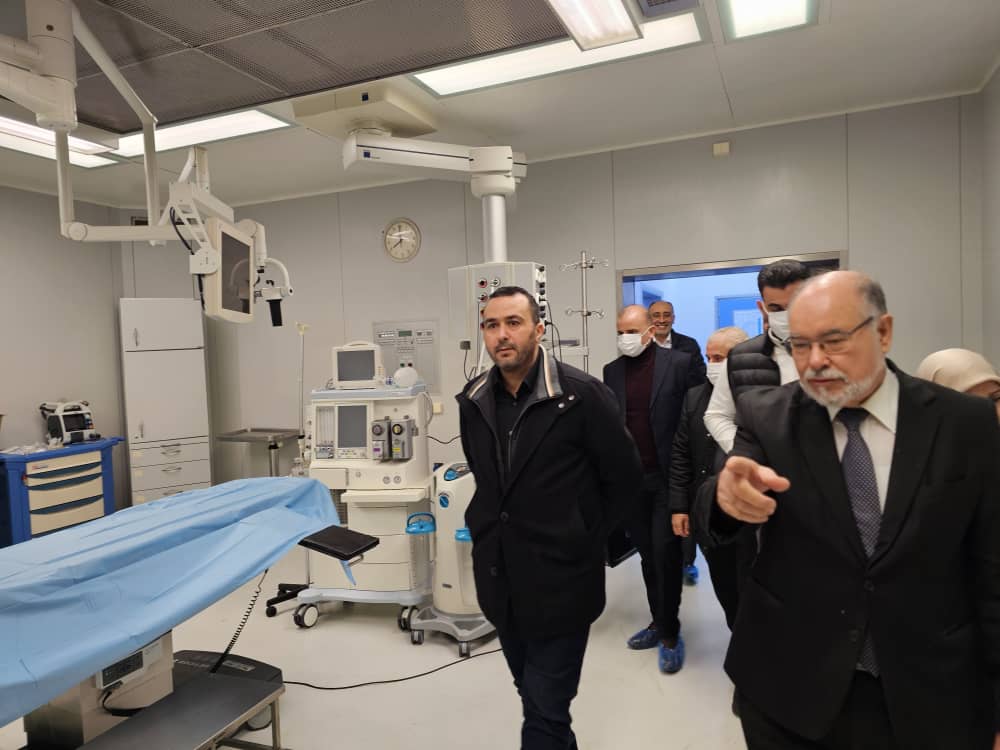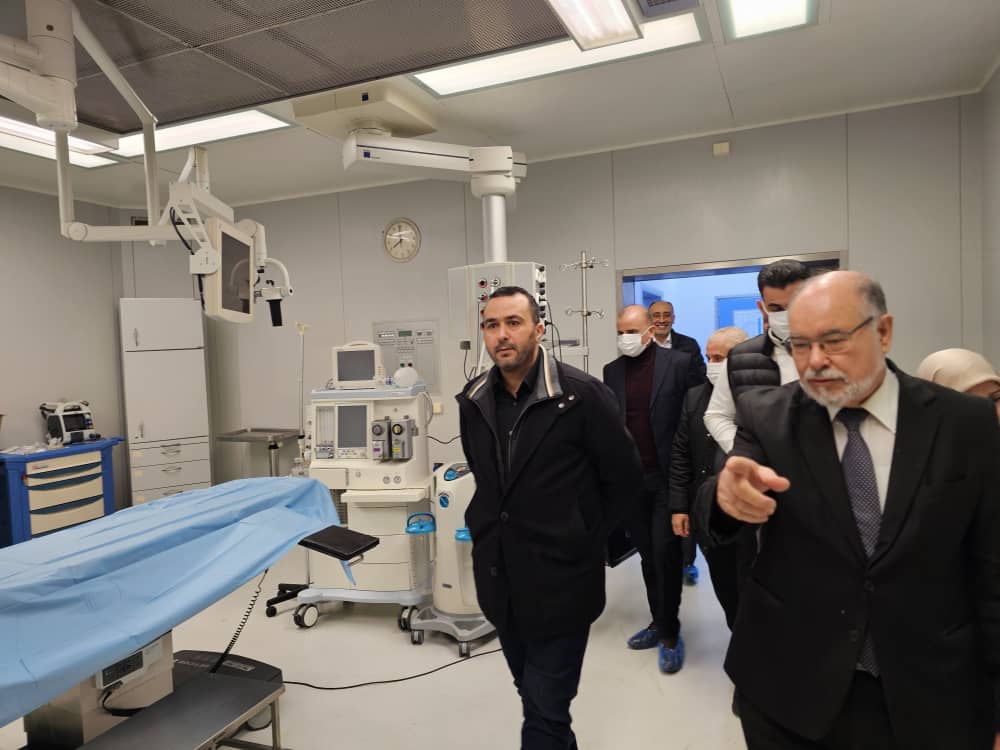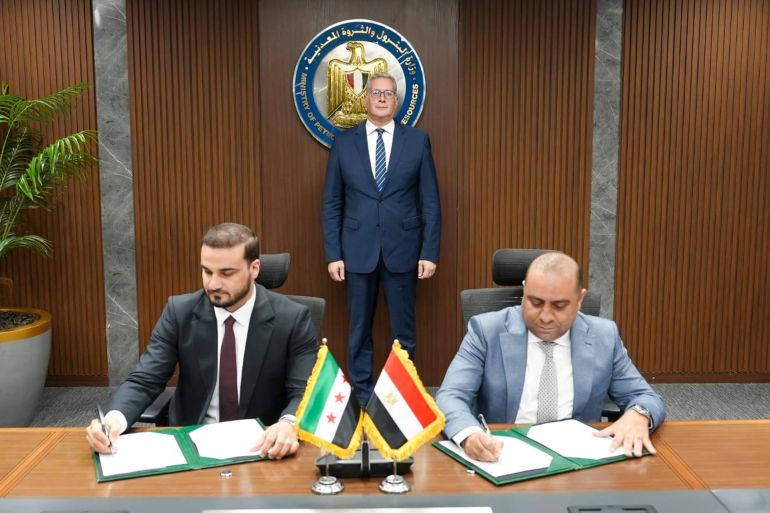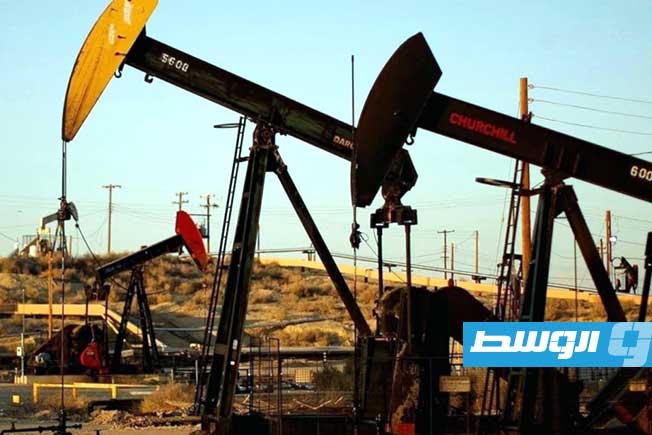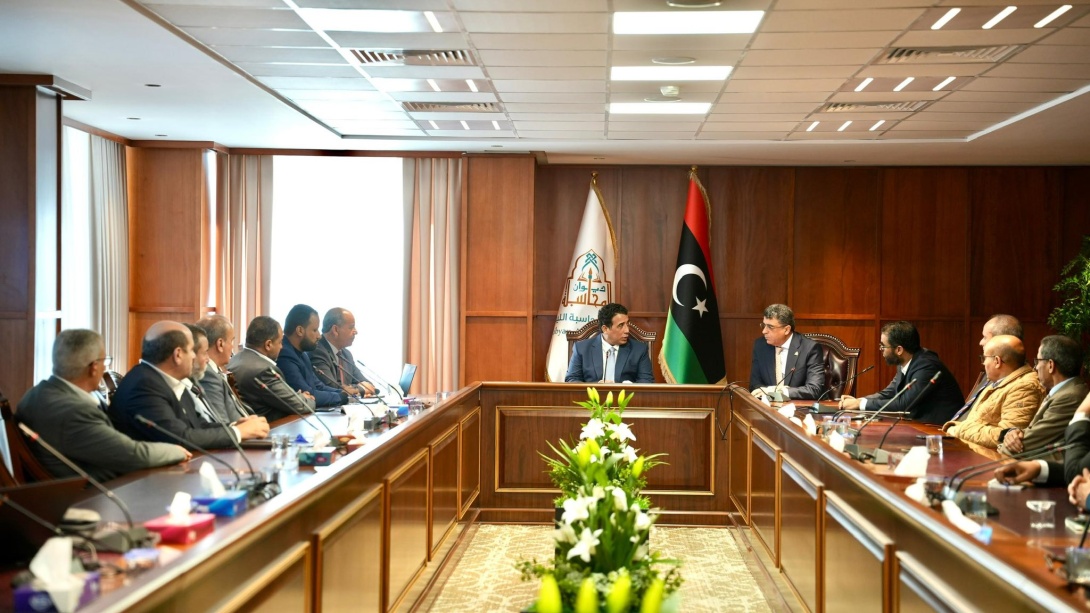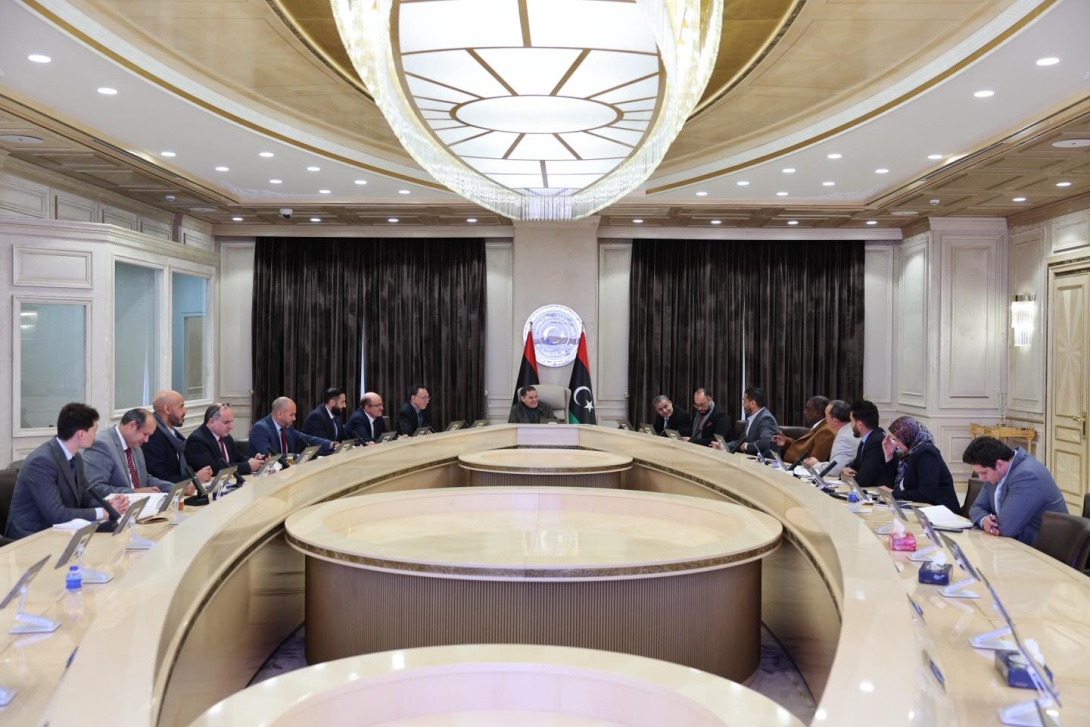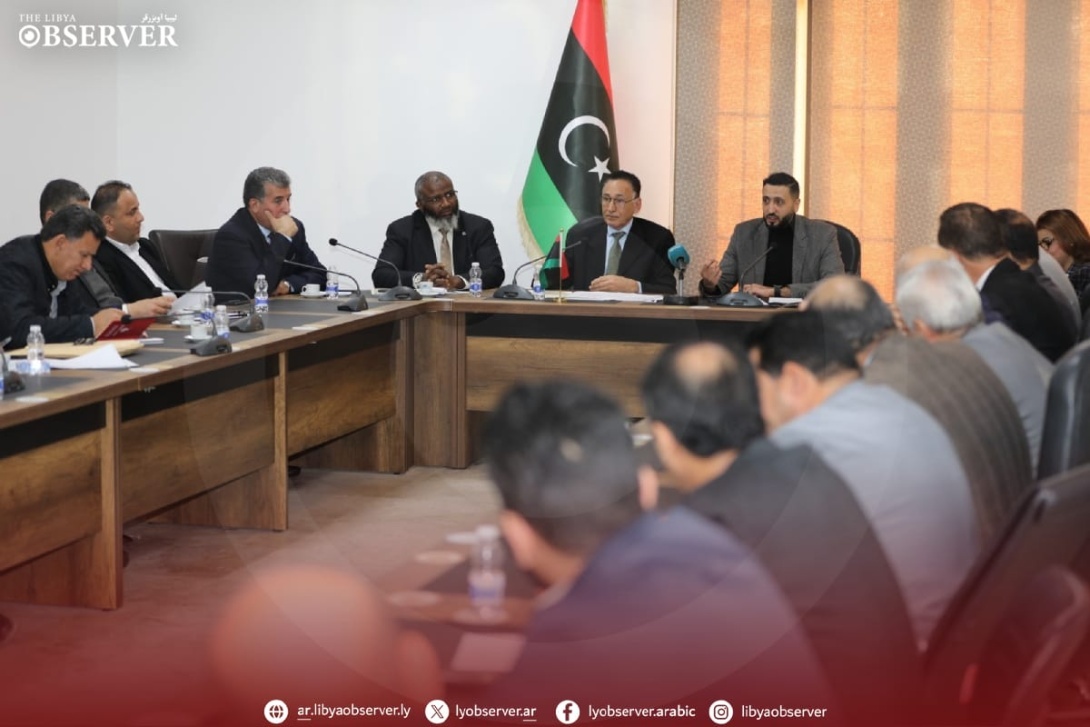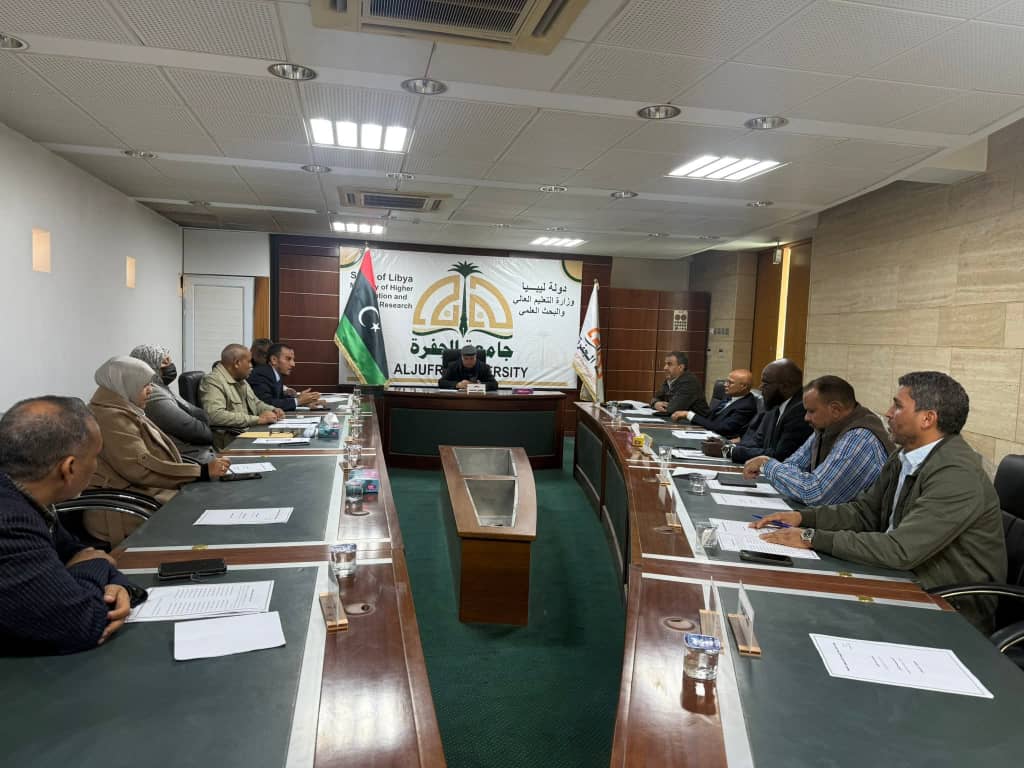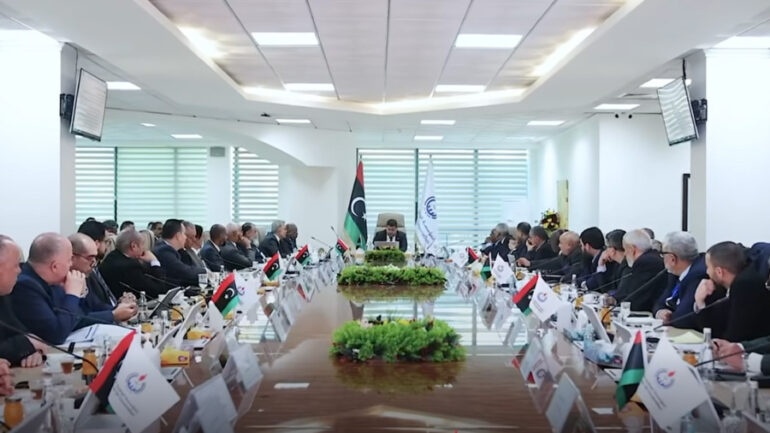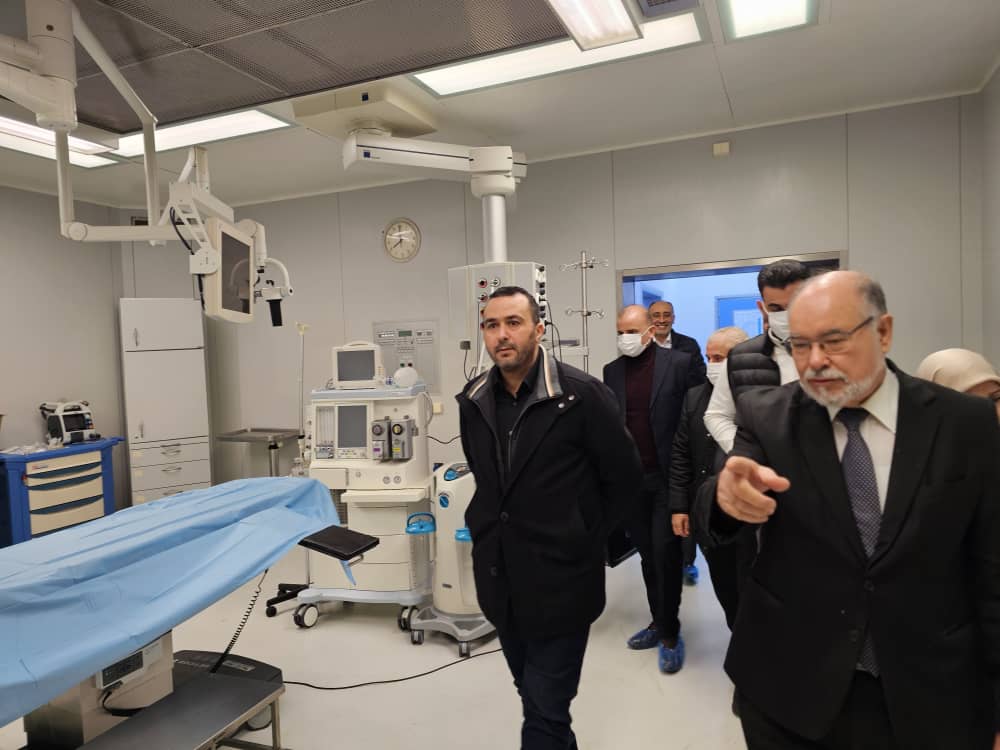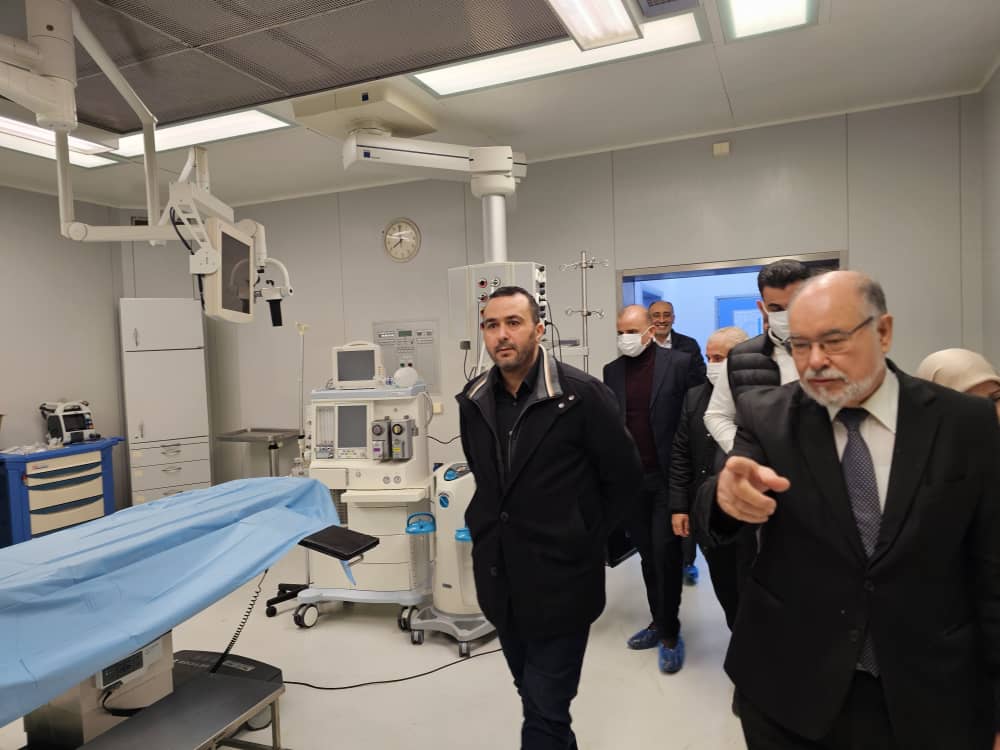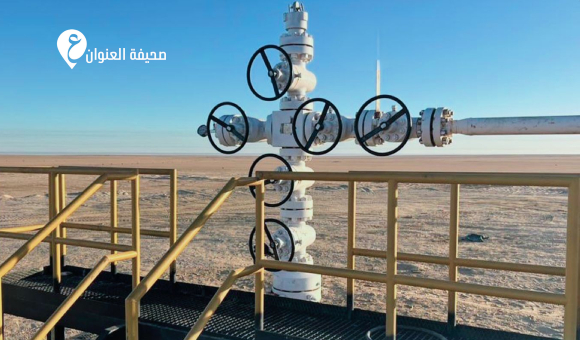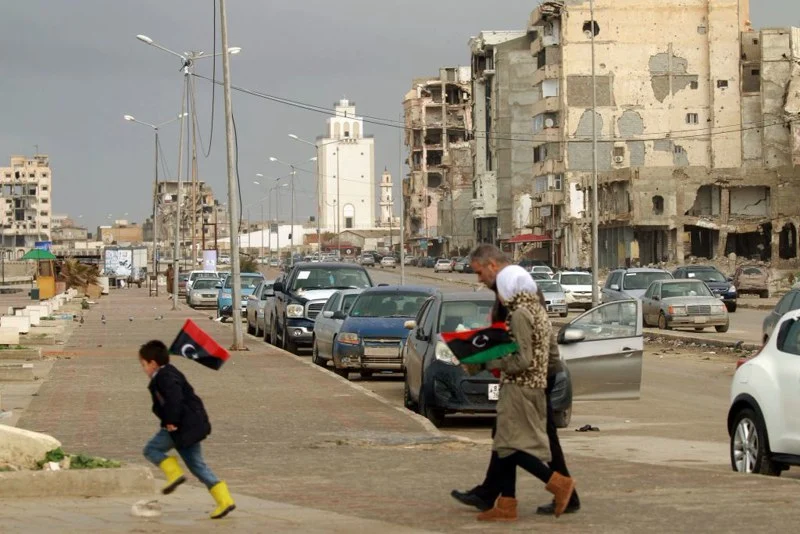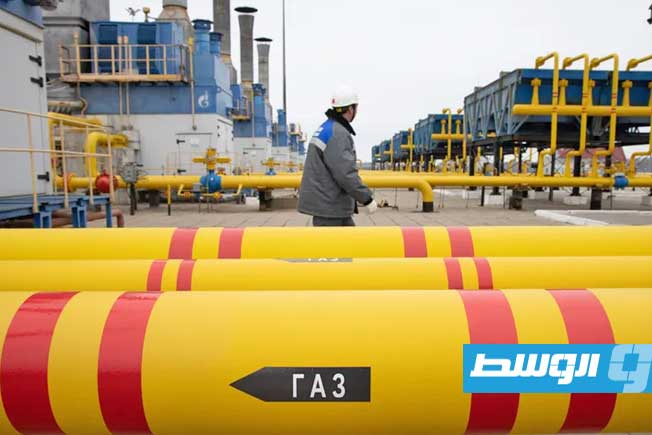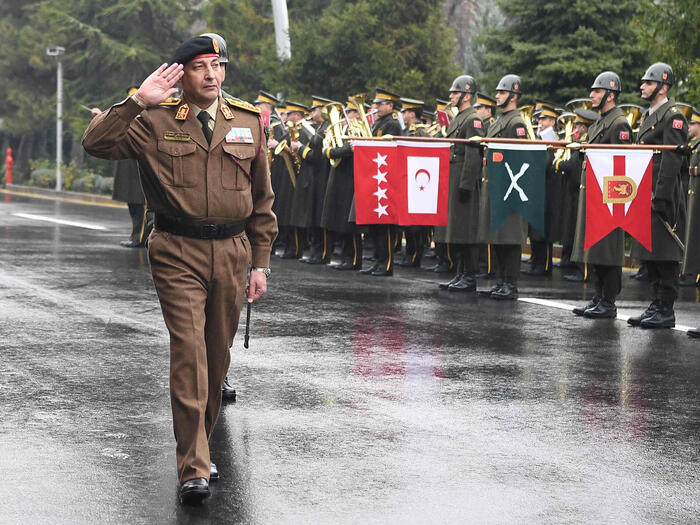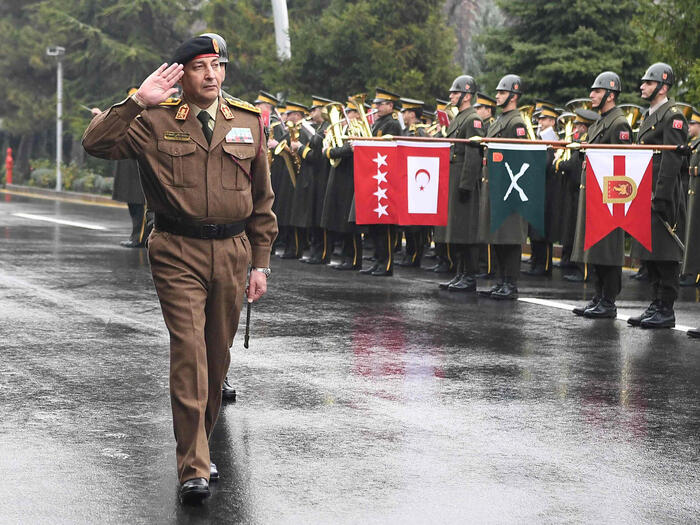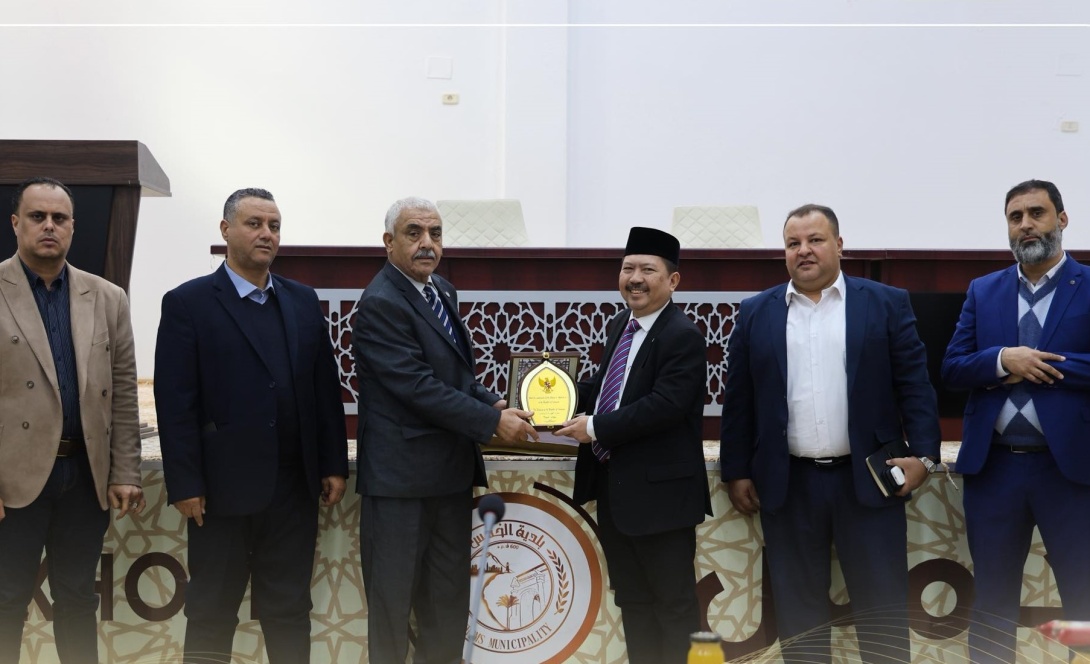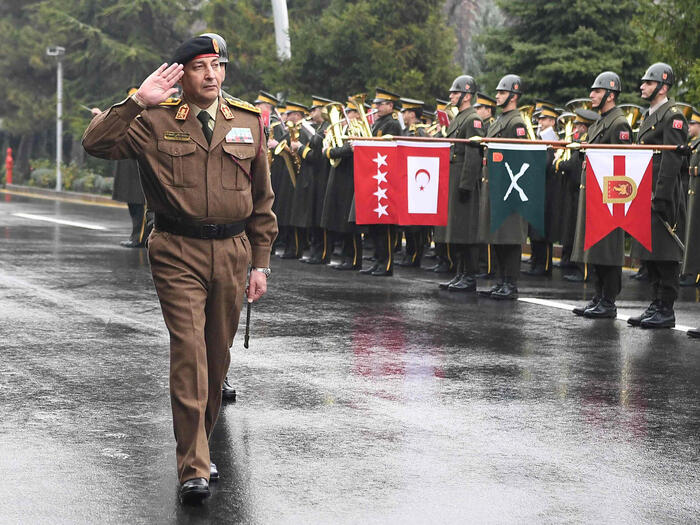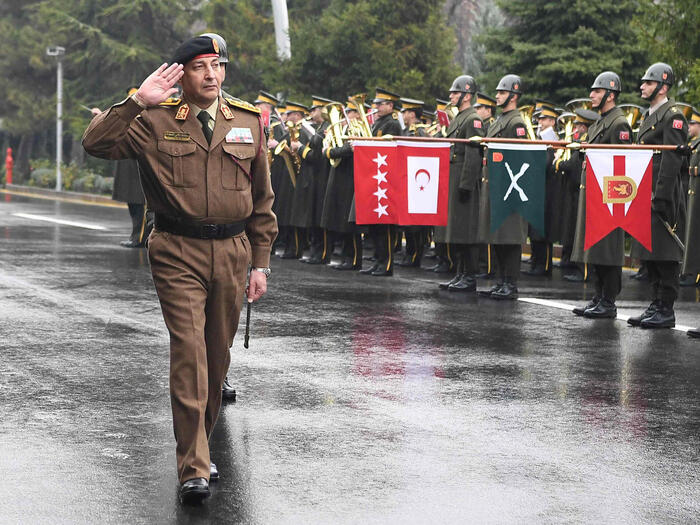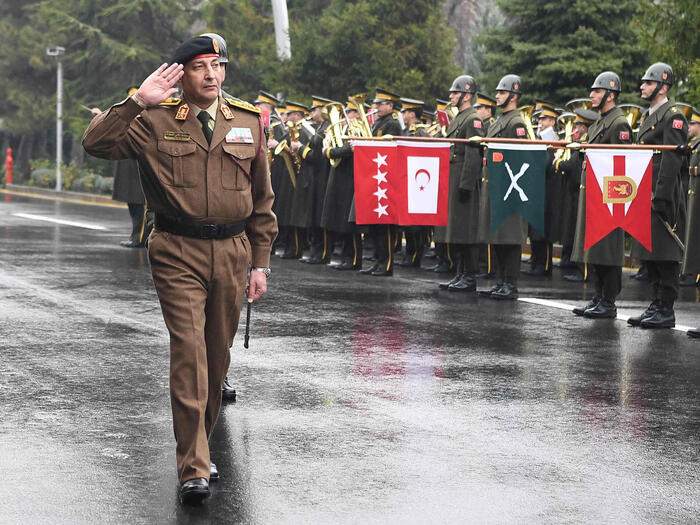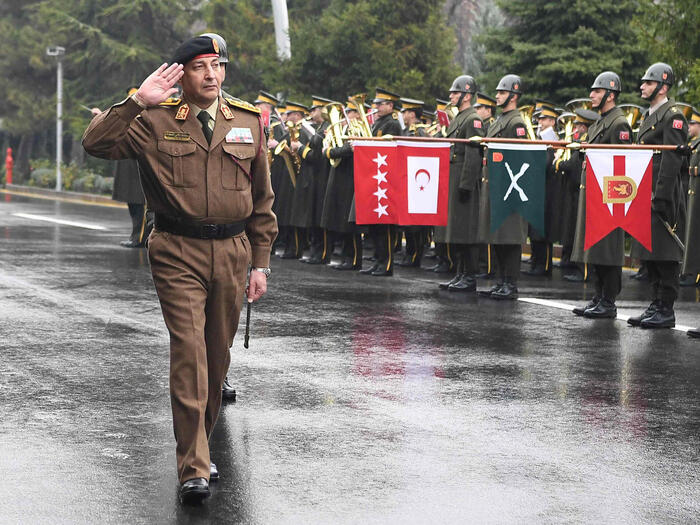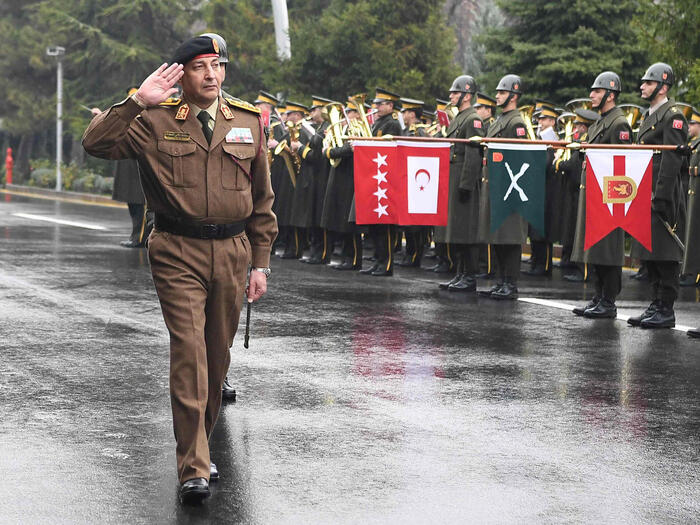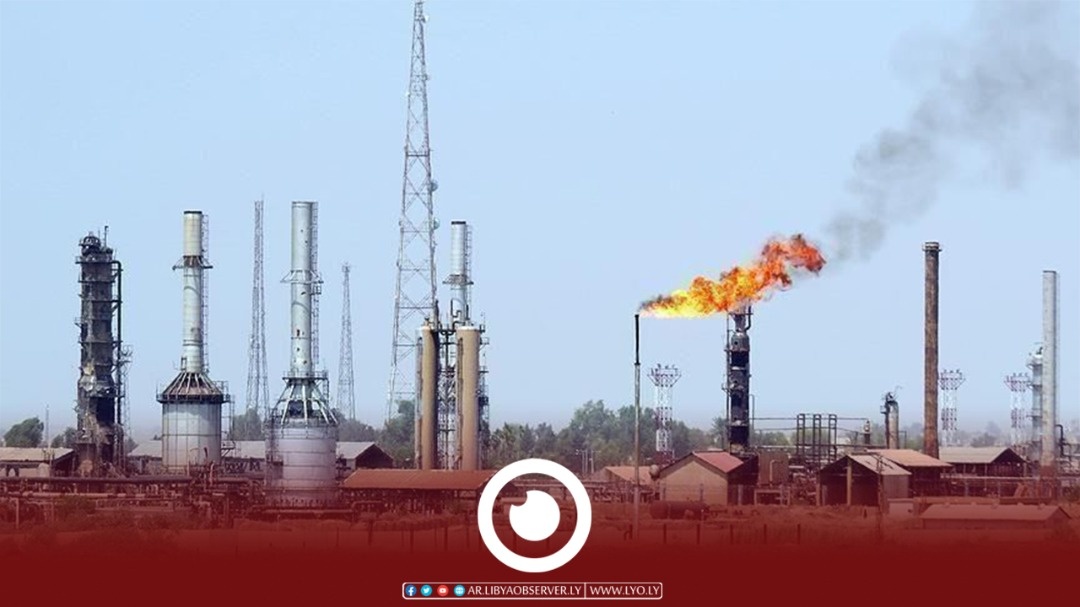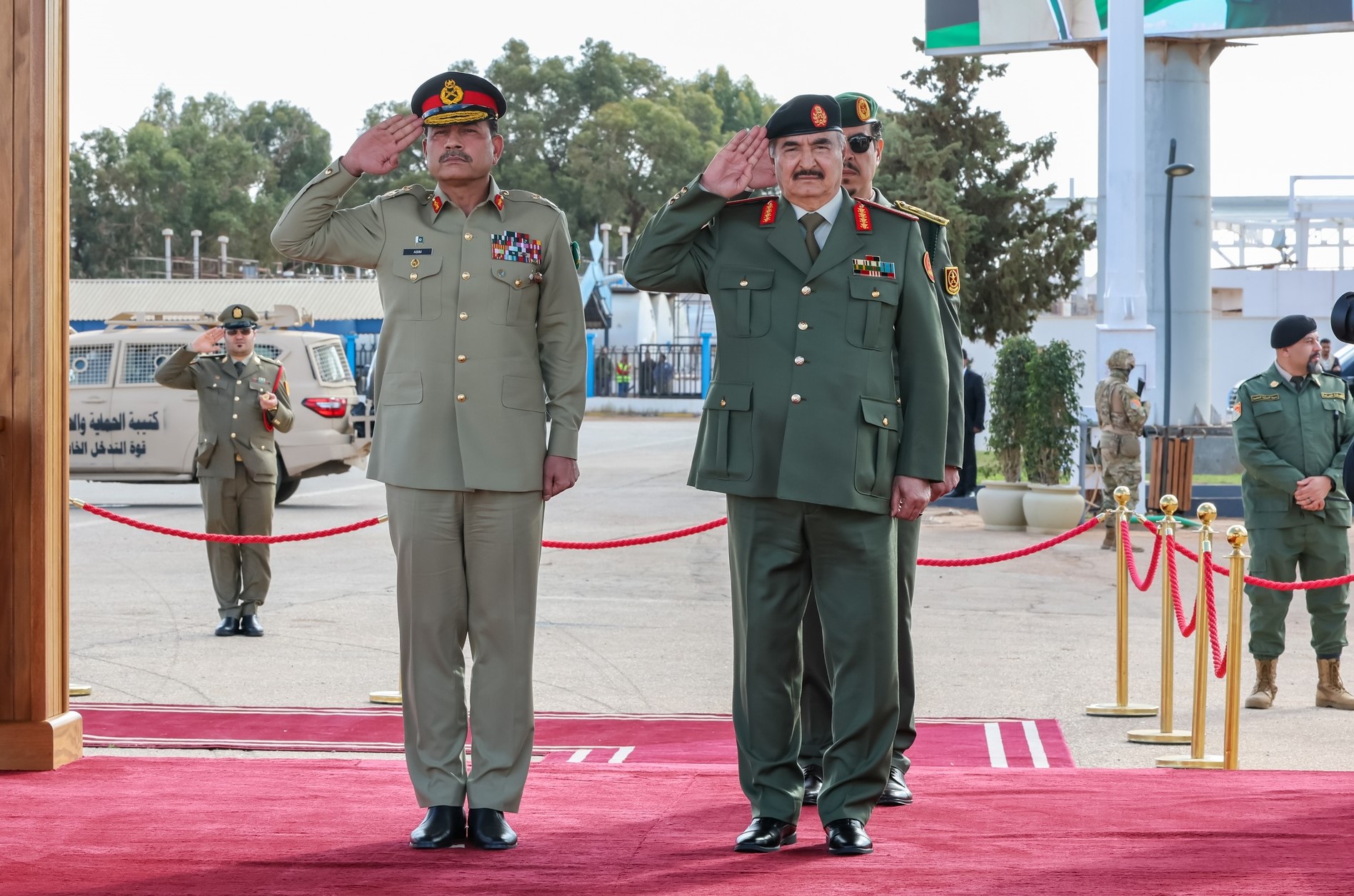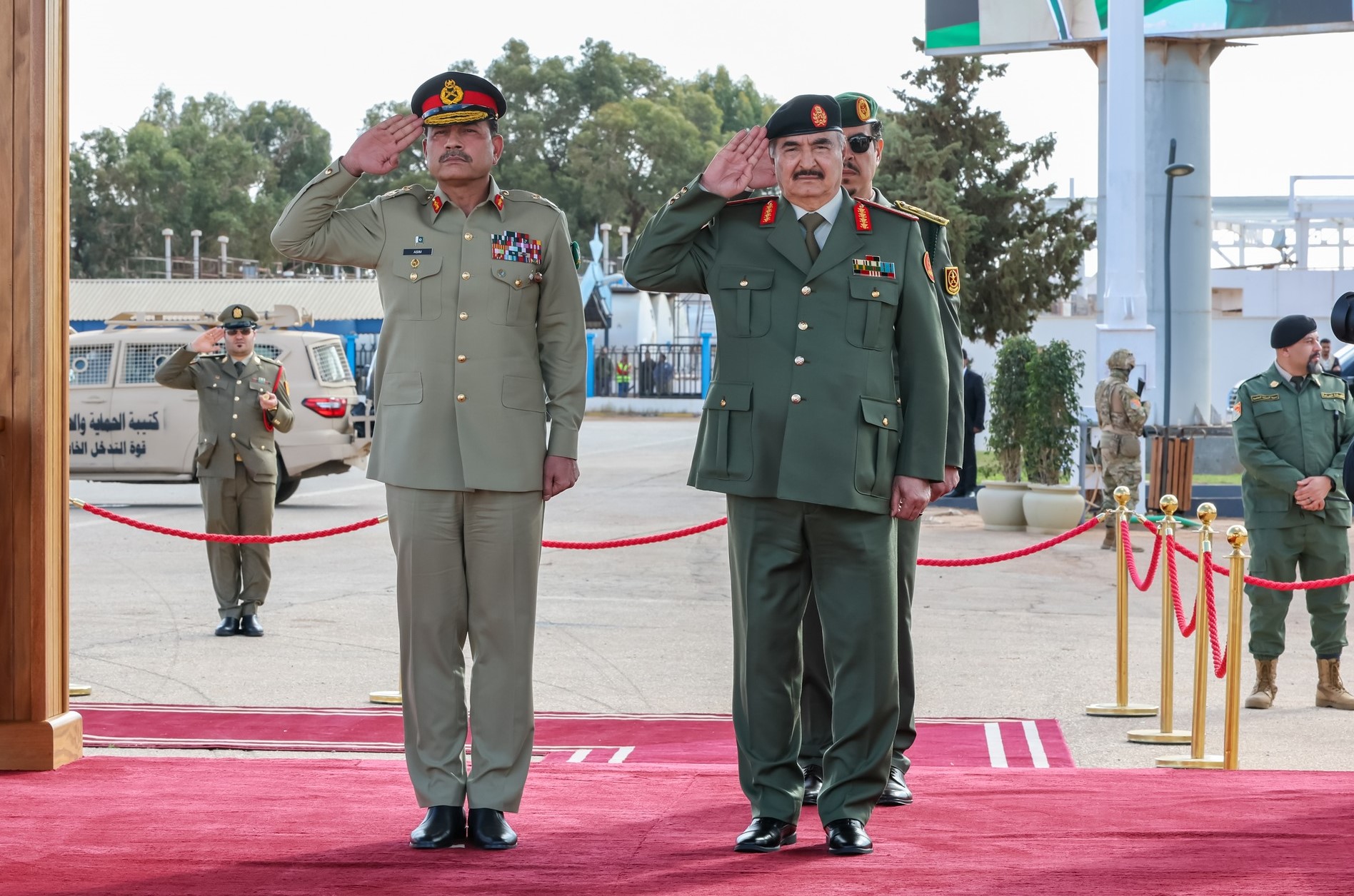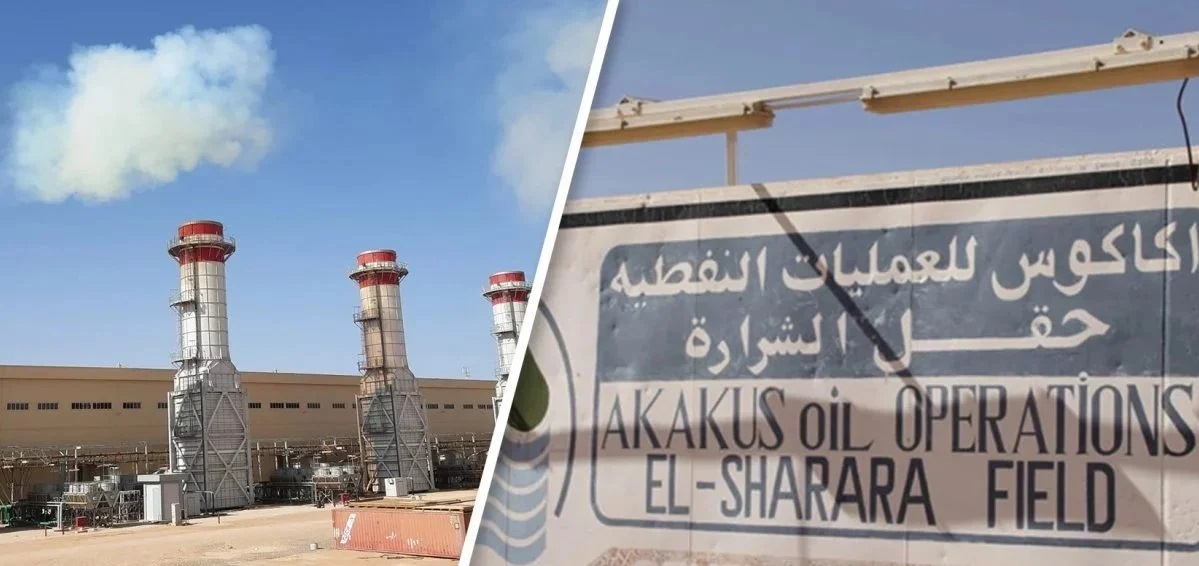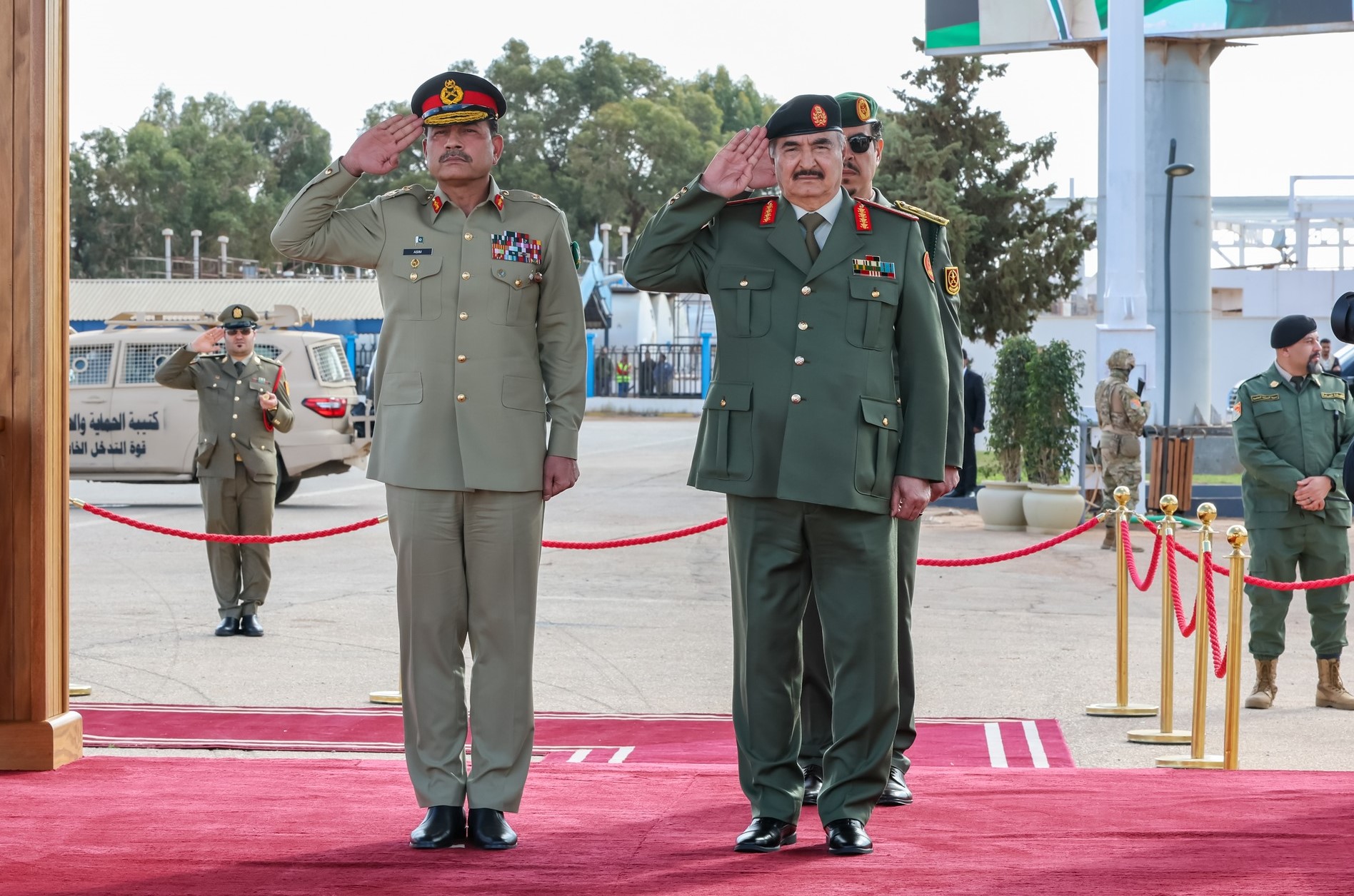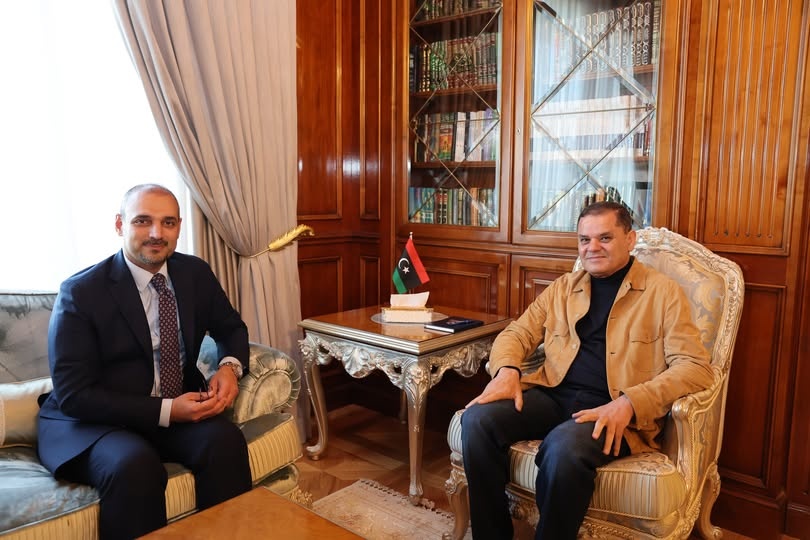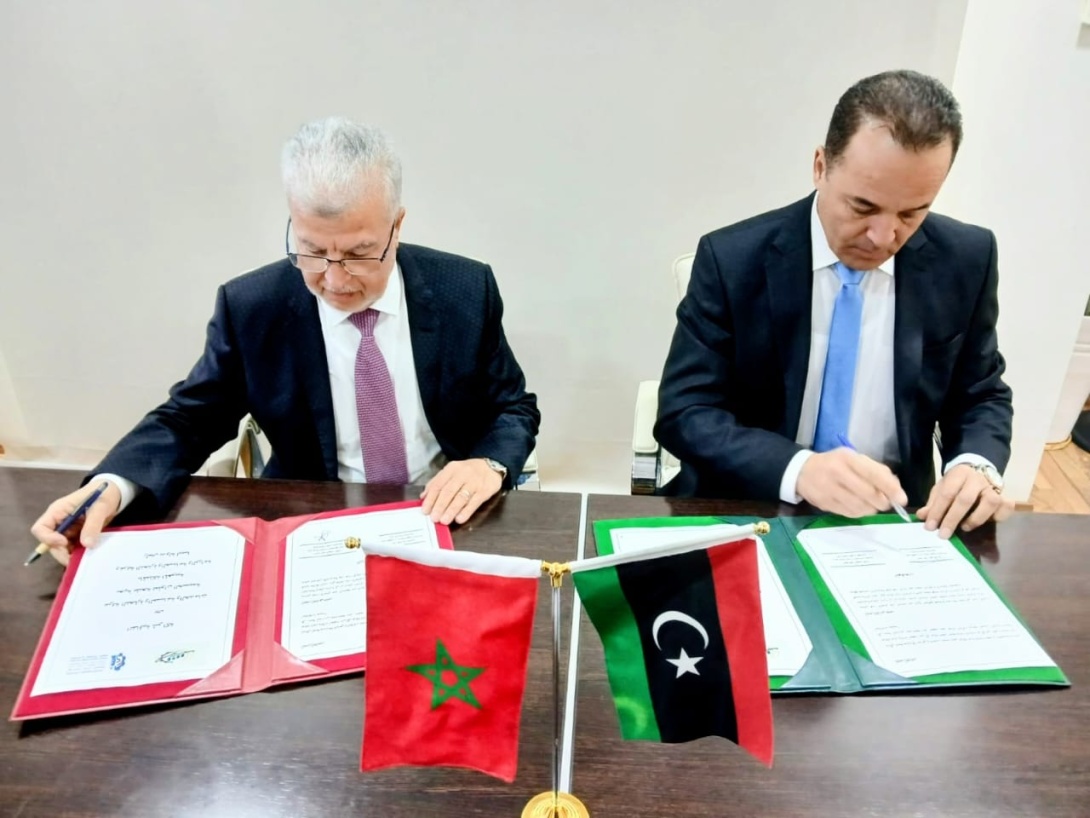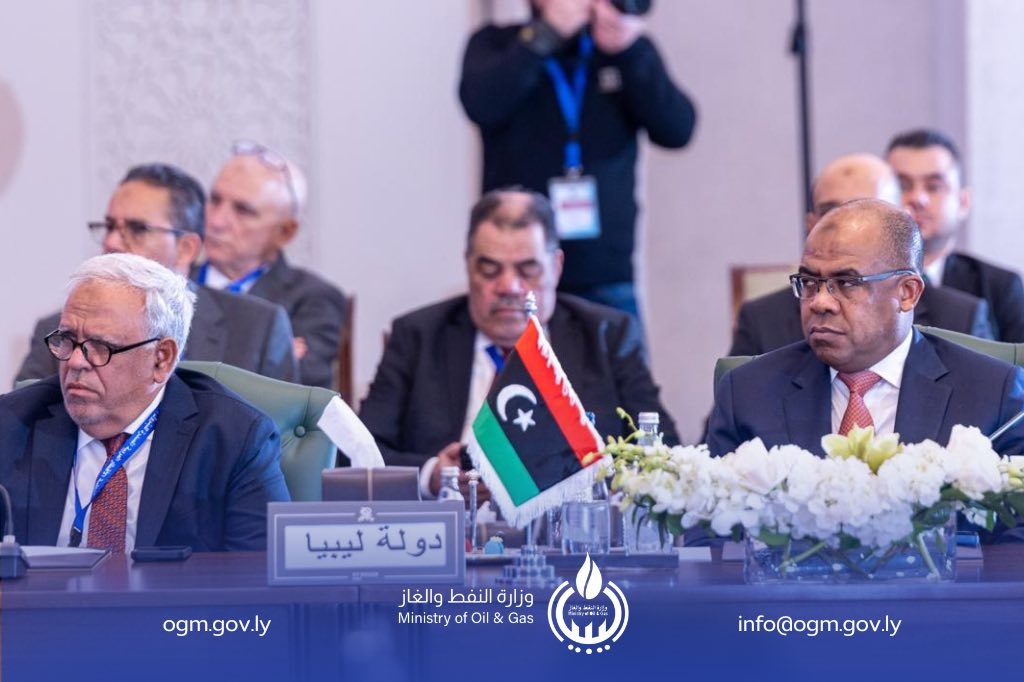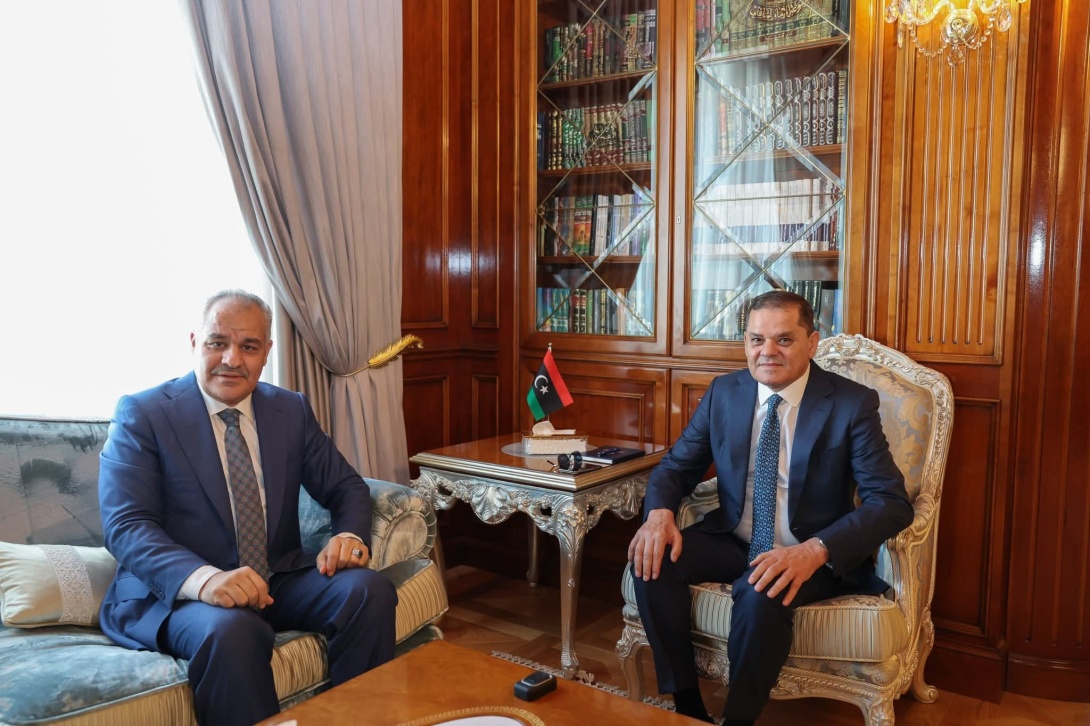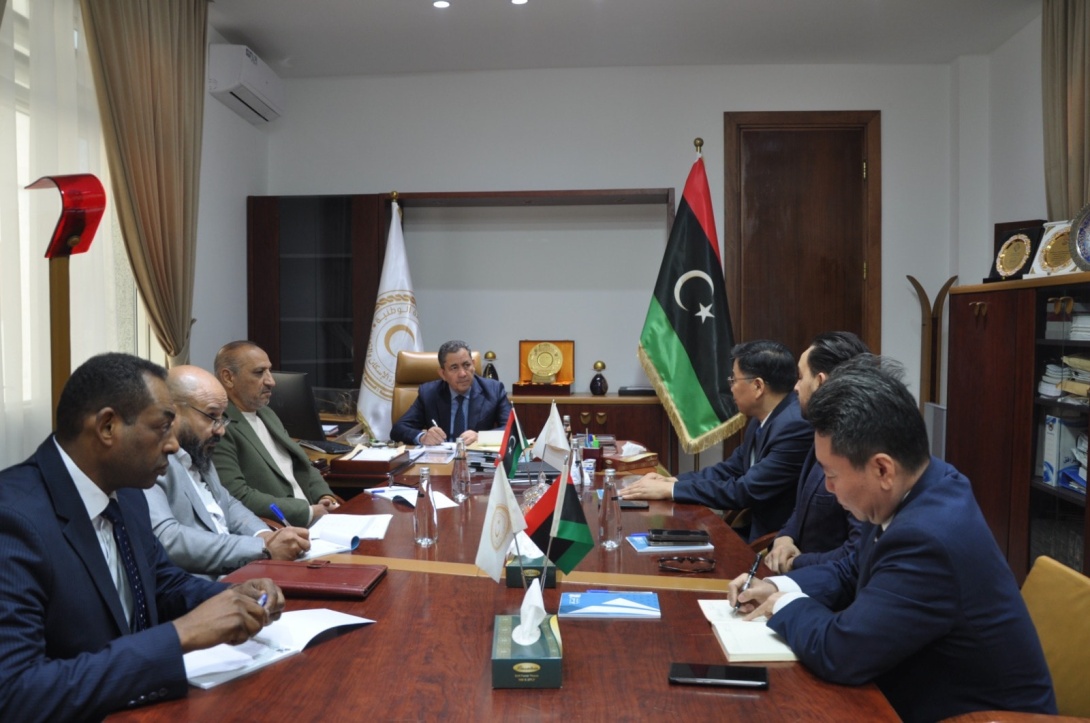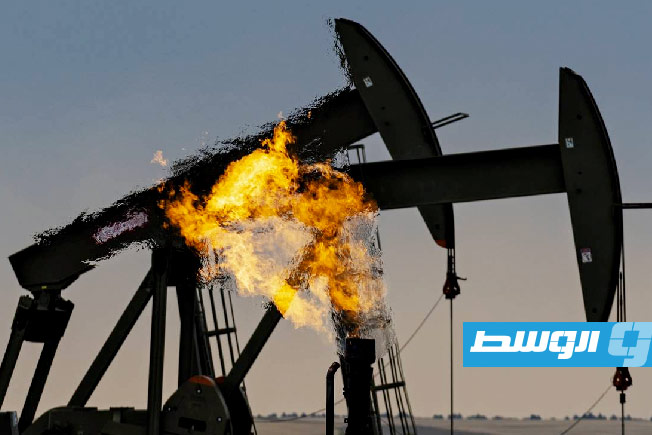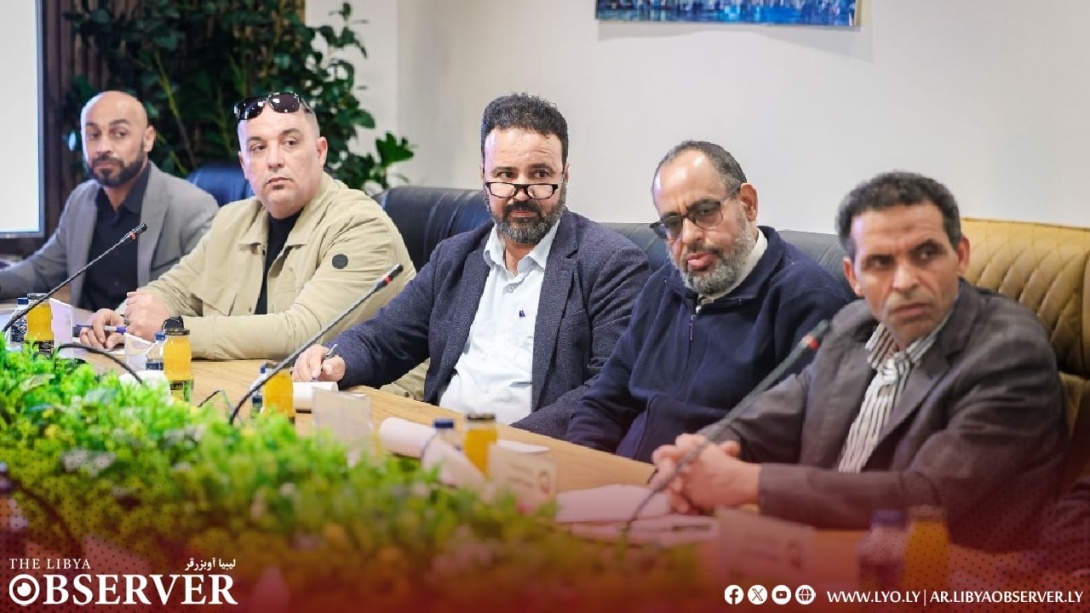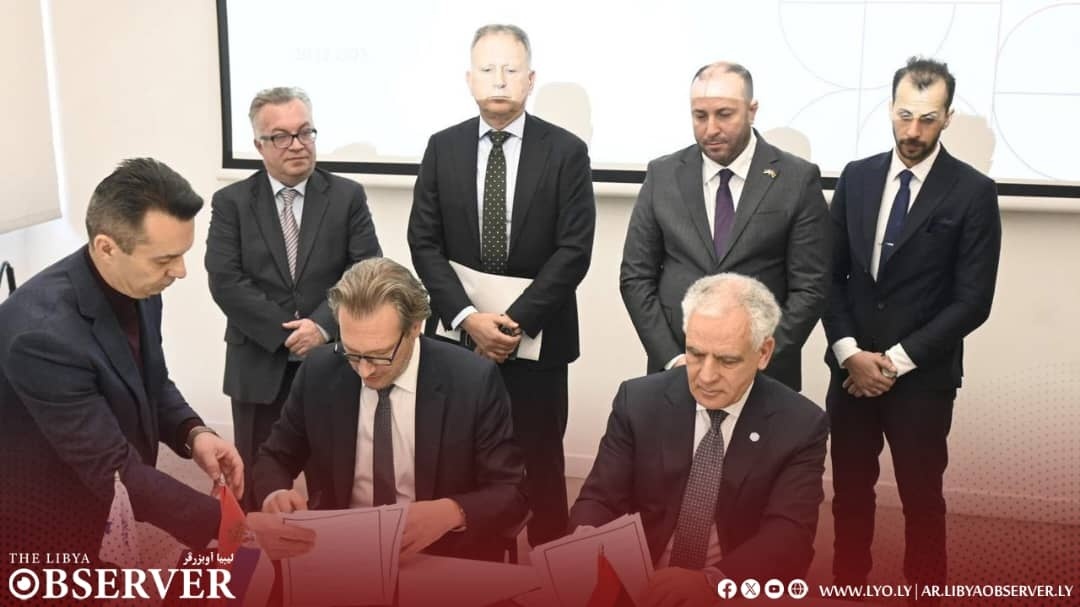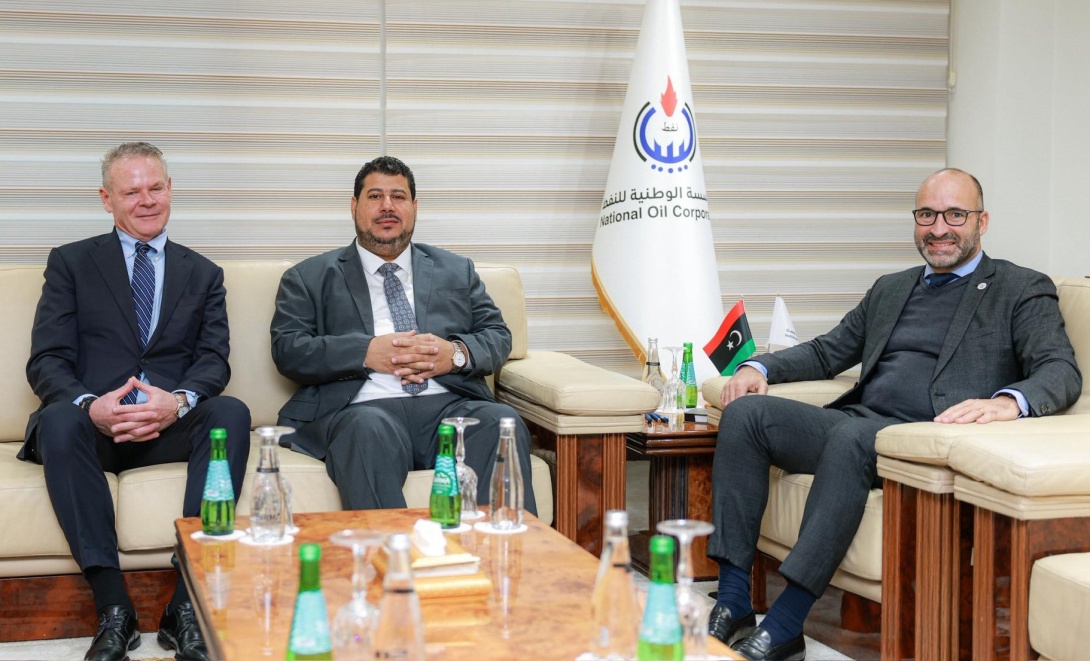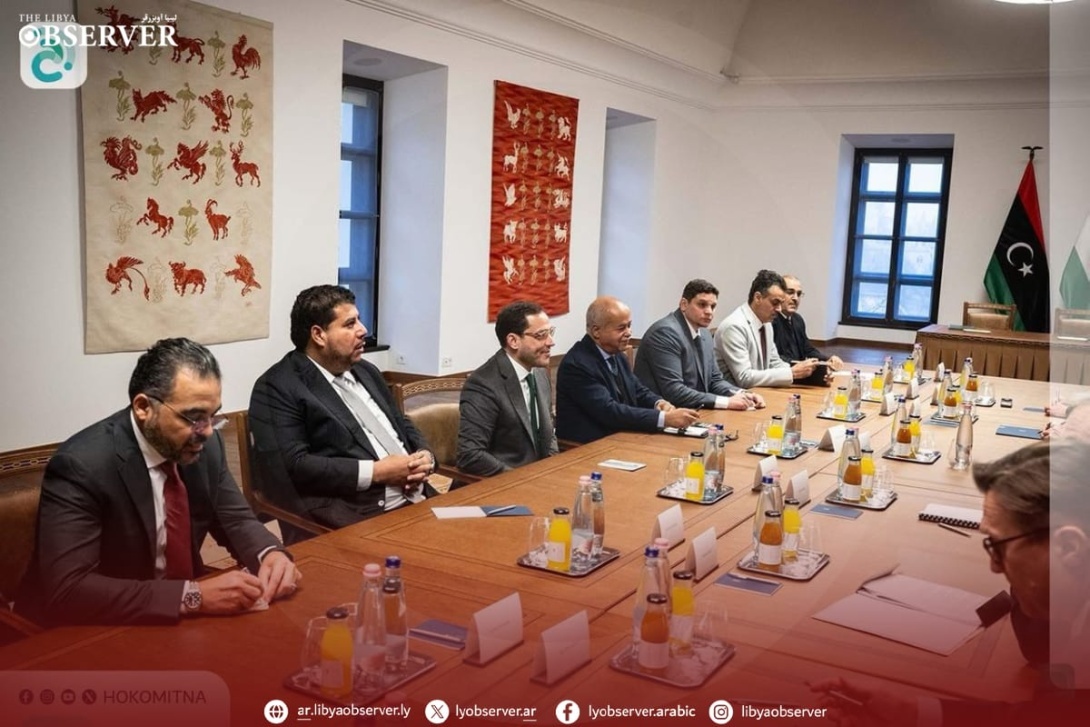
A delegation from the Government of National Unity visited the Hungarian capital, Budapest, and held a series of talks with Hungarian officials to discuss ways to enhance bilateral cooperation in the fields of energy, security, and defense.
These meetings addressed the development of mechanisms for institutional and technical coordination between the two countries.
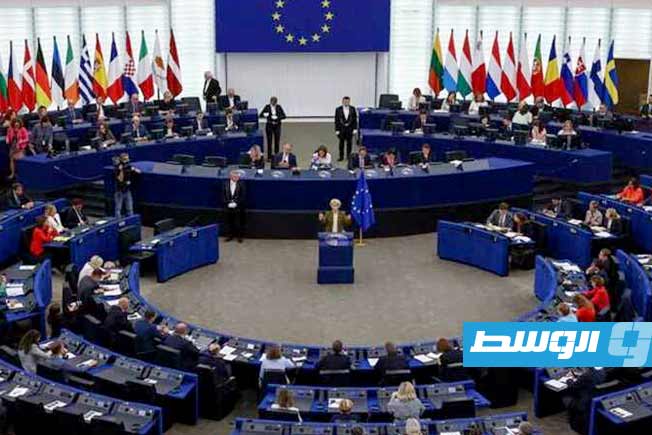
The Libyan delegation emphasized the importance of expanding partnerships with European countries in a manner that supports the protection of national interests and contributes to strengthening the capabilities of sovereign institutions, within a framework based on structured cooperation and the exchange of expertise.



Hungary
Hungary is a landlocked country in Central Europe with a history dating back to the Magyar conquest in the late 9th century. Its capital, Budapest, is famed for historic sites like the Buda Castle and the Hungarian Parliament Building, reflecting a rich cultural heritage shaped by the Ottoman Empire, the Austro-Hungarian Empire, and its 20th-century communist period.
Budapest
Budapest is the capital of Hungary, formed in 1873 by the unification of the three historic cities of Buda, Óbuda, and Pest. Its history is deeply marked by its time as part of the Austro-Hungarian Empire and the extensive reconstruction following the damage of World War II. The city is renowned for its stunning architecture, including the Hungarian Parliament Building and the Buda Castle, as well as its thermal baths built over natural springs.
Libyan
Libya is a country in North Africa with a rich history that includes ancient Phoenician, Greek, and Roman settlements, most notably at the UNESCO site of Leptis Magna. In the modern era, it was an Italian colony before gaining independence in 1951 and was later ruled by Muammar Gaddafi from 1969 until the 2011 revolution. Its cultural heritage is deeply influenced by Berber, Arab, and Mediterranean traditions.
European
“European” is not a specific place or cultural site but a broad term referring to the continent of Europe, its peoples, and cultures. Its history is vast, spanning from ancient civilizations like Greece and Rome through the Middle Ages, the Renaissance, the Age of Exploration, and into the modern era of industrialization and political union. The continent is defined by a complex tapestry of shared and diverse cultural, political, and historical developments across its many nations.
Italy
Italy is a country in Southern Europe with a rich cultural history that dates back to the ancient Roman Empire, which was a foundational civilization for Western law, government, and engineering. It later became the epicenter of the Renaissance, producing unparalleled contributions to art, science, and architecture. Today, it is renowned for its historic cities, artistic masterpieces, and globally influential cuisine.