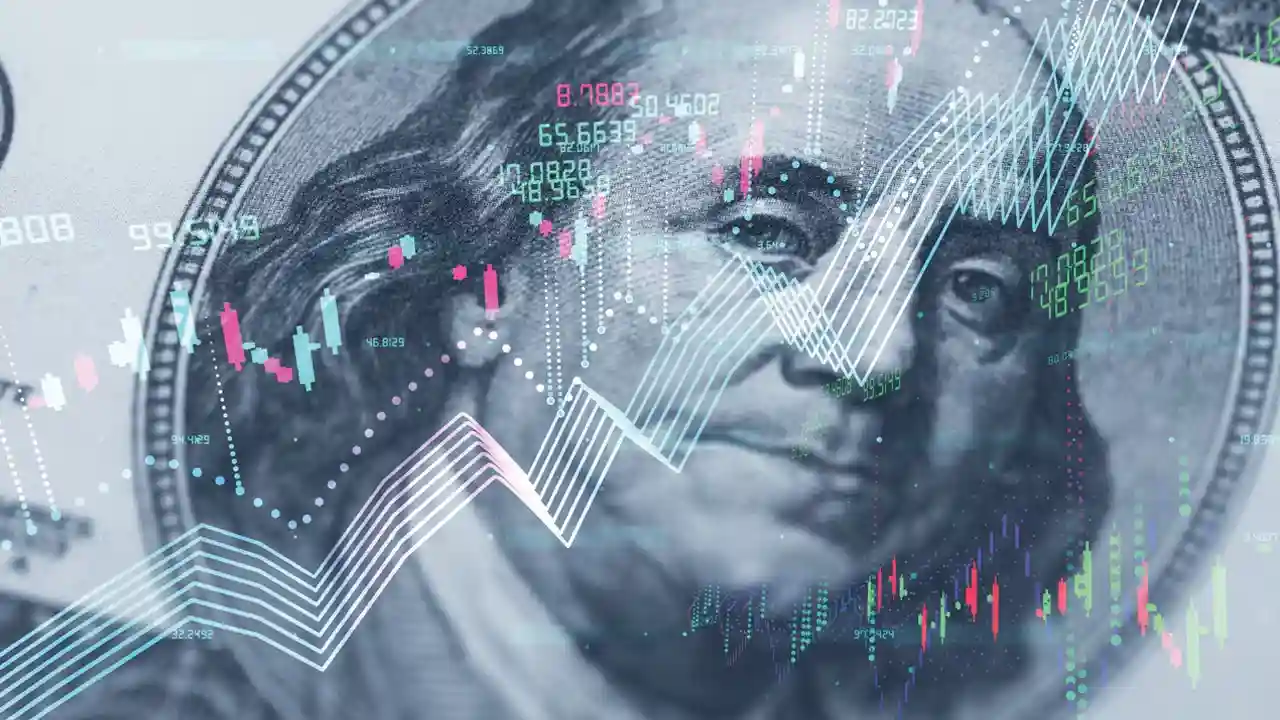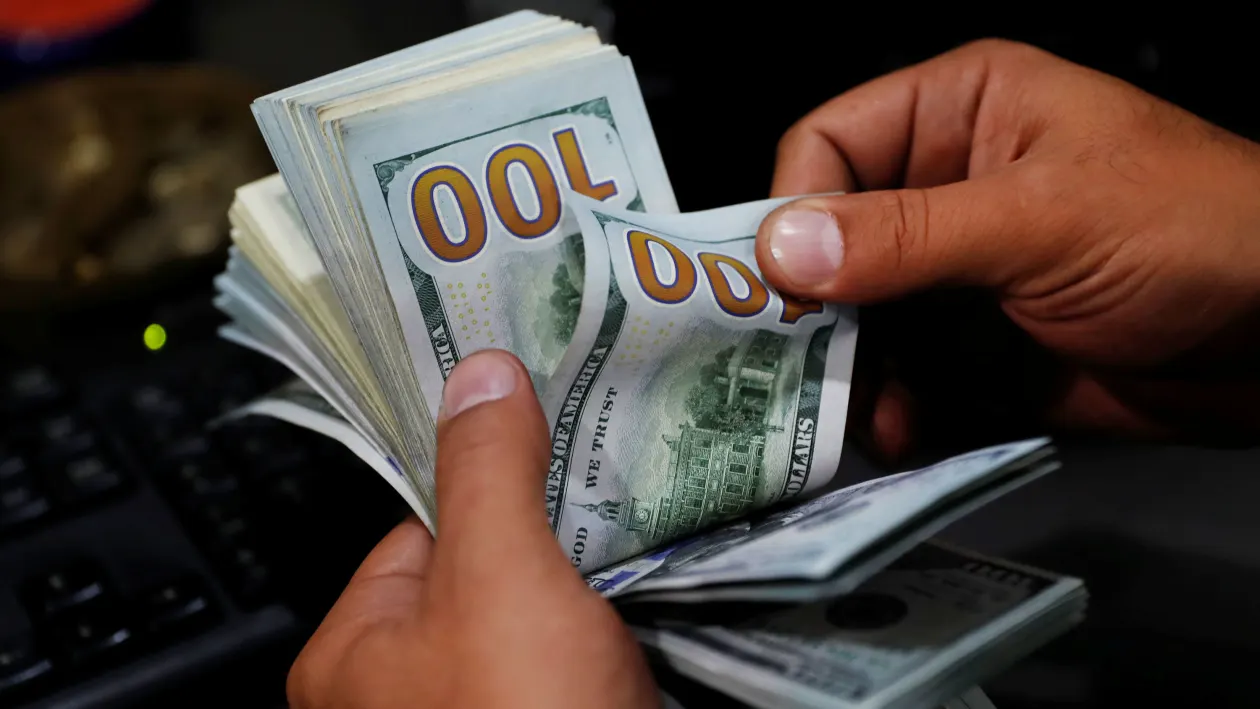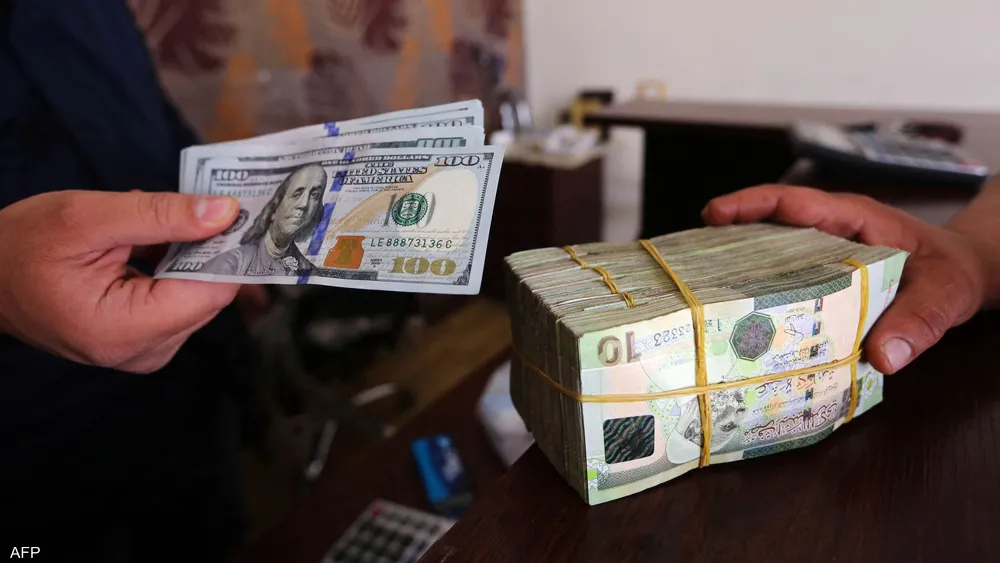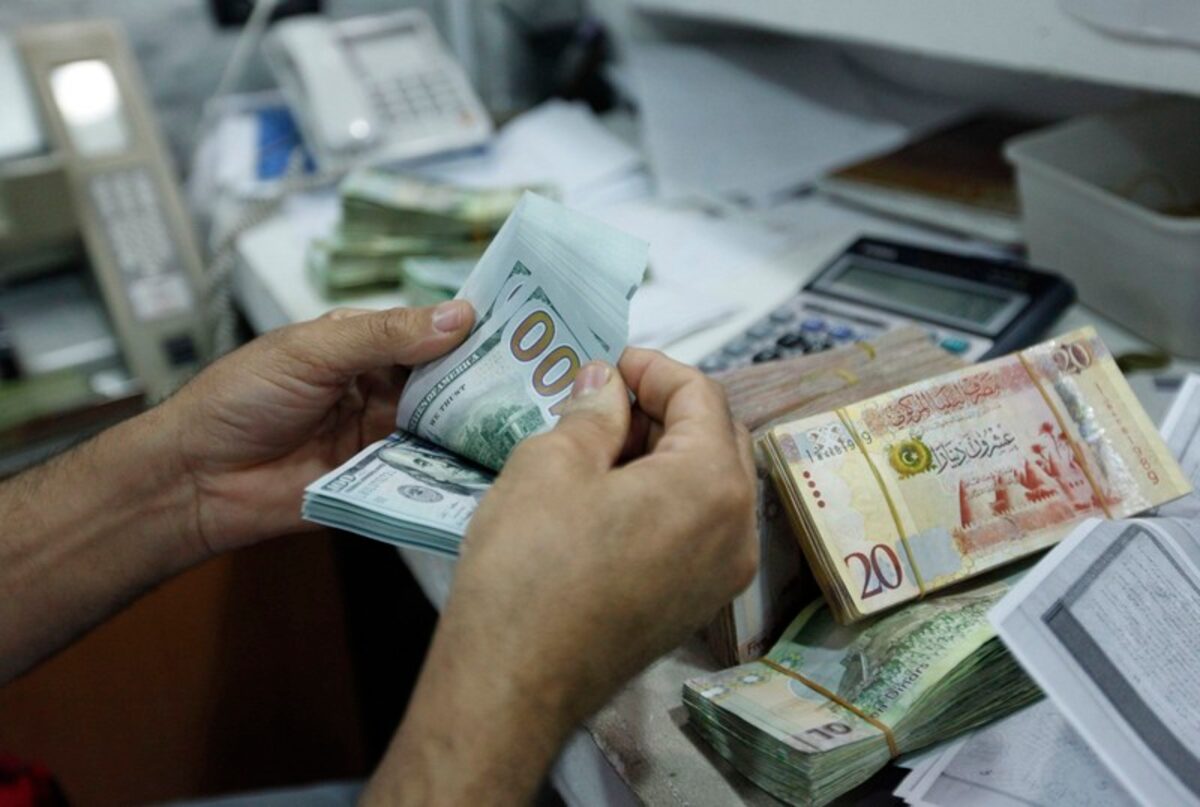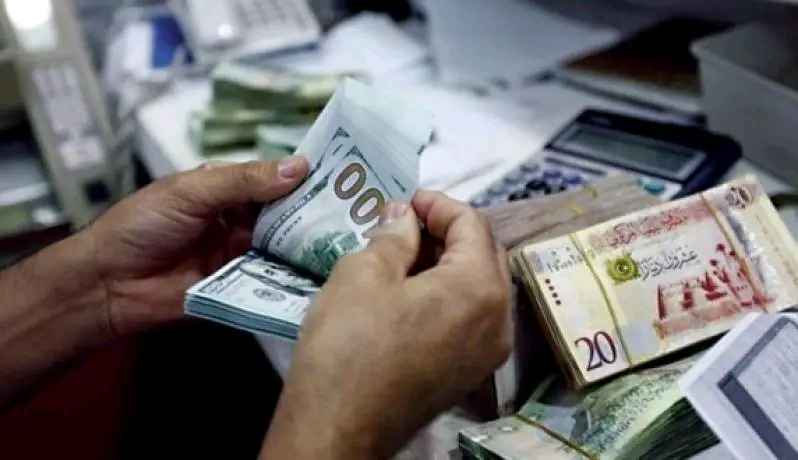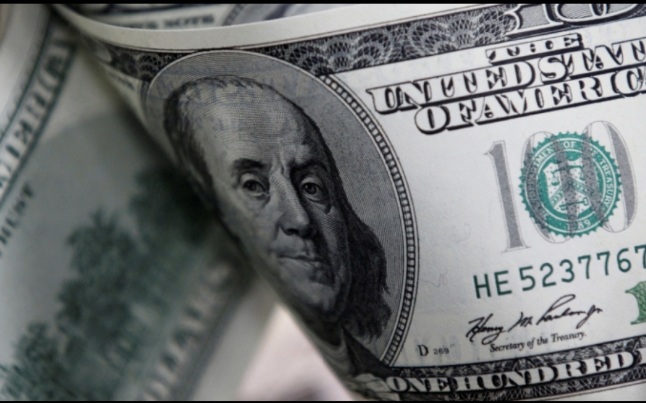
Gold prices stabilized after five consecutive days of gains, as investors try to digest the latest economic data which showed a continued slowdown in the US job market, while extending its losses.
Data from the Bureau of Labor Statistics, released yesterday, Tuesday, showed weak job growth in the United States in November, with the unemployment rate rising to its highest level in four years.
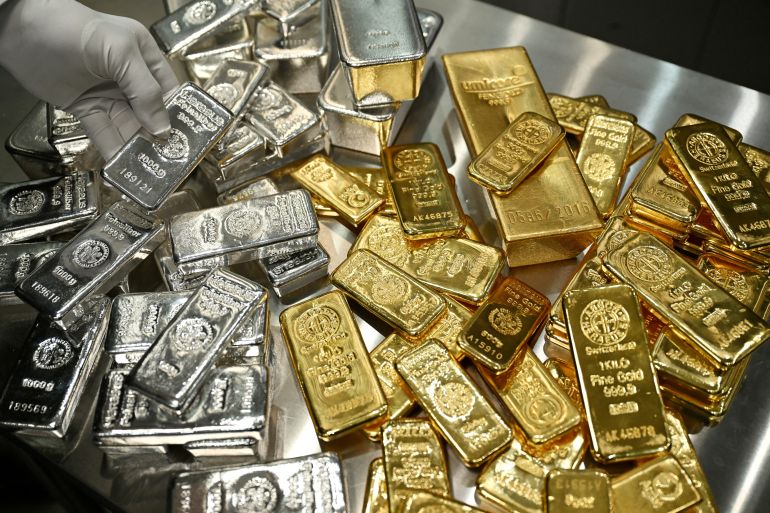
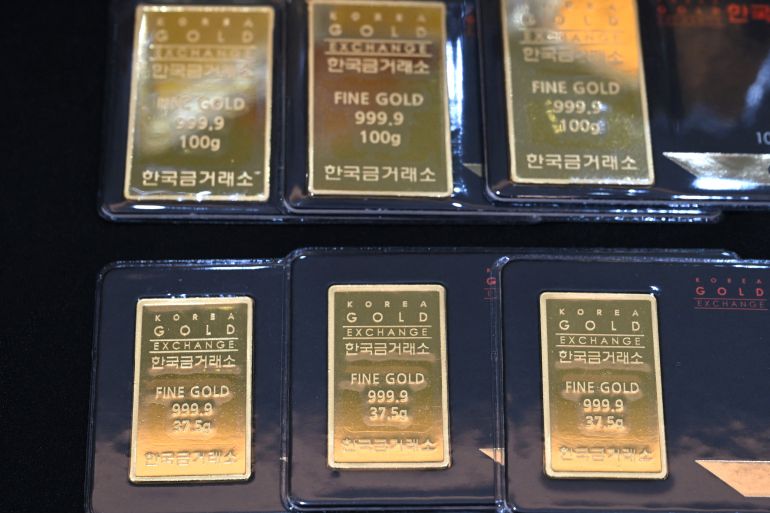
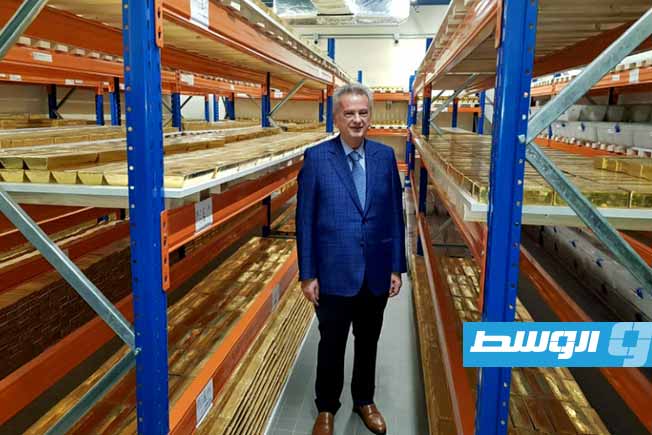
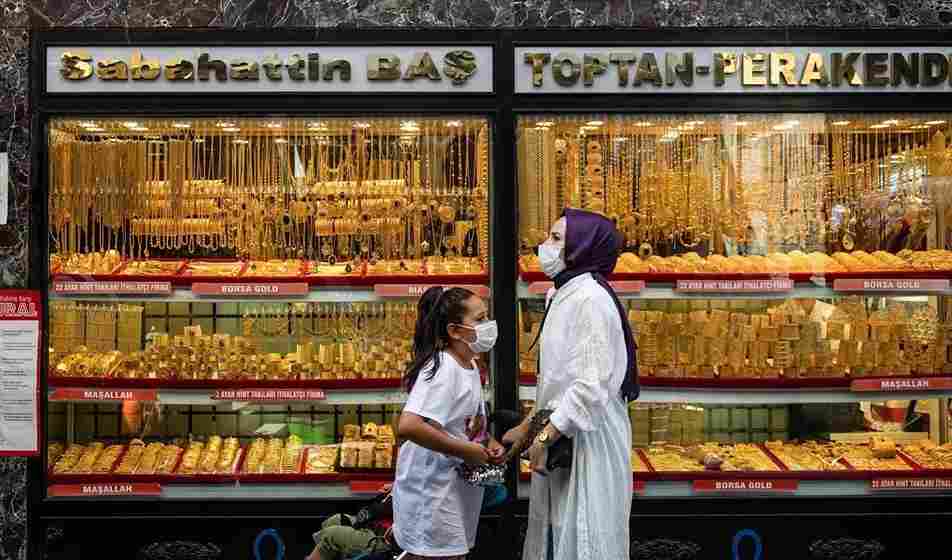
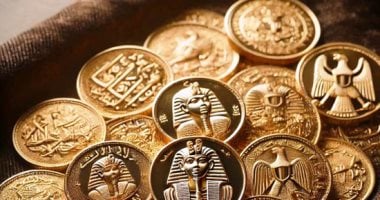
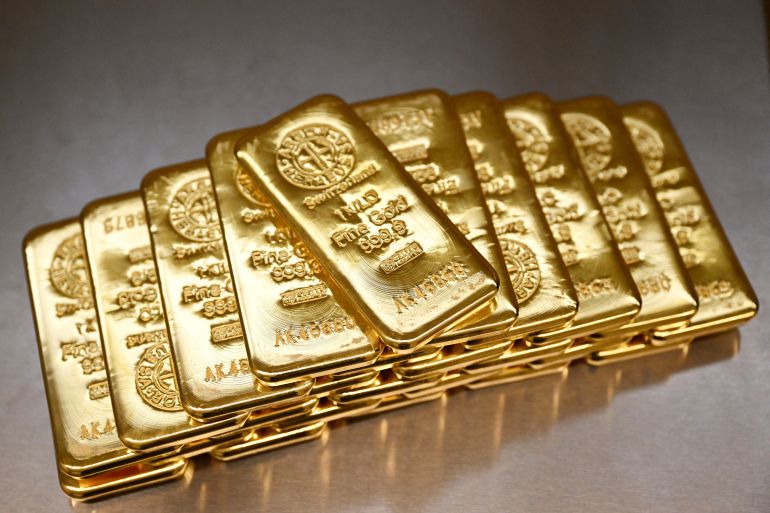
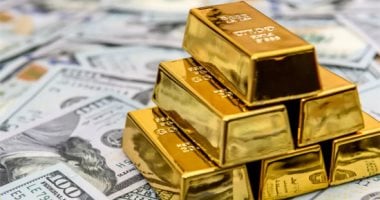
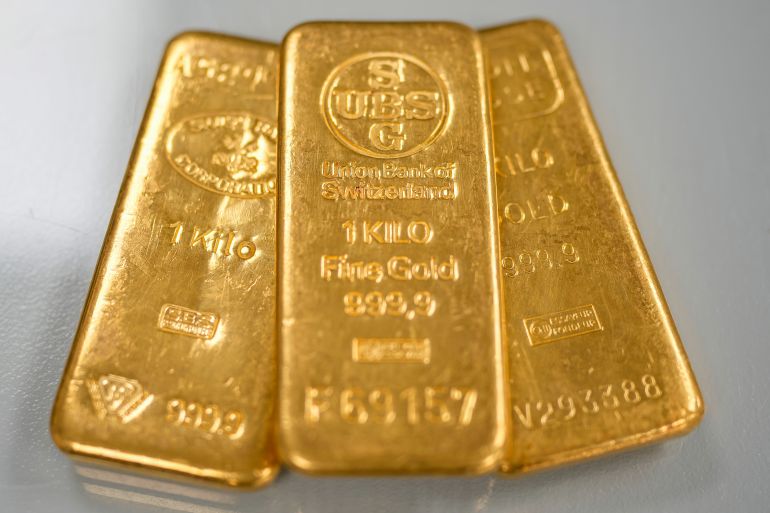
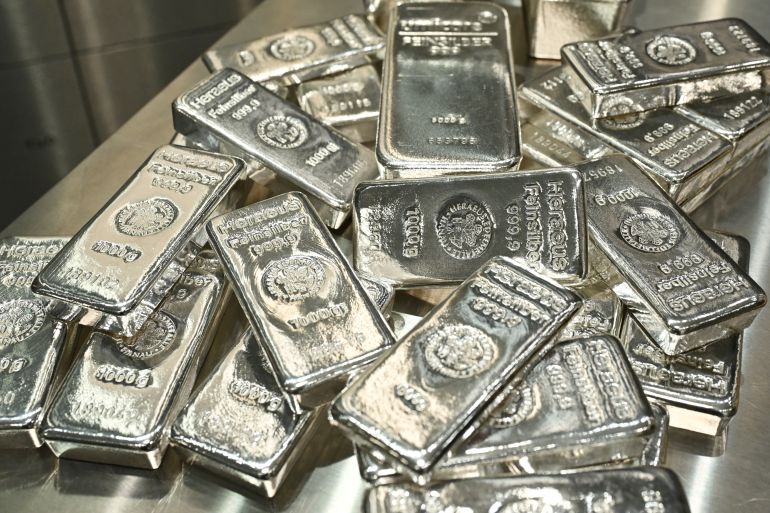
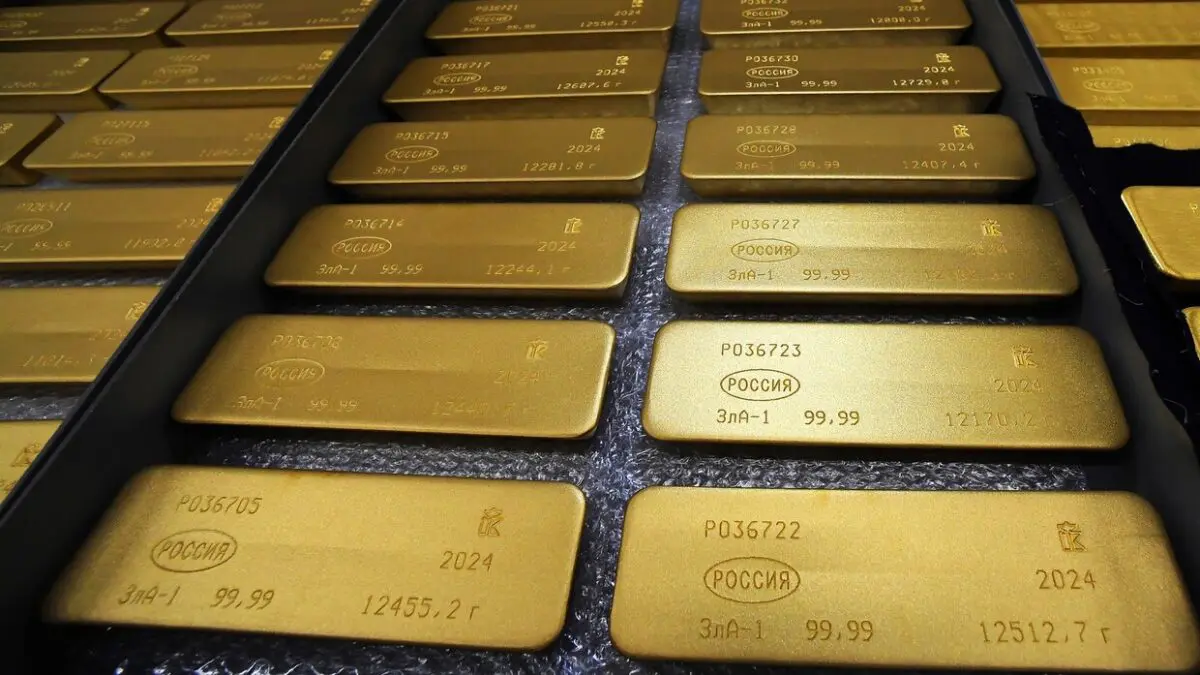
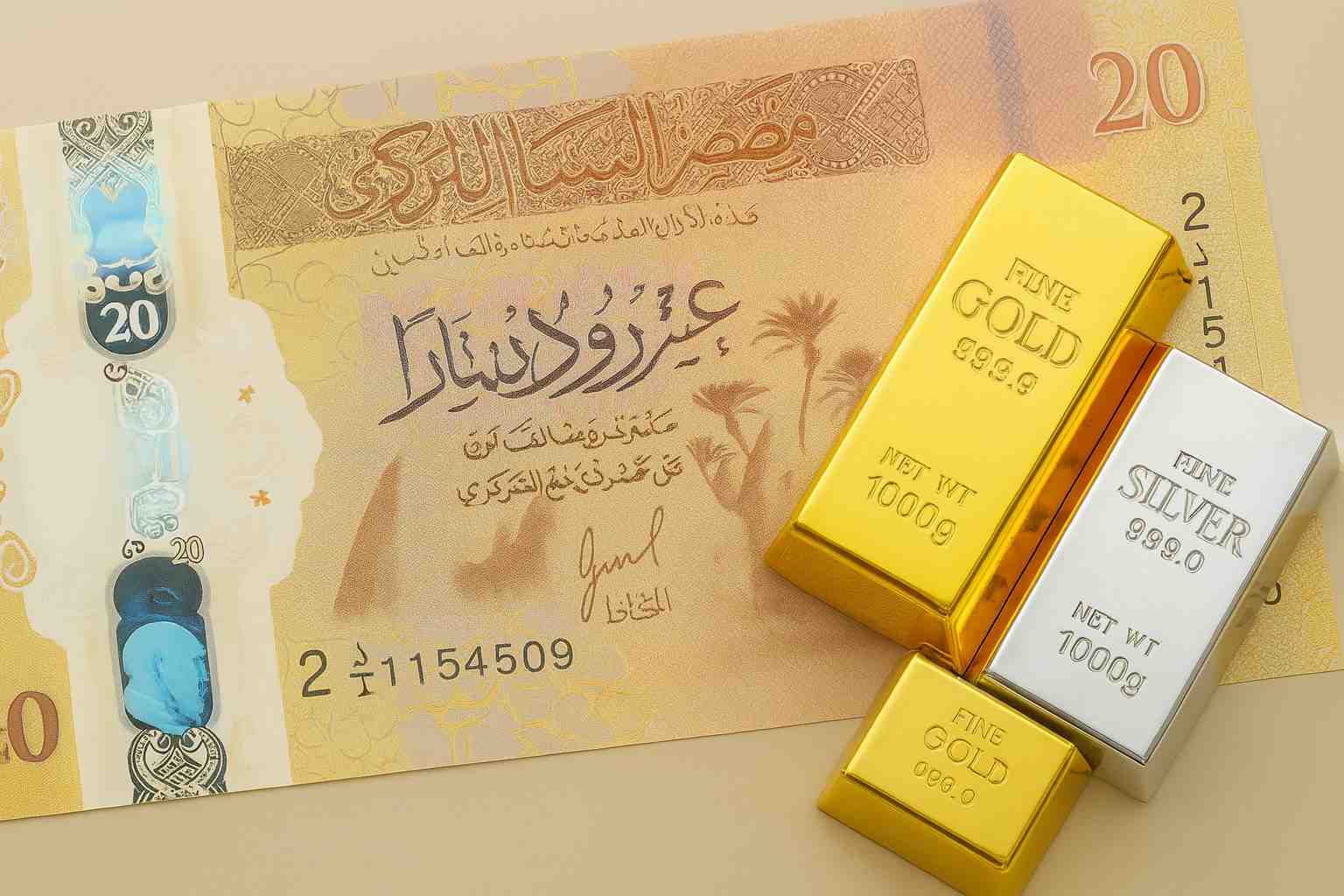
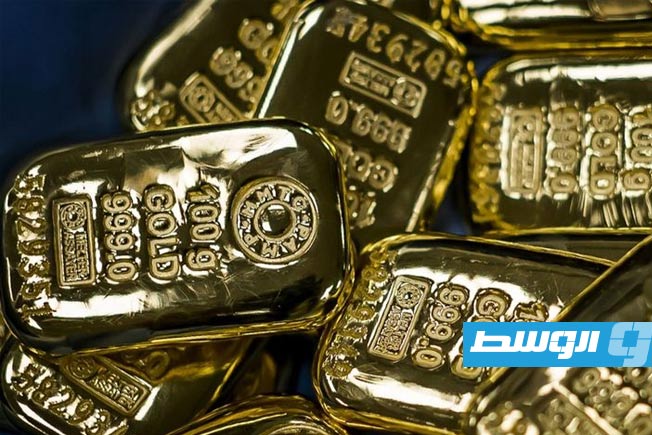
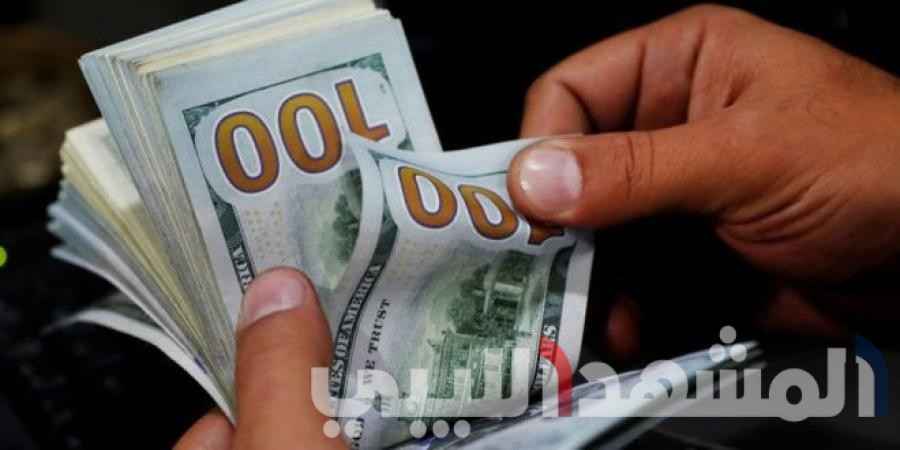
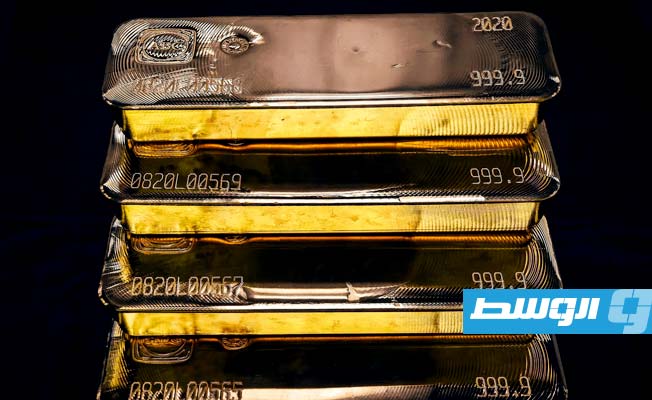
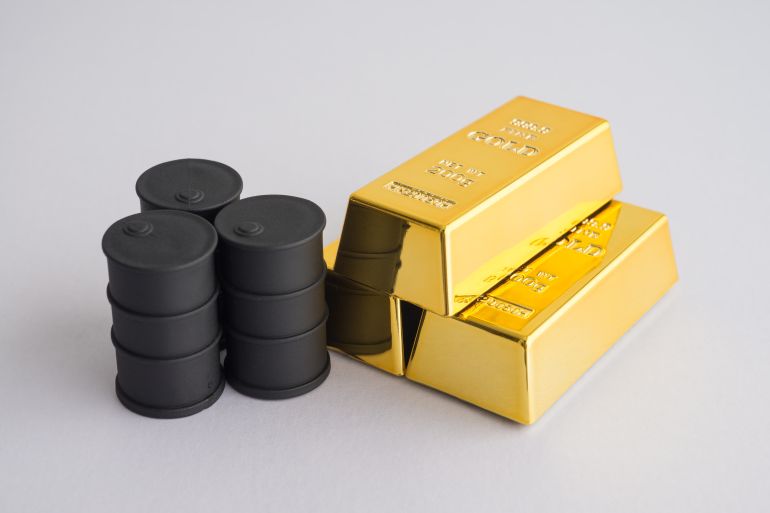
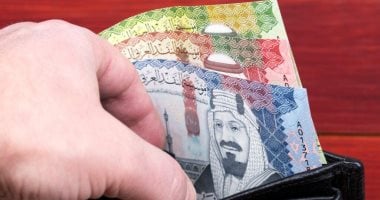
Gold prices stabilized at $4,309 per ounce in trading today, Wednesday, down from a record high set last October at $4,381 per ounce. Meanwhile, silver fell by 0.5%, while both platinum and palladium rose.
Steps by the US Federal Reserve
However, traders refrained from increasing their bets on more monetary easing by the Federal Reserve in the near term. Observers rule out that the US central bank will attach great importance to this data due to the disruptions caused by the US government shutdown. Traders estimated the probability of an interest rate cut in January at 20%.
Low interest rates provide positive support for non-yielding gold prices. Investors are now set to turn their attention to inflation data and remarks from Federal Reserve officials at the end of this week.
60% Gold Gains
Gold prices have risen by more than 60% since the beginning of this year, while silver prices have doubled, with both on track to record their best annual performance since approximately 1979.
Precious metals have received support from central bank purchases and inflows into gold-backed funds, which have recorded steady monthly growth this year except for May, according to World Gold Council data.
Bureau of Labor Statistics
Here’s a detailed breakdown of what it is and what it does:
### **Core Mission**
To collect, analyze, and disseminate essential economic data to support public and private decision-making. Its reports are objective, timely, and accurate, and they cover the U.S. economy, employment, and prices.
### **Key Responsibilities & Major Data Releases**
The BLS is best known for producing some of the most closely watched economic indicators:
1. **Employment Situation Report (“The Jobs Report”):**
* Released monthly.
* Includes the **unemployment rate**, nonfarm payroll employment, and average hourly earnings.
2. **Consumer Price Index (CPI):**
* The primary measure of **inflation** for consumers.
* Tracks changes in the prices paid by urban consumers for a market basket of goods and services.
3. **Producer Price Index (PPI):**
* Measures the average change over time in selling prices received by domestic producers for their output (inflation at the wholesale level).
4. **Employment Cost Index (ECI):**
* Measures the change in the cost of labor for employers, including wages, salaries, and benefits.
5. **Occupational Outlook Handbook (OOH):**
* A widely used resource for career information, providing details on job duties, education requirements, median pay, and job outlook for hundreds of occupations.
### **Other Important Areas of Measurement**
* Workplace injuries and illnesses (Safety and Health Statistics).
* Productivity in U.S. industries.
* Time use surveys (how Americans spend their day).
* Geographic and demographic breakdowns of all its data (by state, metro area, age, race, gender, etc.).
### **Governance & Independence**
* The BLS is a unit of the **U.S. Department of Labor**.
* It is known for its strong commitment to **statistical independence**. Its data and methodologies are not influenced by political considerations from the administration in power.
### **Who Uses BLS Data?**
* **Policymakers:** The Federal Reserve, Congress, and the White House use it to set monetary and fiscal policy.
* **Businesses & Economists:** For planning, forecasting, and market research.
* **Researchers & Academics:** For studying economic trends.
* **Media:** To report on the state of the economy.
* **Individuals:** For career planning (via the OOH), understanding wage trends, or negotiating salaries.
**In short, the BLS is the authoritative source for the critical data that tells the story of the American labor market and cost of living.** Its website ([www.bls.gov](https://www.bls.gov)) is a treasure trove of freely accessible data and publications.
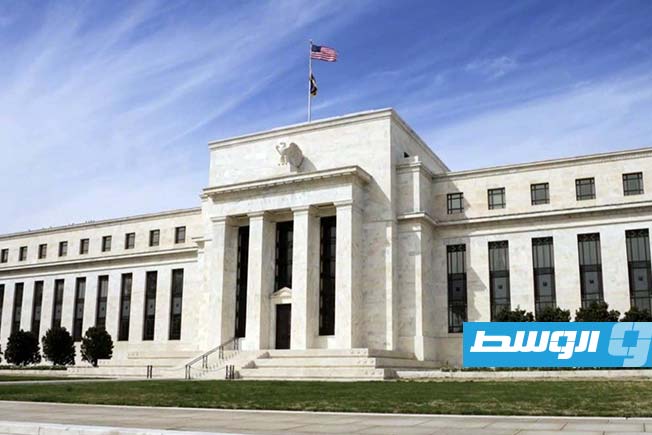
US Federal Reserve
### **Key Functions:**
1. **Monetary Policy** – Manages interest rates and money supply to promote maximum employment, stable prices (inflation around 2%), and moderate long-term interest rates.
2. **Financial System Stability** – Supervises and regulates banks, works to contain systemic risks, and maintains the stability of the financial system.
3. **Payment Systems** – Ensures the safety and efficiency of payment and settlement systems.
4. **Banker to the Government** – Acts as the bank for the U.S. Treasury and handles its payments, auctions, and securities.
### **Structure:**
– **Board of Governors** – 7 members appointed by the President and confirmed by the Senate; based in Washington, D.C.
– **12 Regional Federal Reserve Banks** – Located in major cities (e.g., New York, Chicago, San Francisco).
– **Federal Open Market Committee (FOMC)** – The main monetary policy body, consisting of the Board of Governors and 5 of the 12 regional bank presidents. It sets the federal funds rate and guides open market operations.
### **Key Tools:**
– **Interest Rates** – The federal funds rate influences borrowing costs across the economy.
– **Open Market Operations** – Buying/selling Treasury securities to adjust bank reserves.
– **Reserve Requirements** – (Rarely used now) Sets the minimum reserves banks must hold.
– **Discount Window** – Lending to banks in need of short-term liquidity.
– **Forward Guidance** – Communication about future policy intentions.
### **Current Context (as of late 2023–2024):**
– The Fed has been raising interest rates aggressively since 2022 to combat high inflation.
– The federal funds rate target range is at its highest level in over two decades (5.25%–5.50% as of early 2024).
– The Fed is also reducing its balance sheet (quantitative tightening) after massive asset purchases during the COVID-19 pandemic.
### **Criticisms & Debates:**
– Independence vs. political influence.
– Effectiveness in controlling inflation without causing recession (“soft landing”).
– Role in financial inequality and housing markets.
Would you like more detail on any specific aspect, such as recent policy decisions, its history, or how it influences global markets?
World Gold Council
### **Key Roles and Functions:**
1. **Market Development** – Promotes the use and demand for gold across key sectors such as investment, jewelry, and technology.
2. **Research and Insights** – Publishes data, trends, and analysis on gold supply, demand, and the global market.
3. **Investment Products** – Helps develop gold-backed financial products, such as gold ETFs (exchange-traded funds), to make gold more accessible to investors.
4. **Industry Standards** – Works on establishing standards and best practices for gold sourcing, transparency, and sustainability.
5. **Advocacy** – Represents the gold industry in discussions with policymakers, regulators, and financial institutions.
### **Notable Publications:**
– **Gold Demand Trends** – Quarterly reports on global gold demand and supply.
– **Research on gold’s role** in portfolios, central bank reserves, and economic systems.
### **Mission:**
To stimulate and sustain demand for gold, provide industry leadership, and be the global authority on gold markets.
### **Headquarters:** London, United Kingdom.
### **Founded:** 1987.
If you have a specific question about their reports, gold market trends, or investment guidance, feel free to ask!