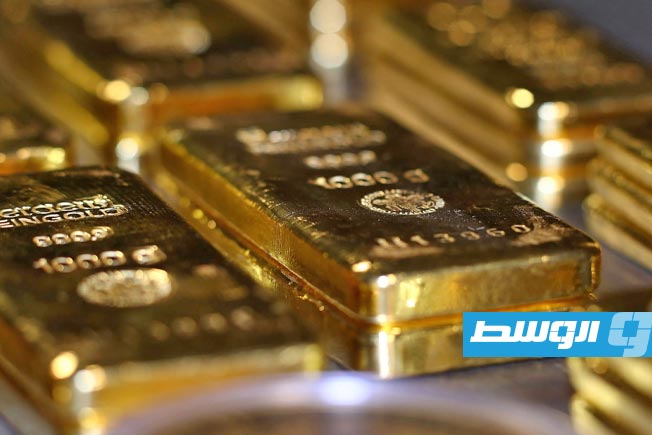
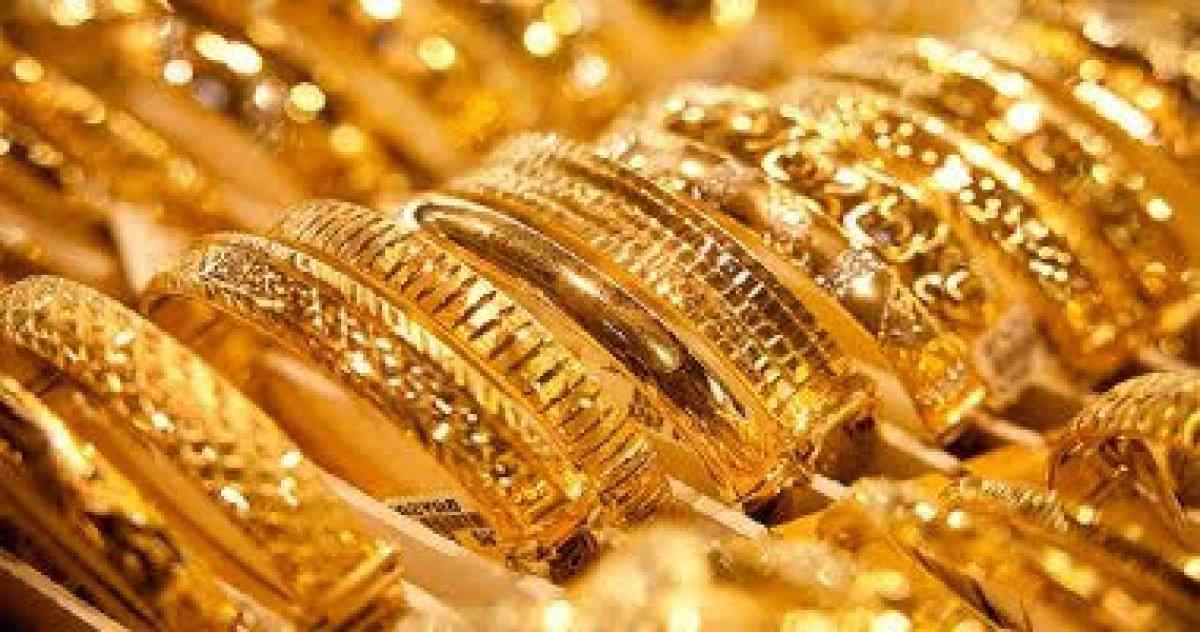
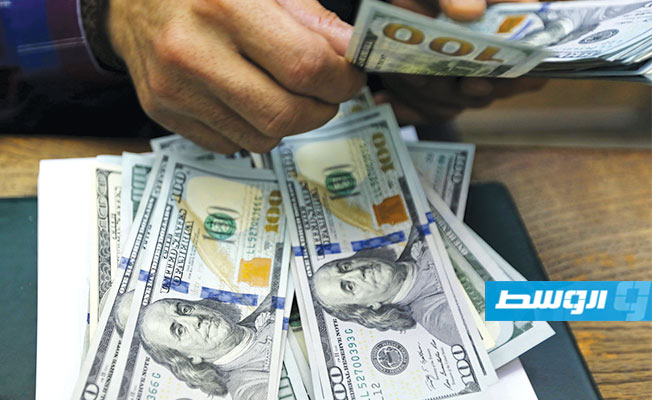
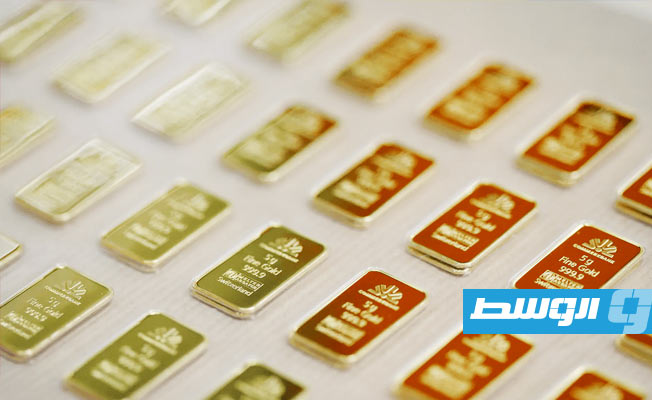
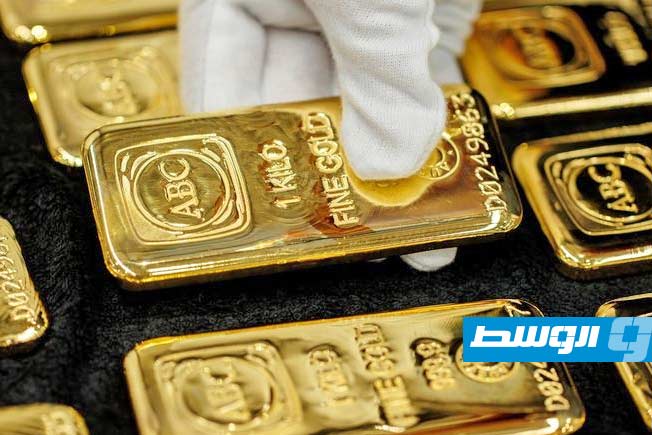
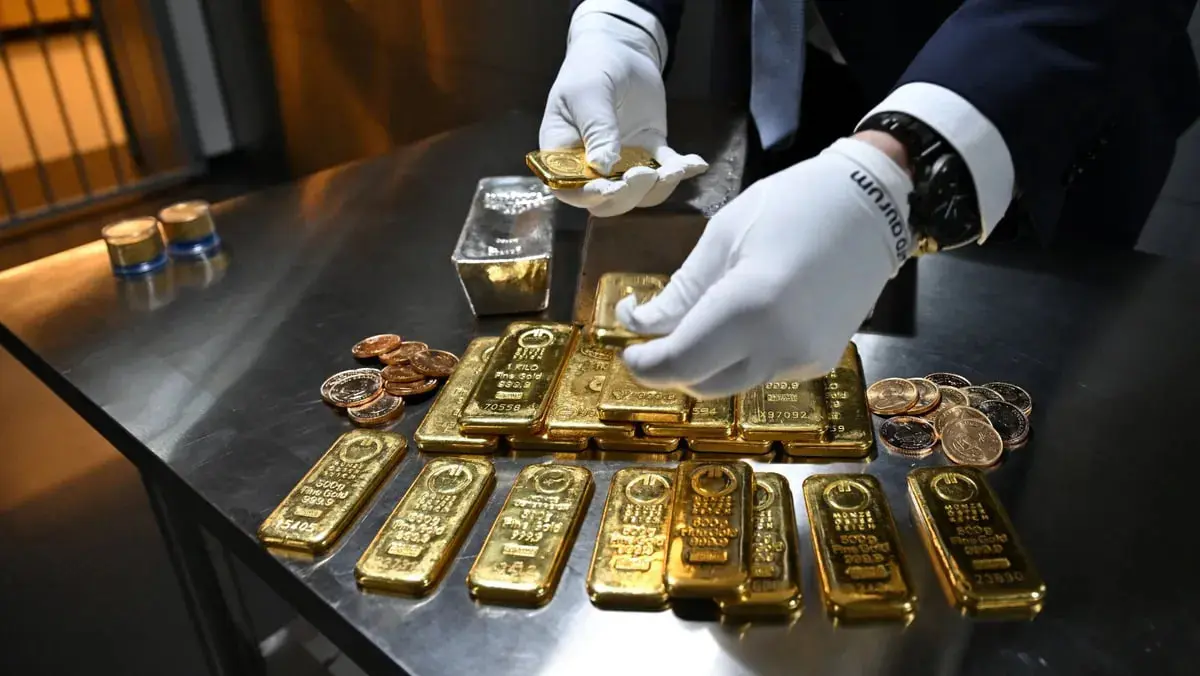
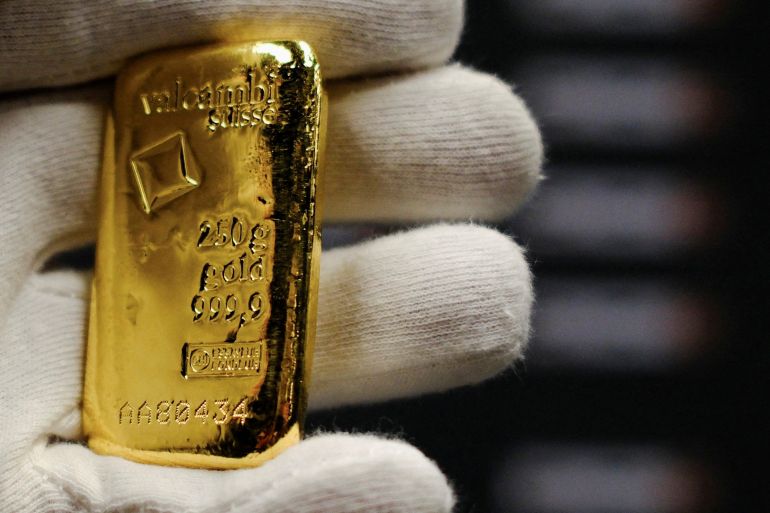
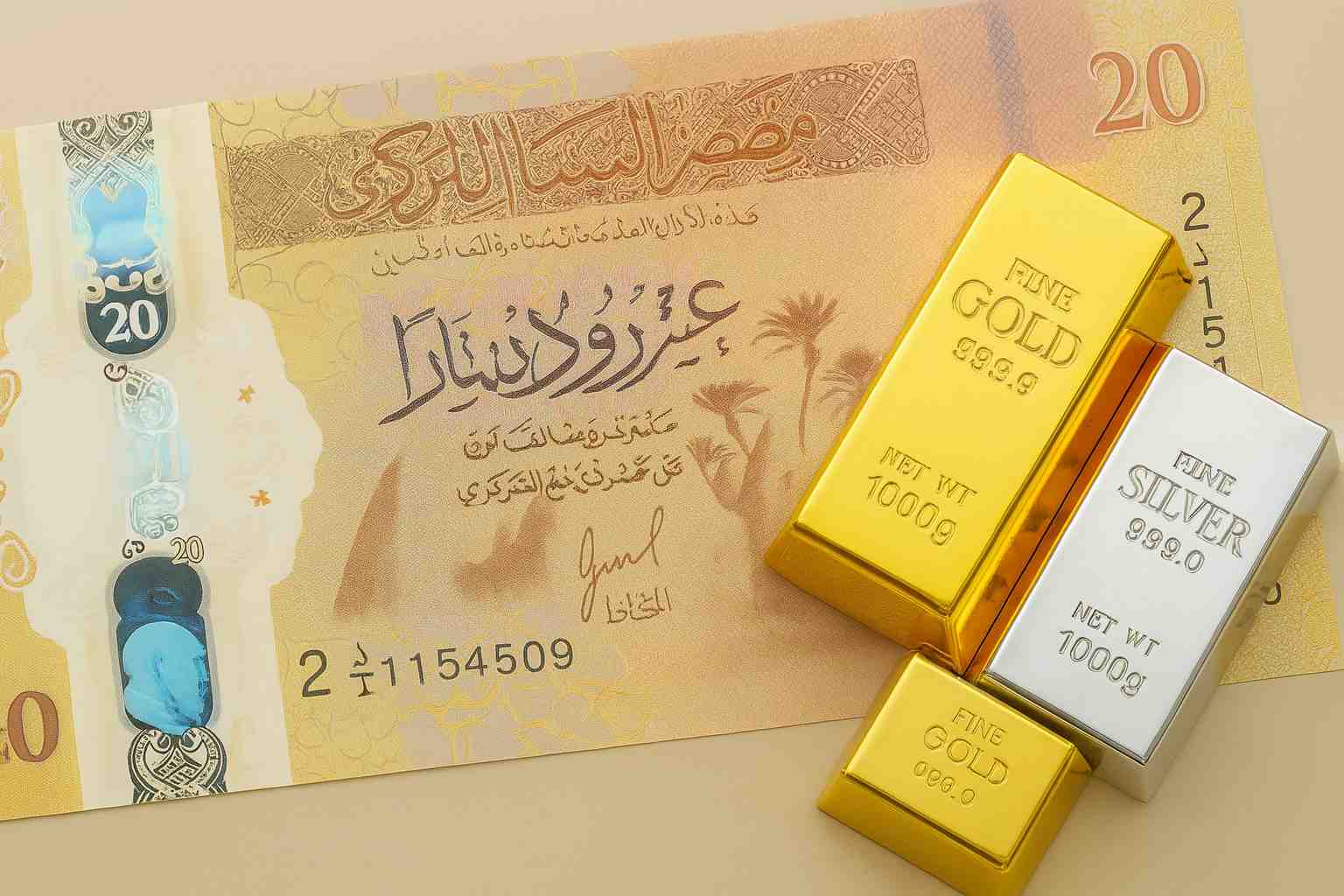
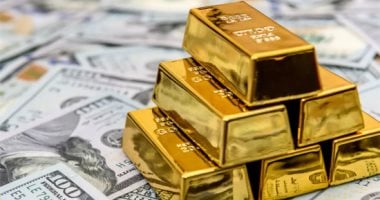
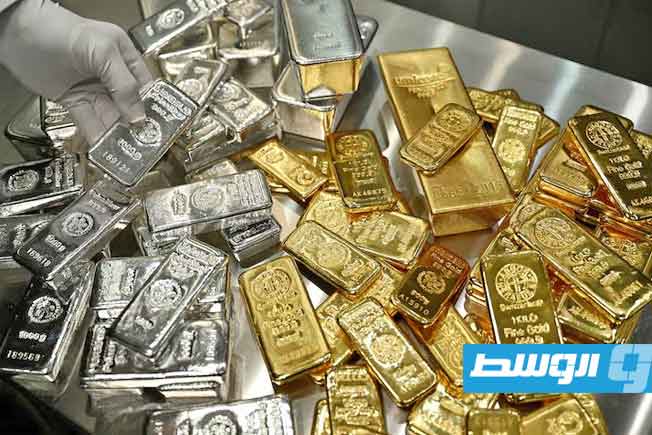
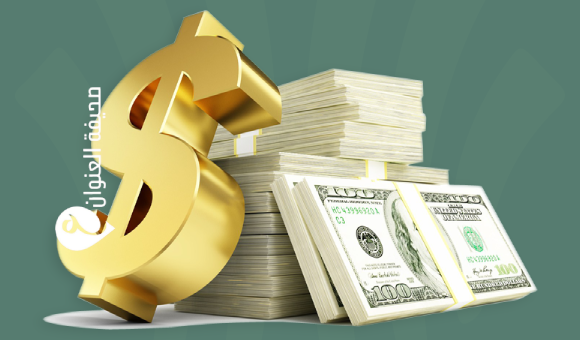
Gold prices fell below the level of five thousand dollars per ounce in trading on Monday, as traders moved to take profits from gains in a previous session that were fueled by moderate inflation data in the United States.
Prices declined by approximately 1.5%, after jumping 2.4% on Wednesday, thanks to a slight rise in the US Consumer Price Index in January, which dispelled fears of a larger increase.
That data reinforced the Federal Reserve’s position favoring interest rate cuts, representing a stabilizing factor for non-yielding precious metals.
Weaker Liquidity
The market is still in a phase of rebalancing between buying and selling forces and lacks clear catalysts to break the price range. At the $5,100 level, multiple attempts to push higher have failed, as profit-taking at the top has generated selling pressure.
This comes as China closed markets this week for the Lunar New Year holiday, meaning liquidity will be weaker than usual during Asian trading.
Demand for gold in China has seen a sharp increase in recent months, prompting authorities in the Shenzhen retail trade center to warn against “illegal gold trading activities.”
It is worth noting that gold rose to $5,595 per ounce at the end of last January, driven by a wave of speculative buying that pushed a years-long rally to a breaking point.
But it soon experienced a sharp and sudden two-day decline at the beginning of the month, causing it to fall to around $4,400. However, the precious metal has since recovered about half of its losses amid market volatility.
Expectations of an Upward Path
Despite this, a number of banks expect gold to continue its upward trajectory, pointing out that the drivers behind the historic price surge remain in place, including geopolitical tensions, a weak dollar, concerns about the independence of the US Federal Reserve, and central bank purchases.
Furthermore, recent price movements reflect orderly stabilization and limited profit-taking after the rise above five thousand dollars following the release of US inflation data. US markets will be closed on Monday for the Presidents’ Day holiday.
Gold
Gold is not a specific place or cultural site but a precious metal that has been highly valued across civilizations for millennia, often used in currency, jewelry, and art. Historically, major gold rushes, such as those in California and Australia, spurred migration and economic development, while ancient cultures like the Egyptians and Incas revered it for its symbolic and religious significance.
United States
The United States is a federal republic founded in 1776 after declaring independence from Great Britain, with its modern government established by the Constitution in 1789. Its history encompasses westward expansion, the Civil War, industrialization, and its emergence as a global superpower in the 20th century. The nation is defined by its diverse population, democratic ideals, and significant cultural and economic influence worldwide.
US Consumer Price Index
The US Consumer Price Index (CPI) is not a physical place or cultural site, but a key economic indicator. It is a measure of the average change over time in the prices paid by urban consumers for a market basket of consumer goods and services, published monthly by the US Bureau of Labor Statistics since 1919.
Federal Reserve
The Federal Reserve is the central banking system of the United States, established by Congress in 1913 through the Federal Reserve Act to provide the nation with a safer, more flexible, and more stable monetary and financial system. It conducts national monetary policy, supervises and regulates banks, and works to maintain the stability of the financial system.
China
China is one of the world’s oldest continuous civilizations, with a recorded history spanning over four millennia. It is home to numerous UNESCO World Heritage sites, such as the Great Wall and the Forbidden City, which reflect its long imperial past and profound cultural achievements.
Lunar New Year
Lunar New Year is a major cultural festival celebrated across East and Southeast Asia, marking the beginning of a new year on the traditional lunisolar calendar. Its history dates back thousands of years to agrarian societies, with traditions rooted in rituals to honor deities and ancestors while praying for a good harvest. The celebration is characterized by family reunions, feasts, and customs like giving red envelopes, which symbolize the warding off of evil and the welcoming of luck and prosperity.
Shenzhen
Shenzhen is a major city in Guangdong Province, China, which transformed from a small fishing village into a global technology and manufacturing hub after being designated as the country’s first Special Economic Zone in 1980. This policy-driven development catalyzed rapid urbanization and economic growth, making it a symbol of China’s reform and opening-up era. Today, it is known for its modern skyline, innovation centers like Huawei and Tencent, and vibrant cultural scene.
US Federal Reserve
The US Federal Reserve, established in 1913, is the central banking system of the United States, created to provide a safer and more stable monetary and financial system. Its key functions include conducting national monetary policy, supervising and regulating banks, and maintaining financial stability.
Presidents’ Day
Presidents’ Day is a federal holiday in the United States celebrated on the third Monday of February, originally established in 1885 to honor George Washington’s birthday. It has since evolved to commemorate all U.S. presidents, particularly Washington and Abraham Lincoln, and is often associated with retail sales and patriotic reflection.