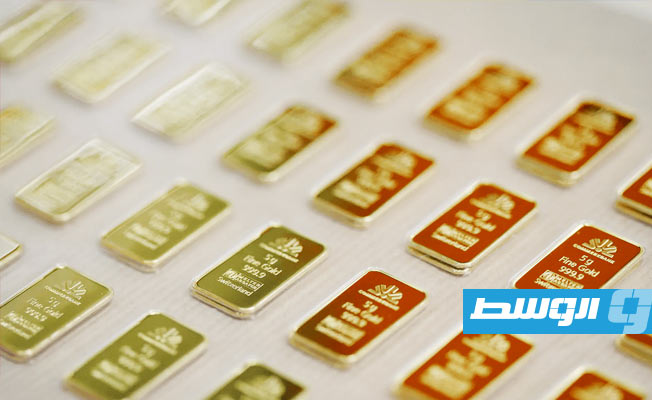
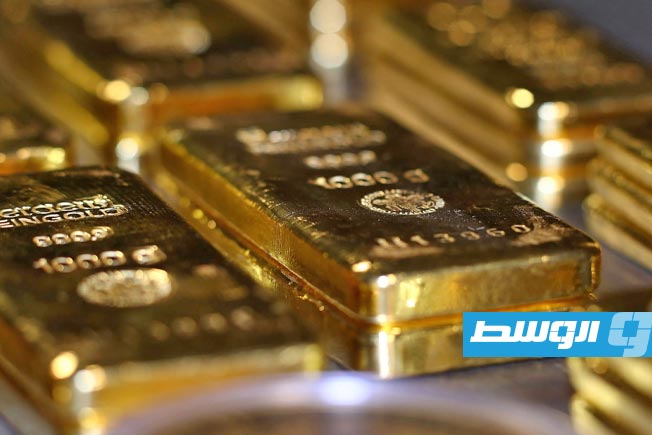
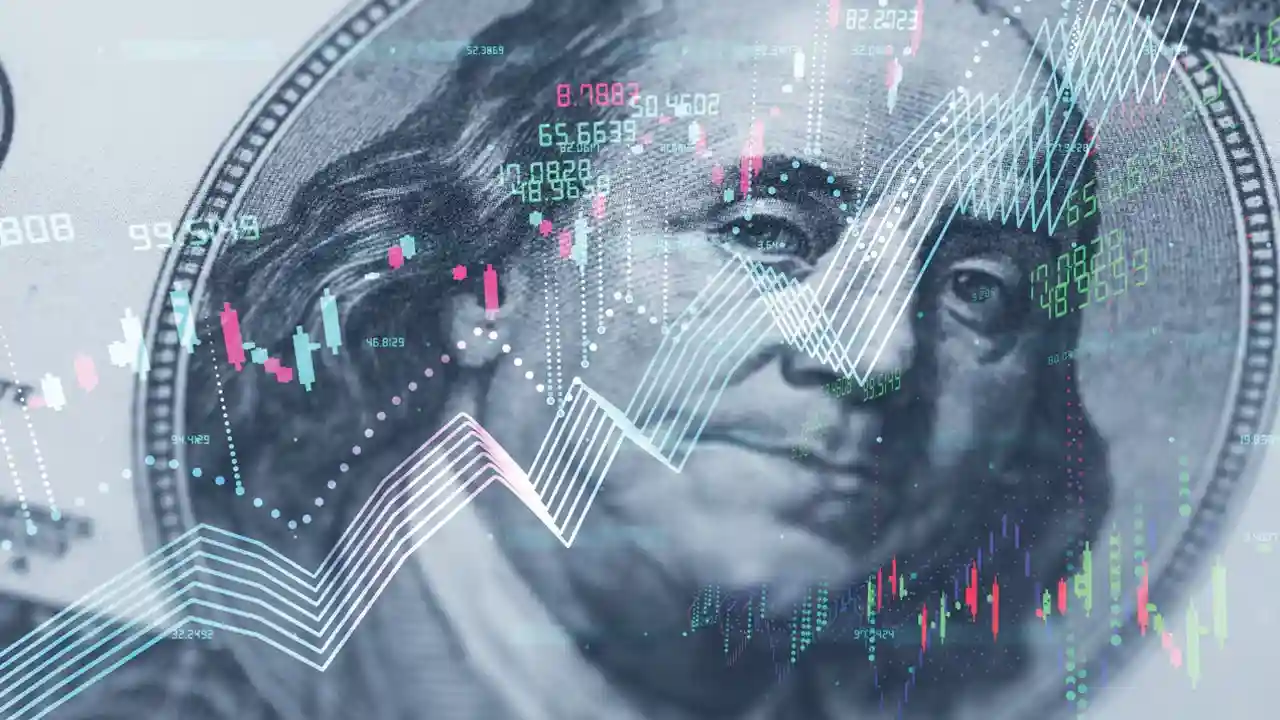
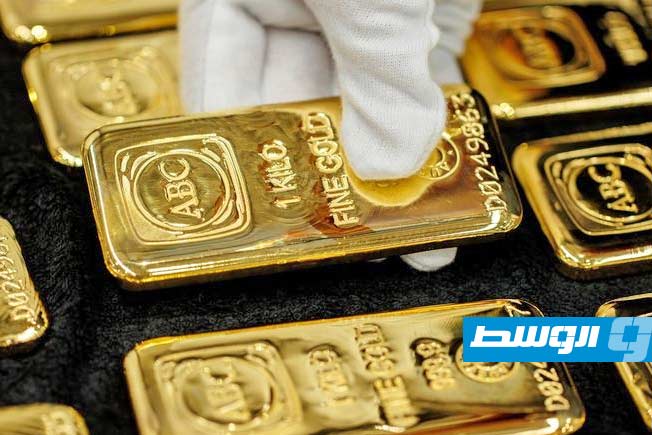
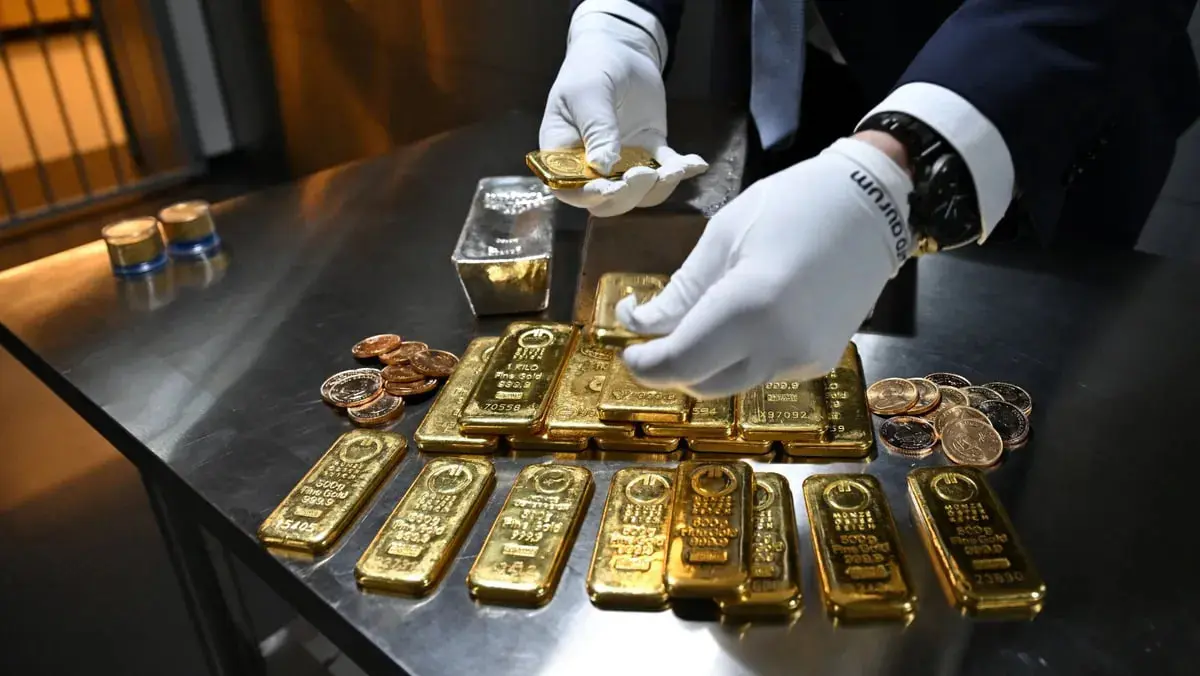
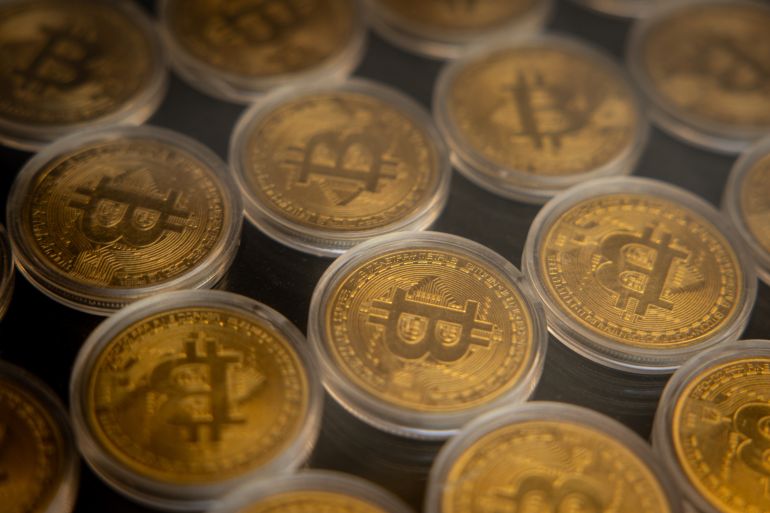
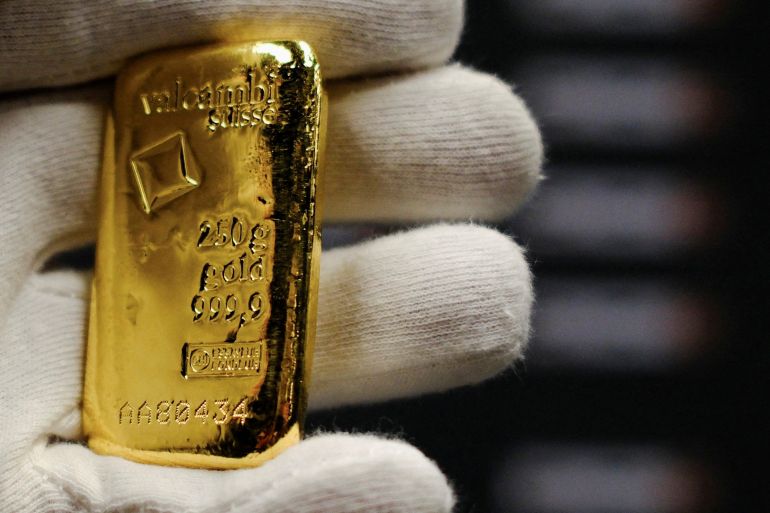
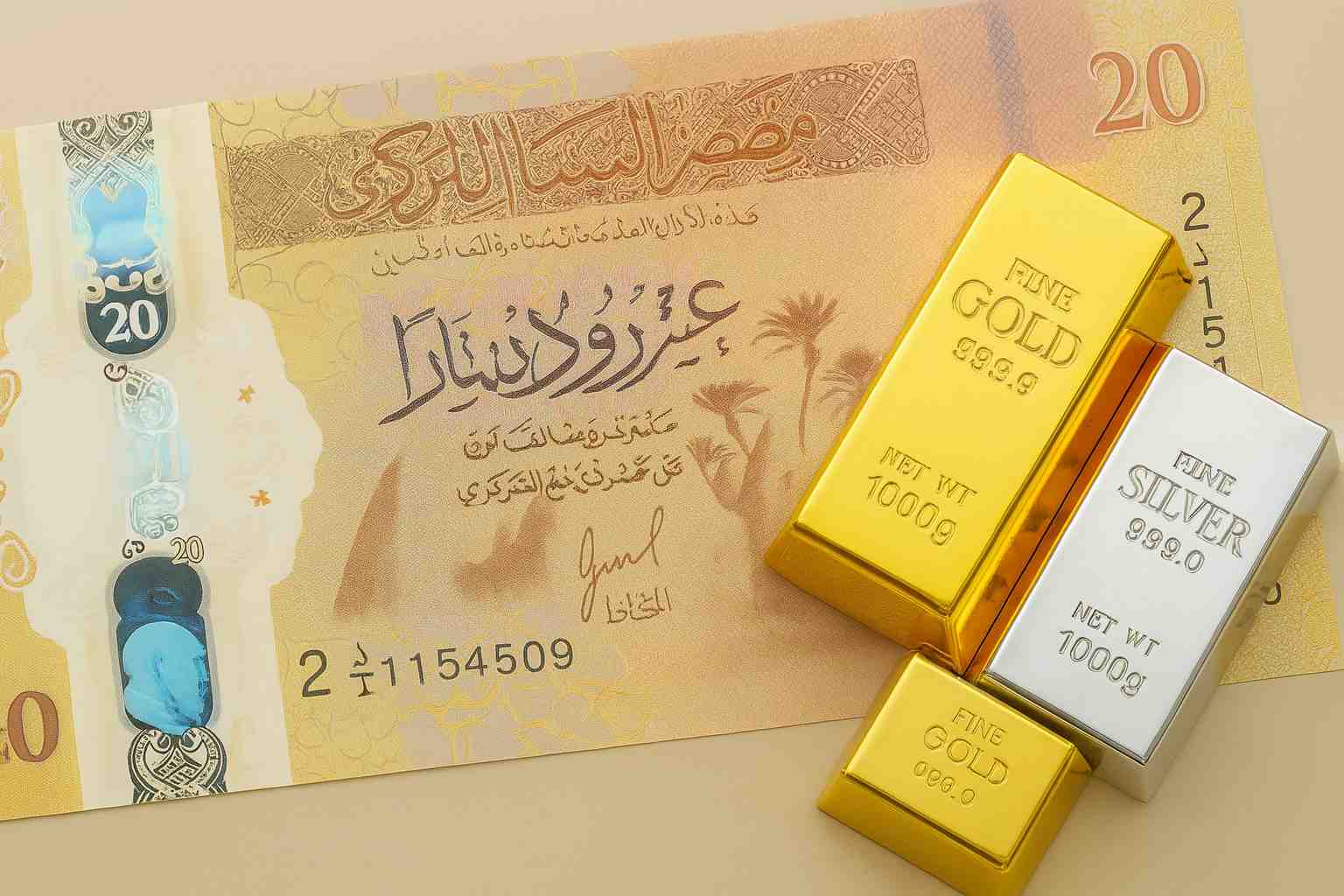
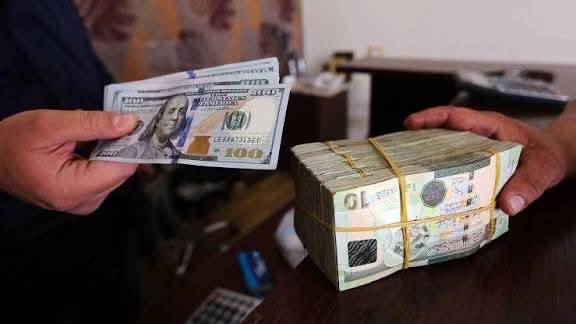
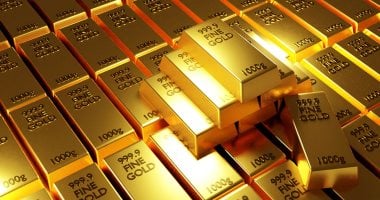
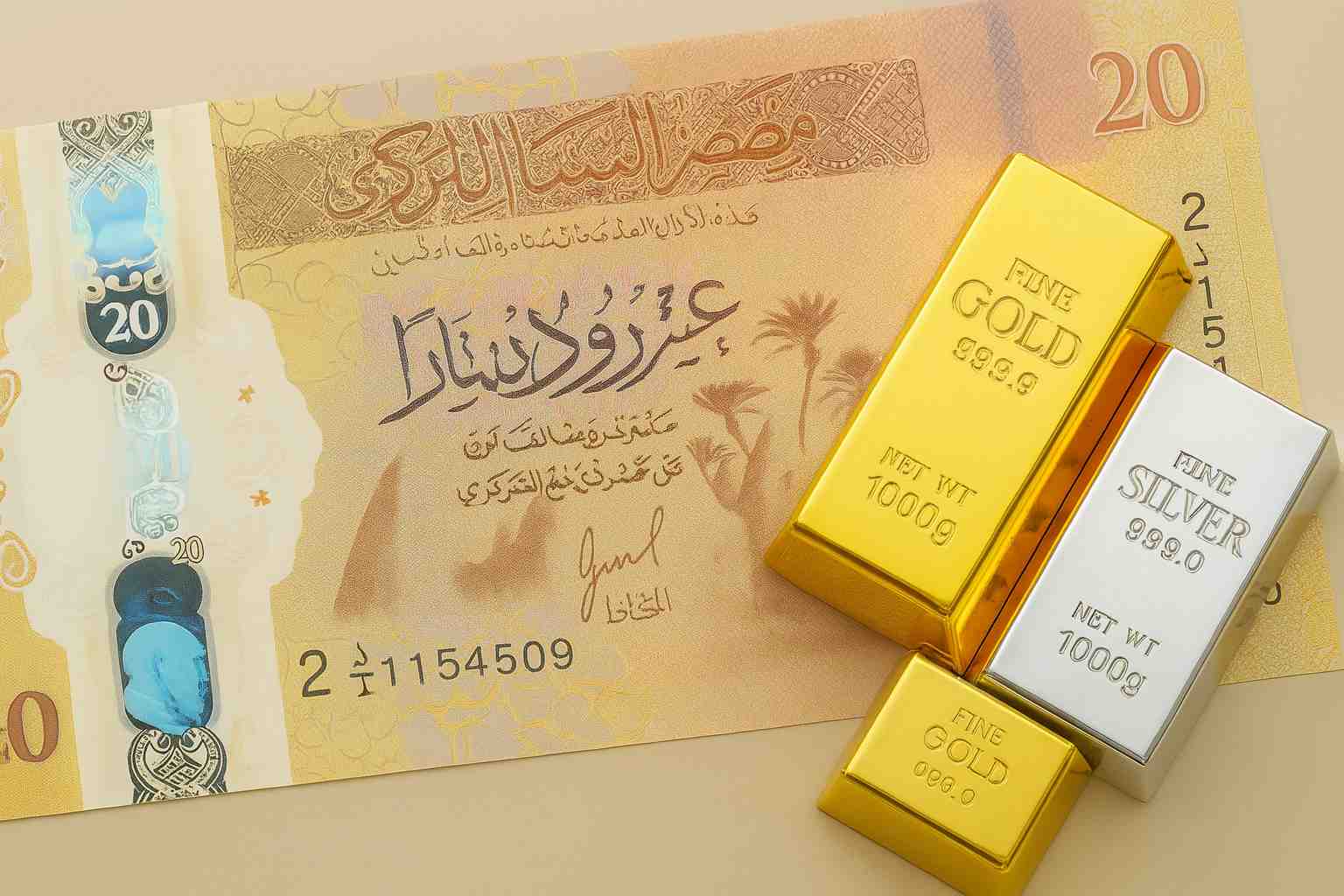
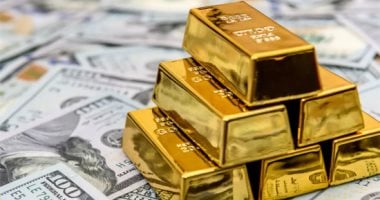
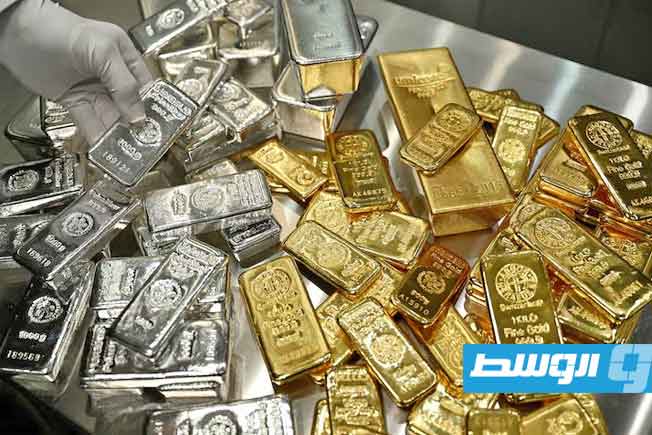
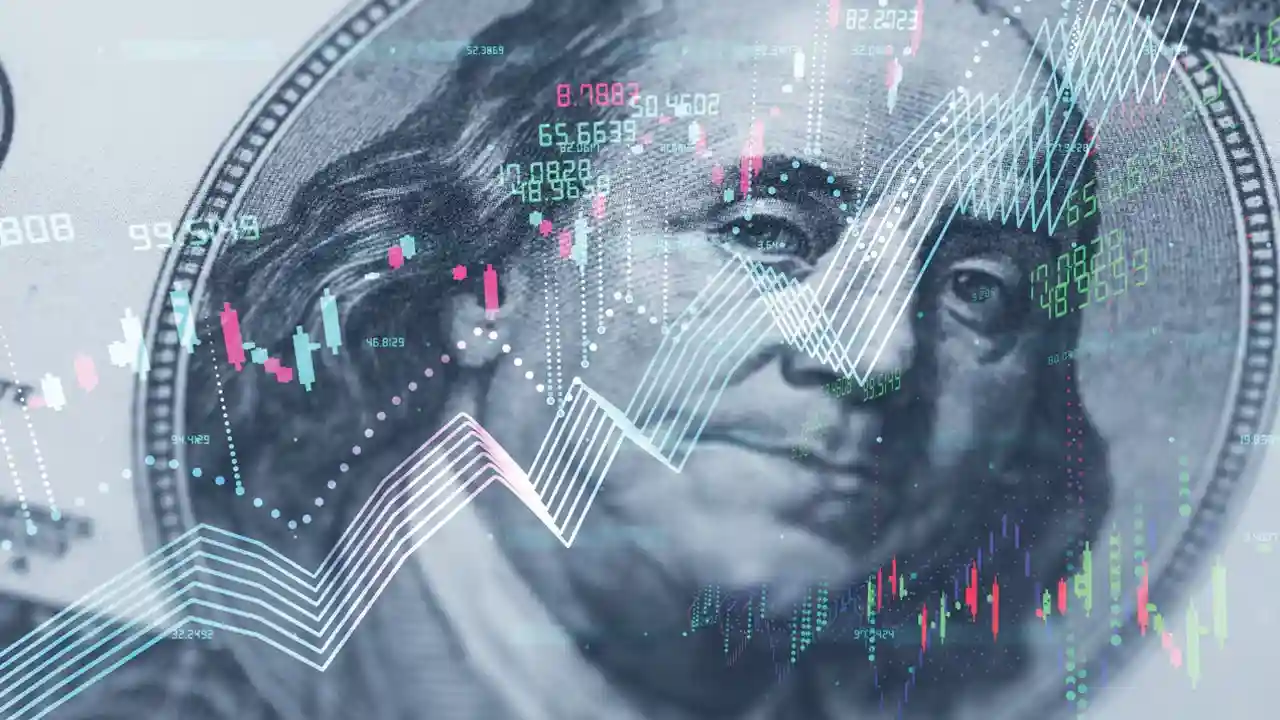
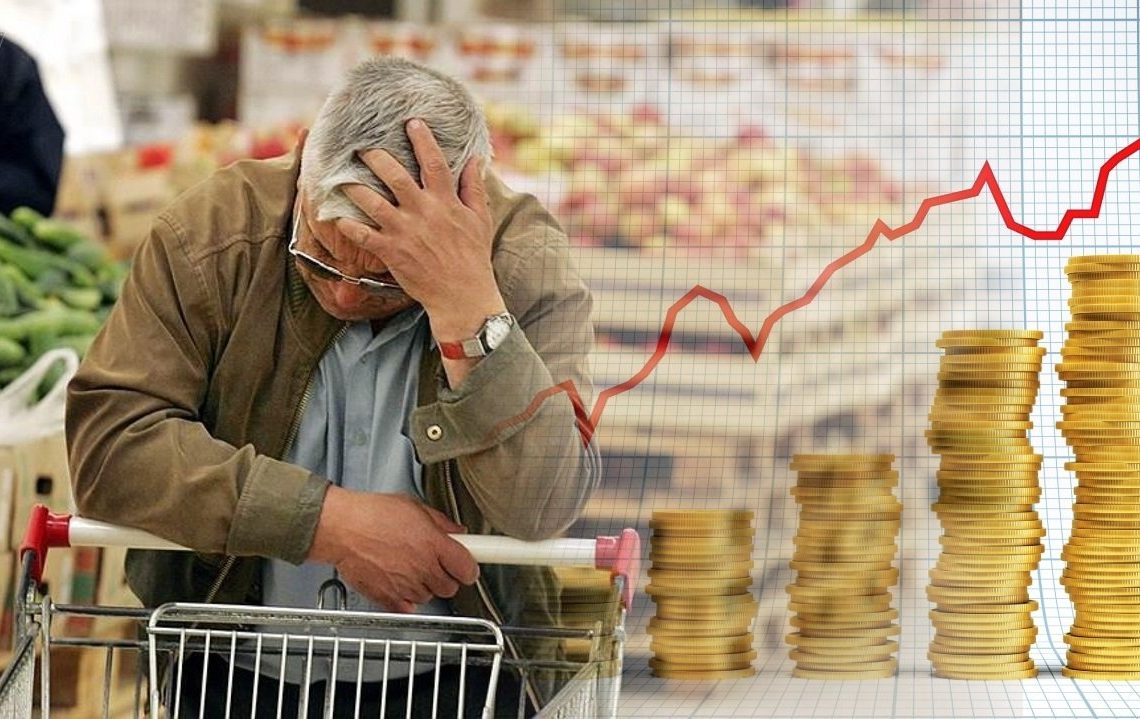
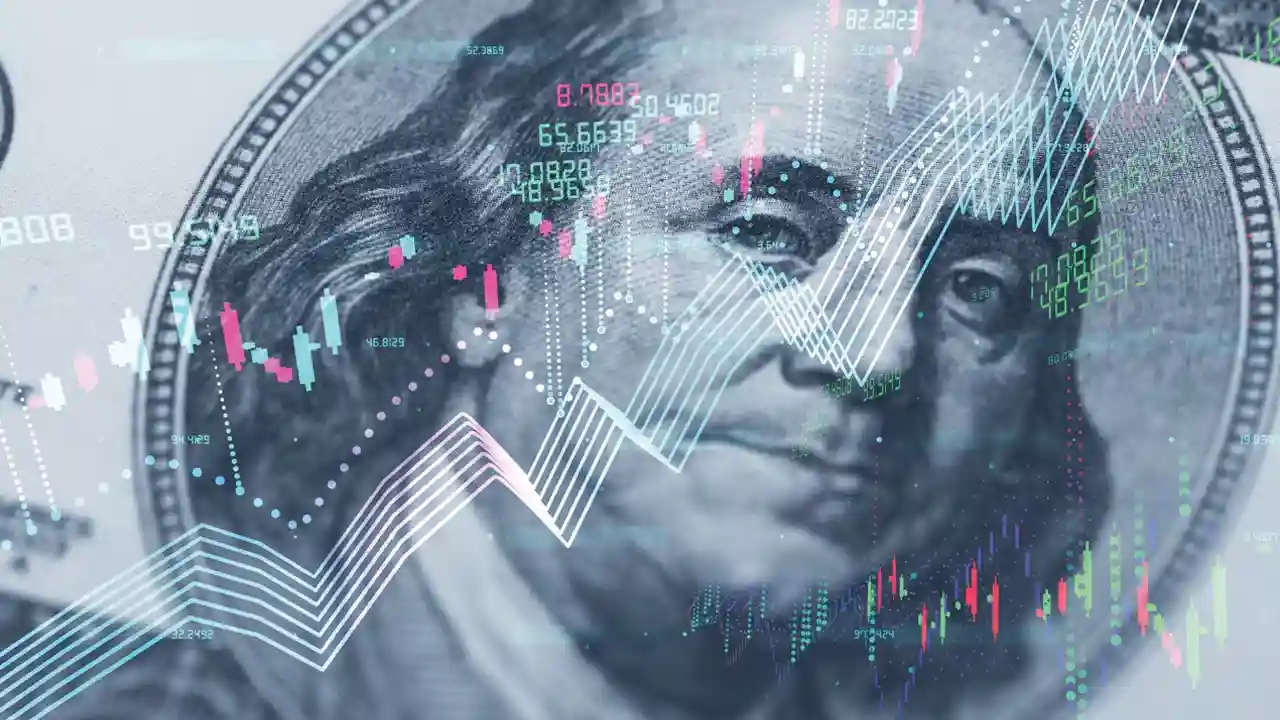
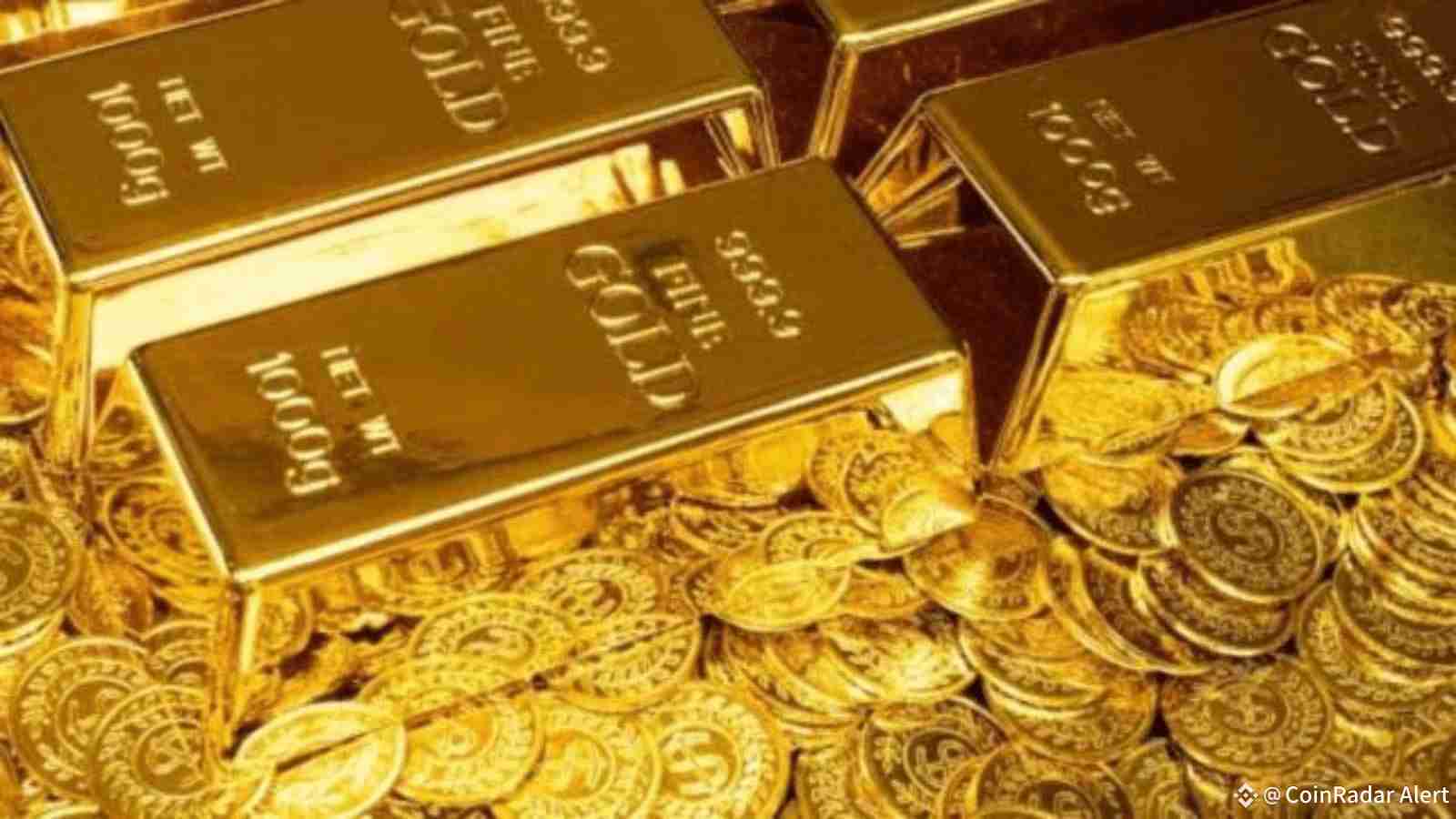
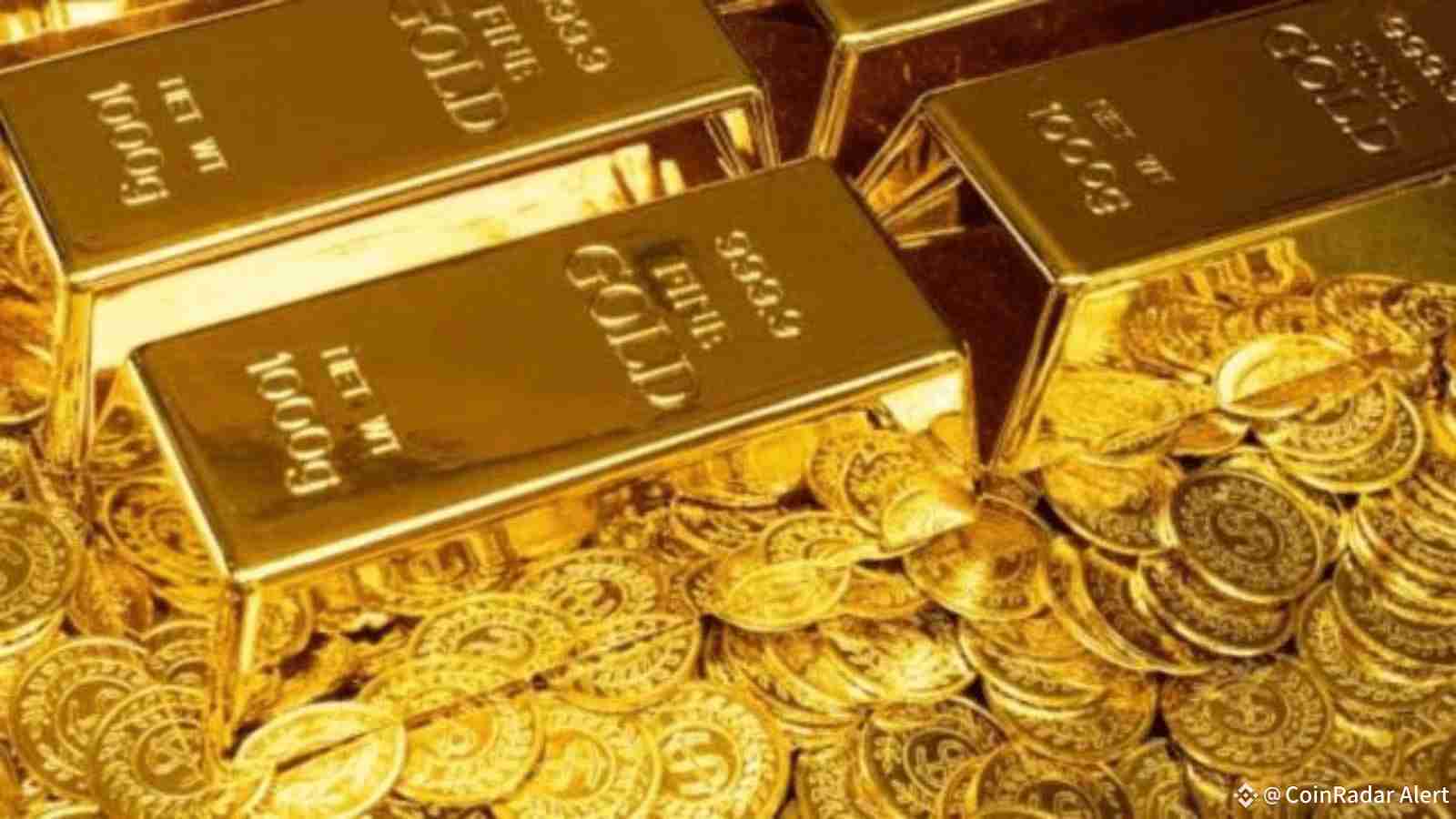
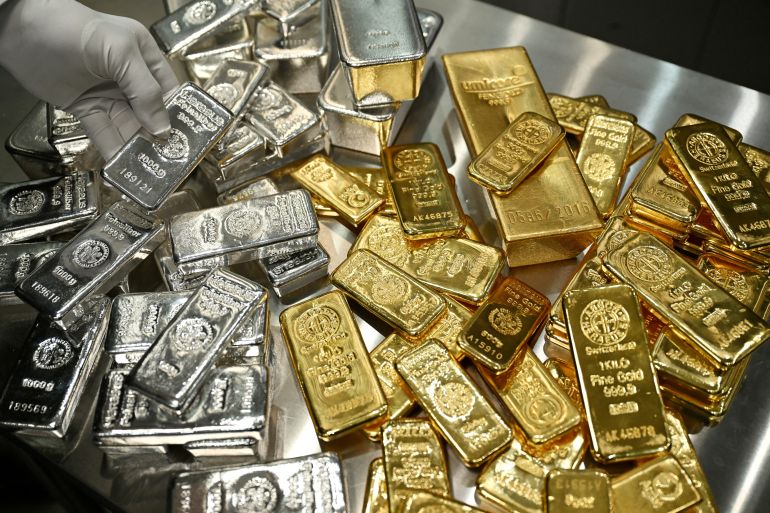
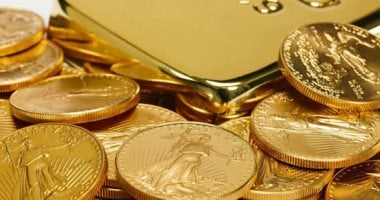
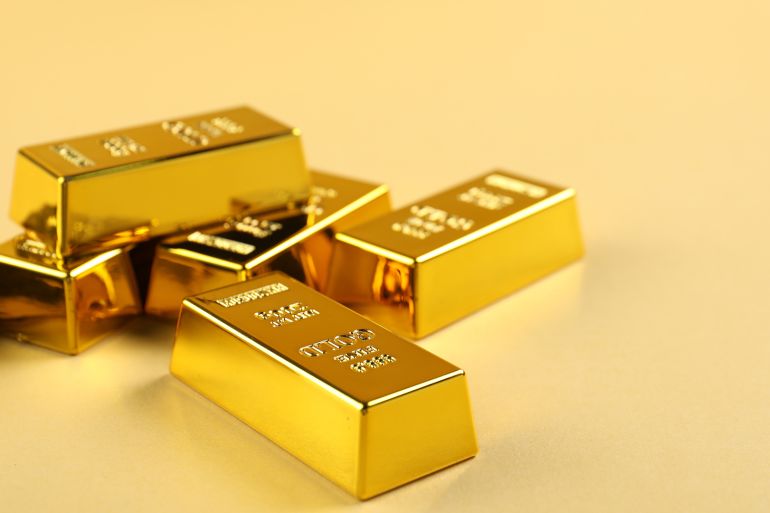
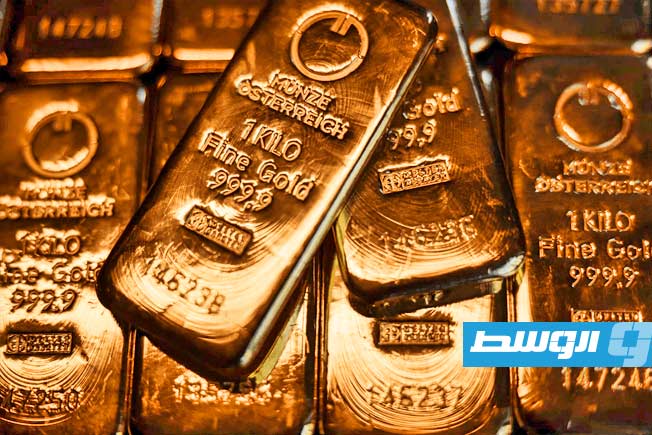
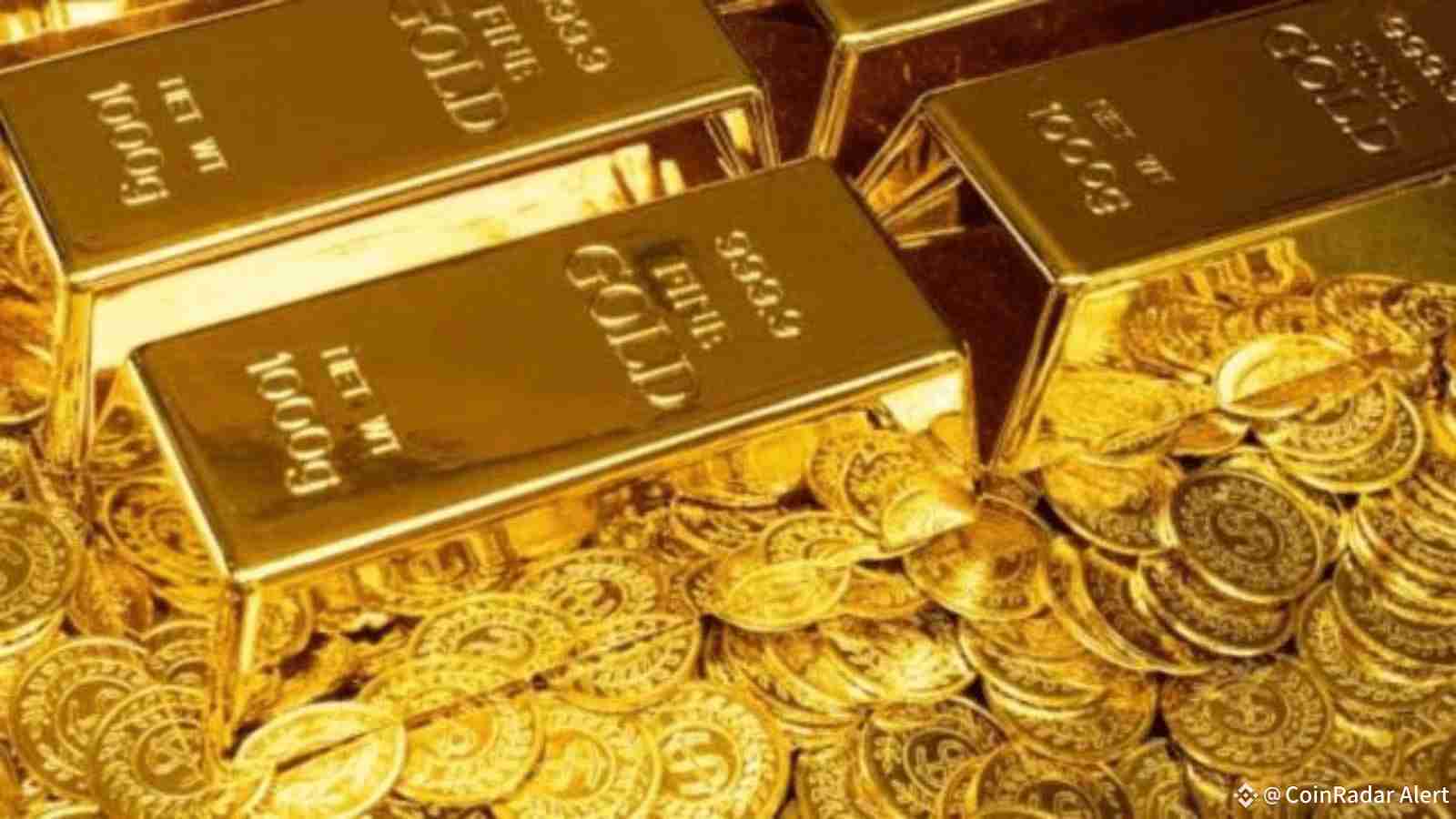
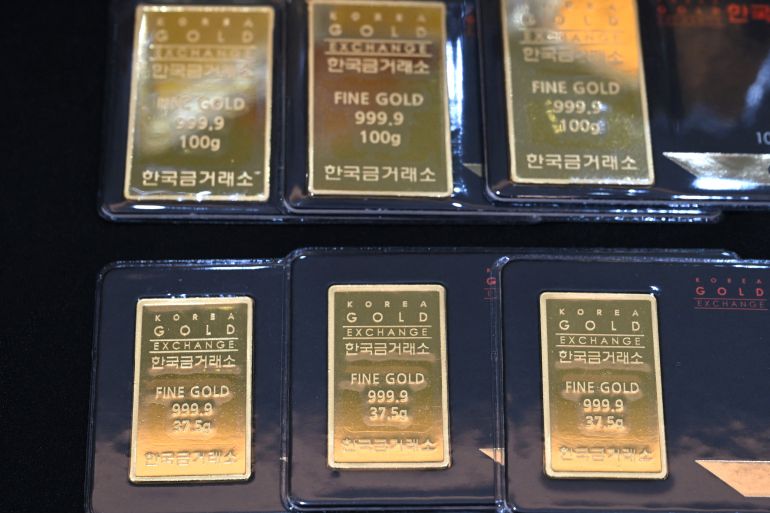
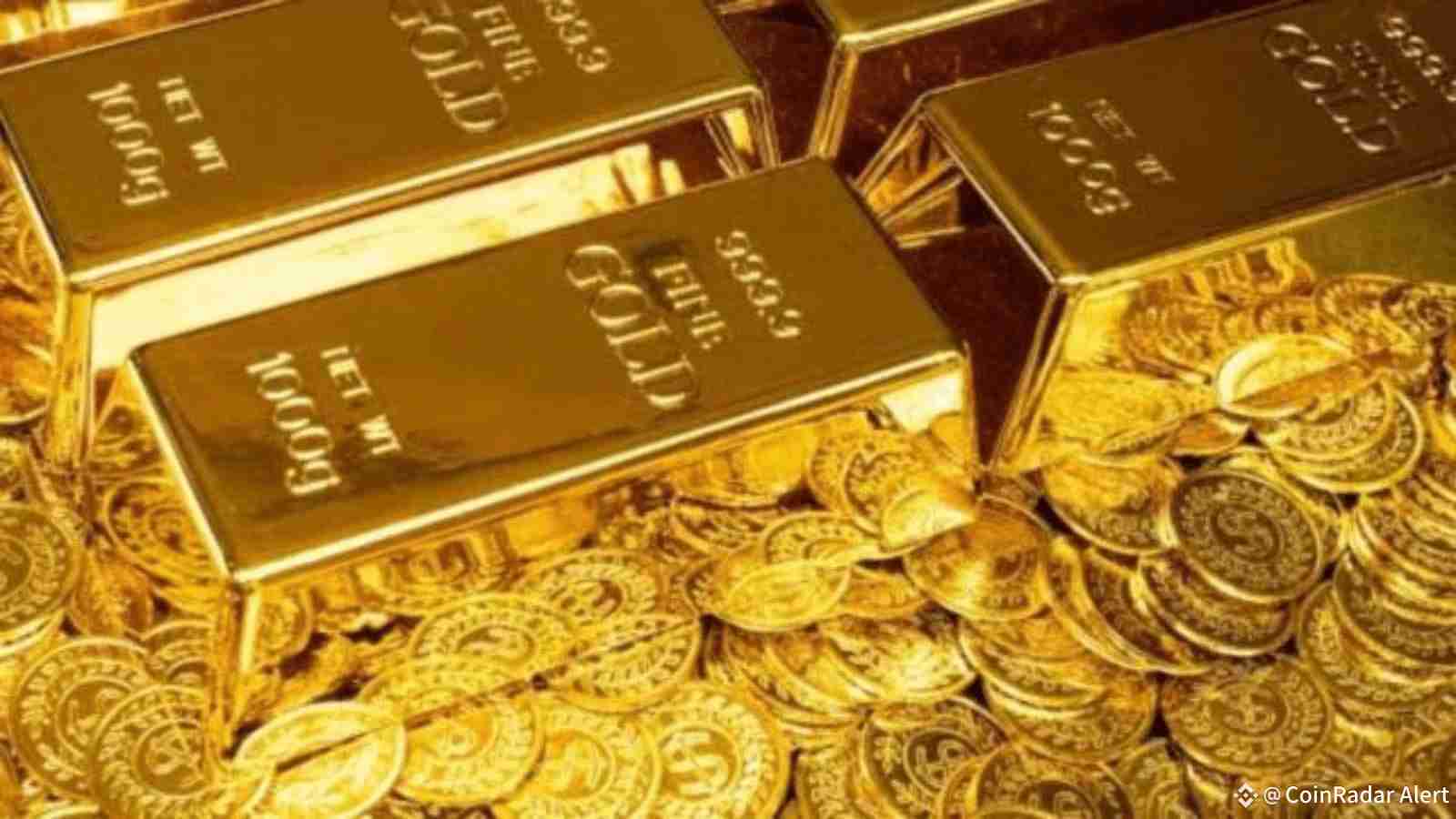
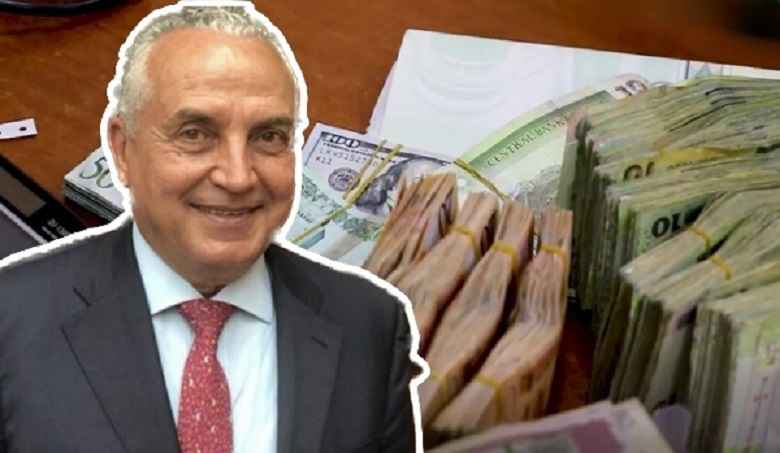
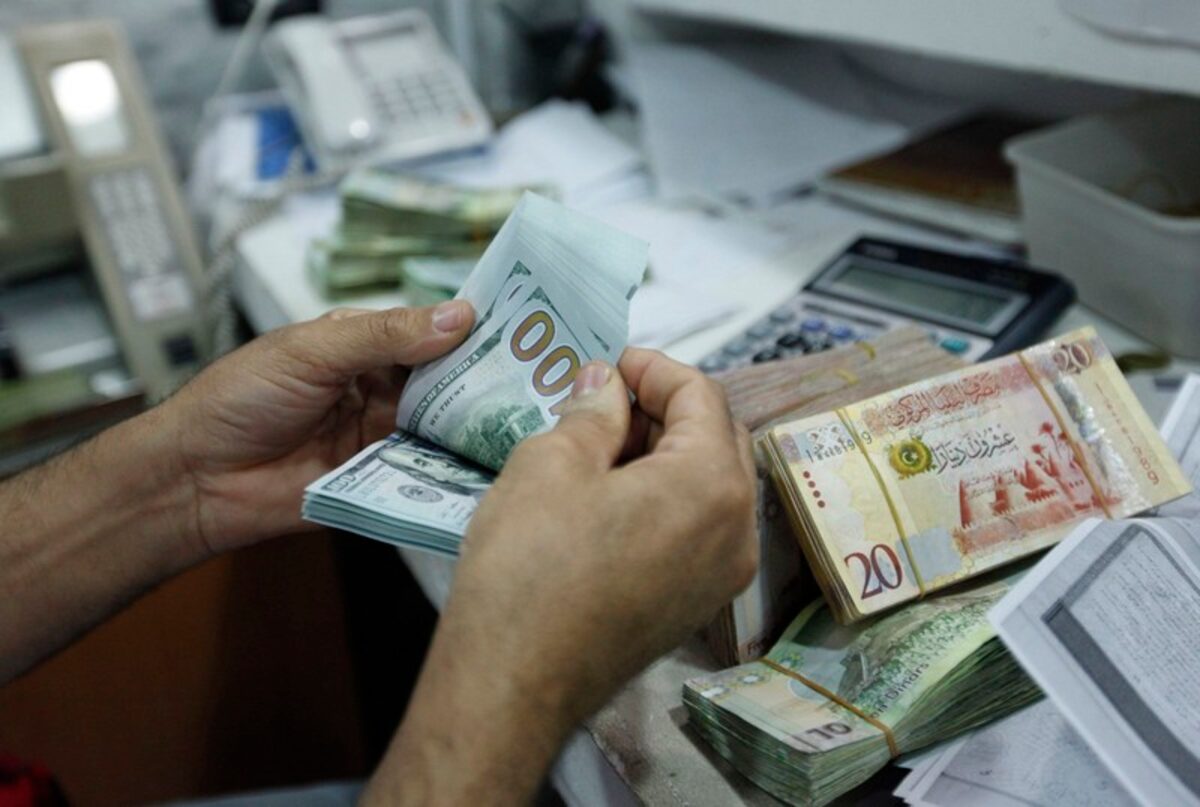
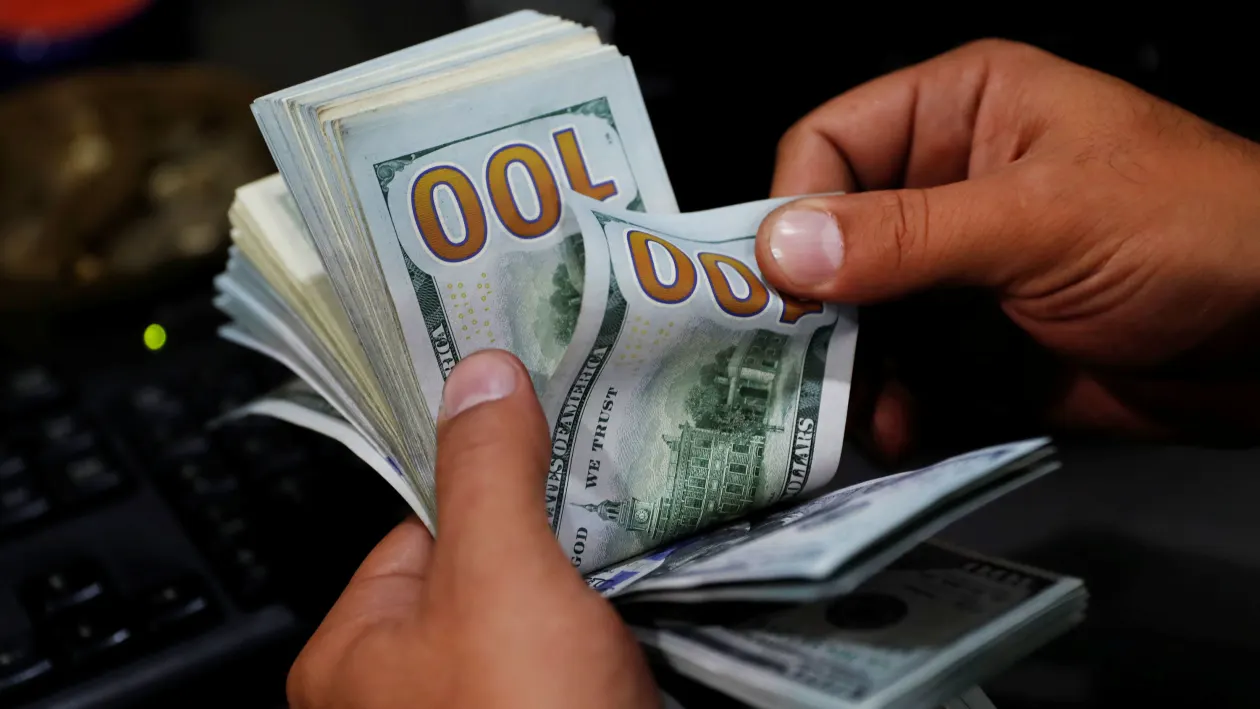
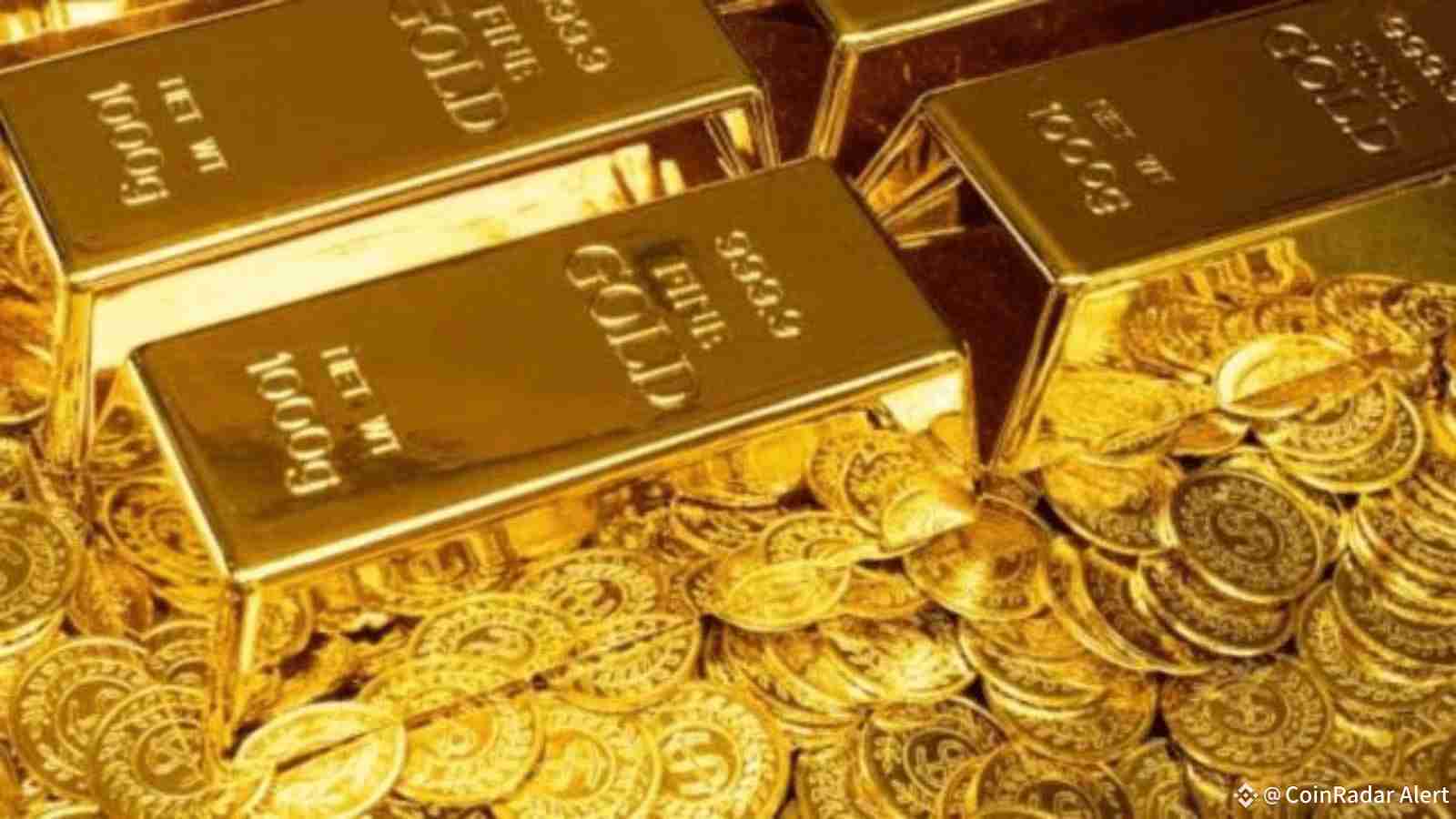
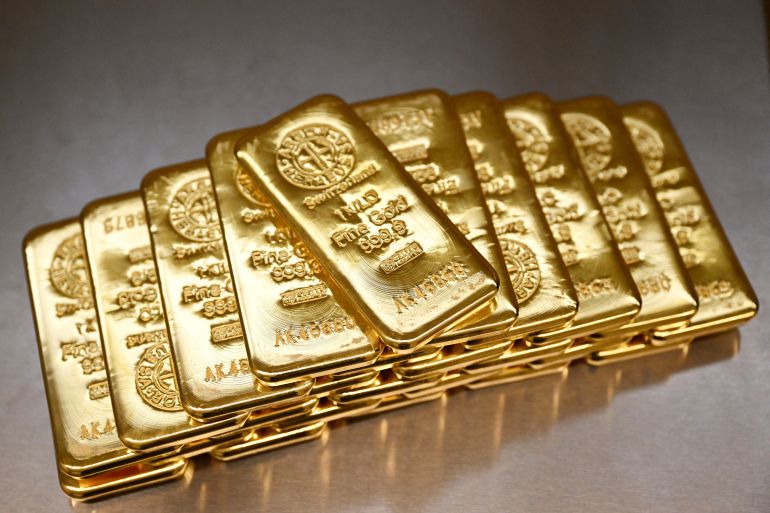
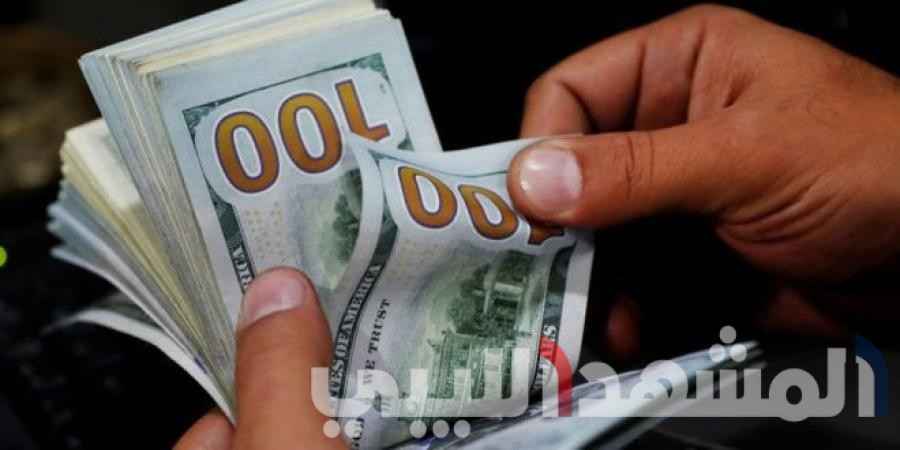
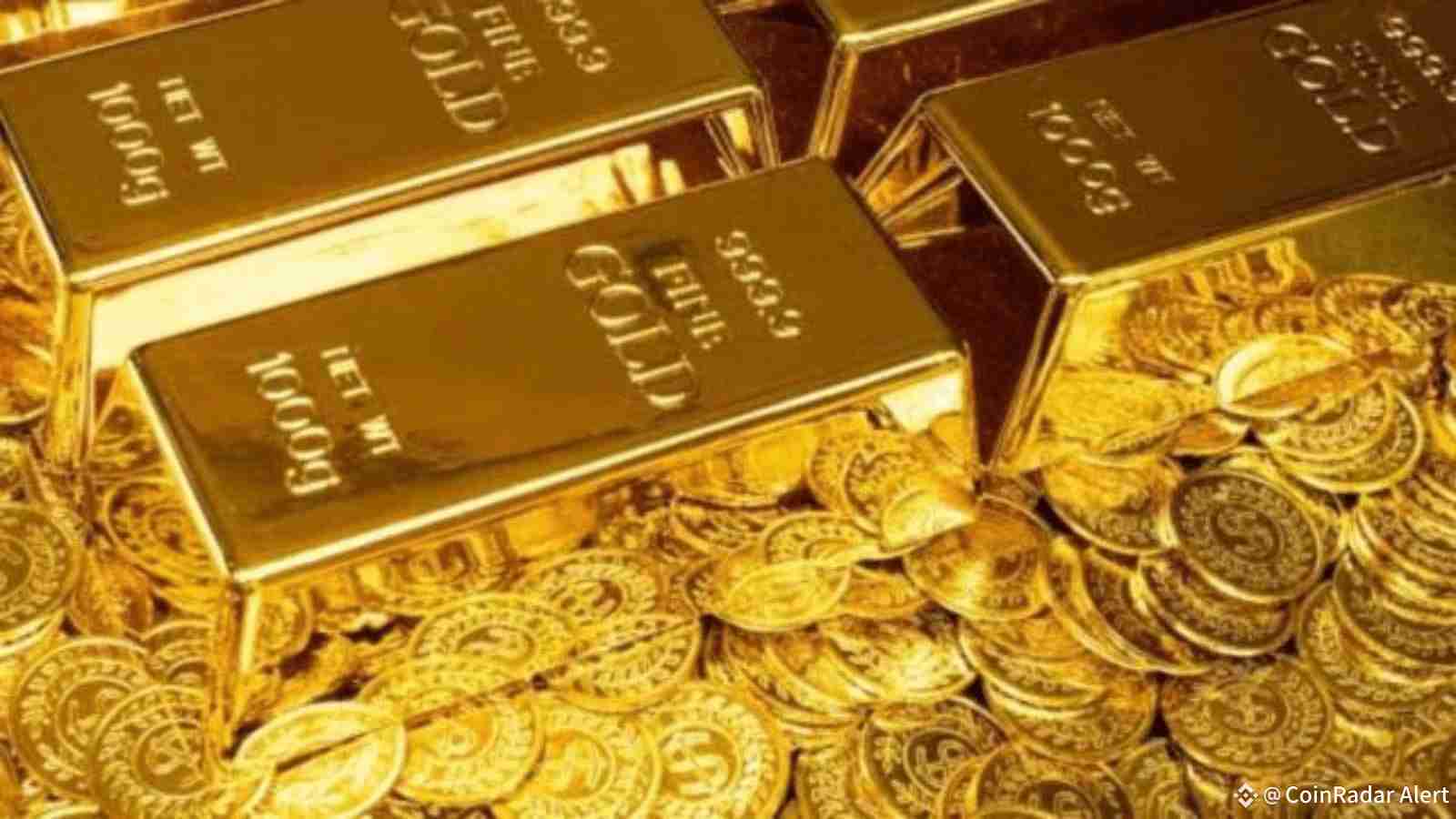
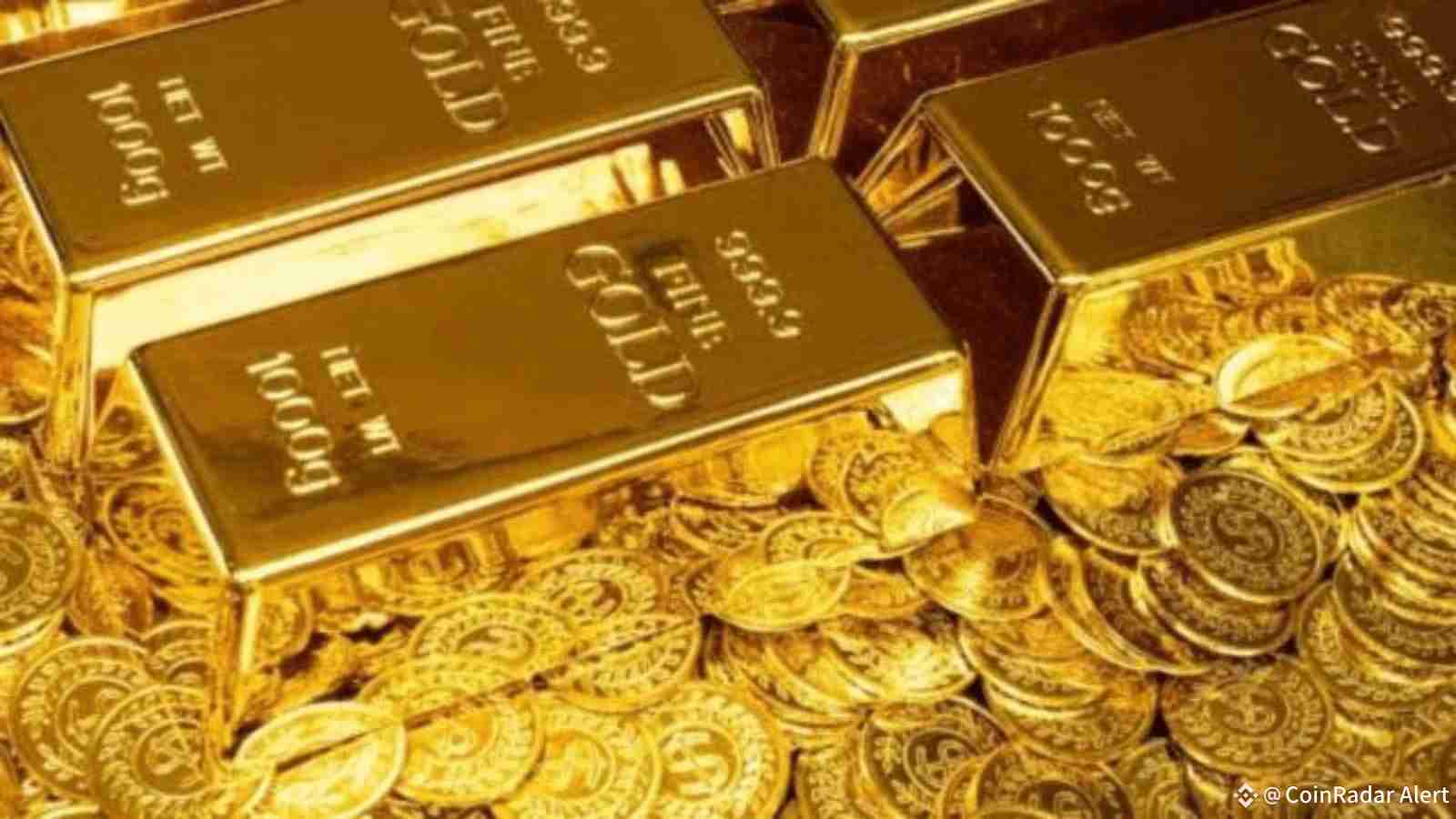
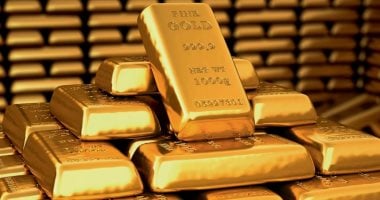
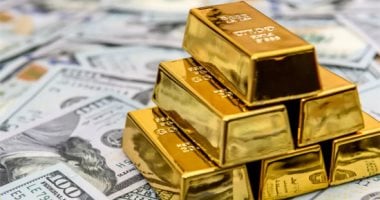
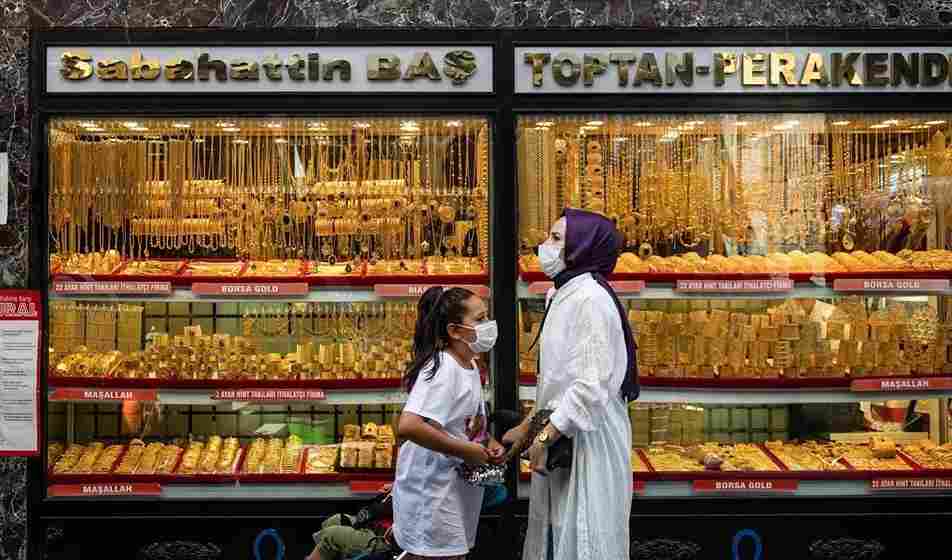
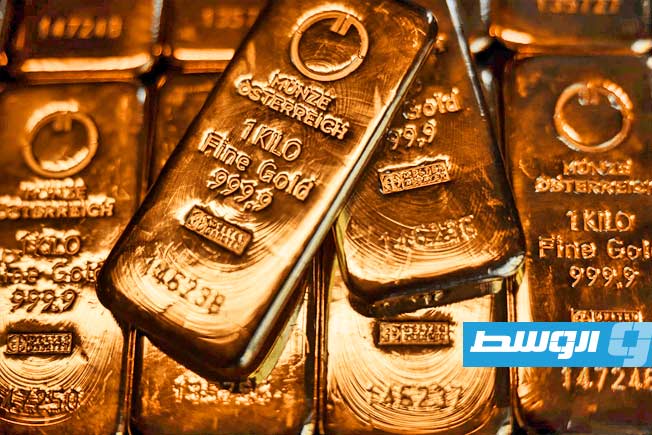
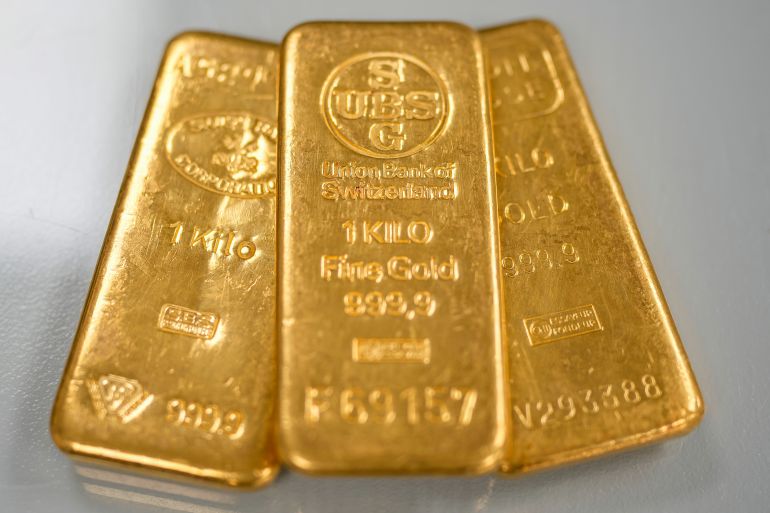
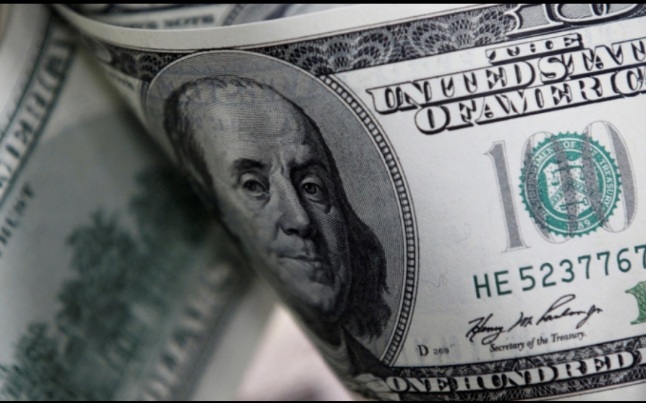
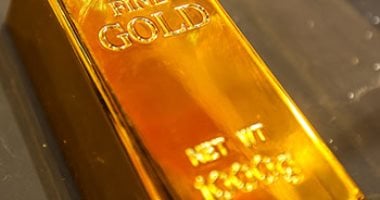
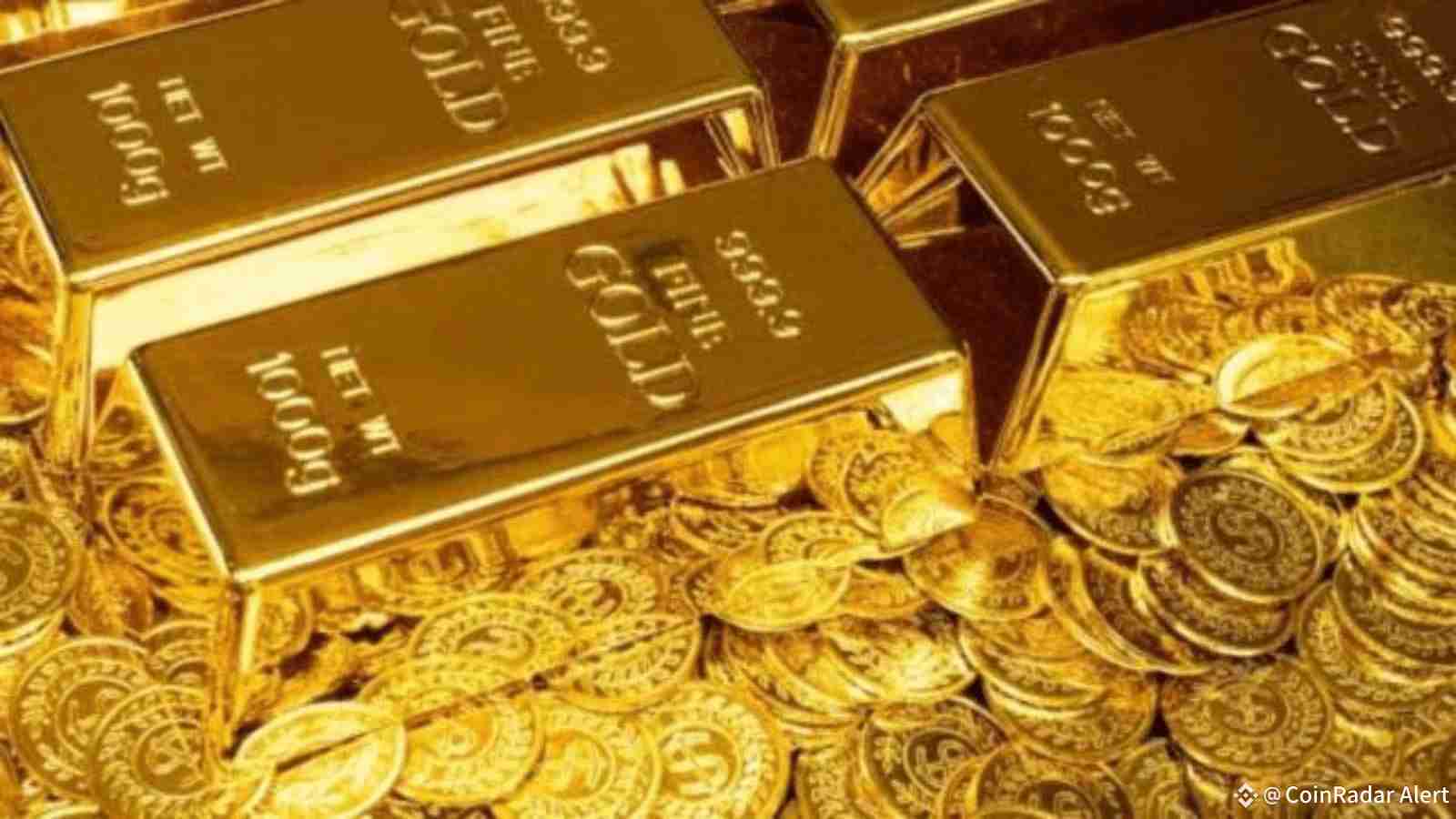
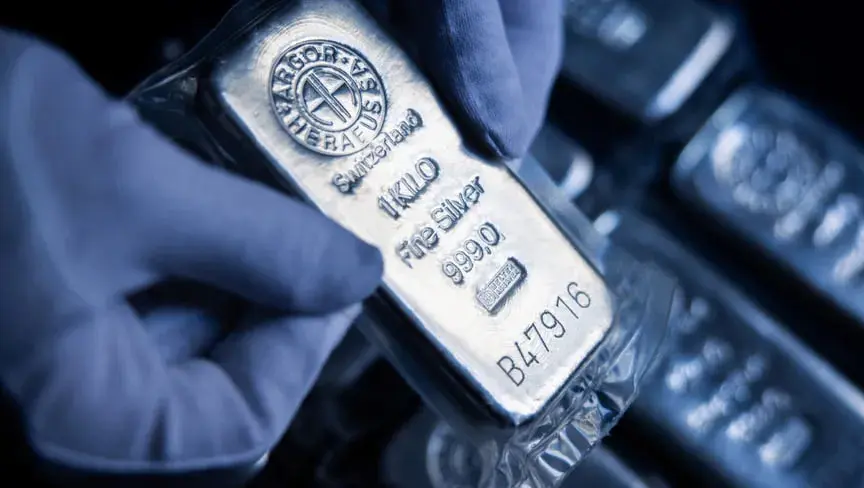
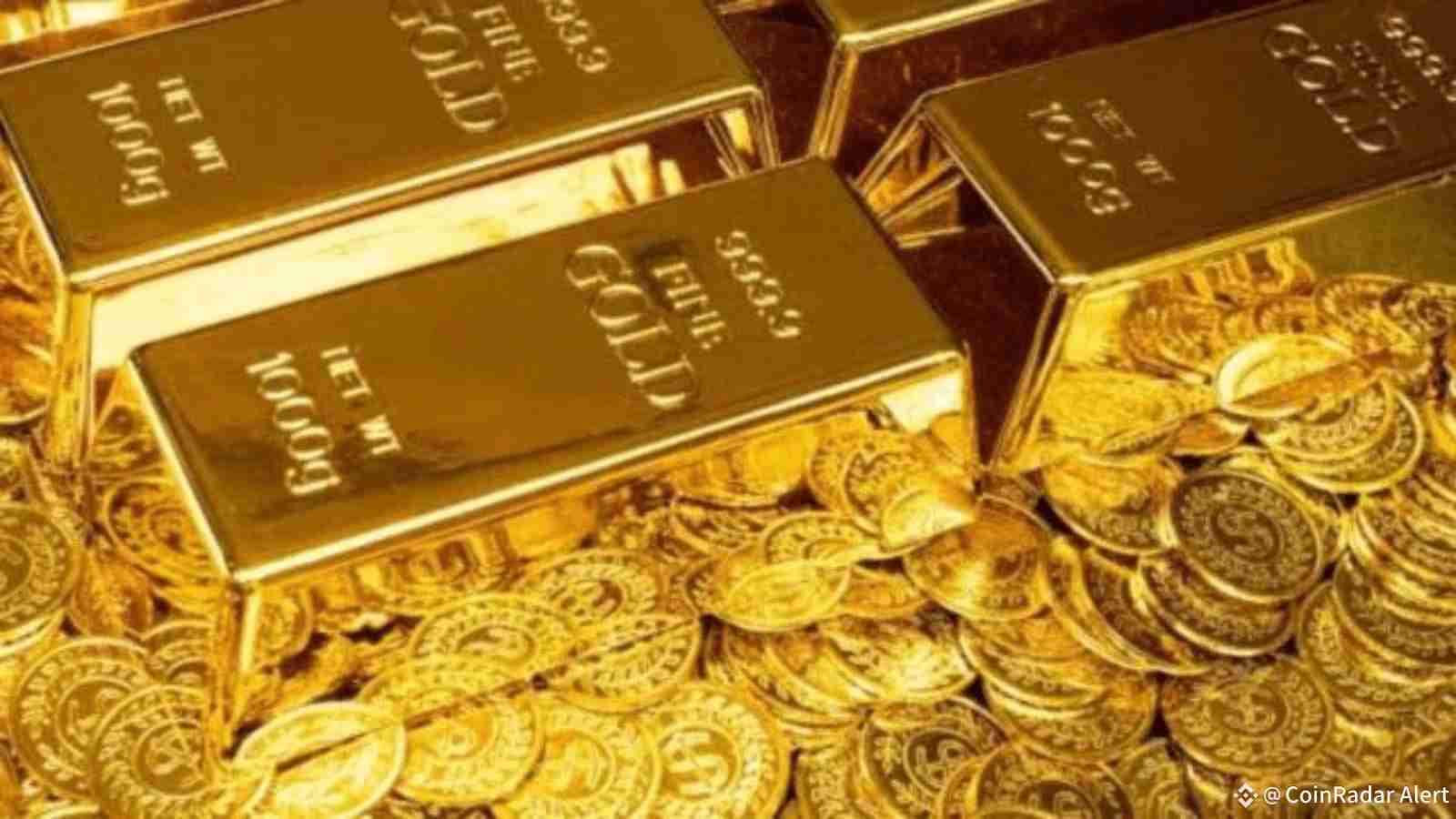
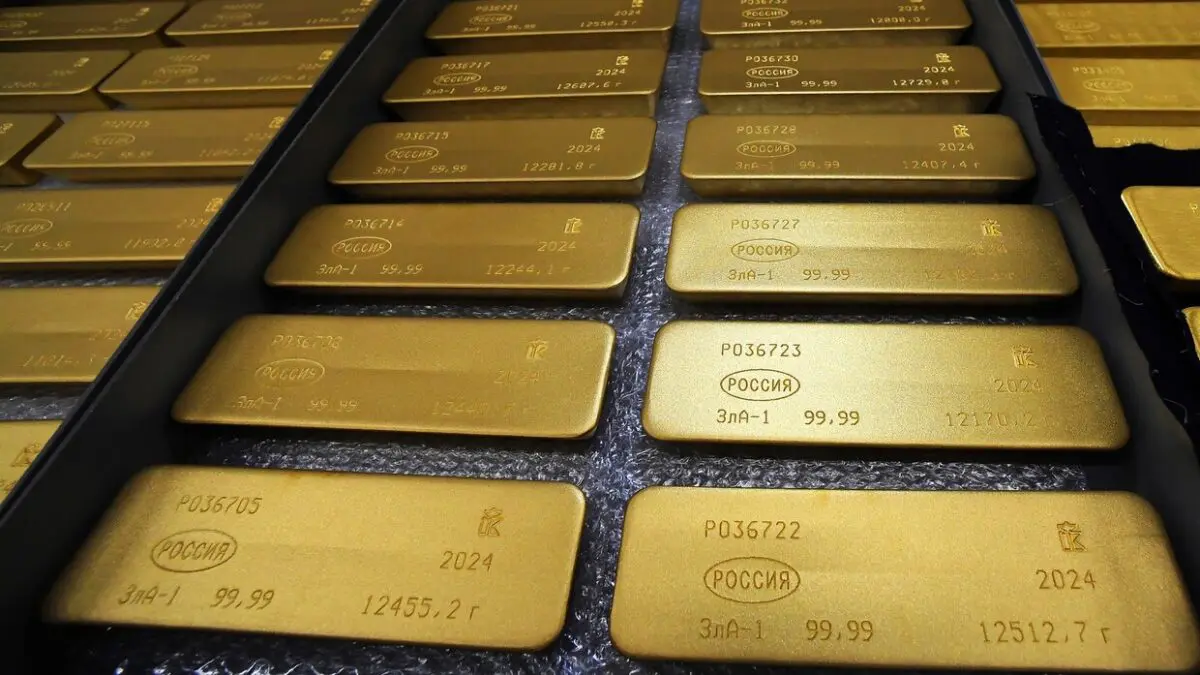
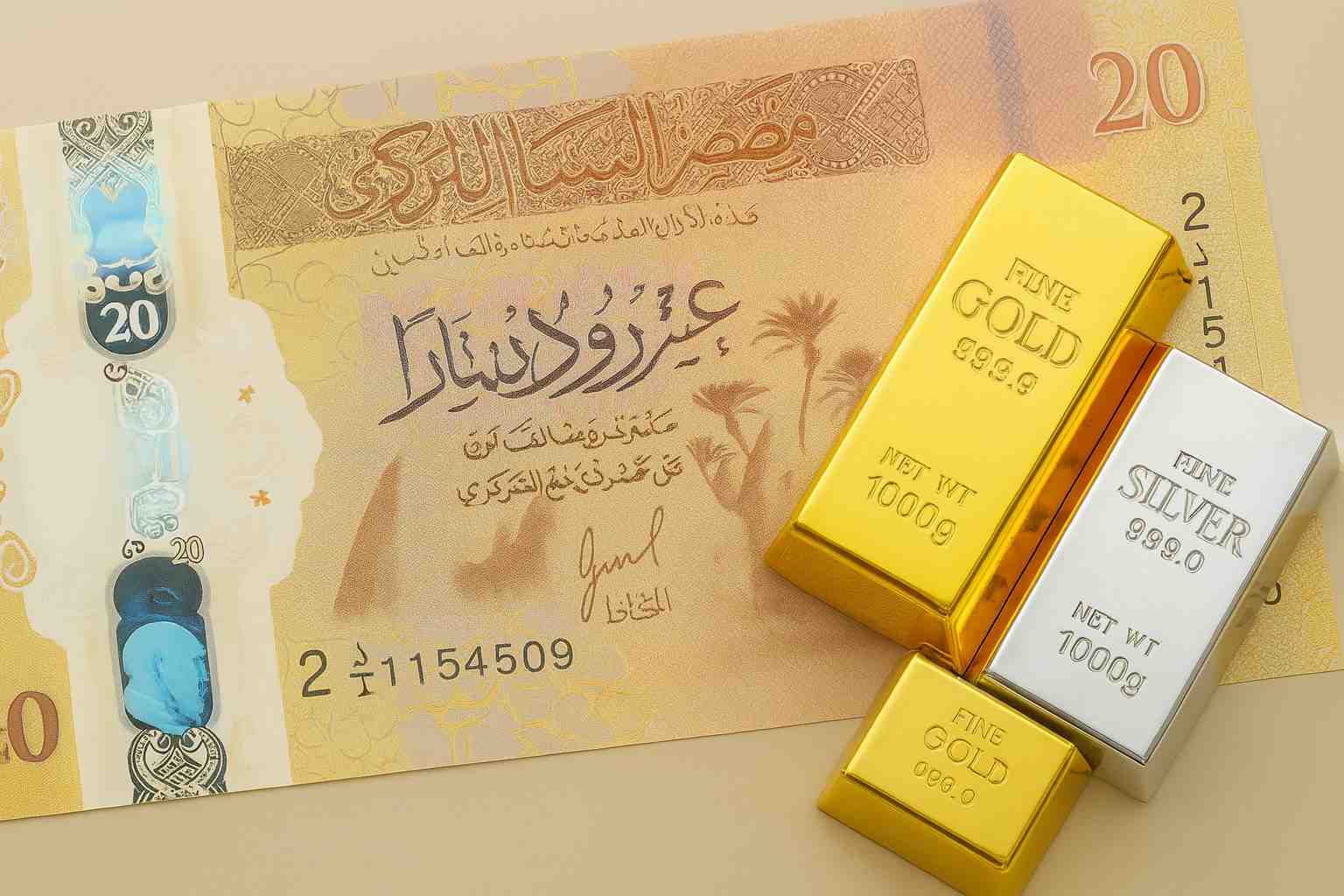
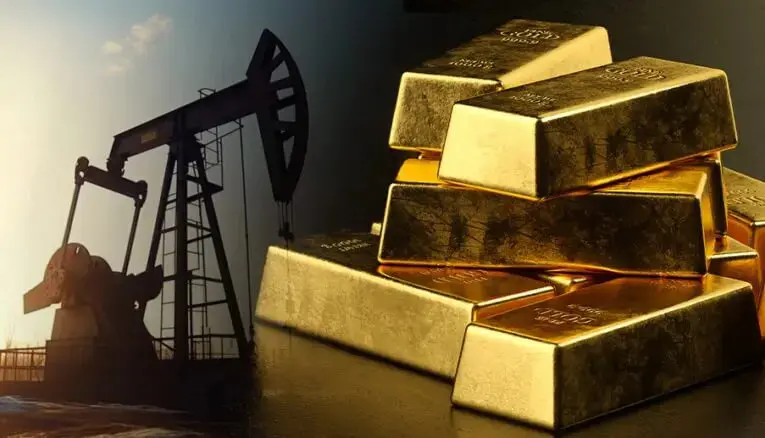
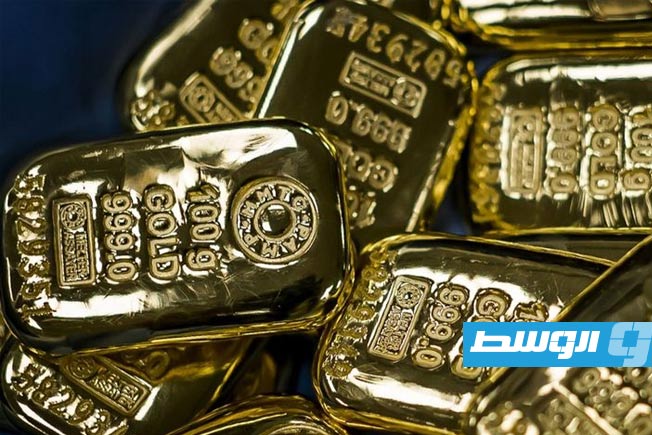
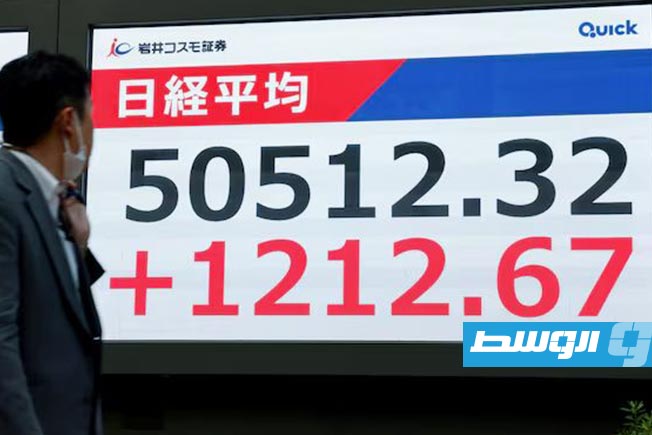
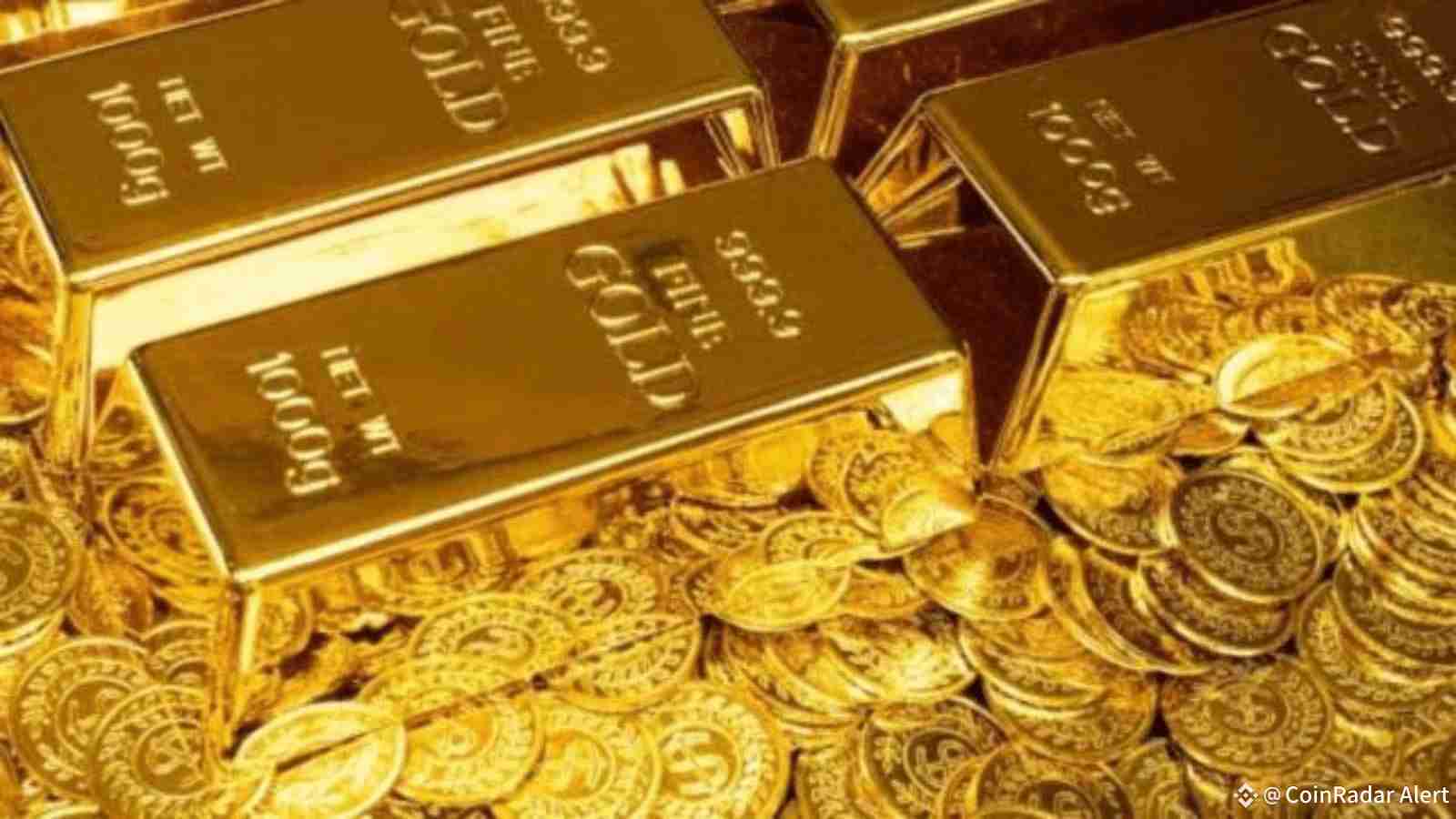
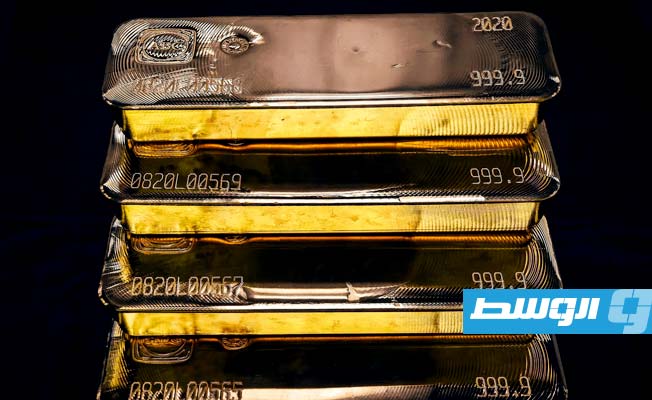
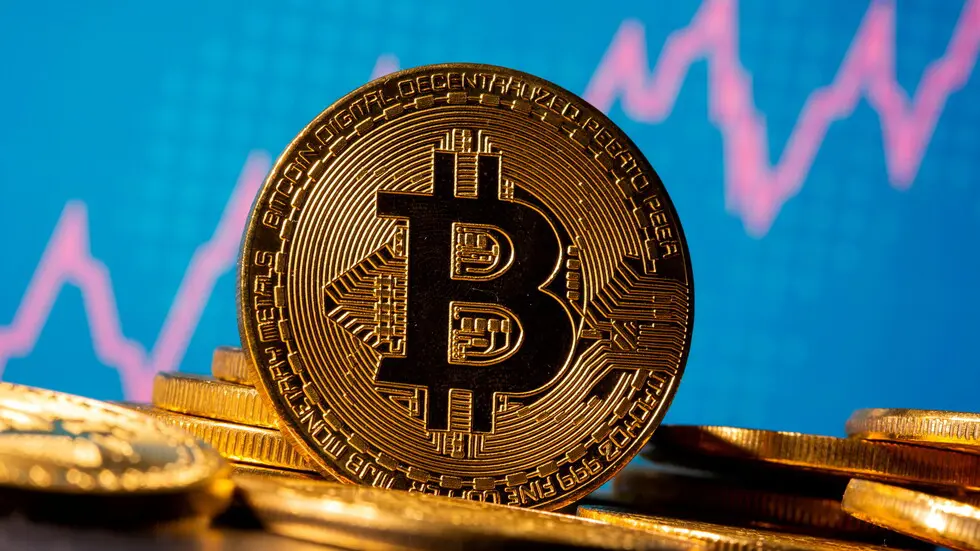
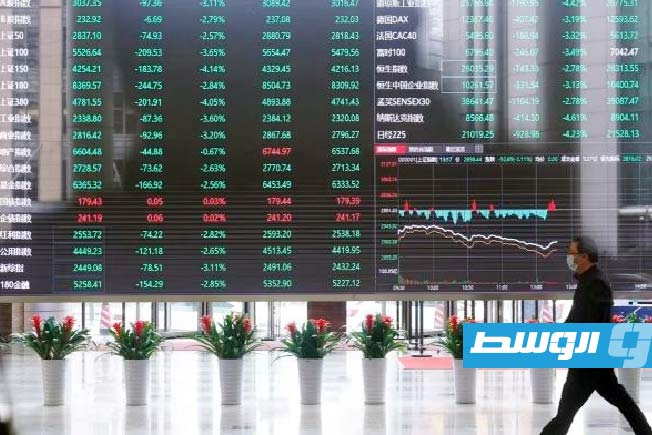
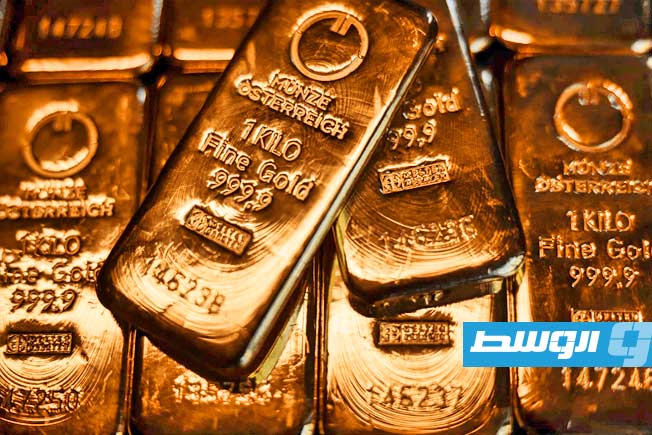
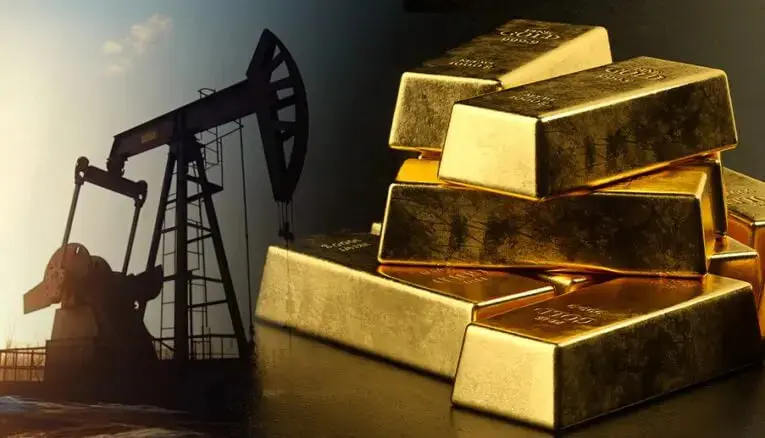
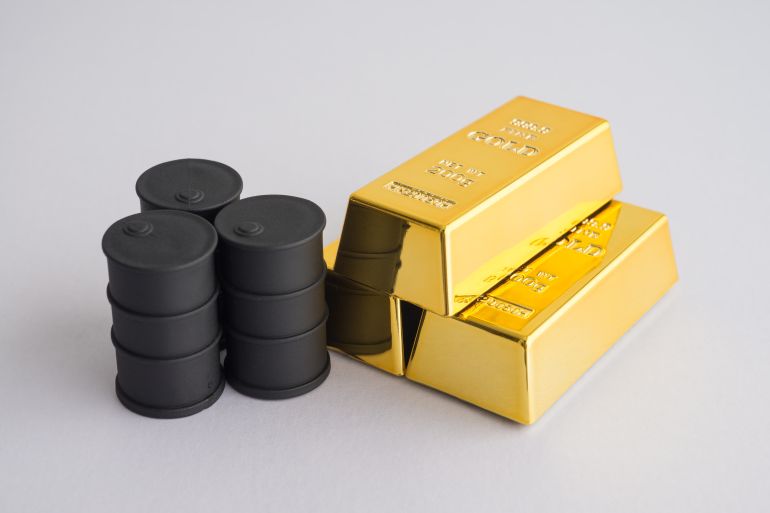
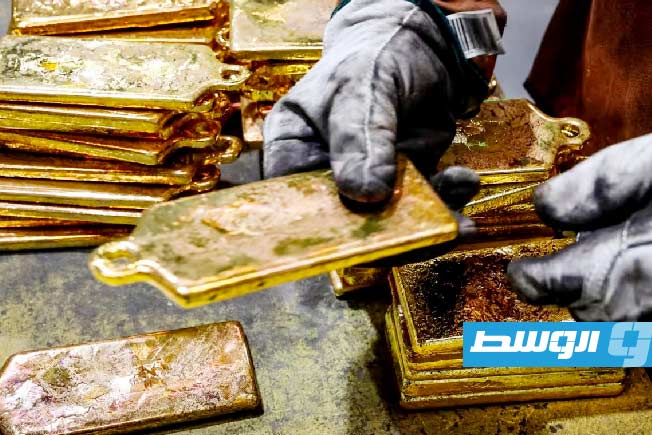
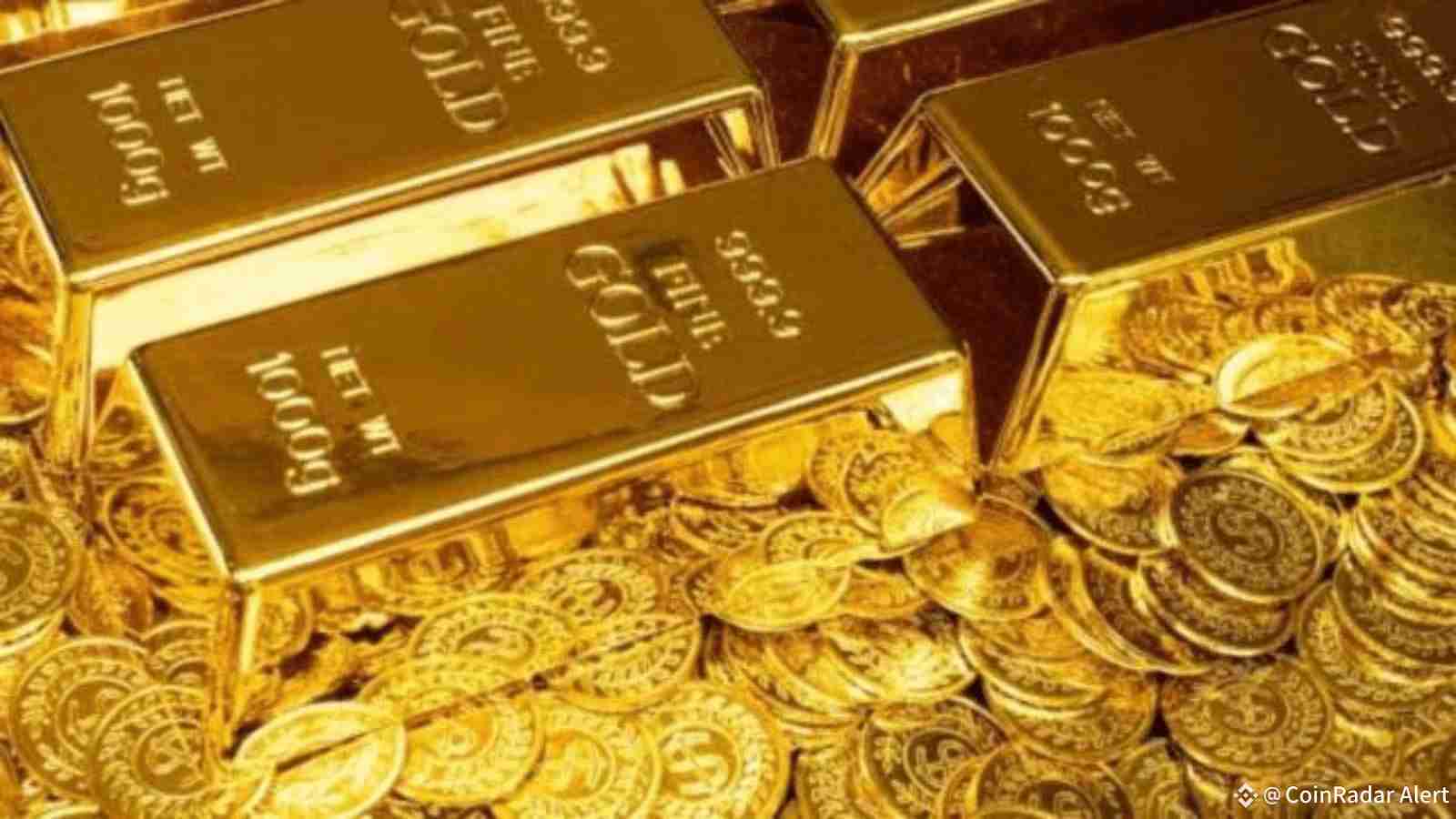
Gold prices continued to fall in trading on Monday after recording their largest decline in over a decade, while silver’s gains since the start of the year have evaporated as a record-breaking rally in precious metals prices collapsed with remarkable speed.
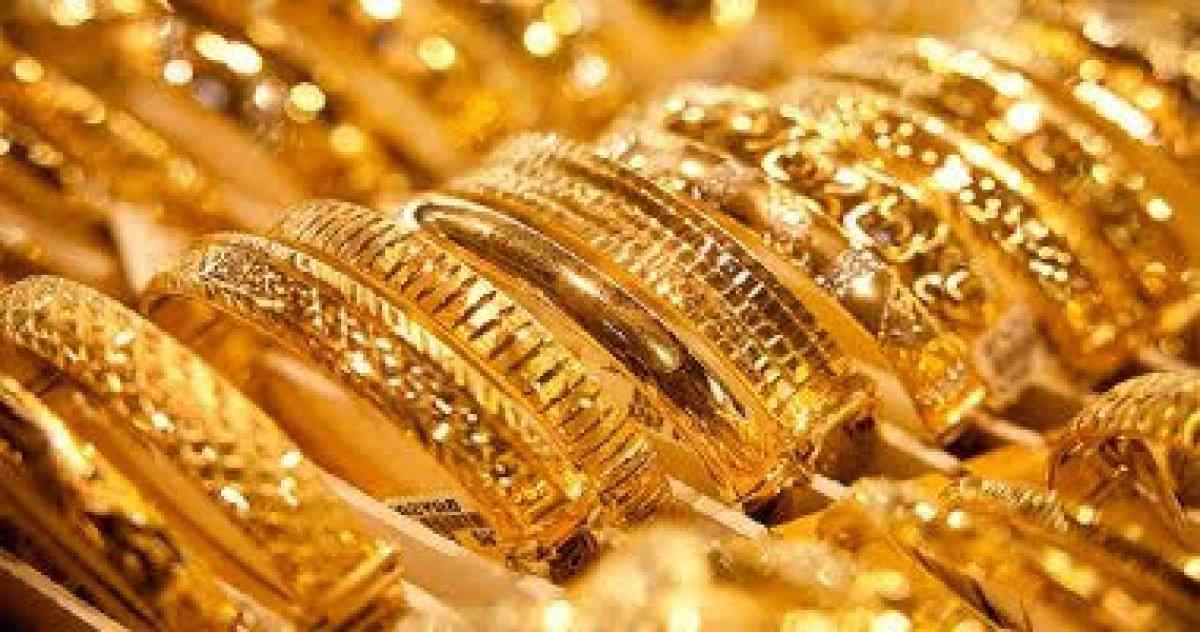
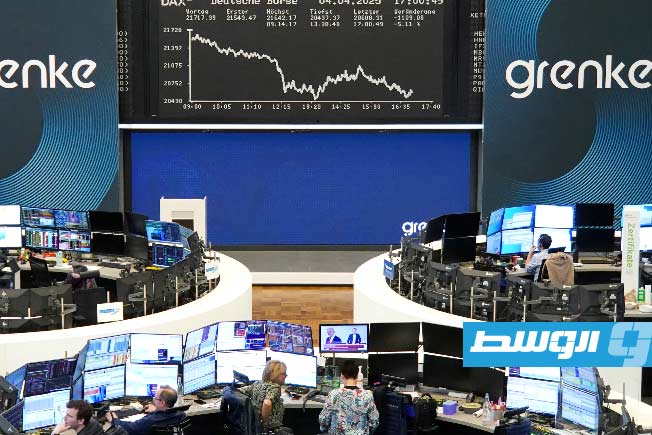
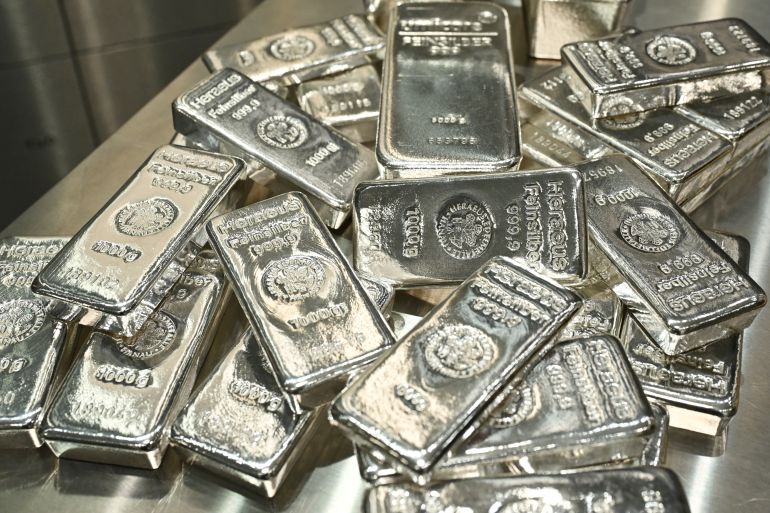
Spot gold selling prices fell by 10% on Monday, declining by roughly one-fifth from the all-time high recorded in the previous session. Silver also fell by nearly 16%, following a loss on Friday that was its largest on record.
A former precious metals trader commented: “The bottom line is that trading was extremely crowded,” adding that “hesitation to take on more risk would constrain market liquidity.”
Historic High for Precious Metals
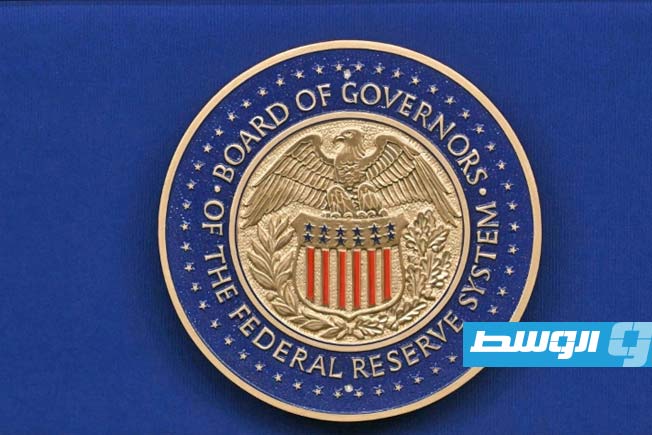
Precious metals had risen to historic levels, and this ascent accelerated sharply during the past month of January, as investors rushed to buy gold and silver driven by renewed fears regarding geopolitical tensions linked to Venezuela, Iran, and Greenland, and a perceived decline in the independence of the US Federal Reserve.
Commenting on the situation, the head of trading at an investment management firm stated: “Most buyers who were already in profit are on the verge of exiting, ready to get out at any moment.”
He added that “the intense selling was largely driven by physically-backed exchange-traded funds, as well as leveraged financial derivatives.”
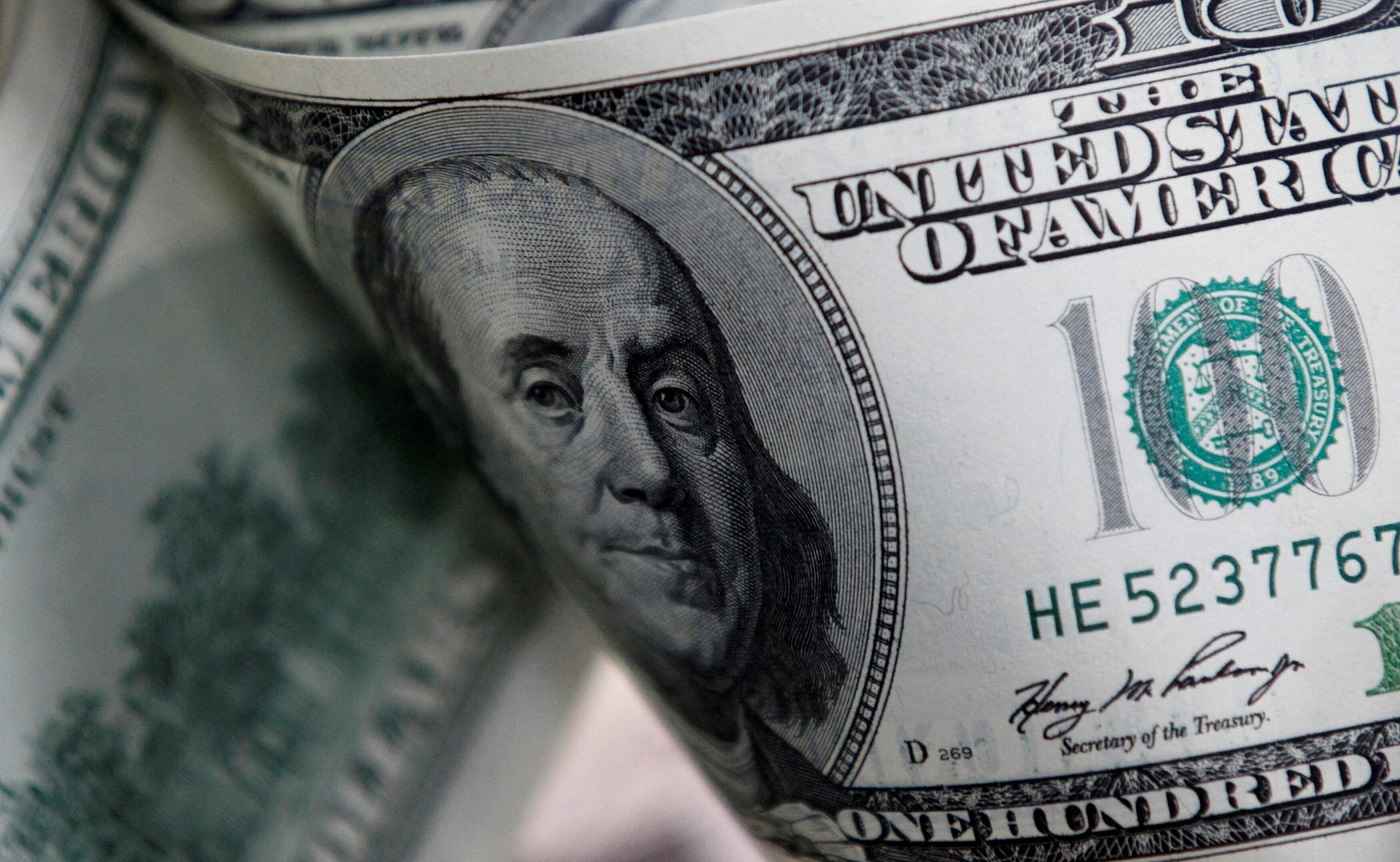
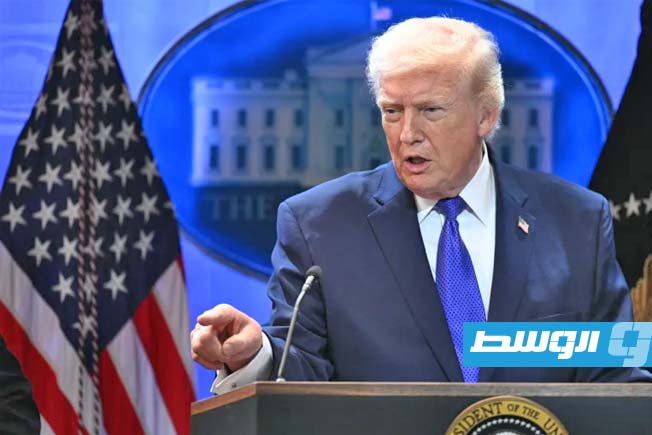
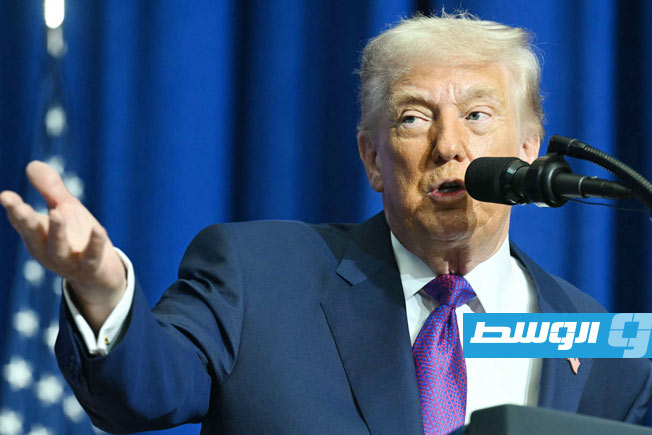
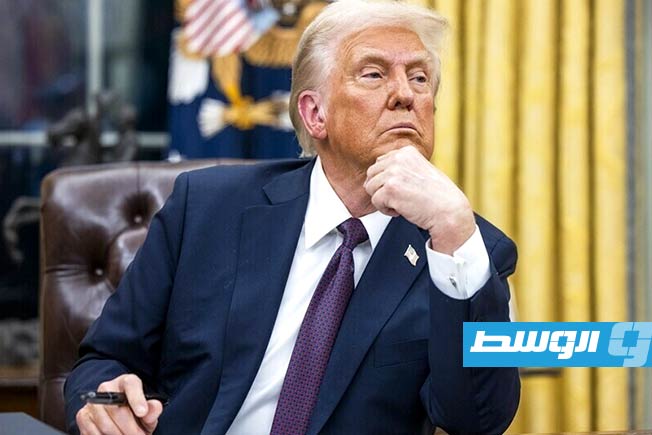
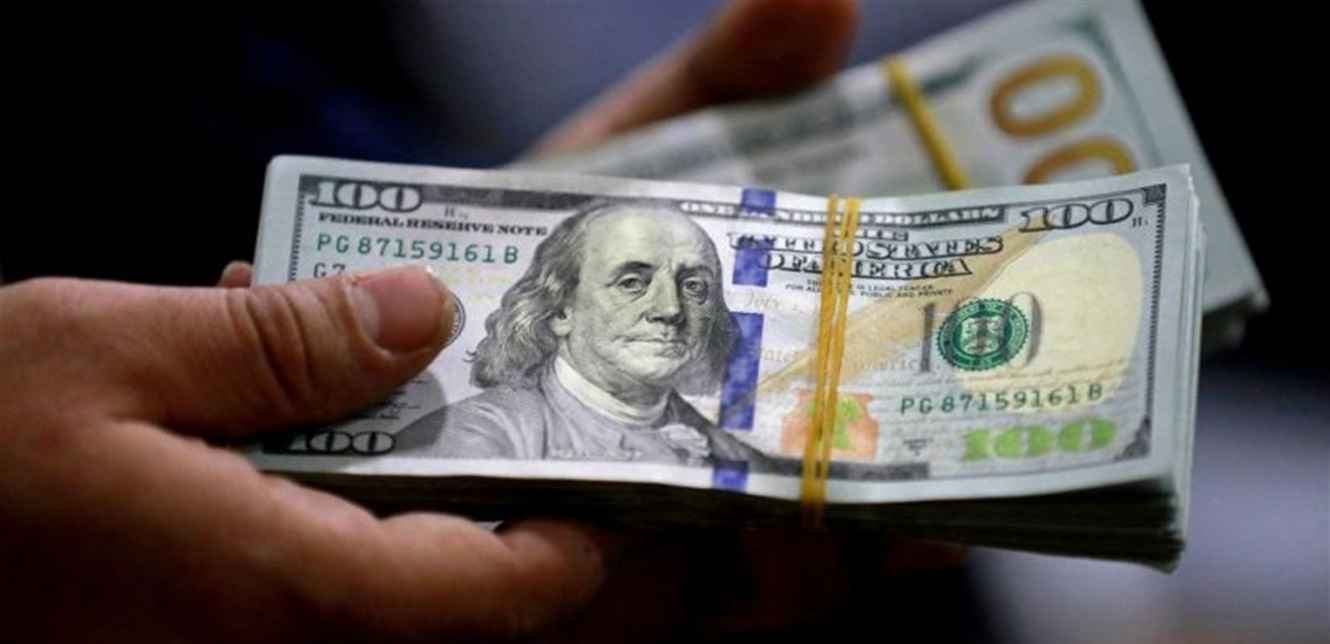
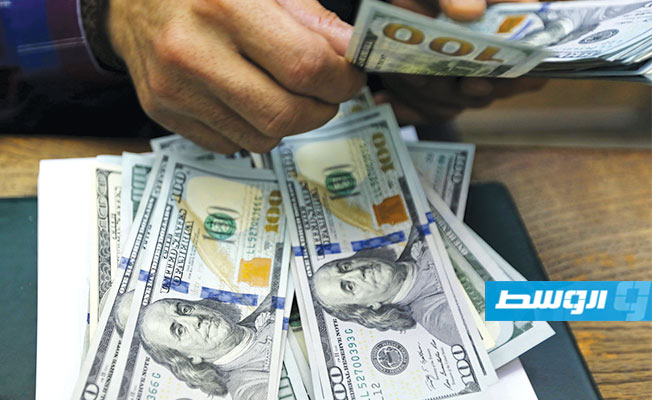
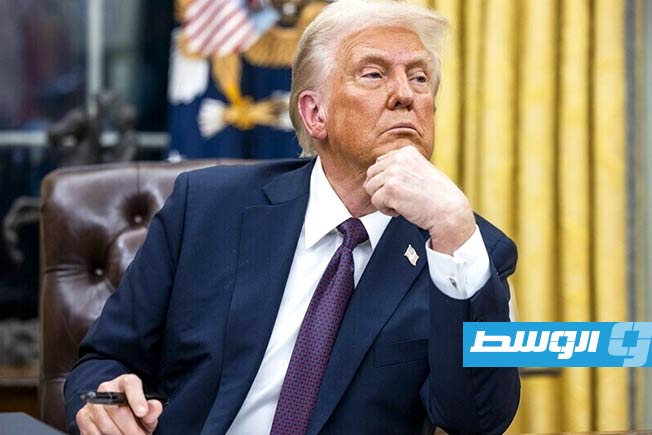
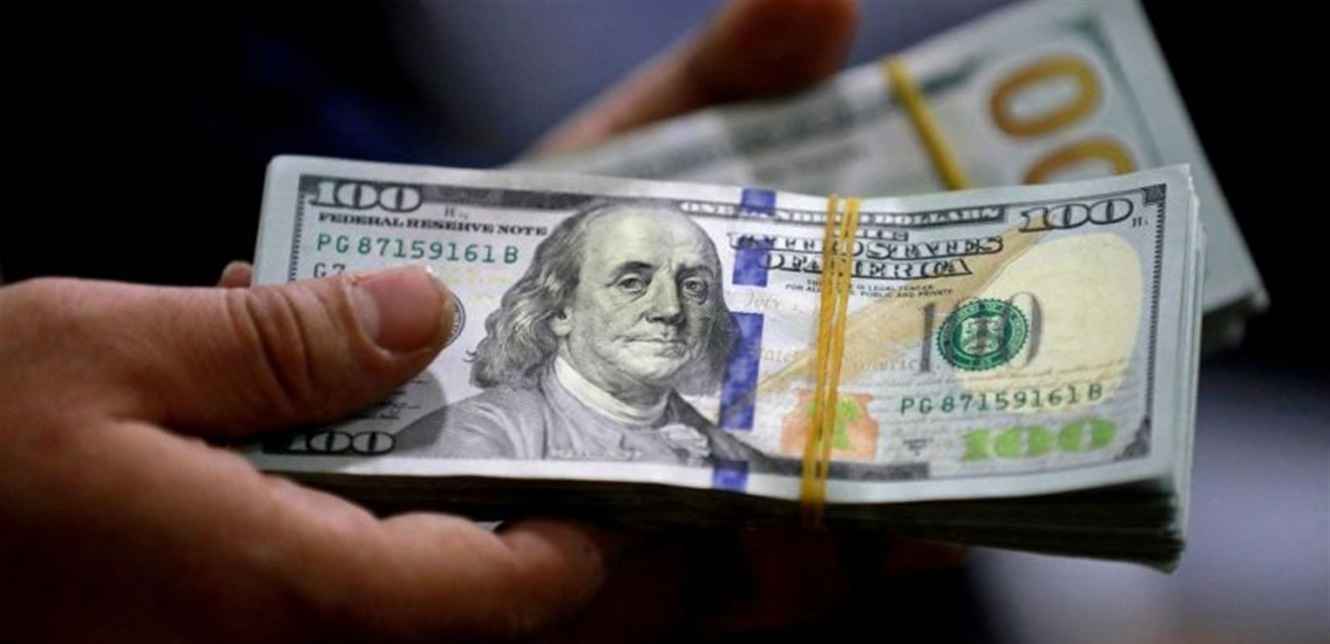
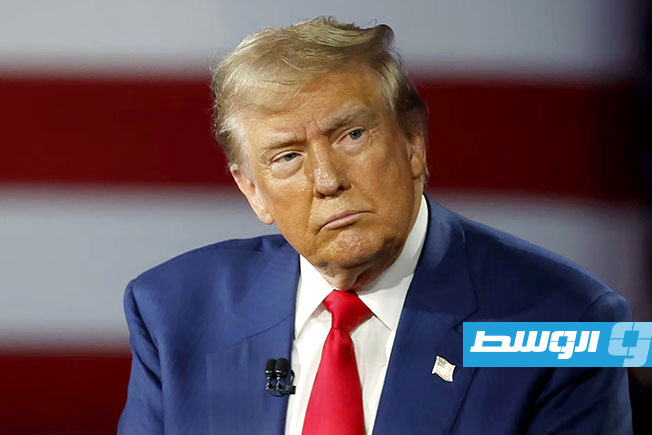
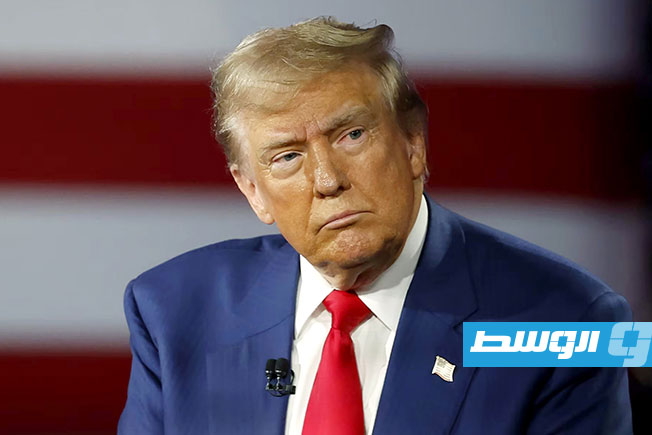
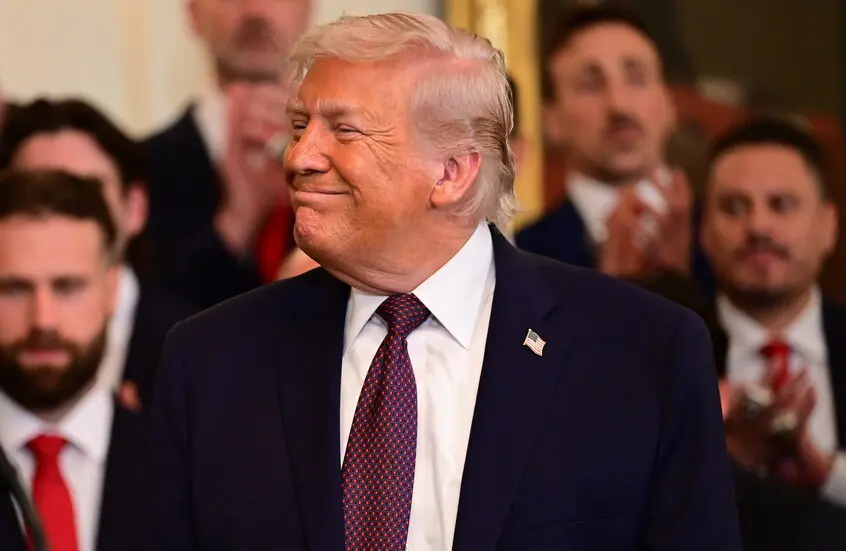
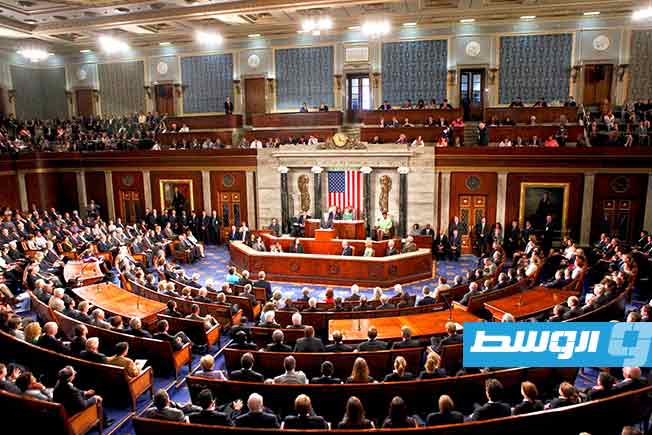
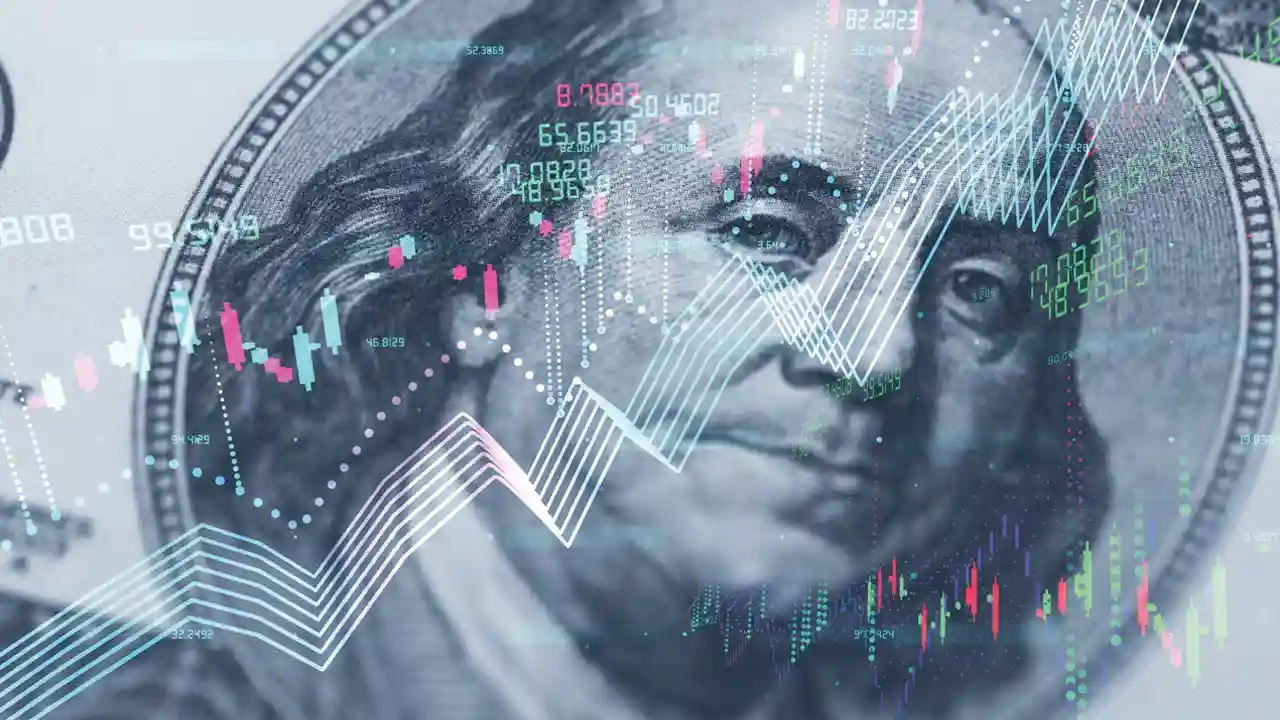
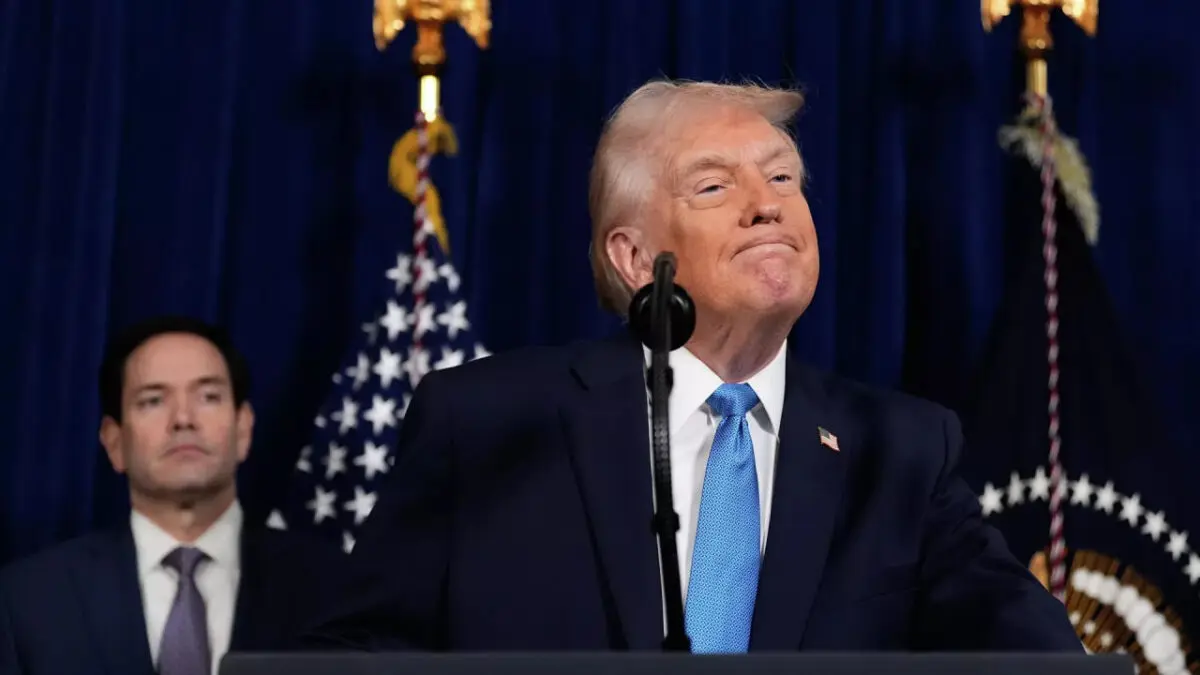
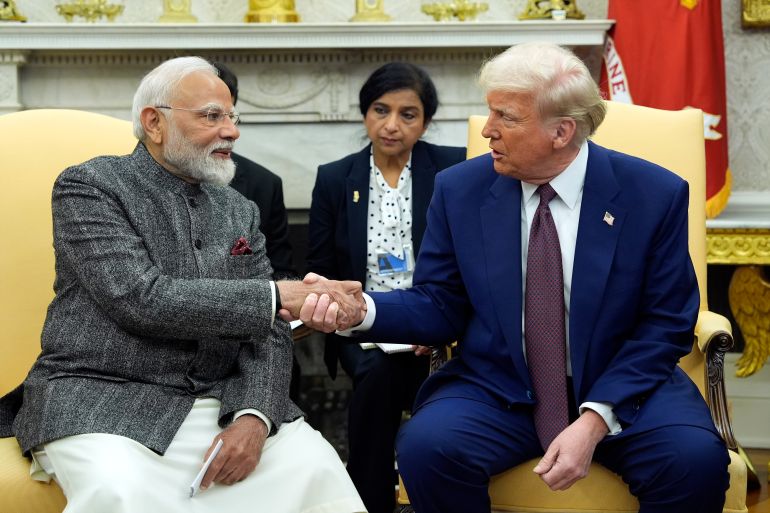
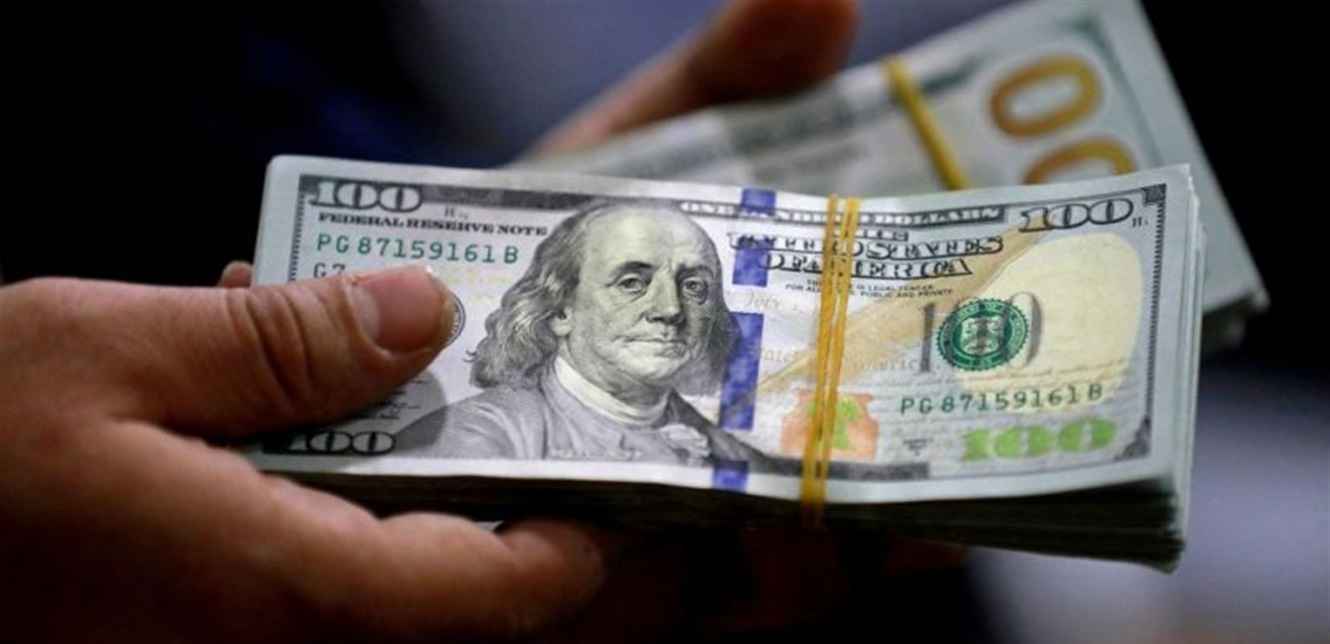
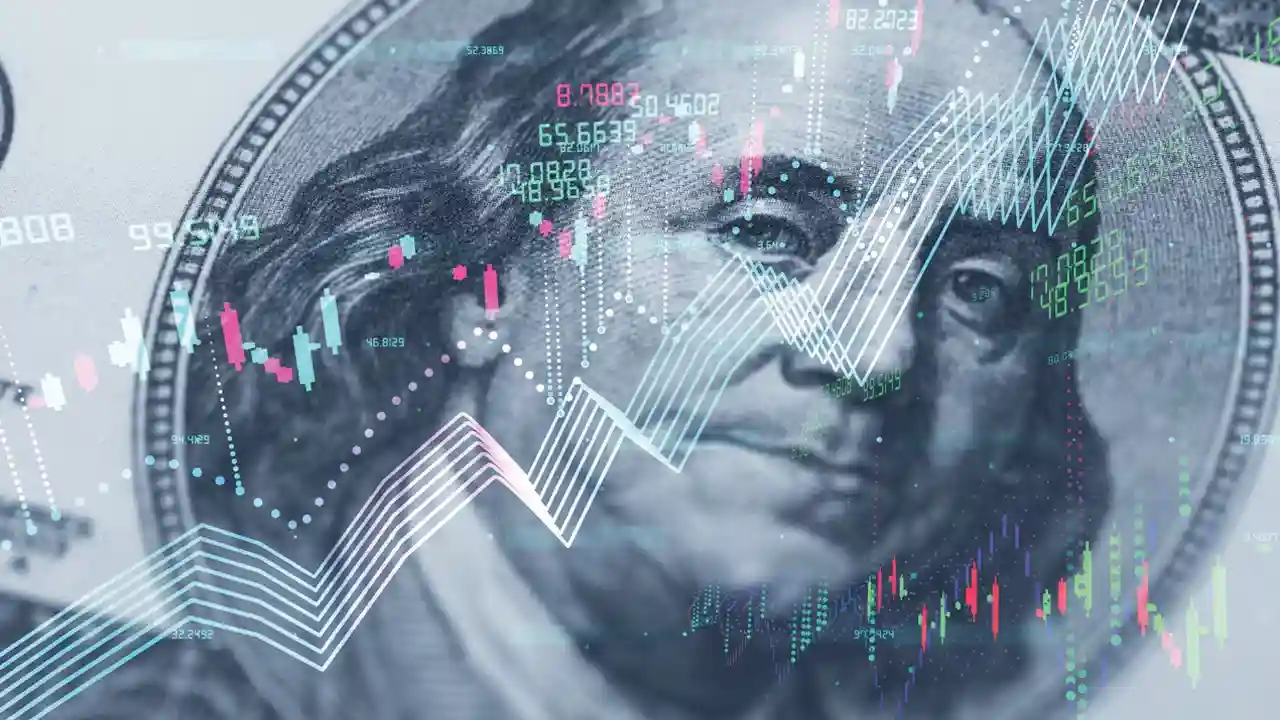
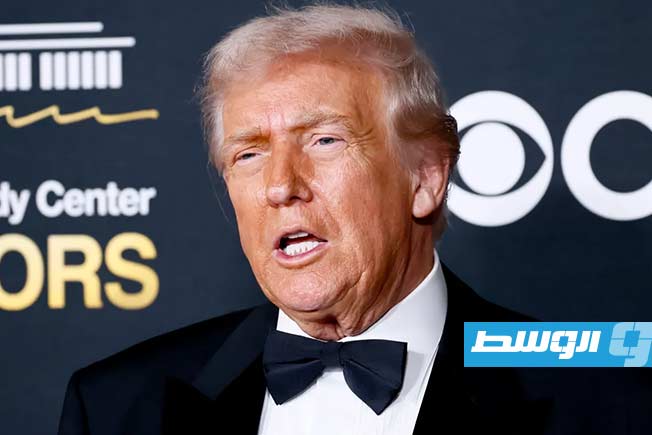
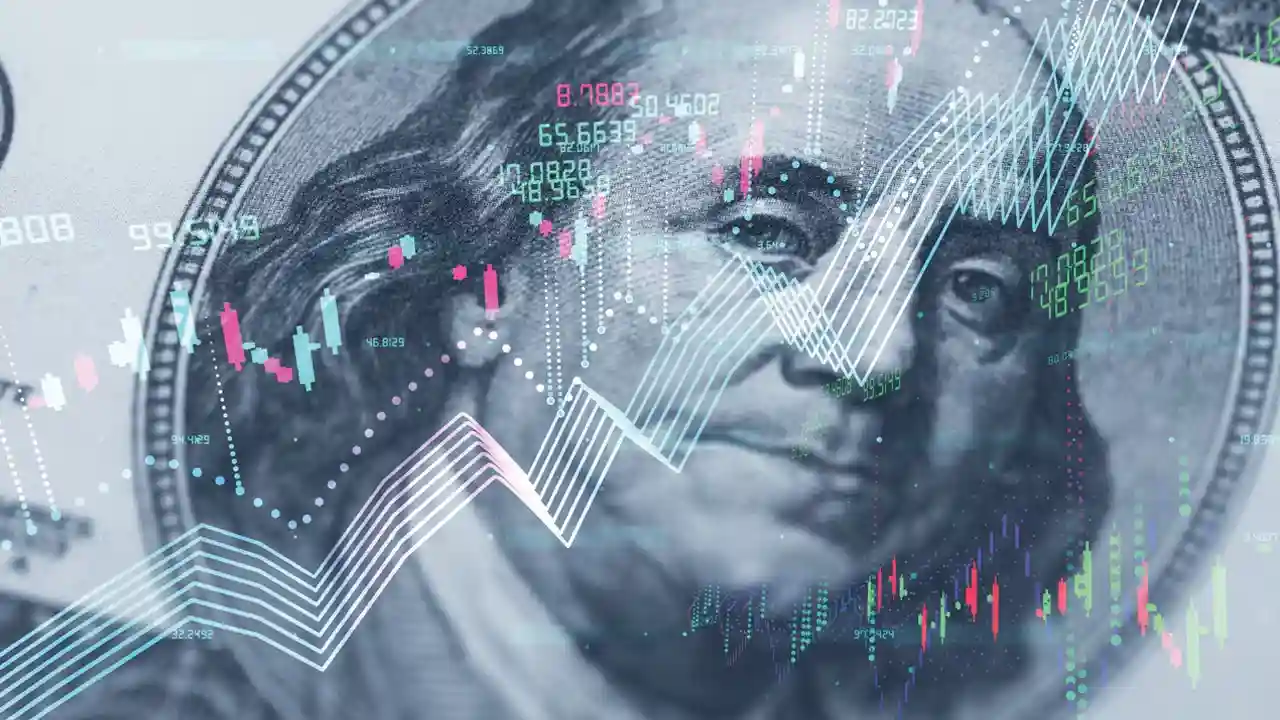
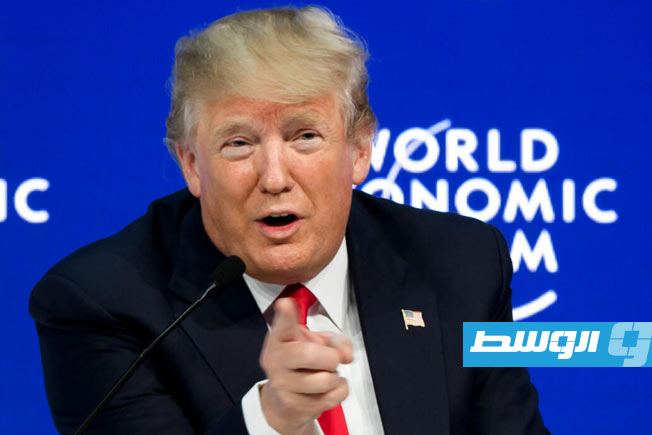
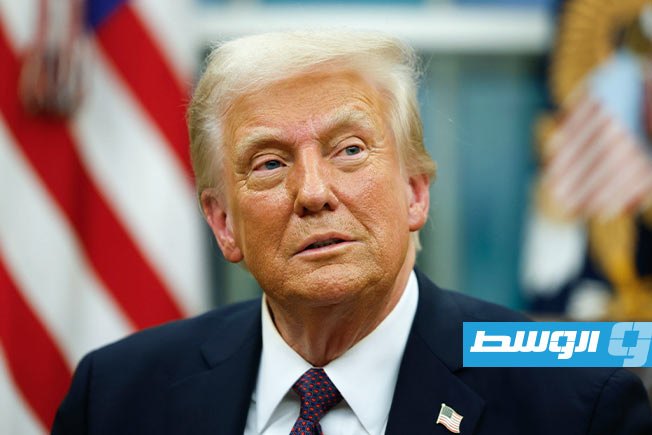
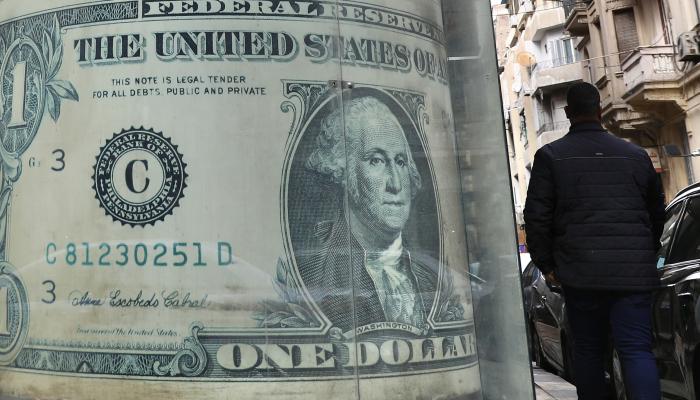
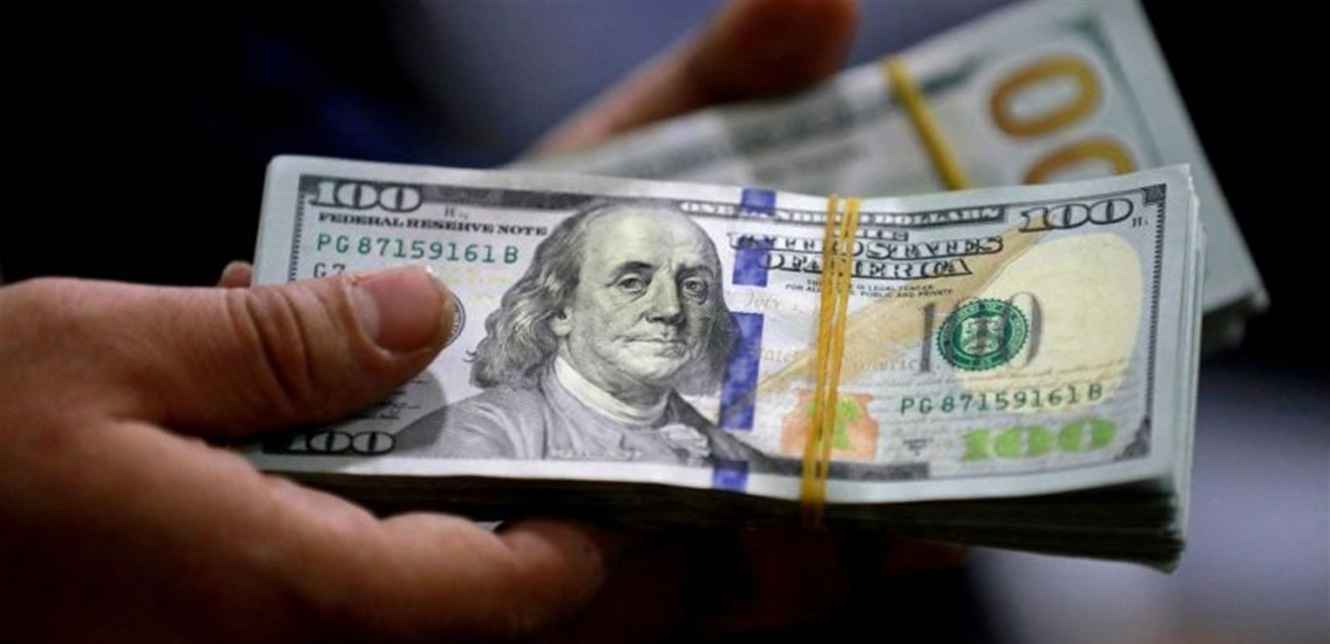
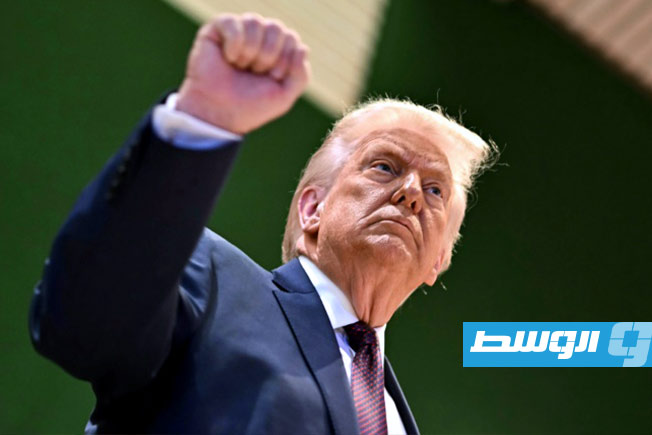
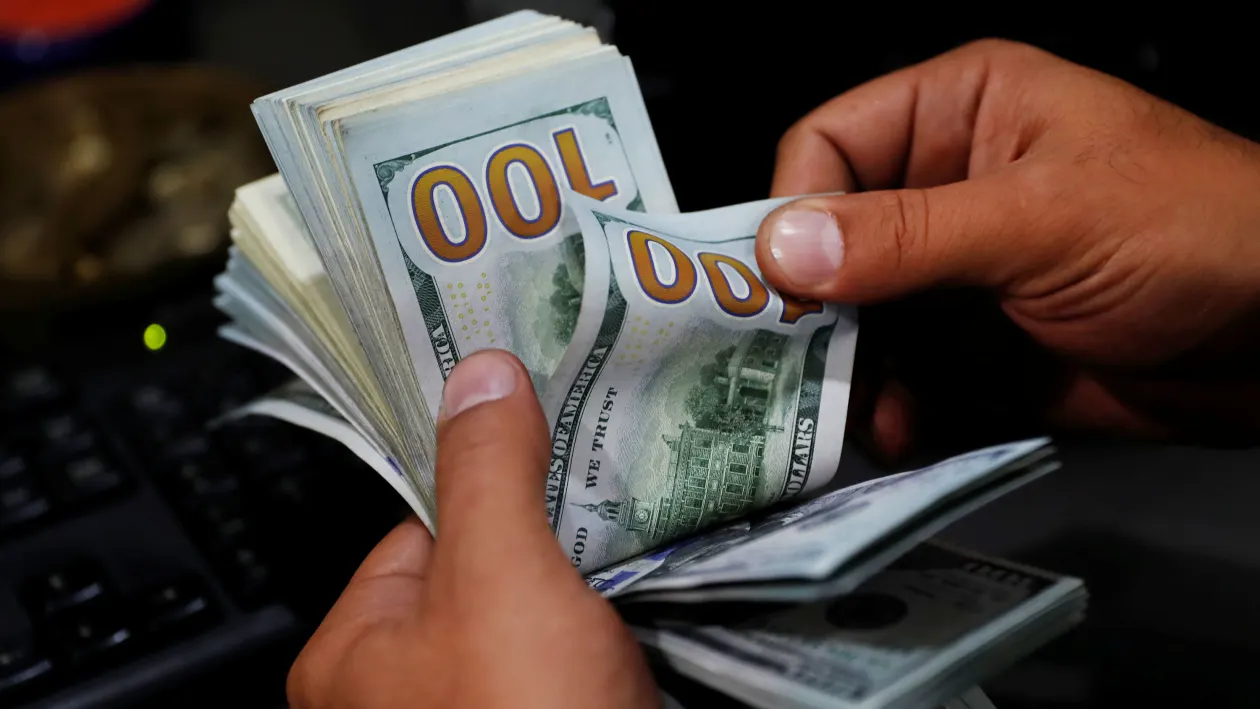
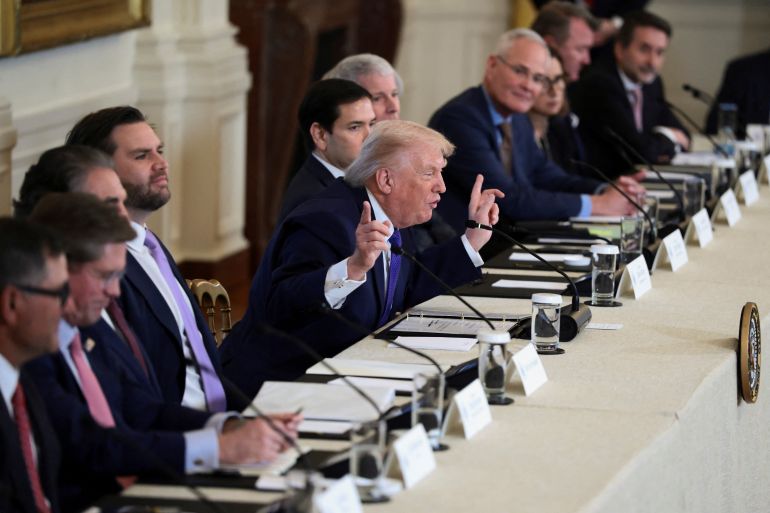
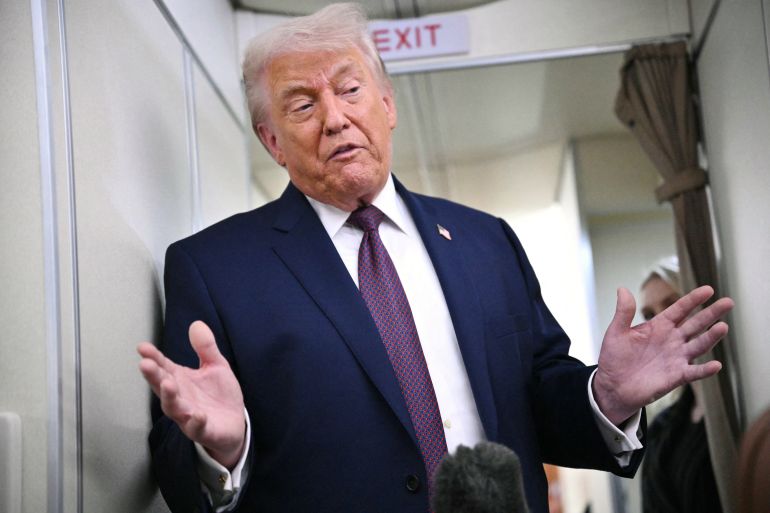
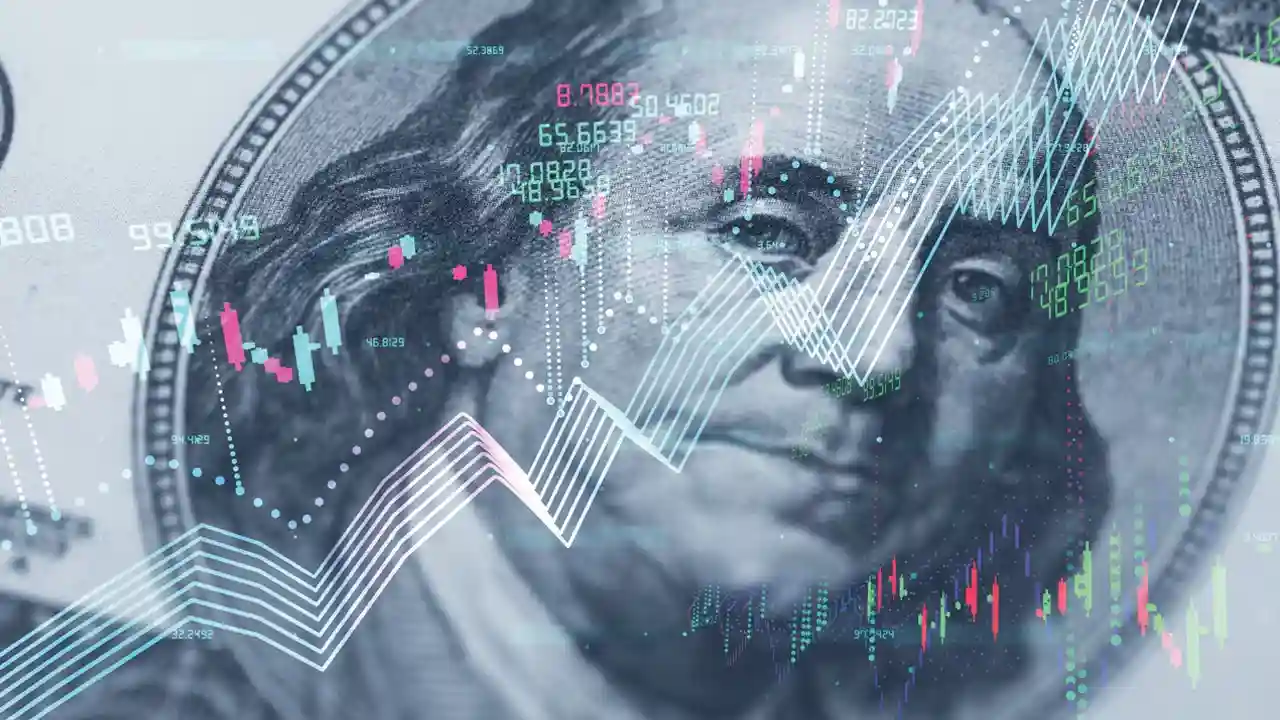
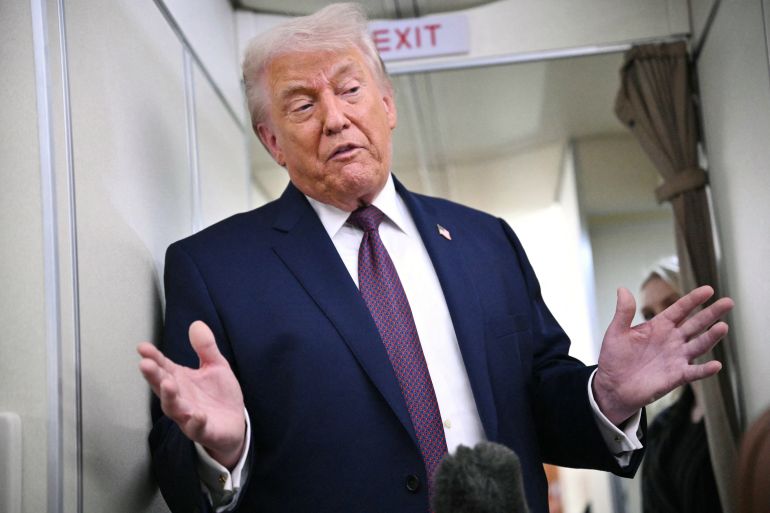
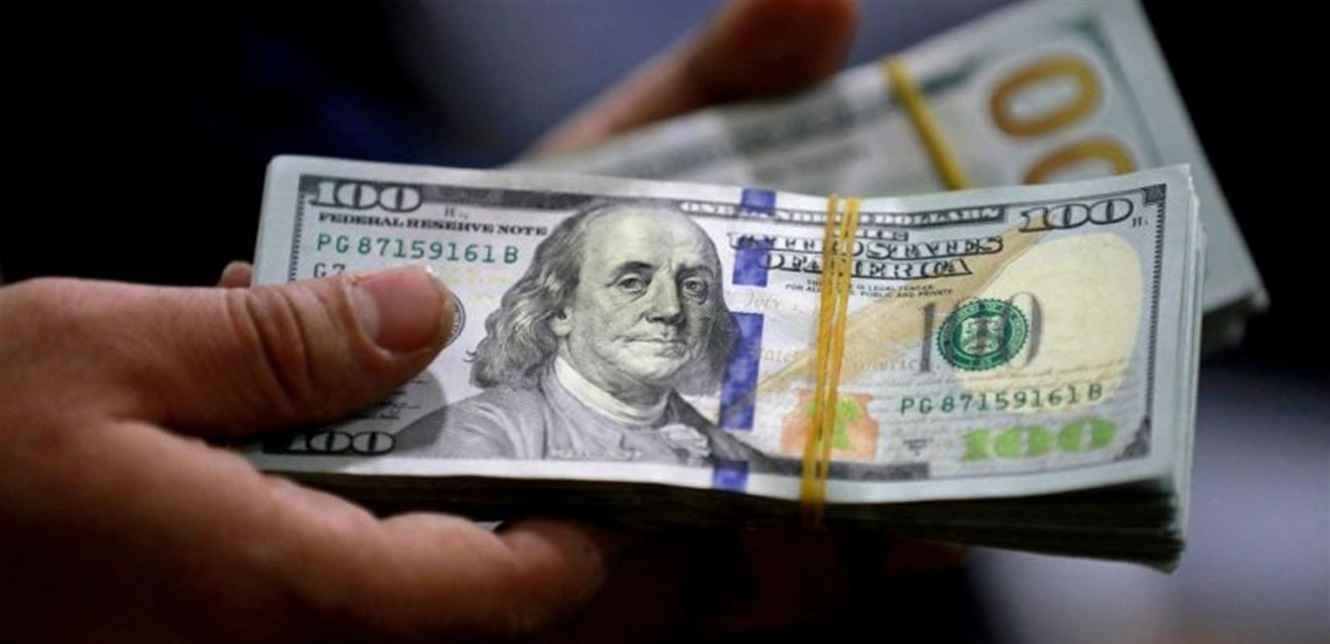
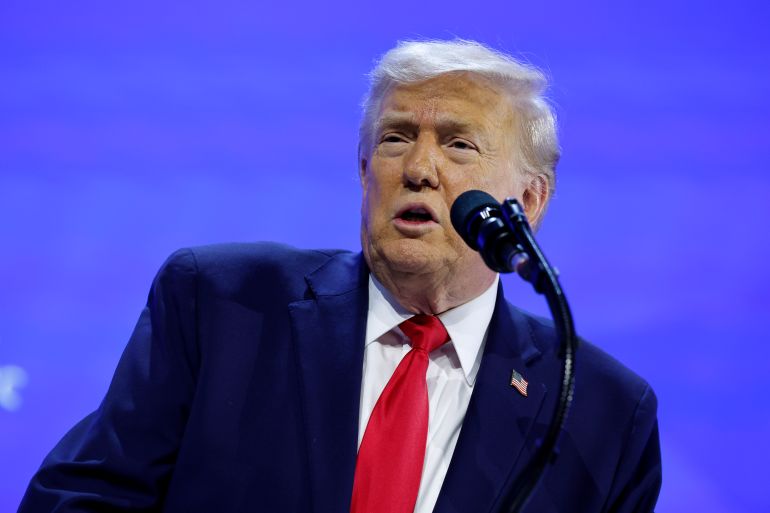
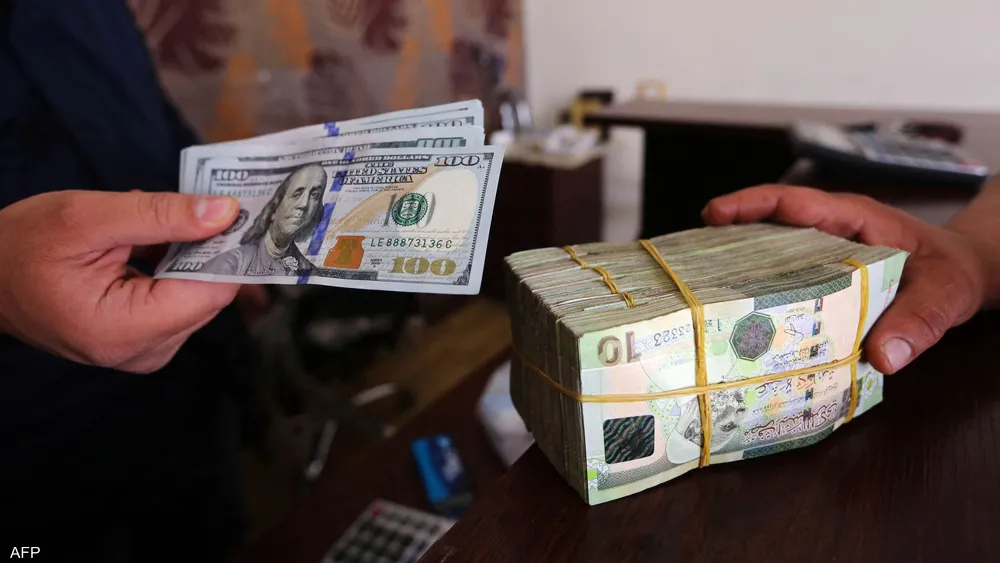
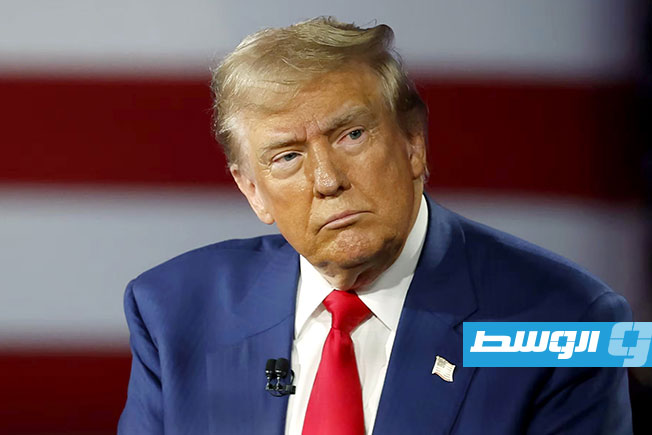
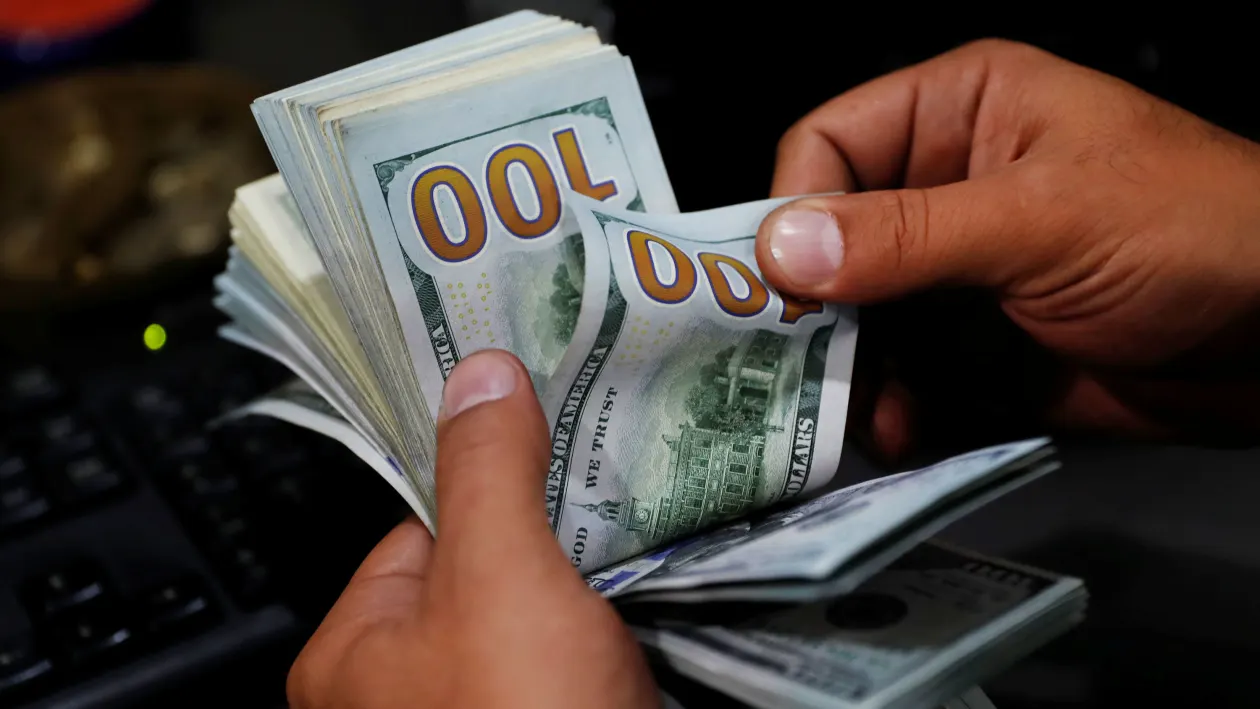
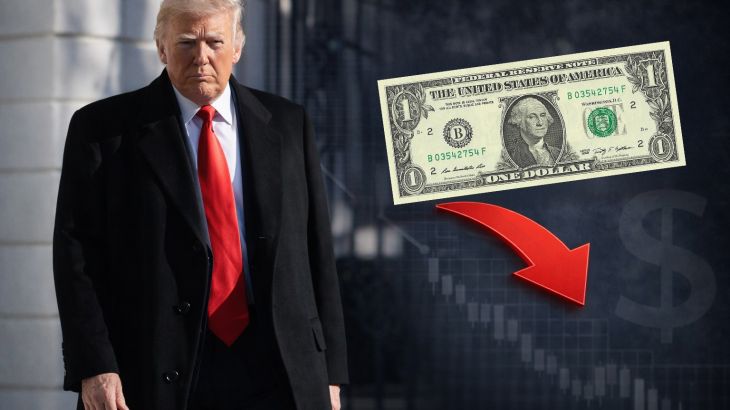
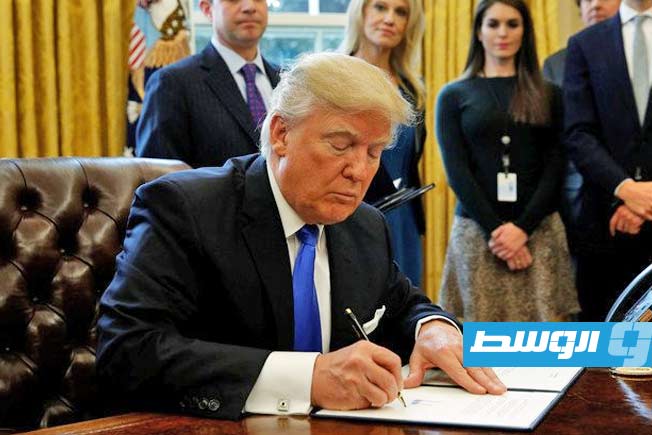
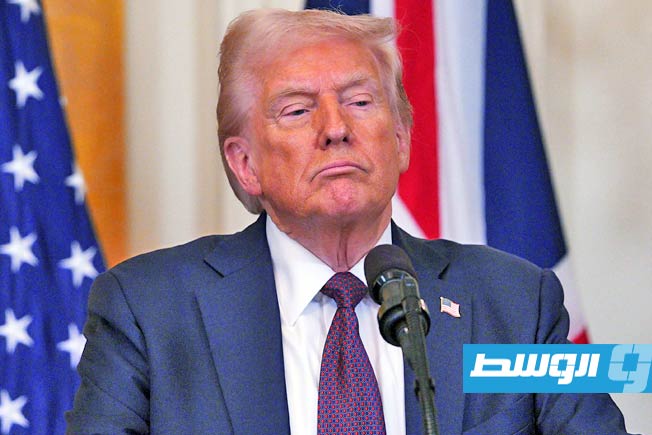
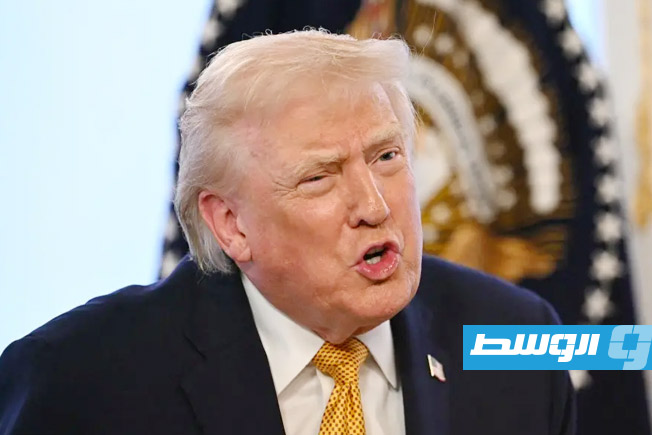
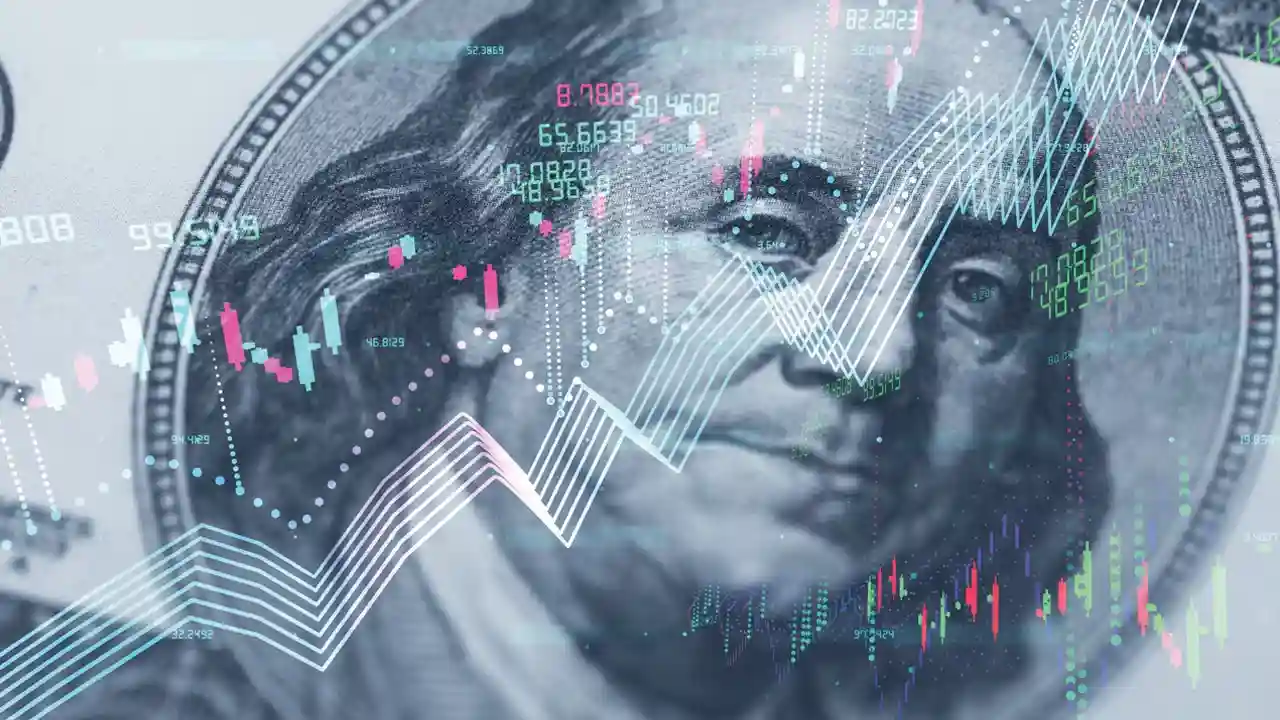
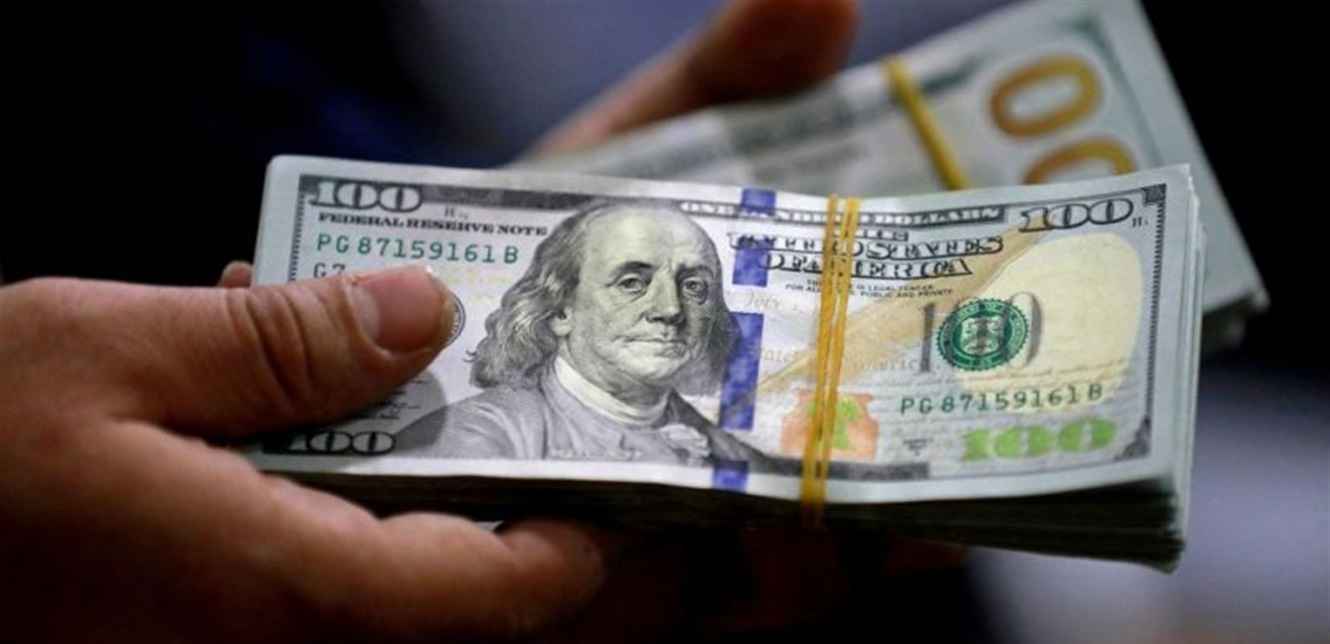
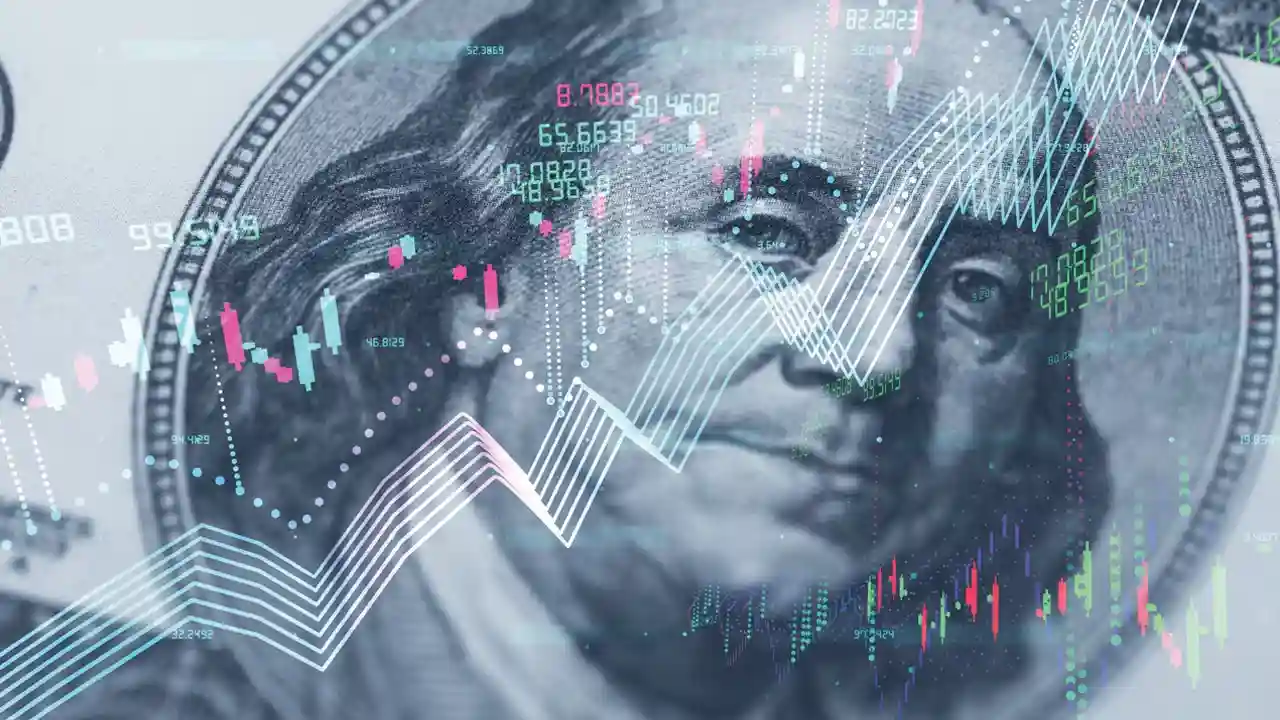
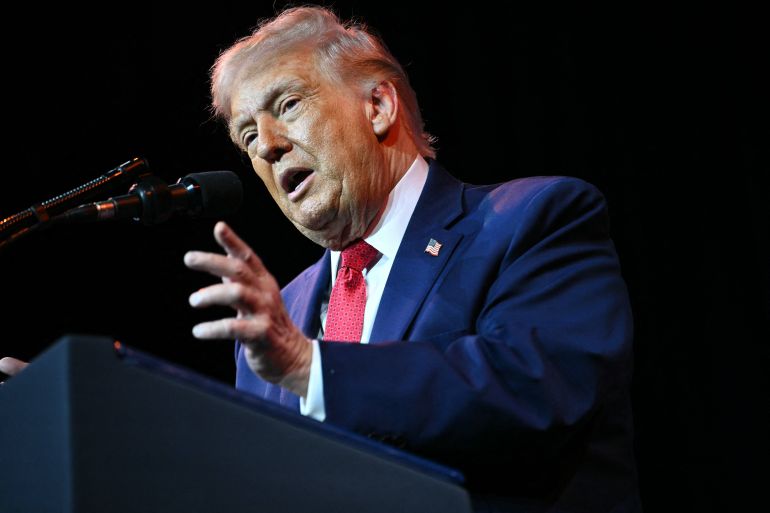
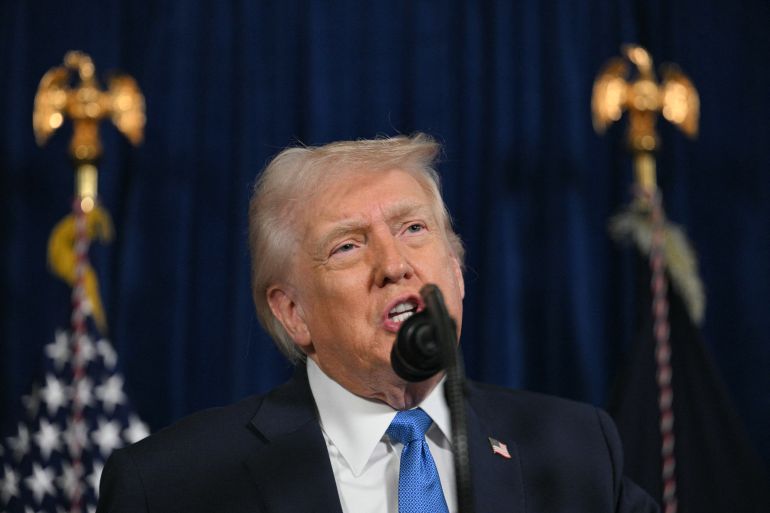
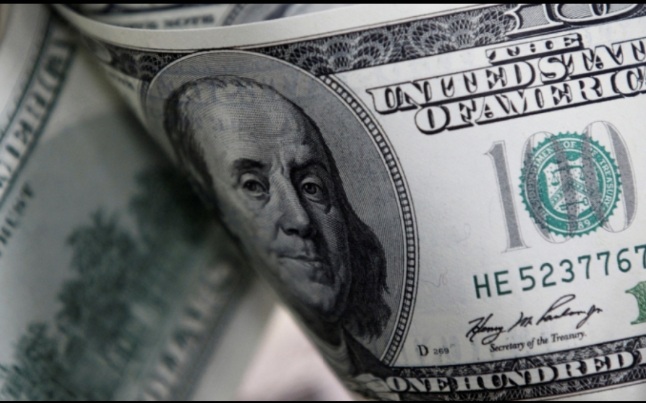
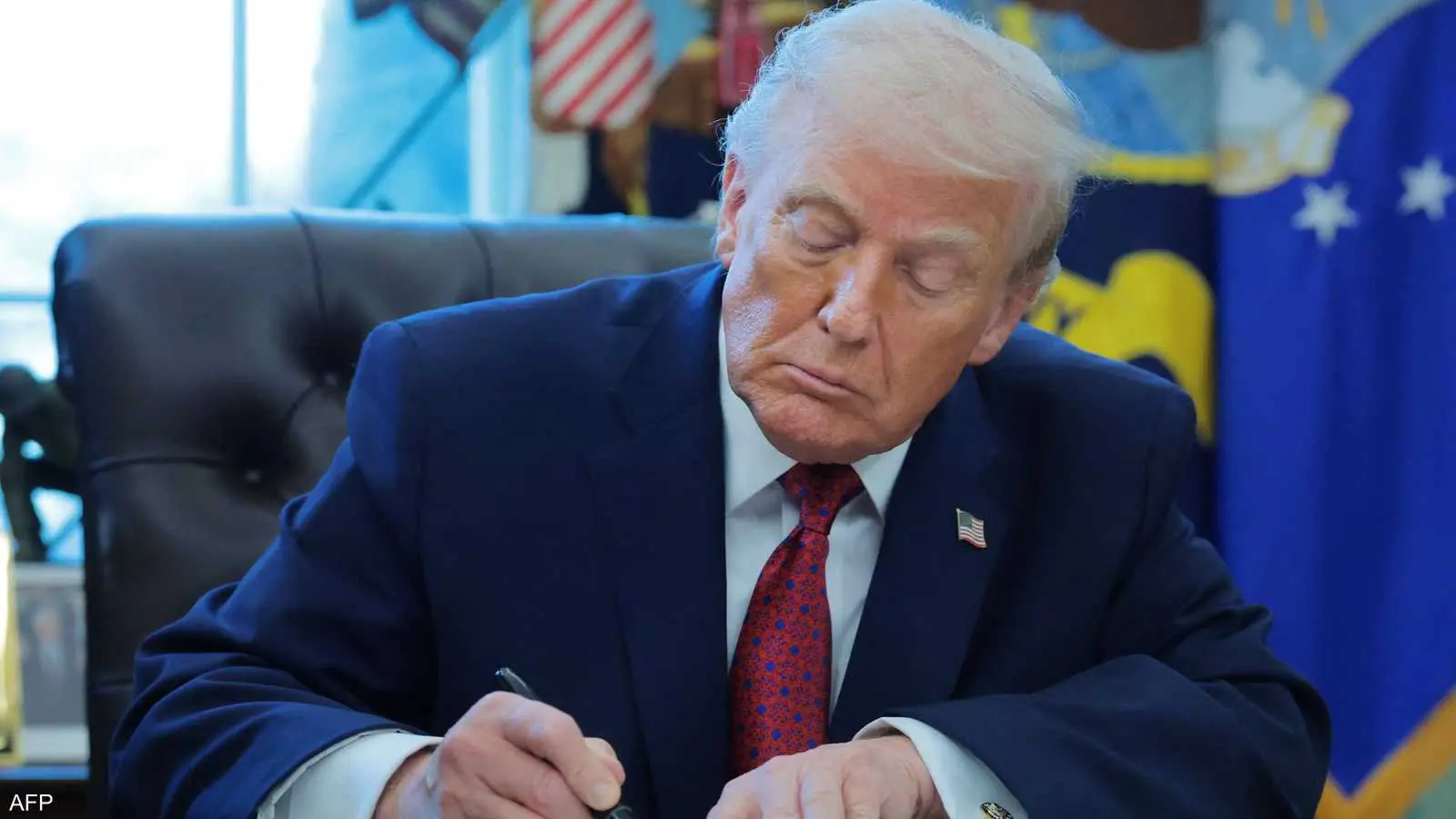
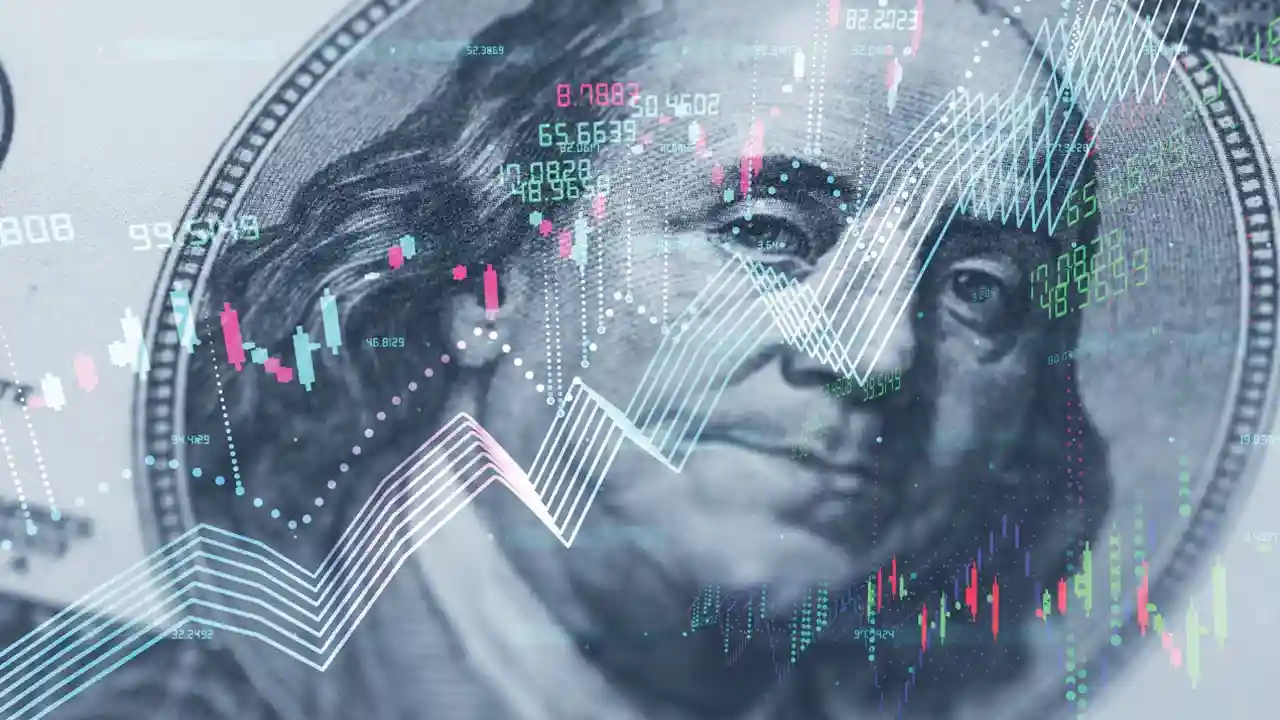
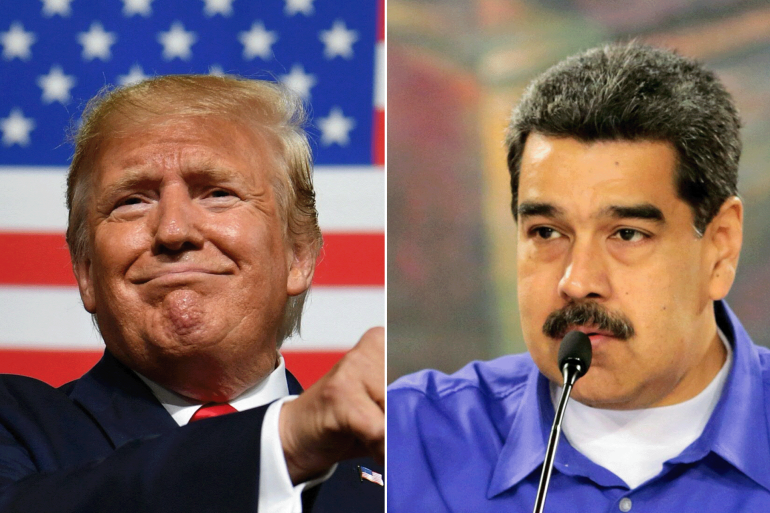
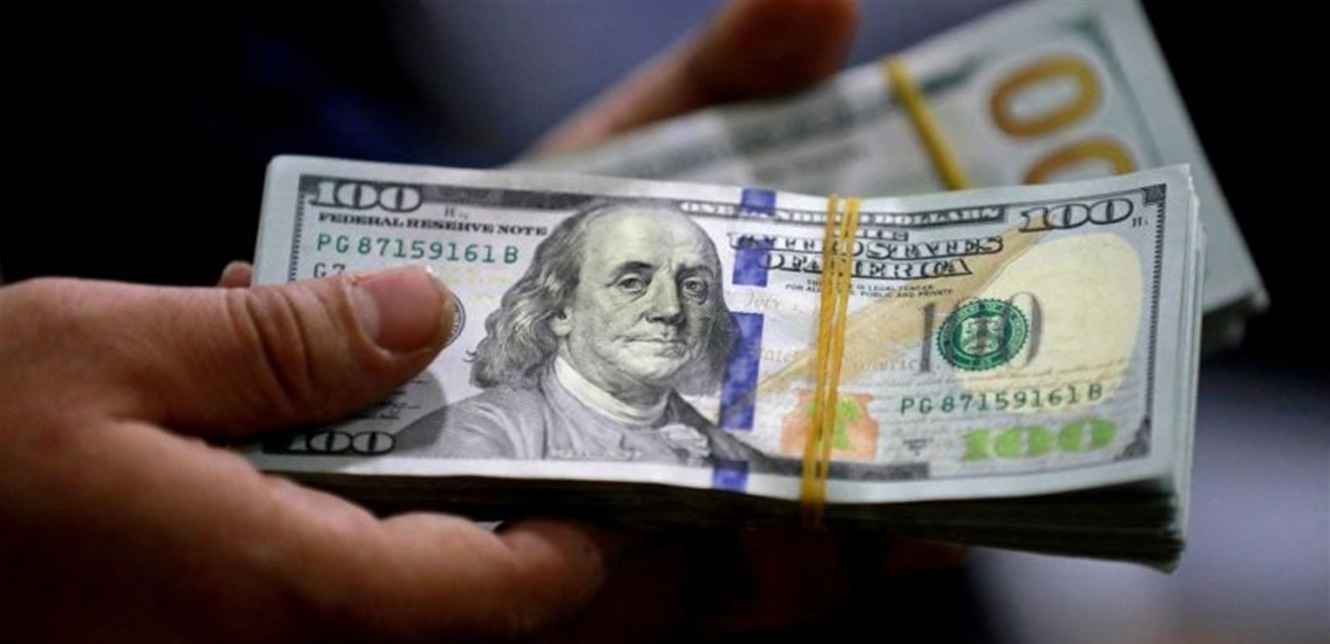
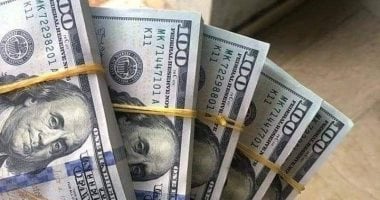
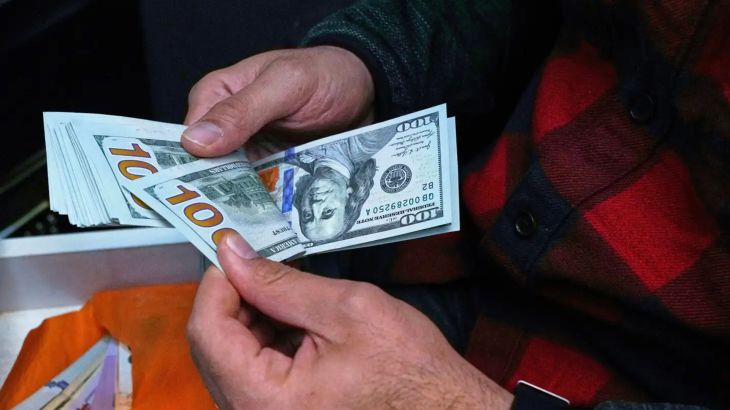
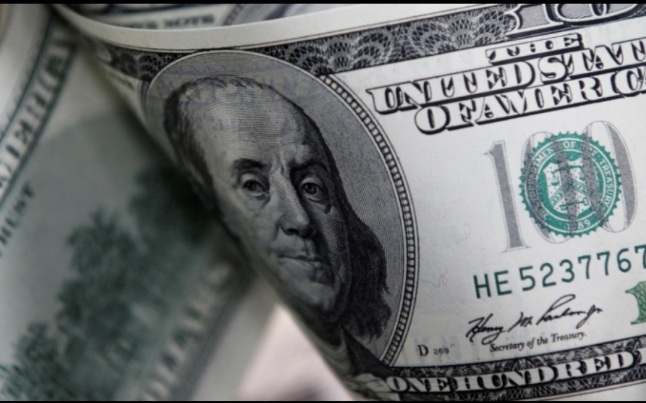
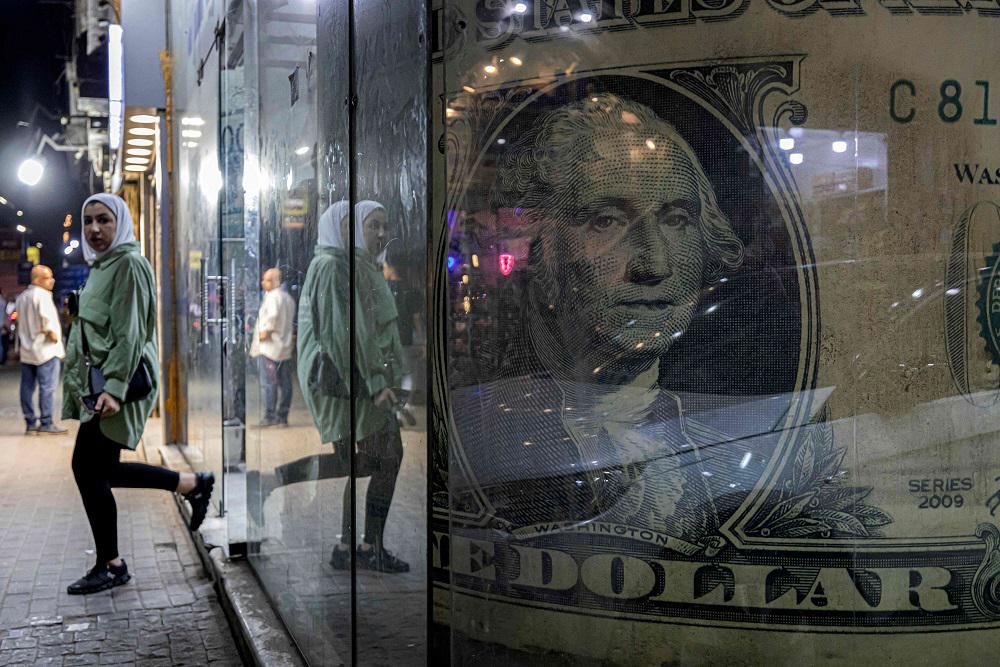
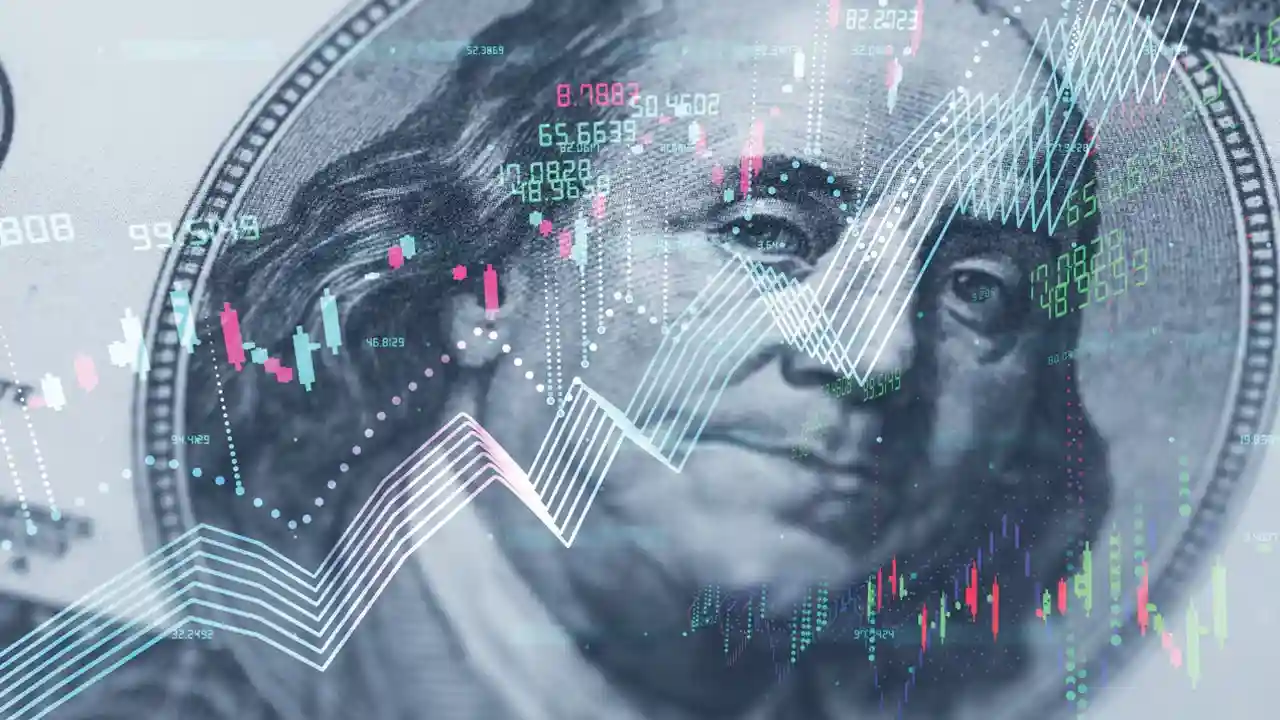
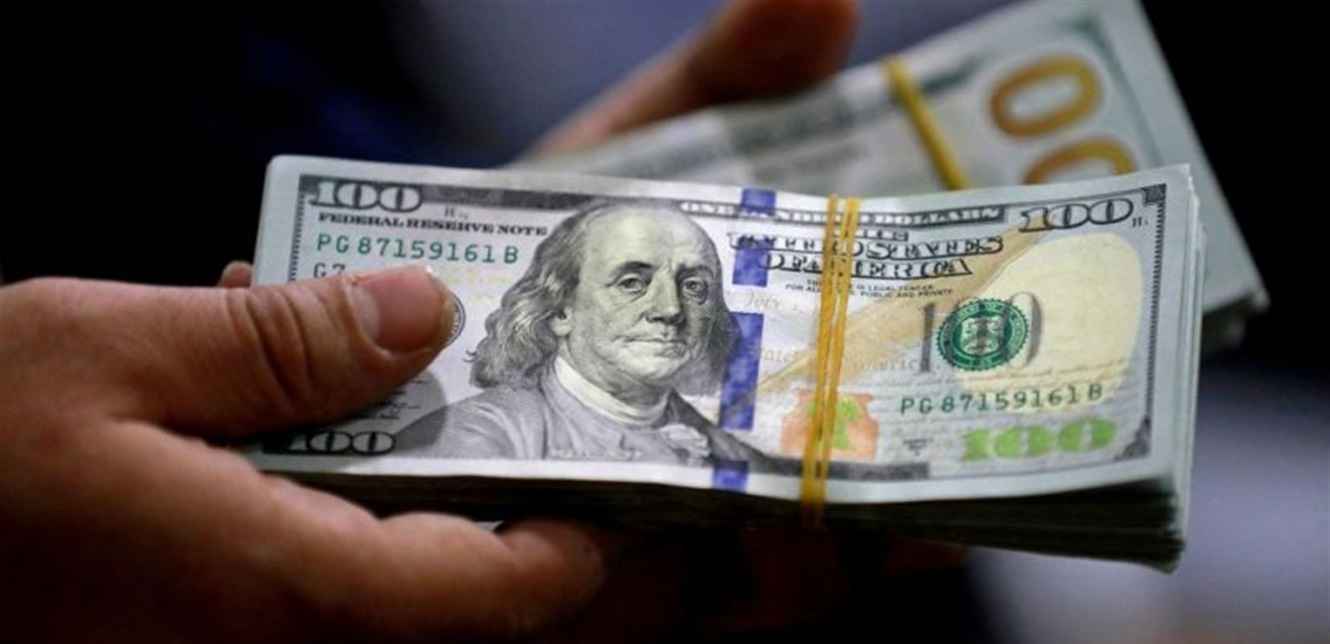
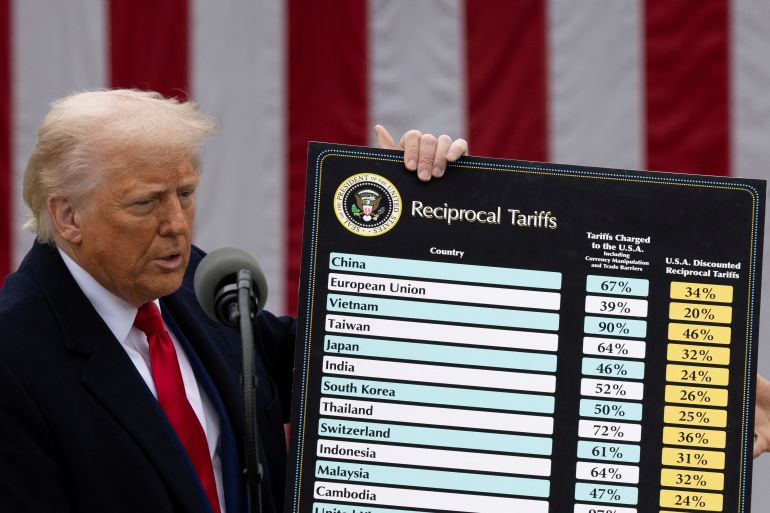
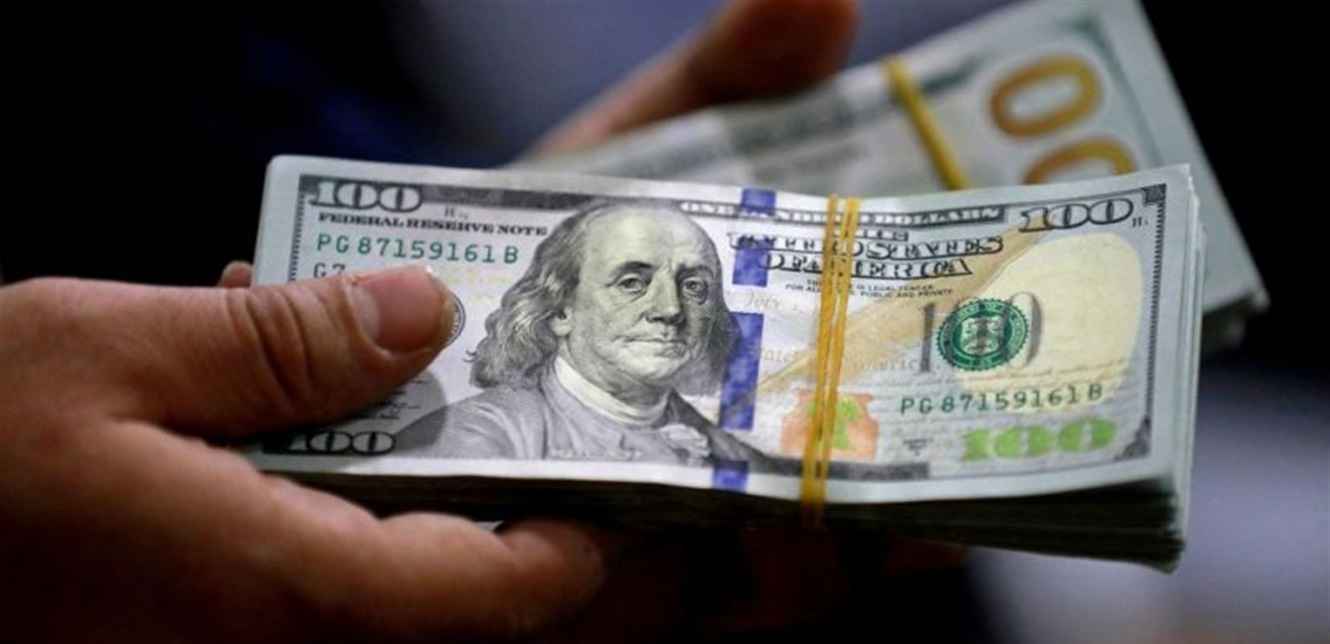
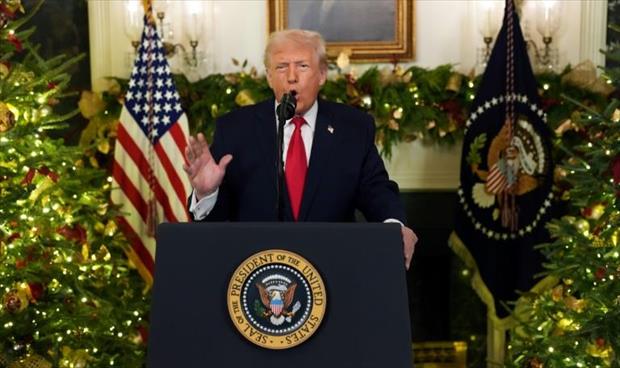
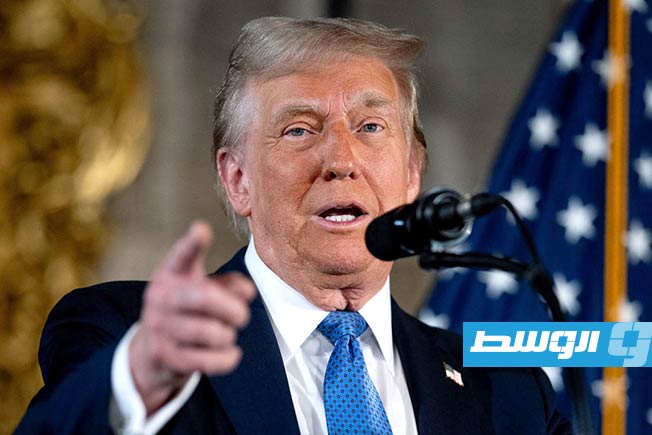
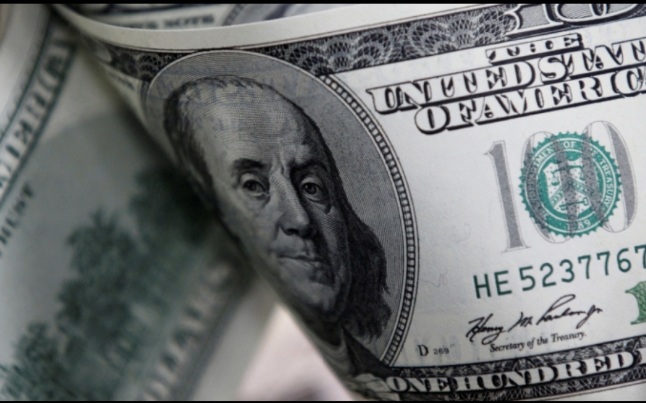
However, the announcement by US President Donald Trump nominating Kevin Warsh to chair the Federal Reserve was the trigger for a major sell-off on Friday, causing gold prices to fall by over 11%. This boosted the US dollar and weakened the sentiment of investors who had bet on Trump’s willingness to allow the currency to depreciate.
Traders view Warsh as one of the most hawkish candidates on inflation, reinforcing expectations of further interest rate cuts to support the dollar, which ultimately implies lower prices for gold and other dollar-denominated precious metals.
Gold
Gold is not a specific place or cultural site, but a precious metal that has been highly valued across many civilizations throughout history for its rarity, beauty, and malleability. It has been used for coinage, jewelry, and art, playing a central role in economies and cultural practices from ancient Egypt and the Americas to the modern era.
silver
Silver is a chemical element (Ag) historically used for coinage, jewelry, and tableware. Its mining and trade have played significant economic roles in many cultures, such as in Spanish colonial America where vast silver deposits funded empires. Today, it remains valuable for industrial applications, investment, and ornamental purposes.
precious metals
“Precious metals” refers to rare, naturally occurring metallic elements of high economic value, most notably gold, silver, and platinum. Historically, these metals have been used for coinage, jewelry, and as a store of wealth for thousands of years, shaping trade, economies, and empires throughout human civilization.
Venezuela
Venezuela is a South American country known for its diverse natural landscapes, including the Andes Mountains, the Amazon rainforest, and Angel Falls, the world’s tallest waterfall. Historically, it was a Spanish colony until achieving independence in the early 19th century under leaders like Simón Bolívar, and its modern economy has been heavily shaped by its vast petroleum reserves.
Iran
Iran, historically known as Persia, is home to one of the world’s oldest continuous major civilizations, dating back to the Elamite kingdoms of the 4th millennium BCE. Its rich cultural heritage is exemplified by numerous UNESCO World Heritage sites, including the ancient ceremonial capital of Persepolis and the intricate Islamic architecture of Isfahan’s Naqsh-e Jahan Square.
Greenland
Greenland is the world’s largest island, located between the Arctic and Atlantic Oceans, and is an autonomous territory within the Kingdom of Denmark. It has been inhabited for millennia, first by Paleo-Eskimo peoples and later by Norse settlers in the 10th century, followed by the Thule culture, ancestors of the modern Inuit majority. Its history is marked by its harsh Arctic climate, colonial administration under Denmark, and its move toward self-government in 2009.
US Federal Reserve
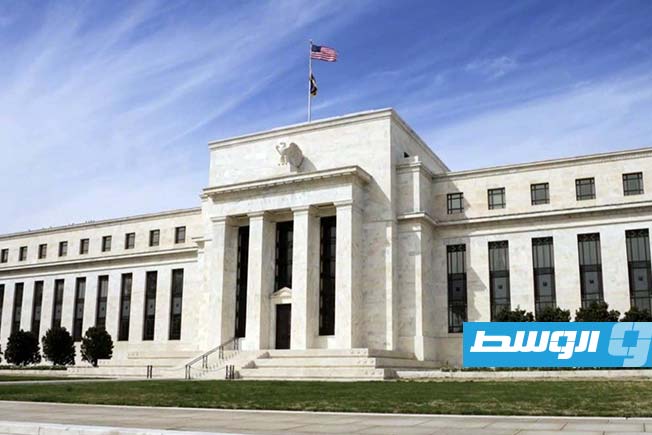
The US Federal Reserve, established in 1913, is the central banking system of the United States, created to provide the nation with a safer, more flexible, and more stable monetary and financial system. It conducts national monetary policy, supervises and regulates banks, and works to maintain the stability of the financial system.
exchange-traded funds
Exchange-traded funds (ETFs) are financial instruments that are not a physical place or cultural site, but rather investment funds traded on stock exchanges. They were first introduced in the early 1990s, with the SPDR S&P 500 ETF (SPY) launching in 1993, and were designed to track the performance of a specific index, commodity, or basket of assets.
financial derivatives
“Financial derivatives” are not a physical place or cultural site, but rather financial contracts whose value is derived from an underlying asset, such as stocks, bonds, or commodities. Their history is rooted in agreements to manage risk in agricultural markets, with formal trading expanding significantly with the establishment of exchanges like the Chicago Board of Trade in the 19th century.
US President Donald Trump
Donald Trump served as the 45th President of the United States from 2017 to 2021. A businessman and television personality before his political career, his presidency was characterized by a populist “America First” agenda and significant political polarization.
Kevin Warsh
Kevin Warsh is a former member of the Board of Governors of the Federal Reserve, having served from 2006 to 2011. He was appointed by President George W. Bush and played a significant role during the 2007–2008 global financial crisis, contributing to the Fed’s emergency response and monetary policy decisions.
Federal Reserve
The Federal Reserve is the central banking system of the United States, established in 1913 by the Federal Reserve Act to provide the country with a safer, more flexible, and more stable monetary and financial system. It conducts national monetary policy, supervises and regulates banks, maintains financial stability, and provides banking services to depository institutions and the federal government.
US dollar
The US dollar is the official currency of the United States, established by the Coinage Act of 1792. It evolved from a system based on Spanish milled dollars and became the world’s primary reserve currency following the Bretton Woods Agreement in 1944.
dollar
The dollar is the official currency of the United States, established by the Coinage Act of 1792. Its history traces back to the Spanish “dollar” or peso, a widely used silver coin in the Americas during the colonial era.