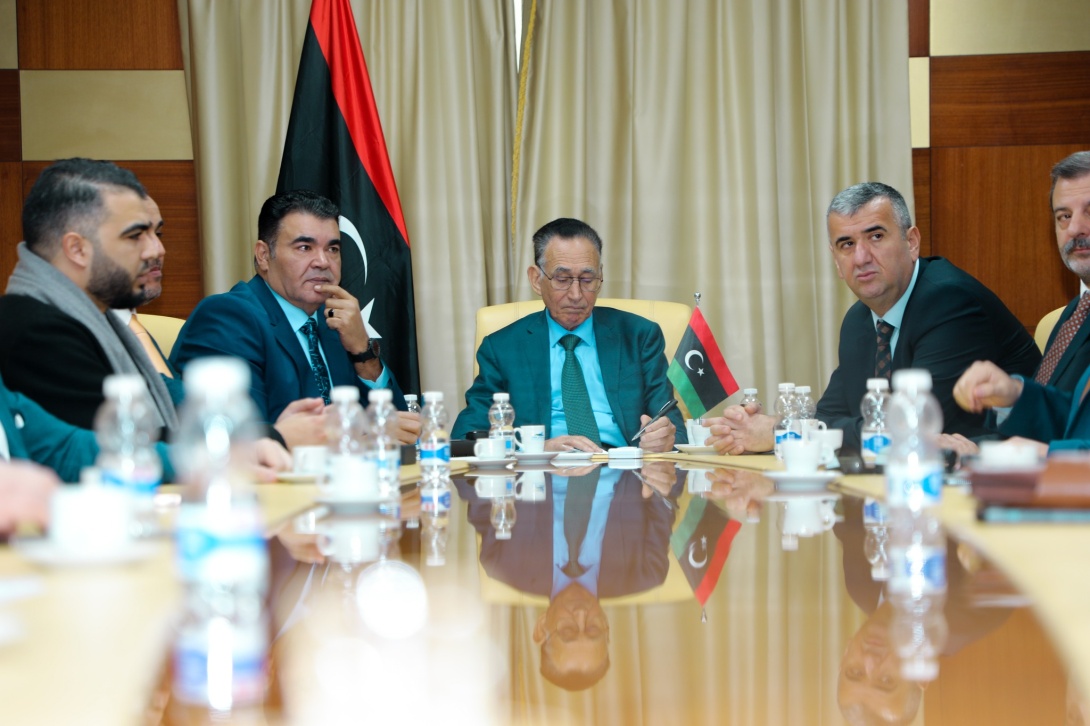
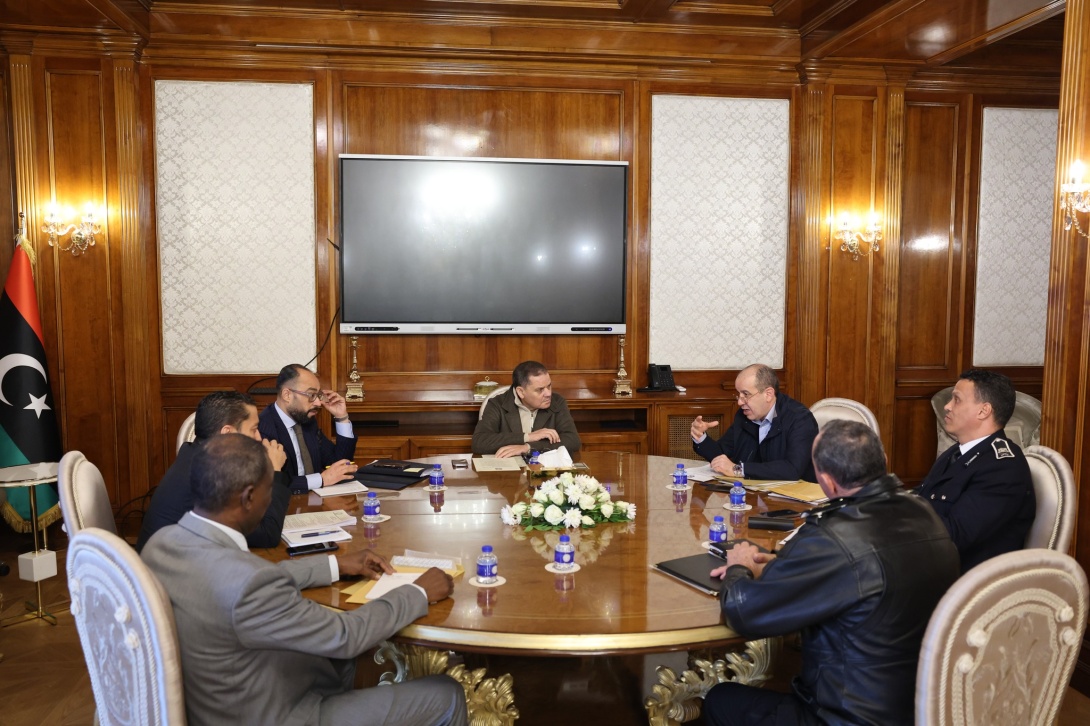
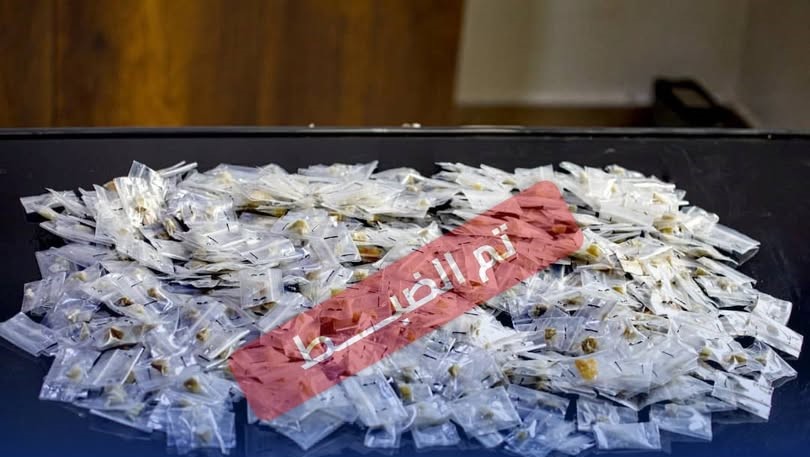
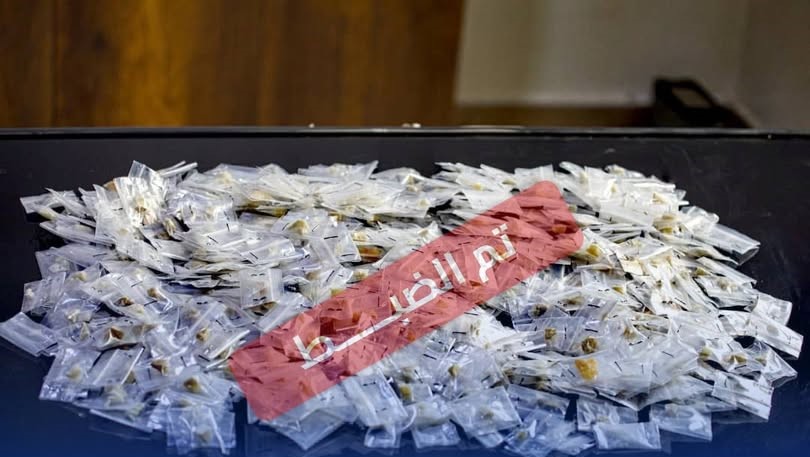
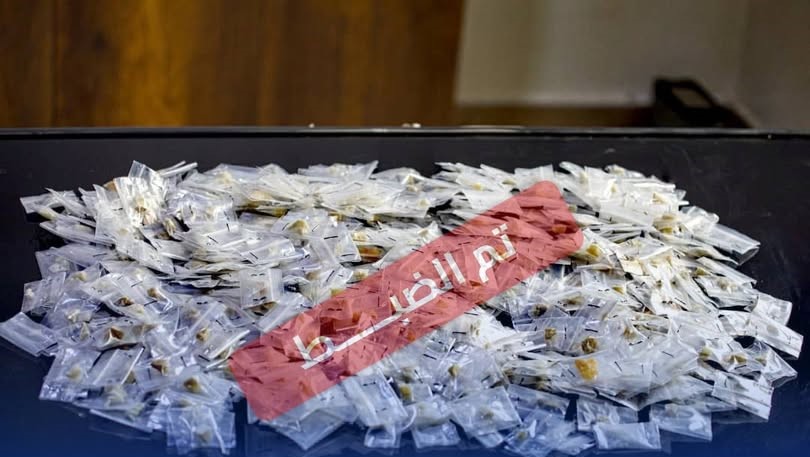
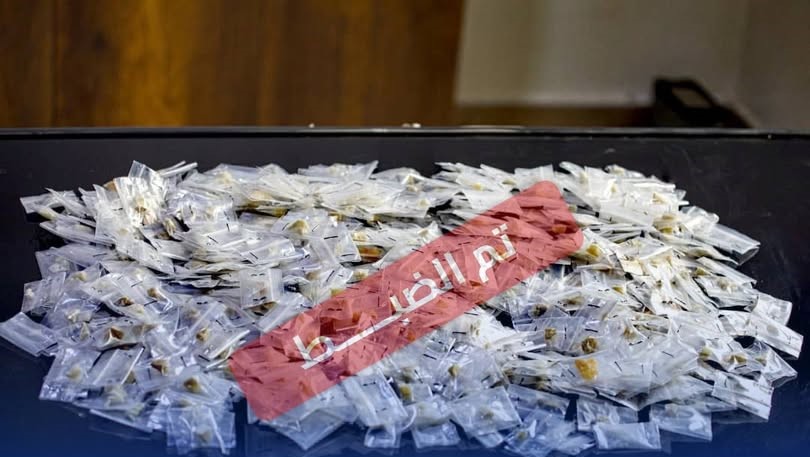
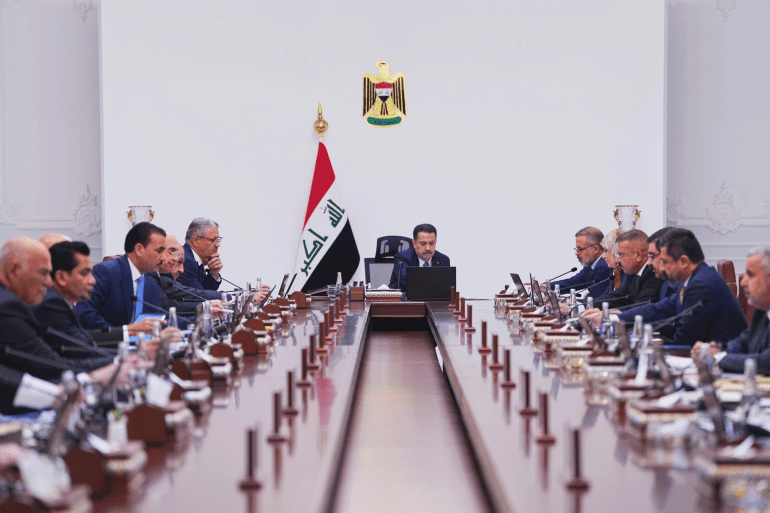
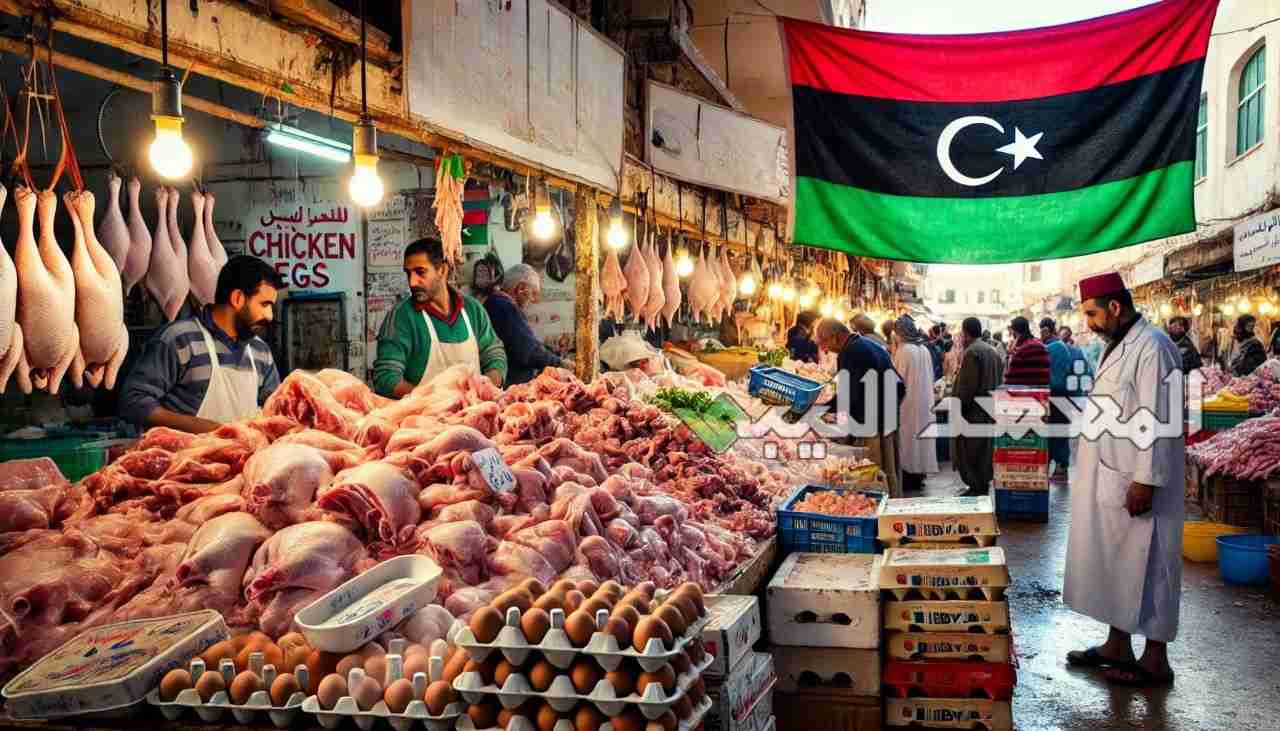
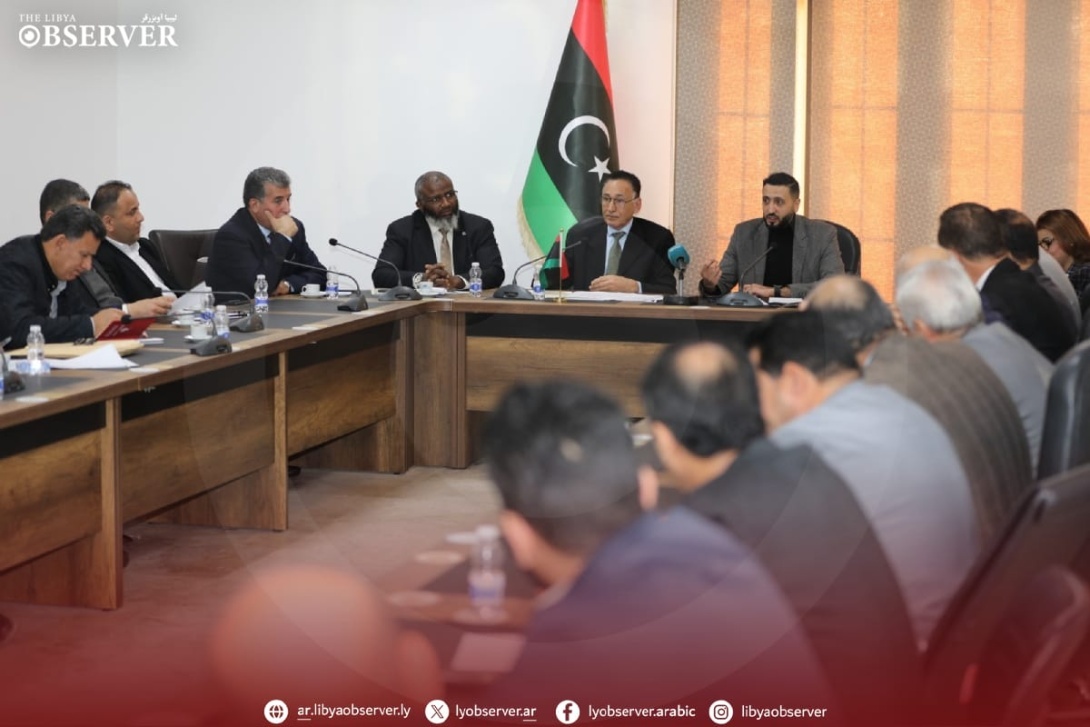
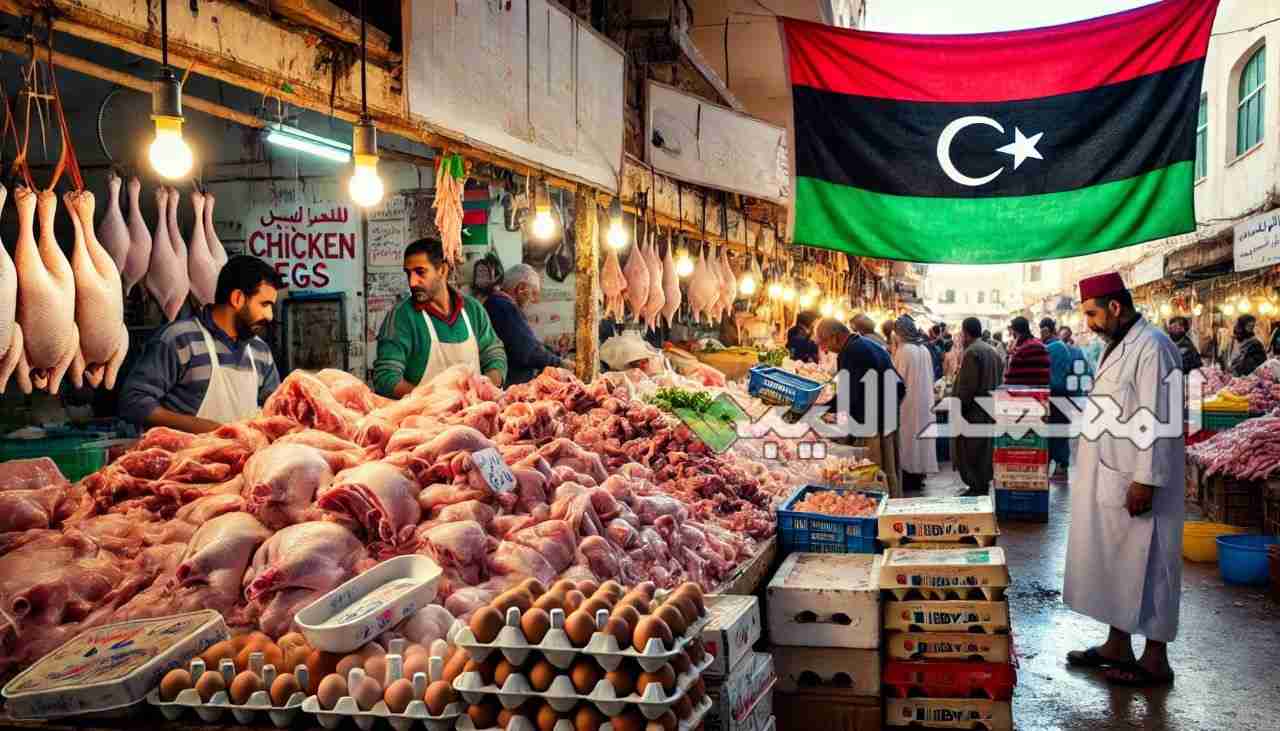
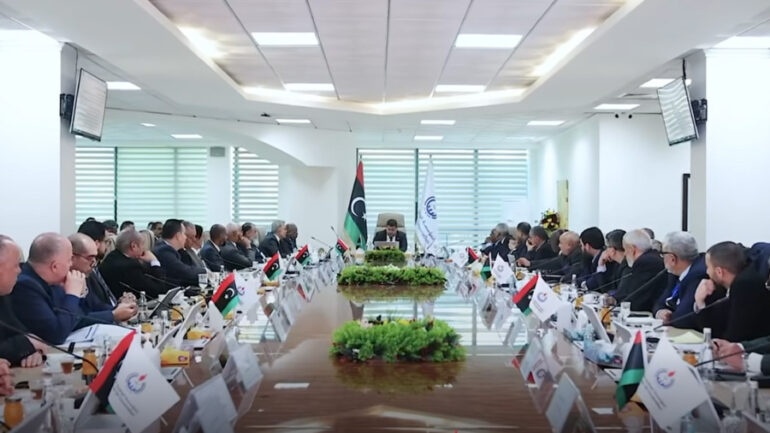
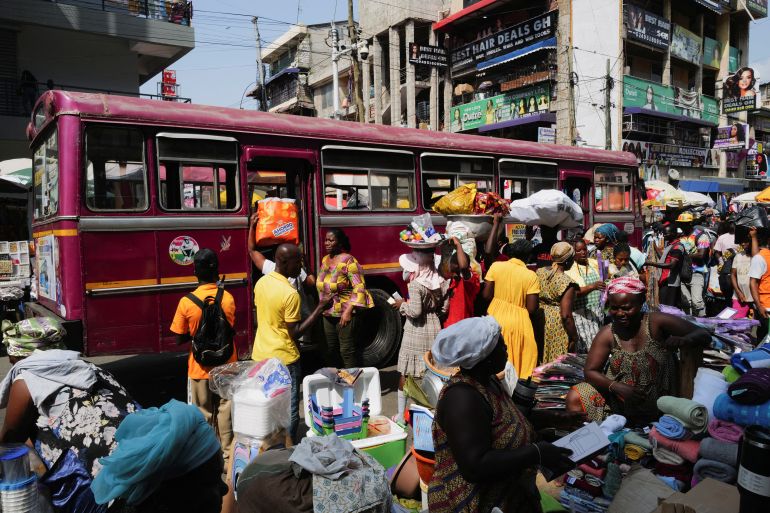
The Government of National Unity (GNU) has launched a campaign to regulate the prices of basic food commodities and pursue hoarders, following a decision to form a specialized committee to oversee the process.
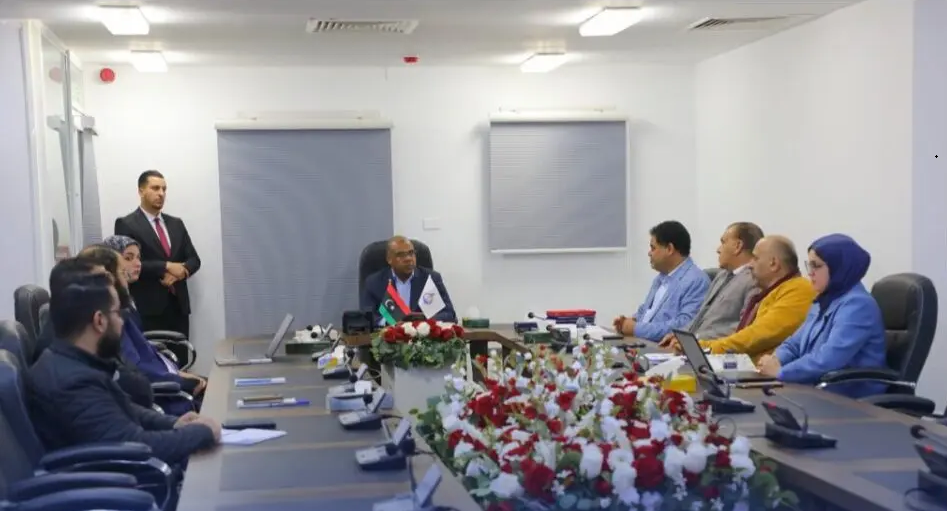
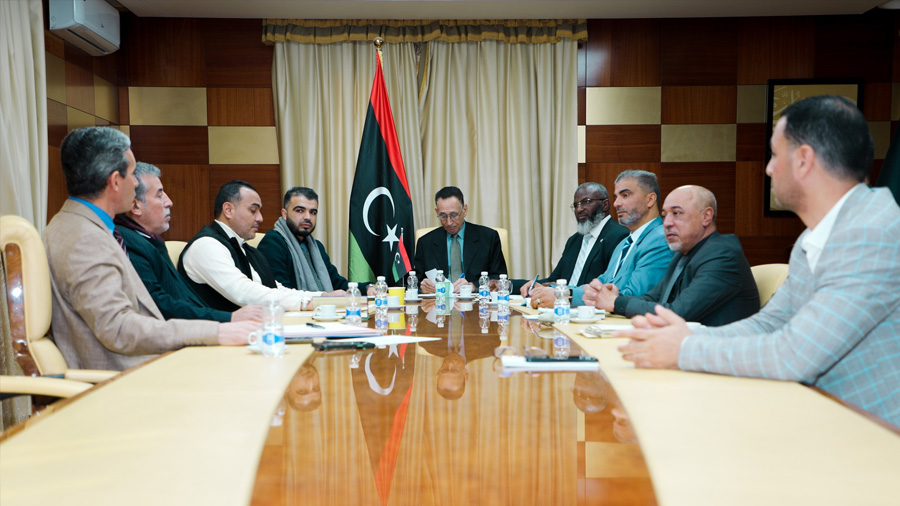
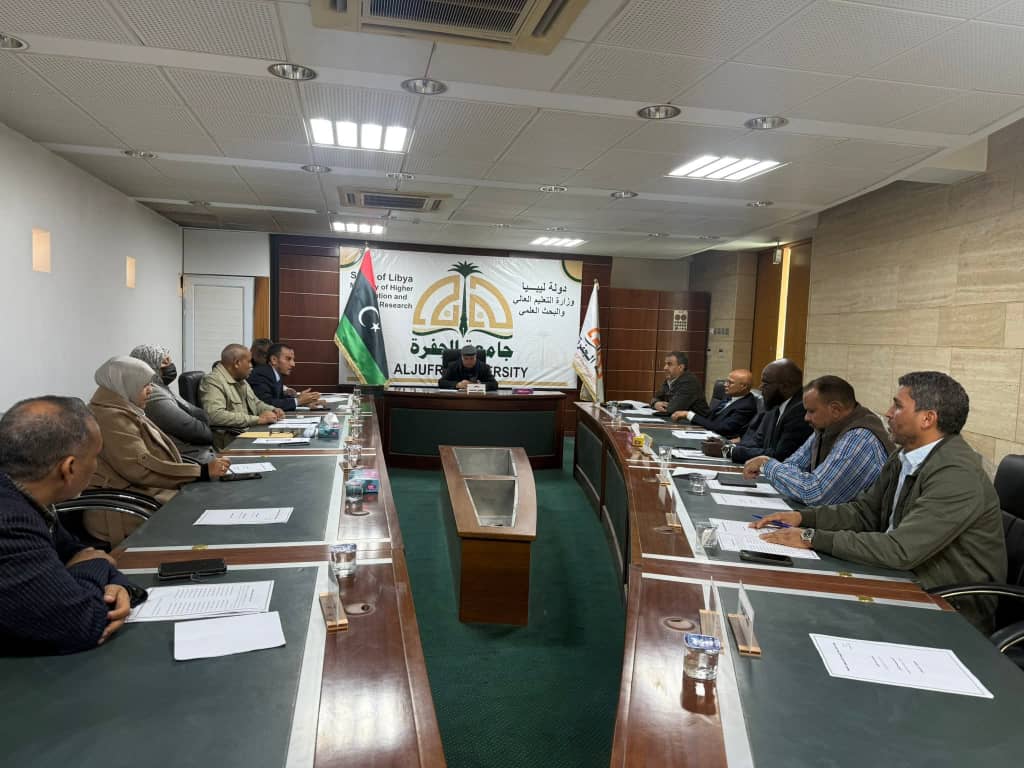
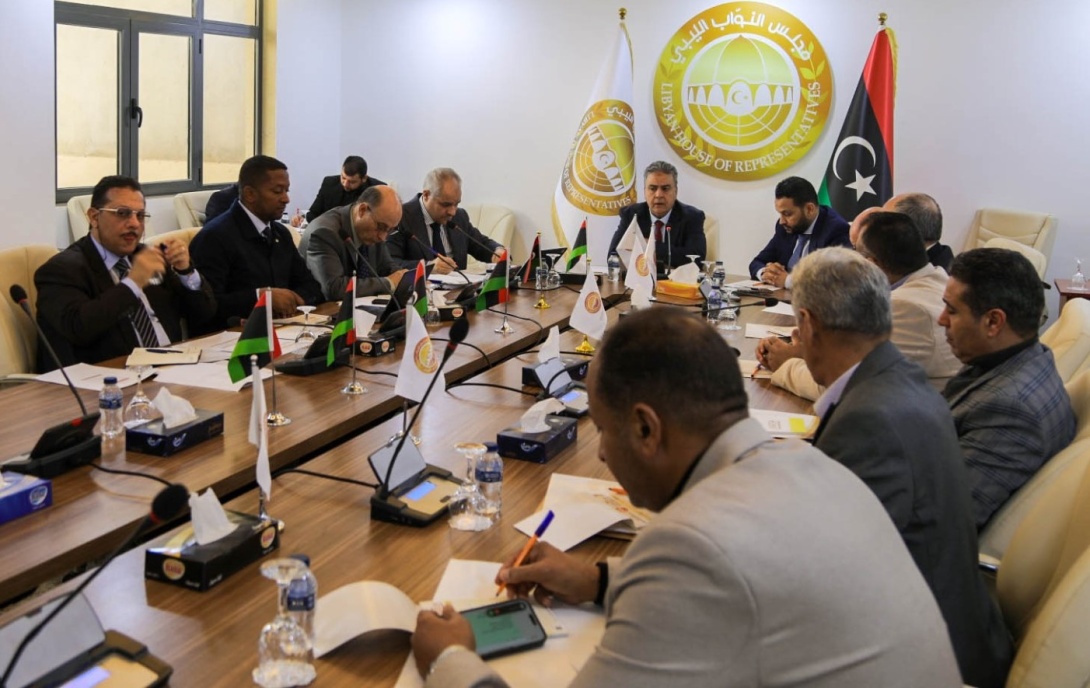
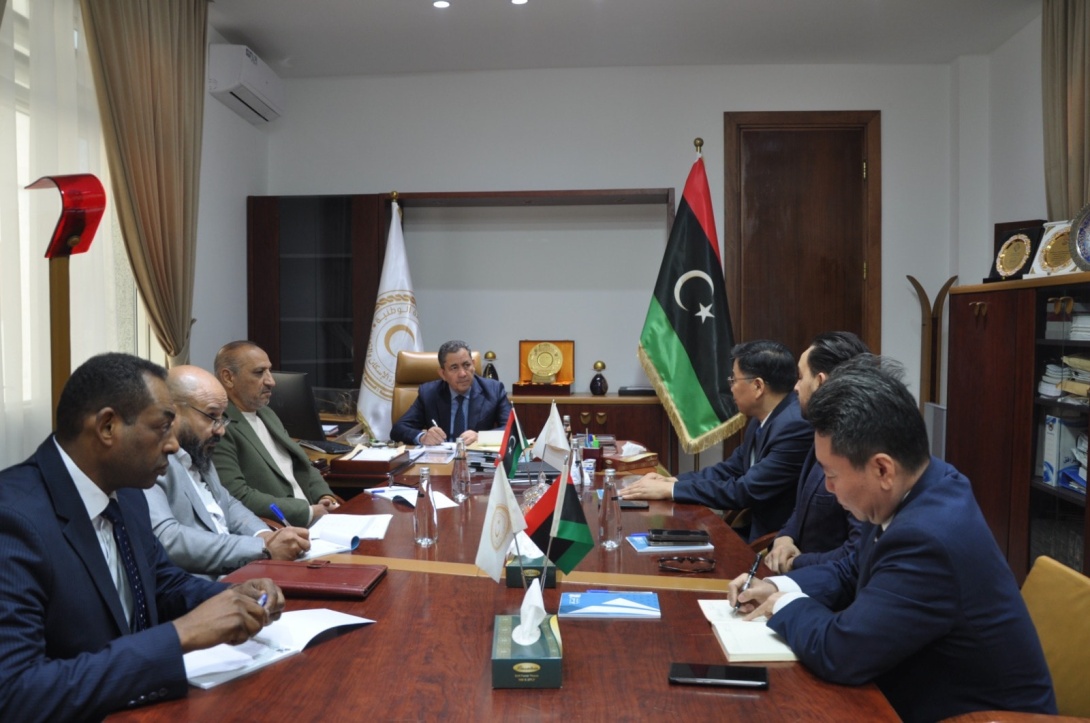
The committee is chaired by the head of the Internal Security Agency and includes the undersecretary of the Ministry of Economy and Trade, the director general of the Customs Authority, the head of the Municipal Guard, and the director of the Law Enforcement Department at the Ministry of Interior.
It is tasked with monitoring food prices, taking legal action against violators, and referring them to the relevant authorities.
The decision also mandates the committee to ensure the availability of essential food items in the market in quantities that meet citizens’ needs, adopt deterrent measures to prevent price increases, and curb price manipulation, speculation, and hoarding practices that threaten food security.
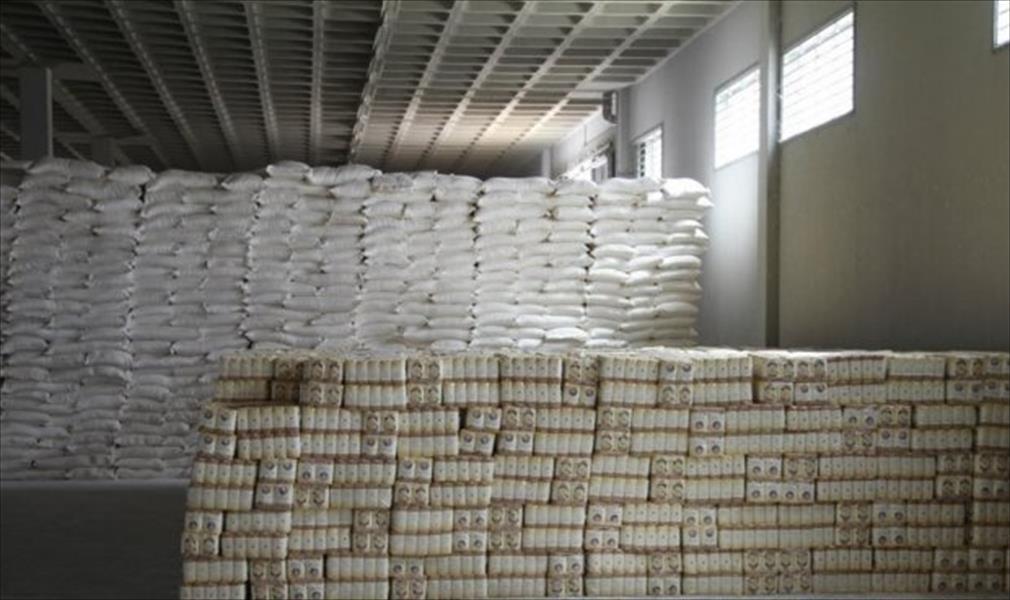
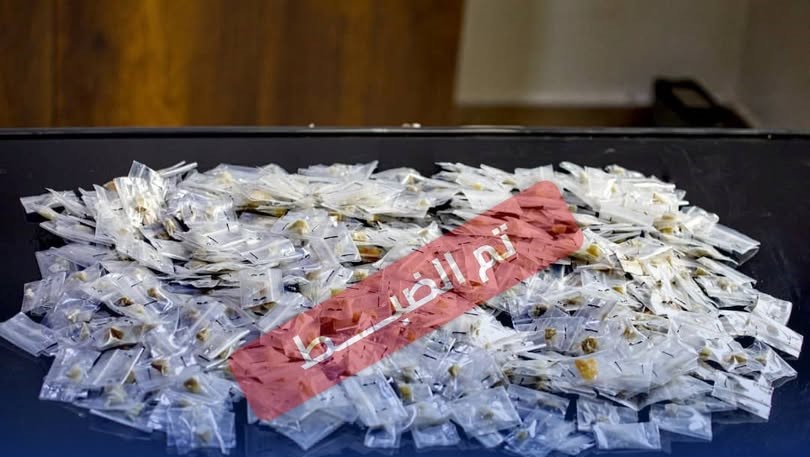
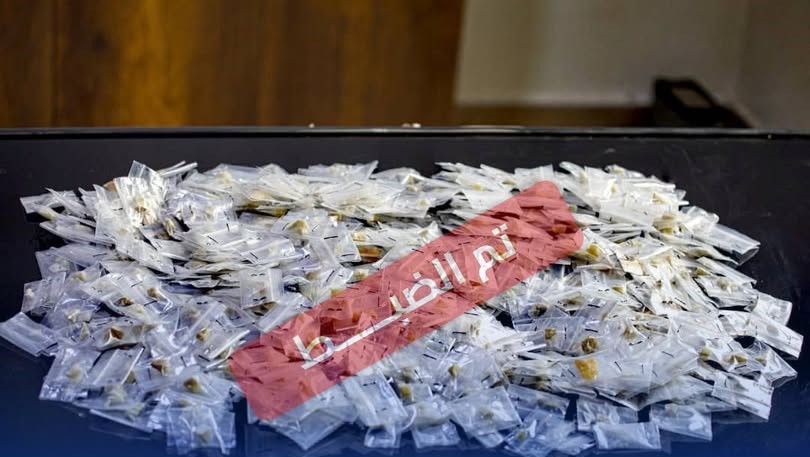
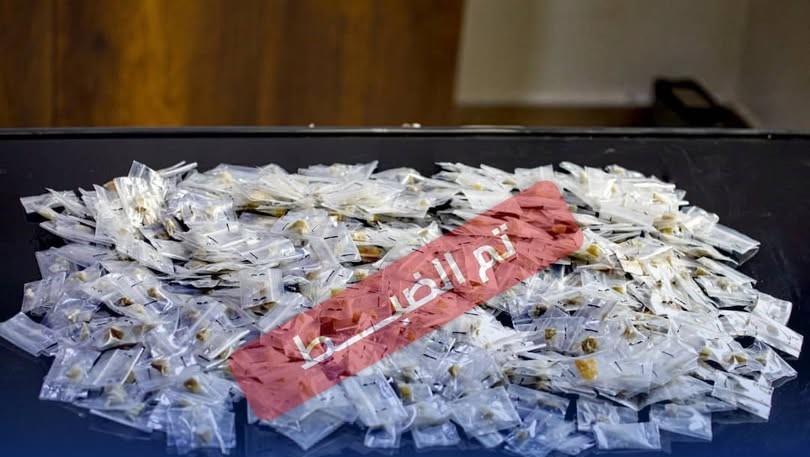
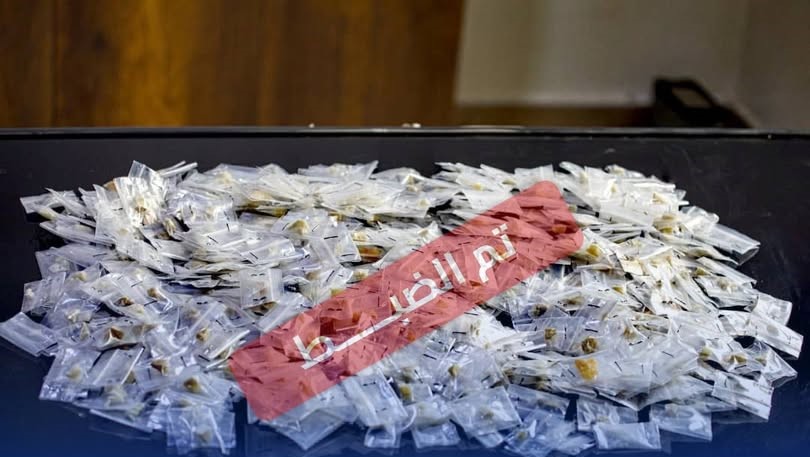
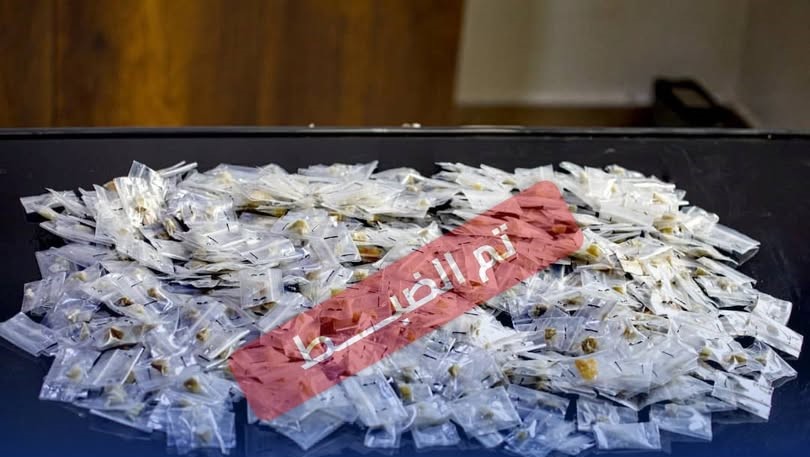
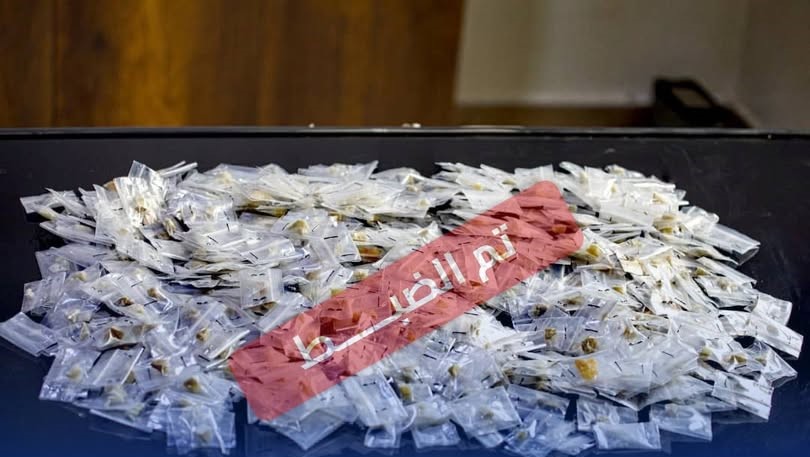
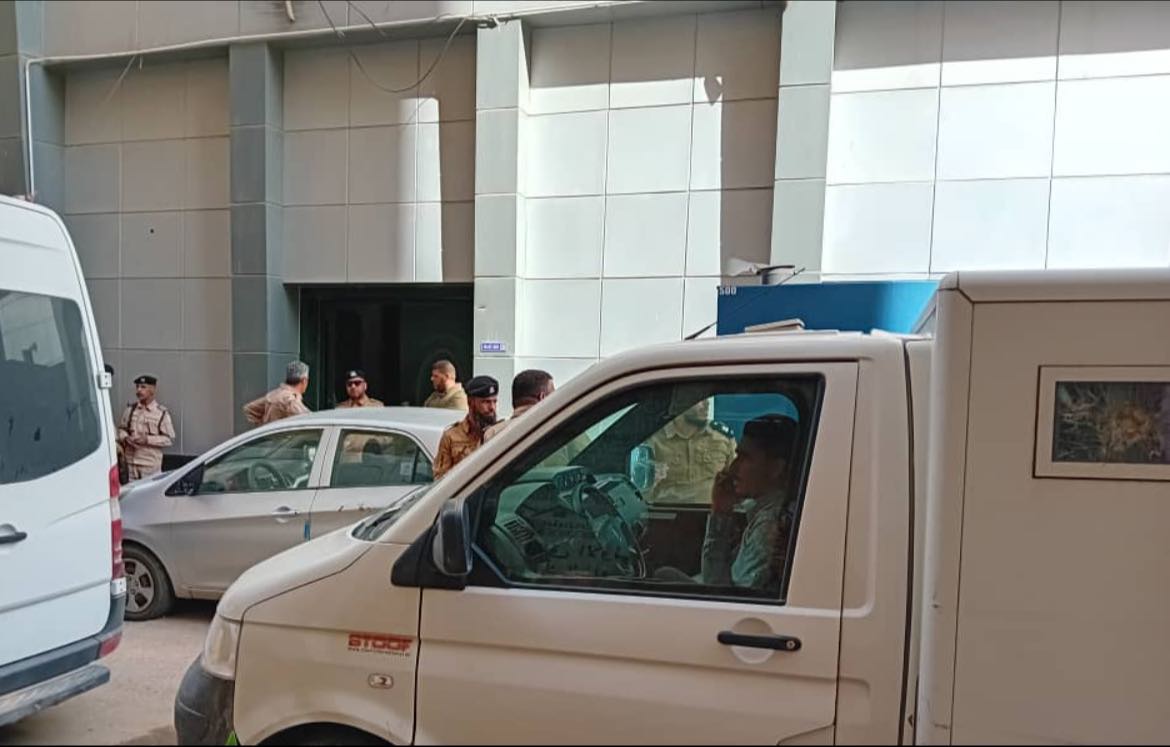
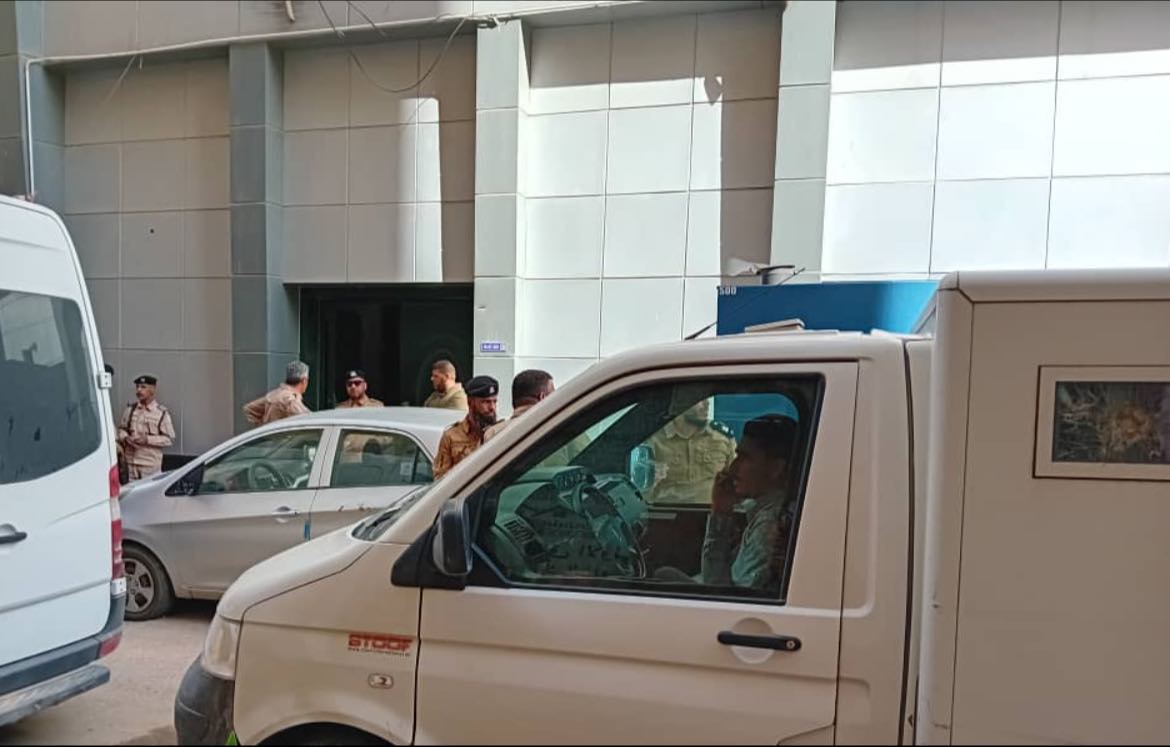
On Tuesday, the Law Enforcement Department announced the launch of a large-scale inspection campaign, in coordination with the Ministry of Economy and with the participation of the Municipal Guard, directly targeting suppliers’ warehouses across various regions.
Government of National Unity
The Government of National Unity (GNU) is a political arrangement where rival parties, often after a conflict or deadlock, form a coalition cabinet to share power. A prominent historical example is South Africa’s first post-apartheid government in 1994, which brought together the African National Congress and the National Party to oversee the transition to democracy.
Internal Security Agency
The Internal Security Agency is Poland’s primary counterintelligence and security service, established in 2002 to replace the former State Protection Office. It is responsible for protecting the country’s internal security, countering terrorism, and combating espionage and organized crime.
Ministry of Economy and Trade
The Ministry of Economy and Trade is a government department typically responsible for formulating and implementing national economic and commercial policy. Its history is generally tied to the modern development of the state it serves, often evolving from earlier departments of commerce or industry to address the complexities of contemporary global trade and economic regulation.
Customs Authority
The Customs Authority is a governmental agency responsible for regulating and overseeing the flow of goods across a nation’s borders, including the collection of duties and enforcement of trade laws. Its history is deeply tied to the development of the modern nation-state and international commerce, evolving from simple toll collection points into complex administrative bodies that protect economic security and public safety.
Municipal Guard
The Municipal Guard was a Portuguese public security force established in 1867, modeled after the French Gendarmerie. It served as a national police and military force, primarily in urban areas, until it was disbanded following the Carnation Revolution in 1974.
Law Enforcement Department
The Law Enforcement Department is a modern administrative body responsible for public safety and order, typically established in the 20th or 21st centuries within municipal or regional governments. Its history is generally tied to the development of professionalized police forces and the codification of laws in contemporary societies.
Ministry of Interior
The Ministry of the Interior is a key government department responsible for internal affairs, such as public safety, civil registration, and domestic policy. Its origins in many countries often trace back to the 19th century, evolving from institutions managing police, local administration, and national security to address the growing complexities of modern state governance.