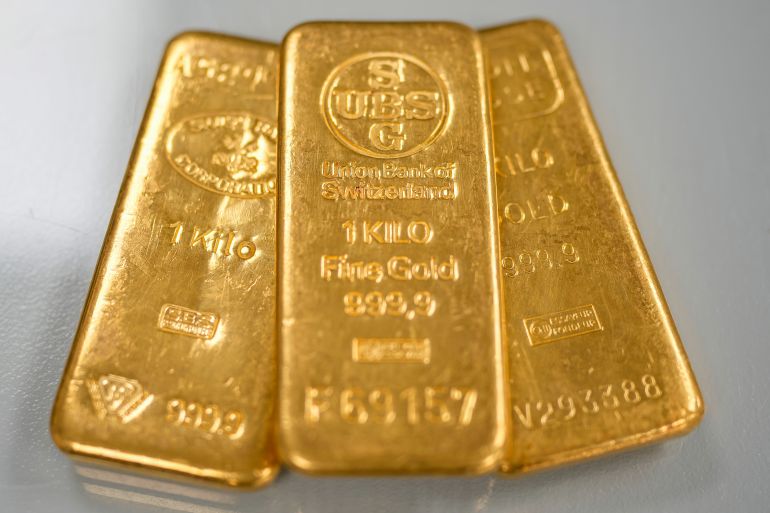
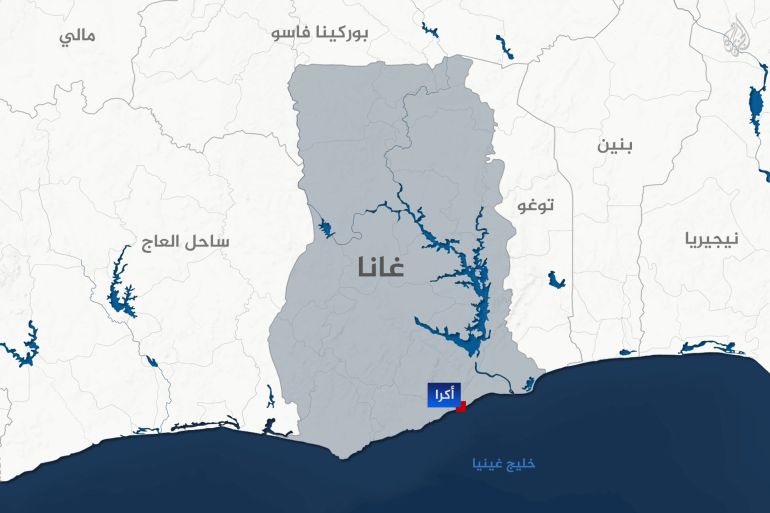
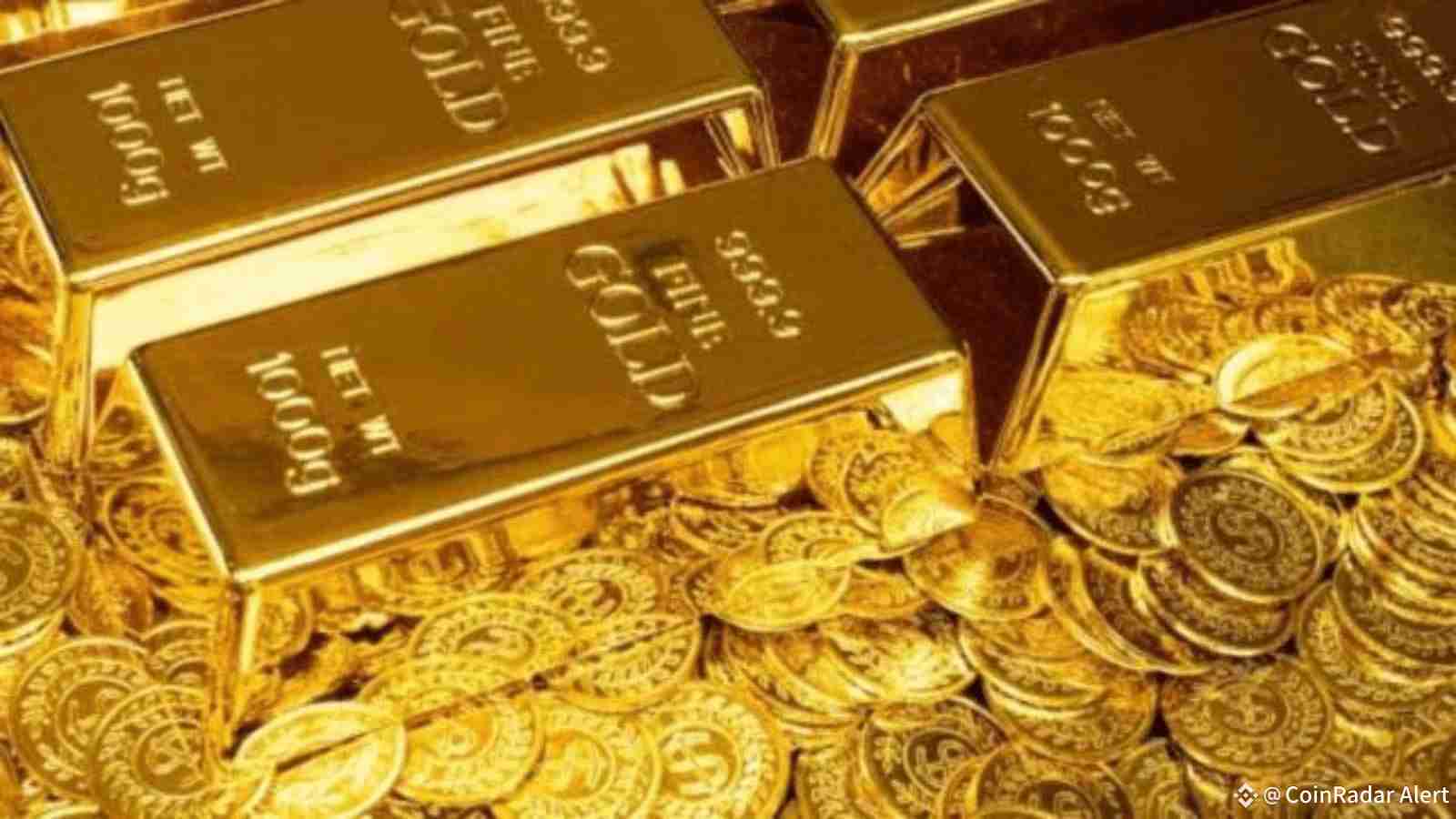
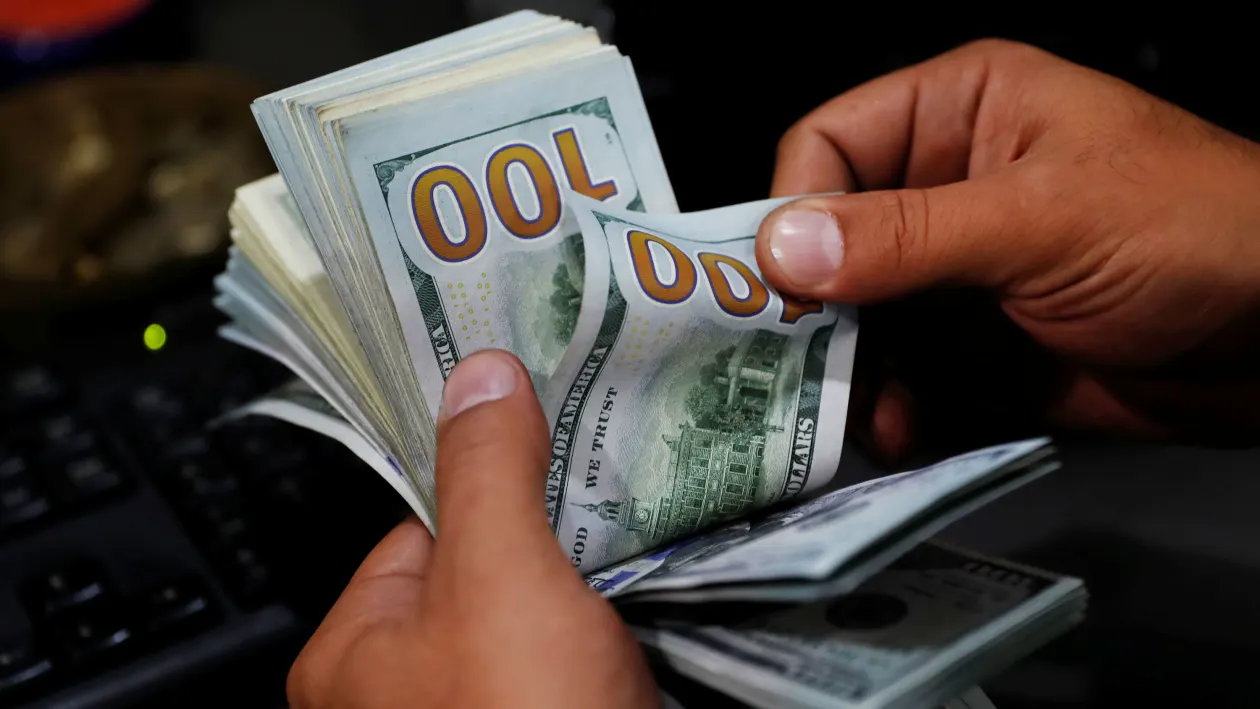
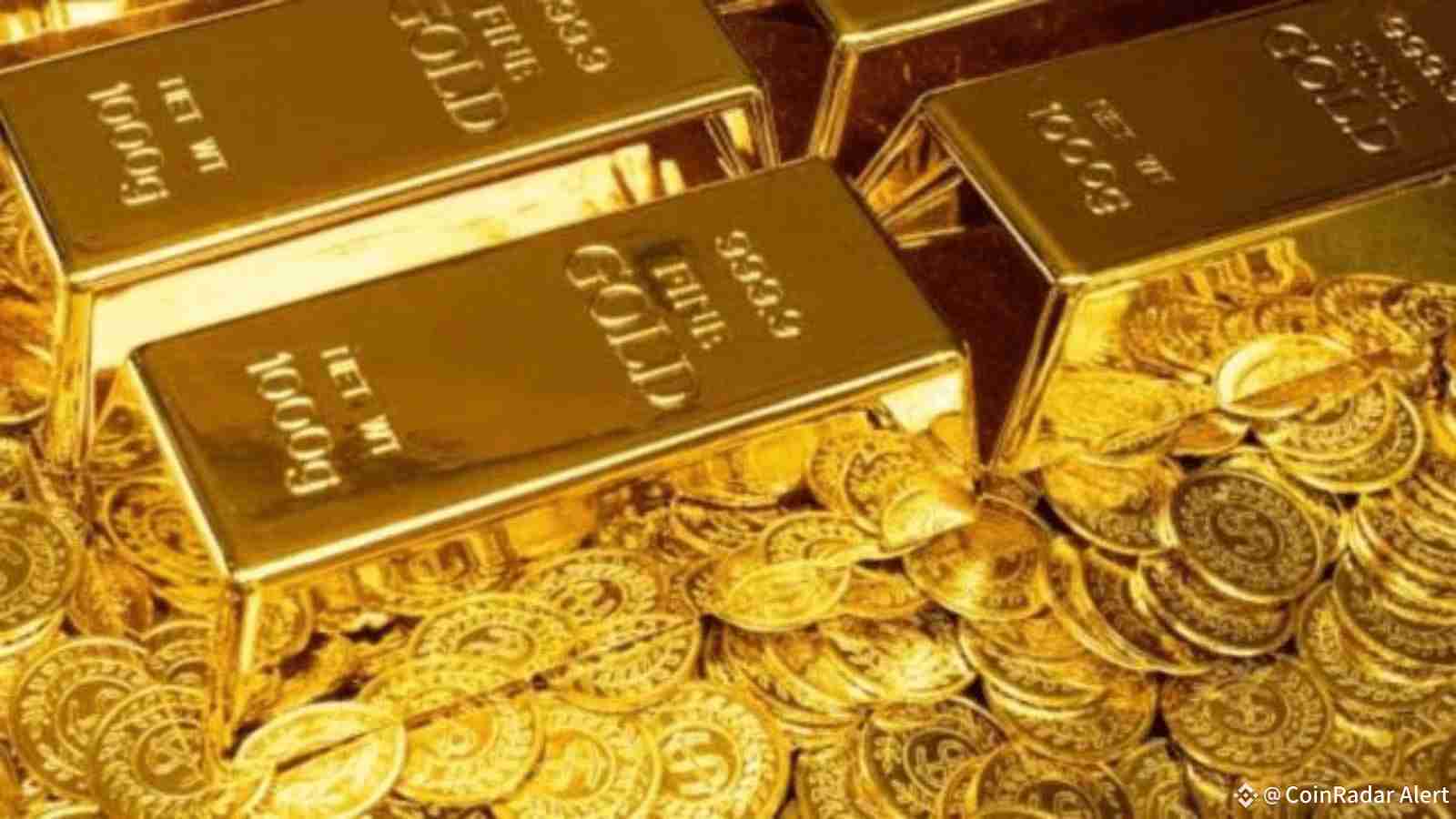
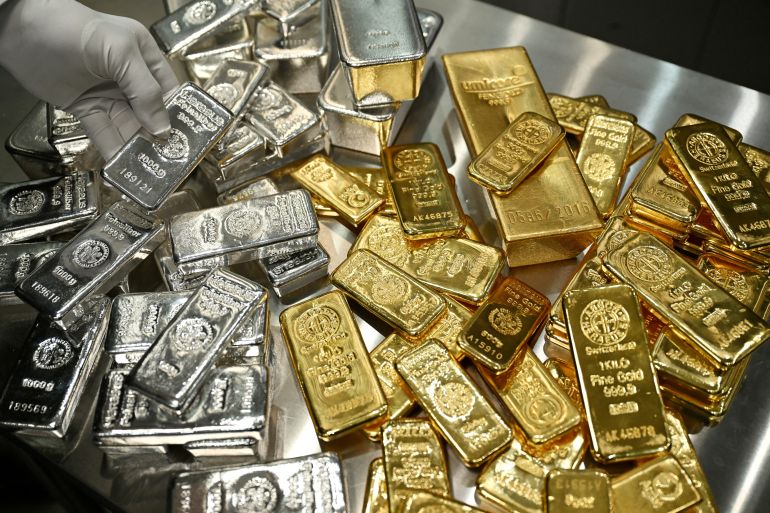
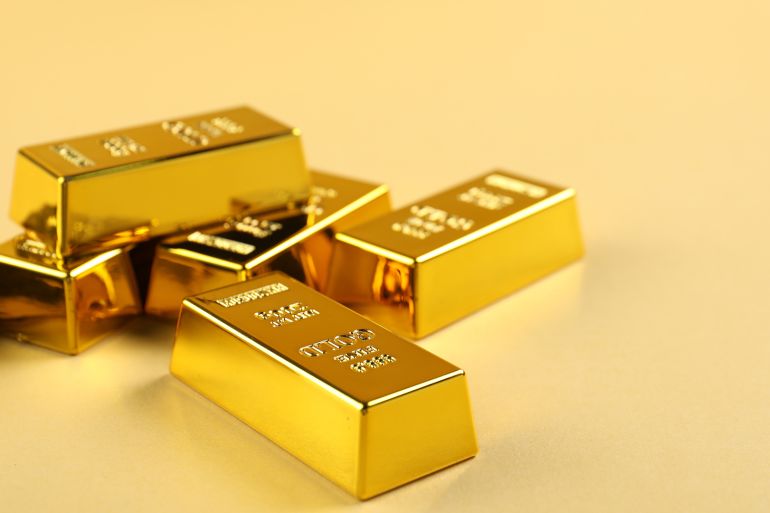
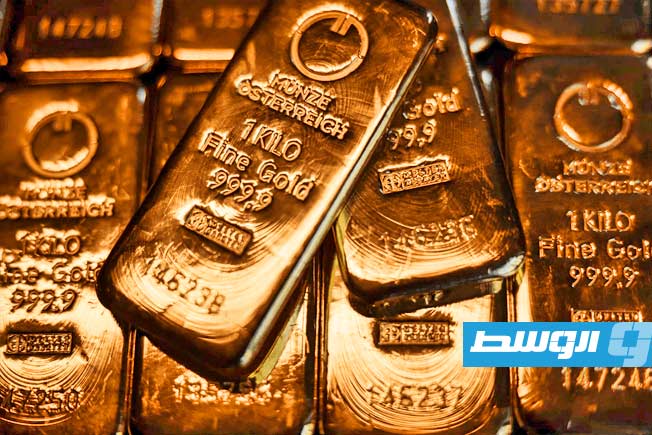
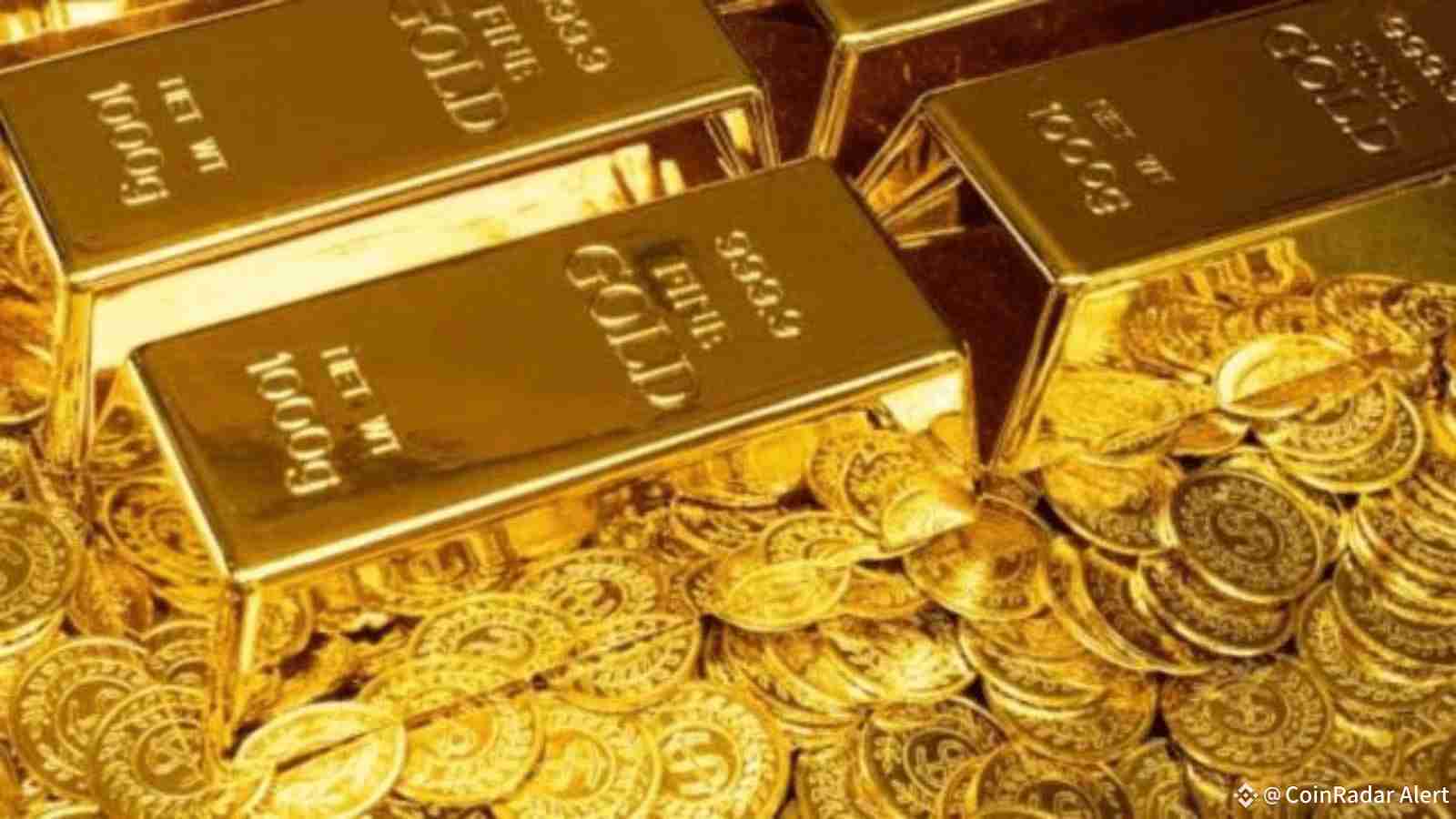
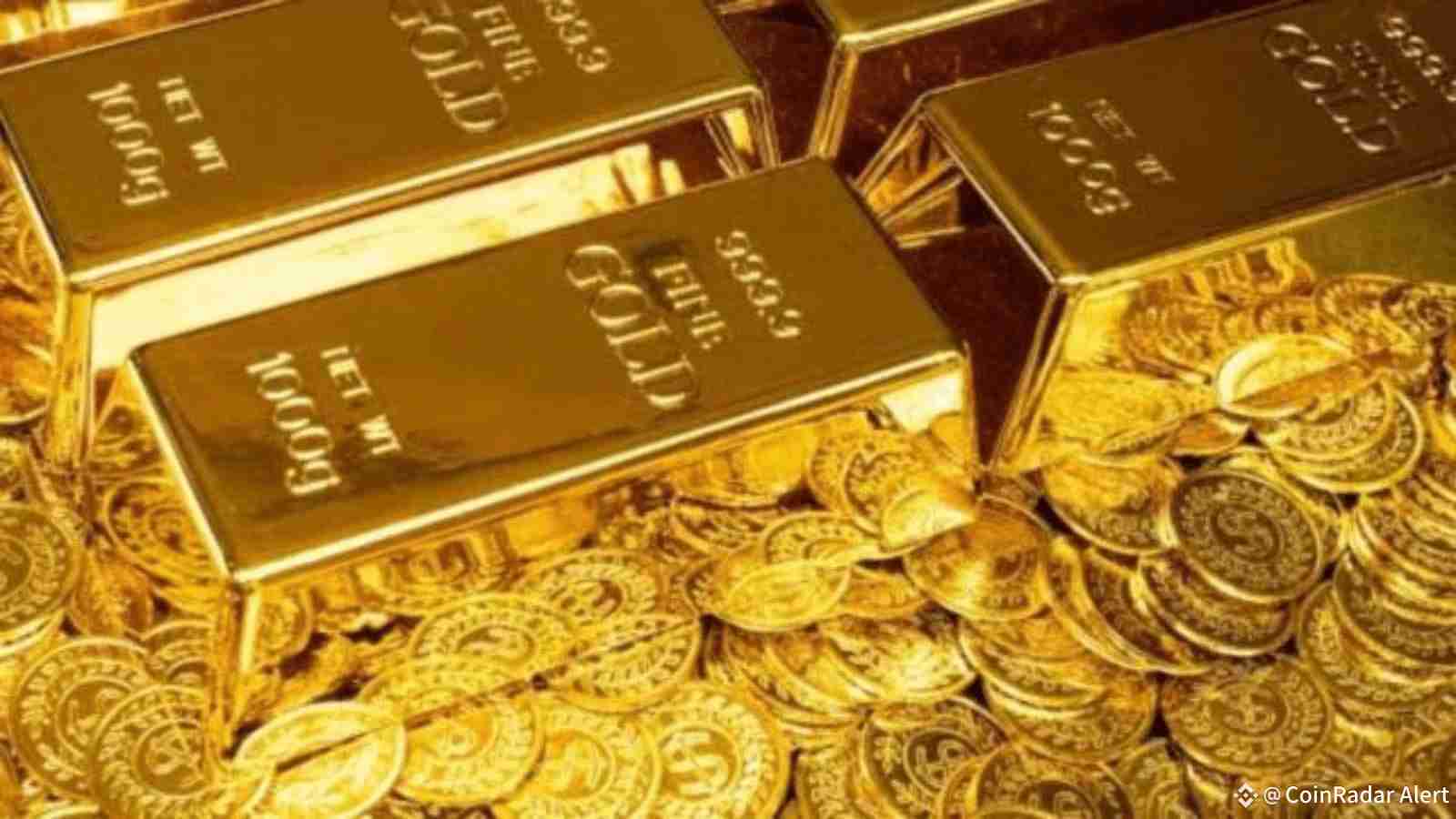
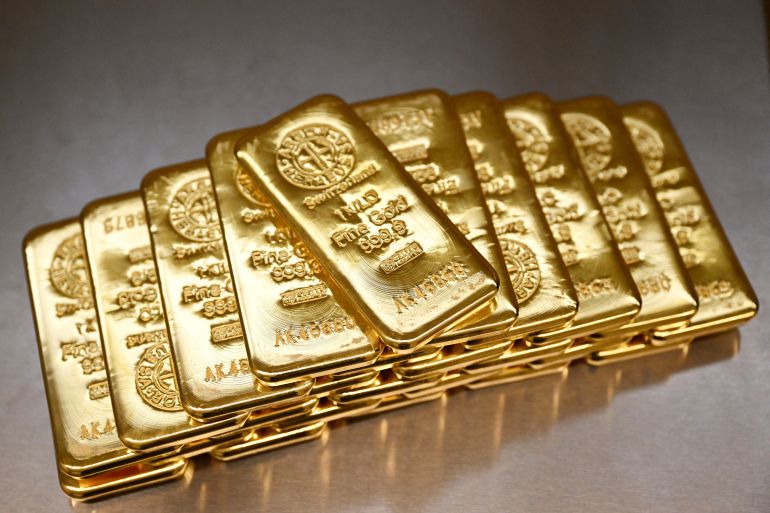
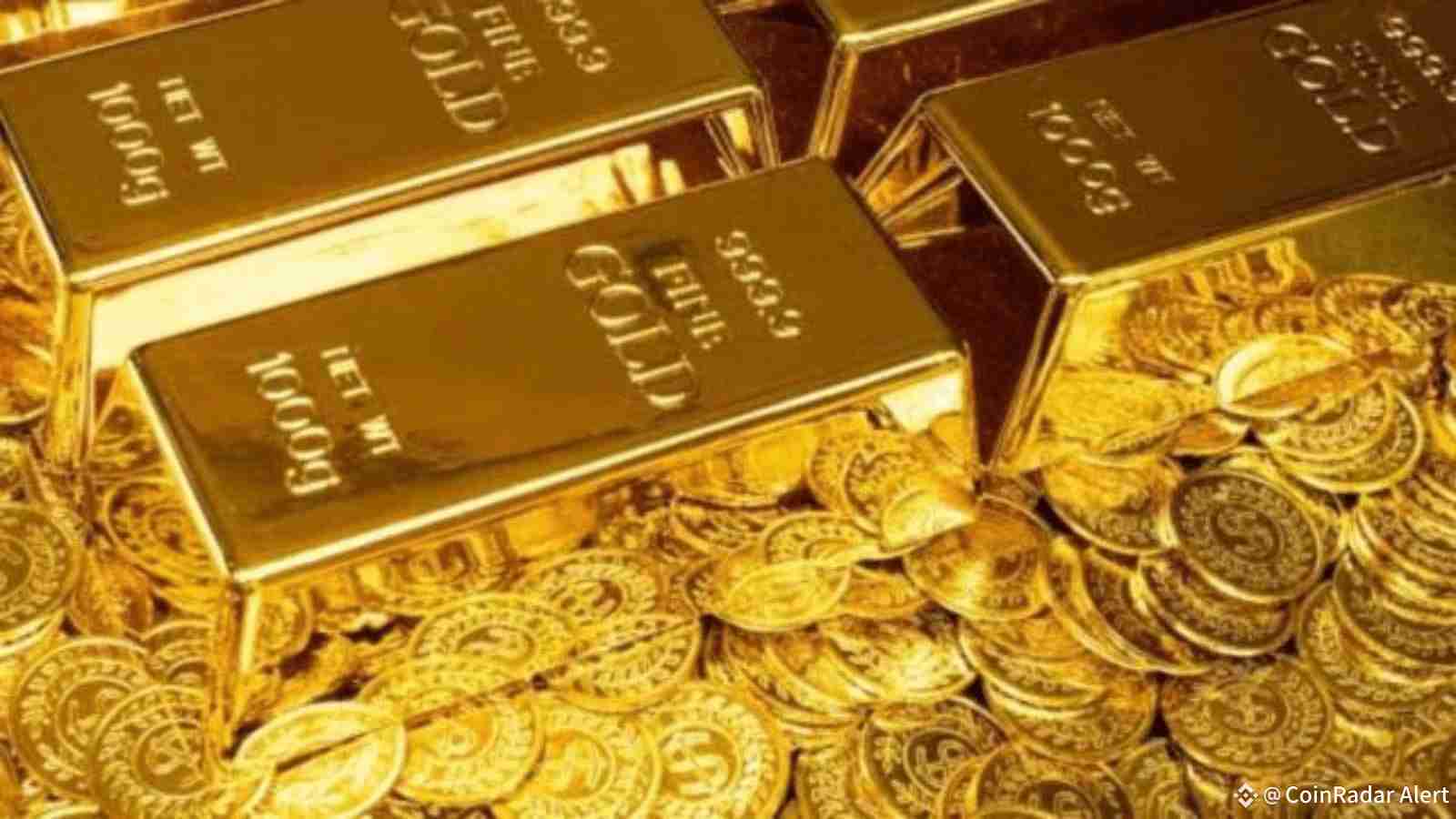
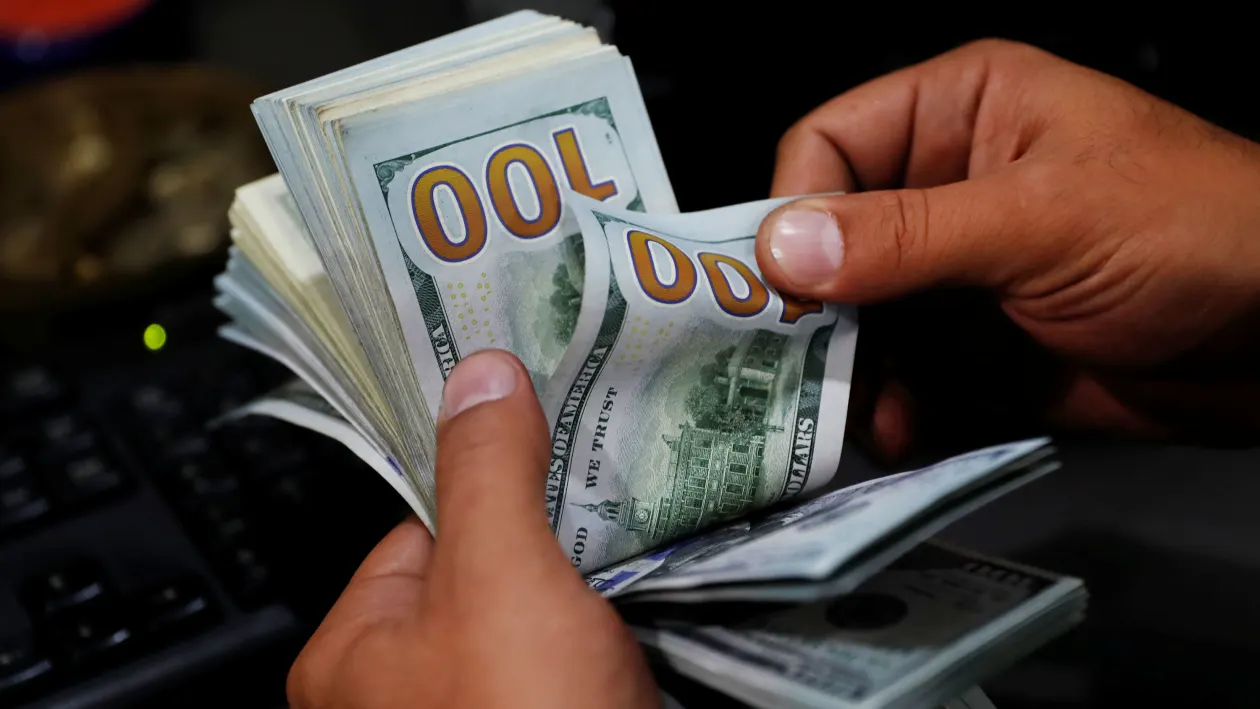
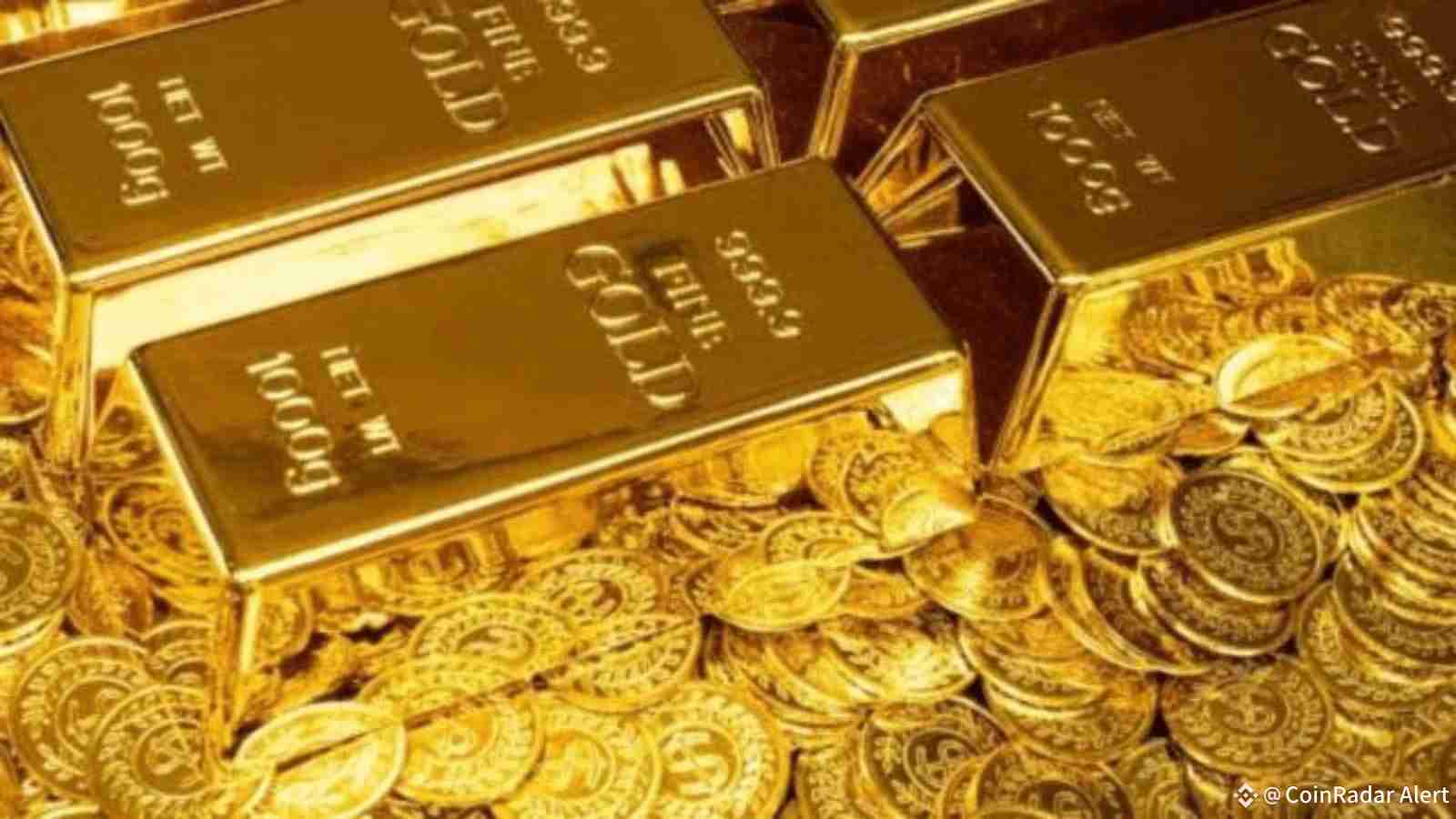
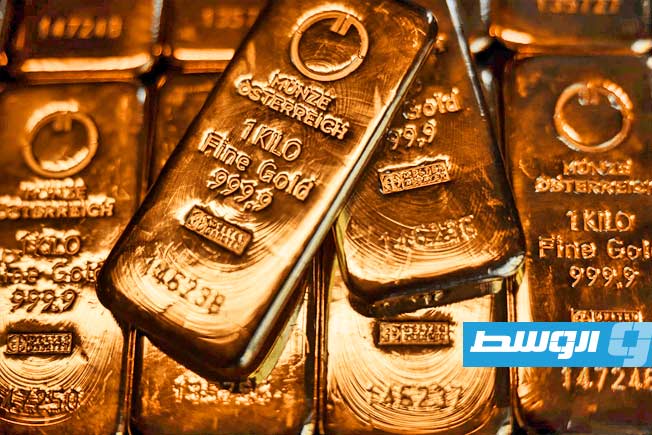
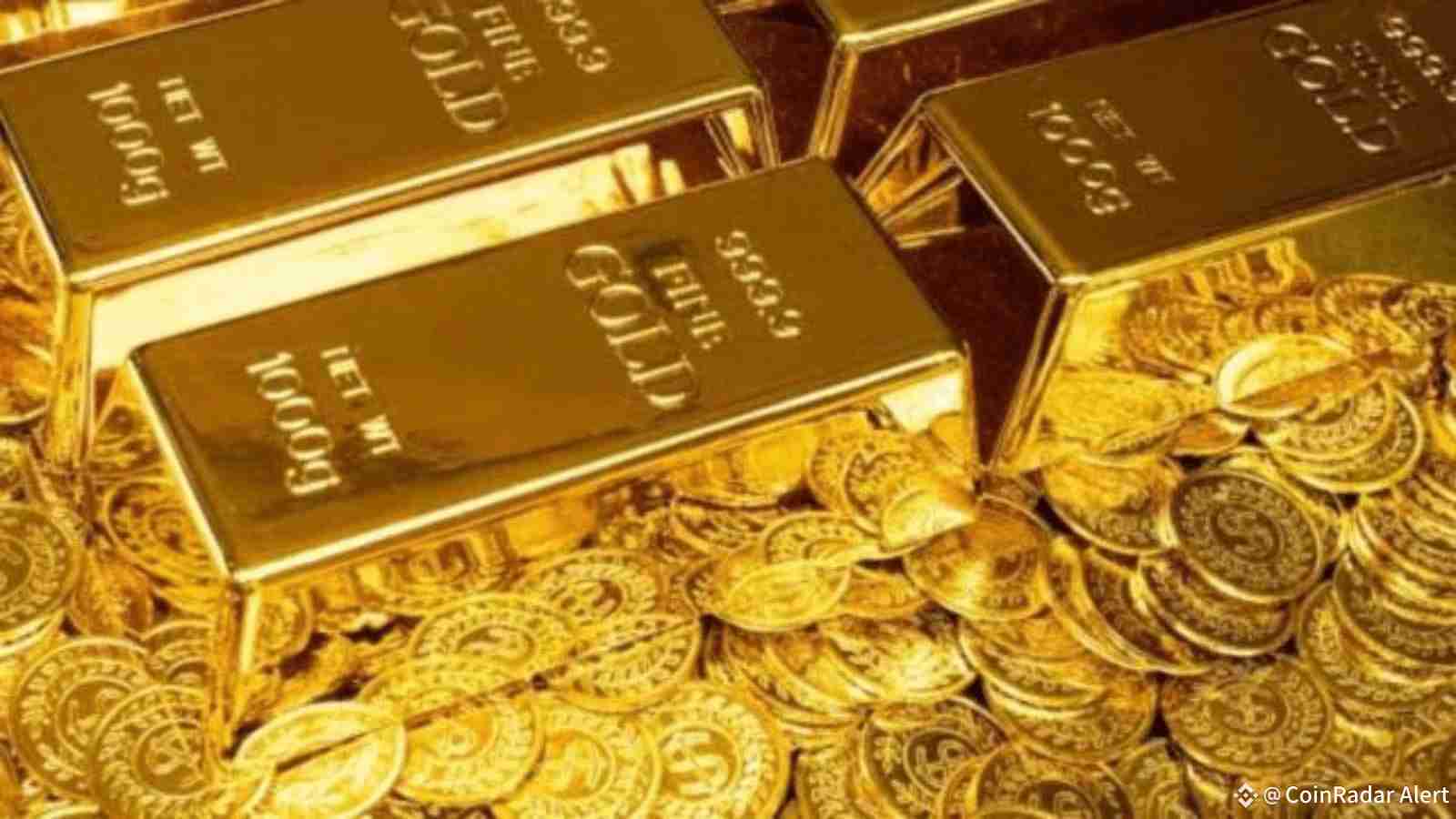
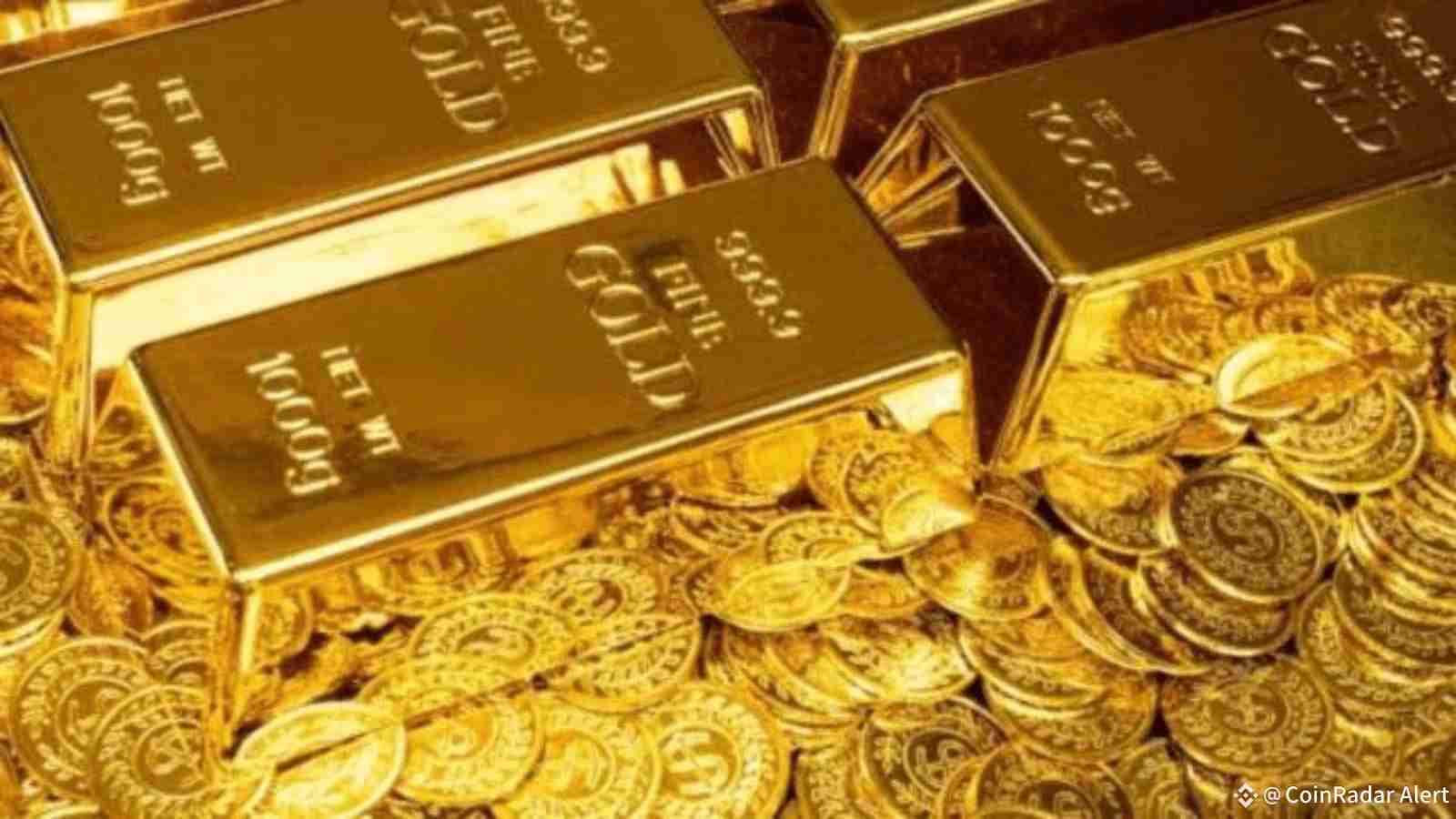
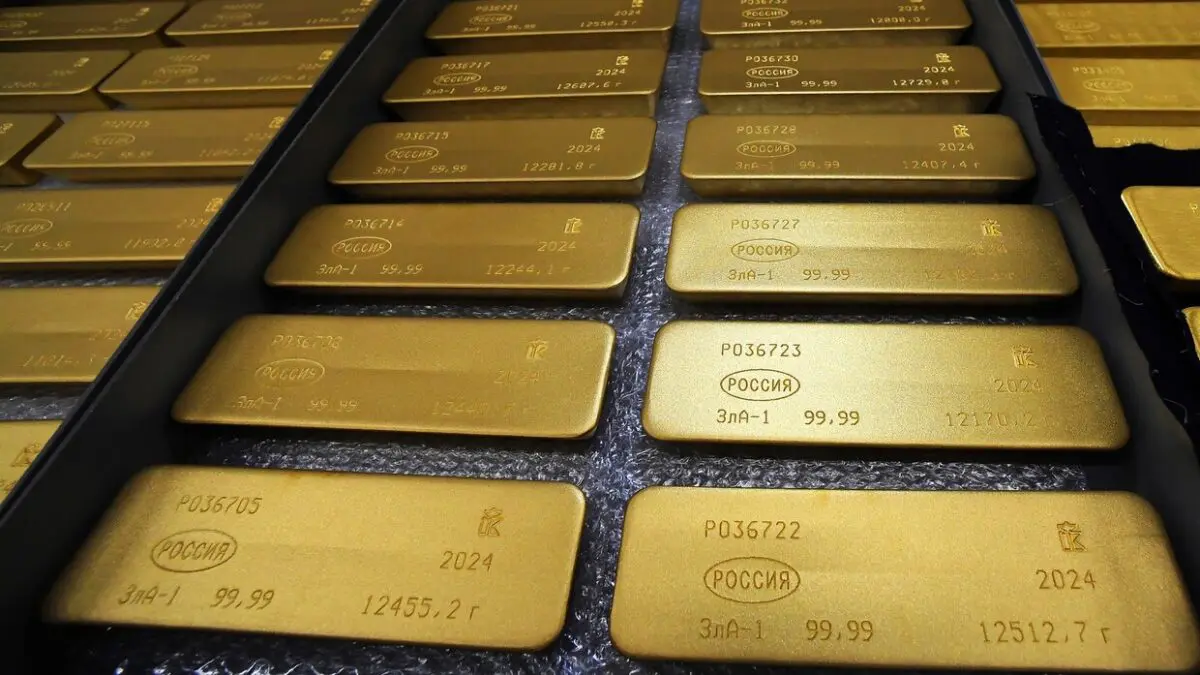
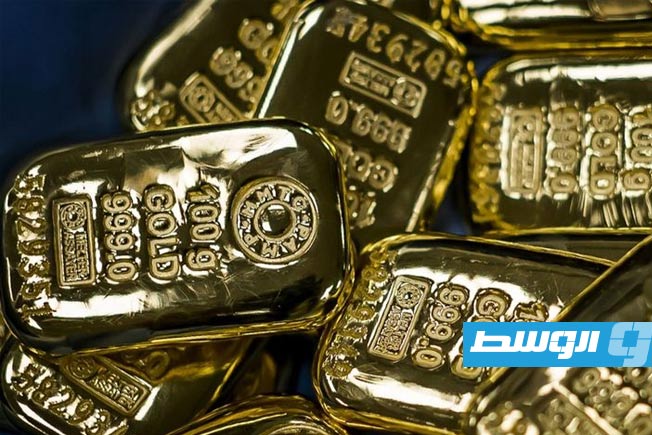
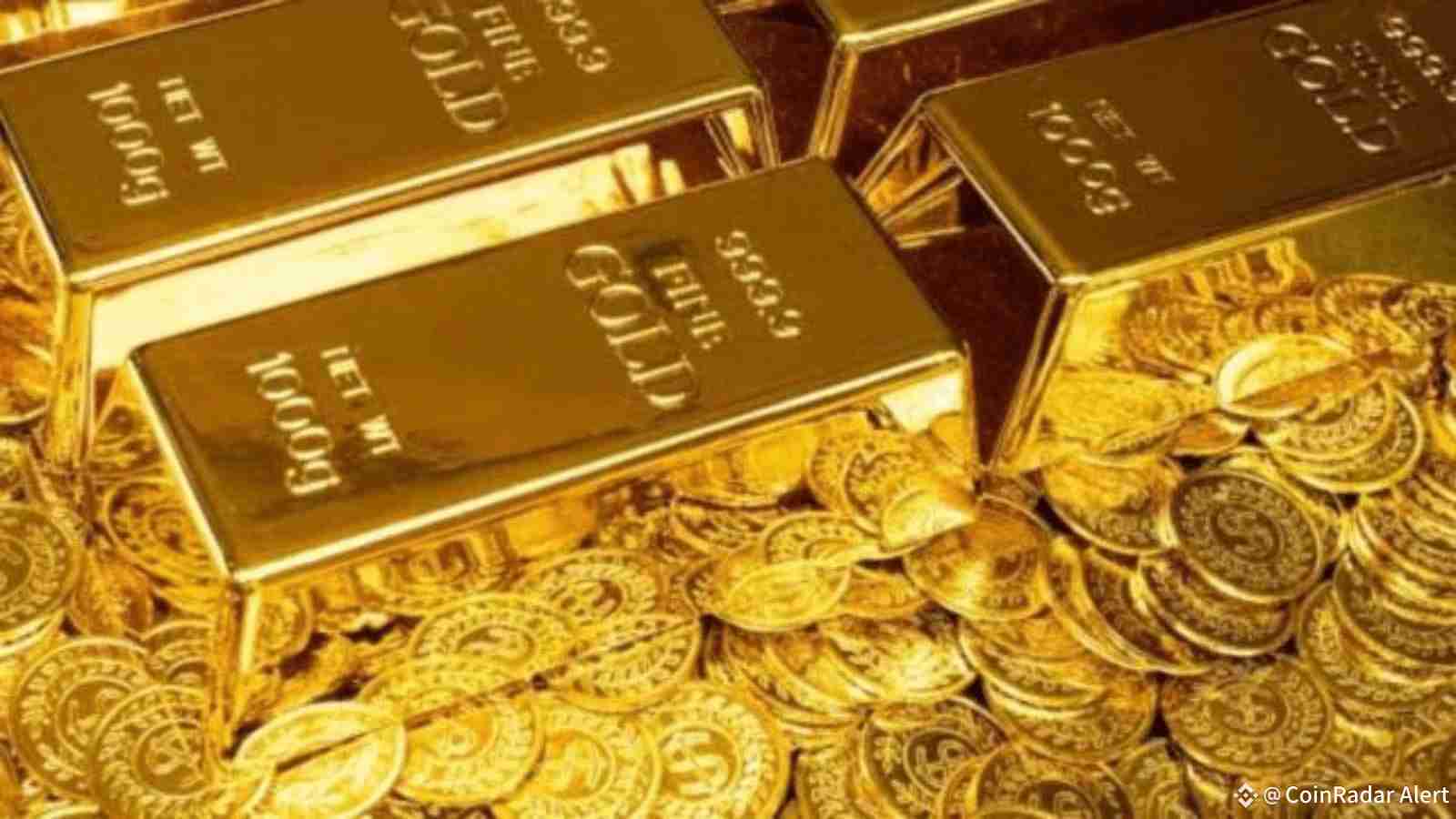
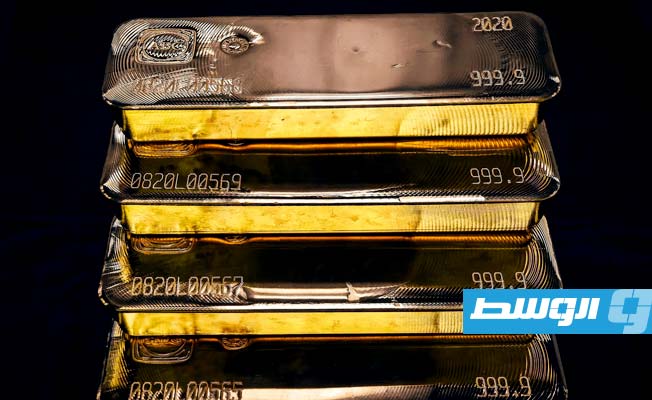
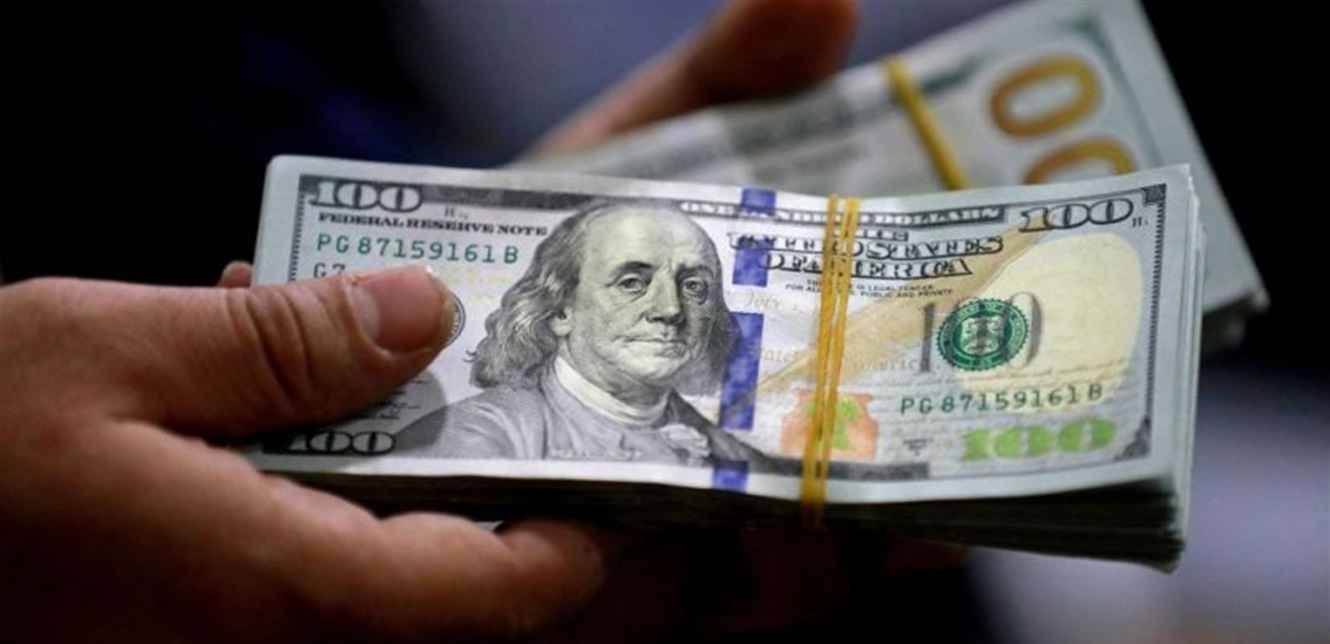
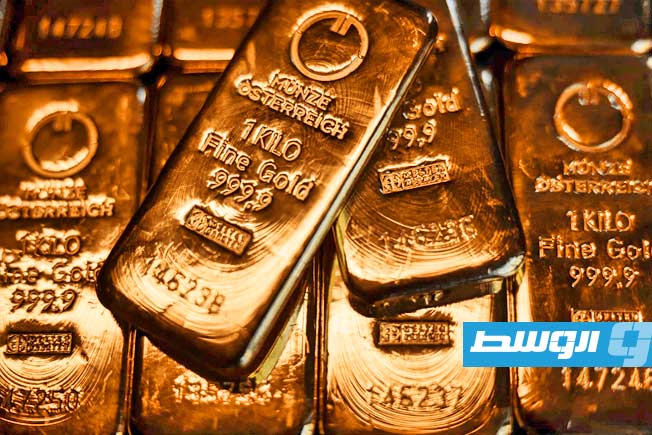
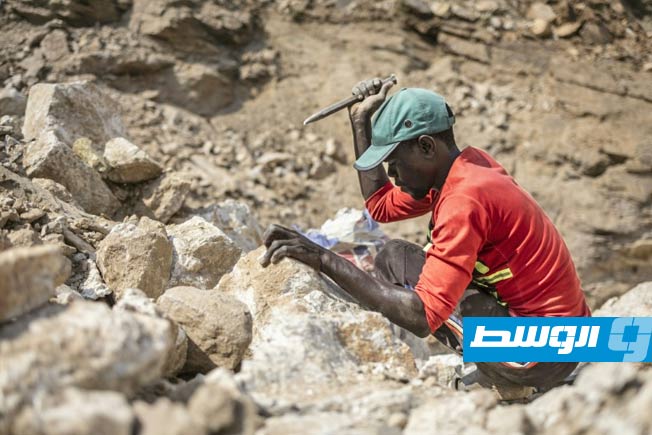
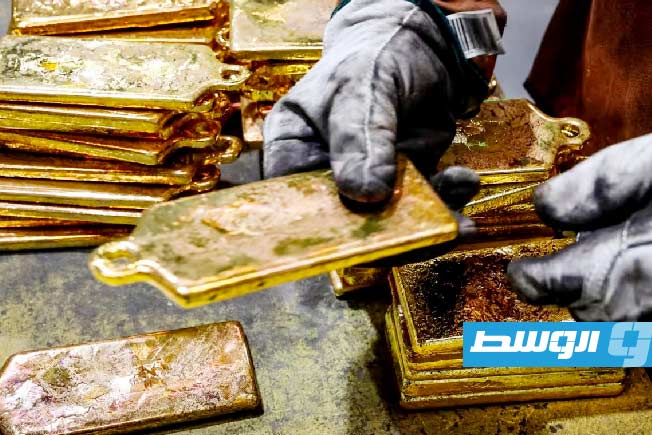
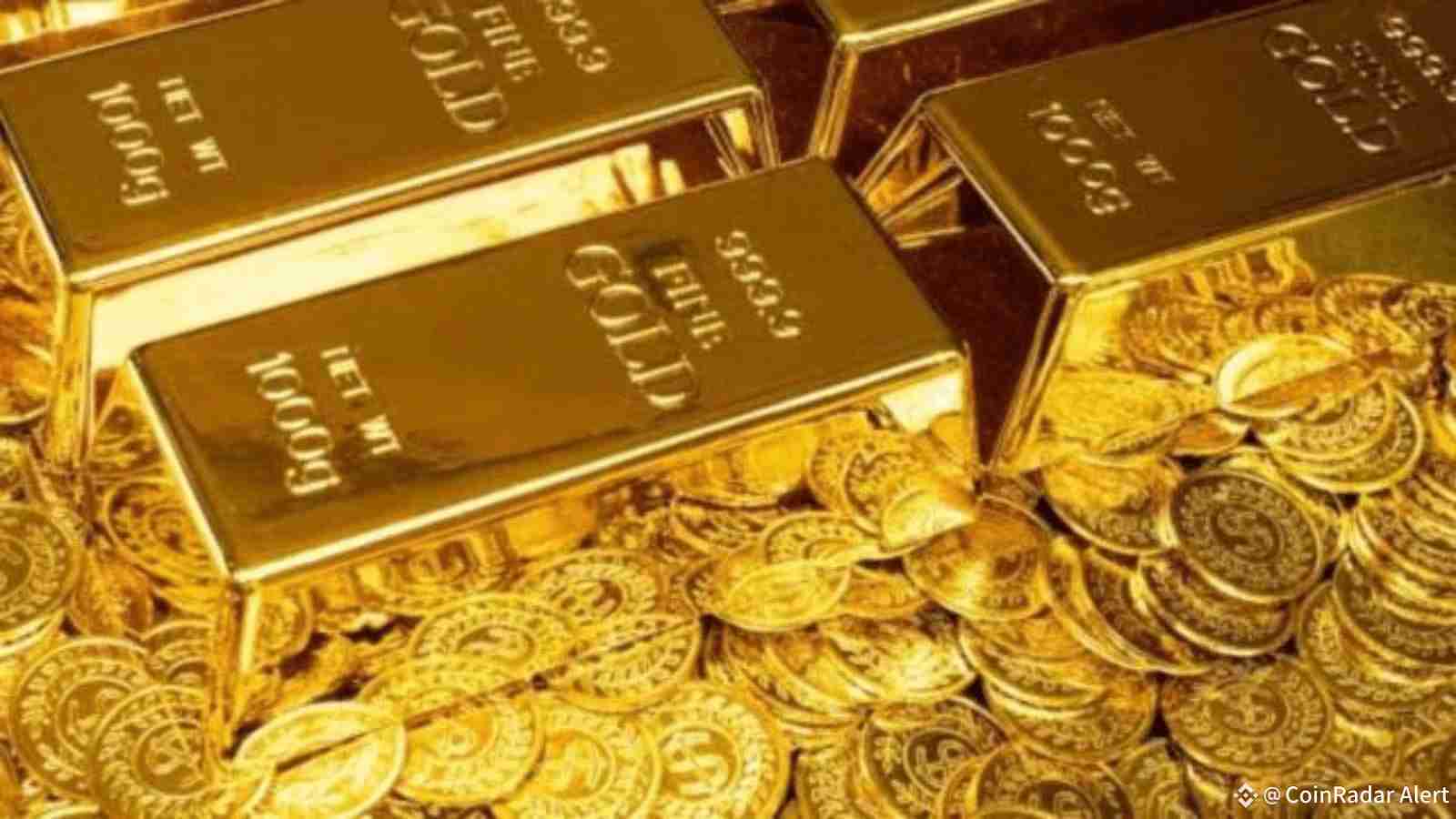
Ghana’s Gold Authority announced that it has exceeded its 2025 target for gold exports from the small-scale sector, set at 100 tons, achieving over $10 billion in foreign exchange earnings. This accomplishment provides strong support for foreign reserves and macroeconomic stability. The authority’s Executive Director stated in an official announcement that this development represents a “significant milestone” in the path of reforming Ghana’s gold trade and exports.
According to the statement, reaching the target ahead of schedule reflects the impact of stringent regulatory oversight and improved tracking systems, as well as strategic partnerships with small-scale miners. It was confirmed that the result highlights the viability of the authority’s mandate to regulate the gold trade within the country.
Strong Financial Performance
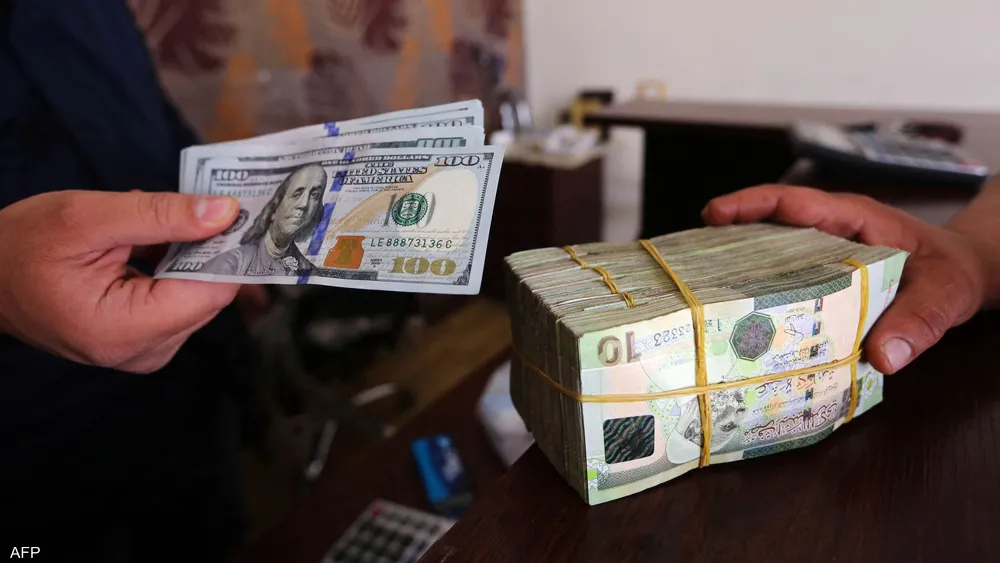
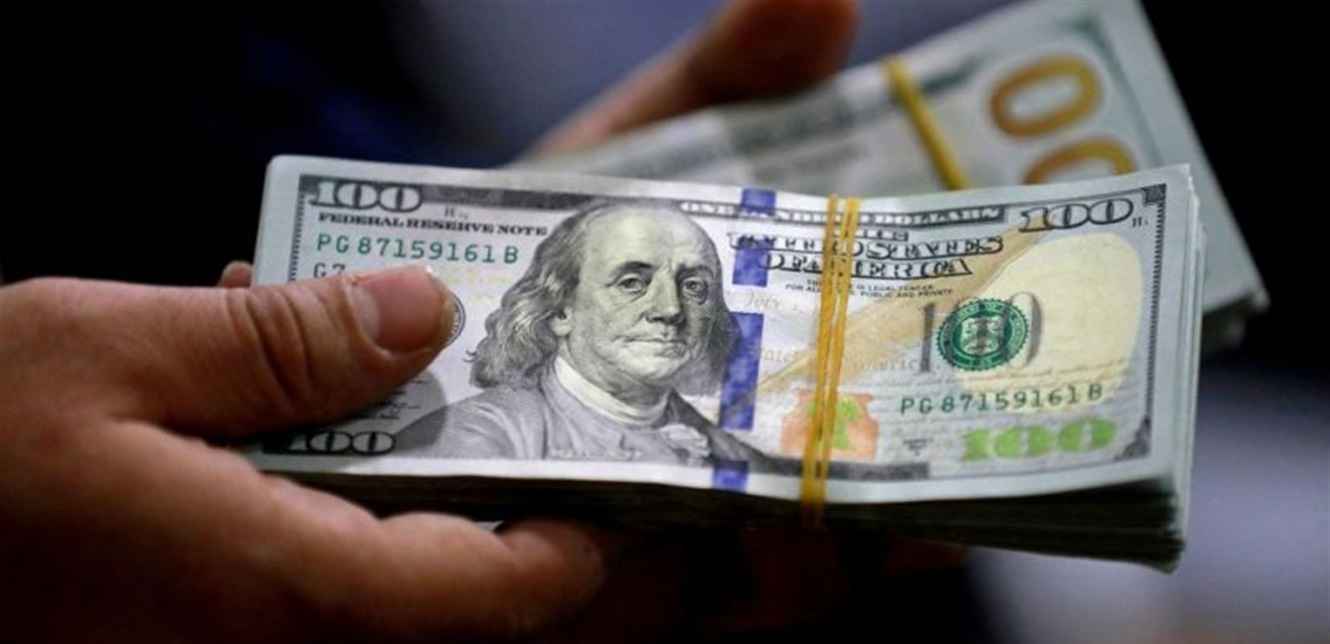
The authority’s financial reports for the second and third quarters of this year showed a comprehensive net income of 906.32 million Ghanaian cedis (82.733 million US dollars) between April and September 2025, reflecting growing strength in its budget and enhancing its financial sustainability.
Analysts believe that the authority’s rising performance since the beginning of the year reflects its success in integrating small-scale miners into the formal economy through licensing mechanisms, applying compliance standards, providing access to markets, and ensuring fair prices. They have also linked this improvement to increased international demand for Ghanaian gold, driven by growing confidence in the authority’s regulatory framework and its commitment to ethical and responsible sourcing principles. This has enhanced Ghana’s competitiveness in the global market and contributed to reducing smuggling and revenue leakages that previously undermined earnings.
Birmingham
Birmingham is a major city in England’s West Midlands region, historically emerging as a global manufacturing and industrial powerhouse during the 18th-century Industrial Revolution. Its growth was fueled by metalworking and innovation, and it has since transformed into a diverse, modern cultural and commercial center.
England
England is a country within the United Kingdom with a rich history dating back to ancient settlements, including Roman occupation and the formation of the Anglo-Saxon kingdoms. It later became a central power in the British Empire and was the birthplace of the Industrial Revolution, profoundly shaping global industry and culture. Its capital, London, has served as a major political and cultural centre for centuries.
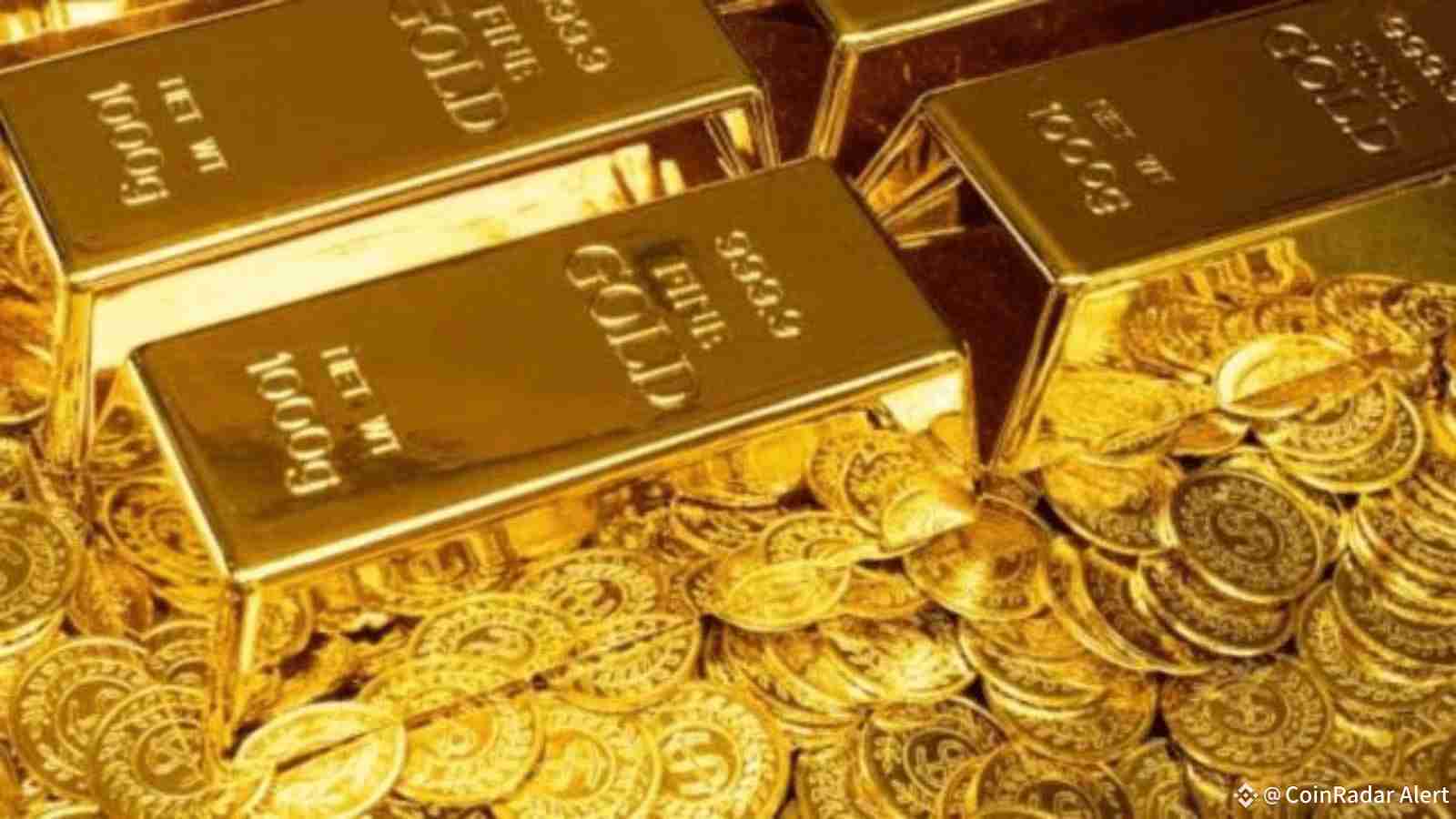
gold bullion bars
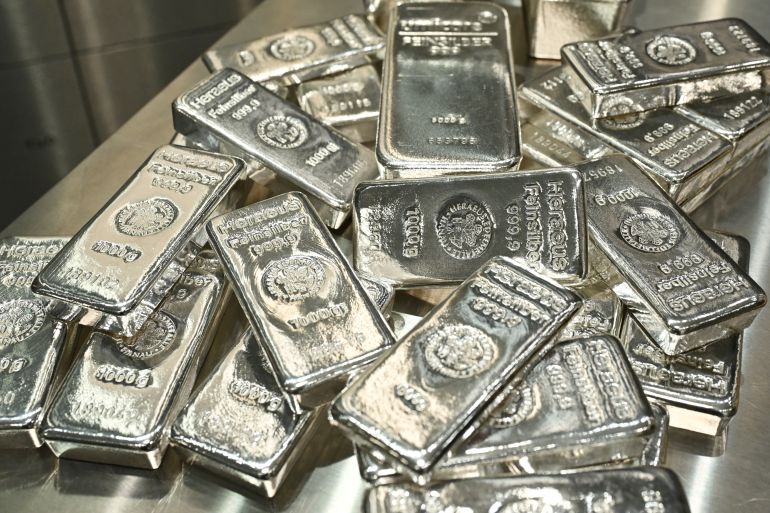
Gold bullion bars are refined, high-purity bars of gold, typically produced by government mints or private refineries, that serve as a store of value and a tangible investment asset. Their history is intertwined with global trade and monetary systems, notably underpinning the gold standard where currencies were directly convertible to gold. Today, they remain a fundamental component of national reserves and private portfolios.
gold dealers
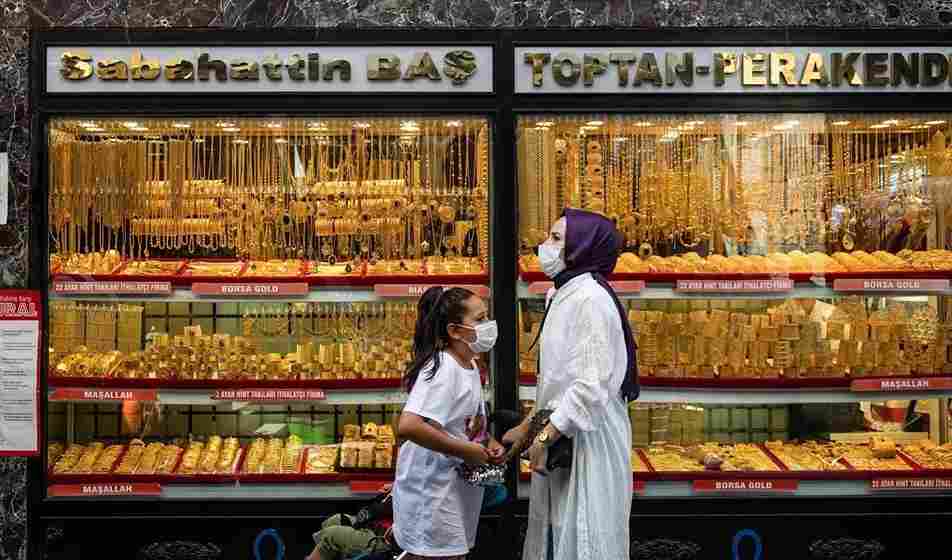
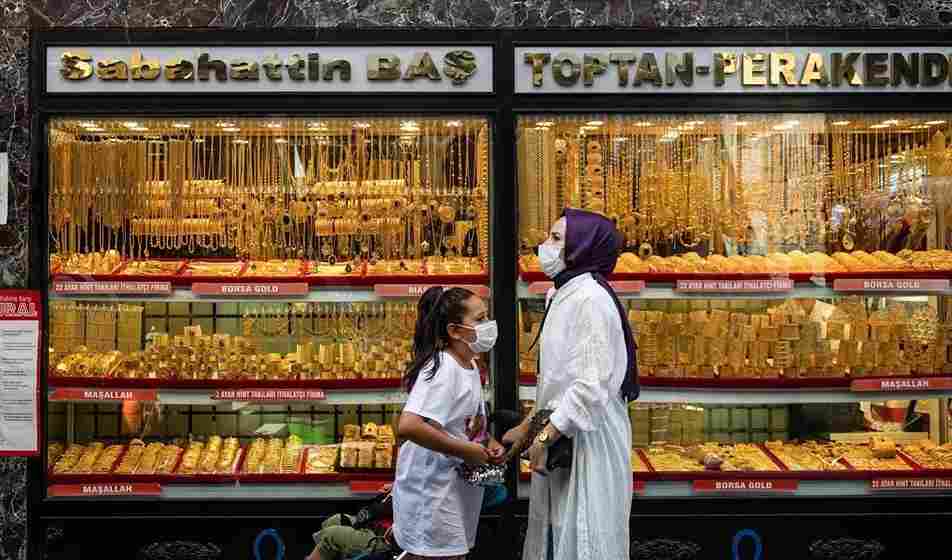
Gold dealers, historically operating as individual artisans and merchants, have been central to economies for millennia by facilitating trade, currency exchange, and wealth storage. Today, they function through both specialized local shops and large international markets, buying and selling bullion, coins, and jewelry. Their trade is deeply tied to the historical and cultural value of gold as a universal symbol of wealth and security.
Birmingham’s jewellery quarter
Birmingham’s Jewellery Quarter is a historic area in central England that became a global hub for jewellery production during the Industrial Revolution. Today, it remains a working centre for the trade, housing hundreds of jewellers, workshops, and the Museum of the Jewellery Quarter.
Ukraine War
The ongoing conflict in Ukraine began in 2014 with Russia’s annexation of Crimea and the outbreak of war in the Donbas region, escalating dramatically into a full-scale Russian invasion in February 2022. This war represents the largest conventional military conflict in Europe since World War II, causing a severe humanitarian crisis and fundamentally reshaping global geopolitical and security alliances.
Hamas-Israel war
The Hamas-Israel war refers to the protracted and violent conflict between the Palestinian militant group Hamas, which governs the Gaza Strip, and the State of Israel. Its modern phase escalated significantly following Hamas’s electoral victory in 2006 and its subsequent takeover of Gaza in 2007, with recurring cycles of intense warfare marked by rocket attacks, airstrikes, and ground operations. The conflict is deeply rooted in the broader Israeli-Palestinian dispute over territory, sovereignty, and security.
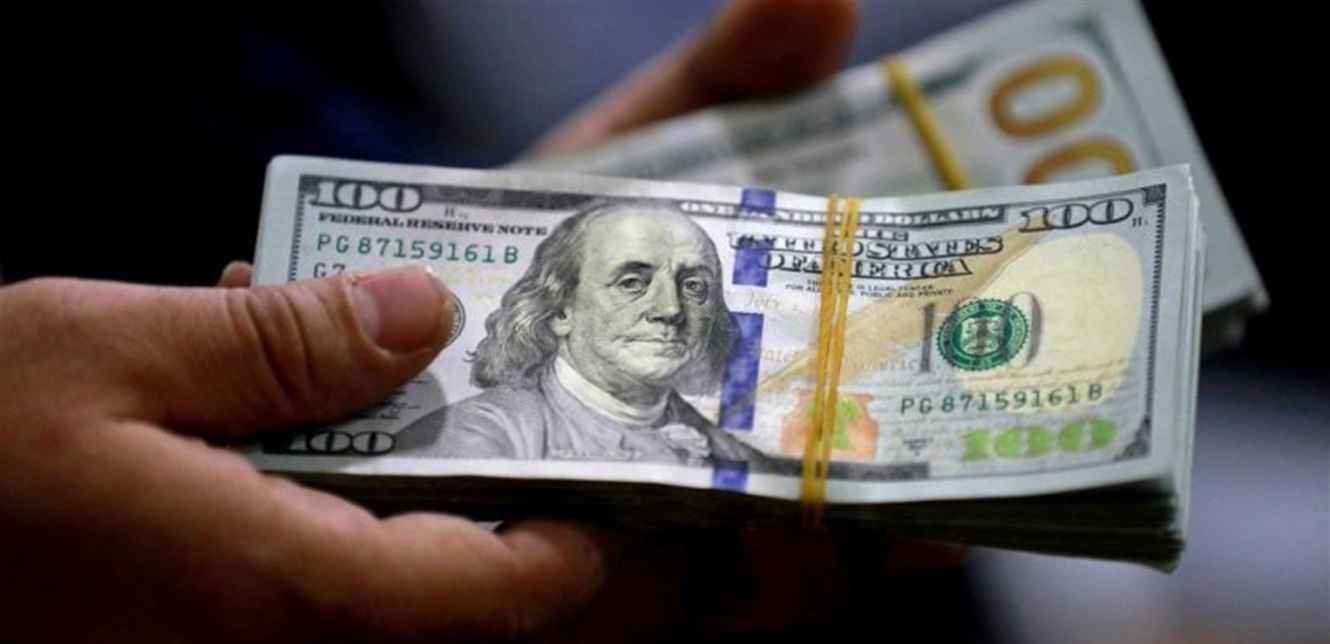
US dollar
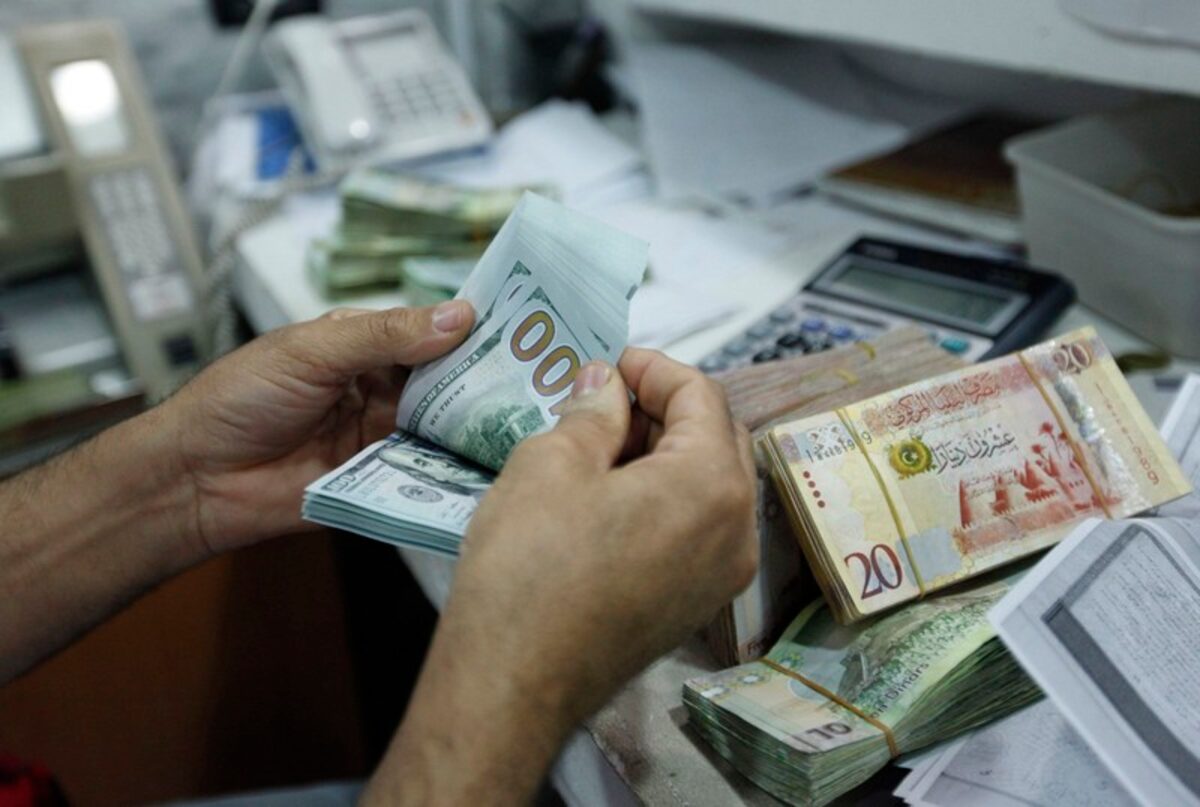
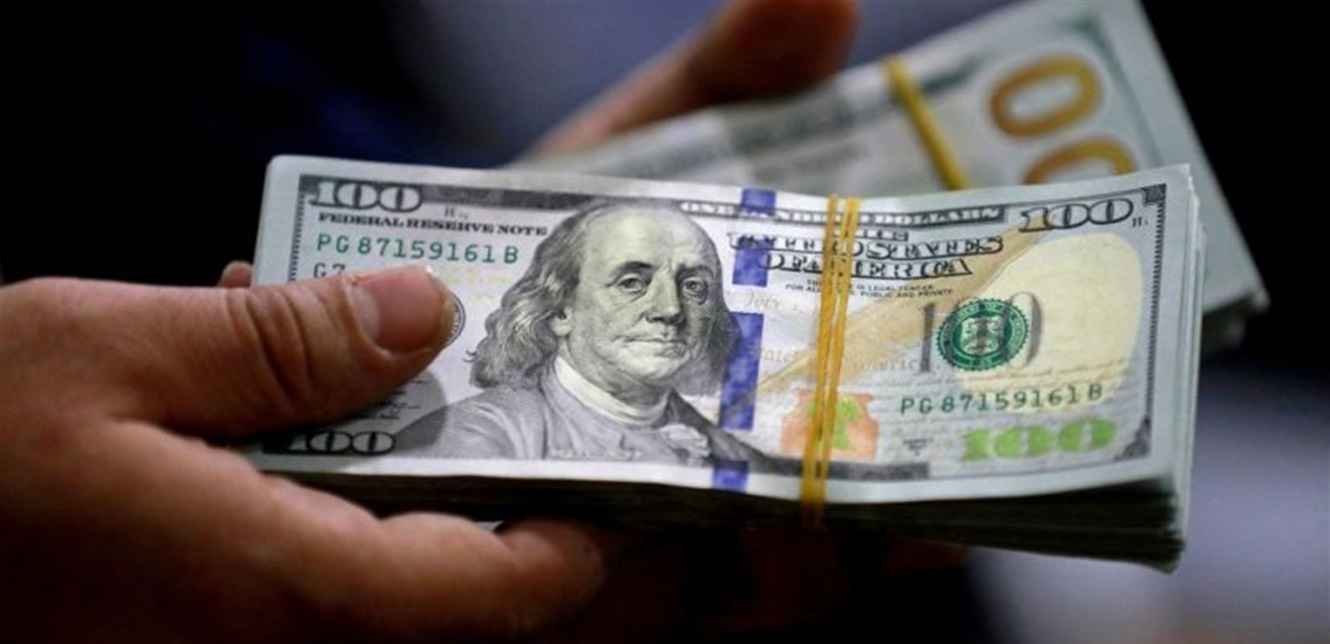
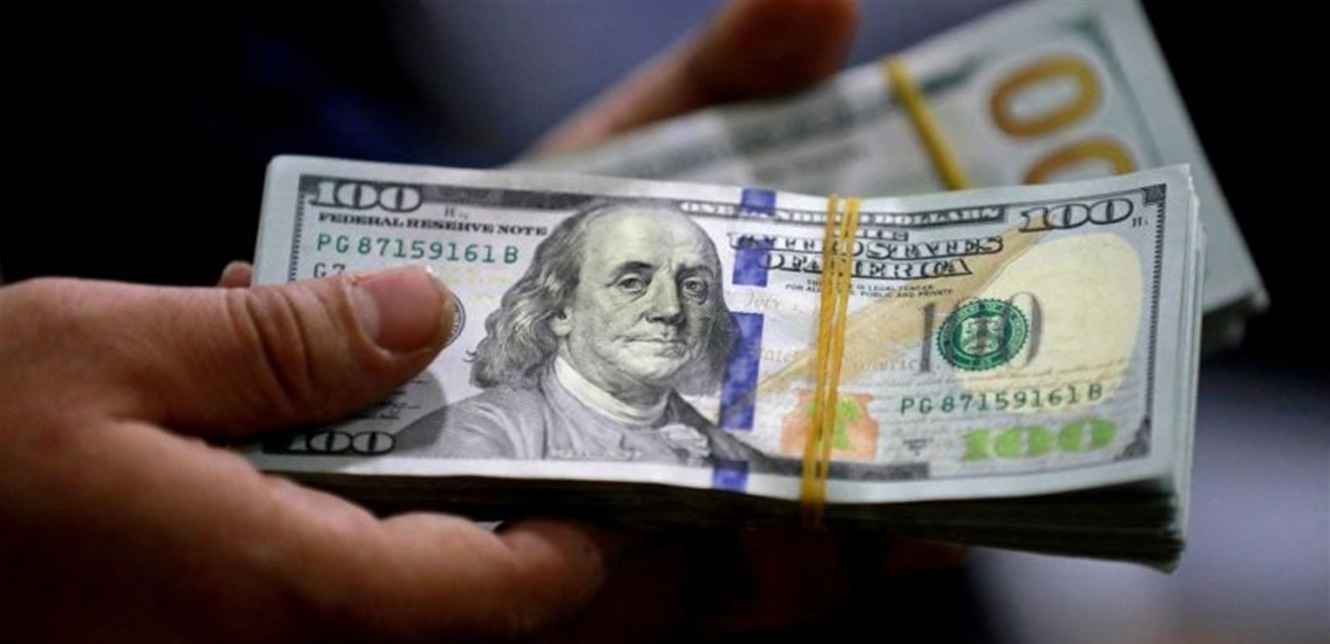
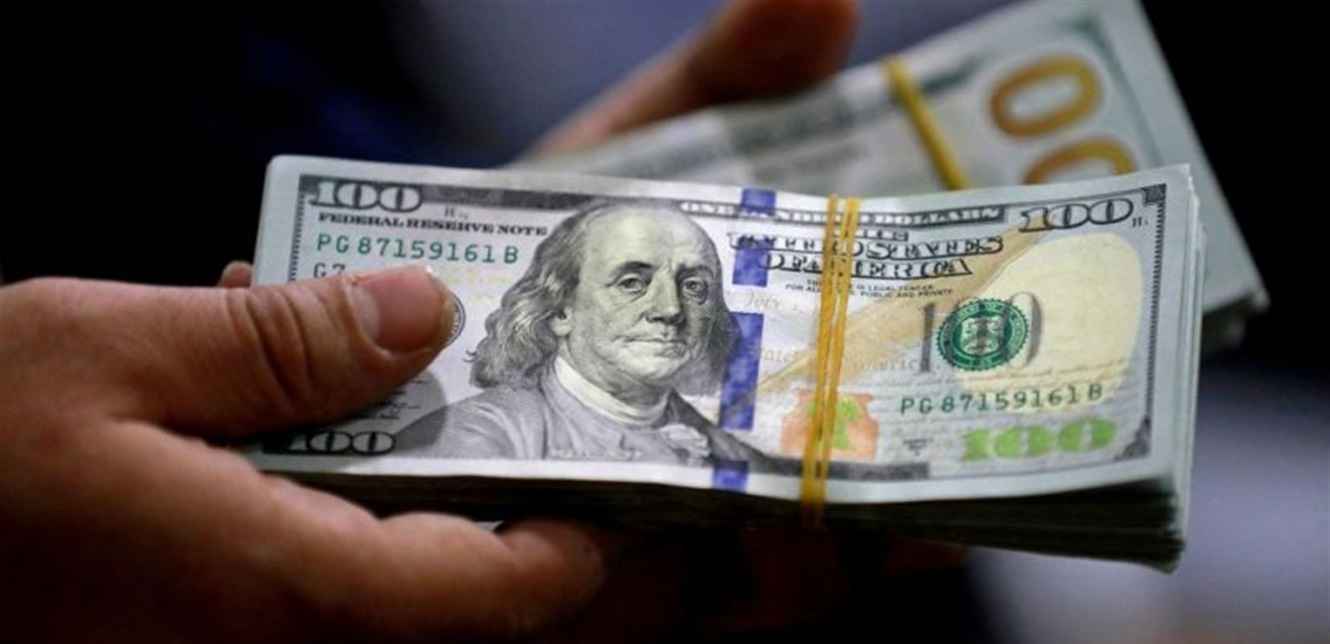
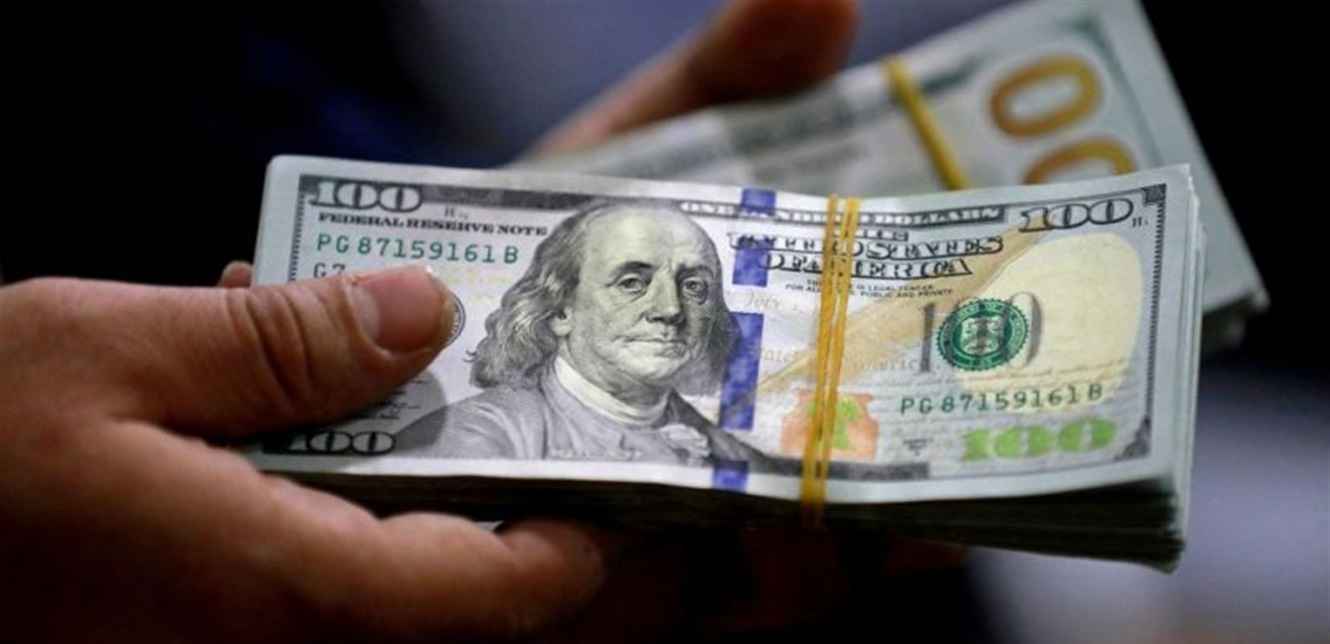
The US dollar is the official currency of the United States, established by the Coinage Act of 1792. It evolved from a system based on Spanish milled dollars and has become the world’s primary reserve currency since the Bretton Woods agreement in the mid-20th century.
Federal Reserve
The Federal Reserve is the central banking system of the United States, established in 1913 by the Federal Reserve Act to provide the country with a safer, more flexible, and more stable monetary and financial system. It conducts national monetary policy, supervises and regulates banks, maintains financial stability, and provides banking services to depository institutions and the federal government.
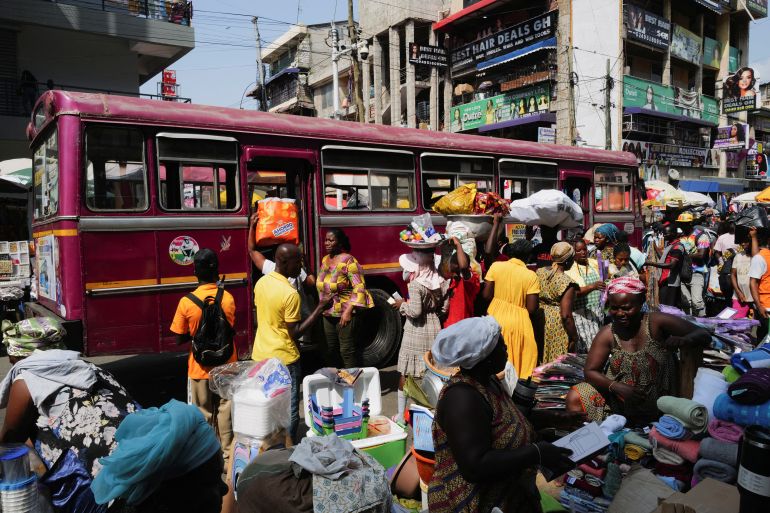
Ghana
Ghana is a West African nation known for its rich history as the site of several pre-colonial empires, such as the Ashanti Empire. It gained global significance in 1957 by becoming the first sub-Saharan African country to achieve independence from European colonial rule. Today, it is celebrated for its vibrant culture, stable democracy, and historical sites like Cape Coast Castle, which is a poignant reminder of the transatlantic slave trade.
Ghana’s Gold Authority
The Ghana Gold Authority is a state-owned entity established to manage and regulate Ghana’s gold resources, which have been central to the region’s economy and history for centuries, dating back to the historic Ashanti Kingdom. Its modern role involves ensuring value addition, formalizing artisanal mining, and maximizing national revenue from the gold sector.
Ghanaian gold
Ghanaian gold refers to the rich gold deposits historically mined in West Africa, particularly within the Ashanti Kingdom, which became a major center of wealth and trade. This resource attracted European merchants and was a primary driver of the trans-Saharan and later Atlantic trade networks for centuries. The region was even known historically as the “Gold Coast” due to the abundance of this precious metal.
Ghanaian cedis
The Ghanaian cedi is the official currency of Ghana, introduced in 1965 to replace the Ghanaian pound. Its name derives from the Akan word for “cowrie shell,” which was historically used as a form of currency and trade in West Africa.