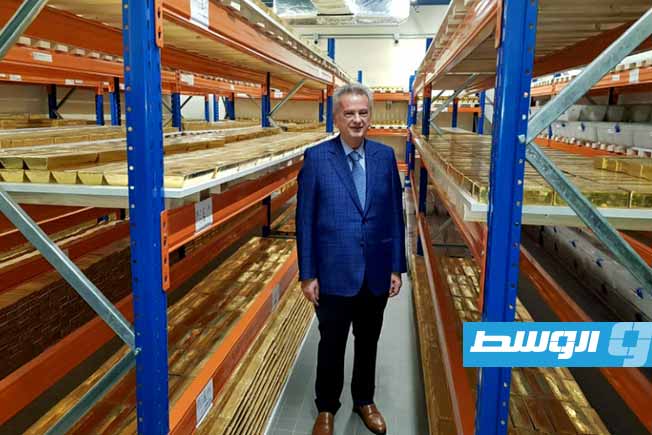
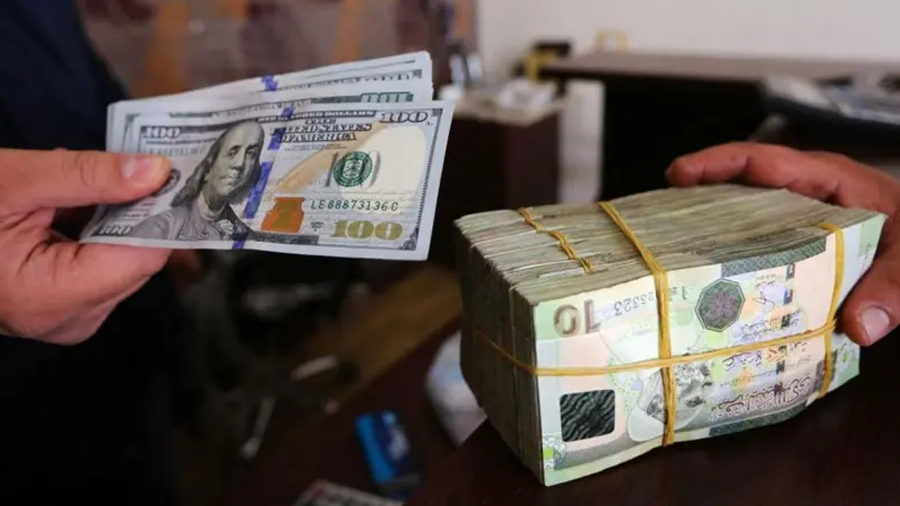
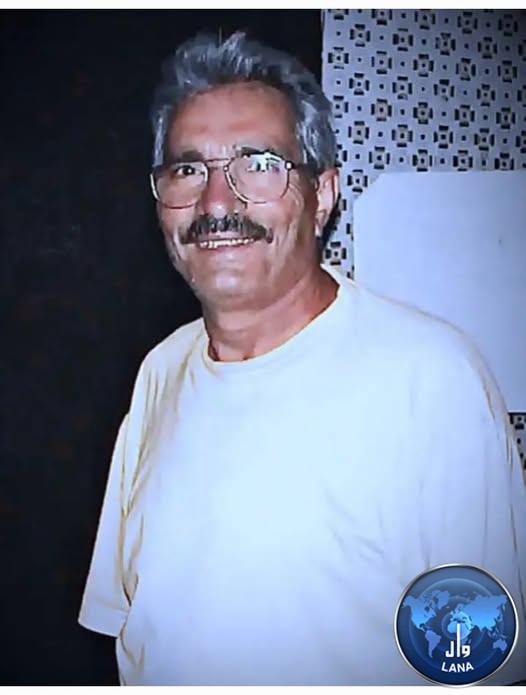
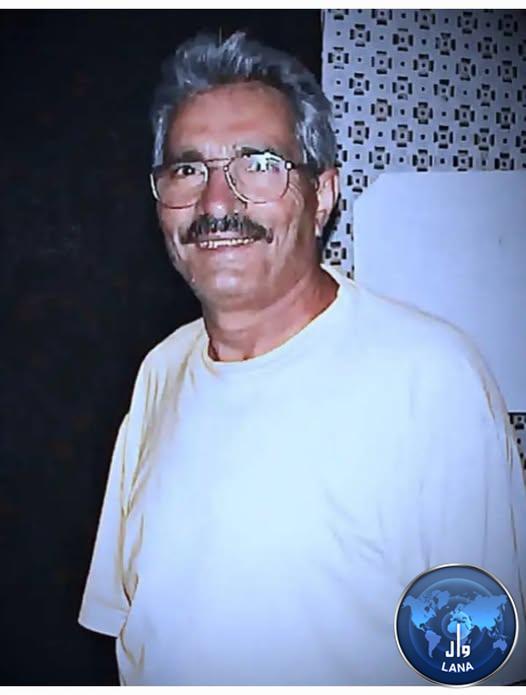
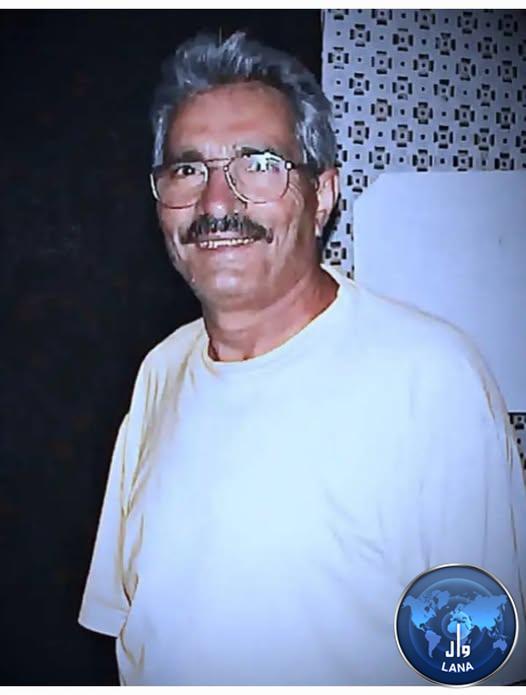
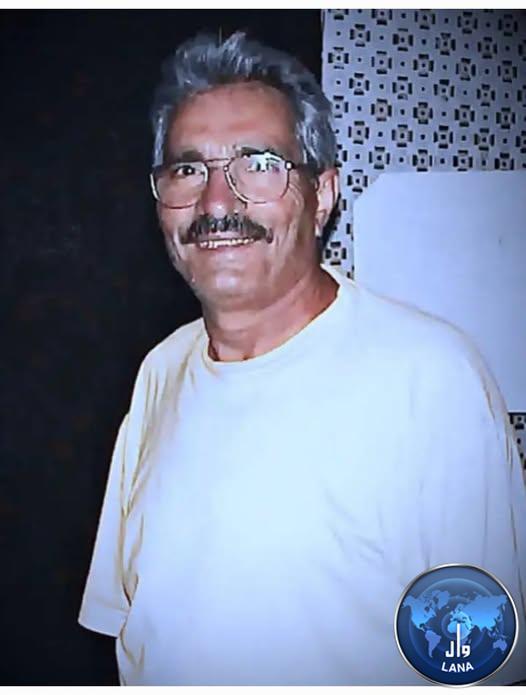
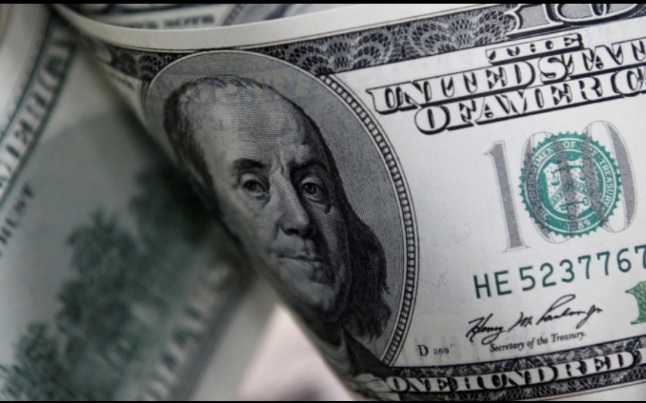
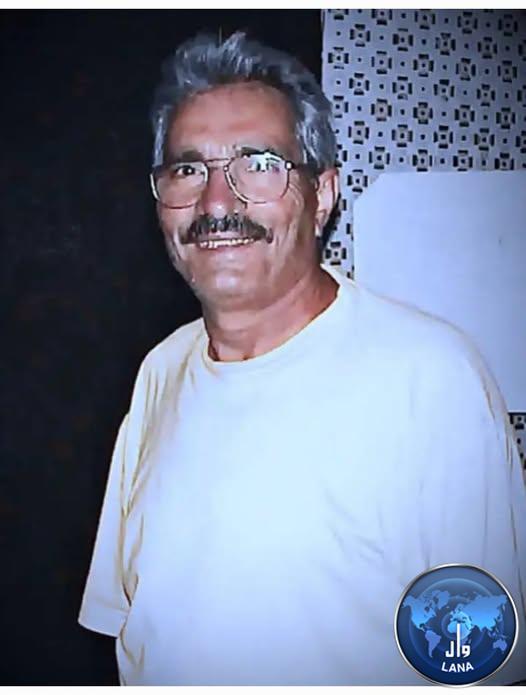
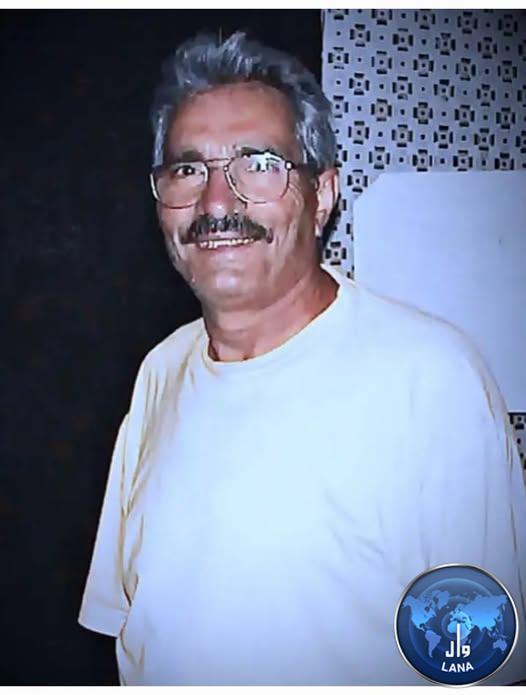
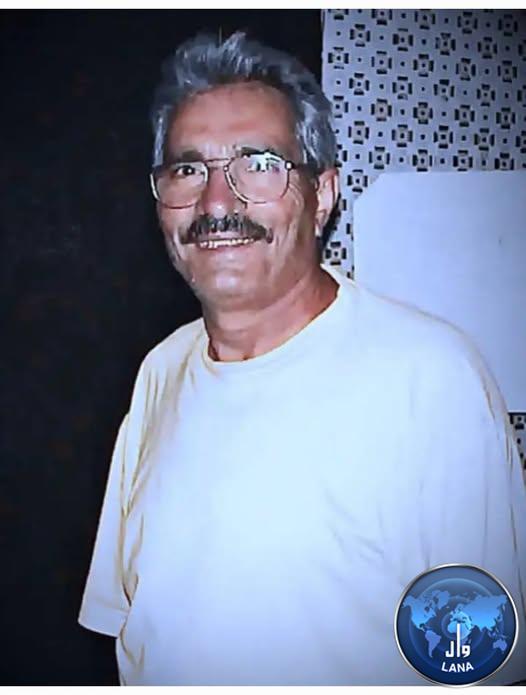
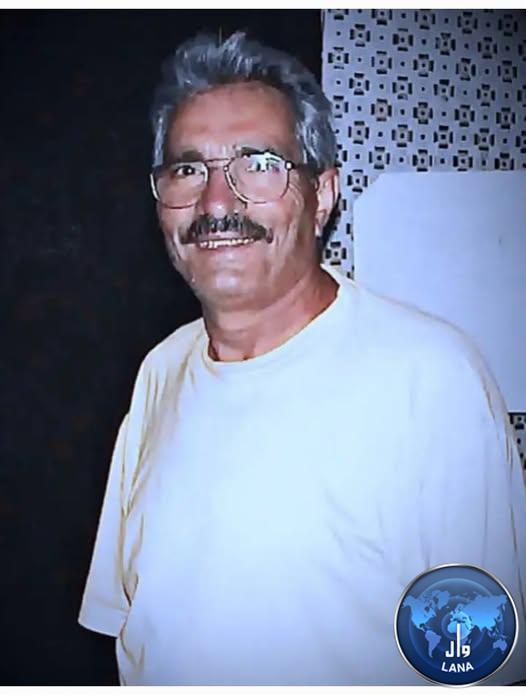
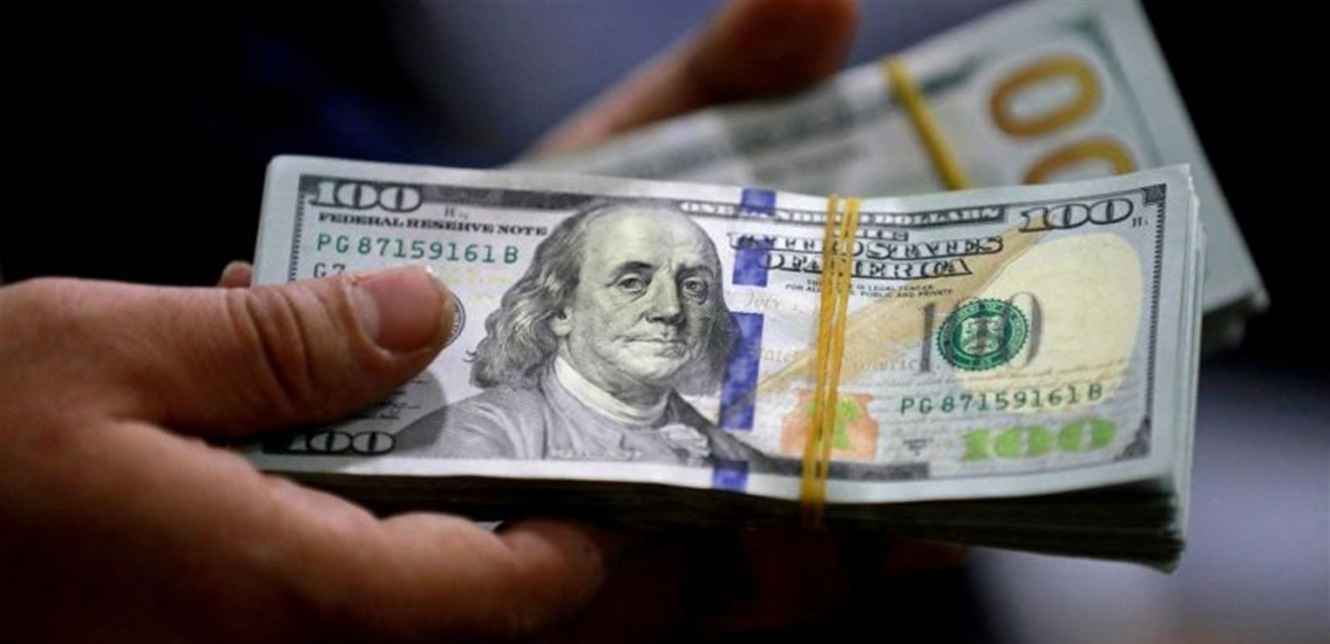
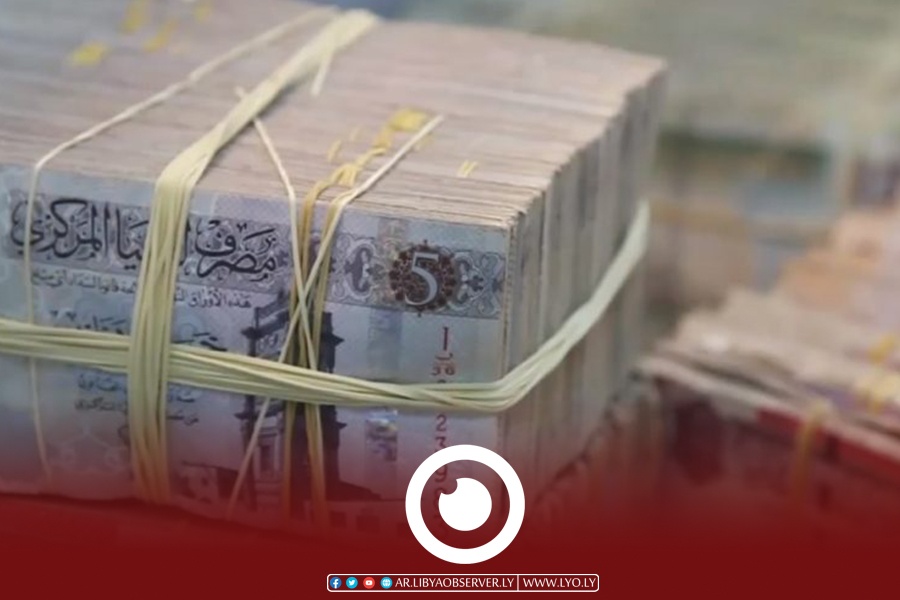
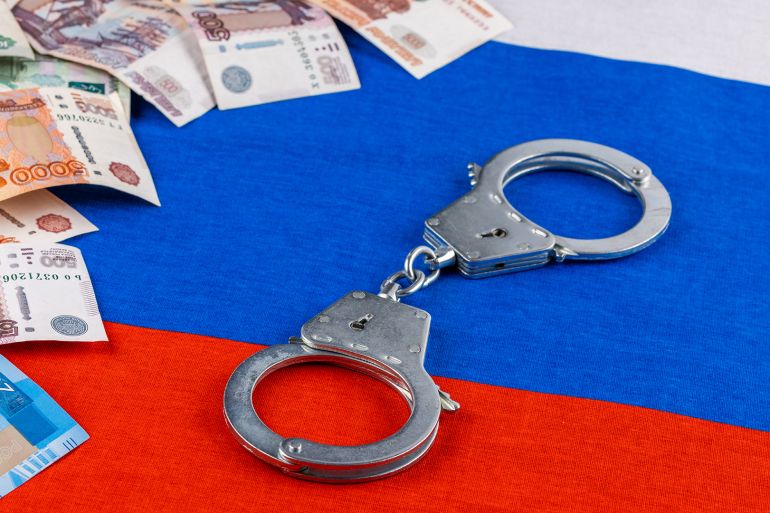
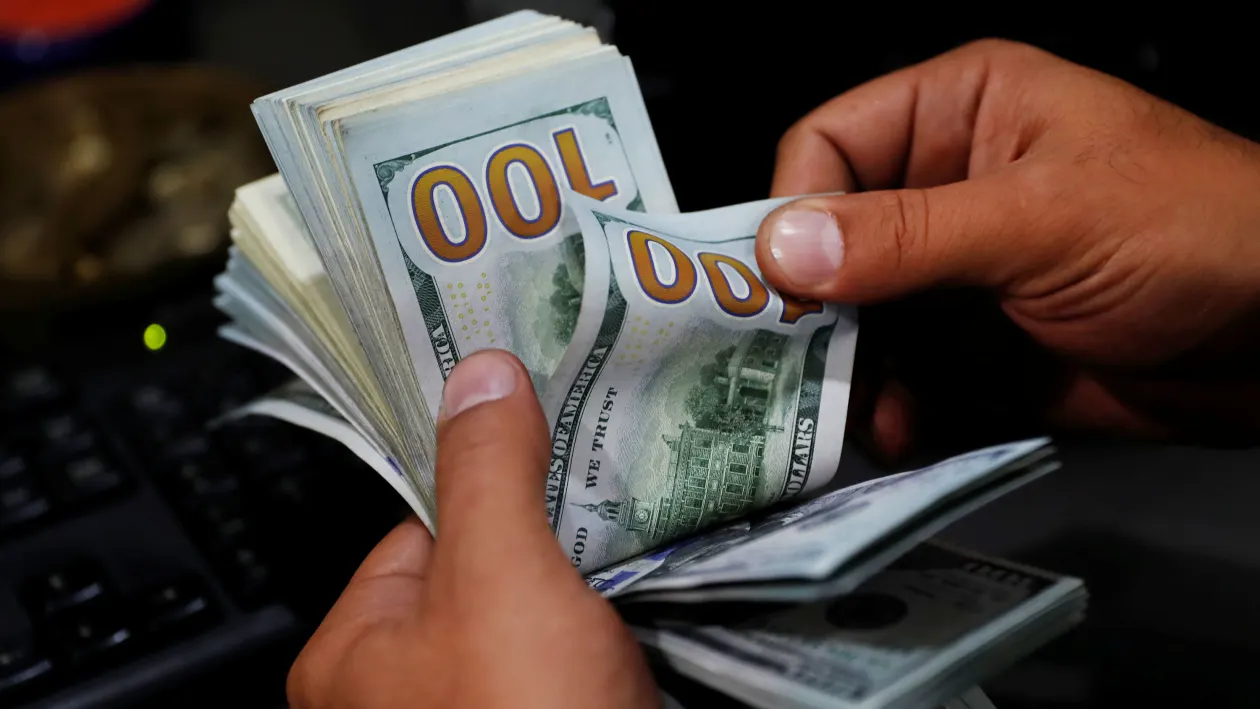
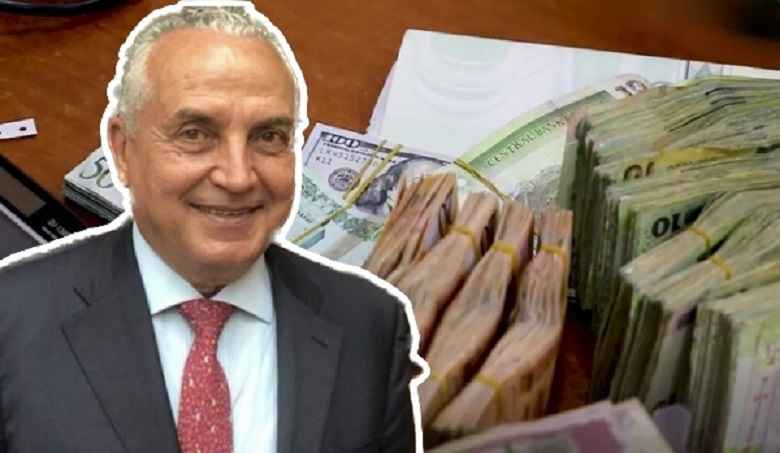
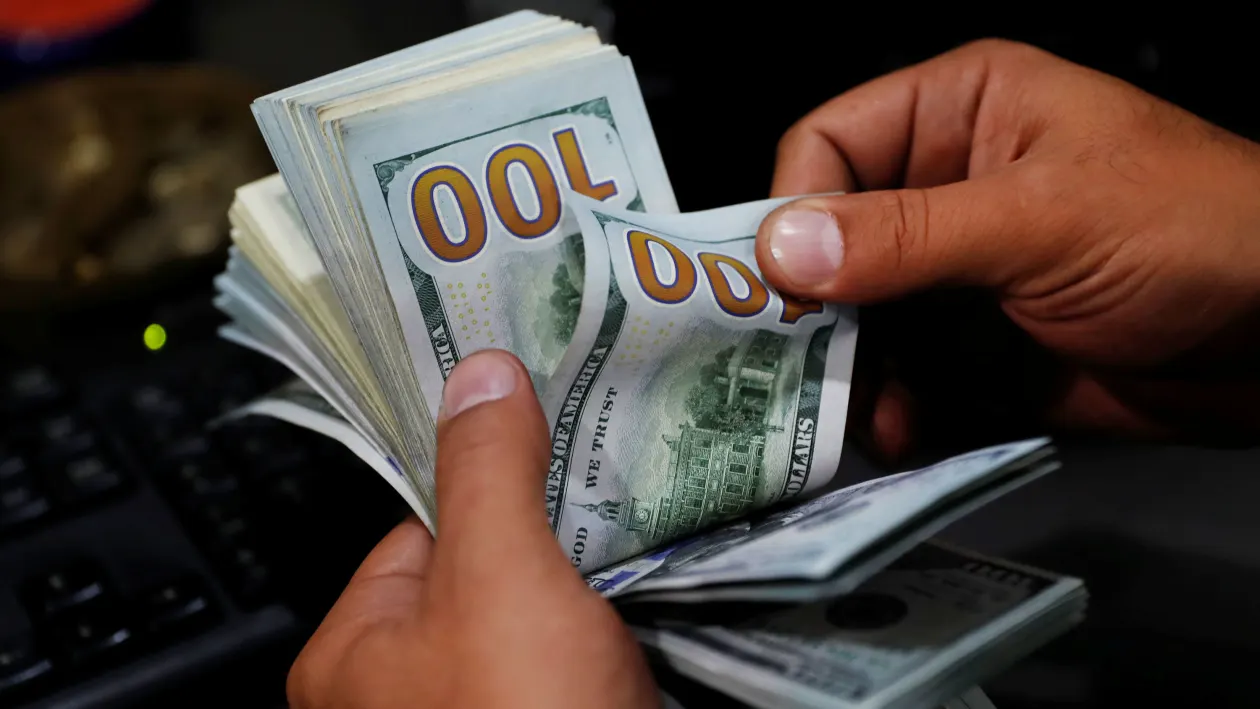
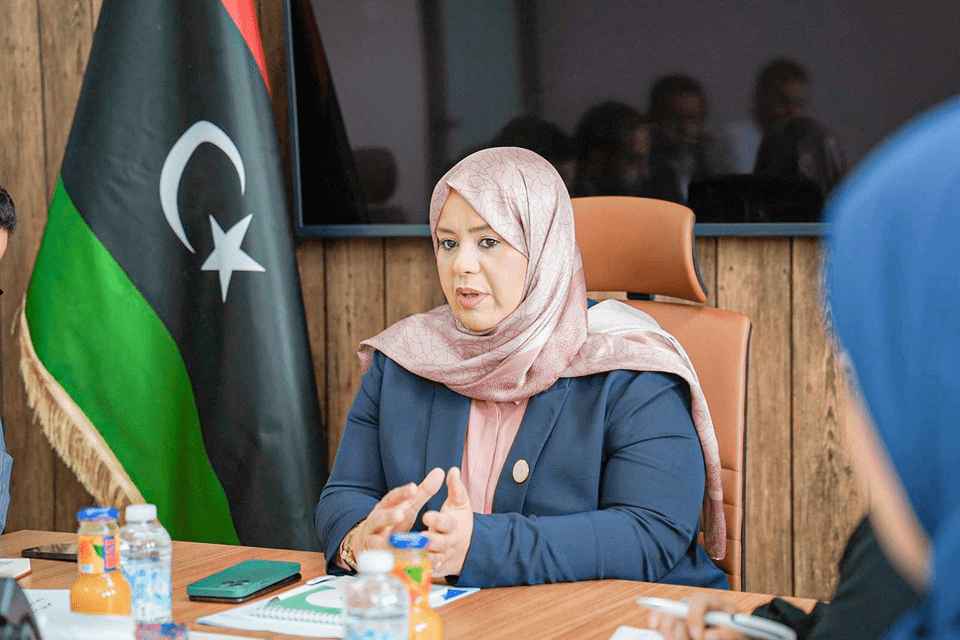
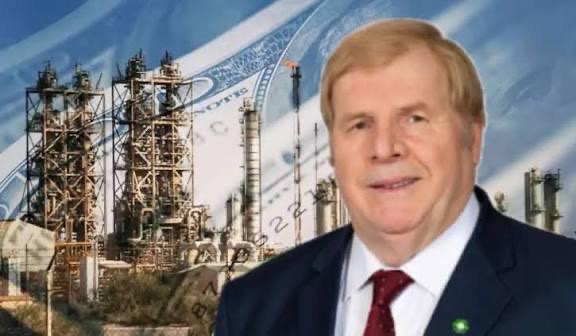
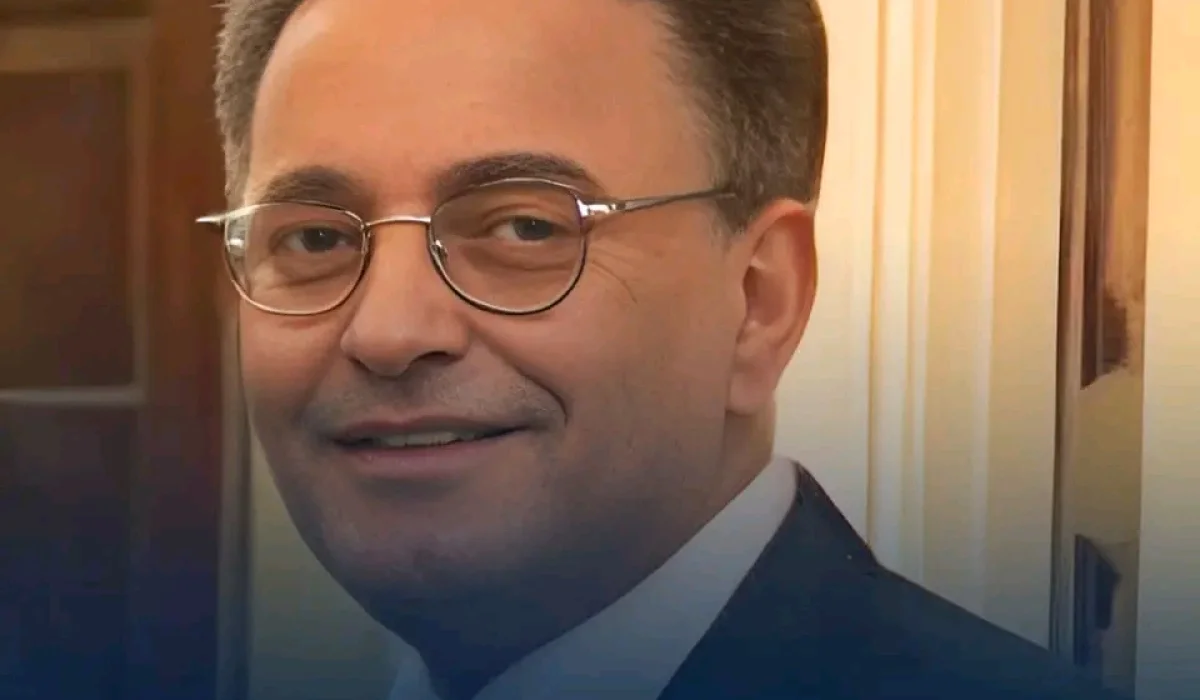
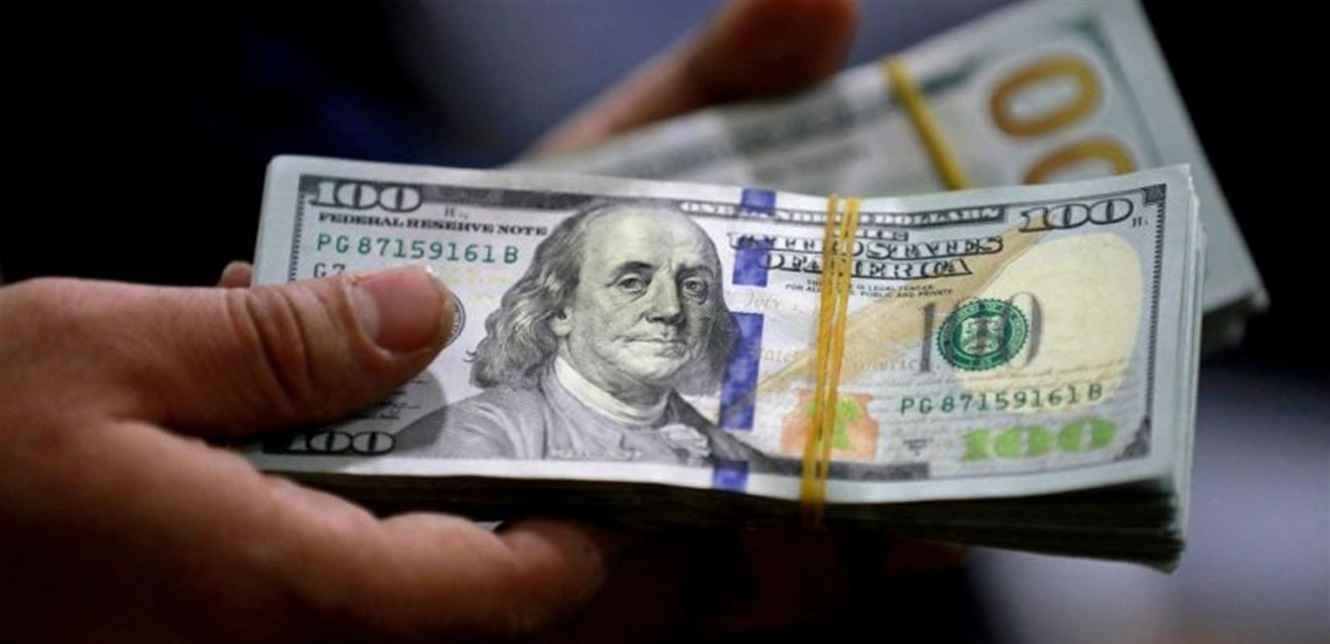
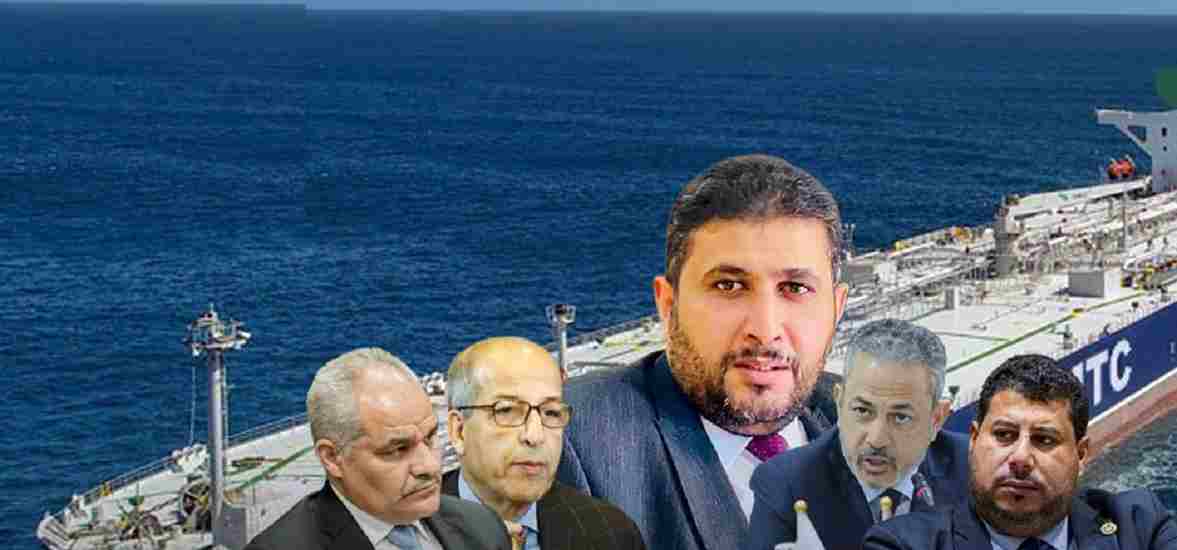
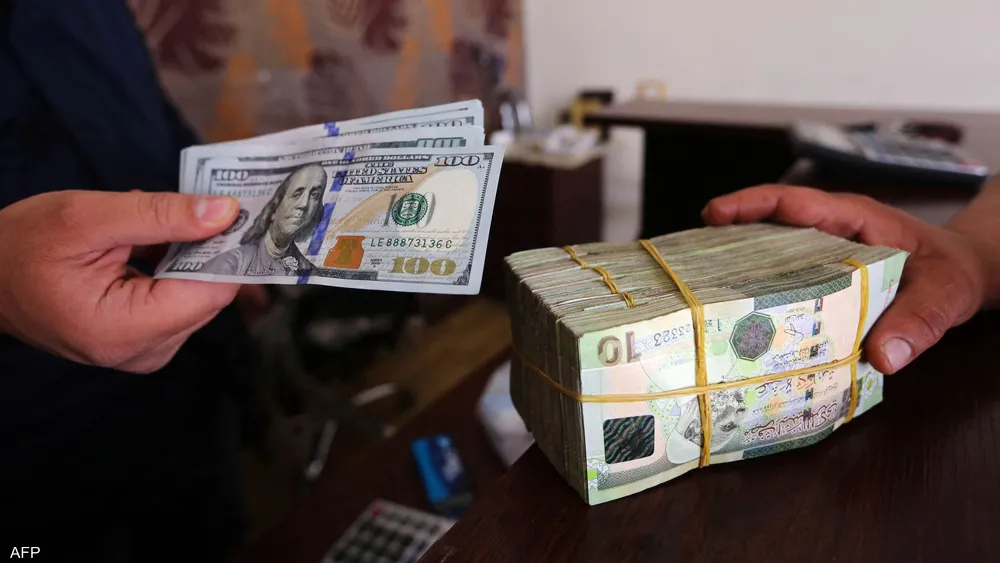
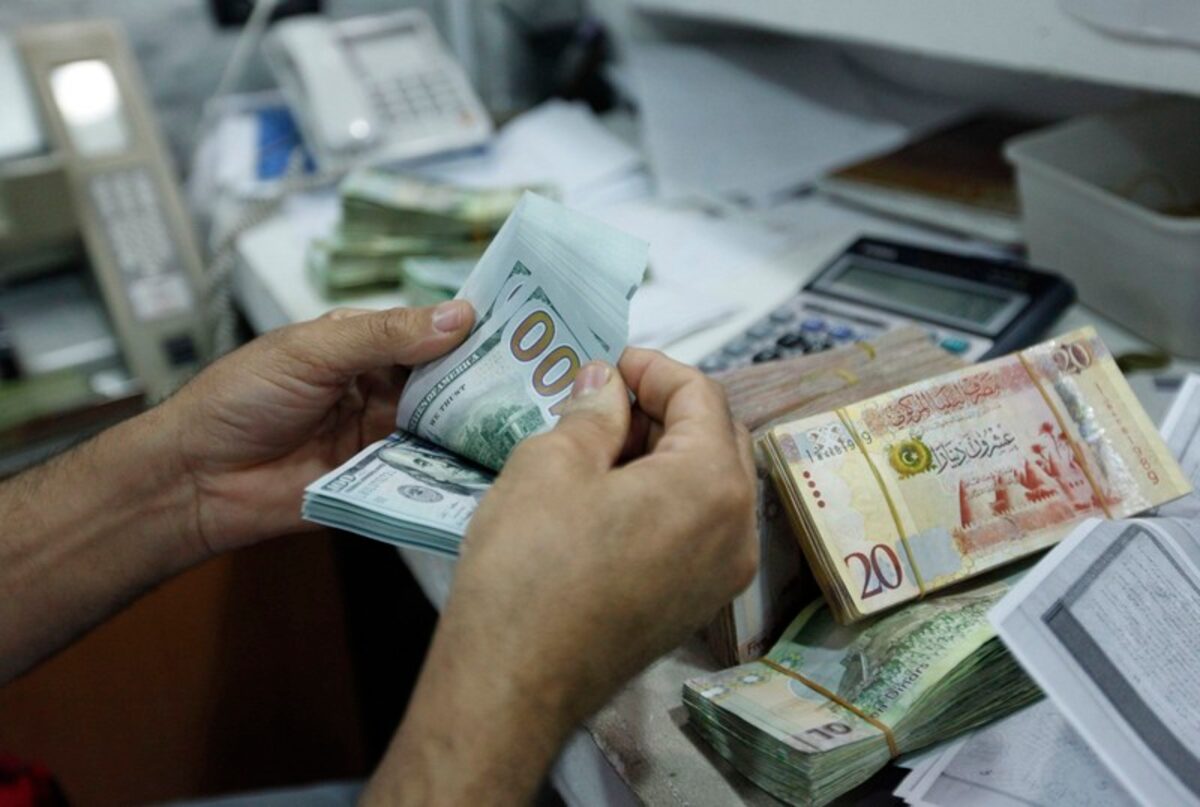
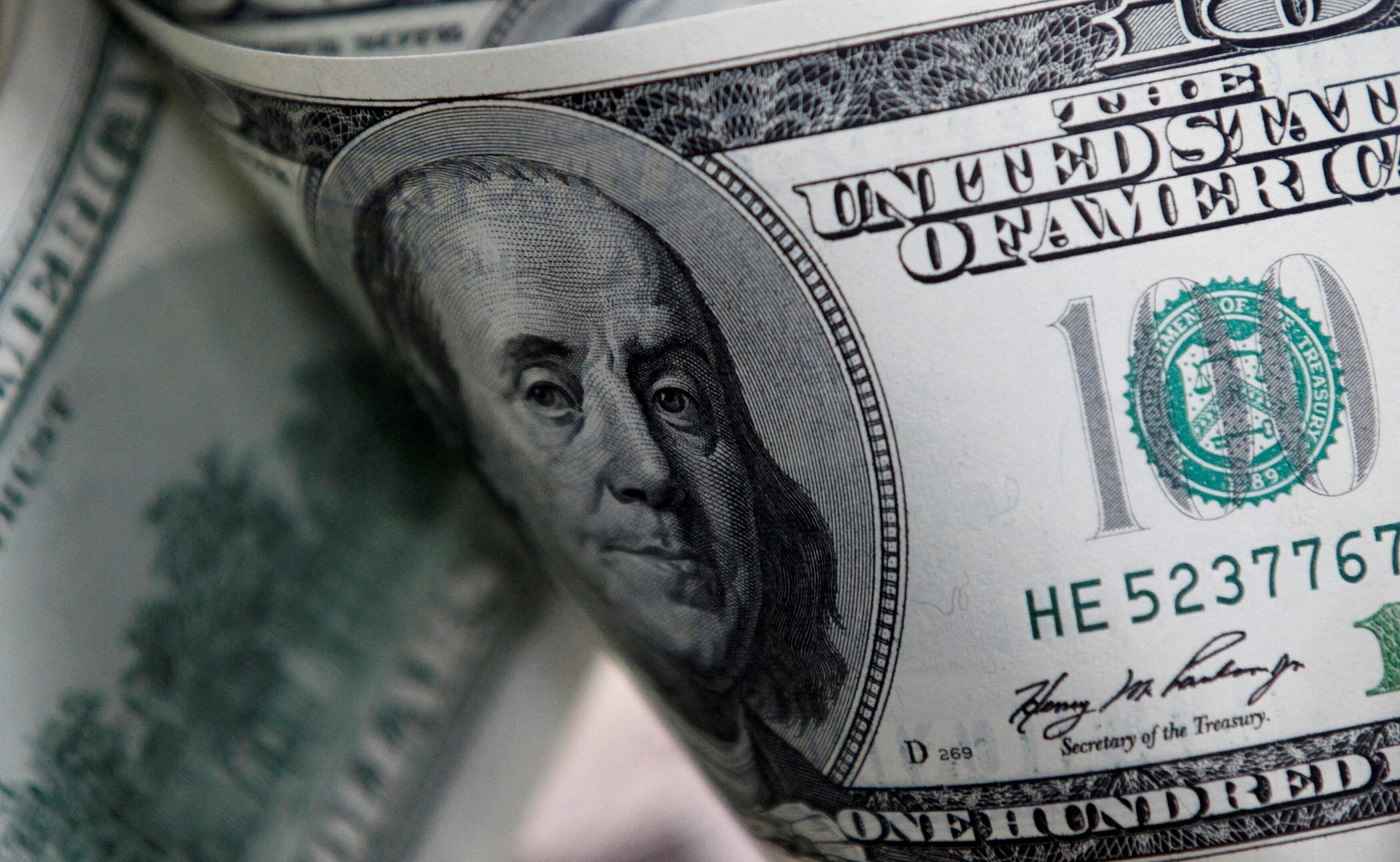
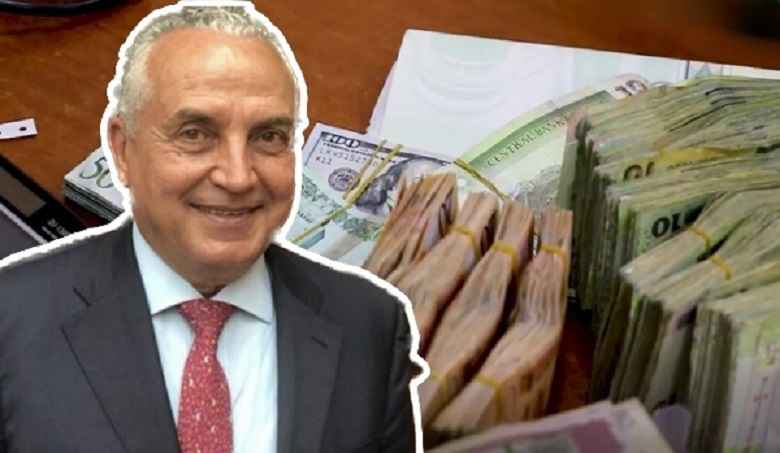
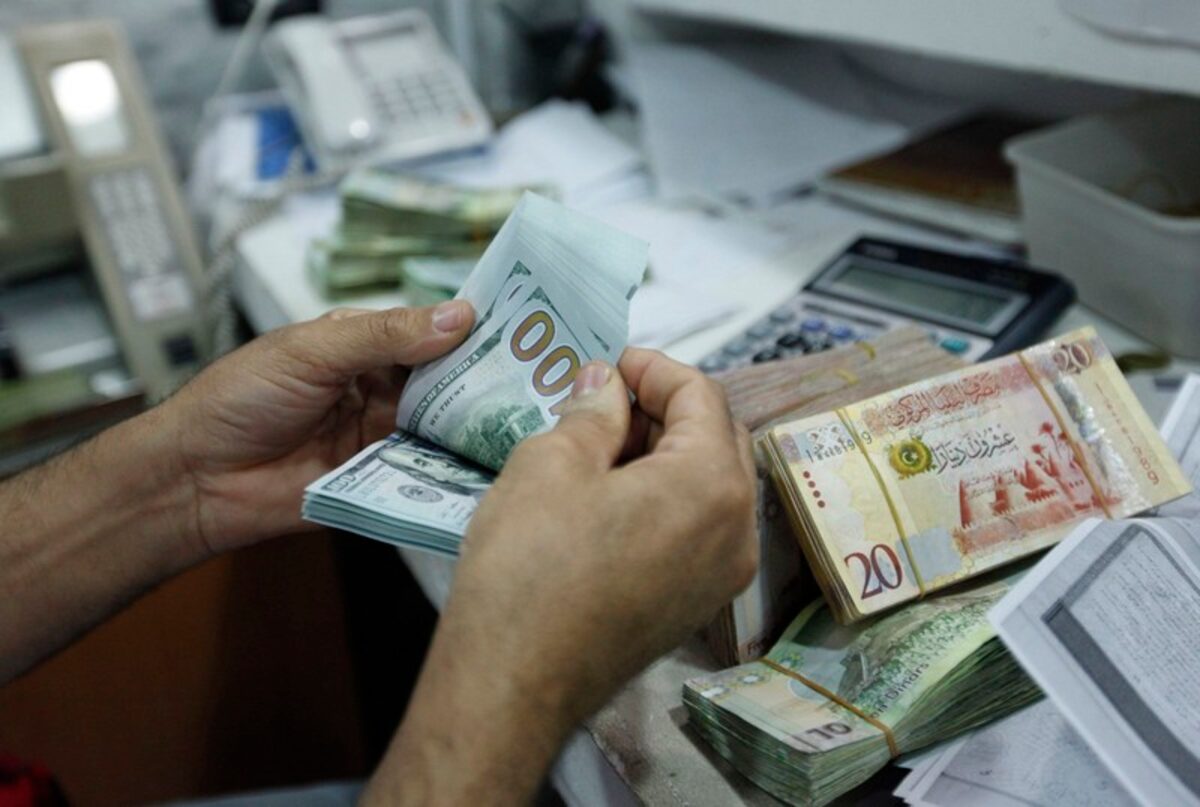
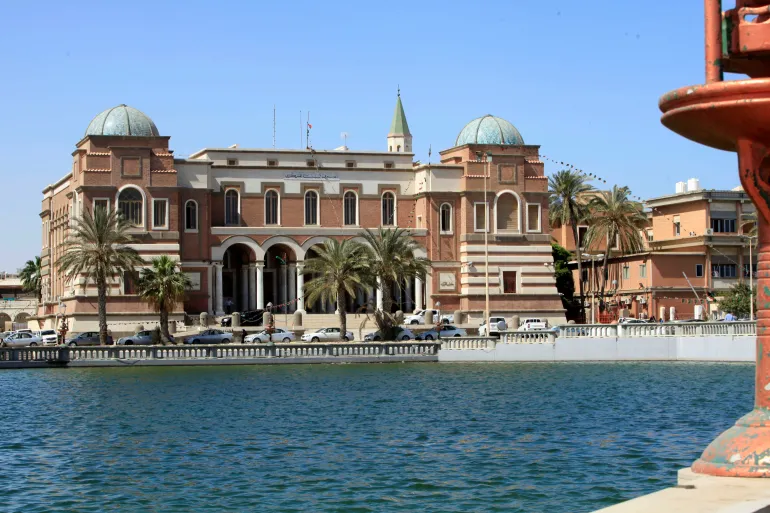
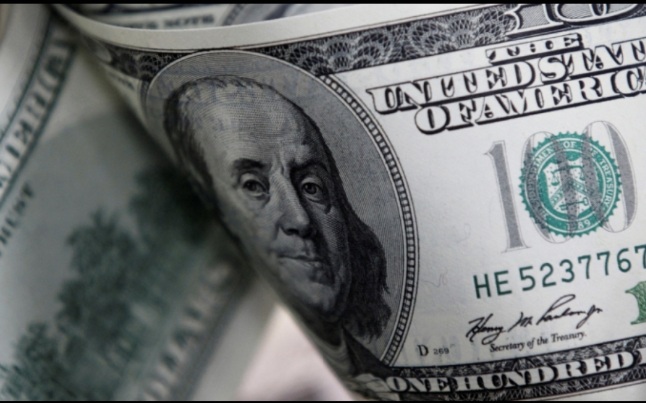
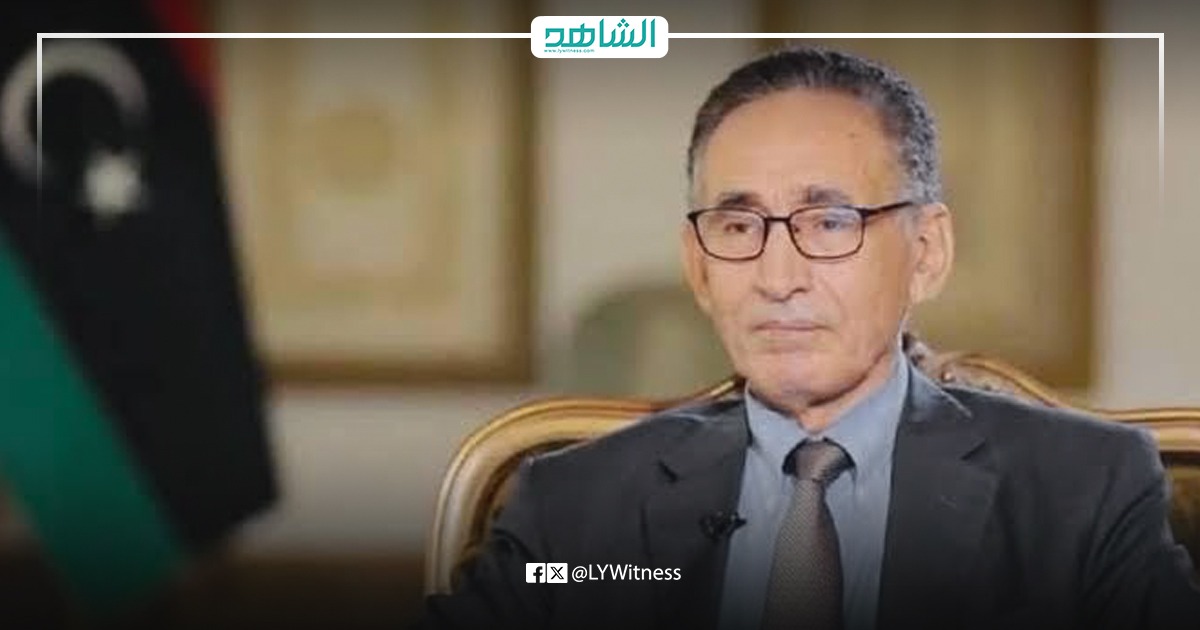
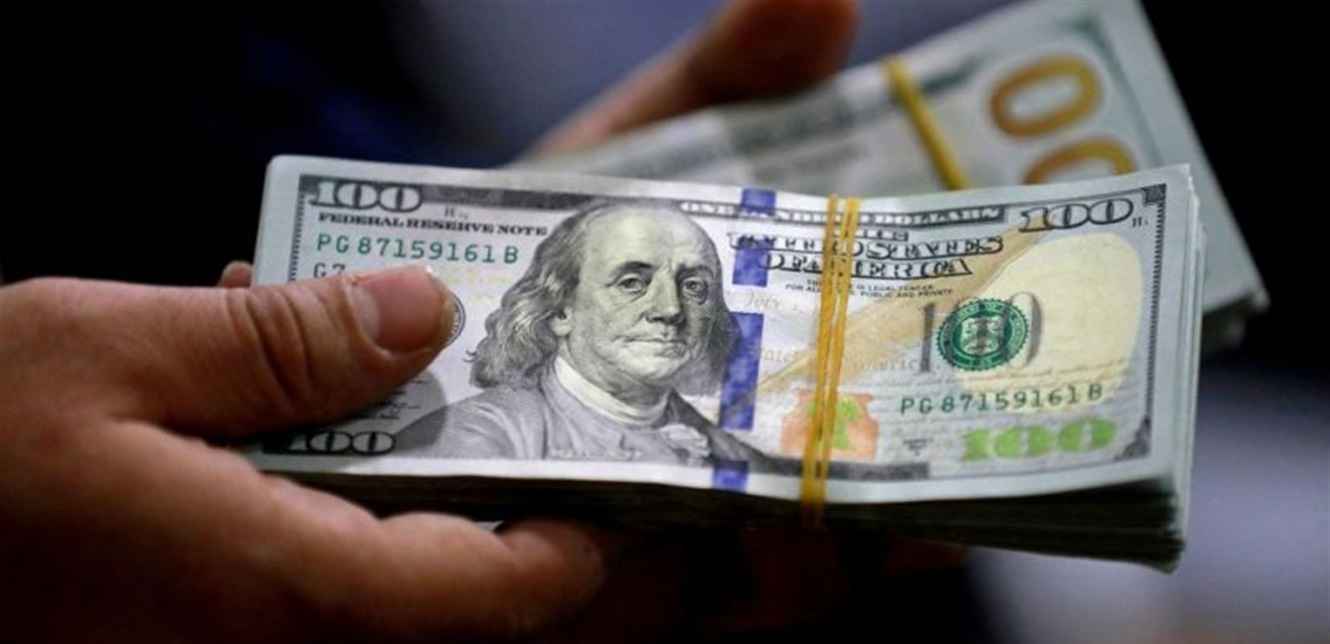
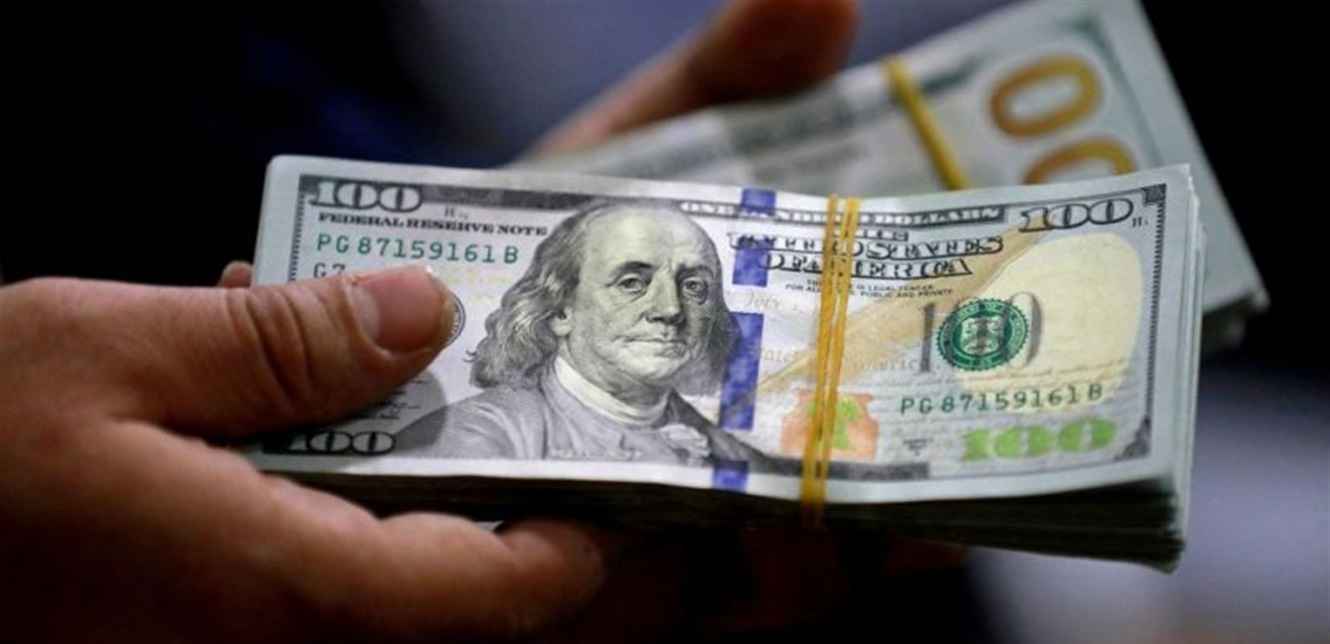
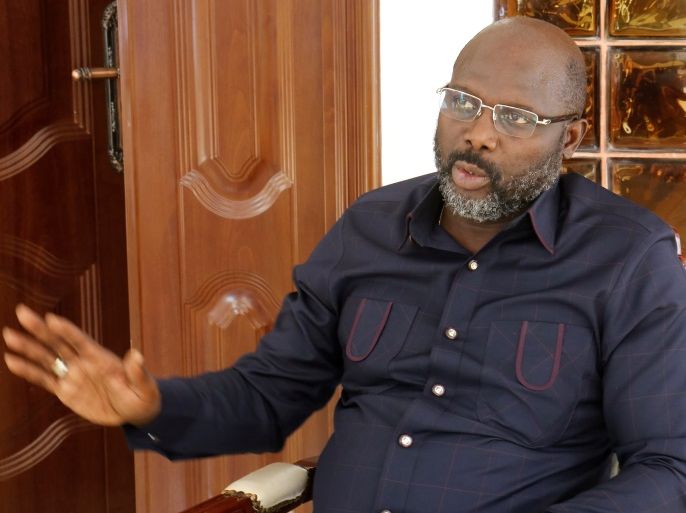
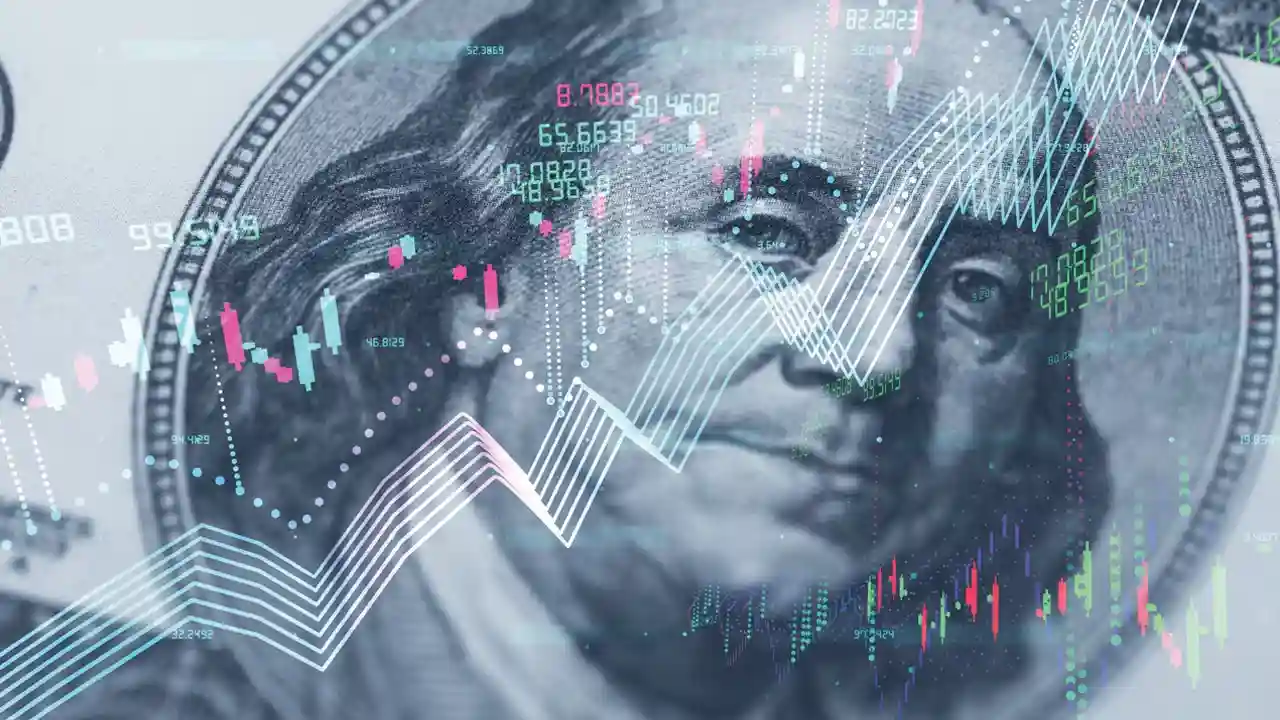
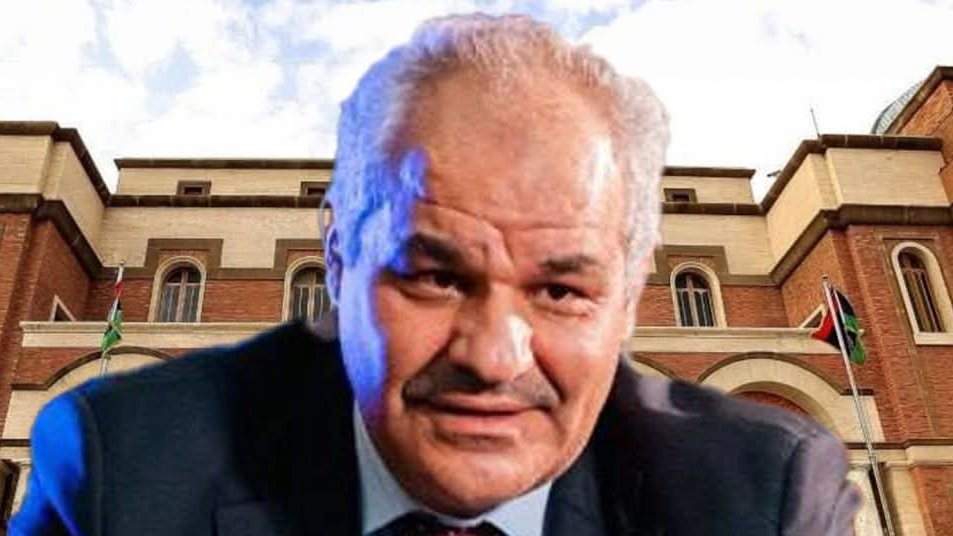
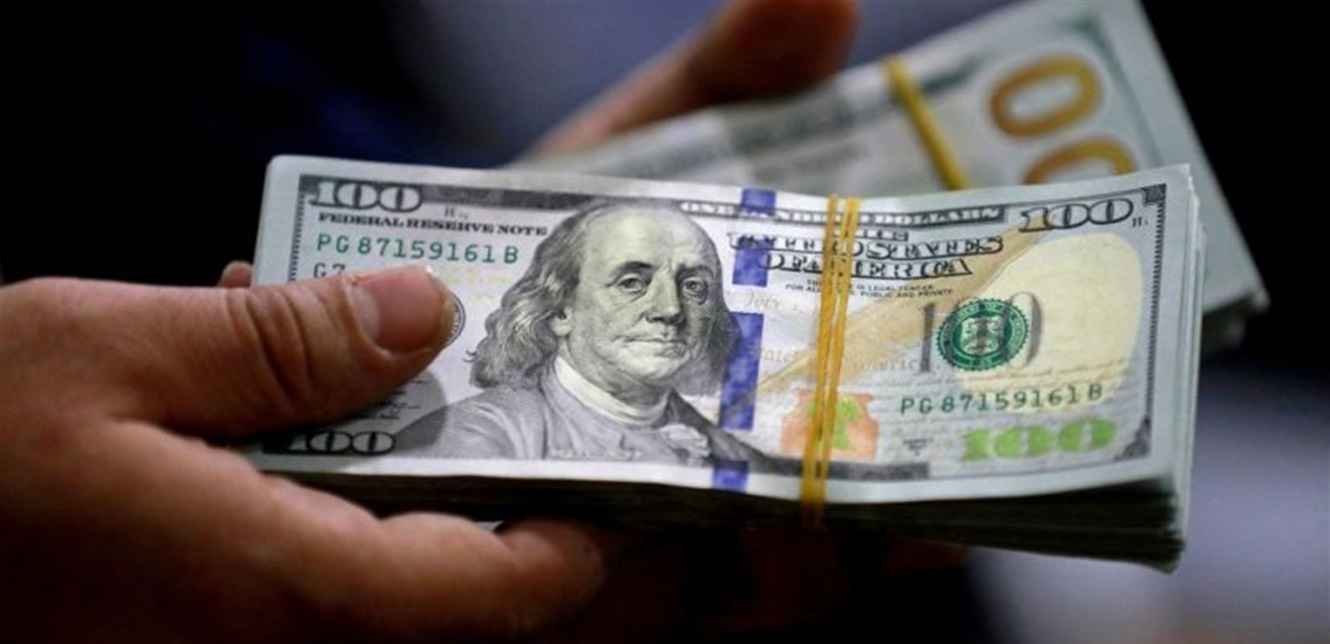
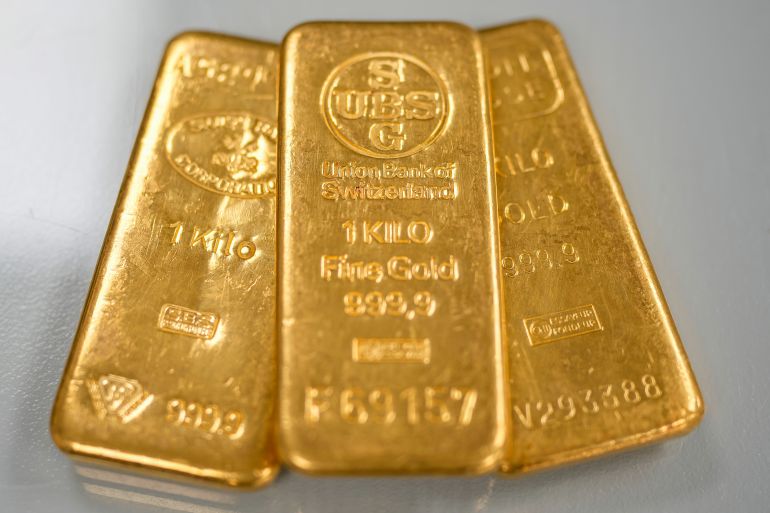
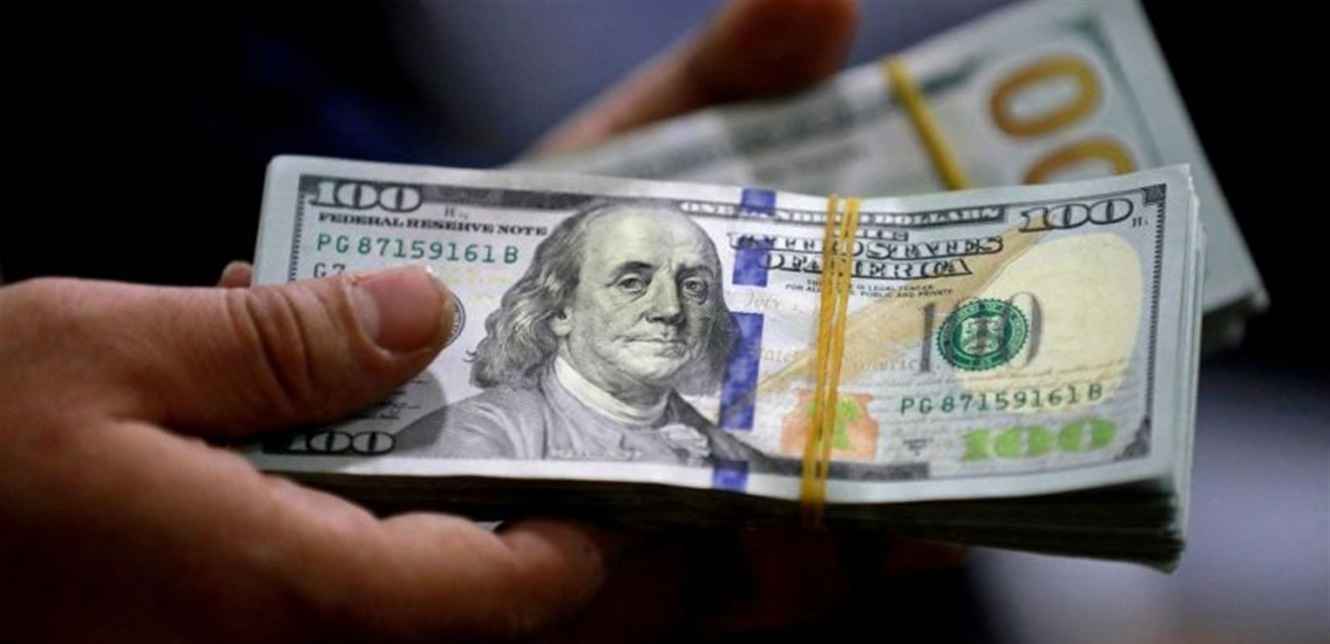
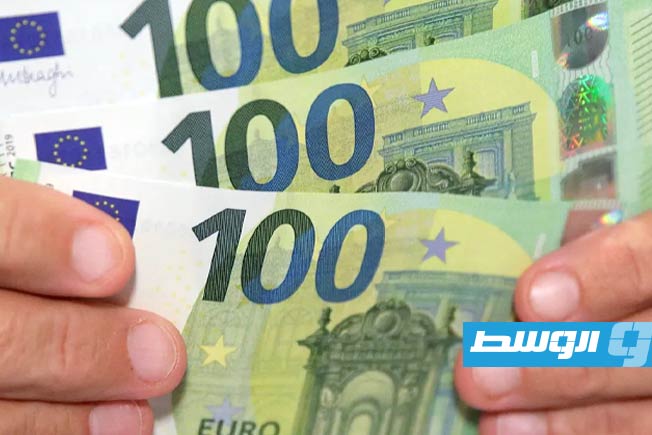
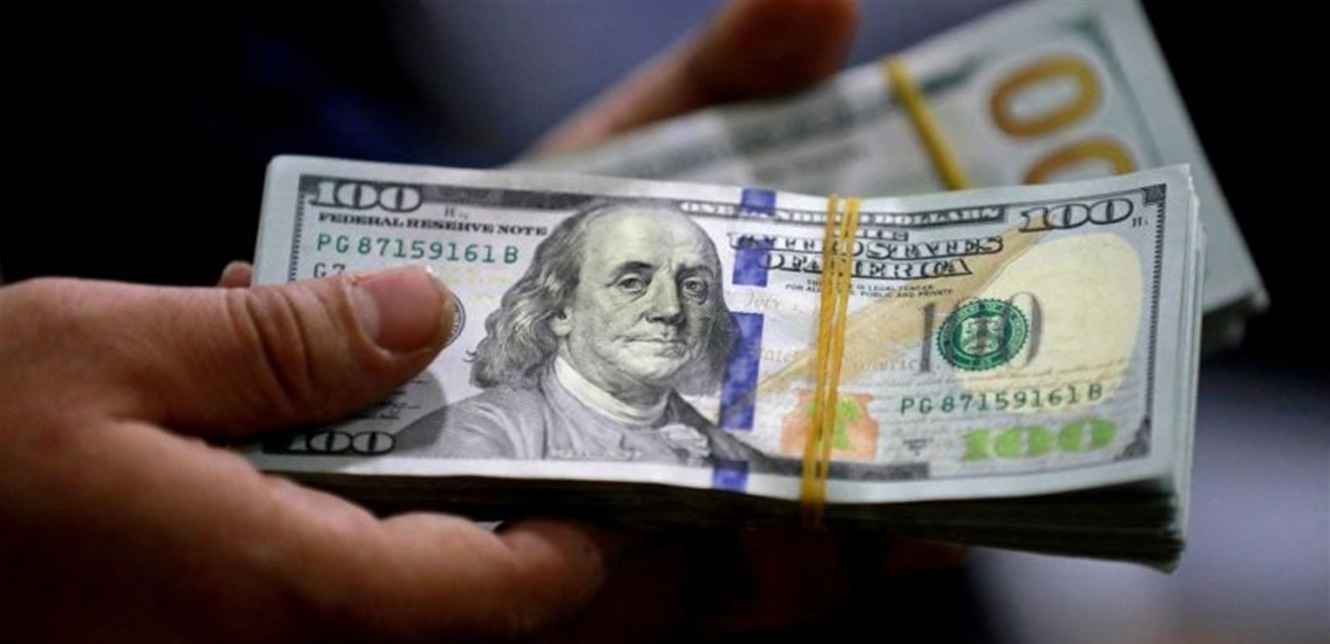
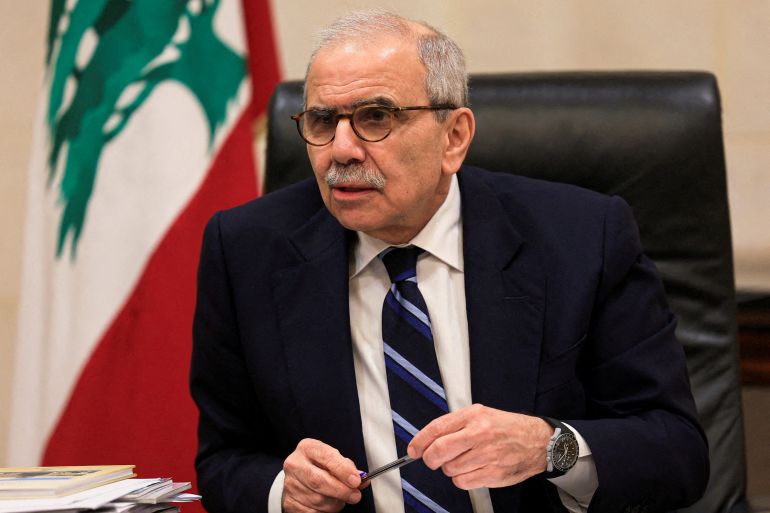
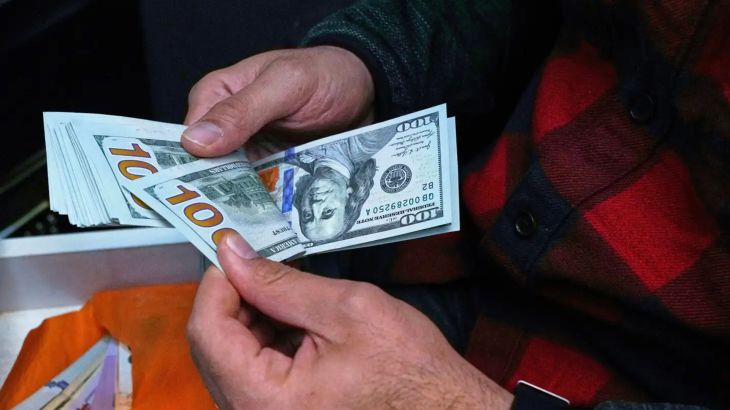
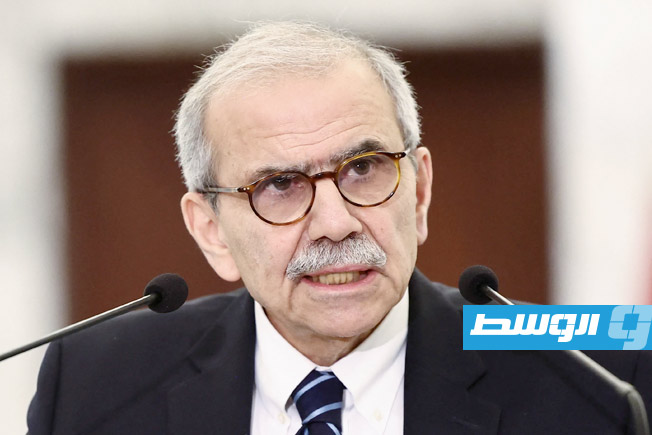
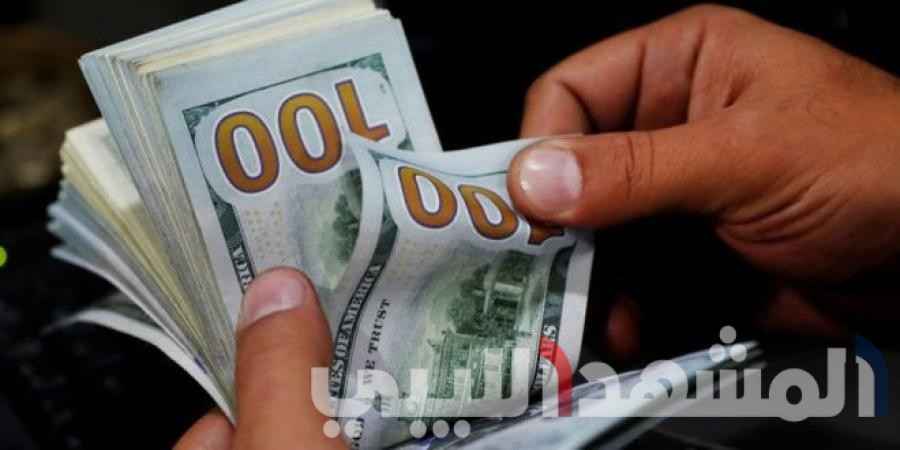
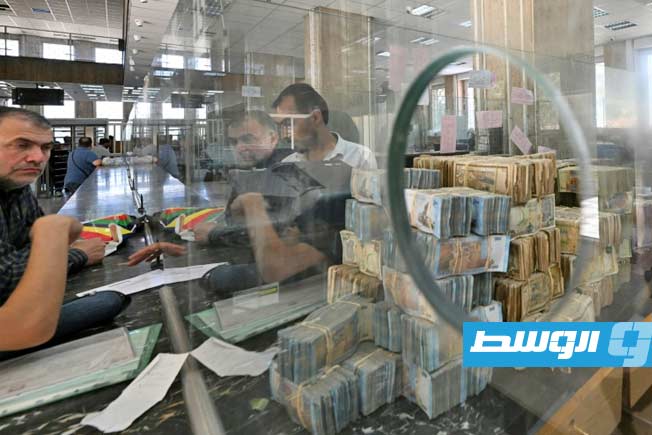
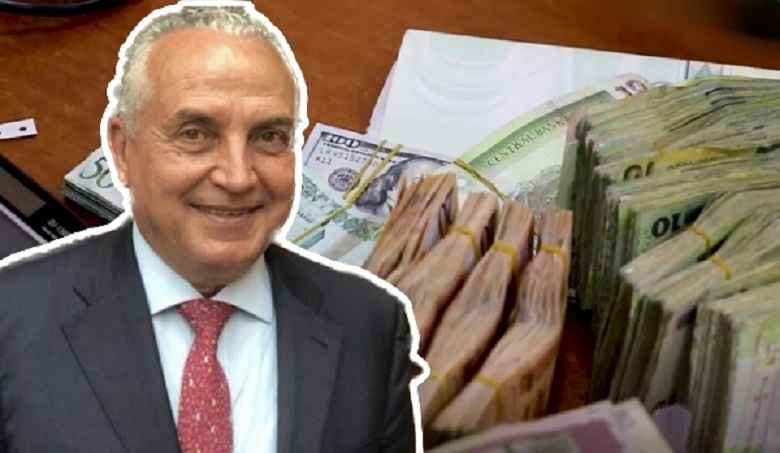
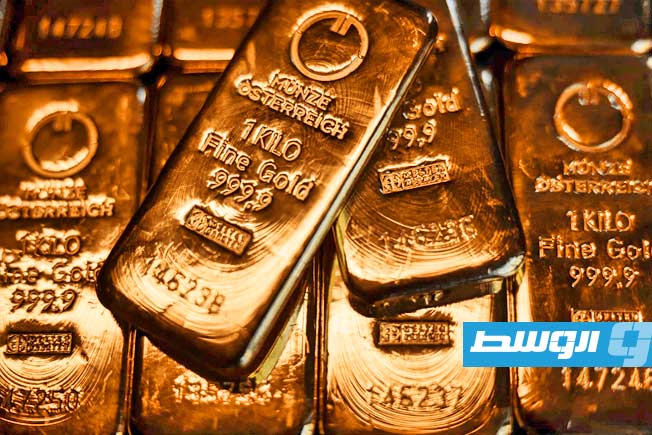
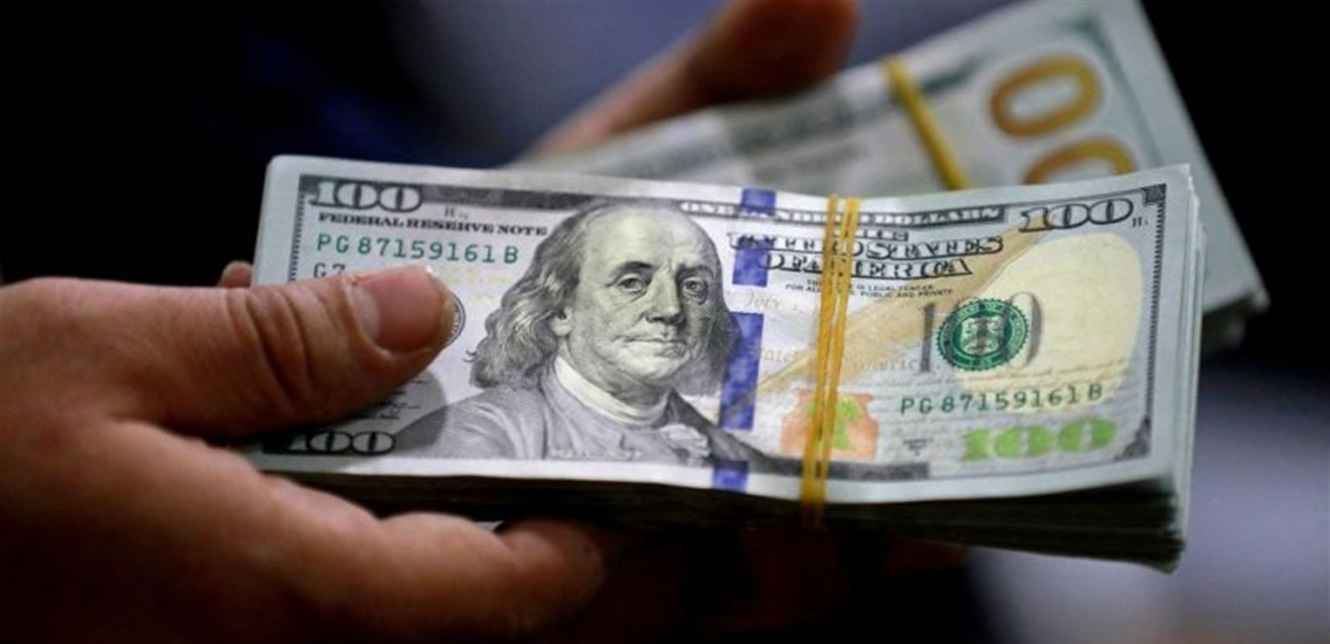
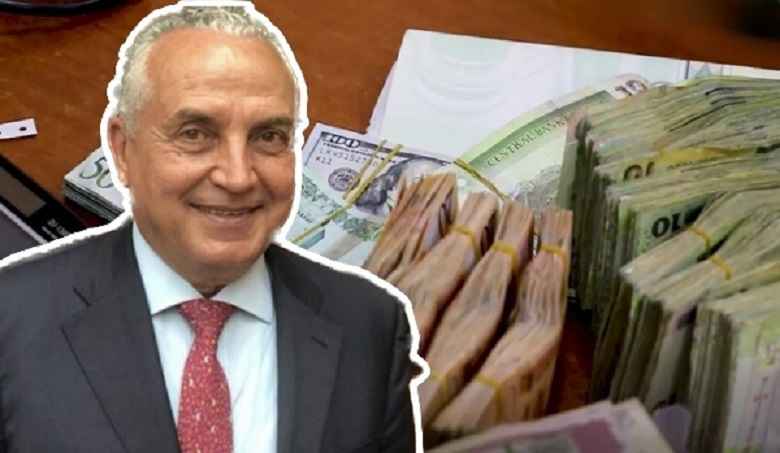
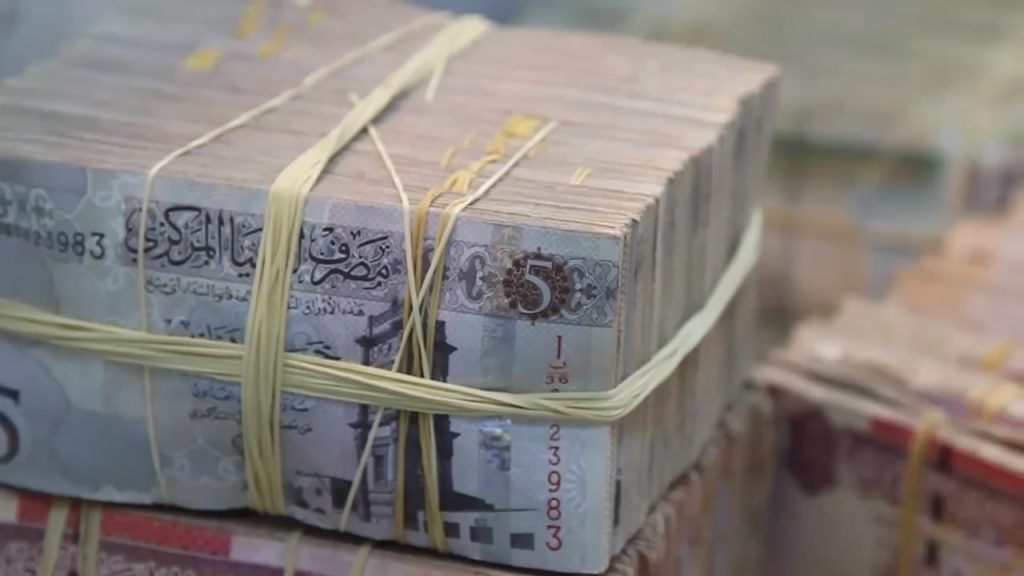
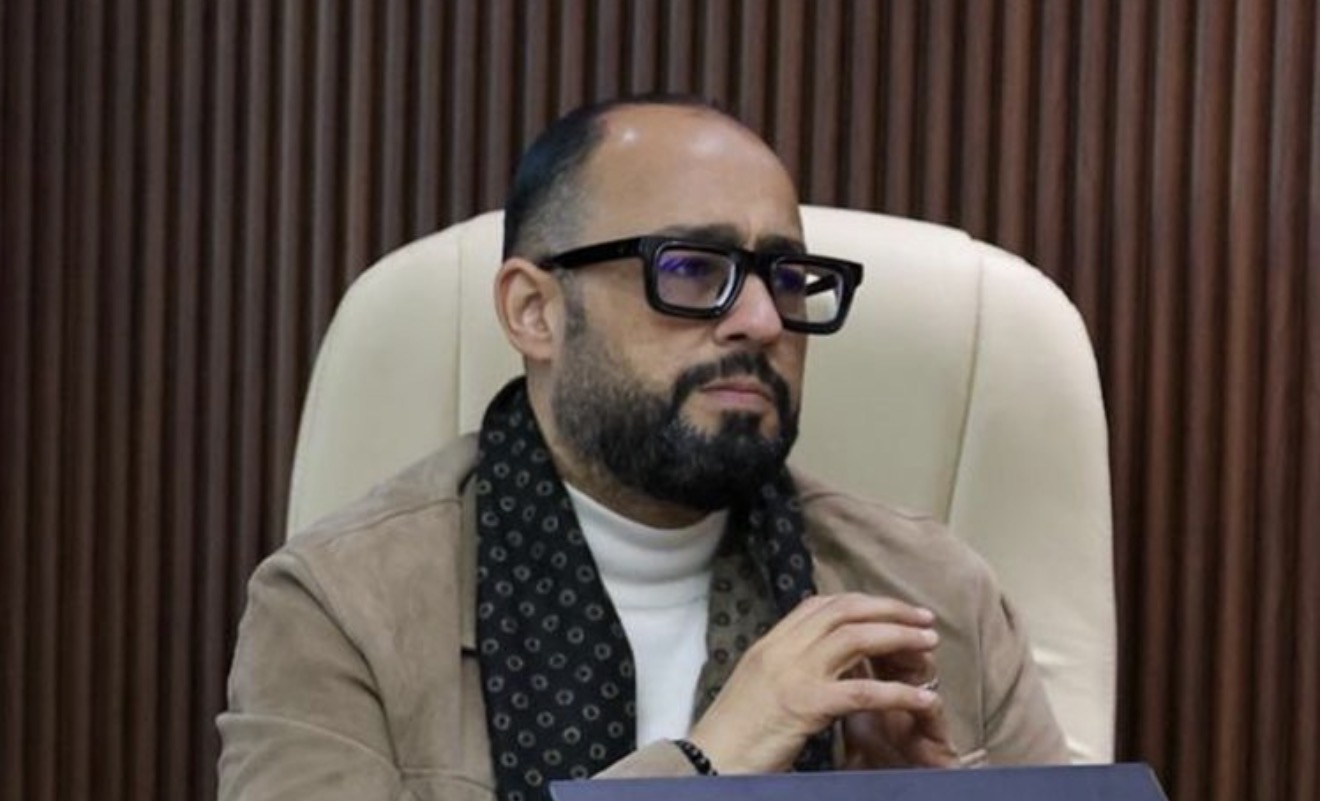
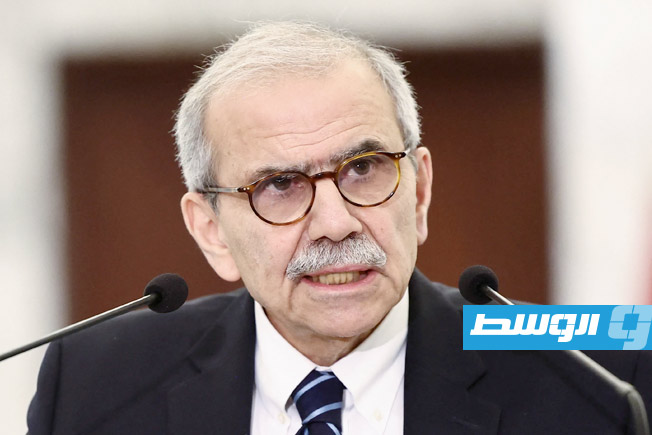
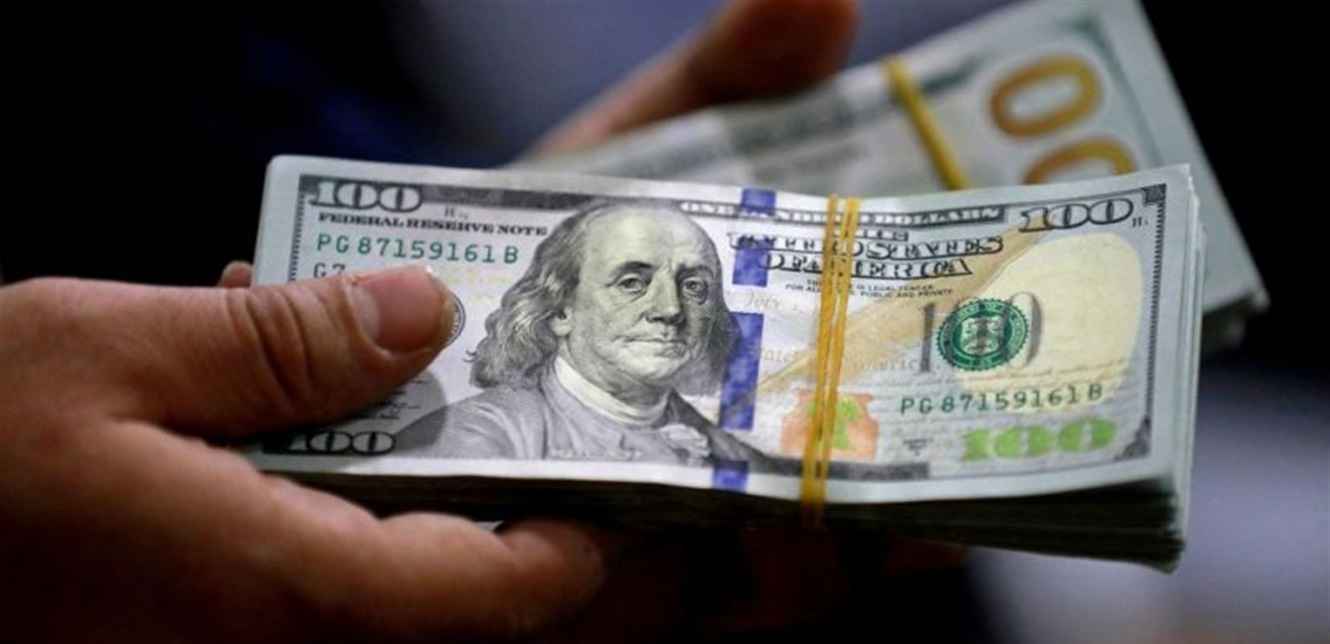
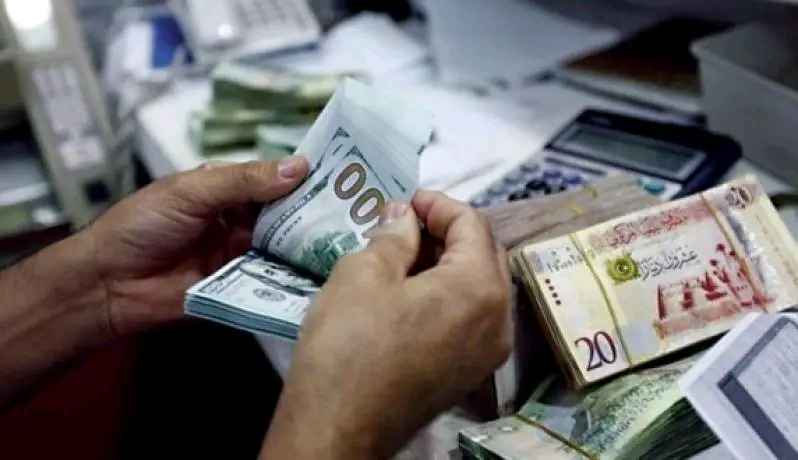
The German Public Prosecutor’s Office announced on Thursday the seizure of assets estimated at around 35 million euros (approximately 42 million dollars), as part of a money laundering investigation targeting former Lebanese Central Bank Governor Riad Salameh and four other individuals.
Prosecutors in Munich stated in a release that the assets include “high-value commercial properties in Munich and Hamburg, as well as shares in a real estate company in Düsseldorf.” A court in Munich is set to decide whether these assets can be permanently confiscated.
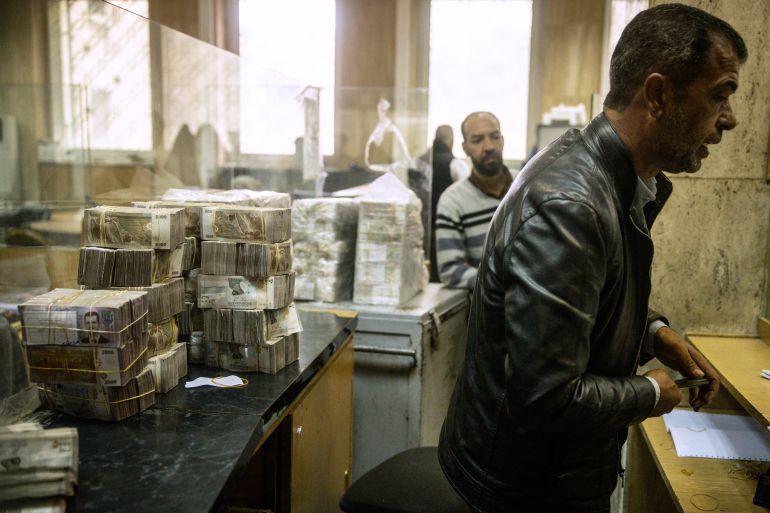
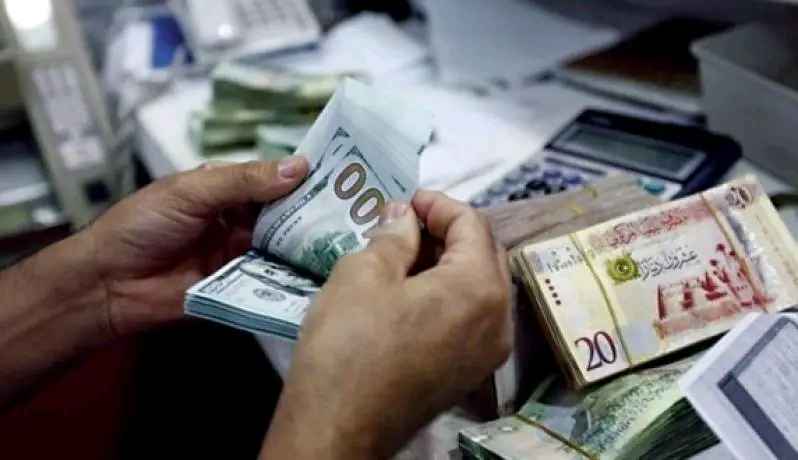
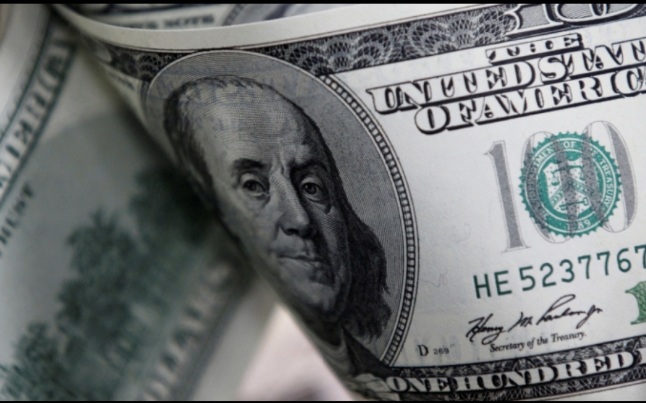
The prosecution accuses Salameh, in cooperation with his brother Raja, of “embezzling more than 330 million dollars from the funds of the Lebanese Central Bank to the detriment of the bank and the Lebanese state” between 2004 and 2015, with the aim of “unlawful enrichment.”
The prosecutors explain that these funds resulted from financial transactions between the central bank and commercial banks in Lebanon.
A shell company in the British Virgin Islands
The prosecution states that the money was laundered through a shell company in the British Virgin Islands and was used by Raja Salameh and three other defendants for investments in Germany and other areas in Europe.
The German Public Prosecutor’s Office opened its investigation in 2021 and is cooperating with investigators from France and Luxembourg.
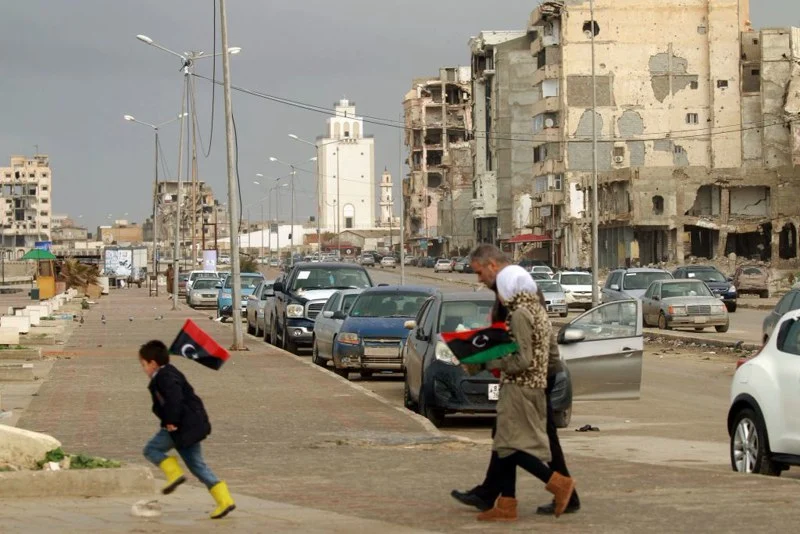
Salameh is accused of being one of the main officials responsible for Lebanon’s economic collapse, which the World Bank has described as among the worst in modern history, but he has defended his legacy and considered himself a “scapegoat.”
Salameh was arrested in Lebanon in 2024, and in April 2025 was charged with embezzling 44 million dollars from the central bank, before being released in September last year on a financial bail exceeding 14 million dollars, with a one-year travel ban imposed on him.
Germany
Germany is a country in Central Europe with a complex history shaped by the Holy Roman Empire, the Protestant Reformation, and the division and reunification of East and West Germany in the 20th century. It is known for its influential cultural contributions in philosophy, music, and science, as well as landmarks like the Brandenburg Gate and Cologne Cathedral.
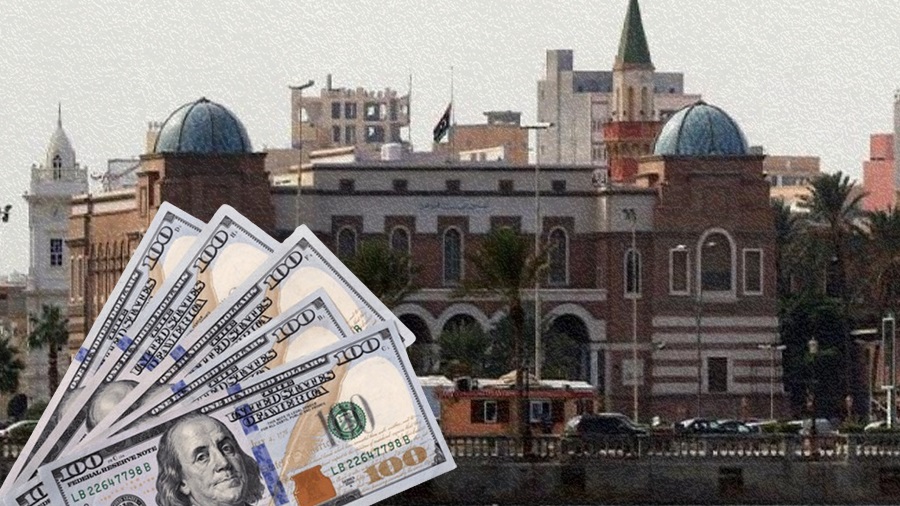
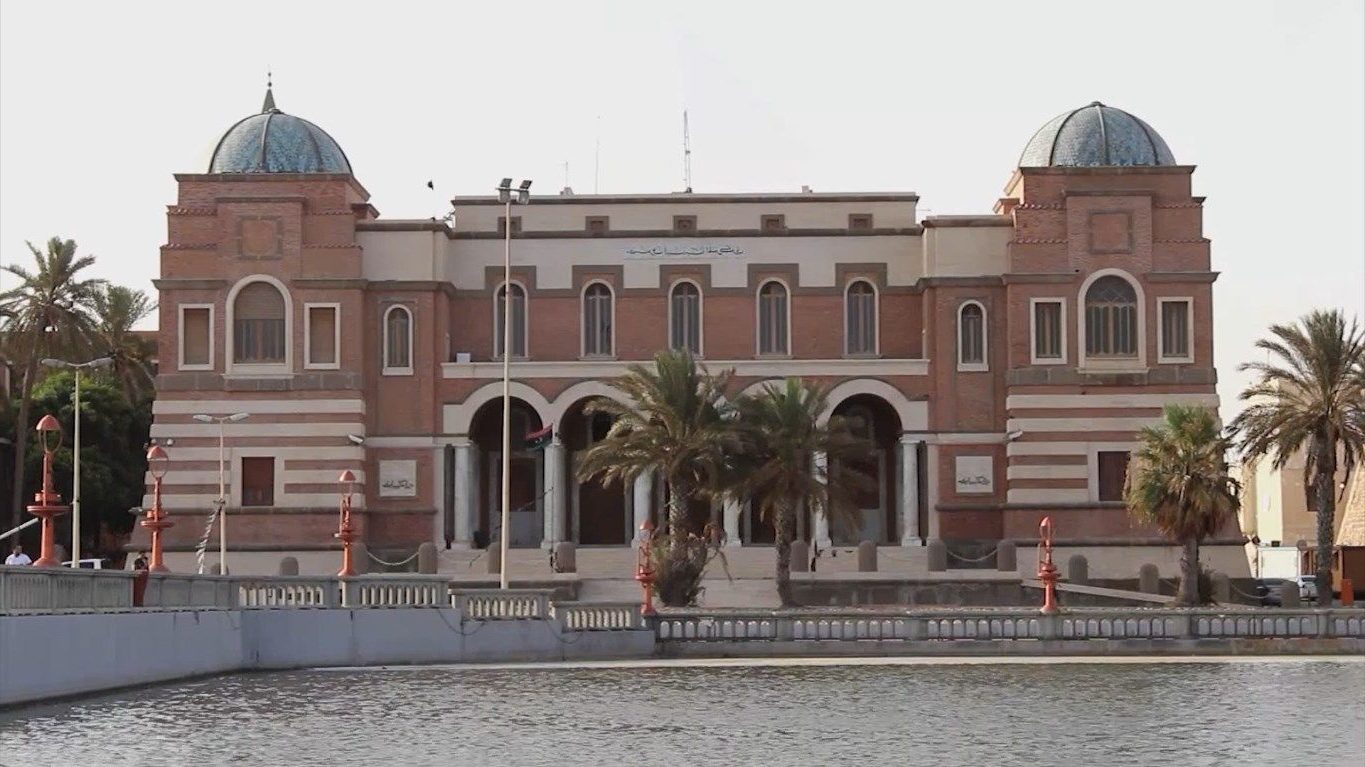
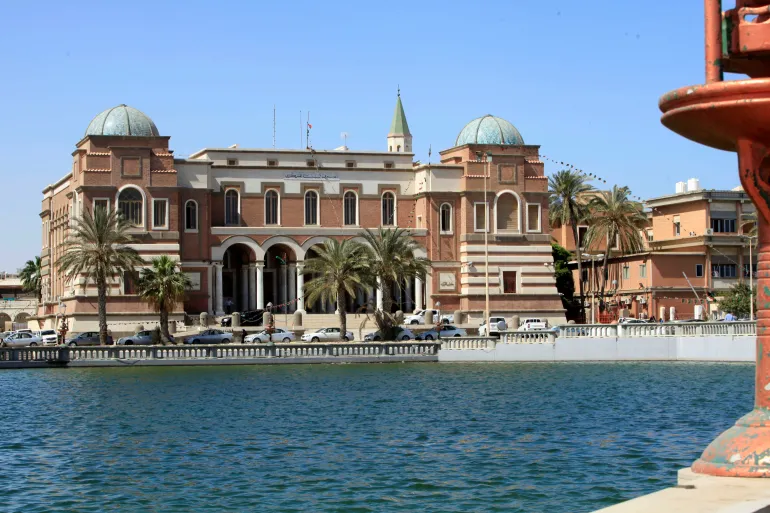
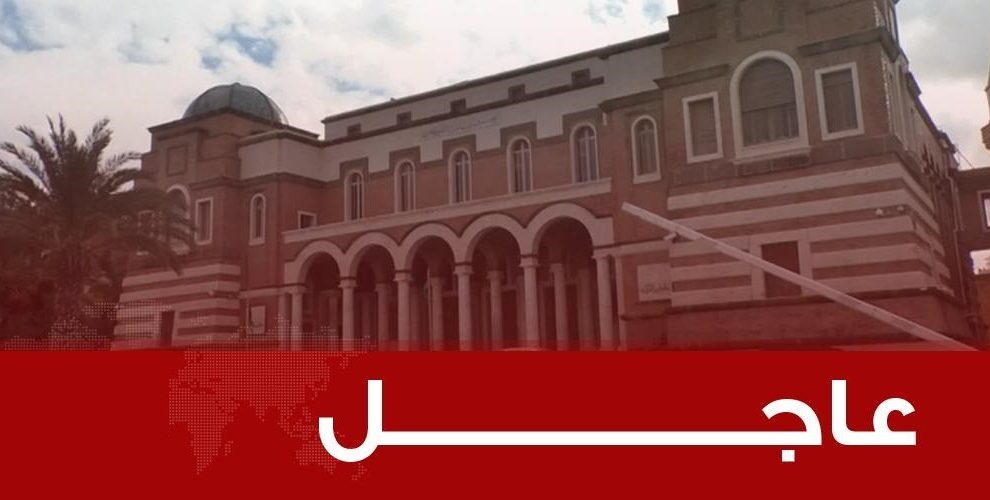
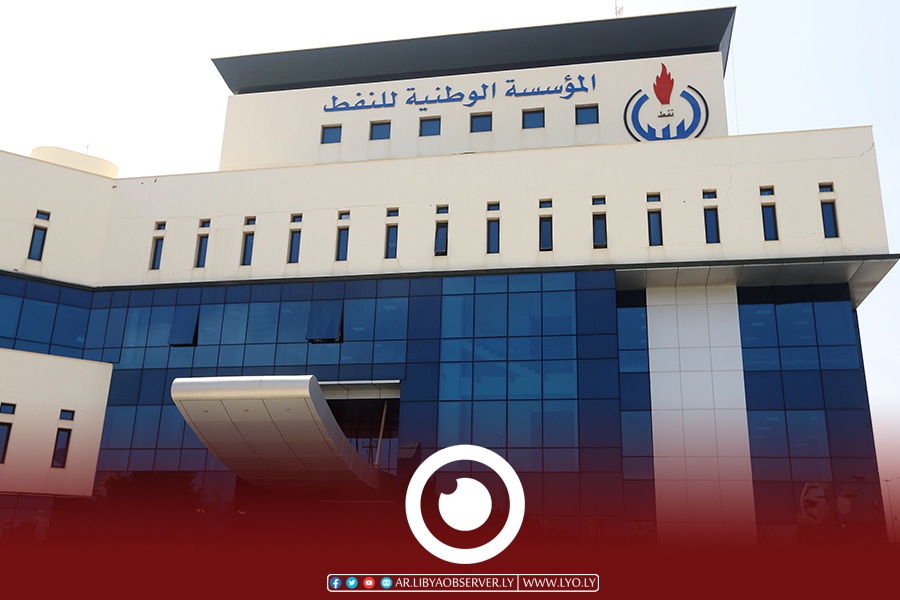
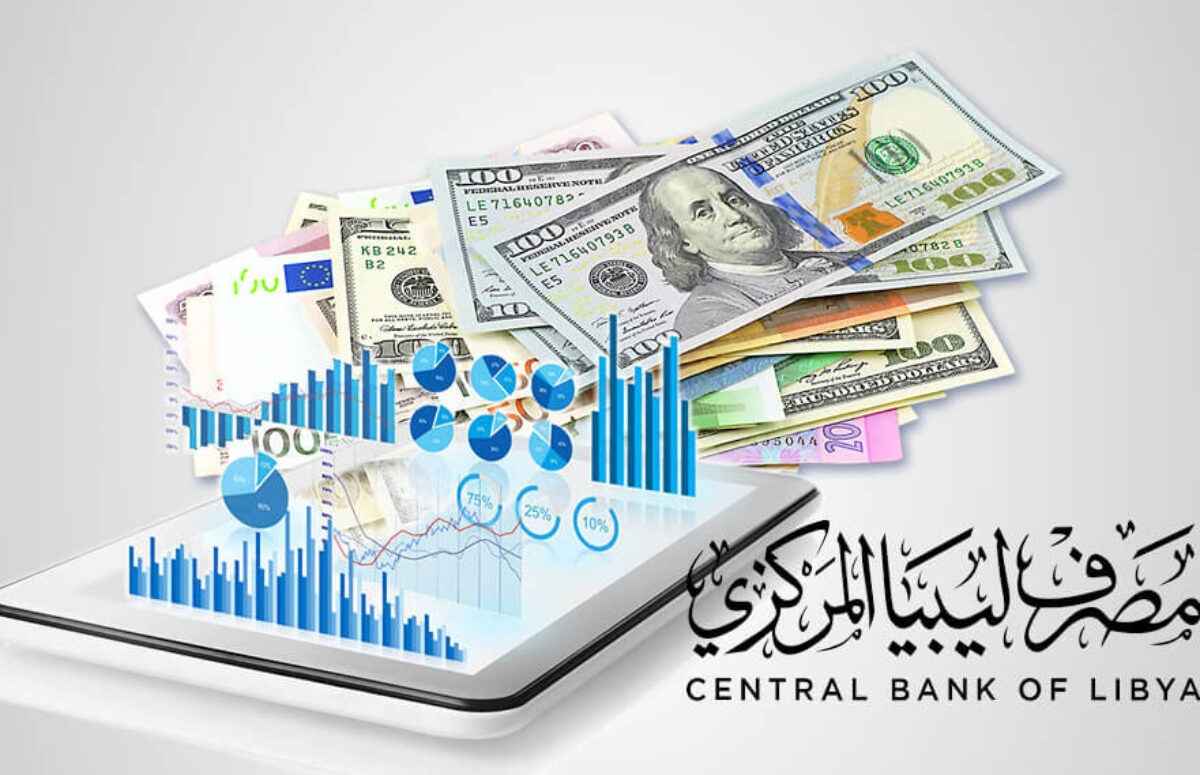
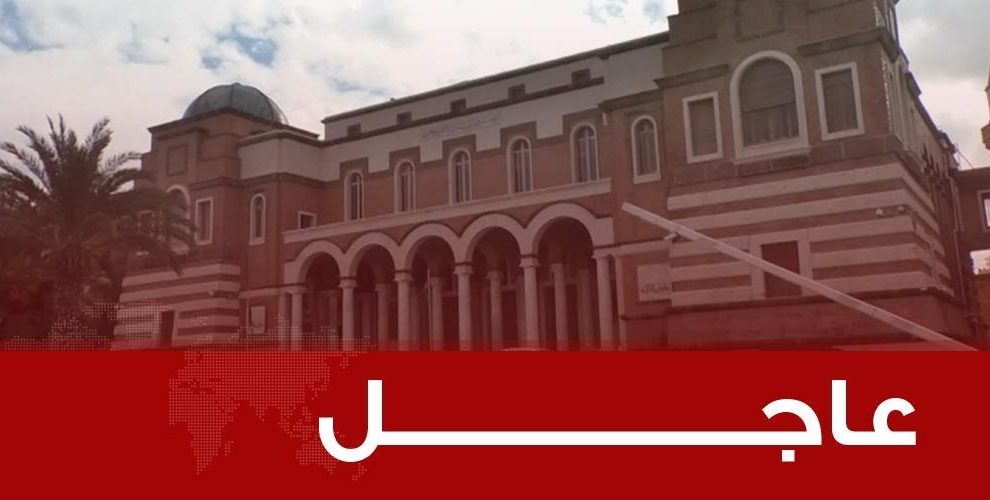
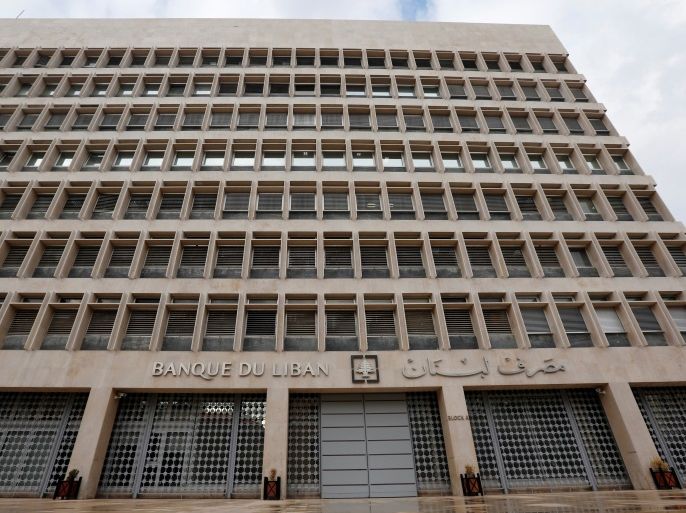
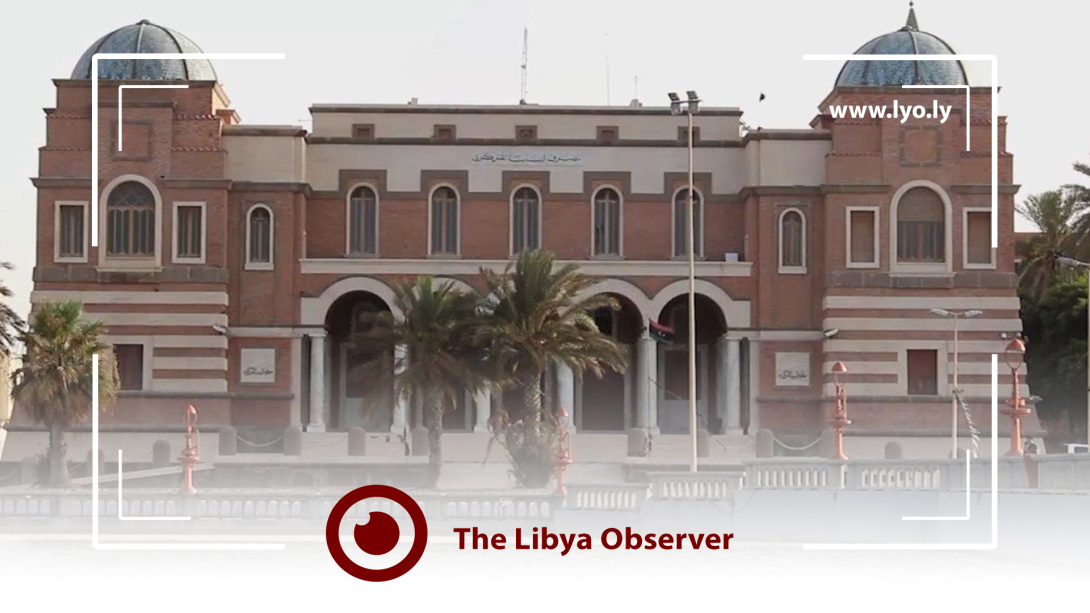
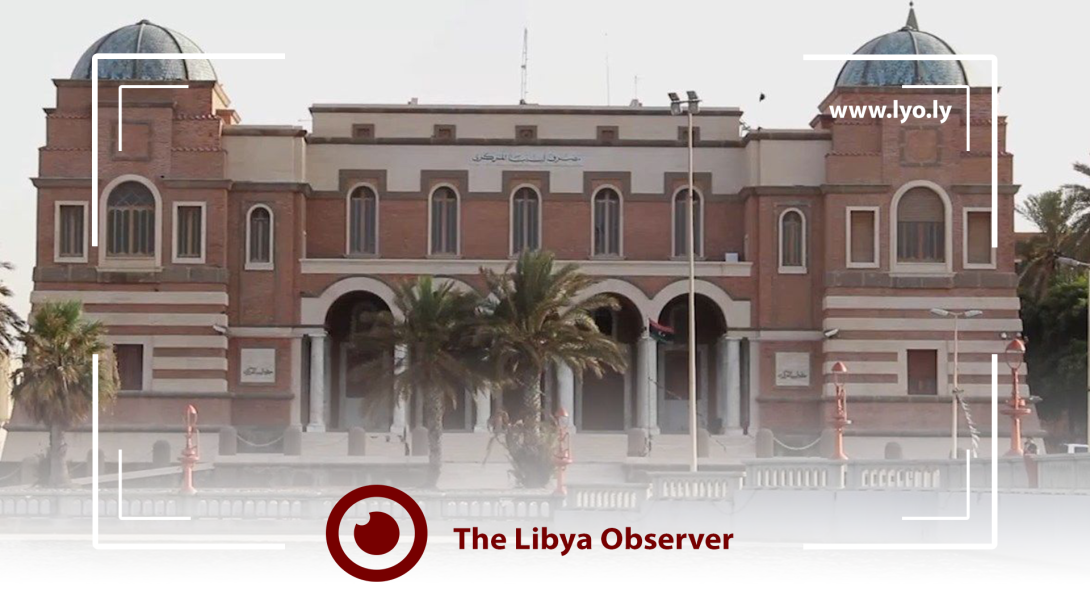
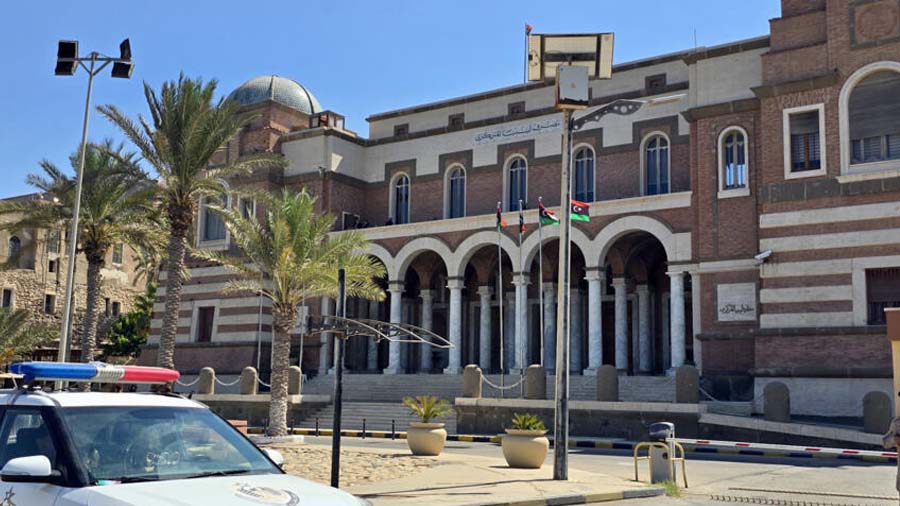
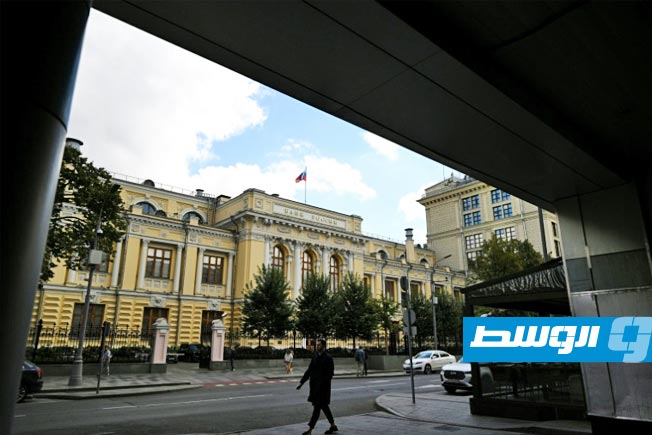
Lebanese Central Bank
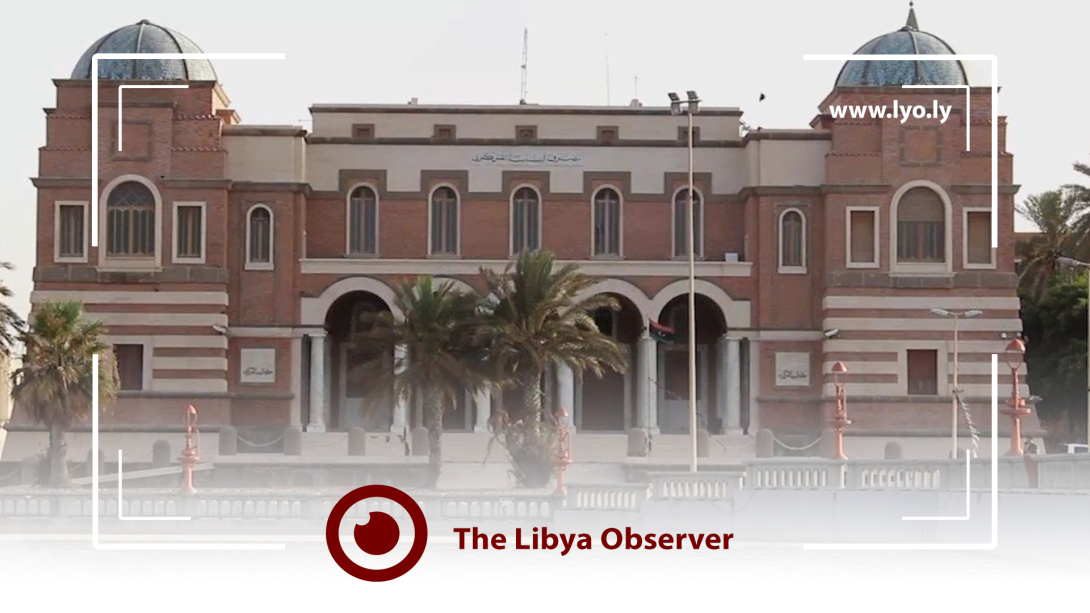
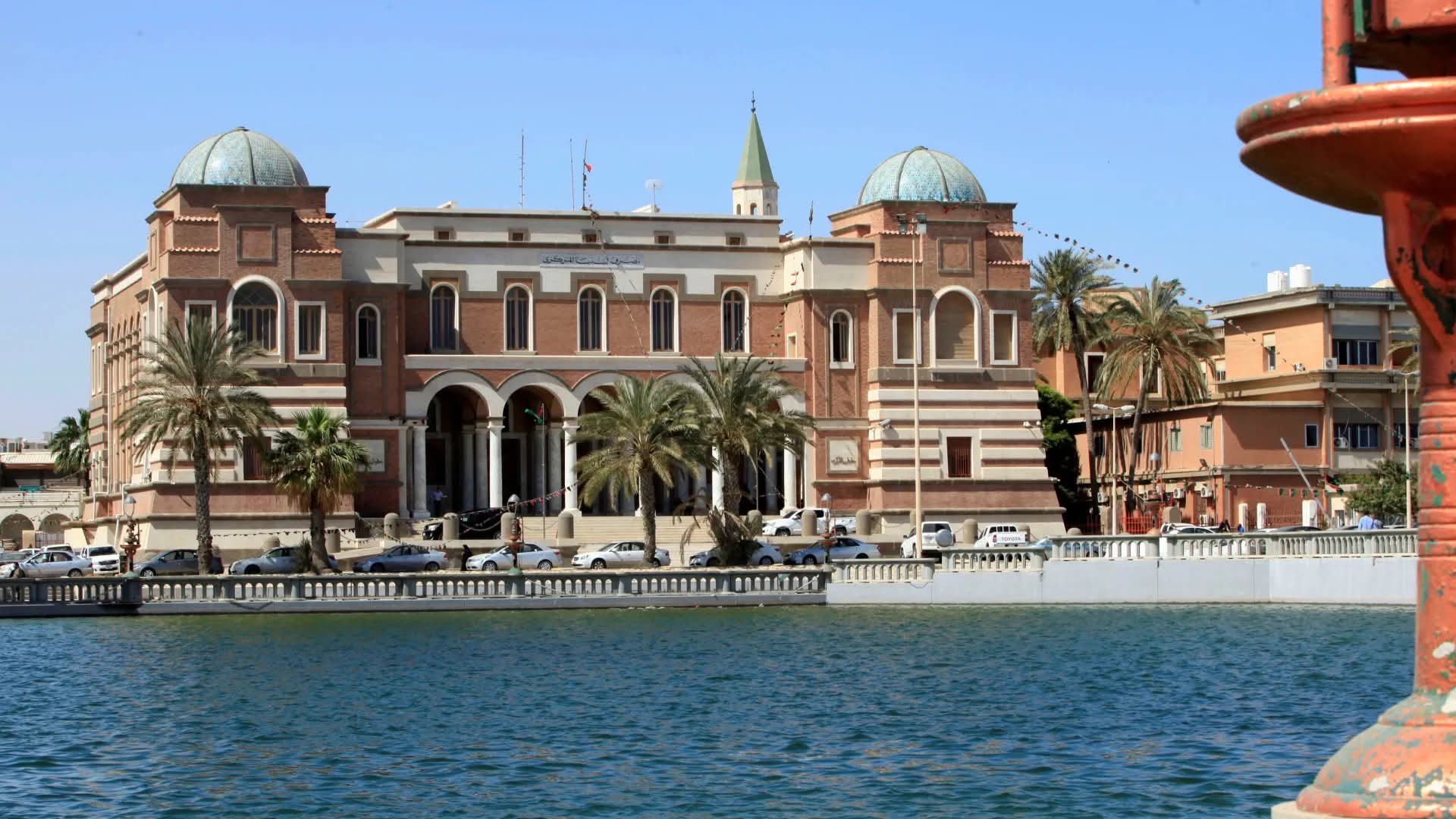
The Lebanese Central Bank, known as Banque du Liban (BDL), was established in 1963 and is the primary financial regulatory authority in Lebanon. It played a central role in the country’s post-civil war reconstruction and economic policy but has faced severe criticism in recent years due to a financial crisis that began in 2019, involving allegations of monetary mismanagement and a collapse of the national currency.
Munich
Munich is the capital of Bavaria, founded in 1158 and historically a major center for trade, art, and politics. It is globally renowned for its annual Oktoberfest celebration and its rich cultural heritage, exemplified by landmarks like the Frauenkirche and the Nymphenburg Palace.
Hamburg
Hamburg is a major port city in northern Germany, historically shaped by its membership in the Hanseatic League, a medieval trading confederation. Its rich maritime heritage is still visible today through landmarks like the Speicherstadt warehouse district, a UNESCO World Heritage Site.
Düsseldorf
Düsseldorf is the capital city of North Rhine-Westphalia in western Germany, historically founded as a fishing village on the Rhine River in the 12th century. It is renowned for its influential fashion and art scene, its historic Altstadt (Old Town) with medieval roots, and as a major hub for commerce and the Japanese community in Europe.
British Virgin Islands
The British Virgin Islands are a British Overseas Territory in the Caribbean, comprising around 60 islands and cays. Historically inhabited by Arawak and Carib peoples, they were settled by the Dutch in 1648 before coming under British control in 1672, becoming an important colonial sugar-producing region. Today, the territory is internationally renowned as a major offshore financial center and a premier destination for sailing and yacht tourism.
France
France is a country in Western Europe with a rich cultural and historical legacy, dating back to ancient Gaul and the Roman Empire. It became a major unified kingdom in the Middle Ages and was a central force in events like the Enlightenment and the French Revolution, profoundly influencing global art, philosophy, and politics. Today, it is known for its iconic landmarks like the Eiffel Tower, its world-renowned cuisine, and its significant role in international affairs.
Luxembourg
Luxembourg is a small, landlocked country in Western Europe, historically known as the Grand Duchy of Luxembourg. Its capital, Luxembourg City, is famed for its fortified medieval old town, a UNESCO World Heritage Site, with a history rooted in its strategic importance as a major European fortress.
Lebanon
Lebanon is a country in the Middle East with a rich history as a crossroads of civilizations, including the Phoenicians, Romans, and Ottomans. It is known for its diverse cultural and religious heritage, ancient sites like the ruins of Baalbek and Byblos, and its vibrant modern capital, Beirut.
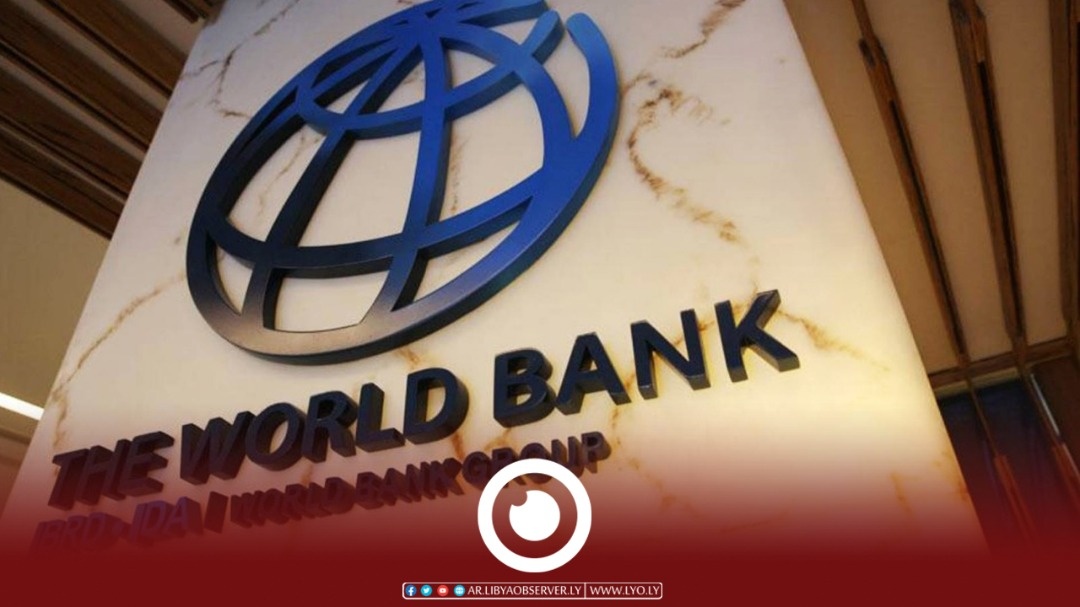
World Bank
The World Bank is an international financial institution founded in 1944 at the Bretton Woods Conference, with its initial mission focused on the post-World War II reconstruction of Europe. Today, its primary goal is to provide loans and grants to the governments of low- and middle-income countries for the purpose of pursuing capital projects and reducing poverty.