German Finance Minister: Europeans are preparing “countermeasures” to confront Trump’s “blackmail” in the Greenland case.
libyawire.org > News > Economy > German Finance Minister: Europeans are preparing “countermeasures” to confront Trump’s “blackmail” in the Greenland case.
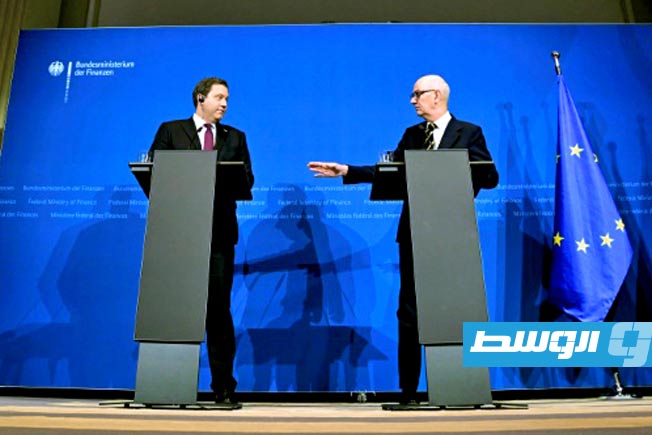
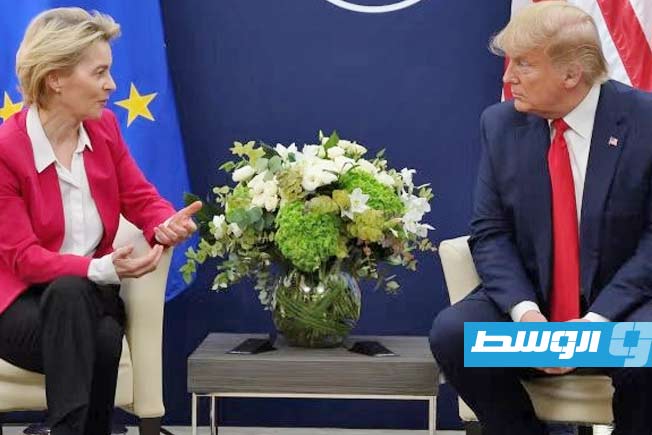
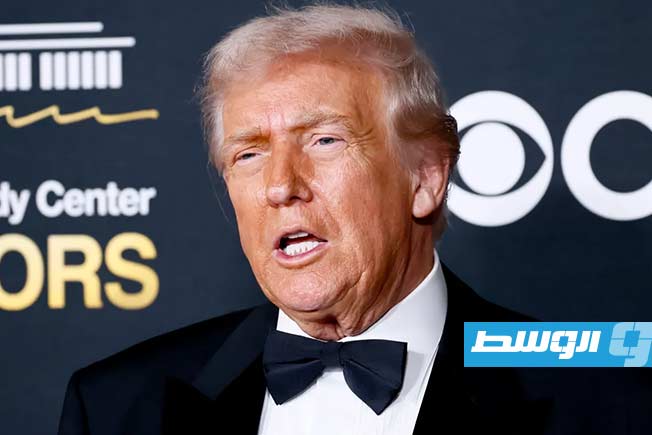
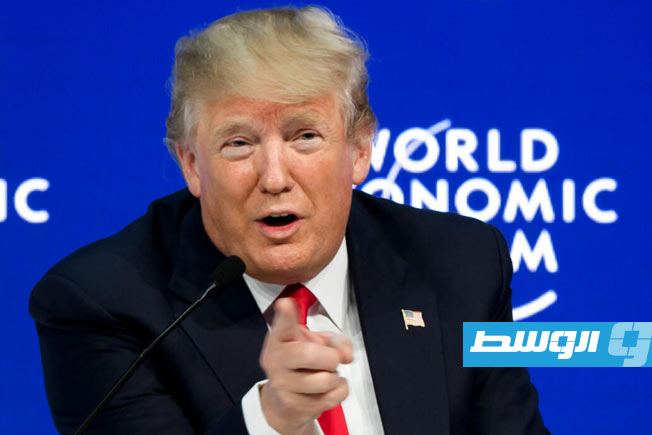
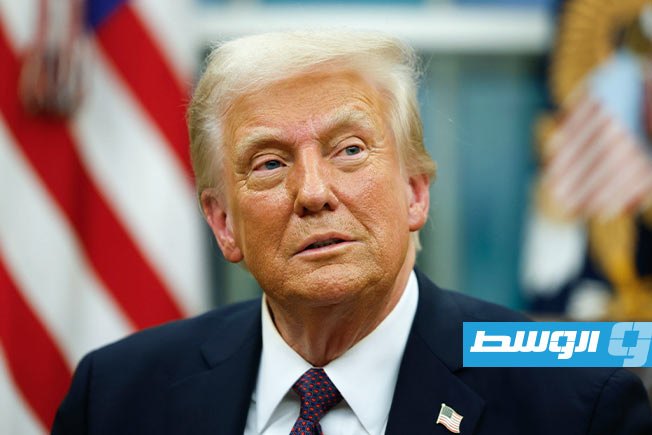
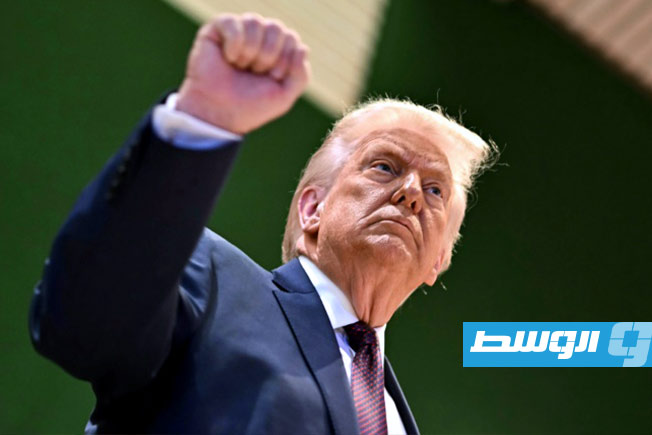
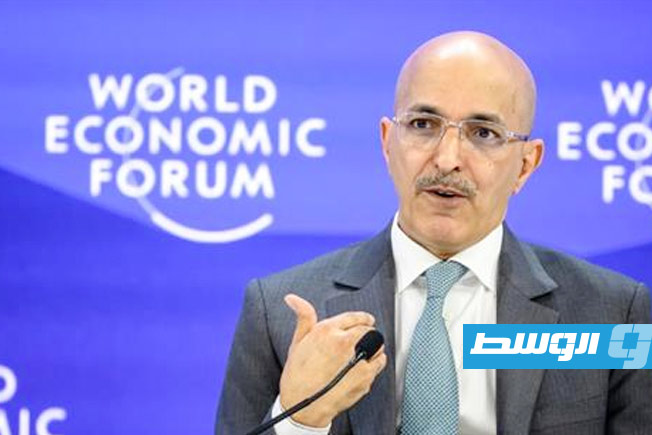
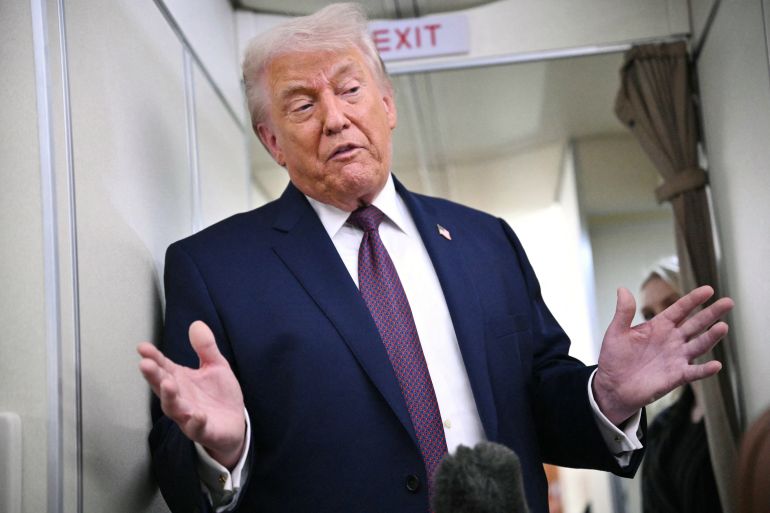
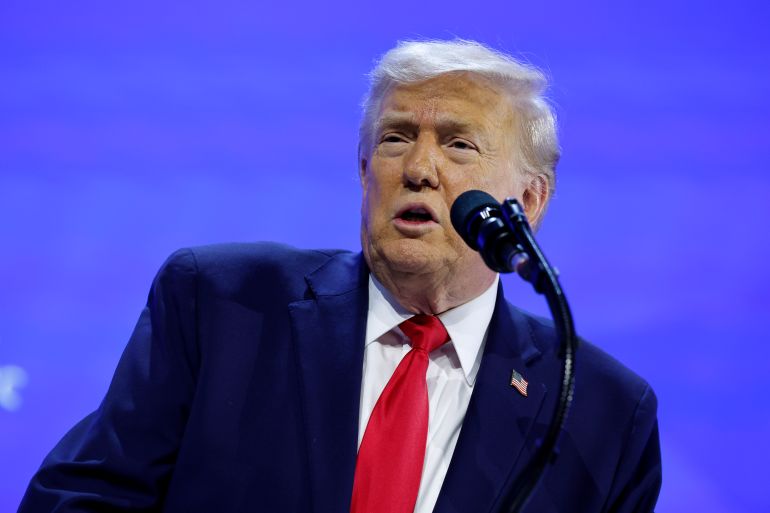
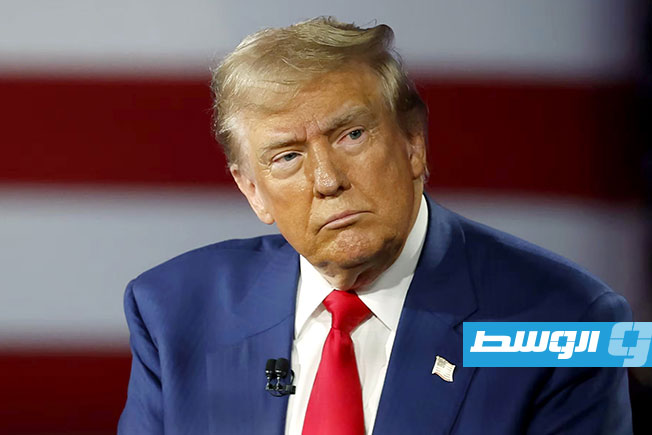
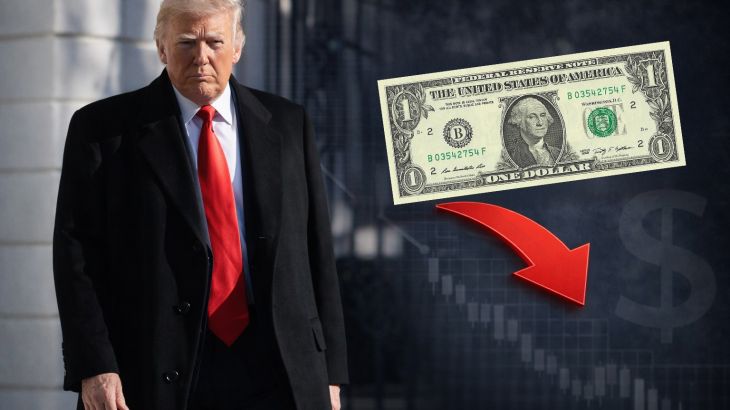
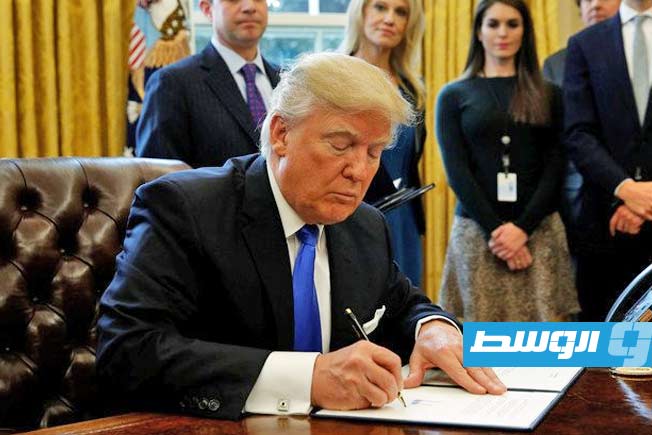
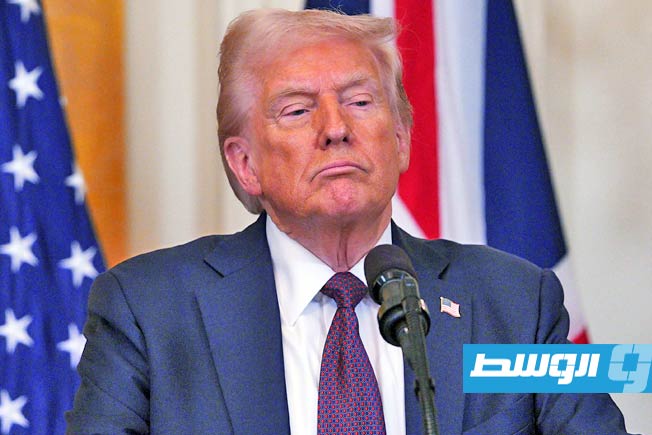
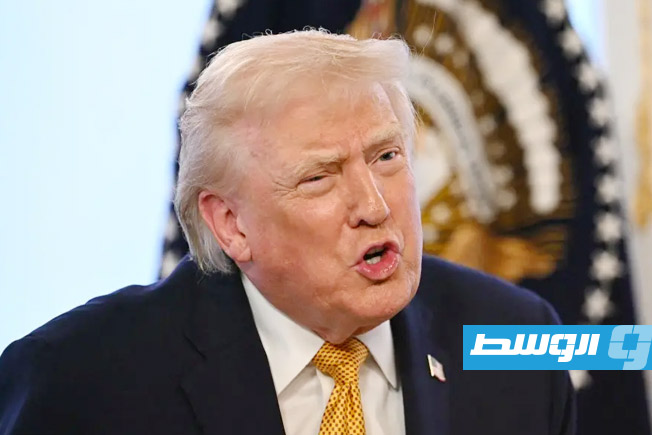
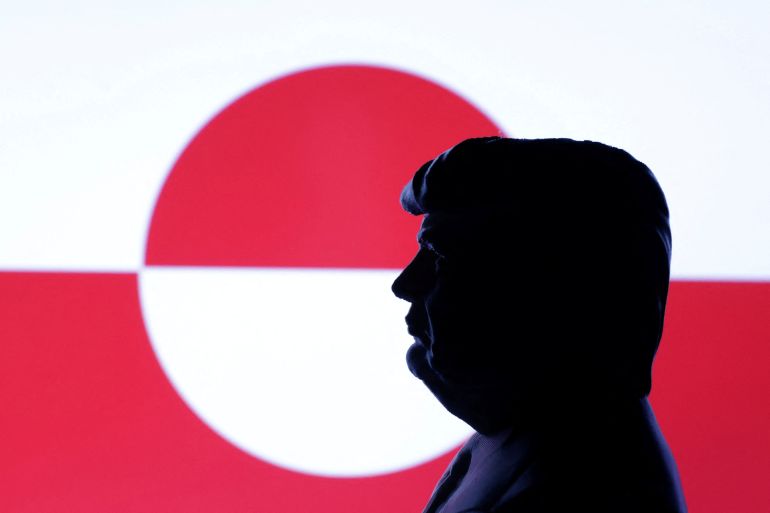
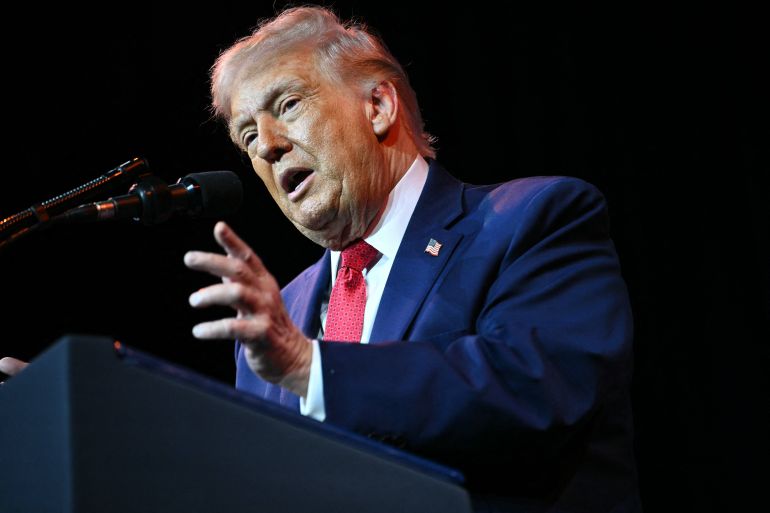
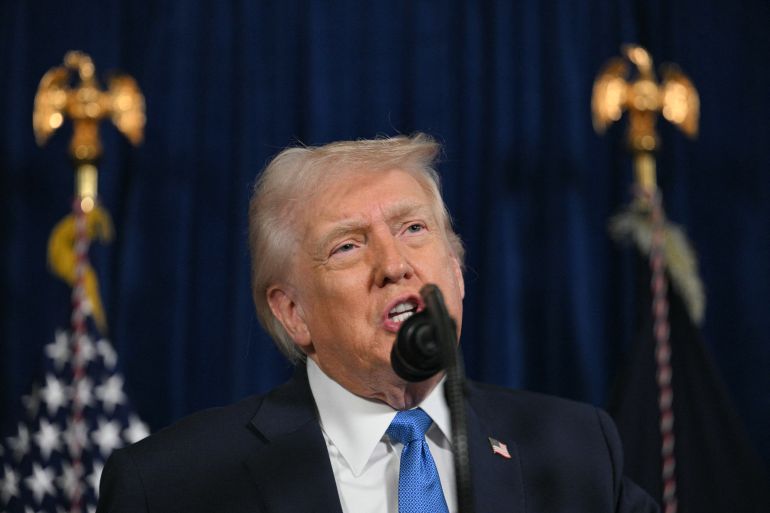
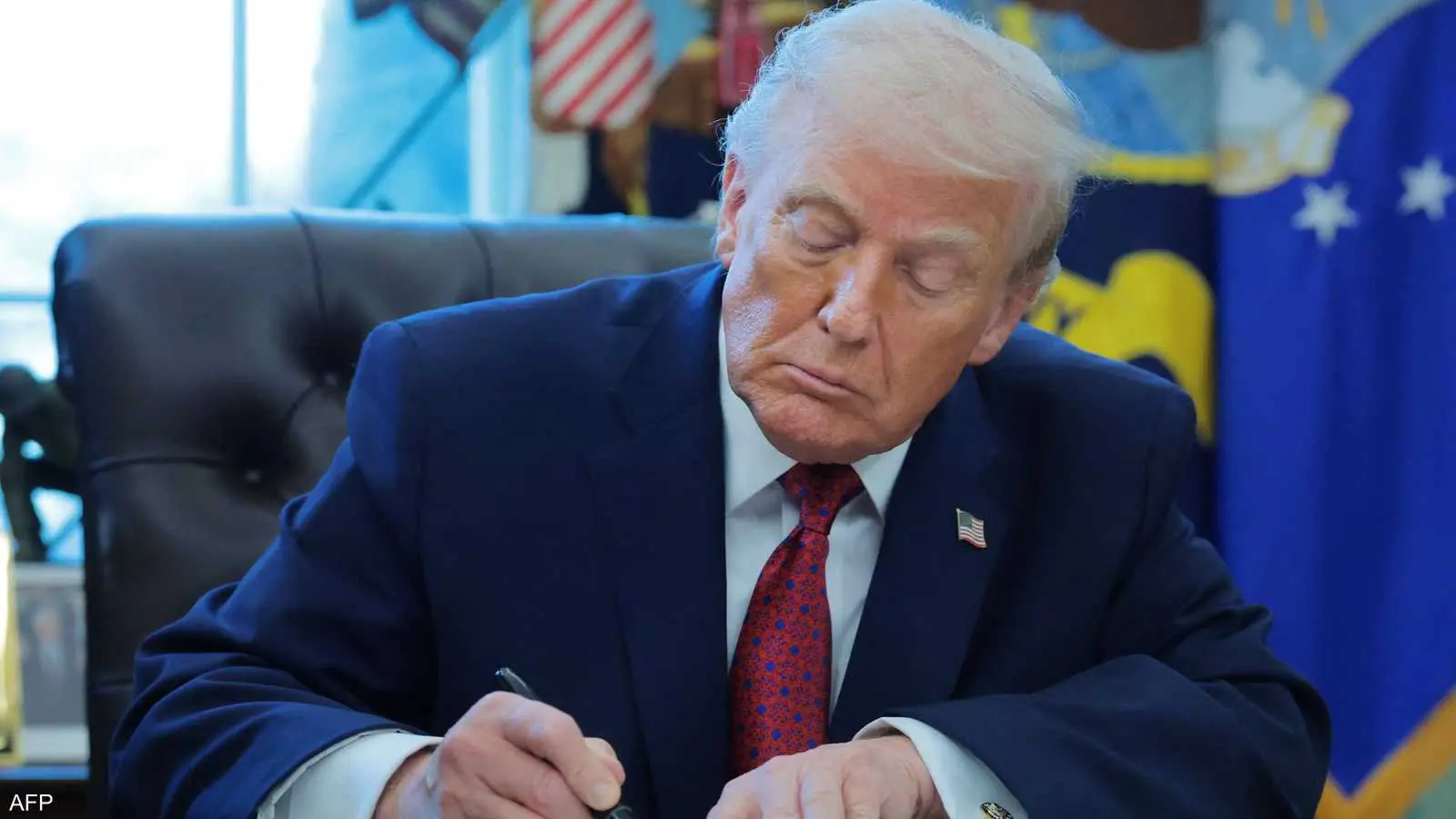
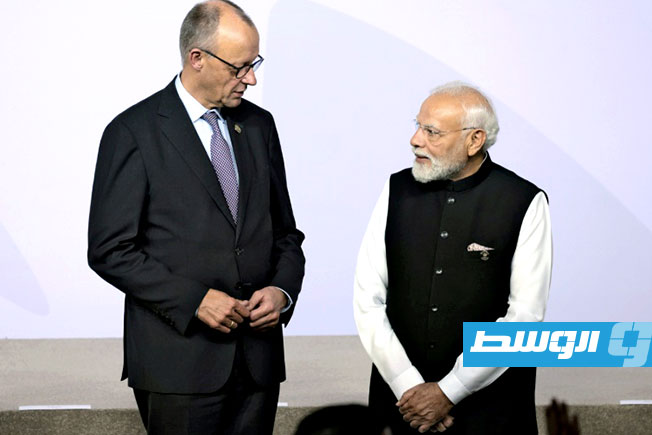
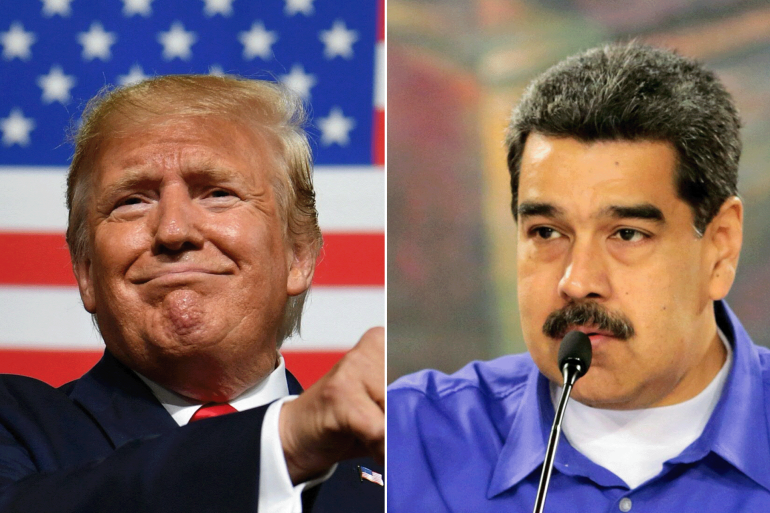
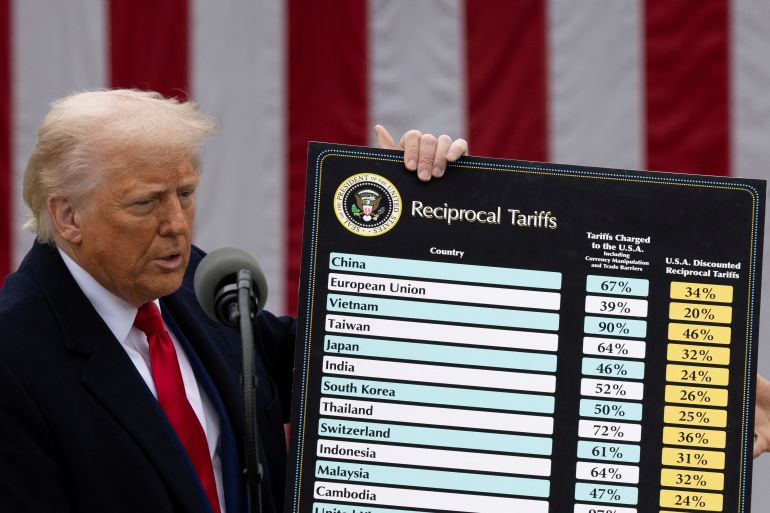
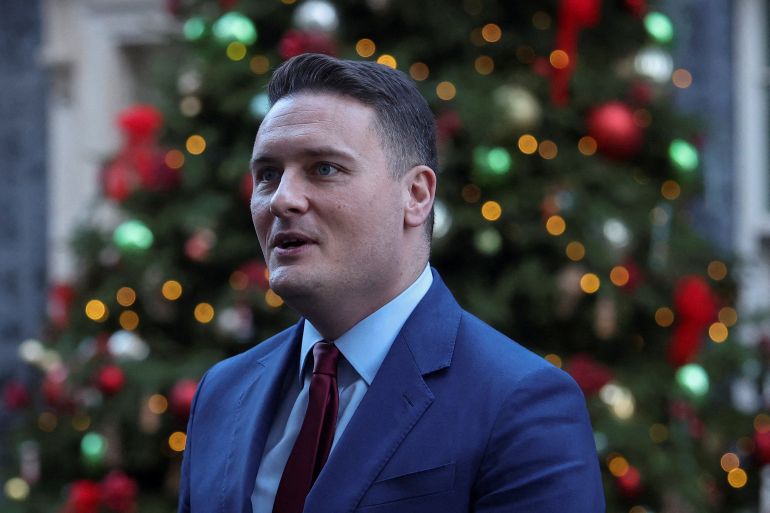
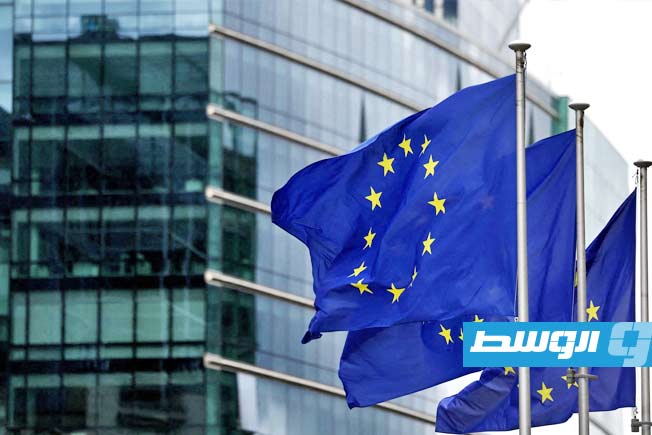
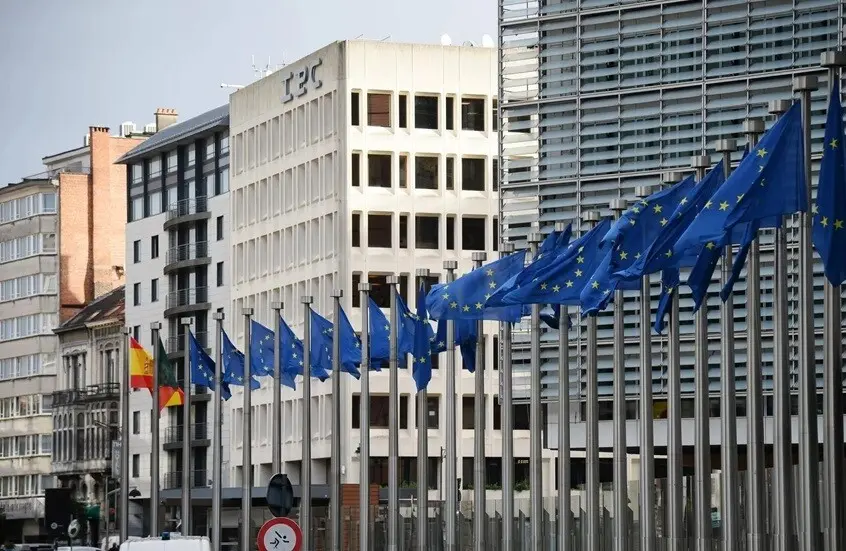
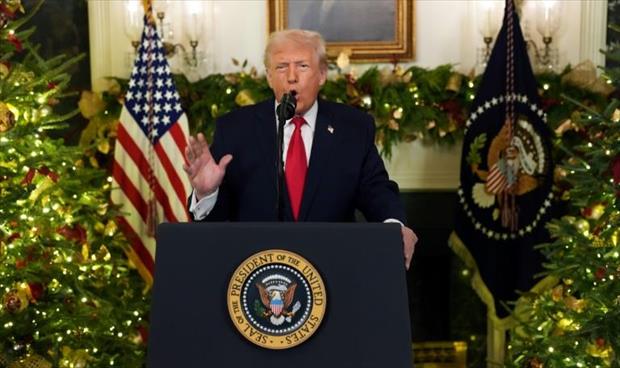
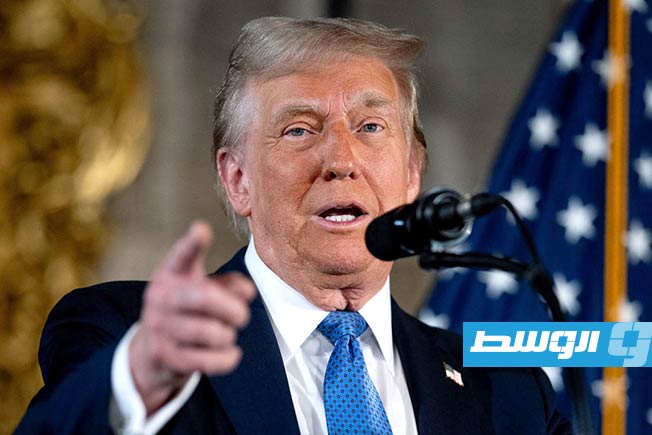
German Finance Minister announced on Monday that Europeans are preparing countermeasures in response to the “blackmail” of US President Donald Trump, who threatened to impose additional tariffs on European countries that oppose his demand to control the island of Greenland.
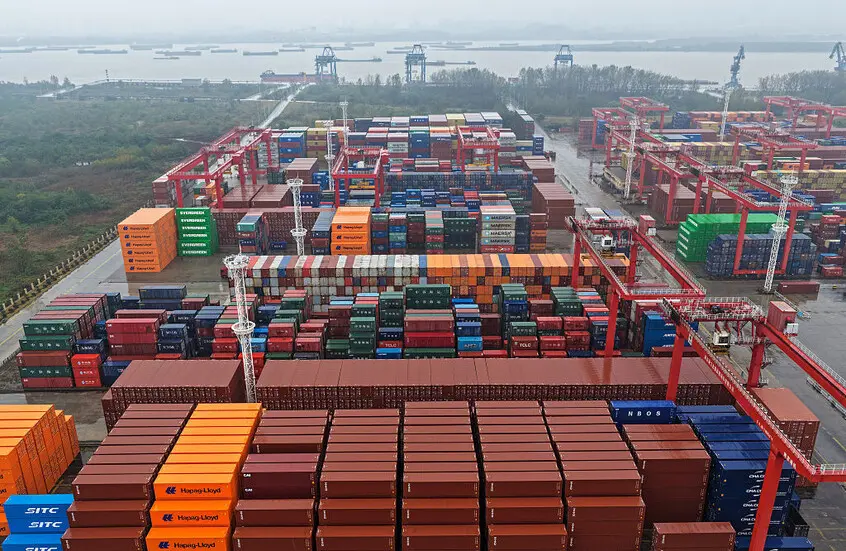
Speaking at a press conference, the minister stated, “We will not yield to blackmail. Europe will issue a clear and unified response. We are currently preparing countermeasures together with our European partners,” referring to freezing the US-European customs agreement and imposing tariffs on imported American products that were frozen until February 6th.
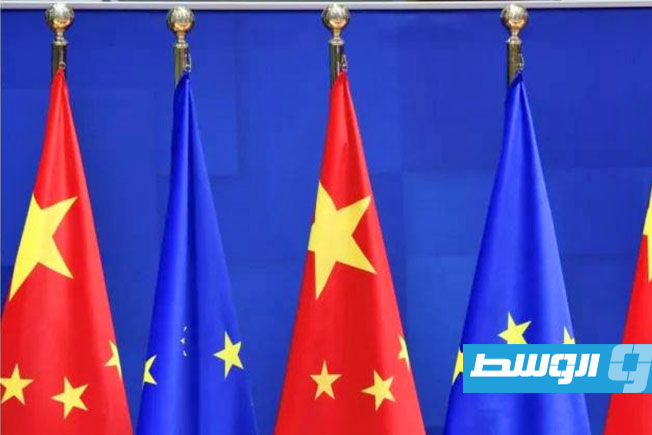
The German minister also touched on the European “toolbox” for responding to “economic blackmail,” referring to the “anti-coercion instrument” that allows, in particular, for limiting imports from a given country or its access to public markets, as well as blocking certain investments.
Containing Pressure, De-escalation, and Other Alternatives
For his part, the French minister expressed hope that this “coercive weapon” would prove effective and that “we stop at this point.” He believed that Europe should “assert its authority,” while simultaneously striving to “contain the pressure… with de-escalation rather than escalation.”
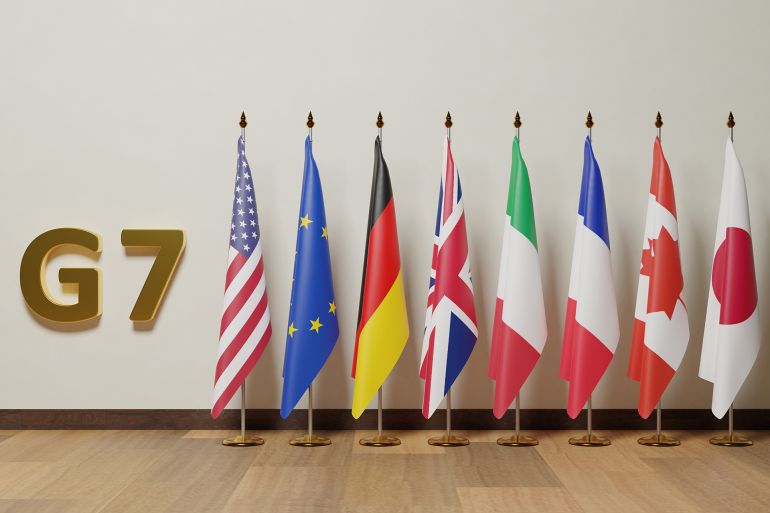
However, “we may unfortunately have to make decisions that will not benefit anyone,” according to the French minister, who announced an upcoming ministerial meeting of the G7 group aimed specifically at addressing the Greenland crisis.
The German minister, for his part, considered that “a line has been crossed” with Trump’s threats regarding the sovereignty of Greenland and Denmark, and that Europe must act firmly. He said, “This is serious,” while emphasizing that this is not the end of European-American relations.
He added that “the United States is not just Donald Trump. I am sensing very encouraging signals from Democrats, and also from Republicans who believe that is not the path to take.”
German Finance Minister
The German Finance Minister is a senior position in the German federal government, responsible for the nation’s budget, tax policy, and financial regulation. The office has a long history, with its modern form established in the Federal Republic of Germany in 1949, and notable holders have included Ludwig Erhard, architect of West Germany’s post-war economic miracle.
Europe
Europe is a continent with a rich and complex history, shaped by ancient civilizations like Greece and Rome, the transformative periods of the Renaissance and the Enlightenment, and the profound impacts of two world wars. Culturally, it is renowned for its diverse artistic heritage, architectural landmarks, and as the birthplace of influential philosophical and political movements. Today, it is largely united under the political and economic framework of the European Union.
US President Donald Trump
Donald Trump served as the 45th President of the United States from 2017 to 2021. A businessman and television personality before his political career, his presidency was marked by significant tax reform, changes in immigration policy, and a distinctive communication style often conducted via social media.
Greenland
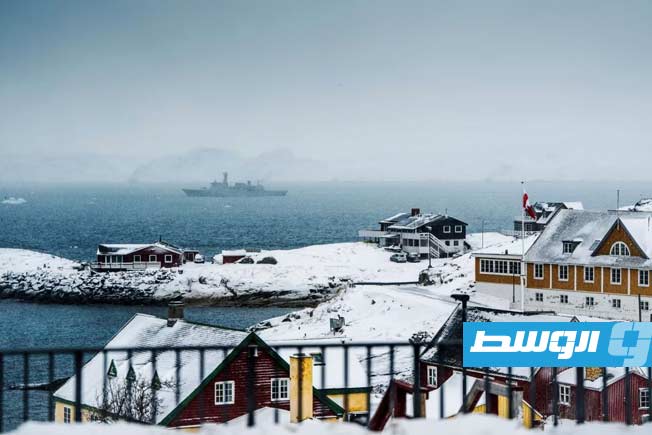
Greenland is the world’s largest island, located between the Arctic and Atlantic Oceans, and is an autonomous territory within the Kingdom of Denmark. It has been inhabited for millennia, first by Paleo-Inuit peoples and later by Norse settlers in the 10th century, before coming under Danish rule in the 18th century. Today, its culture is defined by its Indigenous Inuit population and its vast, iconic Arctic landscapes.
European countries
The term “European countries” refers to the sovereign nations on the European continent, which share a complex and intertwined history shaped by millennia of cultural exchange, conflict, and cooperation. This history includes the legacies of ancient Greece and Rome, the Middle Ages, the Renaissance, the Age of Exploration, and the profound impacts of two World Wars, leading to the modern political landscape and institutions like the European Union.
Denmark
Denmark is a Scandinavian country in Northern Europe with a rich history dating back to the Viking Age, when it was a major seafaring power. It later became the center of the expansive Kalmar Union in the late Middle Ages and today is a constitutional monarchy known for its modern welfare state and design heritage.
United States
The United States is a federal republic founded in 1776 after declaring independence from Great Britain, with its modern government established by the Constitution in 1789. Its history encompasses westward expansion, the Civil War, industrialization, and its emergence as a global superpower in the 20th century. The nation is defined by its diverse cultural heritage, democratic ideals, and significant influence on global politics, economics, and popular culture.
Democrats
The Democratic Party is one of the two major contemporary political parties in the United States, tracing its origins to the Democratic-Republican Party founded by Thomas Jefferson and James Madison in the 1790s. It adopted its current name in the 1820s under the leadership of Andrew Jackson, evolving from a party favoring states’ rights and agrarian interests into a modern coalition primarily associated with social liberalism and a mixed economy.
Republicans
The Republican Party, founded in 1854, is one of the two major contemporary political parties in the United States. It was established primarily to oppose the expansion of slavery and its first successful presidential candidate was Abraham Lincoln in 1860.
G7
The G7, or Group of Seven, is an intergovernmental political forum consisting of Canada, France, Germany, Italy, Japan, the United Kingdom, and the United States. It originated in the 1970s as an informal gathering of finance ministers to address global economic crises, later evolving into annual summits of heads of government to coordinate on major international issues.