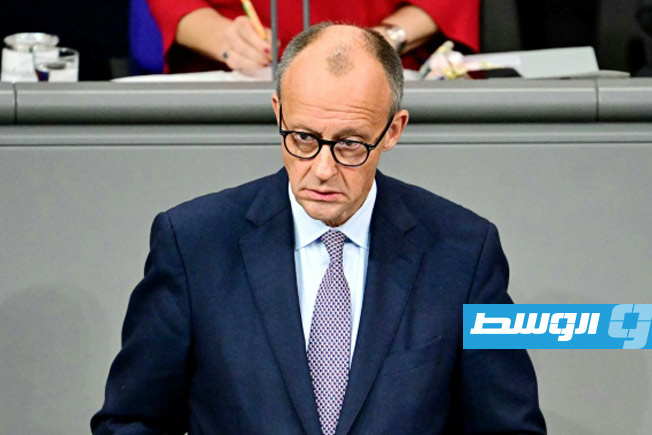
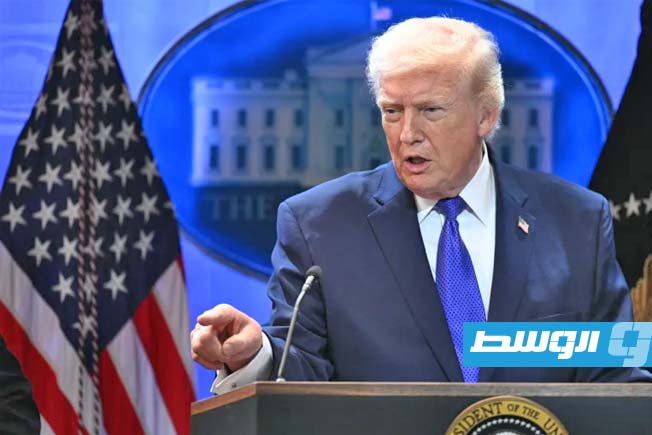
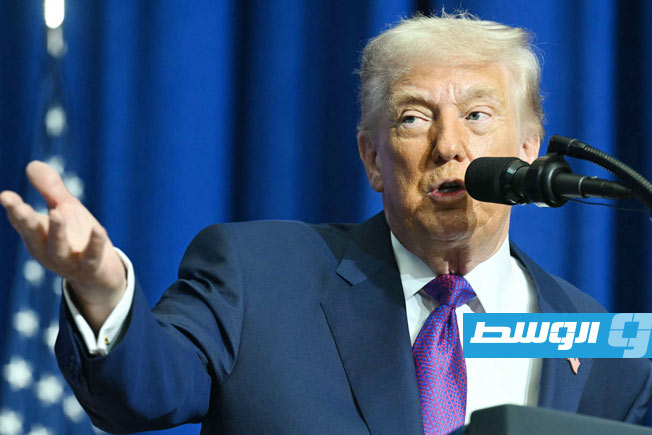
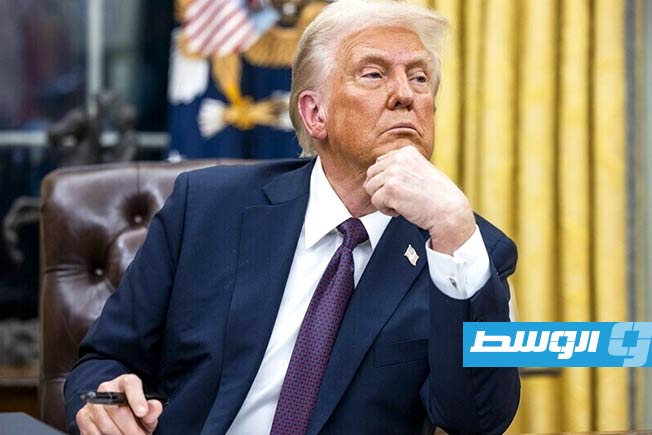
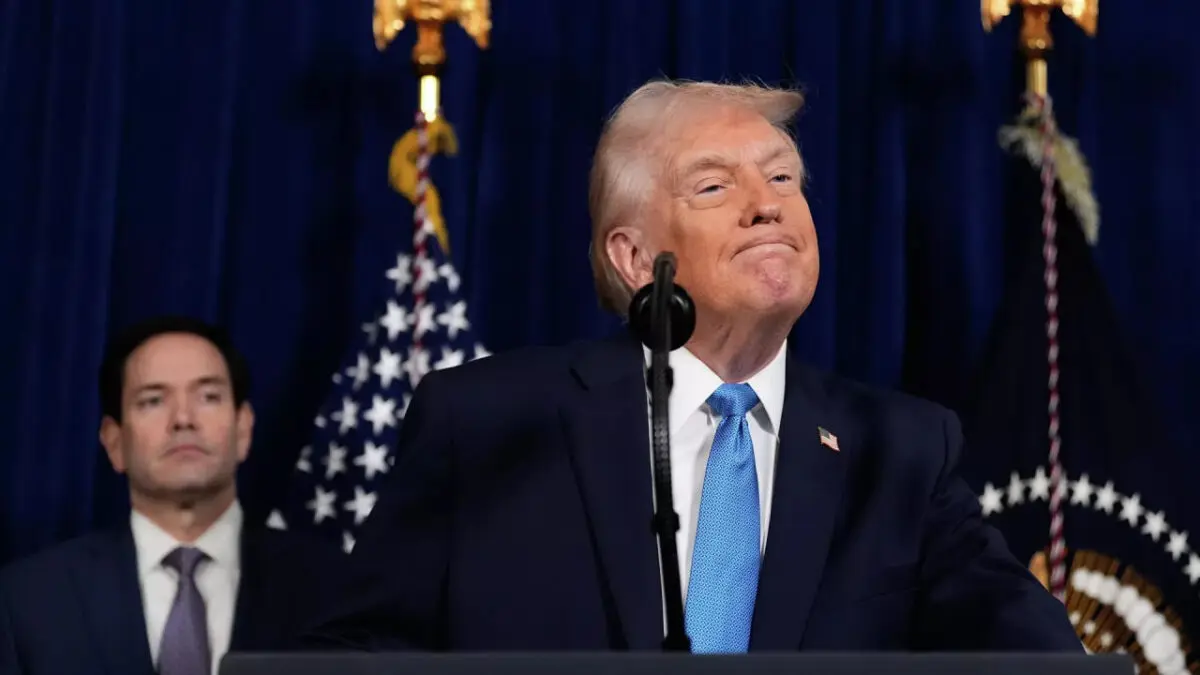
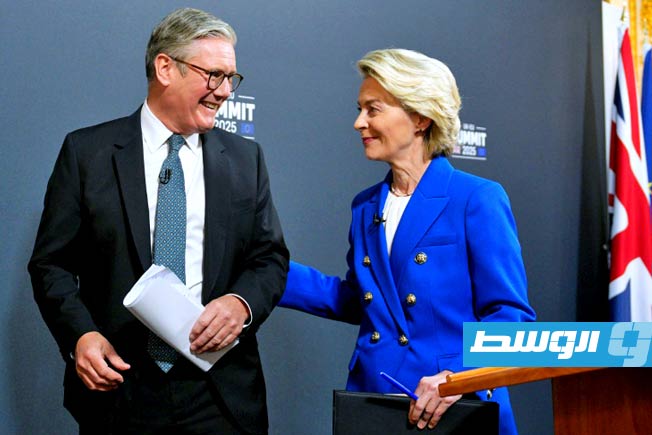
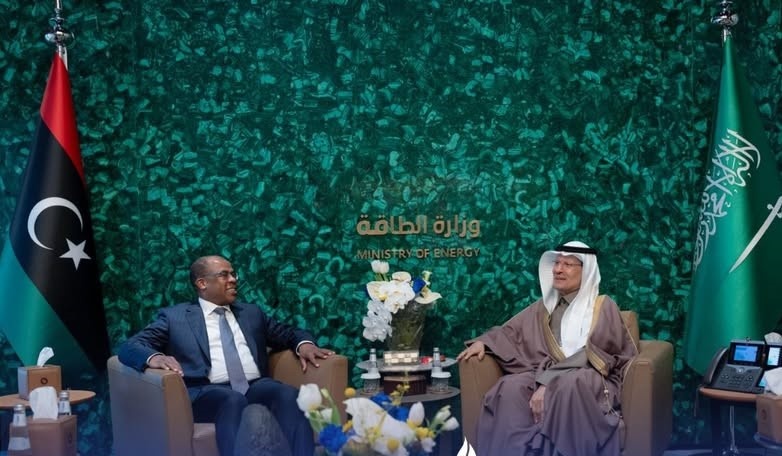
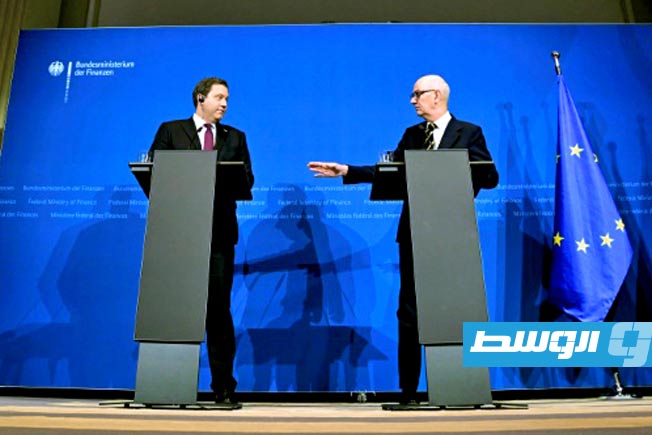
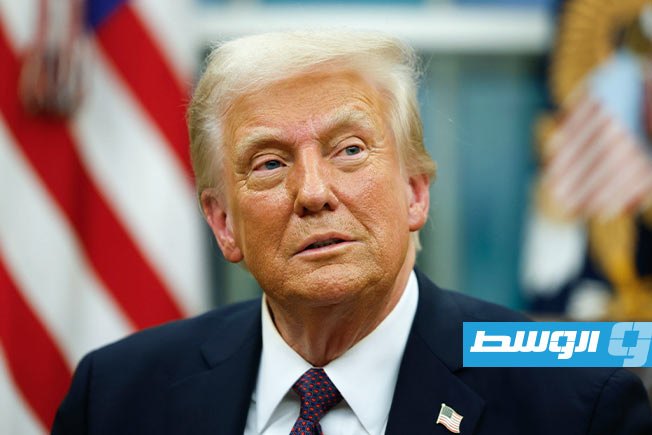
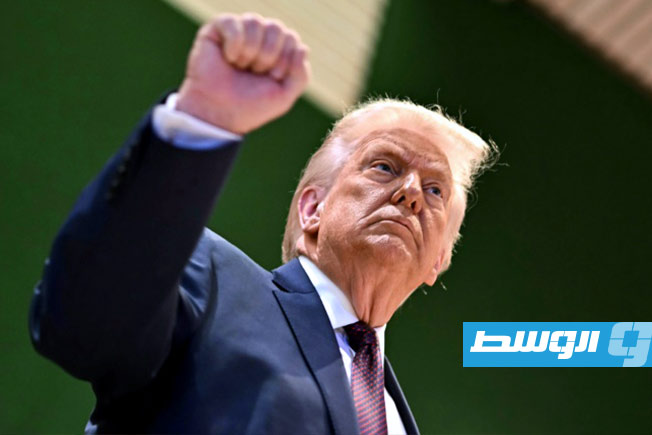
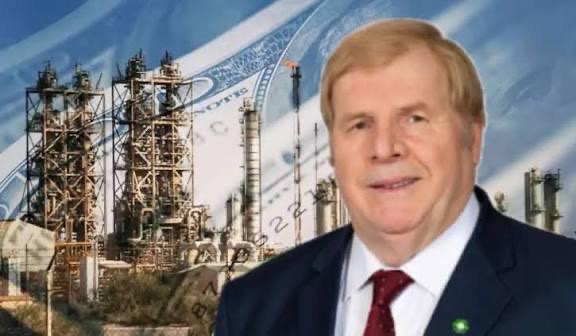
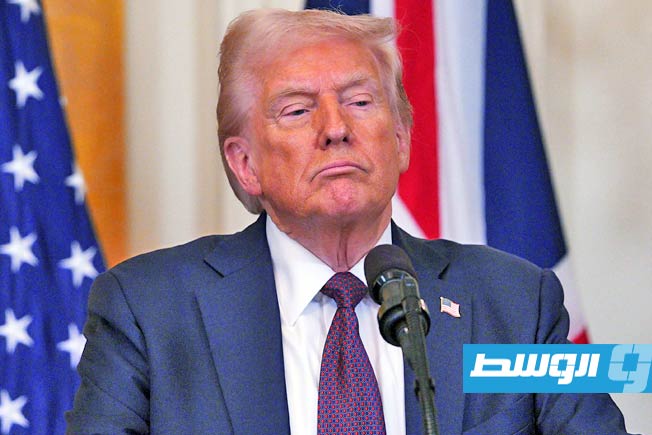
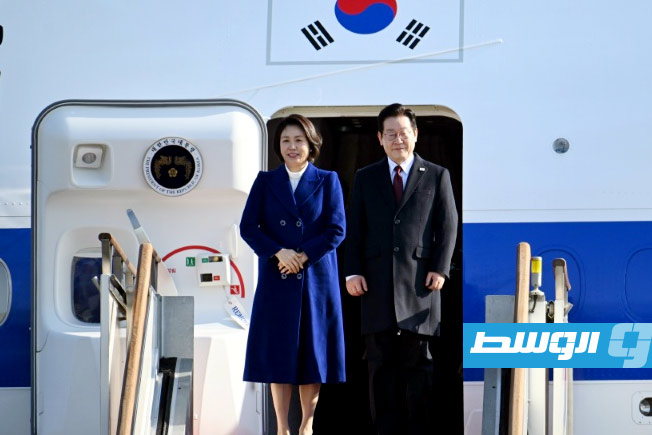
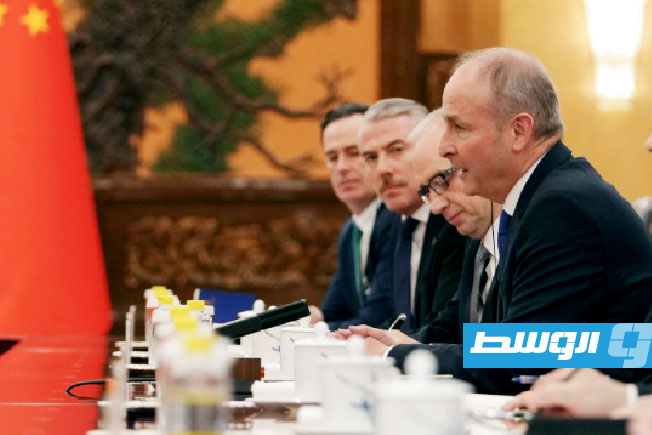
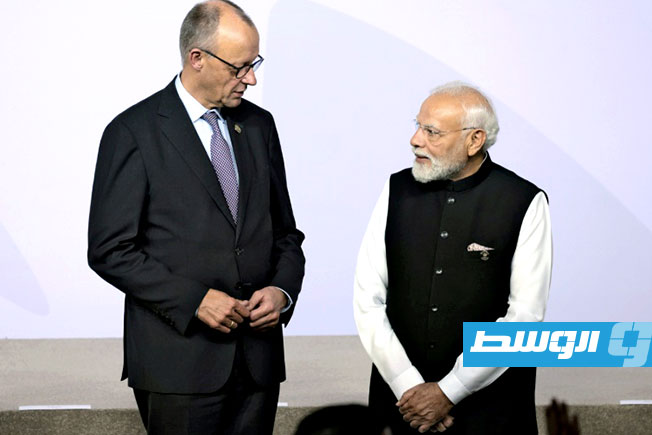
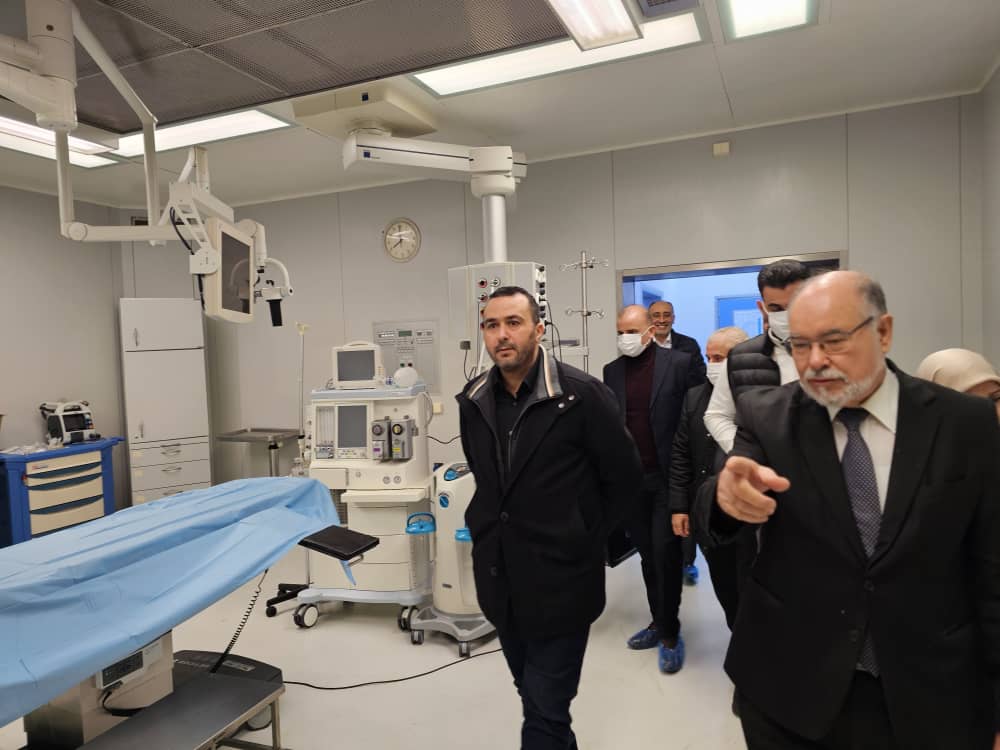
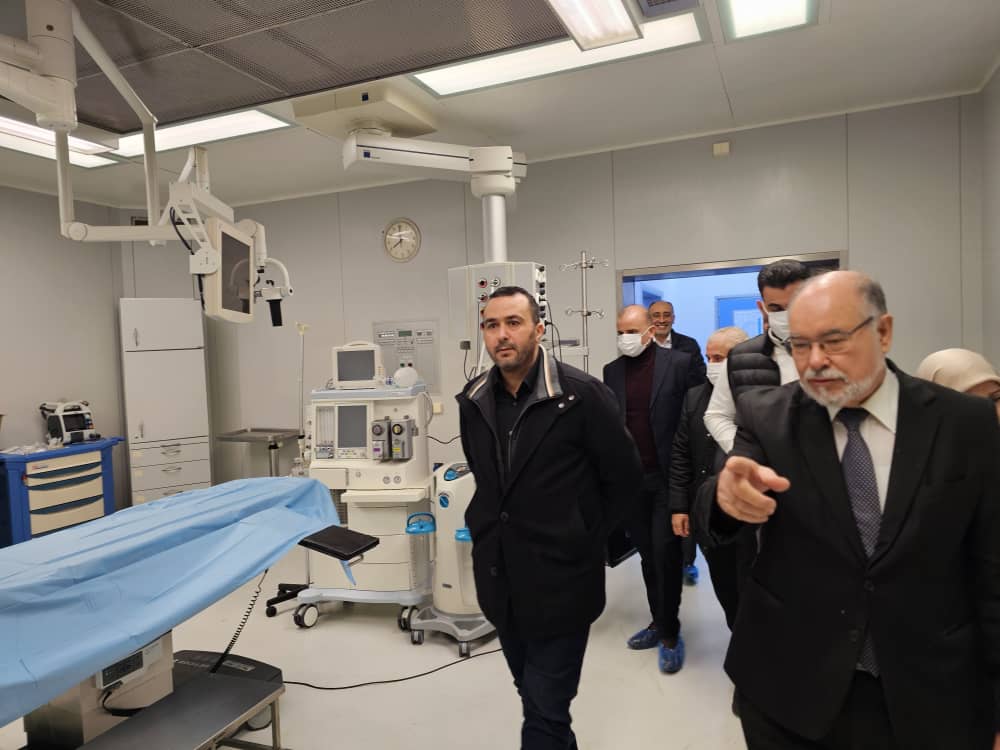
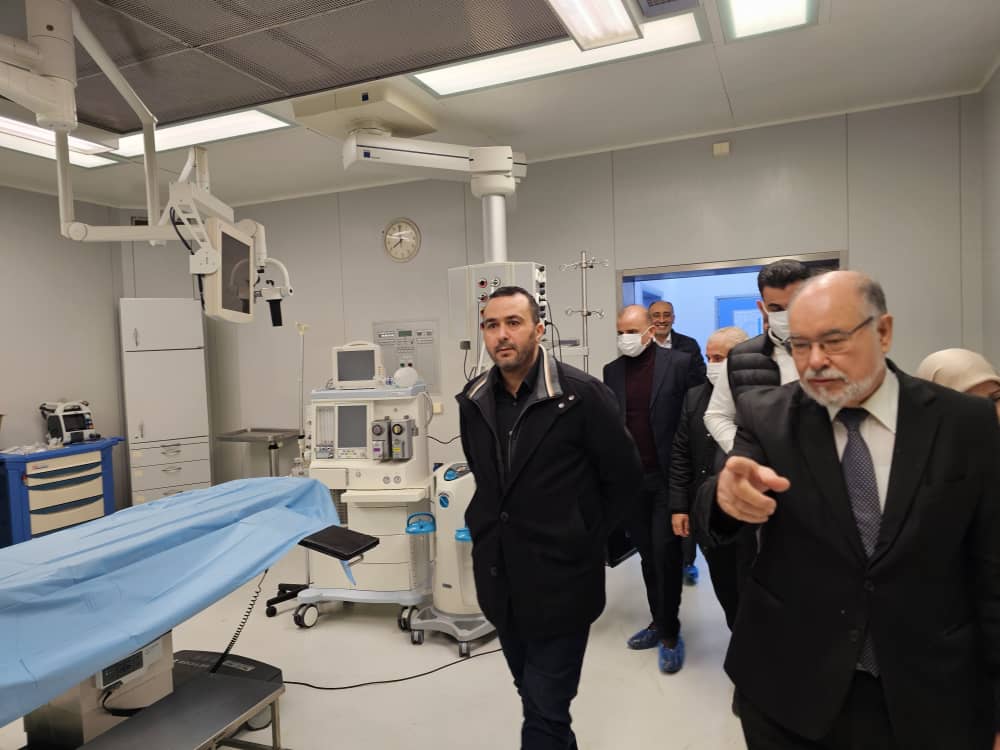
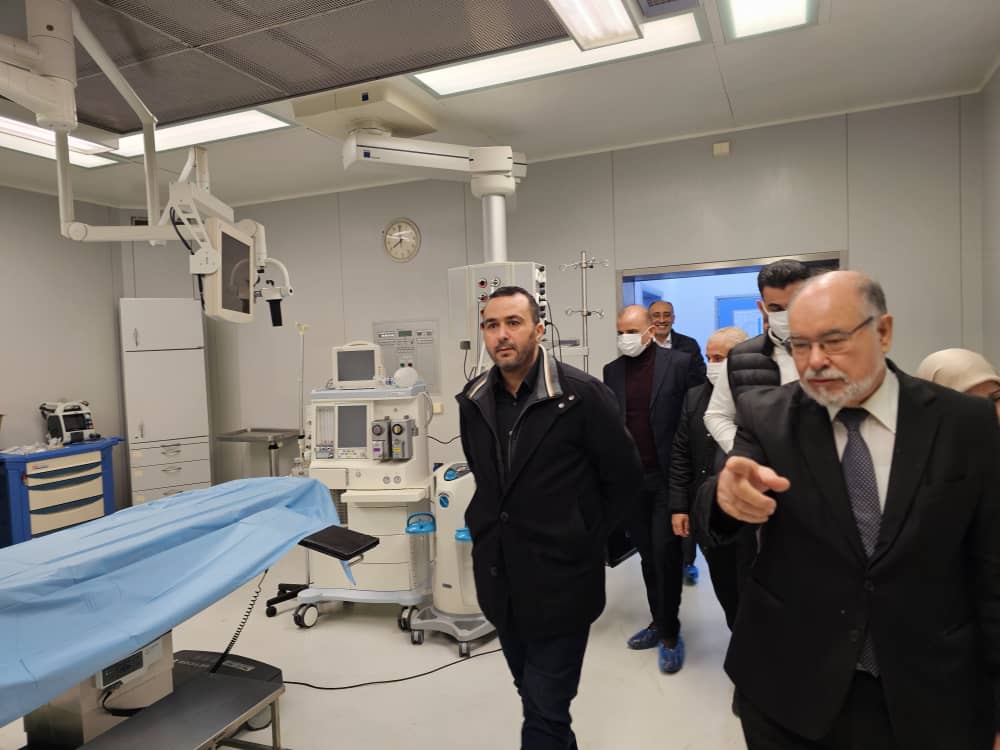
The German Chancellor begins a Gulf tour on Wednesday, hoping to establish new strategic partnerships with wealthy oil states to reduce reliance on the United States under the unpredictable administration of President Donald Trump.
The leader of the conservative party is accompanied by a large delegation of business leaders. His tour will lead him to the Kingdom of Saudi Arabia, Qatar, and the United Arab Emirates. He hopes to convince these countries to increase their investments in his nation, which represents the largest economy in Europe.
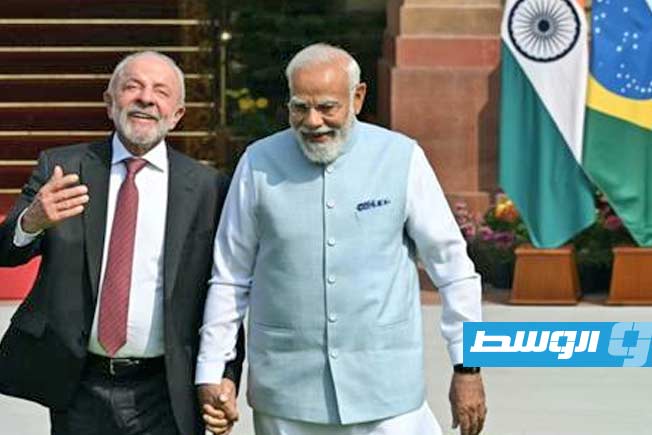
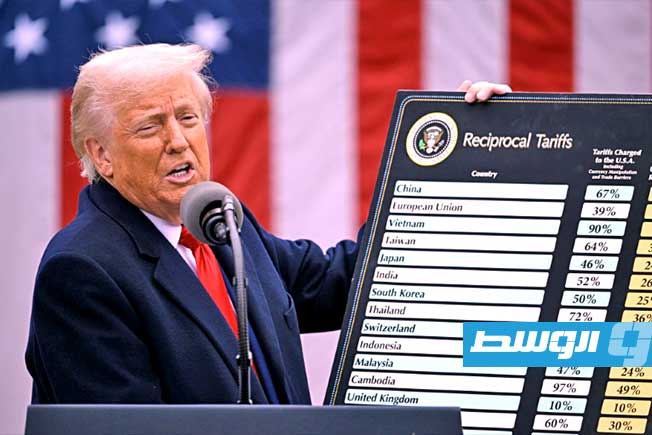
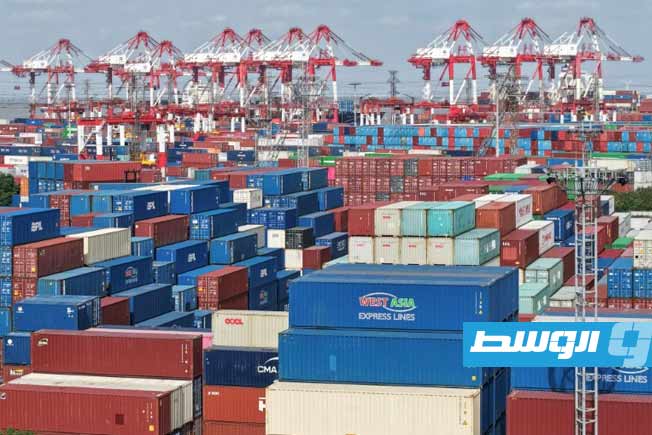
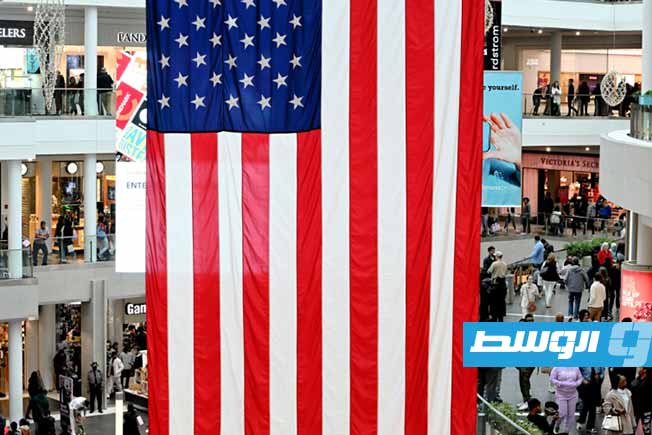
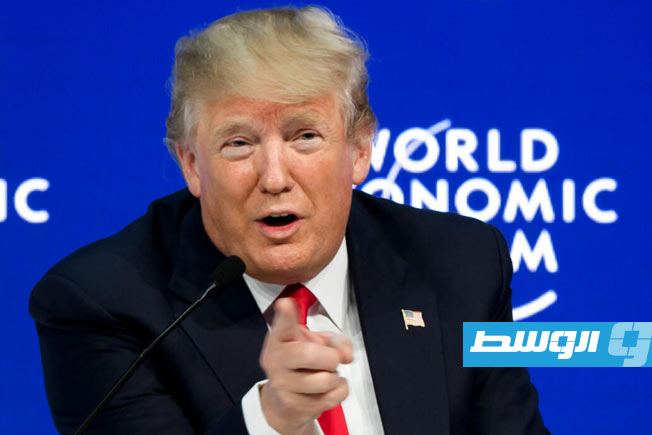
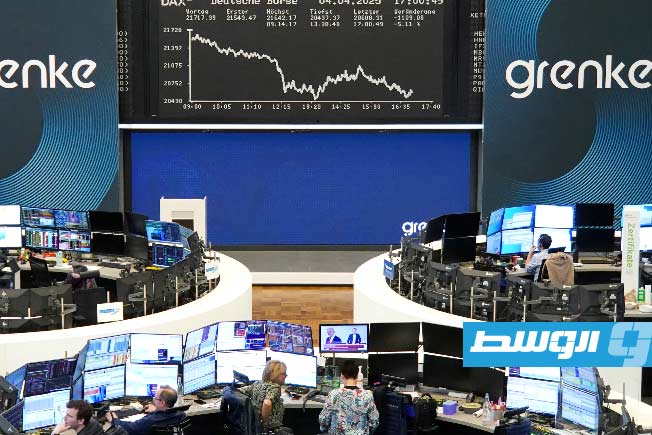
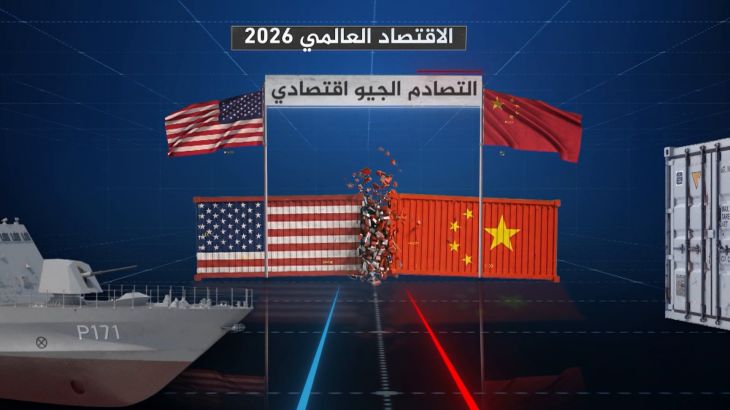
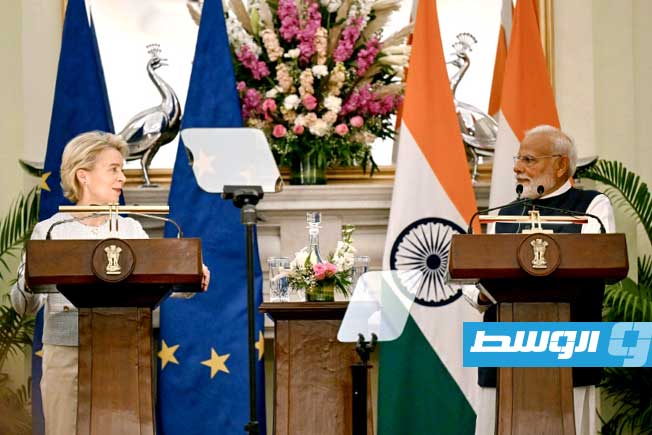
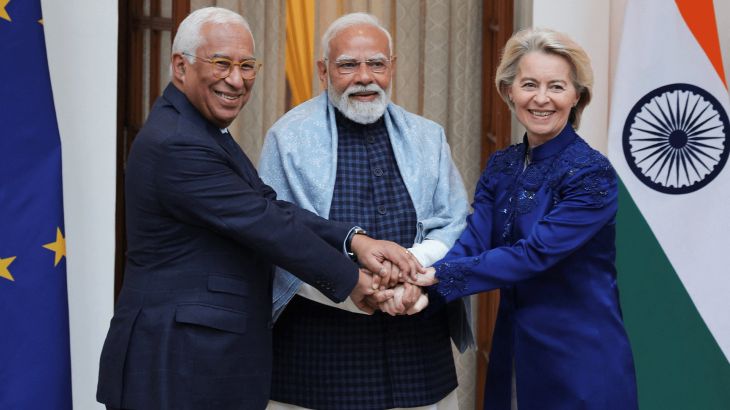
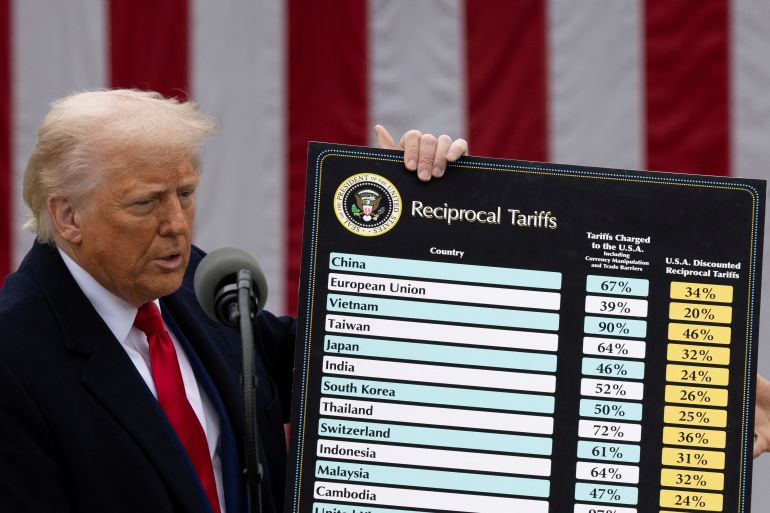
The Chancellor’s Gulf tour follows his visit to India in early January and is part of broader efforts to diversify cooperation. This comes at a time when the German economy, heavily oriented towards exports, is being shaken by the tariff policies pursued by Washington.
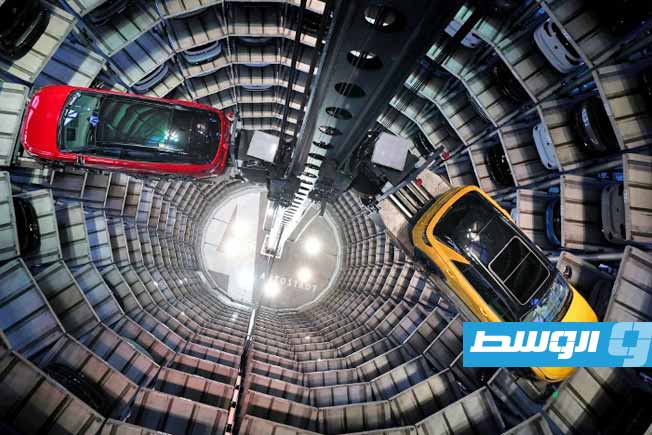
It is emphasized that the country is “the largest trading partner for this (Gulf) region within the European Union,” adding that “this region shows great interest in German technology in the fields of automobiles, chemicals, and mechanical engineering.”
Liquefied Natural Gas
The first stop is Saudi Arabia, which was previously visited by the German Environment Minister at the end of January, followed by the German Economics Minister in early February.
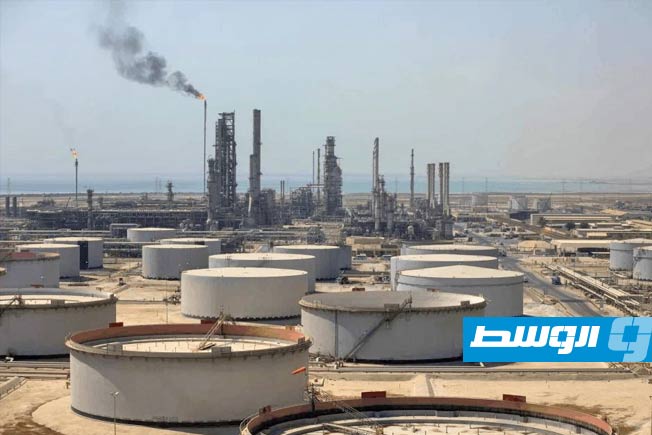
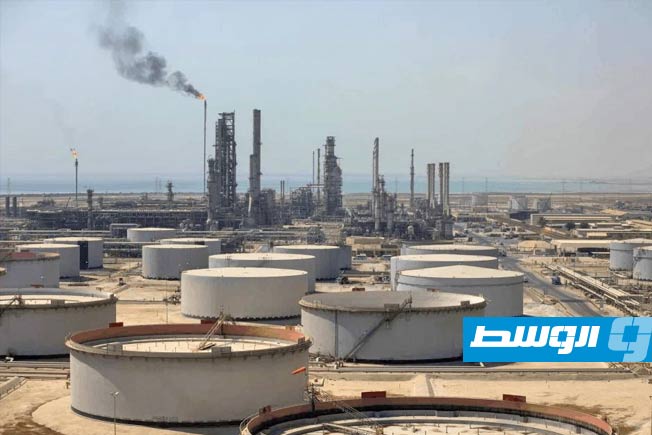
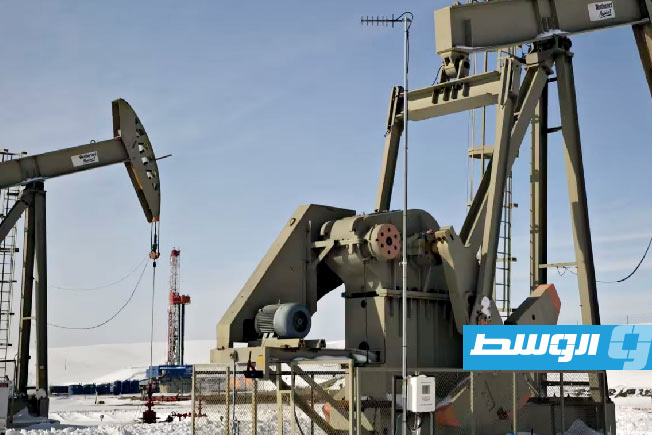
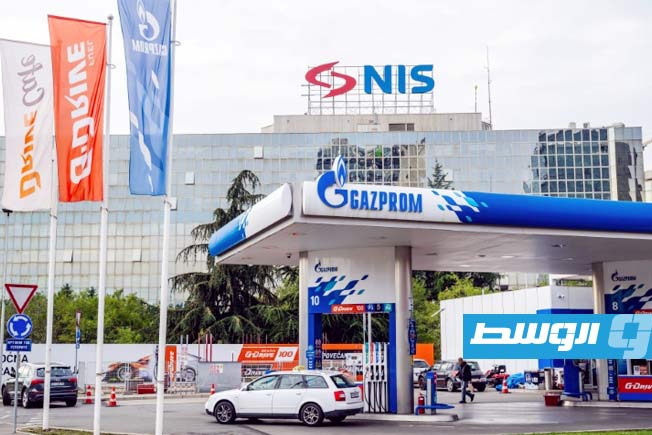
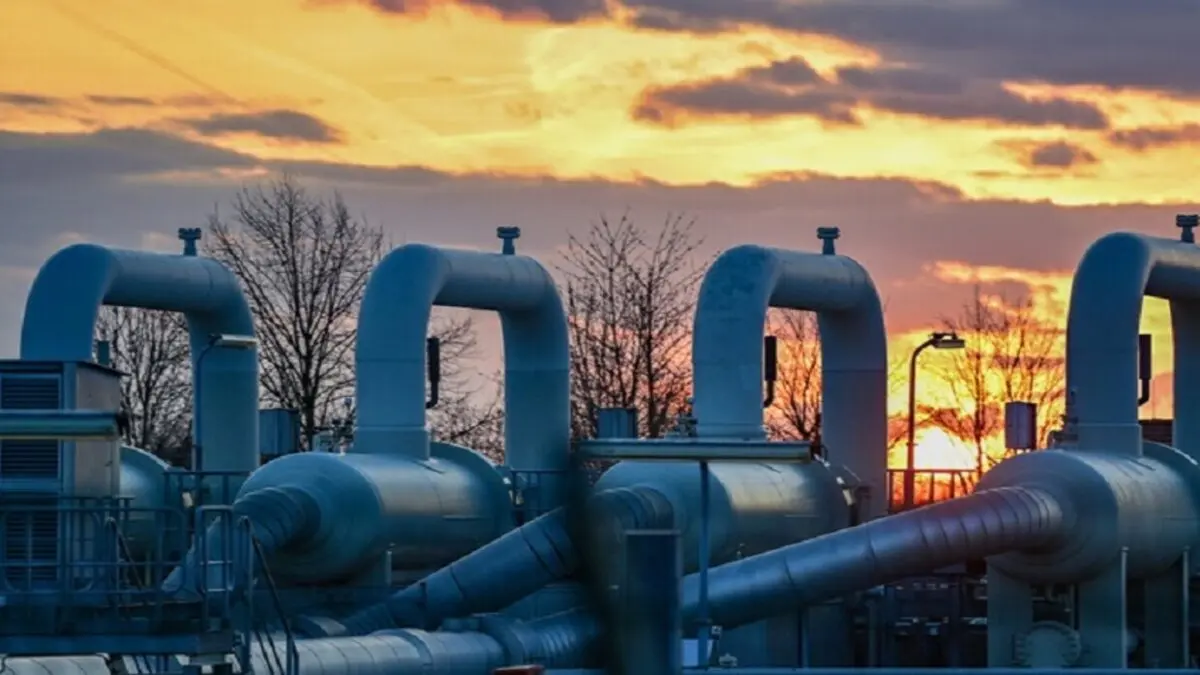
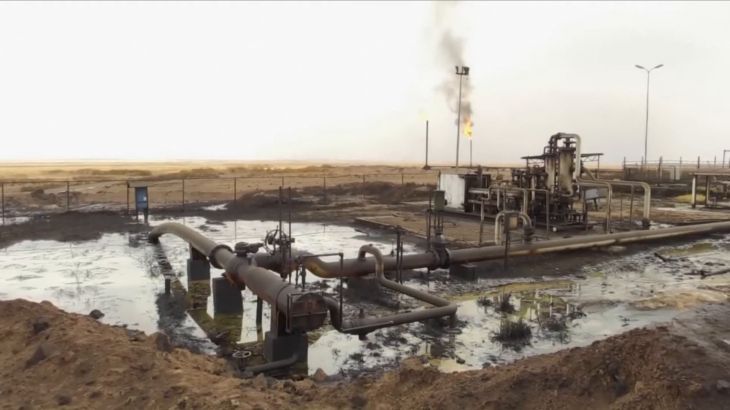
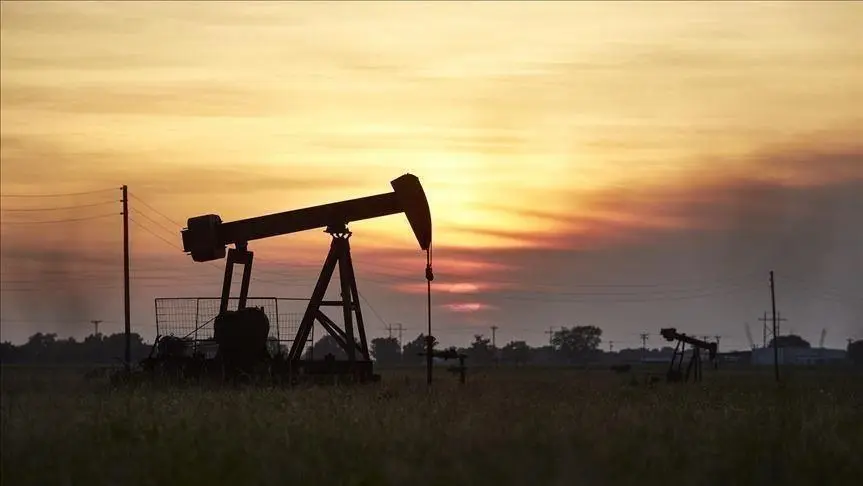
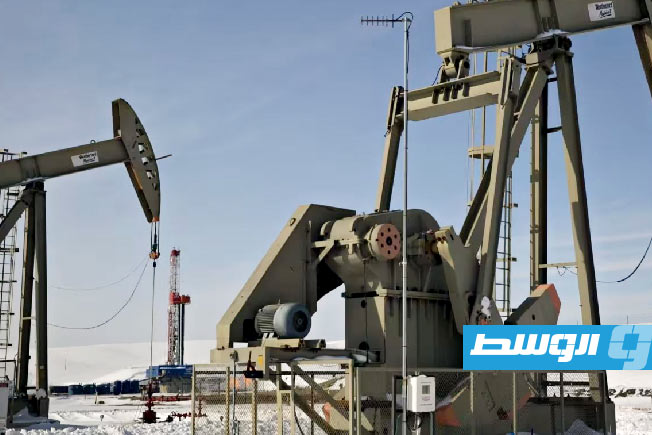
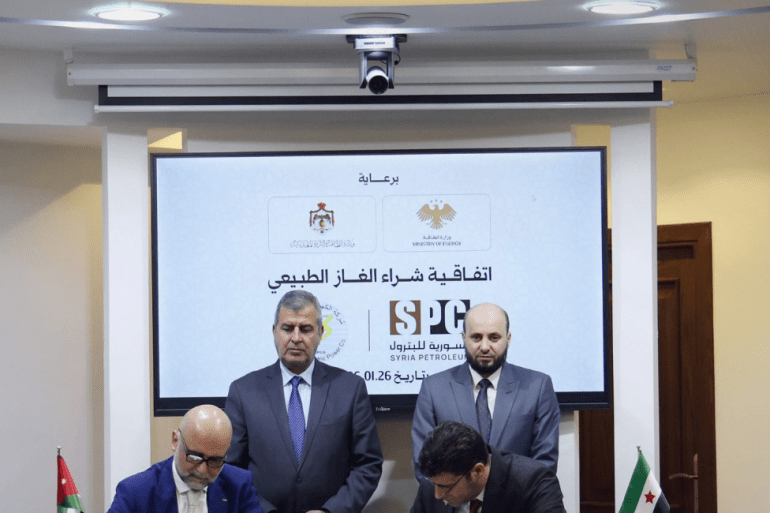
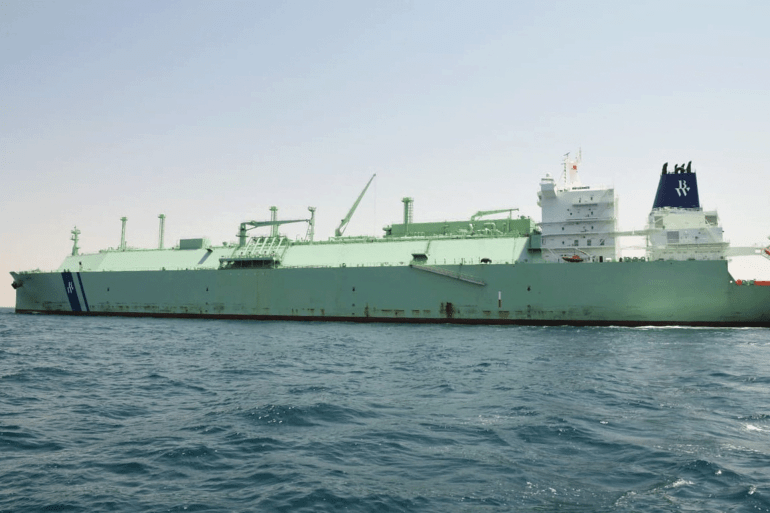
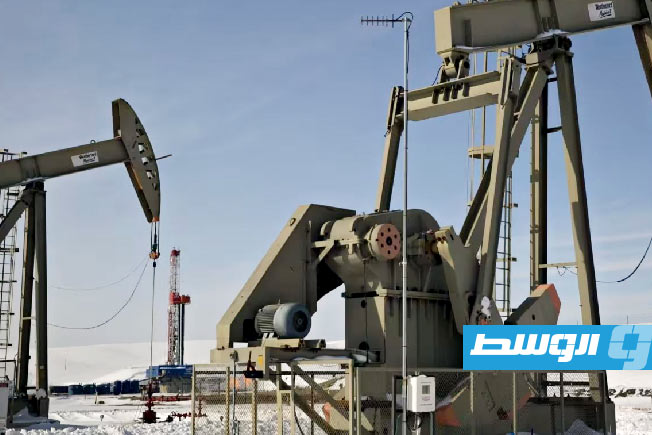
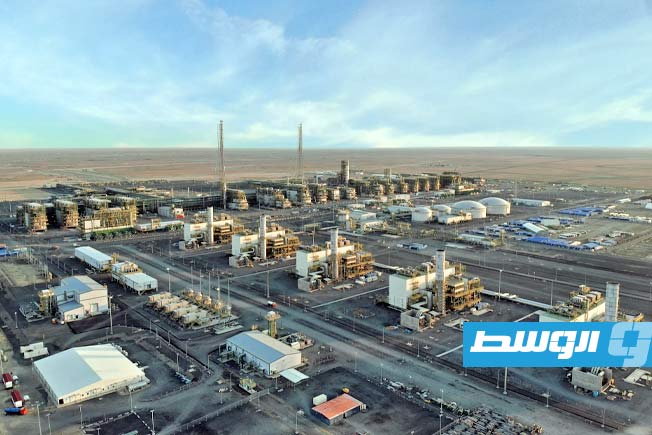
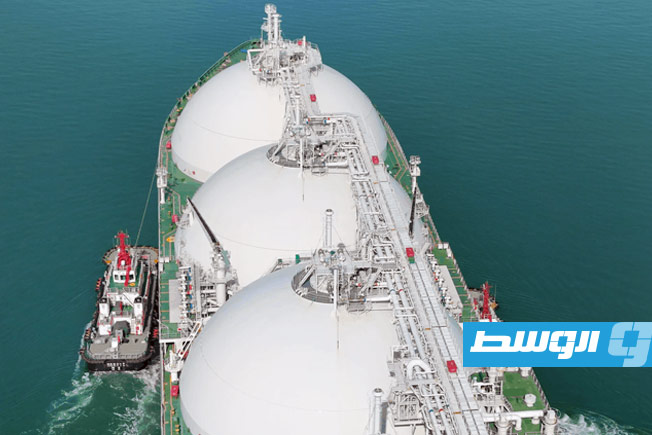
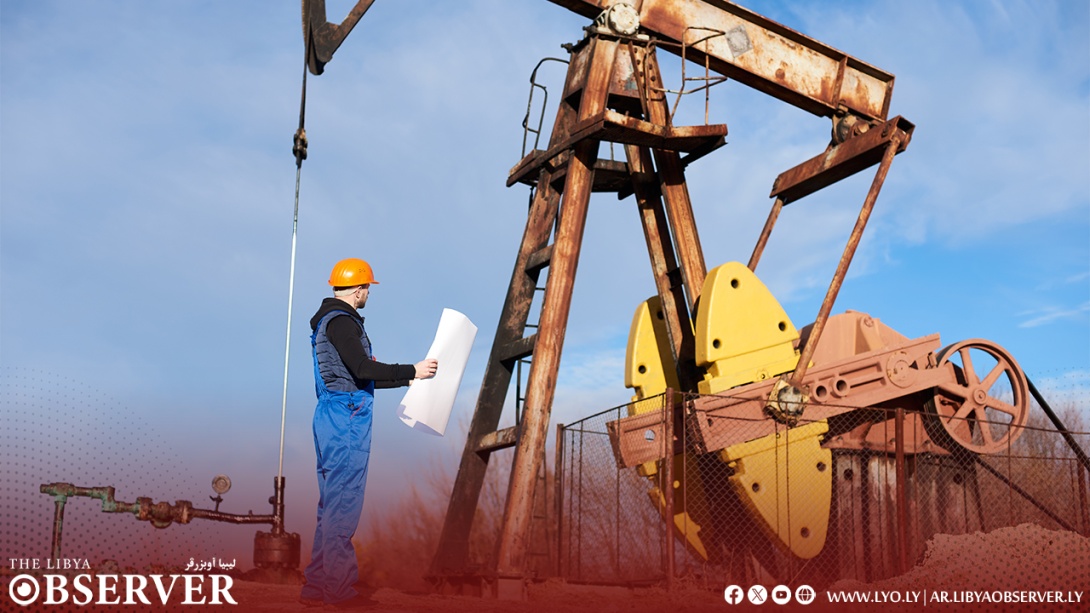
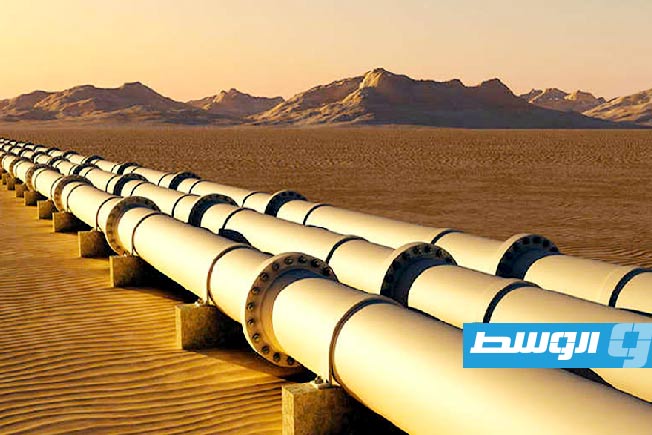
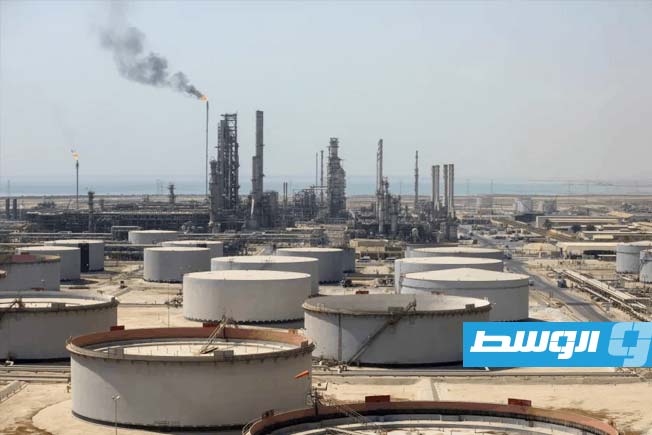
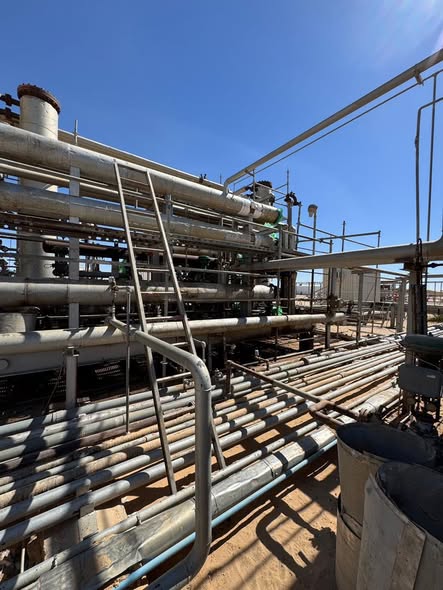
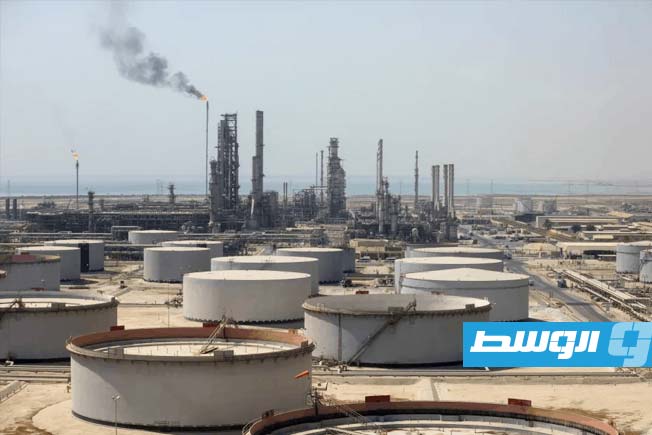
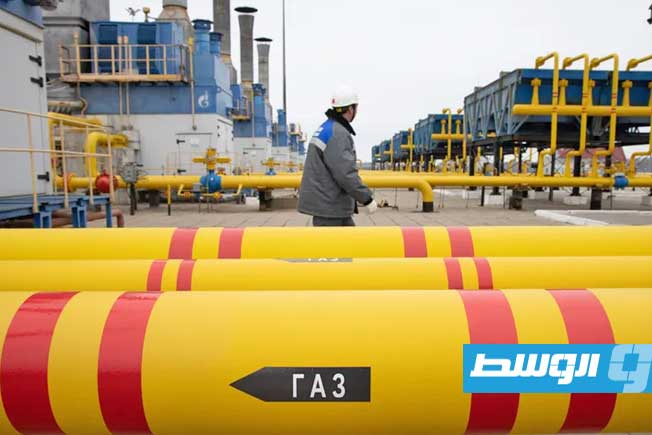
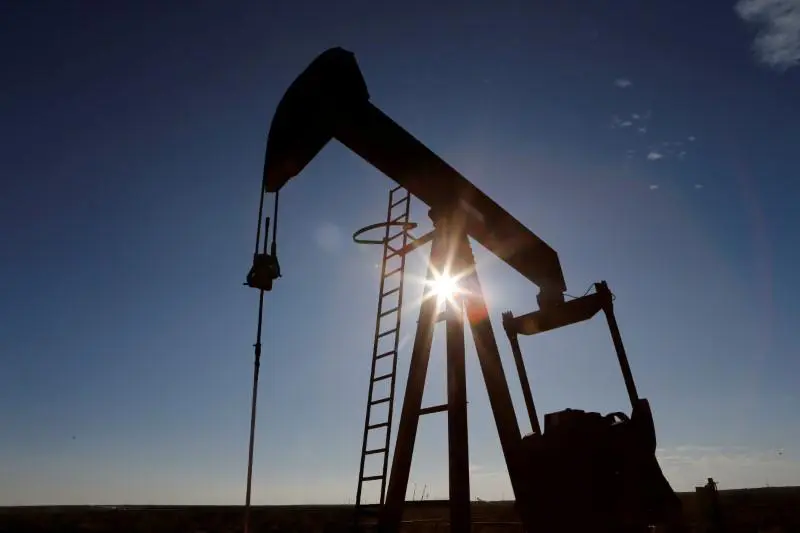
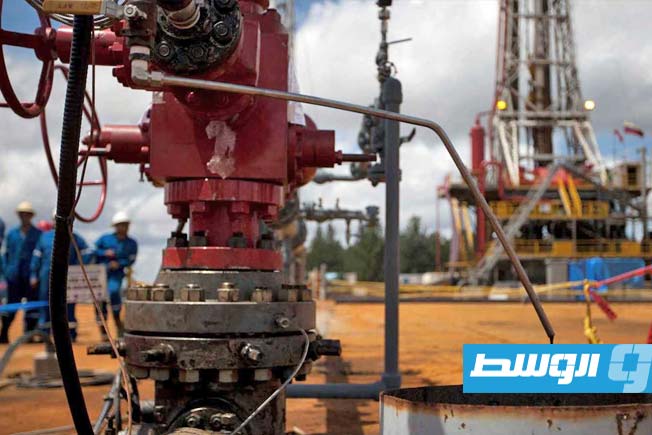
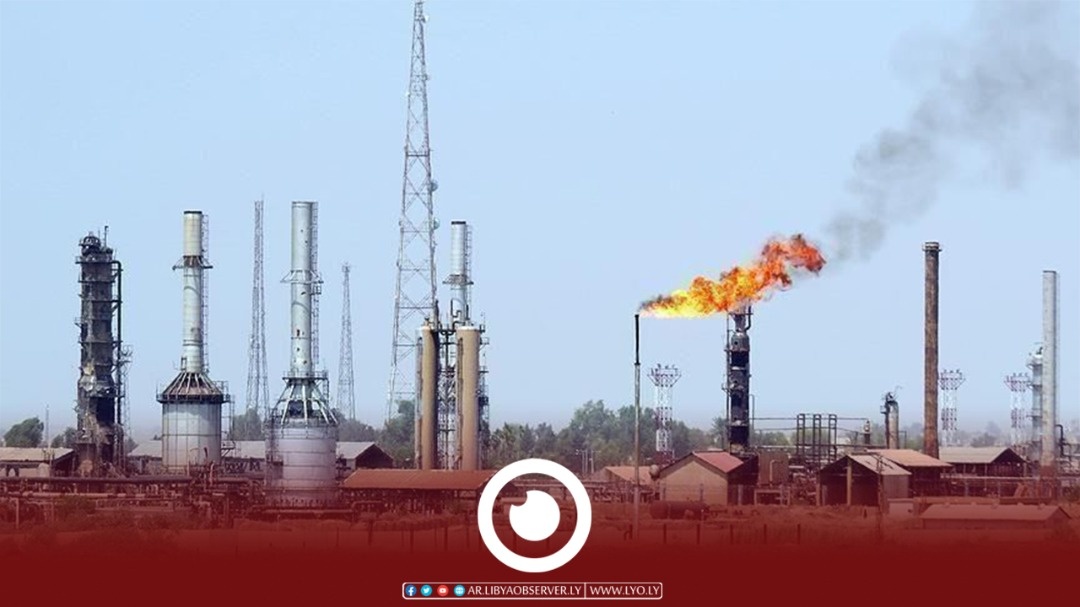
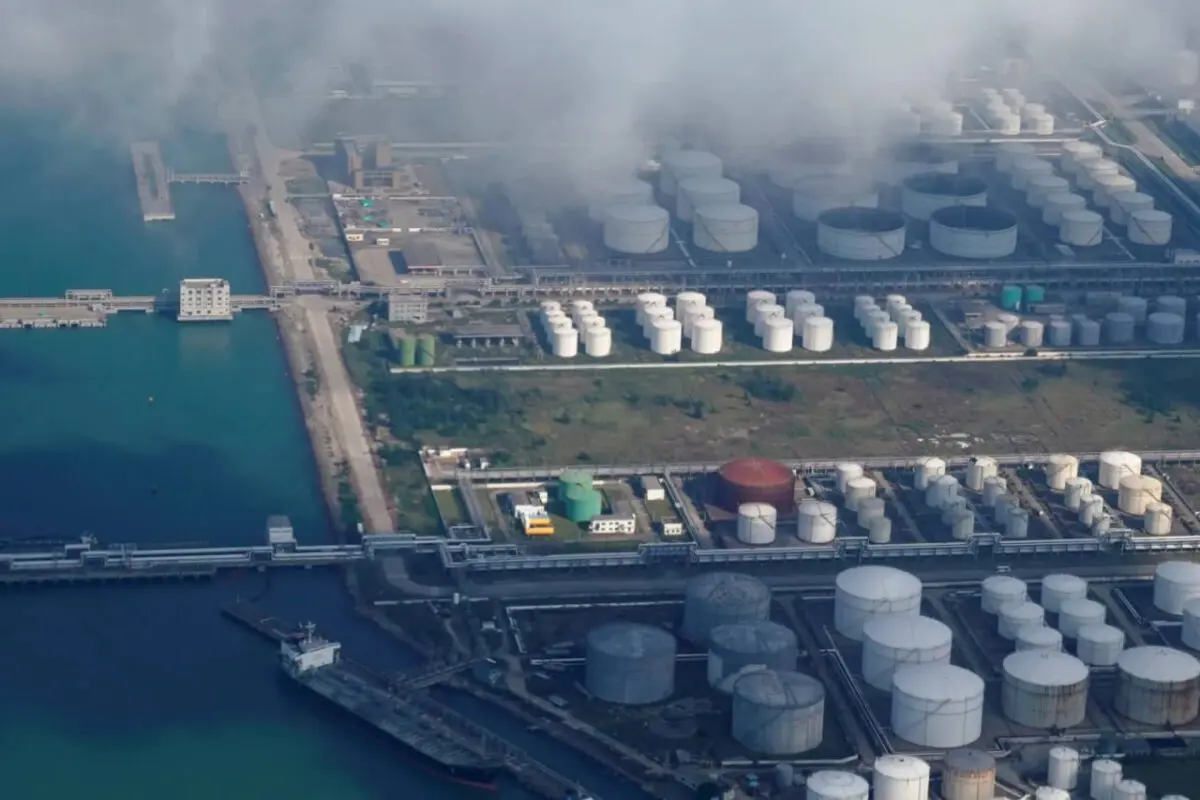
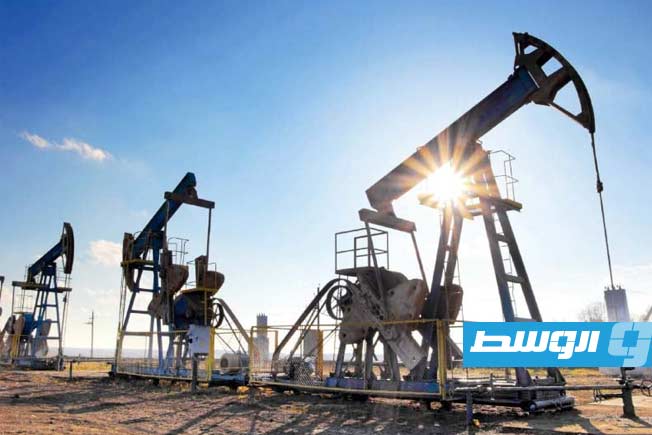
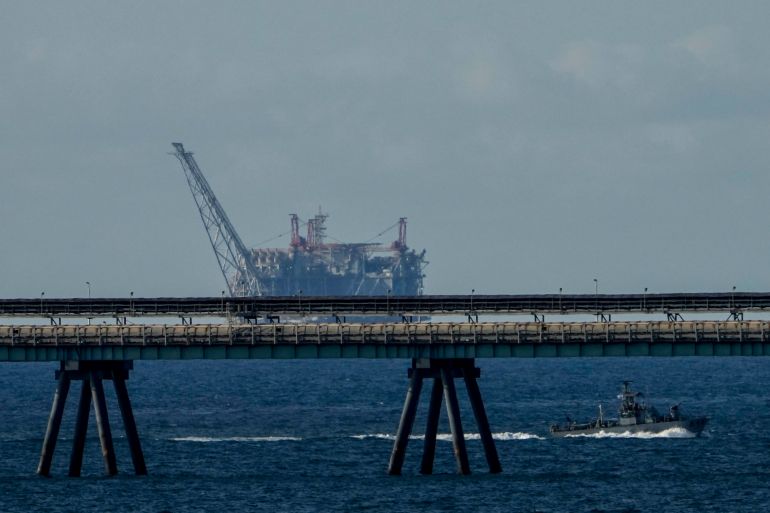
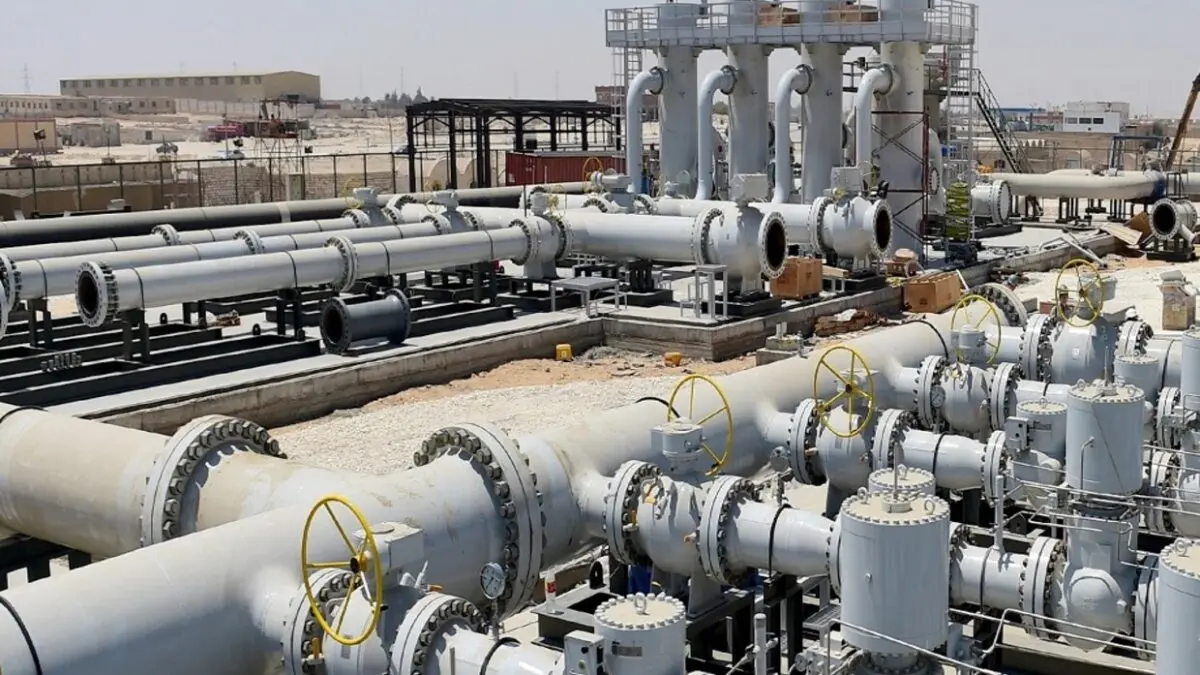
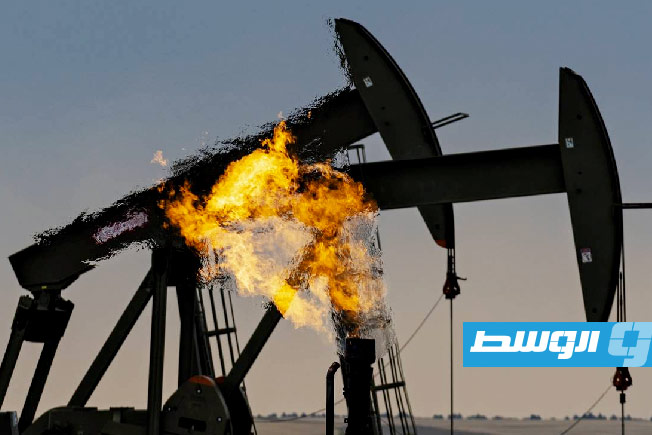
Special attention is being paid to liquefied natural gas, which the Kingdom of Saudi Arabia plans to develop extensively in the future. Germany, which currently considers the United States its main supplier of liquefied natural gas, wants to reduce its dependence on this country. Above all, it does not want to repeat the mistake made with Russia, from which it imported cheap natural gas before severing relations following the invasion of Ukraine in 2022.
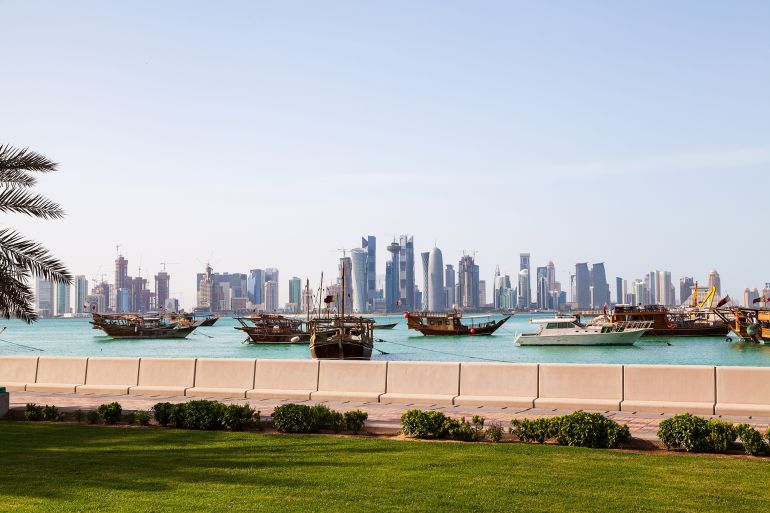
Qatar, the Second Stop
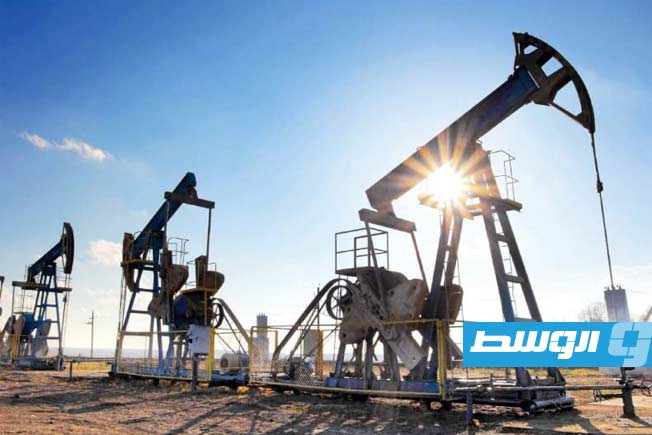
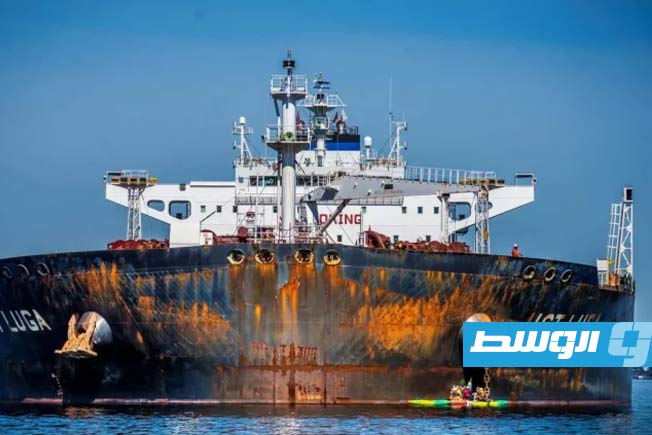
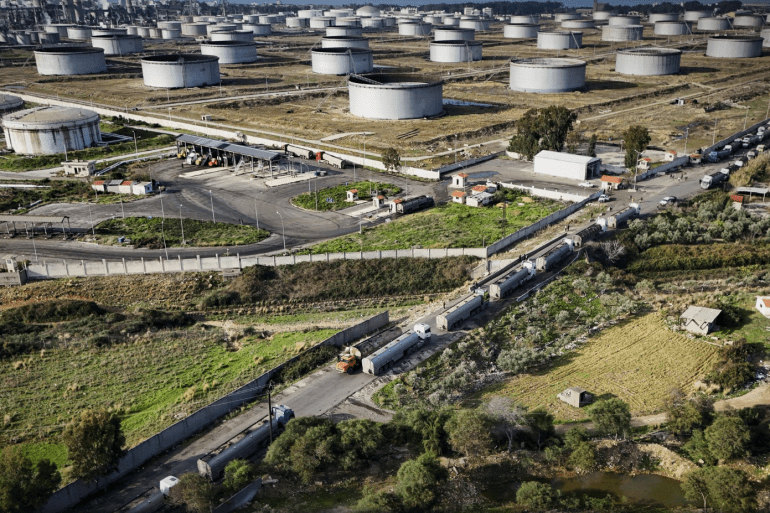
The second stop will be Qatar, one of the world’s largest exporters of liquefied natural gas. The former German Economics Minister visited in 2022 to negotiate gas supply contracts. Among the issues raised at the time was the shorter contract duration demanded by Berlin (15 years), while Qatar requested a 30-year term.
<a>- Trump threatens Europe with a surprise if it sells US Treasury bonds
Berlin may be more flexible this time regarding the duration of potential supply contracts. However, the German Climate Protection Law, which mandates a gradual phase-out of fossil fuels by 2045, represents a clear obstacle for the Chancellor.
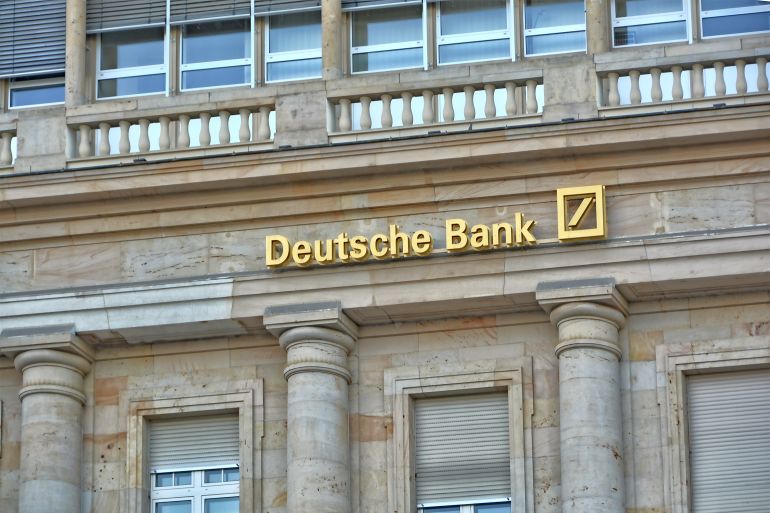
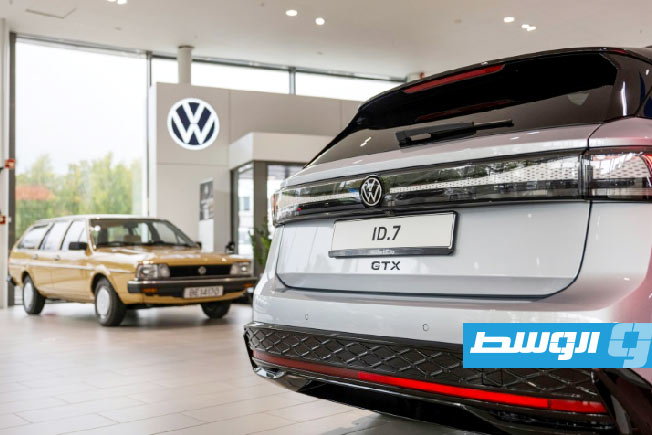
Qatar is also a major shareholder in some of the largest German companies, including Volkswagen, the energy group RWE, and Deutsche Bank.
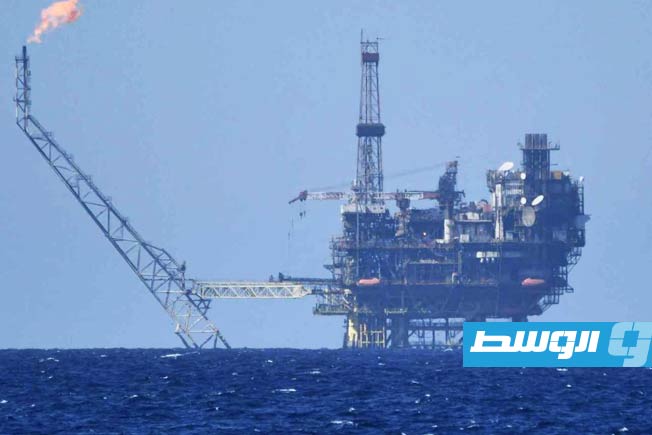
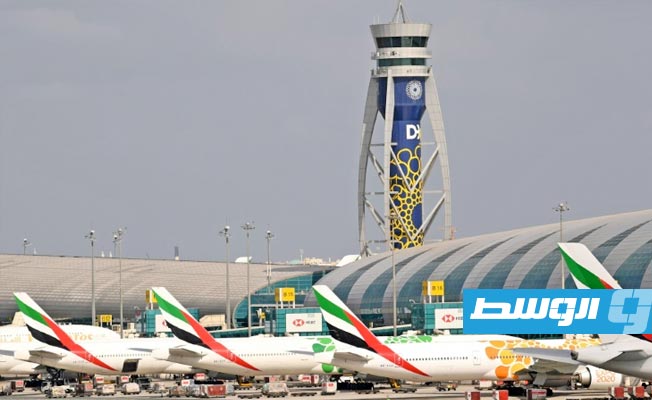
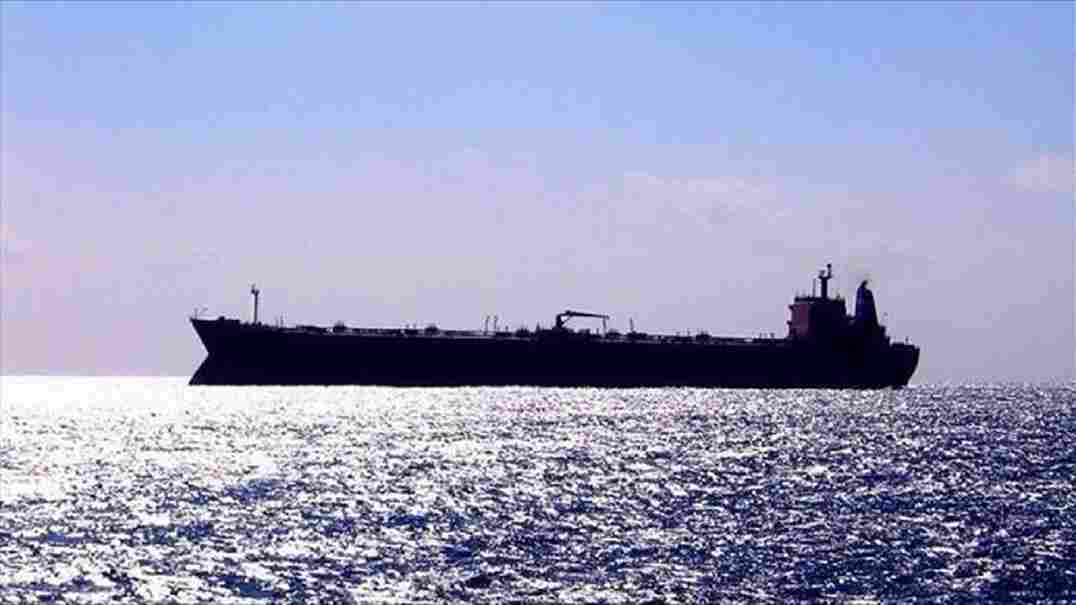
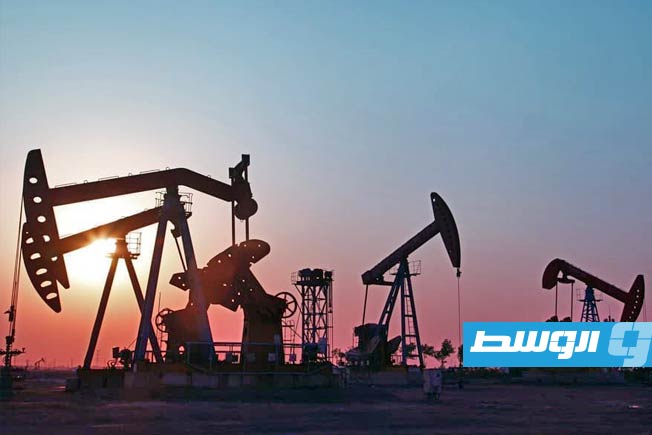
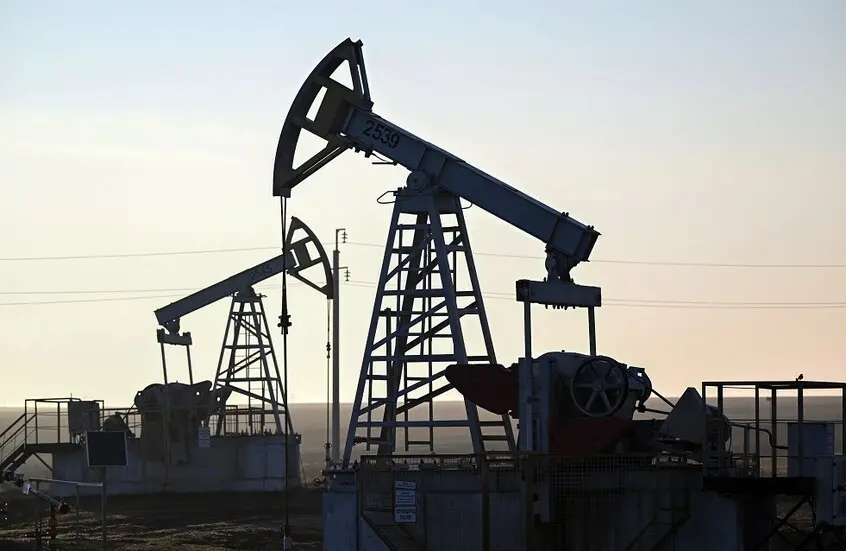
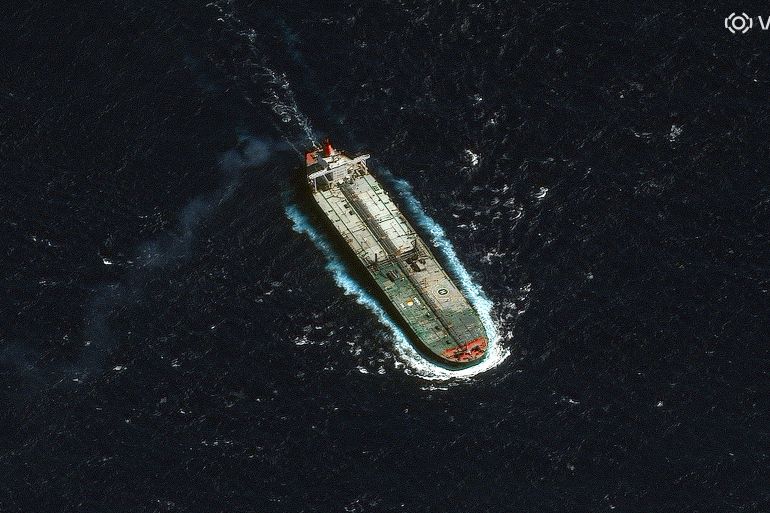
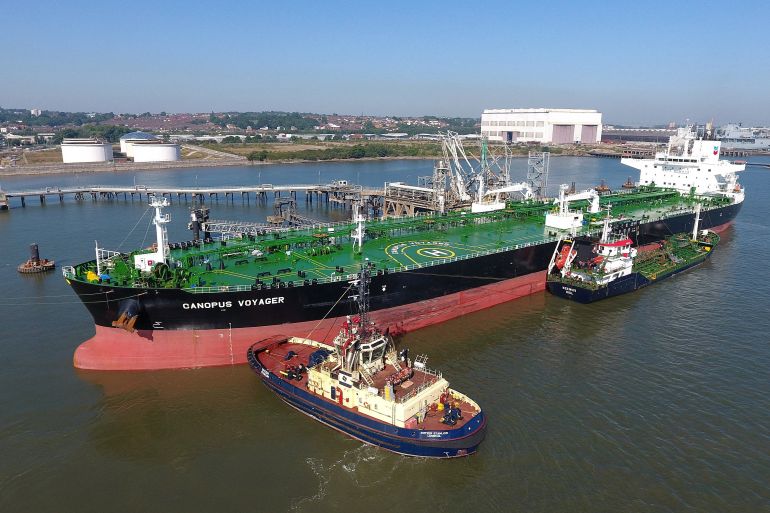
The Chancellor concludes his tour in the United Arab Emirates, one of the world’s largest exporters of crude oil and the country that hosted peace talks between Ukraine, Russia, and the United States on Wednesday. His visit is scheduled to last from Thursday evening until Friday afternoon.
“Realistic Policy”
A prominent recent example of Emirati investment policy in Germany is the acquisition of one of Germany’s strongest chemical companies, “Covestro,” by the national oil company “ADNOC” at the end of 2024.
The German Economics Minister, who herself traveled to Qatar and the UAE last November, praised this acquisition, describing it as “a sign of great confidence in the German production site.”
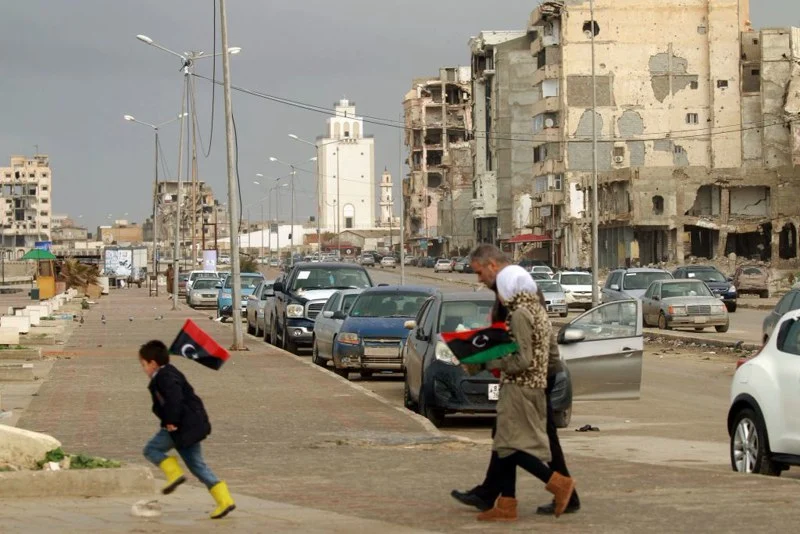
Apart from economic partnerships, there are points of disagreement between the Gulf states and Germany. The United Arab Emirates, for example, is close to Russia, and its role in conflicts such as those currently ongoing in Libya and Sudan is viewed as highly problematic.
Germany
Germany is a country in Central Europe with a complex history, having been a collection of states for centuries before unifying in 1871. It was a central power in both World Wars and was divided into East and West Germany during the Cold War before reunifying in 1990. Today, it is a leading economic and political force in the European Union, known for its rich cultural heritage in philosophy, music, and science.
United States
The United States is a federal republic founded in 1776 after declaring independence from Great Britain, establishing itself through a revolutionary war and the ratification of a constitution that created a representative democracy. Its history includes significant territorial expansion, a civil war over slavery, and its emergence as a global superpower in the 20th century. The nation is defined by its diverse population, cultural influence, and a political system of checks and balances between federal and state governments.
Kingdom of Saudi Arabia
The Kingdom of Saudi Arabia is a sovereign state on the Arabian Peninsula, founded in 1932 by King Abdulaziz Al Saud, who unified the regions of Najd and Hejaz. It is the birthplace of Islam, home to the religion’s two holiest cities, Mecca and Medina, and its history and culture are deeply intertwined with the Islamic faith.
Qatar
Qatar is a sovereign country located on the northeastern coast of the Arabian Peninsula, historically shaped by its Bedouin heritage and its long-standing reliance on pearl diving and fishing. Its modern history was transformed by the discovery of vast oil and natural gas reserves in the mid-20th century, leading to rapid economic development and urbanization. The nation is now known for its futuristic capital, Doha, and significant cultural sites like the Museum of Islamic Art.
United Arab Emirates
The United Arab Emirates is a federation of seven emirates on the Arabian Peninsula, established in 1971 following the end of British treaty protection. Historically a region of pearl diving, fishing, and trade, it has rapidly transformed into a major global hub for commerce, tourism, and finance, renowned for modern landmarks like Dubai’s Burj Khalifa and Abu Dhabi’s Sheikh Zayed Grand Mosque.
India
India is a South Asian nation with a rich and ancient history, tracing its civilization back to the Indus Valley Civilization around 2500 BCE. It is renowned for its profound cultural and religious diversity, historical empires, and landmarks like the Taj Mahal, and gained independence from British colonial rule in 1947.
Washington
Washington, D.C., is the capital city of the United States, founded in 1790 and named after the first U.S. president, George Washington. It is renowned for its iconic national monuments, museums, and federal buildings, including the White House, the U.S. Capitol, and the Smithsonian Institution.
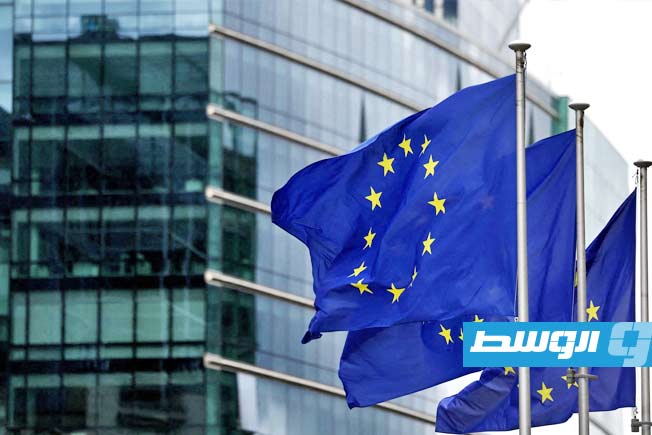
European Union
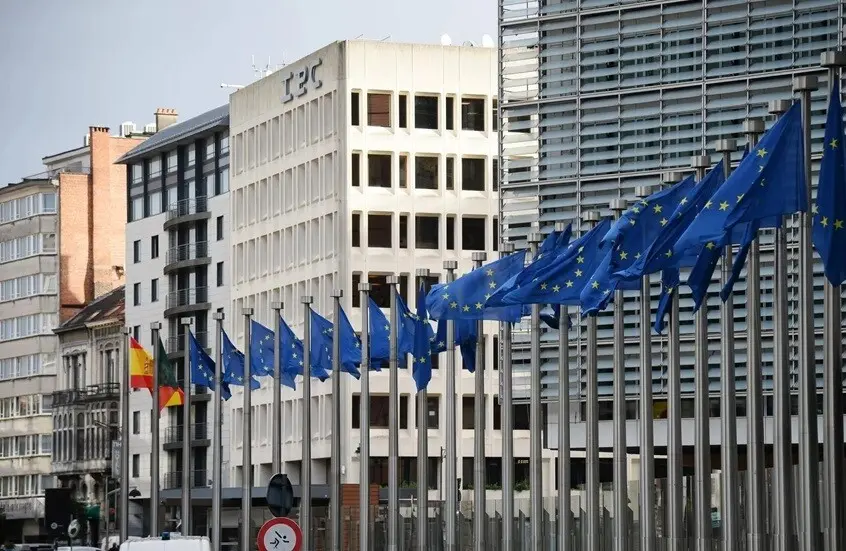
The European Union (EU) is a political and economic union of 27 European countries, established after World War II to foster economic cooperation and prevent future conflict. Its foundations were laid with the 1951 European Coal and Steel Community, which evolved through subsequent treaties into a single market with common policies and a shared currency, the euro, used by 20 member states.
Russia
Russia is the world’s largest country by area, spanning Eastern Europe and Northern Asia. Its history is marked by the rule of the Tsars, the rise and fall of the Soviet Union in the 20th century, and its establishment as the modern Russian Federation in 1991. The nation is renowned for its vast landscapes, rich literary and artistic traditions, and globally influential cultural figures.
Ukraine
Ukraine is a country in Eastern Europe with a history dating back to the medieval state of Kyivan Rus. It has experienced periods of independence as well as rule by various empires, most notably the Russian Empire and the Soviet Union, before regaining its sovereignty in 1991. The country is known for its rich cultural heritage, including Orthodox Christian cathedrals, Cossack traditions, and its significant agricultural lands.
Volkswagen
Volkswagen is a German automotive manufacturer founded in 1937 by the German Labour Front under the Nazi regime, with its iconic Beetle model originally conceived as an affordable “people’s car.” Today, it is one of the world’s largest automakers, headquartered in Wolfsburg, Germany, and encompasses a wide portfolio of brands including Audi, Porsche, and Škoda.
RWE
RWE is a German energy company founded in 1898, originally focused on mining and electricity generation in the Rhineland region. It has since grown into one of Europe’s largest energy suppliers, historically known for its significant role in coal and nuclear power, and has been transitioning toward renewable energy sources in recent decades.
Deutsche Bank
Deutsche Bank is a major German financial institution founded in Berlin in 1870 to support foreign trade and promote German exports. It has grown into one of the world’s largest banks, playing a significant role in Germany’s industrialization and later expanding its global investment banking operations.
Covestro
Covestro is a German polymer materials manufacturer originally founded as part of Bayer AG in 2004 before becoming an independent, publicly traded company in 2015. It is known for producing high-tech polymers used in numerous industries, from automotive to construction, and is headquartered in Leverkusen, Germany.
ADNOC
ADNOC, or the Abu Dhabi National Oil Company, is the state-owned oil and gas company of the United Arab Emirates, founded in 1971. It manages the UAE’s hydrocarbon resources and has grown into a major global energy player, with its history deeply tied to the economic development of Abu Dhabi and the nation.
Libya
Libya is a North African country with a rich history rooted in ancient civilizations like the Phoenicians and Romans, followed by centuries of Arab and Ottoman influence. In the modern era, it was an Italian colony before gaining independence in 1951, later becoming known for Muammar Gaddafi’s lengthy rule from 1969 until the 2011 revolution. Its cultural sites include the well-preserved Roman ruins of Leptis Magna, a UNESCO World Heritage site.
Sudan
Sudan, located in Northeast Africa, is home to ancient civilizations, most notably the Kingdom of Kush, which ruled from Napata and Meroë and even conquered Egypt to establish the 25th Dynasty. In the modern era, it was under Anglo-Egyptian condominium rule before gaining independence in 1956, and its recent history has been marked by prolonged civil conflict and the secession of South Sudan in 2011.