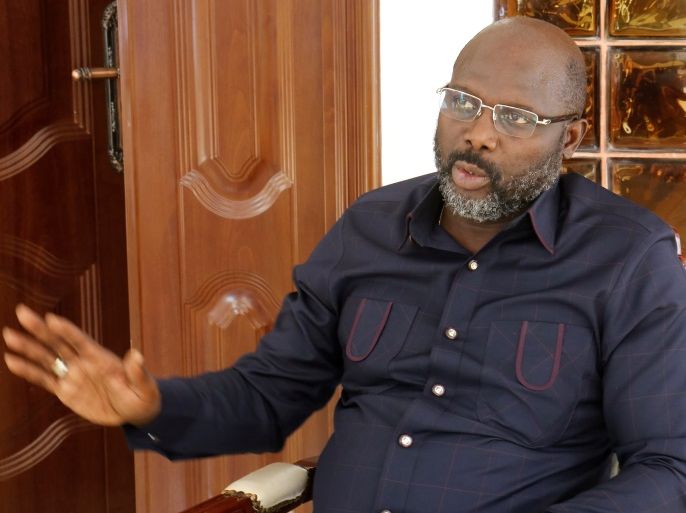
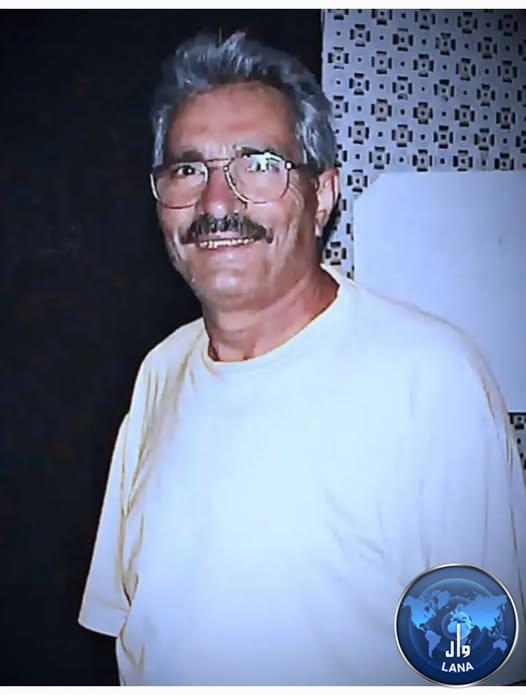
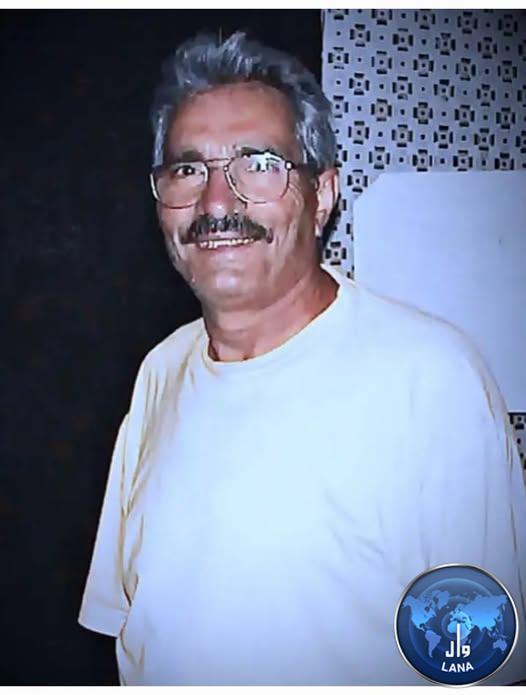
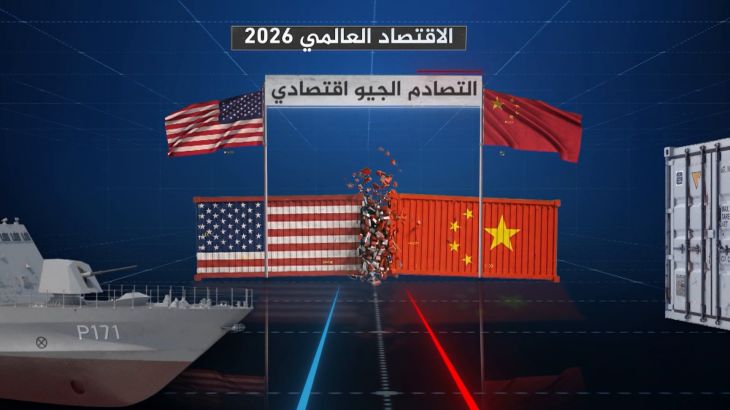
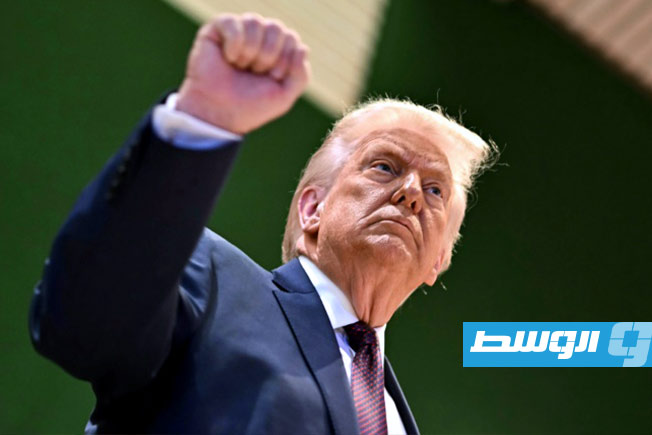
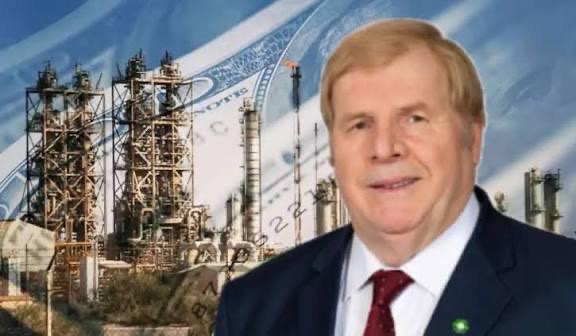
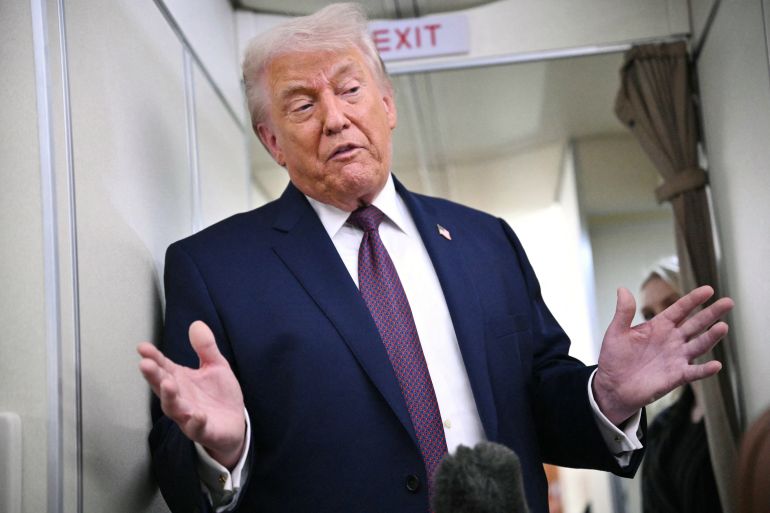
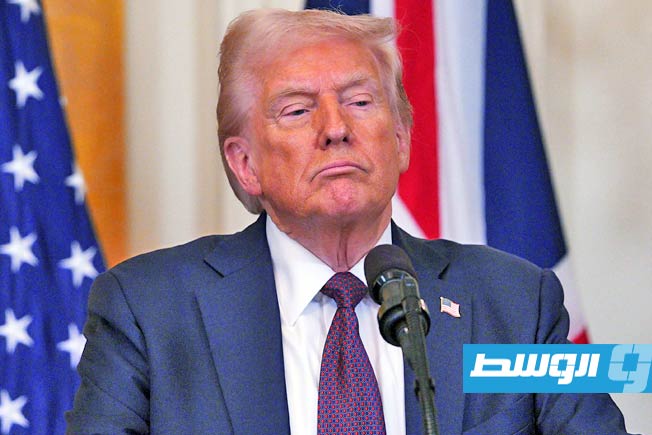
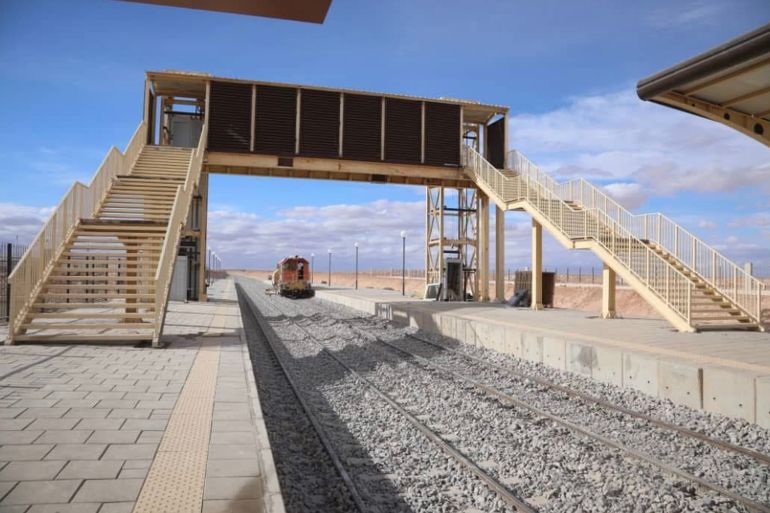
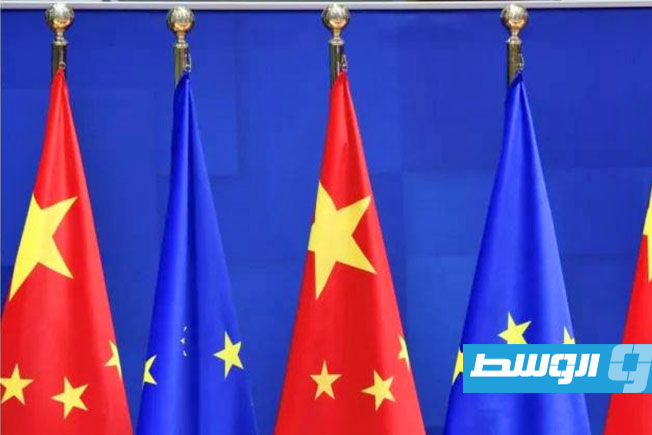
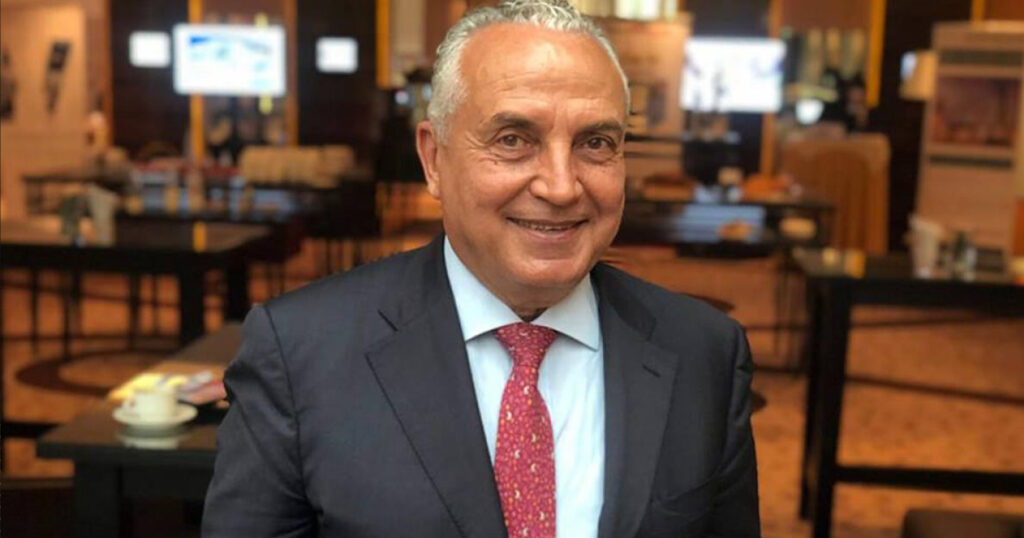
Former Liberian President George Weah revealed the background behind the suspension of a project to construct two overpass bridges in the capital, Monrovia, during his term, indicating that the suspension was linked to geopolitical tensions with China.
Speaking at a gathering in a church, Weah explained that his government had completed all the technical and administrative procedures for the project but refused to become entangled in political disputes with Beijing. He said: “Because they offer us projects, they thought we should engage in the politics of others, but I was the President and I said no.” He affirmed that Liberia maintained a policy of neutrality, stressing that its relations with the two global powers are based on balanced partnership.
Previous Chinese Commitments
At the beginning of Weah’s term, Beijing renewed its support for the “Pro-Poor Agenda for Prosperity and Development” program, with the Chinese Foreign Minister announcing his country’s commitment to cooperation based on “sincerity, real results, and mutual benefit.” The Liberian embassy in Beijing also announced that China had allocated a grant of 200 million yuan (approximately $29.5 million) to implement agreed-upon projects during Weah’s meeting with the Chinese President at the 2018 Forum on China-Africa Cooperation summit. These projects included the construction of two overpass bridges to alleviate traffic congestion near the Ministerial Complex and SKD Boulevard. Despite these arrangements, the project remained suspended until the end of Weah’s term.
Revival of the Project under Boakai
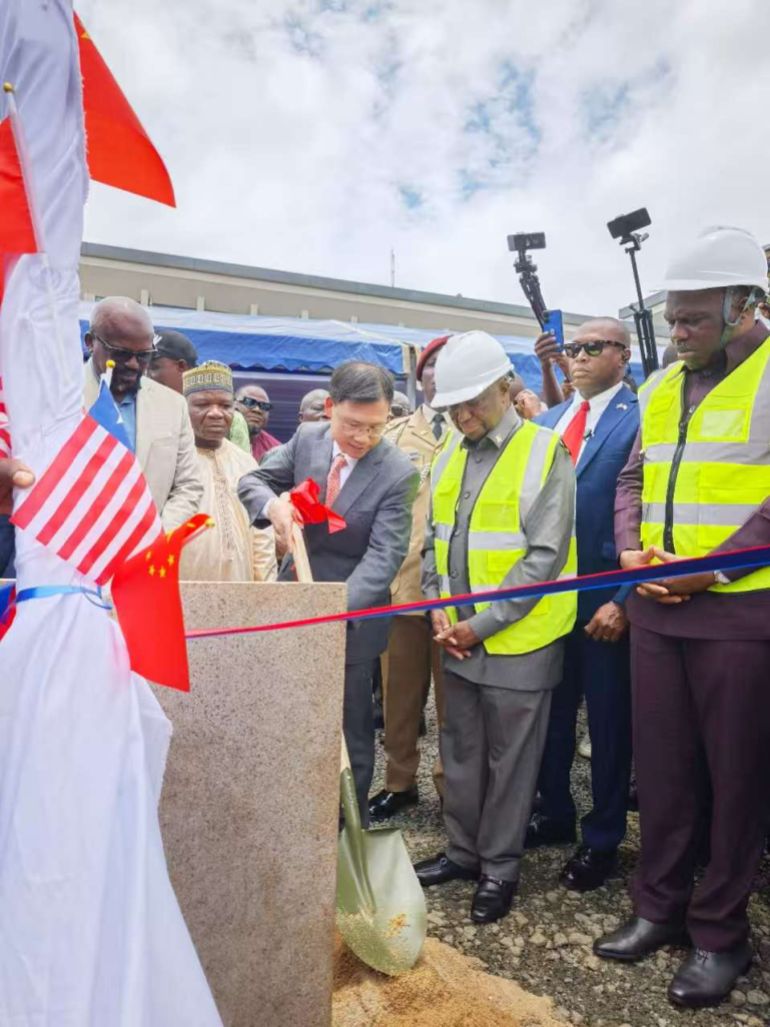
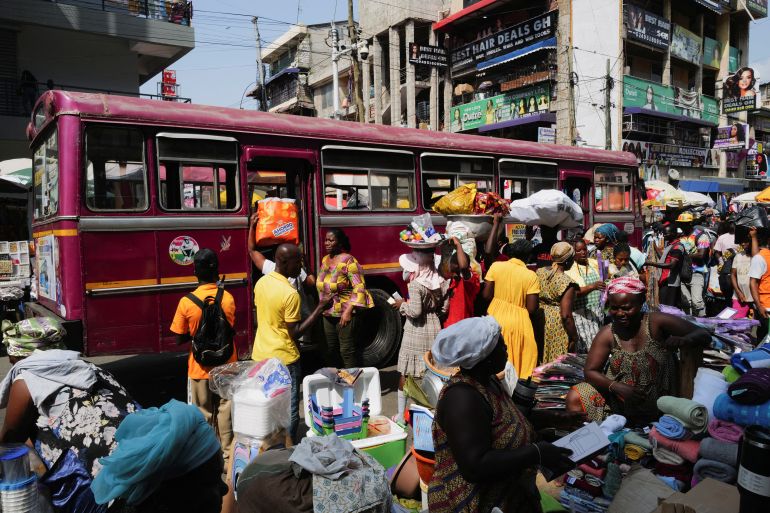
After nearly two years in power, President Joseph Boakai relaunched the project, laying the foundation stone for the two bridges on September 2, 2025, with the participation of the Chinese Ambassador to Liberia. During the ceremony, Boakai expressed his government’s appreciation for “China’s generosity and its continued support for the transformation of the Liberian economy,” considering the project a fundamental step to address the traffic congestion crisis and improve transportation flow in the capital.
For his part, the Chinese Ambassador described the project as “a symbol of the growing strategic partnership between the two countries,” affirming that it is a direct result of the summit meetings between Boakai and President Xi Jinping during the 2024 Beijing Summit of the Forum on China-Africa Cooperation.
The construction of the two bridges is scheduled to be completed by 2027, as part of a Chinese initiative to support infrastructure in Liberia. The project is expected to help alleviate traffic pressure and enhance the image of Sino-Liberian cooperation on the African continent.
George Weah
George Weah is a former professional footballer from Liberia who later entered politics, becoming the country’s president in 2018. His election marked a historic shift as he transitioned from an internationally celebrated sports icon to the head of state in a nation with a complex post-civil war history.
Coalition for Democratic Change
The Coalition for Democratic Change (CDC) is the current ruling political party in Liberia, founded in 2005. It is an alliance primarily built around the Congress for Democratic Change, led by former footballer George Weah, who was elected president in 2017.
Monrovia
Monrovia is the capital city of Liberia, founded in 1822 by the American Colonization Society as a settlement for freed and free-born African Americans. It was named after U.S. President James Monroe and later became the political and economic center of Africa’s first republic.
Liberia
Liberia is a country on the West African coast, founded in 1847 by freed and free-born African Americans and freed slaves from the Caribbean with the support of the American Colonization Society. Its capital, Monrovia, is named after U.S. President James Monroe, and the nation’s history is deeply marked by this settler-led foundation, which led to significant social and political tensions, including a period of civil war from 1989 to 2003.
Beijing
Beijing is the capital of China, with a history spanning over three millennia as a major political and cultural center. It served as the seat of imperial power during the Ming and Qing dynasties and is home to UNESCO World Heritage Sites like the Forbidden City and the Great Wall. Today, it is a global metropolis that blends ancient historical architecture with modern urban development.
China
China is one of the world’s oldest continuous civilizations, with a recorded history spanning over four millennia. It is home to numerous UNESCO World Heritage sites, such as the Great Wall and the Forbidden City, which reflect its long imperial past and profound cultural achievements.
Joseph Boakai
Joseph Boakai is a Liberian politician who served as Vice President from 2006 to 2018 and was elected as the country’s president in the 2023 election. His career has been defined by his long tenure in public service and leadership roles within the Liberian agricultural sector prior to his vice presidency.
Ministerial Complex
The Ministerial Complex is a government administrative center in Riyadh, Saudi Arabia, constructed in the 1980s to house the country’s various ministries. Its development was part of a broader modernization and centralization effort to bring key government functions into a single, purpose-built area.
SKD Boulevard
SKD Boulevard is a major thoroughfare in Pristina, Kosovo, named after the Albanian nationalist figure Skanderbeg. It was constructed during the Yugoslav era and has since become a central commercial and social hub in the city.
Xi Jinping
Xi Jinping is the current President of the People’s Republic of China and General Secretary of the Communist Party of China, roles he has held since 2012 and 2013 respectively. His leadership is associated with major domestic policy initiatives like the anti-corruption campaign and the Belt and Road Initiative, as well as a focus on national rejuvenation under the slogan “Chinese Dream.”
Forum on China-Africa Cooperation
The Forum on China-Africa Cooperation (FOCAC) is an official multilateral platform established in 2000 to strengthen dialogue and promote cooperation between China and African nations. Its history is defined by a series of ministerial conferences and summits where members collectively set agendas, resulting in numerous agreements on trade, investment, and development assistance.
African continent
The African continent is the second-largest and second-most populous continent, widely regarded as the cradle of humankind, with fossil evidence of the earliest human ancestors. Its history encompasses the rise of powerful ancient civilizations like Egypt and Mali, followed by periods of colonization by European powers and a widespread movement for independence in the 20th century.