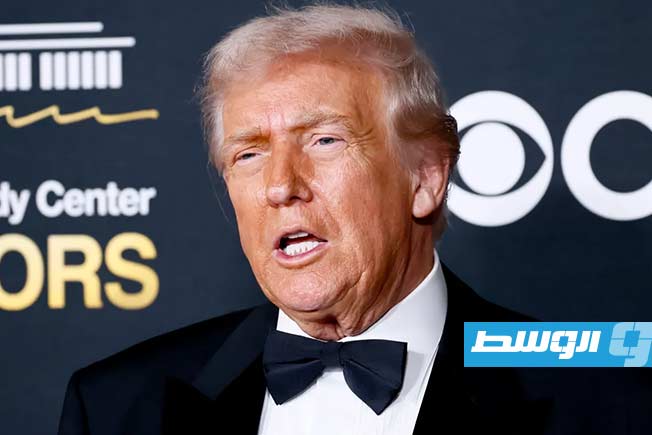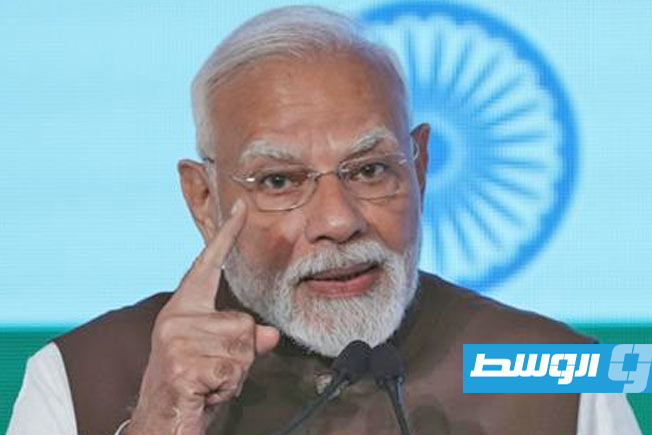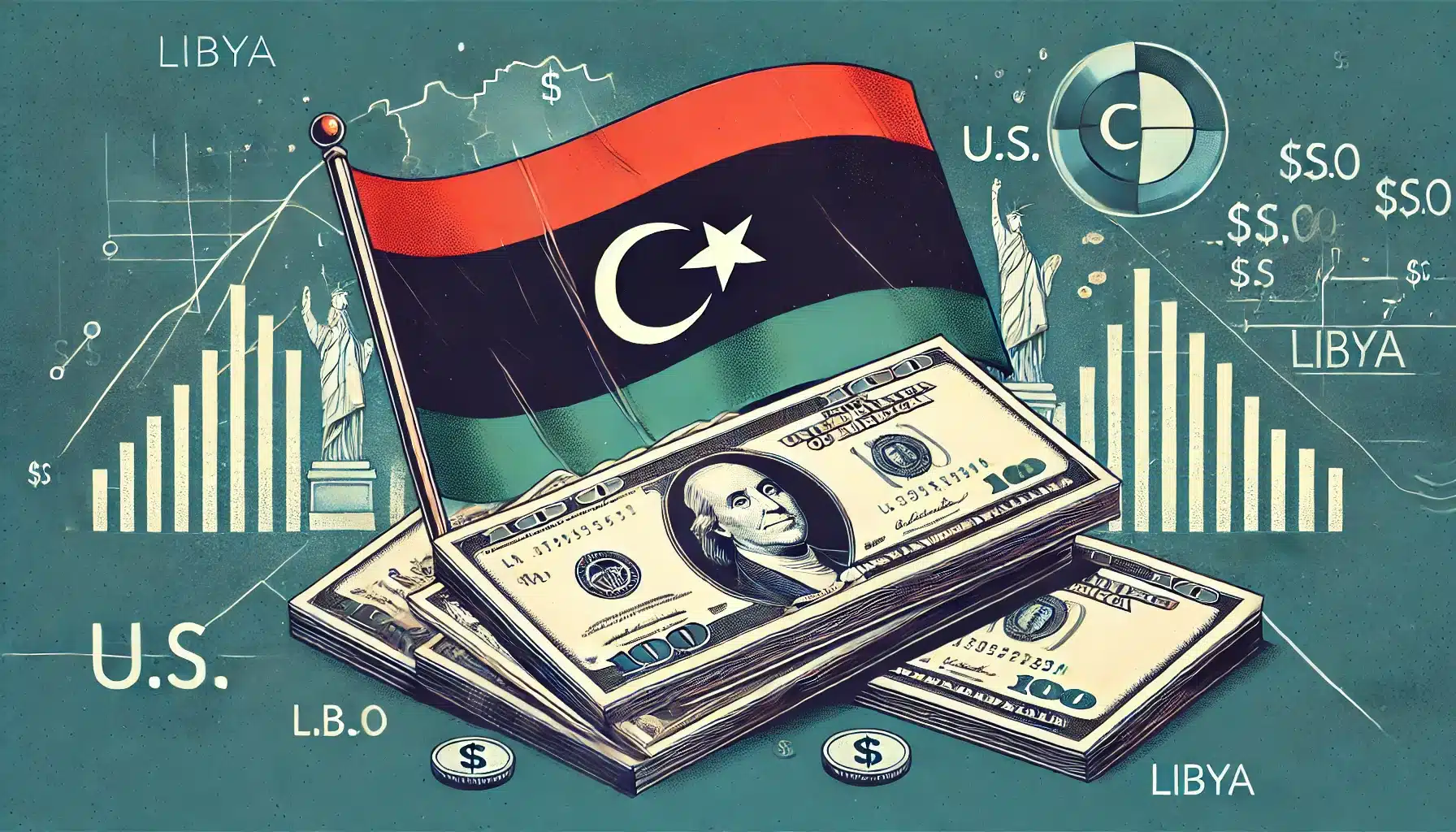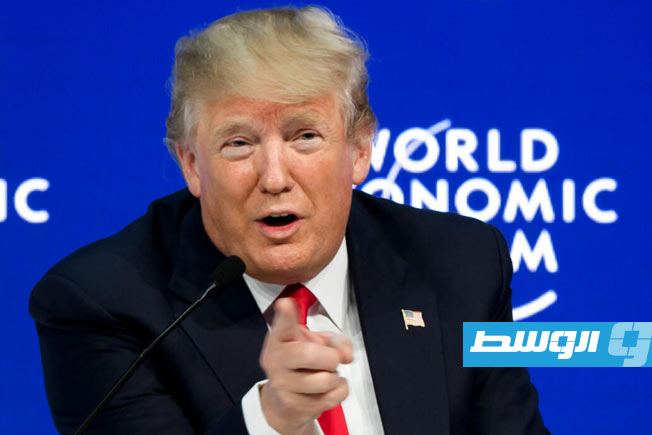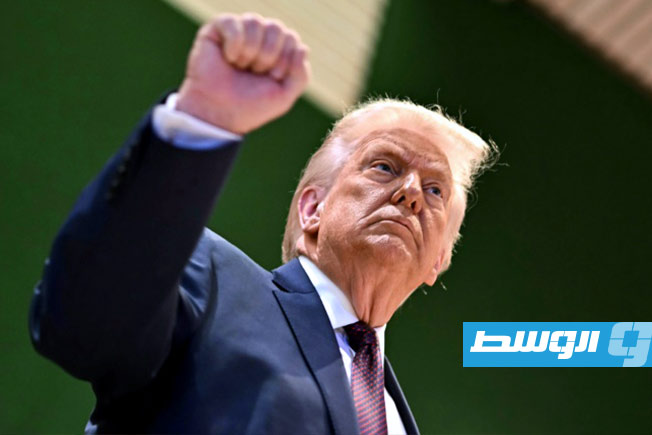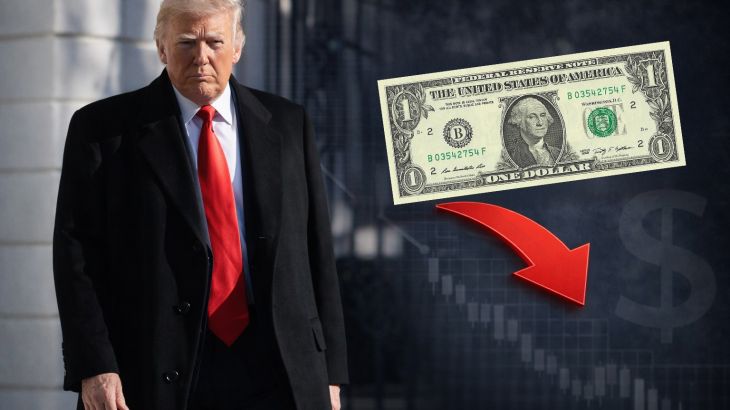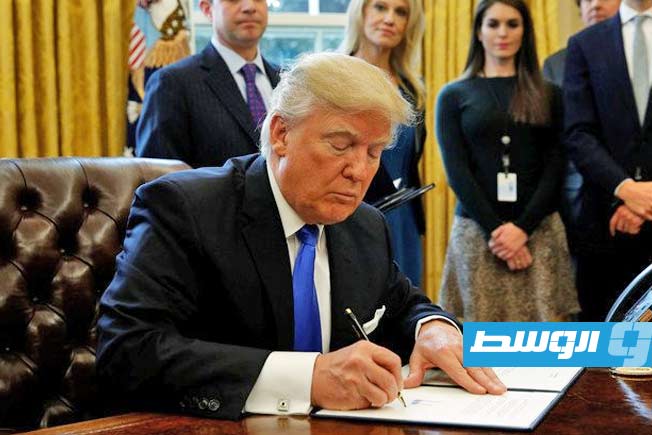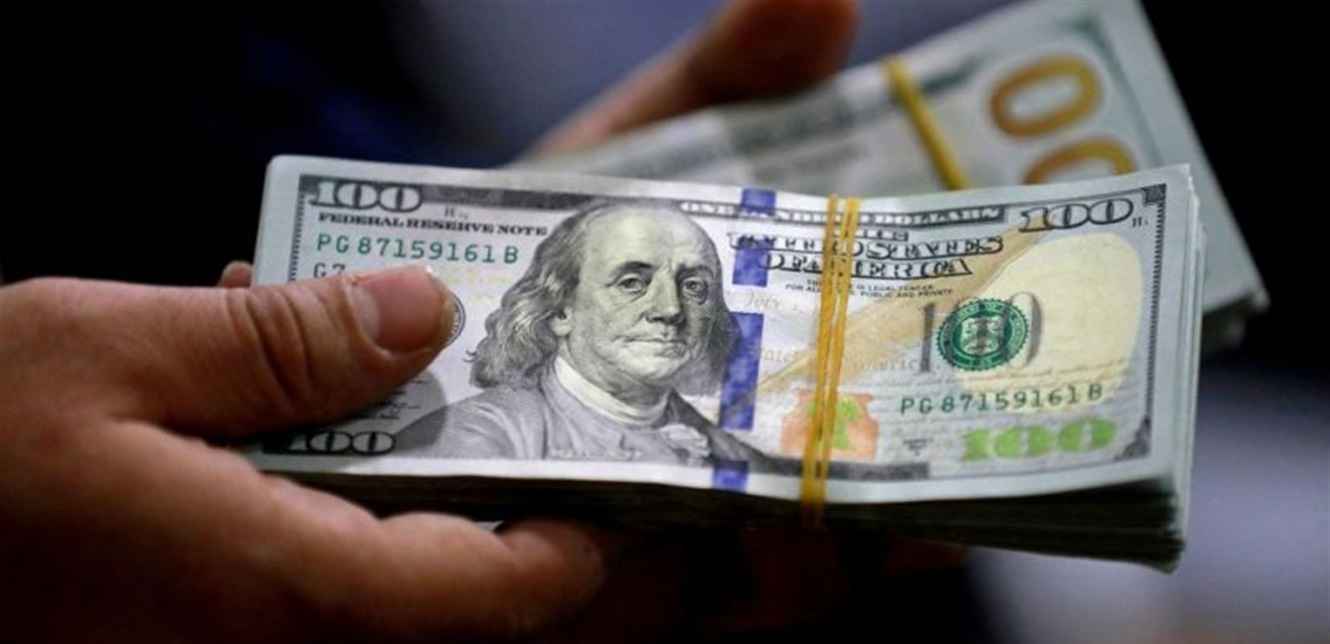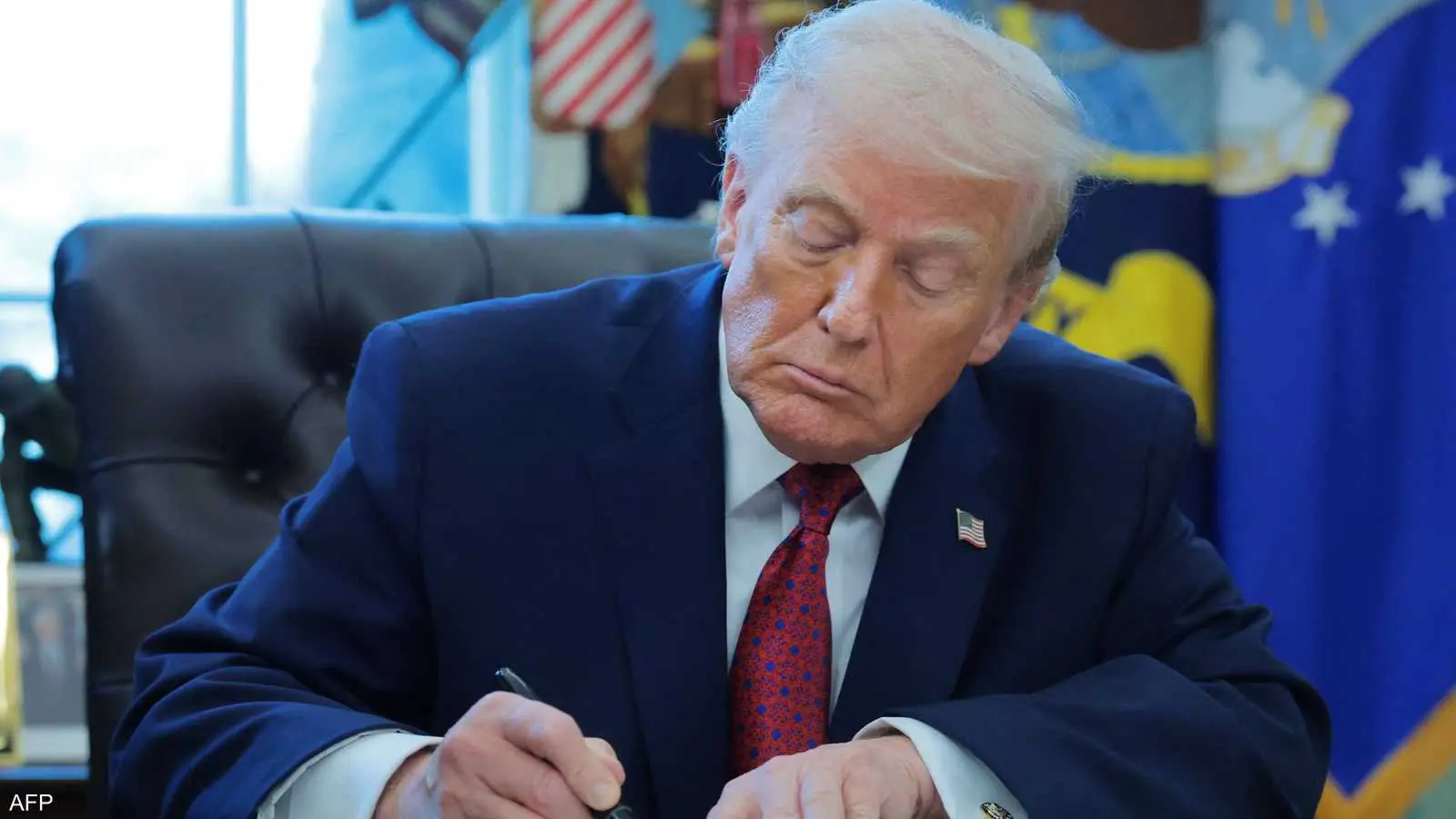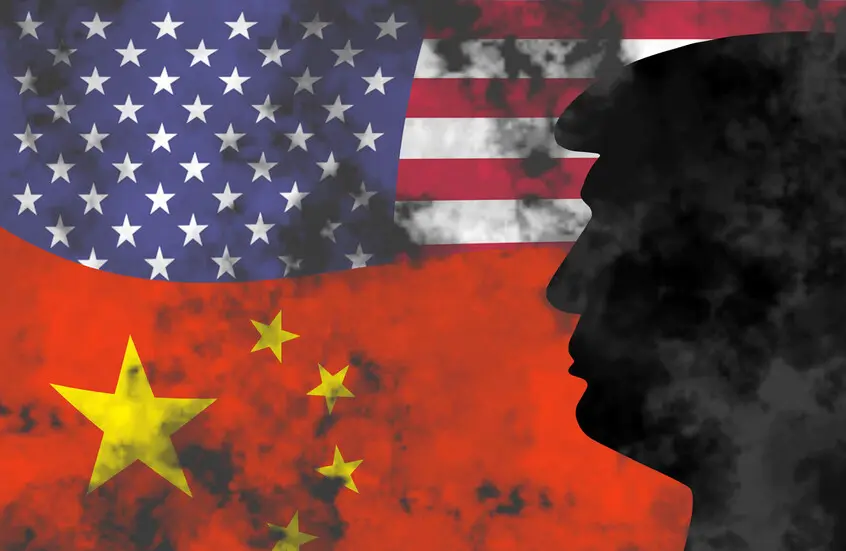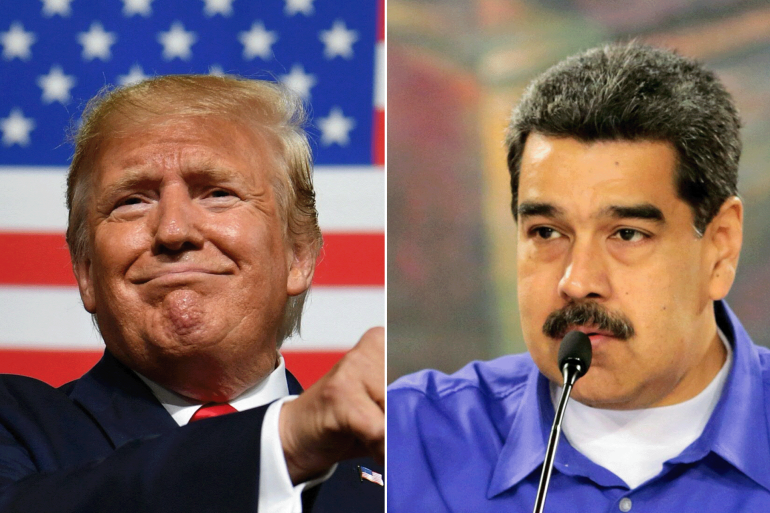
The current US blockade on Venezuela represents the practical application of an explicit geopolitical doctrine adopted by the US President and his team, which goes beyond traditional political objectives to direct economic ambitions.
1- The Strategic Doctrine: “Taking the Oil” and Project 2025
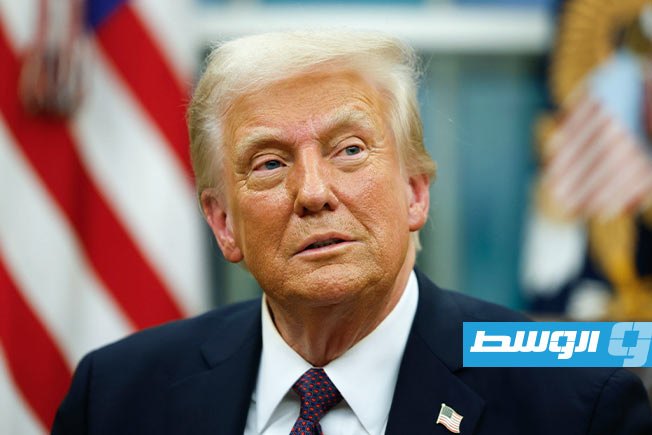
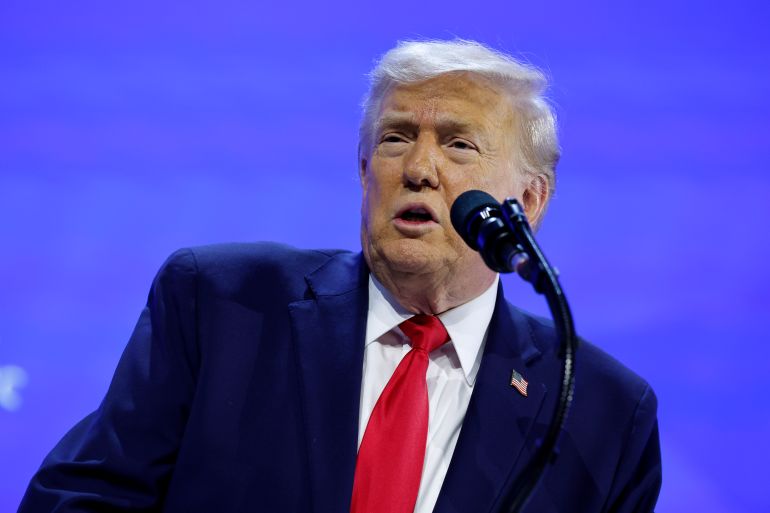
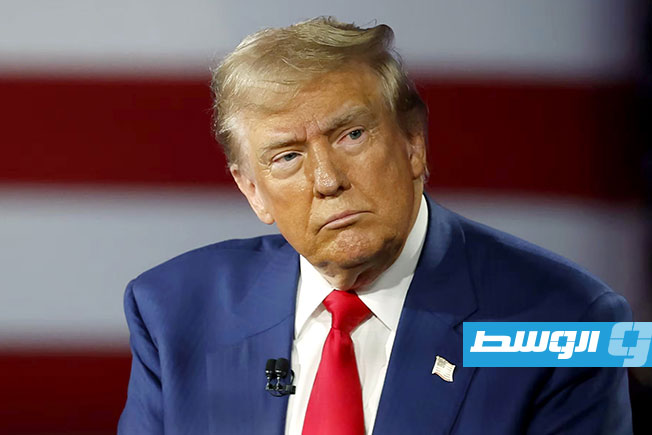
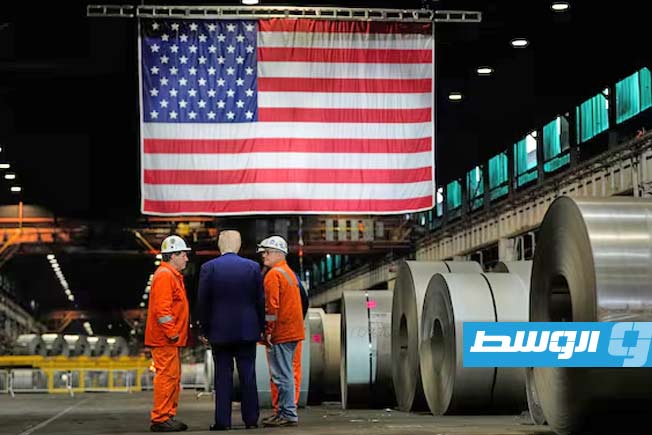
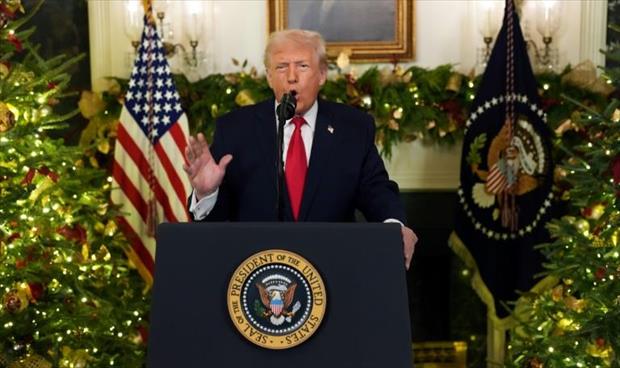
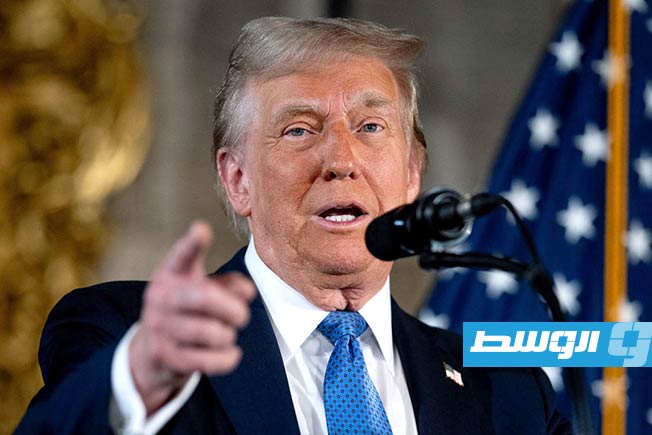
This vision is summarized by the principle of “to the victor go the spoils.” Trump and his advisors have previously stated that oil should serve as “compensation” for the United States in return for its interventions.
Trump’s moves against Venezuelan oil are based on the Heritage Foundation’s “Project 2025” document, which revived a “more hardline version for the Trump crisis.”
“Project 2025” views absolute American control over energy resources in the Western Hemisphere as an existential necessity to block Chinese and Russian influence.
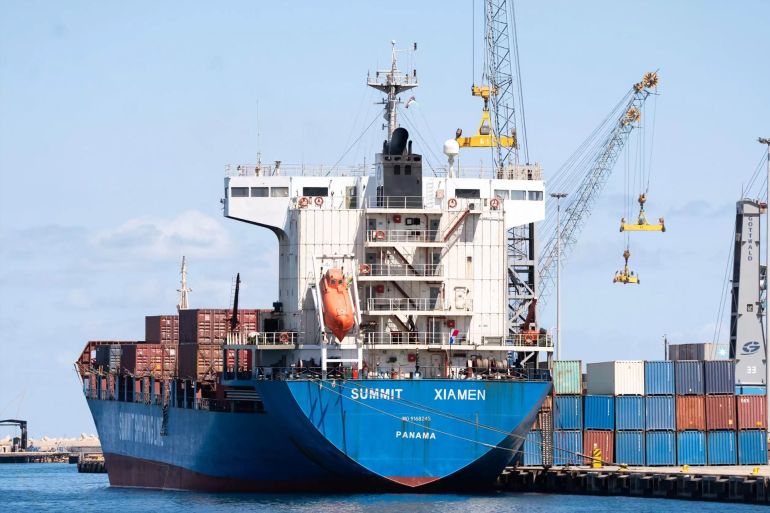
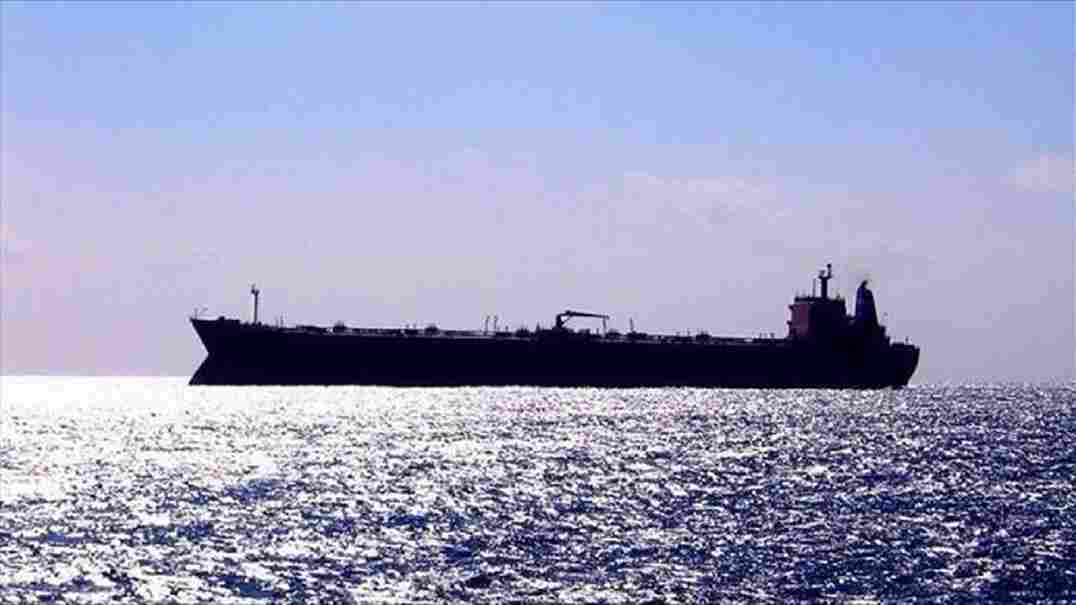
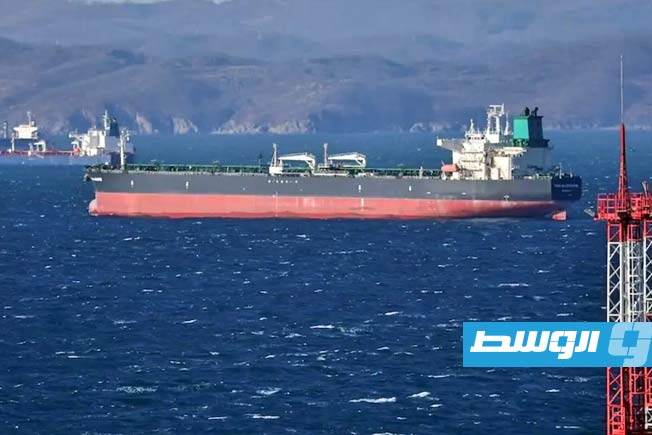
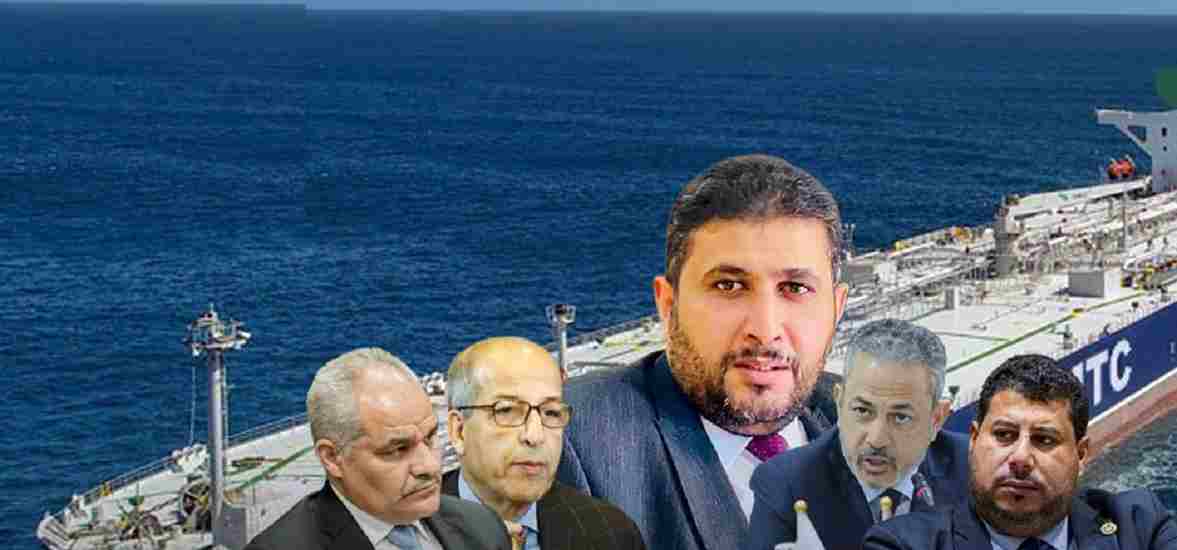
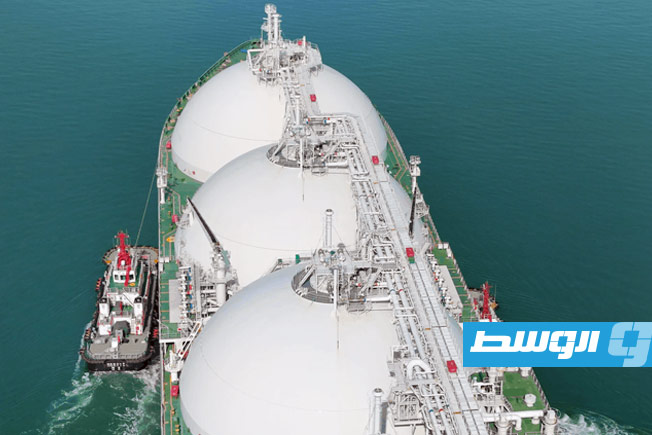
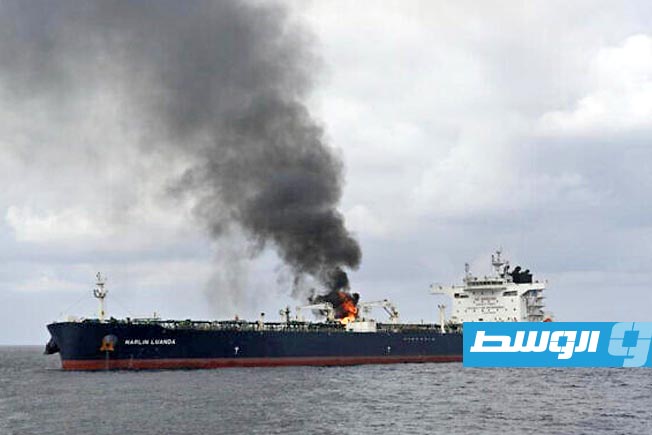
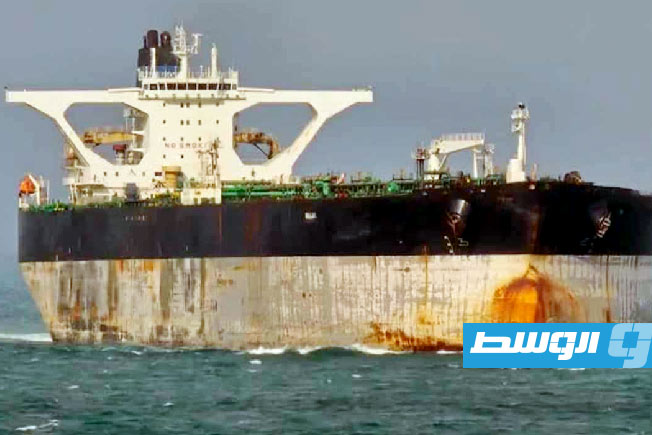
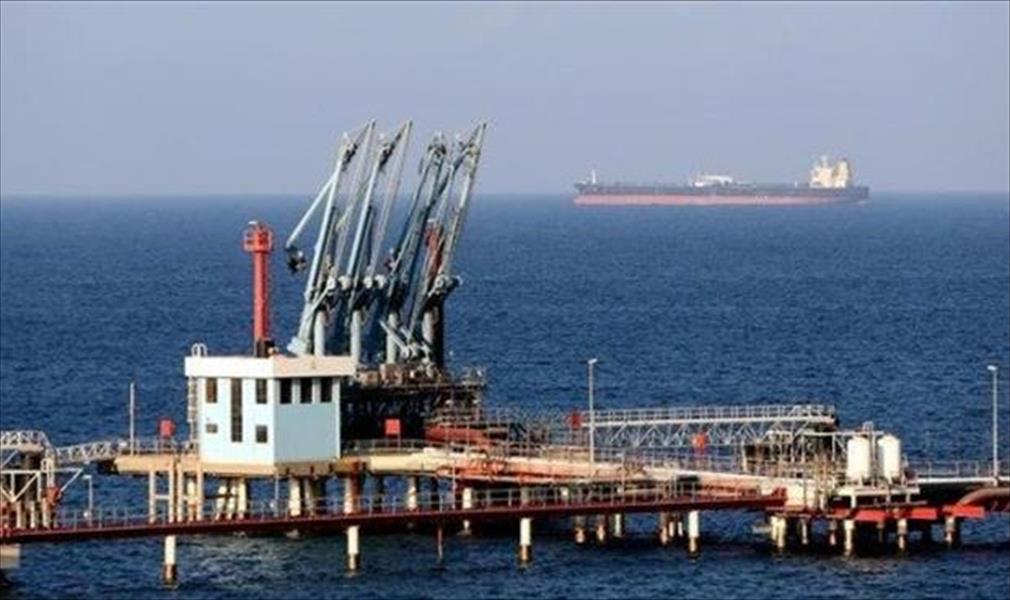
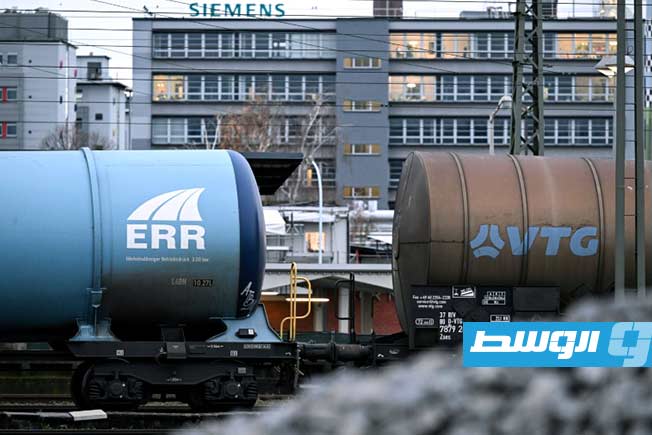
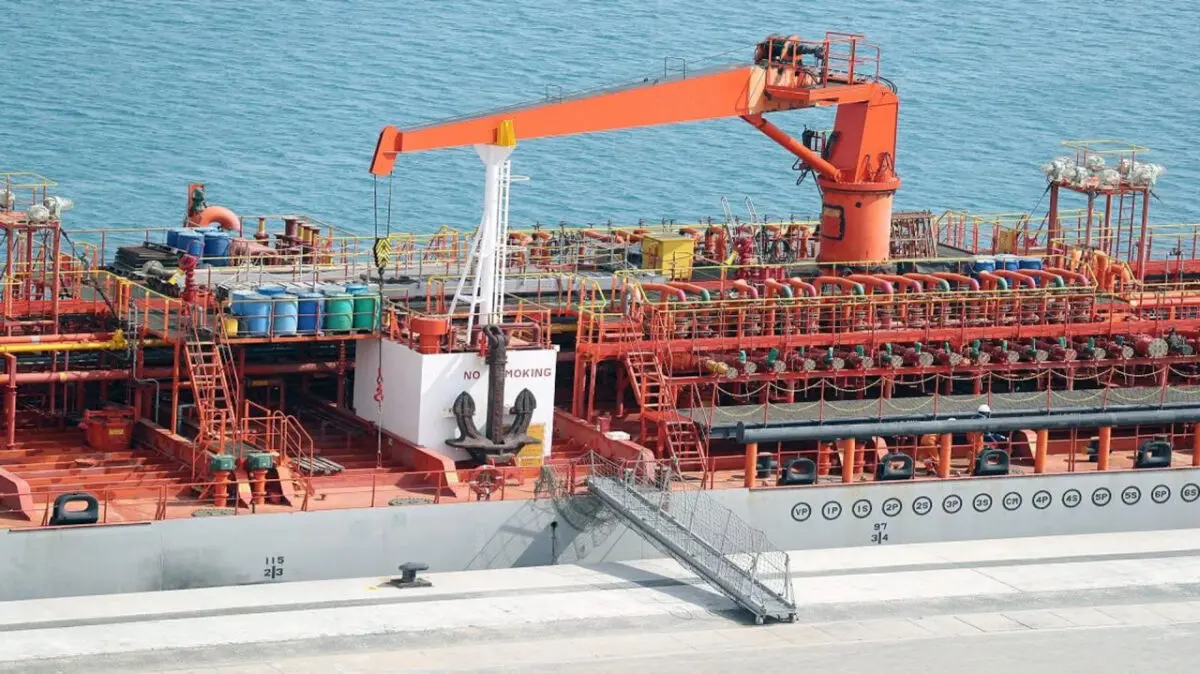
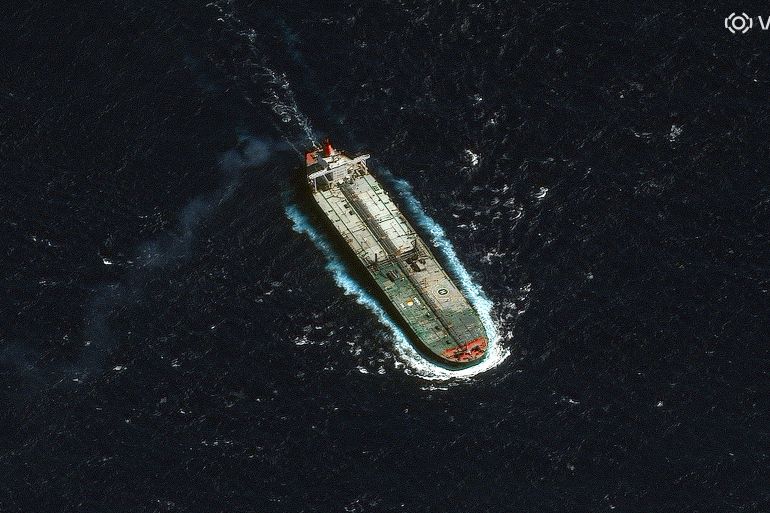
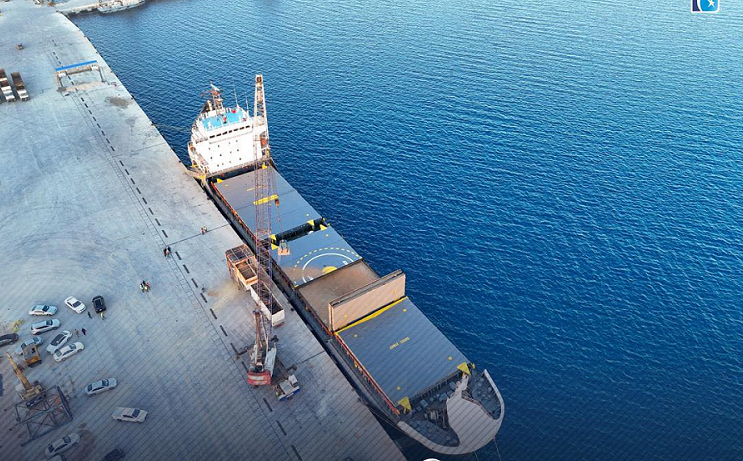
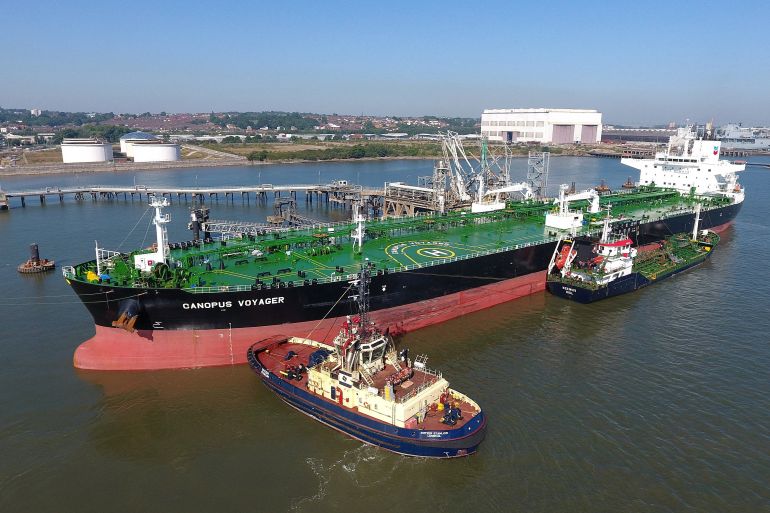
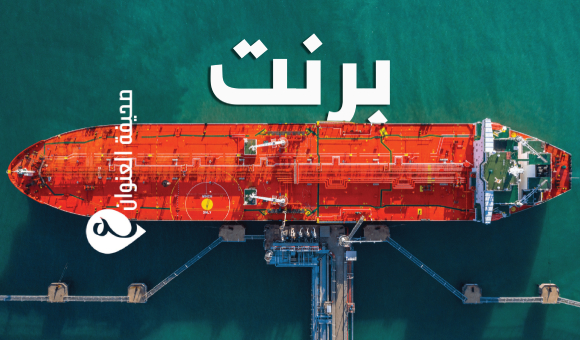
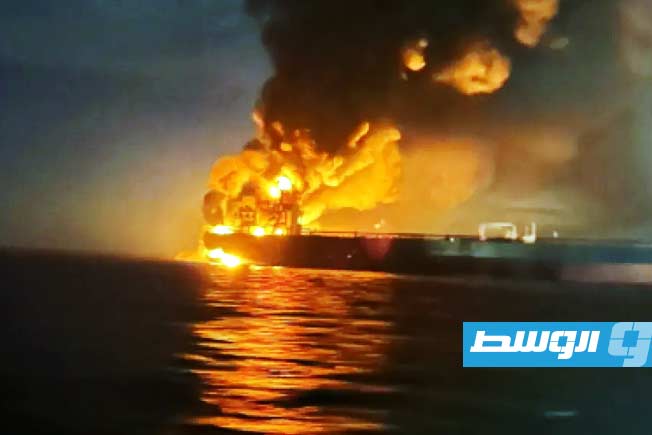
To legitimize this control, the Venezuelan regime and its oil institutions were classified on “terrorism” lists, legally transforming Venezuelan oil from a commercial commodity into an “illicit asset” subject to seizure. This was effectively translated in late 2025 by imposing a naval blockade and intercepting oil tankers.
2- The “Prize”: The World’s Largest Oil Reserves Facing Collapse
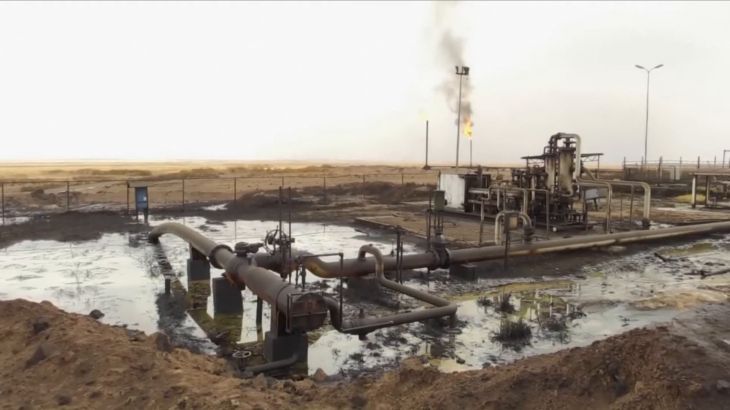
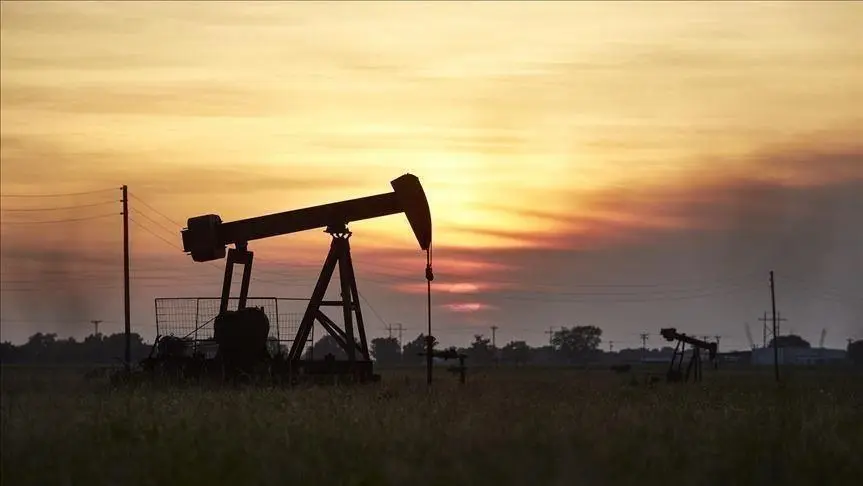
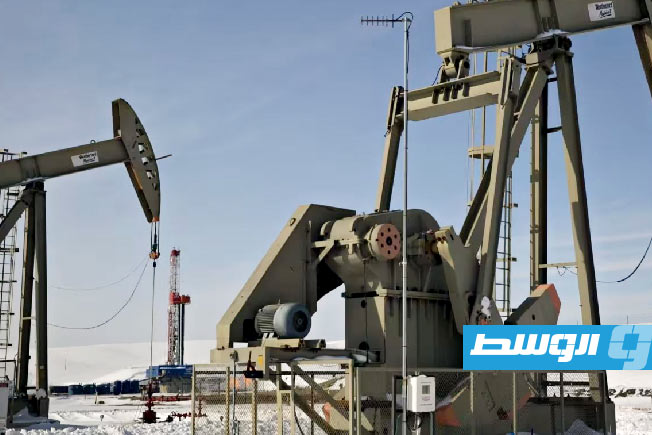
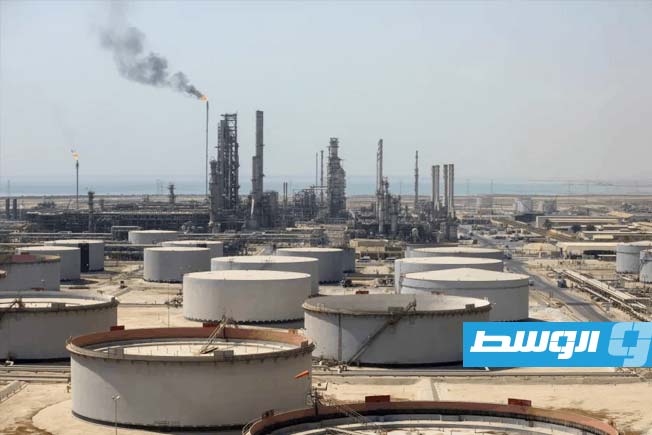
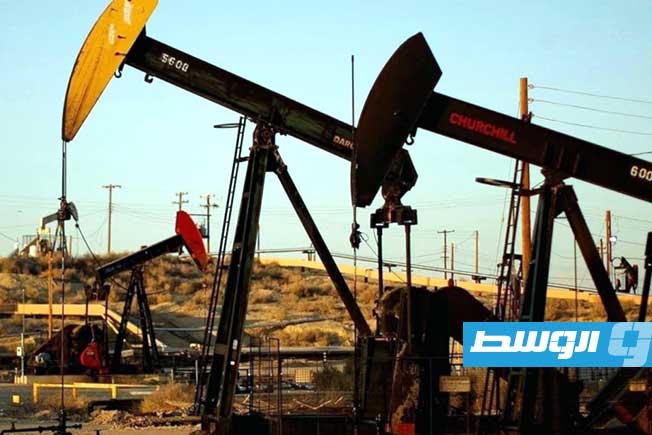
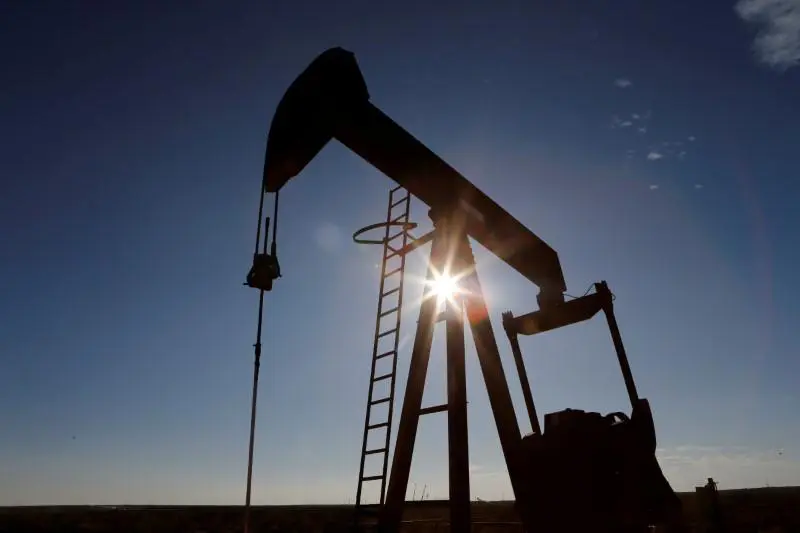
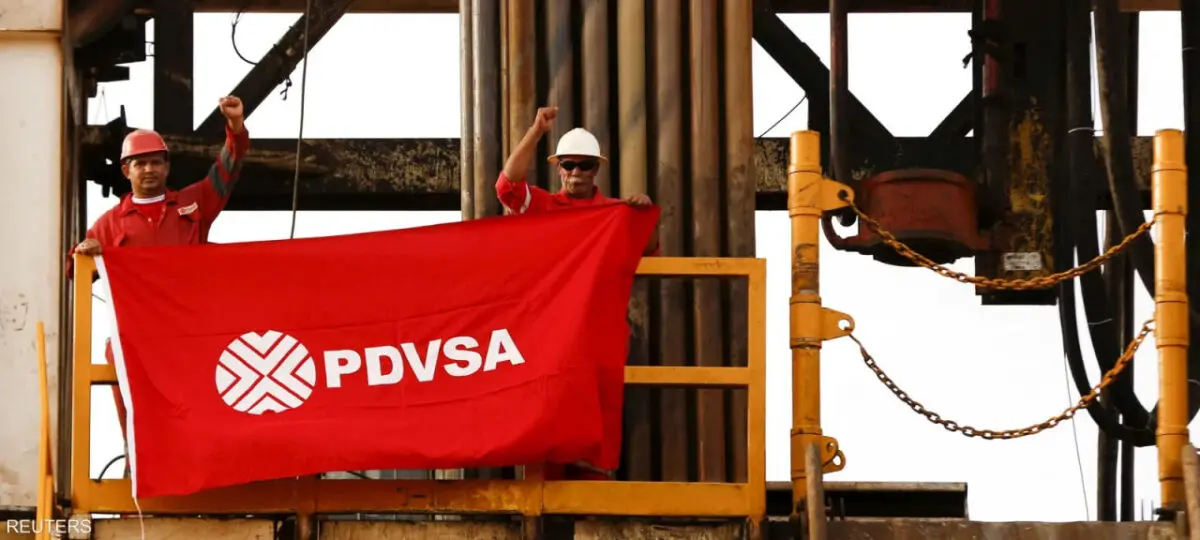
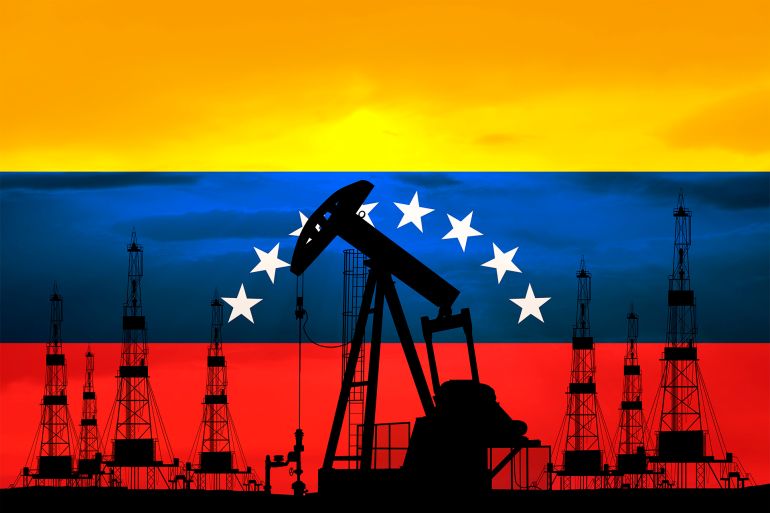
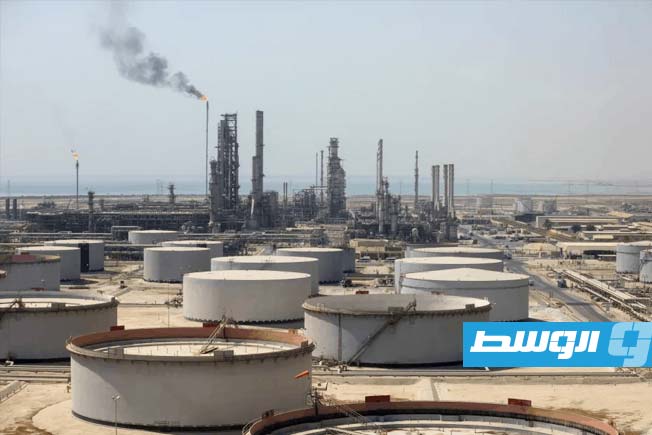
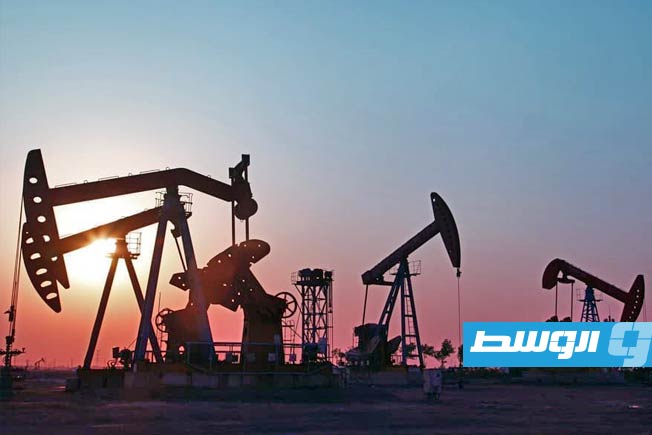
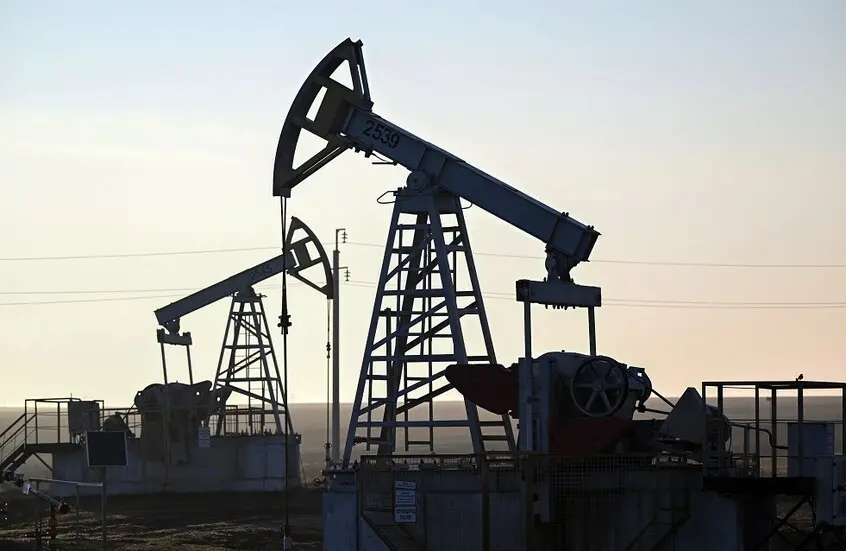
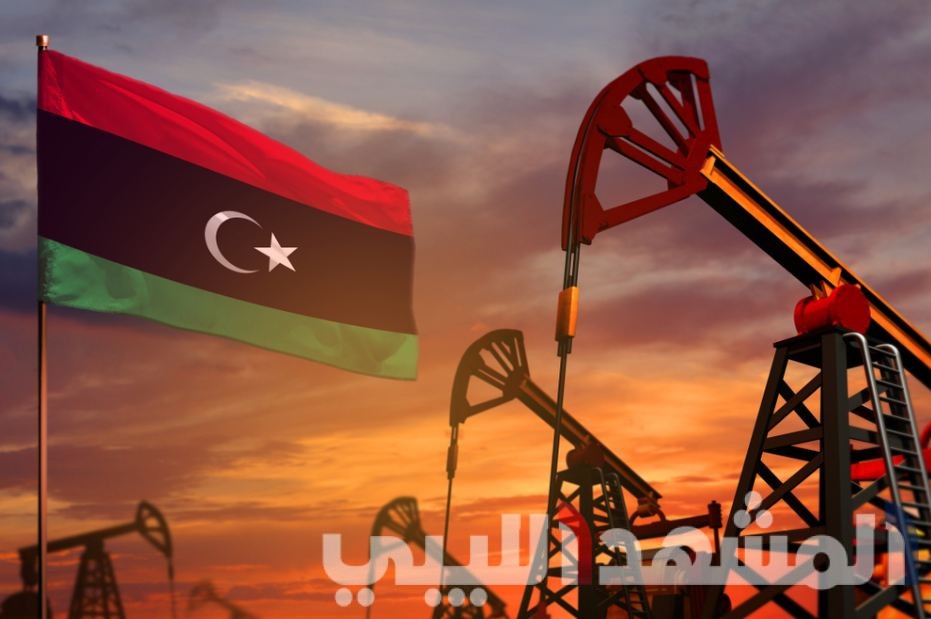
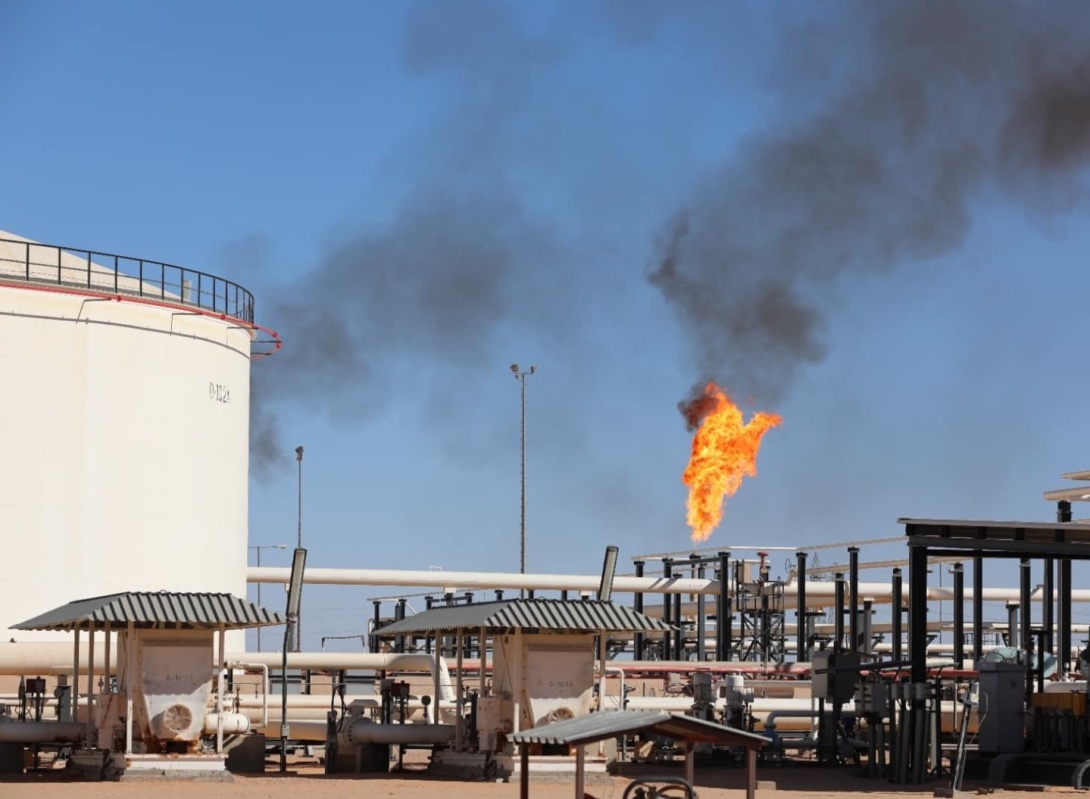
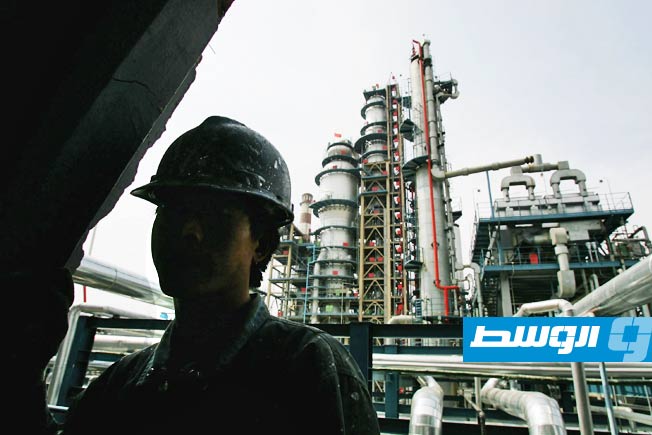
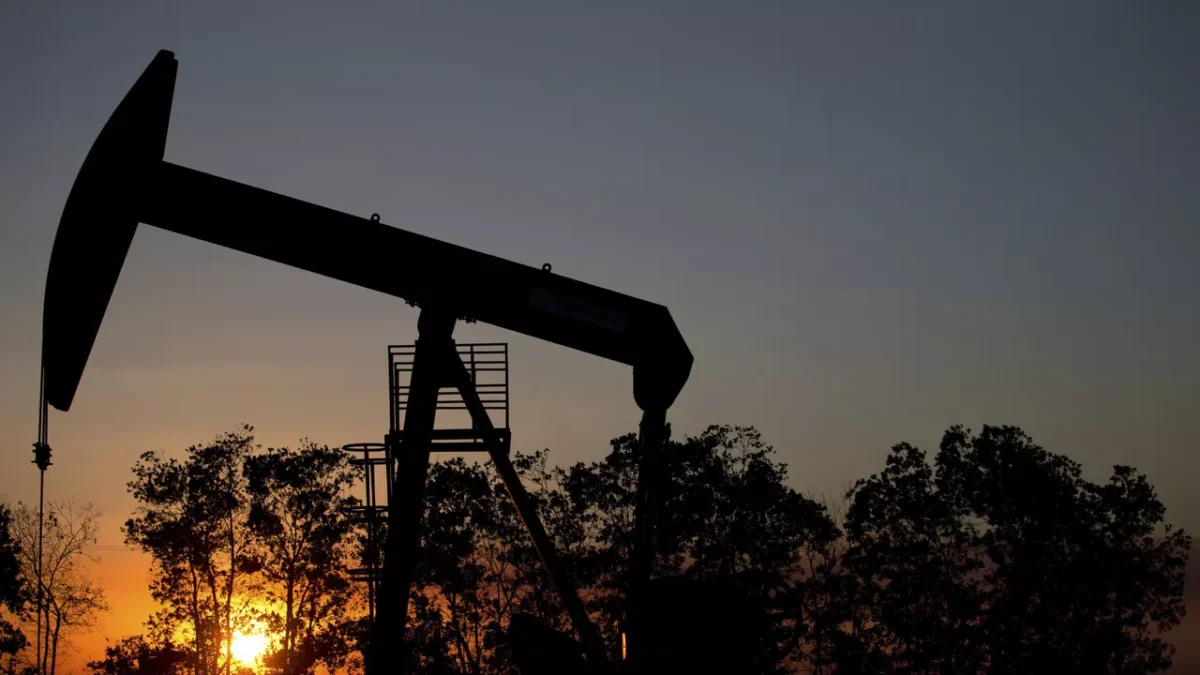
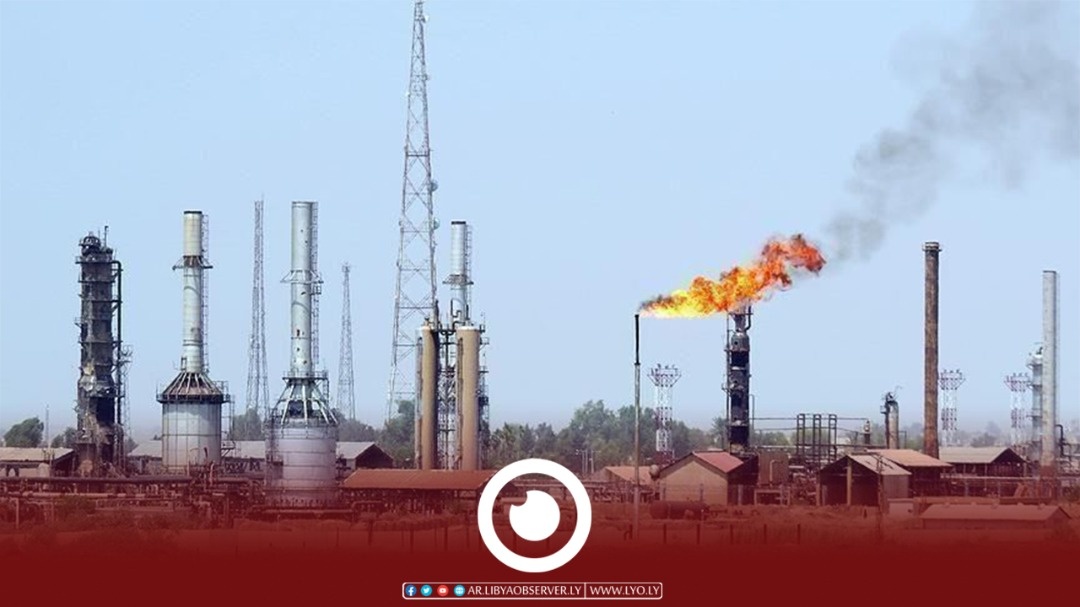
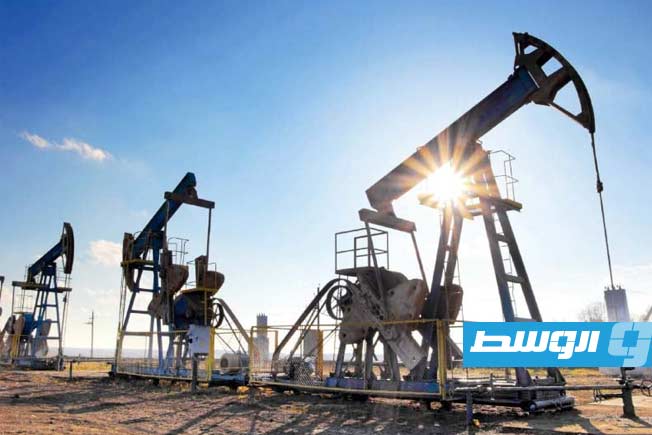
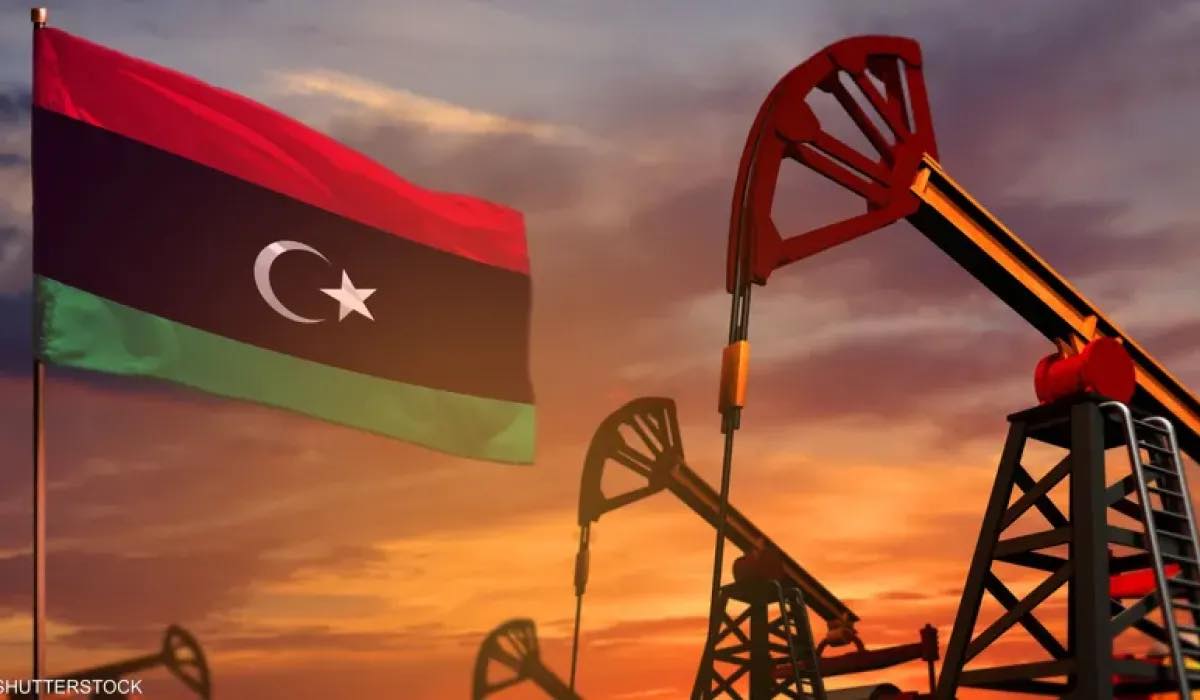
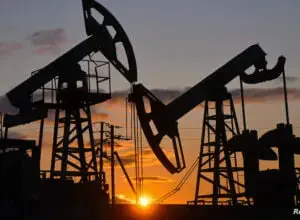
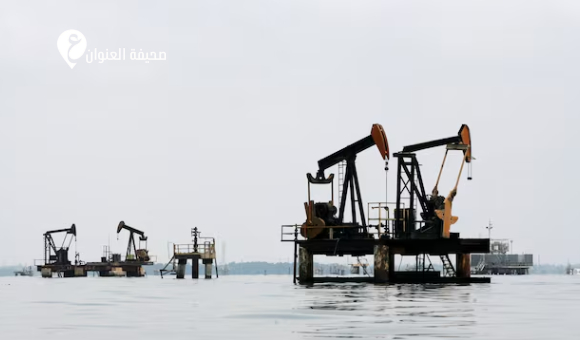
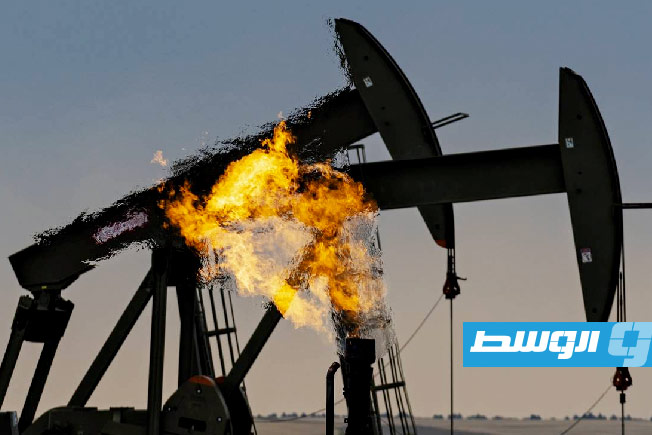
Economically, the battle revolves around the world’s largest proven oil reserves, estimated at approximately 303 billion barrels, surpassing Saudi Arabia. However, the value of these reserves has been eroded by a catastrophic collapse in production capacity:
- Production Collapse: Venezuela’s production fell from 3.4 million barrels per day in 1998 to levels ranging between 800,000 and 900,000 barrels per day in 2025.
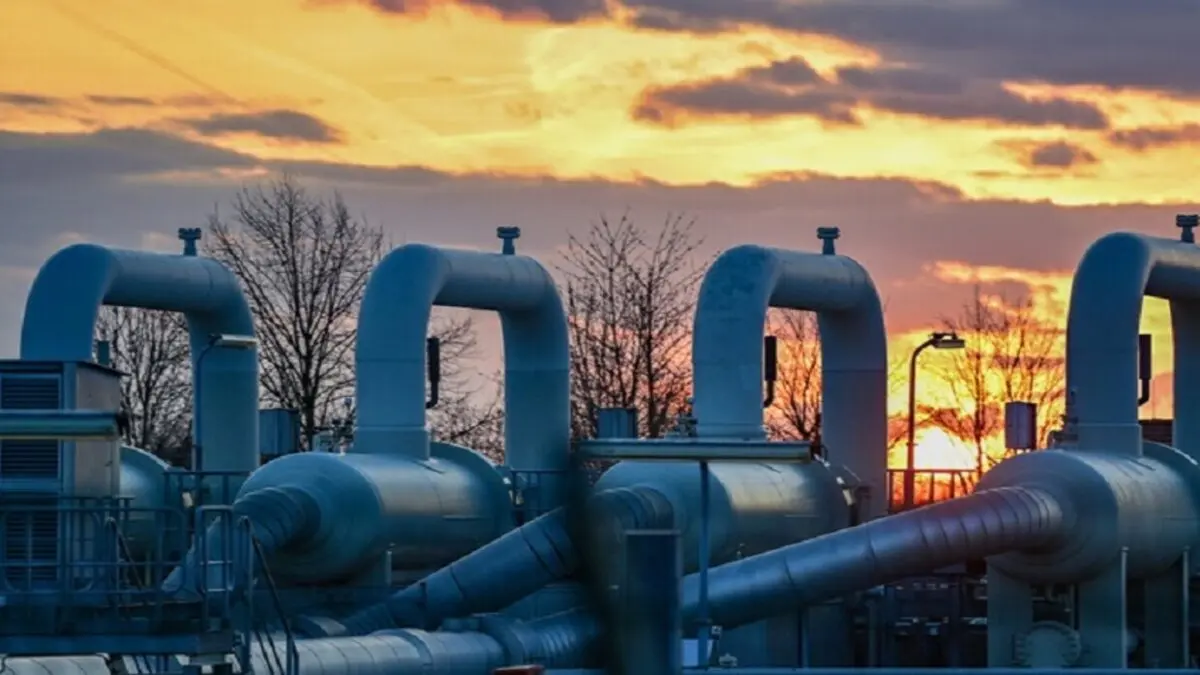
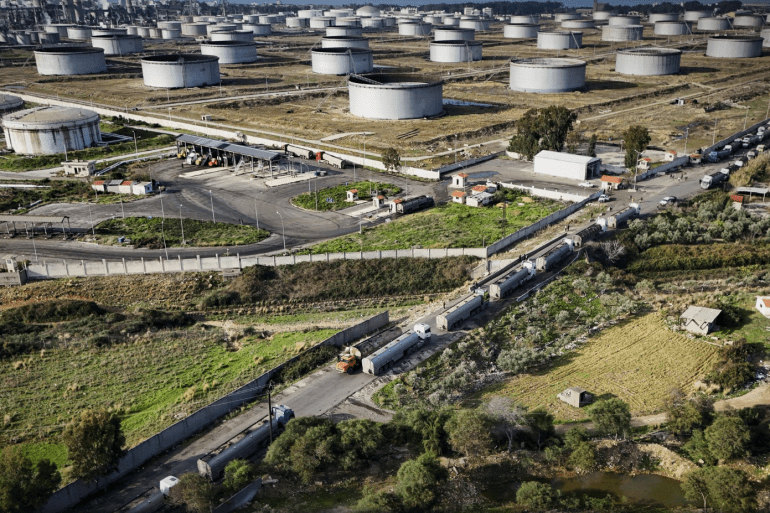
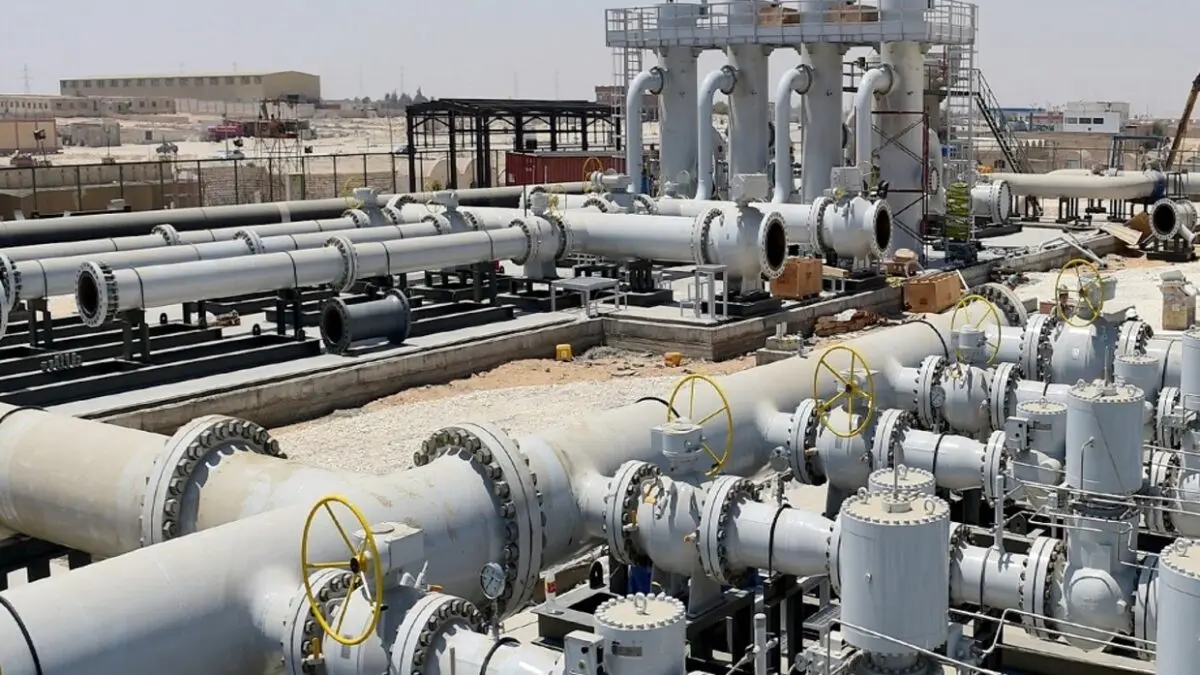
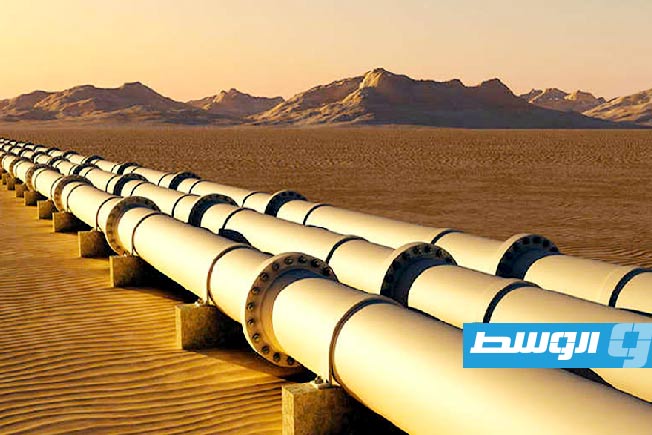
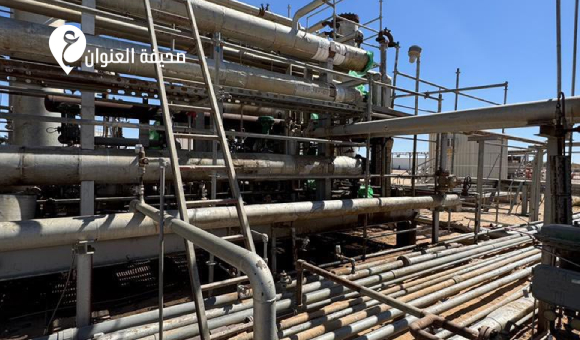
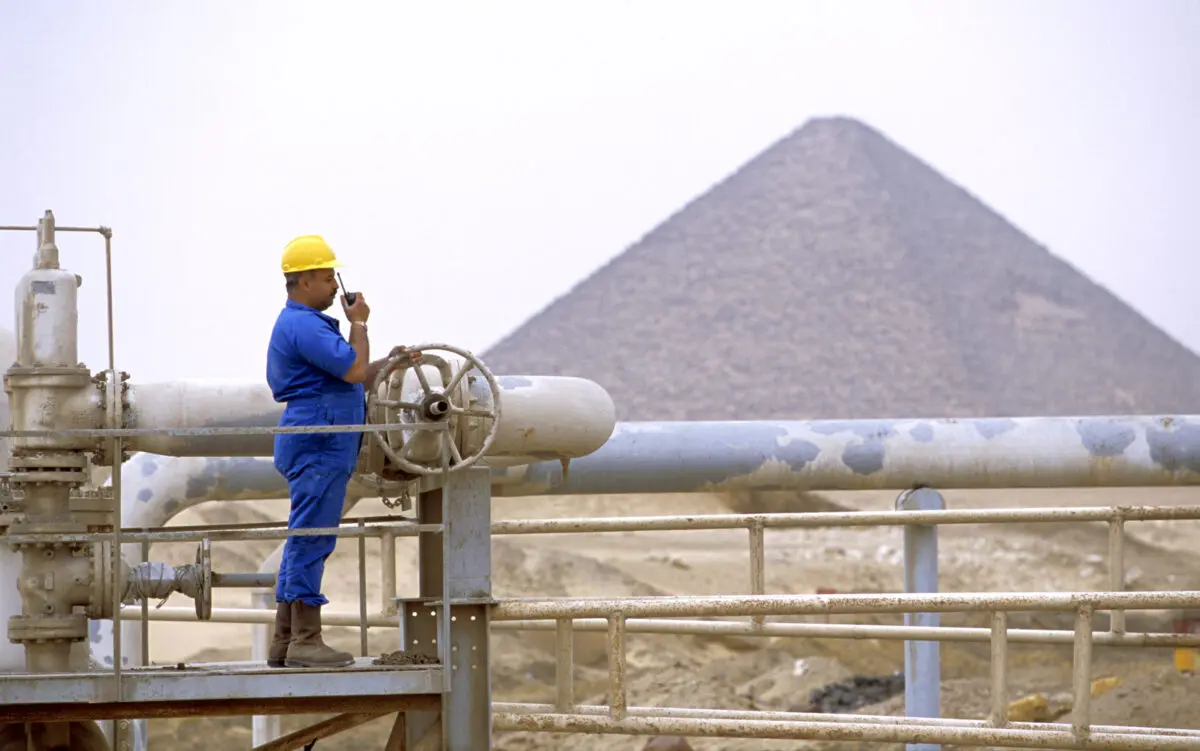
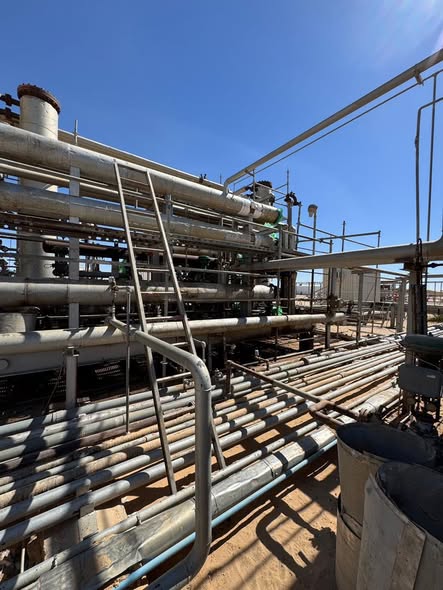
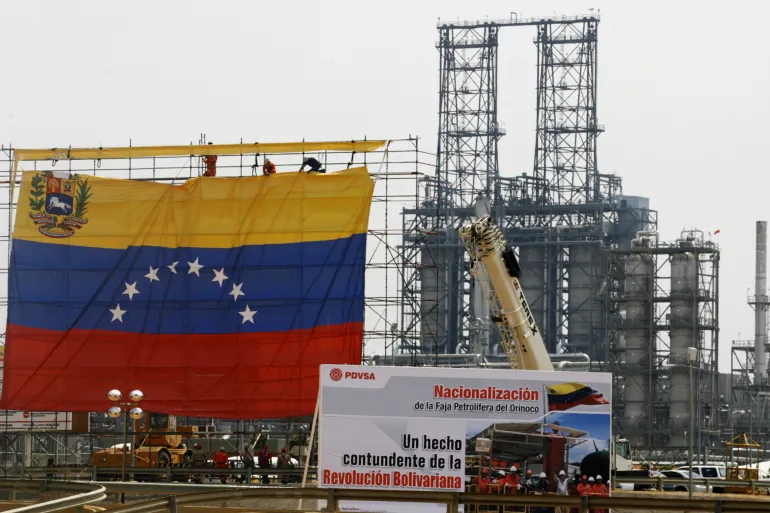
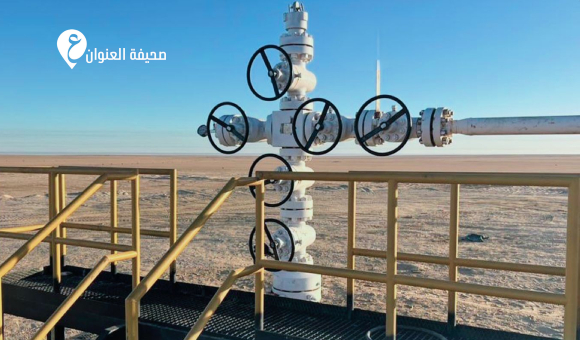
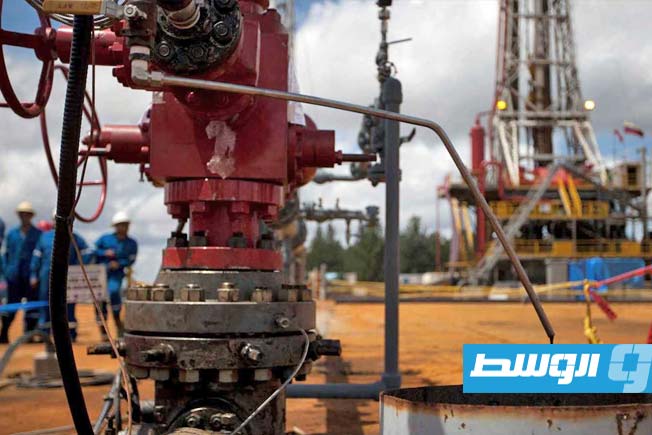
- Technical Challenge: Most of the oil is concentrated in the “Orinoco Belt,” which is very heavy crude requiring diluents that previously came from the United States. The US ban on these materials paralyzed export capacity and forced Caracas to rely on complex barter deals.
3- The Economic Strangulation Mechanism: Engineering Bankruptcy
The Venezuelan collapse was not random but the result of “financial engineering” through sanctions aimed at pushing the state into default, allowing creditors to seize sovereign assets:
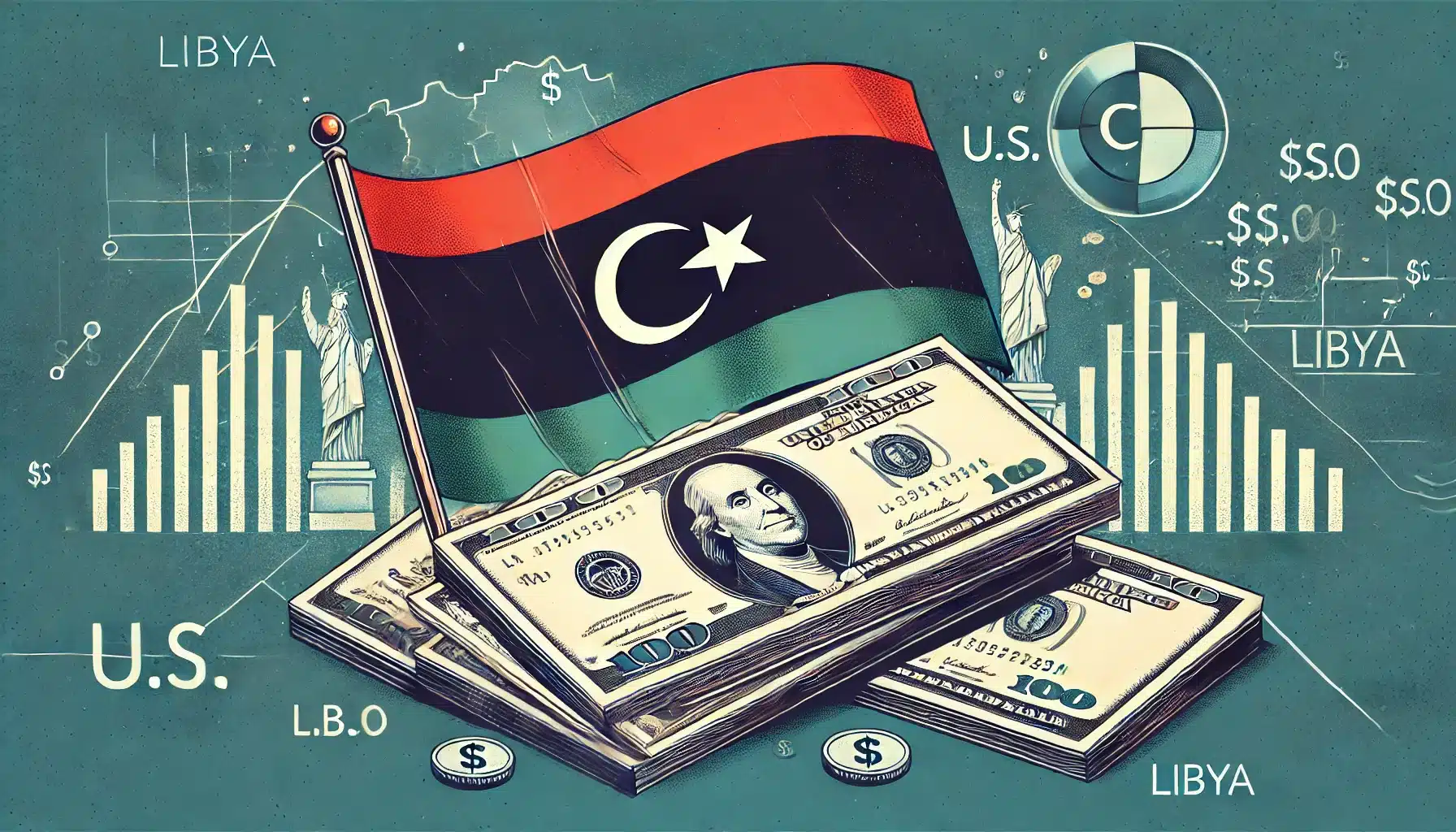
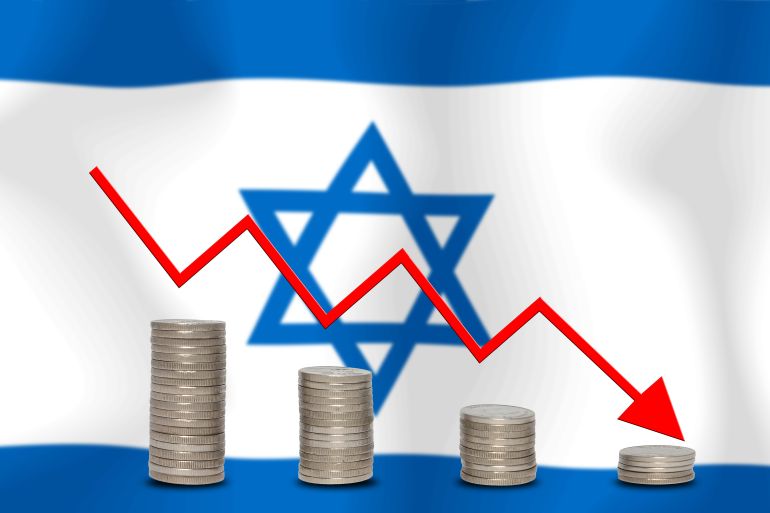
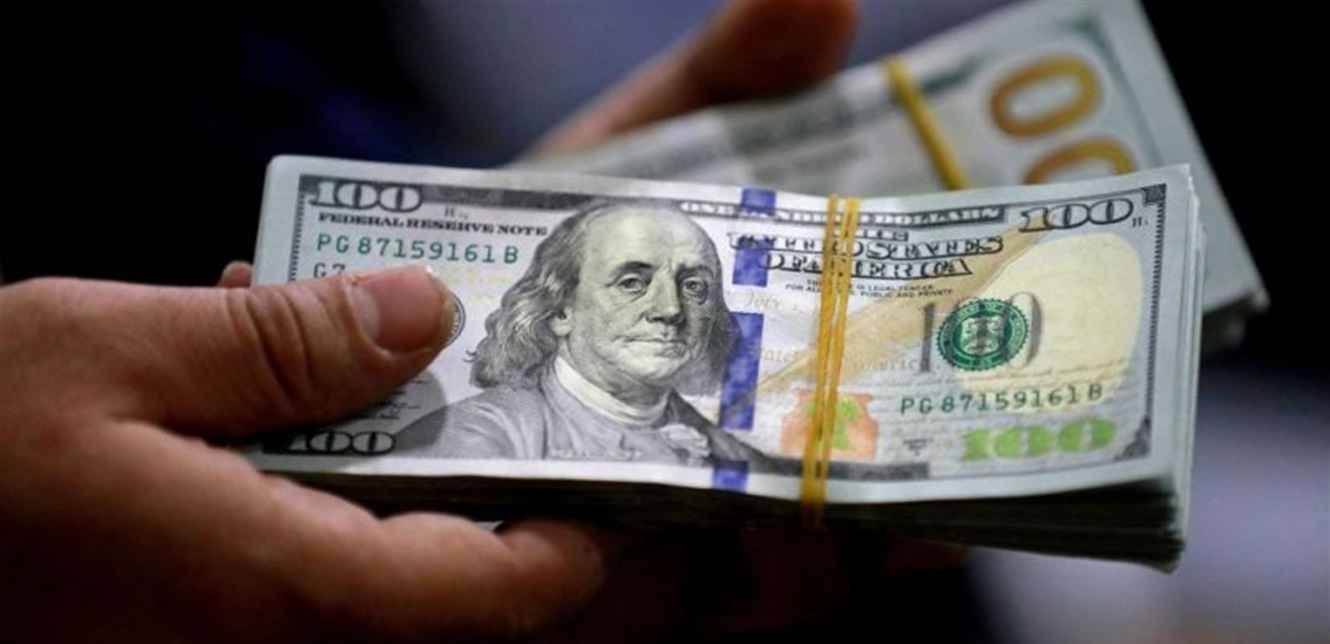
- 2017 and 2019 Sanctions: Prevented the government from restructuring its debt and banned oil exports to the US (its largest cash market), causing a loss of oil revenues equivalent to 213% of the GDP between 2017 and 2024.
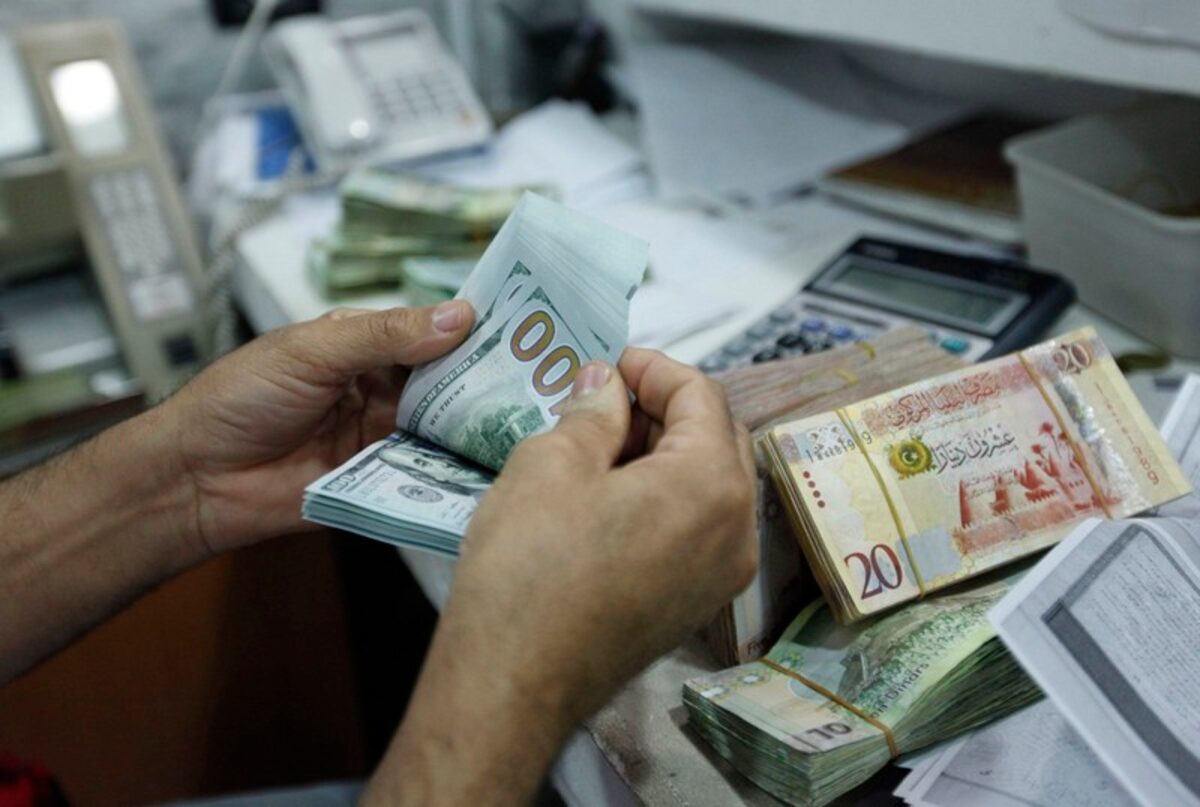
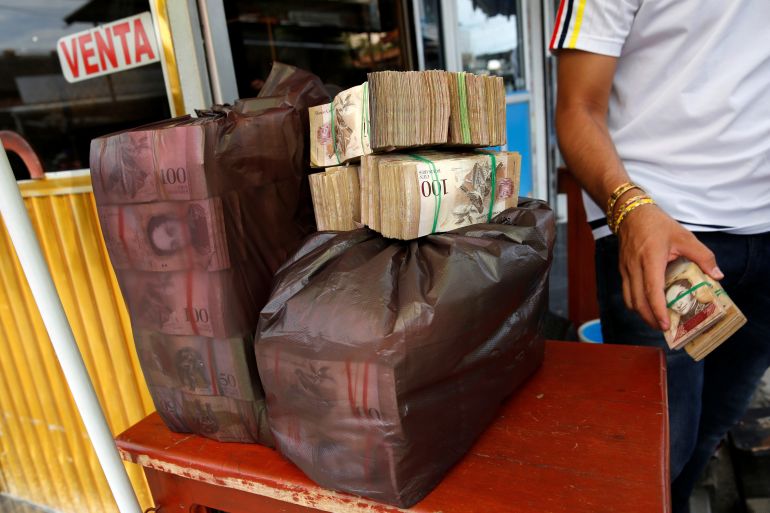
- Contraction: The Venezuelan economy contracted by over 75%, the largest economic collapse for a country outside of wartime, leading to hyperinflation and the destruction of purchasing power.
4- The “Citgo” Battle: Forced Privatization
The most dangerous aspect of the economic scenario is the shift from blockade to “acquisition” through US courts. The company “Citgo,” Venezuela’s refining arm in America, is the jewel being contested.
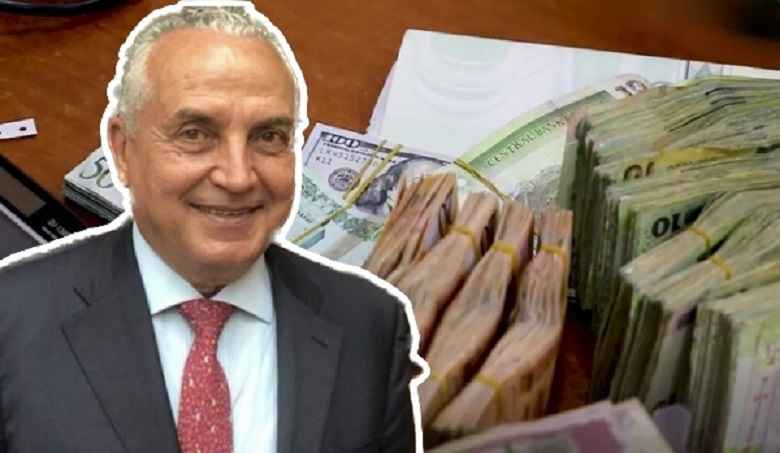
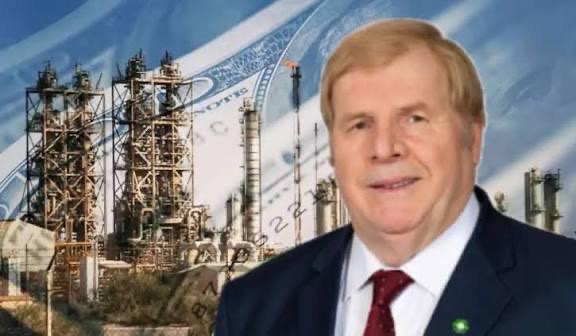
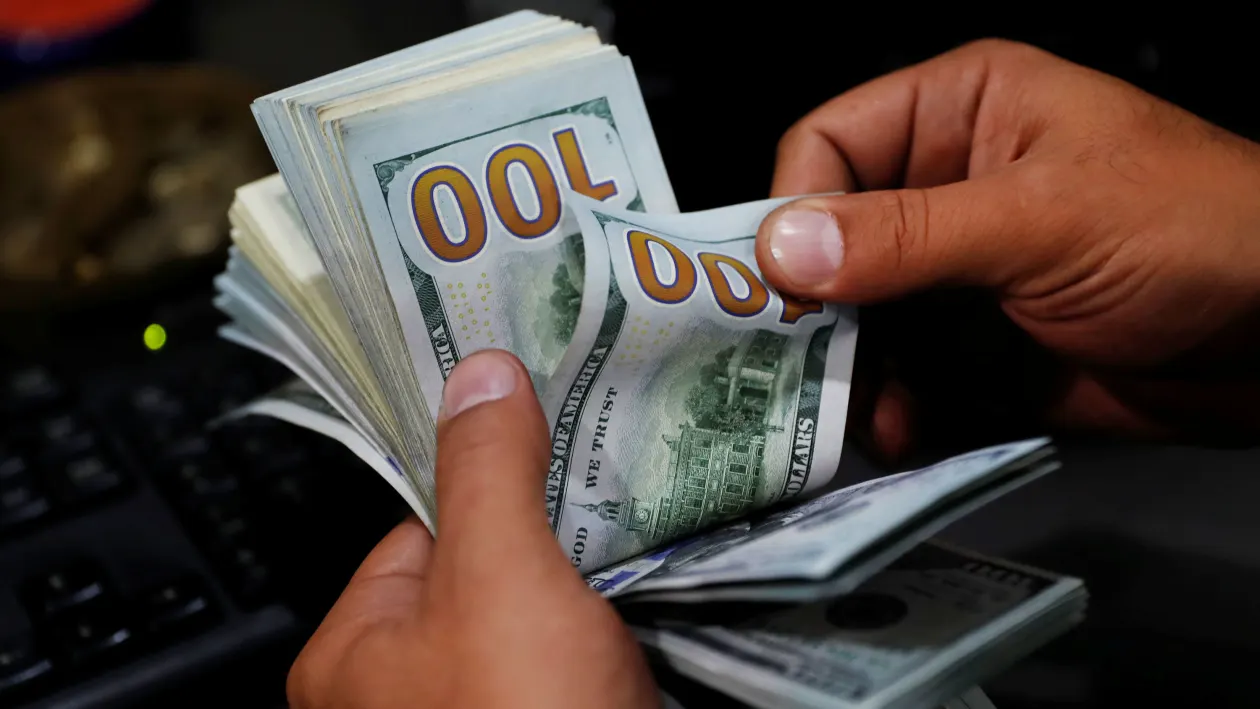
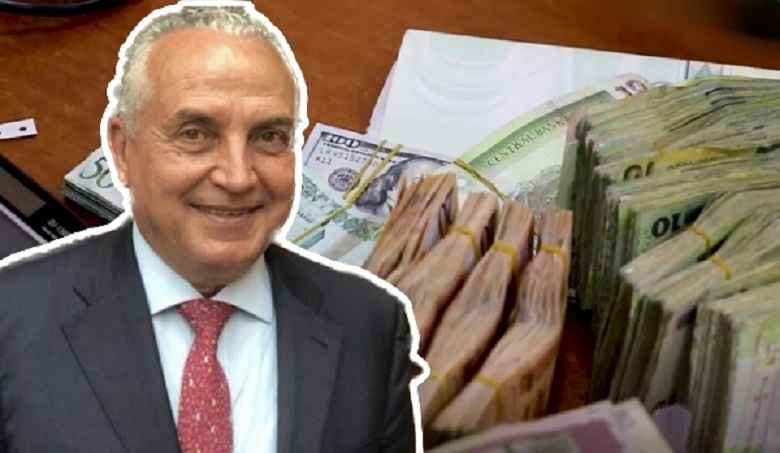
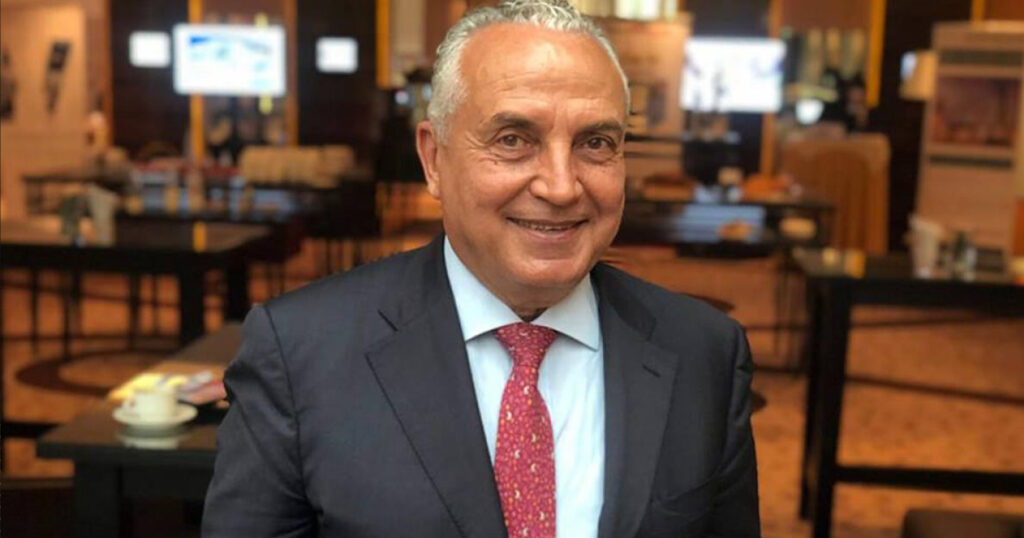
In a crucial development in 2025, the US judiciary approved the forced sale of Citgo’s parent company to settle accumulated debts exceeding $20 billion. The preliminary winner is the hedge fund Elliott Management, backed by billionaire Paul Singer, known as the “vulture fund,” with a deal worth only $5.9 billion, despite the company’s real valuation exceeding $11 billion.
This sale represents a “forced privatization” of Venezuela’s most important foreign asset. Ownership of vital refining infrastructure is transferred from the Venezuelan state to American investors at bargain prices, depriving Venezuela in the future of its primary outlet for marketing its heavy crude and a key source of hard currency.
5- The Role of International Actors: China and Russia
- China: As the largest creditor
SNHU Arena
SNHU Arena is a multi-purpose indoor arena located in Manchester, New Hampshire, which opened in 2001. Originally named the Verizon Wireless Arena, it was renamed in 2017 for Southern New Hampshire University and primarily serves as a venue for concerts, sporting events, and family shows.Manchester
Manchester is a major city in northwest England, historically renowned as a global center for cotton manufacturing during the Industrial Revolution, which earned it the nickname “Cottonopolis.” Its 19th-century growth was fueled by textile mills and canals, shaping its identity as a pioneering industrial powerhouse. Today, it is known for its cultural contributions, including music, football, and its role as a modern transport and educational hub.New Hampshire
New Hampshire is one of the original thirteen colonies and the first state to declare its independence from England in 1776. It is known for its pivotal early role in U.S. history, its rugged natural landscapes like the White Mountains, and its influential presidential primary in American politics.Miraflores Palace
Miraflores Palace is the official workplace of the President of Venezuela, located in Caracas. Originally constructed in the late 19th century as a private residence, it was acquired by the national government in 1900 and has since served as a key center of executive power and political history.Caracas
Caracas is the capital and largest city of Venezuela, founded in 1567 by Spanish conquistador Diego de Losada. It grew as a colonial administrative center and later became the birthplace of Simón Bolívar, a key figure in South America’s independence movements. Today, it is a major metropolitan and cultural hub situated in a valley of the Venezuelan coastal mountain range.Venezuela
Venezuela is a South American country known for its diverse landscapes, including the Andes Mountains, Amazon rainforest, and Angel Falls, the world’s highest uninterrupted waterfall. Historically, it was a Spanish colony until achieving independence in the early 19th century under leaders like Simón Bolívar, and its modern economy has been heavily shaped by its vast petroleum reserves.United States
The United States is a federal republic founded in 1776 after declaring independence from Great Britain, establishing itself through a revolutionary war and the ratification of a constitution that created a representative democracy. Its history includes significant territorial expansion, a civil war over slavery, and its emergence as a global superpower in the 20th century. Culturally, it is a diverse nation built on immigration, known for its influential contributions to technology, entertainment, and popular culture.Western Hemisphere
The Western Hemisphere refers to the half of Earth that lies west of the Prime Meridian and includes the continents of North and South America. Historically, the term gained prominence following European exploration and colonization of the Americas starting in the late 15th century, which led to profound cultural exchanges and conflicts between indigenous civilizations and European powers.China
China is one of the world’s oldest continuous civilizations, with a recorded history spanning over four millennia. It is home to numerous UNESCO World Heritage sites, such as the Great Wall and the Forbidden City, which reflect its long and complex dynastic past. Modern China is a major global power, blending ancient traditions with rapid technological and economic development.Russia
Russia is the world’s largest country by land area, spanning Eastern Europe and Northern Asia. Its history is marked by the rise and fall of the Tsarist Empire, the 1917 Bolshevik Revolution which established the Soviet Union, and its re-emergence as the Russian Federation in 1991 following the USSR’s dissolution. It is renowned for its vast landscapes, rich literary and artistic traditions, and complex political history.Saudi Arabia
Saudi Arabia is a Middle Eastern nation and the birthplace of Islam, home to the religion’s two holiest cities, Mecca and Medina. Historically, it was the center of several ancient trade routes and kingdoms before being unified under the Al Saud dynasty in the 20th century, leading to the establishment of the modern Kingdom of Saudi Arabia in 1932.Orinoco Belt
The Orinoco Belt is a vast oil-rich geological region in eastern Venezuela, historically inhabited by indigenous peoples before Spanish colonization. Its modern significance stems from the discovery of massive heavy crude oil reserves in the 1930s, which were later developed extensively in the 20th century, making it a cornerstone of Venezuela’s economy.Citgo
The Citgo sign is a landmark neon advertisement in Boston, Massachusetts, originally erected in 1965 to promote the Citgo Petroleum Corporation. It has become an iconic part of the city’s skyline, famously visible over Fenway Park’s “Green Monster” left-field wall, and was designated a Boston Landmark in 2017 for its cultural significance.America
The United States of America is a federal republic founded in 1776 after declaring independence from Great Britain. Its history spans from indigenous civilizations and European colonization to becoming a global superpower, shaped by events like westward expansion, the Civil War, and waves of immigration.Heritage Foundation
The Heritage Foundation is a prominent American conservative public policy think tank founded in 1973. It is known for shaping conservative policy agendas, most notably through its “Mandate for Leadership” series, which influenced the Reagan administration. The organization conducts research and advocates for policies based on principles of free enterprise, limited government, and a strong national defense.Elliott Management
Elliott Management is a prominent American hedge fund founded in 1977 by Paul Singer, known for its activist investment strategies. It has a history of taking significant stakes in companies and pushing for changes to increase shareholder value, often through public campaigns and legal actions.