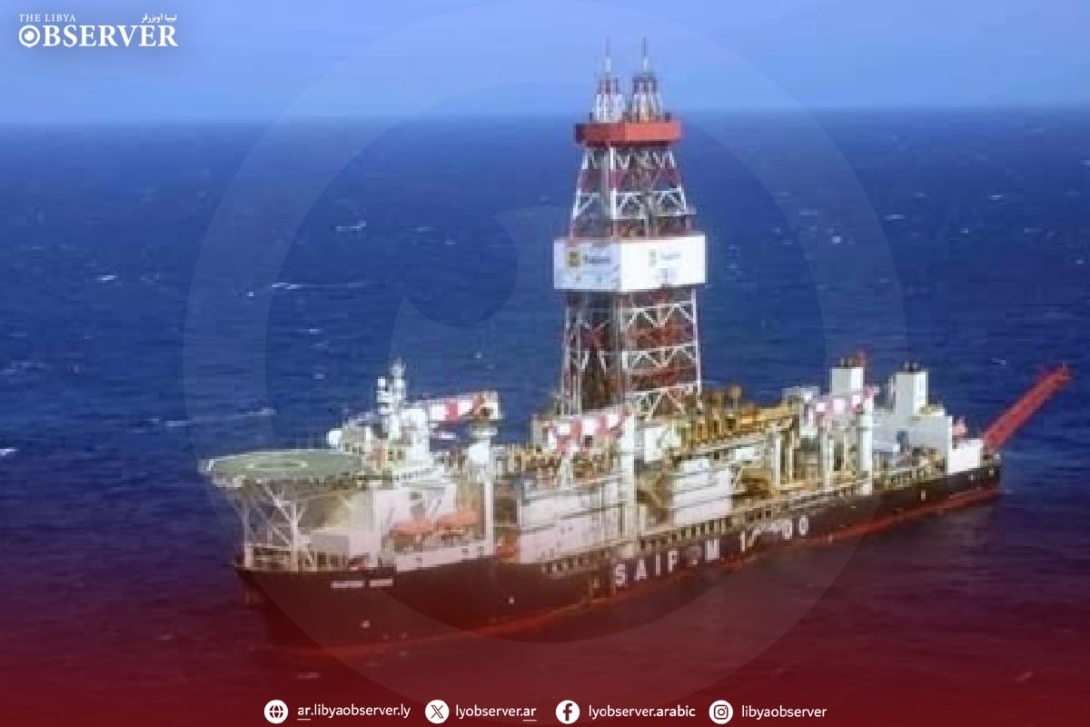
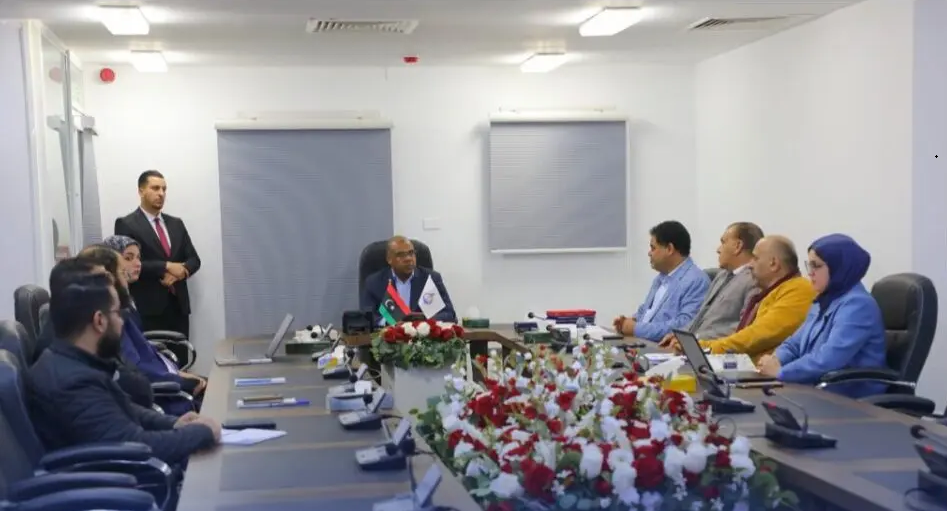
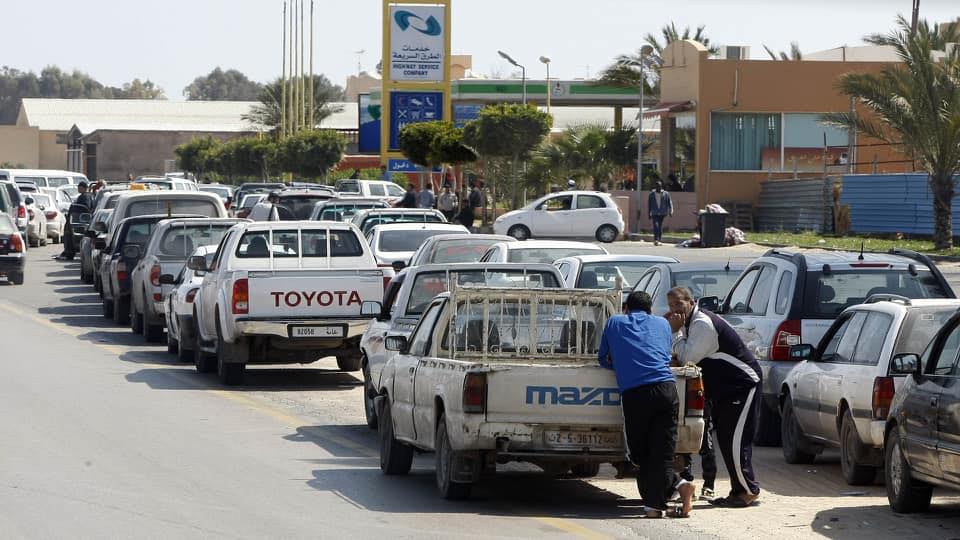
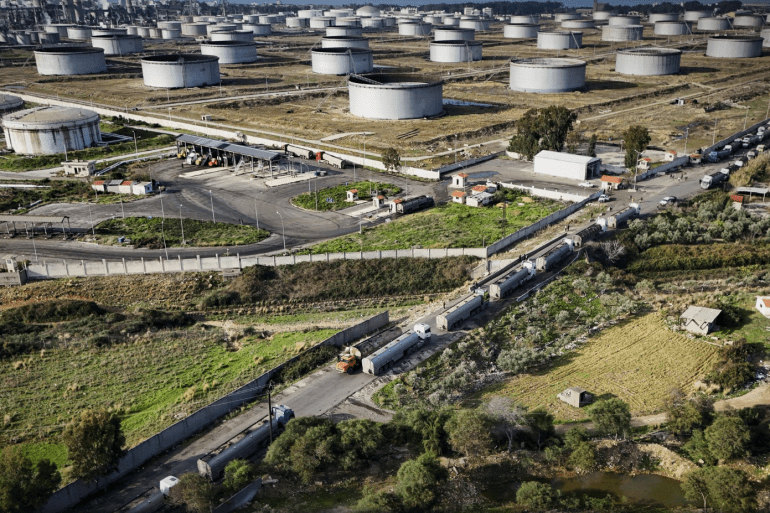
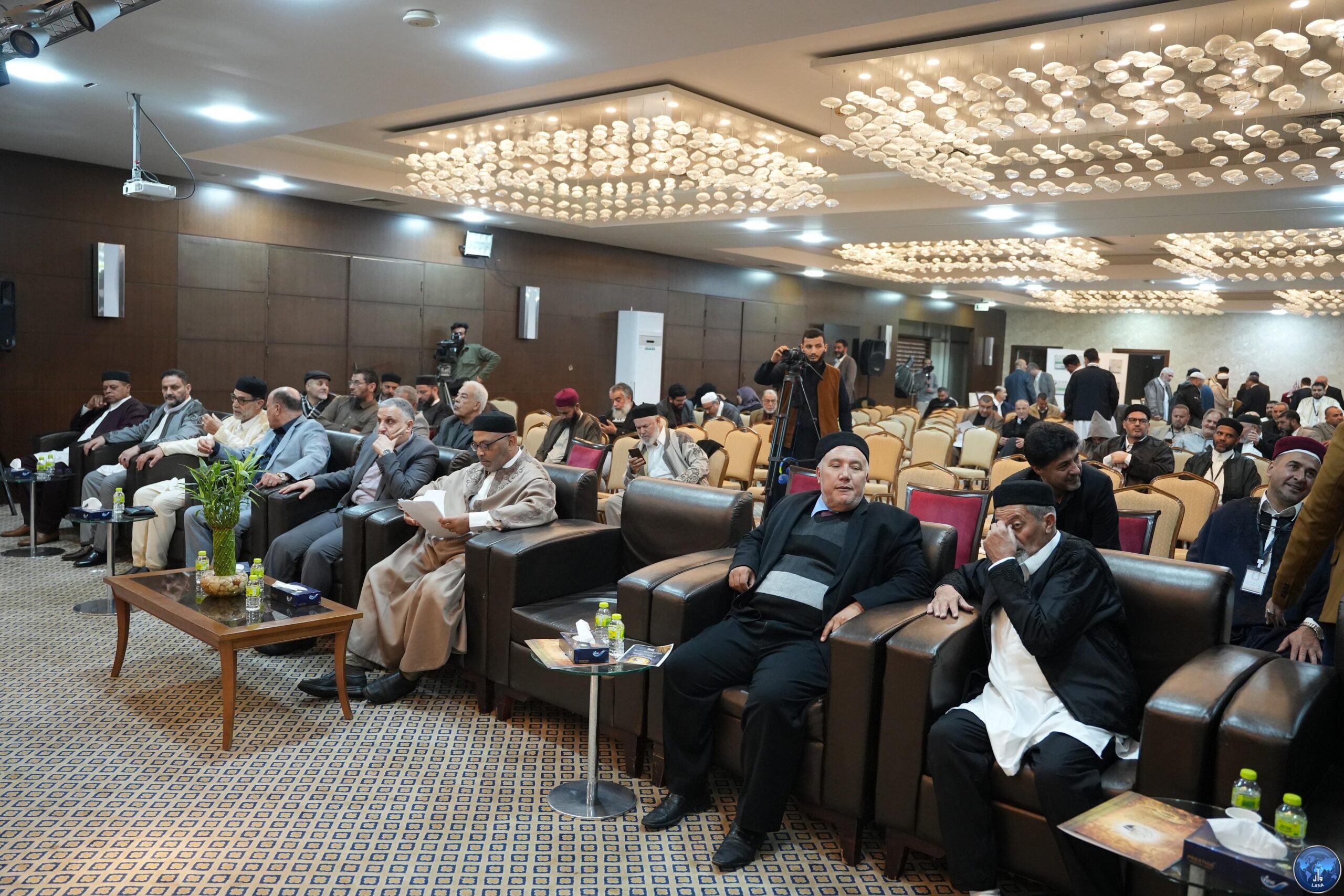
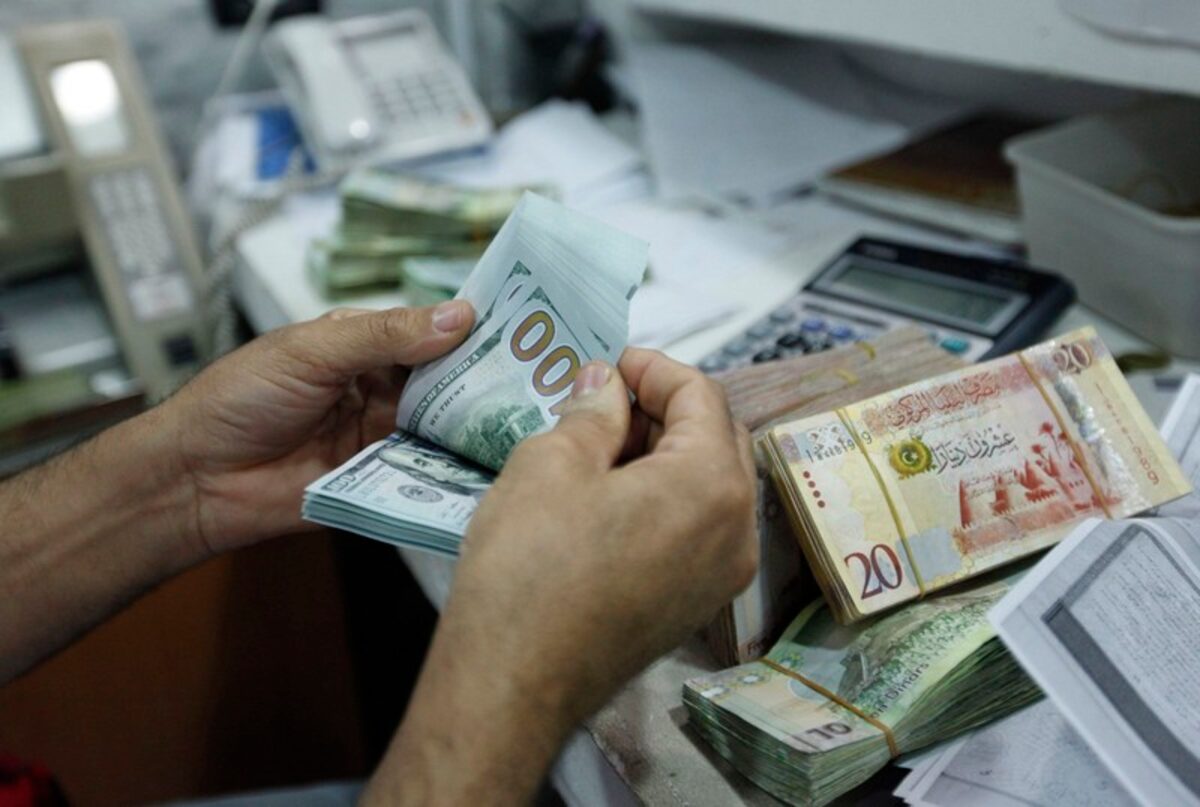
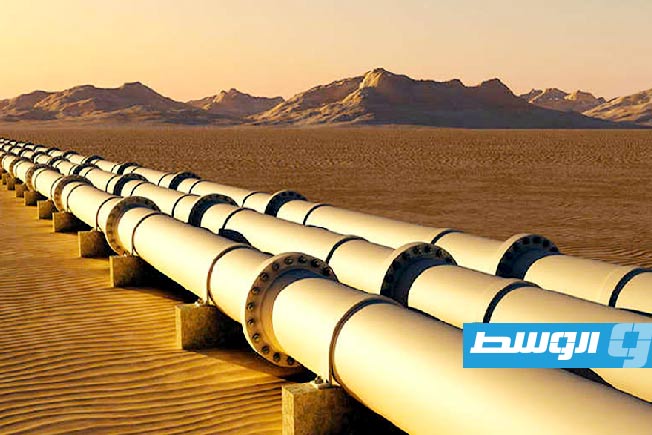
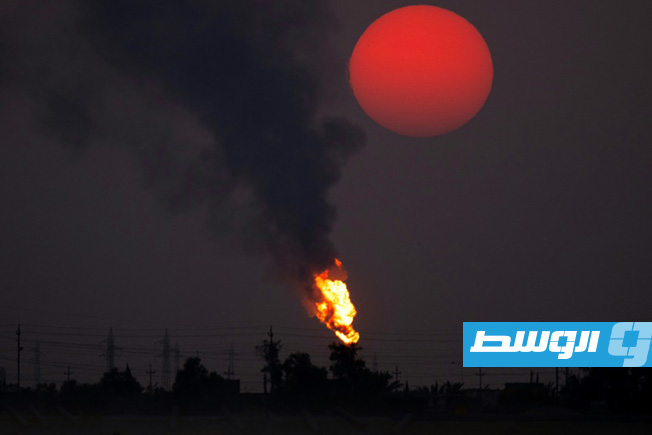
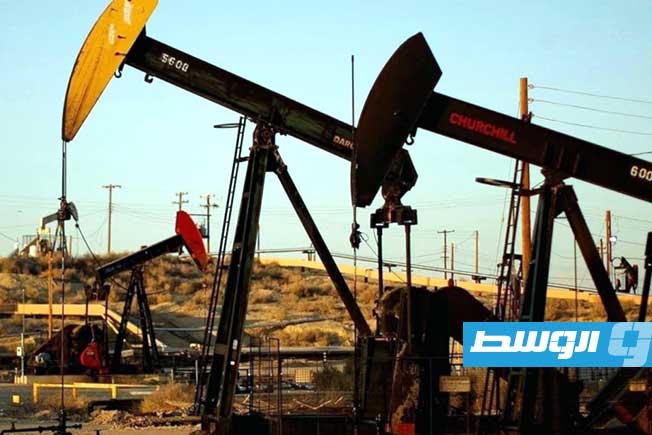
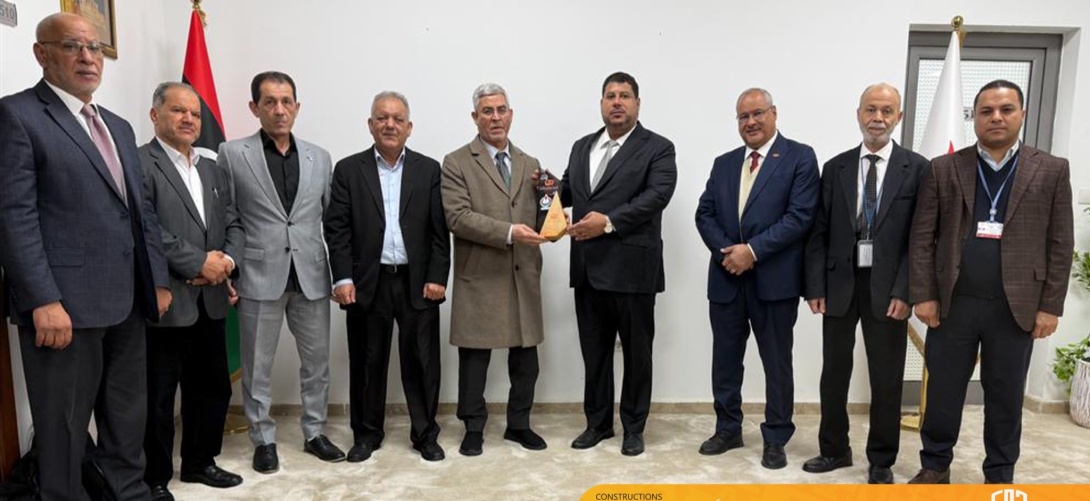
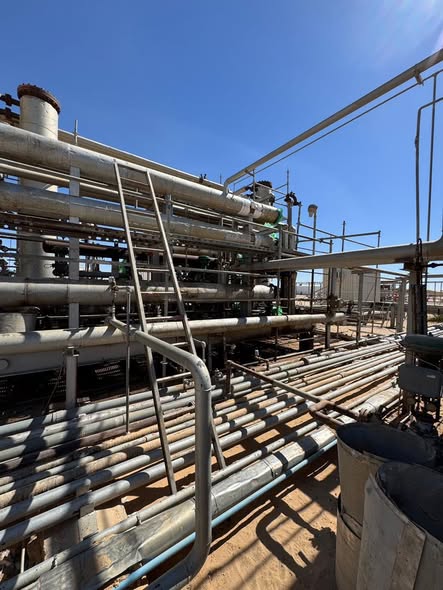
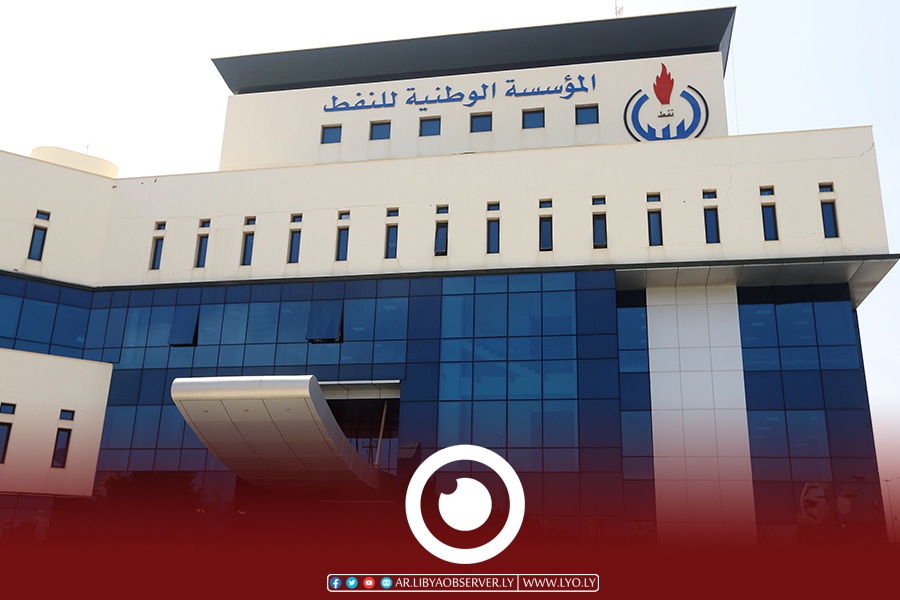
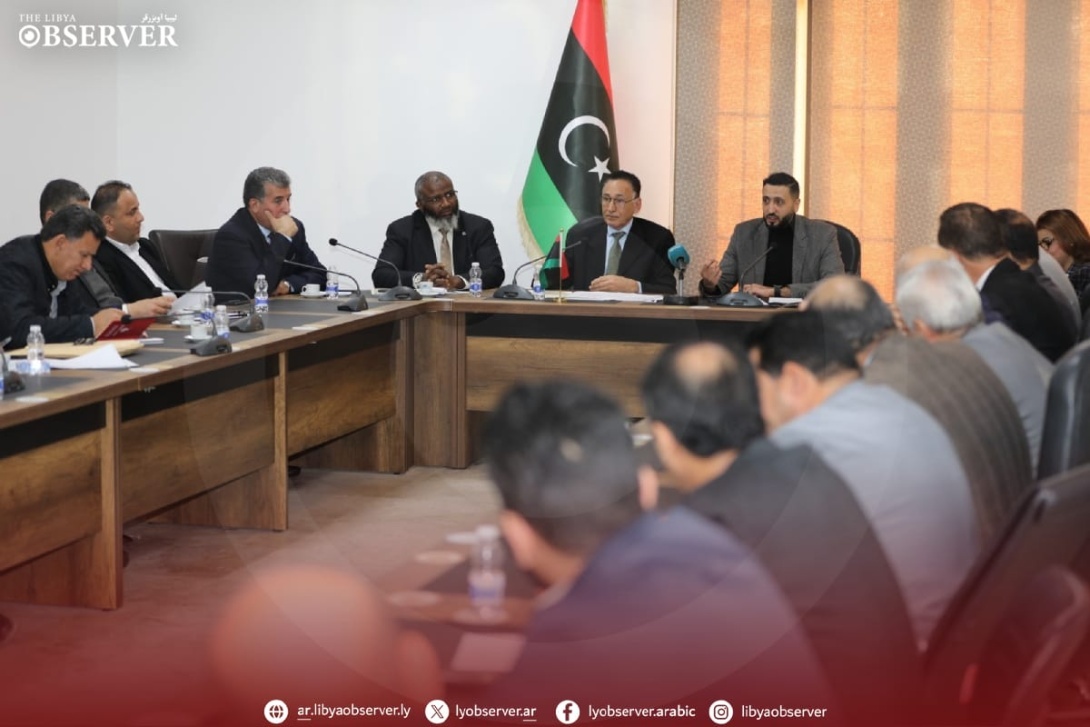
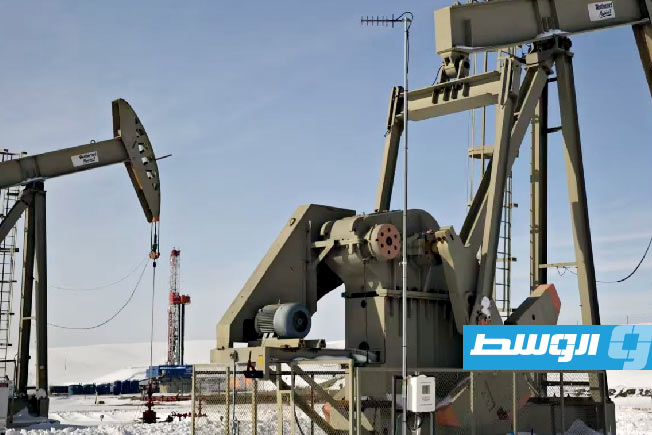
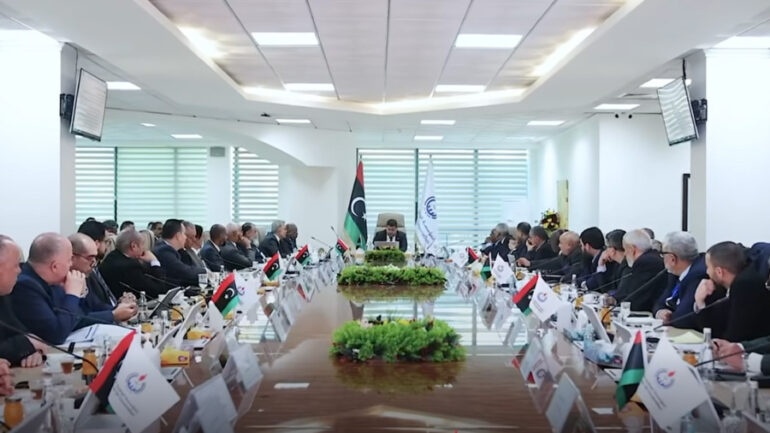
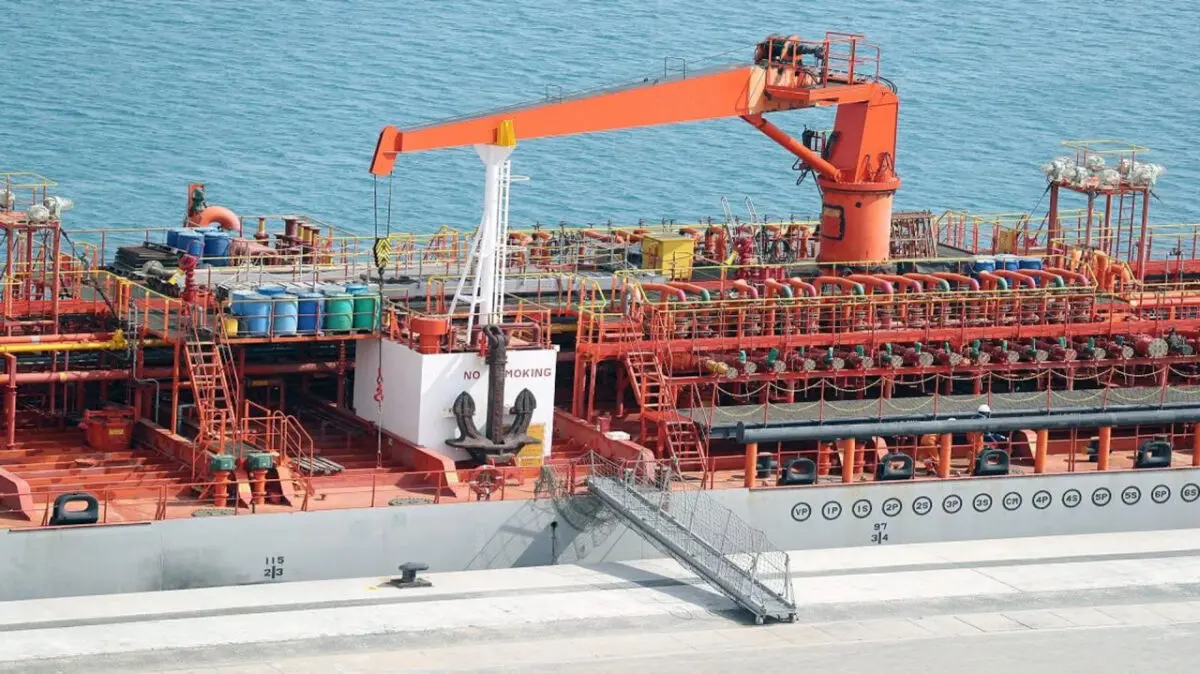
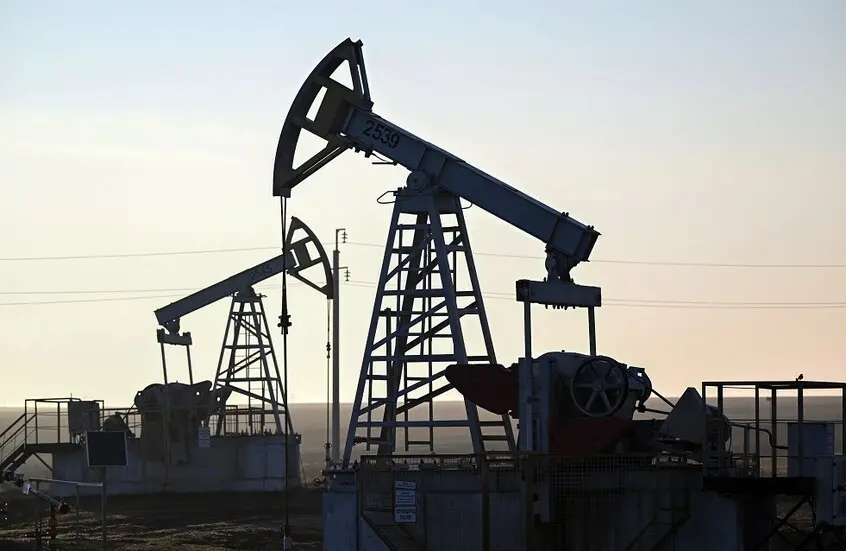
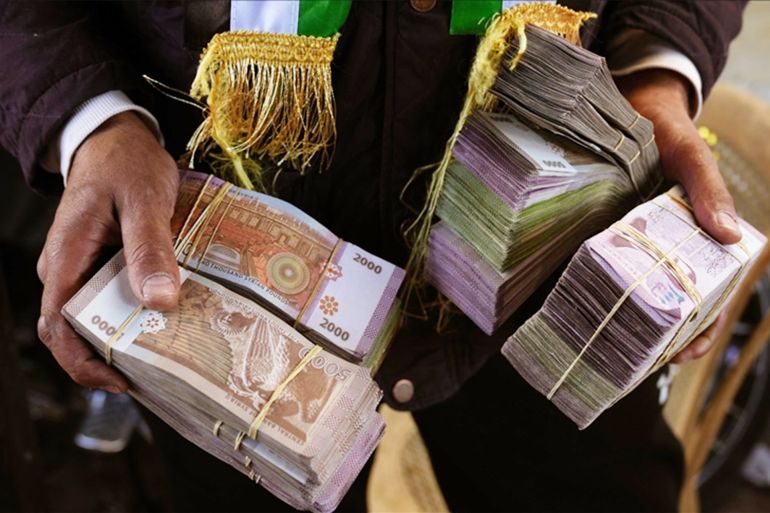
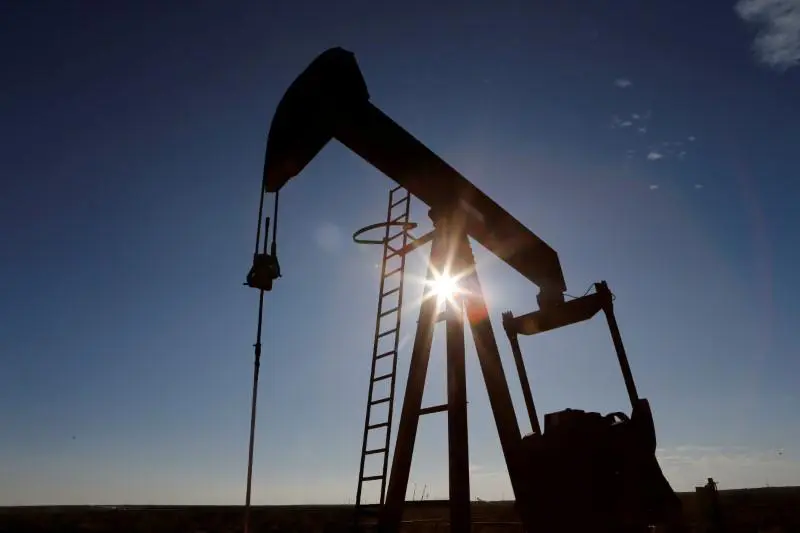
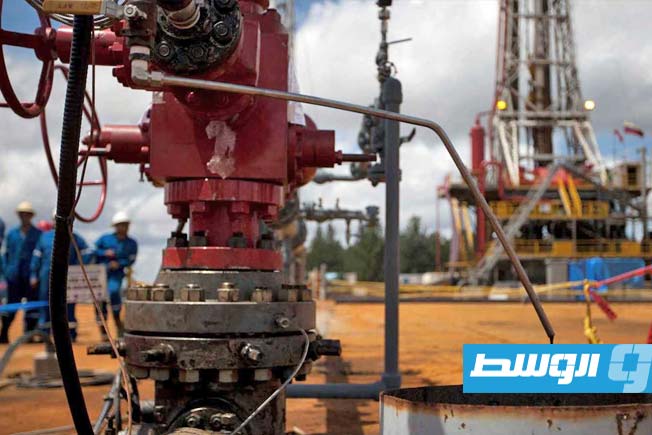
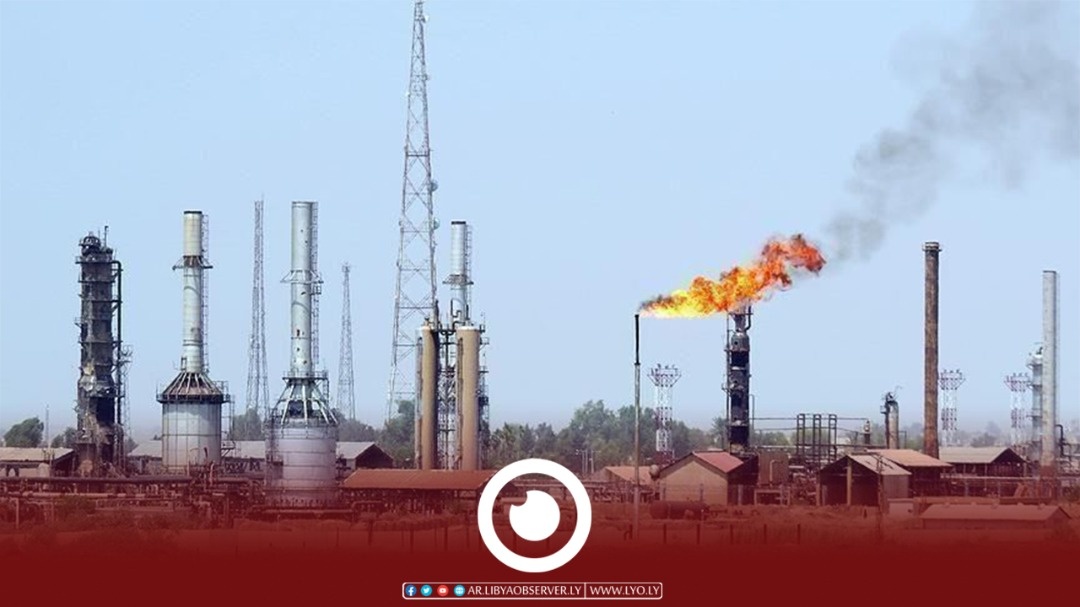
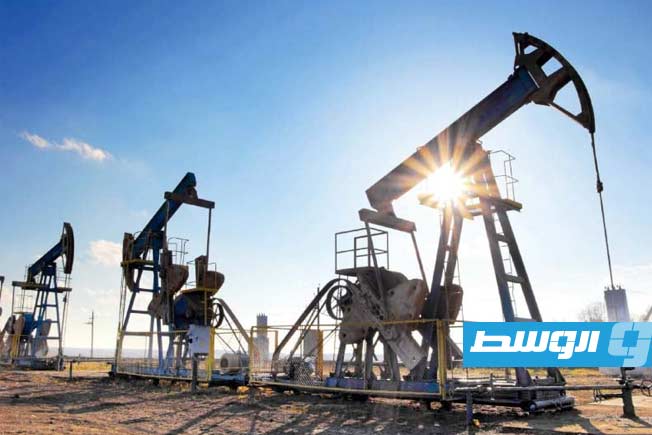
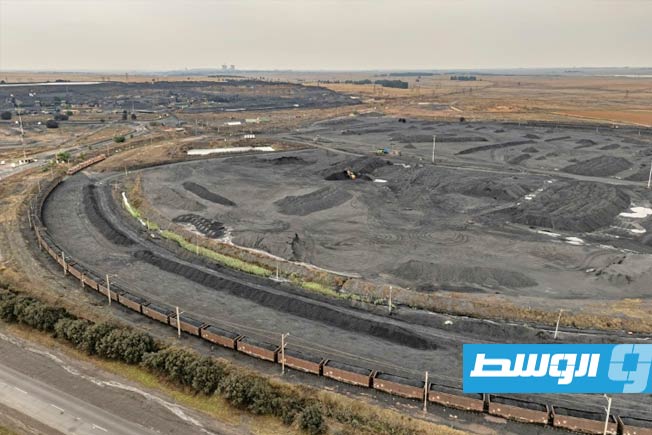
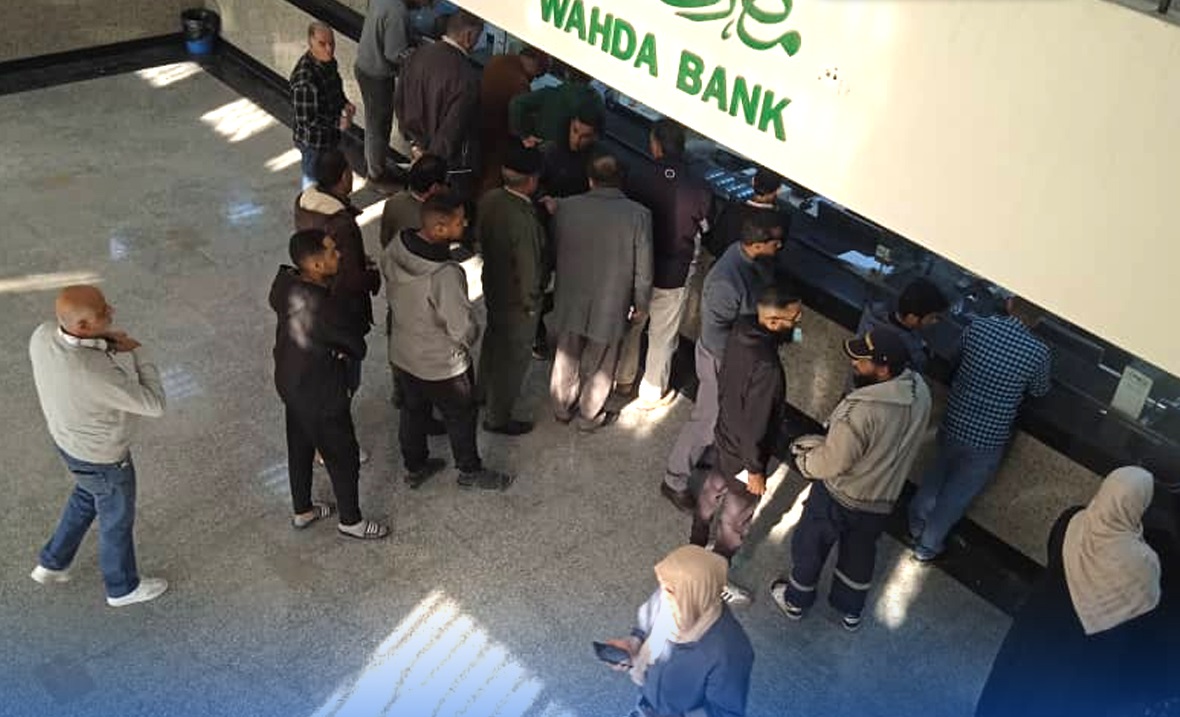
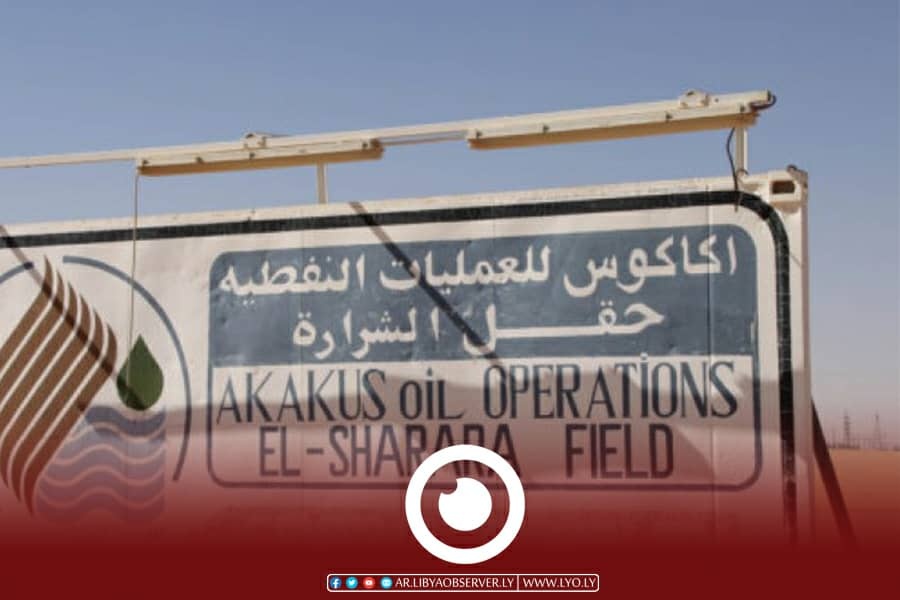
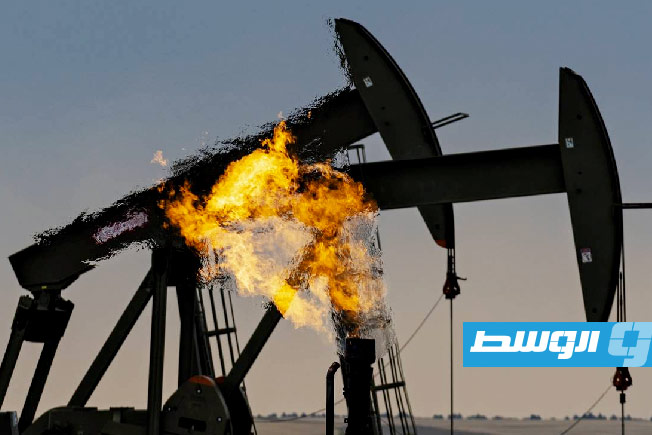
The General Oil Workers Union has warned that some oil companies are implementing what is known as a “zero status” policy, meaning they pay only the base salary without any allowances or additional benefits.
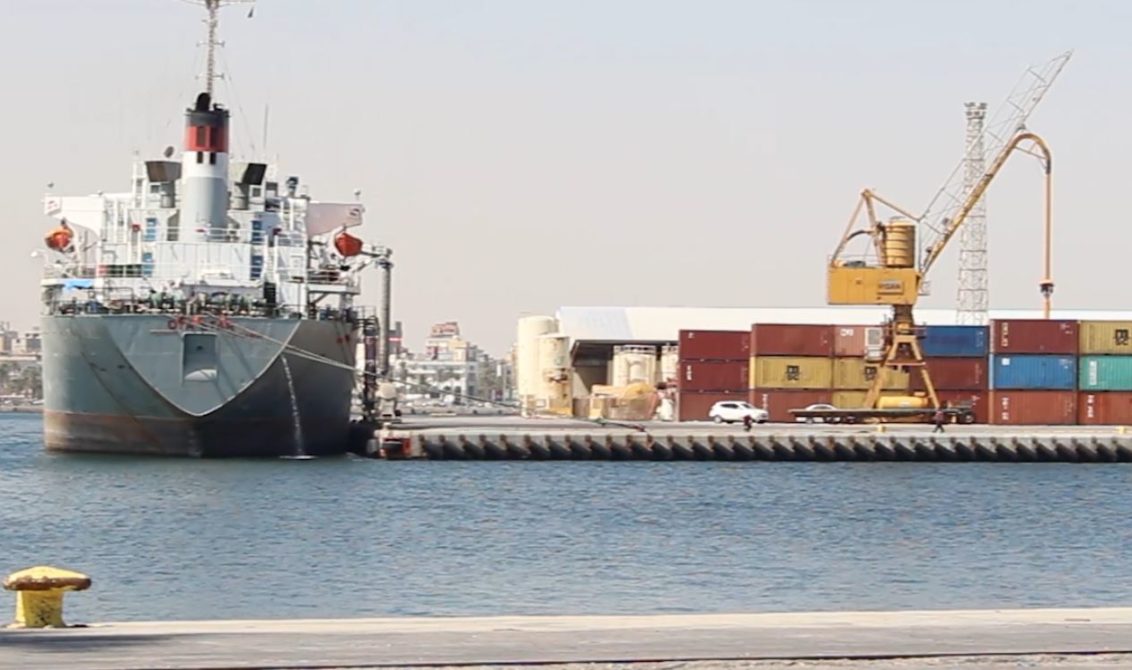
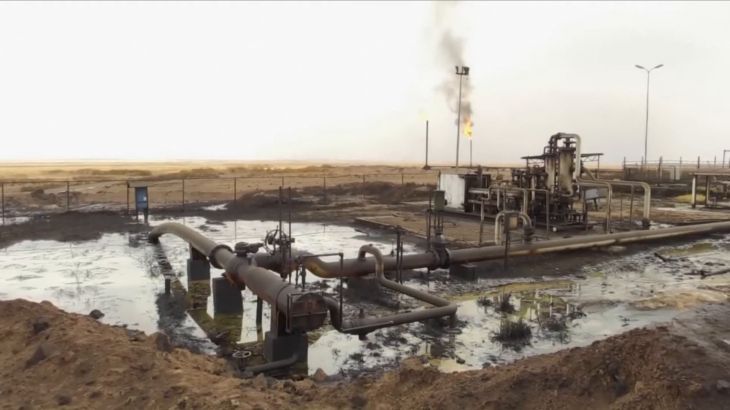
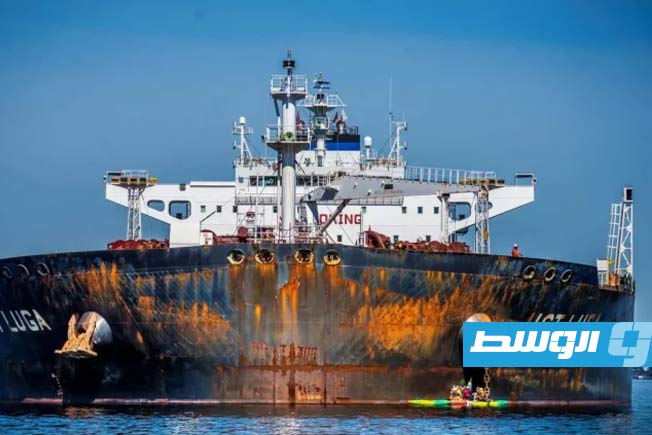
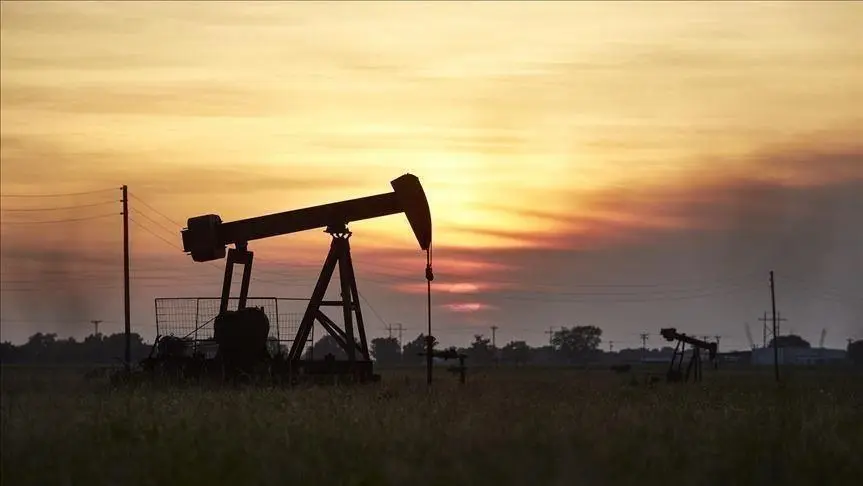
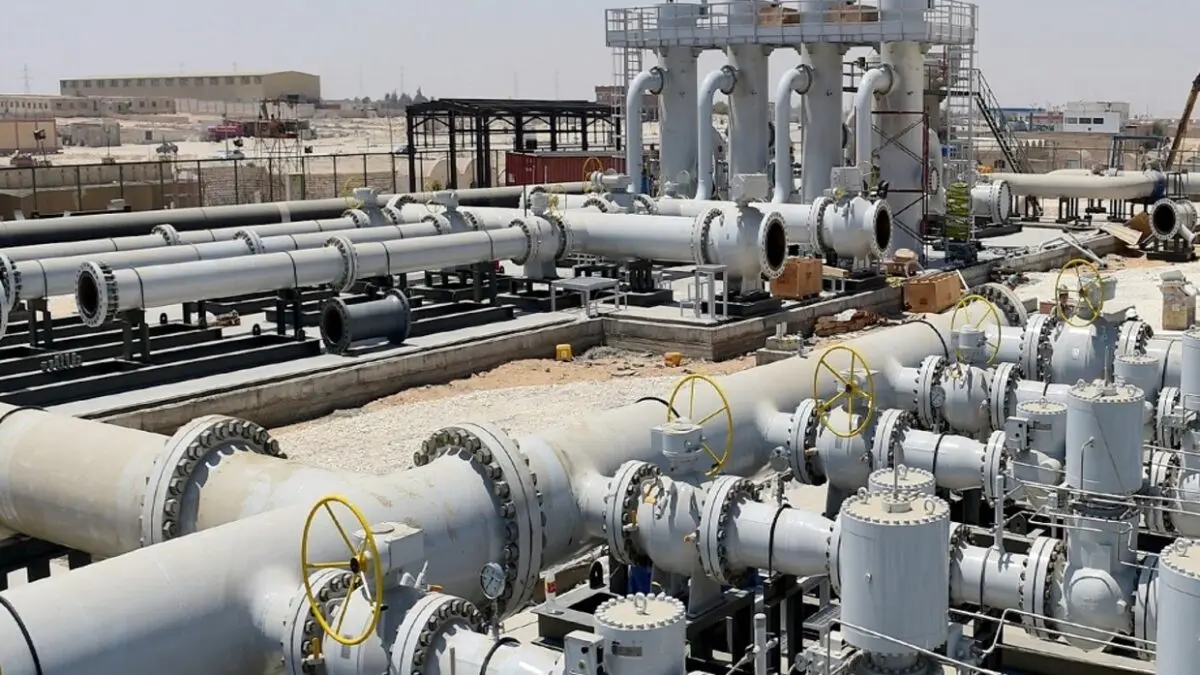
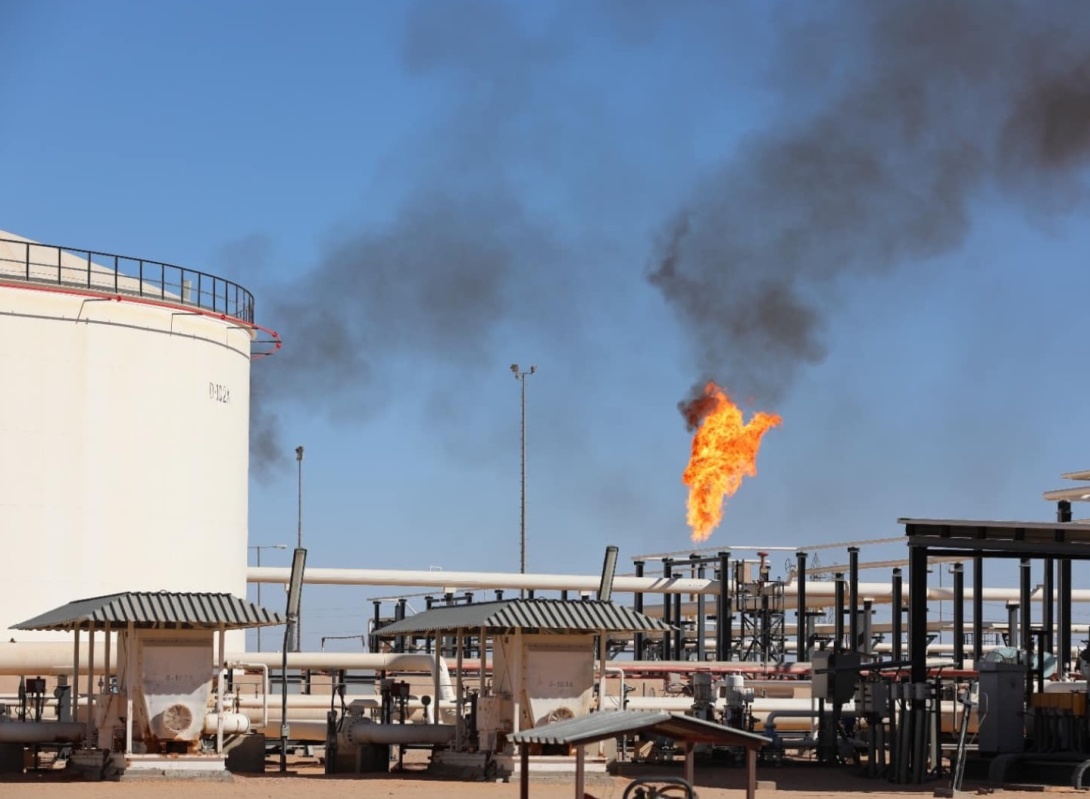
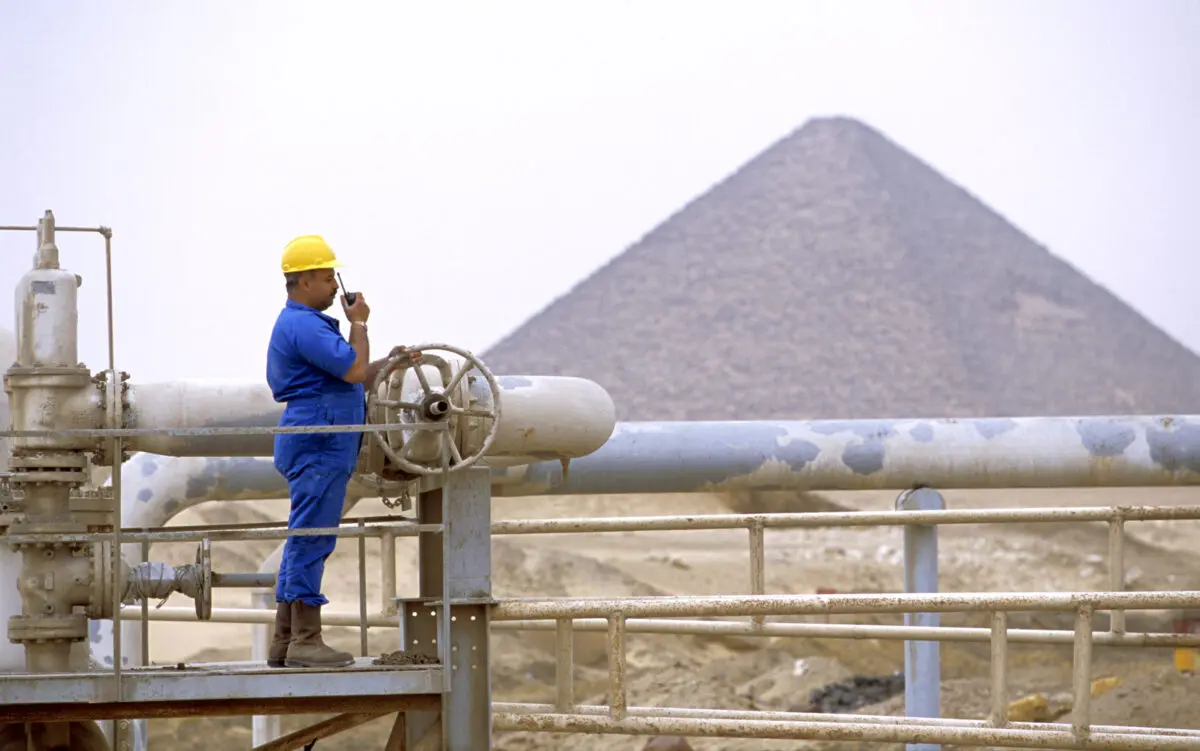
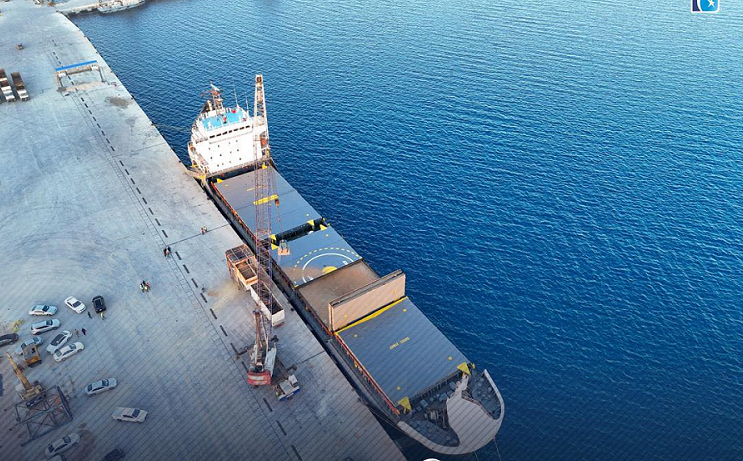
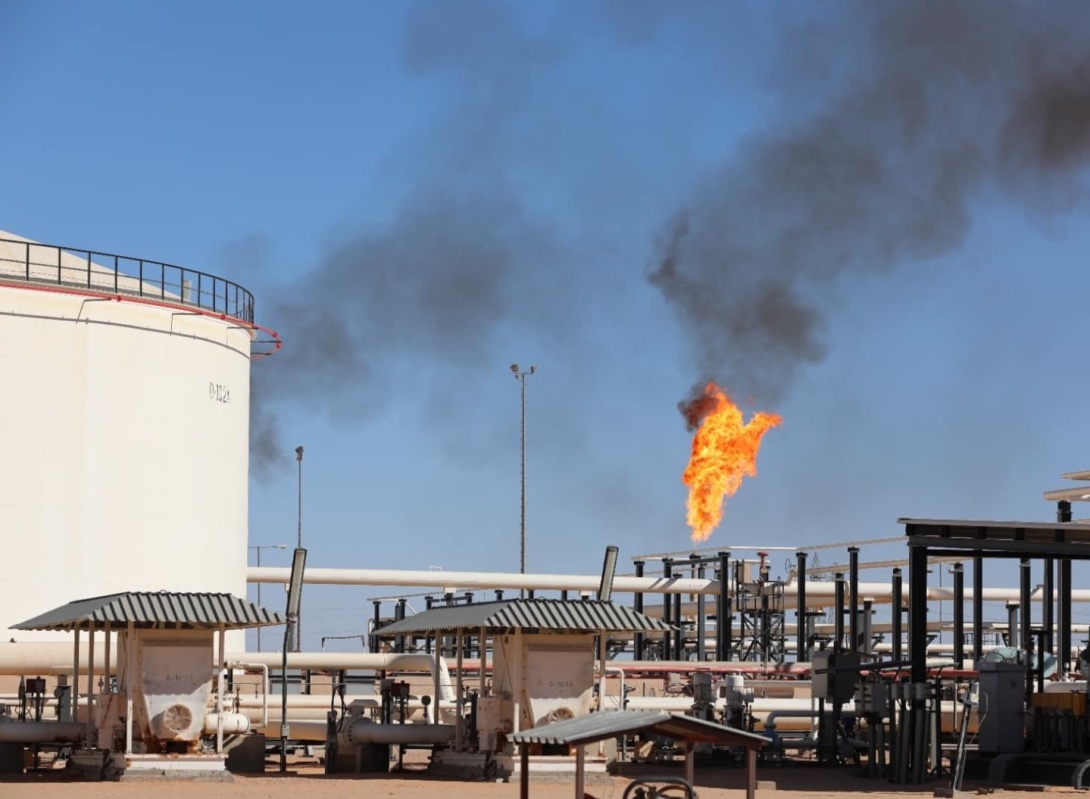
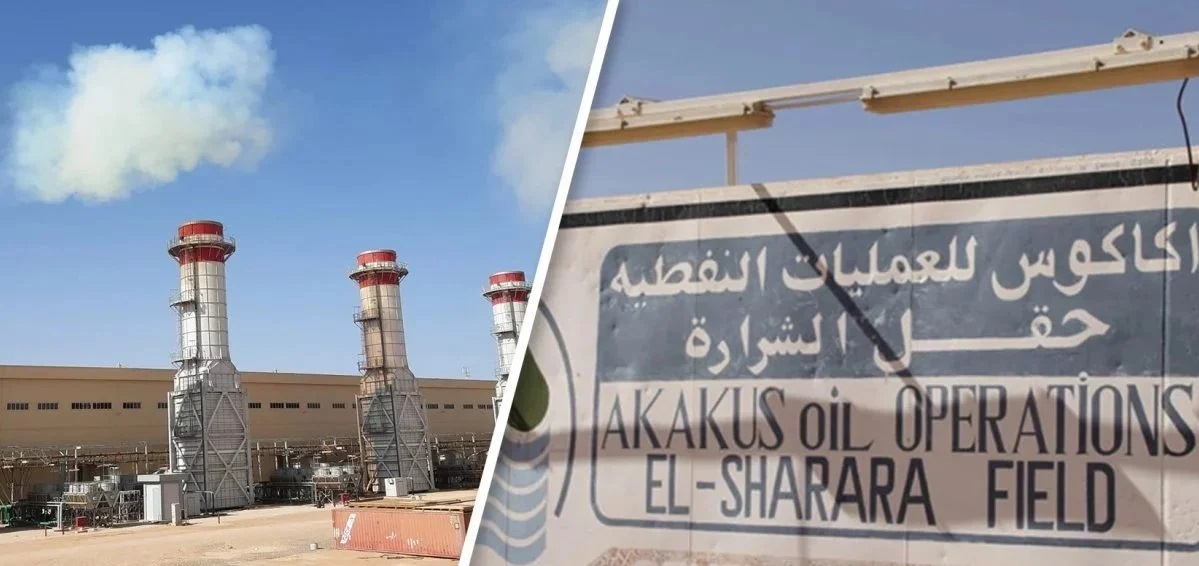
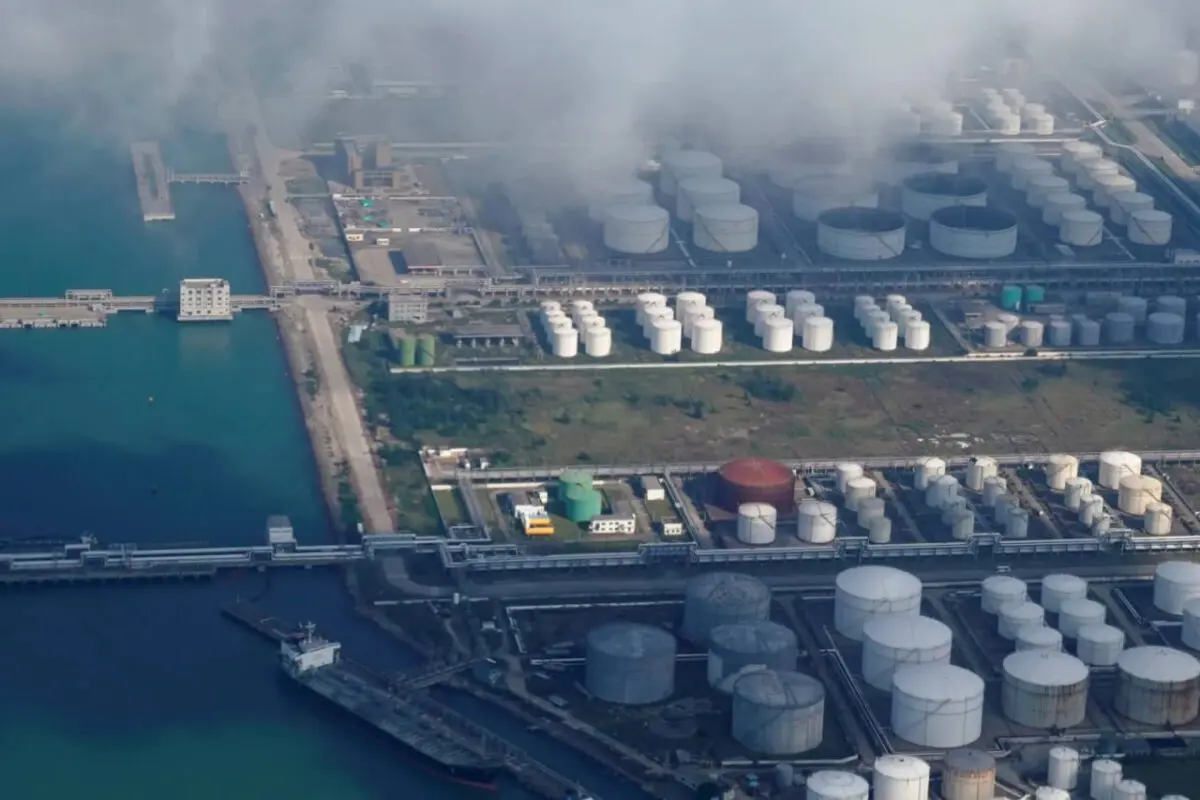
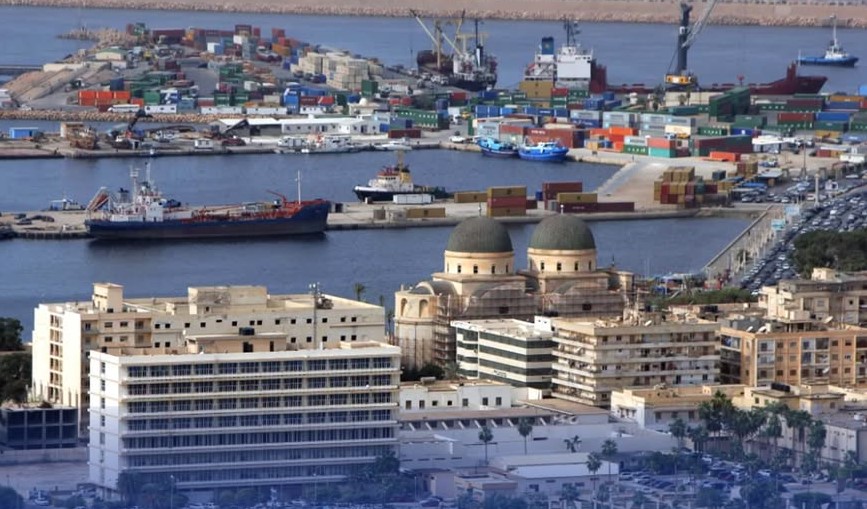
In a statement, the union explained that this measure directly and seriously harms workers at oil sites, whether in desert areas, ports, or offshore platforms.
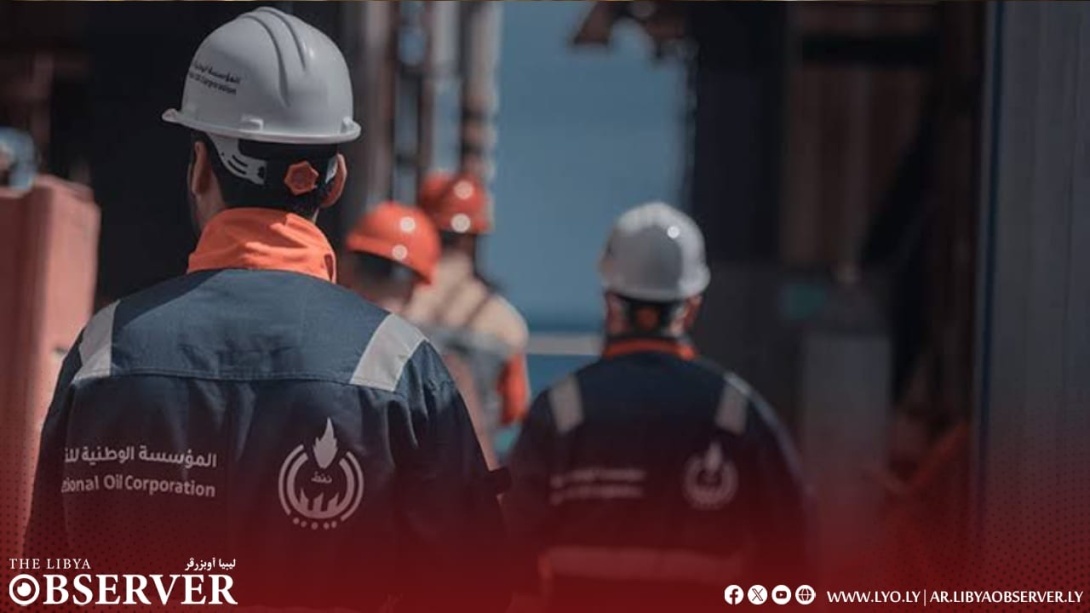
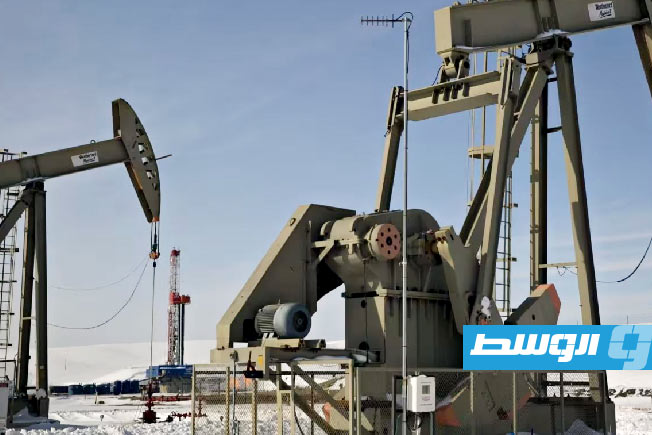
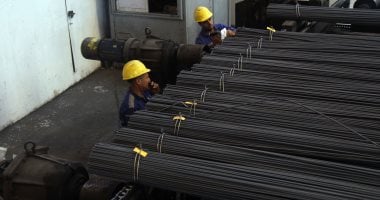
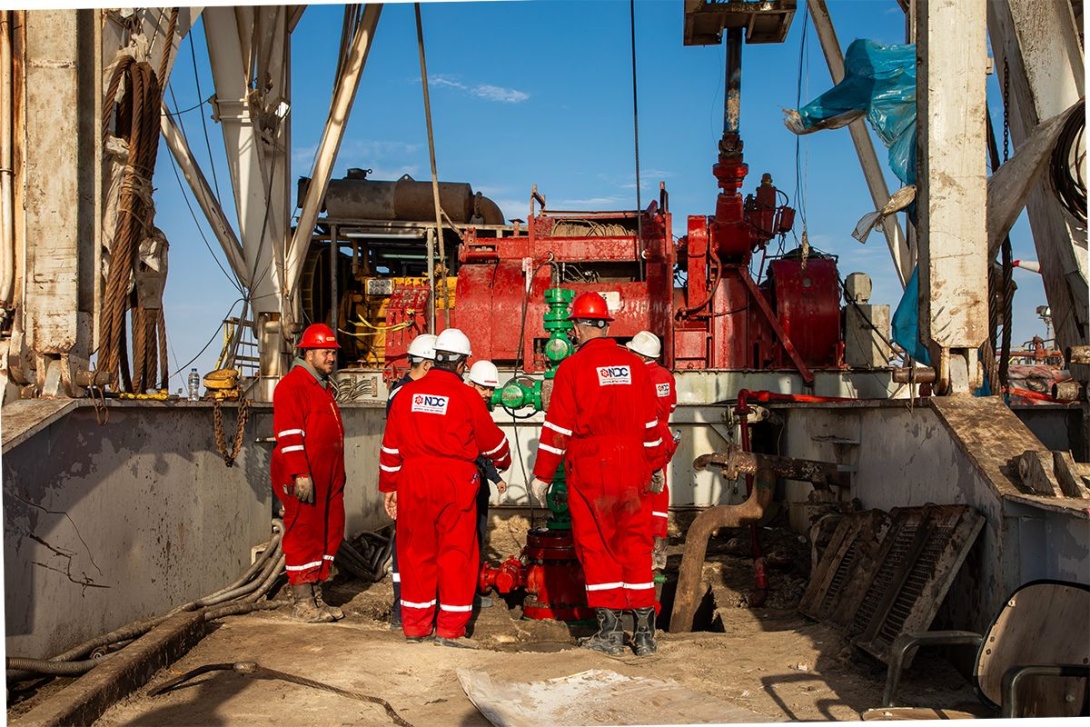
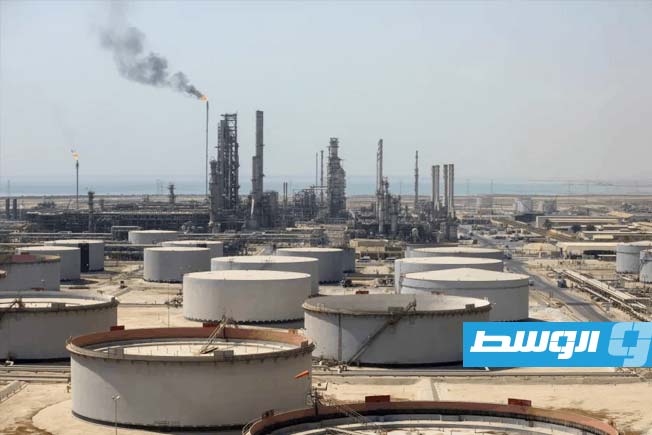
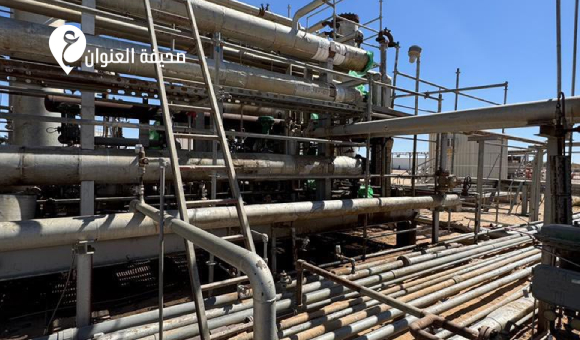
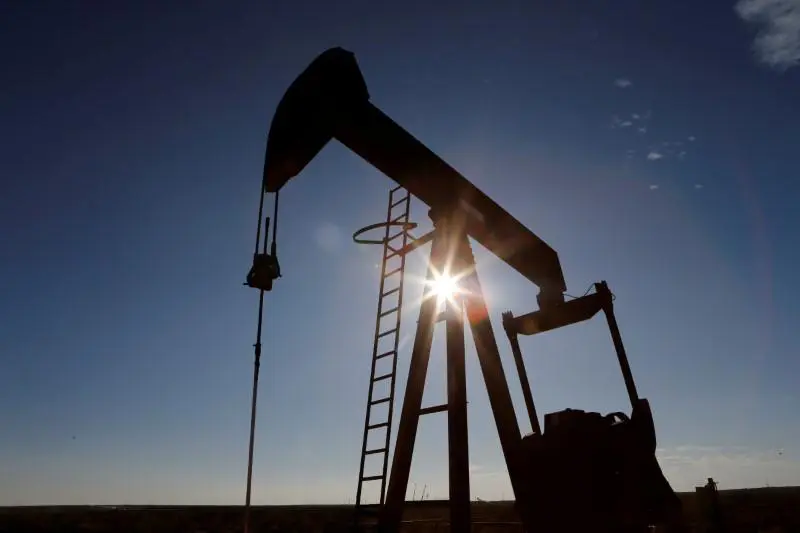
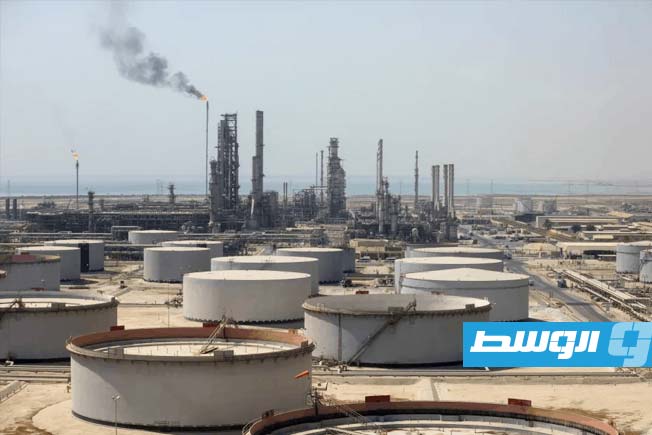
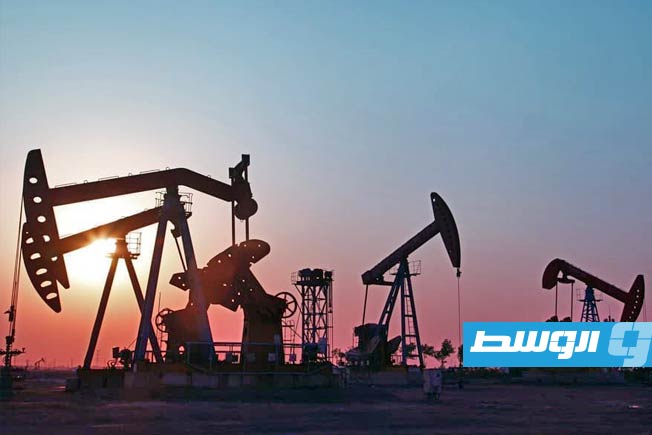
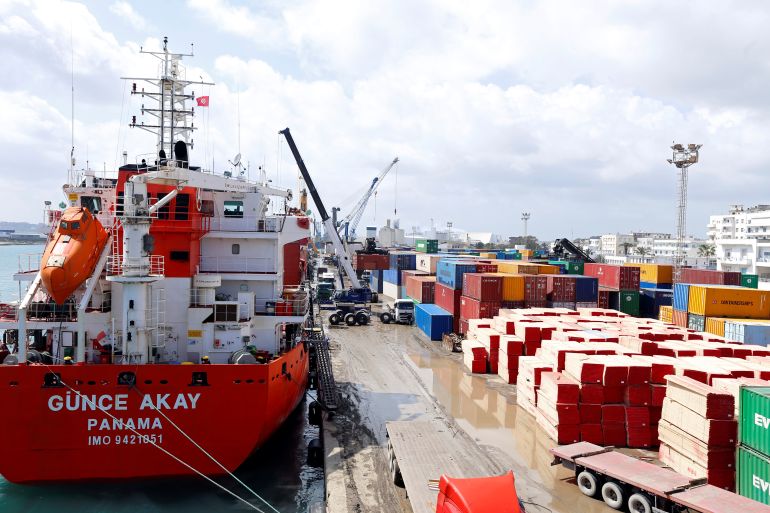
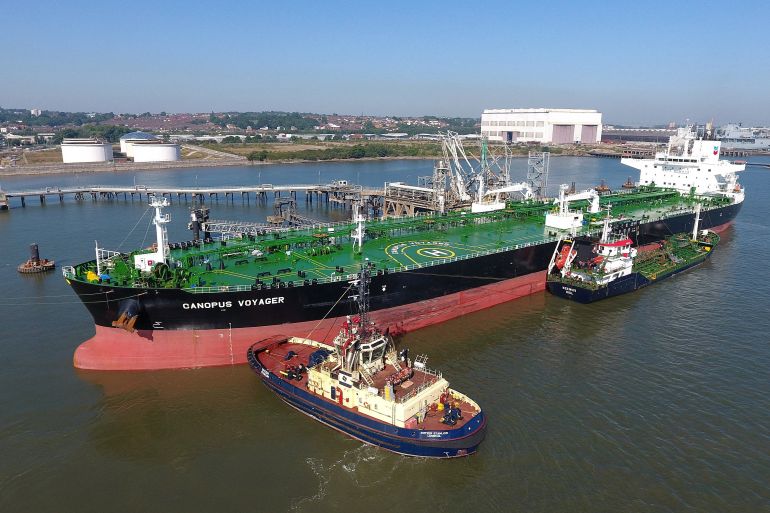
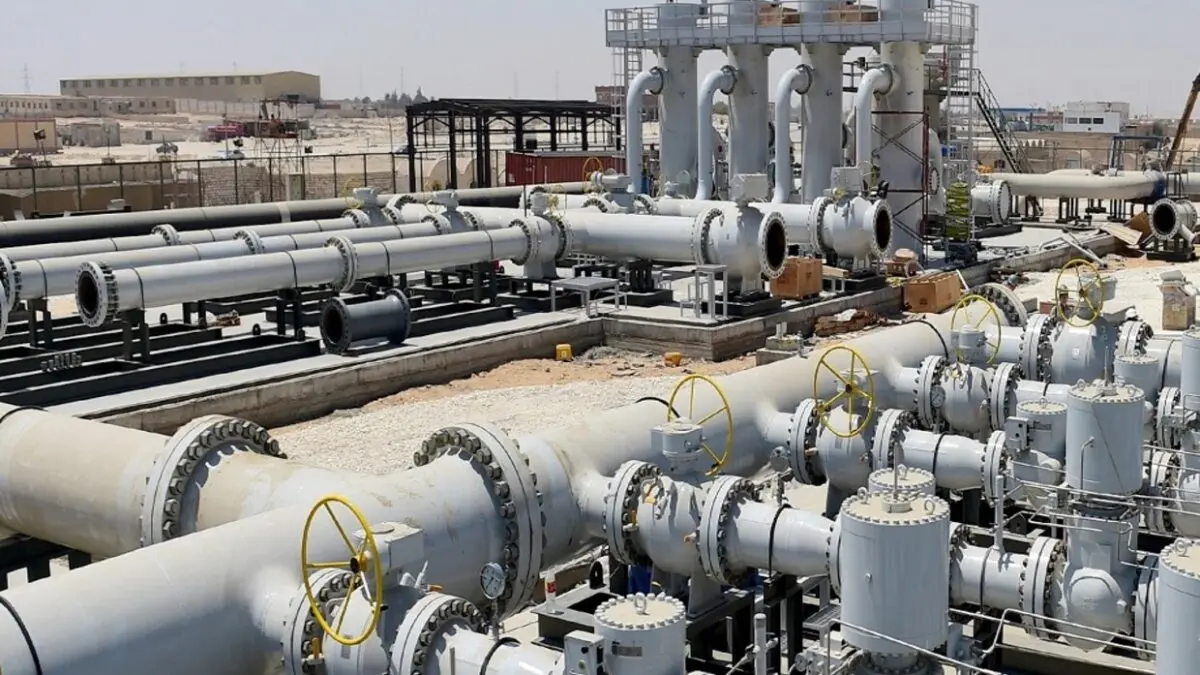
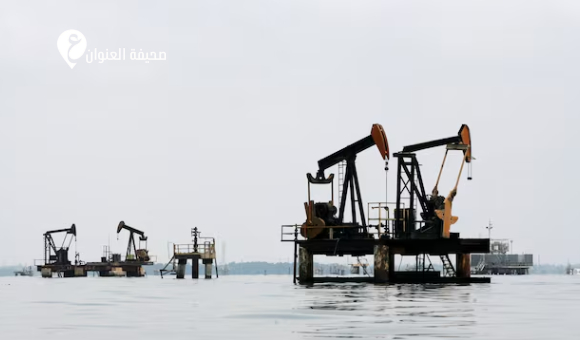
It added that the nature of work in oil fields, ports, and offshore platforms requires employees to continue their duties beyond official working hours on a mandatory basis, to ensure operational continuity and facility safety.
The statement stressed that canceling entitlements linked to these harsh working conditions violates the principle of job fairness and places disproportionate living burdens on workers relative to their level of responsibility.
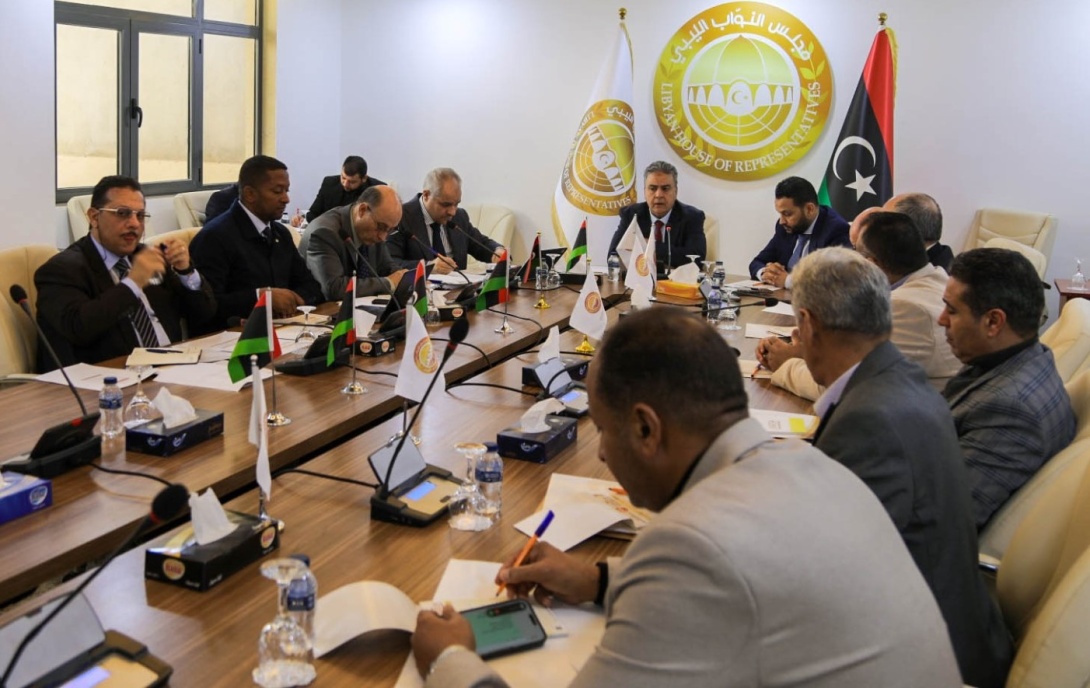
The union further clarified that the reason for this situation is directly related to delays in approving the state’s general budget, for which the legislative and executive authorities are responsible, noting that this delay has negatively impacted vital sectors, primarily the oil and gas sector.
General Oil Workers Union
The General Oil Workers Union (Sindicato General de Trabajadores del Petróleo) is a major labor union in Mexico, historically representing employees of the state-owned petroleum company PEMEX. It was founded in 1935 and played a crucial role in the nationalization of the Mexican oil industry in 1938, becoming a powerful political and economic force in the country.
oil companies
Oil companies are major corporations involved in the exploration, extraction, refining, and distribution of petroleum and natural gas. Their modern history is deeply tied to the Industrial Revolution, with the first commercial oil well drilled in Pennsylvania in 1859 marking the birth of the industry. Throughout the 20th and 21st centuries, these companies have played a central role in global geopolitics and economic development.
oil sites
Oil sites are industrial locations where petroleum is extracted, refined, or stored, with their modern history beginning with the first commercial oil well in Pennsylvania in 1859. These sites have since become central to global industry and geopolitics, often shaping the economies and development of regions where they are located. Their operation and environmental impact remain subjects of significant contemporary debate.
desert areas
Desert areas are vast, arid regions characterized by extreme temperatures and minimal precipitation, which have historically posed challenges for human settlement. Despite these conditions, many deserts have been home to ancient civilizations and trade routes, such as the Silk Road crossing Asia’s deserts. Today, they are often sites of unique ecosystems, cultural heritage, and modern economic activities like resource extraction.
ports
Ports are coastal facilities where ships dock to load and unload cargo and passengers, serving as crucial hubs for trade, transportation, and cultural exchange. Historically, the development of ports like those in ancient Phoenicia, the Hanseatic League, and the modern era has been fundamental to economic growth and the interconnection of civilizations. Their evolution reflects advancements in maritime technology and global commerce.
offshore platforms
Offshore platforms are large structures installed in bodies of water to extract and process petroleum and natural gas from beneath the seabed. Their modern history began in the late 19th century with simple, fixed wooden piers, evolving dramatically in the mid-20th century into the complex steel and concrete installations used today in deepwater environments.
oil fields
Oil fields are areas rich in underground petroleum deposits that are extracted for energy and industrial use. Their modern history began with the first commercial well drilled in Pennsylvania in 1859, which sparked a global industry that has profoundly shaped geopolitics and economies. The control and exploitation of these resources have been central to many historical conflicts and economic developments.
state
The concept of a “state” refers to a political entity with a centralized government, a defined territory, and a permanent population. Historically, the modern state system emerged in Europe after the Peace of Westphalia in 1648, which established principles of sovereignty and non-interference. States remain the primary actors in international relations and law today.
legislative authorities
The legislative authorities refer to the branches of government responsible for creating, amending, and repealing laws. Historically, such bodies, like parliaments or congresses, evolved from ancient councils and assemblies to become central institutions in modern representative democracies. Their structure and power are typically defined by a nation’s constitution or foundational legal documents.
executive authorities
The executive authorities refer to the branch of government responsible for implementing and enforcing laws, typically headed by a president or prime minister. This structure has evolved from historical models like monarchies, where executive power was concentrated in a single ruler, to modern systems that often separate powers among legislative, executive, and judicial branches. Its specific form and powers are defined by a nation’s constitution or foundational laws.
oil and gas sector
The oil and gas sector refers to the global industry involved in the exploration, extraction, refining, and distribution of petroleum and natural gas. Its modern history began in the mid-19th century with the first commercial oil well in Pennsylvania, USA, revolutionizing energy use and industrial development. The sector has since become a cornerstone of the global economy, though it faces increasing scrutiny regarding environmental impact and sustainability.
Oil Syndicate
The Oil Syndicate, also known as the “Oilmen’s Club,” is a historic building in Baku, Azerbaijan, constructed between 1899 and 1901. It served as the headquarters for major oil industrialists during the late 19th and early 20th centuries, playing a central role in the city’s oil boom. The building is an architectural landmark that symbolizes the wealth and influence of Azerbaijan’s early petroleum industry.
UN
The United Nations (UN) is an international organization founded in 1945 after World War II to promote peace, security, and cooperation among nations. Its headquarters in New York City serves as the primary meeting place for its member states to address global issues through diplomacy and international law.