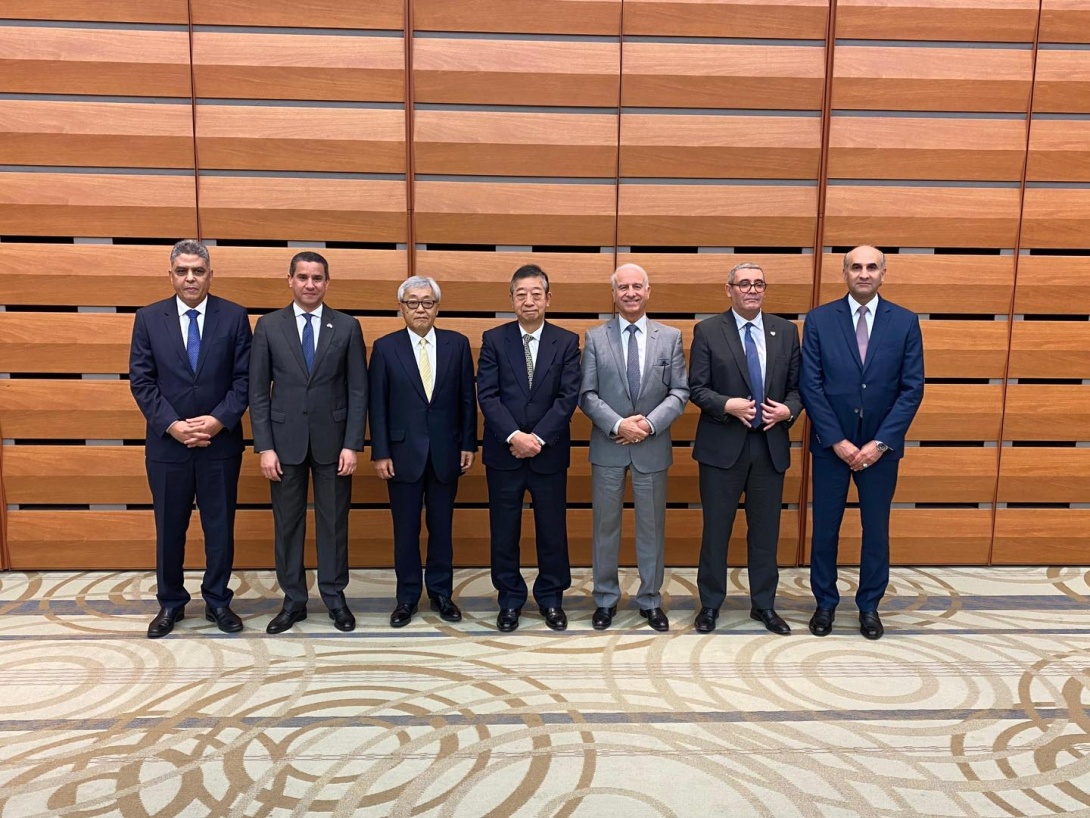
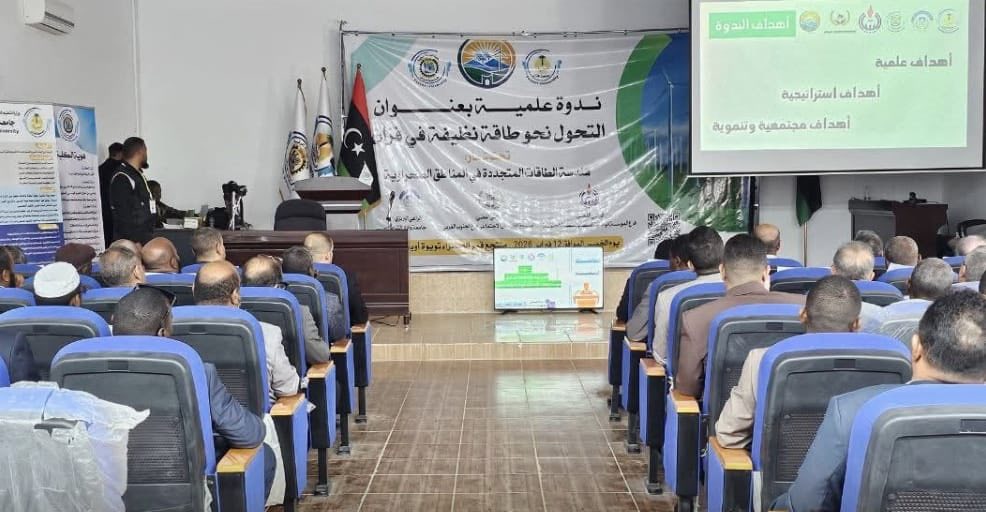
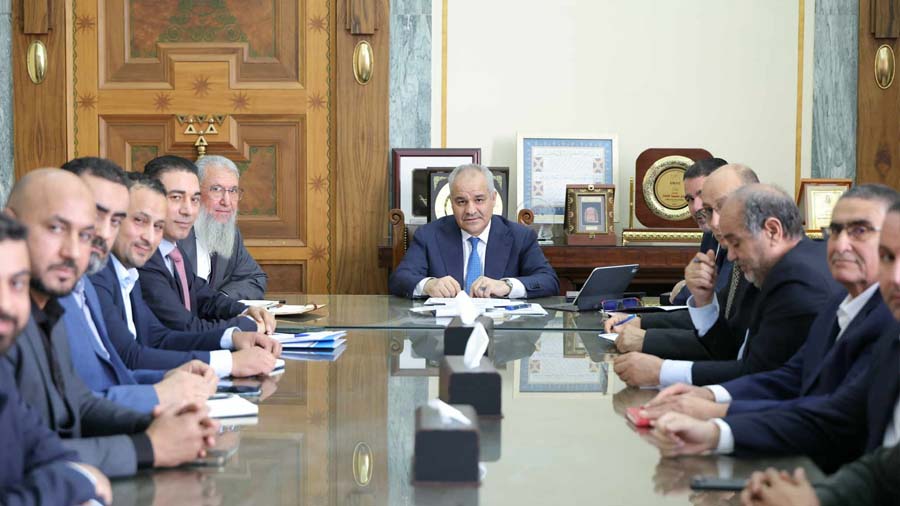
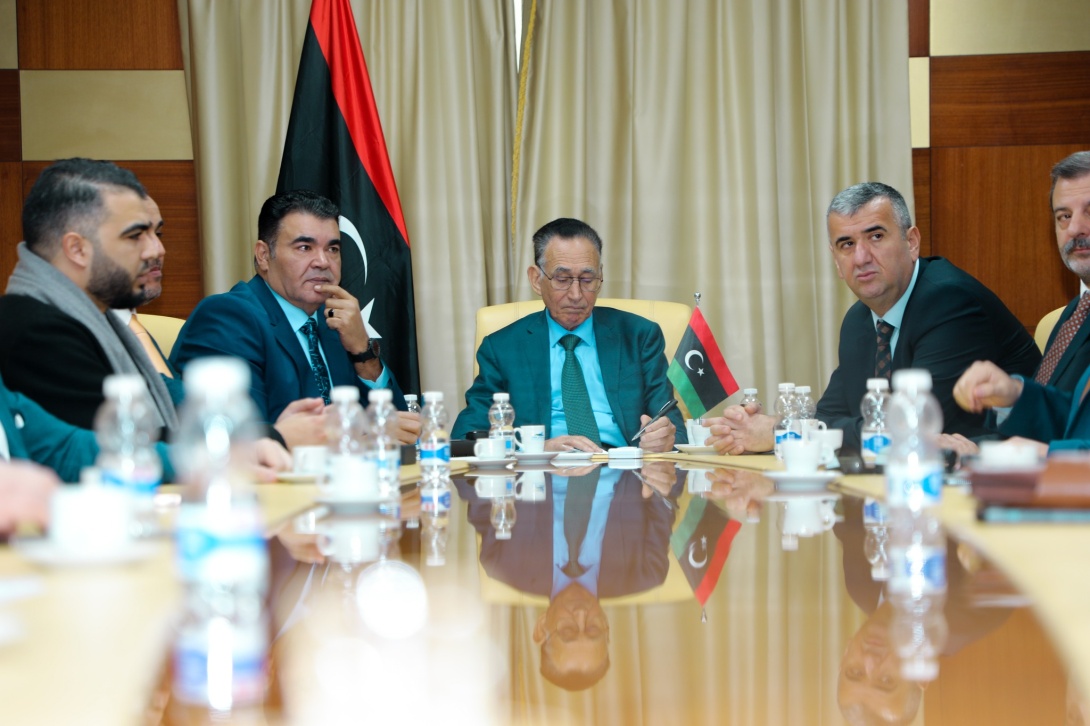
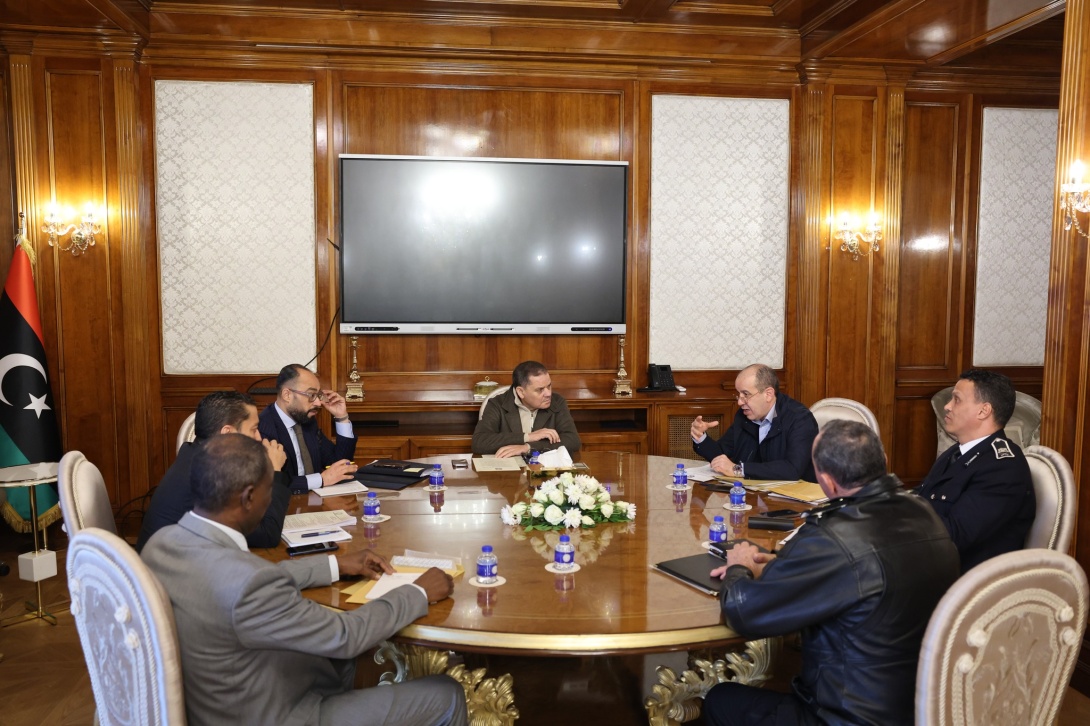
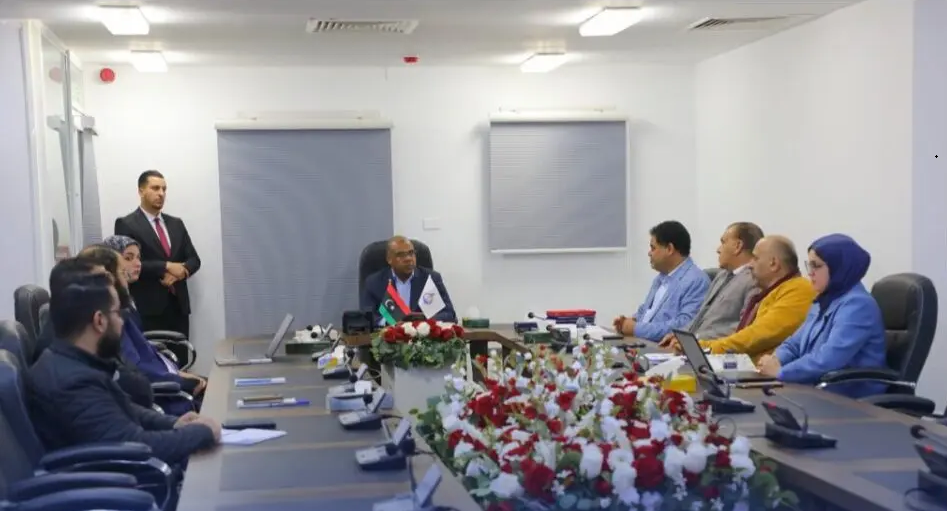
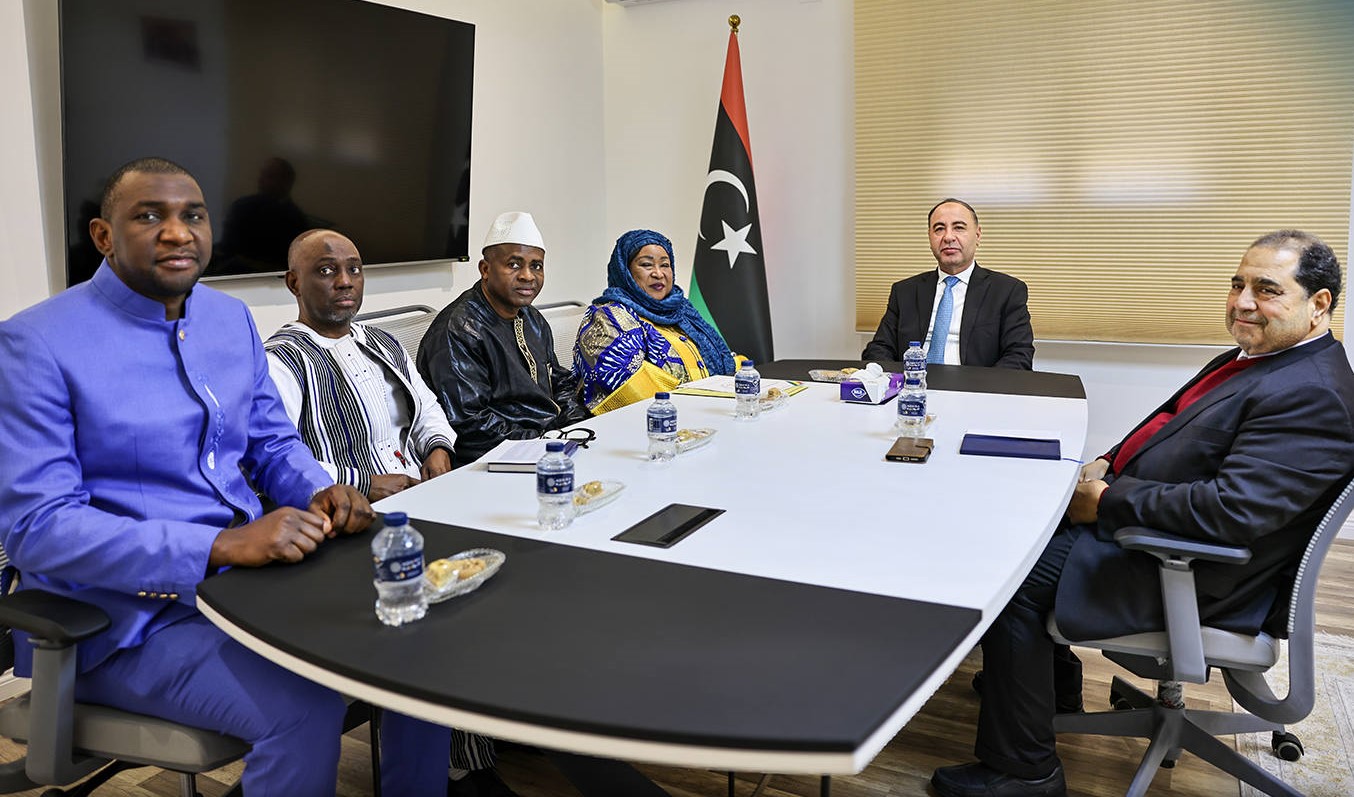
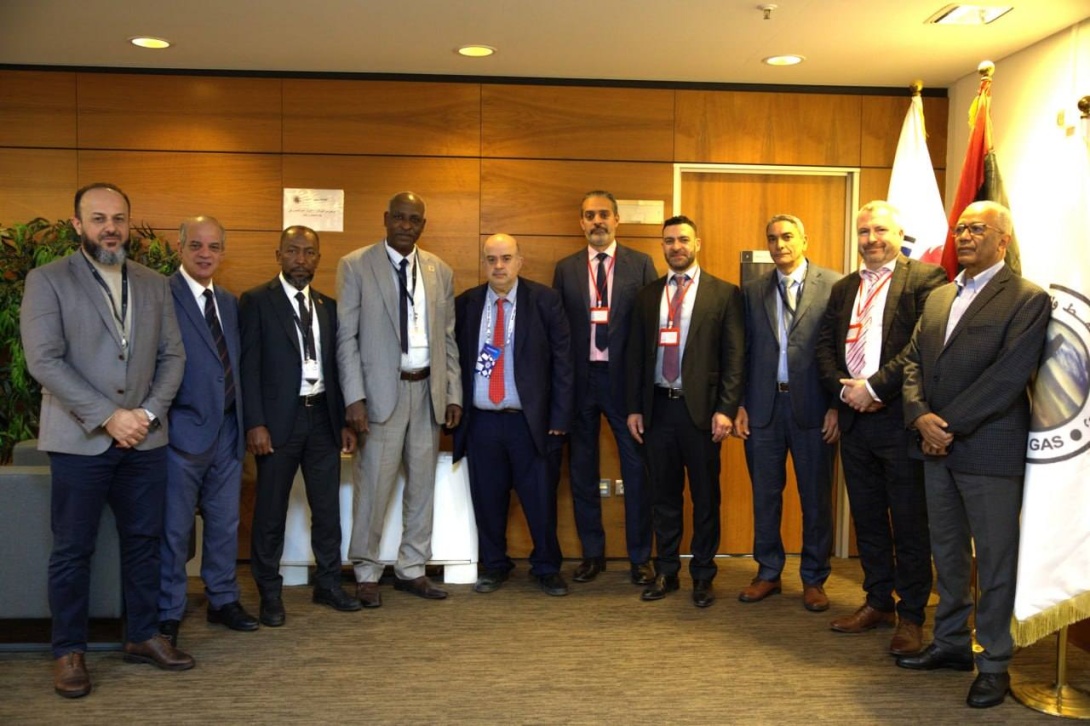
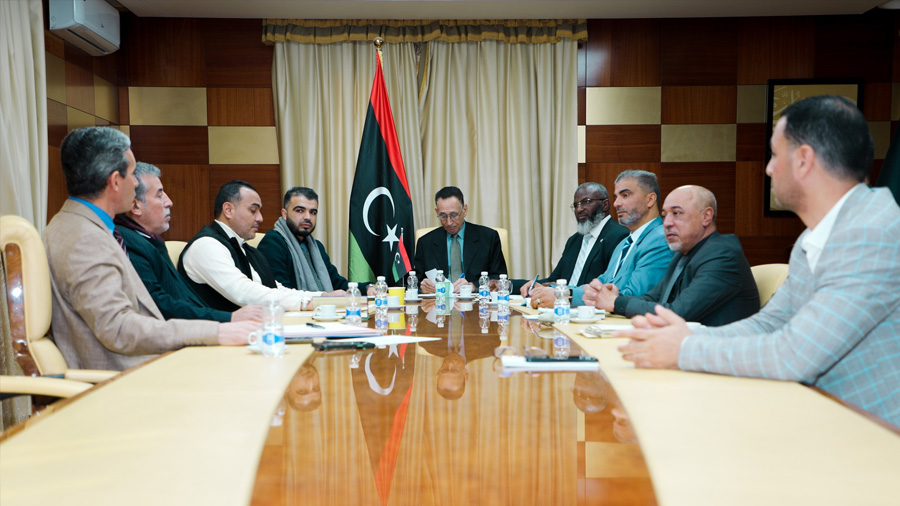
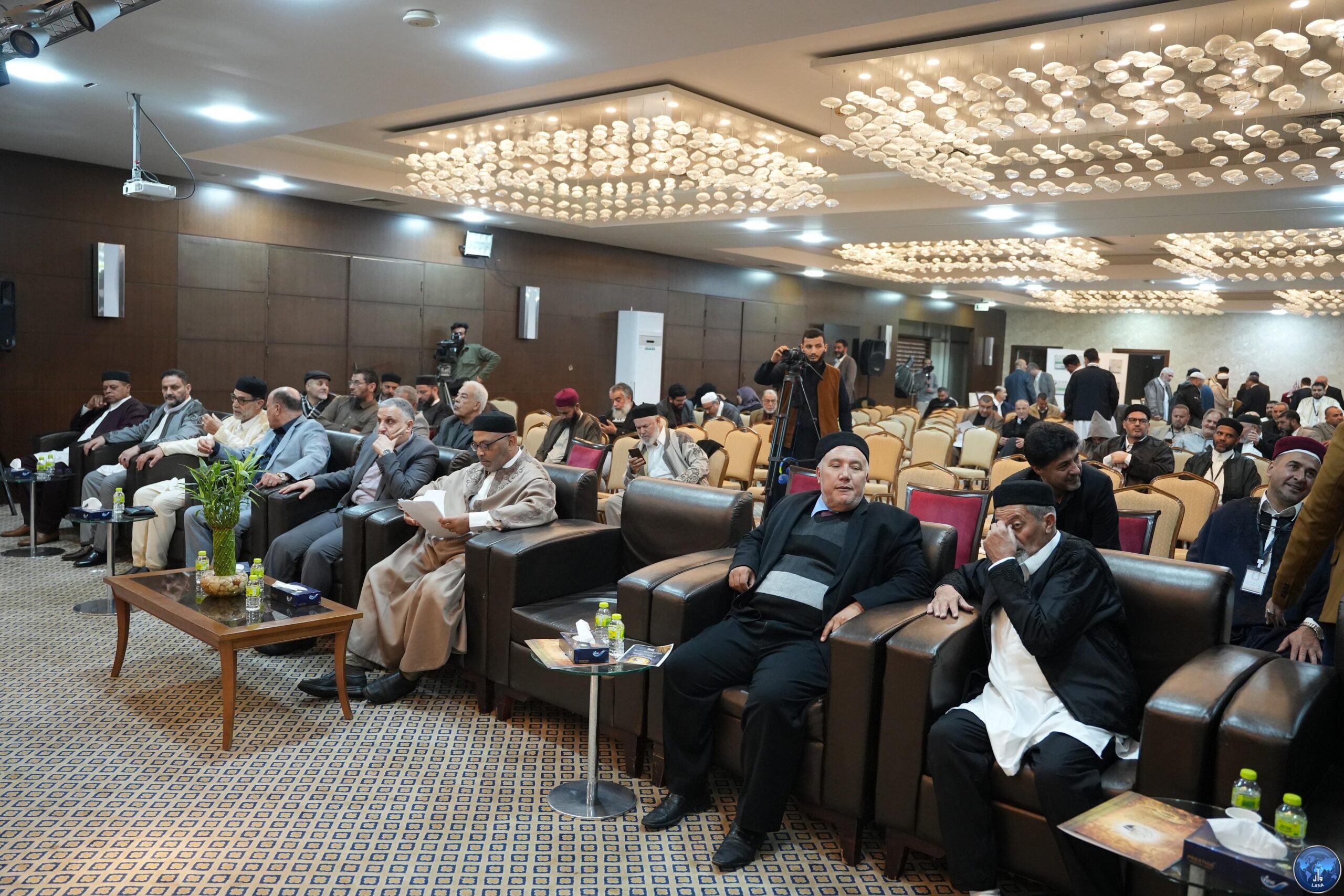
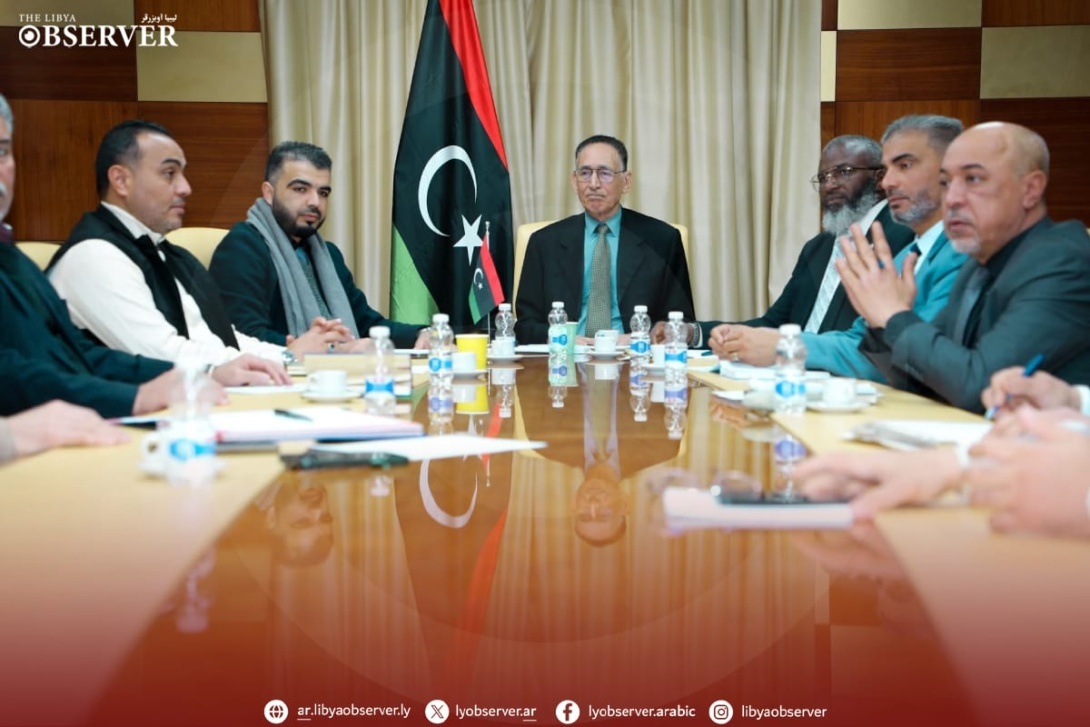
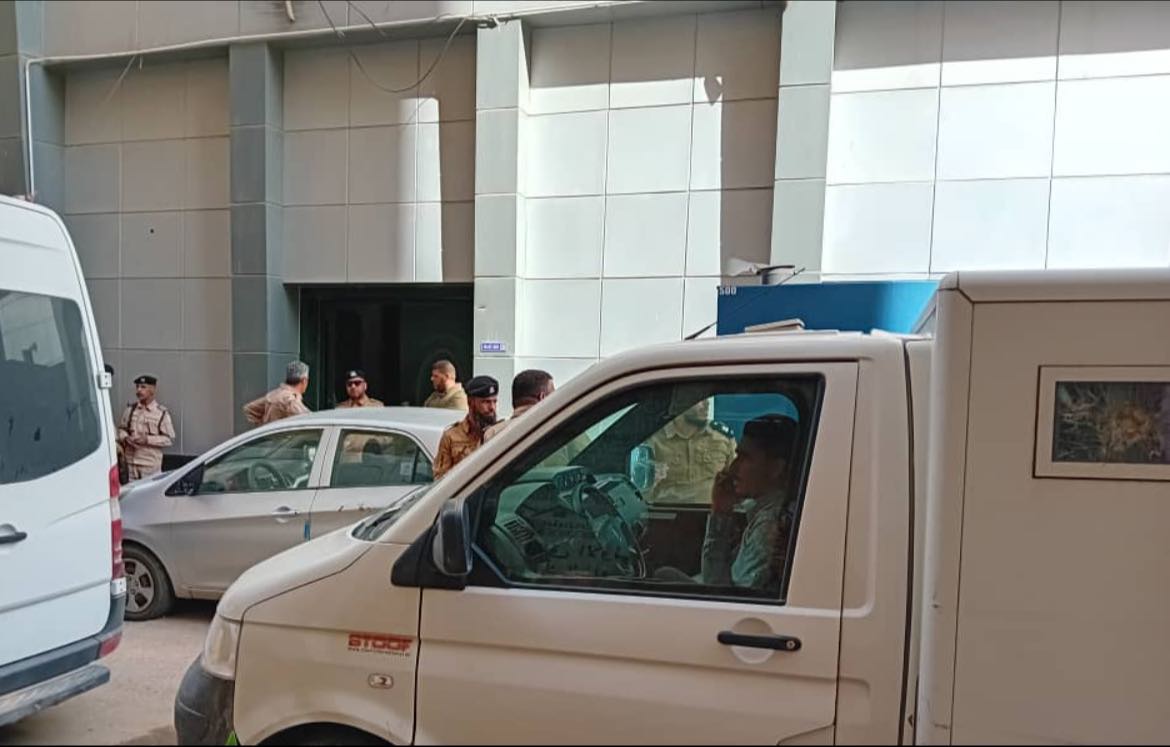
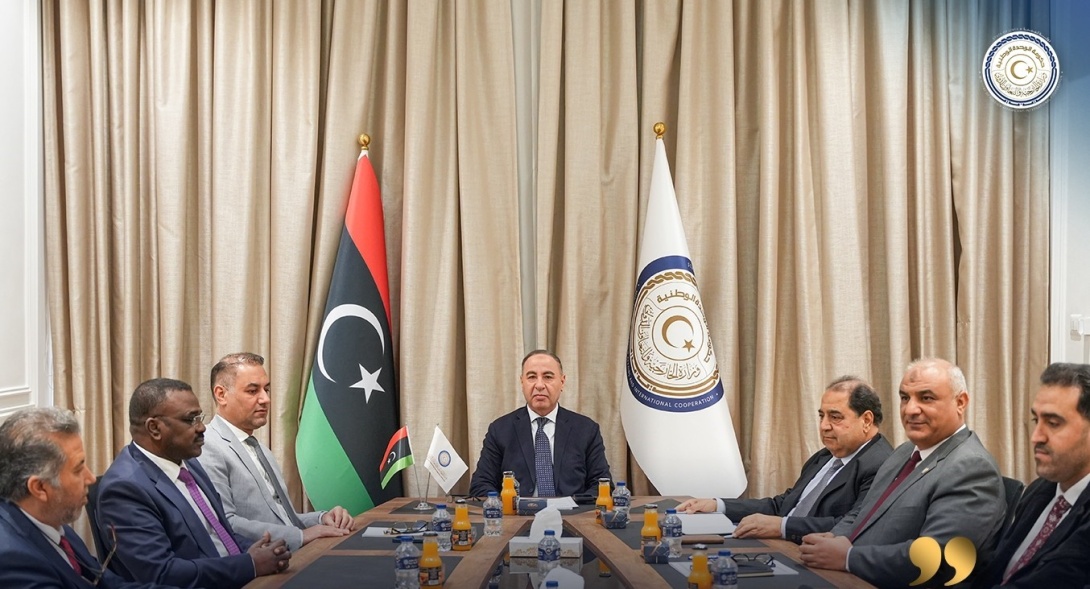
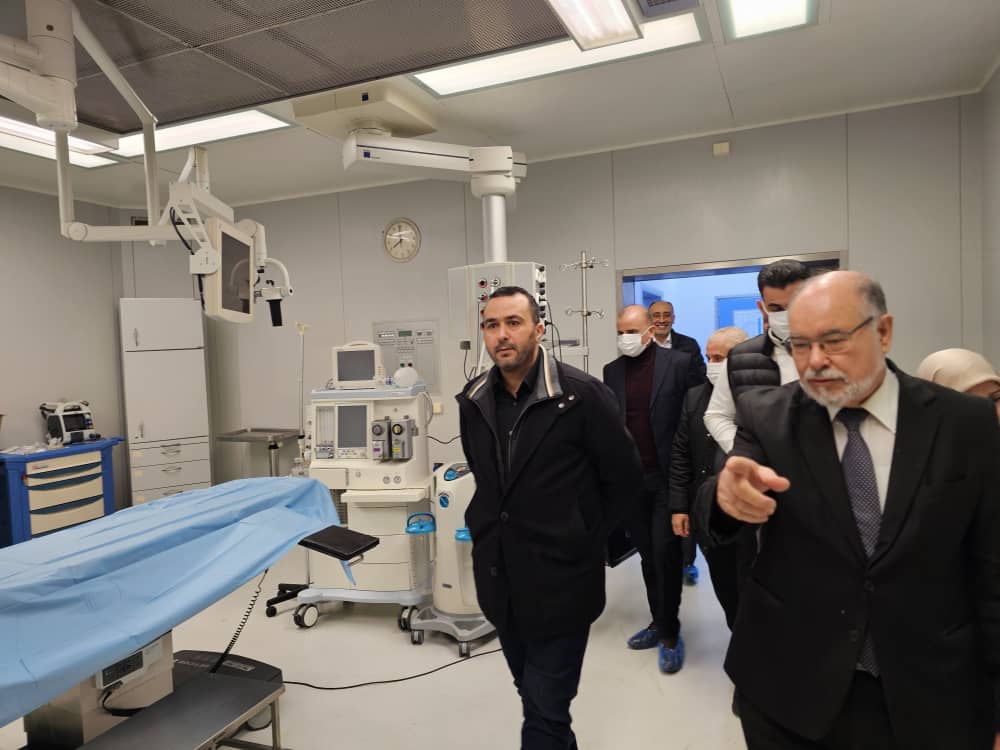
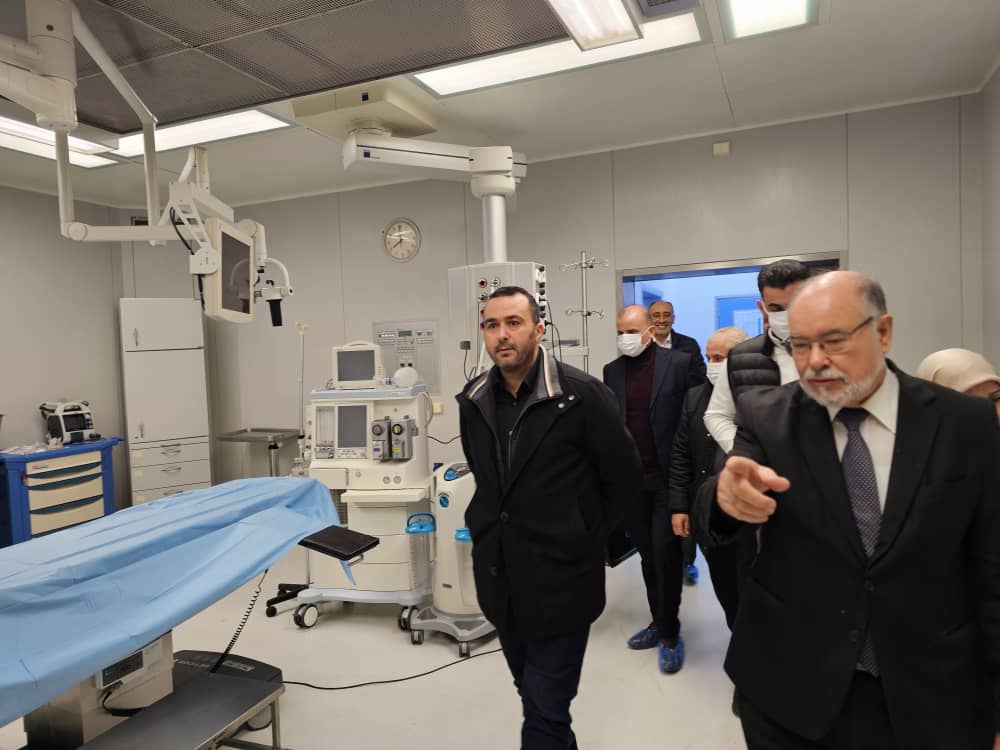
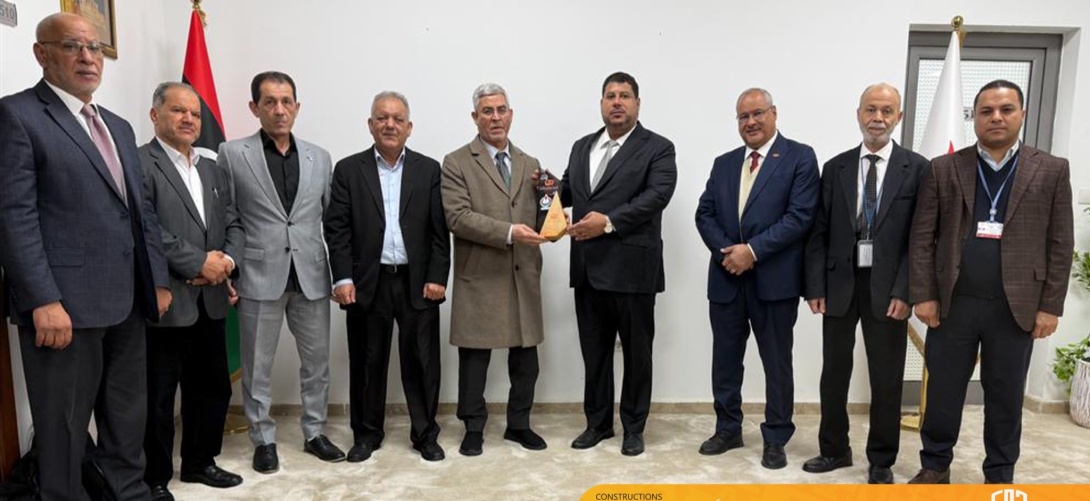
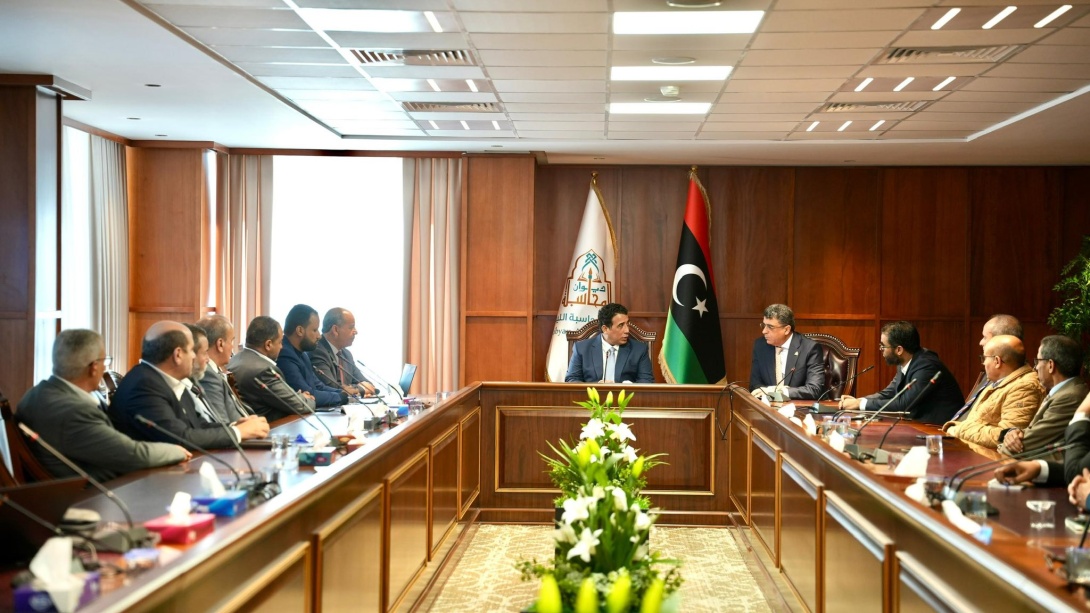
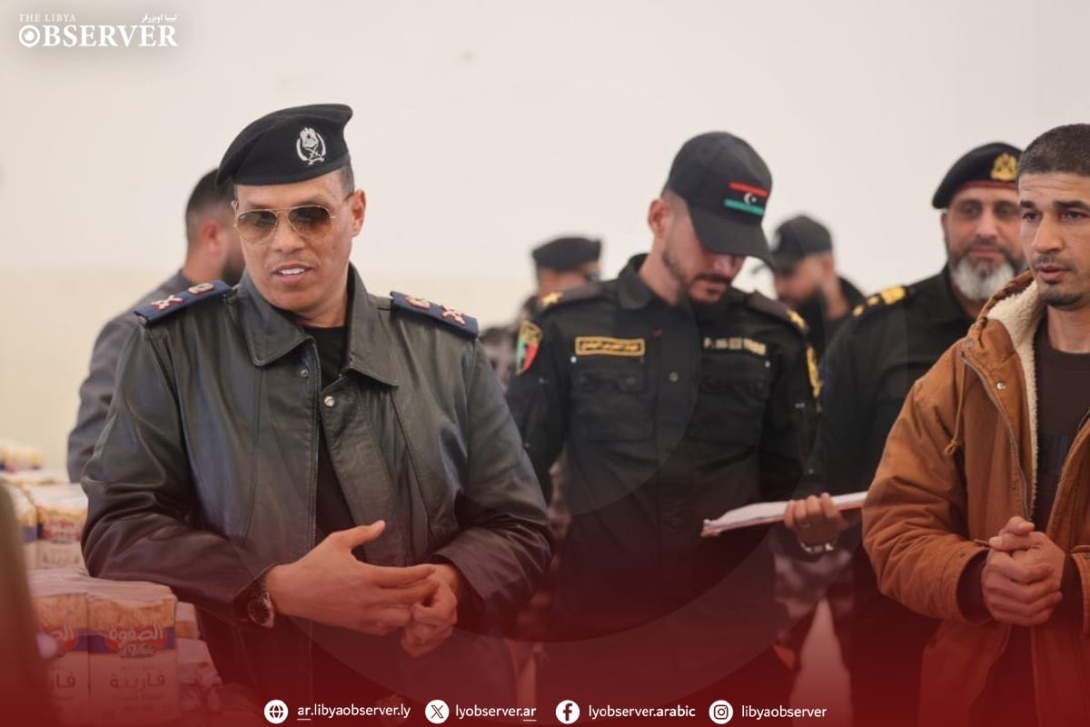
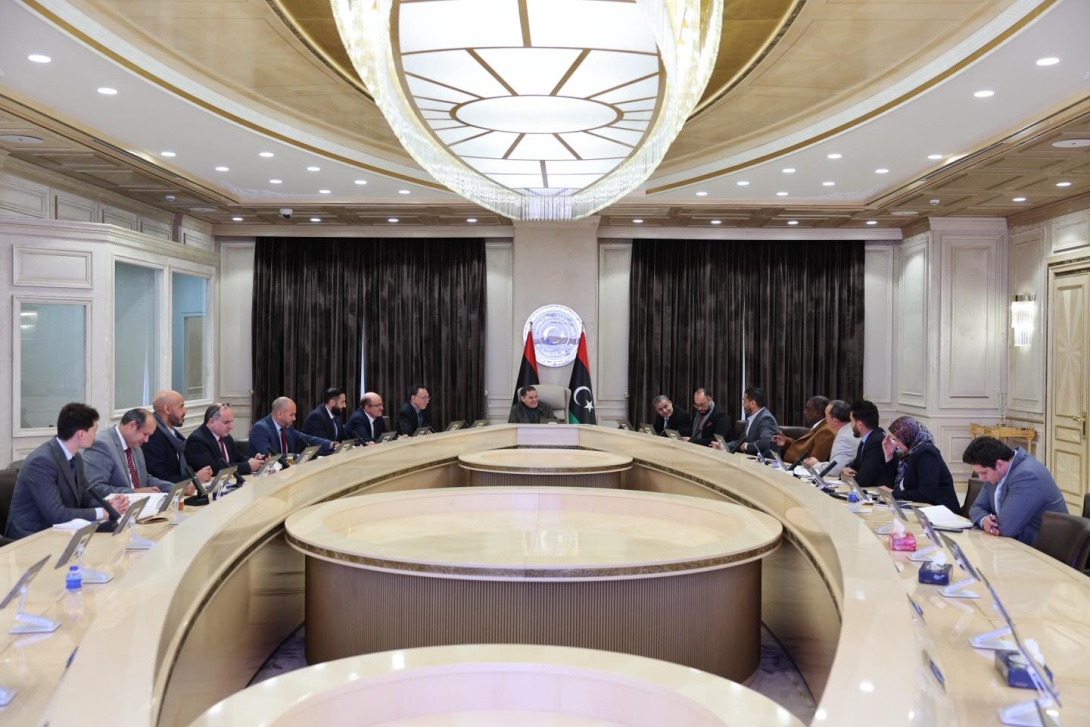
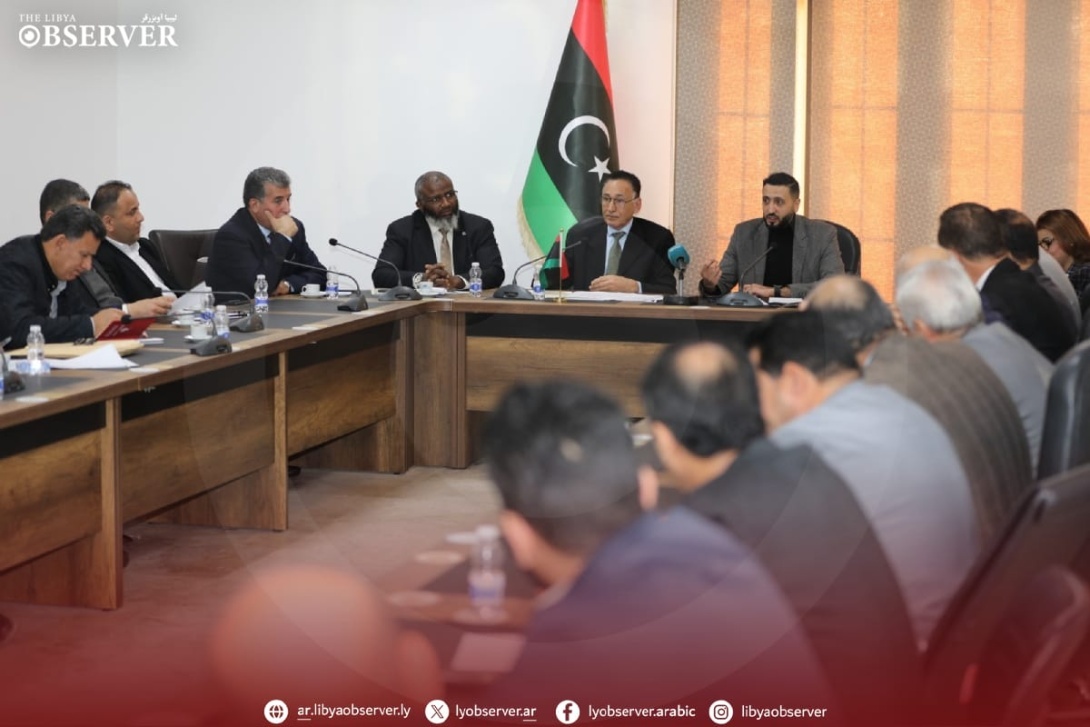
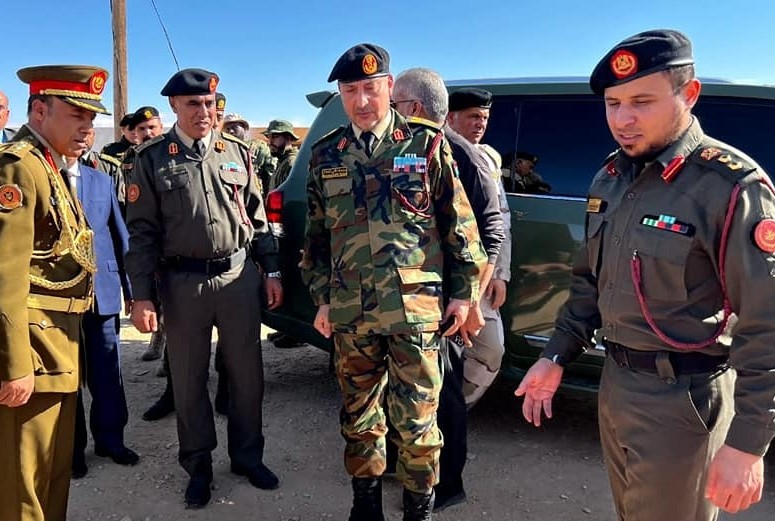
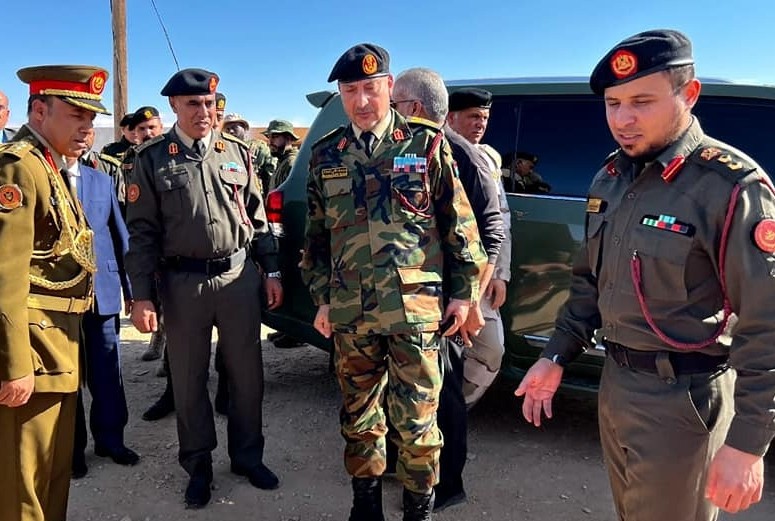
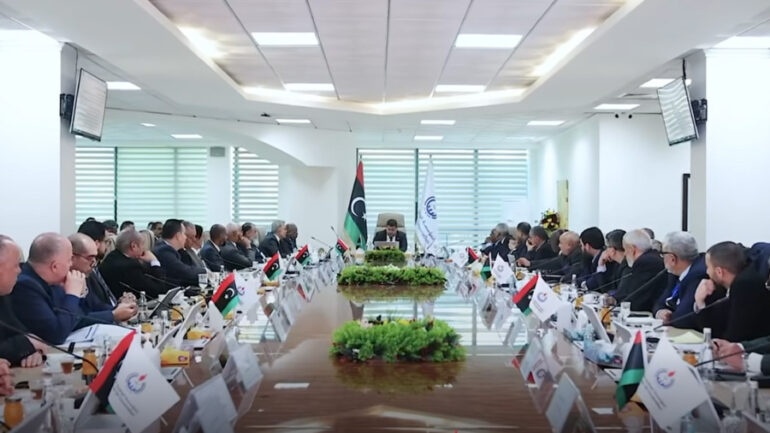
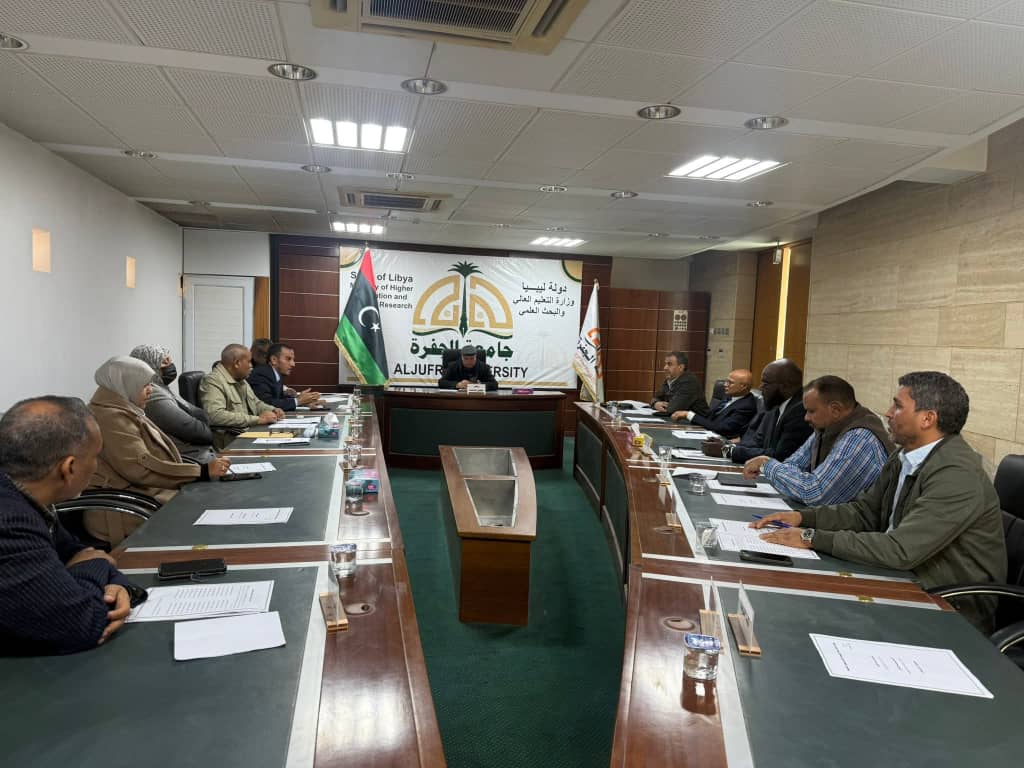
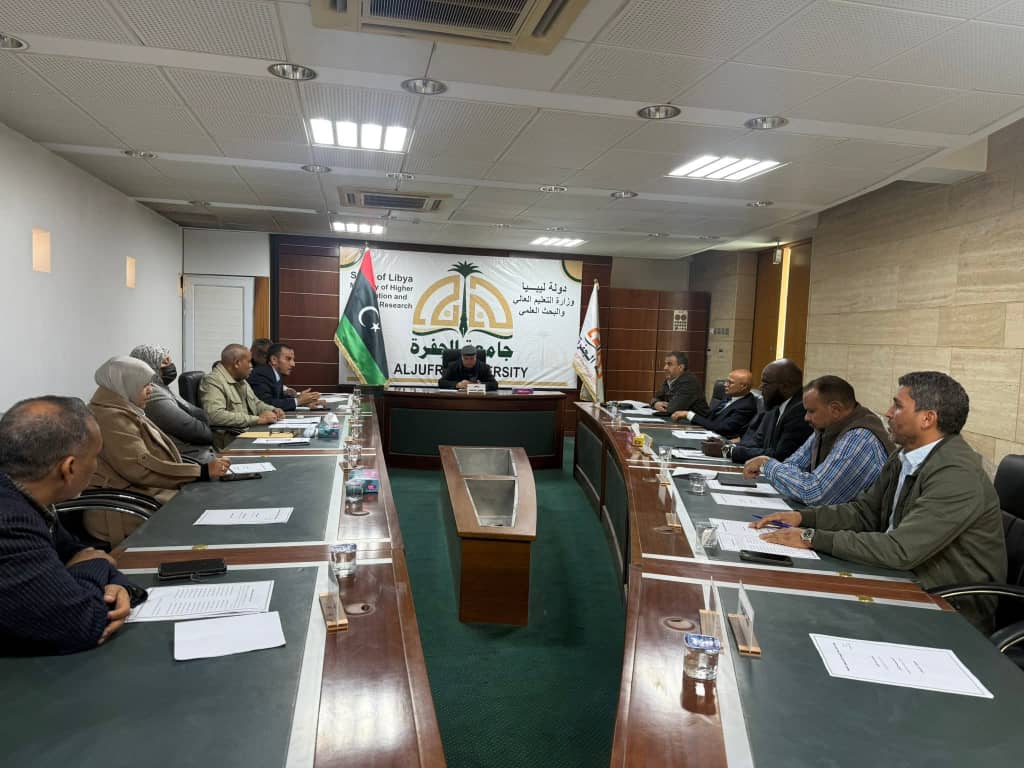
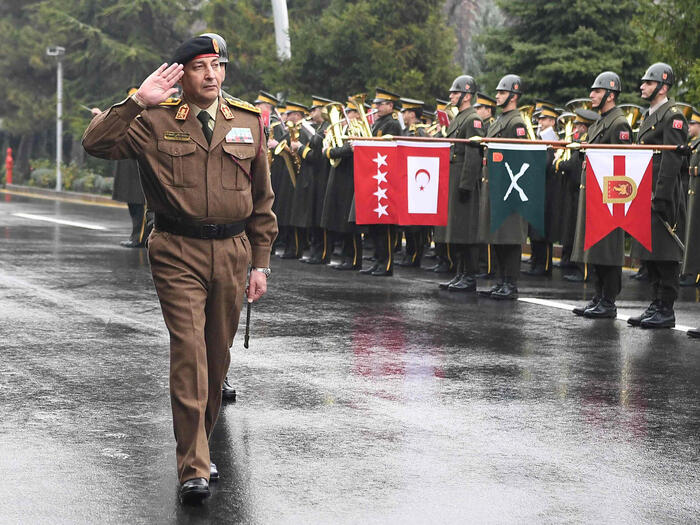
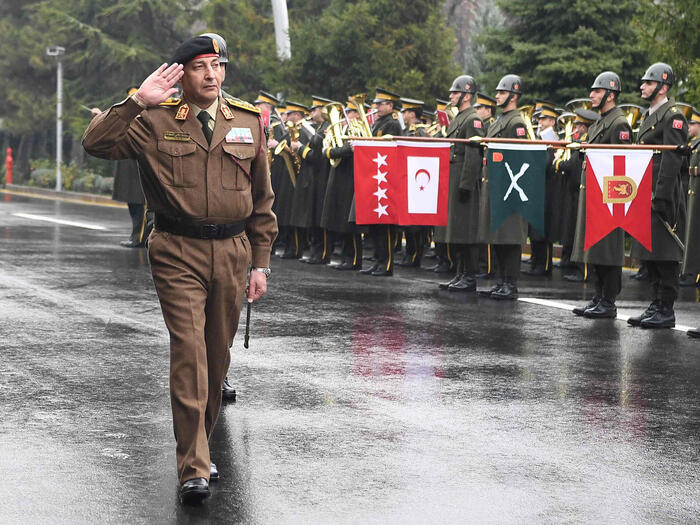
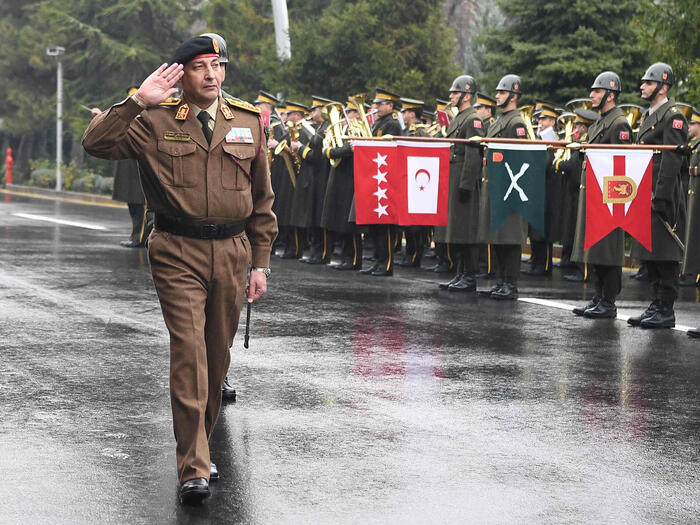
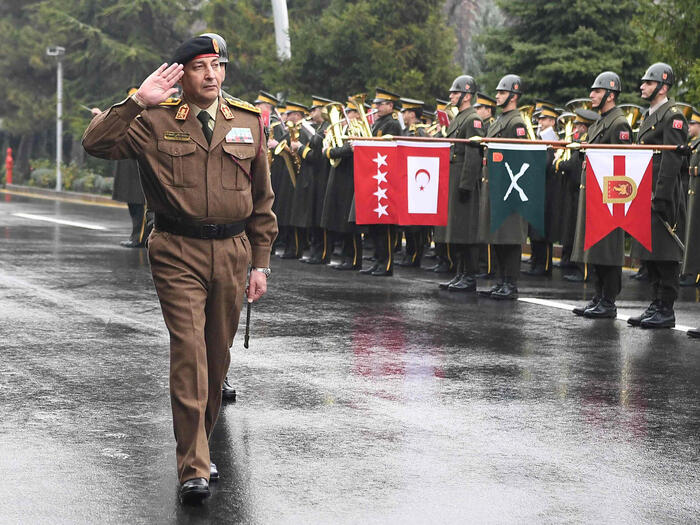
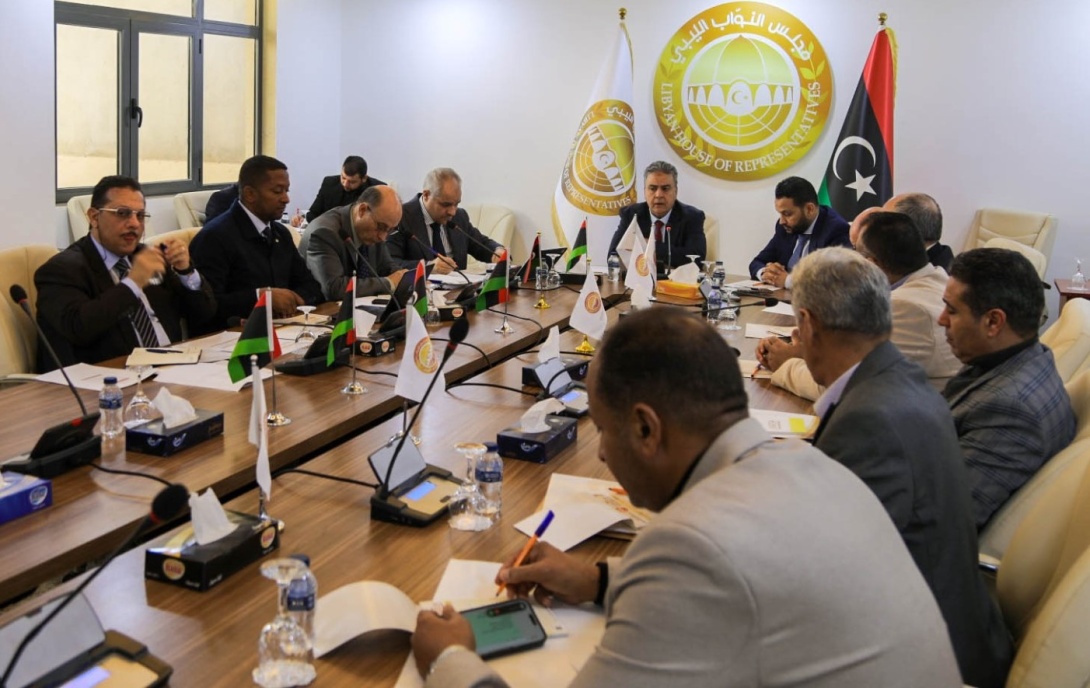
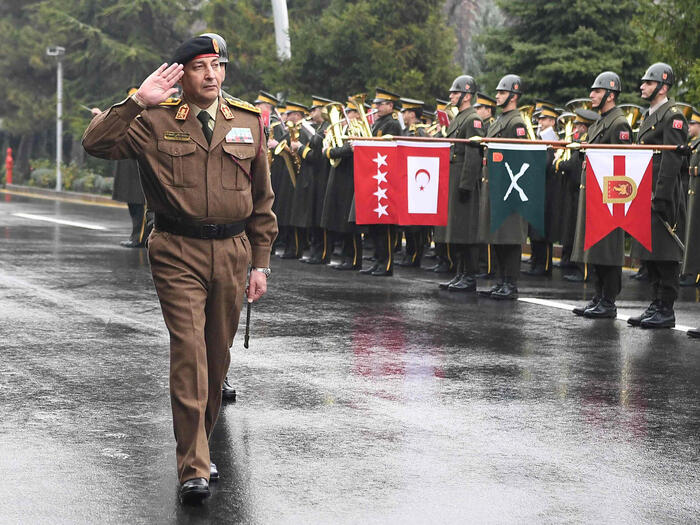
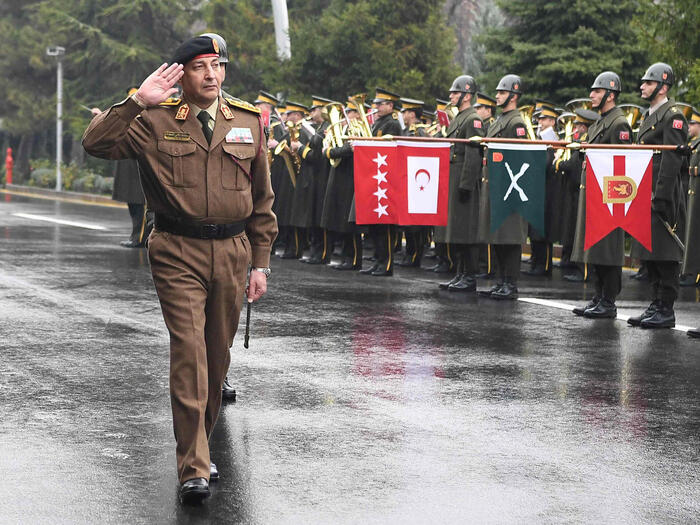
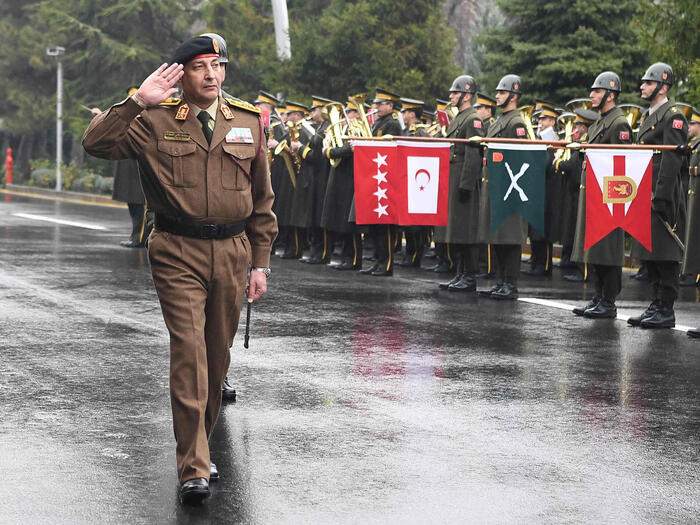
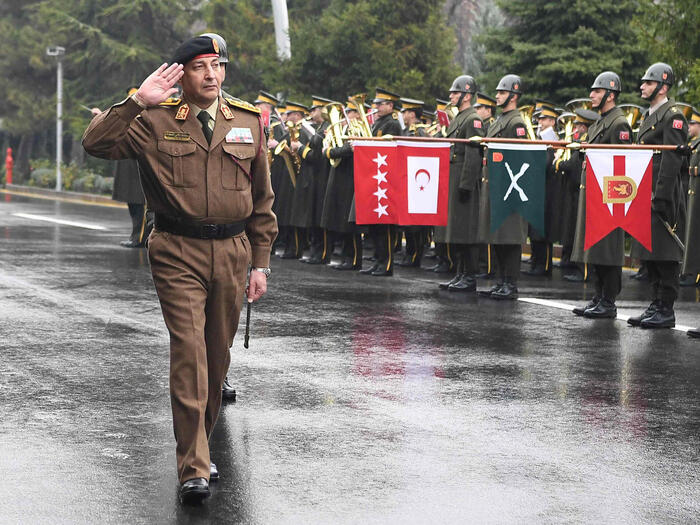
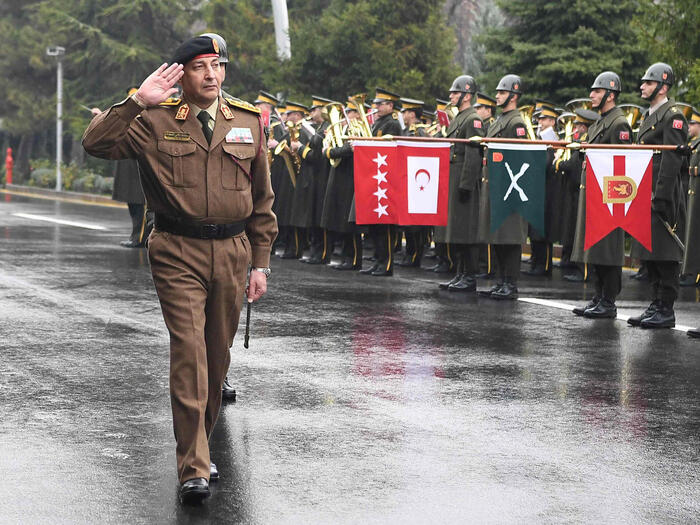
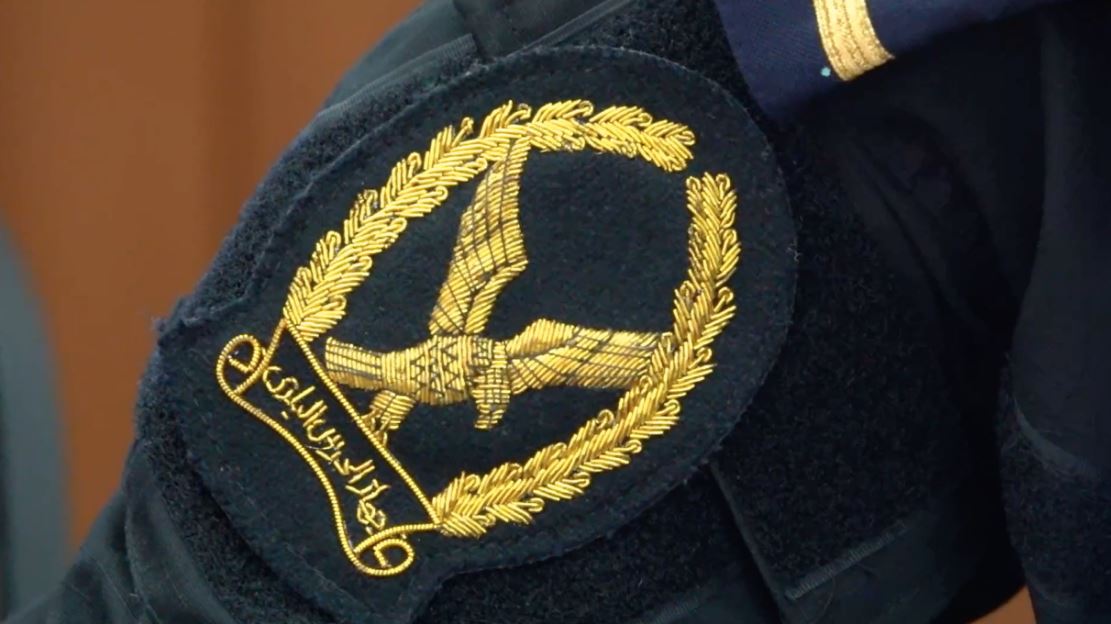
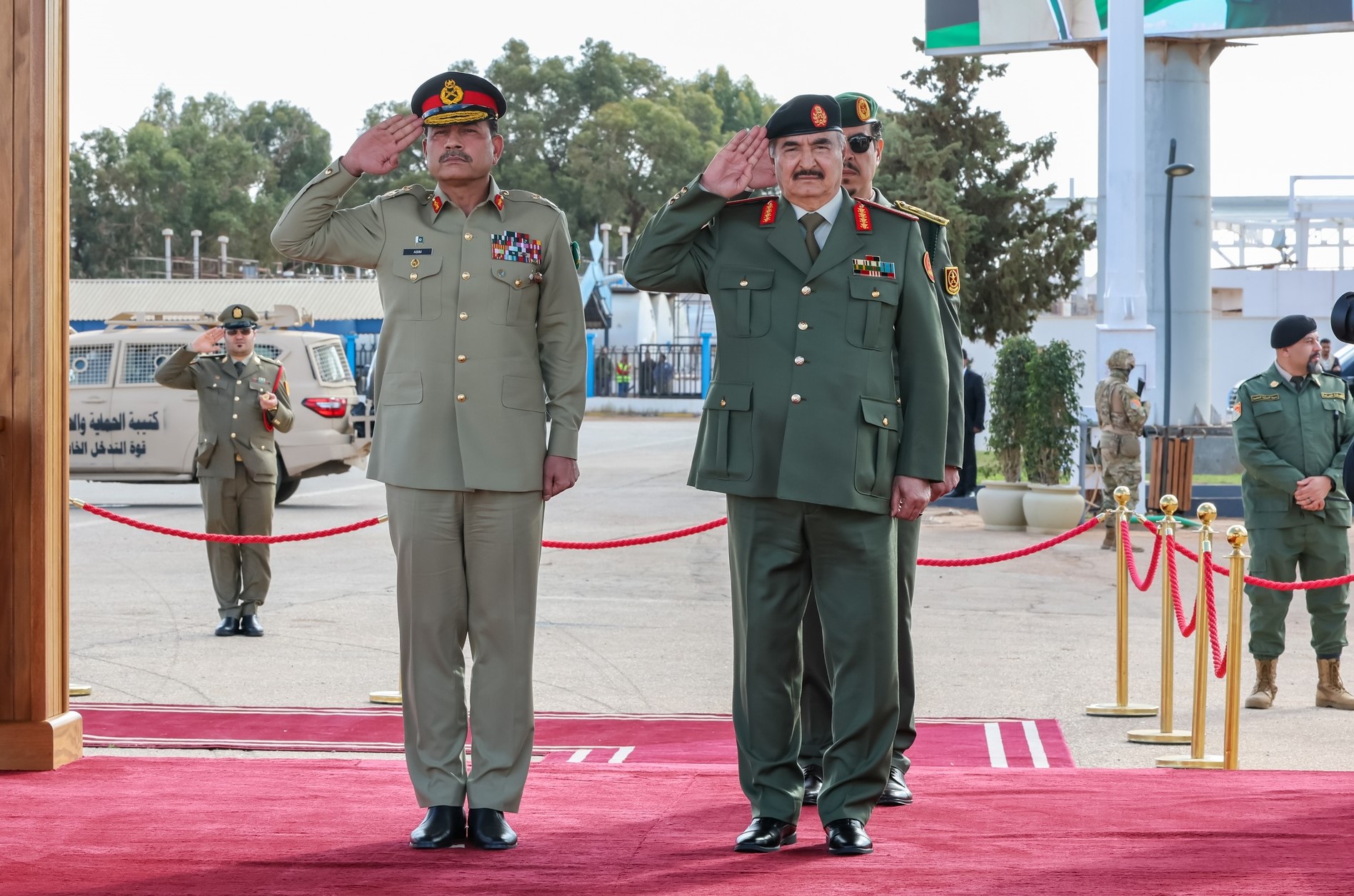
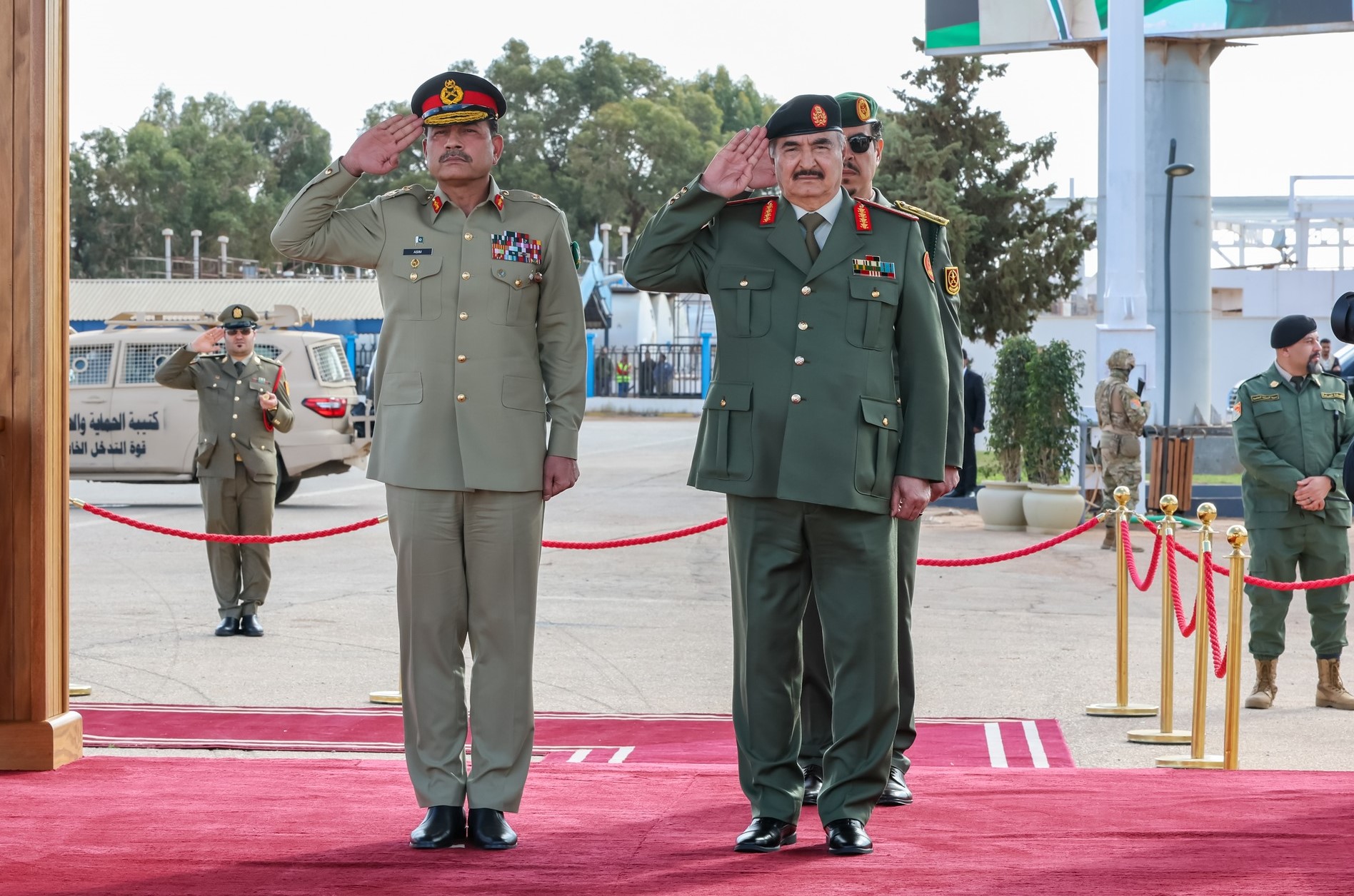
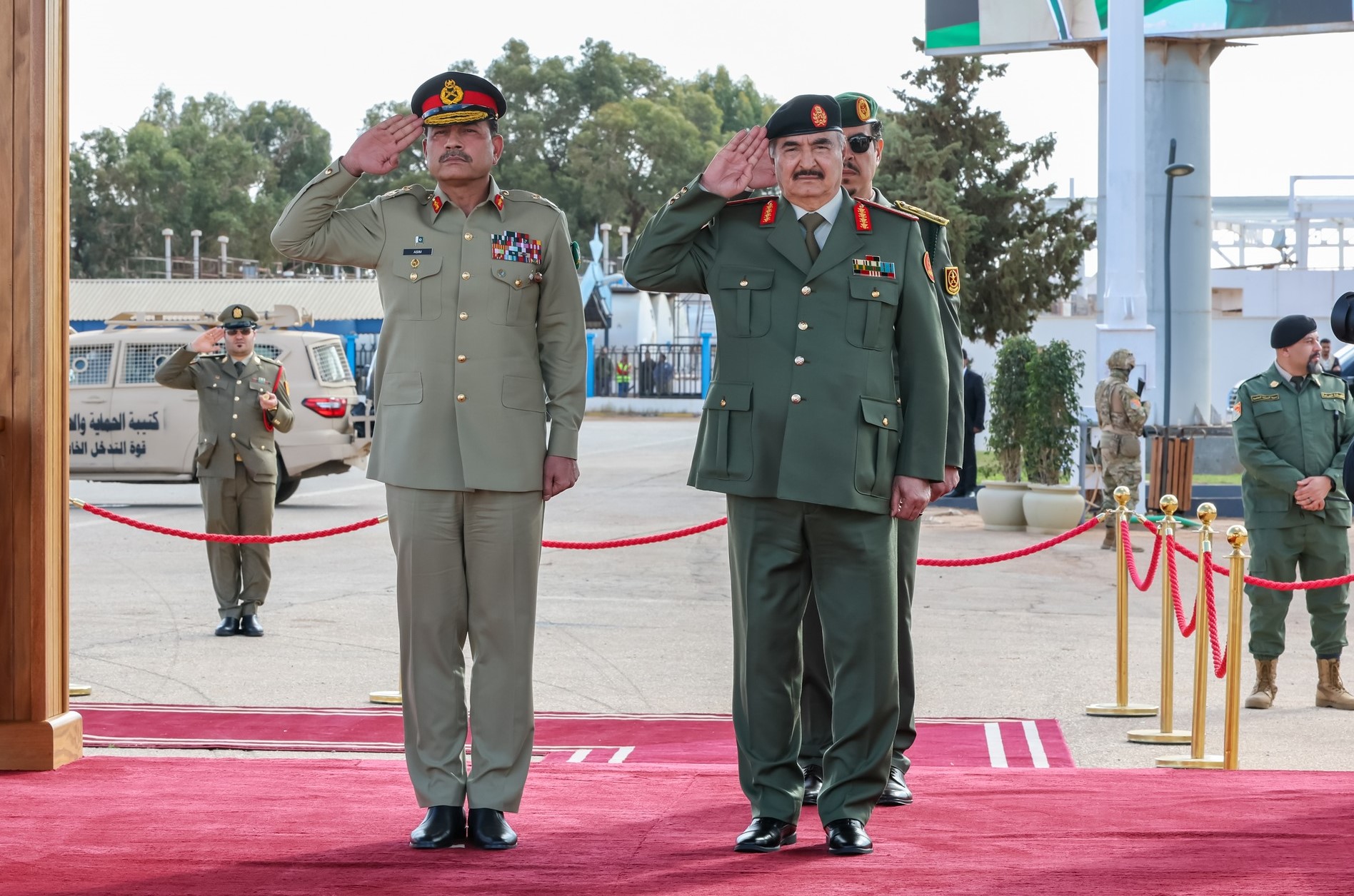
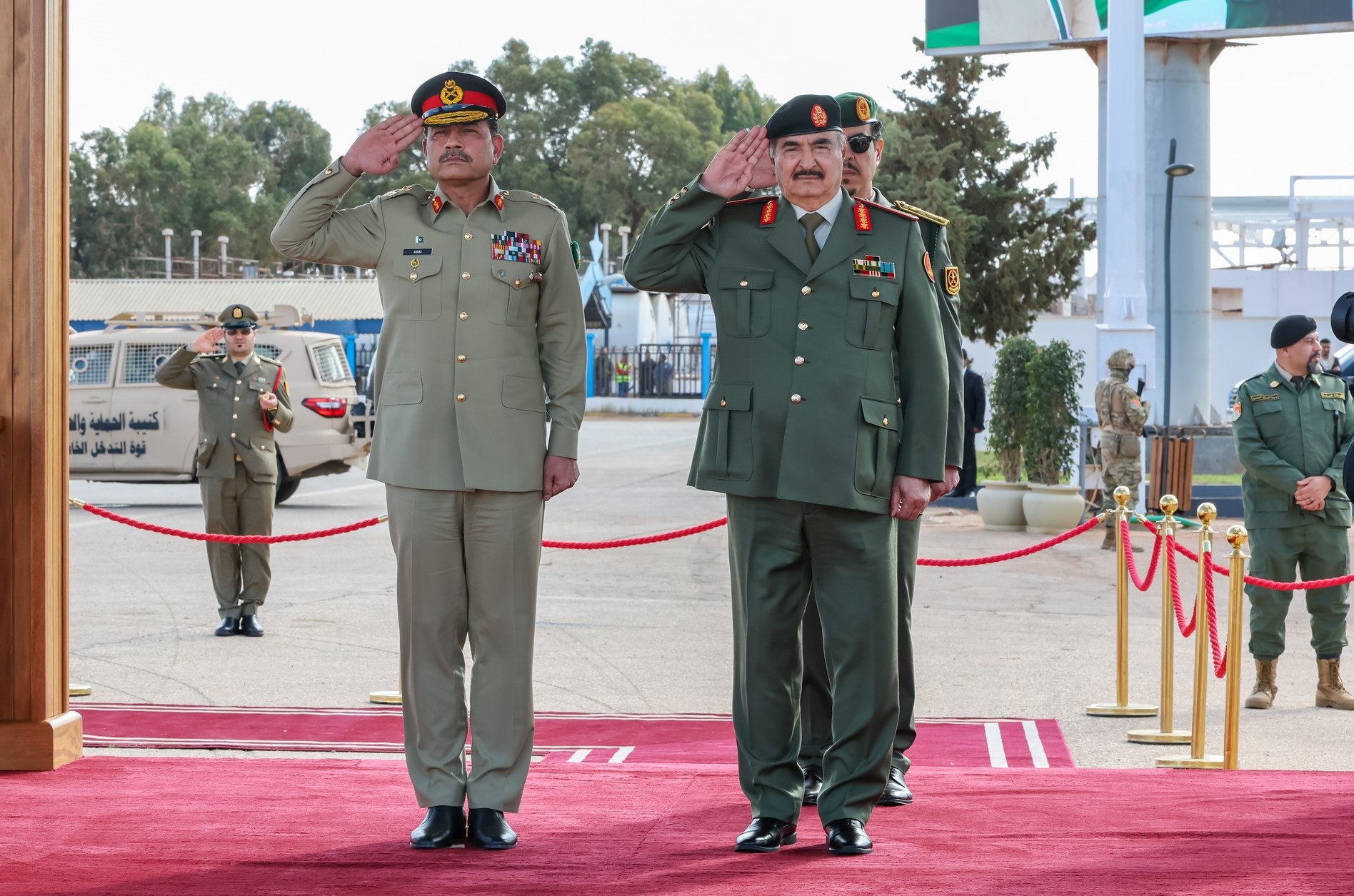
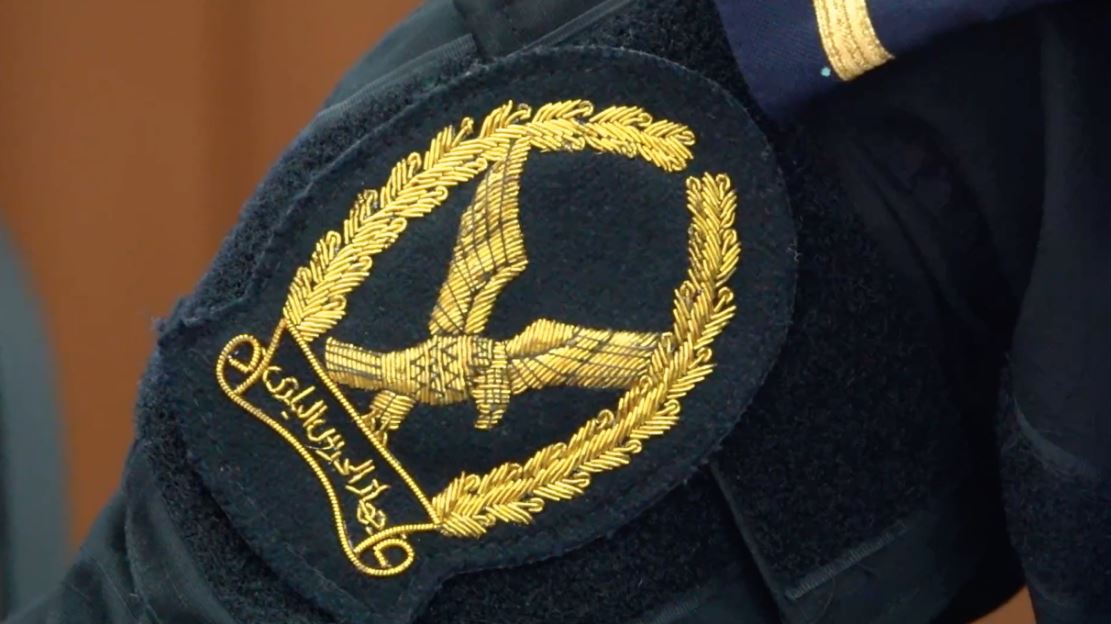
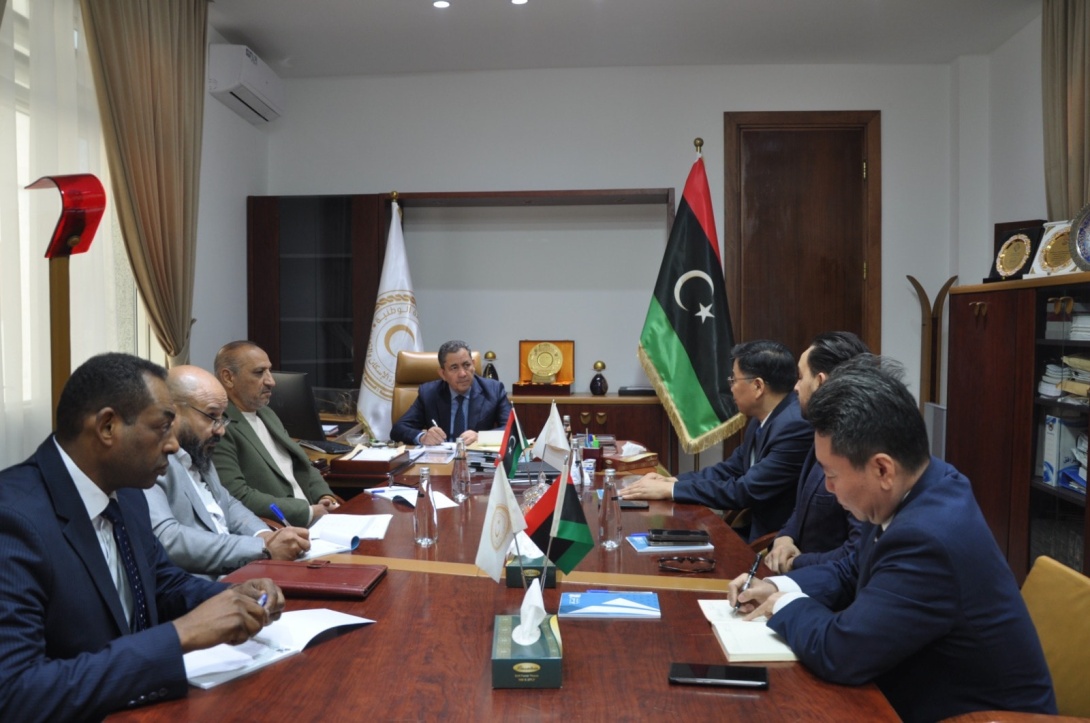
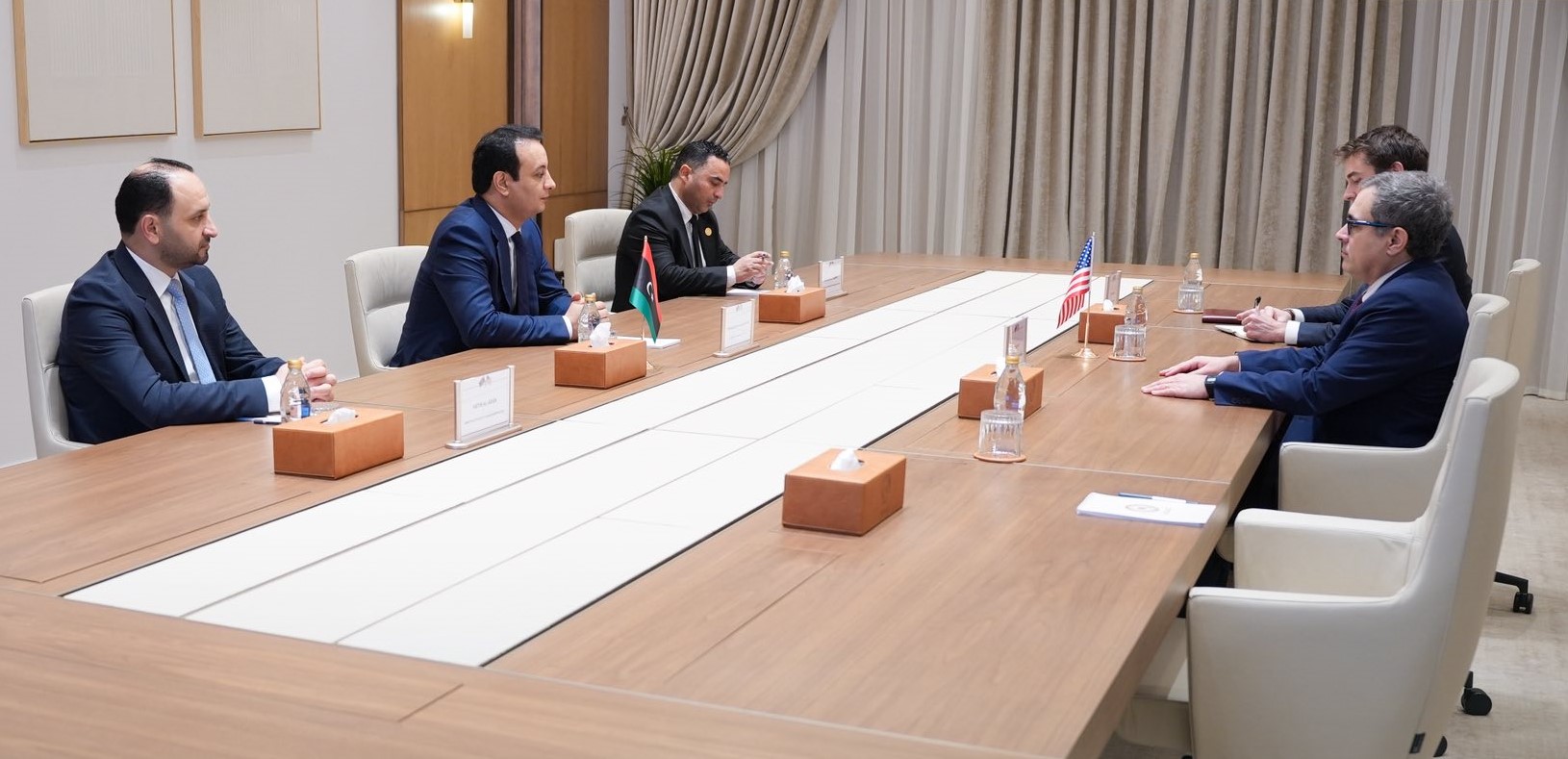
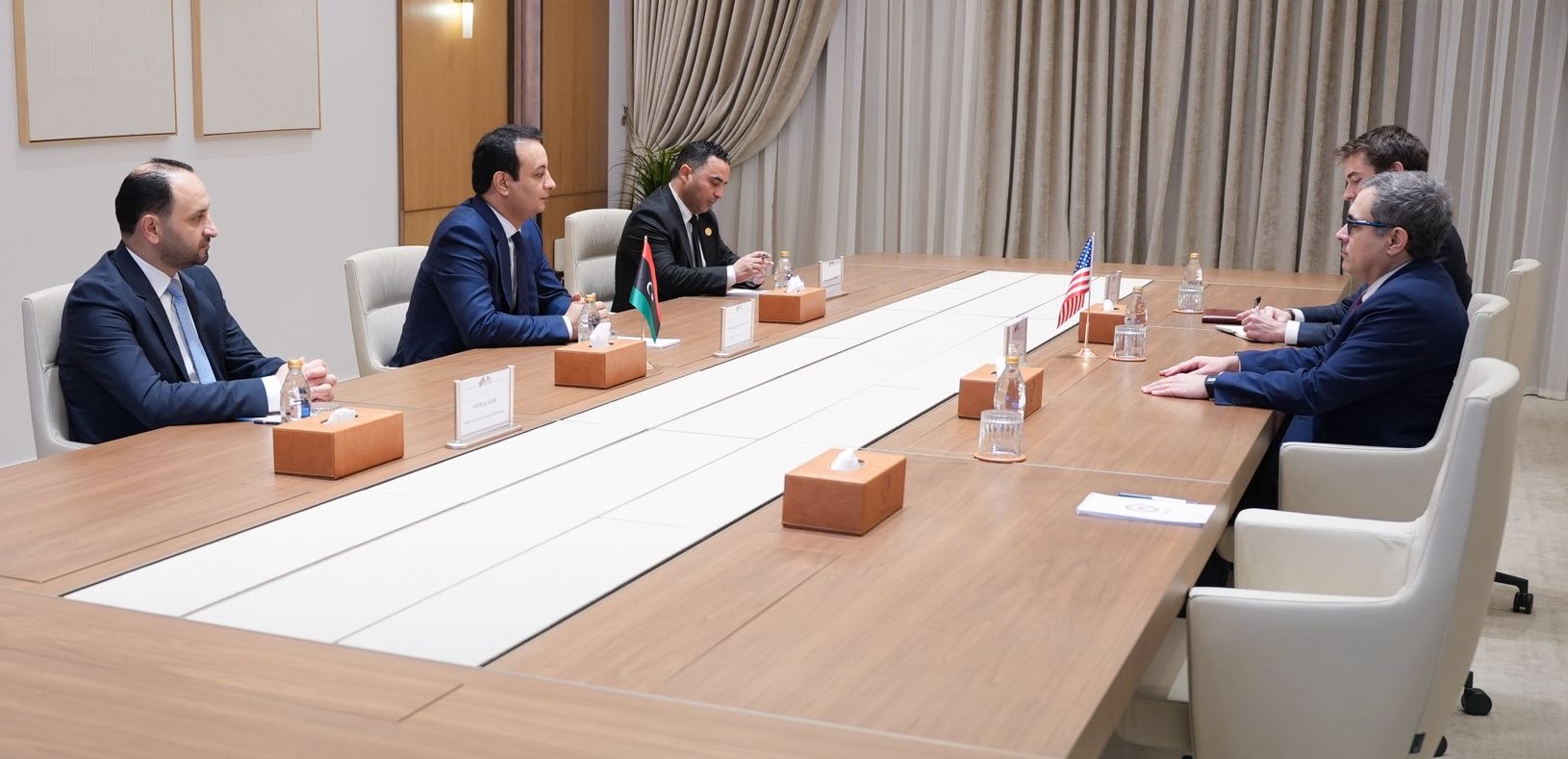
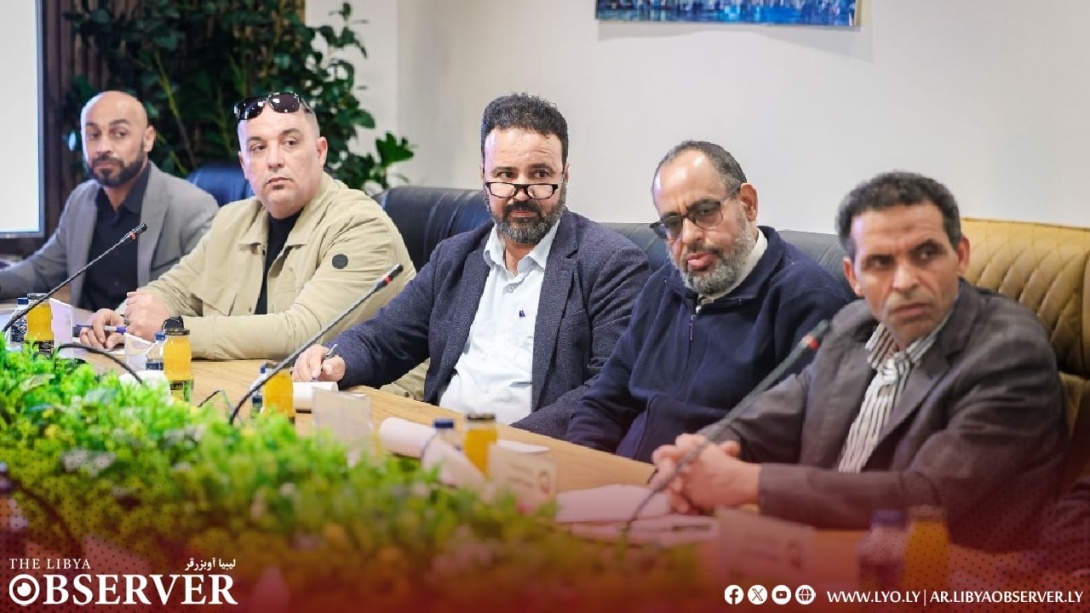
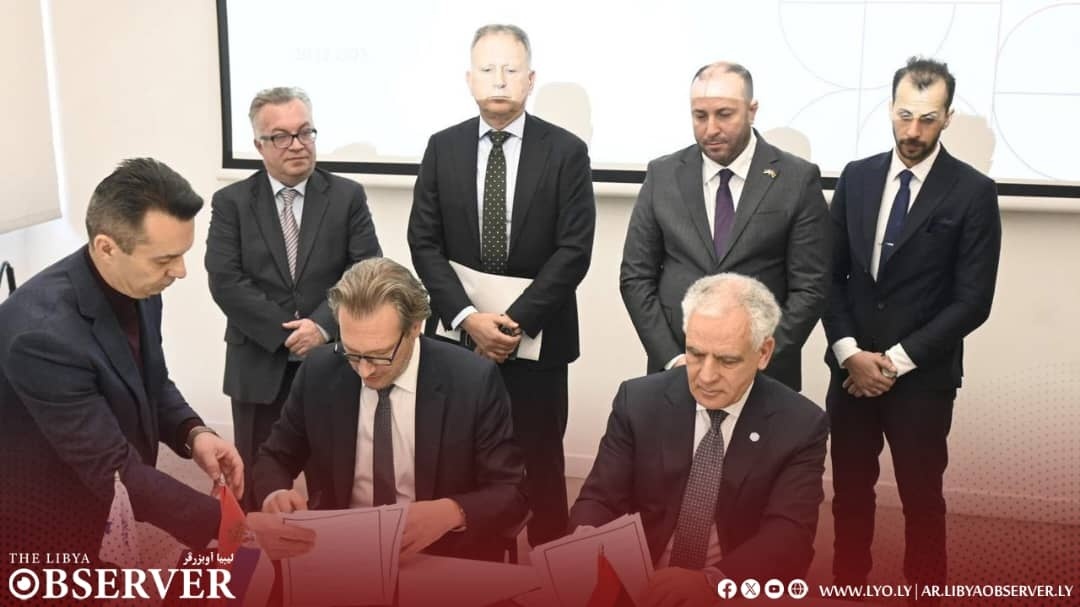
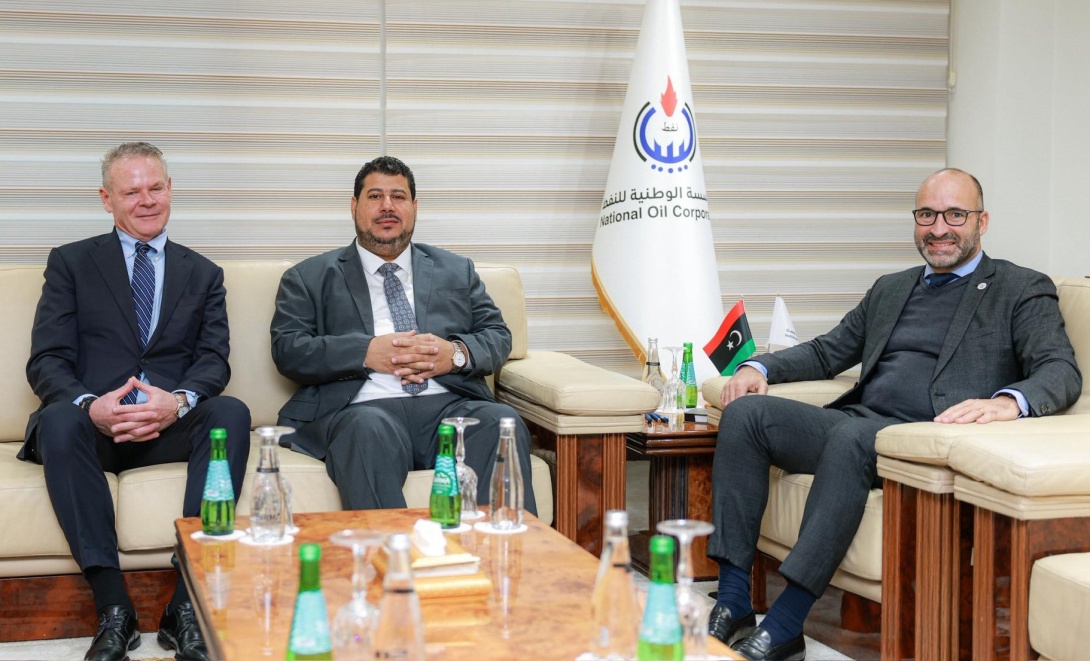
Tripoli, February 6, 2026 – A coordination meeting for officers was held at the Permanent Garrison Camp of the First Border Sector, under the Border Guard and Vital Objectives Command, on the occasion of the graduation of a regular military personnel course specializing in field artillery.
The course activities culminated with the graduates executing a technical firing project using field artillery, demonstrating a high level of professionalism and precision in performance, reflecting the knowledge and skills acquired during the training period.
This course is part of a series of training programs aimed at enhancing the readiness of the Libyan army and improving the efficiency of officers in various field specializations, including artillery, border defense, and the protection of vital objectives.
…
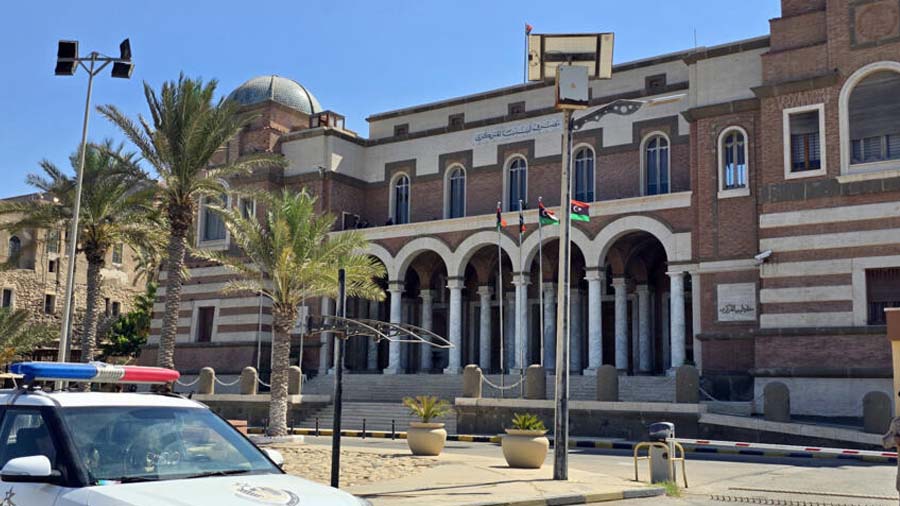
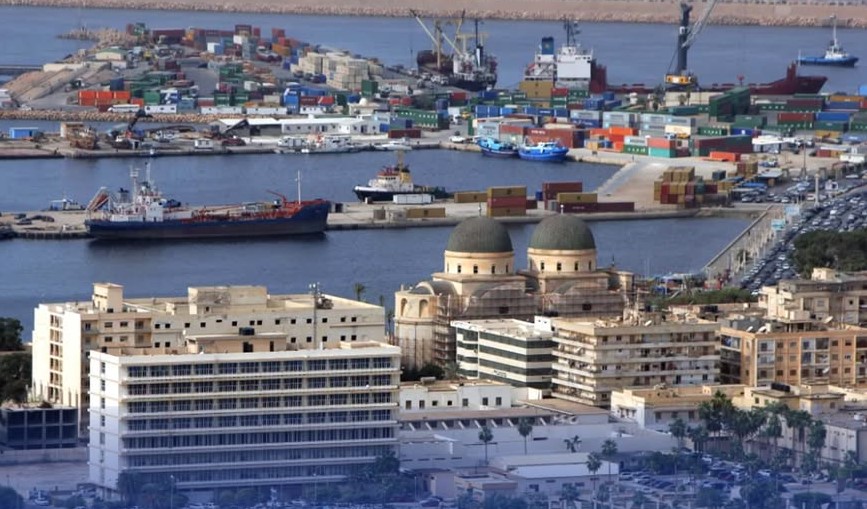
Tripoli
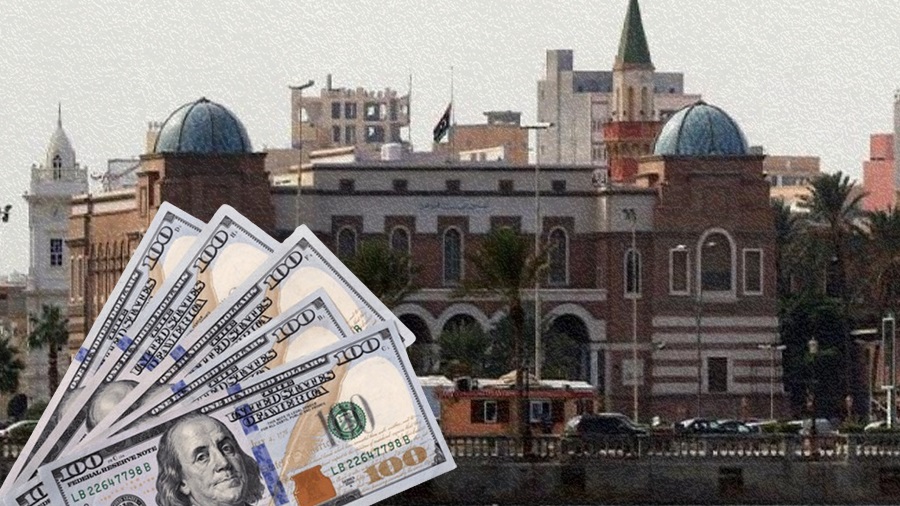
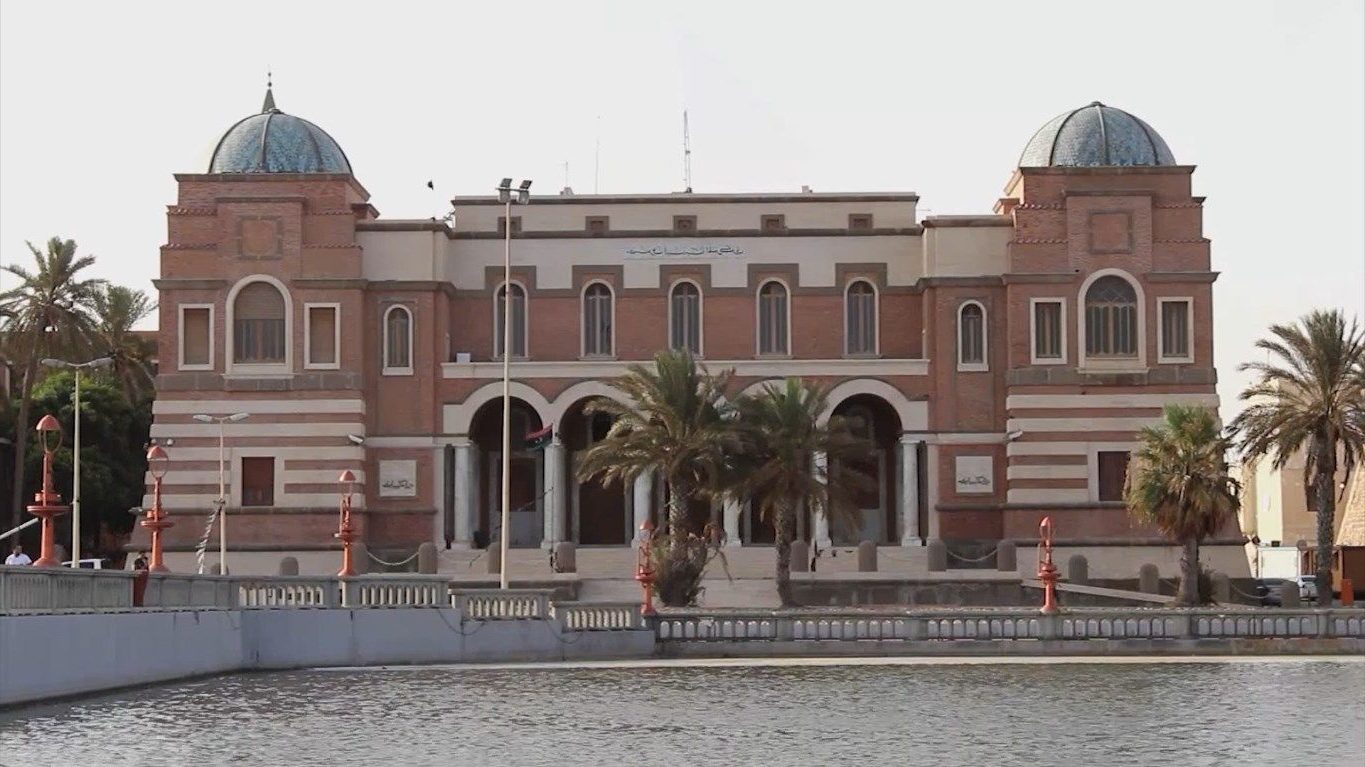
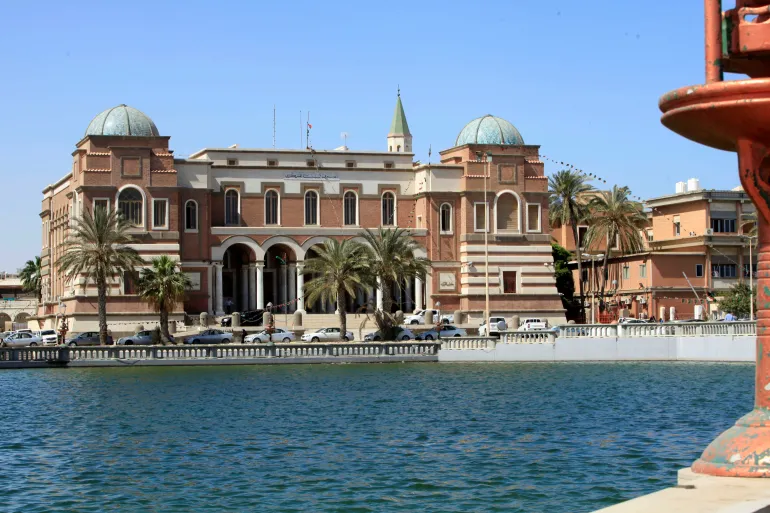
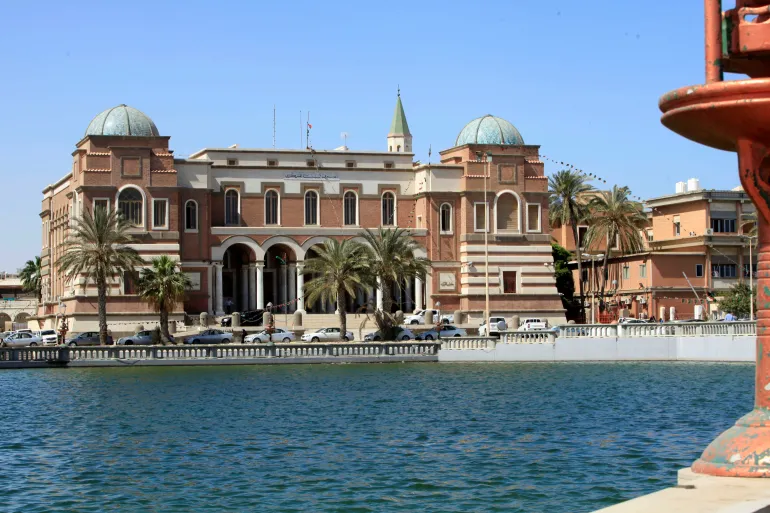
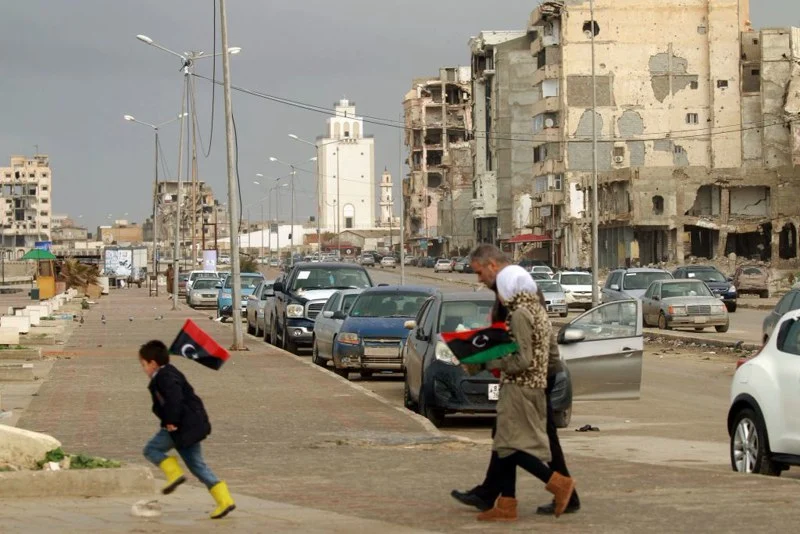
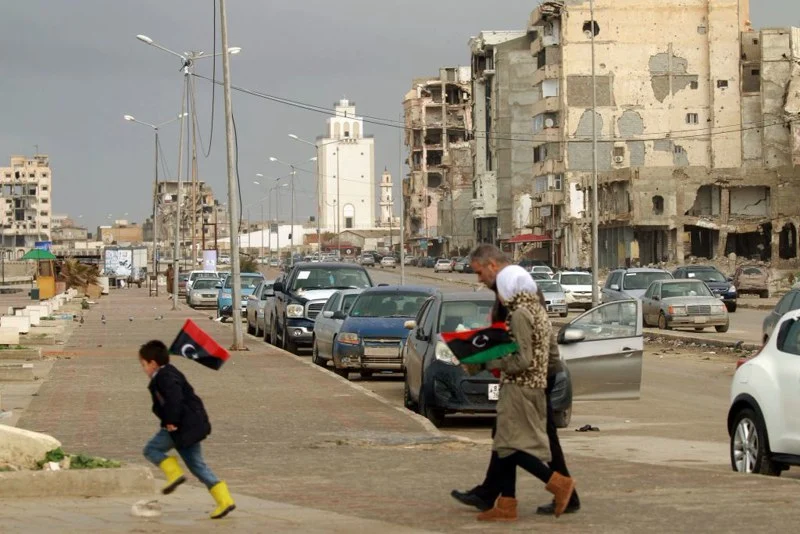
Tripoli is the capital and largest city of Libya, located on the country’s Mediterranean coast. Historically, it was founded by the Phoenicians in the 7th century BC and has since been ruled by the Romans, Arabs, Ottomans, and Italians, which is reflected in its diverse architecture like the ancient Red Castle (Assaraya al-Hamra).
Permanent Garrison Camp
The Permanent Garrison Camp is a historical military installation in Gibraltar, originally established by the British in the 18th century following the territory’s capture in 1704. It served as a key strategic base for the British Army and Royal Navy for centuries, playing a central role in the defense and administration of the Rock of Gibraltar.
First Border Sector
The First Border Sector is a historical site in Vietnam, originally established as a military command post during the First Indochina War. It served as a crucial base for Vietnamese revolutionary forces and is preserved today as a museum commemorating the region’s resistance history.
Border Guard and Vital Objectives Command
The Border Guard and Vital Objectives Command is a specialized unit within the Iranian Islamic Revolutionary Guard Corps (IRGC) responsible for securing Iran’s borders and protecting critical national infrastructure. It was established following the Iran-Iraq War to consolidate border security and safeguard key economic and military sites from threats.
Libyan army
The Libyan army, formally known as the Libyan Arab Armed Forces, was established after Libya gained independence in 1951. Following the 2011 civil war and the fall of Muammar Gaddafi’s government, the army fragmented, with rival factions now claiming legitimacy and control over different parts of the country.